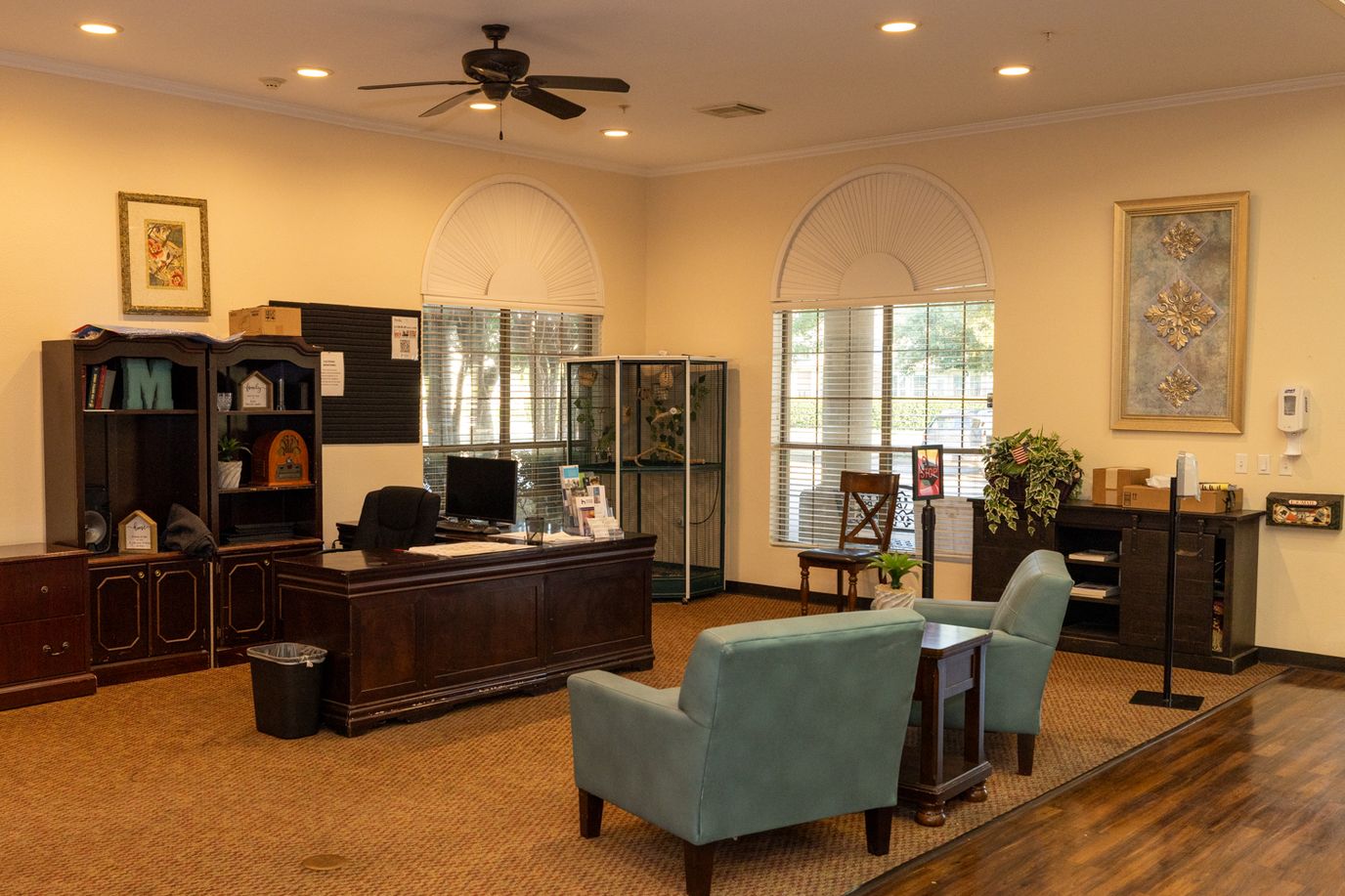
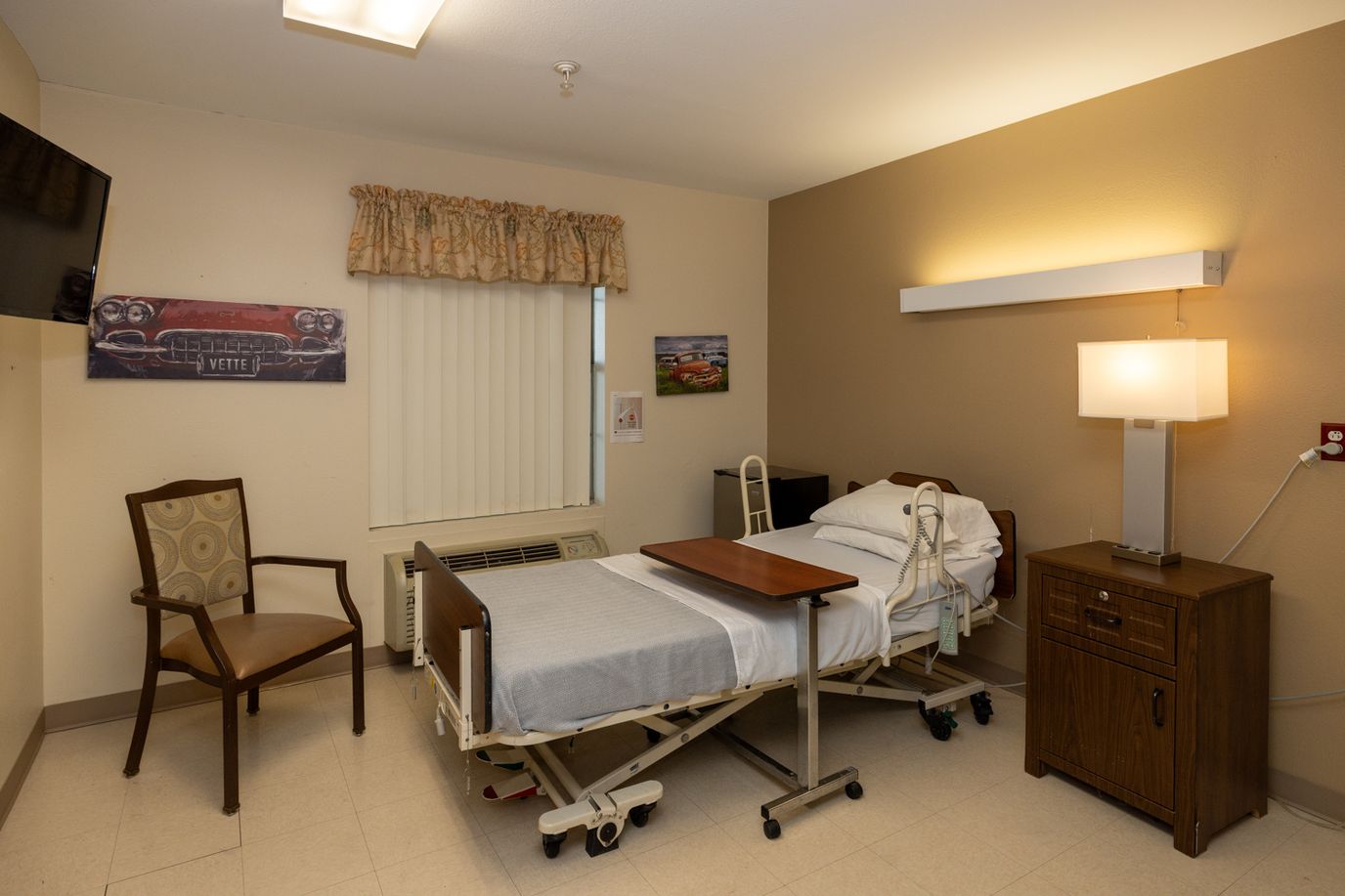
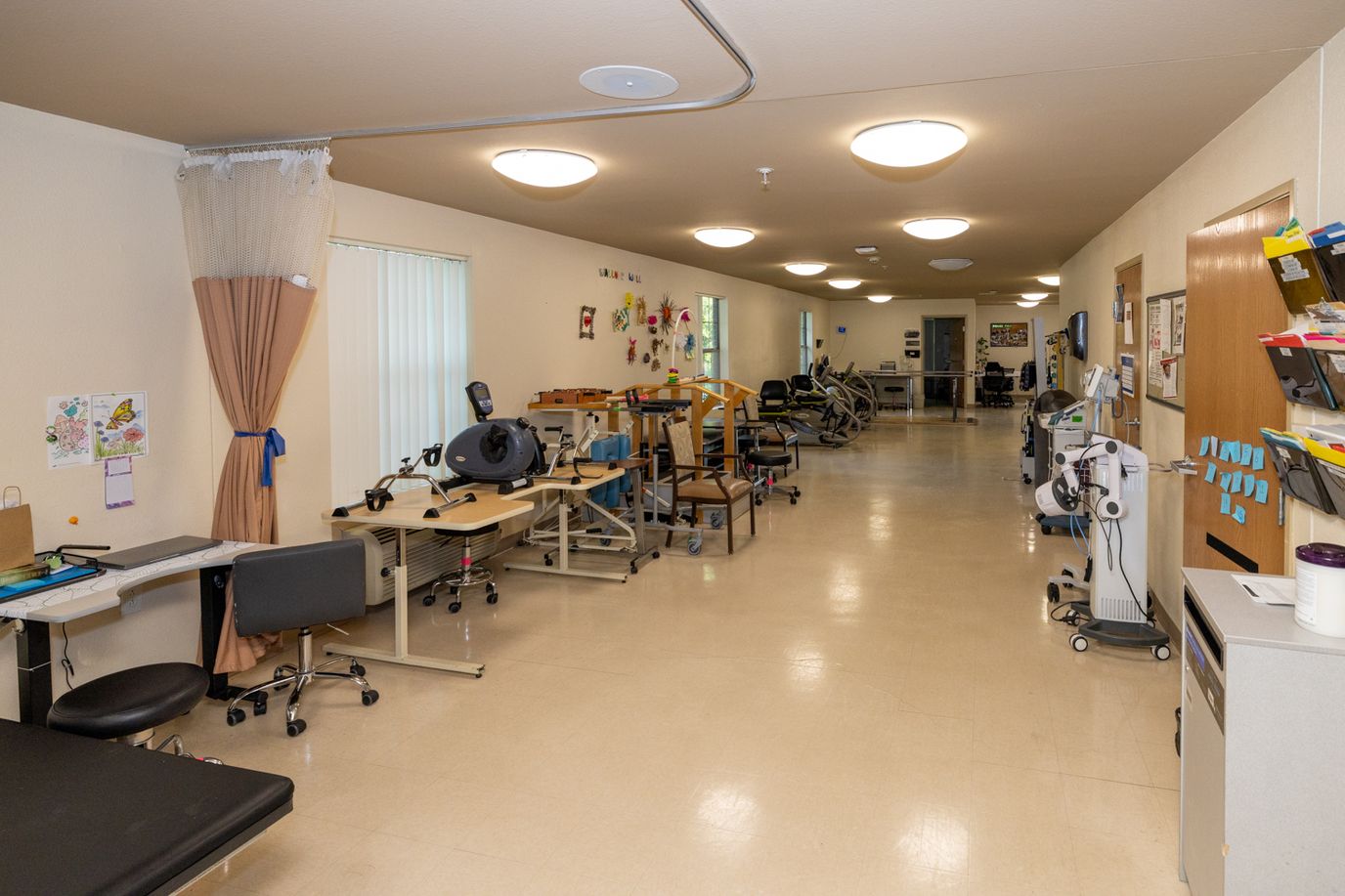
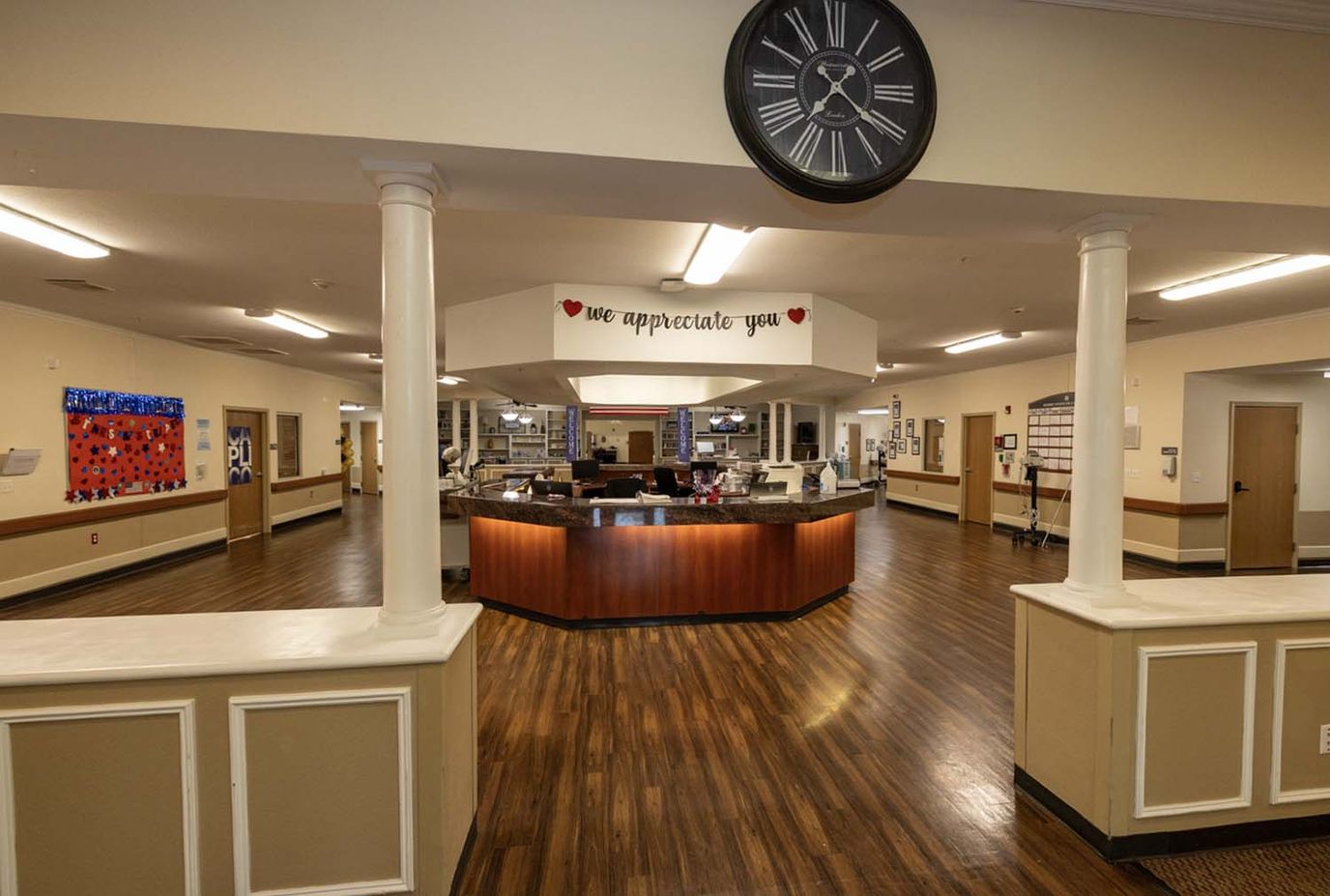
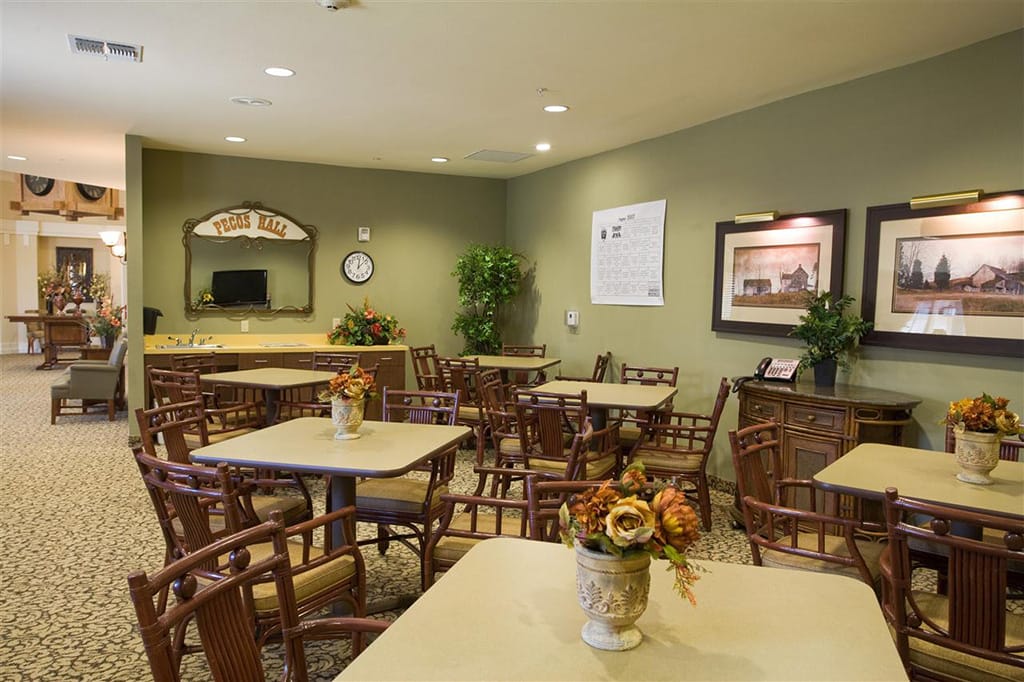
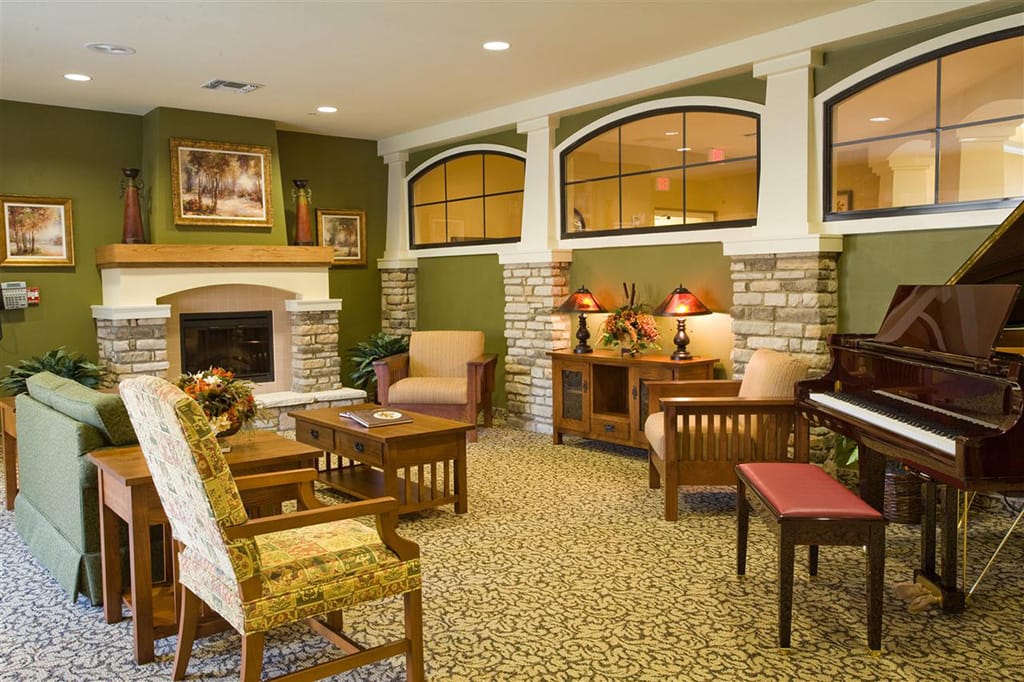
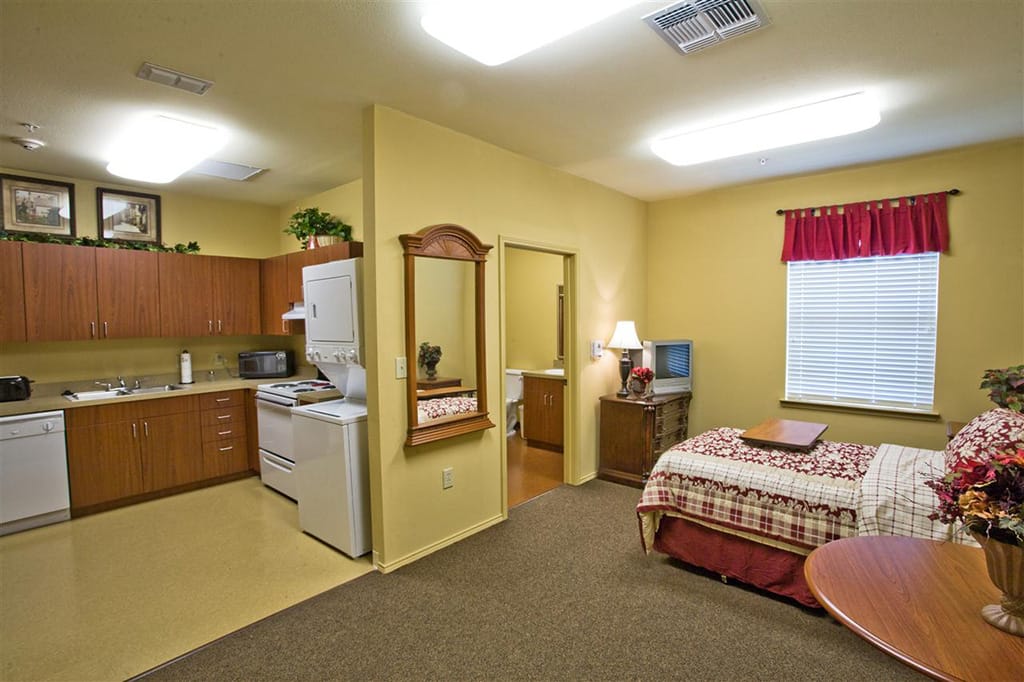
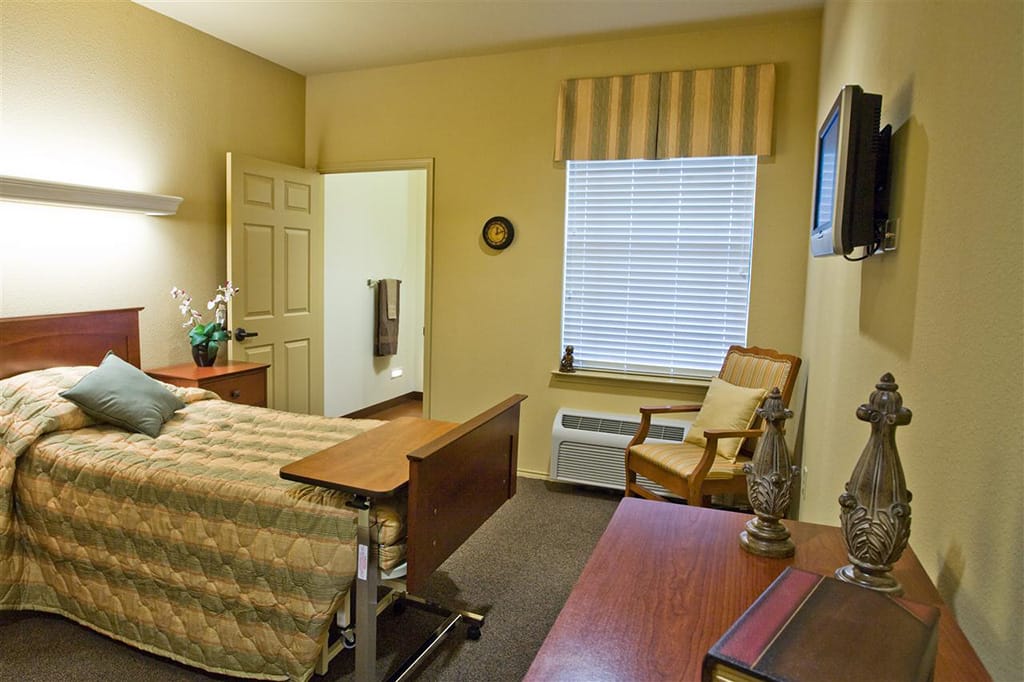
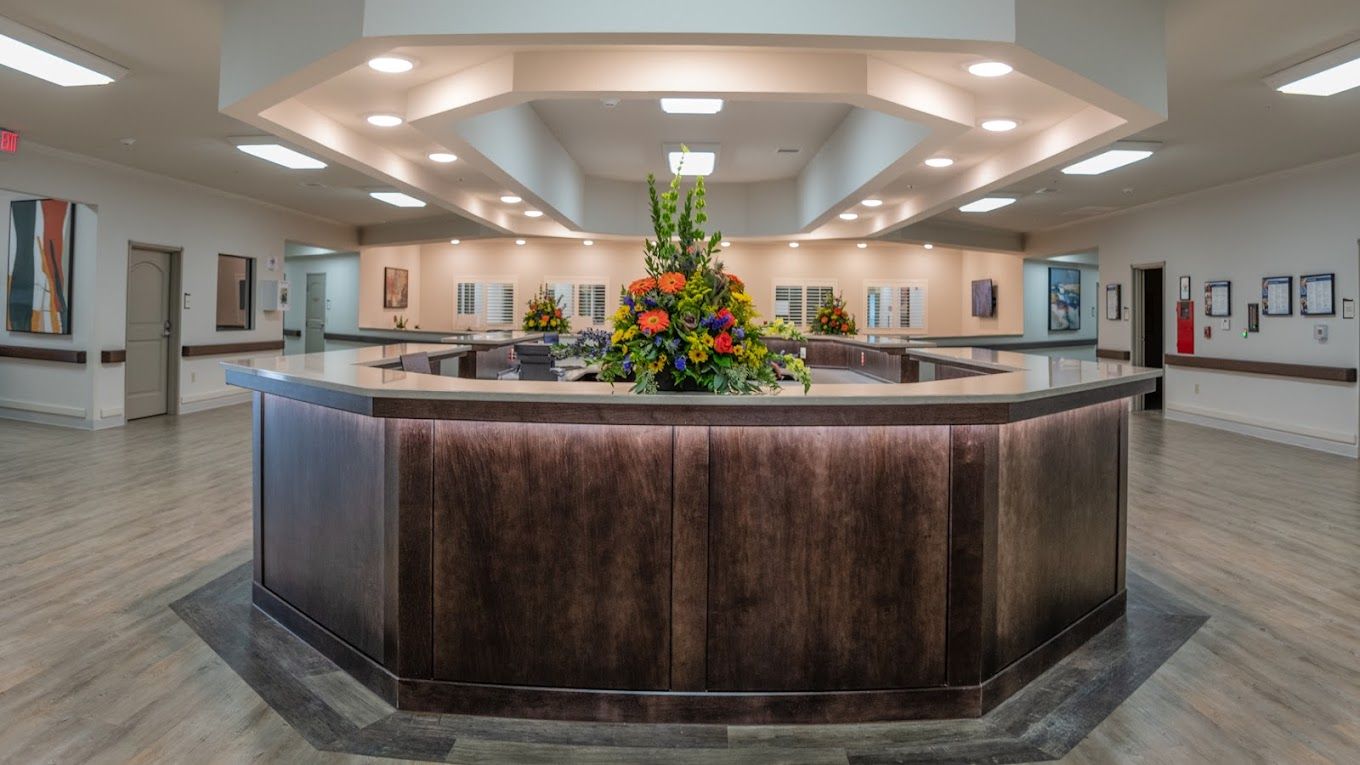
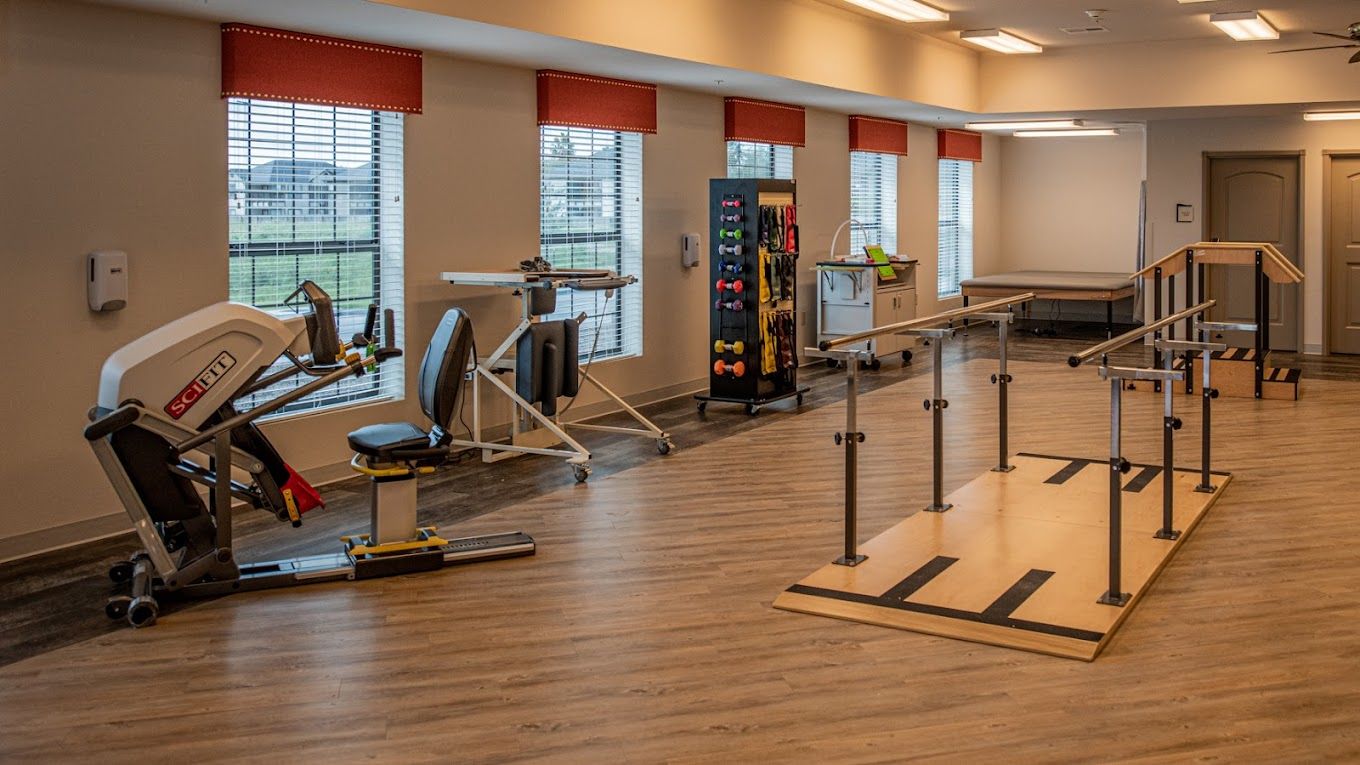
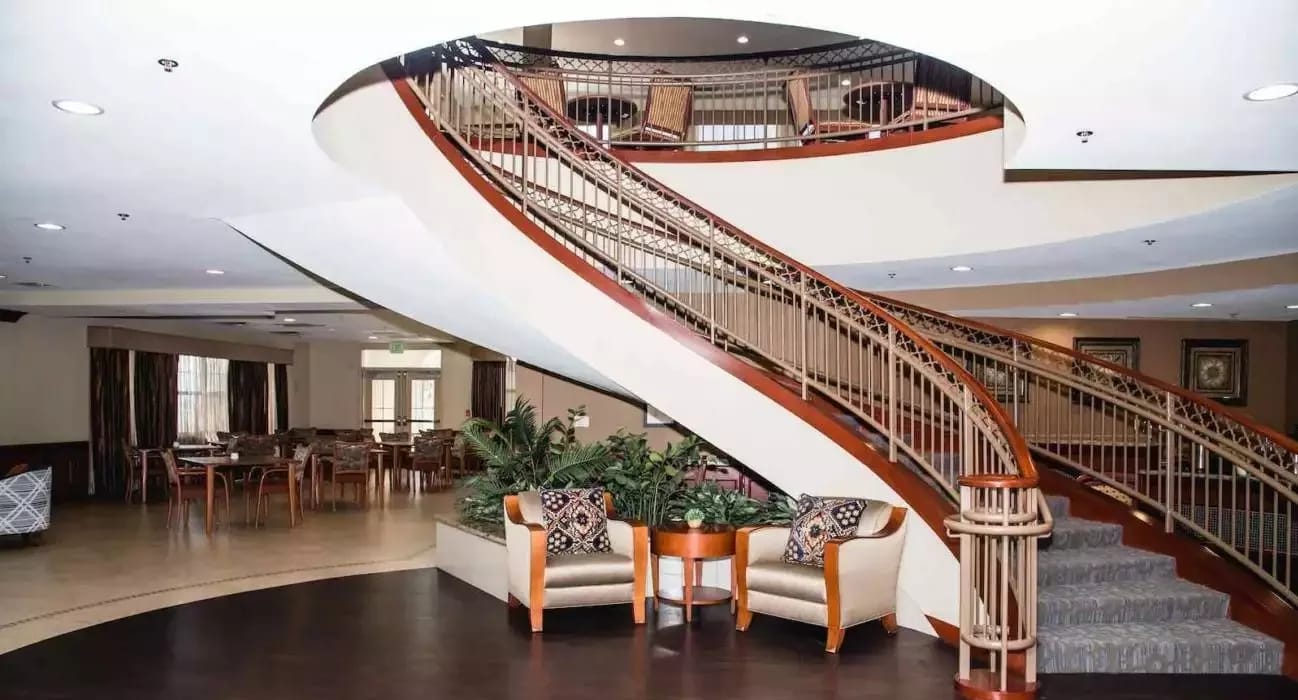
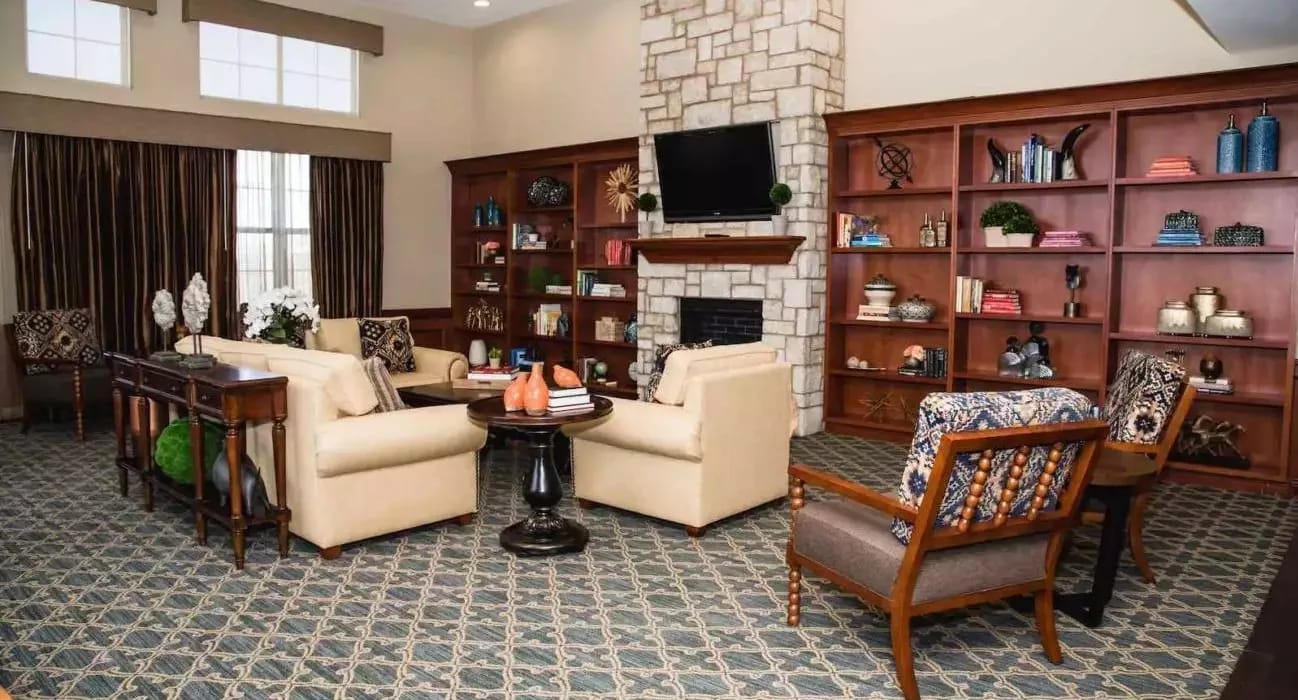
We arrange tours, appointments, and even moving support so you don’t have to
2
Ranked on Data, Not Dollars
We rank communities on objective measures like inspection records, quality scores, and care data, so you can find trusted options without the guesswork.
3
Personalized Guidance
From lifestyle matching to help with insurance and financial assistance, we make sure the community is the right fit
Explore Open Rooms
1Contact details
2What type of senior care service are you looking for?
3What budget do you have in mind for senior care?
4How soon do you need to find care?
5Additional details
Thank you for your interest!
A member of our team will be in touch by phone or email shortly to help with next steps.
Why trust this guide?
Our editorial team analyzed 250 nursing homes in TX using CMS data, inspection records, complaints, amenities, and facility-level details. How we rank nursing homes in TX
Info below is compiled from CMS reports & the TX Health & Human Services Commission (HHSC), senior community websites & trusted data sources such as Walk Score & BBB.
Communities are listed from highest-ranked to lowest-ranked based on our methodology.
The facility name. Click to view the full profile page on Assisted Living Magazine, including photos, services, and contact info.
CMS (Centers for Medicare & Medicaid Services, the federal agency that regulates nursing homes) Overall 5-star rating — a composite of Health Inspection, Staffing, and Quality Measures scores. 5 stars = top 10% nationally. 1 star = bottom 10%. The single most important number to start with when comparing facilities.
Care Types in This TableAL (Assisted Living):
Housing with help for daily activities like bathing, dressing, and medication, without 24-hour skilled nursing.
NH (Nursing Home):
24/7 skilled nursing care for residents with complex, ongoing medical needs.
SNF (Skilled Nursing Facility):
Round-the-clock nursing care, often for recovery after surgery, injury, or illness.
MC (Memory Care):
Secured, specialized care for people living with Alzheimer's or dementia.
RC (Respite Care):
Short-term temporary care that gives family caregivers a break.
IL (Independent Living):
Community living with dining, activities, and transportation for active seniors who need little personal care.
HC (Home Care):
Professional care delivered in the person's own home, from companionship to skilled nursing.
HOS (Hospice Care):
Comfort-focused care for those with a terminal illness, prioritizing quality of life over treatment.
PC (Palliative Care):
Comfort-focused care for serious illness at any stage, including alongside curative treatment.
Neighborhood or city area where the facility is located. Proximity to family, hospitals, and green space matters for both quality of life and ease of visitation. Consider drive time and transit access when evaluating location.
Licensed bed capacity. Larger facilities (300+ beds) often have more specialized programs but can feel institutional. Smaller homes (under 150 beds) tend to deliver more personalized care. Compare with Avg Res/Day to understand how full the facility typically runs.
A 0–100 score of a facility's regulatory inspection record, shown as a letter and compared with other facilities of the same kind in the same state. This is a proprietary Assisted Living Magazine grade. It is not a government rating. A dash means we have no inspection data for that facility.
Percentage of licensed beds filled on an average day. Color indicates financial health: green (90%+) = operationally strong, typically profitable. Amber (80–89%) = stable but leaving revenue on the table. Orange (70–79%) = financial strain likely, may struggle with fixed costs. Red (
This facility's occupancy rate compared to the statewide average for similar facilities. A positive number means above-average demand. Facilities running 5%+ above the state average are typically the most sought-after in their market — a strong proxy for reputation.
CMS-adjusted total nurse hours per resident per day (RN + LPN + CNA combined). The national average is approximately 3.5 hrs. Higher is better — more direct care time per resident. Below 3.0 is a red flag. CMS weights RN hours more heavily because RNs handle complex clinical decisions that CNAs cannot.
CMS Health Inspection star rating (1–5 stars), based on the 3 most recent annual state surveys plus any complaint investigations. This is the hardest rating to manipulate — it reflects real surveyor findings on-site. 5 stars = fewest deficiencies found. 1 star = most. It carries the heaviest weight in the Overall CMS rating.
CMS Staffing star rating (1–5 stars), based on daily nurse staffing hours submitted to CMS via verified payroll data. Compares RN, LPN, and CNA coverage relative to resident acuity level. 5 stars = well above expected staffing. Weekend staffing is evaluated separately, as that's where many facilities quietly reduce coverage.
CMS Quality Measures star rating (1–5 stars), based on 15 clinical outcome metrics including fall rates, pressure ulcers, antipsychotic drug use, and hospital readmissions. Captures actual resident health outcomes, not just compliance. High QM combined with low Health Inspection scores can indicate a facility with strong care but weak documentation practices.
Registered Nurse hours per resident/day compared to the statewide average. RNs are the highest-skilled nursing staff — they assess residents, manage medications, and respond to emergencies. A value of +50% means RN coverage is 50% above the state norm. Negative values are a concern for residents with complex or acute medical needs.
Total nursing staff hours (RN + LPN + CNA combined) per resident/day vs. the statewide average. A broader measure than RN vs State — it captures the entire care team. A facility can have high total staffing but low RN hours, meaning more aides and fewer nurses. Read both columns together for the full picture.
Total dollar amount of federal monetary fines (civil money penalties) issued by CMS in the past 3 years. Fines are only levied for serious violations — typically actual harm to residents, repeated uncorrected deficiencies, or systemic non-compliance. Even a single fine is noteworthy. Multiple fines strongly suggest a pattern, not isolated incidents.
Total health deficiency citations from the most recent standard inspection cycle. Minor citations (scope A–C) are common and often administrative in nature. Higher counts aren't always disqualifying, but should be read alongside Severe Citations to understand actual harm levels. Under 10 is strong for a large facility; 30+ warrants a closer look.
Average deficiency citations per CMS inspection (survey) in the reporting window — total citations divided by the number of inspections. Lower is better; compare alongside total Citations and Severe Citations for context.
Citations at CMS scope/severity level G or higher — G–I means actual harm occurred; J–L means residents were placed in immediate jeopardy. (D–F is potential for harm only). Examples include unaddressed falls, medication errors causing injury, neglect, or abuse.
Average number of residents in the building on any given day, derived from annual census data. Reflects true operating scale — a 400-bed facility running 200 residents/day operates very differently from one at 390. Higher resident counts generally mean more funded staffing hours.
Better Business Bureau rating (A+ to F). Reflects complaint history, business transparency, and how family disputes were resolved. A+ means no significant unresolved complaints. A blank (—) means the facility isn't BBB-accredited, which is common for healthcare providers and not necessarily a negative signal.
Walk Score® (0–100). Measures walkability of the surrounding area. 90–100 = Walker's Paradise. 70–89 = Very Walkable. 50–69 = Somewhat Walkable. Below 50 = Car-Dependent. Higher scores benefit family visitors, resident outings, and staff commuting.
The licensed owner or operator of record filed with CMS — the individual or organization legally accountable for the facility. Searching the operator name across other facilities can reveal chain or multi-site ownership, which matters: chain-operated homes tend to have more variable quality outcomes than independently run facilities.
What the home actually collects for resident care, after contractual allowances, bad debt and discounts — not gross billings. Taken from the latest complete annual cost report, so it is comparable across homes reporting the same period. Revenue alone doesn't indicate care quality, but it funds staffing and capital reinvestment. Pair with Payroll %. Figures are from each facility's most recent complete fiscal year — hover a value for the exact year; a * marks homes that report an older period than most facilities.
Staff salaries plus wage-related benefits from the latest complete annual cost report. Contract and agency labour is counted separately, under other operating costs, so a home leaning on agency staff can show a low figure here. Payroll is the cost most directly tied to care quality — compare with Payroll % for full context. Figures are from each facility's most recent complete fiscal year — hover a value for the exact year; a * marks homes that report an older period than most facilities.
Payroll as a share of NET PATIENT REVENUE (not gross revenue). Both figures come from the same cost-report year. A higher figure means more of each revenue dollar goes to staff pay. Read with the Staffing star rating to judge whether spend translates into coverage — and note that homes whose patient revenue covers only part of their operation can read implausibly high. The Texas average is: 68.8% Figures are from each facility's most recent complete fiscal year — hover a value for the exact year; a * marks homes that report an older period than most facilities.
CMS Certification Number: the unique federal identifier for this skilled nursing provider.
Rank badges are statewide and care-type specific: each nursing home is ranked against every other TX nursing home we track that reports that metric, not just the 250 on this page. See how we rank facilities
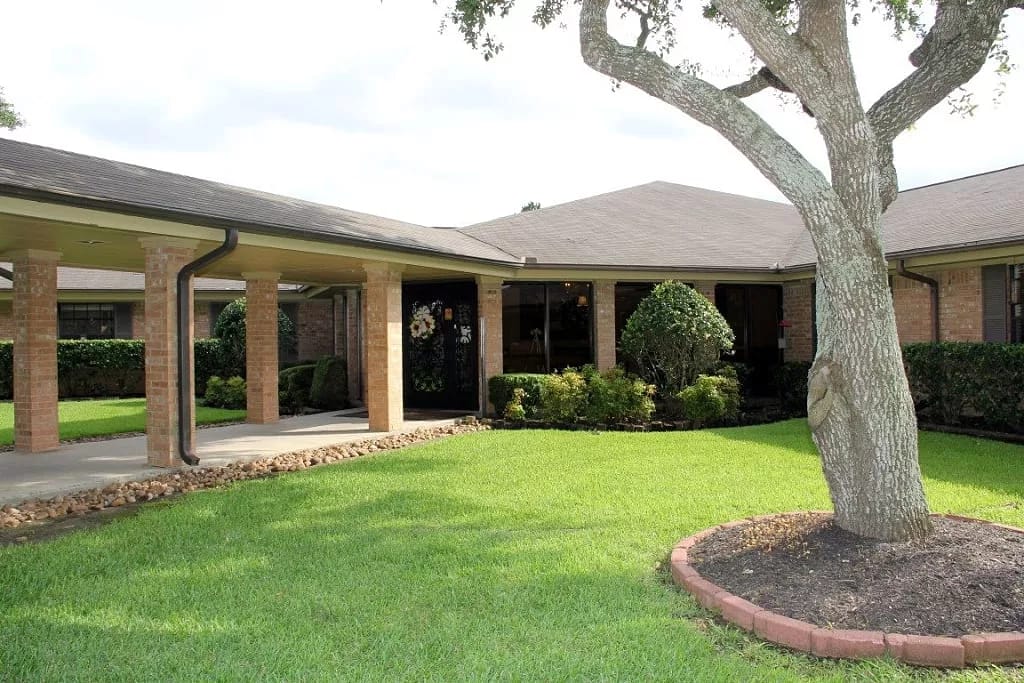
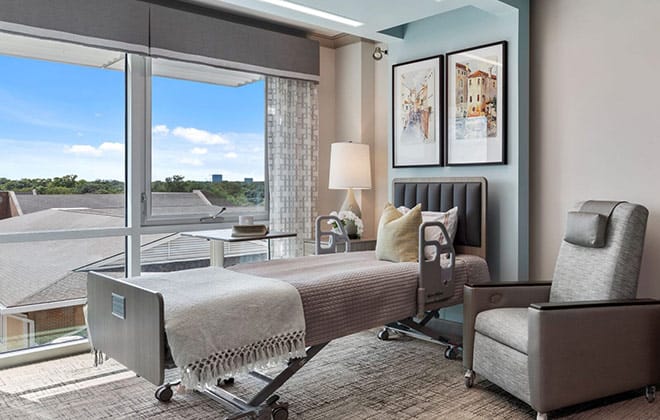
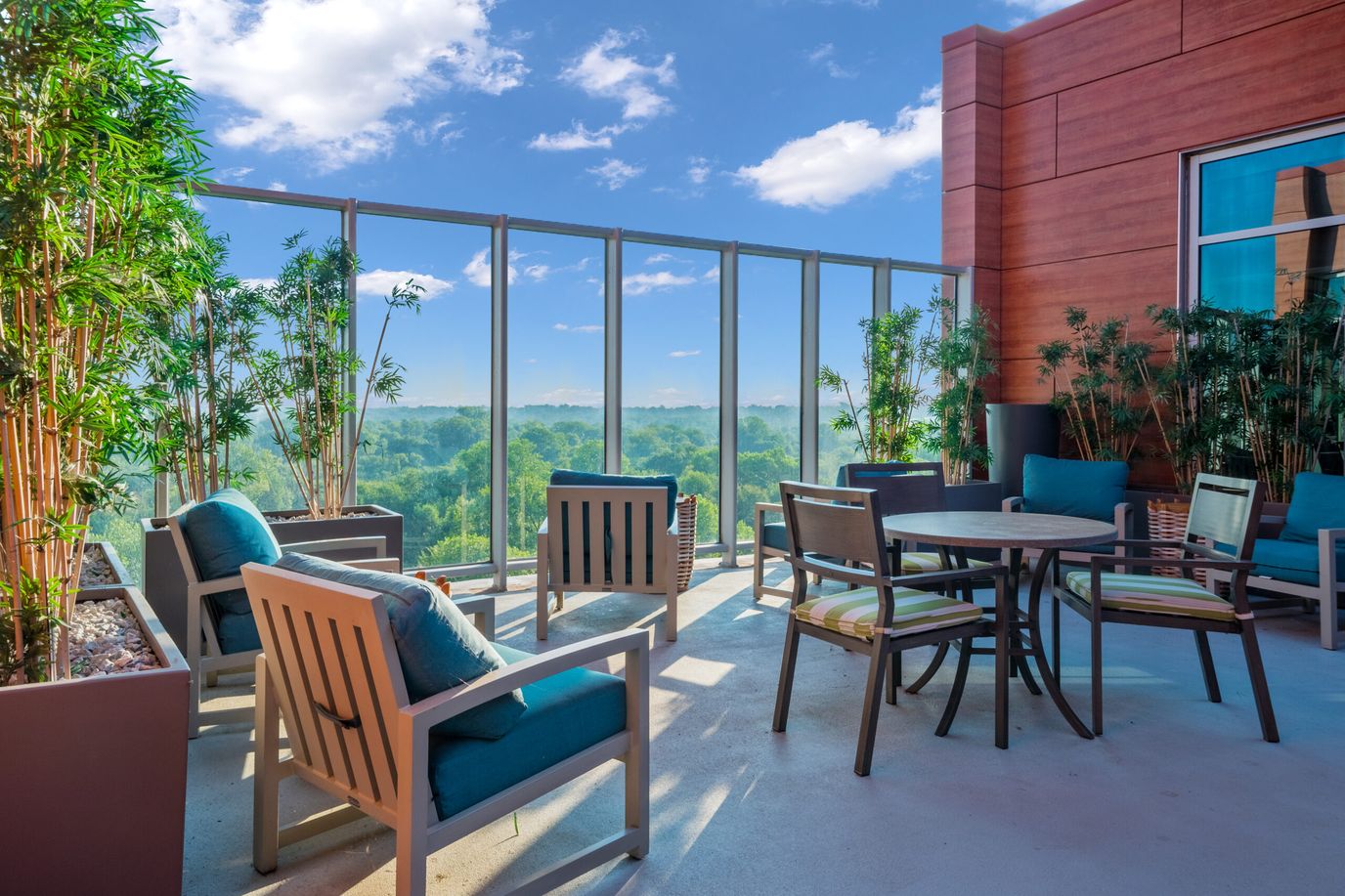
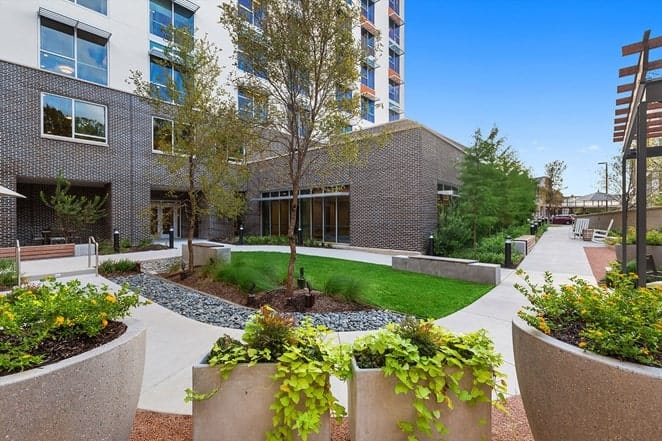
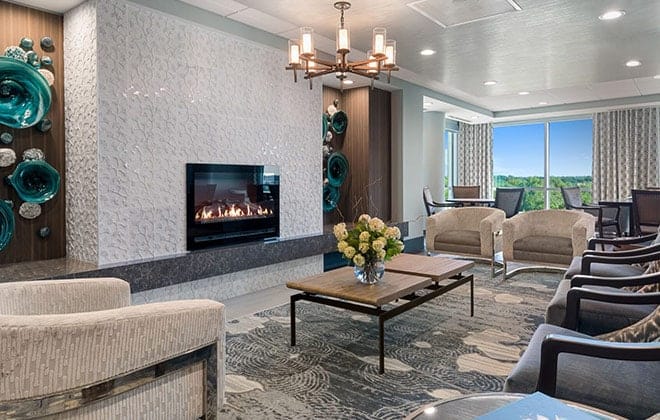
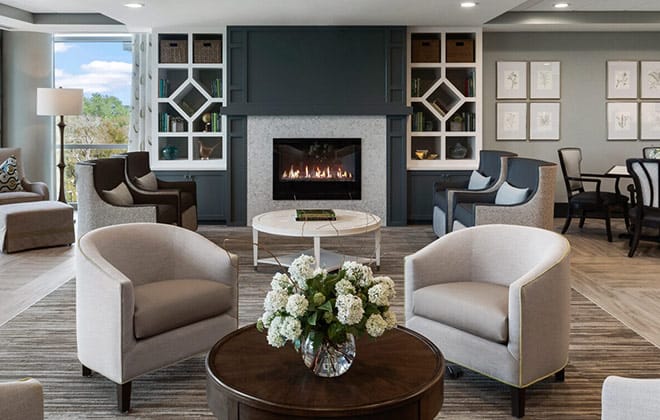
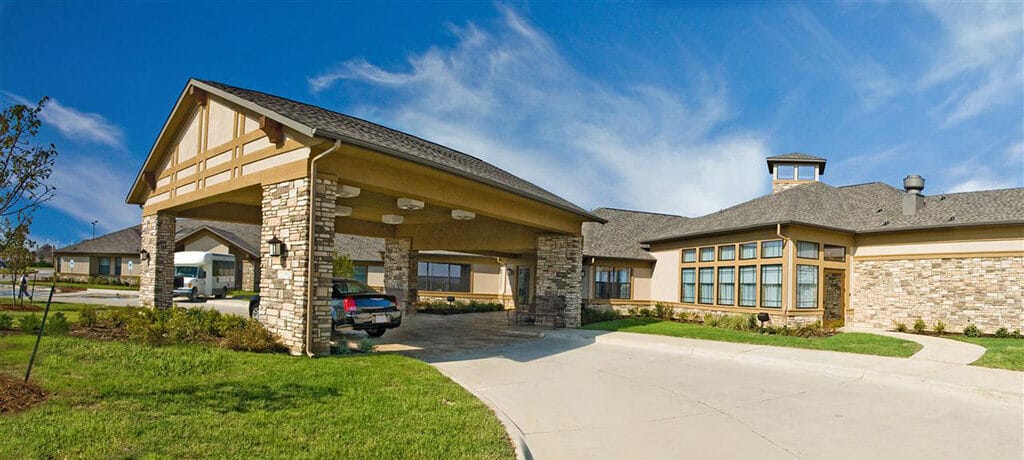
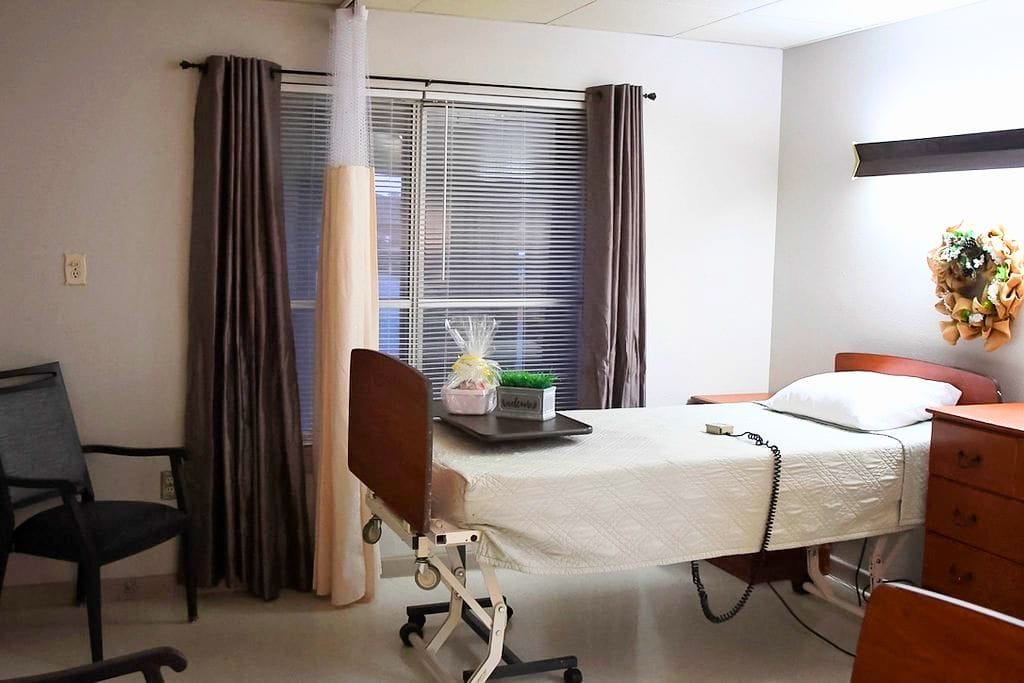
The Village at Gleannloch Farms in Spring, Texas, accommodates seniors across independent living, assisted living, memory care, respite stays, nursing home care, and skilled nursing. Independent living delivers private housing paired with community amenities, while assisted living provides personal aid for tasks such as bathing, dressing, and managing medication. Secured memory care units support residents living with cognitive needs, short-term respite stays offer temporary placement, and rehabilitation programs assist those in recovery.
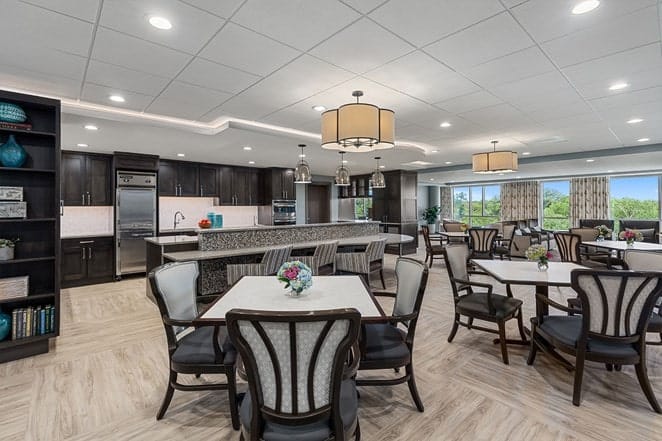
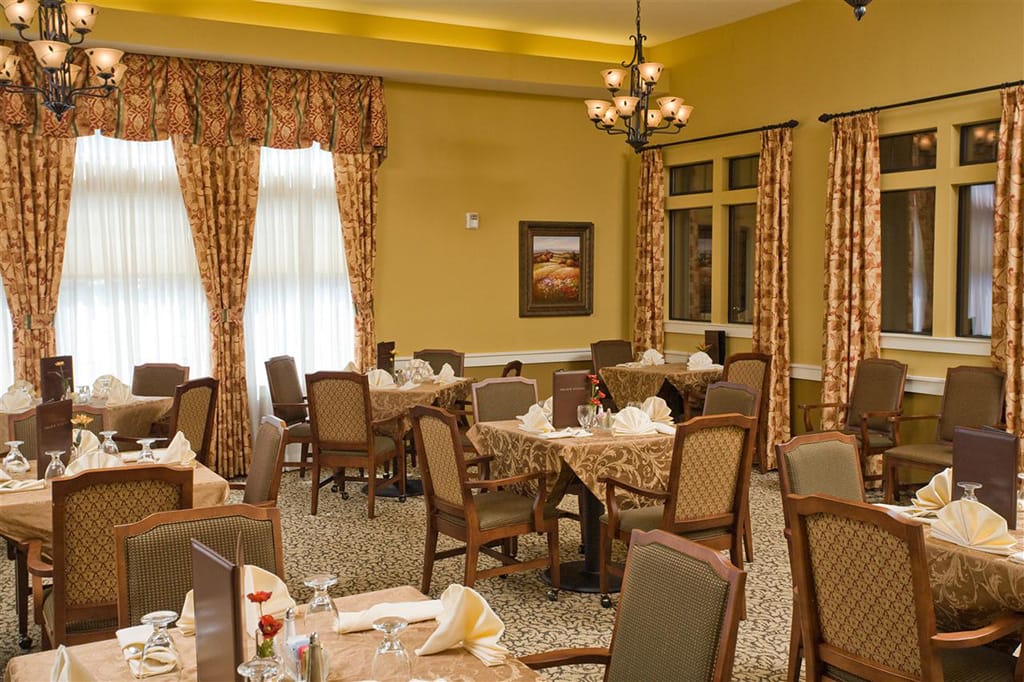
Situated in the Fawn River neighborhood, this 35-bed residence is managed by operator Ccrc Opco, Gleannloch Farms. Nursing personnel deliver an average of 4 hours and 18 minutes of direct daily care per resident. Perks on site feature chef-prepared meals and a pet-friendly policy. Sitting in an area with a 41 walk score, the location relies on vehicle transportation for daily trips off campus. Available payment options comprise Medicare and private funds.
Prospective representatives can contact The Village at Gleannloch Farms to request current room availability, discuss payment structures, or plan a visit to view the facility.
Share This Listing
Starting Price $3,940/MonthPricing updated on October 7th, 2026
Overview of Baywind Village Skilled Nursing & Rehabilitation
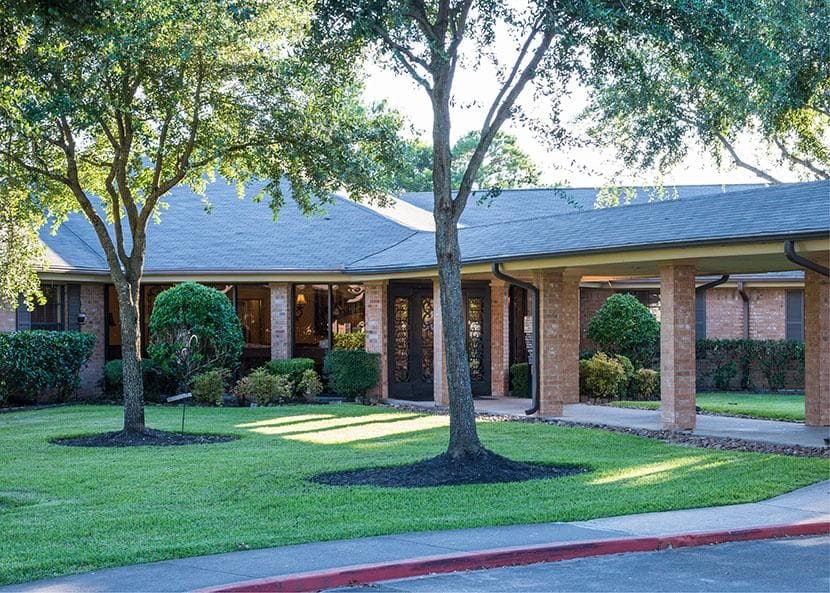
Baywind Village Skilled Nursing & Rehabilitation located in League City, TX, covers nursing home care, skilled nursing, hospice care, and respite care. Licensed nurses are on duty around the clock. Hospice brings comfort and assistance during the final stages of life. Respite care gives a temporary stay when the primary caregiver needs to travel, heal, or attend to other matters.
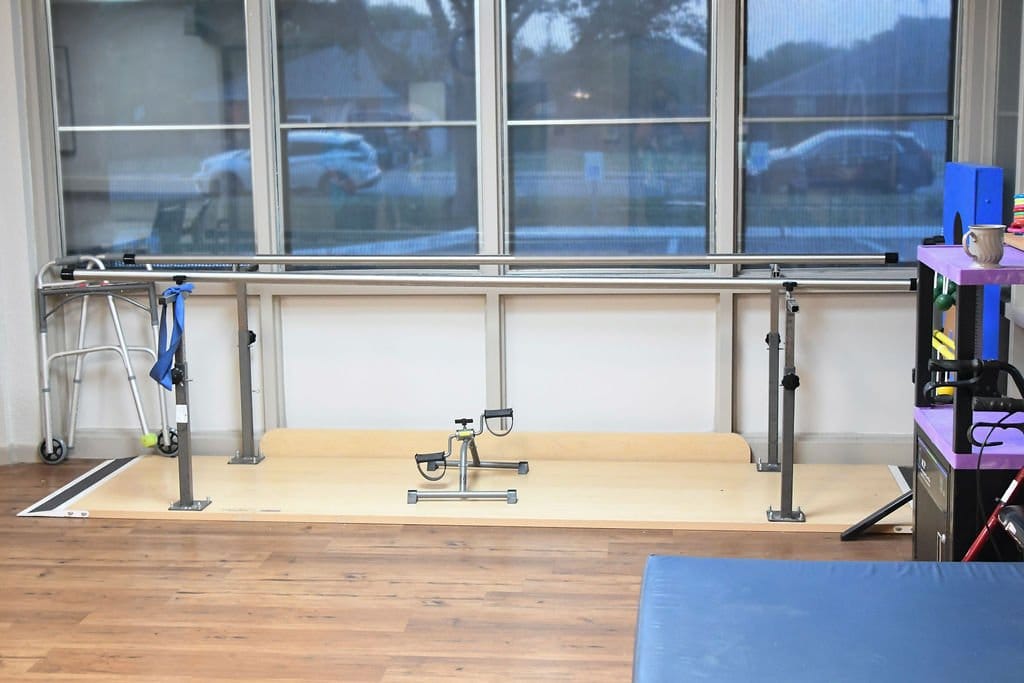
The rehabilitation aspect includes IV therapy, neuromuscular therapy, orthopedic rehabilitation, diabetes management, advanced wound care, post-surgical rehabilitation, and stroke rehabilitation. Short-term rehabilitation is for individuals recovering from surgery, an orthopedic injury, or a stroke who require assistance temporarily before returning to their regular environment. Everything on that list caters to a resident requiring skilled nursing or assistance with recovery.
This facility has 107 beds, and the average nursing time per resident each day is 4 hours and 40 minutes. Chris L. Barcelo serves as the administrator. The facility accepts Medicaid, Medicare, and private pay. Medicaid can assist a family during an extended stay when funds are depleted. Medicare covers qualifying short-term skilled care that comes after a hospital admission. Private pay refers to making payments directly.
Overview of Grand Terrace Rehabilitation and Healthcare
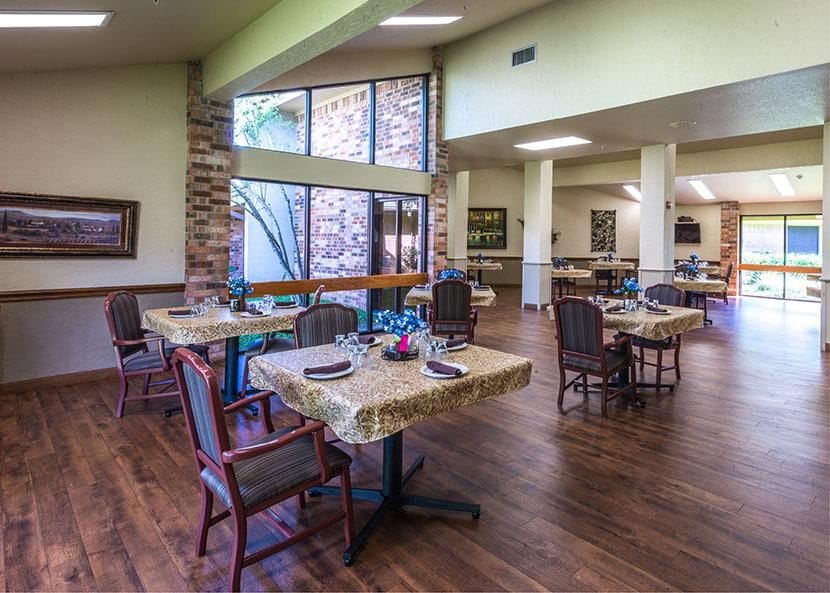
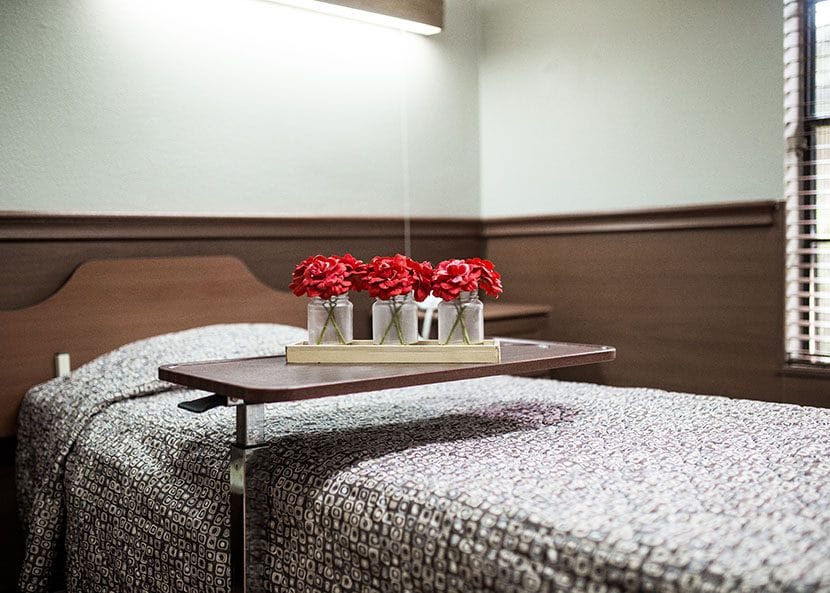
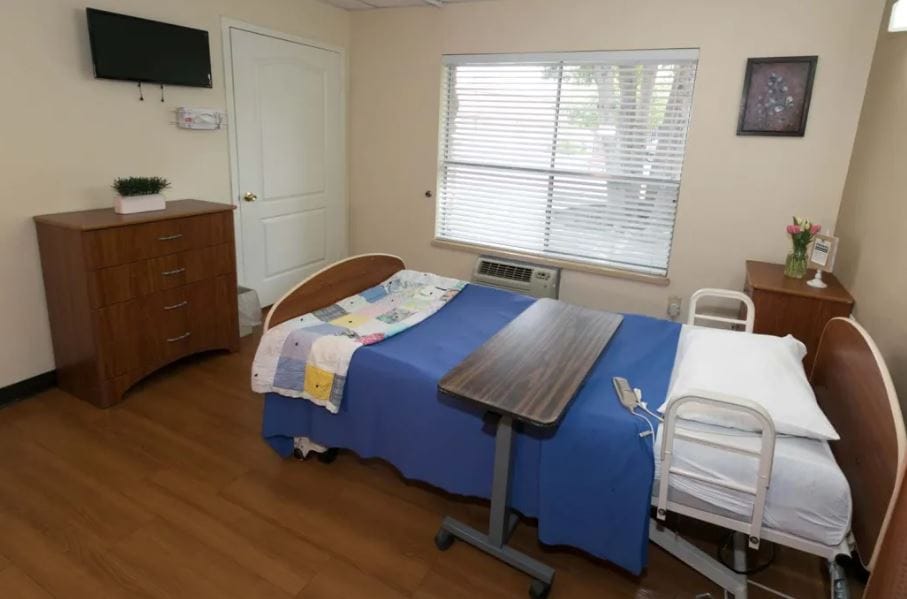
Grand Terrace Rehabilitation and Healthcare provides nursing home and skilled nursing care in McAllen, Texas. Skilled nursing offers 24-hour licensed nursing staff on site, with short-term rehab and long-term care available to support recovery and ongoing needs. The combination may suit someone who needs rehabilitation during recovery or continued nursing support.
The home has 93 beds. In-house therapy lets residents receive rehabilitation at the community without arranging transportation elsewhere, and total nurse staffing is 2 hours and 59 minutes per resident per day, representing the daily nursing time allocated to each resident. Grand Terrace Rehabilitation and Healthcare accepts Medicaid, Medicare and private pay: Medicaid might cover an extended stay if savings are low, Medicare helps pay for brief skilled nursing following a hospital visit, and private pay is another way to cover costs. Nefi Guzman serves as the administrator.
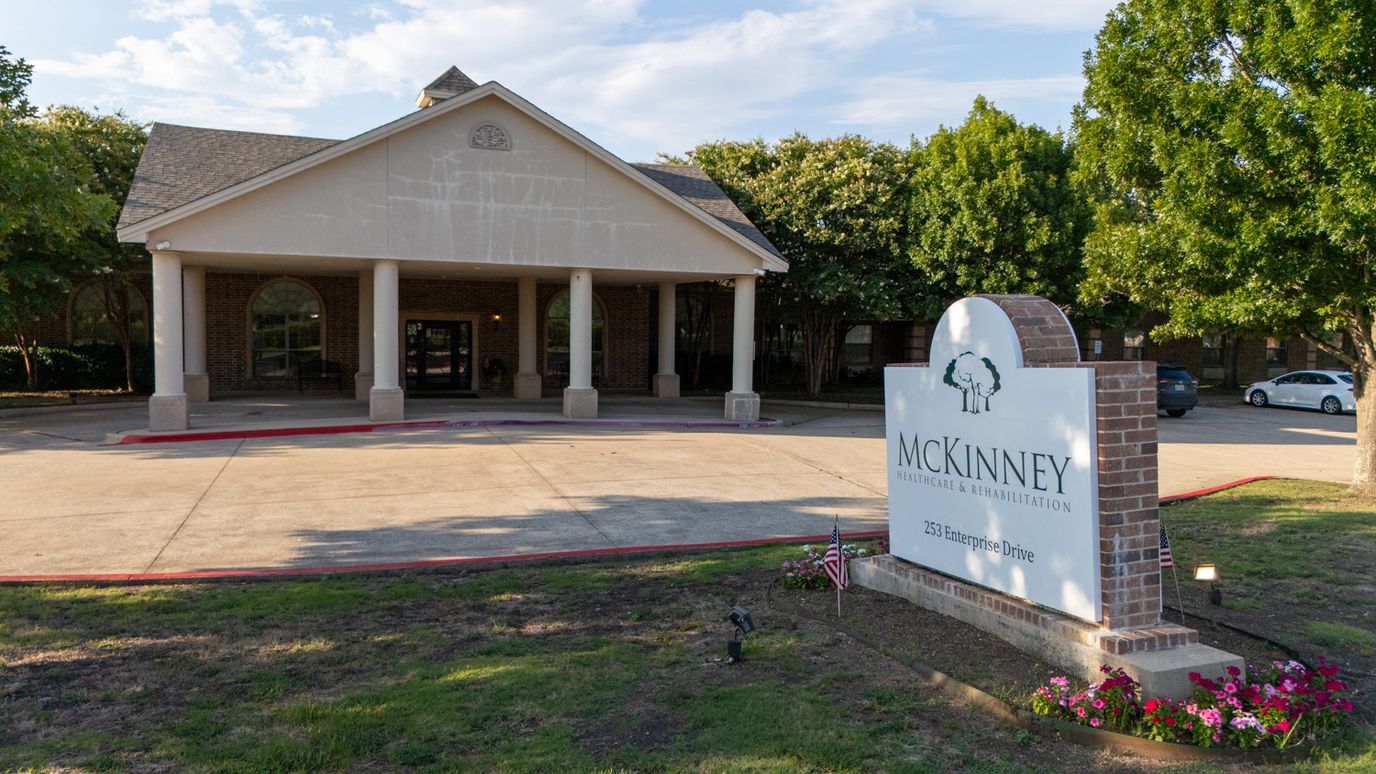
Overview of McKinney Healthcare and Rehabilitation Center
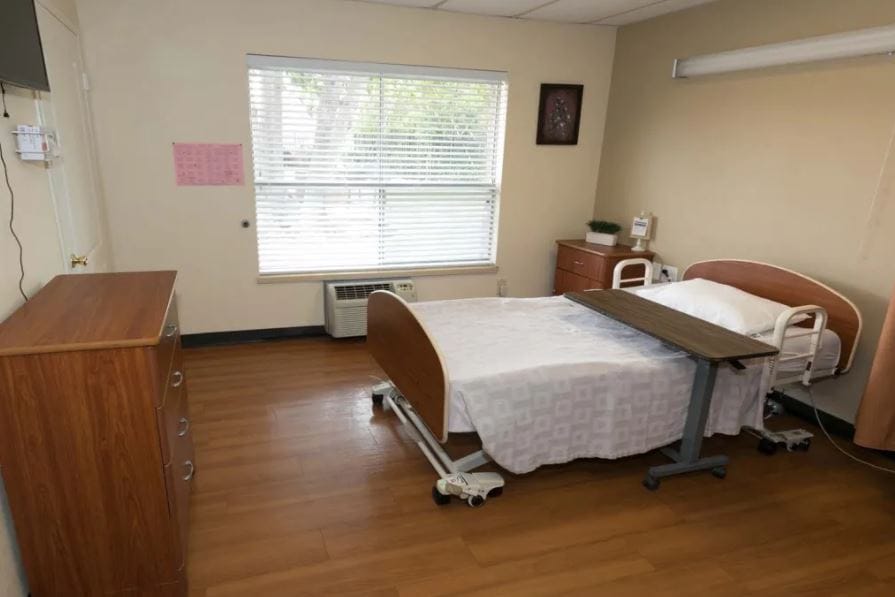
McKinney Healthcare and Rehabilitation Center provides nursing home and skilled nursing care in McKinney, TX. Skilled nursing offers continuous licensed nursing care throughout the day and night, and nursing home care is designed for residents requiring ongoing attention. Short term rehab is offered following illness, injury, or hospital discharge, and respite care allows for a temporary stay when a regular caregiver must be away or recover.
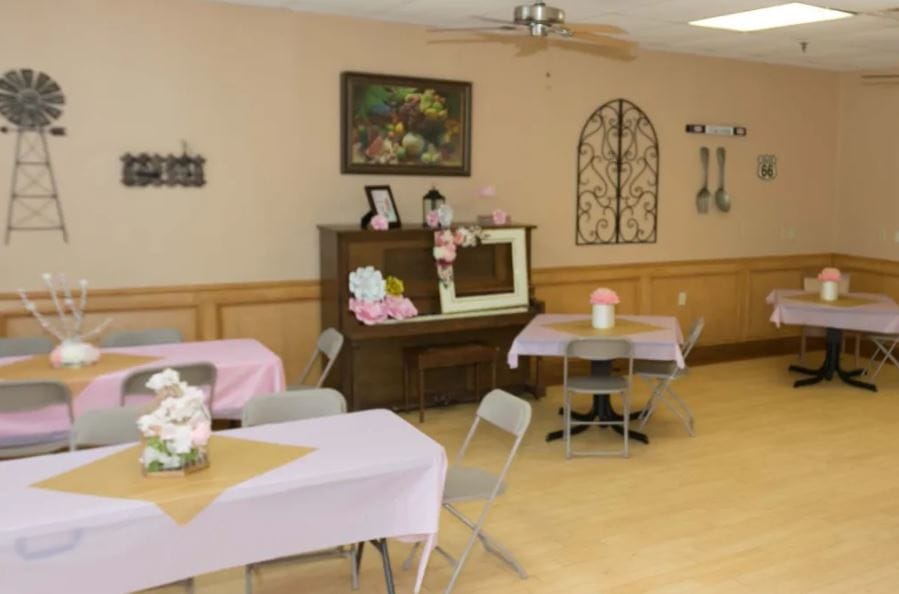
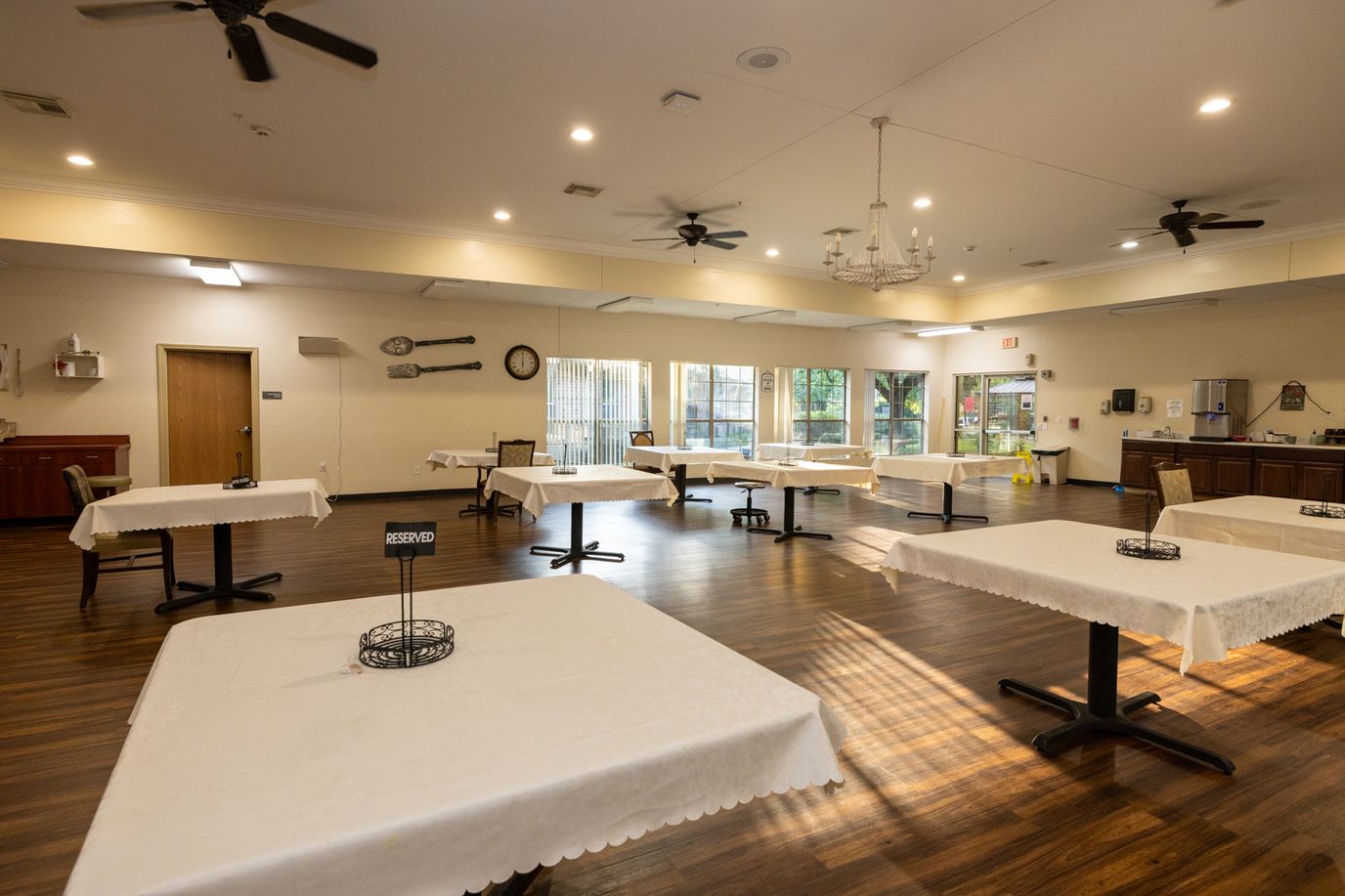
The center has 125 beds. Residents can take part in activities and excursions, with rehabilitation services available on site as well. It may be a good fit for someone who needs ongoing nursing support, short term rehabilitation, or a temporary respite stay.
Payment options include Medicaid, Medicare, and private pay. Medicaid can assist with expenses for an extended stay when personal funds fall short, while Medicare pays for temporary skilled nursing services after a hospital discharge instead of long term residency. Private pay means paying directly. Total nurse staffing is 3h 14m per resident per day, representing the daily hands on nursing time allocated to each resident. Jacob Mckay serves as the administrator.
C C Young Memorial Home provides independent living, assisted living, memory care, home care, hospice care, palliative care, nursing home and skilled nursing services in Dallas, TX. Independent living includes private apartments and community amenities without daily care; Assisted living adds help with getting dressed, personal care, and medication while residents continue to live in their own apartments. Memory care offers a locked environment with monitoring designed for residents who might wander.
The range of care can suit a resident whose needs change over time and require a different level of support. Home care supports a person in their own home, hospice care provides end of life support, and palliative care focuses on comfort and symptom relief during serious illness. Nursing home and skilled nursing provide round-the-clock care from licensed nurses on site.
Rehabilitation and short term rehab focus on recovery in a temporary care setting; Respite care allows a brief stay when a regular caregiver is unavailable due to travel or recovery. The community has 55 beds, making it smaller so that staff and residents become familiar with one another. Total nurse staffing is 5 hours and 29 minutes per resident per day, representing the daily hands on nursing time allocated to each resident. Medicare and private pay are accepted, with Medicare relevant to eligible short term skilled care and private pay meaning a family pays directly. A Campus Clinic gives residents access to clinic services on campus, and massage therapy provides massage without arranging an outside visit. Pastoral care offers spiritual support within the community.
Prairie Estates provides nursing home, hospice care, palliative care, respite care, and skilled nursing in Frisco, TX. Nursing home care is for residents requiring continuous help and nursing supervision where they live; Skilled nursing means licensed nurses are available at all hours. Prairie Estates may be a good fit for someone who needs ongoing nursing support, end-of-life comfort care, or a short respite stay.
Hospice care focuses on comfort and symptom management for someone nearing the end of life. Palliative care addresses symptoms and stress during serious illness, while respite care provides a short-term stay for a resident while a usual caregiver travels, recovers, or takes a break. There are 180 beds here, accommodating more residents and staff and usually supporting more programming than a smaller community.
Private and semi-private rooms offer either an individual room or a shared room. Total nurse staffing is 3h 30m per resident/day, representing the daily nursing time allocated to each resident. Medicaid, Medicare, and paying directly are options: Medicaid assists families without enough savings for a lengthy stay, Medicare pays for brief skilled nursing following hospitalization but not extended stays, and paying directly comes from personal money. James S S Heath serves as administrator, and Prairie Estates is in the Meadow Creek neighborhood.
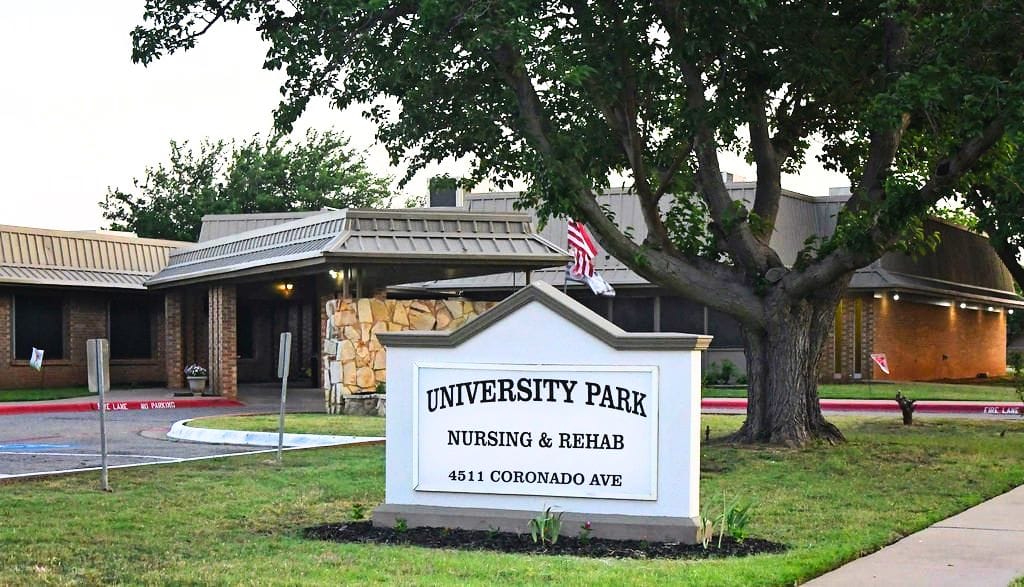
Overview of University Park Nursing & Rehabilitation
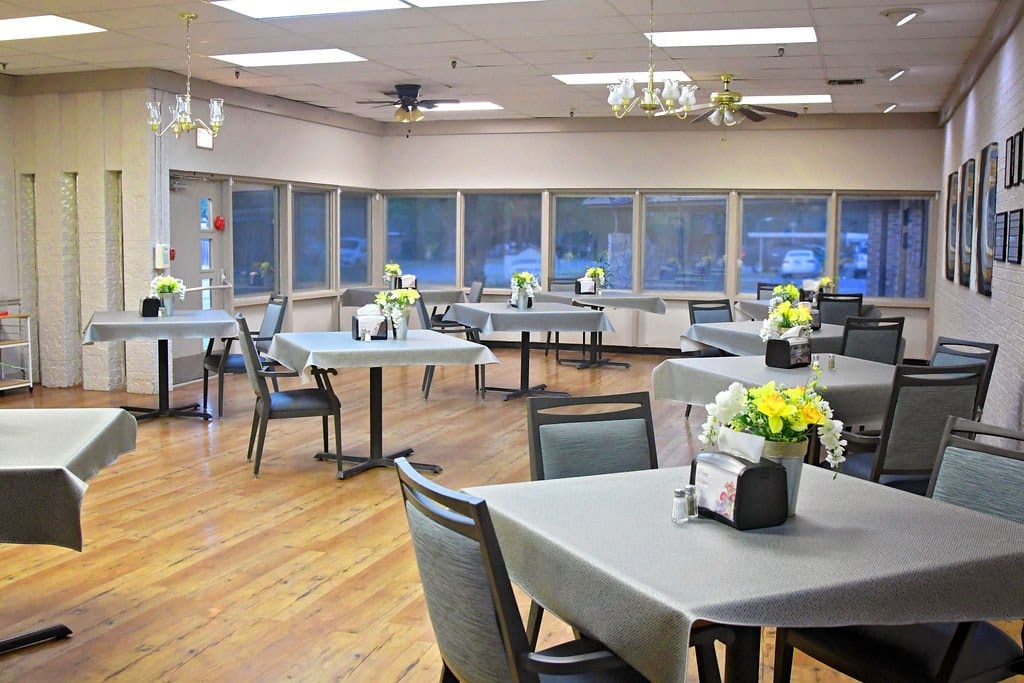
University Park Nursing & Rehabilitation is a long-term nursing home and rehabilitation facility located in Wichita Falls, TX. This nursing home also provides respite care services, and hospice care. Part of their long-term nursing program includes 24/7 care and supervision, medication management, diabetes management, and assistance with daily activities.
Their long-term nursing residents are also provided nutritional services, to ensure that their dietary needs are met, as well as beauty and barber services as part of their regular grooming routine. Laundry and housekeeping services are also provided in the facility to ensure the residents’ environment are sanitized and safe. Other medical services such as podiatry and optometry are also offered, as well as physical, occupational, and speech therapy.
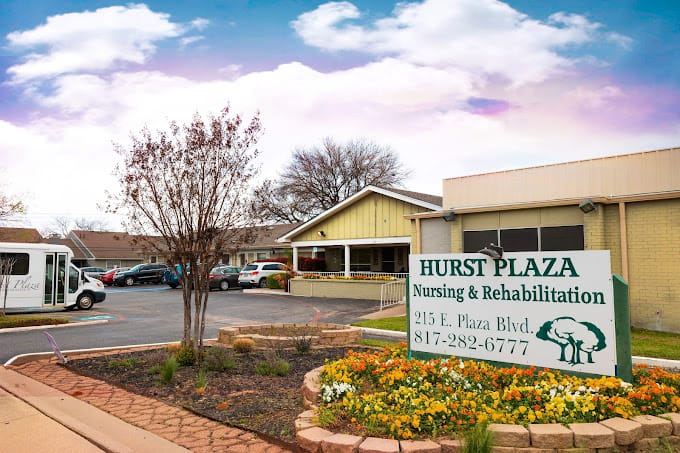
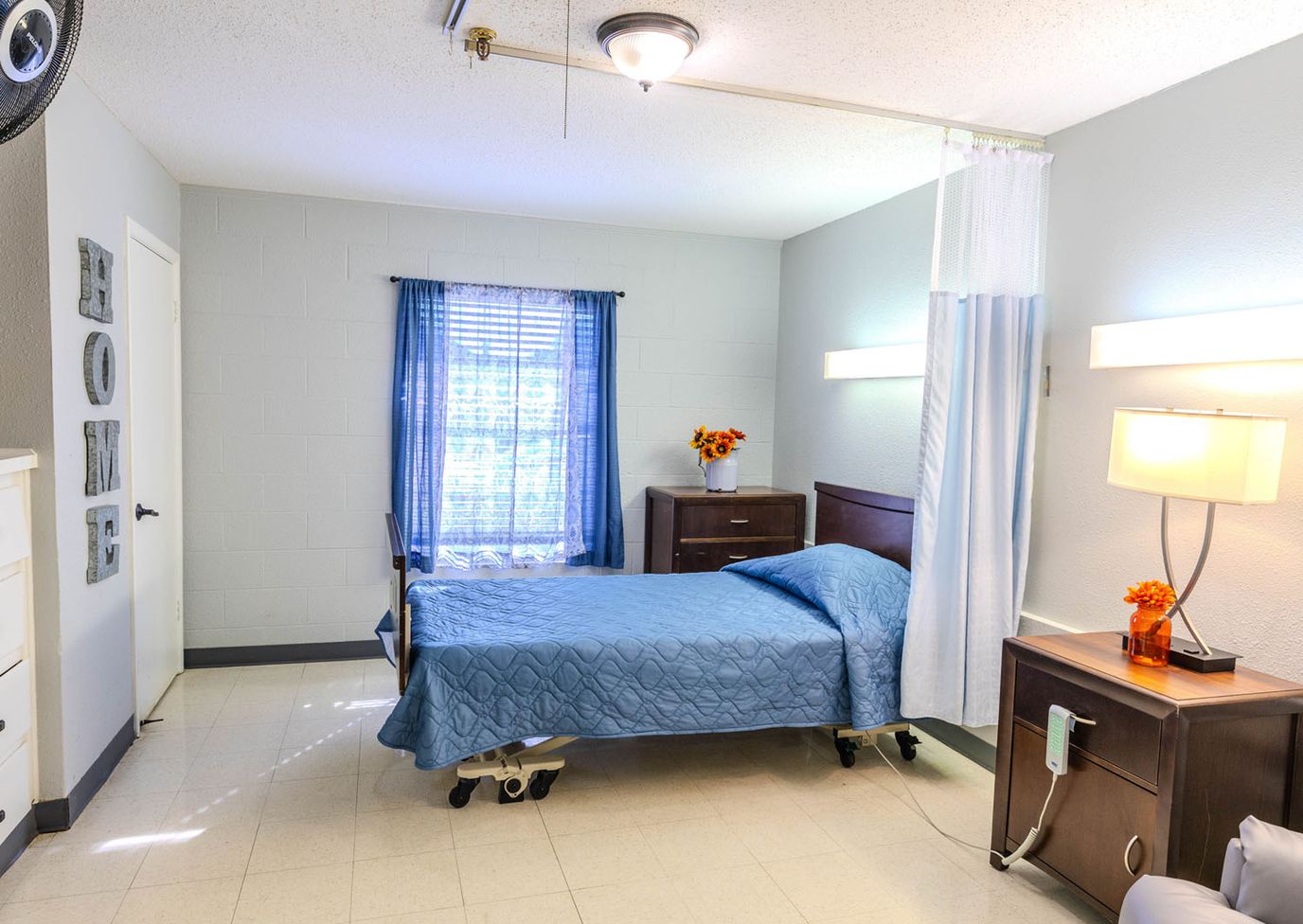
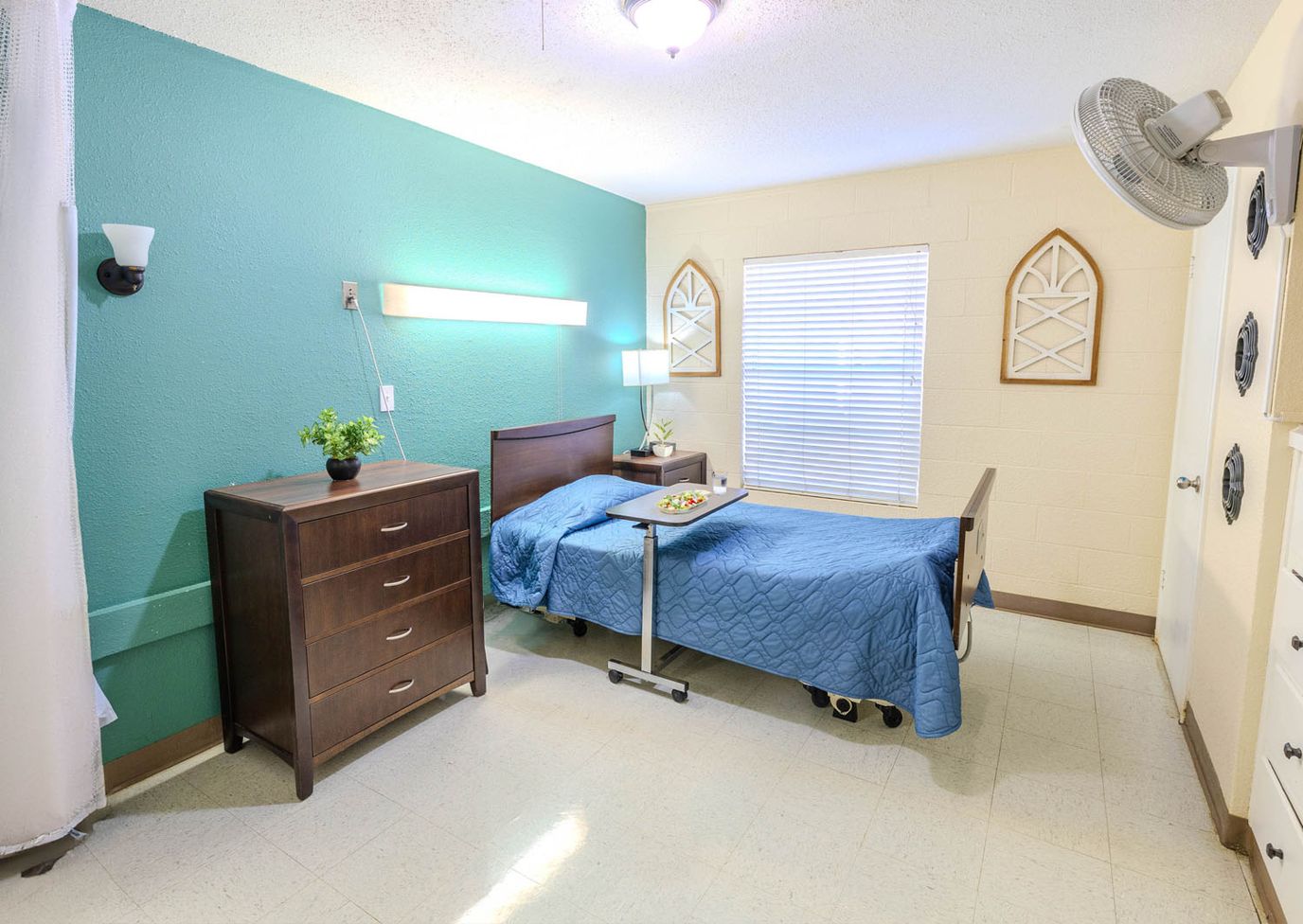
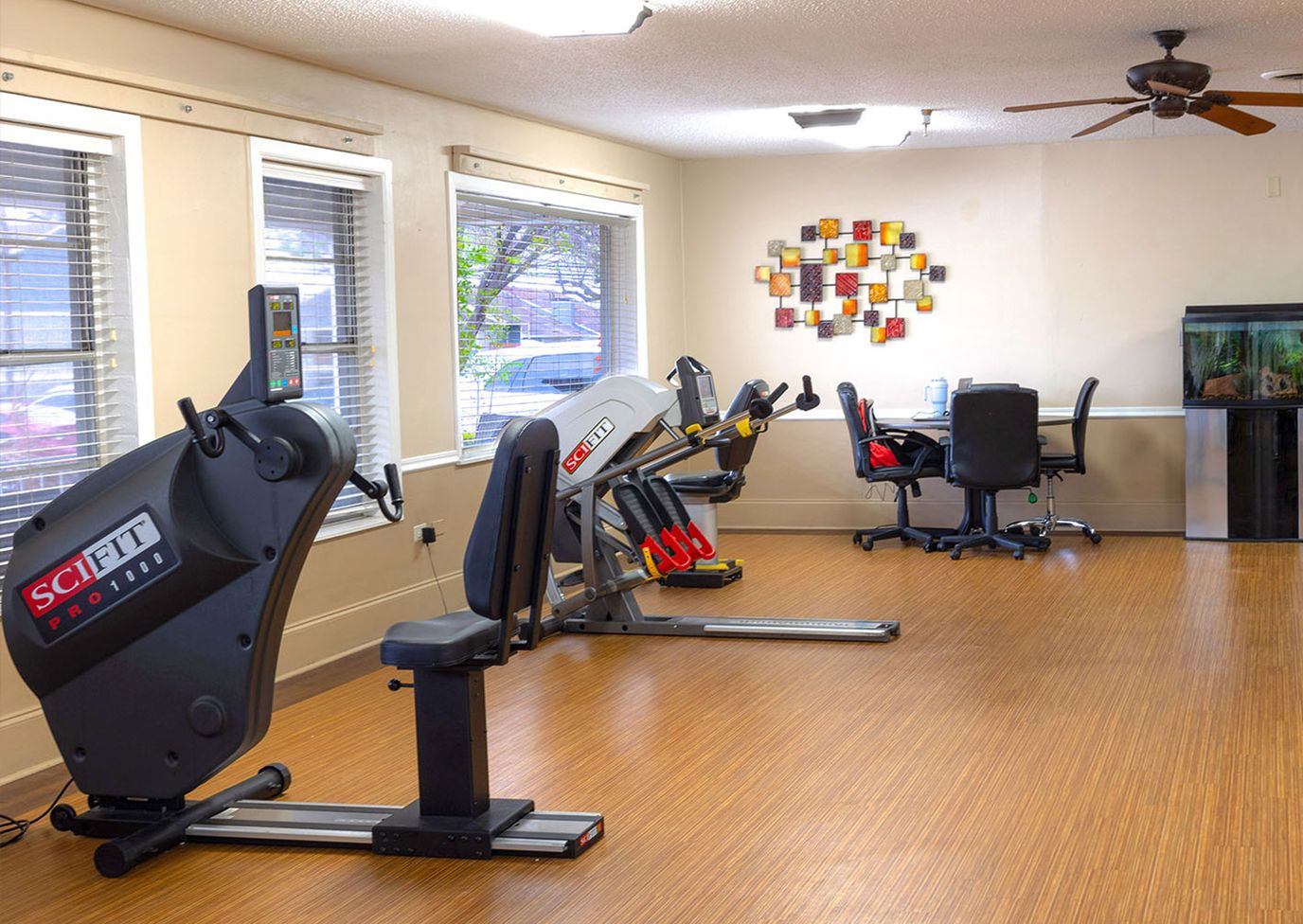
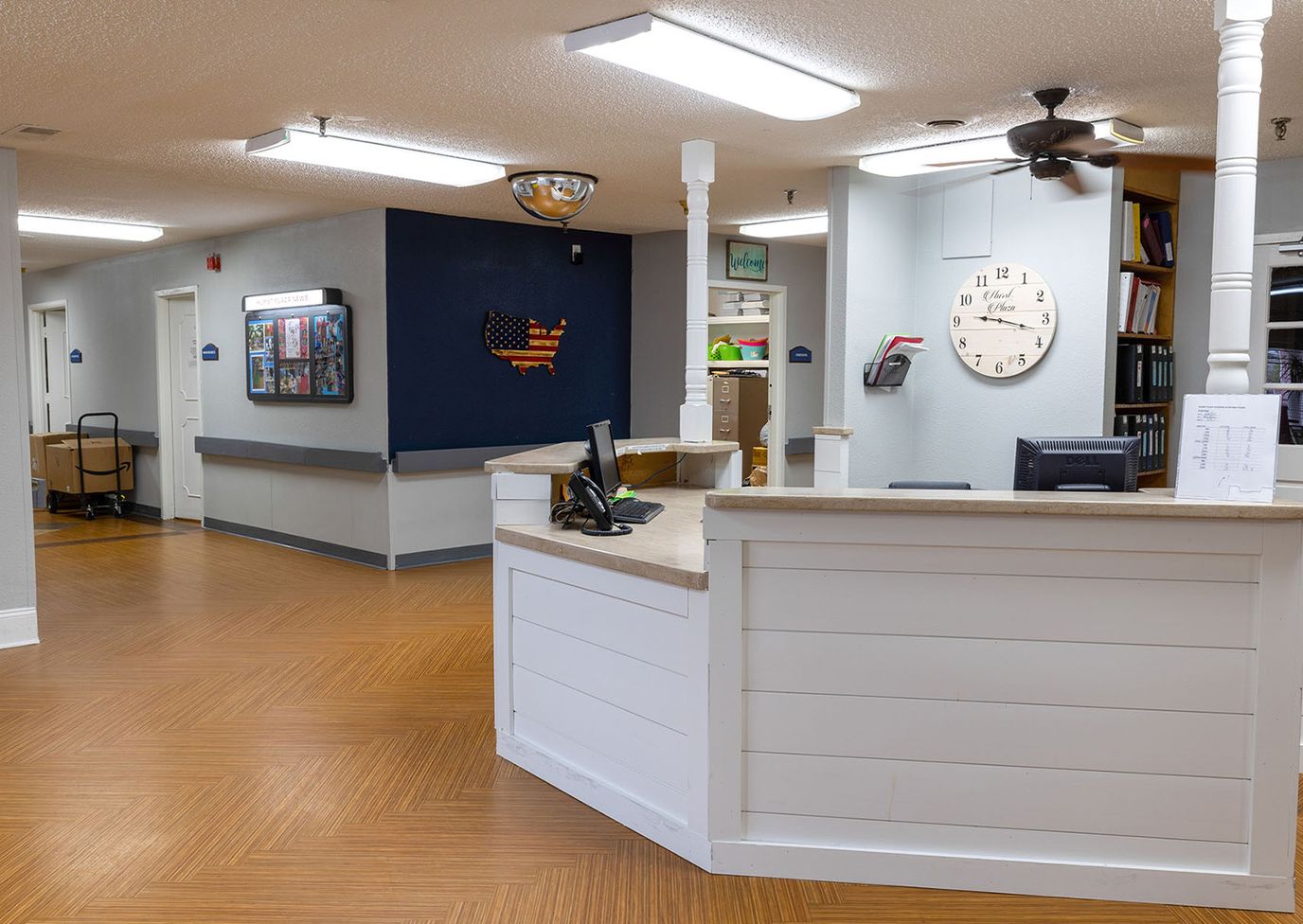
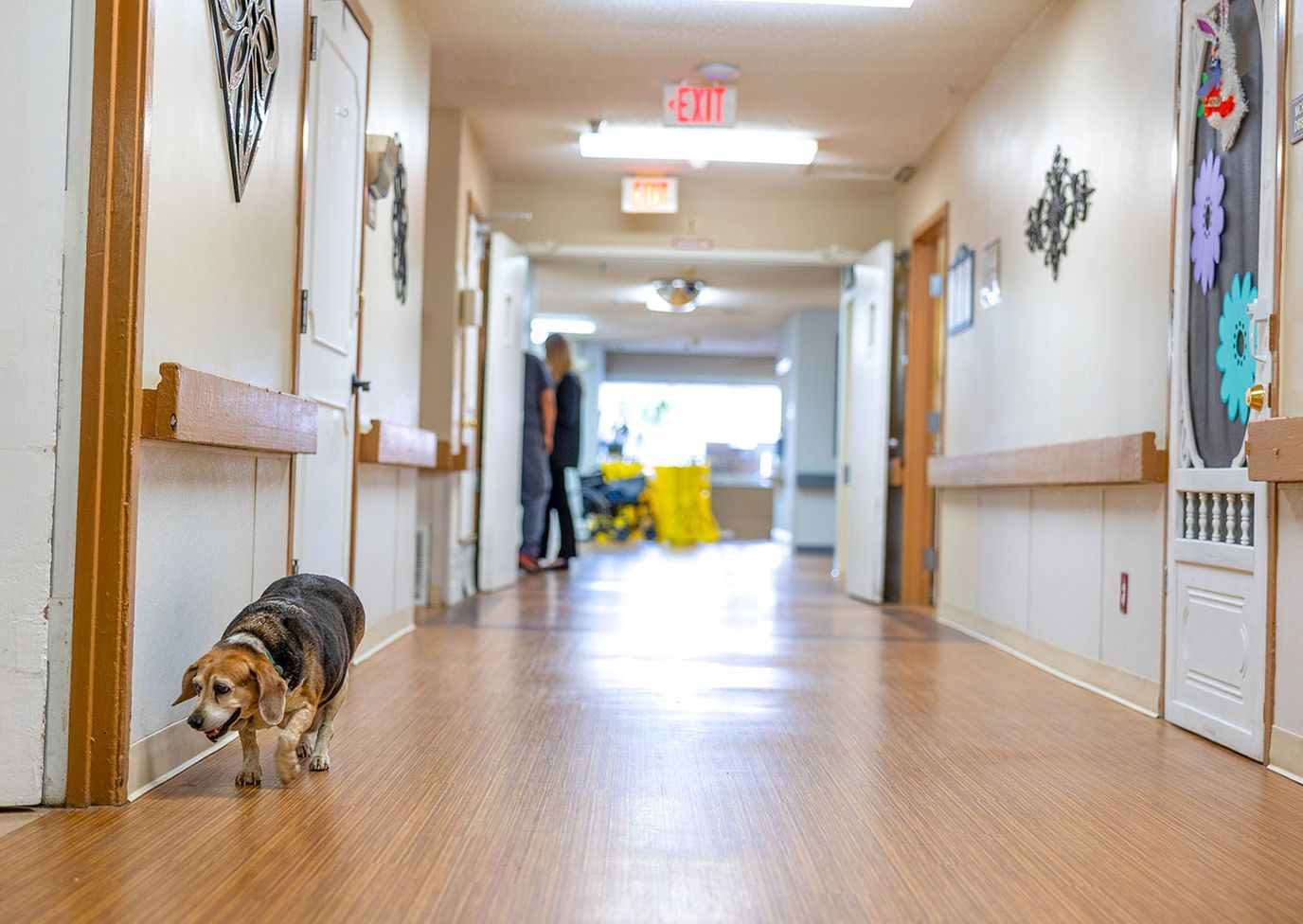
Hurst Plaza Nursing and Rehab in Hurst, TX, provides 24-hour skilled nursing care alongside hospice and long-term residential support. Continuous clinical oversight assists individuals recovering from acute health events or managing ongoing medical conditions. Specialized hospice programs focus on end-of-life care and symptom relief, while dedicated short-term rehabilitation supports stroke recovery, wound management, and post-hospital care.
The residence offers 106 beds and provides direct access to targeted medical services on site. Healthcare offerings include speech therapy, cardiac rehabilitation, dialysis support, podiatry, and dental care. Licensed nurses deliver an average of 3 hours and 16 minutes of direct nursing time per resident each day under the direction of Administrator David L. Collier.
Accepted payment options include Medicare, Medicaid, and private funds. Medicare handles qualifying short-term post-hospital rehabilitation, while Medicaid offers assistance for eligible long-term care residents.
Individuals researching post-acute rehabilitation or long-term nursing care can contact Hurst Plaza Nursing and Rehab to check room availability or arrange a tour.
Overview of Sun Valley Rehabilitation and Healthcare Center
Situated in the welcoming neighborhood of Harlingen, TX, Sun Valley Rehabilitation and Healthcare Center is a dedicated community providing skilled nursing, memory care, long-term care, respiratory, and rehabilitation services. Large and cozy accommodations such as suites are available for its residents. With an expert and empathetic team, the community offers individualized treatment plans and daily specialized activities to help stimulate brain therapy for those with cognitive conditions like Alzheimer’s disease and dementia.
Experience its top-quality amenities and services wherein residents can enjoy delightful chef-prepared meals based on dietary needs, medication management, wound care and management, and a beauty and barber shop. Explore its beautiful spaces such as the courtyard and gazebo. Have fun with interactive daily activities and create meaningful memories with new friends. With Sun Valley Rehabilitation and Healthcare Center, seniors can enjoy the utmost care and support.
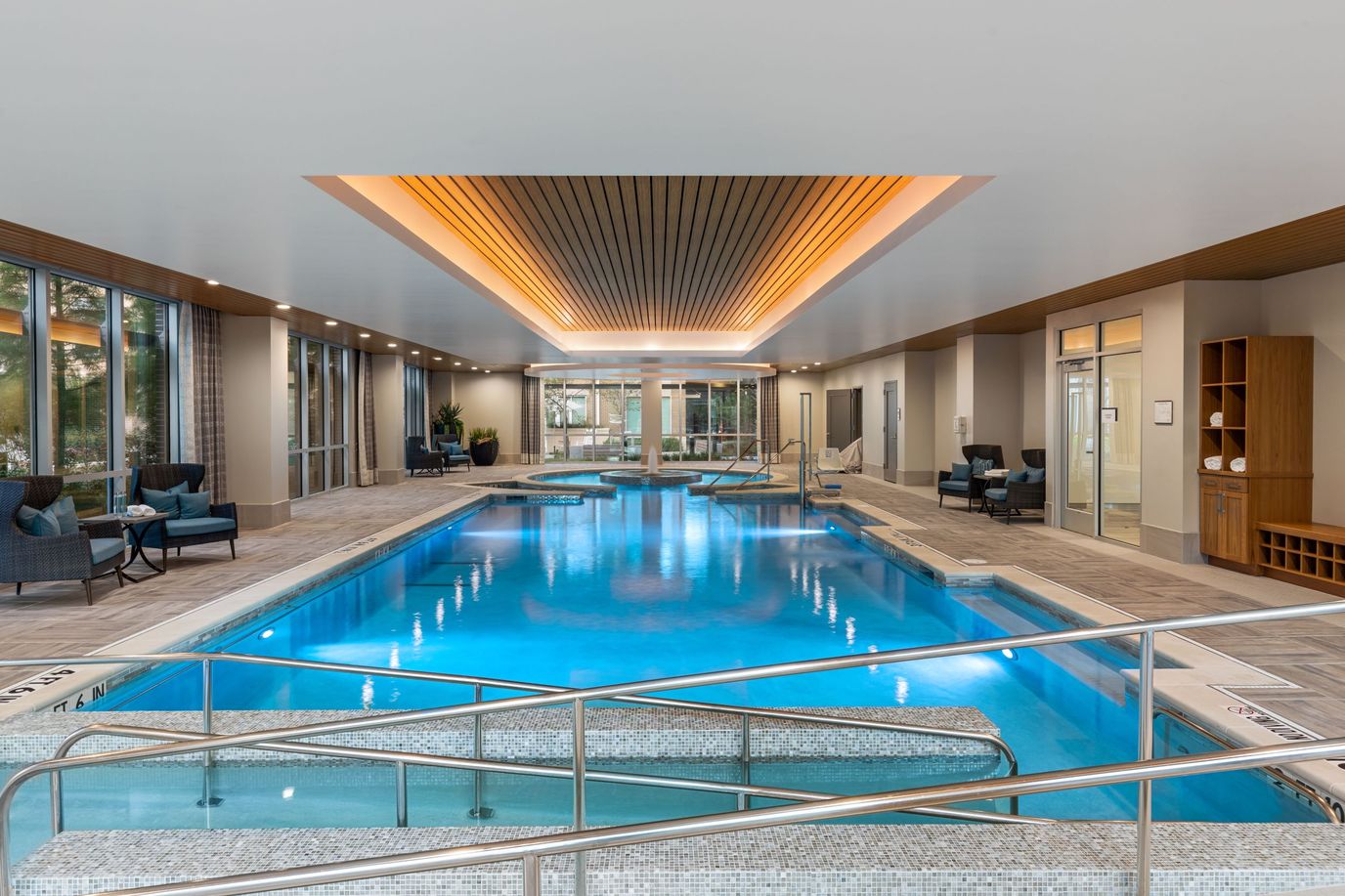
As a leading provider of short-term skilled nursing and therapy services, Remington Transitional Care offers a wide range of specialized care options. Whether it’s cardiac care, IV care, stroke care, pulmonary care, tube feeding, respite care, or any other specialized service, residents can trust that they will receive the highest level of care tailored to their distinct needs. The facility also provides comprehensive rehab therapy services such as outpatient therapy, orthopedic care, post-surgical care, diathermy, and more. They aim to help residents regain their independence and achieve optimal recovery using cutting-edge therapies. The facility also offers modern amenities such as WiFi, transportation services, a salon for personal grooming, recreational activities, a refreshing pool, and a short-term transitional care unit for seamless recovery. Residents can also enjoy cable services, allowing them to stay connected and entertained during their stay. Moreover, the facility accepts various insurance options, including Medicare, Medicaid, private and VA insurance, and more. Residents are also welcome to bring their personal physician, ensuring continuity of care and personalized medical attention.
Every nursing home above is evaluated across five weighted categories using CMS data including Care Compare, Payroll-Based Journal, and Medicare Cost Reports. Rank badges compare each home against other nursing homes in the same state — never against assisted living, memory care, or independent living communities.
How we're paid:If we help you find a home and you move in, that home may pay us a referral fee. This never affects where they rank or what you pay. Learn more
Frequently Asked Questions about Nursing Homes in Texas
What's the difference between assisted living and a nursing home in Texas?
Assisted living in Texas is a residential model focused on housing, hospitality, and help with daily activities. Nursing homes (skilled nursing facilities) provide 24/7 medical care from licensed nurses for residents with significant health needs, and are regulated more strictly under both state and federal CMS rules.
Does Texas Medicaid cover nursing home care?
Yes — Texas Medicaid covers nursing home care for residents who meet income, asset, and medical-need eligibility requirements. Most CMS-certified nursing homes accept Medicaid as a primary payer once long-term-care eligibility is established.
What is nursing home care?
Nursing homes (also called skilled nursing facilities) provide 24/7 medical care from licensed nurses, rehabilitation services, and long-term custodial care for residents with significant health or functional needs.
How many nursing homes are listed on this page?
This page features 250 nursing homes in Texas. Use the filters and comparison tools above to compare ratings, amenities, and pricing.
How do I choose the right nursing home in Texas?
Start by matching the level of care offered to the resident's current and anticipated needs, then compare licensing status, staff-to-resident ratios, recent inspection results, and pricing. Tour at least two or three communities in Texas, talk to current residents and families, and confirm what is included in the base rate versus billed as add-on services.
What should I look for when visiting nursing homes in Texas?
Pay attention to staff interactions with residents, cleanliness and odor, food quality at meal times, the activity calendar, and how questions about pricing and care plans are answered. Ask to see the most recent state inspection report, the move-out / level-of-care-change policy, and a sample monthly bill that lists every fee.
If you move into a community through us, that community may pay us a referral fee. This never changes your cost or which options we recommend. Learn more
We've received your request
Thank you for your interest!
Our team will be in touch shortly to help with next steps.





 Pricing updated on October 7th, 2026