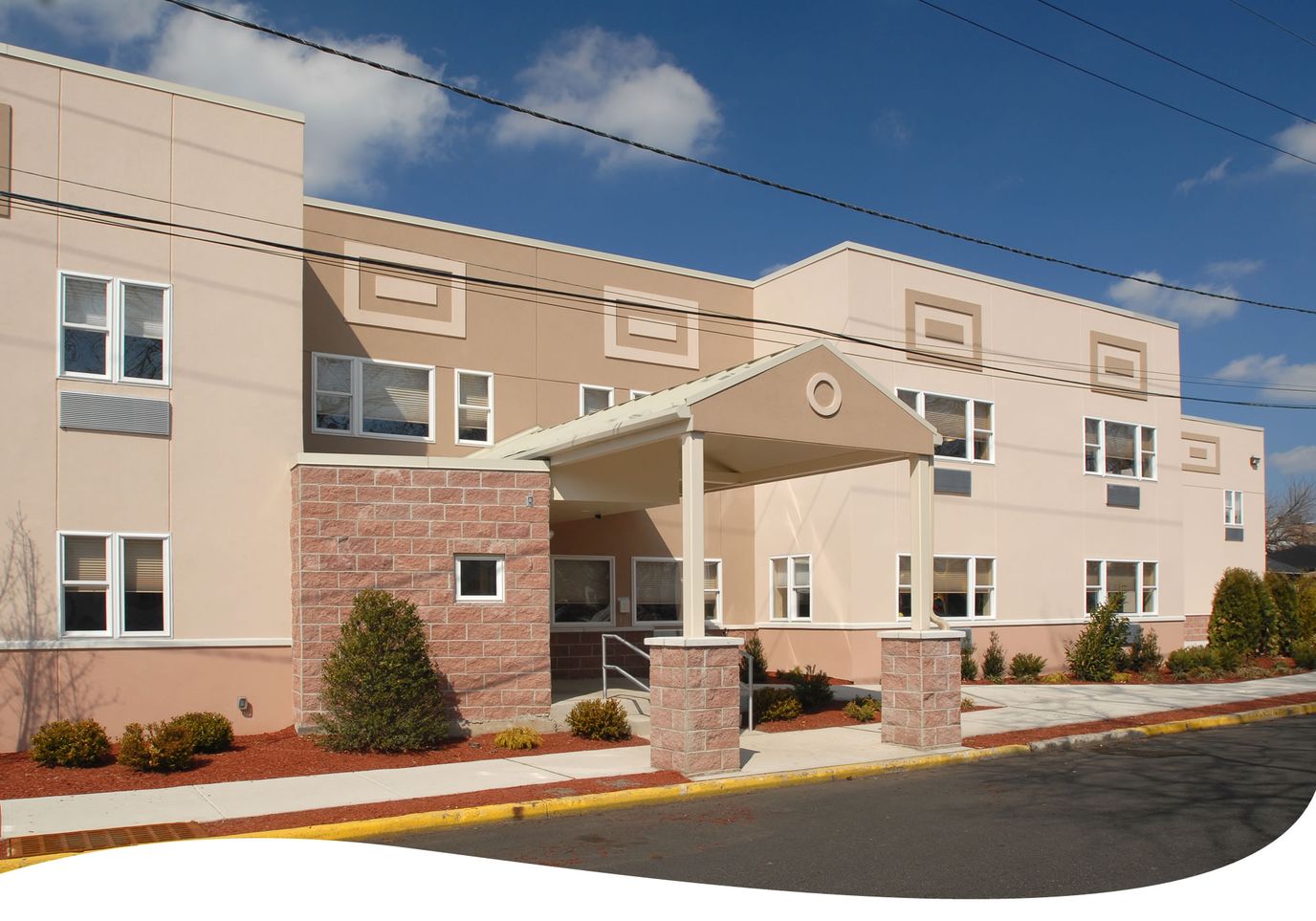
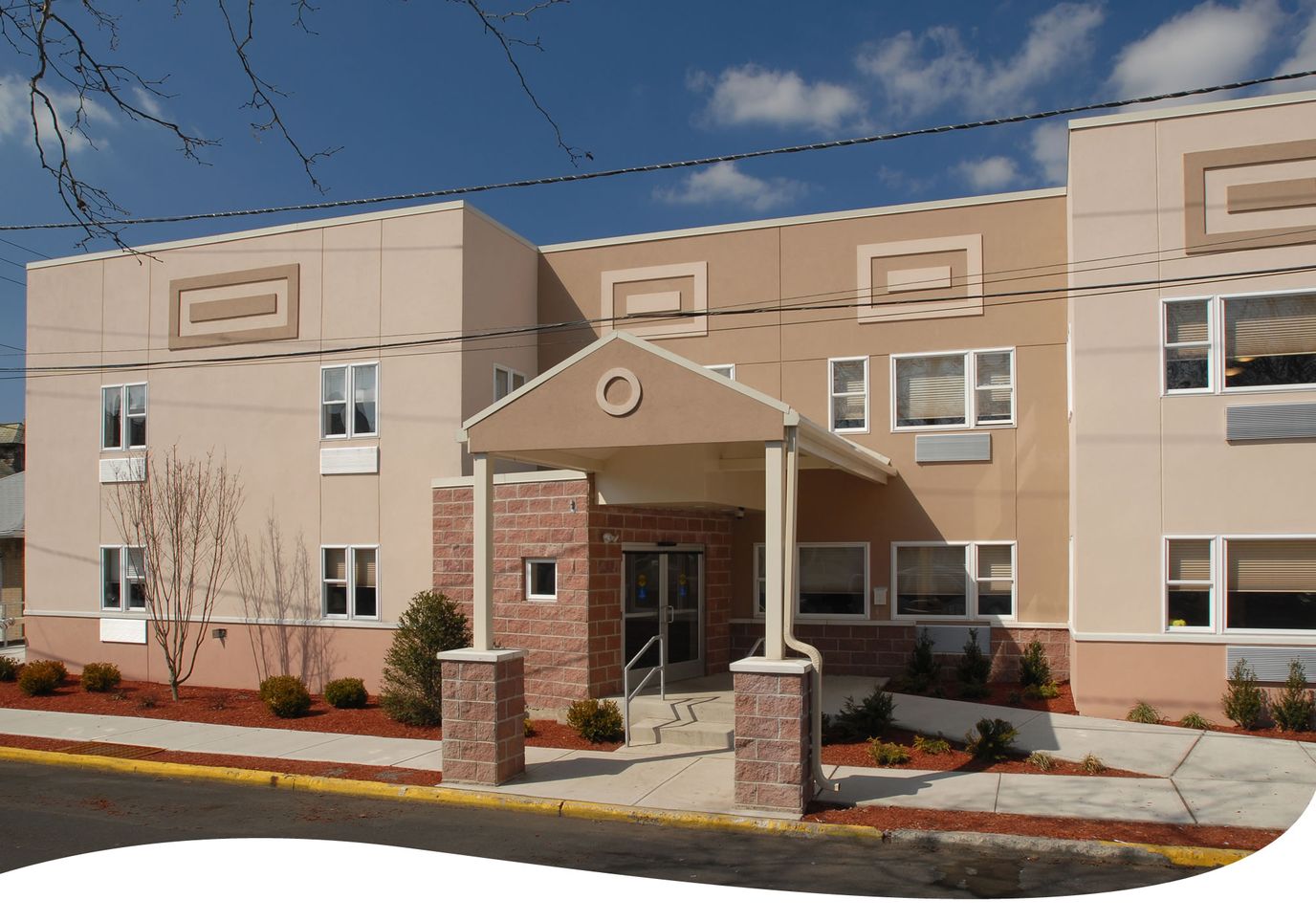
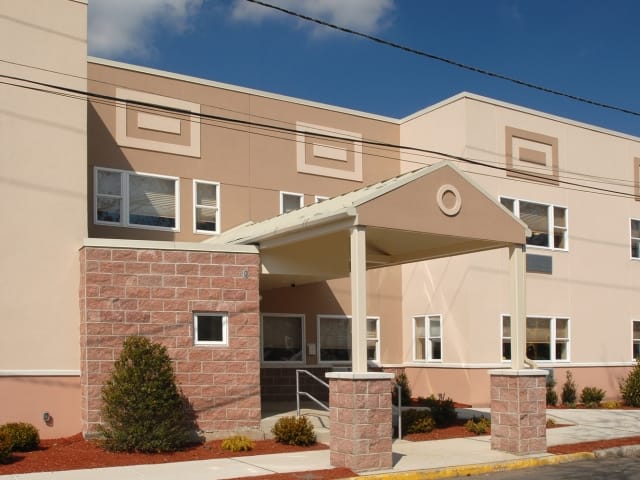
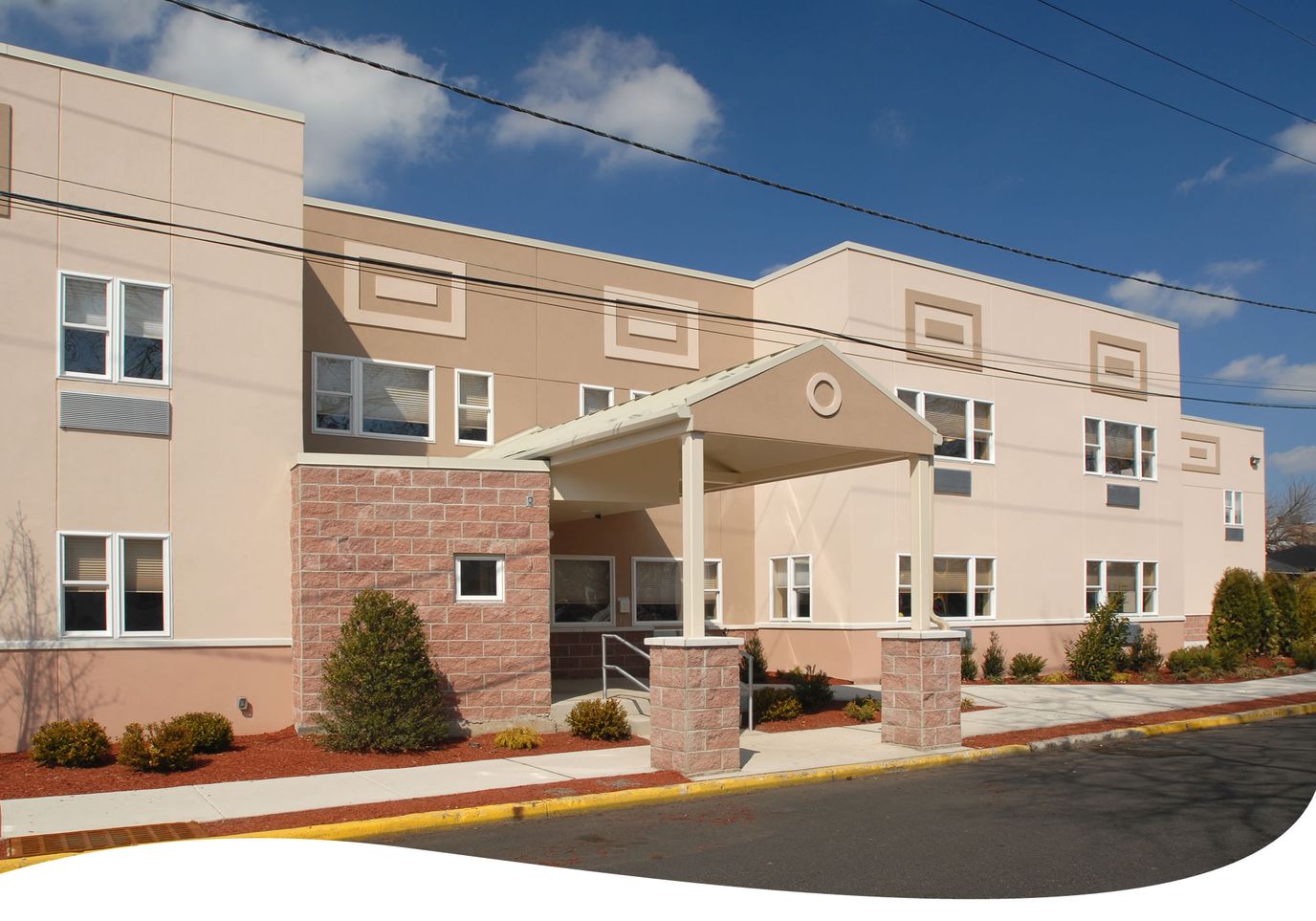
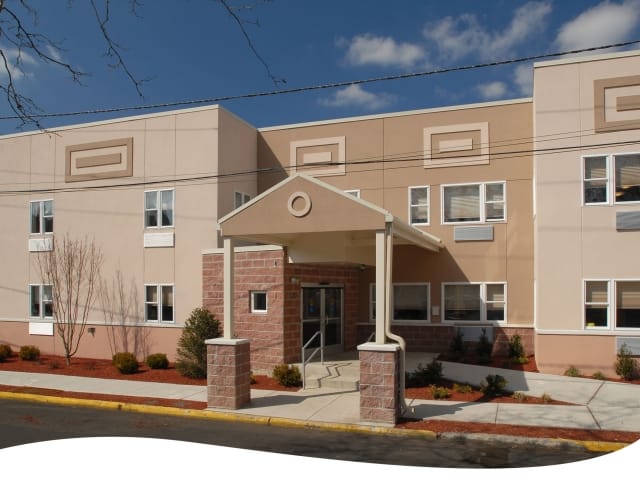



This is a purpose-built acute-care facility; it’s 54 beds in Paterson, New Jersey, situated in one of the state’s most walkable urban neighborhoods (Walk Score 90). At 91 percent occupancy with a median stay of 76 days, the place moves through a steady population of people in acute transition: post-surgical recovery, complex rehabilitation, intensive wound management, the kinds of cases that need focused attention and medical depth.
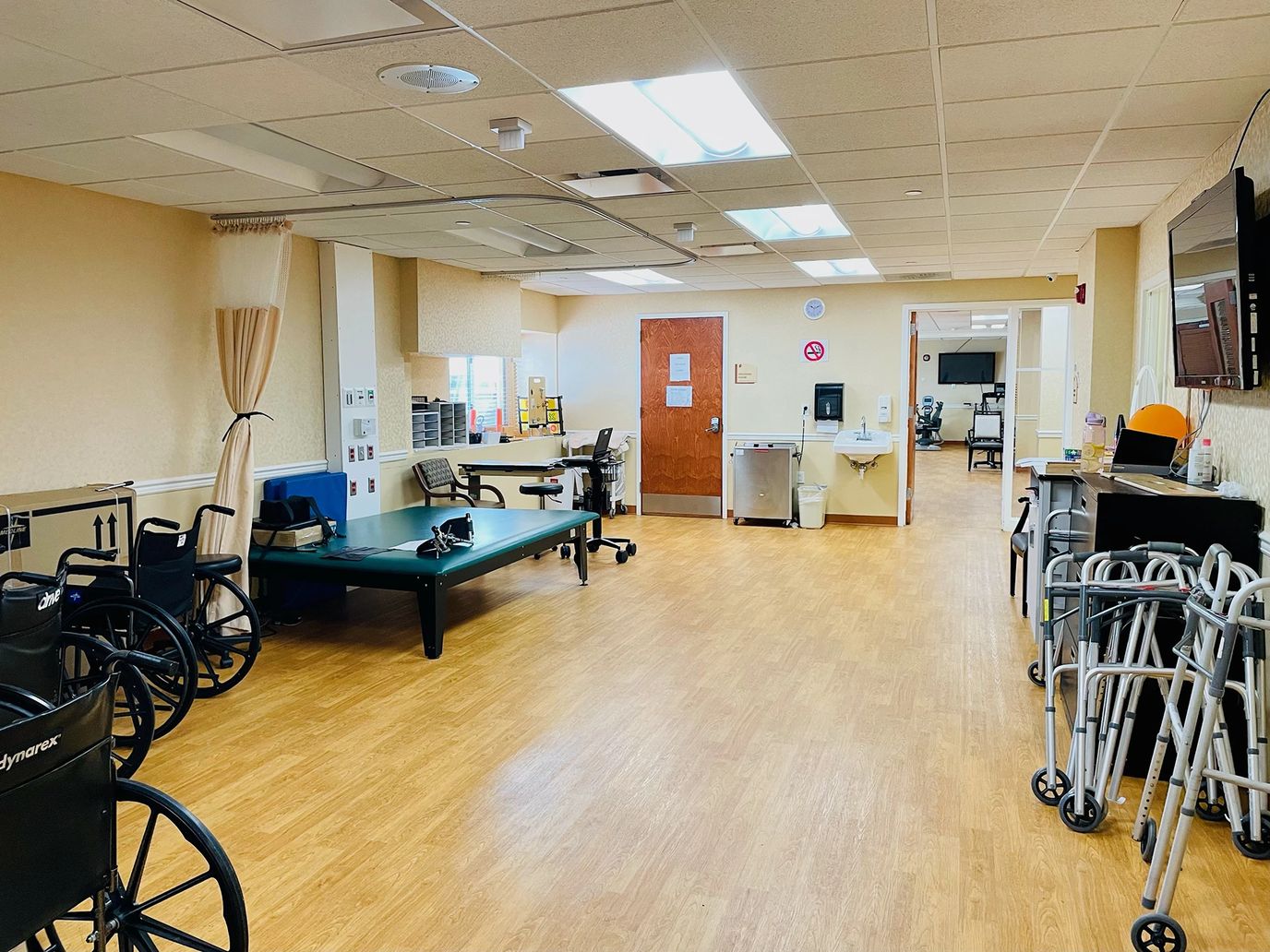
The programming reflects that specialization completely. Hip and knee replacement, cardiac rehab, stroke recovery, spinal cord rehabilitation, trache management, tube feeding, complex wound care, vestibular rehabilitation. It’s not a generalist operation. If someone’s coming here, it’s typically because they need something specific: a post-op rehab bed, intensive cardiac monitoring, wound care expertise, or recovery work after neurological injury.
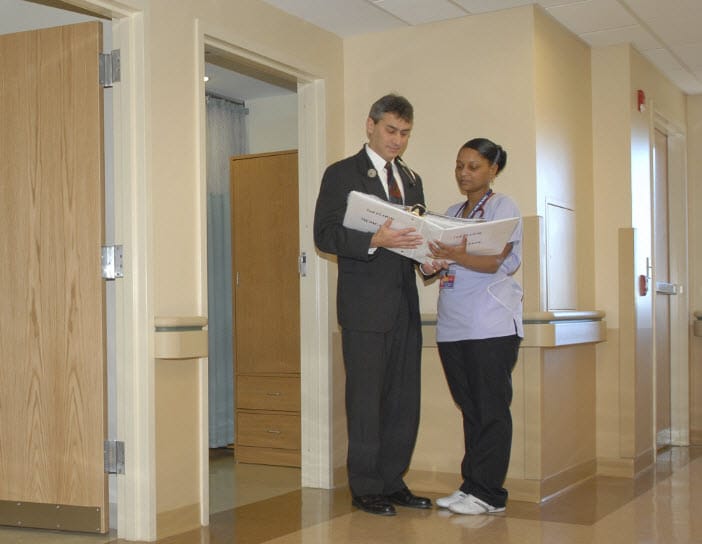
What matters in a short-stay rehab facility is presence: how much clinical time a resident actually gets, and whether there’s continuity of care. The numbers here are substantive. Each resident receives nearly four hours of daily nursing care (3h 49m across RN, LPN, and aide time), with a doctor on staff and nursing around the clock. For context, that’s a real staffing commitment in a 54-bed operation; it’s not a skeleton crew with an administrator covering nights.
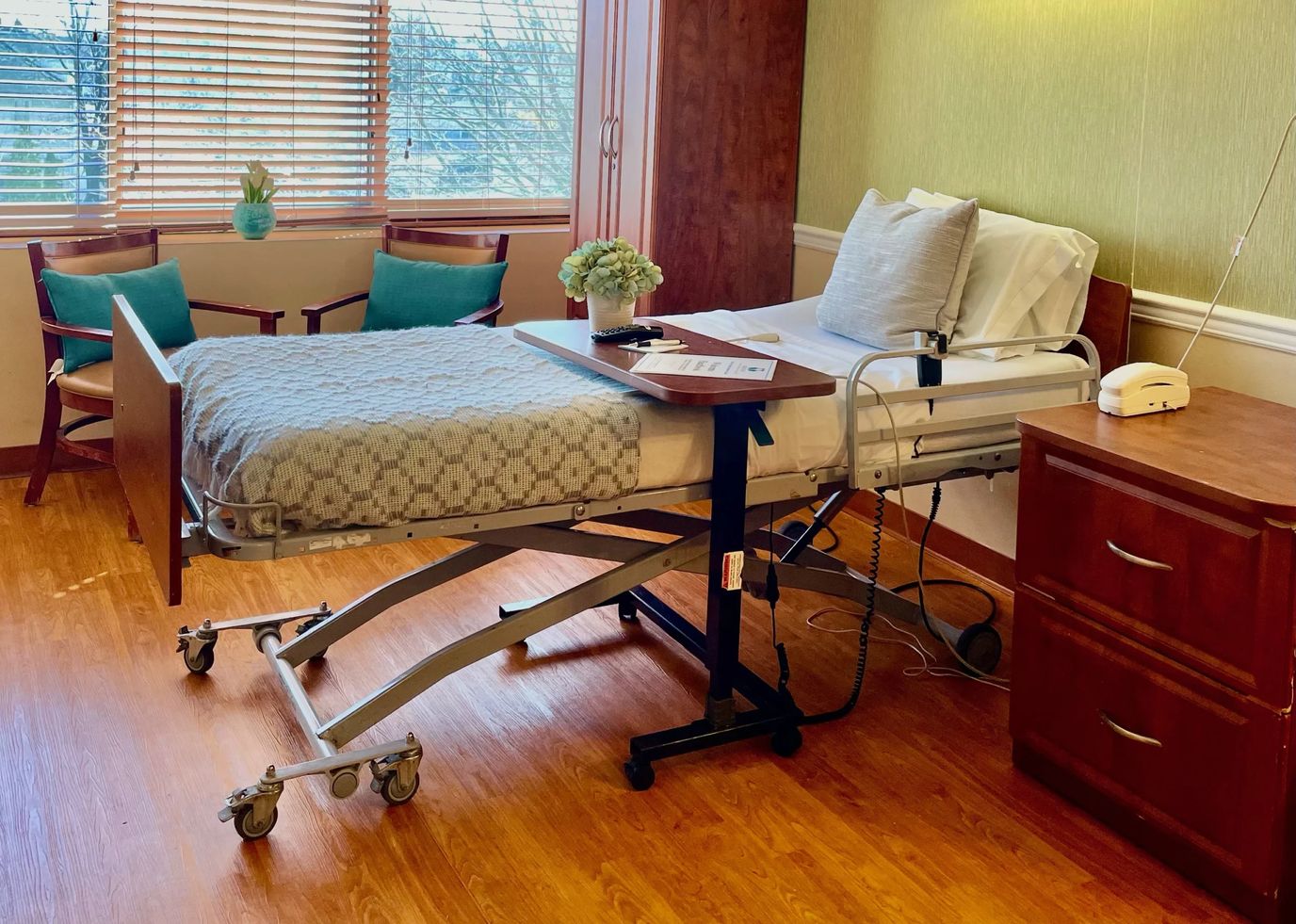
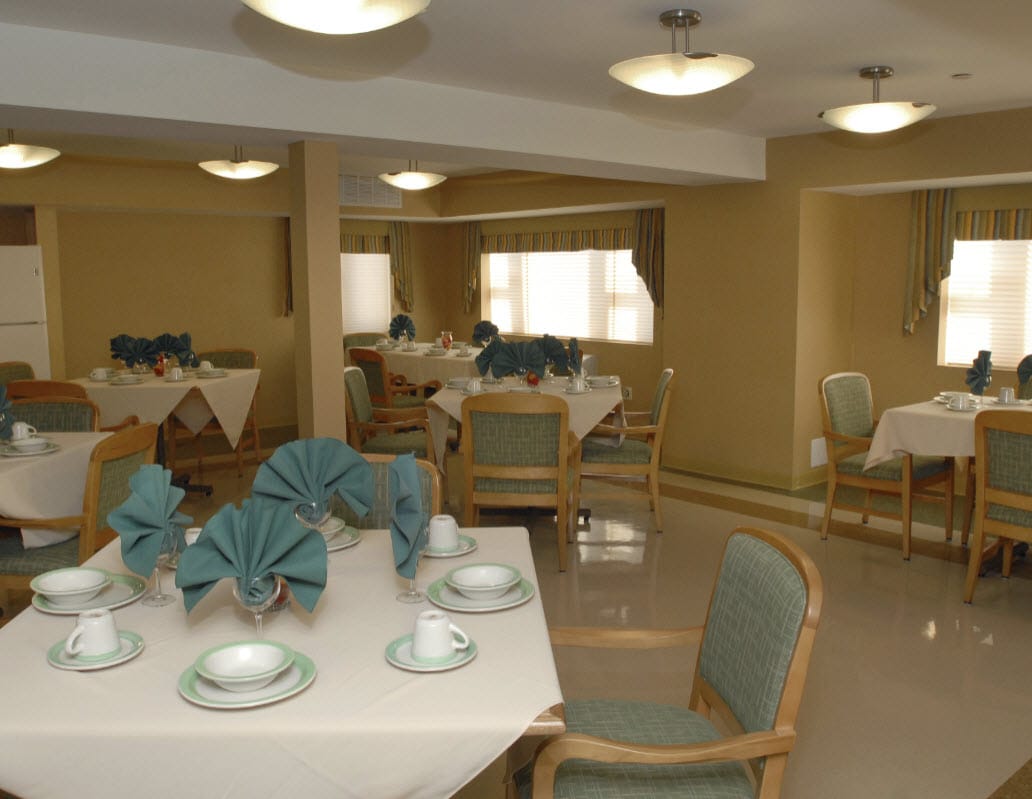
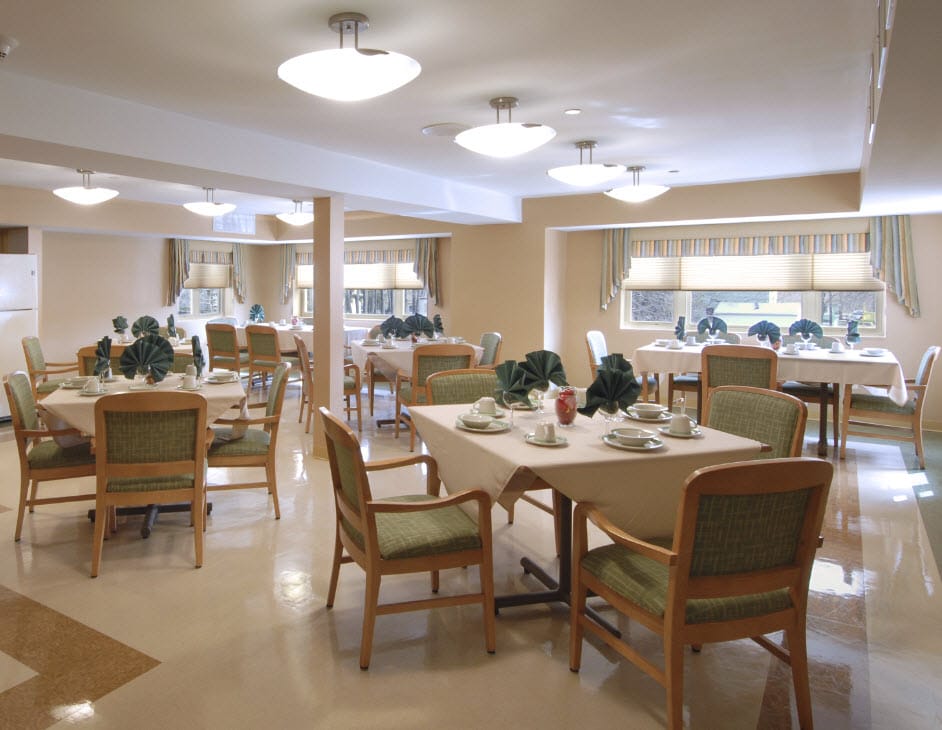
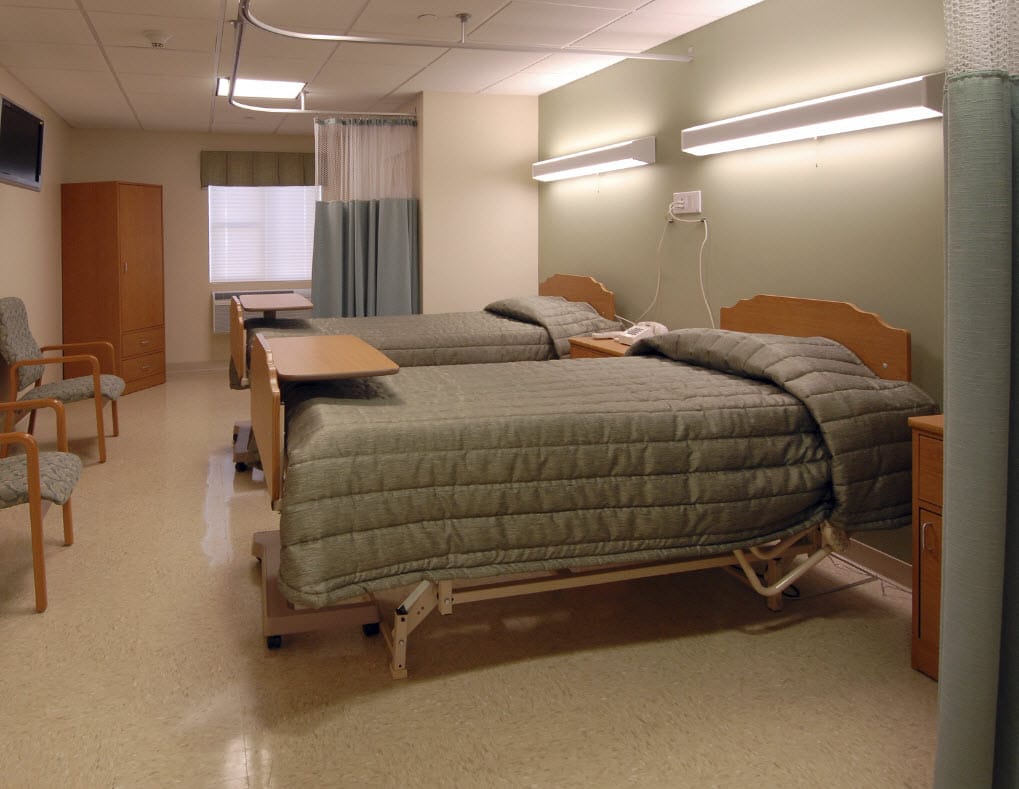
The facility has obviously thought about what rehabilitation residents need beyond the clinical side. Electrically adjustable beds, bedside phones with direct dial, Internet access. The kitchen cooks from scratch, which matters because post-op and cardiac rehab patients often have distinct dietary needs that pre-made or frozen food simply can’t accommodate.
Insurance access is straightforward: Medicare, Medicaid, and private pay. The location cuts another way too; high walkability means family doesn’t need to be comfortable driving or dealing with parking for daily visits. That kind of accessible proximity matters for people trying to stay involved in a loved one’s recovery without the friction of difficult logistics.
The facility has been around long enough to have sustained regulatory scrutiny: 15 years of state inspection history. Inspectors have consistently given weight to medication administration practices and documentation completeness in care planning. These aren’t minor compliance items; they’re the operational discipline that keeps people safe in an acute setting.
The facility’s response has been to keep refining its medication protocols and documentation practices, which is the right direction. When an operation is transparent about where oversight lands and methodical about responding, that suggests an organization that takes regulatory attention as data rather than an obstacle.