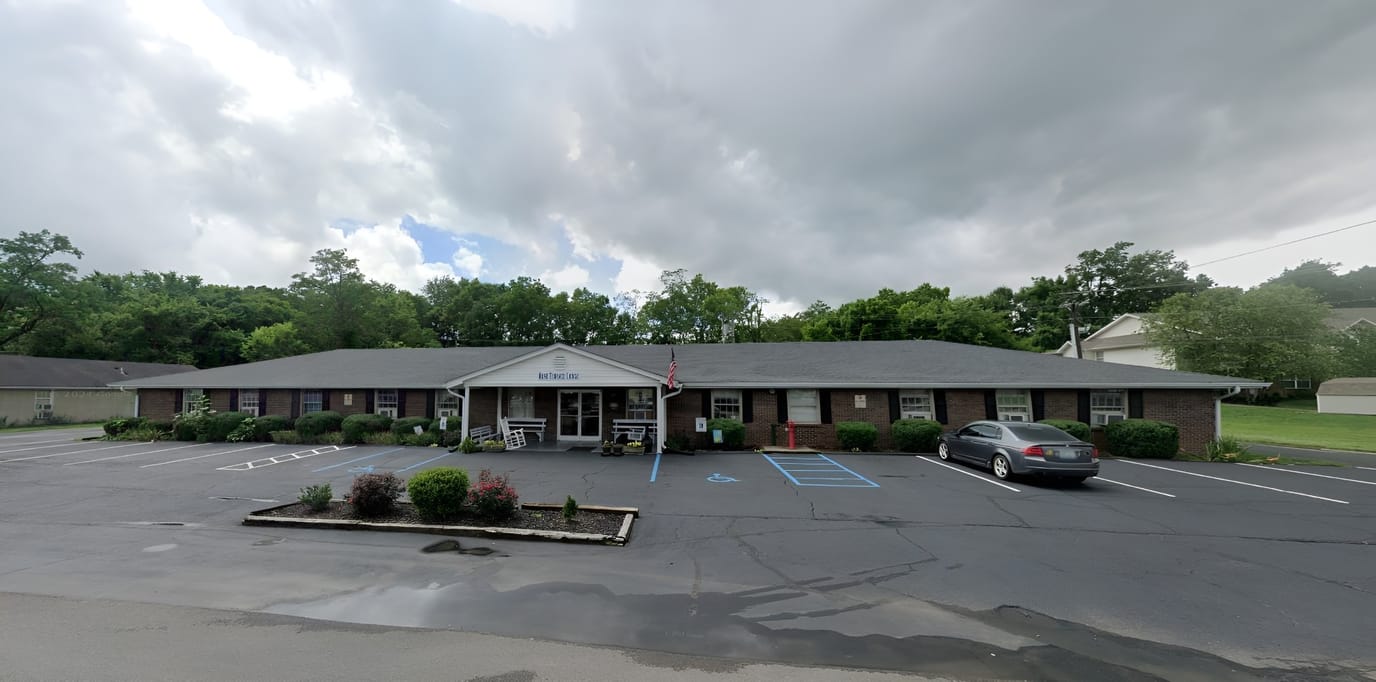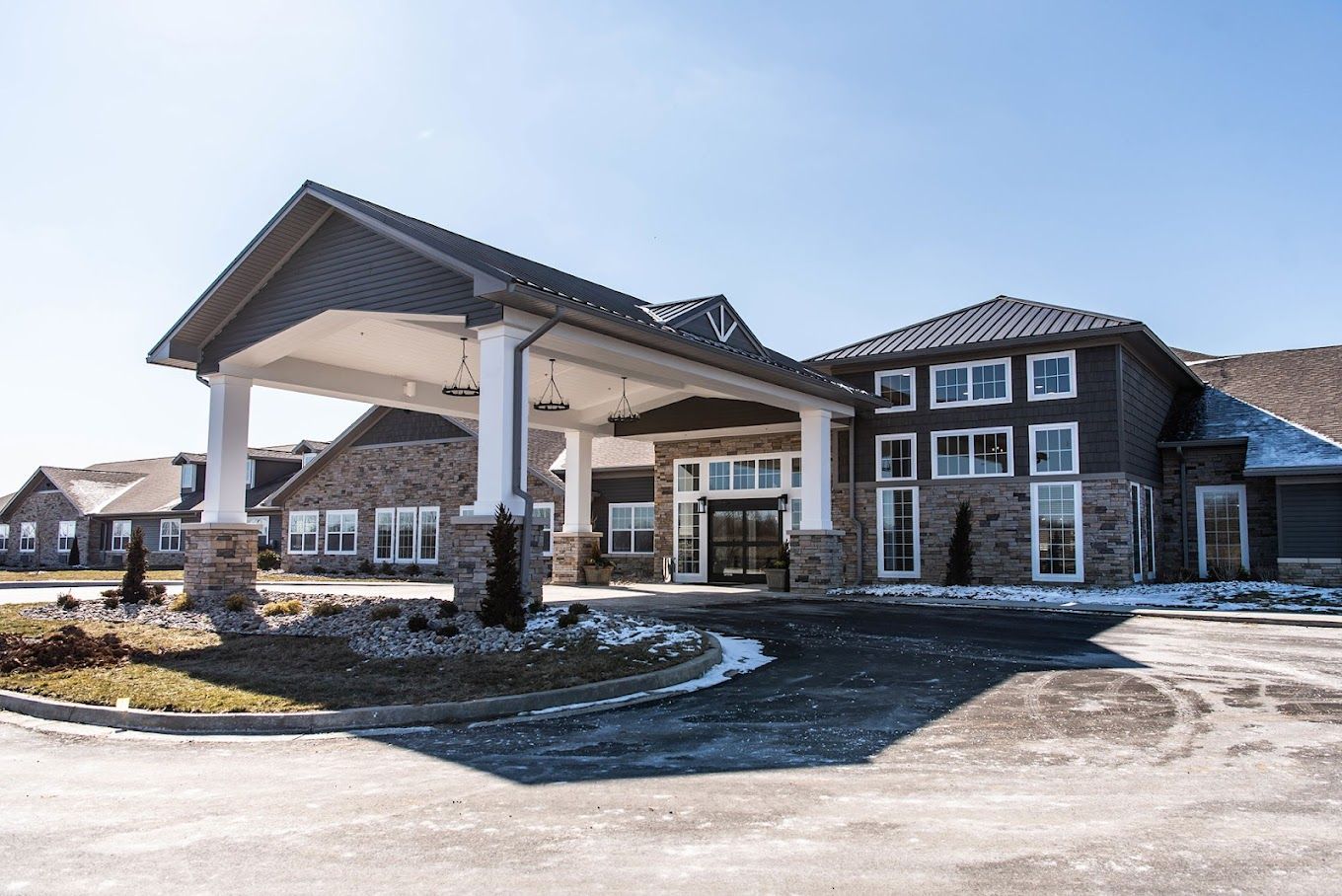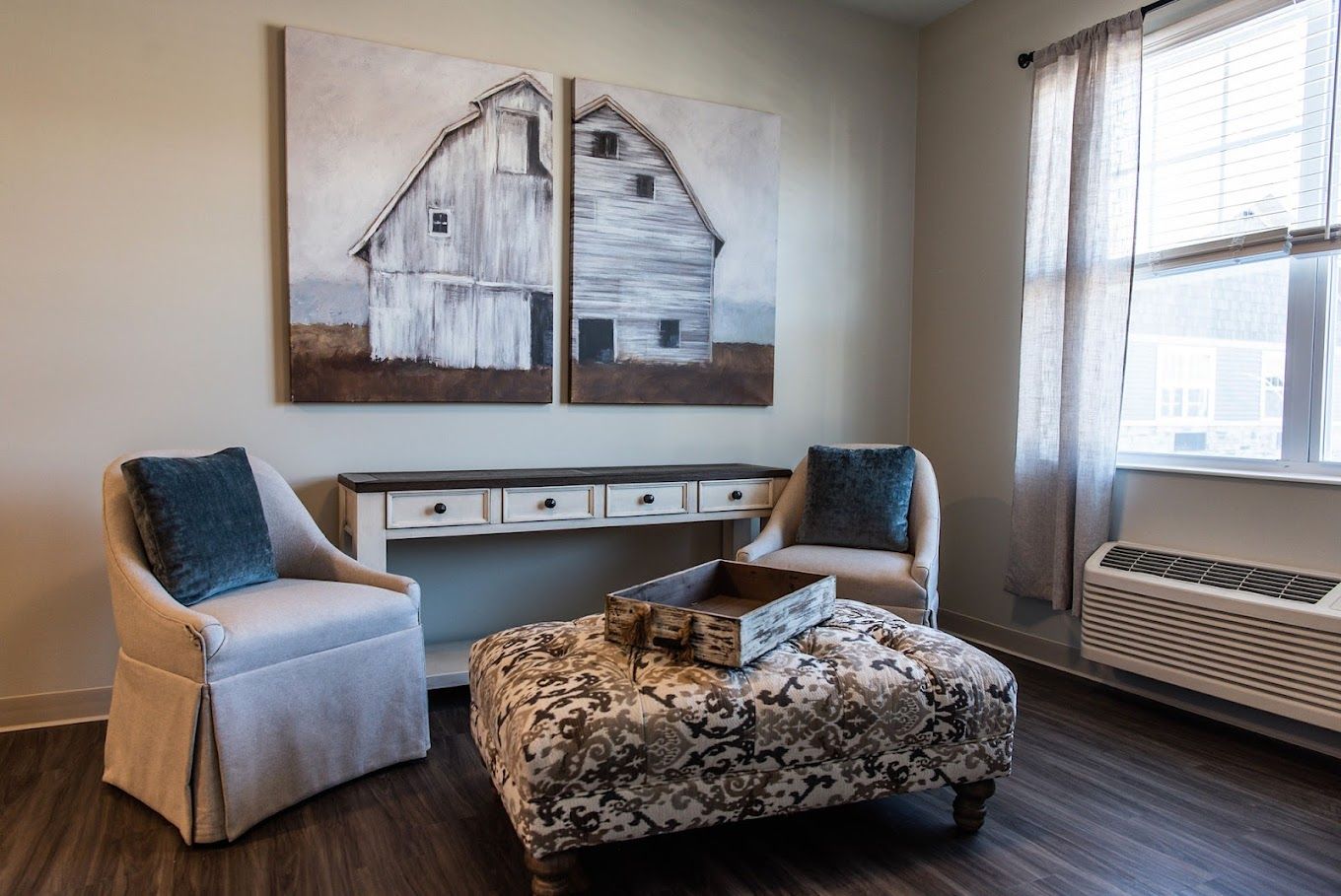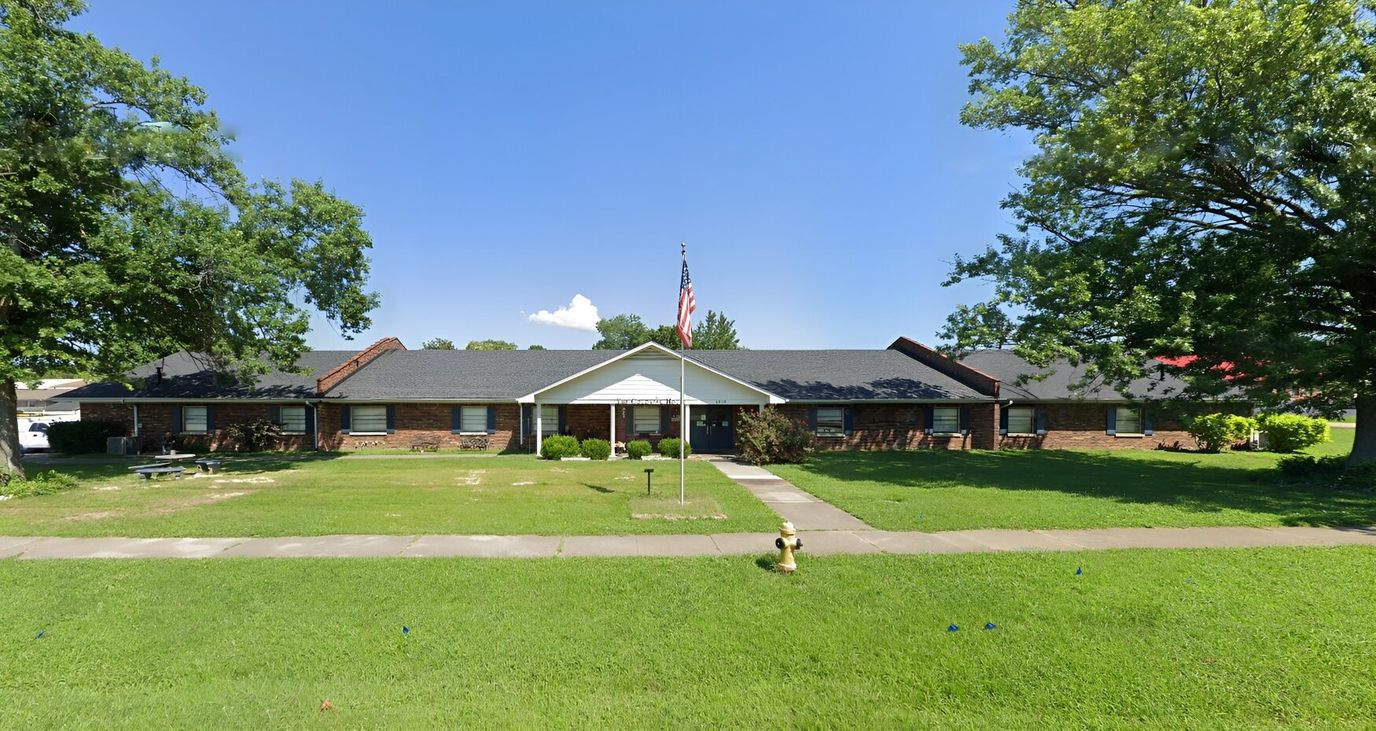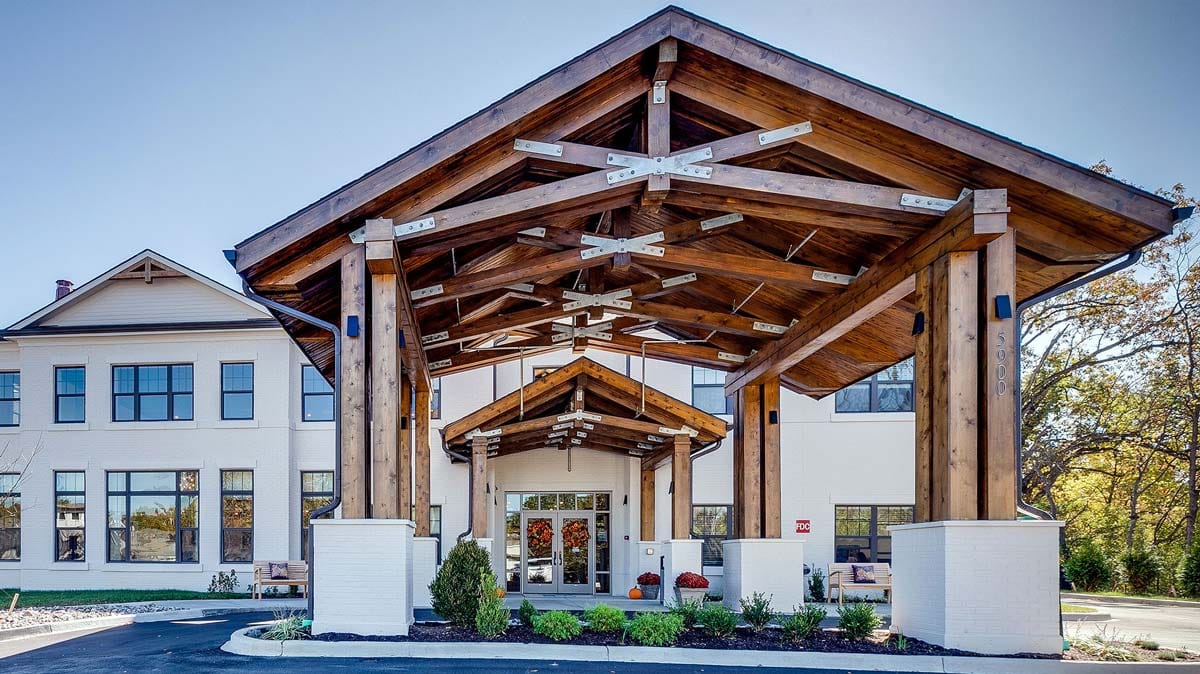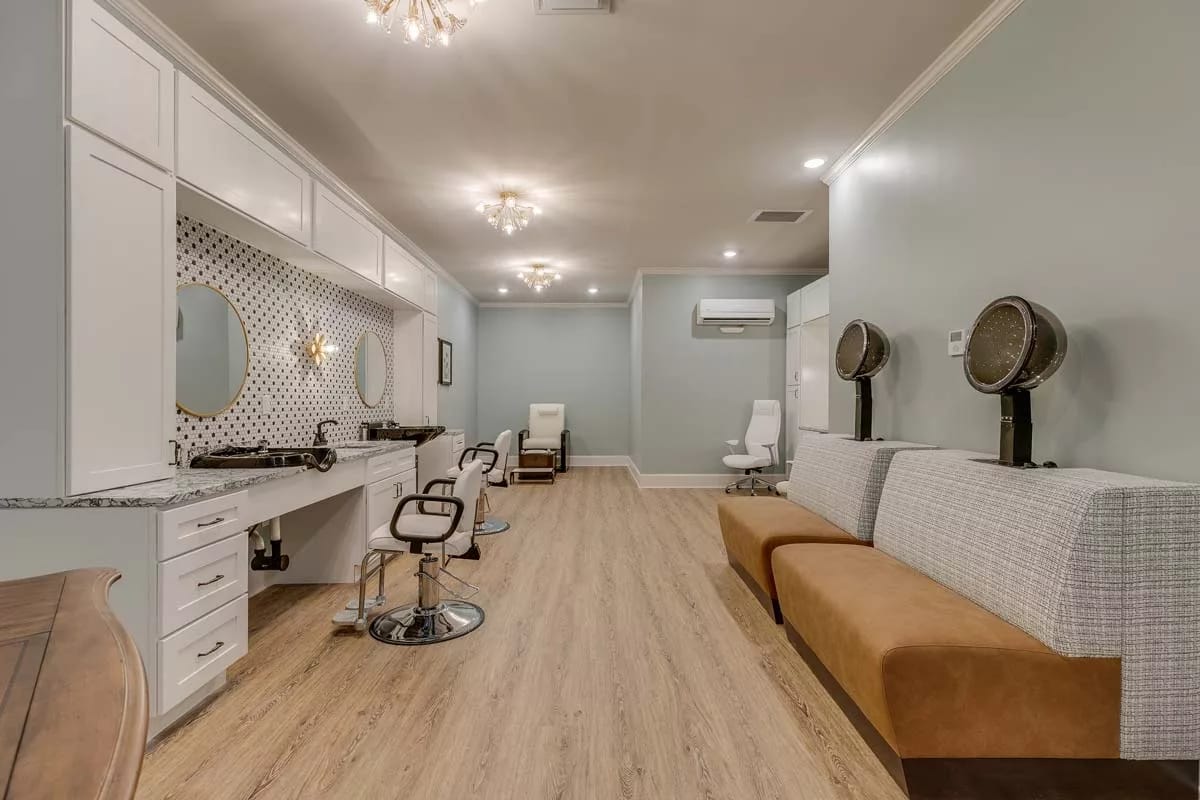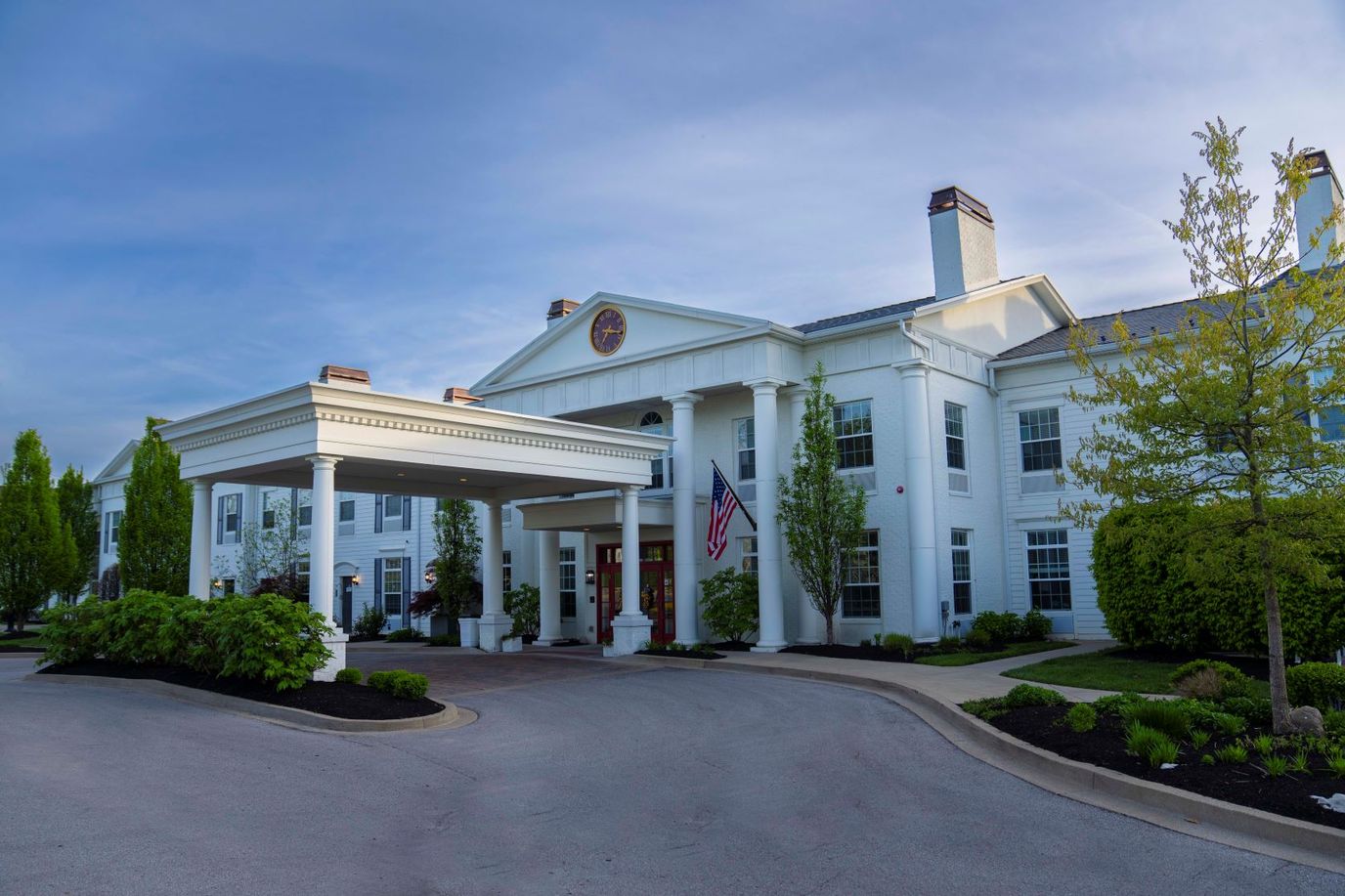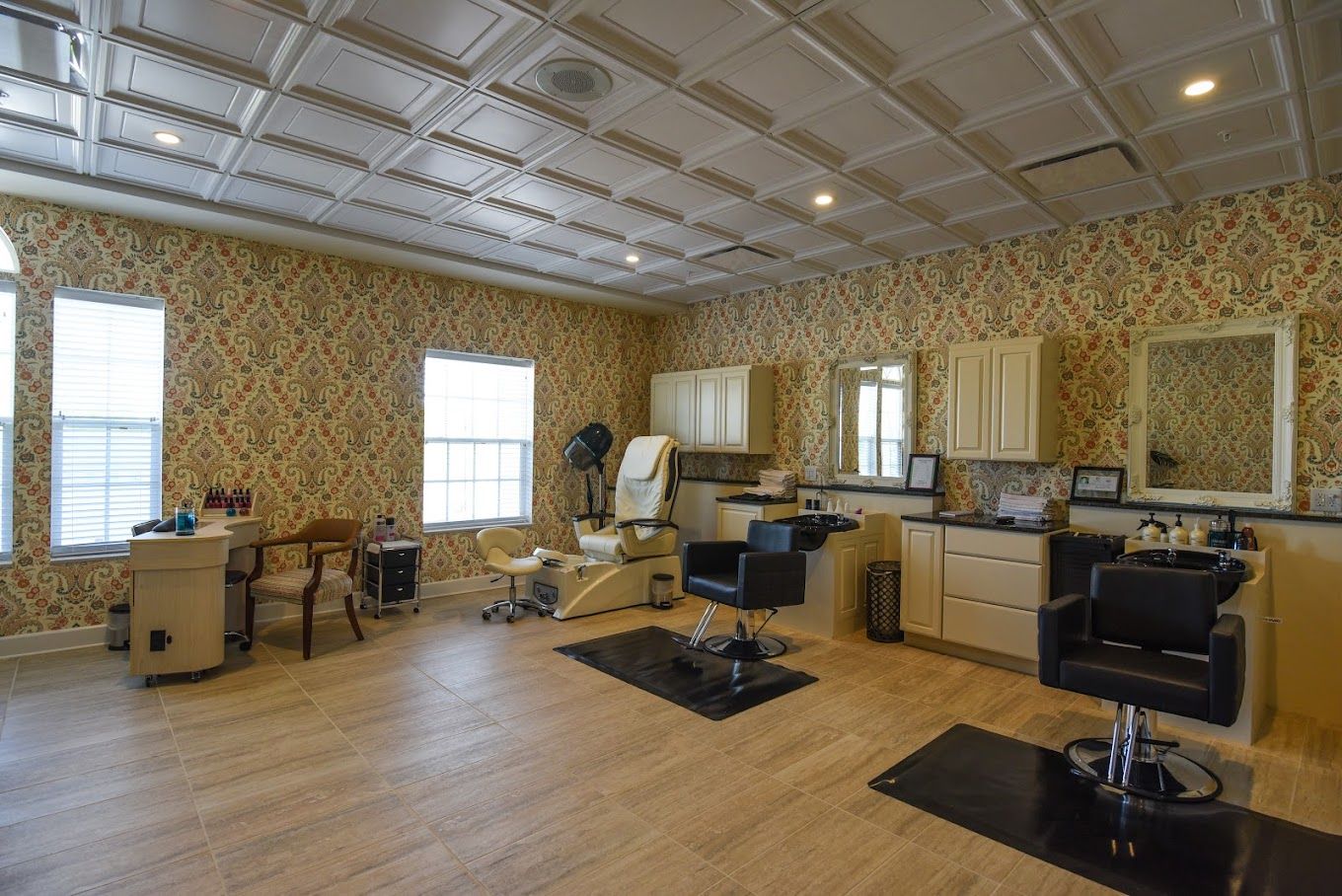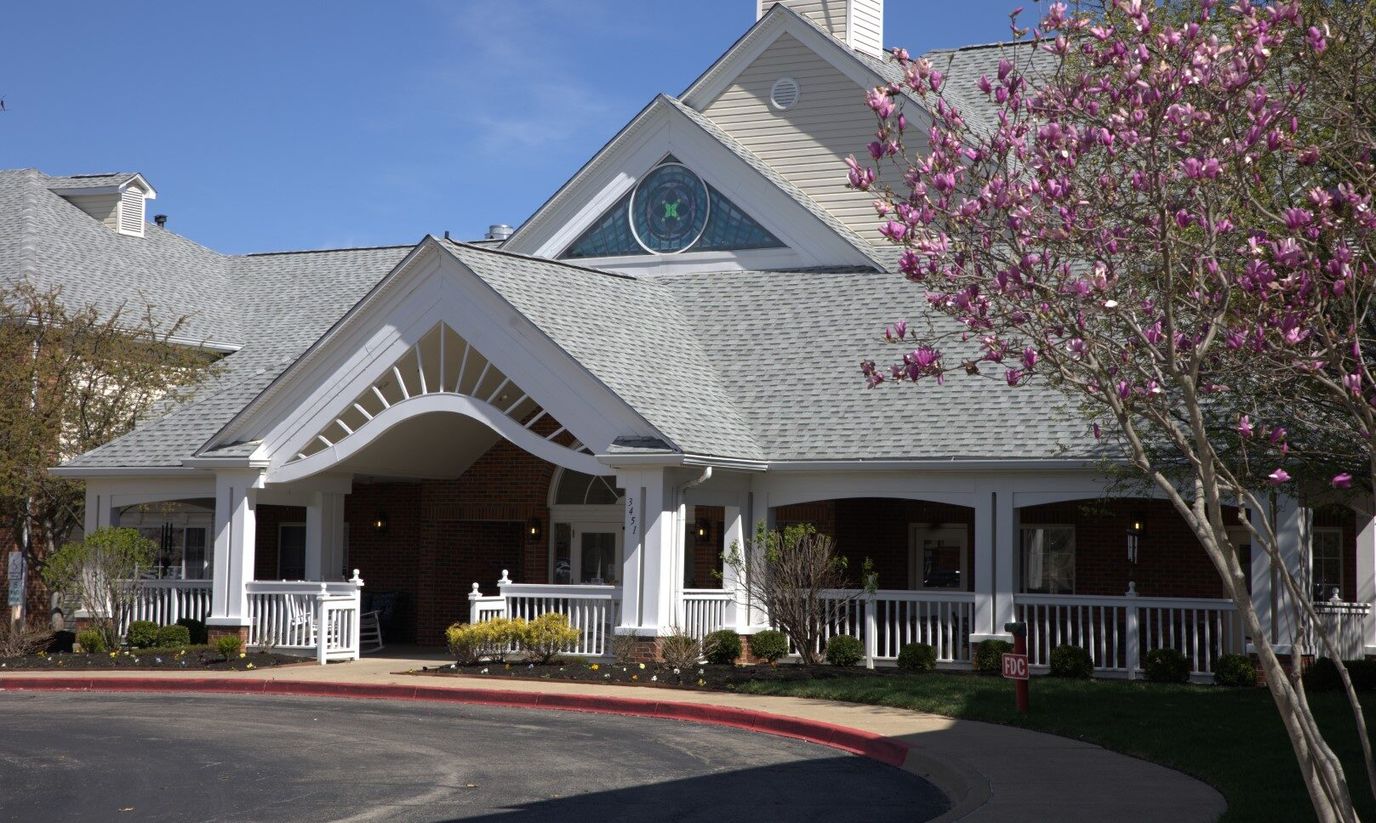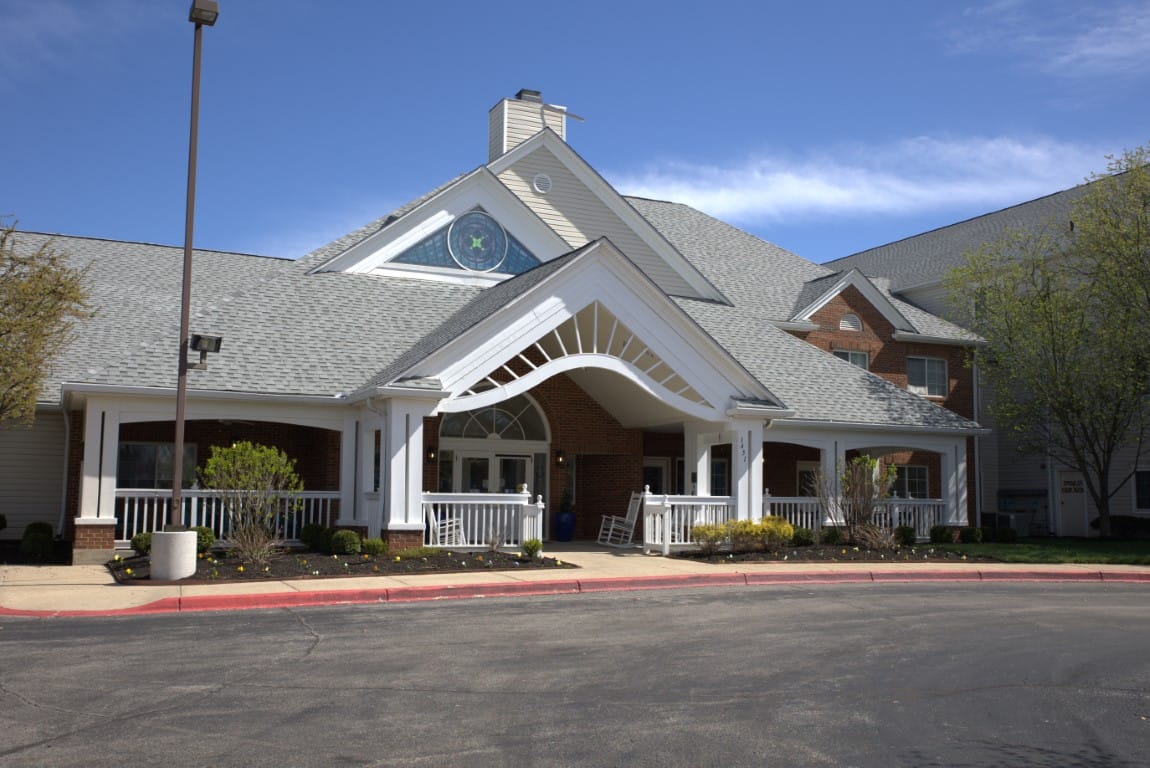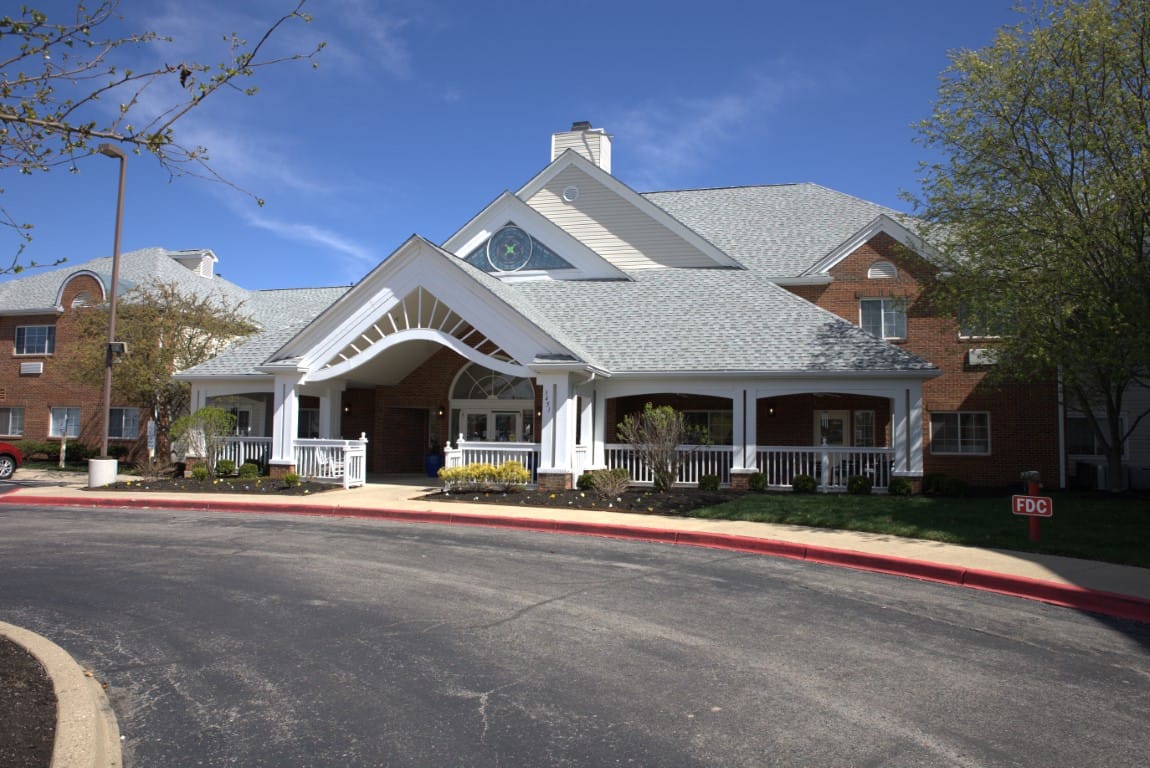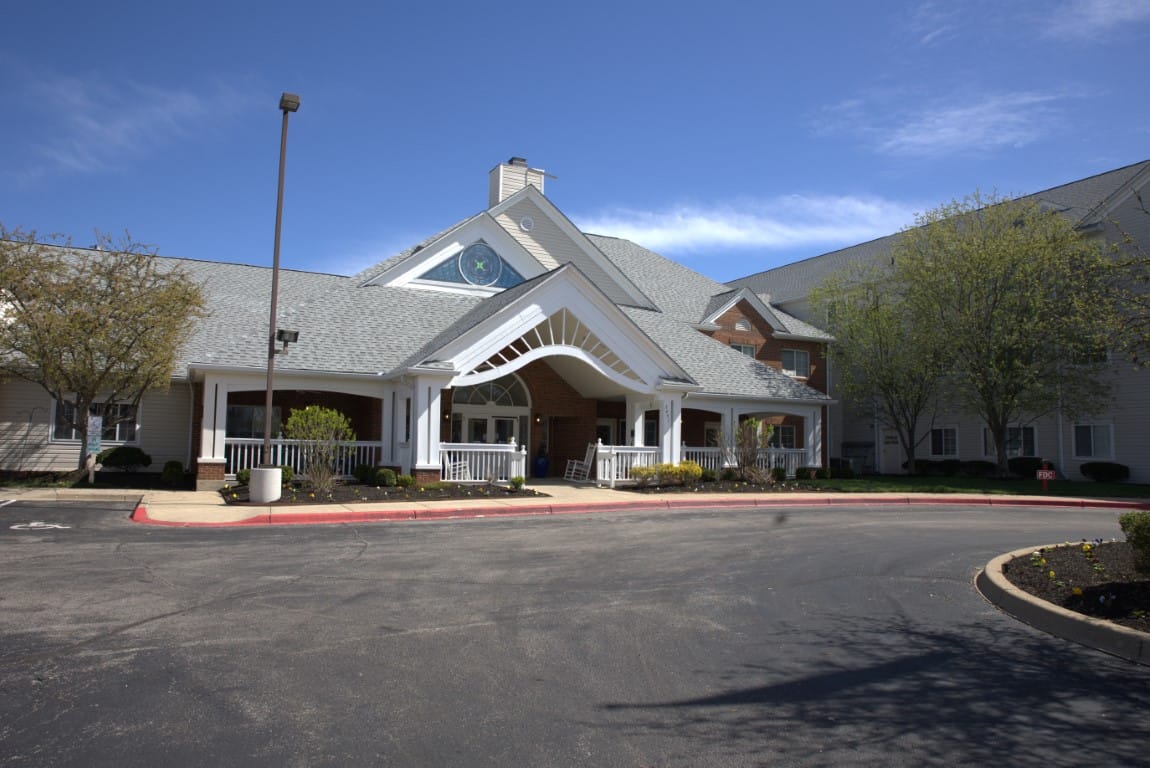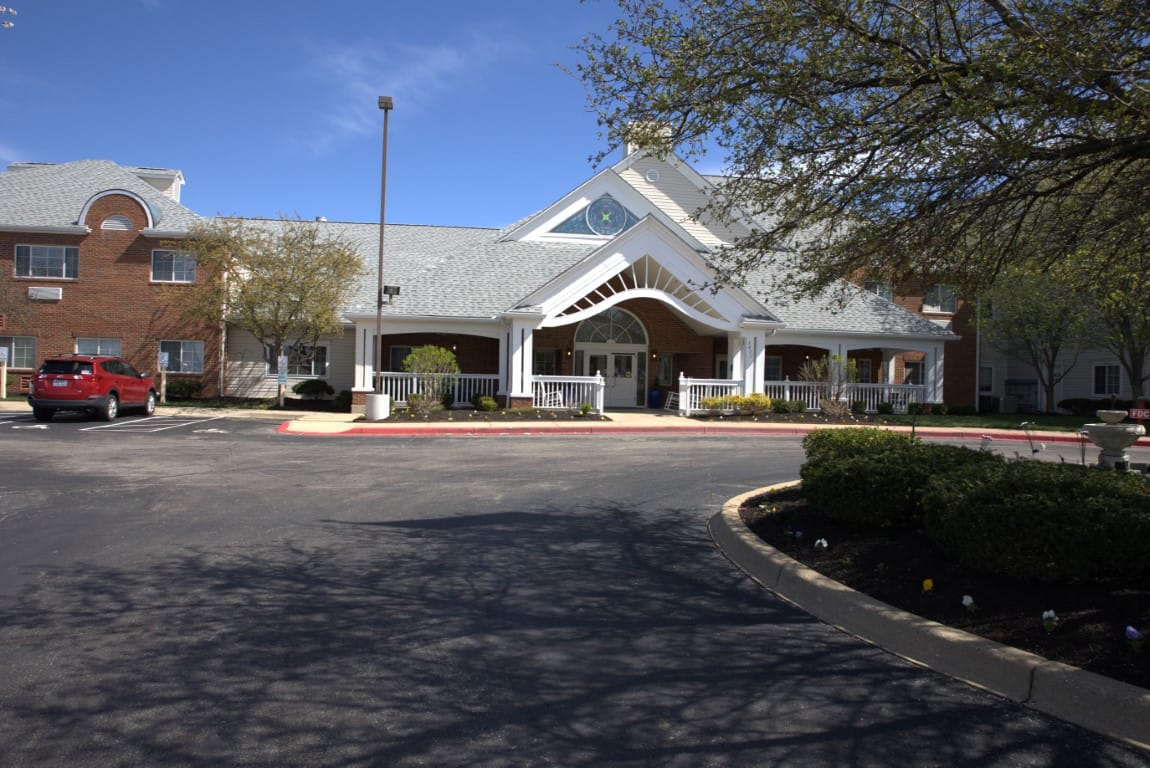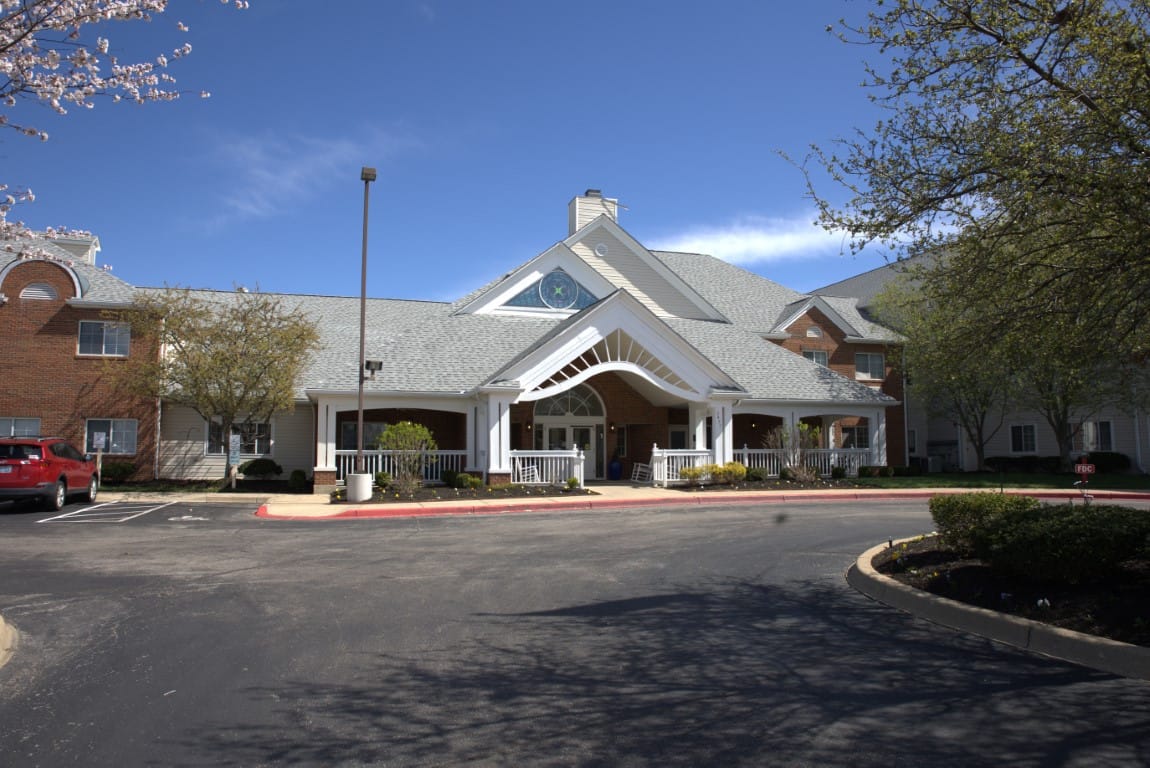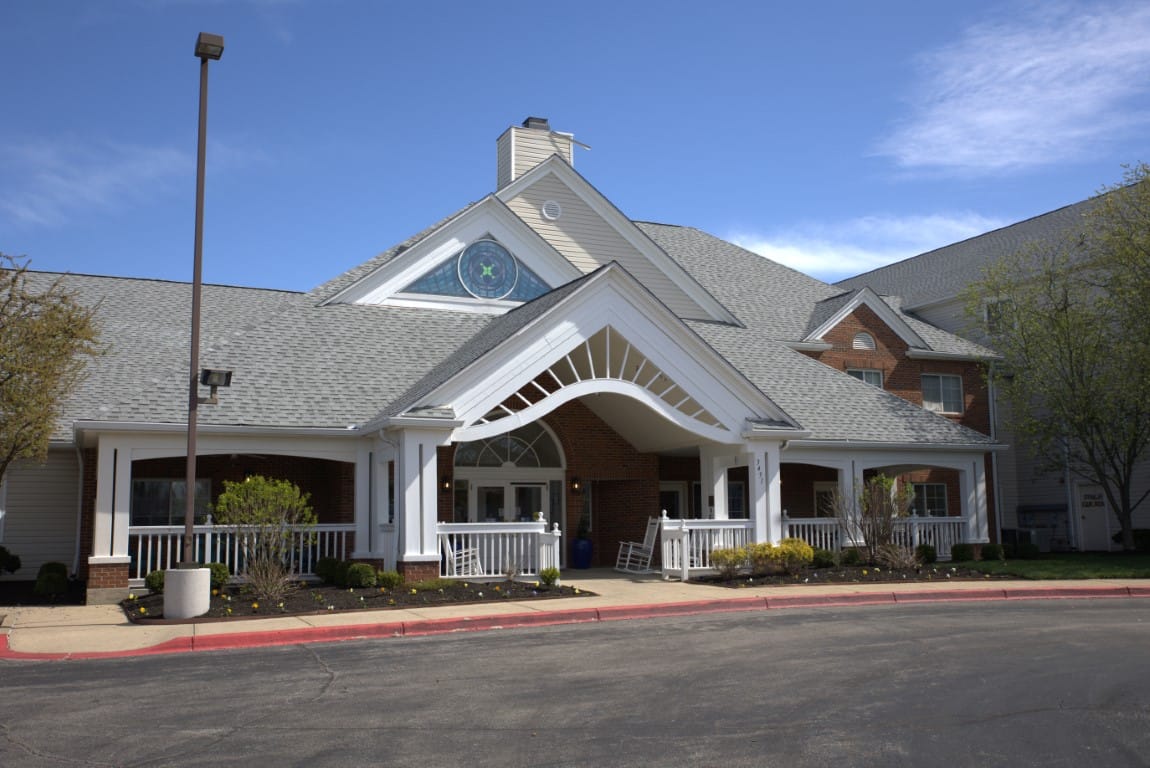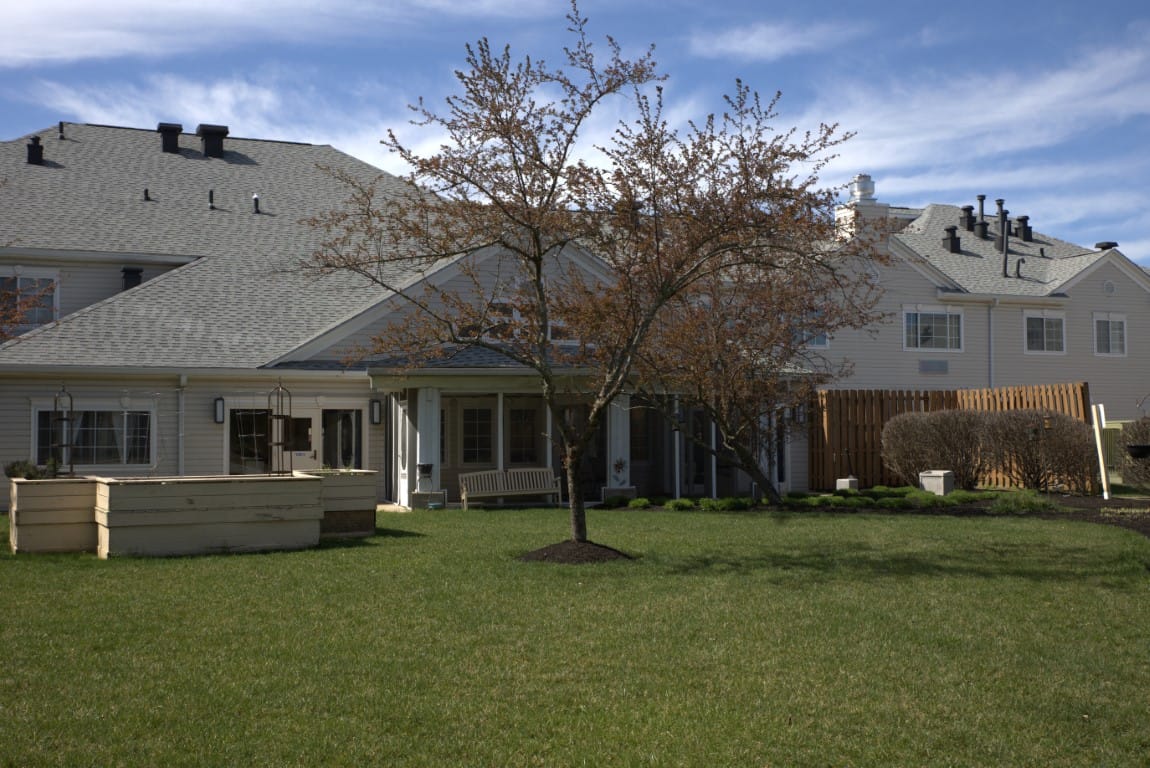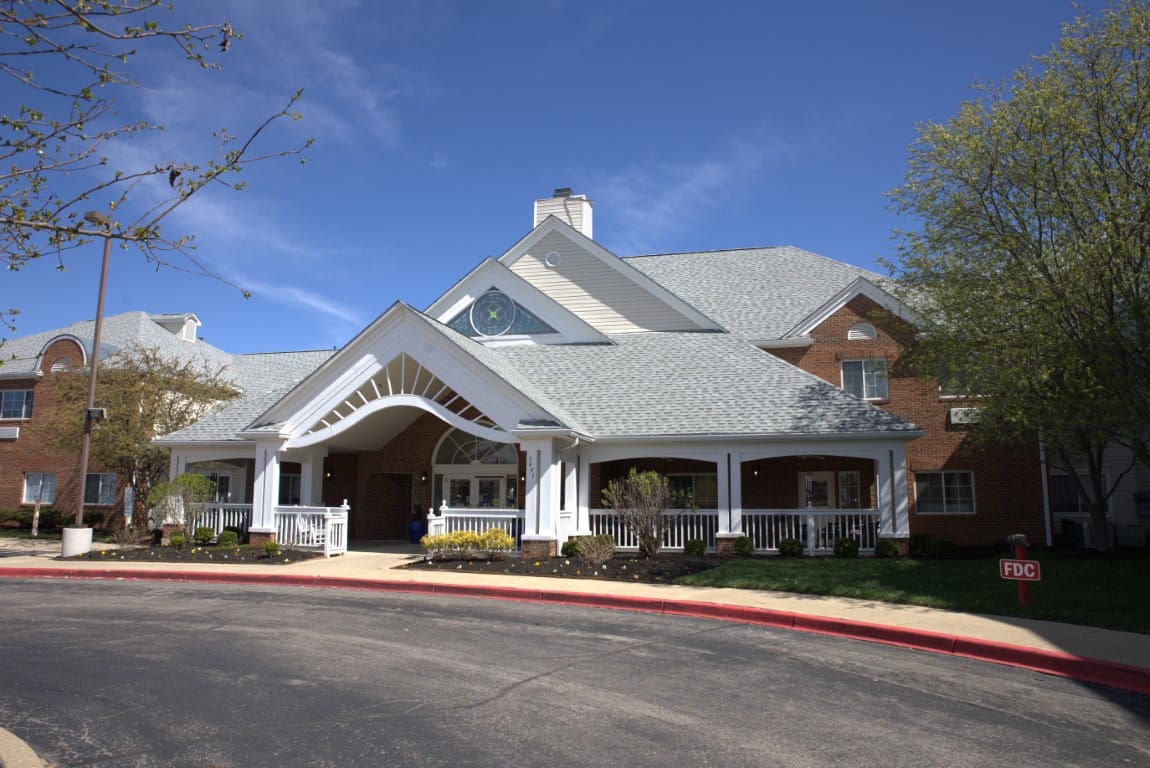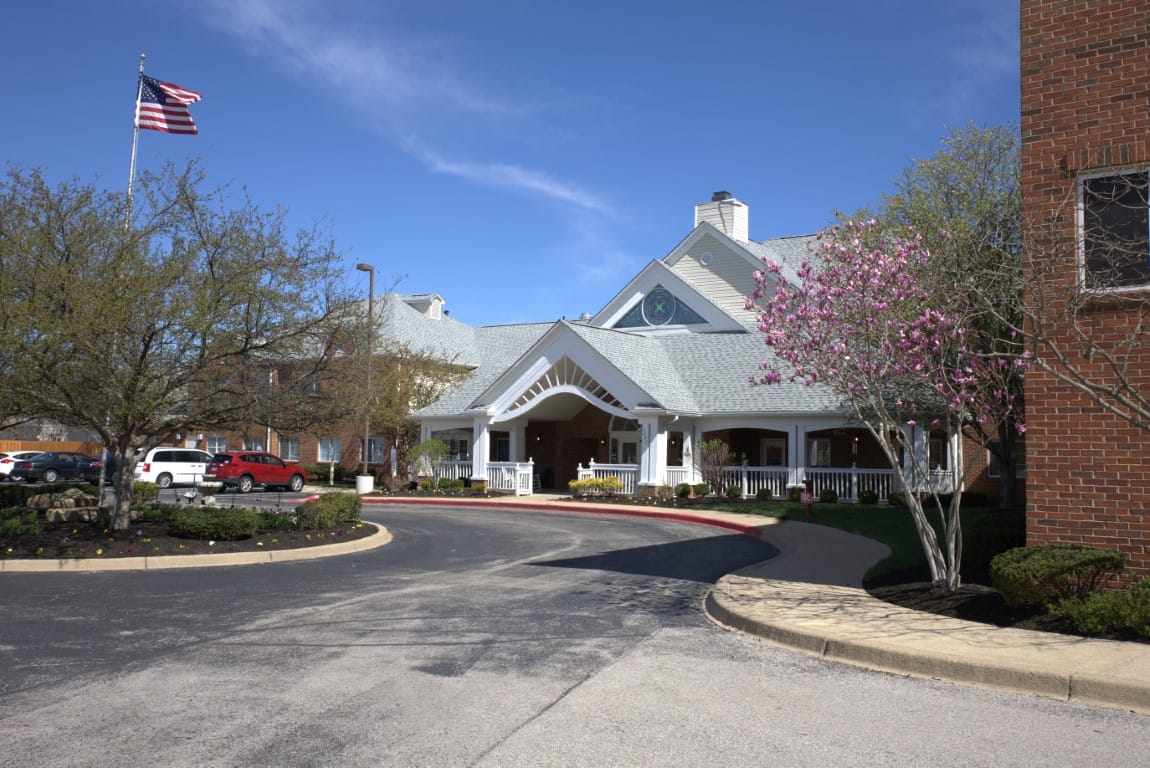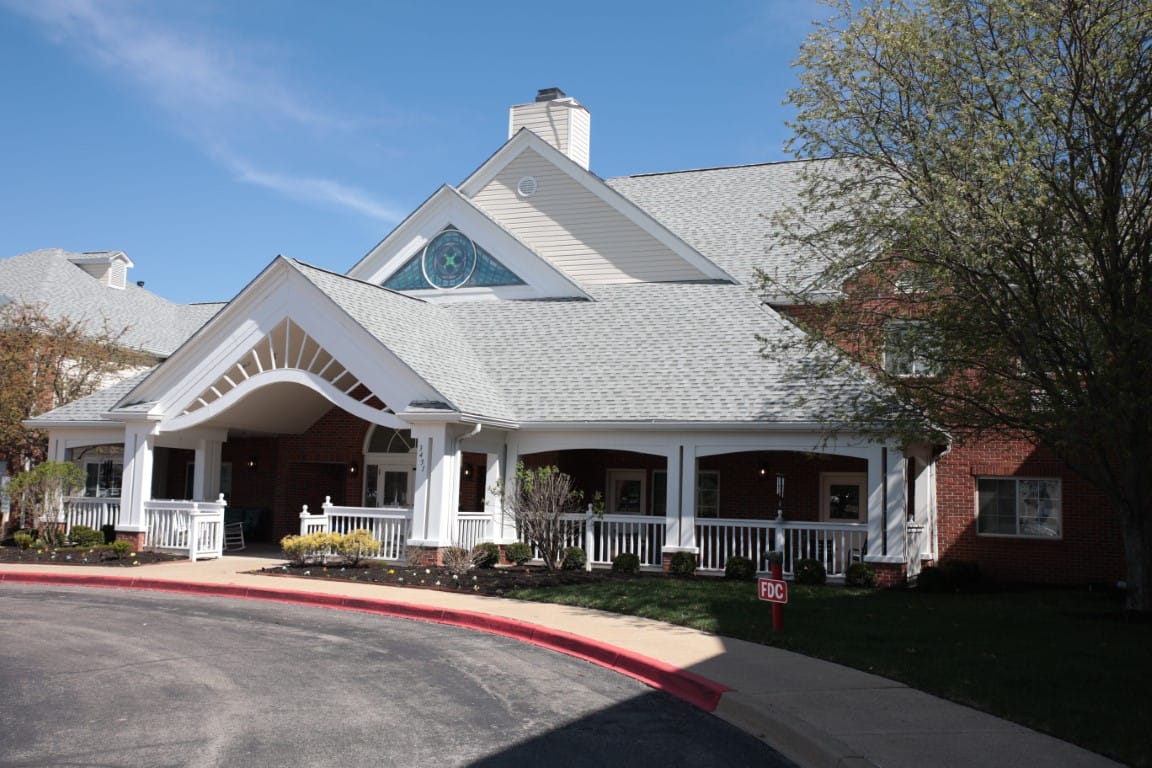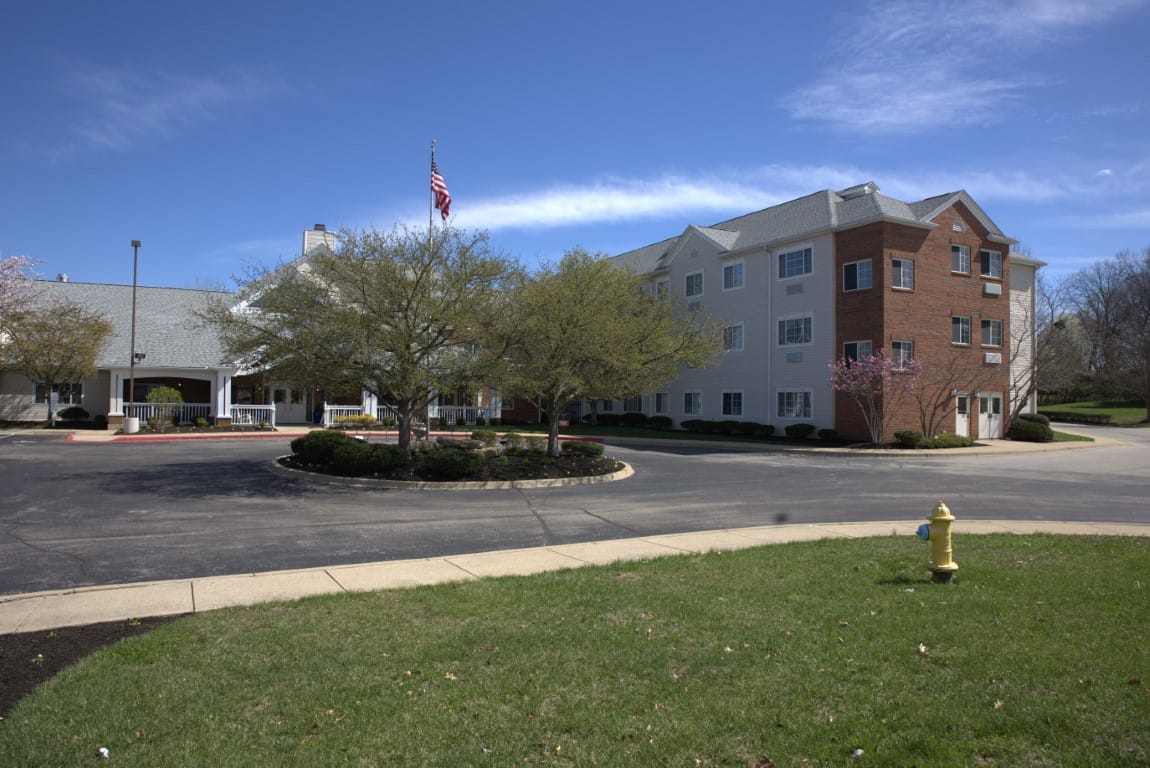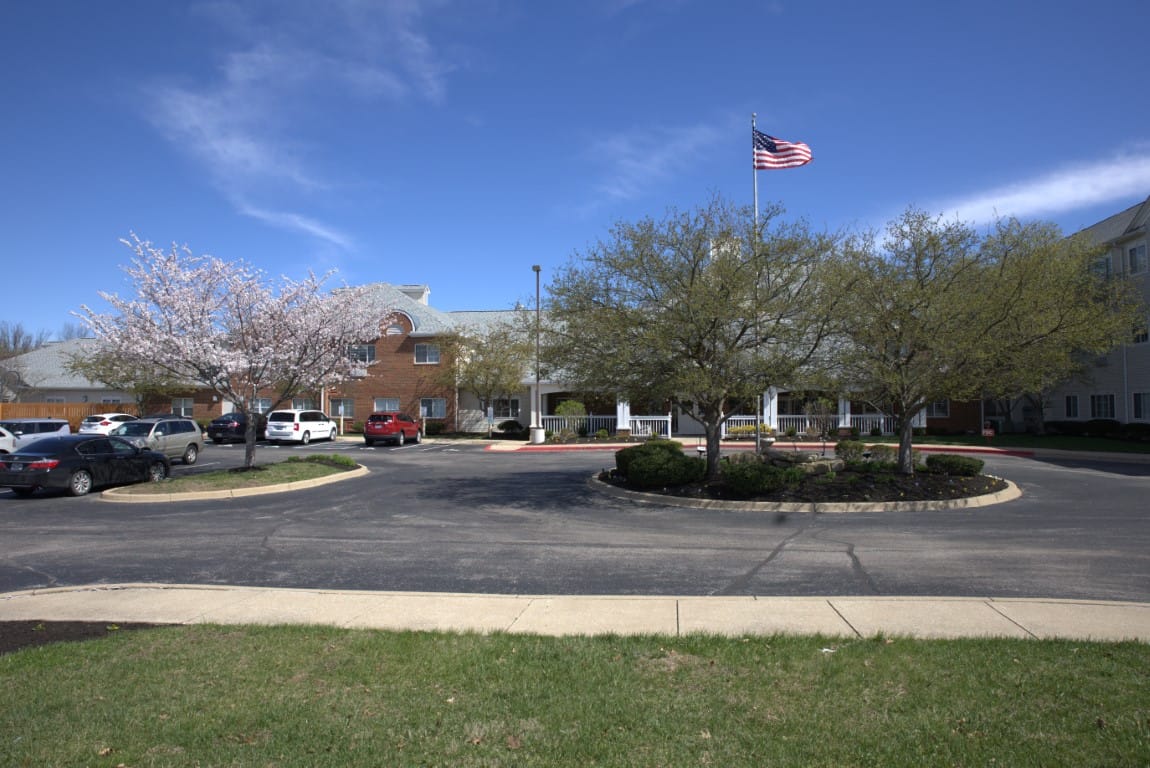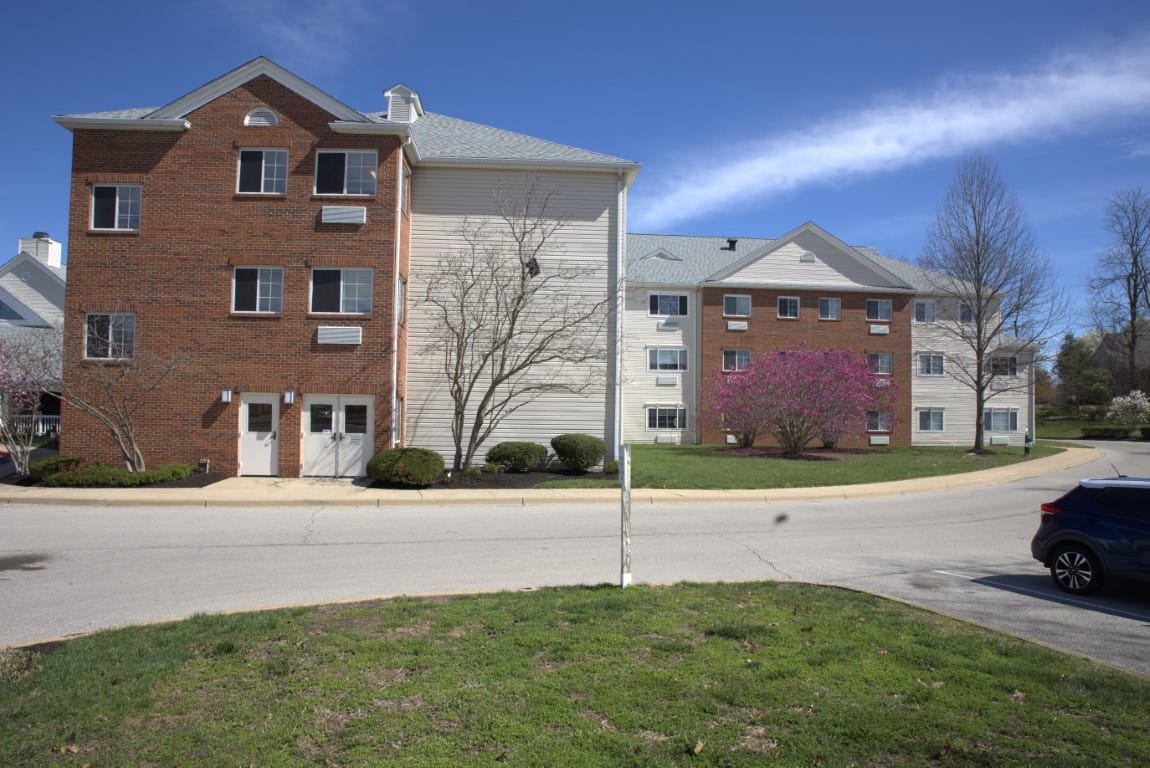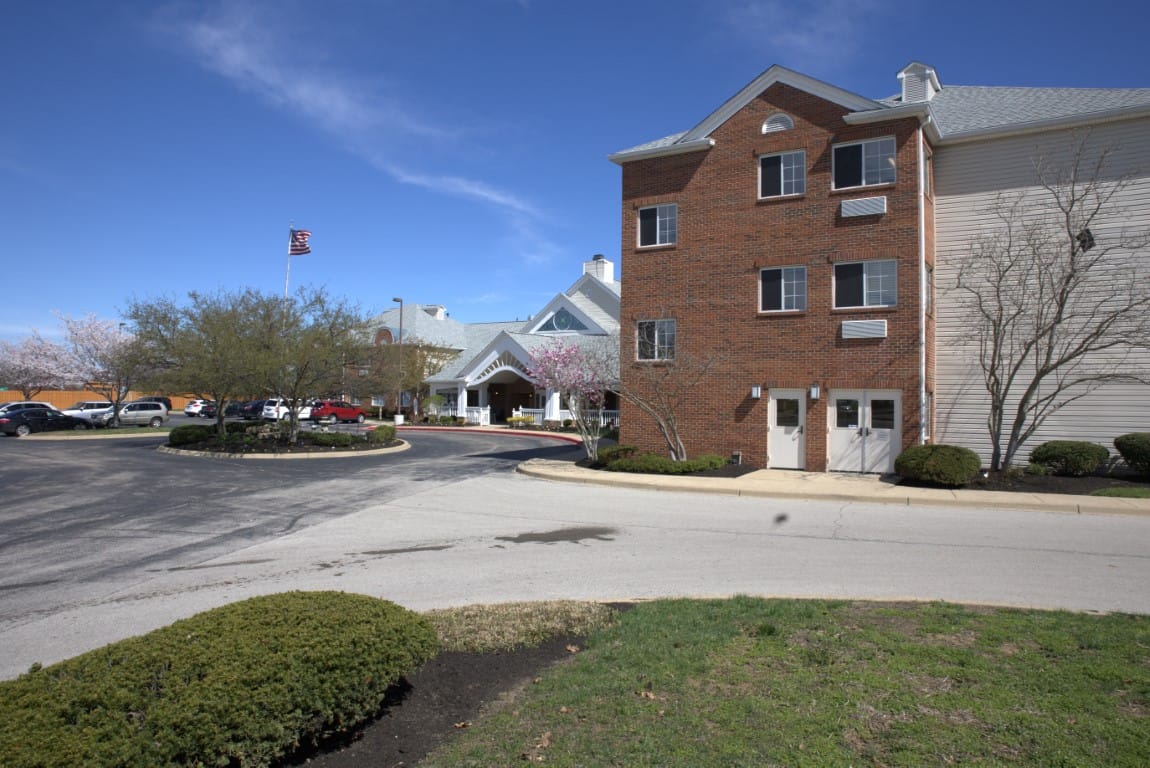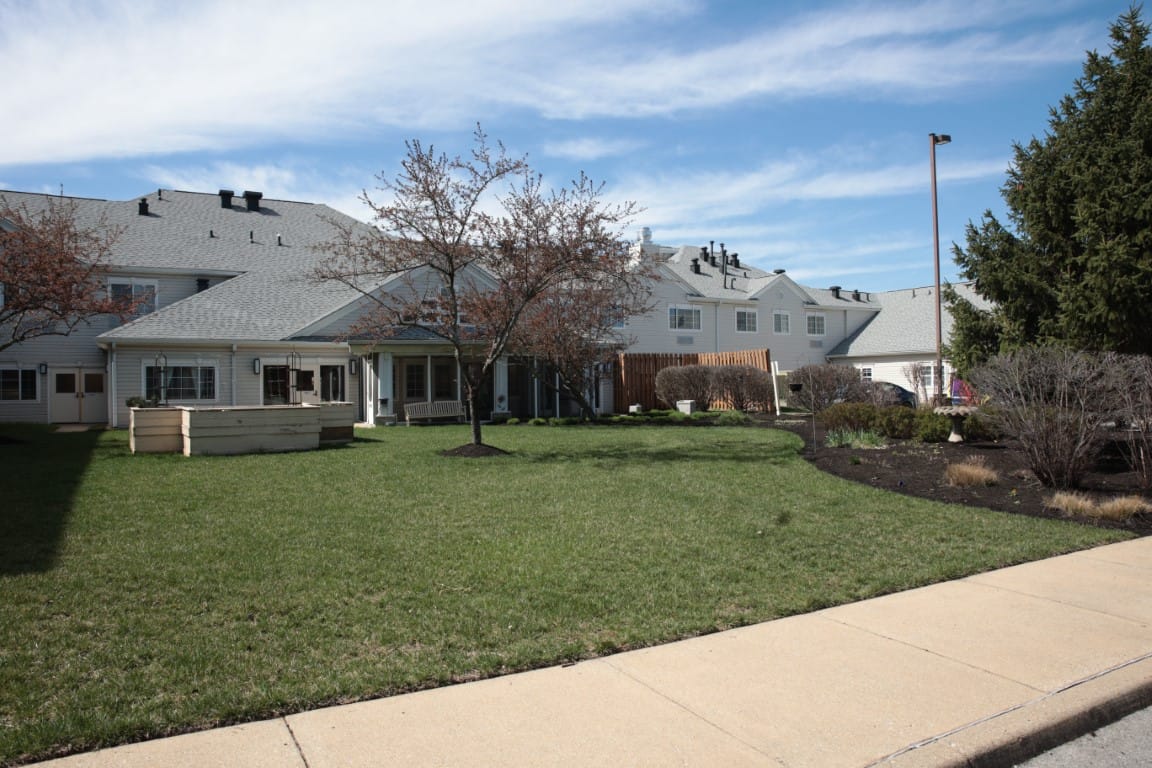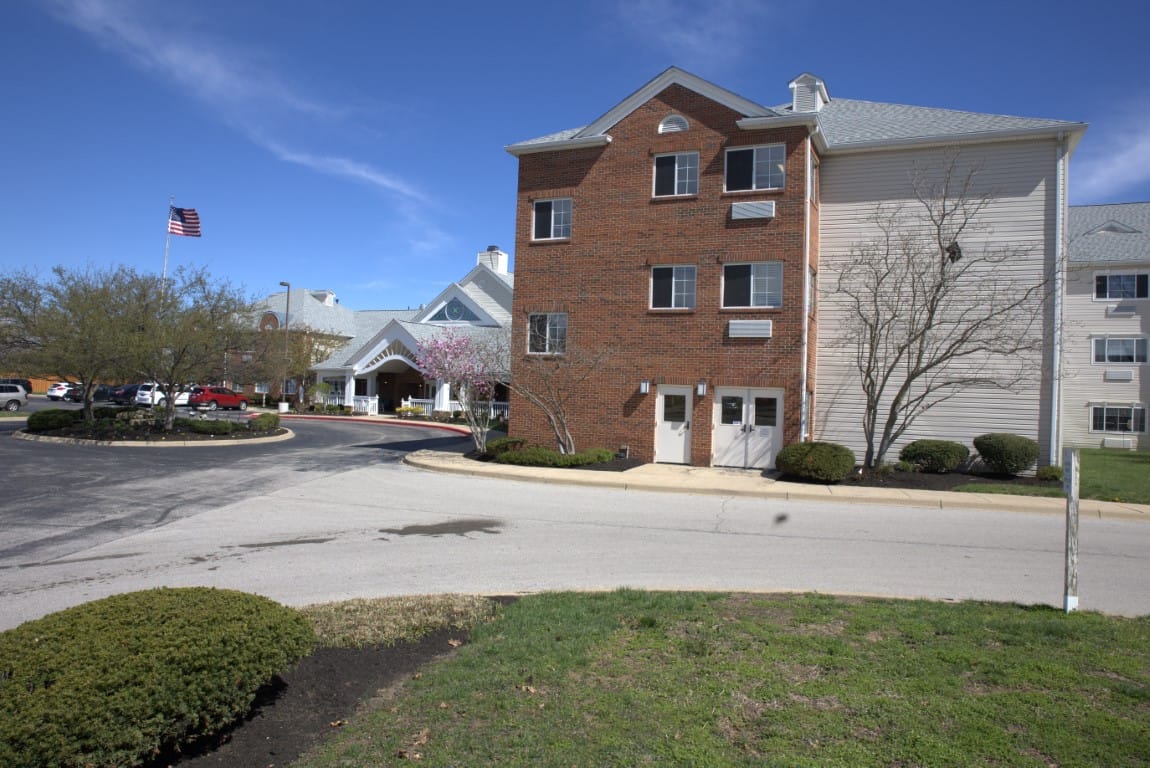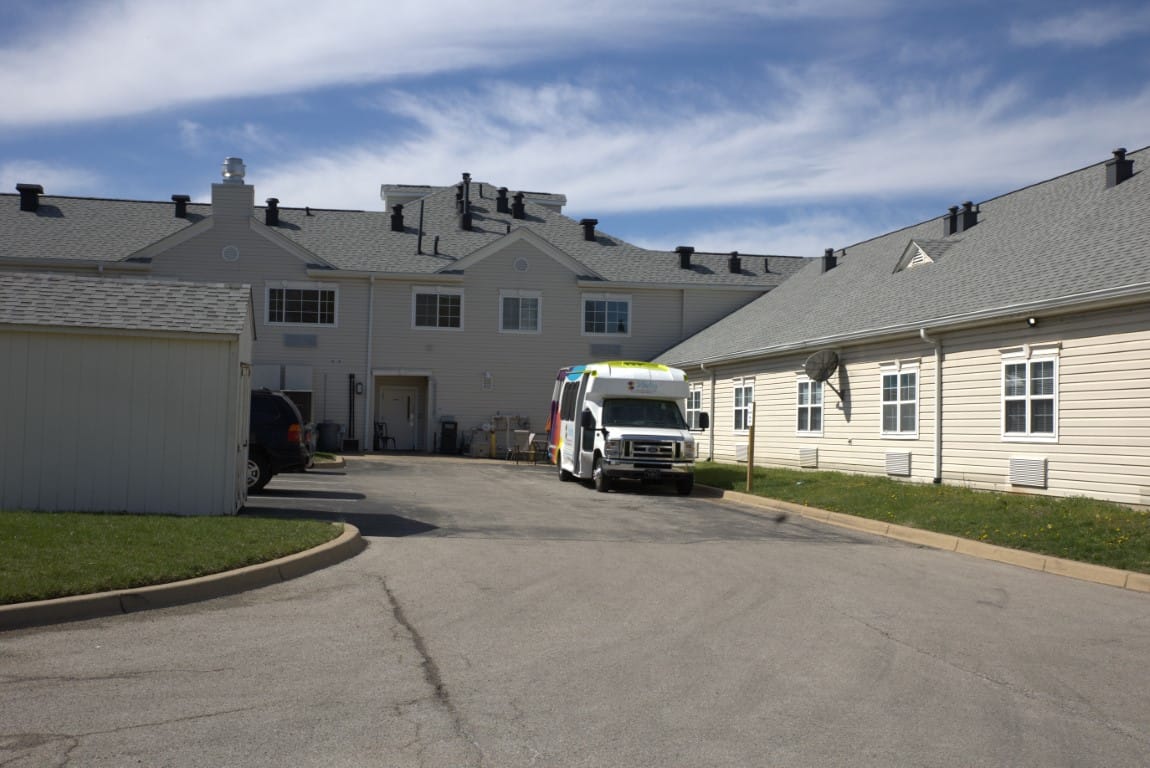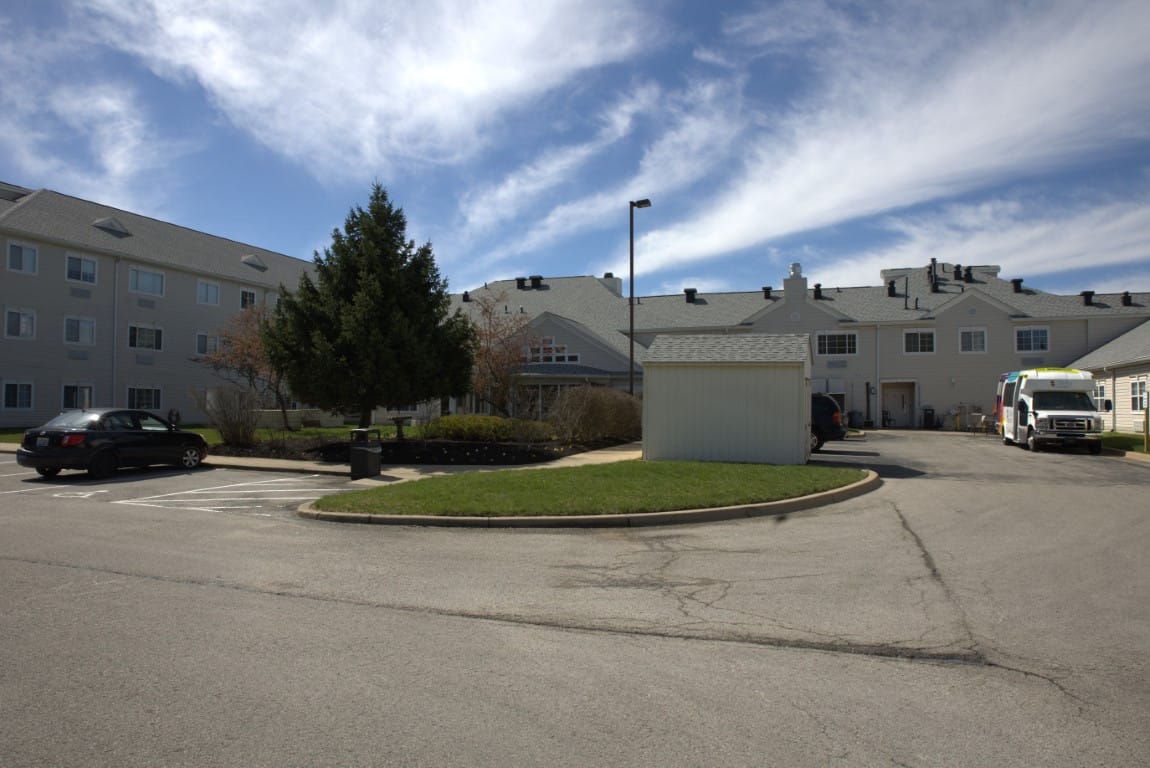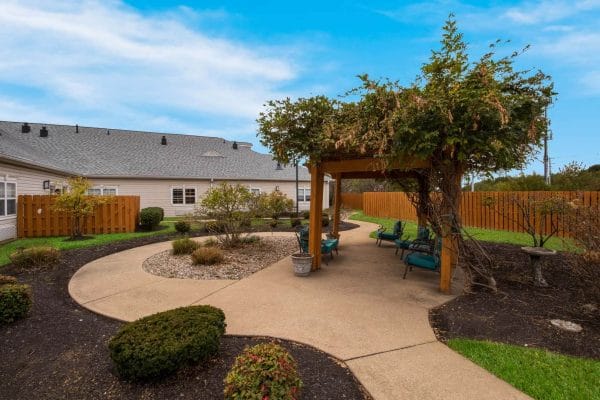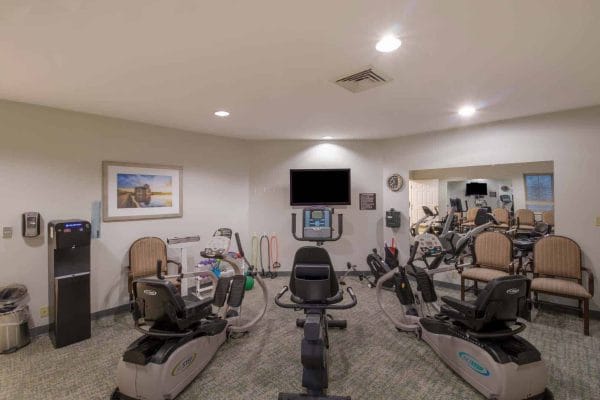


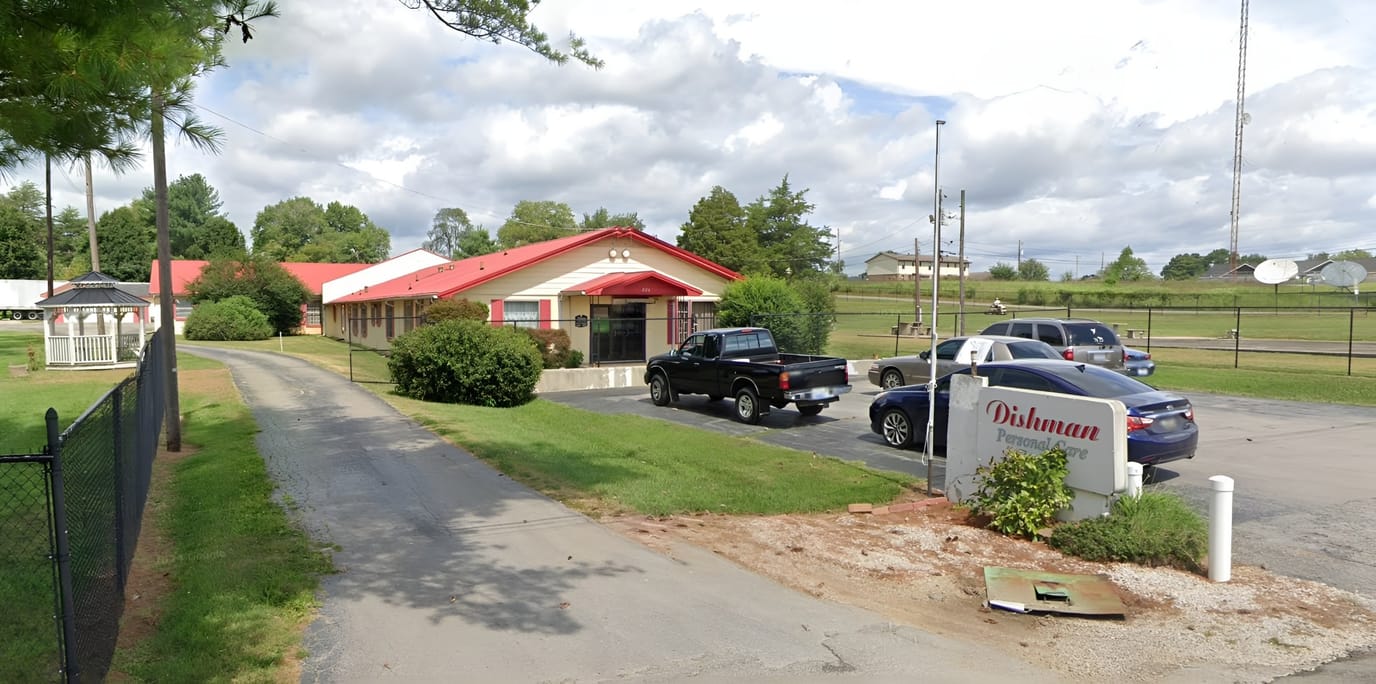
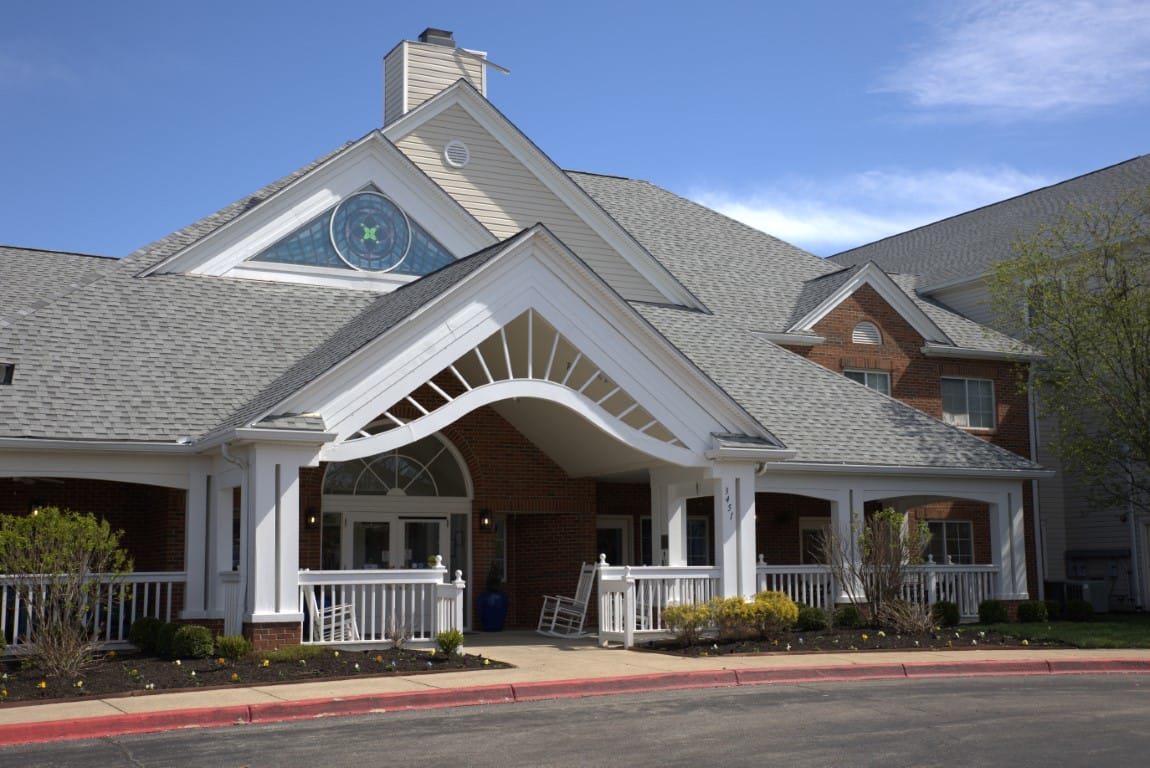
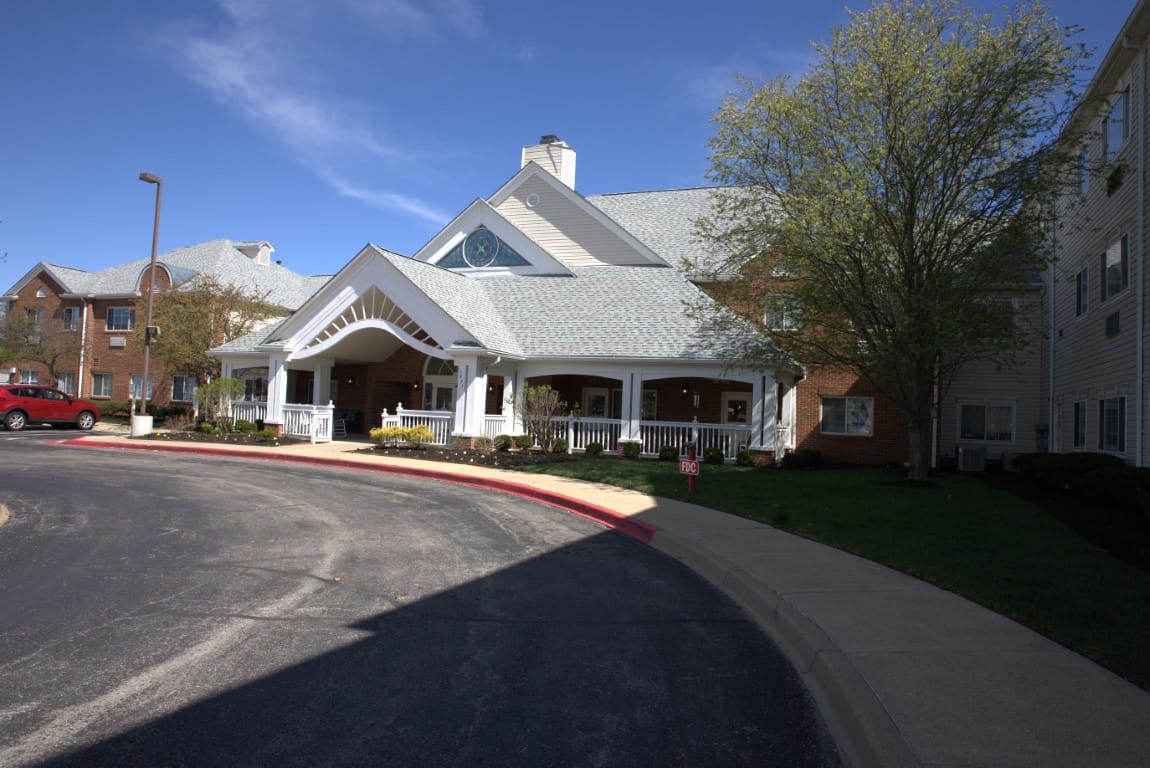
Overview of Little Sisters of the Poor In Louisville’s Audubon neighborhood, Little Sisters of the Poor operates as a 50-bed Catholic nonprofit nursing facility licensed in April 2025. The Medicaid-focused community (97% of census) serves 32 residents with an average stay of six months. Administrator Linda Deardeuff leads a mission-oriented operation. The location ranks very walkable (Walk Score 74, ranked 36th statewide) and sits 2.7 miles from downtown Louisville.
Residents access memory care, respite services, volunteer programming, pastoral care, and a complimentary Senior Day Center.
Staffing intensity defines the operation. Little Sisters invests 97.7% of revenue into payroll, the second-highest proportion in Kentucky, fielding 125 personnel (56 employees, 69 contractors) for 32 residents. The staff-to-resident ratio of 3.91:1 exceeds the state average by 127%. Total nursing hours clock in at 6h 31m daily per resident, ranking 5th statewide and 89% above Kentucky’s median.
The CMS staffing rating reflects this commitment at 4 stars; the overall rating lands at 3 stars.
Inspection data reveals rapid-scale challenges. January’s renewal survey found zero deficiencies when the facility held 8 residents. Four months later, following expansion to 32 residents, a May 2025 re-inspection identified four moderate-severity deficiencies: failed discharge notifications (1 of 1 resident sampled), expired medications in 3 of 6 medication carts, lapsed expiration-date checks before administration, and gaps in infection prevention protocols (hand hygiene, food service).
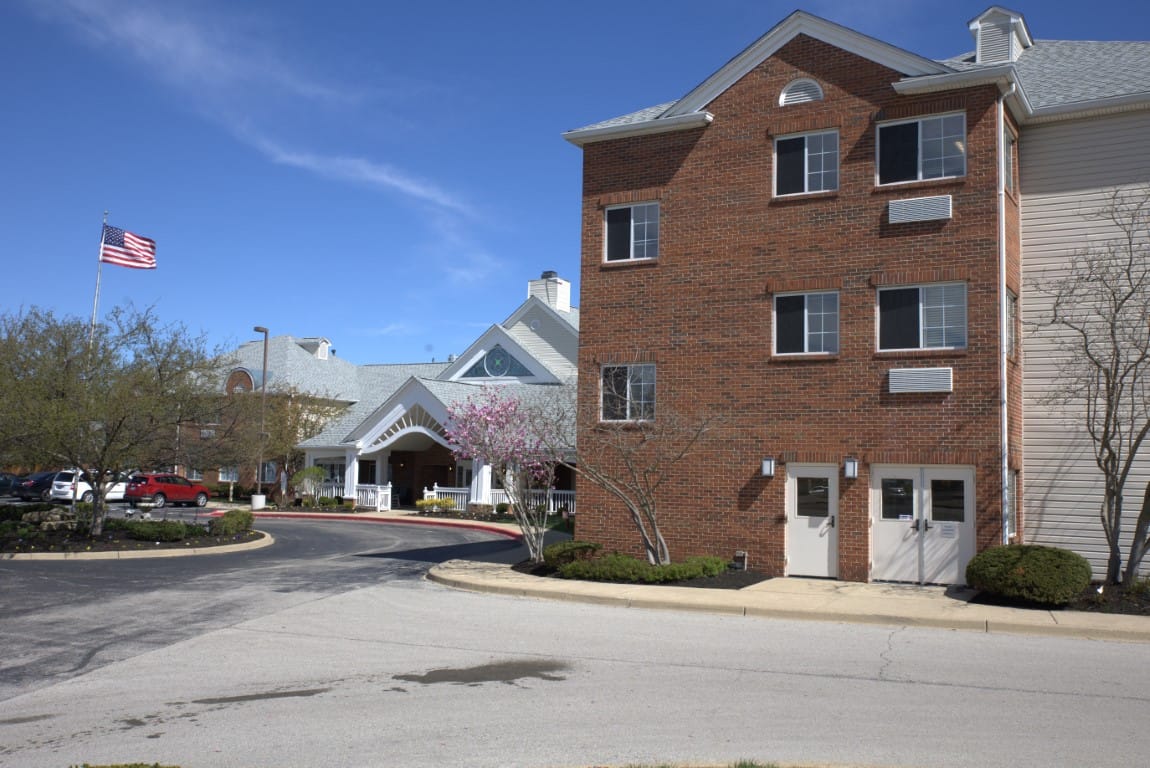
No critical or serious citations exist in the record. Zero fines, payment denials, or substantiated complaints appear over three years.
Quality outcomes split markedly. Walking ability decline (33.5%) and functional decline (28.8) run 71 and 52% worse than state benchmarks, respectively; antipsychotic use runs 27% higher. Pressure ulcers (3.0%, 48% better), weight loss (3.4%, 50% better), and depressive symptoms (9.4%, 34% better) outperform state averages. Vaccine coverage, influenza 100%, pneumococcal 93%, aligns with state norms.
The facility is brand-new, mission-driven, and heavily staffed.
The May deficiencies coincided with rapid census growth from 8 to 32 residents in four months, suggesting operational scaling challenges in medication management and infection control rather than baseline capacity issues.