Holiday Niagara Village
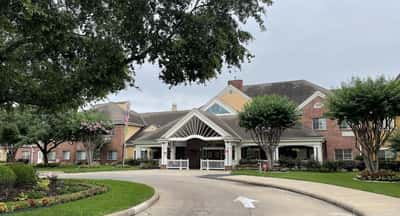
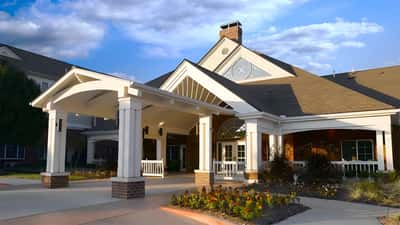
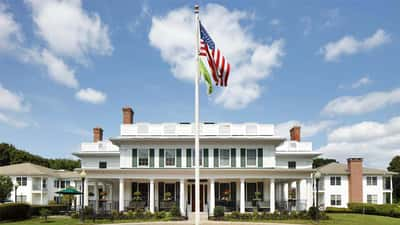
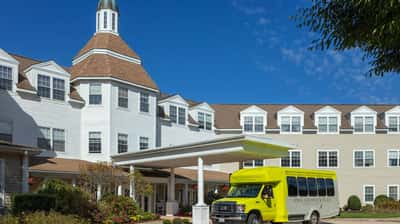
Holiday Niagara Village is an independent living community in Erie, PA. Independent living provides private living with community services for residents who do not need daily care, making the community a possible fit for someone seeking that arrangement. The starting price is $2,350 per month, giving families an initial figure for monthly budgeting.
Residents can choose a studio, one-bedroom apartment, or two-bedroom apartment. A studio provides one private living space, while a two-bedroom apartment can suit someone moving with a companion. Pets are allowed, so residents may bring a pet with them.
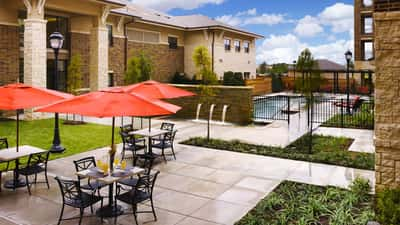
Family gatherings have a dedicated private dining room. Fitness equipment and walking paths offer places to exercise within the community, while the activity calendar brings daily social events, exercise classes, a book club, and group outings into the week. Holiday by Atria operates the community.
Community insights.
About This Community
Pricing & Financial Information
The below pricing was updated on
- Private dining room for family events.
Type of Rooms Available
Living Spaces & Floor Plans for Holiday Niagara Village
Places of interest near Holiday Niagara Village
4.3 miles from city center
Estimated distance in miles from Erie's city center to Holiday Niagara Village's address, calculated via Google Maps.
Calculate Travel Distance to Holiday Niagara Village
Add your location
Programs that may help with care and living costs in Pennsylvania
Holiday Niagara Village is in Erie, Pennsylvania. These programs may support different care settings or living expenses. A listing does not confirm this community participates; our concierge team can help confirm.
Medicare Savings Program (MSP)
- Who it is for
- Medicare beneficiaries with limited income who need help with premiums or cost sharing
Eligibility
- General
- Medicare beneficiary; the state determines the applicable Medicare Savings Program. QMB helps with premiums and Medicare cost sharing; SLMB and QI generally help with Part B premiums.
- PA specifics
- QI requires annual application and is funded first-come, first-served with priority for prior recipients. QMB, SLMB and QI confer Part D Extra Help.
What it provides
- QMB pays eligible Part A/Part B premiums and Medicare deductibles and cost sharing; SLMB and QI pay Part B premiums. The exact benefit depends on the approved program.
Low-Income Home Energy Assistance Program (LIHEAP)
- Who it is for
- Income-eligible households responsible for home heating or energy costs
Eligibility
- General
- Income-eligible households with qualifying home-energy costs; the administering agency applies household-size and program eligibility rules.
What it provides
- Grants to help eligible households pay heating bills.
Property Tax/Rent Rebate Program (PTRR)
- Income limit
- 2025 claims filed in 2026 · Eligible annual household income no more than $48,110, applying program exclusions including one-half of Social Security income.
Eligibility
- General
- Pennsylvania homeowners or renters age 65+; widows or widowers age 50+; or adults age 18+ with disabilities, subject to household-income and tax or rent-payment requirements.
- PA specifics
- The deadline to apply for a rebate of 2025 property taxes or rent is December 31, 2026. A future tax-year ceiling is not interchangeable with this application year.
What it provides
- Standard rebate up to $1,000; based on eligible income and property tax or rent paid; special supplemental rules may apply.
PACE and PACENET Prescription Assistance
- Income limit
- PACE: up to $14,500 single or $17,700 married. PACENET: $14,501–$33,500 single or $17,701–$41,500 married; based on the prior calendar year.
Eligibility
- General
- Pennsylvania residents 65+ who lived in the state at least 90 days before applying and are not enrolled in the state Medicaid prescription benefit. Prior-calendar-year income determines eligibility.
What it provides
- Prescription-cost assistance coordinated with Medicare Part D and other drug coverage; PACE and PACENET use different income tiers.
Pennsylvania OPTIONS Program
- Income limit
- No income requirement to participate; income-based sliding copayments may apply.
Eligibility
- General
- Pennsylvania resident age 60+ needing help to remain at home, subject to assessment and program availability.
What it provides
- Assessed support to help remain at home; service mix and copayment depend on individual assessment.
Family Caregiver Support Program (FCSP)
- Who it is for
- Family or informal caregivers of an adult 60+ or of someone of any age with dementia
- Income limit
- Financial reimbursement is income-based: care-receiver household income up to 200% of federal poverty guidelines receives the full applicable percentage; 200%–380% receives reduced reimbursement; above 380% no reimbursement, although nonreimbursable services may remain available.
Eligibility
- General
- Pennsylvania caregivers and care recipients in qualifying categories: adult caregivers of functionally dependent adults age 60+ or people with dementia; and eligible relative caregivers age 55+ caring for children or disabled adults. Enrollment in Medicaid long-term-care programs excludes participation.
What it provides
- Reimbursement of approved caregiving services and supplies up to $600/month; multiplied by the applicable income-based reimbursement percentage; care management; education and support. No fixed respite-hours package is guaranteed.
Community HealthChoices (CHC)
Eligibility
- General
- Age 21+ and enrolled in both Medicare and Medicaid, or receiving qualifying Medicaid long-term services and supports, subject to listed exclusions. Nursing-facility level of care is not a requirement for every dual-eligible CHC enrollee.
- PA specifics
- CHC is a managed-care coordination program; separate service and financial criteria govern long-term supports. Certain developmental-disability program participants and state-facility residents are excluded.
What it provides
- Coordination of health coverage and authorized long-term services and supports when eligible.
VA Aid and Attendance (A&A) and Housebound Benefits
- Who it is for
- Veterans or survivors with VA pension eligibility and an Aid and Attendance or Housebound medical need
- Income limit
- 2026 · Countable income is compared with the applicable maximum annual pension rate (MAPR), which varies by dependents and benefit category. For a veteran with one dependent and Aid and Attendance, MAPR is $34,488/year.
- Asset limit
- VA pension net-worth ceiling is $163,699 from December 1, 2025 through November 30, 2026. Net worth includes countable assets plus income for VA purposes; exclusions and transfer rules apply.
Eligibility
- General
- Aid and Attendance or Housebound is an increased VA pension rate for eligible veterans or surviving spouses who meet pension and additional care/disability requirements; it is not a stand-alone state benefit.
- PA specifics
- Federal VA pension rules apply nationwide.
What it provides
- Monthly pension is based on the applicable MAPR less countable annual income; divided by 12. Maximum annual veteran Aid and Attendance rates are $29,093 without dependents and $34,488 with one dependent; actual payments may be lower.