Heartland Living and Rehabilitation
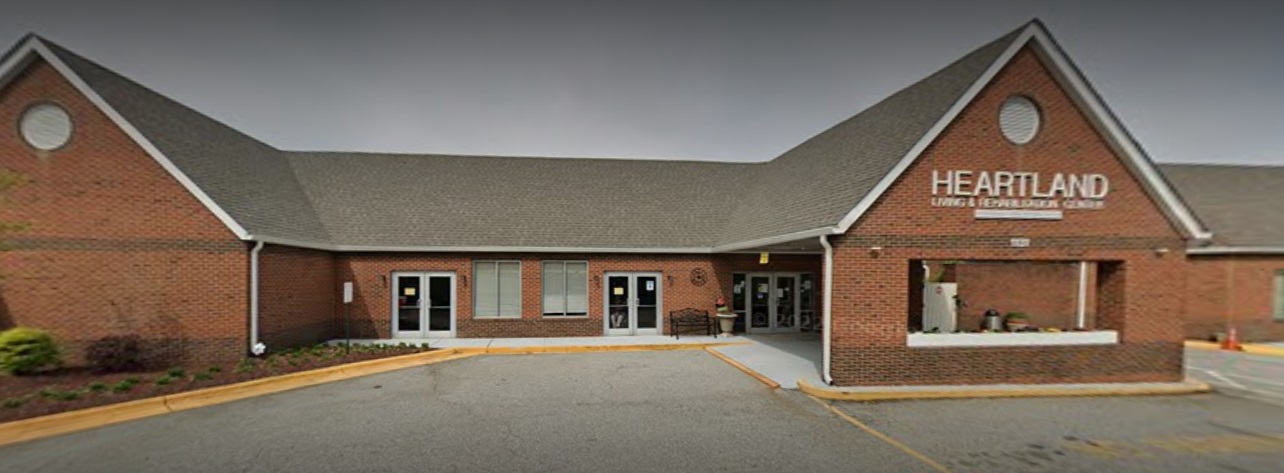

Heartland Living and Rehabilitation is a unique family-owned facility located in Greensboro, North Carolina. With 138 beds and a rehabilitation suite right next to the hospital and medical office park, they provide a welcoming and comfortable environment that feels like home. The team at Heartland is dedicated to enhancing the senior care experience by offering long-term residential nursing care, short and long-term residential rehabilitation services, and respite care. Heartland is certified to participate in Medicare and Medicaid programs, and they accept most insurance plans.
They also offer a diverse range of activities such as field trips, special events, worship services, and seasonal celebrations. Meals are prepared with great care to meet individual dietary requirements and personal preferences as well. As a locally owned, managed, and operated facility, they take pride in building strong relationships with residents and their families. At Heartland, providing care is not just a job, it’s a calling, and they truly have a heart for those they serve.


About this community
Safety & Compliance
Care Services
Additional Policies & Features
Programs & Activities
Compare Nursing Homes around Greensboro
The information below is reported by the North Carolina Department of Health and Human Services, Division of Health Service Regulation.Nursing Home 24/7 care needed
Assisted Living For seniors needing help with daily tasks but not full-time nursing.


Nursing Home 24/7 care needed
Assisted Living For seniors needing help with daily tasks but not full-time nursing.
Assisted Living For seniors needing help with daily tasks but not full-time nursing.
Nursing Homes 24/7 care needed
Nursing Home 24/7 care needed
Assisted Living For seniors needing help with daily tasks but not full-time nursing.
Nursing Home 24/7 care needed
Assisted Living For seniors needing help with daily tasks but not full-time nursing.
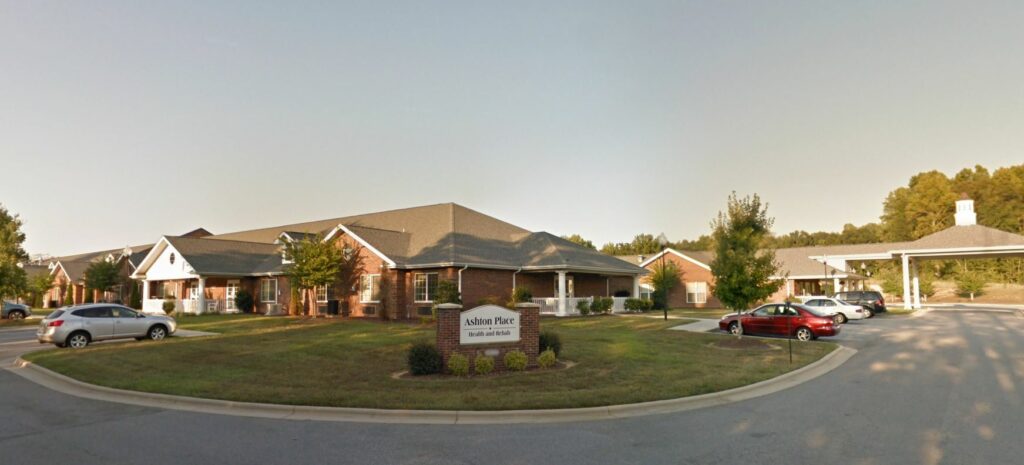
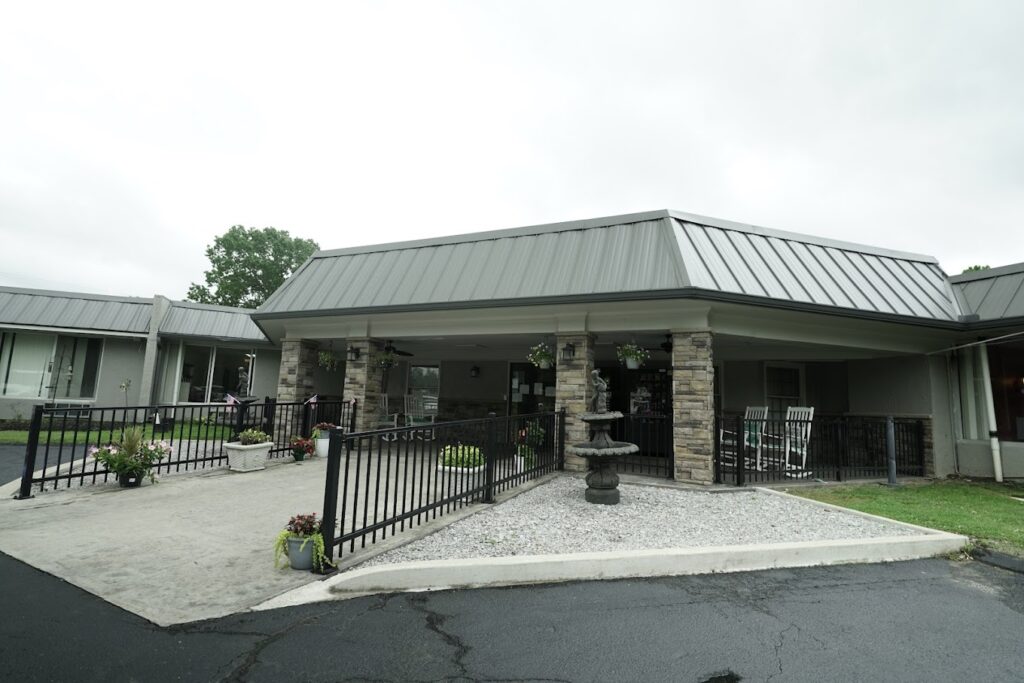
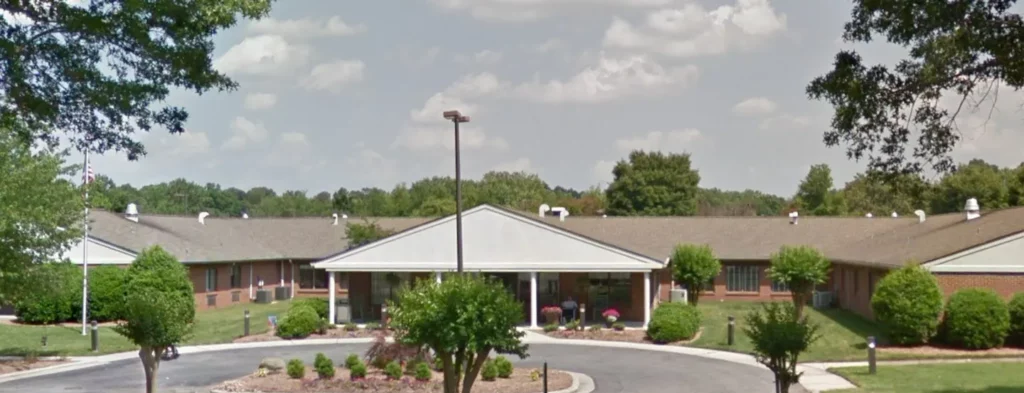 Guilford Health Care Center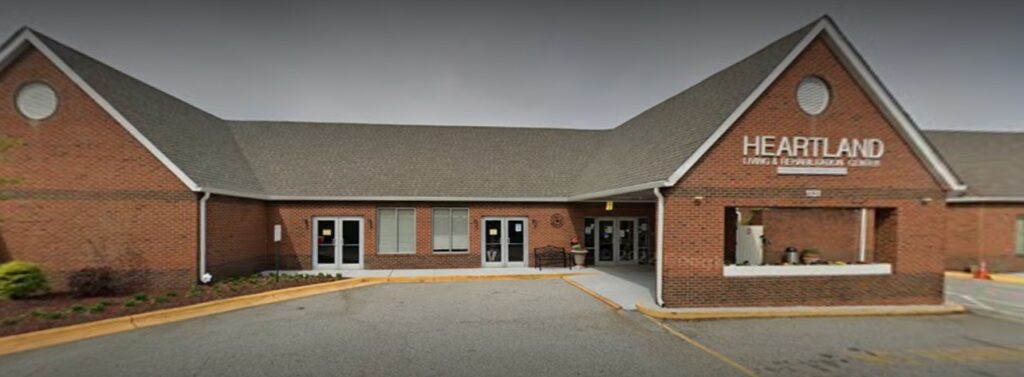
Heartland Living and Rehabilitation Reviews

Guides for Better Senior Living
Care Cost Calculator: See Prices in Your Area
Nursing Home Data Explorer
Don’t Wait Too Long: 7 Red Flag Signs Your Parent Needs Assisted Living Now
The True Cost of Assisted Living in 2025 – And How Families Are Paying For It
Understanding Senior Living Costs: Pricing Models, Discounts & Financial Assistance












Financial Aid for North Carolina Seniors
Get financial aid guidanceContact Us


Touring Checklist for Senior Living
Touring a community? Use this expert-backed checklist to stay organized, ask the right questions, and find the perfect fit.
Location
Community Spaces and Overall Environment
Services
Staffing
Accommodations
Finances
Other Notes
Send Checklist to Your Email
We'll send you a PDF version of the touring checklist.