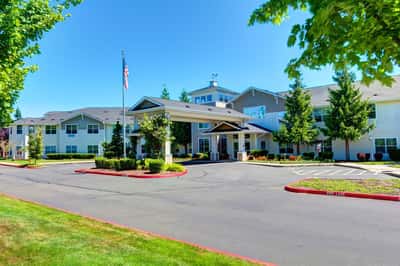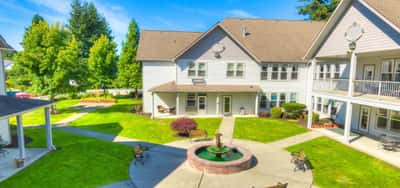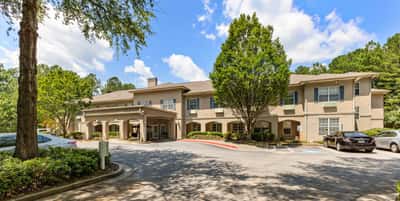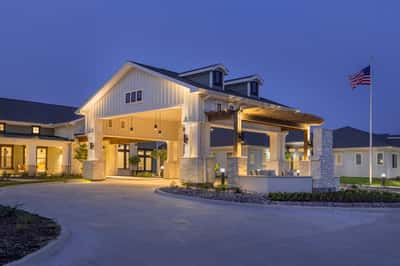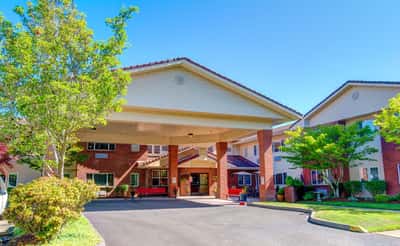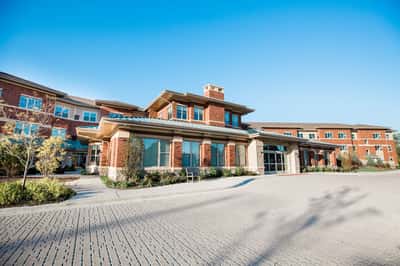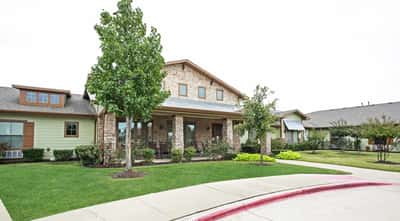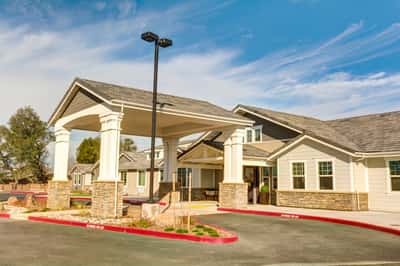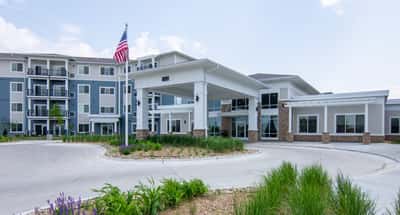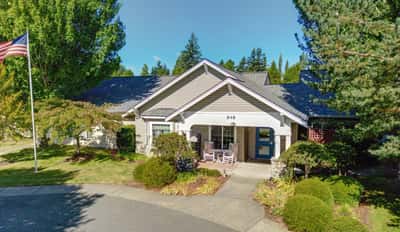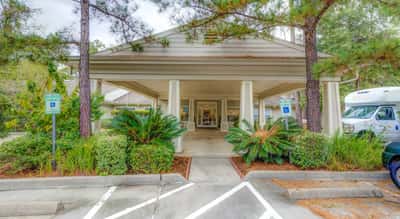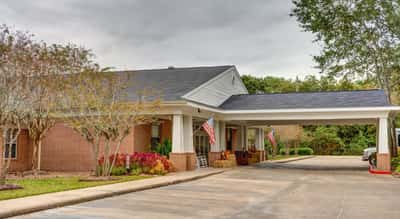
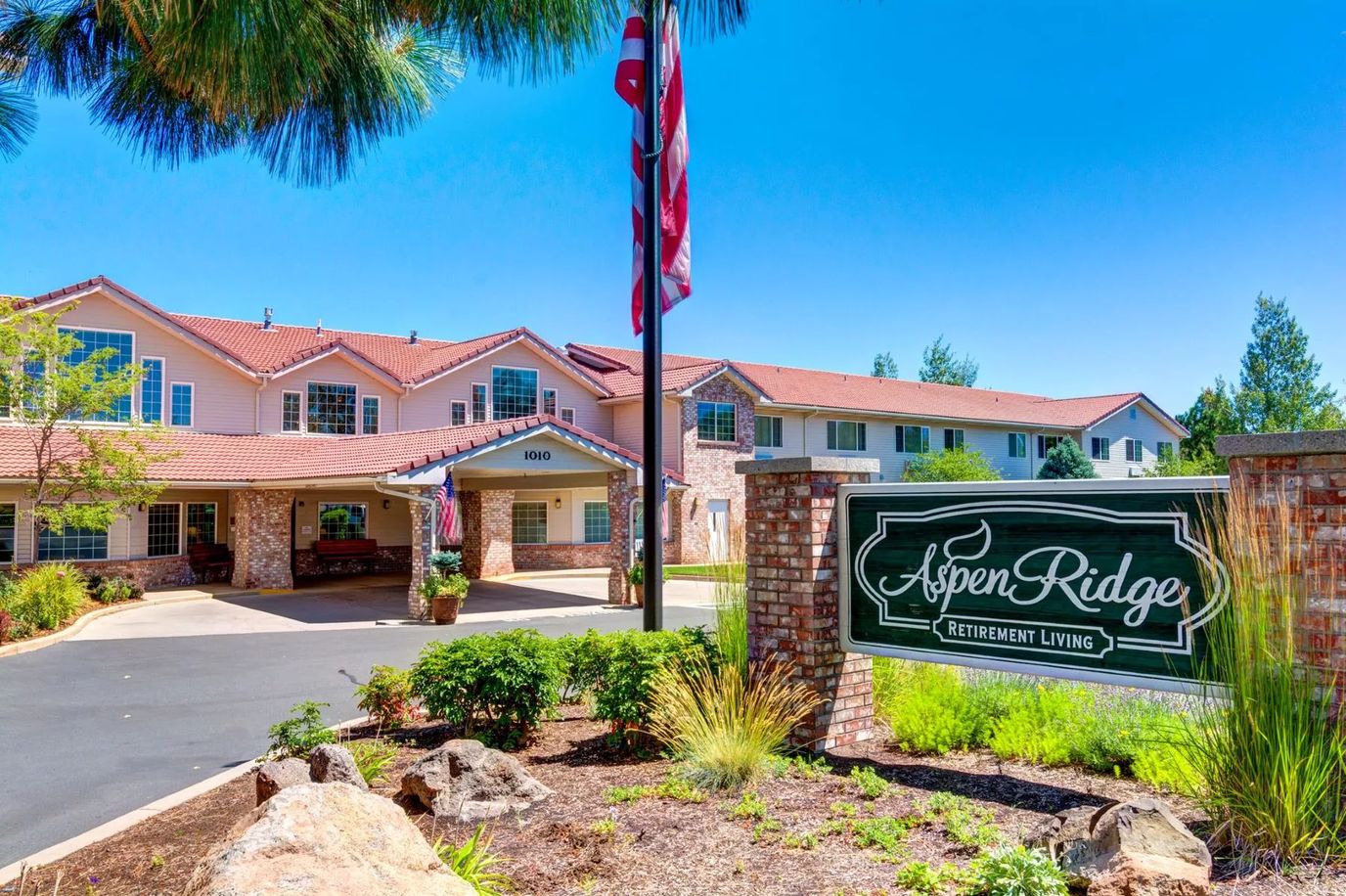
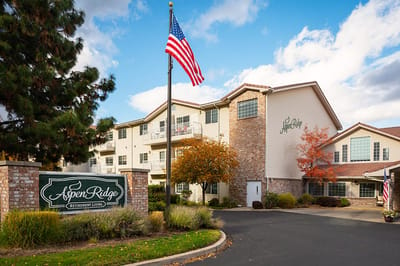
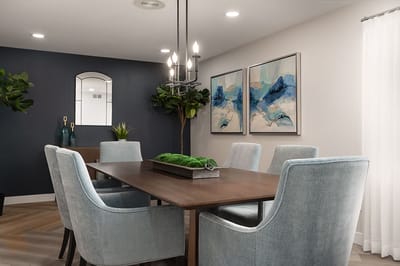
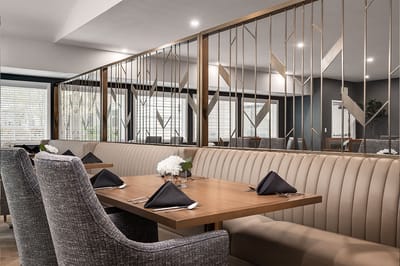
Tucked in Bend, Oregon, Aspen Ridge Retirement Community caters to seniors seeking both independent living and assisted living services, enhancing their retirement experience. With a commitment to elevating the lifestyle of their residents, this community stands out for its exceptional health and wellness services, accommodations, and amenities, setting a high standard in senior care. The professional team at Aspen Ridge has earned multiple awards for their dedication to providing outstanding care. Among its myriad offerings, Aspen Ridge senior living boasts a fitness center, library, religious services, and transportation for residents’ convenience. The community takes pride in fostering a vibrant atmosphere, providing an array of activities such as arts and crafts, art therapy, happy hours, pizza parties, painting sessions, pet therapy, men’s club, poker night, and more. Special events like veterans ceremonies and the garden committee contribute to the distinct personality of the community, making it a lively and engaging place for seniors to thrive. With such a diverse range of groups and activities, Aspen Ridge Retirement Community ensures that residents enjoy a rich and fulfilling retirement experience.
Share This Listing
What families are saying
Overall quality of life and resident wellbeing
Staffing Issues and Turnover - There are significant concerns about high staff turnover and inadequate training at Aspen Ridge, leading to inconsistent care and service quality. This issue is recurrent and impacts multiple aspects of the resident experience, from dining services to overall management.
Quality of lifeCare & staffDining
Overall quality of life and resident wellbeing
Dining and Food Quality Concerns - While some praise the dining experience, there are consistent complaints about subpar food quality, limited choices, and issues with kitchen staff availability, indicating that the dining service is a contentious aspect of the community experience.
Quality of lifeCommunityCare & staff
Activities, programs, and daily engagement
Community and Social Activities - Despite operational challenges, there is recognition of Aspen Ridge's efforts to foster a warm and engaging community atmosphere, with various social activities and programs in place to promote resident interaction and involvement.
ActivitiesCommunity
Home Information Aspen Ridge Retirement Community
Bed Count (Facility Capacity)
This is the number of people who can stay here (Facility Capacity).
95
Years in Business
26
Community Stability & Environment
Licensed Since Date when the facility's license was first issued by Oregon
September 13, 1999
Walk Score Walk Score in senior living communities measures how easy it is for residents to access essential services and amenities—like grocery stores, parks, pharmacies, and transit—without needing a car.
41 / 100 Car-Dependent
Most errands require a car. Limited nearby destinations. Basic sidewalks but low connectivity. Residents likely drive for groceries, dining, and services.
Safety, Compliance & Inspections Overview
BBB Accreditation Indicates whether the business meets BBB accreditation standards.
Not Accredited No review yet
Not accredited by the BBB, meaning its business practices have not been formally verified through BBB review.
Last Inspection Date Date of the most recent state inspection.
October 30, 2024
Alzheimer's/Memory Care This facility does not offer Alzheimer's or memory care services.
No No Memory Care
Total Deficiencies Total number of deficiencies found during health inspections.
32 deficiencies High
Survey Count Total number of state surveys/inspections conducted at this facility.
5 surveys
Licensing Violations Number of licensing-related violations found during state inspections.
20 violations Multiple Violations
Latest Survey Deficiencies Number of deficiencies found during the most recent state survey/inspection.
21 deficiencies Multiple Deficiencies
Inspection Reports Opens the facility's official licensing and inspection record as maintained by the Oregon transparency or regulatory portal.
View Inspection Reports
Facility & Licensing Details
Primary Contact Main representative or administrator responsible for the community, as listed in Oregon licensing records.
John Bragg, Executive Director
County County in Oregon where the facility is located.
Deschutes
Facility Type Indicates the state-regulated license category used in Oregon (e.g., Residential Care Facility for the Elderly).
Assisted Living Facility
License Status Shows whether the facility is currently licensed, closed, or pending renewal in Oregon.
Active
Licensee / Operator Entity or organization legally responsible for managing this facility under Oregon regulations.
1010 NE Purcell Blvd OR OpCo
Pets Allowed Indicates whether pets are allowed at this facility.
No No Pets
Smoking Allowed Indicates whether smoking is allowed at this facility.
No Smoke-Free
Funding Source Primary funding source for this facility (e.g., Private Pay, Medicaid, Medicare).
Medicaid
Administrator Name of the facility administrator.
Tara Blount
Date Business Started The date the business reports it began operations.
January 1, 1999
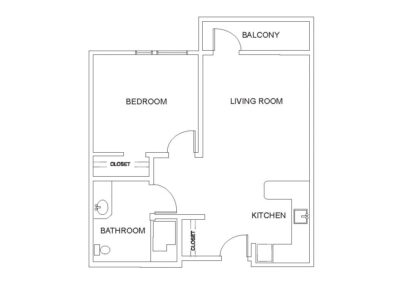
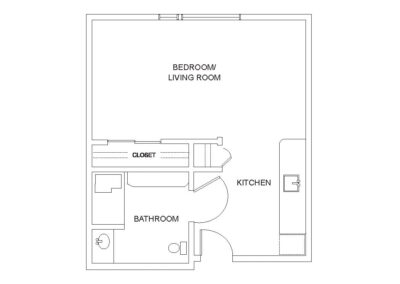
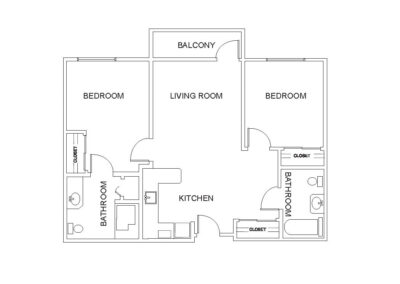
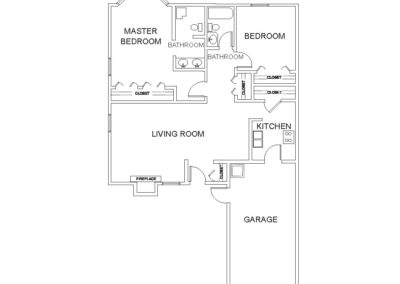
Unit Breakdown Breakdown of units by type (e.g., Traditional Units, Special Care Units, Independent Living, Low Income options).
Touring a community? Use this expert-backed checklist to stay organized, ask the right questions, and find the perfect fit.
Location
Community Spaces and Overall Environment
Services
Staffing
Accommodations
Finances
Other Notes
0/250
Send Checklist to Your Email
We'll send you a PDF version of the touring checklist.
Types of Care at Aspen Ridge Retirement Community
Independent Living
Assisted Living
Types of Care
Assisted Living
Definition: Residential care for older adults who need help with activities of daily living (ADLs) such as medication management, bathing, dressing and meals.Purpose: Support independence while providing daily assistance and limited medical oversight — a step below nursing home care.Focus: Safety, personal care, social engagement and a community-based lifestyle.Amenities and Services: Often include:
• Recreational activities
• Housekeeping and laundry
• Transportation
• Meal servicesCare Level: 24/7 staff availability with personalized care plans; limited clinical care compared to nursing homes.
Home Care
Home care is a type of care wherein qualified professionals assist with activities of daily living (ADLs), like personal hygiene, meal preparation, and dressing, at home. This type of care provides a wide range of services, including personal care, skilled nursing care, rehabilitation services, and companionship. This is ideal for those looking to stay at home in retirement but needing care and support for ADLs and chronic conditions. Hourly care and live-in care are often provided for flexibility, ensuring older adults receive care tailored to their needs and preferences.
Skilled Nursing
Skilled nursing care is a type of care provided by registered nurses in a medical setting under a physician’s supervision, focusing on intensive medical care and rehabilitation. It is typically provided in hospitals and purposely built skilled nursing communities and healthcare centers, usually aimed at short-term and transitional care.
Nursing Care
Nursing care is usually provided in a nursing home environment by nursing aides and licensed practical nurses. This type of care focuses on helping older adults with activities of daily living (ADLs), like personal hygiene and medication, alongside medical care. Long-term residential care is provided, helping those with complex medical needs, chronic conditions, cognitive, functional, and behavioral issues.
Respite Care
Respite care, also known as short-term stay, allows primary caregivers to rest and have time for themselves by providing care for their loved ones. This type of care is temporary and may range from a few hours to weeks, provided either at home or in a senior care community.
Memory Care
Definition: Specialized residential care for people with memory loss, Alzheimer’s disease or other forms of dementia.Purpose: Provide a safe, structured environment with trained staff and programs tailored to cognitive impairment.Focus: Secure settings, enhanced supervision and routines that support memory and reduce stress.Amenities and Services: Typically include:
• Assistance with ADLs
• Cognitive stimulation and therapeutic activities
• Secure indoor/outdoor spacesCare Level: Staff specially trained in dementia care with higher caregiver-to-resident ratios.
Independent Living
Definition: A living option typically for those 55 and over, including senior housing, retirement homes, and active adult communities.Purpose: Ideal for those seeking to live with peers of the same age without needing support for activities of daily living (ADLs) or medical care.Focus: Emphasizes convenience and recreation, eliminating the hassles of housekeeping and maintenance.Amenities and Services: Offers a variety of amenities, which may include:
• Spa
• Concierge
• Community gathering spacesLuxury Levels: Amenities vary depending on the level of luxury provided by the community.
Hospice Care
Focusing on those with life-limiting conditions or terminal illness, hospice care provides physical, emotional, social, and spiritual support. This type of care aims to ease older adults’ discomfort and pain and does not focus on finding a cure. Typically provided with a multidisciplinary team of doctors, nurses, social workers, and hospice aides, in older adults’ preferred setting, may it be at home, hospital, or senior living community. Hospice care provides care for those with a life expectancy estimated at six months or less.
Nursing Home
This type of retirement option focuses on older adults who require advanced healthcare but do not necessarily require hospital care. Nursing homes often provide a wide range of personal care, health care, and skilled nursing, tailored to older adults’ healthcare needs. This is ideal for those who cannot stay at home due to complex healthcare needs but do not need to be in a hospital setting.
Residential Care
A senior living option that focuses on providing support with activities of daily living, including personal hygiene and medication management. However, unlike assisted living, this type of care provides a smaller and more intimate environment, catering to a smaller number of residents. This is ideal for those needing assistance with daily living without extensive medical care and preferring a smaller setting.
Adult Day Care
This type of care provides curated activities for older adults in a non-residential care setting, promoting holistic well-being with health, social, nutritional, and emotional support. Adult day care promotes social interactions in a supervised manner, allowing family caregivers to rest during the day. This is beneficial in terms of preventing loneliness in older adults and providing additional support for family caregivers.
Palliative Care
This type of care focuses on providing comfort, pain relief, and emotional support for those with serious illness. Unlike hospice care, palliative care provides support at any stage of the illness, even alongside curative treatments. This can be provided at home, in nursing homes, in hospitals, and in other senior living communities.
Continuing Care Retirement Communities (CCRC)
Continuing Care Retirement Community (CCRC) is a type of senior living community that provides a wide range of care options in a residential setting. Also known as a life plan community, CCRC often provides independent living, assisted living, memory care, and skilled nursing, allowing older adults to age in place. Due to its comprehensive care, older adults do not have to transfer to communities when the level of care increases.