Located in the heart of Grand Island, Nebraska, Edgewood Vista stands as a dedicated memory care community, offering not only respite stays but also round-the-clock staff availability to ensure residents remain active and engaged. The community is thoughtfully crafted to cater specifically to memory care needs, even accommodating those who may display physical aggression. With a deep understanding of the intricacies of memory care, Edgewood Vista provides services with utmost compassion and a strong focus on security, evident through features like wander alert systems and wheelchair accessibility.
This purpose-built community holds a strategic advantage of being conveniently situated near parks, schools, shopping centers, and even the renowned Nebraska State Fair. Residents at Edgewood Vista experience a homelike environment where every aspect is designed to foster well-being. For individuals with dementia, this community not only provides a secure and supportive setting but also ensures that their unique needs are met with the highest level of care and consideration.
Grand Island Lakeview Care and Rehabilitation Center
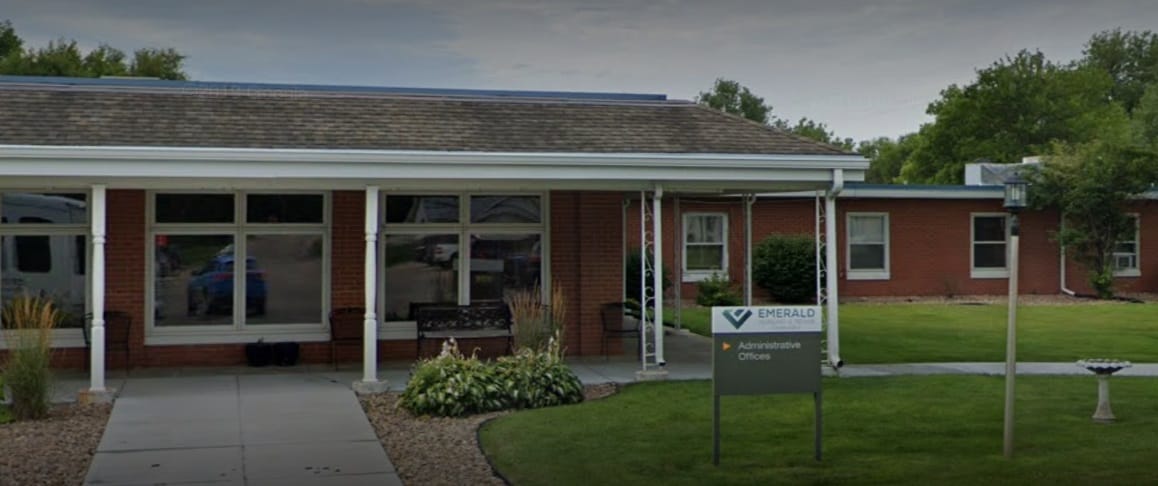
Grand Island Lakeview Care and Rehabilitation Center is a Nebraska-based establishment actively engaged with Medicare and Medicaid. Their services encompass a comprehensive array of therapeutic interventions, including speech, occupational, and physical therapy. The center places emphasis on residents’ active involvement, as evidenced by their resident council, fostering a sense of belonging and community.
Driven by a commitment to creating a nurturing environment, the facility boasts a dedicated staff that goes above and beyond to ensure each individual feels valued and at home. With a broad spectrum of offerings, ranging from acute rehabilitation and memory care to assisted living, they cater to the health needs of adults in various stages of recovery, from significant injuries to chronic conditions. Grand Island Lakeview Care and Rehabilitation Center stands as a cornerstone of compassionate care, committed to enhancing the well-being and quality of life for its residents.
How we rank these assisted living communities
Every community above is evaluated across six weighted categories using public data including state inspection records, review platforms, BBB profiles, and operator-published materials.
Weighting overview
- 35%Resident Experience
- 25%Regulatory
- 15%Visual Media
- 10%Website
- 10%Stability
- 5%Environment
Resident & Family Experience 35%
The single largest share of every ranking. Aggregated review sentiment and volume from major platforms — the closest signal to real resident experience.
- Includes
- Review Sentiment
- Review Volume
Regulatory & Safety Record 25%
State inspection records, citations, and complaint visits. We weight per-inspection rates more heavily than raw counts.
- Includes
- State Inspections
- Citations/Inspection
- % Inspections w/ Citations
- Complaint Visits
- Accreditations
- BBB Rating
Visual Media & Transparency 15%
Communities that publish high-quality visuals give families a real preview. No photos or tours = a negative transparency signal.
- Includes
- Video Tours
- Virtual Walkthroughs
- Photo Quantity
- Photo Quality
Website & Operator Transparency 10%
Site quality and whether the operator publishes basic accountability information — staff names, contact details, ownership.
- Includes
- Website Content
- Mobile Usability
- Staff Info Available
- Owner Info Available
Community Stability 10%
Operational signals indicating whether a community is well-run and meeting demand.
- Includes
- Occupancy Rate
- Bed Options
Environment & Pricing 5%
Walkability and pricing transparency. Walk Score is weighted higher for Independent Living than for Memory Care, where most residents do not leave unaccompanied.
- Includes
- Walk Score
- Pricing Transparency
Nearby Cities
Your Senior Care Partner, Every Step of the Way
We help families find affordable senior communities and unlock same day discounts, Medicaid, and Medicare options tailored to your needs.
Contact us Today
Frequently Asked Questions about Assisted Living in Grand Island, NE
What is the average cost of assisted living in Grand Island, NE?
The average monthly cost of assisted living in Grand Island, NE is approximately $4,500. Actual rates vary by community, level of care, and floorplan.
What is the price range for assisted living in Grand Island, NE?
Assisted living in Grand Island, NE typically ranges from $4,000–$6,600 per month, depending on the community, room type, and care needs.
What is the typical staff-to-resident ratio at assisted living facilities in Grand Island, NE?
Assisted living facilities in Grand Island, NE typically operate with a staff-to-resident ratio in the range of 1:6 to 1:12.
What's the difference between assisted living and memory care in Nebraska?
Assisted living in Nebraska supports residents with daily activities (bathing, dressing, medication management) while preserving independence. Memory care is a specialized form of assisted living for residents living with Alzheimer's or dementia, and adds 24/7 secured environments, dementia-trained staff, and structured routines designed to reduce confusion and wandering.
What's the difference between assisted living and a nursing home in Nebraska?
Assisted living in Nebraska is a residential model focused on housing, hospitality, and help with daily activities. Nursing homes (skilled nursing facilities) provide 24/7 medical care from licensed nurses for residents with significant health needs, and are regulated more strictly under both state and federal CMS rules.
Does Nebraska Medicaid cover assisted living?
Nebraska Medicaid does not directly pay room-and-board for assisted living, but most states (including Nebraska) offer Home and Community-Based Services (HCBS) waivers that can offset the cost of care services delivered inside a licensed community. Eligibility, waitlists, and covered services vary — check directly with the state Medicaid agency.
What is assisted living?
Assisted living combines private or semi-private apartments with help on activities of daily living (meals, bathing, dressing, medication management) and a social calendar — for residents who need some support but do not need 24/7 medical care.