Where in North Carolina are you looking?
Browse communities by city.
AsheboroAshevilleBurlingtonCaryChapel HillCharlotteClemmonsConcordCumberland CountyDurhamElizbeth CityFayettevilleForest CityFranklin CountyGastoniaGoldsboroGreensboroGreenvilleGuilford CountyHendersonvilleHickoryHigh PointIredell CountyKings MountainKinstonLee CountyLenoirLexingtonMecklenburg CountyMonroeMooresvilleMorehead CityNew BernNewtonPinehurstPinevilleRaleighReidsvilleRoxboroSalisburySmithfieldSouthern PinesStatesvilleThomasvilleWake CountyWalnut CoveWilmingtonWilsonWinston-Salem
Compare Assisted Living around North Carolina
The information below is reported by the North Carolina Department of Health and Human Services, Division of Health Service Regulation.
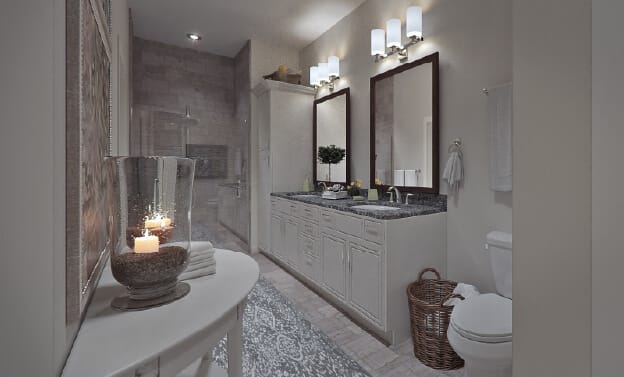
| Brookdale South Charlotte | AL MC | Charlotte (Wessex Square) | 82
Facility
82
NC AVG
72
Rank
#145 / 390 | Yes |
16
Facility
16
NC AVG
33
Rank
#407 / 572 |
74.4%
Facility
74.4%
NC AVG
69.9%
Rank
#122 / 246 | A+ | 101.50/200
Facility
101.50/200
NC AVG
92.2
Rank
#103 / 322 | 20 | 80%
Facility
80%
NC AVG
76.2%
Rank
#169 / 335 | Private Rooms / Semi-Private Rooms | |
| The Arboretum at Woodland Terrace | AL IL MC | Cary (Woodland Terrace) | 84
Facility
84
NC AVG
72
Rank
#138 / 390 | Yes |
55
Facility
55
NC AVG
33
Rank
#110 / 572 |
39.3%
Facility
39.3%
NC AVG
69.9%
Rank
#211 / 246 | - | 95.75/200
Facility
95.75/200
NC AVG
92.2
Rank
#210 / 322 | 19 | 84.2%
Facility
84.2%
NC AVG
76.2%
Rank
#239 / 335 | Studio / 1 Bed / 2 Bed | |
| Sunrise of Cary | AL HC MC | Cary (West Chatham Street) | 85
Facility
85
NC AVG
72
Rank
#135 / 390 | Yes |
34
Facility
34
NC AVG
33
Rank
#271 / 572 |
40.0%
Facility
40.0%
NC AVG
69.9%
Rank
#208 / 246 | A- | 103.50/200
Facility
103.50/200
NC AVG
92.2
Rank
#31 / 322 | 18 | 66.7%
Facility
66.7%
NC AVG
76.2%
Rank
#69 / 335 | Studio / Suite / 1 Bed | |
| Brookdale Dickinson Avenue | AL MC | Greenville | 76
Facility
76
NC AVG
72
Rank
#169 / 390 | Yes |
38
Facility
38
NC AVG
33
Rank
#235 / 572 |
67.1%
Facility
67.1%
NC AVG
69.9%
Rank
#150 / 246 | A+ | 84.50/200
Facility
84.50/200
NC AVG
92.2
Rank
#285 / 322 | 16 | 87.5%
Facility
87.5%
NC AVG
76.2%
Rank
#274 / 335 | Studio / Suite / 1 Bed | |
| Terrabella Asheboro | AL MC | Asheboro (Laurel Wood Hills) | 96
Facility
96
NC AVG
72
Rank
#91 / 390 | Yes |
0
Facility
0
NC AVG
33
Rank
#548 / 572 | - | A+ | 96.50/200
Facility
96.50/200
NC AVG
92.2
Rank
#196 / 322 | 26 | 80.8%
Facility
80.8%
NC AVG
76.2%
Rank
#181 / 335 | Studio / 1 Bed | |
| Chatham Ridge | AL MC | Chapel Hill | 91
Facility
91
NC AVG
72
Rank
#118 / 390 | Yes |
33
Facility
33
NC AVG
33
Rank
#280 / 572 | - | A+ | 98.50/200
Facility
98.50/200
NC AVG
92.2
Rank
#168 / 322 | 23 | 87%
Facility
87%
NC AVG
76.2%
Rank
#268 / 335 | Studio / Suite | |
| Brookdale Union Park | AL | Monroe (Lakeview Estates) | 87
Facility
87
NC AVG
72
Rank
#129 / 390 | Yes |
10
Facility
10
NC AVG
33
Rank
#457 / 572 | - | A+ | 105.50/200
Facility
105.50/200
NC AVG
92.2
Rank
#5 / 322 | 21 | 85.7%
Facility
85.7%
NC AVG
76.2%
Rank
#257 / 335 | Studio / Companion Rooms | |
| Brookdale Union | AL | Gastonia | 78
Facility
78
NC AVG
72
Rank
#164 / 390 | Yes |
35
Facility
35
NC AVG
33
Rank
#260 / 572 |
100.0%
Facility
100.0%
NC AVG
69.9%
Rank
#1 / 246 | A+ | 98.50/200
Facility
98.50/200
NC AVG
92.2
Rank
#168 / 322 | 28 | 75%
Facility
75%
NC AVG
76.2%
Rank
#120 / 335 | Studio | |
| Brookdale Elizabeth City | AL MC | Elizabeth City | 76
Facility
76
NC AVG
72
Rank
#169 / 390 | Yes |
30
Facility
30
NC AVG
33
Rank
#308 / 572 |
28.9%
Facility
28.9%
NC AVG
69.9%
Rank
#229 / 246 | A+ | 99.00/200
Facility
99.00/200
NC AVG
92.2
Rank
#161 / 322 | 20 | 90%
Facility
90%
NC AVG
76.2%
Rank
#298 / 335 | Studio / 1 Bed / 2 Bed | |
| Brookdale Carriage Club Providence | AL IL MC NH | Charlotte (Olde Providence North) | 77
Facility
77
NC AVG
72
Rank
#168 / 390 | Yes |
12
Facility
12
NC AVG
33
Rank
#440 / 572 |
71.5%
Facility
71.5%
NC AVG
69.9%
Rank
#135 / 246 | A+ | 98.75/200
Facility
98.75/200
NC AVG
92.2
Rank
#167 / 322 | 15 | 80%
Facility
80%
NC AVG
76.2%
Rank
#169 / 335 | Studio / 1 Bed / 2 Bed | |
| Sunrise of Raleigh | AL MC | Raleigh (Northwest Raleigh) | 100
Facility
100
NC AVG
72
Rank
#79 / 390 | Yes |
49
Facility
49
NC AVG
33
Rank
#161 / 572 | - | A- | 77.50/200
Facility
77.50/200
NC AVG
92.2
Rank
#297 / 322 | 24 | 79.2%
Facility
79.2%
NC AVG
76.2%
Rank
#161 / 335 | Studio / 2 Bed | |
| Brookdale Wake Forest | AL MC | Wake Forest | 70
Facility
70
NC AVG
72
Rank
#186 / 390 | Yes |
54
Facility
54
NC AVG
33
Rank
#124 / 572 |
52.9%
Facility
52.9%
NC AVG
69.9%
Rank
#190 / 246 | A+ | 94.50/200
Facility
94.50/200
NC AVG
92.2
Rank
#225 / 322 | 21 | 85.7%
Facility
85.7%
NC AVG
76.2%
Rank
#257 / 335 | Studio / 1 Bed / 2 Bed | |
| Phoenix Assisted Care | AL | Cary (Parkway Retirement Center) | 120
Facility
120
NC AVG
72
Rank
#36 / 390 | No |
24
Facility
24
NC AVG
33
Rank
#349 / 572 |
52.5%
Facility
52.5%
NC AVG
69.9%
Rank
#191 / 246 | A+ | - | 0.00/200
Facility
0.00/200
NC AVG
92.2
Rank
#306 / 322 | 42 | 85.7%
Facility
85.7%
NC AVG
76.2%
Rank
#257 / 335 | Private Rooms / Semi-Private Rooms |
| Brookdale Durham | AL MC | Durham (Northeast Durham) | 119
Facility
119
NC AVG
72
Rank
#49 / 390 | Yes |
9
Facility
9
NC AVG
33
Rank
#462 / 572 |
62.2%
Facility
62.2%
NC AVG
69.9%
Rank
#167 / 246 | A+ | 87.00/200
Facility
87.00/200
NC AVG
92.2
Rank
#276 / 322 | 38 | 92.1%
Facility
92.1%
NC AVG
76.2%
Rank
#311 / 335 | Studio | |
| Brookdale Hickory Northeast | AL | Hickory (16Th Street Northeast) | 88
Facility
88
NC AVG
72
Rank
#126 / 390 | Yes |
31
Facility
31
NC AVG
33
Rank
#294 / 572 | - | A+ | 98.50/200
Facility
98.50/200
NC AVG
92.2
Rank
#168 / 322 | 18 | 72.2%
Facility
72.2%
NC AVG
76.2%
Rank
#106 / 335 | Studio / Suite |
Morning Star Special Care Unit is a 44-bed nursing home at 3017 Dunn Road, Fayetteville, Cumberland County, North Carolina. It specializes in weight management, direct medical care, and testing services through telemedicine and holds a 3-star state rating tied for 40th of 138 North Carolina facilities. Current occupancy is 75 percent (33 of 44 beds), comparable to the state average of 76.4 percent. The facility is not currently Medicare or Medicaid certified.
A substantiated abuse incident in March 2024 represents the facility’s most serious regulatory finding. Staff dragged a resident backwards down the hallway by her arms; the staff member was terminated and charged with a felony. That same survey found food safety violations with contaminated walk-in cooler and freezer ice buildup, and failure to complete pre-admission screenings for five Special Care Unit residents.
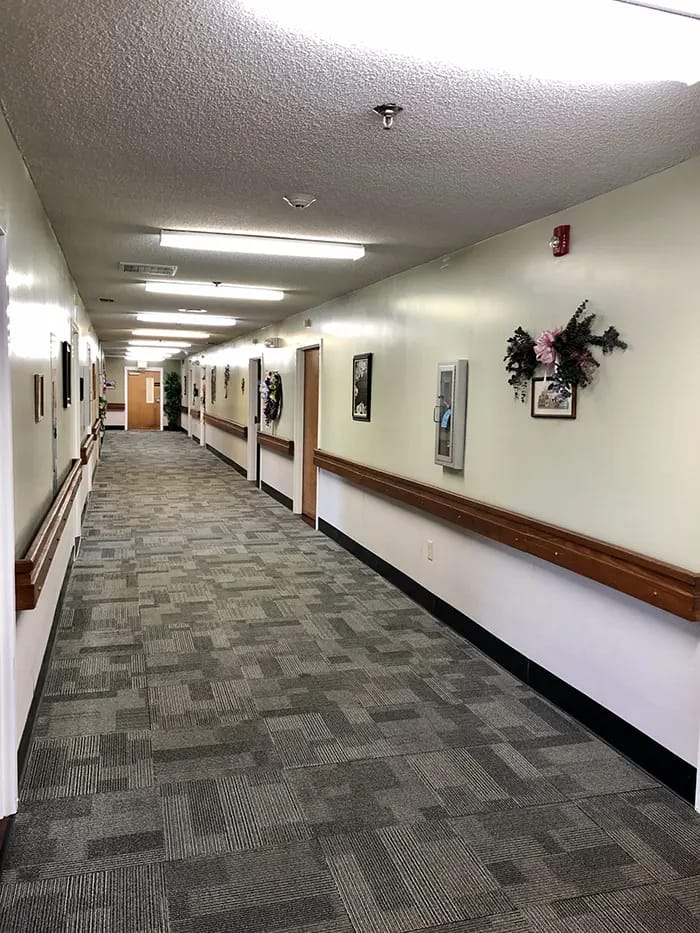
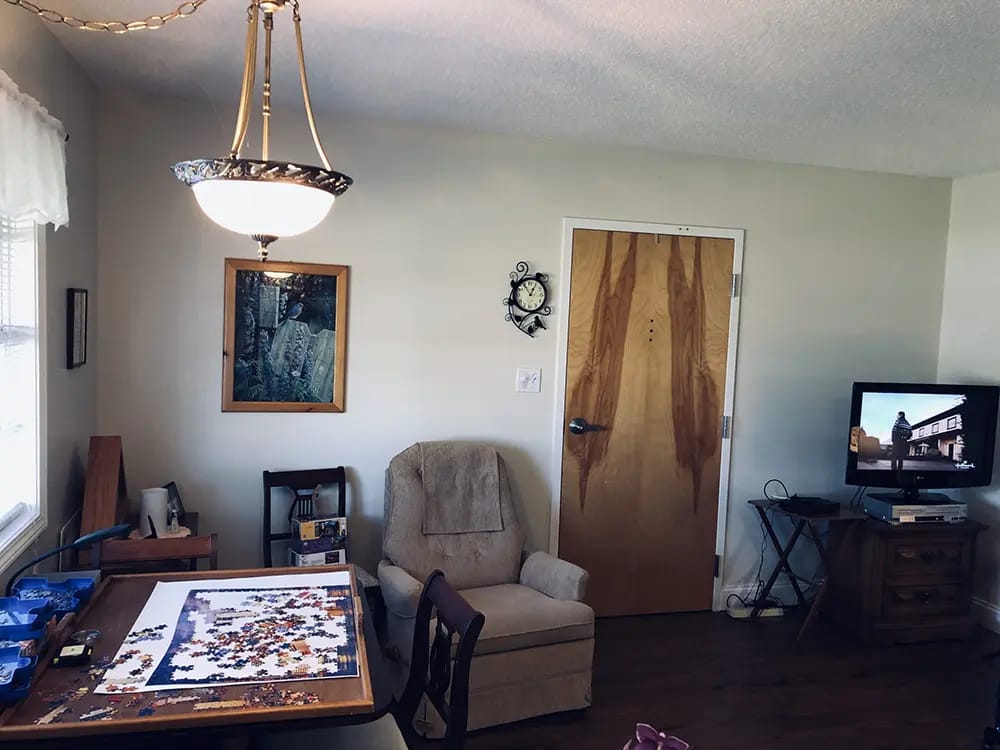
Physical plant and fire safety deficiencies persist across eight years of inspections, though the August 2025 follow-up survey found all previously cited issues corrected. March 2025 construction survey identified 12 deficiencies centering on emergency egress and fire safety infrastructure. Two emergency override switches failed to operate properly, one without staff having a key; another was unlabeled and magnetic locks did not release when activated. Current fire and building safety inspection reports were missing; the facility’s dry pendant sprinkler system had not been inspected since February 2024 and exceeded its 20-year service life requiring testing.
Bathrooms lacked privacy with no curtains or partitions at showers and water closets. Exterior grounds showed fallen siding, missing cleanout covers, and a sheet of glass on the ground. Interior conditions included broken flooring, rusted door frames, cracked ceilings, missing tiles, and dust accumulation on exhaust fan grilles. Three toilet seats were loose or unsecured.
Clothes racks blocked electrical panels. Fire safety rehearsal documentation was absent for the second quarter of 2024. Multiple emergency lights and exit signs failed to illuminate when tested. Fire safety systems contained unsealed cable penetrations, missing fire caulk, holes in ceilings, overdue fire extinguisher inspections, obstructed sprinkler heads with plumbing leaks, and non-closing fire doors.
Exhaust fans in bathrooms and shower areas were non-operational.
Medication administration and staff training deficiencies appear across 2019 to 2020 surveys. December 2019 documented nine deficiencies: one medication aide lacked required diabetic care training prior to insulin administration; a supervisor had not completed required continuing education; one resident experienced three falls in less than 30 days due to inadequate supervision; physicians were not notified of wound care issues for two residents; activity programming was not implemented; insulin pens and vials were not properly labeled; medications were administered without orders or were missed for days; one resident received expired insulin; and special care unit staff had not completed required orientation within required timeframes. March 2020 follow-up found continued medication administration failures, specifically failure to obtain heart rate documentation before administering metoprolol as ordered.
April 2017 construction survey revealed 16 deficiencies encompassing missing annual fire inspection reports, ceiling openings and water damage with mold and peeling finish, damaged furniture and walls with chipped and fallen finishes, malfunctioning door hardware, non-functional bathroom grab bars, fire alarm system failures with panel indicating trouble and improper maglock reengagement, non-working emergency lighting throughout, sprinkler obstructions, cracked windows, out-of-service water heaters and coolers, broken fixtures, hot water at 94 degrees Fahrenheit (below the 100-degree minimum), and unsafe exterior premises with damaged fence, exposed rusty nails, broken chairs, and debris stacked around the dumpster.
Over eight years, Morning Star averaged 13.8 deficiencies annually, 165 percent above North Carolina’s 5.2-deficiency benchmark. The August 2025 follow-up survey confirms all deficiencies have been corrected. Most complaint investigations were unsubstantiated except for the March 2024 abuse finding. No fines or license suspensions appear in the record.
The substantiated abuse incident in March 2024 and the facility’s extensive prior deficiency history warrant careful review.
Families should verify corrective action documentation for the 12 deficiencies from March 2025, request current fire safety inspection reports, and confirm all staff training requirements.
Dayspring of Wallace is an 80-bed assisted living and secured living facility at 4026 S NC 11, Wallace, Duplin County, North Carolina. It provides 24-hour staffing, accepts Medicaid, and holds a 3-star state rating tied for 40th of 138 North Carolina facilities. Current occupancy is 59 percent (47 of 80 beds), below the state average of 76.4 percent. The facility offers restaurant-style dining, housekeeping, transportation, library, entertainment, outdoor common areas, therapy services, pharmacy services, and structured daily activities.
Infection control failures during acute illness and medication management gaps define DaySpring’s recent regulatory challenges. The April 24, 2025 follow-up survey found one critical deficiency: the facility failed to follow CDC recommendations and its own infection control policies during a COVID-19 outbreak. Nine residents and one staff member tested positive; four residents remained positive at the time of inspection. The facility failed to quarantine COVID-19 positive residents, notify the local health department, and ensure staff wore required PPE including masks.
This deficiency reflects fundamental infection control protocol breaches during a communicable disease outbreak.
January 2025 annual survey documented four deficiencies consolidating maintenance and medication management failures. A resident toilet clogged on January 3 and overflowed; the facility did not repair it until January 6, creating unsanitary conditions. A medication aide lacked required competency validation for Licensed Health Professional Support tasks, indicating inadequate staff onboarding oversight. The facility failed to notify the primary care provider of multiple medication refusals spanning 13 and 17 days for one resident, placing the resident at risk of unmonitored health changes.
A resident received cold pureed food instead of hot food. June 2022 annual survey documented medication administration failures when a medication aide did not perform hand hygiene before and after administering oral medications to three residents; the facility also failed to administer ten medication doses to one resident due to family refusal without physician orders to hold treatment.
Physical plant deficiencies spanning 2018 surveys included obstructed corridors, improperly maintained plumbing with algae growth, wall holes, non-functioning equipment, incomplete fire rehearsals, missing ground fault interrupters on electrical outlets in wet locations, compromised fire-resistant barriers, fire sprinkler system issues, blocked self-closing doors, corridor doors failing to resist smoke passage, and electrical hazards. October 2018 follow-up found four uncorrected deficiencies including sharp mounting brackets, improperly posted evacuation maps, electrical outlet deficiencies, and propped open self-closing doors. Over five years, DaySpring averaged 8 deficiencies annually, 54 percent above North Carolina’s 5.2-deficiency benchmark. Occupancy has declined over time.
No fines or license suspensions appear in the record.
Families should ask about corrections following the April 2025 COVID-19 infection control deficiency, medication aide competency, and protocols for notifying physicians of medication refusals.
Brookstone Retirement Center is a 115-bed, home for the aged licensed facility at 2968 Old Salisbury Road, Lexington, Davidson County, North Carolina. It provides 24-hour staffing with on-site registered nurse and physician, rehabilitation services, home health care, Alzheimer’s special care unit, activities, and on-site beauty salon with a 3-star state rating.
Nutrition, medication administration, and environmental control failures characterize Brookstone’s seven-year regulatory history. Over seven years, the facility averaged 7.9 deficiencies annually, 52 percent above North Carolina’s 5.2-deficiency benchmark. October 2025 annual survey found one deficiency: hot water temperatures at two of seven resident bathroom sinks exceeded the maximum allowed 116 degrees Fahrenheit, with readings reaching 122 degrees despite monthly maintenance checks and thermostat adjustments. July 2024 documented one deficiency when six of 28 Special Care Unit residents did not receive required eight ounces of milk three times daily, with milk available in 17 unopened and 2 opened gallons plus six crates of individual milk cartons.
December 2022 annual survey identified three critical deficiencies in resident care. One resident lacked follow-up for portable oxygen, resulting in no portable oxygen available despite physician orders, potentially compromising respiratory support. Special Care Unit residents requiring feeding assistance were not consistently assisted in unhurried manner; staff frequently stood rather than sat while feeding residents, raising dignity and proper nutrition concerns. One resident received duplicate diabetic medications due to pharmacy and facility communication errors.
Earlier inspections reveal recurring medication administration, resident supervision, and physical plant safety maintenance gaps across years with no clear improvement trajectory. No fines or license suspensions appear in the record.
Families should ask about corrective actions for hot water temperature management, protocols for special care unit meal service and feeding assistance, and medication error preventions.
Somerset Court of Mocksville is a 60-bed assisted living and secured living facility at 150 Ken Dwiggins Drive, Mocksville, Davie County, North Carolina. It provides 24-hour staffing, accepts Medicaid, offers respite care, restaurant-style dining, housekeeping, transportation, emergency alert system, library, entertainment room, and outdoor common area. Current occupancy is 88 percent (53 of 60 beds), above North Carolina’s 76.4 percent average, with Walk Score 54 indicating moderate walkability. The facility holds a 3-star state rating, tied for 40th of 138 North Carolina facilities.
Resident supervision gaps and fall prevention failures have marked Somerset’s regulatory history, with significant improvement demonstrated by recent corrective actions. Over nine years, the facility averaged 4.8 deficiencies annually, 8 percent better than North Carolina’s 5.2-deficiency baseline. April 2025 follow-up construction survey confirmed all previously cited deficiencies had been corrected.
December 2016 annual survey identified critical safety failures. Two residents with documented fall histories (experiencing 13 and 5 falls respectively) lacked adequate supervision aligned with their assessed needs and symptom patterns, resulting in injuries and substantial risk of serious injury or death. Four of five sampled residents missed required quarterly Licensed Health Professional Support evaluations including physical assessment and care planning. Residents failed to receive three snacks daily as required.
October 2022 annual survey documented eight deficiencies reflecting medication administration and infection control lapses. Two residents lacked follow-up toenail care; kitchen and food storage areas were not clean and free of contamination; one resident did not receive ordered supplement twice daily; medication orders and diet orders conflicted for one resident; medications were not administered as ordered for six residents with missed doses including seizure medication, anti-nausea, topical pain medication, diuretic, steroid, and corticosteroid cream; medication aides failed to observe two residents taking medications; one medication aide administered eye drops without proper hand hygiene; one resident lacked physician order for self-administered eye drops and topical cream.
January 2023 follow-up documented one resident with documented fall history experiencing unwitnessed falls December 29, 2022 and January 3, 2023 without fall risk signage or consistent supervision. Fire safety infrastructure failures emerged across multiple inspection cycles. February 2018 complaint investigation substantiated that the facility’s sprinkler system was out of service since November 2017 due to rust-through holes with zero pressure. No repair or replacement date was determined despite fire watch protocols.
January 2019 construction survey identified 16 deficiencies including failure to maintain current fire and building inspection reports, obstructed corridors reducing required widths, unsecured oxygen cylinders, broken towel bars, outdated fire extinguisher inspection tags, inadequate fire safety rehearsal documentation, electrical outlets lacking ground fault interrupters, non-functional fire alarm systems, obstructed sprinkler heads, compromised fire-resistant wall and ceiling integrity, missing kitchen hood fire suppression documentation, blocked electrical panels, wedged corridor doors, and non-latching smoke-tight doors. Additional deficiencies spanned tuberculosis screening gaps and medication administration errors with inadequate staff training. No fines or license suspensions appear in the record.
The facility’s April 2025 clean follow-up survey and high current occupancy suggest sustained correction efforts.
Before placement, families should verify current fall prevention protocols, resident supervision staffing levels, and medication administration observation procedures with direct questions during tours.
Hope Mills Retirement Center is a 64-bed assisted living facility at 4217 Elk Road, Hope Mills, Cumberland County, North Carolina. It provides 24-hour staffing and accepts Medicaid.
Fire safety system failures and medication administration errors define Hope Mills’ limited regulatory record. Over two years (2016-2018), the facility averaged 6 deficiencies annually, 15 percent above North Carolina’s 5.2-deficiency benchmark. The most recent inspection on February 28, 2018 identified five deficiencies reflecting maintenance and safety infrastructure gaps. An exterior light at south hall exit was non-functional.
Six small and seven large oxygen cylinders were improperly stored in cardboard carriers in Room 8; inoperable call systems were present in each resident room. Fire rehearsals were not conducted per North Carolina Fire Prevention Code; no evacuations or audible alarms occurred on shifts, and fire drill logs lacked required descriptions. Building equipment was not maintained safely with windows potentially failing to stay open creating injury risk, exit signs failing to illuminate on battery backup, non-secure GFCI outlet, and unapproved door-propping devices. Exhaust ventilation was not provided at required rates; a storage room used for housekeeping items lacked ventilation.
December 2016 annual survey documented medication administration and physician communication failures. One resident’s out-of-range blood pressure readings were not reported to the physician per ordered parameters. Two residents experienced medication administration errors including improper fast-acting insulin administration (no air shot before administration and incorrect timing relative to meals) and medication error with cholesterol treatment.
Fire detection system gaps persisted across inspection cycles. March 2016 construction survey cited four deficiencies: the facility lacked fire detection coverage in all habitable rooms affecting smoke and fire detection and fire alarm activation; emergency illumination was not maintained in safe manner affecting paths of egress during emergencies; no heat detection was present in the Linen Closet in North Wing; and emergency illumination was absent in TV Room North Wing, TV Room South Wing, and Hall outside Room 33. April 2016 follow-up survey confirmed one uncorrected deficiency when the facility still lacked fire detection coverage in all habitable rooms, specifically missing heat detection in Linen Closets in North Wing. No fines, immediate jeopardy findings, or enforcement actions appear in the record.
No complaint investigations documented. The inspection record spans 2016-2018 only with no recent survey activity listed.
Families should ask about fire detection systems, emergency lighting, oxygen cylinder storage, call system operability, fire drills, medication administration, and protocols for vital sign abnormalities.
Homestead Hills Assisted Living
Homestead Hills Assisted Living is a 66-bed community at 2101 Homestead Hills Drive, Winston-Salem, Forsyth County, North Carolina. It provides independent living, assisted living, memory care, and skilled nursing services; operates 24/7; and holds a 3-star state rating tied for 40th of 138 North Carolina facilities. A 6X National Award winner designation reflects prior operational achievements. Current occupancy is 30 percent (20 of 66 beds) significantly below the state average of 76.4 percent.
Staff training, medication management, and building safety represent Homestead Hills’ persistent compliance challenges. Over five years and across seven inspections, the facility averaged 9.6 deficiencies annually, 85 percent above North Carolina’s 5.2-deficiency benchmark. The October 26, 2023 annual survey identified five deficiencies consolidating longstanding gaps in medication aide preparation and health professional competency. Five of six medication aides failed to complete required medication clinical skills checklists or medication aide training verification; four of six staff lacked competency validation for licensed health professional support tasks spanning fingerstick blood sugar checks, insulin injections, inhalation medications, and oxygen administration.
Two residents were not tested for tuberculosis upon admission; one resident’s required licensed health professional evaluation was not completed within 30 days. Three residents did not receive ordered medications for blood pressure regulation, antipsychotic therapy, and heart-rate management.
Medication aide deficiencies recur across the facility’s history. August 2015 substantiated complaint investigation documented seven deficiencies that parallel current findings: five of six staff lacked competency validation for blood glucose checks, insulin injections, oxygen administration, and nebulizer use; four of six had not received diabetic care training before administering insulin; three of five medication aides hired after October 2013 had not completed required 15-hour medication administration training or clinical skills validation. Additional deficiencies in that investigation included two residents not receiving ordered therapeutic diets (no concentrated sweets, mechanical soft), inadequate infection control for shared glucometers affecting three residents, inadequate restraint documentation for one resident, and absent annual infection control training for three staff.
Building and fire safety deficiencies span July 2015 through August 2019. July 2015 construction survey documented nine deficiencies including failed fire alarm components, unsecured oxygen cylinders (projectile hazards), wedged fire doors, breached fire-rated construction, unsealed gas and electrical ceiling penetrations, dragging or difficult-to-open exit doors, non-latching interior doors, and inadequate mechanical ventilation. September 2015 follow-up found five uncorrected deficiencies: continued oxygen cylinder storage hazards, fire-rated construction breaches, missing sprinkler escutcheon plates, unsealed ceiling penetrations, and non-functional laundry ventilation. July 2017 cited 13 violations spanning missing fire inspection reports, bathrooms used for storage, poor furniture and plumbing maintenance, unsecured oxygen cylinders, non-functional emergency lighting, improperly propped doors, fire-resistant ceiling breaches, difficult egress doors, misaligned kitchen hood suppression heads, missing ansul system documentation, and absent bathroom exhaust ventilation.
August 2019 identified eight deficiencies: particulate buildup on return-air grilles, non-illuminated exit signs, non-functional emergency lights, missing sprinkler escutcheons, wedged fire doors, non-latching doors, stored items blocking sprinkler coverage, and non-operational janitorial exhaust.
September 2021 documented one capacity violation: 20 residents occupied a Special Care Unit licensed for 18 beds. The facility offers wellness programs, full-time activity coordination, fine dining with flexible menus, concierge and salon services, housekeeping, transportation, and 24-hour emergency call systems. No fines or license suspensions appear in the record.
Families should ask about corrective actions taken following the October 2023 medication administration and staff competency deficiencies.
Waltonwood Lake Boone is a senior living community located in Raleigh, North Carolina. It offers a full continuum of care including independent living, assisted living, and memory care. The community is designed to provide security and comfort, allowing seniors to age in place.
The Landings of Swansboro is a senior living facility located in Swansboro, North Carolina. It offers assisted living, memory care, and secured living options for seniors. The community focuses on providing personalized care and a supportive environment to enhance the quality of life for its residents.
The Cardinal at North Hills is a luxury senior living community located in Raleigh, North Carolina. It offers a range of services including independent living, assisted living, memory care, and skilled nursing. Residents enjoy a vibrant lifestyle with numerous amenities and activities designed to enhance their quality of life.
Dunmore Senior Living of Zebulon offers assisted living and independent living services tailored to each resident's needs. The community provides a safe and secure environment with individualized care and a variety of activities. Residents can enjoy amenities such as restaurant-style dining, transportation services, and on-site therapy.
Ranking Methodology
How we rank these assisted living communities
Every community above is evaluated across six weighted categories using public data including state inspection records, review platforms, BBB profiles, and operator-published materials.
Weighting overview
- 35%Resident Experience
- 25%Regulatory
- 15%Visual Media
- 10%Website
- 10%Stability
- 5%Environment
01
Resident & Family Experience 35%
The single largest share of every ranking. Aggregated review sentiment and volume from major platforms — the closest signal to real resident experience.
- Includes
- Review Sentiment
- Review Volume
02
Regulatory & Safety Record 25%
State inspection records, citations, and complaint visits. We weight per-inspection rates more heavily than raw counts.
- Includes
- State Inspections
- Citations/Inspection
- % Inspections w/ Citations
- Complaint Visits
- Accreditations
- BBB Rating
03
Visual Media & Transparency 15%
Communities that publish high-quality visuals give families a real preview. No photos or tours = a negative transparency signal.
- Includes
- Video Tours
- Virtual Walkthroughs
- Photo Quantity
- Photo Quality
04
Website & Operator Transparency 10%
Site quality and whether the operator publishes basic accountability information — staff names, contact details, ownership.
- Includes
- Website Content
- Mobile Usability
- Staff Info Available
- Owner Info Available
05
Community Stability 10%
Operational signals indicating whether a community is well-run and meeting demand.
- Includes
- Occupancy Rate
- Bed Options
06
Environment & Pricing 5%
Walkability and pricing transparency. Walk Score is weighted higher for Independent Living than for Memory Care, where most residents do not leave unaccompanied.
- Includes
- Walk Score
- Pricing Transparency
Nearby Cities
Who we are
Your Senior Care Partner, Every Step of the Way
We help families find affordable senior communities and unlock same day discounts, Medicaid, and Medicare options tailored to your needs.
Contact us Today
Frequently Asked Questions about Assisted Living in North Carolina
What's the difference between assisted living and memory care in North Carolina?
Assisted living in North Carolina supports residents with daily activities (bathing, dressing, medication management) while preserving independence. Memory care is a specialized form of assisted living for residents living with Alzheimer's or dementia, and adds 24/7 secured environments, dementia-trained staff, and structured routines designed to reduce confusion and wandering.
What's the difference between assisted living and a nursing home in North Carolina?
Assisted living in North Carolina is a residential model focused on housing, hospitality, and help with daily activities. Nursing homes (skilled nursing facilities) provide 24/7 medical care from licensed nurses for residents with significant health needs, and are regulated more strictly under both state and federal CMS rules.
Does North Carolina Medicaid cover assisted living?
North Carolina Medicaid does not directly pay room-and-board for assisted living, but most states (including North Carolina) offer Home and Community-Based Services (HCBS) waivers that can offset the cost of care services delivered inside a licensed community. Eligibility, waitlists, and covered services vary — check directly with the state Medicaid agency.
What is assisted living?
Assisted living combines private or semi-private apartments with help on activities of daily living (meals, bathing, dressing, medication management) and a social calendar — for residents who need some support but do not need 24/7 medical care.
How many assisted living facilities are listed on this page?
This page features 390 assisted living facilities in North Carolina. Use the filters and comparison tools above to compare ratings, amenities, and pricing.
How do I choose the right assisted living facility in North Carolina?
Start by matching the level of care offered to the resident's current and anticipated needs, then compare licensing status, staff-to-resident ratios, recent inspection results, and pricing. Tour at least two or three communities in North Carolina, talk to current residents and families, and confirm what is included in the base rate versus billed as add-on services.
What should I look for when visiting assisted living facilities in North Carolina?
Pay attention to staff interactions with residents, cleanliness and odor, food quality at meal times, the activity calendar, and how questions about pricing and care plans are answered. Ask to see the most recent state inspection report, the move-out / level-of-care-change policy, and a sample monthly bill that lists every fee.