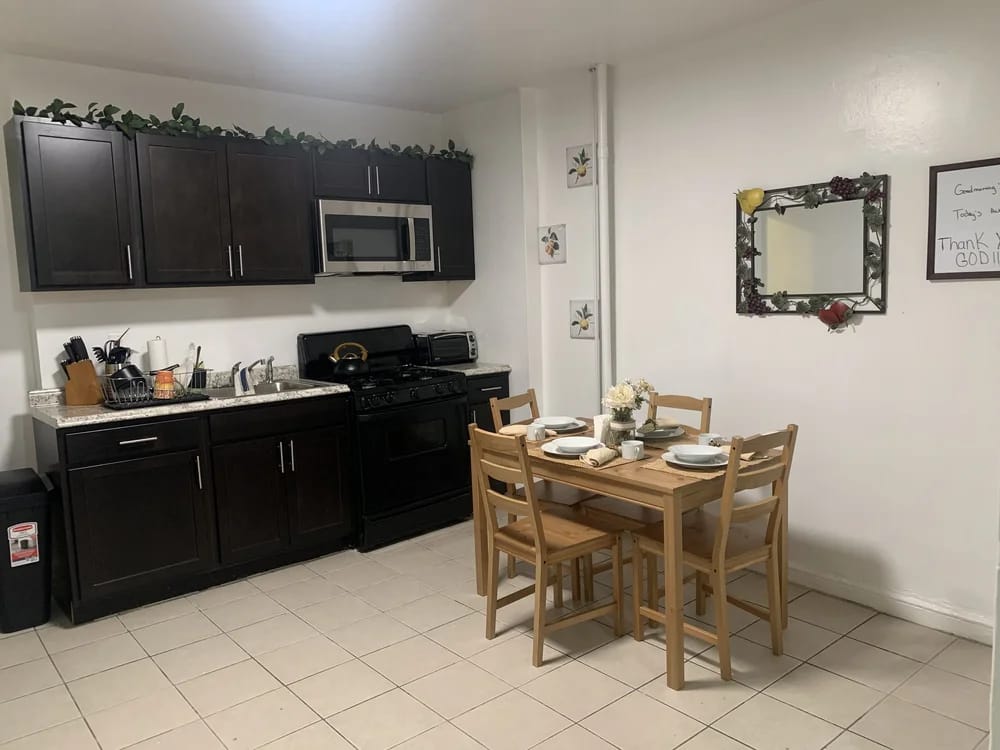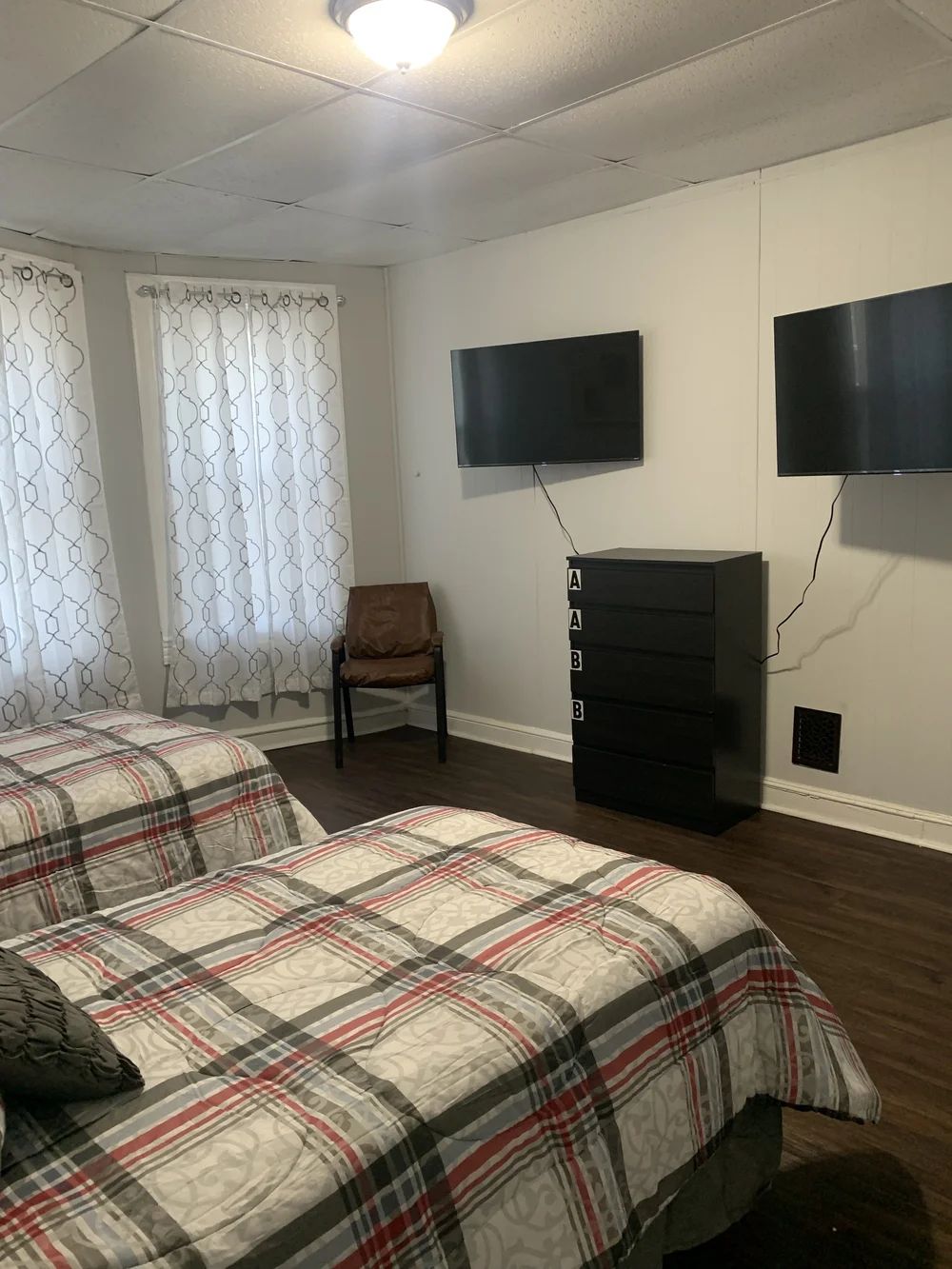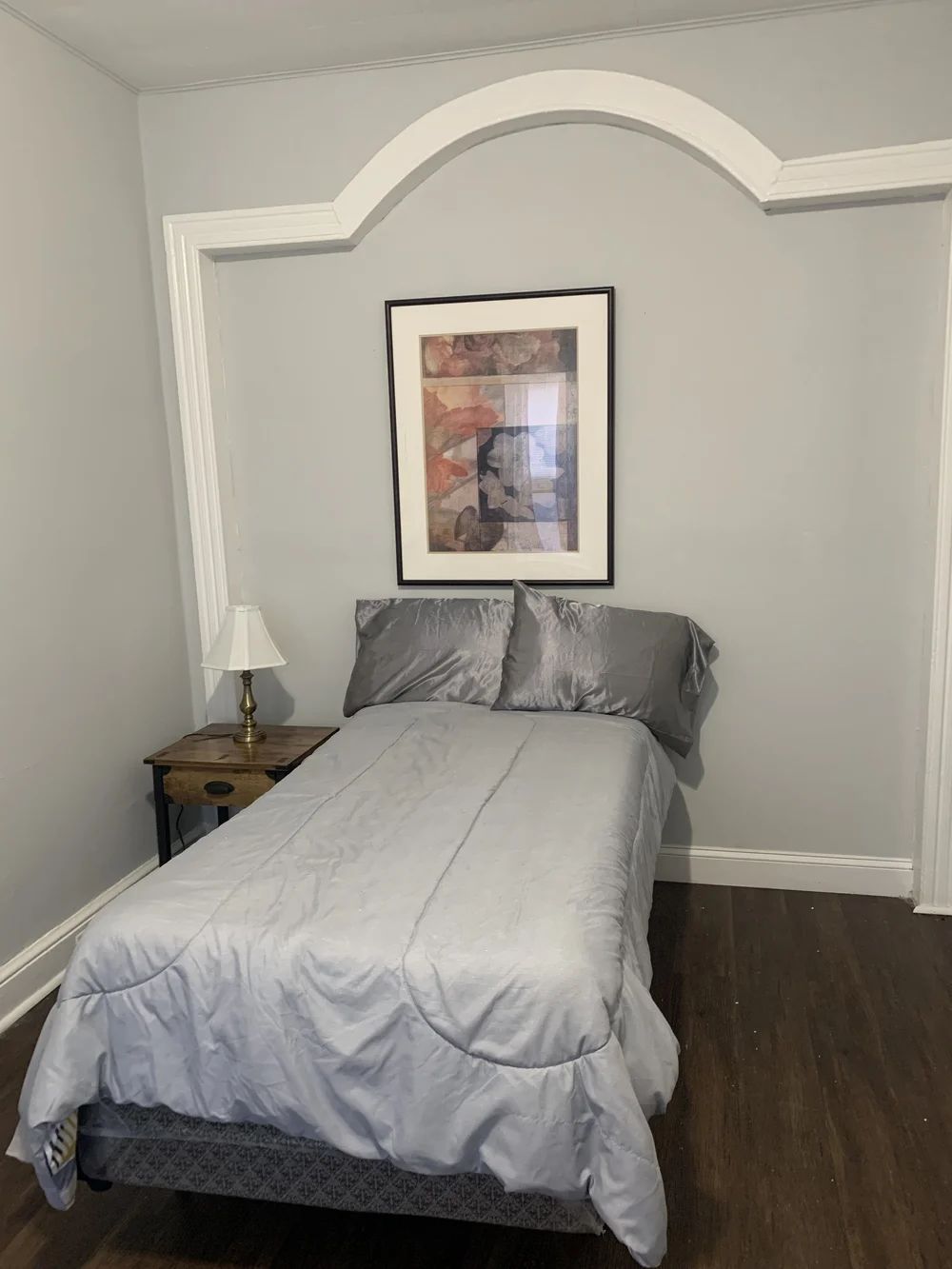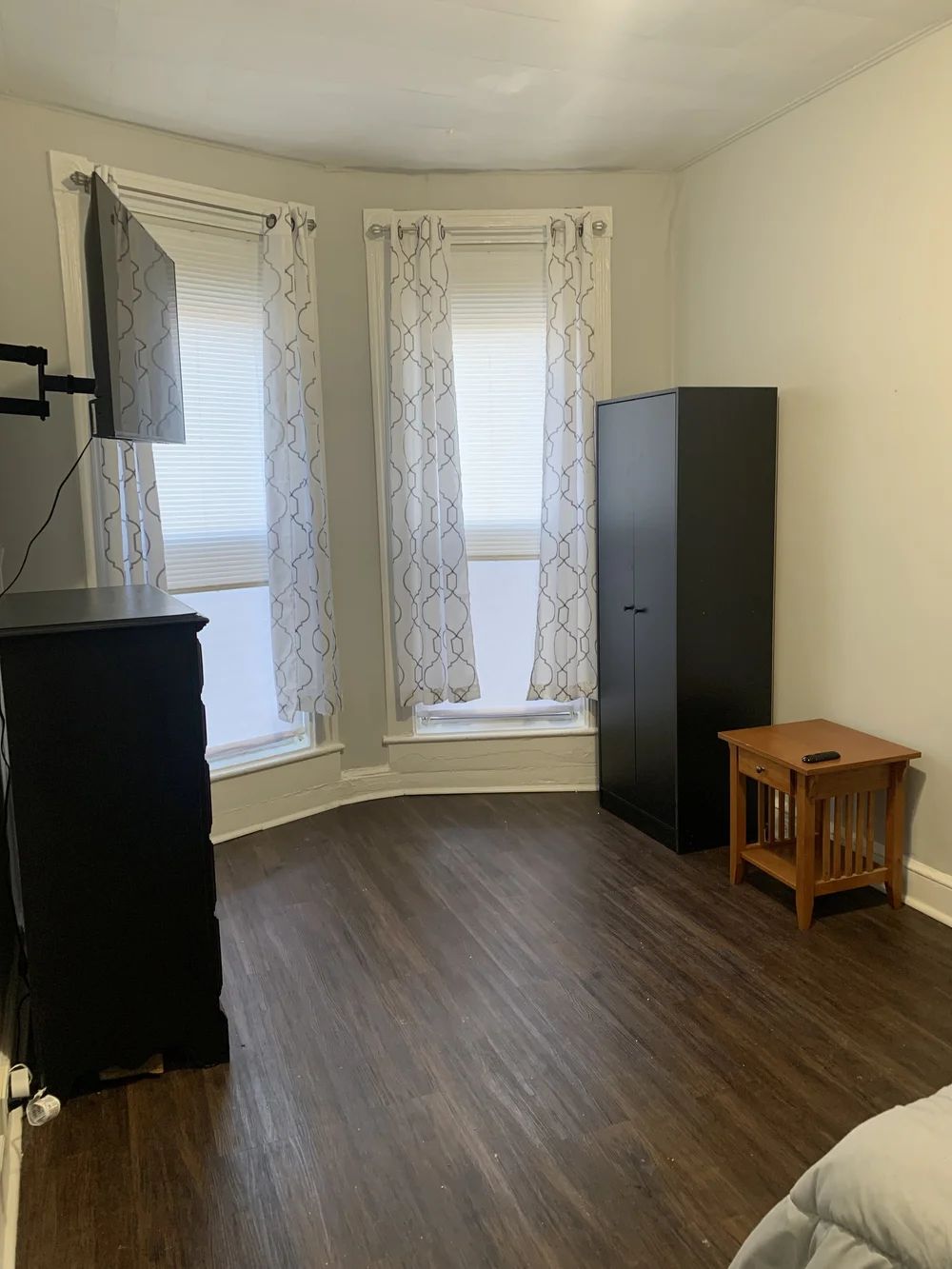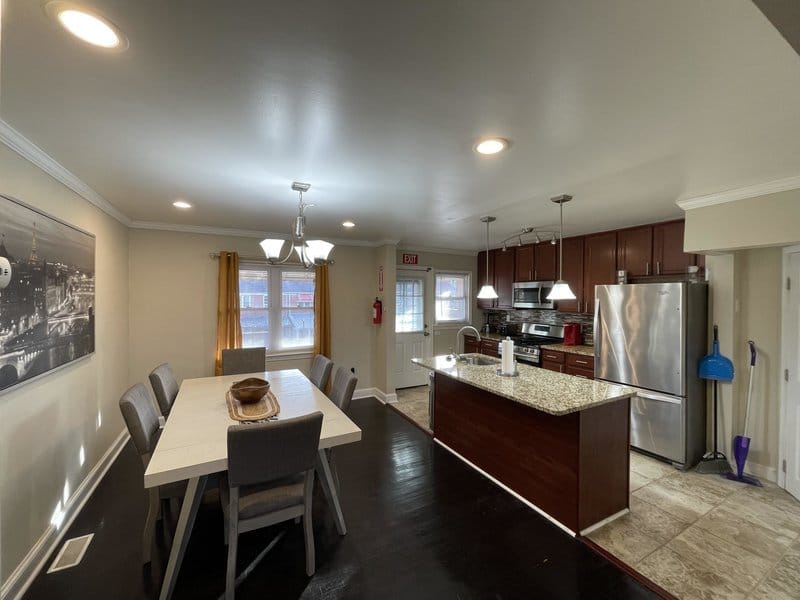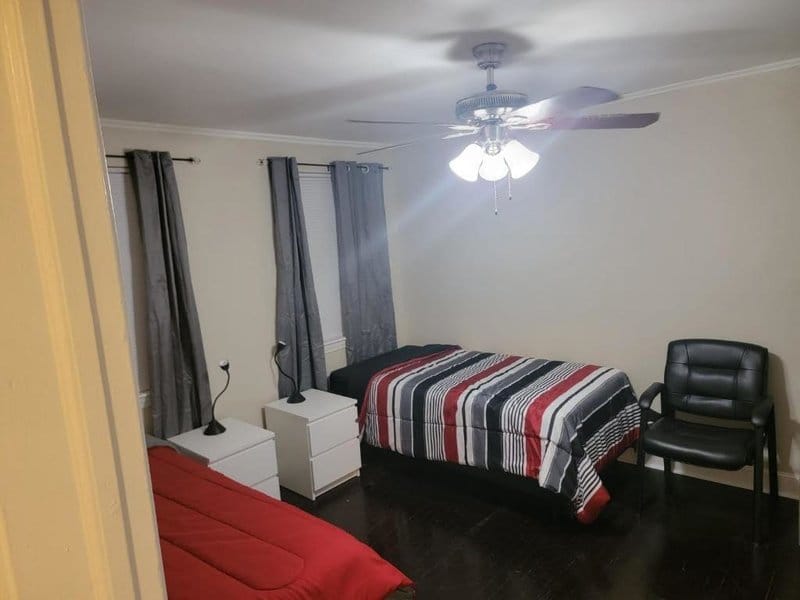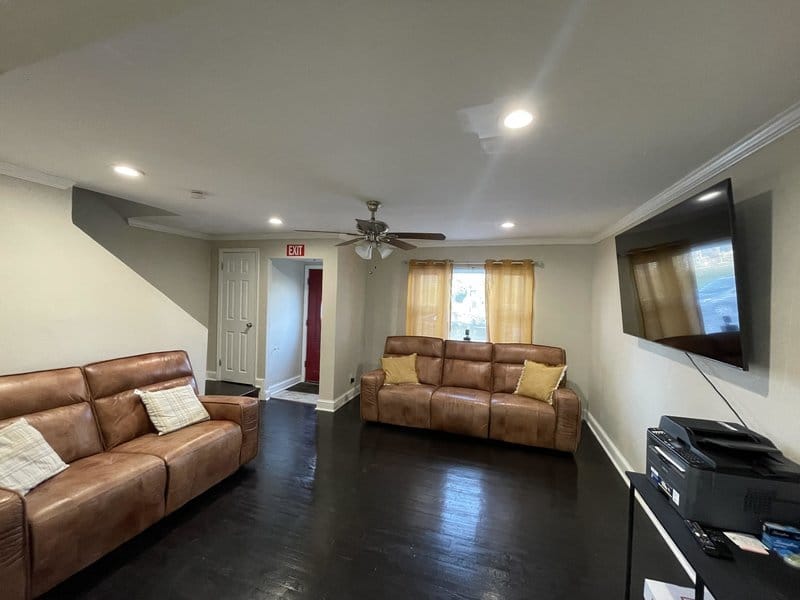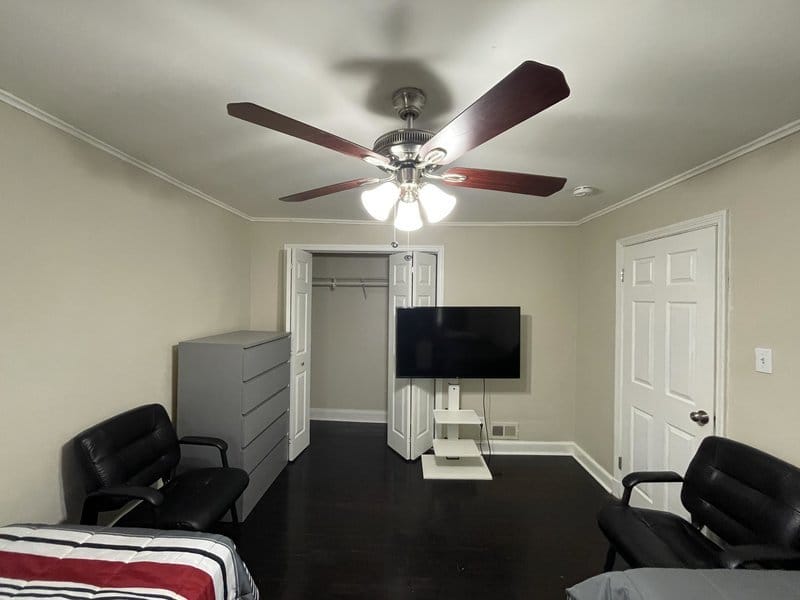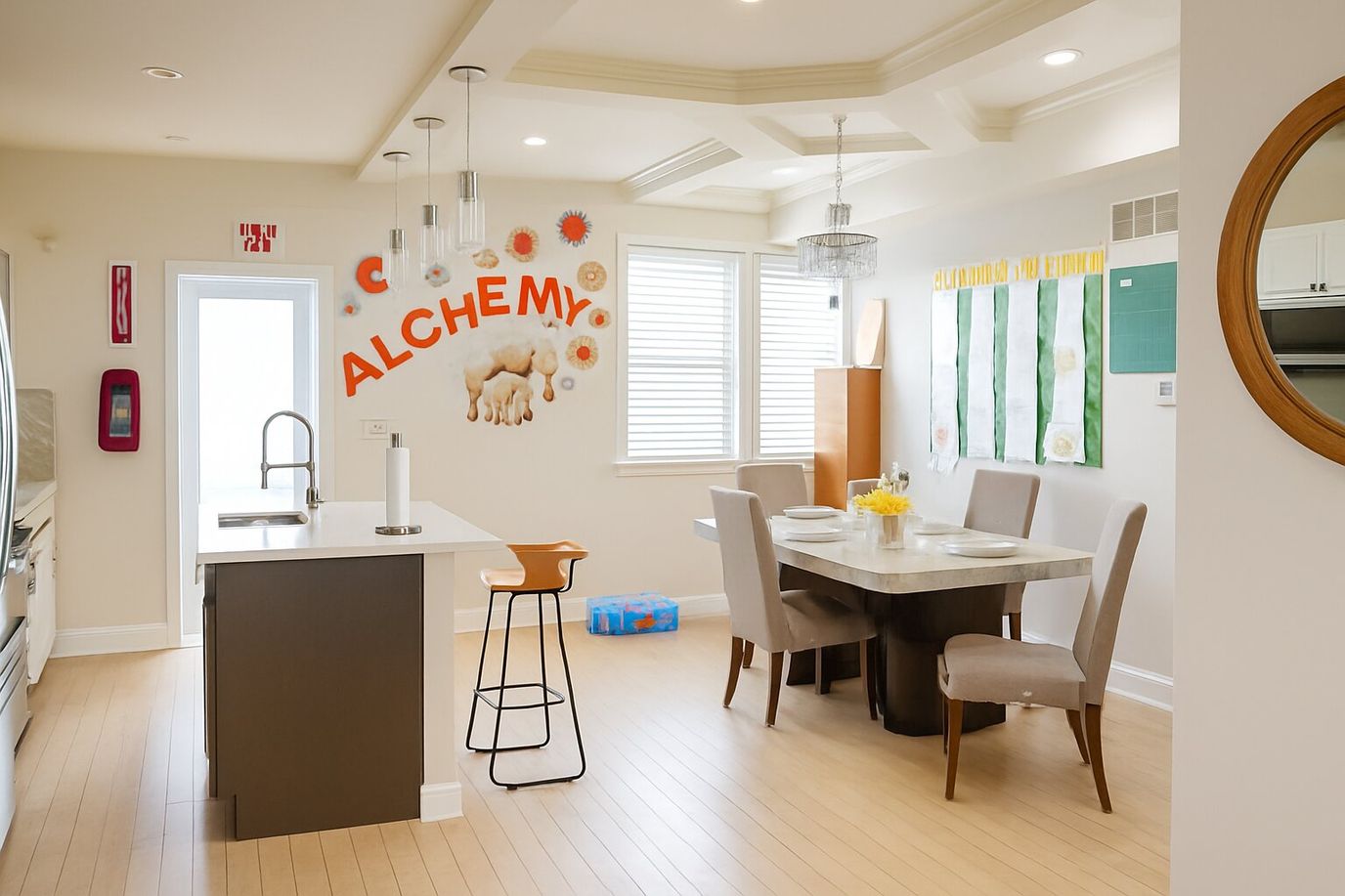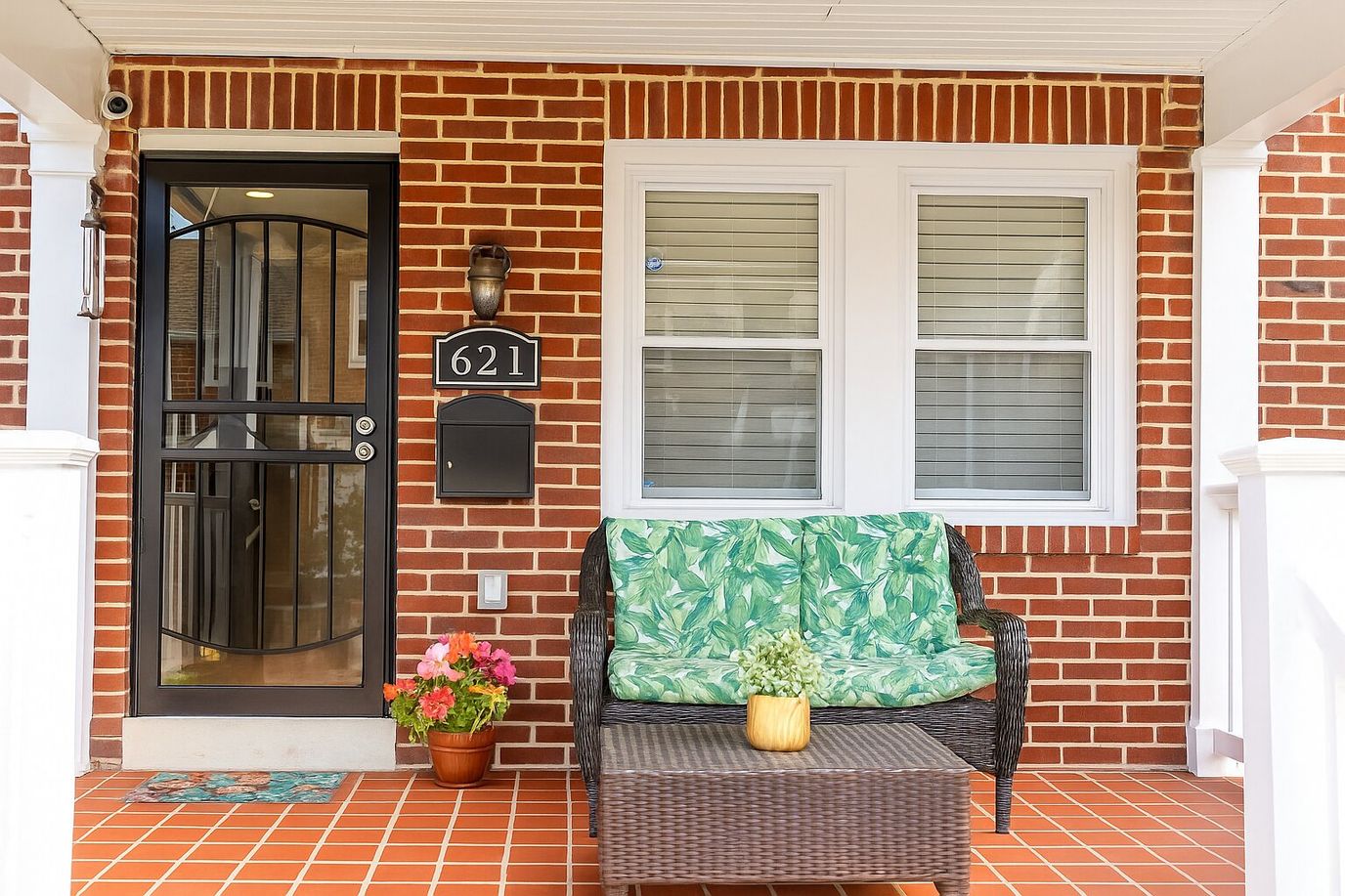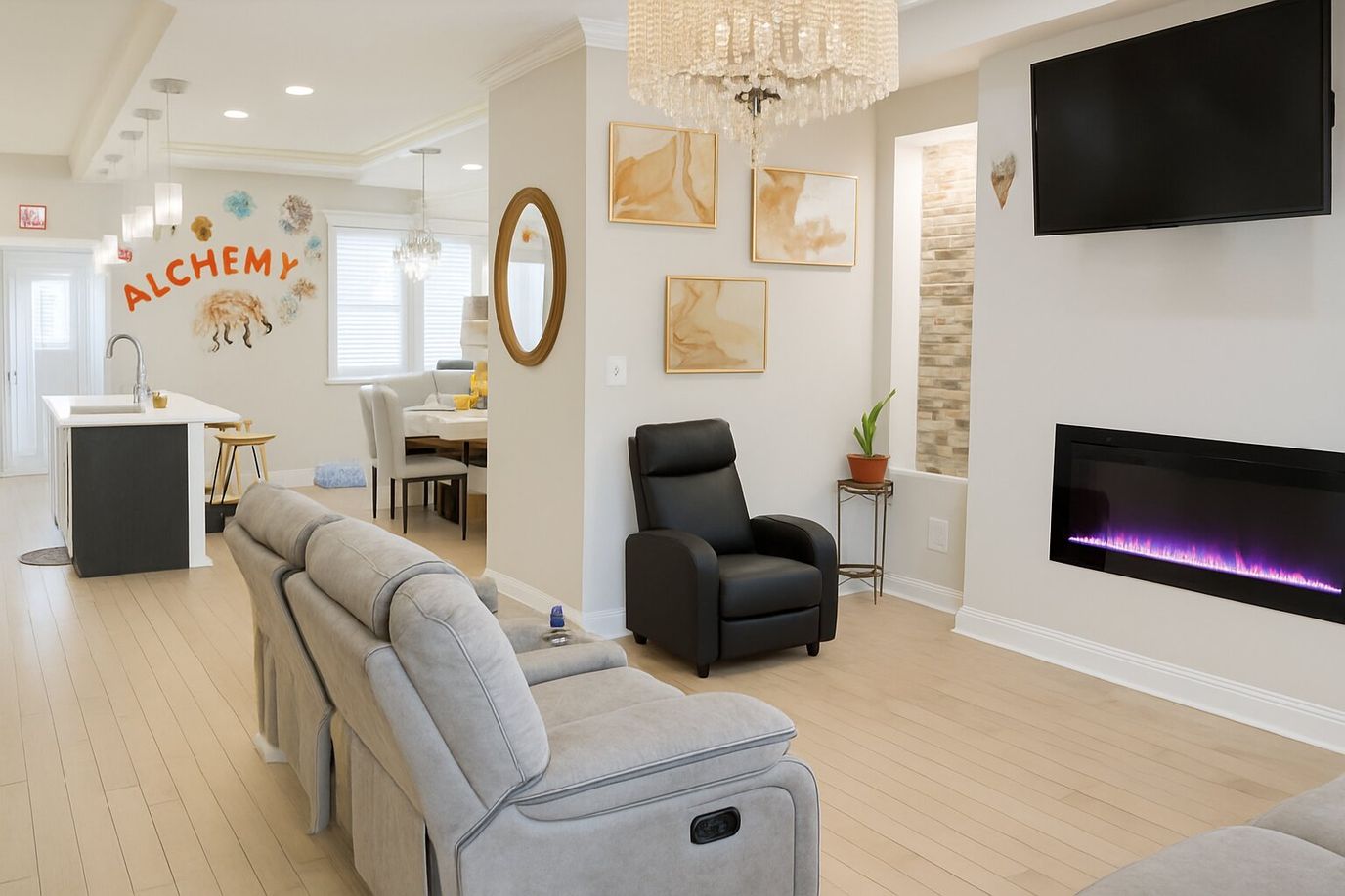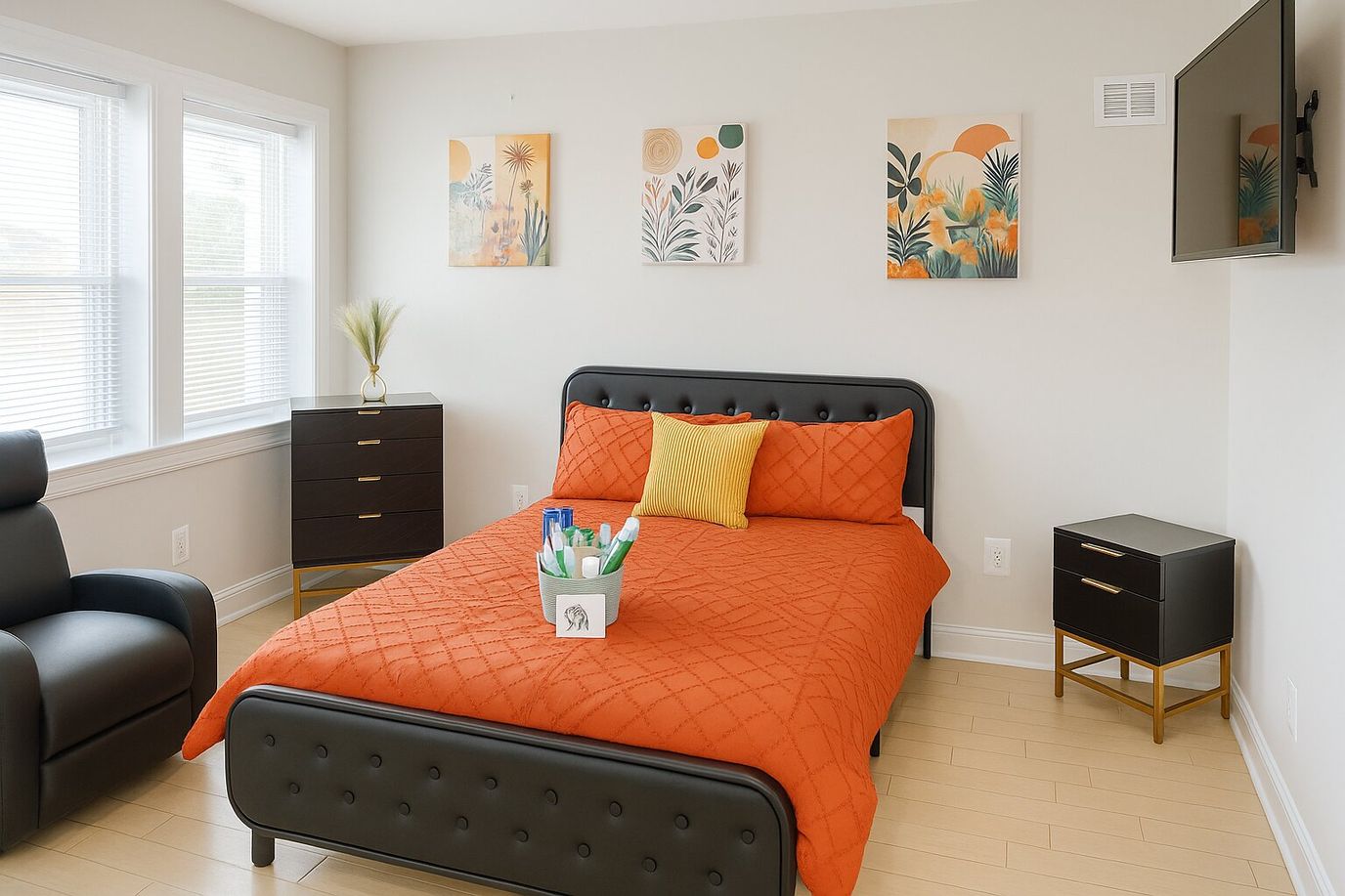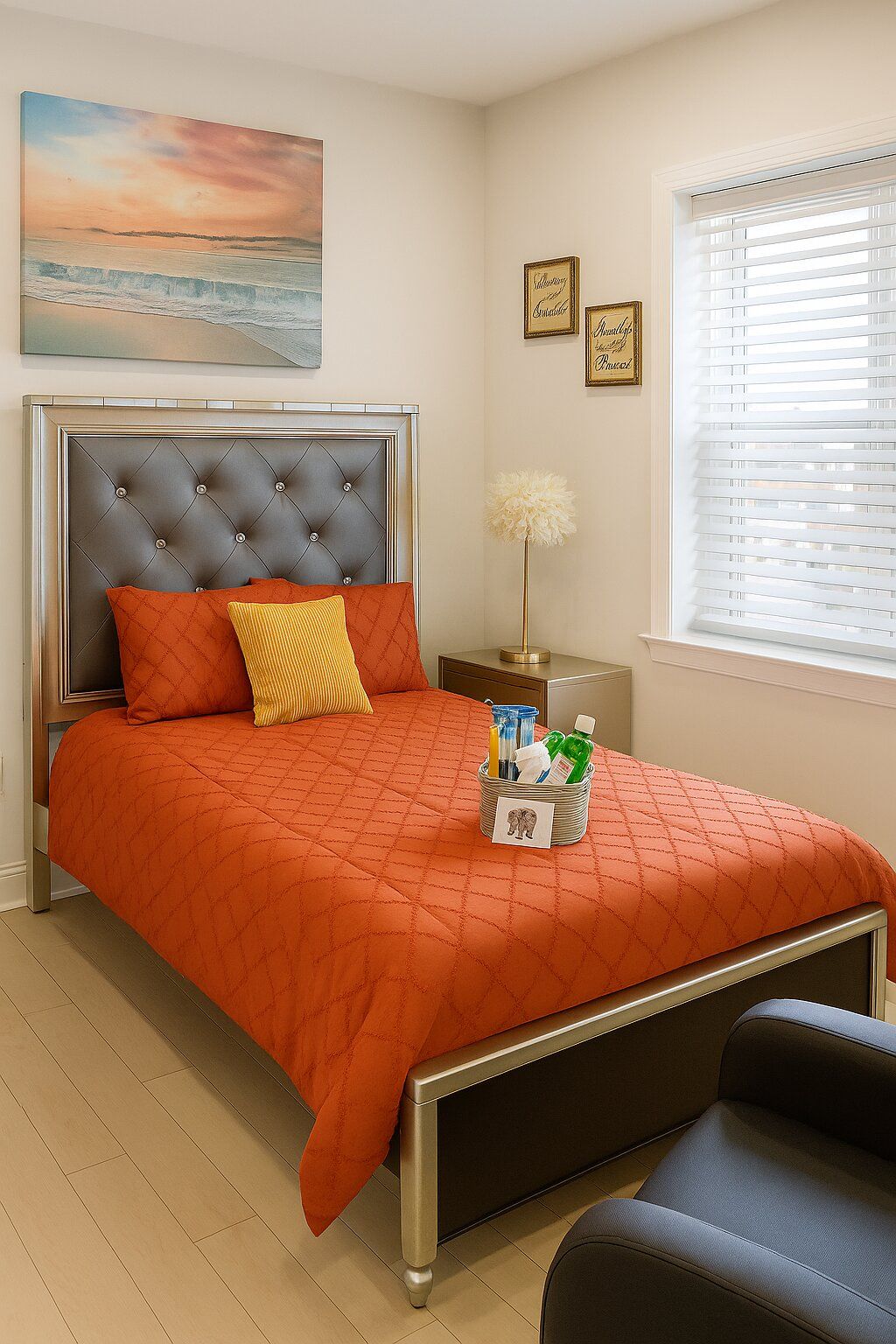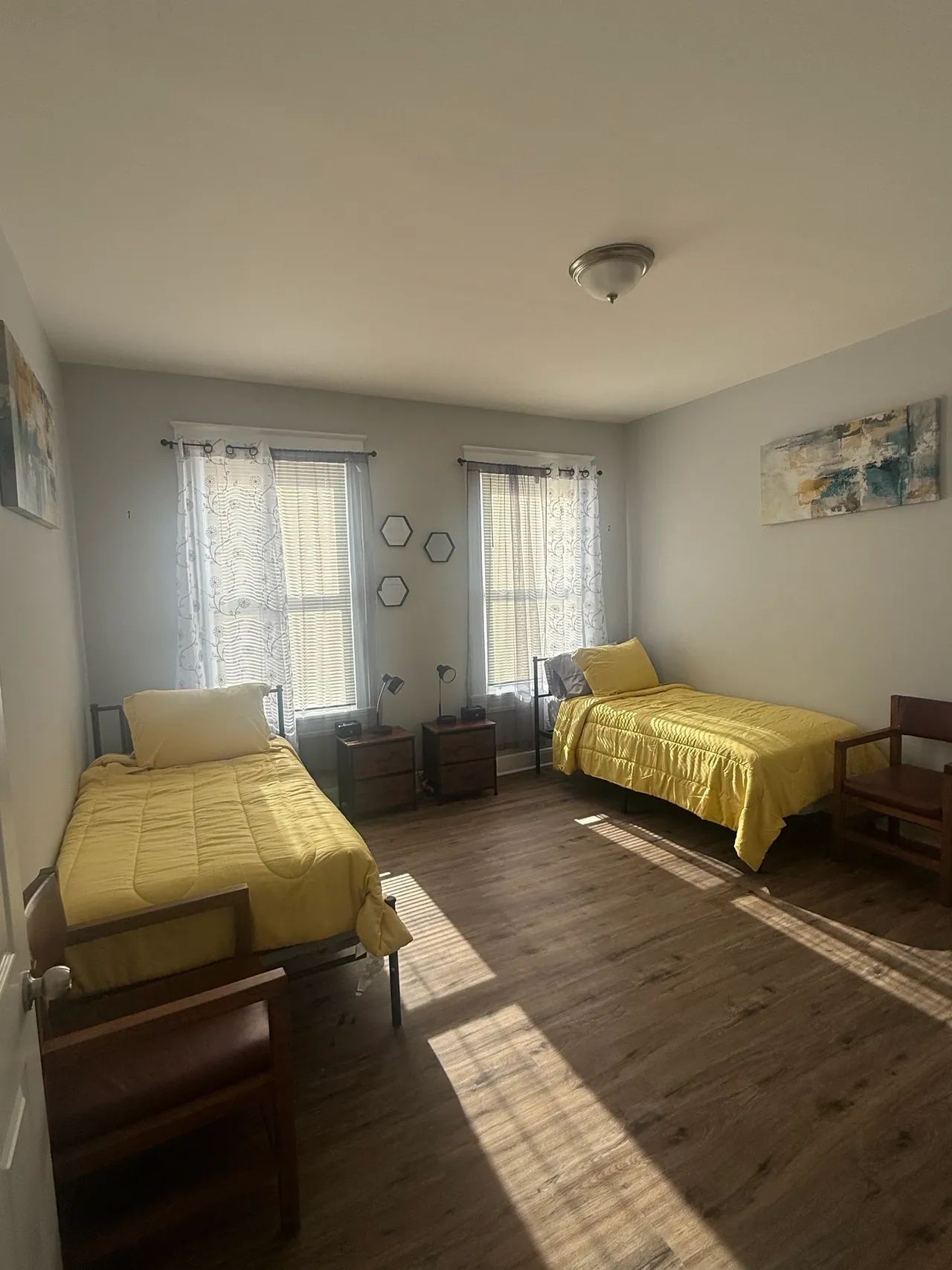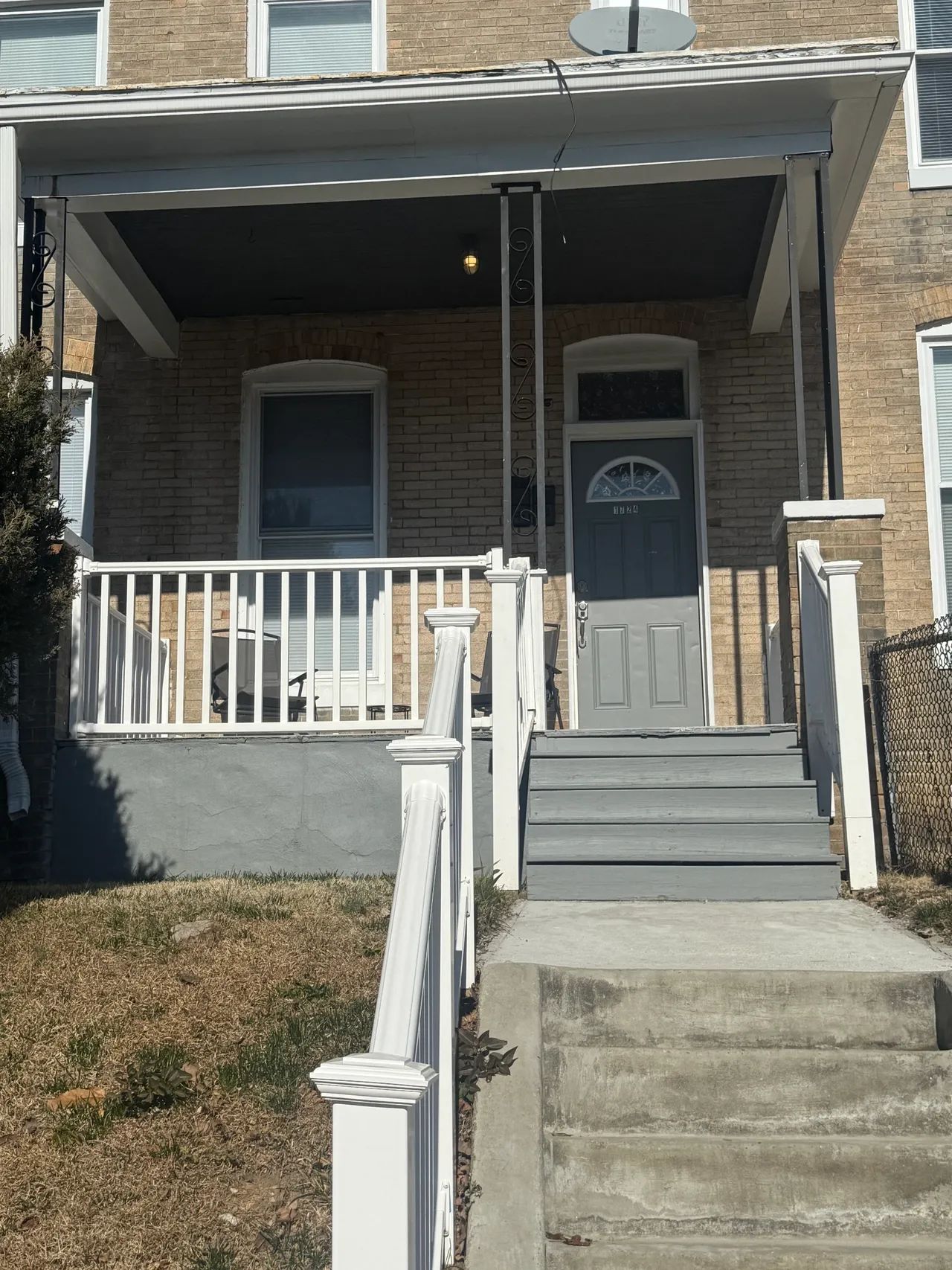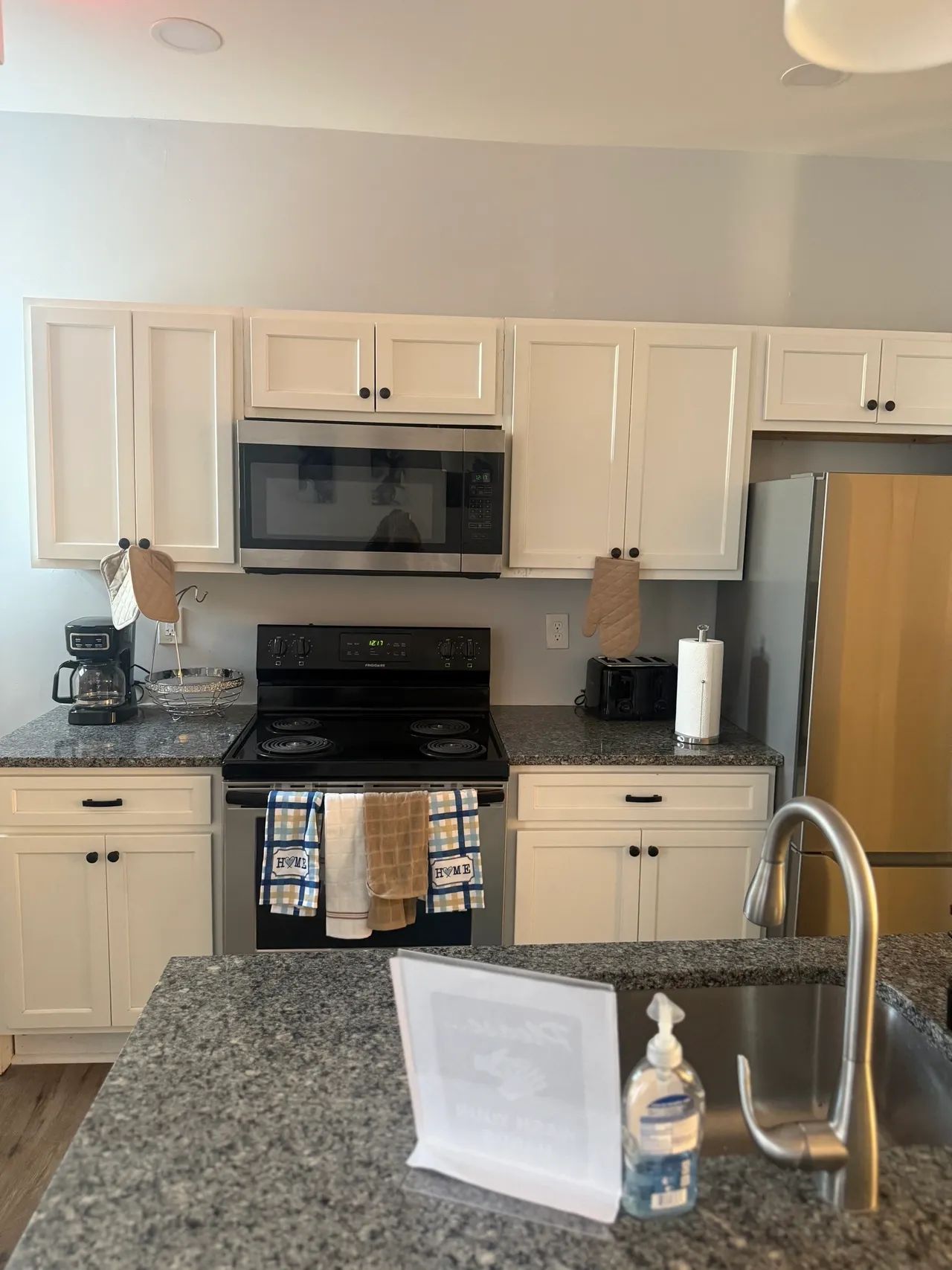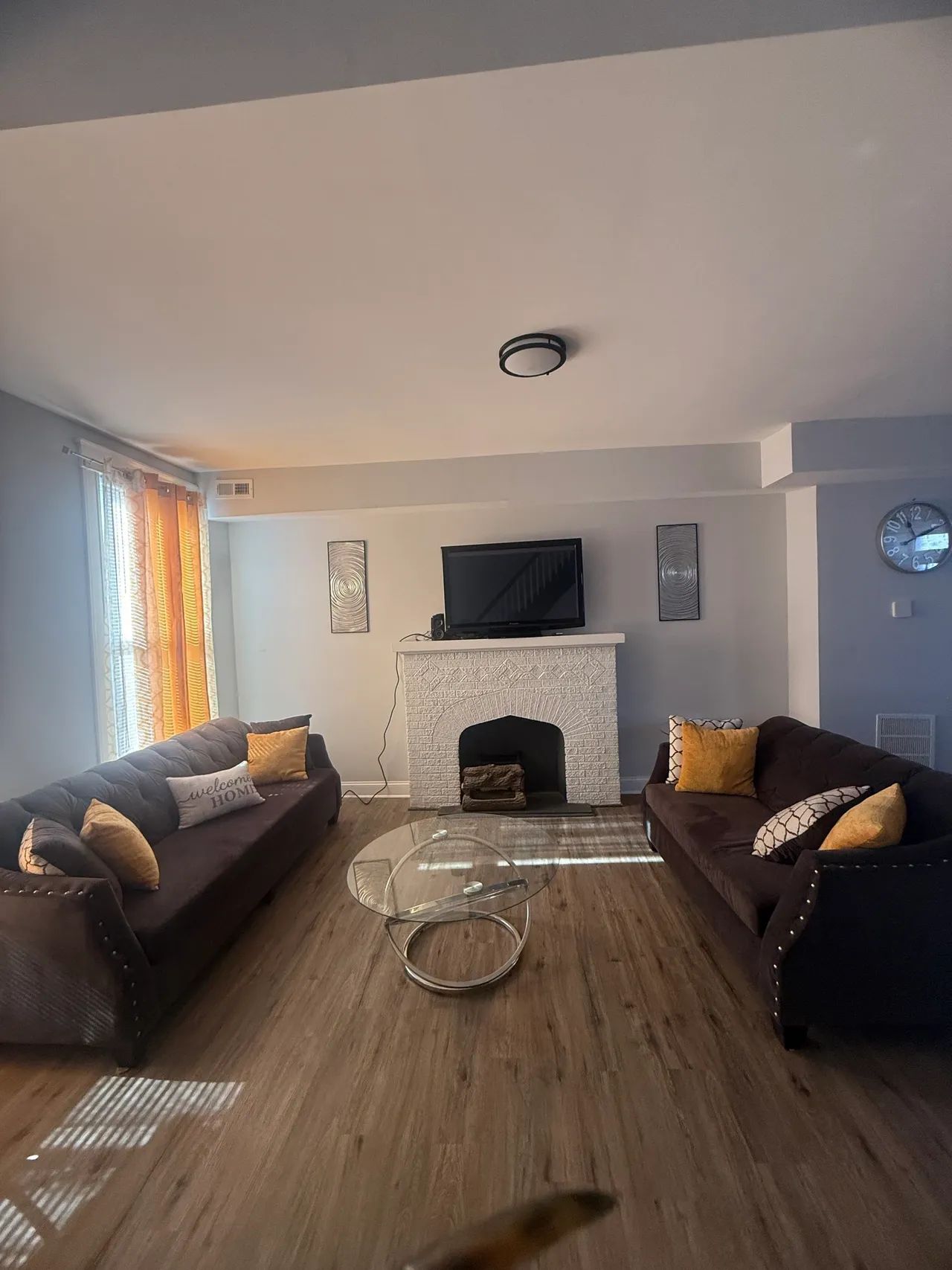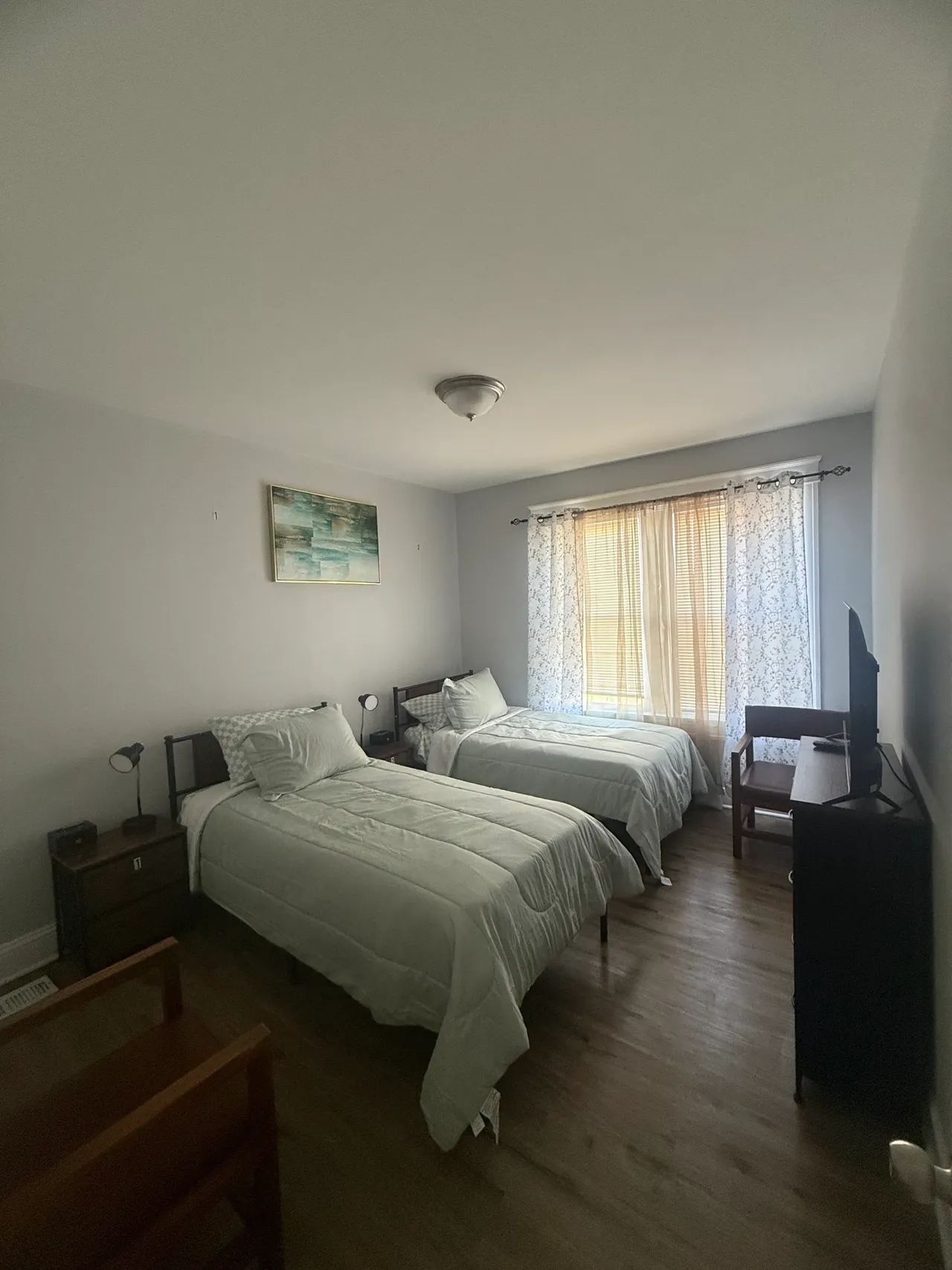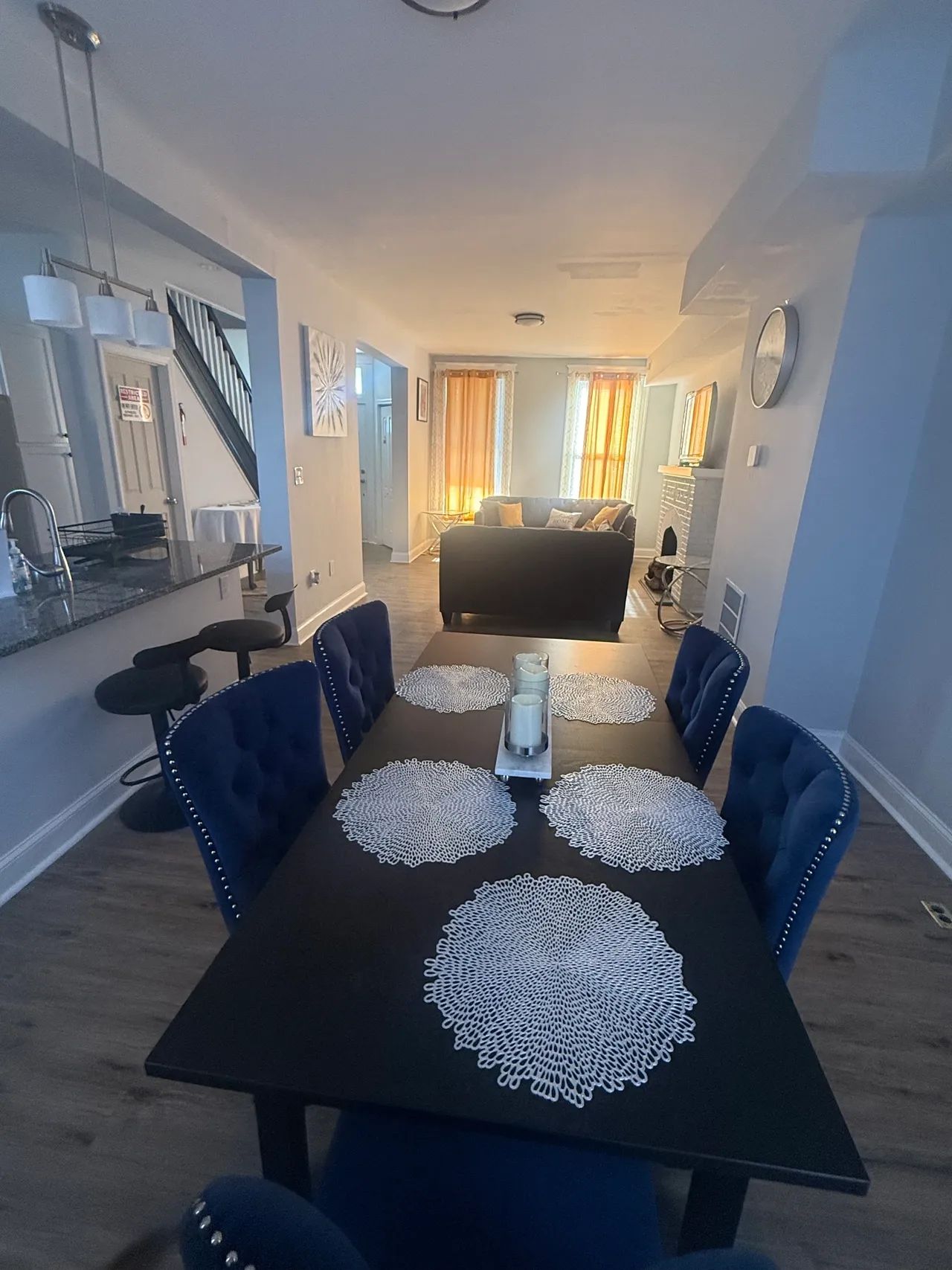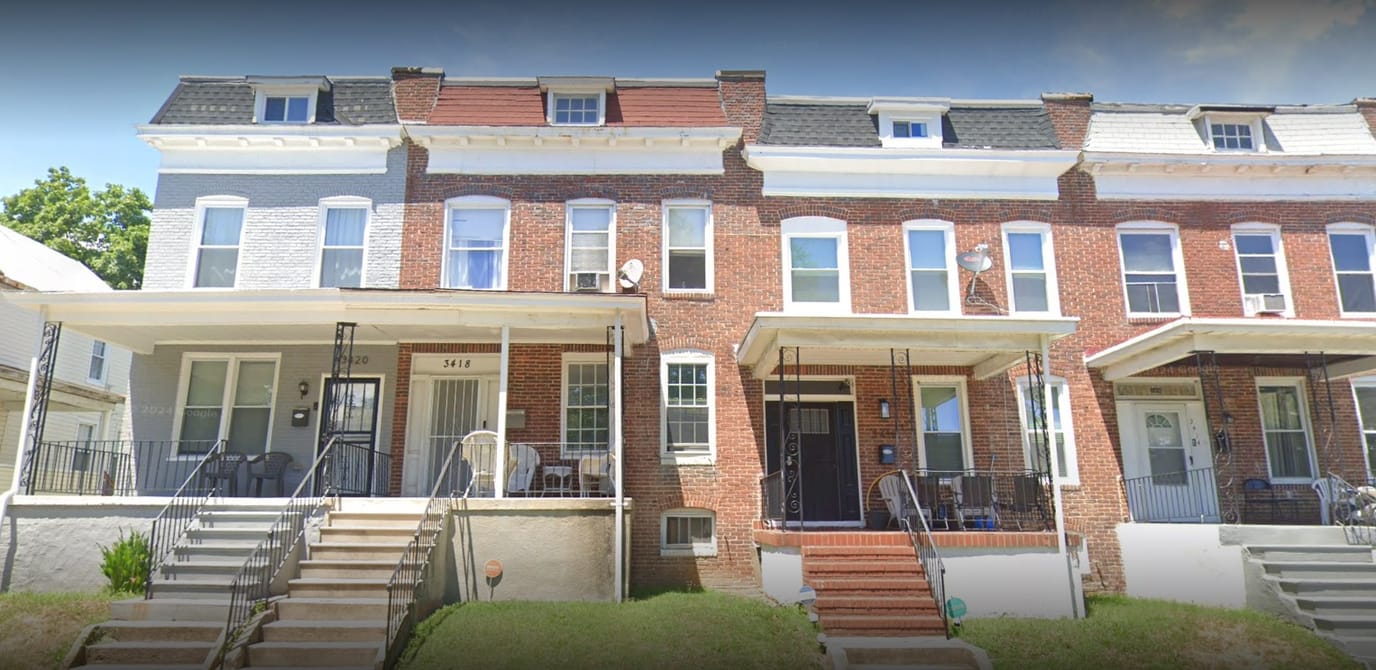
Other senior care options in Baltimore:

Page 14 of Best Assisted Living in Baltimore, MD

Why trust this guide? Our editorial team analyzed 237 assisted living communities in Baltimore, MD using Maryland Health Care Commission (MHCC) data, inspection records, complaints, amenities, and facility-level details. How we rank assisted living in MD
Reviewed by
Last updated
Jul 2026
We analyzed
237 homes
Other senior care options in Baltimore:
Avg Monthly Cost: $7,107The average monthly cost across facilities in Baltimore, MD. Reflects published or estimated base rates and can vary with care level, room type, and amenities. Individual facilities can vary widely from this average.
National Average: $5,600
Avg Walk Score: 64/ 100The average Walk Score across facilities in Baltimore, MD. A third-party neighborhood walkability score (0–100) measuring convenience and context, not healthcare quality. Individual facilities can vary widely from this average.
National Average: 50/ 100
Avg No. of Beds: 15The average licensed bed capacity across facilities in Baltimore, MD. Individual facilities can vary widely from this average.
National Average: 90

Compare Assisted Living around Baltimore (Metro Area)

The information below is reported by the Maryland Department of Health, Office of Health Care Quality.

Morningside House At Satyr Hill
AL
HOS
MC
RC
Parkville (Woodcroft)
125
Facility 125
MD AVG 43
Rank #71 / 690
Yes
72
Facility 72
MD AVG 43
Rank #160 / 985
Private Rooms / Semi-Private Rooms
28
Facility 28
MD AVG 21
Rank #53 / 210
A+
34%

Male Residents — State Benchmarked 34% of residents are male, compared to the Maryland average of 31%. This facility caters to a majority female resident pool (66% female), consistent with the broader assisted living trend where women significantly outnumber men.

66%

Female Residents — State Benchmarked 66% of residents are female, compared to the Maryland average of 69%. Women comprise the large majority, consistent with national assisted living demographics where women live longer and enter care facilities at higher rates.

98%

White Residents — State Benchmarked 98% of residents are reported as White, compared to the Maryland average of 81%. A higher White share than is typical for assisted living in Maryland in this dataset — compare with peer facilities for local context.

2%

African American Residents — State Benchmarked 2% of residents are reported as African American or Black, compared to the Maryland average of 13%. A lower African American share than is typical in Maryland; local markets still vary widely.
0%

Other Ethnicity Residents — State Benchmarked 0% of residents fall into categories other than White or African American (combined), compared to the Maryland average of 6%. This column aggregates Hispanic, Asian, multiracial, and any other labeled groups that are not classified as White or African American.

13%

Residents Age 65–74 — State Benchmarked 13% of residents are 65–74, compared to the Maryland average of 13%. In line with the statewide profile for this youngest senior bracket in assisted living.

40%

Residents Age 75–84 — State Benchmarked 40% of residents are 75–84, compared to the Maryland average of 31%. A high concentration in this mid-range bracket, where residents typically need moderate support with daily activities.

29%

Residents Age 85–94 — State Benchmarked 29% of residents are 85–94, compared to the Maryland average of 44%. The population here skews younger than the statewide norm, which may indicate a more active, lower-acuity community.

16%

Residents Age 95+ — State Benchmarked 16% of residents are 95 or older, compared to the Maryland average of 16%. In line with the statewide profile for the oldest resident bracket.

Brightview Mays Chapel Ridge
AL
IL
MC
Timonium (Dixon Hill)
89
Facility 89
MD AVG 43
Rank #155 / 690
Yes
52
Facility 52
MD AVG 43
Rank #402 / 985
Studio / 1 Bed / 2 Bed
50
Facility 50
MD AVG 21
Rank #1 / 210
A+
13%

Male Residents — State Benchmarked 13% of residents are male, compared to the Maryland average of 31%. This facility caters to a majority female resident pool (87% female), consistent with the broader assisted living trend where women significantly outnumber men.

87%

Female Residents — State Benchmarked 87% of residents are female, compared to the Maryland average of 69%. Women comprise the large majority, consistent with national assisted living demographics where women live longer and enter care facilities at higher rates.

99%

White Residents — State Benchmarked 99% of residents are reported as White, compared to the Maryland average of 81%. A higher White share than is typical for assisted living in Maryland in this dataset — compare with peer facilities for local context.

0%

African American Residents — State Benchmarked 0% of residents are reported as African American or Black, compared to the Maryland average of 13%. A lower African American share than is typical in Maryland; local markets still vary widely.
1%

Other Ethnicity Residents — State Benchmarked 1% of residents fall into categories other than White or African American (combined), compared to the Maryland average of 6%. This column aggregates Hispanic, Asian, multiracial, and any other labeled groups that are not classified as White or African American. Reported subgroups in this total: Asian (1%).

3%

Residents Age 65–74 — State Benchmarked 3% of residents are 65–74, compared to the Maryland average of 13%. Fewer younger seniors suggests the resident population skews older, likely requiring higher acuity care and more hands-on support.

30%

Residents Age 75–84 — State Benchmarked 30% of residents are 75–84, compared to the Maryland average of 31%. This is the second most common age bracket in assisted living, representing residents with moderate care needs.

48%

Residents Age 85–94 — State Benchmarked 48% of residents are 85–94, compared to the Maryland average of 44%. This is typically the most common age bracket in assisted living — this facility is in line with the statewide norm.

18%

Residents Age 95+ — State Benchmarked 18% of residents are 95 or older, compared to the Maryland average of 16%. In line with the statewide profile for the oldest resident bracket.

Morningside House of Friendship
AL
HOS
MC
RC
Hanover
103
Facility 103
MD AVG 43
Rank #108 / 690
Yes
36
Facility 36
MD AVG 43
Rank #563 / 985
Studio / 1 Bed / 2 Bed
33
Facility 33
MD AVG 21
Rank #25 / 210
-
23%

Male Residents — State Benchmarked 23% of residents are male, compared to the Maryland average of 31%. This facility caters to a majority female resident pool (77% female), consistent with the broader assisted living trend where women significantly outnumber men.

77%

Female Residents — State Benchmarked 77% of residents are female, compared to the Maryland average of 69%. Women comprise the large majority, consistent with national assisted living demographics where women live longer and enter care facilities at higher rates.

86%

White Residents — State Benchmarked 86% of residents are reported as White, compared to the Maryland average of 81%. Close to the average for this category among assisted living facilities in Maryland with reported race/ethnicity data.

13%

African American Residents — State Benchmarked 13% of residents are reported as African American or Black, compared to the Maryland average of 13%. In line with the Maryland average for African American residents among facilities reporting this breakdown.

1%

Other Ethnicity Residents — State Benchmarked 1% of residents fall into categories other than White or African American (combined), compared to the Maryland average of 6%. This column aggregates Hispanic, Asian, multiracial, and any other labeled groups that are not classified as White or African American. Reported subgroups in this total: Asian (1%).

8%

Residents Age 65–74 — State Benchmarked 8% of residents are 65–74, compared to the Maryland average of 13%. Fewer younger seniors suggests the resident population skews older, likely requiring higher acuity care and more hands-on support.

35%

Residents Age 75–84 — State Benchmarked 35% of residents are 75–84, compared to the Maryland average of 31%. This is the second most common age bracket in assisted living, representing residents with moderate care needs.

41%

Residents Age 85–94 — State Benchmarked 41% of residents are 85–94, compared to the Maryland average of 44%. This is typically the most common age bracket in assisted living — this facility is in line with the statewide norm.

16%

Residents Age 95+ — State Benchmarked 16% of residents are 95 or older, compared to the Maryland average of 16%. In line with the statewide profile for the oldest resident bracket.

Pickersgill Retirement Community
AL
IL
NH
SNF
Baltimore (Chestnut Hill)
138
Facility 138
MD AVG 43
Rank #56 / 690
No
45
Facility 45
MD AVG 43
Rank #475 / 985
--A+
24%

Male Residents — State Benchmarked 24% of residents are male, compared to the Maryland average of 31%. This facility caters to a majority female resident pool (76% female), consistent with the broader assisted living trend where women significantly outnumber men.

76%

Female Residents — State Benchmarked 76% of residents are female, compared to the Maryland average of 69%. Women comprise the large majority, consistent with national assisted living demographics where women live longer and enter care facilities at higher rates.

95%

White Residents — State Benchmarked 95% of residents are reported as White, compared to the Maryland average of 81%. A higher White share than is typical for assisted living in Maryland in this dataset — compare with peer facilities for local context.

1%

African American Residents — State Benchmarked 1% of residents are reported as African American or Black, compared to the Maryland average of 13%. A lower African American share than is typical in Maryland; local markets still vary widely.
4%

Other Ethnicity Residents — State Benchmarked 4% of residents fall into categories other than White or African American (combined), compared to the Maryland average of 6%. This column aggregates Hispanic, Asian, multiracial, and any other labeled groups that are not classified as White or African American. Reported subgroups in this total: Asian (4%).
3%

Residents Age 65–74 — State Benchmarked 3% of residents are 65–74, compared to the Maryland average of 13%. Fewer younger seniors suggests the resident population skews older, likely requiring higher acuity care and more hands-on support.

27%

Residents Age 75–84 — State Benchmarked 27% of residents are 75–84, compared to the Maryland average of 31%. This is the second most common age bracket in assisted living, representing residents with moderate care needs.

55%

Residents Age 85–94 — State Benchmarked 55% of residents are 85–94, compared to the Maryland average of 44%. A high concentration of very elderly residents signals a higher-acuity facility with experience caring for advanced age-related needs.

15%

Residents Age 95+ — State Benchmarked 15% of residents are 95 or older, compared to the Maryland average of 16%. In line with the statewide profile for the oldest resident bracket.

Springwell Senior Living Community
AL
IL
MC
Baltimore (West Rogers Avenue)
151
Facility 151
MD AVG 43
Rank #43 / 690
No
30
Facility 30
MD AVG 43
Rank #627 / 985
Studio / 1 Bed / 2 Bed-A+
20%

Male Residents — State Benchmarked 20% of residents are male, compared to the Maryland average of 31%. This facility caters to a majority female resident pool (80% female), consistent with the broader assisted living trend where women significantly outnumber men.

80%

Female Residents — State Benchmarked 80% of residents are female, compared to the Maryland average of 69%. Women comprise the large majority, consistent with national assisted living demographics where women live longer and enter care facilities at higher rates.

91%

White Residents — State Benchmarked 91% of residents are reported as White, compared to the Maryland average of 81%. A higher White share than is typical for assisted living in Maryland in this dataset — compare with peer facilities for local context.

6%

African American Residents — State Benchmarked 6% of residents are reported as African American or Black, compared to the Maryland average of 13%. In line with the Maryland average for African American residents among facilities reporting this breakdown.

3%

Other Ethnicity Residents — State Benchmarked 3% of residents fall into categories other than White or African American (combined), compared to the Maryland average of 6%. This column aggregates Hispanic, Asian, multiracial, and any other labeled groups that are not classified as White or African American. Reported subgroups in this total: Hispanic (2%), Asian (1%).

8%

Residents Age 65–74 — State Benchmarked 8% of residents are 65–74, compared to the Maryland average of 13%. Fewer younger seniors suggests the resident population skews older, likely requiring higher acuity care and more hands-on support.

30%

Residents Age 75–84 — State Benchmarked 30% of residents are 75–84, compared to the Maryland average of 31%. This is the second most common age bracket in assisted living, representing residents with moderate care needs.

45%

Residents Age 85–94 — State Benchmarked 45% of residents are 85–94, compared to the Maryland average of 44%. This is typically the most common age bracket in assisted living — this facility is in line with the statewide norm.

15%

Residents Age 95+ — State Benchmarked 15% of residents are 95 or older, compared to the Maryland average of 16%. In line with the statewide profile for the oldest resident bracket.

Symphony Manor
AL
MC
RC
Baltimore (Roland Park)
69
Facility 69
MD AVG 43
Rank #190 / 690
Yes
71
Facility 71
MD AVG 43
Rank #175 / 985
Studio
15
Facility 15
MD AVG 21
Rank #133 / 210
-
21%

Male Residents — State Benchmarked 21% of residents are male, compared to the Maryland average of 31%. This facility caters to a majority female resident pool (79% female), consistent with the broader assisted living trend where women significantly outnumber men.

79%

Female Residents — State Benchmarked 79% of residents are female, compared to the Maryland average of 69%. Women comprise the large majority, consistent with national assisted living demographics where women live longer and enter care facilities at higher rates.

79%

White Residents — State Benchmarked 79% of residents are reported as White, compared to the Maryland average of 81%. Close to the average for this category among assisted living facilities in Maryland with reported race/ethnicity data.

19%

African American Residents — State Benchmarked 19% of residents are reported as African American or Black, compared to the Maryland average of 13%. In line with the Maryland average for African American residents among facilities reporting this breakdown.

1%

Other Ethnicity Residents — State Benchmarked 1% of residents fall into categories other than White or African American (combined), compared to the Maryland average of 6%. This column aggregates Hispanic, Asian, multiracial, and any other labeled groups that are not classified as White or African American. Reported subgroups in this total: Asian (1%).

15%

Residents Age 65–74 — State Benchmarked 15% of residents are 65–74, compared to the Maryland average of 13%. In line with the statewide profile for this youngest senior bracket in assisted living.

44%

Residents Age 75–84 — State Benchmarked 44% of residents are 75–84, compared to the Maryland average of 31%. A high concentration in this mid-range bracket, where residents typically need moderate support with daily activities.

18%

Residents Age 85–94 — State Benchmarked 18% of residents are 85–94, compared to the Maryland average of 44%. The population here skews younger than the statewide norm, which may indicate a more active, lower-acuity community.

24%

Residents Age 95+ — State Benchmarked 24% of residents are 95 or older, compared to the Maryland average of 16%. A high proportion of the oldest-old suggests strong end-of-life care experience and very-high-acuity capabilities.

Brightview White Marsh
AL
MC
Nottingham
99
Facility 99
MD AVG 43
Rank #127 / 690
Yes
49
Facility 49
MD AVG 43
Rank #431 / 985
Studio / 1 Bed
25
Facility 25
MD AVG 21
Rank #83 / 210
-
17%

Male Residents — State Benchmarked 17% of residents are male, compared to the Maryland average of 31%. This facility caters to a majority female resident pool (83% female), consistent with the broader assisted living trend where women significantly outnumber men.

83%

Female Residents — State Benchmarked 83% of residents are female, compared to the Maryland average of 69%. Women comprise the large majority, consistent with national assisted living demographics where women live longer and enter care facilities at higher rates.

98%

White Residents — State Benchmarked 98% of residents are reported as White, compared to the Maryland average of 81%. A higher White share than is typical for assisted living in Maryland in this dataset — compare with peer facilities for local context.

2%

African American Residents — State Benchmarked 2% of residents are reported as African American or Black, compared to the Maryland average of 13%. A lower African American share than is typical in Maryland; local markets still vary widely.

0%

Other Ethnicity Residents — State Benchmarked 0% of residents fall into categories other than White or African American (combined), compared to the Maryland average of 6%. This column aggregates Hispanic, Asian, multiracial, and any other labeled groups that are not classified as White or African American.

3%

Residents Age 65–74 — State Benchmarked 3% of residents are 65–74, compared to the Maryland average of 13%. Fewer younger seniors suggests the resident population skews older, likely requiring higher acuity care and more hands-on support.

17%

Residents Age 75–84 — State Benchmarked 17% of residents are 75–84, compared to the Maryland average of 31%. Below the state norm — the resident mix may skew either younger or older than this typical middle bracket.

51%

Residents Age 85–94 — State Benchmarked 51% of residents are 85–94, compared to the Maryland average of 44%. A high concentration of very elderly residents signals a higher-acuity facility with experience caring for advanced age-related needs.

29%

Residents Age 95+ — State Benchmarked 29% of residents are 95 or older, compared to the Maryland average of 16%. A high proportion of the oldest-old suggests strong end-of-life care experience and very-high-acuity capabilities.

Brightview Bel Air
AL
MC
Bel Air (West Ring Factory Road)
100
Facility 100
MD AVG 43
Rank #114 / 690
Yes
16
Facility 16
MD AVG 43
Rank #772 / 985
-
27
Facility 27
MD AVG 21
Rank #62 / 210
-
20%

Male Residents — State Benchmarked 20% of residents are male, compared to the Maryland average of 31%. This facility caters to a majority female resident pool (80% female), consistent with the broader assisted living trend where women significantly outnumber men.

80%

Female Residents — State Benchmarked 80% of residents are female, compared to the Maryland average of 69%. Women comprise the large majority, consistent with national assisted living demographics where women live longer and enter care facilities at higher rates.

96%

White Residents — State Benchmarked 96% of residents are reported as White, compared to the Maryland average of 81%. A higher White share than is typical for assisted living in Maryland in this dataset — compare with peer facilities for local context.

1%

African American Residents — State Benchmarked 1% of residents are reported as African American or Black, compared to the Maryland average of 13%. A lower African American share than is typical in Maryland; local markets still vary widely.

3%

Other Ethnicity Residents — State Benchmarked 3% of residents fall into categories other than White or African American (combined), compared to the Maryland average of 6%. This column aggregates Hispanic, Asian, multiracial, and any other labeled groups that are not classified as White or African American. Reported subgroups in this total: Asian (1%), Hawaiian/Pacific Islander (1%).

5%

Residents Age 65–74 — State Benchmarked 5% of residents are 65–74, compared to the Maryland average of 13%. Fewer younger seniors suggests the resident population skews older, likely requiring higher acuity care and more hands-on support.

33%

Residents Age 75–84 — State Benchmarked 33% of residents are 75–84, compared to the Maryland average of 31%. This is the second most common age bracket in assisted living, representing residents with moderate care needs.

48%

Residents Age 85–94 — State Benchmarked 48% of residents are 85–94, compared to the Maryland average of 44%. This is typically the most common age bracket in assisted living — this facility is in line with the statewide norm.

13%

Residents Age 95+ — State Benchmarked 13% of residents are 95 or older, compared to the Maryland average of 16%. In line with the statewide profile for the oldest resident bracket.

Brightview Catonsville
AL
MC
Catonsville (South Rolling Road)
95
Facility 95
MD AVG 43
Rank #141 / 690
Yes
23
Facility 23
MD AVG 43
Rank #704 / 985
Studio / 1 Bed / 2 Bed
24
Facility 24
MD AVG 21
Rank #93 / 210
-
37%

Male Residents — State Benchmarked 37% of residents are male, compared to the Maryland average of 31%. This facility caters to a majority female resident pool (63% female), consistent with the broader assisted living trend where women significantly outnumber men.

63%

Female Residents — State Benchmarked 63% of residents are female, compared to the Maryland average of 69%. Closer to an even gender split than most assisted living facilities, which typically have 65–75% female residents.

94%

White Residents — State Benchmarked 94% of residents are reported as White, compared to the Maryland average of 81%. A higher White share than is typical for assisted living in Maryland in this dataset — compare with peer facilities for local context.

3%

African American Residents — State Benchmarked 3% of residents are reported as African American or Black, compared to the Maryland average of 13%. A lower African American share than is typical in Maryland; local markets still vary widely.
3%

Other Ethnicity Residents — State Benchmarked 3% of residents fall into categories other than White or African American (combined), compared to the Maryland average of 6%. This column aggregates Hispanic, Asian, multiracial, and any other labeled groups that are not classified as White or African American. Reported subgroups in this total: Hispanic (3%).

1%

Residents Age 65–74 — State Benchmarked 1% of residents are 65–74, compared to the Maryland average of 13%. Fewer younger seniors suggests the resident population skews older, likely requiring higher acuity care and more hands-on support.

34%

Residents Age 75–84 — State Benchmarked 34% of residents are 75–84, compared to the Maryland average of 31%. This is the second most common age bracket in assisted living, representing residents with moderate care needs.

40%

Residents Age 85–94 — State Benchmarked 40% of residents are 85–94, compared to the Maryland average of 44%. This is typically the most common age bracket in assisted living — this facility is in line with the statewide norm.

22%

Residents Age 95+ — State Benchmarked 22% of residents are 95 or older, compared to the Maryland average of 16%. A high proportion of the oldest-old suggests strong end-of-life care experience and very-high-acuity capabilities.

Caritas House Assisted Living
AL
HOS
PC
Baltimore (Violetville)
60
Facility 60
MD AVG 43
Rank #204 / 690
No
50
Facility 50
MD AVG 43
Rank #419 / 985
Studio
23
Facility 23
MD AVG 21
Rank #101 / 210
A
31%

Male Residents — State Benchmarked 31% of residents are male, compared to the Maryland average of 31%. This facility caters to a majority female resident pool (69% female), consistent with the broader assisted living trend where women significantly outnumber men.

69%

Female Residents — State Benchmarked 69% of residents are female, compared to the Maryland average of 69%. Women comprise the large majority, consistent with national assisted living demographics where women live longer and enter care facilities at higher rates.

93%

White Residents — State Benchmarked 93% of residents are reported as White, compared to the Maryland average of 81%. A higher White share than is typical for assisted living in Maryland in this dataset — compare with peer facilities for local context.

5%

African American Residents — State Benchmarked 5% of residents are reported as African American or Black, compared to the Maryland average of 13%. In line with the Maryland average for African American residents among facilities reporting this breakdown.

2%

Other Ethnicity Residents — State Benchmarked 2% of residents fall into categories other than White or African American (combined), compared to the Maryland average of 6%. This column aggregates Hispanic, Asian, multiracial, and any other labeled groups that are not classified as White or African American. Reported subgroups in this total: Hispanic (2%).

12%

Residents Age 65–74 — State Benchmarked 12% of residents are 65–74, compared to the Maryland average of 13%. In line with the statewide profile for this youngest senior bracket in assisted living.

38%

Residents Age 75–84 — State Benchmarked 38% of residents are 75–84, compared to the Maryland average of 31%. A high concentration in this mid-range bracket, where residents typically need moderate support with daily activities.

41%

Residents Age 85–94 — State Benchmarked 41% of residents are 85–94, compared to the Maryland average of 44%. This is typically the most common age bracket in assisted living — this facility is in line with the statewide norm.

9%

Residents Age 95+ — State Benchmarked 9% of residents are 95 or older, compared to the Maryland average of 16%. Most residents here have not yet reached the oldest-old bracket, suggesting a younger overall community.

Brightview Westminster Ridge
AL
IL
MC
Westminster (Brightview Westminster Ridge)
75
Facility 75
MD AVG 43
Rank #181 / 690
Yes
30
Facility 30
MD AVG 43
Rank #627 / 985
1 Bed / 2 Bed
20
Facility 20
MD AVG 21
Rank #112 / 210
-
17%

Male Residents — State Benchmarked 17% of residents are male, compared to the Maryland average of 31%. This facility caters to a majority female resident pool (83% female), consistent with the broader assisted living trend where women significantly outnumber men.

83%

Female Residents — State Benchmarked 83% of residents are female, compared to the Maryland average of 69%. Women comprise the large majority, consistent with national assisted living demographics where women live longer and enter care facilities at higher rates.

98%

White Residents — State Benchmarked 98% of residents are reported as White, compared to the Maryland average of 81%. A higher White share than is typical for assisted living in Maryland in this dataset — compare with peer facilities for local context.

0%

African American Residents — State Benchmarked 0% of residents are reported as African American or Black, compared to the Maryland average of 13%. A lower African American share than is typical in Maryland; local markets still vary widely.

2%

Other Ethnicity Residents — State Benchmarked 2% of residents fall into categories other than White or African American (combined), compared to the Maryland average of 6%. This column aggregates Hispanic, Asian, multiracial, and any other labeled groups that are not classified as White or African American. Reported subgroups in this total: Other (2%).

3%

Residents Age 65–74 — State Benchmarked 3% of residents are 65–74, compared to the Maryland average of 13%. Fewer younger seniors suggests the resident population skews older, likely requiring higher acuity care and more hands-on support.

17%

Residents Age 75–84 — State Benchmarked 17% of residents are 75–84, compared to the Maryland average of 31%. Below the state norm — the resident mix may skew either younger or older than this typical middle bracket.

67%

Residents Age 85–94 — State Benchmarked 67% of residents are 85–94, compared to the Maryland average of 44%. A high concentration of very elderly residents signals a higher-acuity facility with experience caring for advanced age-related needs.

10%

Residents Age 95+ — State Benchmarked 10% of residents are 95 or older, compared to the Maryland average of 16%. Most residents here have not yet reached the oldest-old bracket, suggesting a younger overall community.

Roland Park Place Metropolitan Senior Living
AL
MC
RESC
Baltimore (Roland Park)
-No
94
Facility 94
MD AVG 43
Rank #9 / 985
1 Bed / 2 Bed-----------
Pleasant Garden Clover
AL
HOS
MC
PC
RC
Baltimore (Pimlico)
15
Facility 15
MD AVG 43
Rank #270 / 690
No
88
Facility 88
MD AVG 43
Rank #39 / 985
-
15
Facility 15
MD AVG 21
Rank #133 / 210
A+
73%

Male Residents — State Benchmarked 73% of residents are male, compared to the Maryland average of 31%. An unusually high male share for assisted living, where most facilities skew heavily female.

27%

Female Residents — State Benchmarked 27% of residents are female, compared to the Maryland average of 69%. An unusually low female share — most assisted living facilities have 65–75% female residents.

9%

White Residents — State Benchmarked 9% of residents are reported as White, compared to the Maryland average of 81%. A lower White share than the Maryland average — the community may draw a more diverse resident mix relative to other facilities in Maryland.

91%

African American Residents — State Benchmarked 91% of residents are reported as African American or Black, compared to the Maryland average of 13%. A higher African American share than the typical Maryland average — useful context when comparing cultural fit and community composition.

0%

Other Ethnicity Residents — State Benchmarked 0% of residents fall into categories other than White or African American (combined), compared to the Maryland average of 6%. This column aggregates Hispanic, Asian, multiracial, and any other labeled groups that are not classified as White or African American.

55%

Residents Age 65–74 — State Benchmarked 55% of residents are 65–74, compared to the Maryland average of 13%. A higher share of younger seniors often signals a more independent, active resident community with lower acuity care needs.

27%

Residents Age 75–84 — State Benchmarked 27% of residents are 75–84, compared to the Maryland average of 31%. This is the second most common age bracket in assisted living, representing residents with moderate care needs.

--
Charter Senior Living of Towson
AL
MC
NH
Baltimore (The Orchards)
92
Facility 92
MD AVG 43
Rank #151 / 690
No
36
Facility 36
MD AVG 43
Rank #563 / 985
Studio / 1 Bed
5
Facility 5
MD AVG 21
Rank #184 / 210
-
25%

Male Residents — State Benchmarked 25% of residents are male, compared to the Maryland average of 31%. This facility caters to a majority female resident pool (75% female), consistent with the broader assisted living trend where women significantly outnumber men.

75%

Female Residents — State Benchmarked 75% of residents are female, compared to the Maryland average of 69%. Women comprise the large majority, consistent with national assisted living demographics where women live longer and enter care facilities at higher rates.

88%

White Residents — State Benchmarked 88% of residents are reported as White, compared to the Maryland average of 81%. Close to the average for this category among assisted living facilities in Maryland with reported race/ethnicity data.

7%

African American Residents — State Benchmarked 7% of residents are reported as African American or Black, compared to the Maryland average of 13%. In line with the Maryland average for African American residents among facilities reporting this breakdown.

4%

Other Ethnicity Residents — State Benchmarked 4% of residents fall into categories other than White or African American (combined), compared to the Maryland average of 6%. This column aggregates Hispanic, Asian, multiracial, and any other labeled groups that are not classified as White or African American. Reported subgroups in this total: Asian (3%), Hispanic (1%).

-
22%

Residents Age 75–84 — State Benchmarked 22% of residents are 75–84, compared to the Maryland average of 31%. Below the state norm — the resident mix may skew either younger or older than this typical middle bracket.

60%

Residents Age 85–94 — State Benchmarked 60% of residents are 85–94, compared to the Maryland average of 44%. A high concentration of very elderly residents signals a higher-acuity facility with experience caring for advanced age-related needs.

15%

Residents Age 95+ — State Benchmarked 15% of residents are 95 or older, compared to the Maryland average of 16%. In line with the statewide profile for the oldest resident bracket.

Brightview Towson
AL
MC
Towson (Loch Raven)
100
Facility 100
MD AVG 43
Rank #114 / 690
Yes
92
Facility 92
MD AVG 43
Rank #17 / 985
Studio / 1 Bed / 2 Bed
14
Facility 14
MD AVG 21
Rank #140 / 210
-
28%

Male Residents — State Benchmarked 28% of residents are male, compared to the Maryland average of 31%. This facility caters to a majority female resident pool (72% female), consistent with the broader assisted living trend where women significantly outnumber men.

72%

Female Residents — State Benchmarked 72% of residents are female, compared to the Maryland average of 69%. Women comprise the large majority, consistent with national assisted living demographics where women live longer and enter care facilities at higher rates.

0%

White Residents — State Benchmarked 0% of residents are reported as White, compared to the Maryland average of 81%. A lower White share than the Maryland average — the community may draw a more diverse resident mix relative to other facilities in Maryland.

0%

African American Residents — State Benchmarked 0% of residents are reported as African American or Black, compared to the Maryland average of 13%. A lower African American share than is typical in Maryland; local markets still vary widely.

100%

Other Ethnicity Residents — State Benchmarked 100% of residents fall into categories other than White or African American (combined), compared to the Maryland average of 6%. This column aggregates Hispanic, Asian, multiracial, and any other labeled groups that are not classified as White or African American. Reported subgroups in this total: Other (100%).

----
Rows per page:
View all Nearby Homes
Overview of Annie’s Heart of Love

Have a convenient and safe lifestyle with Annie’s Heart of Love, located in the peaceful neighborhood of Hamlet Avenue, Baltimore, MD, that offers residential care. The community is committed to improving residents’ quality of life, providing them with top-notch care and assistance tailored to their needs and preferences. With a warm and welcoming environment, residents are guaranteed to adapt easily to their surroundings.

A carefully curated calendar of enriching activities and engaging programs is also conducted to keep residents active and socially connected. Mealtimes are also something to look forward to, with delicious and healthy meals catering to their dietary needs and tastes. Here, residents receive the utmost care and assistance they deserve with a trusted community by their side.

Contact Annie’s Heart of Love

Overview of Alhambra Assisted Living Facility

Age with grace at Alhambra Assisted Living Facility, an inviting haven in Baltimore, MD, that offers assisted living. With its commitment to enhancing residents’’ quality of life, the community delivers top-tier assistance for their daily living activities around the clock. Cleaning, laundry, and other household tasks are also taken care of, ensuring residents enjoy a convenient lifestyle.

Here, residents can create lasting memories with friends through a full slate of enjoyable events and enriching programs. The community also empowers residents to maintain an active lifestyle with fitness-related activities. A wide variety of delightful dining options awaits residents every mealtime to meet their cravings and dietary needs. The community is great for those looking to spend their golden years without worries, especially with its top-notch services and well-maintained amenities.

Contact Alhambra Assisted Living Facility

Overview of Next of Kin Assisted Living

Spend your golden years at Next of Kin Assisted Living, a blissful retreat in Baltimore, MD, offering assisted living. Residents receive the highest quality of care from a kind and highly trained team, helping with their daily living activities 24/7. The community also handles the chores and laundry, so residents can maintain their independence without the busy work.

Aside from their healthcare needs, the community strives to keep residents active and socially engaged with a thoughtfully curated calendar of fun recreational activities and enriching programs. Delicious and healthy meals are also served to meet residents’ dietary needs and preferences. With medication management, residents are assured of taking their medicine as prescribed. Residents here are guaranteed to thrive in retirement, especially with the community’s state-of-the-art amenities and top-tier care.

Contact Next Of Kin Assisted Living

Overview of House of Victory Apostolic Home Care

House of Victory Apostolic Home Care is a distinct community set in the peaceful neighborhood of Baltimore, MD, that provides assisted living. Here, residents receive support like no other from a reliable and highly trained team available around the clock. With purposely built and secure accommodations, residents are guaranteed the utmost comfort and safety.

Residents enjoy various cultural activities and learn something new through enjoyable educational programs. Indulge in healthy and tasty meals for a delightful dining experience. The community continuously promotes a nurturing and welcoming environment, creating the ideal setting where residents can thrive in retirement.

Contact House Of Victory Apostolic Home Care

Overview of Care Matters Assisted Living Facility

Surrounded by lush trees in Baltimore, MD, Care Matters Assisted Living Facility is a welcoming haven that offers assisted living. The community is committed to improving residents’ well-being, providing top-notch assistance for their daily living activities, like grooming and dressing. Fostering comfort and familiarity, specially designed and cozy accommodations are also provided.

Residents are encouraged to live actively and make new friends with a jam-packed calendar of enriching activities and engaging programs based on their interests and capabilities. Mealtimes are also something to look forward to, with delicious and healthy meals that cater to their dietary needs and preferences. With medication management and transportation services, residents are guaranteed the utmost convenience and safety. The community is a good option for those needing assistance to live comfortably in their golden years, especially with its dedicated services and beautifully maintained amenities.

Contact Care Matters Assisted Living Facility

Overview of Snow Lane Assisted Living, LLC IV

Set in the peaceful neighborhood of Baltimore, MD, Snow Lane Assisted Living, LLC IV is a warm and welcoming senior living community that offers an intimate and enriching living environment for assisted living. Residents here delight in bright and spacious accommodations with all the support they need to live in utmost comfort and convenience. Committed to helping residents live the lifestyle they want, the community features a friendly and reliable care team available to provide compassionate assistance with daily living activities.

Every resident in the community is provided with personalized care plans that are tailored to their individual needs, interests, and routines. With convenient access to various amenities, and local attractions, residents are guaranteed to enjoy a fun and interesting lifestyle. At Snow Lane Assisted Living, LLC IV, everyone is empowered to lead a bright and fulfilling retirement lifestyle.

Contact Snow Lane Assisted Living, LLC IV

Overview of Seniority Living

Surrounded by convenient local amenities in Baltimore, MD, Seniority Living is a loving community that offers assisted living. Here, residents receive the highest quality of care tailored to their unique needs around the clock. The community also handles the maintenance and housekeeping, ensuring residents can focus on what truly matters.

Residents will not feel lonely with exciting social events and engaging programs tailored to their interests and capabilities. With a variety of delightful dining options, residents have plenty of choices to meet their dietary needs and preferences. Residents can spend their retirement without worries amidst the community’s vibrant and supportive environment.

Contact Seniority Living

Overview of House of Victory Home

Located in the serene residential area of Baltimore, MD, House of Victory Home is a distinguished community that offers assisted living. The community doubles its efforts to provide a haven for seniors to enjoy unrivaled comfort and security. A team of kind and well-trained professionals strives to help residents with their daily living activities around the clock.

A well-thought-out calendar of engaging activities and fun programs, including light exercises and card games, is conducted, encouraging residents to have fun and learn new things. Here, residents indulge in delightful and healthy meals for their dietary needs and preferences. With its lively community and inviting spaces, the community makes a good place for those aiming to live a glorious retirement while receiving the utmost care they deserve.

Contact House Of Victory Home

Overview of Howell’s Care 3

Howell’s Care 3 operates as a seven-resident adult foster care home in Baltimore’s western neighborhoods, situated 9.1 miles from downtown. The facility is operated by Howell’s Care LLC and holds the capacity to serve Medicare and Medicaid beneficiaries; an important distinction, as many small residential settings do not. A physician maintains on-site presence, and licensed nursing staff work 24 hours daily. Residents must be age 55 or older and capable of moving with assistance.

The community’s service model centers on assisted living fundamentals: staff provide help with personal grooming, hygiene, dressing, toileting, and mobility transfers. Medication administration occurs under nursing oversight. Early-stage dementia care is available, though the facility does not serve residents with mild, moderate, or severe Alzheimer’s.

Three meals daily, prepared in-house with menu options and dietary accommodations, support varied nutritional needs. Housekeeping and linen service eliminate resident burden for household tasks.

A wellness program incorporates regular health assessments. Daily activities include arts, crafts, games, and exercise. Religious services and volunteering opportunities are offered. The physical plant includes a courtyard, private suites with full bathrooms, grab bars, emergency call systems, wheelchair accessibility, secured perimeter, and comprehensive surveillance and fire safety systems.

Visiting hours remain open; exterior doors lock at 9 p.m.

The walk score of 28 reflects a car-dependent neighborhood where most errands require transportation.

Howell’s Care 3 suits older adults aged 55 and up needing assisted living with early-stage dementia support, valuing a small intimate community with Medicare and Medicaid acceptance and physician oversight.

Contact Howell’s Care 3

Overview of Gray Manor Assisted Living, LLC III

Live your golden years free from stress and worries with Gray Manor Assisted Living, LLC III, a reliable community in Baltimore, MD designed for assisted living. Residents feel safe and comfortable with a team of kind and reliable caregivers available 24 hours a day, 7 days a week. By offering compassionate assistance with daily living activities like personal care and medication management, the community allows residents to focus on their well-being and happiness.

Dedicated to fostering a vibrant living environment, the community provides an intimate setting that allows for meaningful interactions. Through proper personalized care and focused attention, residents here are able to maintain their independence and continue living the lifestyle they want. Here, everyone experiences an improved quality of life amidst a safe and secure living environment.

Contact Gray Manor Assisted Living, LLC III

Weighting overview

  • 35%
    Resident Experience
  • 25%
    Regulatory
  • 15%
    Visual Media
  • 10%
    Website
  • 10%
    Stability
  • 5%
    Environment
01

Resident & Family Experience 35%

The single largest share of every ranking. Aggregated review sentiment and volume from major platforms — the closest signal to real resident experience.

  • Includes
  • Review Sentiment
  • Review Volume
02

Regulatory & Safety Record 25%

State inspection records, citations, and complaint visits. We weight per-inspection rates more heavily than raw counts.

  • Includes
  • State Inspections
  • Citations/Inspection
  • % Inspections w/ Citations
  • Complaint Visits
  • Accreditations
  • BBB Rating
03

Visual Media & Transparency 15%

Communities that publish high-quality visuals give families a real preview. No photos or tours = a negative transparency signal.

  • Includes
  • Video Tours
  • Virtual Walkthroughs
  • Photo Quantity
  • Photo Quality
04

Website & Operator Transparency 10%

Site quality and whether the operator publishes basic accountability information — staff names, contact details, ownership.

  • Includes
  • Website Content
  • Mobile Usability
  • Staff Info Available
  • Owner Info Available
05

Community Stability 10%

Operational signals indicating whether a community is well-run and meeting demand.

  • Includes
  • Occupancy Rate
  • Bed Options
06

Environment & Pricing 5%

Walkability and pricing transparency. Walk Score is weighted higher for Independent Living than for Memory Care, where most residents do not leave unaccompanied.

  • Includes
  • Walk Score
  • Pricing Transparency
No paid rankings Communities cannot pay to influence placement.
How we're paid: If we help you find a community and you move in, that community may pay us a referral fee. This never affects where they rank or what you pay. Learn more
Submit a correction
Who we are

Your Senior Care Partner, Every Step of the Way

We help families find affordable senior communities and unlock same day discounts, Medicaid, and Medicare options tailored to your needs.

Contact us Today

Frequently Asked Questions about Assisted Living in Baltimore, MD

What is the average cost of assisted living in Baltimore, MD?

The average monthly cost of assisted living in Baltimore, MD is approximately $5,000. Actual rates vary by community, level of care, and floorplan.

What is the price range for assisted living in Baltimore, MD?

Assisted living in Baltimore, MD typically ranges from $4,500–$7,100 per month, depending on the community, room type, and care needs.

What is the typical staff-to-resident ratio at assisted living facilities in Baltimore, MD?

Assisted living facilities in Baltimore, MD typically operate with a staff-to-resident ratio in the range of 1:6 to 1:12.

What's the difference between assisted living and memory care in Maryland?

Assisted living in Maryland supports residents with daily activities (bathing, dressing, medication management) while preserving independence. Memory care is a specialized form of assisted living for residents living with Alzheimer's or dementia, and adds 24/7 secured environments, dementia-trained staff, and structured routines designed to reduce confusion and wandering.

What's the difference between assisted living and a nursing home in Maryland?

Assisted living in Maryland is a residential model focused on housing, hospitality, and help with daily activities. Nursing homes (skilled nursing facilities) provide 24/7 medical care from licensed nurses for residents with significant health needs, and are regulated more strictly under both state and federal CMS rules.

Does Maryland Medicaid cover assisted living?

Maryland Medicaid does not directly pay room-and-board for assisted living, but most states (including Maryland) offer Home and Community-Based Services (HCBS) waivers that can offset the cost of care services delivered inside a licensed community. Eligibility, waitlists, and covered services vary — check directly with the state Medicaid agency.

What is assisted living?

Assisted living combines private or semi-private apartments with help on activities of daily living (meals, bathing, dressing, medication management) and a social calendar — for residents who need some support but do not need 24/7 medical care.