

Page 4 of Best Memory Care in Indianapolis, IN

Other senior care options in Indianapolis:
Overview of Story Cottage

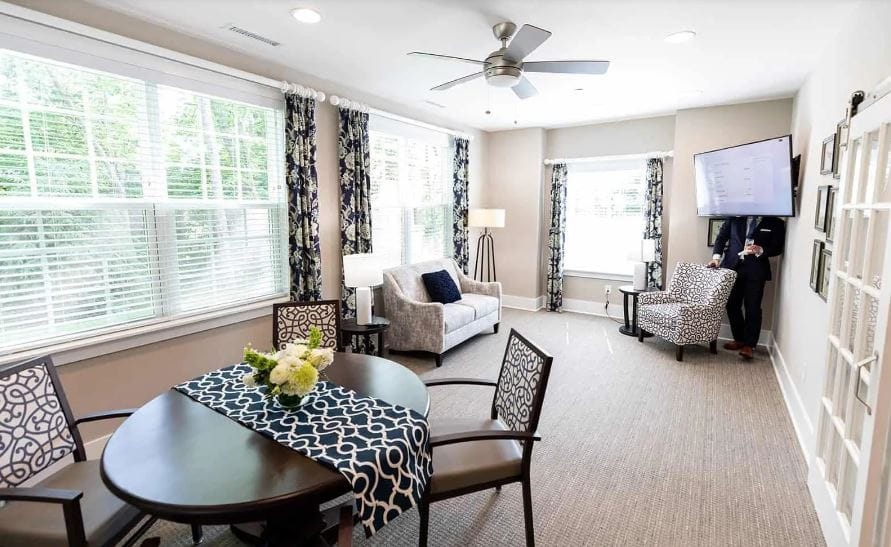
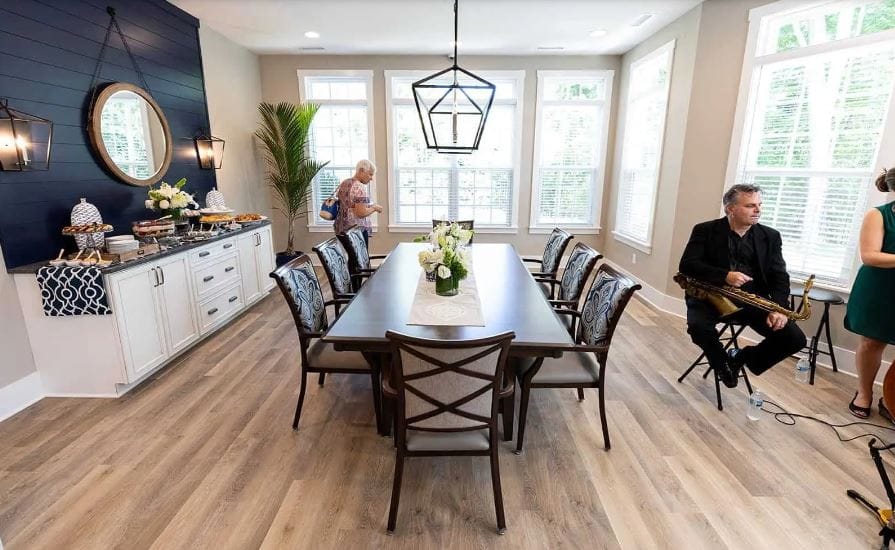
Story Cottage sits in Indianapolis’s Meridian Hills/Williams Creek neighborhood, about 10.2 miles from downtown, and the whole model here is built around scale, or really the lack of it. Small cottages, 8 to 10 residents each, inside a 2-story building. Walk Score comes in at 25, somewhat walkable, but this is a suburban stretch where most errands mean getting in a car.

This is memory care specifically for residents living with Alzheimer’s, dementia, and related memory disorders. Staff go through dementia-specific training, which matters more here than it would in general assisted living; the kind of support someone with cognitive impairment needs is genuinely different. Personalized monitoring systems and built-in safety features are part of how the living spaces are designed, not an afterthought bolted on.

Cognitive stimulation and activities programming exist for residents too, tailored specifically to cognitive impairment rather than a generic activity calendar borrowed from elsewhere.

Eight to ten residents per cottage is a genuinely different environment than a single large memory care wing housing dozens of people. Smaller groupings tend to mean more consistency, in staff faces, in routines, in the sensory experience of the space itself, which matters a lot for people living with memory loss. Story Cottage reads as a deliberate bet on smaller-scale, home-like memory care over the more common large-community model, and that structural choice is really the defining thing about what’s being offered here.


Contact Story Cottage

Overview of Peace of Mind Home Care

Peace of Mind Home Care operates in Indianapolis, and the range here is actually the notable part: personal care, companion care, post-surgical care, dementia care, end-of-life support, all delivered in a client’s own home. Walk Score for the area is 31. Somewhat walkable, but this is mostly a driving neighborhood.

Caregivers handle the daily basics, bathing, dressing, meal preparation, the things that get harder to manage alone. Companion care sits alongside that, addressing the part of aging or illness that isn’t physical, just having someone there. Post-surgical care covers the shorter recovery window after a procedure, while dementia care is built specifically for clients living with memory loss, a genuinely different kind of support than general personal care.

Then there’s end-of-life support, which is its own category entirely. Care and comfort during a terminal illness require a different approach than recovery-focused care, and having that available within the same agency means a family isn’t switching providers during an already difficult stretch of time.

Staffing runs around the clock, so support scales up or down depending on what a given moment actually calls for.

What Peace of Mind offers, in the end, is genuine range: daily personal care on one end, end-of-life support on the other, and dementia care and post-surgical recovery filling in between. For a family whose loved one’s needs might shift, sometimes quickly, that range means not having to rebuild a care plan from scratch every time something changes.

Contact Peace Of Mind Home Care

Changes Home Care

8355 Rockville Rd Suite 35, Indianapolis, IN 46234

Community photos aren’t available yet.

To request photos, use the contact form.

Overview of Changes Home Care

Changes Home Care operates in Indianapolis, about 9.2 miles out from downtown, and it covers home care, memory care, and respite care under one roof. Staffing runs on-call 24/7, not just business hours. Walk Score for the area comes in at 48; that’s somewhat walkable, but this is mostly a driving neighborhood.

Here’s the daily reality of what caregivers actually do: bathing, dressing, meal preparation, medication reminders, the stuff that adds up fast when someone’s managing it solo. Errands and light housekeeping fill in around that, and safety assessments happen too, actually checking whether a home setup still works for someone’s current needs. Dementia care runs as its own specialty here, built for clients living with memory loss specifically, not folded in as an afterthought.

The service list breaks down into a handful of core areas: in-home care, safety, companionship, meals and groceries, errands, homemaking, and reminders. That’s a genuinely wide net, covering both the practical logistics of daily life and the more specialized support memory-related conditions require.

What Changes Home Care offers, in the end, is flexibility with real depth behind it: round-the-clock on-call availability, daily personal care, and dementia-specific support, all through a single agency instead of juggling multiple providers. For a family managing a loved one’s changing needs, especially where memory loss is part of the picture, having one point of contact across that whole range is the actual thing being offered here.

Contact Changes Home Care

Rankings on this page follow the same method as page 1: see how we rank these communities.

Memory Care in Indianapolis at a glance

Avg Walk Score: 35/ 100The average Walk Score across facilities in Indianapolis, IN. A third-party neighborhood walkability score (0–100) measuring convenience and context, not healthcare quality. Individual facilities can vary widely from this average.
National Average: 50/ 100
Avg No. of Beds: 146The average licensed bed capacity across facilities in Indianapolis, IN. Individual facilities can vary widely from this average.
National Average: 90