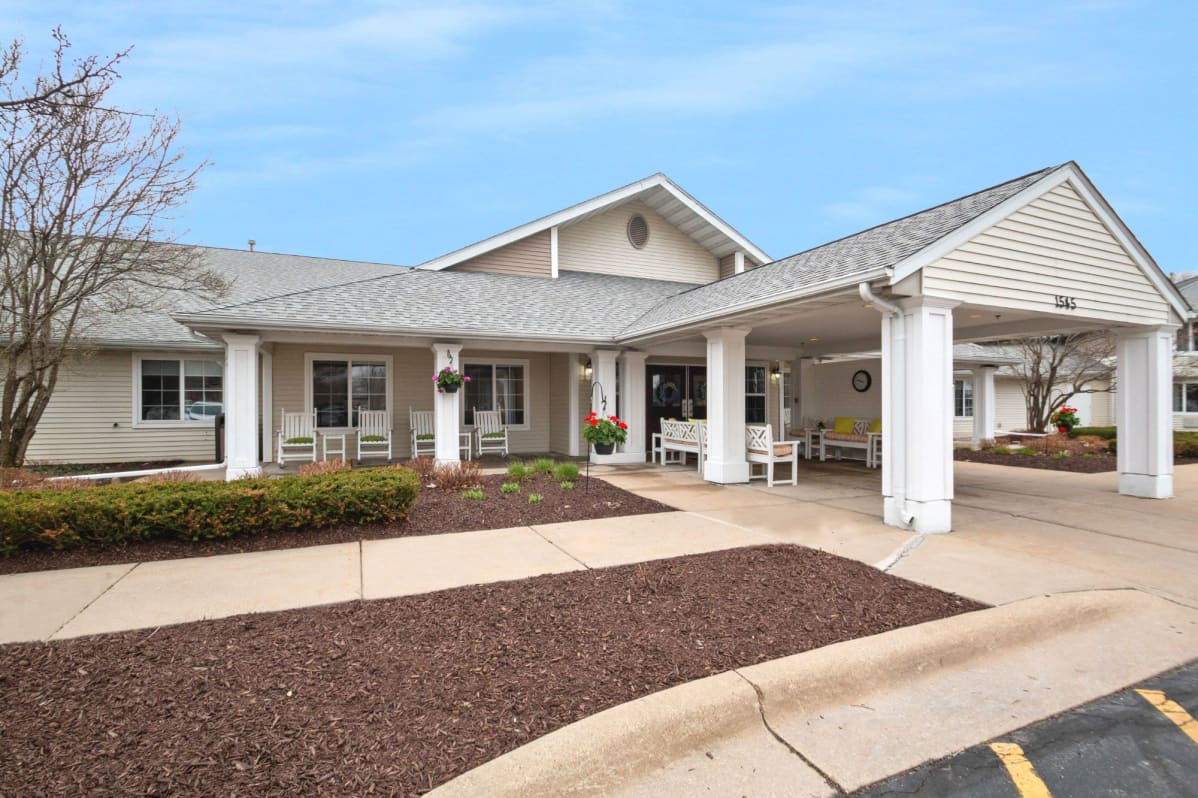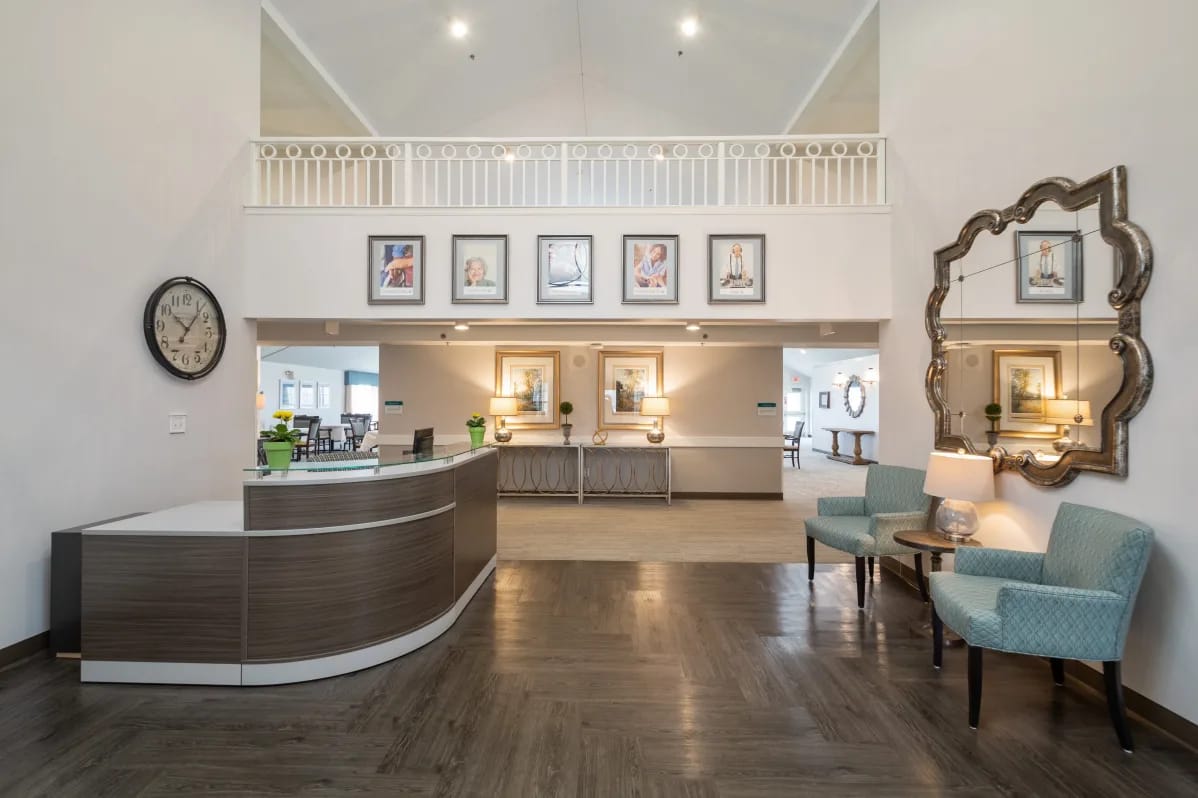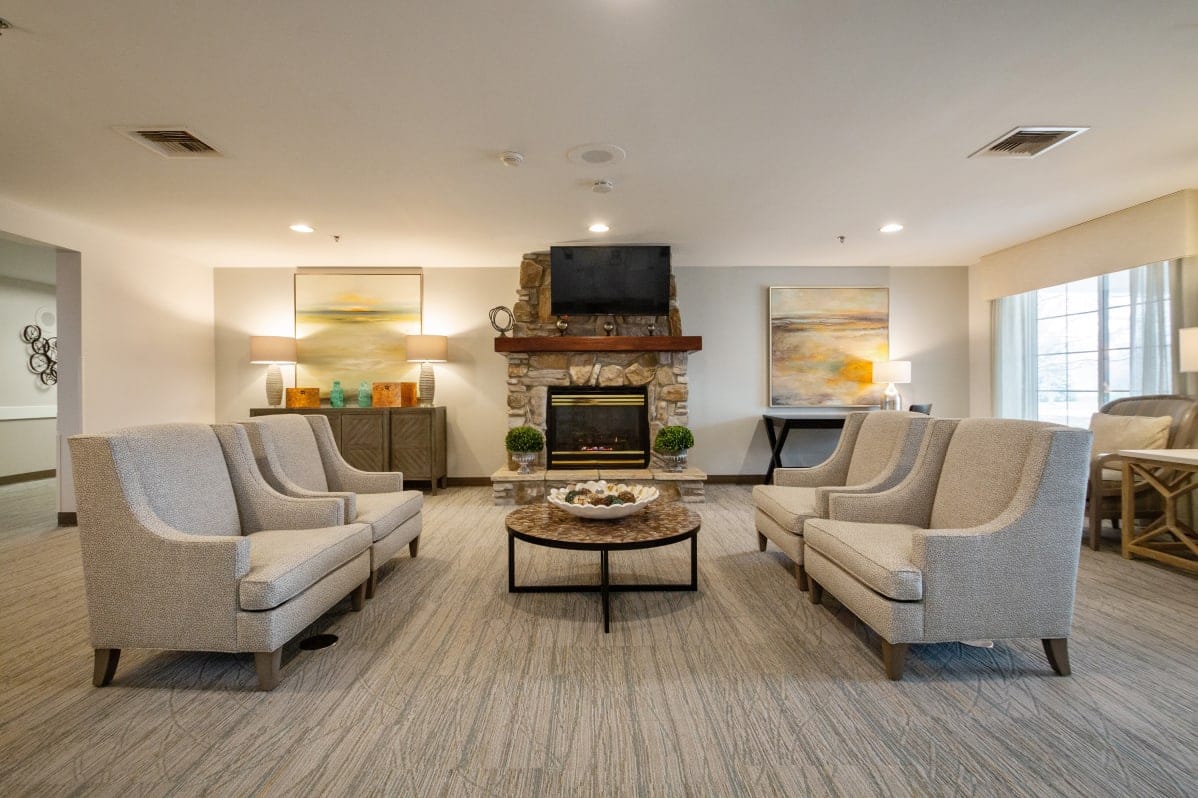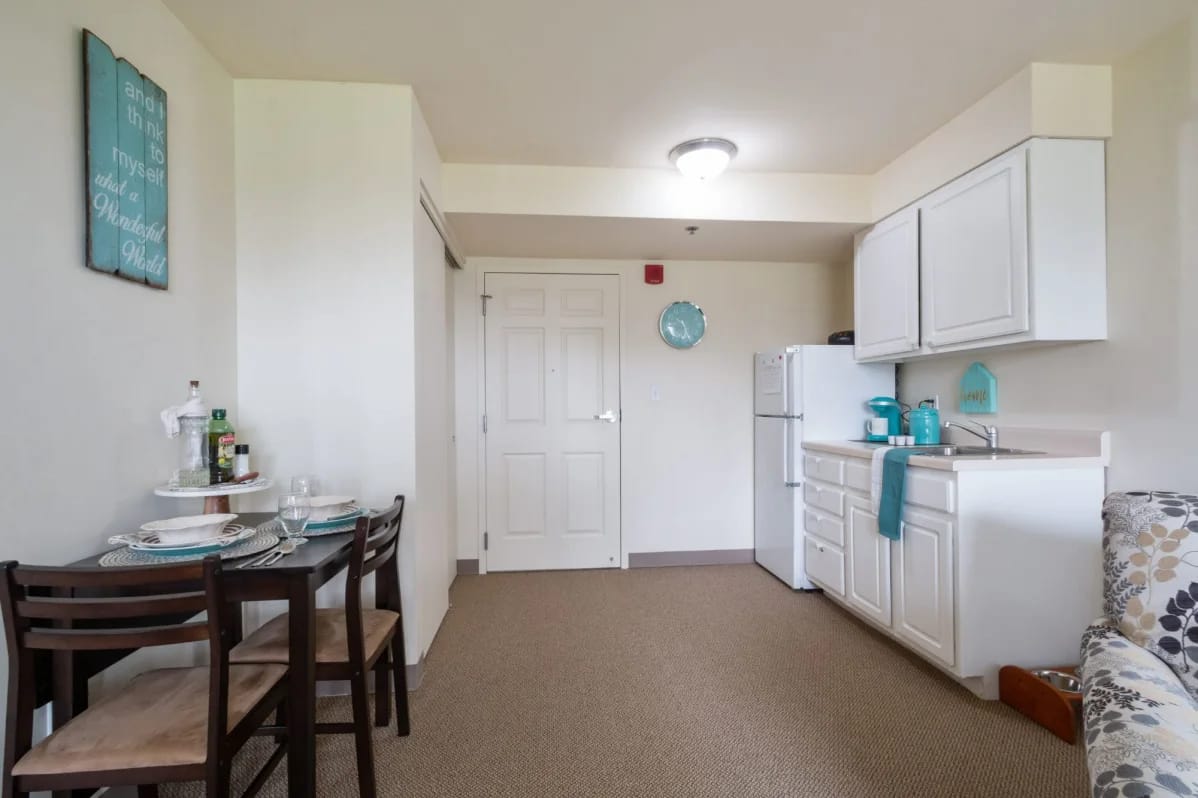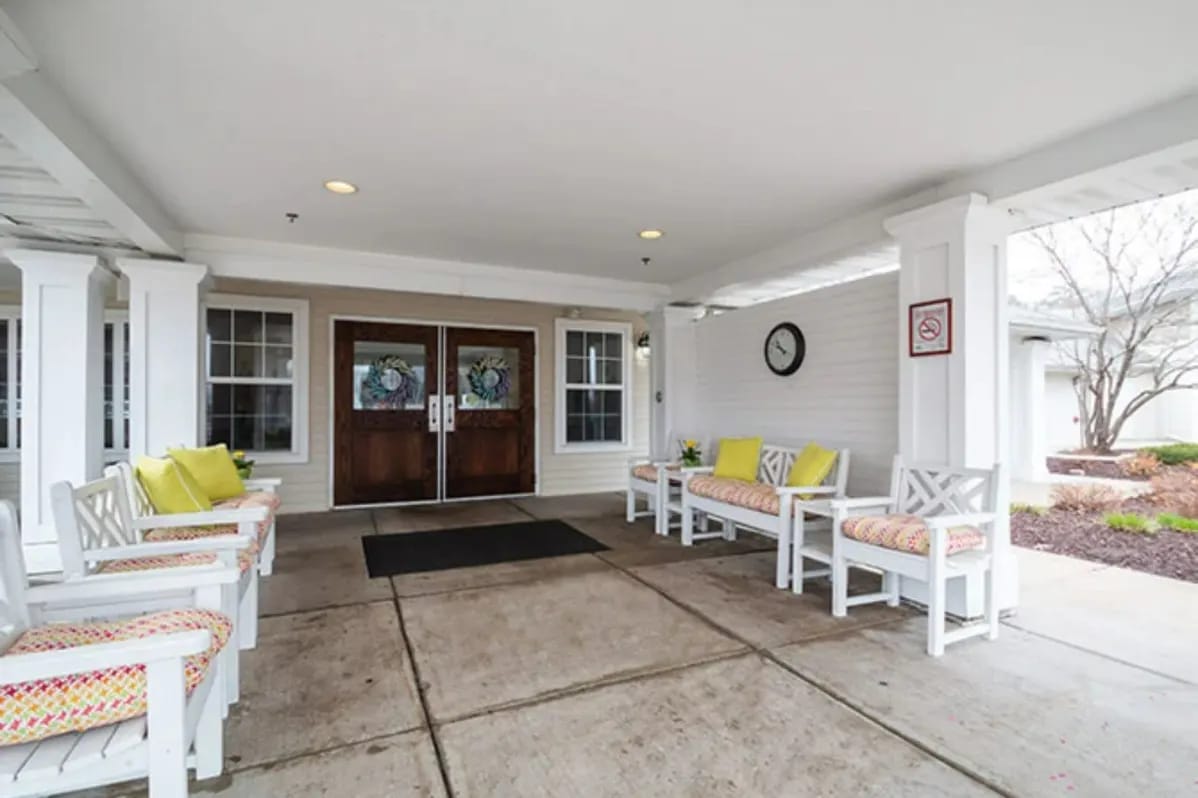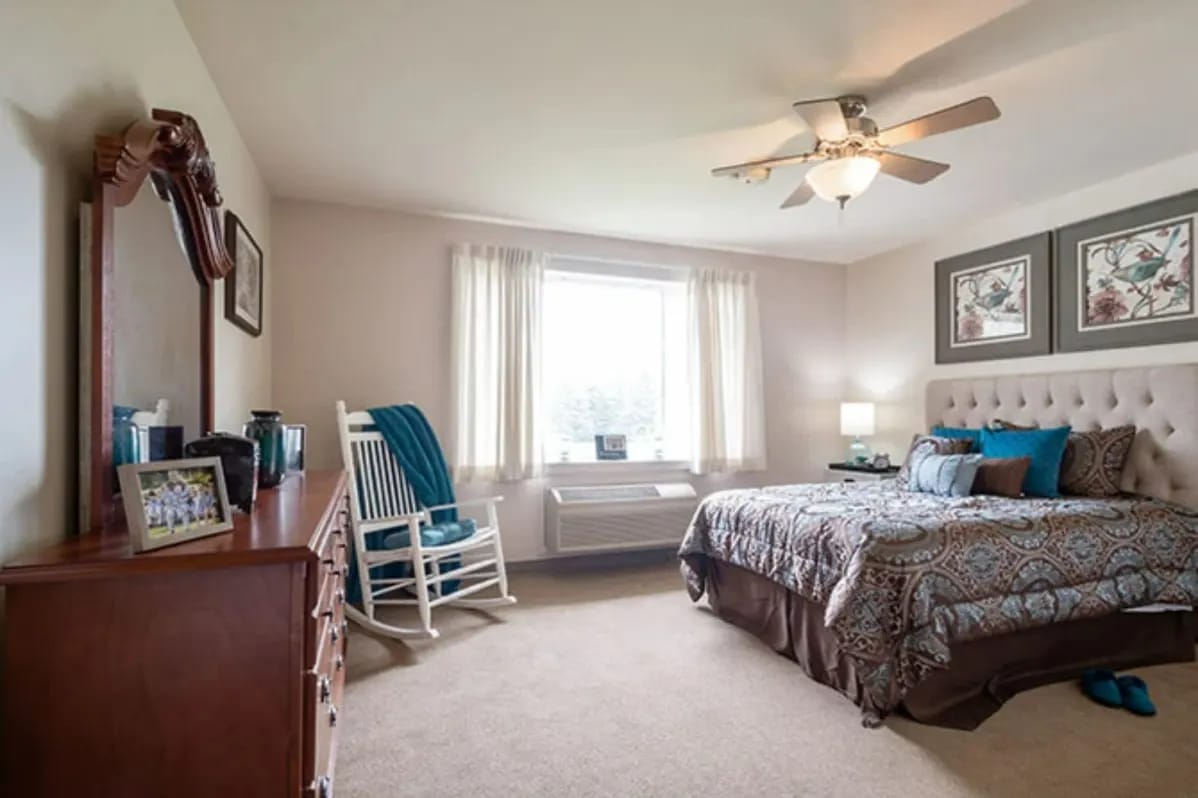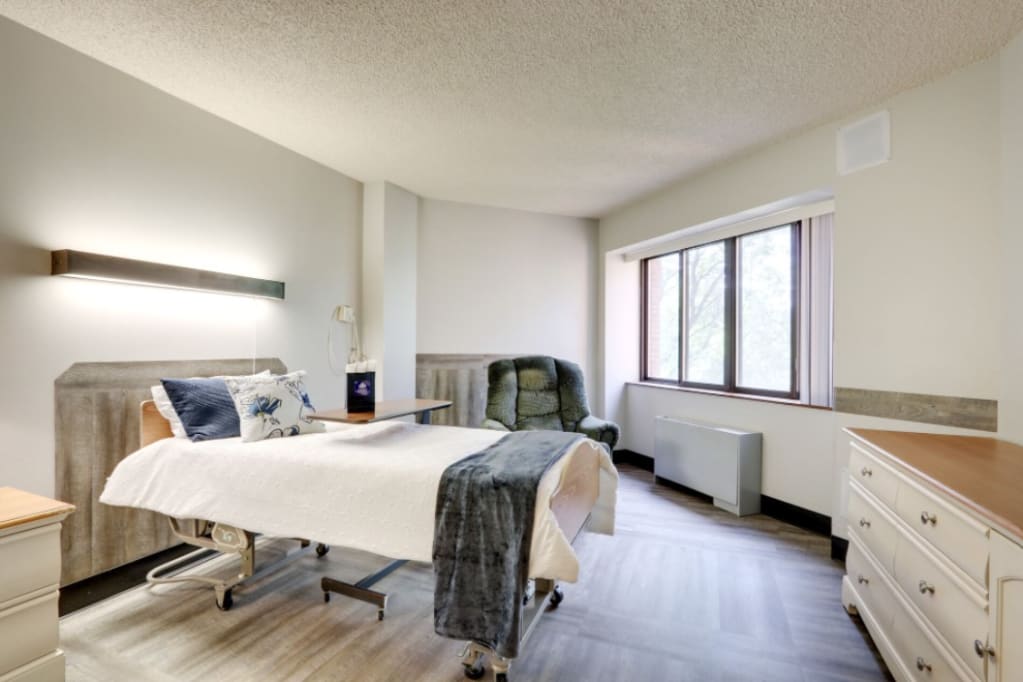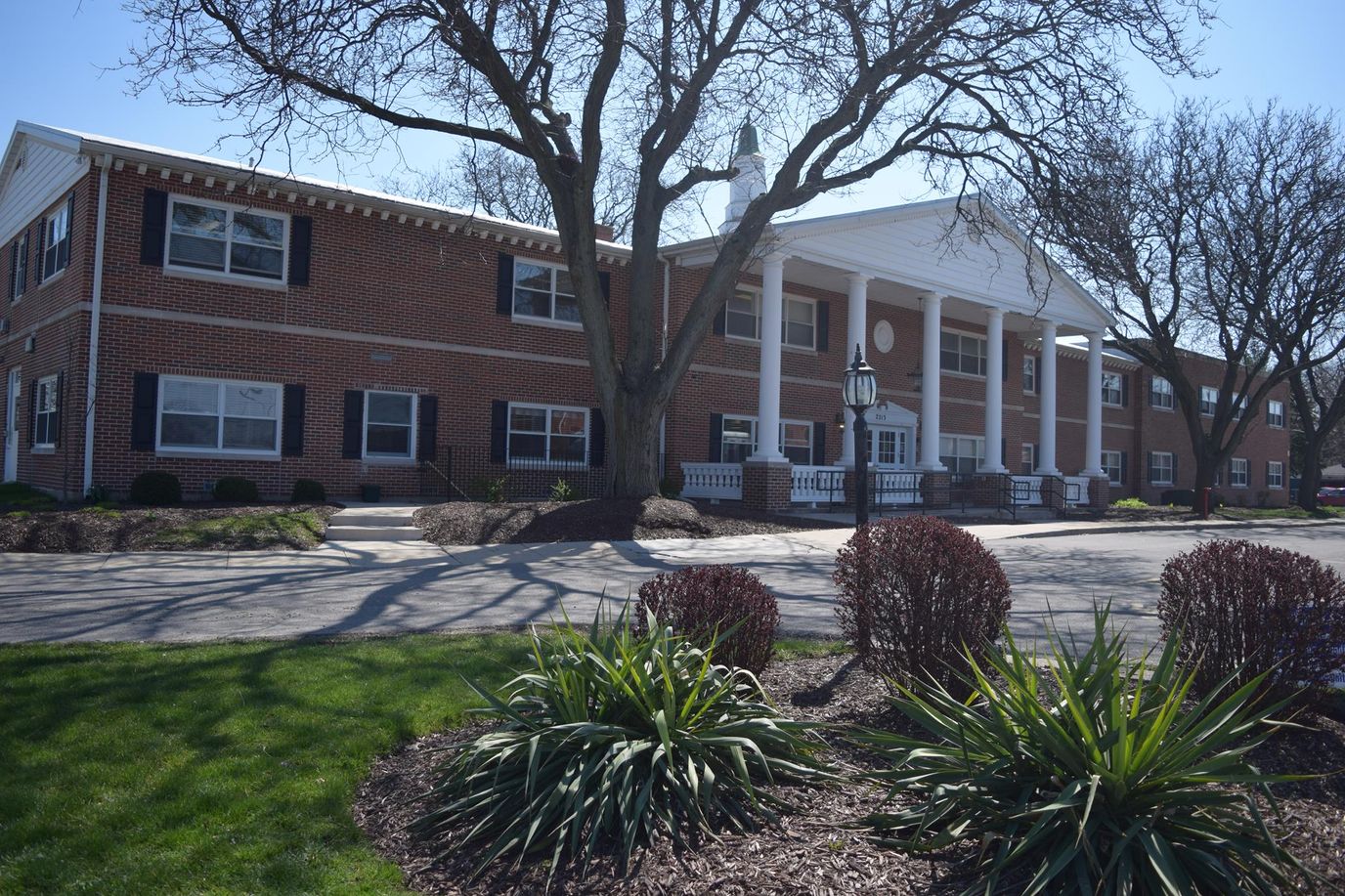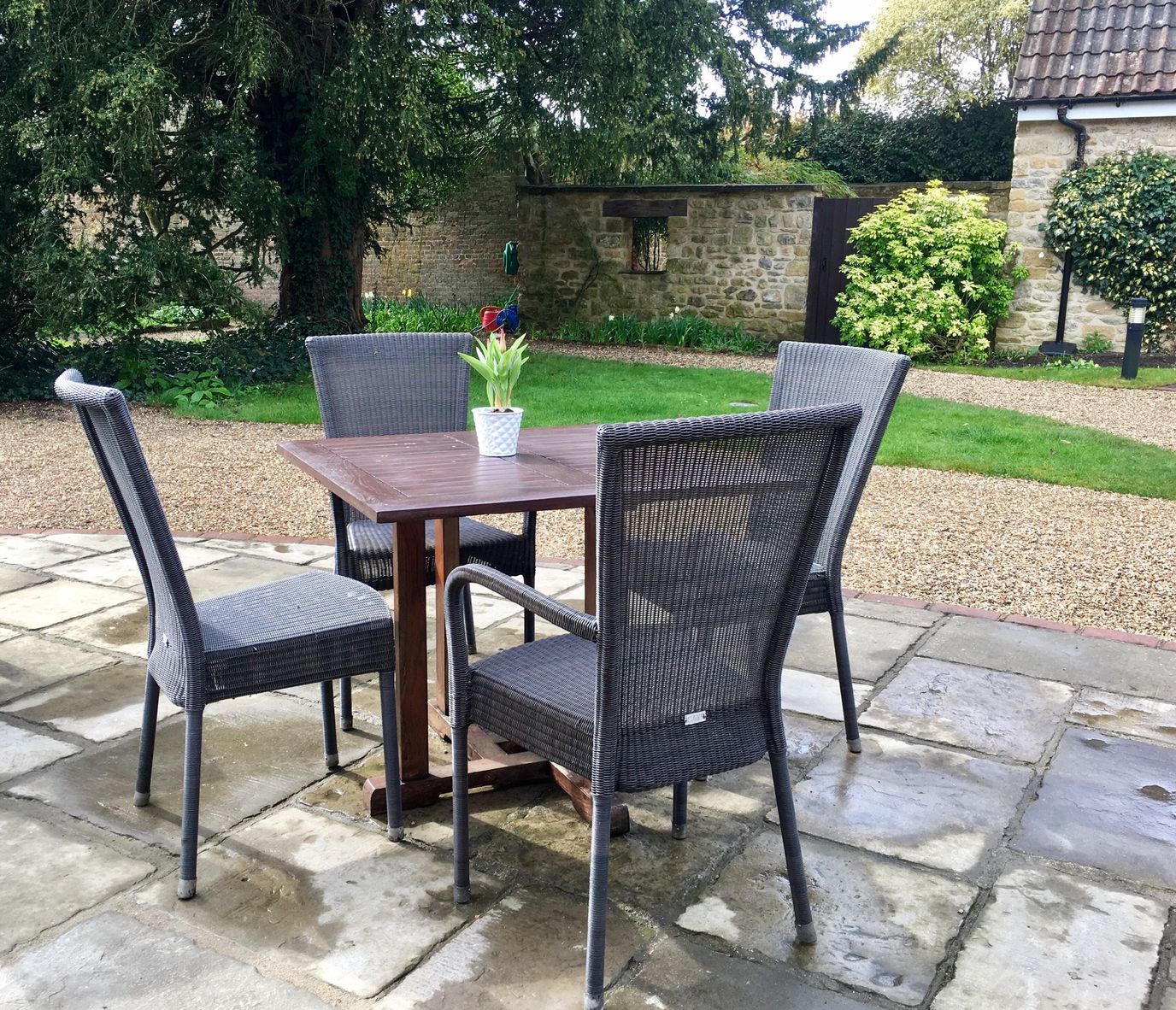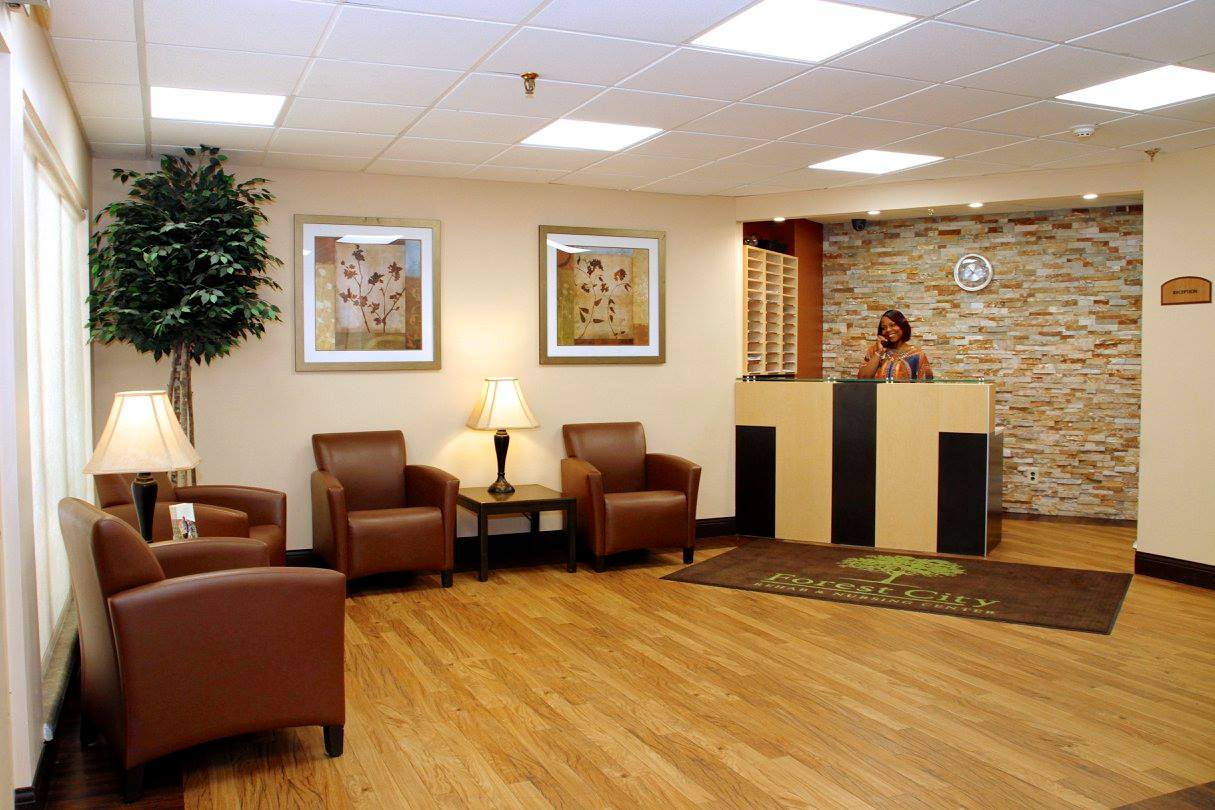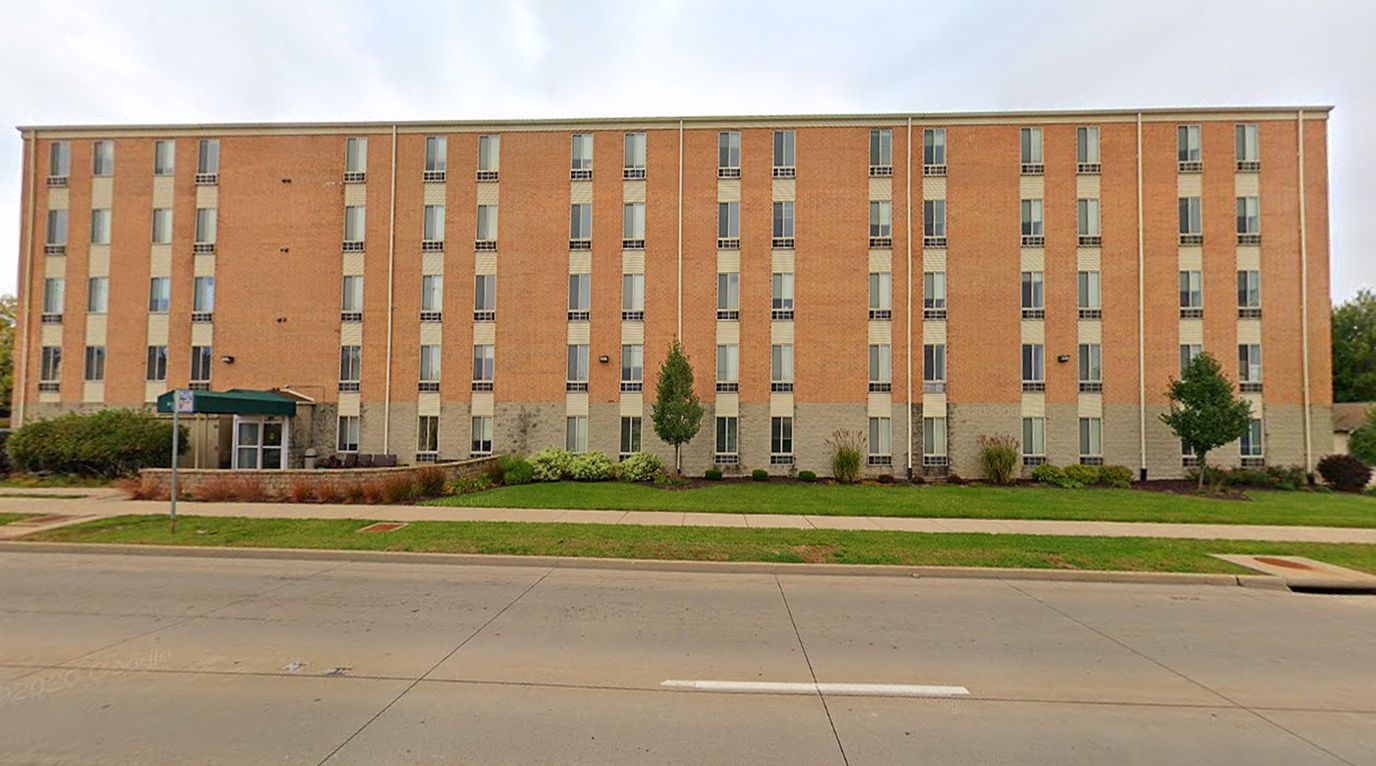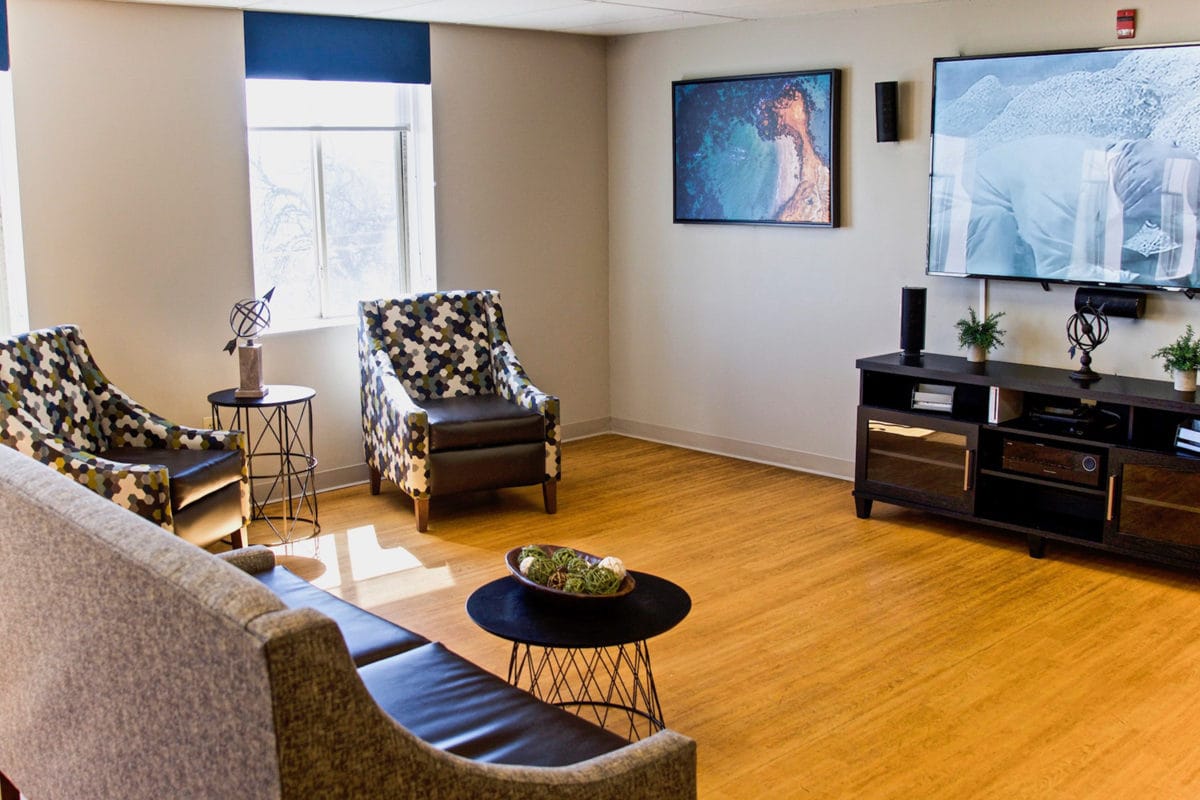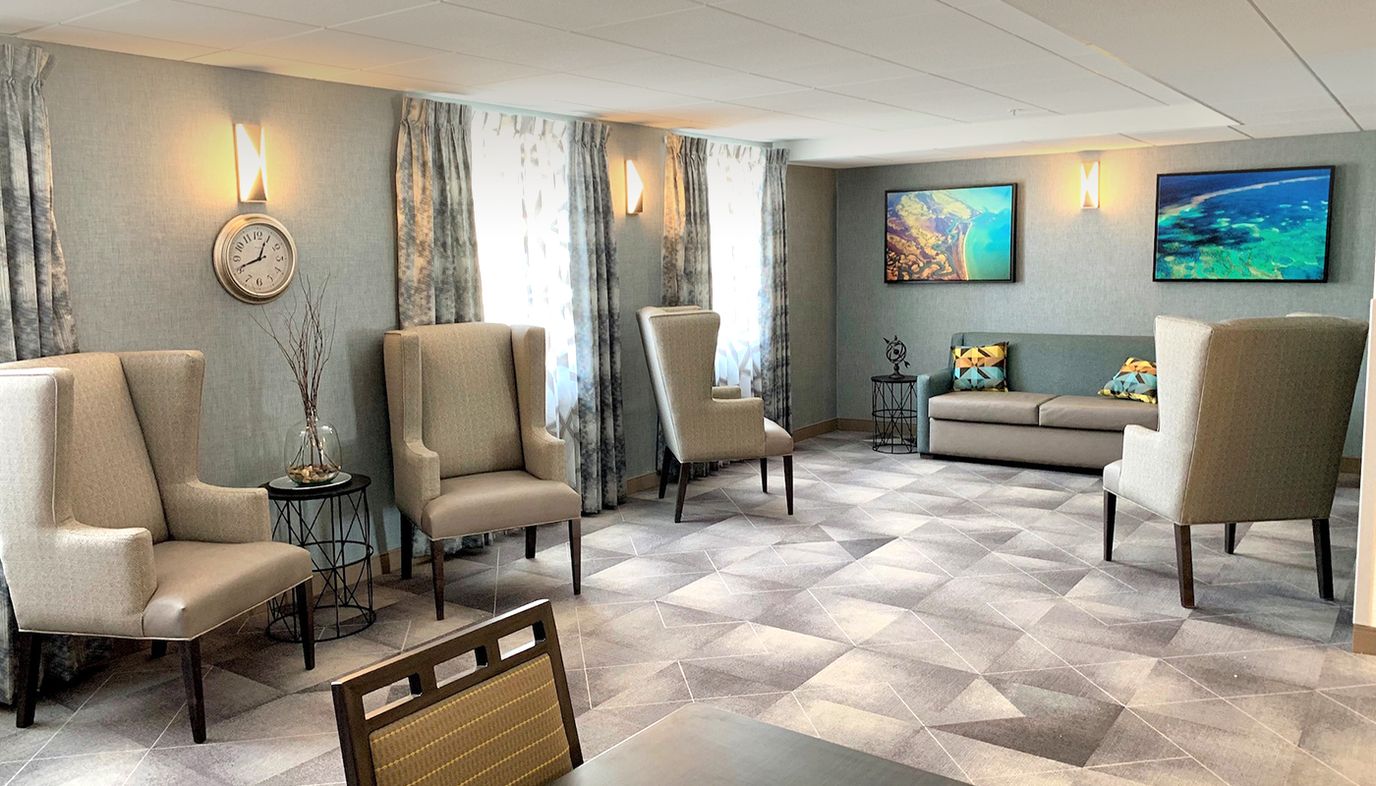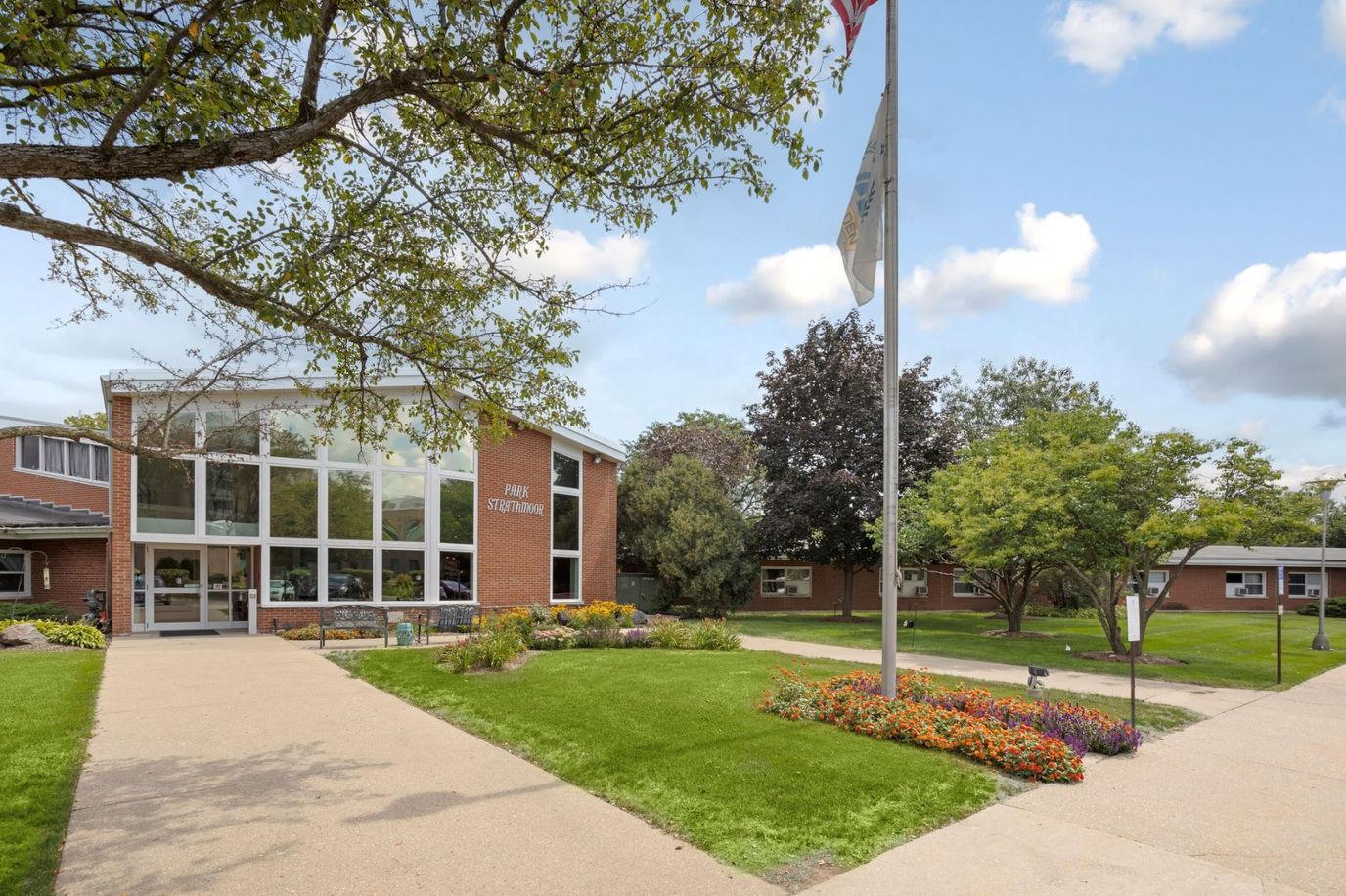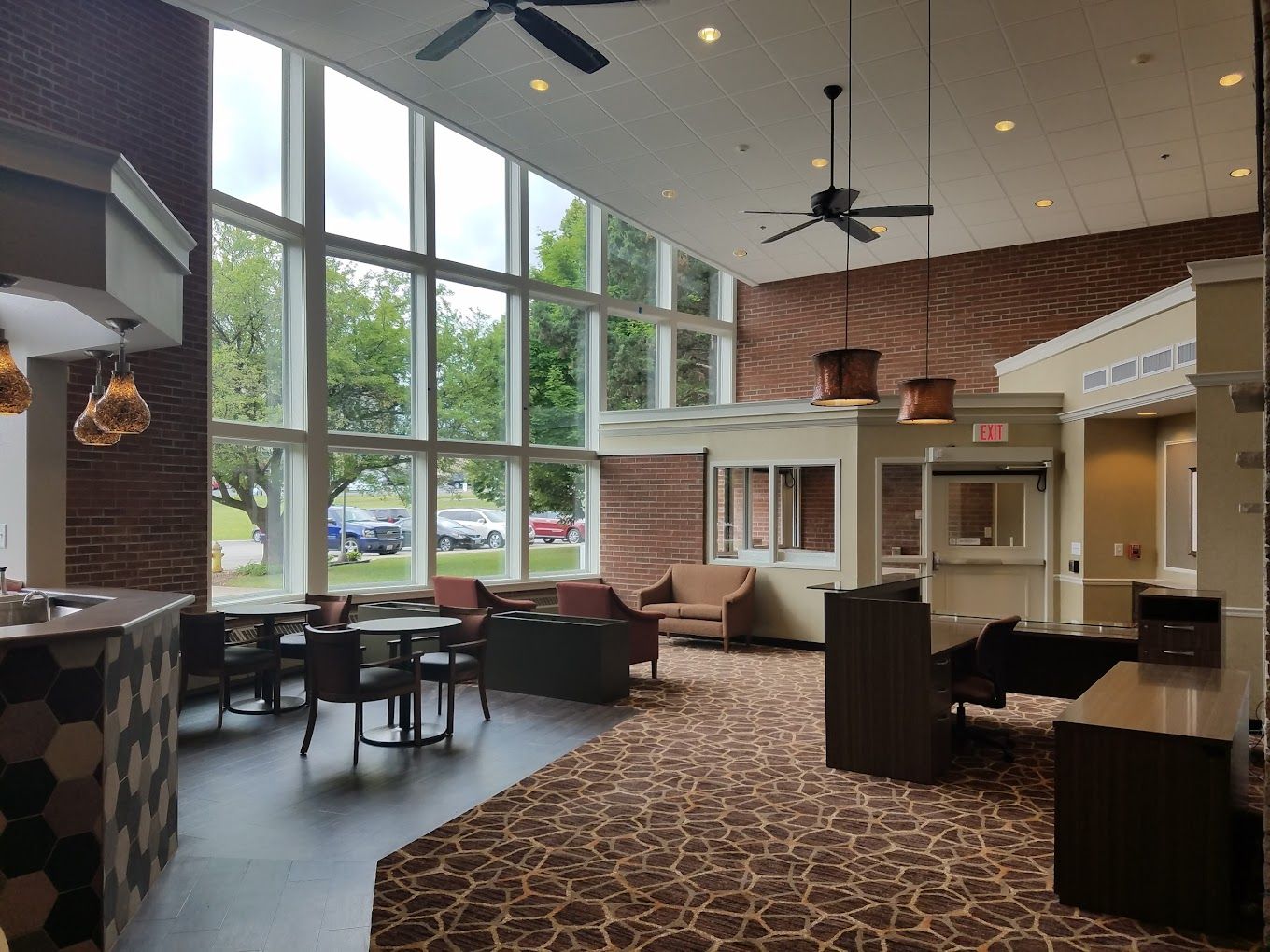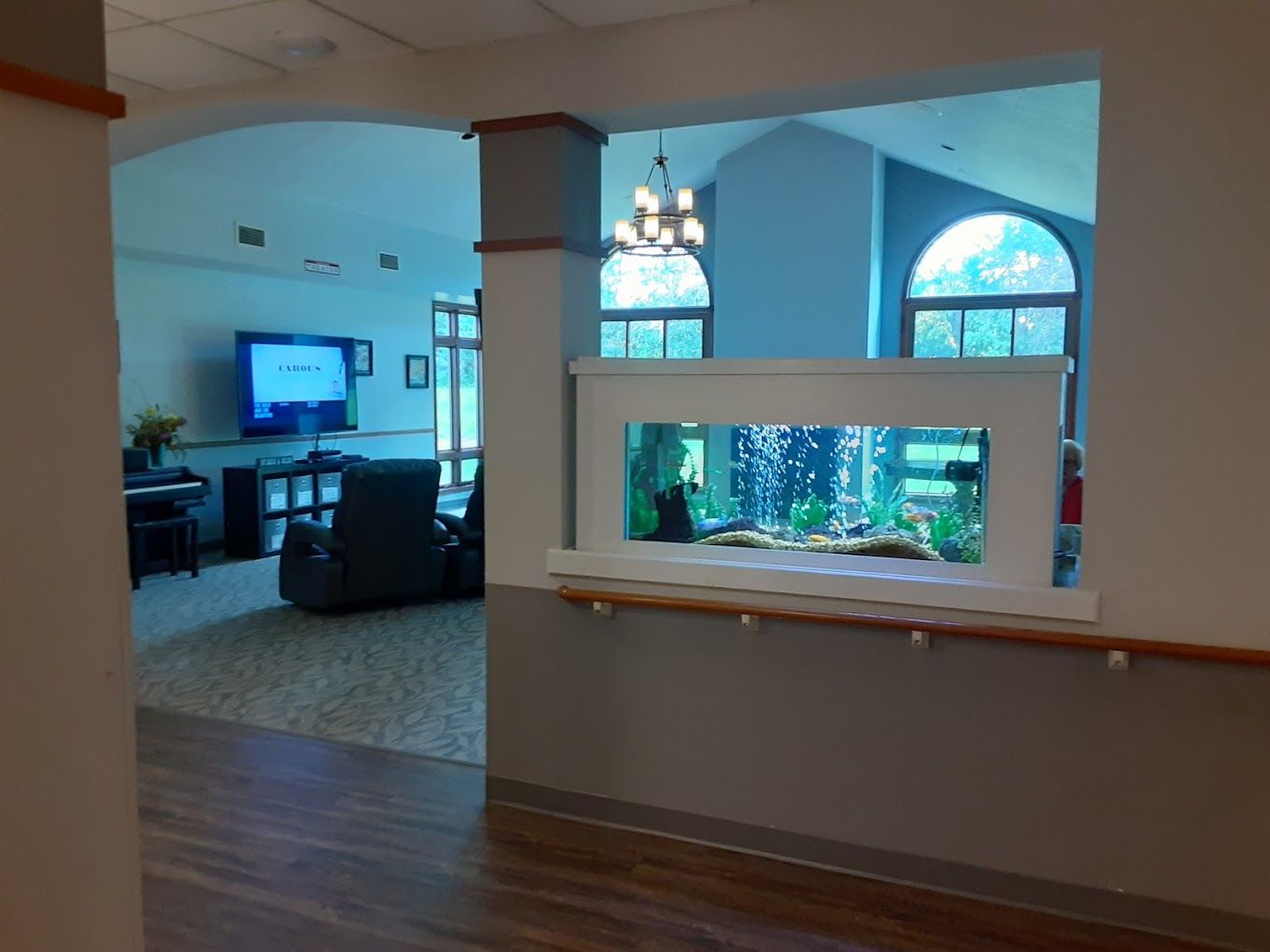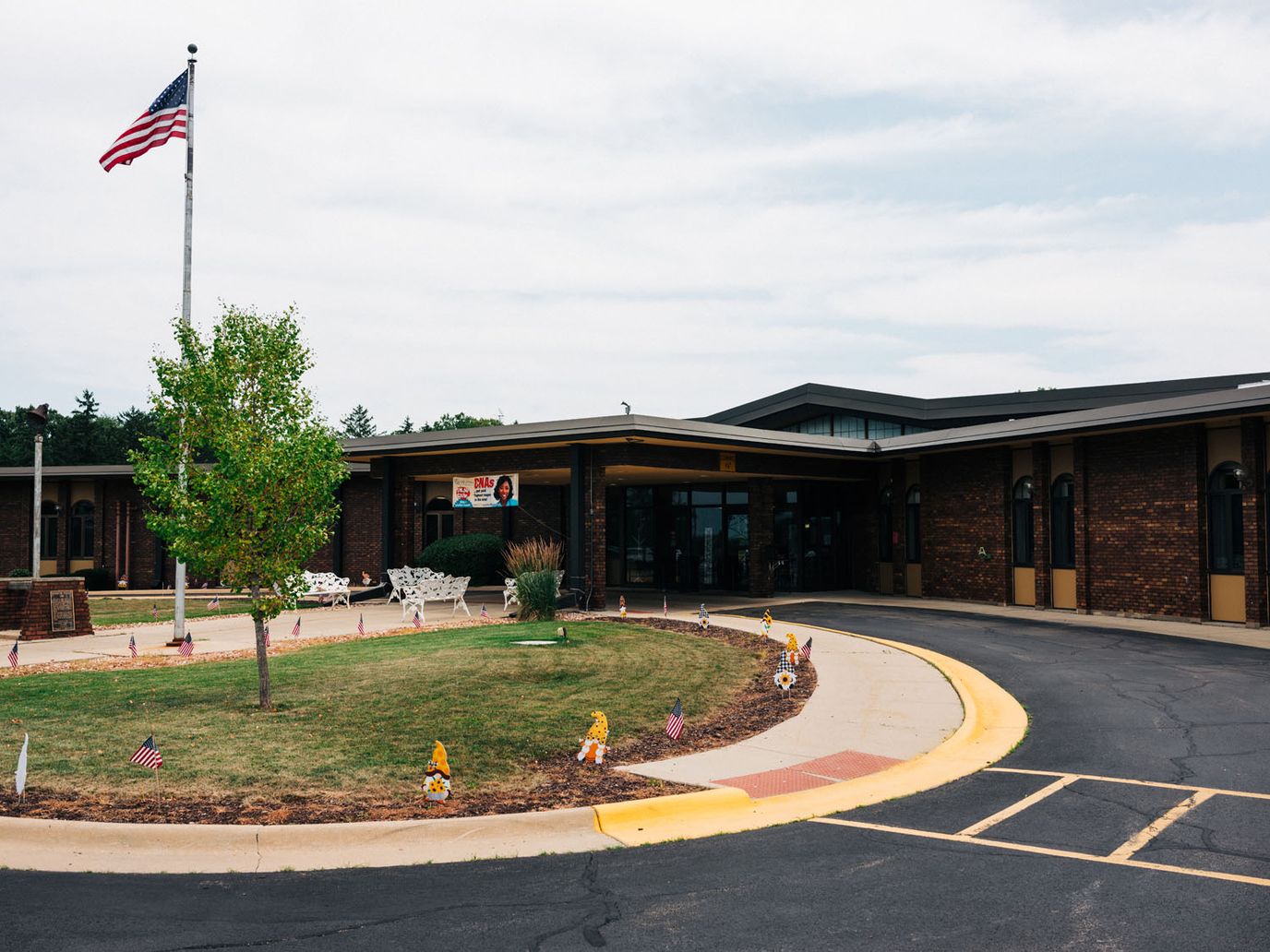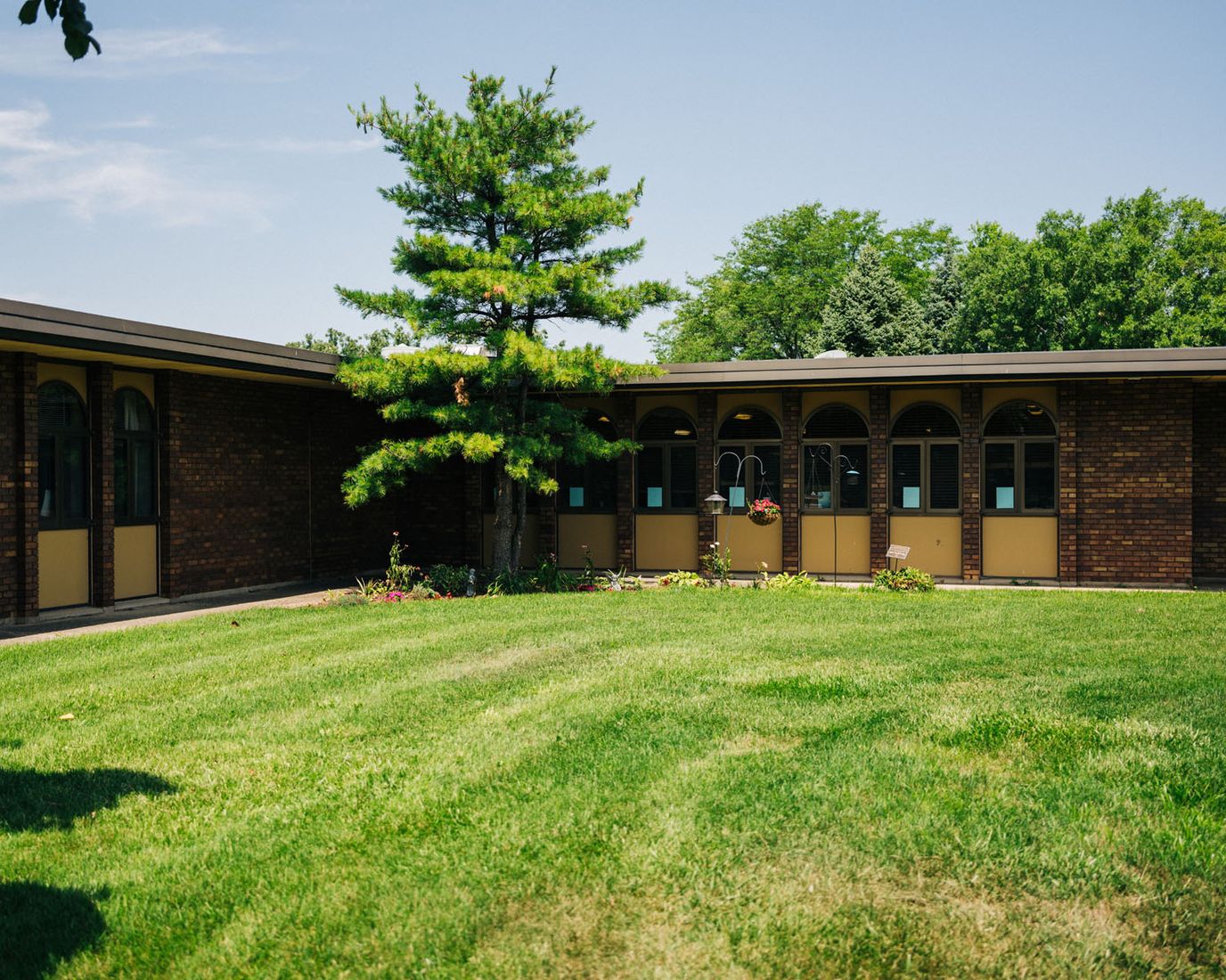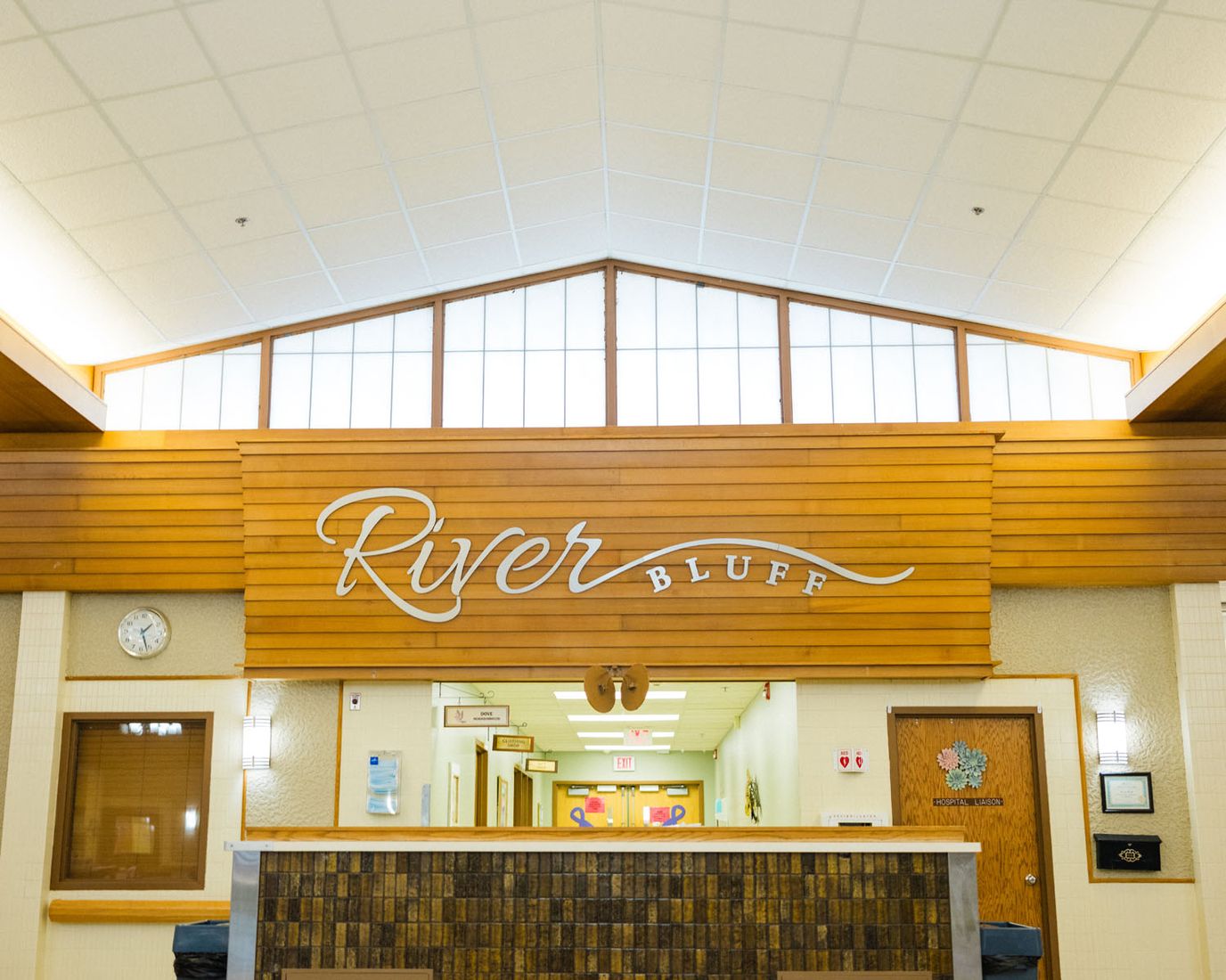




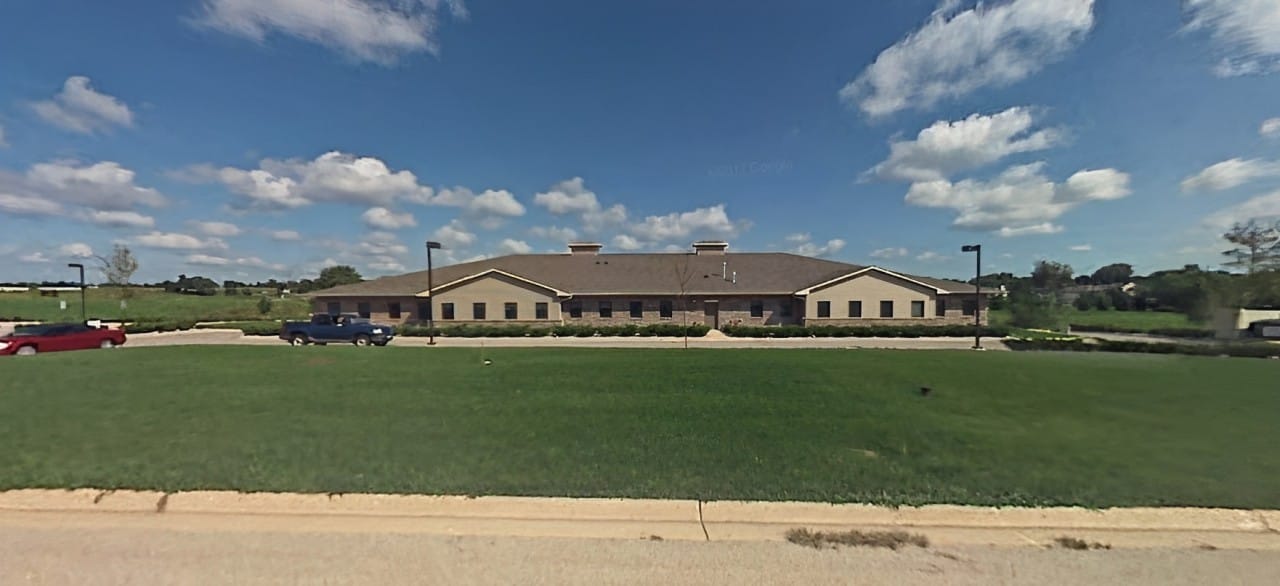

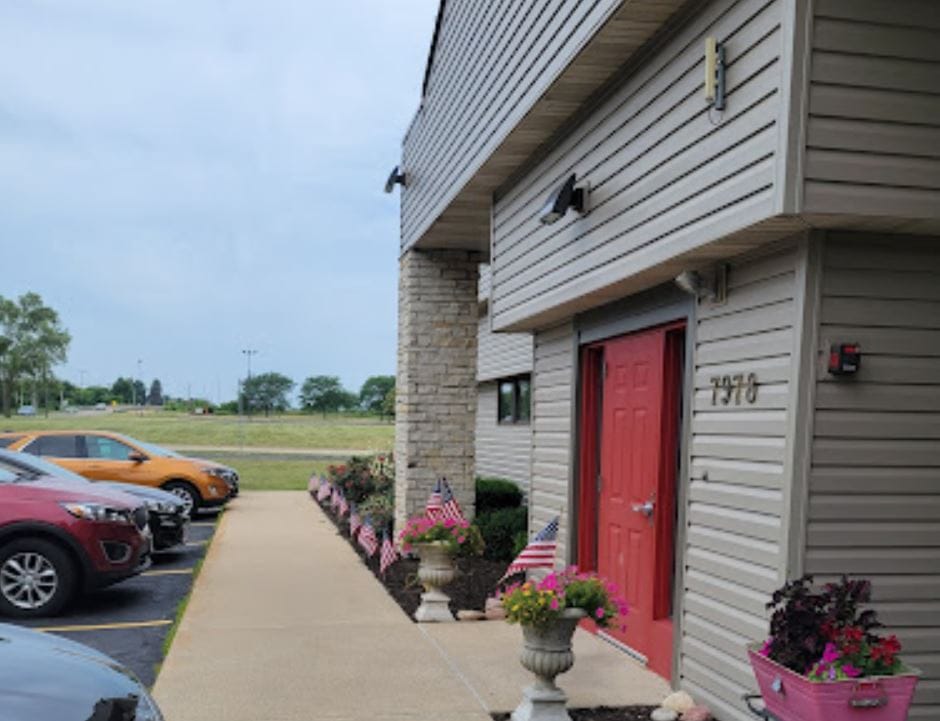
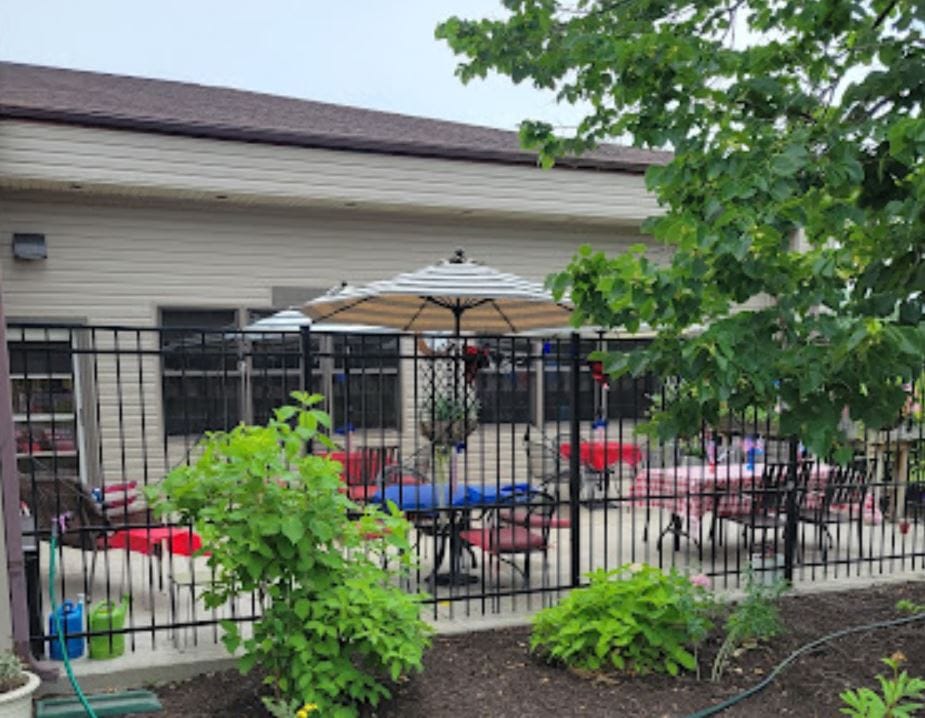
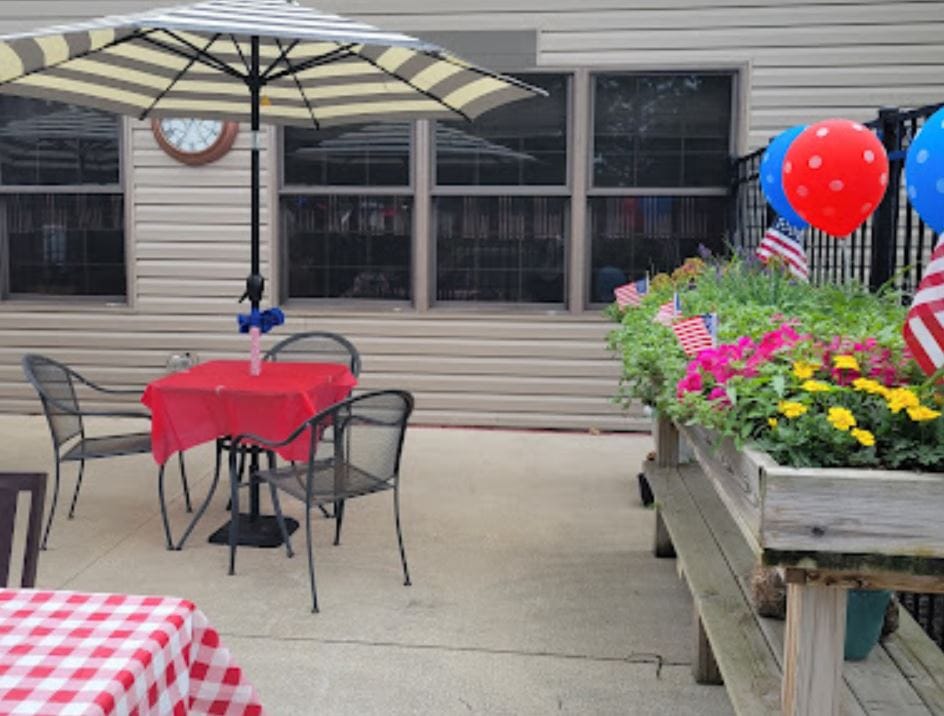

Anam Care has been part of Rockford for more than 35 years, growing into a small, one-story assisted living community built around a memory-care-forward model. Located at 8104 Sayer Road in Winnebago County, the home offers assisted living, adult day care, independent living, and memory care all in one place. With just 20 beds split between private and semi-private rooms, it’s built for an intimate scale that many families want. The car-dependent neighborhood has a Walk Score of 8, so residents and visiting families drive most places.
What sets Anam Care apart structurally is that every unit is designated an Alzheimer’s unit, reflecting the home’s intentional focus on memory care. This design means that if an occupant’s needs shift toward memory care, they can stay in the facility instead of relocating. Occupants receive 24/7 care from staff, and the routine includes transportation services, fitness programming, and recreation activities built into daily life.
State inspections by Illinois’s Department of Public Health have highlighted food service and housekeeping practices, not concerns about direct care. Most flagged items involve proper labeling and dating of refrigerated food in the kitchen. A complaint investigation in August 2025 found the facility in full compliance with all assisted living regulations and substantiated no complaints.
Anam Care offers something unusual for families exploring options. The array of care types means residents can age in place without changing addresses. That continuity, paired with the smaller setting and memory-care emphasis, attracts those prioritizing stability and specialized attention.