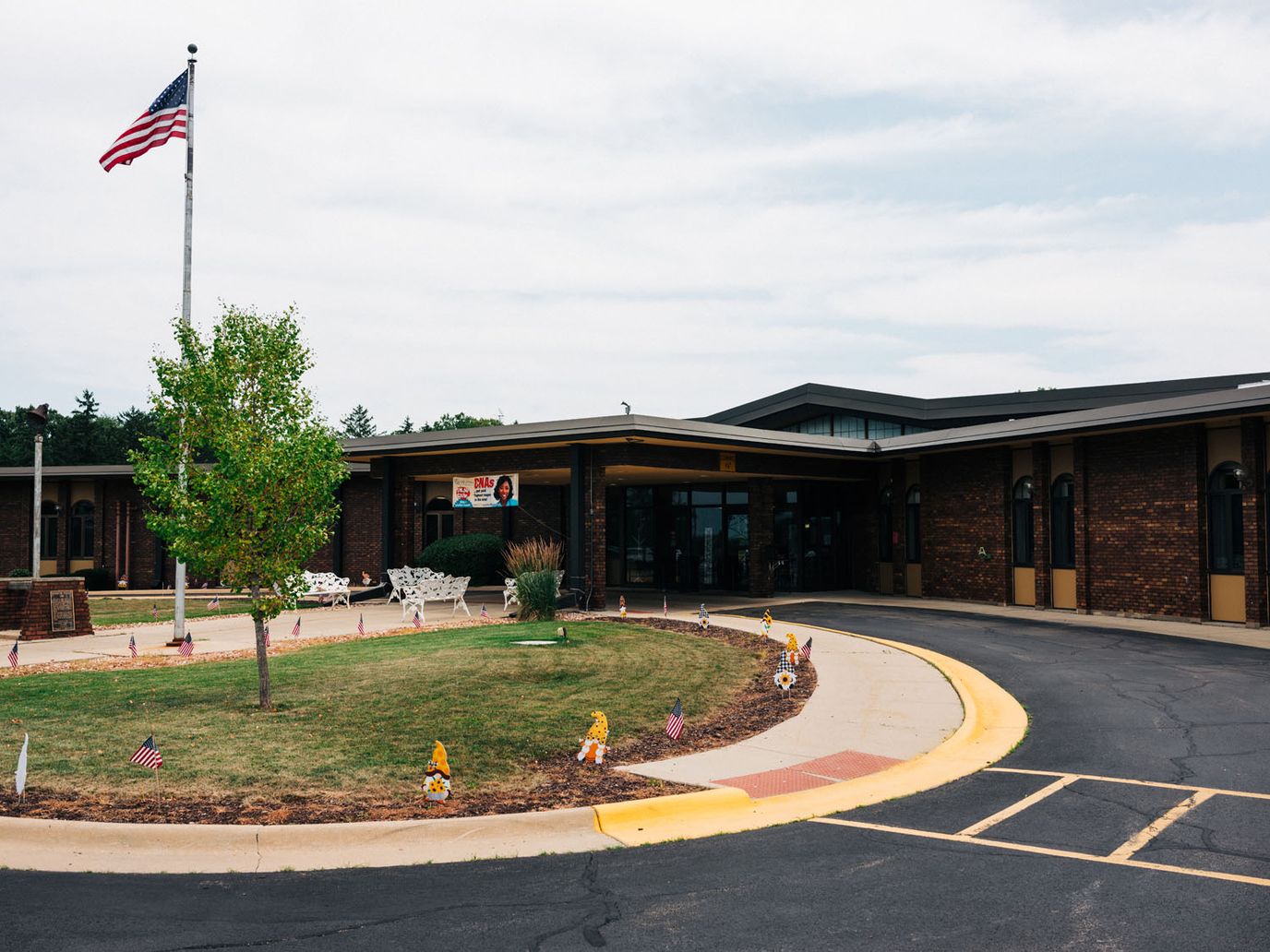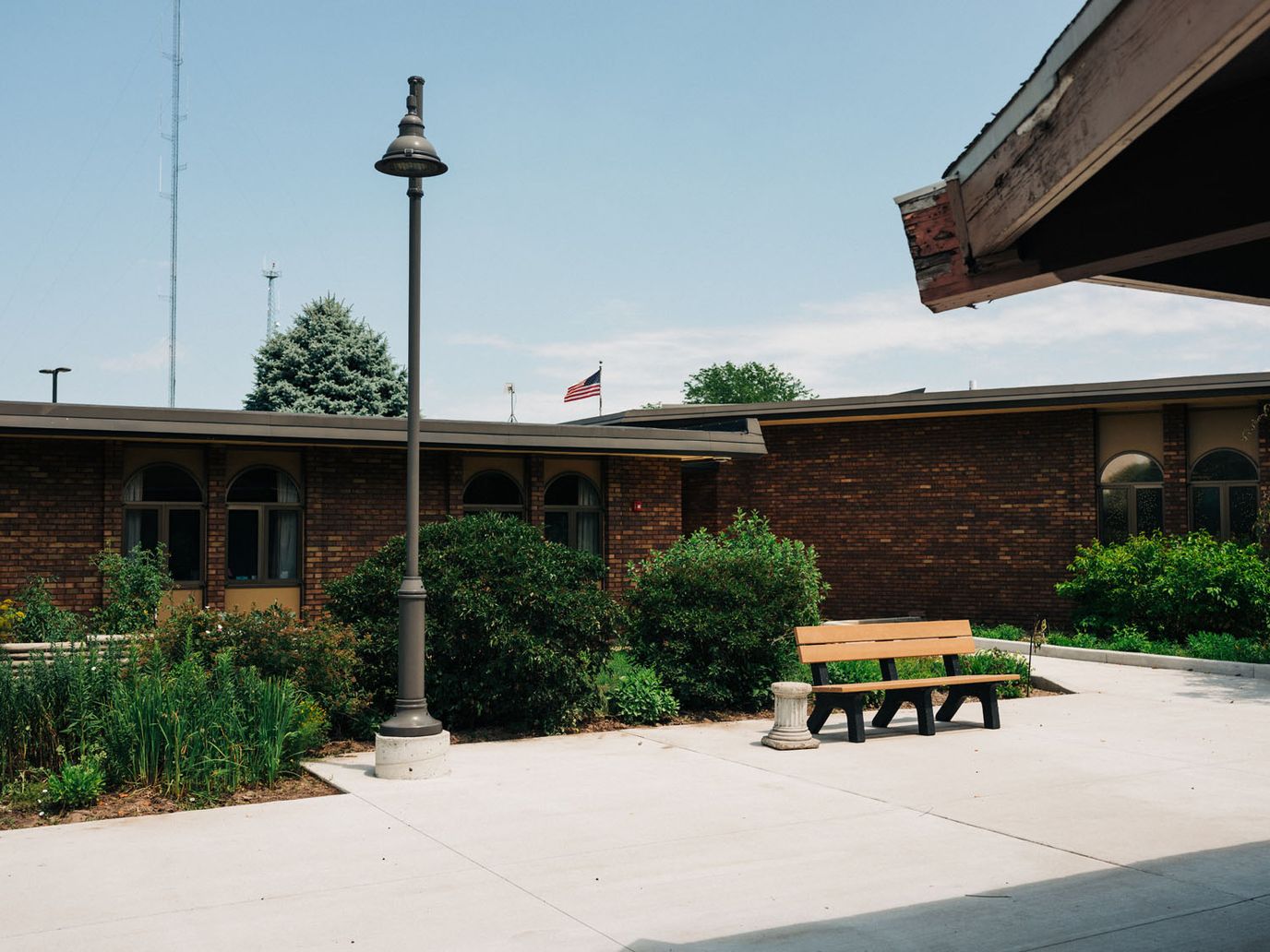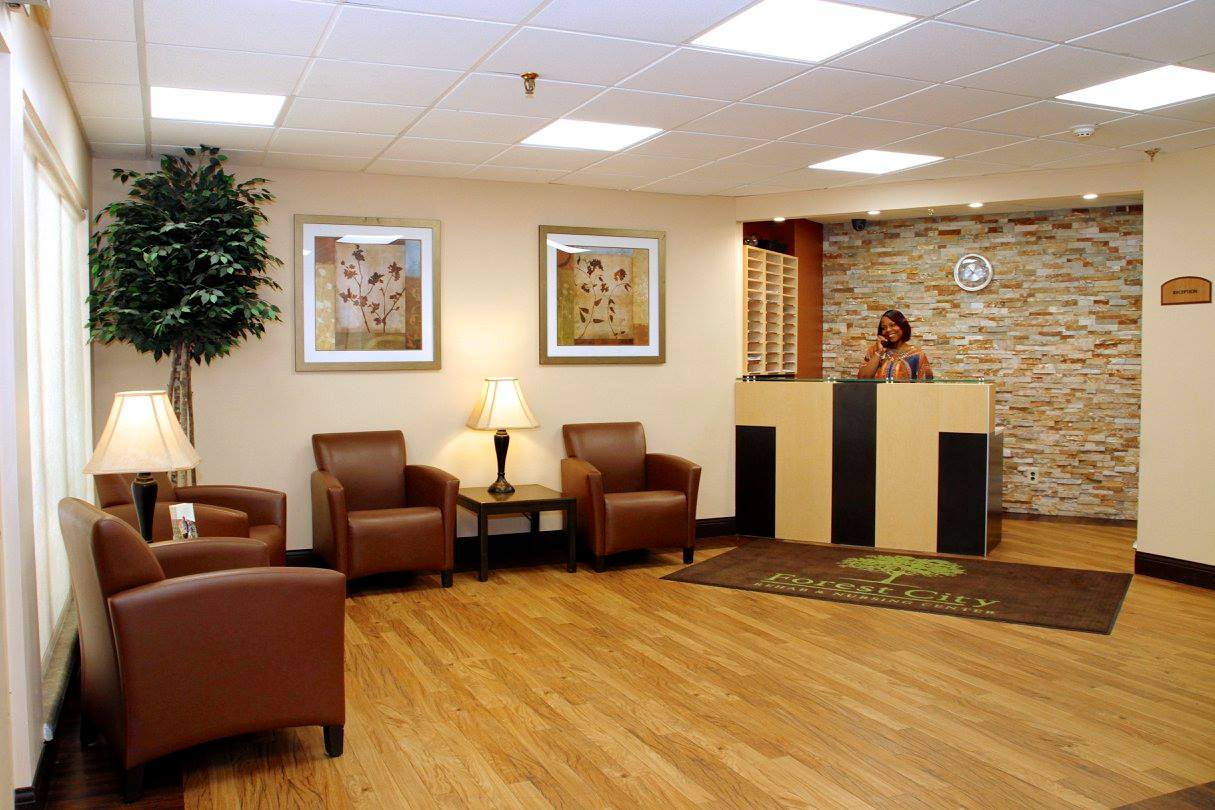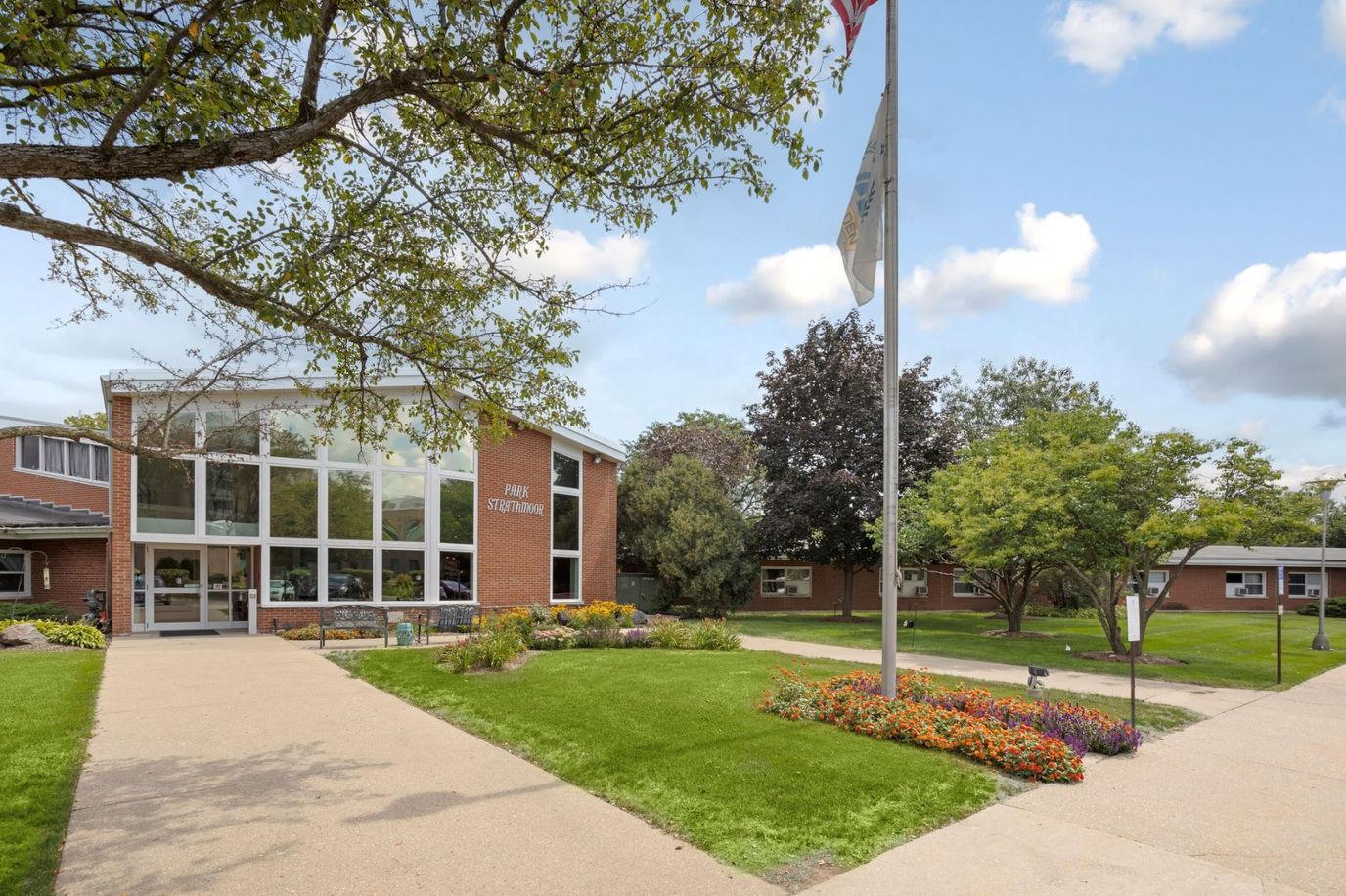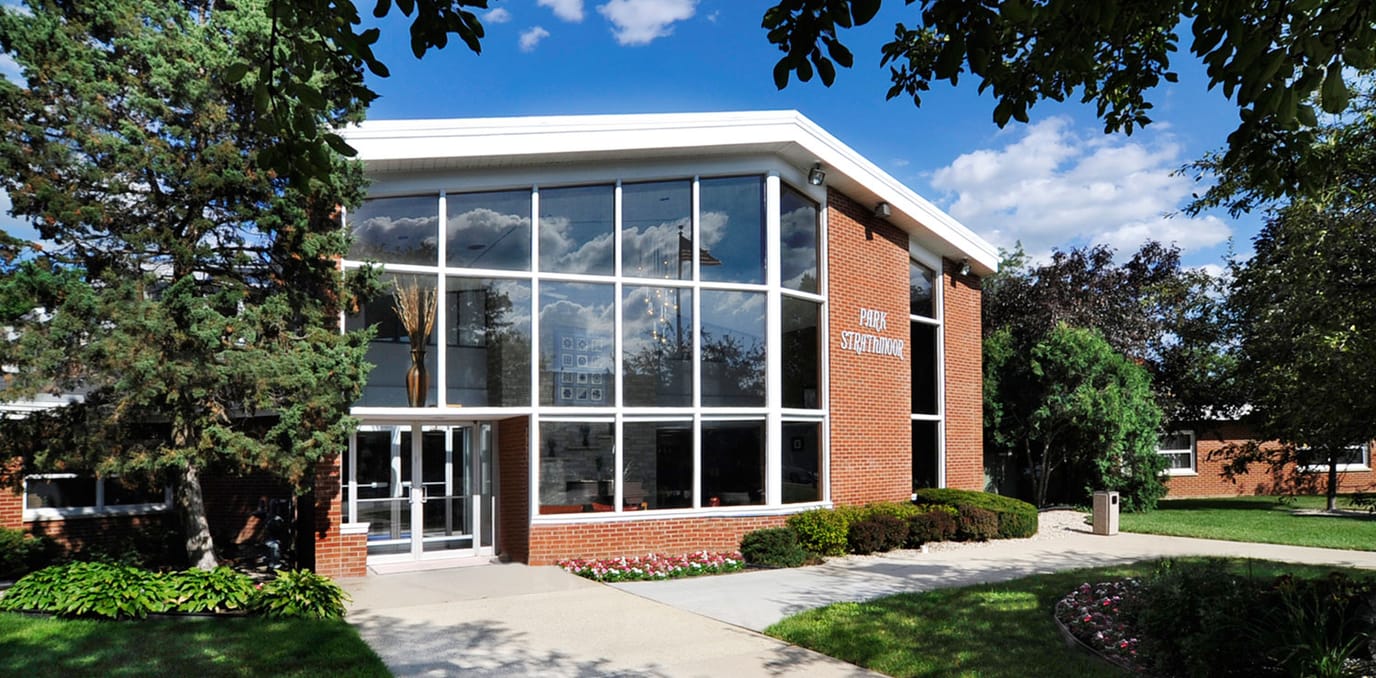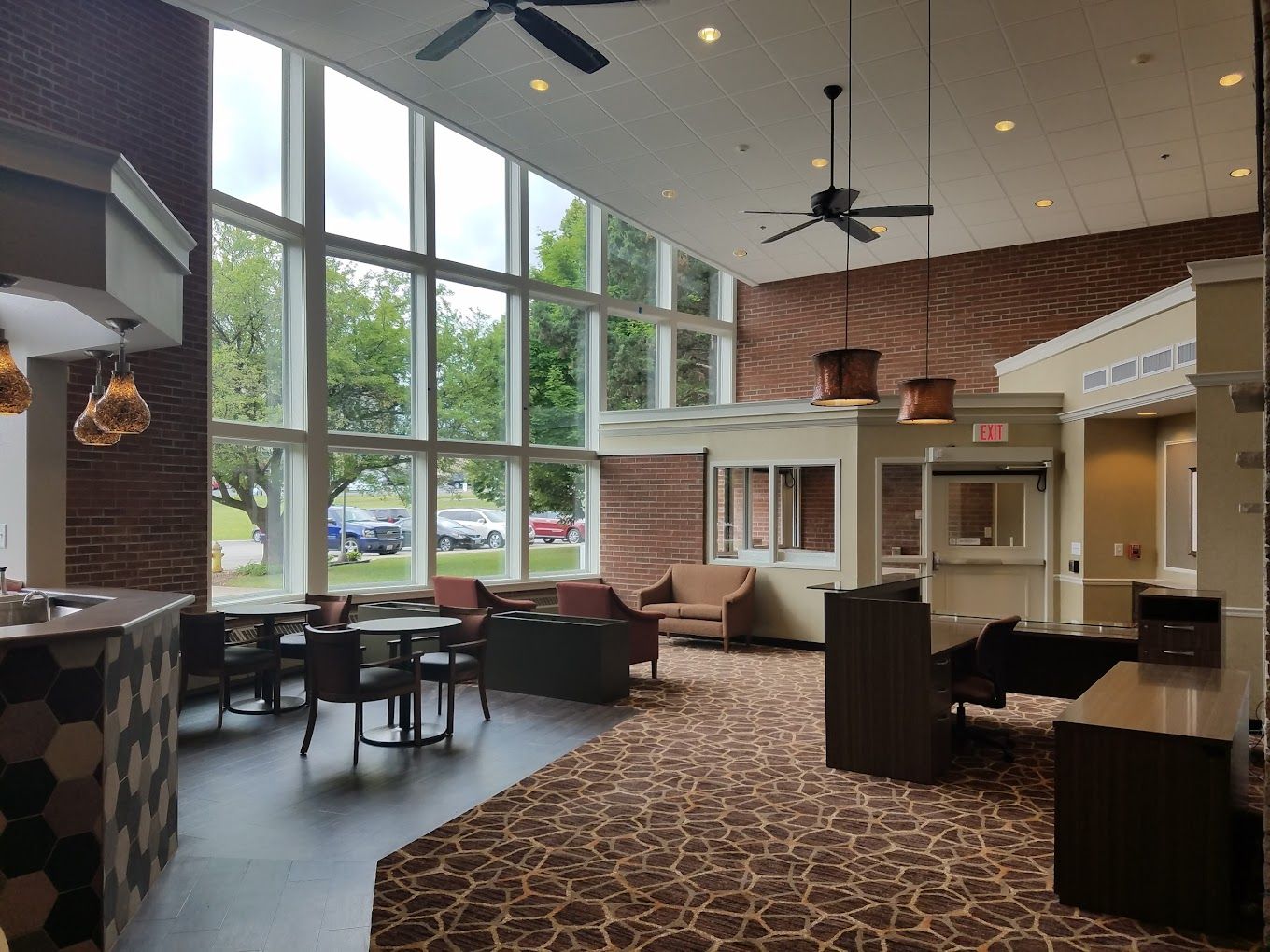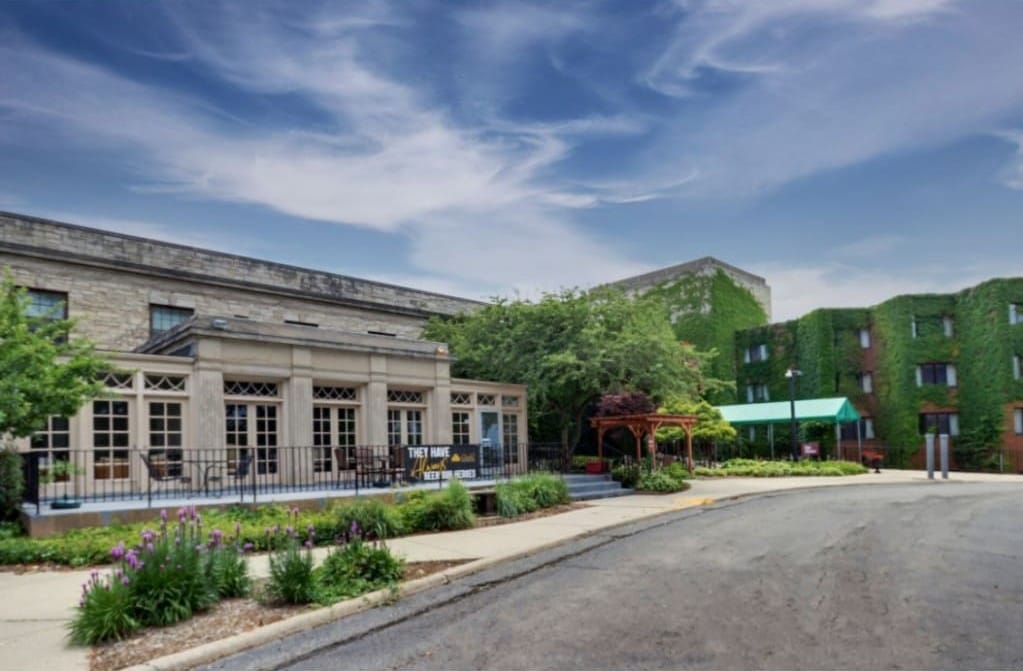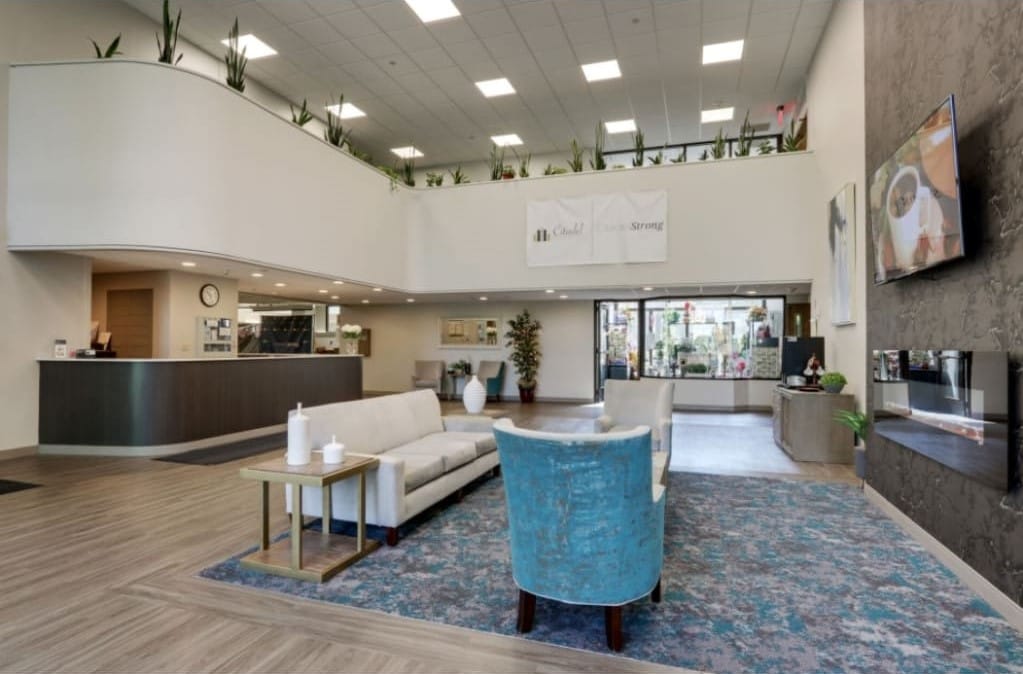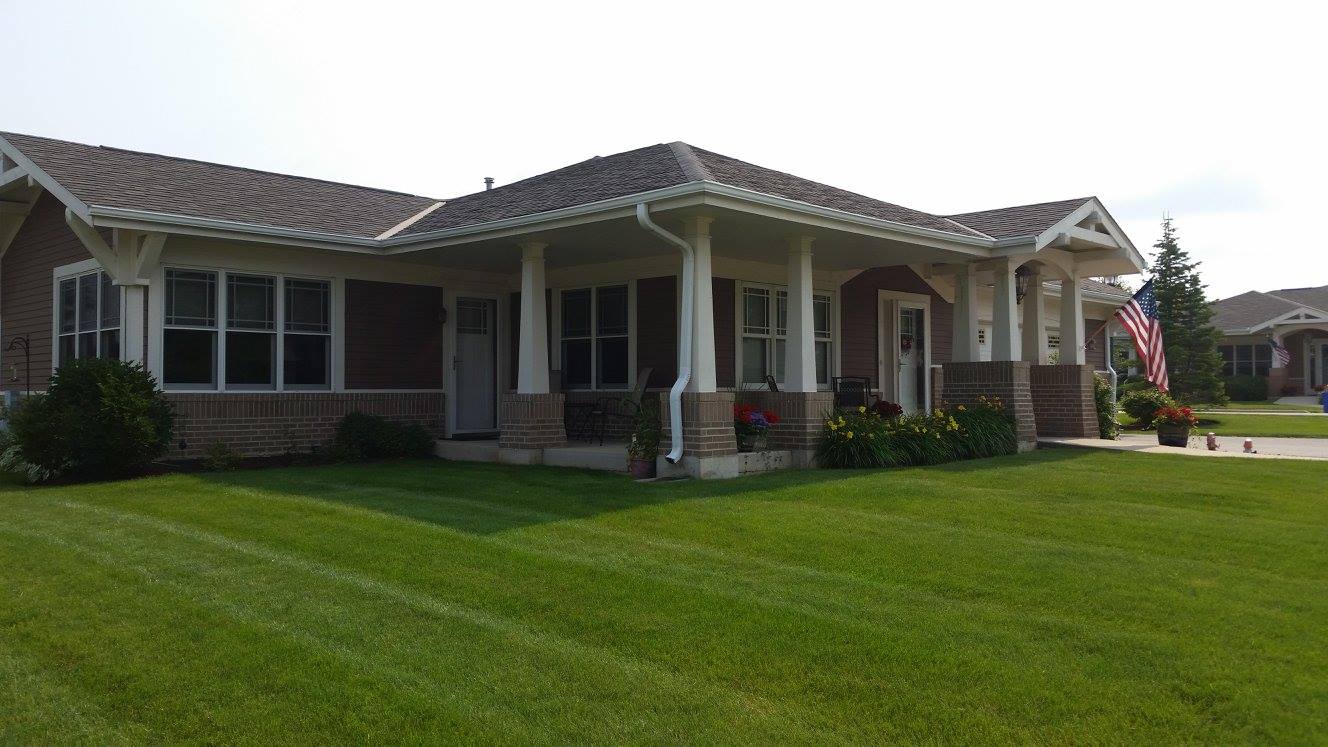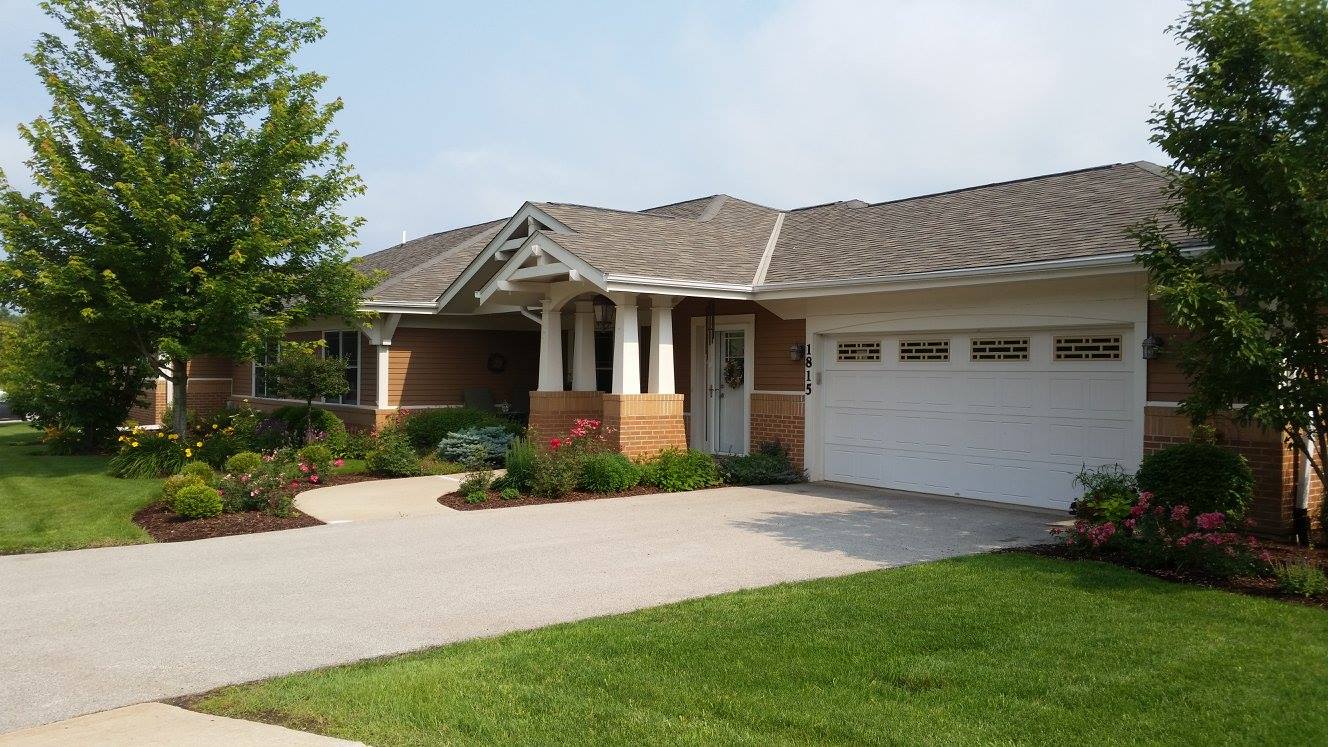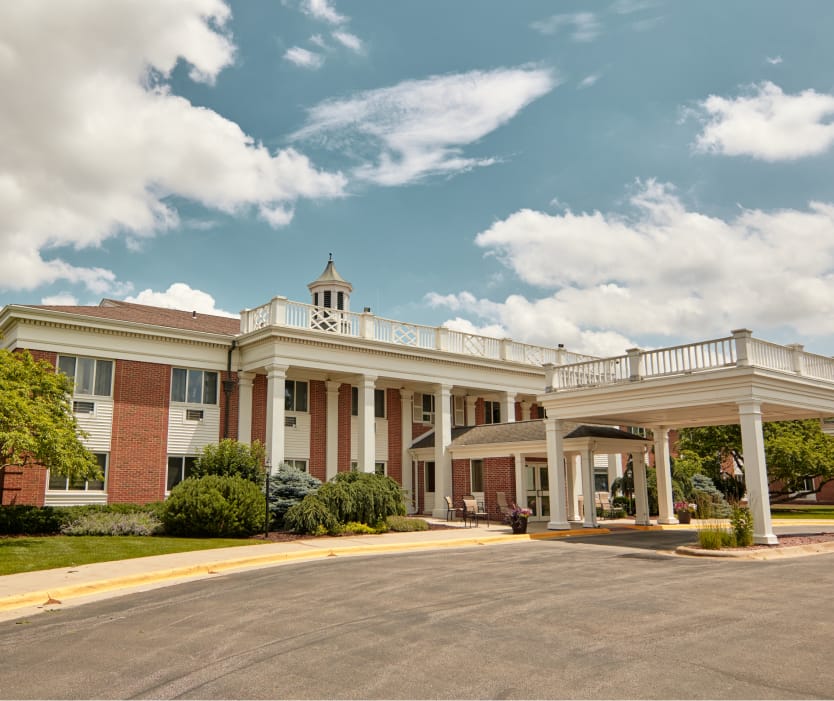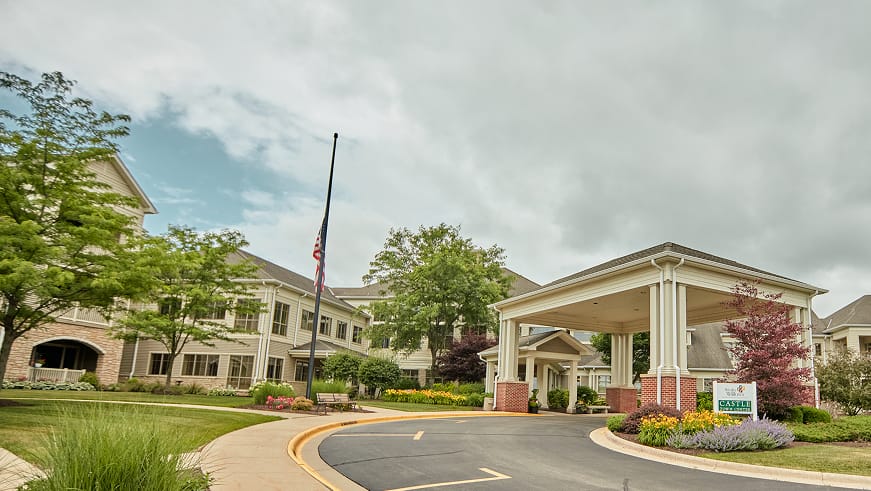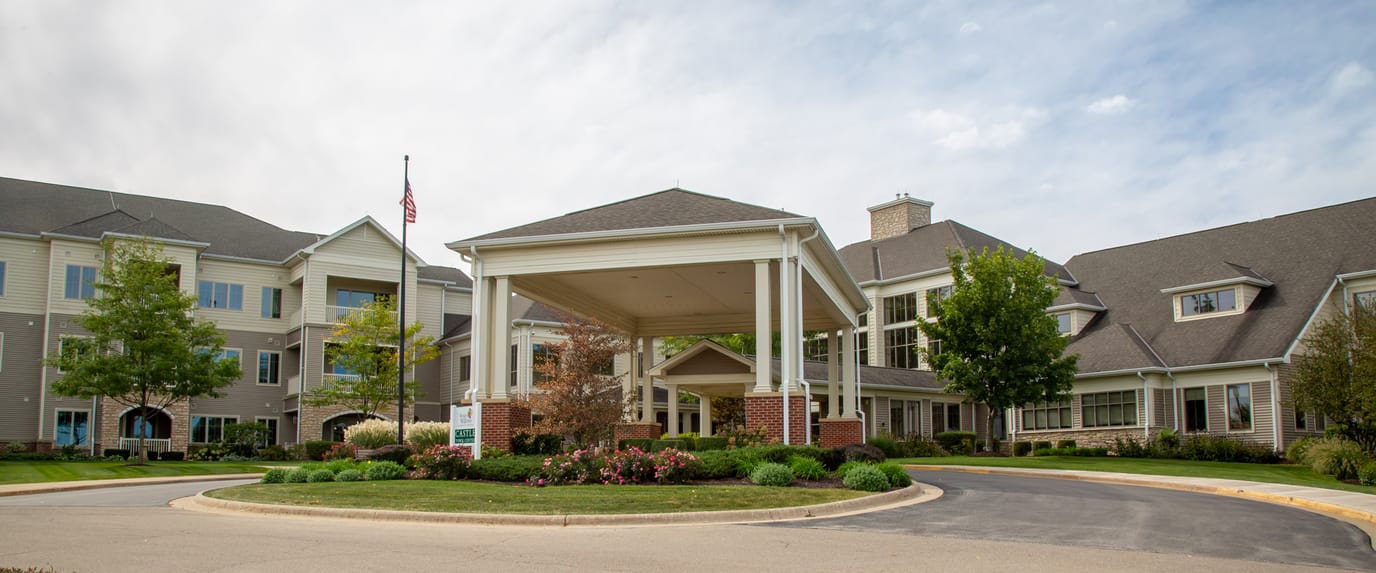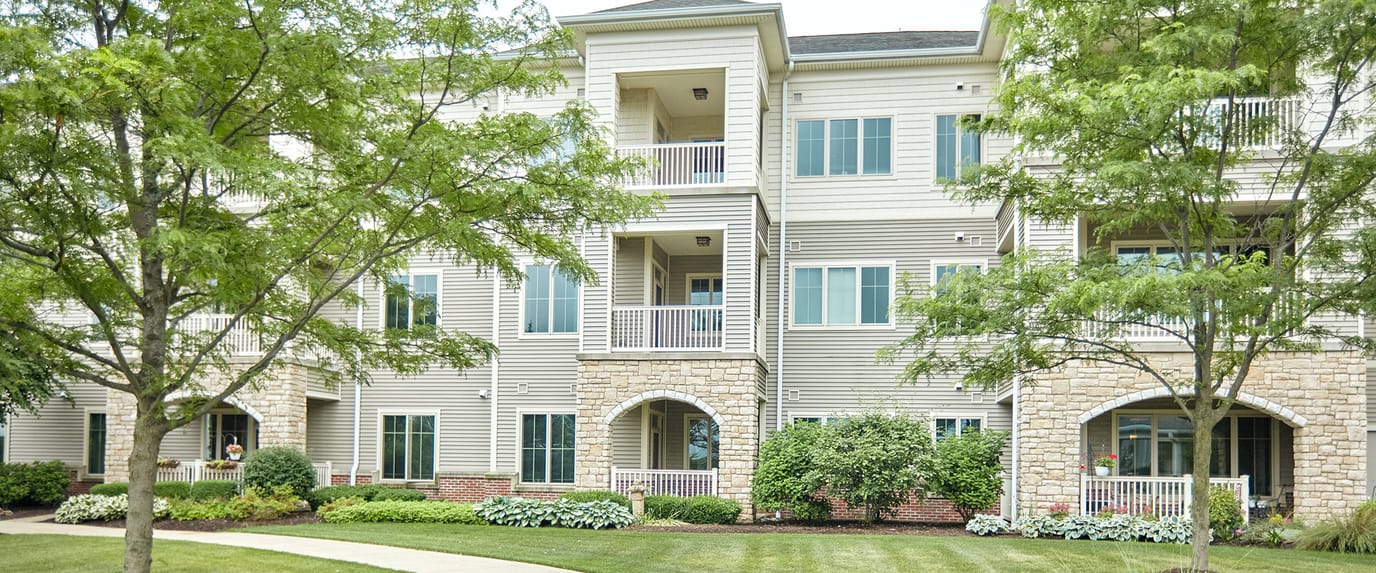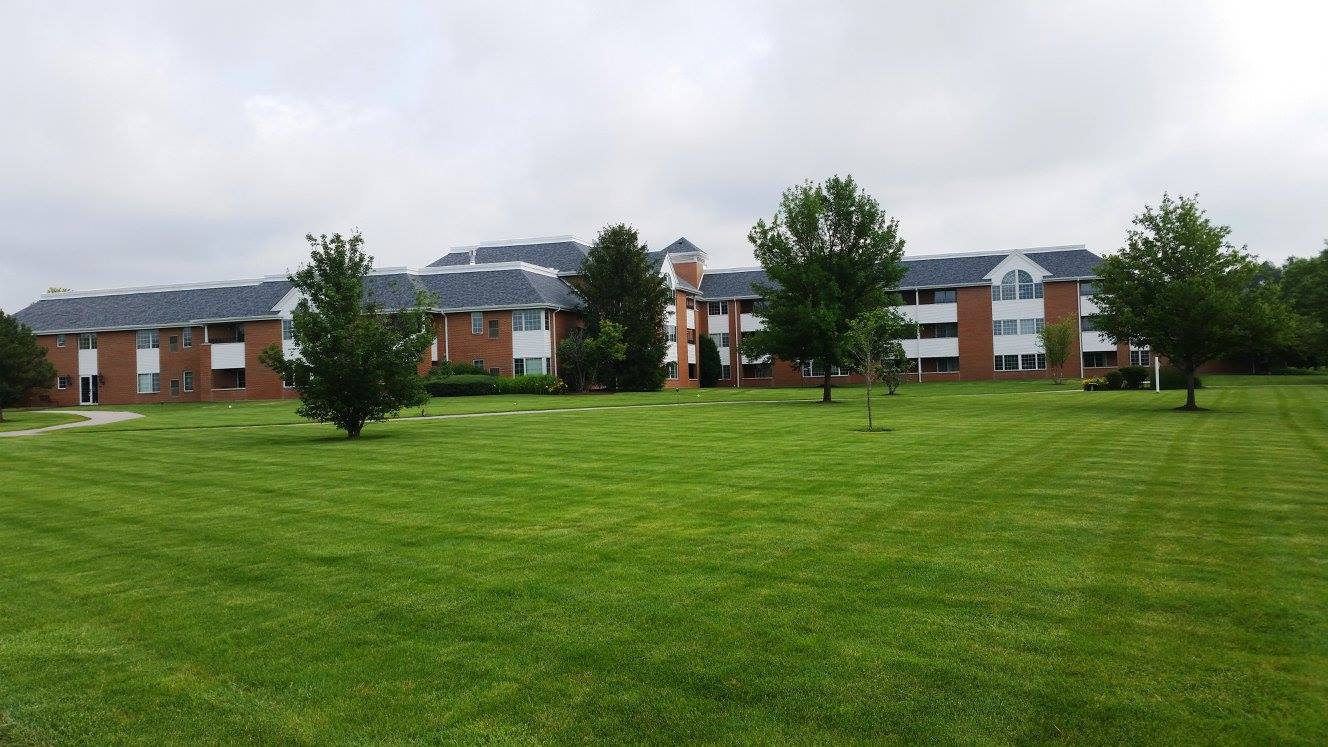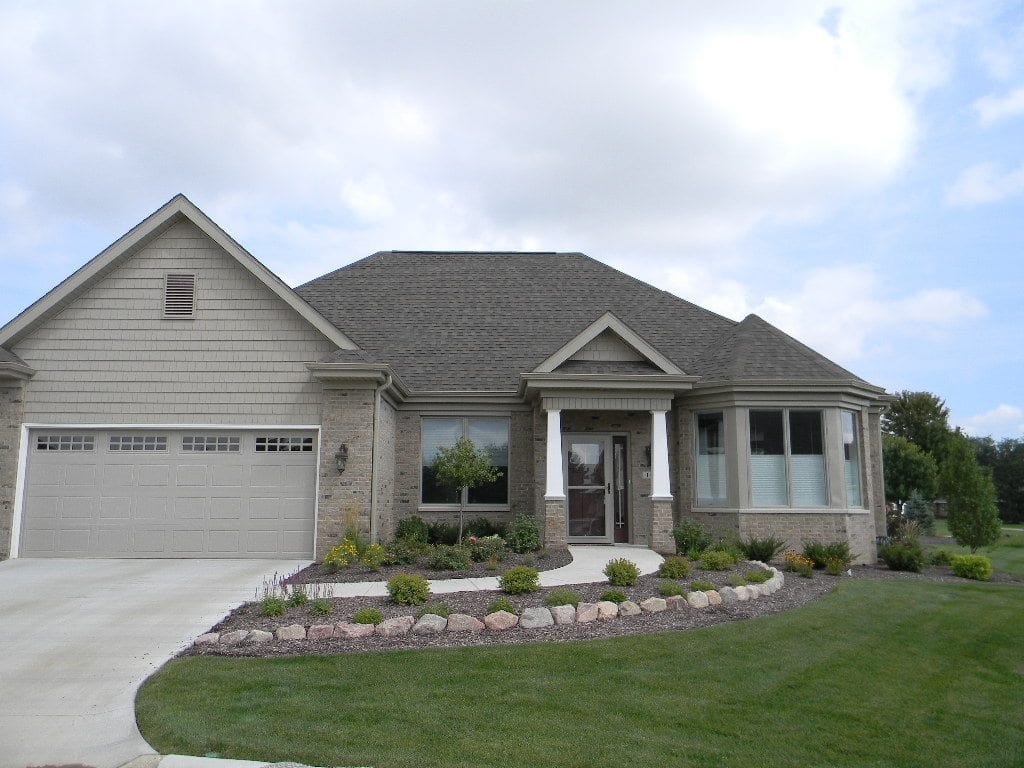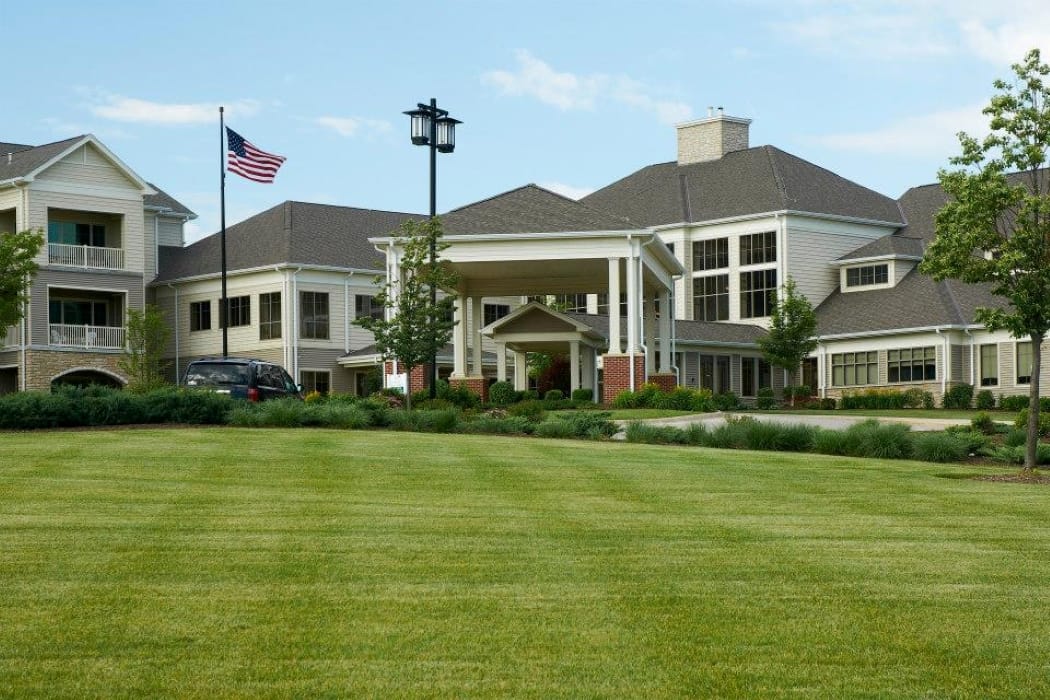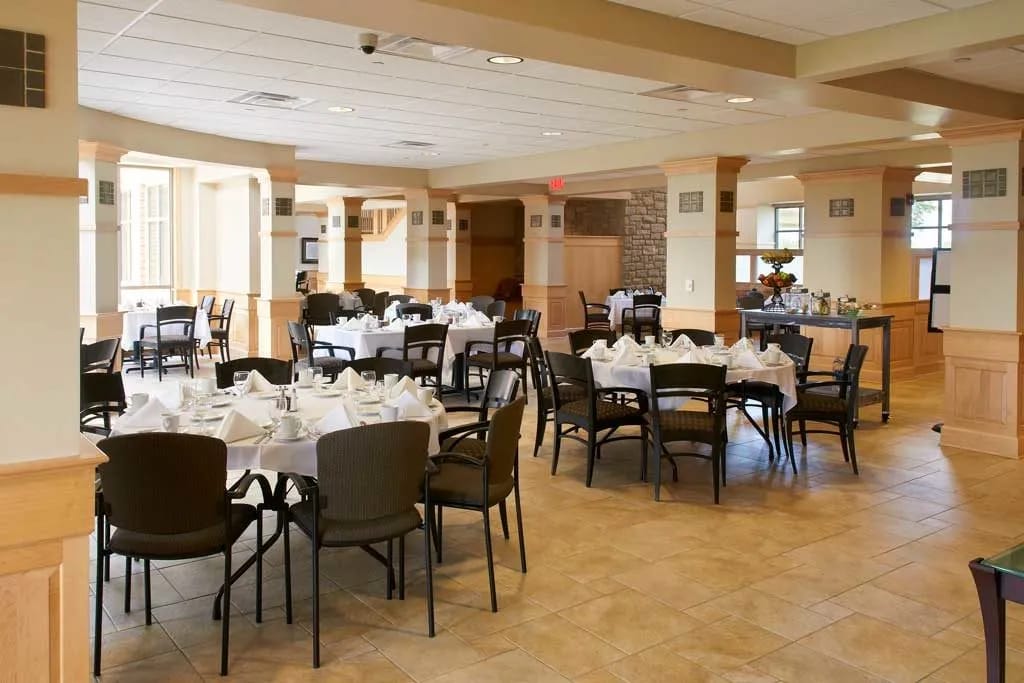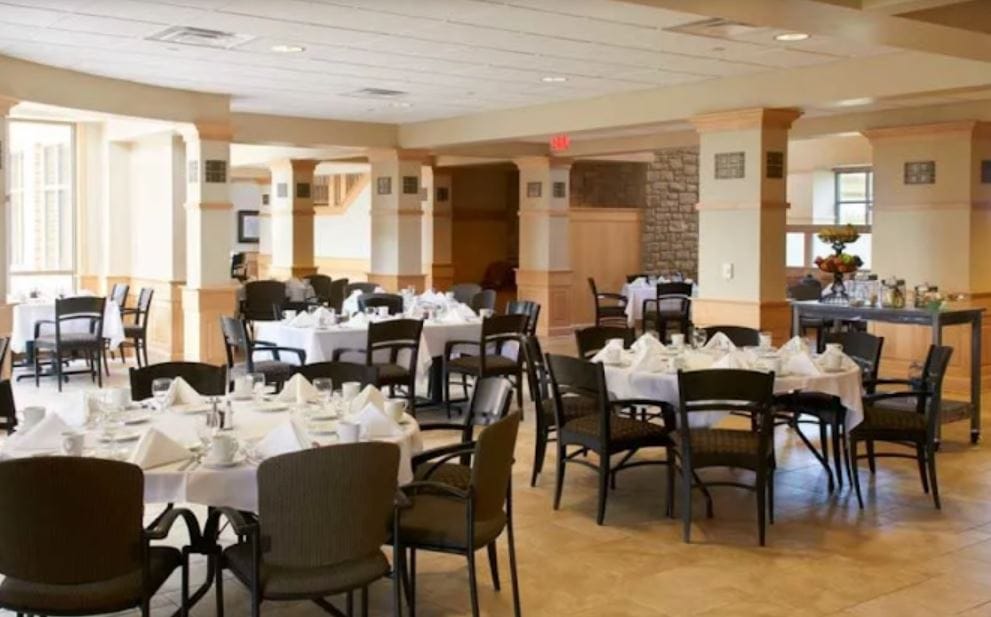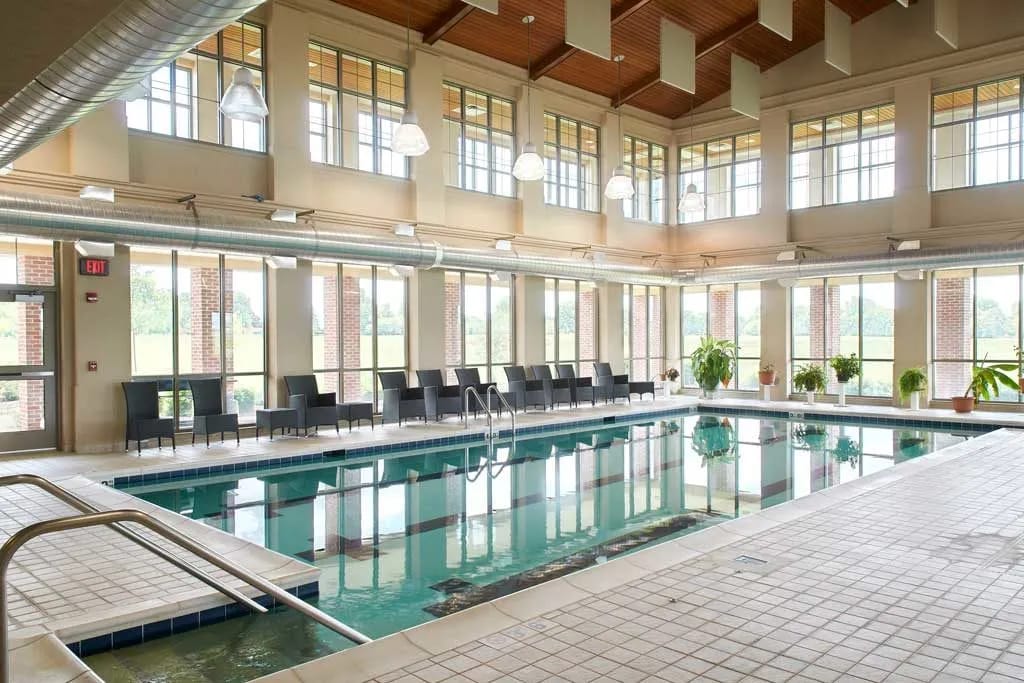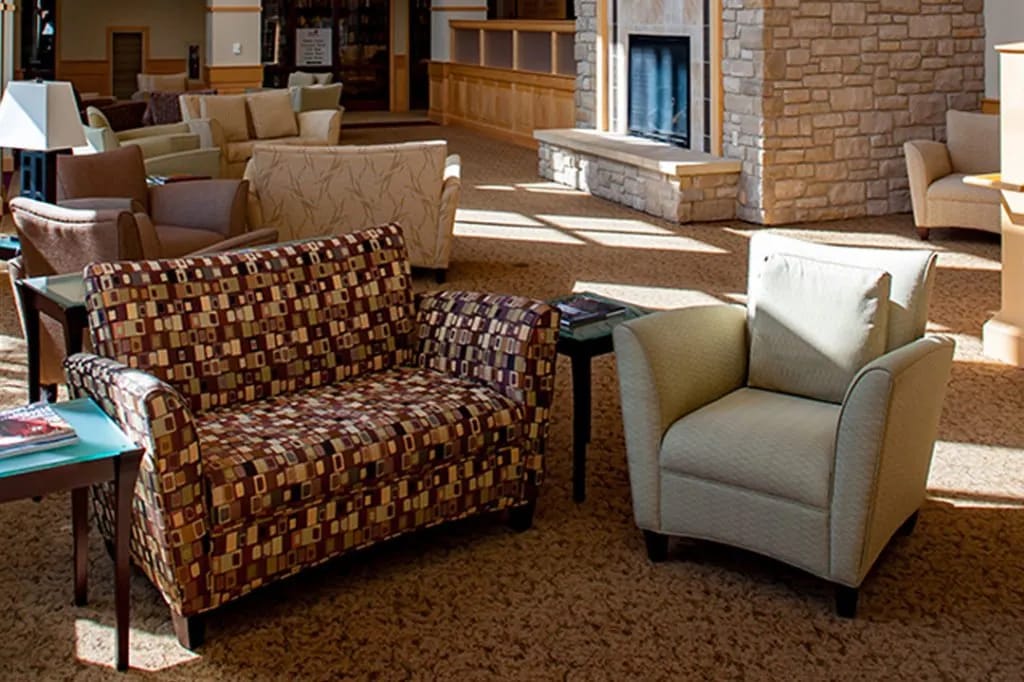


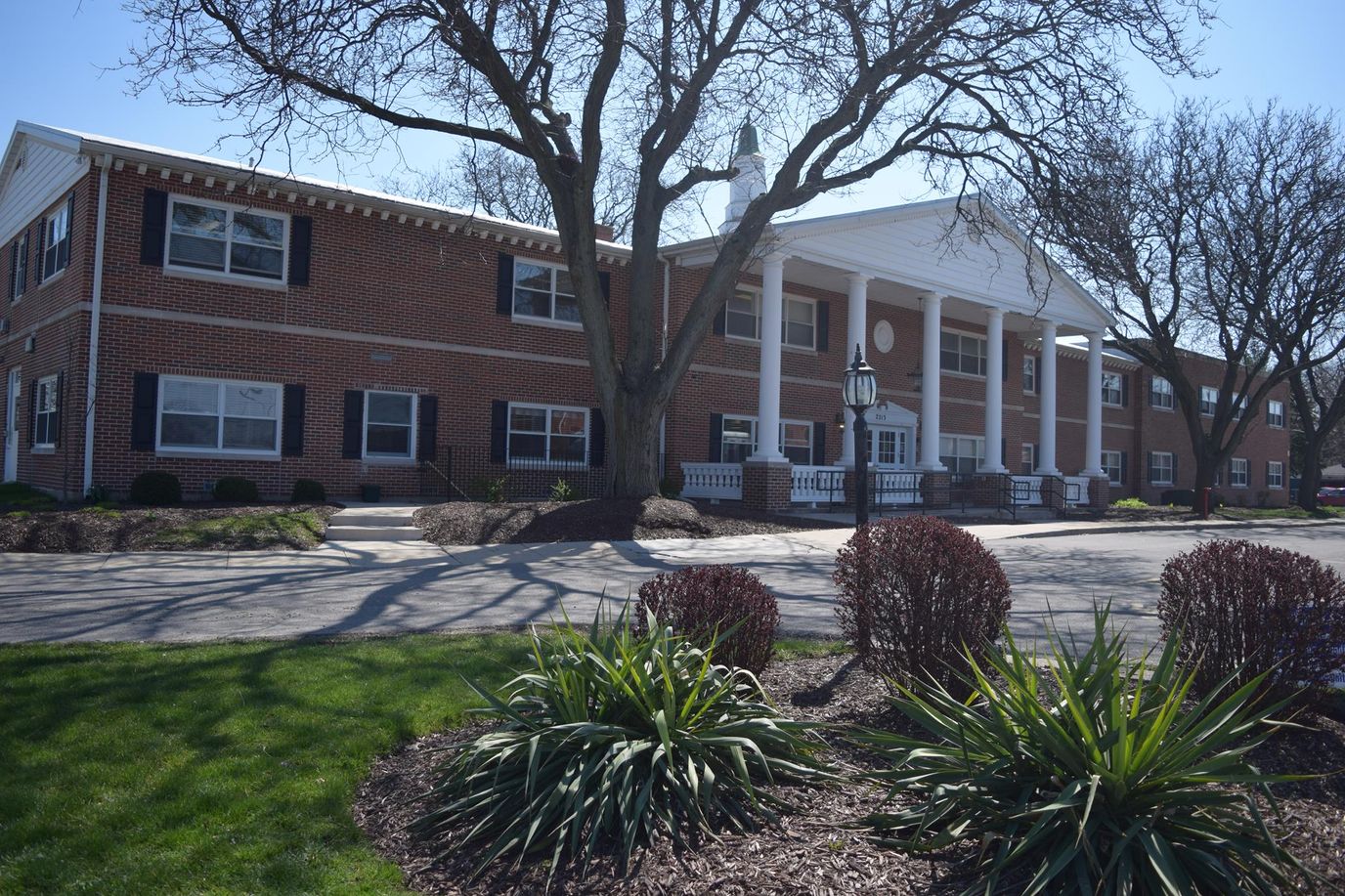
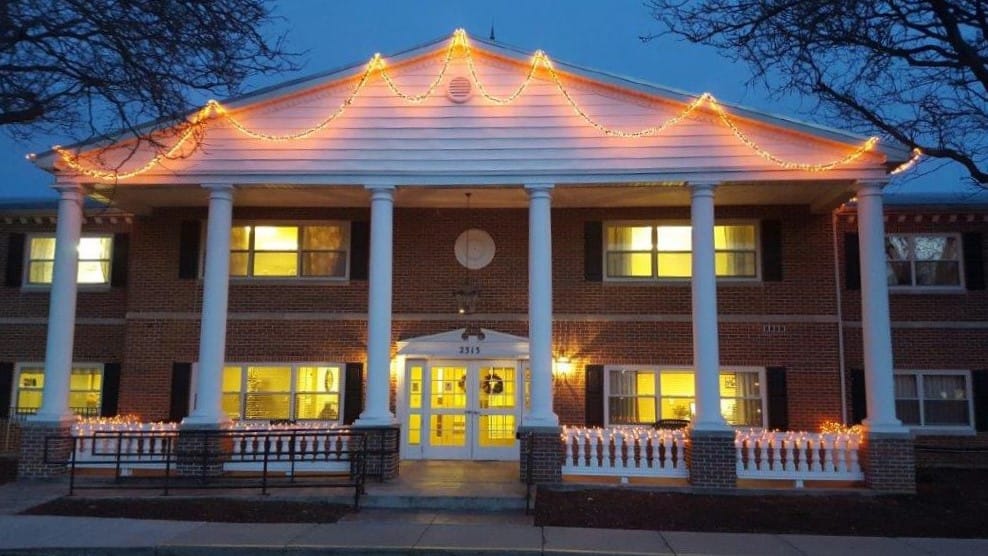
Amberwood Care Centre is a nursing home in Rockford, IL, offering skilled nursing, memory care, hospice care, palliative care, and respite care. Skilled nursing includes licensed nursing care on site around the clock. Memory care provides a secured setting with supervision for someone at risk of wandering, while hospice supports end of life needs and palliative care focuses on comfort for someone living with serious illness. Respite care offers a short stay when a usual caregiver needs to travel or recover.
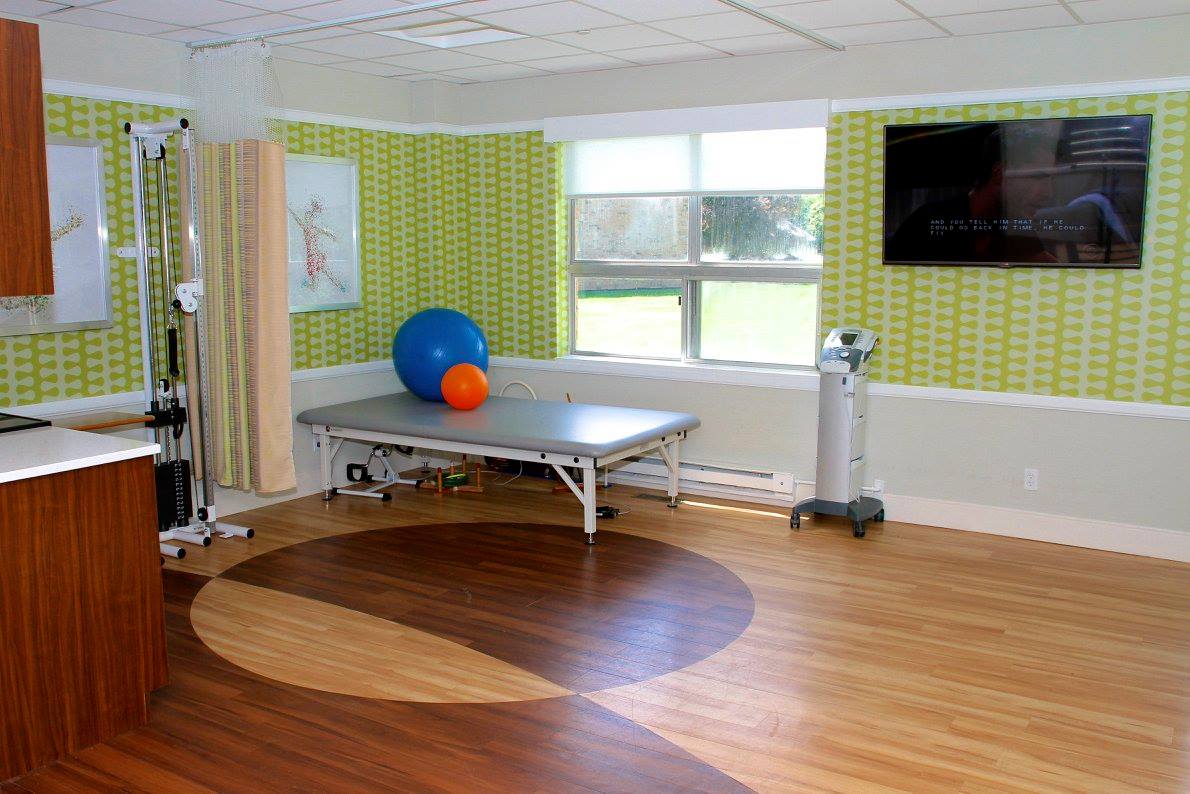
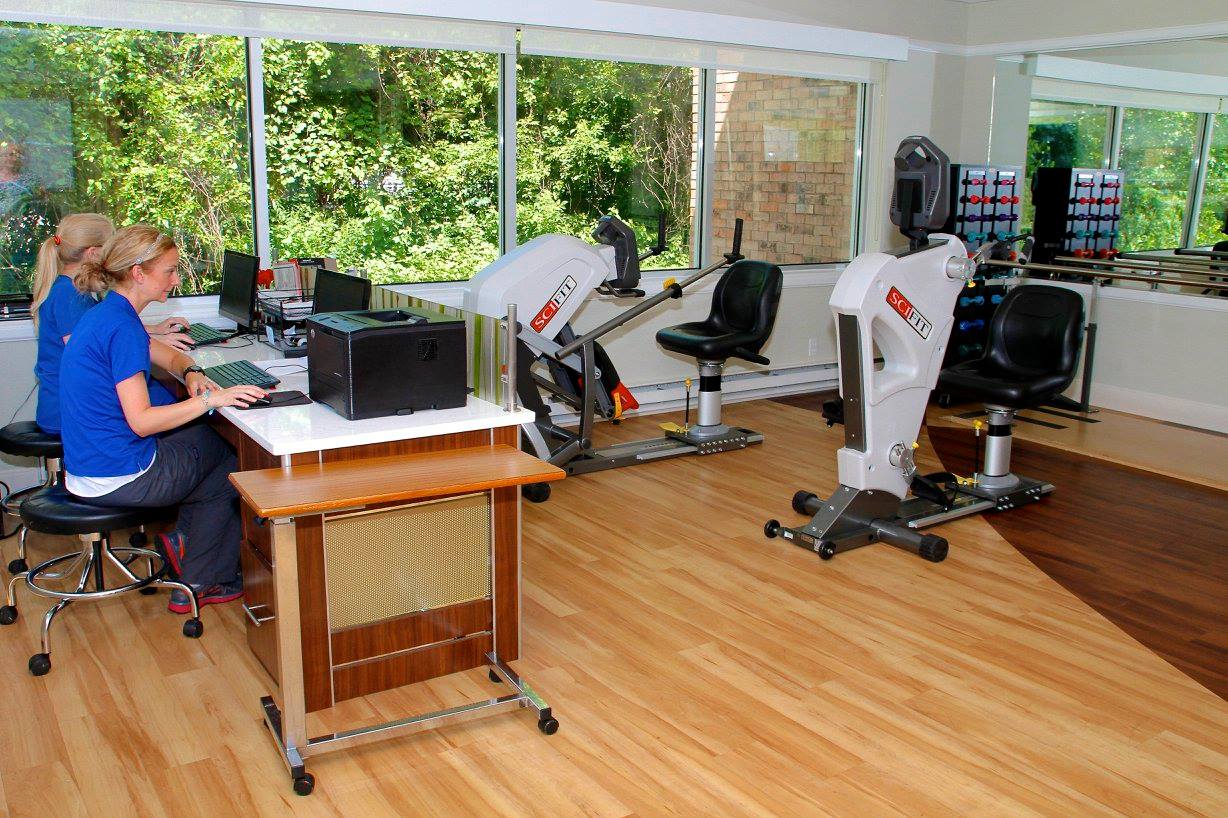
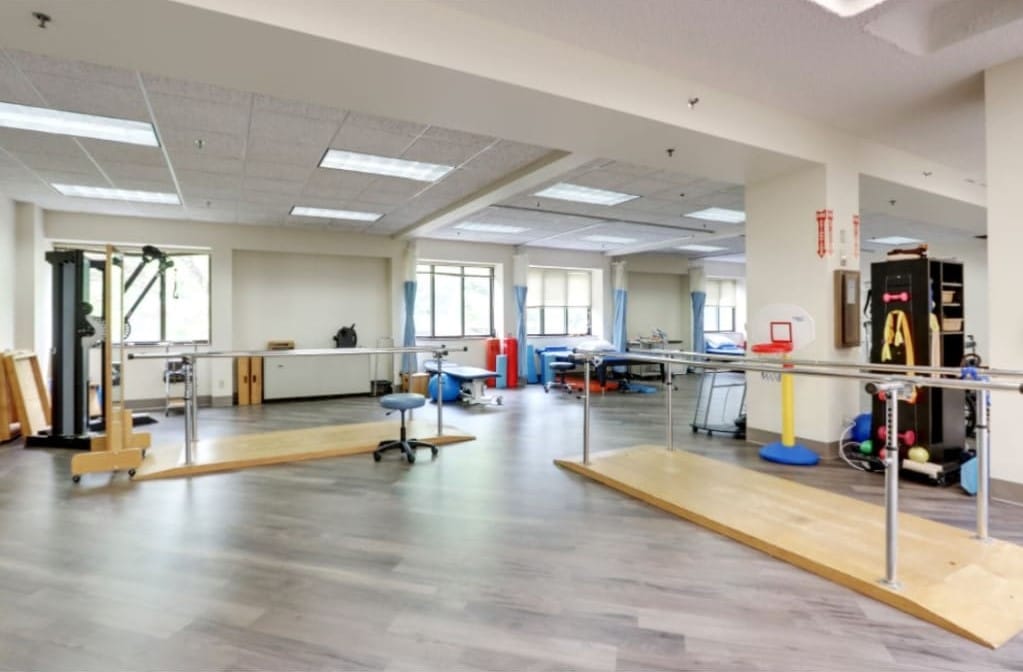
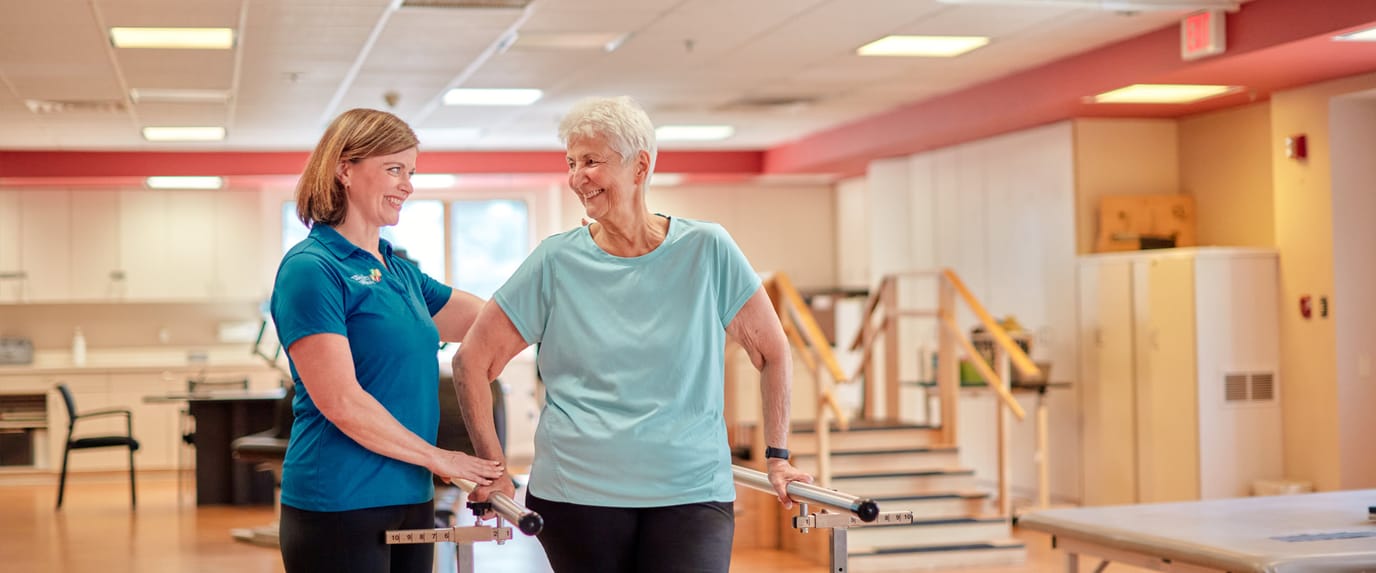
The home has 135 beds, with 2h 25m of total nurse staffing per resident per day. That figure represents the daily hands on nursing time allocated to each resident. Medicare, Medicaid, and private pay are accepted, giving families several ways to cover care depending on eligibility and financial resources. Rehabilitation programs address stroke, pulmonary, cardiac, and orthopedic recovery, allowing residents to receive therapy for these specific needs.
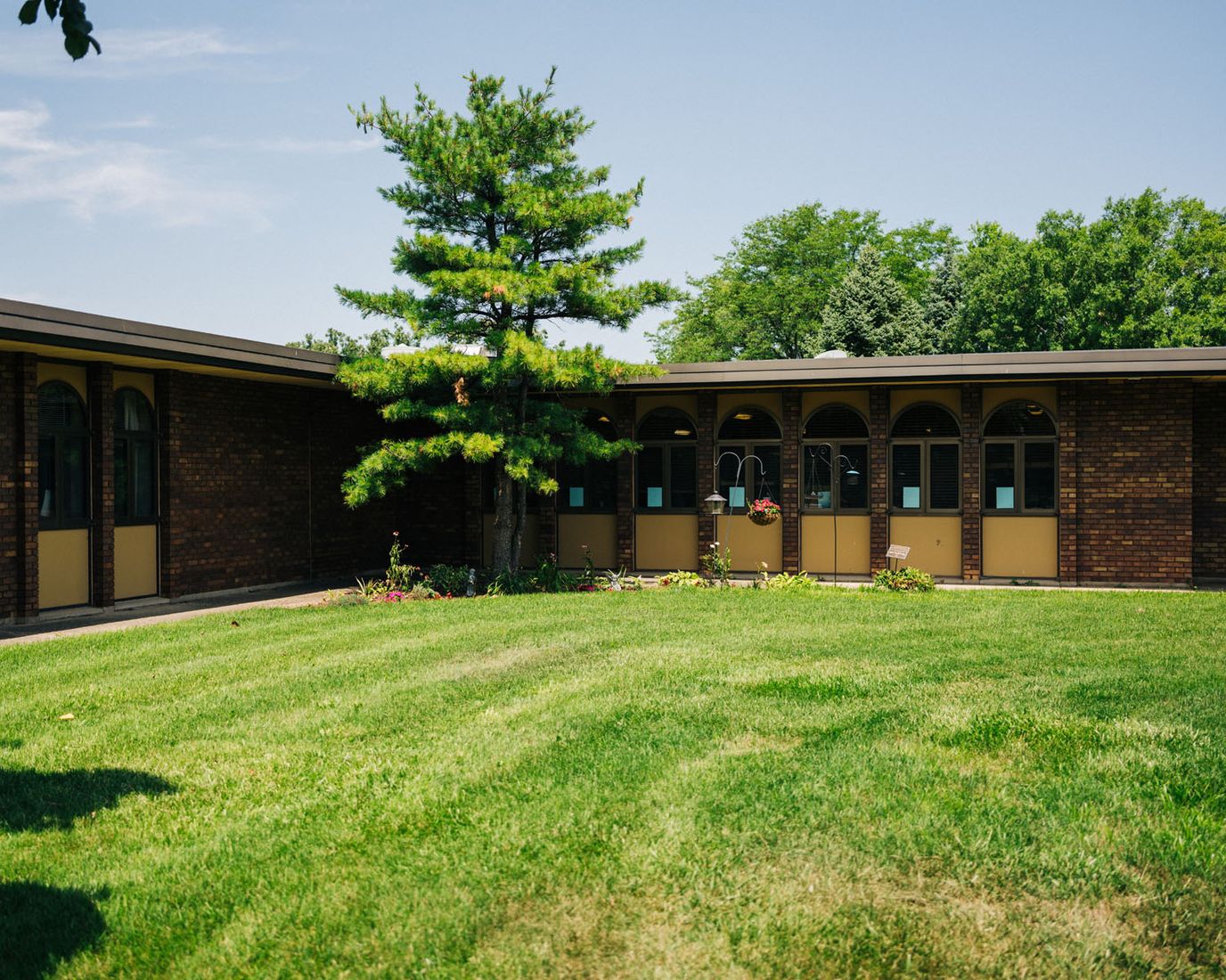
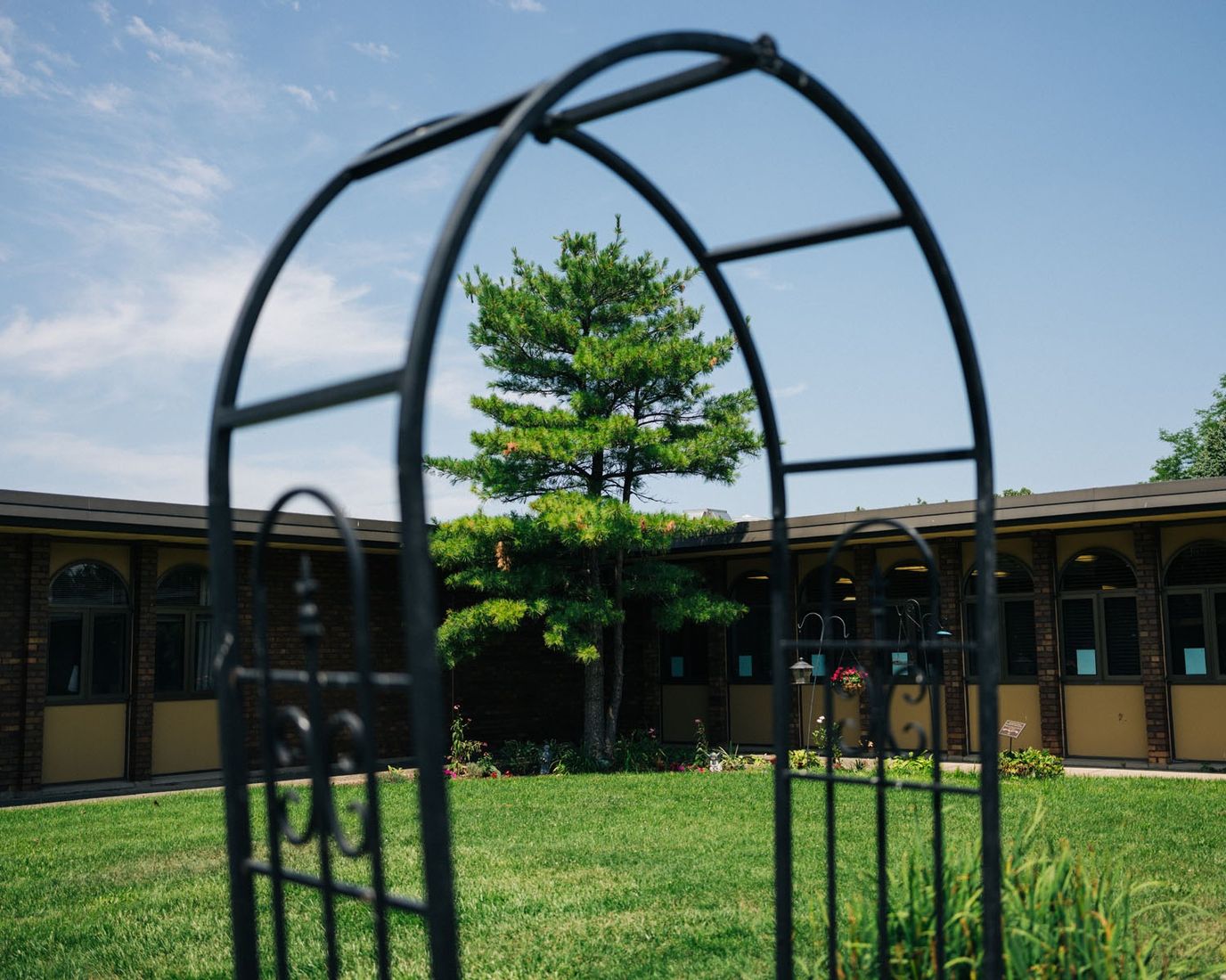
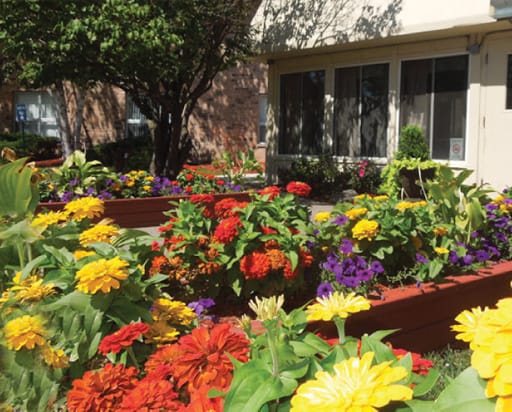
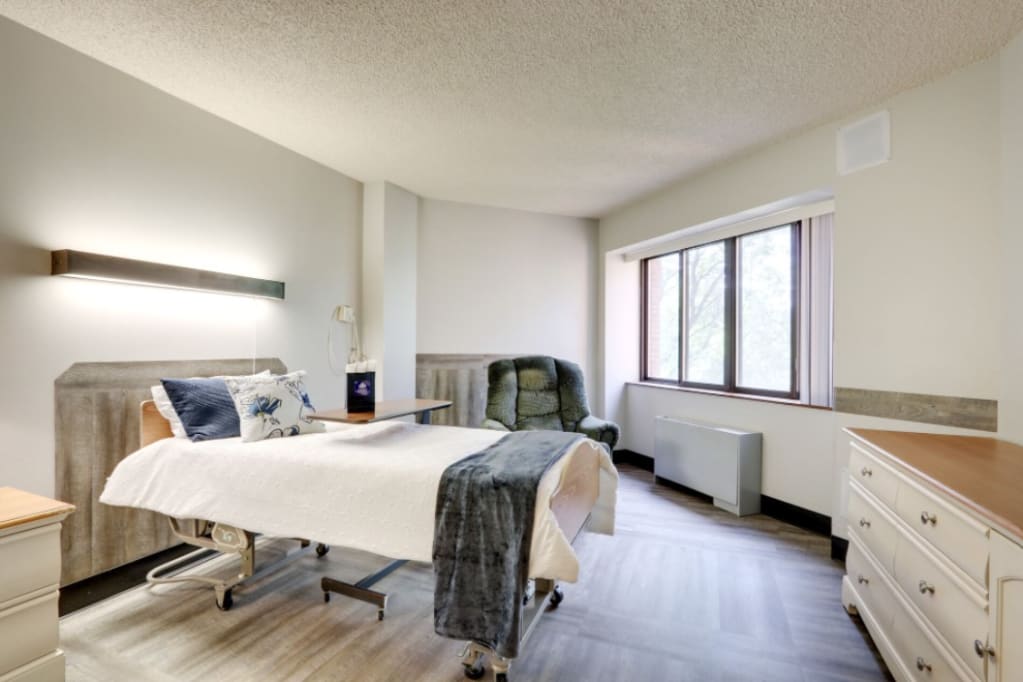
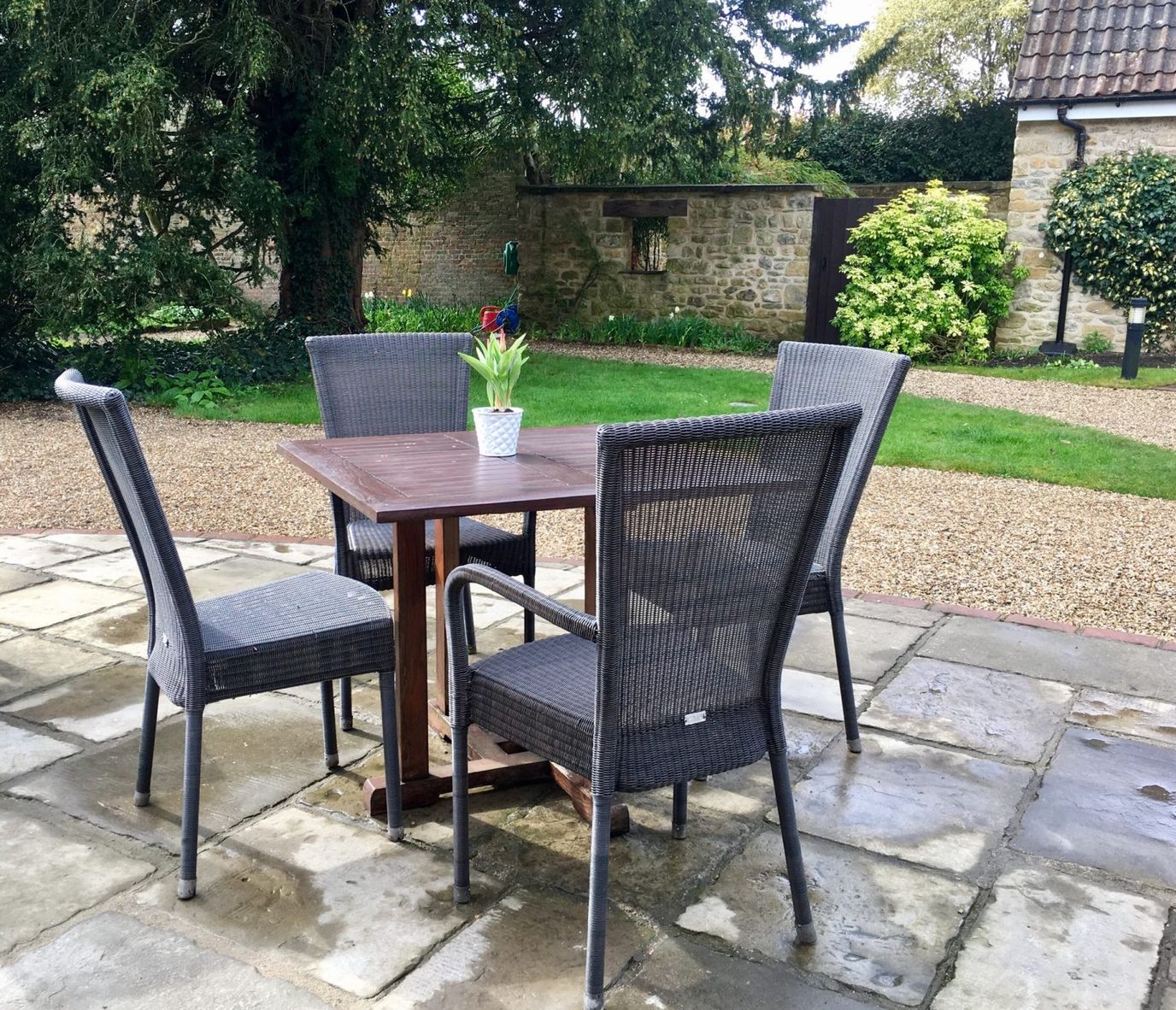
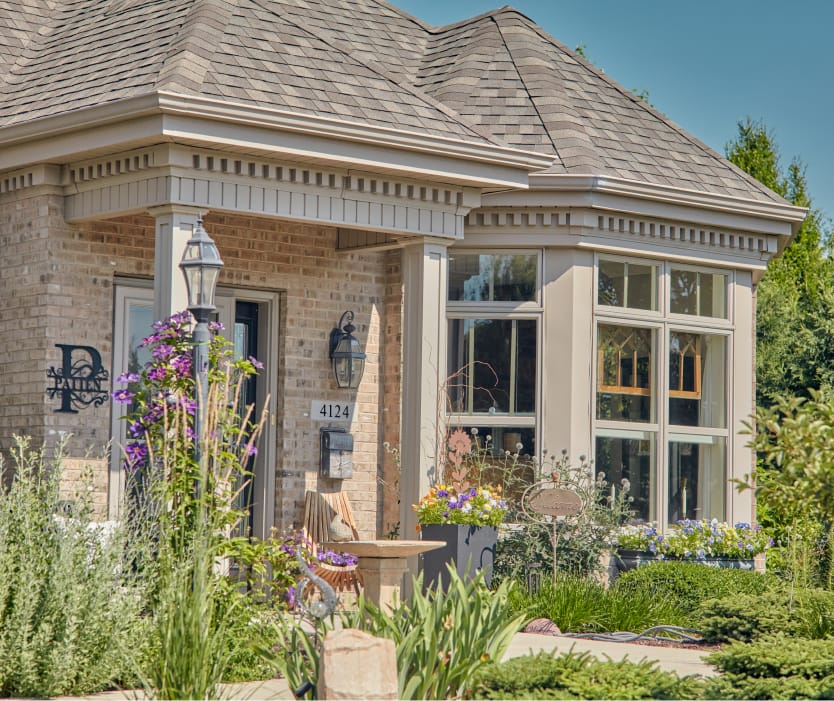
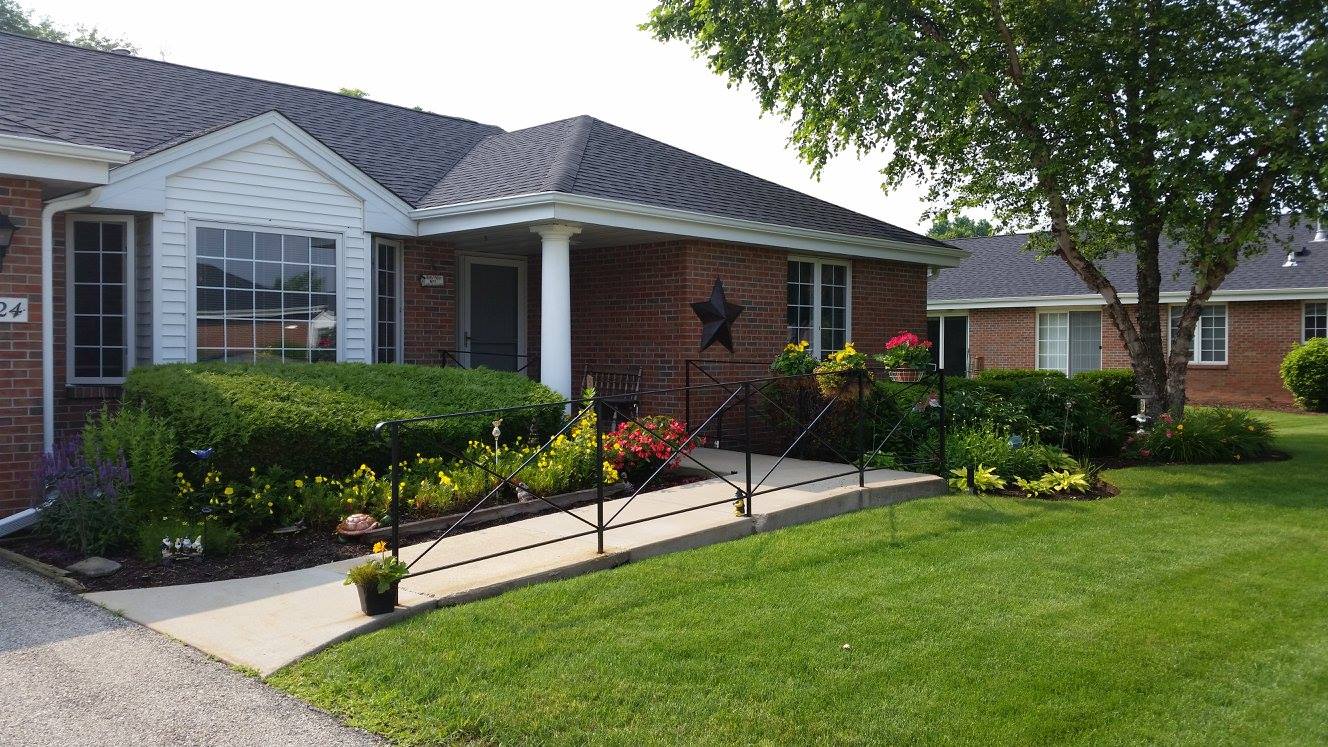
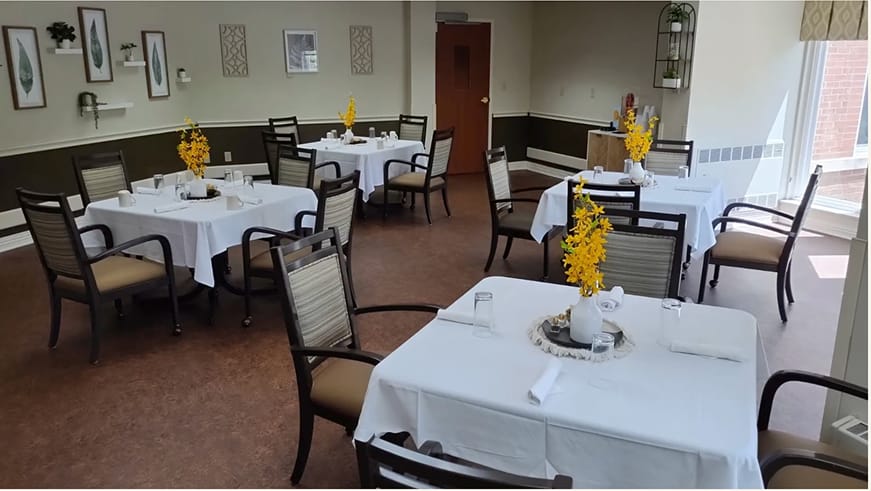
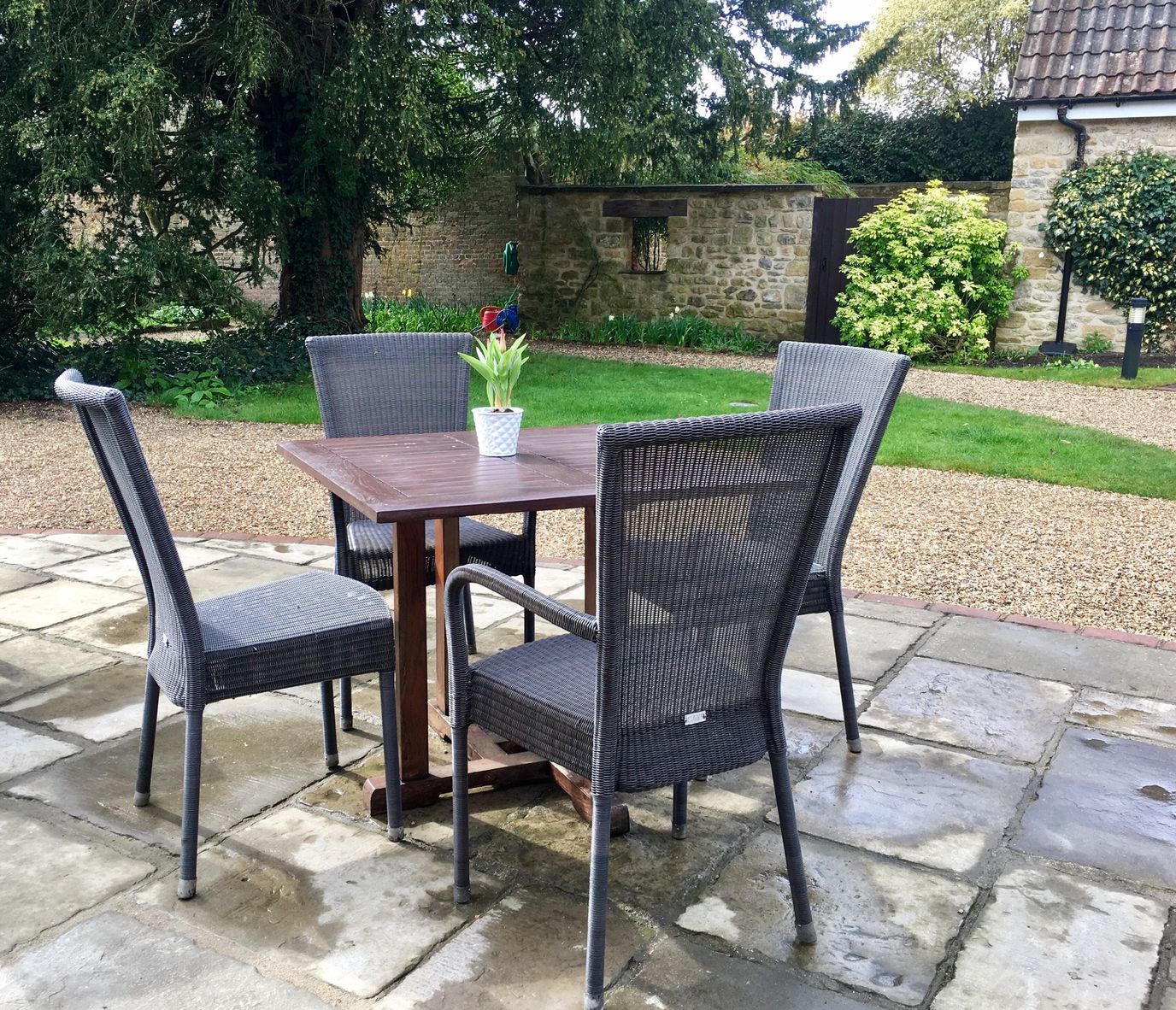
Private rooms give each resident an individual room, while gardens and open air courtyards provide designated outdoor areas. Pet therapy adds animal assisted activity to the daily setting. The combination of long term nursing, memory care, and short term respite may be a good fit for families whose needs range from temporary support to ongoing clinical care. A Walk Score of 47 / 100 places the area in a car dependent setting, so most errands require a car or a ride; someone who no longer drives would need one for routine errands.