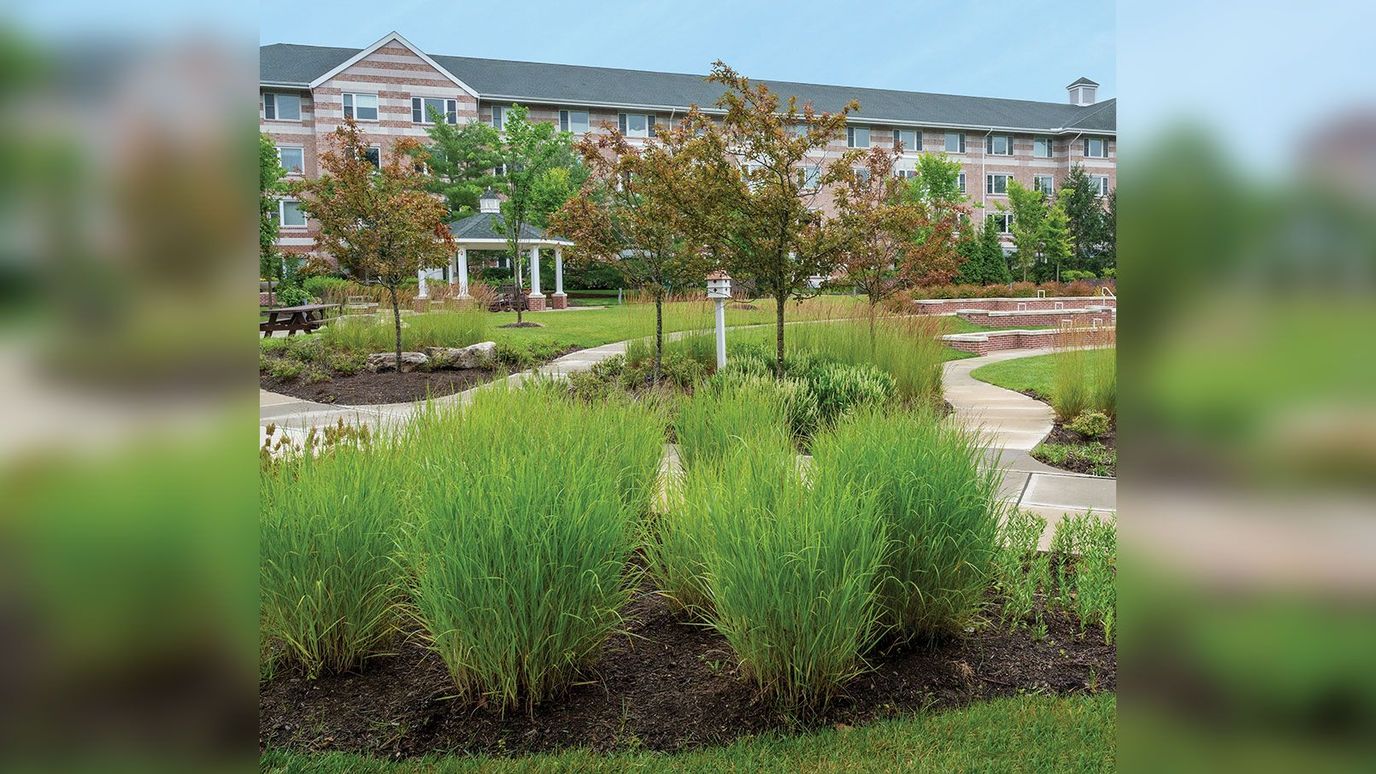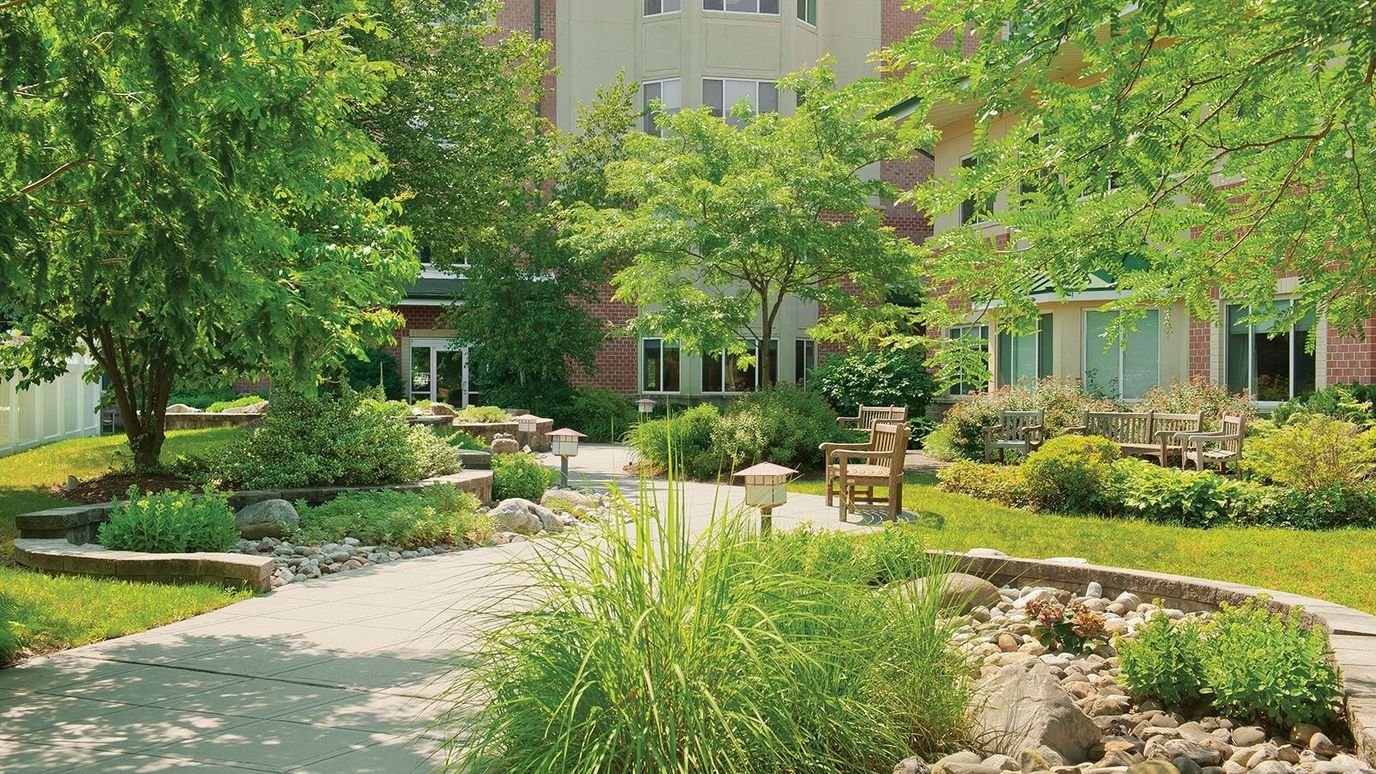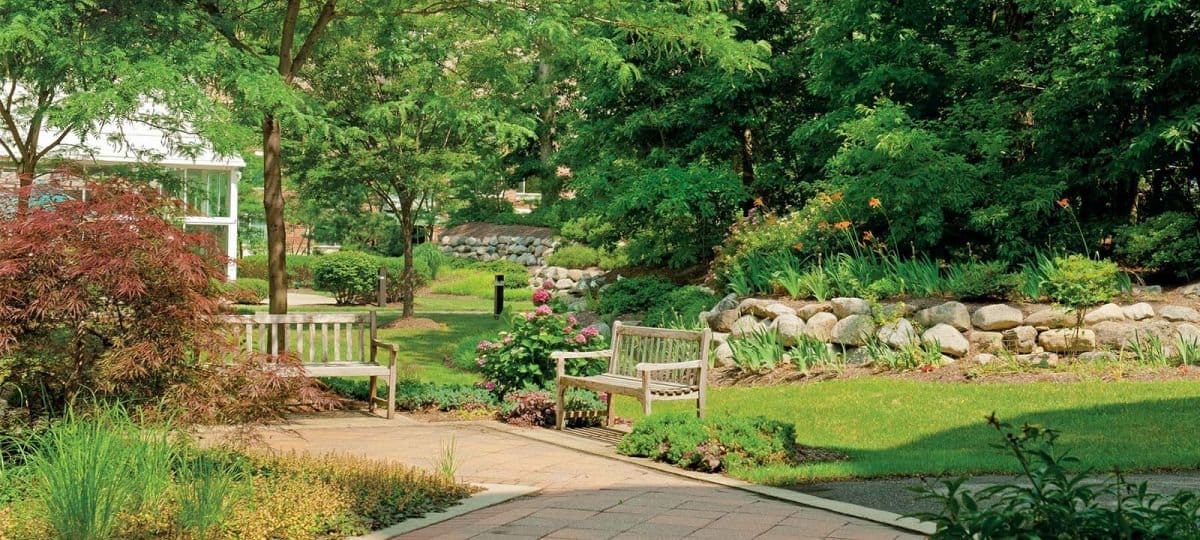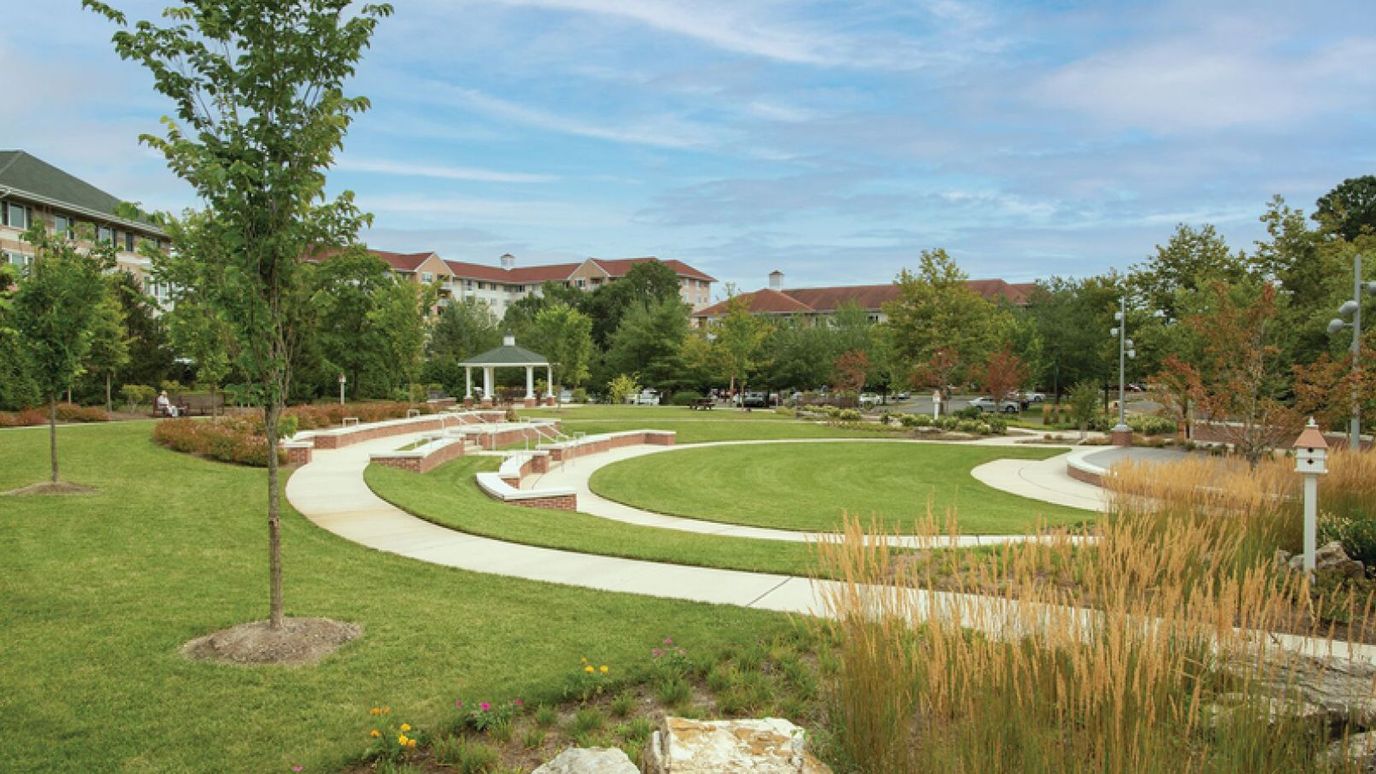

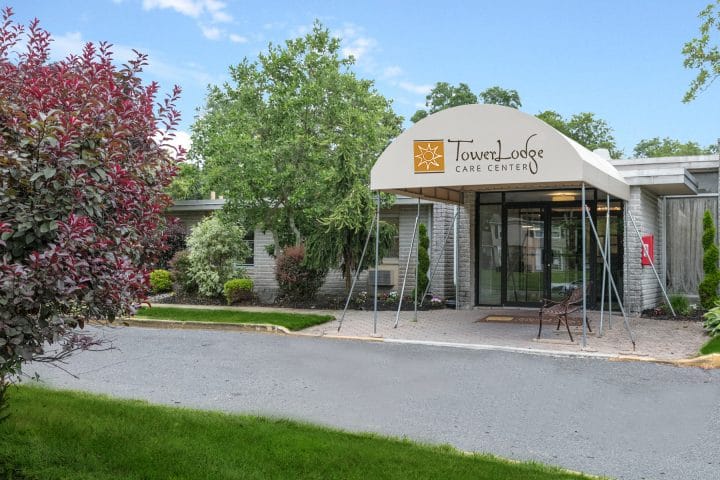
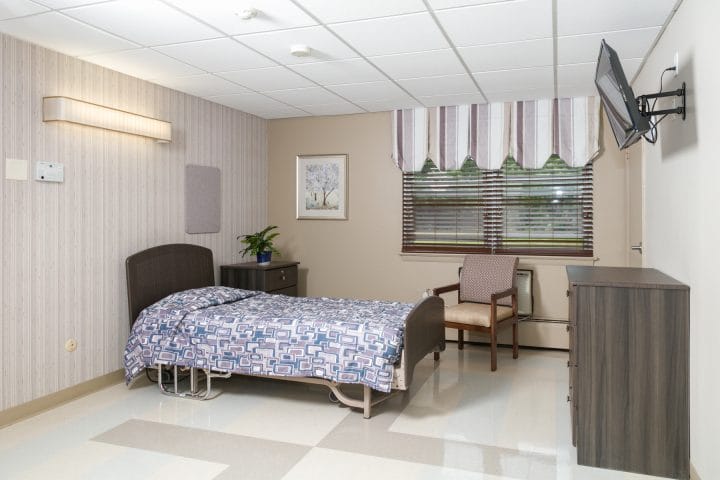
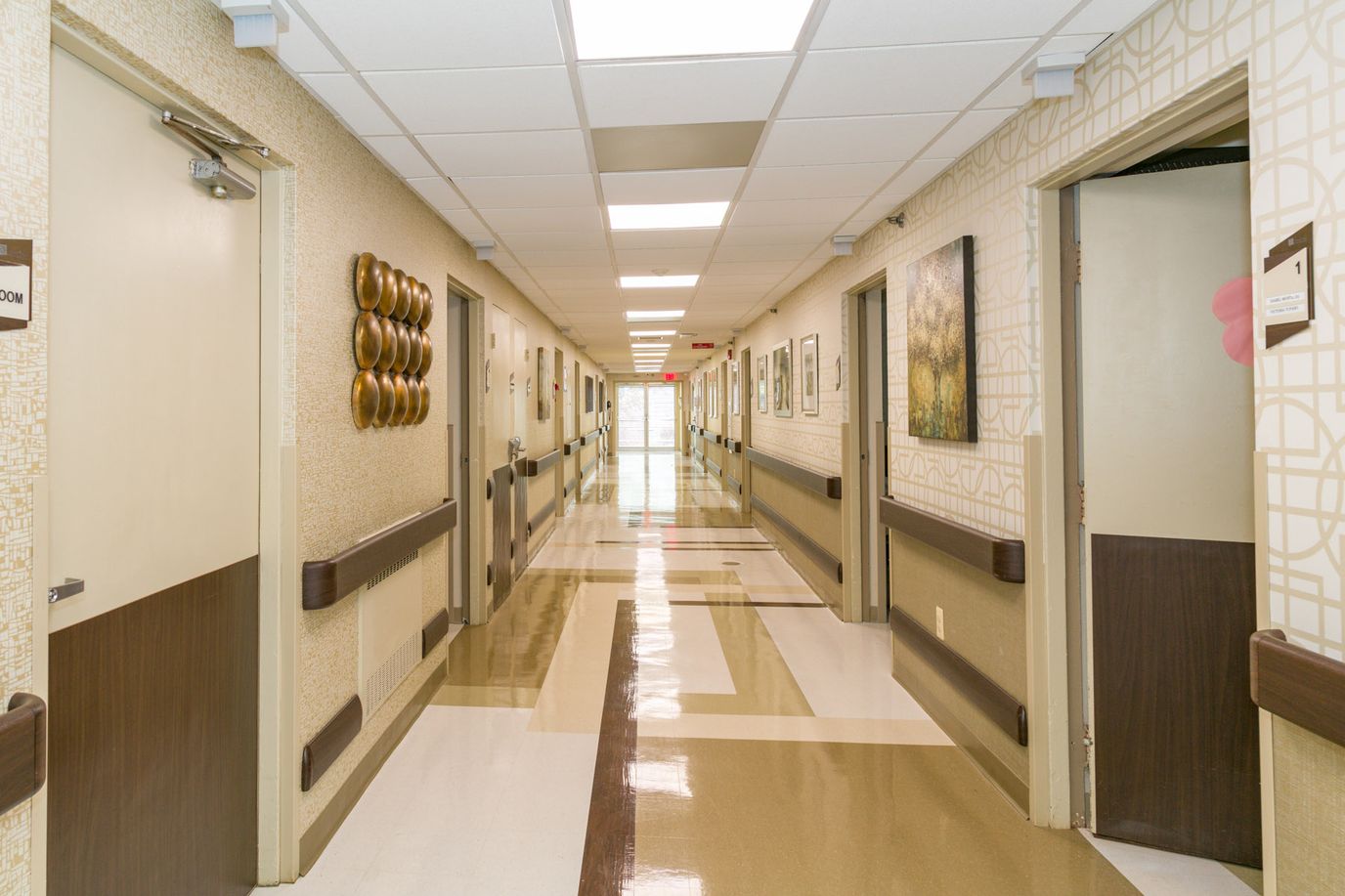
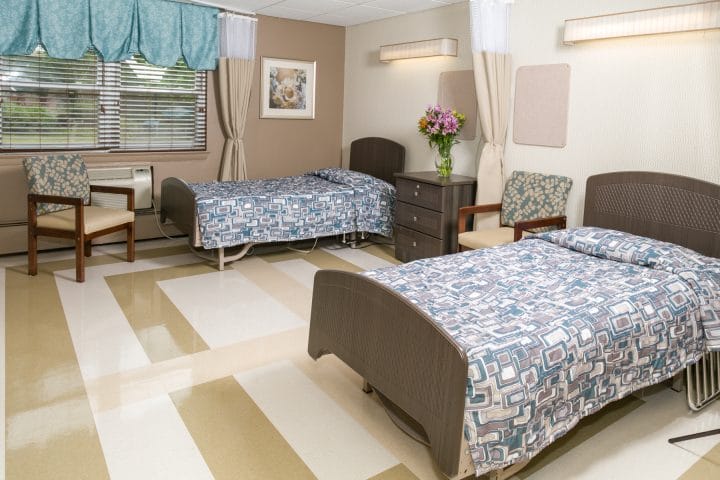
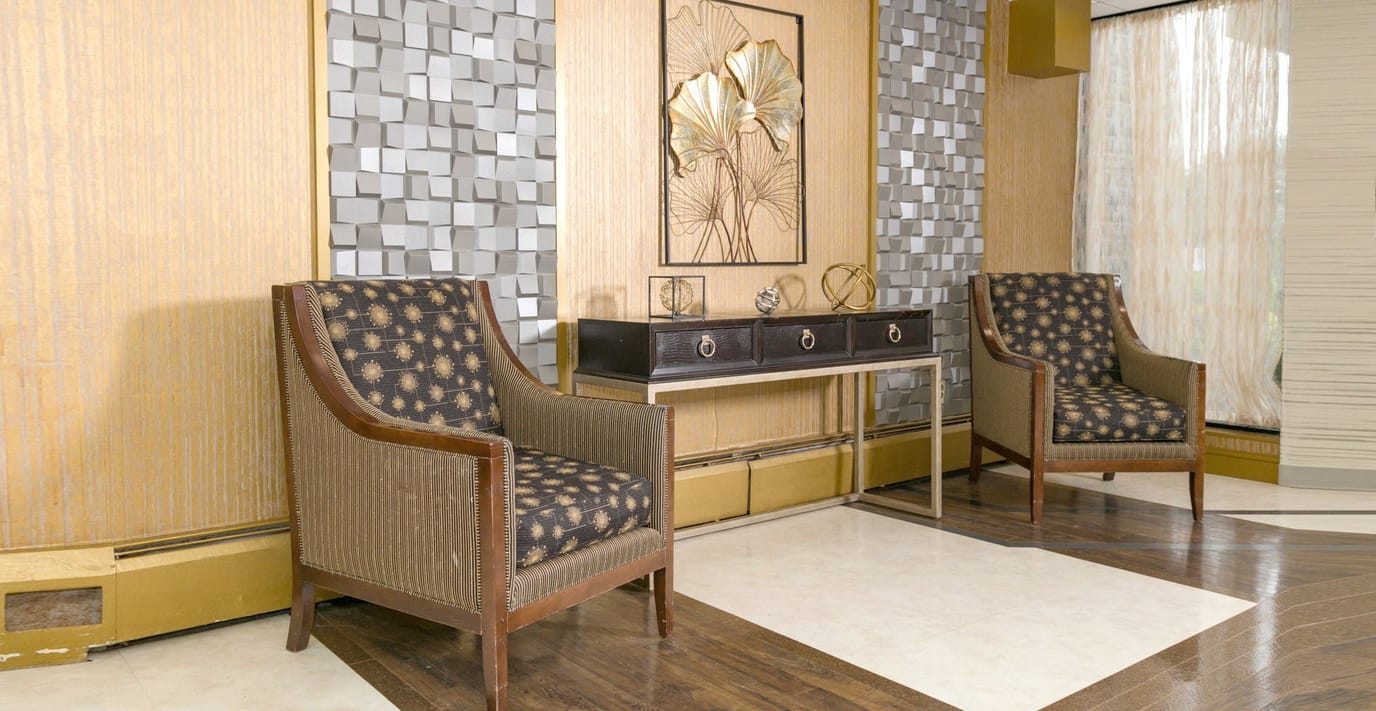
Tower Lodge Care Center operates as a 60-bed nursing home in Wall Township, occupying rural Monmouth County territory roughly eight miles inland from the coast. The facility’s payor mix includes Medicare, Medicaid, and private pay, and offers flexibility to residents across the financial spectrum. Current census sits at 54 residents, yielding a 90 percent occupancy rate that speaks to steady local demand. The typical resident stays roughly eight months, which aligns with what a facility bridging rehabilitation and long-term nursing care might expect.
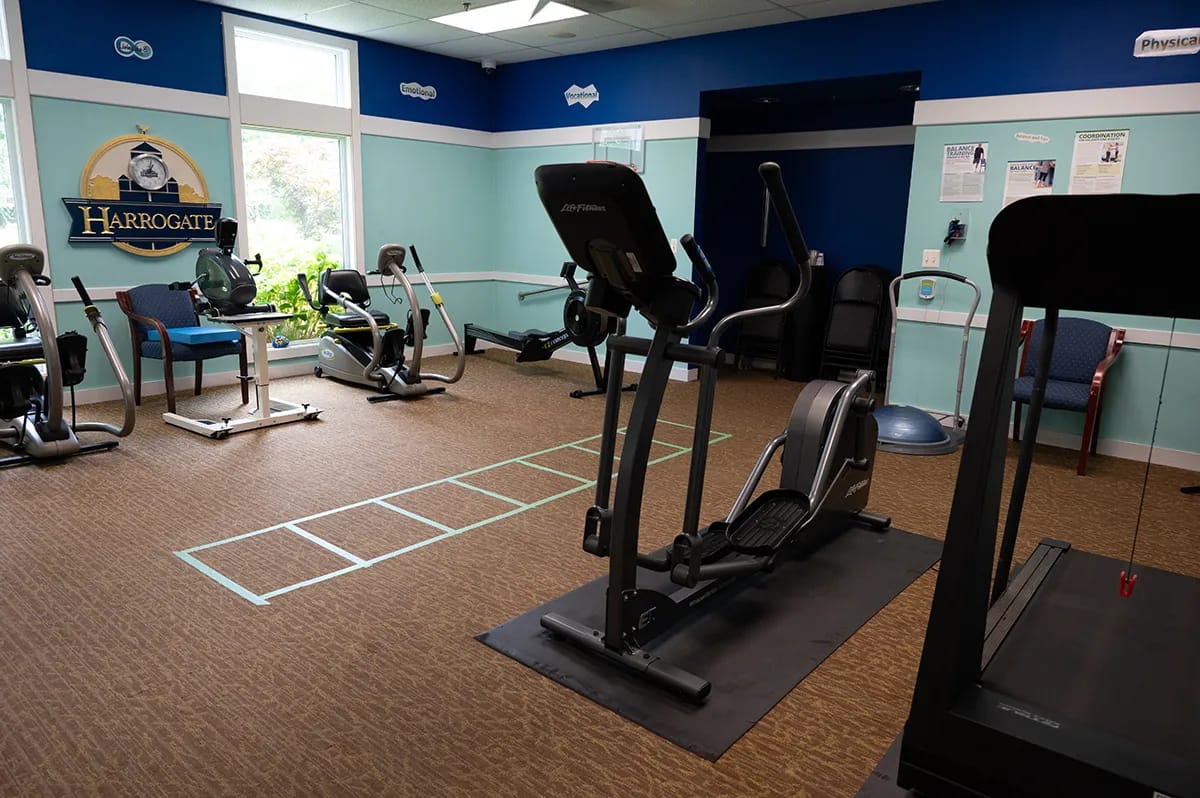
The care structure at Tower Lodge centers on direct nursing time: each resident receives 3 hours 33 minutes of nursing attention daily, distributed among registered nurses (20 minutes), licensed practical nurses or vocational nurses (44 minutes), and certified nurse aides (2 hours 7 minutes). That aide-heavy staffing model means residents get substantial hands-on assistance with bathing, dressing, feeding, and mobility. The facility explicitly lists rehabilitation services as a core offering, making it a plausible choice for people recovering from orthopedic procedures, acute illness, or functional decline that benefits from skilled therapy and round-the-clock nursing oversight.
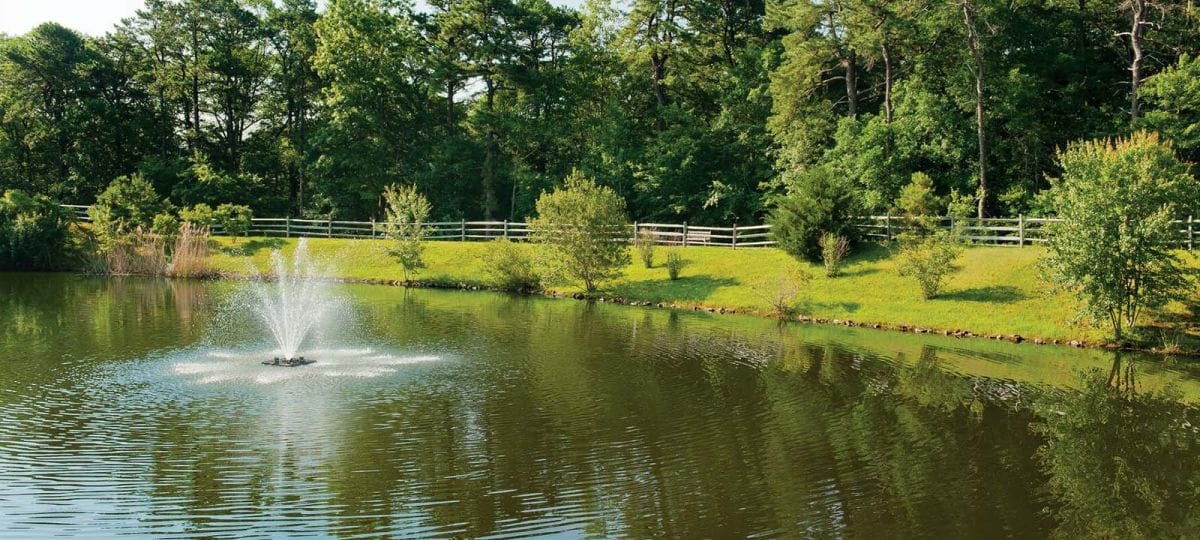
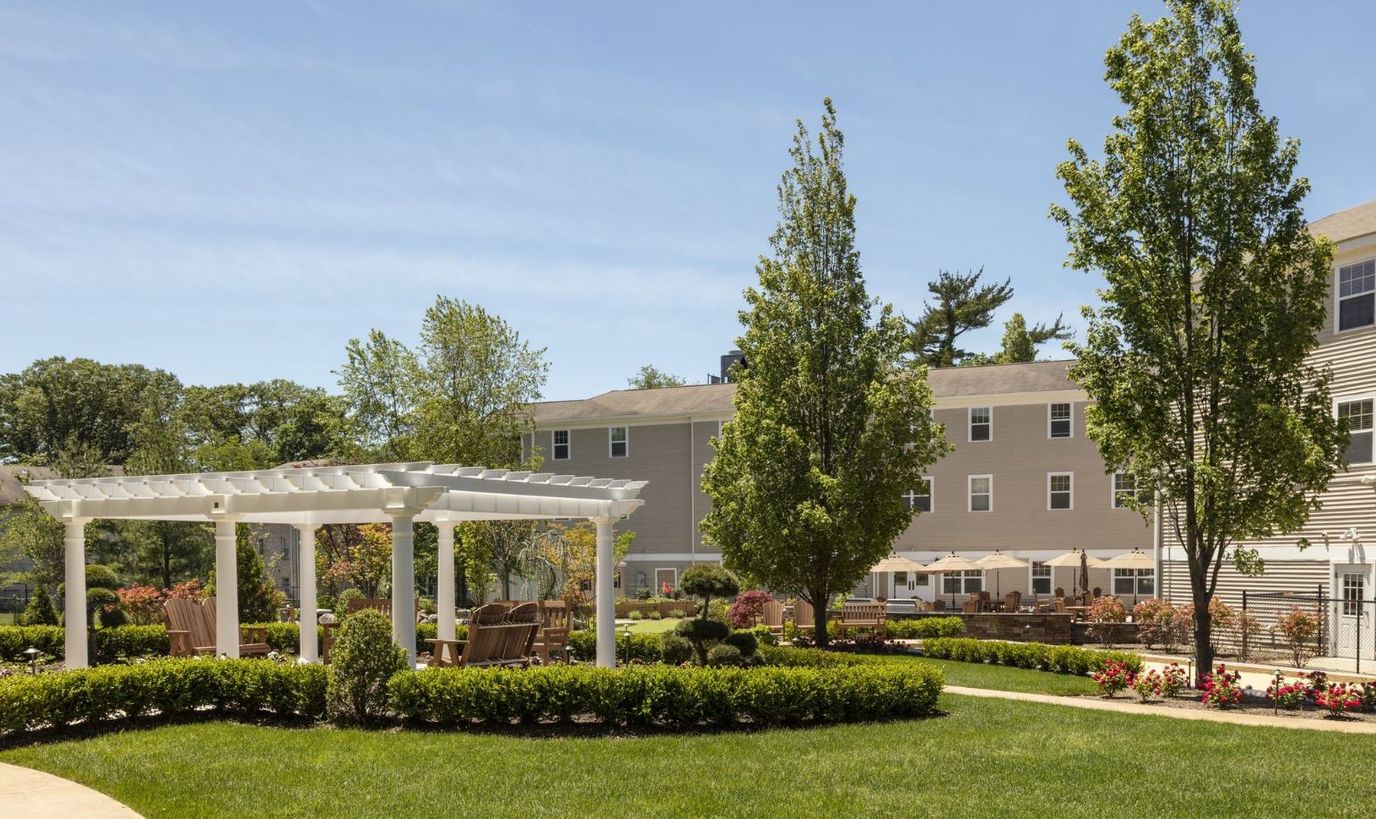
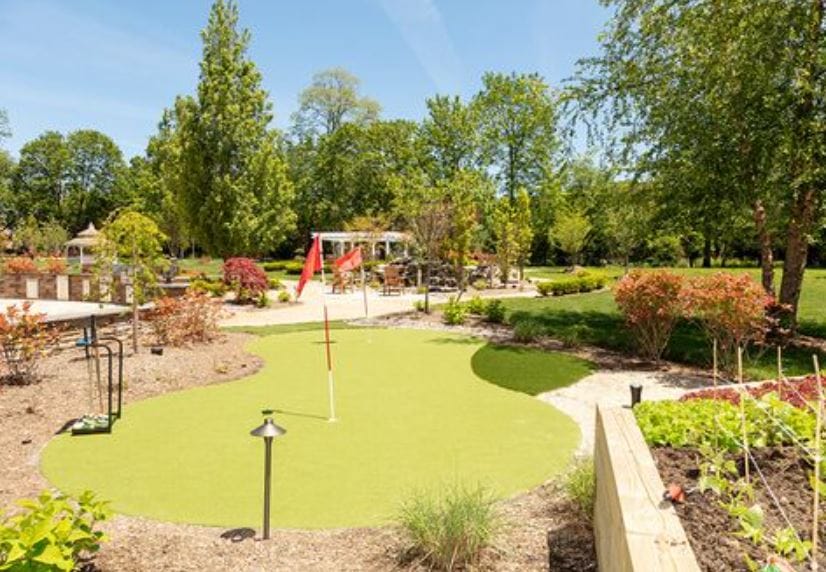
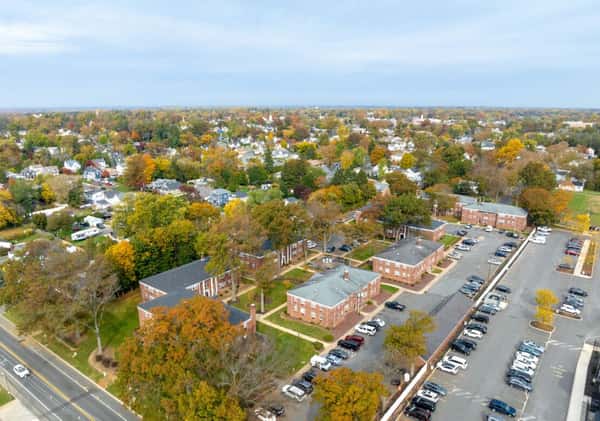
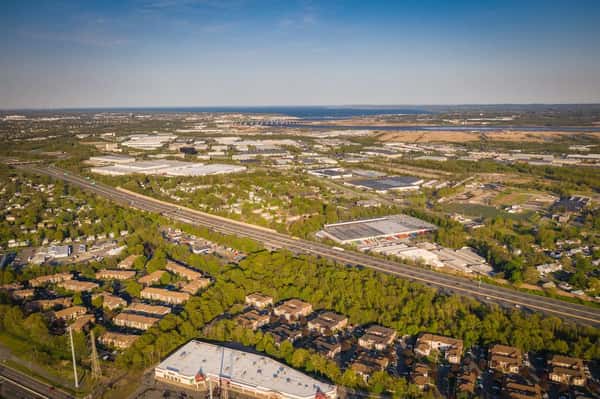
Location-wise, Tower Lodge presents a tradeoff. The neighborhood scores 1 on the Walk Score scale, which is functionally car-dependent, with the vast majority of errands and activities beyond pedestrian reach. The surrounding rural character works either for or against a family depending on what they’re seeking. Those prioritizing proximity to medical centers benefit from the Monmouth County medical ecosystem nearby; those wanting walkable streets, shops, and casual visiting ease will find the setting isolating.
Over the past six years, the facility accumulated deficiencies tied to clinical protocols, staffing coverage, food safety and sanitation, staff training gaps, and maintenance problems. Investigations flagged specific failures: call bells out of residents’ reach, delayed pandemic infection control responses. The facility’s most recent inspection cycle, though, yielded zero deficiencies, suggesting corrective momentum may have taken hold. Whether that clean inspection represents sustained improvement or a single good cycle remains a question worth exploring directly with the administrator, Mr. Mermelstein, during a tour.
Tower Lodge presents as a facility asking families to balance a difficult history against recent operational signs of change.