

Explore Open Rooms
Thank you for your interest!
Our team will be in touch shortly to help with next steps.
Assisted Living in Bend
Aspen Ridge Retirement Community


Assisted Living in Bend
Aspen Ridge Retirement Community


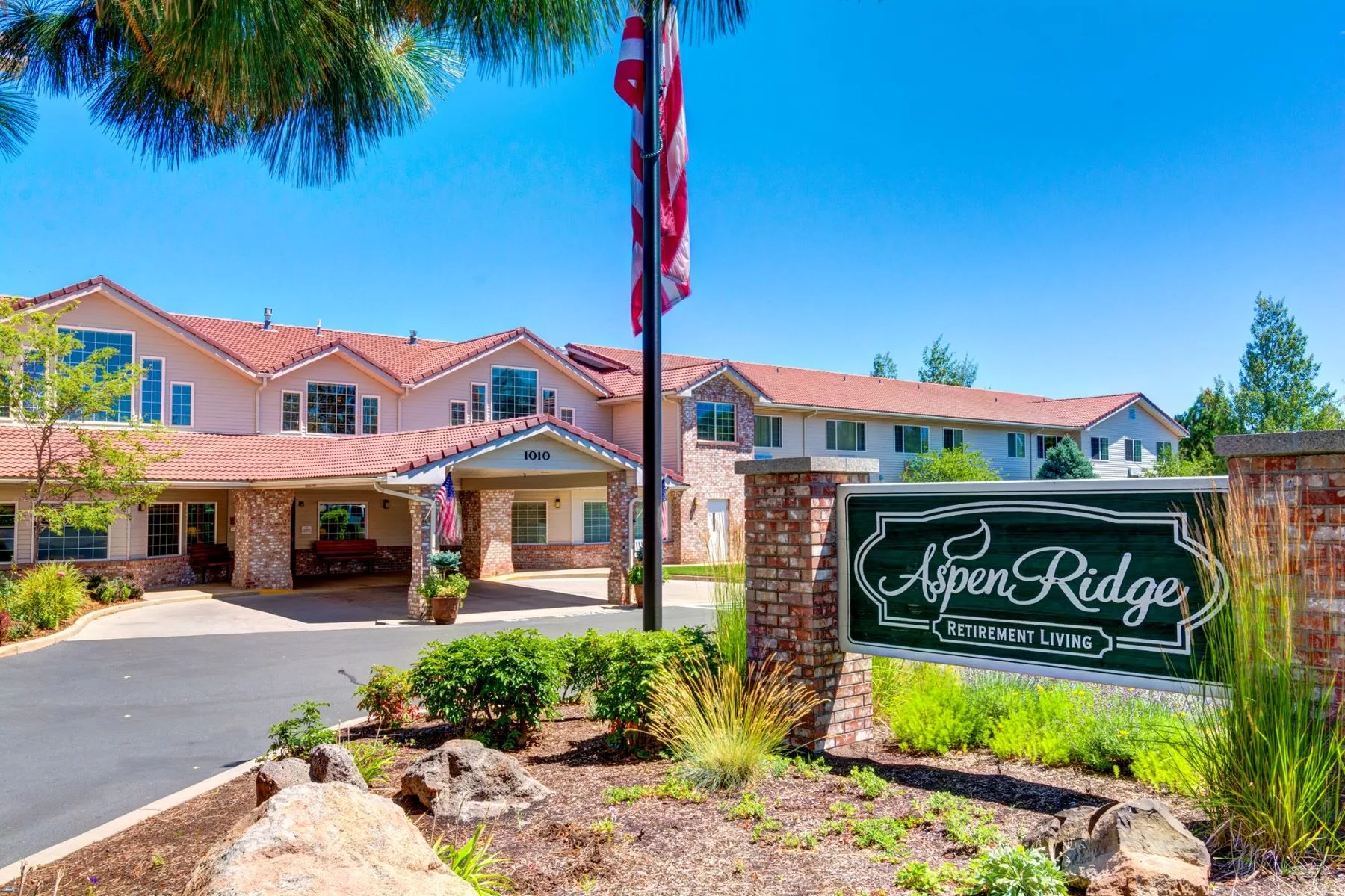
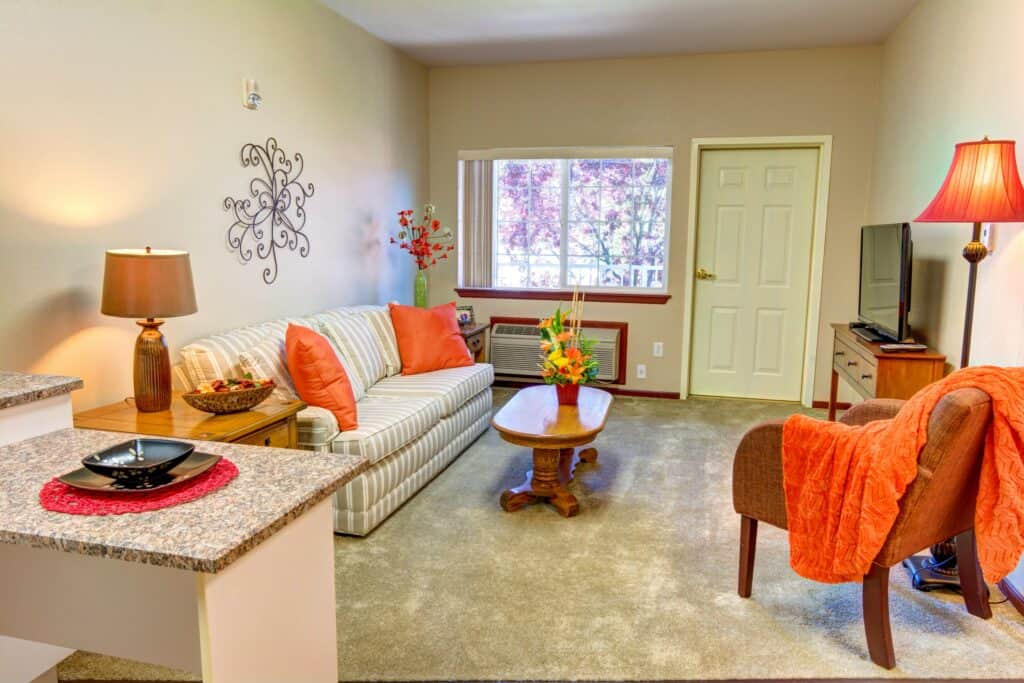
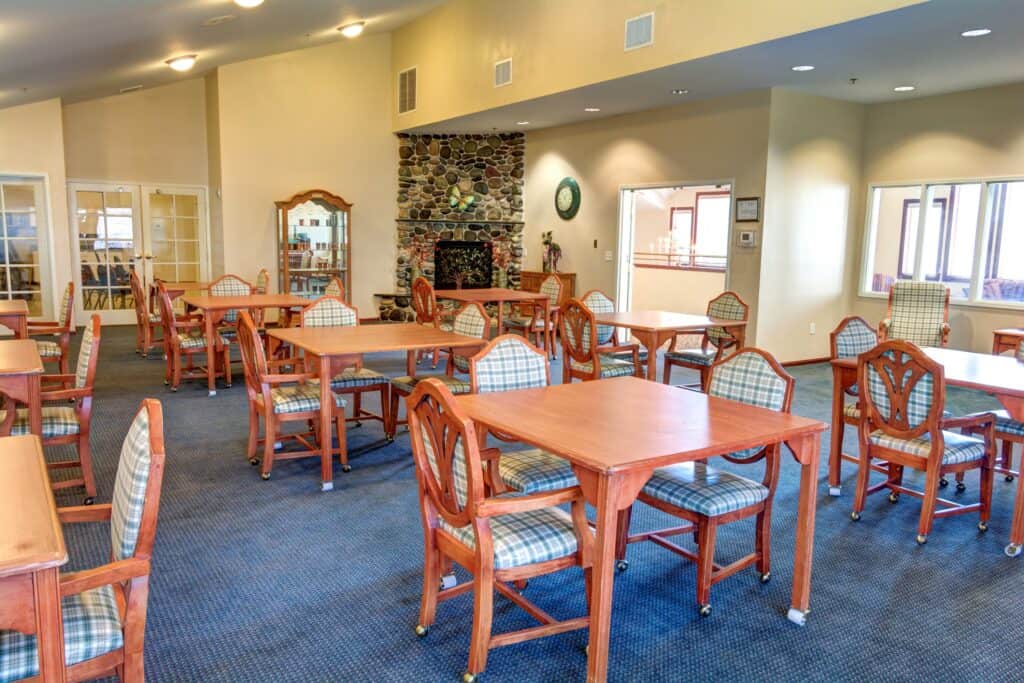
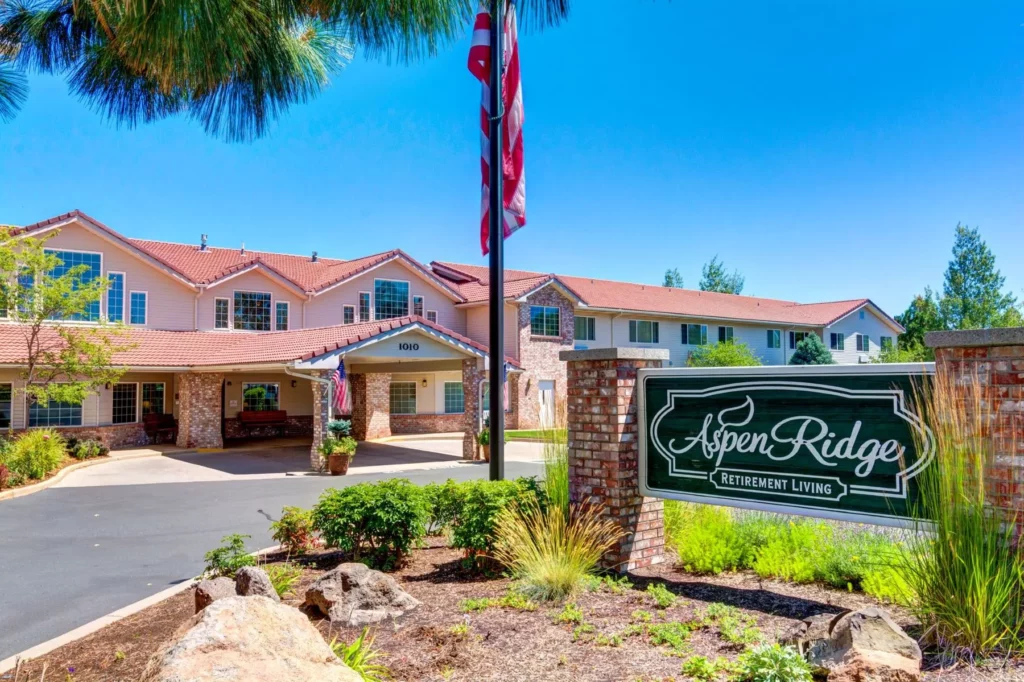
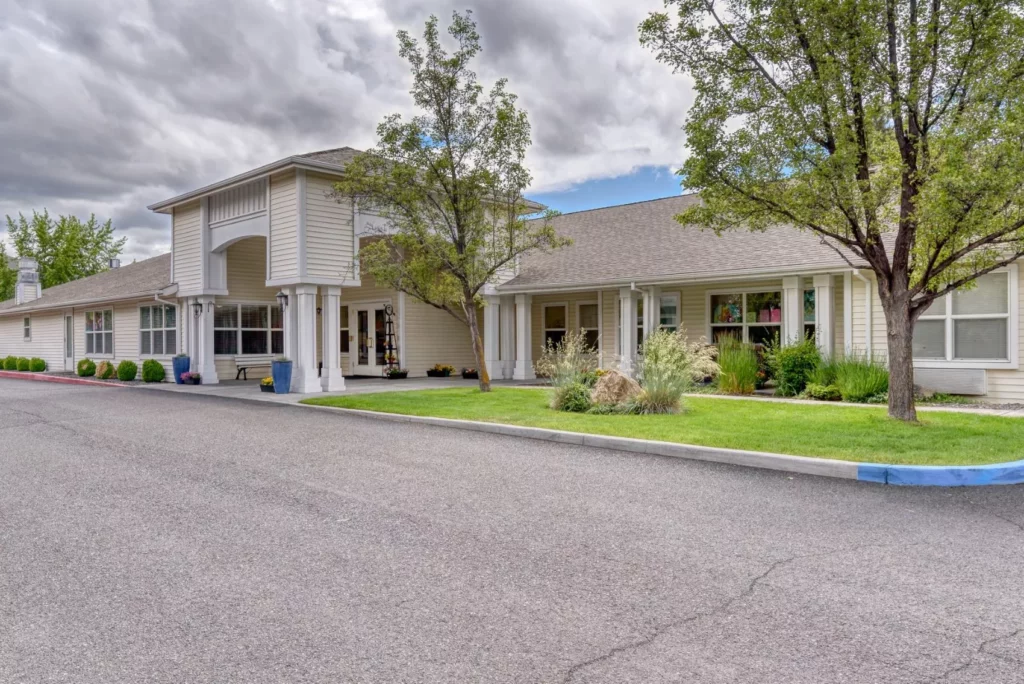
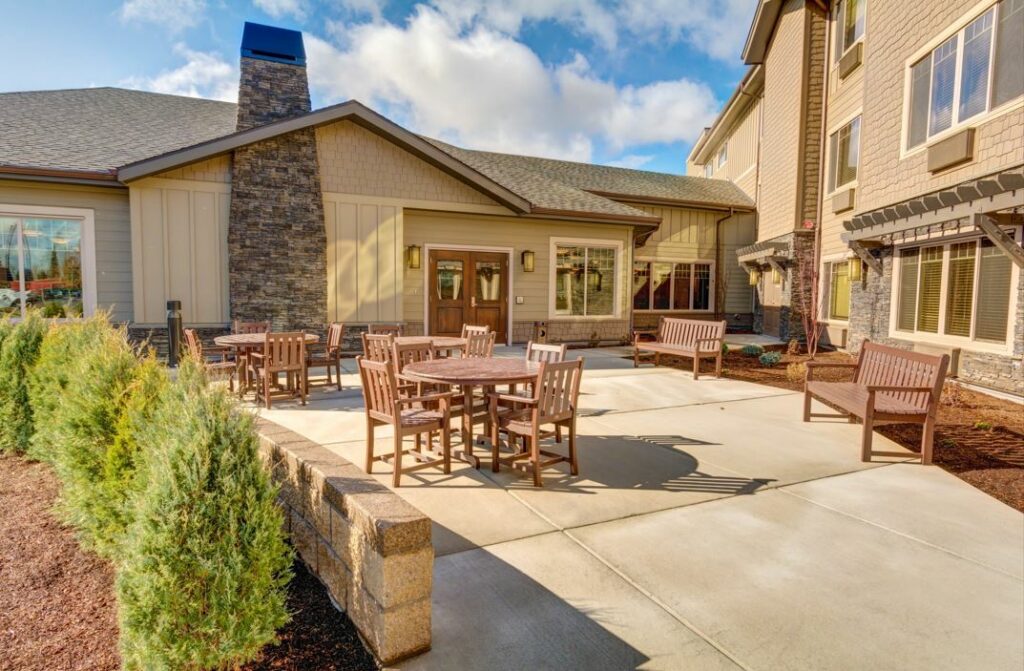
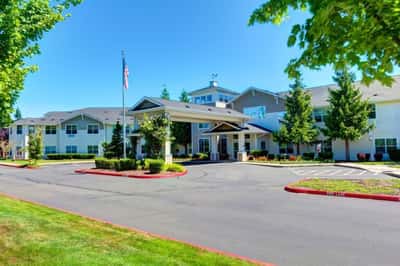
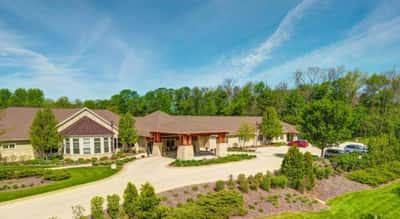
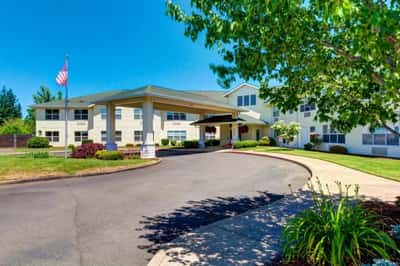
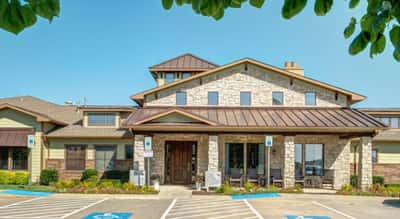
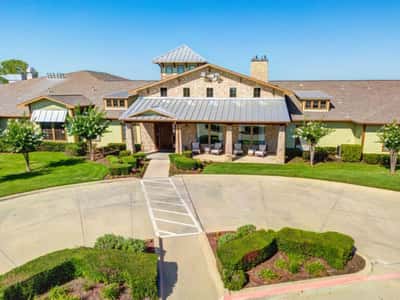
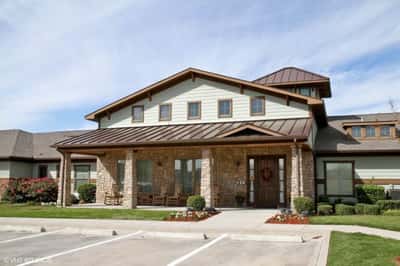
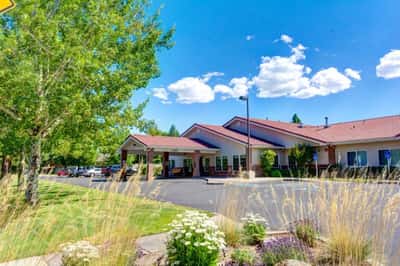
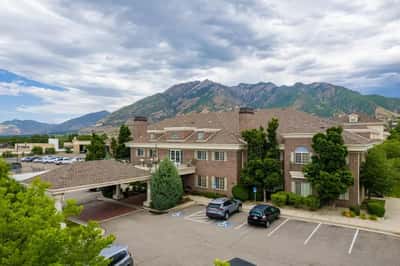
Tucked in Bend, Oregon, Aspen Ridge Retirement Community caters to seniors seeking both independent living and assisted living services, enhancing their retirement experience. With a commitment to elevating the lifestyle of their residents, this community stands out for its exceptional health and wellness services, accommodations, and amenities, setting a high standard in senior care. The professional team at Aspen Ridge has earned multiple awards for their dedication to providing outstanding care.
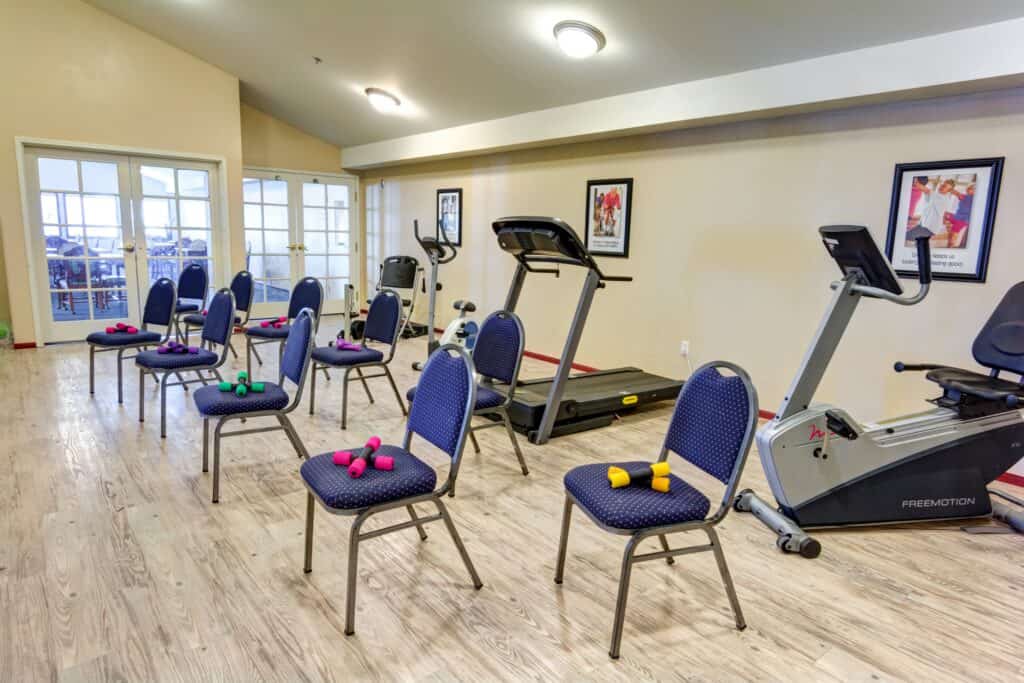
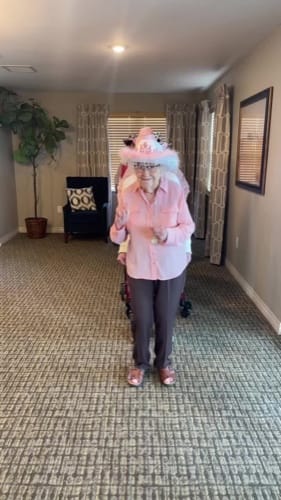
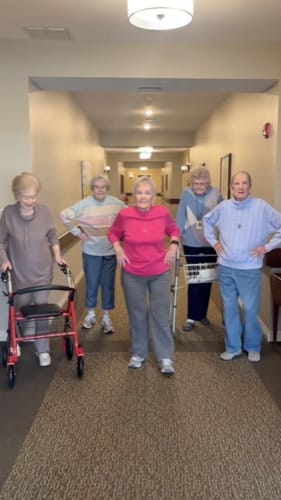
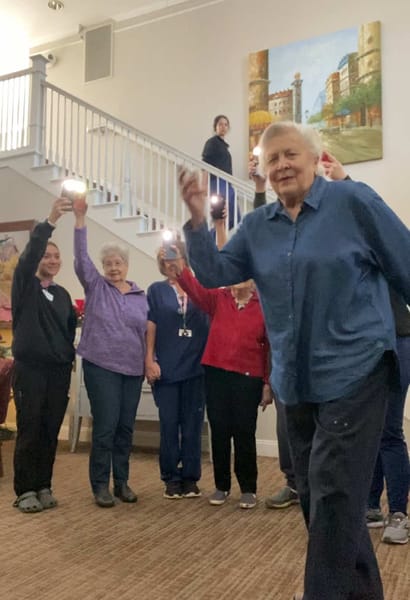
Among its myriad offerings, Aspen Ridge senior living boasts a fitness center, library, religious services, and transportation for residents’ convenience. The community takes pride in fostering a vibrant atmosphere, providing an array of activities such as arts and crafts, art therapy, happy hours, pizza parties, painting sessions, pet therapy, men’s club, poker night, and more. Special events like veterans ceremonies and the garden committee contribute to the distinct personality of the community, making it a lively and engaging place for seniors to thrive. With such a diverse range of groups and activities, Aspen Ridge Retirement Community ensures that residents enjoy a rich and fulfilling retirement experience.

Capacity and availability
Smaller home
May offer a more intimate, personalized care environment.


About this community
Aspen Ridge Retirement Community is legally operated by 1010 NE Purcell Blvd OR OpCo, and administrated by Tara Blount.
Staffing
Key information about the people who lead and staff this community.
What does this home offer?

Pets Allowed: Yes, Pets Allowed

Housing Options: Studio / 1 Bed / 2 Bed

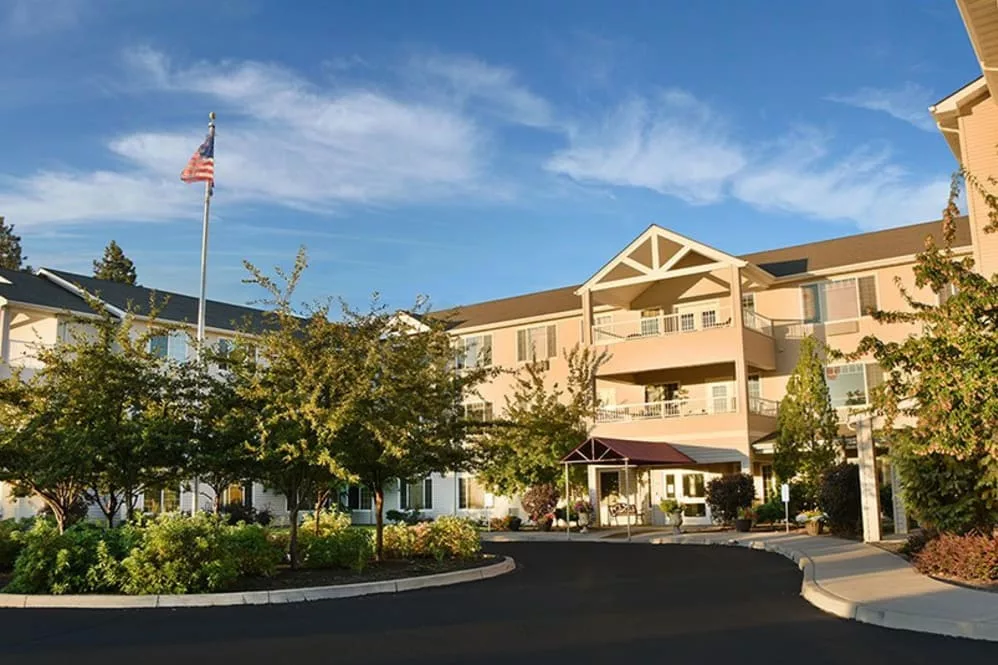
Building Type: 2-story

Dining Services

Beauty Services

Transportation Services

Housekeeping Services

Recreational Activities

Exercise Programs
Types of Care at Aspen Ridge Retirement Community
Access & Eligibility
Ways to qualify for care at this community, including accepted programs and payment options.
This facility is certified for eligible Medicaid services.
Inspection History
In Oregon, the Department of Human Services, Aging and People with Disabilities performs unannounced surveys and regular inspections to ensure resident safety in all care settings.
5 visits/inspections

 Show Inspection Reports
Latest inspection
20 licensing violations
Violations of state licensing requirements identified during facility inspections.
34 deficiencies
Deficiencies indicate regulatory issues. A higher number implies the facility had several areas requiring improvement.
Oregon average: 31 deficiencies
Compare Assisted Living around Bend The information below is reported by the Oregon Department of Human Services, Aging and People with Disabilities.
Assisted Living A licensed, long-term care setting for seniors or individuals with disabilities who need help with daily activities — like bathing, dressing, and medication management — but not 24-hour skilled nursing. Offers housing, meals, and around-the-clock support while aiming to maximize resident independence.
Independent Living Lifestyle-focused communities for older adults offering dining, activities, and transportation with minimal personal care. Best for active, independent seniors who want community without medical support.
Assisted Living A licensed, long-term care setting for seniors or individuals with disabilities who need help with daily activities — like bathing, dressing, and medication management — but not 24-hour skilled nursing. Offers housing, meals, and around-the-clock support while aiming to maximize resident independence.
Independent Living Lifestyle-focused communities for older adults offering dining, activities, and transportation with minimal personal care. Best for active, independent seniors who want community without medical support.
Assisted Living A licensed, long-term care setting for seniors or individuals with disabilities who need help with daily activities — like bathing, dressing, and medication management — but not 24-hour skilled nursing. Offers housing, meals, and around-the-clock support while aiming to maximize resident independence.
Independent Living Lifestyle-focused communities for older adults offering dining, activities, and transportation with minimal personal care. Best for active, independent seniors who want community without medical support.
Memory Care Secured, specialized care for people living with Alzheimer's or dementia. Staff trained in cognitive impairment, with higher staff-to-resident ratios and an environment designed to reduce confusion and wandering risk.
Nursing Home Licensed facility providing 24/7 skilled nursing care for residents with complex, ongoing medical needs. Staffed by RNs, LPNs, and CNAs. Inspected and star-rated annually by CMS. Accepts Medicare (short-term rehab) and Medicaid (long-term care).
Assisted Living A licensed, long-term care setting for seniors or individuals with disabilities who need help with daily activities — like bathing, dressing, and medication management — but not 24-hour skilled nursing. Offers housing, meals, and around-the-clock support while aiming to maximize resident independence.
Assisted Living A licensed, long-term care setting for seniors or individuals with disabilities who need help with daily activities — like bathing, dressing, and medication management — but not 24-hour skilled nursing. Offers housing, meals, and around-the-clock support while aiming to maximize resident independence.
Memory Care Secured, specialized care for people living with Alzheimer's or dementia. Staff trained in cognitive impairment, with higher staff-to-resident ratios and an environment designed to reduce confusion and wandering risk.
Places of interest near Aspen Ridge Retirement Community
 3.0 miles from city center — 0.31 miles to nearest hospital (Optima Foot & Ankle)
 1010 NE Purcell Blvd, Bend, OR 97701
Calculate Travel Distance to Aspen Ridge Retirement Community
Add your location
Guides for Better Senior Living
Care Cost Calculator: See Prices in Your Area
Nursing Home Data Explorer
Don’t Wait Too Long: 7 Red Flag Signs Your Parent Needs Assisted Living Now
The True Cost of Assisted Living in 2025 – And How Families Are Paying For It
Understanding Senior Living Costs: Pricing Models, Discounts & Financial Assistance









Financial Aid for Oregon Seniors
Get financial aid guidanceContact Us

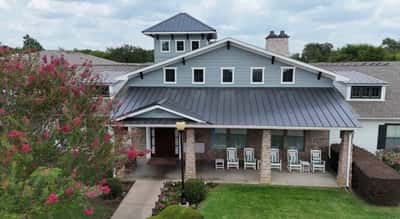
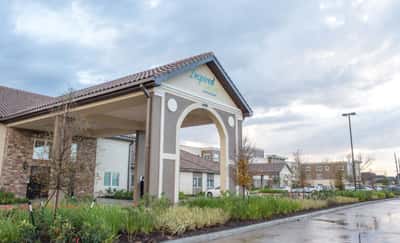
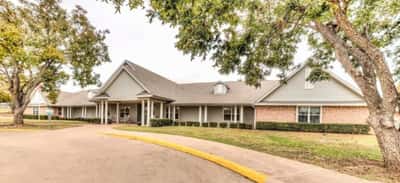
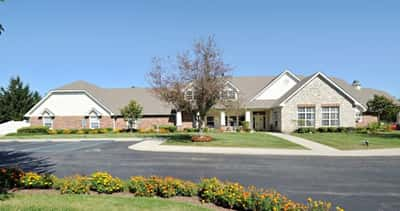
More homes from the same owner















Touring Checklist for Senior Living
Touring a community? Use this expert-backed checklist to stay organized, ask the right questions, and find the perfect fit.
Location
Community Spaces and Overall Environment
Services
Staffing
Accommodations
Finances
Other Notes
Send Checklist to Your Email
We'll send you a PDF version of the touring checklist.