


Facility type
Assisted Living
Status
 Licensed
Licensed

We arrange tours, appointments, and even moving support so you don’t have to

Thank you for your interest!
Our team will be in touch shortly to help with next steps.
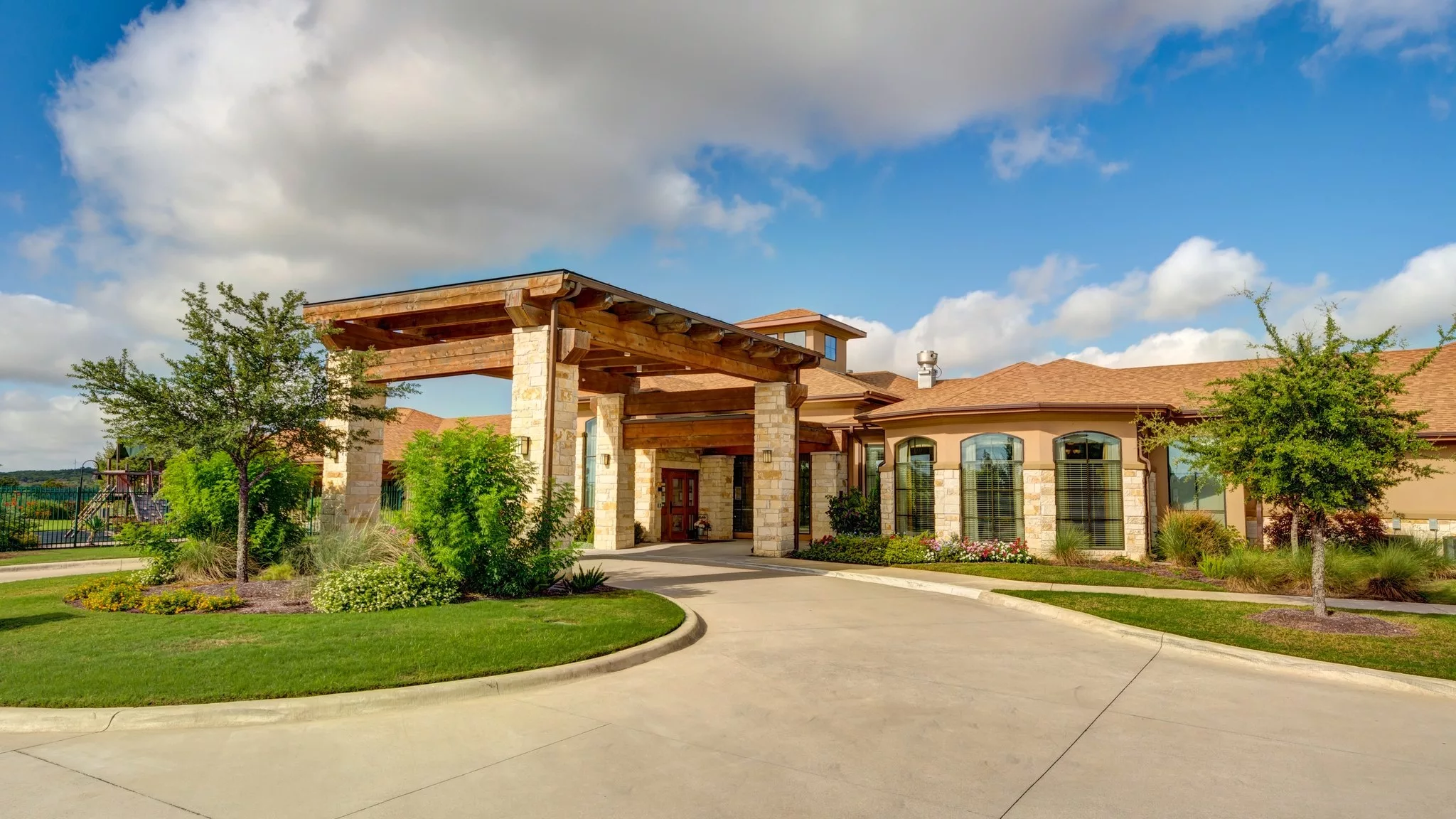
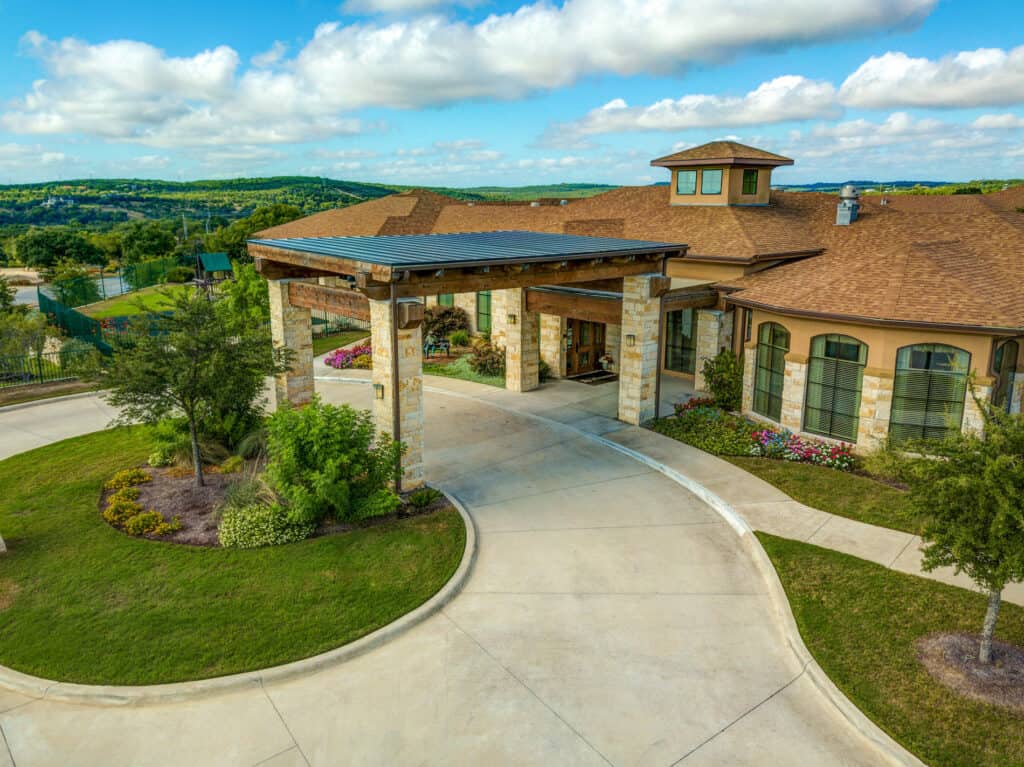
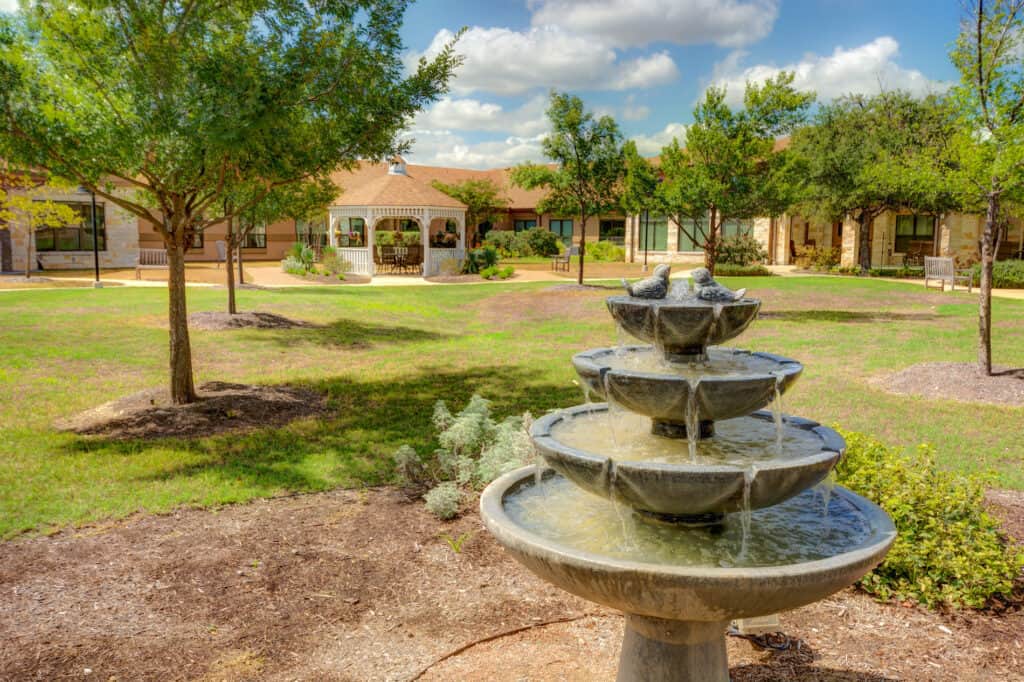
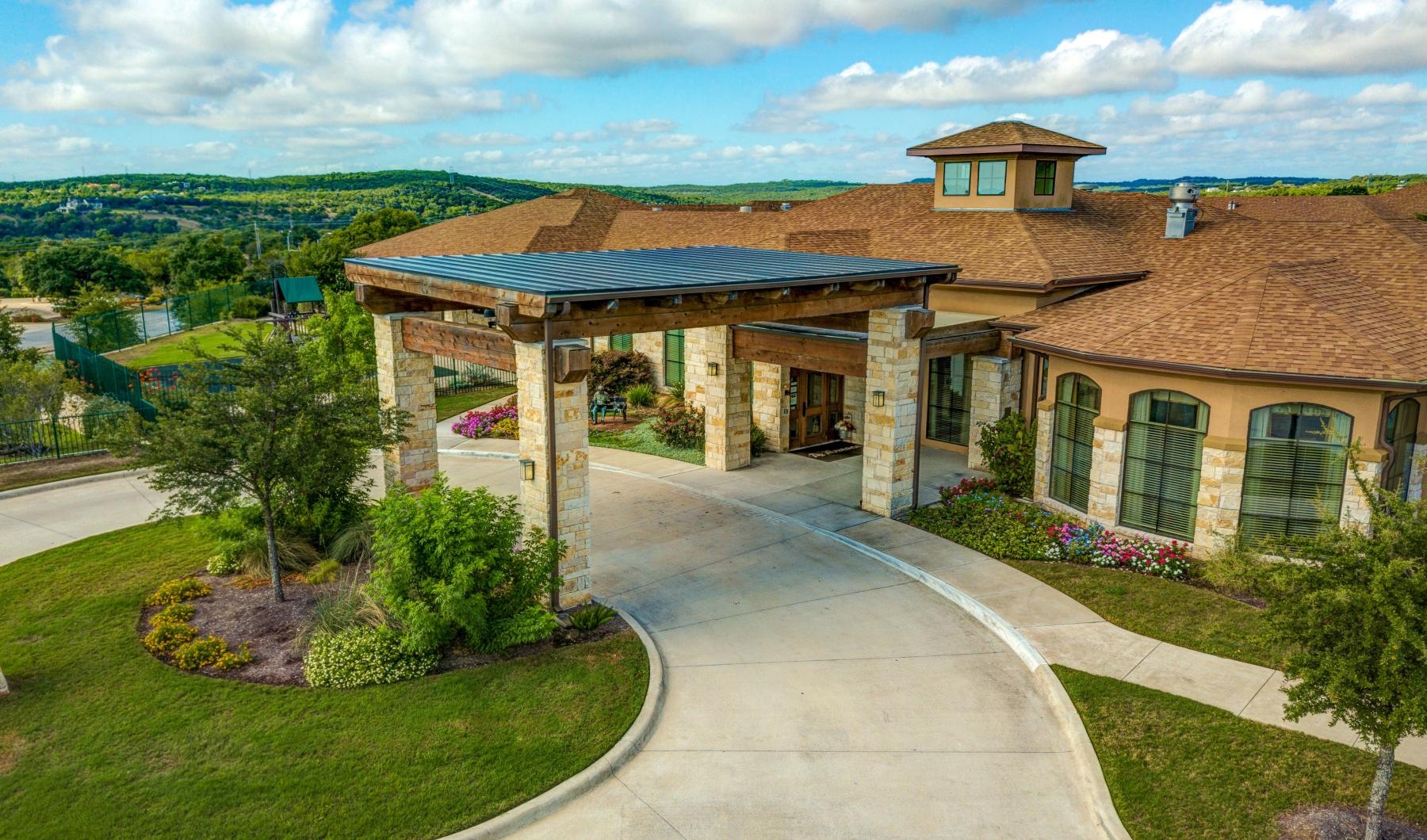
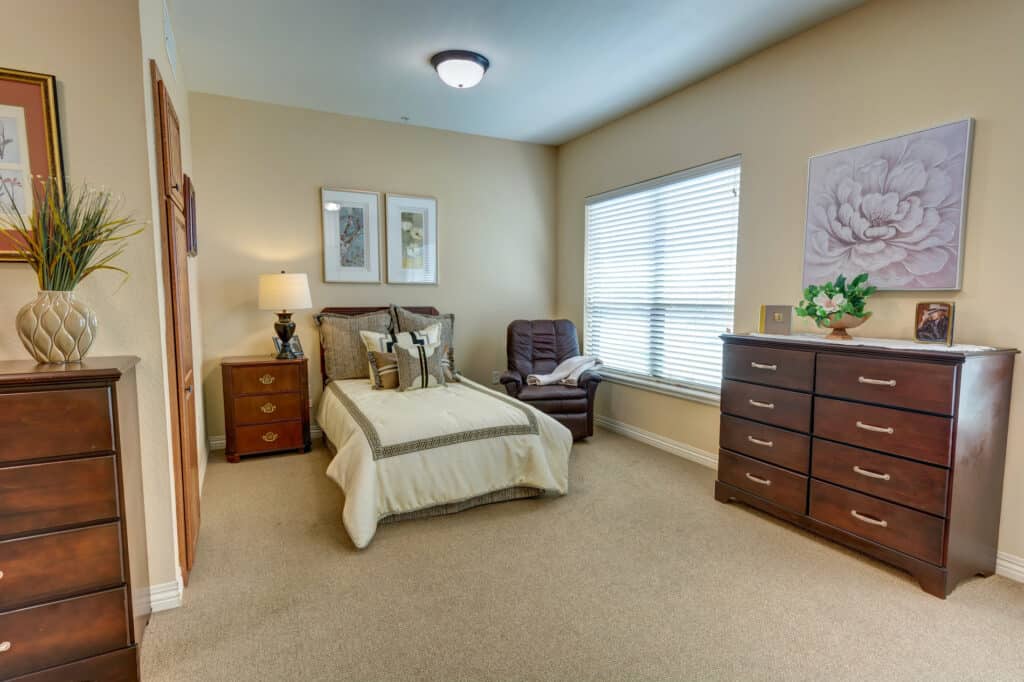
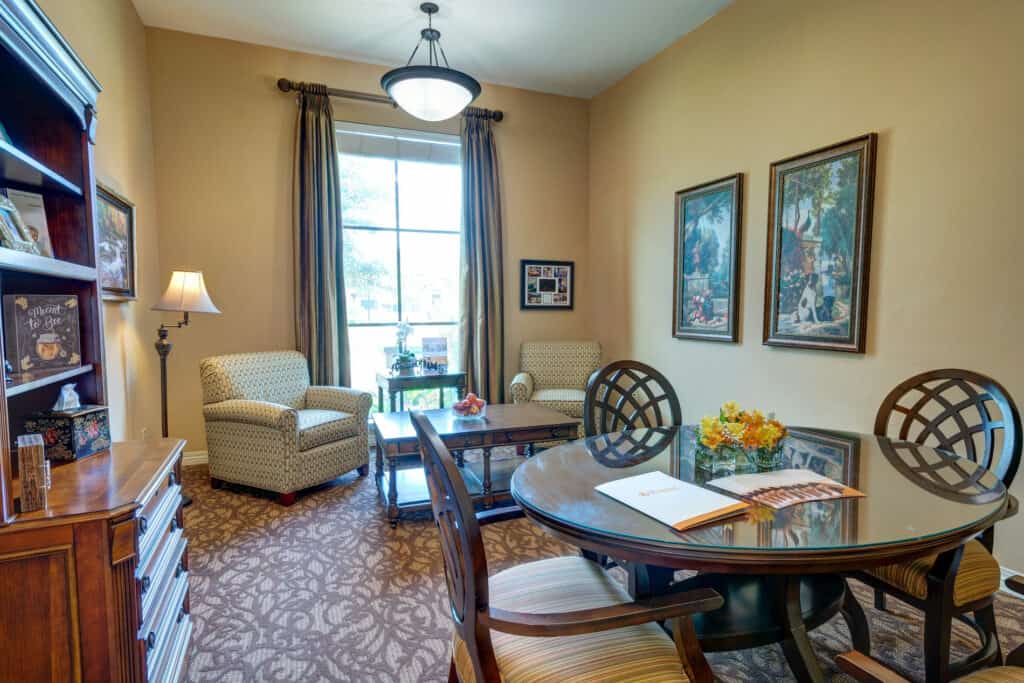
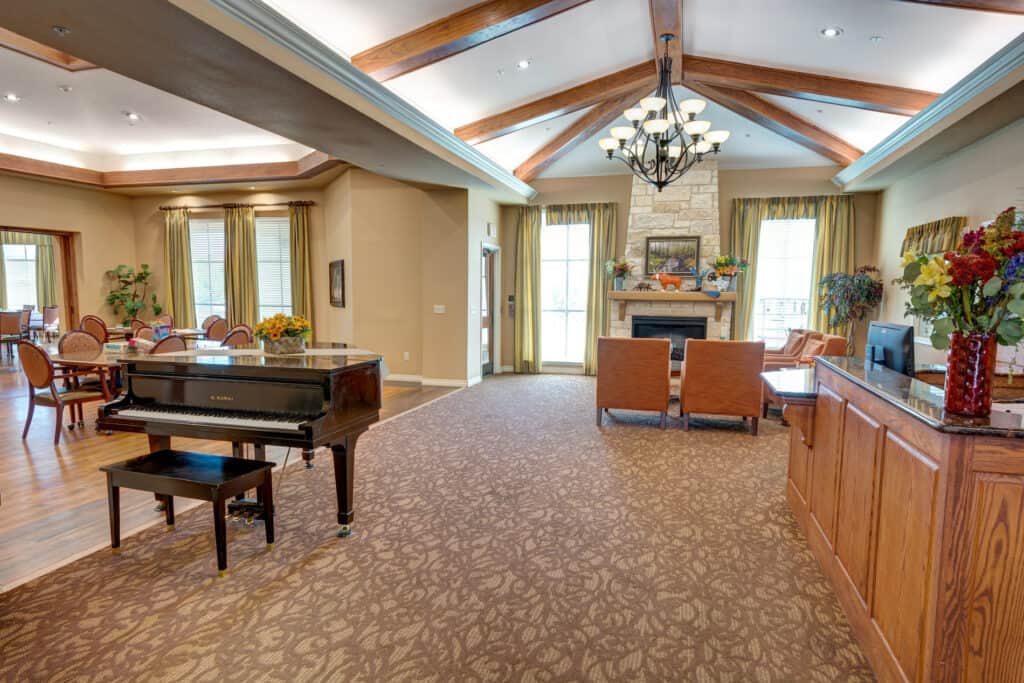
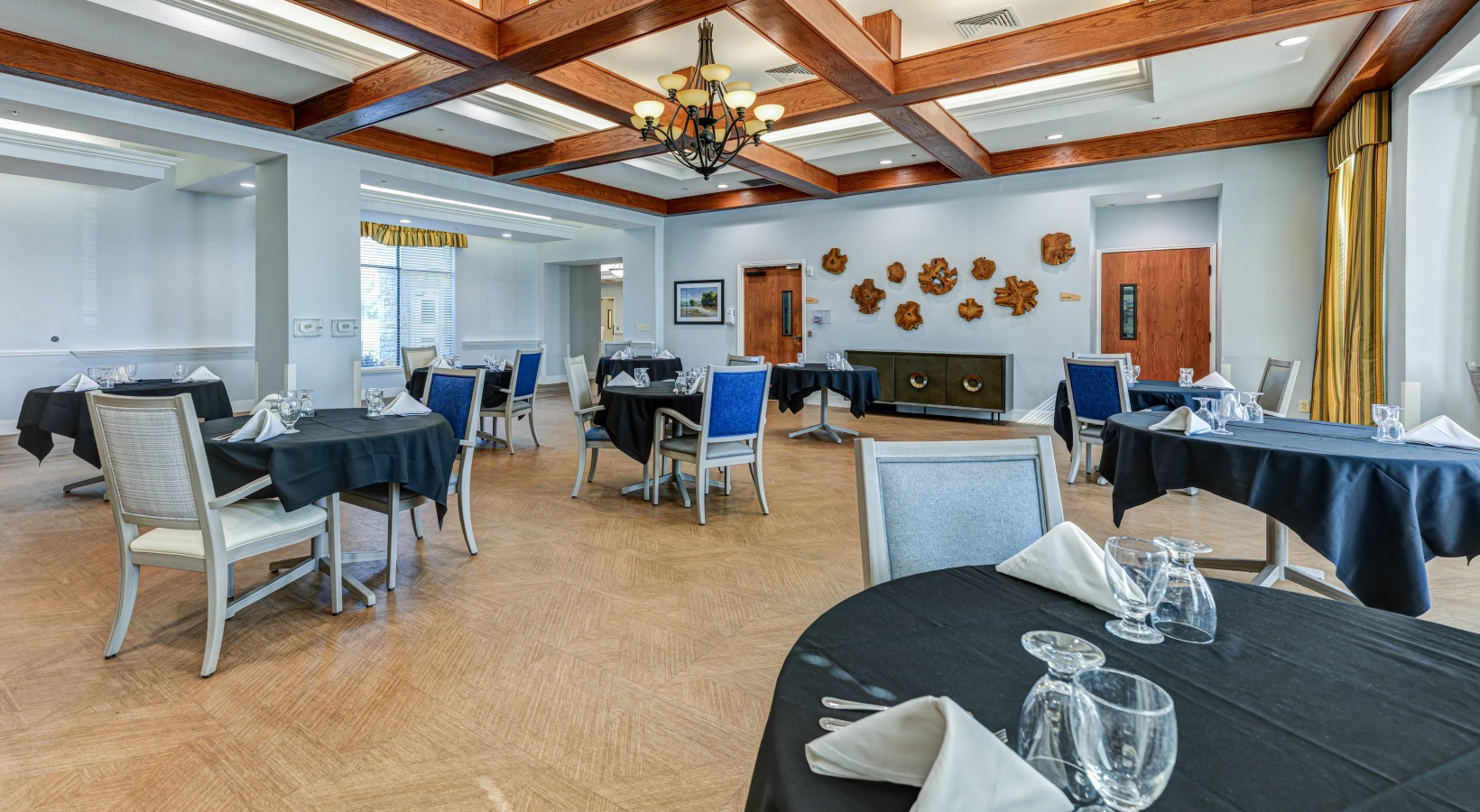
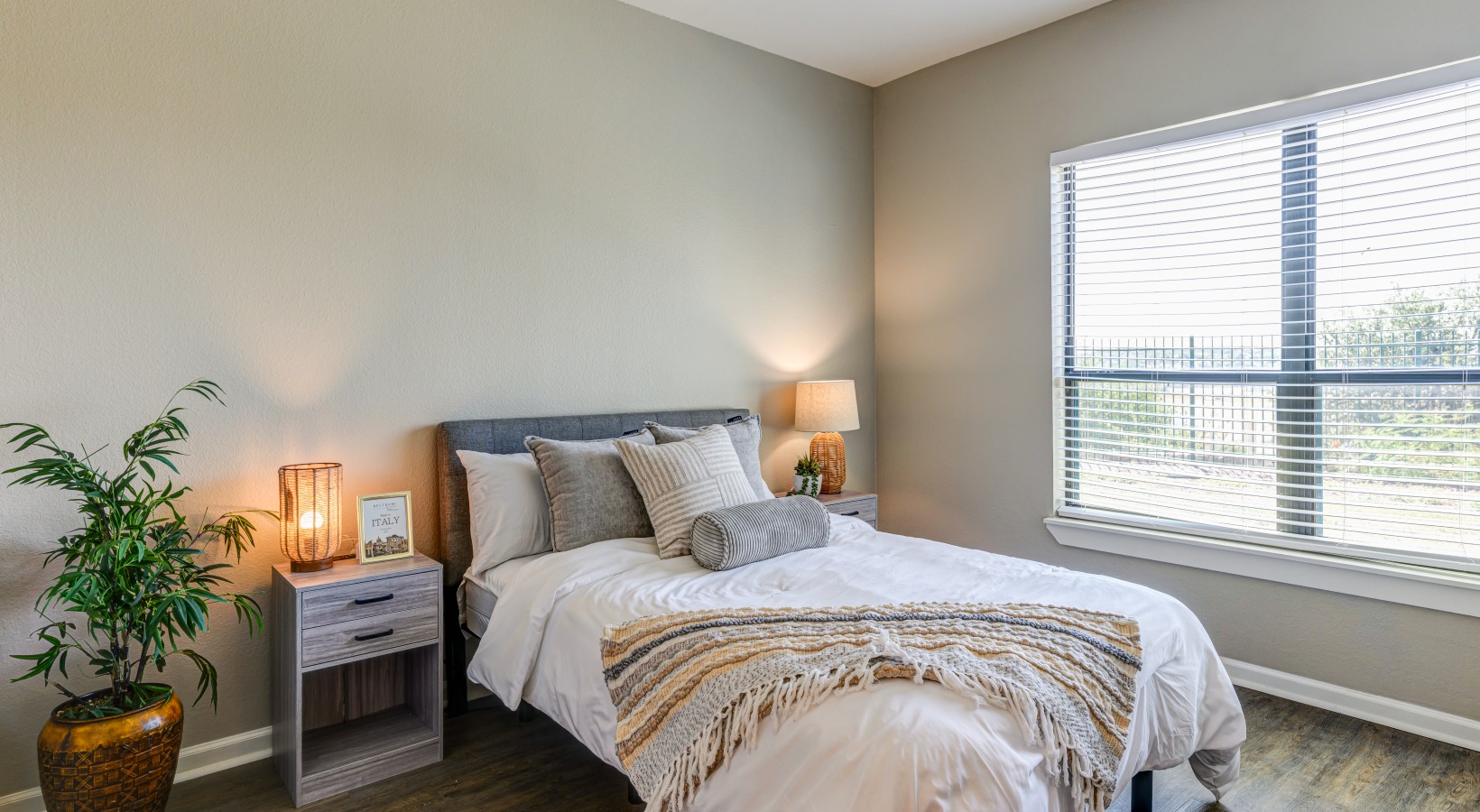
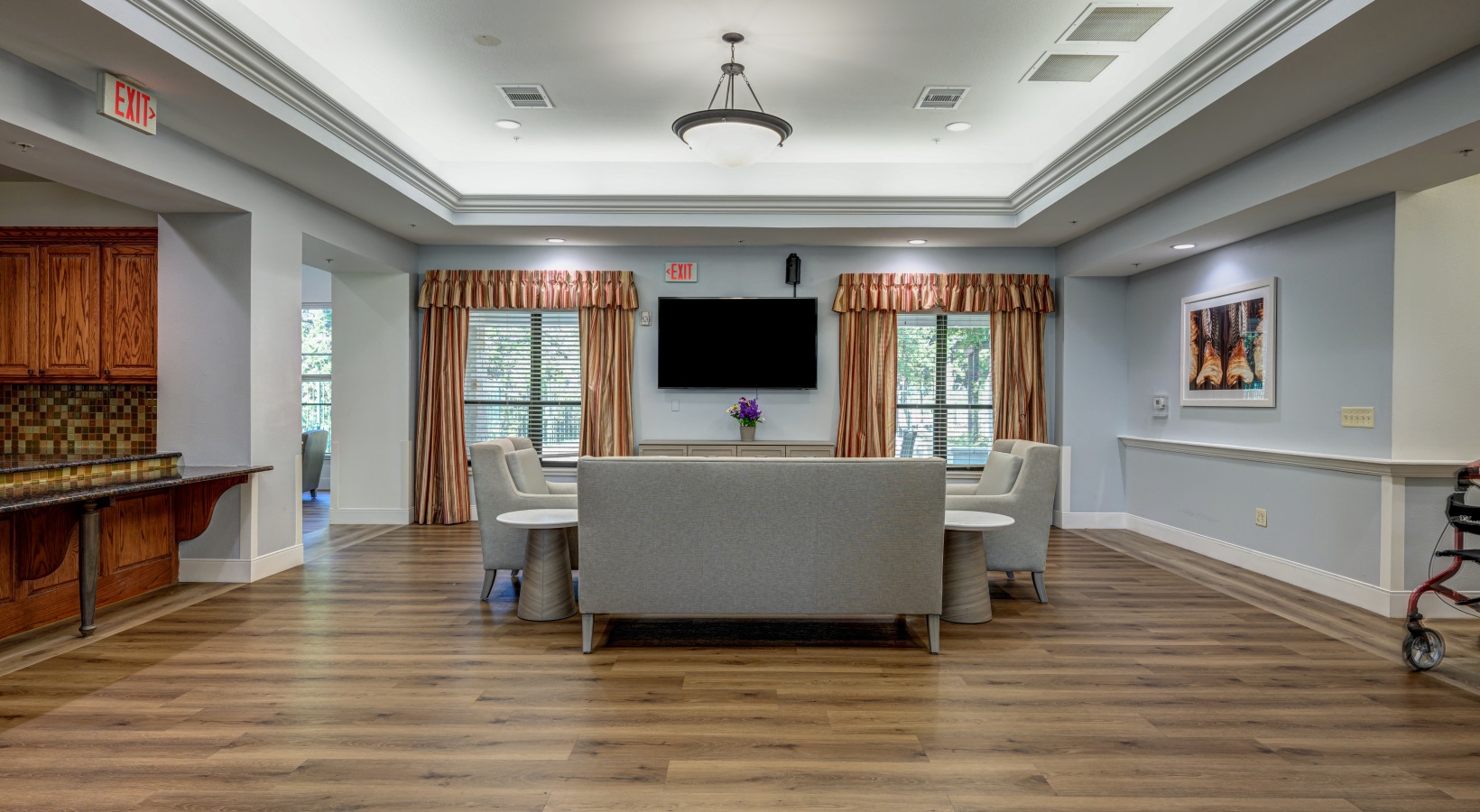
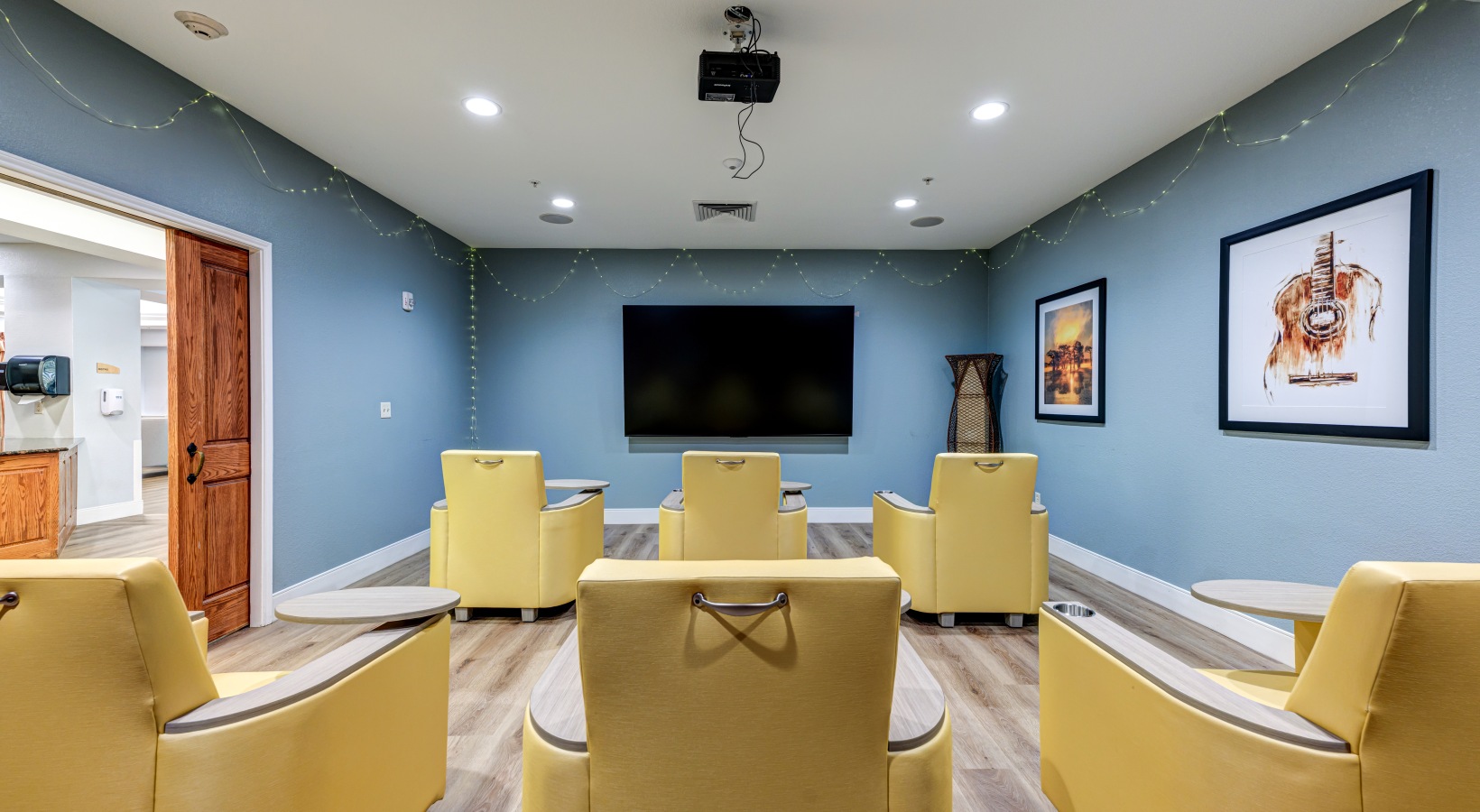
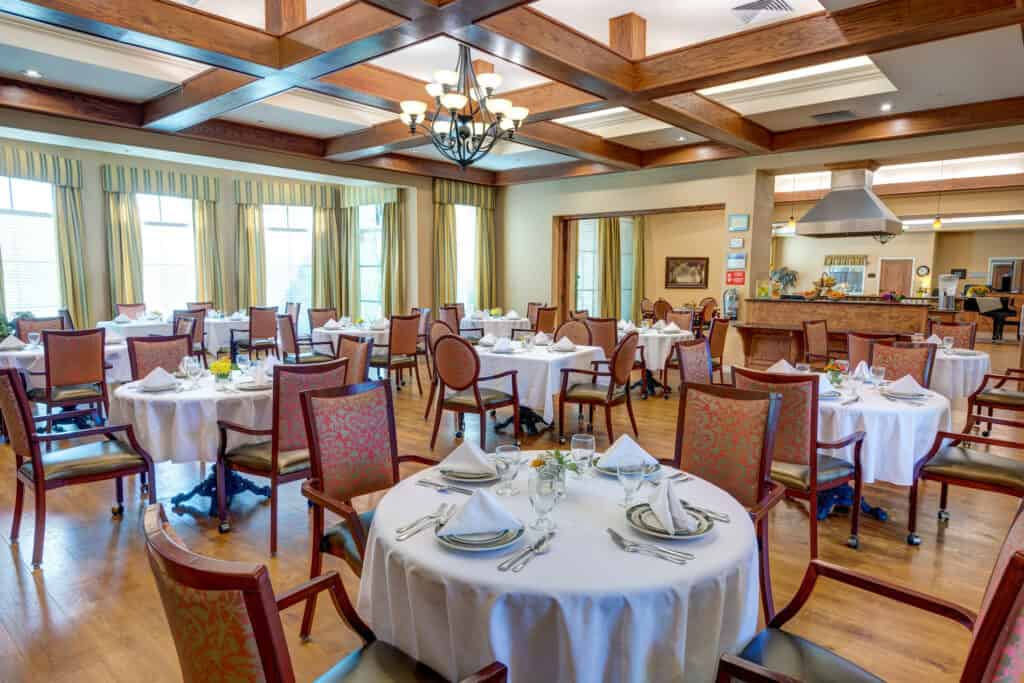
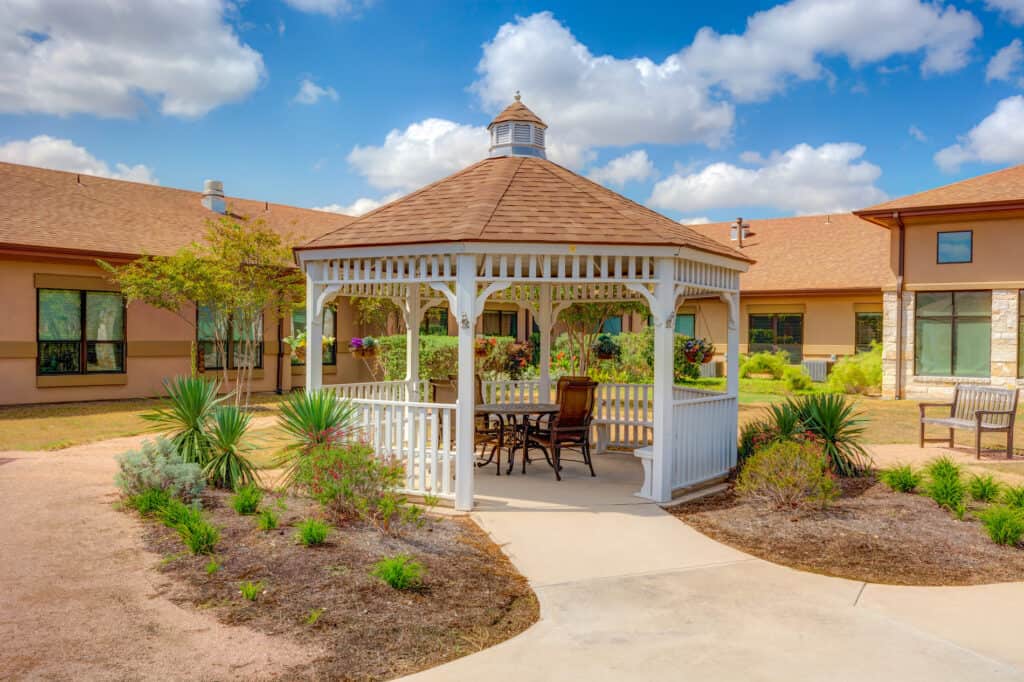

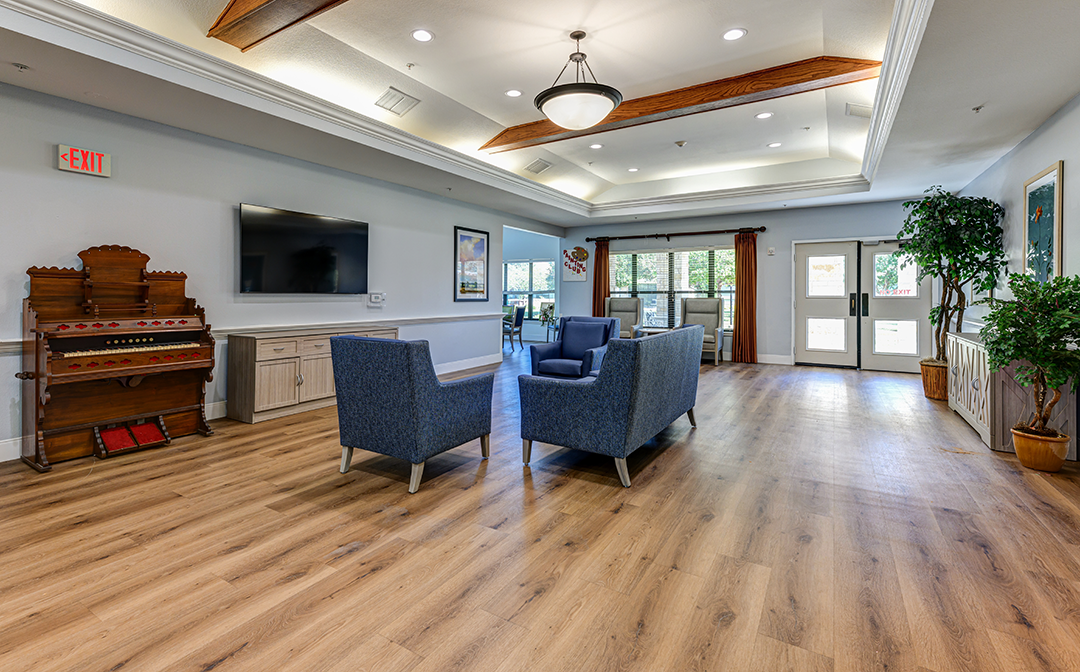
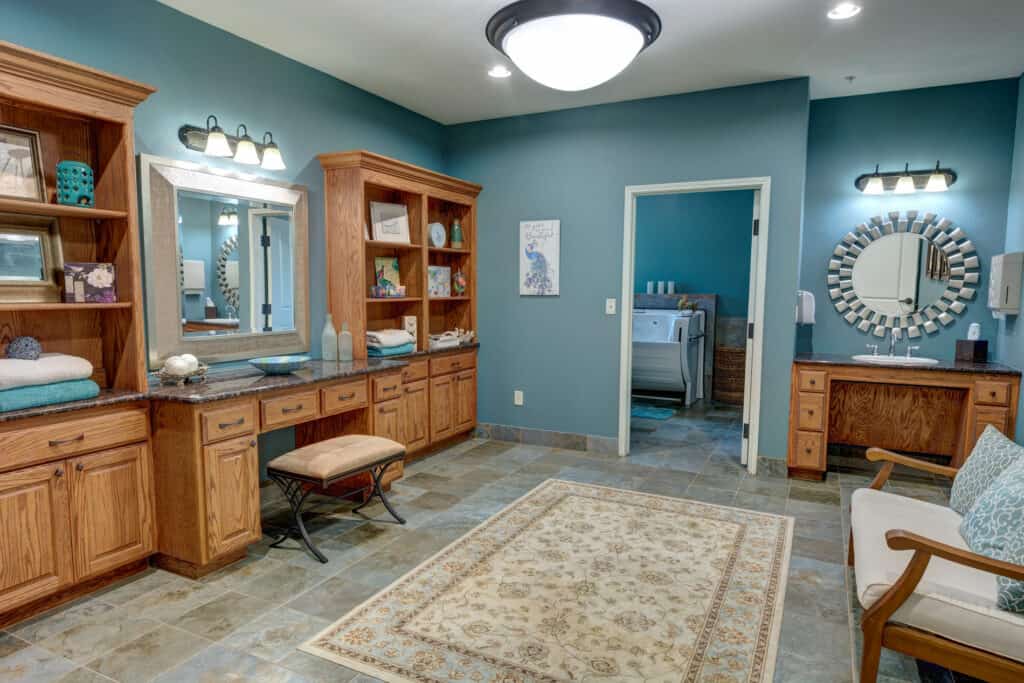
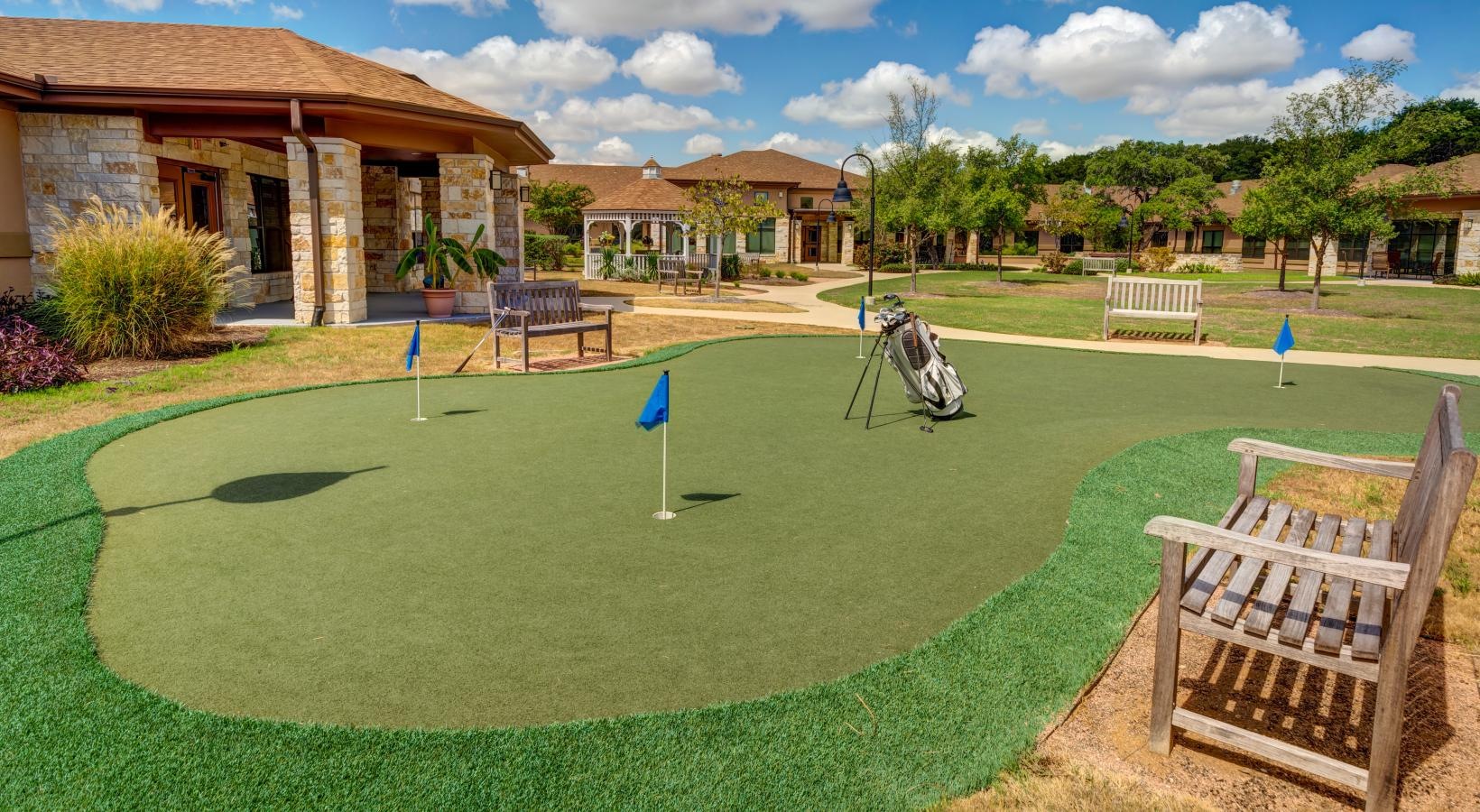
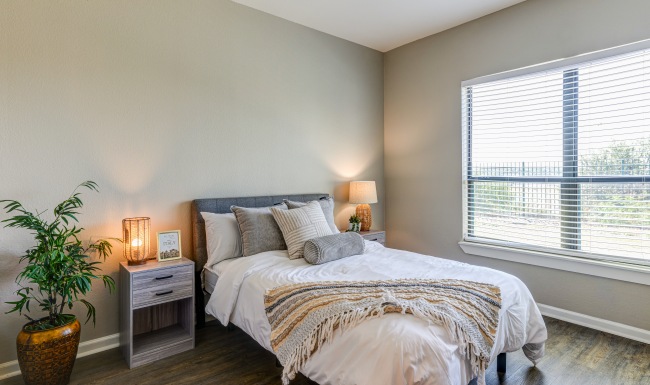


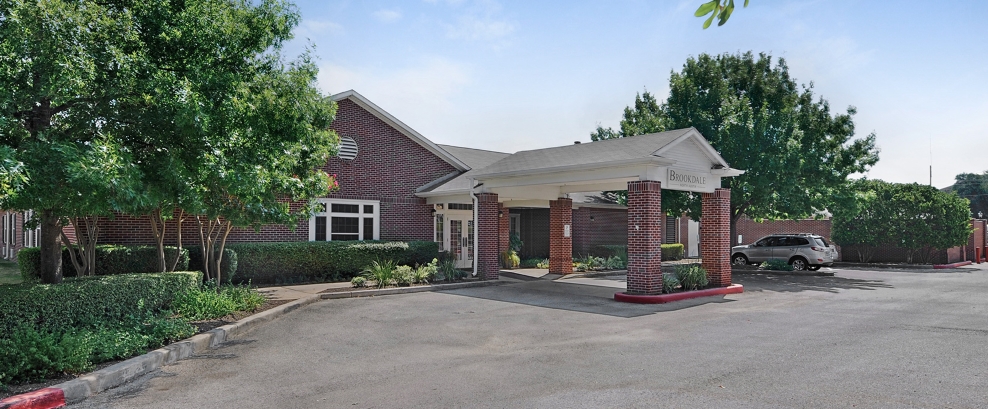
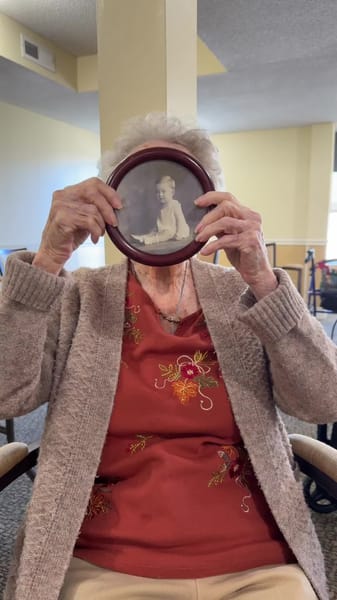
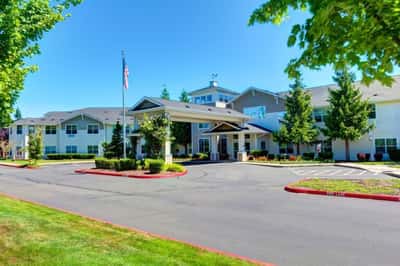
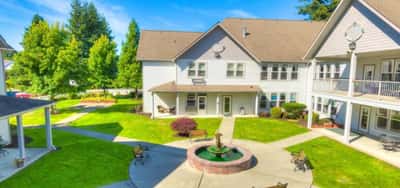
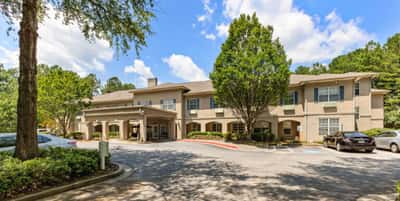
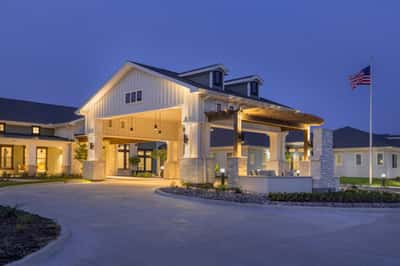
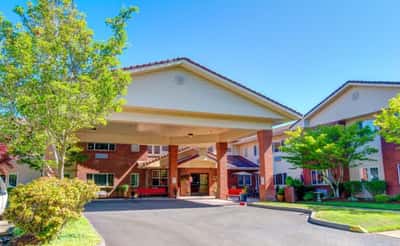
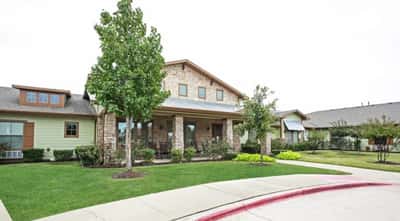
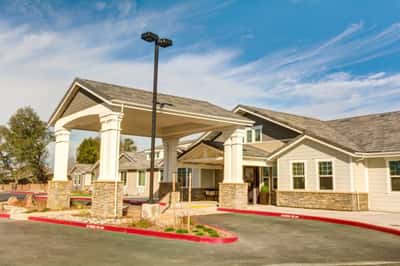
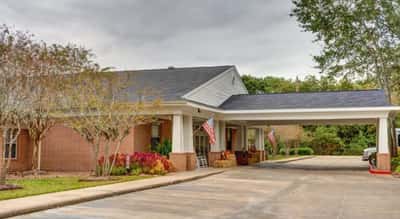
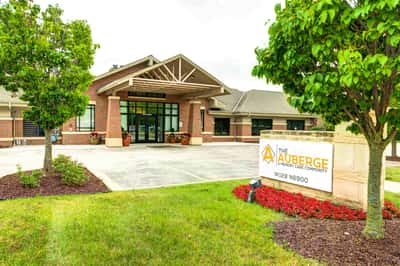
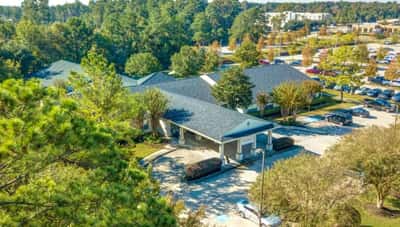
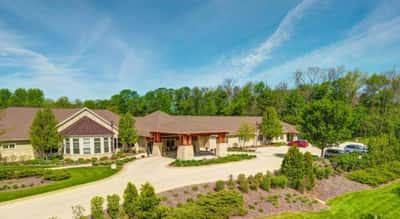
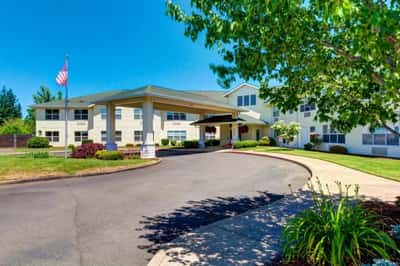
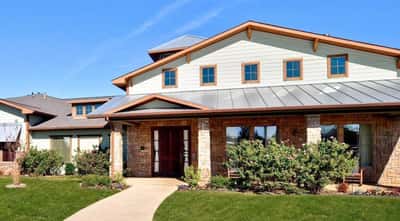
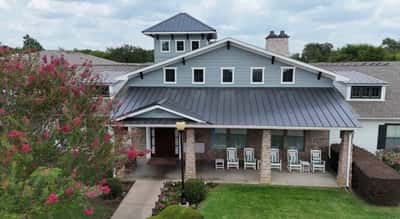
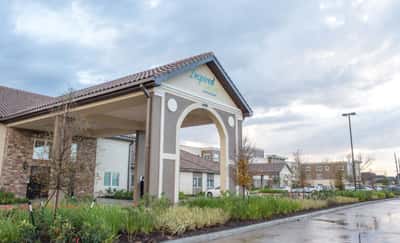
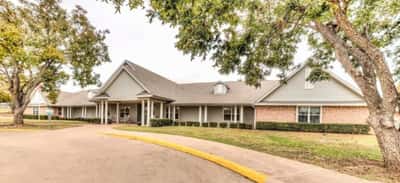
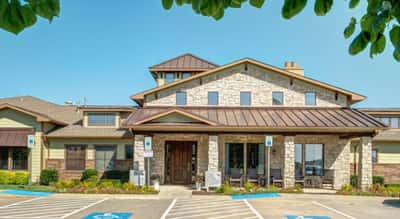
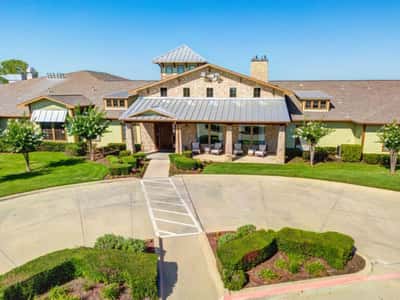
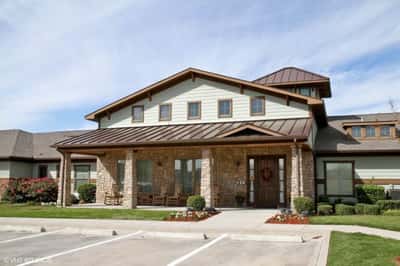
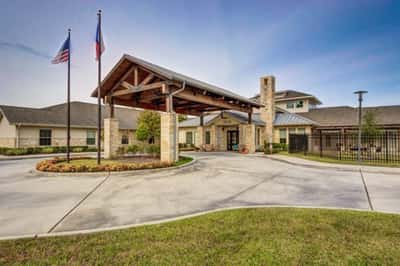
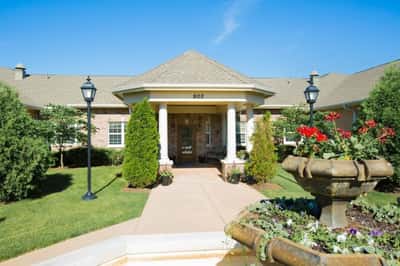
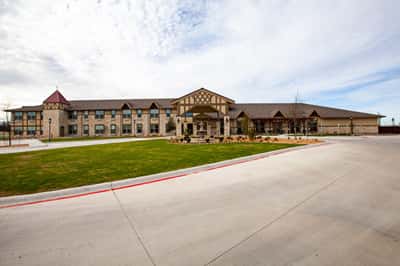
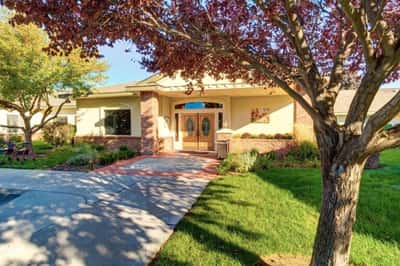
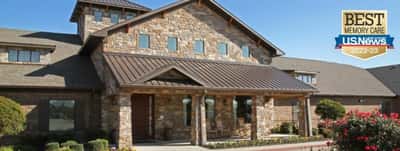
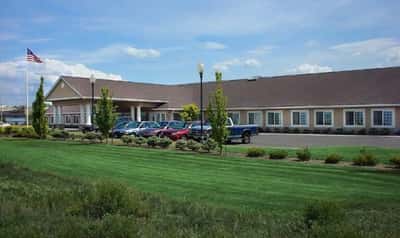
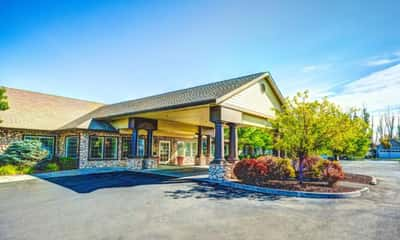
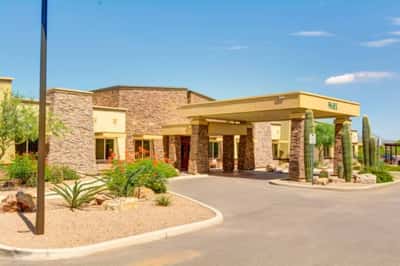
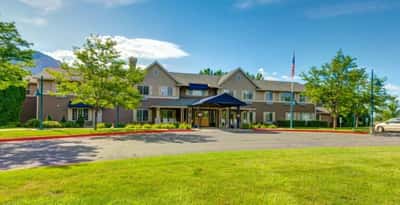
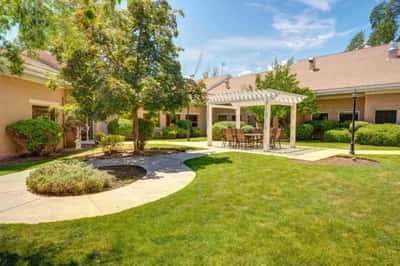
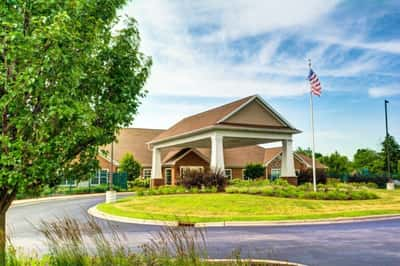
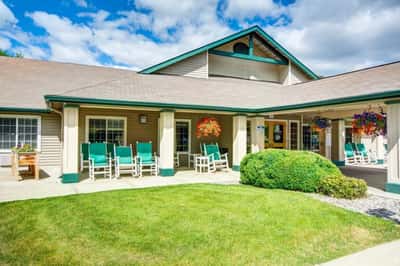
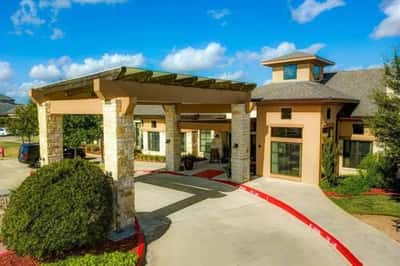
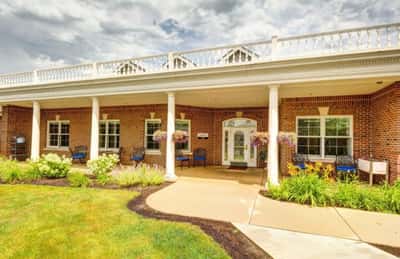
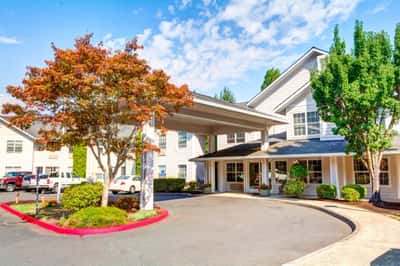
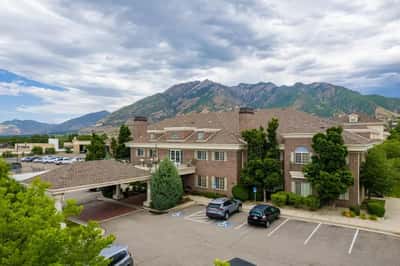
Tucked within the idyllic Bee Cave, Texas, The Auberge at Bee Cave exudes vibrancy, complemented by its serene outdoor spaces. This thriving community stands as a testament to comprehensive care, offering both assisted living levels of care and memory care private homes. Uncompromising in its commitment, The Auberge embraces residents’ well-being holistically, ensuring they attain their highest functionality and quality of life. A team of dedicated professionals, including licensed practical nurses and registered nurses, embodies compassion in every aspect of their service.
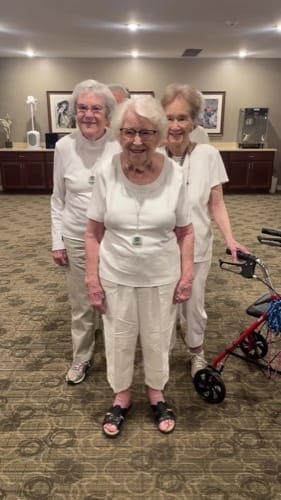
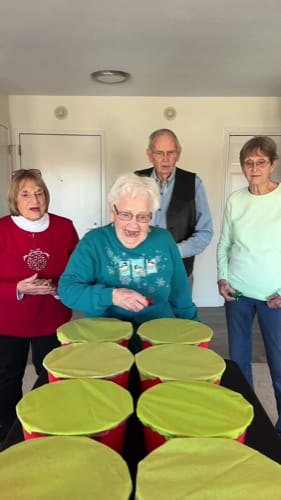
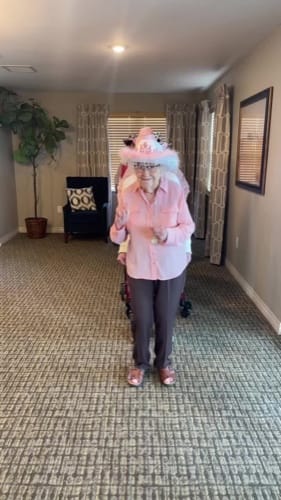
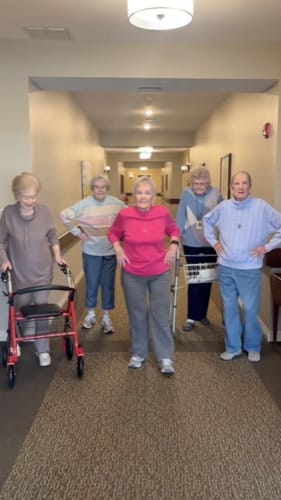
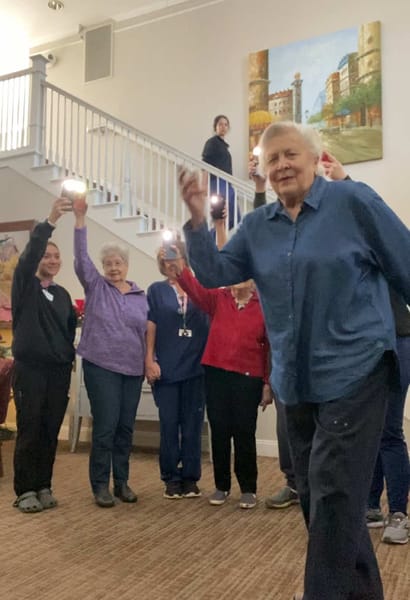
Social interaction flourishes through community outings, complementing an array of offerings that include spa services, spiritual guidance, and diverse clubs facilitated through the resident council. A celebration of special occasions and events further enriches the communal spirit. The Auberge at Bee Cave goes beyond ordinary accommodations, providing exceptional living spaces that encompass a thoughtfully curated library, a tranquil spa room, a convenient country store, and a relaxed café ambiance.
May offer a more intimate, personalized care environment.


 Licensed

The Auberge at Bee Cave is legally operated by WELLTOWER TENANT GROUP LLC, and administrated by JOEY CHAMBERLAIN.
Key information about the people who lead and staff this community.


Pets Allowed: Yes, Pets Allowed

Room Sizes: 252 / 296 / 380 sq. ft

Housing Options: 1 Bed

Building Type: Single-story

Dining Services

Beauty Services

Transportation Services

Housekeeping Services

Recreational Activities

Exercise Programs
In Texas, the Health and Human Services Commission (HHSC) is the primary regulatory body that conducts unannounced inspections and publishes quality reports for all long-term care homes.
1 with citations
0 without citations
Texas average: 1 inspection with citations
Citations indicate regulatory violations. A higher number implies the facility had several areas requiring improvement.
Texas average: 6 citations
Texas average: 2 health citations
Penalties or interventions imposed by state regulators when facilities do not comply with quality, safety, or regulatory standards.
Texas average: 1 enforcement action
Assisted Living A licensed, long-term care setting for seniors or individuals with disabilities who need help with daily activities — like bathing, dressing, and medication management — but not 24-hour skilled nursing. Offers housing, meals, and around-the-clock support while aiming to maximize resident independence.
Memory Care Secured, specialized care for people living with Alzheimer's or dementia. Staff trained in cognitive impairment, with higher staff-to-resident ratios and an environment designed to reduce confusion and wandering risk.
Assisted Living A licensed, long-term care setting for seniors or individuals with disabilities who need help with daily activities — like bathing, dressing, and medication management — but not 24-hour skilled nursing. Offers housing, meals, and around-the-clock support while aiming to maximize resident independence.
Independent Living Lifestyle-focused communities for older adults offering dining, activities, and transportation with minimal personal care. Best for active, independent seniors who want community without medical support.
Memory Care Secured, specialized care for people living with Alzheimer's or dementia. Staff trained in cognitive impairment, with higher staff-to-resident ratios and an environment designed to reduce confusion and wandering risk.
Assisted Living A licensed, long-term care setting for seniors or individuals with disabilities who need help with daily activities — like bathing, dressing, and medication management — but not 24-hour skilled nursing. Offers housing, meals, and around-the-clock support while aiming to maximize resident independence.
Memory Care Secured, specialized care for people living with Alzheimer's or dementia. Staff trained in cognitive impairment, with higher staff-to-resident ratios and an environment designed to reduce confusion and wandering risk.
Memory Care Secured, specialized care for people living with Alzheimer's or dementia. Staff trained in cognitive impairment, with higher staff-to-resident ratios and an environment designed to reduce confusion and wandering risk.
Memory Care Secured, specialized care for people living with Alzheimer's or dementia. Staff trained in cognitive impairment, with higher staff-to-resident ratios and an environment designed to reduce confusion and wandering risk.
Respite Care Short-term temporary care — days to weeks — to give family caregivers a break. Full care provided during the stay. Often used after hospitalization or to trial a facility before a permanent placement decision.
 1.2 miles from city center — 6.57 miles to nearest hospital (Hall Plastic Surgery & Rejuvenation MedSpa, Dr. Jeffrey Hall)
 14058 Bee Cave Pkwy Bldg A, Bee Cave, TX 78738
Add your location
Care Cost Calculator: See Prices in Your Area
Nursing Home Data Explorer
Don’t Wait Too Long: 7 Red Flag Signs Your Parent Needs Assisted Living Now
The True Cost of Assisted Living in 2025 – And How Families Are Paying For It
Understanding Senior Living Costs: Pricing Models, Discounts & Financial Assistance



Touring a community? Use this expert-backed checklist to stay organized, ask the right questions, and find the perfect fit.
We'll send you a PDF version of the touring checklist.

 Show Inspection Reports