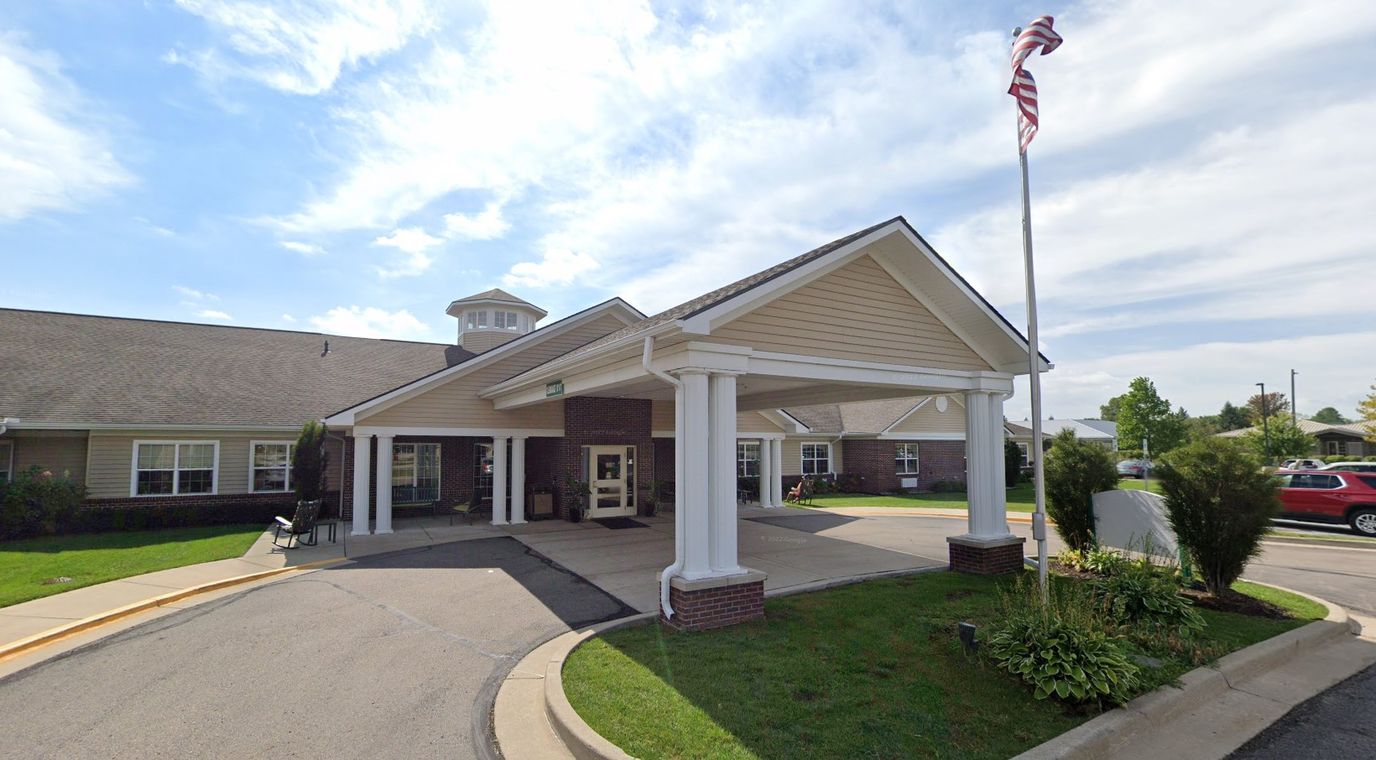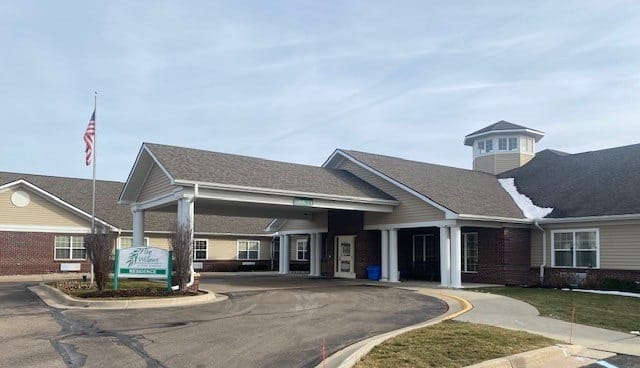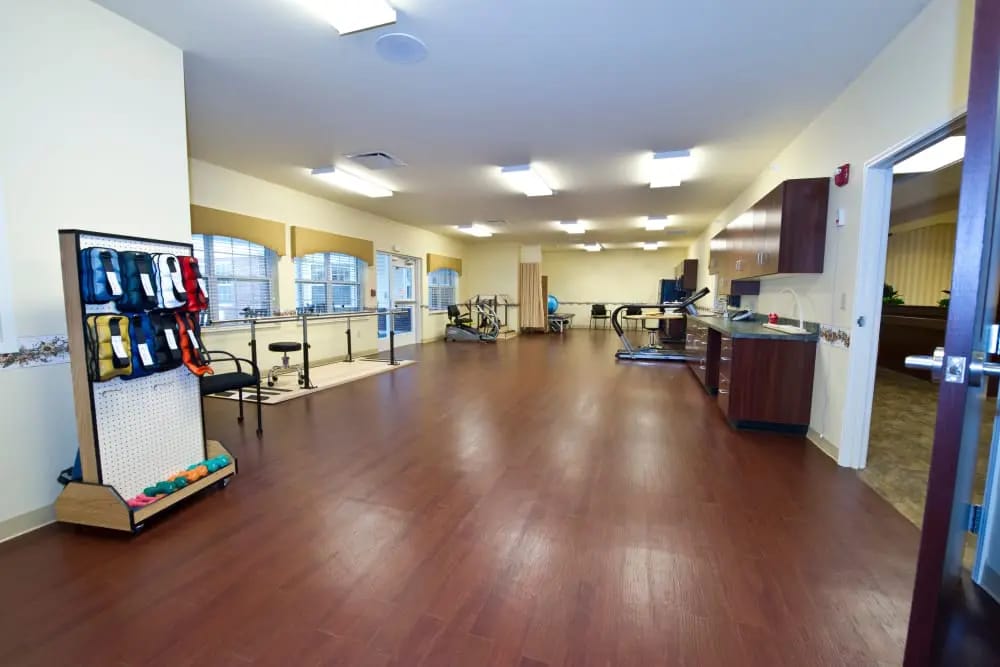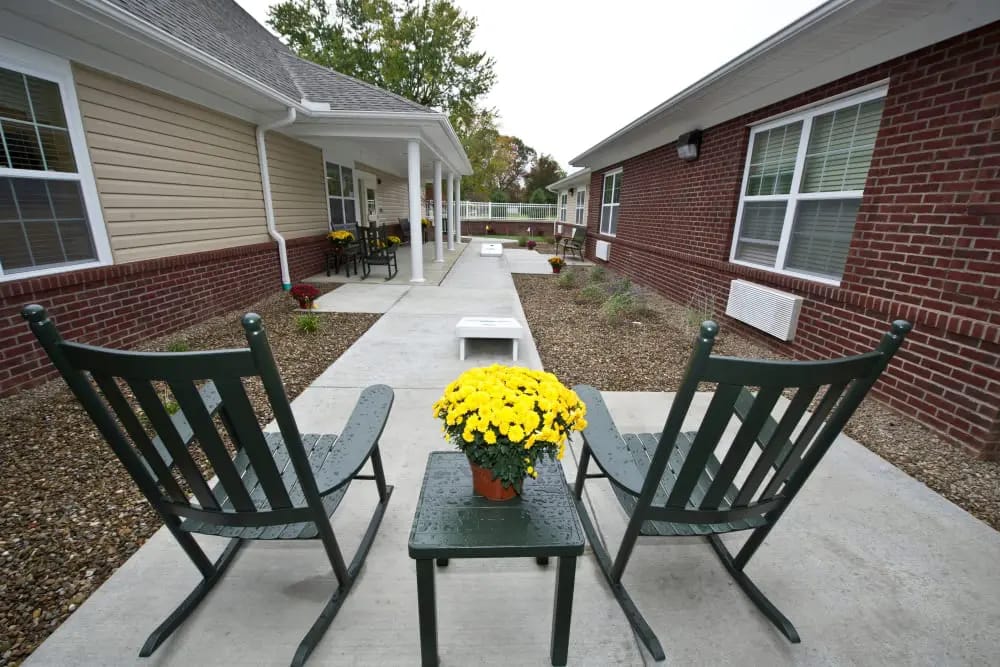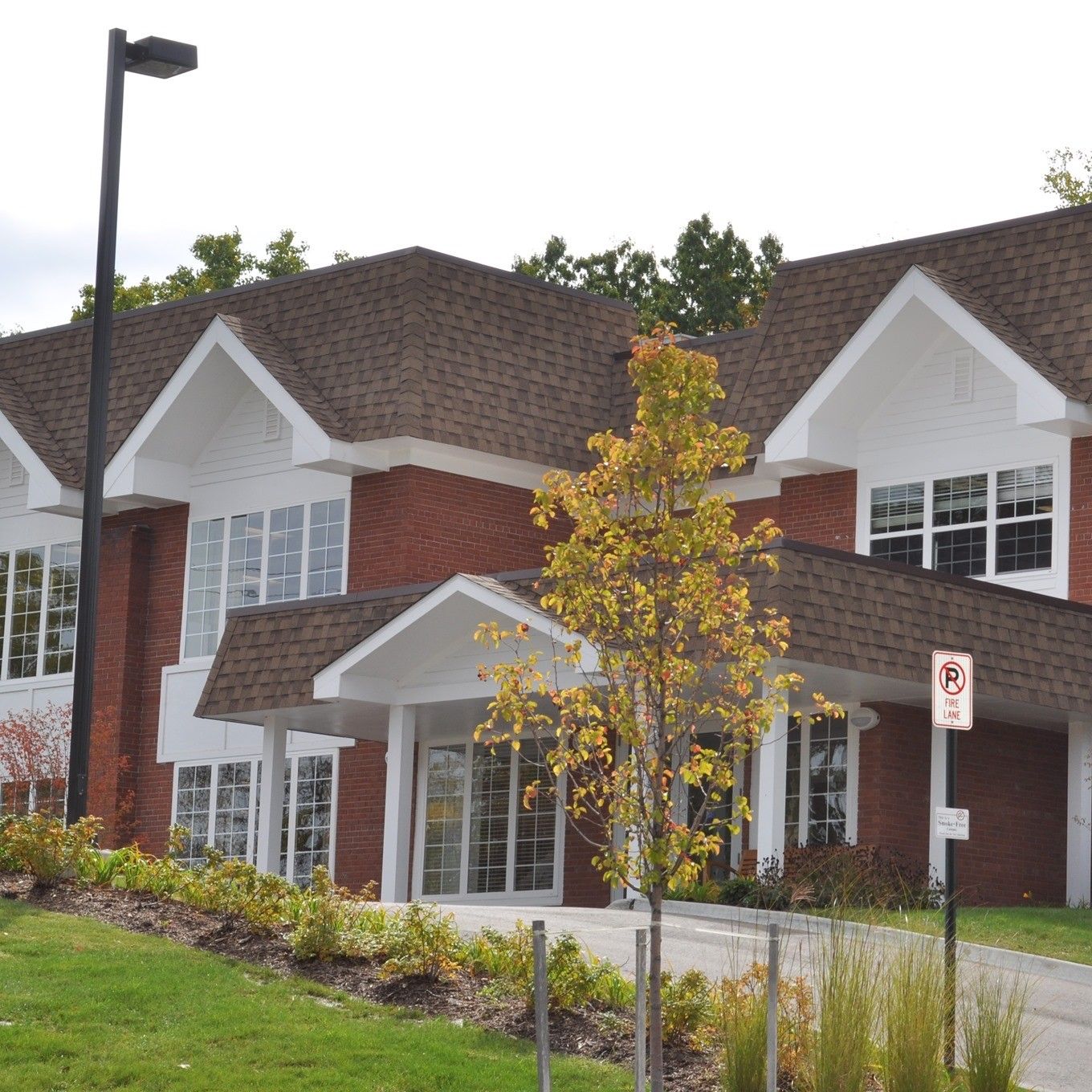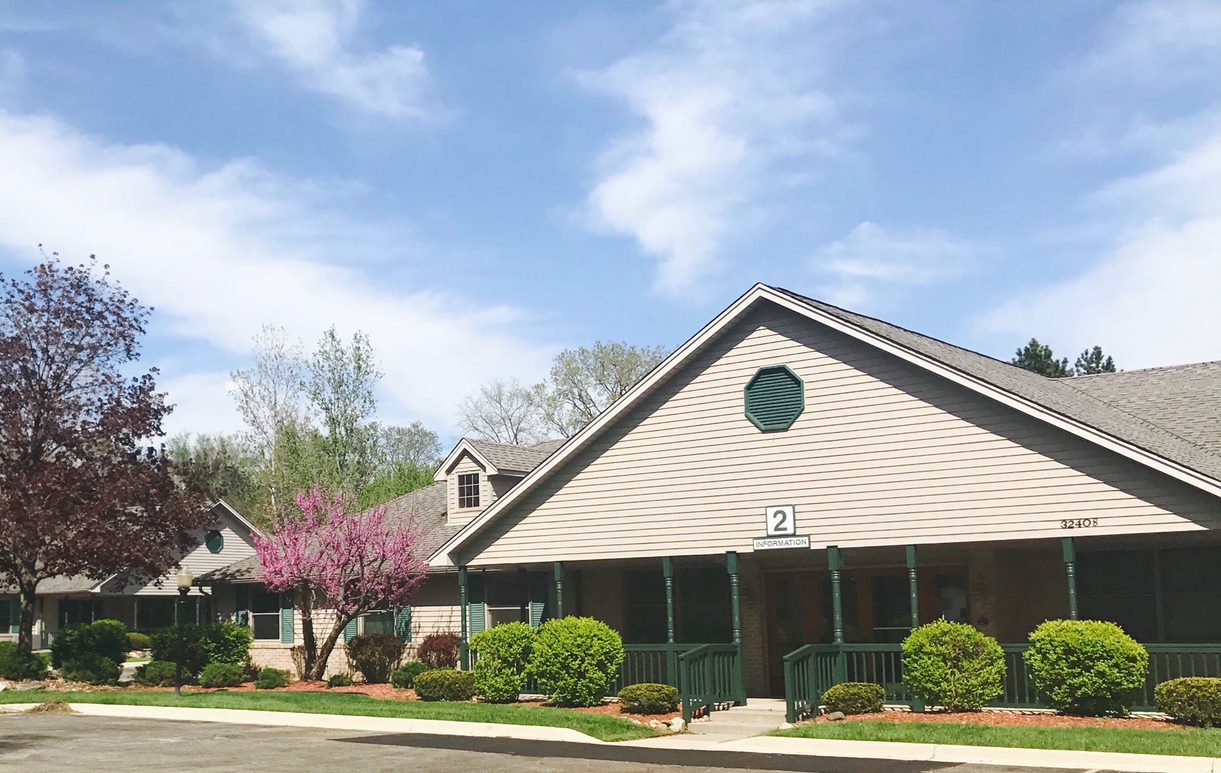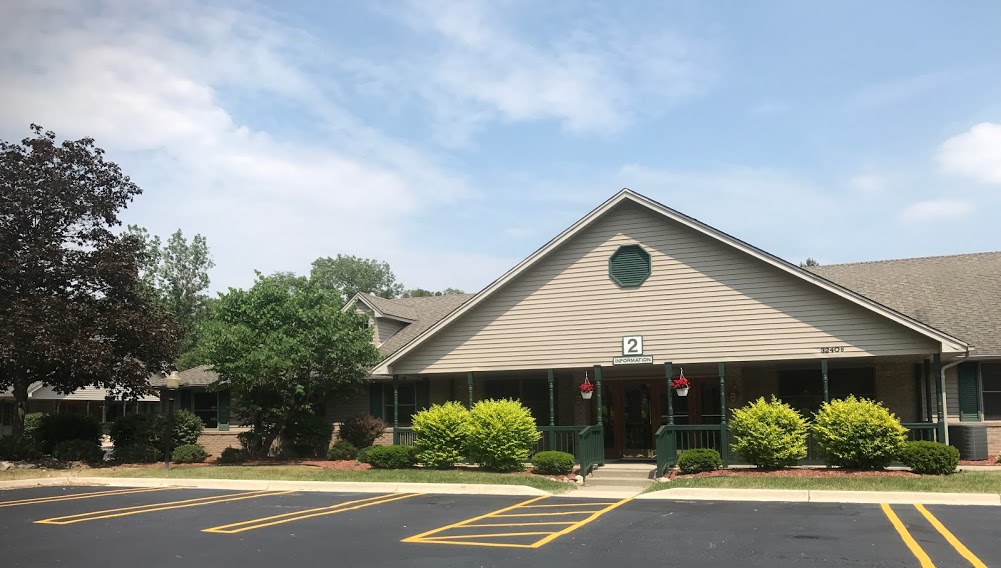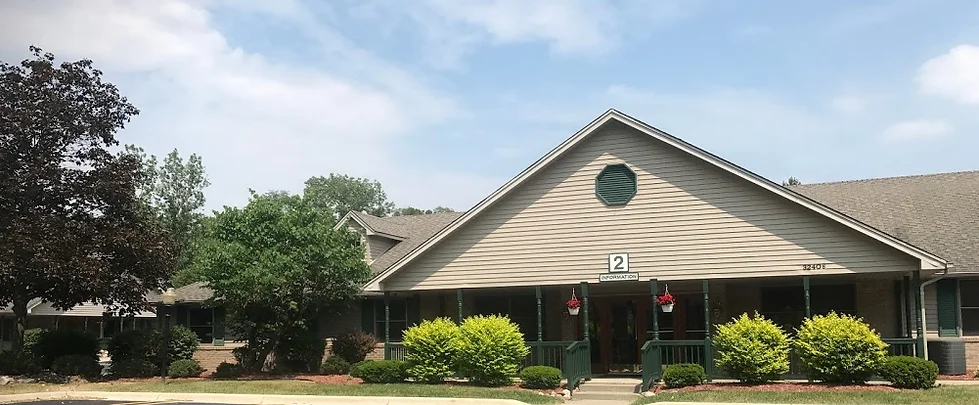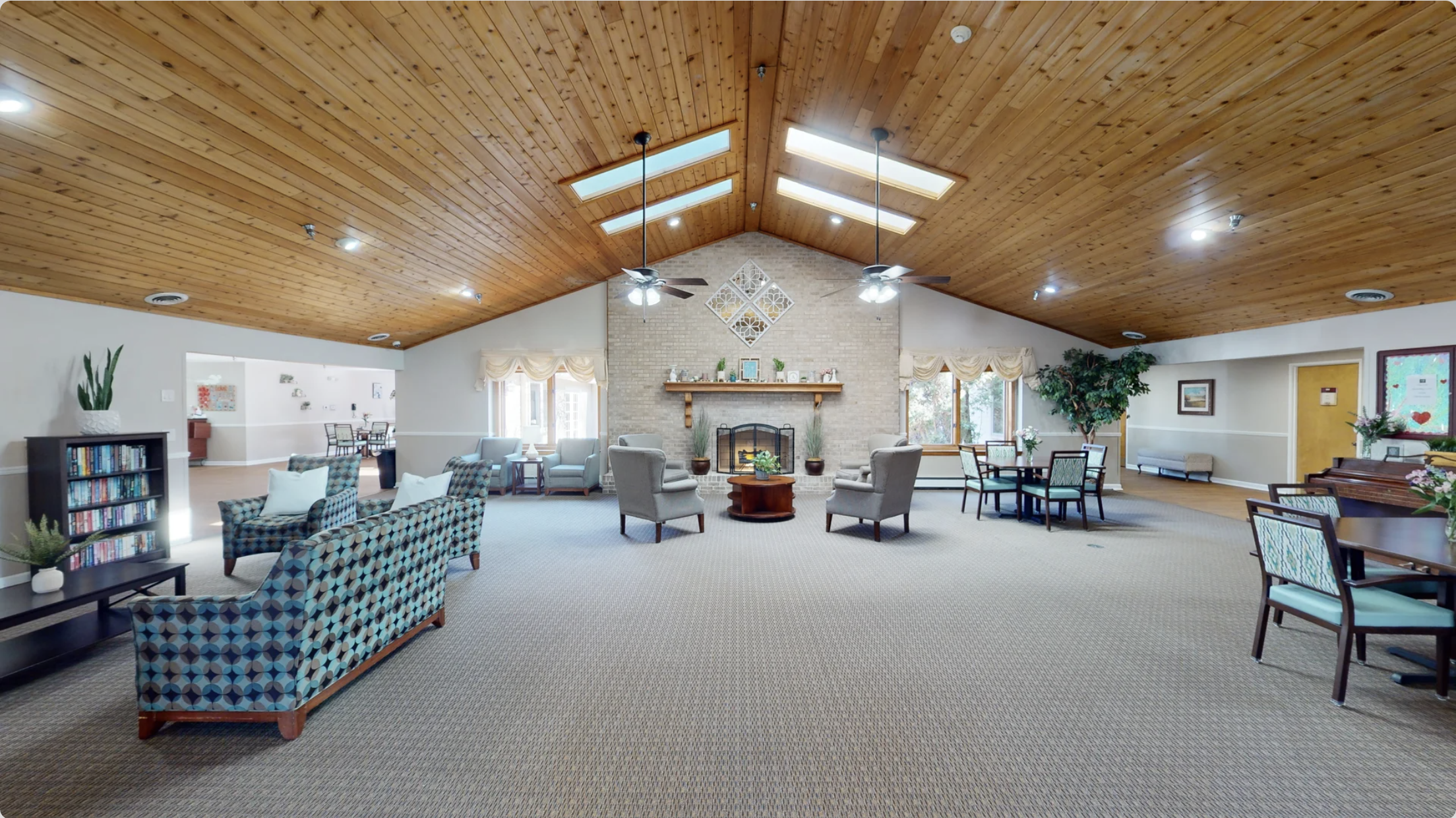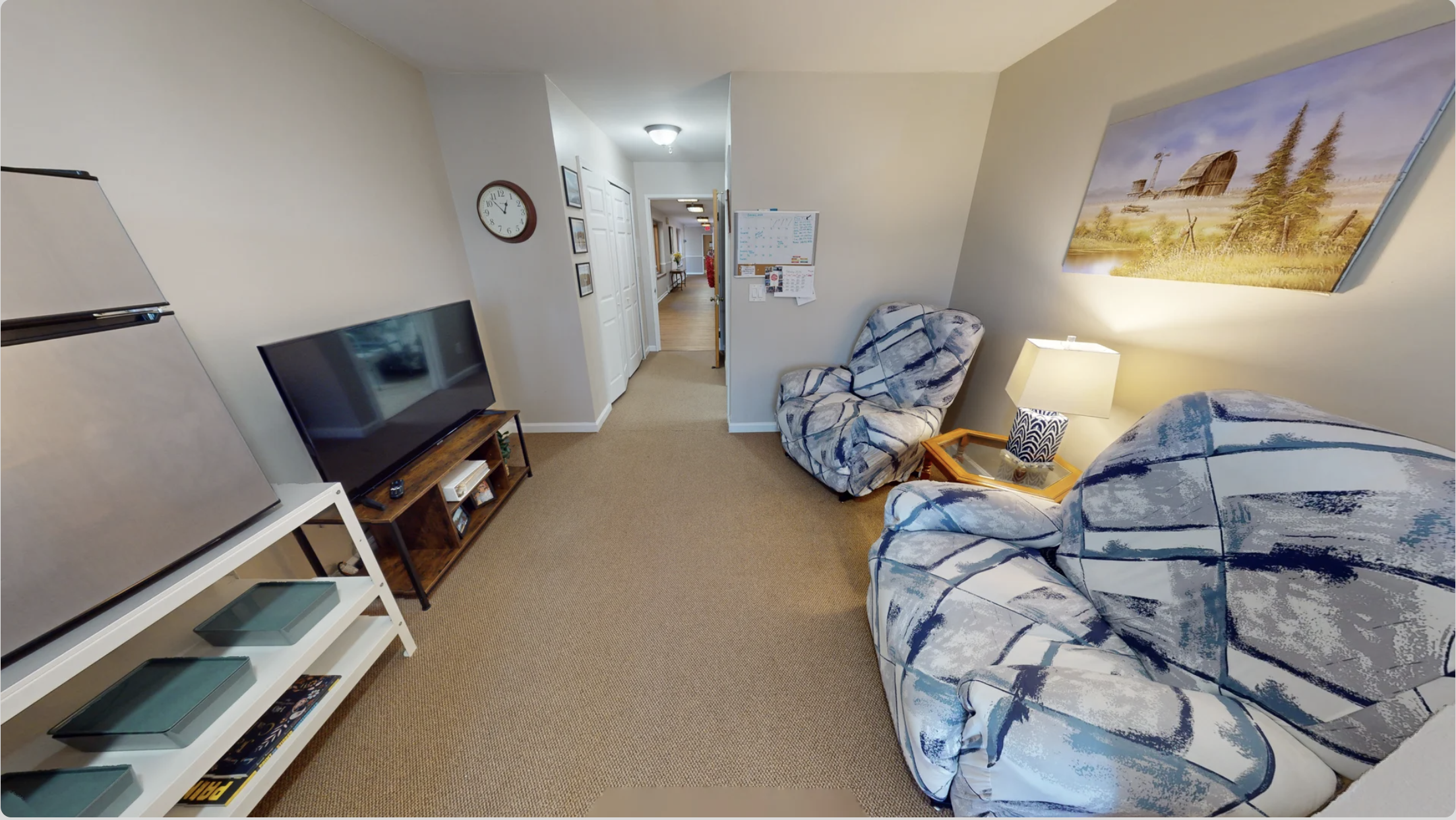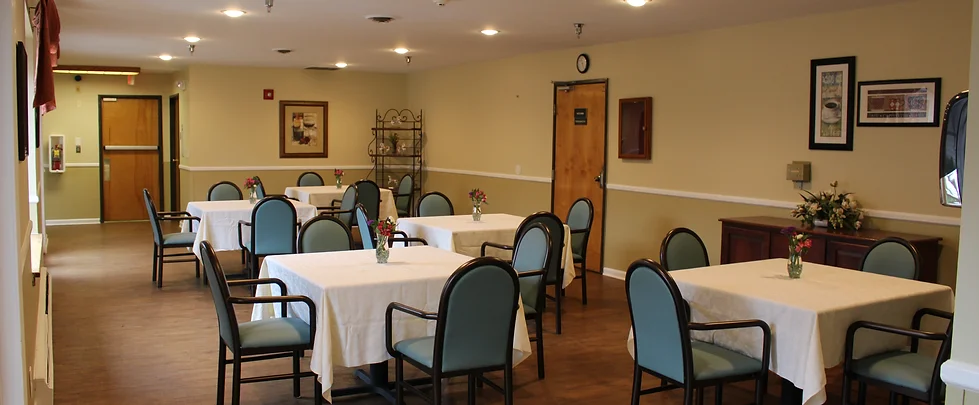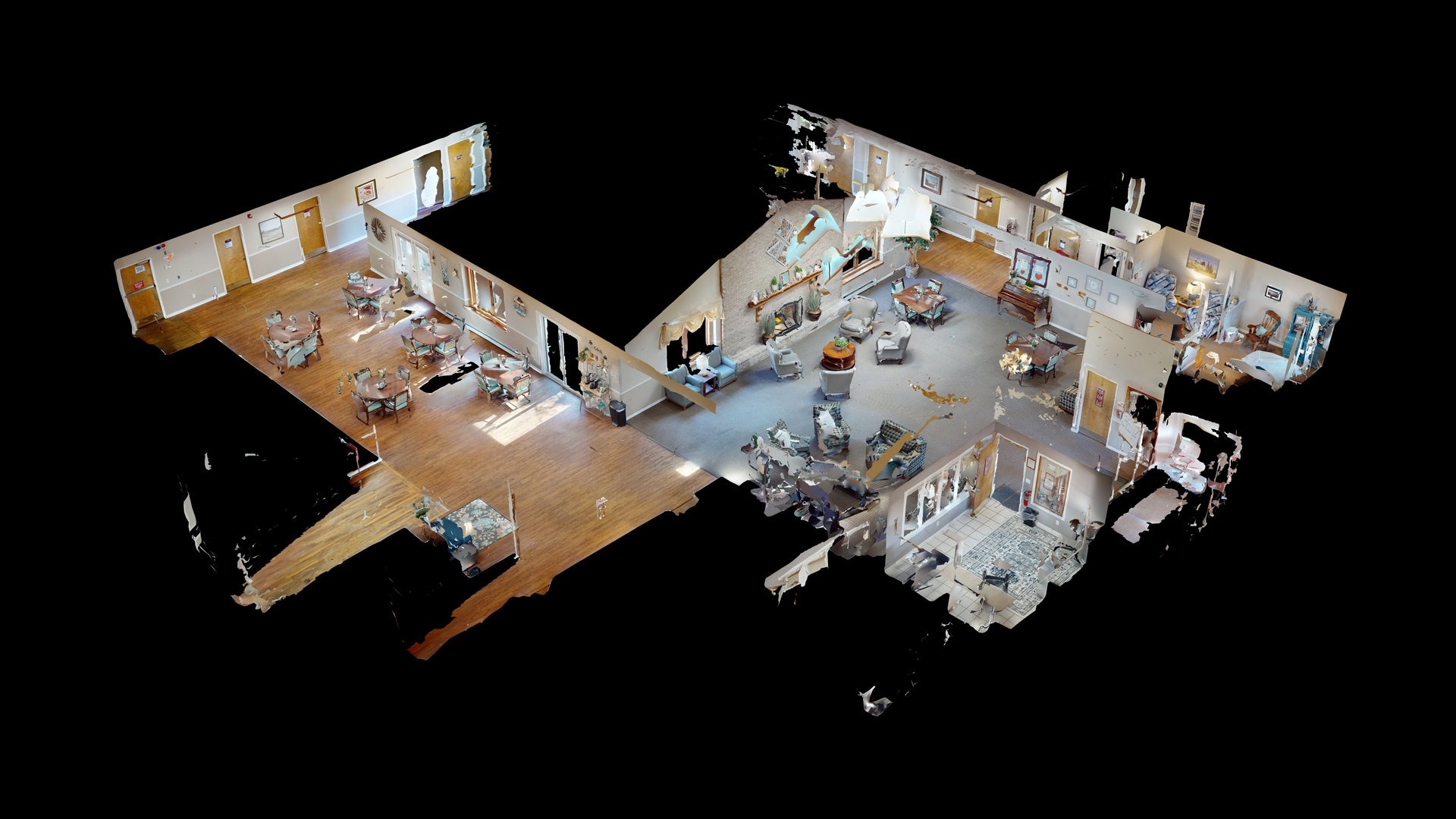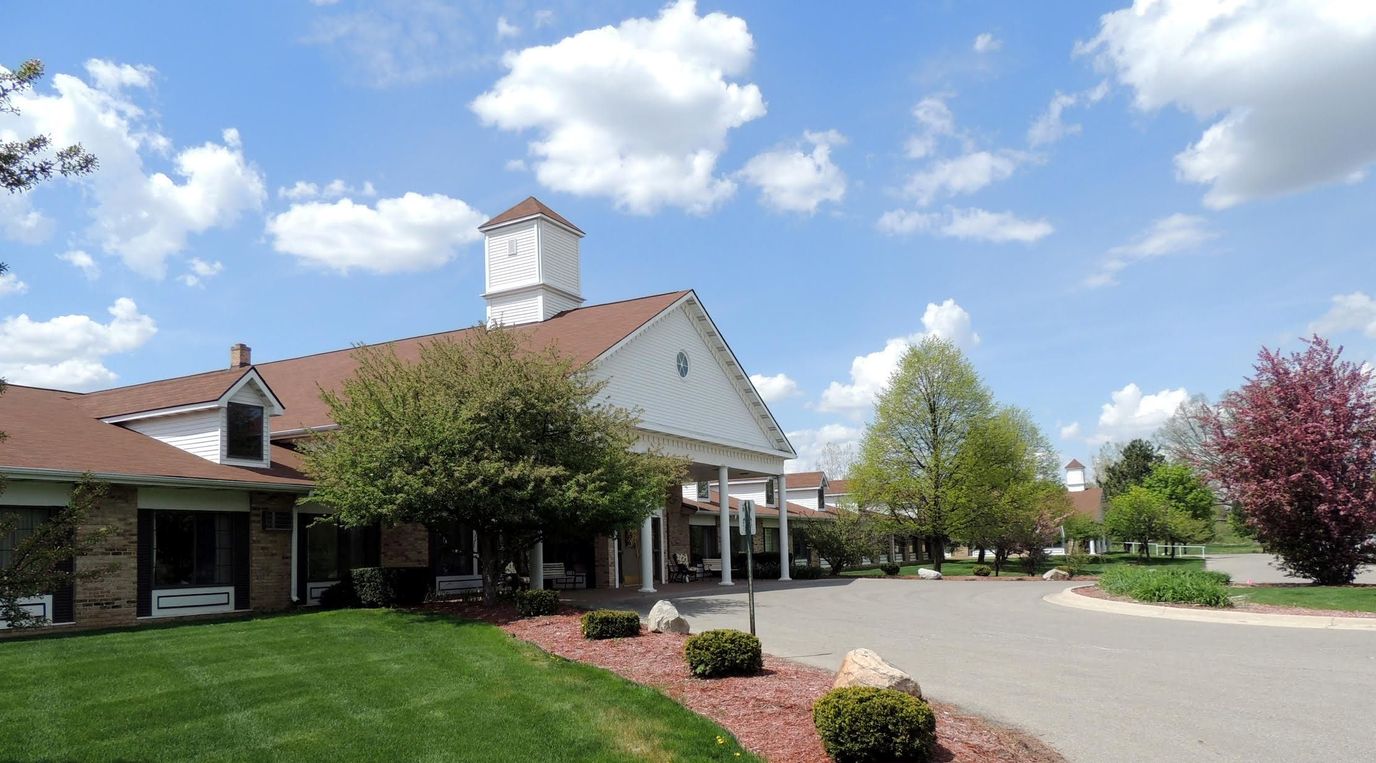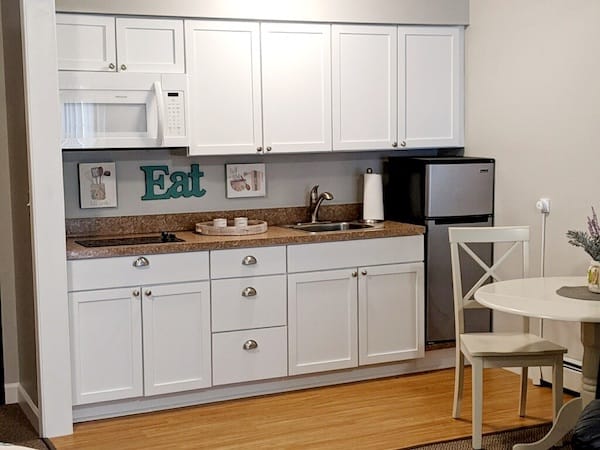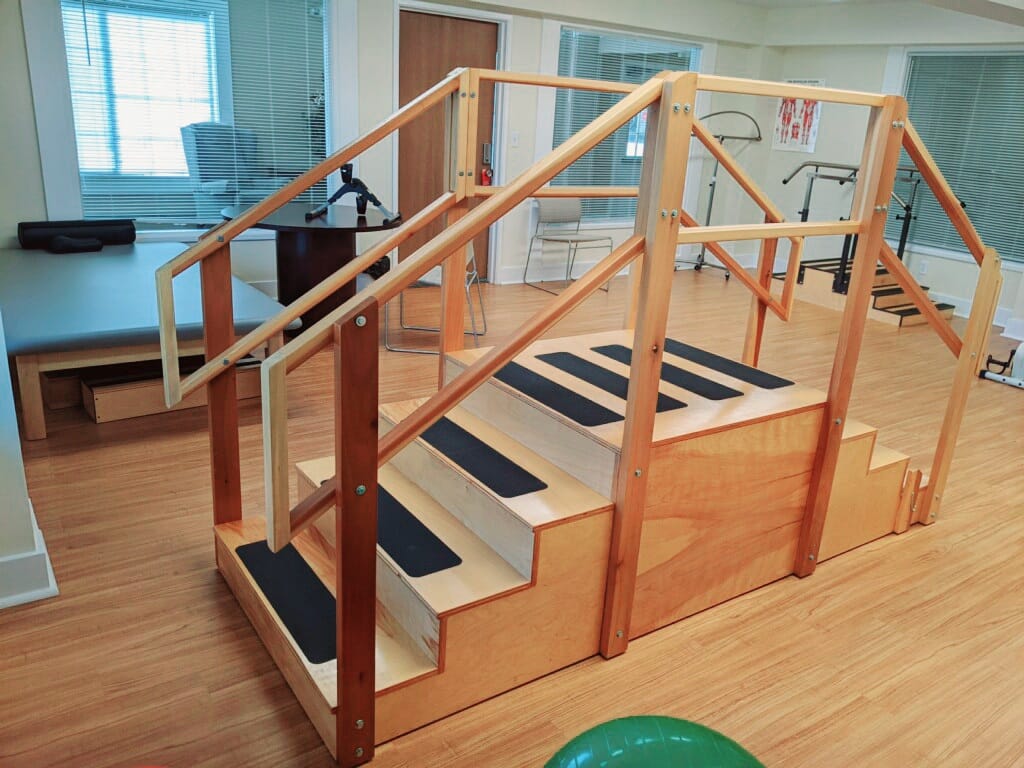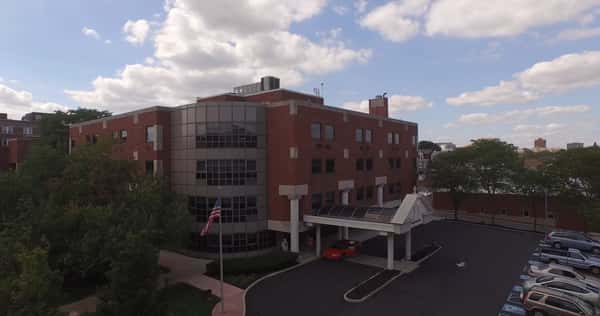





Overview of The Meadows at Silver Maples The Meadows at Silver Maples is a 71-bed assisted living facility at 200 Silver Maples Drive in Chelsea, Washtenaw County, Michigan, operated by Silver Maples of Chelsea. It serves residents aged 62 and above with independent living, assisted living, and memory care. Respite care is available through four programs: Enrichment Programs, Dining Services, Wellness Programs, and Gallery 100. The facility earned a 2024 Excellence Award and sits in a moderately walkable neighborhood with a walk score of 68.
The facility’s eight deficiencies over three years at 2.7 annually appears favorable compared to Michigan’s 5.2 state average. This comparison obscures a pattern of documented noncompliance in medication management, food safety, and operational documentation that spans multiple inspection cycles.
The February 19, 2025, renewal inspection found three deficiencies with current occupancy at 39 percent (28 of 71 beds). An employee’s tuberculosis screening was performed before the hire date, violating state requirements. Narcotic count logs contained gaps for multiple dates in January and February 2025. Dishwasher sanitation checks lacked required documentation, marking this as a repeat violation from prior cycles.
A January 2024 administrative review showed substantial compliance, yet thirteen months later the February 2025 renewal uncovered new deficiencies.
The facility’s January 2023 inspection was more severe; it lacked an organized protective program for a resident using an assistive device without physician authorization or documentation. Medication records failed to provide adequate instructions for as-needed pain medications. Meal and food documentation omitted quantities for roughly one month. Chemical sanitization records for kitchen utensils were incomplete, and undated food items sat in refrigeration.
No fines, enforcement actions, or license suspensions are recorded. The license. Occupancy decline to 39 percent may reflect resident or family concerns about the facility’s operational stability or compliance culture.
The repeat deficiency for kitchen sanitation documentation between 2023 and 2025 signals that corrective action responses did not produce sustainable change. Given that, it’s important to request current medication administration record templates, narcotic count verification procedures, food labeling practices, and sanitation documentation protocols; and inquire whether the facility has replaced leadership or implemented new oversight structures to address the persistent documentation failures.
Families should request documentation showing corrections since the January 2023 inspection, evidence of implementation, and demonstration that all deficiencies have been resolved and remain resolved.