

Page 32 of Best Assisted Living in Wisconsin

Why trust this guide? Our editorial team analyzed 428 assisted living communities in WI using WI Dept. of Health Services (DHS) data, inspection records, complaints, amenities, and facility-level details. How we rank assisted living in WI
Reviewed by
Last updated
We analyzed These are the facilities in Wisconsin our team has analyzed — not a count of every assisted living provider in Wisconsin.
428 homes
Other senior care options in Wisconsin:
Overview of Grancare Nursing Center

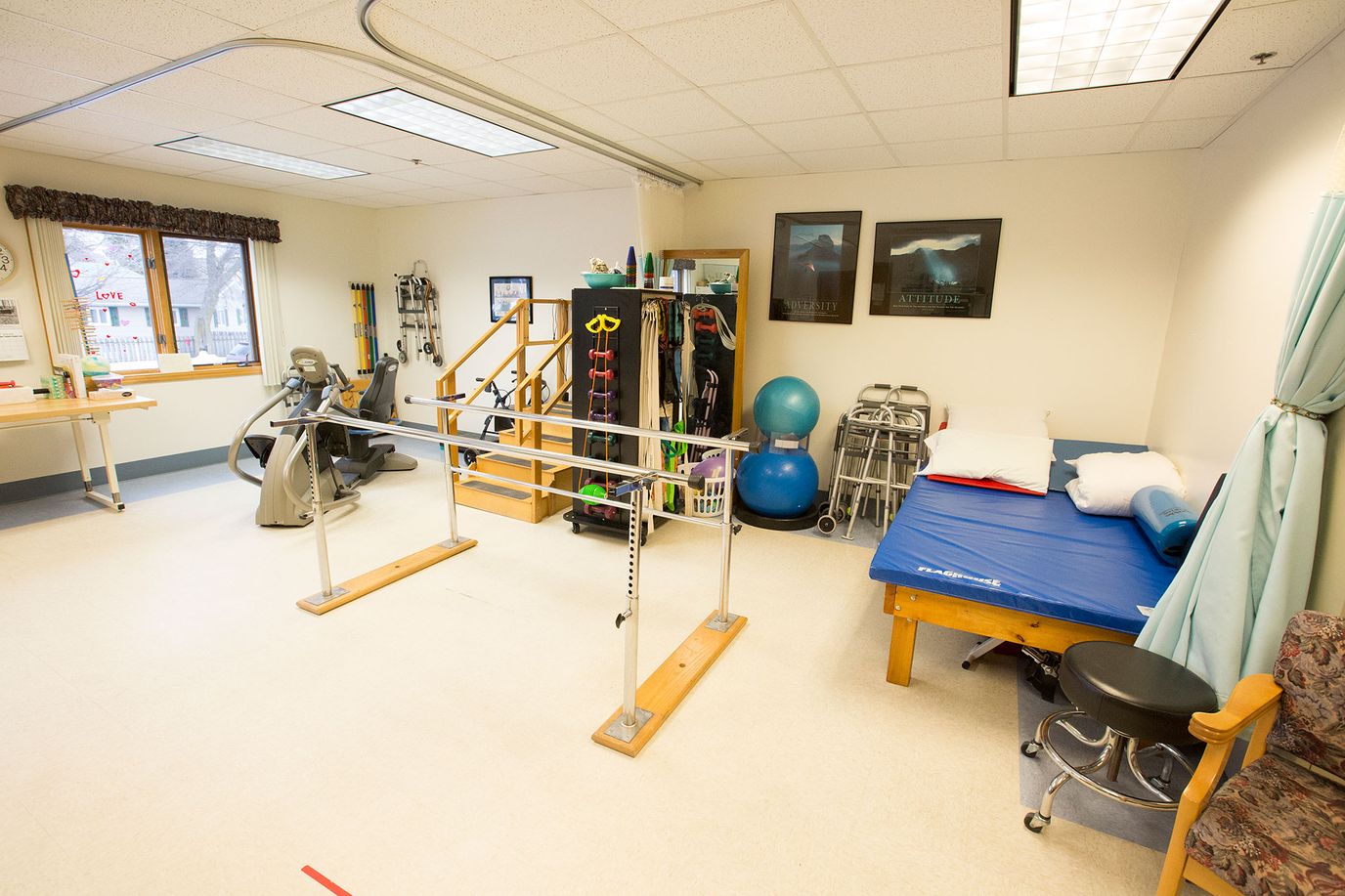
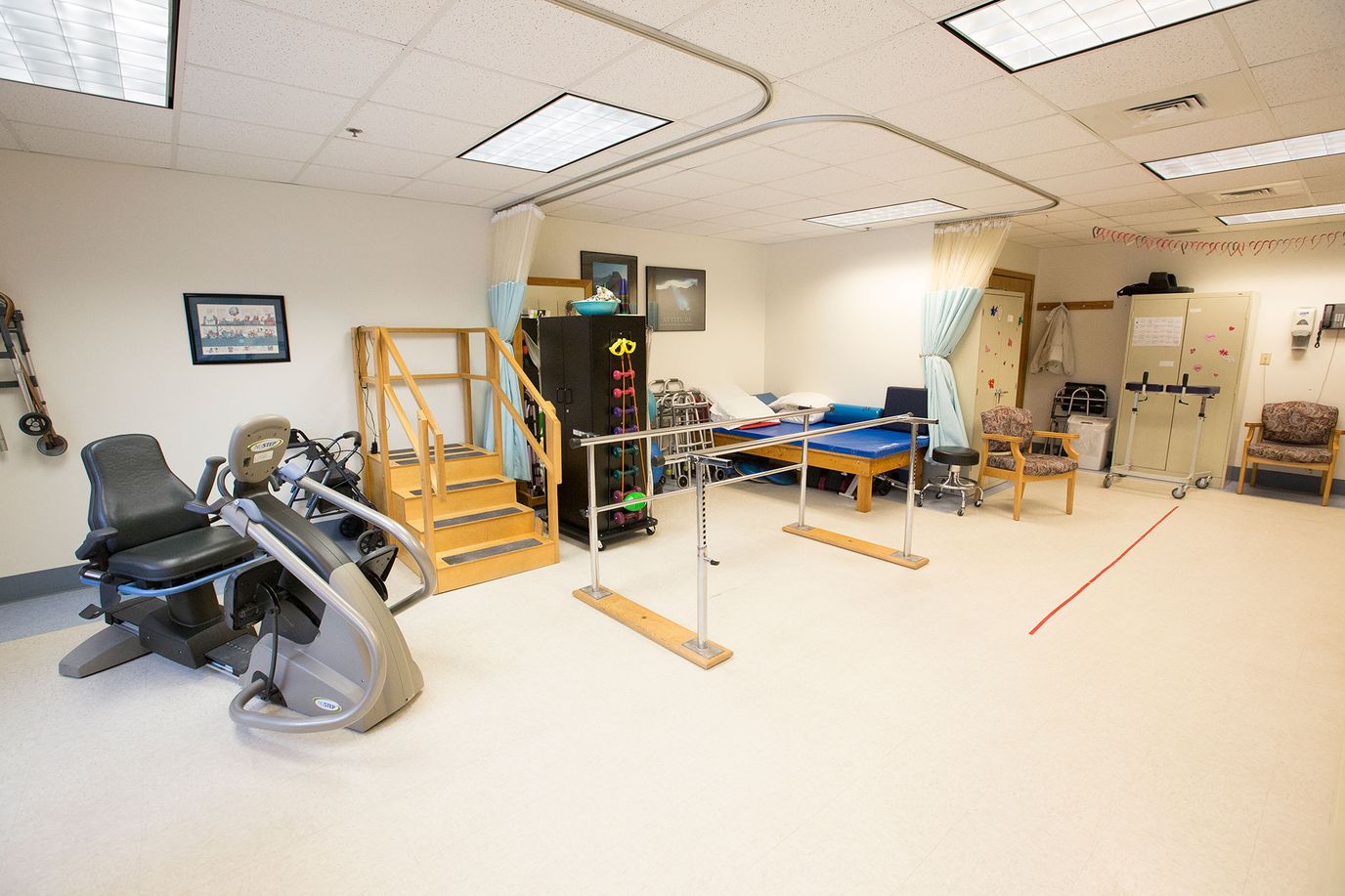
Grancare Nursing Center in Green Bay, Wisconsin, provides general nursing home care, assisted living support, and skilled nursing services. Daily assistance covers tasks like bathing, dressing, and managing medications. Short-term respite stays accommodate individuals when primary caregivers require temporary relief, while physical, occupational, and speech therapies assist with mobility, functional tasks, and communication.

Established in 1964 and currently operated by Zunker Health Care under administrator Brittany Cobb, the 64-bed center features an on-staff physician alongside a restorative nursing program. Daily recorded nursing care averages 5 hours and 1 minute per resident. Conveniences include a salon and regular religious services. Payment options cover Medicare, Medicaid, and direct private pay.

Prospective individuals exploring long-term care or therapy services can connect with Grancare Nursing Center to evaluate admission details, verify insurance coverage, or arrange a personal tour.
Contact Grancare Nursing Center

Overview of Hope Health and Rehabilitation

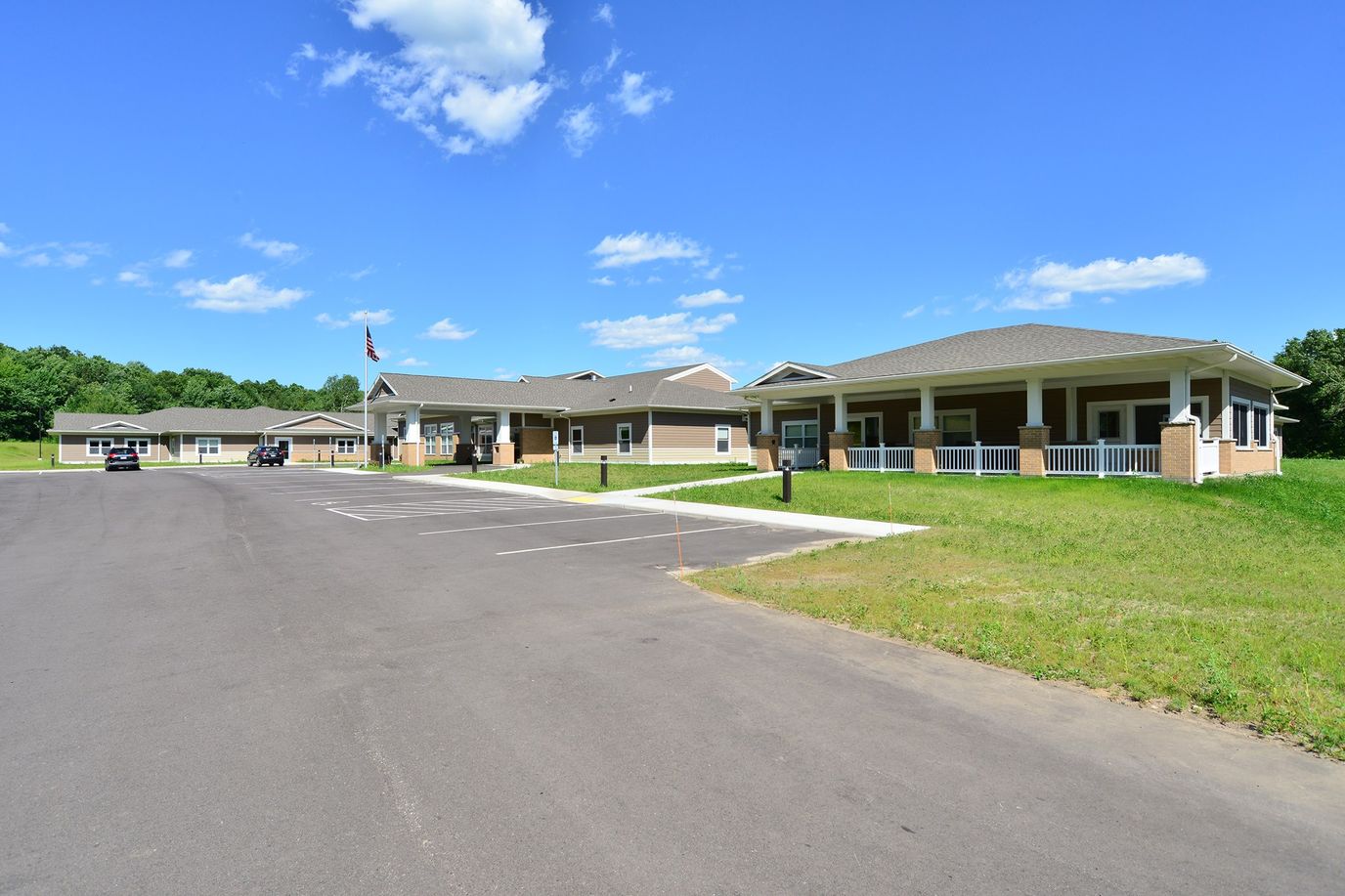
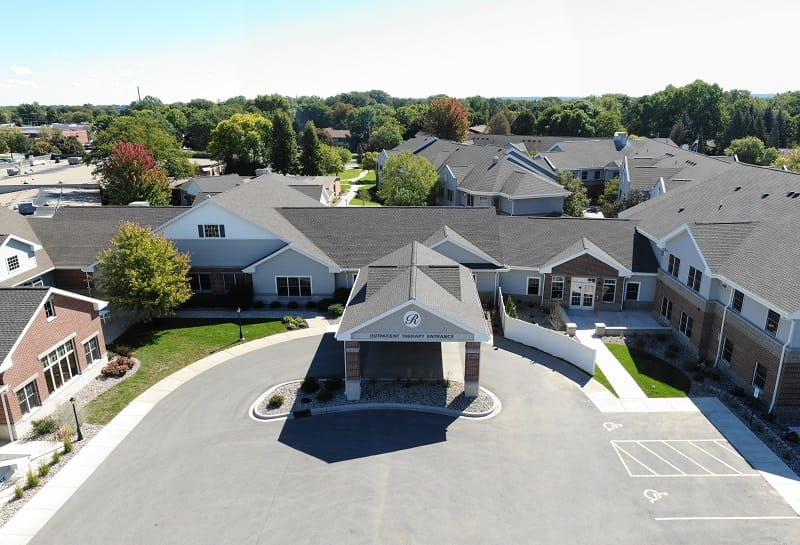
Hope Health and Rehabilitation has served the Lomira, Wisconsin area since 1995, offering assisted living and skilled nursing within a 38-bed nursing home setting. Assisted living options assist with daily routines like dressing, bathing, and medication setup in private apartment units, while skilled nursing supports individuals with higher clinical care needs.

Daily operations run under administrator Julia Schramek and operator Oak Ridge Care Center. Hands-on care across the building averages 5 hours and 23 minutes of daily nurse staffing per resident. On-site recovery programs include dedicated rehabilitation services, complemented by conveniences such as hair care at the salon or barber shop, religious gatherings, and a 53 walk score location where select errands are doable on foot.
Families can get in touch with Hope Health and Rehabilitation to discuss current openings, book a tour, or explore accepted payment paths like Medicare, Medicaid, and private funds.

Contact Hope Health and Rehabilitation

Newcastle Place

12600 N Port Washington Rd #300, Mequon, WI 53092
Overview of Newcastle Place

Newcastle Place offers independent living, assisted living, memory care, and nursing home care with skilled nursing in Mequon, WI. Independent living provides private living with community services and no daily care, while assisted living adds help with daily tasks such as bathing, dressing, and medication. Memory care provides a secured setting with supervision for someone at risk of wandering, and skilled nursing provides licensed nursing care around the clock.

Several care levels are available in one community, which may suit a resident whose needs grow over time because a move to another level can happen without leaving the community. The home has 47 beds, making it a smaller community where staff and residents can get to know each other. Rehabilitation services are available for residents who need therapy during recovery.

Medicare is accepted for short term skilled care after a hospital stay, rather than for long term residence. Private pay allows families to pay directly. Pets are allowed, so a resident can bring a pet when moving in.

Geoff Minarik serves as the administrator. Total nurse staffing is 5 hours and 14 minutes per resident per day, representing the daily hands on nursing time available for each resident. Newcastle Place may suit a resident who wants to remain in one community as care needs change, including someone who may eventually need memory care or around the clock skilled nursing.

Contact Newcastle Place

Overview of Spring Valley Health and Rehabilitation Center

The area scores 41 for walking, which means most errands are done by car. A resident who no longer drives will need somebody else’s calendar for a trip to town.

Six care types run inside 40 beds at Spring Valley Health and Rehabilitation Center: nursing home care, skilled nursing, assisted living, memory care, hospice, and respite. Forty beds is a short list of residents, and a needs change usually means a change in care rather than a change in address.

Assisted living covers bathing, dressing, and medication. In a building this size, the staff handling those tasks are the ones who notice when something is off.

Memory care exists partly for the wife who has stopped going anywhere. Dementia can take over a spouse’s entire day, and supervised care hands that job to people who work shifts.

Respite covers the weeks when one adult child takes over, and another is away. The handoff has a date attached at both ends.

Overnight coverage does not thin out, and forty residents is a manageable number to watch through a night. Nursing time reaches 4 hours and 26 minutes per resident each day.

Rehabilitation and therapy services are structured into a resident’s care. Hospice care is available at the end of life.

Medicaid, Medicare, and private pay are accepted. The question with Medicare is how long rather than whether, since it pays for skilled care after a hospital admission and Medicaid answers the years after that. Ryan Zurbuchen serves as administrator, and the Village of Spring Valley operates the community.

Contact Spring Valley Health and Rehabilitation Center

Overview of Evergreen Terrace Cbrf

Evergreen Terrace is a 24-bed assisted living community located in the Ackley Street neighborhood of Antigo, Wisconsin. Managed by Evergreen Terrace LLC under administrator Gary Voytovich, the home has served Langlade County seniors for 27 years.

The community provides 24-hour support in private and semi-private suites, assisting residents with daily personal care and early-stage Alzheimer’s care. Monthly rates start at $5,350. While the property has a Walk Score of 44, meaning most everyday errands require a drive, Aspirus Langlade Hospital is located just 1.3 miles away for convenient access to medical services.

Prospective representatives looking for an established and smaller-scale care option with memory support can contact the community directly to schedule a visit.

Contact Evergreen Terrace CBRF

Overview of Good Shepherd Services

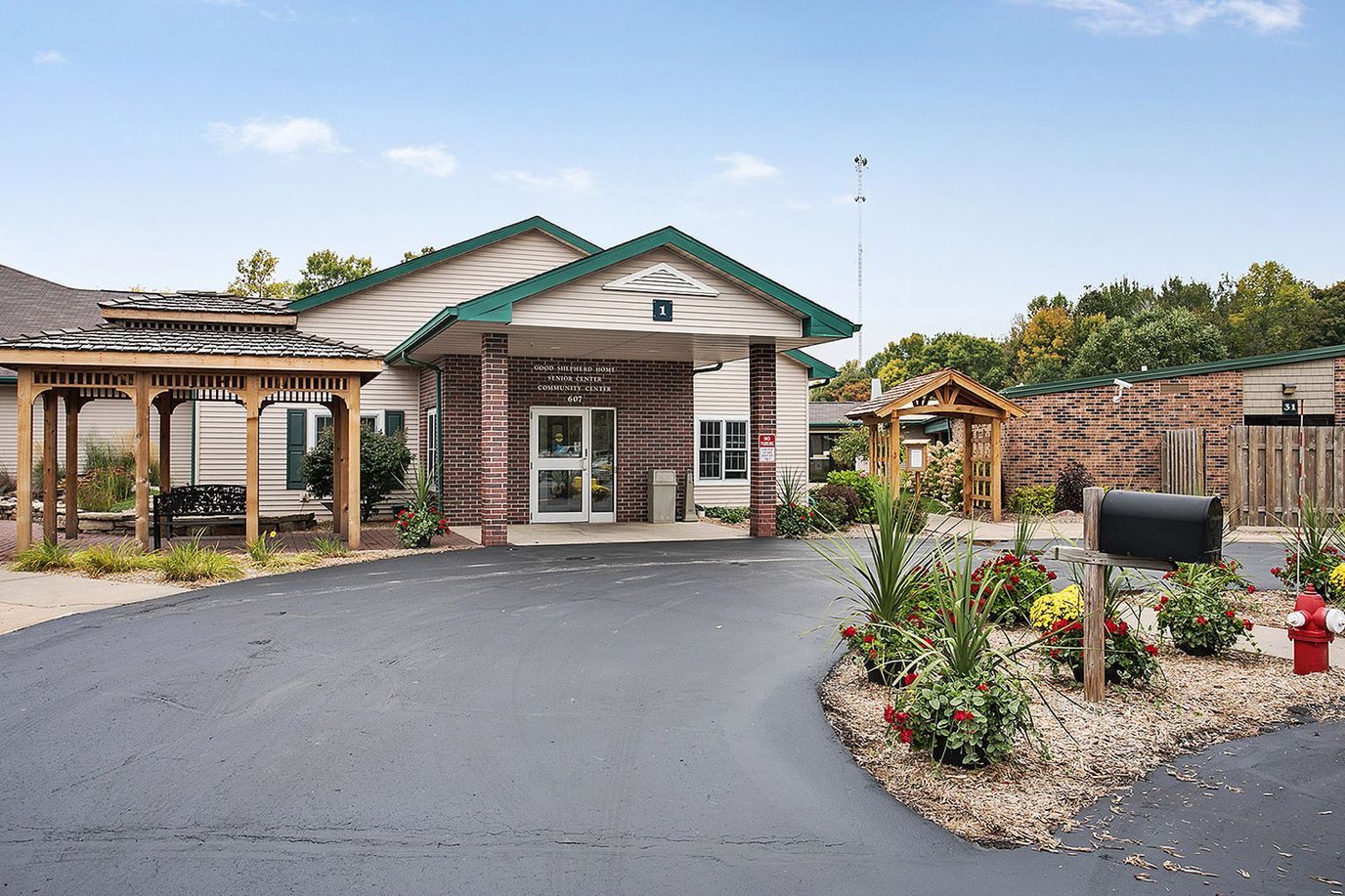
Good Shepherd Services is a nursing home in Seymour, Wisconsin, providing assisted living, residential care, and skilled nursing. Assisted living supports residents with daily needs while they maintain their own living space. Skilled nursing and nursing home care provide licensed nursing support for people who need a higher level of medical care. With several care levels on one campus, Good Shepherd Services may be a good fit for a resident whose needs could grow over time without requiring a move to a different community.

The community has 50 beds, placing it among smaller communities where staff and residents can get to know each other. Total nurse staffing is 5h 24m per resident/day, representing the daily nursing time allocated to each resident. Rehabilitation services are available for residents recovering function or working to maintain it.

Medicare, Medicaid, and private pay are accepted. Medicare covers short-term skilled care after a hospital stay rather than long-term residence, while Medicaid can help cover care when personal savings do not cover a long stay. Private pay allows families to use their own funds. Brandon Morgan serves as the administrator.

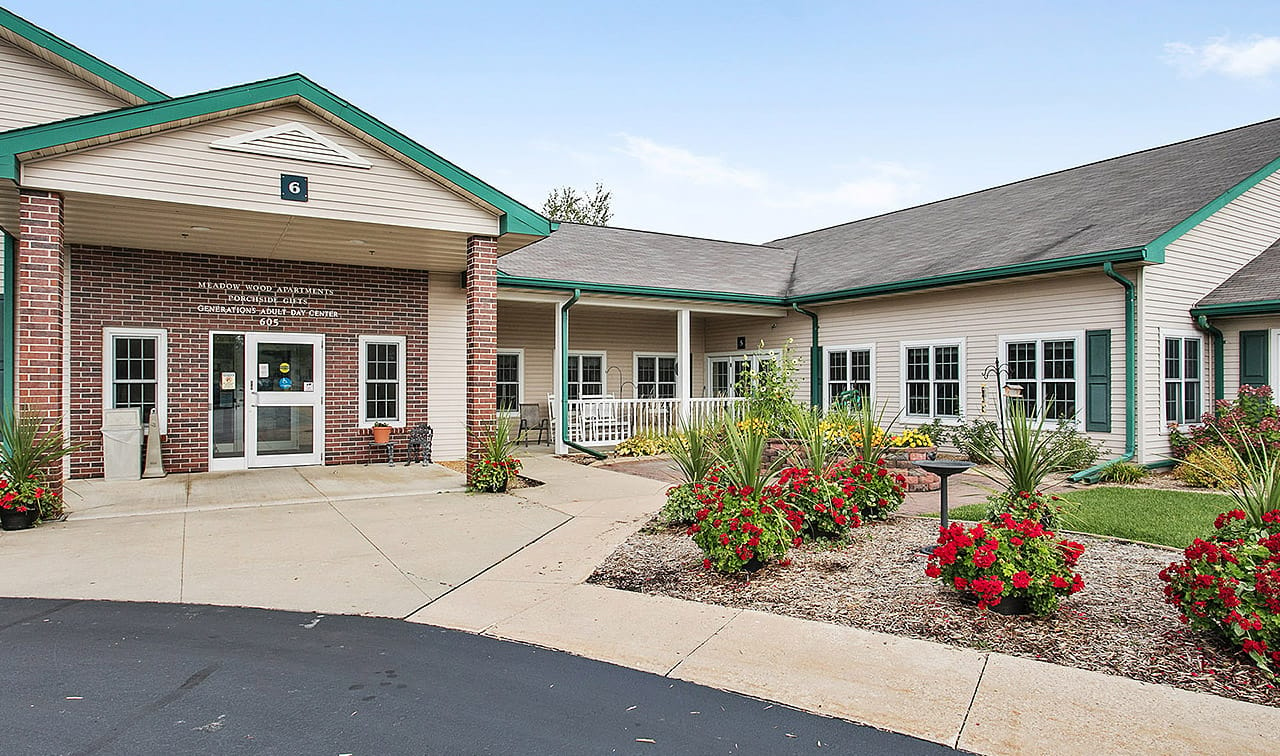
A Walk Score of 36 / 100 means the area is dependent on cars, so most errands require a car or a ride. The campus also includes Meadow Wood Apartments, CBRFs, and Cedar Lane Rehab Suites.

Contact Good Shepherd Services, Ltd

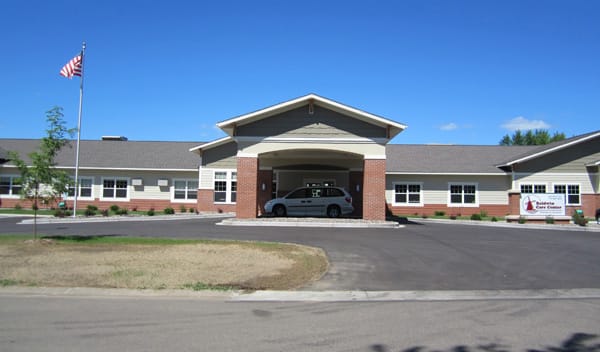
Overview of Baldwin Care Center

Seven care types are gathered at Baldwin Care Center in Baldwin, WI, and they are residential care, hospice, palliative, memory care, assisted living, skilled nursing, and nursing home care. Needs that shift over the years do not necessarily mean a setting has to be swapped for another.

Nursing home and skilled nursing mean nursing care that carries a license and no gaps in the day. Assisted living handles dressing, bathing, and medication while an apartment stay’s the resident’s own. Memory care puts supervision inside a secured space, for a resident who might otherwise wander off. Hospice care works toward comfort at the end, while palliative care goes after the symptoms and the strain of a serious illness without waiting for that point.

The license here runs to 50 beds, and 66.8% of them are filled. A third of the building standing open means a family after a room shortly is likely not queuing behind anybody. Mariah Voeltz is the administrator.

Medicare’s reach is a short spell of skilled care once a hospital discharge has happened. Medicaid covers eligible care, and private pay is the bill going straight to a family. The named services include rehabilitation, whether the therapy follows an injury or keeps a resident functioning.

Independent apartments appear under a program name for people who need no daily care. A Walk Score of 52 puts the area in the somewhat walkable range, so a share of errands works on foot for a resident who no longer drives. Nursing time attaches 4 hours and 54 minutes to each resident daily.

Contact Baldwin Care Center, Inc

Overview of Augusta Health and Rehabilitation

In Augusta, WI, Augusta Health and Rehabilitation puts skilled nursing next to assisted living. Assisted living covers dressing, bathing, medication, and the rest of the daily tasks, and the apartment remains the resident’s own. Skilled nursing keeps licensed coverage in the building through the night as well as the day, which the assisted living side can lean on. Care can then continue without a move to a different community as needs grow.

Fifty beds make a smaller setting where staff and residents get to know each other. One resident’s day here takes 5 hours and 38 minutes of nursing. Rehabilitation services are inside the community, so therapy does not send anyone elsewhere. Medicare, Medicaid, and private pay are accepted.

A courtyard, a community room for events, and scheduled religious services are all on the amenity list. A Walk Score of 44 puts most errands behind a vehicle. Jahn Bradley is named administrator, and Augusta Area Home owns the operation.

Contact Augusta Health and Rehabilitation

Overview of Rennes Health and Rehab Center-Depere

Rennes Health and Rehab Center-Depere offers nursing home, assisted living, independent living, memory care, and skilled nursing care in De Pere, WI. Assisted living includes help with dressing, bathing, and medication while the resident keeps a private apartment. Independent living provides private living with community services and no daily care.

Memory care is provided in a secured setting with supervision. Skilled nursing and nursing home care include licensed nursing care on site around the clock. The range of care levels may suit a resident whose needs grow over time, since moving between levels can happen without leaving the community.

The center has 137 beds. Its Rehab Therapy program includes physical, speech, and occupational therapy, addressing movement, communication, and daily activities through rehabilitation services. A Walk Score of 83 places the area in the very walkable band, with most errands possible on foot, so a resident who no longer drives can still get out independently.

Rennes Health and Rehab Center-Depere is administered by Charity Beschta and operated by Tdr.

Contact Rennes Health and Rehab Center-Depere

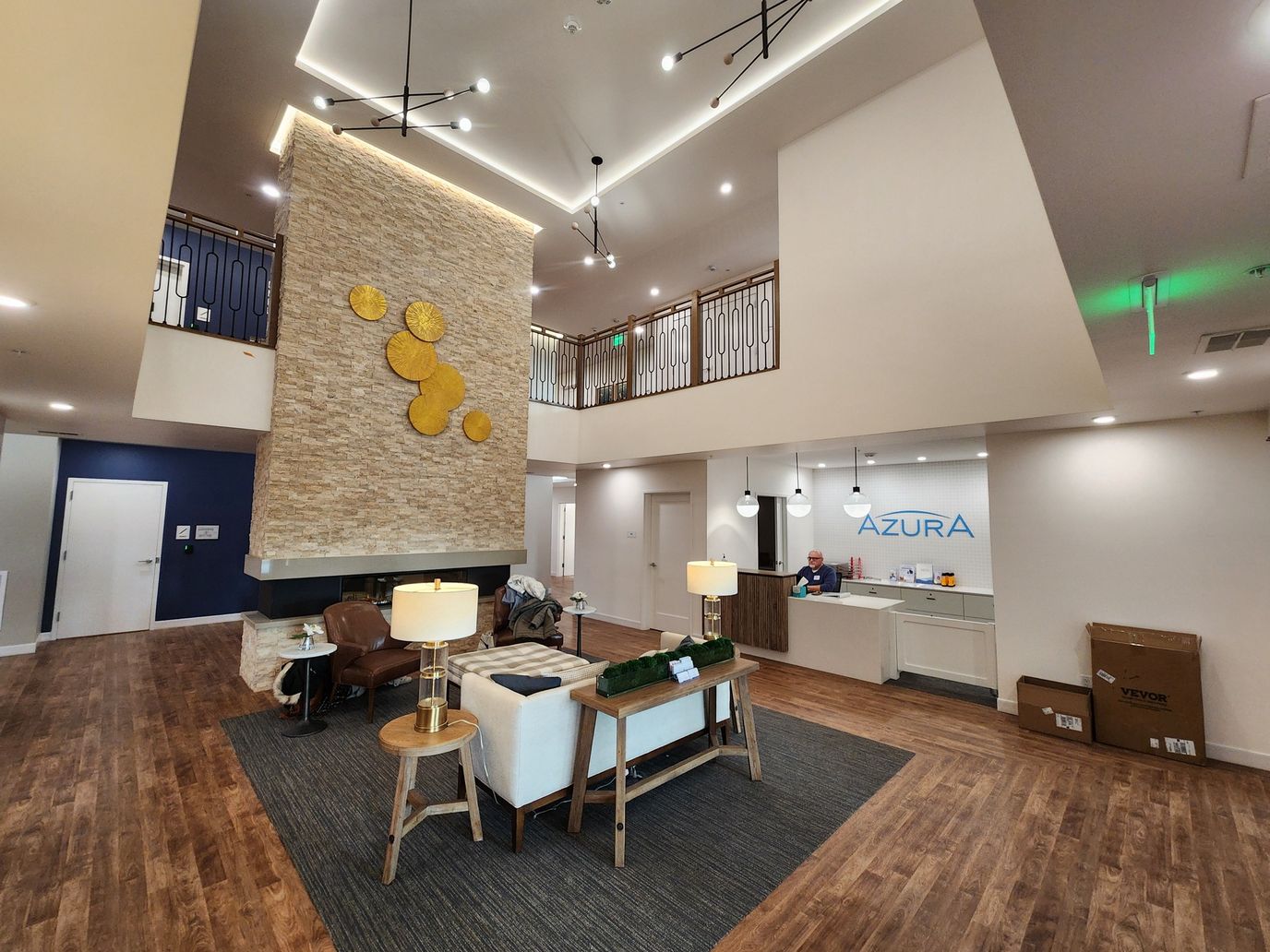
Overview of Azura Memory Care & Assisted Living in Verona

Azura Memory Care & Assisted Living in Verona is a family-owned assisted living and memory care community in Verona, WI, that offers personal and specialized care. Thoughtfully designed to evoke a sense of comfort and familiarity, the community ensures older adults find a home away from home. With 24-hour care, dietitian-approved meals, and housekeeping services, residents can maintain their independence with ease. The community also features a dementia-trained team, alongside personalized care plans, to meet residents’ unique needs and help them live to their potential in retirement.

Light exercises, memory-enhancing games, and social events are among the activities that residents can participate in to improve their memory and remain active. Spacious dining rooms and cozy lounges can also be utilized for relaxation and social interactions. Sugar River Wetlands State Natural Area and bus stops are located near the area, providing easy access to recreation and necessities. This assisted living and memory care community has exceptional standards of care, making it an ideal choice for senior living in Wisconsin.

Contact Azura Memory Care & Assisted Living in Verona

Weighting overview

  • 35%
    Resident Experience
  • 25%
    Regulatory
  • 15%
    Visual Media
  • 10%
    Website
  • 10%
    Stability
  • 5%
    Environment
01

Resident & Family Experience 35%

The single largest share of every ranking. Aggregated review sentiment and volume from major platforms — the closest signal to real resident experience.

  • Includes
  • Review Sentiment
  • Review Volume
02

Regulatory & Safety Record 25%

State inspection records, citations, and complaint visits. We weight per-inspection rates more heavily than raw counts.

  • Includes
  • State Inspections
  • Citations/Inspection
  • % Inspections w/ Citations
  • Complaint Visits
  • Accreditations
  • BBB Rating
03

Visual Media & Transparency 15%

Communities that publish high-quality visuals give families a real preview. No photos or tours = a negative transparency signal.

  • Includes
  • Video Tours
  • Virtual Walkthroughs
  • Photo Quantity
  • Photo Quality
04

Website & Operator Transparency 10%

Site quality and whether the operator publishes basic accountability information — staff names, contact details, ownership.

  • Includes
  • Website Content
  • Mobile Usability
  • Staff Info Available
  • Owner Info Available
05

Community Stability 10%

Operational signals indicating whether a community is well-run and meeting demand.

  • Includes
  • Occupancy Rate
  • Bed Options
06

Environment & Pricing 5%

Walkability and pricing transparency. Walk Score is weighted higher for Independent Living than for Memory Care, where most residents do not leave unaccompanied.

  • Includes
  • Walk Score
  • Pricing Transparency
No paid rankings Communities cannot pay to influence placement.
How we're paid: If we help you find a community and you move in, that community may pay us a referral fee. This never affects where they rank or what you pay. Learn more
Submit a correction

Assisted Living in Wisconsin at a glance

Avg Monthly Cost: $6,530The average monthly cost across facilities in Wisconsin. Reflects published or estimated base rates and can vary with care level, room type, and amenities. Individual facilities can vary widely from this average.
National Average: $5,600
Avg Walk Score: 44/ 100The average Walk Score across facilities in Wisconsin. A third-party neighborhood walkability score (0–100) measuring convenience and context, not healthcare quality. Individual facilities can vary widely from this average.
National Average: 50/ 100
Avg No. of Beds: 54The average licensed bed capacity across facilities in Wisconsin. Individual facilities can vary widely from this average.
National Average: 90
Who we are

Your Senior Care Partner, Every Step of the Way

We help families find affordable senior communities and unlock same day discounts, Medicaid, and Medicare options tailored to your needs.

Contact us Today

Frequently Asked Questions about Assisted Living in Wisconsin

What's the difference between assisted living and memory care in Wisconsin?

Assisted living in Wisconsin supports residents with daily activities (bathing, dressing, medication management) while preserving independence. Memory care is a specialized form of assisted living for residents living with Alzheimer's or dementia, and adds 24/7 secured environments, dementia-trained staff, and structured routines designed to reduce confusion and wandering.

What's the difference between assisted living and a nursing home in Wisconsin?

Assisted living in Wisconsin is a residential model focused on housing, hospitality, and help with daily activities. Nursing homes (skilled nursing facilities) provide 24/7 medical care from licensed nurses for residents with significant health needs, and are regulated more strictly under both state and federal CMS rules.

Does Wisconsin Medicaid cover assisted living?

Wisconsin Medicaid does not directly pay room-and-board for assisted living, but most states (including Wisconsin) offer Home and Community-Based Services (HCBS) waivers that can offset the cost of care services delivered inside a licensed community. Eligibility, waitlists, and covered services vary — check directly with the state Medicaid agency.

What is assisted living?

Assisted living combines private or semi-private apartments with help on activities of daily living (meals, bathing, dressing, medication management) and a social calendar — for residents who need some support but do not need 24/7 medical care.

How many assisted living facilities are listed on this page?

This page features 428 assisted living facilities in Wisconsin. Use the filters and comparison tools above to compare ratings, amenities, and pricing.

How do I choose the right assisted living facility in Wisconsin?

Start by matching the level of care offered to the resident's current and anticipated needs, then compare licensing status, staff-to-resident ratios, recent inspection results, and pricing. Tour at least two or three communities in Wisconsin, talk to current residents and families, and confirm what is included in the base rate versus billed as add-on services.

What should I look for when visiting assisted living facilities in Wisconsin?

Pay attention to staff interactions with residents, cleanliness and odor, food quality at meal times, the activity calendar, and how questions about pricing and care plans are answered. Ask to see the most recent state inspection report, the move-out / level-of-care-change policy, and a sample monthly bill that lists every fee.