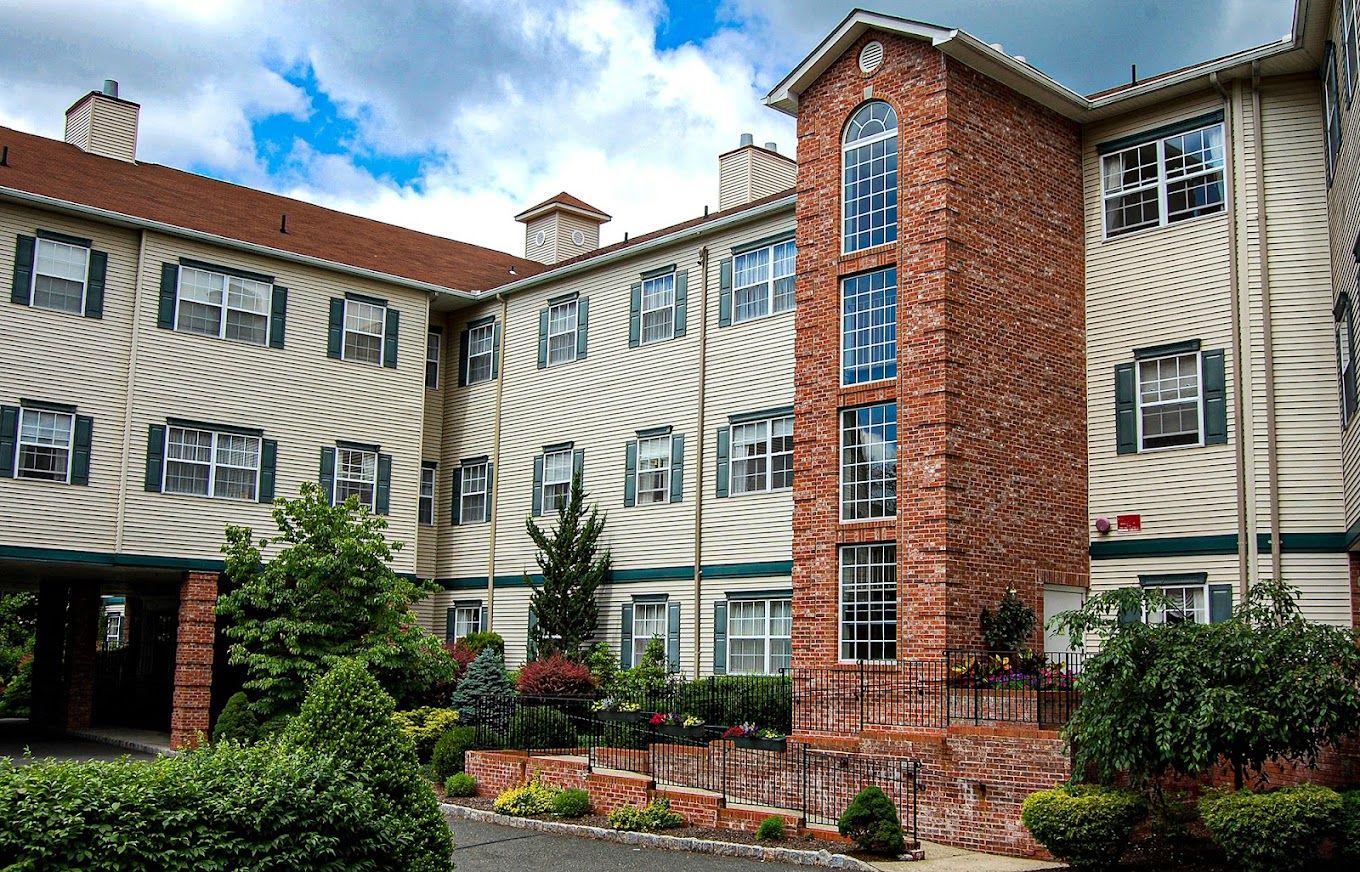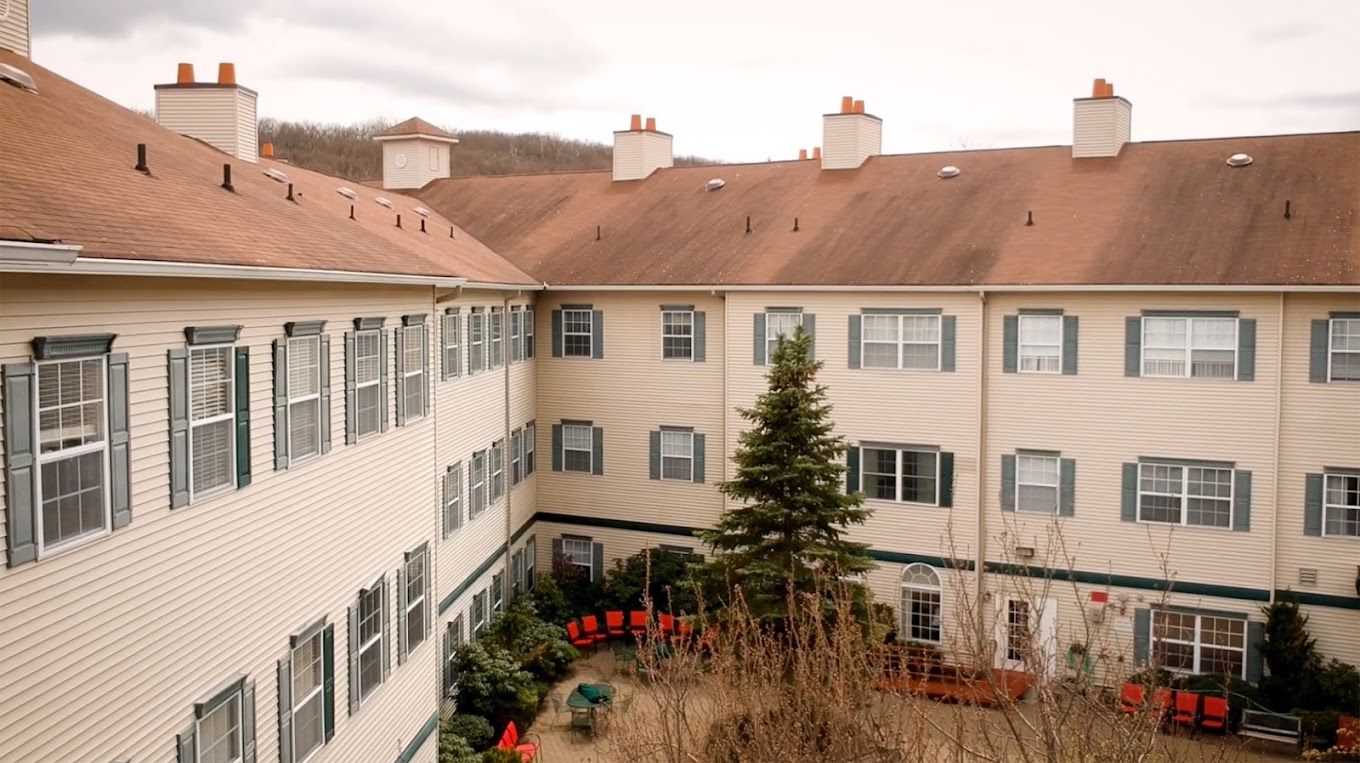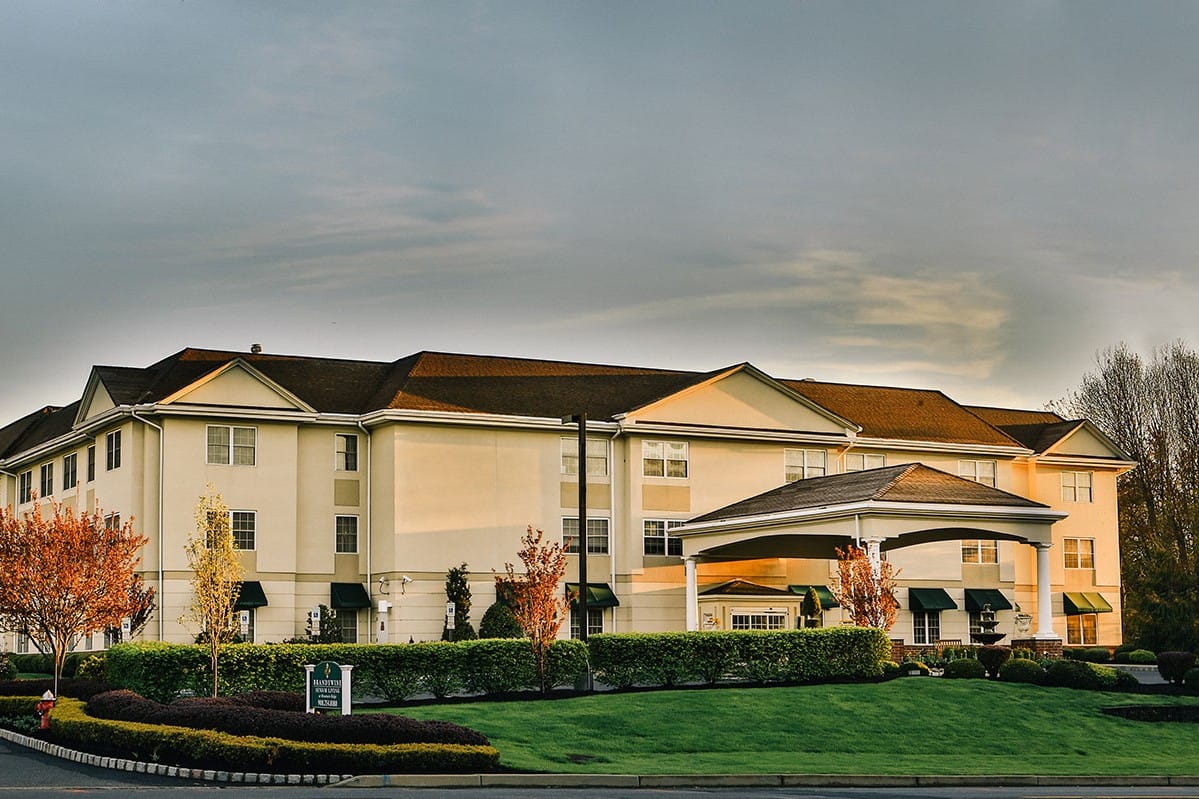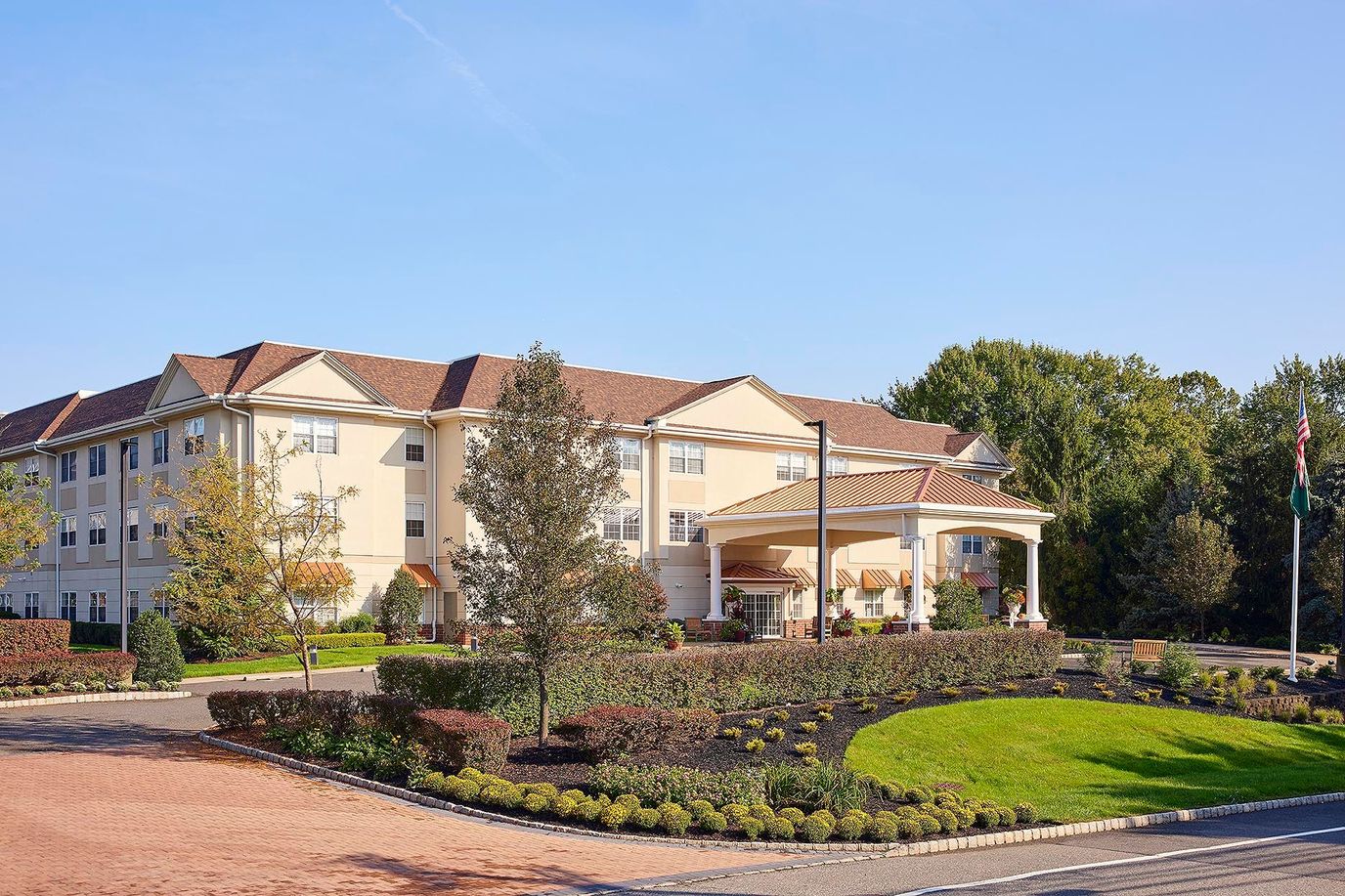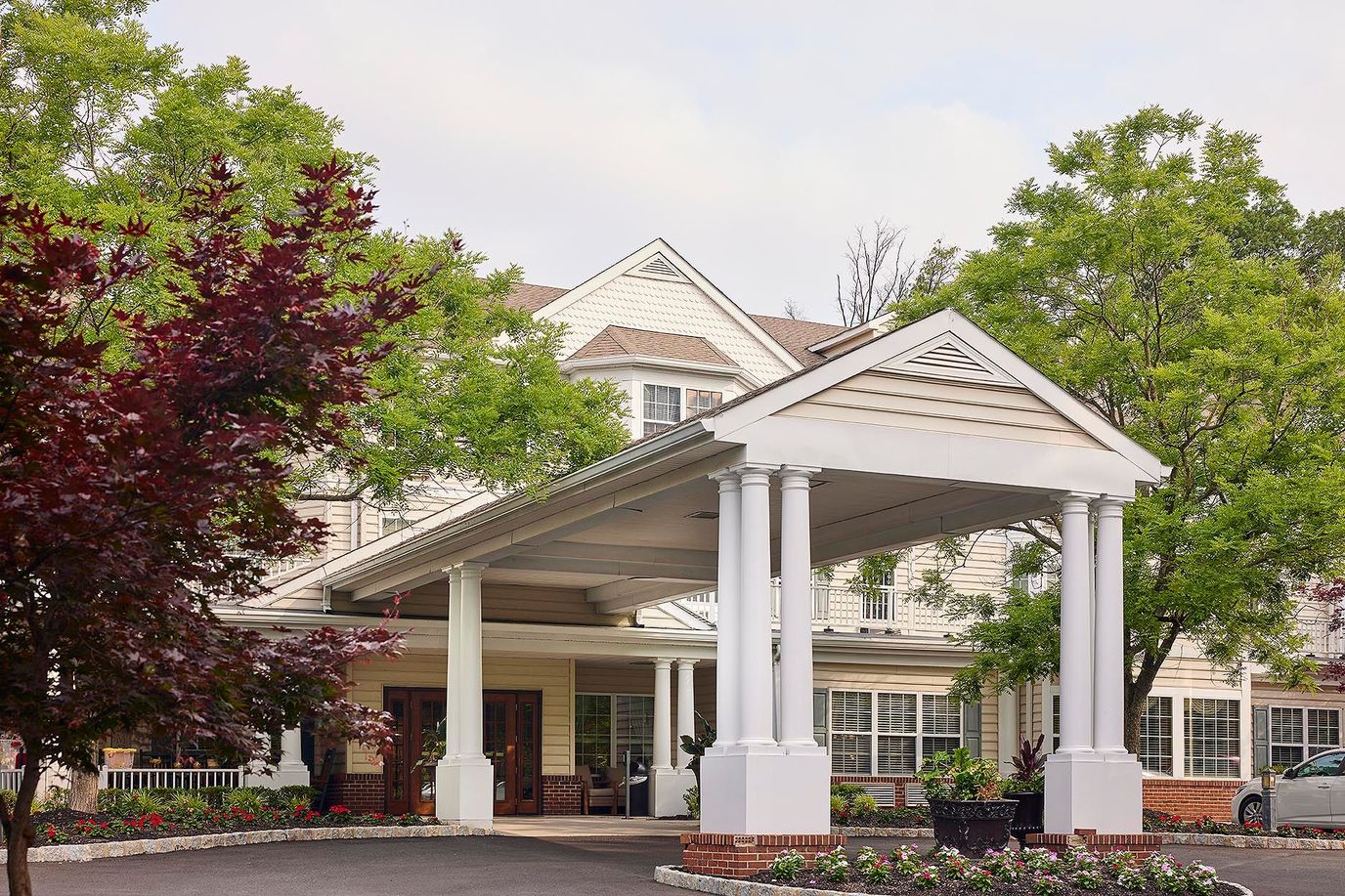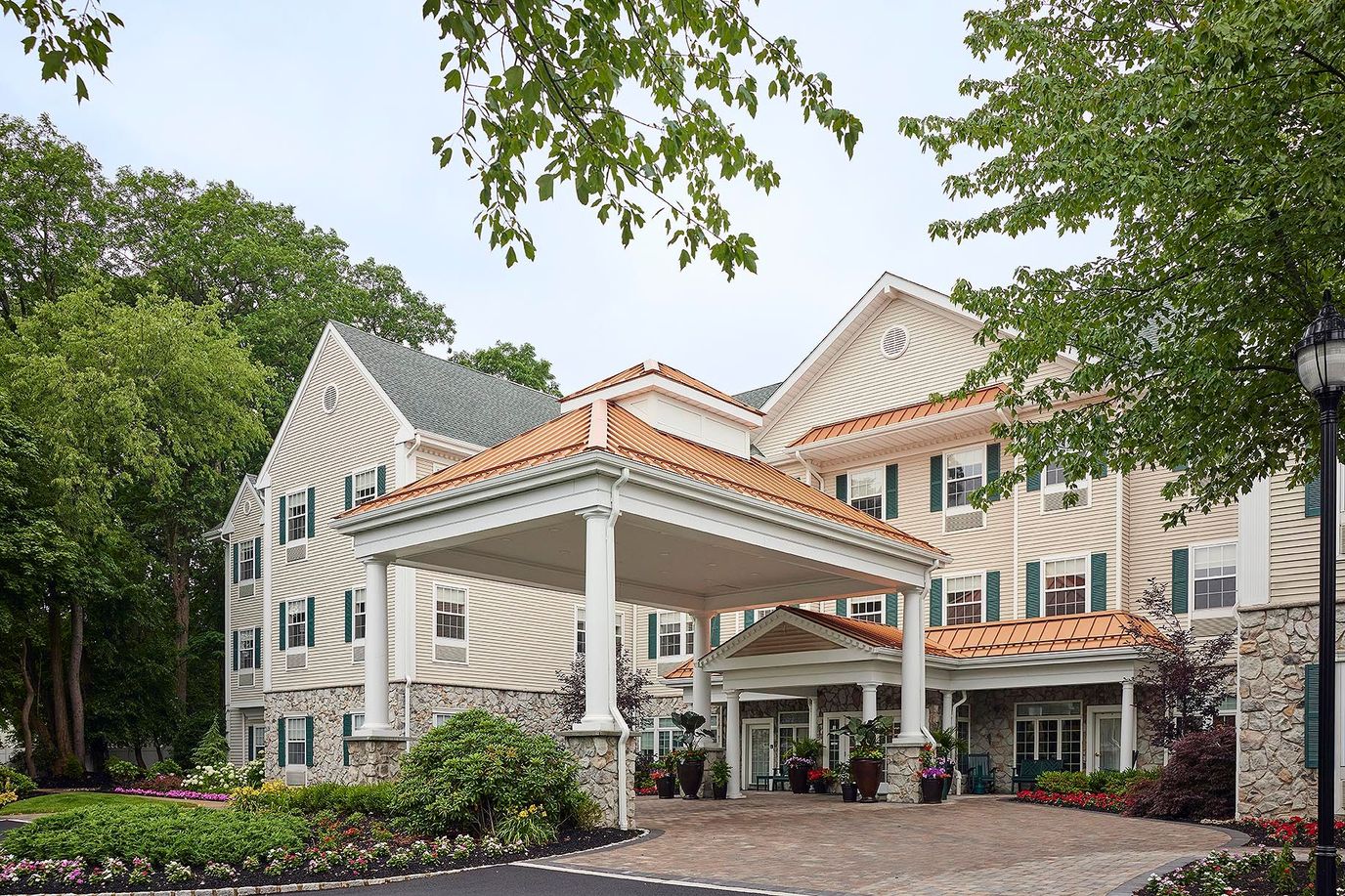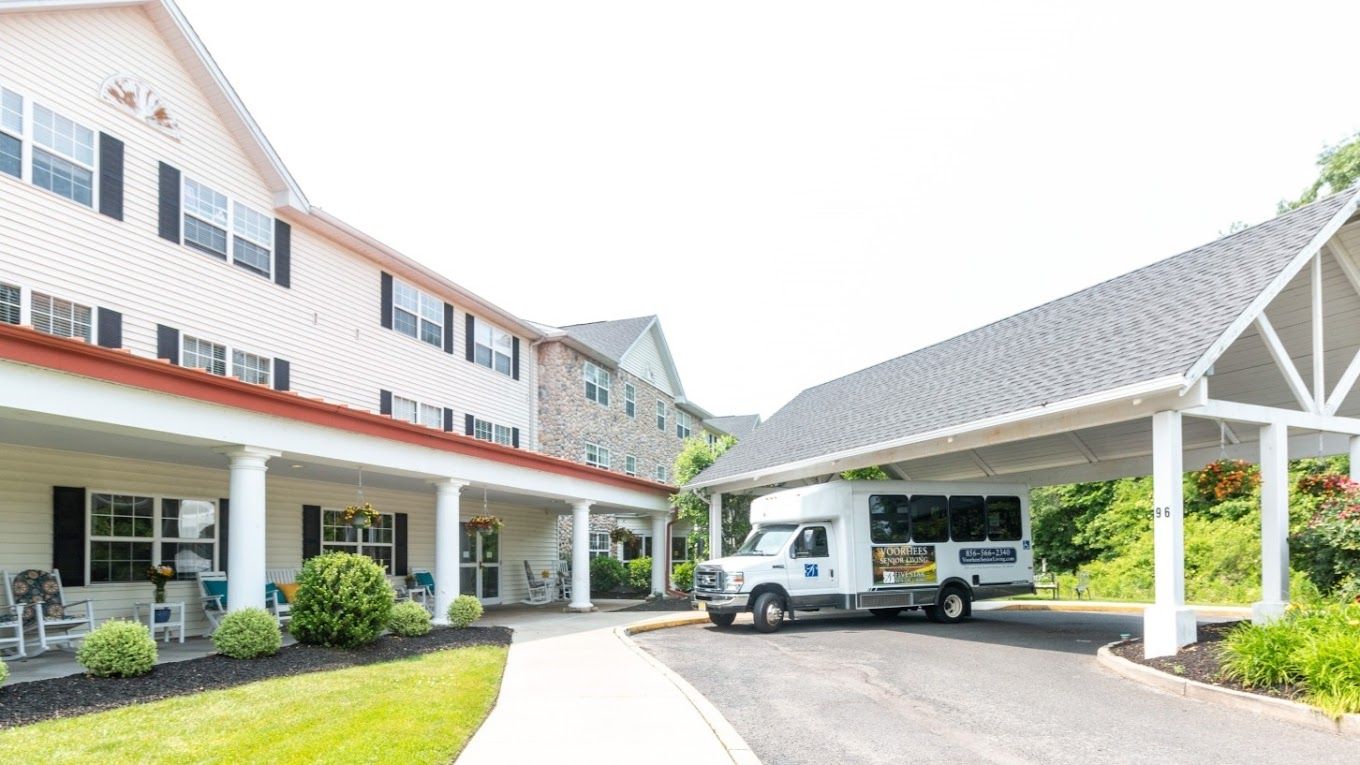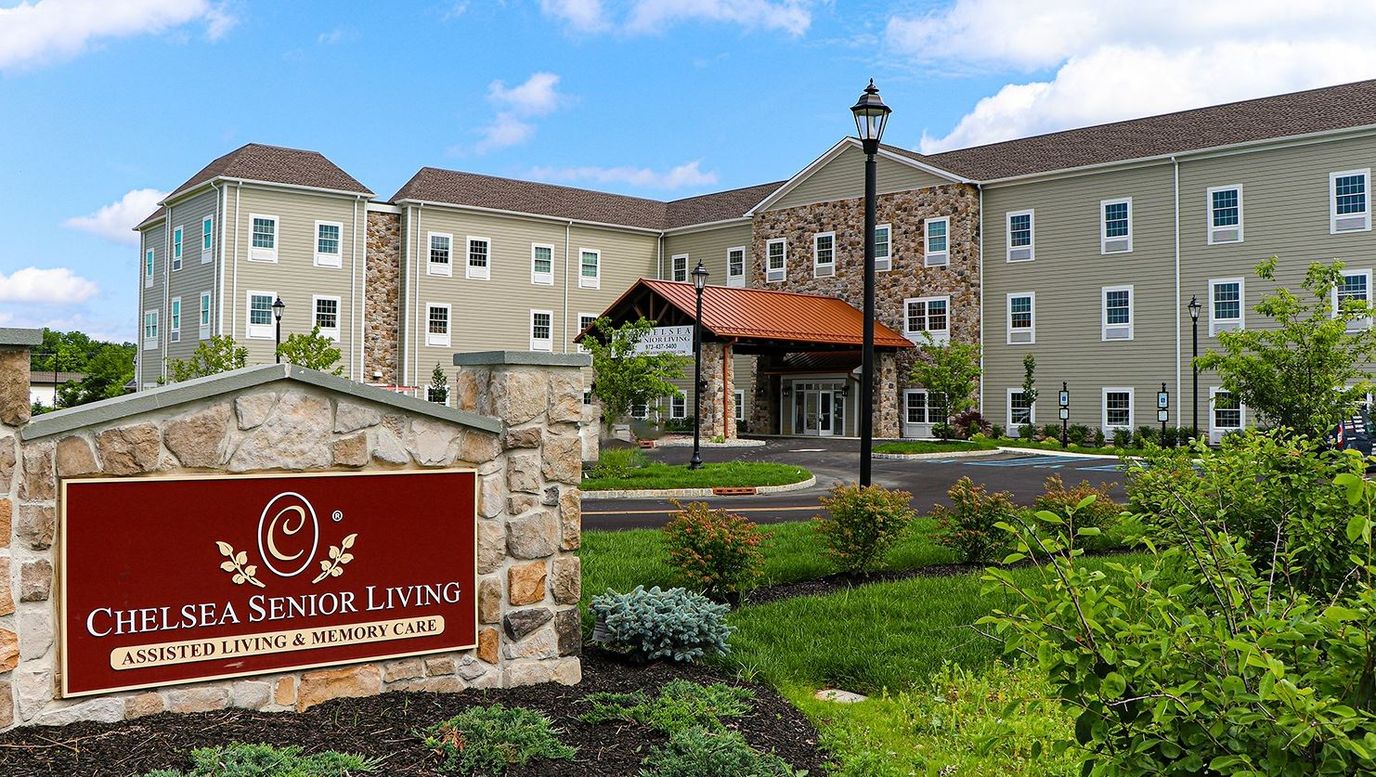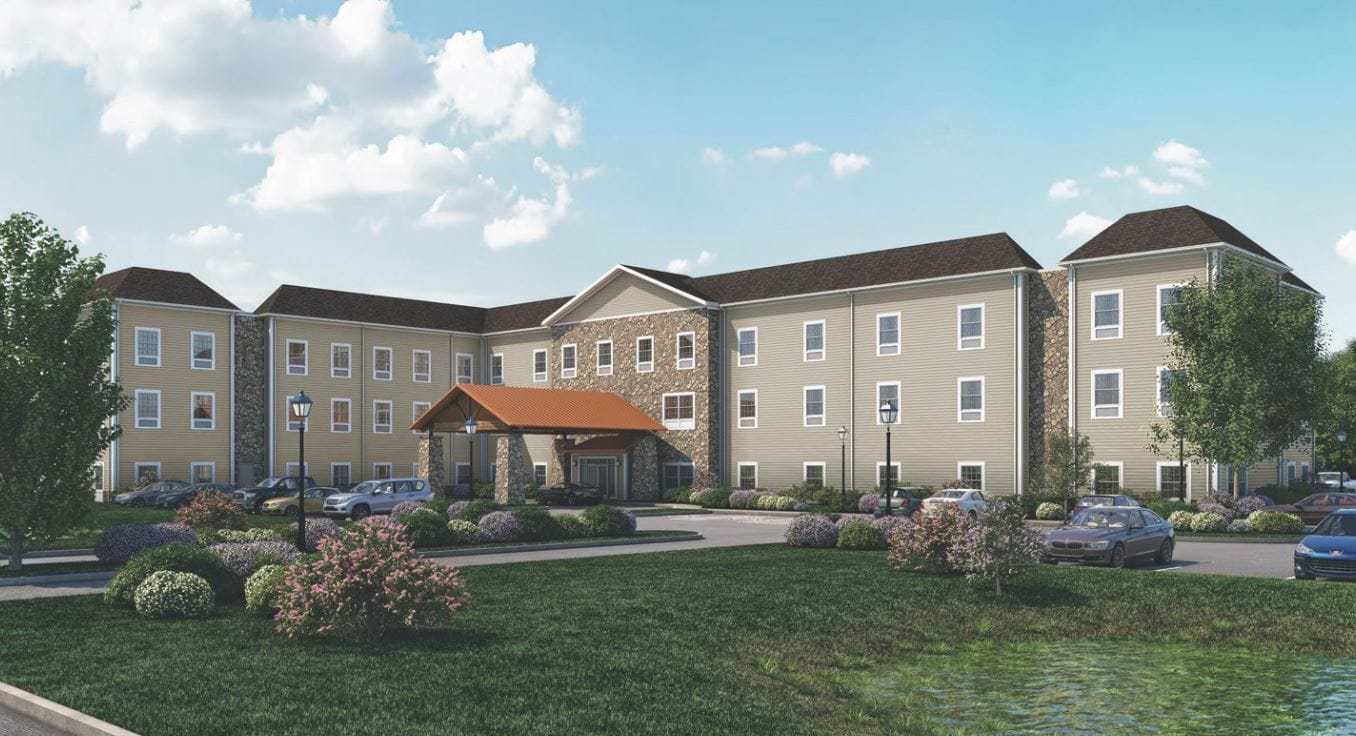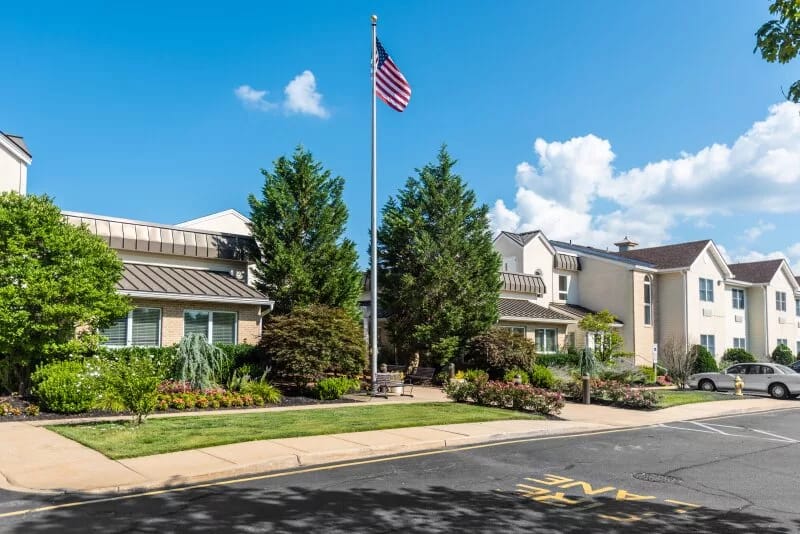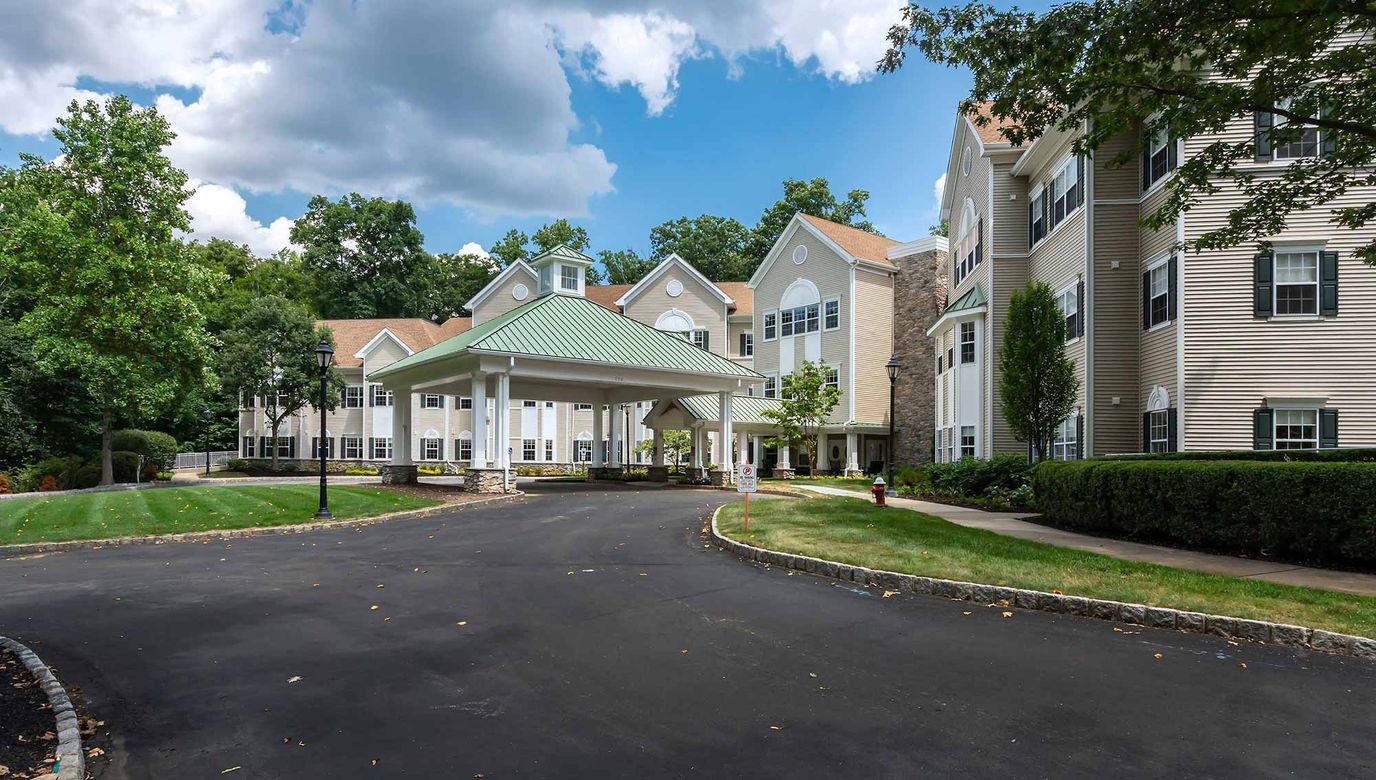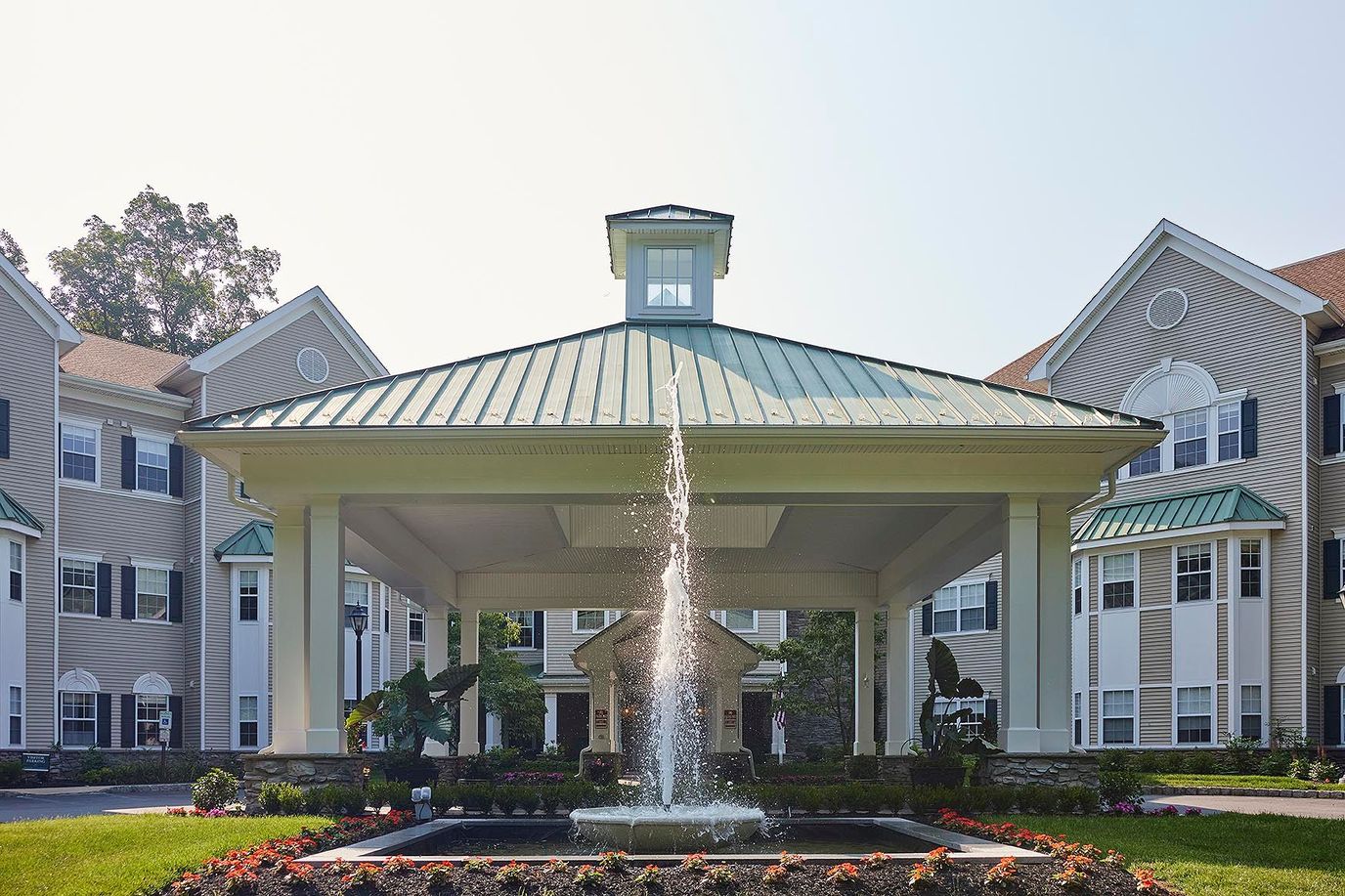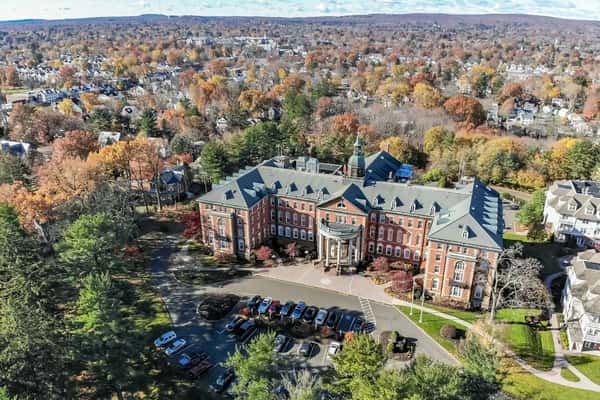
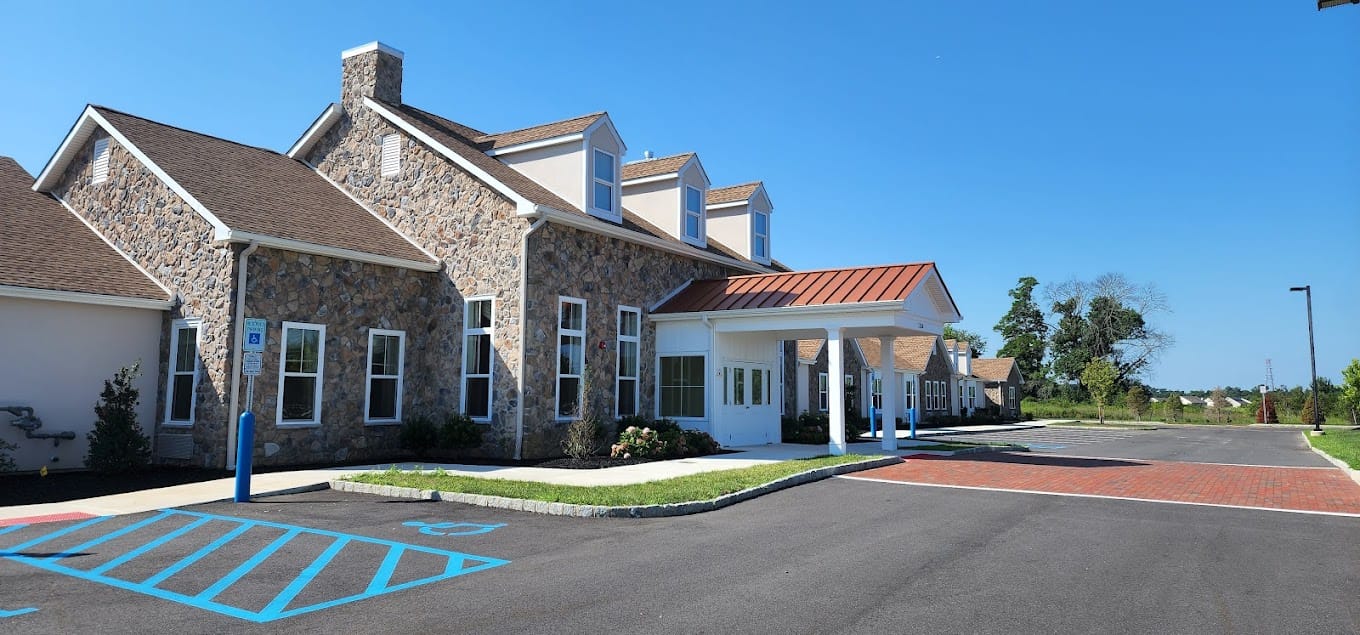
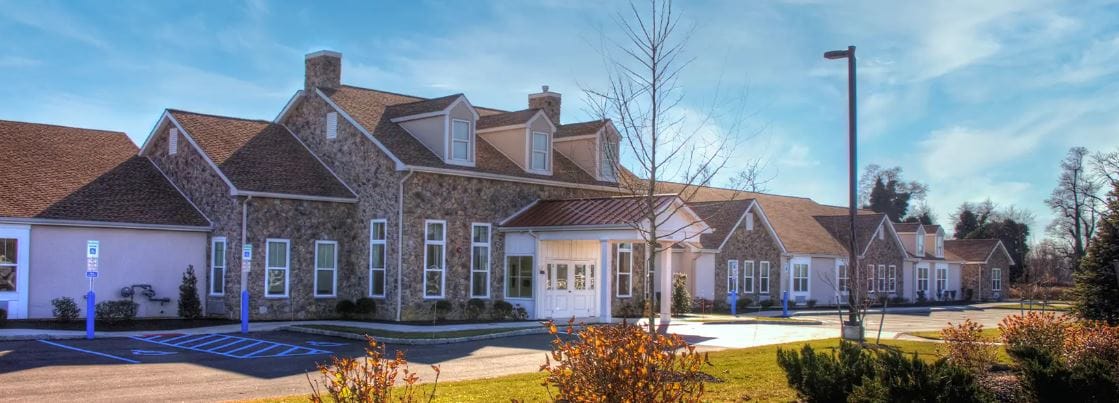

Careone at Wayne operates a 101-bed nursing facility handling the medical complexity of short-term rehabilitation and ongoing skilled nursing care. The resident mix reflects this mission: average stays hover around 23 days, occupancy sits at 86%, and most patients cycle through for recovery rather than permanent residence.
Staffing runs deep for a nursing operation. Registered nurses provide 57 minutes of direct care per resident daily. Nurse aides add 2 hours and 14 minutes. The total nursing footprint across all roles hits 3 hours and 6 minutes per resident per day, which is meaningful volume in the skilled-nursing space.
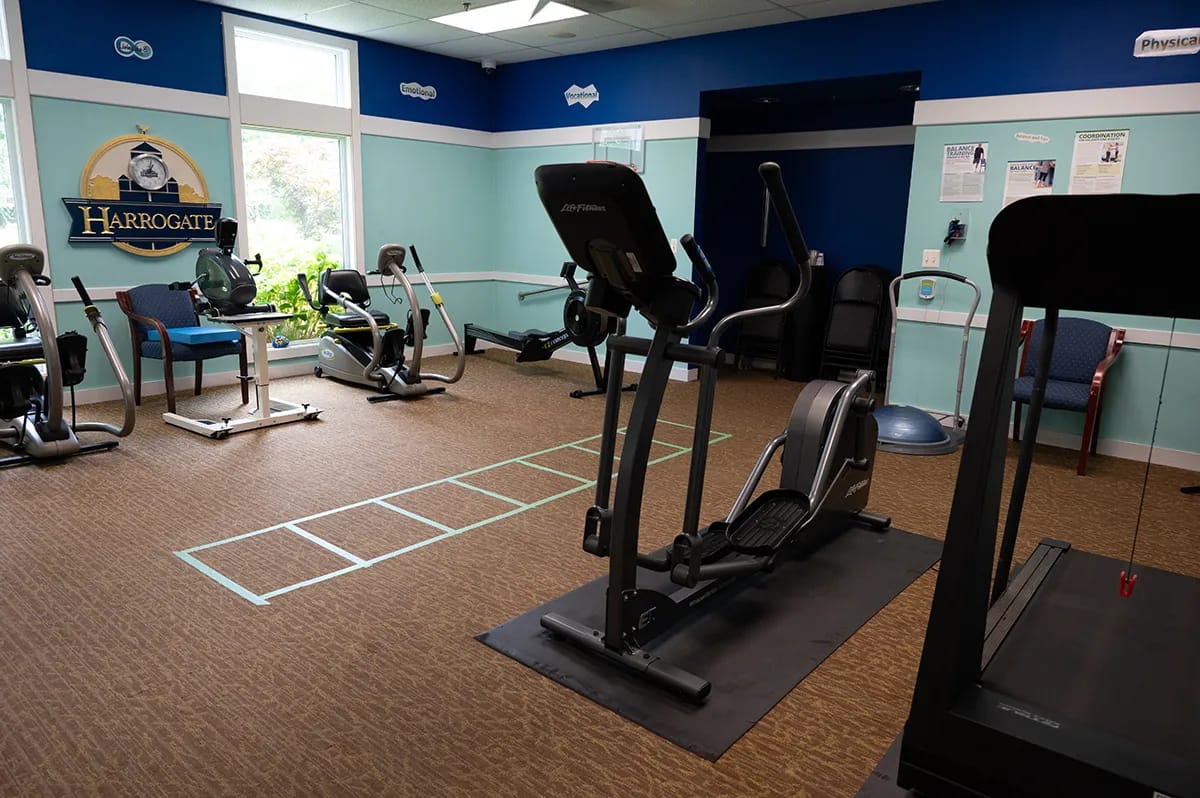
Rehabilitation takes the lead with physical therapy, occupational therapy, and speech therapy working with patients post-surgery or post-stroke. Respite care sits in the mix for families needing temporary placement. The facility also runs palliative and hospice services, which means it handles end-of-life care and serious-illness support alongside its acute rehab focus.
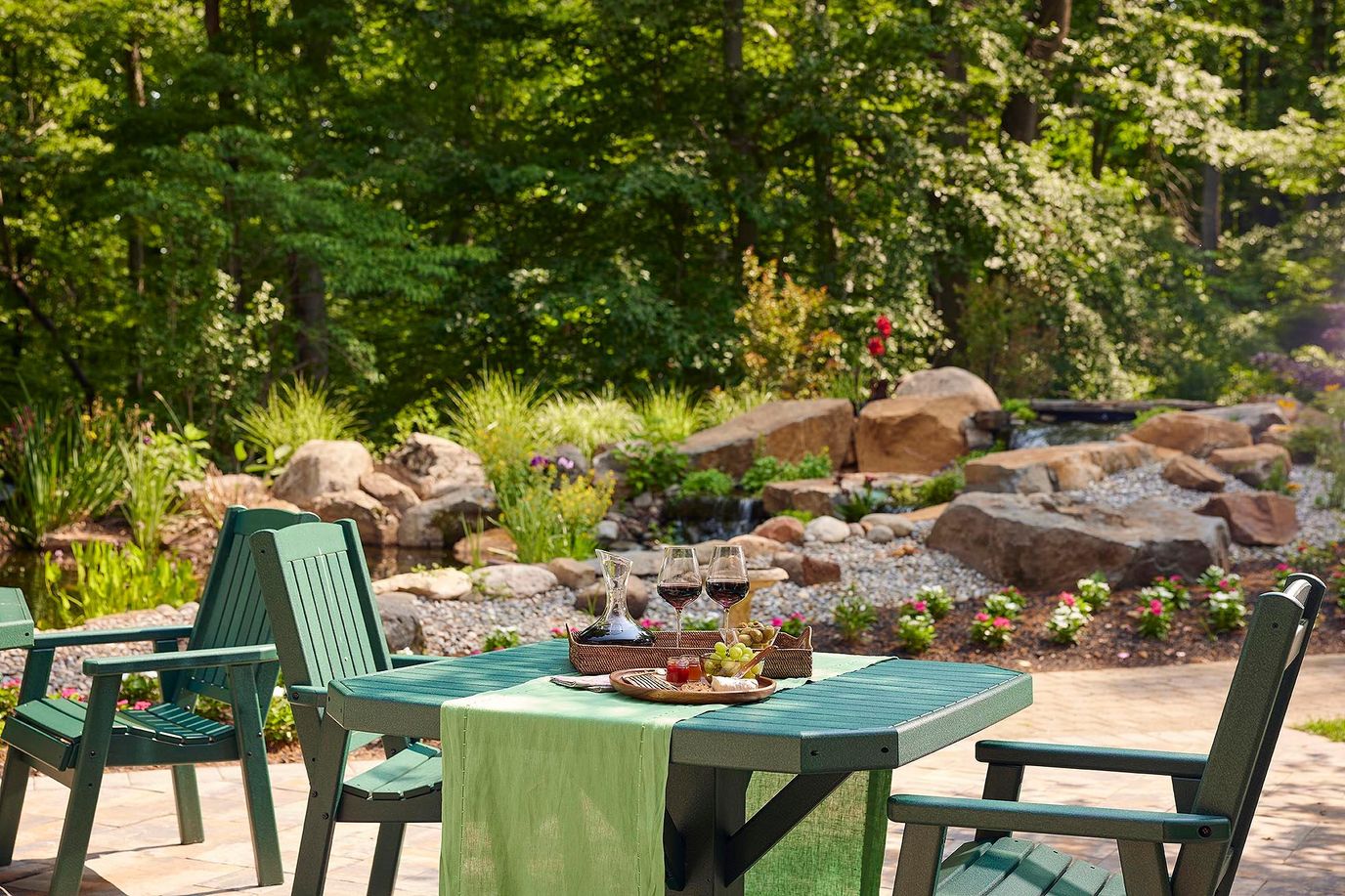
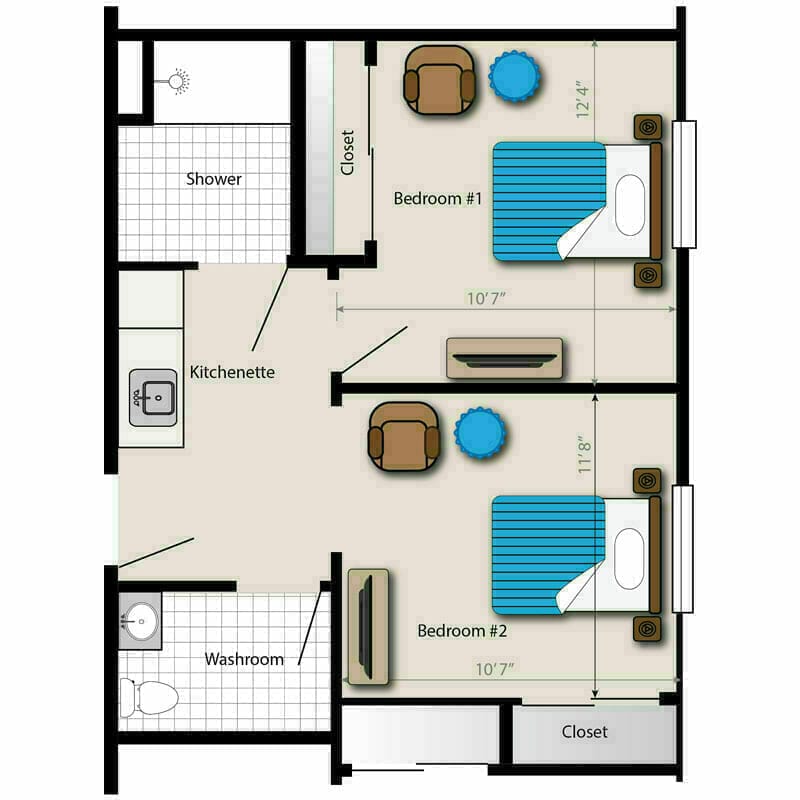
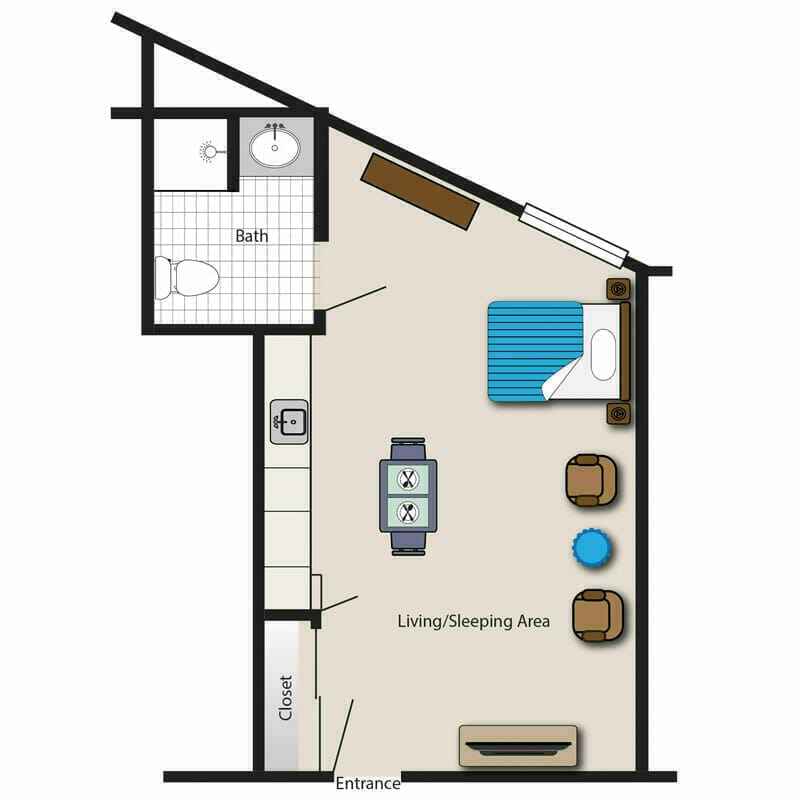
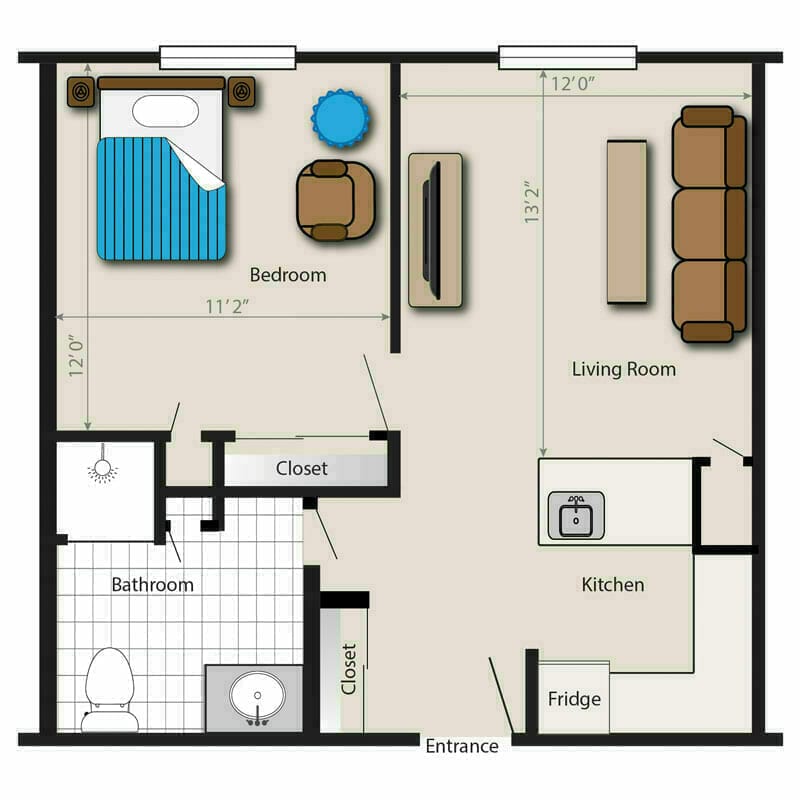
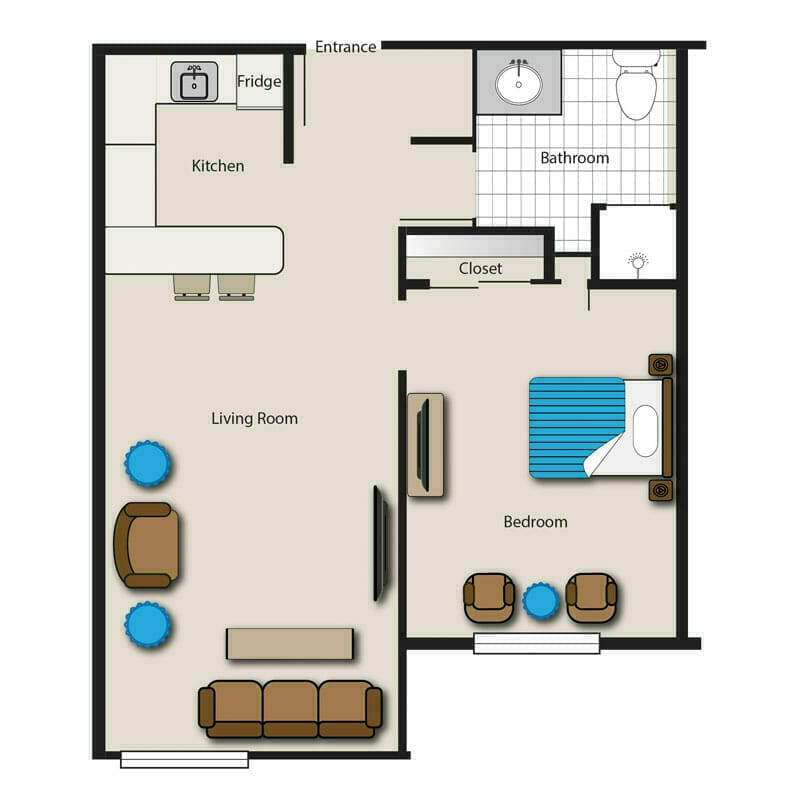
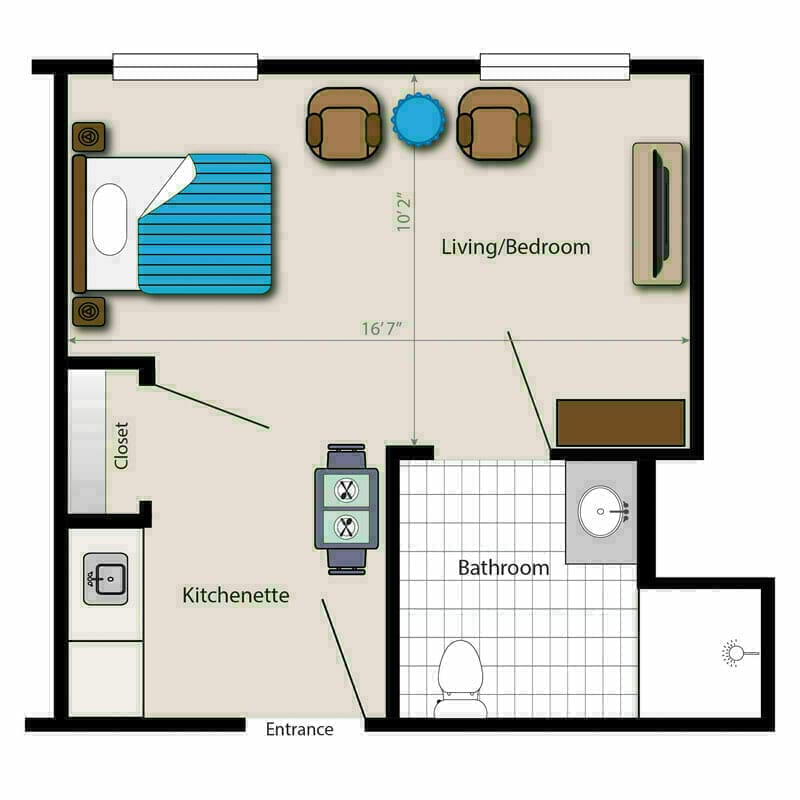
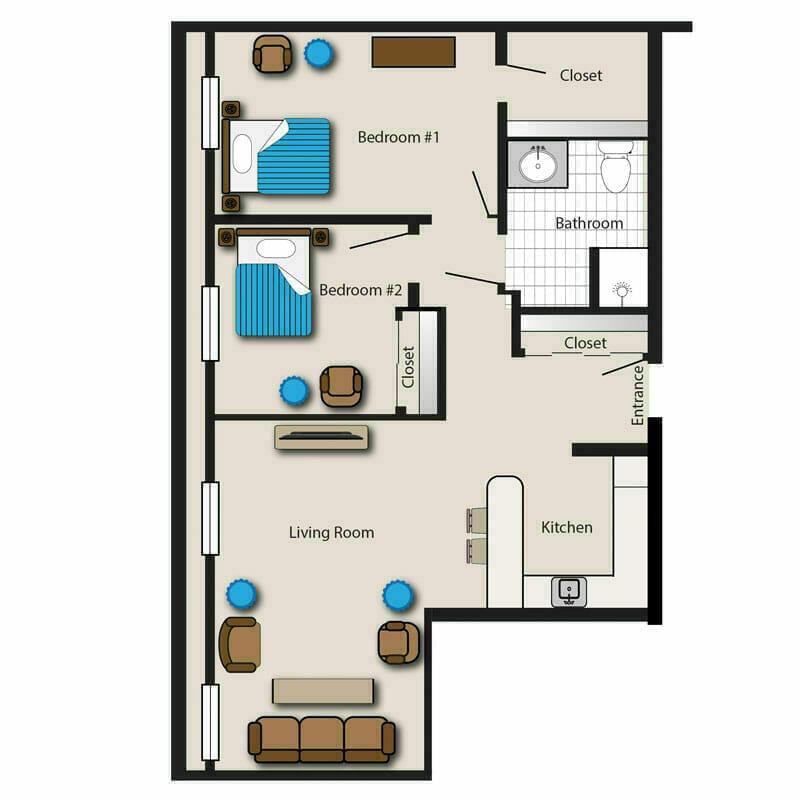
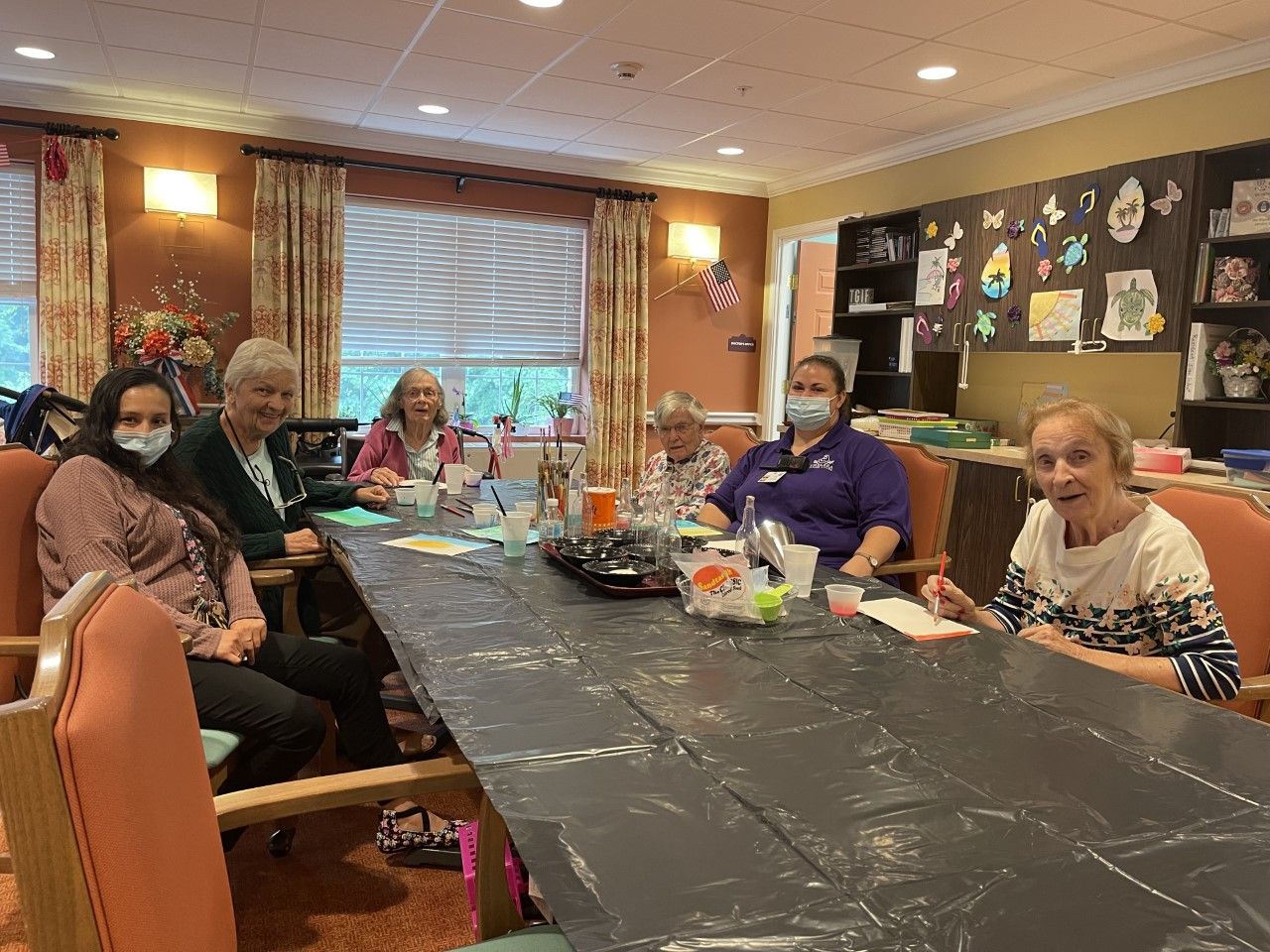
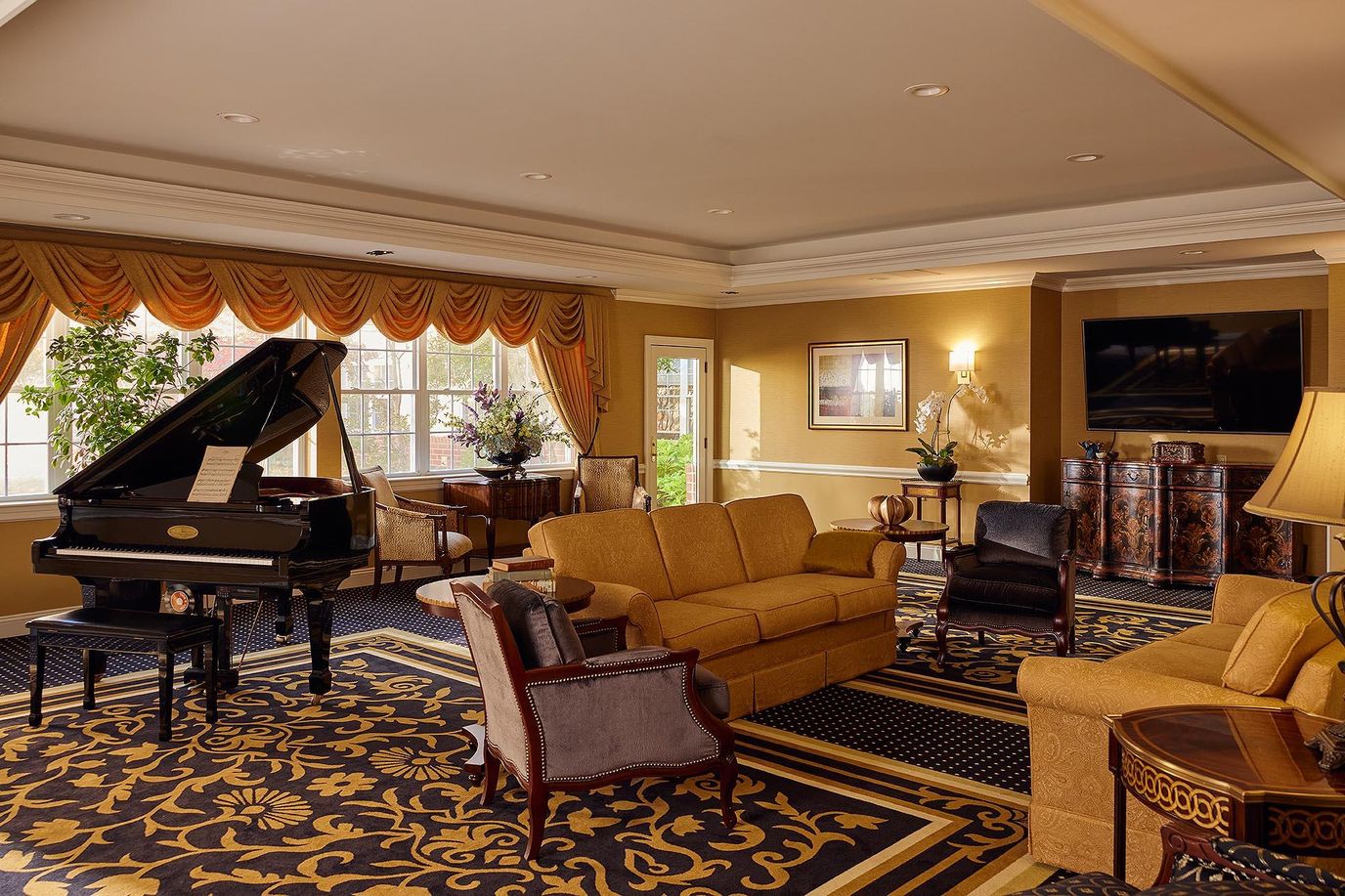
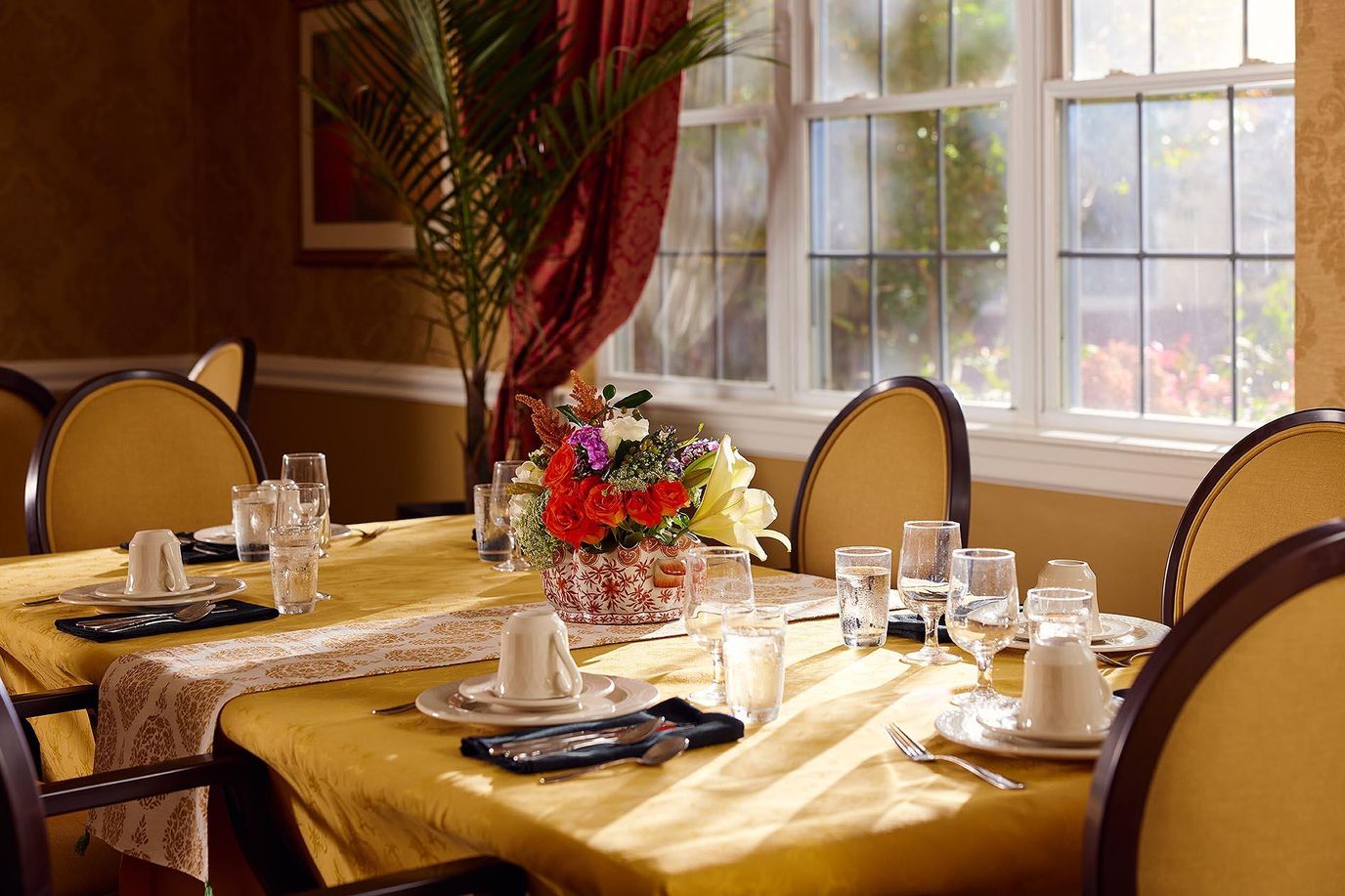
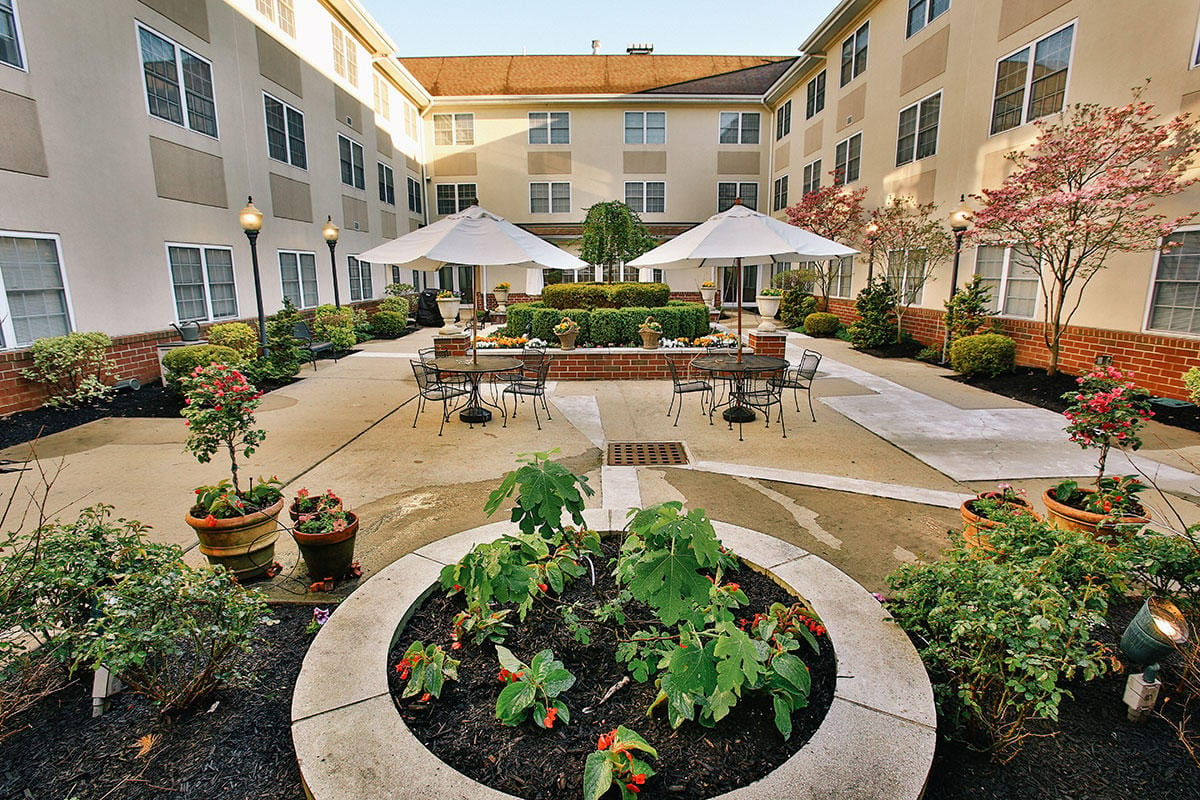
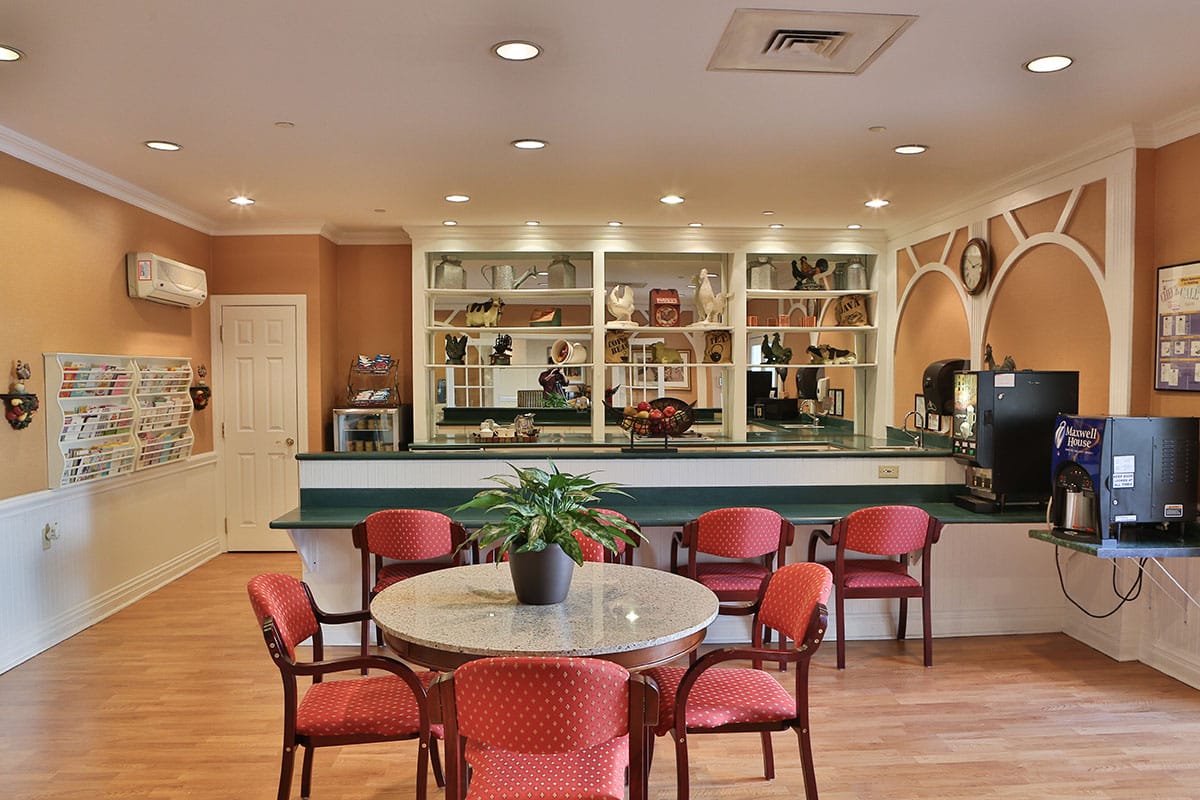
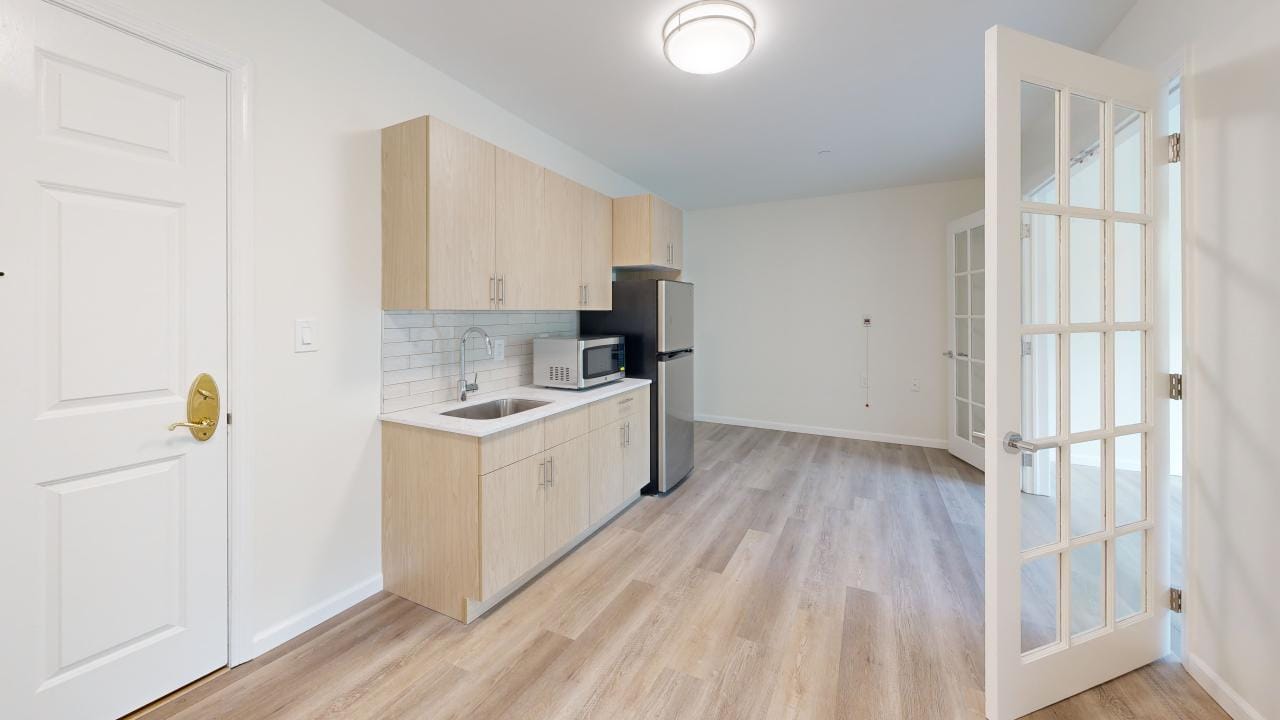
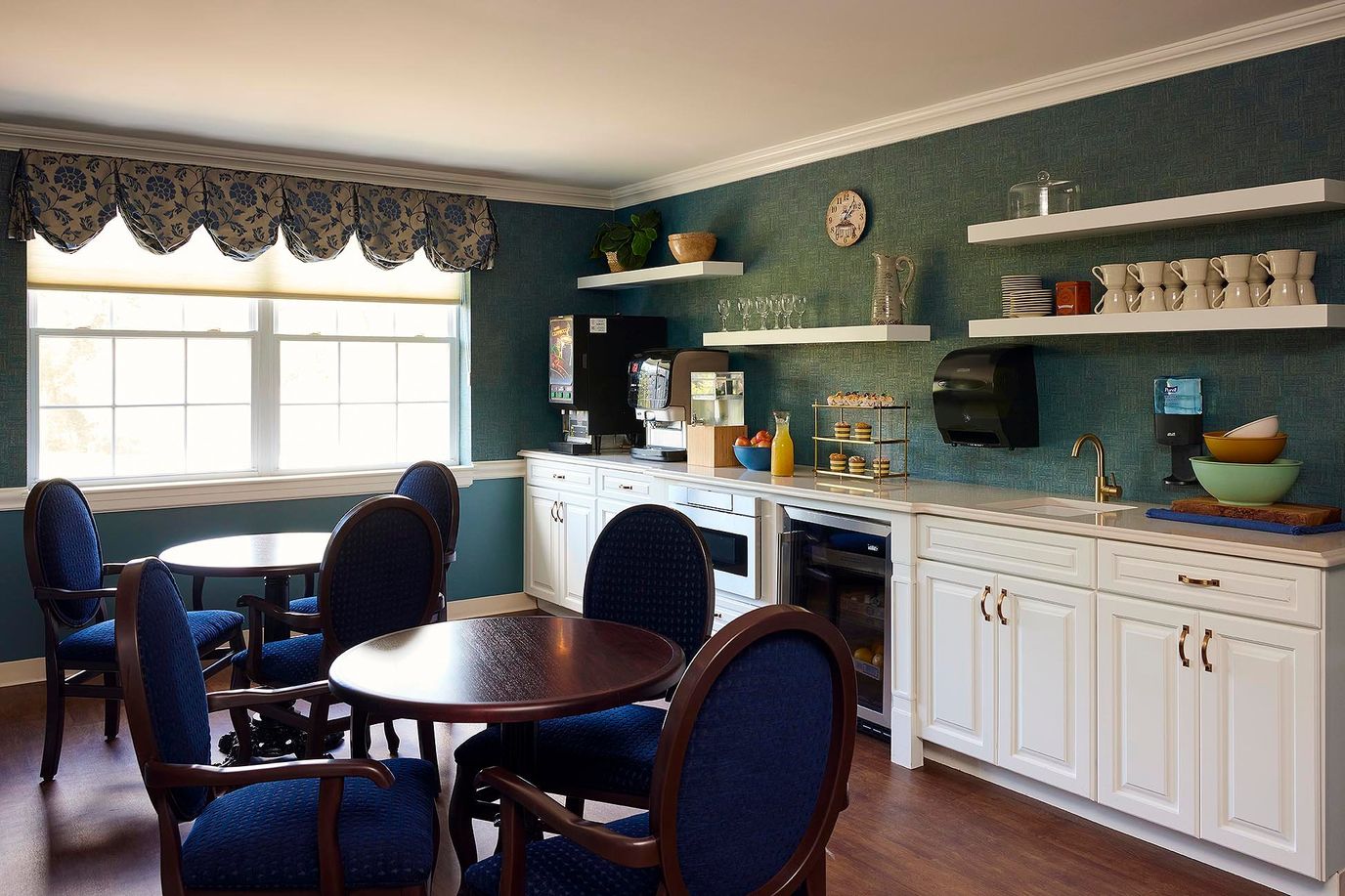
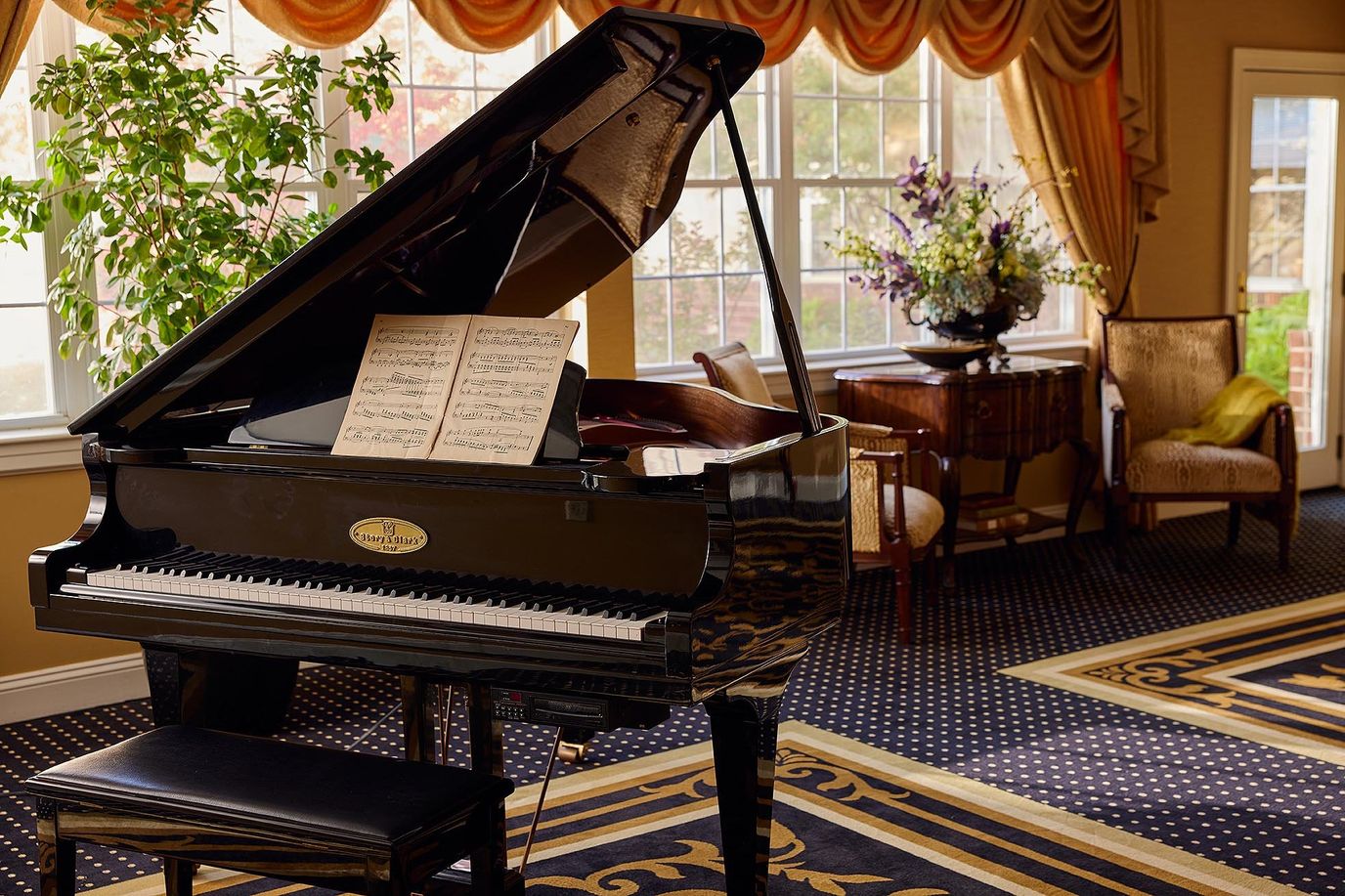
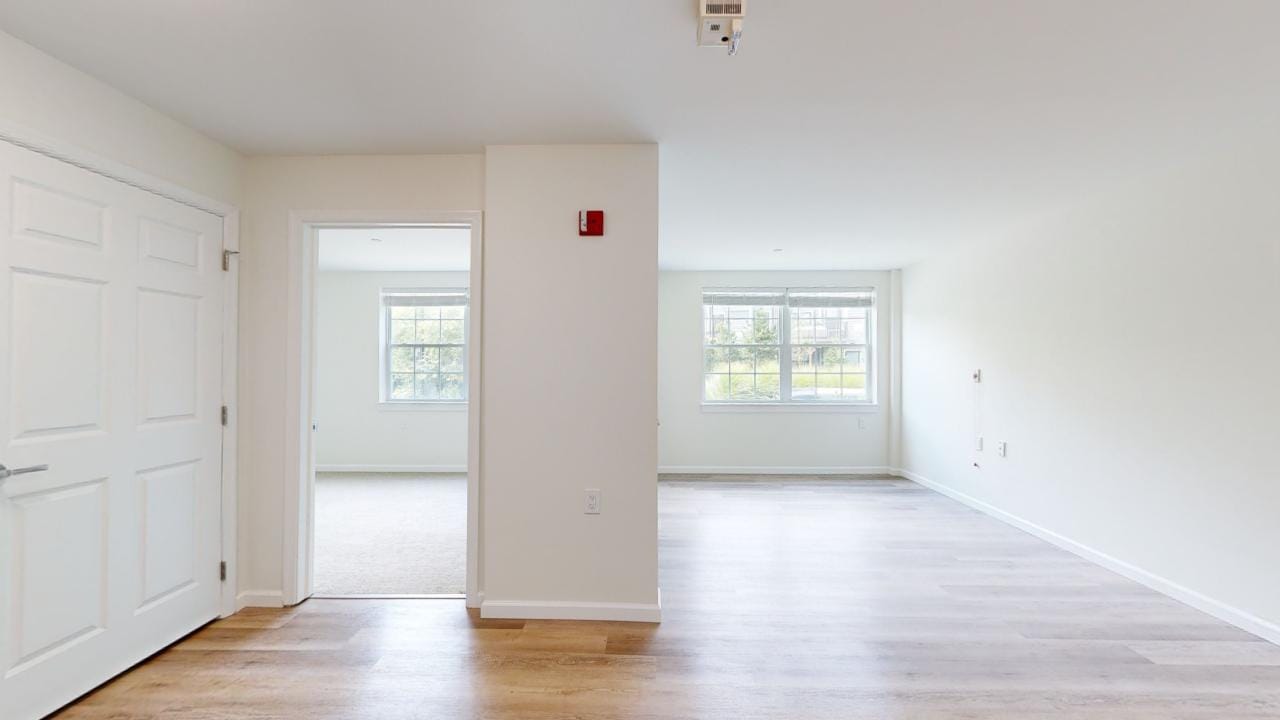
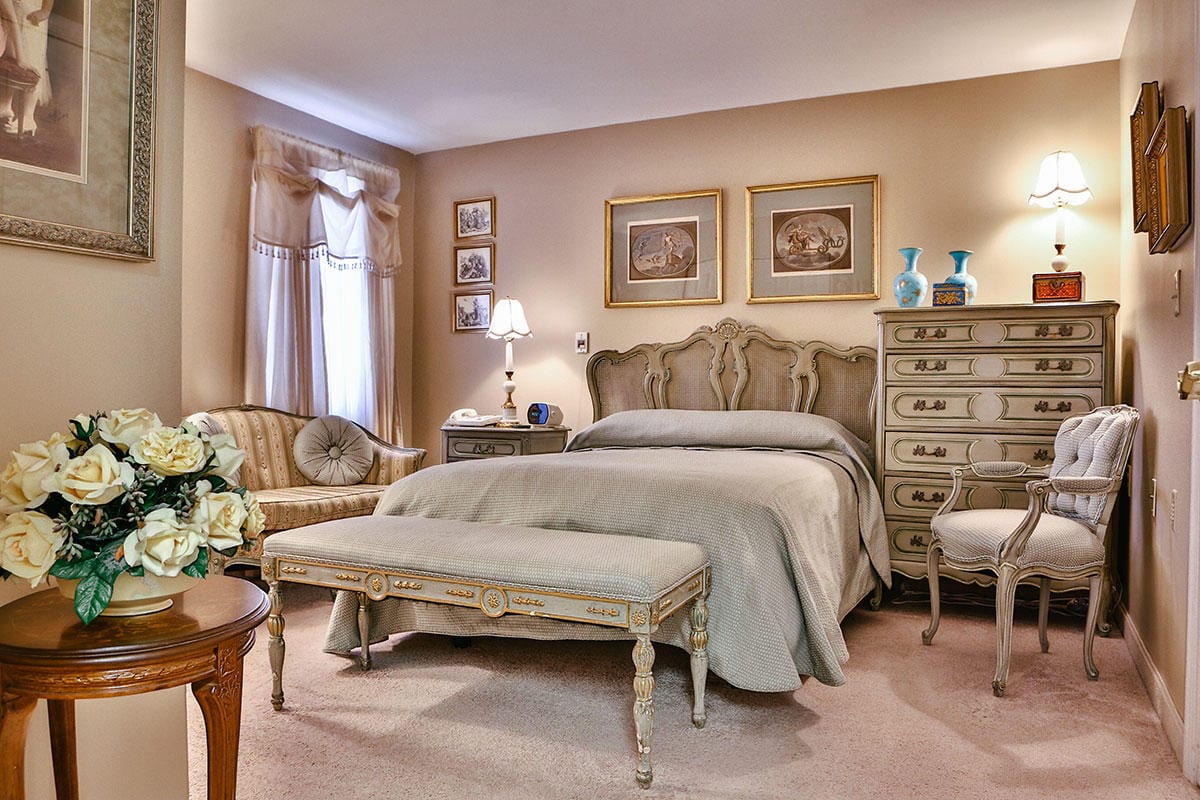
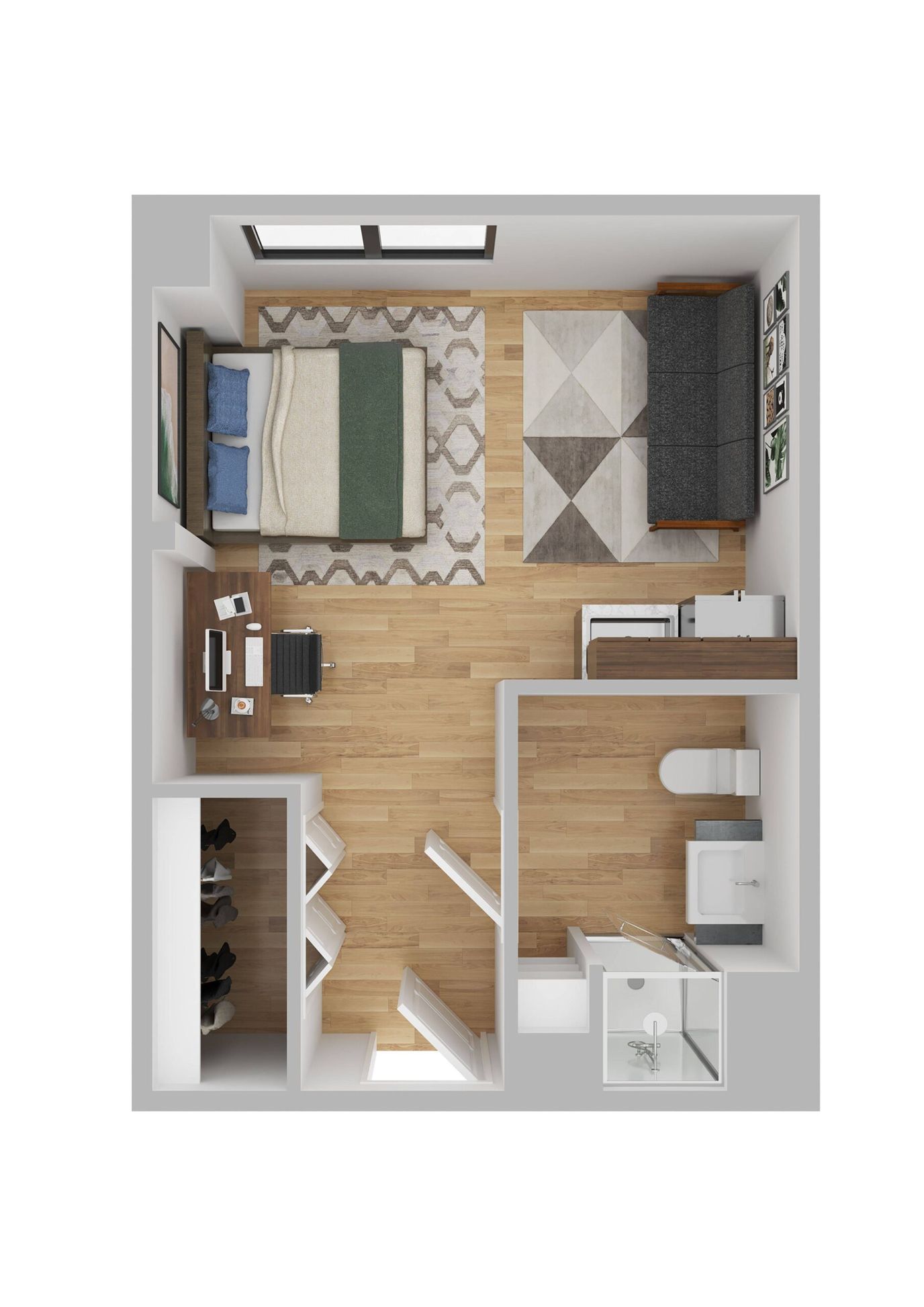
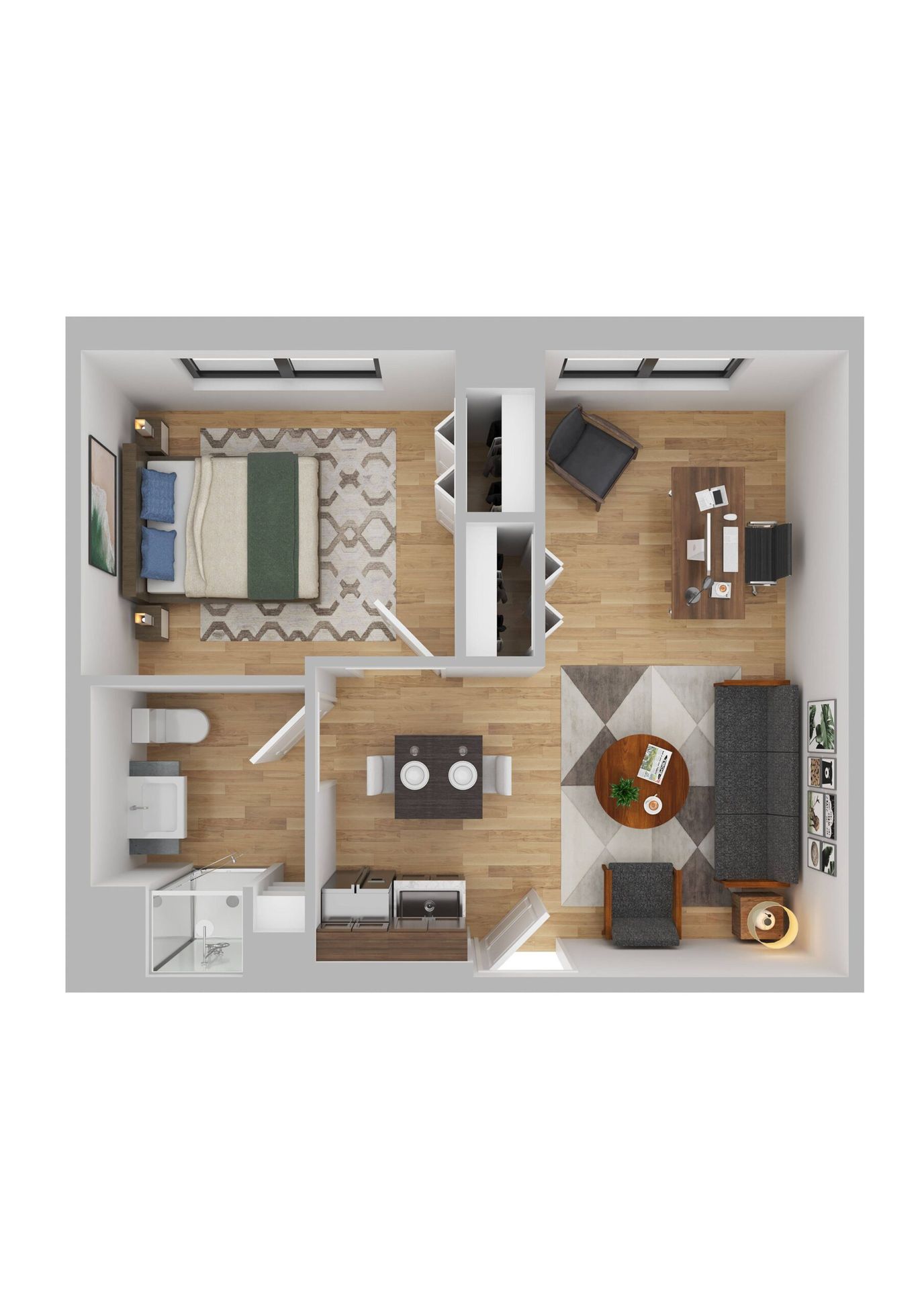
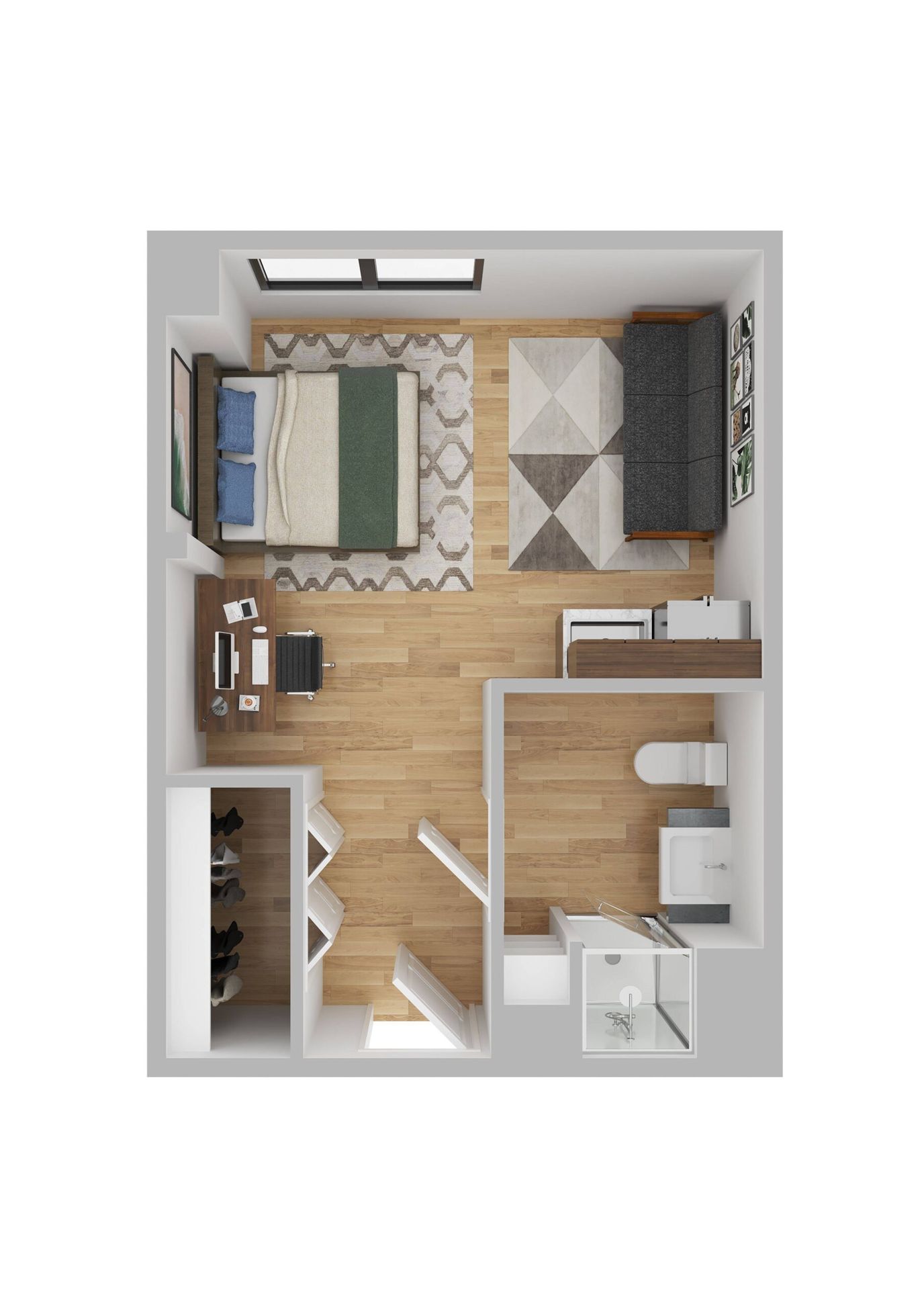
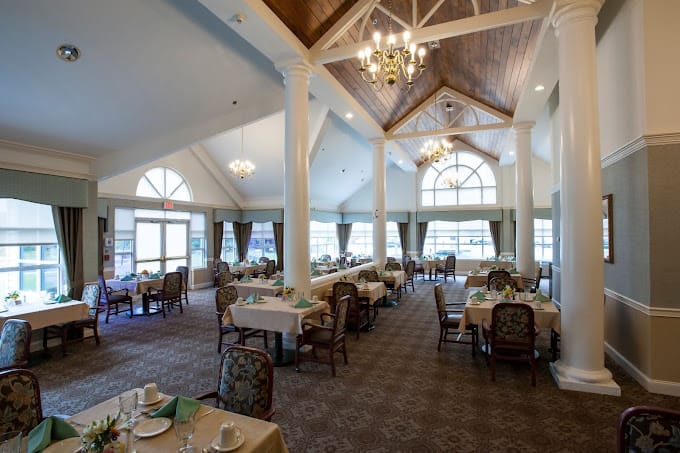
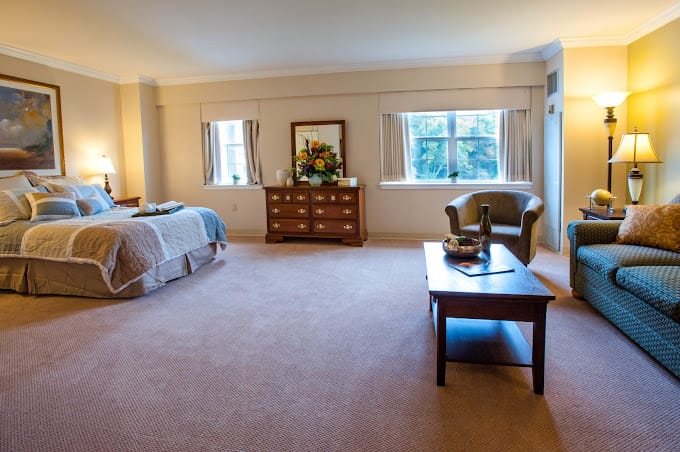
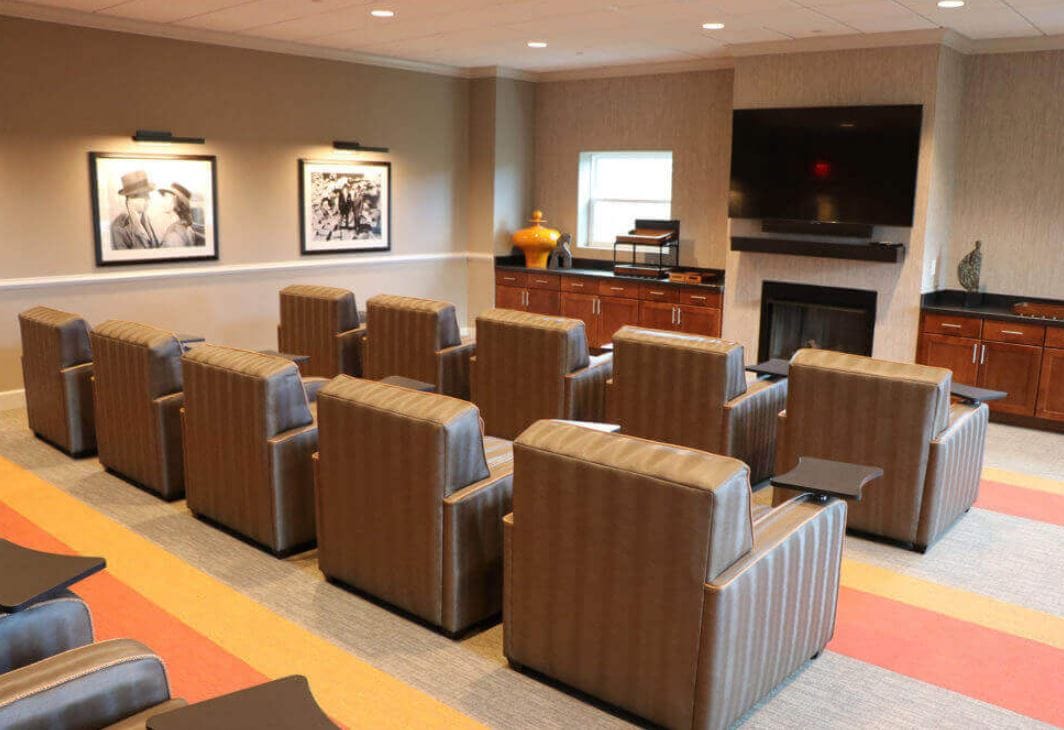
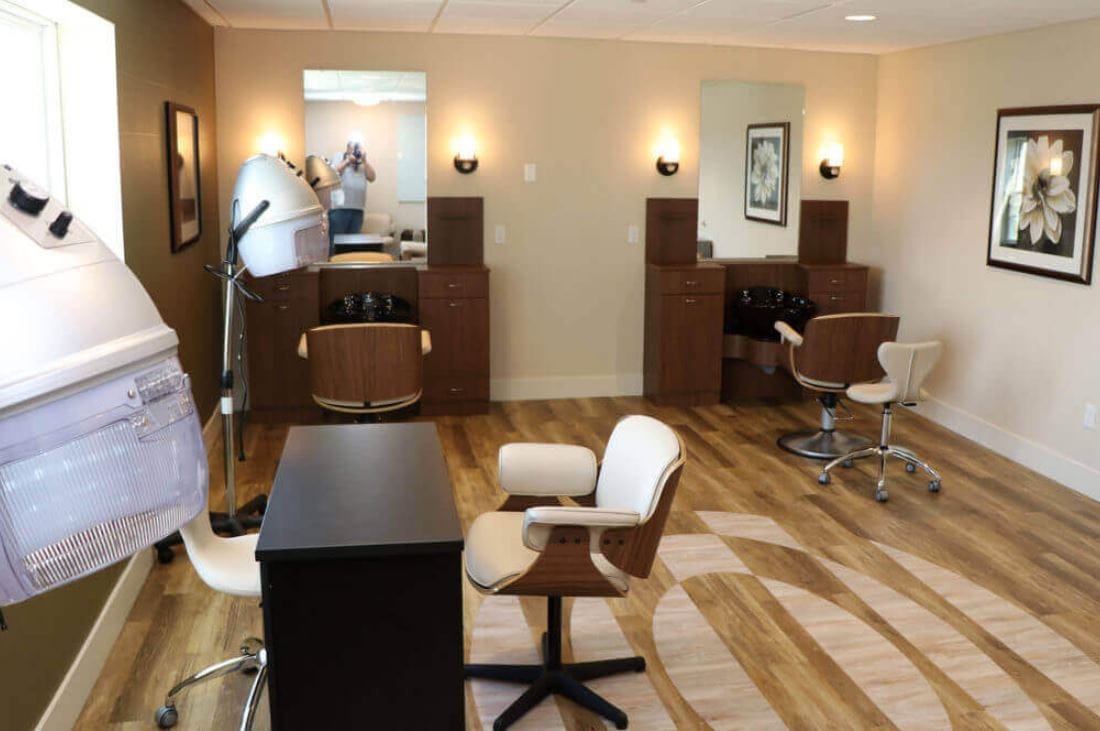
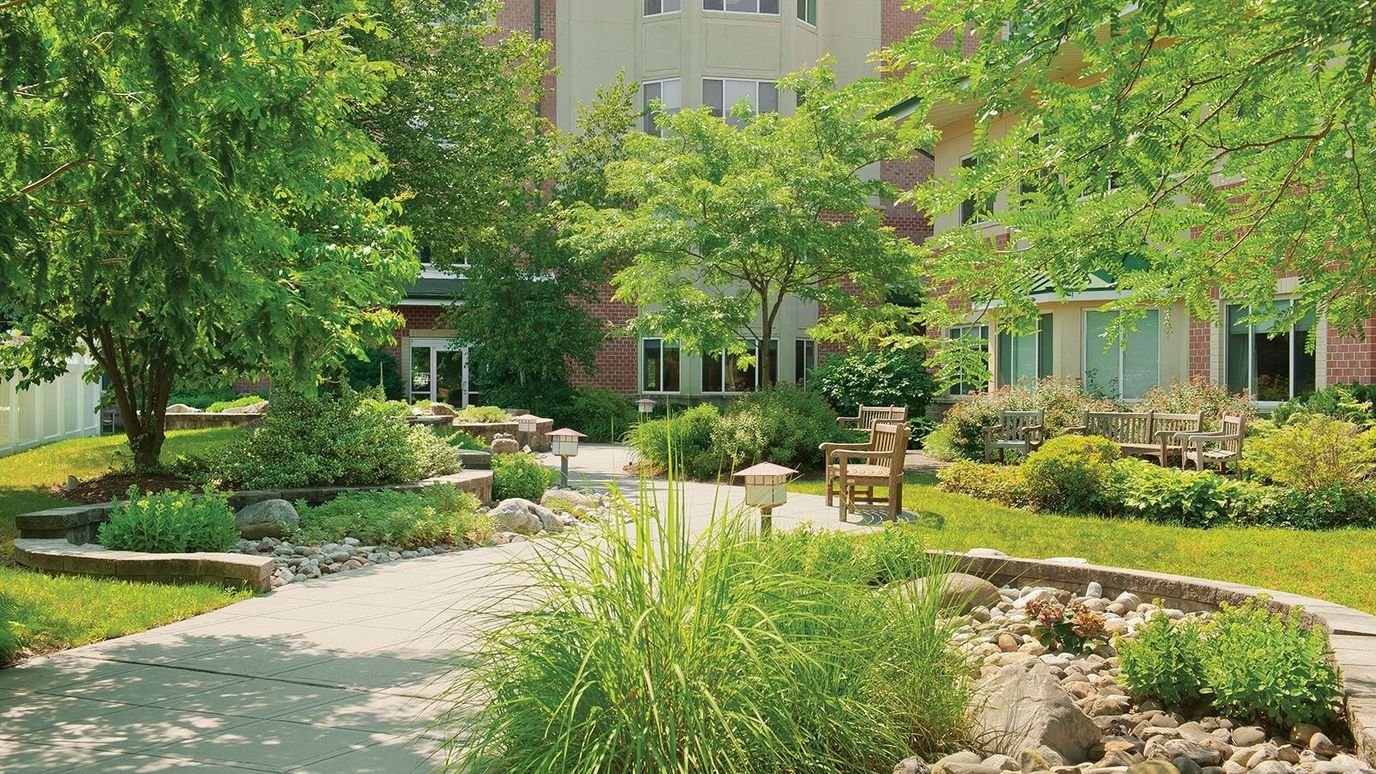
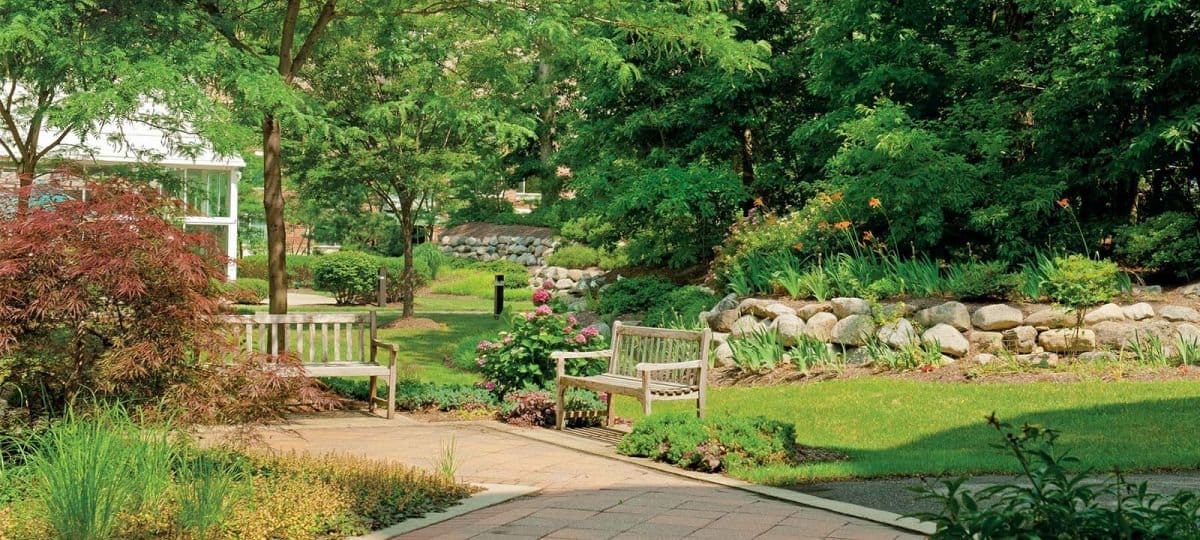
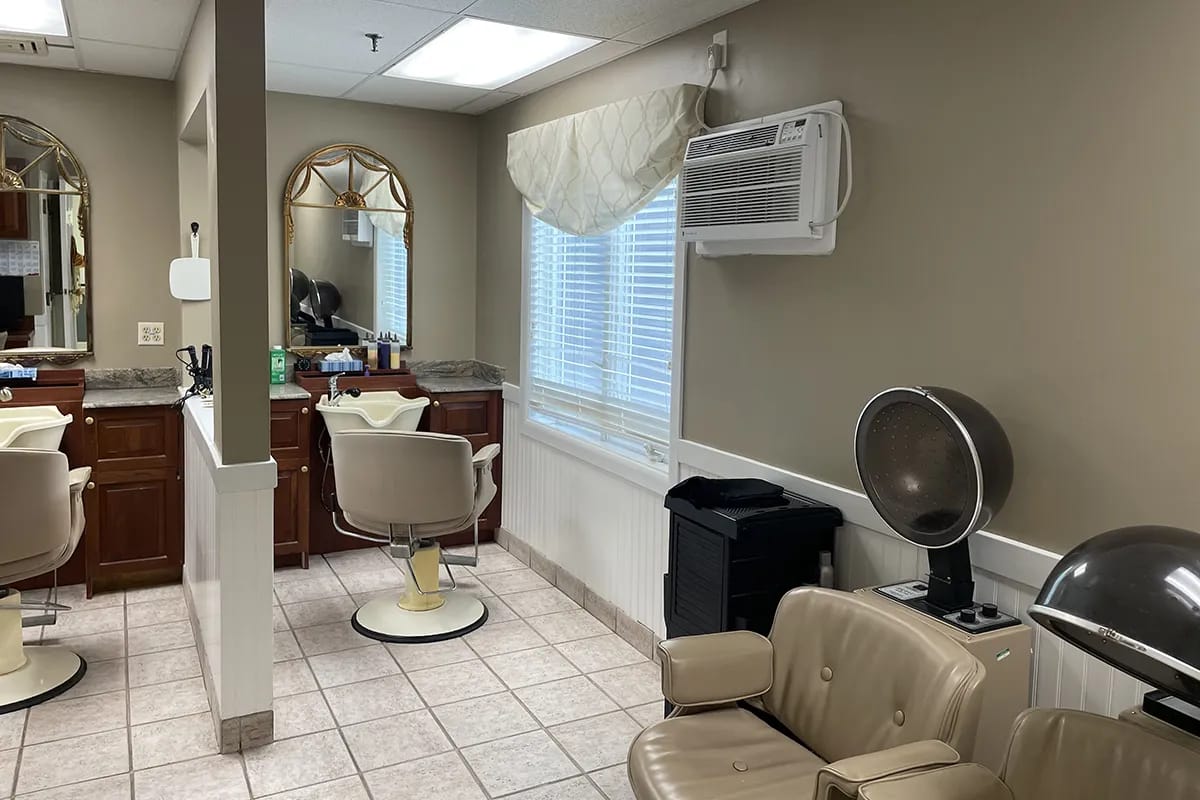
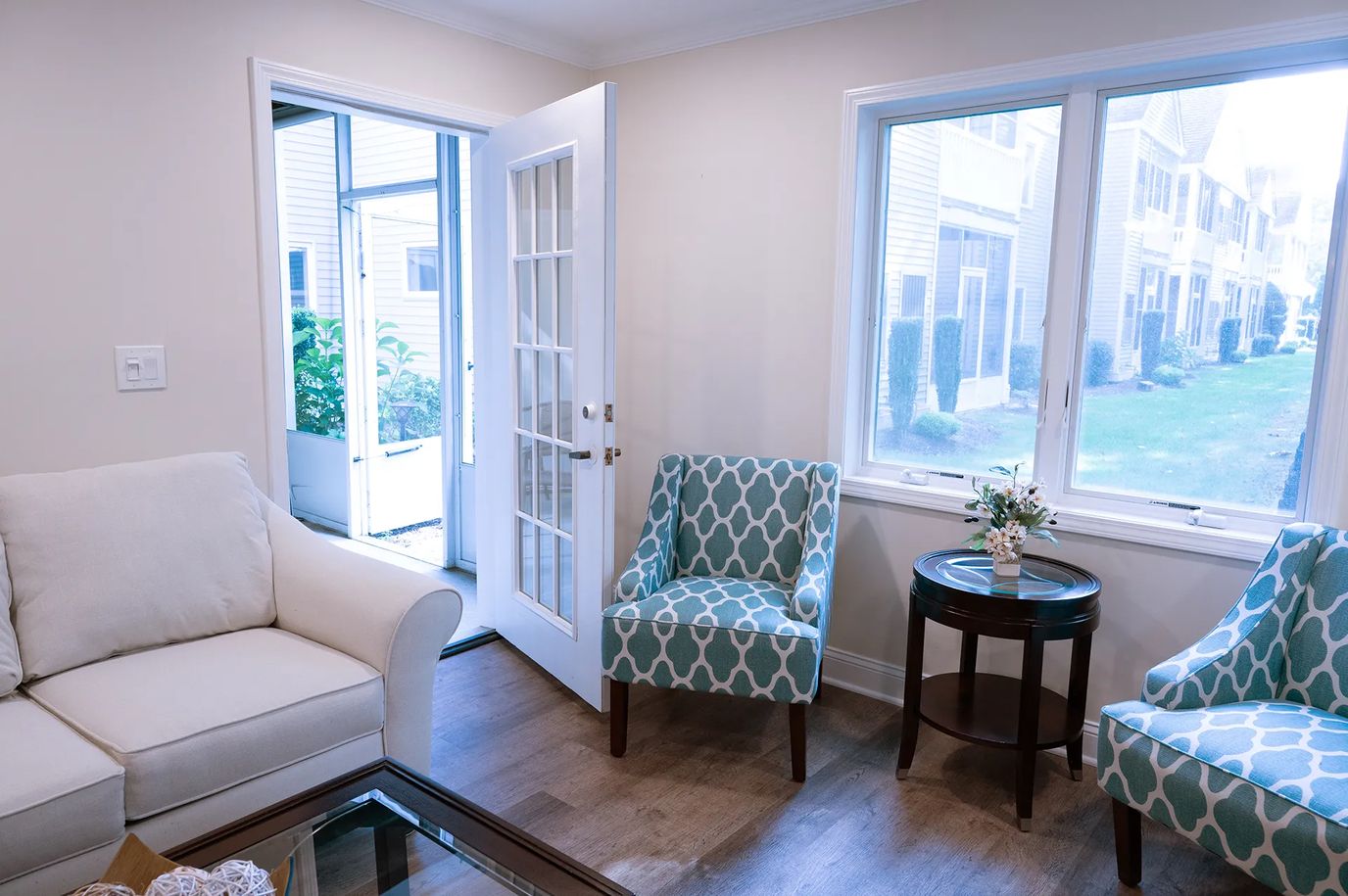
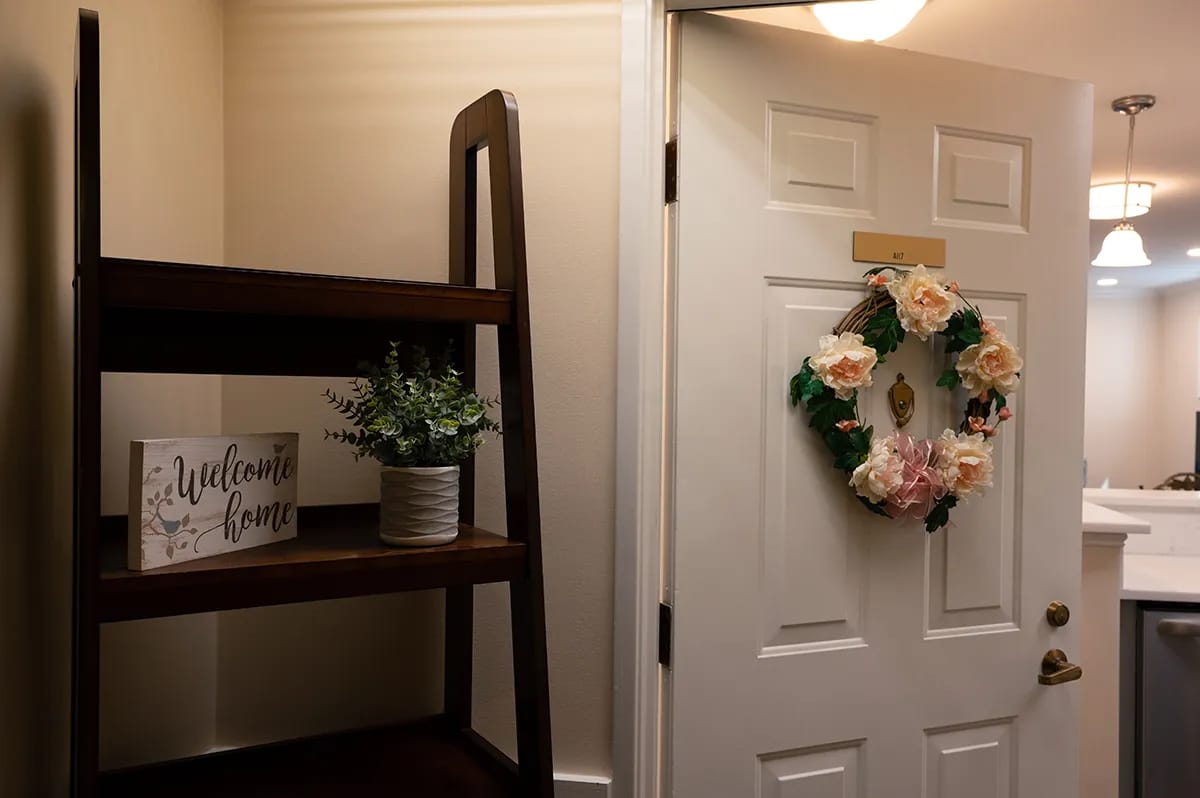
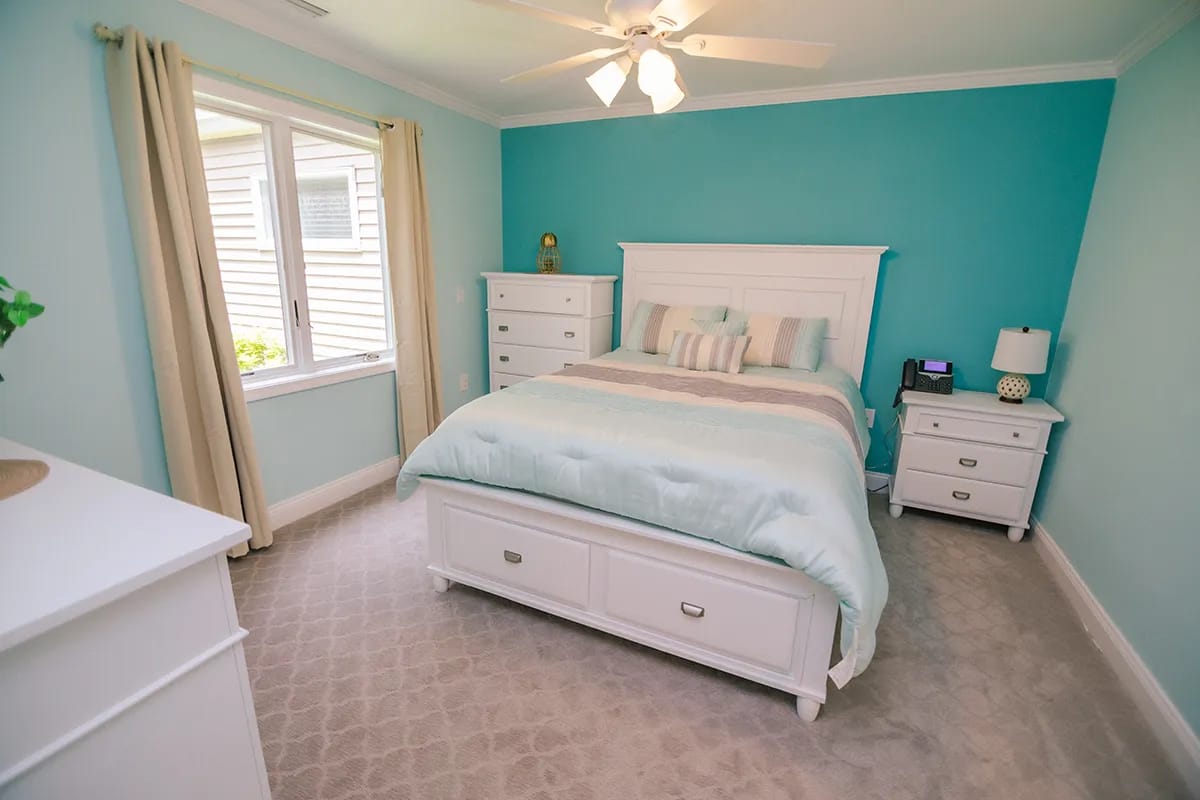
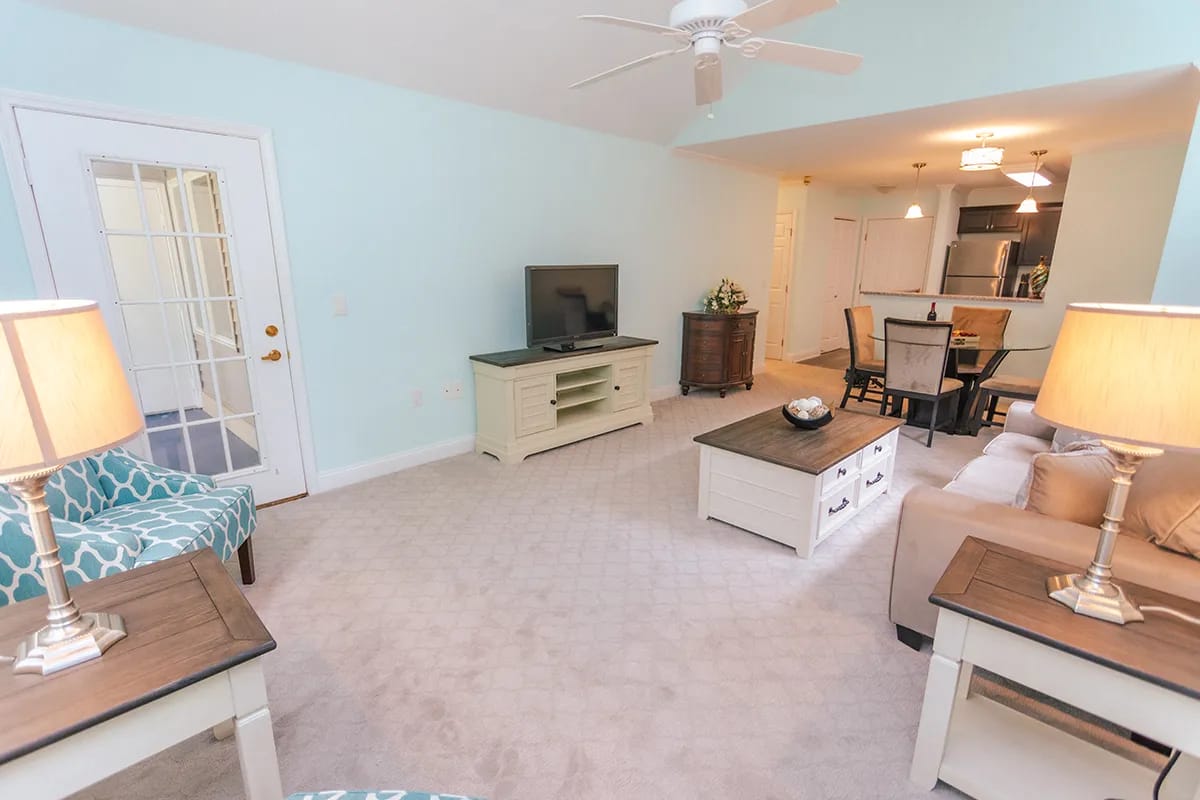
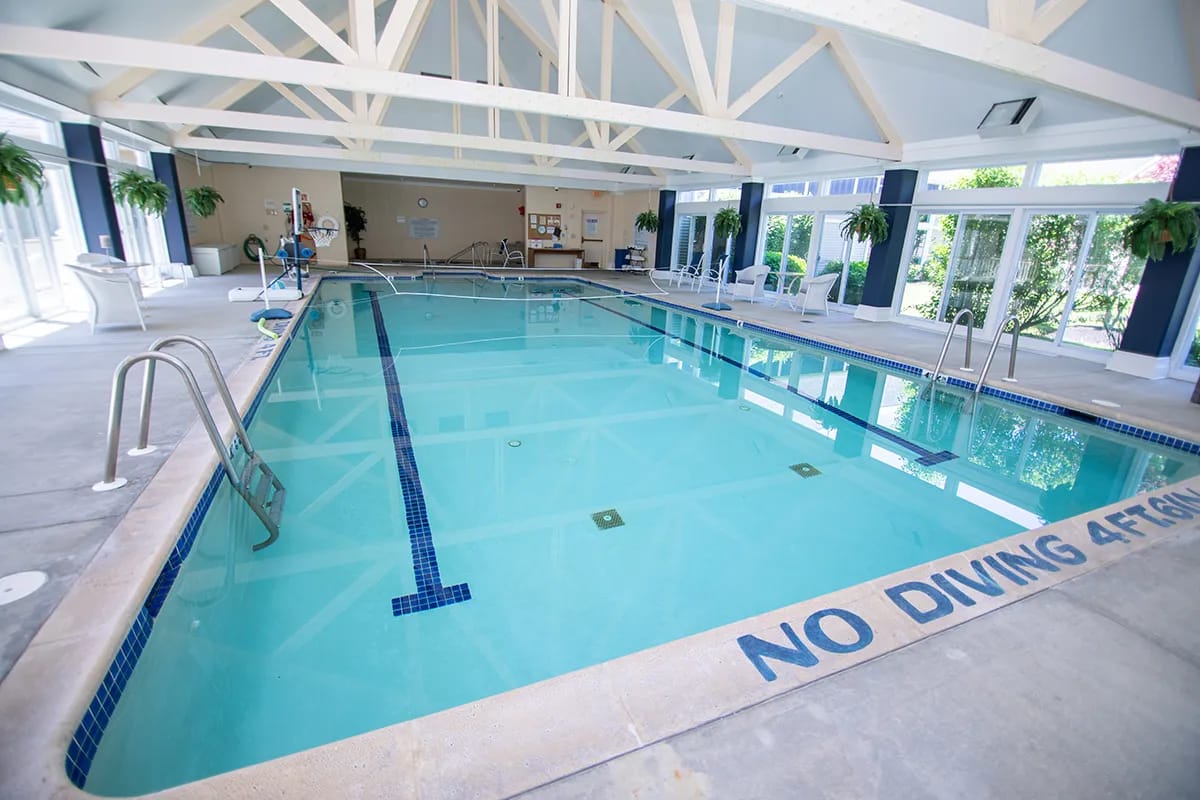
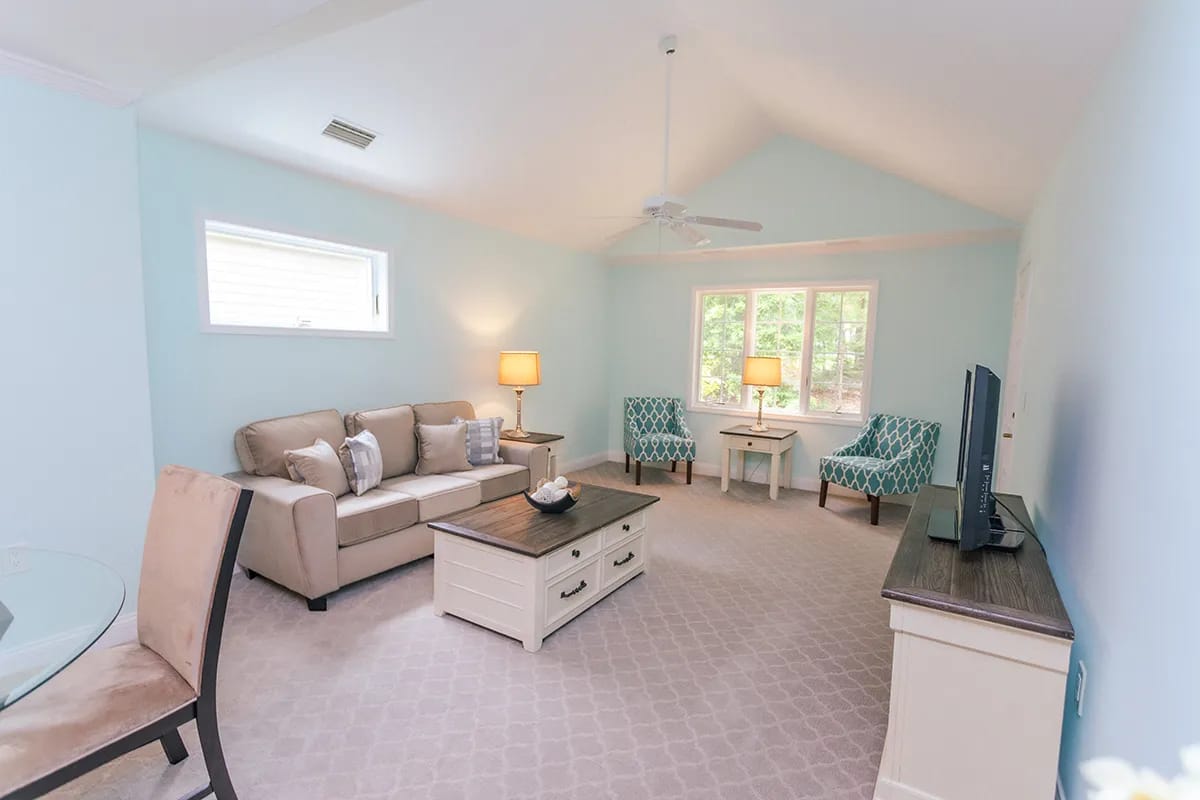
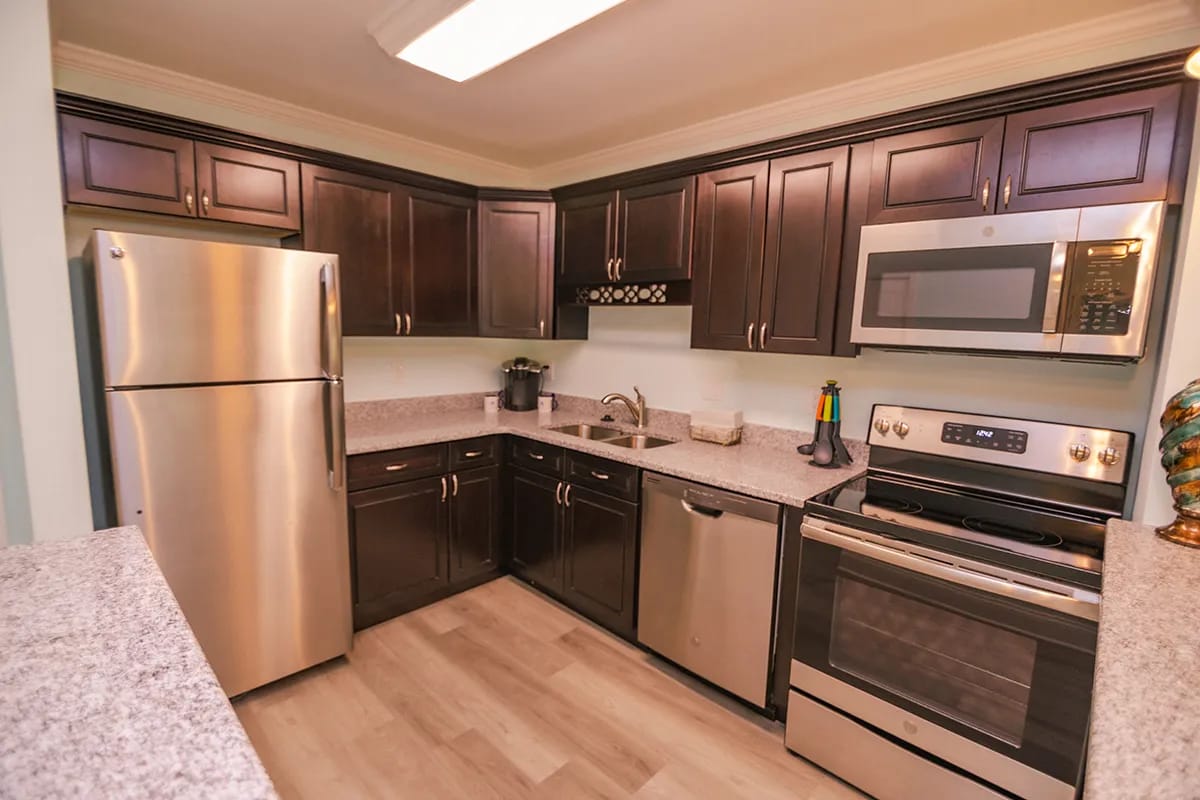
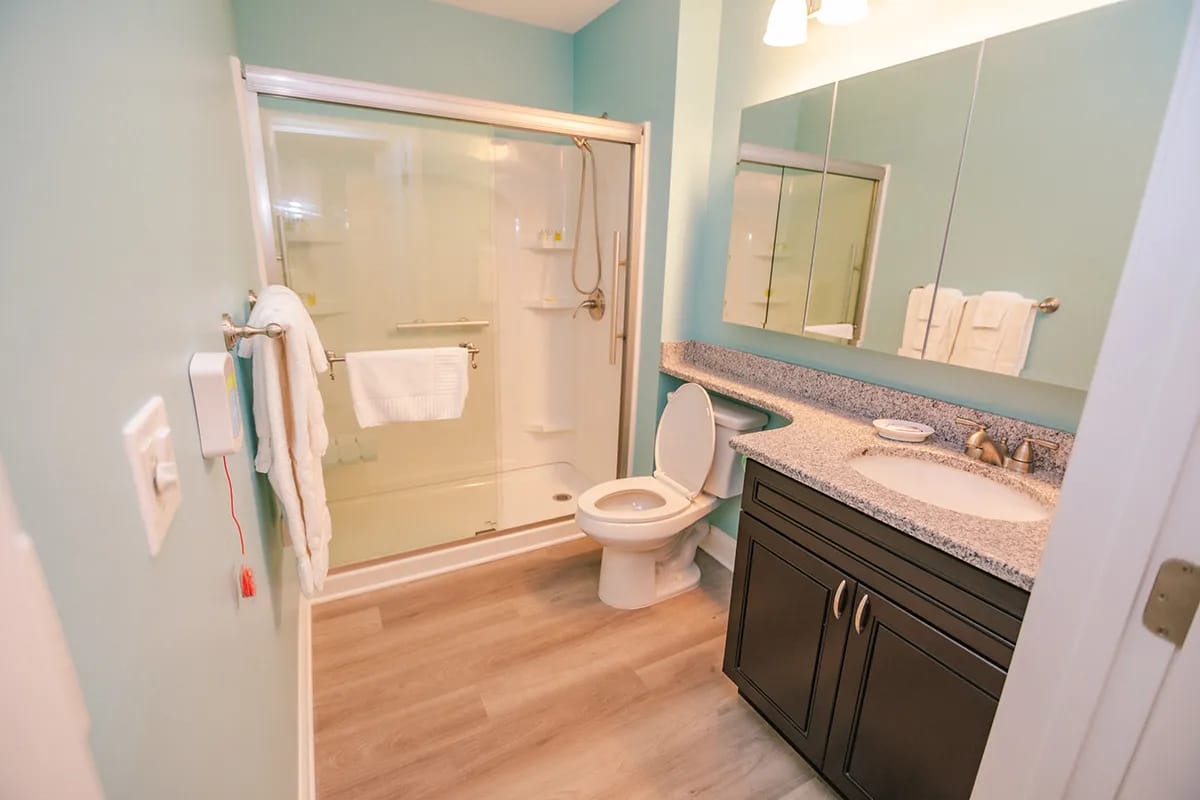
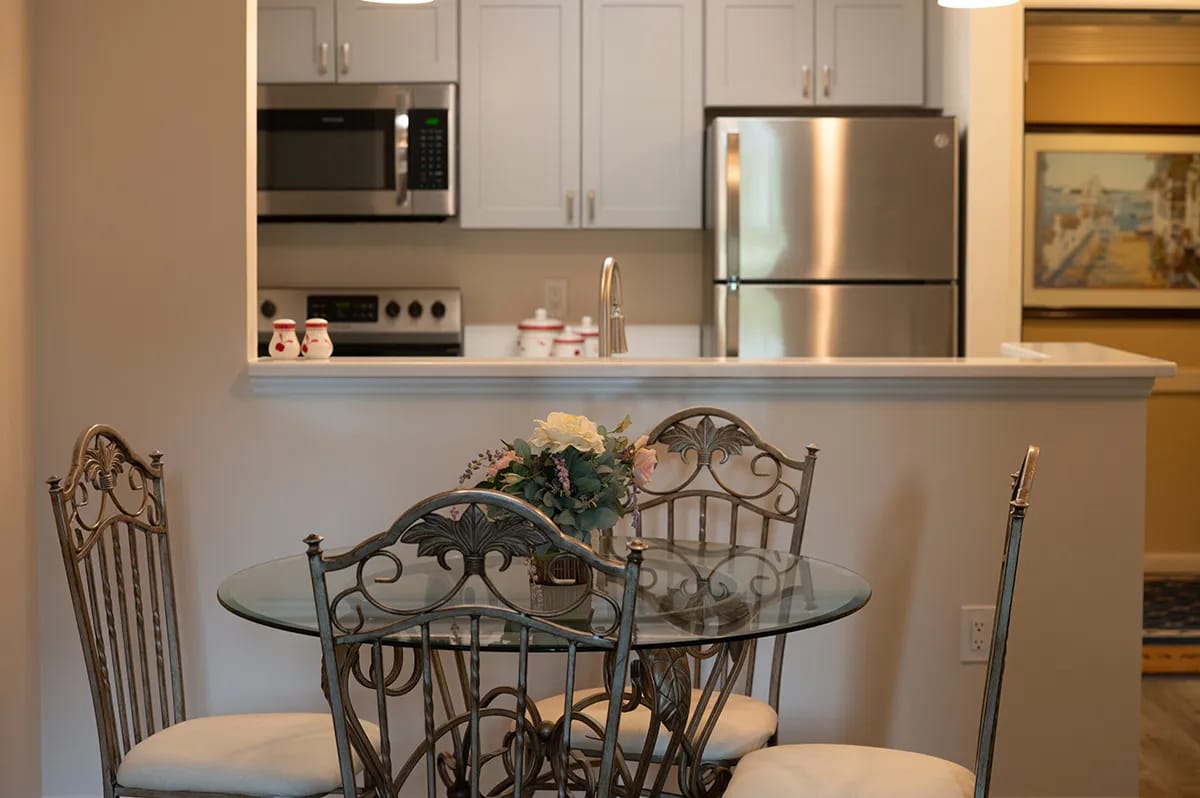
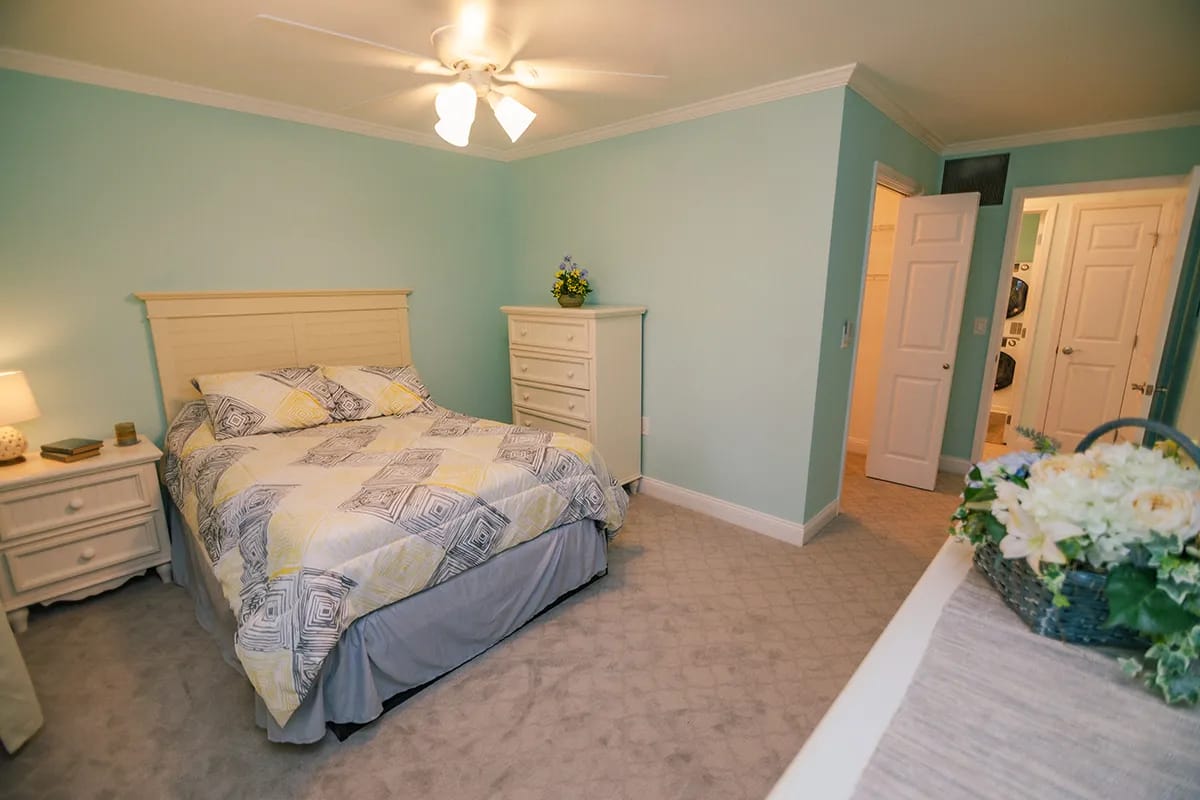
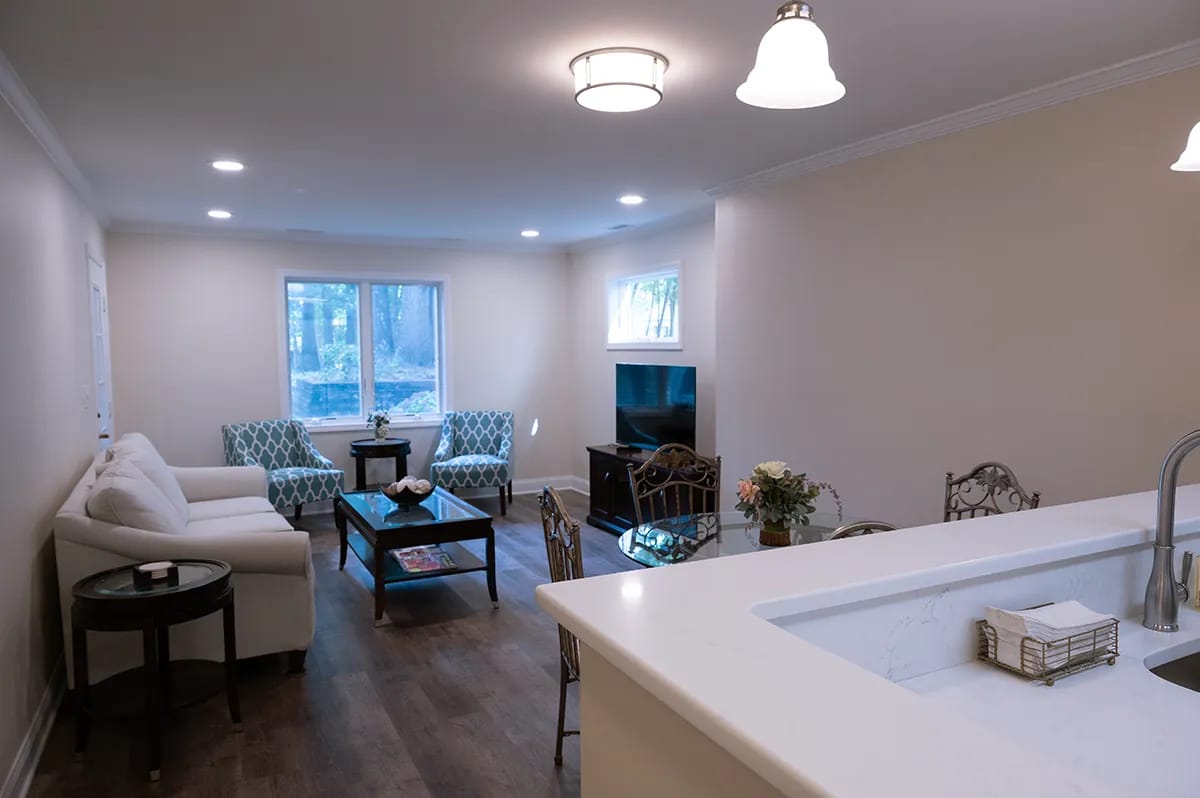
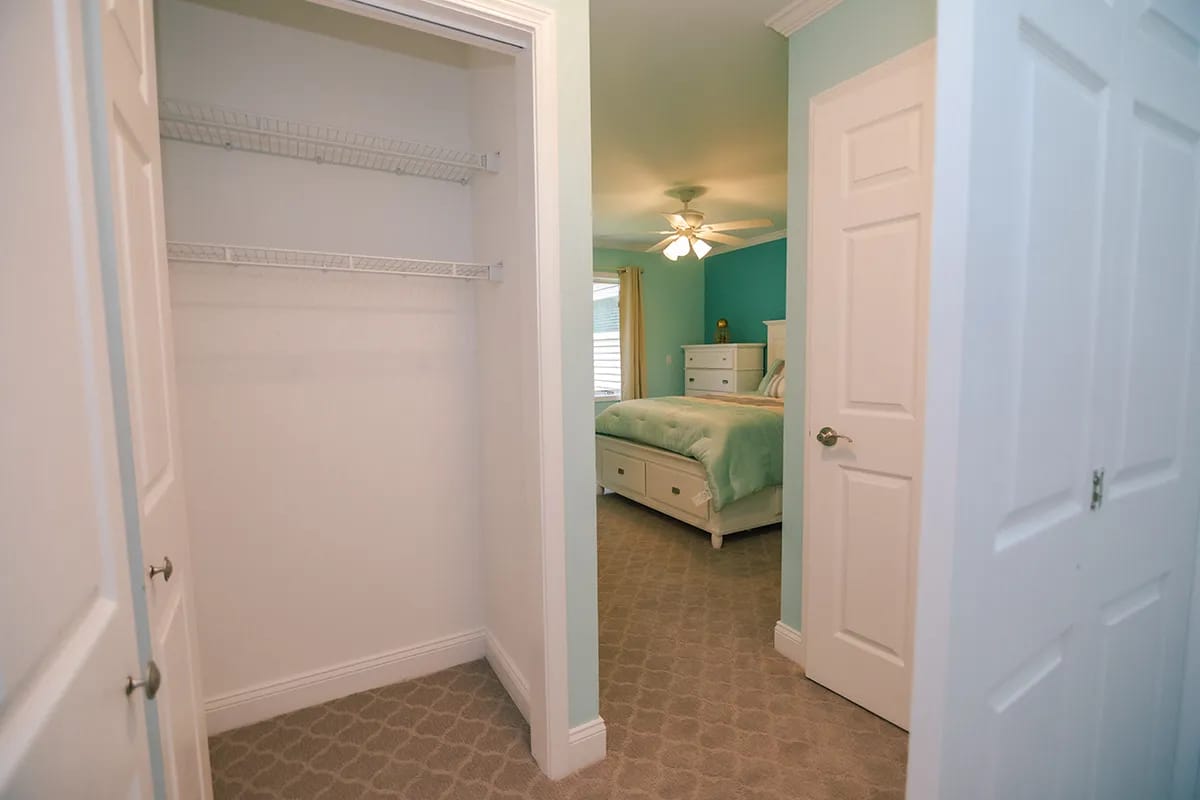
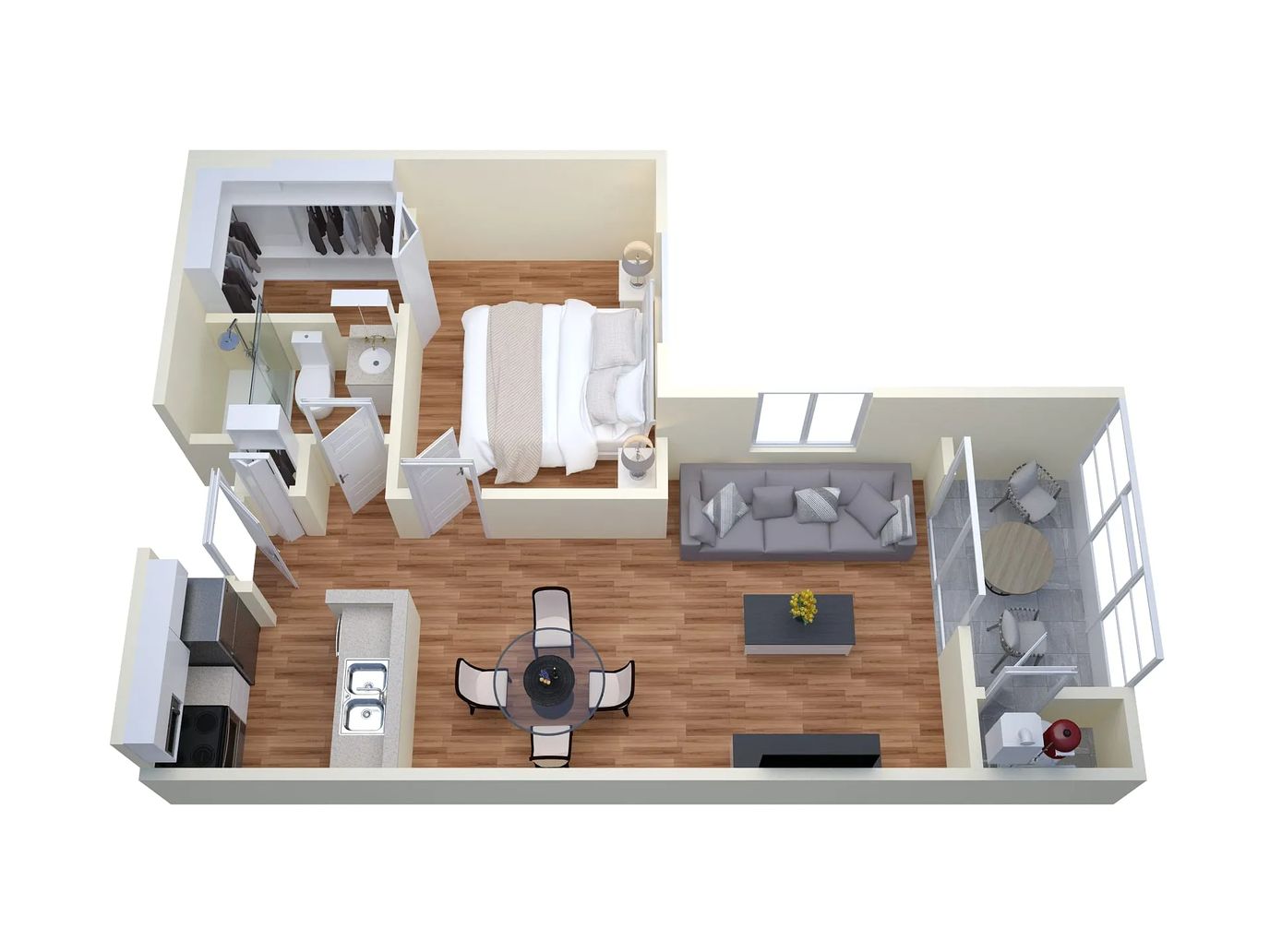
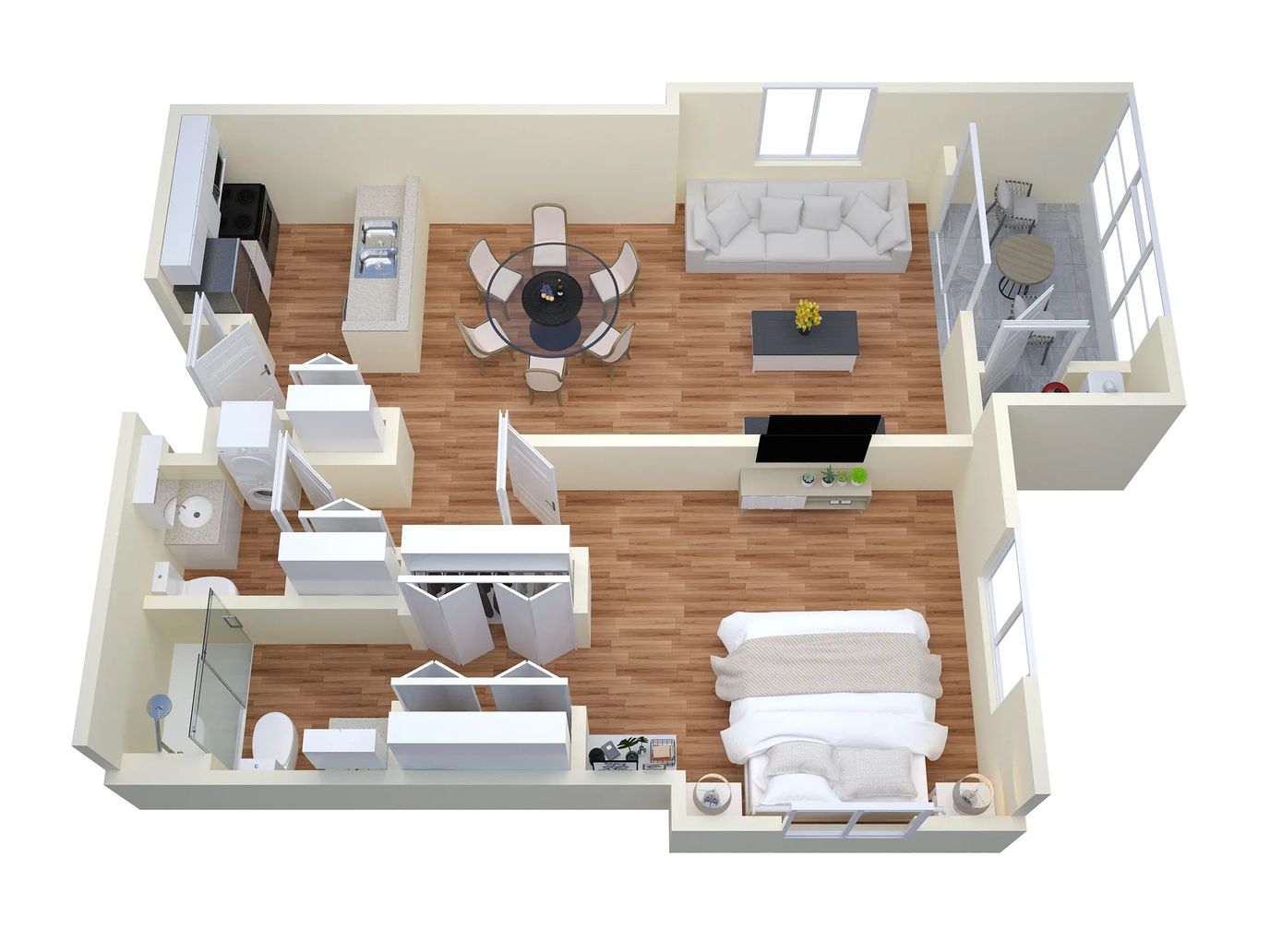
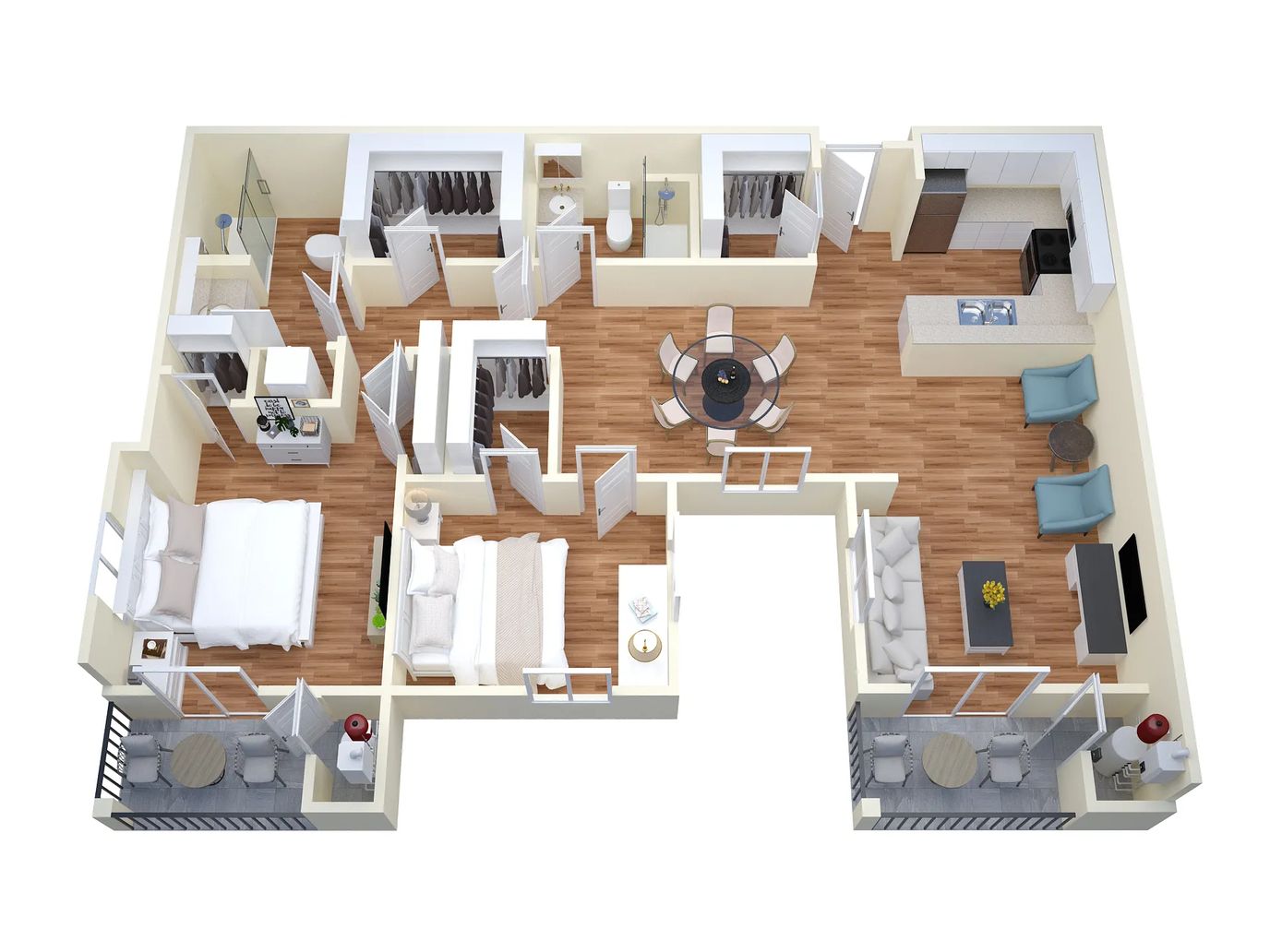
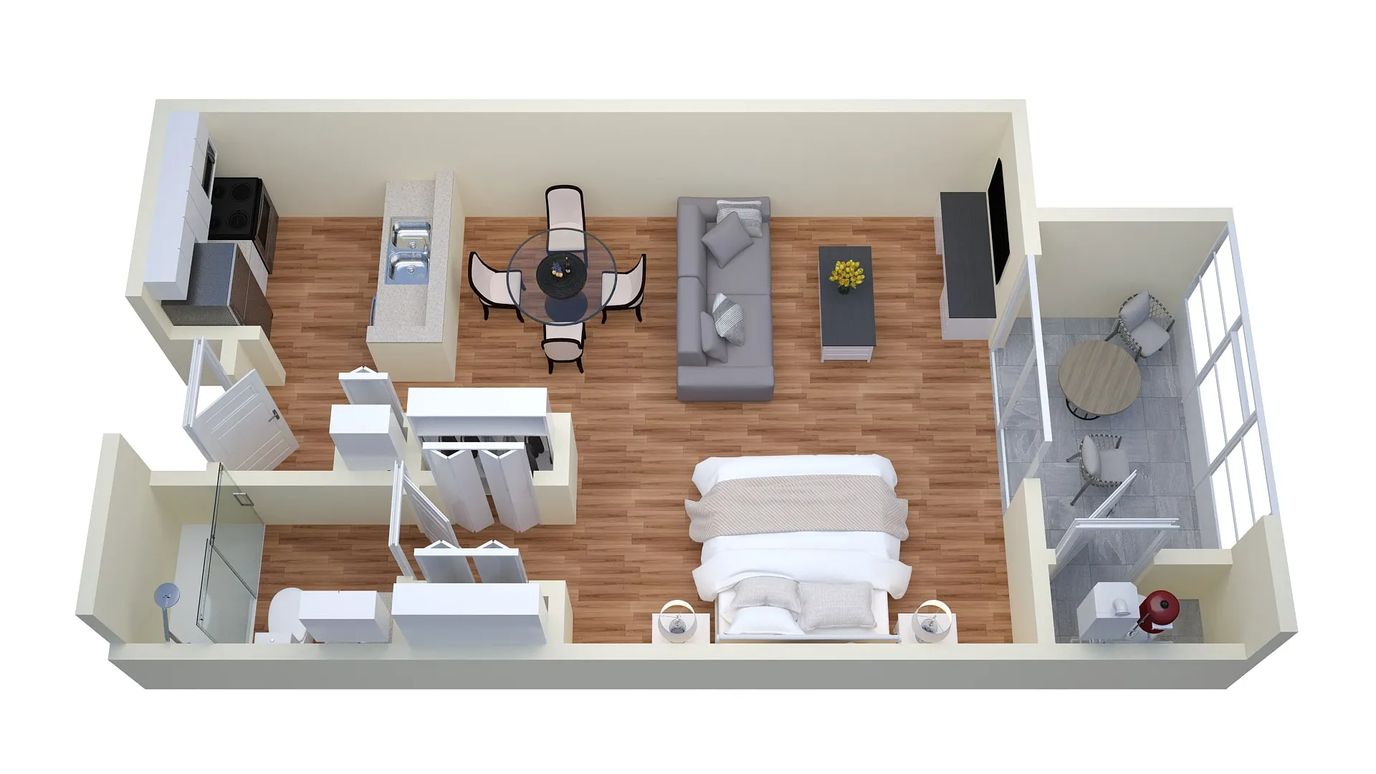
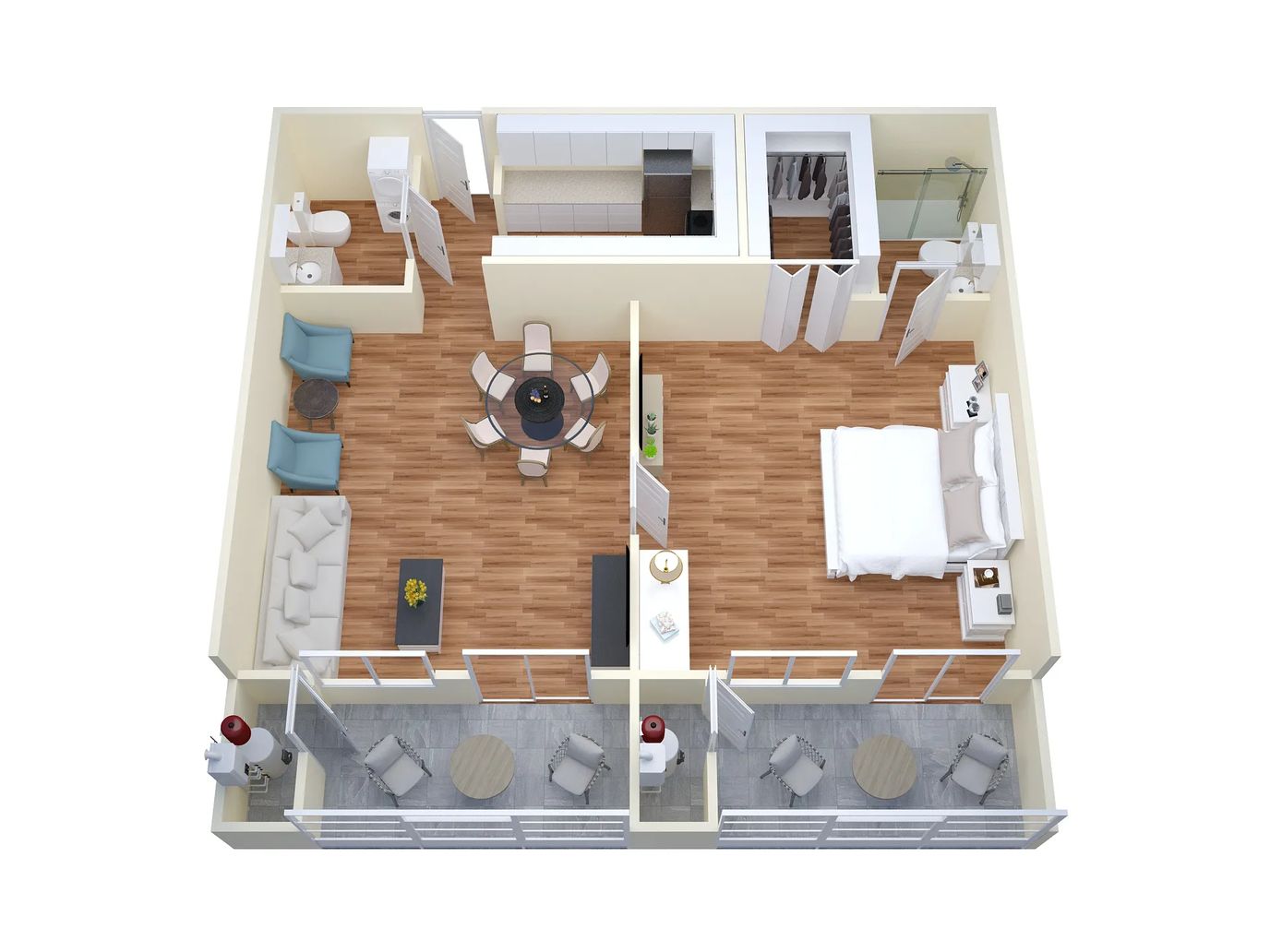
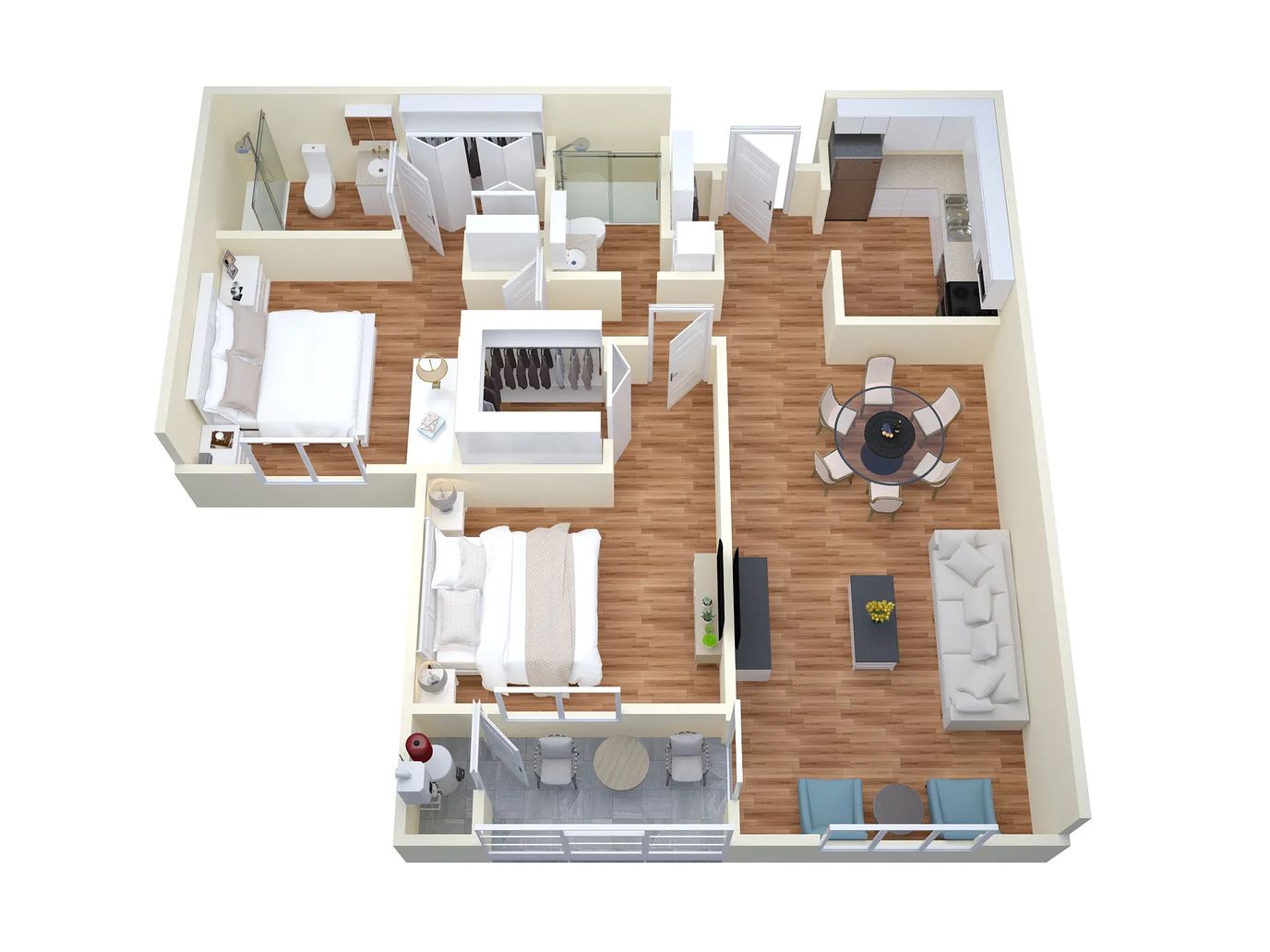
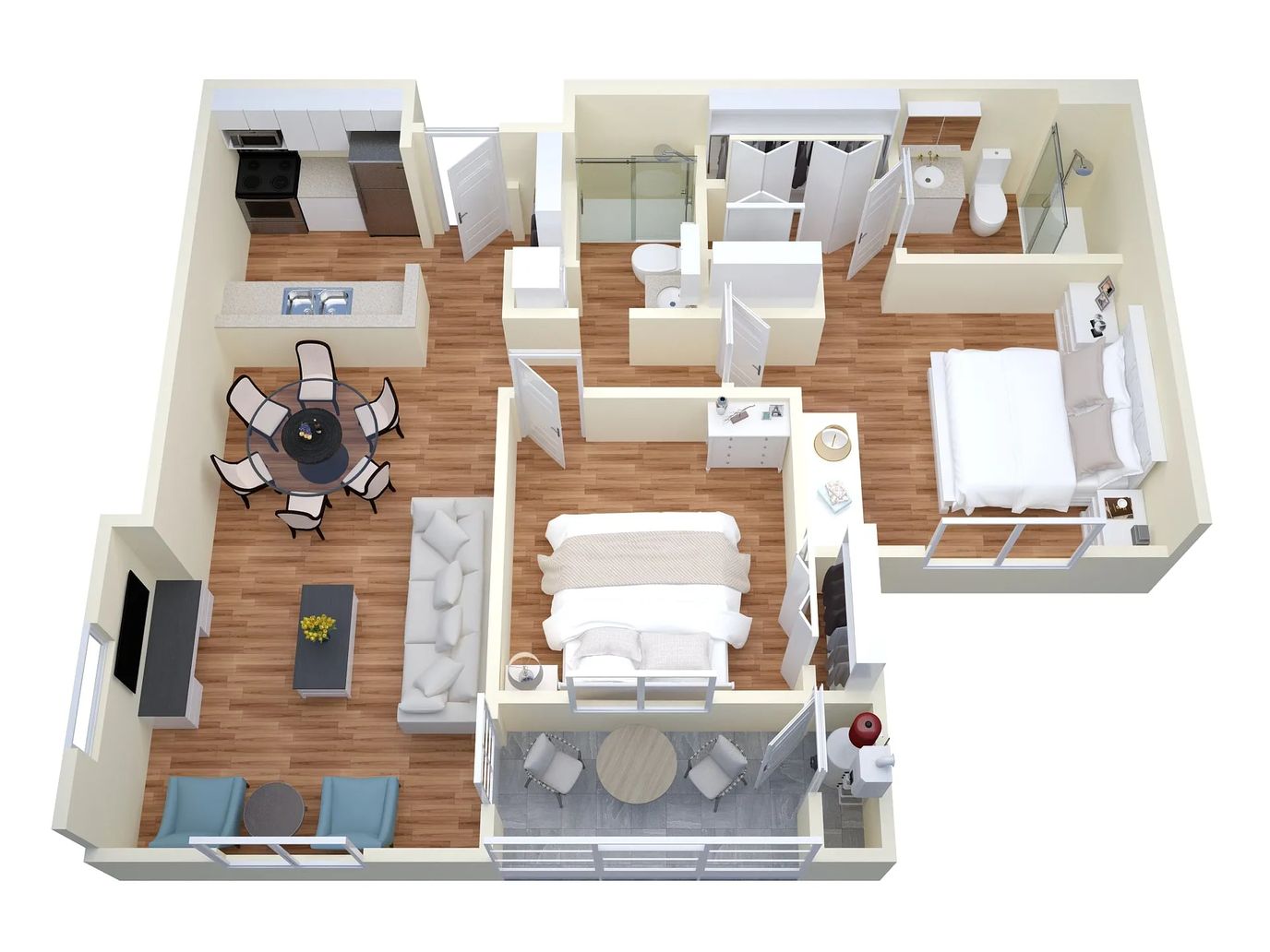
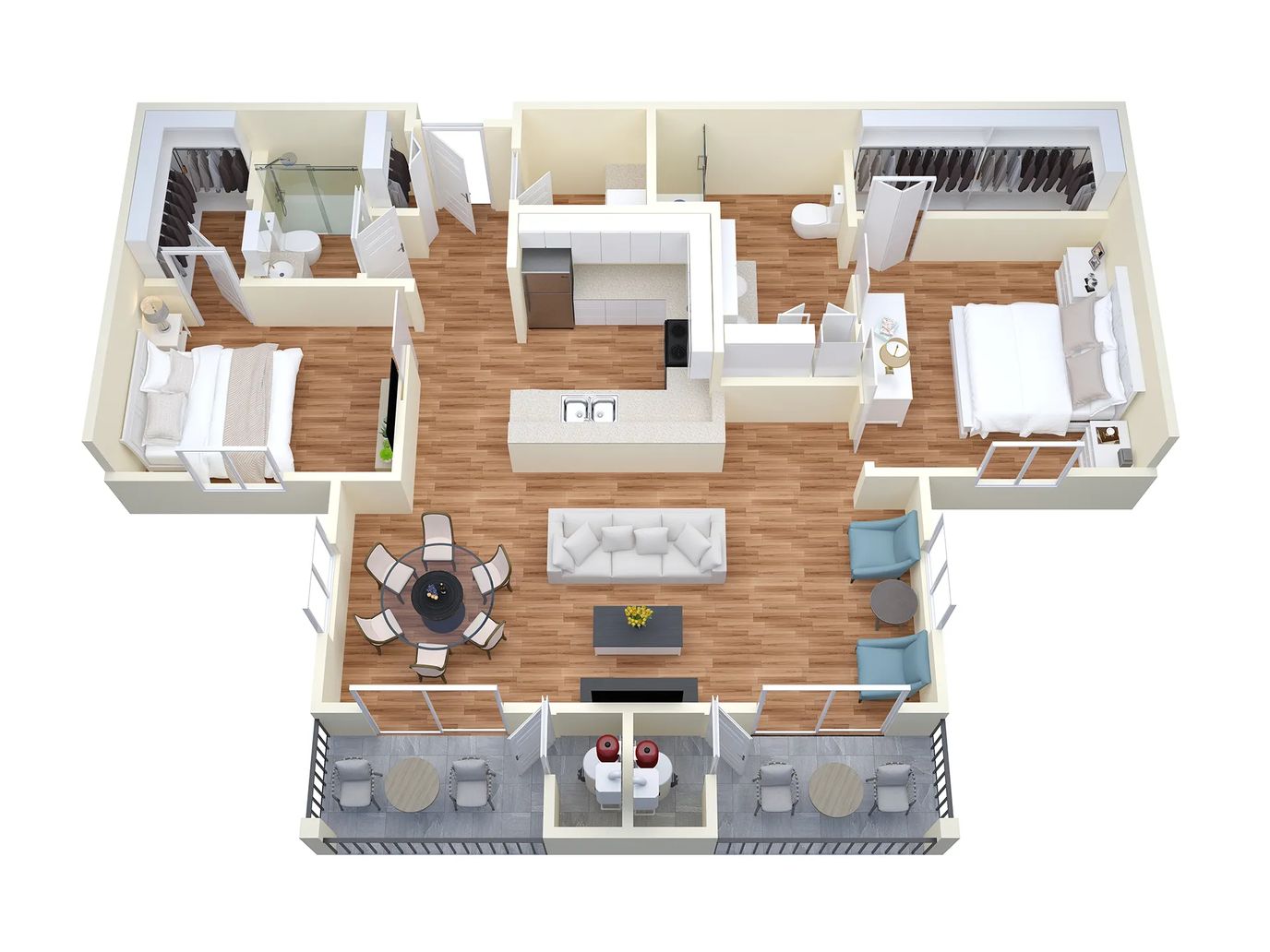
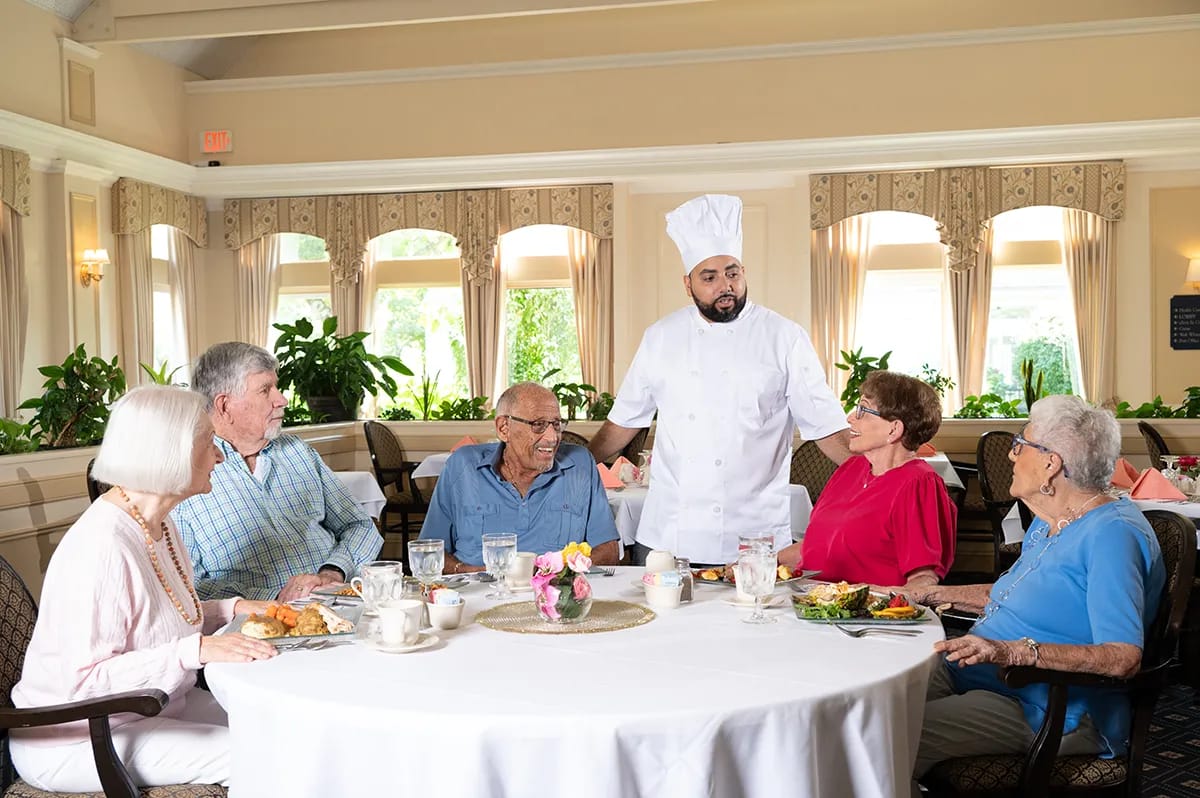
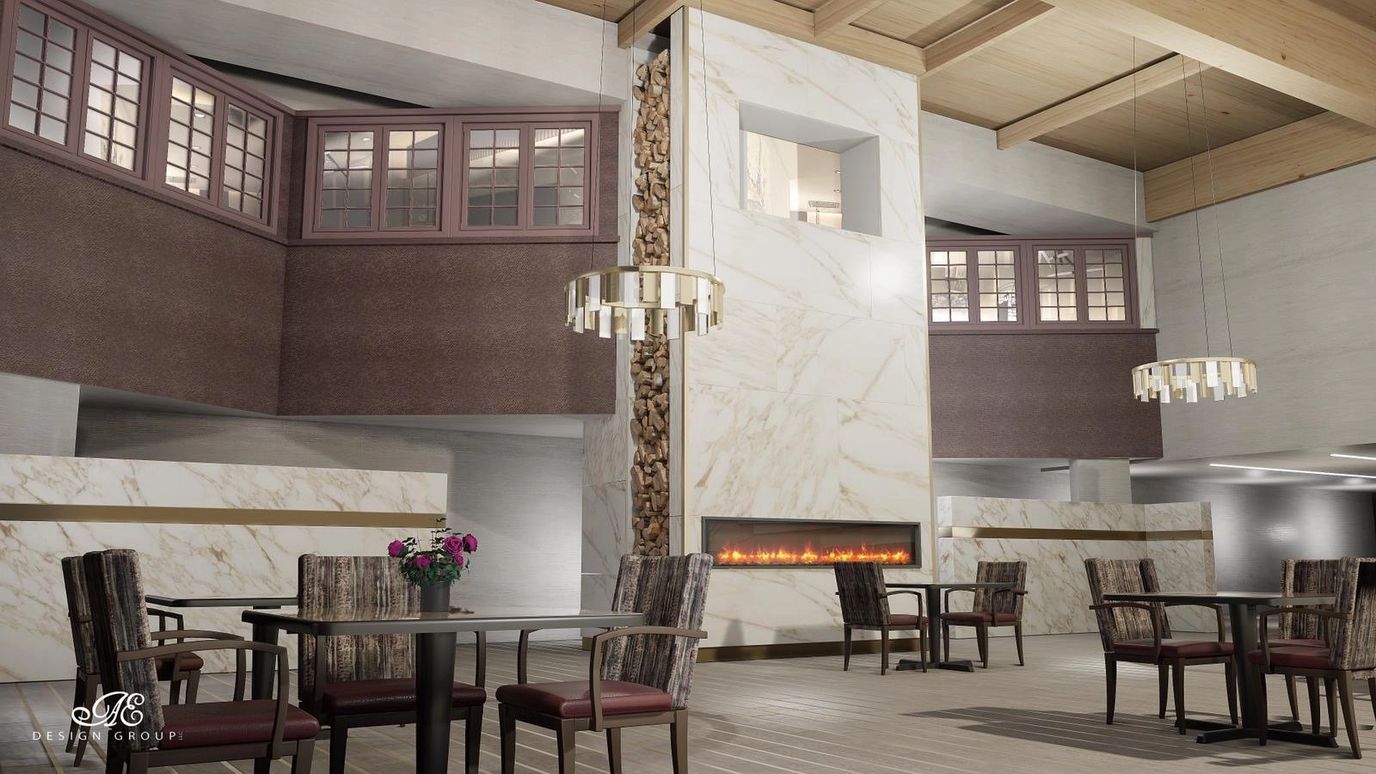
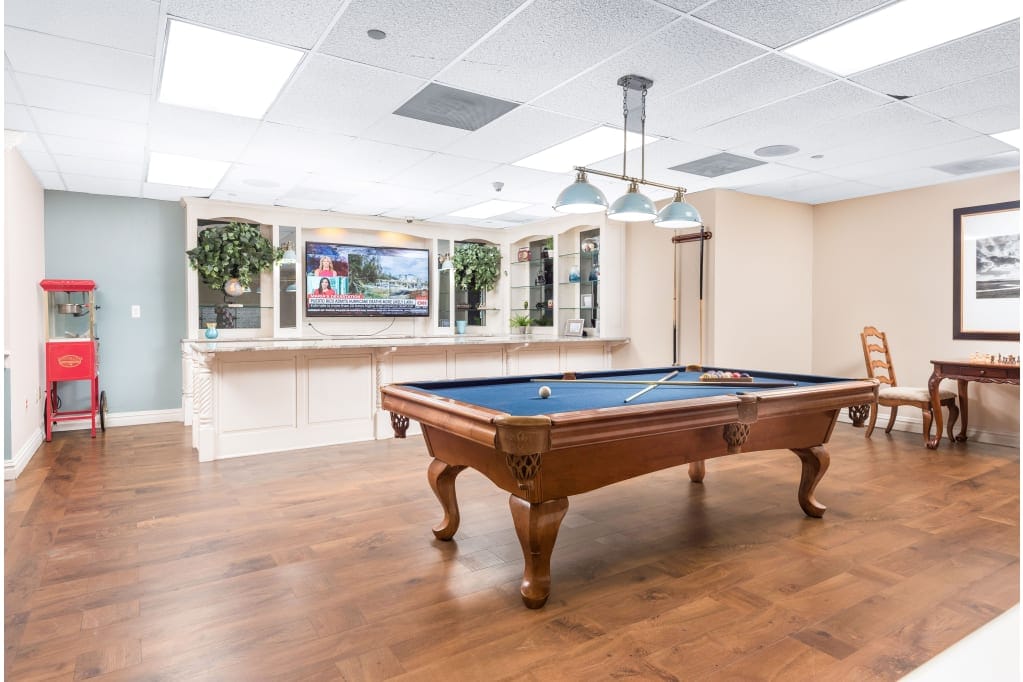
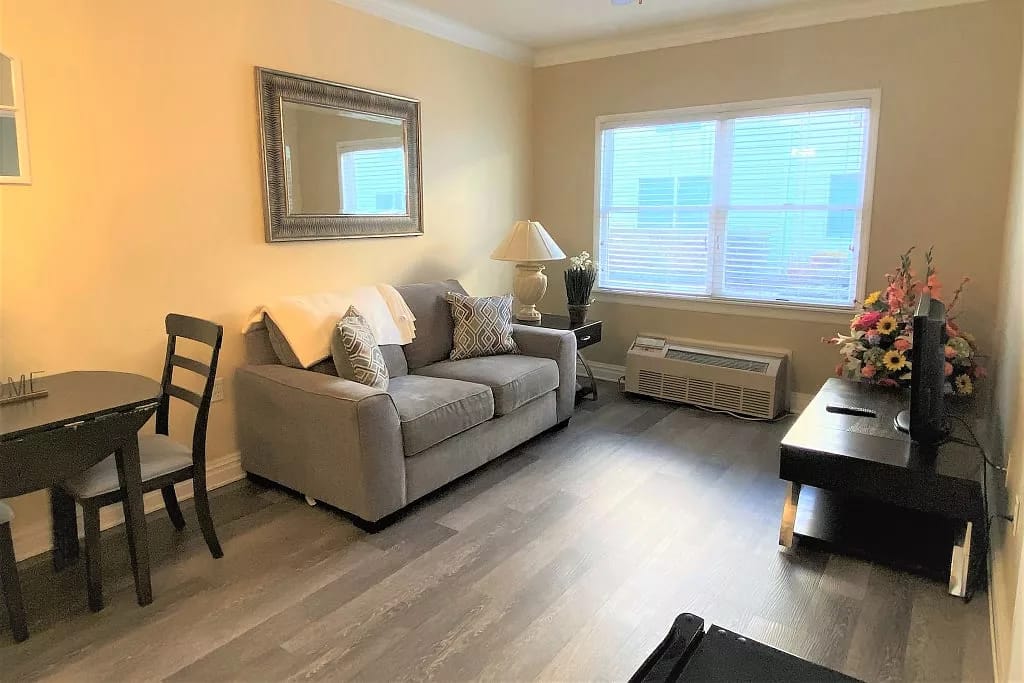
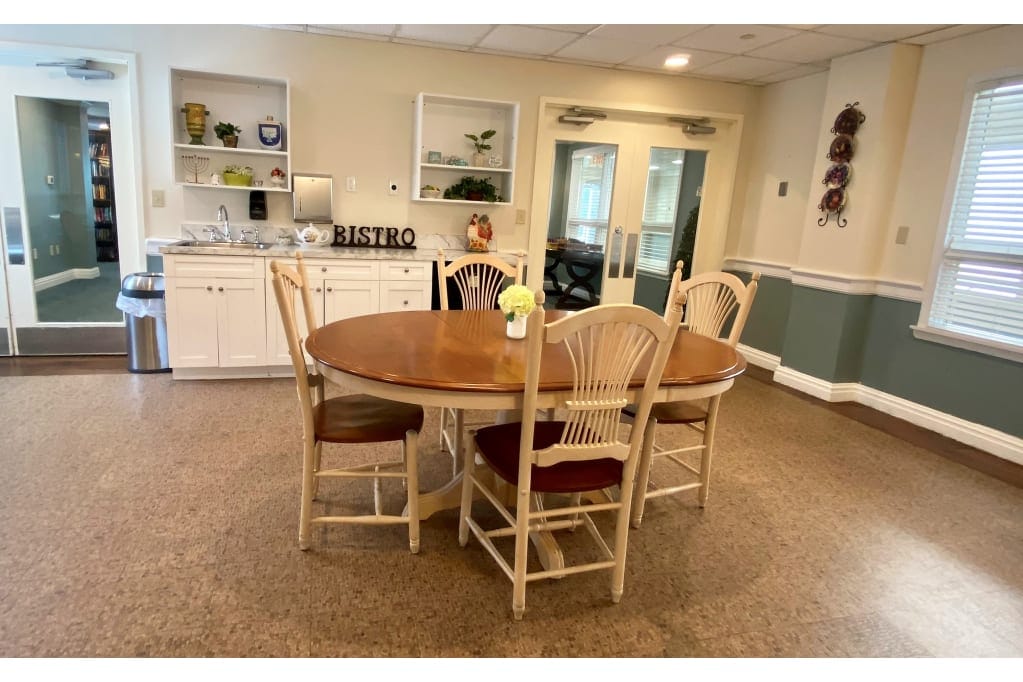
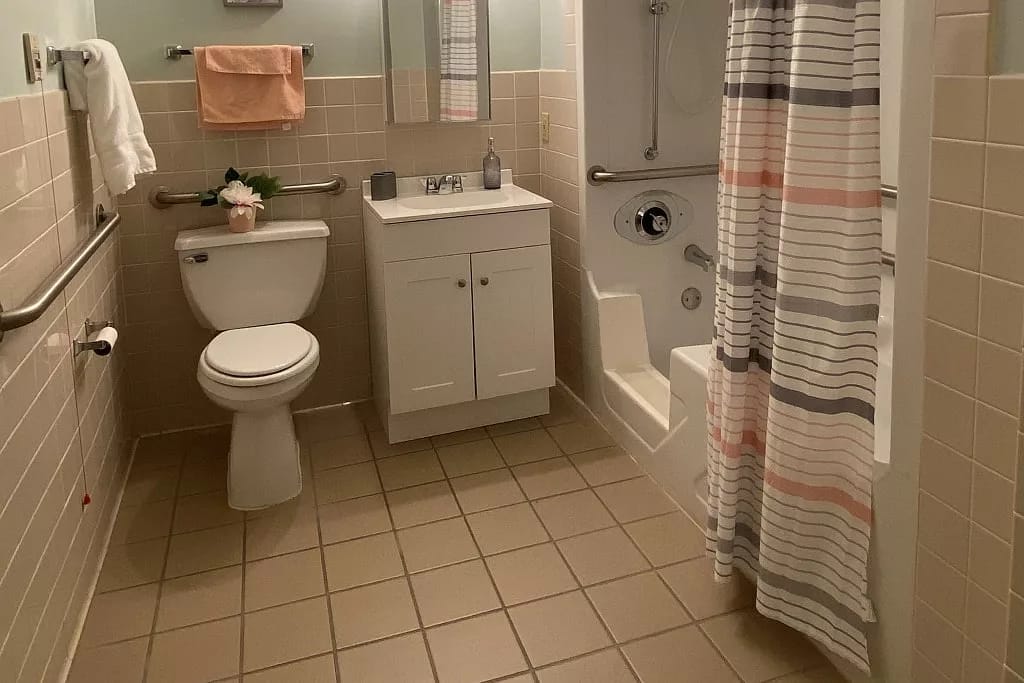
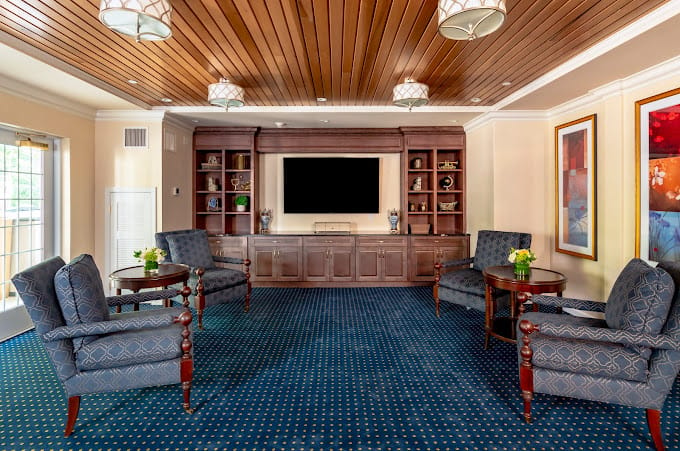
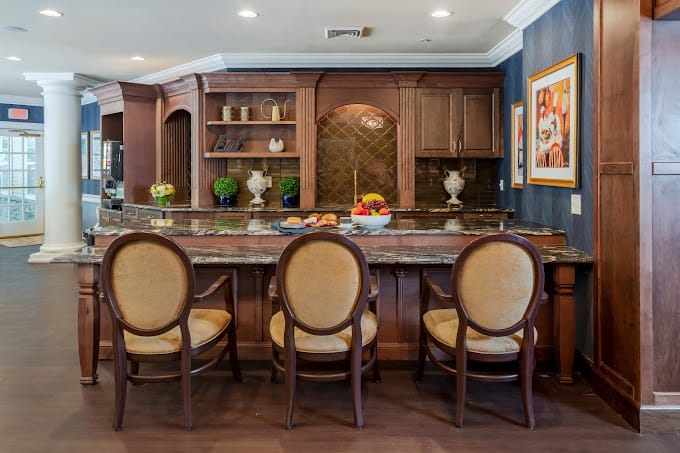
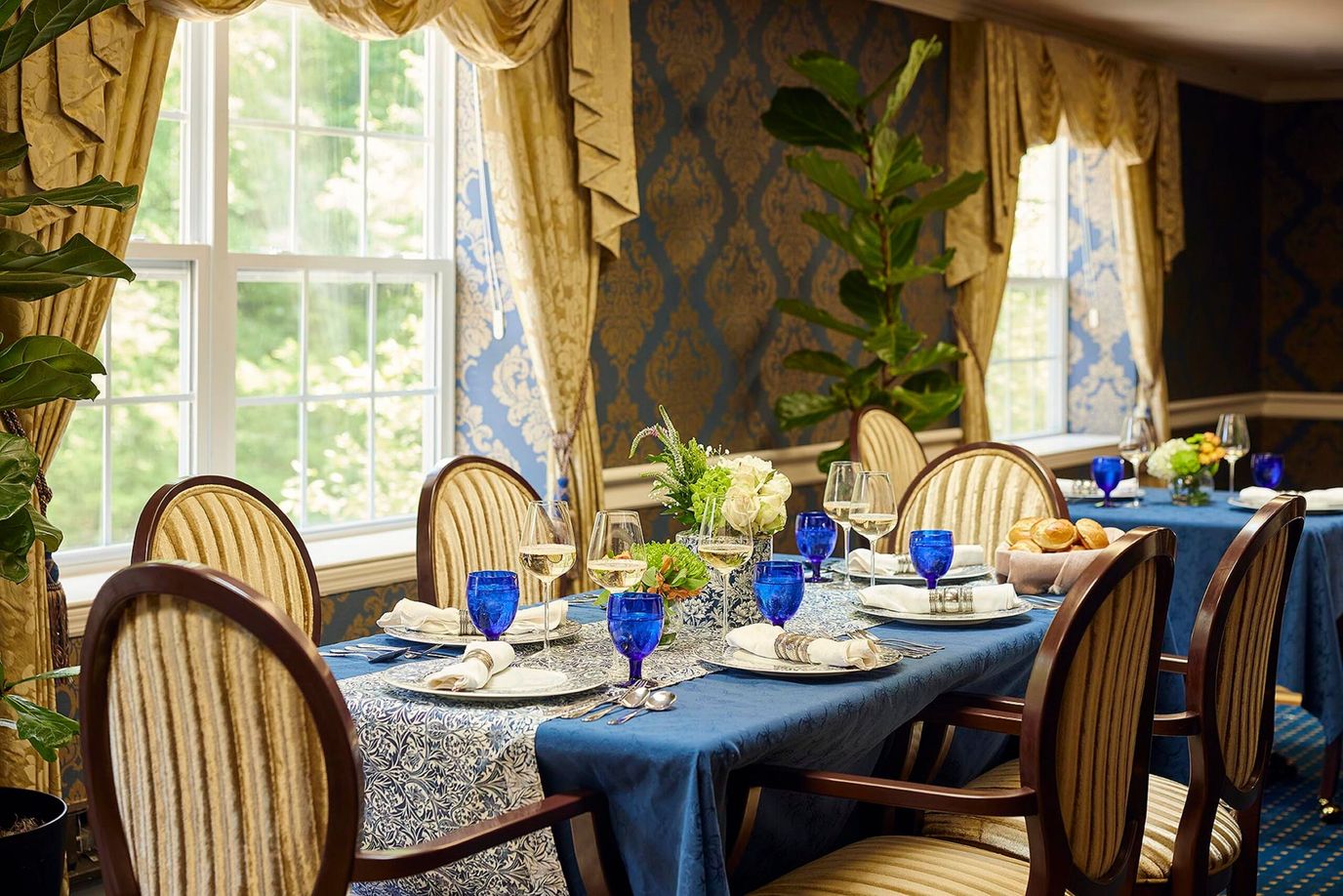
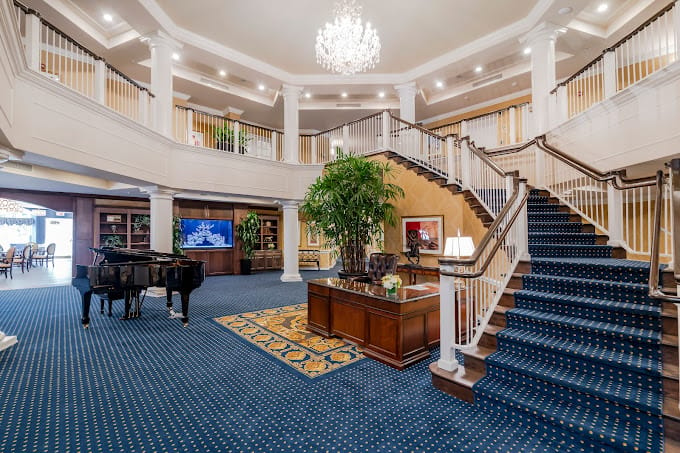
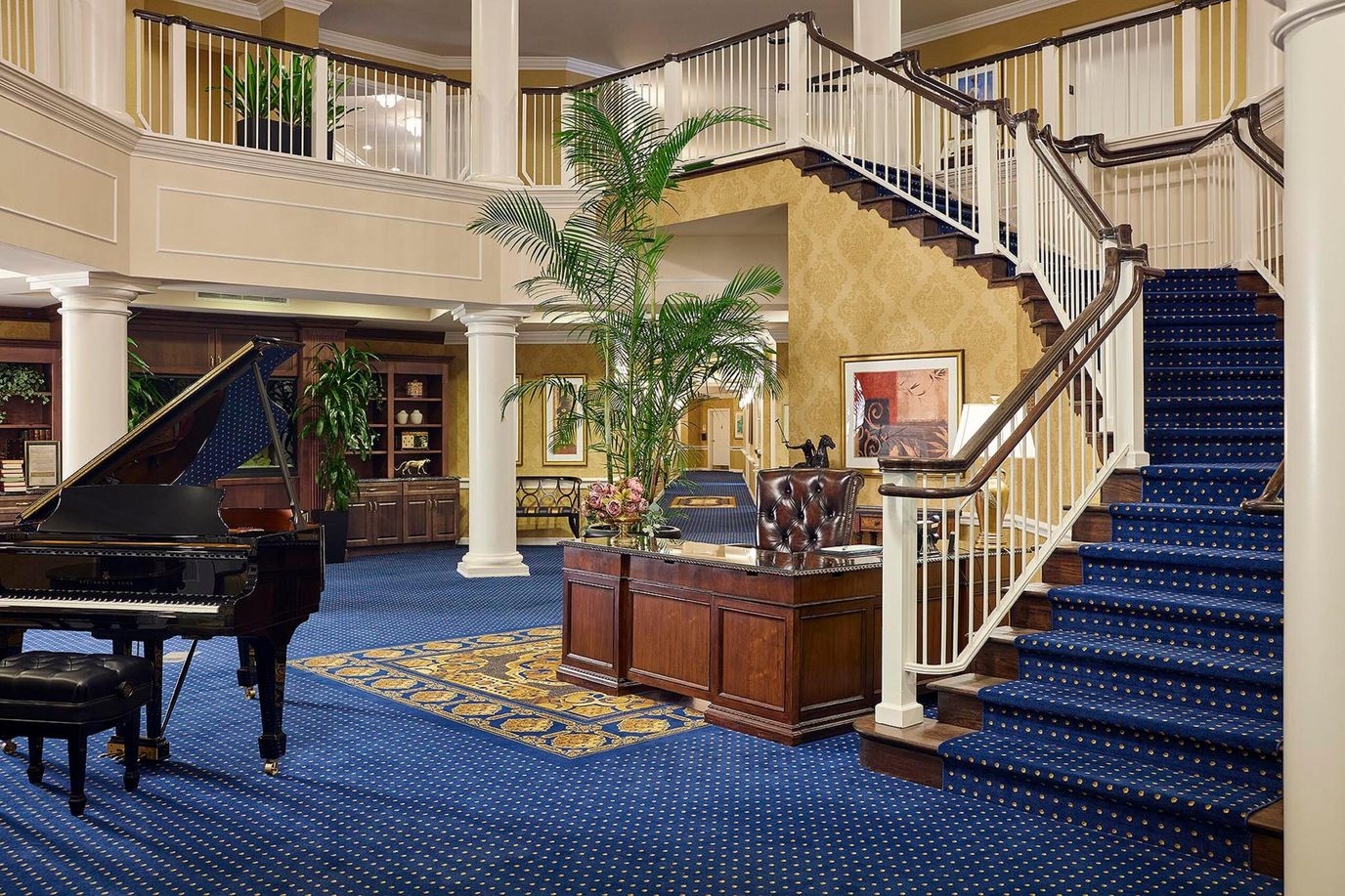
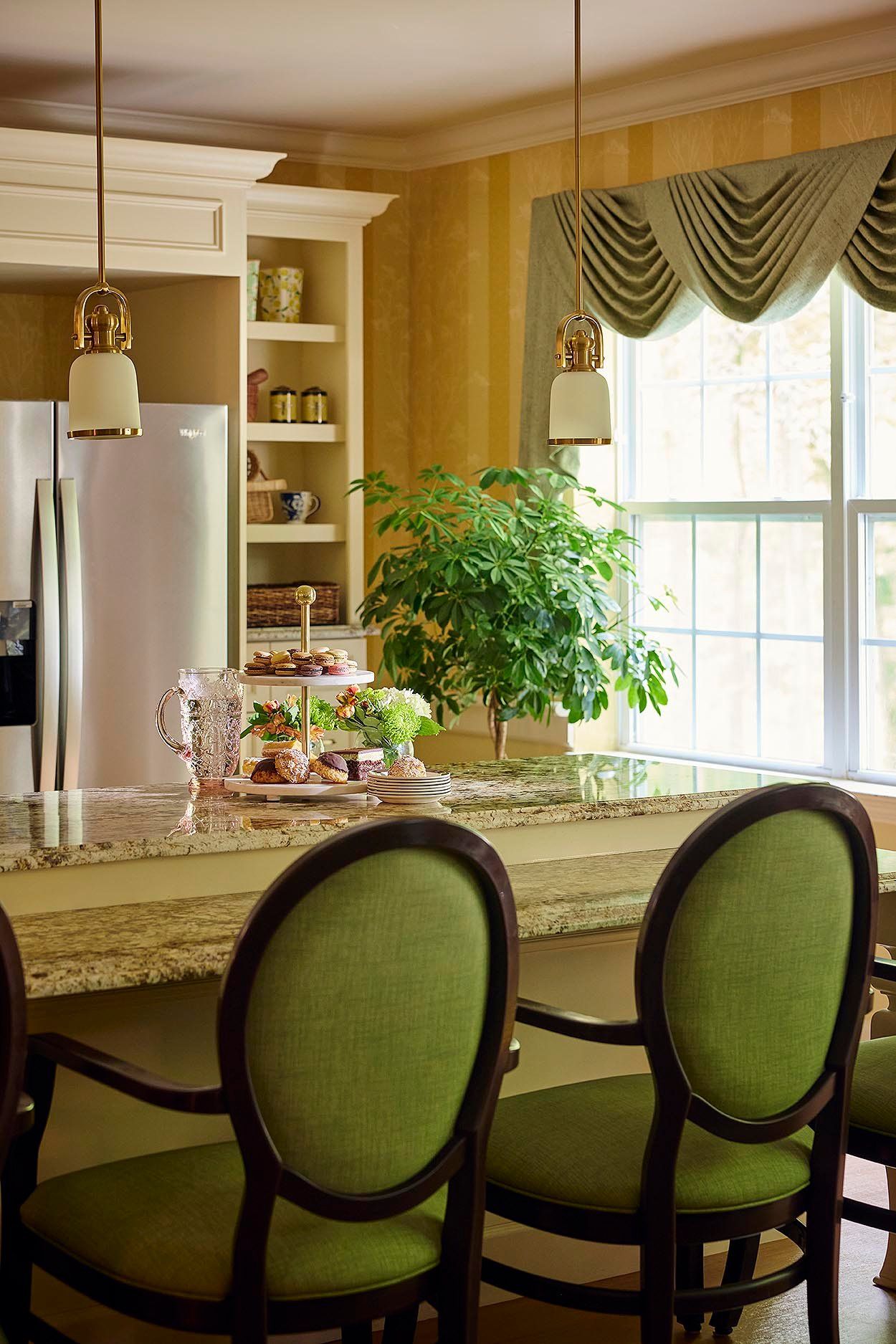
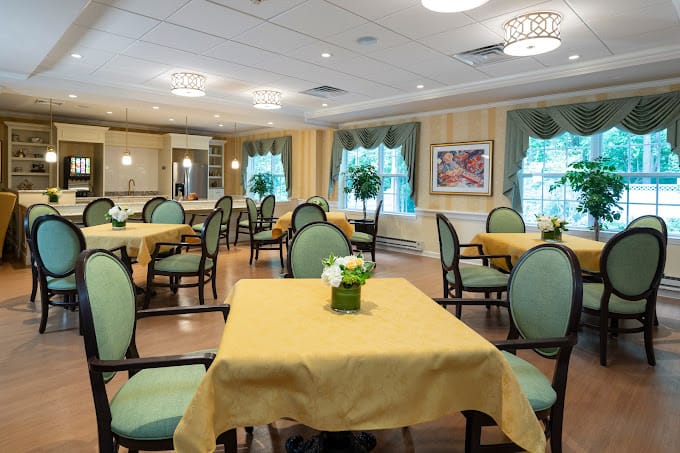
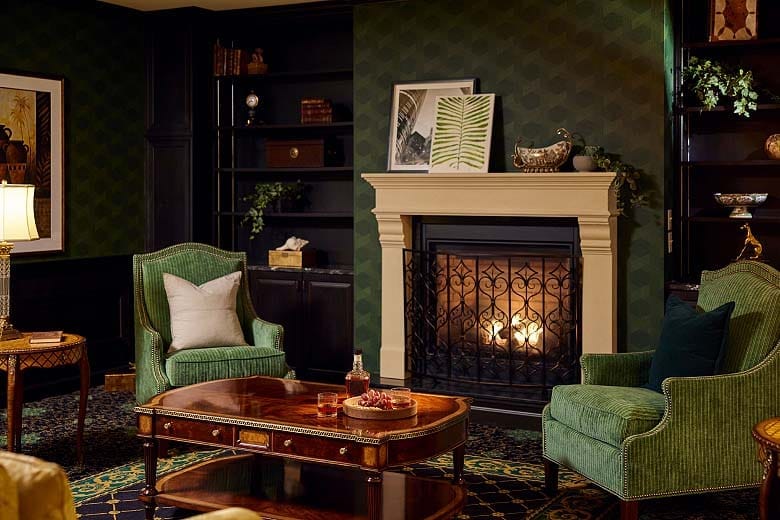
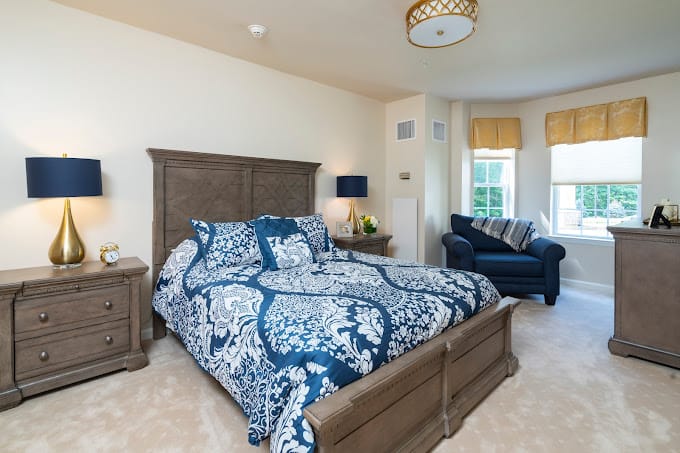
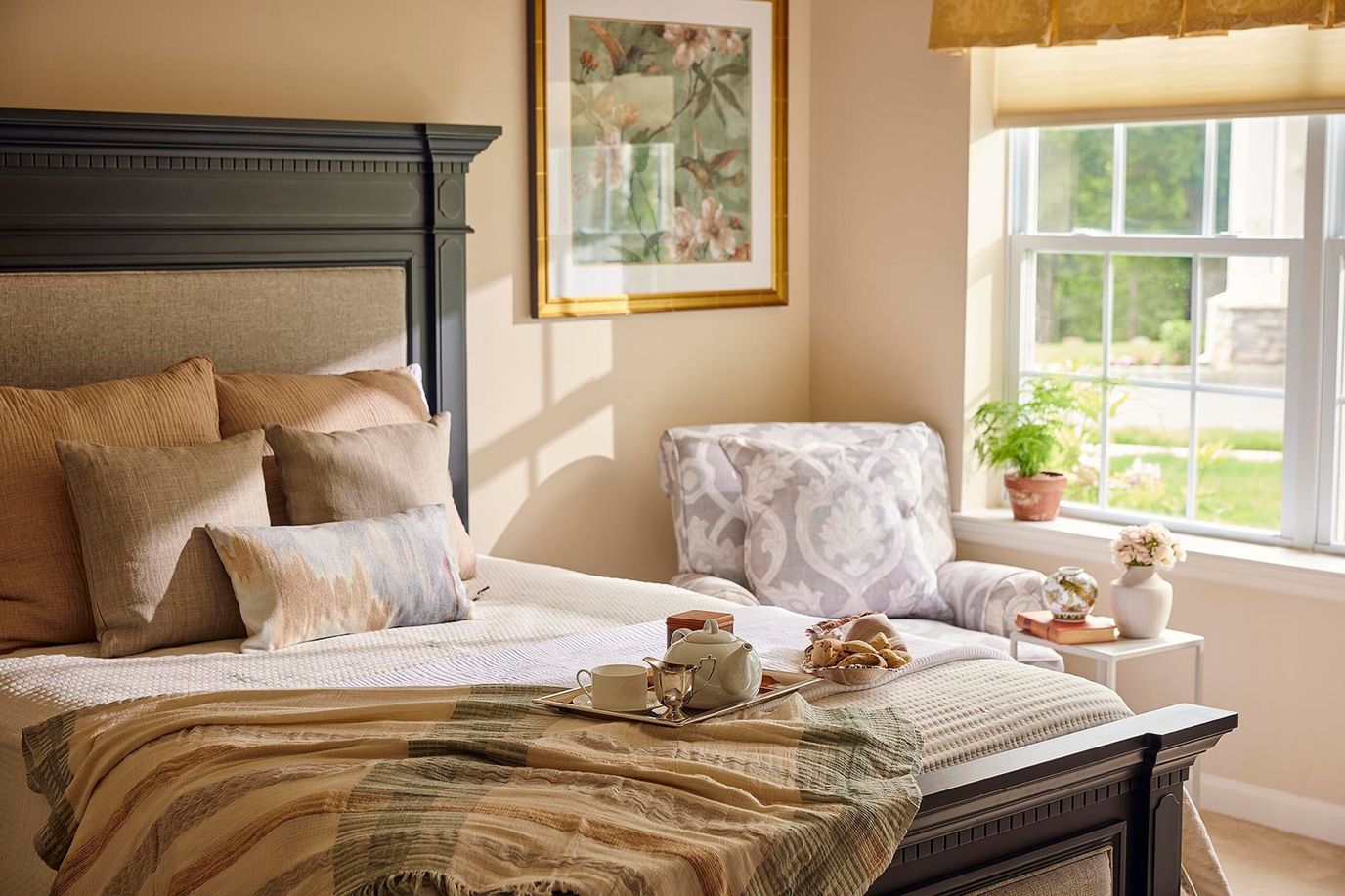
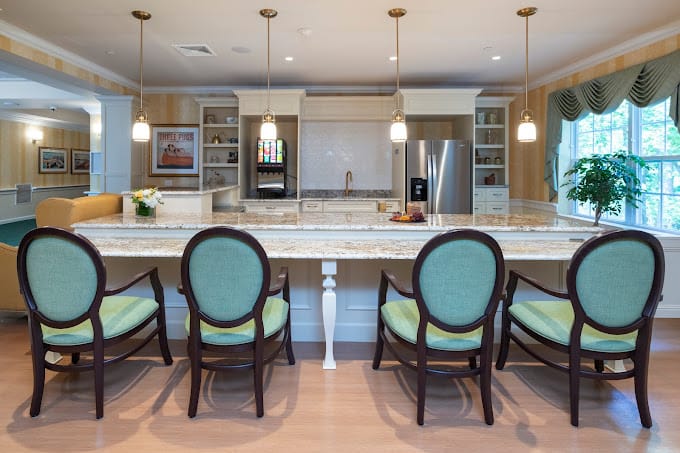
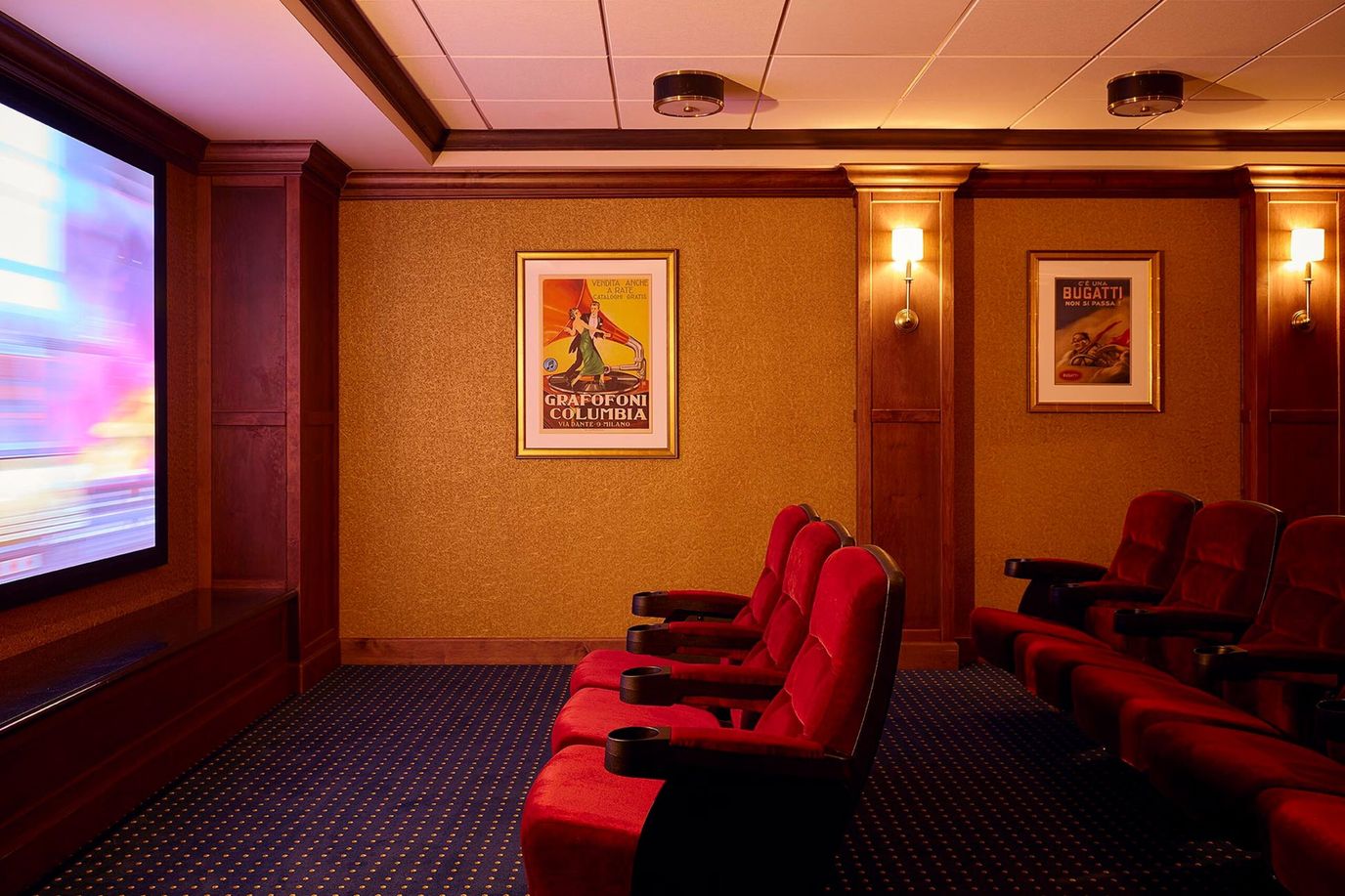
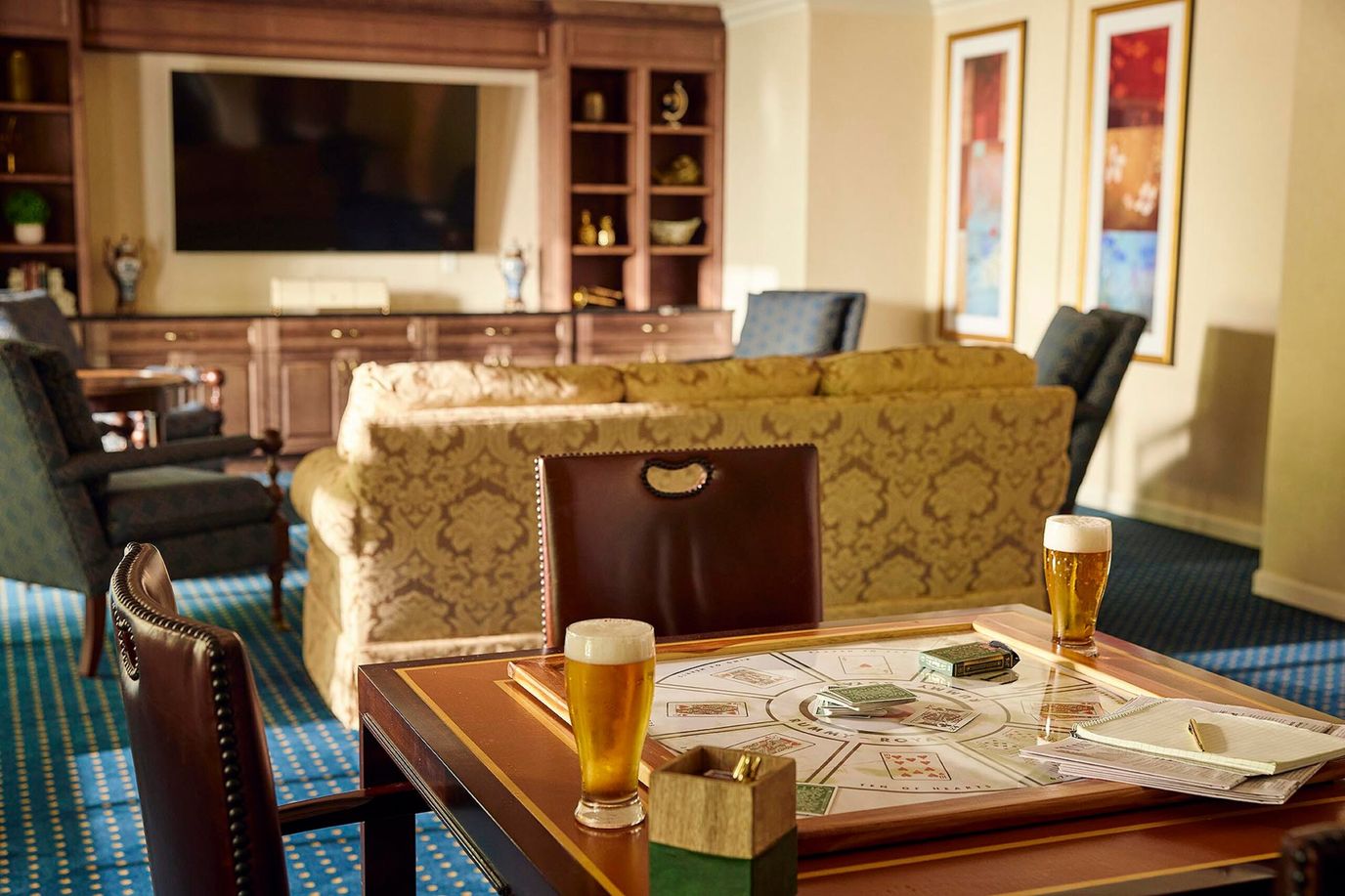
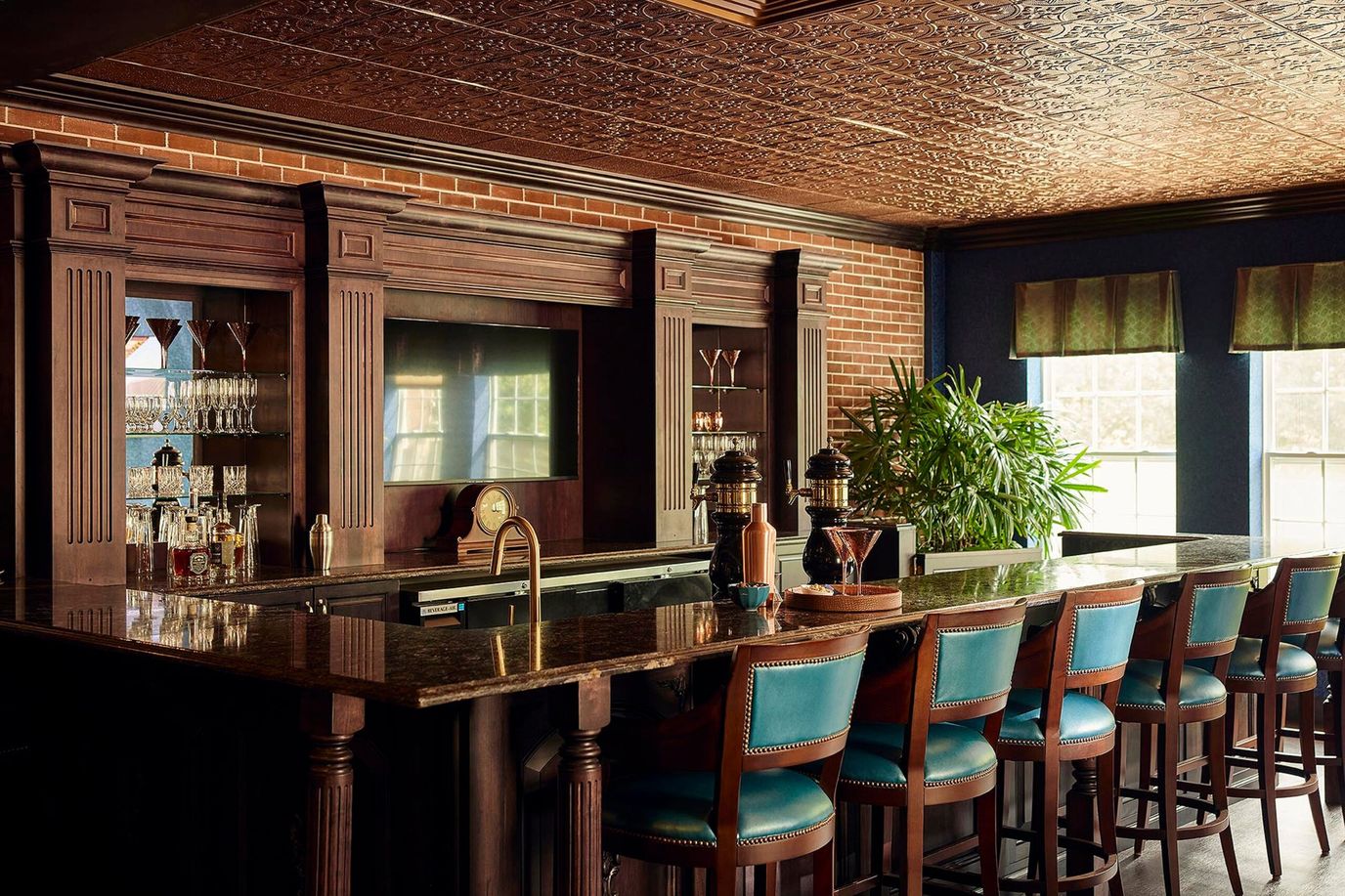
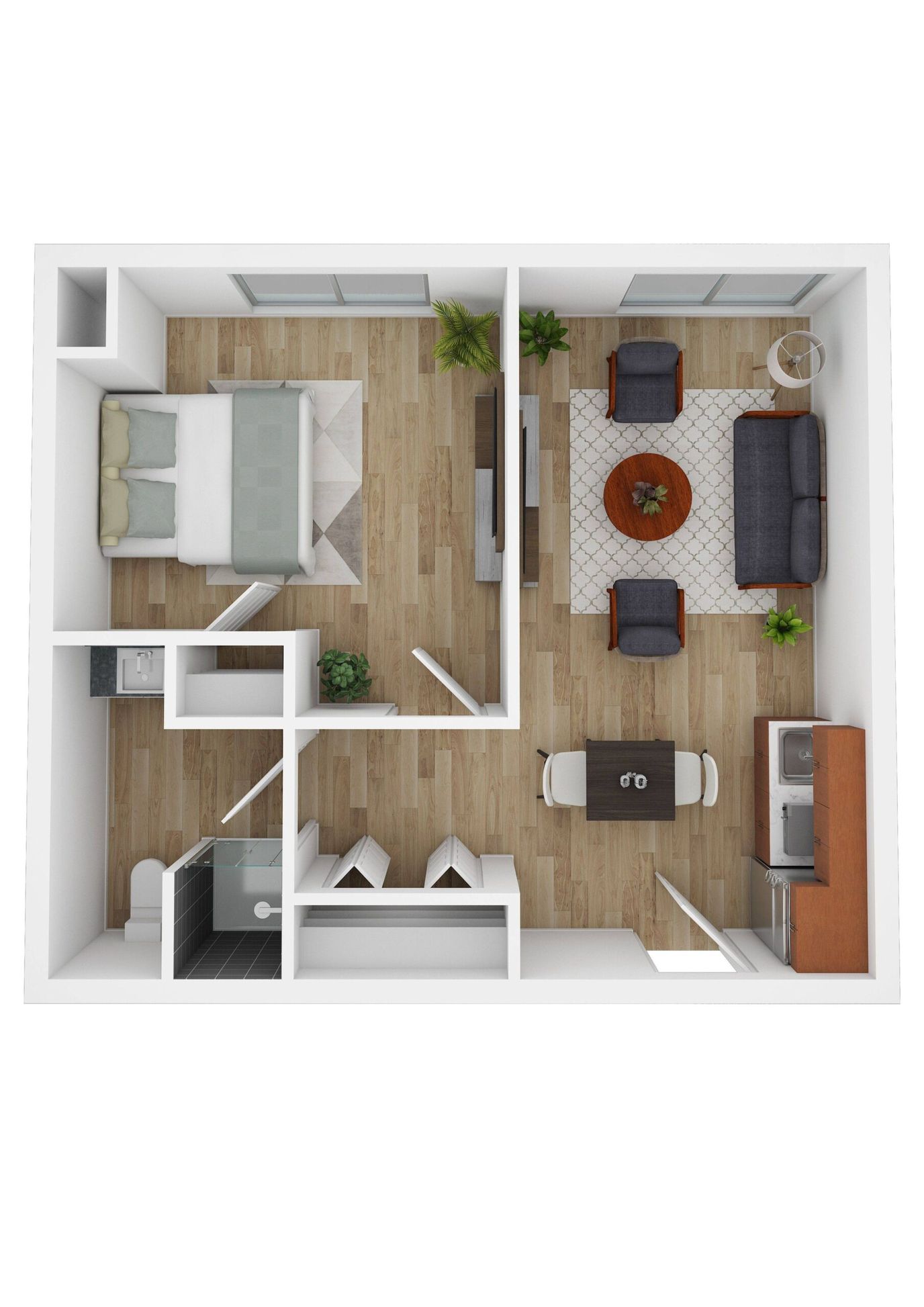
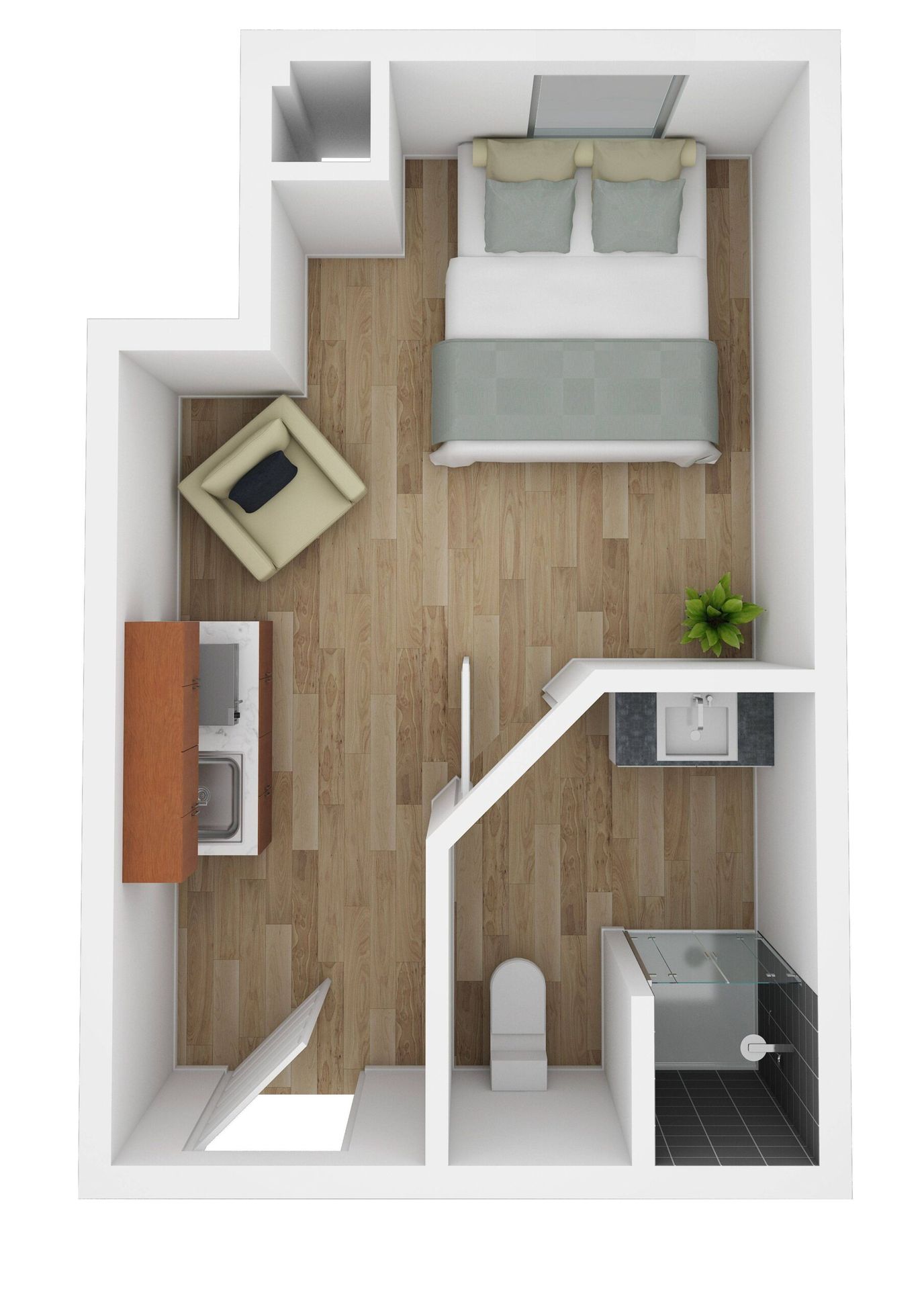
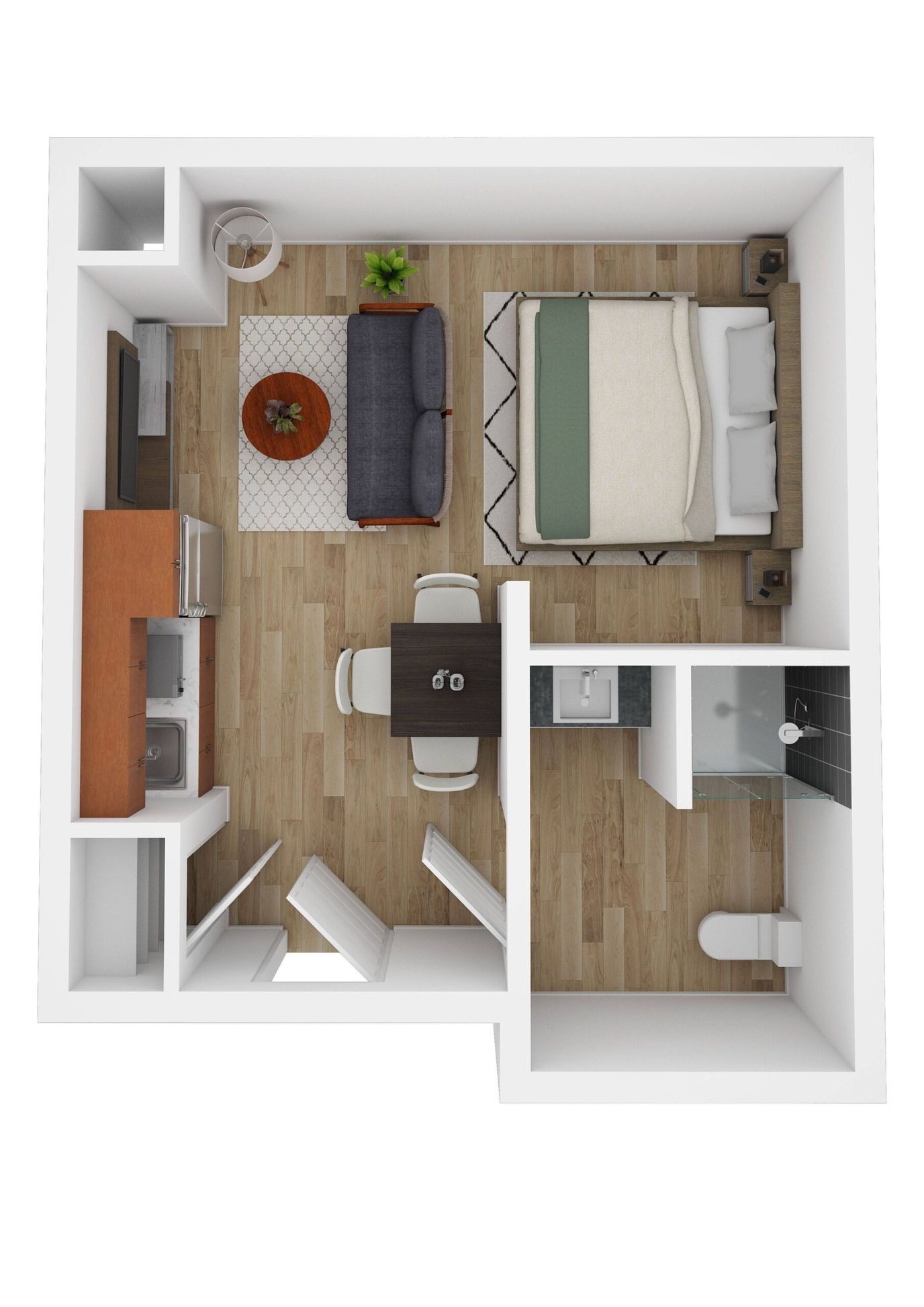
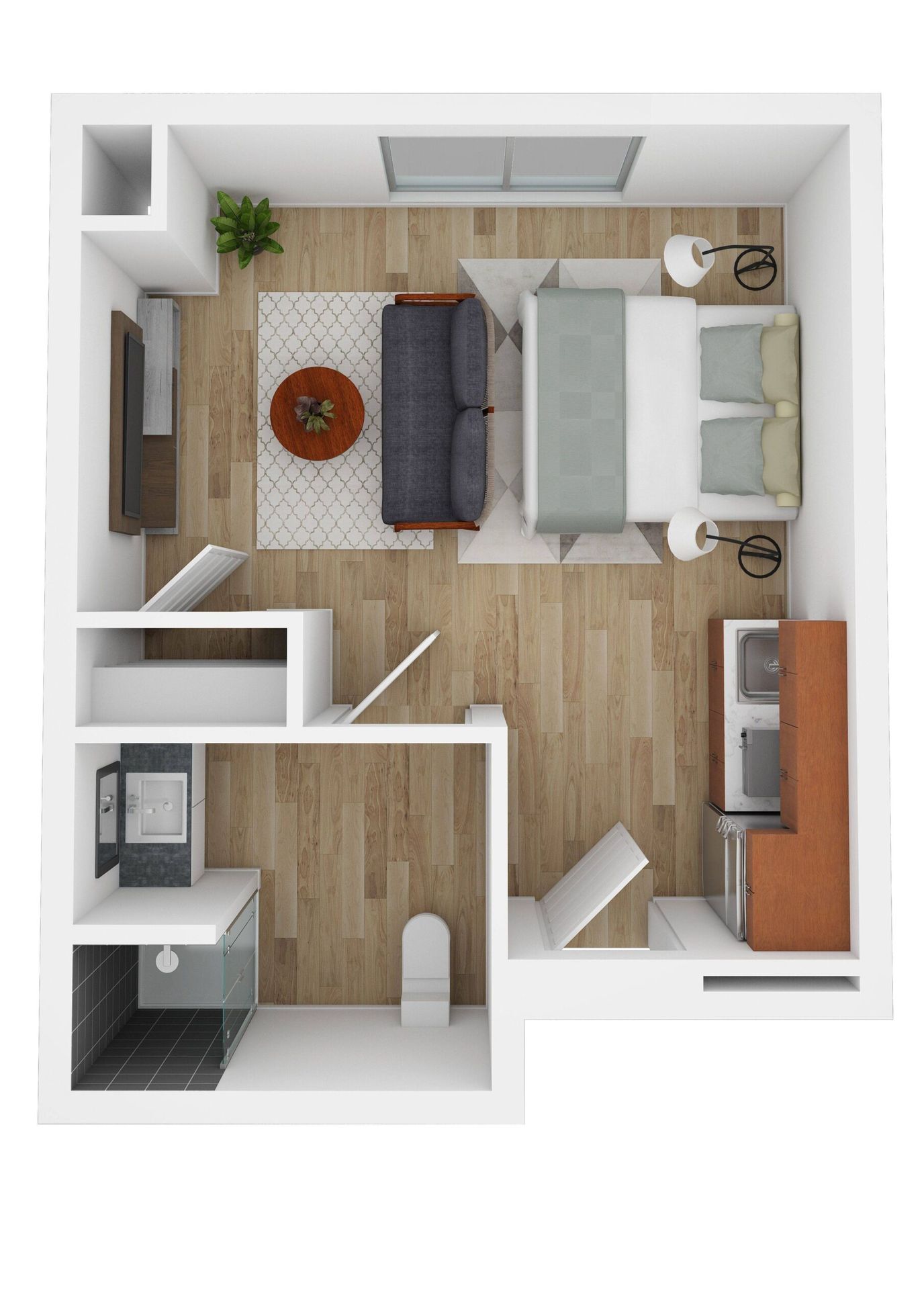
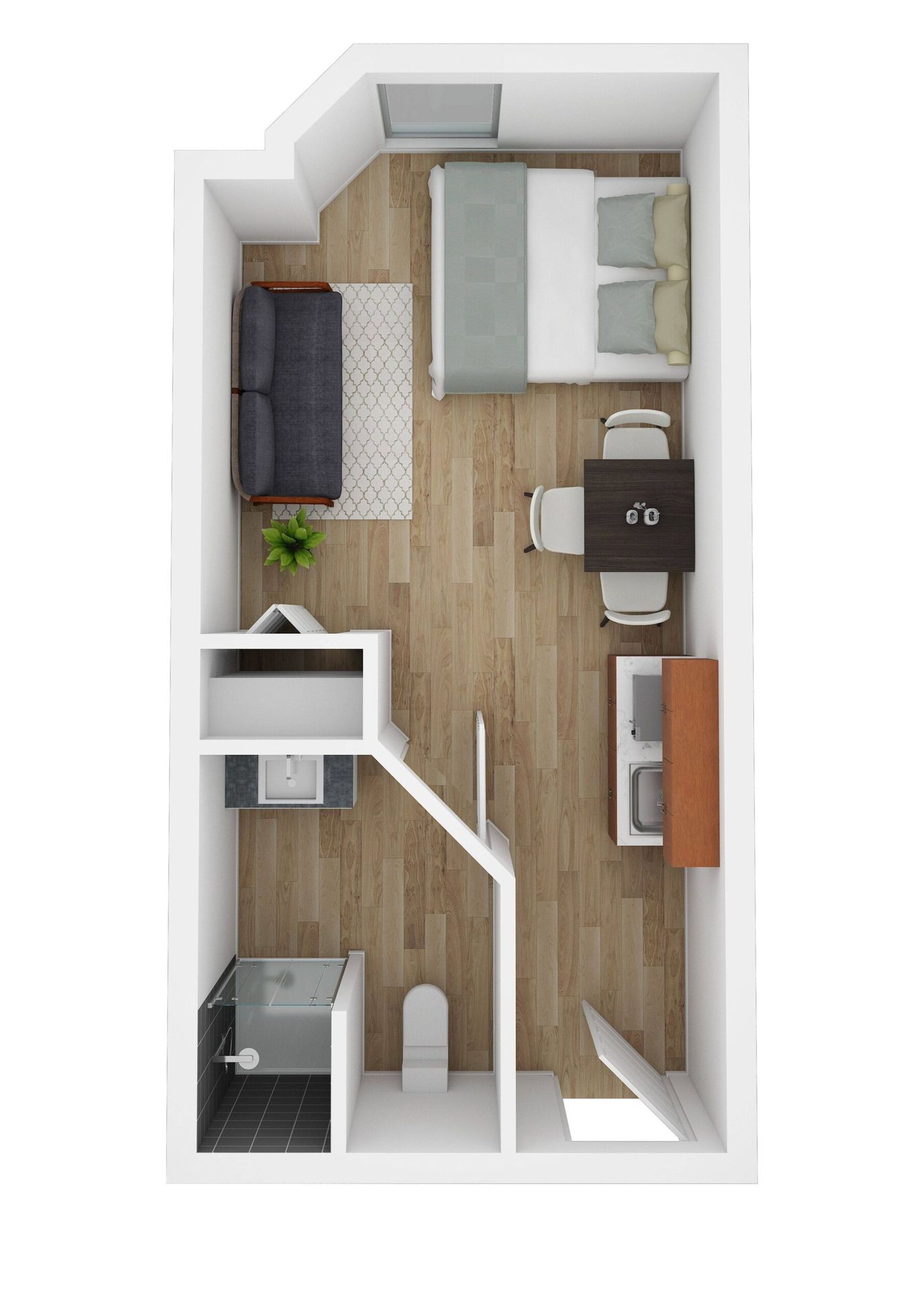
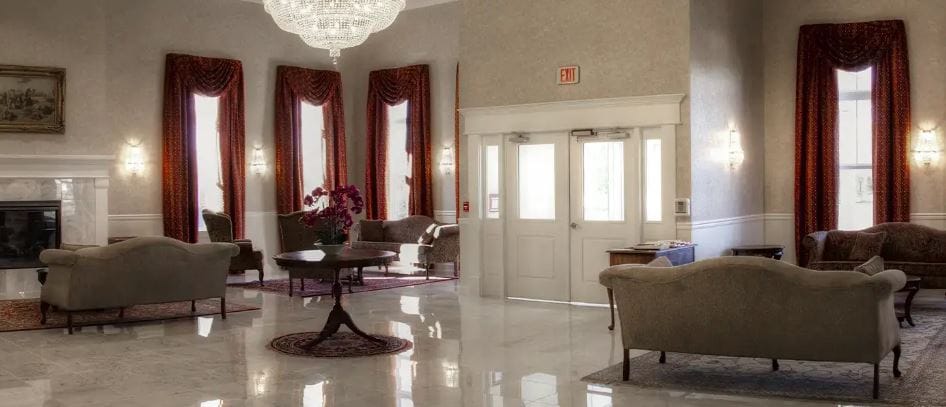
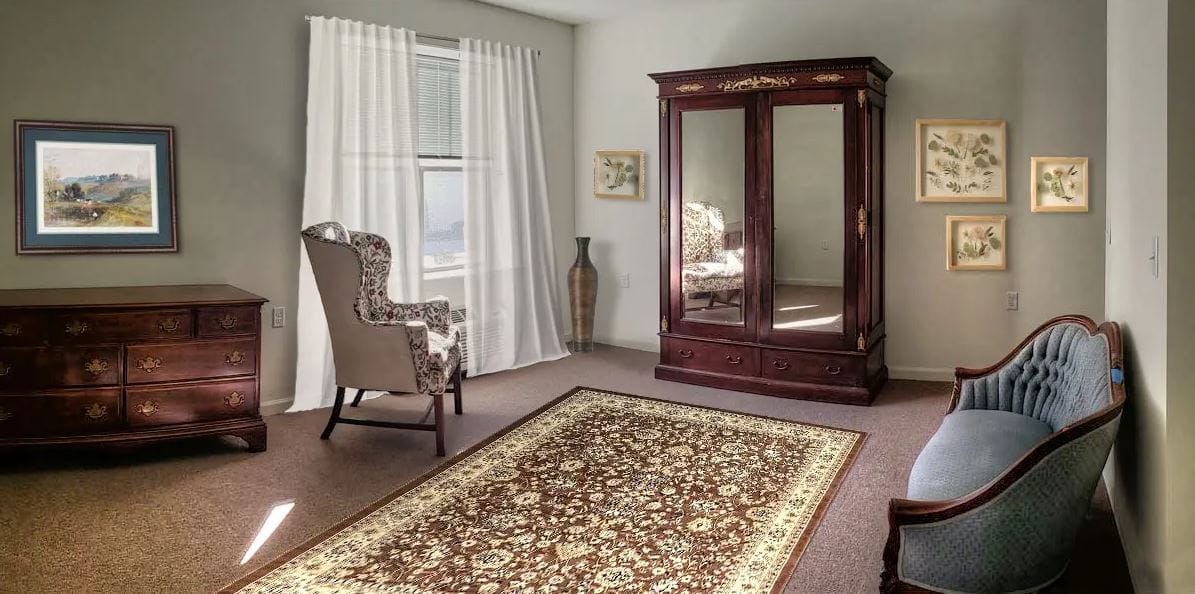
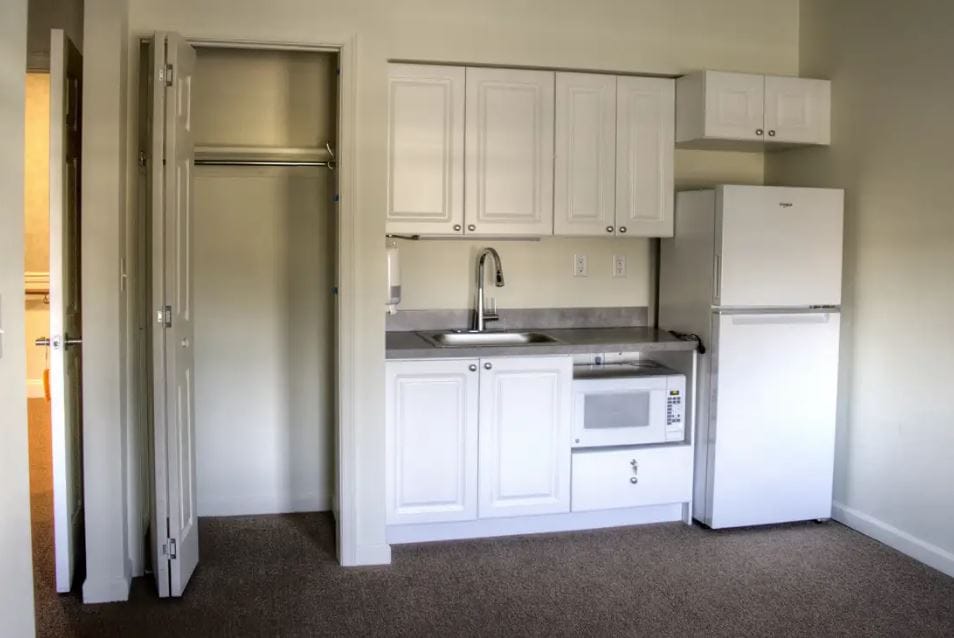
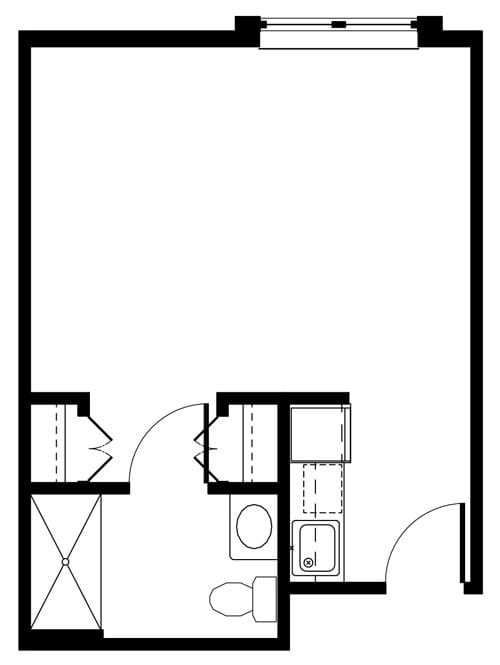
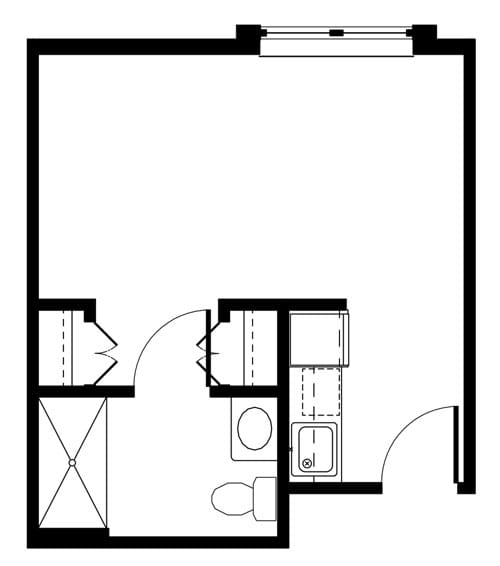
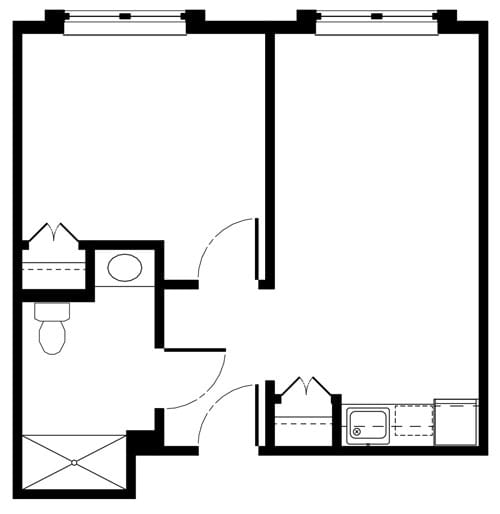
The dining program breaks from the nursing-home norm: restaurant-style service, gourmet preparation, not the standardized trays you’d expect. Residents have actual apartments, not rooms, which matters for dignity during a stay. A library and movie theater offer structured leisure. Sensory therapy gets deployed during recovery periods, which some residents find stabilizing.
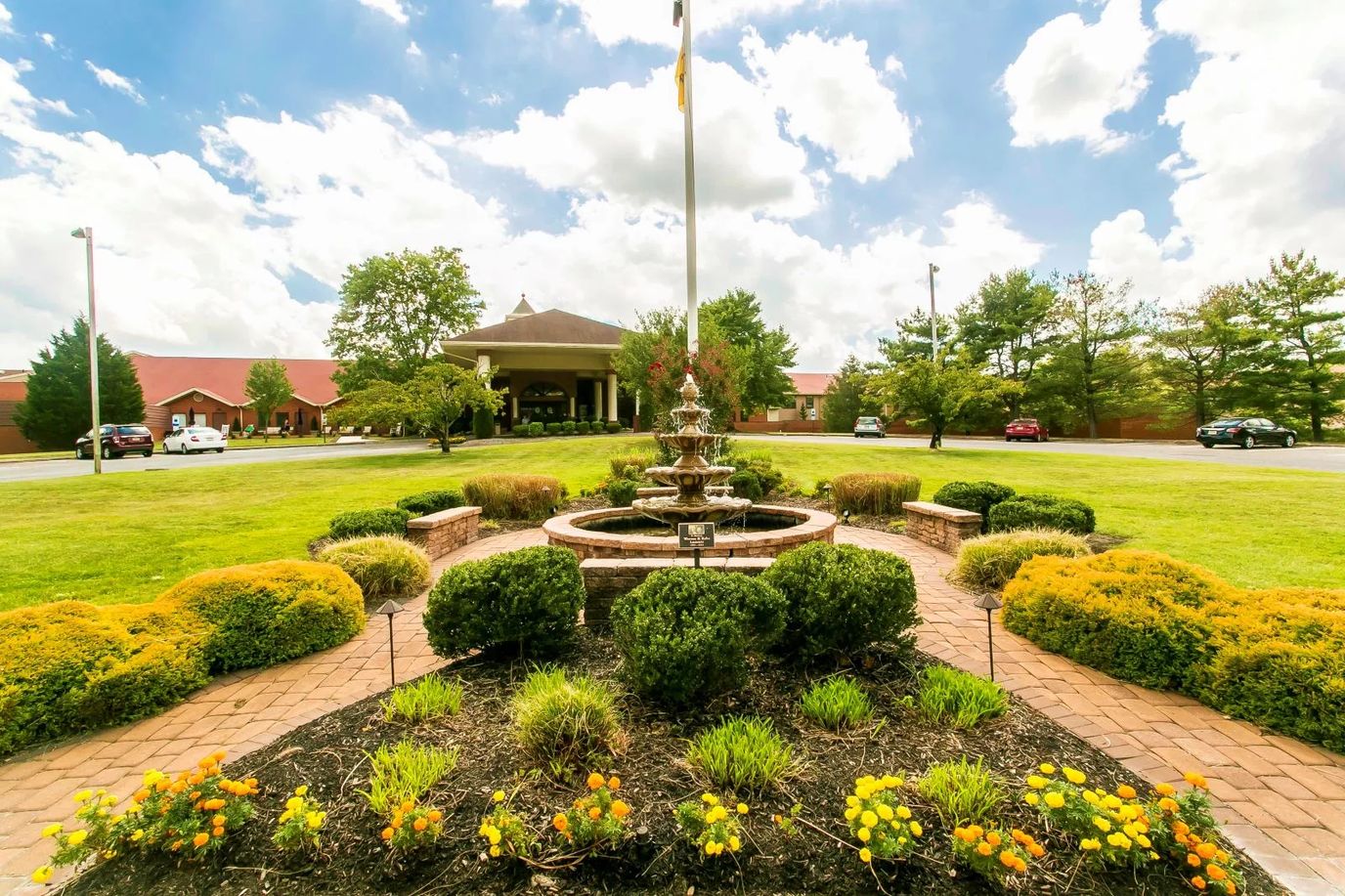
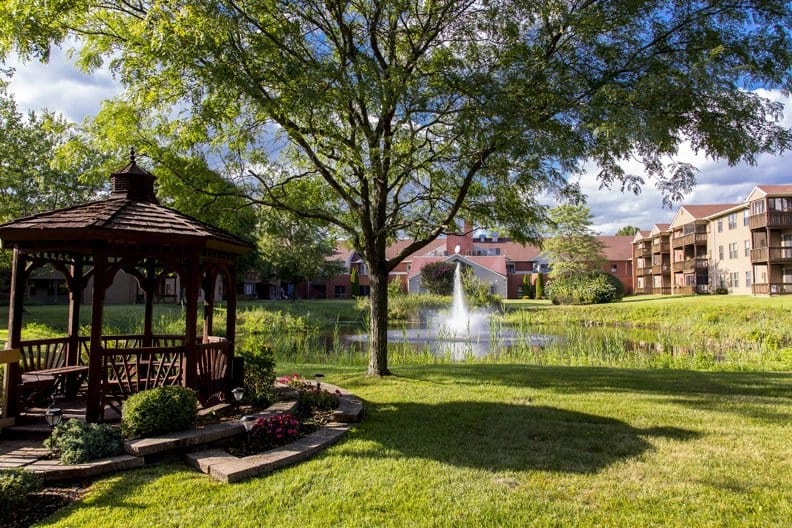
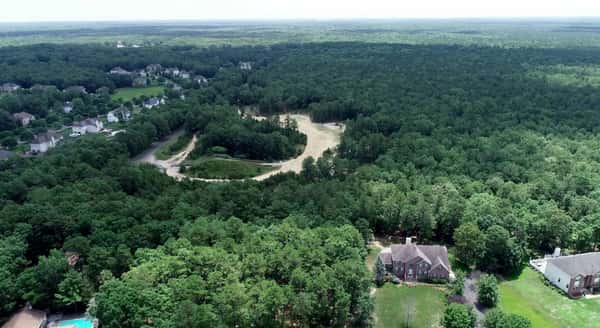
The neighborhood outside the building is frankly car-dependent (Walk Score 24). Wayne is suburban Essex County territory. If a family visits regularly, they’re driving. There’s no walkable streetscape to explore on foot, no coffee shops a resident could hypothetically visit on their own. For a short-stay or post-acute population, that’s often immaterial. For families making the commute, it’s a logistics question.
From a payment standpoint, the facility takes Medicare and private pay. This covers most pathways for placement. Inspection history runs six years back and shows no deficiencies on the most recent visit. Earlier surveys flagged staffing ratios, medication processes, infection control, and fire safety code issues as recurring themes. The clean bill on the latest survey, against that backdrop, suggests the facility has moved on those compliance gaps.
Careone at Wayne presents a facility that pours significant resources into its staffing volume and high-end sensory amenities while simultaneously navigating a messy historical data trail of systemic compliance gaps that only a very recent, pristine survey has begun to officially reconcile.