

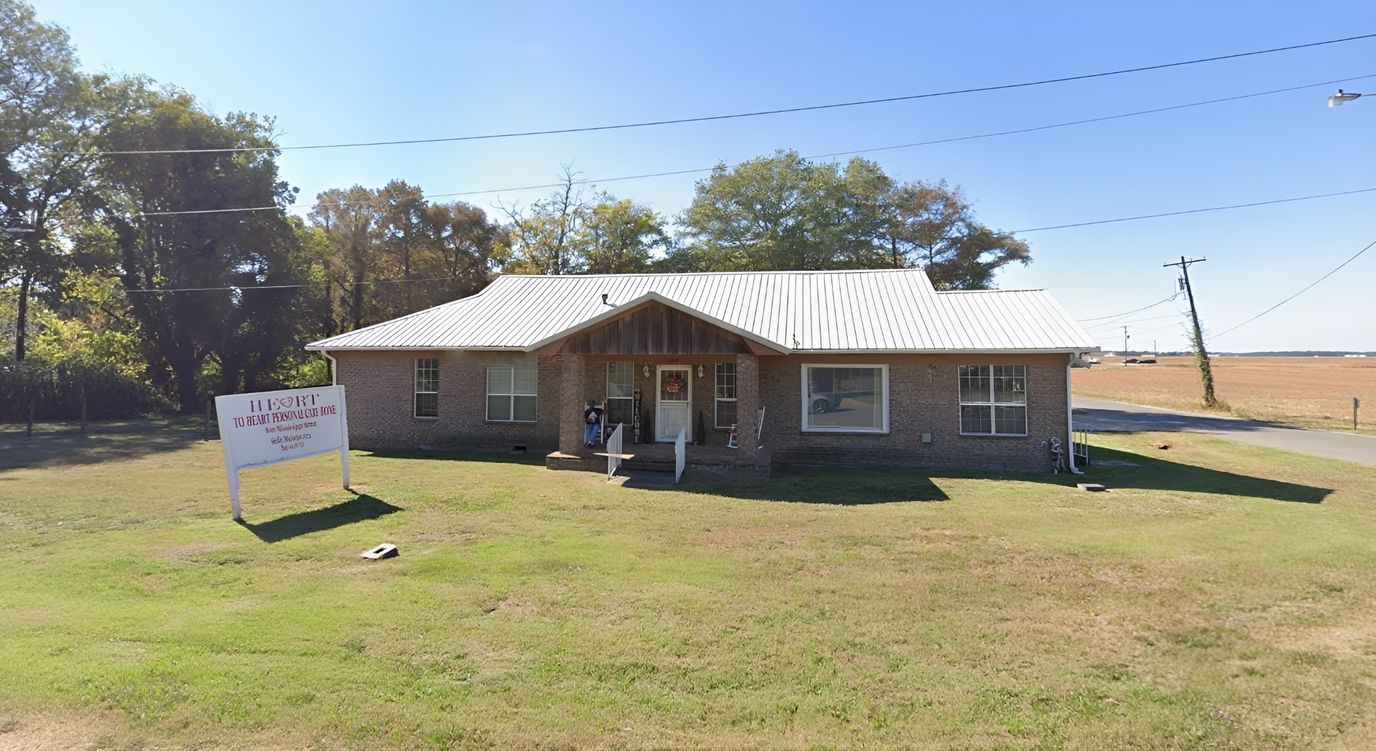

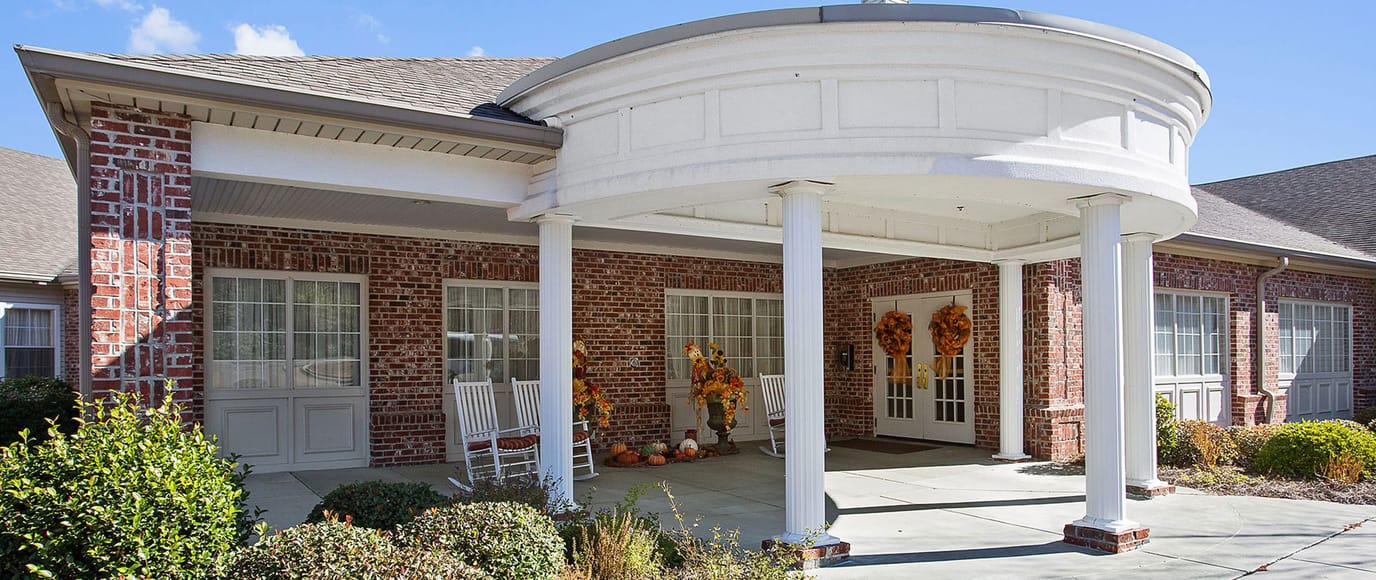



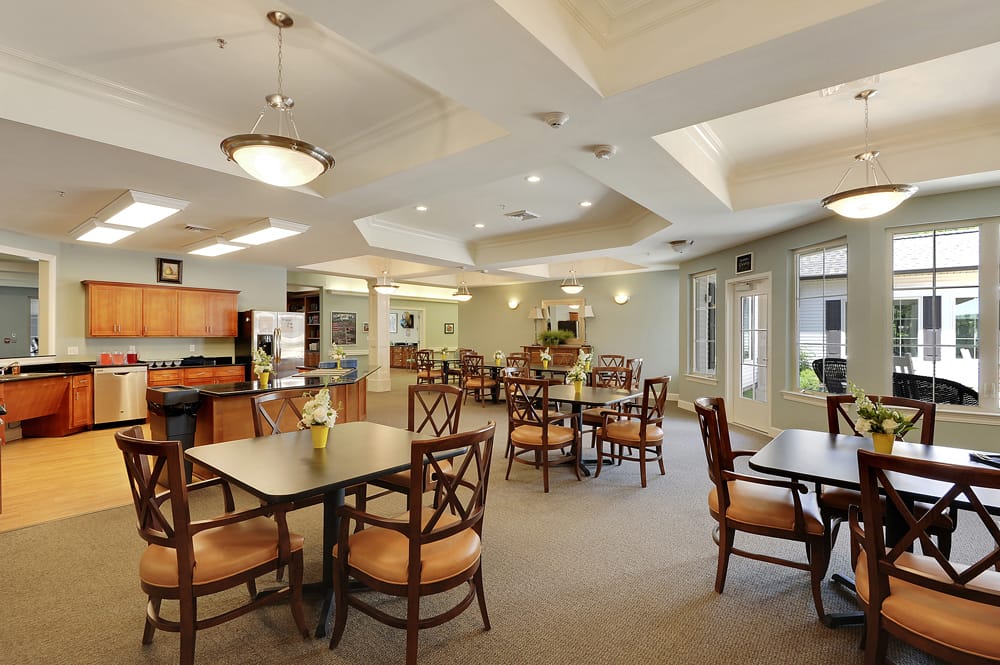
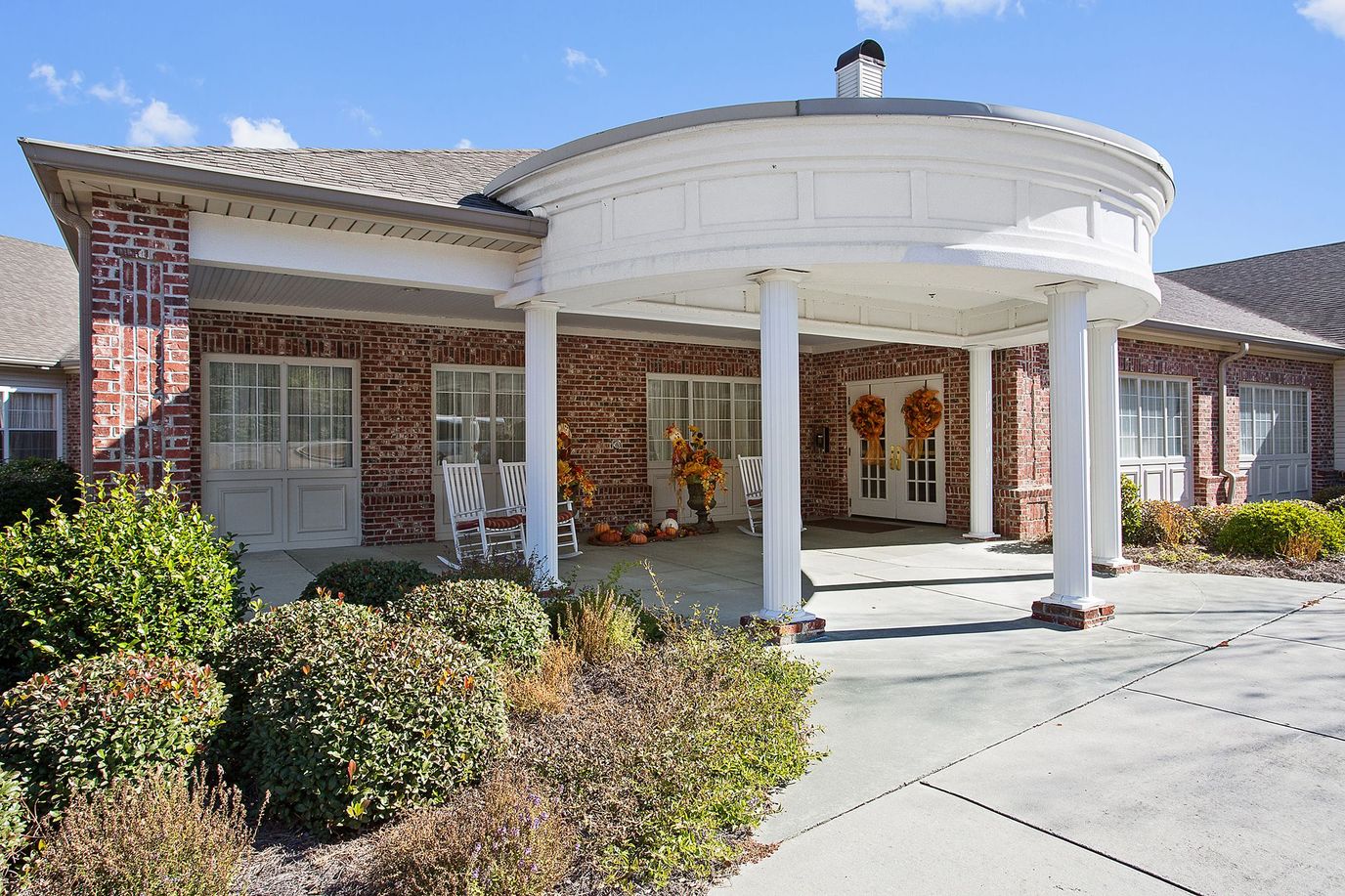
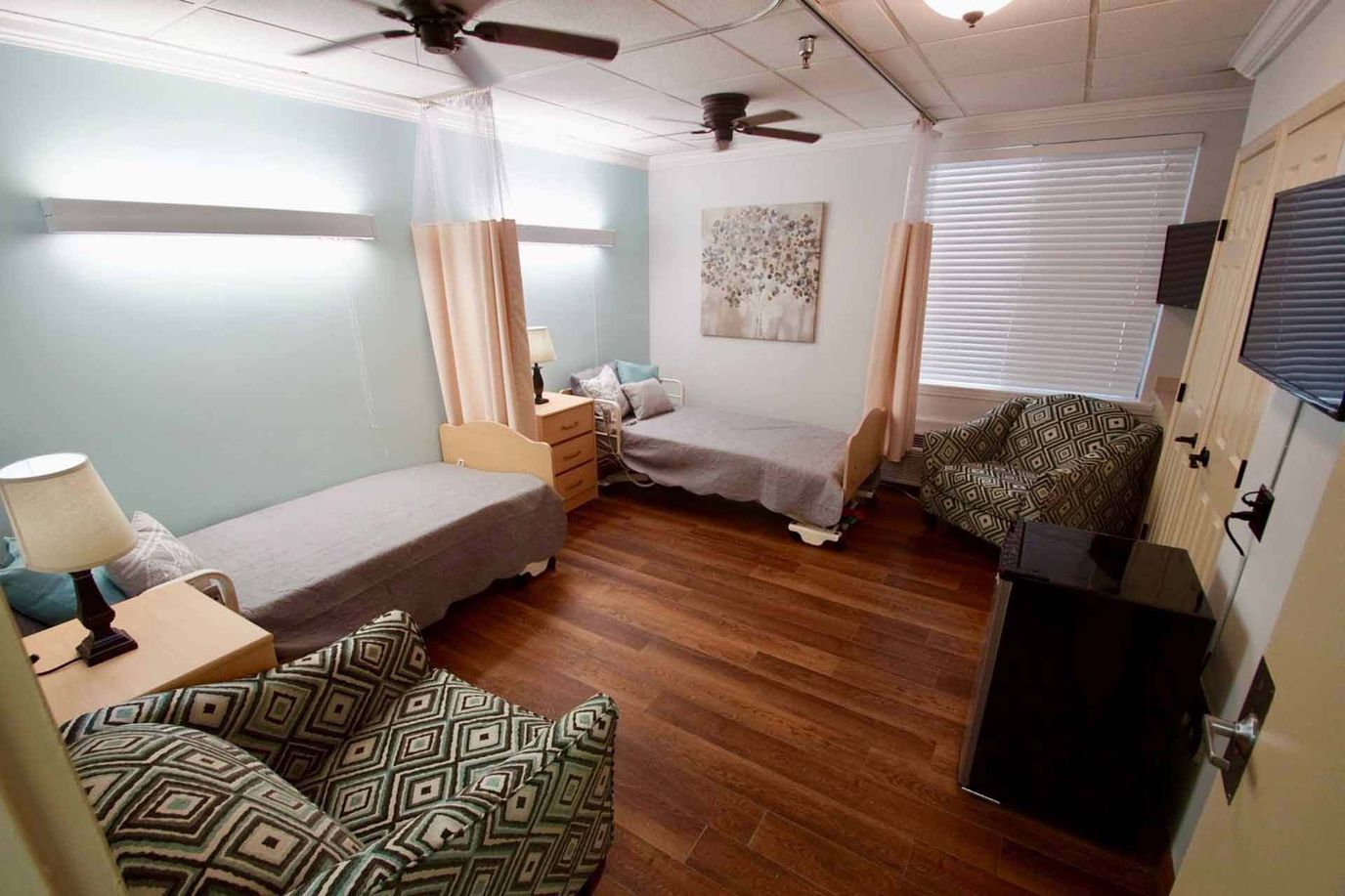
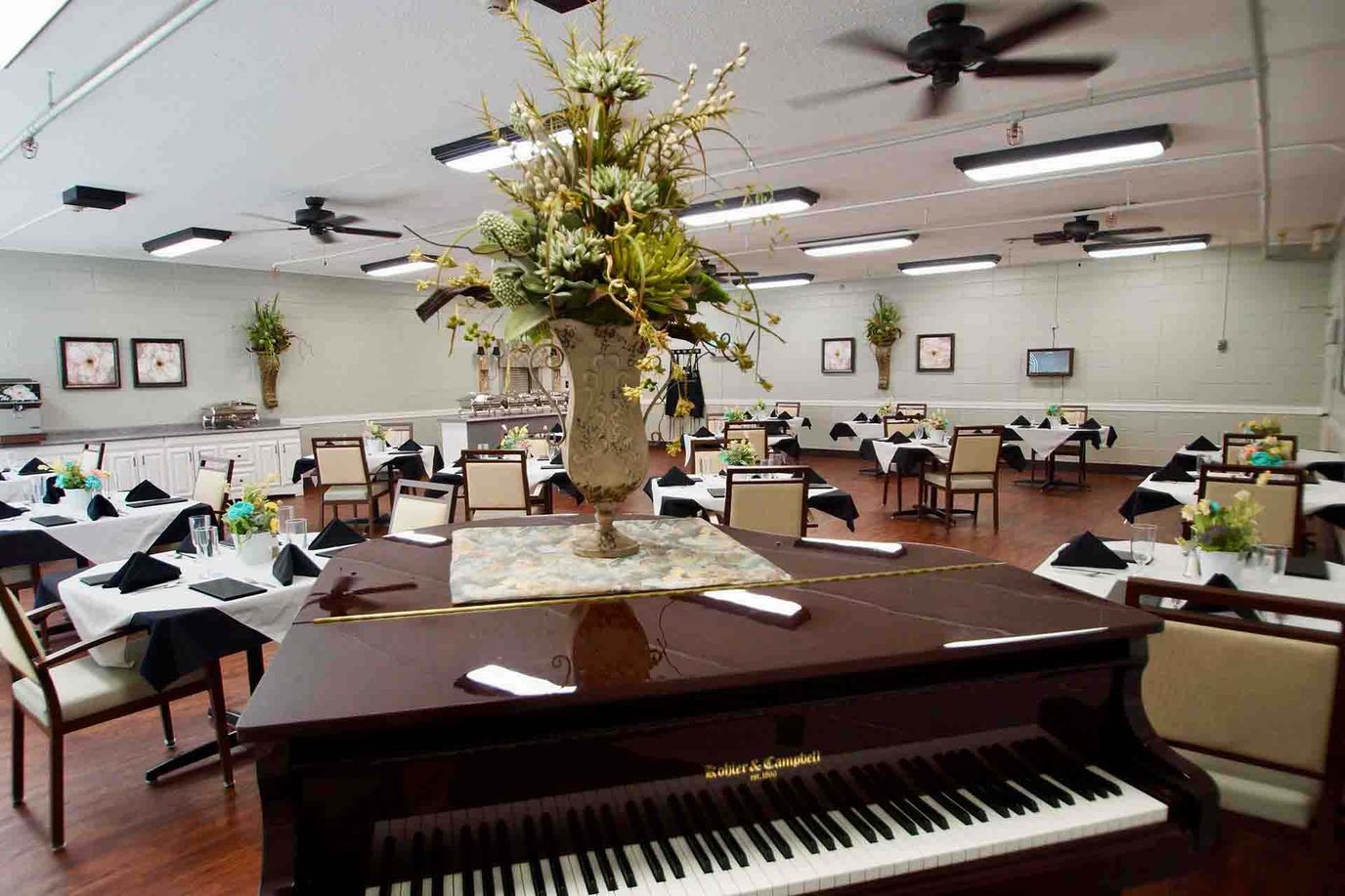
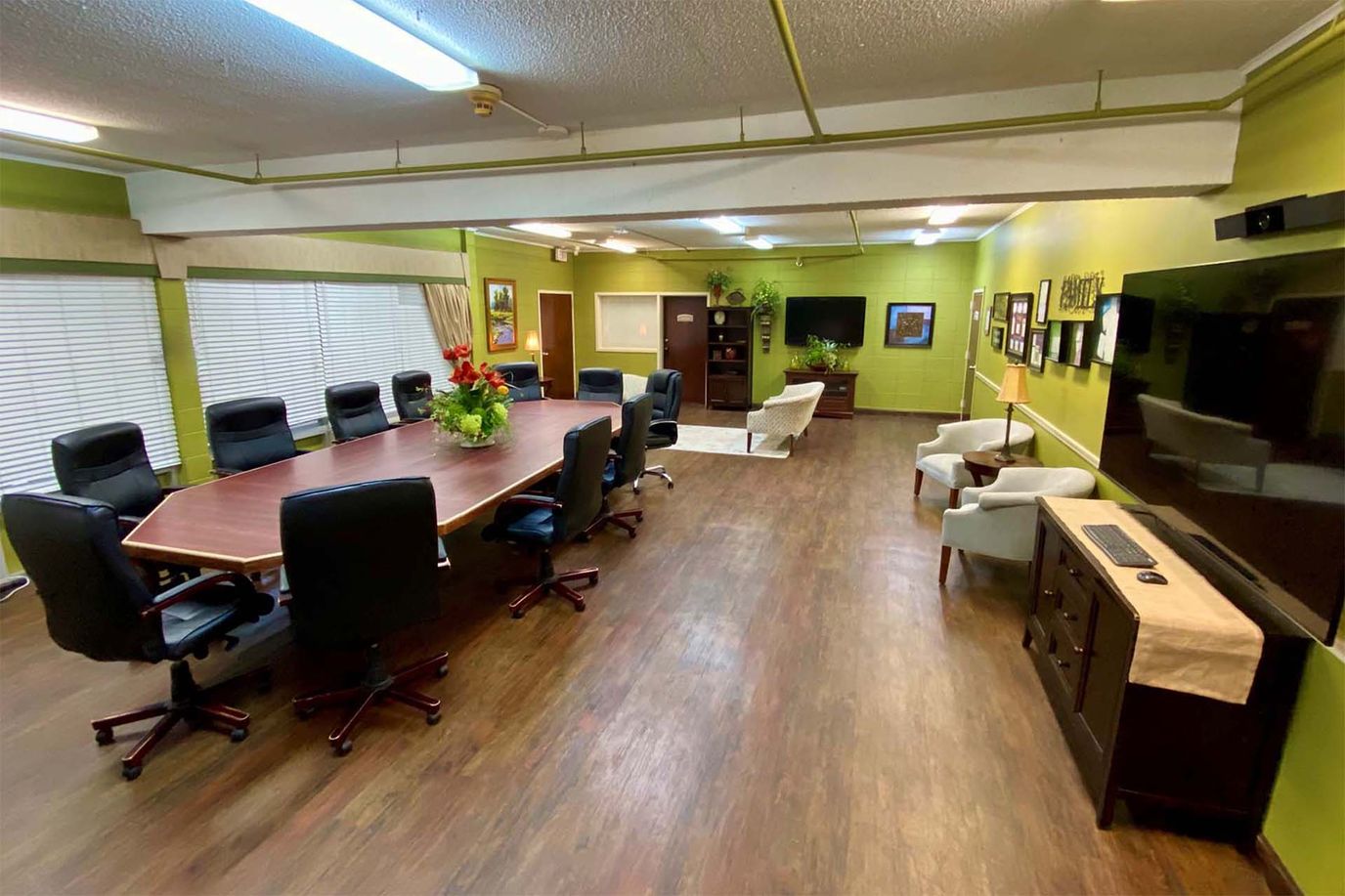
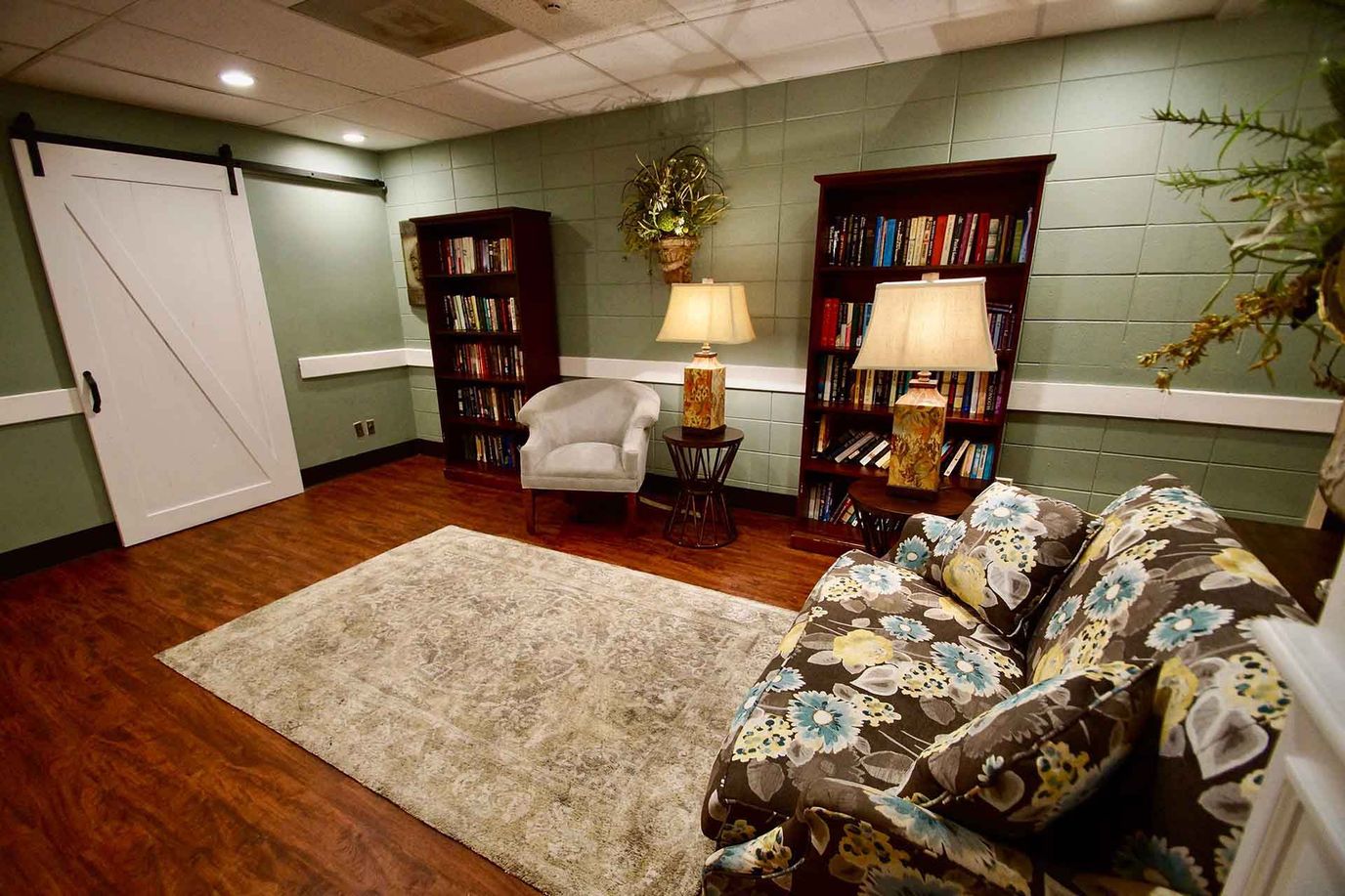

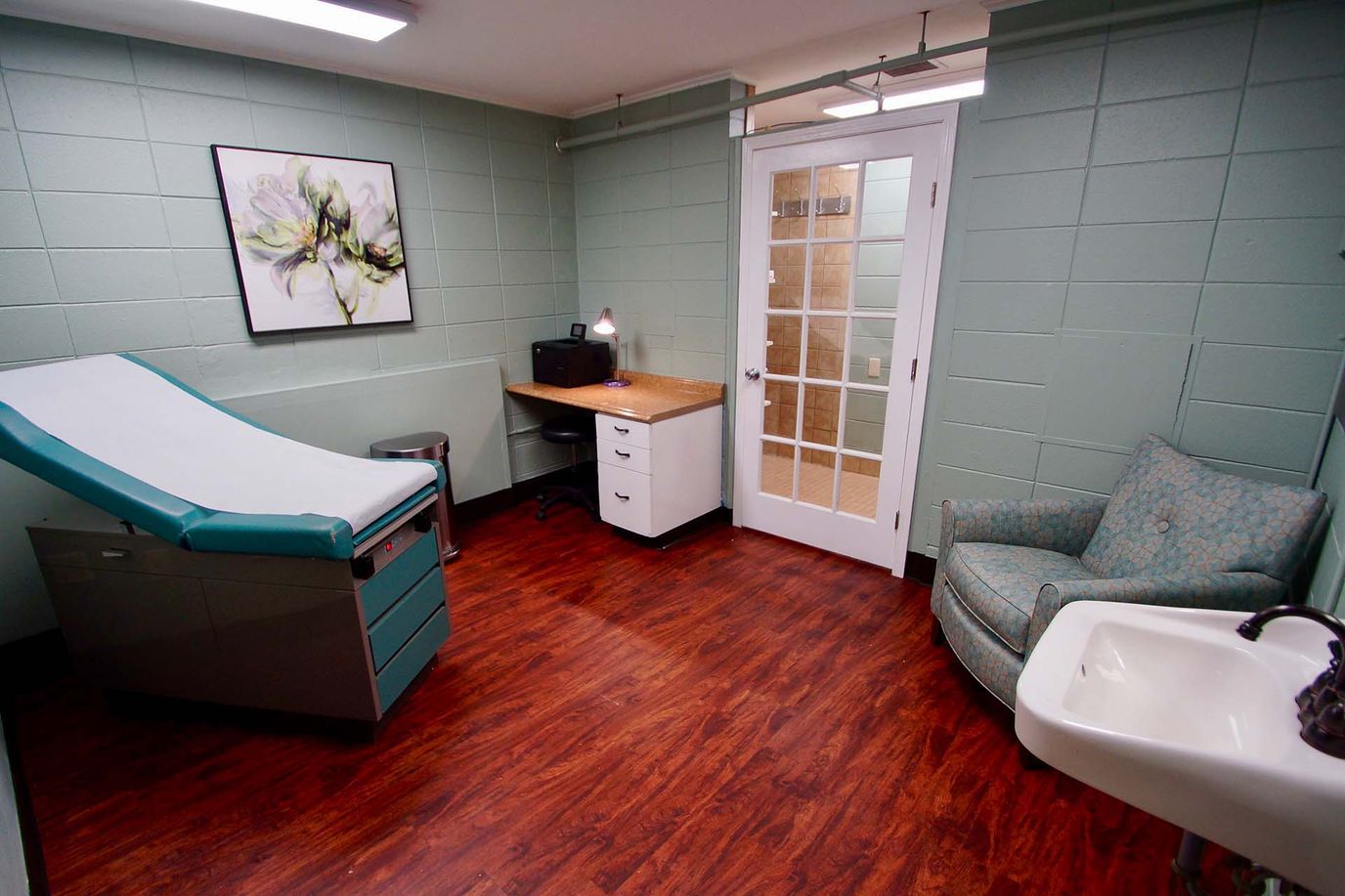
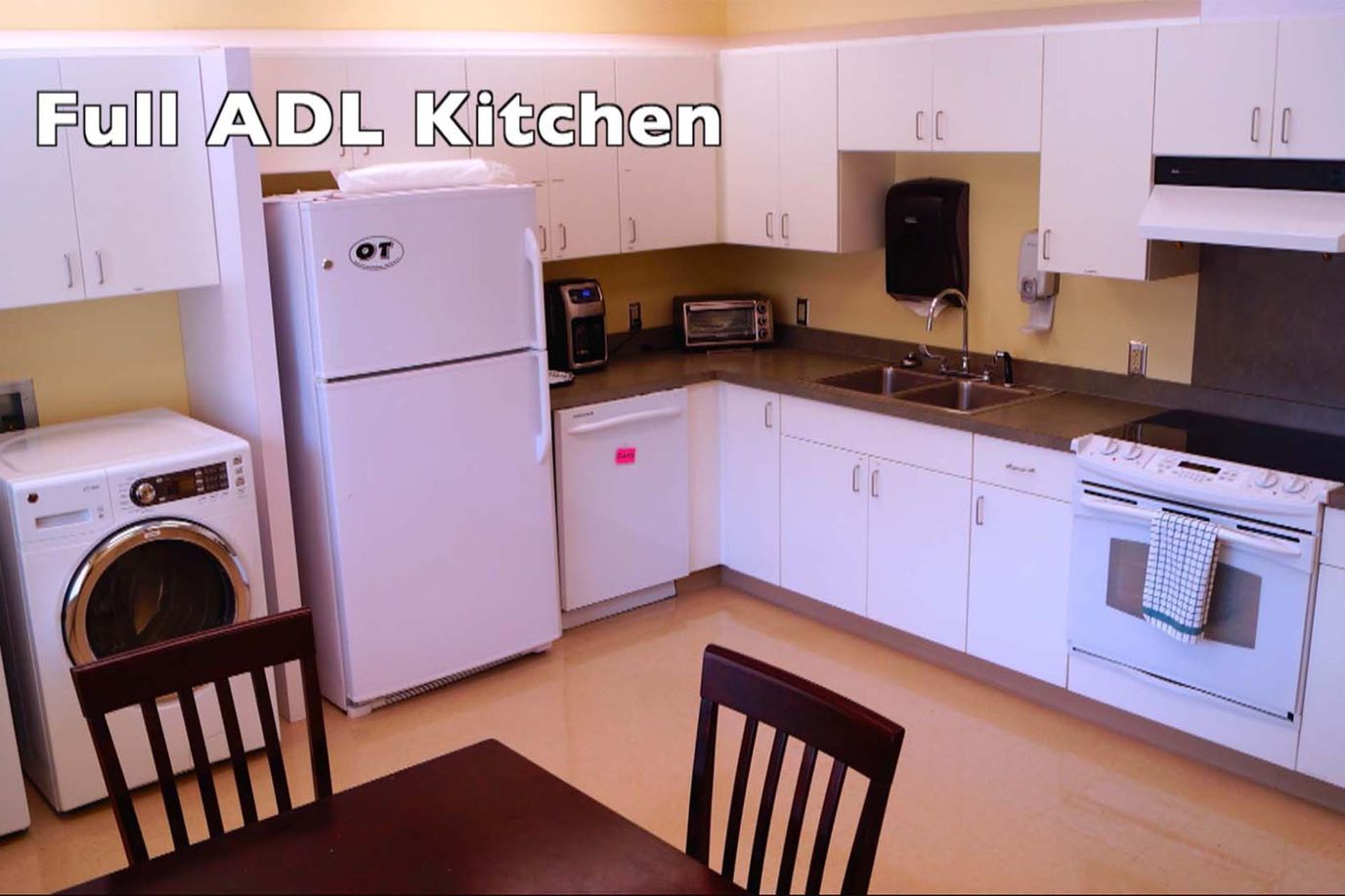
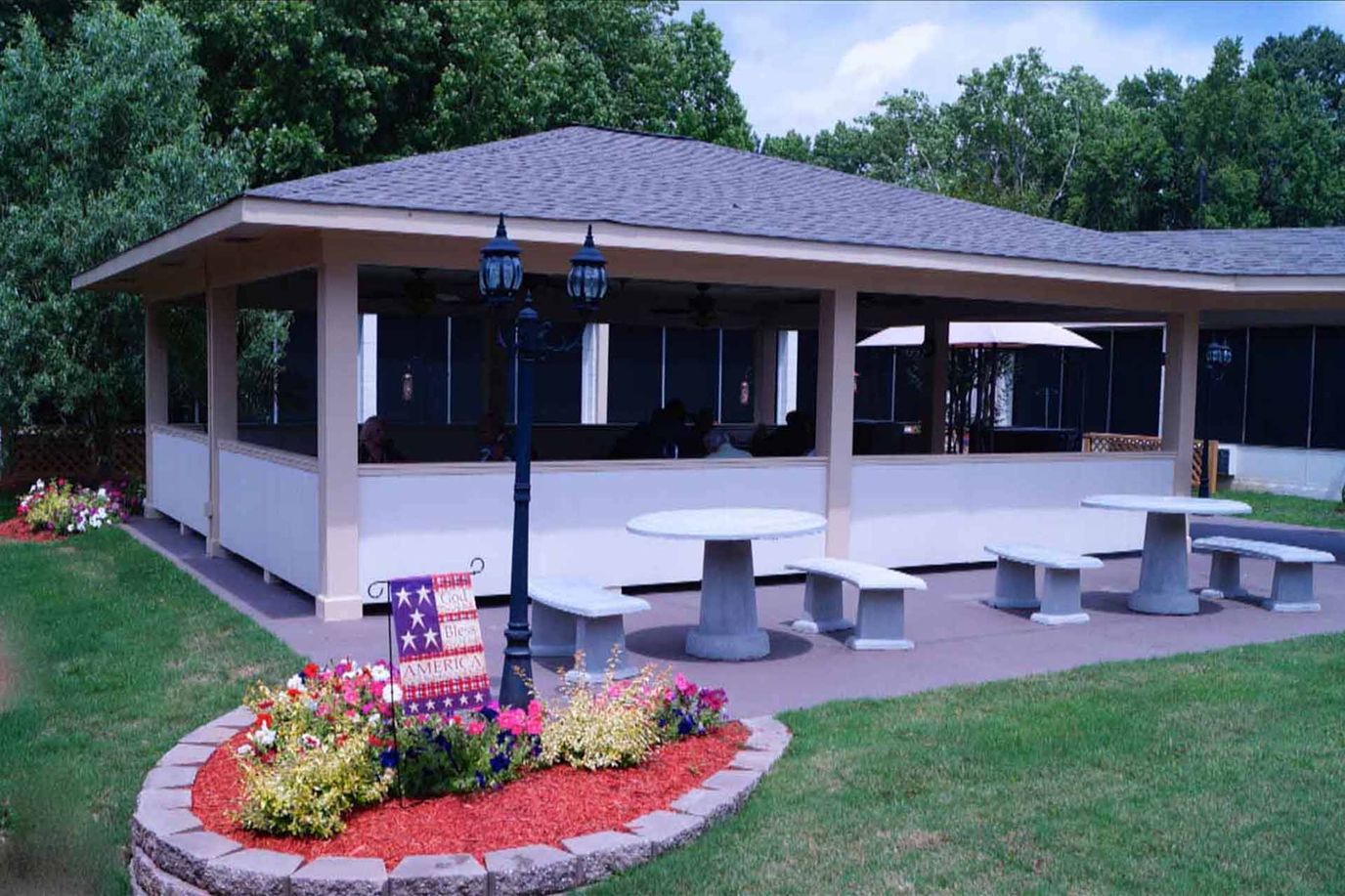
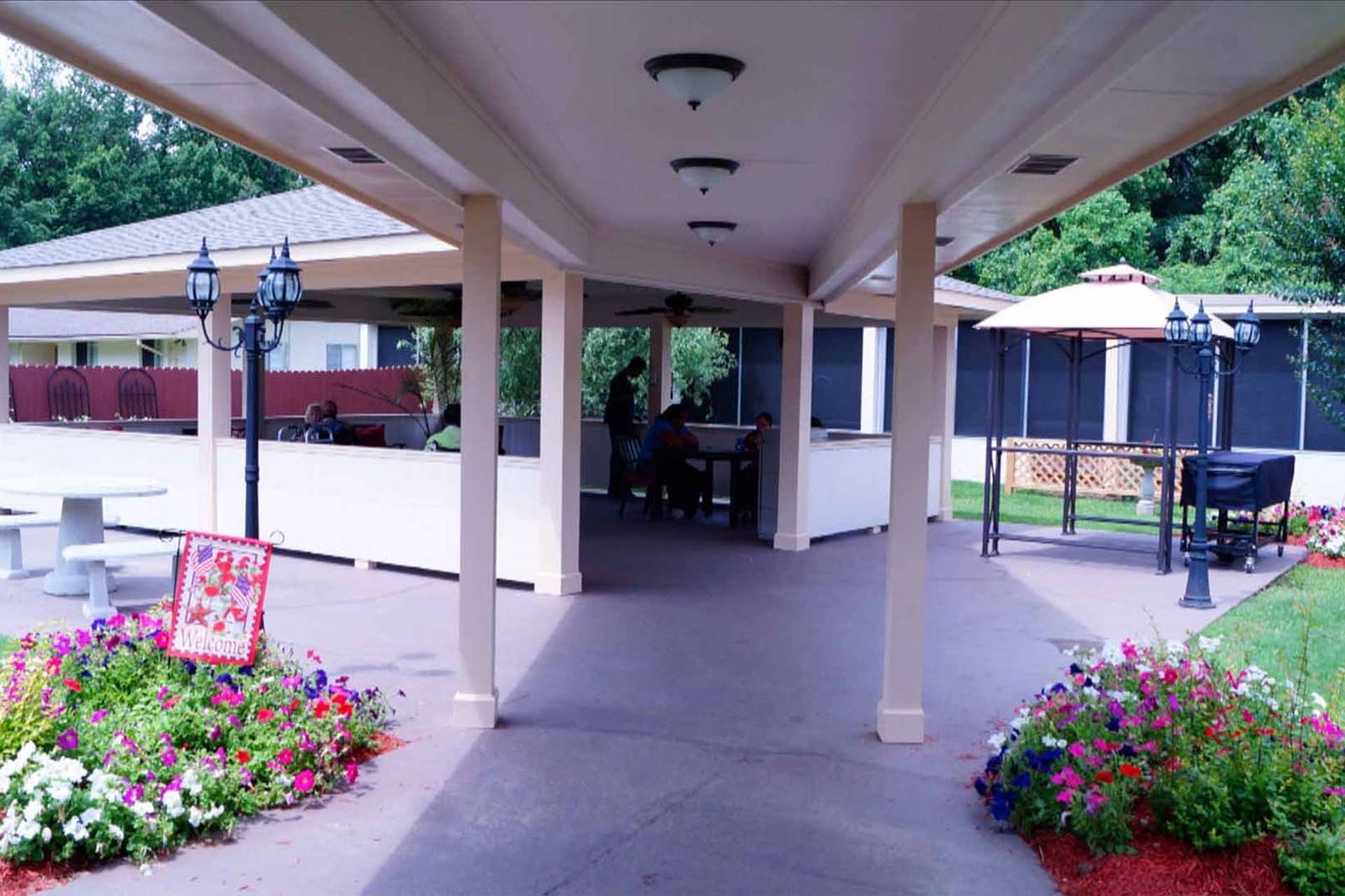
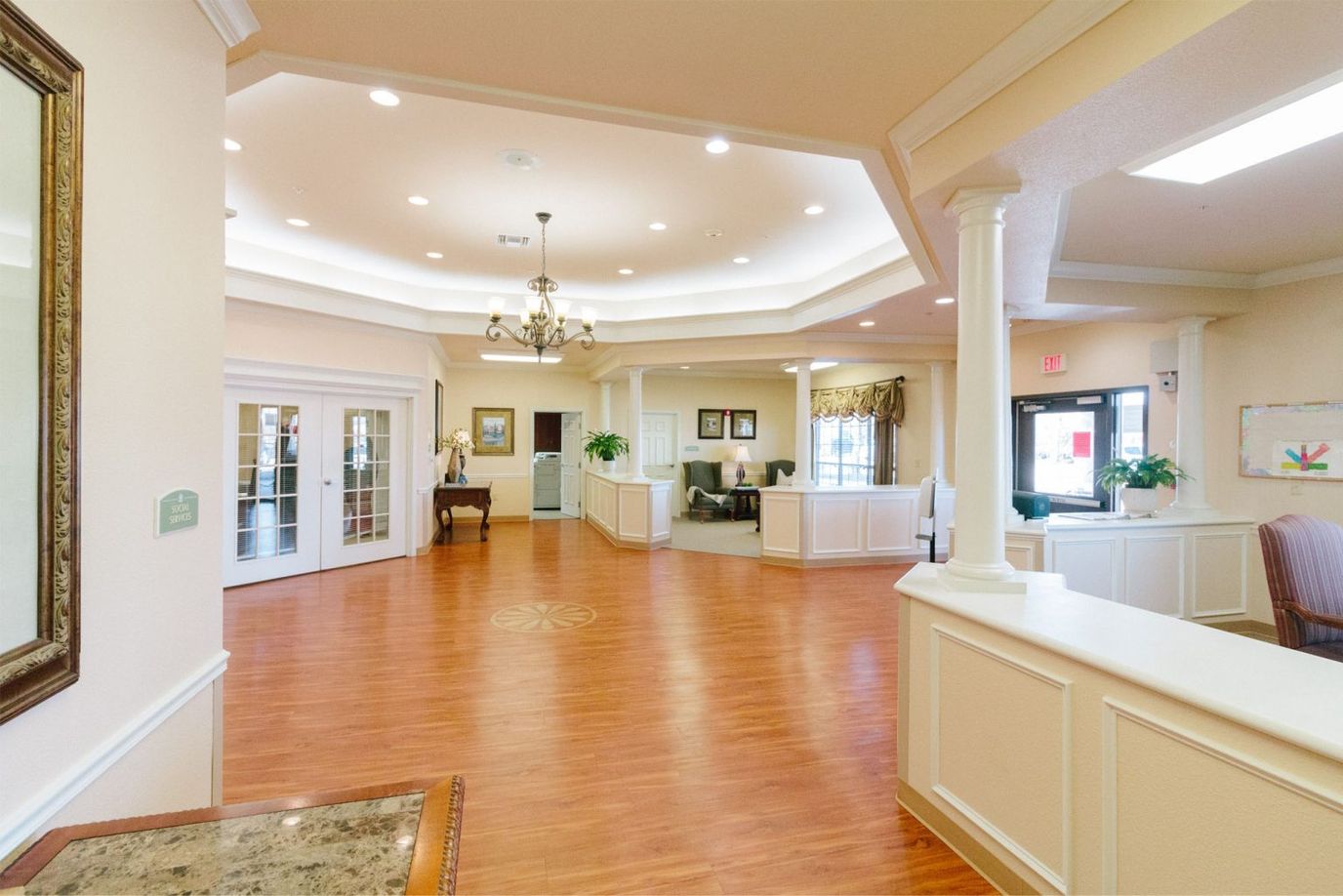
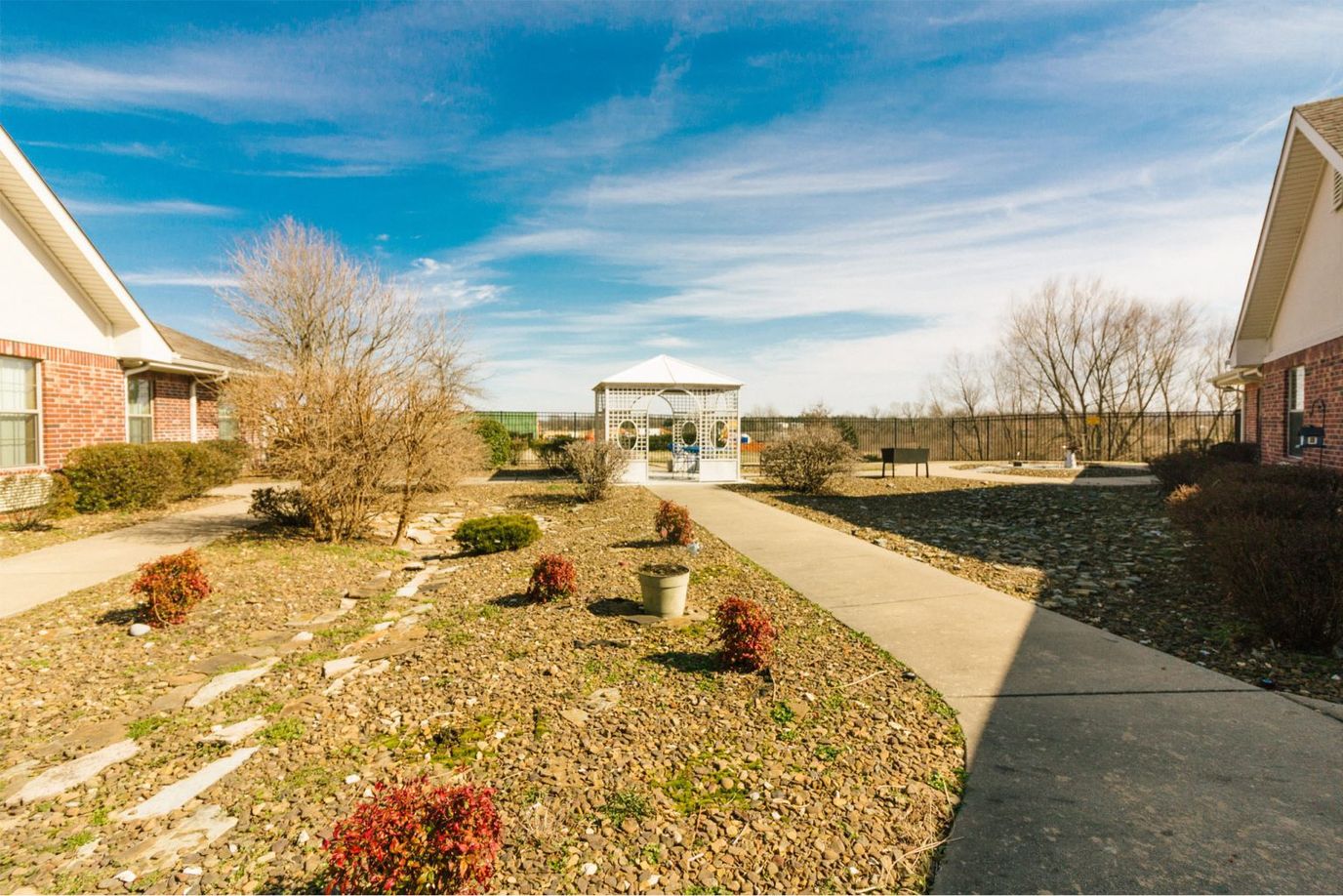
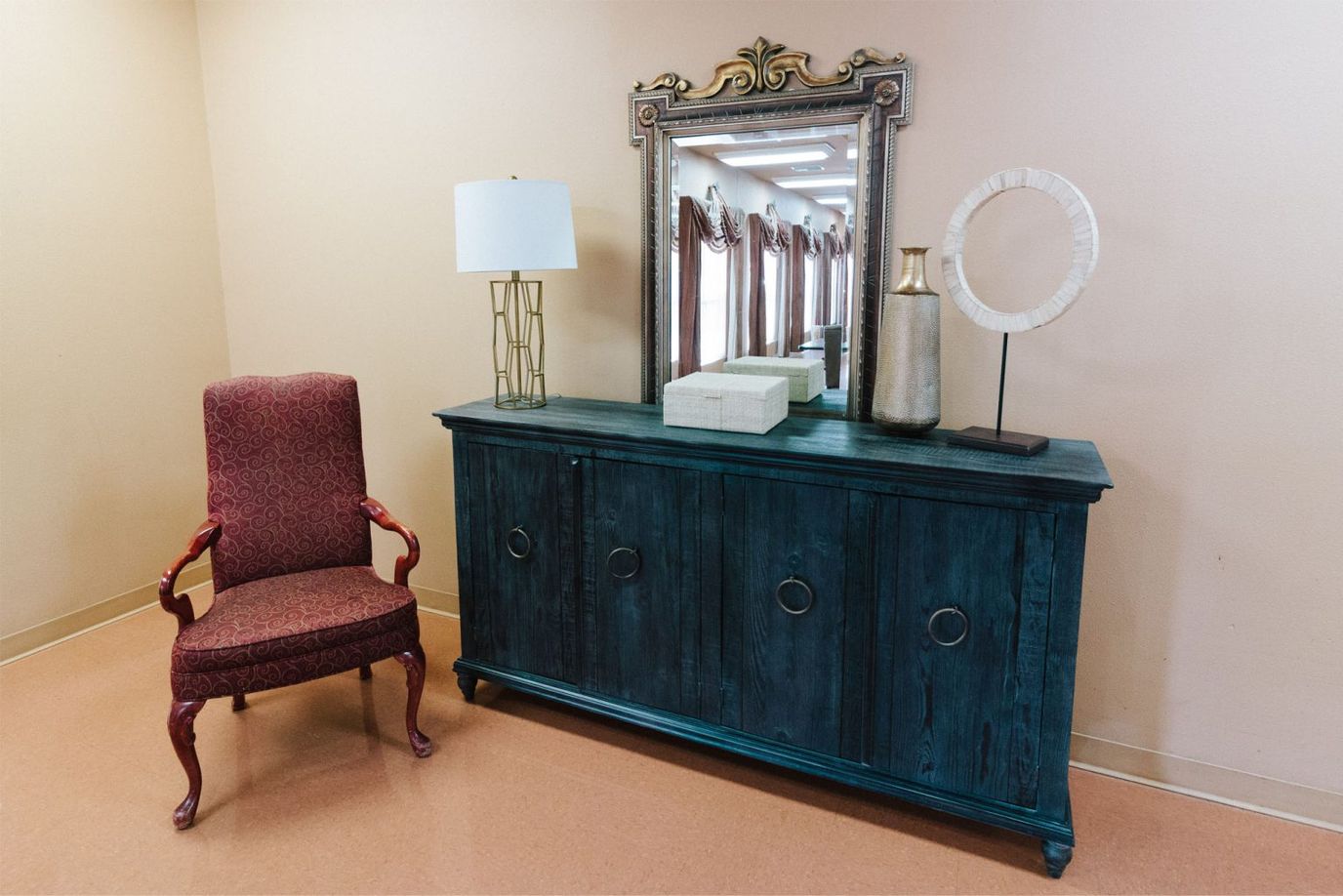
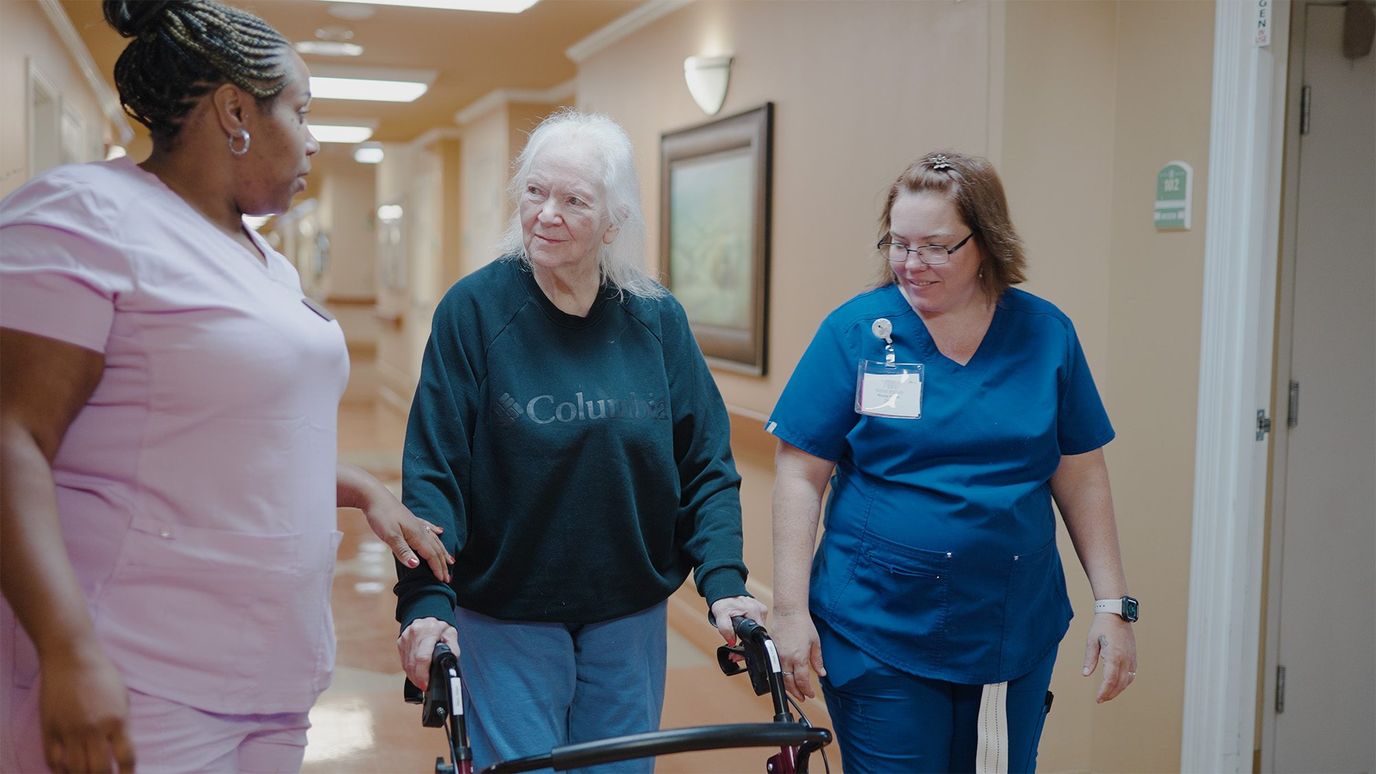
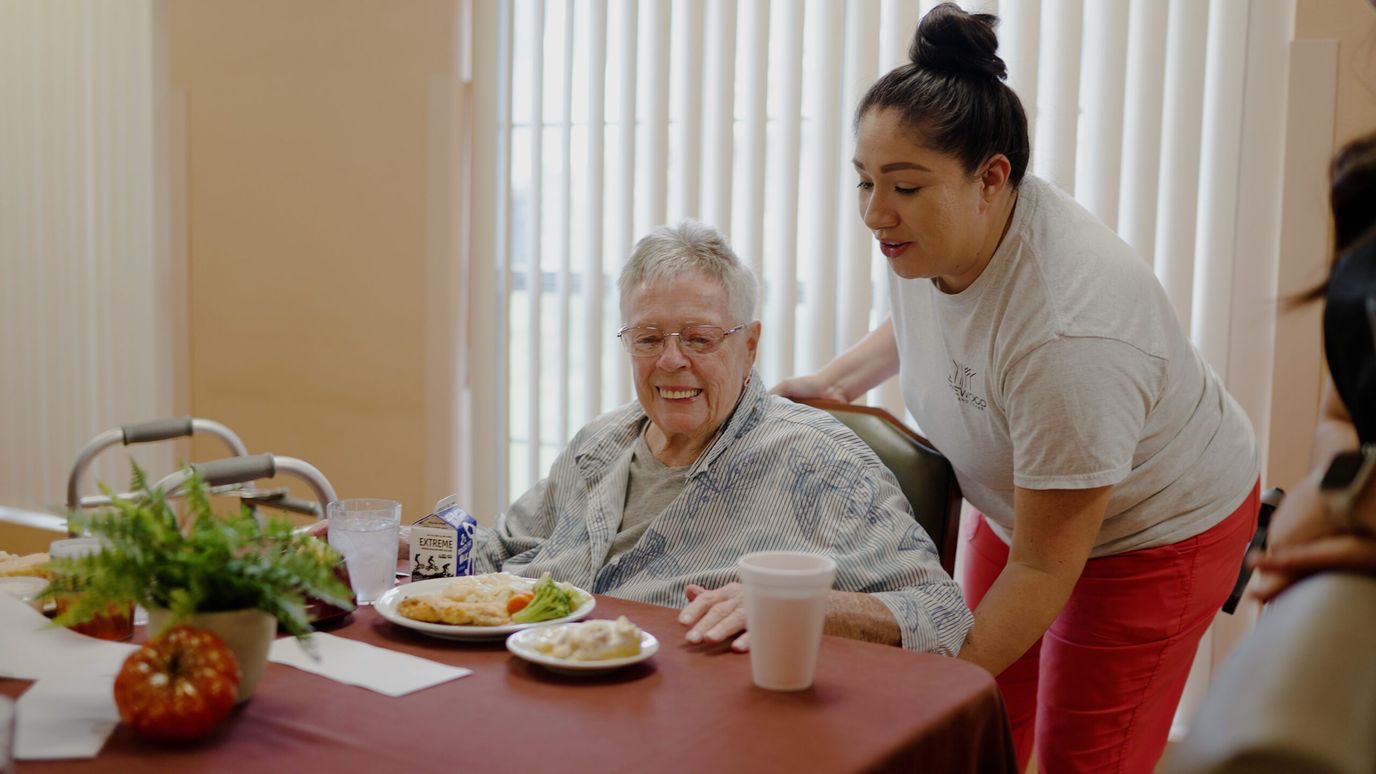
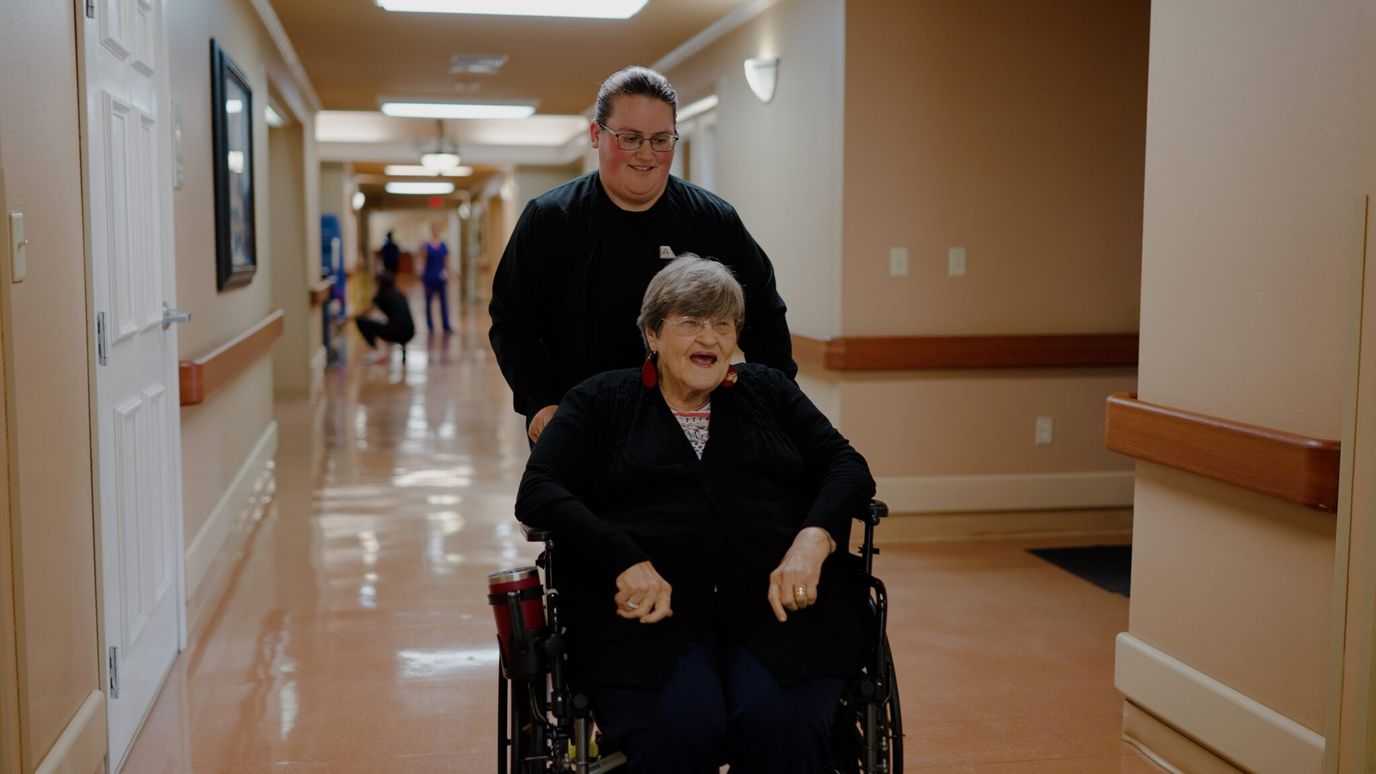
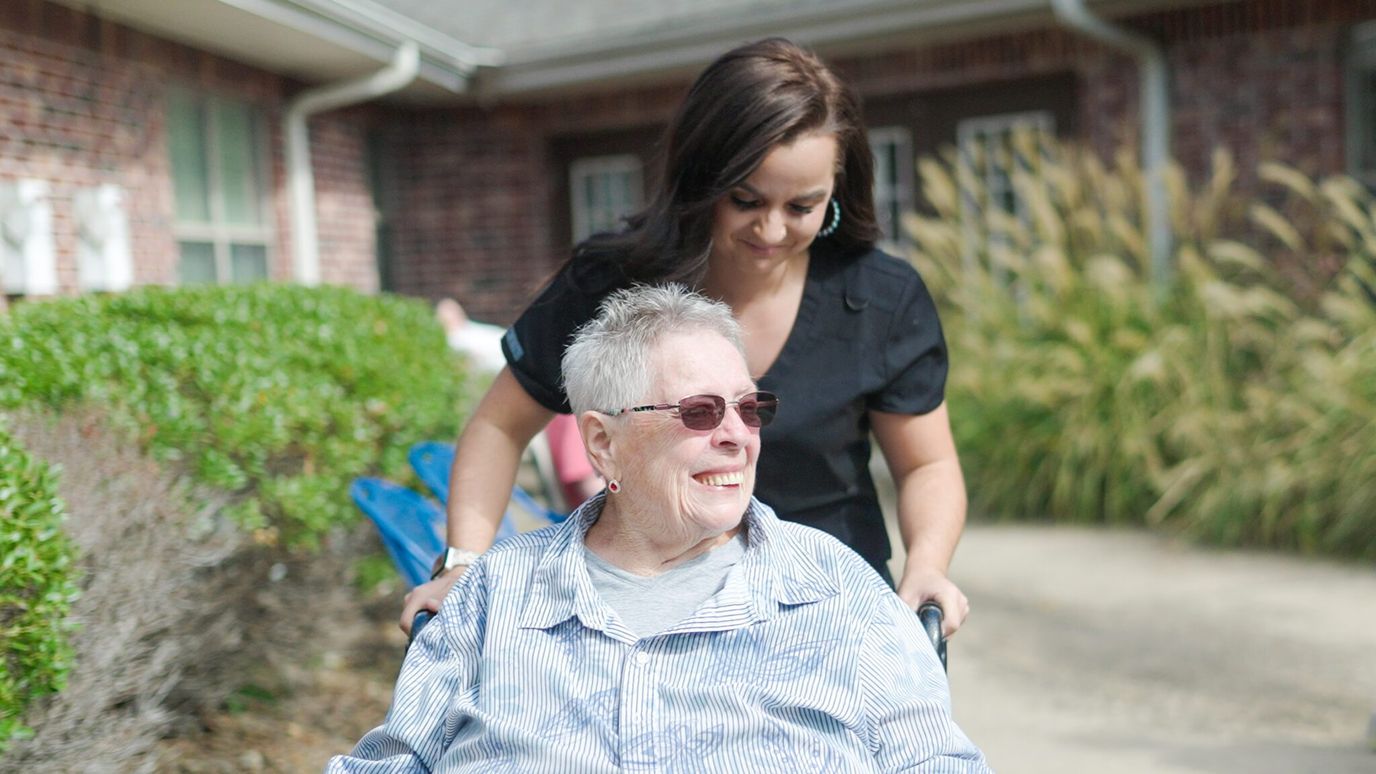
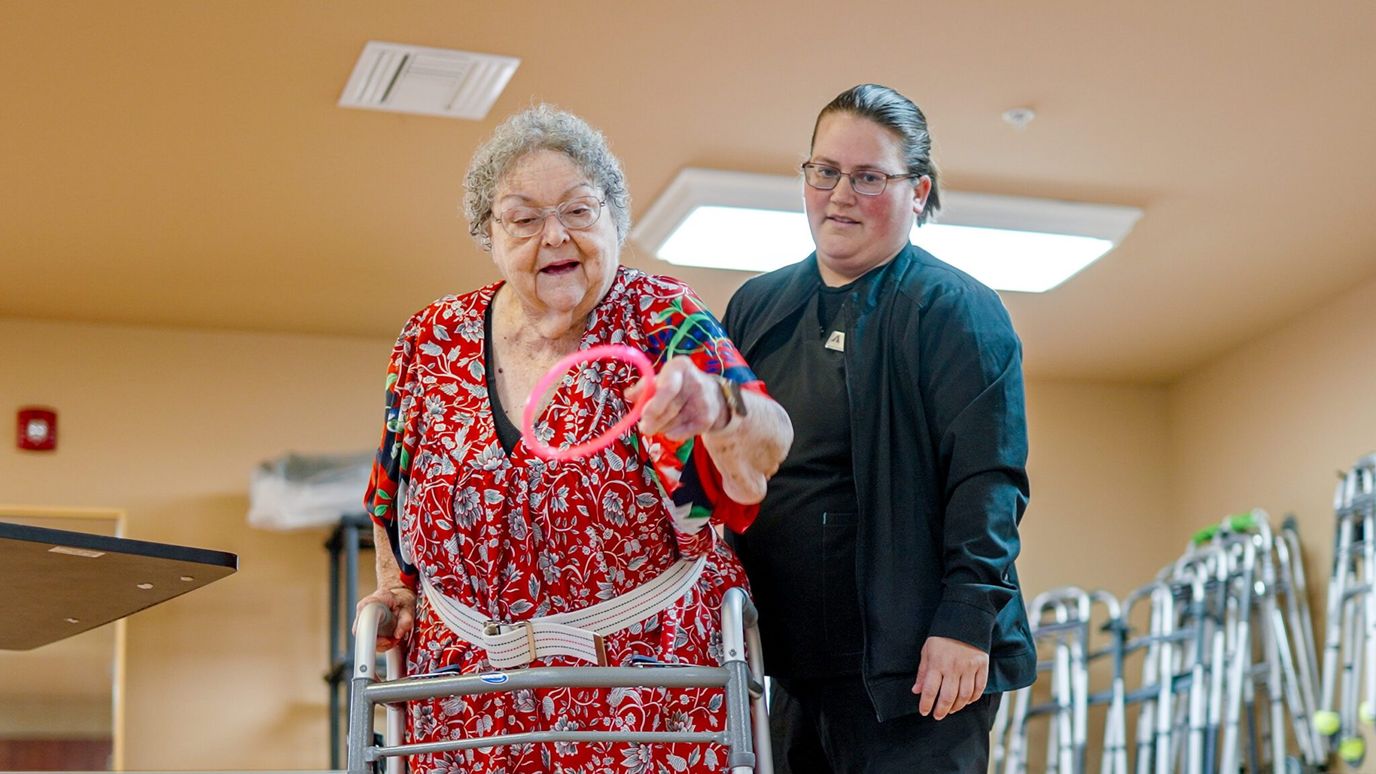


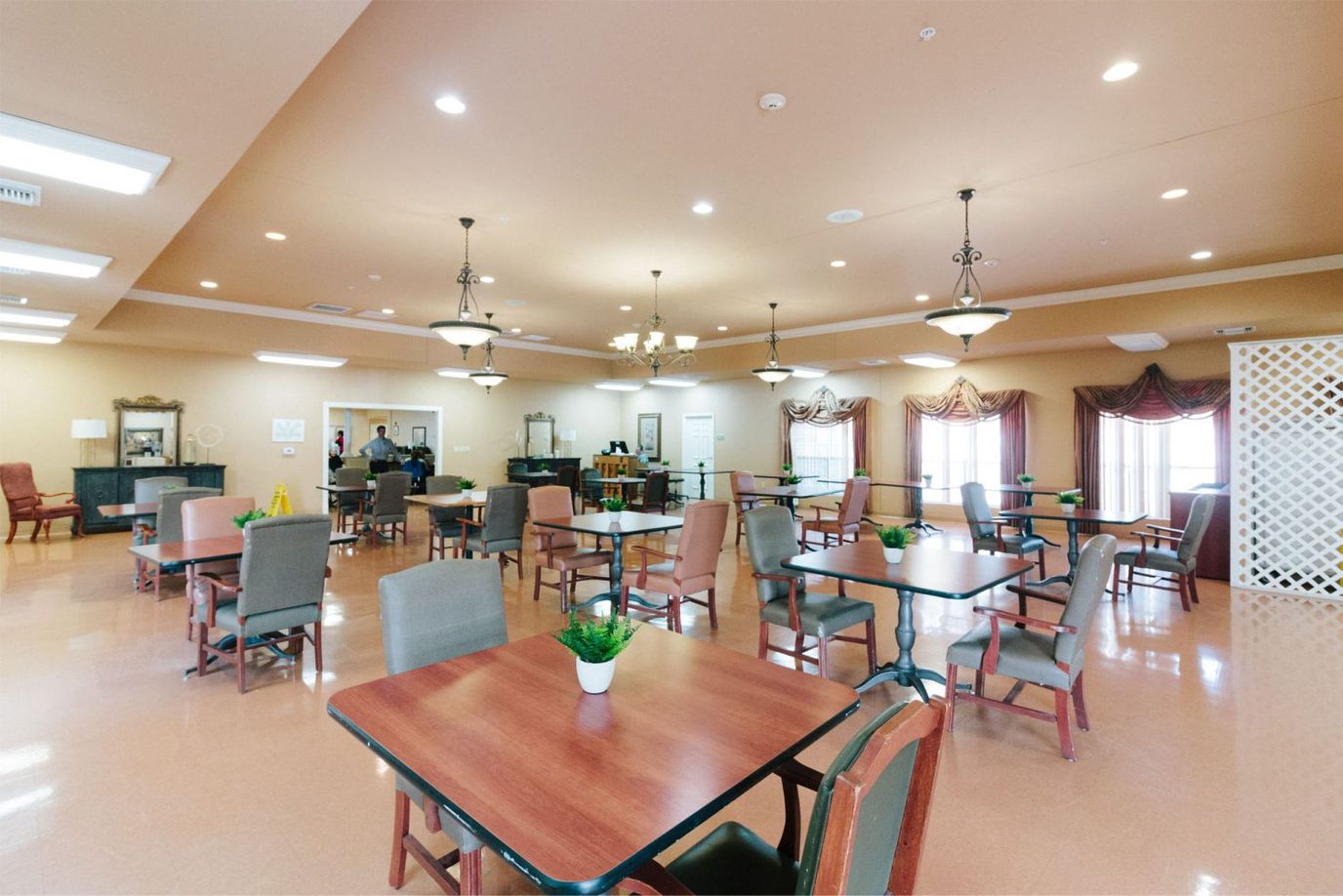
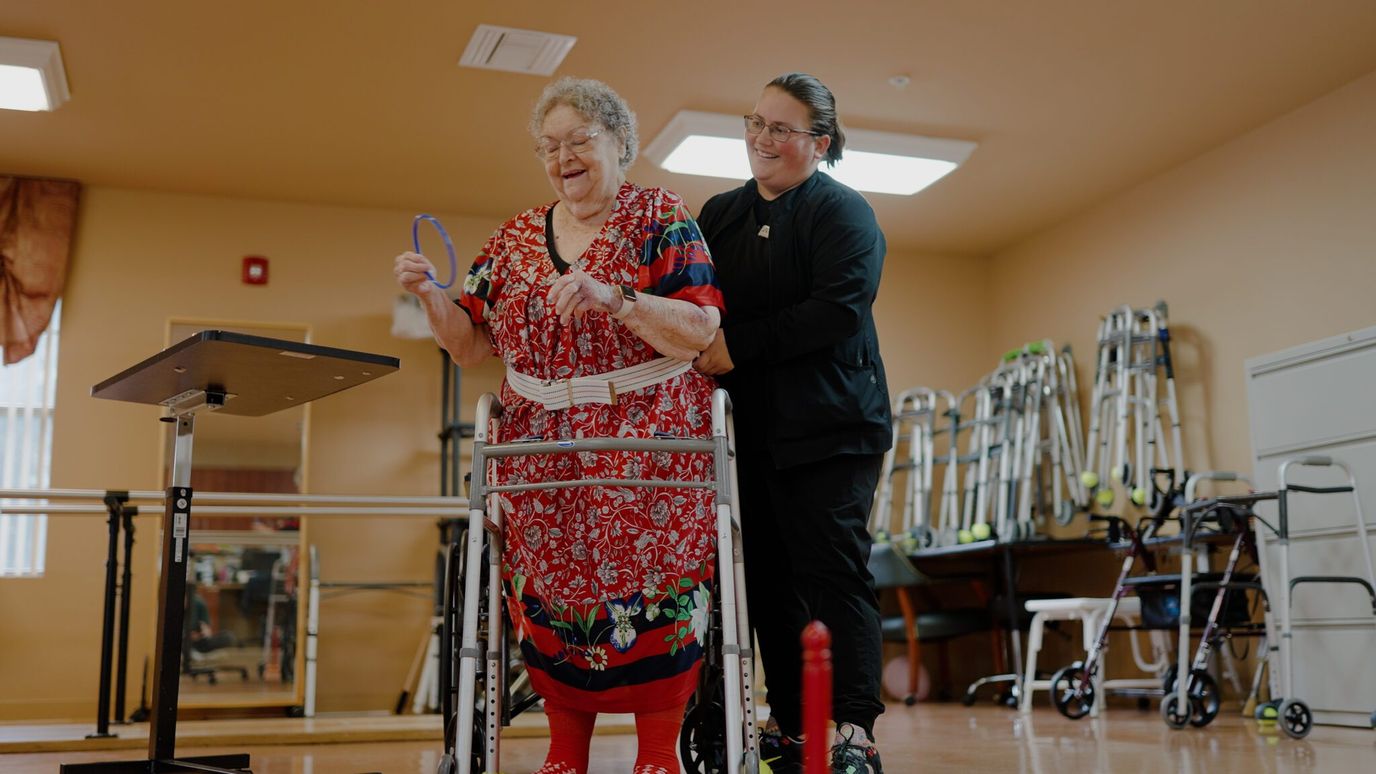

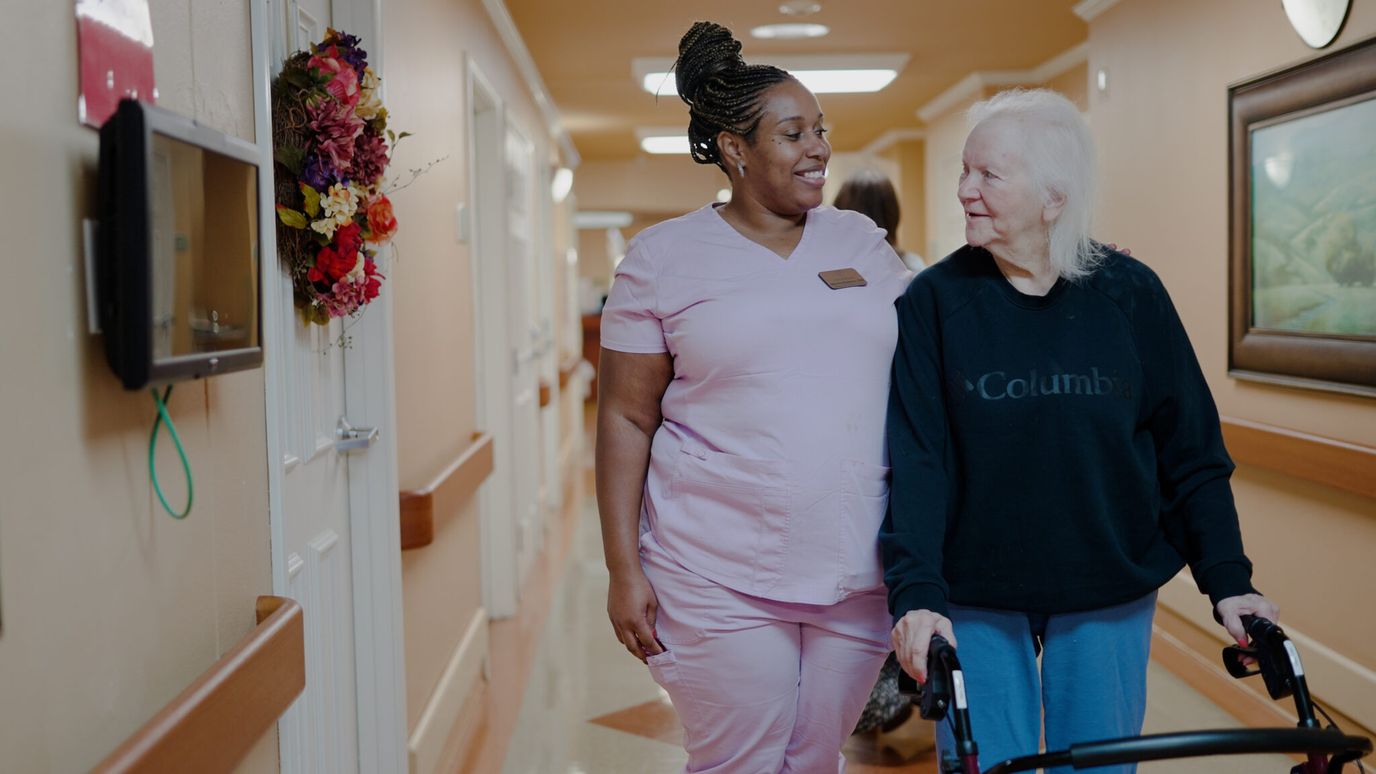
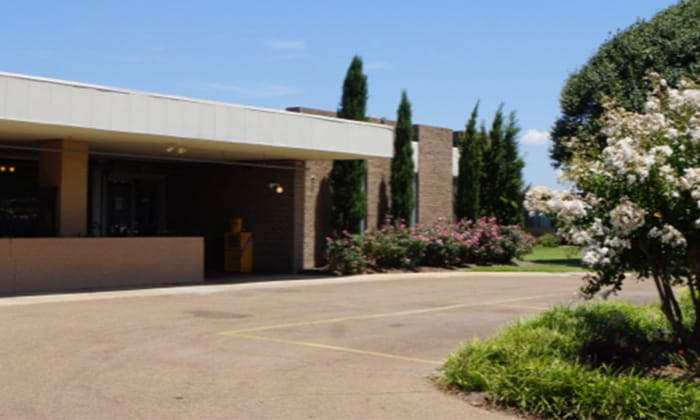
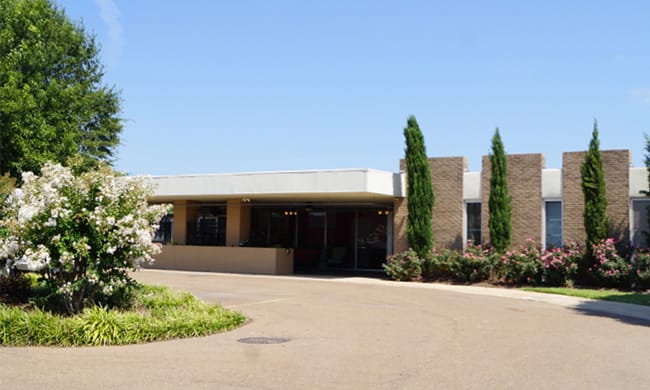

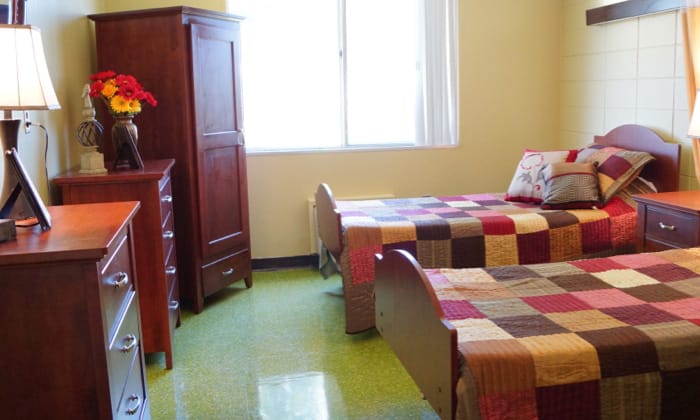
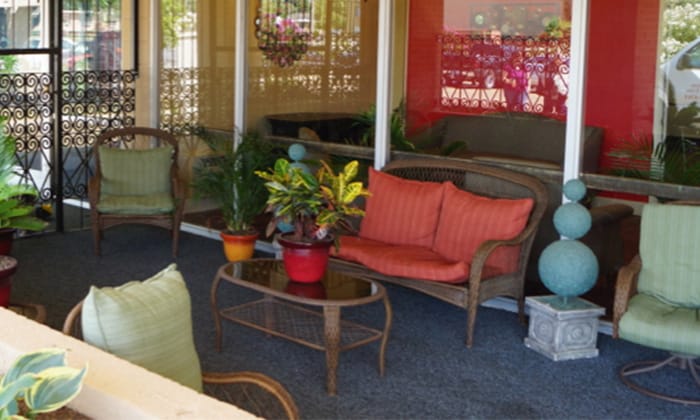
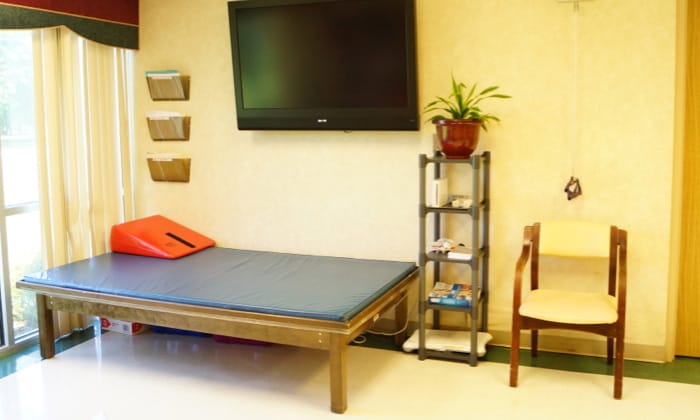
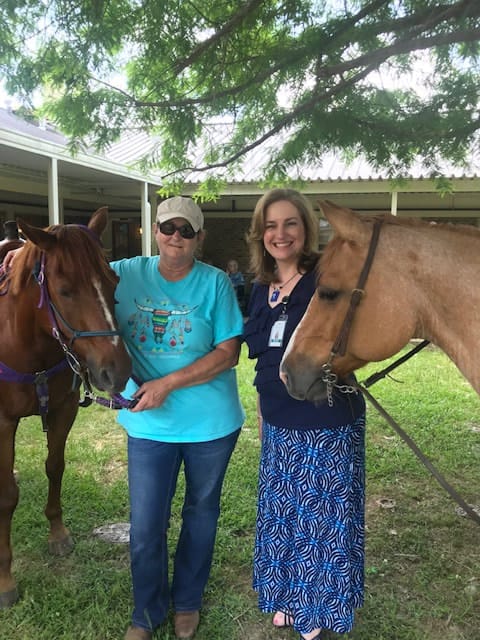








Heart to Heart Personal Care Home is a blissful community in Shelby, MS, that offers assisted living. With its dedication to residents’ welfare, top-tier care tailored to their daily living activities is provided around the clock. Residents here also experience a worry-free lifestyle, with housekeeping and laundry services.
With a carefully curated calendar of fun recreational activities and enriching programs, residents’ leisure and wellness are no problem. Delicious and well-balanced meals are served to satisfy residents’ dietary needs and preferences. Transportation services are also provided, so residents can travel without worries. The community’s dedicated services and well-maintained amenities create the ideal setting where residents can thrive in their golden years.
Type of Care Available
Assisted Living
Age gracefully at Annie’s House I, a distinct retreat in Greenville, MS, that offers assisted living. Residents receive the highest quality of care tailored to their daily living activities, like bathing and transferring, around the clock. Cleaning, laundry, and other household tasks are also taken care of, providing residents with more time to do the things they love.
Focusing on residents’ leisure and wellness, enriching activities and exciting events are conducted based on their interests. With delicious and healthy meals, residents have a delightful dining experience that caters to their dietary needs and preferences. Here, residents do not have to worry about their prescriptions, as medication management is also available. The community welcomes residents with its supportive environment, striving to help them thrive in retirement.
Type of Care Available
Assisted Living
Overview of Alden Pointe

Alden Pointe is a 45-bed personal care home at 2 Courtland Drive, Hattiesburg, Lamar County, Mississippi, 7.5 miles from the city center. David Schonberg owns and operates the facility. The facility provides assisted living and memory care. The award Best of the Pine Belt was presented, though the year and awarding organization are not specified.
Eight amenities are confirmed: 24-hour personal care, managed medication assistance, family-style dining three times daily, assistance with activities of daily living, religious services, housekeeping and laundry, scheduled transportation, and customized care for residents with additional needs. Two programs are named: transportation to physician visits and an enriching activities program. The facility maintains 24-hour staffing and offers specialized Alzheimer’s and dementia care through its memory care designation. Family-style dining features home-cooked, nutritionally balanced meals.
A walk score of 5 reflects the facility’s car-dependent setting. Residents are positioned 7.5 miles from Hattiesburg city center.
Alden Pointe holds Personal Care Home licensure through the Mississippi State Department of Health, Bureau of Health Facilities Licensure. Families evaluating the facility should request inspection records and address the following: memory care model and staff dementia credentials; Alzheimer’s care protocols; medication management oversight and error-reporting procedures; physician visit coordination; activity program structure and scheduling; staffing ratios and caregiver certifications; meal planning methodology; emergency procedures; family communication protocols; incident reporting and outcome tracking; the Best of the Pine Belt award date and awarding organization; payment acceptance and pricing; and references from current residents and families.
Families evaluating Alden Pointe should verify regulatory status and confirm all service claims before placement.
Overview of Middleton Oaks Health and Rehabilitation
Located in Winona, Mississippi, Middleton Oaks Health and Rehabilitation is a skilled nursing facility with 120 beds. It serves residents who need round-the-clock nursing care and rehabilitation support. The facility focuses on post-acute rehabilitation, offering comprehensive therapy services alongside long-term care.
It’s a great choice for patients recovering from surgery or hospitalization, as well as those who need ongoing skilled nursing. The community accepts Medicare, Medicaid, and private pay, so families have multiple ways to cover both short-term rehab stays and longer-term residency.
About 93 of its beds are occupied, and most residents stay for an average of 201 days. These include post-acute residents and those staying longer term. Daily nurse staffing averages 3 hours and 49 minutes per resident. Care is distributed among registered nurses, licensed practical nurses, and nursing aides, providing substantial hands-on care each day.
The facility also offers specialized programming for residents with Alzheimer’s disease and other dementias, which may appeal to families managing memory care needs.
Winona is in a quieter part of Mississippi with a Walk Score of 38. It’s somewhat walkable, and some errands can be handled on foot, but most outings will require a car. The surrounding area provides a residential setting for both residents and visiting family members. Families interested in learning more about room types, activities, dining, or specific rehabilitation programs can take a tour of the facility to get a clear picture of daily life and care options.
Overview of Ocean Springs Health and Rehabilitation Center
Ocean Springs Health and Rehabilitation Center is a 115-bed nursing home at 1199 Ocean Springs Road, Ocean Springs, Jackson County, Mississippi. Michael Albert owns the facility. LLC James T. Williams administers.
CMS-certified, accepts Medicare and Medicaid. CMS CCN 255142. Privately-owned. 1-star overall rating.
The 1-star rating reflects severe structural deficiencies despite paradoxical quality measure excellence. Health Inspection: 2 stars, 29.3% below state average. Staffing: 1 star, 69.4% below state average. Quality Measures: 5 stars, 38.2% above state average.
This contradiction demands explanation: facilities with 1-star staffing and 2-star health inspections do not typically achieve 5-star quality outcomes.
Staffing is critically depleted. Total nursing hours: 1 hour 19 minutes per resident per day; 70% below state average (4 hours 20 minutes) and far below the 3.5-hour national red-flag threshold. This represents approximately one-third of state norms and one-fifth of adequately staffed facilities. Weekend nursing: 1 hour 1 minute (71% below state average).
Staff-to-resident ratio: 1.23:1 (27% worse than state average). RN count 10, LPN count 22, CNA count 54 across 115 beds, indicating single-digit RN coverage for an entire large facility. Payroll 39% of revenue is low for adequately staffed nursing homes (typical 55-65%), confirming systematic understaffing.
Inspection record is troubling. Five inspections in four years yielded 29 citations (71% above state average of 16.9), 5.8 per inspection (51% above state average). Two critical citations (100% worse than state). Deficiency themes: Resident Rights (7), Quality of Life & Care (7), Administration (4), Abuse/Neglect (3), Infection Control (2).
September 2025 inspection identified dignity violations, inadequate care assistance, privacy failures, food safety breaches, and infection control deficiencies. Complaint investigations substantiated abuse prevention failures, emergency response gaps, and supervision inadequacies, including a resident elopement with immediate jeopardy designation.
Quality measures show exceptional long-stay outcomes: Pressure ulcers 87% below state average, UTI rates 87% better, functional decline 25% better. Short-stay outcomes mixed: vaccine rates above average, but antipsychotic increase 27% worse than state. Depressive symptoms 314% worse than state average.
The extreme contradiction between 1-star staffing and 5-star quality outcomes is difficult to reconcile. Either outcome reporting is inflated, or exceptional care management is somehow occurring despite severely inadequate staffing. Both scenarios warrant scrutiny.
Financial metrics show profitability: $725.3K profit (5.7% margin), occupancy 85.8% (above state average), 4 penalties in 3 years ($38K total). Occupancy has recovered from 72% (2022) to 85.8%, suggesting increased census despite compliance challenges.
Families evaluating Ocean Springs should understand that 1-star staffing with 1 hour 19 minutes per resident per day and 2-star health inspection performance directly contradicts 5-star quality outcomes. The contradiction itself raises questions about data reliability and care consistency.
Direct inquiry should address: staffing model justification for 1 hour 19 minutes nursing hours; care protocols sustaining quality outcomes despite minimal RN presence; audit processes validating quality measure reporting; details of September 2025 inspection findings and elopement incident; corrective action status; explanation of depressive symptoms 314% worse than state; and specific metrics supporting 5-star quality rating.
Families should request detailed explanation of how quality outcomes are being achieved with 70% below-average nursing hours. Tour and independently verify.
Brandon Community Carew Center is a 230-bed skilled nursing facility at 355 Crossgate Boulevard, Brandon, Rankin County, MS, led by administrator Felicia Scott under ownership by Joyce Course. The privately-owned facility specializes in short-term Medicare rehabilitation, accepting about half its new admissions through Medicare, with typical stays around 288 days.
Brandon carries a 1-star overall CMS rating, the result of persistent deficiencies across health inspections, staffing, and quality outcomes. Over 11 inspections, the facility documented 43 total citations with a critical pattern: 6 critical violations (500% above the state average of 1 deficiency) and 4 serious violations (264% above state levels). Between 2022 and January 2026, complaint investigations revealed failures in environmental safety, most notably a January 2026 incident in which a resident fell on a wet floor that housekeeping had mopped without placing caution signs, resulting in an orbital blowout fracture, multiple facial lacerations requiring six sutures, and hospitalization. A separate January 2024 finding documented systematic failure to empty dialysis patients’ urine collection bags every eight hours, with one resident’s nephrostomy bag exceeding 700 milliliters (capacity 600) because nursing staff had not checked it since 7:00 AM that morning.
An April 2025 complaint investigation found staff failed to remove dialysis access site pressure dressings within the prescribed four to six hours post-treatment, creating risk for clotting and stenosis. Staff failed to recognize foot wounds identified and treated by dialysis clinic staff on April 16, 2025, and did not initiate facility wound care until April 21, a five-day delay. These patterns in housekeeping lapses, care plan implementation failures, and delayed clinical response signal systematic gaps in supervision and clinical judgment.
Staffing is 47% below state average for registered nurses (20 minutes per resident per day versus state average 38 minutes) and weekend RN coverage is 55% below state benchmark (10 minutes versus 22 minutes), marking a material reduction in clinical oversight outside weekday hours. Licensed practical nurse and certified nursing assistant hours are at or slightly above state levels. Physical therapist hours exceed state average by 150%, reflecting the facility’s emphasis on rehabilitation services.
Short-stay residents show concerning patterns. Re-hospitalization after nursing home admission stands at 35.6% (28% worse than state average 27.9%), and successful return to home or community is 37.1% (27% worse than state average 50.6%). Both figures suggest either higher-acuity admissions or gaps in post-acute care management. Long-stay residents experienced hospitalizations at 2.92 per 1,000 days (20% worse than state average 2.44).
Vaccination rates lag substantially: pneumococcal vaccination 74.2% long-stay and 69.6% short-stay (both significantly below state levels near 96% and 88% respectively), and influenza vaccination 50.5% long-stay and 50.4% short-stay (both 48-40% worse than state rates near 97% and 85%). Weight loss among long-stay residents was 14.2% (128% worse than state average of 6.2%), and antipsychotic use 28.8% (36% worse than state average of 21.2%).
The facility issued a $90,000 civil money penalty in January 2025 and received a payment denial (Medicare and Medicaid temporarily stopped payments for new admissions) for regulatory violations. Occupancy stands at 90.4%, above the state average, indicating strong demand and limited bed availability. The facility is located on a walk score of 28, meaning most trips require transportation, but is proximate to regional hospitals and medical resources in Rankin County.
Given persistent patterns of housekeeping and care implementation failures across multiple years, families evaluating Brandon should ask directly about corrective actions and current protocols.
Overview of Edgewood Health & Rehab
The 119-bed nursing home at Edgewood Health & Rehab operates under the ownership of Rita Kelly and the management of Darren Massey at 205 Byram Parkway in Byram, Mississippi. Financial billing is handled through multiple standard coverage plans, including Medicare, Medicaid, and private pay. If you want to check out the local surroundings, the neighborhood is entirely car-dependent, with a walkability score of 1 out of 100, meaning family members will need a personal vehicle for all trips to the property.
Stays at this location average about 322 days, showing a daily work routine divided between permanent residential care and short-term post-hospital rehabilitation. The facility runs a 24-hour setup that averages 5 hours and 10 minutes of total nursing care per resident each day. This workload is shared among registered nurses, licensed practical nurses, and nurse aides who handle daily medical checks and direct physical care.
State file archives verify that the building’s everyday operational charting and clinical procedures match local code requirements, keeping the home’s long-term cumulative citations-per-inspection rate at zero.
Interested individuals can access an on-site therapy gym, a shared community dining room, an outdoor courtyard, and a beauty salon. Daily menus are managed by a certified dietary director to accommodate specific food allergies and medical restrictions.
Ruleville Community Care Center is a 111-bed skilled nursing facility managed by administrator Alicia Bailey in Ruleville, Mississippi. The administrative office handles billing through multiple financial options, accepting Medicare, Medicaid, and private pay. For visitors, the local area holds a walkability score of 35 out of 100, indicating a car-dependent layout where family members will typically need a personal vehicle to reach the property or manage errands.
Stays at this property average 581 days, an operational timeline that reflects a deep-rooted resident base alongside steady short-term recovery tracks. To address daily medical protocols, the clinical schedule provides an average of 4 hours and 45 minutes of total nursing care per resident each day. This continuous coverage is anchored by a 24-hour on-site physician, which allows the medical team to handle routine clinical needs and diagnostic changes without automatically requiring outside emergency room visits.
Public health licensing logs document the building’s historical regulatory compliance records. Review files verify that the administration manages its clinical charting and building routines in full alignment with state rules, keeping the home’s long-term cumulative citations-per-inspection rate at zero.
Prospective representatives can access an expansive clinical menu that includes physical, occupational, and speech therapies alongside specialized tracks for dialysis support, wound management, IV therapy, and tracheostomy care. The campus is built with an outdoor courtyard, an activity center, and specialized rehabilitation spaces. The daily calendar integrates seven-day-a-week recreational schedules with on-site dental, podiatry, mental health, X-ray, and clinical laboratory services.
Overview of The Oaks Rehabilitation and Healthcare Center
Owned by Dexter Brown, The Oaks Rehabilitation and Healthcare Center is a skilled nursing home on Highway 39 North in Meridian, Mississippi. The facility operated by Rhonda Hale accepts Medicaid, Medicare, and private pay, giving families multiple ways to finance short-term rehabilitation stays and ongoing nursing care.
The 82-bed community is a smaller facility with a 93% occupancy rate, showing steady demand for its services. Residents stay an average of 206 days, including post-acute patients working toward recovery and those receiving long-term nursing care. The neighborhood has a Walk Score of 54. Visitors can do some errands on foot, but most trips will require a car.
The home focuses on rehabilitation and post-acute care. It provides comprehensive post-acute and long-term care services. There’s also specialized Alzheimer’s and dementia care for residents who need memory support and specialized programming.
The facility has 24-hour staffing. Registered nurses provide 28 minutes of care per resident each day, nursing aides average 1 hour and 59 minutes per resident each day, and LPNs or LVNs contribute 1 hour and 14 minutes per resident each day. This staffing structure supports a full spectrum of clinical needs, including wound care, medication management, daily personal care, and supervision.
Families considering The Oaks may find its post-acute rehabilitation, memory care services, and consistent staffing a practical option. It’s best for residents recovering from an acute medical episode and those living with progressive memory loss.
Bedford Care Center of Mendenhall is a 60-bed skilled nursing facility at 925 West Mangum Avenue, Mendenhall, Simpson County, MS, administered by Robert Martin under ownership by Bedford Health Properties, LLC. The facility is highly rated for compliance and operational management, with a 5-star overall CMS rating reflecting strong health inspection (5 stars, 95% above state average) and staffing performance (5 stars, 77% above state average). Across three inspections since 2021, the facility accumulated only 6 deficiencies (87% fewer than the state average of 45), with zero critical and zero serious violations. Five moderate citations covered oxygen therapy management, food storage and labeling, infection control, care planning, and quality of care measures, all marked corrected.
A November 2025 complaint investigation found a CNA had removed a resident’s cellphone without permission, violating resident rights. One substantiated staff misconduct case resulted in termination and facility retraining. The facility received a $22,000 penalty and 13-day Medicare and Medicaid payment denial in December 2023.
Staffing exceeds state benchmarks on several metrics. Total nursing hours per resident per day stand at 5 hours 25 minutes (25% above state average of 4 hours 20 minutes), ranking the facility 14th of 100 in Mississippi. Weekend total nursing is 3 hours 46 minutes (7% above state average), with weekend RN coverage at 25 minutes (14% above state average of 22 minutes), indicating maintained clinical coverage outside regular business hours. Registered nurse hours at 35 minutes per resident per day run 8% below state average, as do LPN (1 hour 2 minutes, 6% below) and CNA hours (2 hours 14 minutes, 10% below).
Physical therapist availability is minimal at 1 minute per day (50% below state average). Occupancy is robust at 94% (12% above state average), and the facility is ranked 17th of 101 for occupancy statewide, signaling strong local demand. Average length of stay is 146 days, reflecting the facility’s emphasis on short-term rehabilitation for Medicare beneficiaries (53% of admissions) and private pay residents (42%).
Long-stay quality outcomes reveal significant gaps. Hospitalization rates at 4.27 per 1,000 days (75% worse than state average 2.44) and emergency department visits at 5.42 per 1,000 days (88% worse than state average 2.88) suggest either higher-acuity admissions or challenges in preventive care management. Walking ability declined in 47.1% of long-stay residents (92% worse than state average), and incontinence among low-risk residents affected 32% (49% worse than state average). Depressive symptoms were documented in 14.6% of long-stay residents (841% worse than the state average of 1.5%), and 39.3% received antipsychotic medications (85% worse than state average of 21.2%), indicating systematic reliance on psychiatric medication that warrants clinical review.
Preventive care strengths include pneumococcal and influenza vaccination rates at 100%, pressure ulcer rates at 3.4% (52% better than state), and urinary tract infection rates at 1.1% (56% better than state).
Short-stay rehabilitation outcomes are mixed. Re-hospitalization occurred in 35.6% of post-SNF residents (28% worse than state average 27.9%), and successful return to home or community was 39.3% (22% worse than state average 50.6%), suggesting that functional discharge planning or post-acute care coordination may need strengthening. Emergency department utilization in short-stay was 23% (50% worse than state average 15.3%). However, short-stay medication stewardship is notably strong: zero residents newly started on antipsychotic medications (100% better than state average 2.5%), and influenza vaccination was 100% (18% better than state average 84.6%).
Financially, the facility operates on a razor-thin 0.2% profit margin ($17K on $8.7M revenue), with payroll at 43.5% of revenue, ranked 88th of 101 facilities and substantially below the healthy 55-65% range. This compressed margin and low payroll percentage relative to revenue suggest either organizational efficiency or potential understaffing pressure. Staff-to-resident ratio is strong at 2.69:1 (59% better than state average), though 26% of total staffing hours derive from contract labor.
The facility accepts Medicare, Medicaid, and private pay, with average length of stay of 146 days dominated by short-term rehabilitation stays. Walk score of 40 places the facility in somewhat walkable territory, with most trips requiring transportation.
Given the high antipsychotic use rate and depressive symptom prevalence in long-stay residents, clarification on psychiatric medication review processes and non-pharmacological behavioral management approaches is warranted before placement.
Families considering Bedford should ask directly about current protocols for infection prevention, resident belongings protection, and staff training frequency on these topics.
Nearby Cities
Who we are
Your Senior Care Partner, Every Step of the Way
We help families find affordable senior communities and unlock same day discounts, Medicaid, and Medicare options tailored to your needs.
Contact us Today
Updated on