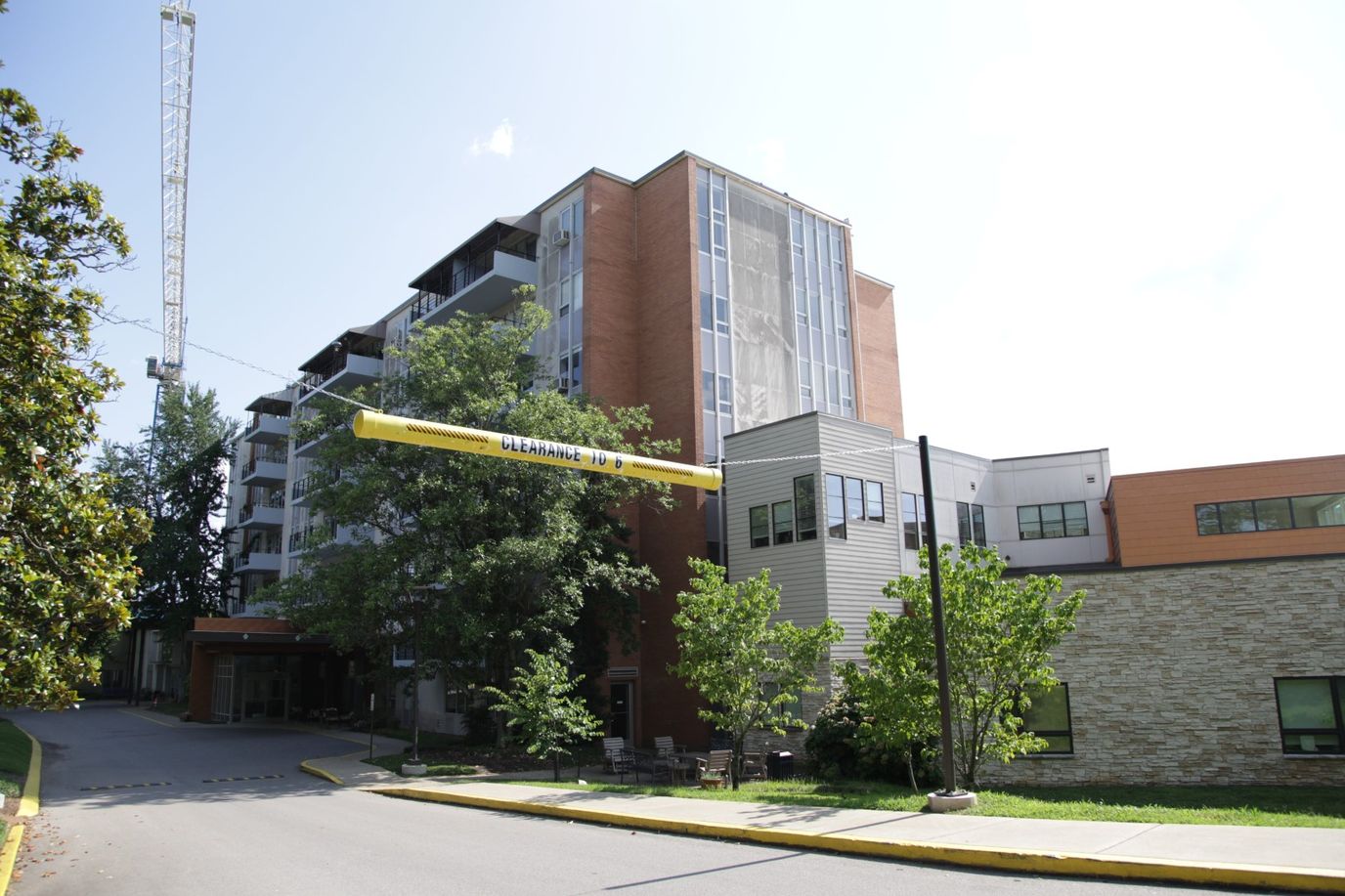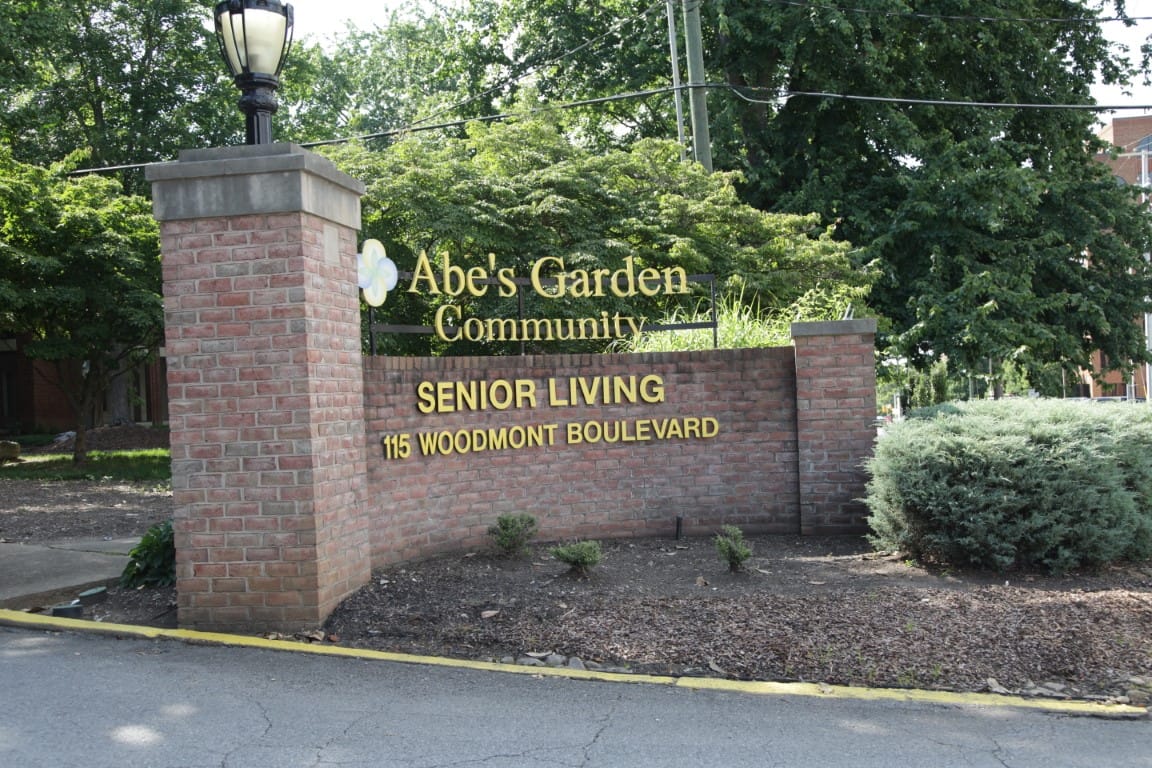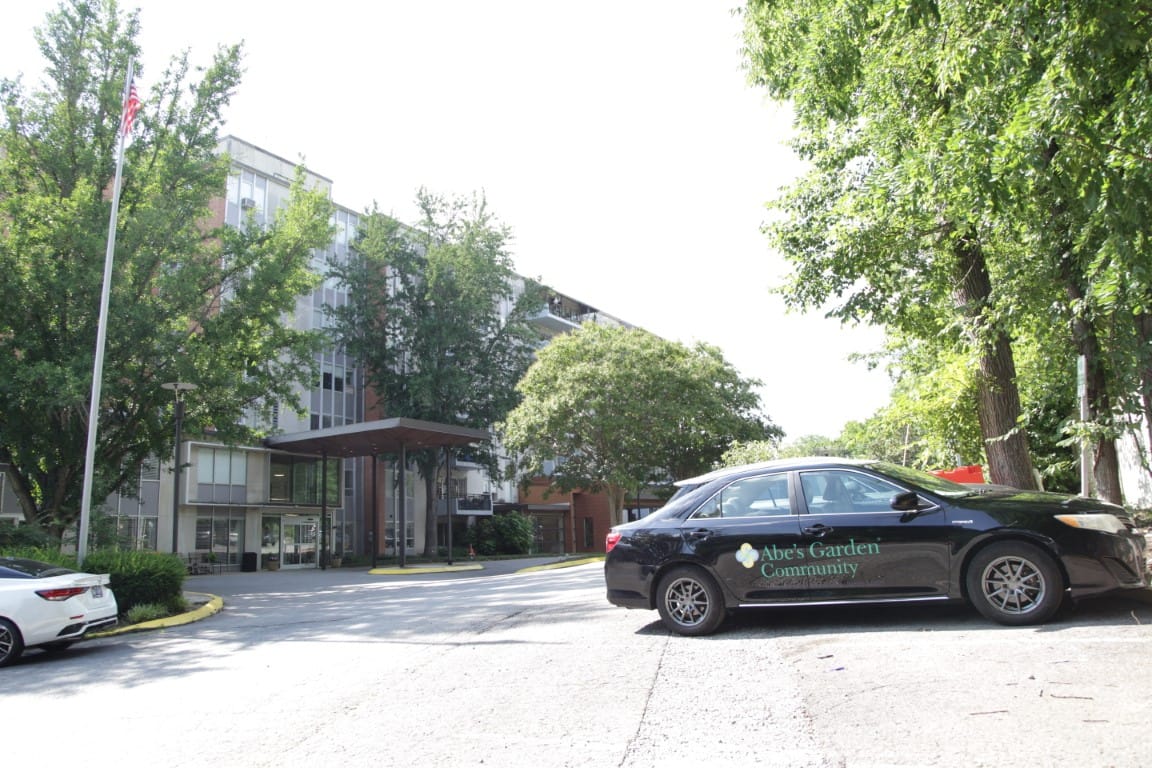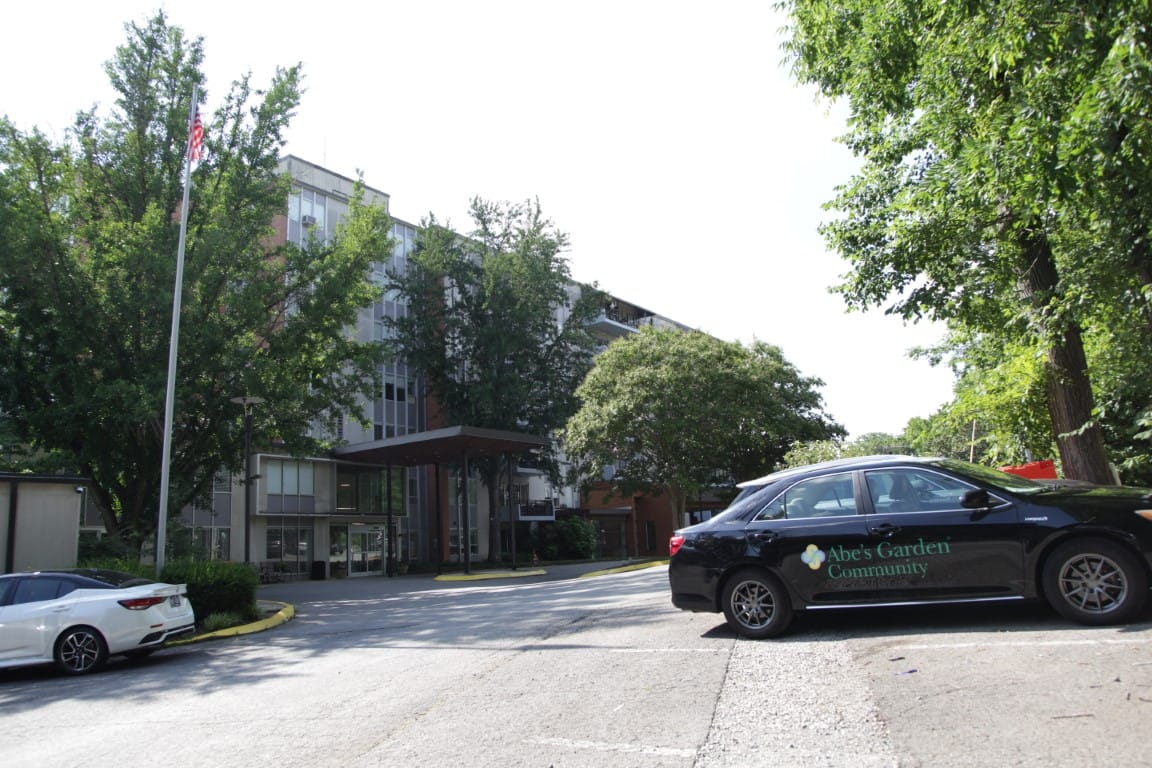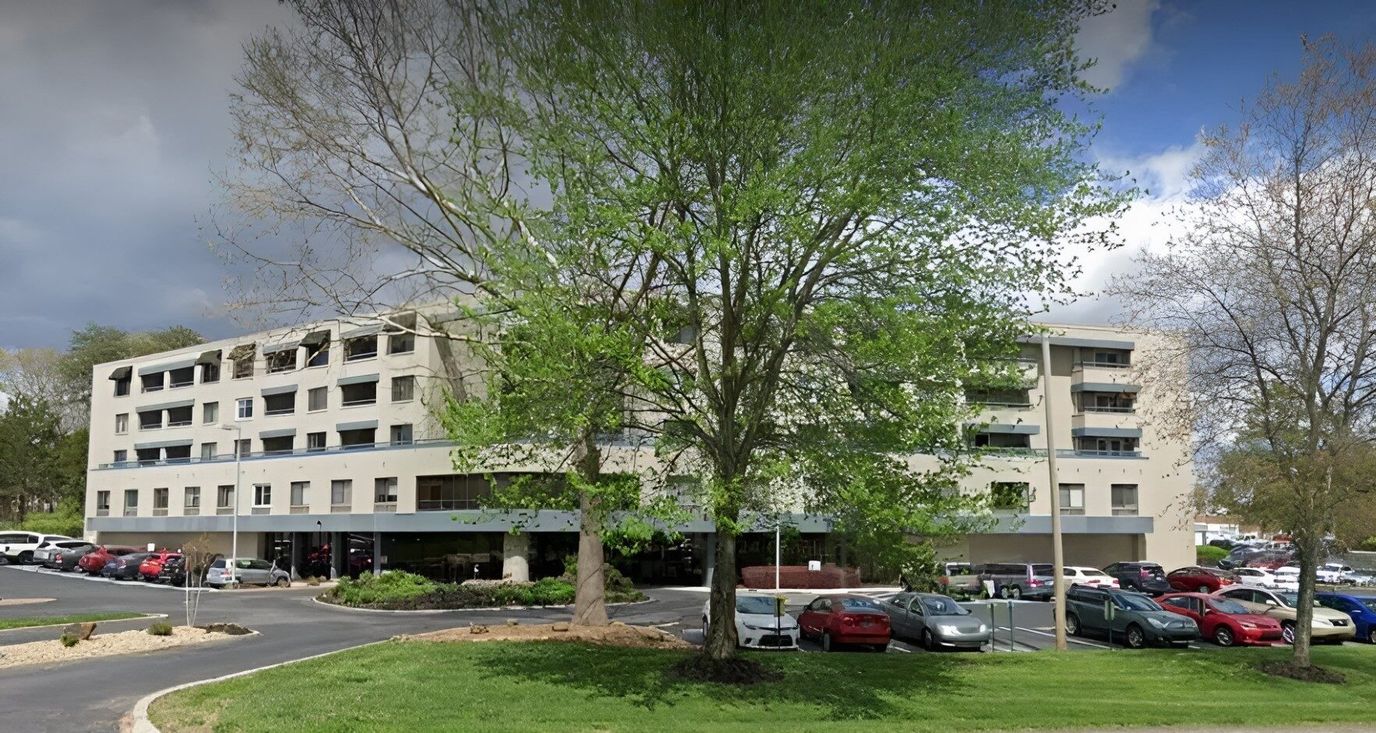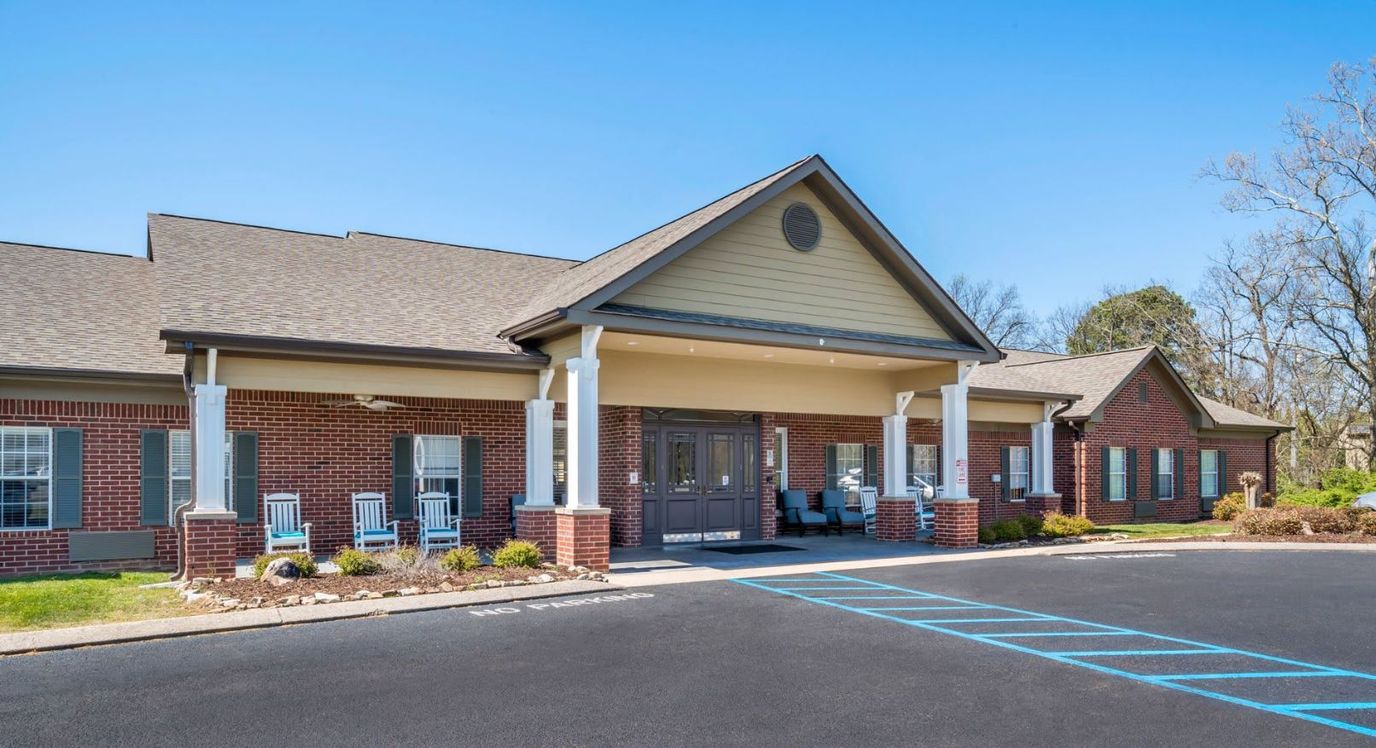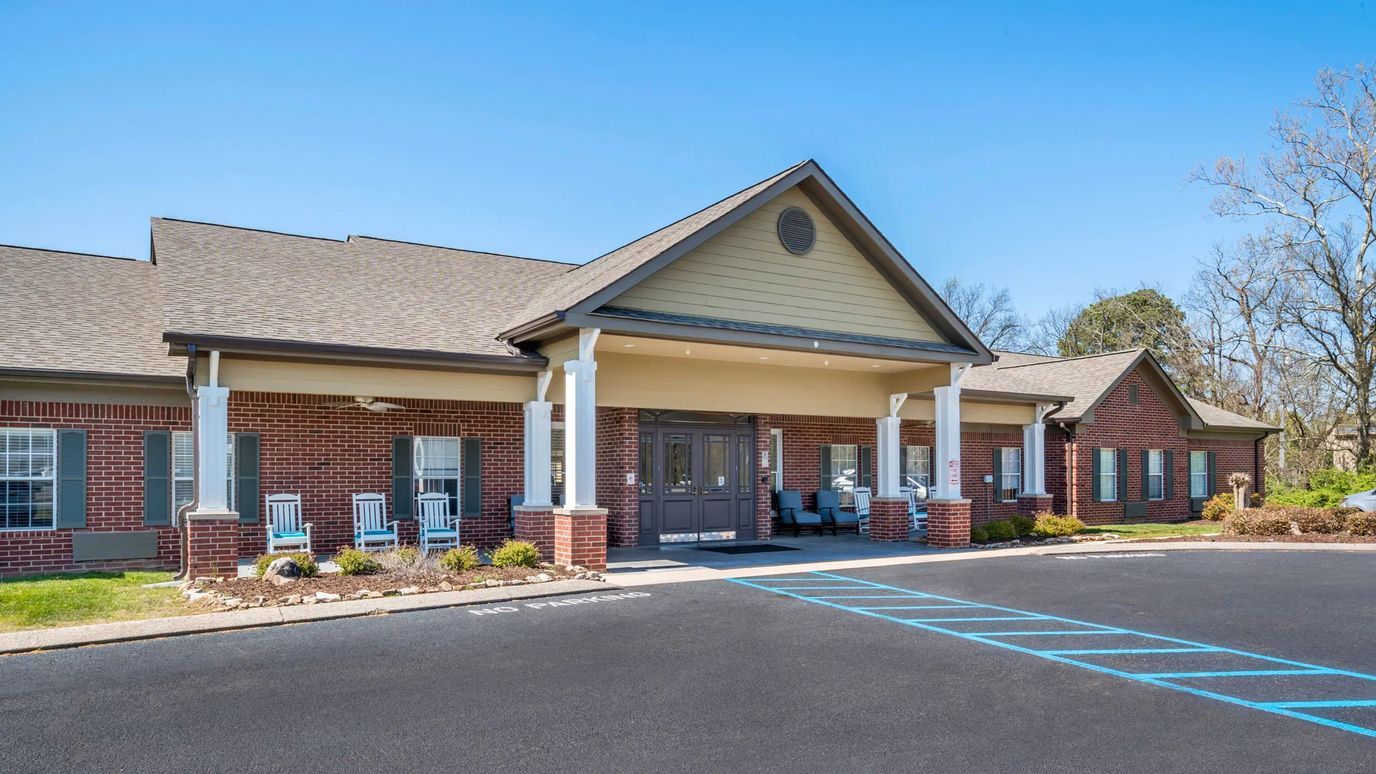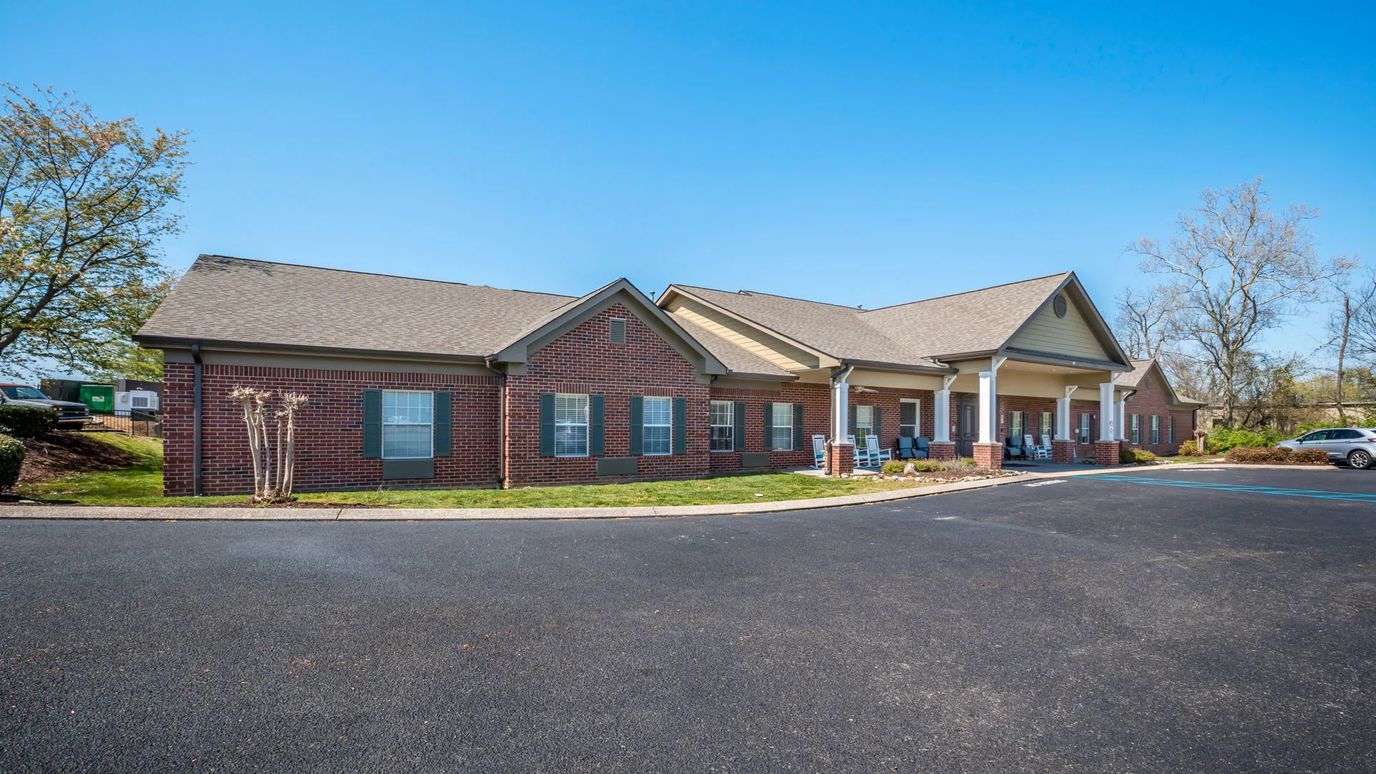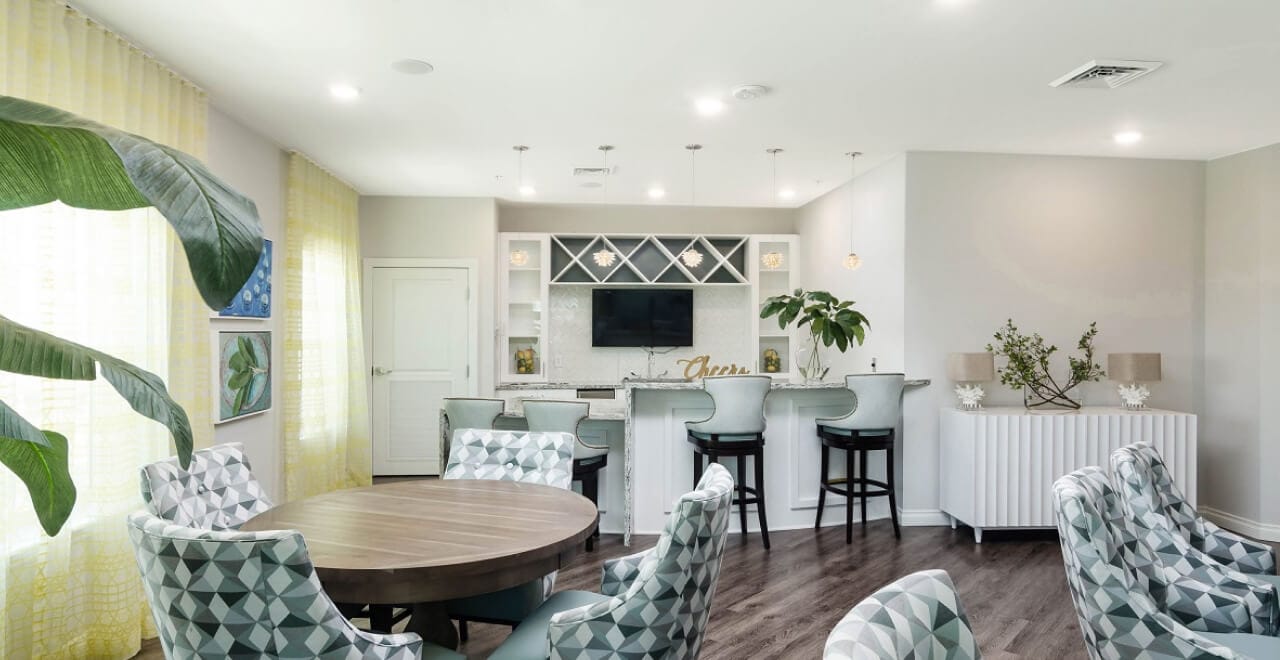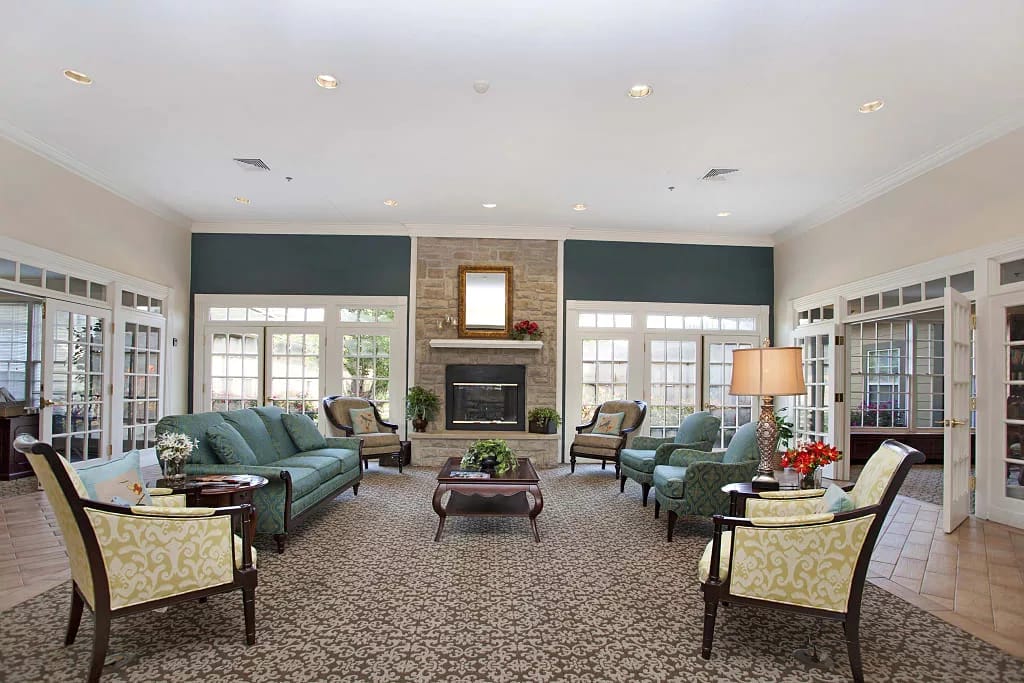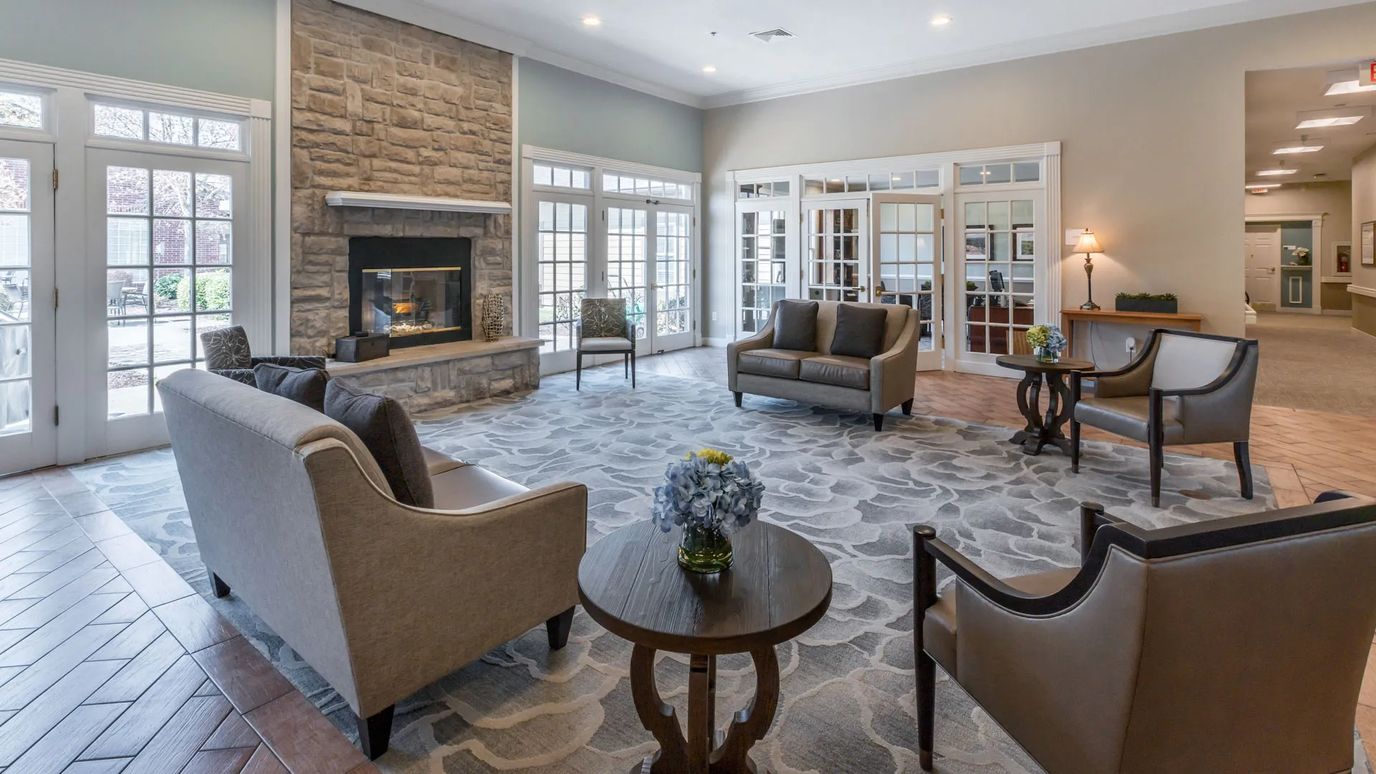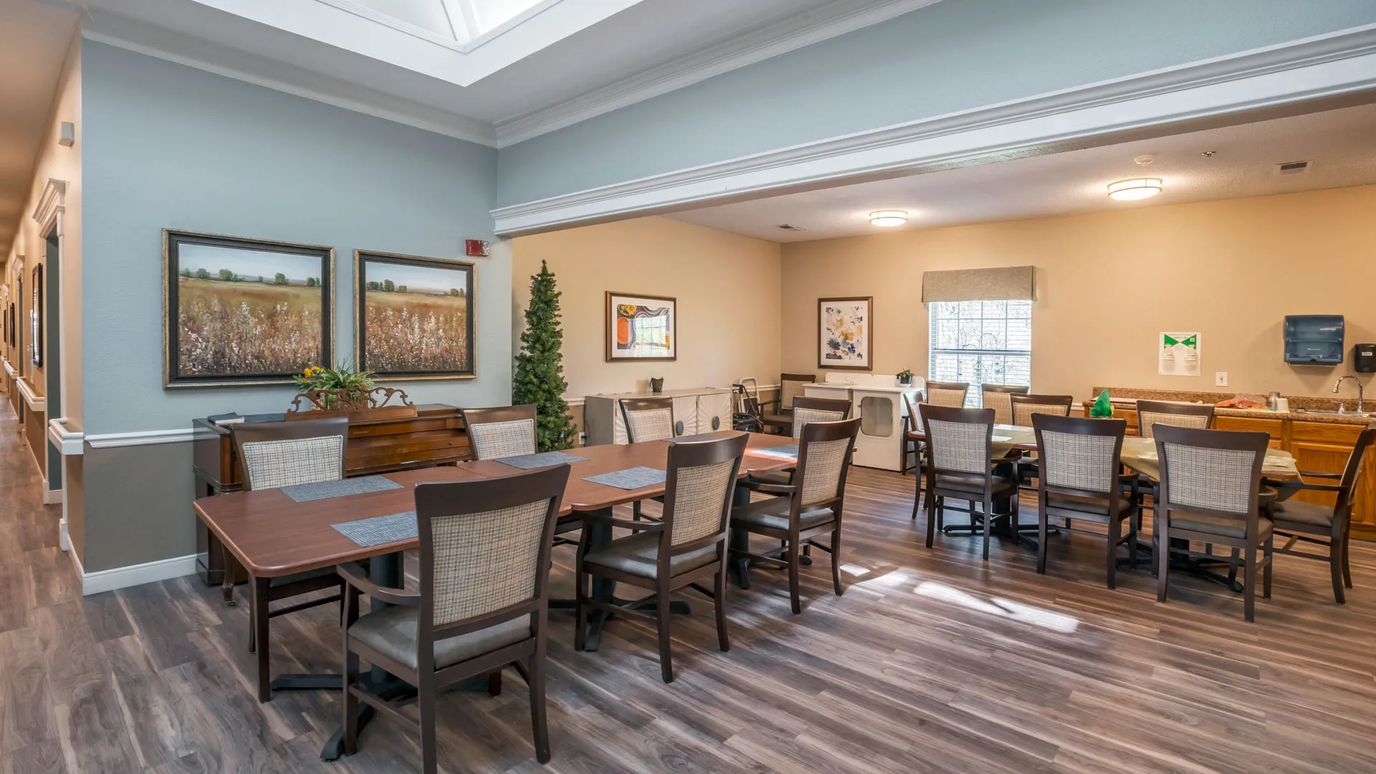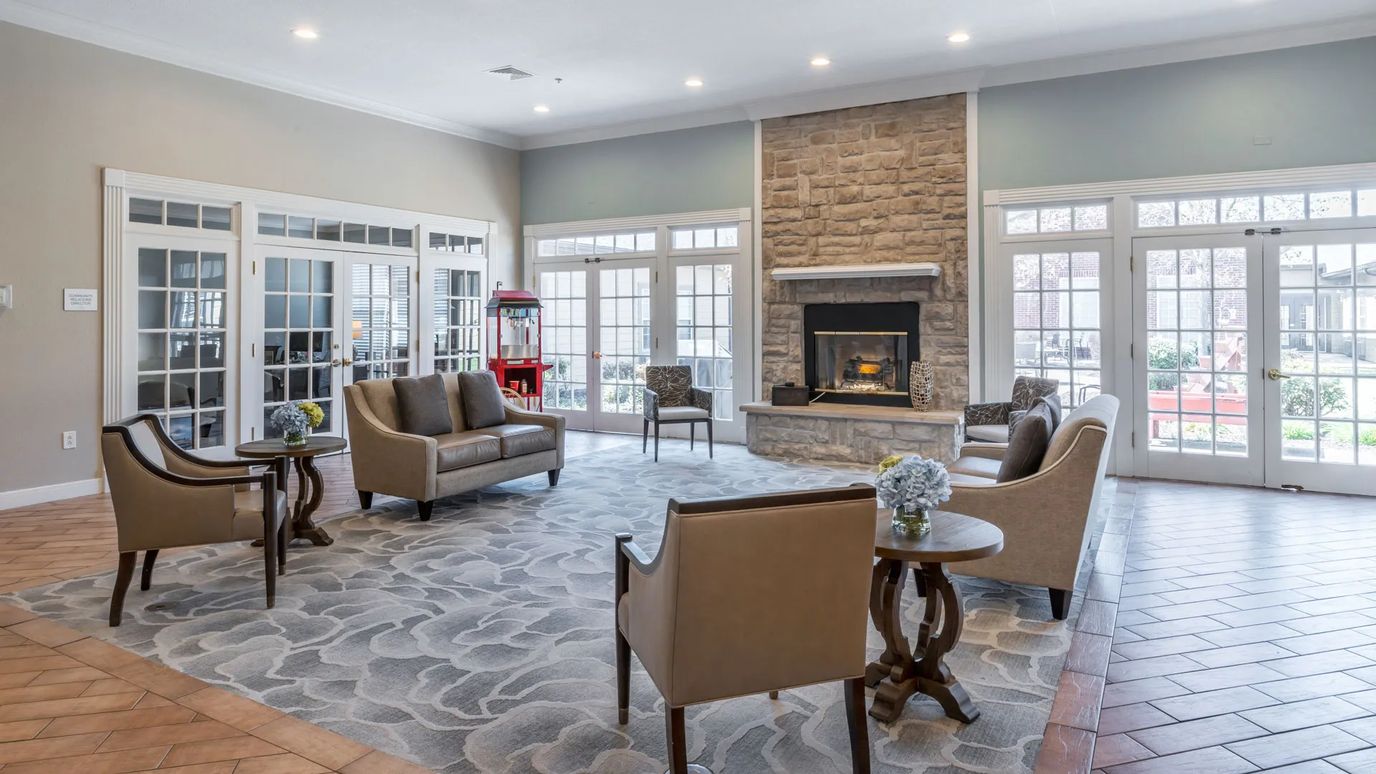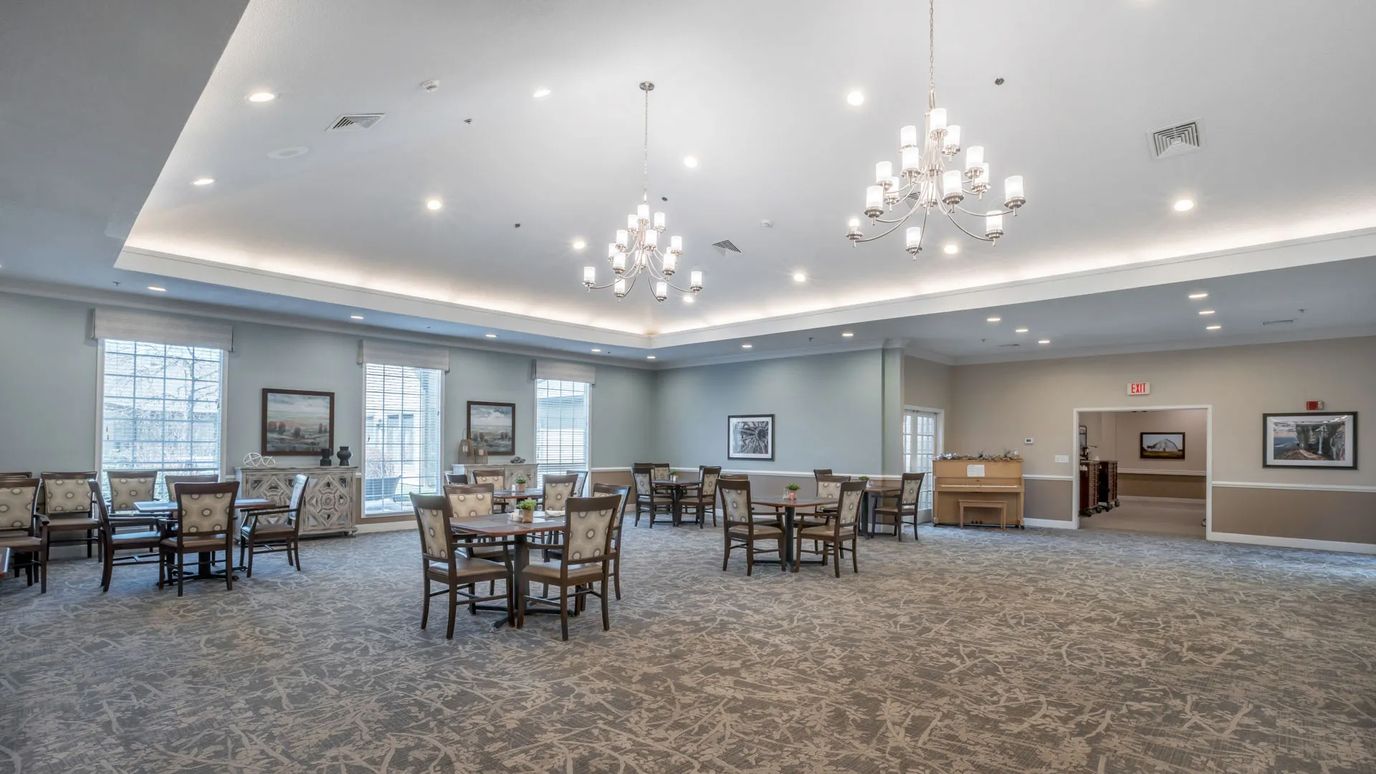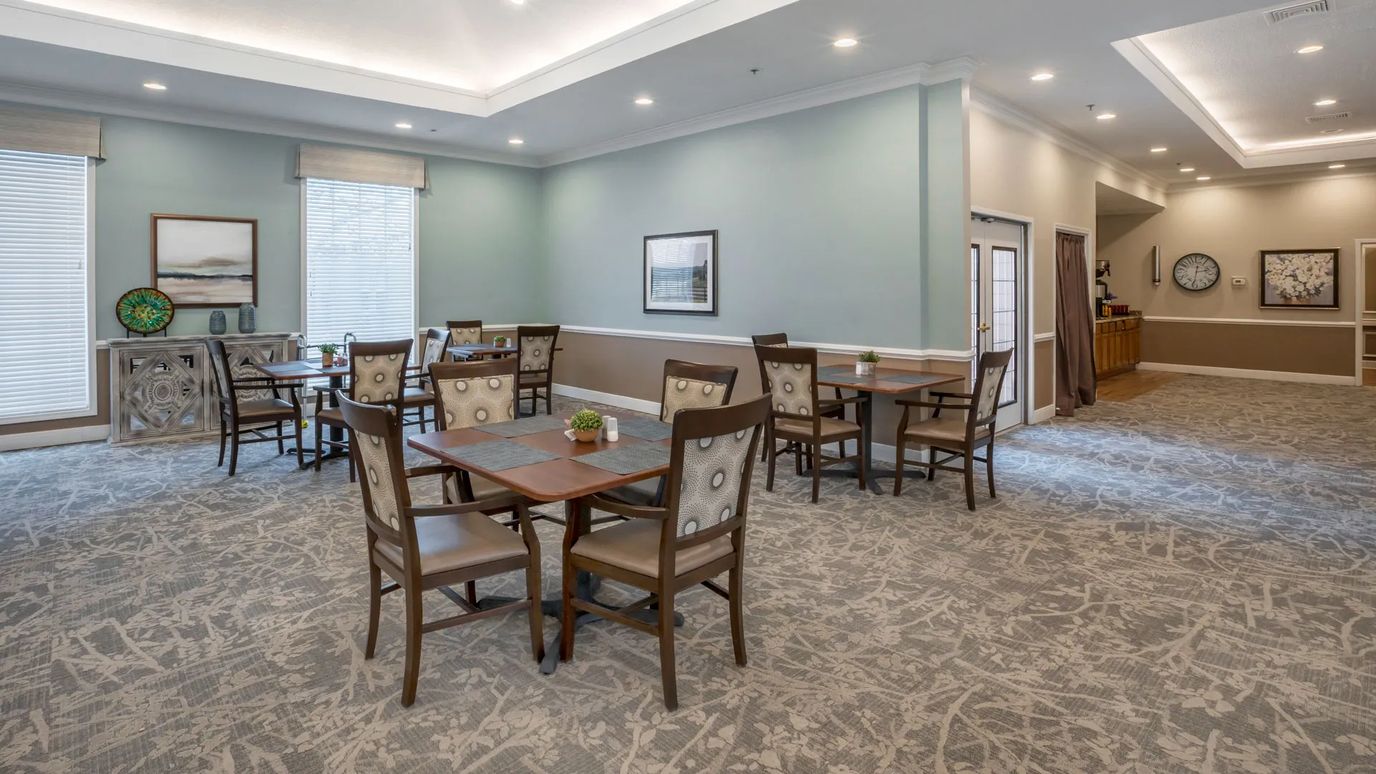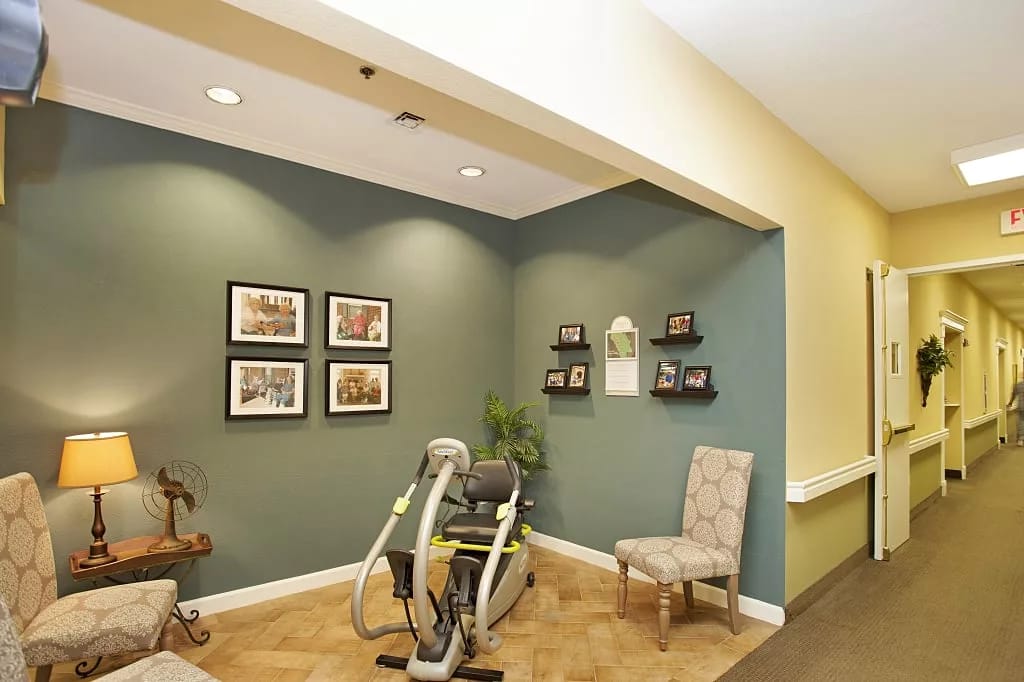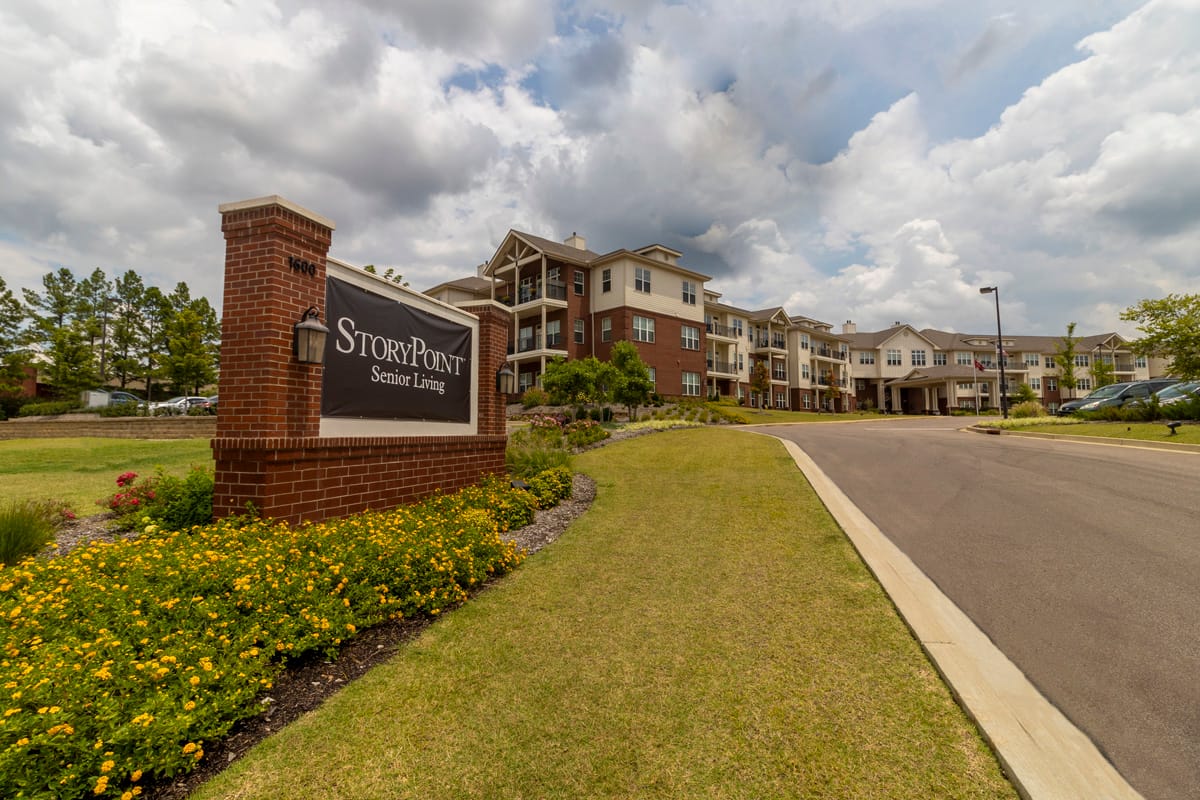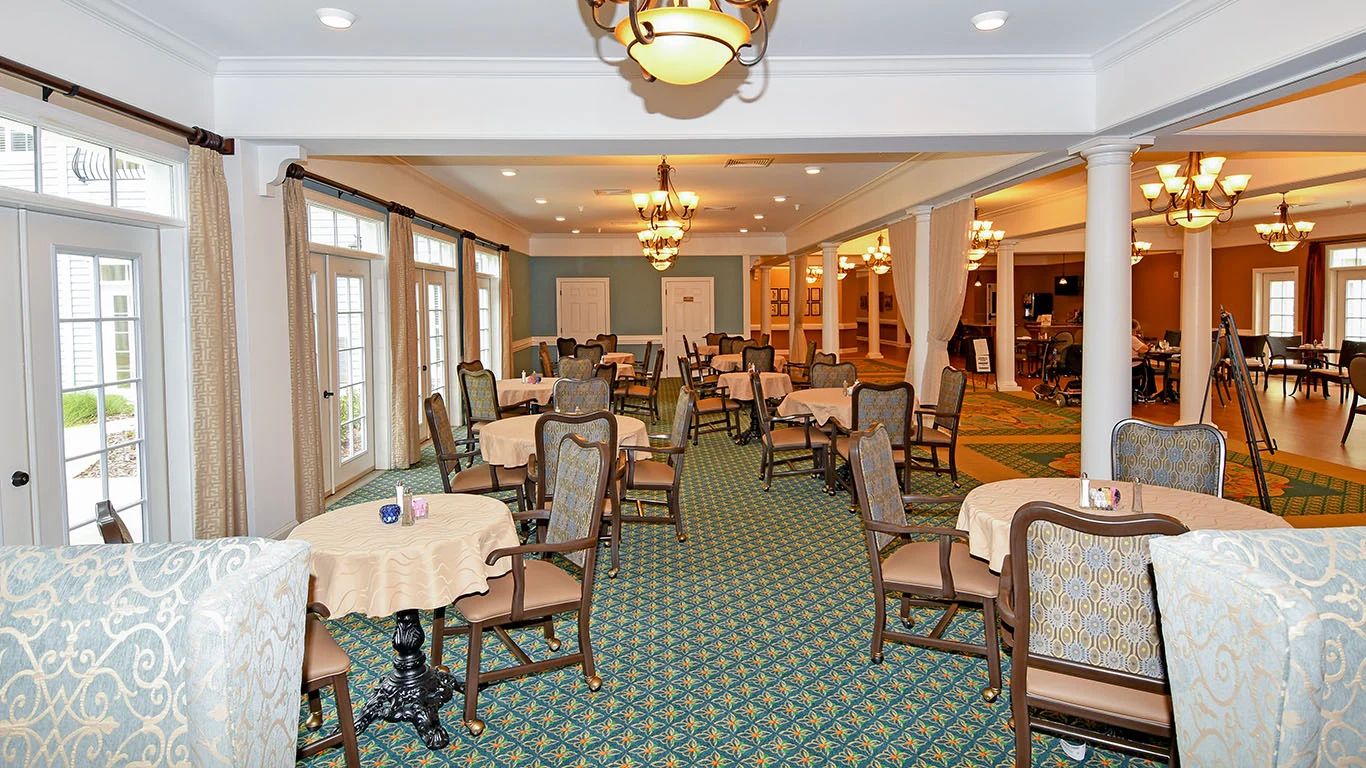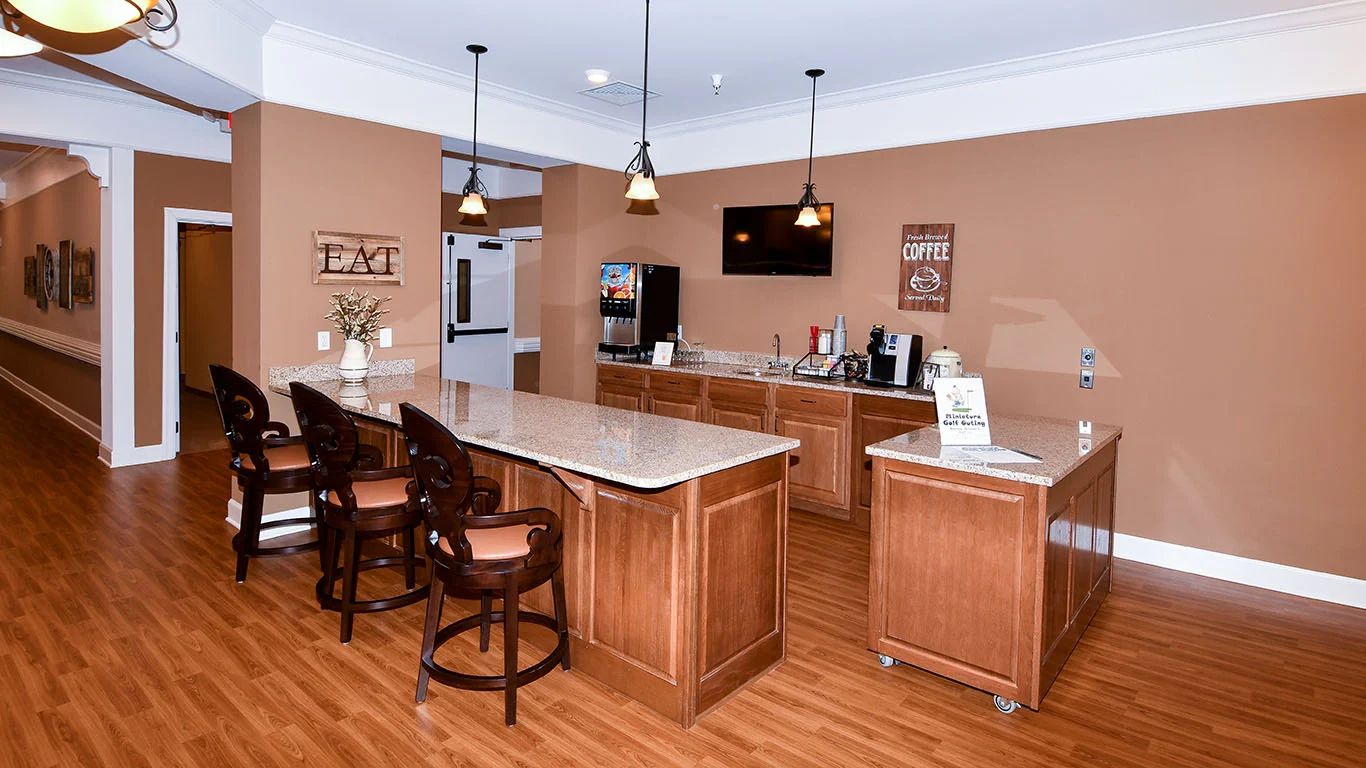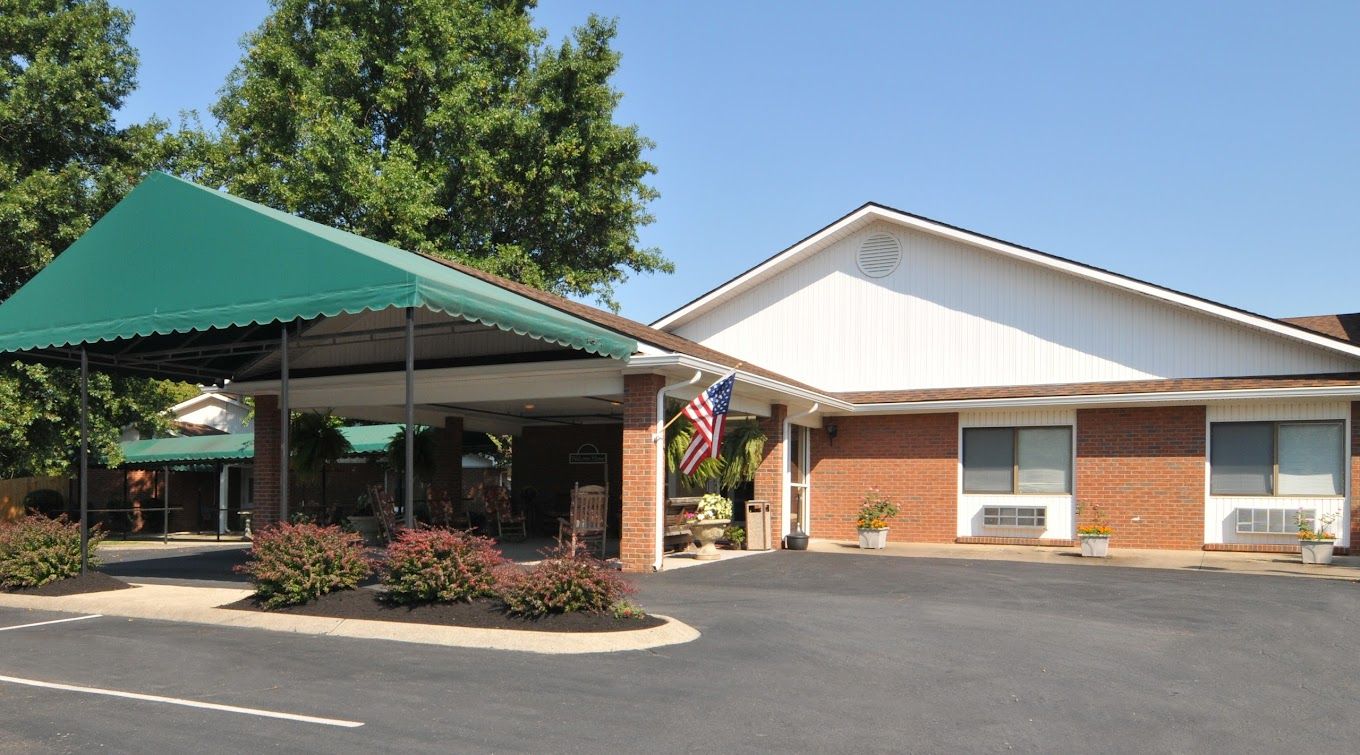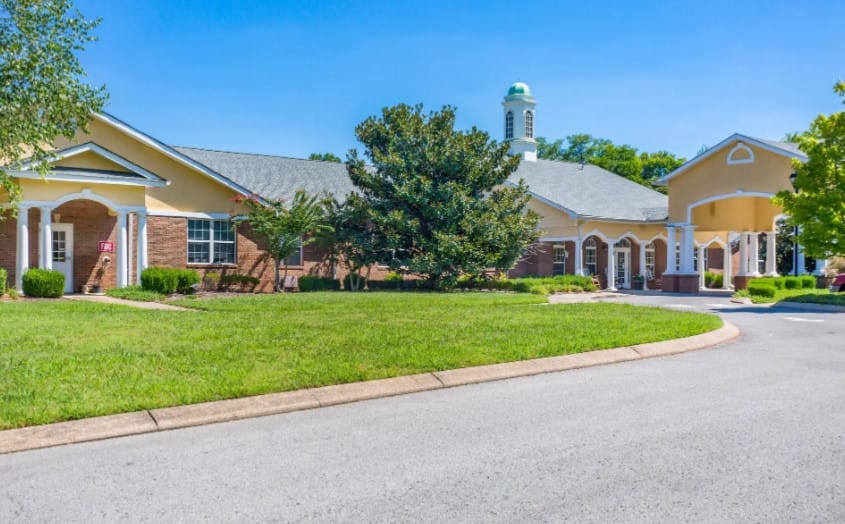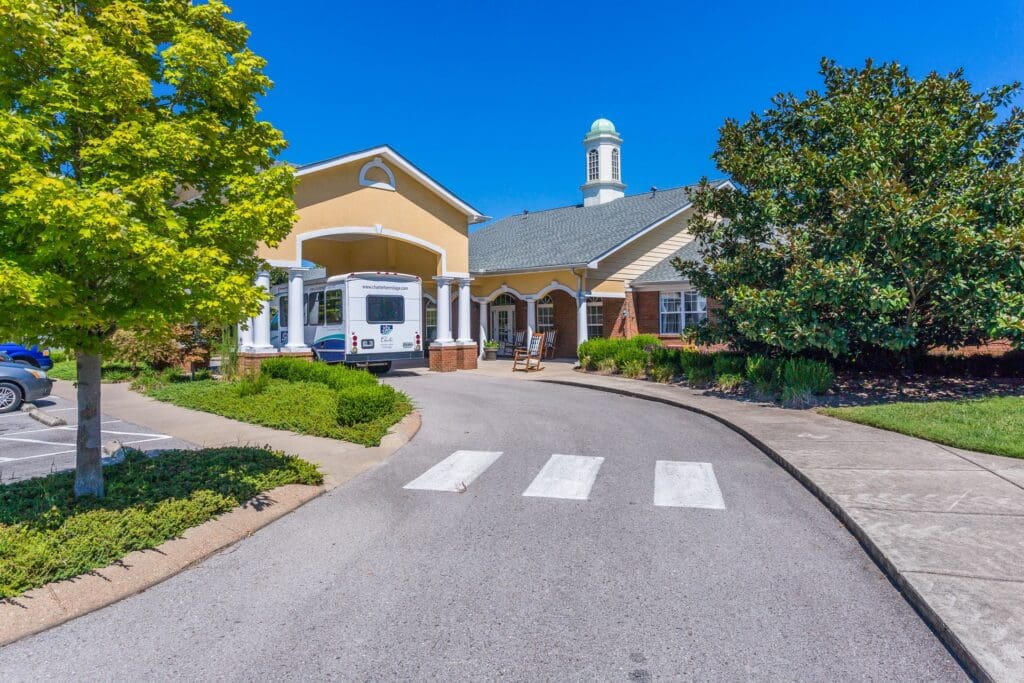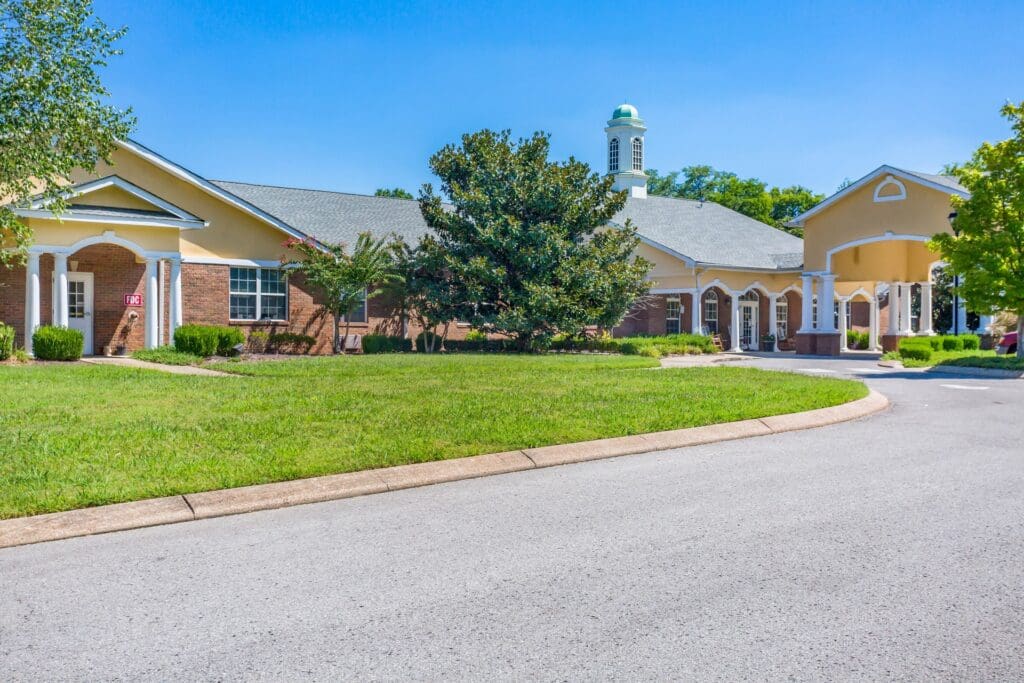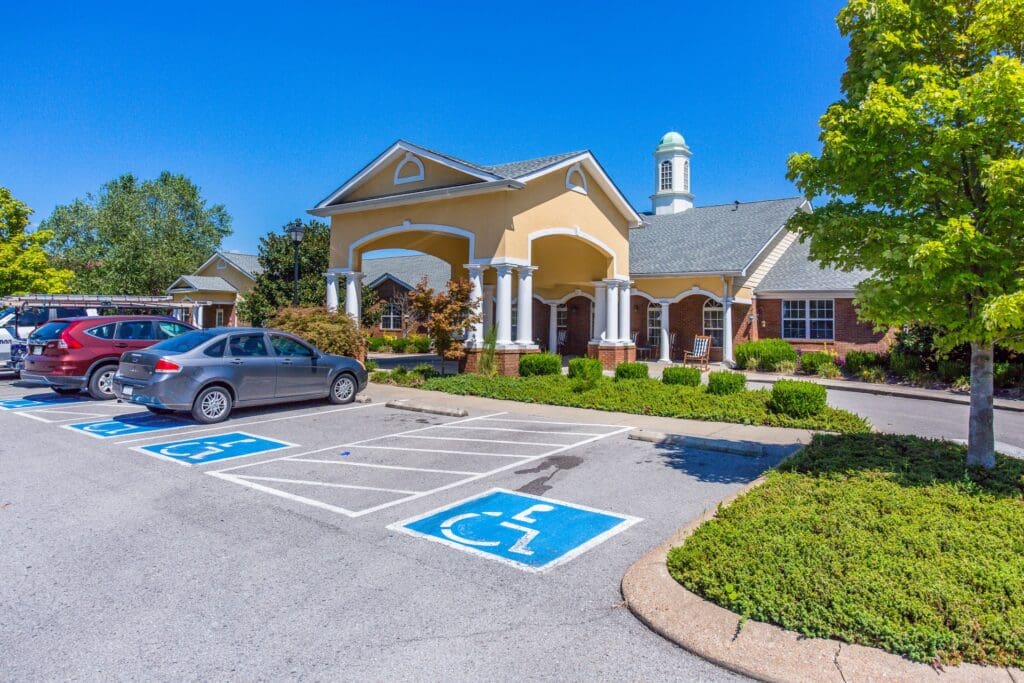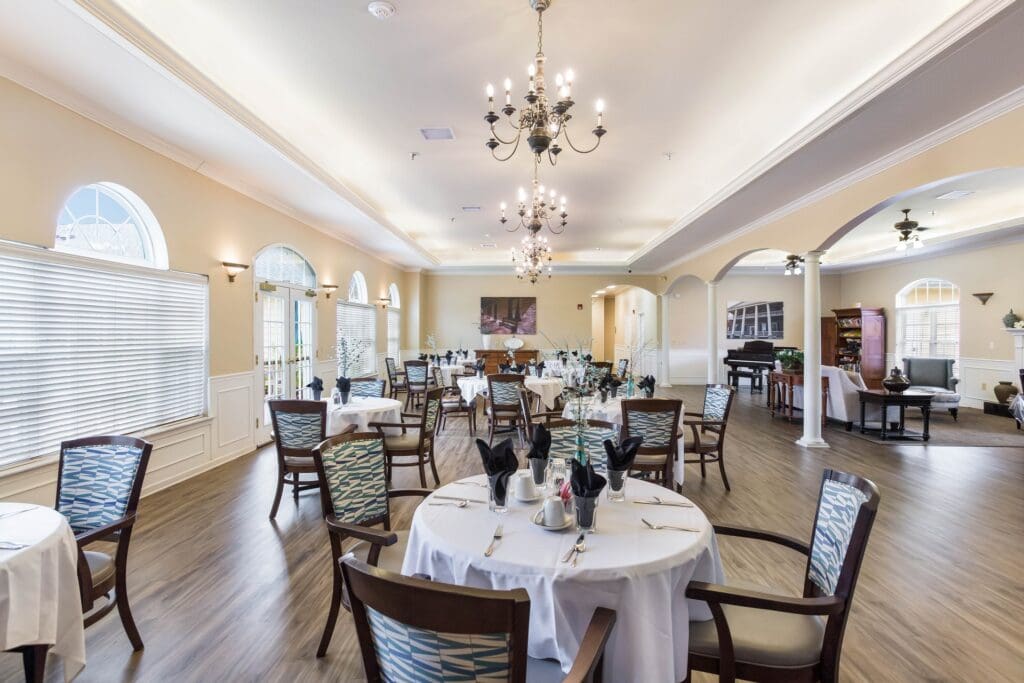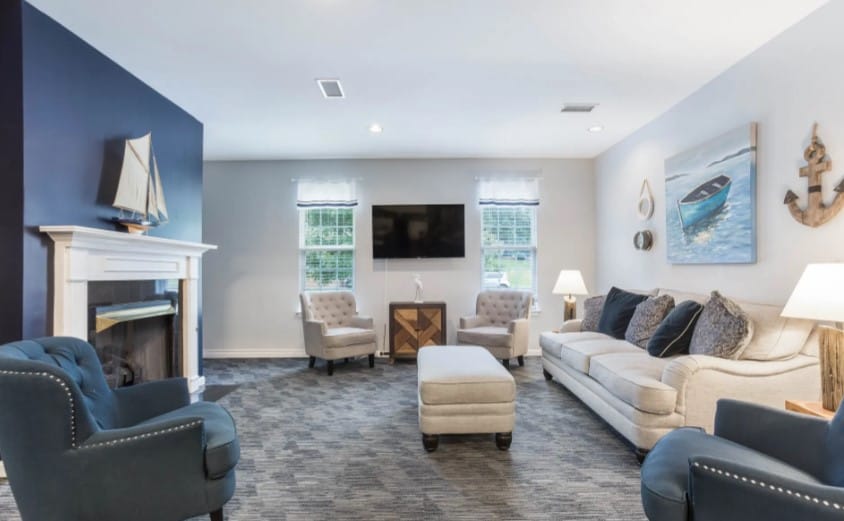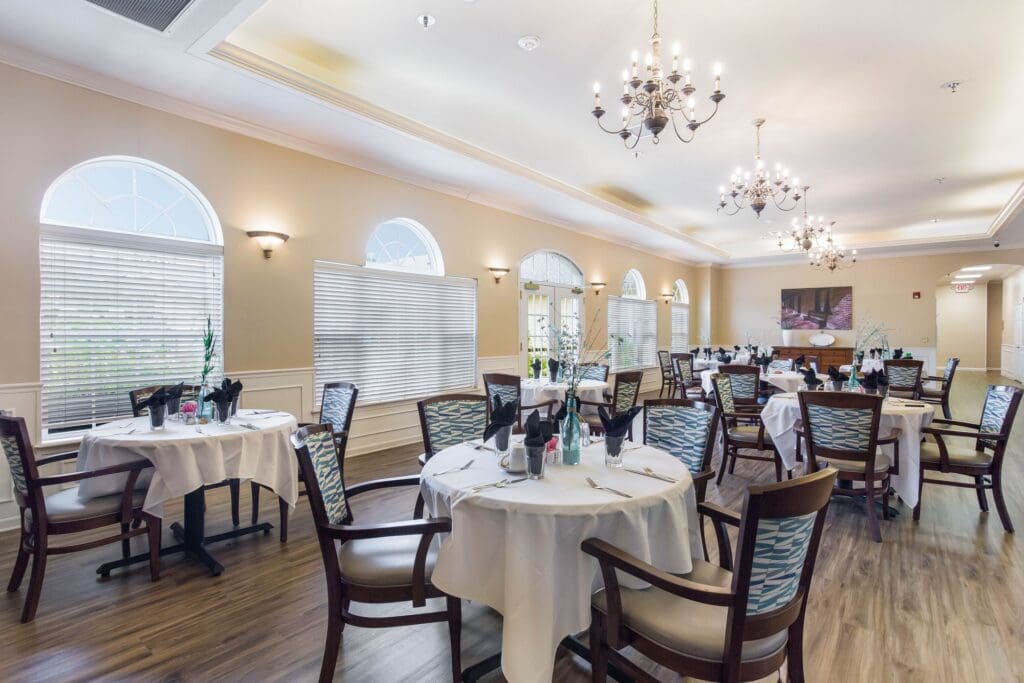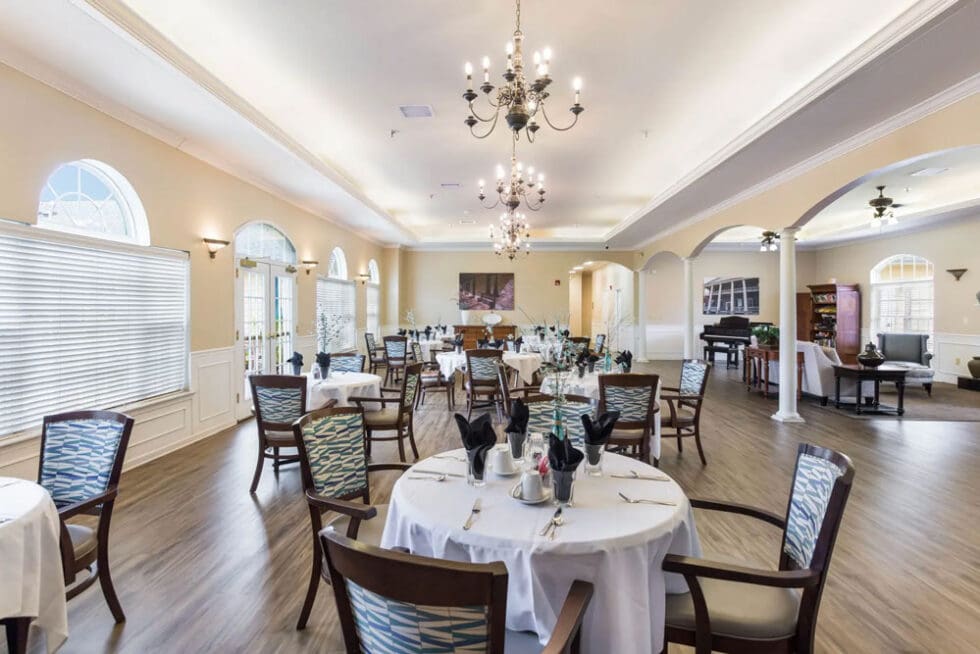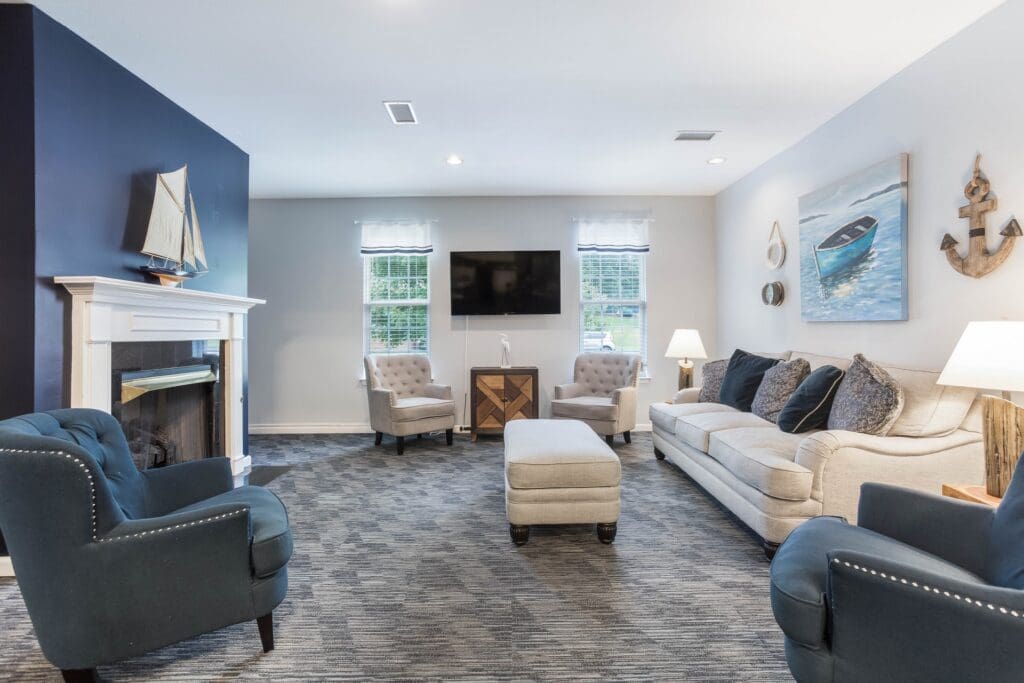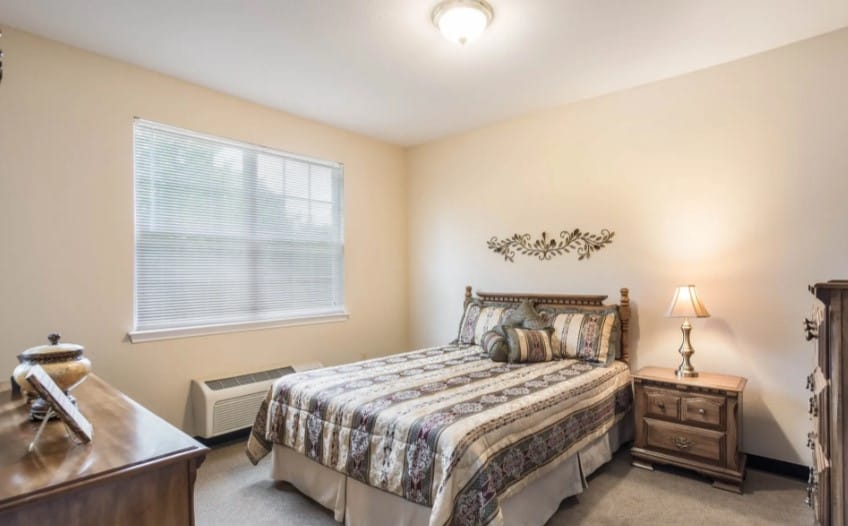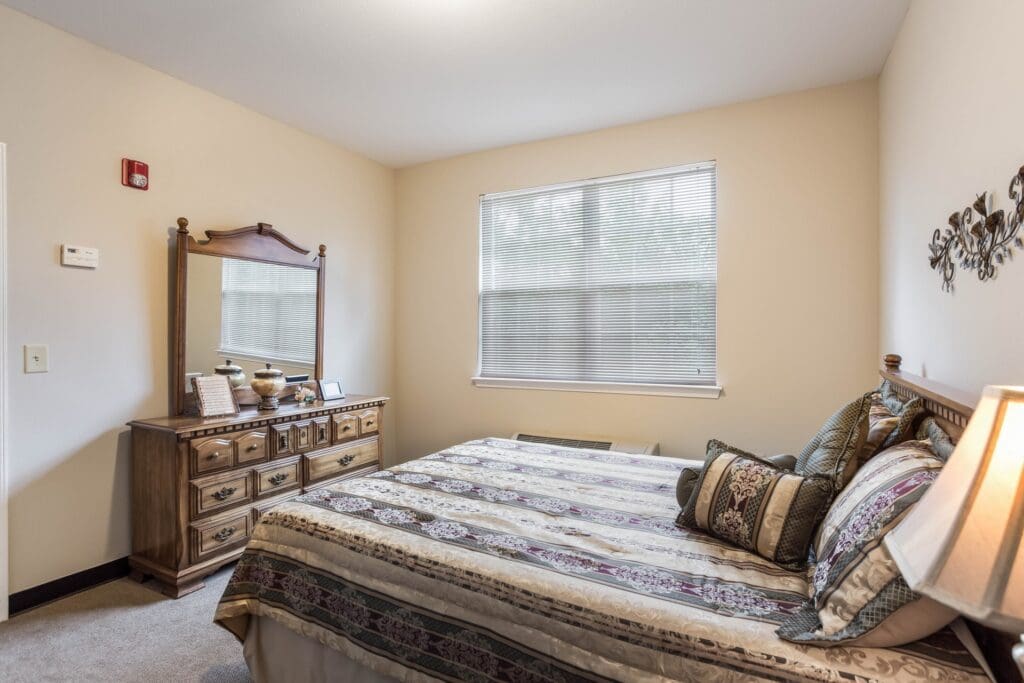


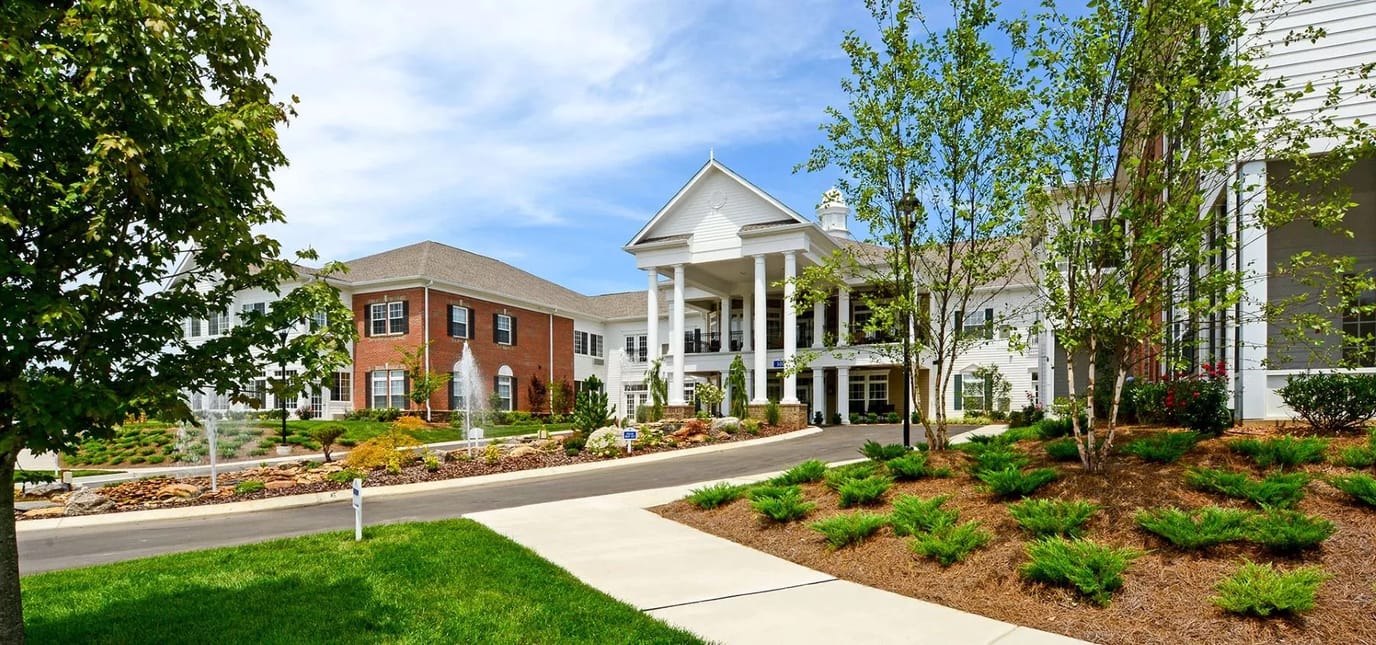
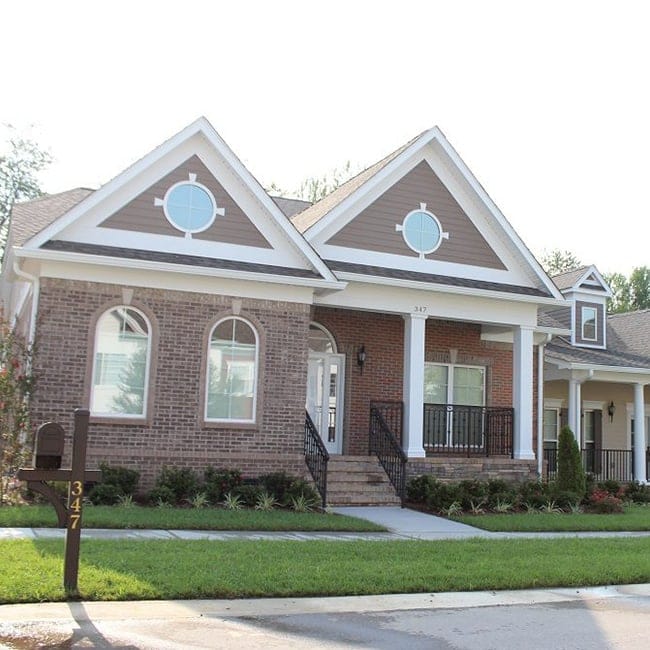
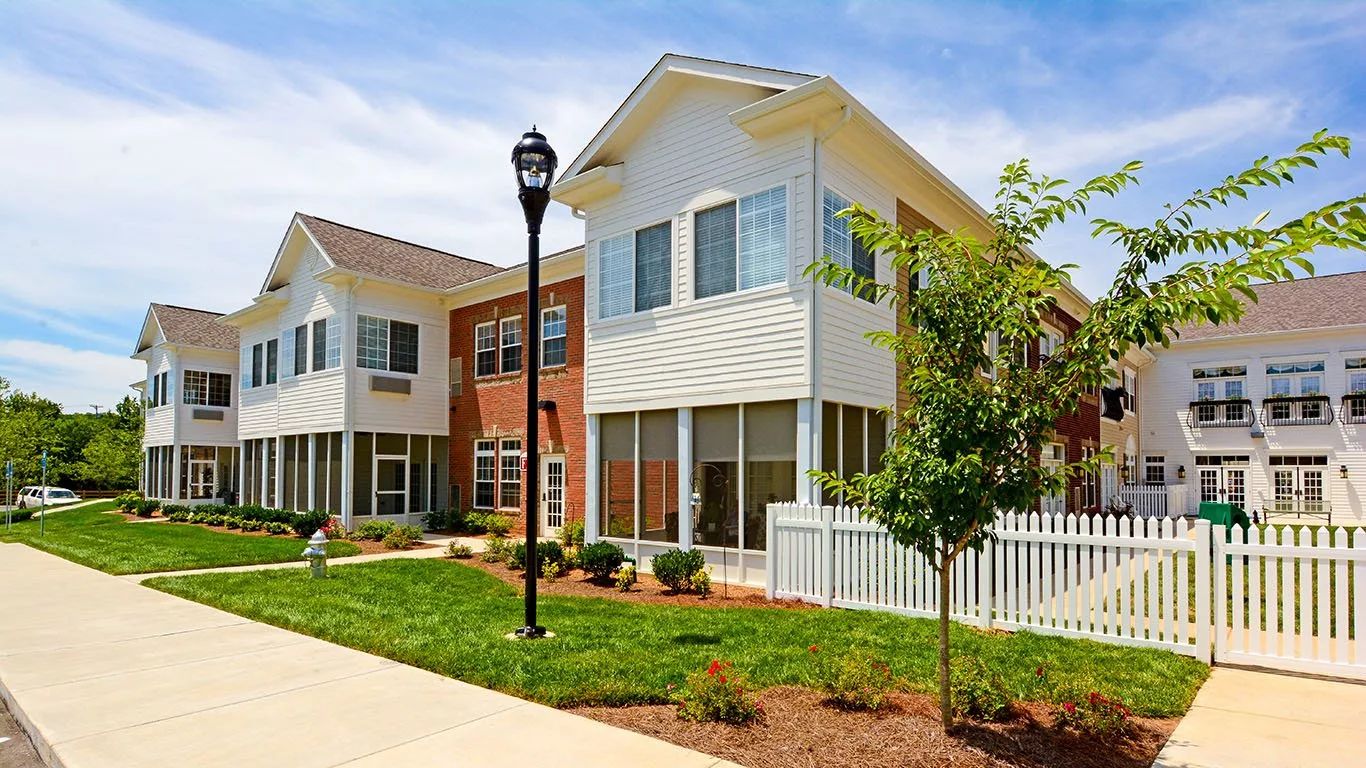







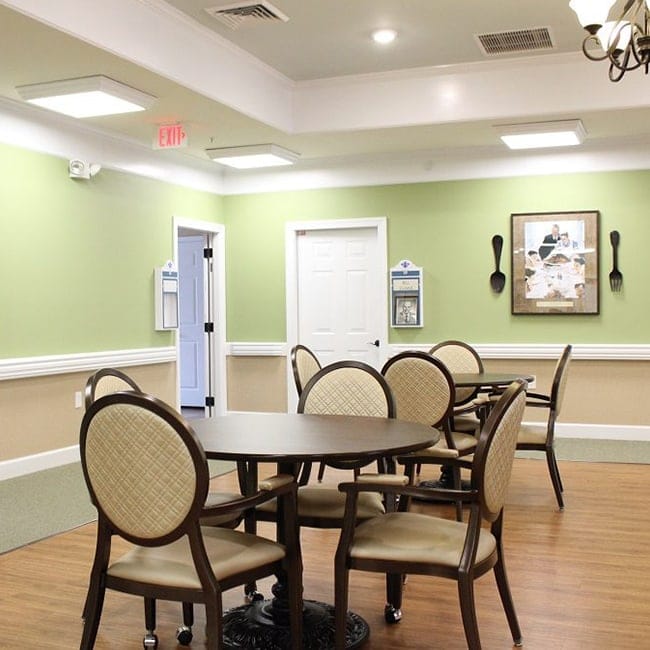
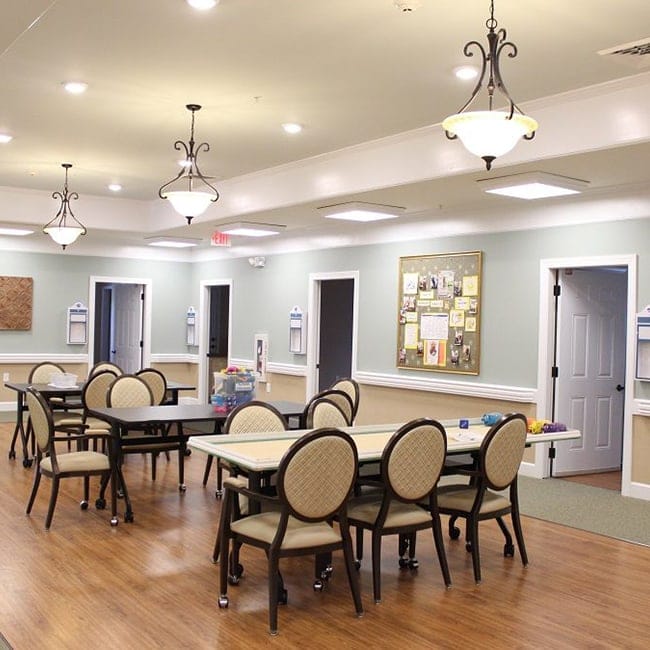
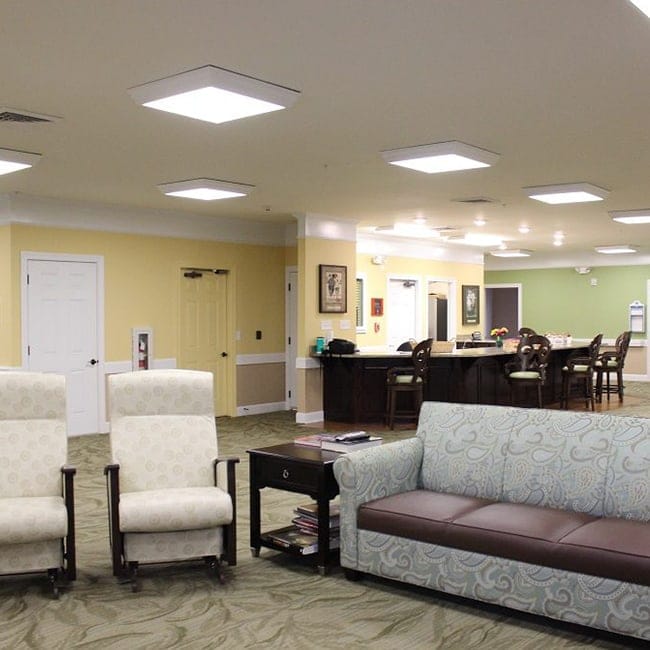





Fountains of Franklin provides assisted living, independent living, and memory care in Franklin, TN. Assisted living includes help with daily tasks such as bathing, dressing, and medication, while independent living offers private living with community services and no daily care. Memory care provides a secured setting with supervision for someone living with dementia, and the range of care levels may suit a resident whose needs grow over time.
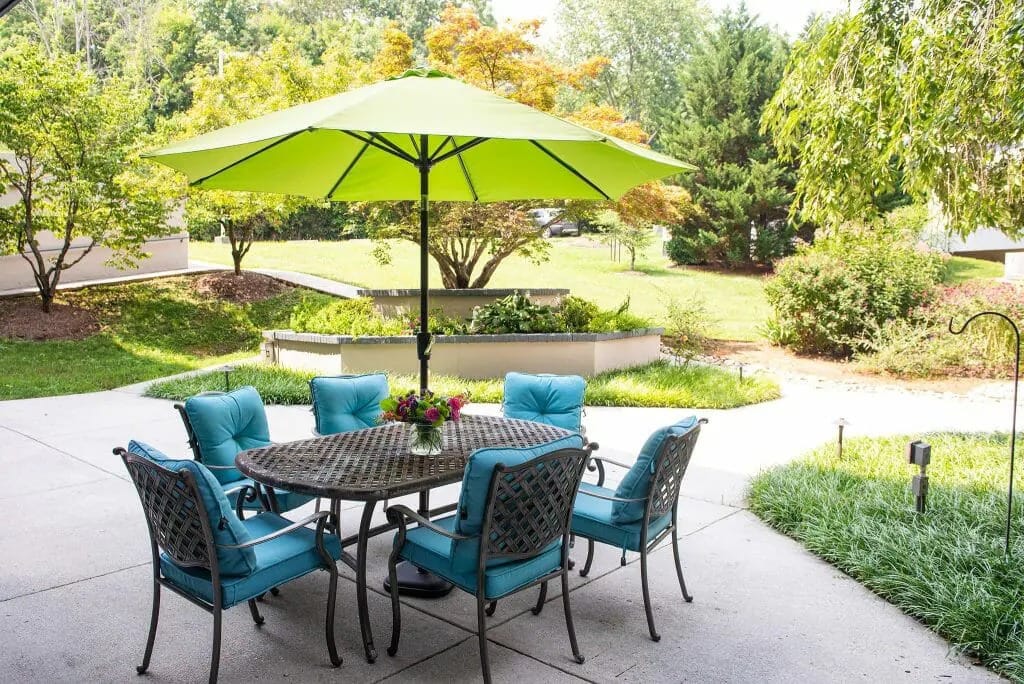
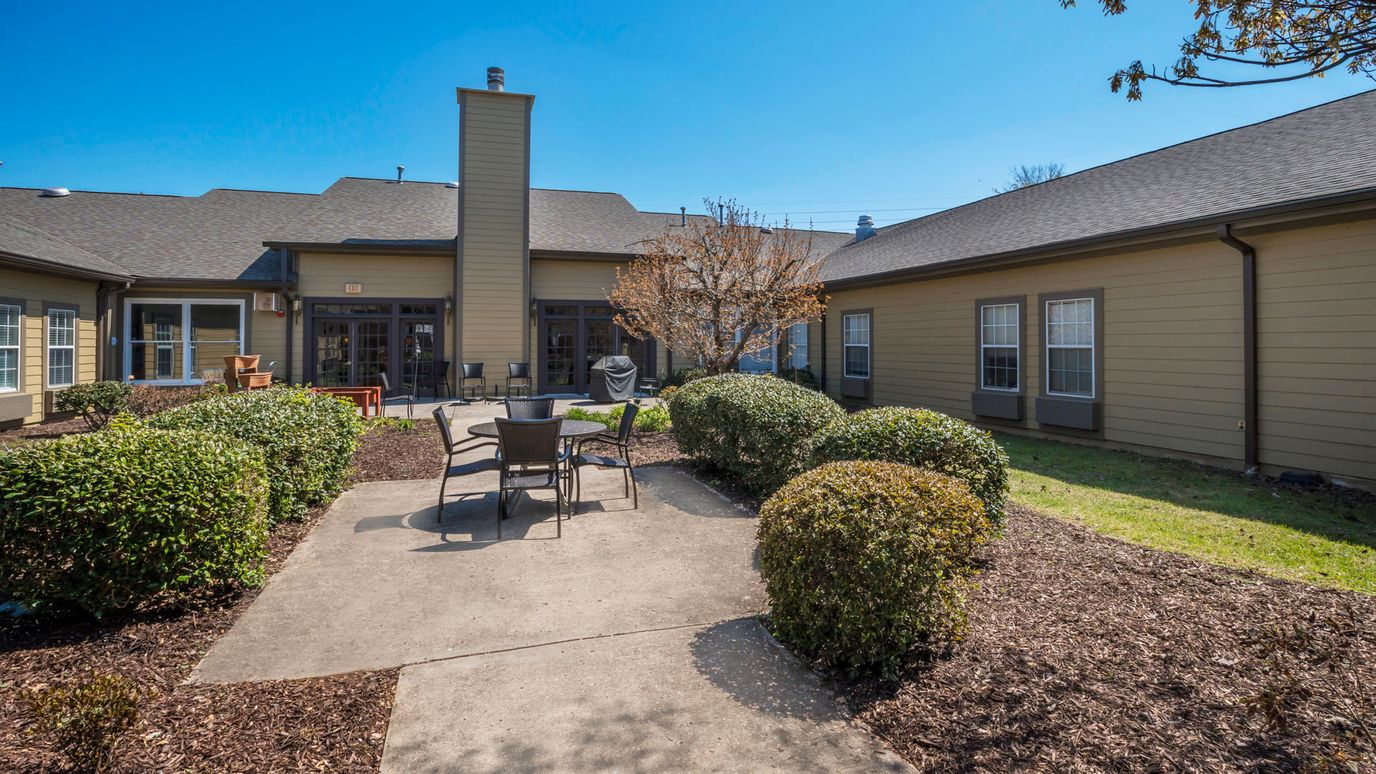
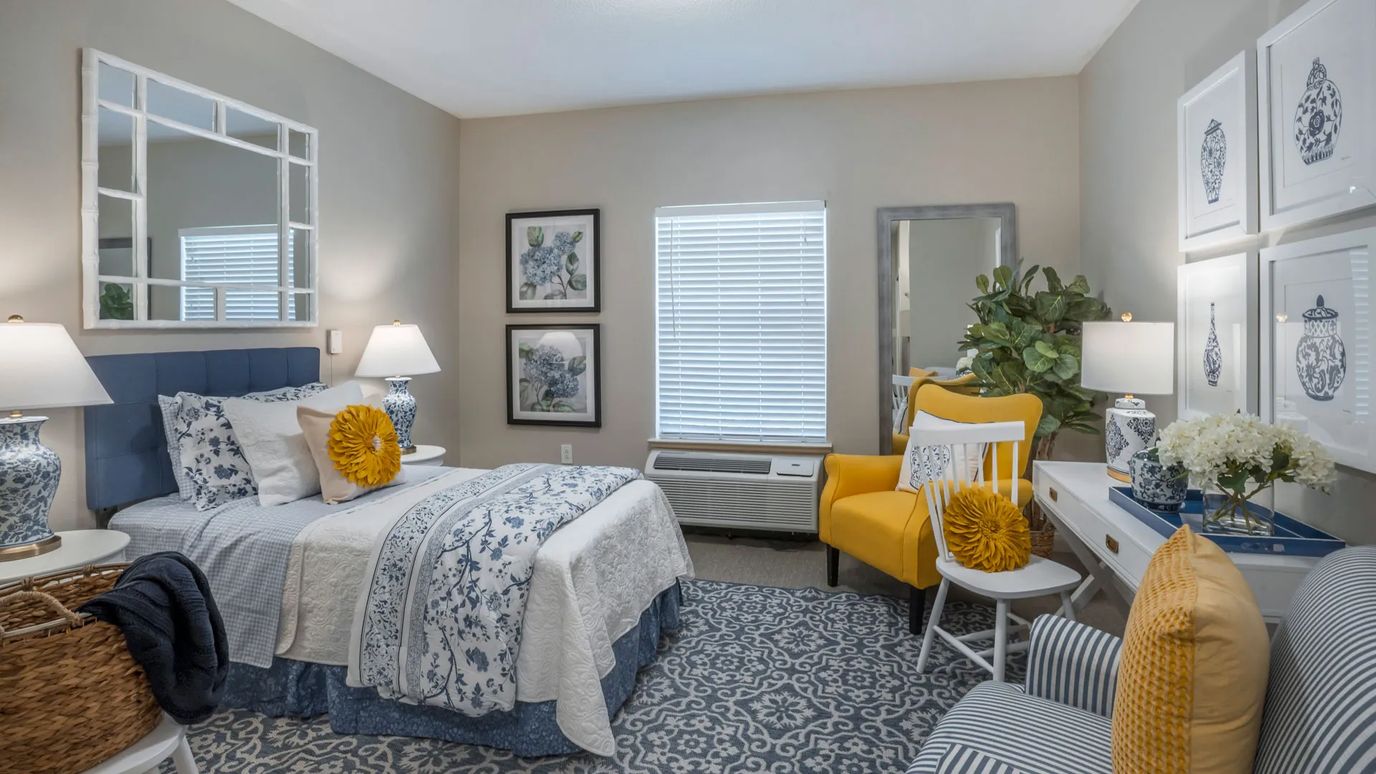
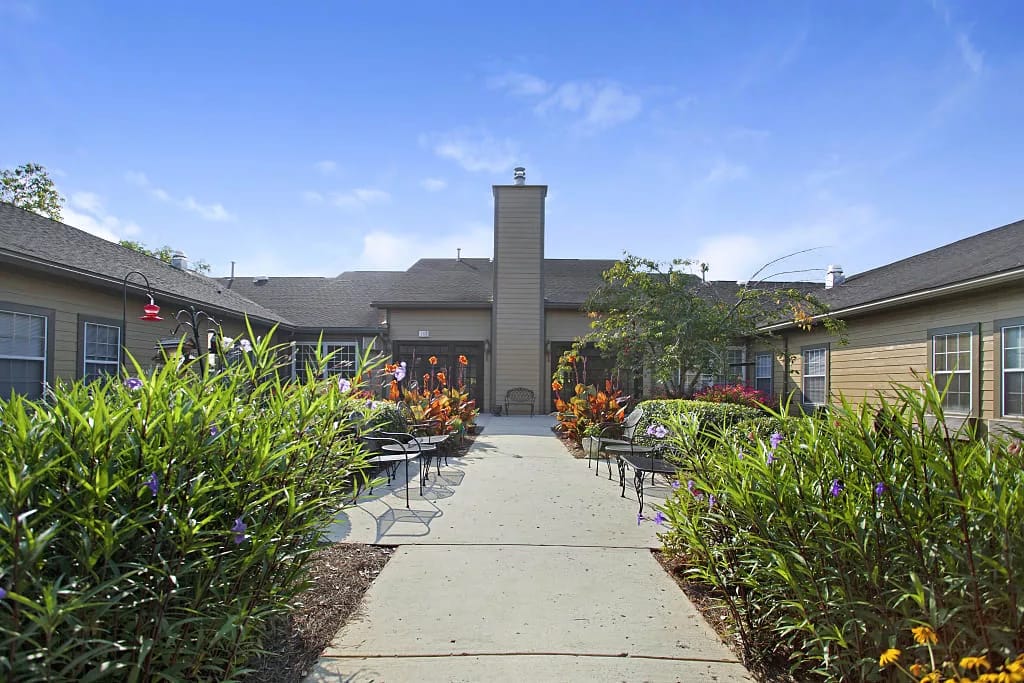
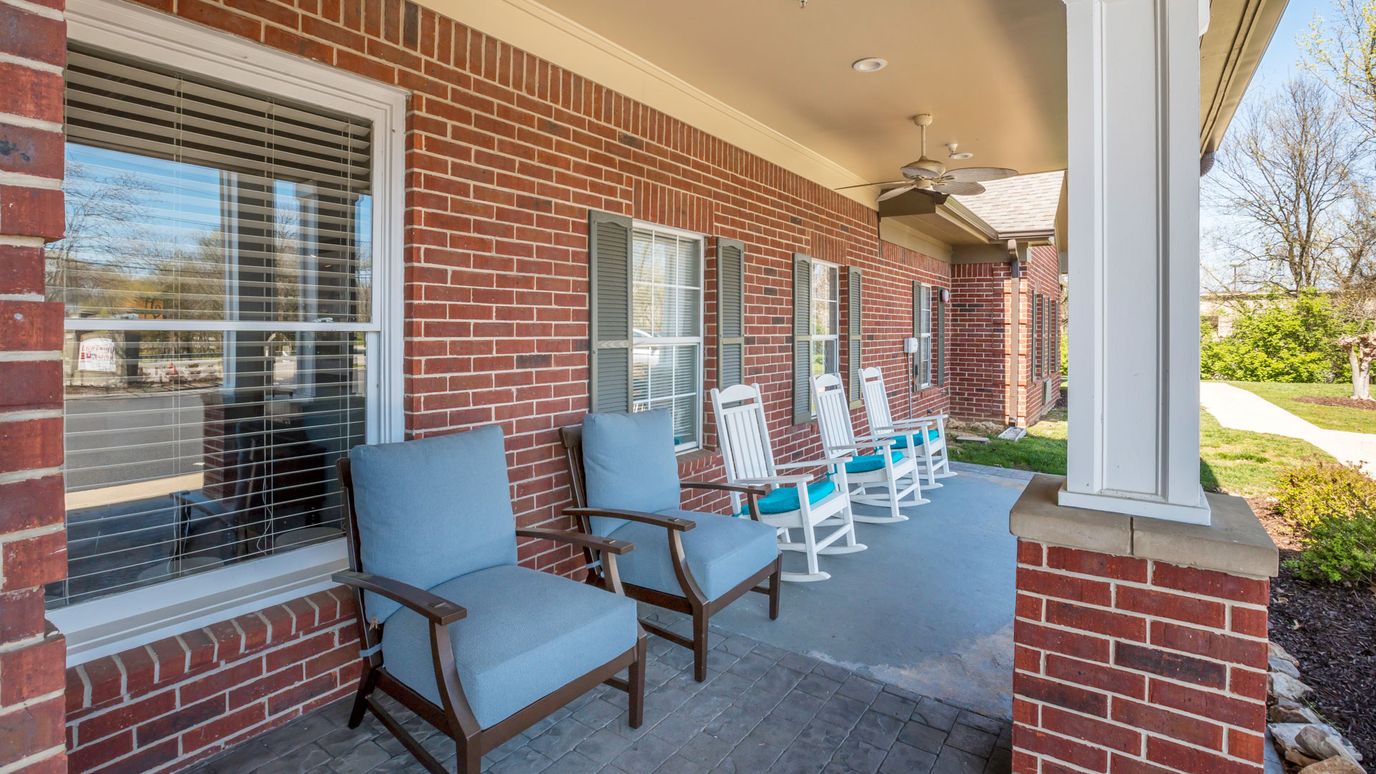
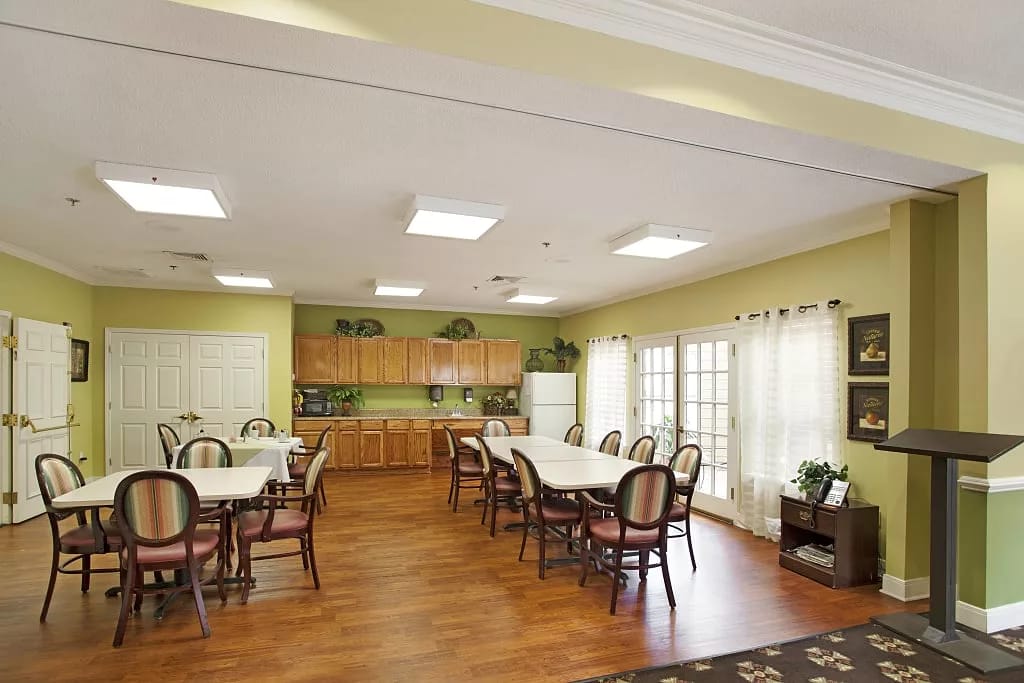
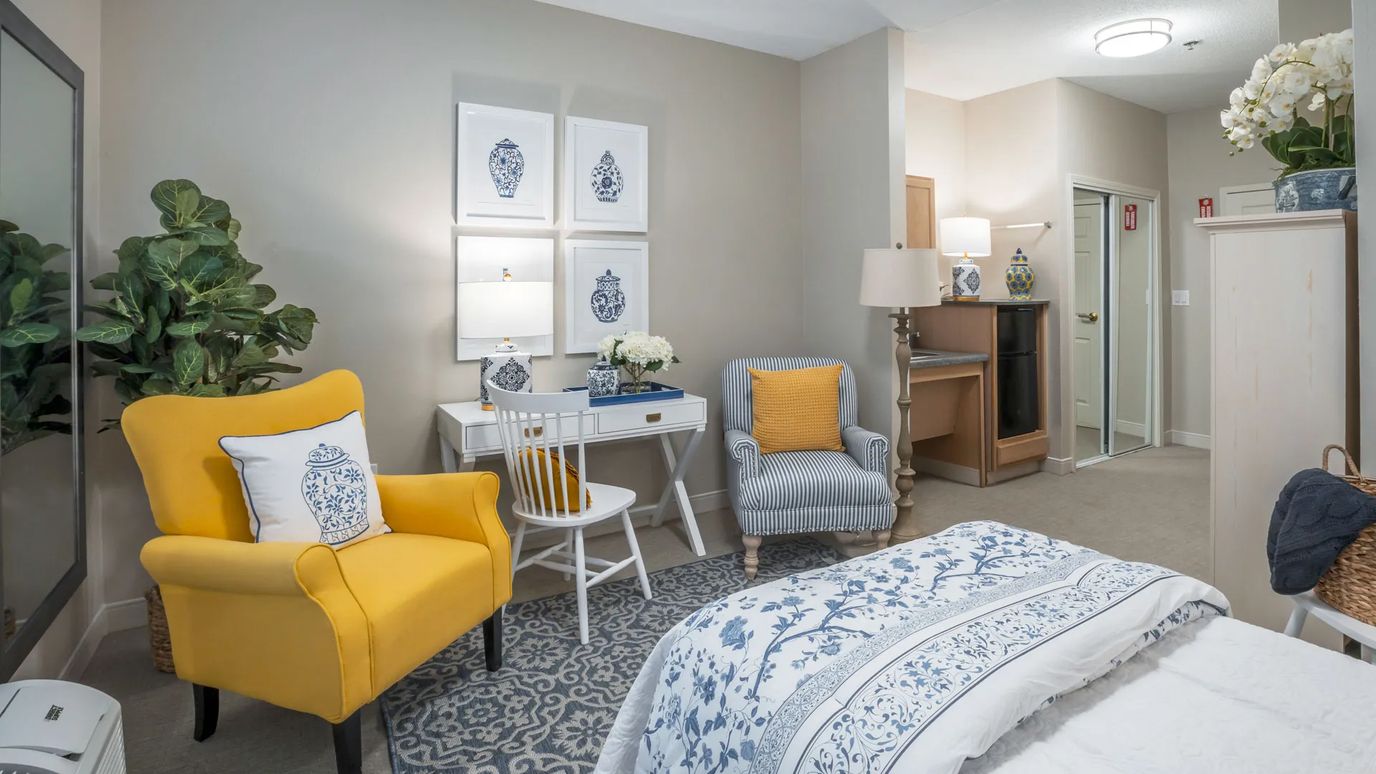
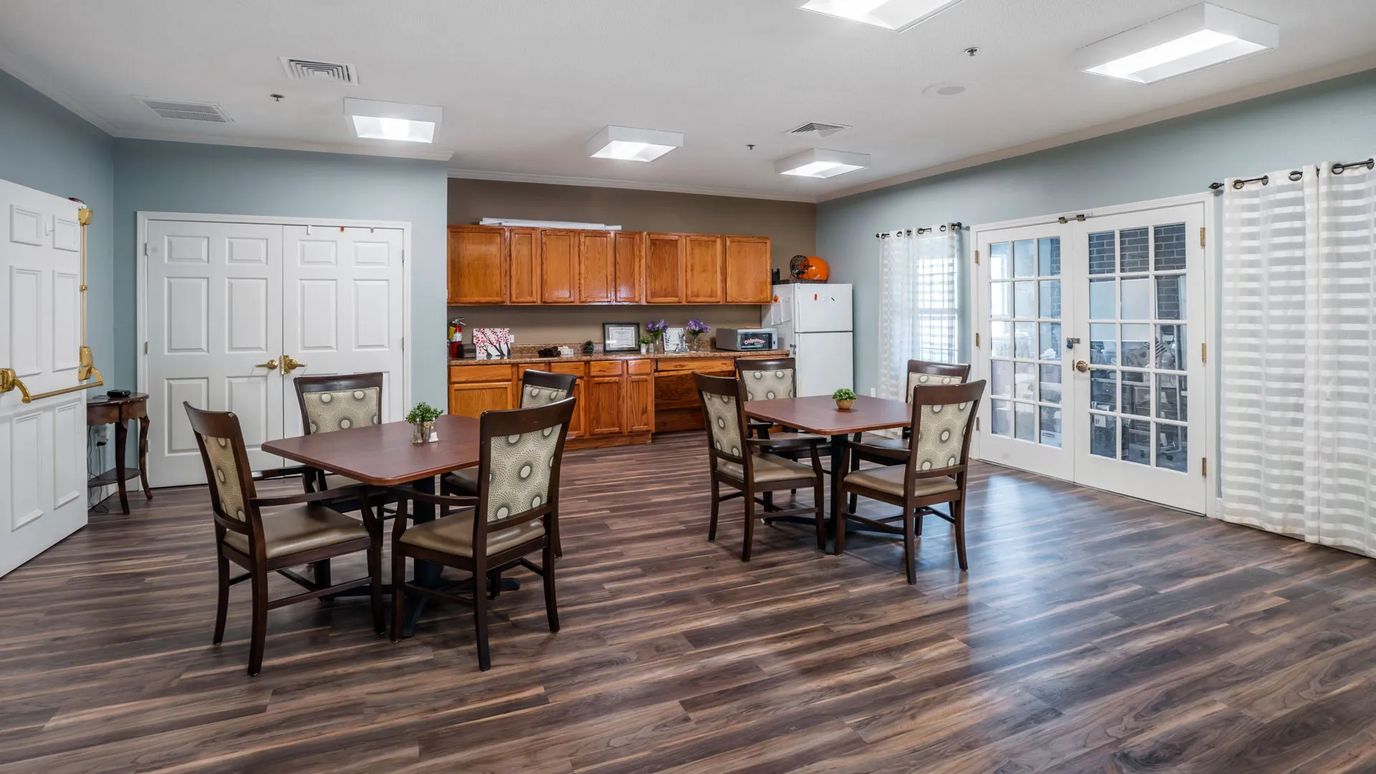
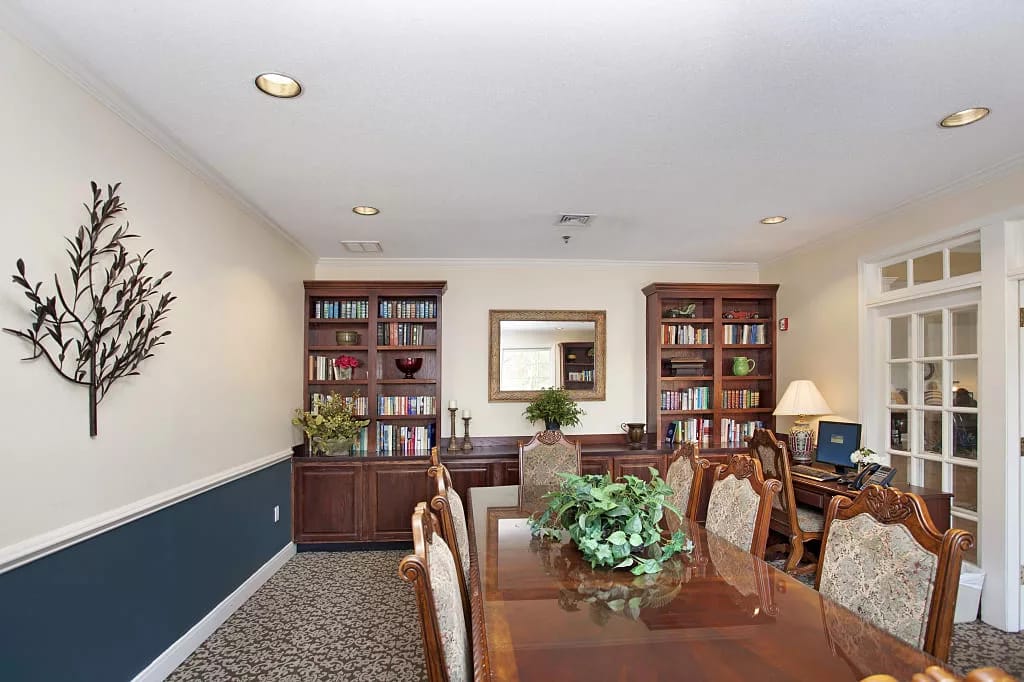
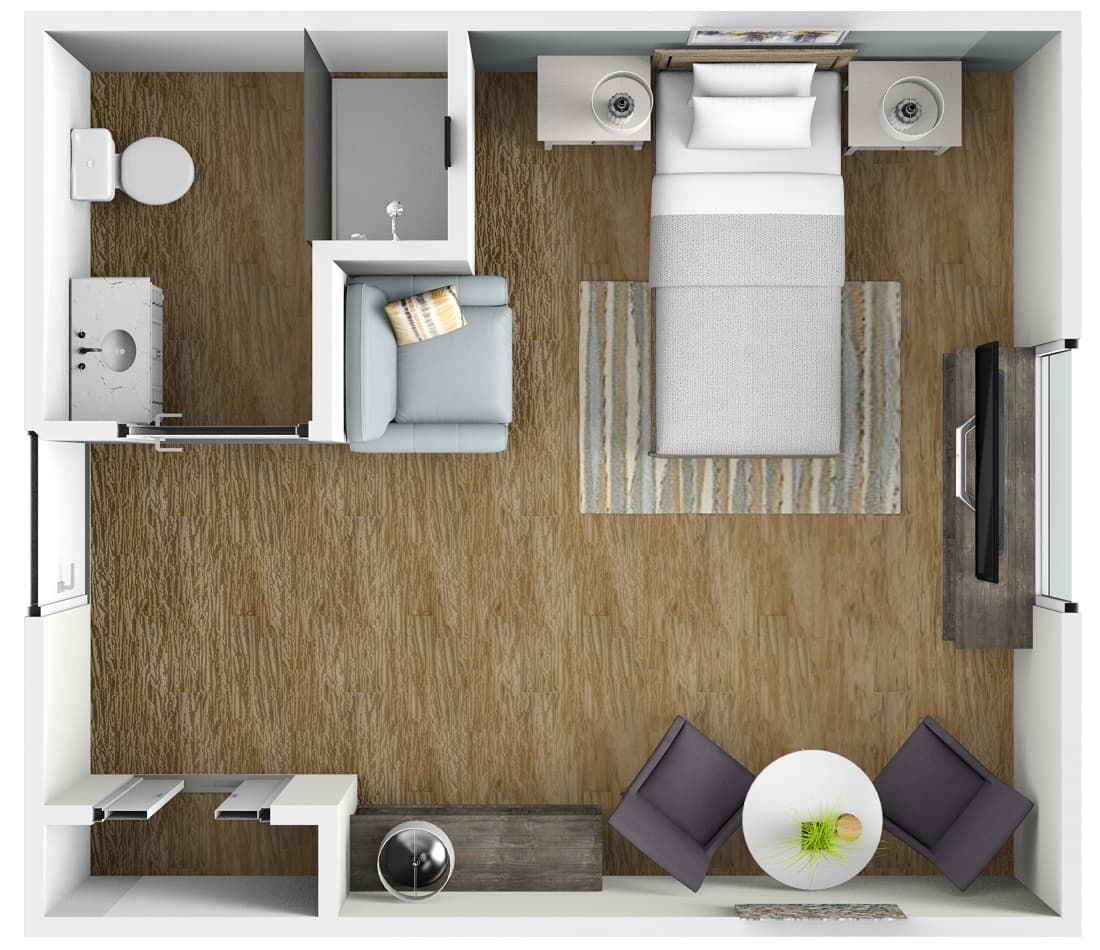
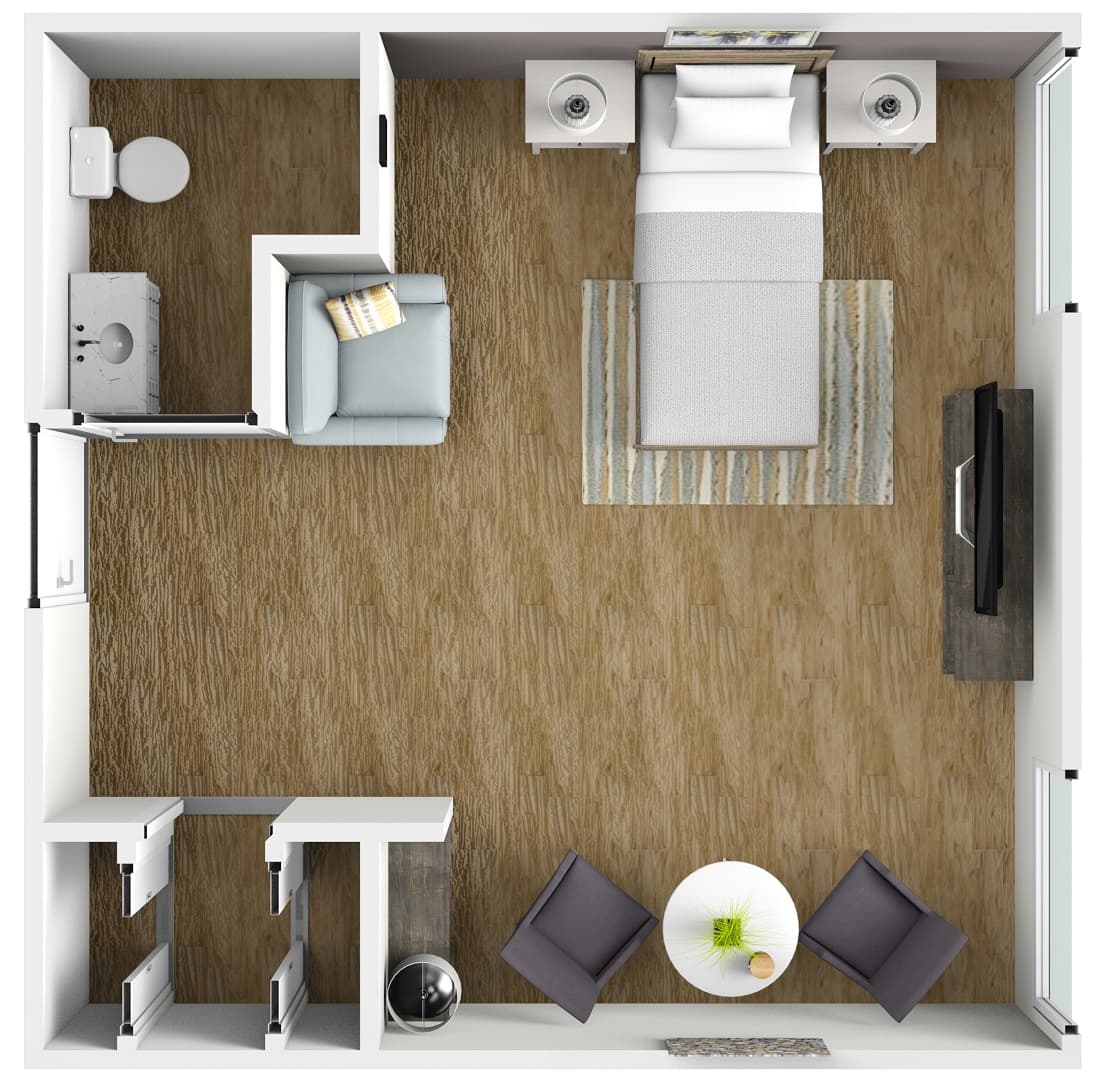
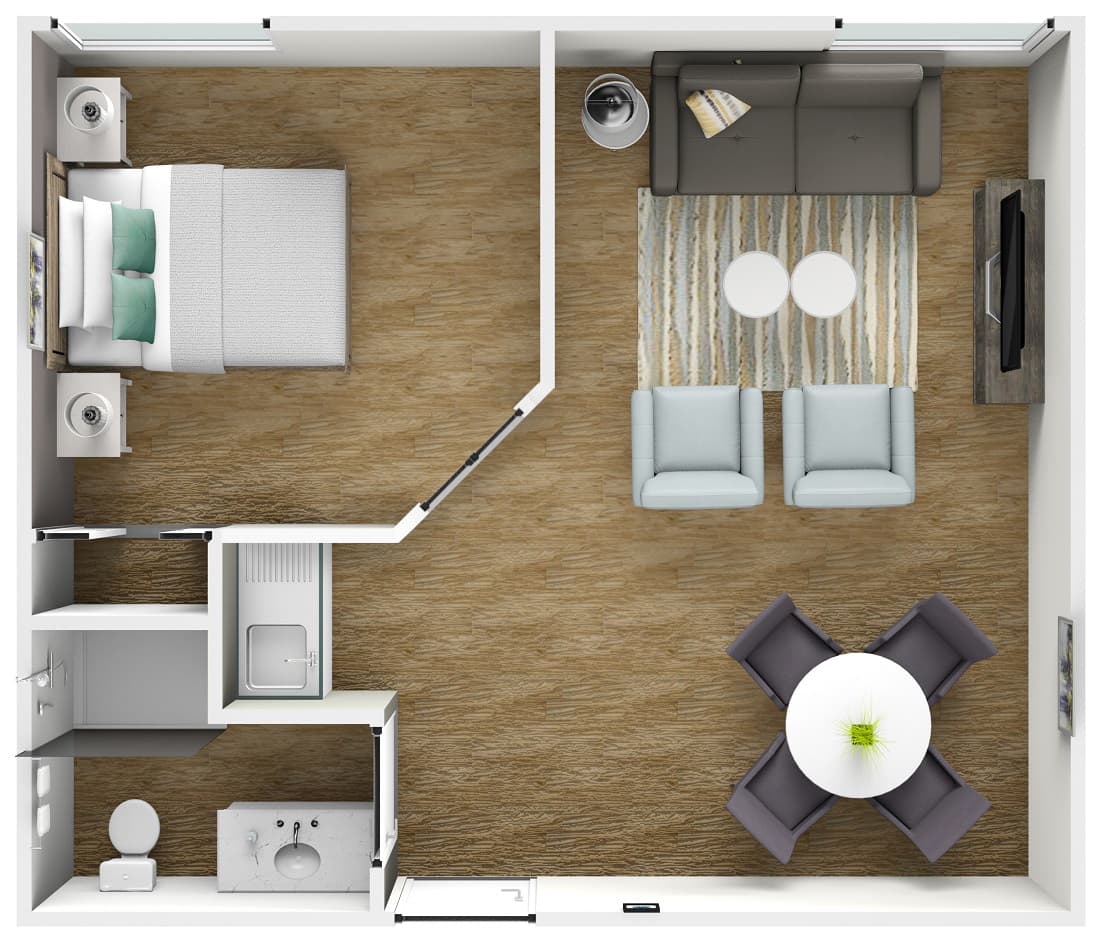
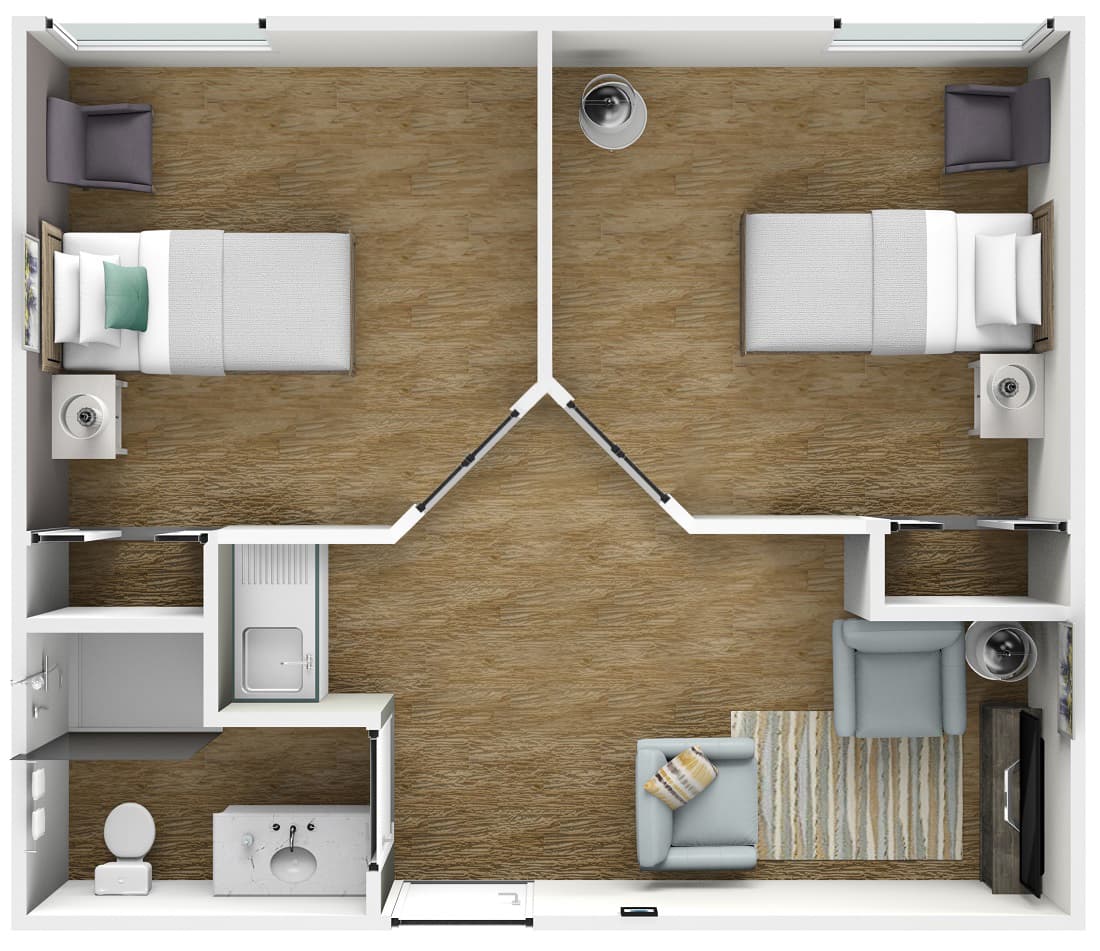
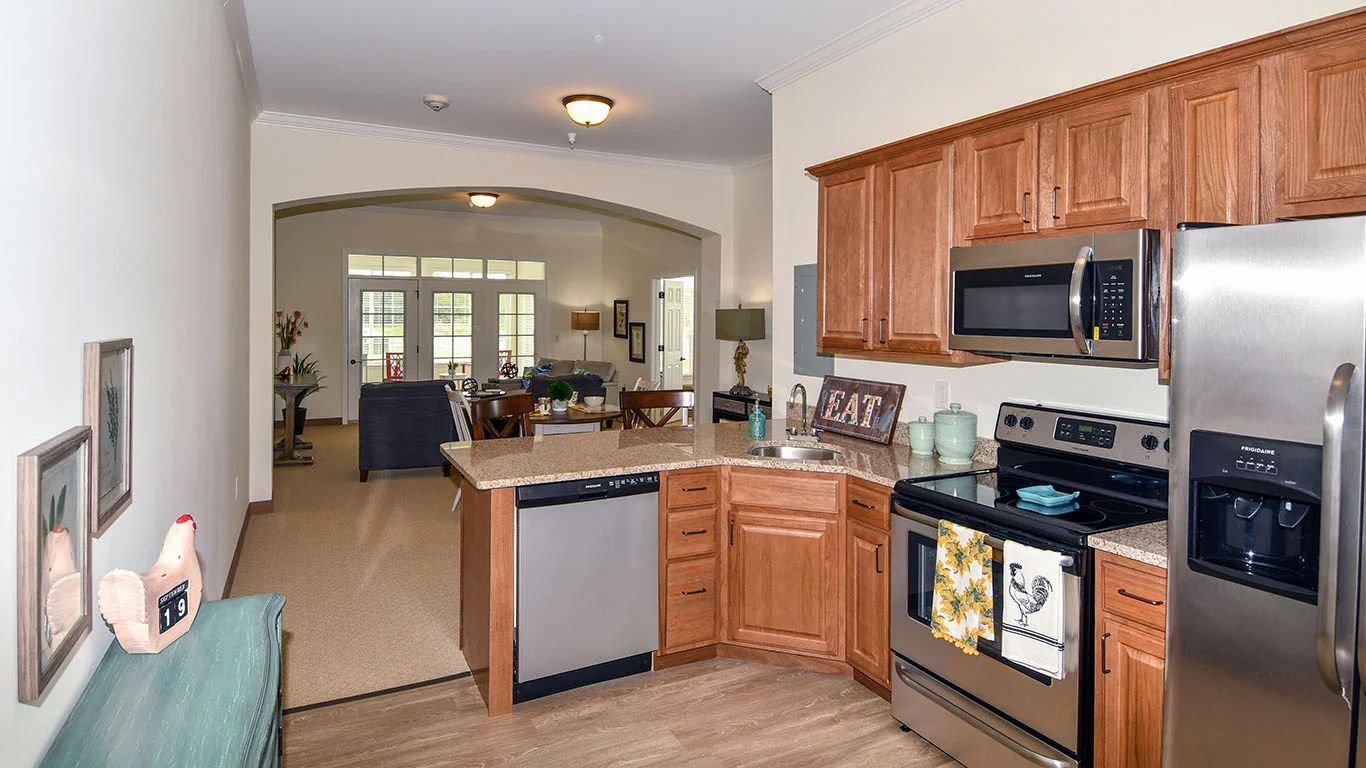
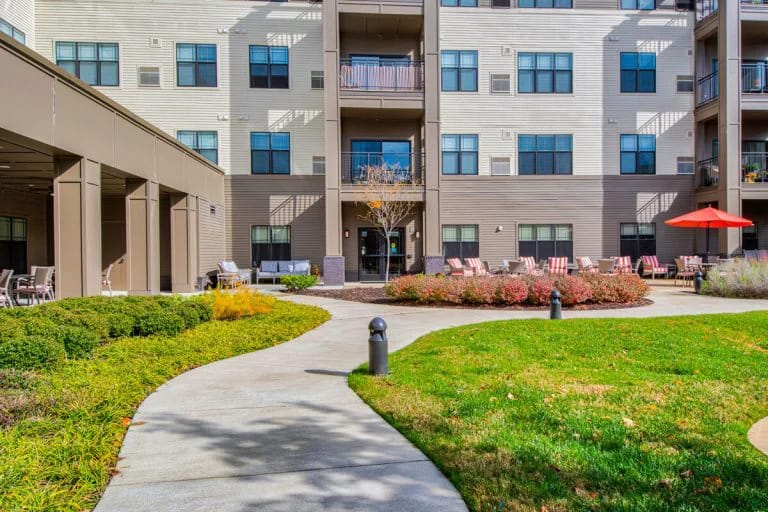
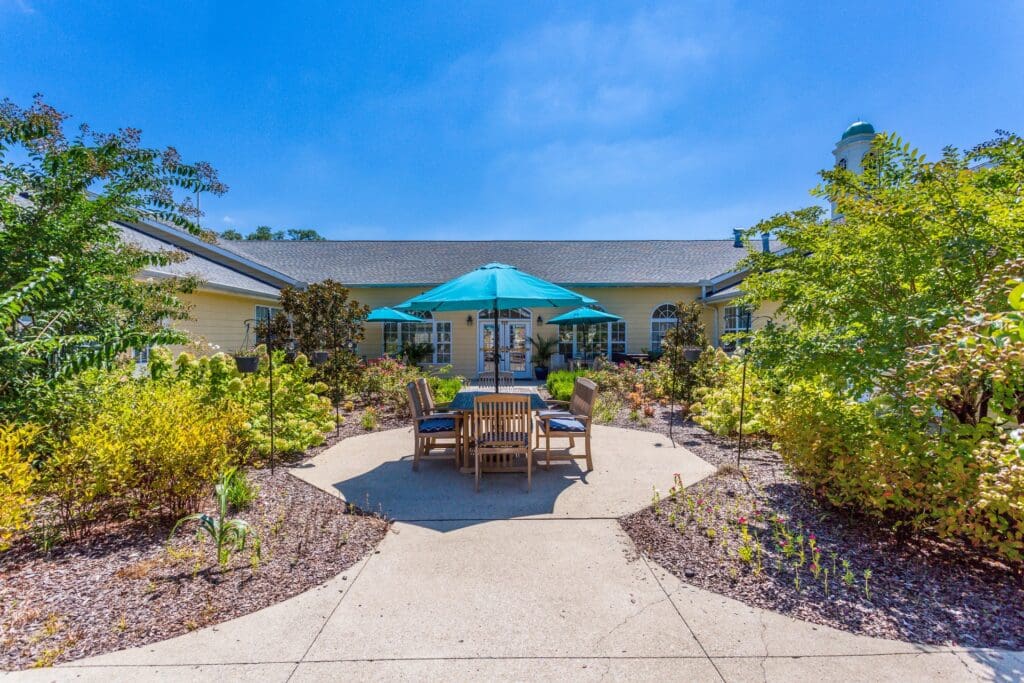
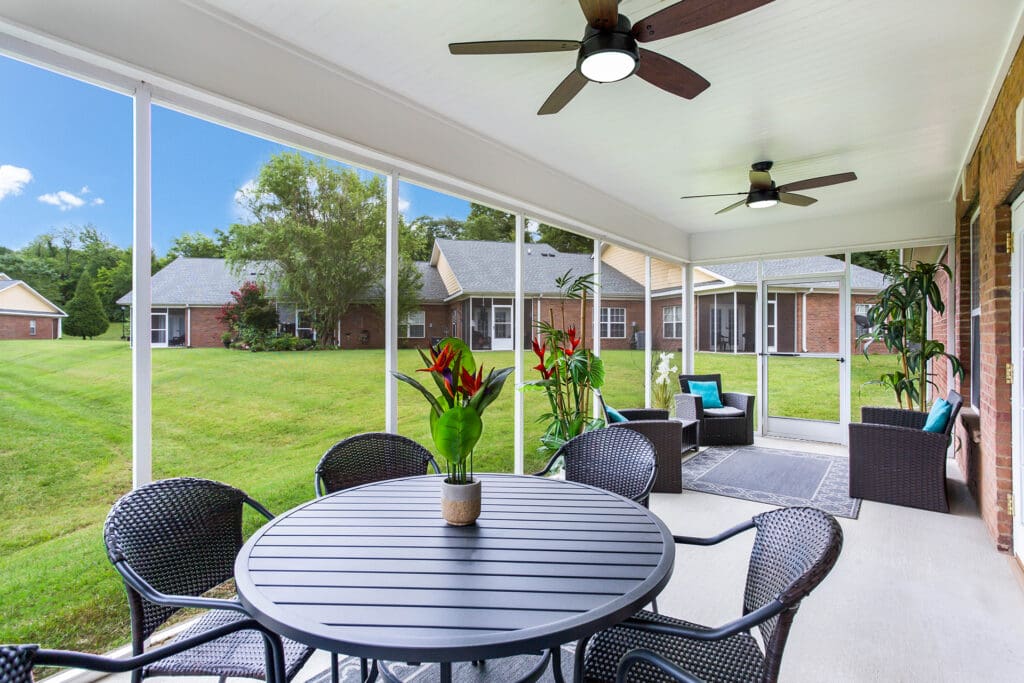
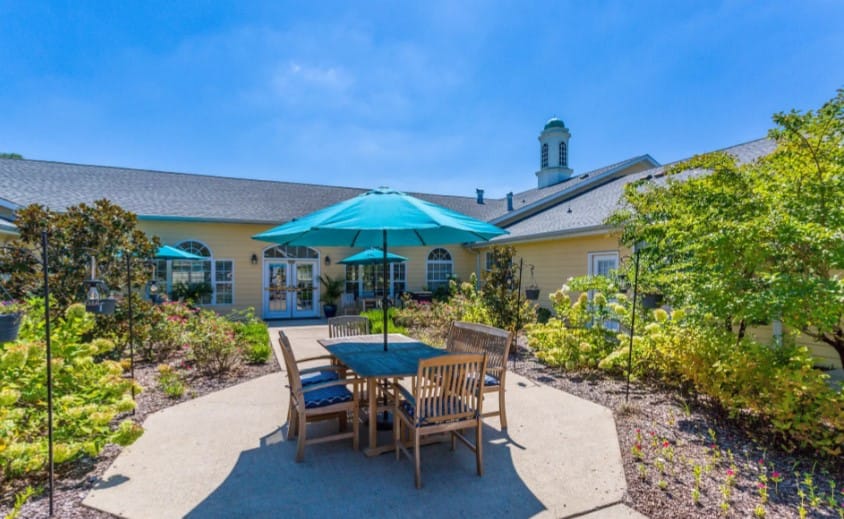
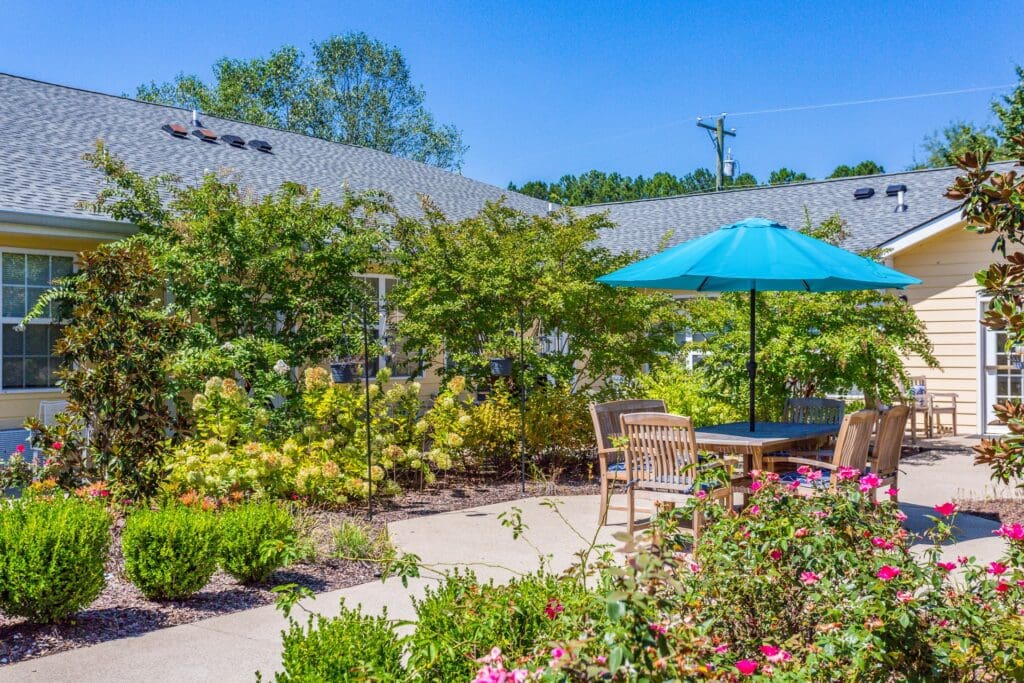
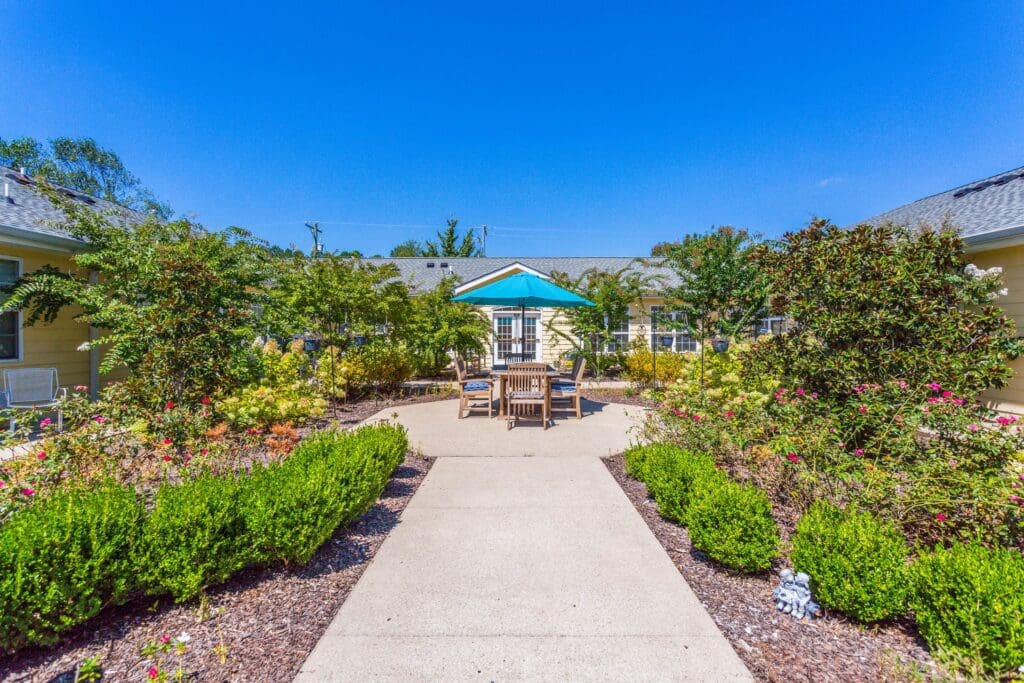
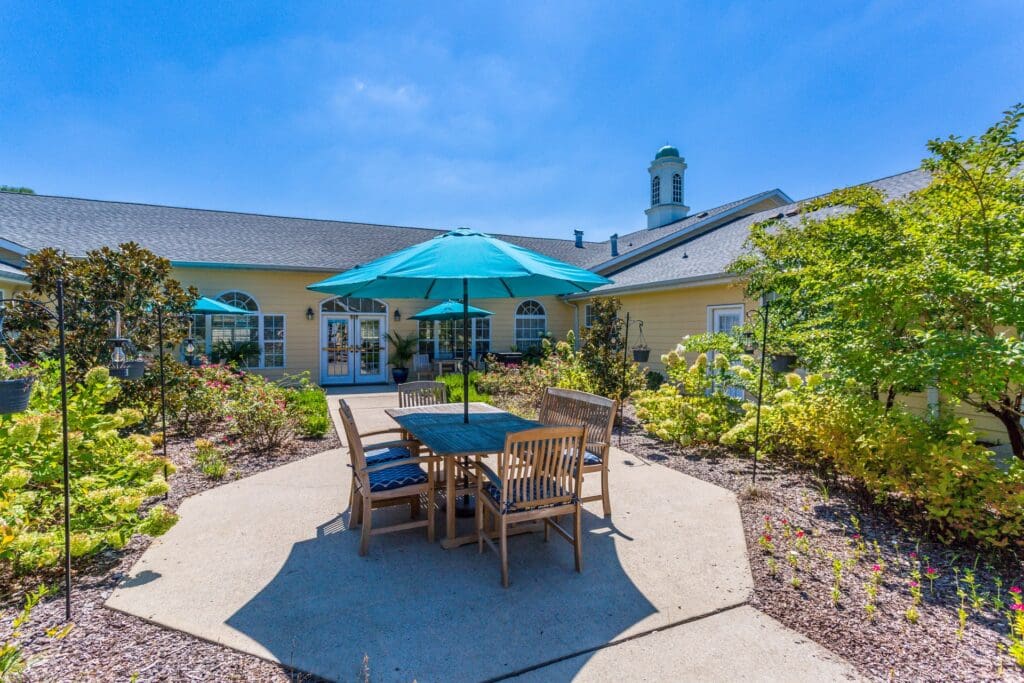
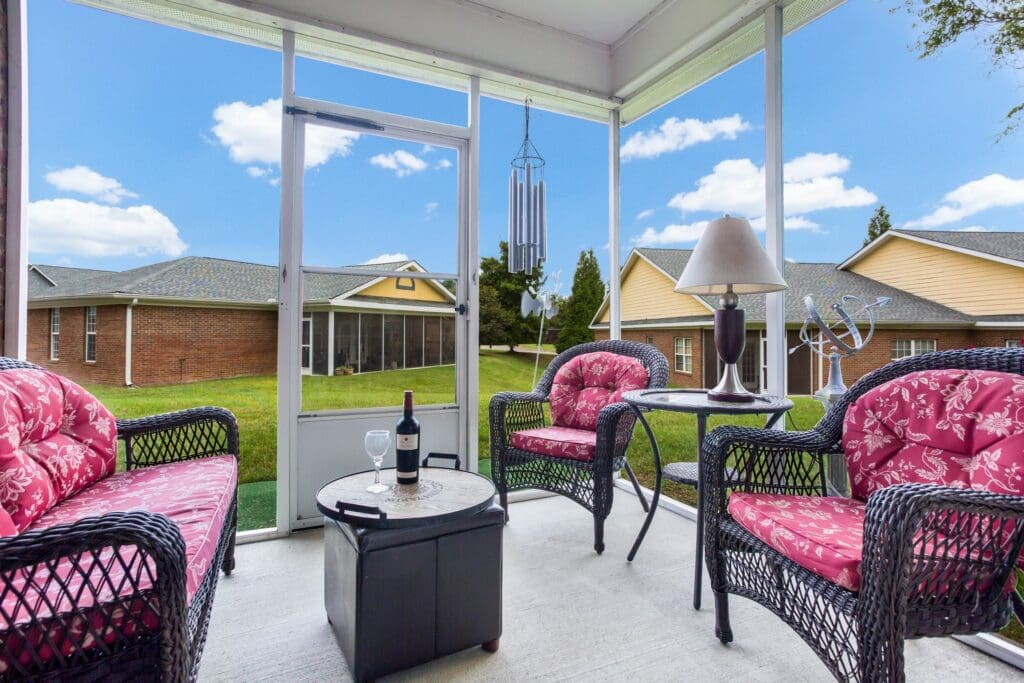
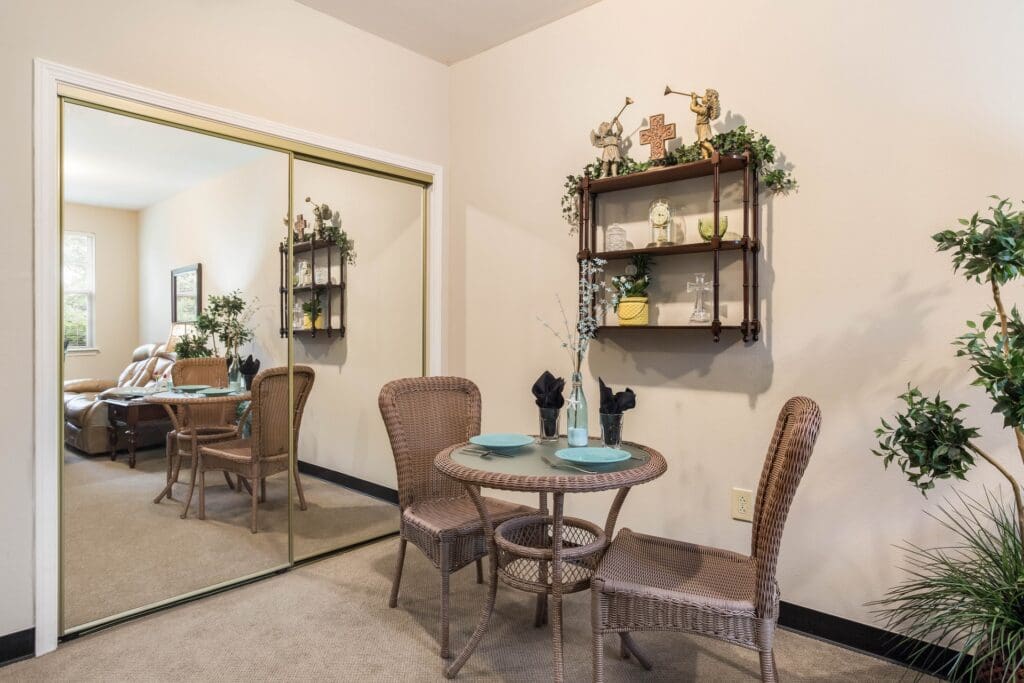
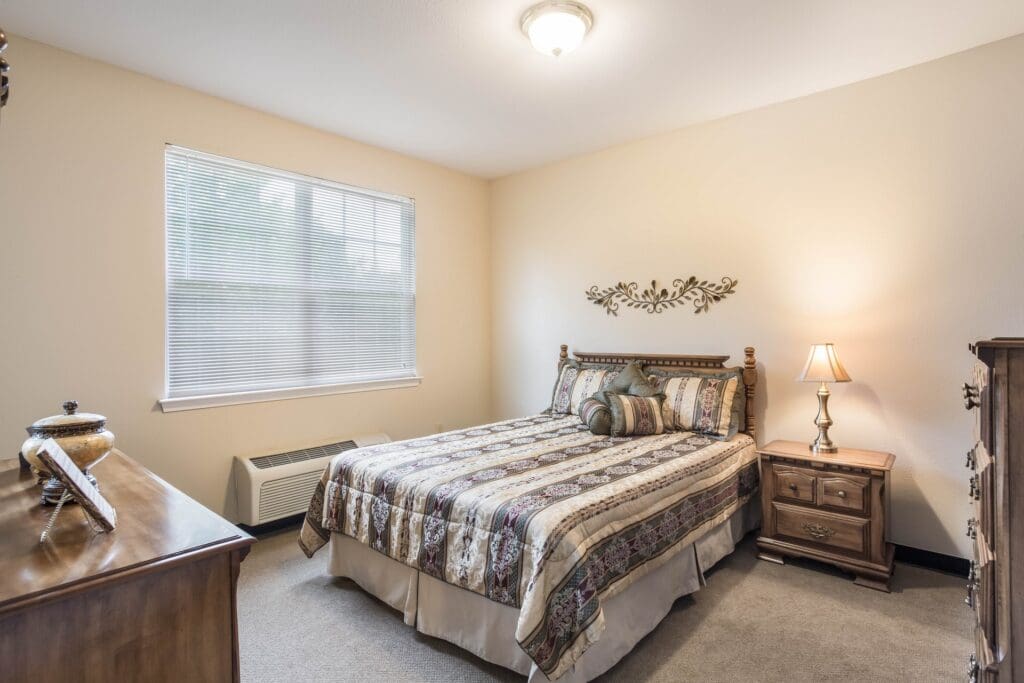
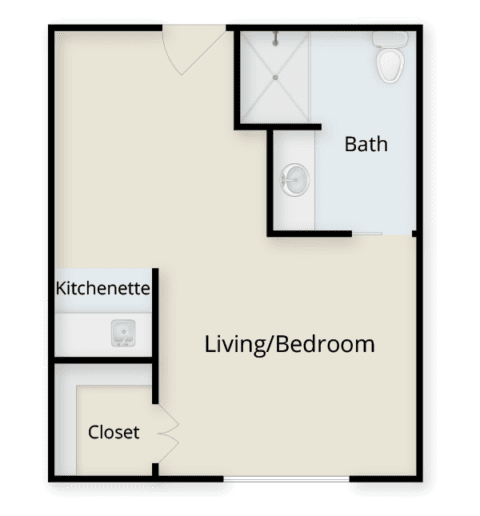
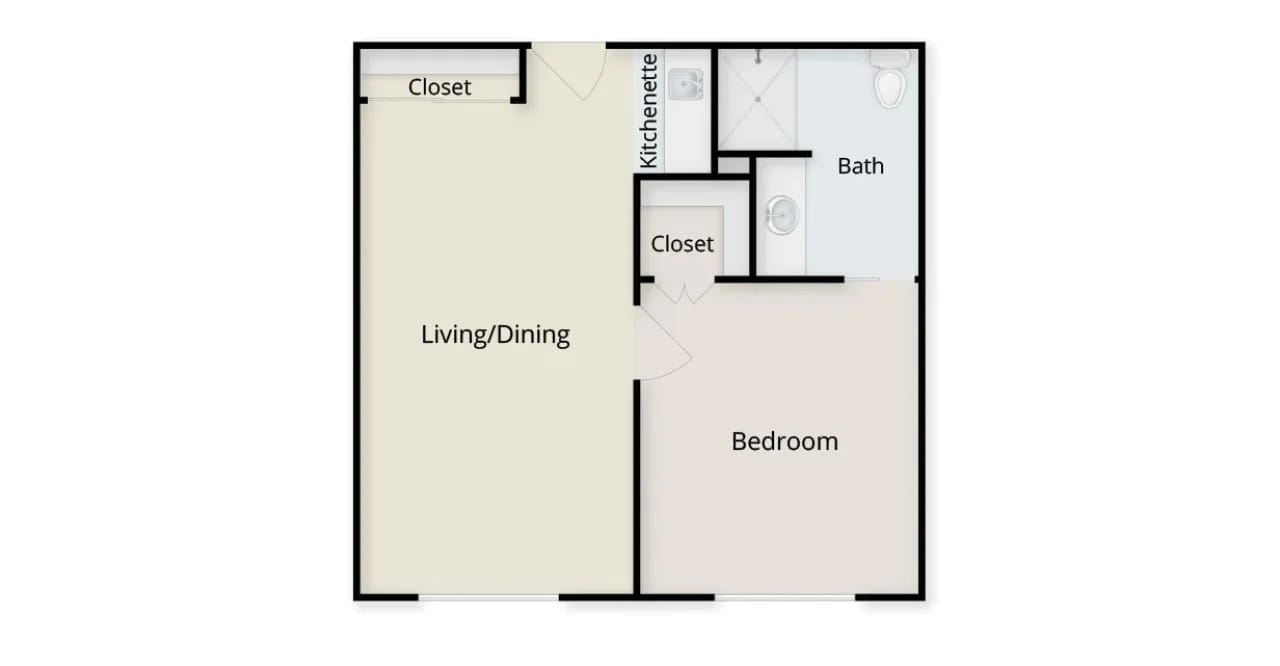
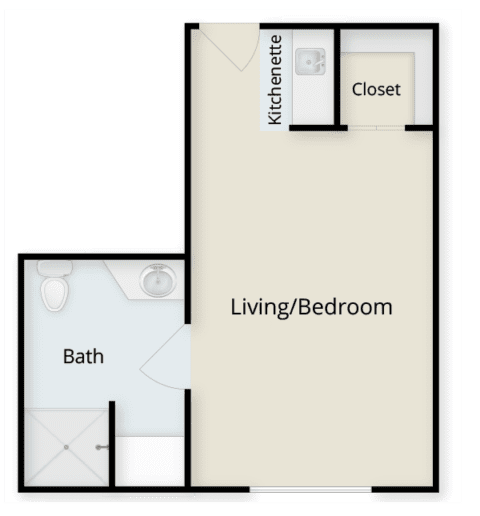
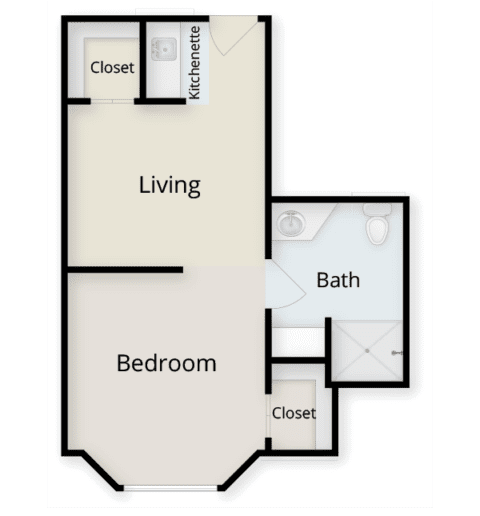
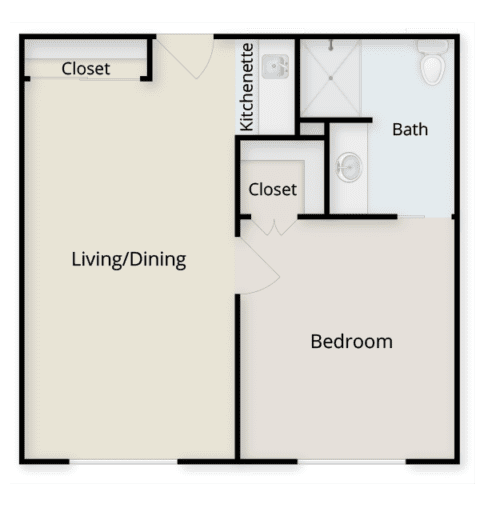
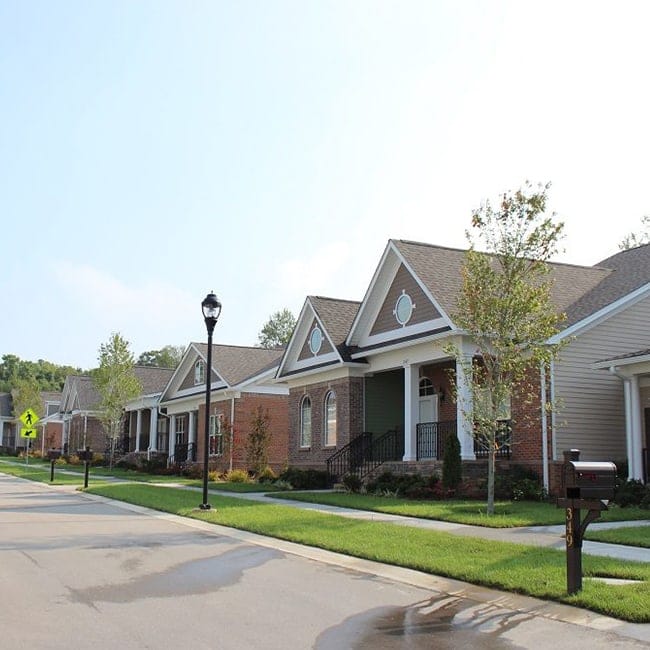
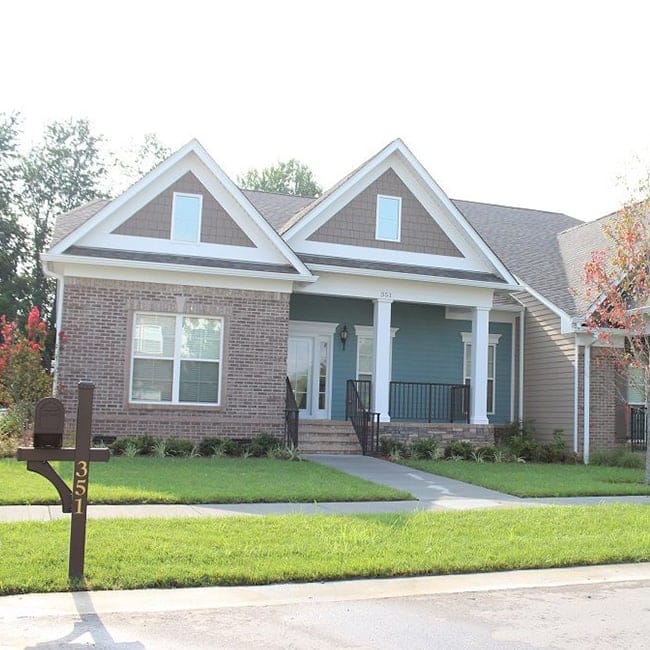
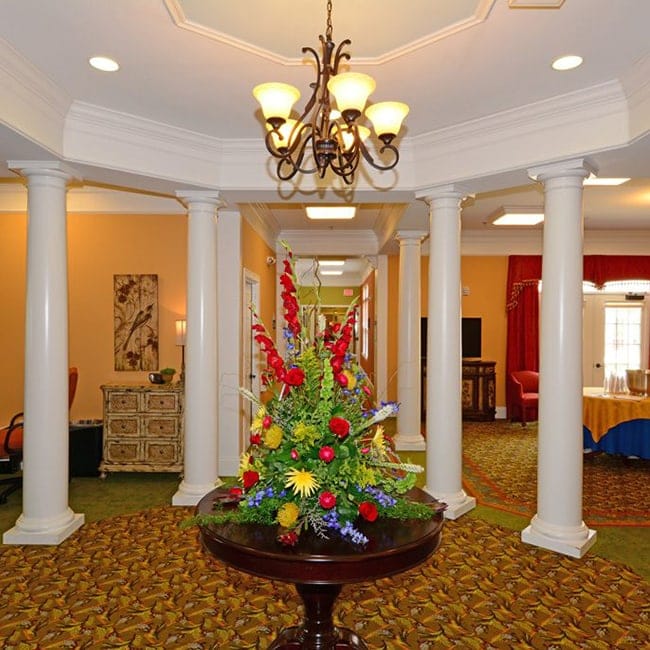
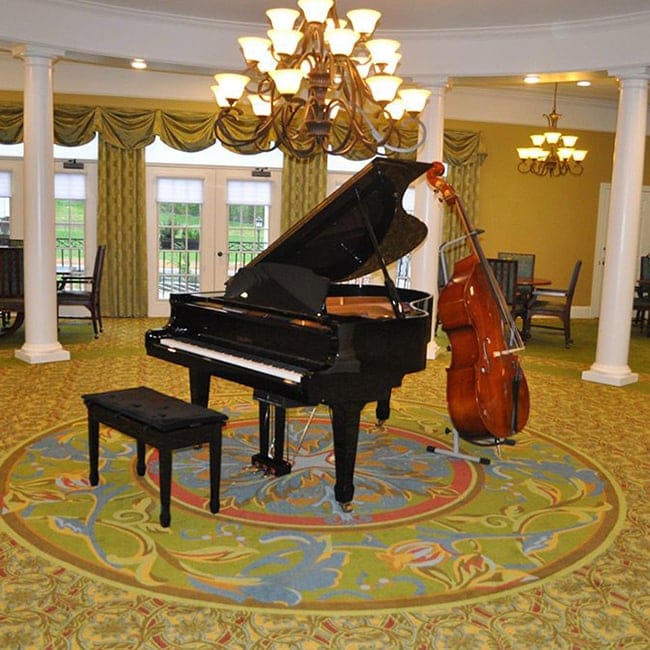
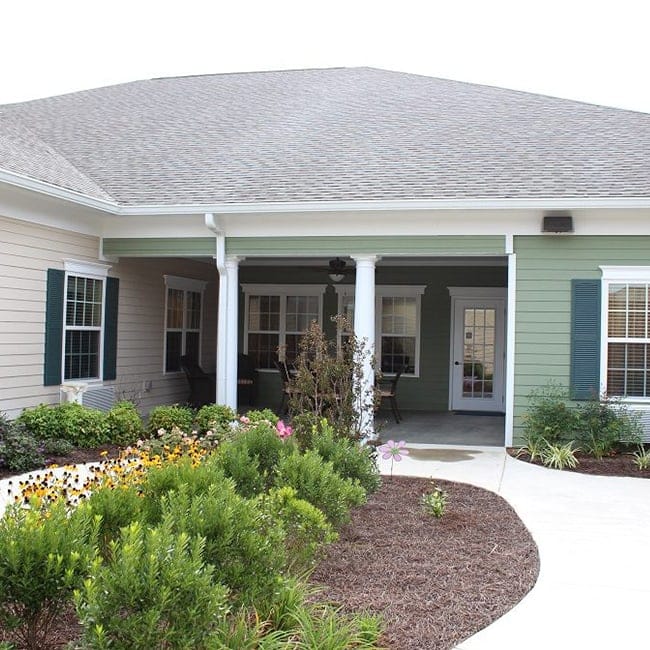
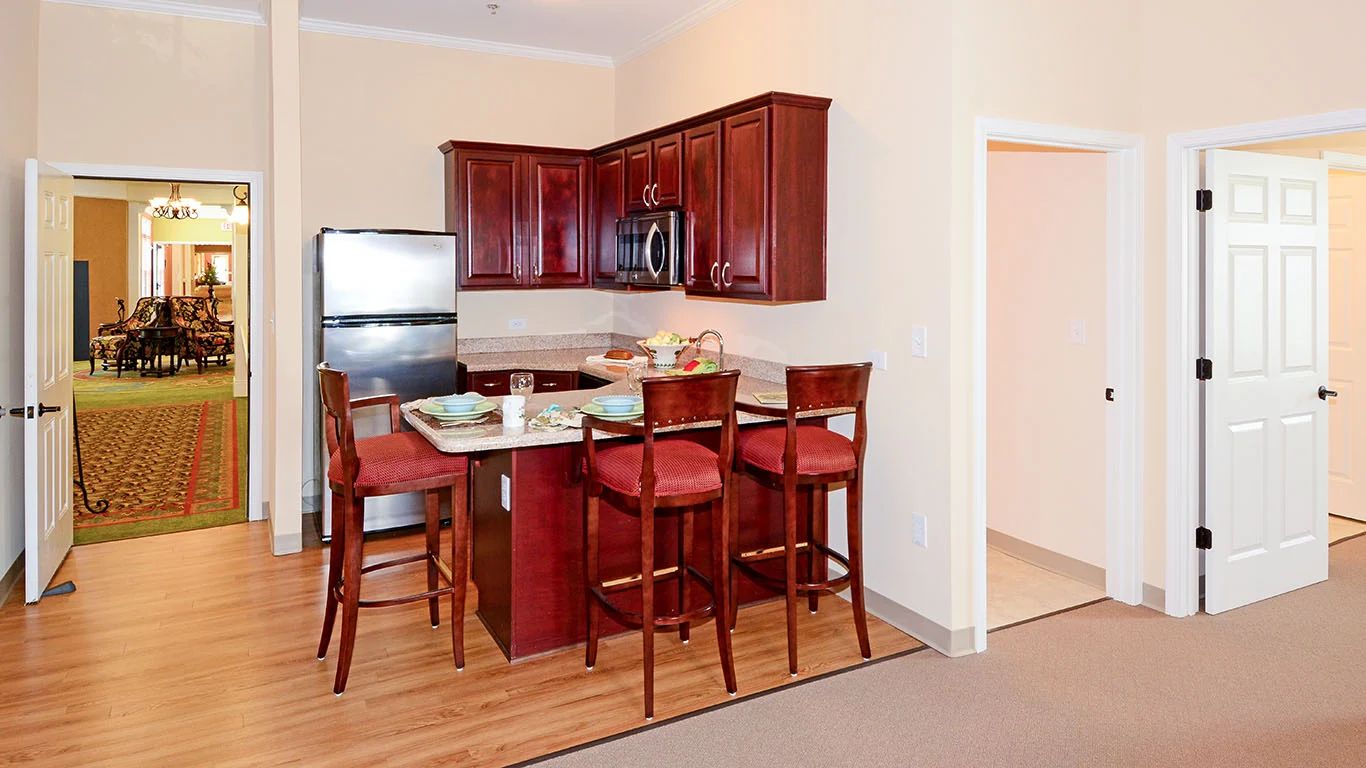
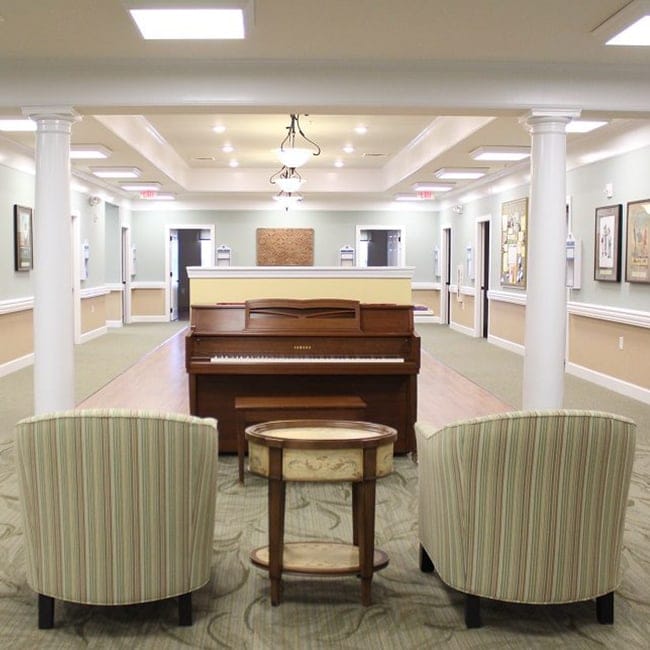
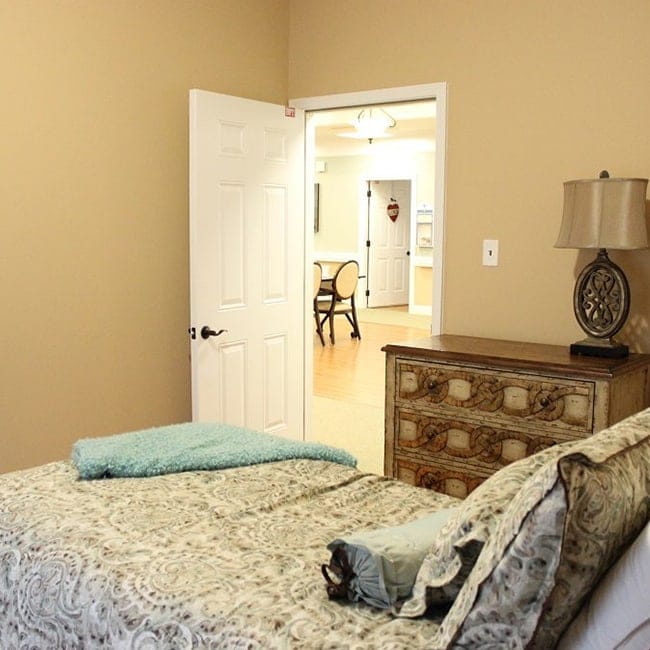
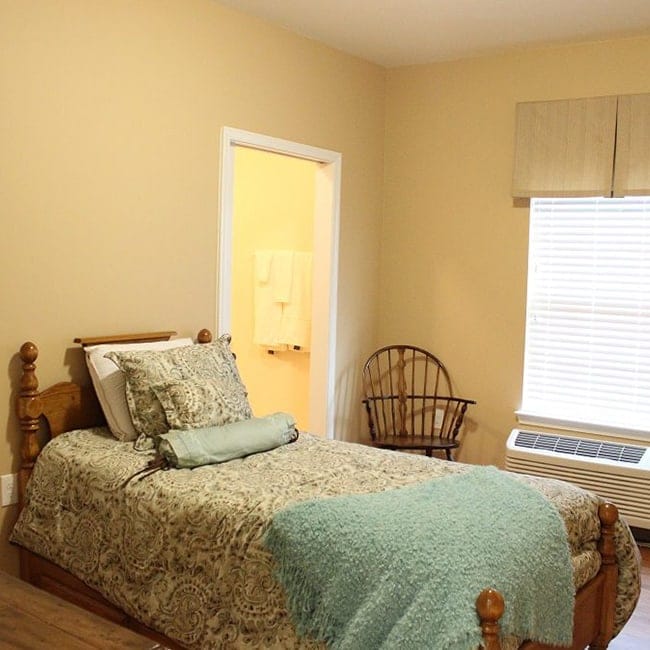
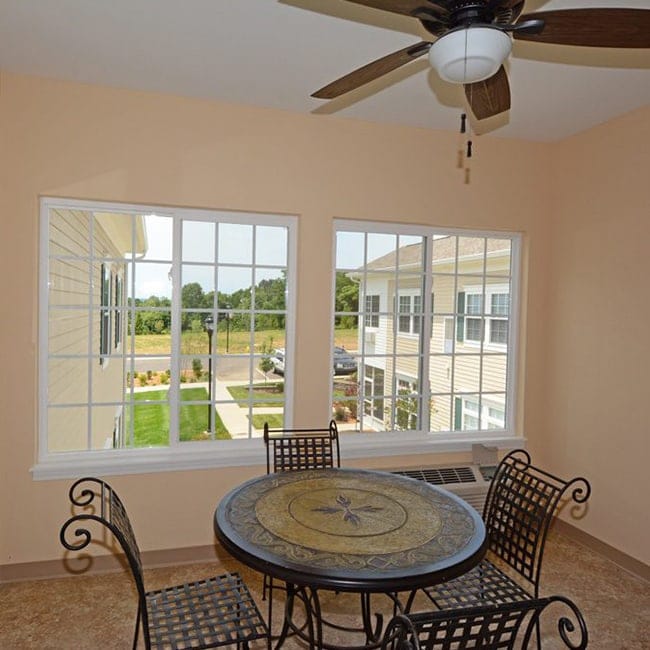
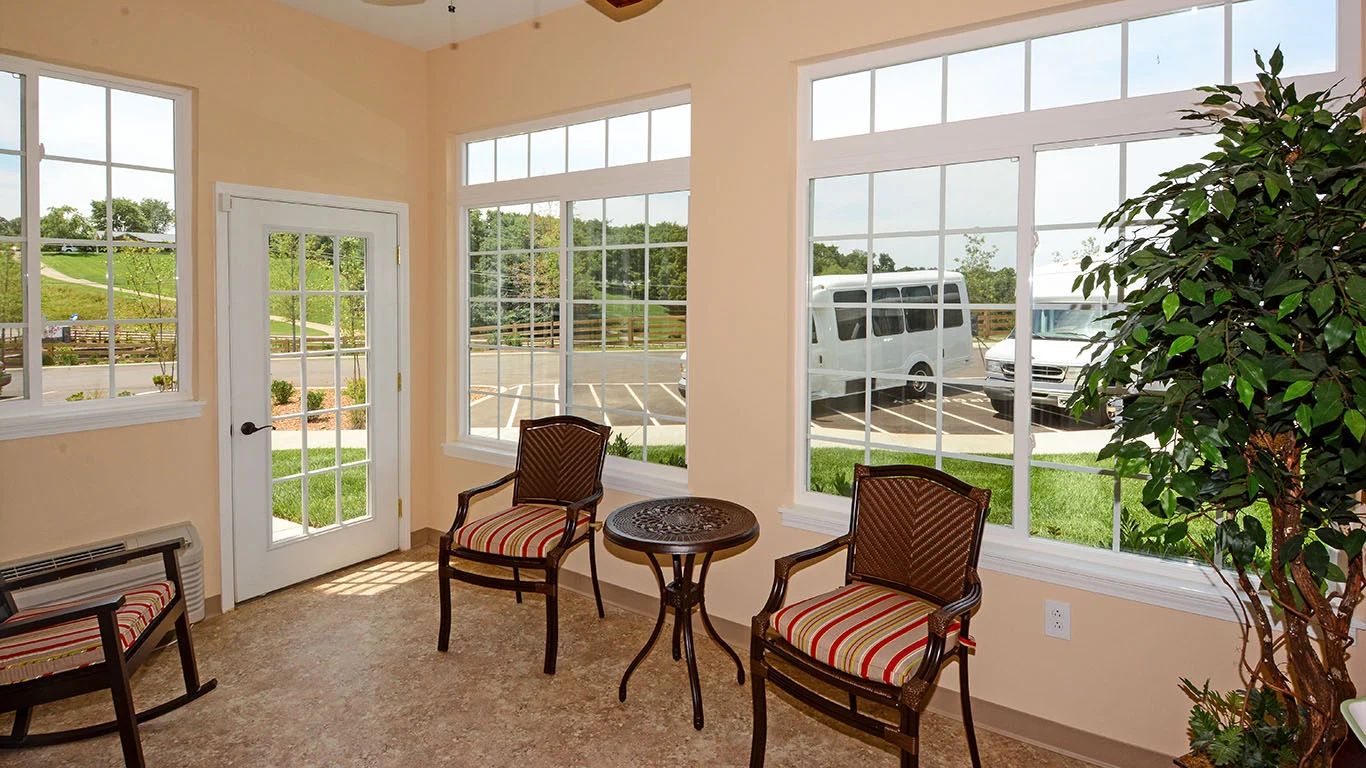
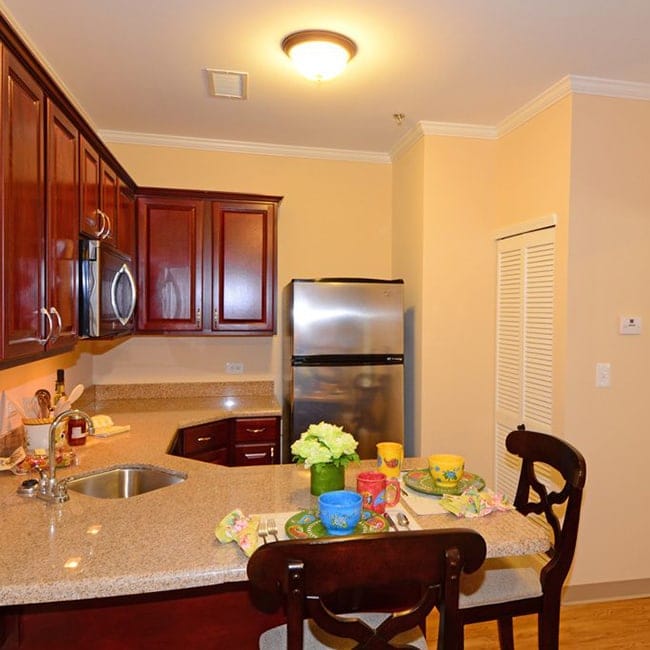
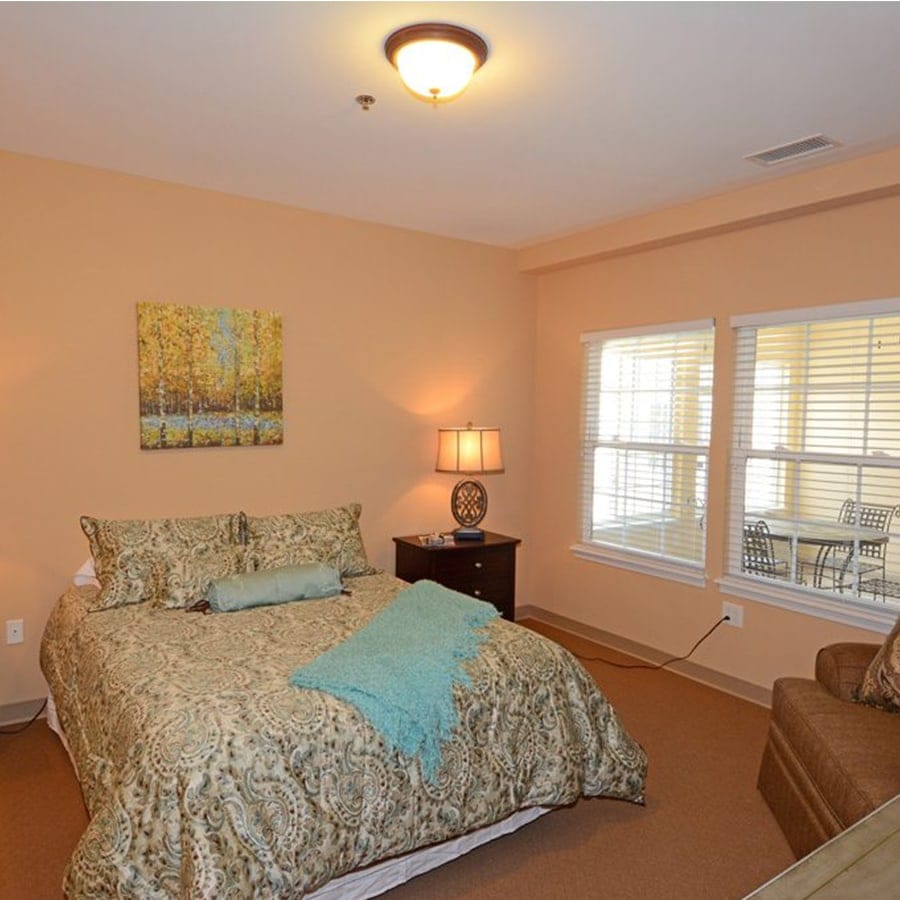
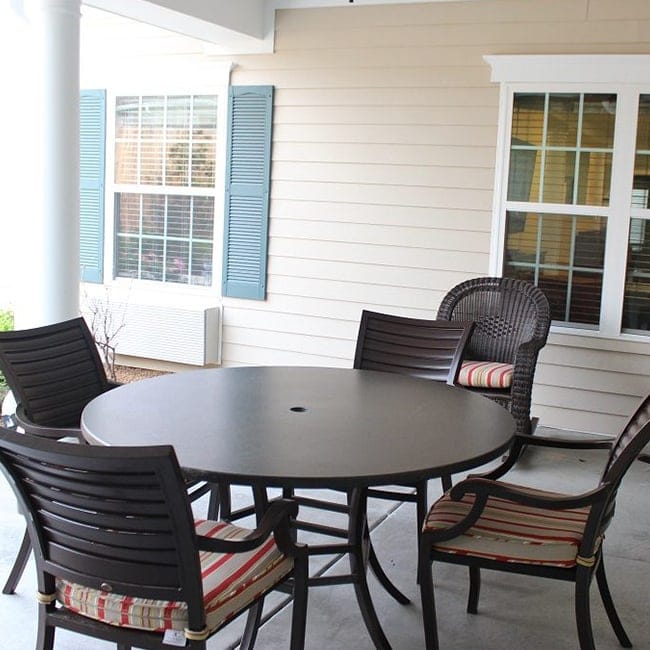
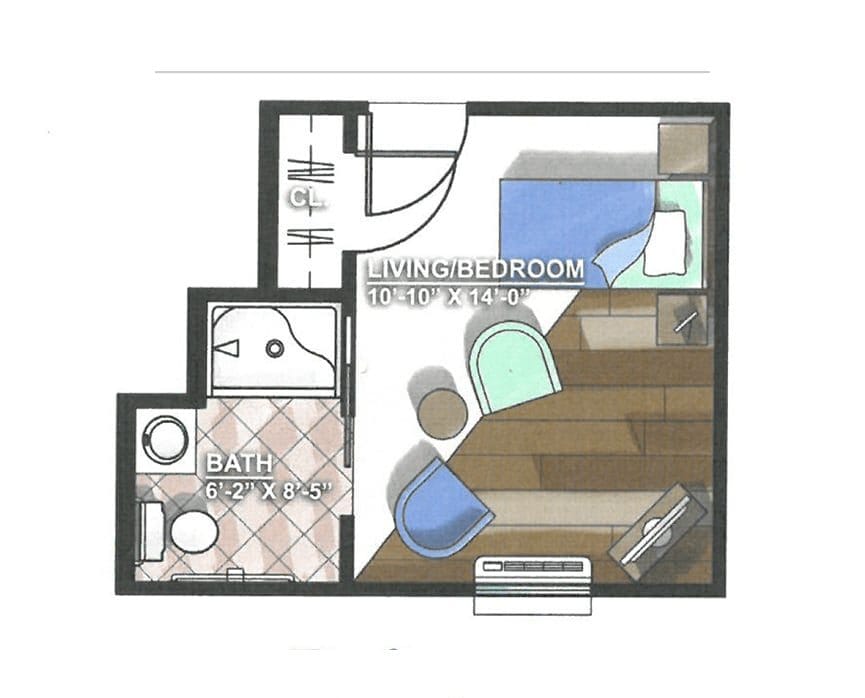
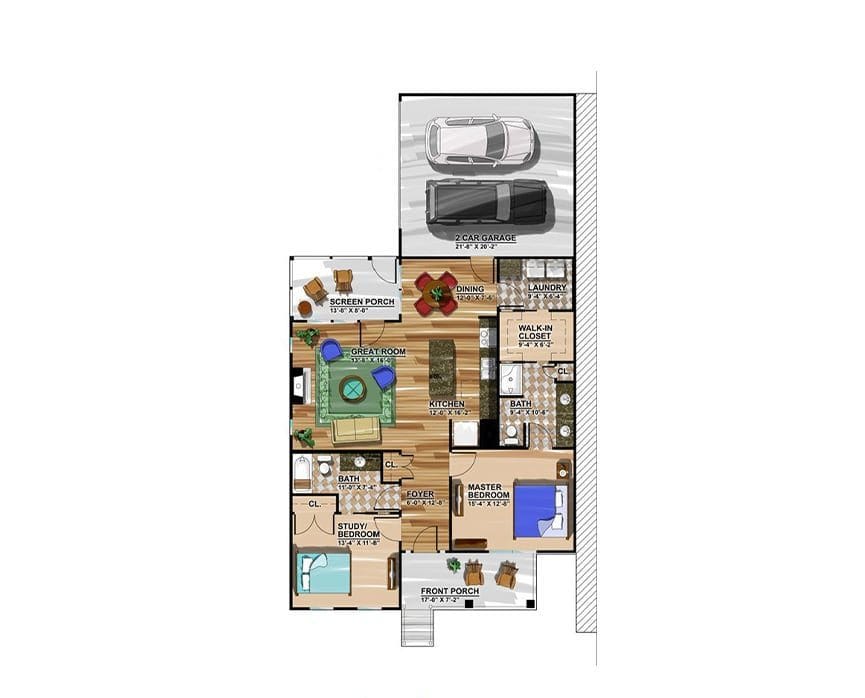
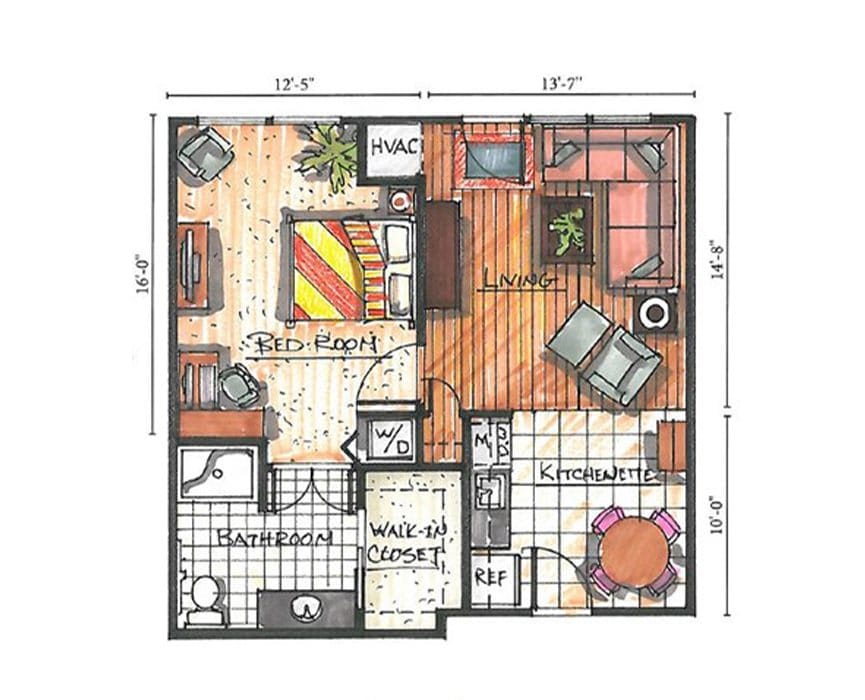
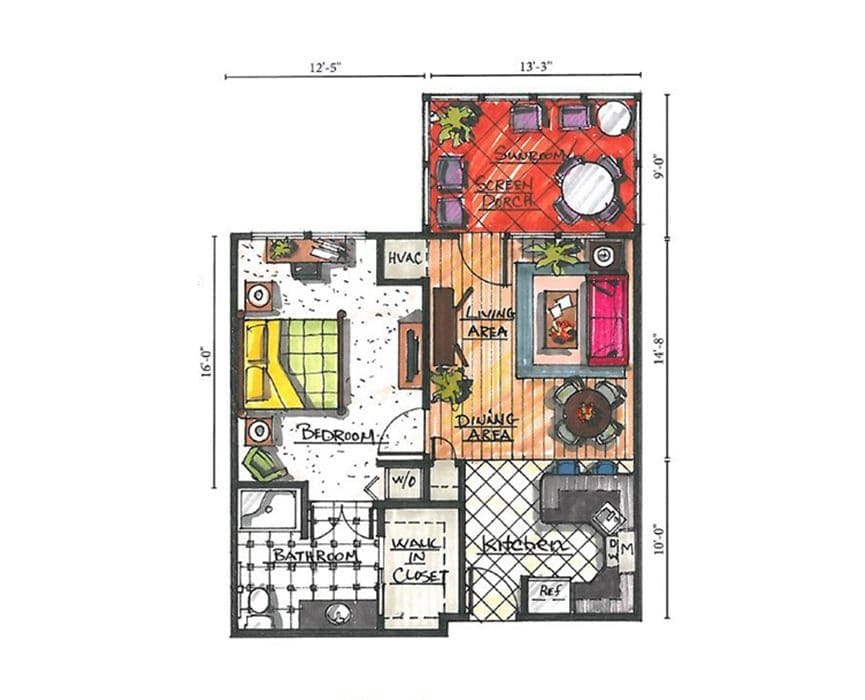
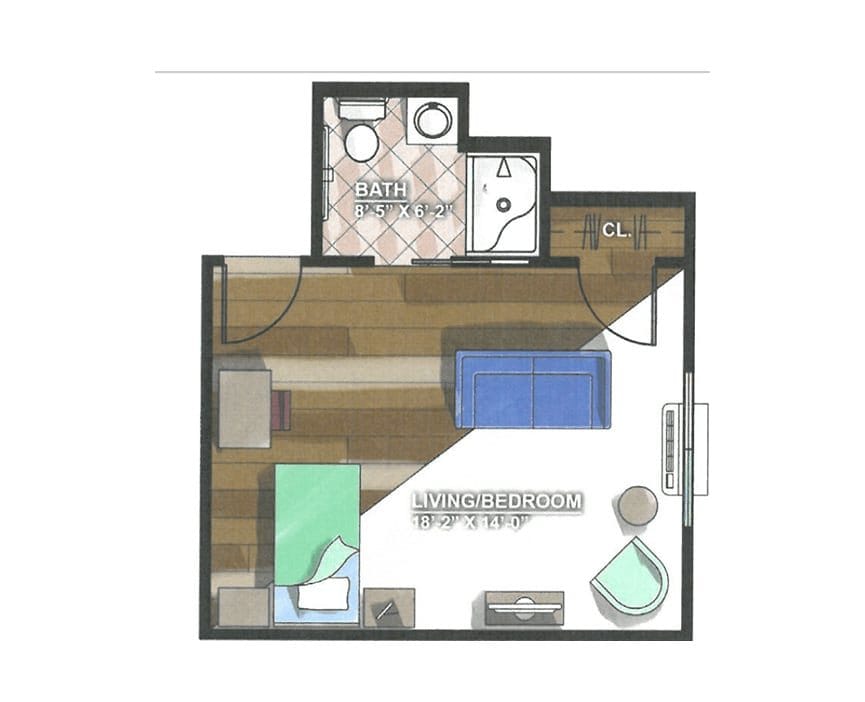
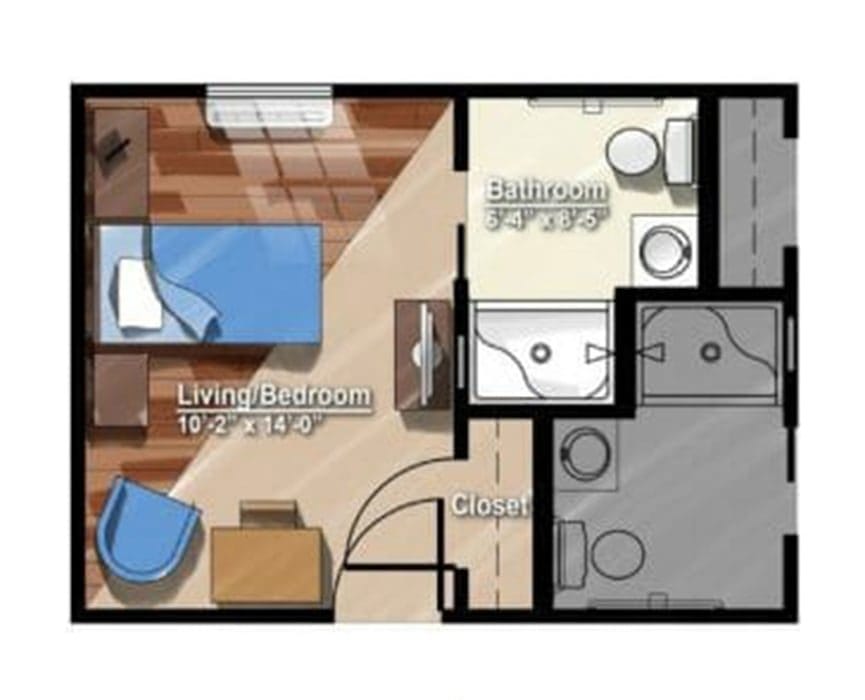
The community has 77 beds. Residents can choose one-bedroom or two-bedroom residences, giving an individual or couple a layout suited to their household size. A salon and spa provide grooming and personal care within the community, while landscaped outdoor areas and a courtyard offer designated places to spend time outside.
Religious services are available for residents who want worship included in their community routine, and rehabilitation services support residents who need therapy while living there. Respite care offers a short stay when a usual caregiver needs to travel or recover. Pets are allowed, so residents may continue living with a pet; Patricia Corvin Caron is the administrator, and Laurie Evans Ross is the director.