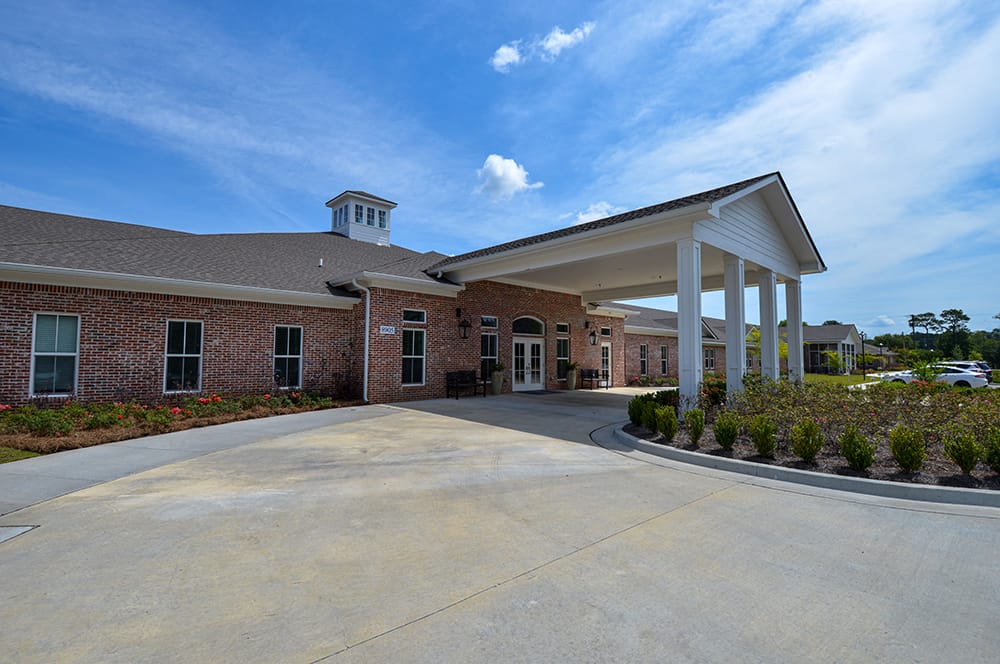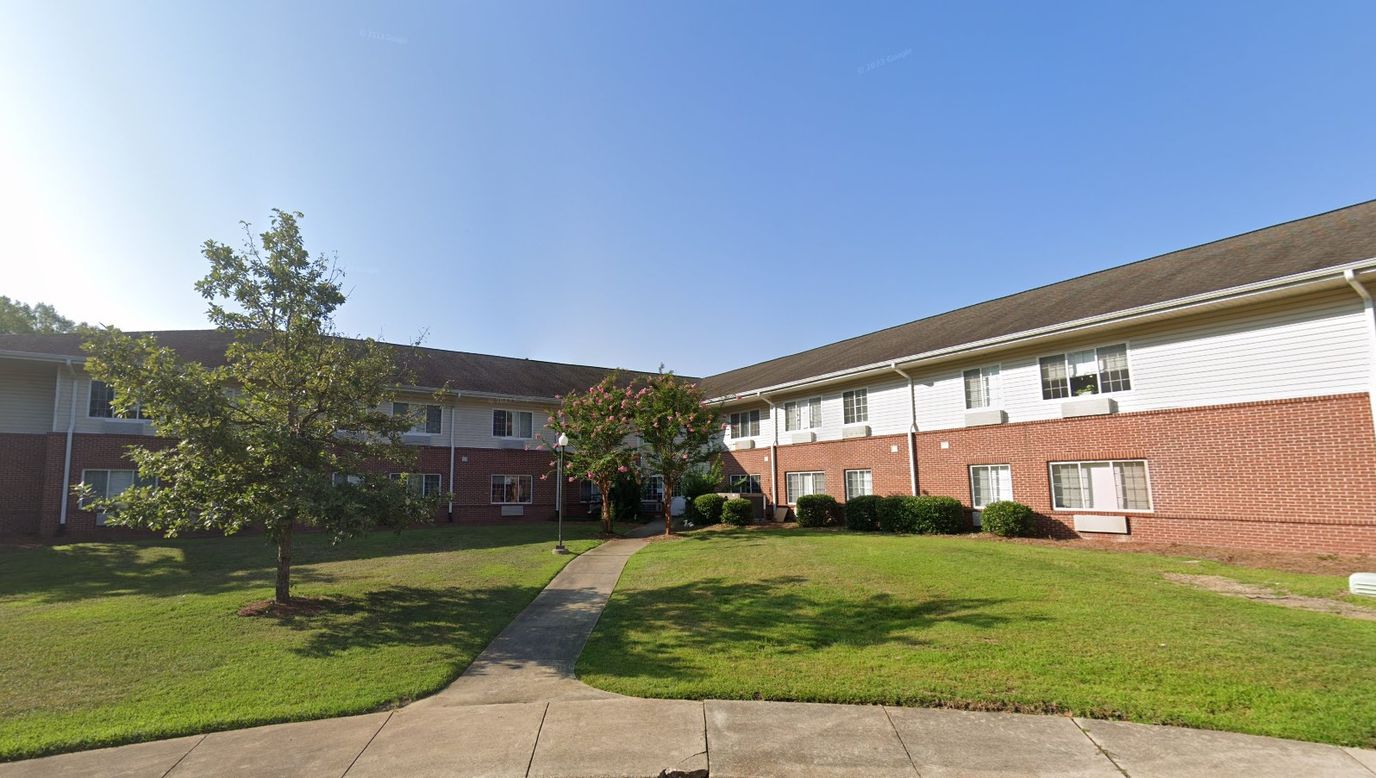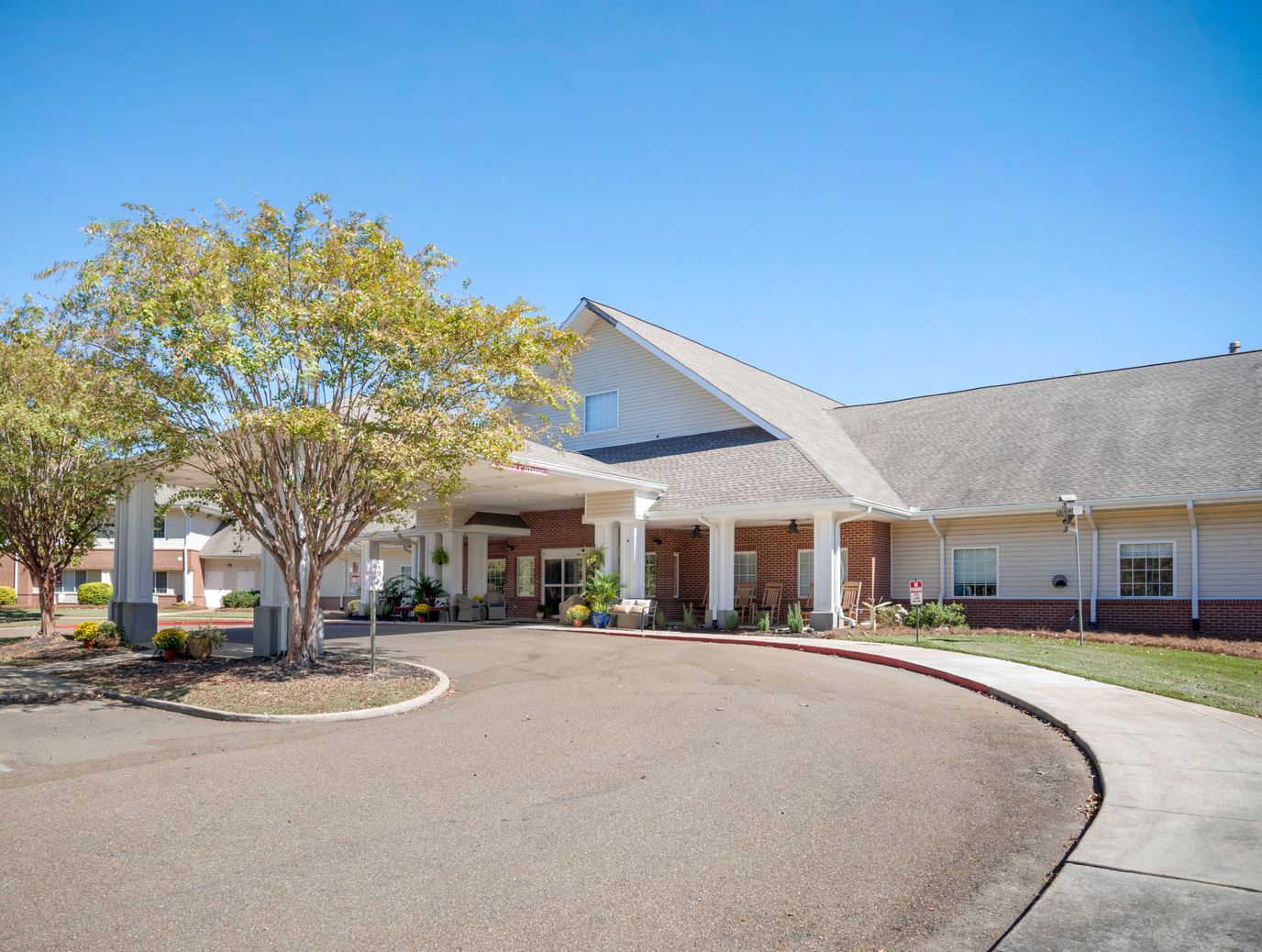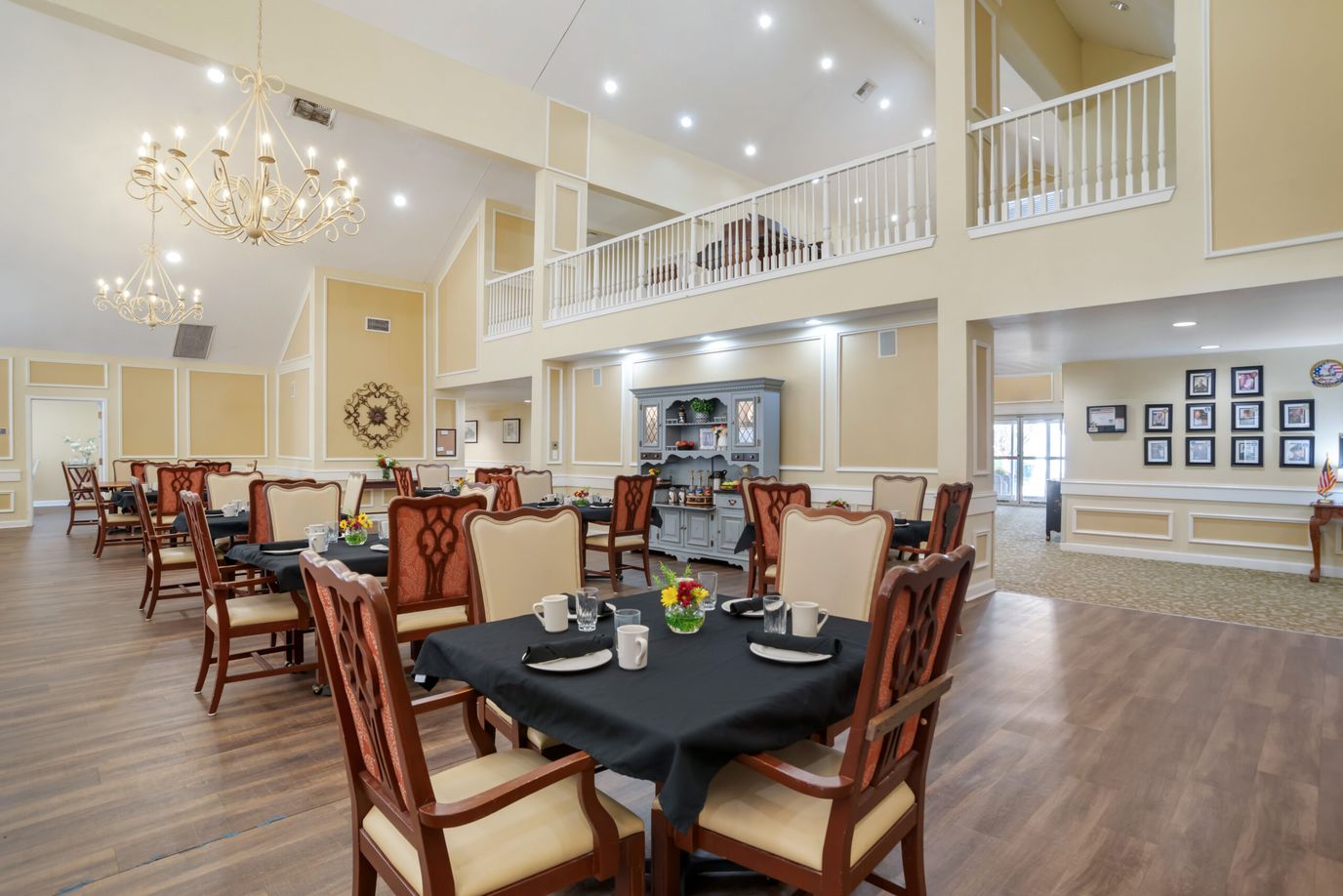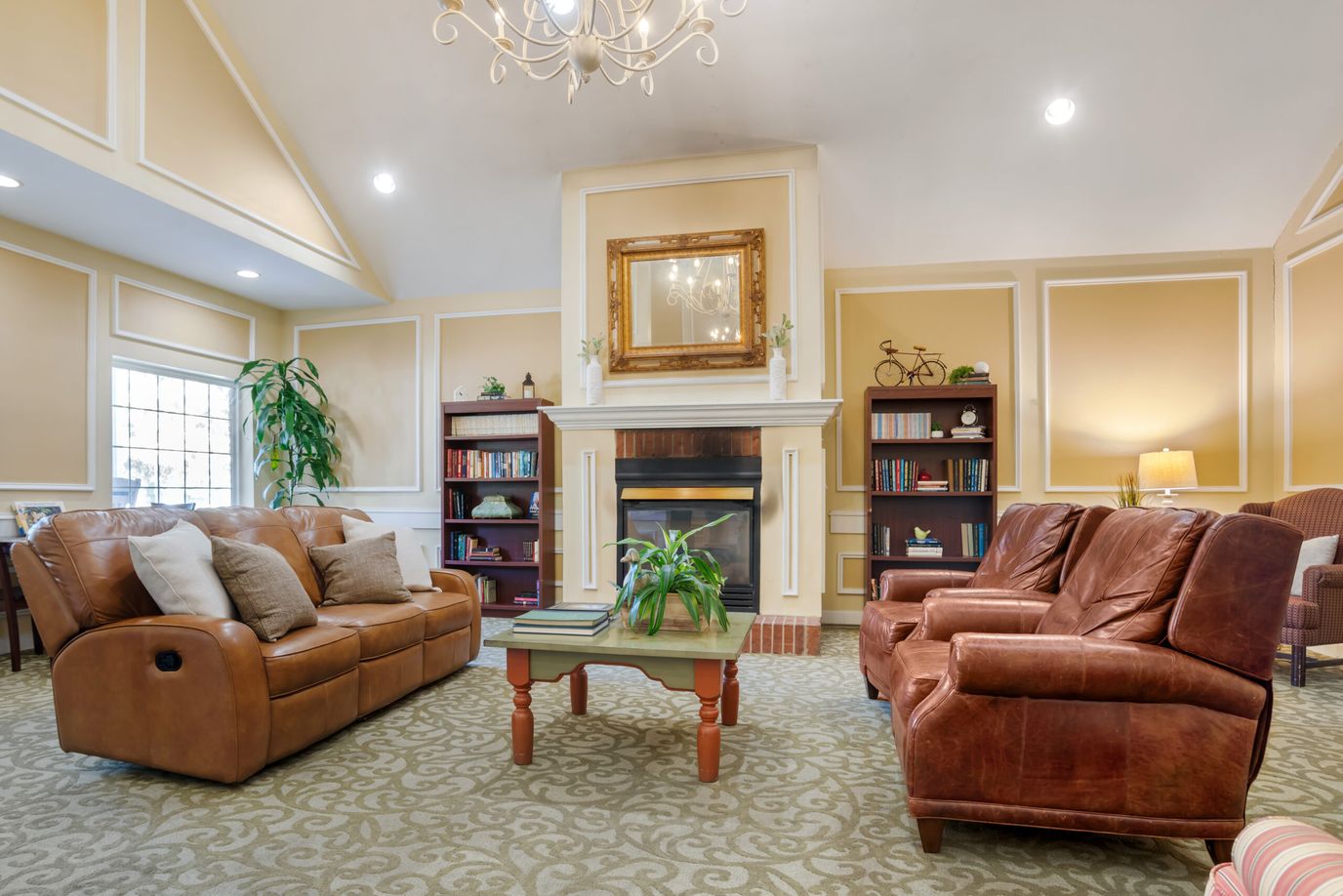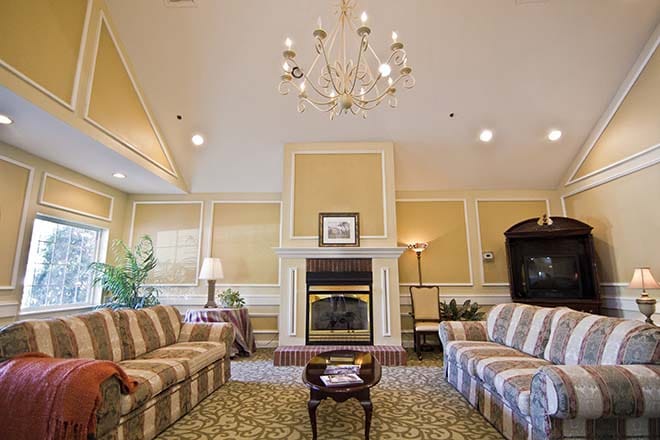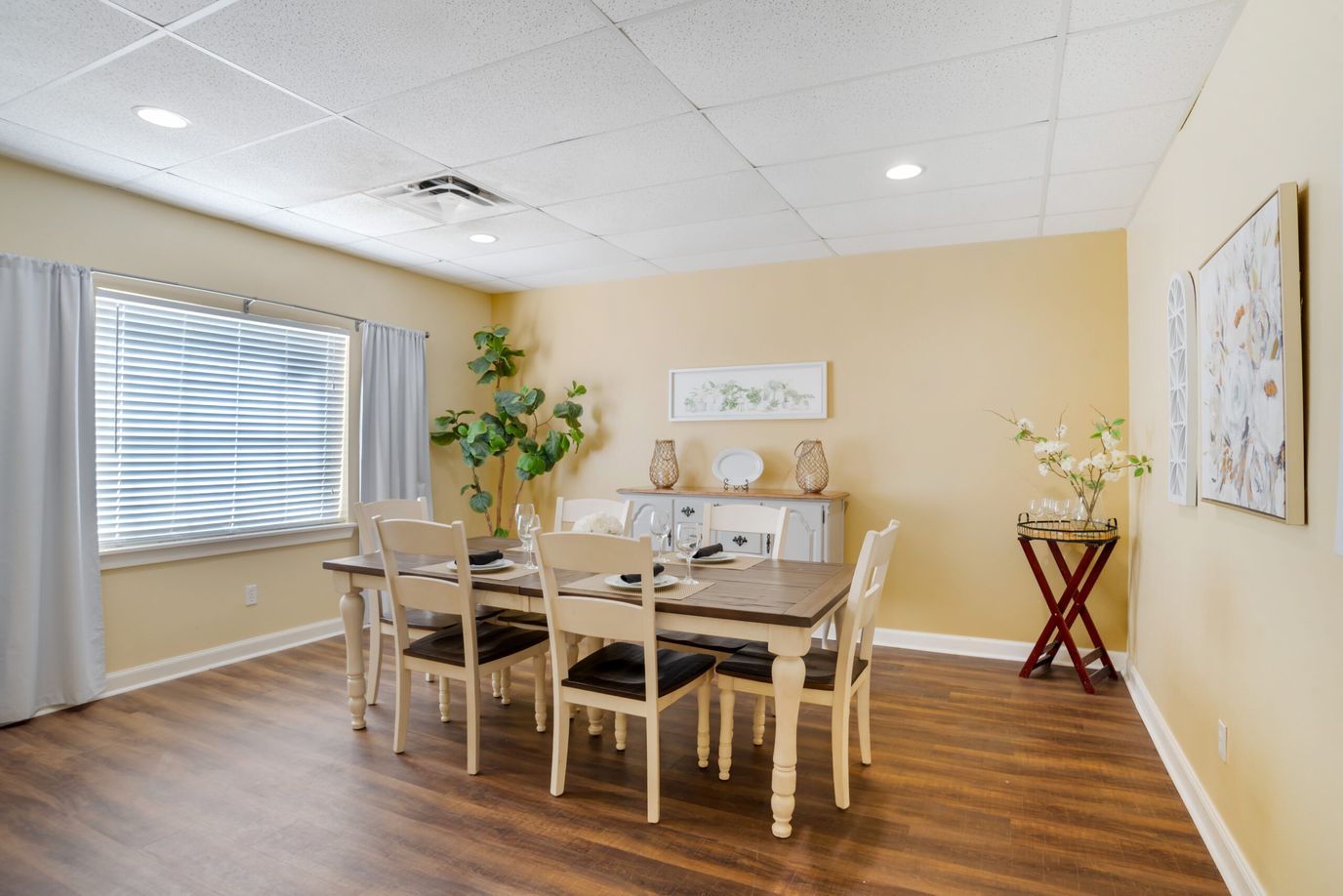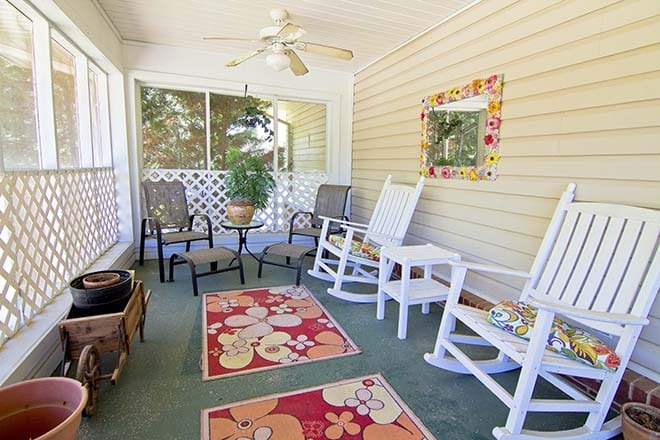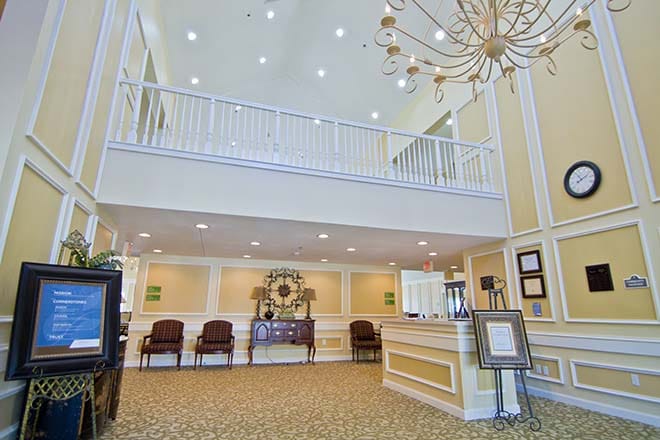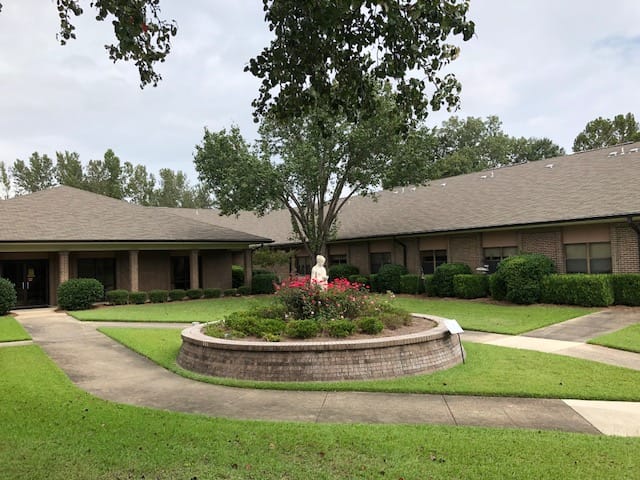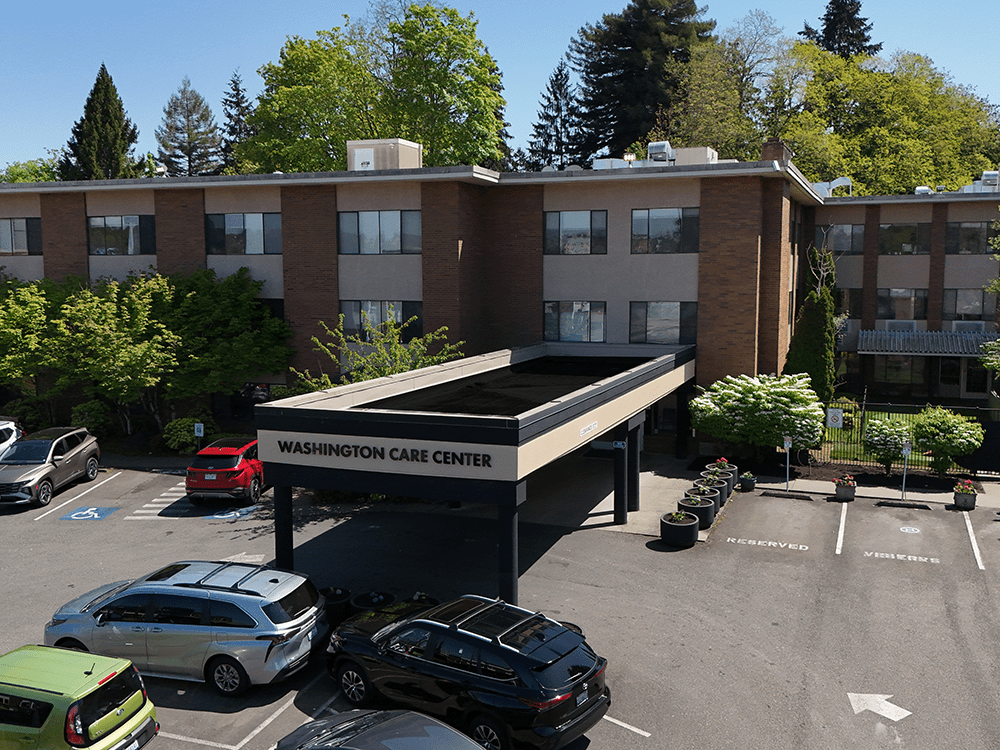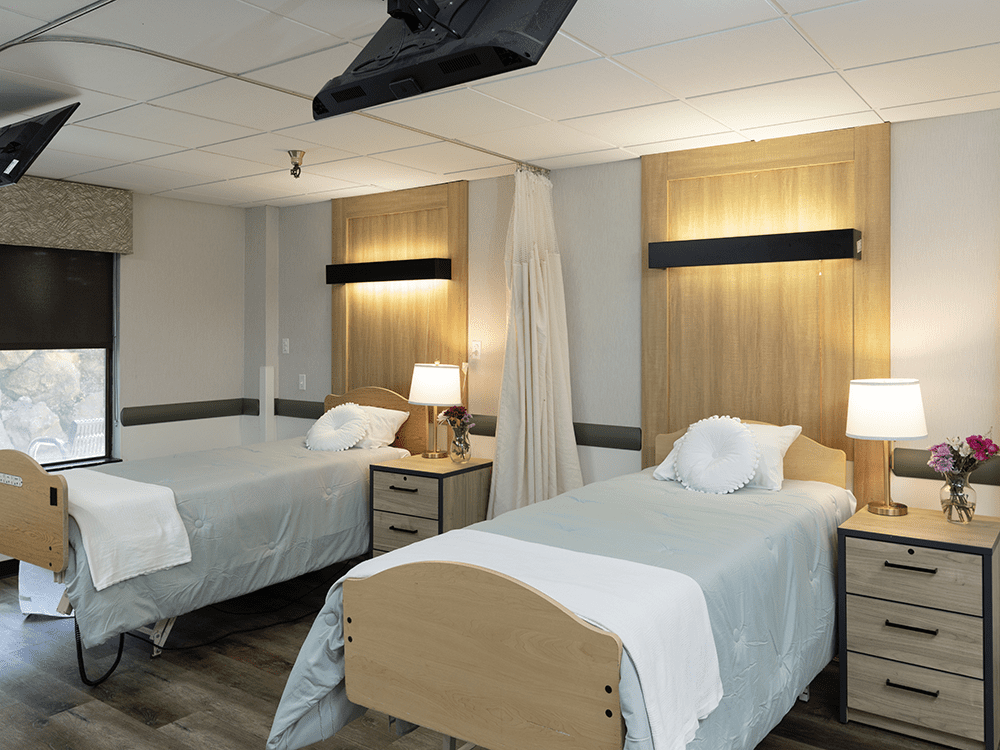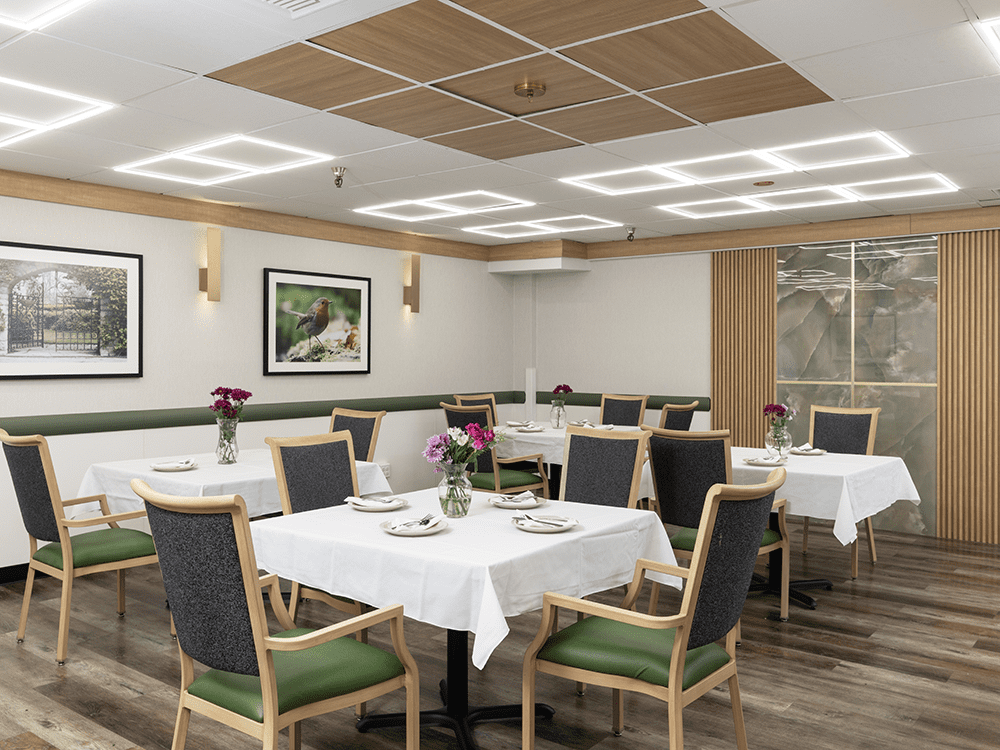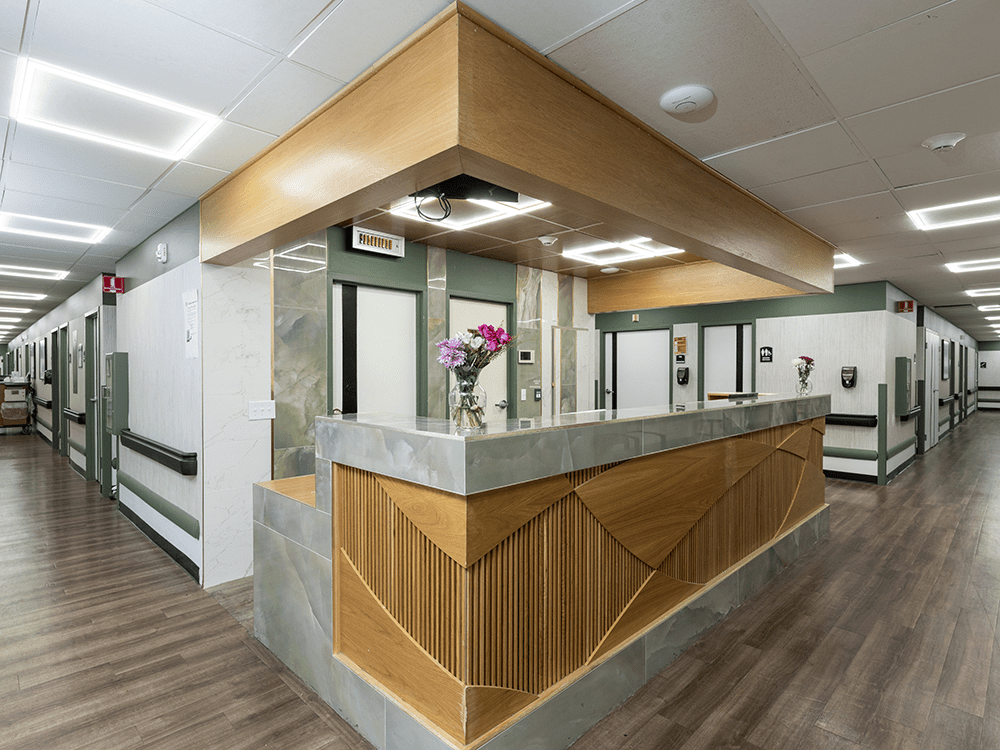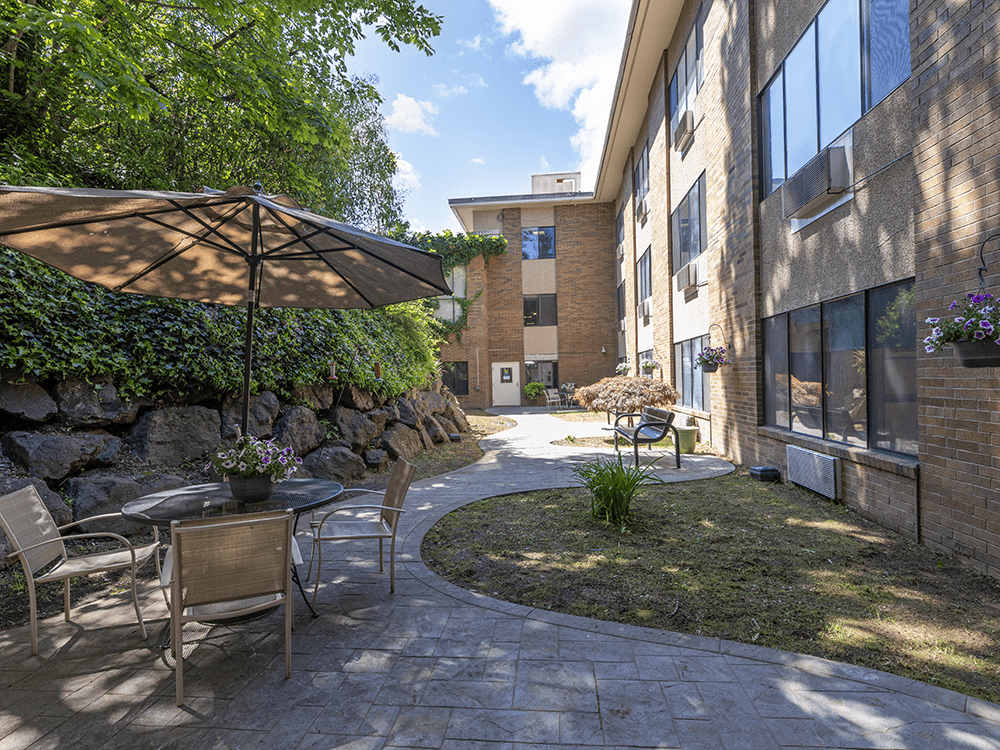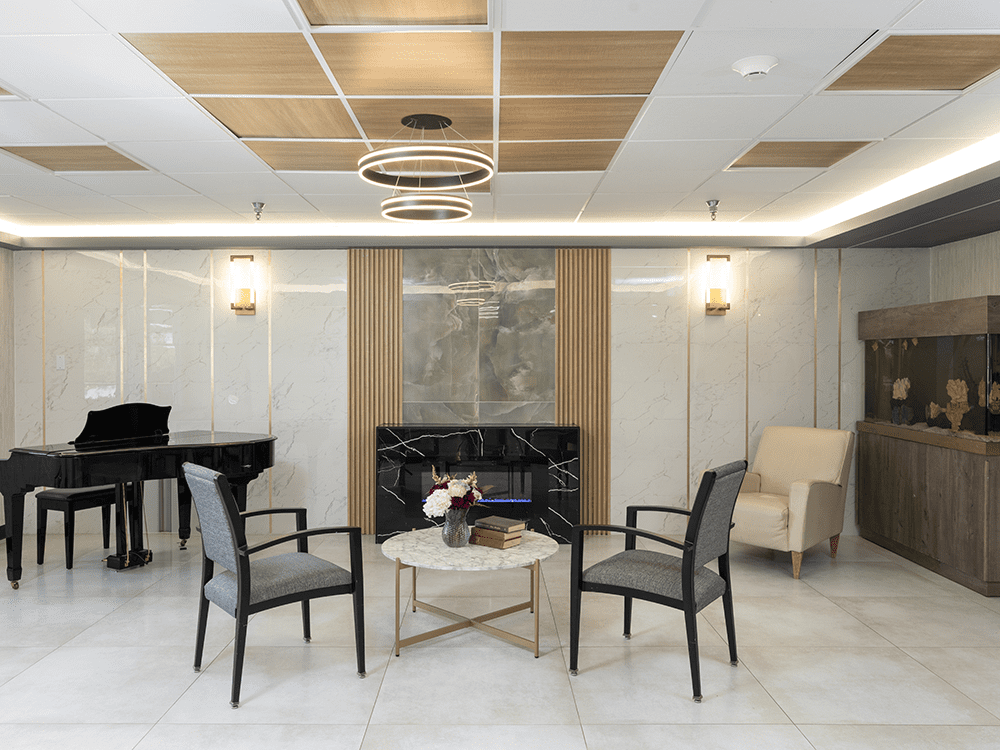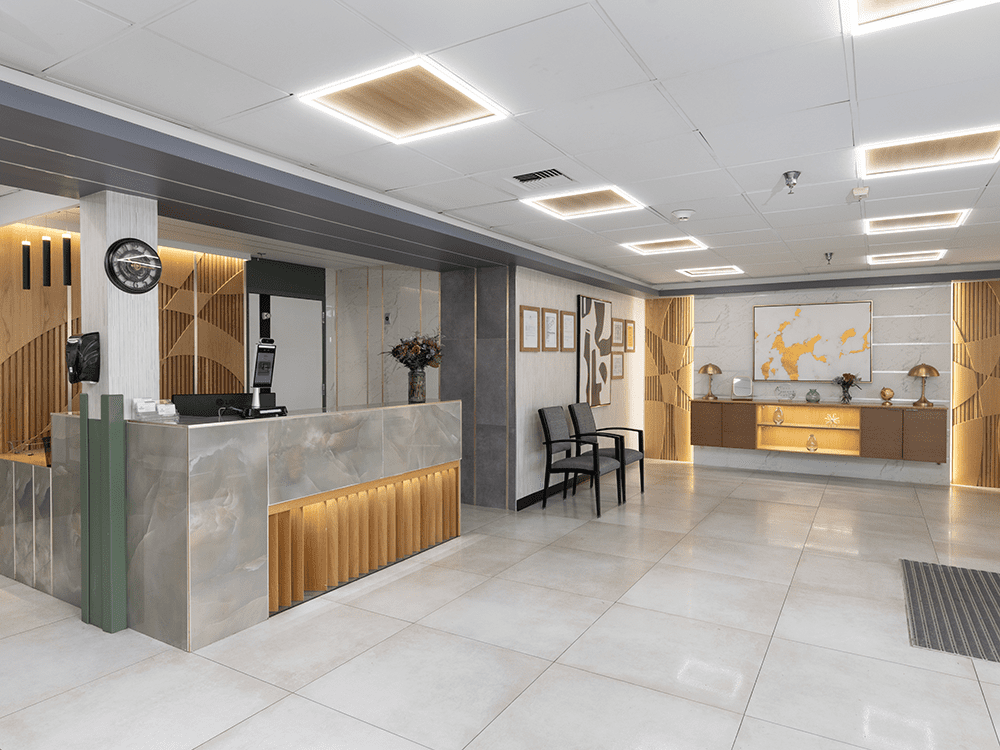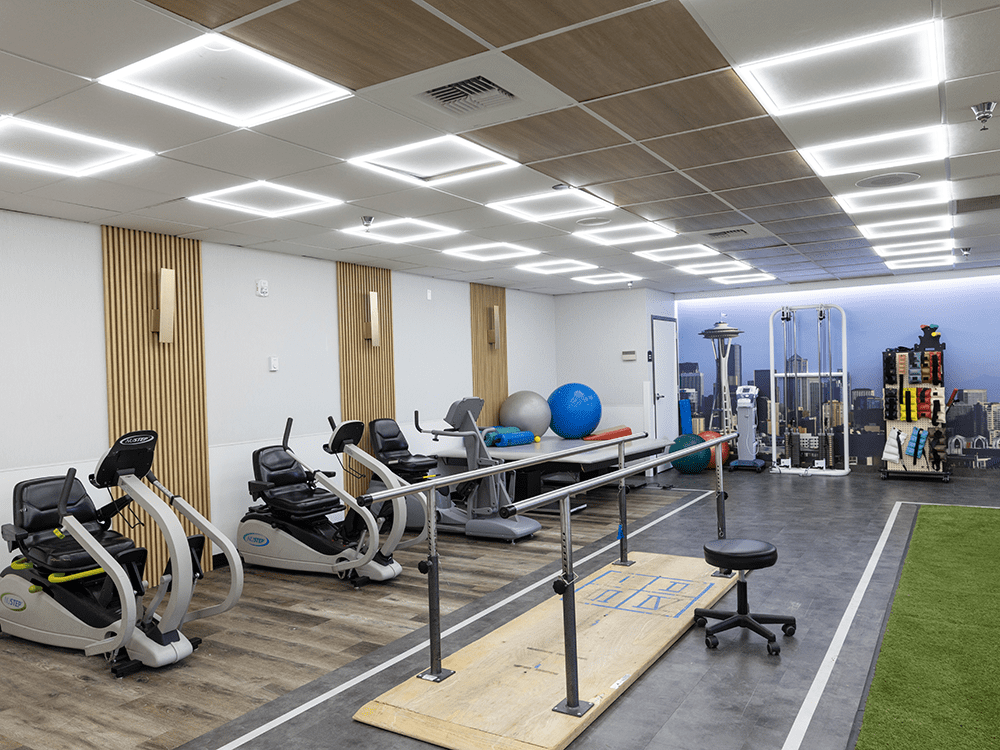
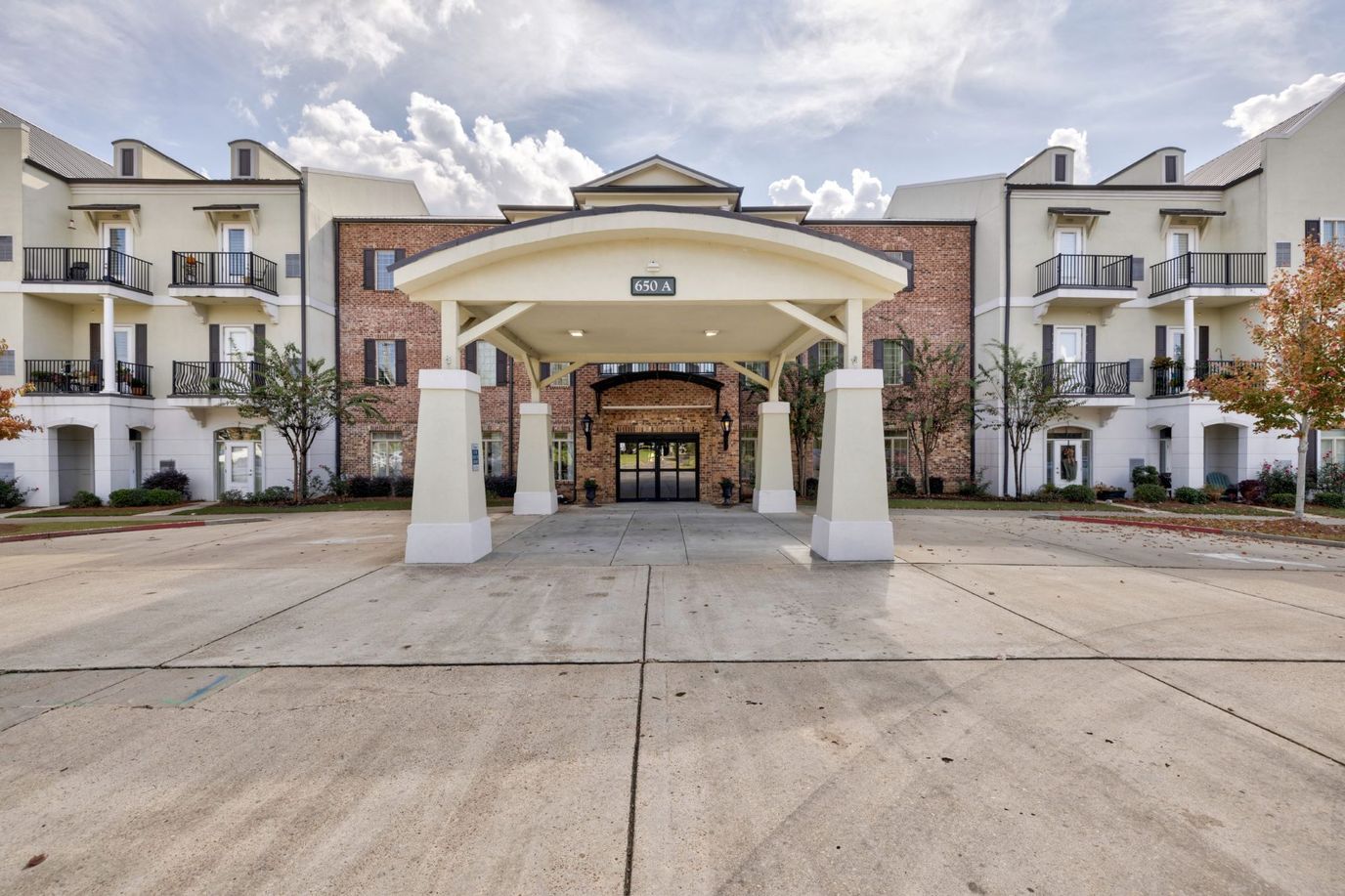
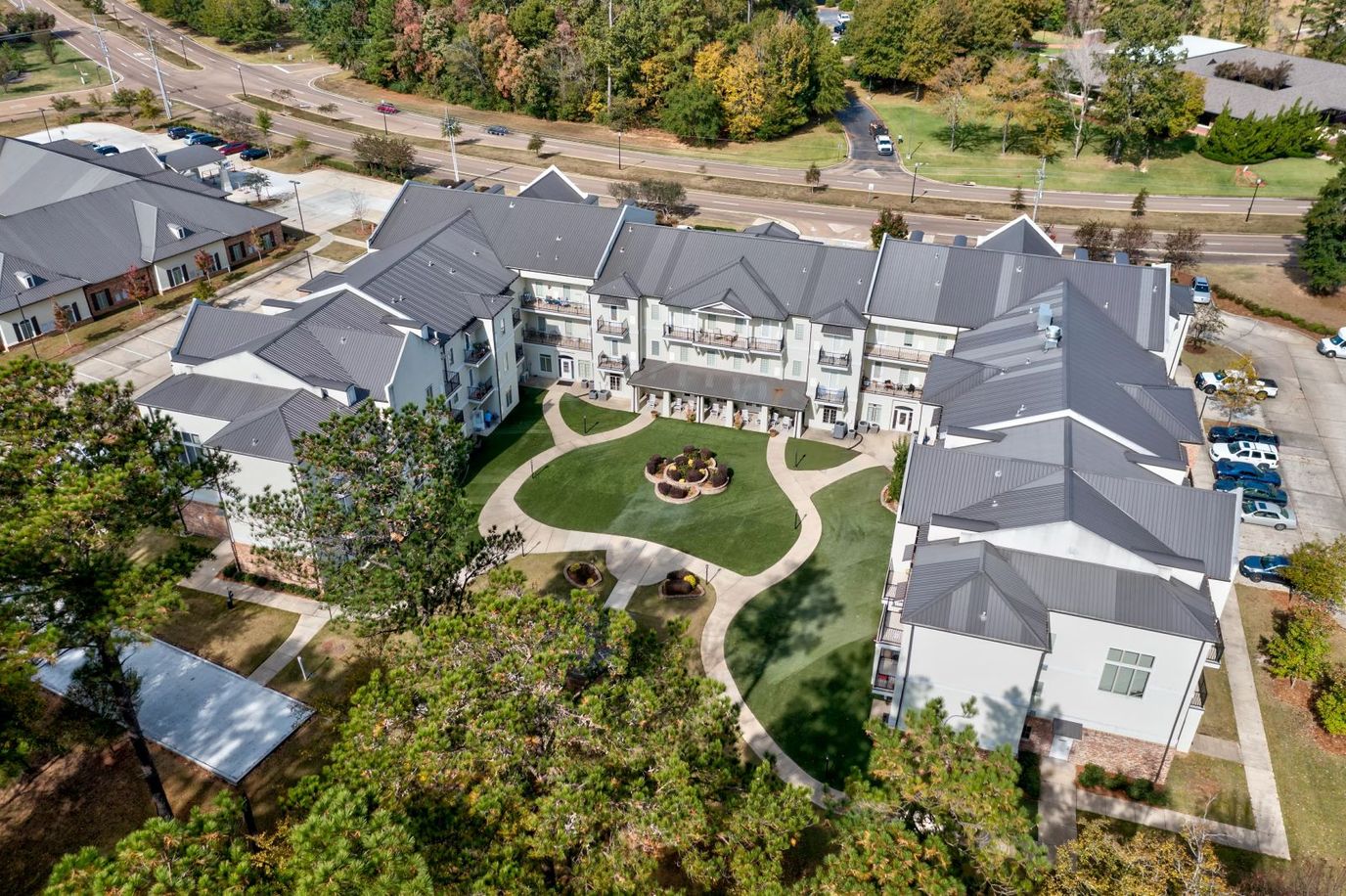
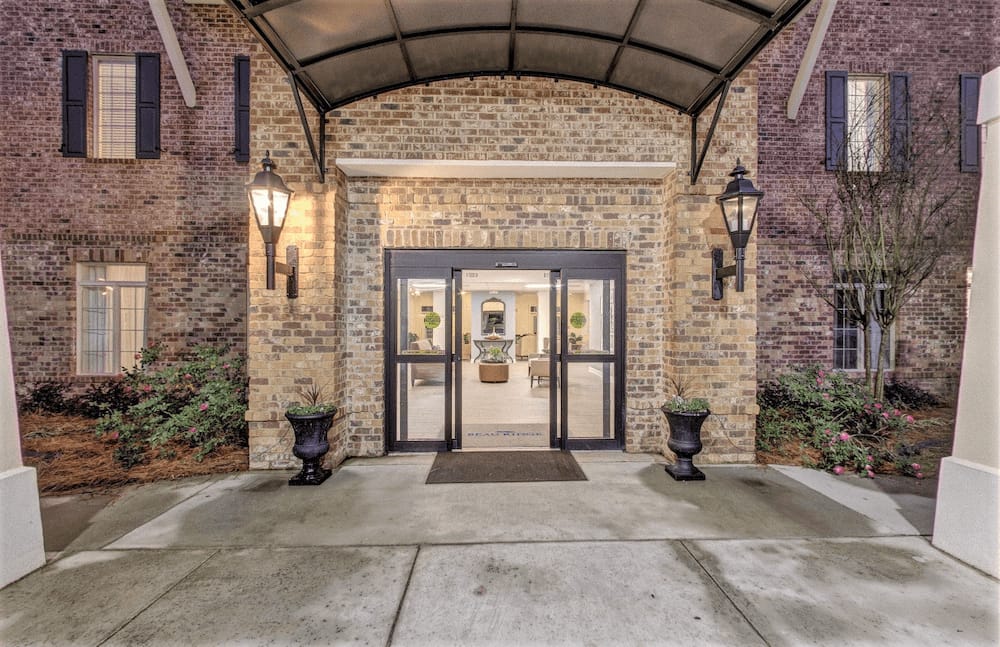
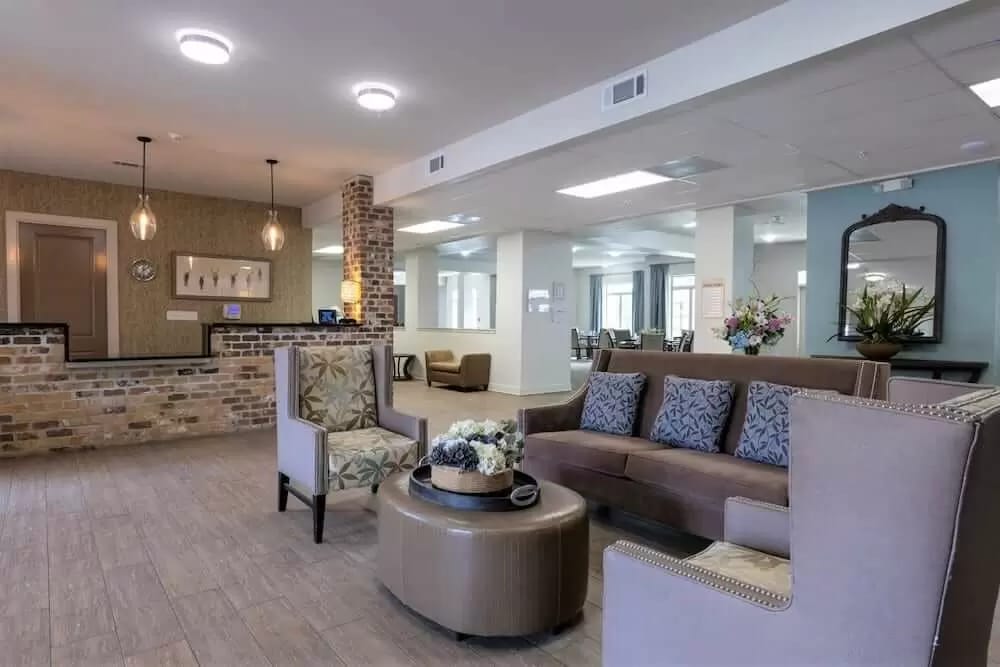
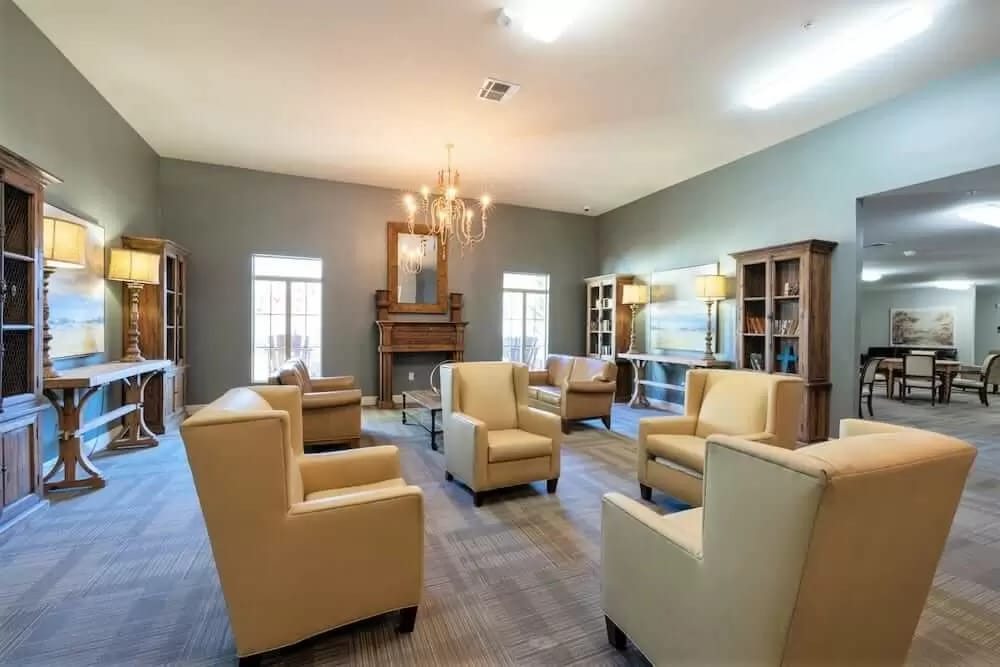
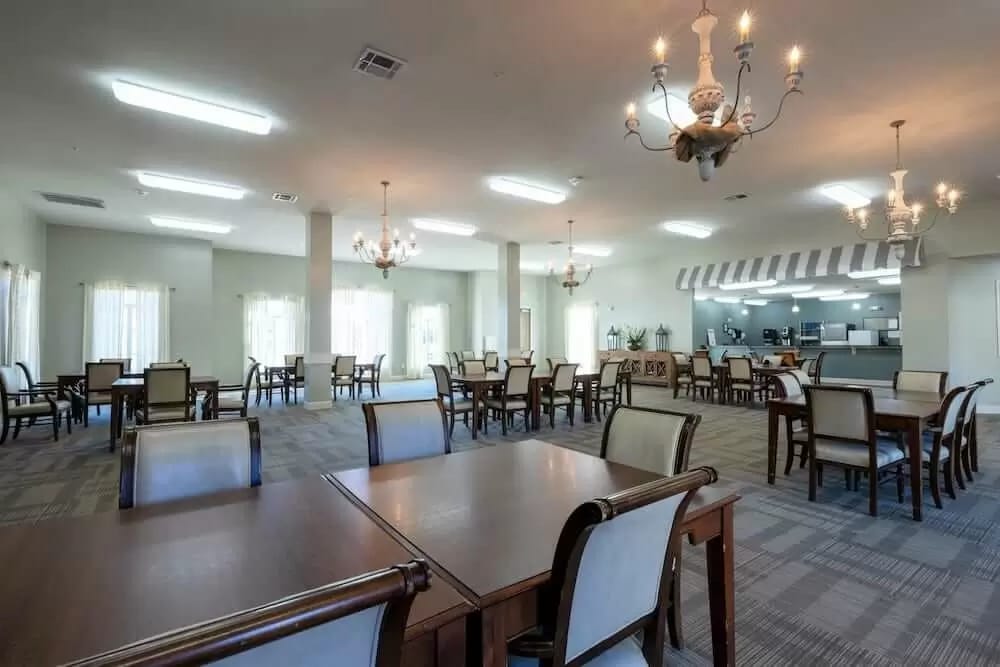
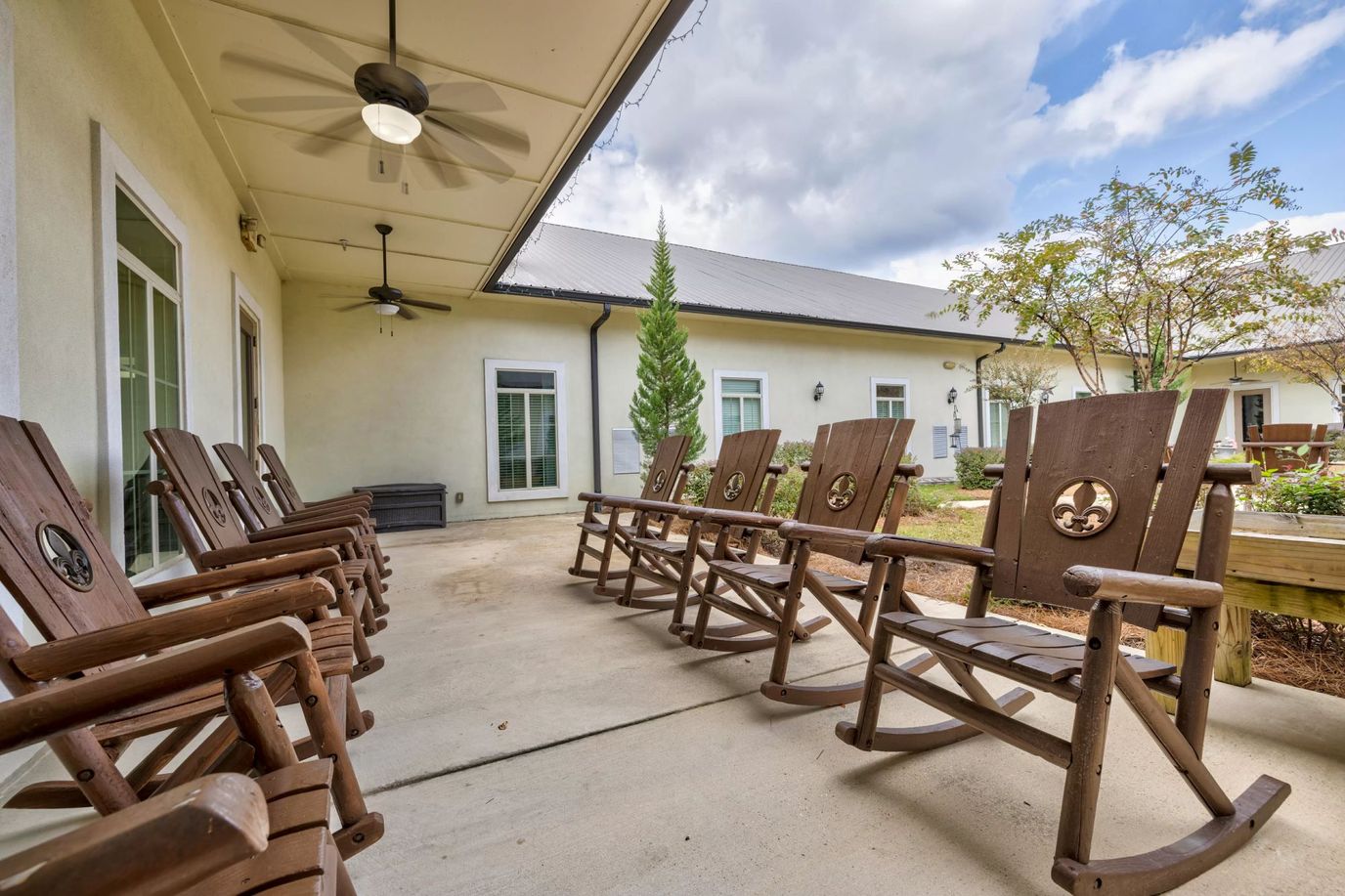
Overview of Landmark of Collins Landmark of Collins is a 60-bed nursing home at 1315 South Fir Street, Collins, Covington County, Mississippi. Robert Aaron Collins administers. CMS-certified; accepts Medicare and Medicaid. Walk score 49.
Staffing is near state average with expected weekend reduction. RN 36 minutes per day (5% below state), LPN 1 hour 2 minutes (6% below), CNA 2 hours 21 minutes (5% below), weekend total 3 hours 13 minutes (9% below). The only notable gap is RN weekend coverage at 16 minutes, 27% below state average. Physical therapy is minimal at 1 minute per day.

Overall, staffing is adequate on weekdays with slightly compressed clinical presence on weekends.

Quality outcomes show a telling pattern. Long-stay ED visits are elevated at 4.06 per 1,000 days, 41% worse than state average. This suggests either more acute conditions entering the facility, or delayed intervention on developing complications. Short-stay ED visits are worse: 20.7% experienced emergency visits, 35% worse than state.
Short-stay re-hospitalization is 31%, 11% worse than state. These three metrics cluster together: short-stay residents experience more emergencies and readmissions than typical for Mississippi facilities.
On the positive side, discharge outcomes are strong. Ability to care for self at discharge: 70.2%, 31% above state average. Return to home: 53.2%, 5% above state. Falls with major injury: 0.7%, better than state.
This pattern of strong rehabilitation outcomes but high ED utilization raises a question: residents may be returning home safely and functionally, but their hospital course while at the facility is more complicated than typical.
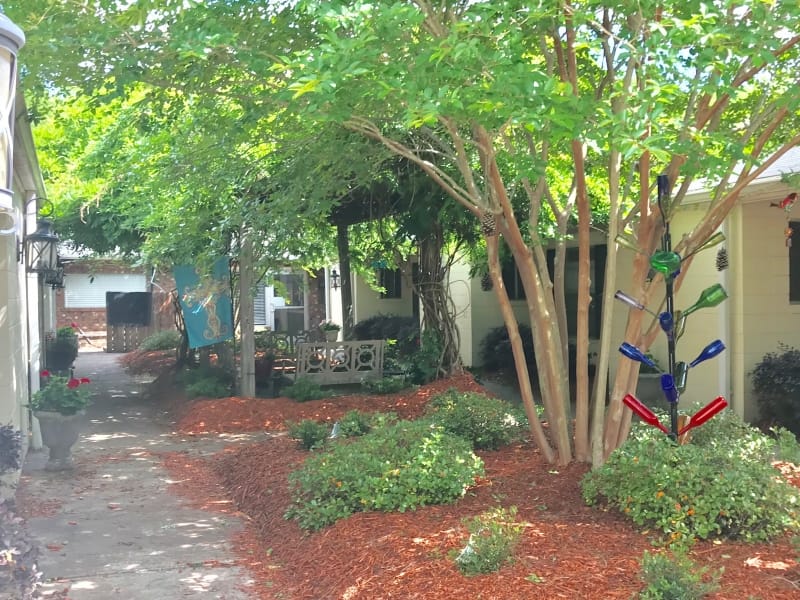
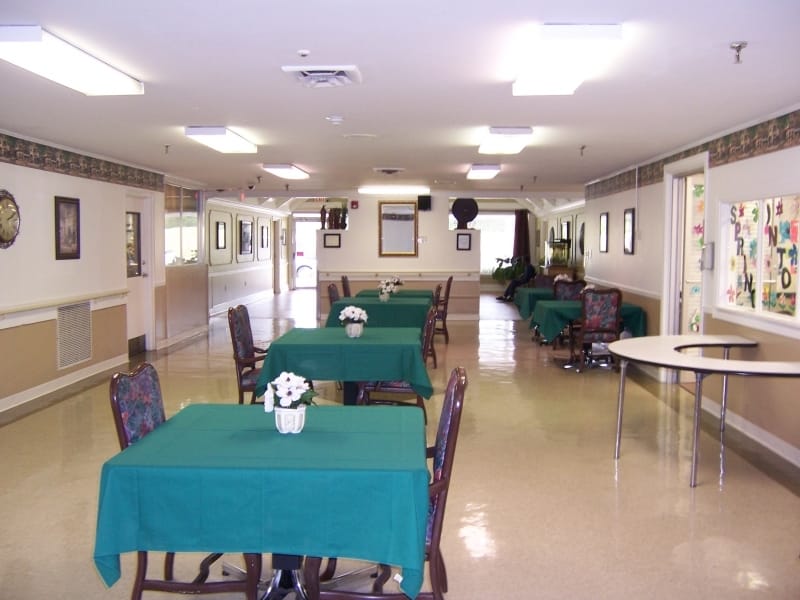
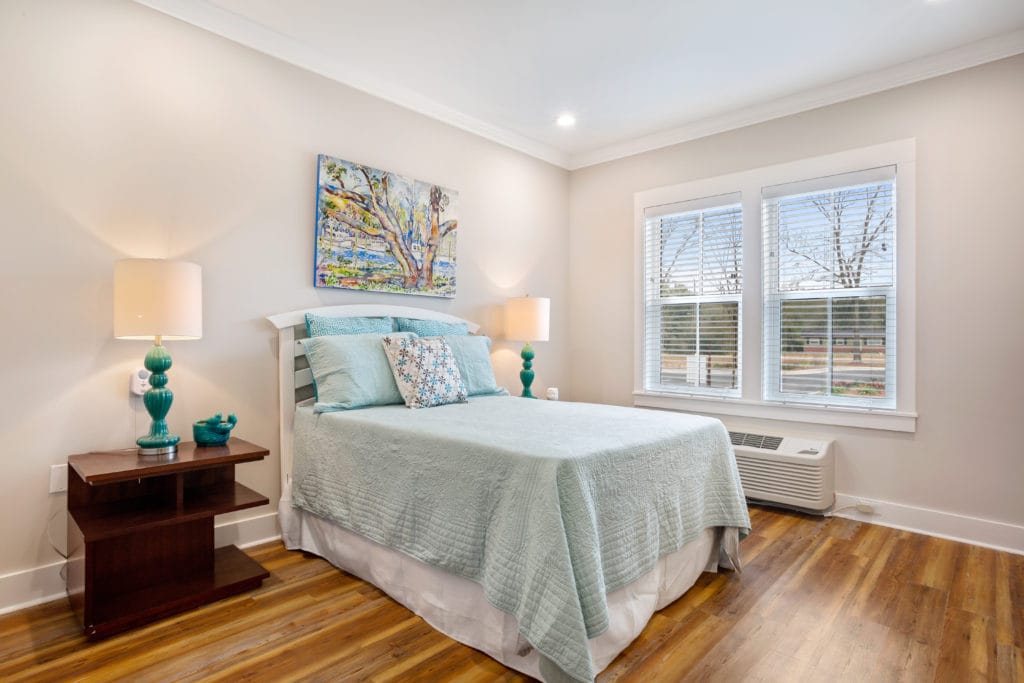
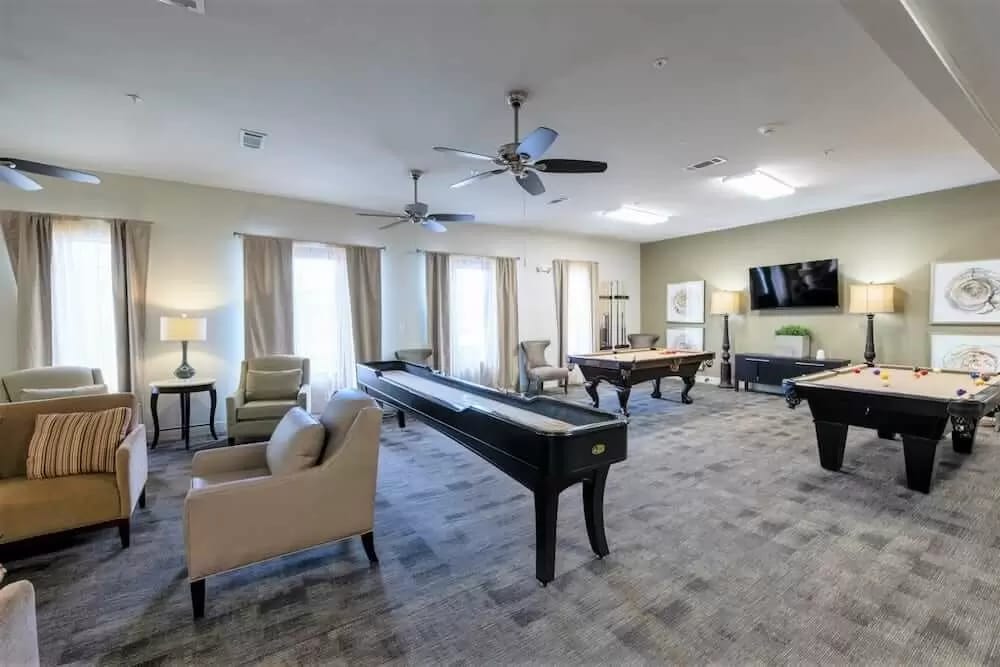
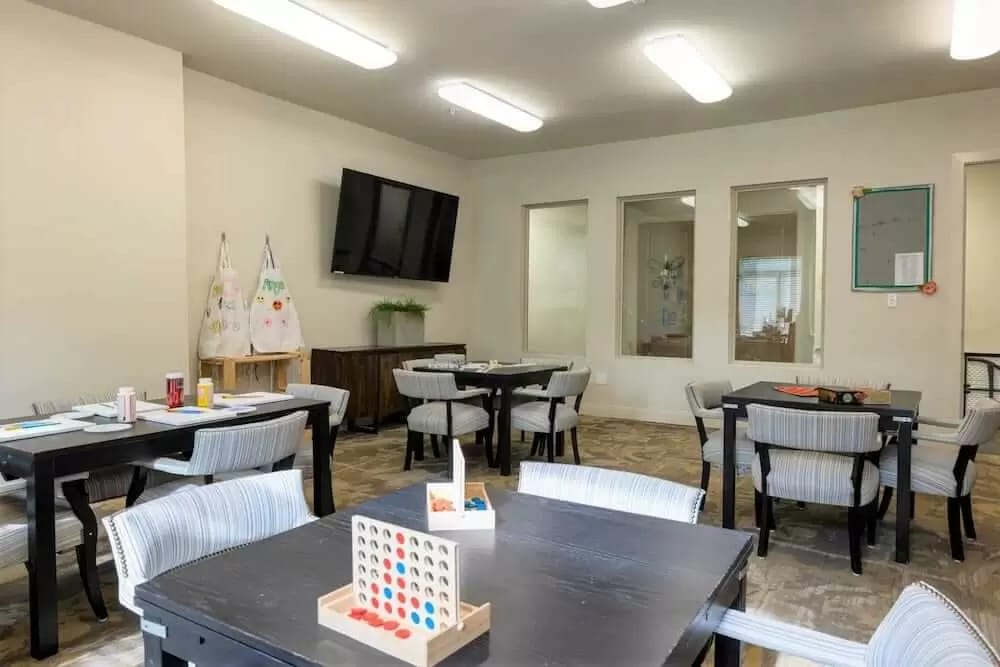
Care model emphasizes short-term rehabilitation with stated focus on recovery. Programs listed as Short-term Rehab only. Amenities and activity scheduling not detailed.
Landmark of Collins maintains adequate baseline staffing with a specific vulnerability: weekend RN coverage is markedly reduced (27% below state). The clinical picture is mixed: strong rehabilitation discharge outcomes but notably elevated ED utilization in both long-stay (41% worse) and short-stay (35% worse) populations. This combination suggests either selective admission of higher-acuity residents with good discharge potential, or gaps in preventive care management that drive emergency visits.
Families should ask directly: Why are ED visit rates 41% worse than state for long-stay and 35% worse for short-stay? What protocols address acute condition recognition given reduced weekend RN coverage? Request CMS ratings; inspection records for the past three years; explanation of the ED visit spike and re-hospitalization patterns; detailed staffing model and weekend protocols; current occupancy and census trends; financial statements and operational stability; and quality improvement initiatives.
Families should request a tour and, if possible, speak with current residents about their experience with emergency response and off-hours access to clinical staff.