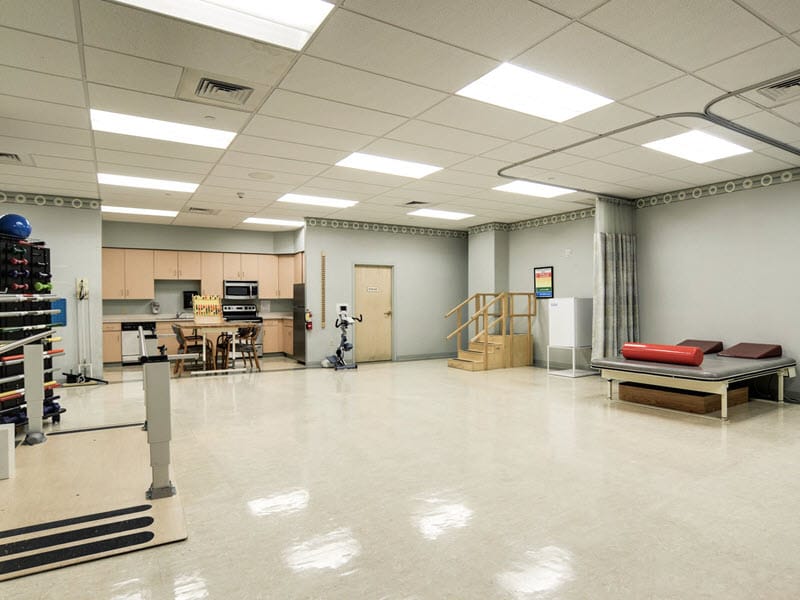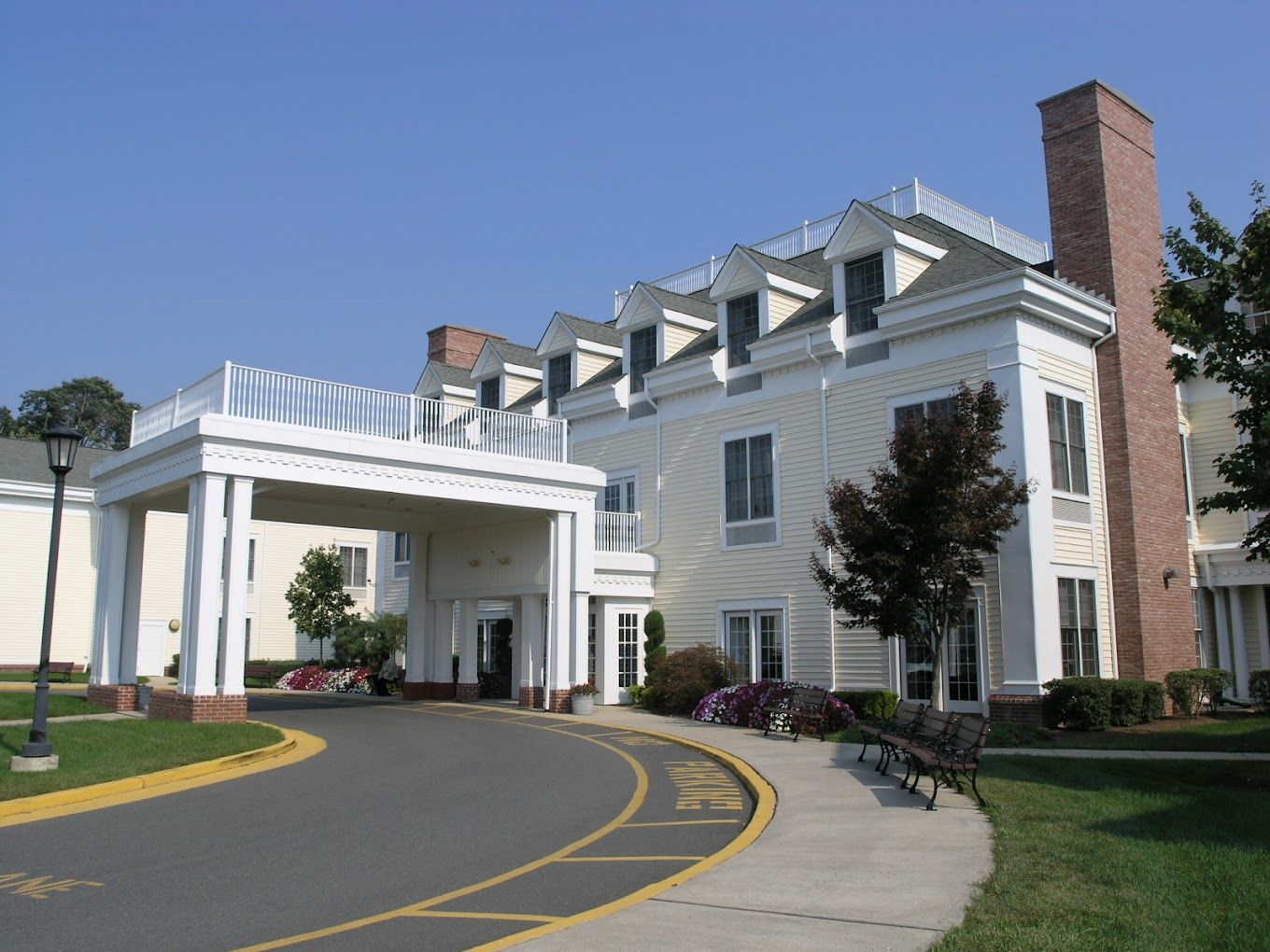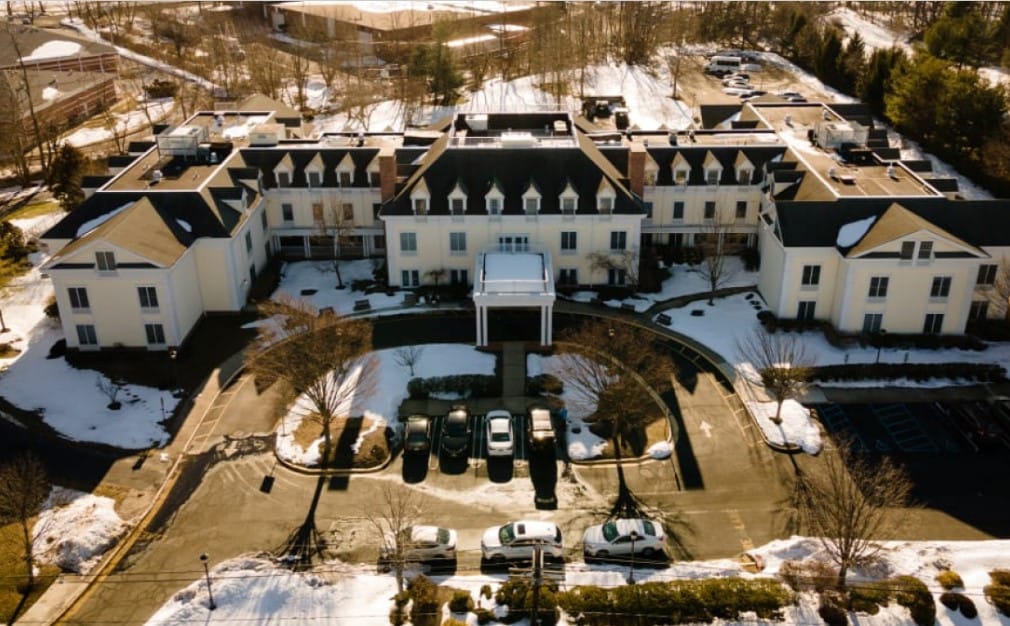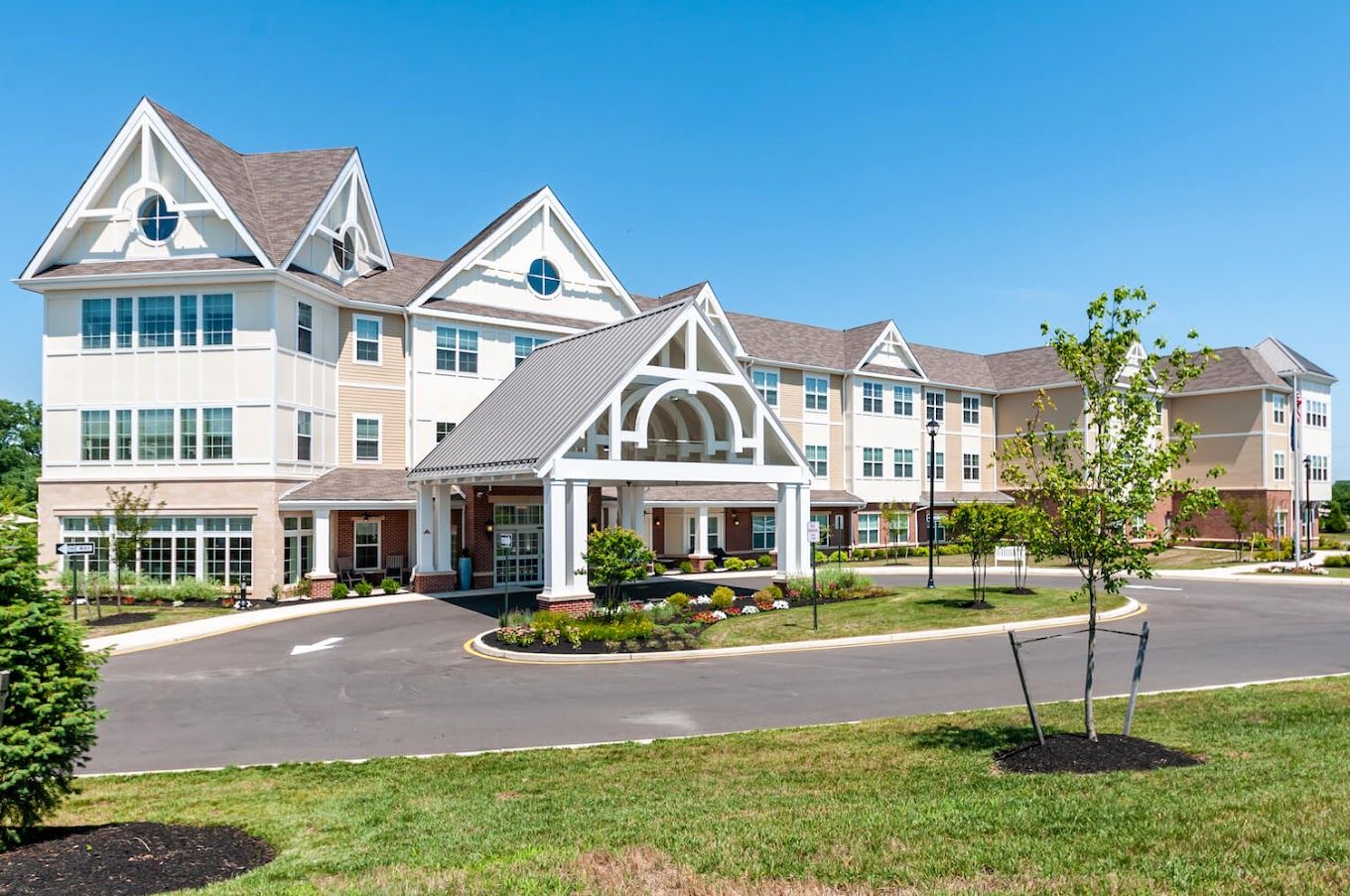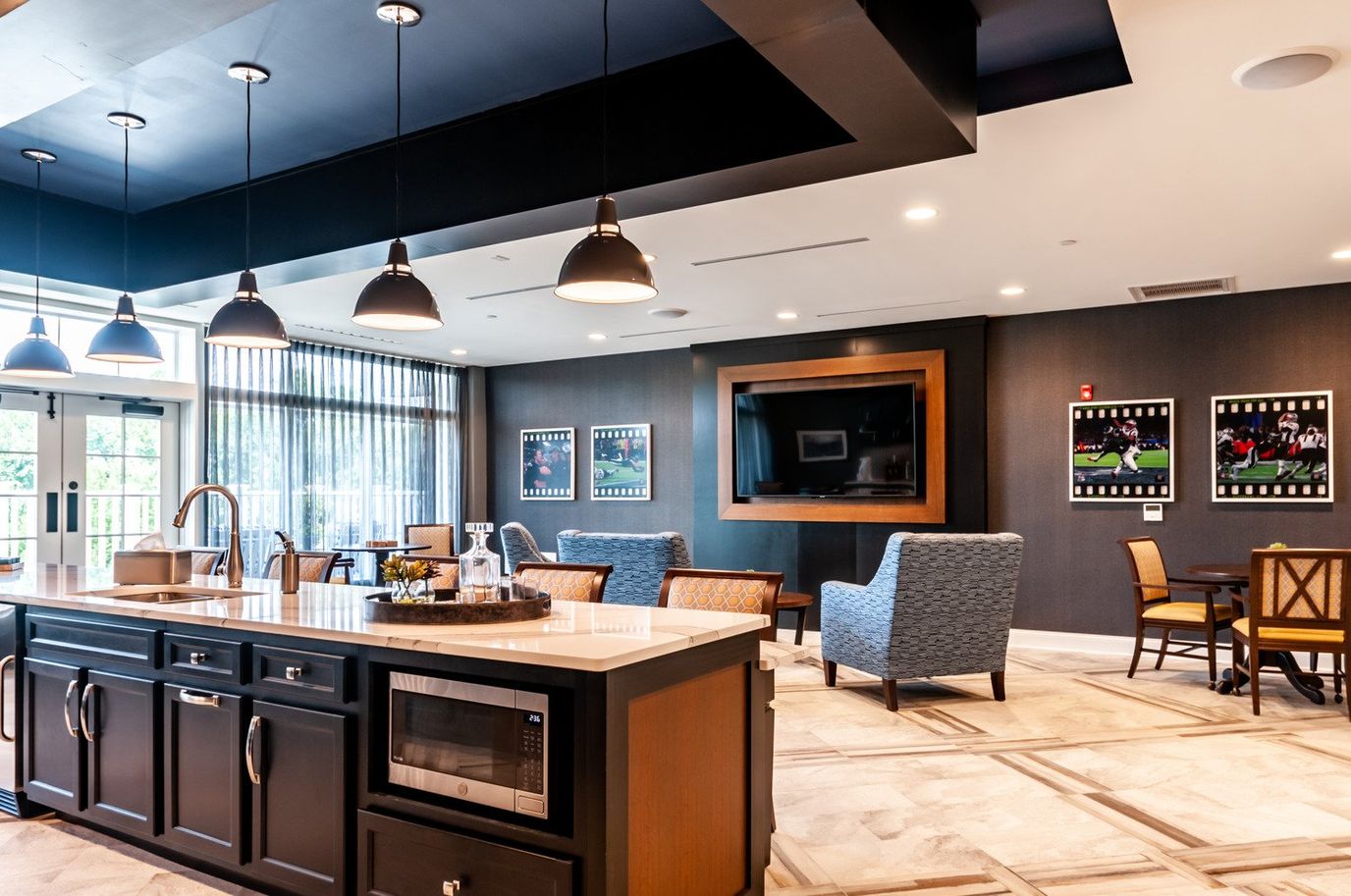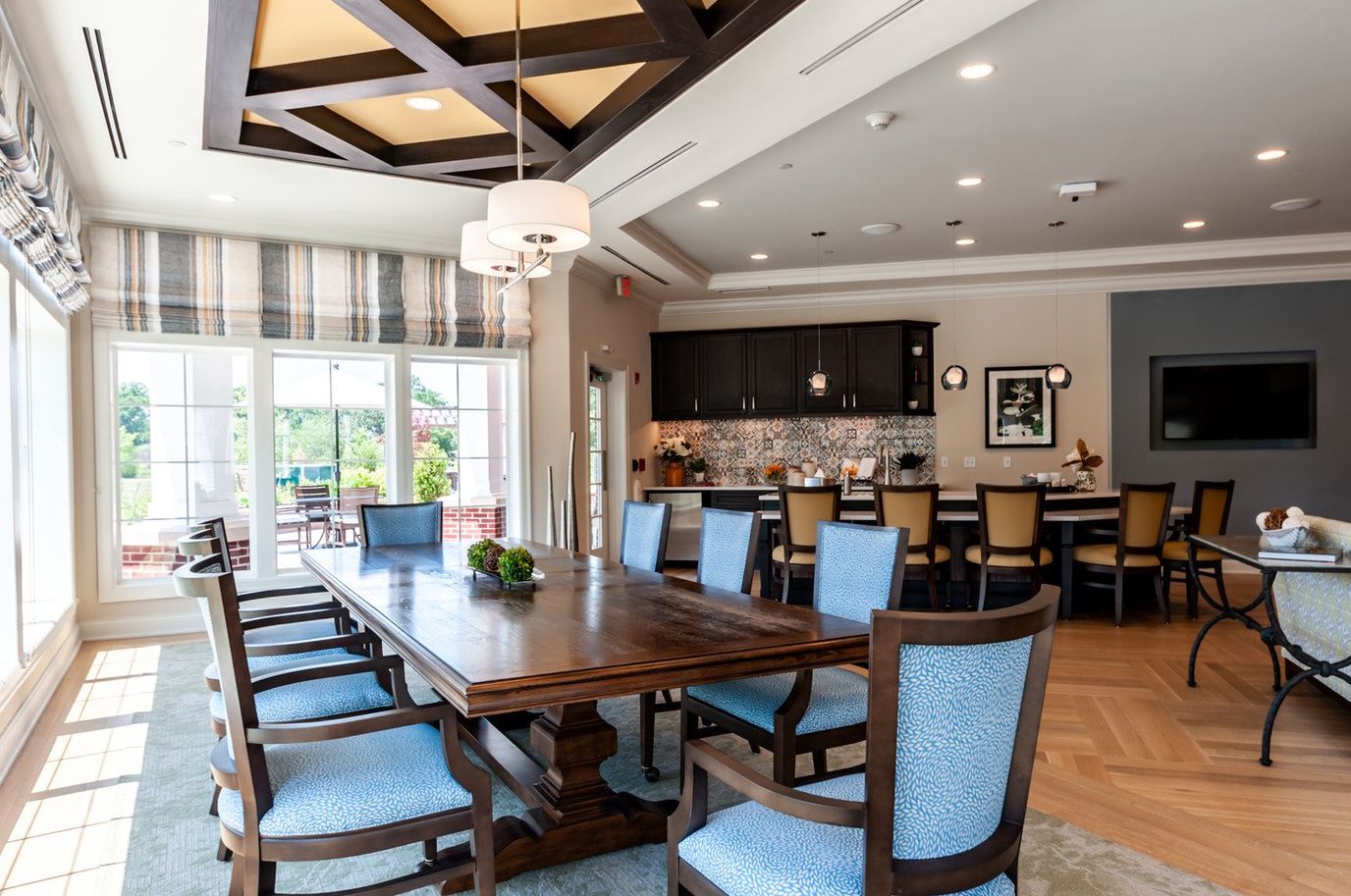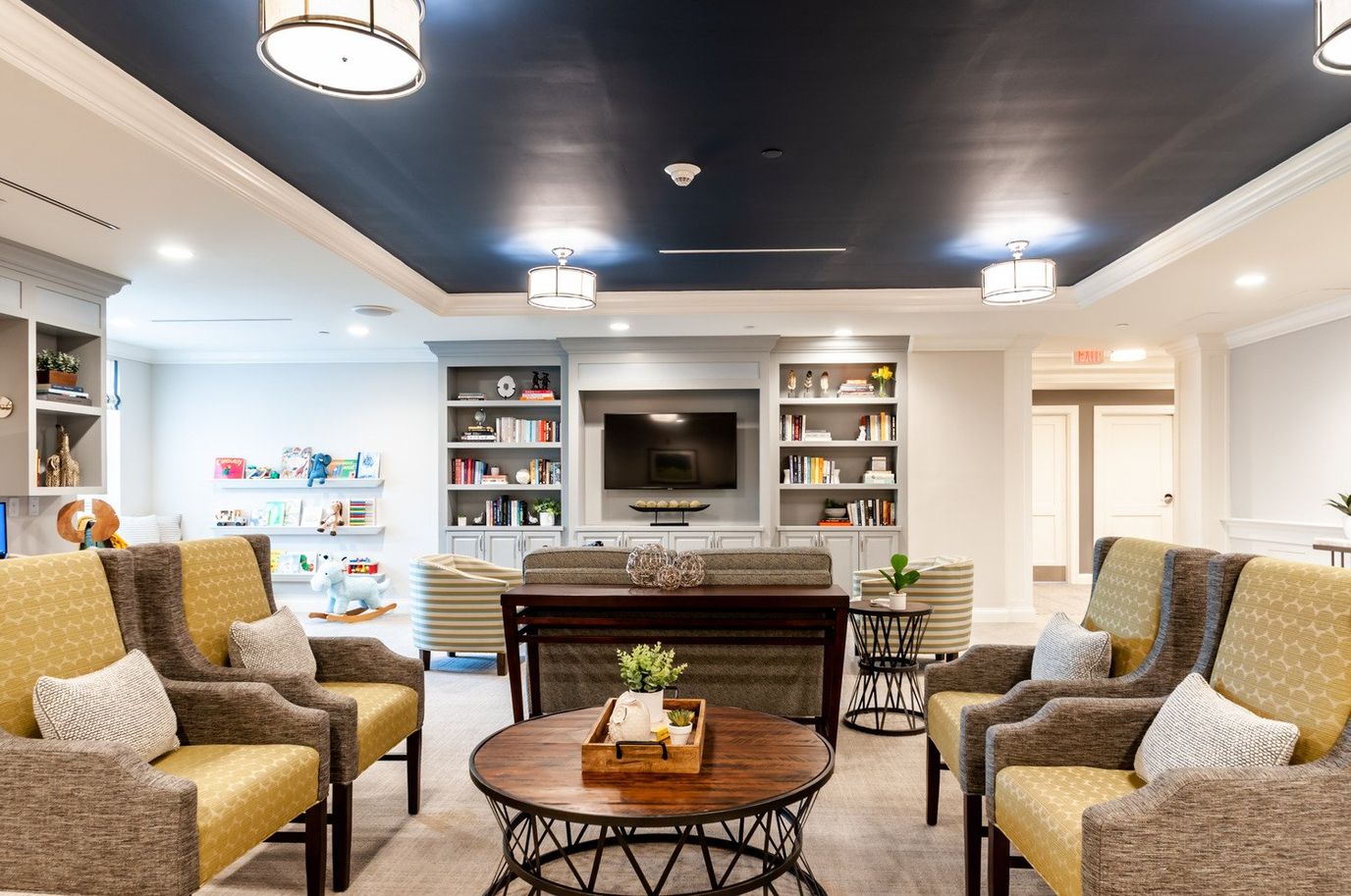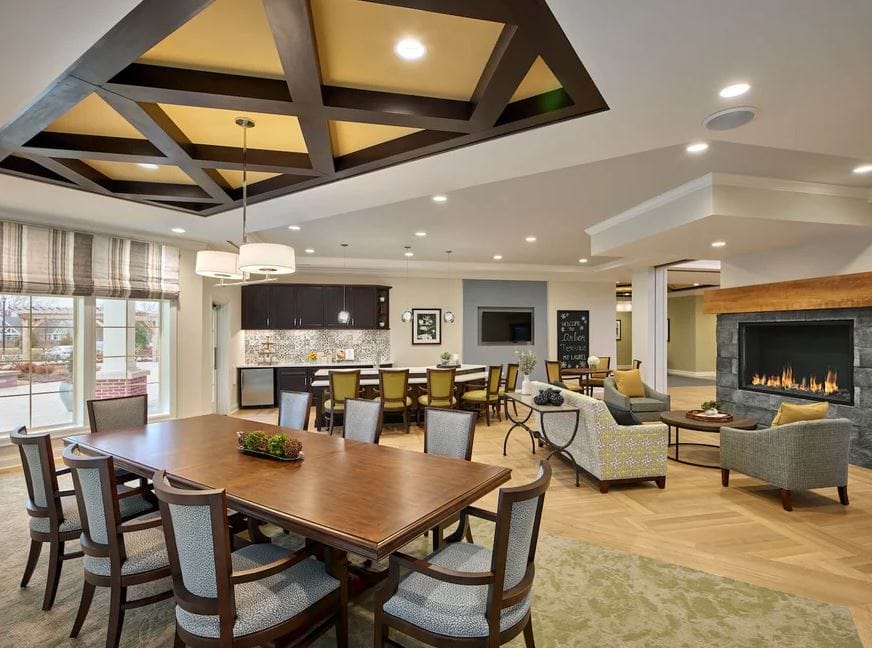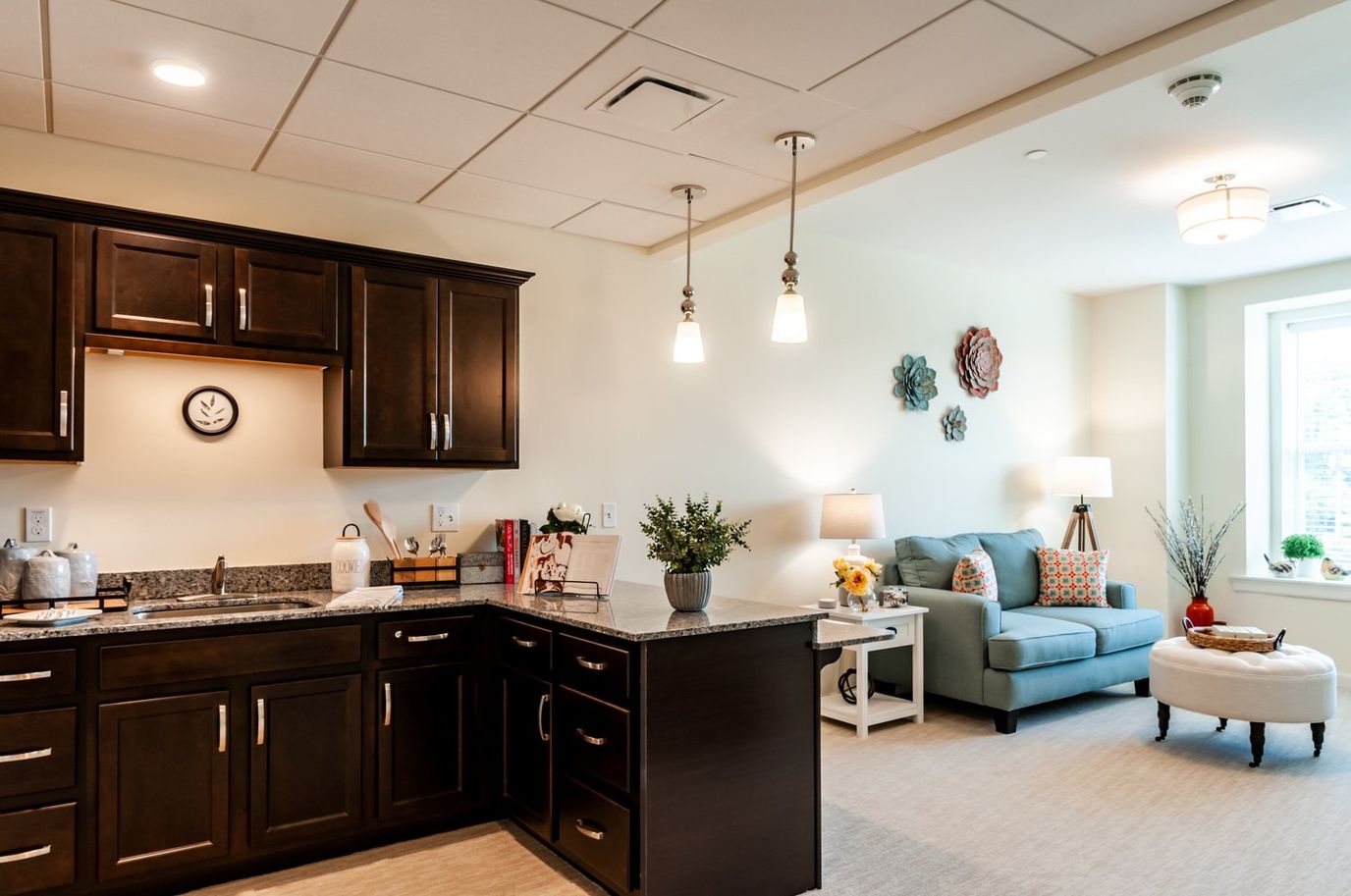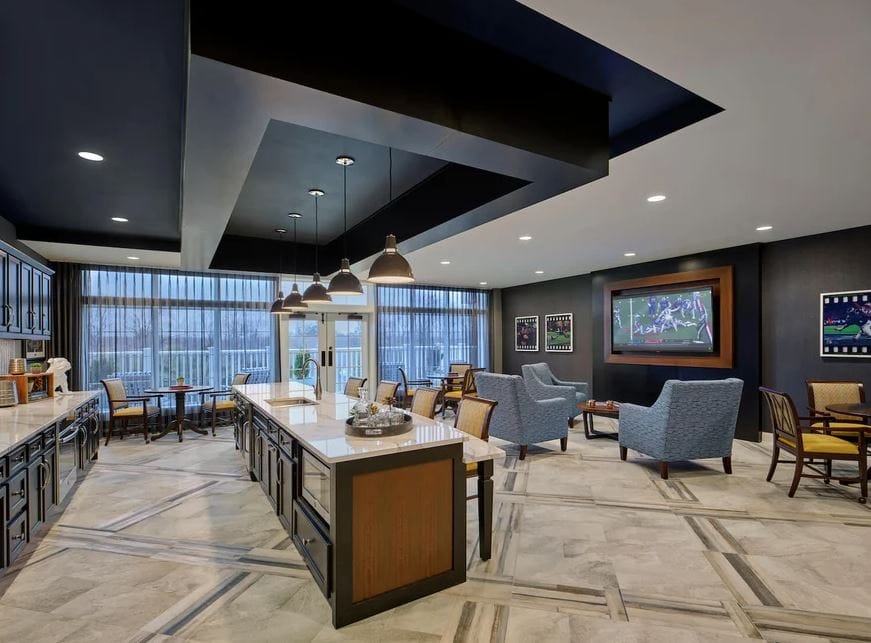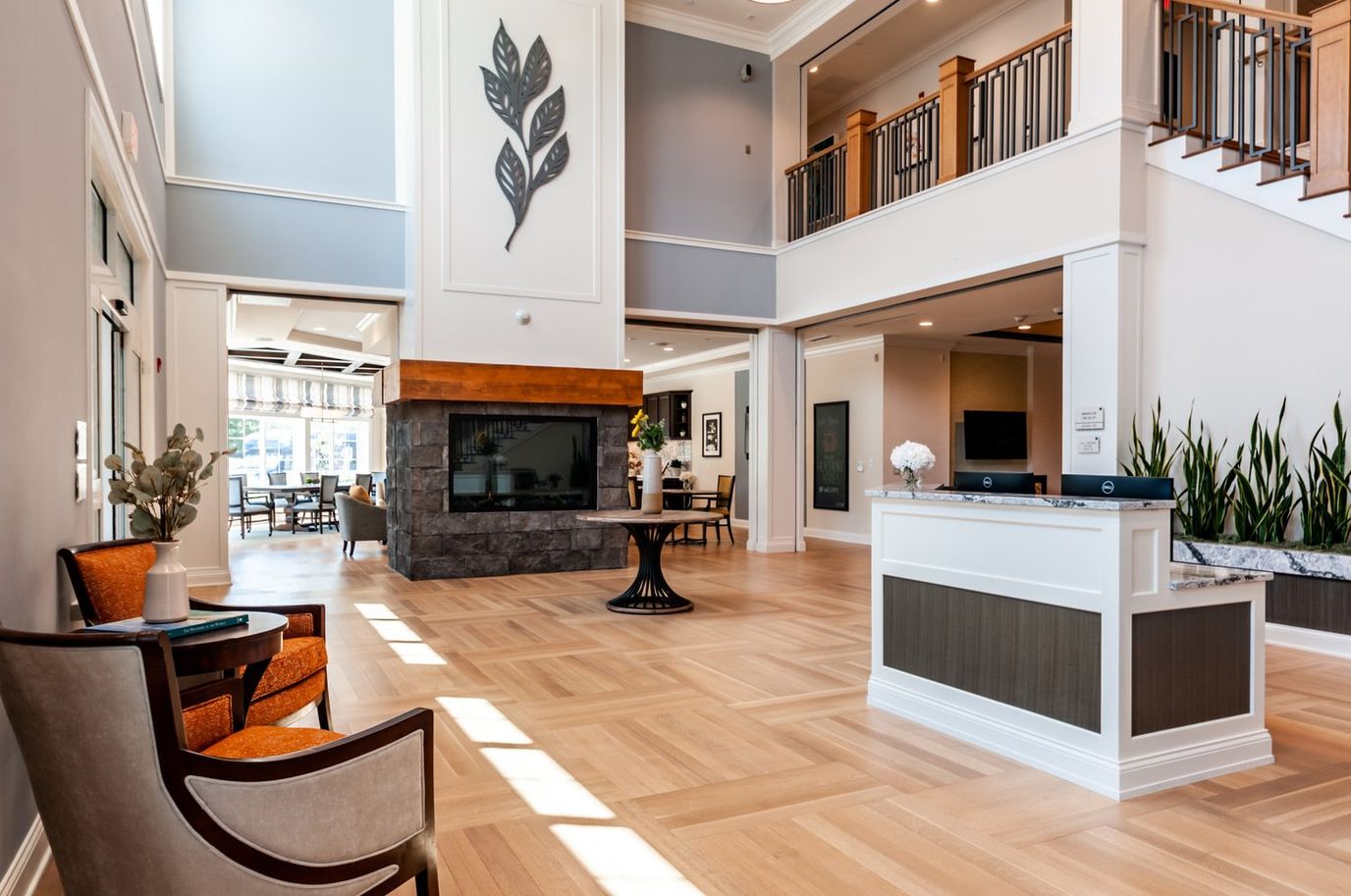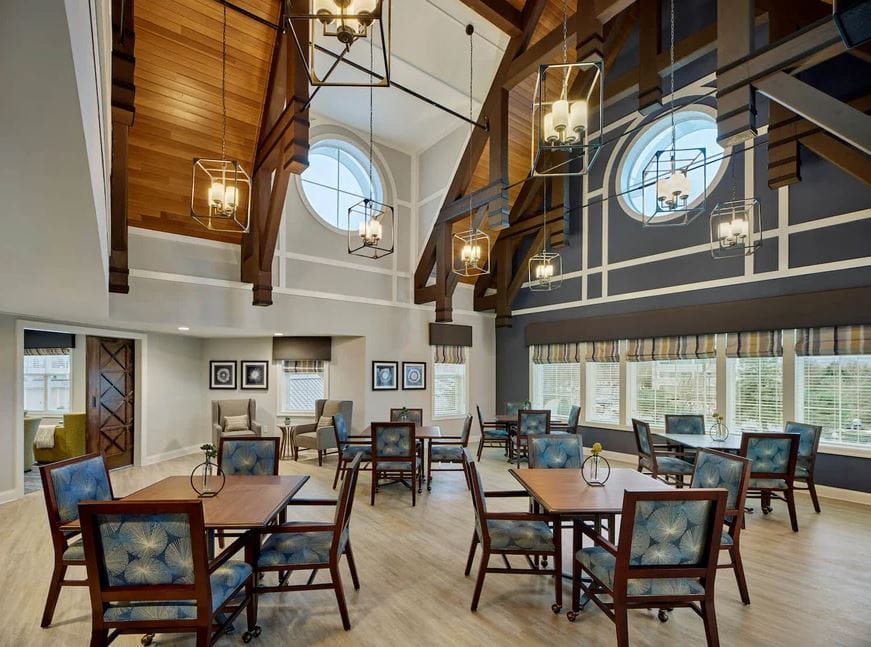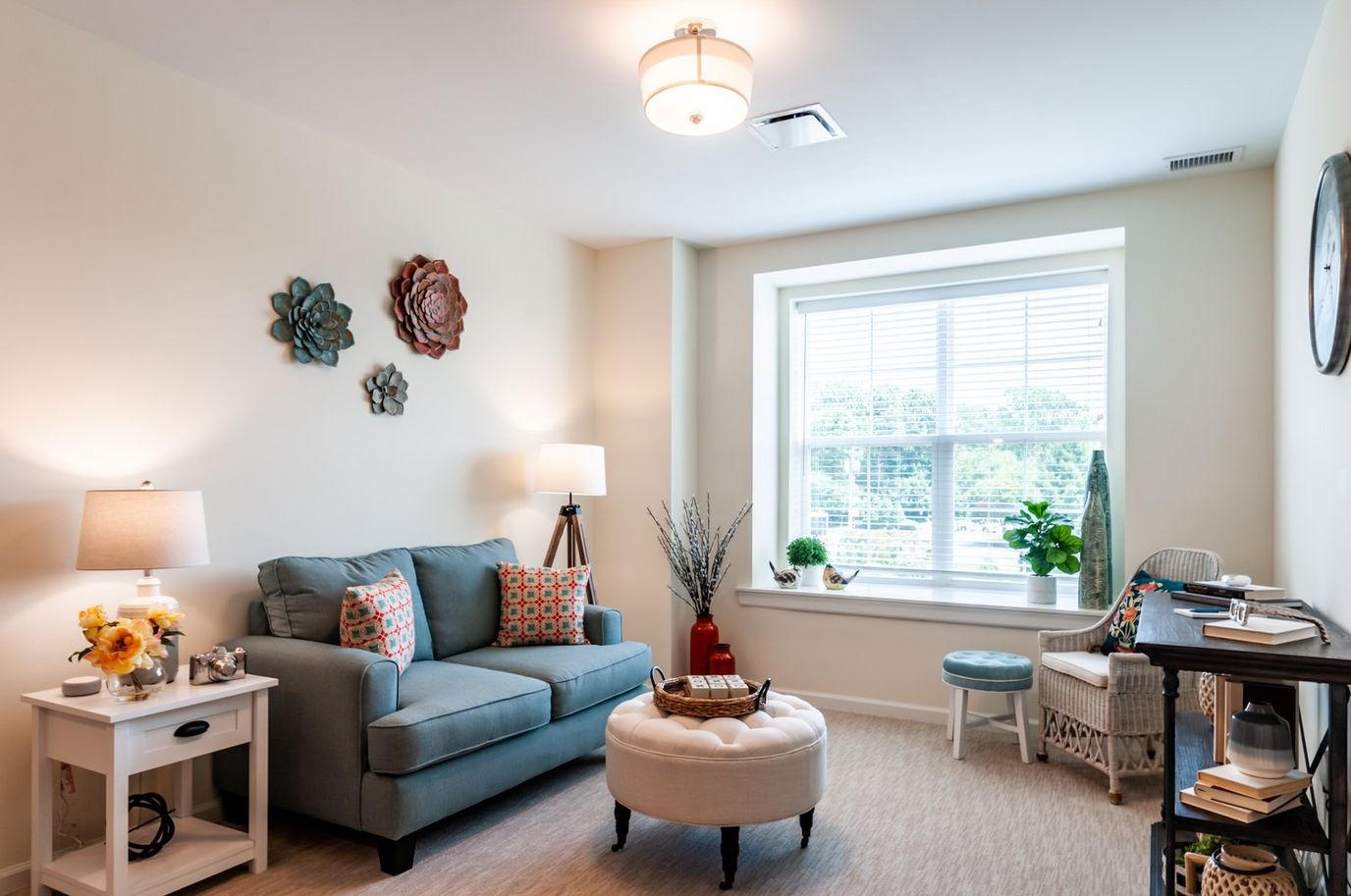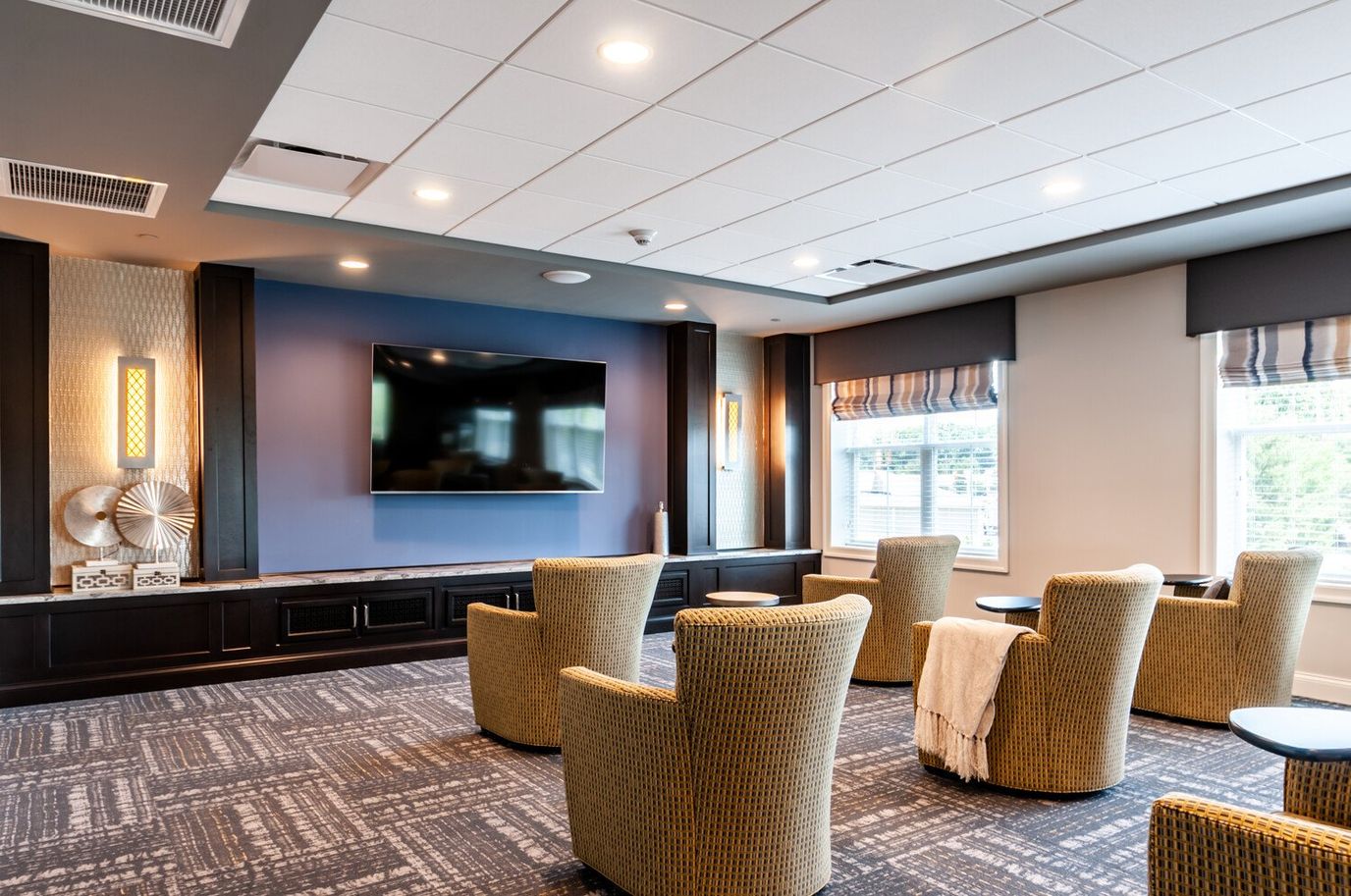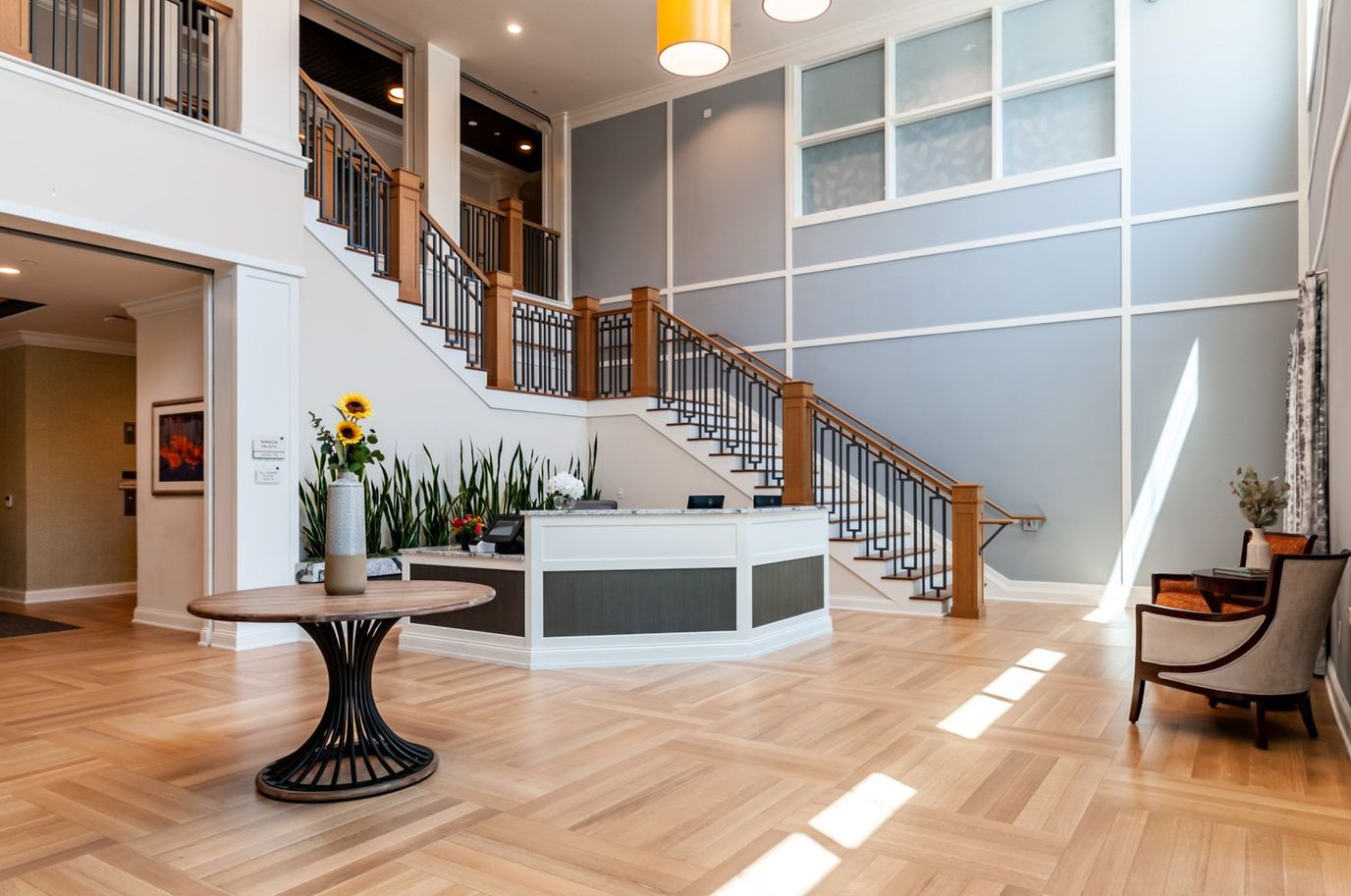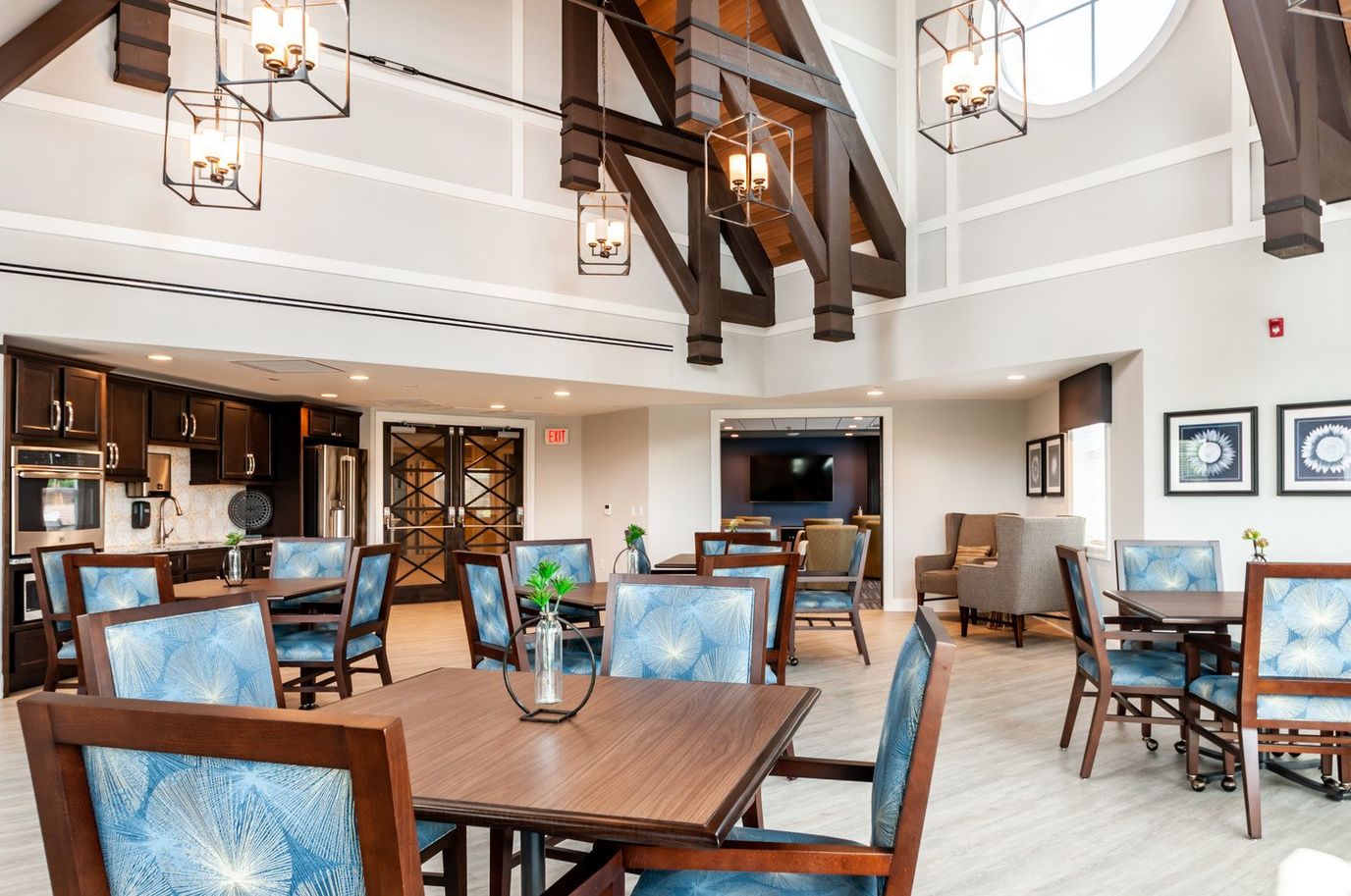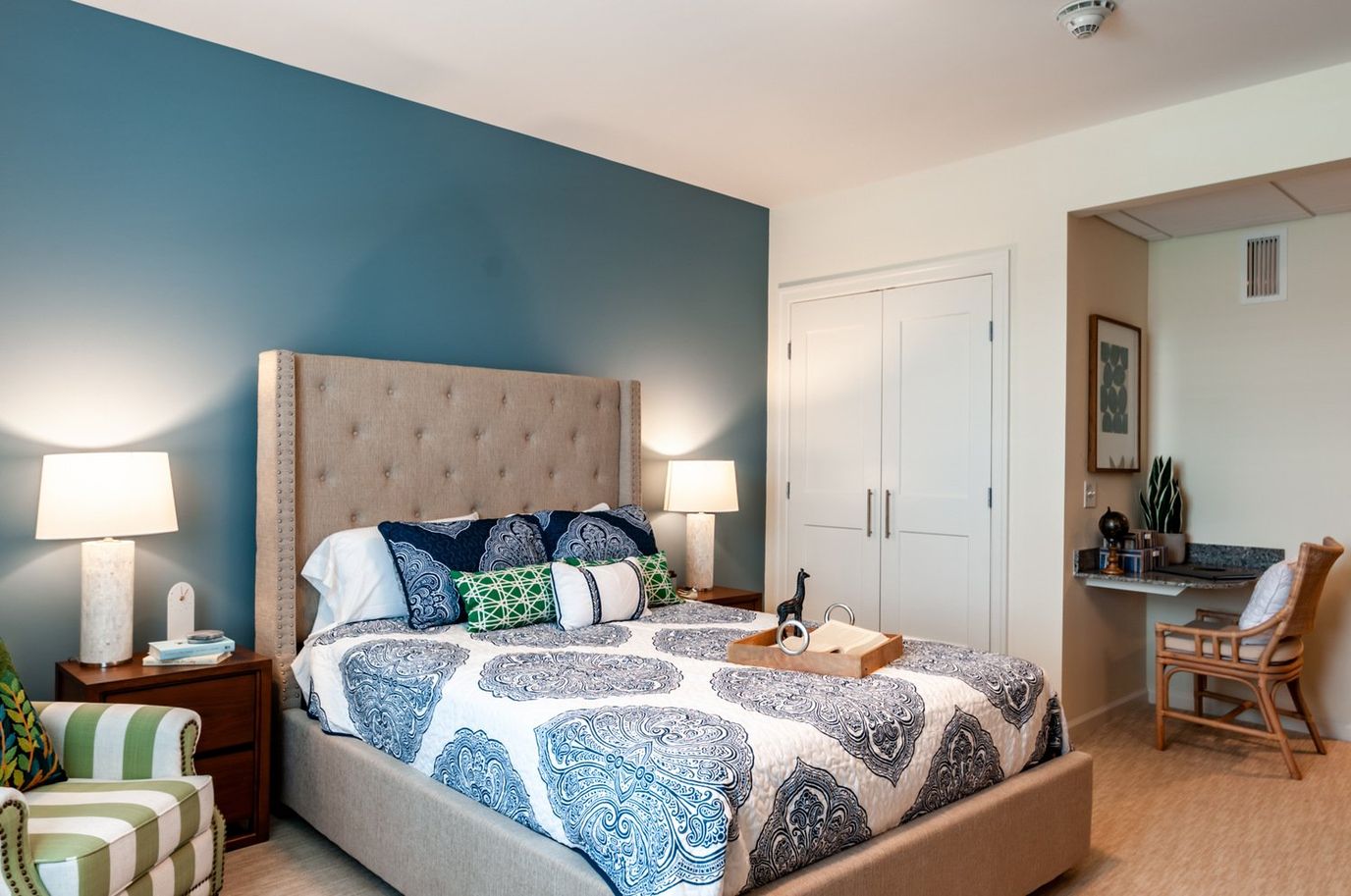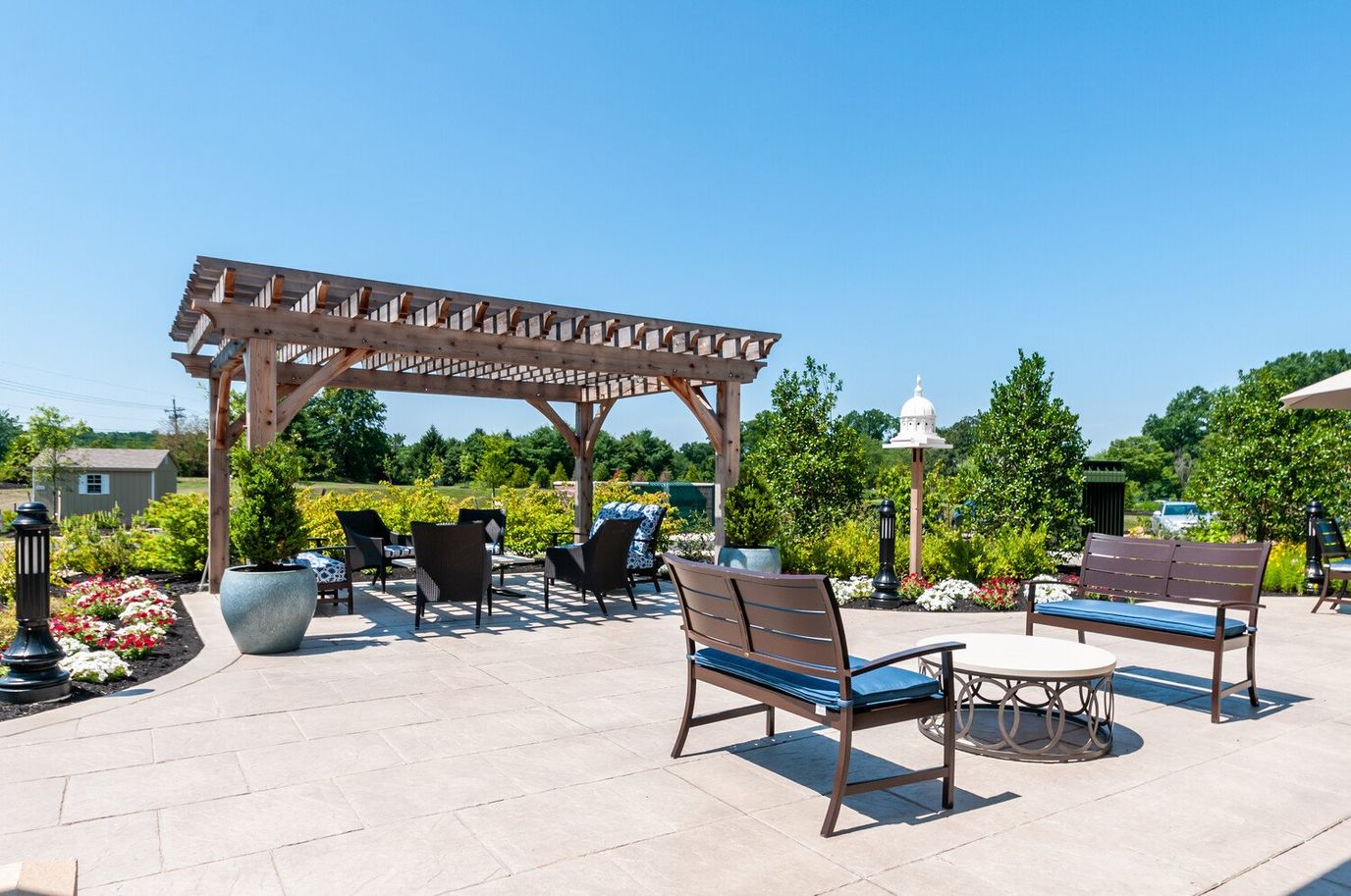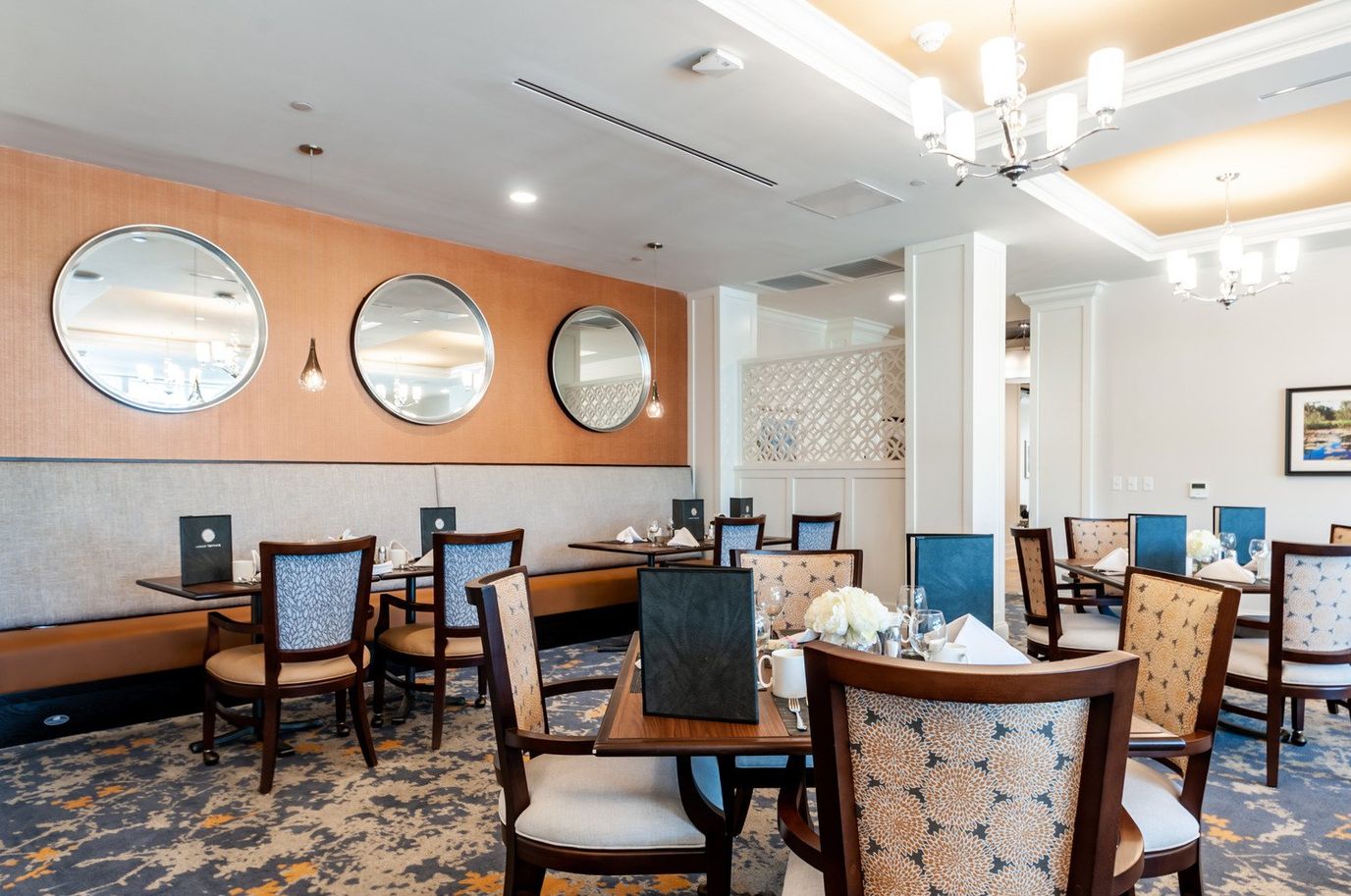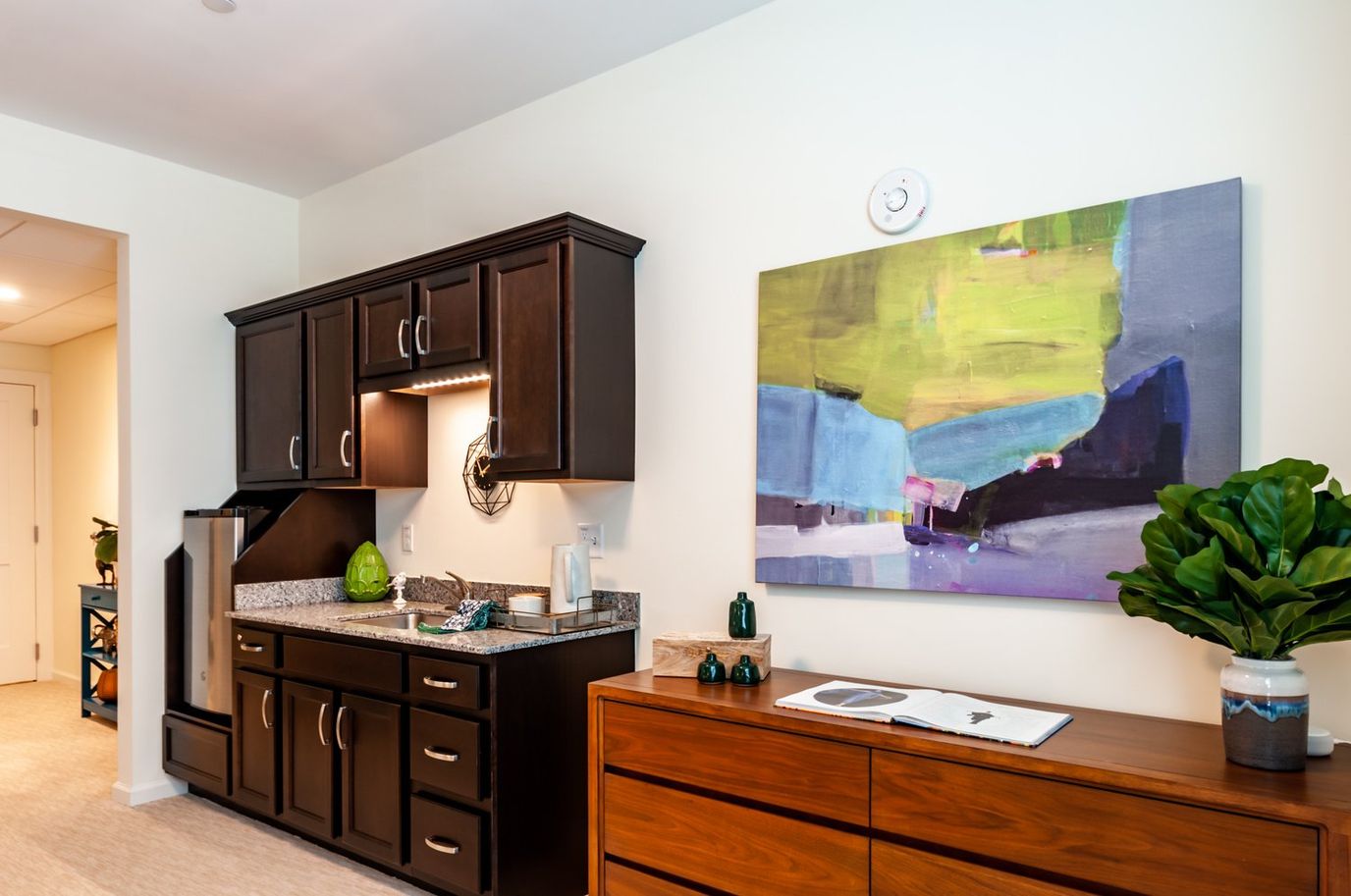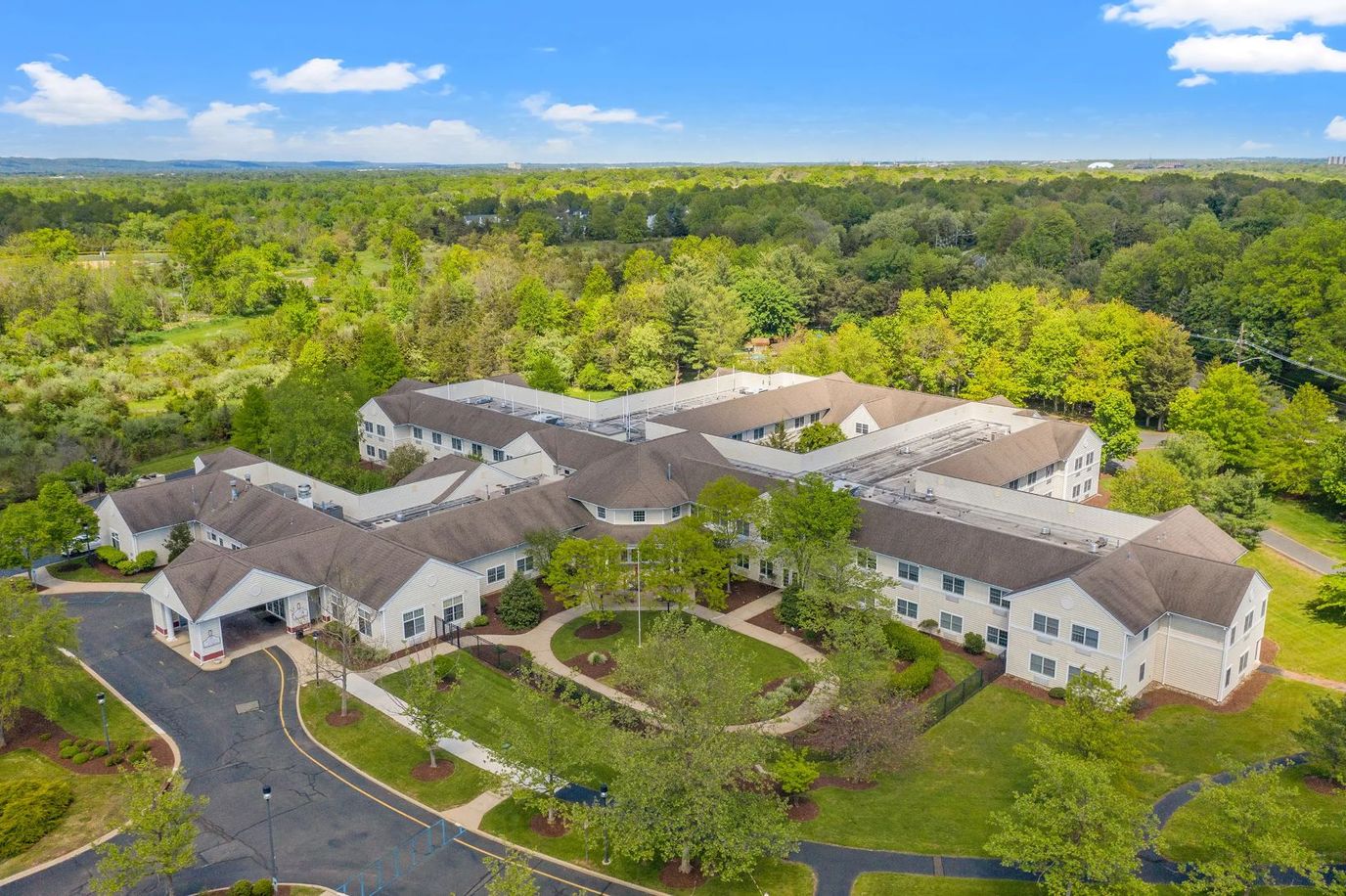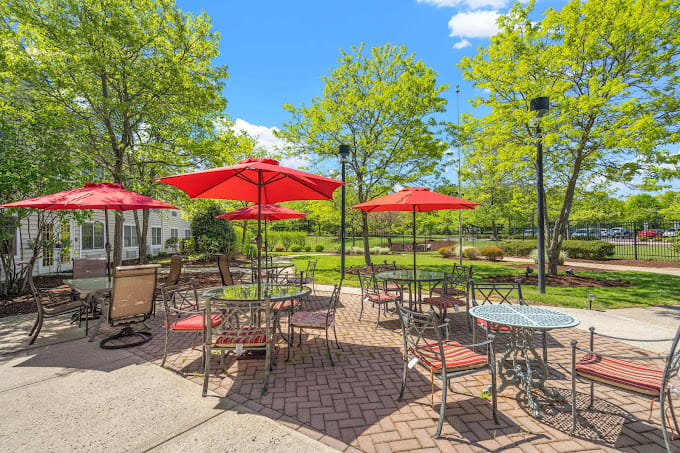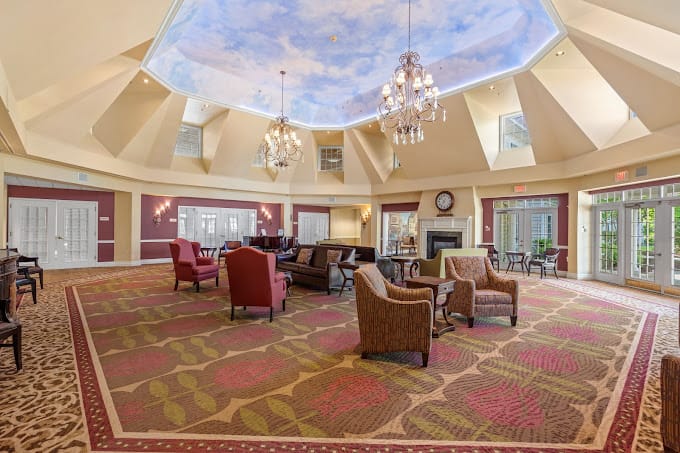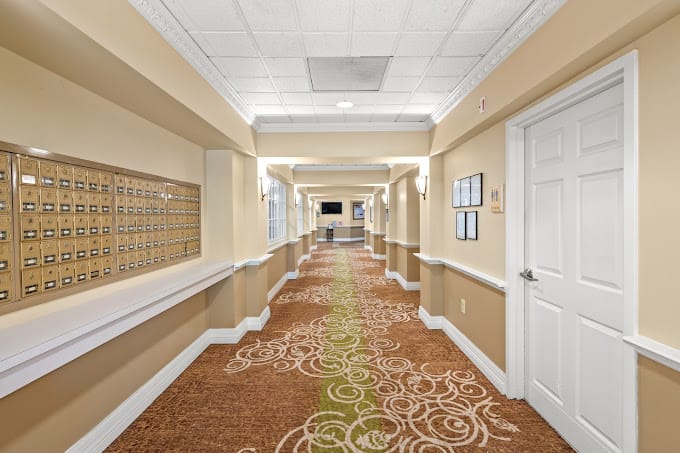
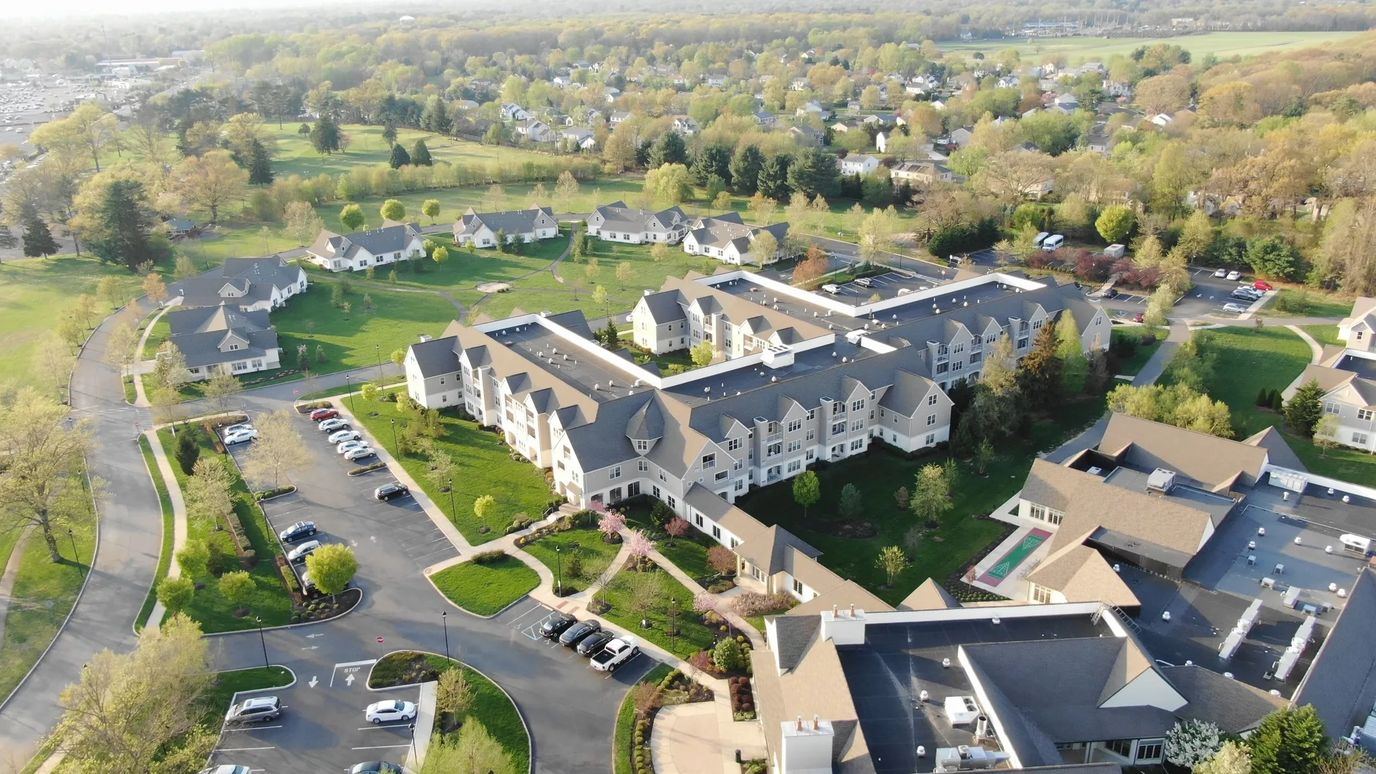
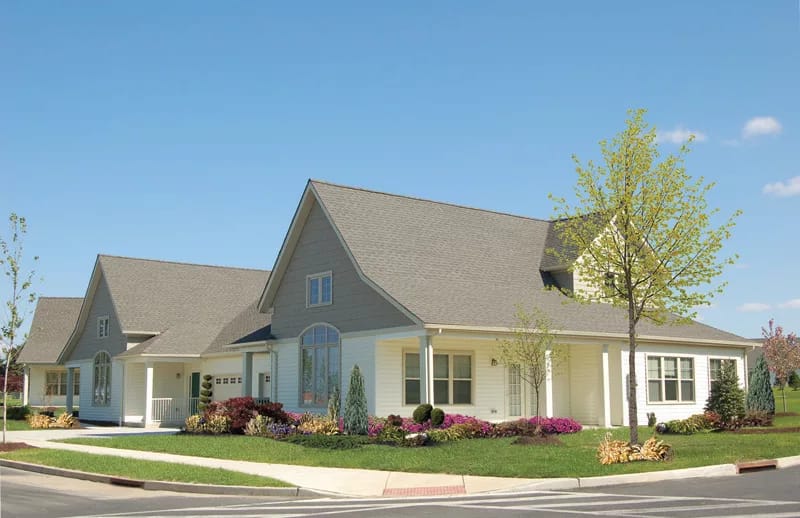
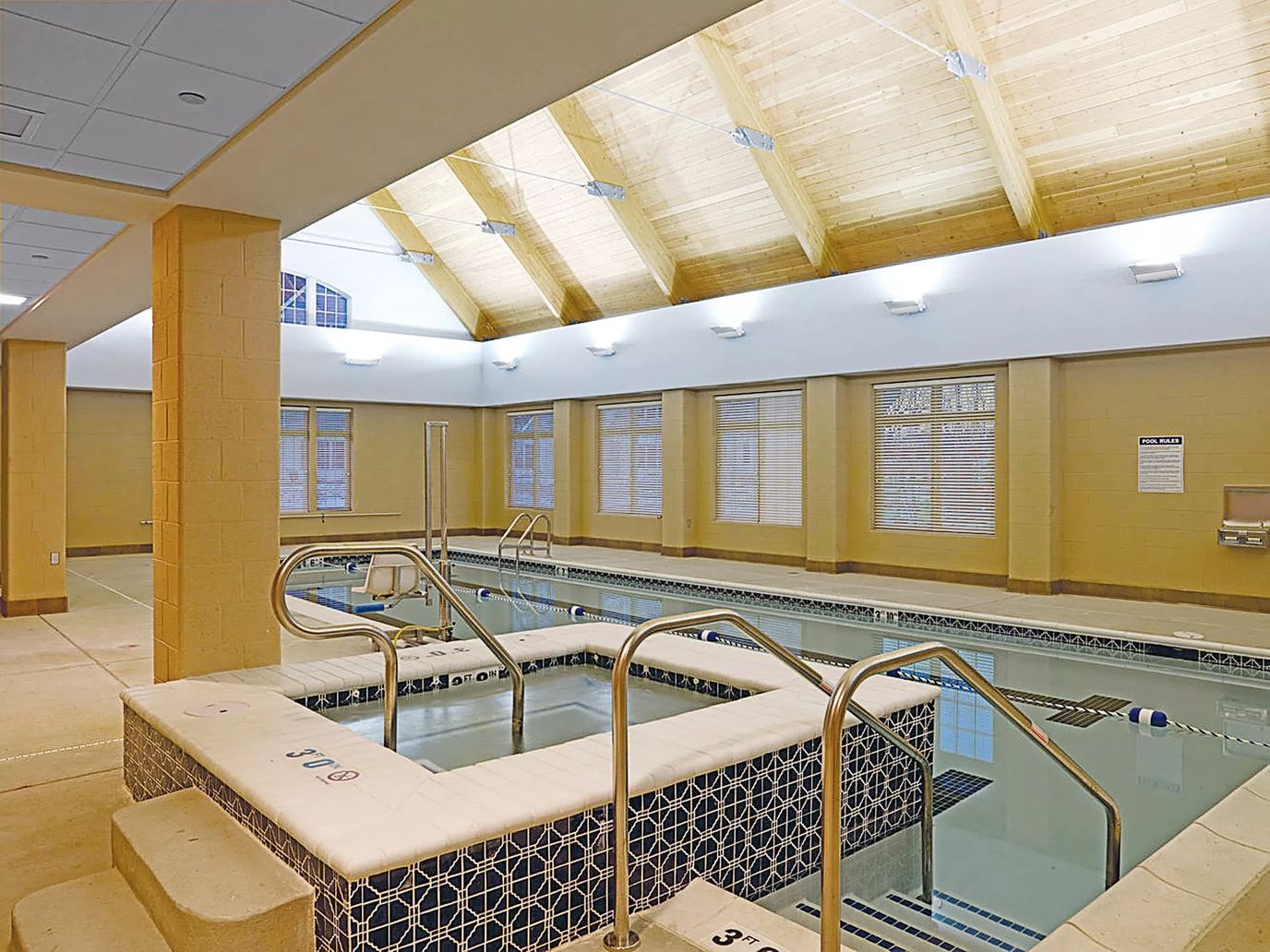
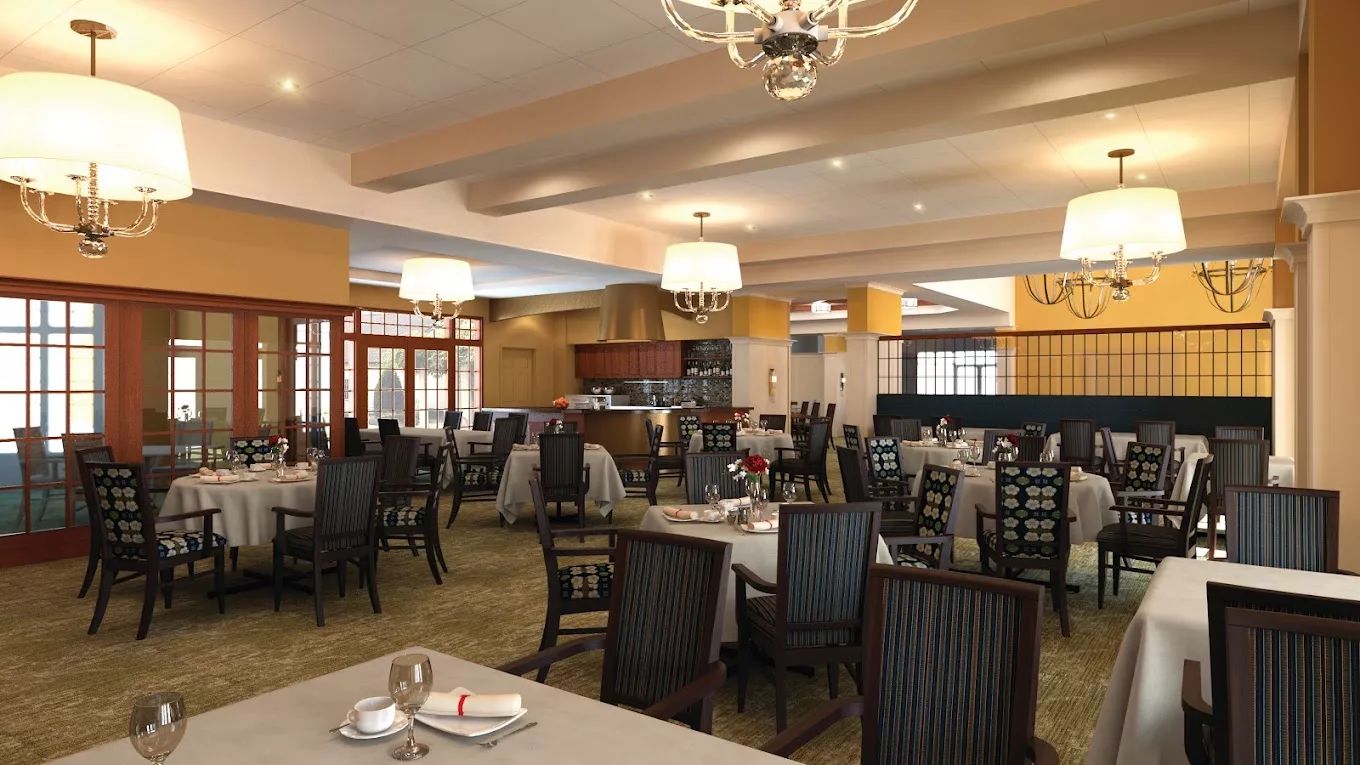
Redbank Center for Rehabilitation and Healing, a facility structured for 180 beds and located at 100 Chapin Avenue in Red Bank, is positioned to accept residents utilizing Medicare, Medicaid, or private payment modalities. The location is notably efficient, situated in a New Jersey neighborhood boasting a Walk Score of 95, indicating high accessibility.
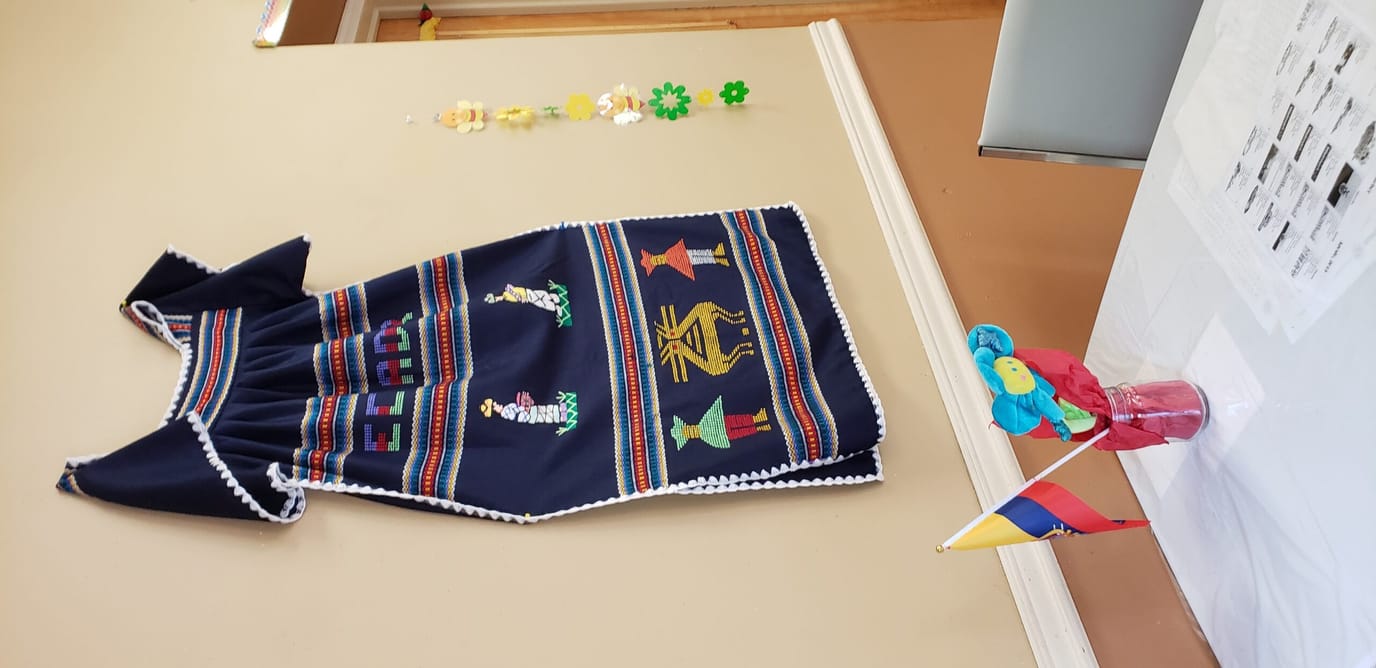
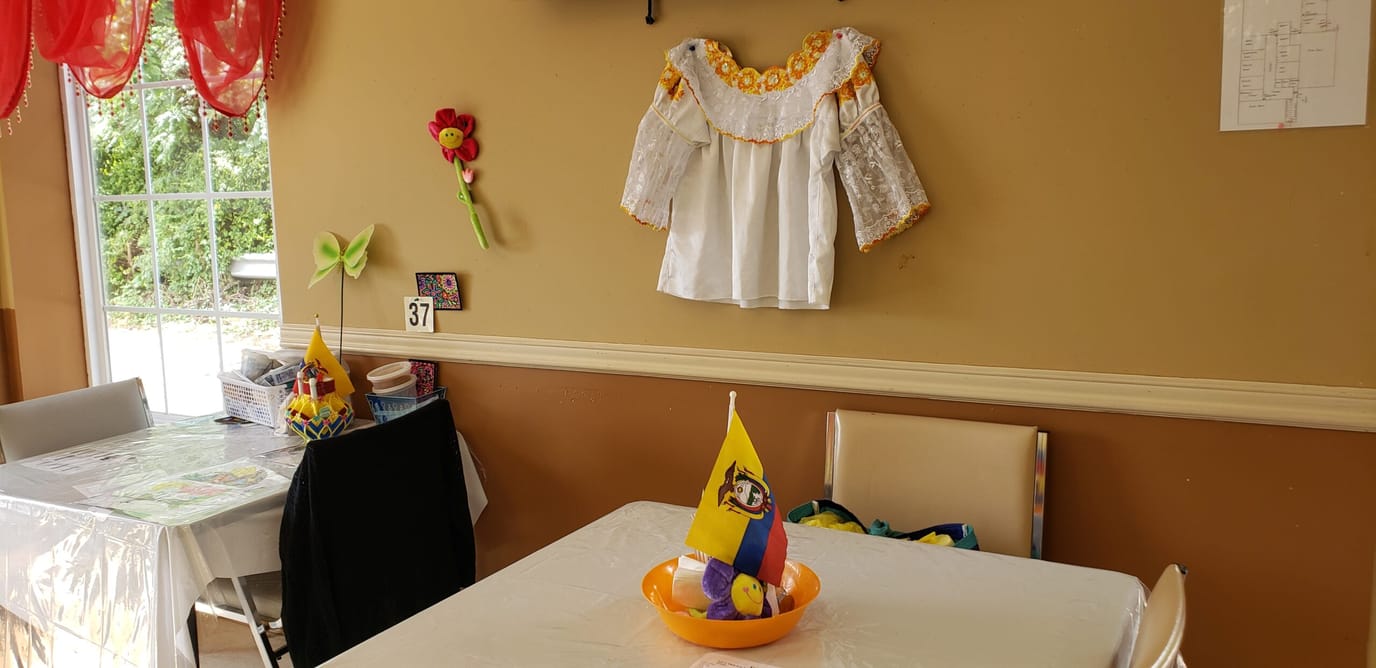
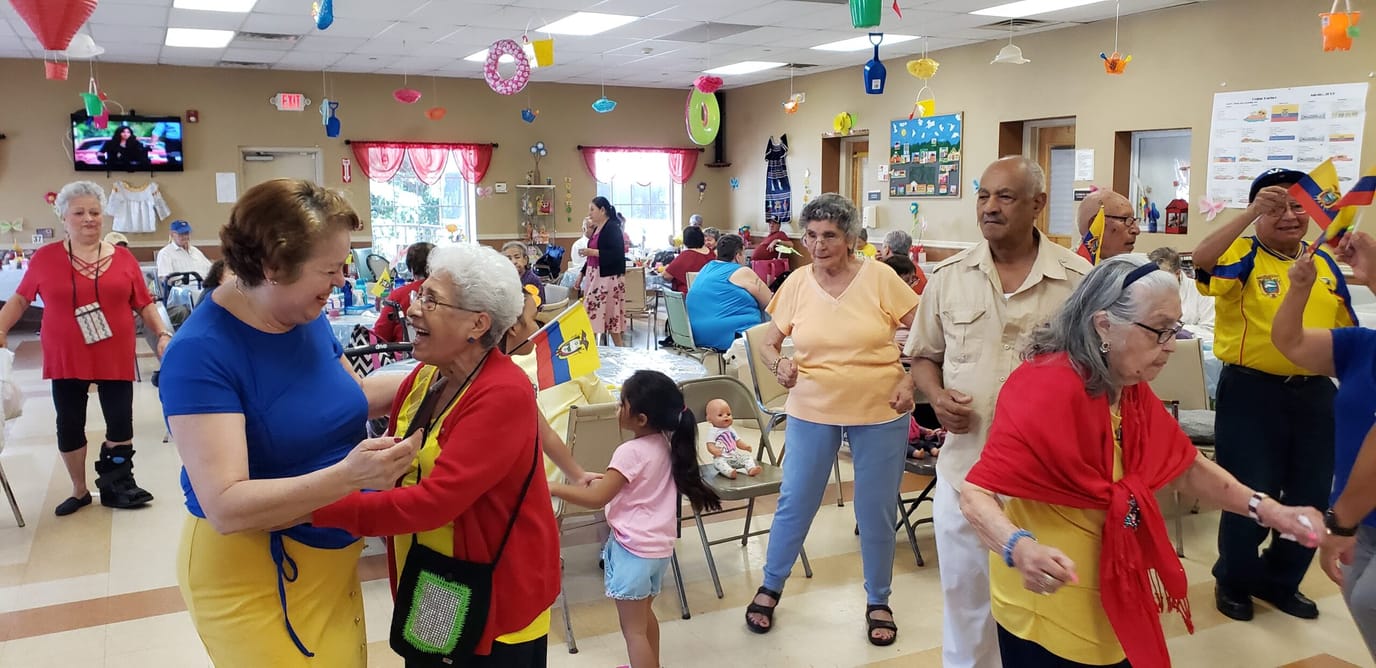
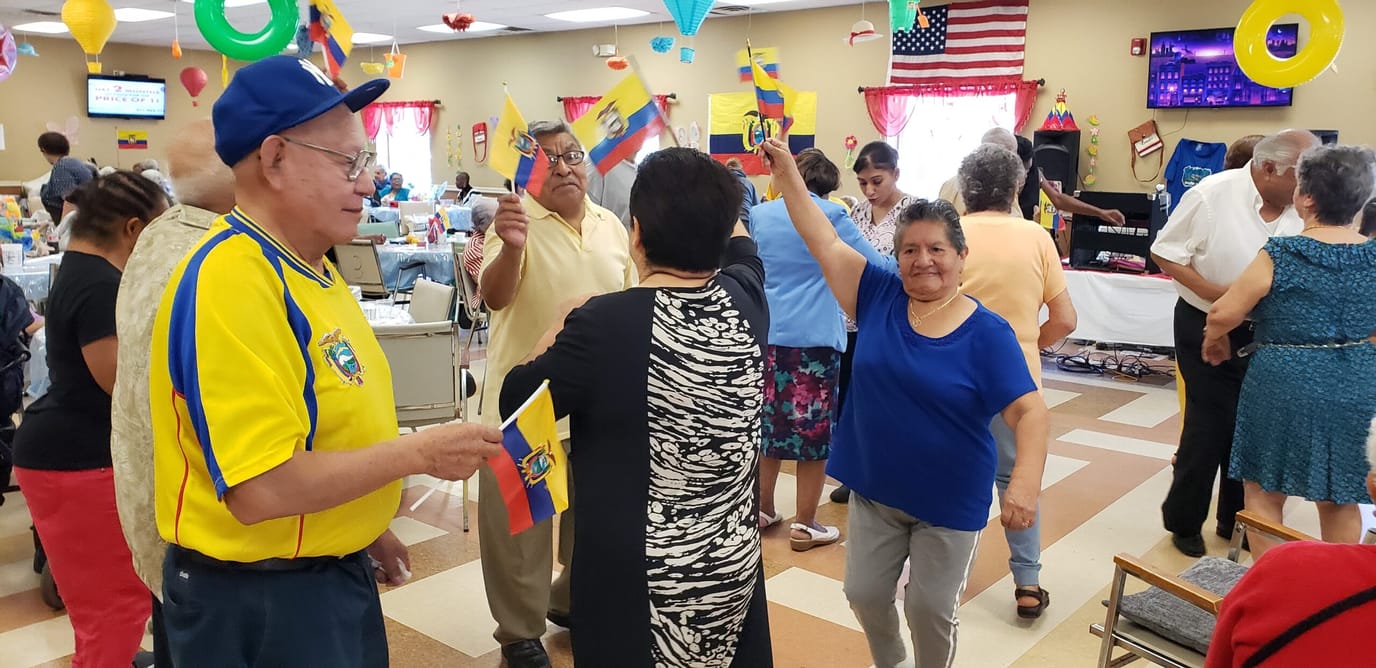
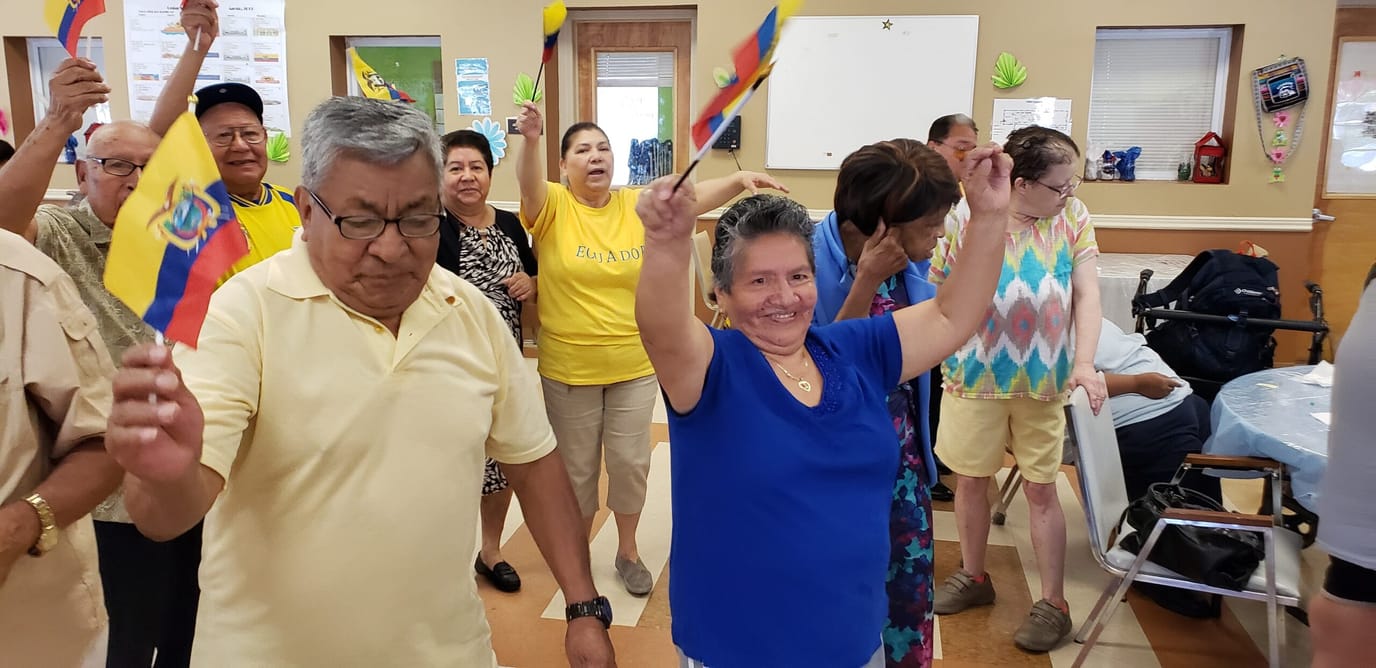
While its primary function is short-term post-acute care, the current operational data shows an extended average resident stay of 202 days, with occupancy currently registering at 78 percent. Clinically, the center has established specific, focused tracks for amputee rehabilitation, cardiopulmonary recovery, and diabetes management. It integrates clinical support amenities such as on-site genetic drug matching and testing, and provides a necessary Spanish-language program.
The logistical deployment of nursing staff is quantifiable at an aggregated 3 hours and 15 minutes per resident over a 24-hour cycle. This metric is a sum of registered nurse hours, nurse aide time, and licensed practical nurse coverage, specifically distributed across the active operational schedule. It is important to note that this specific staffing calculation falls observably below the established statistical state averages.
A review of state regulatory documentation spanning from 2020 reveals a recurring systemic pattern. Surveys conducted across 2023, 2024, and the recent February 2025 inspection identified lapses concerning medication documentation, adherence to infection control protocols, maintenance of appropriate staffing ratios relative to patient census, and critical failures in life safety systems.
While the specific, long-standing amputee and cardiopulmonary rehabilitation tracks are operational strengths, and the genetic testing and Spanish-language service capacity offer distinct clinical value beyond standard skilled nursing provision, the regulatory track record highlights a fundamental fragility in the execution and oversight infrastructure.