





 Every person who worked here at any point in the quarter, employees and contractors. It is not how many are on site at once: that is the "on an average day" figure.
235
202 employees · 33 contractors · 72 on an average day
Congregational Home
Nursing Home, Assisted Living, Continuing Care Retirement Community, Hospice Care, Independent Living, Memory Care & Skilled Nursing · Brookfield, WI
CMS overall rating
 5/5
CMS (the Centers for Medicare & Medicaid Services) is the federal agency that rates nursing home quality. Its Overall Rating runs from 1 to 5 stars, combining health inspections, staffing, and quality measures, with inspections weighted most heavily.
5/5
CMS (the Centers for Medicare & Medicaid Services) is the federal agency that rates nursing home quality. Its Overall Rating runs from 1 to 5 stars, combining health inspections, staffing, and quality measures, with inspections weighted most heavily.
Congregational Home accepts Medicaid, Medicare, and private pay.
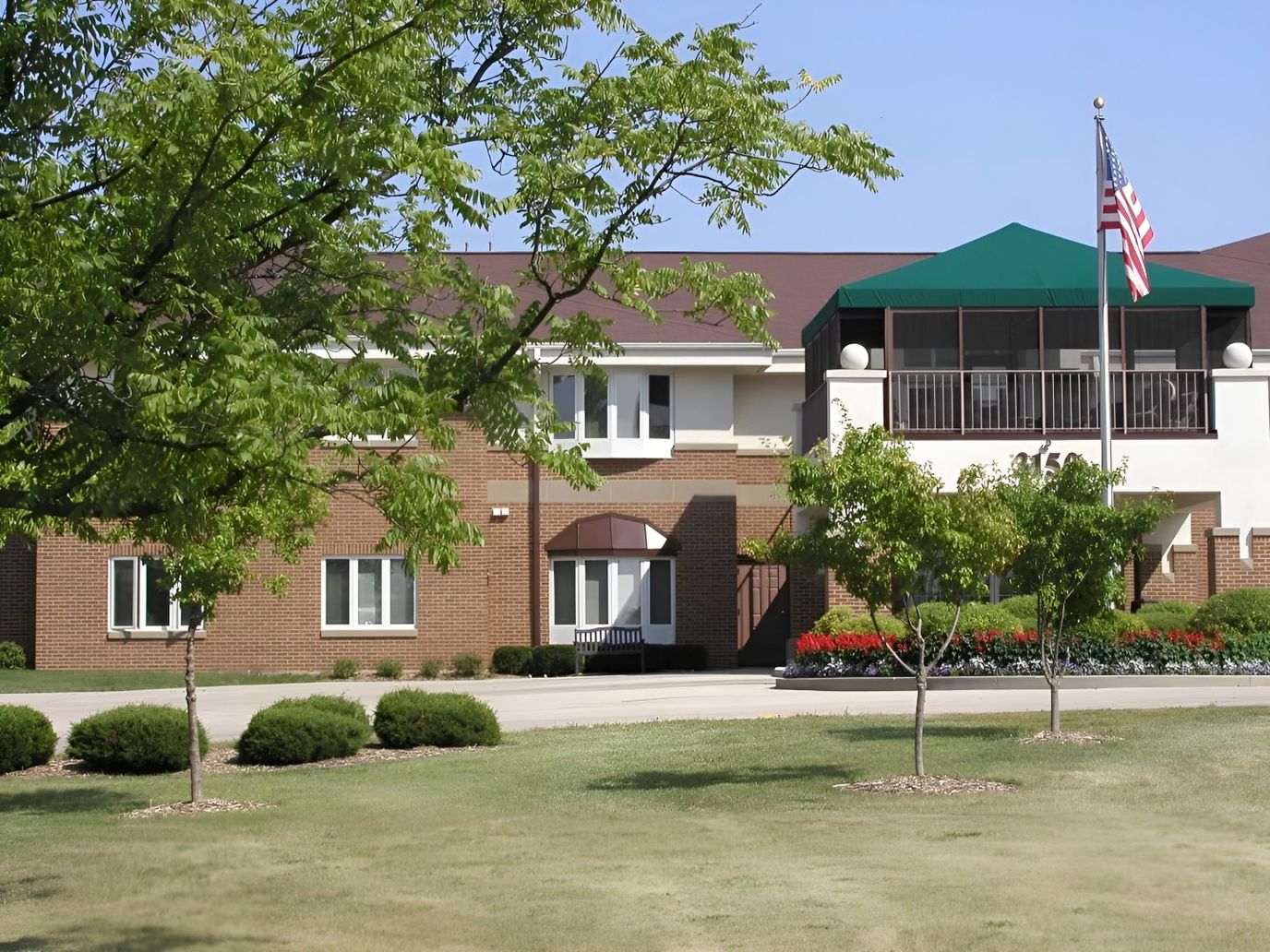
Congregational Home in Brookfield, WI, is a continuing care retirement community providing independent living, assisted living, memory care, nursing home care, and hospice services. Independent living offers private residential units without daily assistance, while assisted living provides support for tasks like bathing, dressing, and managing medication. Secured memory care delivers structured supervision, and hospice care focuses on comfort during end-of-life care.
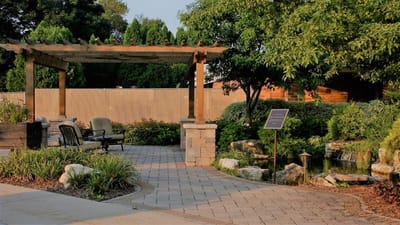
Registered as a 21-bed residential environment, the community features private rooms and maintains a daily average nurse staffing rate of 6 hours and 33 minutes per resident. On-site campus amenities include the Lilly Pad Wellness Center with fitness and yoga spaces, a salon, and outdoor grounds featuring walking paths, a koi pond, patios, and a secure courtyard. Residents have access to scheduled recreational activities, religious services, short-term rehabilitation, and outpatient therapy.
Prospective representatives evaluating long-term care options in Brookfield can reach out to Congregational Home to request specific rate schedules or tour the campus.
Quality ratings
The Overall CMS Rating combines results from health inspections, staffing levels and quality measures. Health inspections carry the most weight. Staffing and quality scores can increase or decrease the final rating based on performance compared to state and national standards.
Based on the results of the facility's three most recent standard inspections and any complaint investigations. CMS reviews the number, scope, and severity of deficiencies, with more recent findings weighted more heavily.
Measures average nursing staff hours per resident per day, including Registered Nurses (RNs) and total nursing staff. Ratings are adjusted based on the level of care residents require and are compared to state and national benchmarks.
Based on clinical and physical health indicators reported to CMS, such as hospital readmissions, falls, pressure ulcers, and improvements in mobility. These measures reflect how well residents' health needs are being managed.
Staffing
Data period: Q2 2026 (April 1 – June 30, 2026).
Nursing care per resident per day and state rankings: CMS Provider Information.
Headcount, shifts and contractors: CMS Payroll-Based Journal (PBJ).
Total nursing care per resident / day
This nursing home is ranked 4th out of 164 nursing homes we track in Wisconsin for nurse hours. Total adjusted nursing hours per resident per day, combining RN, LPN, and aide time. CMS adjusts this for case-mix so facilities can be fairly compared.
6h 33m
This nursing home is ranked 4th out of 164 nursing homes we track in Wisconsin for nurse hours. Total adjusted nursing hours per resident per day, combining RN, LPN, and aide time. CMS adjusts this for case-mix so facilities can be fairly compared.
6h 33mStandout metric: Physical therapist is +138% above Wisconsin average
0 of 6 metrics below Wisconsin average
Daily care time per resident, by role
Registered nurse (RN)
RNs hold the highest nursing license and can assess residents, interpret test results, and direct care plans. More RN hours per day often signals stronger clinical oversight and faster response to health changes. All 18 are the facility's own employees; no agency contractors work in this role.
18 staff · 7.6-hour shifts
1h 12m
↑ 24% · WI 58mThis facility: 1h 12m per resident per day, 24% above the Wisconsin average of 58m (among Wisconsin facilities reporting a recent figure).
RNs hold the highest nursing license and can assess residents, interpret test results, and direct care plans. More RN hours per day often signals stronger clinical oversight and faster response to health changes. All 18 are the facility's own employees; no agency contractors work in this role.
18 staff · 7.6-hour shiftsUS average: 41m. US 41m
LPN / LVN
Licensed Practical Nurses (LPNs) or Licensed Vocational Nurses (LVNs) deliver routine hands-on care — medication administration, wound dressing, and monitoring vital signs. They work under RN supervision and make up a large share of daily bedside care. All 18 are the facility's own employees; no agency contractors work in this role.
18 staff · 7.2-hour shifts
54m
↑ 43% · WI 38mThis facility: 54m per resident per day, 43% above the Wisconsin average of 38m (among Wisconsin facilities reporting a recent figure).
Licensed Practical Nurses (LPNs) or Licensed Vocational Nurses (LVNs) deliver routine hands-on care — medication administration, wound dressing, and monitoring vital signs. They work under RN supervision and make up a large share of daily bedside care. All 18 are the facility's own employees; no agency contractors work in this role.
18 staff · 7.2-hour shiftsUS average: 52m. US 52m
Certified nursing assistant
Certified Nurse Aides (CNAs) provide the most direct day-to-day assistance: bathing, dressing, feeding, and mobility. Nurse aide hours are typically the largest staffing category and directly affect residents' quality of life. All 119 are the facility's own employees; no agency contractors work in this role.
119 staff · 6.4-hour shifts
4h 27m
↑ 72% · WI 2h 35mThis facility: 4h 27m per resident per day, 72% above the Wisconsin average of 2h 35m (among Wisconsin facilities reporting a recent figure).
Certified Nurse Aides (CNAs) provide the most direct day-to-day assistance: bathing, dressing, feeding, and mobility. Nurse aide hours are typically the largest staffing category and directly affect residents' quality of life. All 119 are the facility's own employees; no agency contractors work in this role.
119 staff · 6.4-hour shiftsUS average: 2h 21m. US 2h 21m
Physical therapist
Hours per resident per day provided by licensed Physical Therapists (PTs) or PT Assistants. PT services help residents recover mobility after injury or illness and are especially important for post-acute (short-stay) rehabilitation.
10m
↑ 138% · WI 4mThis facility: 10m per resident per day, 138% above the Wisconsin average of 4m (among Wisconsin facilities reporting a recent figure).
Hours per resident per day provided by licensed Physical Therapists (PTs) or PT Assistants. PT services help residents recover mobility after injury or illness and are especially important for post-acute (short-stay) rehabilitation.
US average: 4m. US 4m
Total nursing, weekends
Combined nursing hours (RN + LPN + Nurse Aide) per resident per day on weekends. Staffing often drops on weekends — this figure reveals whether the facility maintains adequate coverage outside of weekday hours.
RN + LPN + aide · Sat–Sun
6h 6m
↑ 64% · WI 3h 43mThis facility: 6h 6m per resident per day, 64% above the Wisconsin average of 3h 43m (among Wisconsin facilities reporting a recent figure).
Combined nursing hours (RN + LPN + Nurse Aide) per resident per day on weekends. Staffing often drops on weekends — this figure reveals whether the facility maintains adequate coverage outside of weekday hours.
RN + LPN + aide · Sat–SunUS average: 3h 26m. US 3h 26m
RN, weekends
Registered nurse hours specifically on weekends. Facilities sometimes reduce RN presence on Saturdays and Sundays — a low weekend RN figure compared to weekday hours can indicate reduced clinical oversight when most administrative staff are absent.
Sat–Sun
43m
↑ 9% · WI 39mThis facility: 43m per resident per day, 9% above the Wisconsin average of 39m (among Wisconsin facilities reporting a recent figure).
Registered nurse hours specifically on weekends. Facilities sometimes reduce RN presence on Saturdays and Sundays — a low weekend RN figure compared to weekday hours can indicate reduced clinical oversight when most administrative staff are absent.
Sat–SunUS average: 29m. US 29m
Headcount
Every person who worked here at any point in the quarter, employees and contractors. It is not how many are on site at once: that is the "on an average day" figure.
235
202 employees · 33 contractors · 72 on an average day
Average hours one staff member works on a day they are on shift, across every role.
6.8 h
↓ 7% · WI 7.3 hThis facility: 6.8 h, 7% below the Wisconsin average of 7.3 h (among Wisconsin facilities reporting a recent figure).
44,754 staff hours this quarter
See full Wisconsin ranking →91% of staff hours were worked by the facility's own employees
Wisconsin average: 88.4% · Contractors this quarter: Speech Language Pathologist (8), Physical Therapy Assistant (8), Respiratory Therapy Technician (6), Physical Therapy Aide (5), Qualified Social Worker (3), Other Physician (1), Medical Director (1), Occupational Therapy Assistant (1)
Why it matters: employees work here week after week and get to know each resident's routines and needs. Agency contractors often rotate between facilities, so a higher employee share usually means more consistent care.
By The Numbers
Community insights.
Bed count
A smaller, more intimate setting that may offer a quieter environment and closer staff-resident interactions.
21
Rank #191 / 198Bed count — State benchmarked This nursing home is ranked 191st out of 198 nursing homes we track in Wisconsin for bed count. Shows this facility's certified or reported bed count compared to other Wisconsin facilities. Larger communities may offer more amenities, programs, and on-site services for residents and families.
A smaller, more intimate setting that may offer a quieter environment and closer staff-resident interactions.
21
Rank #191 / 198Bed count — State benchmarked This nursing home is ranked 191st out of 198 nursing homes we track in Wisconsin for bed count. Shows this facility's certified or reported bed count compared to other Wisconsin facilities. Larger communities may offer more amenities, programs, and on-site services for residents and families.Smaller home · May offer a more intimate, personalized care environment.
Walk Score
Car-dependent. Most errands require a car, with limited nearby walkable options.
Rank #166 / 191Walk Score — State benchmarked This nursing home is ranked 166th out of 191 nursing homes we track in Wisconsin for walk score. Shows how walkable this facility's neighborhood is compared to the average walk score across Wisconsin facilities. Higher scores benefit residents, families, and staff.
20
/ 100
Avg. Length of Stay
Average number of days residents stay at this facility, based on CMS cost report data. Shorter stays often reflect post-acute or rehab care; longer stays reflect long-term care.
Average number of days residents stay at this facility, based on CMS cost report data. Shorter stays often reflect post-acute or rehab care; longer stays reflect long-term care.
60
days
About This Community
Pricing & Financial Information
The below pricing was updated on
$2,908/Month
Facility TypeClass CNA (Nonambulatory)
CountyWaukesha
Waiver CertifiedNo
U.S. News & World Report Best Senior Living (2026)An annual U.S. News & World Report recognition based on surveys and other information about senior-living communities, including resident experience, care, activities, dining, and management.
Animal Assisted Interventions (AAI) / Pet Therapy partnership with Pets Helping People — Pets Helping PeopleA branded program developed by this community's operator or its partners - a named approach to programming or care, rather than an independent external certification.
Congregational Home is legally operated by Congregational Home Inc, and administered by Kris Sprtel.
Profit StatusNonprofit
Wheelchair Accessible
Secured Perimeter
Safety Features24-Hour Security, 24-Hour Help Call System with Talk Capability
Accept Medicaid
Short-Term Rehab
Short-Term Rehabilitation
Massage and Aroma Therapy
Outpatient Therapy
Meals
TransportationListed as: Scheduled transportation for outings
Housekeeping
Beauty Services
Pets not allowedVisiting pets welcome.
Admission CriteriaFinancial Statement and Application for Admission required for Long-Term Residency
Community Center
Movie Theater
Balcony
Manicures
Activities
Exercise Classes
Yoga Classes
Tai Chi
Cocktail Happy Hour
Sports Team-Backing Parties
Movies
Live Entertainment
Board and Card Games
Arts and Crafts
Baking
Gardening
Cookouts
Men's Groups
Women's Groups
Resident Council Meetings
Creative Poetry and Storytelling
Reminiscing and Memory Sharing
Trivia
Continued Learning Programs
Virtual Voyages
Intergenerational Programs
Music and Arts Classes
Pet Therapy
- Outings to restaurants, theaters, sporting events, shopping, and scenic drives
Chaplain Services
Chapel
Bible Study
Christian Devotions and Hymn Singing
Remembrance Service with Bell Choir
Seasonal Religious Services
Building Type2-story
1 Bedroom Floor plans as listed by the community: Independent Living - smallest (695 sq ft) · RCAC Assisted Living - smallest (475 sq ft)
Floor plans: Smallest
475–695 sq ft
2 Bedroom Floor plans as listed by the community: Independent Living - largest (1,272 sq ft) · RCAC Assisted Living - largest (1,272 sq ft)
Floor plans: Largest
1,272 sq ft
Private Room
Floor plans: CBRF room
317–364 sq ft
Suite
In-Room Features
En Suite Bathroom
Apartment-Style Suites With Living Room, Kitchenette, Bedroom And Bathroom
Two inspection records, one home. Wisconsin inspects it under state rules; CMS inspects its nursing-home beds under federal rules.
Inspection History and the Inspection Scorecard below are the state record. CMS Health Inspection History, further down, is the federal record. Each counts its own visits and findings over its own dates, so the totals are not meant to match, and nothing is counted twice.
Inspection History
In Wisconsin, the Department of Health Services, Division of Quality Assurance performs unannounced onsite surveys to ensure that long-term care facilities meet health and safety laws.
Since 2023 · 3 years of data
These figures come from state-published data and the state inspection reports we hold on file. The period covered can vary depending on document availability.
Includes all inspection records for this property, which could include management/ownership changes. 6 deficiencies 5 inspections
Includes all inspection records for this property, which could include management/ownership changes. 6 deficiencies 5 inspections
Inspection Scorecard
This scorecard compares key inspection, deficiency, and complaint metrics at this facility against the Wisconsin state average. Metrics rated ≥15% worse than average are highlighted in red; those ≥15% better are highlighted in green.
Since 2023 vs. Wisconsin state average
Overall vs. WI average
1 Worse
Metrics worse than Wisconsin average:
• Total deficiencies (16% above) 1 At Avg Metrics at Wisconsin average:
• Deficiencies per inspection (at WI avg) 0 Better No metrics in this bucket.
• Total deficiencies (16% above) 1 At Avg Metrics at Wisconsin average:
• Deficiencies per inspection (at WI avg) 0 Better No metrics in this bucket.
Deficiencies
| This Facility | WI Average | vs. WI Avg |
|---|---|---|---|
|
Total deficiencies
Formal regulatory issues recorded by inspectors across all inspection types.
| 6 | 5.2 | This facility has 16% more total deficiencies than a typical Wisconsin nursing home (6 vs. WI avg 5.16).↑ 16% worse |
|
Deficiencies per inspection
Average deficiencies per inspection.
| 1.2 | 1.2 | This facility has deficiencies per inspection in line with the Wisconsin average (1.2 vs. WI avg 1.2).— At avg |
Inspections
| This Facility | WI Average | vs. WI Avg |
|---|---|---|---|
|
Total inspections
Combined count of all inspections conducted at this facility.
| 5 | 4.0 | This facility has had 25% more total inspections than the Wisconsin average (5 vs. WI avg 4). More inspections can mean more regulatory scrutiny rather than worse care.↑ 25% more |
CMS Health Inspection History
Federal inspection data published by CMS, covering this home's Medicare and/or Medicaid-certified skilled-nursing/nursing beds only.
Total health inspections
4
↓ 35% · WI 6.2This facility: 4, 35% below the Wisconsin average of 6.2 (among Wisconsin facilities reporting a recent figure).
Total health citations
21
Rank #77 / 168Health citations — State benchmarked This nursing home is ranked 77th out of 168 nursing homes we track in Wisconsin for health citations. Shows this facility's total health deficiency citations benchmarked to the Wisconsin State average, with a ranking across all 168 WI facilities. Lower citation counts earn a better rank.↓ 26% · WI 28.3This facility: 21, 26% below the Wisconsin average of 28.3 (among Wisconsin facilities reporting a recent figure).
Citations per inspection
5.25
Rank #122 / 168Citations per inspection — State benchmarked This nursing home is ranked 122nd out of 168 nursing homes we track in Wisconsin for citations per inspection. Shows average deficiency citations per CMS inspection for this facility versus the Wisconsin mean across 168 facilities with citation data. Lower is better.↑ 24% · WI 4.24This facility: 5.25, 24% above the Wisconsin average of 4.24 (among Wisconsin facilities reporting a recent figure).
Citation severity
 100% corrected
21 of 21 citations corrected
Critical
J–L
0
↓ 100% · WI 0.9This facility: 0, 100% below the Wisconsin average of 0.9 (among Wisconsin facilities reporting a recent figure).
Immediate jeopardy
Serious
G–I
1
↓ 17% · WI 1.2This facility: 1, 17% below the Wisconsin average of 1.2 (among Wisconsin facilities reporting a recent figure).
Actual harm
Moderate
D–F
20
↓ 22% · WI 25.8This facility: 20, 22% below the Wisconsin average of 25.8 (among Wisconsin facilities reporting a recent figure).
No harm, more than minimal risk
Minor
A–C
0
↓ 100% · WI 0.5This facility: 0, 100% below the Wisconsin average of 0.5 (among Wisconsin facilities reporting a recent figure).
No harm, minimal riskLatest inspection: Jul 31, 2025 · 5 citations, all corrected
Most cited category: Quality of Life & Care, 9 of 21 citations · 7 categories in total
Citations history
Most recent first
Jul 31, 2025
5 citations
Nutrition moderate citation
Corrected
Corrected
Care Planning moderate citation
Corrected
Corrected
Care Planning moderate citation
Corrected
Corrected
Care Planning moderate citation
Corrected
Corrected
Quality of Care moderate citation
Corrected
Corrected
Feb 05, 2025
3 citations
Abuse/Neglect moderate citation
Corrected
Corrected
Quality of Care moderate citation
Corrected
Corrected
Quality of Care moderate citation
Corrected
Corrected
May 01, 2024
6 citations
Quality of Care serious citation
Corrected
Corrected
Nutrition moderate citation
Corrected
Corrected
Care Planning moderate citation
Corrected
Corrected
Quality of Care moderate citation
Corrected
Corrected
Quality of Care moderate citation
Corrected
Corrected
Administration moderate citation
Corrected
Corrected
Mar 29, 2023
7 citations
Infection Control moderate citation
Corrected
Corrected
Care Planning moderate citation
Corrected
Corrected
Care Planning moderate citation
Corrected
Corrected
Quality of Care moderate citation
Corrected
Corrected
Quality of Care moderate citation
Corrected
Corrected
Quality of Care moderate citation
Corrected
Corrected
Pharmacy moderate citation
Corrected
Corrected
Top deficiency categories
Share of 21 citations
Quality of Life & Care
9 deficiencies (43%)
Resident Assessment & Care Planning
6 deficiencies (29%)
Nutrition & Dietary
2 deficiencies (10%)
Infection Control
1 deficiency (5%)
Administration
1 deficiency (5%)
Abuse, Neglect & Exploitation
1 deficiency (5%)
Pharmacy Services
1 deficiency (5%)
How citations are counted
Health citations are formal notices following inspections when they fail to comply with safety and care standards.
18 of 21 citations resulted from standard inspections; and 3 of 21 resulted from complaint investigations.
Includes all CMS health inspection records for this property, which could include management/ownership changes.
Source
Data sourced from CMS Health Deficiencies reports, which cover the Medicare and/or Medicaid-certified skilled-nursing and nursing beds and no other part of the community. Citation severity codes range from A (least serious) to L (most serious). Immediate Jeopardy (J-L) citations indicate situations where the facility's noncompliance has placed residents at risk of death or serious harm.
Enforcement
Penalties and fines
Penalties and fines
Federal penalties imposed by CMS for regulatory violations, including civil money penalties (fines) and denials of payment for new Medicare/Medicaid admissions.
Source: CMS Penalties Database · Data as of Oct 2026
No penalties in the past 3 years
No civil money penalties or payment denials on record since Oct 2023.
Total fines
$0
WI avg $107KWisconsin average: $106,807. Average among the 146 Wisconsin facilities with a penalty on record.US avg $66KUS average: $66,281, among the 6,725 US facilities with a penalty on record.
Number of fines
0
WI avg 2.03Wisconsin average: 2.03. Average among the 146 Wisconsin facilities with a penalty on record.US avg 1.88US average: 1.88, among the 6,725 US facilities with a penalty on record.
Payment denials
Serious action where Medicare and/or Medicaid temporarily stops payments for new residents until issues are fixed.
Serious action where Medicare and/or Medicaid temporarily stops payments for new residents until issues are fixed.
0
WI avg 0.71Wisconsin average: 0.71. Average among the 146 Wisconsin facilities with a penalty on record.US avg 0.35US average: 0.35, among the 6,725 US facilities with a penalty on record.
Health Outcomes
Quality of care over time
How residents at this home fare on health outcomes and preventive care, compared with the Wisconsin average.
CMS star rating for the care of long-stay residents, who live at the home for 100 days or more. It is built from the long-stay quality measures below. 5 stars is the best.
5
/ 5
Significantly above average
CMS star rating for the care of short-stay residents, mostly people recovering after a hospital stay for under 100 days. It is built from the short-stay quality measures below. 5 stars is the best.
4
/ 5
Above average
Average of five long-stay measures: pressure ulcers, falls with major injury, unplanned weight loss, worsening ability to walk, and needing more help with daily activities. Each is the % of residents affected, so lower is better.
11.2
Score · lower is better
↑ 24% · WI 9.0This facility: 11.2, 24% above the WI average of 9.0 (among WI facilities reporting a recent figure).
Average of three long-stay measures: needing more help with daily activities, worsening ability to walk, and loss of bowel or bladder control. Each is the % of residents affected, so lower is better.
23.6
Score · lower is better
↑ 25% · WI 18.9This facility: 23.6, 25% above the WI average of 18.9 (among WI facilities reporting a recent figure).13 long-stay measures: 9 better, 3 worse, 1 near WI average
8 short-stay measures: 4 better, 1 near WI average, 3 compared with US only
Long-stay residents
People who live at the home · 13 measures
Daily care & independence
Needed more help with daily activities
Percent of long-stay residents whose need for help with daily activities has increased
24.1%
↑ 52% · WI 15.8This facility: 24.1, 52% above the WI average of 15.8 (among WI facilities reporting a recent figure).
Percent of long-stay residents whose need for help with daily activities has increased
24.1%
↑ 52% · WI 15.8This facility: 24.1, 52% above the WI average of 15.8 (among WI facilities reporting a recent figure).
Walking ability worsened
Percent of long-stay residents whose ability to move independently worsened
15.1%
↓ 11% · WI 17.0This facility: 15.1, 11% below the WI average of 17.0 (among WI facilities reporting a recent figure).
Percent of long-stay residents whose ability to move independently worsened
15.1%
↓ 11% · WI 17.0This facility: 15.1, 11% below the WI average of 17.0 (among WI facilities reporting a recent figure).
Bowel or bladder incontinence (low-risk residents)
Percent of low risk long-stay residents who lose control of their bowels or bladder
31.7%
↑ 35% · WI 23.6This facility: 31.7, 35% above the WI average of 23.6 (among WI facilities reporting a recent figure).
Percent of low risk long-stay residents who lose control of their bowels or bladder
31.7%
↑ 35% · WI 23.6This facility: 31.7, 35% above the WI average of 23.6 (among WI facilities reporting a recent figure).Safety & clinical stability
Urinary tract infection
Percent of long-stay residents with a urinary tract infection
1.5%
↓ 45% · WI 2.7This facility: 1.5, 45% below the WI average of 2.7 (among WI facilities reporting a recent figure).
Percent of long-stay residents with a urinary tract infection
1.5%
↓ 45% · WI 2.7This facility: 1.5, 45% below the WI average of 2.7 (among WI facilities reporting a recent figure).
Falls with major injury
Percent of long-stay residents experiencing one or more falls with major injury
2.9%
↓ 13% · WI 3.3This facility: 2.9, 13% below the WI average of 3.3 (among WI facilities reporting a recent figure).
Percent of long-stay residents experiencing one or more falls with major injury
2.9%
↓ 13% · WI 3.3This facility: 2.9, 13% below the WI average of 3.3 (among WI facilities reporting a recent figure).
Pressure ulcers (high-risk residents)
Percent of long-stay high risk residents with pressure ulcers
2.5%
↓ 49% · WI 4.9This facility: 2.5, 49% below the WI average of 4.9 (among WI facilities reporting a recent figure).
Percent of long-stay high risk residents with pressure ulcers
2.5%
↓ 49% · WI 4.9This facility: 2.5, 49% below the WI average of 4.9 (among WI facilities reporting a recent figure).Physical & mental health
Lost too much weight
Percent of long-stay residents who lose too much weight
11.4%
↑ 131% · WI 4.9This facility: 11.4, 131% above the WI average of 4.9 (among WI facilities reporting a recent figure).
Percent of long-stay residents who lose too much weight
11.4%
↑ 131% · WI 4.9This facility: 11.4, 131% above the WI average of 4.9 (among WI facilities reporting a recent figure).
Depressive symptoms
Percent of long-stay residents who have depressive symptoms
0.0%
↓ 100% · WI 6.0This facility: 0.0, 100% below the WI average of 6.0 (among WI facilities reporting a recent figure).
Percent of long-stay residents who have depressive symptoms
0.0%
↓ 100% · WI 6.0This facility: 0.0, 100% below the WI average of 6.0 (among WI facilities reporting a recent figure).
Antipsychotic use
Percent of long-stay residents who received an antipsychotic medication
0.0%
↓ 100% · WI 15.9This facility: 0.0, 100% below the WI average of 15.9 (among WI facilities reporting a recent figure).
Percent of long-stay residents who received an antipsychotic medication
0.0%
↓ 100% · WI 15.9This facility: 0.0, 100% below the WI average of 15.9 (among WI facilities reporting a recent figure).Preventive care
Pneumococcal vaccine
Percent of long-stay residents assessed and appropriately given the pneumococcal vaccine
98.6%
↑ 3% · WI 96.0This facility: 98.6, 3% above the WI average of 96.0 (among WI facilities reporting a recent figure).
Percent of long-stay residents assessed and appropriately given the pneumococcal vaccine
98.6%
↑ 3% · WI 96.0This facility: 98.6, 3% above the WI average of 96.0 (among WI facilities reporting a recent figure).
Flu vaccine
Percent of long-stay residents assessed and appropriately given the seasonal influenza vaccine
100.0%
↑ 5% · WI 95.6This facility: 100.0, 5% above the WI average of 95.6 (among WI facilities reporting a recent figure).
Percent of long-stay residents assessed and appropriately given the seasonal influenza vaccine
100.0%
↑ 5% · WI 95.6This facility: 100.0, 5% above the WI average of 95.6 (among WI facilities reporting a recent figure).Hospital & emergency visits
Hospitalizations per 1,000 days
Number of hospitalizations per 1,000 long-stay resident days.
0.93
↓ 42% · WI 1.61This facility: 0.93, 42% below the WI average of 1.61 (among WI facilities reporting a recent figure).
Number of hospitalizations per 1,000 long-stay resident days.
0.93
↓ 42% · WI 1.61This facility: 0.93, 42% below the WI average of 1.61 (among WI facilities reporting a recent figure).
ER visits per 1,000 days
Number of outpatient emergency department visits per 1,000 long-stay resident days.
0.44
↓ 80% · WI 2.19This facility: 0.44, 80% below the WI average of 2.19 (among WI facilities reporting a recent figure).
Number of outpatient emergency department visits per 1,000 long-stay resident days.
0.44
↓ 80% · WI 2.19This facility: 0.44, 80% below the WI average of 2.19 (among WI facilities reporting a recent figure).Short-stay residents
Rehab and recovery after a hospital stay · 8 measures
Daily care & independence
Able to care for self at discharge
Percentage of residents at or above expected ability to care for themselves at discharge.
52.0%
↓ 3% · US 53.7This facility: 52.0, 3% below the US average of 53.7 (among US facilities reporting a recent figure).
Percentage of residents at or above expected ability to care for themselves at discharge.
52.0%
↓ 3% · US 53.7This facility: 52.0, 3% below the US average of 53.7 (among US facilities reporting a recent figure).
Returned home or to the community
Rate of successful return to home or community from a skilled nursing facility.
65.3%
↑ 29% · US 50.6This facility: 65.3, 29% above the US average of 50.6 (among US facilities reporting a recent figure).
Rate of successful return to home or community from a skilled nursing facility.
65.3%
↑ 29% · US 50.6This facility: 65.3, 29% above the US average of 50.6 (among US facilities reporting a recent figure).Safety & clinical stability
Falls with major injury
Percentage of SNF residents who experience falls with major injury during their stay.
0.0%
↓ 100% · US 0.8This facility: 0.0, 100% below the US average of 0.8 (among US facilities reporting a recent figure).
Percentage of SNF residents who experience falls with major injury during their stay.
0.0%
↓ 100% · US 0.8This facility: 0.0, 100% below the US average of 0.8 (among US facilities reporting a recent figure).Physical & mental health
New antipsychotic medication
Percent of short-stay residents who newly received an antipsychotic medication
0.7%
↓ 41% · WI 1.2This facility: 0.7, 41% below the WI average of 1.2 (among WI facilities reporting a recent figure).
Percent of short-stay residents who newly received an antipsychotic medication
0.7%
↓ 41% · WI 1.2This facility: 0.7, 41% below the WI average of 1.2 (among WI facilities reporting a recent figure).Preventive care
Pneumococcal vaccine
Percent of short-stay residents assessed and appropriately given the pneumococcal vaccine
98.9%
↑ 14% · WI 86.9This facility: 98.9, 14% above the WI average of 86.9 (among WI facilities reporting a recent figure).
Percent of short-stay residents assessed and appropriately given the pneumococcal vaccine
98.9%
↑ 14% · WI 86.9This facility: 98.9, 14% above the WI average of 86.9 (among WI facilities reporting a recent figure).
Flu vaccine
Percent of short-stay residents assessed and appropriately given the seasonal influenza vaccine
98.6%
↑ 20% · WI 82.2This facility: 98.6, 20% above the WI average of 82.2 (among WI facilities reporting a recent figure).
Percent of short-stay residents assessed and appropriately given the seasonal influenza vaccine
98.6%
↑ 20% · WI 82.2This facility: 98.6, 20% above the WI average of 82.2 (among WI facilities reporting a recent figure).Hospital & emergency visits
Re-hospitalized after admission
Percentage of short-stay residents who were re-hospitalized after their nursing home admission.
23.6%
↑ 4% · WI 22.7This facility: 23.6, 4% above the WI average of 22.7 (among WI facilities reporting a recent figure).
Percentage of short-stay residents who were re-hospitalized after their nursing home admission.
23.6%
↑ 4% · WI 22.7This facility: 23.6, 4% above the WI average of 22.7 (among WI facilities reporting a recent figure).
ER visits
Percentage of short-stay residents who had an outpatient emergency department visit.
12.2%
↓ 19% · WI 15.0This facility: 12.2, 19% below the WI average of 15.0 (among WI facilities reporting a recent figure).
Percentage of short-stay residents who had an outpatient emergency department visit.
12.2%
↓ 19% · WI 15.0This facility: 12.2, 19% below the WI average of 15.0 (among WI facilities reporting a recent figure).Arrows show whether a figure is above or below the average. Green is better for residents, red is worse, and yellow means within 5% of the average. Grey compares with the US average only, because CMS publishes no state figure. The line on each bar marks the average.
Quality measures are calculated by CMS from Minimum Data Set (MDS) resident assessments and Medicare claims.
Money and staffing.
Congregational Home’s finances from its CMS cost report for the fiscal year ending December 2024, compared with 164 Wisconsin nursing homes that filed a recent report. Includes all financial data for this property, which could include management/ownership changes.
FY Dec 2024
Is it financially stable?
Breaking even on care
3.9% operating margin
+6.2 pts vs prior year
Positive margin in 3 of the last 8 reported years. Net income $1.8M after other income.
Does it invest in staff?
Spends more on payroll than most Wisconsin homes
63.5% payroll share of revenue
WI average 58.7%Rank #41 / 164Payroll % of net patient revenue — State benchmarked This nursing home is ranked 41st out of 164 nursing homes we track in Wisconsin for payroll % of net patient revenue. Shows payroll as a percentage of net patient revenue versus the Wisconsin average, among facilities reporting a recent fiscal year. Below 25% may signal understaffing or heavy agency use — read with Staffing ratings.
Payroll rose $0.7M while revenue rose $1.8M. Check hours per resident in the staffing section to confirm it reaches the floor.
FY 2024 scorecard
Each row shows the FY 2024 figure, the change since the prior report, the trend, and how it compares with Wisconsin homes.
Revenue & profit
Profitable on care
| Metric | FY 2024 | vs prior year | Trend 2017 → 2024Trend | WI median | Compared with WI homesRank in WI | In short |
|---|---|---|---|---|---|---|
| Net patient revenue What the home earns from resident care, after discounts and bad debt. | $17.4M | +$1.8M | Trend 20172024 | WI median $8.3M | Rank in WI Rank #8 / 164Net patient revenue — State benchmarked This nursing home is ranked 8th out of 164 nursing homes we track in Wisconsin for net patient revenue. Shows this facility's net patient revenue compared to the Wisconsin average, among facilities reporting a recent fiscal year. Higher revenue generally means more resources for staffing and capital — read alongside Payroll %. Higher than 96% of homes | Top 4% in WI Higher net patient revenue than 96% of WI homes that filed a recent report. Revenue mostly follows how big a home is. |
| Operating expenses Everything it costs to run the home: staff, supplies, rent, admin. | $16.7M | +$0.8M | Trend 20172024 | WI median $8.4M | Rank in WI Rank #22 / 164Operating expenses — State benchmarked This nursing home is ranked 22nd out of 164 nursing homes we track in Wisconsin for operating expenses. Shows everything it cost to run the home — staff, supplies, rent, admin — compared with other Wisconsin homes reporting a recent fiscal year. Expenses in dollars mostly follow how big a home is, so this compares size, not efficiency; read it next to operating margin. Higher than 87% of homes | Within revenue Operating expenses are lower than net patient revenue, so resident care covers its costs. |
| Net patient income Revenue minus operating expenses. Negative means care loses money. | $0.7M | +$1.0M | Trend 20172024 | WI median −$0.1M | Rank in WI Rank #18 / 164Net patient income — State benchmarked This nursing home is ranked 18th out of 164 nursing homes we track in Wisconsin for net patient income. Shows net patient revenue minus operating expenses, compared with other Wisconsin homes reporting a recent fiscal year. Homes that lost money on care are in the pool too, so a rank in the bottom half usually means a loss. Higher than 90% of homes | Profit, growing Resident care made money this year, more than in the prior report. |
| Operating margin Net patient income as a share of revenue. The clearest health signal. | 3.9% | +6.2 pts | Trend 20172024 | WI median −1.0% | Rank in WI Rank #48 / 164Operating margin — State benchmarked This nursing home is ranked 48th out of 164 nursing homes we track in Wisconsin for operating margin. Shows net patient income as a share of net patient revenue, compared with other Wisconsin homes reporting a recent fiscal year. Unlike the dollar figures it does not follow size, so it is the fairest comparison of financial health between a small home and a large one. Higher than 71% of homes | Thin margin A margin from 0% to 5% of revenue leaves little room for unexpected costs. |
| Other income Money not from resident care: investments, grants, services. | $1.2M | — | Trend — | WI median $0.1M | Rank in WI Rank #22 / 162Other income — State benchmarked This nursing home is ranked 22nd out of 162 nursing homes we track in Wisconsin for other income. Shows income from outside resident care — investments, grants, rentals, services — compared with other Wisconsin homes reporting a recent fiscal year. It is not part of net patient revenue; a high rank here can offset a loss on care. Higher than 87% of homes | Adds to profit Income from outside resident care, on top of the profit from care. |
| Net income The bottom line after other income. | $1.8M | +$0.5M | Trend — | WI median $0.2M | Rank in WI Rank #9 / 164Net income — State benchmarked This nursing home is ranked 9th out of 164 nursing homes we track in Wisconsin for net income. Shows the bottom line after other income, compared with other Wisconsin homes reporting a recent fiscal year. Homes with a net loss are in the pool too, so a rank in the bottom half usually means a loss. Higher than 95% of homes | Profit The bottom line is above zero after other income. |
Staffing spend
Spends more of revenue on staff than most Wisconsin homes
| Metric | FY 2024 | vs prior year | Trend 2017 → 2024Trend | WI median | Compared with WI homesRank in WI | In short |
|---|---|---|---|---|---|---|
| Payroll costs Salaries and wage-related benefits, not counting contract labor. | $11.0M | +$0.7M | Trend 20172024 | WI median $4.4M | Rank in WI Rank #12 / 164Payroll costs — State benchmarked This nursing home is ranked 12th out of 164 nursing homes we track in Wisconsin for payroll costs. Shows total staff payroll — salaries plus wage-related benefits — benchmarked to the Wisconsin average, among facilities reporting a recent fiscal year. Higher payroll relative to peers often signals better staffing and less reliance on contract labor. Higher than 93% of homes | Top 7% in WI by size Higher payroll than 93% of WI homes. Payroll in dollars mostly follows how big a home is, so this compares size, not staffing levels. |
| Payroll share of revenue Payroll divided by revenue. Higher usually means more staff per resident. | 63.5% | −3.1 pts | Trend 20172024 | WI median 56.9% | Rank in WI Rank #41 / 164Payroll % of net patient revenue — State benchmarked This nursing home is ranked 41st out of 164 nursing homes we track in Wisconsin for payroll % of net patient revenue. Shows payroll as a percentage of net patient revenue versus the Wisconsin average, among facilities reporting a recent fiscal year. Below 25% may signal understaffing or heavy agency use — read with Staffing ratings. Higher than 75% of homes | 4.8 pts over WI average The WI average is 58.7% of revenue. Within 3 points of it reads as near the average. |
Charts, 2017–2024 2 charts · WI benchmark drawn as a dashed line
Revenue, expenses and income
What the home earned from resident care (net patient revenue), what it cost to run (operating expenses) and the difference between the two (net patient income), for each fiscal year it filed a CMS cost report.
USD, millions
Net patient revenue Operating expenses Net patient income
Where revenue goes
Both lines are a share of net patient revenue. Payroll share is what goes to salaries and wage-related benefits; operating margin is what is left after every operating cost (below 0%, resident care lost money). The dashed line is the Wisconsin payroll average.
% of net patient revenue
Payroll share Operating margin WI payroll average
Year-by-year data, 2017–2024 every reported year · latest first, scroll sideways
| Metric | 2017 | 2018 | 2019 | 2020 | 2021 | 2022 | 2023 | 2024 |
|---|---|---|---|---|---|---|---|---|
| Net patient revenue | $11.3M | $11.6M | $13.3M | $12.6M | $12.9M | $16.2M | $15.6M | $17.4M |
| Operating expenses | $12.3M | $12.7M | $12.7M | $12.9M | $13.2M | $14.5M | $16.0M | $16.7M |
| Net patient income | −$1.0M | −$1.1M | $0.6M | −$0.3M | −$0.4M | $1.7M | −$0.4M | $0.7M |
| Operating margin | −8.8% | −9.6% | 4.3% | −2.3% | −2.9% | 10.6% | −2.3% | 3.9% |
| Net income | $0.5M | −$0.8M | $2.5M | $2.1M | $2.5M | −$0.3M | $1.3M | $1.8M |
| Payroll costs | $8.4M | $6.9M | $8.5M | $8.8M | $8.9M | $9.6M | $10.4M | $11.0M |
| Payroll share of revenue | 74.7% | 59.7% | 64.3% | 69.8% | 68.8% | 58.8% | 66.6% | 63.5% |
| Beds | 66 | 66 | 66 | 66 | 66 | 66 | 66 | 66 |
| Gross revenue | $11.9M | $13.5M | $15.1M | $15.0M | $16.5M | $16.9M | $19.3M | $19.4M |
| Salaries | $6.9M | $6.9M | $7.1M | $7.3M | $7.4M | $8.0M | $8.8M | $9.3M |
| Wage-related costs | $1.6M | — | $1.4M | $1.5M | $1.5M | $1.6M | $1.6M | $1.7M |
| Contract labor | — | — | — | — | — | — | — | — |
| Other operating costs | $3.9M | $5.8M | $4.2M | $4.1M | $4.4M | $5.0M | $5.6M | $5.7M |
| Net patient revenue per day | $540 | $564 | $598 | $612 | $617 | $734 | $712 | $785 |
| Cost per day | $588 | $618 | $572 | $626 | $635 | $656 | $729 | $754 |
| Average length of stay | 113.2 days | 69.5 days | 65.1 days | 74.7 days | 54.8 days | 60.8 days | 58.4 days | 60.3 days |
Showing 2024–2022 · scroll sideways for 5 earlier years
Earlier and partial years are in the download. Download CSV
Who this home usually serves
Residents split by who pays for their care: Medicare, Medicaid, or private pay and other sources.
Over a year: CMS SNF Cost Report, FY2024
Arriving
366 admissions · FY2024
Residents admitted during the year.
Medicare
145 · 40%
Medicaid
0 · 0%
Private pay & other
221 · 60%
Leaving
368 discharges · FY2024
Residents discharged during the year.
Medicare
127 · 35%
Medicaid
0 · 0%
Private pay & other
241 · 65%
Primarily short stays
Residents typically stay for brief periods, with frequent admissions and discharges throughout the year.
Places of interest near Congregational Home
 3.2 miles from city center
Estimated distance in miles from Brookfield's city center to Congregational Home's address, calculated via Google Maps.
Calculate Travel Distance to Congregational Home
Add your location
Compare Nursing Homes around Brookfield
Info below is compiled from CMS reports & the WI Dept. of Health Services (DHS), senior community websites & trusted data sources such as Walk Score & BBB.
Communities are listed from highest-ranked to lowest-ranked based on our methodology.
Official facility name used in federal/state reporting (may differ slightly from the marketing name).
|
Care Types in This Table
AL (Assisted Living):
Housing with help for daily activities like bathing, dressing, and medication, without 24-hour skilled nursing.
NH (Nursing Home):
24/7 skilled nursing care for residents with complex, ongoing medical needs.
SNF (Skilled Nursing Facility):
Round-the-clock nursing care, often for recovery after surgery, injury, or illness.
MC (Memory Care):
Secured, specialized care for people living with Alzheimer's or dementia.
IL (Independent Living):
Community living with dining, activities, and transportation for active seniors who need little personal care.
HC (Home Care):
Professional care delivered in the person's own home, from companionship to skilled nursing.
HOS (Hospice Care):
Comfort-focused care for those with a terminal illness, prioritizing quality of life over treatment.
ADC (Adult Day Care):
Daytime supervision, health monitoring, and social activities for seniors who live at home.
PC (Palliative Care):
Comfort-focused care for serious illness at any stage, including alongside curative treatment.
CCRC (Continuing Care Retirement Community):
A campus with multiple care levels so residents can age in place without moving.
|
City and state of the facility. Used for mapping and state-average comparisons.
|
Estimated monthly cost range for the facility.
|
Licensed bed capacity (maximum allowed). Not the same as how many beds are currently filled.
|
Better Business Bureau grade for the operating company. Reflects complaint handling and business practices, not clinical care quality.
|
Third-party neighborhood walkability score (0–100). Convenience/context metric, not a healthcare quality measure.
|
Housing or bed configuration options (e.g. studio, shared), often from facility-reported amenities and licensing details.
|
|---|---|---|---|---|---|---|---|
| Congregational Home | NH AL CCRC HOS IL MC SNF | Brookfield (Grantosa) | $8,467 - $8,467 | 21
Facility
21
WI AVG
78
Rank
#191 / 198 | - |
20
Facility
20
WI AVG
48
Rank
#166 / 191 | Private Rooms |
| Care-Age Of Brookfield | NH AL PC SNF | Brookfield | - | 110
Facility
110
WI AVG
78
Rank
#35 / 198 | - | - | Private Rooms |
| Ascension Living Franciscan Place | NH ADC AL HC IL MC SNF | Brookfield (Glen Kerry) | - | 110
Facility
110
WI AVG
78
Rank
#35 / 198 | - |
17
Facility
17
WI AVG
48
Rank
#167 / 191 | Private Rooms |
| Aria of Brookfield | NH SNF | Brookfield (Barrington Woods) | - | 170
Facility
170
WI AVG
78
Rank
#5 / 198 | - | - | - |
Rank badges are statewide and care-type specific: each nursing home is ranked against every other WI nursing home we track that reports that metric, not just the 4 on this page. See how we rank facilities
Financial assistance
Get financial aid guidance Programs that may help with care and living costs in Wisconsin
Congregational Home is in Brookfield, Wisconsin. These programs may support different care settings or living expenses. A listing does not confirm this community participates; our concierge team can help confirm.
Family Care Program
WI Medicaid Family Care
Eligibility
- General
- Wisconsin adult age 18 or older who is frail elderly or has a qualifying disability; Medicaid financial eligibility and the applicable functional screen are required.
- WI specifics
- Family Care is managed long-term care; member and care team plan supports based on assessed outcomes and needs.
What it provides
- Authorized long-term care and care management under the individual service plan.
IRIS (Include, Respect, I Self-Direct)
Wisconsin IRIS
- Income limit
- IRIS Medicaid financial eligibility must be determined for the applicant.
Eligibility
- General
- Wisconsin resident age 18 or older with a qualifying disability or frail-elder status; Medicaid financial eligibility and functional screening required; eligible community residence.
- WI specifics
- IRIS participants direct an individual budget and select or manage approved supports and providers within program requirements.
What it provides
- Authorized self-directed long-term supports may include personal assistance transportation home modifications meals and other assessed services.
VA Aid and Attendance (A&A) and Housebound Benefits
Wisconsin VA Aid and Attendance/Housebound
- Who it is for
- Veterans or survivors with VA pension eligibility and an Aid and Attendance or Housebound medical need
- Income limit
- Countable income must be below the applicable Maximum Annual Pension Rate (MAPR); the rate depends on dependents and benefit category; Qualifying unreimbursed medical expenses may reduce countable income.
- Asset limit
- VA pension net-worth limit is $163,699 from December 1 2025 through November 30 2026; net worth includes countable assets and annual income under VA rules.
Eligibility
- General
- Additional pension benefits for qualifying Veterans or survivors who satisfy VA pension eligibility and the medical requirements for Aid and Attendance or Housebound status; being an older veteran or spouse alone does not qualify.
- WI specifics
- This is a federal VA benefit rather than a state-specific grant; Aid and Attendance and Housebound benefits cannot be received together.
What it provides
- Increased monthly VA pension based on the applicable MAPR less countable income.
SSI Exceptional Expense Supplement (SSI-E)
Wisconsin SSI Exceptional Expense Supplement (SSI-E)
Eligibility
- General
- Wisconsin SSI recipients certified by a county agency, either in qualifying residential settings with expenses above the applicable SSI-E payment level or at home with at least 40 hours of primary long-term support services needed each month.
- WI specifics
- Eligible residential settings include licensed or certified adult family homes, qualifying CBRFs of 20 beds or fewer and certified residential care apartment complexes. Home-based recipients must pay their share of household costs. A county assessment and certification are required.
What it provides
- For an eligible individual an additional monthly cash benefit of up to $105.59 may be added to the state SSI payment. Couple amounts differ.
Wisconsin Family Caregiver Support Programs
WI NFCSP Respite
Eligibility
- General
- NFCSP serves eligible caregivers of older adults and specified relative caregivers of children or adults with disabilities; Wisconsin also has a separate Alzheimer Family and Caregiver Support Program.
- WI specifics
- National Family Caregiver Support and Alzheimer Family and Caregiver Support have distinct eligibility rules.
What it provides
- Caregiver counseling training respite and other approved supports.
SeniorCare Prescription Drug Assistance
Wisconsin SeniorCare
- Income limit
- 2026 · Income determines participation level rather than a hard exclusion at 240% FPL; Individual annual thresholds: Level 1 up to $25,536; Level 2A $25,537 to $31,920; Level 2B $31,921 to $38,304; Level 3 $38,305 or more; Couple thresholds differ.
- Asset limit
- Assets are not counted according to the official Kenosha County ADRC program listing; income from assets can count under state income rules.
Eligibility
- General
- Wisconsin resident age 65 or older who is a U.S; citizen or qualifying immigrant; not enrolled in full Medicaid; Other insurance including Medicare may be coordinated.
- WI specifics
- $30 annual enrollment fee per person and annual renewal; deductible and spenddown depend on income level.
What it provides
- Covered prescription assistance; Level 1 has no deductible; Levels 2A and 2B have $500 and $850 deductibles; Level 3 has spenddown then $850 deductible; Applicable covered-drug copays are $5 generic and $15 brand after requirements are met.
Medicare Savings Program (MSP)
Wisconsin Medicare Savings Program
- Who it is for
- Medicare beneficiaries with limited income who need help with premiums or cost sharing
- Income limit
- 2026 · Published monthly countable-income bases: QMB $1,330 single or $1,803.33 couple; SLMB up to $1,596 single or $2,164 couple; SLMB+ up to $1,795.50 single or $2,434.50 couple; Deductions exclusions and tier lower bounds apply.
- Asset limit
- 2026 · QMB SLMB and SLMB+ countable-resource limits $9,950 single or $14,910 couple; QDWI has separate rules.
Eligibility
- General
- Wisconsin Medicare beneficiary meeting the applicable Medicare Savings Program rules; age 65 is not a universal requirement.
- WI specifics
- Wisconsin calls its QI category SLMB+; full Medicaid affects SLMB+ eligibility; Refer to state fact sheet for distinct benefits and counting rules.
What it provides
- QMB pays qualifying Medicare premiums and cost sharing; SLMB and SLMB+ pay the Part B or B-ID premium; QDWI pays qualifying Part A premiums.
Wisconsin Home Energy Assistance Program (WHEAP)
Wisconsin WHEAP
- Income limit
- 2026-2027 · 60% of Wisconsin state median income; One-person gross income limit $3,322 monthly or $39,864 annually; two-person $4,344.08 monthly or $52,129 annually; larger household limits apply.
Eligibility
- General
- Wisconsin households meeting WHEAP eligibility; benefits depend on household circumstances and available funding rather than senior status alone.
- WI specifics
- Current heating season is October 1 2026 through September 30 2027; benefit funding is not guaranteed.
What it provides
- Eligible heating electric crisis and heating-system assistance under WHEAP rules.
Homestead Credit
Wisconsin Homestead Credit
- Income limit
- For a 2025 claim, household income must be below $24,680.
Eligibility
- General
- For tax year 2025: full-year Wisconsin legal residents age 18 or older who own or rent an eligible homestead and satisfy all credit requirements. The claimant or spouse must have earned income, be disabled or be age 62 or older at year-end.
- WI specifics
- The 2025 claim can generally be filed through April 15 2030. Tax-exempt housing and nursing-home residency while receiving Title XIX medical assistance can disqualify a claimant. This offsets eligible property tax or rent costs rather than paying for care.
What it provides
- A state tax credit based on household income and allowable property taxes or rent; meeting basic eligibility does not guarantee a positive credit.
Know before you visit
Frequently Asked Questions about Congregational Home
Quick answers from public records and the community's own listing.01 What neighborhood is Congregational Home in?

Congregational Home is in the Grantosa neighborhood of Brookfield.
02 Is Congregational Home in a walkable area?
Congregational Home has a walk score of 20. Car-dependent. Most errands require a car, with limited nearby walkable options.
03 What is the occupancy rate at Congregational Home?
Congregational Home's occupancy is 91.8%.
04 Does Congregational Home have different floorplan options?
Yes — see the floorplan options available at Congregational Home on this page.
05 Are pets allowed at Congregational Home?
No, Congregational Home has a no-pet policy.
06 What is the best email address for Congregational Home?
The team at Congregational Home can be reached at ksprtel@congregationalhome.org.
07 Does Congregational Home operate as a for-profit or non-profit?
Congregational Home is registered as a non-profit in WI.


Updated on


