
Where in Pennsylvania are you looking?
Browse communities by city.
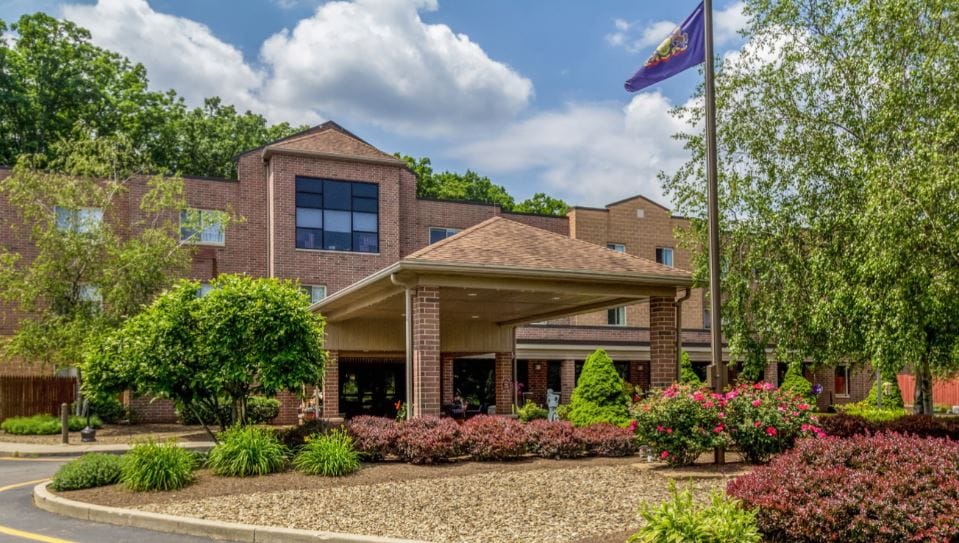
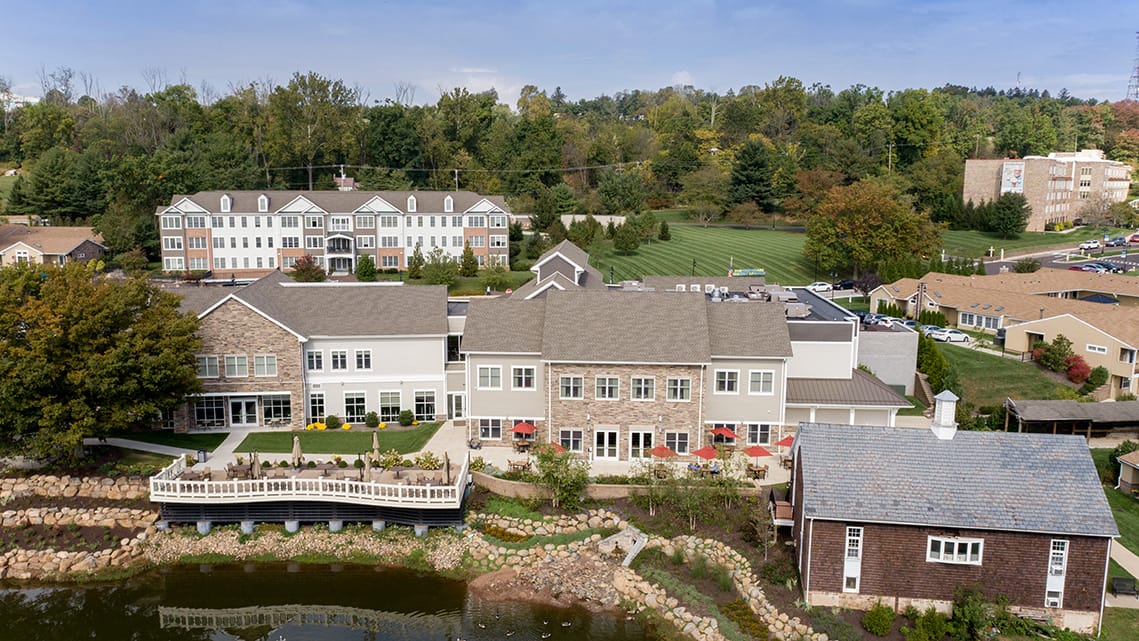
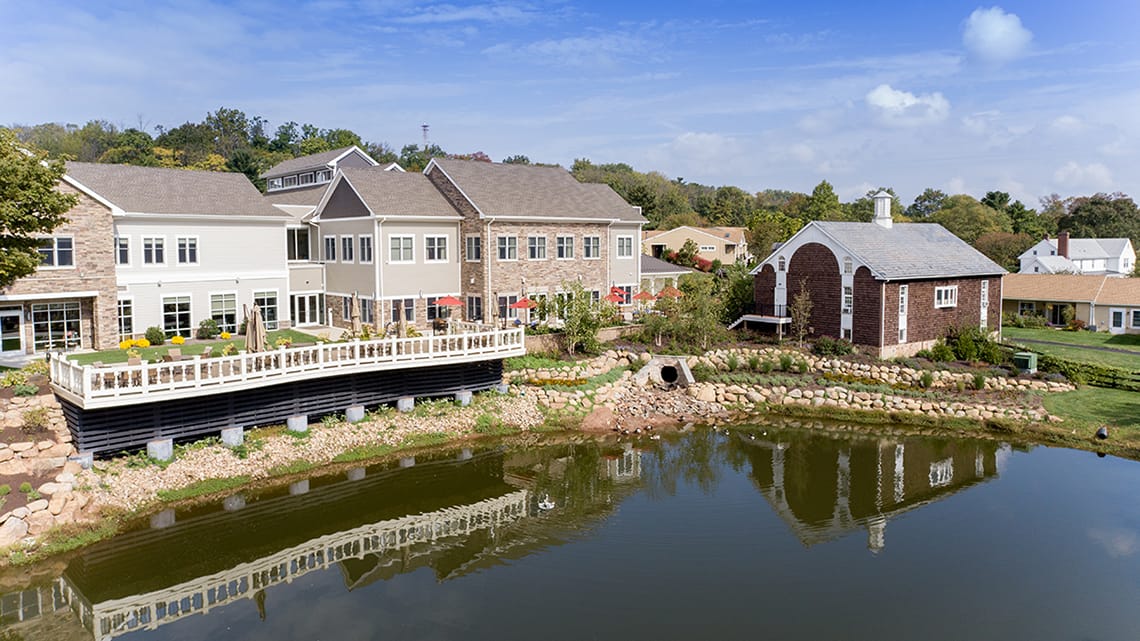
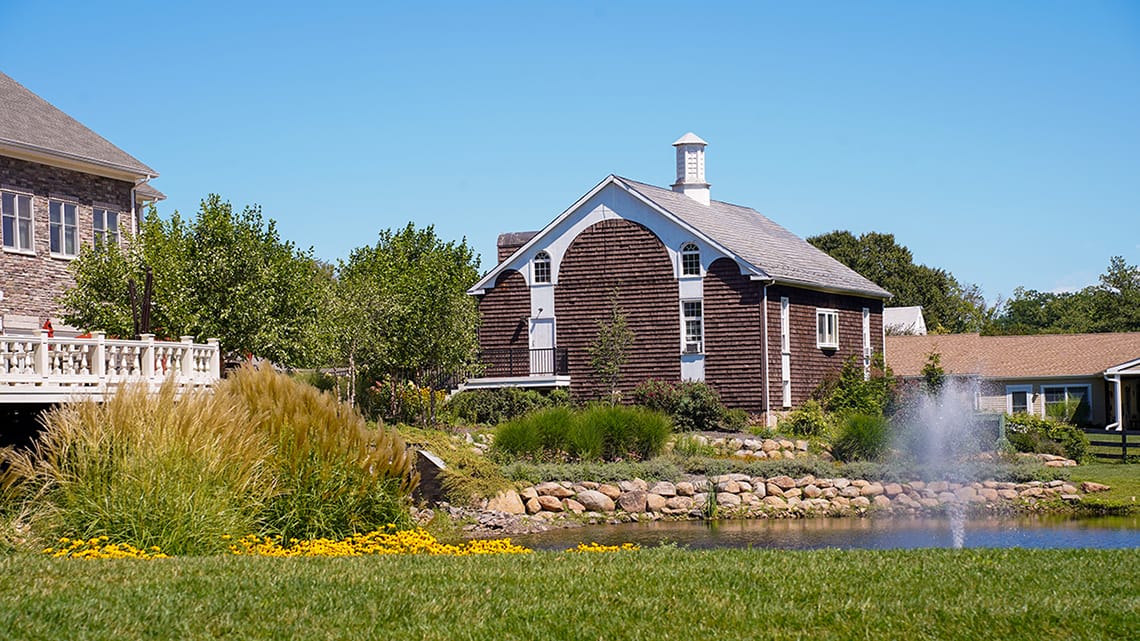
Part of the Pine Run Village continuing care retirement campus, The Garden at Pine Run Health Center is a 40-bed nonprofit nursing home operated by Pine Run Village, Inc. The facility coordinates skilled nursing, personal care, transitional care, memory care, and comfort care. The surrounding neighborhood is highly accessible, carrying a Walk Score of 94, while the building’s internal programs feature a fine arts studio, a beauty shop, a model railroad club, and community gardens. Residents maintain an average stay of 37 days, which reflects a care model geared heavily toward short-term post-acute recovery and rehabilitation.
Public health and licensing archives show a steady regulatory profile, with the community logging 22 total citations across six inspections since 2023, a count that tracks 65% below the Pennsylvania average. Oversight logs show zero history of federal financial fines or immediate jeopardy findings, and a standalone complaint investigation turned up zero substantiated issues.
The facility’s most recent standard evaluation in July 2025 flagged minor to moderate deficiencies concerning record confidentiality, staff training records, food labeling, emergency fire drill evacuation times, and medication storage setup, with all corrective action plans approved and completed by September 2025.
Families researching local short-term rehab or specialized skilled care options can review these public tracking profiles to assess the home’s daily operations. Since the state data highlights a low historical deficiency rate, zero recent enforcement penalties, and brief average recovery stays within a highly walkable campus setup, the paperwork points to a stable environment for post-acute rehabilitation.
Brethren Village Retirement Community is located in Lititz, Pennsylvania. It offers a variety of senior living options including independent living, personal care, skilled care, memory support, respite care, and home care. The community provides a continuum of care to support residents' changing health needs.
Operated and owned by Brethren Village, Brethren Village – Village Manor is a skilled nursing home in Lititz, Pennsylvania. The home at 3001 Lititz Pike serves short-term rehabilitation residents and those needing ongoing nursing care. It takes Medicare, Medicaid, and private pay, providing flexible pathways for families to access care. With a 65 percent occupancy rate, the 114-bed home has available capacity and tends to serve residents for extended stays, averaging about 370 days.
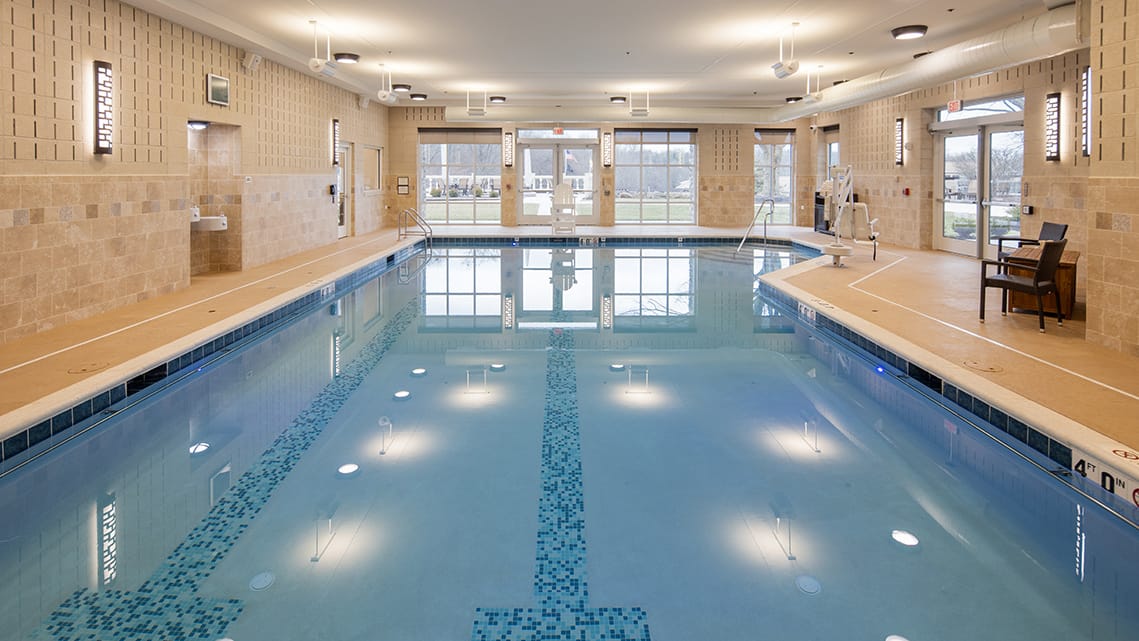
Daily nursing care is central to the setting. Total nursing support averages 4 hours 50 minutes per resident day, with registered nurses providing an average of 43 minutes of direct care daily, alongside nurse aides and licensed practical nurses. This staffing mix supports the skilled care and rehabilitation focus. The community offers specialized services spanning short-term rehabilitation, respite care, and memory support care, along with personal care and skilled nursing. Therapy services exist on site, and residents can join aquatic programs and group exercise classes tailored to support strength and mobility. The community is well-situated in a highly walkable neighborhood, with a Walk Score of 91, making it convenient for family visits and access to nearby services. Occupants can access transportation services and concierge support for daily needs. The facility maintains security systems and offers more home care services for residents who may need extended support at home.
Over the inspection period, Pennsylvania Department of Health inspections have noted periodic concerns surrounding medication management, administrative procedures, and operational safeguards. Families considering Brethren Village – Village Manor will want to ask the staff directly how these areas are managed during a tour.
Beverley’s Home Health Care provides non-medical personal assistance and companion care to seniors throughout Philadelphia, Pennsylvania. Managed by owner Anthony Beverley and operating for seven years, the agency runs its administrative office on West Clearfield Street in the North Philadelphia neighborhood. This model coordinates field caregivers to deliver support directly inside clients’ private homes, helping them maintain their independence without moving into a facility.
The neighborhood surrounding the main office is highly pedestrian-friendly, holding a walk score of 70 out of 100. This setup makes it easy for staff and local family members to get around the area on foot. Services are tailored to each person’s specific daily routines rather than a rigid schedule. Caregivers assist with chores, meal preparation, and personal hygiene based on individual needs. The agency also provides short-term respite care to give family caregivers a scheduled break from their daily duties.
Prospective representatives can contact the agency to request an initial phone consultation regarding caregiver availability.
Type of Care Available
Home Care
Respite Care
Located in a relatively walkable area on Lititz Pike, Brethren Village – Terrace Crossing is a 98-bed nursing community in Lancaster, Pennsylvania, with a current occupancy of 59%. The community also offers a continuum of care that includes rehabilitation, respite care, short-term rehabilitation, skilled nursing, personal care, memory support, and home care services, which can benefit older adults whose needs may change over time or who require different levels of support.
Aquatic programs and group fitness classes encourage physical activity, while chaplaincy services, therapy programs, and vibrant living activities provide opportunities for social, emotional, and spiritual enrichment. Transportation and concierge services also add convenience for residents and their families.
Incident reporting, medication management, and medication storage procedures are among the recurring concerns cited. However, corrective action plans have been implemented following inspections to address these deficiencies. While some improvements have been made, similar issues have continuously appeared across multiple inspection cycles, suggesting ongoing challenges in maintaining consistent practices in these areas.
Families seeking rehabilitation, respite care, or long-term skilled nursing may wish to learn more about current medication management procedures and incident reporting protocols.
Brethren Village – Terrace Crossing offers multiple levels of care and support within a single community while continuing efforts to strengthen operational consistency and regulatory compliance.
An urban, walkable community carrying a Walk Score of 78, Wesley Village is a 157-bed nonprofit nursing home operated by UMH Pa Corp and owned by Raymond Bunch. The facility focuses on short-term post-acute rehabilitation and respite stays, maintaining an admission structure driven by 72% Medicare and 27% private-pay clients. On-site features include a wellness center, pharmacy, beauty salon, gift shop, and café, with residents recording an average stay of 129 days. However, the property is navigating severe occupancy challenges, with utilization dropping to 46%, which contributed to a 2023 operating loss of $3.8 million on $26.2 million in revenue.
Oversight profiles from state regulators show mixed operational and compliance trends. Overall daily care averages 4 hours and 2 minutes per resident, which tracks 12% below the Pennsylvania baseline and yields a 1.47:1 staff-to-resident ratio. Standard licensing evaluations document recurring administrative hurdles, with 40 total citations recorded across 16 inspections since 2021.
The latest routine reviews in October 2024 and August 2025 flagged multiple moderate infractions centered heavily on medication management, including incorrect dosages, pharmacy label discrepancies, and keeping discontinued drugs in active carts, alongside basic food safety gaps and unaddressed fire safety items.
Conversely, clinical quality summaries point to strong indicators for permanent residents, who experience zero percent depression rates, low antipsychotic medication usage, and favorable hospital avoidance numbers, though short-stay rehab clients see lower-than-average self-care independence scores upon discharge.
Interested individuals weighing local short-term recovery options can review these public health reports to balance the facility’s clinical outcomes against its operational tracking. Since the official data shows very strong permanent-resident health markers alongside repeated administrative medication errors, low occupancy, and a history of fire safety corrections, the documentation suggests looking closely at the facility’s current quality management plans.
Aurora Home Care and Hospice is one of Lancaster’s premier choices for home healthcare providers. With an emphasis on home care and hospice services, the trusted community practices a person-centered approach to holistic wellness by providing the elderly with the best care possible.
Aurora Home empathizes and emphasizes the importance of lifelong learning and wellness; residents are encouraged to be engaged and enriched with recreational activities, socialization, and wellness plans. Medical professionals involved are ready to provide for those who seek and speak with them regardless of grief or greed. Other services offered include the Vetassist program for veterans, specialized memory care support, and pediatric care.
Type of Care Available
Home Care
Nursing Care
Respite Care
Skilled Nursing
Suites at Rouse, located in Youngsville, Pennsylvania, is a 120-bed personal care home operated by the Board of Directors of the Rouse Estate. The community coordinates multiple service lines, delivering personal care, specialized memory support, home care, adult day services, skilled nursing, and hospice care. An integrated campus setup allows residents to scale their daily assistance level over time without moving to an entirely separate provider.
The multi-level program operates at approximately 74 percent occupancy and includes a secured 12-bed memory care wing dedicated to individuals with advanced cognitive diagnoses. State oversight reviews historically focus on medication management protocols, building fire safety compliance, and employee certification logs, which the administration handles through active quality corrections.
The local Youngsville neighborhood has a walkability score of 44 out of 100, indicating a somewhat walkable setting where a limited number of destinations are accessible on foot, though most external trips require a vehicle.
Older adults and family coordinators looking into regional personal care communities can reach the Youngsville business office to check current bed vacancies.
Concordia at Weatherwood, located in Greensburg, Pennsylvania, is a 106-bed continuum of care community operated by Concordia of Monroeville. The facility coordinates multiple levels of service under one roof, covering independent living, assisted living, memory care, skilled nursing, and adult day services, alongside home care, hospice, and palliative support. This integrated infrastructure allows residents to transition across varied care tiers or undergo post-hospital rehabilitation without relocating to a separate campus.
The daily schedule incorporates long-term skilled nursing, outpatient physical therapy, and personal assistance with bathing, dressing, and medication management. The community operates at roughly 69 percent occupancy and hosts an adult day program providing supervised daytime support for local seniors.
The surrounding neighborhood carries a walkability score of 85 out of 100, indicating a highly pedestrian-friendly setting where visitors and mobile residents can handle daily essentials entirely on foot.
Family representatives reviewing local multi-level care settings can reach out to the Greensburg administrative team to discuss apartment vacancies and arrange a schedule to visit the property.
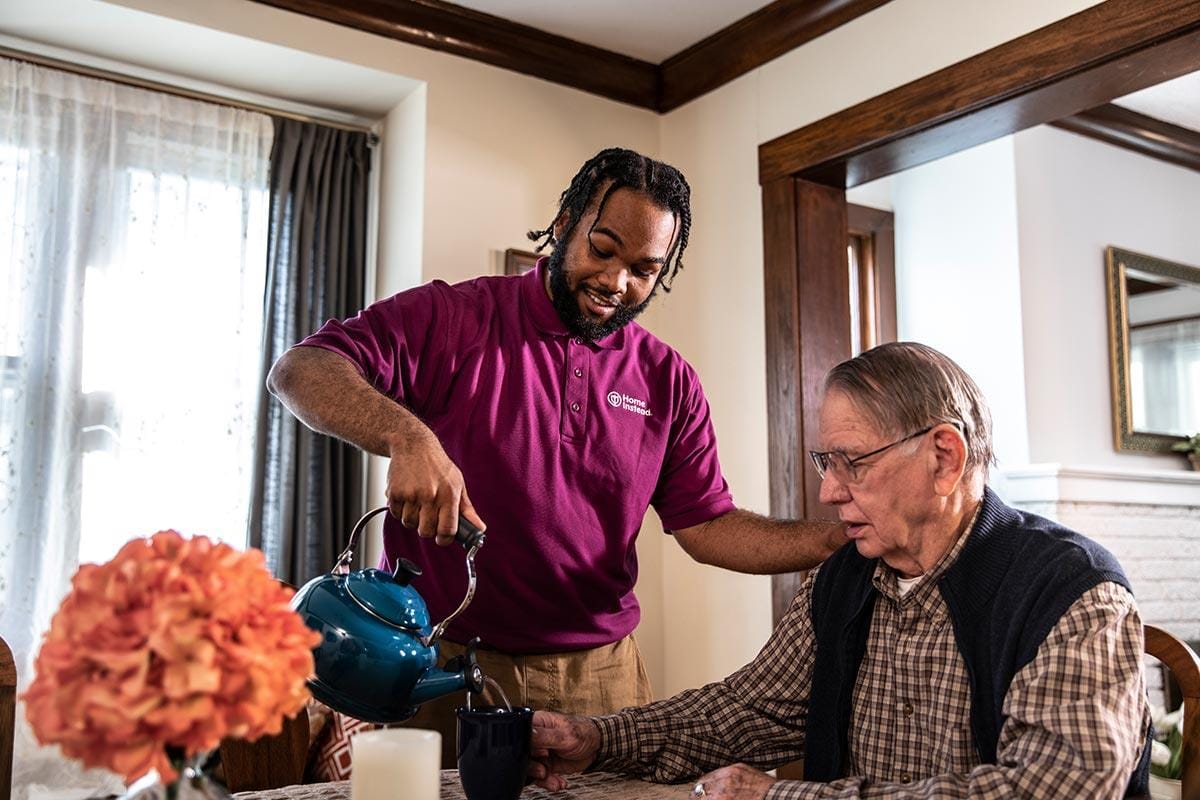
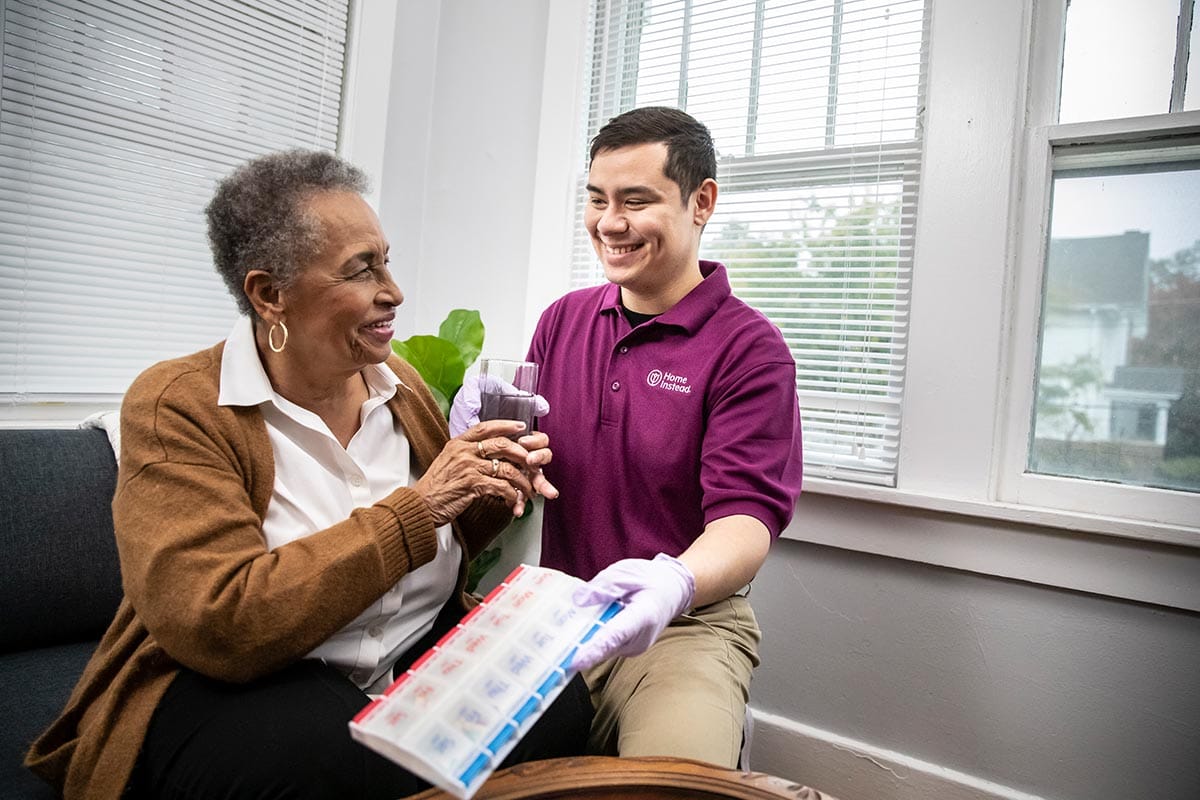
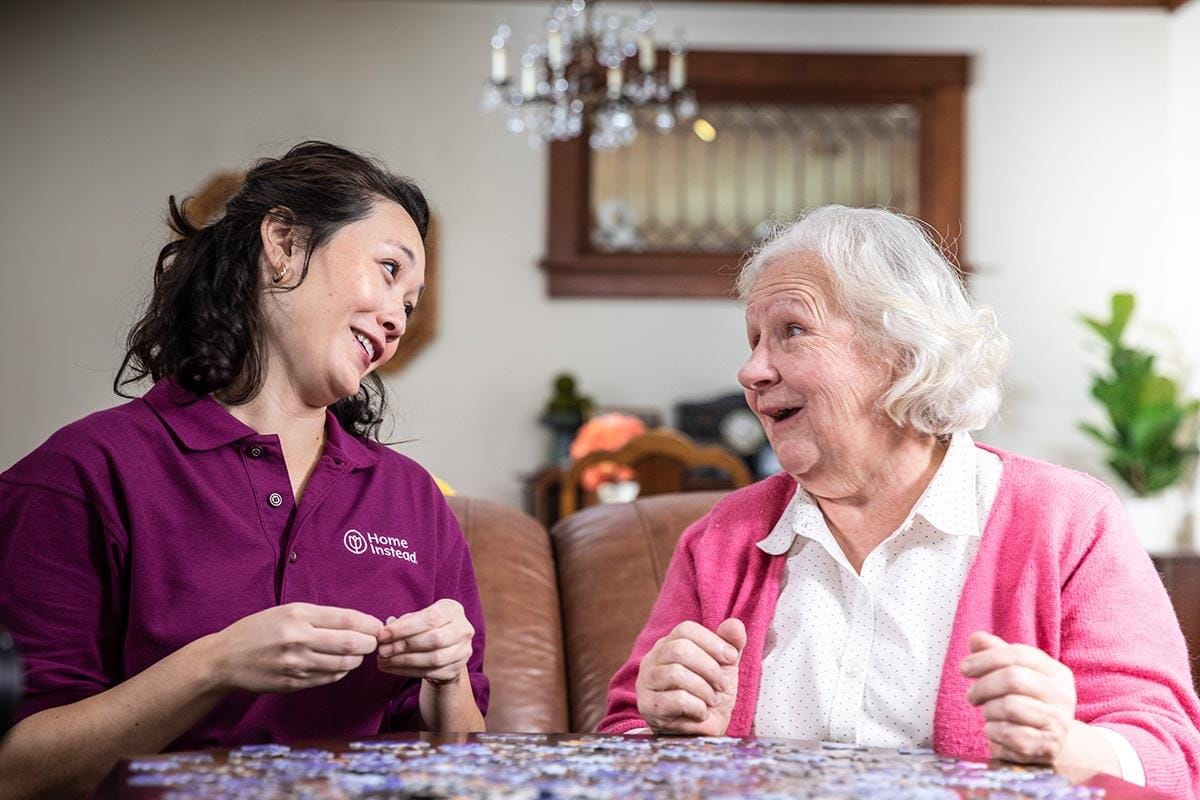
Home Instead Lancaster takes pride in providing comprehensive services and support for in-home assisted living. With a deep understanding of seniors’ diverse needs, they go above and beyond to ensure that each individual receives the highest level of care and support. The professional and compassionate staff helps aging adults stay engaged in everyday life with tailor-made support from professional caregivers, keeping them safe and well at home.
Their professional caregivers immerse themselves wherever home is to assist with everyday activities of daily living and build a lasting relationship with you and your family. Their mission is to provide a care plan personalized to your family’s needs to bring comfort, connection, and quality of life to the place they love the most, their home. Services include ADLs, specialized memory care activities, engaging programs, and companionship services.
Type of Care Available
Home Care
Memory Care
Nearby Cities
Who we are
Your Senior Care Partner, Every Step of the Way
We help families find affordable senior communities and unlock same day discounts, Medicaid, and Medicare options tailored to your needs.
Contact us Today
Frequently Asked Questions
What government services provide money for senior housing?
Several government programs offer financial assistance for senior housing in various countries, focusing on the United States for a broad overview:
- Medicaid: Medicaid is a state and federally funded program that can cover the costs of nursing home care for those who meet eligibility criteria, including income and asset limits. Some states also offer Medicaid waivers that help pay for home and community-based services to prevent or delay nursing home placement.
- Medicare: Medicare, primarily a health insurance program for people aged 65 and over, does not cover long-term housing costs. However, it can cover short-term stays in a skilled nursing facility under specific conditions following a hospital stay.
- Section 202 Supportive Housing for the Elderly Program: This program provides housing for low-income seniors. It offers rental assistance and access to supportive services, such as cleaning, cooking, and transportation.
- Low-Income Housing Tax Credit (LIHTC) Properties: While not a direct subsidy, LIHTC encourages developers to create affordable housing. Seniors with low incomes can find reduced-rent apartments through this program.
- State and Local Programs: Many states, counties, and cities offer their own programs to assist seniors with housing costs. These can include property tax relief programs, rental assistance programs, and programs that offer affordable senior housing options.
- Veterans Affairs (VA): The VA offers several programs for veterans, including the Aid and Attendance benefit, which provides monthly payments to veterans who require the aid of another person, or are housebound, to help cover the cost of care in homes, nursing homes, and assisted living facilities.
- Social Security: While Social Security primarily provides retirement income, for many seniors, these benefits are a crucial part of their budget, including housing costs.
How do you pick the homes you recommend?
Before recommending homes, we conduct a thorough evaluation on crucial factors that define a senior home such as the quality of care they provide, the reputation of the organization, and a comprehensive review of community testimonials as well. Every detail is assessed to assure that seniors are offered not just senior care options, but trustworthy homes where they can experience the care that they deserve.
Do you help families that need Medicaid?
Yes. Assisting families who need Medicaid is important to us as it plays a crucial role in offering financial support to seniors confronting economic challenges. We would like to keep essential healthcare services accessible to all community members, irrespective of one’s financial circumstances.
How much does this service cost?
We extend our services at no cost, ensuring that families and seniors can benefit from tailored assistance in their search for care and home options. Our ability to offer personalized guidance without charge to families and seniors is made possible through the support and funding from the communities with which we team up.
What services do you offer?
- Finding and ranking the best assisted living facilities
- Finding and ranking the best nursing homes
- Finding and ranking the best memory care facilities
- Our concierge service helps seniors move into the perfect home for them
- Helping seniors use medicare, medicaid, and other government programs to pay for their homes
- Helping seniors avoid senior homes that have bad service or fraud
- Memory care specialists
- Finding and ranking the best independent living communities
Frequently Asked Questions about Home Care in Pennsylvania
What is home care?
Home care brings non-medical caregivers into a senior's own home to assist with daily tasks, companionship, and supervision — without requiring a move to a community.
How many home care providers are listed on this page?
This page features 56 home care providers in Pennsylvania. Use the filters and comparison tools above to compare ratings, amenities, and pricing.
How do I choose the right home care provider in Pennsylvania?
Start by matching the level of care offered to the resident's current and anticipated needs, then compare licensing status, staff-to-resident ratios, recent inspection results, and pricing. Tour at least two or three communities in Pennsylvania, talk to current residents and families, and confirm what is included in the base rate versus billed as add-on services.
What should I look for when visiting home care providers in Pennsylvania?
Pay attention to staff interactions with residents, cleanliness and odor, food quality at meal times, the activity calendar, and how questions about pricing and care plans are answered. Ask to see the most recent state inspection report, the move-out / level-of-care-change policy, and a sample monthly bill that lists every fee.