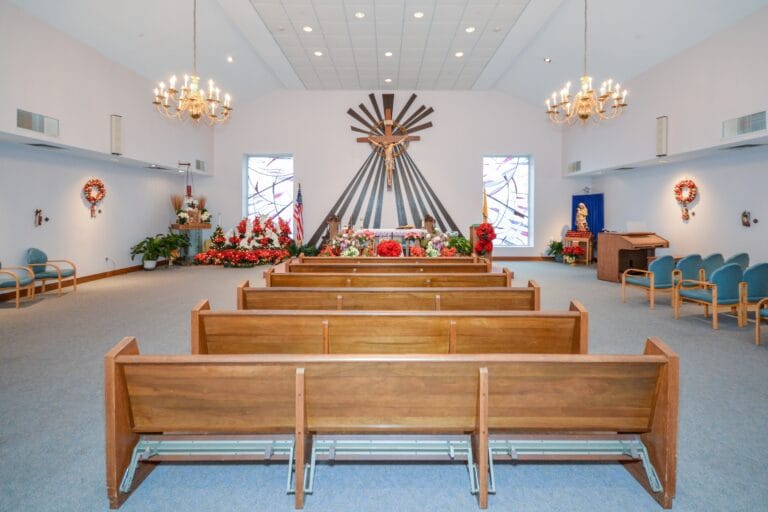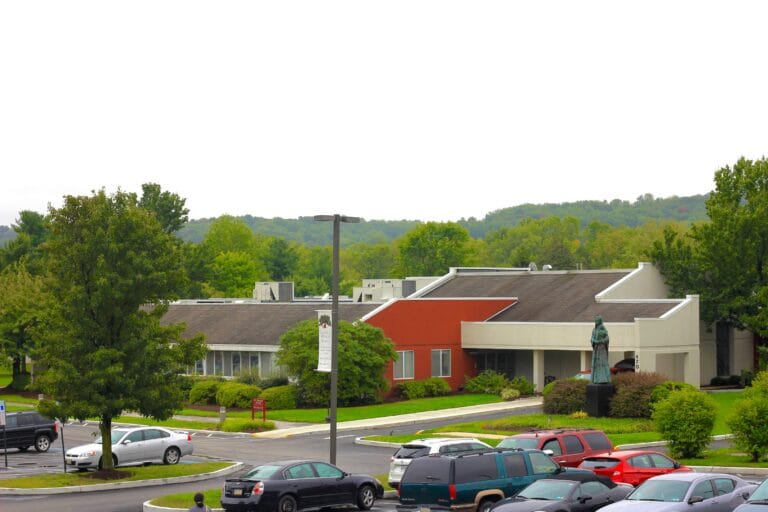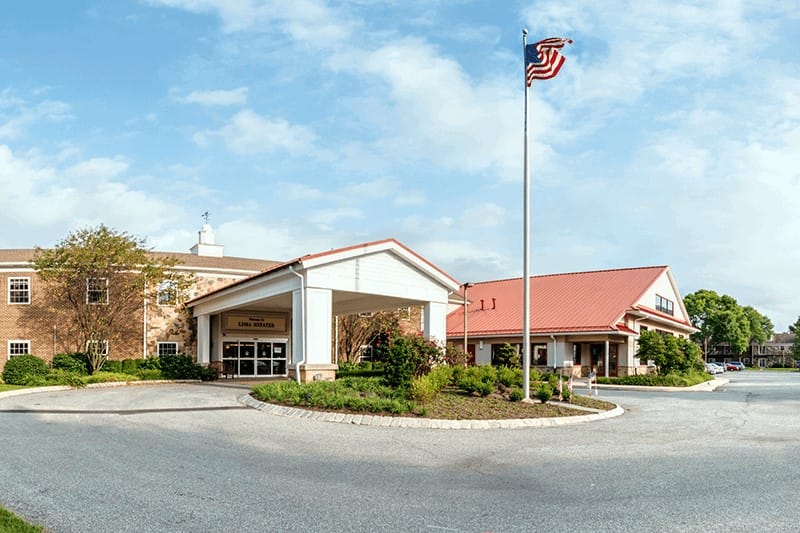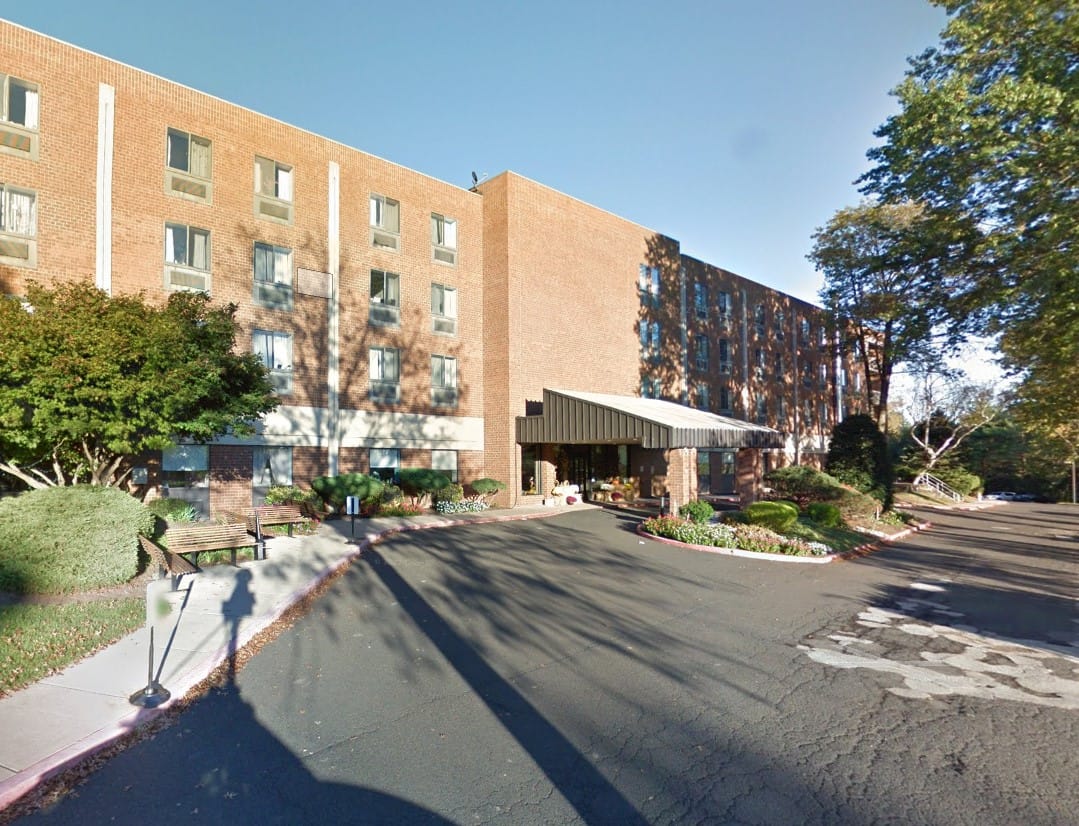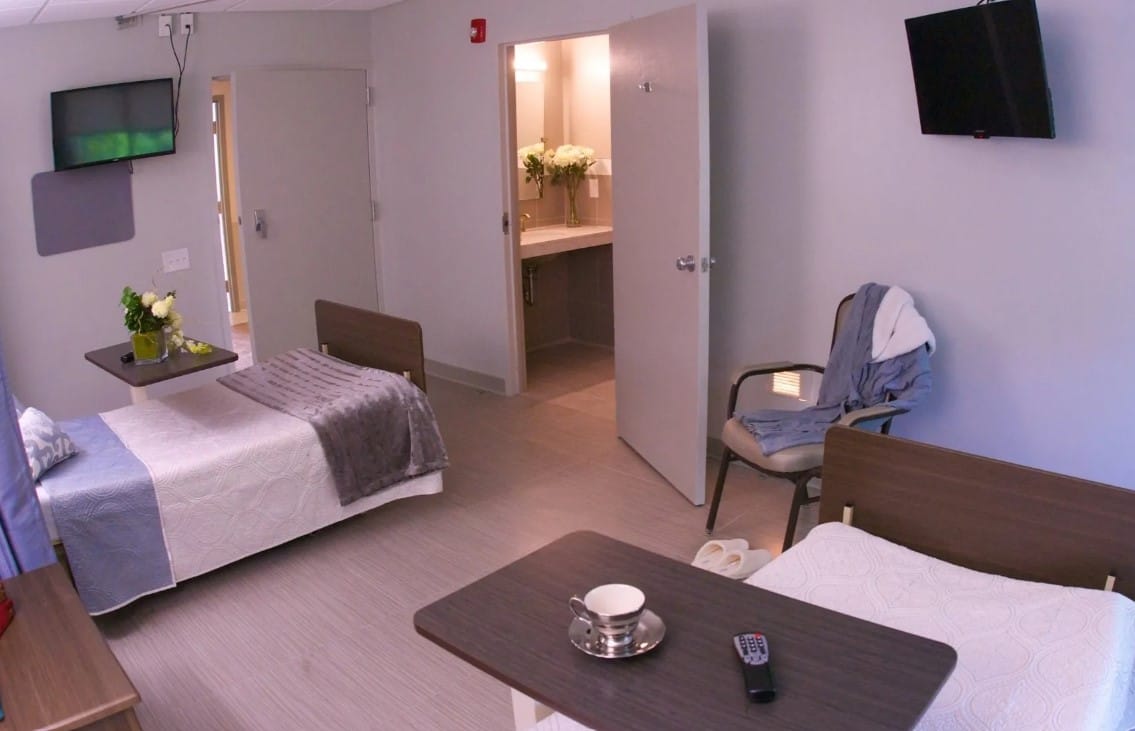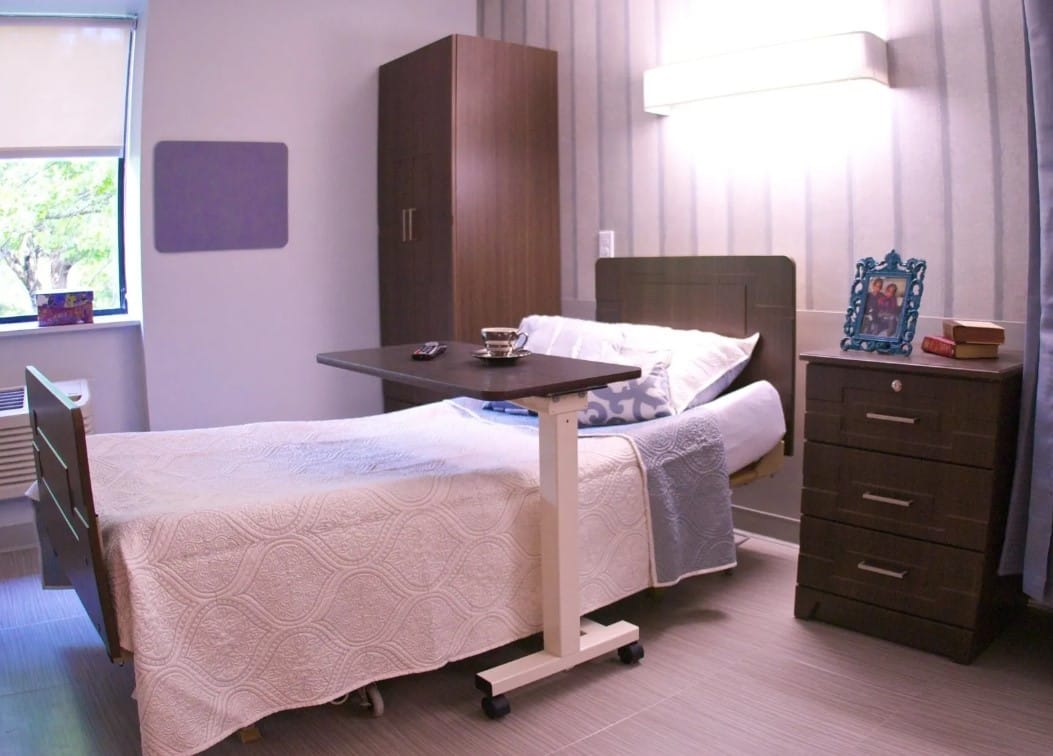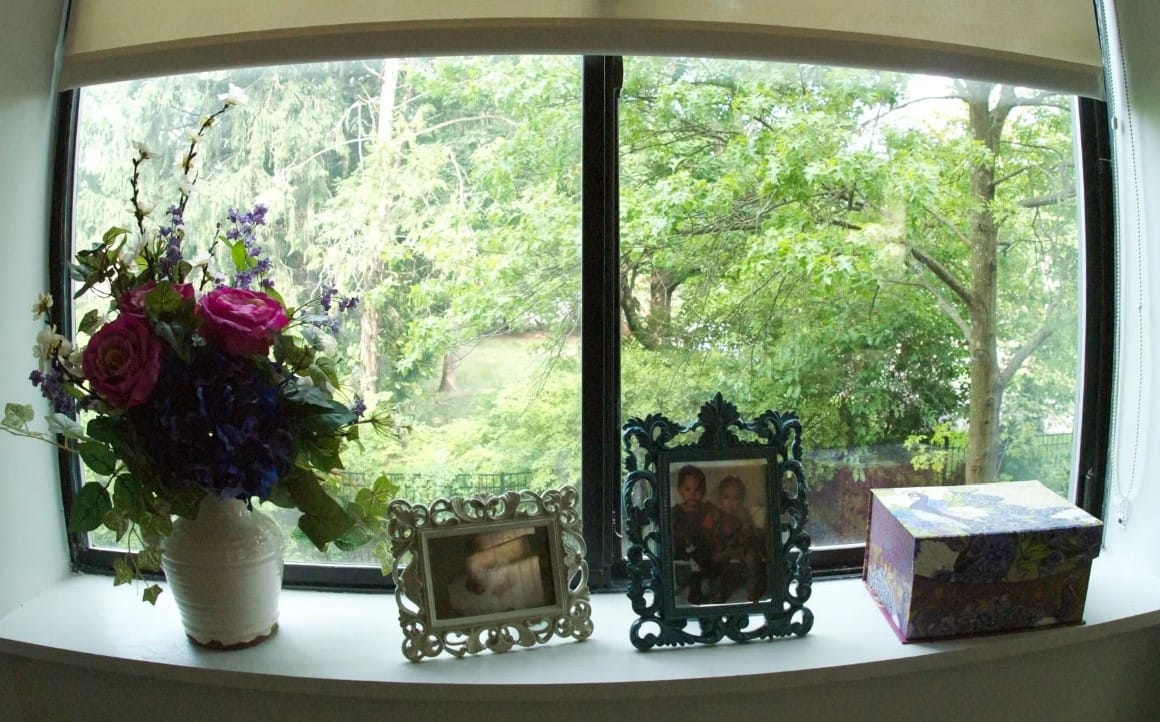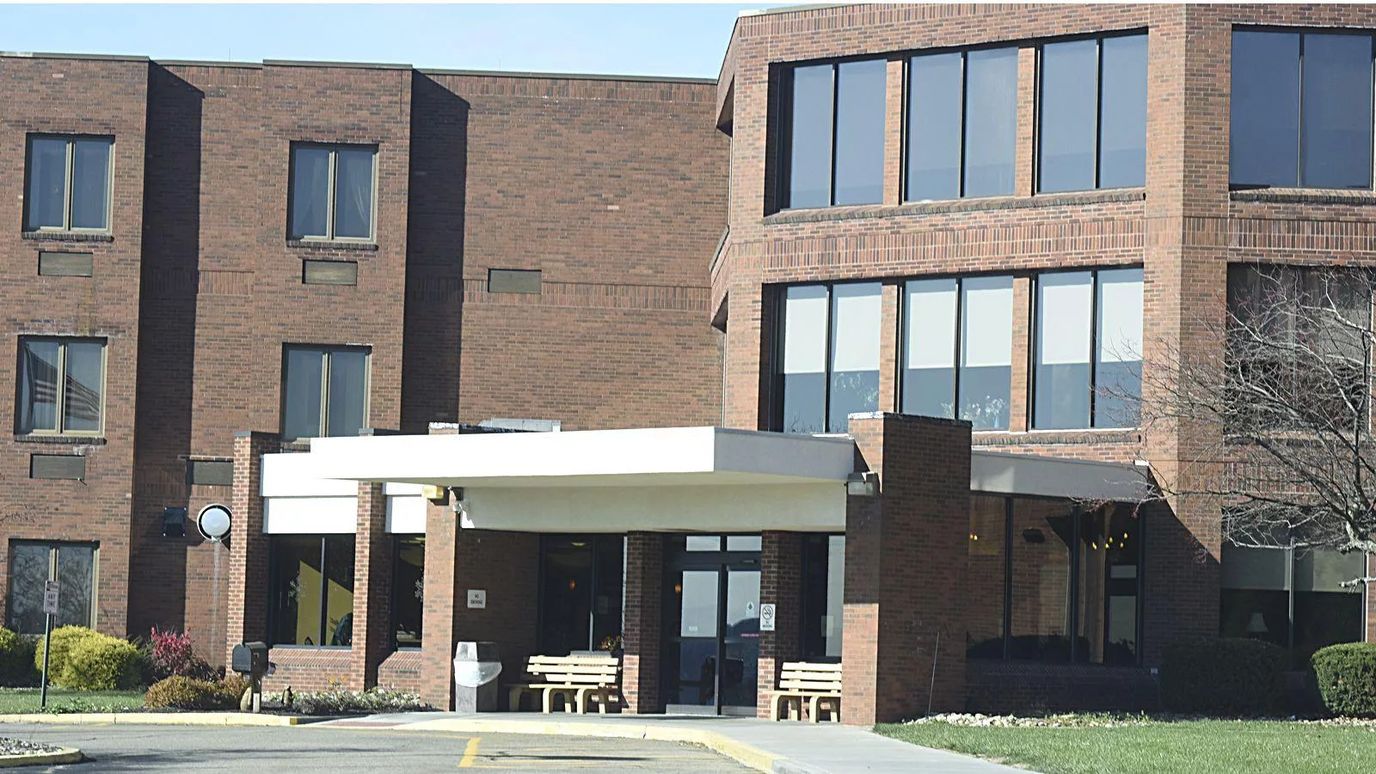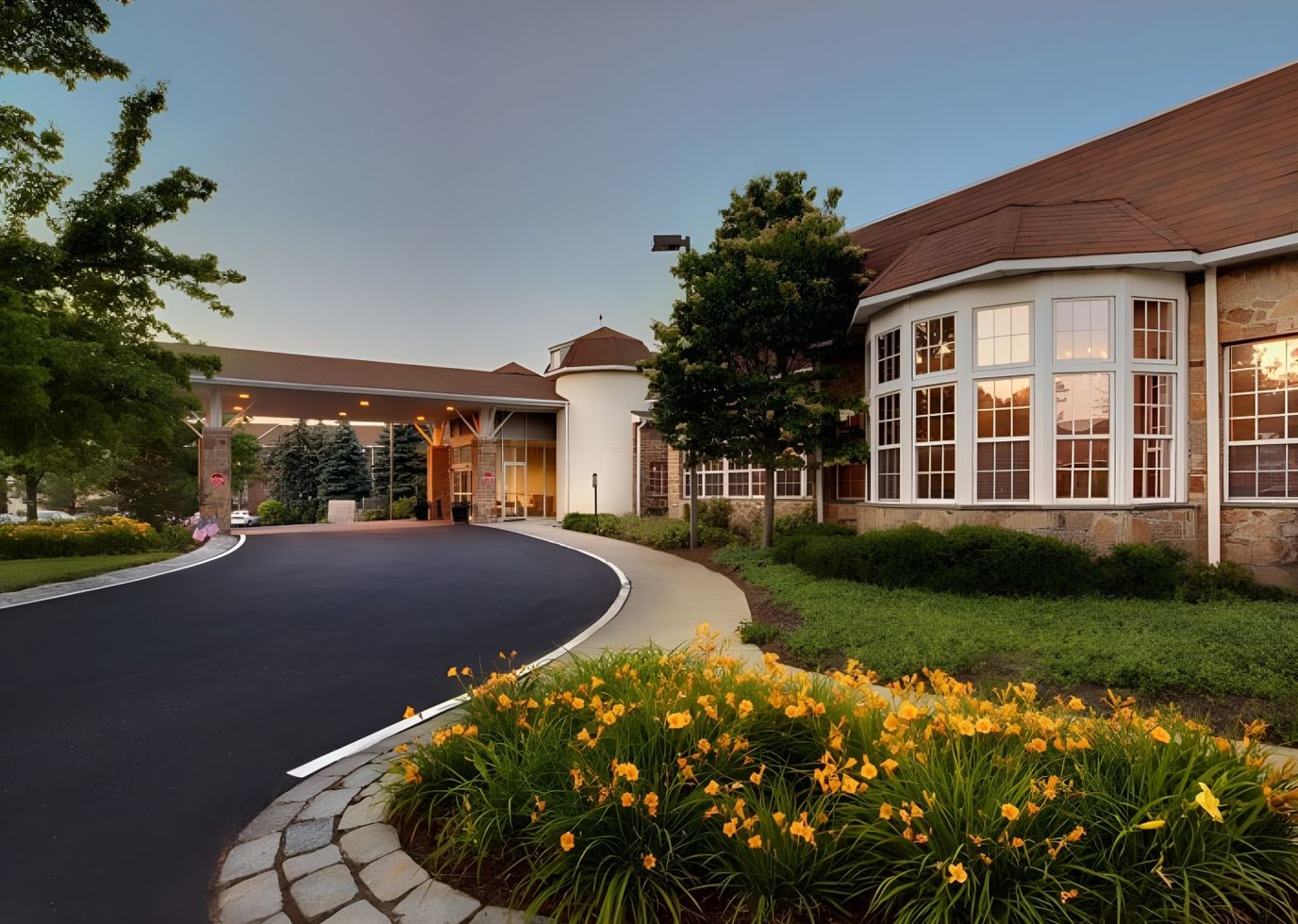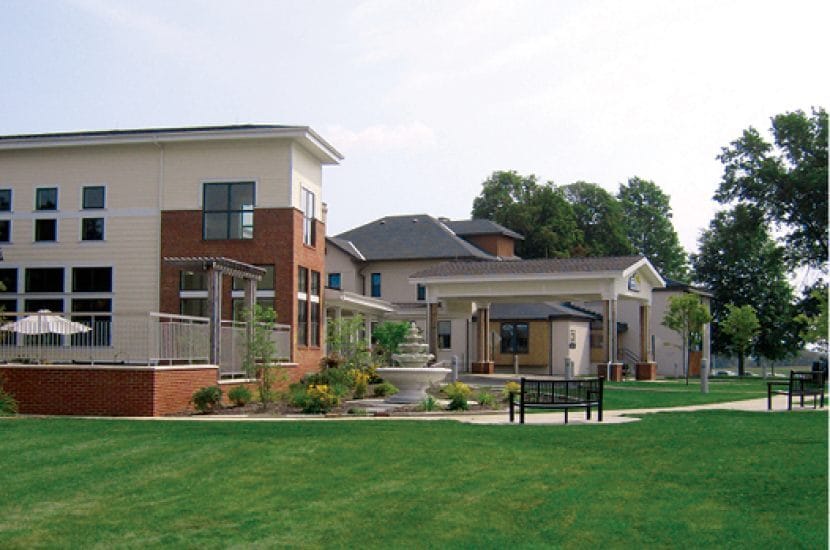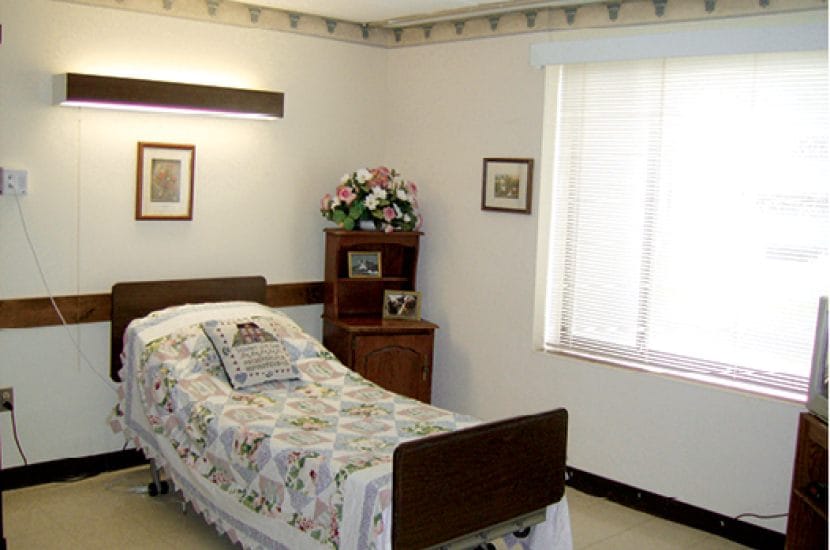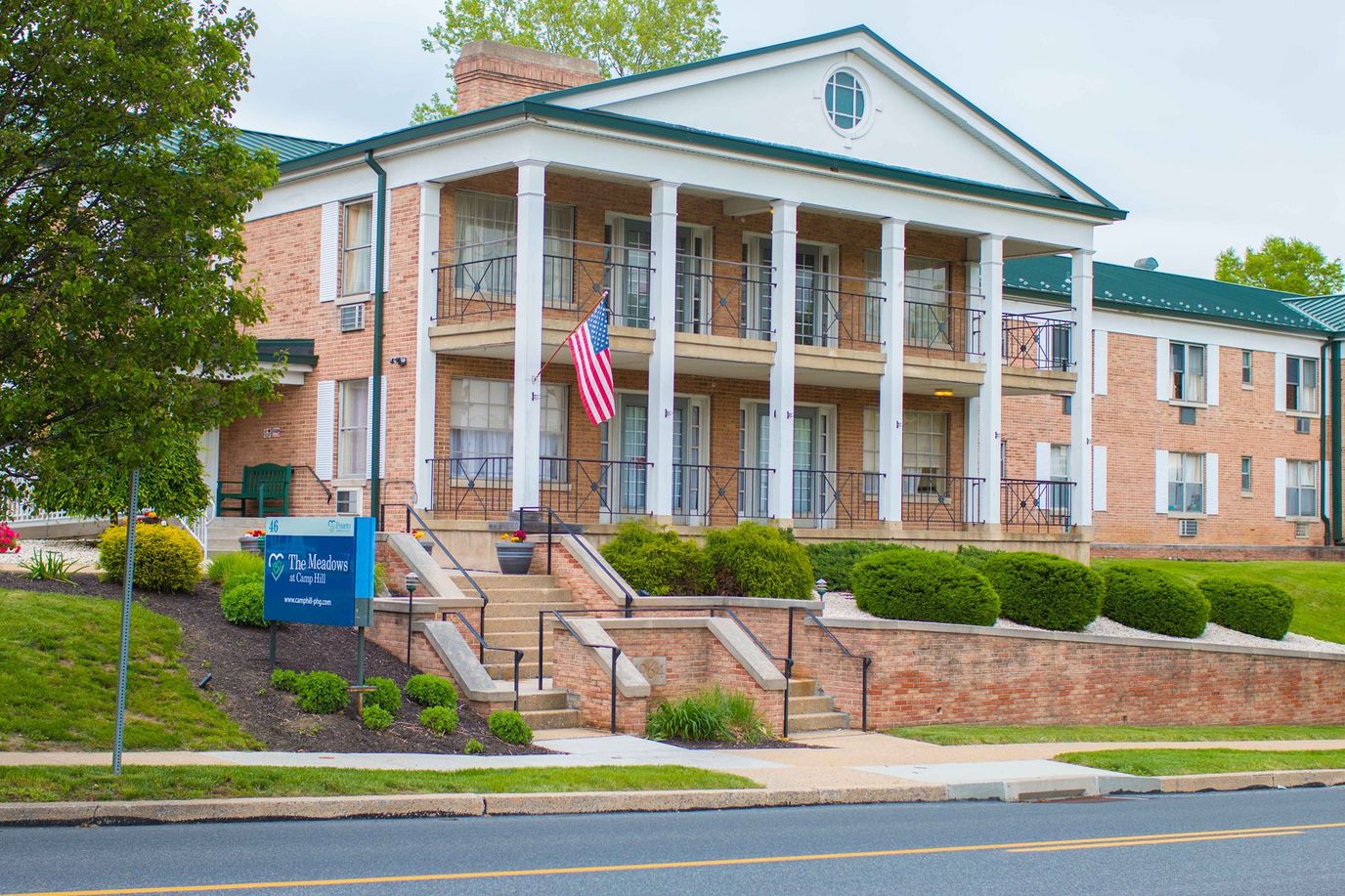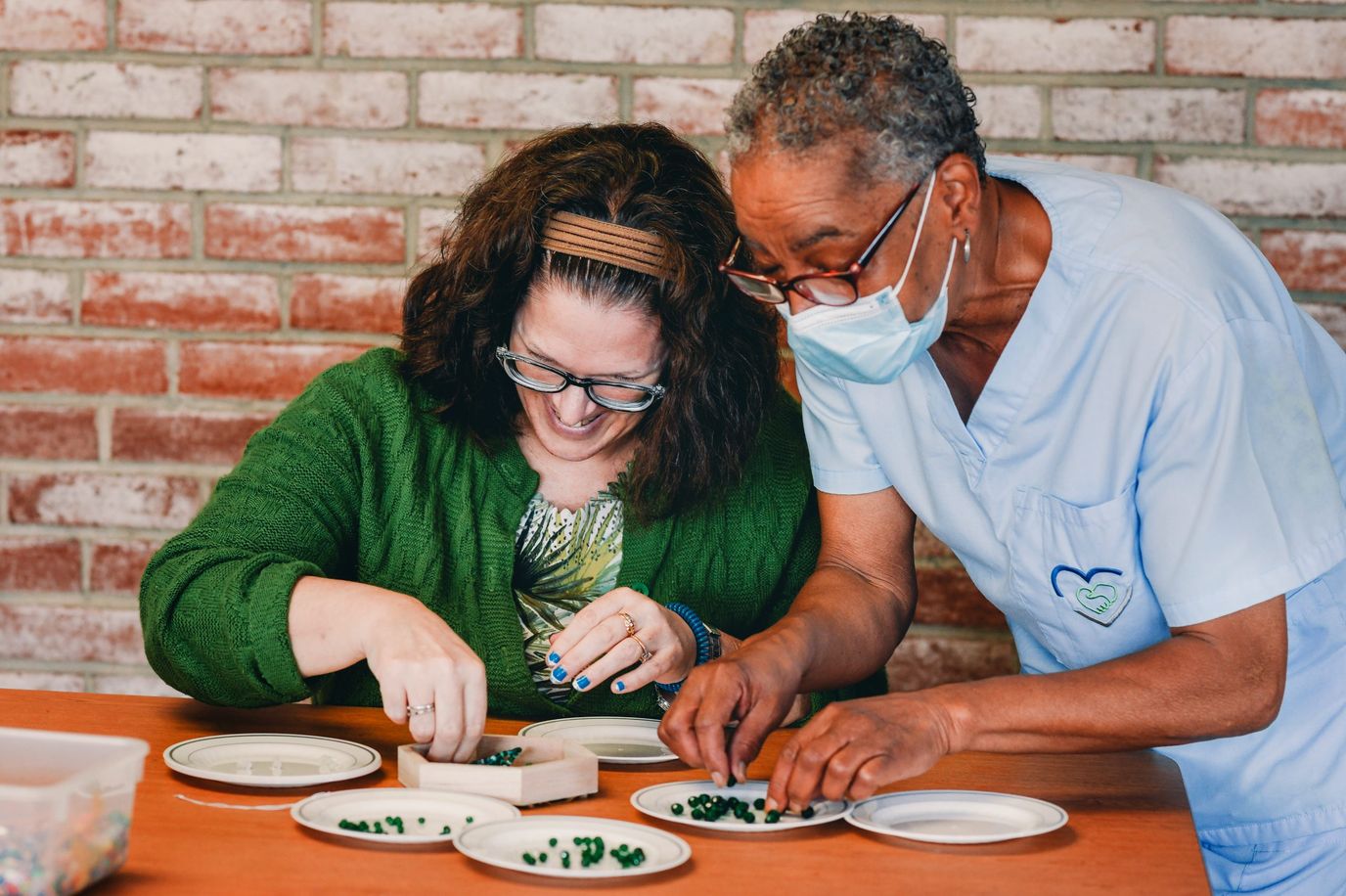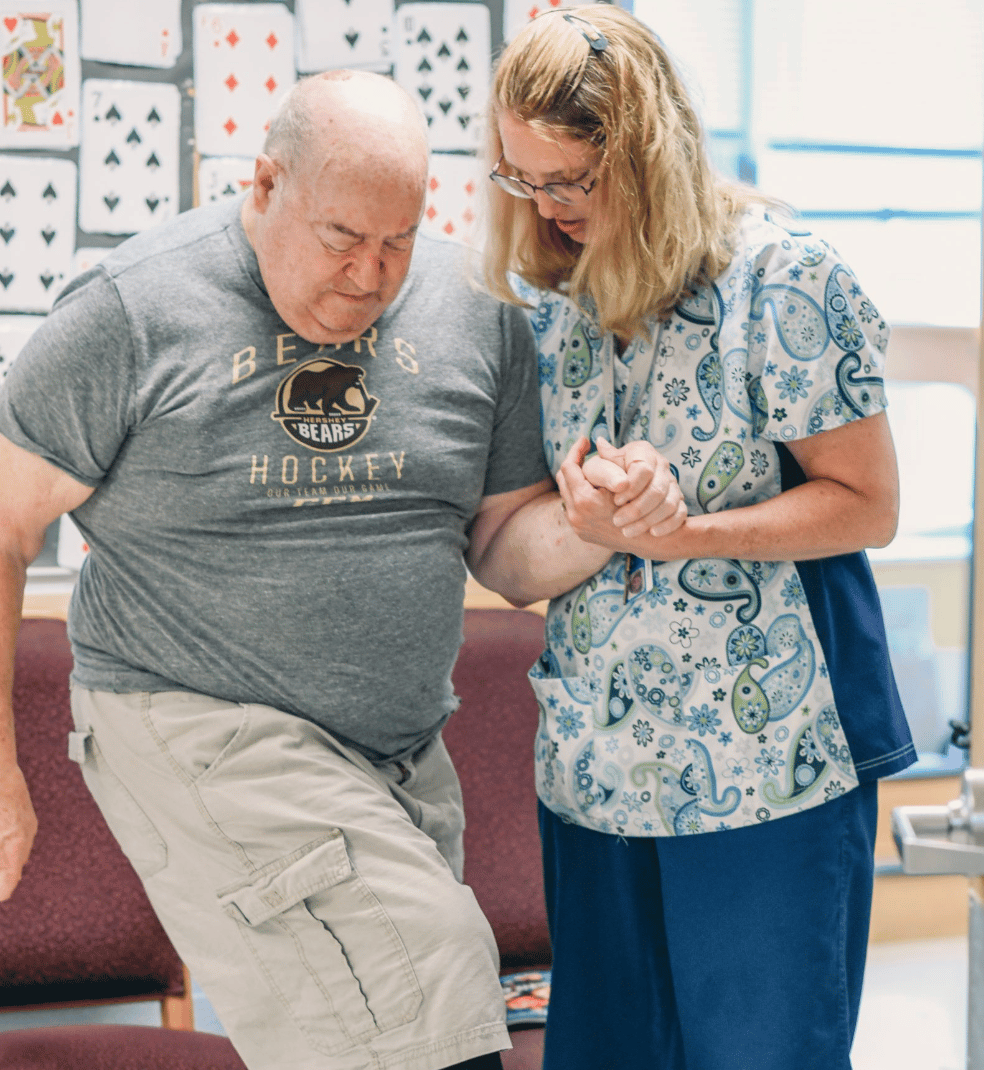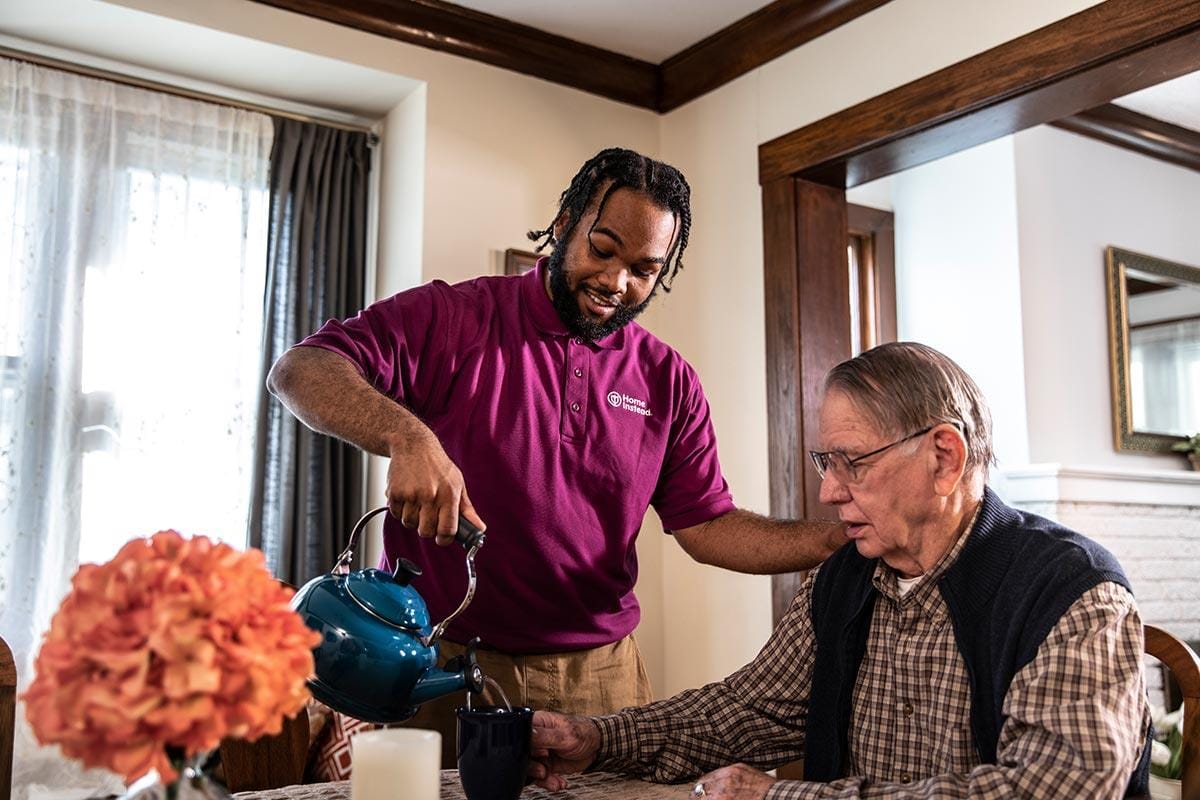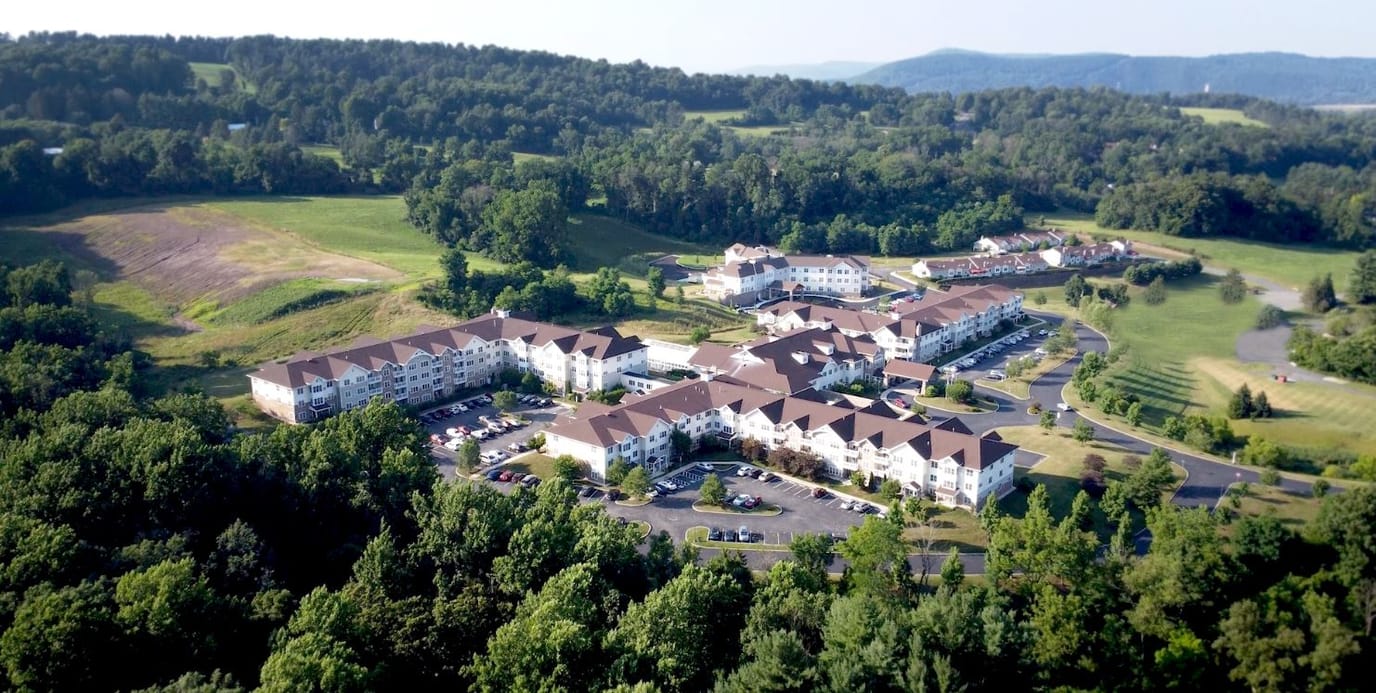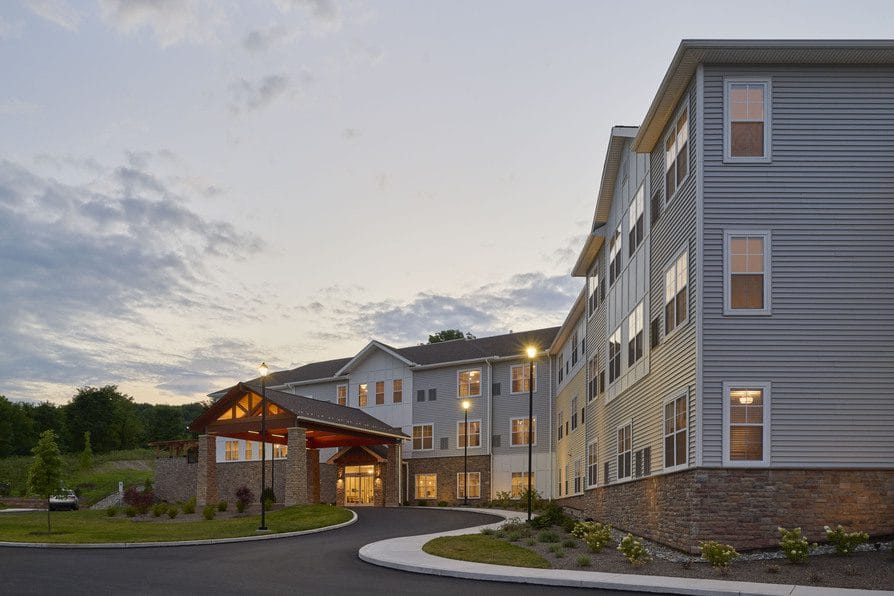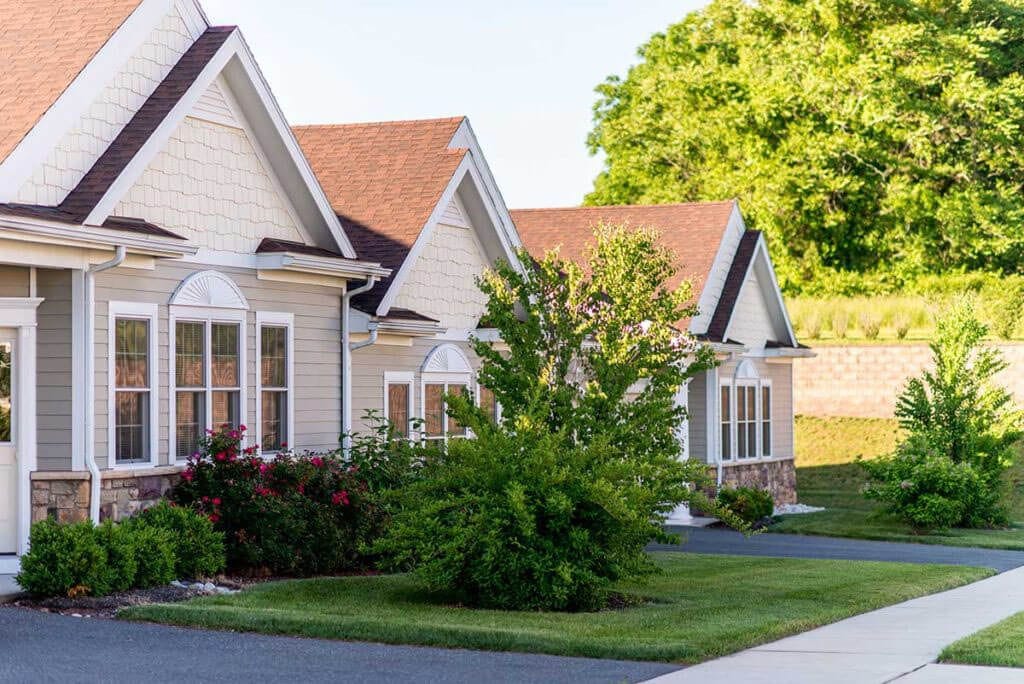



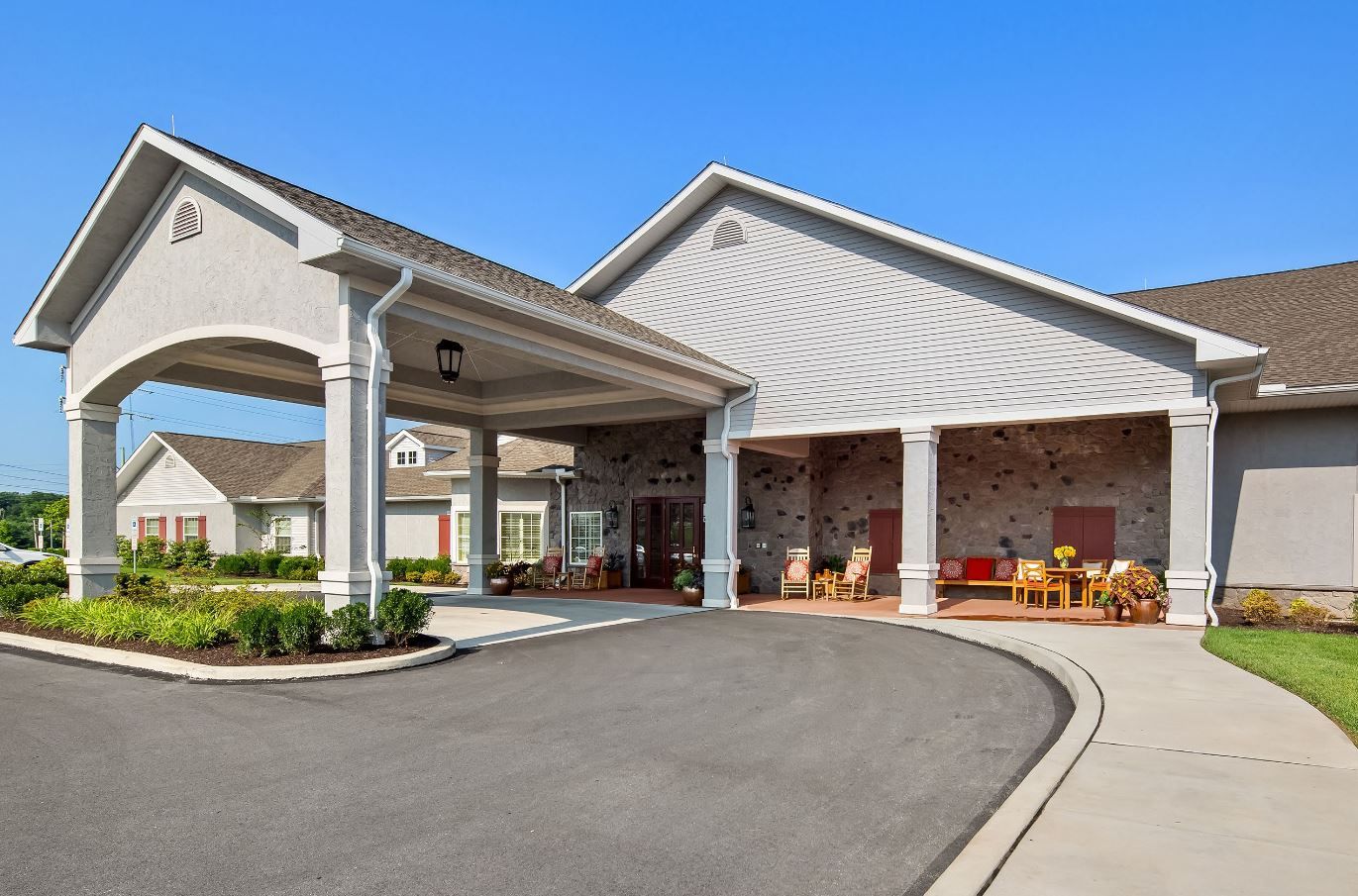

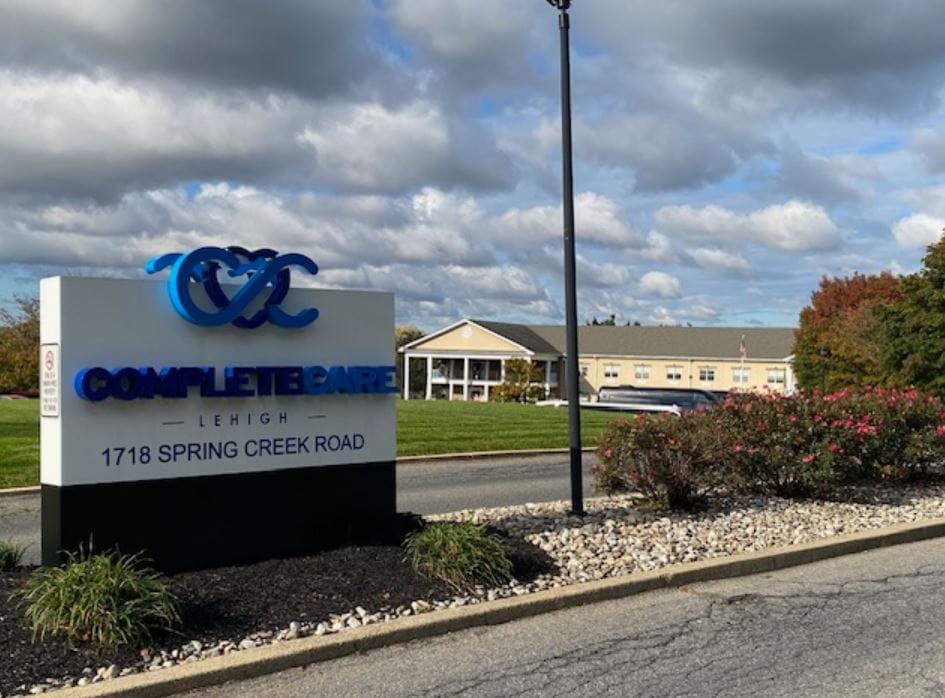
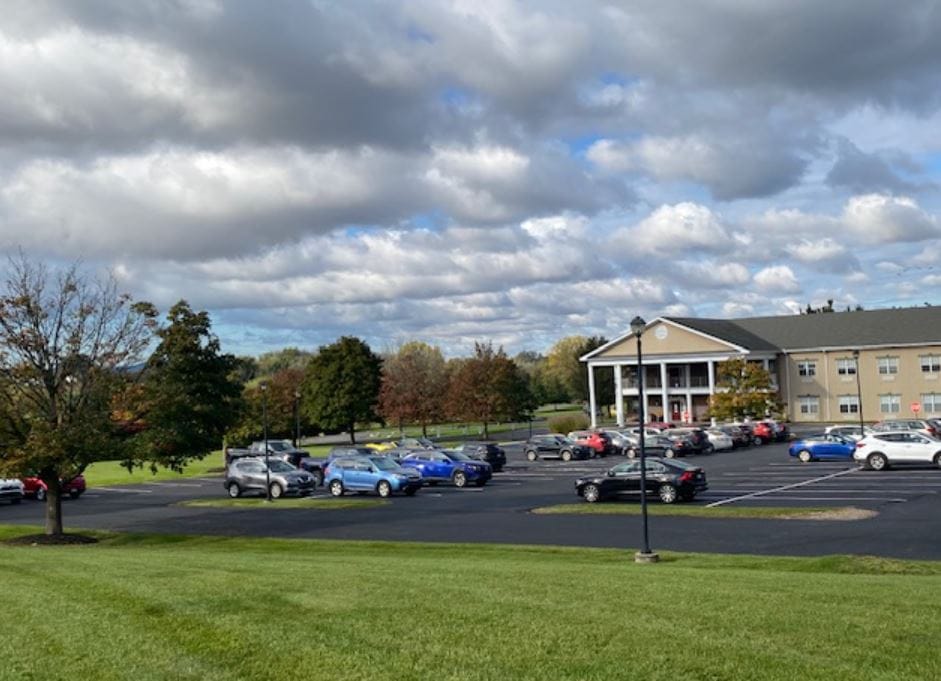
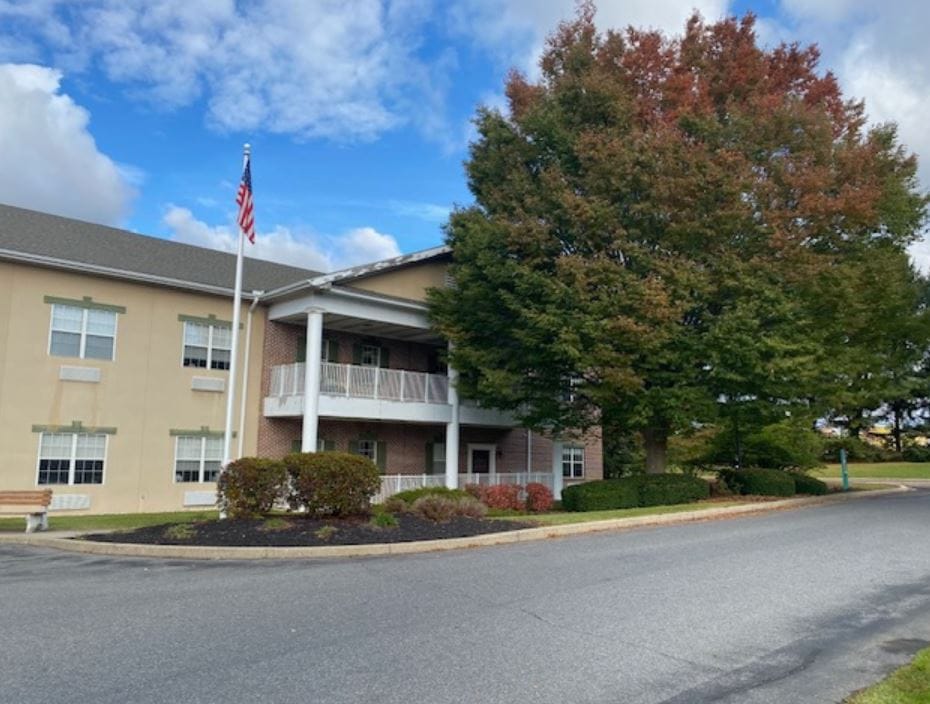
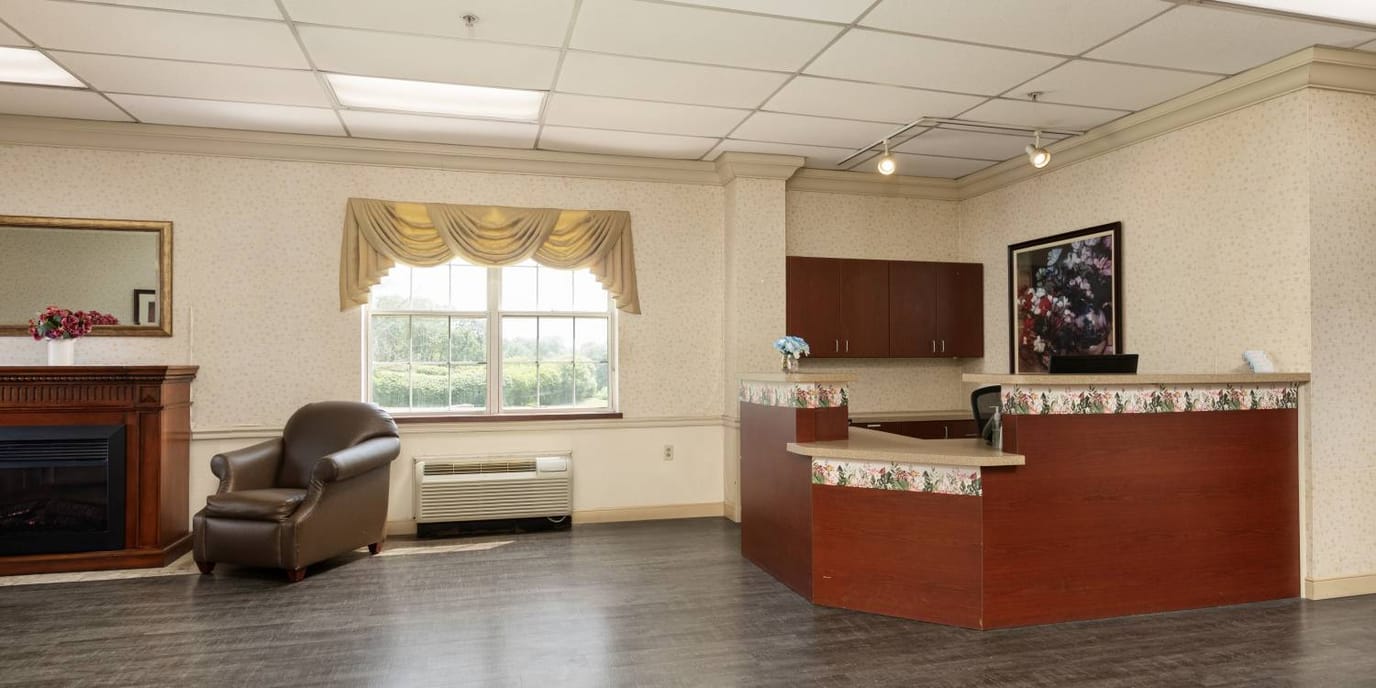


Complete Care at Lehigh Center, nestled in the serene town of Macungie, Pennsylvania, places an unwavering emphasis on holistic health and comprehensive recovery. This nursing home stands out for its hands-on approach to care, where each individual’s well-being is a priority. Rooted in values of loyalty and approachability, this center provides a nurturing environment that fosters healing and rejuvenation across all dimensions of health.
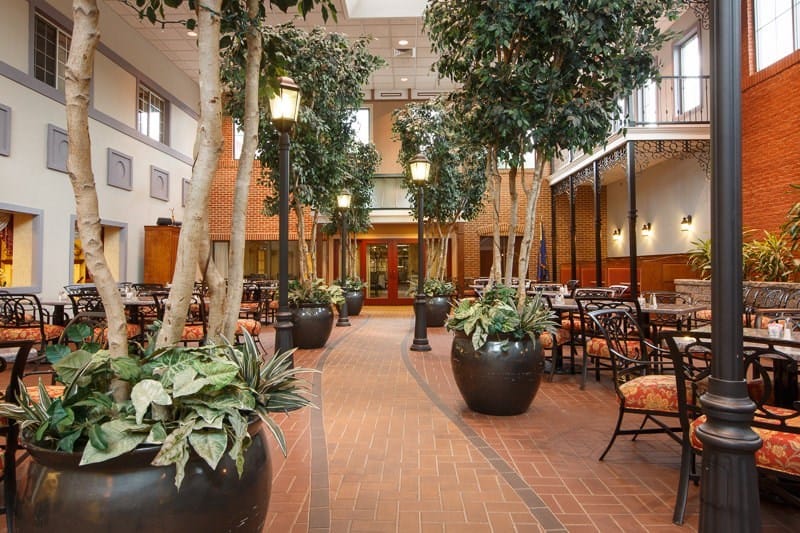
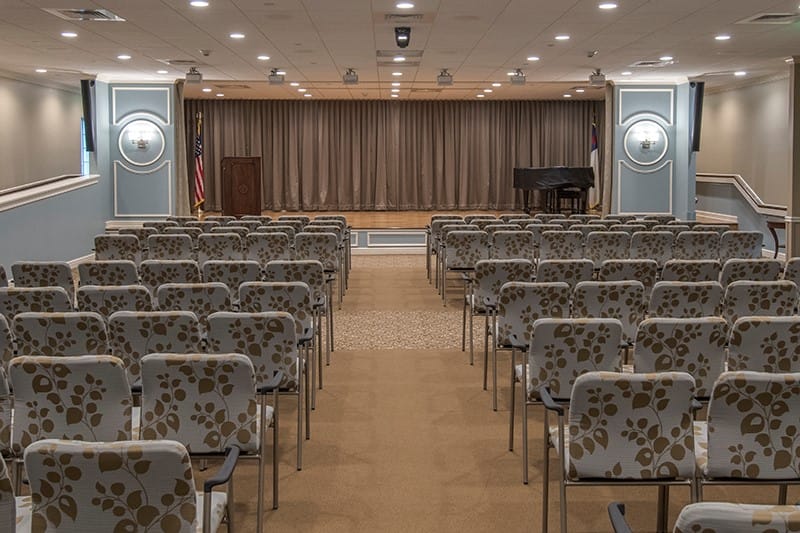
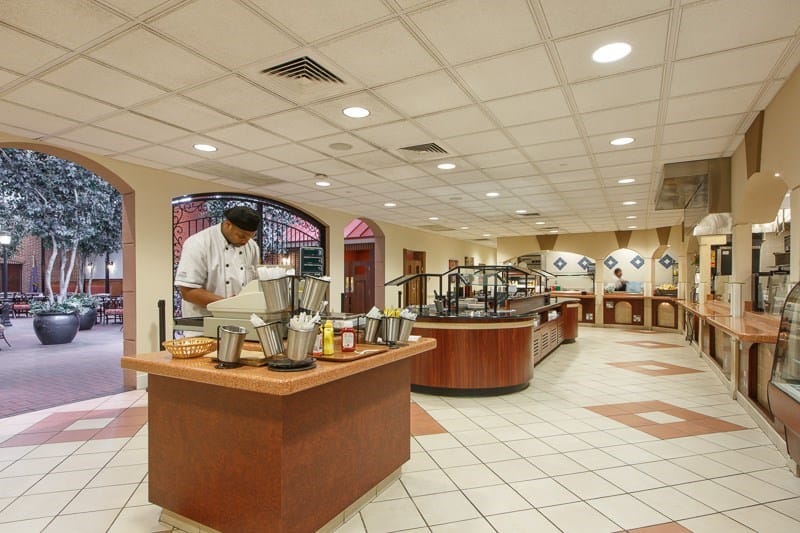
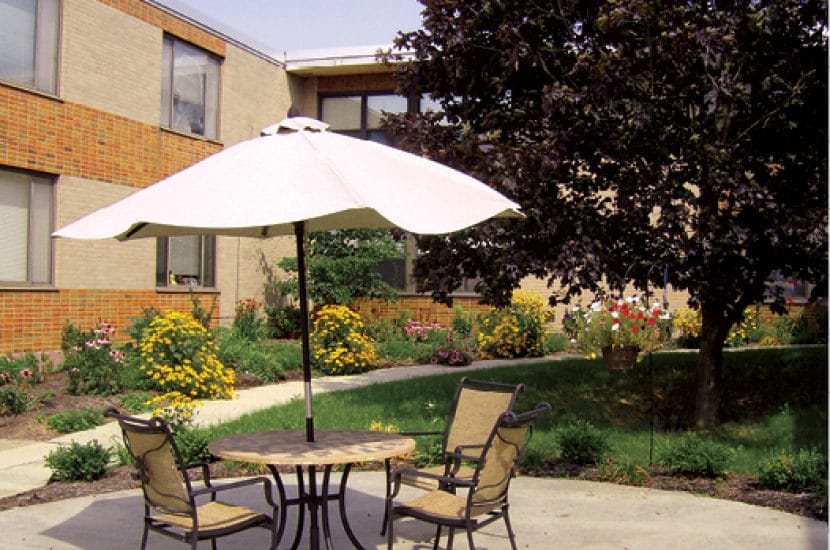
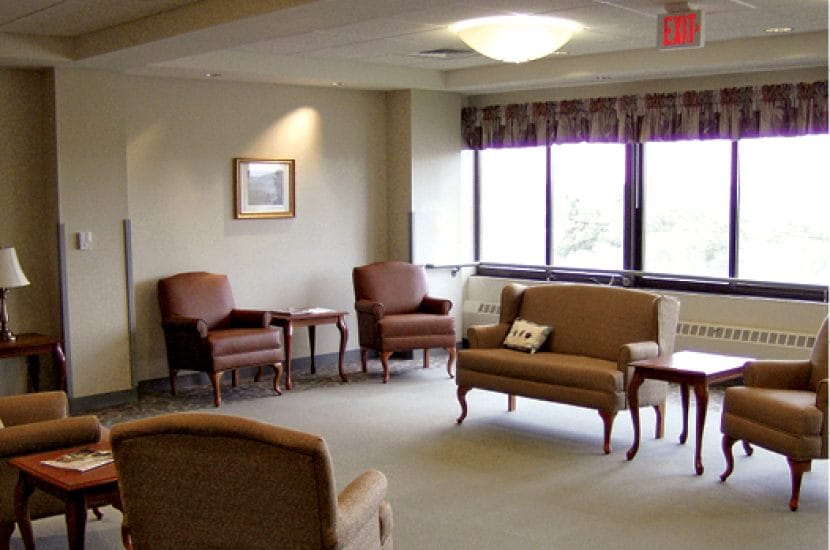
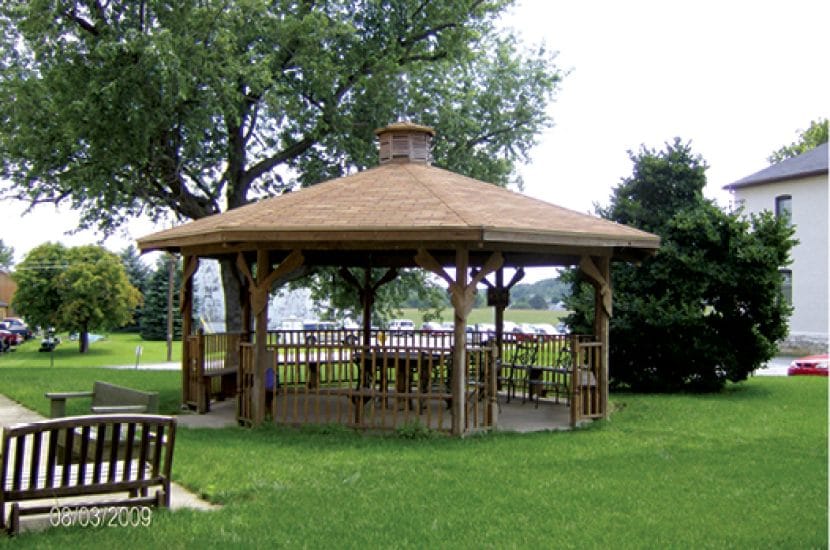
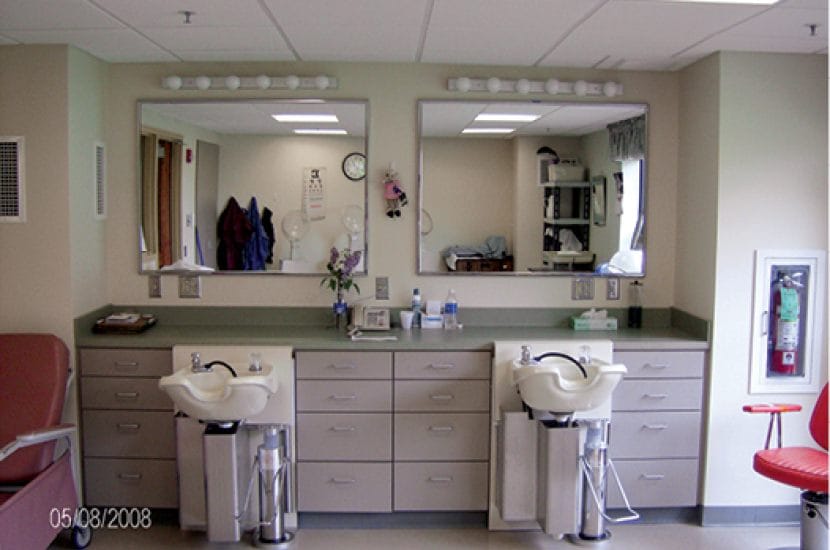
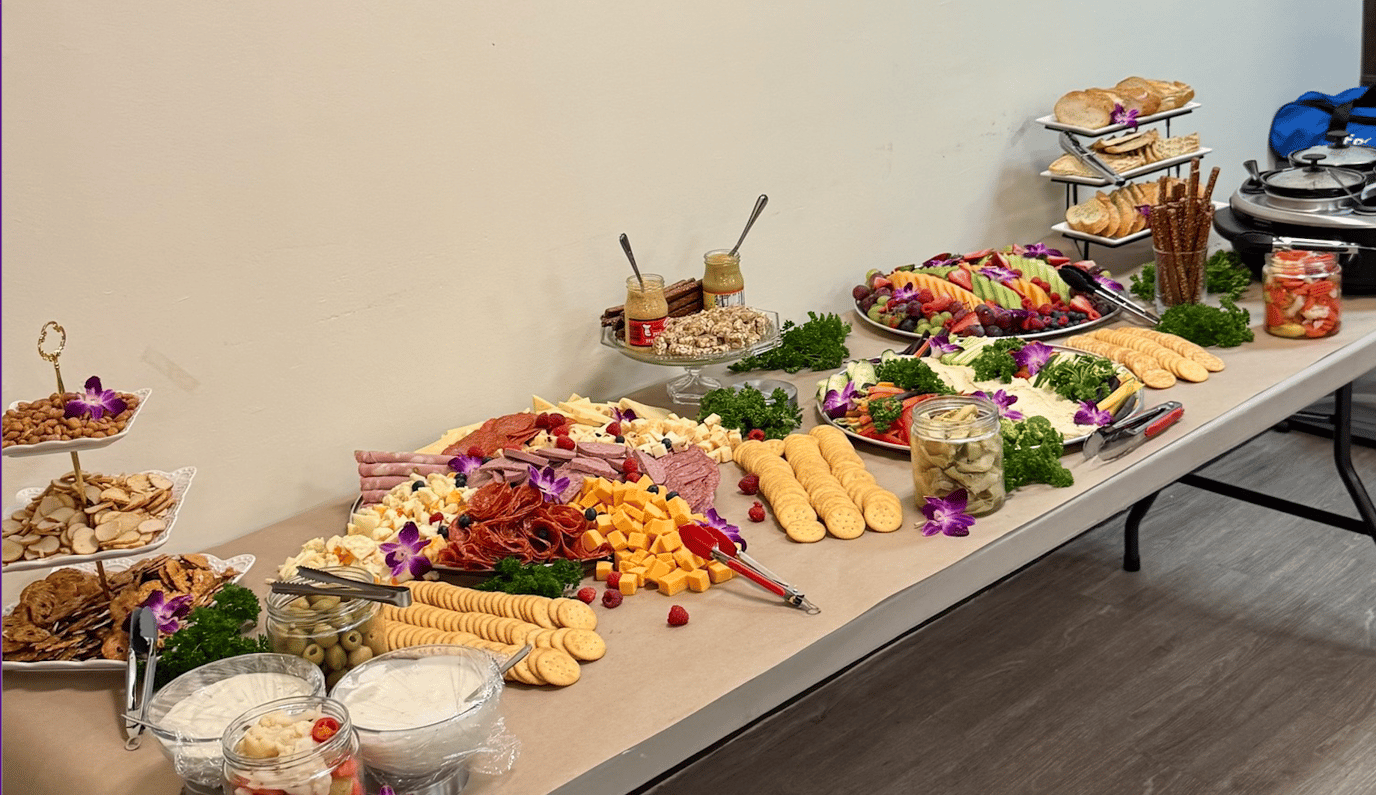
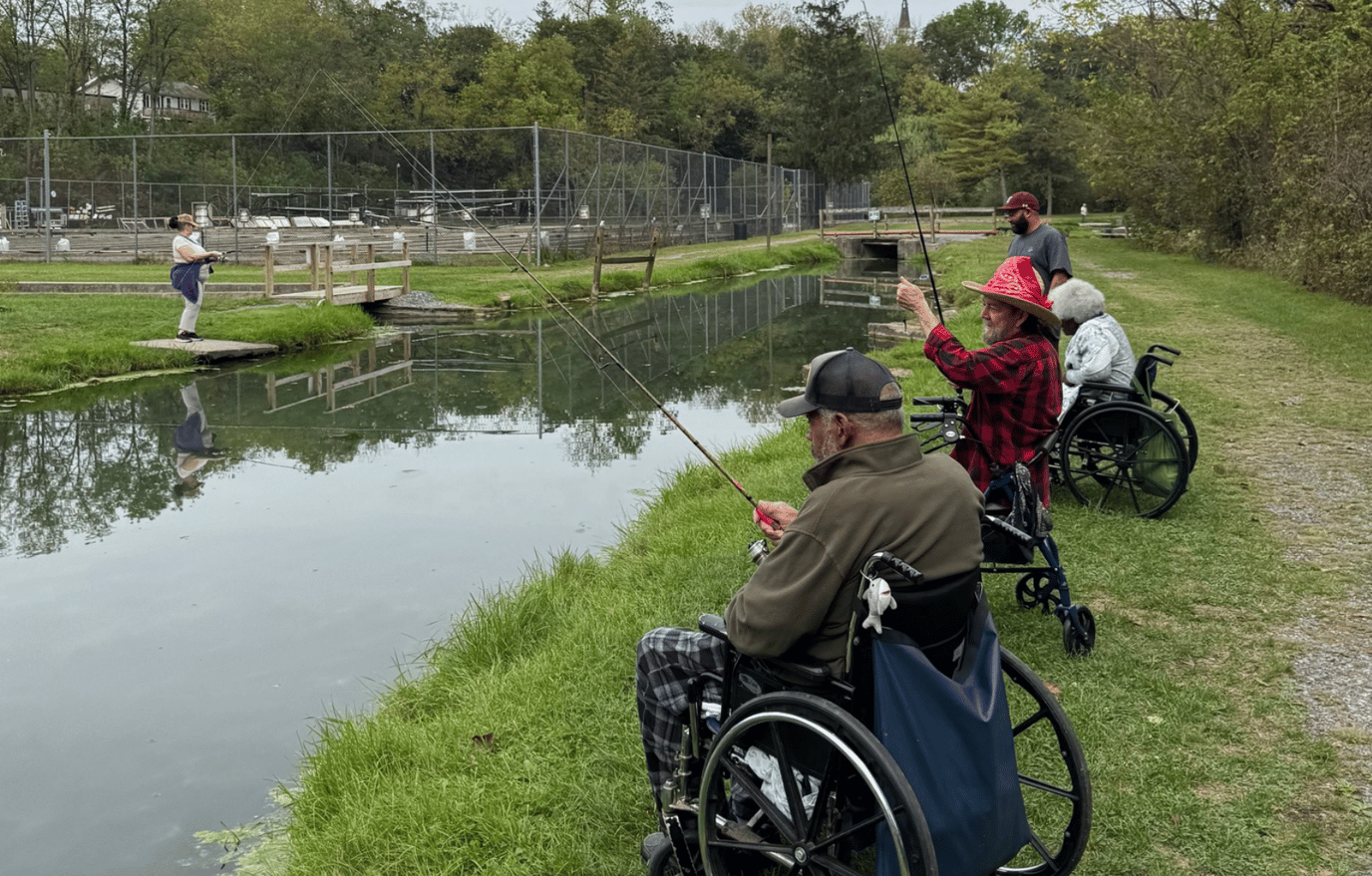
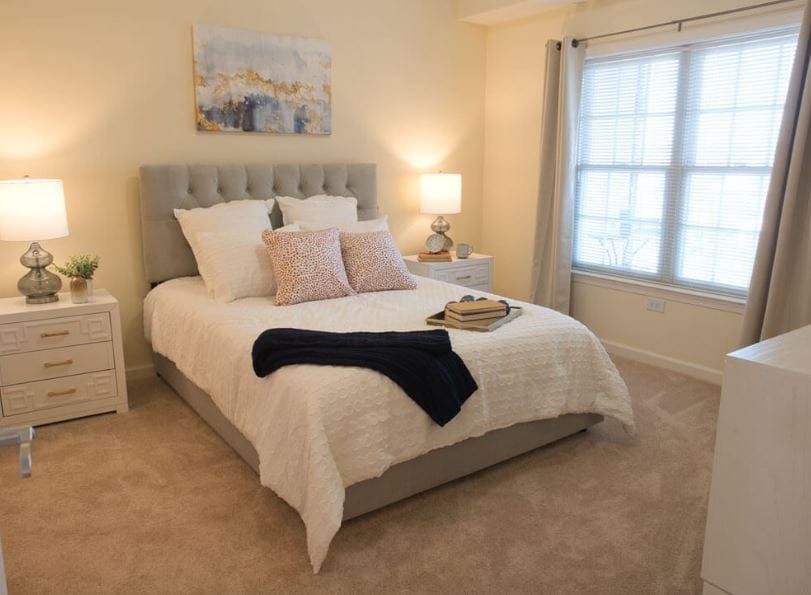
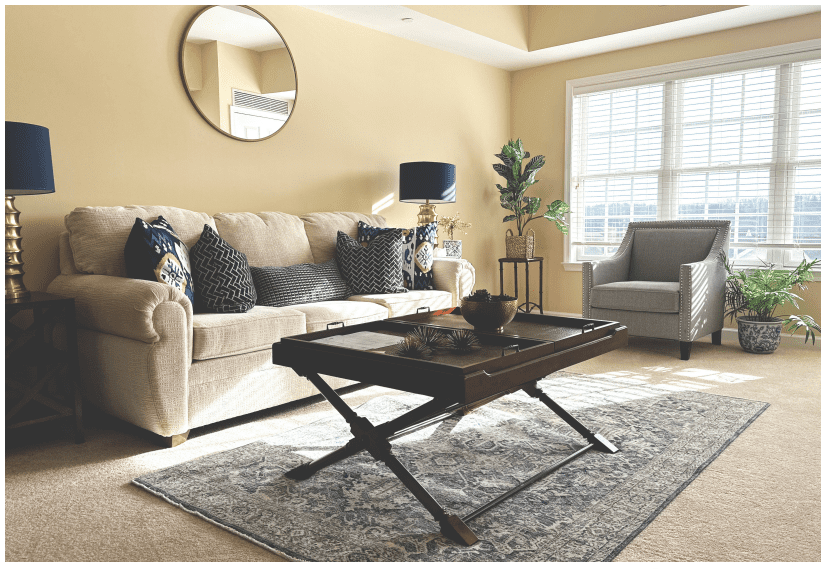
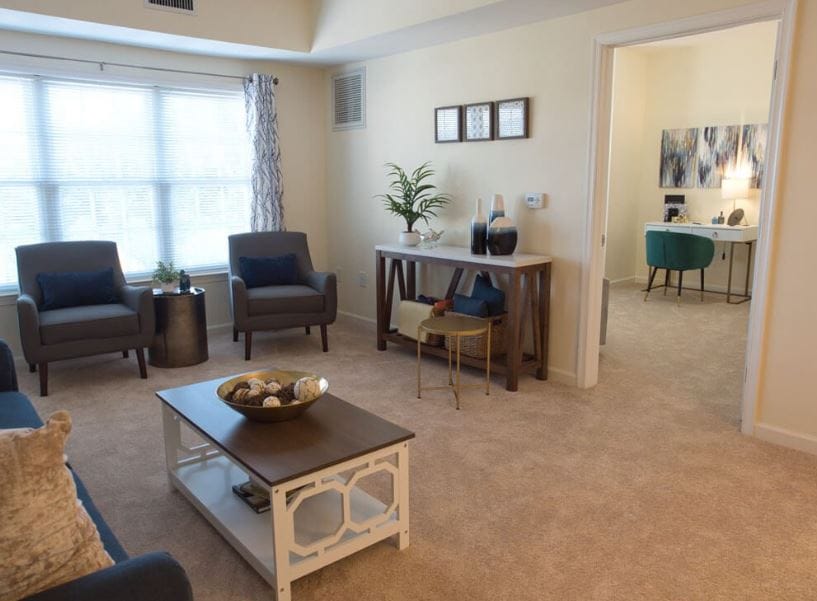
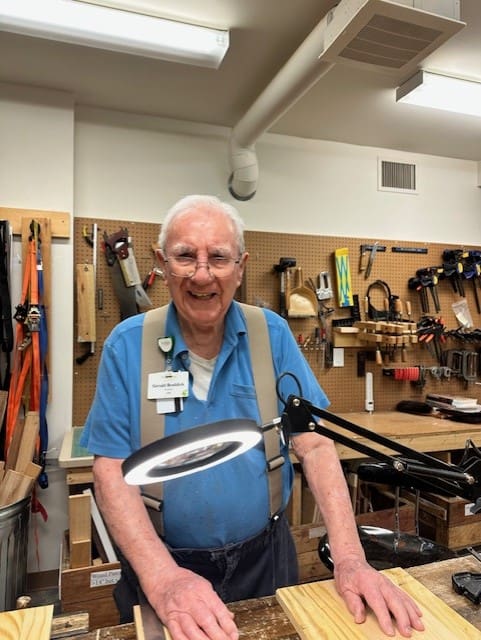
Distinguished by its commitment to excellence, Complete Care at Lehigh Center offers an array of services, including short-term care, long-term care, and specialized cardiac care. The center’s vibrant calendar of activities and amenities caters to residents’ diverse preferences and ensures a fulfilling stay. From wholesome meals thoughtfully customized to dietary needs to on-site amenities like a beauty salon, barbershop, tranquil courtyard, lounges, and guest areas, this community offers a serene and inclusive environment. In every aspect, Complete Care at Lehigh Center embodies the essence of comprehensive care, making it a place where health is valued, nurtured, and celebrated.