

Page 30 of Best Memory Care in Indiana

Why trust this guide? Our editorial team analyzed 294 memory care providers in IN using IN Dept. of Health (IDOH) data, inspection records, complaints, amenities, and facility-level details. How we rank memory care in IN
Reviewed by
Last updated
We analyzed These are the providers in Indiana our team has analyzed — not a count of every memory care provider in Indiana. Home health and home care providers may be included if they specialize in memory care services.
294 providers
Other senior care options in Indiana:
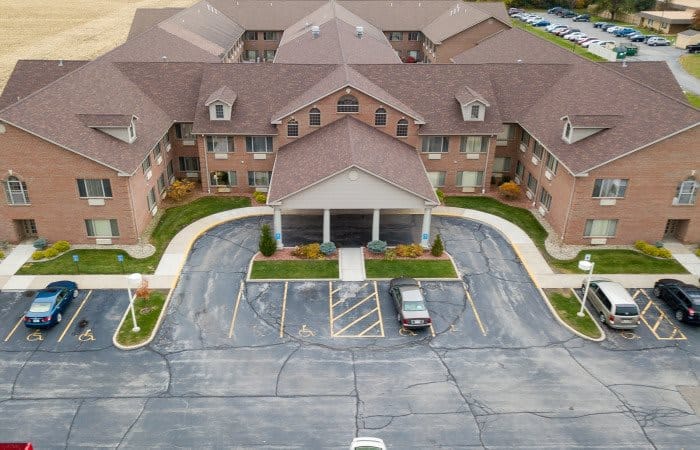
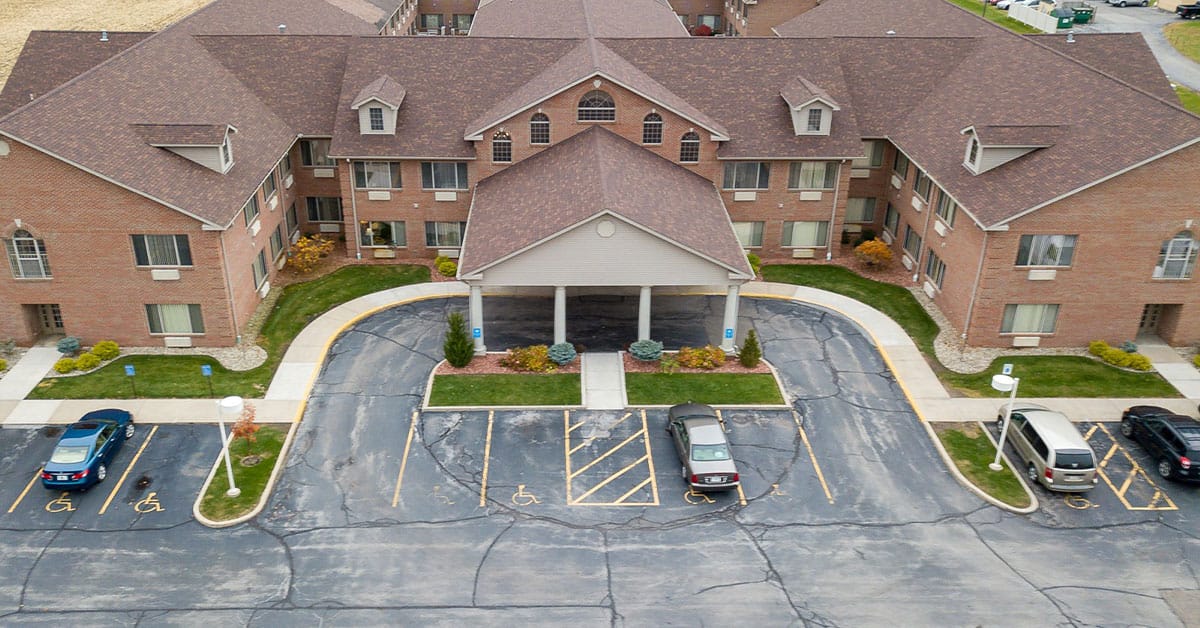
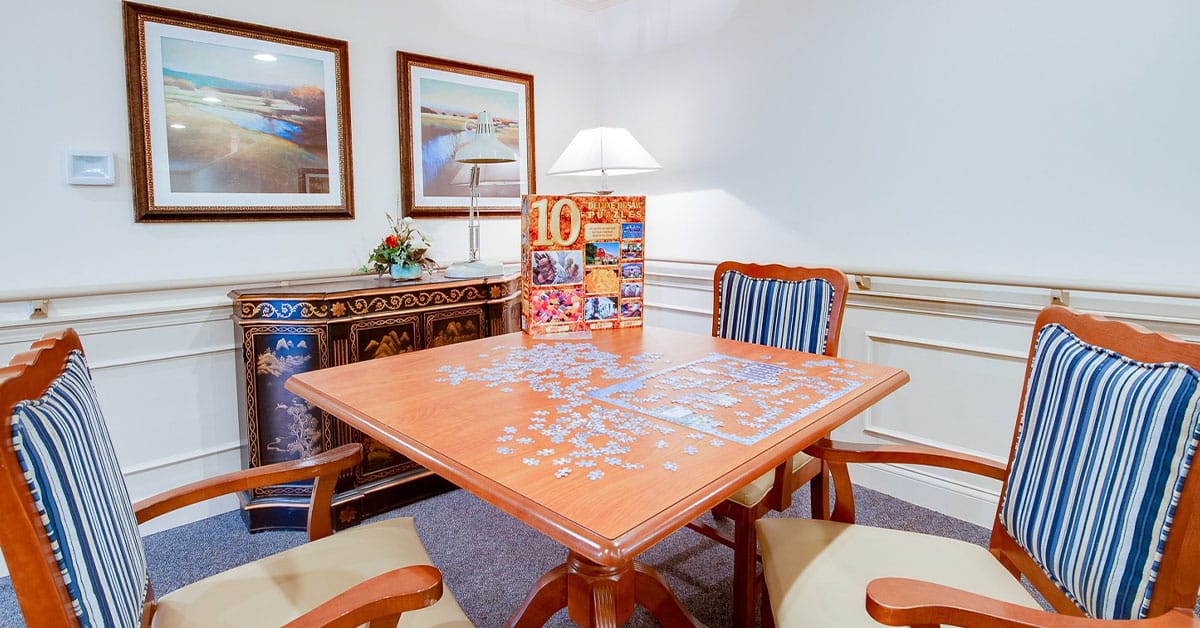
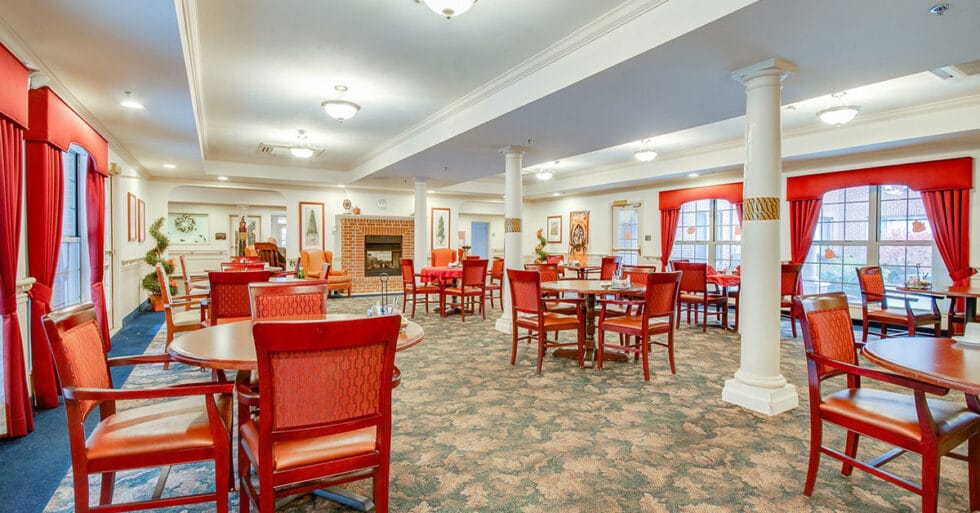
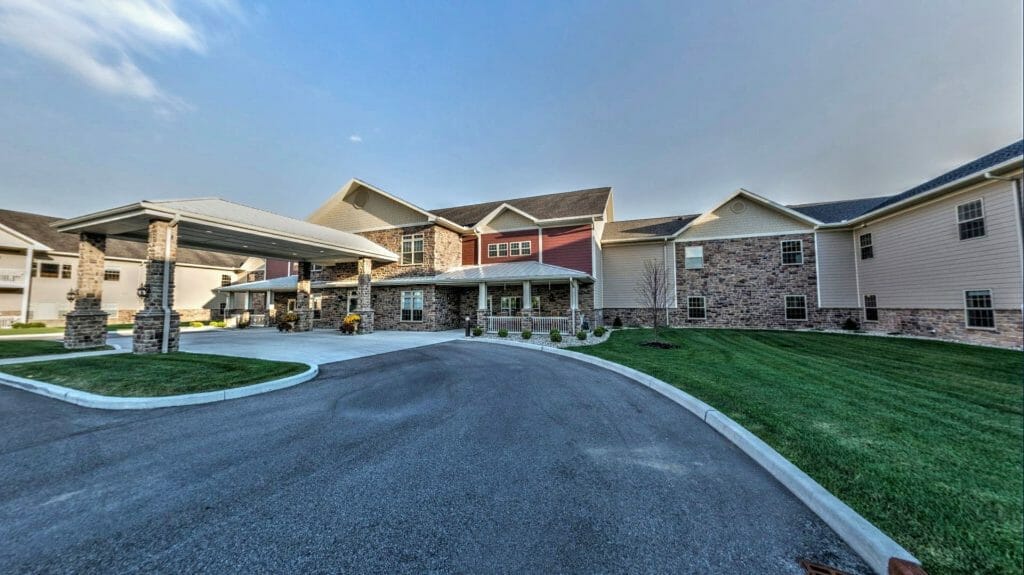
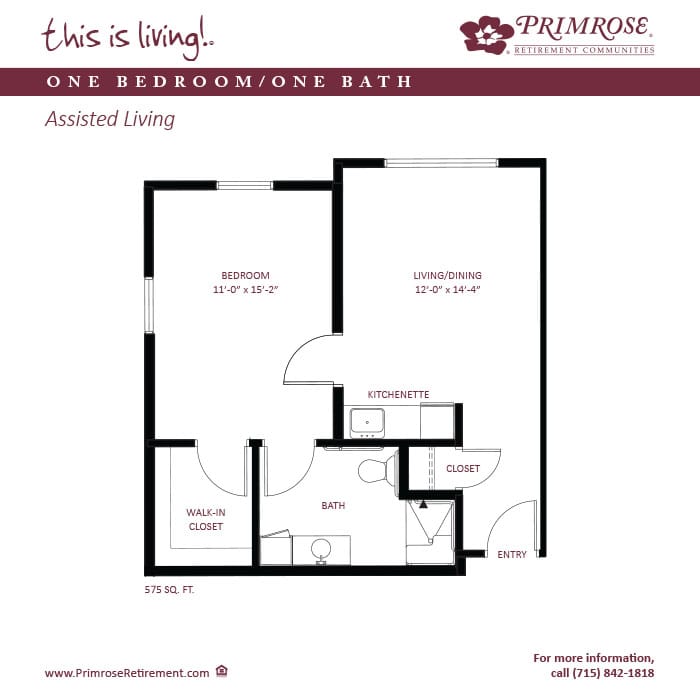
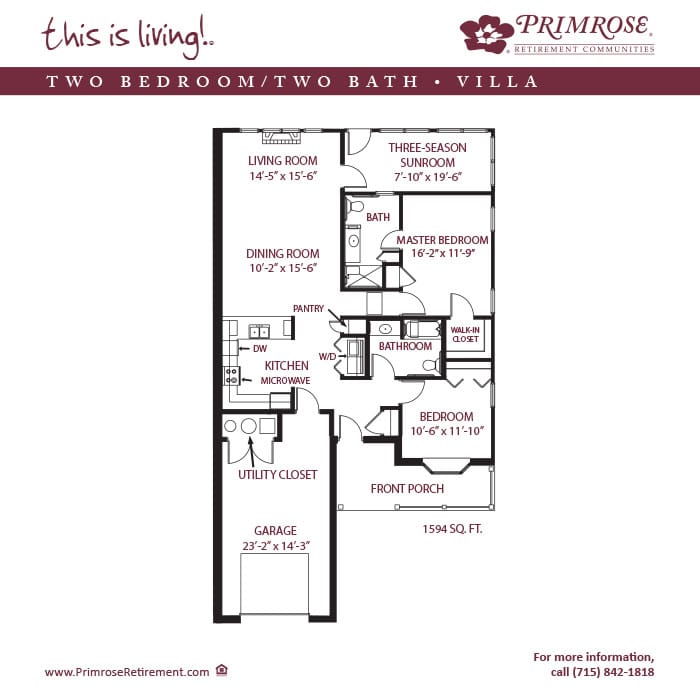
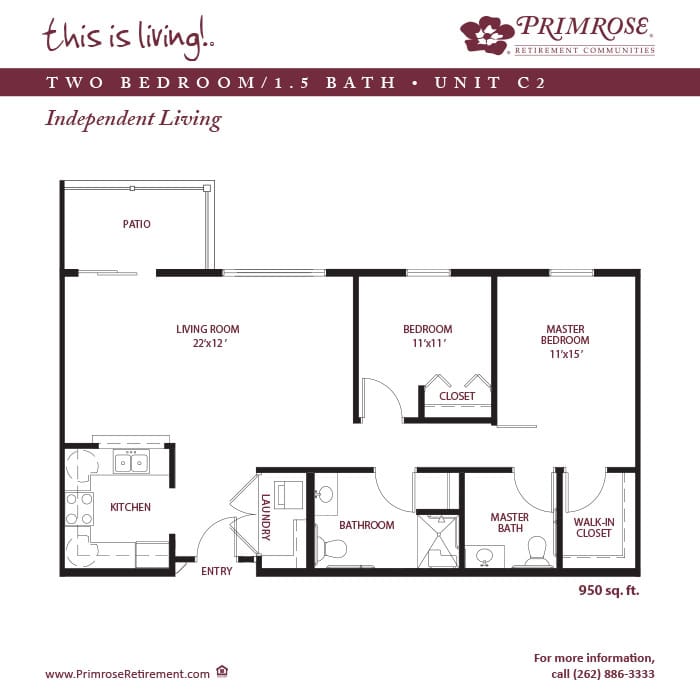
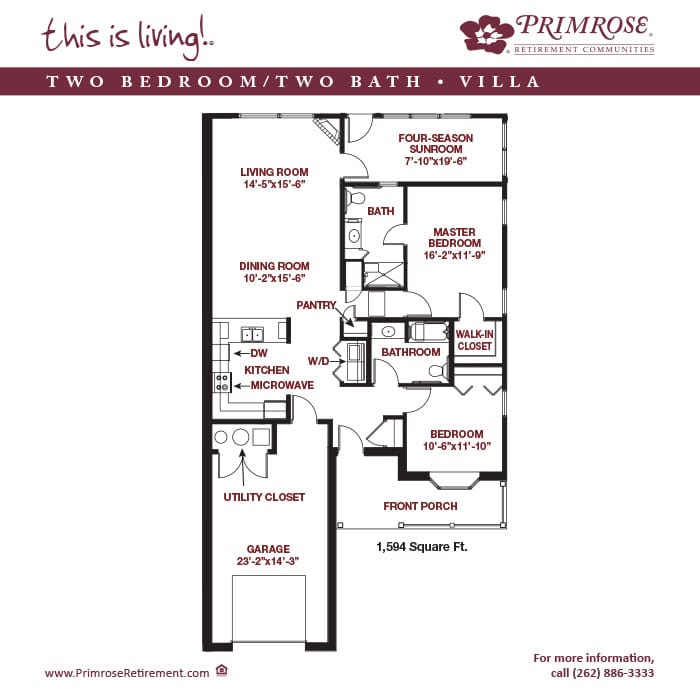
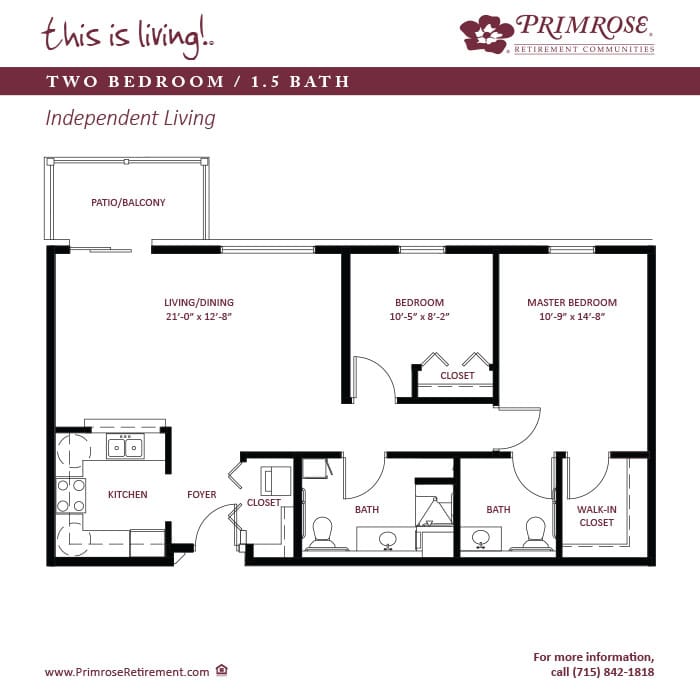
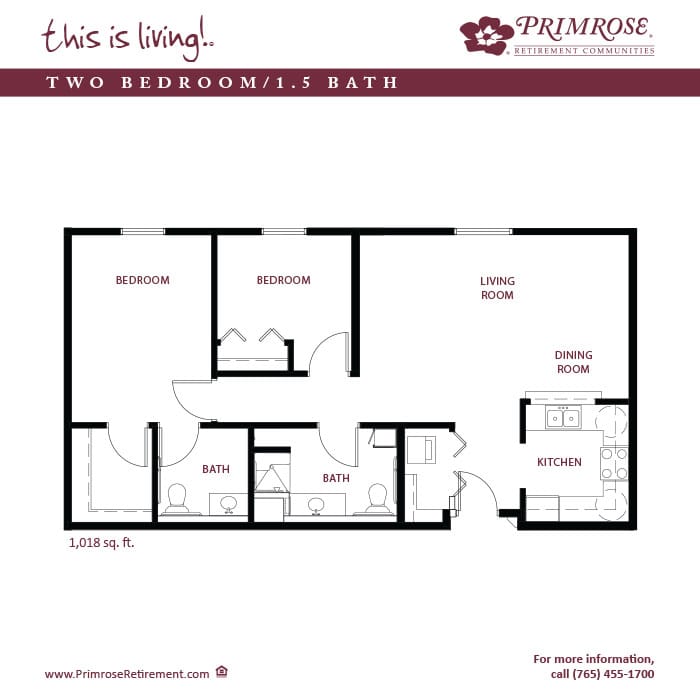
Overview of Primrose Retirement Community of Mishawaka

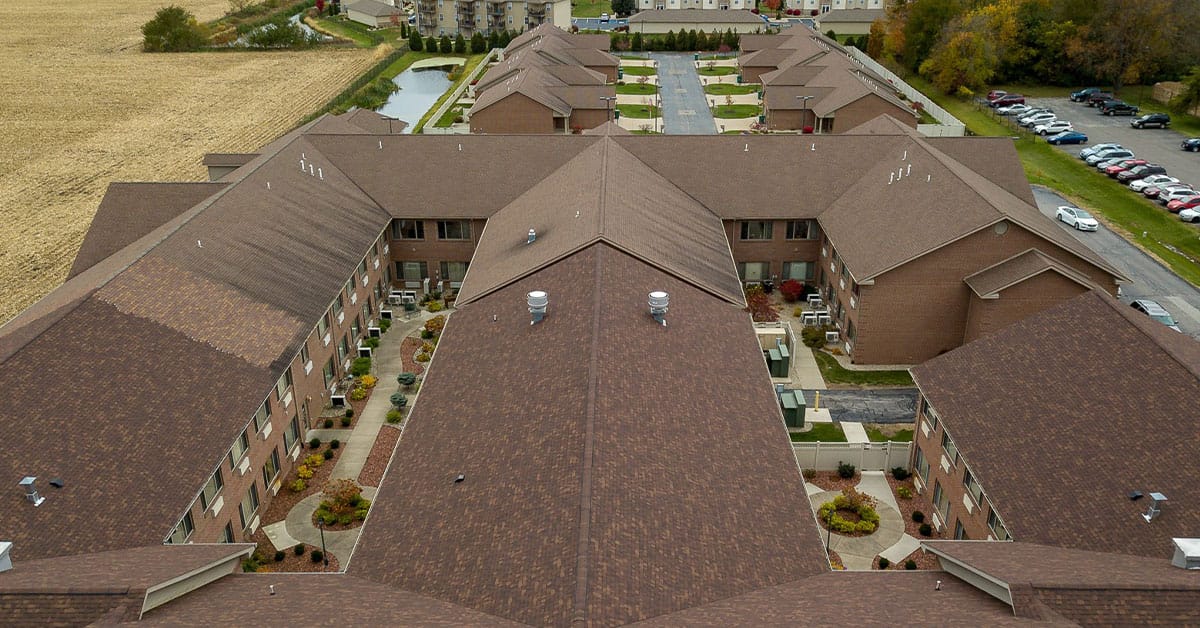
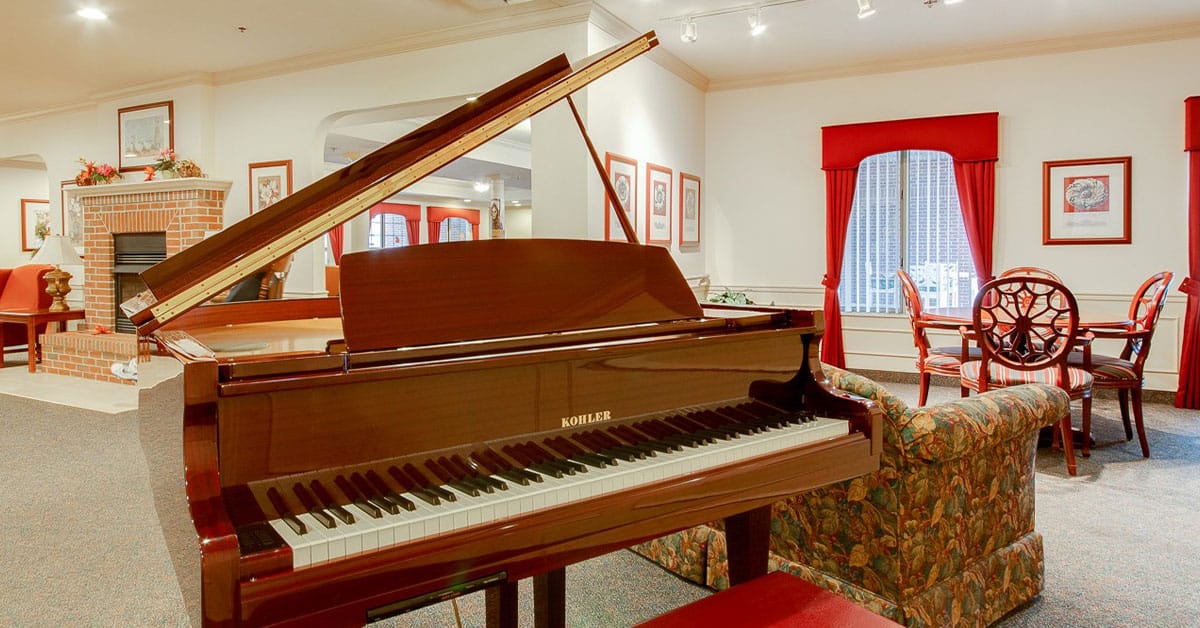
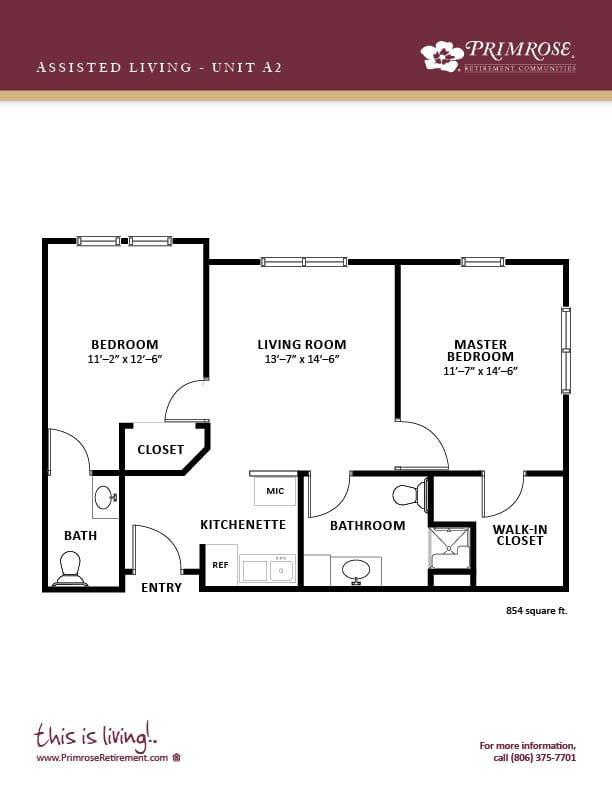
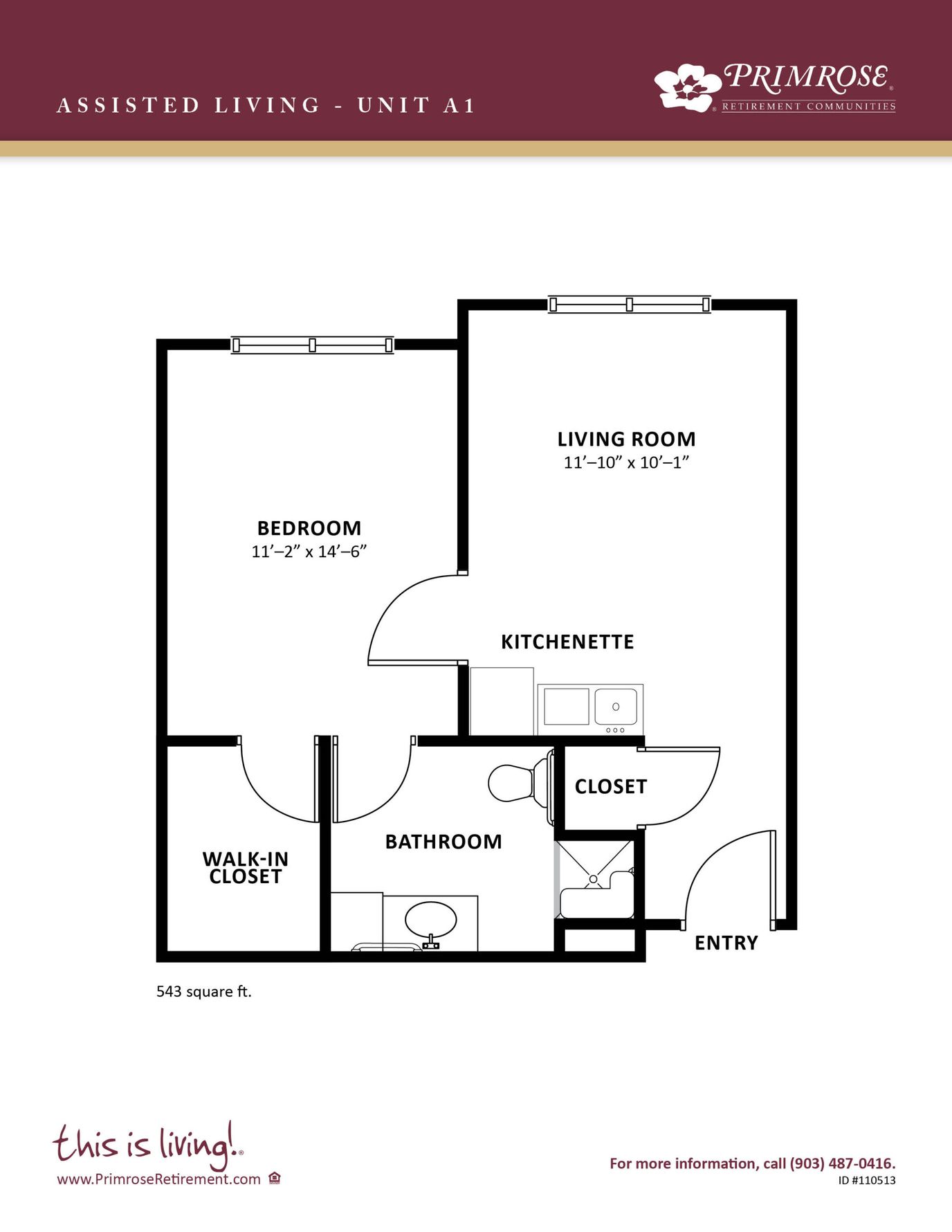
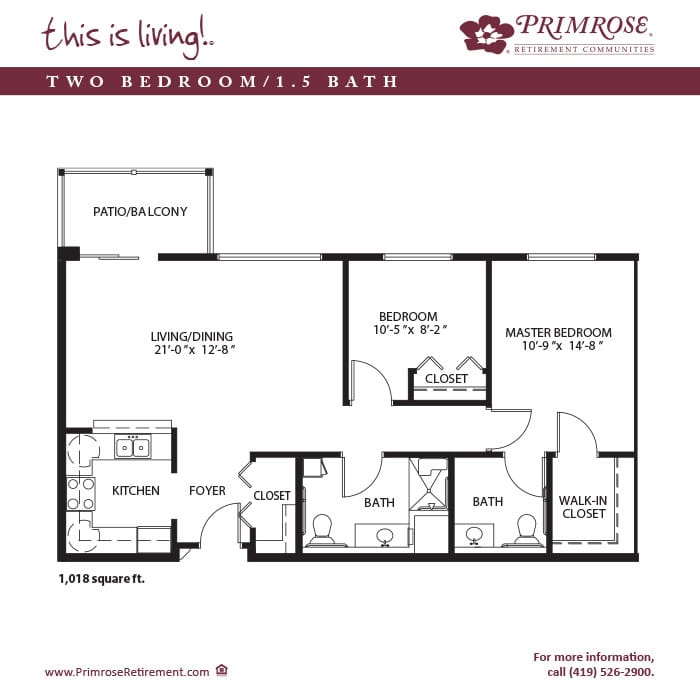
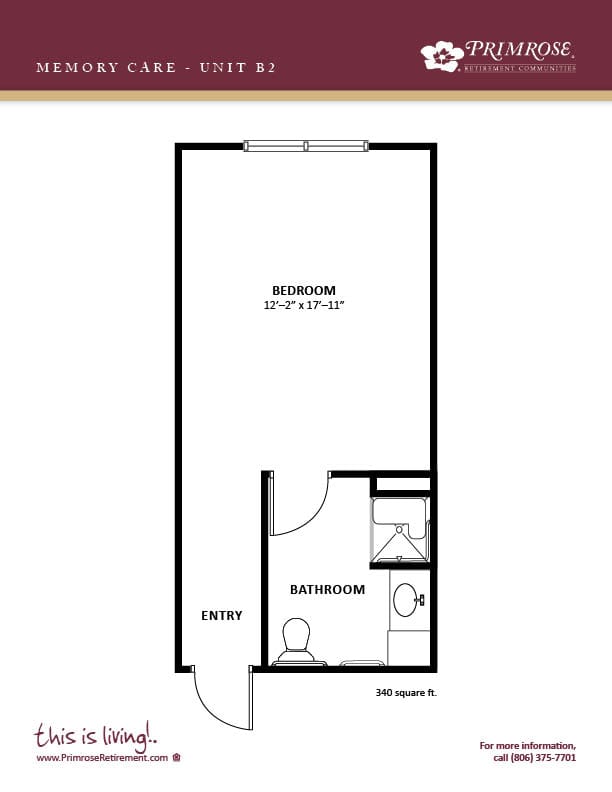
Located in the heart of South Bend, Indiana, Primrose Senior Living offers a vibrant senior living experience, emphasizing freedom alongside access to everyday essentials. Their thoughtfully designed apartments are situated amidst the hub of activity, ensuring proximity to dining areas, salons, and fitness centers for the residents.
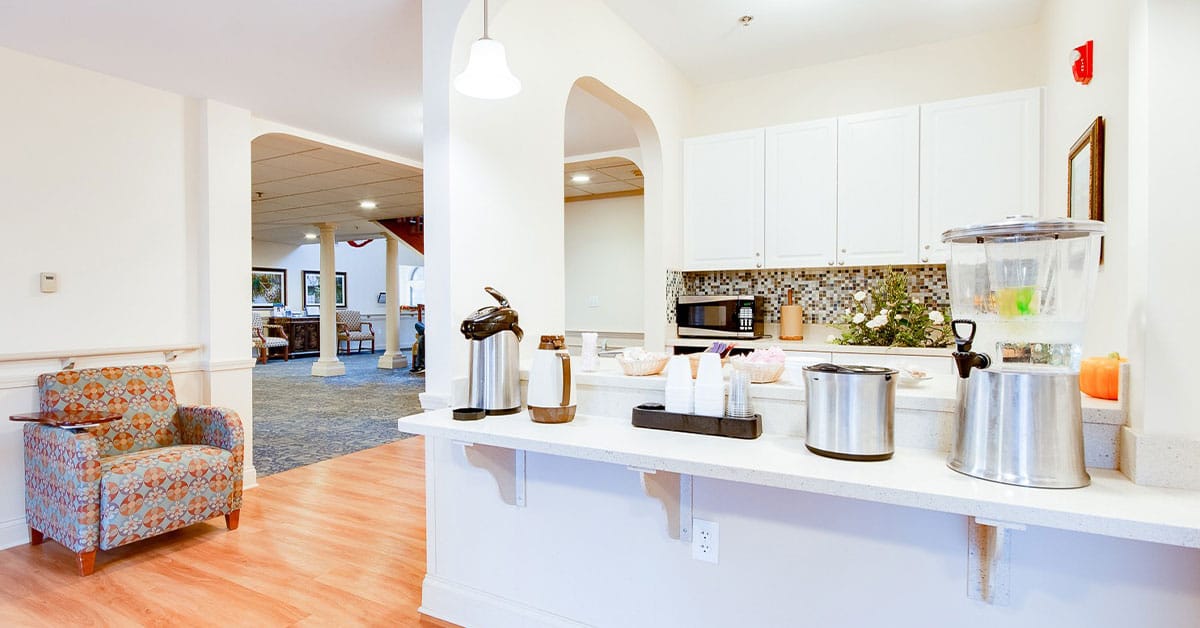
At Primrose, residents get access to the bistro, pub, engaging billiards room, well-equipped wellness center, and a cozy movie theater. Within the community itself, residents can immerse themselves in a lively social calendar, brimming with fellowship and fun-filled activities each day. The community’s location also gives access to local attractions such as the South Bend Cubs baseball stadium, Notre Dame stadium, and a variety of dining and shopping options. 

Contact Primrose Retirement Community of Mishawaka

Overview of Peace of Mind Home Care

Peace of Mind Home Care operates in Indianapolis, and the range here is actually the notable part: personal care, companion care, post-surgical care, dementia care, end-of-life support, all delivered in a client’s own home. Walk Score for the area is 31. Somewhat walkable, but this is mostly a driving neighborhood.

Caregivers handle the daily basics, bathing, dressing, meal preparation, the things that get harder to manage alone. Companion care sits alongside that, addressing the part of aging or illness that isn’t physical, just having someone there. Post-surgical care covers the shorter recovery window after a procedure, while dementia care is built specifically for clients living with memory loss, a genuinely different kind of support than general personal care.

Then there’s end-of-life support, which is its own category entirely. Care and comfort during a terminal illness require a different approach than recovery-focused care, and having that available within the same agency means a family isn’t switching providers during an already difficult stretch of time.

Staffing runs around the clock, so support scales up or down depending on what a given moment actually calls for.

What Peace of Mind offers, in the end, is genuine range: daily personal care on one end, end-of-life support on the other, and dementia care and post-surgical recovery filling in between. For a family whose loved one’s needs might shift, sometimes quickly, that range means not having to rebuild a care plan from scratch every time something changes.

Contact Peace Of Mind Home Care

Overview of Brentwood at LaPorte

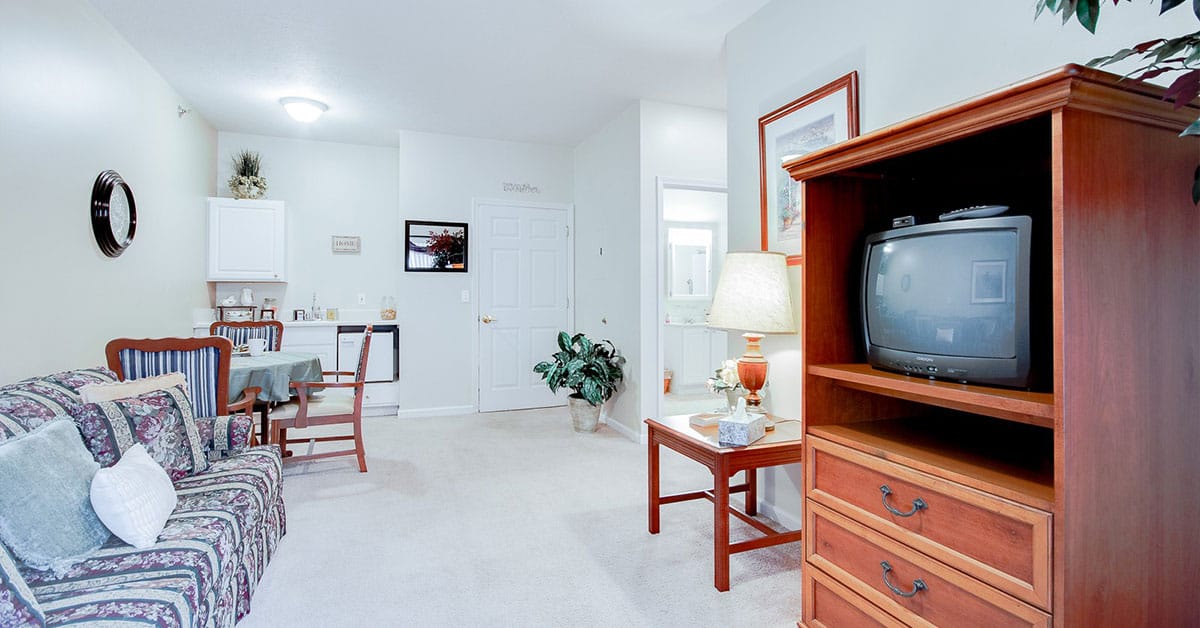
South Bend’s Brentwood at LaPorte covers a lot of ground under one address: assisted living, independent living, memory care, and respite care all sit inside the same community. A family doesn’t have to guess whether this is the “before” place or the “after” place; it can be both, depending on what a resident needs this year versus next year.

Getting there means getting in a car. The neighborhood’s Walk Score sits at 16, which puts it firmly in car-dependent territory, so errands and outings are a driving trip, not a stroll. Inside, though, there’s more going on. Nursing services and 24-hour staffing back up the daily routine, and short-term respite care exists as its own track for families who need a bridge, not a permanent move.

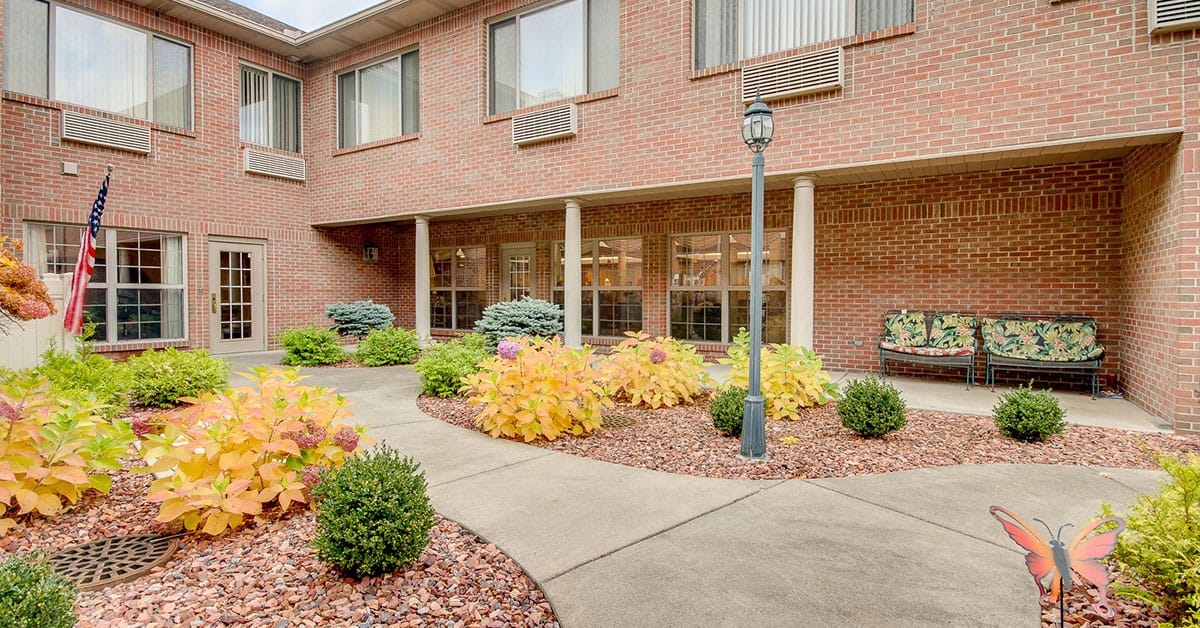
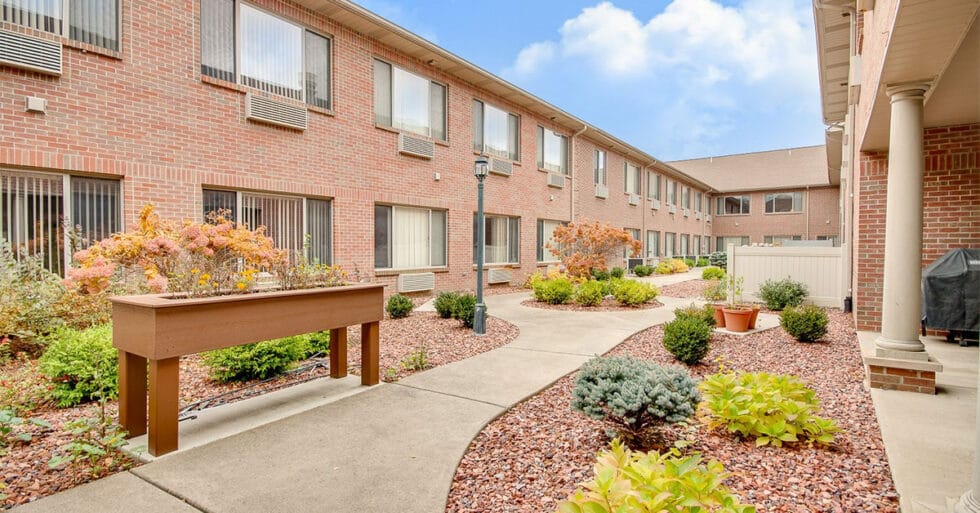
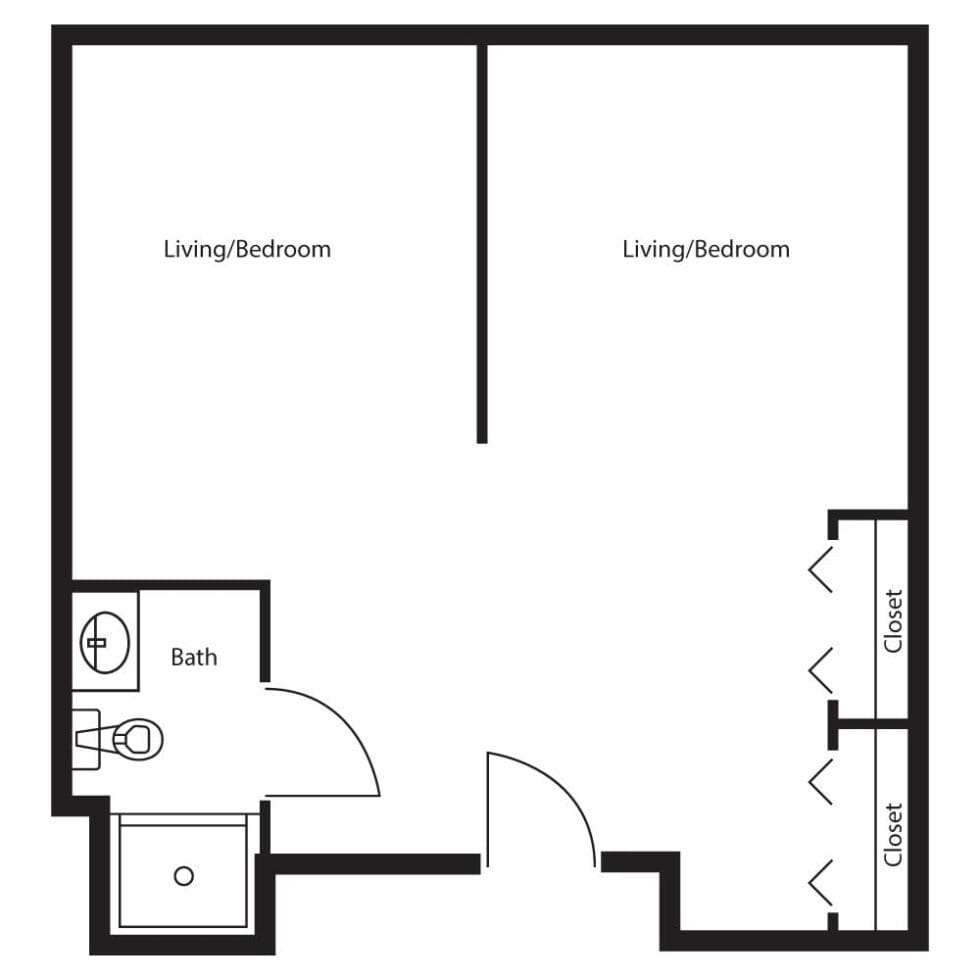
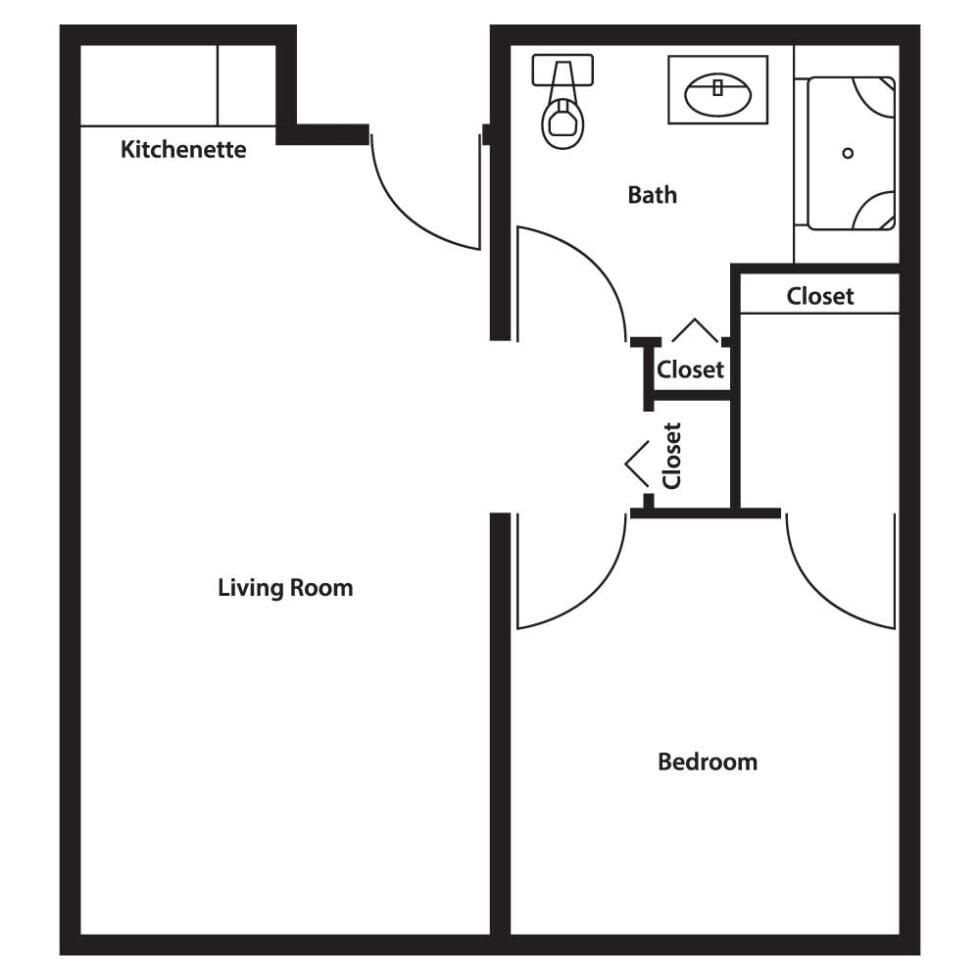
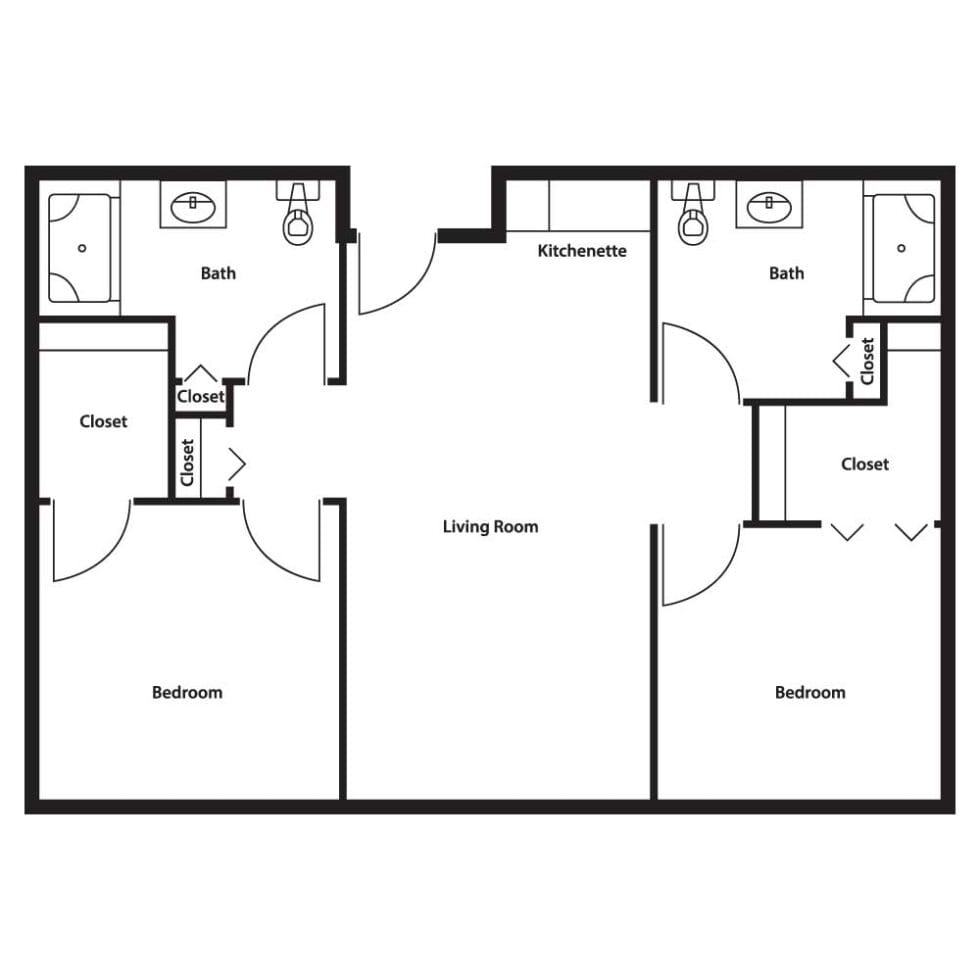
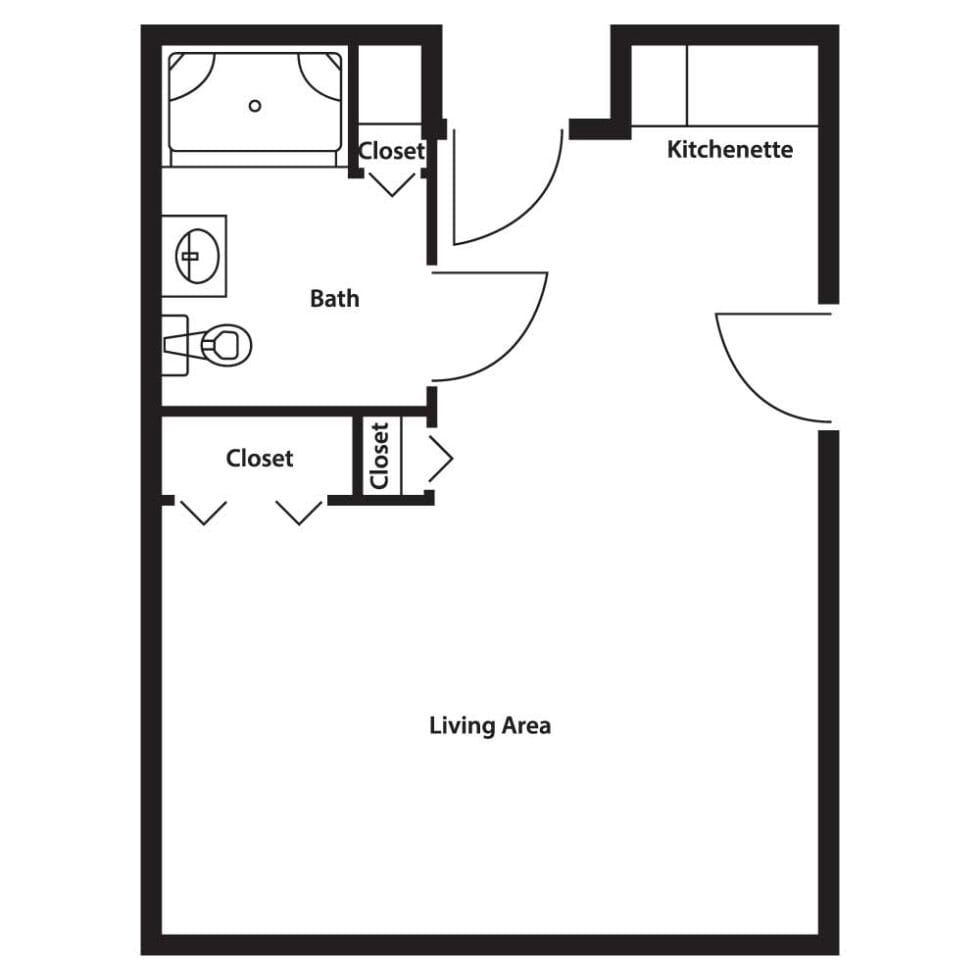
Pricing starts at $3,570 a month for a studio, climbing through one- and two-bedroom layouts, with a separate shared-studio rate inside memory care. Wellness services and a support group round out the program list, alongside general dining services. For day-to-day life, residents get a central courtyard, a spot to socialize, an on-site salon and barber, and a family communication app that keeps relatives looped in without a phone tag. Pets are welcome too.

What Brentwood at LaPorte seems built for is continuity: a resident could plausibly start in independent living, move to assisted living, and use memory care or respite services later, all without changing zip codes.

Contact Brentwood at LaPorte

Changes Home Care

8355 Rockville Rd Suite 35, Indianapolis, IN 46234
Overview of Changes Home Care

Changes Home Care operates in Indianapolis, about 9.2 miles out from downtown, and it covers home care, memory care, and respite care under one roof. Staffing runs on-call 24/7, not just business hours. Walk Score for the area comes in at 48; that’s somewhat walkable, but this is mostly a driving neighborhood.

Here’s the daily reality of what caregivers actually do: bathing, dressing, meal preparation, medication reminders, the stuff that adds up fast when someone’s managing it solo. Errands and light housekeeping fill in around that, and safety assessments happen too, actually checking whether a home setup still works for someone’s current needs. Dementia care runs as its own specialty here, built for clients living with memory loss specifically, not folded in as an afterthought.

The service list breaks down into a handful of core areas: in-home care, safety, companionship, meals and groceries, errands, homemaking, and reminders. That’s a genuinely wide net, covering both the practical logistics of daily life and the more specialized support memory-related conditions require.


What Changes Home Care offers, in the end, is flexibility with real depth behind it: round-the-clock on-call availability, daily personal care, and dementia-specific support, all through a single agency instead of juggling multiple providers. For a family managing a loved one’s changing needs, especially where memory loss is part of the picture, having one point of contact across that whole range is the actual thing being offered here.

Contact Changes Home Care

Weighting overview

  • 35%
    Resident Experience
  • 25%
    Regulatory
  • 15%
    Visual Media
  • 10%
    Website
  • 10%
    Stability
  • 5%
    Environment
01

Resident & Family Experience 35%

The single largest share of every ranking. Aggregated review sentiment and volume from major platforms — the closest signal to real resident experience.

  • Includes
  • Review Sentiment
  • Review Volume
02

Regulatory & Safety Record 25%

State inspection records, citations, and complaint visits. We weight per-inspection rates more heavily than raw counts.

  • Includes
  • State Inspections
  • Citations/Inspection
  • % Inspections w/ Citations
  • Complaint Visits
  • Accreditations
  • BBB Rating
03

Visual Media & Transparency 15%

Communities that publish high-quality visuals give families a real preview. No photos or tours = a negative transparency signal.

  • Includes
  • Video Tours
  • Virtual Walkthroughs
  • Photo Quantity
  • Photo Quality
04

Website & Operator Transparency 10%

Site quality and whether the operator publishes basic accountability information — staff names, contact details, ownership.

  • Includes
  • Website Content
  • Mobile Usability
  • Staff Info Available
  • Owner Info Available
05

Community Stability 10%

Operational signals indicating whether a community is well-run and meeting demand.

  • Includes
  • Occupancy Rate
  • Bed Options
06

Environment & Pricing 5%

Walkability and pricing transparency. Walk Score is weighted higher for Independent Living than for Memory Care, where most residents do not leave unaccompanied.

  • Includes
  • Walk Score
  • Pricing Transparency
No paid rankings Communities cannot pay to influence placement.
How we're paid: If we help you find a community and you move in, that community may pay us a referral fee. This never affects where they rank or what you pay. Learn more
Submit a correction

Memory Care in Indiana at a glance

Avg Walk Score: 36/ 100The average Walk Score across facilities in Indiana. A third-party neighborhood walkability score (0–100) measuring convenience and context, not healthcare quality. Individual facilities can vary widely from this average.
National Average: 50/ 100
Avg No. of Beds: 127The average licensed bed capacity across facilities in Indiana. Individual facilities can vary widely from this average.
National Average: 90
Who we are

Your Senior Care Partner, Every Step of the Way

We help families find affordable senior communities and unlock same day discounts, Medicaid, and Medicare options tailored to your needs.

Contact us Today

Frequently Asked Questions

Can’t find what you’re looking for? Visit our Contact Support

What government services provide money for senior housing?

Several government programs offer financial assistance for senior housing in various countries, focusing on the United States for a broad overview:

  • Medicaid: Medicaid is a state and federally funded program that can cover the costs of nursing home care for those who meet eligibility criteria, including income and asset limits. Some states also offer Medicaid waivers that help pay for home and community-based services to prevent or delay nursing home placement.
  • Medicare: Medicare, primarily a health insurance program for people aged 65 and over, does not cover long-term housing costs. However, it can cover short-term stays in a skilled nursing facility under specific conditions following a hospital stay.
  • Section 202 Supportive Housing for the Elderly Program: This program provides housing for low-income seniors. It offers rental assistance and access to supportive services, such as cleaning, cooking, and transportation.
  • Low-Income Housing Tax Credit (LIHTC) Properties: While not a direct subsidy, LIHTC encourages developers to create affordable housing. Seniors with low incomes can find reduced-rent apartments through this program.
  • State and Local Programs: Many states, counties, and cities offer their own programs to assist seniors with housing costs. These can include property tax relief programs, rental assistance programs, and programs that offer affordable senior housing options.
  • Veterans Affairs (VA): The VA offers several programs for veterans, including the Aid and Attendance benefit, which provides monthly payments to veterans who require the aid of another person, or are housebound, to help cover the cost of care in homes, nursing homes, and assisted living facilities.
  • Social Security: While Social Security primarily provides retirement income, for many seniors, these benefits are a crucial part of their budget, including housing costs.
How do you pick the homes you recommend?

Before recommending homes, we conduct a thorough evaluation on crucial factors that define a senior home such as the quality of care they provide, the reputation of the organization, and a comprehensive review of community testimonials as well. Every detail is assessed to assure that seniors are offered not just senior care options, but trustworthy homes where they can experience the care that they deserve.

Do you help families that need Medicaid?

Yes. Assisting families who need Medicaid is important to us as it plays a crucial role in offering financial support to seniors confronting economic challenges. We would like to keep essential healthcare services accessible to all community members, irrespective of one’s financial circumstances.

How much does this service cost?

We extend our services at no cost, ensuring that families and seniors can benefit from tailored assistance in their search for care and home options. Our ability to offer personalized guidance without charge to families and seniors is made possible through the support and funding from the communities with which we team up. 

What services do you offer?
  • Finding and ranking the best assisted living facilities
  • Finding and ranking the best nursing homes
  • Finding and ranking the best memory care facilities
  • Our concierge service helps seniors move into the perfect home for them
  • Helping seniors use medicare, medicaid, and other government programs to pay for their homes
  • Helping seniors avoid senior homes that have bad service or fraud
  • Memory care specialists
  • Finding and ranking the best independent living communities

Frequently Asked Questions about Memory Care in Indiana

What's the difference between assisted living and memory care in Indiana?

Assisted living in Indiana supports residents with daily activities (bathing, dressing, medication management) while preserving independence. Memory care is a specialized form of assisted living for residents living with Alzheimer's or dementia, and adds 24/7 secured environments, dementia-trained staff, and structured routines designed to reduce confusion and wandering.

Does Indiana Medicaid cover memory care?

Indiana Medicaid does not directly pay room-and-board for memory care, but most states (including Indiana) offer Home and Community-Based Services (HCBS) waivers that can offset the cost of care services delivered inside a licensed community. Eligibility, waitlists, and covered services vary — check directly with the state Medicaid agency.

What is memory care?

Memory care is a specialized form of assisted living for residents living with Alzheimer's disease or other forms of dementia, with secured environments, dementia-trained staff, and routines built to reduce confusion and wandering.

How many memory care communities are listed on this page?

This page features 294 memory care communities in Indiana. Use the filters and comparison tools above to compare ratings, amenities, and pricing.

How do I choose the right memory care community in Indiana?

Start by matching the level of care offered to the resident's current and anticipated needs, then compare licensing status, staff-to-resident ratios, recent inspection results, and pricing. Tour at least two or three communities in Indiana, talk to current residents and families, and confirm what is included in the base rate versus billed as add-on services.

What should I look for when visiting memory care communities in Indiana?

Pay attention to staff interactions with residents, cleanliness and odor, food quality at meal times, the activity calendar, and how questions about pricing and care plans are answered. Ask to see the most recent state inspection report, the move-out / level-of-care-change policy, and a sample monthly bill that lists every fee.