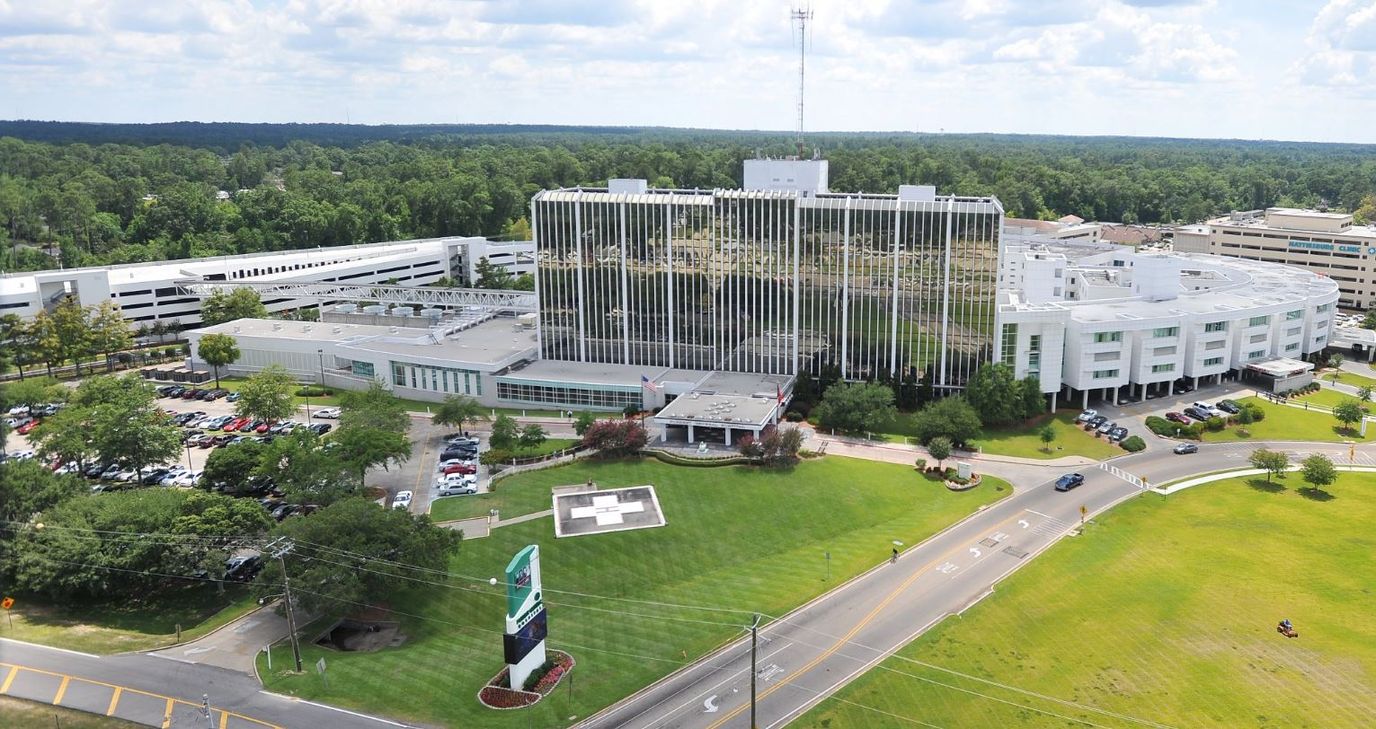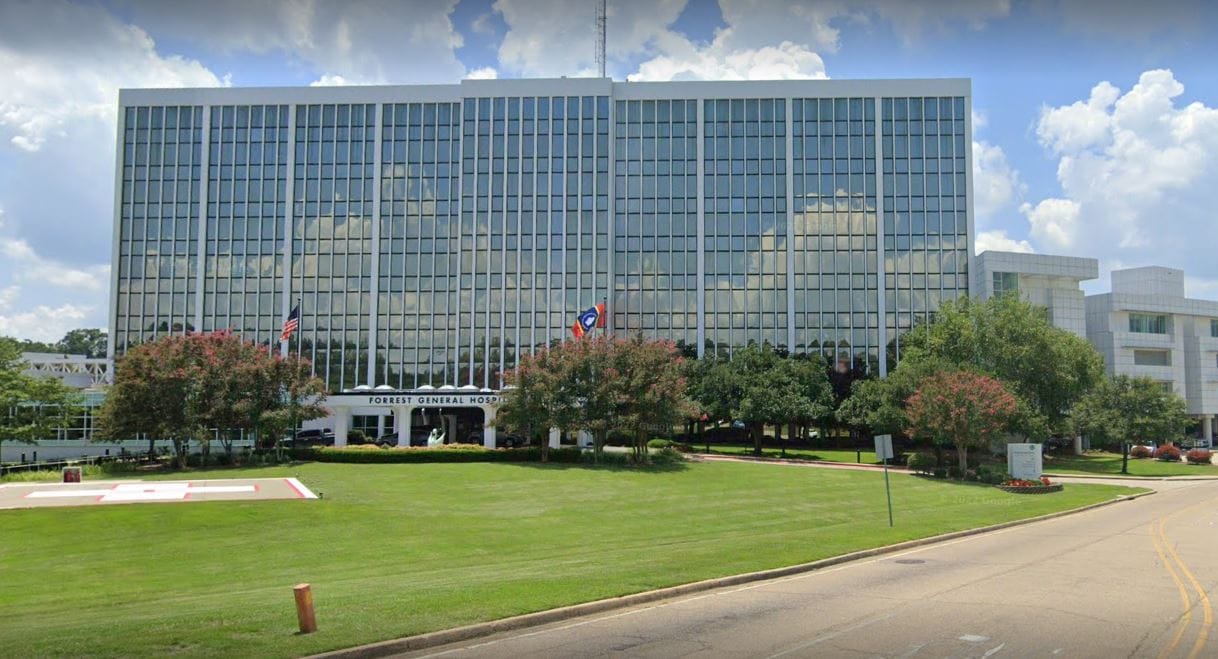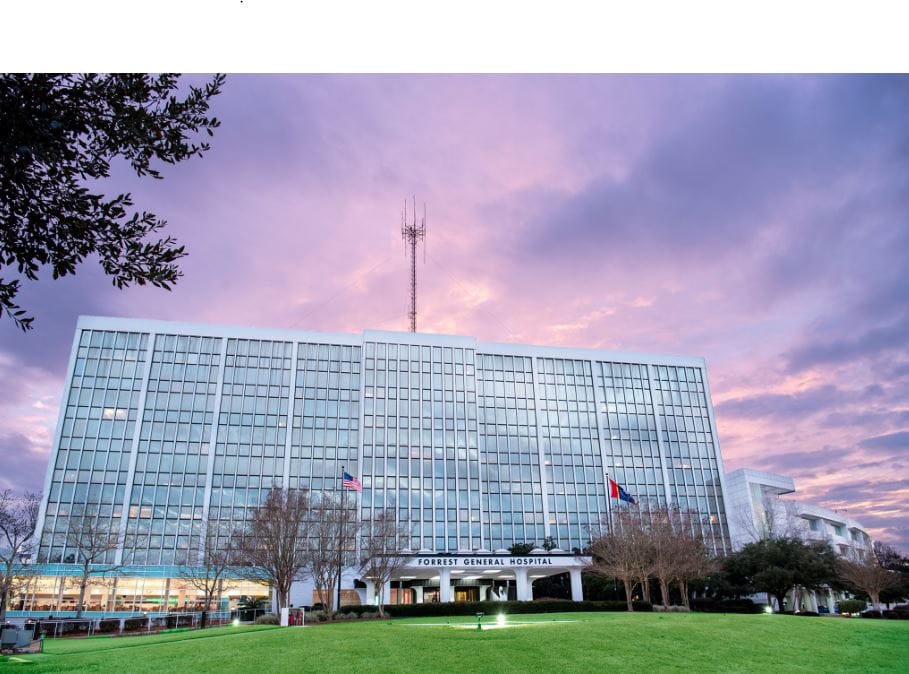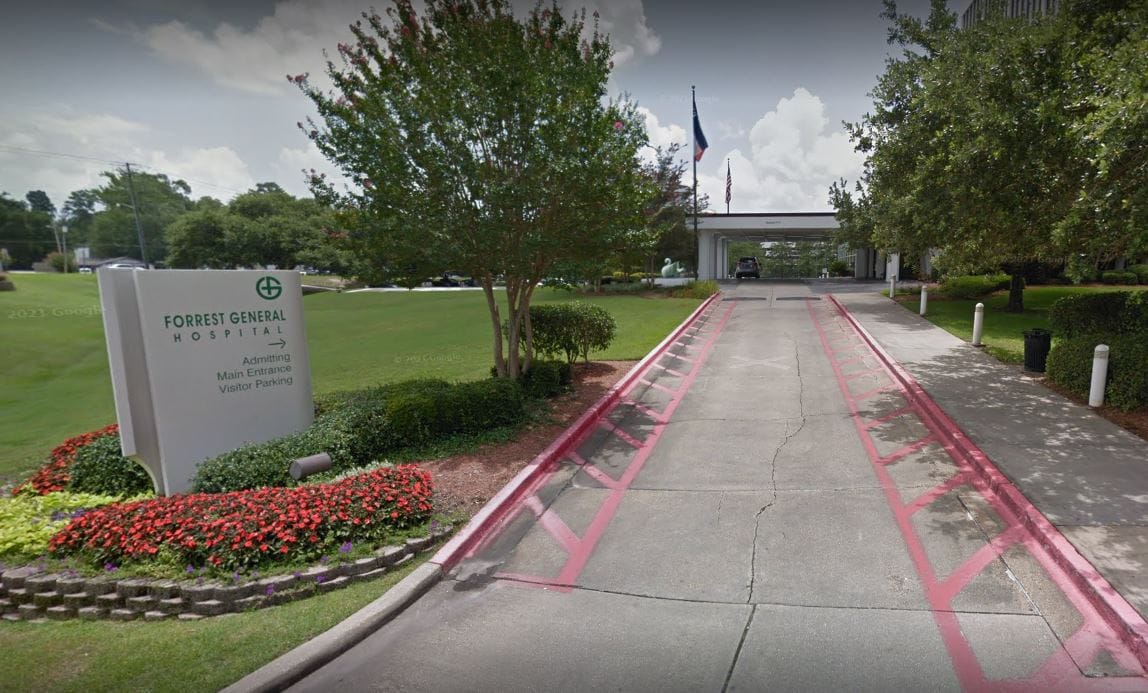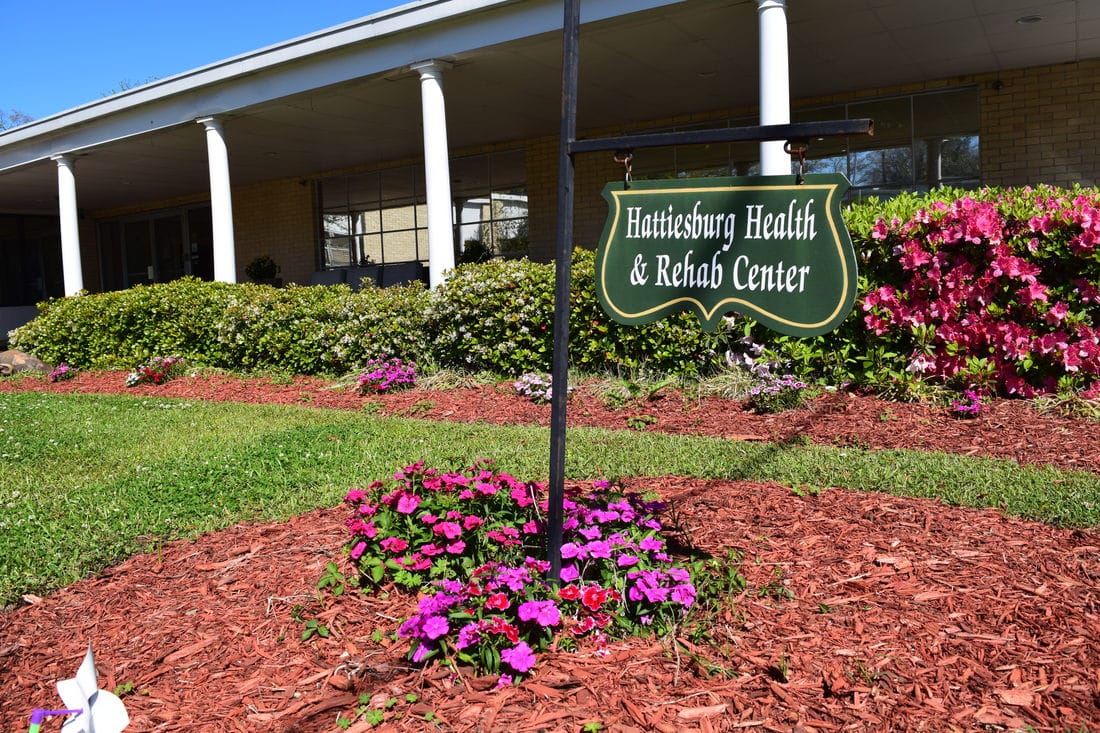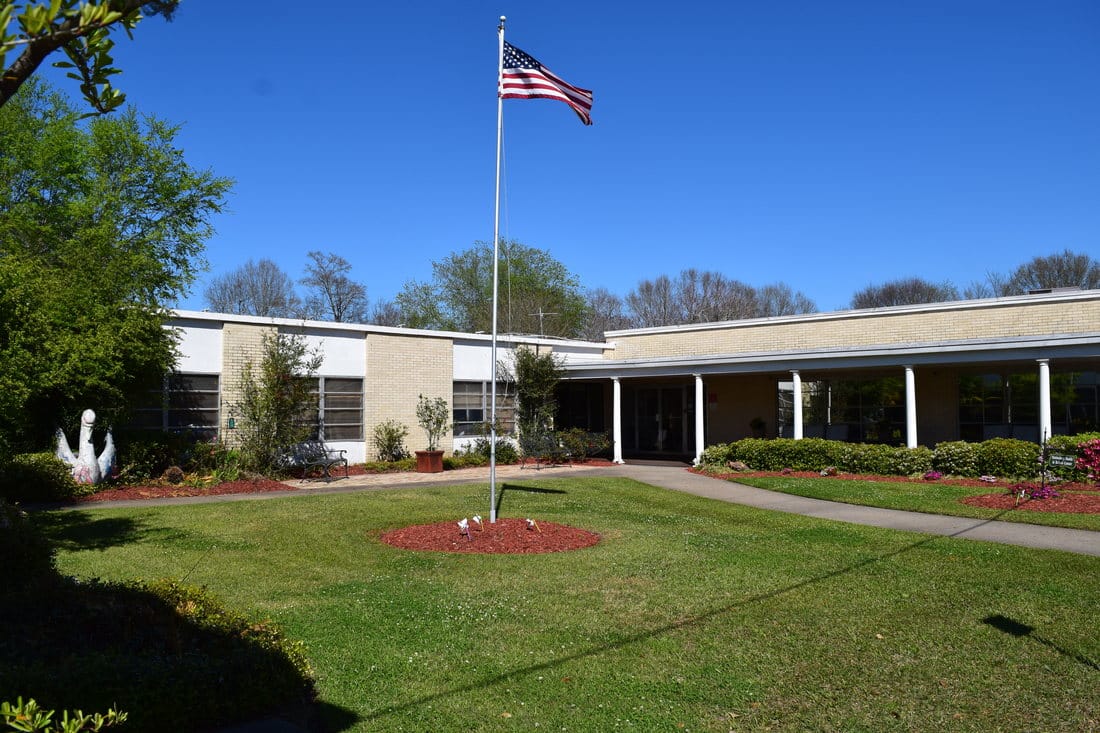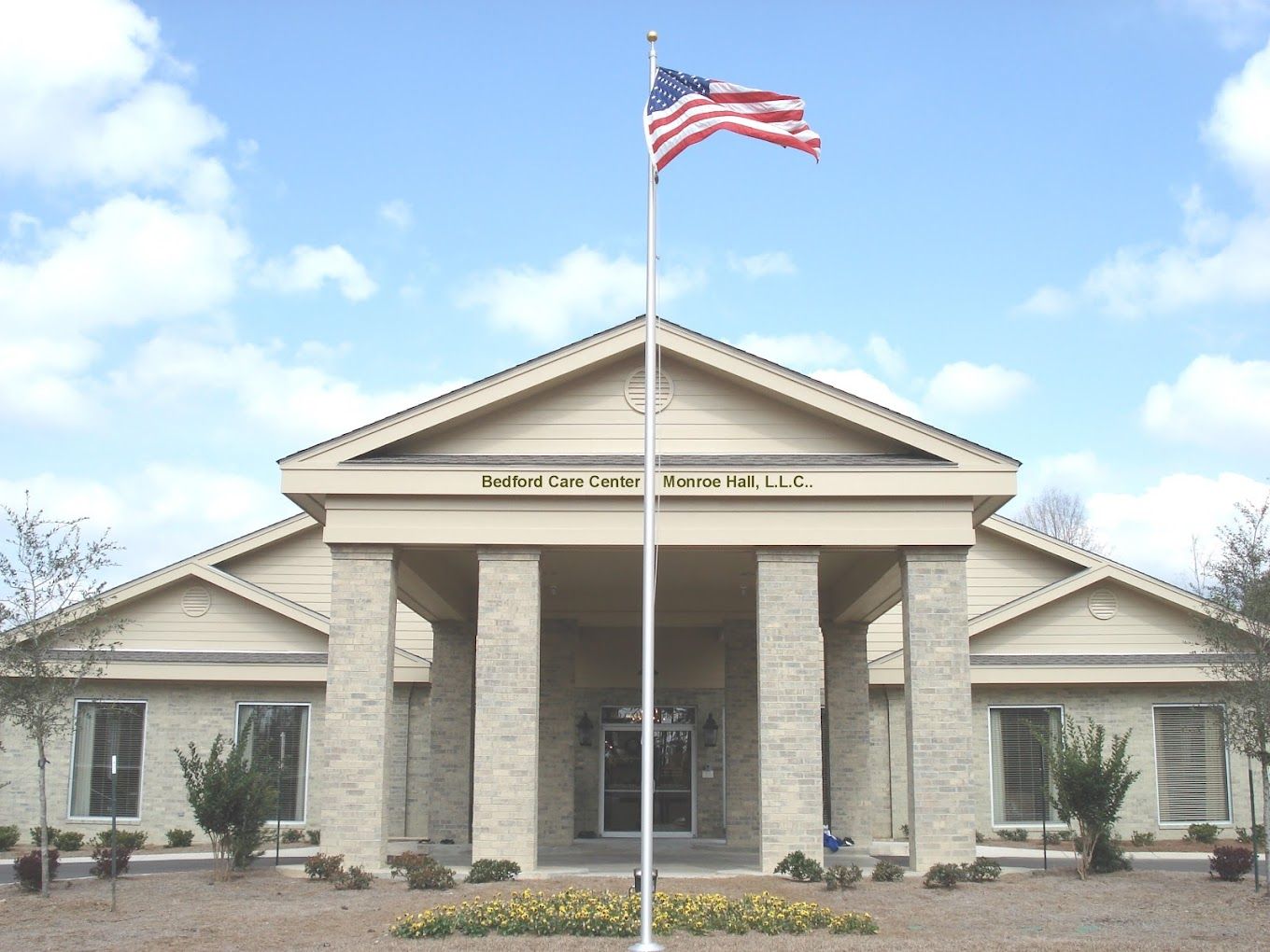
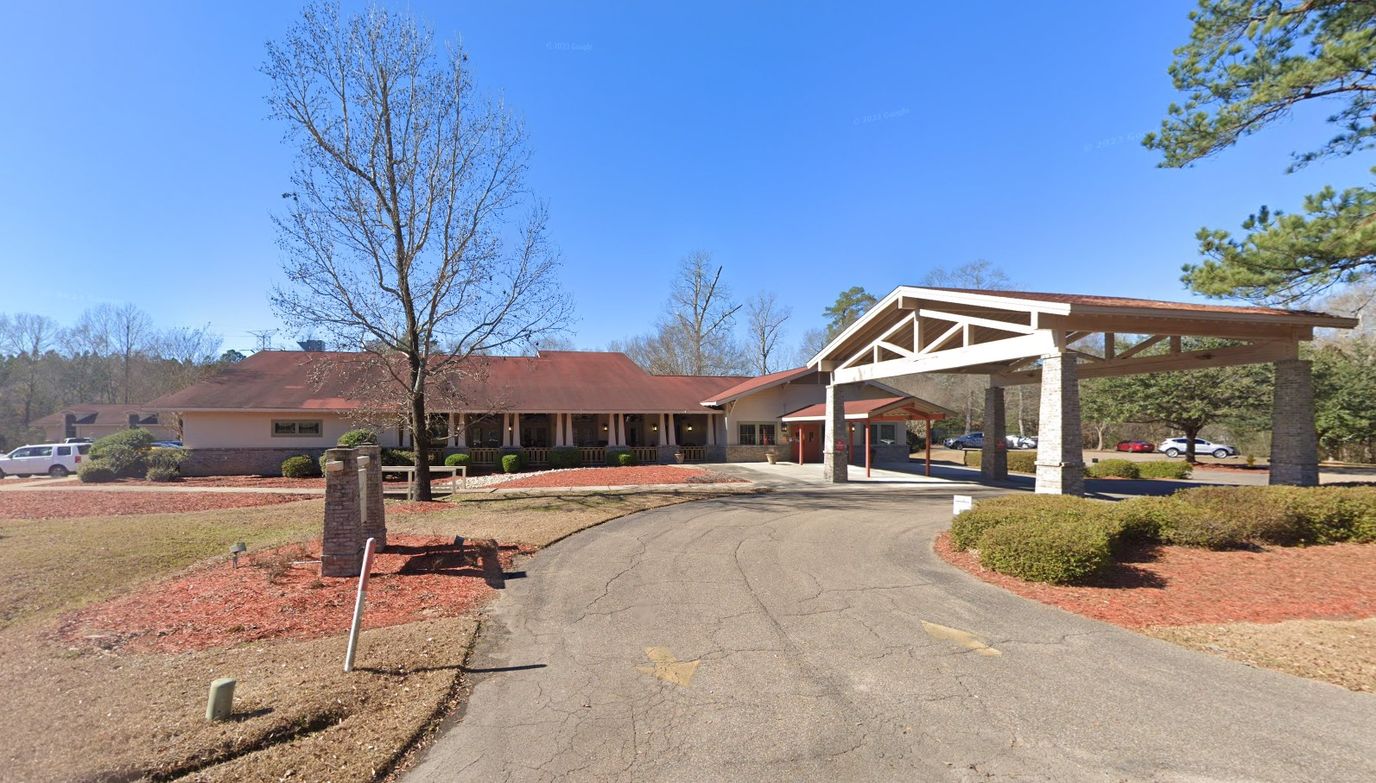
Overview of Bedford Care Center of Hattiesburg Bedford Care Center of Hattiesburg is a 120-bed skilled nursing facility at 10 Medical Boulevard, Hattiesburg, Forrest County, MS, administered by Lisa Fairchild under ownership by Bedford Health Properties, LLC. The facility is highly rated for compliance and operational management, with a 5-star overall CMS rating reflecting strong health inspection (5 stars, 95% above state average) and staffing performance (5 stars, 77% above state average). The facility received the 2017 Silver Achievement in Quality Award. Across three inspections since 2021, the facility accumulated 5 citations (ranked 4th best statewide), with zero critical and zero serious violations.
Citations involved quality of care (March 2025), infection control (October 2023), nutrition (October 2023), and care planning (October 2023), all marked corrected. The facility received a $22,000 penalty and 13-day Medicare and Medicaid payment denial in December 2023.
Staffing exceeds state benchmarks on several metrics. Total nursing hours per resident per day stand at 5 hours 25 minutes (25% above state average of 4 hours 20 minutes), ranking the facility 14th of 100 in Mississippi. Weekend total nursing is 3 hours 46 minutes. Registered nurse hours at 35 minutes per resident per day run 8% below state average, as do LPN (1 hour 2 minutes, 6% below) and CNA hours (2 hours 14 minutes, 10% below).
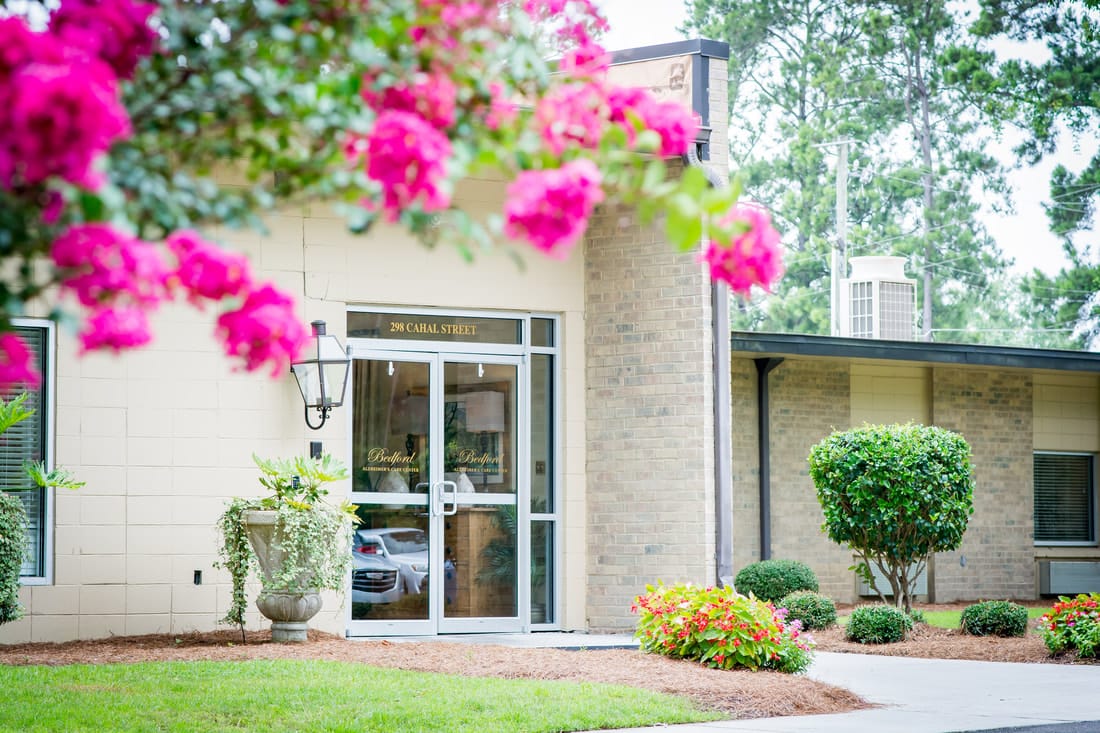
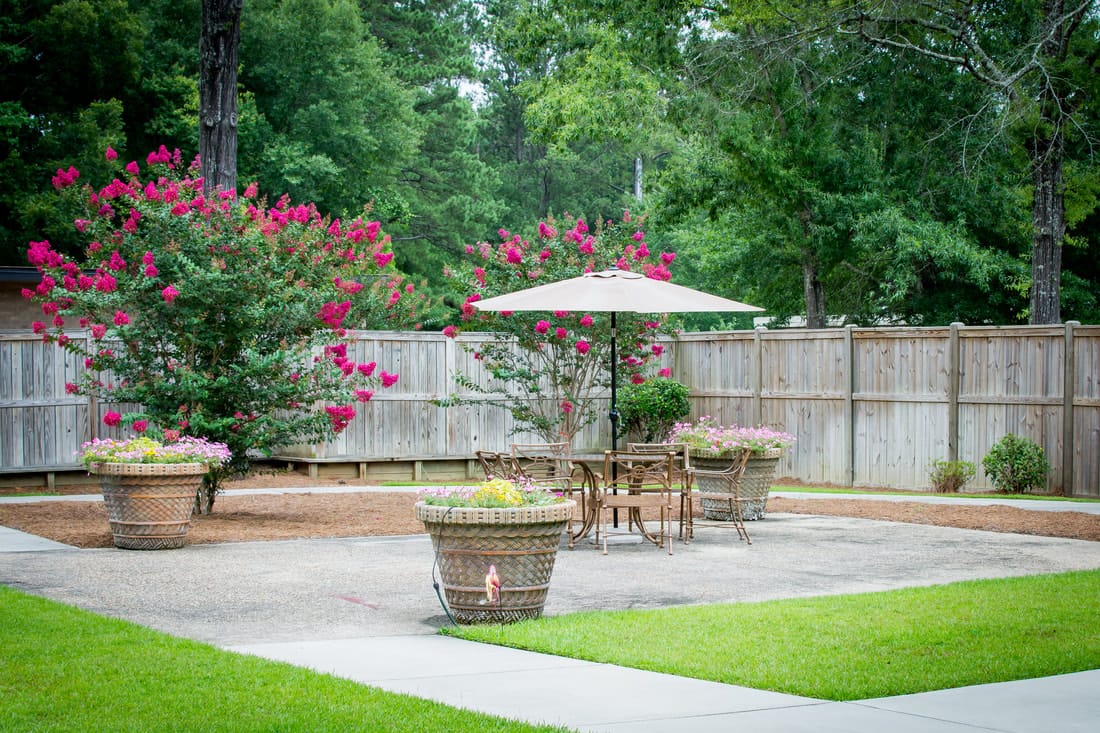
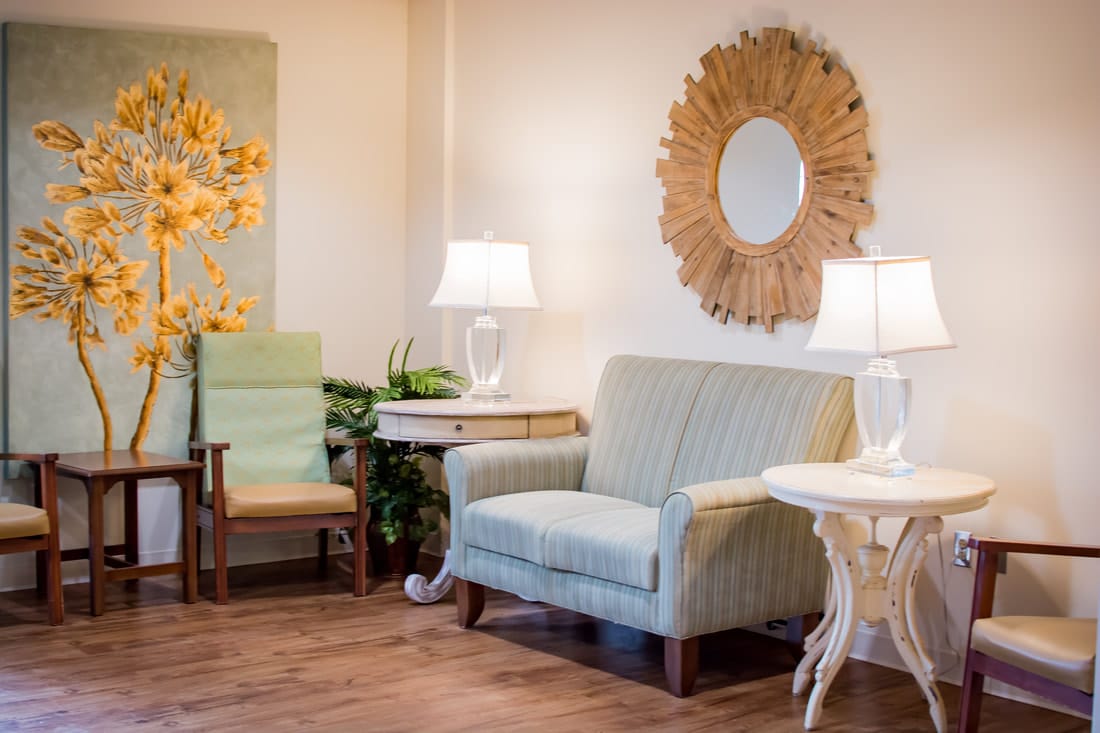
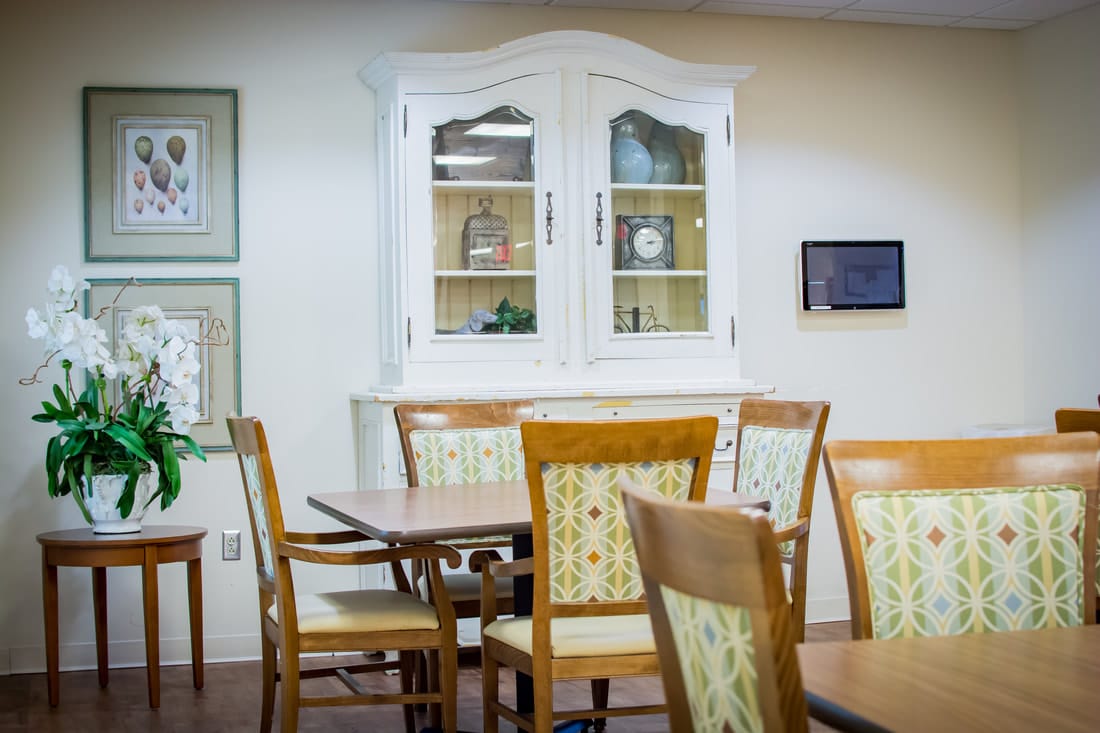
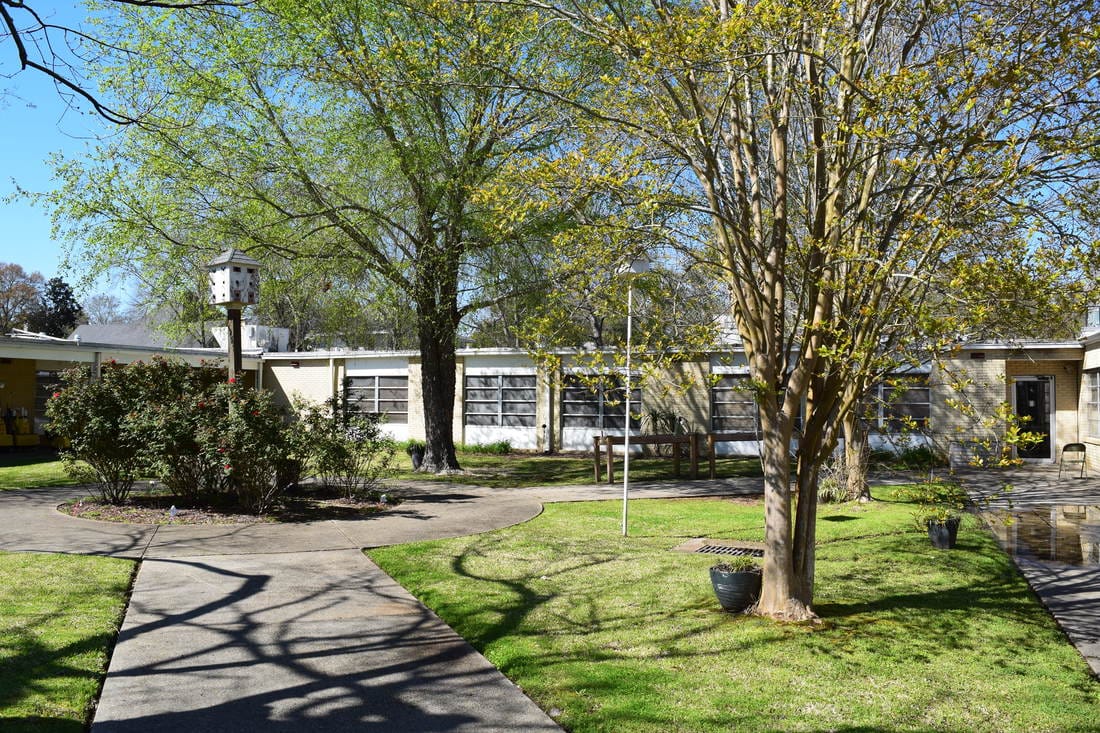
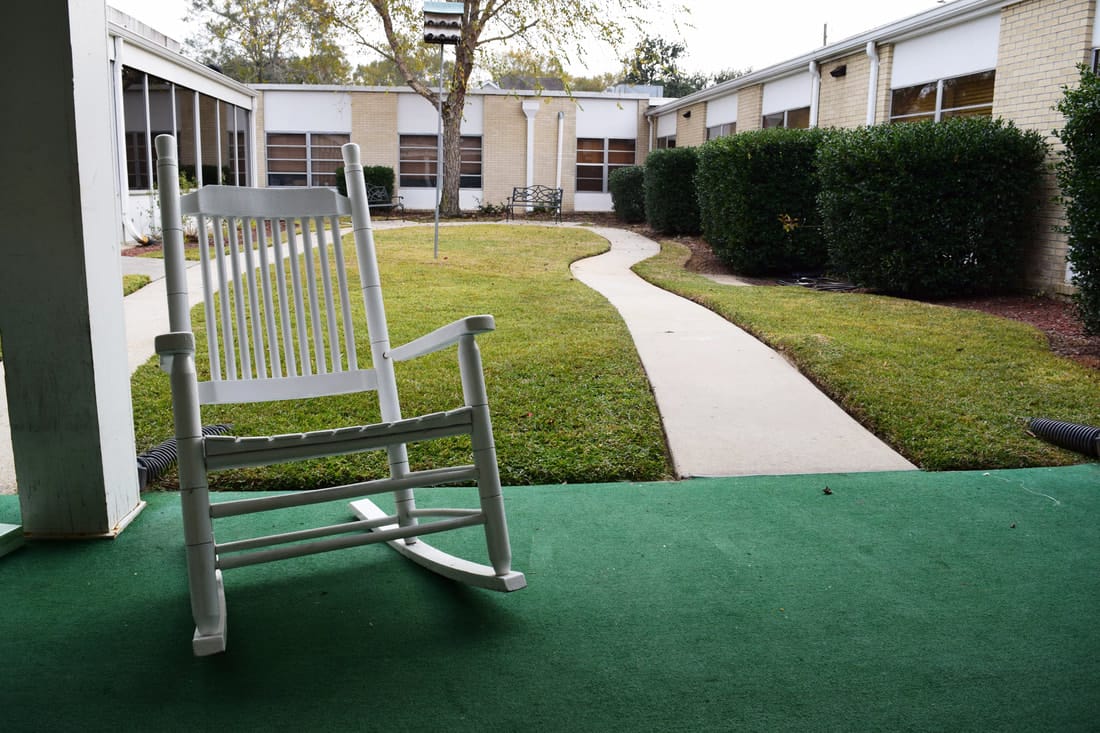
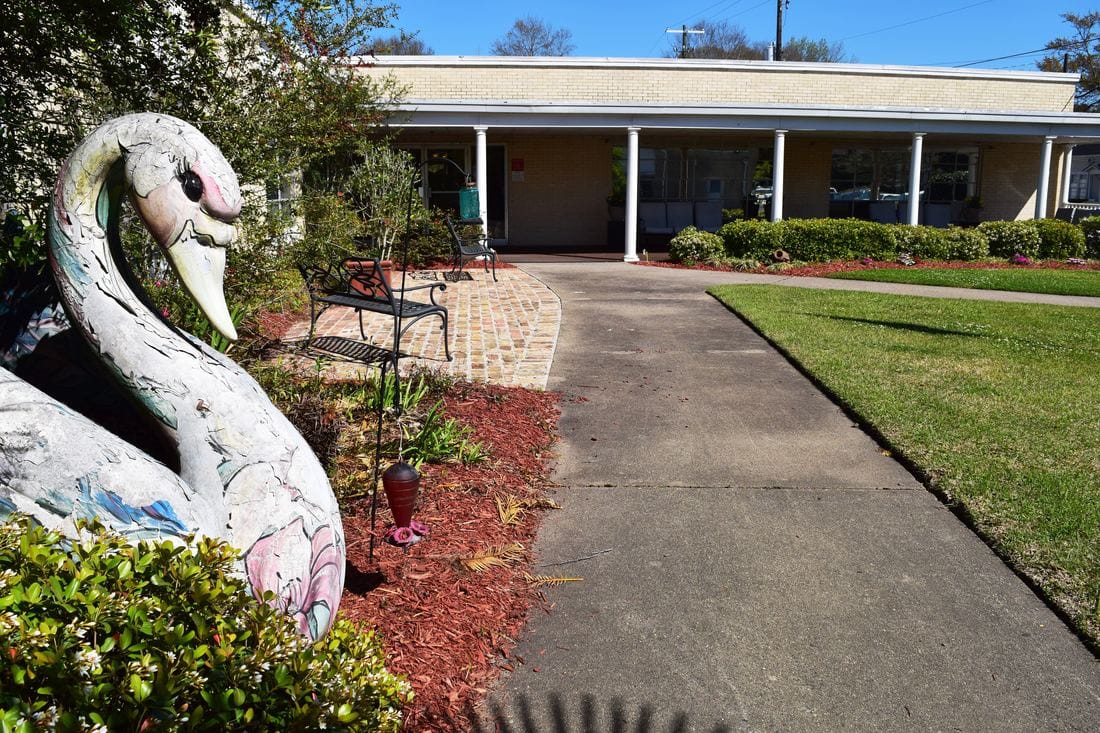
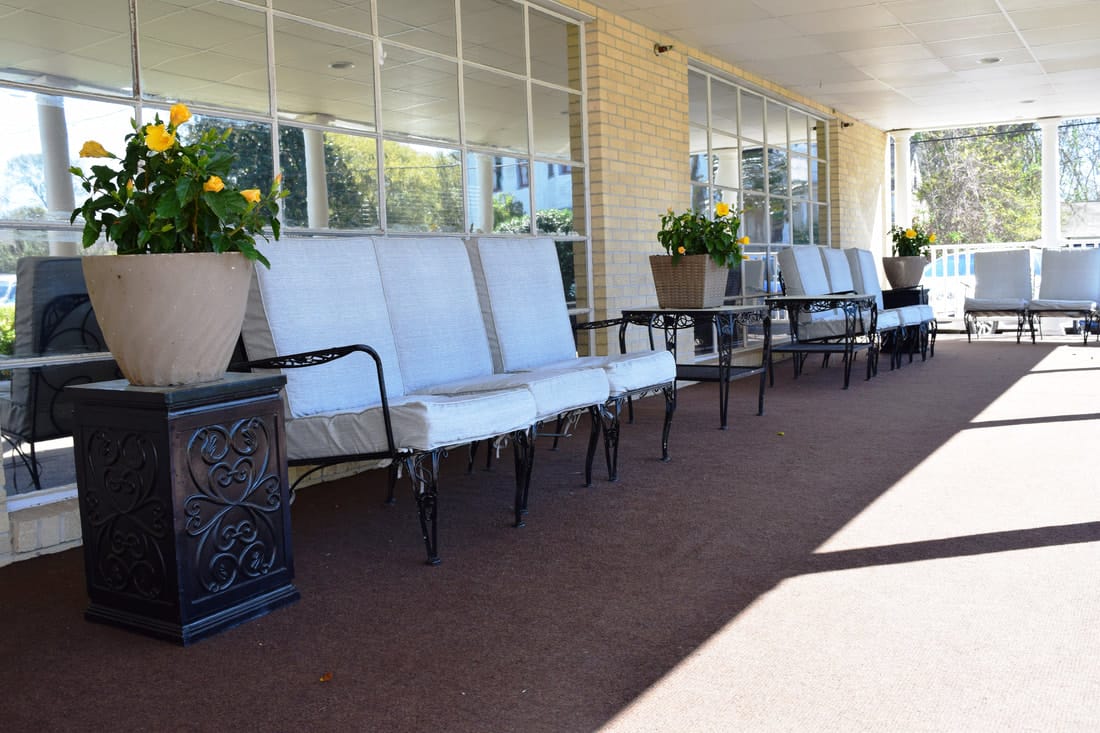
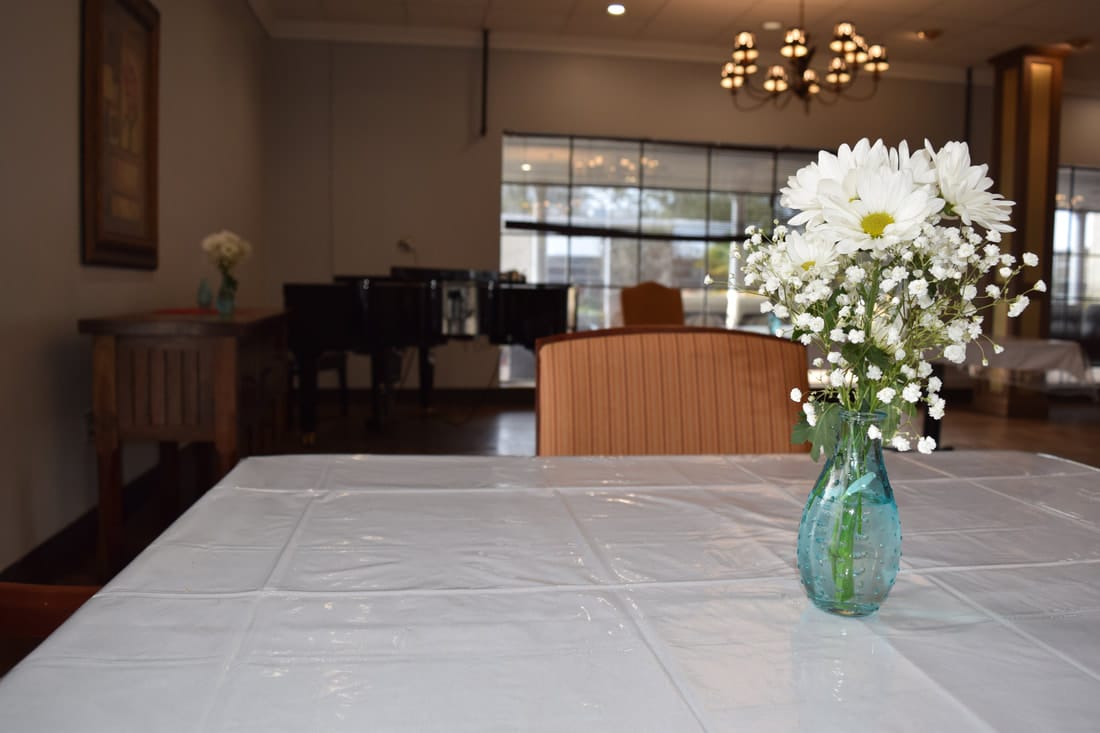
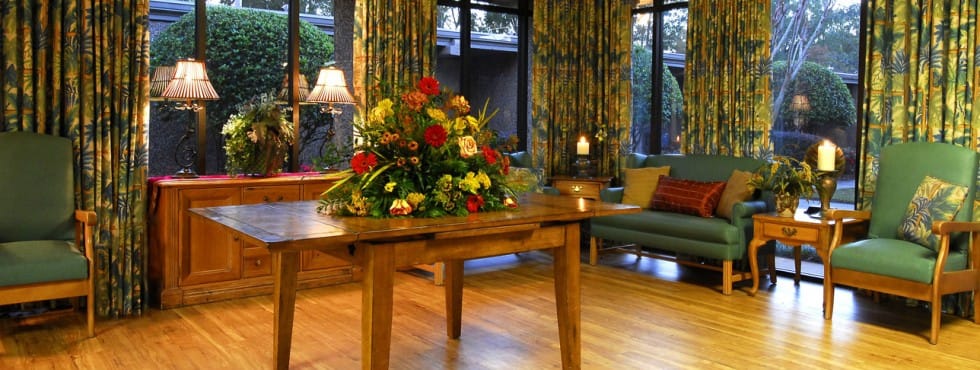
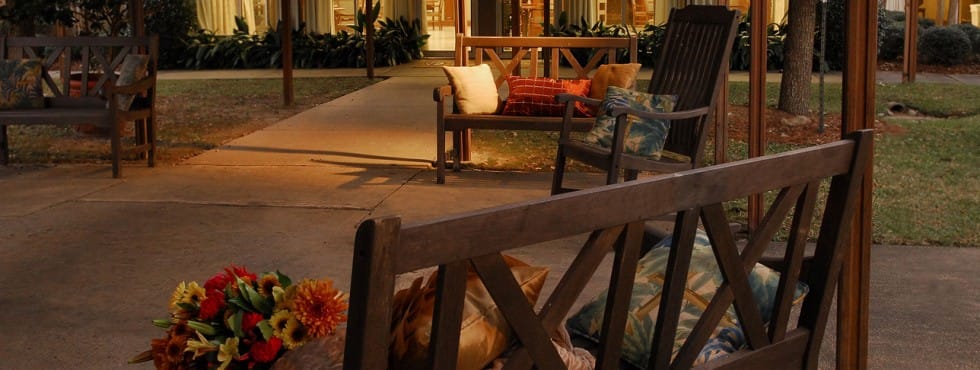
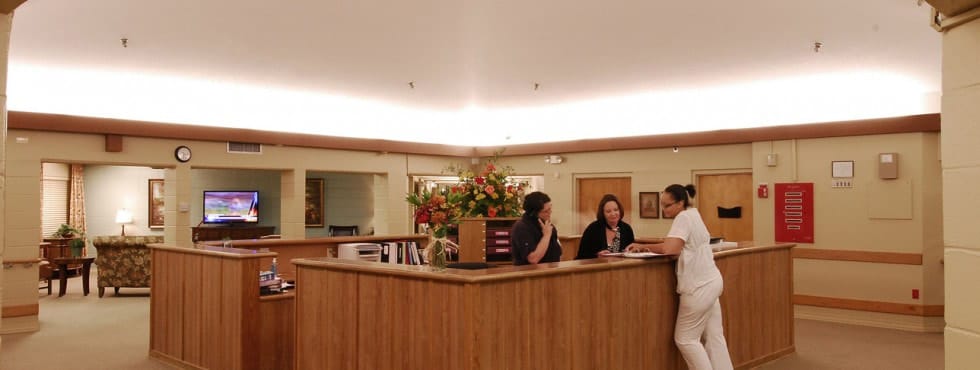
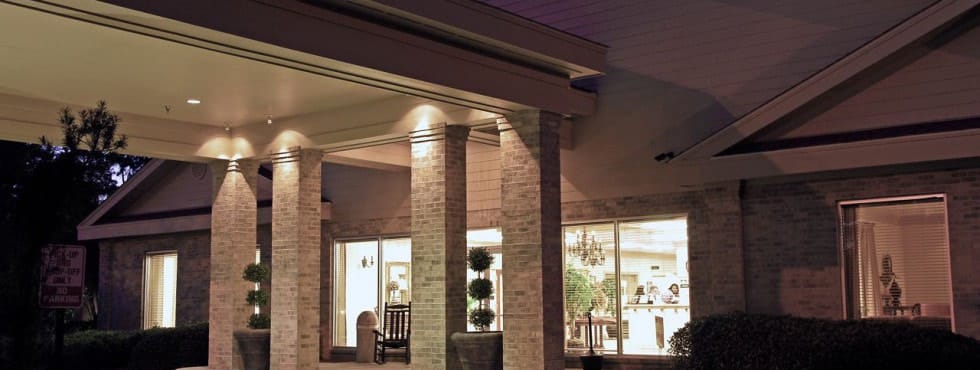
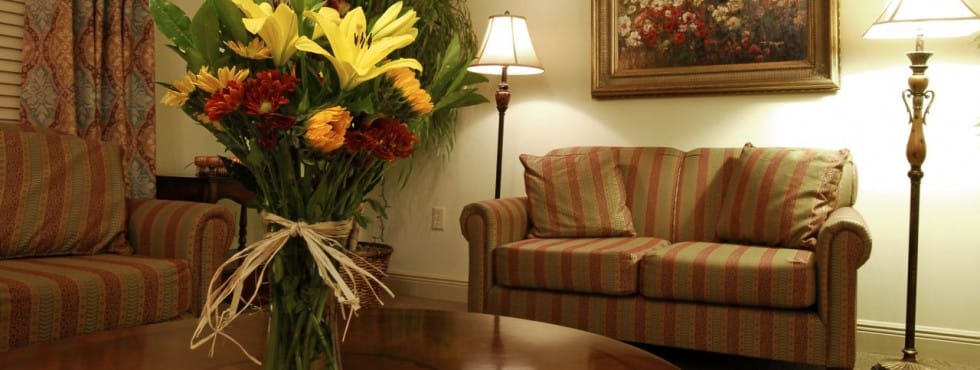
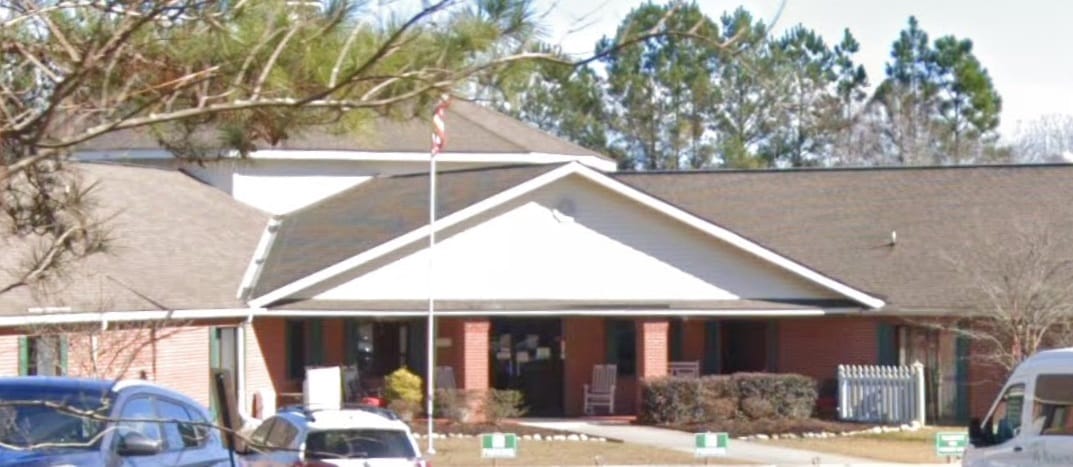
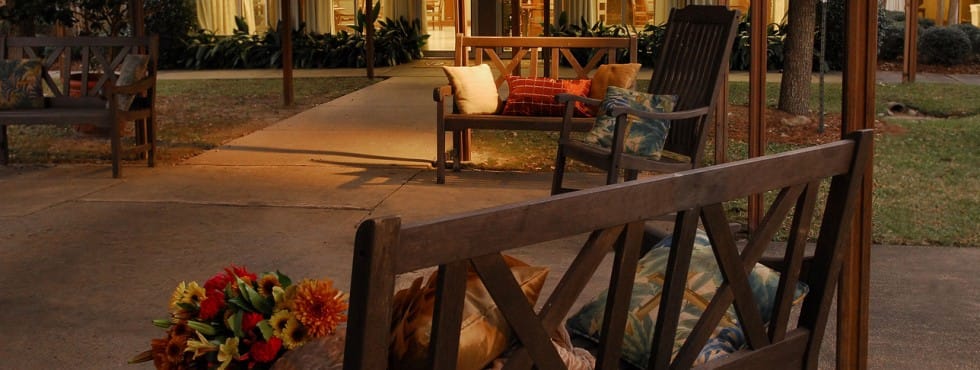
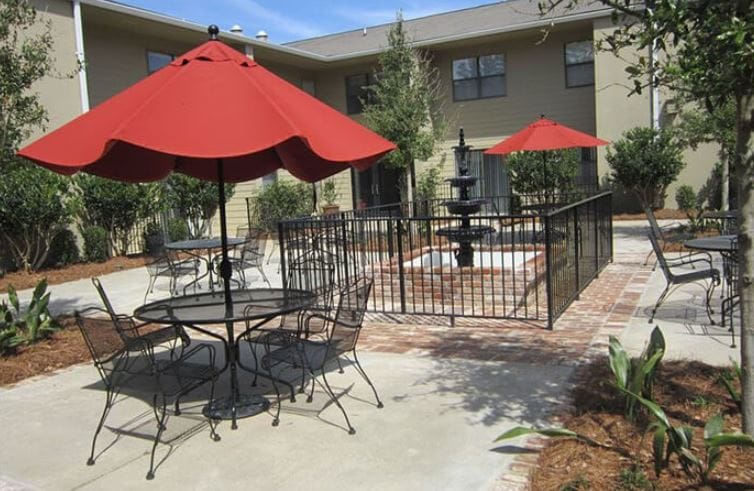
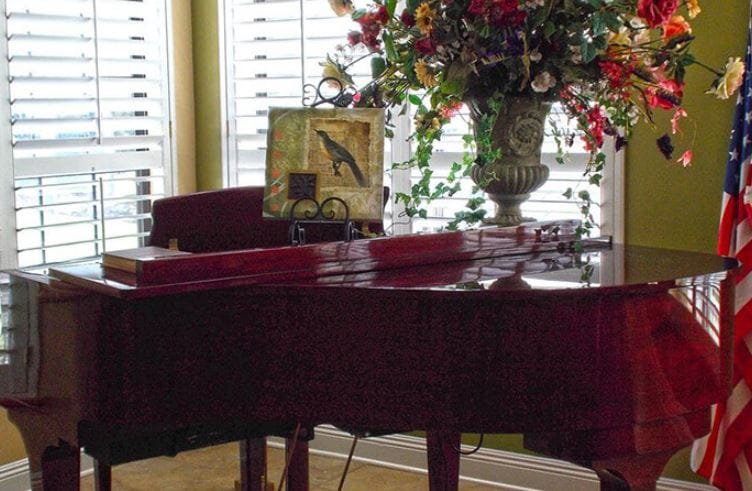
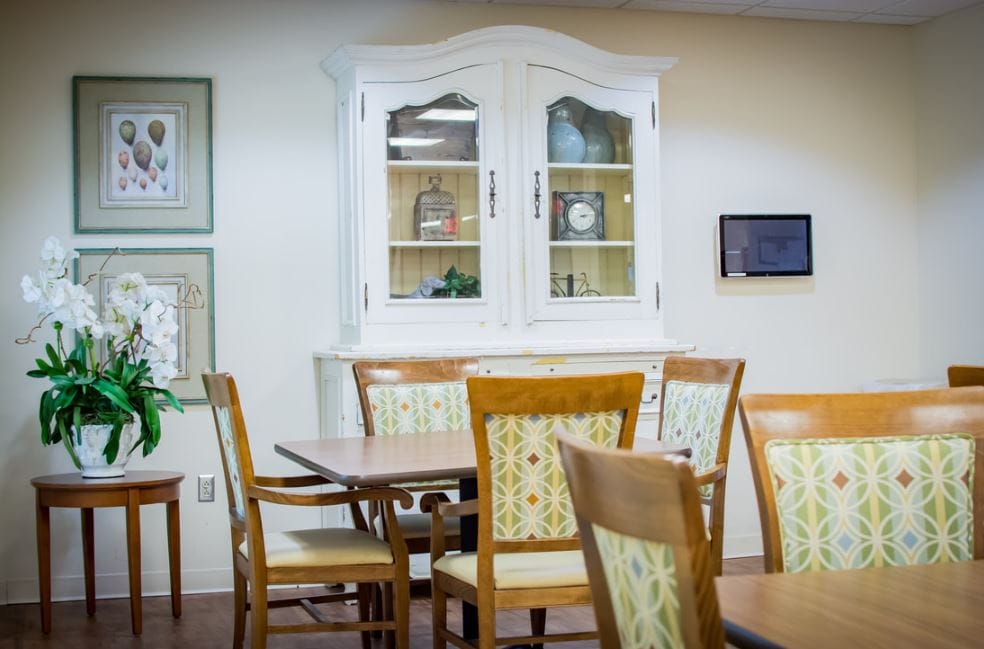
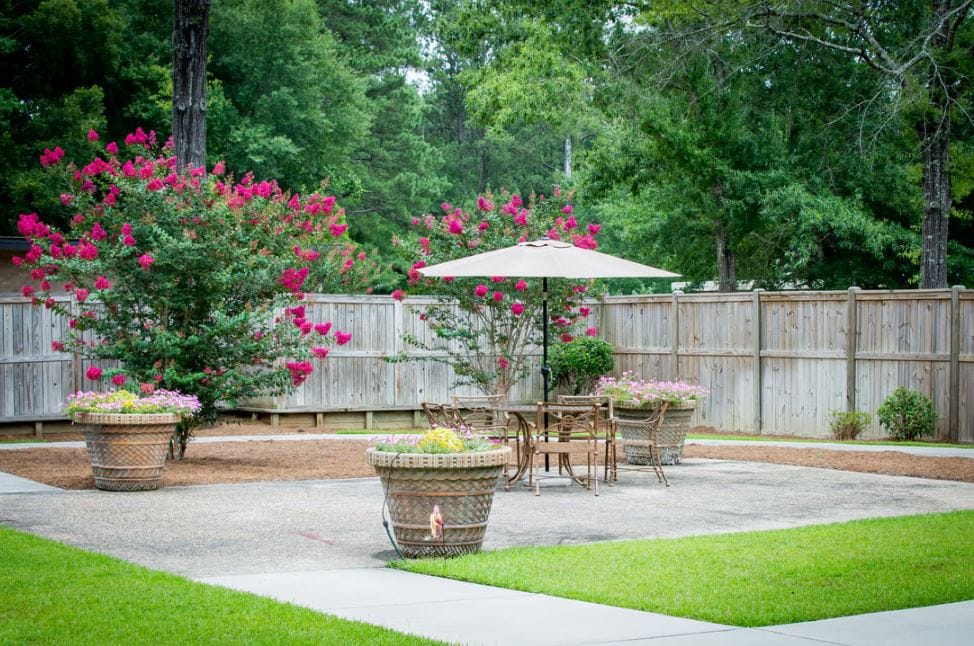
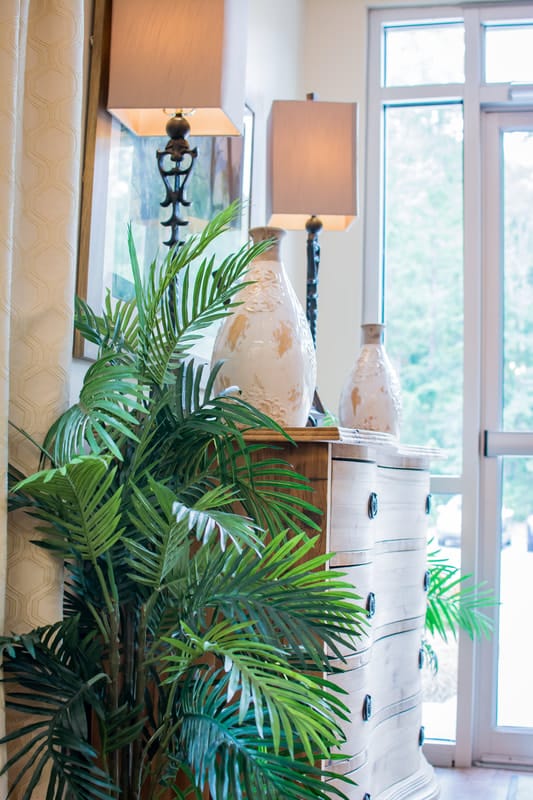
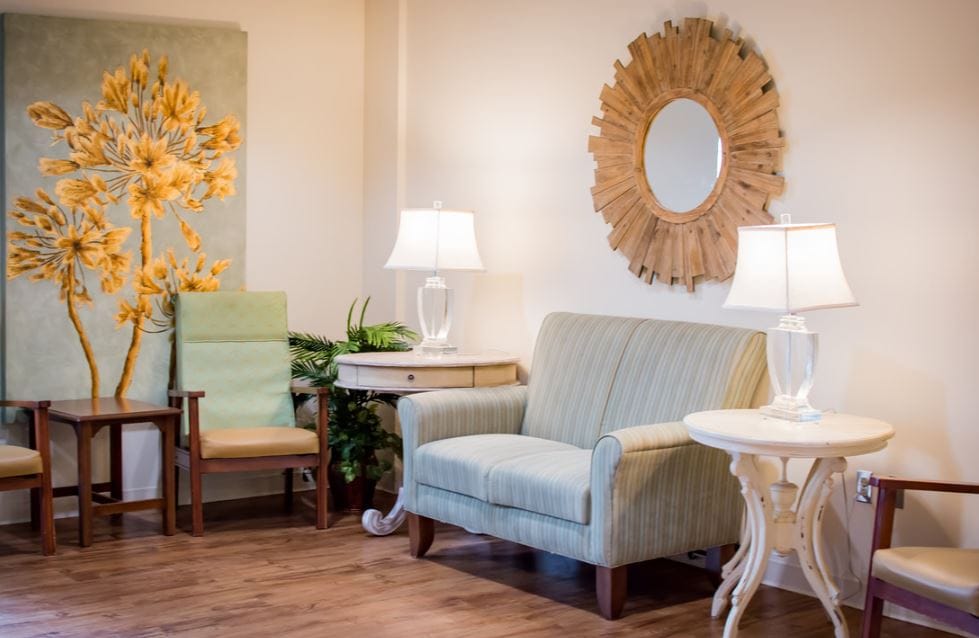
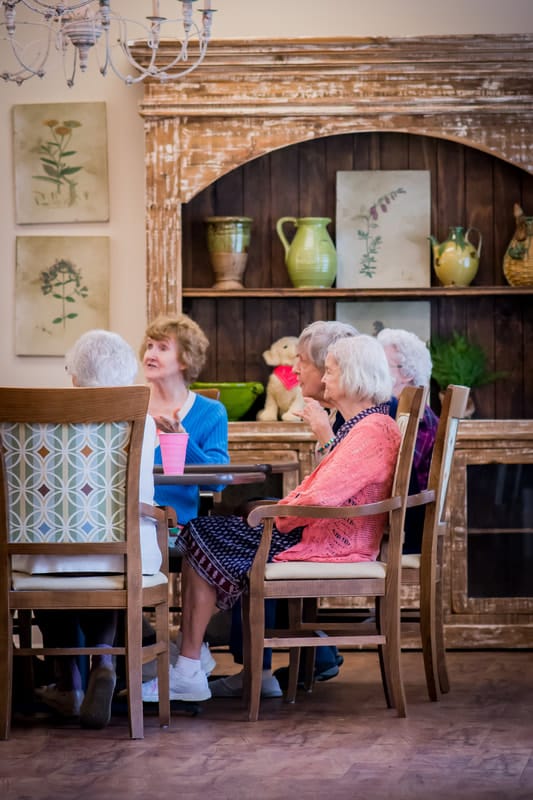
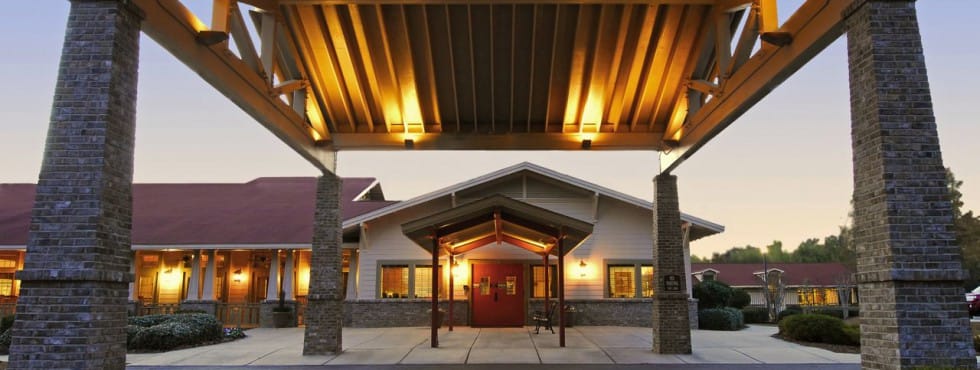
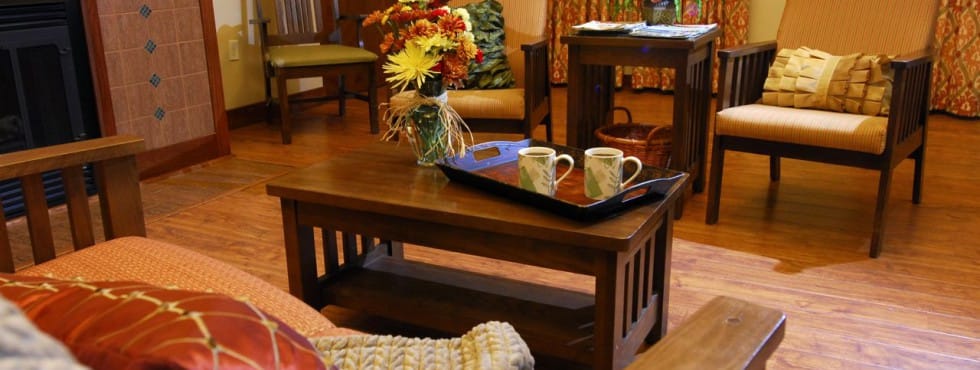
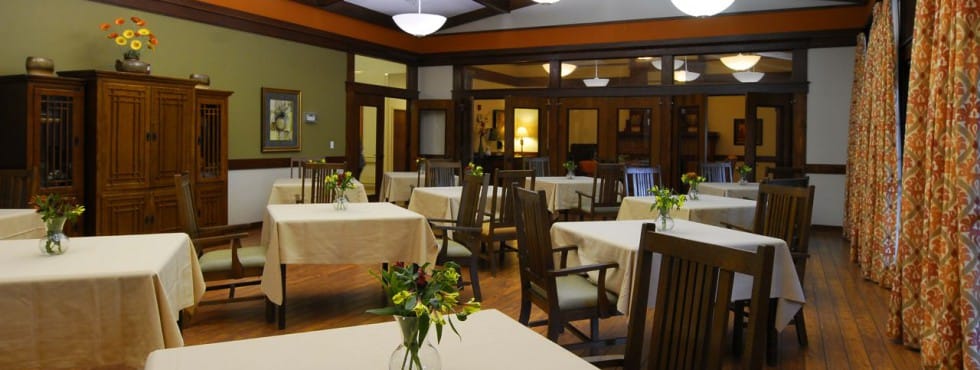
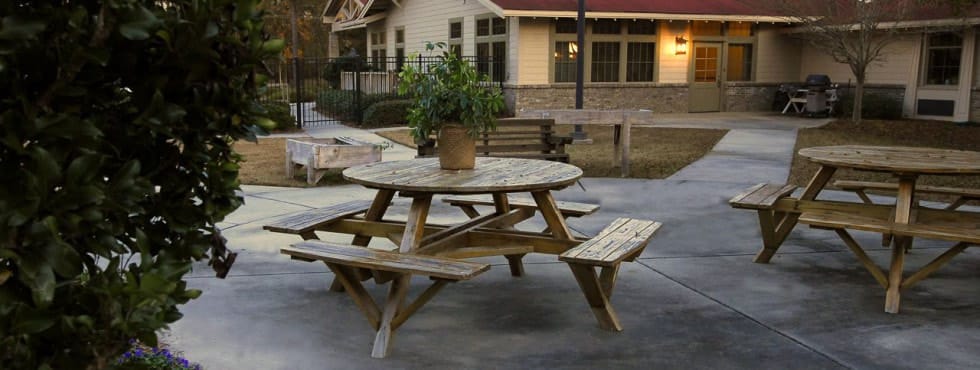
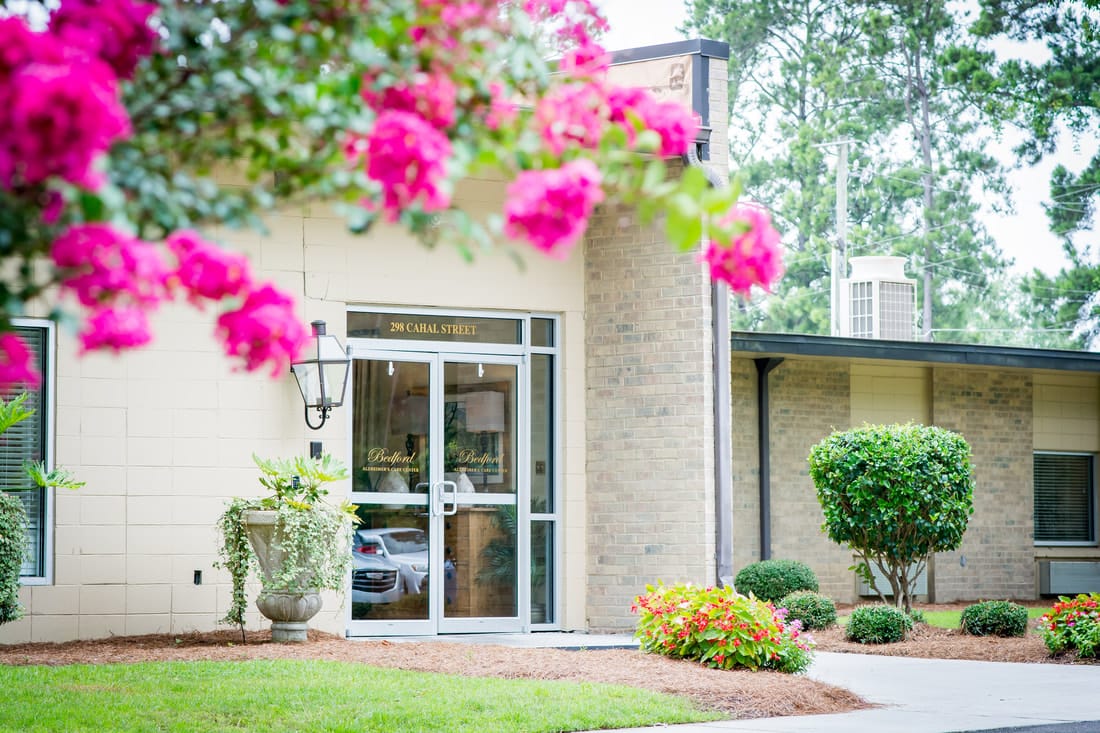
Staff-to-resident ratio is notably strong at 2.69:1 (59% better than state average), though 62% of total staffing hours derive from contract labor. Occupancy is significantly lower than state average at 71.3% (13% below the state average of 82.3%), with 86 of 120 beds occupied, suggesting demand challenges despite the facility’s quality ratings and amenities. Average length of stay is 146 days, reflecting the facility’s emphasis on short-term rehabilitation for Medicare beneficiaries (53% of admissions) and private pay residents (42%). The facility offers updated common areas, gazebo, raised flower gardens, manicured lawns, enclosed courtyard, large dining room with baby grand piano, fireplace, and dedicated rehabilitation and therapy units.
Long-stay quality outcomes reveal significant gaps. Hospitalization rates at 4.27 per 1,000 days and emergency department visits at 5.42 per 1,000 days suggest either higher-acuity admissions or challenges in preventive care management. Walking ability declined in 47.1% of long-stay residents, and incontinence among low-risk residents affected 32%. Depressive symptoms were documented in 14.6% of long-stay residents, and 39.3% received antipsychotic medications, indicating systematic reliance on psychiatric medication that warrants clinical review.
Preventive care strengths include pneumococcal and influenza vaccination rates at 100%, pressure ulcer rates at 3.4% (52% better than state), and urinary tract infection rates at 1.1% (56% better than state).
Short-stay rehabilitation outcomes are mixed. Re-hospitalization occurred in 35.6% of post-SNF residents, and successful return to home or community was 39.3%, suggesting that functional discharge planning or post-acute care coordination may need strengthening. Emergency department utilization in short-stay was 23%. However, short-stay medication stewardship is notably strong: zero residents newly started on antipsychotic medications and influenza vaccination 100%.
Given the high antipsychotic use rate and depressive symptom prevalence in long-stay residents, clarification on psychiatric medication review processes and non-pharmacological behavioral management approaches is warranted before placement.
Financially, the facility operates on a razor-thin 0.2% profit margin ($17K on $8.7M revenue), with payroll at 43.5% of revenue, substantially below the healthy 55-65% range. This compressed margin and low payroll percentage relative to revenue suggest organizational efficiency constraints or potential understaffing pressure.
The facility accepts Medicare, Medicaid, and private pay.
Accessibility: walk score 0 (car-dependent; most trips require transportation), located 7.8 miles from Hattiesburg city center.
The inspection history shows minimal regulatory issues with zero serious or critical citations. However, the significantly lower occupancy rate (71.3% vs. state average 82.3%) raises questions about market positioning, payer mix acceptance, or resident preference factors despite the facility’s quality ratings and amenities.
Families should ask directly about current infection control and quality care protocols, recent staffing turnover, and whether the lower occupancy reflects recent operational changes or market conditions.