


















Explore Open Rooms
1
Contact details
2
What type of senior care service are you looking for?
3
What budget do you have in mind for senior care?
4
How soon do you need to find care?
5
Additional details
Thank you for your interest!
Our team will be in touch shortly to help with next steps.
Compare Nursing Homes around Philadelphia
Click column headers to sort
The Philadelphia Protestant Home
NH
Nursing Home Licensed facility providing 24/7 skilled nursing care for residents with complex, ongoing medical needs. Staffed by RNs, LPNs, and CNAs. Inspected and star-rated annually by CMS. Accepts Medicare (short-term rehab) and Medicaid (long-term care).
AL
Assisted Living A licensed, long-term care setting for seniors or individuals with disabilities who need help with daily activities — like bathing, dressing, and medication management — but not 24-hour skilled nursing. Offers housing, meals, and around-the-clock support while aiming to maximize resident independence.
Philadelphia (Northeast Philadelphia)
301
50.0%
-36%
4.18
+1%
0
16
0
106
-
76
Stolte, Justin
$38,0M
$16,0M
42%
395961
Oakwood Residence
AL
Assisted Living A licensed, long-term care setting for seniors or individuals with disabilities who need help with daily activities — like bathing, dressing, and medication management — but not 24-hour skilled nursing. Offers housing, meals, and around-the-clock support while aiming to maximize resident independence.
IL
Independent Living Lifestyle-focused communities for older adults offering dining, activities, and transportation with minimal personal care. Best for active, independent seniors who want community without medical support.
MC
Memory Care Secured, specialized care for people living with Alzheimer's or dementia. Staff trained in cognitive impairment, with higher staff-to-resident ratios and an environment designed to reduce confusion and wandering risk.
NH
Nursing Home Licensed facility providing 24/7 skilled nursing care for residents with complex, ongoing medical needs. Staffed by RNs, LPNs, and CNAs. Inspected and star-rated annually by CMS. Accepts Medicare (short-term rehab) and Medicaid (long-term care).
Philadelphia (Northeast Philadelphia)
148
41.6%
-47%
3.94
-5%
2
31
0
37
-
71
Oakwood Senior Holdings, Llc
$19,8M
$6,3M
31.6%
395110
Wesley Enhanced Living Pennypack Park
NH
Nursing Home Licensed facility providing 24/7 skilled nursing care for residents with complex, ongoing medical needs. Staffed by RNs, LPNs, and CNAs. Inspected and star-rated annually by CMS. Accepts Medicare (short-term rehab) and Medicaid (long-term care).
AL
Assisted Living A licensed, long-term care setting for seniors or individuals with disabilities who need help with daily activities — like bathing, dressing, and medication management — but not 24-hour skilled nursing. Offers housing, meals, and around-the-clock support while aiming to maximize resident independence.
Philadelphia (Northeast Philadelphia)
120
46.0%
-42%
3.93
-5%
1
30
0
23
-
15
Griffin, Michael
$21,1M
$9,1M
43.2%
395413
Cathedral Village
NH
Nursing Home Licensed facility providing 24/7 skilled nursing care for residents with complex, ongoing medical needs. Staffed by RNs, LPNs, and CNAs. Inspected and star-rated annually by CMS. Accepts Medicare (short-term rehab) and Medicaid (long-term care).
AL
Assisted Living A licensed, long-term care setting for seniors or individuals with disabilities who need help with daily activities — like bathing, dressing, and medication management — but not 24-hour skilled nursing. Offers housing, meals, and around-the-clock support while aiming to maximize resident independence.
Philadelphia (Roxborough)
82
48.0%
-39%
4.25
+2%
3
27
2
24
-
69
Cathedral Village
$35,5M
$9,6M
27%
395467
Meadowview Nursing and Rehab
NH
Nursing Home Licensed facility providing 24/7 skilled nursing care for residents with complex, ongoing medical needs. Staffed by RNs, LPNs, and CNAs. Inspected and star-rated annually by CMS. Accepts Medicare (short-term rehab) and Medicaid (long-term care).
AL
Assisted Living A licensed, long-term care setting for seniors or individuals with disabilities who need help with daily activities — like bathing, dressing, and medication management — but not 24-hour skilled nursing. Offers housing, meals, and around-the-clock support while aiming to maximize resident independence.
Lafayette Hill
244
90.9%
+15%
4.15
0%
1
41
1
222
A+
23
Wm Holdings Llc
$25,5M
$9,8M
38.4%
395296
Deer Meadows Rehabilitation
NH
Nursing Home Licensed facility providing 24/7 skilled nursing care for residents with complex, ongoing medical needs. Staffed by RNs, LPNs, and CNAs. Inspected and star-rated annually by CMS. Accepts Medicare (short-term rehab) and Medicaid (long-term care).
AL
Assisted Living A licensed, long-term care setting for seniors or individuals with disabilities who need help with daily activities — like bathing, dressing, and medication management — but not 24-hour skilled nursing. Offers housing, meals, and around-the-clock support while aiming to maximize resident independence.
Philadelphia (Northeast Philadelphia)
332
45.1%
-43%
3.55
-14%
1
50
1
82
A+
60
Deer Meadows Operating Ii Llc
$30,8M
$11,3M
36.7%
395425
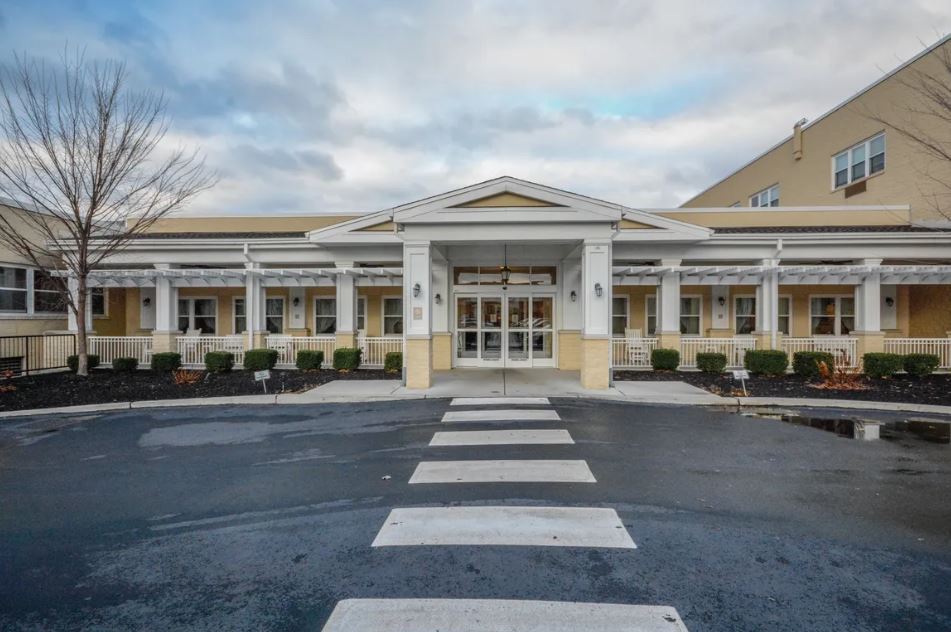
Ivy Hill Post Acute Nursing & Rehabilitation
NH
Nursing Home Licensed facility providing 24/7 skilled nursing care for residents with complex, ongoing medical needs. Staffed by RNs, LPNs, and CNAs. Inspected and star-rated annually by CMS. Accepts Medicare (short-term rehab) and Medicaid (long-term care).
Philadelphia
145
64.4%
-18%
3.97
-4%
1
49
1
137
A+
75
Ivy Hill 2 Llc
$13,6M
$5,9M
43.3%
395525
St. John Neumann Center
NH
Nursing Home Licensed facility providing 24/7 skilled nursing care for residents with complex, ongoing medical needs. Staffed by RNs, LPNs, and CNAs. Inspected and star-rated annually by CMS. Accepts Medicare (short-term rehab) and Medicaid (long-term care).
AL
Assisted Living A licensed, long-term care setting for seniors or individuals with disabilities who need help with daily activities — like bathing, dressing, and medication management — but not 24-hour skilled nursing. Offers housing, meals, and around-the-clock support while aiming to maximize resident independence.
HC
Home Care Professional care delivered in the person's own home — from companionship and errands to skilled nursing and therapy. Allows seniors to age in place. Medicare covers skilled home health when medically necessary.
MC
Memory Care Secured, specialized care for people living with Alzheimer's or dementia. Staff trained in cognitive impairment, with higher staff-to-resident ratios and an environment designed to reduce confusion and wandering risk.
Philadelphia (Northeast Philadelphia)
226
14.2%
-82%
4.18
+1%
1
41
1
32
-
66
10400 Roosevelt Ventures Llc
$23,6M
$9,1M
38.4%
395182
Cliveden Convalescent Center
AL
Assisted Living A licensed, long-term care setting for seniors or individuals with disabilities who need help with daily activities — like bathing, dressing, and medication management — but not 24-hour skilled nursing. Offers housing, meals, and around-the-clock support while aiming to maximize resident independence.
IL
Independent Living Lifestyle-focused communities for older adults offering dining, activities, and transportation with minimal personal care. Best for active, independent seniors who want community without medical support.
MC
Memory Care Secured, specialized care for people living with Alzheimer's or dementia. Staff trained in cognitive impairment, with higher staff-to-resident ratios and an environment designed to reduce confusion and wandering risk.
NH
Nursing Home Licensed facility providing 24/7 skilled nursing care for residents with complex, ongoing medical needs. Staffed by RNs, LPNs, and CNAs. Inspected and star-rated annually by CMS. Accepts Medicare (short-term rehab) and Medicaid (long-term care).
Philadelphia (Northwest Philadelphia)
180
88.0%
+12%
3.81
-8%
0
62
0
145
A+
77
Lyons, Arthur
$20,8M
$6,7M
32.1%
395852
St. Monica Center
NH
Nursing Home Licensed facility providing 24/7 skilled nursing care for residents with complex, ongoing medical needs. Staffed by RNs, LPNs, and CNAs. Inspected and star-rated annually by CMS. Accepts Medicare (short-term rehab) and Medicaid (long-term care).
AL
Assisted Living A licensed, long-term care setting for seniors or individuals with disabilities who need help with daily activities — like bathing, dressing, and medication management — but not 24-hour skilled nursing. Offers housing, meals, and around-the-clock support while aiming to maximize resident independence.
HC
Home Care Professional care delivered in the person's own home — from companionship and errands to skilled nursing and therapy. Allows seniors to age in place. Medicare covers skilled home health when medically necessary.
MC
Memory Care Secured, specialized care for people living with Alzheimer's or dementia. Staff trained in cognitive impairment, with higher staff-to-resident ratios and an environment designed to reduce confusion and wandering risk.
Philadelphia (Whitman)
180
95.2%
+21%
3.82
-8%
0
47
0
176
-
86
2509 South Fourth Ventures, Llc
$23,0M
$7,5M
32.9%
395558
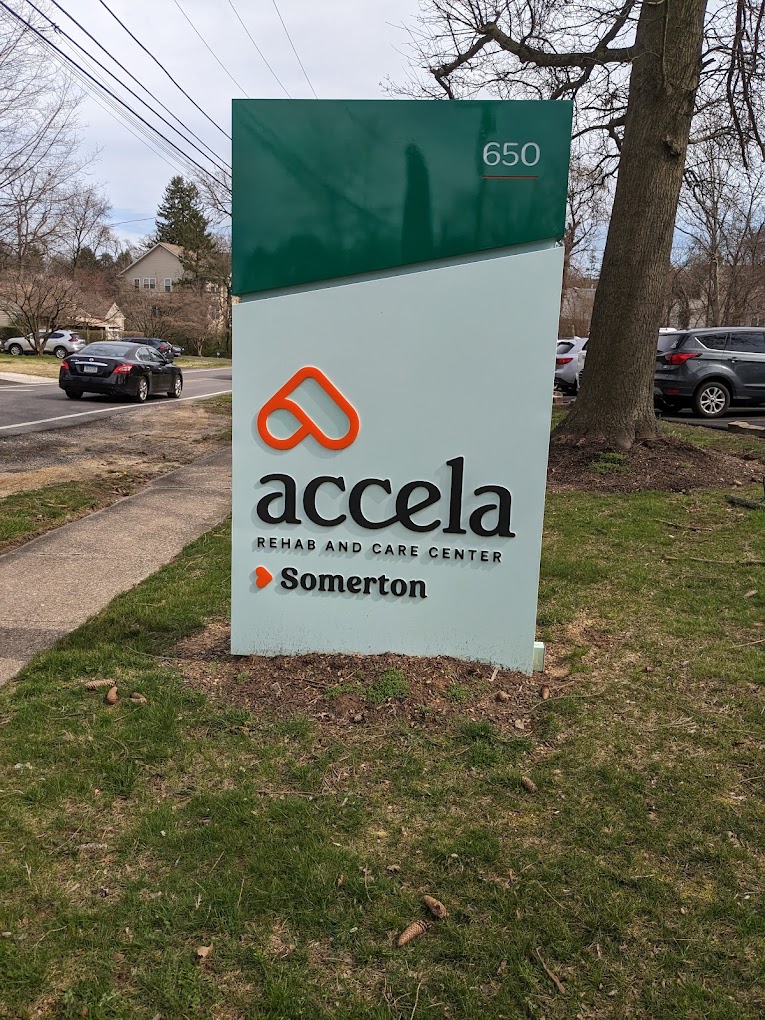
Accela Rehab and Care Center at Somerton
AL
Assisted Living A licensed, long-term care setting for seniors or individuals with disabilities who need help with daily activities — like bathing, dressing, and medication management — but not 24-hour skilled nursing. Offers housing, meals, and around-the-clock support while aiming to maximize resident independence.
IL
Independent Living Lifestyle-focused communities for older adults offering dining, activities, and transportation with minimal personal care. Best for active, independent seniors who want community without medical support.
MC
Memory Care Secured, specialized care for people living with Alzheimer's or dementia. Staff trained in cognitive impairment, with higher staff-to-resident ratios and an environment designed to reduce confusion and wandering risk.
NH
Nursing Home Licensed facility providing 24/7 skilled nursing care for residents with complex, ongoing medical needs. Staffed by RNs, LPNs, and CNAs. Inspected and star-rated annually by CMS. Accepts Medicare (short-term rehab) and Medicaid (long-term care).
Philadelphia (Northeast Philadelphia)
229
78.5%
0%
3.36
-19%
0
54
0
209
-
69
Rosenstock, Yitzchok
$22,7M
$8,0M
35.2%
395084
Willow Terrace Rehabilitation and Nursing Center
NH
Nursing Home Licensed facility providing 24/7 skilled nursing care for residents with complex, ongoing medical needs. Staffed by RNs, LPNs, and CNAs. Inspected and star-rated annually by CMS. Accepts Medicare (short-term rehab) and Medicaid (long-term care).
AL
Assisted Living A licensed, long-term care setting for seniors or individuals with disabilities who need help with daily activities — like bathing, dressing, and medication management — but not 24-hour skilled nursing. Offers housing, meals, and around-the-clock support while aiming to maximize resident independence.
Philadelphia (East Germantown)
-
-
-
-
-
0
0
0
-
-
85
-
-
-
-
-
Kaysim-Court Manor
NH
Nursing Home Licensed facility providing 24/7 skilled nursing care for residents with complex, ongoing medical needs. Staffed by RNs, LPNs, and CNAs. Inspected and star-rated annually by CMS. Accepts Medicare (short-term rehab) and Medicaid (long-term care).
AL
Assisted Living A licensed, long-term care setting for seniors or individuals with disabilities who need help with daily activities — like bathing, dressing, and medication management — but not 24-hour skilled nursing. Offers housing, meals, and around-the-clock support while aiming to maximize resident independence.
PHILADELPHIA
81
82.7%
+5%
-
-
0
0
0
67
-
-
-
-
-
-
-
Taylor’s Personal Care Home
NH
Nursing Home Licensed facility providing 24/7 skilled nursing care for residents with complex, ongoing medical needs. Staffed by RNs, LPNs, and CNAs. Inspected and star-rated annually by CMS. Accepts Medicare (short-term rehab) and Medicaid (long-term care).
AL
Assisted Living A licensed, long-term care setting for seniors or individuals with disabilities who need help with daily activities — like bathing, dressing, and medication management — but not 24-hour skilled nursing. Offers housing, meals, and around-the-clock support while aiming to maximize resident independence.
PHILADELPHIA
37
-
-
-
-
0
0
0
-
-
-
-
-
-
-
-
Compare
Communities
No communities selected
Beds shows the number of beds currently filled in each community agianst the total number of beds. Higher occupied beds usually indicates strong demand and reputation, while lower occupancy may suggest more availability for new residents.
Accela Rehab and Care Center at Somerton
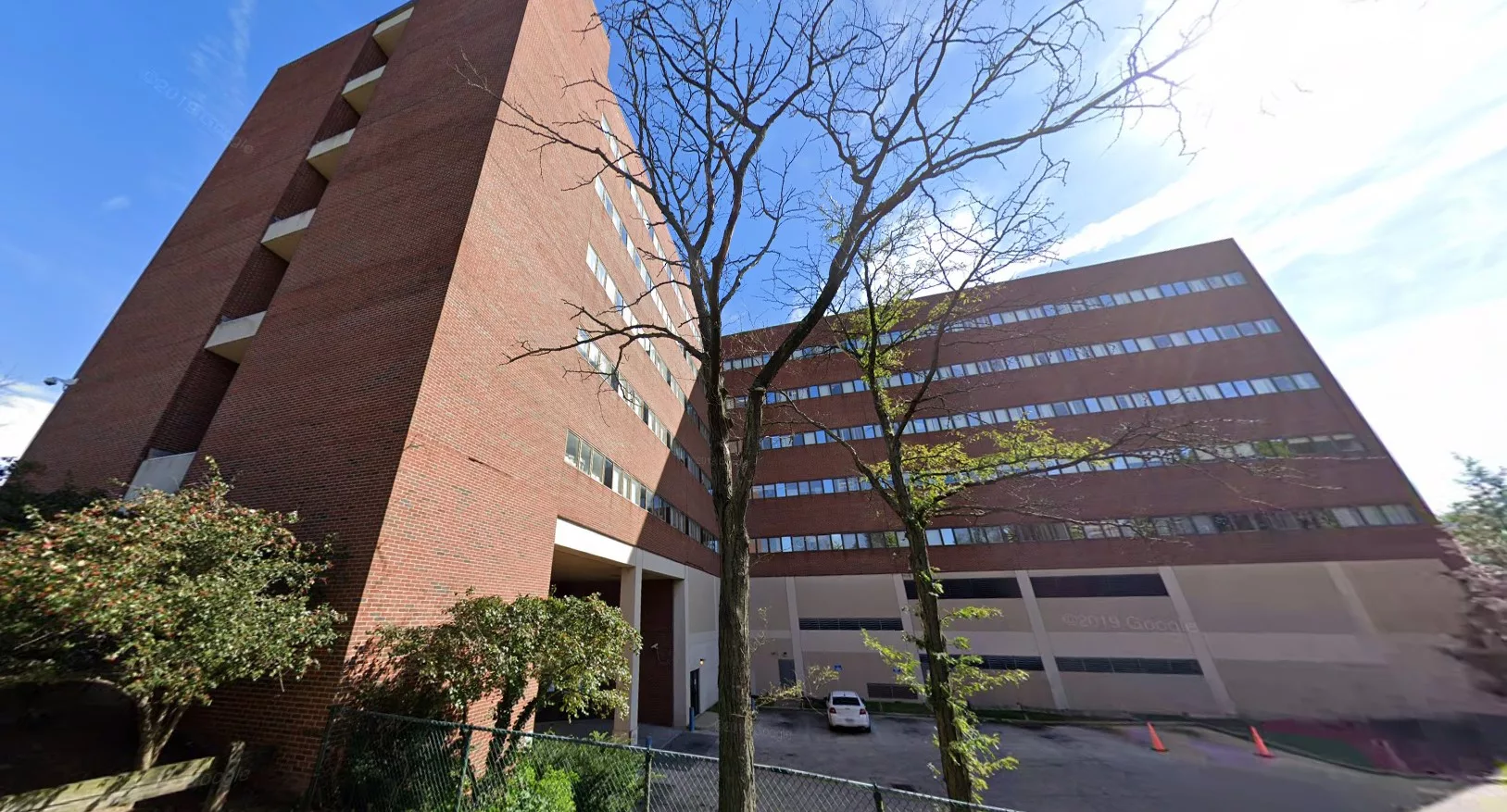
Accela Rehab and Care Center at Somerton, an incredible senior living community located in Philadelphia, PA, welcomes seniors with its beautiful surroundings and offers skilled nursing. Its mission is to help residents maintain their freedom while also ensuring their safety and comfort. The community provides a wide array of floor plans, such as studio, one-bedroom, and two-bedroom apartments.
With a diverse range of exciting activities and engaging events, residents can discover new interests and reignite old ones. Residents have more opportunities to socialize with friends and stay active with the community’s extensive amenities. Furthermore, a variety of dining options are available every day to accommodate different dietary needs and interests. Accela Rehab and Care Center at Somerton aims to provide seniors with a living experience worth remembering.
Overview of Accela Rehab and Care Center at Somerton


What does this home offer?

Accept Medicaid: Yes

Total Residents: 225

Housing Options: Studio / 1 Bed / 2 Bed

Building Type: Single-story
Types of Care Available
Skilled Nursing
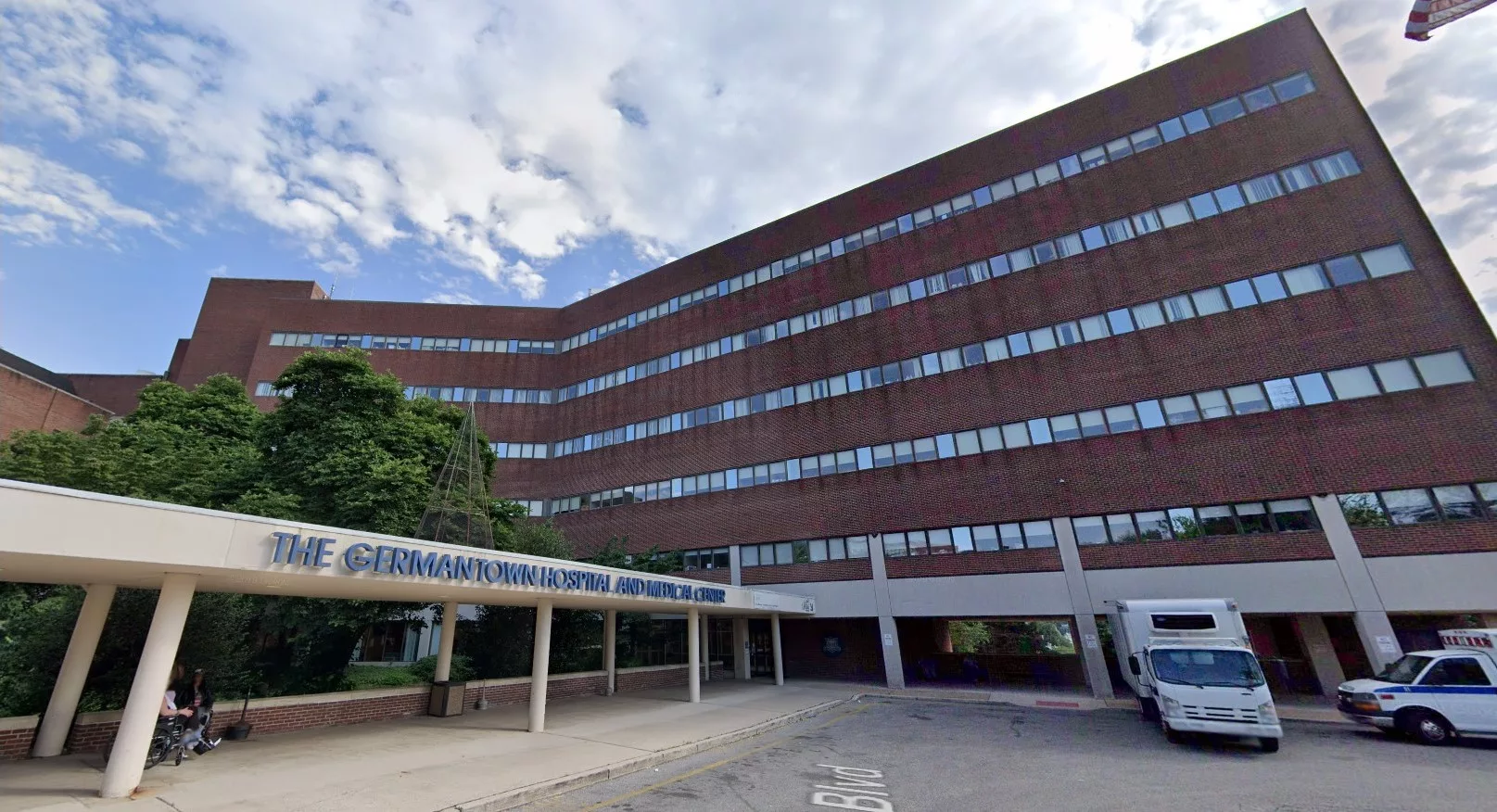
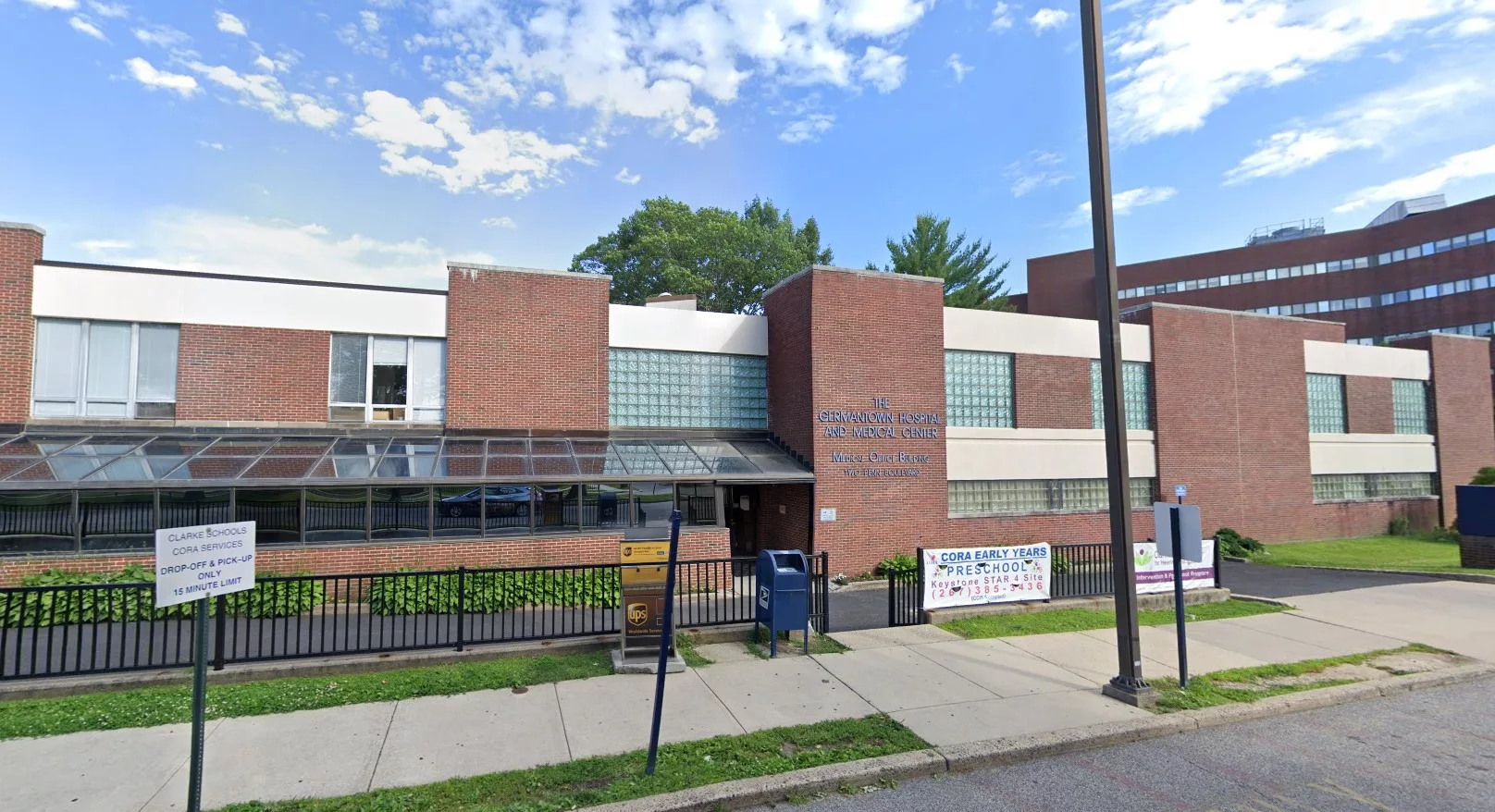
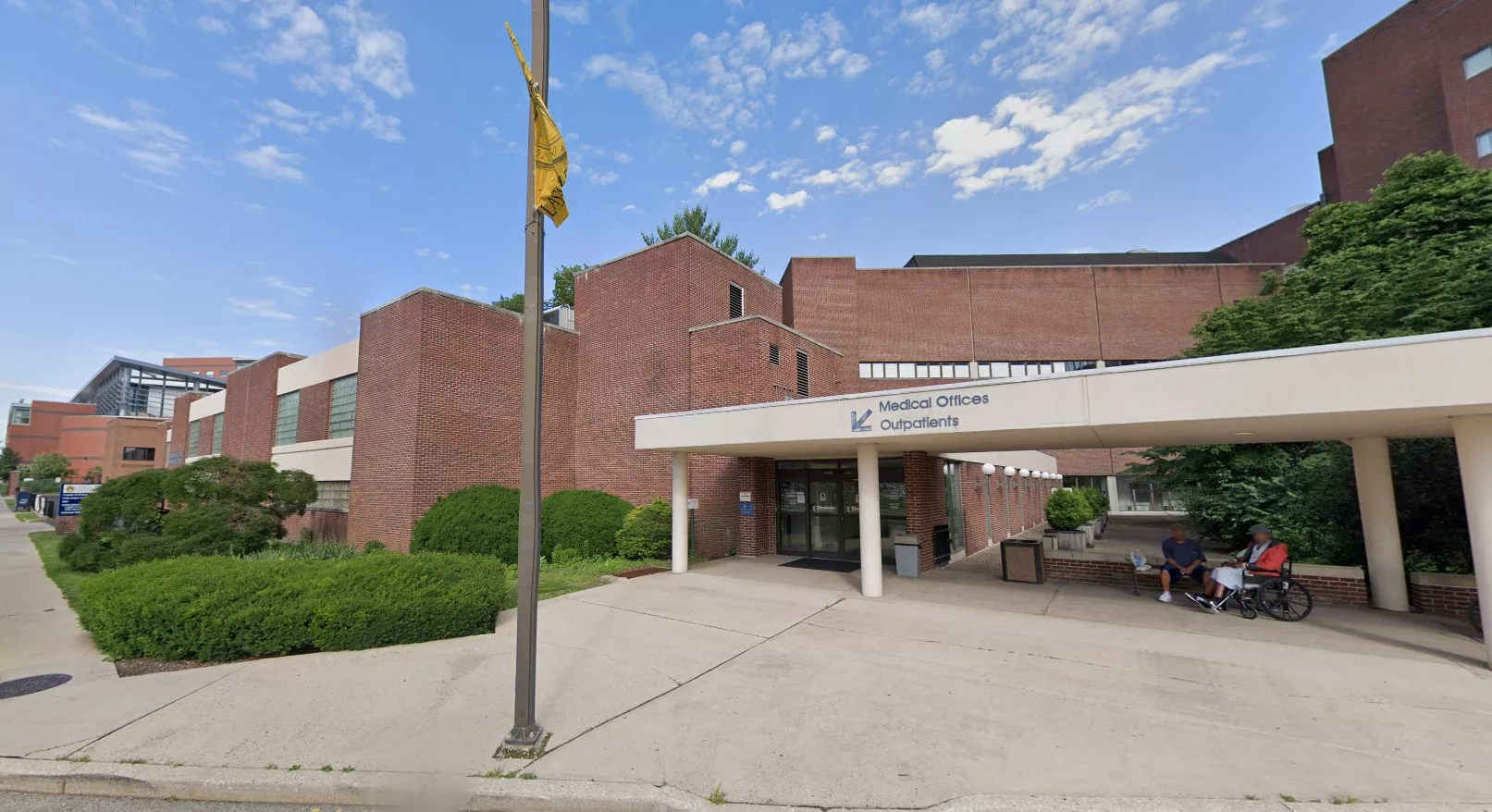
Willow Terrace Rehabilitation and Nursing Center
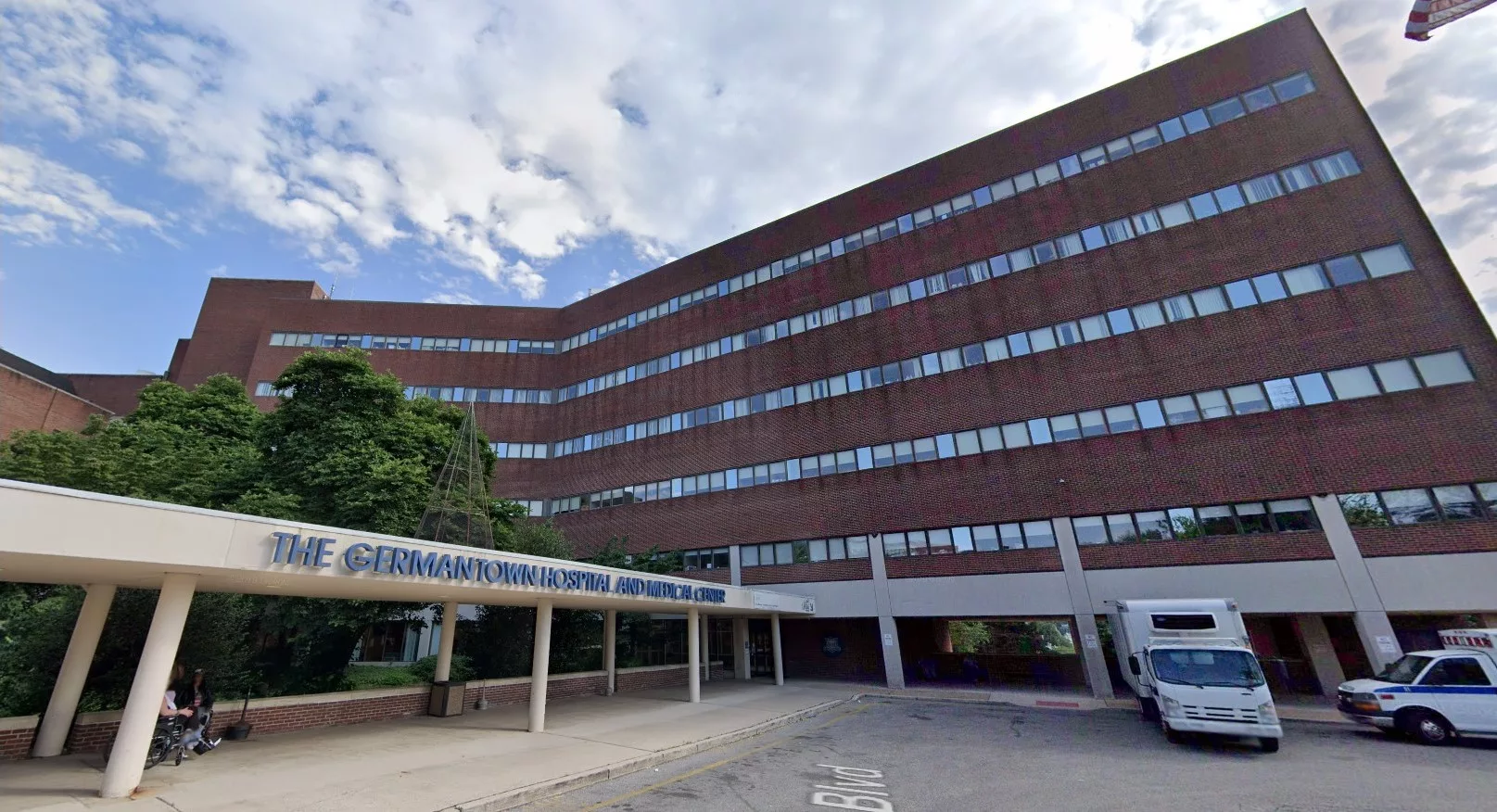
In the vibrant city of Philadelphia, Pennsylvania, Willow Terrace Rehabilitation and Nursing Center emerges as a leading senior care facility. With 174 beds, it offers both short-term rehabilitation and long-term skilled nursing care, ensuring seniors receive top-notch services conveniently located near local hospitals. Since its establishment in 2016, Willow Terrace has continuously evolved, dedicating itself to the well-being of its residents.
From specialized dementia and Alzheimer’s care to orthopedic and postsurgical rehab, they cover a wide spectrum of needs. The facility’s commitment extends beyond physical care, offering engaging social and recreational activities alongside crucial support services. Their dedicated and competent staff members play a pivotal role in making residents’ experiences not only comfortable but also enriching, exemplifying the high standards of senior care in Philadelphia.
Overview of Willow Terrace Rehabilitation and Nursing Center
McCallum Assisted Life
Mccallum Assisted Life is a personal care facility located in Philadelphia, PA. It provides compassionate care and support to seniors in a comfortable environment, promoting independence and well-being. The facility offers a variety of services including medication management, housekeeping, and recreational activities.
Taylor’s Personal Care Home
Taylor's Personal Care Home is located in Philadelphia, PA. It provides residential care for individuals with mental health disorders and intellectual disabilities. The facility offers 24-hour supervision, medication administration, and various personal care services.
Kaysim-Court Manor
Kaysim-court Manor is a residential care home located in Philadelphia, PA. It provides care for seniors, mentally and physically disabled adults, and veterans. The facility offers personal care assistance, meals, and housing for those in need.
Assisted Living Magazine Ranking Methodology
View Full Ranking MethodologyHow Assisted Living Magazine Evaluates & Scores Nursing Homes
Assisted Living Magazine ranks nursing homes using a rigorous, data-driven scoring model built specifically for skilled nursing.
Because this care level is regulated, clinical outcomes and compliance carry significantly more weight than transparency or digital presence.
Each community receives a ranking based on the factors below, weighted according to their importance in predicting resident safety, care quality, and long-term stability.
Update cadence: Reviewed quarterly, with prompt updates when new reviews, reports, or complaints are filed.
What We Prioritize Most
Operational Stability & Resident SupportThe largest share of every nursing home’s score — 45% of the total weighting — comes from clinical and regulatory indicators, including:
-
 Overall, staffing, and inspection ratings
 -
 Long-stay and short-stay quality measures
 -
 Nurse-to-resident and staff-to-resident ratios
 - Health deficiencies and regulatory history
- Accreditations and positive local news reporting
These factors directly reflect resident safety, care quality, and compliance.
Another 35% of the score comes from operational and stability signals, such as:
- Nurse hours per patient per day
- Occupancy levels and cleanliness citations
- Administrative stability and ownership quality
- Readmission rates and registered-nurse turnover
The remaining 20% of the score includes contextual elements such as:
- Year built or renovated
- Penalties, fines, and preventable readmissions
- Revenue per bed
- Administrator tenure
These factors help round out the overall picture but carry less weight because our methodology prioritizes clinical outcomes and regulatory consistency above all else.
The result is a clear, data-driven ranking system that elevates nursing homes delivering exceptional care and long-term resident safety.
Frequently Asked Questions
What government services provide money for senior housing?
Several government programs offer financial assistance for senior housing in various countries, focusing on the United States for a broad overview:
- Medicaid: Medicaid is a state and federally funded program that can cover the costs of nursing home care for those who meet eligibility criteria, including income and asset limits. Some states also offer Medicaid waivers that help pay for home and community-based services to prevent or delay nursing home placement.
- Medicare: Medicare, primarily a health insurance program for people aged 65 and over, does not cover long-term housing costs. However, it can cover short-term stays in a skilled nursing facility under specific conditions following a hospital stay.
- Section 202 Supportive Housing for the Elderly Program: This program provides housing for low-income seniors. It offers rental assistance and access to supportive services, such as cleaning, cooking, and transportation.
- Low-Income Housing Tax Credit (LIHTC) Properties: While not a direct subsidy, LIHTC encourages developers to create affordable housing. Seniors with low incomes can find reduced-rent apartments through this program.
- State and Local Programs: Many states, counties, and cities offer their own programs to assist seniors with housing costs. These can include property tax relief programs, rental assistance programs, and programs that offer affordable senior housing options.
- Veterans Affairs (VA): The VA offers several programs for veterans, including the Aid and Attendance benefit, which provides monthly payments to veterans who require the aid of another person, or are housebound, to help cover the cost of care in homes, nursing homes, and assisted living facilities.
- Social Security: While Social Security primarily provides retirement income, for many seniors, these benefits are a crucial part of their budget, including housing costs.
How do you pick the homes you recommend?
Before recommending homes, we conduct a thorough evaluation on crucial factors that define a senior home such as the quality of care they provide, the reputation of the organization, and a comprehensive review of community testimonials as well. Every detail is assessed to assure that seniors are offered not just senior care options, but trustworthy homes where they can experience the care that they deserve.
Do you help families that need Medicaid?
Yes. Assisting families who need Medicaid is important to us as it plays a crucial role in offering financial support to seniors confronting economic challenges. We would like to keep essential healthcare services accessible to all community members, irrespective of one’s financial circumstances.
How much does this service cost?
We extend our services at no cost, ensuring that families and seniors can benefit from tailored assistance in their search for care and home options. Our ability to offer personalized guidance without charge to families and seniors is made possible through the support and funding from the communities with which we team up.
What services do you offer?
- Finding and ranking the best assisted living facilities
- Finding and ranking the best nursing homes
- Finding and ranking the best memory care facilities
- Our concierge service helps seniors move into the perfect home for them
- Helping seniors use medicare, medicaid, and other government programs to pay for their homes
- Helping seniors avoid senior homes that have bad service or fraud
- Helping seniors avoid senior homes that have bad service or fraud
- Autobiography & Family History Writing + Research
- Senior-focused concierge medicine
- Senior-focused nutritionist
- Senior-focused personal training
- Memory care specialists
- Custom wheelchairs at all price points.
- Custom hearing aids
- Cosmetic skincare + dermatology
- Companionship: We offer in-person and virtual companionship services. Someone engaging to hang out with or talk to on video chat.
- Senior housing concierge. Our service finds the best senior living options based on your needs, income, and personality.
Who we are
Your Senior Care Partner, Every Step of the Way
We help families find affordable senior communities and unlock same day discounts, Medicaid, and Medicare options tailored to your needs.
Contact us Today

Feedback