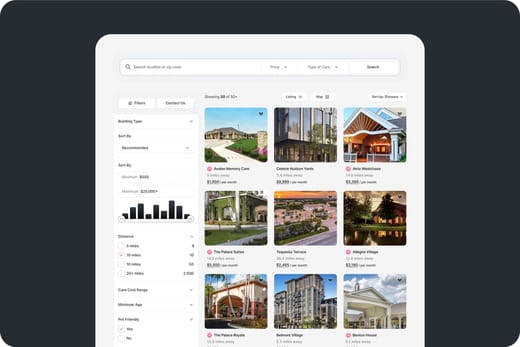
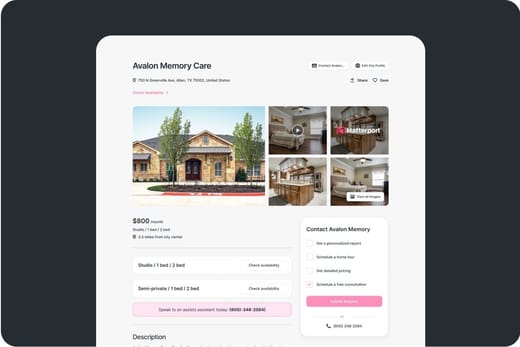
Explore Open Rooms
1
Contact details
2
What type of senior care service are you looking for?
3
What budget do you have in mind for senior care?
4
How soon do you need to find care?
5
Additional details
Thank you for your interest!
Our team will be in touch shortly to help with next steps.
Compare Senior Communities around North Carolina
The information below is reported by the North Carolina Department of Health and Human Services, Division of Health Service Regulation.
Click column headers to sort
| Brookdale South Charlotte |
MC Memory Care Secured, specialized care for people living with Alzheimer's or dementia. Staff trained in cognitive impairment, with higher staff-to-resident ratios and an environment designed to reduce confusion and wandering risk.
AL Assisted Living A licensed, long-term care setting for seniors or individuals with disabilities who need help with daily activities — like bathing, dressing, and medication management — but not 24-hour skilled nursing. Offers housing, meals, and around-the-clock support while aiming to maximize resident independence. | Charlotte (Wessex Square) | 82
Facility
82
NC AVG
116
Rank
#161 / 397 | Yes |
16
Facility
16
NC AVG
33
Rank
#408 / 572 | 74.4% | A+ | 101.50/200 | 20 | 80% | Private Rooms / Semi-Private Rooms | |
| The Arboretum at Woodland Terrace |
MC Memory Care Secured, specialized care for people living with Alzheimer's or dementia. Staff trained in cognitive impairment, with higher staff-to-resident ratios and an environment designed to reduce confusion and wandering risk. | Cary (Woodland Terrace) | 84
Facility
84
NC AVG
116
Rank
#154 / 397 | Yes |
55
Facility
55
NC AVG
33
Rank
#110 / 572 | 39.3% | - | 95.75/200 | 19 | 84.2% | Studio / 1 Bed / 2 Bed | |
| Brookdale Robinwood |
AL Assisted Living A licensed, long-term care setting for seniors or individuals with disabilities who need help with daily activities — like bathing, dressing, and medication management — but not 24-hour skilled nursing. Offers housing, meals, and around-the-clock support while aiming to maximize resident independence. | Gastonia | 89
Facility
89
NC AVG
116
Rank
#141 / 397 | Yes |
4
Facility
4
NC AVG
33
Rank
#506 / 572 | - | A+ | 91.50/200 | 17 | 76.5% | Private Rooms / Semi-Private Rooms | |
| Sunrise of Cary |
IL Independent Living Lifestyle-focused communities for older adults offering dining, activities, and transportation with minimal personal care. Best for active, independent seniors who want community without medical support.
AL Assisted Living A licensed, long-term care setting for seniors or individuals with disabilities who need help with daily activities — like bathing, dressing, and medication management — but not 24-hour skilled nursing. Offers housing, meals, and around-the-clock support while aiming to maximize resident independence.
MC Memory Care Secured, specialized care for people living with Alzheimer's or dementia. Staff trained in cognitive impairment, with higher staff-to-resident ratios and an environment designed to reduce confusion and wandering risk. | Cary (West Chatham Street) | 85
Facility
85
NC AVG
116
Rank
#151 / 397 | Yes |
34
Facility
34
NC AVG
33
Rank
#272 / 572 | 40.0% | A- | 103.50/200 | 18 | 66.7% | Studio / Suite / 1 Bed | |
| Brookdale Dickinson Avenue |
AL Assisted Living A licensed, long-term care setting for seniors or individuals with disabilities who need help with daily activities — like bathing, dressing, and medication management — but not 24-hour skilled nursing. Offers housing, meals, and around-the-clock support while aiming to maximize resident independence.
MC Memory Care Secured, specialized care for people living with Alzheimer's or dementia. Staff trained in cognitive impairment, with higher staff-to-resident ratios and an environment designed to reduce confusion and wandering risk. | Greenville | 76
Facility
76
NC AVG
116
Rank
#187 / 397 | Yes |
38
Facility
38
NC AVG
33
Rank
#236 / 572 | 67.1% | A+ | 96.50/200 | 15 | 86.7% | Studio / Suite / 1 Bed | |
| Terrabella Asheboro |
MC Memory Care Secured, specialized care for people living with Alzheimer's or dementia. Staff trained in cognitive impairment, with higher staff-to-resident ratios and an environment designed to reduce confusion and wandering risk.
AL Assisted Living A licensed, long-term care setting for seniors or individuals with disabilities who need help with daily activities — like bathing, dressing, and medication management — but not 24-hour skilled nursing. Offers housing, meals, and around-the-clock support while aiming to maximize resident independence. | Asheboro (Laurel Wood Hills) | 96
Facility
96
NC AVG
116
Rank
#107 / 397 | Yes |
0
Facility
0
NC AVG
33
Rank
#548 / 572 | - | A+ | 97.00/200 | 23 | 87% | Studio / 1 Bed | |
| Chatham Ridge |
AL Assisted Living A licensed, long-term care setting for seniors or individuals with disabilities who need help with daily activities — like bathing, dressing, and medication management — but not 24-hour skilled nursing. Offers housing, meals, and around-the-clock support while aiming to maximize resident independence.
MC Memory Care Secured, specialized care for people living with Alzheimer's or dementia. Staff trained in cognitive impairment, with higher staff-to-resident ratios and an environment designed to reduce confusion and wandering risk. | Chapel Hill | 91
Facility
91
NC AVG
116
Rank
#133 / 397 | Yes |
33
Facility
33
NC AVG
33
Rank
#281 / 572 | - | A+ | 103.50/200 | 22 | 86.4% | Studio / Suite | |
| Brookdale Union Park |
AL Assisted Living A licensed, long-term care setting for seniors or individuals with disabilities who need help with daily activities — like bathing, dressing, and medication management — but not 24-hour skilled nursing. Offers housing, meals, and around-the-clock support while aiming to maximize resident independence. | Monroe (Lakeview Estates) | 87
Facility
87
NC AVG
116
Rank
#146 / 397 | Yes |
10
Facility
10
NC AVG
33
Rank
#458 / 572 | - | A+ | 105.50/200 | 21 | 85.7% | Studio / Companion Rooms | |
| Brookdale Union |
AL Assisted Living A licensed, long-term care setting for seniors or individuals with disabilities who need help with daily activities — like bathing, dressing, and medication management — but not 24-hour skilled nursing. Offers housing, meals, and around-the-clock support while aiming to maximize resident independence. | Gastonia | 78
Facility
78
NC AVG
116
Rank
#182 / 397 | Yes |
35
Facility
35
NC AVG
33
Rank
#261 / 572 | 100.0% | A+ | 98.50/200 | 28 | 75% | Studio | |
| Brookdale Elizabeth City |
AL Assisted Living A licensed, long-term care setting for seniors or individuals with disabilities who need help with daily activities — like bathing, dressing, and medication management — but not 24-hour skilled nursing. Offers housing, meals, and around-the-clock support while aiming to maximize resident independence.
MC Memory Care Secured, specialized care for people living with Alzheimer's or dementia. Staff trained in cognitive impairment, with higher staff-to-resident ratios and an environment designed to reduce confusion and wandering risk. | Elizabeth City | 76
Facility
76
NC AVG
116
Rank
#187 / 397 | Yes |
30
Facility
30
NC AVG
33
Rank
#309 / 572 | 28.9% | A+ | 99.00/200 | 20 | 90% | Studio / 1 Bed / 2 Bed | |
| Brookdale Carriage Club Providence |
NH Nursing Home Licensed facility providing 24/7 skilled nursing care for residents with complex, ongoing medical needs. Staffed by RNs, LPNs, and CNAs. Inspected and star-rated annually by CMS. Accepts Medicare (short-term rehab) and Medicaid (long-term care).
AL Assisted Living A licensed, long-term care setting for seniors or individuals with disabilities who need help with daily activities — like bathing, dressing, and medication management — but not 24-hour skilled nursing. Offers housing, meals, and around-the-clock support while aiming to maximize resident independence.
IL Independent Living Lifestyle-focused communities for older adults offering dining, activities, and transportation with minimal personal care. Best for active, independent seniors who want community without medical support.
MC Memory Care Secured, specialized care for people living with Alzheimer's or dementia. Staff trained in cognitive impairment, with higher staff-to-resident ratios and an environment designed to reduce confusion and wandering risk. | Charlotte (Olde Providence North) | 77
Facility
77
NC AVG
116
Rank
#186 / 397 | Yes |
12
Facility
12
NC AVG
33
Rank
#441 / 572 | 71.5% | A+ | 98.75/200 | 15 | 80% | Studio / 1 Bed / 2 Bed | |
| Sunrise of Raleigh |
AL Assisted Living A licensed, long-term care setting for seniors or individuals with disabilities who need help with daily activities — like bathing, dressing, and medication management — but not 24-hour skilled nursing. Offers housing, meals, and around-the-clock support while aiming to maximize resident independence.
MC Memory Care Secured, specialized care for people living with Alzheimer's or dementia. Staff trained in cognitive impairment, with higher staff-to-resident ratios and an environment designed to reduce confusion and wandering risk. | Raleigh (Northwest Raleigh) | 100
Facility
100
NC AVG
116
Rank
#96 / 397 | Yes |
49
Facility
49
NC AVG
33
Rank
#161 / 572 | - | A- | 97.50/200 | 24 | 75% | Studio / 2 Bed | |
| Brookdale Wake Forest |
AL Assisted Living A licensed, long-term care setting for seniors or individuals with disabilities who need help with daily activities — like bathing, dressing, and medication management — but not 24-hour skilled nursing. Offers housing, meals, and around-the-clock support while aiming to maximize resident independence.
MC Memory Care Secured, specialized care for people living with Alzheimer's or dementia. Staff trained in cognitive impairment, with higher staff-to-resident ratios and an environment designed to reduce confusion and wandering risk. | Wake Forest | 70
Facility
70
NC AVG
116
Rank
#203 / 397 | Yes |
54
Facility
54
NC AVG
33
Rank
#124 / 572 | 52.9% | A+ | 94.50/200 | 21 | 85.7% | Studio / 1 Bed / 2 Bed | |
| Phoenix Assisted Care |
MC Memory Care Secured, specialized care for people living with Alzheimer's or dementia. Staff trained in cognitive impairment, with higher staff-to-resident ratios and an environment designed to reduce confusion and wandering risk.
AL Assisted Living A licensed, long-term care setting for seniors or individuals with disabilities who need help with daily activities — like bathing, dressing, and medication management — but not 24-hour skilled nursing. Offers housing, meals, and around-the-clock support while aiming to maximize resident independence. | Cary (Parkway Retirement Center) | 120
Facility
120
NC AVG
116
Rank
#47 / 397 | No |
24
Facility
24
NC AVG
33
Rank
#350 / 572 | 52.5% | A+ | - | 68.75/200 | 42 | 85.7% | Private Rooms / Semi-Private Rooms |
| Brookdale Durham |
MC Memory Care Secured, specialized care for people living with Alzheimer's or dementia. Staff trained in cognitive impairment, with higher staff-to-resident ratios and an environment designed to reduce confusion and wandering risk.
AL Assisted Living A licensed, long-term care setting for seniors or individuals with disabilities who need help with daily activities — like bathing, dressing, and medication management — but not 24-hour skilled nursing. Offers housing, meals, and around-the-clock support while aiming to maximize resident independence. | Durham (Northeast Durham) | 119
Facility
119
NC AVG
116
Rank
#62 / 397 | Yes |
9
Facility
9
NC AVG
33
Rank
#463 / 572 | 62.2% | A+ | 78.00/200 | 34 | 91.2% | Studio |
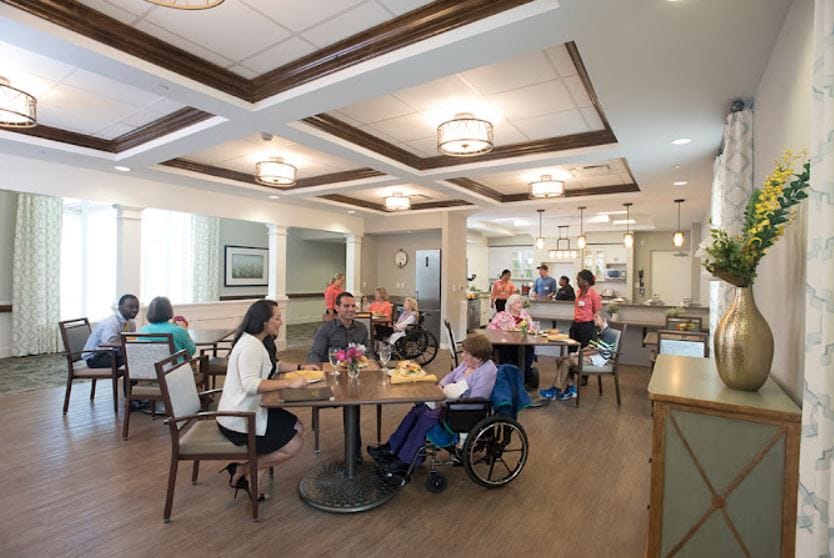
Hickory Village is a 56-bed assisted living and memory care facility at 427 3rd Avenue S.E., Hickory, Catawba County, North Carolina. It provides 24-hour staffing, accepts Medicaid, and holds a 3-star state rating with housekeeping, transportation, restaurant-style dining, library, entertainment, and outdoor common areas.
A substantiated complaint investigation in September 2022 revealed critical resident protection failures. The facility failed to notify primary care provider and obtain mental health referrals for two of seven residents following allegations of resident-to-resident sexual assault involving Residents #6 and #7. The facility failed to immediately notify local social services and law enforcement, creating gaps in required protective response and oversight.
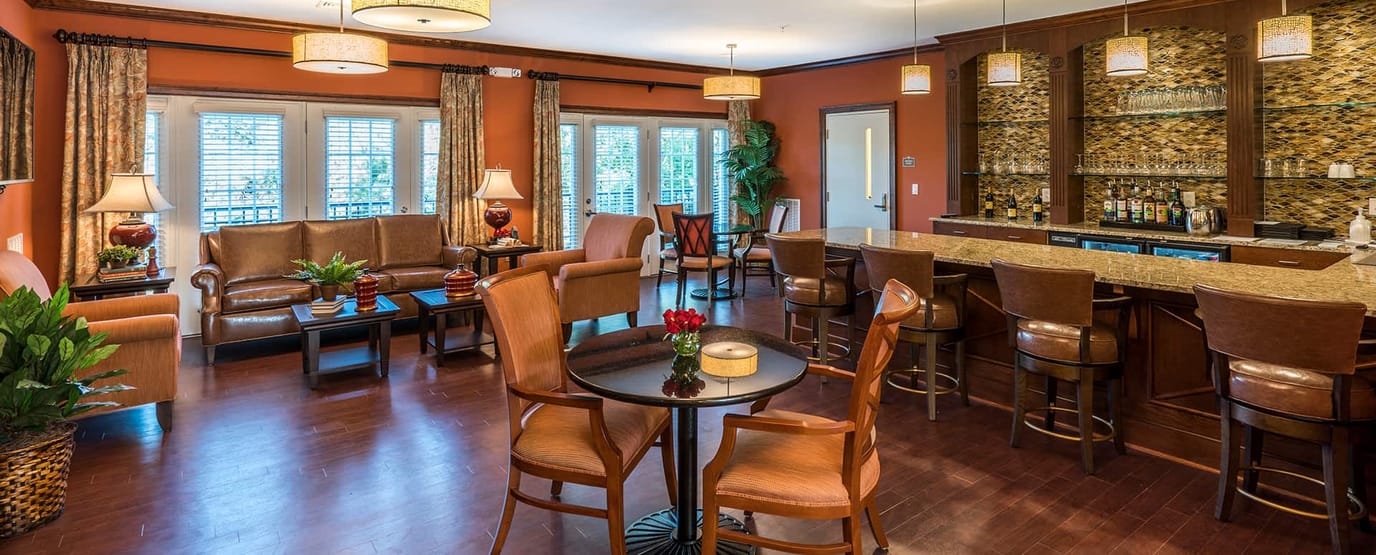
Healthcare coordination and fire safety infrastructure deficiencies characterize Hickory Village’s regulatory history. Over five years, the facility averaged 3.8 deficiencies annually, 27 percent better than North Carolina’s 5.2-deficiency benchmark. March 2024 annual survey documented failure to ensure referral and follow-up for speech therapy evaluation despite physician orders and multiple communications for one resident with difficulty swallowing. May 2025 follow-up construction survey found sprinkler system down due to leak and awaiting repair, creating ongoing fire safety risk.
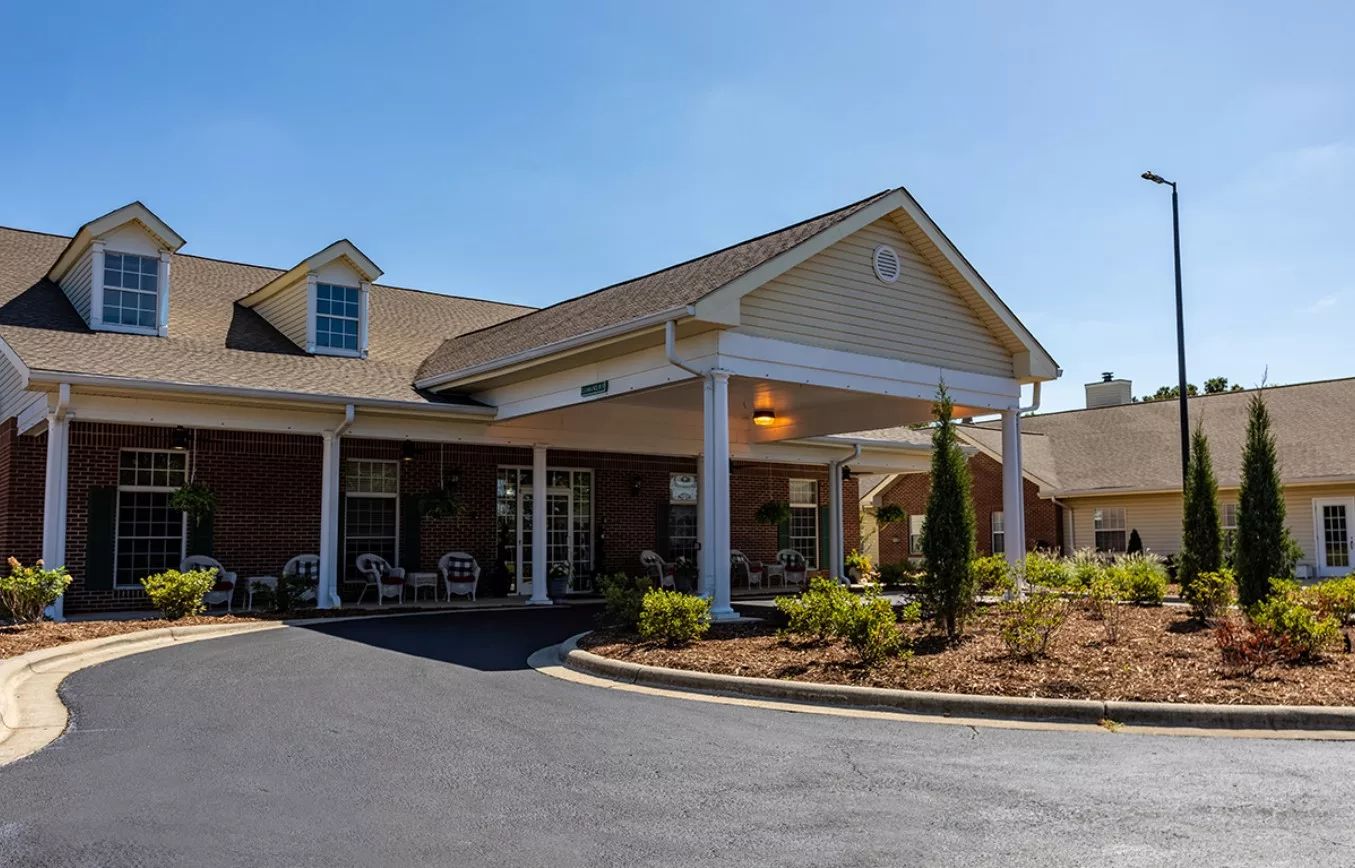
Fire safety infrastructure failures recur across inspection cycles. September 2018 construction survey identified water gong non-functional in annual sprinkler system inspection, unsecured portable oxygen cylinder creating projectile hazard, gaps around conduit not firestopped, incomplete sprinkler escutcheon plate, non-functioning electrical lighting and exhaust ventilation in multiple areas, and missing individual towel bars for residents. October 2016 construction survey documented fire-resistance-rated wall patched with FRP board at several spots, commercial kitchen hood fire suppression system lacking required inspections and documentation since May 2016, corridor door wedged open, and inadequate exhaust ventilation in laundry. November 2016 follow-up confirmed fire-resistance-rated wall behind washer remained improperly patched.
No fines or license suspensions appear in the record.
Families should ask about corrections following the September 2022 resident-to-resident assault, mental health and physician communication protocols, fire system repairs, and oxygen cylinder storage.
Hayesville House is a 60-bed assisted living facility at 480 Old 64 West, Hayesville, Clay County, North Carolina. Current occupancy is 60 percent (36 of 60 beds), reflecting declining demand.
Staffing shortages and a substantiated abuse allegation define Hayesville House’s regulatory challenges. Over five years, the facility averaged 9.2 deficiencies annually, 77 percent above North Carolina’s 5.2-deficiency benchmark. October 2023 annual survey documented critical staffing deficiency with required staffing hours not met on all three shifts for census of 35-36 residents, with shortage hours ranging from 2 to 13 hours across sampled shifts, particularly on weekends, impacting timely personal care delivery. Staffing shortages have persisted across years; March 2016 follow-up documented Special Care Unit staffing gaps that resulted in shortened or missed showers and delayed assistance.
A substantiated July 2016 complaint investigation revealed serious resident protection failure. Staff member J engaged in inappropriate touching during incontinence care of Resident #7. The facility failed to report the allegations of sexual abuse to the Health Care Personnel Registry as required, compounding the breach of resident protection.
Physical plant and fire safety deficiencies appear across construction surveys. August 2019 construction survey cited multiple deficiencies spanning unsafe premises, poor housekeeping, unsecured compressed gas cylinders, malfunctioning emergency and fire safety equipment, electrical hazards, blocked corridor doors, prohibited portable electric heaters, and non-functional exhaust ventilation. June 2017 construction survey documented lack of current fire safety inspection reports, chronic odors, housekeeping hazards, irregular fire safety rehearsals, and malfunctioning exit signs. May 2015 construction survey identified 14 deficiencies including sprinkler system maintenance issues, shower hose defects, sagging exit gate, malfunctioning smoke barrier doors, compromised fire-rated walls and ceilings, non-functional emergency lighting, and lack of fire extinguisher inspections; August 2015 follow-up confirmed defects persisted.
November 2016 annual survey documented mold in 10 of 28 resident rooms on heat pump air output vents with no set schedule for cleaning units. October 2015 documented unclean resident rooms and failure to ensure CPR-certified staff on third shift for 4 of 13 days. No fines or license suspensions appear in the record.
Families should ask about staffing levels and ratios, fire safety inspection reports and maintenance, medication and supervision protocols, and incident reporting procedures for resident protection.
Caswell House is a 100-bed assisted living and special care unit facility at 535 US Highway 158 West, Yanceyville, Caswell County, North Carolina. Current occupancy is 46 percent (46 of 100 licensed beds), indicating declining demand.
Serious resident care failures, medication administration errors, and critical fire safety infrastructure failures define Caswell House’s regulatory record. Over nine years, the facility averaged 20 deficiencies annually, 285 percent above North Carolina’s 5.2-deficiency benchmark. October 2025 annual survey documented 15 deficiencies spanning physical plant deterioration, fire safety system malfunctions, and systemic clinical care failures. Building conditions showed buckled and torn flooring, walls with black marks and missing paint, poor furnishings, and hazardous fixtures.
Sprinkler and fire alarm systems were malfunctioning with failure to conduct fire watch. HVAC system broken since June 2025 created excessive heat in dining and activity rooms. Medication administration errors involved dementia, iron, pain, gout, and blood pressure medications; unsecured medications with unknown cream on sink edge; and expired controlled substance not destroyed timely. Healthcare referrals were not completed, therapeutic diets not served as ordered, and county DSS not notified of emergency hospitalizations.
Special care unit staff lacked required orientation and training.
A substantiated March 2023 complaint investigation identified serious resident safety failures. The facility failed to maintain a clean hazard-free environment, provide adequate supervision resulting in a resident fall with head injury requiring sutures, ensure immediate response to accidents, provide appropriate health care follow-up, maintain residents free of physical and mental abuse, administer medications as ordered, report injuries to the Health Care Personnel Registry within 24 hours, and notify county DSS of emergency medical evaluations.
Fire safety infrastructure failures persist across inspection cycles. April 2025 complaint follow-up documented fire sprinkler system intermittently out of service since August 2023 with fire watch in place, fire alarm system troubles, and electrical equipment non-functional. August 2025 construction survey found emergency override switch non-functional, no approved current fire and building safety inspection report, exit doors lacking sounding devices, persistent unpleasant odors, obstructed means of egress, and inadequate exhaust ventilation. Hot water supply measured at 90 degrees, below the required 100-116 degree range.
June 2024 annual survey documented staffing shortages across assisted living and special care units.
Families should ask about fire safety system repairs, infection controls, medication administration, special care unit staff training, county DSS emergency notification protocols, and staffing ratios.
Dunmore Senior Living of Siler City
Dunmore Senior Living of Siler City is an 86-bed assisted living and memory care facility at 260 Village Lake Road, Siler City, Chatham County, North Carolina. Current occupancy is 22 percent (19 of 86 beds), significantly below North Carolina’s 76.4 percent average. The facility offers respite care and memory care. 3-star state rating.
Serious resident safety breaches and systemic care failures characterize Dunmore’s regulatory record. Over six years, the facility averaged 11.3 deficiencies annually, 117 percent above North Carolina’s 5.2-deficiency benchmark. November 2024 annual survey and complaint investigation documented 14 deficiencies revealing critical structural problems. The facility allowed seven independent living residents to reside in licensed assisted living beds, directly compromising resident safety.
Healthcare follow-up failed to notify primary care provider of elevated blood sugar readings. Food safety violations included uncovered foods and unclean surfaces. Mealtime service omitted napkins, non-disposable utensils, and cups. Therapeutic diet menus did not match physician orders for pureed diet.
Snacks were not offered between meals and water was not served at each meal. No activities program existed. Privacy failures occurred with residents wandering into others’ rooms and taking belongings. Medication administration errors included missed doses and incomplete administration.
Unsecured medications and failure to observe residents taking medications compounded clinical risk. Failure to notify county DSS of a fall requiring emergency medical evaluation and sutures.
Fire safety infrastructure failures recur across construction surveys. March 2024 construction survey identified corridor obstructions reducing widths, missing sounding devices on exit doors for wanderers, unsafe exterior grounds with fallen fencing, improper fire evacuation diagrams, inadequate fire rehearsals, non-functional emergency lighting and exit signs, missing kitchen hood fire suppression inspections, fire-resistant ceiling penetrations, smoke-tight corridor door gaps, electrical deficiencies, sprinkler system escutcheon plate failures, and prohibited portable electric heater use. March 2019 construction survey documented missing fire safety inspection reports since 2016, unlocked hazardous chemical storage, non-functioning wanderer alarms, ceiling water damage, unsecured oxygen cylinders, no quarterly fire drill records, fire safety equipment failures, and inadequate exhaust ventilation.
November 2023 and January 2022 annual surveys documented persistent medication administration and food service failures spanning medication errors, inaccurate records, food contamination, missing therapeutic diet menus, and incomplete incident reporting to county DSS. No fines or license suspensions appear in the record.
Families should ask about corrections for independent living resident placement violations, medication administration procedures, fire safety, county DSS emergency notification protocols, and activities program status.
Edenton House is a 60-bed assisted living facility at 323 Medical Arts Drive, Edenton, Chowan County, North Carolina.
Edenton House maintains a regulatory record better than North Carolina average with modest compliance challenges. Over five years, the facility averaged 5.4 deficiencies annually, 4 percent above North Carolina’s 5.2-deficiency baseline. May 2025 biennial follow-up construction survey cited five deficiencies spanning furniture in poor repair with cracked veneer, buckled flooring creating trip hazards, missing fire rehearsal documentation for multiple quarters and shifts in 2024, kitchen door failing to automatically close, and mechanical equipment not maintained with ice buildup on kitchen floor. April 2025 annual survey and complaint investigation documented one deficiency when the facility failed to notify the correct hospice provider in a timely manner after Resident #3 sustained a visible head injury on March 7, 2025.
The correct provider was contacted approximately five hours late, creating acute care follow-up failure.
Medication administration and resident rights deficiencies appear in earlier surveys. August 2022 annual survey documented medication administration errors for diabetes and glaucoma medications in two of three residents observed, incomplete antibiotic administration, and missing laundry items. April 2019 construction survey identified outside premises hazards, HVAC maintenance gaps, fire door wedging, and kitchen equipment defects. May 2017 found door and handrail maintenance issues, unsecured oxygen storage, and missing sprinkler components.
January 2015 documented exit lock failures, dust accumulation, electrical and fire safety equipment deficiencies spanning emergency lighting, corridor doors, fire-resistant construction, and dryer duct damage. No fines or license suspensions appear in the record. No substantiated abuse allegations documented.
Families should verify fire rehearsal completion and documentation, medication administration procedures, hospice provider communications, and kitchen equipment safety.
Brockford Inn is a 67-bed memory care facility at 56 N. Highland Avenue, Granite Falls, Caldwell County, North Carolina. Current occupancy is 97 percent (65 of 67 beds), significantly above North Carolina’s 76.4 percent average. Services include on-site physician, psychology, nursing, housekeeping, laundry, restaurant-style meals, salon, activities averaging four daily, on-site chaplain three days weekly, on-site church services, certified activity professional, and resident advisory board.
3-star state rating.
A substantiated February 2020 complaint investigation revealed fatal care failure. The facility missed dialysis treatments for three residents during facility quarantine, resulting in hospitalization for two residents and death for one (Resident #6). Critical lab values including potassium of 7.1 and blood urea nitrogen of 191 documented the medical severity of care failure.
Serious resident safety and protection failures persist across the record. August 2024 complaint investigation documented Staff B twisting Resident #2’s finger during incontinence care, resulting in bruising. The facility failed to report the abuse allegation to the Health Care Personnel Registry as required. That same survey found roach infestation in assisted living resident rooms despite multiple pest control treatments spanning May through July 2024, two staff lacking required Health Care Personnel Registry checks upon hire, missing therapeutic diet menus, and medication administration errors involving anxiety, coronary artery disease, cholesterol, COPD, and dementia medications.
Medication administration and dietary failures recur across nine years. April 2021 documented insulin unavailable for several days for one resident. January 2019 documented borrowed medication without proper documentation and medication refill issues. August 2017 documented improper insulin administration and missed Vitamin B12 doses, inadequate non-disposable dining place settings, and undocumented menu substitutions.
October 2021 documented seven residents’ clothing not returned after laundering and inaccurate oxygen administration records. July 2020 COVID-19 investigation found inadequate visitor and staff screening, improper PPE use, poor infection control, and ineffective isolation of positive residents (32 residents and 15 staff tested positive). August 2025 documented failure to provide pureed bread or substitute for two residents on therapeutic diet.
Fire safety and physical plant deficiencies appear across construction surveys. May 2025 follow-up found lack of emergency release switches for electromagnetic locks and missing sprinkler head escutcheon. February 2019 documented missing current sanitation and fire safety inspection reports, unsafe exterior exit paths, improper oxygen cylinder storage, inadequate fire rehearsal documentation, compromised fire-rated walls and ceilings. March 2017 documented unsafe exterior stairs and handrails, non-functional emergency lighting, and inaccessible emergency release switches.
No fines or license suspensions appear in the record.
Families should ask about corrections for the February 2020 missed dialysis deaths, medication administration, dietary substitutions, infection controls, pest controls, and fire safety system functionality.
Grace Village Assisted Living & Memory Care
Grace Village Assisted Living and Memory Care is a 78-bed assisted living and memory care community at 501 River Bend Drive, Granite Falls, Caldwell County, North Carolina, operating under active license HAL-014-017 and rated 3 out of 5 overall by the North Carolina Department of Health and Human Services, Division of Health Service Regulation, ranking 40th (tied) among 138 homes statewide.
The regulatory record is the central placement question here, and it warrants careful attention. Four inspections conducted between April 2024 and June 2025 produced a combined 15 deficiencies, yielding 7.5 per year against a North Carolina average of 5.2, putting the facility 44 percent worse than the state benchmark. Most consequential is the November 26, 2024, complaint investigation that substantiated a Type A1 physical abuse violation: a staff member slapped a resident in the face on August 14, 2024. Multiple witness statements confirmed the incident.
The staff member was suspended, and a corrective plan was due by December 26, 2024.
Earlier that same month, a follow-up survey from August 6 through 14, 2024, produced 9 deficiencies, one of them an unabated A1 fall-supervision violation, alongside incontinence care failures, delayed health referrals for post-fall injuries, physician medication review lapses, errors in administering anti-seizure medications and insulin, staff sleeping during shifts, malfunctioning call lights, and inaccurate controlled substance records.
The April 2024 annual inspection added 3 more deficiencies covering fall supervision failures across two residents with 17 and 7 documented falls respectively, delayed notification of primary care providers following sexual assault incidents, and failure to protect a resident from sexual harassment. The most recent inspection, June 11, 2025, found 2 deficiencies: a 12 percent medication error rate and missing written profiles for 3 of 5 Special Care Unit residents.
No fines or enforcement actions appear in available records.
Beyond the regulatory record, Grace Village provides assisted living and memory care through a dedicated Special Care Unit, with rehabilitation services and short-term rehab also on-site.
The facility holds an active North Carolina license.
Granite Falls sits in western Caldwell County, roughly 60 miles northeast of Asheville, with Caldwell County Memorial Hospital serving as the primary nearby acute-care resource.
Families considering placement should ask administrators directly about corrective actions following the August 2024 abuse finding, fall supervision protocols, and current medication administration error rates.
Faith Assisted Living Facility
Faith Assisted Living Facility is a 30-bed assisted living facility with memory care at 3032 NC Highway 16 South, Taylorsville, Alexander County, North Carolina, licensed HAL-002-008 (Active), offering 24-hour care with personal care, three meals a day, medication administration and monitoring, housekeeping, laundry, emergency care, social and recreational activities, safety and security, transportation. Current occupancy is 16 of 30 beds (53 percent) as of January 2025, lower than North Carolina average of 76.4 percent. The facility does not accept Medicaid or Medicare and does not offer respite care or rehabilitation services. Overall rating is 4/5.
Occupancy remains at 53 percent, significantly below state average, potentially reflecting family and community awareness of documented safety and compliance failures. Taylorsville is in Alexander County in the Foothills region of North Carolina; Catawba Valley Medical Center is the primary nearby acute-care resource.
The facility’s regulatory record reflects systemic deficiencies, with a deficiency rate of 21.8 per year, 319 percent worse than North Carolina average of 5.2. Findings document critical safety failures and substantiated harm to residents.
The May 14, 2025, construction survey identified 14 current deficiencies. The January 8, 2025, annual survey documented failure to report confirmed influenza outbreak affecting 5 residents, resulting in 2 hospitalizations, and involving 2 staff members beginning December 31, 2024. The facility’s historical pattern of serious violations spans a decade. The October 2017 follow-up investigation substantiated 7 serious deficiencies.
The July 2017 complaint investigation documented 14 deficiencies including documented disrespectful treatment of residents.
The April 2017 annual survey revealed 13 serious deficiencies including inadequate supervision of residents with fall history and catastrophic controlled substance discrepancies with staff suspected of diversion. The August 2016 and July 2016 construction and complaint investigations documented additional deficiencies. The February 2016 follow-up found failure to provide minimum 14 hours of weekly activities. The December 2015 annual survey documented 12 deficiencies including inadequate supervision contributing to resident harm, insufficient activities and substantiated controlled drug diversion for 2 residents.
The April 2015 and January 2015 surveys documented additional infection control failures through shared lancet devices, medication administration errors, food contamination, missing table service, improper Schedule II medication storage, and 200 Percocet tablets stolen with staff competency and training gaps. Multiple medication aides and staff were terminated or suspended for suspected controlled substance diversion or regulatory violations.
No fines or license suspensions appear in the record.
Substantiated medication administration failures, massive controlled substance discrepancies totaling over 700 missing doses, documented staff drug diversion, inadequate supervision resulting in resident injuries, fire safety violations, infection control failures including shared blood glucose meters, and systemic staff training gaps create extreme placement risk.
Families should ask about medication administration oversight, infection control, fire safety since May 2025, staff background screening, and corrections implemented since May 2025.
The Landings of Chestnut Grove is a 40-bed assisted living and memory care facility at 158 Chestnut Grove Church Road, Sparta, Alleghany County, North Carolina, licensed HAL-003-005 (Active), offering assisted living, independent living, and secured living options with 24-hour staffing, respite care, memory care, housekeeping, transportation, restaurant-style dining, library, entertainment room, outdoor common area. The facility accepts Medicaid but not Medicare. Overall rating is 3/5.
Sparta is the county seat of Alleghany County in the North Carolina mountains. Wilkes Regional Medical Center is the primary nearby acute-care resource.
Inspection records span February through July 2024 with 3 documented visits yielding a deficiency rate of 12 per year, 131 percent worse than North Carolina average of 5.2.
The July 17, 2024, annual survey with complaint investigation identified 3 deficiencies: failure to complete resident assessment within 10 days after significant change in condition; care plans not signed by assessor for 3 of 5 sampled residents; failure to complete Licensed Health Professional Support evaluation within 30 days for resident requiring urinary catheter care. The May 8, 2024, biennial follow-up construction survey confirmed zero deficiencies with correction of all previously cited construction violations.
The February 8, 2024, construction biennial survey documented 9 deficiencies spanning physical plant and fire/life safety compliance: special locking equipment on courtyard gate non-functioning, door closers removed from laundry room doors, heavy dust accumulation on mechanical vents affecting air quality and equipment function, electrical equipment not maintained, emergency and safety lighting not illuminating on test, fire extinguisher lacking required annual inspection, gaps in fire-rated ceiling penetrations with unsealed cable conduits, sprinkler system clearance obstructed with stored items, and exhaust ventilation system non-functional.
No fines or license suspensions appear in the record.
Assessment and care plan documentation deficiencies create compliance risk.
Families should ask about resident assessments, care plan signature procedures, and Licensed Health Professional Support evaluation timelines to ensure documentation standards are met.
Flesher’s Fairview Rest Home is a 64-bed assisted living community at 3016 Cane Creek Road, Fairview, Buncombe County, North Carolina,, rated 3 out of 5 overall by the North Carolina Department of Health and Human Services, Division of Health Service Regulation, and ranked 40th (tied) among 138 homes in the state. In operation since 1964, the facility offers assisted living, medical care, and nursing and rehabilitative care, accepting both Medicaid and Medicare.
Across nine inspections from December 2014 through June 2025, the facility accumulated 3.4 deficiencies per year, 35 percent better than the North Carolina average of 5.2. That record has improved noticeably in the most recent cycle.
The follow-up construction survey concluded June 16, 2025, found zero deficiencies and confirmed all previously cited issues corrected. Before that, a Construction Section Biennial Survey on April 30, 2025, cited 4 deficiencies: ceiling maintenance failures in the laundry room and exhaust fan grille, improperly stored oxygen bottles, incomplete fire rehearsal logs, and an unsecured light fixture in Room 23. The July 2023 annual inspection, which included a complaint investigation, produced 2 deficiencies, one of them a substantiated complaint in which Resident 4’s television remote was removed from her room, causing distress. The same inspection found failure to notify Resident 3’s family within 48 hours of multiple falls.
The May 2022 annual inspection cited improper medication recording and COVID-19 infection control lapses including absent visitor screening and inconsistent staff mask use. Earlier construction surveys in 2019 and 2017 flagged recurring issues with unsecured oxygen cylinders, fire-wall penetrations, missing grab bars, and odor control; a 2019 annual inspection added a physician-order compliance failure involving a CPAP and oxygen prescription. A 2016 annual inspection cited third-shift staffing insufficiency and failure to maintain administrator presence within regulatory distance. No fines or enforcement actions appear in the available record.
Current occupancy is 23 of 64 beds, or 36 percent, well below the North Carolina average of 76.4 percent. The facility sits in Fairview, an unincorporated community roughly 12 miles southeast of Asheville, with Mission Hospital serving as the primary nearby acute-care resource.
The clean June 2025 follow-up is encouraging; families should still ask about the April 2025 oxygen storage and fire safety corrections and fall notification protocols.
Ranking Methodology
How we rank these communities
Every community above is evaluated across six weighted categories using public data including state inspection records, review platforms, BBB profiles, and operator-published materials.
Weighting overview
- 35%Resident Experience
- 25%Regulatory
- 15%Visual Media
- 10%Website
- 10%Stability
- 5%Environment
01
Resident & Family Experience 35%
The single largest share of every ranking. Aggregated review sentiment and volume from major platforms — the closest signal to real resident experience.
- Includes
- Review Sentiment
- Review Volume
02
Regulatory & Safety Record 25%
State inspection records, citations, and complaint visits. We weight per-inspection rates more heavily than raw counts.
- Includes
- State Inspections
- Citations/Inspection
- % Inspections w/ Citations
- Complaint Visits
- Accreditations
- BBB Rating
03
Visual Media & Transparency 15%
Communities that publish high-quality visuals give families a real preview. No photos or tours = a negative transparency signal.
- Includes
- Video Tours
- Virtual Walkthroughs
- Photo Quantity
- Photo Quality
04
Website & Operator Transparency 10%
Site quality and whether the operator publishes basic accountability information — staff names, contact details, ownership.
- Includes
- Website Content
- Mobile Usability
- Staff Info Available
- Owner Info Available
05
Community Stability 10%
Operational signals indicating whether a community is well-run and meeting demand.
- Includes
- Occupancy Rate
- Bed Options
06
Environment & Pricing 5%
Walkability and pricing transparency. Walk Score is weighted higher for Independent Living than for Memory Care, where most residents do not leave unaccompanied.
- Includes
- Walk Score
- Pricing Transparency
Who we are
Your Senior Care Partner, Every Step of the Way
We help families find affordable senior communities and unlock same day discounts, Medicaid, and Medicare options tailored to your needs.
Contact us Today
Frequently Asked Questions about Senior Communities in North Carolina
What is senior living?
Senior communities are residential settings designed for adults aged 55 or older, with options ranging from active independent living to assisted living and memory care.
How many senior communities are listed on this page?
This page features 4 senior communities in North Carolina. Use the filters and comparison tools above to compare ratings, amenities, and pricing.
How do I choose the right senior community in North Carolina?
Start by matching the level of care offered to the resident's current and anticipated needs, then compare licensing status, staff-to-resident ratios, recent inspection results, and pricing. Tour at least two or three communities in North Carolina, talk to current residents and families, and confirm what is included in the base rate versus billed as add-on services.
What should I look for when visiting senior communities in North Carolina?
Pay attention to staff interactions with residents, cleanliness and odor, food quality at meal times, the activity calendar, and how questions about pricing and care plans are answered. Ask to see the most recent state inspection report, the move-out / level-of-care-change policy, and a sample monthly bill that lists every fee.
Feedback