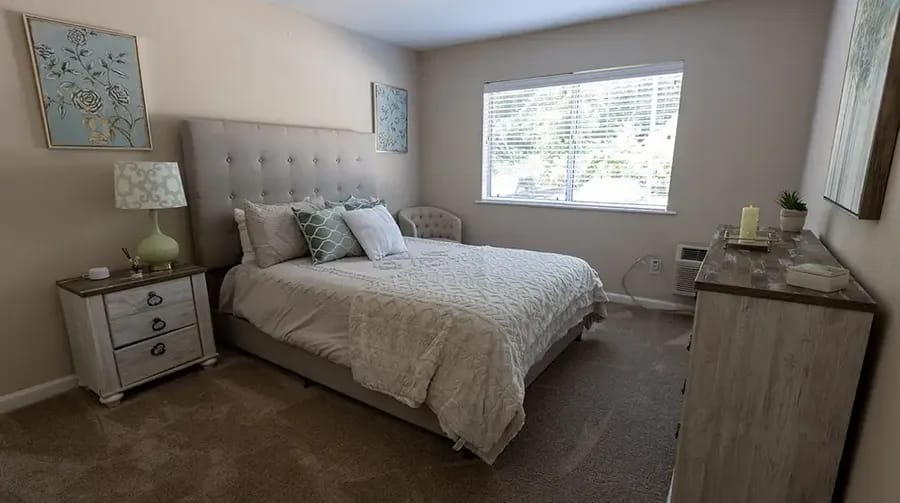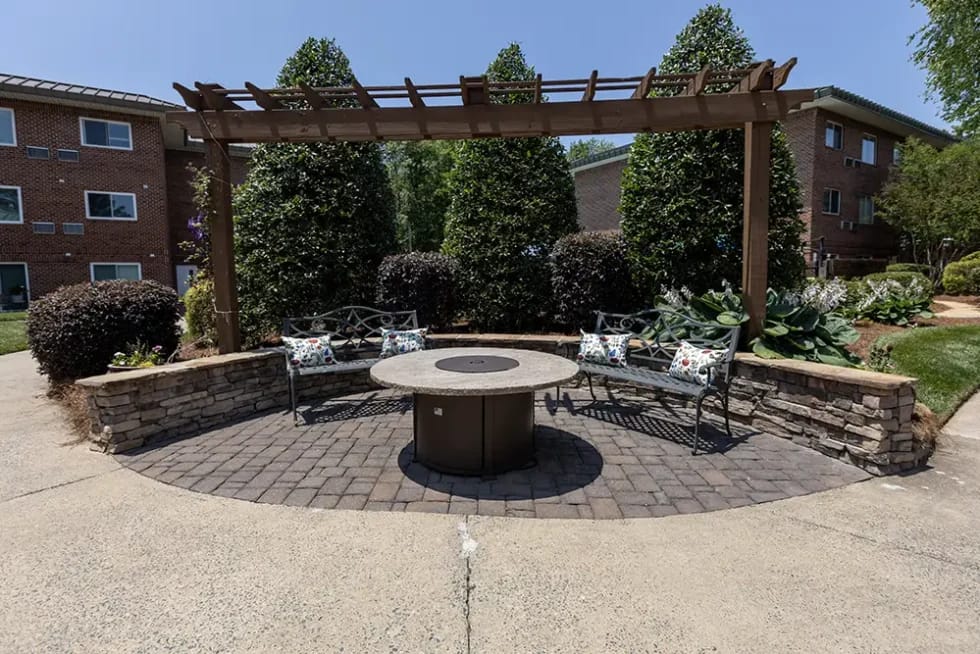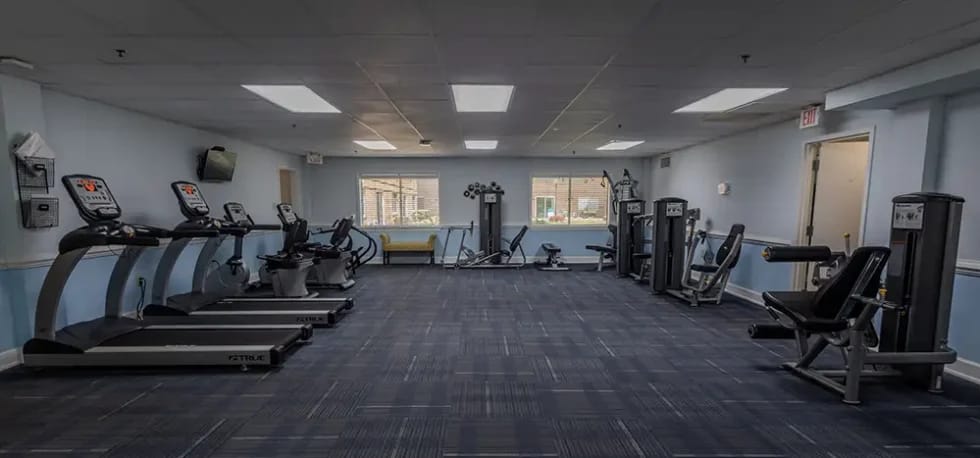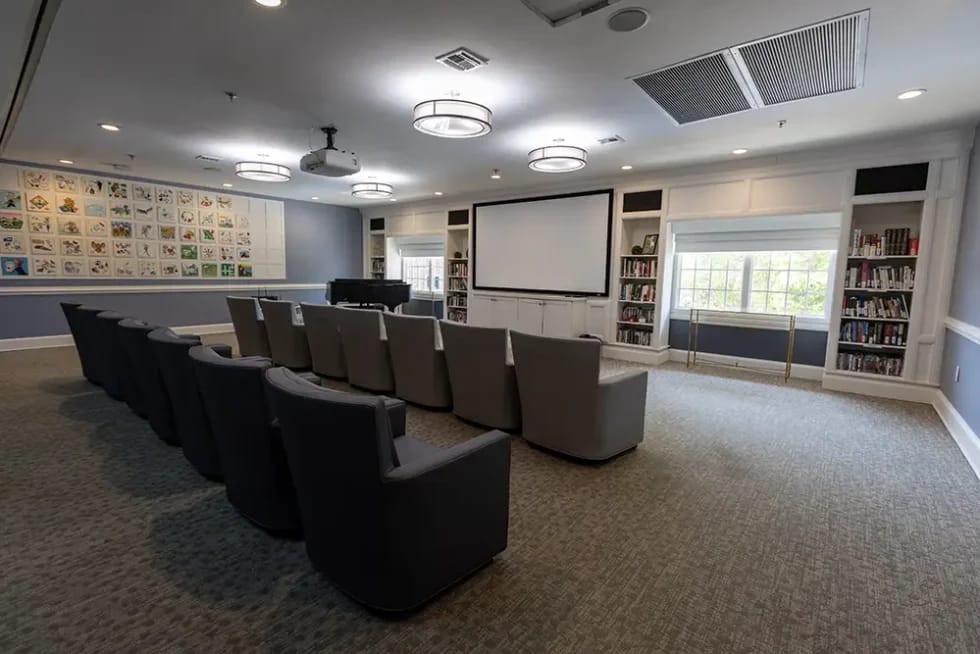
Explore Open Rooms
1
Contact details
2
What type of senior care service are you looking for?
3
What budget do you have in mind for senior care?
4
How soon do you need to find care?
5
Additional details
Thank you for your interest!
Our team will be in touch shortly to help with next steps.
Compare Senior Communities around North Carolina
The information below is reported by the North Carolina Department of Health and Human Services, Division of Health Service Regulation.
Click column headers to sort
| Brookdale South Charlotte |
MC Memory Care Secured, specialized care for people living with Alzheimer's or dementia. Staff trained in cognitive impairment, with higher staff-to-resident ratios and an environment designed to reduce confusion and wandering risk.
AL Assisted Living A licensed, long-term care setting for seniors or individuals with disabilities who need help with daily activities — like bathing, dressing, and medication management — but not 24-hour skilled nursing. Offers housing, meals, and around-the-clock support while aiming to maximize resident independence. | Charlotte (Wessex Square) | 82
Facility
82
NC AVG
116
Rank
#161 / 397 | Yes |
16
Facility
16
NC AVG
33
Rank
#408 / 572 | 74.4% | A+ | 101.50/200 | 20 | 80% | Private Rooms / Semi-Private Rooms | |
| The Arboretum at Woodland Terrace |
MC Memory Care Secured, specialized care for people living with Alzheimer's or dementia. Staff trained in cognitive impairment, with higher staff-to-resident ratios and an environment designed to reduce confusion and wandering risk. | Cary (Woodland Terrace) | 84
Facility
84
NC AVG
116
Rank
#154 / 397 | Yes |
55
Facility
55
NC AVG
33
Rank
#110 / 572 | 39.3% | - | 95.75/200 | 19 | 84.2% | Studio / 1 Bed / 2 Bed | |
| Brookdale Robinwood |
AL Assisted Living A licensed, long-term care setting for seniors or individuals with disabilities who need help with daily activities — like bathing, dressing, and medication management — but not 24-hour skilled nursing. Offers housing, meals, and around-the-clock support while aiming to maximize resident independence. | Gastonia | 89
Facility
89
NC AVG
116
Rank
#141 / 397 | Yes |
4
Facility
4
NC AVG
33
Rank
#506 / 572 | - | A+ | 91.50/200 | 17 | 76.5% | Private Rooms / Semi-Private Rooms | |
| Sunrise of Cary |
IL Independent Living Lifestyle-focused communities for older adults offering dining, activities, and transportation with minimal personal care. Best for active, independent seniors who want community without medical support.
AL Assisted Living A licensed, long-term care setting for seniors or individuals with disabilities who need help with daily activities — like bathing, dressing, and medication management — but not 24-hour skilled nursing. Offers housing, meals, and around-the-clock support while aiming to maximize resident independence.
MC Memory Care Secured, specialized care for people living with Alzheimer's or dementia. Staff trained in cognitive impairment, with higher staff-to-resident ratios and an environment designed to reduce confusion and wandering risk. | Cary (West Chatham Street) | 85
Facility
85
NC AVG
116
Rank
#151 / 397 | Yes |
34
Facility
34
NC AVG
33
Rank
#272 / 572 | 40.0% | A- | 103.50/200 | 18 | 66.7% | Studio / Suite / 1 Bed | |
| Brookdale Dickinson Avenue |
AL Assisted Living A licensed, long-term care setting for seniors or individuals with disabilities who need help with daily activities — like bathing, dressing, and medication management — but not 24-hour skilled nursing. Offers housing, meals, and around-the-clock support while aiming to maximize resident independence.
MC Memory Care Secured, specialized care for people living with Alzheimer's or dementia. Staff trained in cognitive impairment, with higher staff-to-resident ratios and an environment designed to reduce confusion and wandering risk. | Greenville | 76
Facility
76
NC AVG
116
Rank
#187 / 397 | Yes |
38
Facility
38
NC AVG
33
Rank
#236 / 572 | 67.1% | A+ | 96.50/200 | 15 | 86.7% | Studio / Suite / 1 Bed | |
| Terrabella Asheboro |
MC Memory Care Secured, specialized care for people living with Alzheimer's or dementia. Staff trained in cognitive impairment, with higher staff-to-resident ratios and an environment designed to reduce confusion and wandering risk.
AL Assisted Living A licensed, long-term care setting for seniors or individuals with disabilities who need help with daily activities — like bathing, dressing, and medication management — but not 24-hour skilled nursing. Offers housing, meals, and around-the-clock support while aiming to maximize resident independence. | Asheboro (Laurel Wood Hills) | 96
Facility
96
NC AVG
116
Rank
#107 / 397 | Yes |
0
Facility
0
NC AVG
33
Rank
#548 / 572 | - | A+ | 97.00/200 | 23 | 87% | Studio / 1 Bed | |
| Chatham Ridge |
AL Assisted Living A licensed, long-term care setting for seniors or individuals with disabilities who need help with daily activities — like bathing, dressing, and medication management — but not 24-hour skilled nursing. Offers housing, meals, and around-the-clock support while aiming to maximize resident independence.
MC Memory Care Secured, specialized care for people living with Alzheimer's or dementia. Staff trained in cognitive impairment, with higher staff-to-resident ratios and an environment designed to reduce confusion and wandering risk. | Chapel Hill | 91
Facility
91
NC AVG
116
Rank
#133 / 397 | Yes |
33
Facility
33
NC AVG
33
Rank
#281 / 572 | - | A+ | 103.50/200 | 22 | 86.4% | Studio / Suite | |
| Brookdale Union Park |
AL Assisted Living A licensed, long-term care setting for seniors or individuals with disabilities who need help with daily activities — like bathing, dressing, and medication management — but not 24-hour skilled nursing. Offers housing, meals, and around-the-clock support while aiming to maximize resident independence. | Monroe (Lakeview Estates) | 87
Facility
87
NC AVG
116
Rank
#146 / 397 | Yes |
10
Facility
10
NC AVG
33
Rank
#458 / 572 | - | A+ | 105.50/200 | 21 | 85.7% | Studio / Companion Rooms | |
| Brookdale Union |
AL Assisted Living A licensed, long-term care setting for seniors or individuals with disabilities who need help with daily activities — like bathing, dressing, and medication management — but not 24-hour skilled nursing. Offers housing, meals, and around-the-clock support while aiming to maximize resident independence. | Gastonia | 78
Facility
78
NC AVG
116
Rank
#182 / 397 | Yes |
35
Facility
35
NC AVG
33
Rank
#261 / 572 | 100.0% | A+ | 98.50/200 | 28 | 75% | Studio | |
| Brookdale Elizabeth City |
AL Assisted Living A licensed, long-term care setting for seniors or individuals with disabilities who need help with daily activities — like bathing, dressing, and medication management — but not 24-hour skilled nursing. Offers housing, meals, and around-the-clock support while aiming to maximize resident independence.
MC Memory Care Secured, specialized care for people living with Alzheimer's or dementia. Staff trained in cognitive impairment, with higher staff-to-resident ratios and an environment designed to reduce confusion and wandering risk. | Elizabeth City | 76
Facility
76
NC AVG
116
Rank
#187 / 397 | Yes |
30
Facility
30
NC AVG
33
Rank
#309 / 572 | 28.9% | A+ | 99.00/200 | 20 | 90% | Studio / 1 Bed / 2 Bed | |
| Brookdale Carriage Club Providence |
NH Nursing Home Licensed facility providing 24/7 skilled nursing care for residents with complex, ongoing medical needs. Staffed by RNs, LPNs, and CNAs. Inspected and star-rated annually by CMS. Accepts Medicare (short-term rehab) and Medicaid (long-term care).
AL Assisted Living A licensed, long-term care setting for seniors or individuals with disabilities who need help with daily activities — like bathing, dressing, and medication management — but not 24-hour skilled nursing. Offers housing, meals, and around-the-clock support while aiming to maximize resident independence.
IL Independent Living Lifestyle-focused communities for older adults offering dining, activities, and transportation with minimal personal care. Best for active, independent seniors who want community without medical support.
MC Memory Care Secured, specialized care for people living with Alzheimer's or dementia. Staff trained in cognitive impairment, with higher staff-to-resident ratios and an environment designed to reduce confusion and wandering risk. | Charlotte (Olde Providence North) | 77
Facility
77
NC AVG
116
Rank
#186 / 397 | Yes |
12
Facility
12
NC AVG
33
Rank
#441 / 572 | 71.5% | A+ | 98.75/200 | 15 | 80% | Studio / 1 Bed / 2 Bed | |
| Sunrise of Raleigh |
AL Assisted Living A licensed, long-term care setting for seniors or individuals with disabilities who need help with daily activities — like bathing, dressing, and medication management — but not 24-hour skilled nursing. Offers housing, meals, and around-the-clock support while aiming to maximize resident independence.
MC Memory Care Secured, specialized care for people living with Alzheimer's or dementia. Staff trained in cognitive impairment, with higher staff-to-resident ratios and an environment designed to reduce confusion and wandering risk. | Raleigh (Northwest Raleigh) | 100
Facility
100
NC AVG
116
Rank
#96 / 397 | Yes |
49
Facility
49
NC AVG
33
Rank
#161 / 572 | - | A- | 97.50/200 | 24 | 75% | Studio / 2 Bed | |
| Brookdale Wake Forest |
AL Assisted Living A licensed, long-term care setting for seniors or individuals with disabilities who need help with daily activities — like bathing, dressing, and medication management — but not 24-hour skilled nursing. Offers housing, meals, and around-the-clock support while aiming to maximize resident independence.
MC Memory Care Secured, specialized care for people living with Alzheimer's or dementia. Staff trained in cognitive impairment, with higher staff-to-resident ratios and an environment designed to reduce confusion and wandering risk. | Wake Forest | 70
Facility
70
NC AVG
116
Rank
#203 / 397 | Yes |
54
Facility
54
NC AVG
33
Rank
#124 / 572 | 52.9% | A+ | 94.50/200 | 21 | 85.7% | Studio / 1 Bed / 2 Bed | |
| Phoenix Assisted Care |
MC Memory Care Secured, specialized care for people living with Alzheimer's or dementia. Staff trained in cognitive impairment, with higher staff-to-resident ratios and an environment designed to reduce confusion and wandering risk.
AL Assisted Living A licensed, long-term care setting for seniors or individuals with disabilities who need help with daily activities — like bathing, dressing, and medication management — but not 24-hour skilled nursing. Offers housing, meals, and around-the-clock support while aiming to maximize resident independence. | Cary (Parkway Retirement Center) | 120
Facility
120
NC AVG
116
Rank
#47 / 397 | No |
24
Facility
24
NC AVG
33
Rank
#350 / 572 | 52.5% | A+ | - | 68.75/200 | 42 | 85.7% | Private Rooms / Semi-Private Rooms |
| Brookdale Durham |
MC Memory Care Secured, specialized care for people living with Alzheimer's or dementia. Staff trained in cognitive impairment, with higher staff-to-resident ratios and an environment designed to reduce confusion and wandering risk.
AL Assisted Living A licensed, long-term care setting for seniors or individuals with disabilities who need help with daily activities — like bathing, dressing, and medication management — but not 24-hour skilled nursing. Offers housing, meals, and around-the-clock support while aiming to maximize resident independence. | Durham (Northeast Durham) | 119
Facility
119
NC AVG
116
Rank
#62 / 397 | Yes |
9
Facility
9
NC AVG
33
Rank
#463 / 572 | 62.2% | A+ | 78.00/200 | 34 | 91.2% | Studio |
Jonas Ridge Adult Care is a 57-bed assisted living and memory care community at 9051 Highway 181, Jonas Ridge, Burke County, North Carolina,, rated 4 out of 5 overall by the North Carolina Department of Health and Human Services, Division of Health Service Regulation, and ranked 9th (tied) among 138 homes statewide. Assisted living, memory care, and respite care are offered, with on-site medical care confirmed. The facility operates on private pay; neither Medicaid nor Medicare is accepted. Amenities include free cable television, free Wi-Fi, weekly housekeeping, linen service, handicap accessibility, and three fresh daily meals with menus designed by a registered dietician.
The inspection record runs from June 2015 through November 2019 across eleven inspections, averaging 9.2 deficiencies per year, 77 percent above the North Carolina benchmark of 5.2. What is unusual about this profile is the character of the deficiencies: nearly all stem from construction and physical plant code failures, many of them unresolved across multiple consecutive surveys.
A December 2016 complaint investigation is the exception and the most significant finding in the record, substantiating a Type B exploitation violation. Five residents performed tasks normally done by paid staff for an average of 49 hours weekly, receiving as little as $10 per week, without the required health assessments or monitoring. On the physical plant side, the two most recent inspections, a November 2019 biennial follow-up and an August 2019 complaint investigation, both cited deficiencies for newly installed HVAC units lacking duct smoke detector access and missing approved building inspection documents.
That same thread of permit and documentation failures runs back through four separate 2018 inspections, which collectively cited missing radiation dampers, unfinished roof gables over duct penetrations, construction proceeding without permits, improperly installed ceiling radiation dampers, and a courtyard exit gate too difficult for single-hand operation. A May 2018 follow-up added that the resident laundry had been removed from service since March 2018 and converted to pantry space. The June 2017 biennial survey found 8 deficiencies, among them a hazardous yard hole near a required exit, unsecured oxygen cylinders, an extension cord used as permanent wiring, and hot water below minimum required temperatures in multiple bathrooms. The June 2015 biennial survey produced 15 deficiencies; a September 2015 follow-up found 5 still uncorrected, including fire door failures, fire-rated wall breaches, and entrapment-risk closet locks.
No fines, immediate jeopardy findings, or license actions appear in the available record.
The facility carries a Walk Score of 5; most errands require a car. Jonas Ridge sits on the eastern slope of the Blue Ridge Mountains in Burke County; Carolinas Medical Center in Morganton is the primary nearby acute-care resource.
Families evaluating Jonas Ridge should ask about the December 2016 resident exploitation findings, current volunteer work policies, and the status of outstanding construction permit compliance.
The Bluefields is a 78-bed memory care and assisted living community at 1935 Lincoln Road, Leland, Brunswick County, North Carolina,, rated 3 out of 5 overall by the North Carolina Department of Health and Human Services, Division of Health Service Regulation, and ranked 40th (tied) among 138 homes statewide. A secured Special Care Unit serves residents with Alzheimer’s and dementia; 24-hour staffing and secured living are confirmed. Medicaid is accepted; Medicare is not. Occupancy stood at 50 of 78 beds (64 percent) as of October 2020, below the North Carolina average of 76.4 percent, with census having declined from 74 residents at the August 2019 inspection.
Amenities include restaurant-style dining, housekeeping, transportation, maintenance, a library, an entertainment room, and an outdoor common area.
The regulatory record here requires serious attention before any placement decision. Thirteen inspections from August 2015 through August 2021 average 7.7 deficiencies per year, 48 percent above the North Carolina benchmark of 5.2.
The most consequential finding is a substantiated April 2016 complaint investigation in which inadequate supervision during the assisted living dining room supper meal resulted in the injury and death of Resident 2. That same investigation found failure to notify Resident 2’s physician of health care needs and psychotherapist recommendations, and a staff member refusing to change a resident’s soiled bed linen while speaking to her disrespectfully.
The October 2020 complaint and COVID-19 infection control survey produced 11 deficiencies, including Memory Care Unit staffing shortages across multiple shifts, a vacant Memory Care Manager position that had gone unfilled for months, failure to call EMS or perform CPR on an unresponsive resident without a DNR, delayed health care referral leading to a second resident’s hospitalization and death, personal care failures, COVID-19 isolation and screening failures, and meal service dignity violations. The August 2019 annual inspection added 10 deficiencies: a 35 percent medication error rate, absent third-shift CPR certification on 14 of 15 sampled shifts, supervisor absent for 19 of 24 sampled shifts, and missed or delayed medical appointments for 5 residents.
Subsequent 2019 and 2020 follow-up surveys documented a 12 percent medication error rate and a 25-day delay in urological care for a resident passing blood in her urine. The August 2021 annual inspection found 5 deficiencies, including a staff member hired without required North Carolina Health Care Personnel Registry verification and a total-care resident transferred without the required two-person assist. Earlier substantiated complaints cover bed bug infestations in approximately 20 rooms in 2015, mold growth in 8 rooms from roof leaks and faulty HVAC equipment in 2017, and recurring physical plant failures.
No fines or license suspensions appear in the available record.
Leland sits roughly 10 miles west of Wilmington in Brunswick County; Novant Health Brunswick Medical Center is the primary nearby acute-care resource.
Families should ask administrators directly about corrective actions following the 2016 dining supervision death, current Memory Care Unit staffing levels, and medication administration audit protocols.
Windsor House is a 60-bed assisted living and memory care community at 336 Rhodes Avenue, Windsor, Bertie County, North Carolina,, rated 0 out of 5 overall by the North Carolina Department of Health and Human Services, Division of Health Service Regulation, and ranked 135th (tied) among 138 homes statewide. The facility frames itself as an affordable option for seniors who cannot access traditional assisted living costs, with 24-hour staffing, a Special Care Unit, medication management, insulin administration, and homemade meals confirmed. Neither Medicaid nor Medicare is accepted. Occupancy stands at 47 of 60 beds (78 percent), in line with the North Carolina average of 76.4 percent.
Windsor sits in rural Bertie County in northeastern North Carolina; Vidant Bertie Hospital is the primary nearby acute-care resource.
A 0-star rating and a ranking of 135th out of 138 homes are the first signals families should weigh. Fourteen inspections from December 2015 through August 2025 average 9 deficiencies per year, 73 percent above the North Carolina benchmark of 5.2. Medication management failures and recurring fire safety deficiencies run the length of the record without any clear corrective arc. The most recent inspection, an annual survey and complaint investigation concluded August 7, 2025, found 6 deficiencies: hazardous items accessible to all 47 Special Care Unit residents including pain-relieving patches and batteries; inadequate supervision of 2 residents with documented smoking behaviors; failure to notify providers of swallowing difficulties and abnormal blood sugar for 3 residents; insulin and overactive bladder medication administration errors; and a resident self-administering pain medication without a physician order.
The February 2024 annual inspection was triggered after a resident with dementia eloped and was found sitting in a staff car; 6 deficiencies followed, including the elopement supervision failure, a 12 percent medication error rate, inaccurate controlled substance records, and failure to initiate Health Care Personnel Registry reports for a resident with a bruise of unknown origin. A March 2024 biennial construction follow-up found the fire sprinkler system non-operational since December 11, 2023.
The October 2023 biennial survey cited 9 deficiencies including malfunctioning wanderer alarms, absence of a required resident washer and dryer, exposed electrical hazards, and non-functioning exhaust fans, the last two recurring through the May 2025 follow-up. A January 2023 follow-up documented a resident receiving insulin with blood sugar readings of 597 and too-high-to-register. The September 2022 annual inspection found a 24 percent medication error rate including discontinued medications still administered and falsified records.
Earlier inspections from 2015 through 2018 documented magnetic exit locks not releasing on alarm and recurring fire door and sprinkler failures.
No fines or license suspensions appear in the available record.
Families should ask administrators directly about corrective actions following the 2024 elopement, current sprinkler system status, and the facility’s medication audit and error-reduction protocols.
The Landings of Oak Island is an 80-bed assisted living and memory care community at 2910 Pine Plantation Parkway, Oak Island, Brunswick County, North Carolina,, rated 3 out of 5 overall by the North Carolina Department of Health and Human Services, Division of Health Service Regulation, and ranked 40th (tied) among 138 homes statewide. Assisted living, memory care, and secured living are offered through a dedicated Special Care Unit; 24-hour staffing is confirmed. Medicaid is accepted; Medicare is not. Amenities include restaurant-style dining, housekeeping, transportation, maintenance, a library, an entertainment room, and an outdoor common area.
Across nine inspections from June 2022 through April 2025, the facility averages 5 deficiencies per year, marginally better than the North Carolina benchmark of 5.2. The most pressing placement considerations are resident safety and medication management, not the headline number.
The January 2025 substantiated complaint is the gravest finding: a Special Care Unit resident with a documented history of violent behaviors attacked other residents across 22 incidents, and the facility failed to provide supervision adequate to prevent the resulting physical harm. A corrective action deadline was set for April 9, 2025. Earlier, a July 2024 substantiated complaint found a resident with Parkinson’s disease did not receive Nuplazid and Rivastigmine as ordered, resulting in 21 falls, multiple injuries, and hospitalization. The April 2025 annual inspection added 5 deficiencies: incomplete Resident Registers for 4 admissions, water not offered to Special Care Unit residents at meals, a room assignment complaint not meaningfully addressed, medications administered outside the one-hour window for 3 residents covering urinary, blood pressure, pain, diabetes, and Alzheimer’s drugs, and pharmacy review recommendations left unreviewed by the primary care provider.
The April 2025 biennial construction survey cited 2 additional deficiencies for gaps in fire-resistant ceilings and non-functional exhaust fans in five utility and janitorial rooms. The March 2023 complaint investigation, substantiated across four findings, identified pre-pouring and pre-charting of medications by aides, administration by unauthorized staff, missed pre- and post-operative eye medication doses for one resident, and failure to report 10 of 10 sampled accidents to county DSS. A June 2022 substantiated complaint found a lymphedema compression pump discontinued without physician notification. A March 2024 biennial construction follow-up confirmed all previously cited physical plant deficiencies corrected.
No fines, immediate jeopardy findings, or license actions appear in the available record.
Oak Island is a coastal Brunswick County community approximately 30 miles south of Wilmington; Novant Health Brunswick Medical Center is the primary nearby acute-care resource.
Families evaluating The Landings should ask administrators directly about corrective actions following the January 2025 resident-to-resident abuse findings and current Special Care Unit supervision protocols.
Mt. Pleasant House is a 74-bed assisted living, memory care, and secured living community at 935 Page Street, Mt. Pleasant, Cabarrus County, North Carolina,, rated 4 out of 5 overall by the North Carolina Department of Health and Human Services, Division of Health Service Regulation, and ranked 9th (tied) among 138 homes statewide. Respite care, 24-hour staffing, and secured living are confirmed; Medicaid is accepted and Medicare is not.
Amenities include restaurant-style dining, housekeeping, transportation, maintenance, a library, an entertainment room, an outdoor common area, and on-site therapy, pharmacy, and provider services.
The deficiency rate of 16.3 per year, 213 percent above the North Carolina average of 5.2, looks alarming until the inspection record is read in full. Every deficiency in the available history is a physical plant or fire safety violation; no complaint investigations and no clinical care findings appear after June 2016.
The high average is almost entirely a product of the 2016 cycle, when a March biennial survey (14 deficiencies) and three follow-up surveys across May, September, and November (16 additional deficiencies combined) documented a facility struggling with a defective delayed-egress locking system, automatic fire detection absent in multiple rooms, fire doors wedged open, missing pull stations and required signage, absent hand grips in New Wing bathrooms, unsecured oxygen cylinders, and wet-location outlets without ground fault protection. By 2018 those acute failures had largely resolved, though the March biennial survey still found 8 deficiencies including pull stations 20 feet from exits rather than within the required 5, four New Wing exits not unlocking on fire alarm activation, and corridor doors not latching.
A June 2018 follow-up confirmed 3 deficiencies still outstanding: egress door interior sensors absent, PVC penetrations unprotected through fire-rated ceilings in the boiler room and break room, and housekeeping closet exhaust ventilation still missing.
The most recent inspection, the December 20, 2023, biennial survey, found 6 deficiencies: missing fire extinguisher inspection documentation for portable units and the kitchen hood, a washing machine receptacle lacking ground fault protection, a malfunctioning fire alarm system with faulty panel interconnection and five smoke detectors needing replacement, an ice machine drain without the required 2-inch air gap, and non-functional exhaust fans in the East Hall housekeeping area and New Wing restroom.
No fines, immediate jeopardy findings, or enforcement actions appear in the available record.
Mt. Pleasant is a small Cabarrus County community roughly 20 miles northeast of Charlotte; Atrium Health Cabarrus in Concord is the primary nearby acute-care resource.
The December 2023 fire alarm deficiencies are the clearest verification priority; families should confirm current smoke detector replacement and panel repair status before placement.
The Drake is a 66-bed assisted living, memory care, and secured living community at 1195 Drake Mill Lane SW, Concord, Cabarrus County, North Carolina,, rated 1 out of 5 overall by the North Carolina Department of Health and Human Services, Division of Health Service Regulation, and ranked 125th (tied) among 138 homes statewide. Respite care, 24-hour staffing, and secured living are confirmed; Medicaid is accepted and Medicare is not. Current occupancy is 25 of 66 beds (38 percent), well below the North Carolina average of 76.4 percent.
A 1-star rating at rank 125 of 138 sets the frame for the inspection record, and the record holds up that assessment. Three inspections from January 2024 through October 2025 average 7.5 deficiencies per year, 44 percent above the North Carolina benchmark of 5.2.
Two of those inspections found serious clinical failures. The July 23 through 30, 2025, annual inspection and complaint investigation produced 9 deficiencies: a resident with dementia left alone in extreme heat and three residents with histories of multiple falls receiving inadequate supervision, all documented as serious neglect and physical harm; staffing hours not met on first and second shifts for 5 of 42 sampled shifts and in the Special Care Unit for 6 of 42 shifts; care plans incomplete or missing physician signatures for 5 of 9 sampled residents; a 15 percent medication error rate across 3 of 8 residents covering depression, mood, prostate, blood pressure, and thyroid medications; inaccurate medication records for 3 residents; medications not packaged with complete instructions for 2 residents on temporary leave; and failure to notify county DSS of injuries requiring emergency treatment for 4 of 7 sampled incident reports.
The October 2, 2025, complaint investigation found 5 deficiencies: a resident who eloped and was found outside attempting to re-enter without staff awareness; failure to report the elopement to county DSS (a Type A1 violation with a November 1, 2025, correction deadline); an admission care plan not signed within the required 15 days; a hospice resident on end-of-life care sent to the hospital against her documented wishes; and failure to send the DNR order and hospice records at transfer. The January 2024 annual inspection found 1 deficiency for a Special Care Unit profile not completed within 30 days of a November 2023 admission.
No fines, immediate jeopardy findings, or enforcement actions appear in the available record.
Confirmed amenities include restaurant-style dining, housekeeping, transportation, maintenance, a library, an entertainment room, and an outdoor common area. Walk Score is 0. Concord is the county seat of Cabarrus County, roughly 20 miles northeast of Charlotte; Atrium Health Cabarrus is the primary nearby acute-care resource.
Families evaluating The Drake should ask about corrections following the July 2025 supervision and staffing deficiencies and the October 2025 elopement and end-of-life care violations.
Meadowview Terrace of Wadesboro is a 60-bed assisted living and secured living community at 123 Anson High School Road, Wadesboro, Anson County, North Carolina,, rated 3 out of 5 overall by the North Carolina Department of Health and Human Services, Division of Health Service Regulation, and ranked 40th (tied) among 138 homes statewide. Secured living, 24-hour staffing, and memory care are confirmed; Medicaid is accepted and Medicare is not. Current occupancy is 50 of 60 beds (83 percent), above the North Carolina average of 76.4 percent.
Fourteen inspections spanning September 2015 through March 2025 yield an average of 9.3 deficiencies per year, 79 percent above the North Carolina benchmark of 5.2. The record is long enough to see patterns: the facility has struggled persistently with building maintenance, fire safety compliance, medication errors, and supervision.
Most alarming is a substantiated August 2020 complaint investigation documenting a resident with dementia left outside unsupervised for 3 to 4 hours in summer heat; the resident developed heat stroke with a rectal temperature of 107 degrees and blisters and died shortly after transfer to hospice. Recent inspections show medication errors continuing: the December 2024 annual inspection found a 7 percent medication error rate including failure to prime insulin pens, improper inhaler administration, administering medications despite blood pressure parameters, and administering discontinued medications; the medication aide staff also lacked required state exam passage and prior Health Care Personnel Registry verification.
Physical plant issues persist across the entire timeline: the December 2024 inspection cited flashing bathroom lights in 6 bathrooms, missing drain flanges with jagged tile creating tripping hazards, a kitchen exit door unable to be securely closed, a garbage disposal non-functional with food buildup, water temperatures 62 to 98 degrees instead of the required 100-116 degree range, and ice machine contamination and non-operation for over 6 months. The February 2024 biennial follow-up found a prohibited portable electric heater in use and unfirestopped pipe penetrations through fire-resistant ceilings, indicating persistent code violations.
A July 2023 biennial follow-up still documented broken glass in a front door covered with cardboard, buckling concrete slabs, and closed radiation dampers preventing bathroom exhaust. However, a December 2024 biennial construction follow-up confirmed all previously cited building deficiencies corrected with zero new findings, suggesting recent corrective action traction.
No fines or enforcement actions appear in the available record.
Wadesboro is a small town in Anson County’s Piedmont region; FirstHealth of the Carolinas offers regional acute-care resources.
Families should ask about the August 2020 elopement incident, medication administration protocols and staff certifications, and recent water heater repairs and temperature monitoring procedures.
Cranberry House is a 60-bed assisted living and memory care facility at 6215 N US 19 E Highway, Newland, Avery County, North Carolina, licensed HAL-006-007 (Active), offering assisted living with secured living for residents with Alzheimer’s and memory-related conditions, 24-hour staffing, respite care, and amenities including housekeeping, transportation, maintenance, restaurant-style dining, library, entertainment room, and outdoor common area. Current occupancy is 47 of 60 beds (78 percent) as of May 2025, similar to North Carolina average of 76.4 percent. The facility accepts Medicaid but not Medicare. Overall rating is 3/5.
Occupancy remains stable at 78 percent. Newland is in Avery County in the Blue Ridge Mountains of northwestern North Carolina; Appalachian Regional Hospital is the primary nearby acute-care resource.
The facility’s regulatory record reflects persistent operational and physical plant deficiencies spanning a decade, with a rate of 9.1 deficiencies per year, 75 percent worse than North Carolina average of 5.2. Recent findings document serious compliance challenges.
The May 13, 2025, biennial follow-up identified 4 structural and safety deficiencies: deteriorating furniture with peeling finishes, missing hardware, and missing drawers; 6 oxygen bottles improperly stored without restraint posing hazard; holes in corridor doors in rooms 410 and 203 compromising fire and smoke containment; and inadequate exhaust ventilation causing humidity and odor accumulation. The March 2, 2023, follow-up documented 3 medication administration failures including eye medications not given as ordered, lack of documented observation at administration, and inaccurate electronic medication records. The December 2022 annual survey with complaint investigation substantiated 7 serious deficiencies spanning assessment failures, delayed medical referrals, substantiated abuse and neglect of 3 residents including dislocated shoulder, lacerations and bruising, rough incontinent care, physical handling causing injury, and room confinement; medication administration errors for 3 of 5 residents; medication documentation failures; and failure to immediately notify law enforcement of abuse allegations.
The November 2020 COVID-19 infection control survey found 2 deficiencies regarding failure to implement CDC and health department PPE and infection prevention protocols, documented during an outbreak affecting all 47 residents and 10 staff with 5 resident deaths. The February 2019 construction survey identified 12 fire and building safety deficiencies including missing exit signage, incomplete sprinkler coverage, 10 unsecured oxygen cylinders, non-functional emergency lighting, gaps in fire-rated assemblies, obstructed sprinkler heads, unsafe electrical systems, and prohibited portable heaters.
The September 2017 complaint investigation substantiated 3 deficiencies regarding failure to validate staff competency, failure to report abuse allegations to the Health Care Personnel Registry, and substantiated physical and verbal abuse of 5 residents by facility staff member who was terminated. The March 2017 annual survey identified 4 deficiencies in staff competency validation, resident supervision, and medication review protocols. Earlier construction surveys from 2015 to 2017 documented recurring fire safety and structural deficiencies. The February 2015 complaint investigation substantiated fire sprinkler system malfunction since October 2014 and fire alarm transmission failures.
No fines or license suspensions appear in the record.
Substantiated abuse and neglect findings and persistent medication administration failures create significant placement risk.
Families should ask about staff competency validation, medication oversight, physical plant repairs completed since May 2025, fire safety systems, and incident prevention measures.
The Oaks of Alamance is a 69-bed assisted living and memory care facility at 1670 Westbrook Avenue, Burlington, Alamance County, North Carolina, licensed HAL-001-134 (Active), offering 24-hour monitoring with personal care, home-cooked meals, medication administration, laundry, housekeeping, individual care plans, wellness programs, transportation assistance, physician availability, activities director, exercise programs, community outings, religious activities. Current occupancy is 43 of 69 beds (62 percent) as of April 2025, lower than North Carolina average of 76.4 percent. The facility does not accept Medicaid or Medicare and does not offer respite care or rehabilitation services. Overall rating is 2/5.
Occupancy remains at 62 percent, reflecting potential resident or family hesitation regarding compliance and safety. Burlington is located in Alamance County in the Piedmont region of North Carolina; Alamance Regional Medical Center is the primary nearby acute-care resource.
The facility’s regulatory record reflects severe and persistent deficiencies across medication administration, physical plant safety, and fire code compliance, with a rate of 14.6 deficiencies per year, 181 percent worse than North Carolina average of 5.2. Recent findings document critical safety gaps.
The April 16, 2025, annual and follow-up survey identified 8 current deficiencies: non-operable window lacking screen in resident room; hazardous substances accessible in Special Care Unit despite requirement for locked storage; 29 oxygen tanks unsecured (23 in room 122, 6 in room 207) creating explosion hazard; failure to implement physician-ordered compression stockings; therapeutic diet orders not followed; insulin medication not administered as ordered; over-the-counter medications unsecured in resident bathrooms; pre-admission screening documentation absent for Special Care Unit residents. The January 22, 2025, construction follow-up confirmed zero deficiencies.
Earlier 2024 and 2023 surveys documented persistent and systemic medication administration failures including untrained medication staff failing state examinations, unauthorized continued administration of discontinued medications, missing inhaler medications, medication documentation delays, and unsecured bedside medications without physician orders. The April 24, 2024, follow-up found 6 deficiencies related to medication staff training, absent PCP notification for abnormal blood pressures, failure to serve milk three times daily, and misaligned therapeutic diets for 3 of 5 residents. The April 18, 2024, construction follow-up found 9 serious deficiencies in physical plant conditions including unsafe premises with 8 tripping hazards from cables, kitchen hood fire suppression system lacking required inspections and maintenance since October 2023, fire-resistance corridor doors not closing or latching properly, electrical panel obstructions, and disabled sprinkler system maintenance.
The January 11, 2024, annual survey substantiated 10 additional deficiencies spanning medication administration, staff training requirements, infection control protocols, and unsafe medication storage practices. The December 14, 2023, construction survey documented 15 building and fire code violations including exit door locks not operable by single hand motion, inadequate smoke detection in Special Care Unit, compromised fire-resistance enclosures with unsealed gaps, fire doors blocked or held open by unapproved devices, improperly oriented evacuation diagrams, and non-functioning exhaust ventilation.
Earlier surveys from 2015 through 2022 established a pattern of recurring deficiencies in fire safety, sanitation inspection documentation, and medication administration spanning a decade. The February 25, 2022, annual survey identified 15 deficiencies including unlocked hazardous chemical closets accessible to residents, 10 unsecured oxygen tanks, improper hot water temperatures exceeding safe limits, and widespread failure to follow physician orders for dietary compliance.
No fines or license suspensions appear in the record.
Multiple medication administration failures, unsecured hazardous materials, oxygen tank storage hazards, and persistent fire safety code violations create serious placement risk.
Families should ask about medication staff certification, medication administration oversight, hazardous substance and oxygen tank security, fire safety systems, and corrections since April 2025.
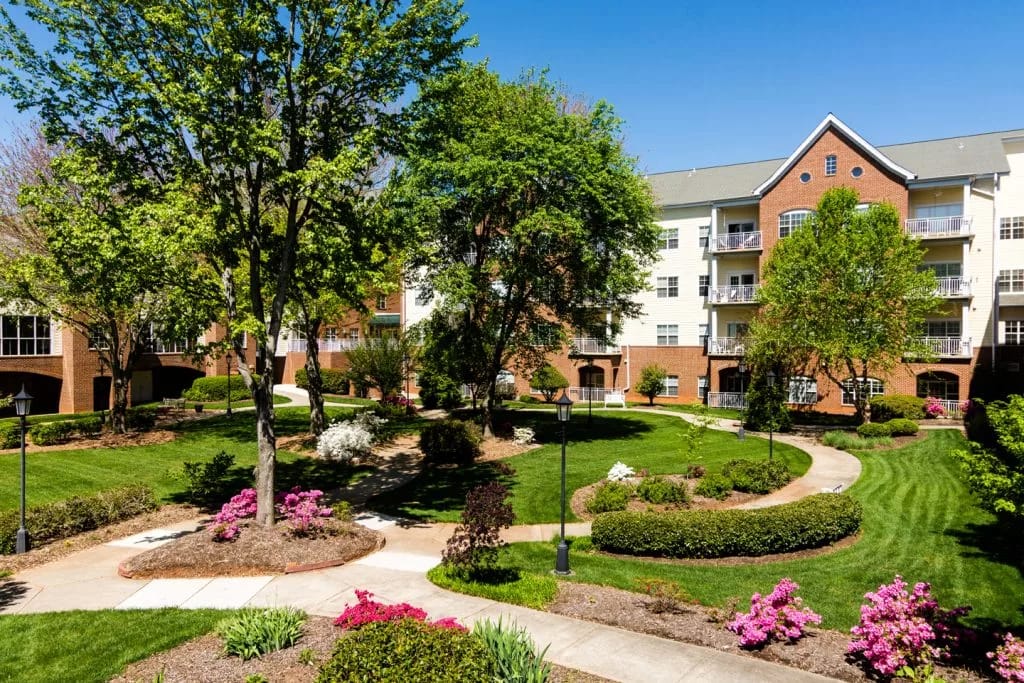
Croasdaile Village is a Life Plan Community in Durham, NC, offering senior adults an independent lifestyle along with services and amenities that enhance daily living. The community provides a continuum of care, including assisted living, memory care, skilled nursing, and rehabilitation. Founded in 1999, Croasdaile Village focuses on improving the quality of life for its residents.
Ranking Methodology
How we rank these communities
Every community above is evaluated across six weighted categories using public data including state inspection records, review platforms, BBB profiles, and operator-published materials.
Weighting overview
- 35%Resident Experience
- 25%Regulatory
- 15%Visual Media
- 10%Website
- 10%Stability
- 5%Environment
01
Resident & Family Experience 35%
The single largest share of every ranking. Aggregated review sentiment and volume from major platforms — the closest signal to real resident experience.
- Includes
- Review Sentiment
- Review Volume
02
Regulatory & Safety Record 25%
State inspection records, citations, and complaint visits. We weight per-inspection rates more heavily than raw counts.
- Includes
- State Inspections
- Citations/Inspection
- % Inspections w/ Citations
- Complaint Visits
- Accreditations
- BBB Rating
03
Visual Media & Transparency 15%
Communities that publish high-quality visuals give families a real preview. No photos or tours = a negative transparency signal.
- Includes
- Video Tours
- Virtual Walkthroughs
- Photo Quantity
- Photo Quality
04
Website & Operator Transparency 10%
Site quality and whether the operator publishes basic accountability information — staff names, contact details, ownership.
- Includes
- Website Content
- Mobile Usability
- Staff Info Available
- Owner Info Available
05
Community Stability 10%
Operational signals indicating whether a community is well-run and meeting demand.
- Includes
- Occupancy Rate
- Bed Options
06
Environment & Pricing 5%
Walkability and pricing transparency. Walk Score is weighted higher for Independent Living than for Memory Care, where most residents do not leave unaccompanied.
- Includes
- Walk Score
- Pricing Transparency
Who we are
Your Senior Care Partner, Every Step of the Way
We help families find affordable senior communities and unlock same day discounts, Medicaid, and Medicare options tailored to your needs.
Contact us Today

Frequently Asked Questions about Senior Communities in North Carolina
What is senior living?
Senior communities are residential settings designed for adults aged 55 or older, with options ranging from active independent living to assisted living and memory care.
How many senior communities are listed on this page?
This page features 4 senior communities in North Carolina. Use the filters and comparison tools above to compare ratings, amenities, and pricing.
How do I choose the right senior community in North Carolina?
Start by matching the level of care offered to the resident's current and anticipated needs, then compare licensing status, staff-to-resident ratios, recent inspection results, and pricing. Tour at least two or three communities in North Carolina, talk to current residents and families, and confirm what is included in the base rate versus billed as add-on services.
What should I look for when visiting senior communities in North Carolina?
Pay attention to staff interactions with residents, cleanliness and odor, food quality at meal times, the activity calendar, and how questions about pricing and care plans are answered. Ask to see the most recent state inspection report, the move-out / level-of-care-change policy, and a sample monthly bill that lists every fee.

Feedback