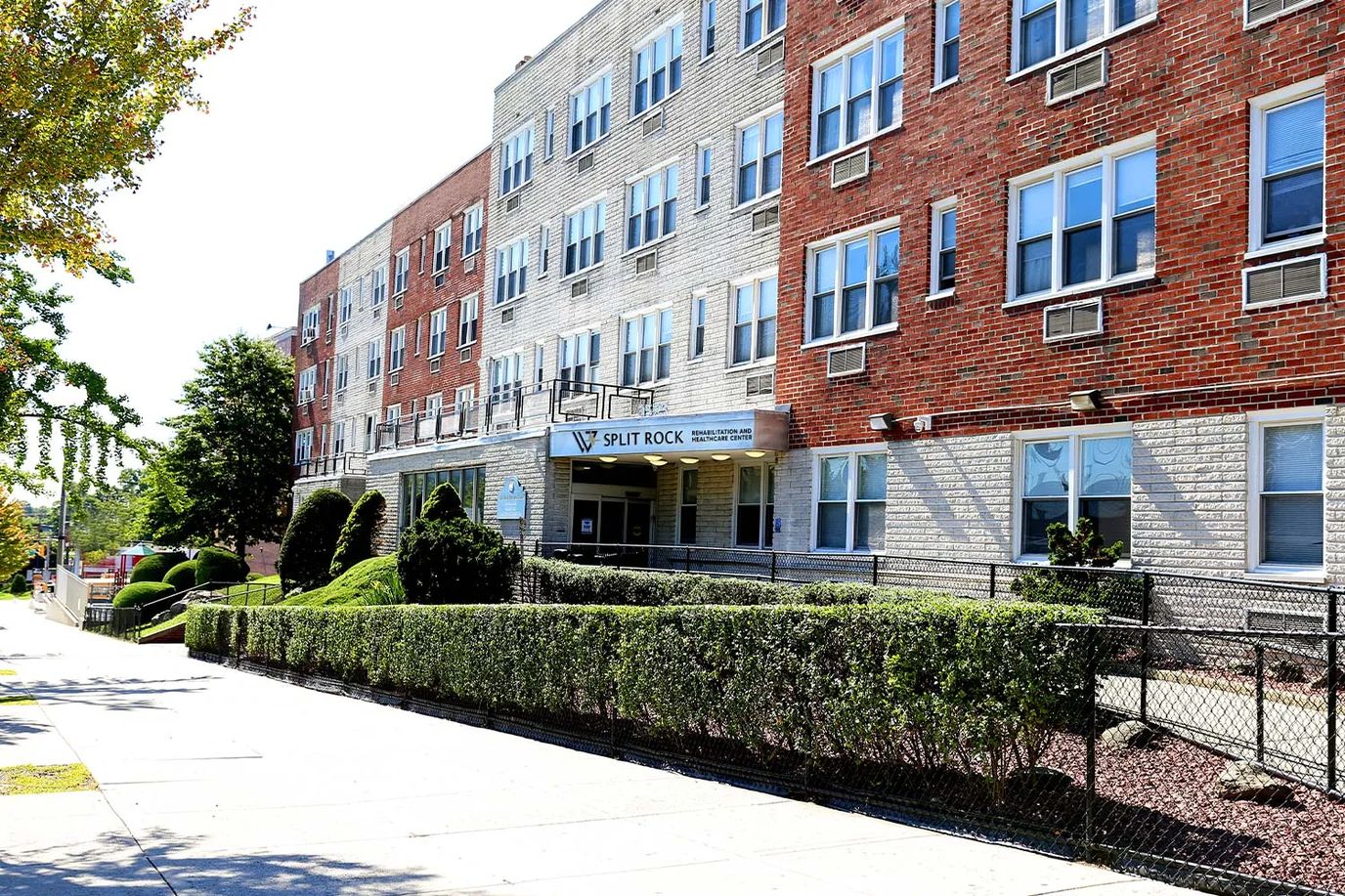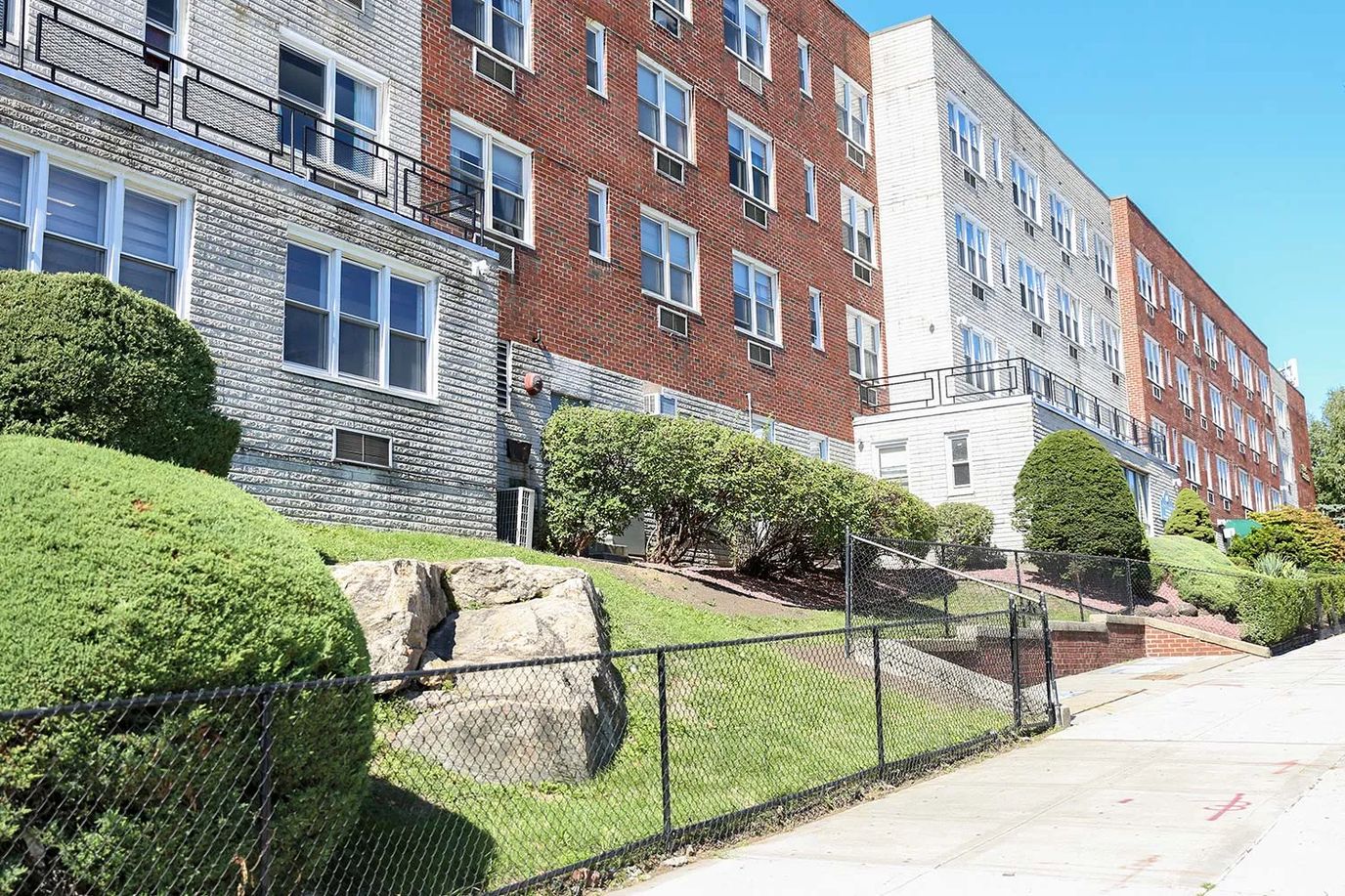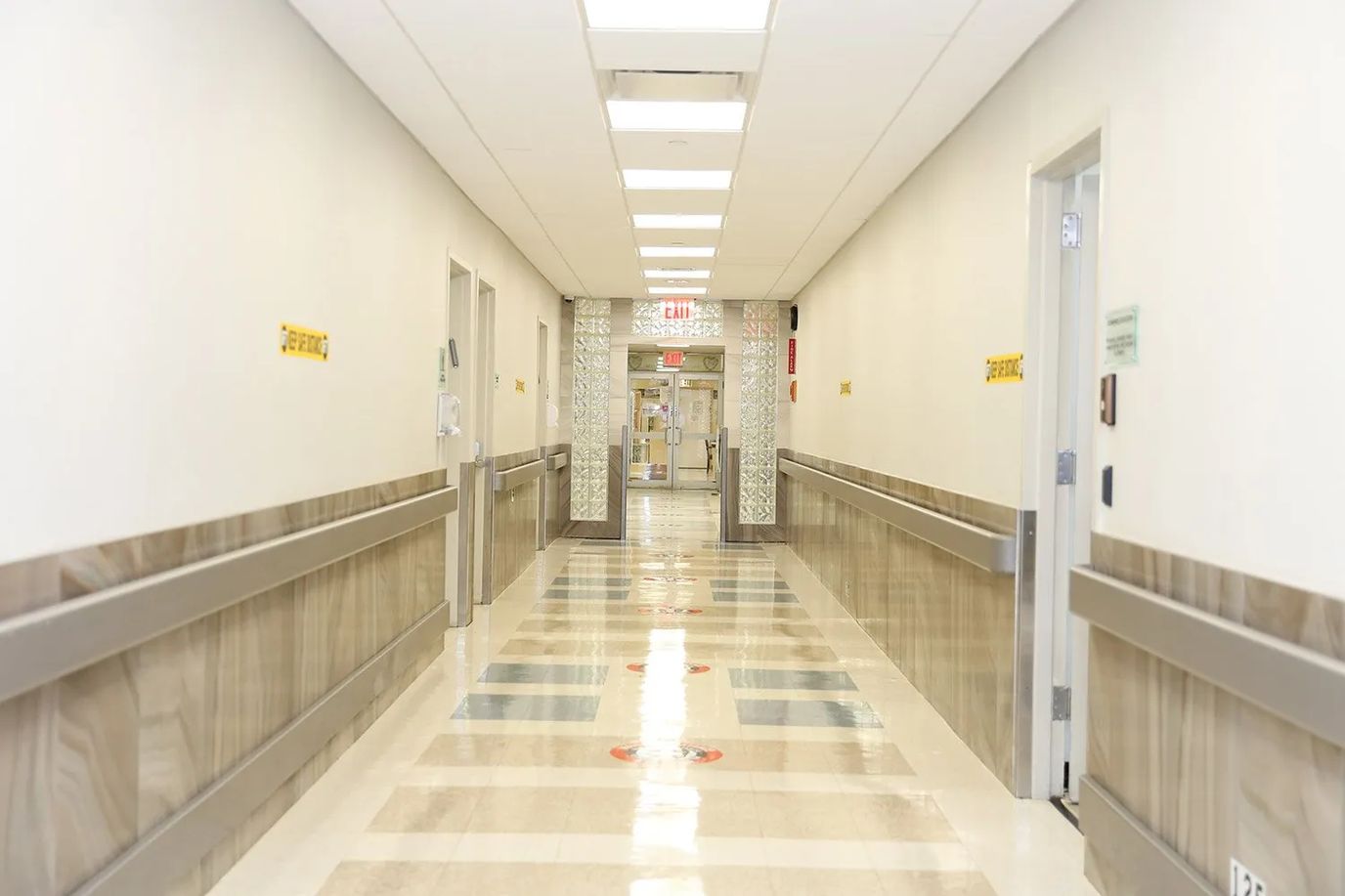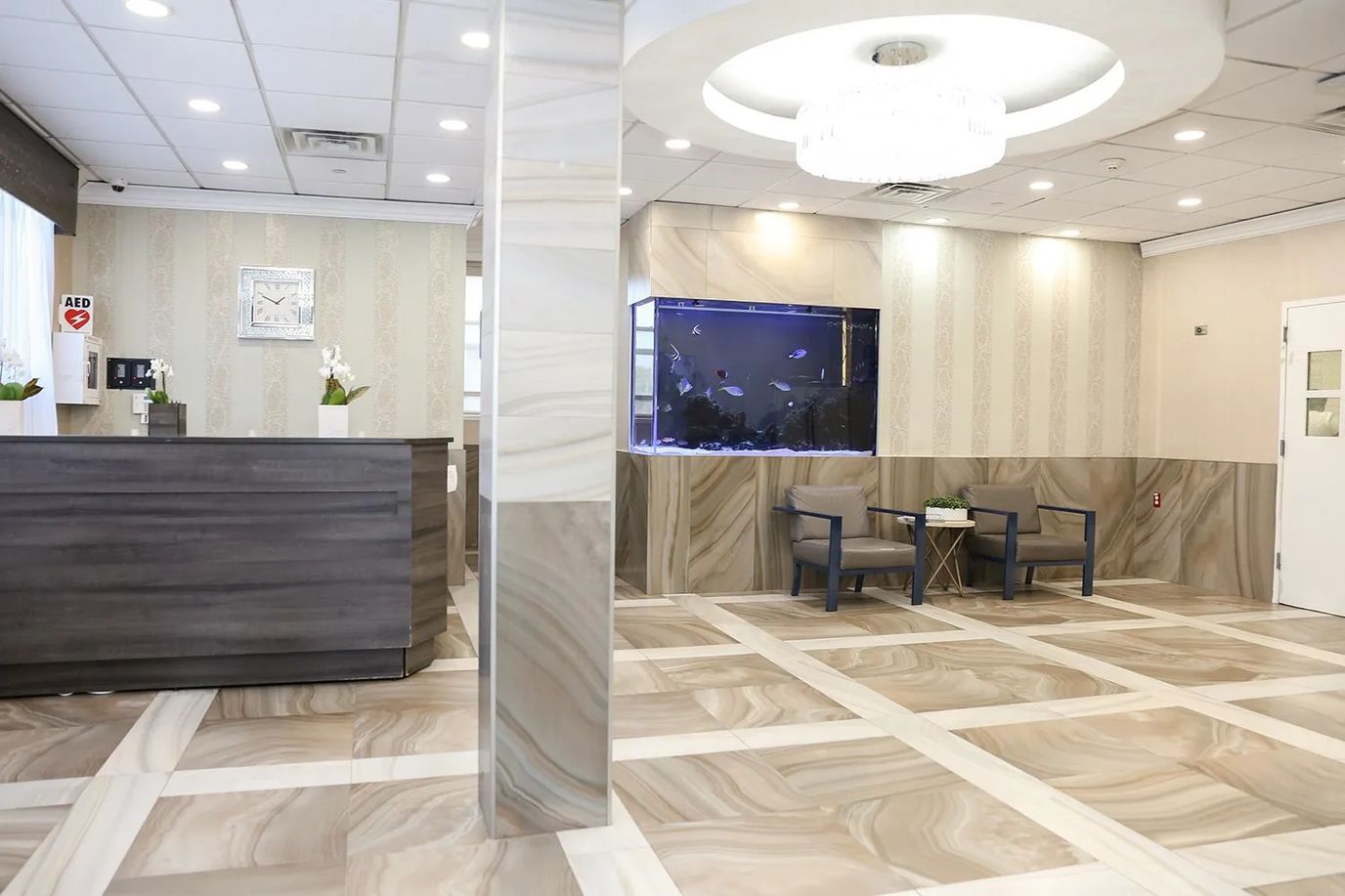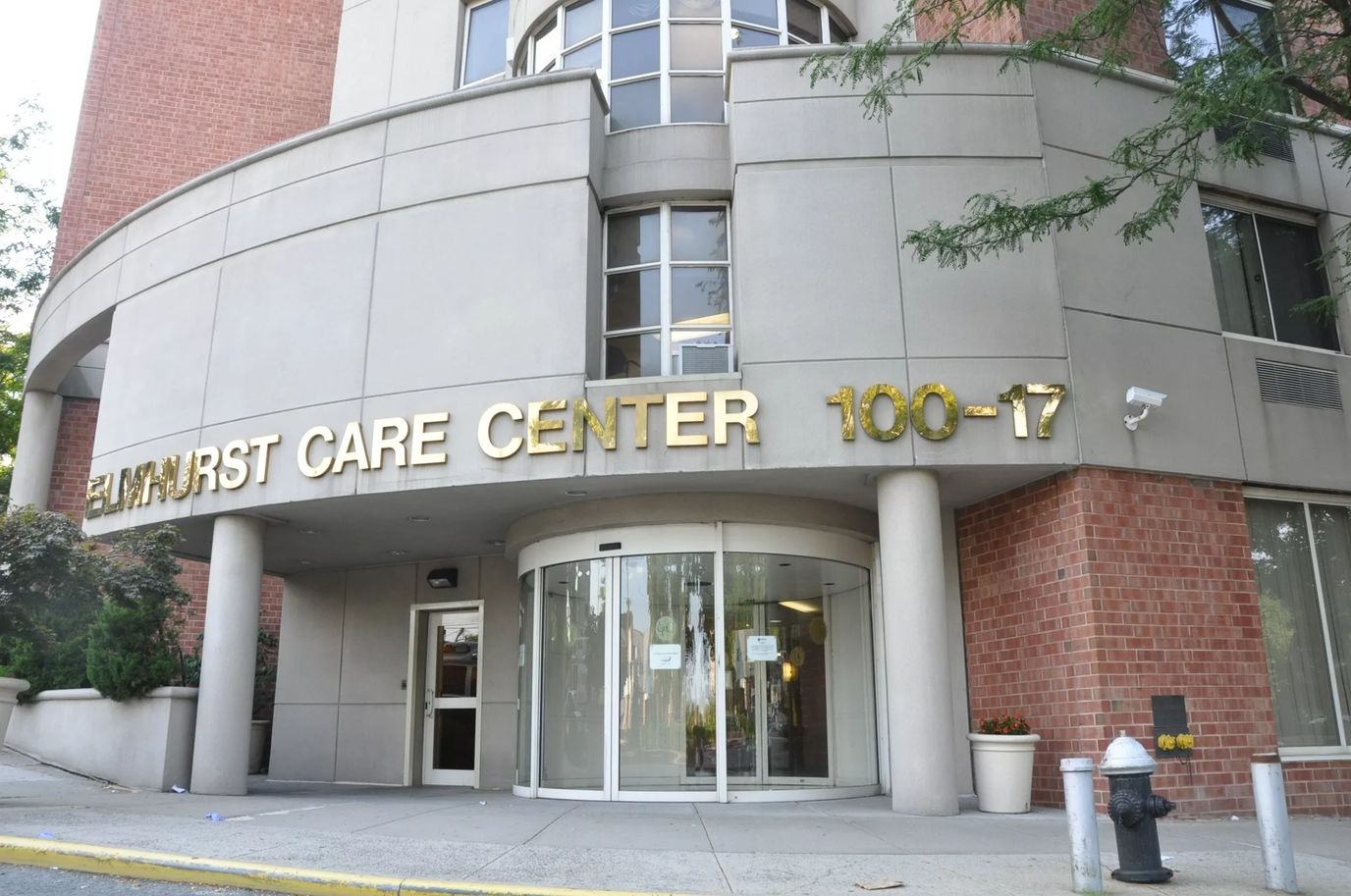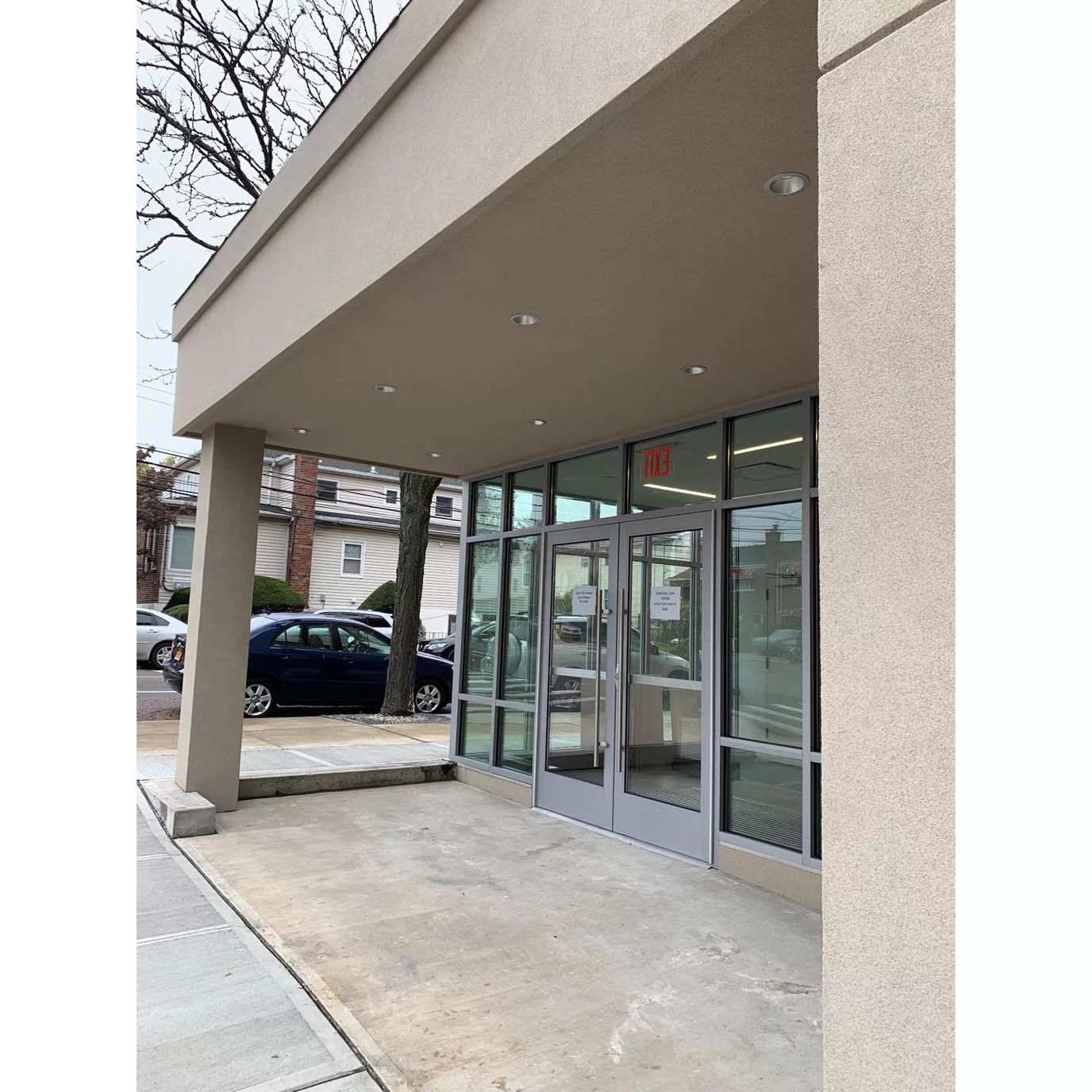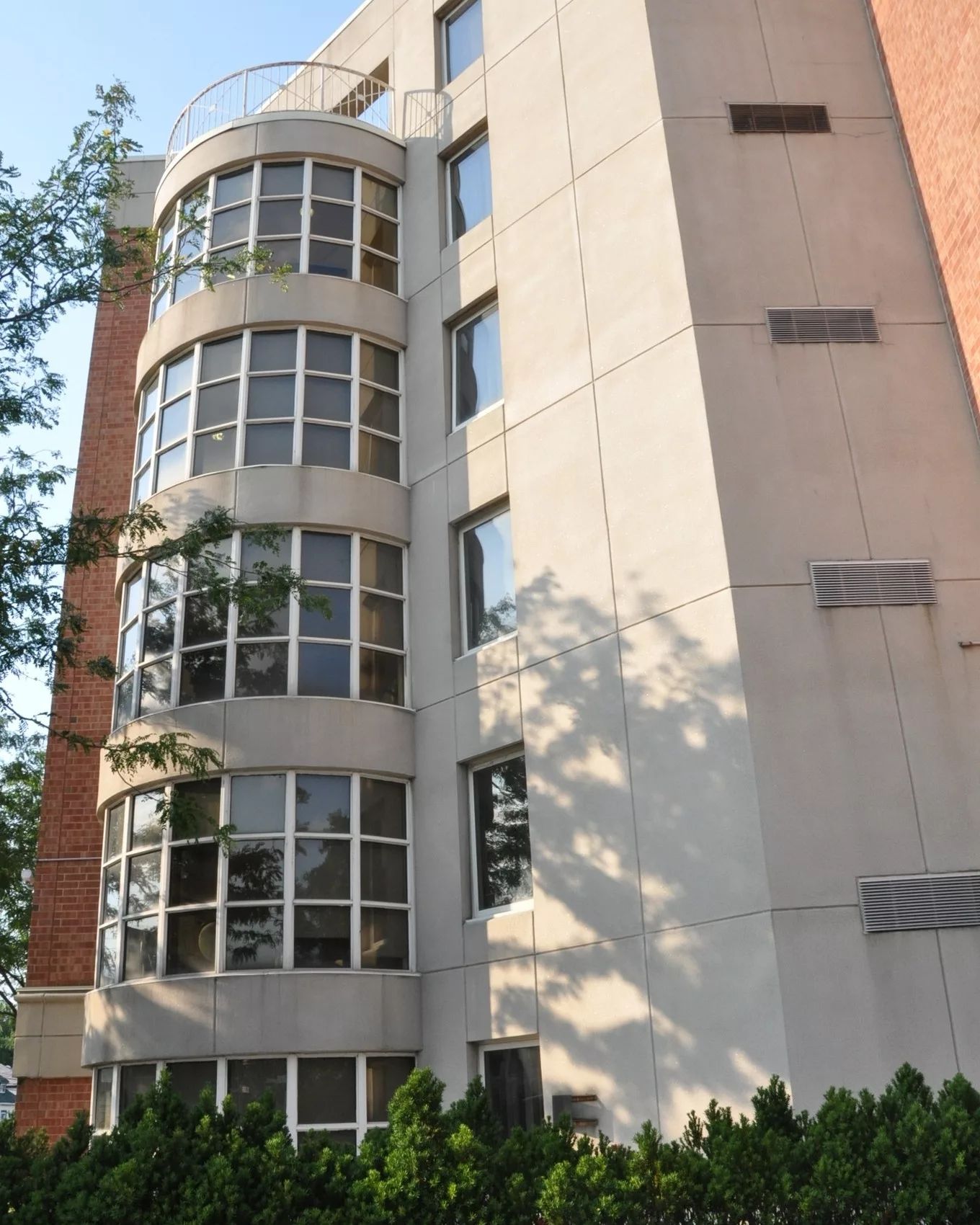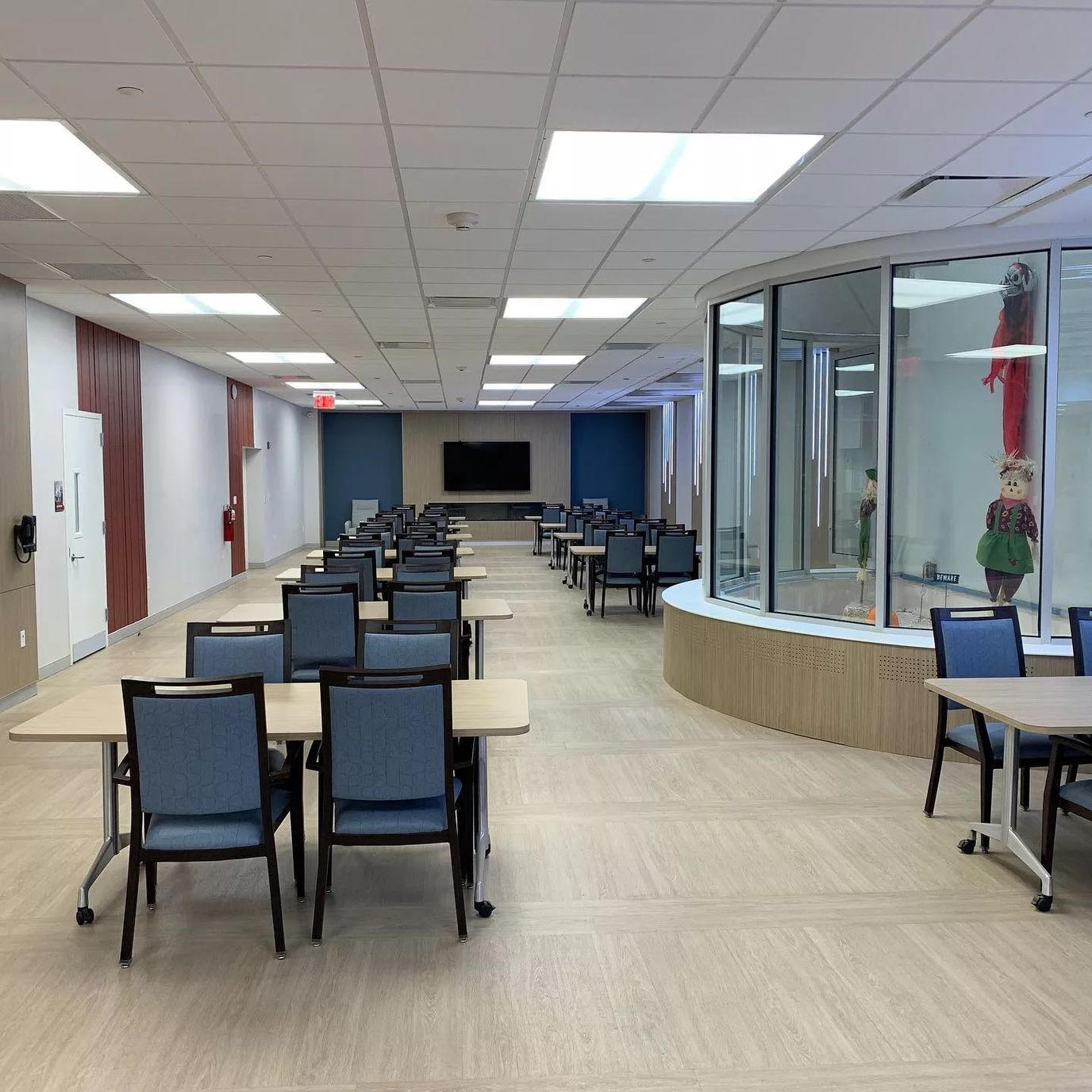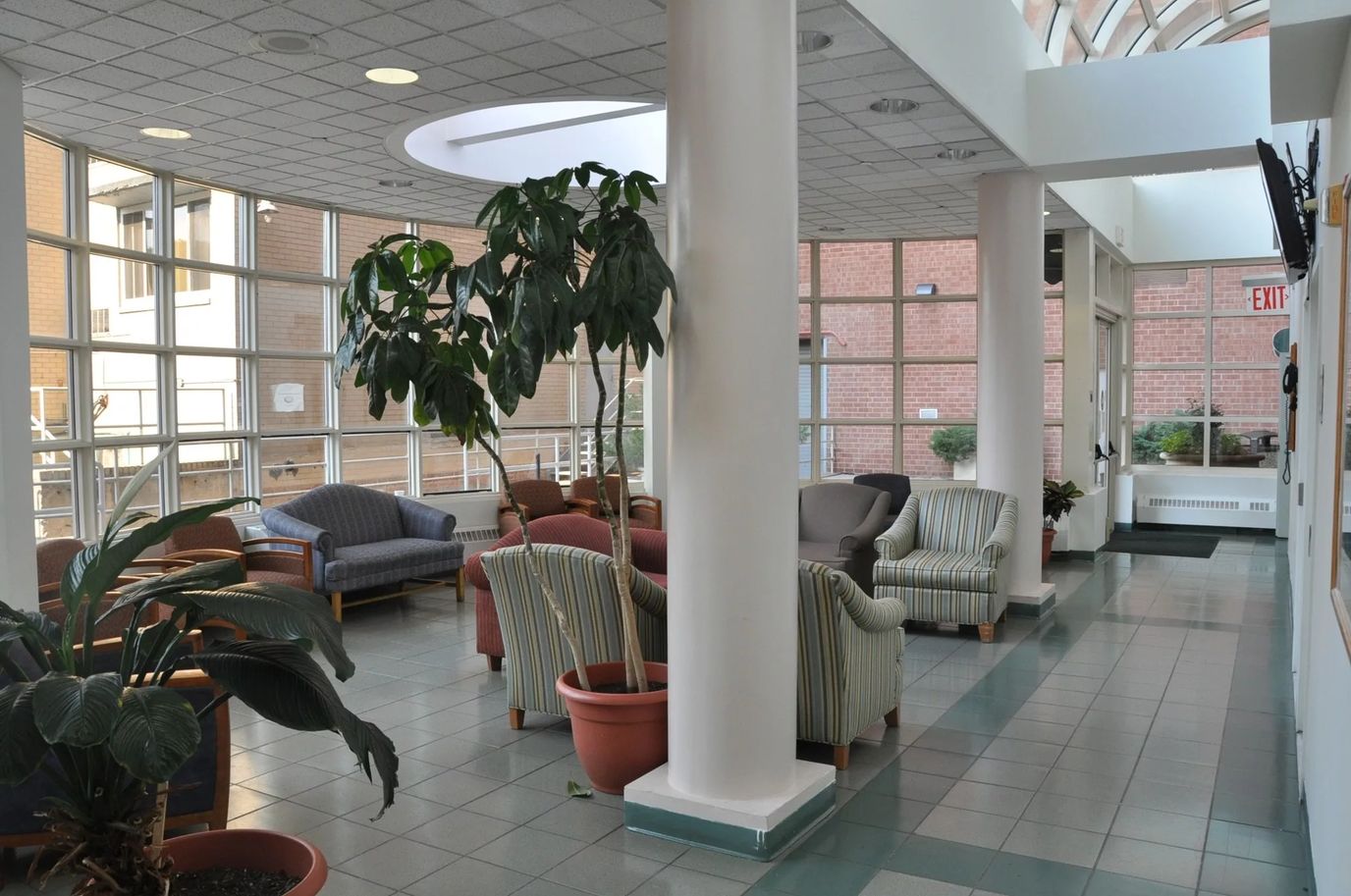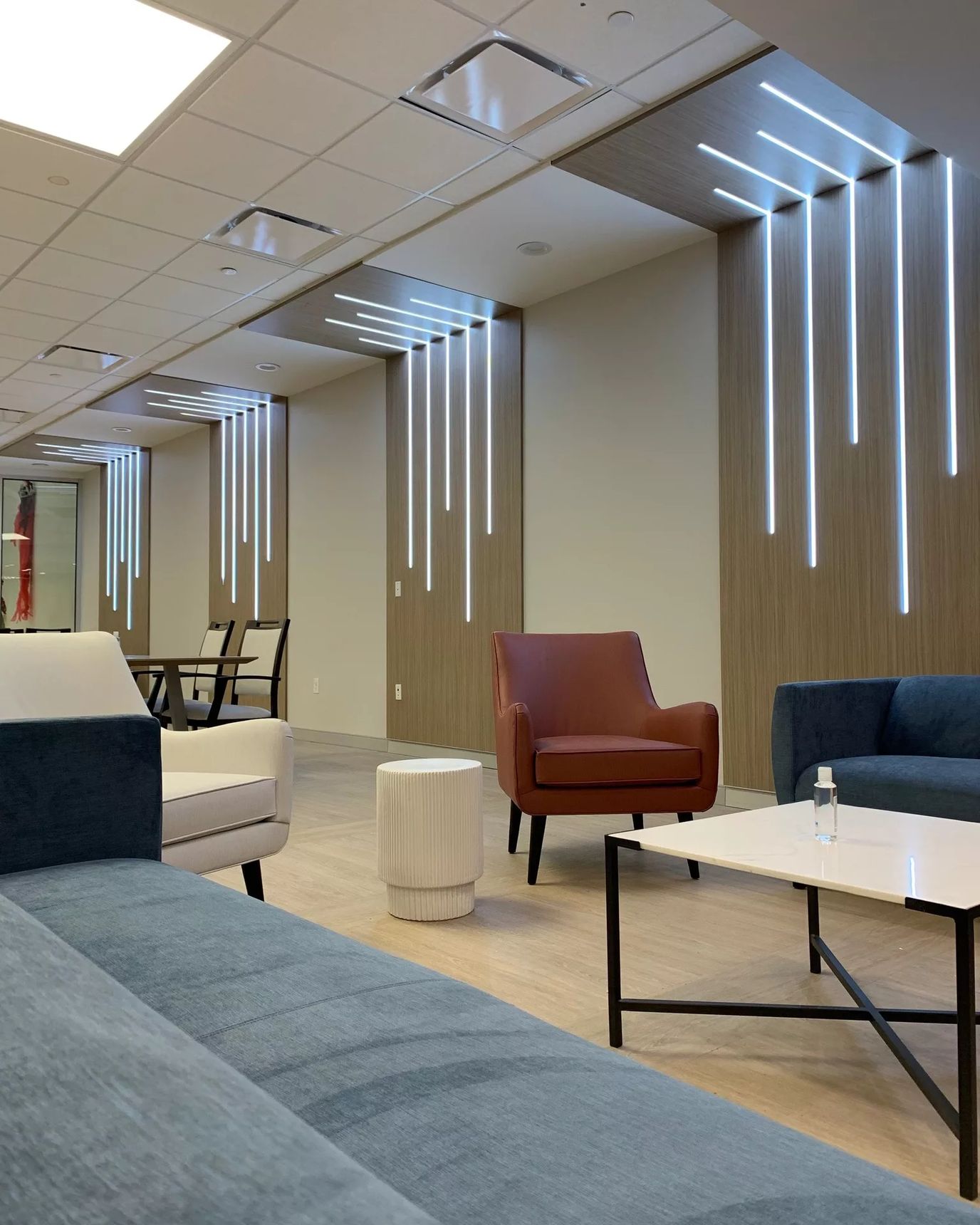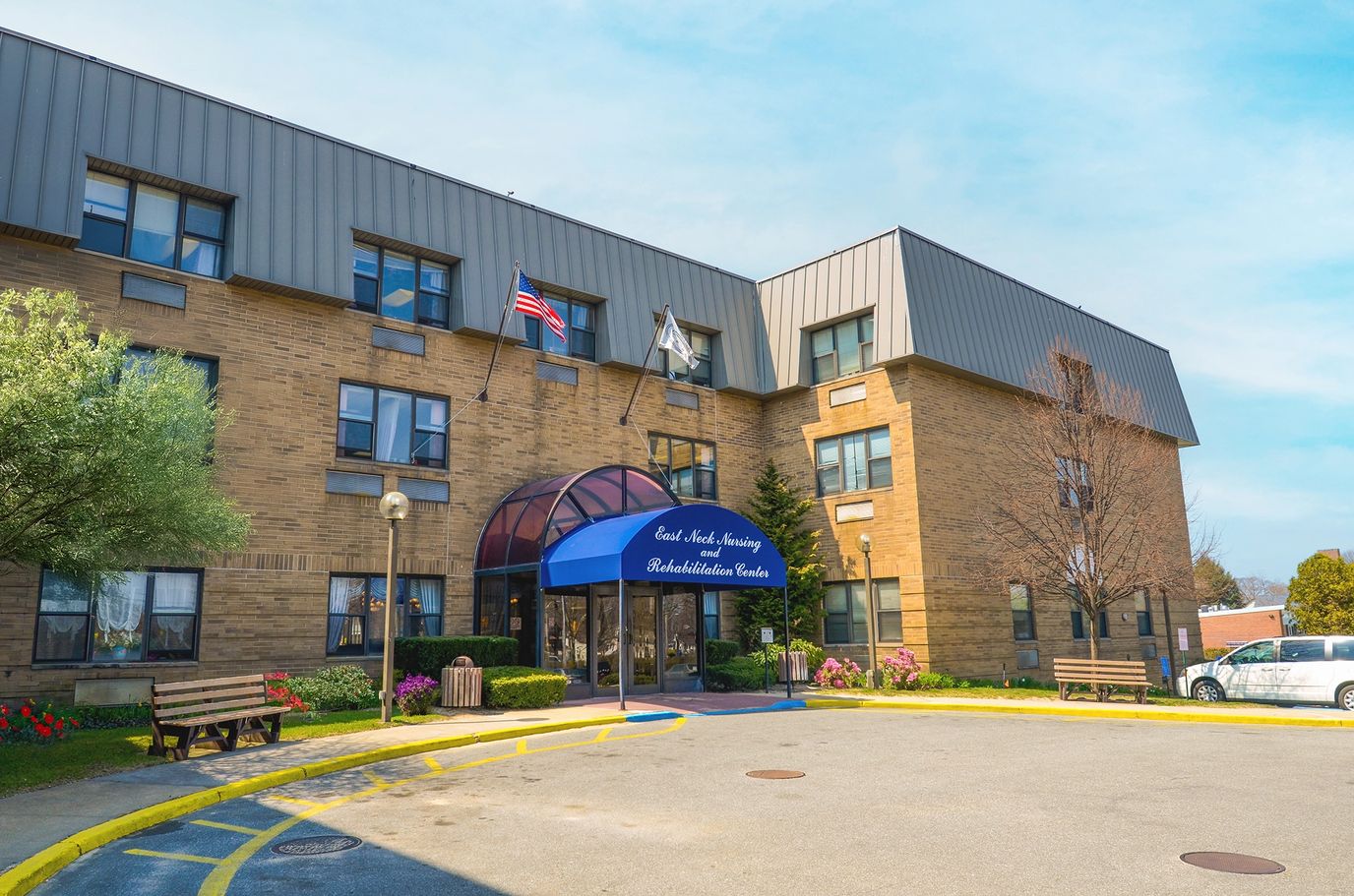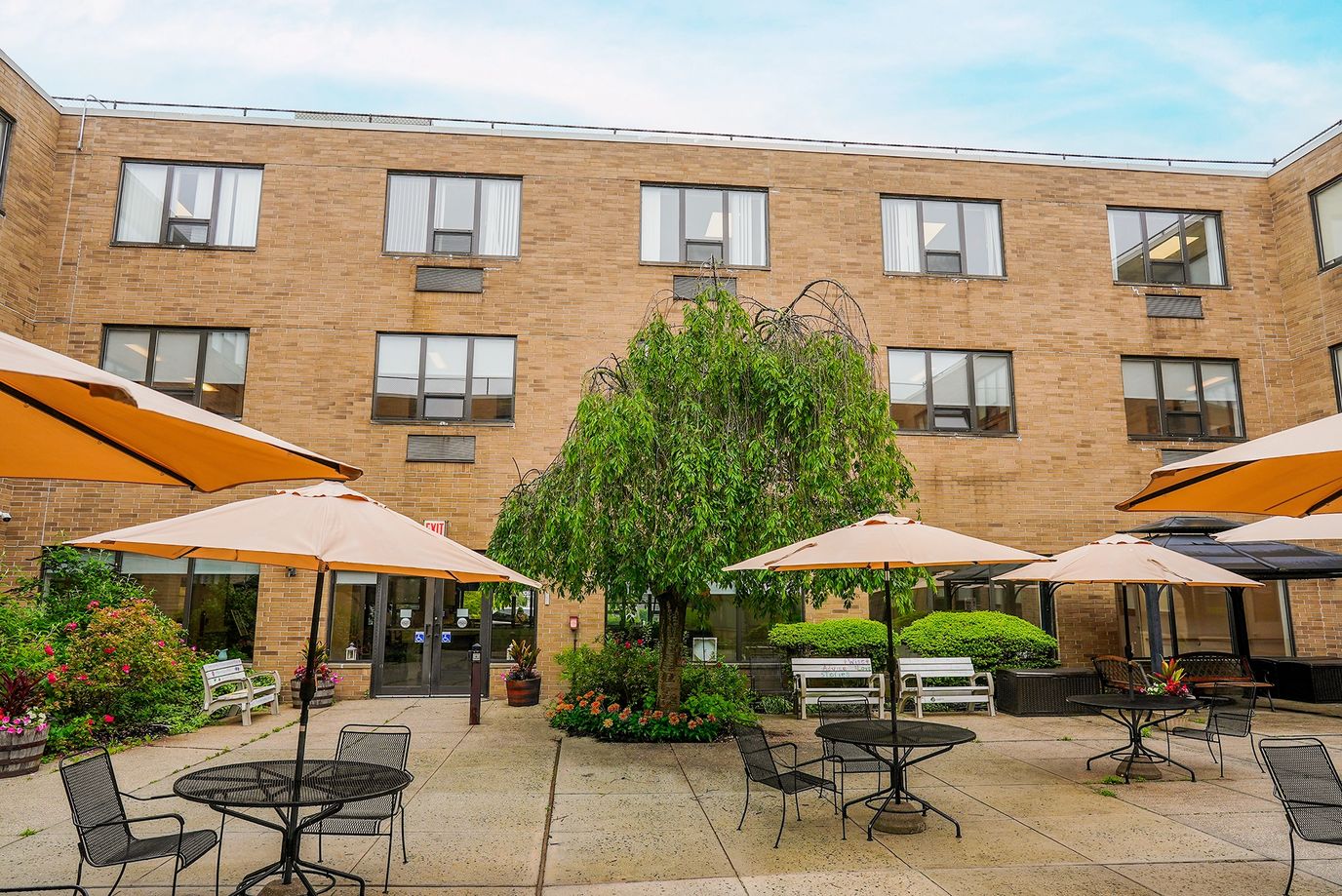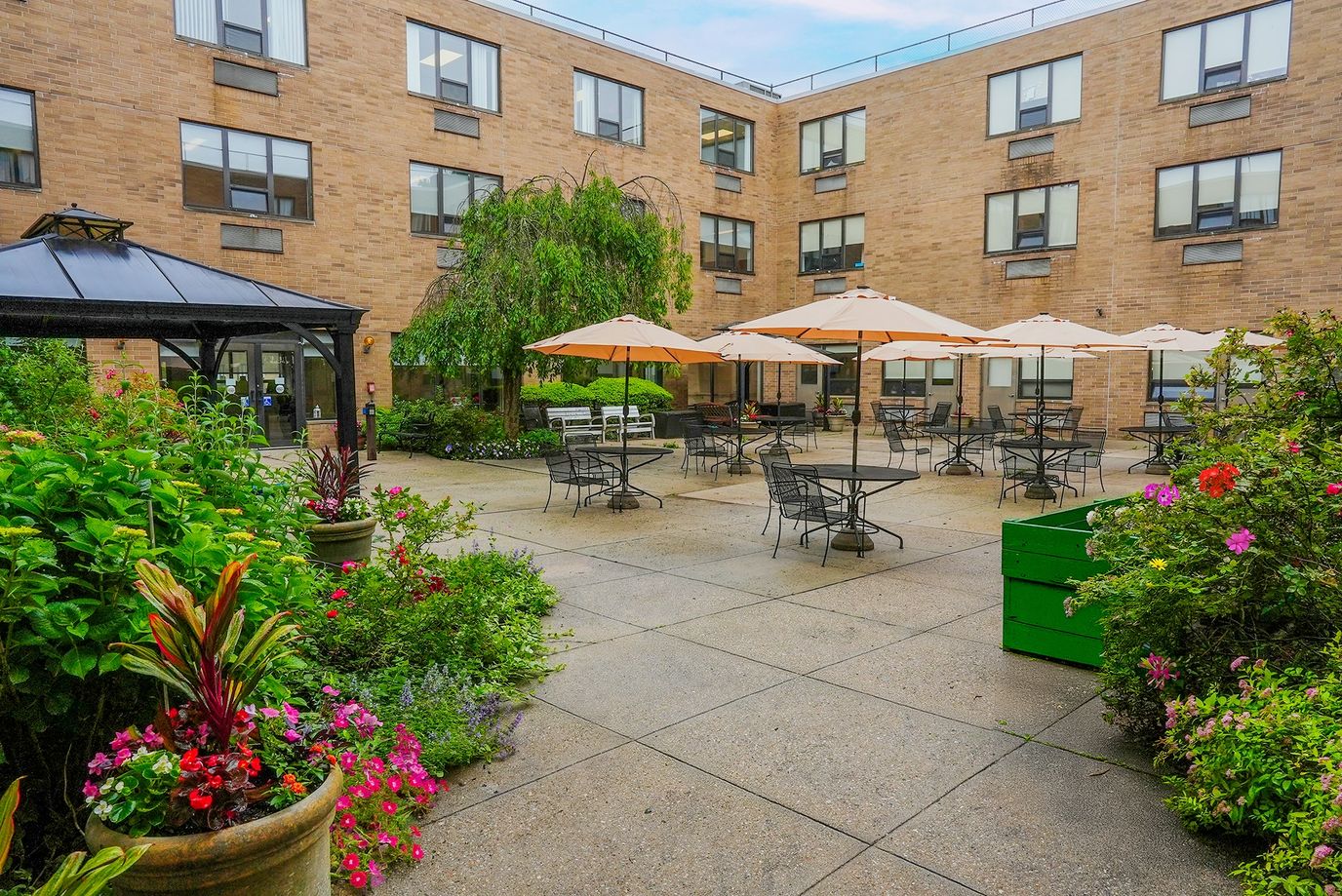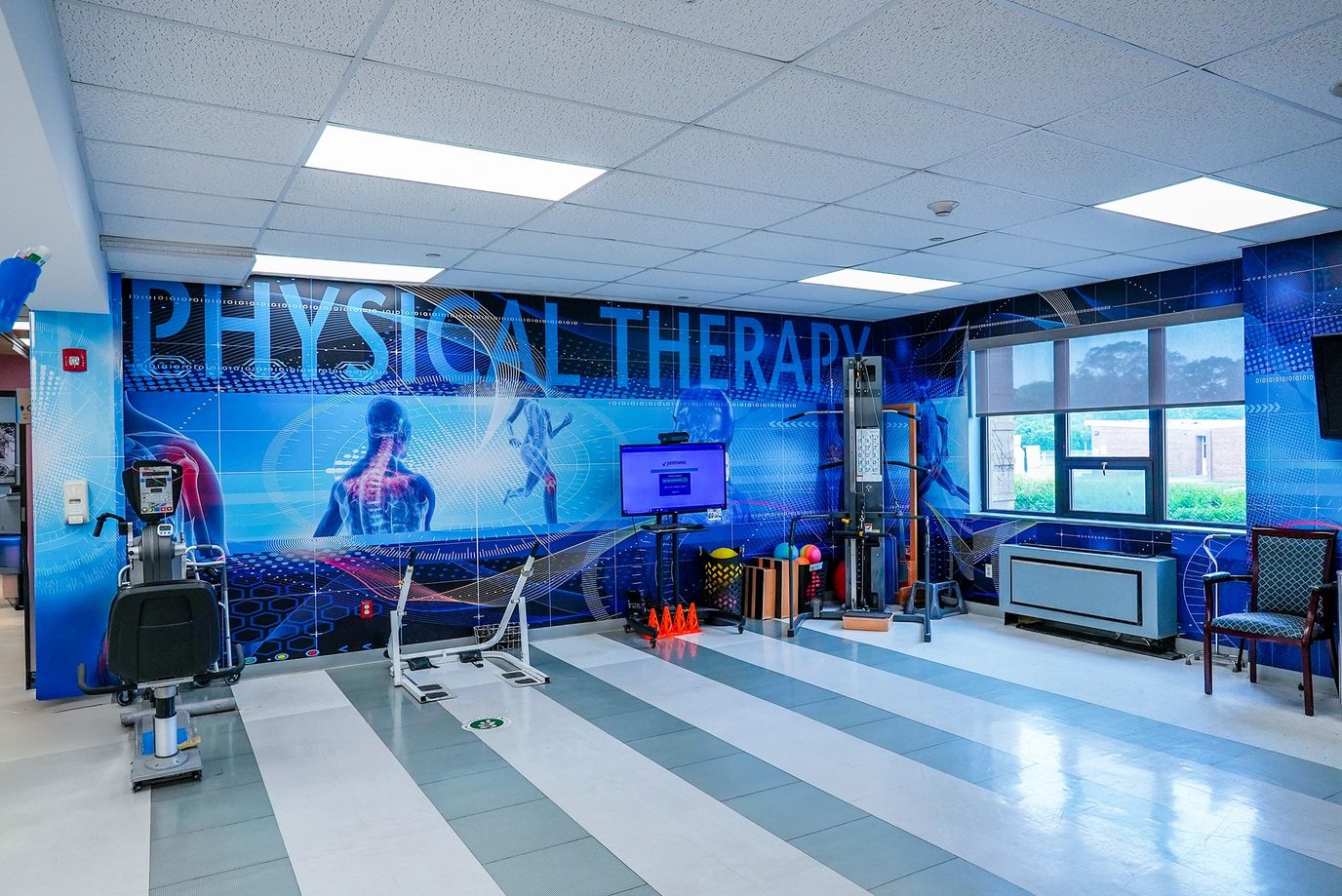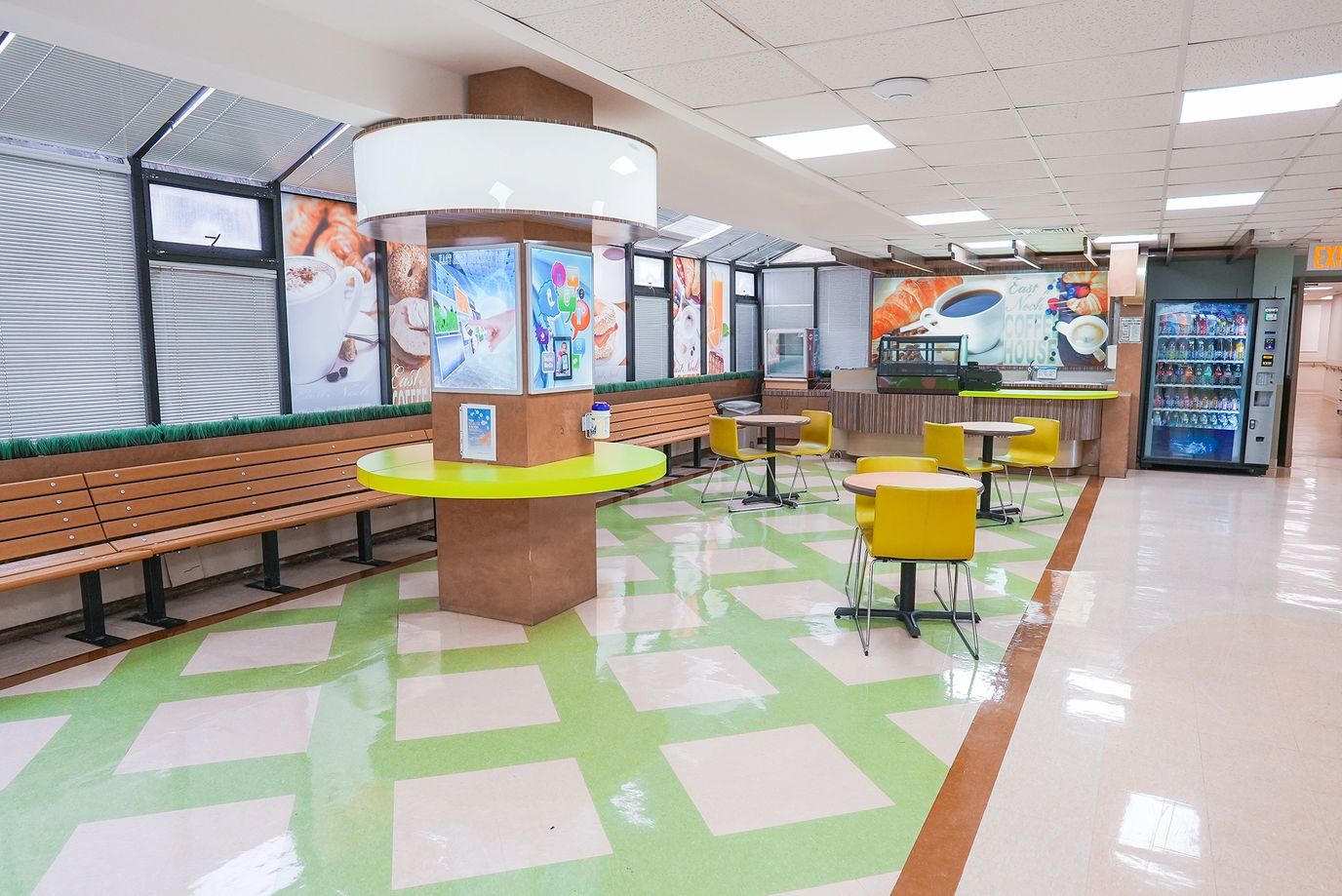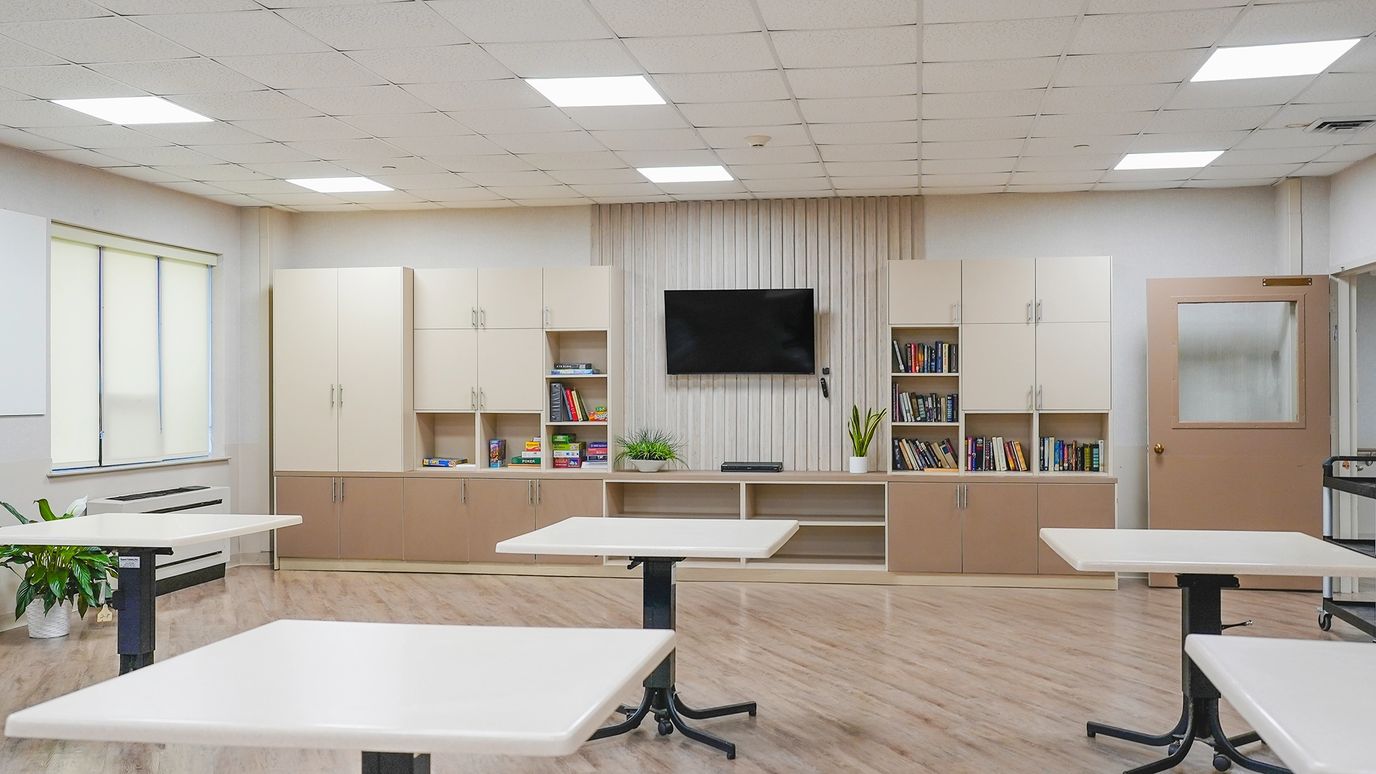
As the proud community that has blazed the trail for adult care for over 100 years, Isabella Center for Rehabilitation provides short-term and long-term services. Isabella Center boasts their proactive services and attention, ensuring that residents get the best care possible. As a partner of the Metropolitan Jewish Health System (MJHS), the rehabilitation center also offers the Isabella House that caters to independent living adults. Isabella Center for Rehabilitation is one of the safe centers for seniors looking for comprehensive additional support.
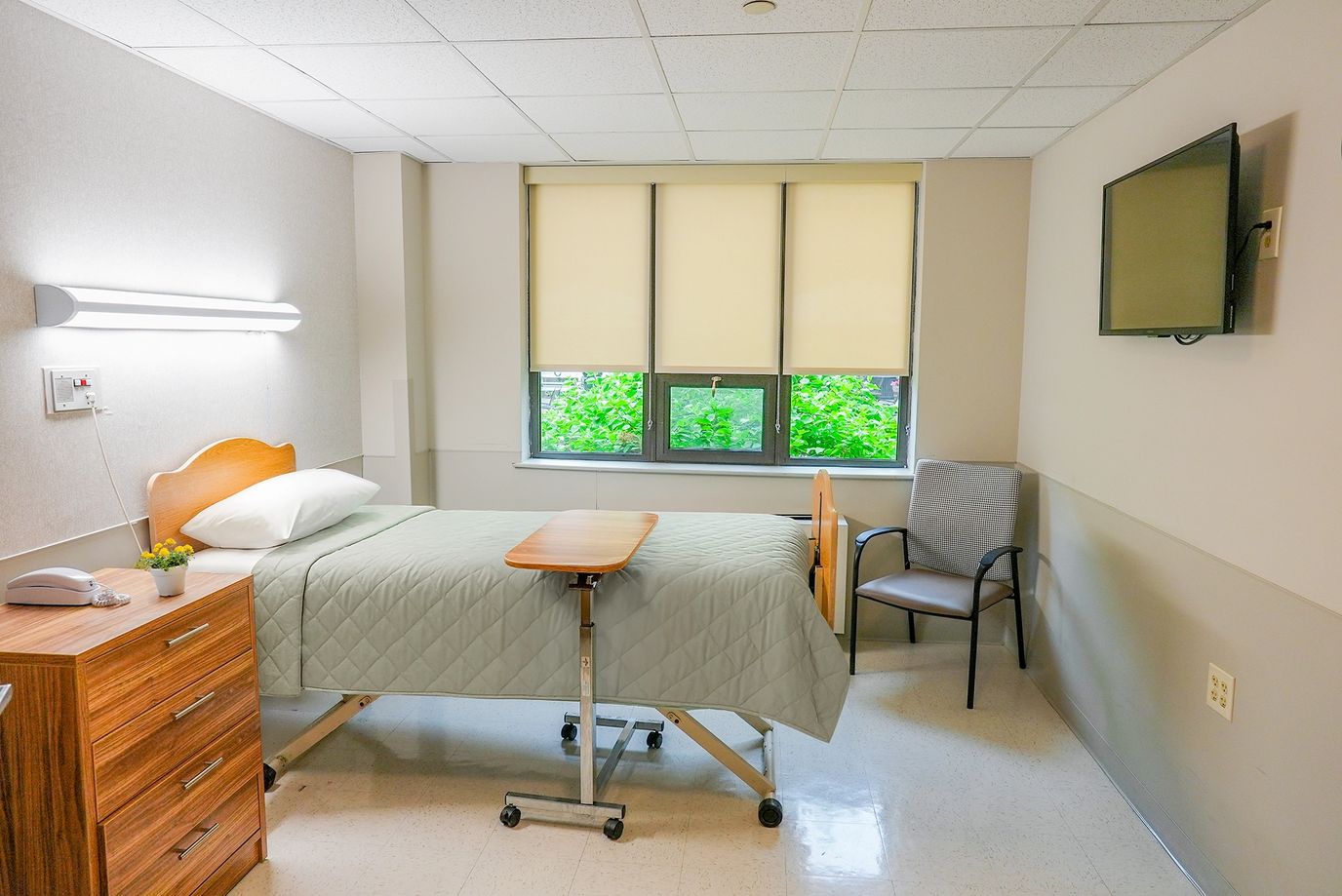
Isabella Center offers a modest lifestyle in a large community that mainly provides services for nursing homes residents. The flexible community accepts insurance, so long as detailed documents are provided. As a 705-bed community, they offer private rooms for a more comfortable setting. Community programs at Isabella are centered on health and wellness– striving to meet the mental, emotional, and physical needs of each resident. They provide a list of activities and programs that residents can participate in, contributing to their vibrant stay in the community.
Where in New York are you looking?
Browse providers by city and county.
Ghent Rehabilitation & Nursing Center is a 120-bed skilled nursing home at 1 Whittier Way in Ghent, Columbia County, New York, operated by GRNC Operating LLC. The community provides short-term rehabilitation and post-acute care, along with longer-term skilled nursing and memory care services, serving residents across Medicare, Medicaid, and private-pay arrangements. Occupancy sits at 94%, exceeding the state average of 88.3%.
Over 13 state inspections spanning the past seven years, the facility accumulated 19 citations, exceeding the New York average by 46%. Operational compliance, particularly reporting to the national health safety network, has appeared repeatedly in inspection findings. Earlier surveys identified citations involving food safety, medication management, environmental standards, and quality-of-care delivery, each resolved within a few months of issuance.
The facility has fielded 145 complaints since 2019, roughly double the state benchmark of 79 per home, though state investigators did not substantiate the complaints they examined. Three enforcement actions were recorded; no civil monetary penalties have been imposed in the past three years.
Nursing staffing emerges as a genuine strength: care delivers 4 hours 7 minutes of total nursing per resident daily, approximately 18% above the state average, earning the facility a ranking of 74th among 388 New York skilled nursing homes. Physical therapists contribute 8 minutes per resident per day, surpassing state averages by 14%. Long-stay residents report a depression rate of 3.5%, substantially below the New York average of 18.1%, yet weight loss prevalence doubles the state norm, and pressure ulcer rates run 45% worse than average.
The facility provides on-site rehabilitation services and memory care programming, with respiratory therapy support available. A balanced admission mix of short-stay post-acute and longer-term residents, averaging 129 days, positions Ghent as a multimodal care setting.
The facility excels in nursing care and depression outcomes, but is challenged by a high volume of complaints and below-average physical health measures.
Sunshine Care Corp operates Hempstead Park Nursing Home, a 251-bed nursing home on Front Street in Hempstead, Nassau County. It’s been open since 1998, and the building sits close in, just 0.6 miles from the city center in a very walkable stretch (Walk Score 73). Most errands here don’t require a car.
At 94 percent occupancy, the facility currently houses 221 residents, and it runs both a resident council and a family council, which means there’s a standing, formal way for people to weigh in on how things operate. The care model spans a wide range: physical therapy, occupational therapy, speech therapy, short-term rehab, and respite care for families who need a break. Hempstead Park also handles dementia and Alzheimer’s care, which puts memory care under the same roof as its skilled nursing and hospice services. Nursing coverage comes out to 2 hours and 47 minutes of total care per resident each day, with registered nurses accounting for 20 minutes of that.
Medicare, Medicaid, and private pay are all accepted, so families have more than one route to financing a stay. State inspectors have tended to focus their reviews here on medication management, staff credentials, environmental safety, and how well the facility documents and plans resident care, along with resident rights protections. Taken as a whole, this is a facility built for volume and range: short-term rehab, long-term nursing, hospice, and memory care all operating out of the same 251 beds, serving residents whose needs shift over time rather than staying fixed.
RiverSpring Residences, located on Palisade Avenue in the Riverdale area of the Bronx, is managed by The Hebrew Home for the Aged at Riverdale. This 69-bed facility provides many types of care in one spot: nursing home help, assisted living, independent living, memory care, home care, hospice, and palliative care. Having all these options is a big plus for families who want a place that can adjust as health needs change. They accept Medicaid, Medicare, and private payments.
Right now, 63 out of 69 beds are filled, which is a 91% occupancy rate. The average resident stays for about 153 days, covering both those there for quick recovery and those living there long-term. Riverdale has a Walk Score of 56, which means you can walk to some places, but having a car is usually a good idea for getting around.
Registered nurses spend about 53 minutes a day with each resident, and the total nursing care from all staff adds up to about 3 hours and 17 minutes daily per person. They offer specific programs like Independent Living 65+, Assisted Living Medicaid, Certified Home Health Aide services, Licensed Home Care, and Geriatric Care Management.
The facility has nice apartments, dining that feels like a restaurant, a gym, a hair salon, 24-hour front desk help, and planned bus rides. Residents also have plenty of daily activities and community events to choose from.
The New York Department of Health regularly checks the facility. Previous inspections mentioned some issues with how care plans and paperwork are handled. If you take a tour, it is a good idea to ask the staff how they create and update each person’s specific care plan to make sure everyone gets exactly what they need.
RiverSpring Residences is a very complete choice for senior care in the Bronx. With its 69 beds, seven different types of care, clear staffing numbers, and acceptance of Medicaid and Medicare, it is a strong option for families looking for a place that can handle many different health situations as they evolve.
Bainbridge Nursing & Rehabilitation Center is a nursing home and rehabilitation facility in the Bronx, New York. Bainbridge Nursing and Rehabilitation Center, LLC has been operating it since 1972. With 200 beds, the facility provides skilled nursing, short- and long-term rehabilitation, Alzheimer’s and dementia care, hospice and palliative care, and specialized wound care. It accepts Medicare, Medicaid, and private pay.
CMS gives the facility 5 stars overall, with performance above New York averages across all four sub-categories. The short-stay Quality Measures rating is significantly above average, with a rehospitalization rate of 15.6% compared with New York’s average of 20.6%.
Since 2020, state inspectors have recorded 15 total citations across 7 inspections. Only 2 inspections resulted in citations against New York’s average of 4, and health citations totaled just 3. No fines, enforcement actions, or substantiated complaints were recorded. The most recent inspection, in July 2025, identified four administrative deficiencies in care plan timing, arbitration agreements, food sanitation, and drug labeling, all of which were corrected.
Total nurse staffing averages 3 hours and 22 minutes per resident per day, modestly below New York’s average of 3 hours and 29 minutes. Physical therapist staffing is 29% above the state average, a meaningful figure for a facility oriented toward post-acute recovery.
The facility’s occupancy rate is 96%, well above New York’s average of 88.3%. It is one of the most highly occupied facilities in the state, indicating steady local demand. Residents have access to amenities including private and semi-private rooms with private bathrooms, outdoor patios on each floor, on-site beauty salon and barber services, and an aviary. On-site dialysis is also available.
The facility is best for residents seeking short-term post-acute rehabilitation and long-term skilled nursing, with particular strength in rehab outcomes and a compliance record, which is among the cleanest in New York.
Operating for 27 years as a comprehensive post-acute and long-term care community, Huntington Hills Center for Health and Rehabilitation is a 320-bed skilled nursing facility in Melville, Long Island. The home is operated by East Northport Residential Health Care Facility, Inc., which David Lipschitz owns. Families can choose from Medicaid, Medicare, and private pay to cover both short-term recovery and longer-term care. The facility has a strong occupancy rate of 98%.
Residents stay an average of 101 days. The population is a mix of people recovering after hospitalization or surgery and those who need ongoing skilled nursing care. Rehabilitation is a major focus. There are short-term recovery programs and a dedicated memory care unit called Legacy Living for residents with Alzheimer’s disease and other forms of dementia.
Daily nursing care averages about 3 hours and 4 minutes per resident, providing consistent hands-on support throughout the day. Respite care is available for families seeking temporary relief. There’s a doctor on staff alongside its 24-hour nursing team.
State inspections have identified care quality and documentation issues across multiple survey cycles. The facility has consistently corrected cited deficiencies within required timeframes, showing responsiveness to regulatory oversight.
Residents receive three prepared meals each day along with an always-available menu for added flexibility. The neighborhood is car-dependent, with a Walk Score of 8, so most visits and errands require a vehicle. Families considering the home may want to observe daily routines and ask how the facility manages transitions between short-term rehabilitation residents and those receiving longer-term care.
The Citadel Rehab and Nursing Center at Kingsbridge operates a 385-bed nursing home in Bronx, New York, positioned to serve patients in the immediate post-acute and transitional phase of recovery. Located at 3400 Cannon Place in a highly walkable neighborhood (Walk Score 98), the facility emphasizes intensive short-term rehabilitation and medical management rather than long-term chronic care.
With 373 residents among its 385 beds (97% occupancy), the facility maintains a relatively brisk patient flow. Average length of stay runs about six months, suggesting a throughput model focused on transitional care and medically complex discharge planning rather than indefinite nursing home placement. Nursing support is staffed at 2 hours 48 minutes per resident per day, distributed across registered nurses (58 minutes), nurse aides (2 hours 11 minutes), and LVN/LPN coverage (15 minutes). These figures represent the facility’s commitment to direct care staffing across a full 24-hour model.
Residents have immediate access to physical, occupational, and speech therapy alongside audiology, dental, vision, podiatry, psychiatry, and psychology. The facility runs its own diagnostic imaging and laboratory capacity, eliminating the coordination overhead of external testing.
Specialized programming includes a state-of-the-art therapy center, sub-acute recovery and transitional care tracks, and hospice and palliative care for residents in the terminal phase. The facility offers ESL instruction in Spanish and Russian, reflecting explicit responsiveness to neighborhood demographics.
Dining is chef-prepared under registered dietician oversight. The physical plant includes private and semi-private accommodations, library, formal dining, substantial common areas, outdoor space, and operational amenities such as salon and barber services, laundry, internet, and concierge support.
Medicare, Medicaid, and private-pay coverage are accepted. Inspection history indicates a pattern of deficiencies centered on supervision protocols and timeliness of abuse reporting, with recent corrections and fewer active findings in the latest cycle. These issues point to operational challenges in safeguarding protocols rather than care delivery gaps. Like many larger nursing homes, the facility has required sustained attention to regulatory compliance on resident protection measures.
Operated by Beechwood Health Care Center, Inc, Beechwood Homes is an SNF on Millersport Highway in Getzville, New York, about twenty minutes east of Buffalo. Under Daniel O’Neill’s ownership, it’s a substantial community with 220 beds and currently has a 70 percent occupancy rate. It averages a resident stay of about 135 days, a span that reflects post-acute rehabilitation and longer-term nursing care. Accepted are Medicare, Medicaid, and private pay, giving families flexibility in affording care.
Daily nursing support averages 4 hours 7 minutes per resident, providing hands-on clinical care as a core part of the service model. The facility offers short-term rehabilitation services and maintains 24-hour staffing to support ongoing medical needs and supervision. The Getzville location scores 34 for walkability, indicating a suburban setting where most visiting family members will drive.
Over the past seven years, state inspections by the New York Department of Health have flagged deficiencies in areas spanning care quality, life safety, and medication management. All prior findings have been addressed and corrected. The latest inspection in 2025 found one isolated medication error deficiency, which was remedied promptly.
For those considering Beechwood Homes, touring in person will paint a clear picture of the facility’s daily rhythm, rehabilitation services, and care environment.
Bridgewater Center for Rehabilitation & Nursing is an SNF focused on rehabilitation and short-term recovery. Operated by Bridgewater Center for Rehabilitation and Nursing, LLC, under owner Jade Ebeling, it welcomes Medicaid, Medicare, and private pay. This gives families numerous ways to fund post-acute care and longer-term nursing needs. The home is among the larger regional options with 356 beds and runs at nearly full capacity. The average stay duration is about 168 days, indicating a mix of short-term rehabilitation residents and those needing ongoing skilled care.
Clinically, the center gears toward specialized short-term and recovery programs. Pulmonary rehabilitation and a dedicated ventilator unit address occupants with complex respiratory needs, while palliative and hospice services support those nearing the end of life. The respite program and short-term rehab track serve families wanting momentary or transitional care, and extensive care planning guides individual treatment decisions. Such offerings make the facility a grounded choice for people recuperating from surgery, hospitalization, or a serious illness that demands skilled medical support and rehabilitation. Nursing care is a core part, with total nursing hours averaging 3 hours 35 minutes per resident day. That breakdown includes registered nurses, nurse aides, and LPN/LVN staff. The facility’s location scores 89 out of 100 for walkability, so most nearby errands are walkable, and the surrounding area is well-connected for visiting families. Beyond direct care, the center offers recreational programming and activities to bolster engagement and life quality during recovery or stay.
State inspections have marked compliance patterns around infection control, medication labeling, and life safety code adherence. The latest findings have been corrected, and families can ask about how the home upholds these standards in daily operations.
Daleview Care Center operates as an 86-bed skilled nursing facility at 574 Fulton Street in Farmingdale, within Nassau County, New York, under the ownership of Jennifer Mittel and MMR Care Corp. The community accepts Medicare residents for short-term rehabilitation, Medicaid residents for longer-term care, and private-pay placements, positioning itself as a mixed-acuity facility serving both post-acute and chronic-care populations.It earned the 2023 ACHCA Eli Pick Facility Leadership Award.
Since 2021, Daleview has logged 15 inspections resulting in 28 citations, running 115% higher than the state average. The most recent inspection, conducted February 28, 2025, documented deficiencies in quality of care, medication administration, infection control, and pressure ulcer management; all subsequently corrected. An enforcement action for infection control violations was issued in December 2022.
The facility maintains an overall 4-star CMS rating (27.4% above state average), yet this masks meaningful divergence: quality measures earn 4 stars while staffing holds a 2-star rating. Nurse hours clock in at 3 hours 7 minutes per resident per day, 11% below the New York average. RN hours specifically lag 17% below the state average, though licensed practical nurse staffing compensates at 20% above average. Three active lawsuits are currently in progress, with legal proceedings dating to 2012.
Long-stay residents show low pressure ulcer rates at 3.7% versus 7.2% statewide, zero urinary tract infections, and functional stability across multiple metrics. Short-stay rehabilitation residents achieve a 53.4% successful return-to-home rate, outpacing the 50.6% state benchmark. However, depressive symptoms among long-stay residents measure 57.6%, more than double the statewide rate of 18.1%.
Occupancy stands at 99%, notably higher than the state average of 88.3%, signaling operational demand even amid regulatory and legal activity. The facility provides structured programming in memory care, dementia support, wound care, pain management, cardiac care, and cancer-focused services.
With strong short-stay rehabilitation outcomes and 99% occupancy, the facility is oriented toward post-acute recovery and longer-term skilled nursing placement across a mixed-payer resident base.
Nearby Cities
Your Senior Care Partner, Every Step of the Way
We help families find affordable senior communities and unlock same day discounts, Medicaid, and Medicare options tailored to your needs.
Contact us Today
Frequently Asked Questions
Several government programs offer financial assistance for senior housing in various countries, focusing on the United States for a broad overview:
- Medicaid: Medicaid is a state and federally funded program that can cover the costs of nursing home care for those who meet eligibility criteria, including income and asset limits. Some states also offer Medicaid waivers that help pay for home and community-based services to prevent or delay nursing home placement.
- Medicare: Medicare, primarily a health insurance program for people aged 65 and over, does not cover long-term housing costs. However, it can cover short-term stays in a skilled nursing facility under specific conditions following a hospital stay.
- Section 202 Supportive Housing for the Elderly Program: This program provides housing for low-income seniors. It offers rental assistance and access to supportive services, such as cleaning, cooking, and transportation.
- Low-Income Housing Tax Credit (LIHTC) Properties: While not a direct subsidy, LIHTC encourages developers to create affordable housing. Seniors with low incomes can find reduced-rent apartments through this program.
- State and Local Programs: Many states, counties, and cities offer their own programs to assist seniors with housing costs. These can include property tax relief programs, rental assistance programs, and programs that offer affordable senior housing options.
- Veterans Affairs (VA): The VA offers several programs for veterans, including the Aid and Attendance benefit, which provides monthly payments to veterans who require the aid of another person, or are housebound, to help cover the cost of care in homes, nursing homes, and assisted living facilities.
- Social Security: While Social Security primarily provides retirement income, for many seniors, these benefits are a crucial part of their budget, including housing costs.
Before recommending homes, we conduct a thorough evaluation on crucial factors that define a senior home such as the quality of care they provide, the reputation of the organization, and a comprehensive review of community testimonials as well. Every detail is assessed to assure that seniors are offered not just senior care options, but trustworthy homes where they can experience the care that they deserve.
Yes. Assisting families who need Medicaid is important to us as it plays a crucial role in offering financial support to seniors confronting economic challenges. We would like to keep essential healthcare services accessible to all community members, irrespective of one’s financial circumstances.
We extend our services at no cost, ensuring that families and seniors can benefit from tailored assistance in their search for care and home options. Our ability to offer personalized guidance without charge to families and seniors is made possible through the support and funding from the communities with which we team up.
- Finding and ranking the best assisted living facilities
- Finding and ranking the best nursing homes
- Finding and ranking the best memory care facilities
- Our concierge service helps seniors move into the perfect home for them
- Helping seniors use medicare, medicaid, and other government programs to pay for their homes
- Helping seniors avoid senior homes that have bad service or fraud
- Memory care specialists
- Finding and ranking the best independent living communities