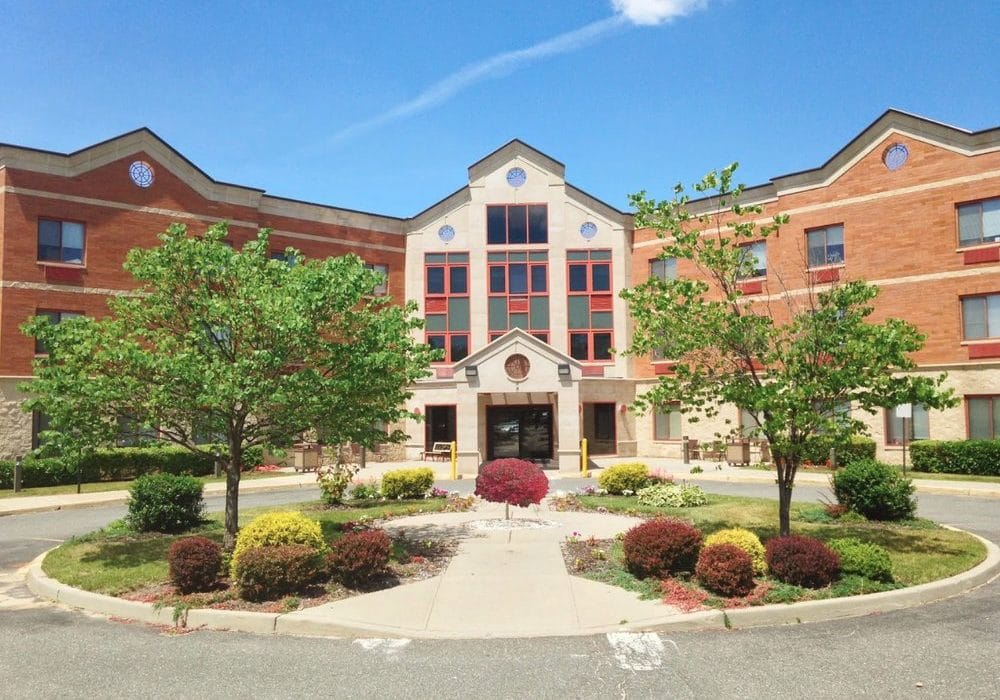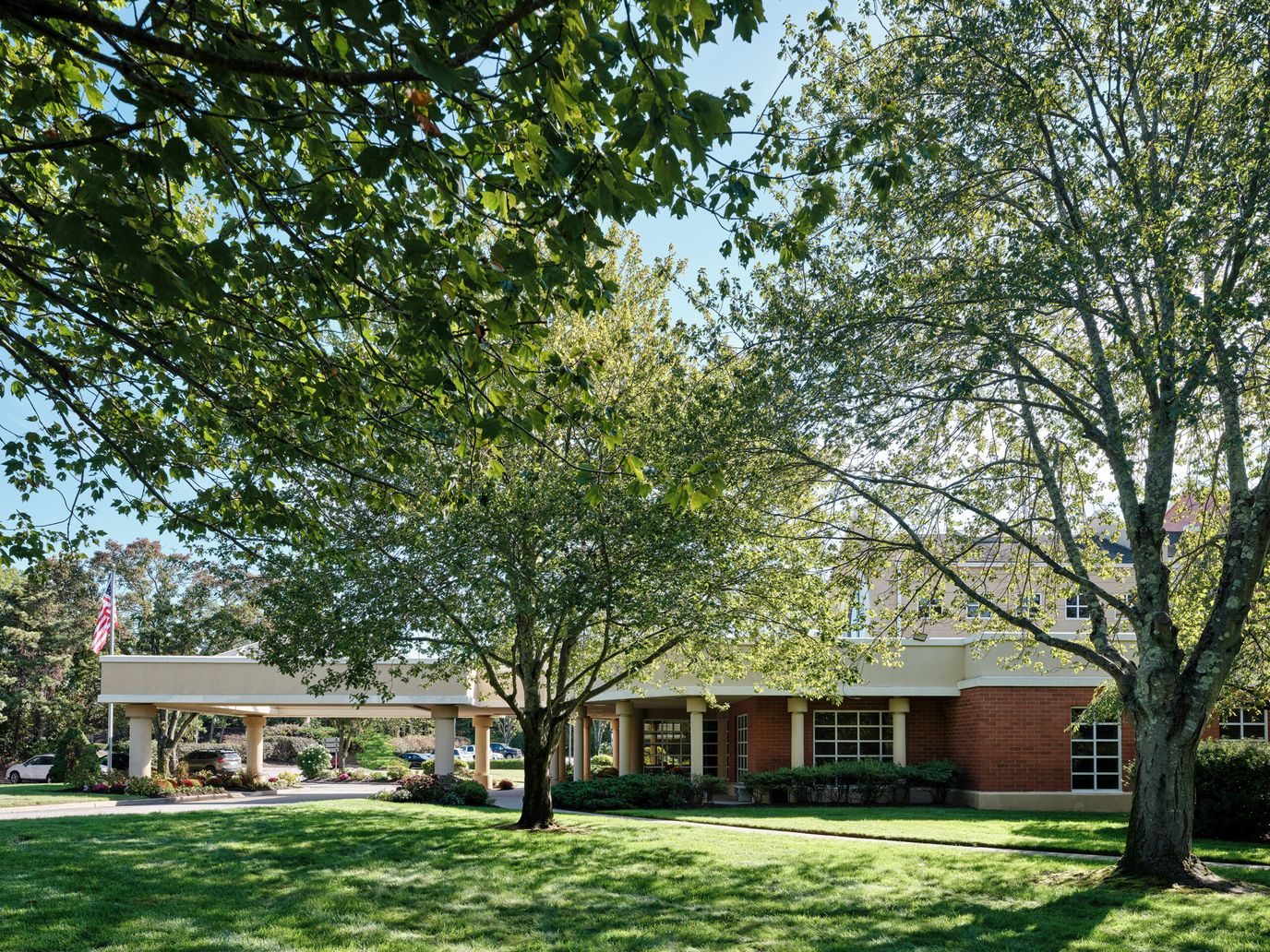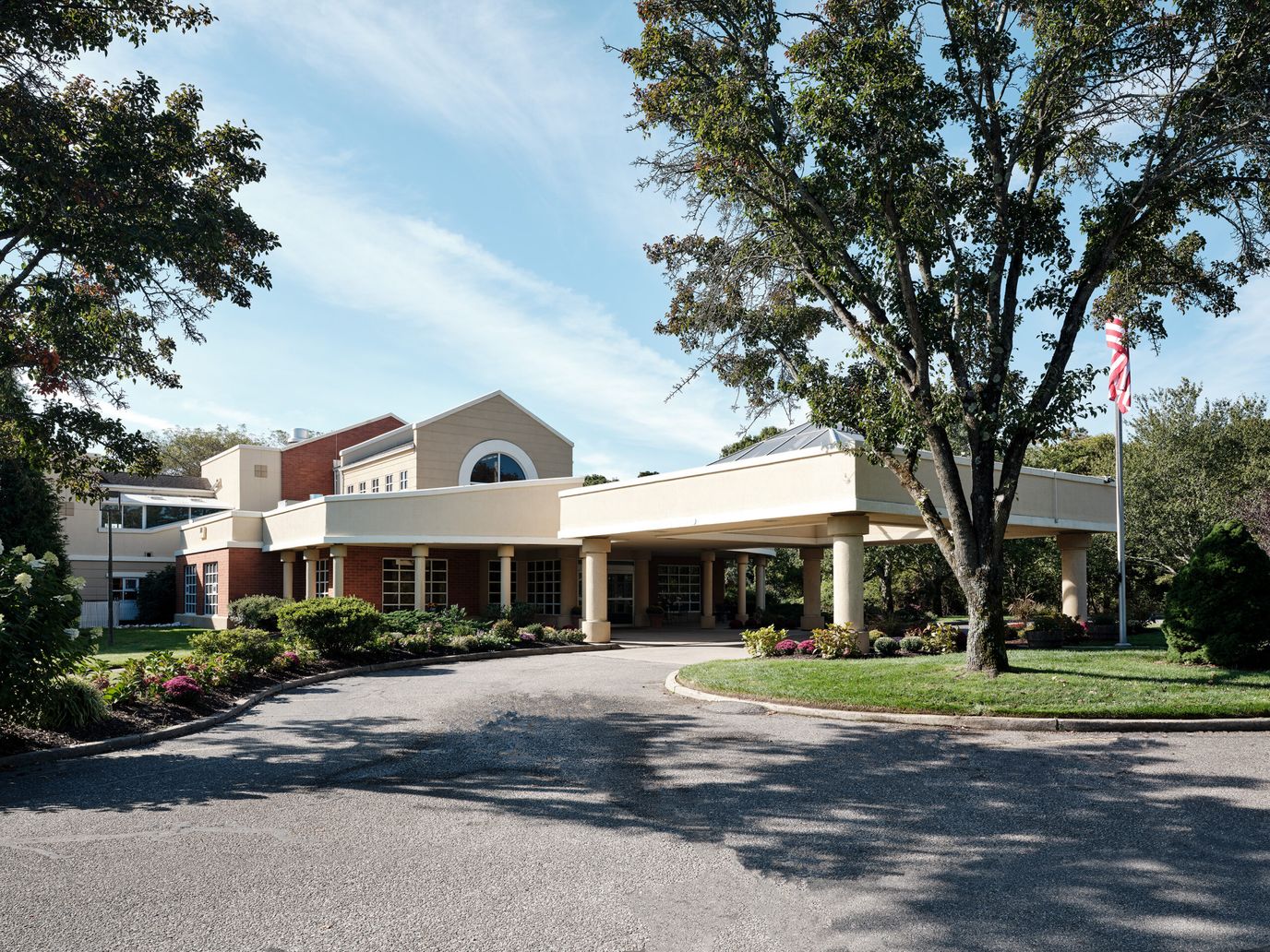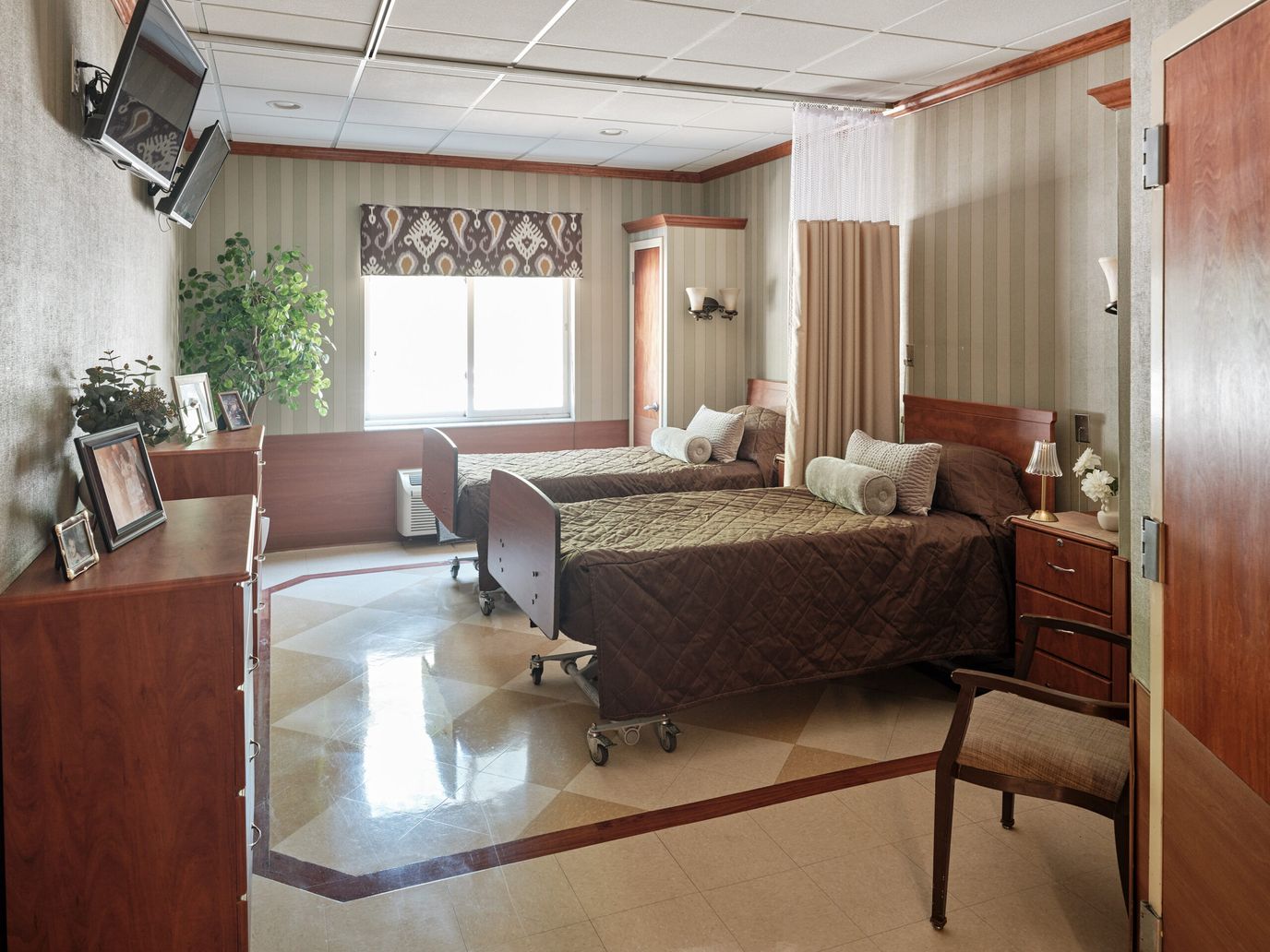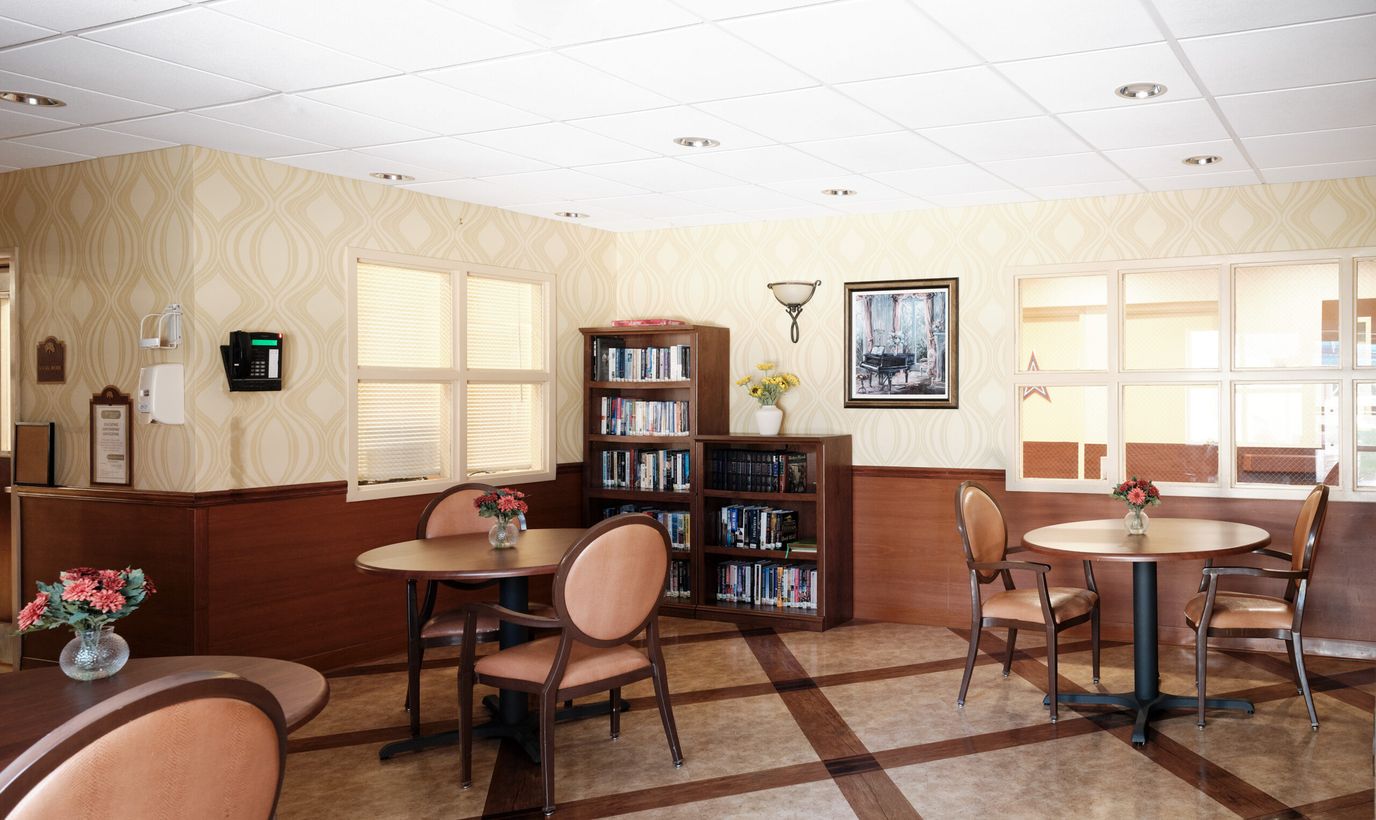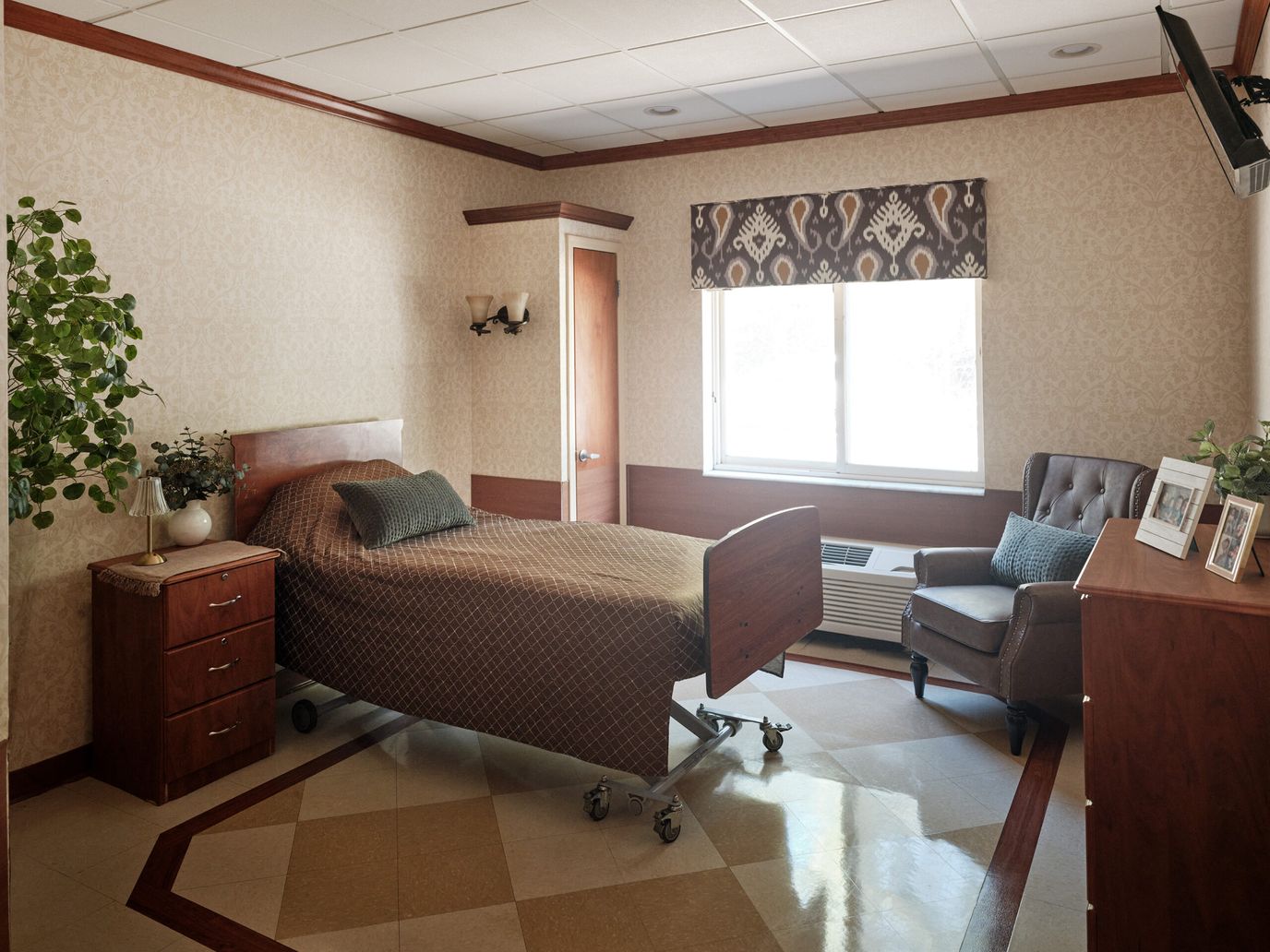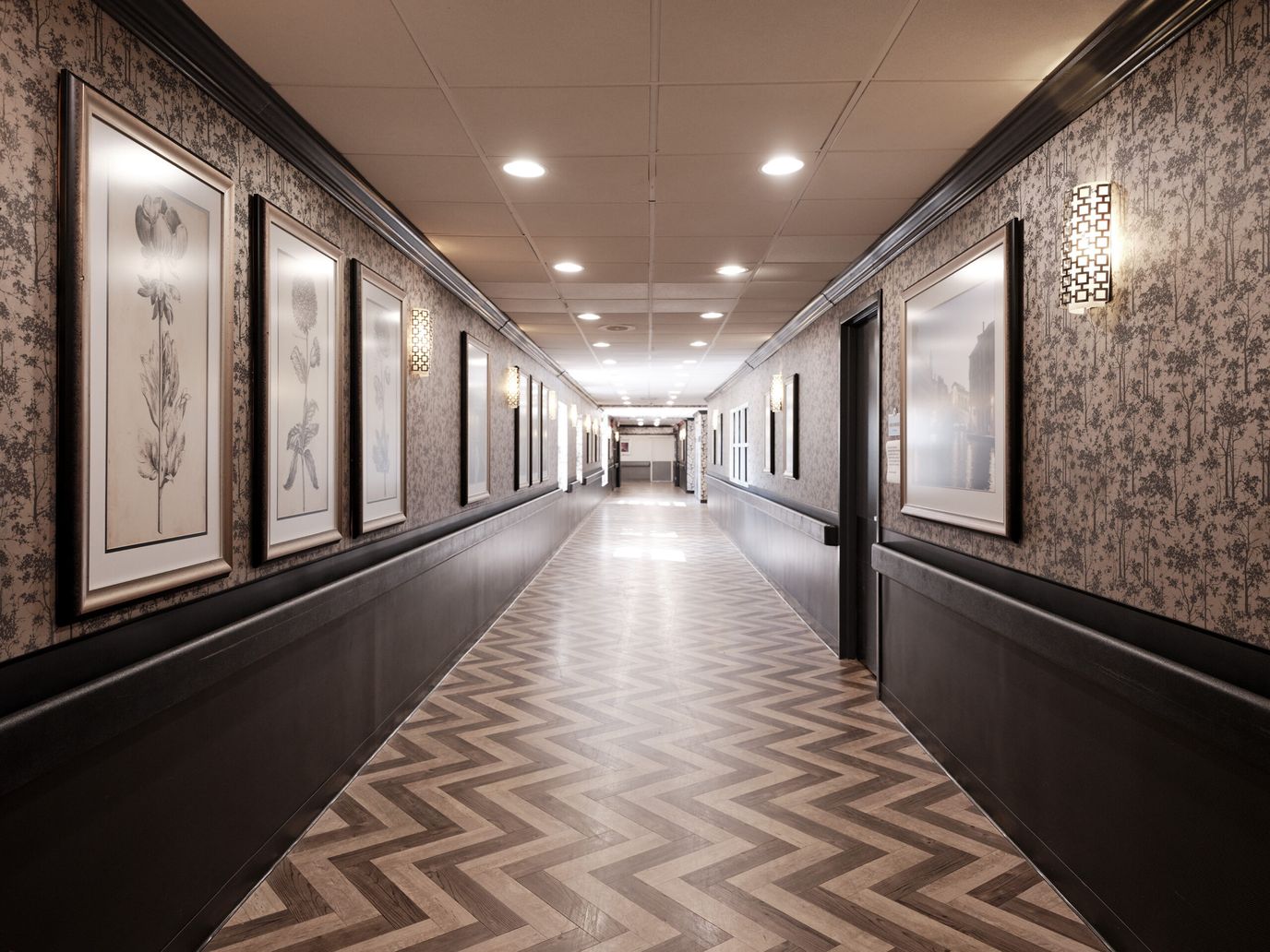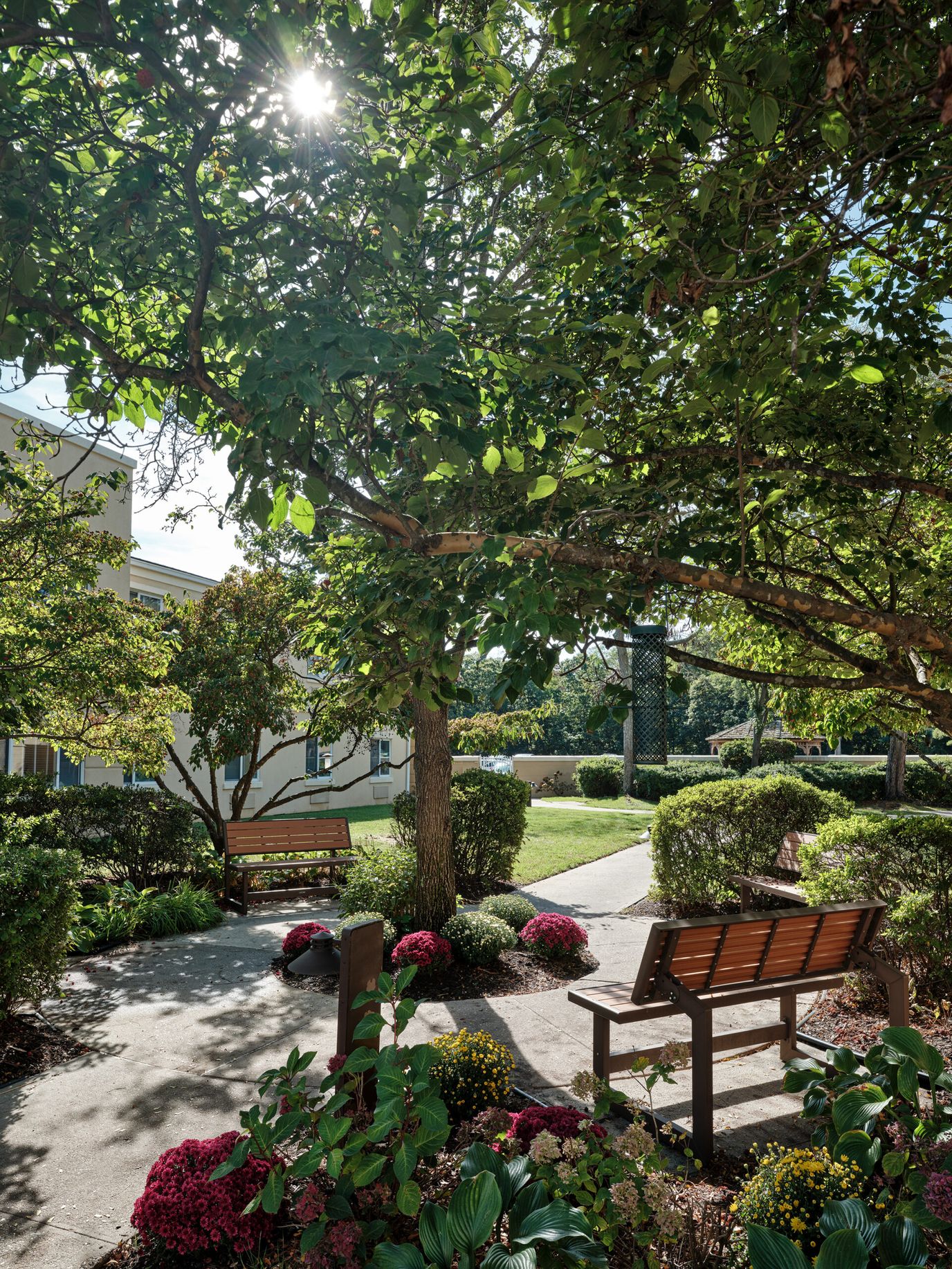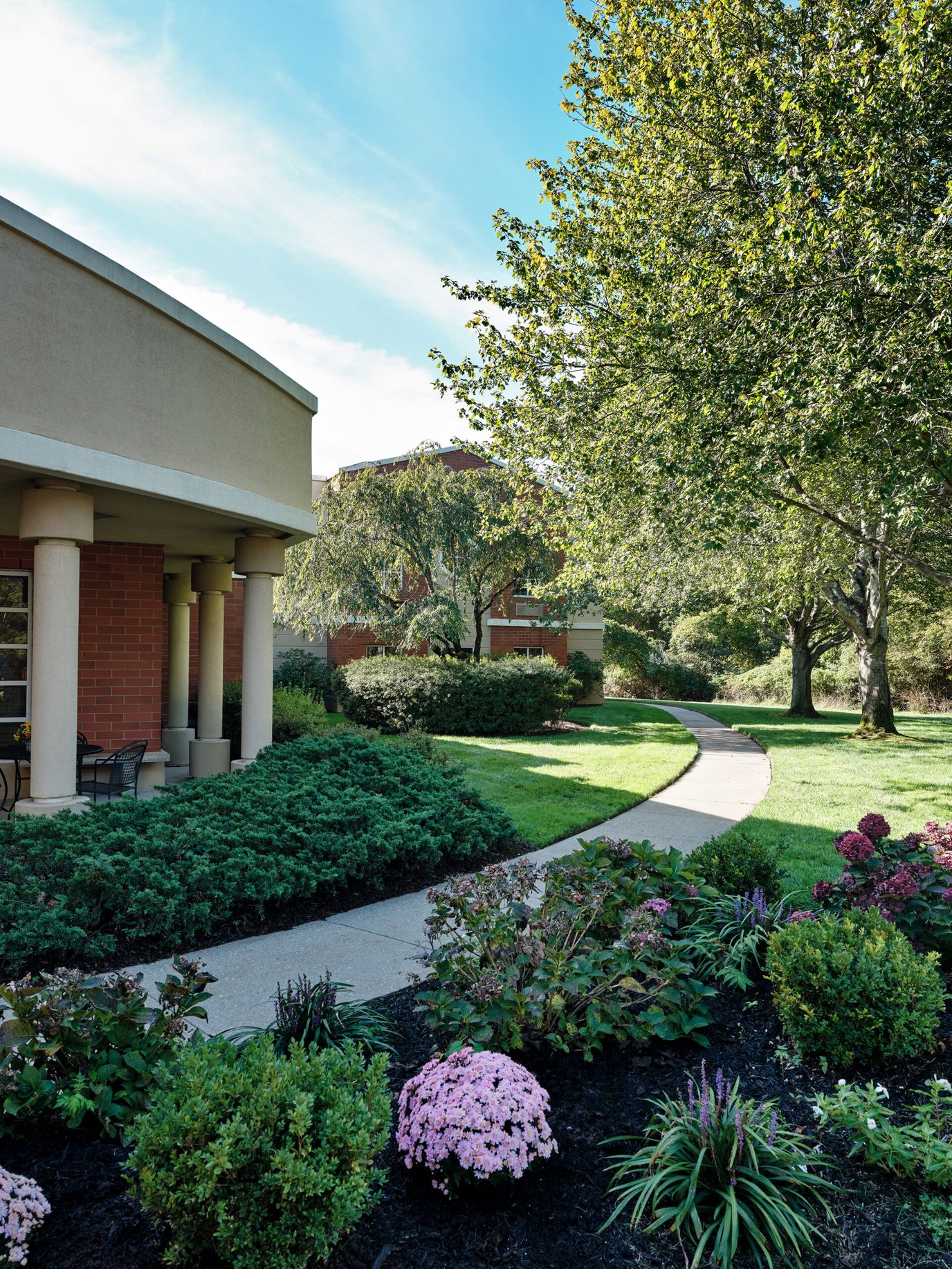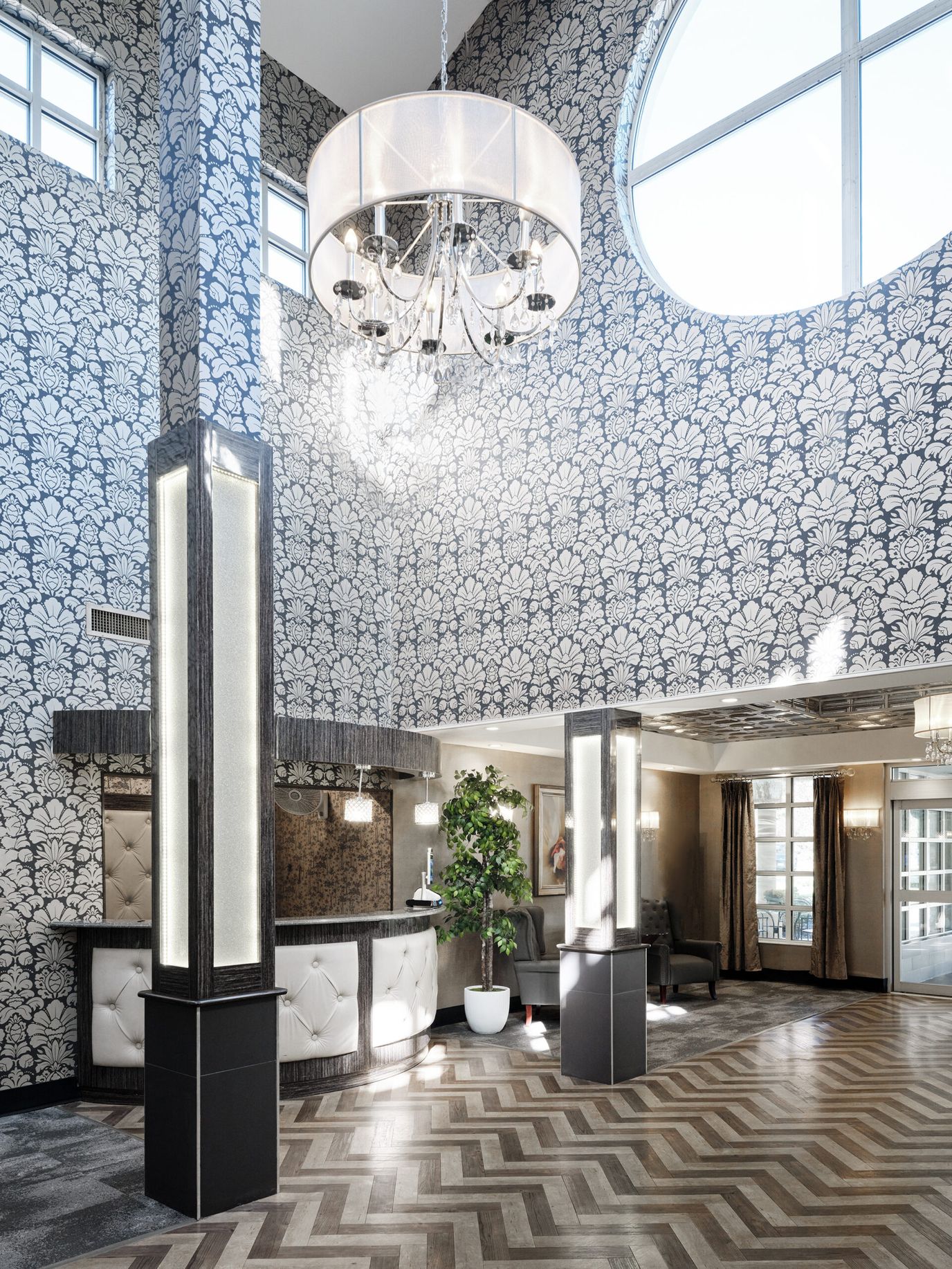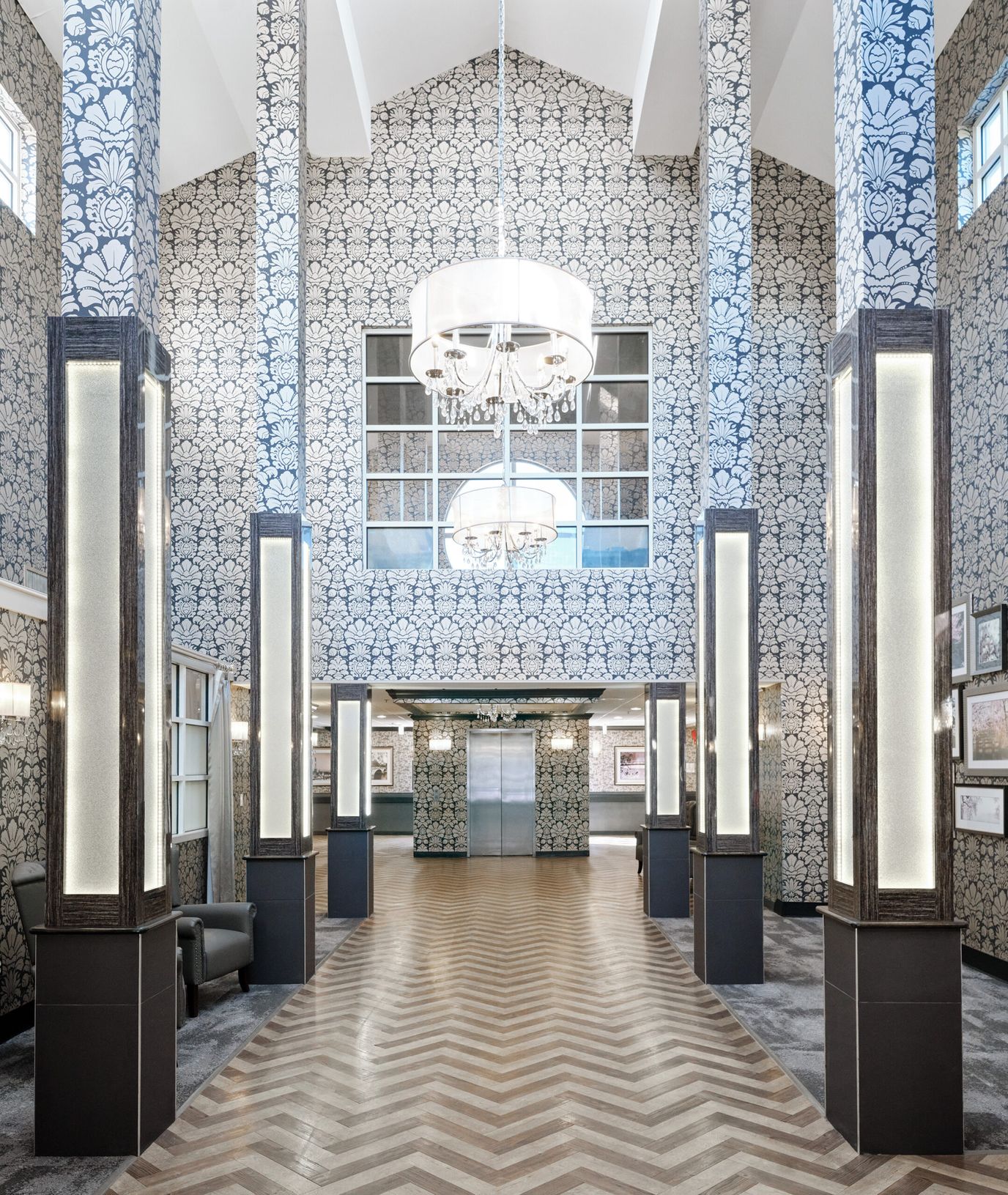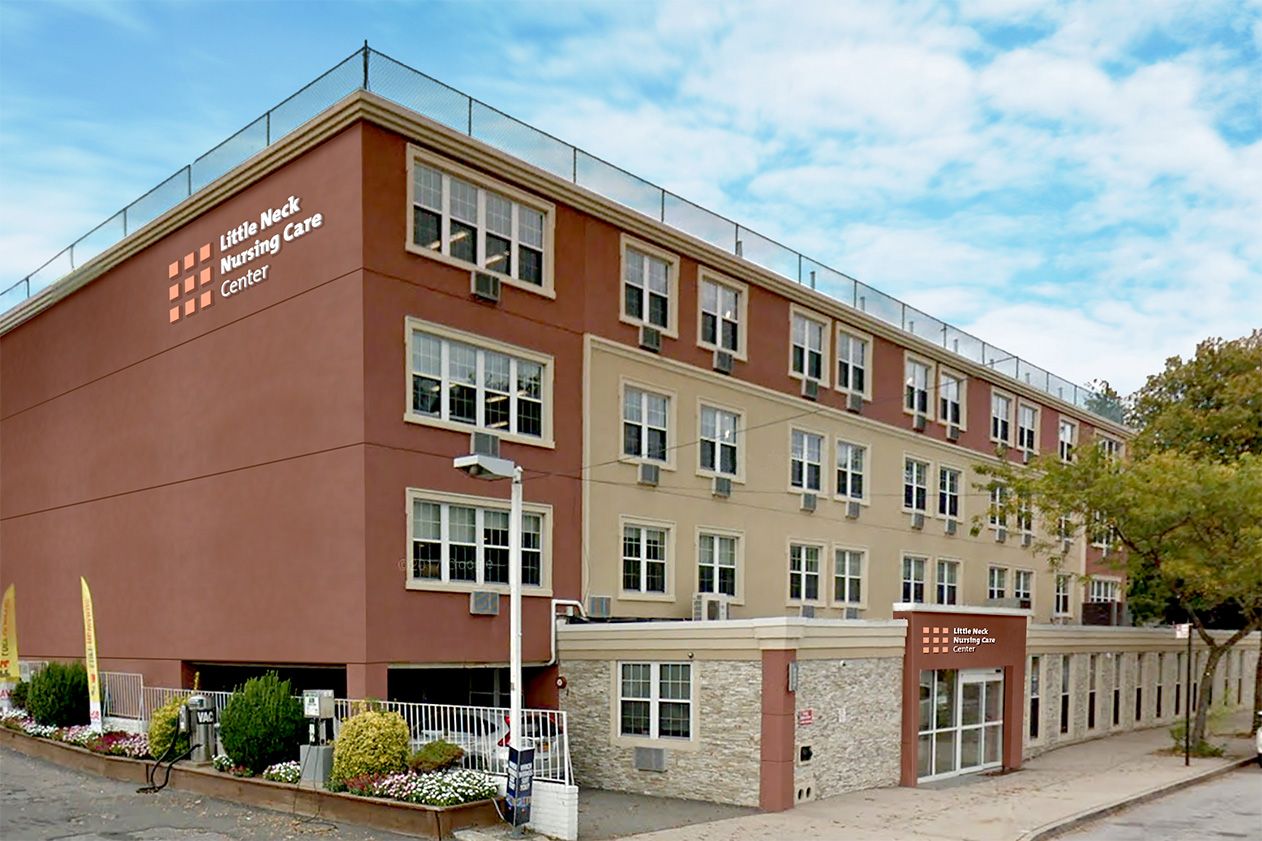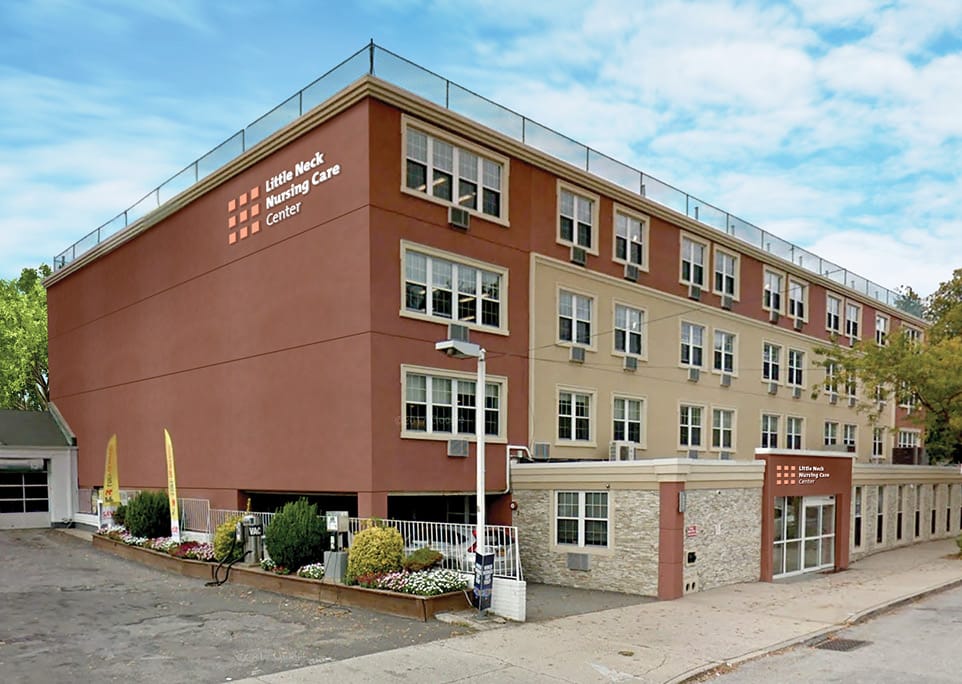


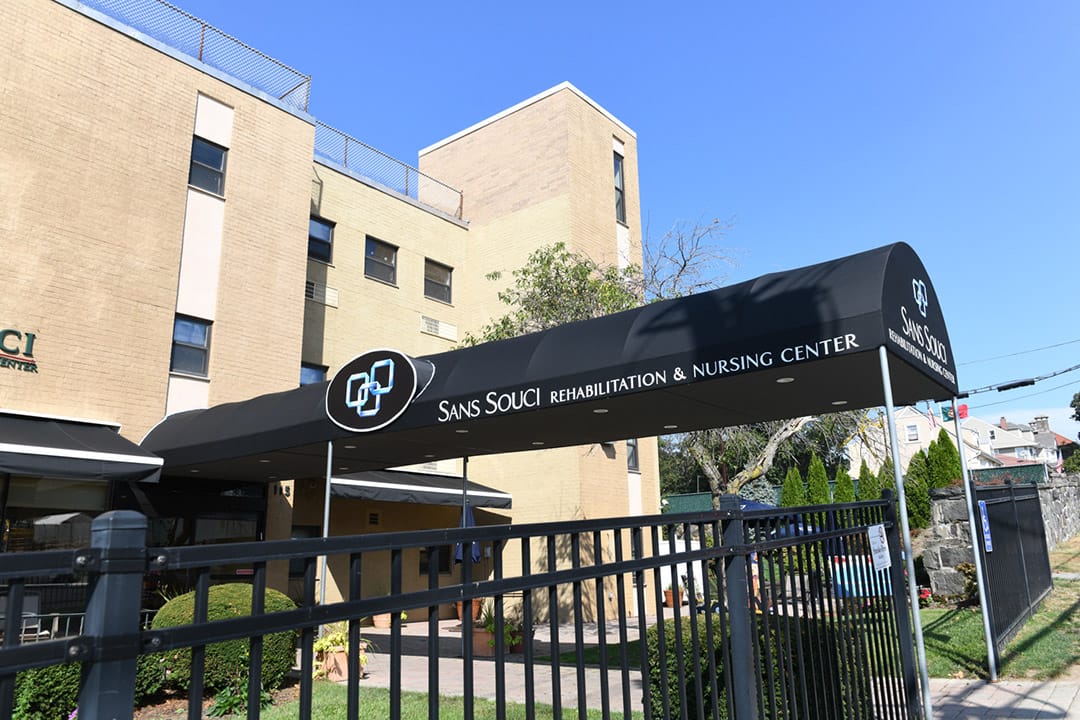

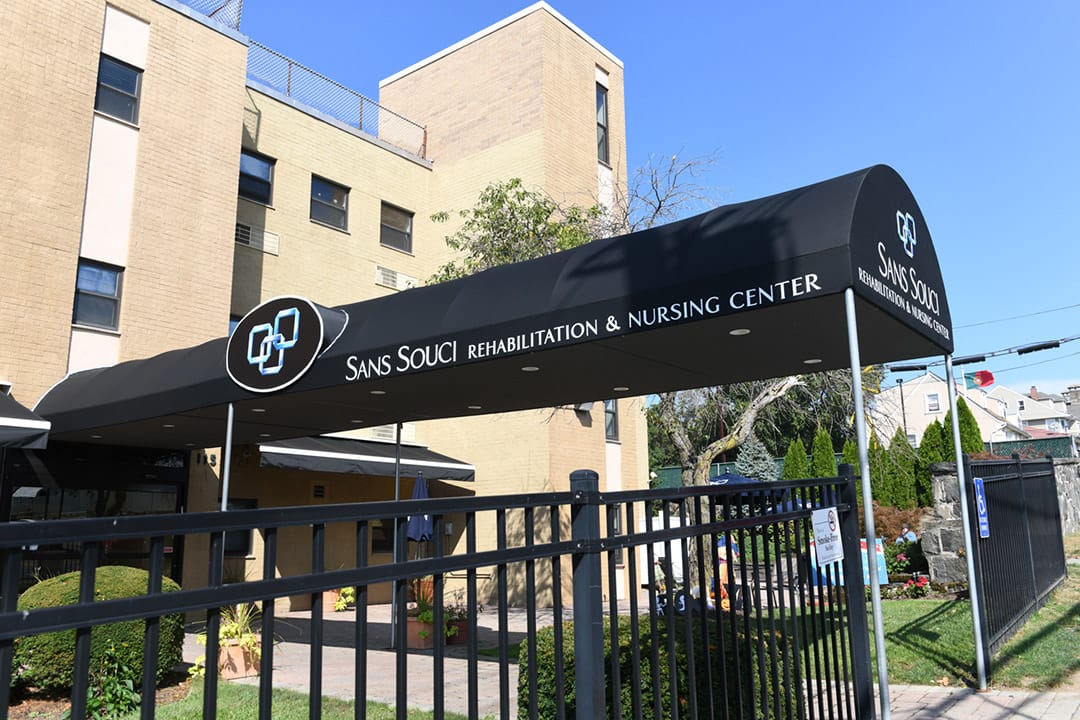
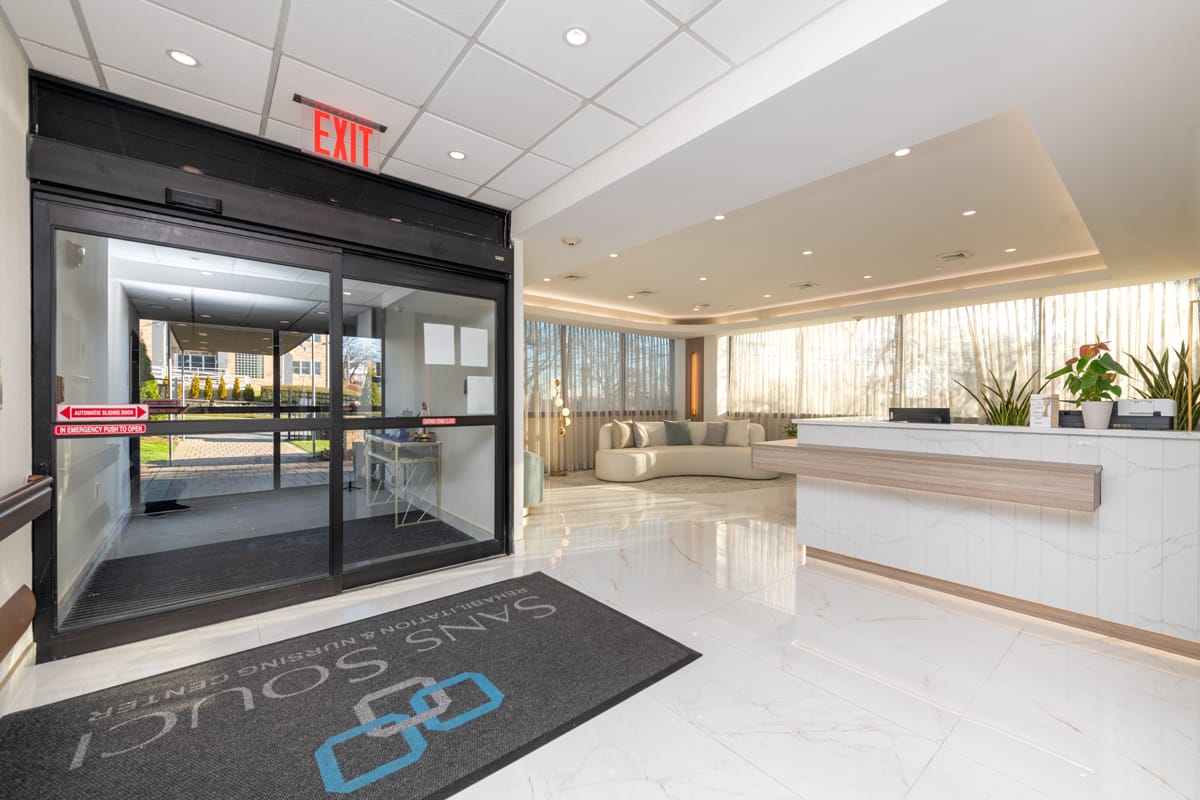
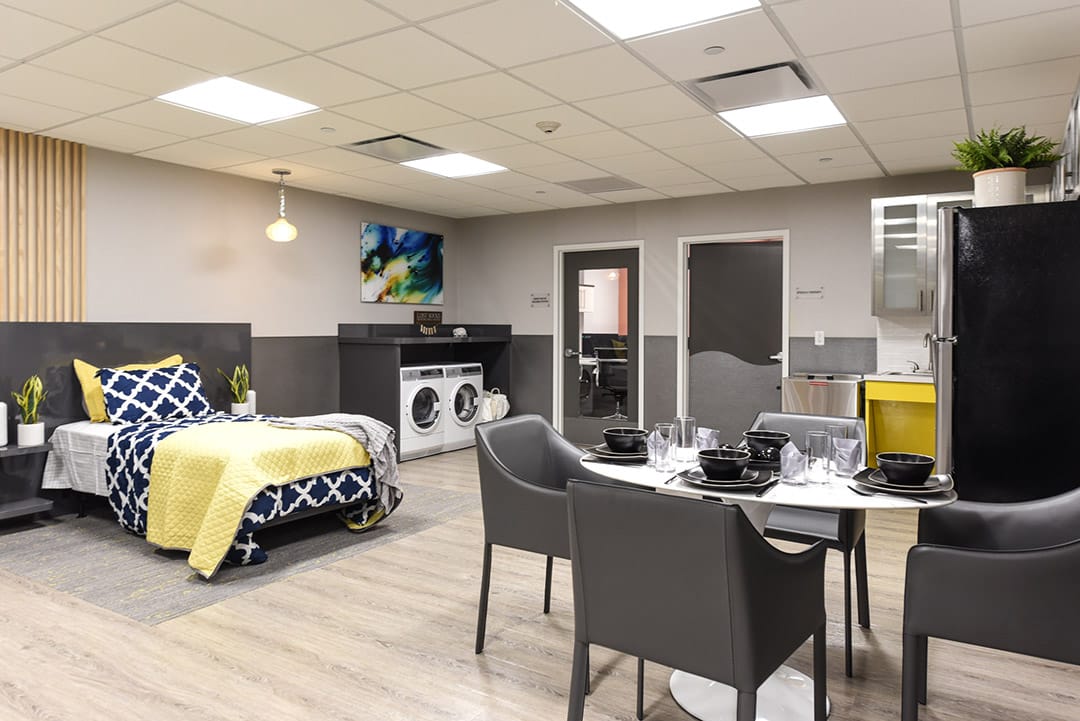
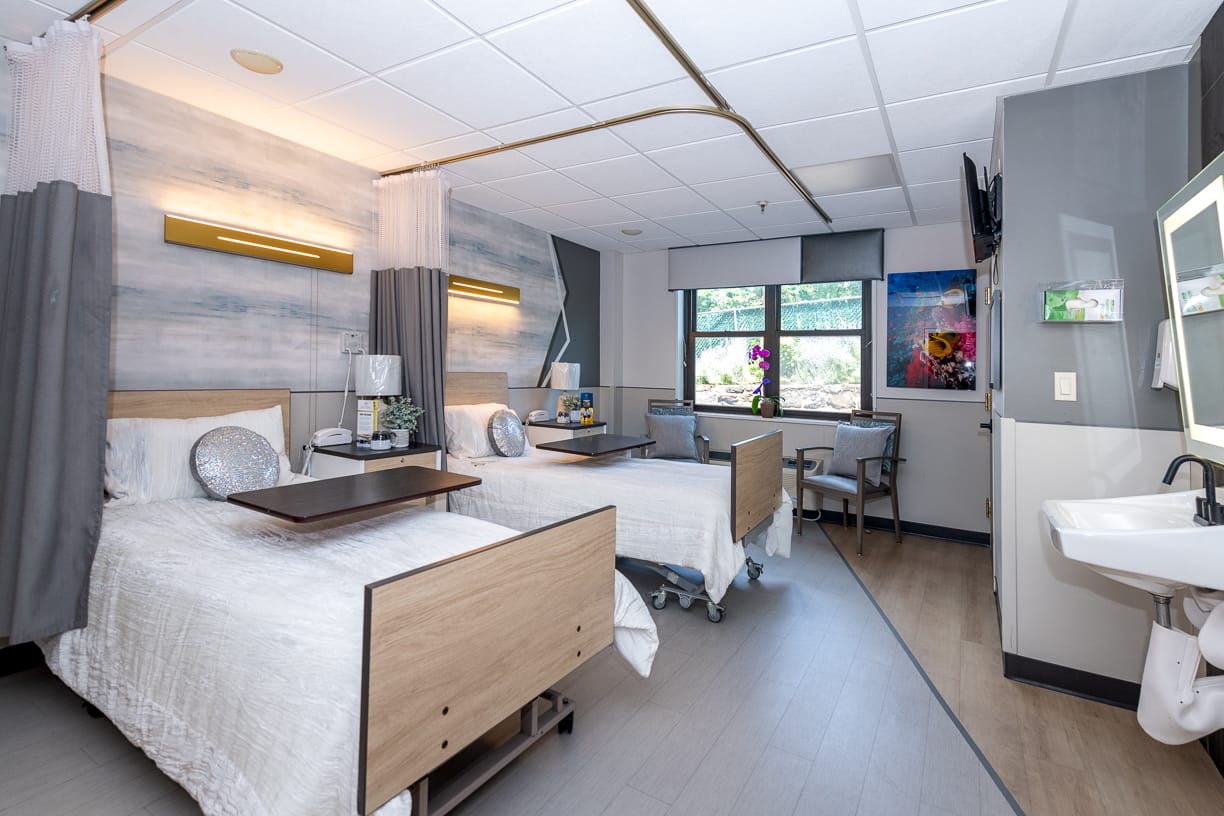
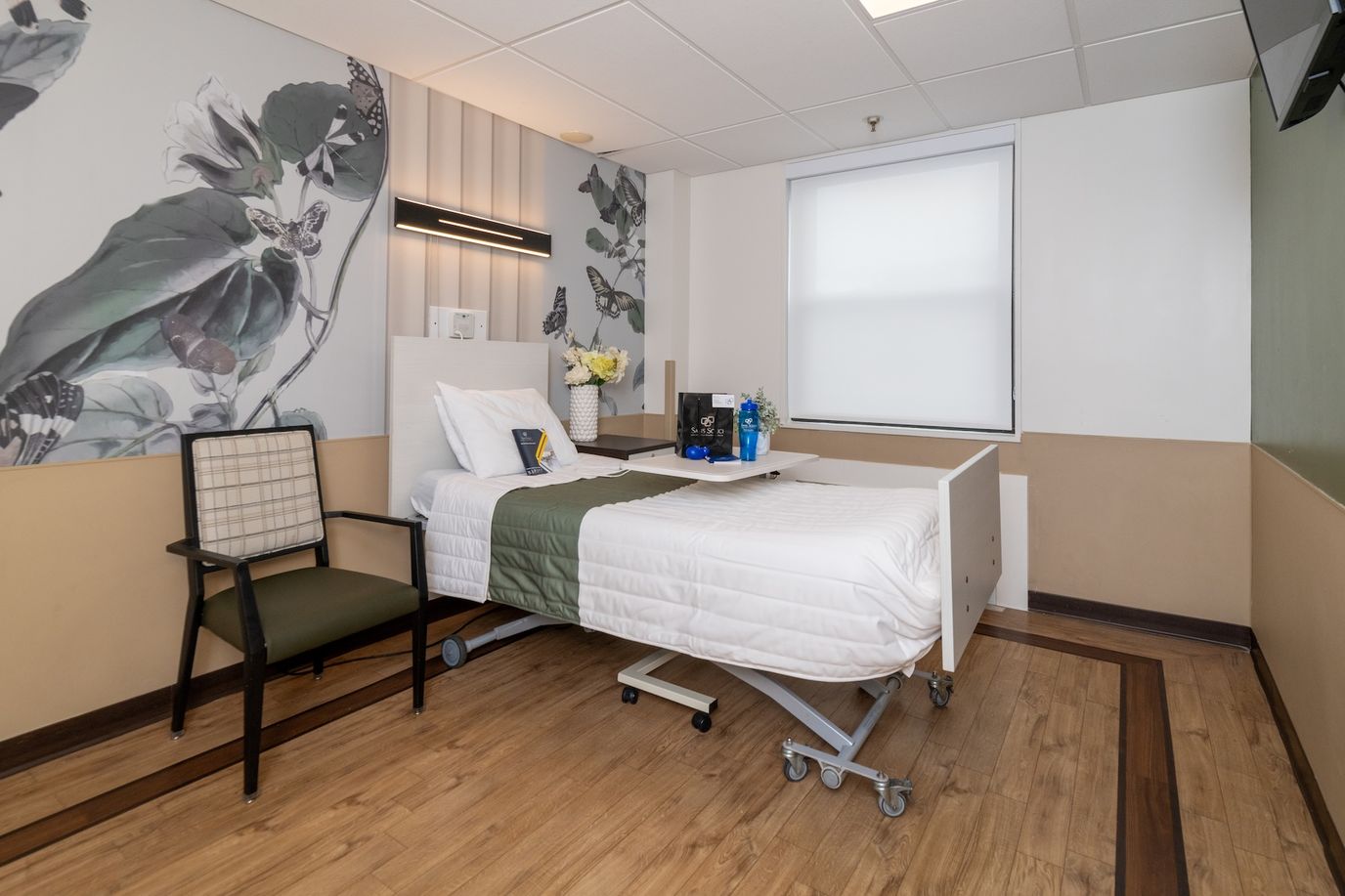

Memory care, hospice care, palliative care, skilled nursing, nursing home care, and respite care are what Sans Souci Rehabilitation and Nursing Center runs in Yonkers, NY. The combination suits a resident with ongoing medical needs, someone who needs watching, a person in recovery, or a family covering for an absent caregiver.
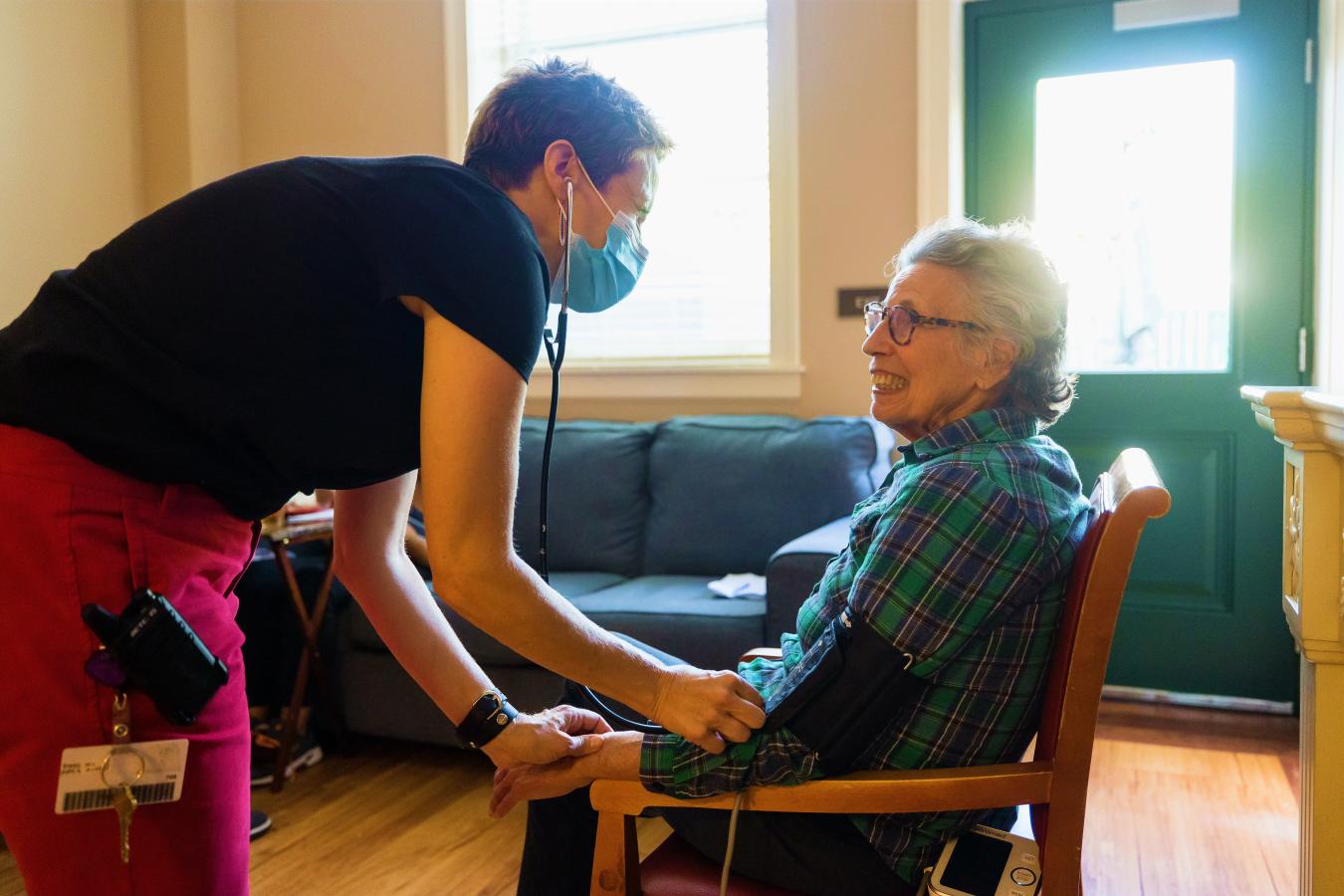
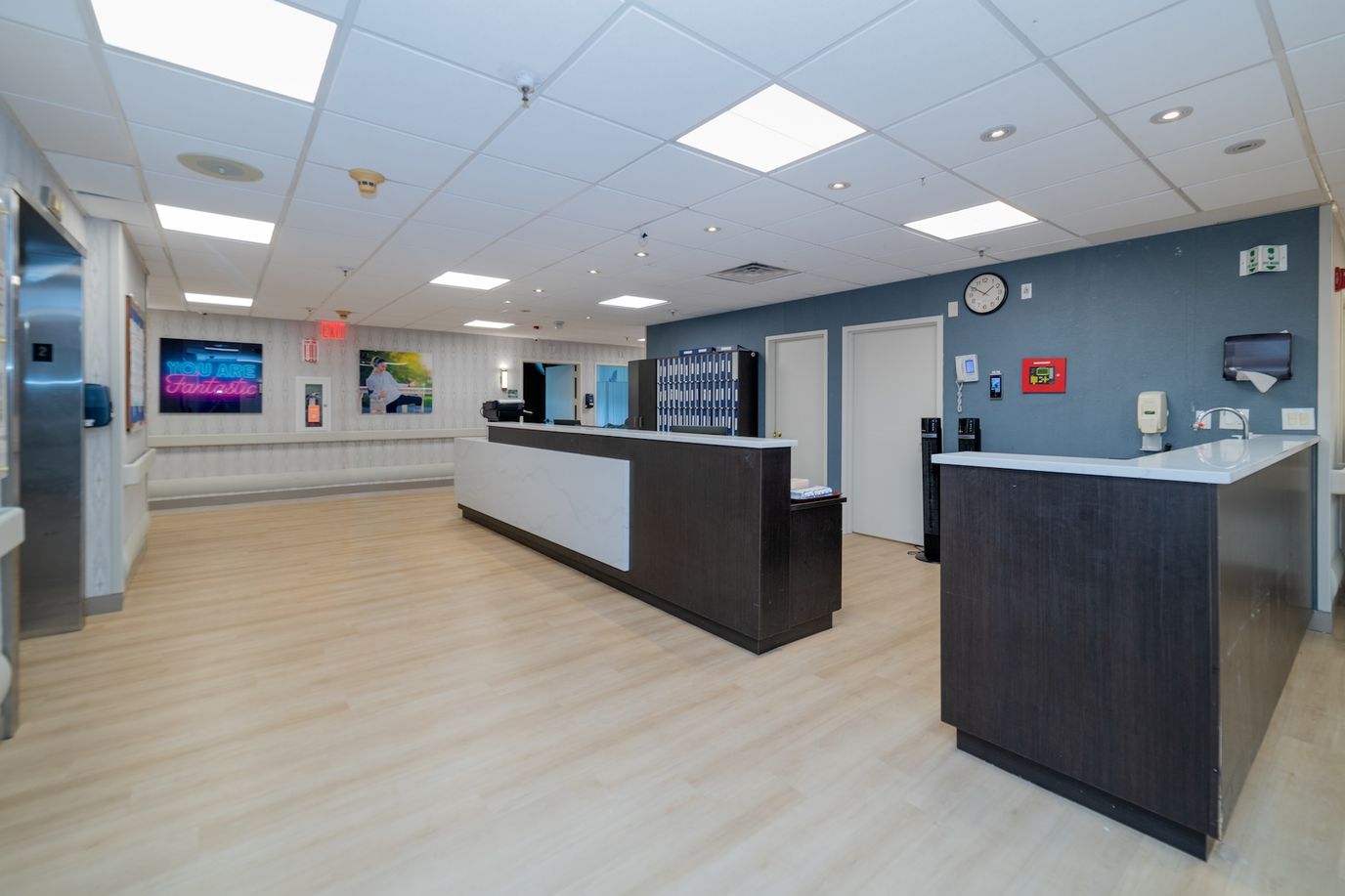
A licensed nurse is on the floor at every hour, overnight included. Memory care answers a different problem: the person who gets up at three in the morning and walks out of a house nobody is awake in. Hospice moves the goal from cure to comfort, and the address does not change when that happens. Palliative work comes earlier, while treatment is still underway.
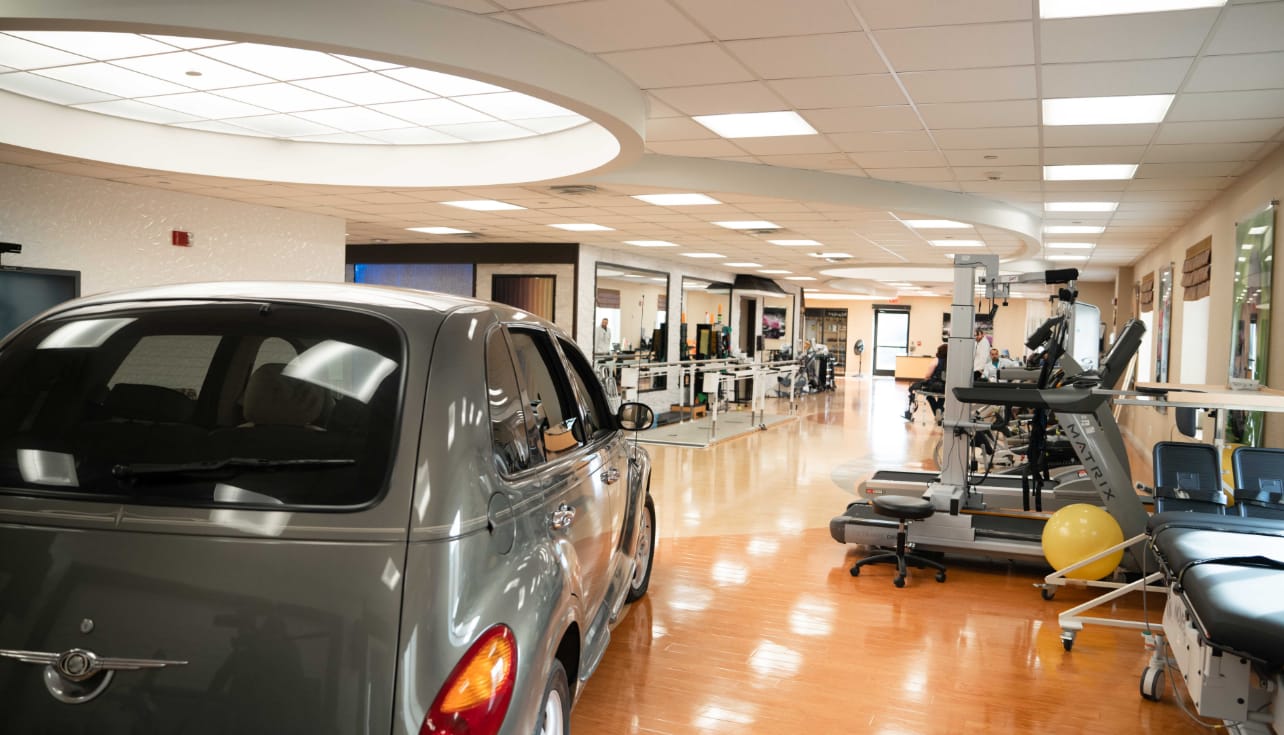
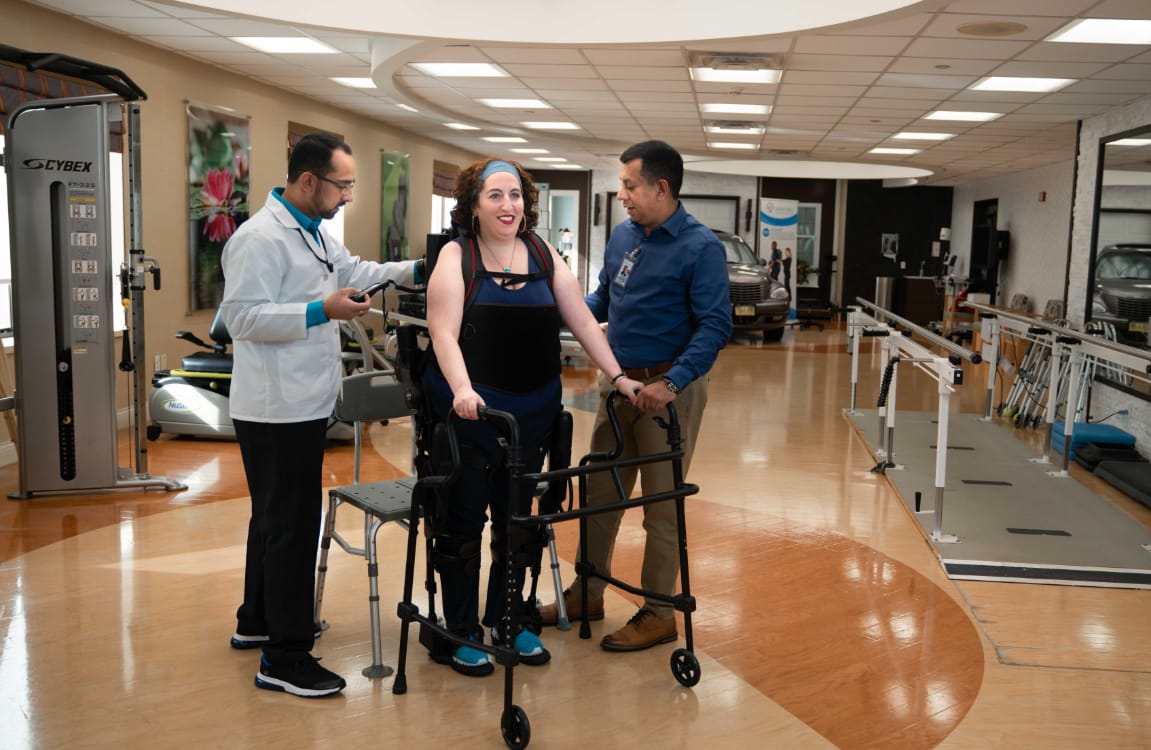
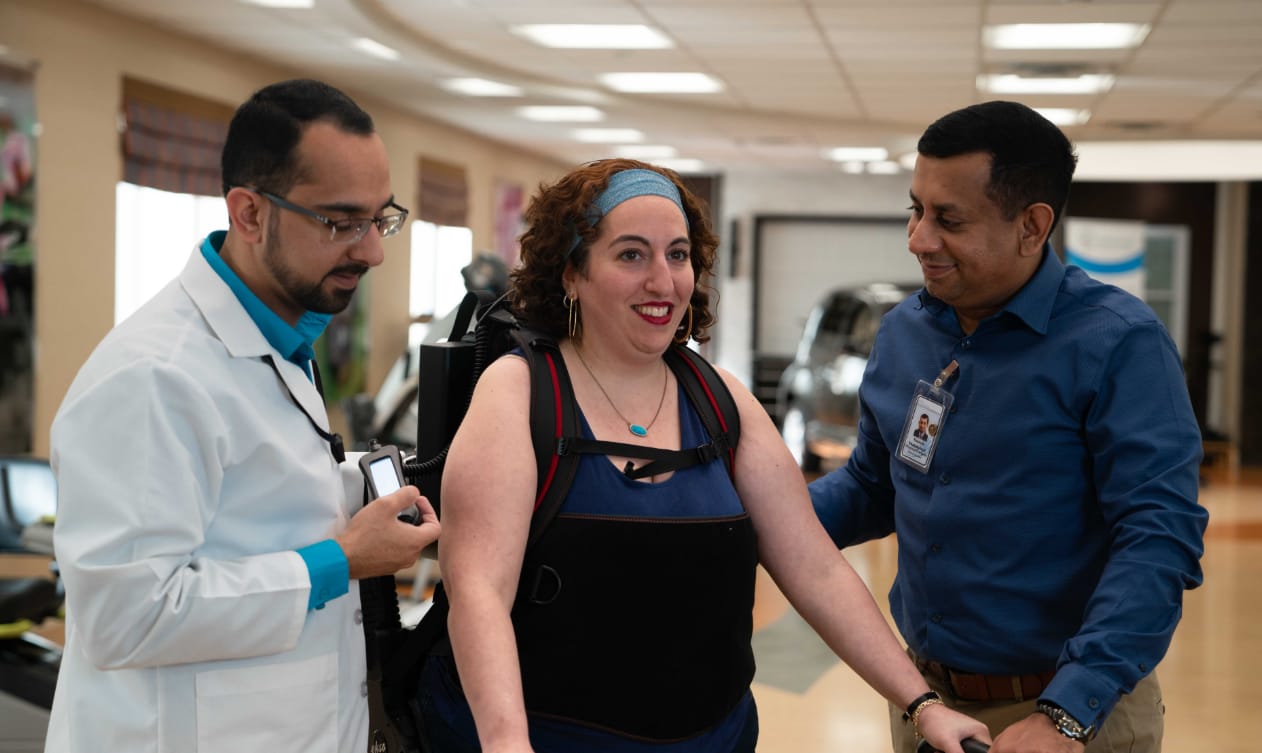
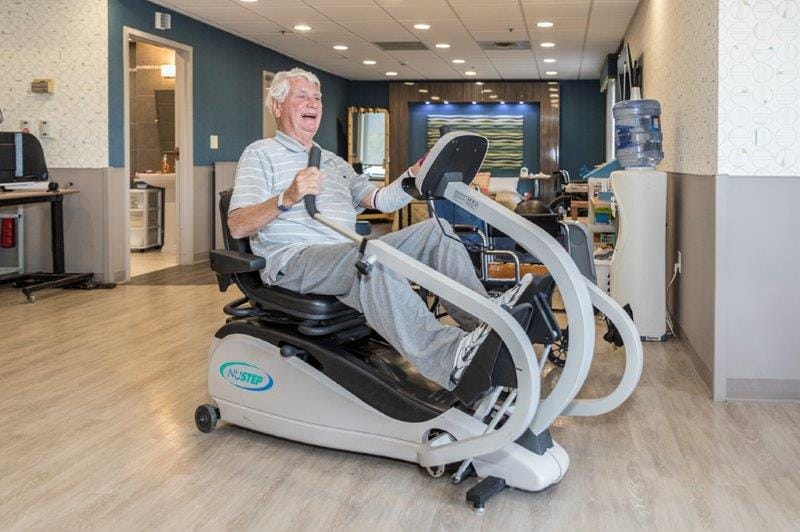
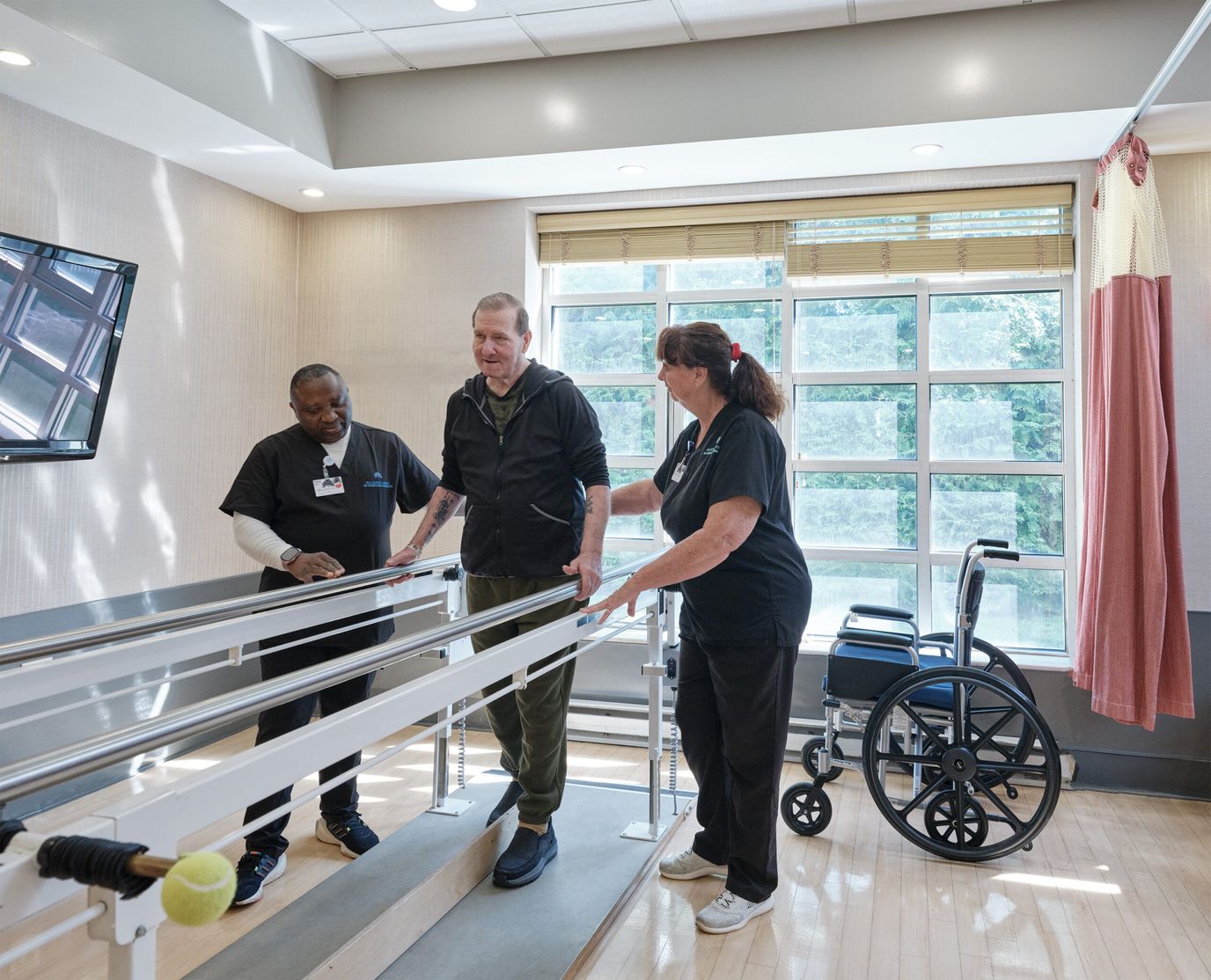
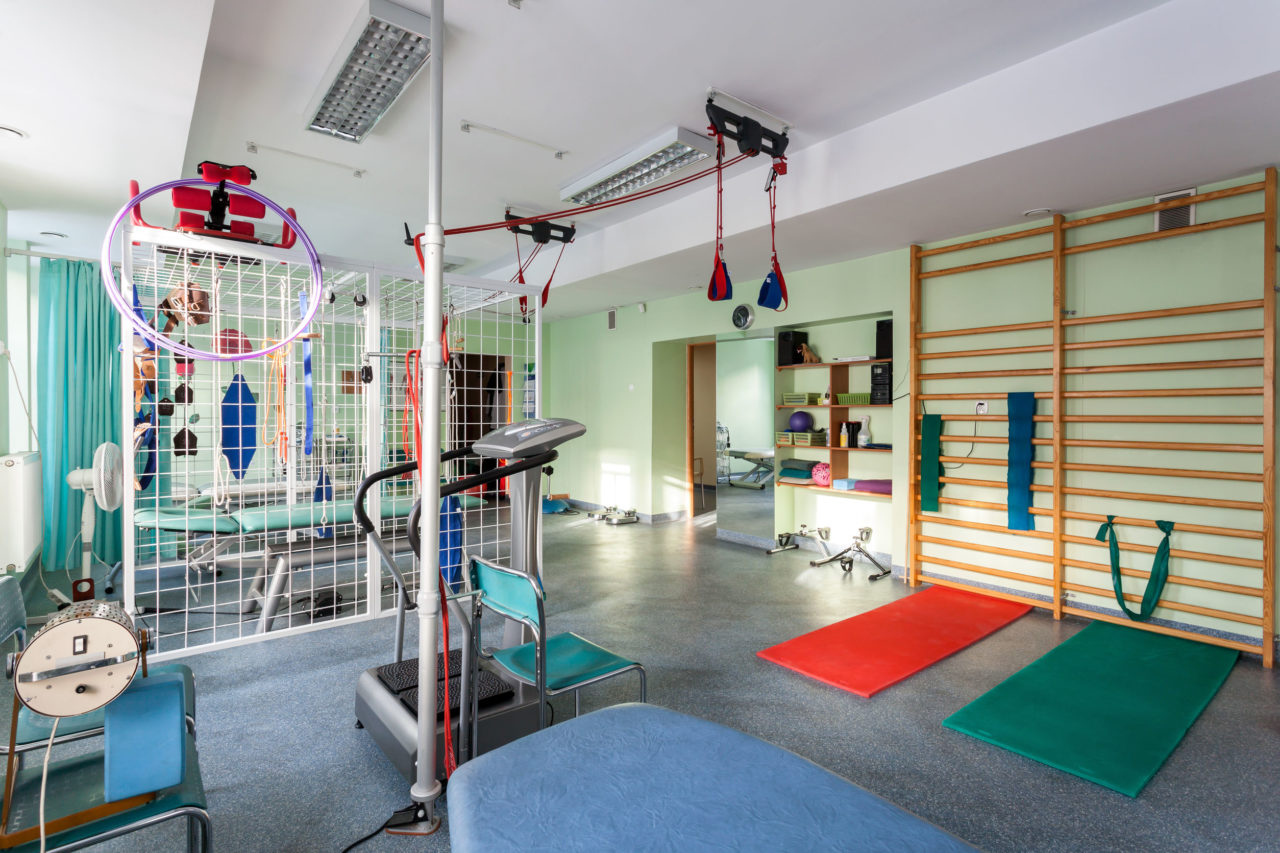
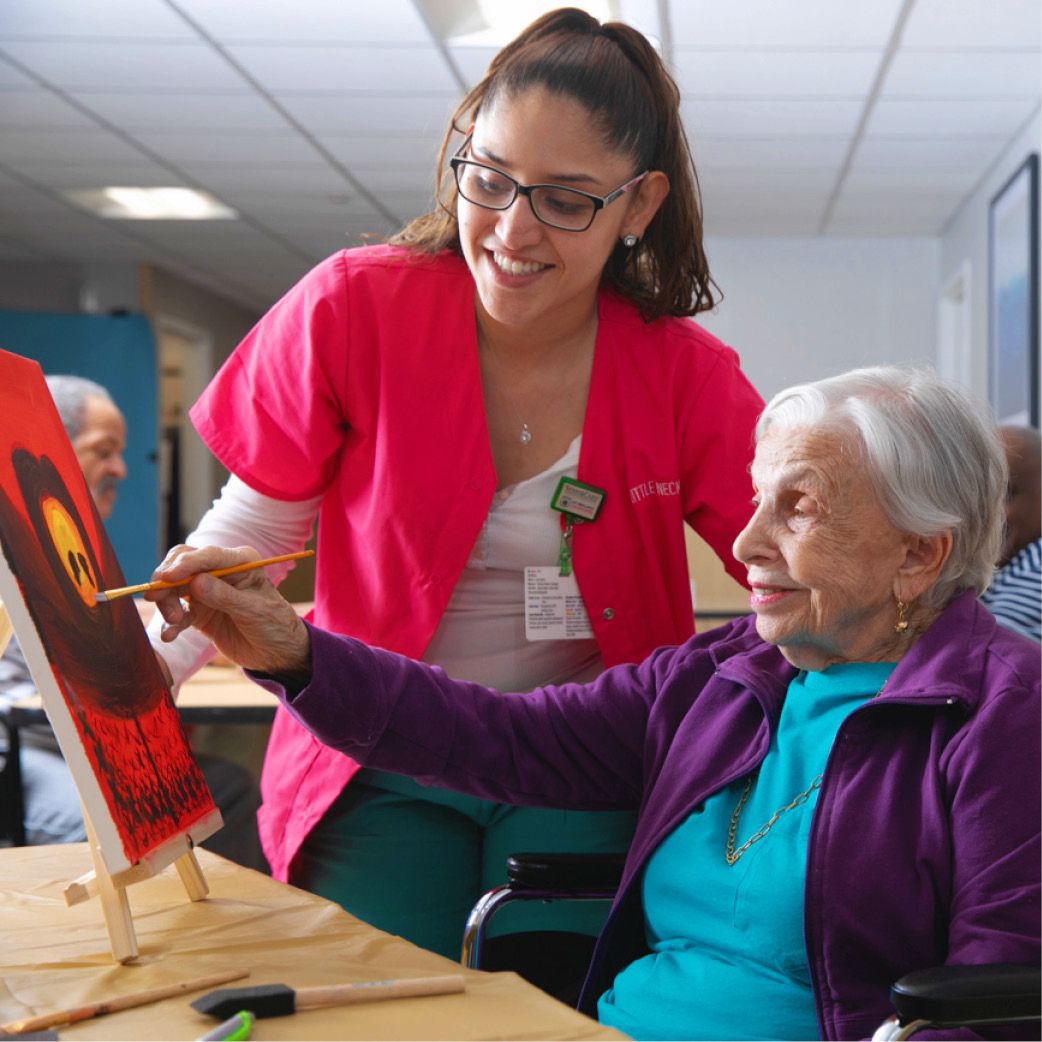
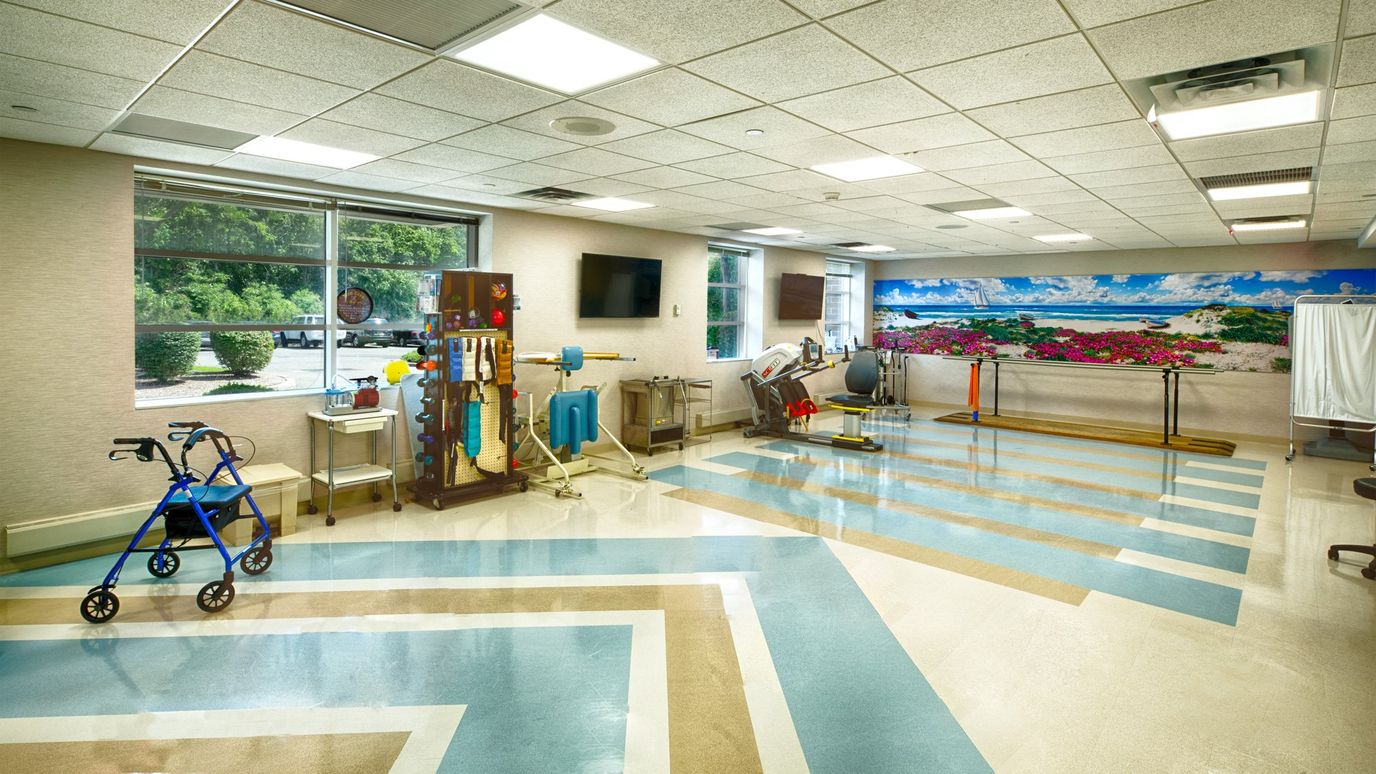
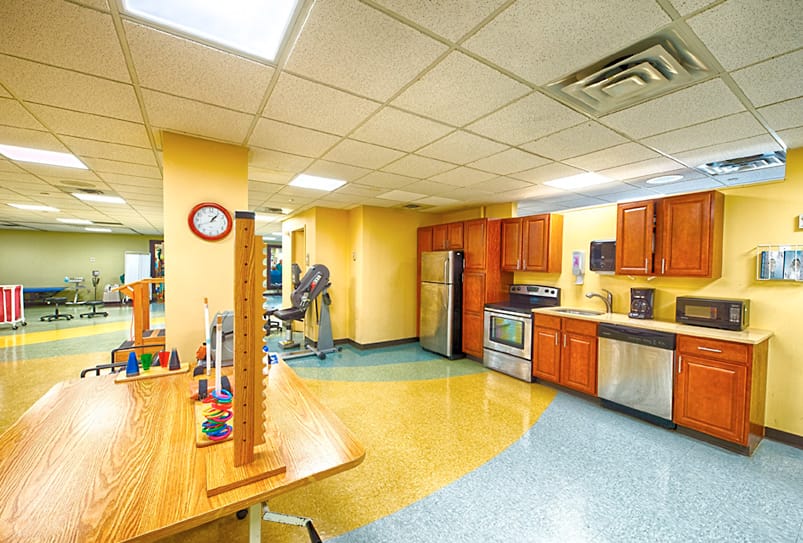
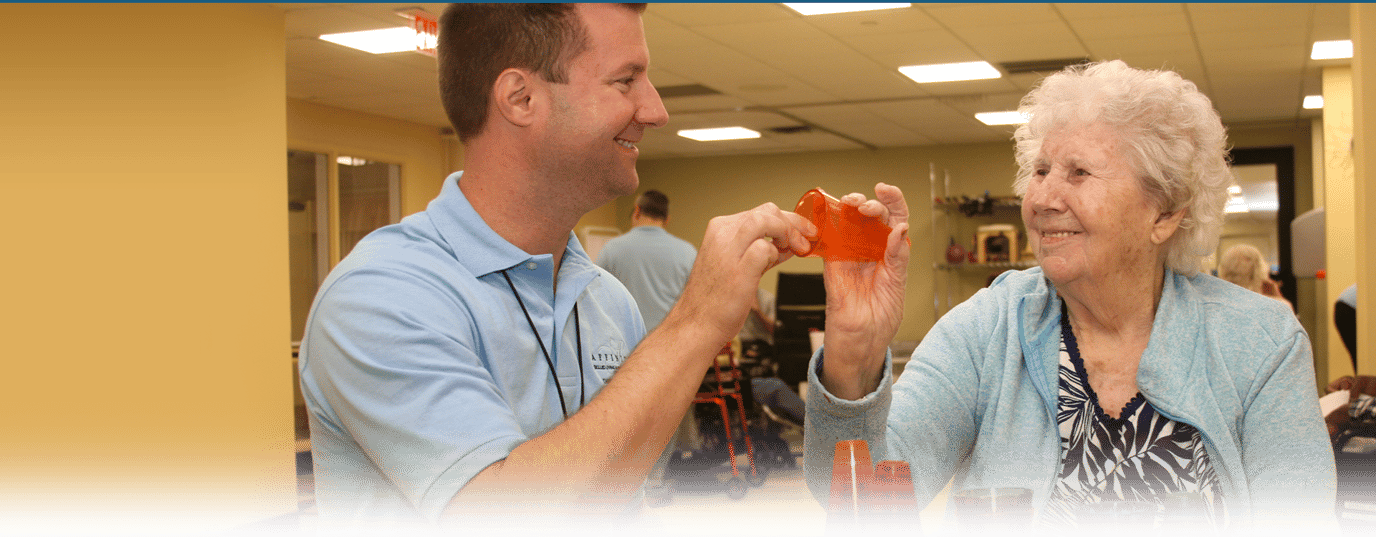
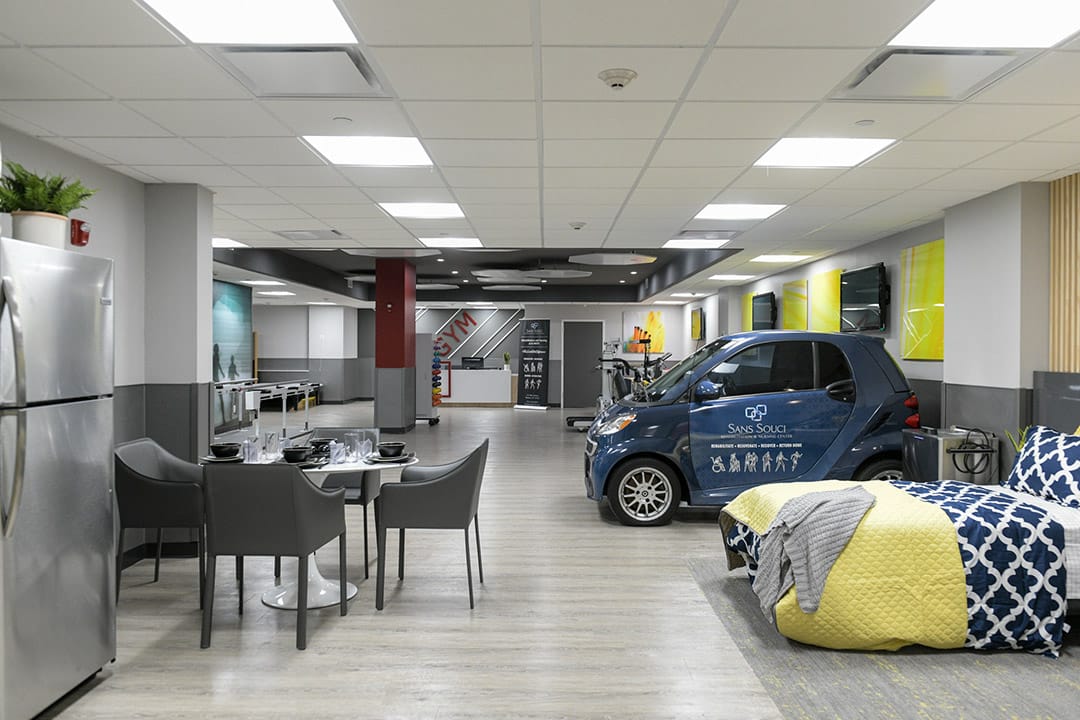
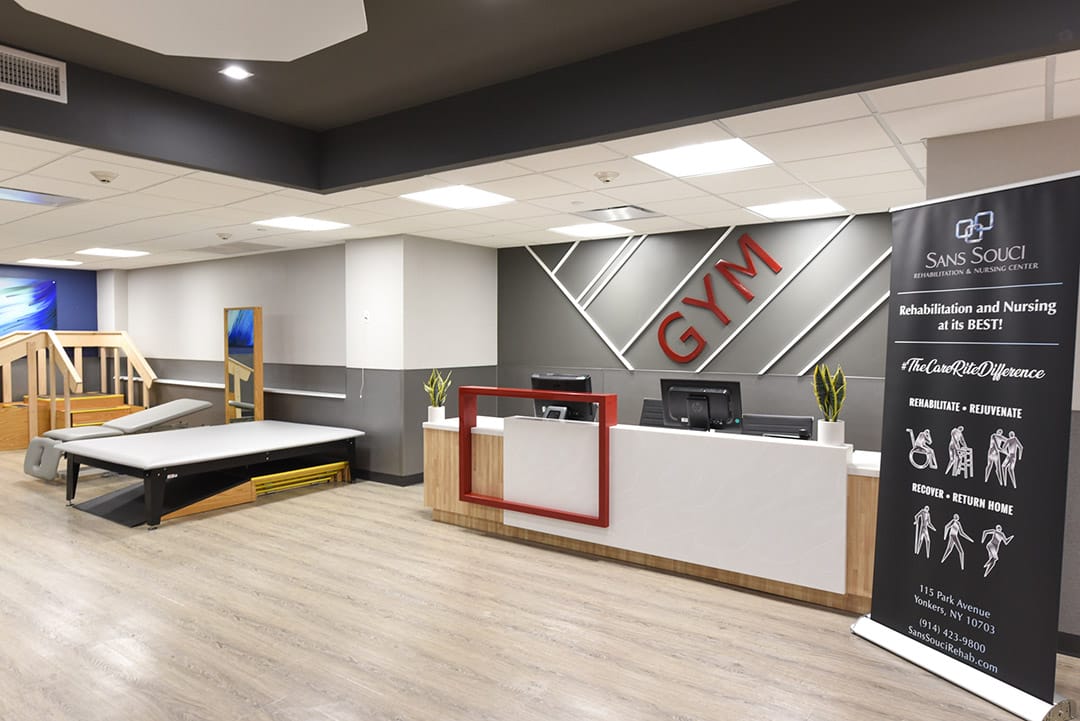
Short stays cover a caregiver’s absence, often one adult child taking a turn while another travels. Daily physical, occupational, and speech therapy gives structured work on movement, daily tasks, and communication. Subacute post-operative care picks up after surgery, and outpatient therapy lets someone do the rehabilitation without moving in at all.
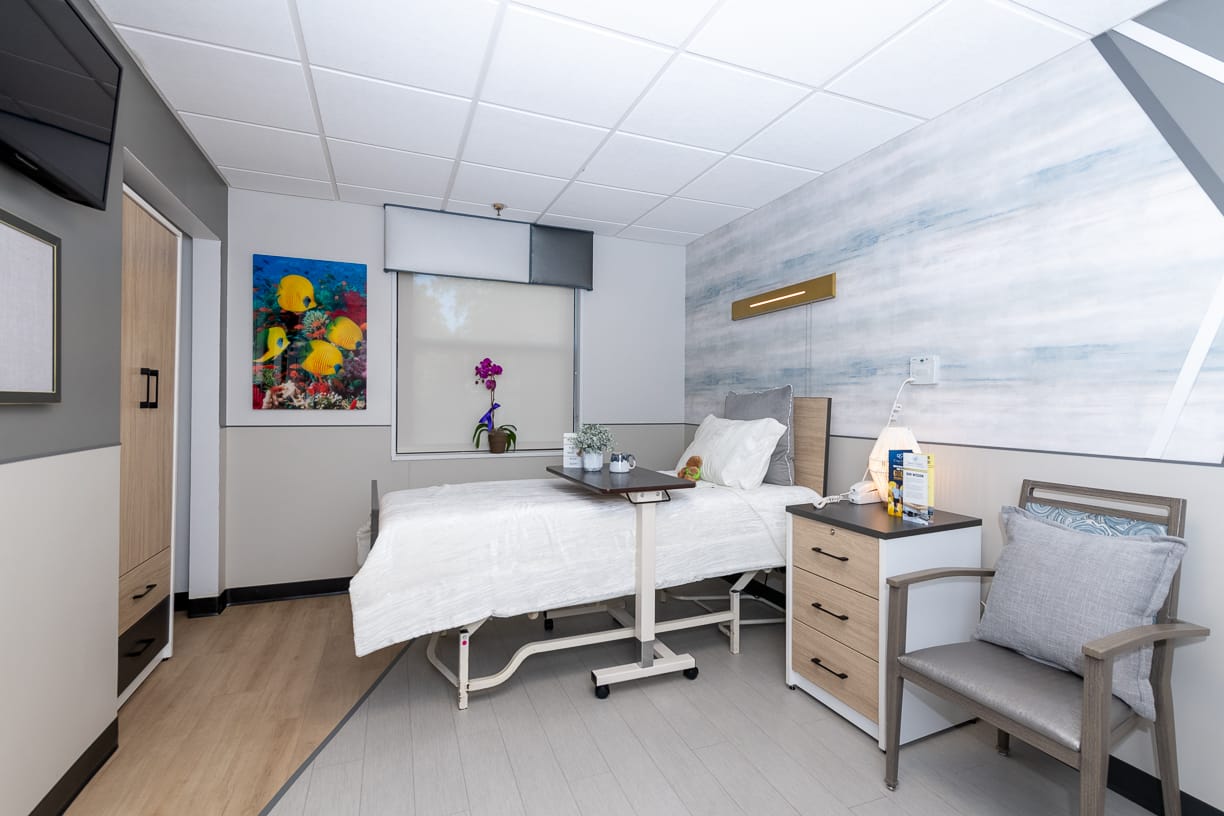
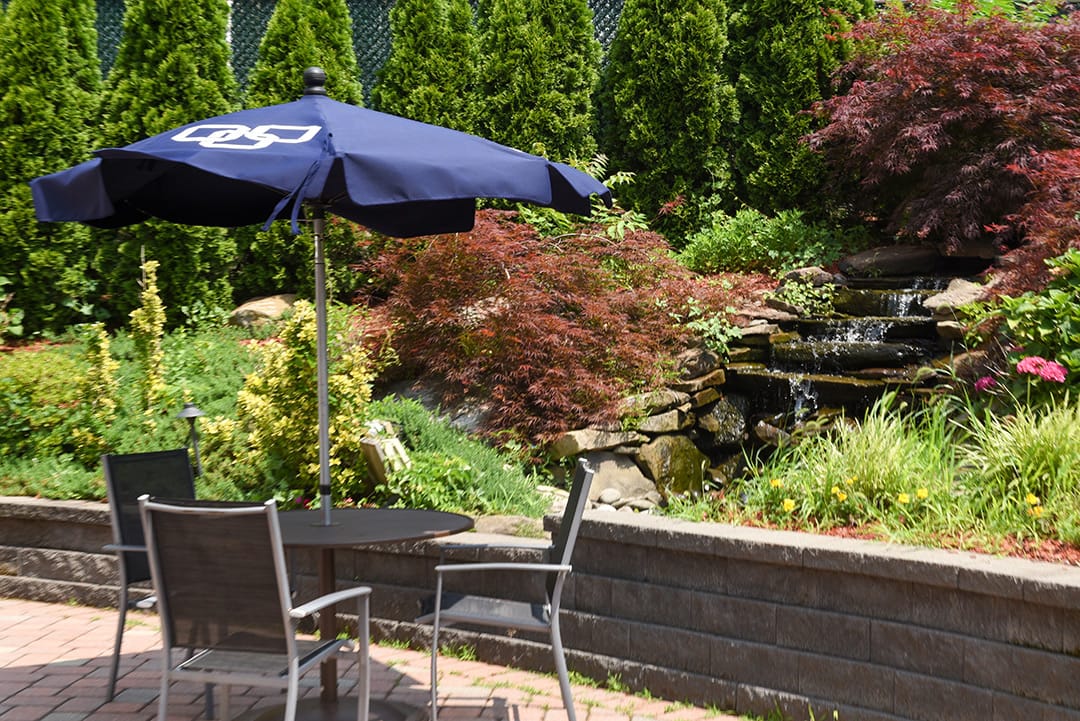
Respiratory care, IV therapy, diabetic management, pain management, and bariatric services fill out the clinical list. There are 120 beds; the center takes Medicare, private pay, and Medicaid, and Westchester Park operates it. A Walk Score of 64 lands the streets in the somewhat walkable band, so a resident who gave up the car still gets a few errands done on foot.