Page 5 of Best Hospice Care in Wisconsin

Why trust this guide? Our editorial team analyzed 89 hospice communities in WI using WI Dept. of Health Services (DHS) data, inspection records, complaints, amenities, and facility-level details. How we rank hospice in WI
Reviewed by
Last updated
We analyzed These are the providers in Wisconsin our team has analyzed — not a count of every hospice provider in Wisconsin.
89 homes
Other senior care options in Wisconsin:
Avg Walk Score: 46/ 100The average Walk Score across facilities in Wisconsin. A third-party neighborhood walkability score (0–100) measuring convenience and context, not healthcare quality. Individual facilities can vary widely from this average.
National Average: 50/ 100
Avg No. of Beds: 72The average licensed bed capacity across facilities in Wisconsin. Individual facilities can vary widely from this average.
National Average: 90
Overview of Dimensions Living Pewaukee East

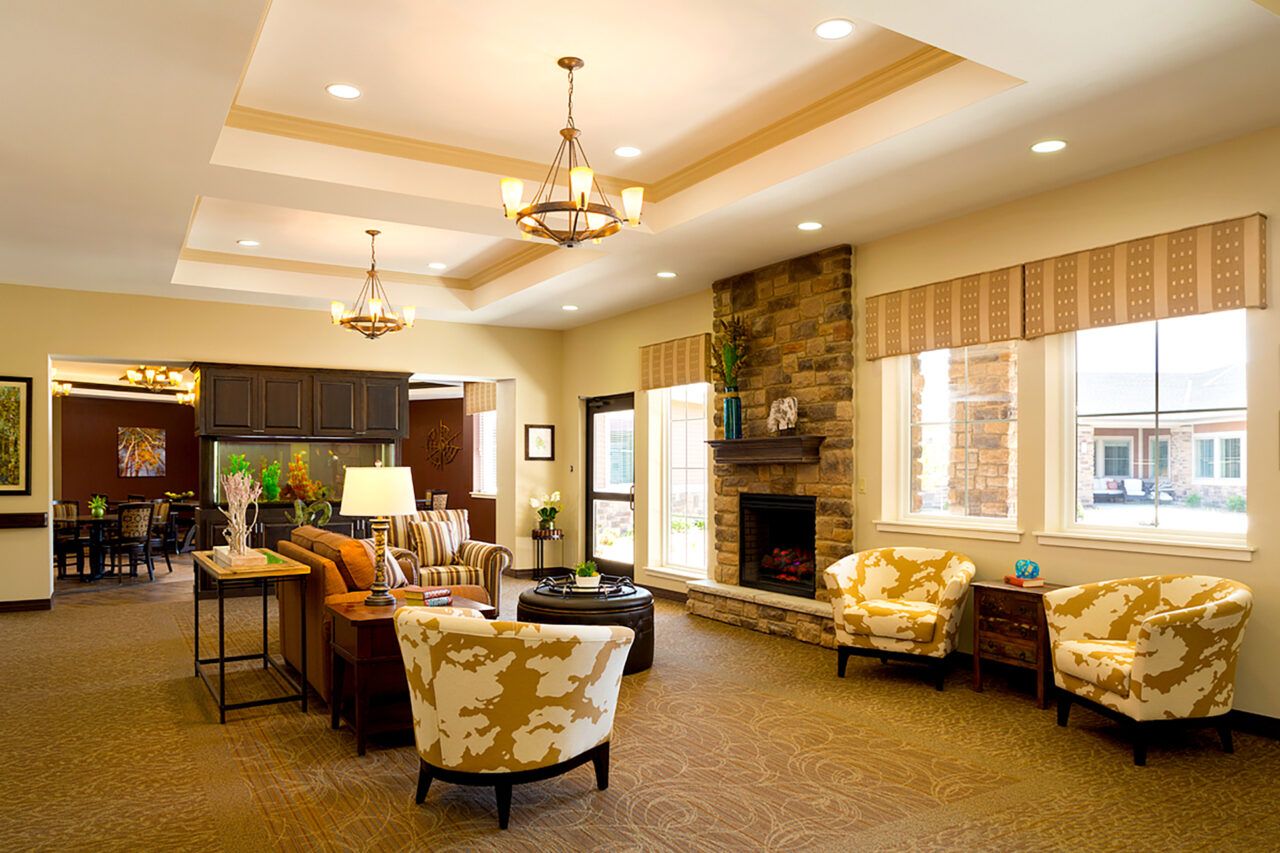
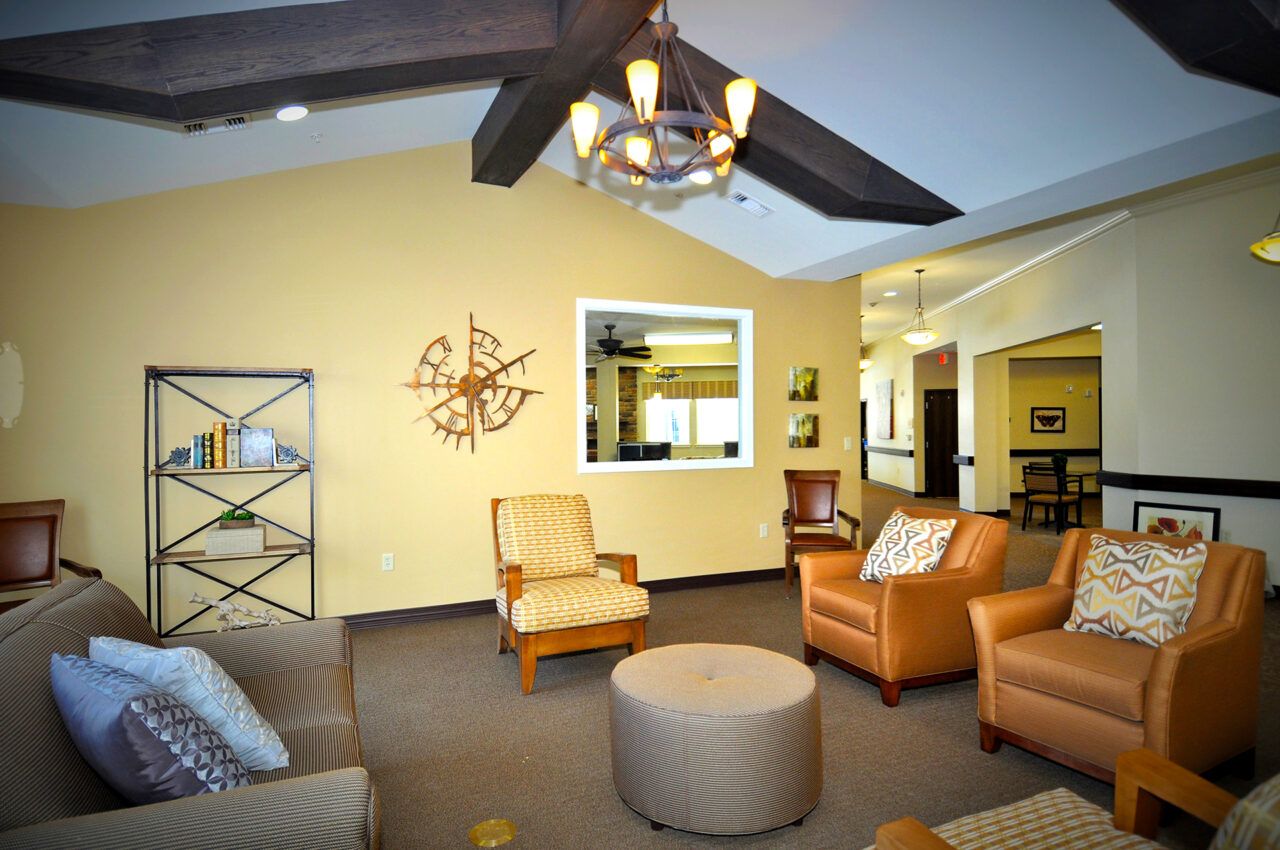
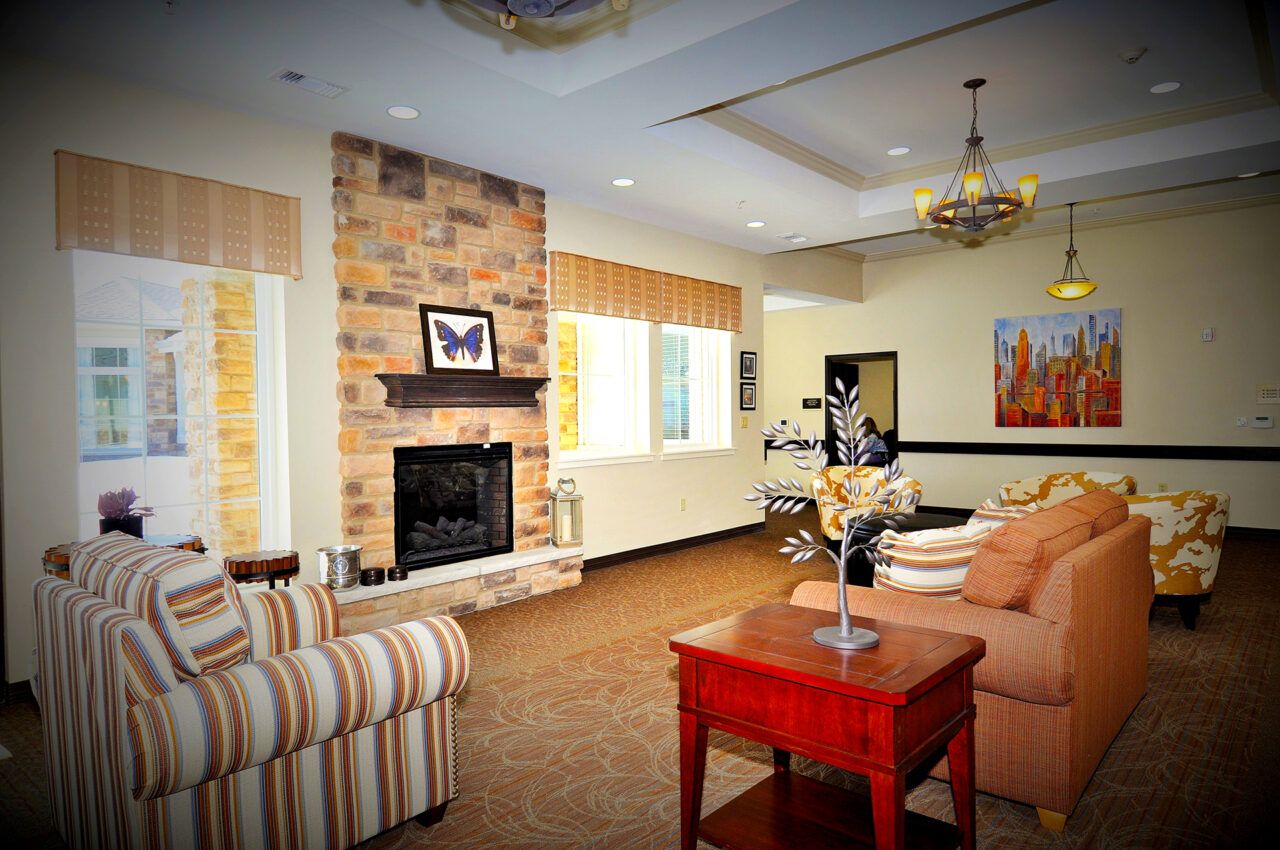
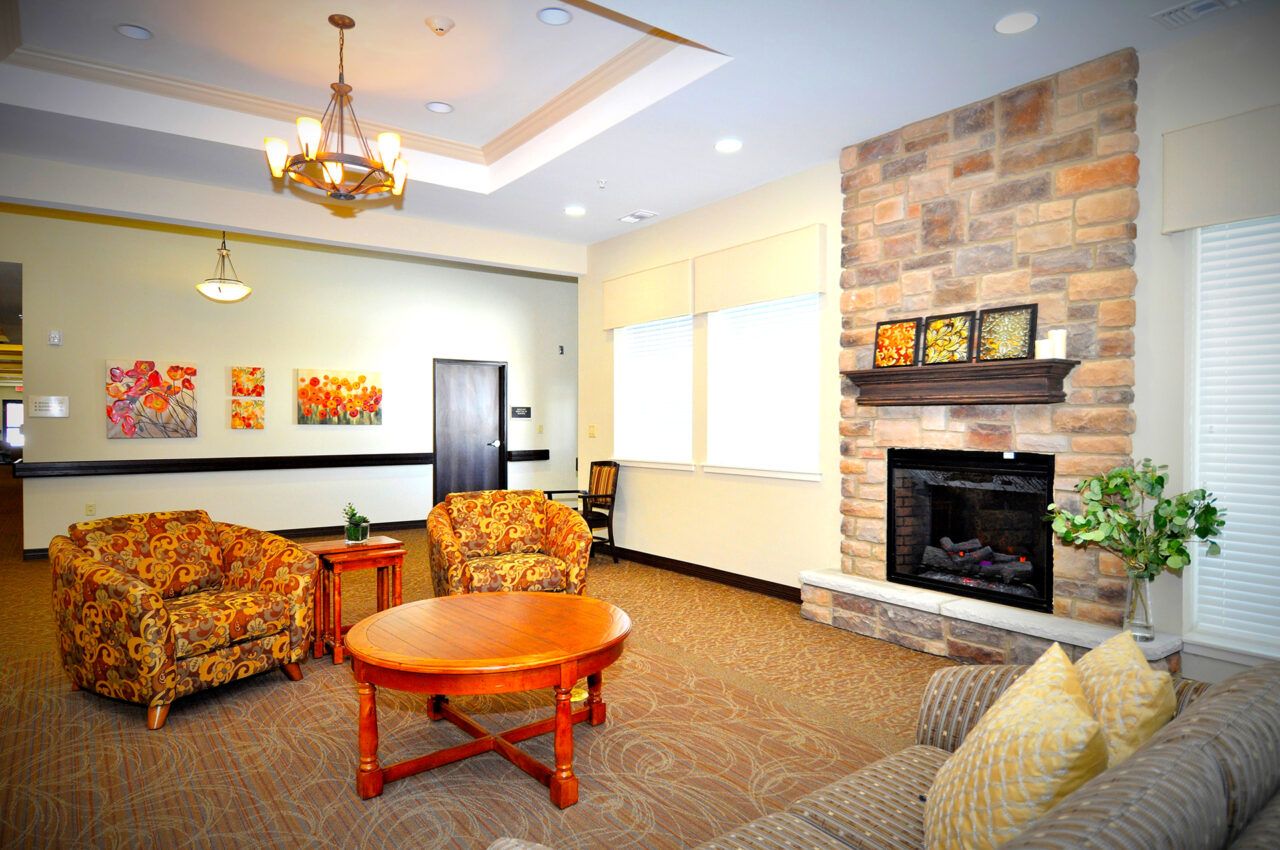
Dimensions Living Pewaukee East is an assisted living and memory care community operated by Parkside of Arbor View LLC in Pewaukee, Wisconsin, offering assisted living, memory care, and a comprehensive clinical support model. Licensed since April 2019, the community has approximately six years of operational experience in Waukesha County and is situated between the greater Waukesha and Milwaukee metro areas. With 31 licensed beds, 13 beds are currently occupied, which is about 42% occupancy, ideal for those seeking immediate placement in the area.

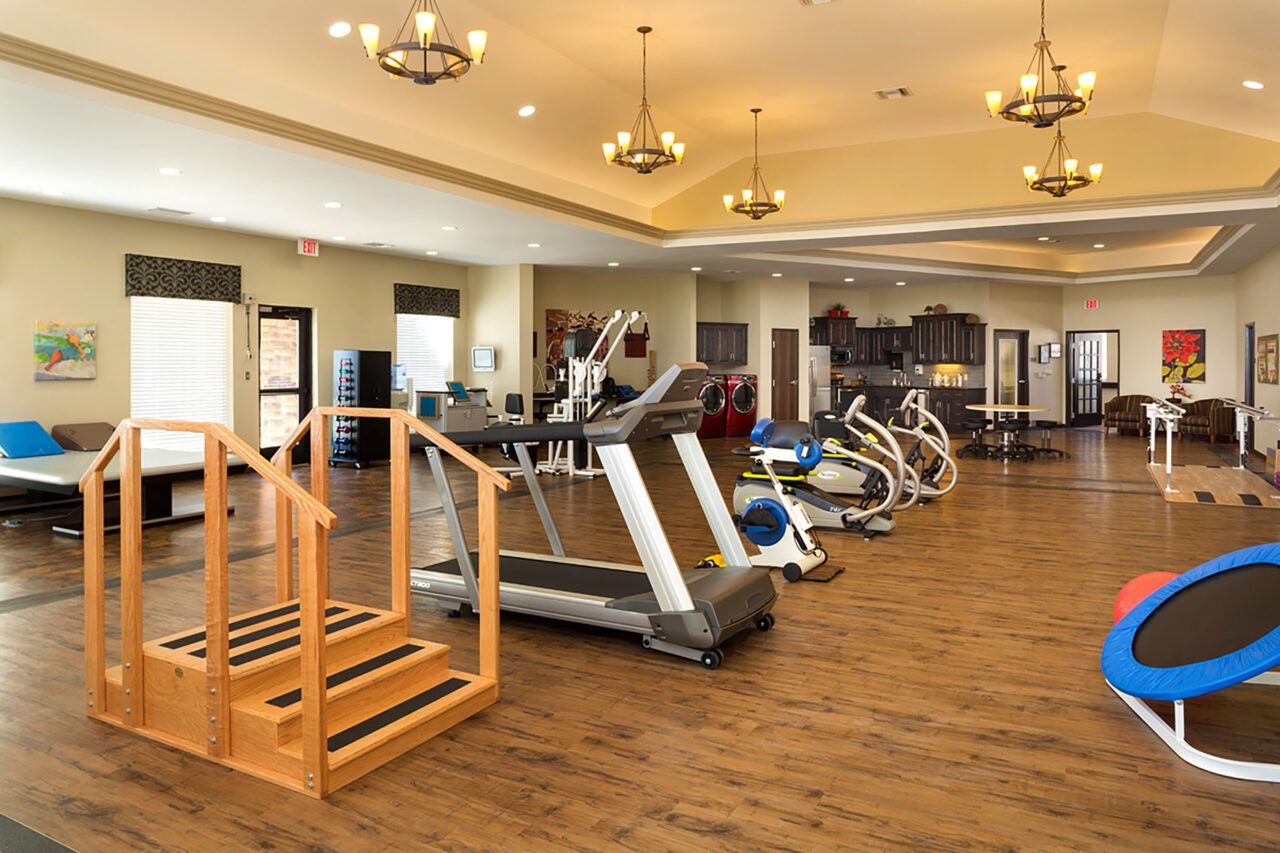
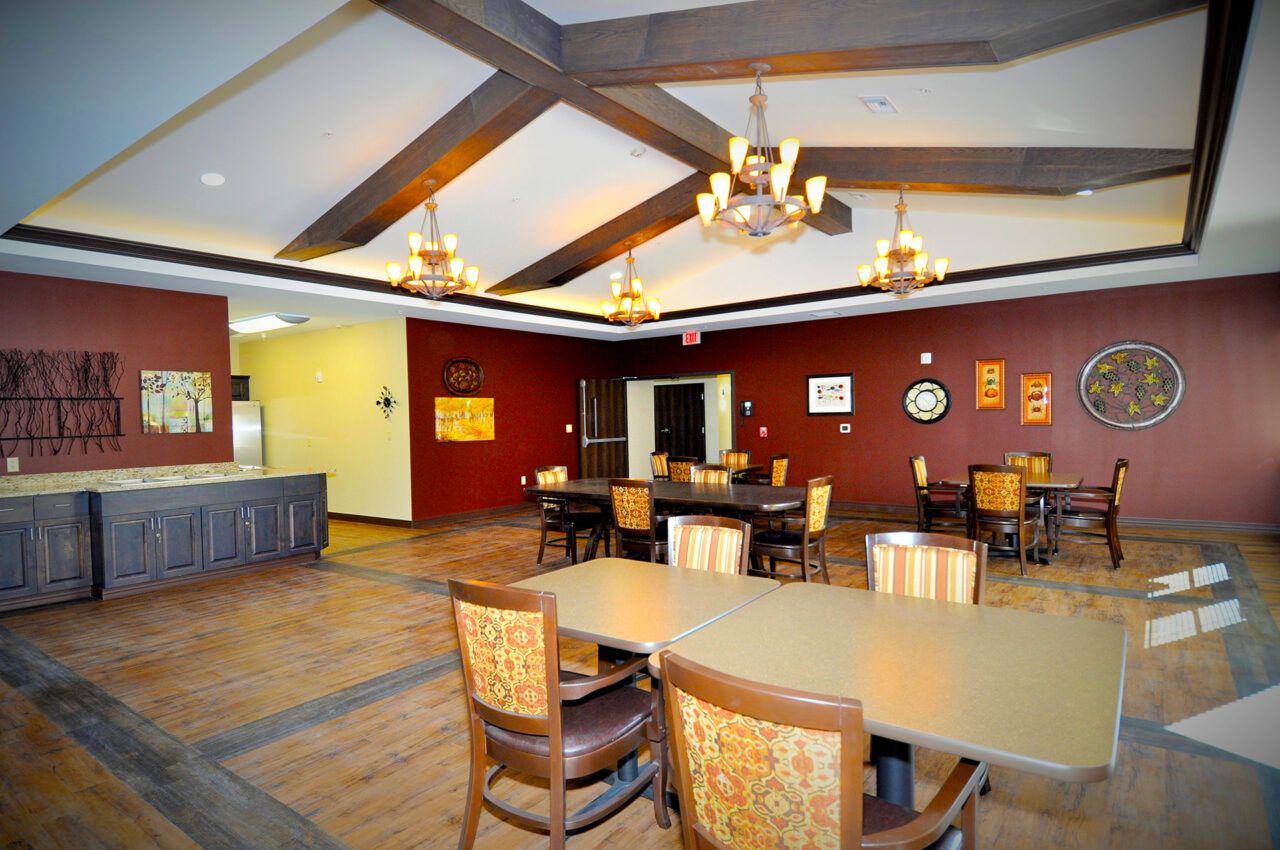
Alongside assisted living and memory care, a comprehensive clinical support model is also provided, which includes an on-site physician, 24-hour staffing, rehabilitation services, and respite care. Specialty therapies available include physical, occupational, and speech therapy, along with home health and hospice services, X-ray technology, and on-site lab draws. This spectrum of clinical programming for a smaller-scale community has substantial appeal to families whose loved ones have complex or evolving medical needs. Home-cooked meals with specialized diet accommodations are also available, along with safety features that include a wander guard system, an emergency response call system, and a wheelchair-accessible design. The community also features a variety of room options to meet individual preferences, with floor plan options such as the Locust, Maple, Oak, and Willow.

The community has had eight inspections by the Wisconsin Department of Health Services, with 12 complaint-triggered inspections, and has accumulated a total of 25 deficiencies. In the most recent inspection conducted in October 2025, no deficiencies were identified, and previous issues were corrected. Families should review the full inspection reports through the Wisconsin DHS to evaluate the context and nature of those findings.

With its clinical depth, including therapy services, physician access, and memory care, Dimensions Living Pewaukee East is best suited for older adults who require complex care but prefer a smaller and more intimate setting close to the Waukesha and Milwaukee metro areas.

Contact Dimensions Living Pewaukee East

Overview of Newcare

Newcare is a 43-bed skilled nursing, rehabilitation, and assisted living facility at 903 Main Avenue in Crivitz, Wisconsin, in Marinette County. Occupancy at 90.5 percent ranks 12th of 175 Wisconsin SNFs, with limited availability at any moment. Privately owned and operated by Newcare, led by Deb Wieting, and administered by Sherri Benjamin, the facility has served Crivitz and the surrounding area since 1965, ranking 4th of 36 Wisconsin SNFs in years of operation. It accepts Medicare, Medicaid, and private pay, carries an A+ BBB rating, and also operates Adult Group Homes as an additional service line. Pricing ranges from around $2,250 to $6,789 monthly. Hospice and respite care exist. No pets allowed.

CMS rates Newcare 4 stars, with quality measures 52 percent above Wisconsin’s average. Quality measure outcomes are the facility’s defining strength. For long-stay residents, hospitalizations run at 1.06 per 1,000 resident days (34 percent better than Wisconsin’s average), emergency department visits are 48 percent below average, pressure ulcers are 54 percent better, depressive symptoms 66 percent better, antipsychotic use 57 percent better, and weight loss 45 percent better. Walking ability decline at 10.3 percent is 55 percent better than the state benchmark. ADL decline at 26.1 percent and UTI at 4.1 percent are the two long-stay metrics above average. Short-stay outcomes are equally strong: re-hospitalization at 11.4 percent is 50 percent better than Wisconsin’s average, and self-care ability at discharge of 74.5 percent is 39 percent above average. Short-stay falls with major injury at 1.8 percent runs above the state benchmark and warrants a direct conversation with the care team. The inspection record shows 17 total citations since 2023, below the Wisconsin average of 27.3, at 3.4 per inspection against a state average of 4.19. One critical citation is on record, corrected, with Abuse, Neglect, and Exploitation as the leading deficiency category at 4 deficiencies. A $10,000 civil money penalty was assessed in May 2023, 89 percent below the Wisconsin average fine amount. All CNAs and RNs are direct employees, with contractor hours at just 4.1 percent of the total.

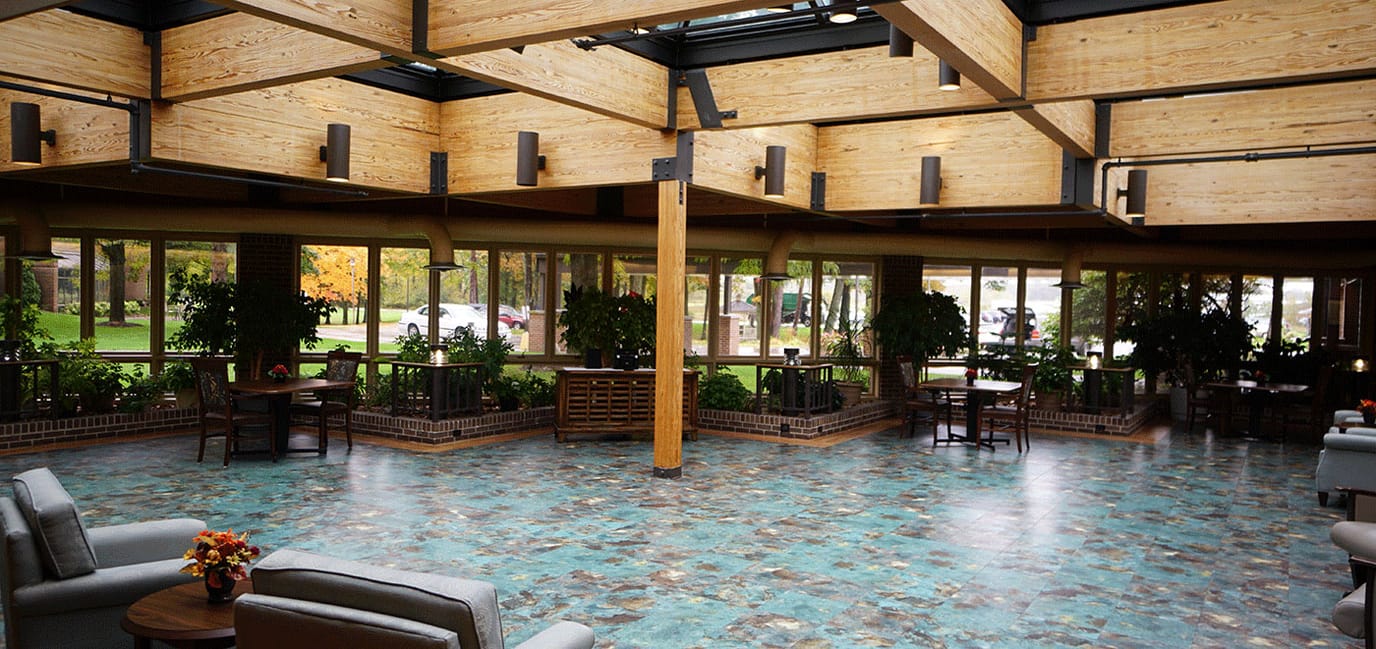
The facility’s 43-bed scale is a deliberate care model choice. A physician specializing in family medicine and geriatrics serves as in-house Medical Director, and the smaller census allows staff to know and engage with every resident personally. Activities are planned with residents’ health in mind to help them live life with purpose. Physical, occupational, and speech therapies exist on-site alongside dental services. Residents have access to a community dining hall, a shared living room, a convenience market, in-suite kitchenettes, regular maid service, and emergency call systems per room. A large atrium provides communal space for activities, visiting, and family gatherings. The programs Rehabilitation Center and Resident Daily Life and Well-Being structure care and daily programming around each resident’s goals.

Newcare suits Marinette County families seeking a long-established, high-performing skilled nursing and rehabilitation community with outstanding clinical outcomes and a strong track record in rural Wisconsin.

Contact Newcare Inc

Overview of The Pavilion at Glacier Valley

Located in Slinger, Wisconsin, about 30 minutes northwest of Milwaukee, The Pavilion at Glacier Valley is a nursing home with 106 beds. The facility has been operating for 12 years. Medicare, Medicaid, and private pay are accepted, giving families several ways to cover both short-term rehabilitation and longer-term nursing care. With a current occupancy rate of 72%, residents stay an average of 88 days, reflecting a mix of post-acute recovery residents and those needing ongoing skilled nursing support.

The Pavilion focuses on rehabilitation and specialized care. Therapy services are available, with respite care and 24-hour nursing staffing. Pain management, IV therapy, and nutritional support are among the services provided. Nurse staffing averages 3 hours and 14 minutes per resident each day. Registered nurses, nurse aides, and licensed practical nurses make up that staffing support. Discharge planning and resource assistance are available to help residents prepare for the next stage of care.

Daily life combines comfort with community engagement. Restaurant-style dining is available, and residents can gather during meals. Rooms include flat-screen televisions, complimentary Wi-Fi, and individual climate controls. Residents can spend time in the library or social hall. Outdoor picnic areas are additional spaces for visits and activities. A comprehensive activity program supports physical, social, and emotional well-being.

The facility is in a somewhat walkable area, so visiting family members can reach the community without difficulty. However, most trips around the neighborhood require driving. The Pavilion is a great option for families seeking skilled nursing care focusing on rehabilitation, strong daily staffing support, and activities that promote resident engagement and quality of life.

Contact The Pavilion at Glacier Valley

Overview of Meadowbrook at Oconto Falls

Meadowbrook at Oconto Falls offers a high standard of quality skilled nursing and rehabilitation services for seniors through the exceptional care delivered by their patient-friendly staff to offer the best care possible for their residents; they are guaranteed to rejuvenate and recover in a safe and comfortable environment. Meadowbrook at Oconto Fallas does its best to ensure everyone can thrive in a home that gets to know its residents and empowers them to embrace a new chapter in their lives.

Specializing in long-term care and short-term rehabilitation, its comprehensive medical programs help boost a speedy recovery. These include respiratory care, cardiac rehab, dietician help, hospice care, and 24/7 nursing services.  

Type of Care Available

Hospice Care Nursing Home Respite Care Skilled Nursing

Contact Meadowbrook at Oconto Falls

Overview of Shell Lake Health Care Center

Owned by Jonathon Hansen, Shell Lake Health Care Center is a nursing home in Shell Lake, Wisconsin. Its location on County Highway B has a Walk Score of 47. It serves residents who need skilled nursing support and therapy services within a smaller community setting. Medicaid, Medicare, and private pay are accepted, giving families several options for covering both rehabilitation stays and longer-term care.

The 50-bed facility has been operating for six years, with 82% occupancy. Residents stay an average of 107 days, which reflects the home’s focus on post-acute rehabilitation for people recovering from surgery, injury, or hospitalization, along with residents who require ongoing skilled nursing care. Total nurse staffing averages 3 hours and 54 minutes per resident each day. Hands-on support and daily monitoring are an important part of the care structure.

Physical therapy, occupational therapy, and speech therapy are available on-site. General rehabilitation services are also offered. Families who need temporary placement can access respite care. The facility provides IV therapy for residents who require intravenous medications or nutrition. Long-term nursing care is available for residents who require care beyond the rehabilitation stage.

Its smaller size means residents can expect a quieter setting. The neighborhood’s modest walkability means some nearby destinations may be accessible. However, traveling is easier by car. The community’s focus on rehabilitation and ongoing nursing support is best suited for residents working toward recovery, stability, or longer-term care needs.

Contact Shell Lake Health Care Center

Overview of St. Camillus – Wauwatosa

With a capacity of 50 beds, St. Camillus – Wauwatosa is a skilled nursing community located at 10101 West Wisconsin Avenue in Milwaukee, Wisconsin. Operated by St. Camillus Health Center Inc. and administered by Courtney Wilson, the high-rise community offers private rooms for older adults who require ongoing nursing care in a supportive residential setting.

Additionally, residents receive daily nursing support that includes an average of 1 hour and 12 minutes of registered nurse care, 2 hours and 22 minutes of assistance from nurse aides, and 45 minutes from LPNs/LVNs. This combination provides both clinical oversight and hands-on assistance throughout the day.

The surrounding neighborhood has a Walk Score of 43, allowing access to some nearby services on foot.

Type of Care Available

Assisted Living Continuing Care Retirement Communities (CCRC) Hospice Care Independent Living Memory Care Nursing Home Skilled Nursing

Contact St. Camillus – Wauwatosa

Overview of Golden Years of Lake Geneva

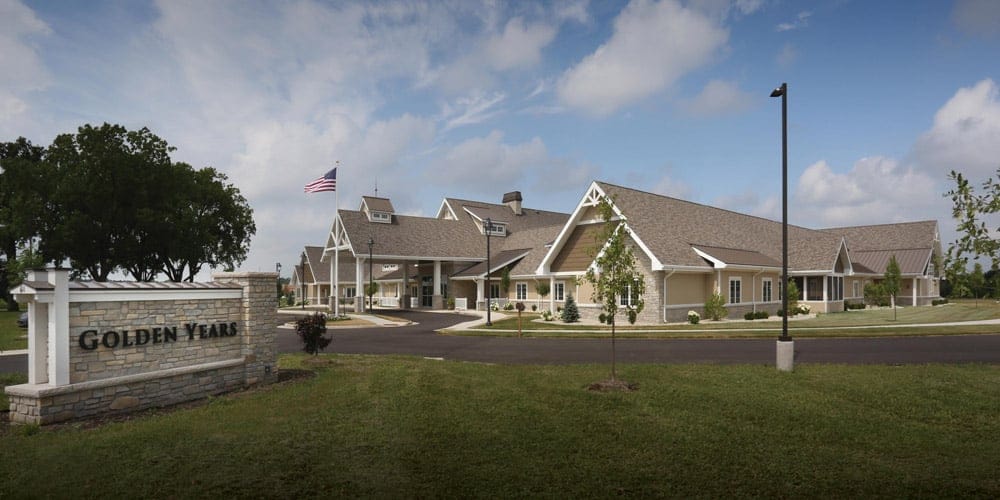
Golden Years of Lake Geneva is a 54-bed skilled nursing home on Harmony Drive in Lake Geneva, in rural Walworth County, Wisconsin. The home is operated by Golden Years Nursing Home Inc, owned by Jeffrey Austin, and administered by Jonathan Stankevitz. It accepts Medicare and private pay, giving families more than one route to cover a stay.

Nursing support is a defining feature here. Total nursing care averages 7 hours and 15 minutes per resident each day, with registered nurses contributing 1 hour and 22 minutes of that time. That level of daily coverage points to a home built for residents who need consistent clinical attention. Alongside nursing care, the home offers rehabilitation services, which fits with an average length of stay of 49 days, a pattern more typical of short-term recovery than long-term placement.

The home currently runs at 60 percent occupancy, with 33 of its 54 beds filled. State health inspections since 2022 have most often centered on medication management practices and on resident care and rights, with no findings at the most serious levels, and noted items have been corrected.

Lake Geneva sits in a walkable pocket of the county, with the home scoring 76 out of 100 on Walk Score, meaning many errands can be handled on foot. For visiting family, that makes the surrounding area easy to get around without relying entirely on a car.

Contact Golden Years of Lake Geneva

Overview of Meadowbrook at Black River Falls

Owned by Gail Jacobson, Meadowbrook at Black River Falls is a skilled nursing home at 1311 Tyler Street in Black River Falls, Wisconsin. The 50-bed community was recently opened to serve the area. Medicare, Medicaid, and private pay are accepted, giving families several ways to cover short-term rehabilitation and longer-term stays. The facility’s current occupancy rate is 87%. Residents stay an average of 99 days, which is a mix of post-acute rehabilitation residents and those receiving ongoing nursing care.

Staffing throughout the facility is structured around hands-on clinical support. Total nurse staffing averages 3 hours and 41 minutes per resident each day. Registered nurses provide 1 hour and 13 minutes of care, while nursing aides contribute 2 hours and 25 minutes. Licensed practical nurses add another 37 minutes daily. This layered staffing supports residents recovering from surgery, orthopedic procedures, and acute illness who need skilled monitoring and daily assistance.

The clinical focus is broad. Rehabilitation services are a major part of the care model. Respiratory care and cardiac rehabilitation are offered with bariatric care. Residents with specialized dietary needs can work with the on-site dietician. Nursing coverage is available 24 hours a day, and admissions are accepted around the clock. Respite care is available for families needing temporary support while managing other responsibilities.
Daily life includes personalized meals and snacks tailored to resident preferences and medical needs. There are planned social activities to keep them engaged throughout the week. The neighborhood has a Walk Score of 52, which is moderately walkable. Some nearby errands are within walking distance, but most outings require a short drive. Families can expect a quieter residential feel rather than a busier urban environment.

Contact Meadowbrook at Black River Falls

Overview of Rennes Health and Rehab Center-East

Rennes Health and Rehab Center-East is a nursing home in Peshtigo, Wisconsin, with 50 beds. It is located near the Peshtigo River, a neighborhood with a Walk Score of 40. Tdr Inc owns the home, which accepts Medicare, Medicaid, and private pay. Families can choose from any of these options to arrange care for both short-term recovery and longer-term nursing needs.

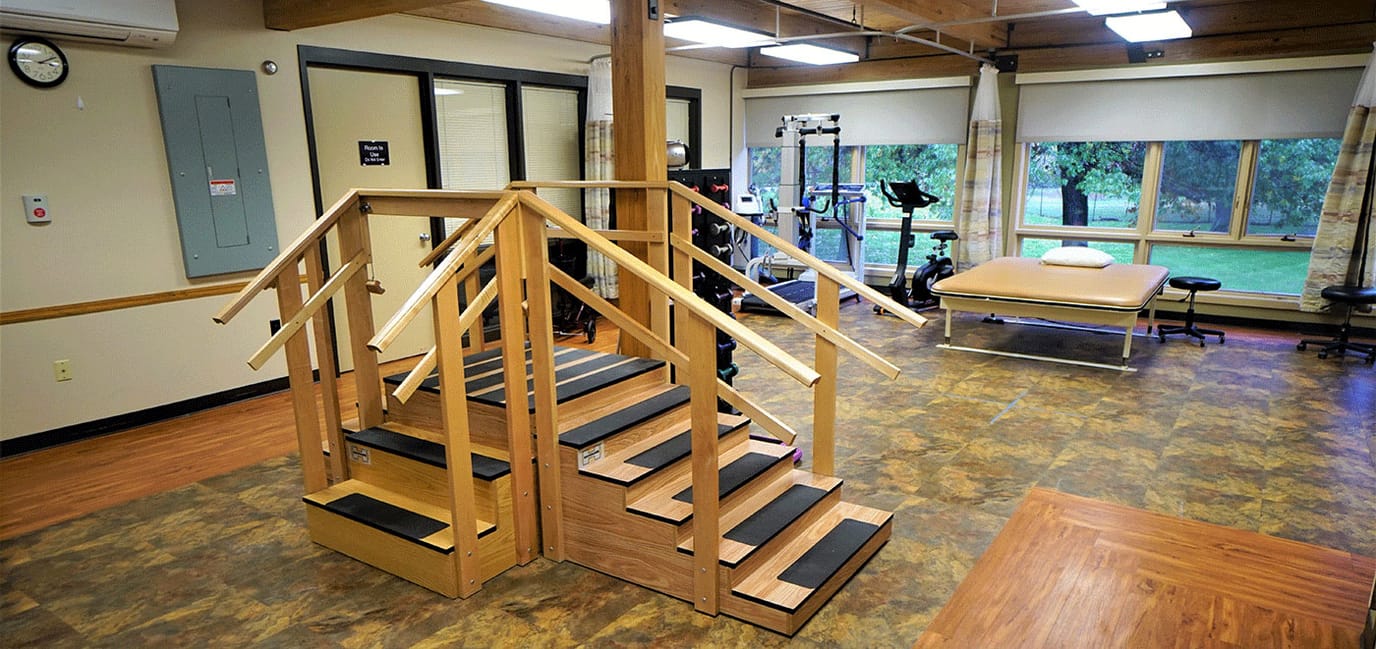
Residents typically stay here for approximately 413 days, reflecting a balance of post-acute rehabilitation and ongoing care. Nurses provide an average of 3 hours and 30 minutes of care per resident each day, supported by 24-hour staffing and a full therapy team. The home focuses on rehabilitation services, short-term rehab, and respite options. It also offers a specialized Parkinson’s Wellness Recovery (PWR!) program for residents with movement disorders.

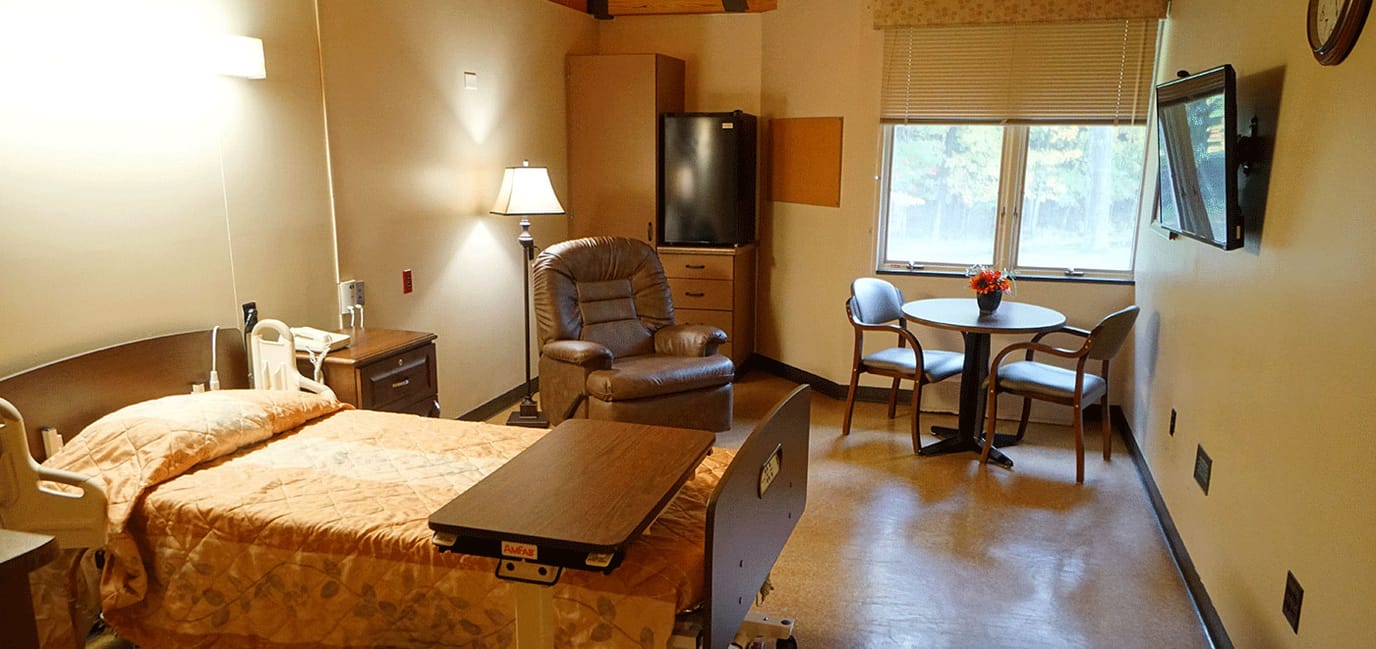
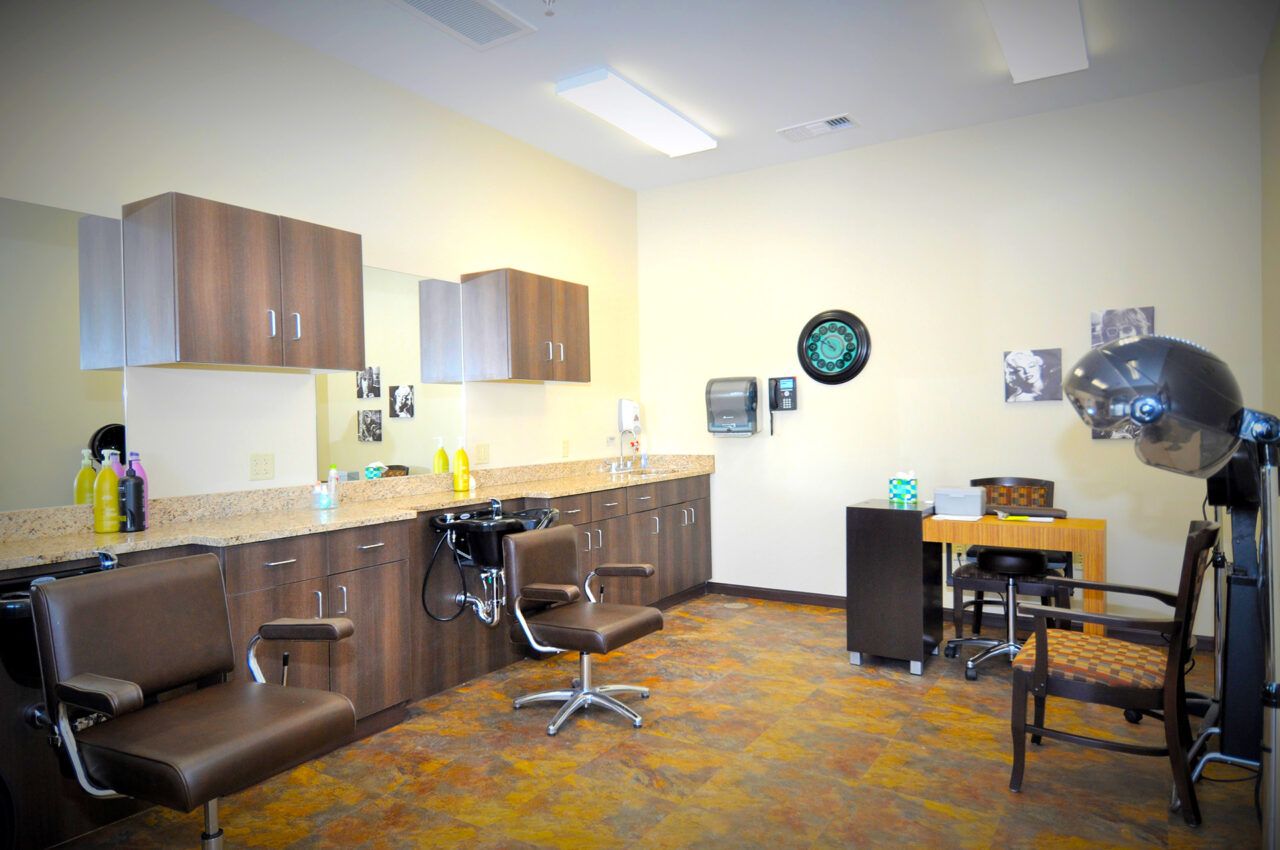
Residents are served daily with home-cooked meals, with menu choices tailored to their preferences and dietary needs. Residents can choose between private and semi-private rooms and have access to designated therapy wings. The facility also has beautician and barber services, religious services, and transportation for appointments and activities.

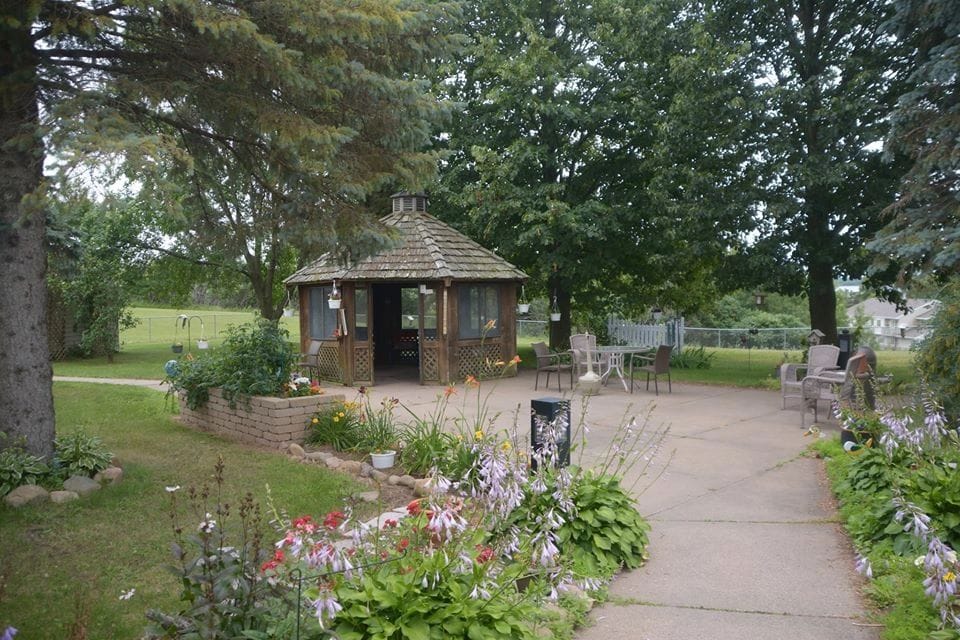
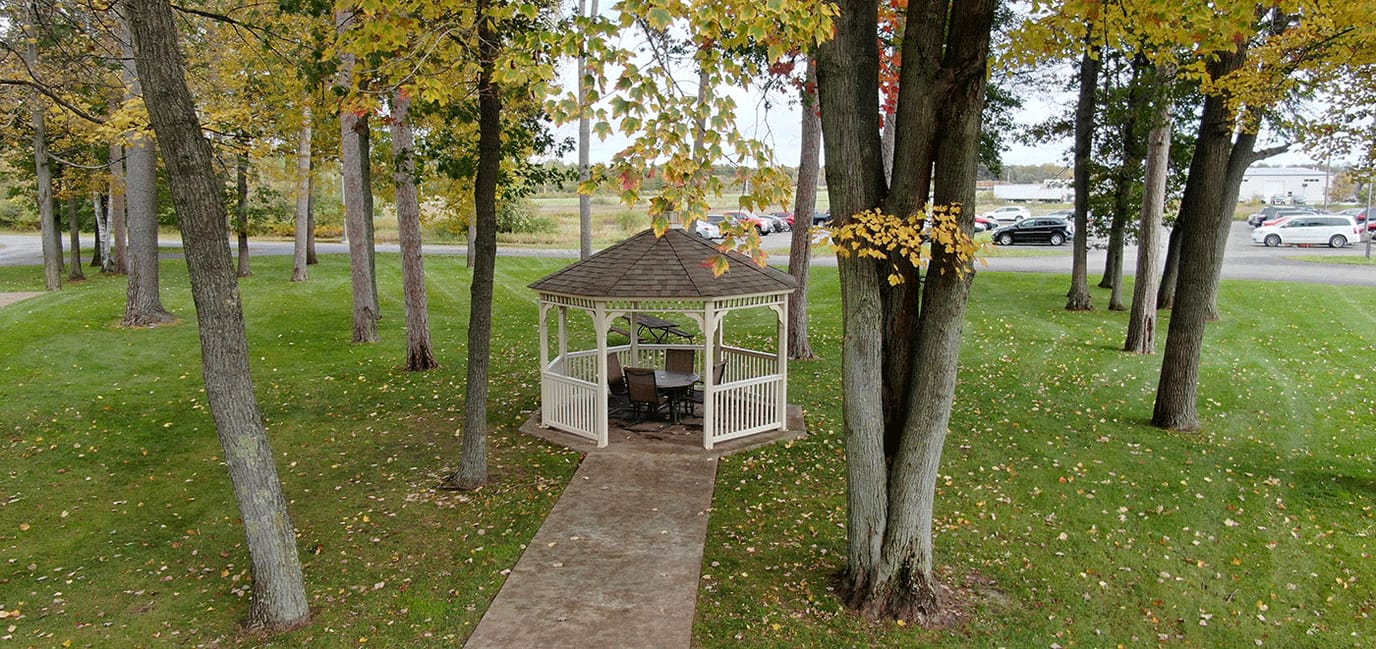
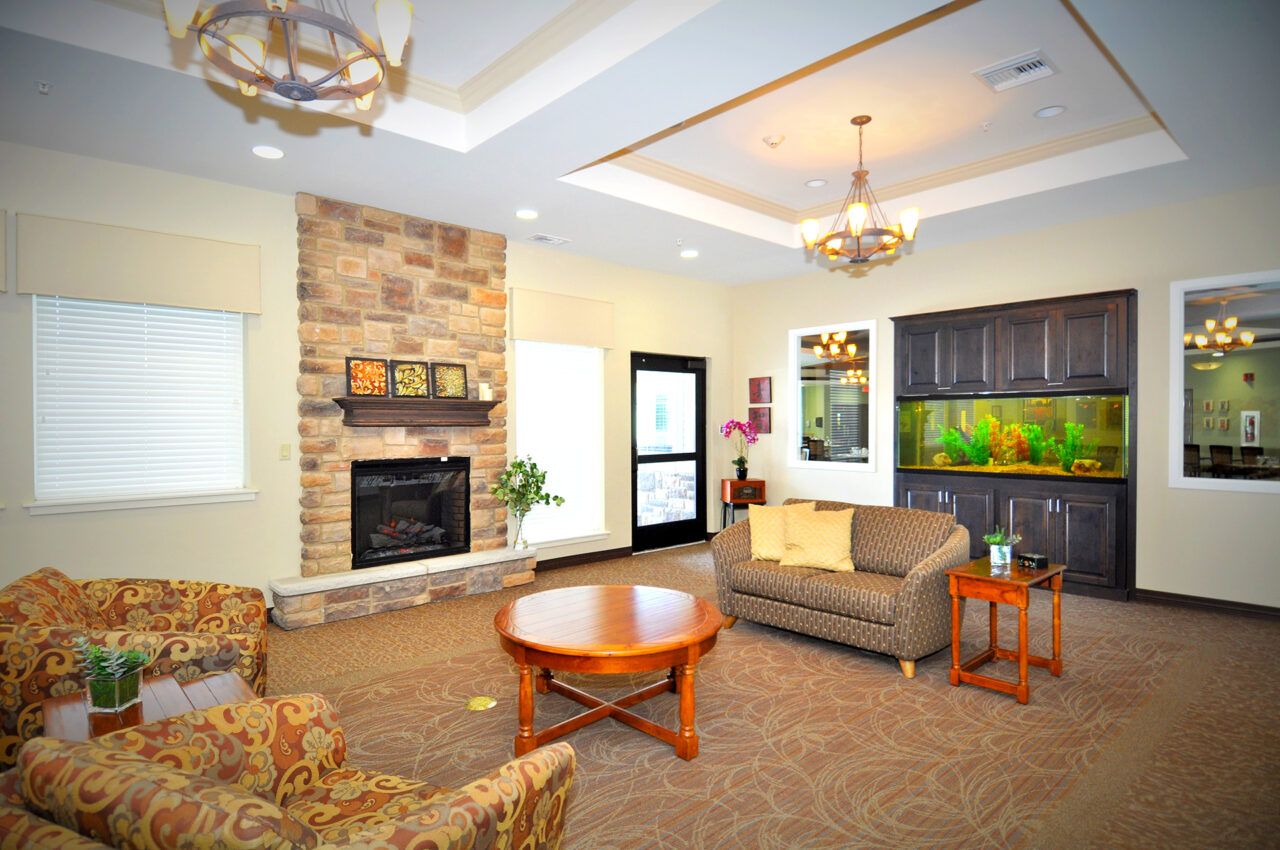
The facility’s fireside lounges and a private family area are ideal gathering spaces, and there are outdoor walking paths and gazebos for seniors who want to spend time outdoors in fresh air.

There are daily recreational programs, with activities and outings built into the weekly schedule. Outpatient therapy is available on-site, so residents won’t have to go outside for appointments, simplifying care logistics for families.

Rennes Health and Rehab Center-East’s therapeutic focus, accessible amenities, and home-style dining make it an ideal option for families in northeastern Wisconsin seeking skilled care in a smaller community setting.

Contact Rennes Health and Rehab Center-East

Overview of Pine Crest Nursing Home

Pine Crest Nursing Home is a 120-bed skilled nursing, memory care, and rehabilitation facility at 2100 E Sixth Street in Merrill, Wisconsin, in Lincoln County. Owned by Lincoln County as a governmental entity and managed by Ensign Services, with Ryan Hanson as administrator, the facility accepts Medicare, Medicaid, and private pay.

CMS rates Pine Crest Nursing Home the highest tier 5 stars, with all 3 regulatory dimensions above the Wisconsin average: health inspection by 44.4 percent, staffing by 38.1 percent, and overall by 66.1 percent. Quality measures run modestly below the Wisconsin average at 8.8 percent. The inspection record is strong. Across 7 surveys since 2023, Pine Crest Nursing Home totaled just 16 citations against a 27.3 Wisconsin average at 2.29 per inspection, ranking 18th of 174 Wisconsin SNFs. No critical or serious citations have been issued. All 16 citations are moderate or minor and corrected. Pharmacy Services is the leading deficiency category at 5 deficiencies (31 percent). No civil money penalties have been imposed in the past three years. Staffing ranks 55th of 172 Wisconsin SNFs at 4 hours 34 minutes per resident per day, 8 percent above Wisconsin average. Q4 2025 data shows 154 total staff with just 4.3 percent contractor hours, among the lowest contractor shares in this batch, and all 64 CNAs are directly employed. Quality measure performance for long-stay residents warrants attention on three metrics: depressive symptoms at 8.1 percent are 60 percent above Wisconsin average, walking decline at 28.9 percent is 27 percent above average, and UTI rate at 4.5 percent is 42 percent above average. Antipsychotic use, weight loss, ADL decline, and incontinence are at or below the Wisconsin benchmark. The current census of 73 residents across 120 beds reflects a 69 percent occupancy rate, consistent with Wisconsin average, with 76.7 percent of current residents funded by Medicaid and an average length of stay of 401 days, indicating a predominantly long-term care population.

In-house therapy covers physical, occupational, and speech services, alongside dental services staff and on-site hospice care. The Stay Active program structures the monthly activity calendar for resident engagement.

Pine Crest Nursing Home suits Lincoln County families seeking a 5-star CMS-rated skilled nursing facility. Those placing long-stay residents must inquire first regarding mental health programming and infection prevention protocols before deciding.

Contact Pine Crest Nursing Home

Who we are

Your Senior Care Partner, Every Step of the Way

We help families find affordable senior communities and unlock same day discounts, Medicaid, and Medicare options tailored to your needs.

Contact us Today

Frequently Asked Questions

What government services provide money for senior housing?

Several government programs offer financial assistance for senior housing in various countries, focusing on the United States for a broad overview:

  • Medicaid: Medicaid is a state and federally funded program that can cover the costs of nursing home care for those who meet eligibility criteria, including income and asset limits. Some states also offer Medicaid waivers that help pay for home and community-based services to prevent or delay nursing home placement.
  • Medicare: Medicare, primarily a health insurance program for people aged 65 and over, does not cover long-term housing costs. However, it can cover short-term stays in a skilled nursing facility under specific conditions following a hospital stay.
  • Section 202 Supportive Housing for the Elderly Program: This program provides housing for low-income seniors. It offers rental assistance and access to supportive services, such as cleaning, cooking, and transportation.
  • Low-Income Housing Tax Credit (LIHTC) Properties: While not a direct subsidy, LIHTC encourages developers to create affordable housing. Seniors with low incomes can find reduced-rent apartments through this program.
  • State and Local Programs: Many states, counties, and cities offer their own programs to assist seniors with housing costs. These can include property tax relief programs, rental assistance programs, and programs that offer affordable senior housing options.
  • Veterans Affairs (VA): The VA offers several programs for veterans, including the Aid and Attendance benefit, which provides monthly payments to veterans who require the aid of another person, or are housebound, to help cover the cost of care in homes, nursing homes, and assisted living facilities.
  • Social Security: While Social Security primarily provides retirement income, for many seniors, these benefits are a crucial part of their budget, including housing costs.
How do you pick the homes you recommend?

Before recommending homes, we conduct a thorough evaluation on crucial factors that define a senior home such as the quality of care they provide, the reputation of the organization, and a comprehensive review of community testimonials as well. Every detail is assessed to assure that seniors are offered not just senior care options, but trustworthy homes where they can experience the care that they deserve.

Do you help families that need Medicaid?

Yes. Assisting families who need Medicaid is important to us as it plays a crucial role in offering financial support to seniors confronting economic challenges. We would like to keep essential healthcare services accessible to all community members, irrespective of one’s financial circumstances.
How much does this service cost?

We extend our services at no cost, ensuring that families and seniors can benefit from tailored assistance in their search for care and home options. Our ability to offer personalized guidance without charge to families and seniors is made possible through the support and funding from the communities with which we team up. 

What services do you offer?
  • Finding and ranking the best assisted living facilities
  • Finding and ranking the best nursing homes
  • Finding and ranking the best memory care facilities
  • Our concierge service helps seniors move into the perfect home for them
  • Helping seniors use medicare, medicaid, and other government programs to pay for their homes
  • Helping seniors avoid senior homes that have bad service or fraud
  • Memory care specialists
  • Finding and ranking the best independent living communities