
Page 6 of Best Hospice Care in Wisconsin

Why trust this guide? Our editorial team analyzed 89 hospice communities in WI using WI Dept. of Health Services (DHS) data, inspection records, complaints, amenities, and facility-level details. How we rank hospice in WI
Reviewed by
Last updated
We analyzed These are the providers in Wisconsin our team has analyzed — not a count of every hospice provider in Wisconsin.
89 homes
Other senior care options in Wisconsin:
Avg Walk Score: 46/ 100The average Walk Score across facilities in Wisconsin. A third-party neighborhood walkability score (0–100) measuring convenience and context, not healthcare quality. Individual facilities can vary widely from this average.
National Average: 50/ 100
Avg No. of Beds: 72The average licensed bed capacity across facilities in Wisconsin. Individual facilities can vary widely from this average.
National Average: 90
Overview of Rennes Health and Rehab Center-Rhinelander

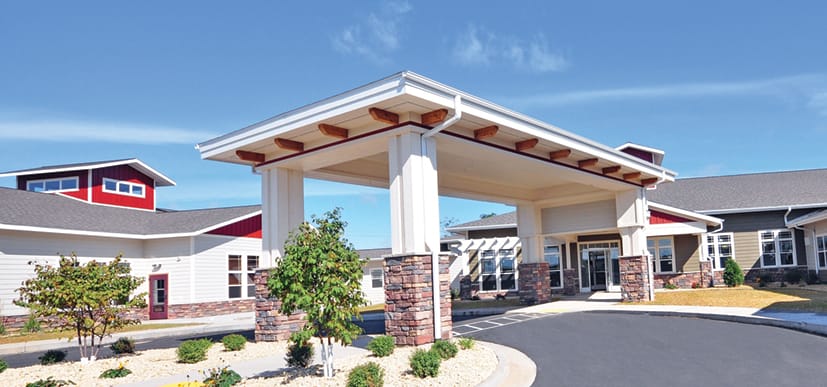
Located conveniently near local hospitals and clinics, Rennes Health and Rehab Center-Rhinelander is a skilled nursing facility in Rhinelander, Wisconsin. The home is populated by residents seeking short-term rehabilitation and ongoing nursing care. Most stay for an average of 77 days, and the facility’s current occupancy is 58%.

The facility accepts Medicare, Medicaid, and private pay, so families have multiple coverage options depending on their situation. The 122-bed facility is in a moderately walkable location with a Walk Score of 68. Families who visit can run errands and access services on foot.

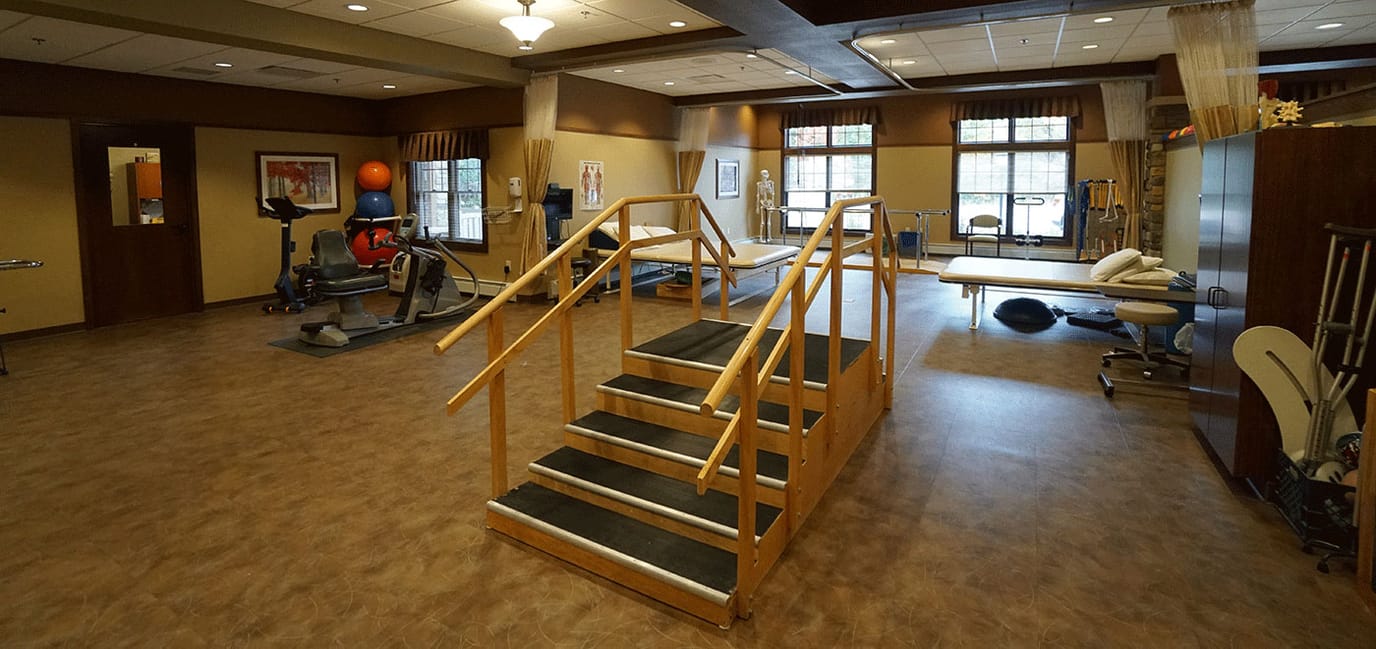
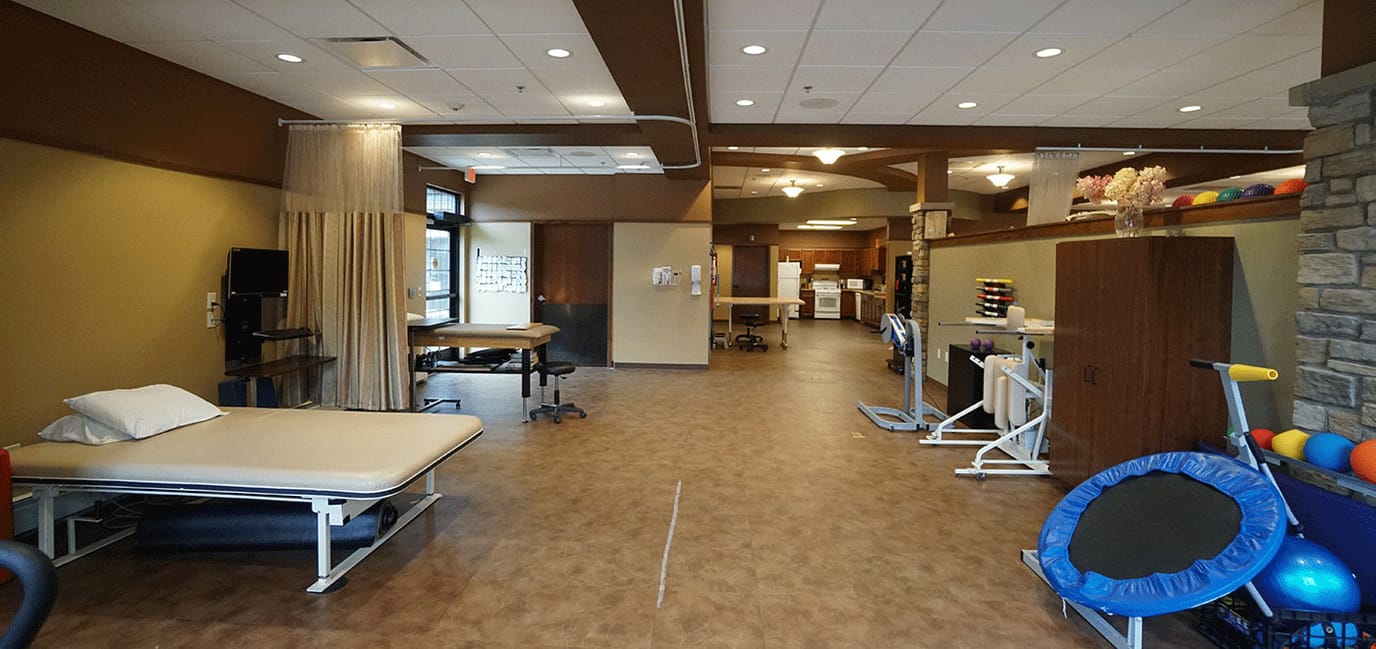
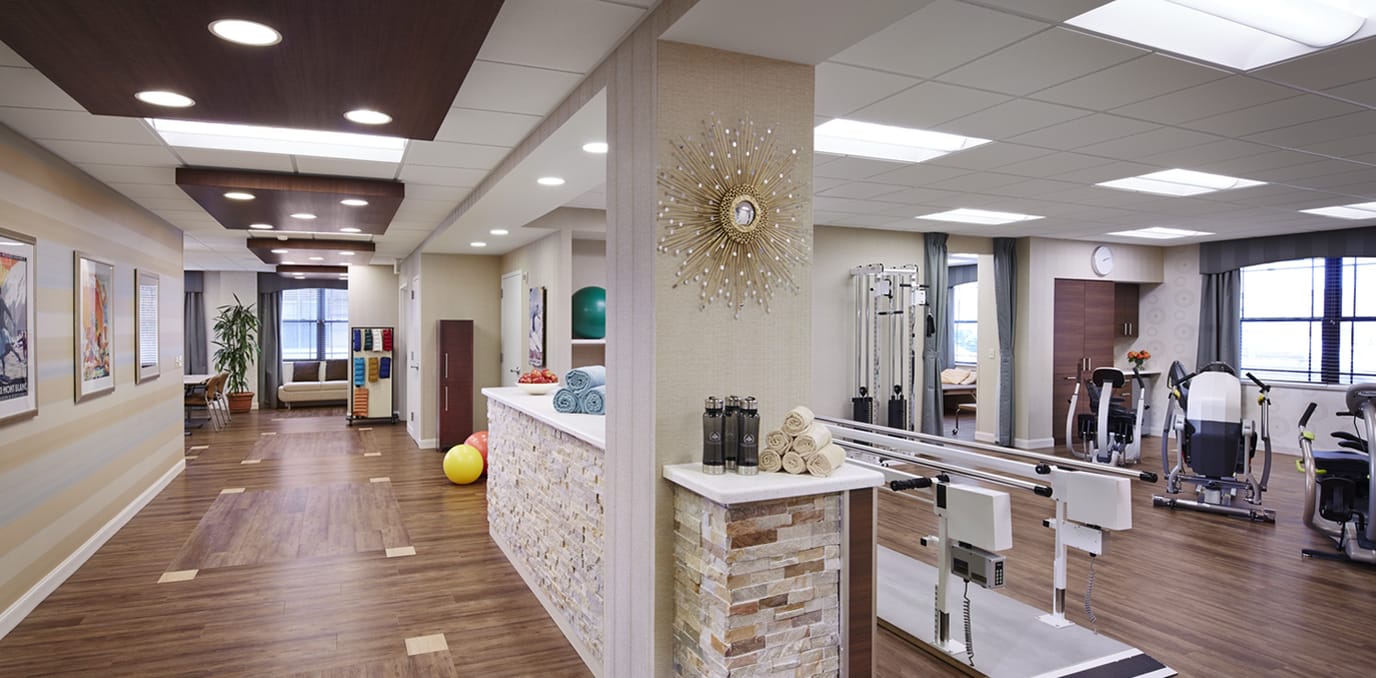
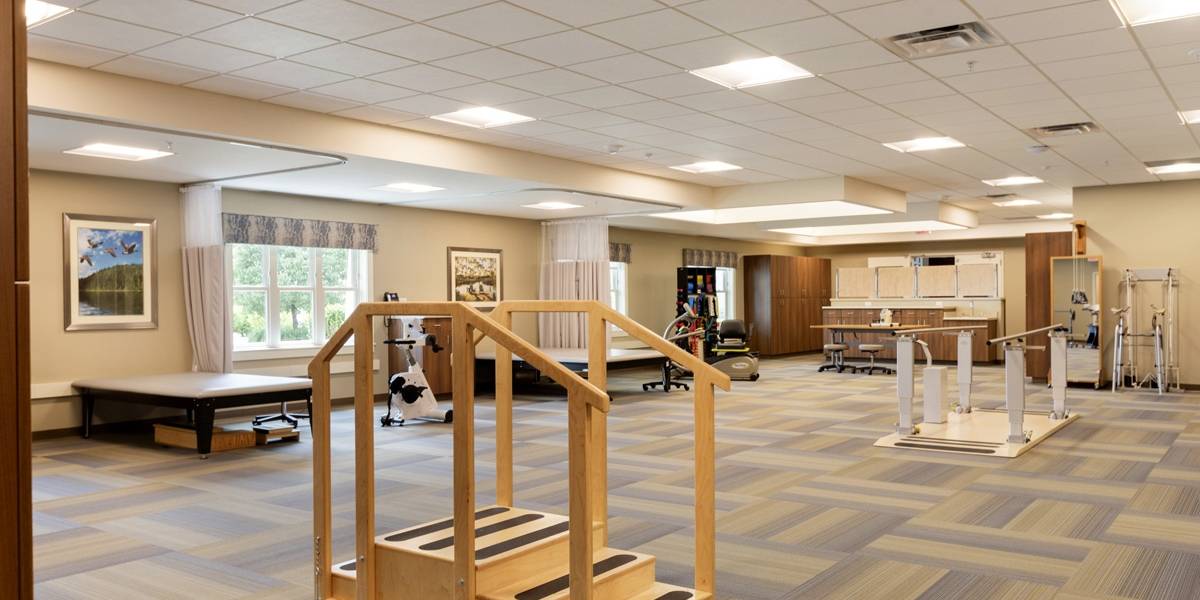
Clinically, the facility focuses on rehabilitation and recovery. There is an in-house dedicated therapy team providing stroke rehab, advanced wound management, and IV therapy. Nurses provide care for an average of 4 hours and 14 minutes per resident each day. They are supported by RNs (55 minutes per day), nurse aides (2 hours 32 minutes per day), and LPNs (31 minutes per day).

The facility offers respite care, 24-hour staffing, and comprehensive discharge planning for residents preparing to transition home. Direct patient-to-therapist treatment is available, and free transportation is provided for residents ready for admission.

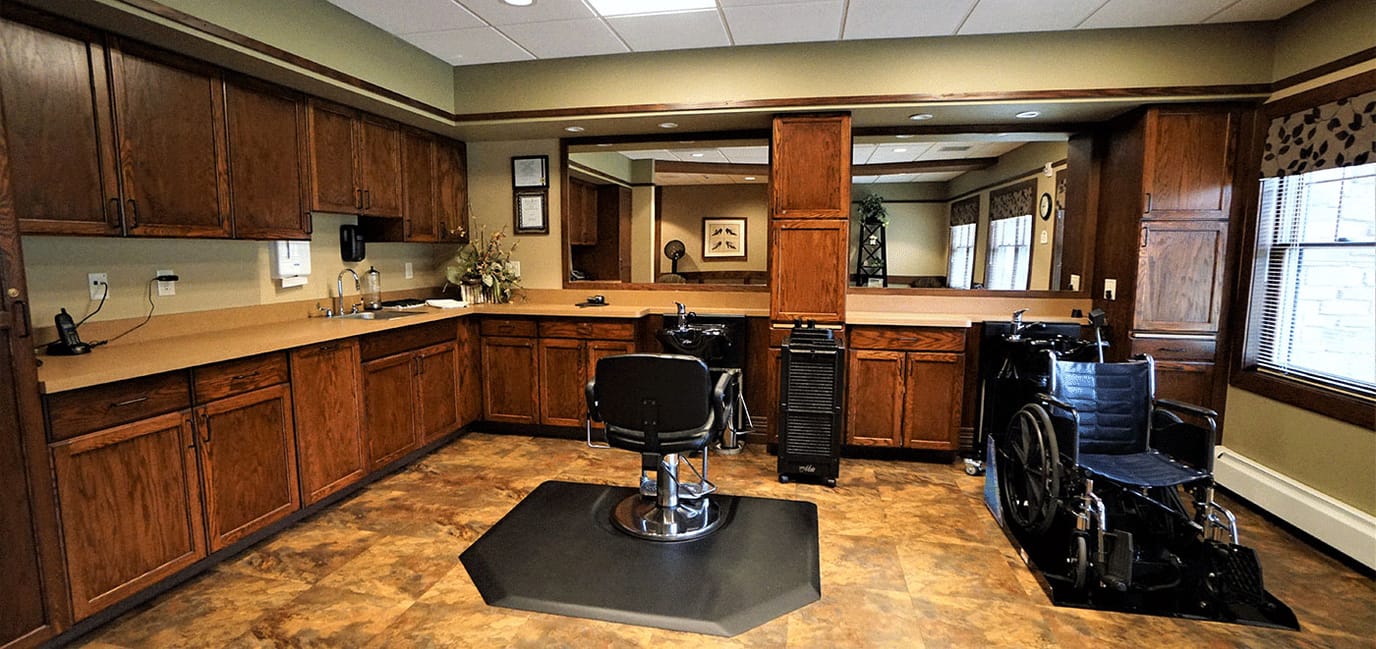
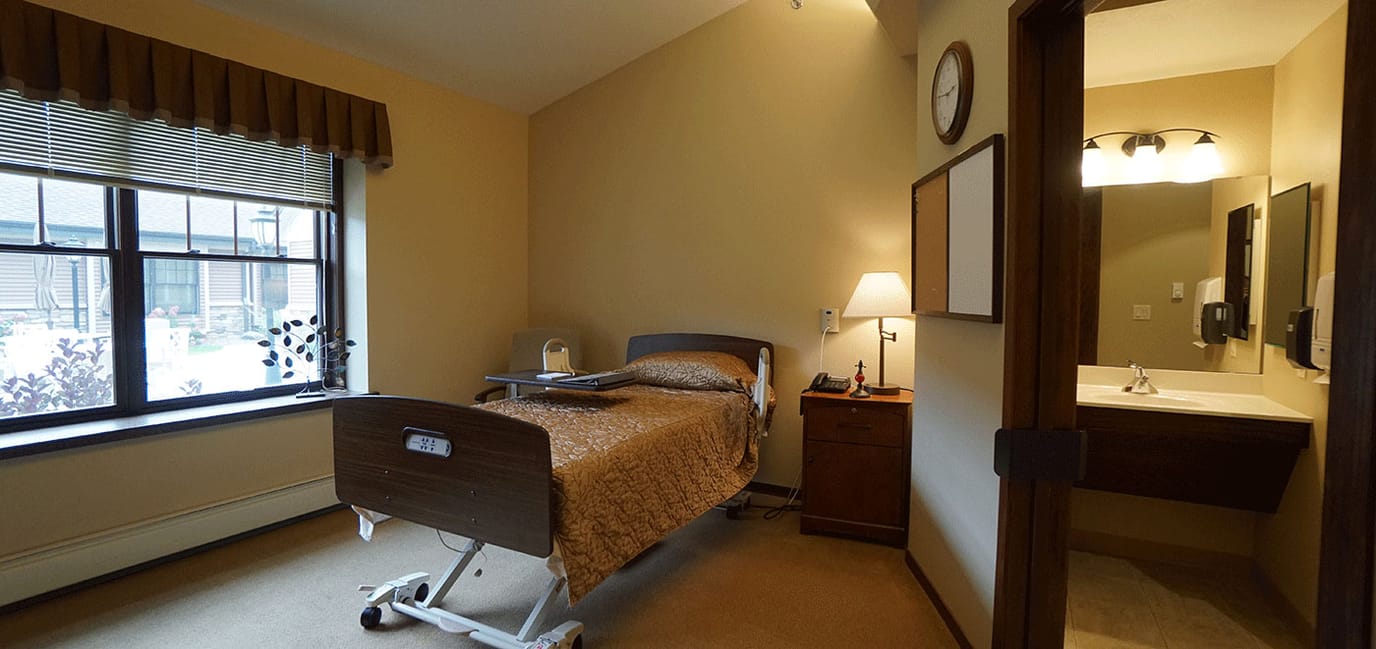
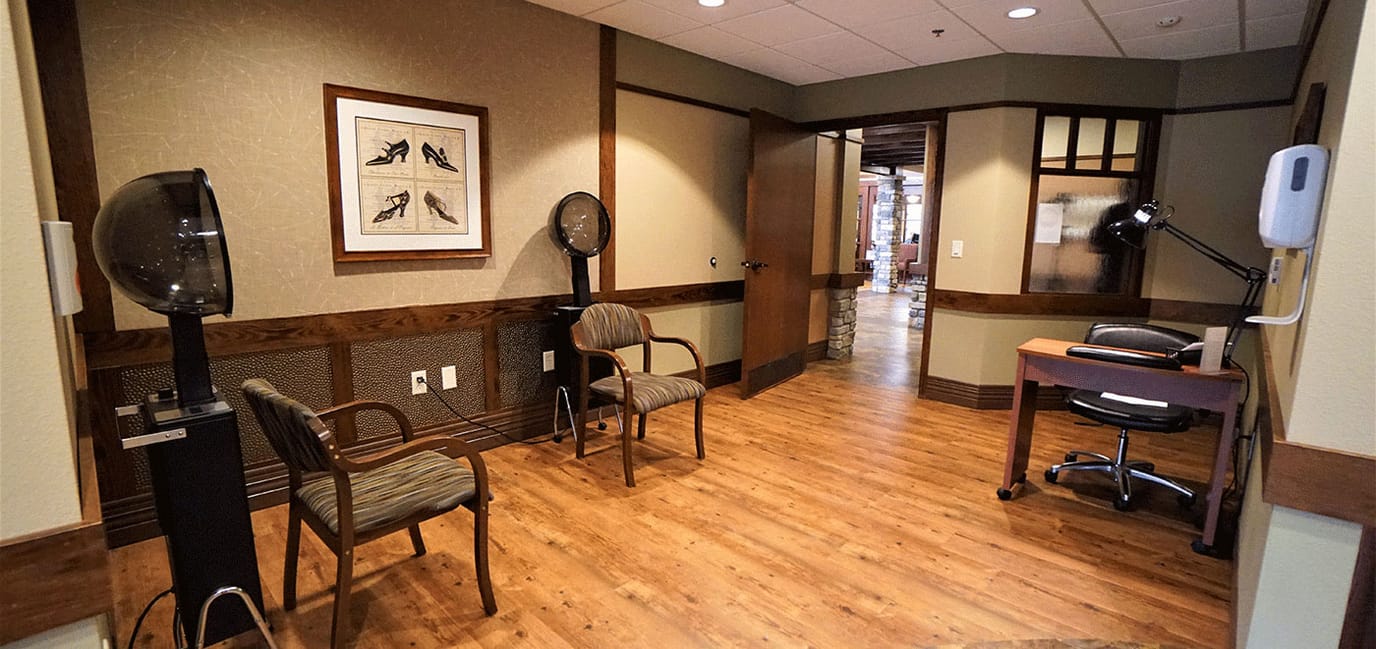
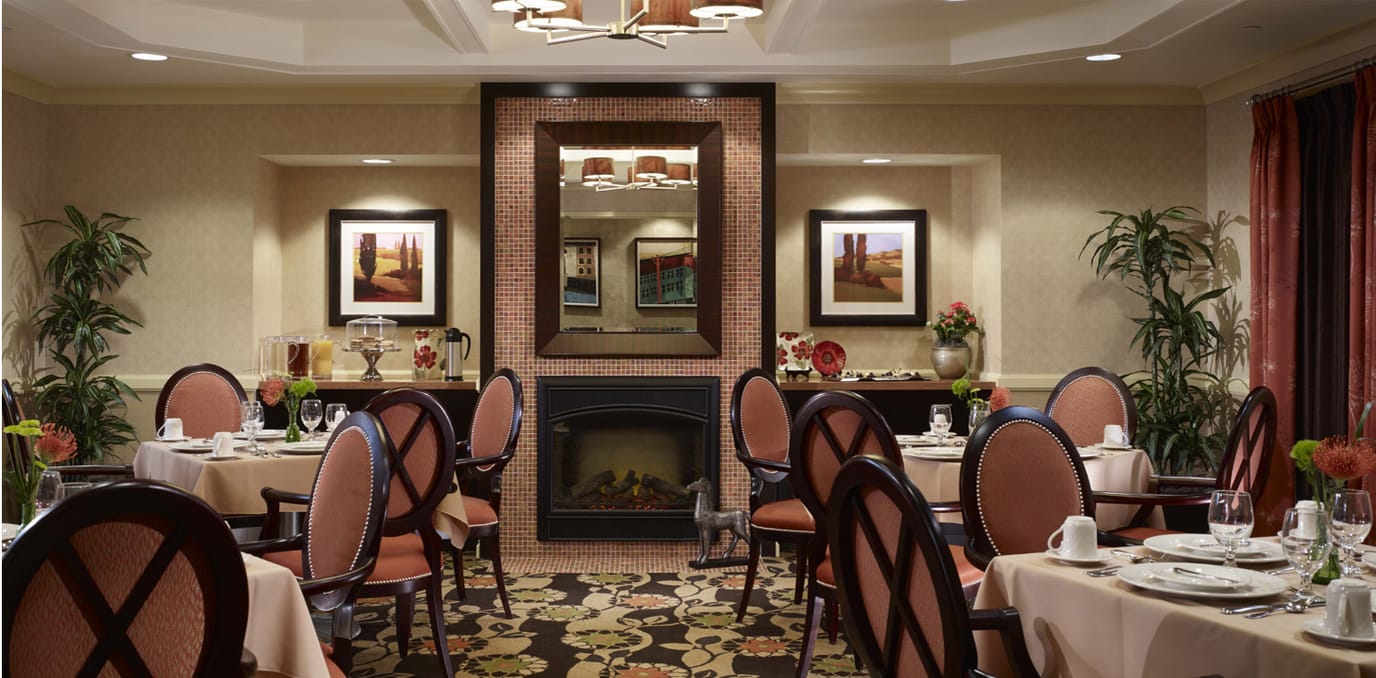
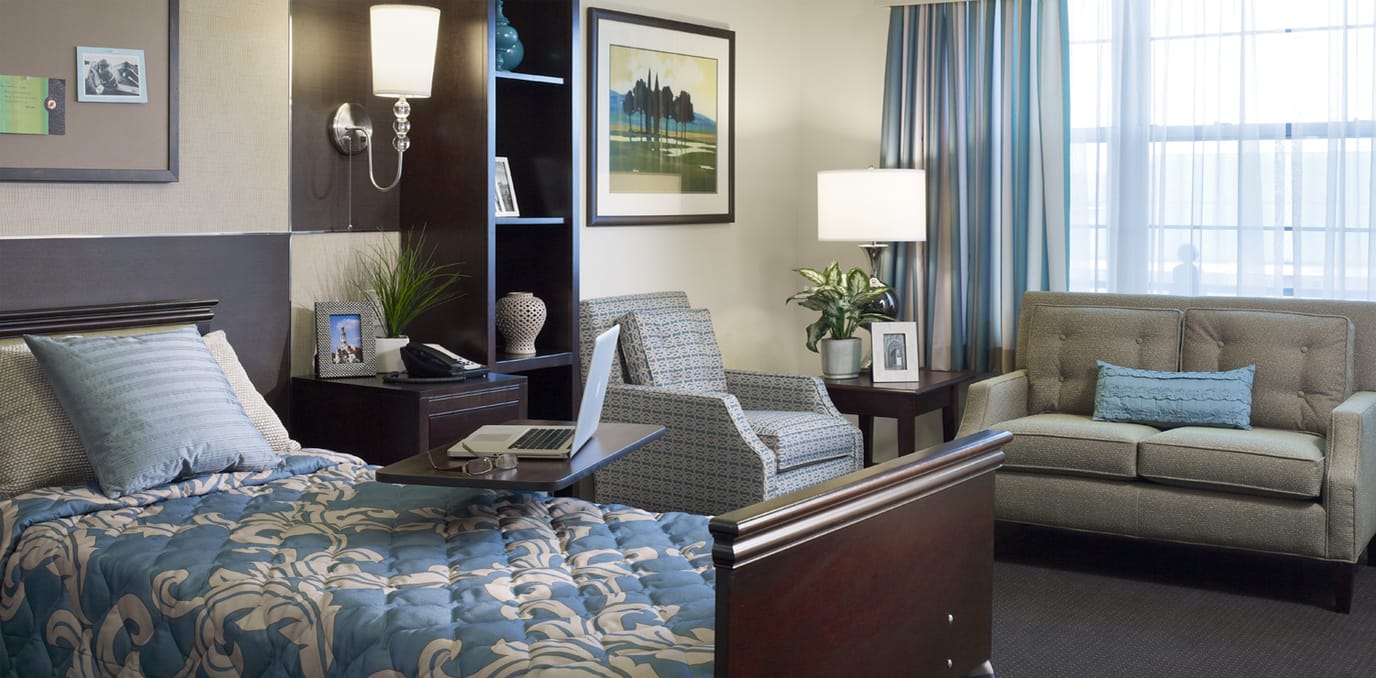
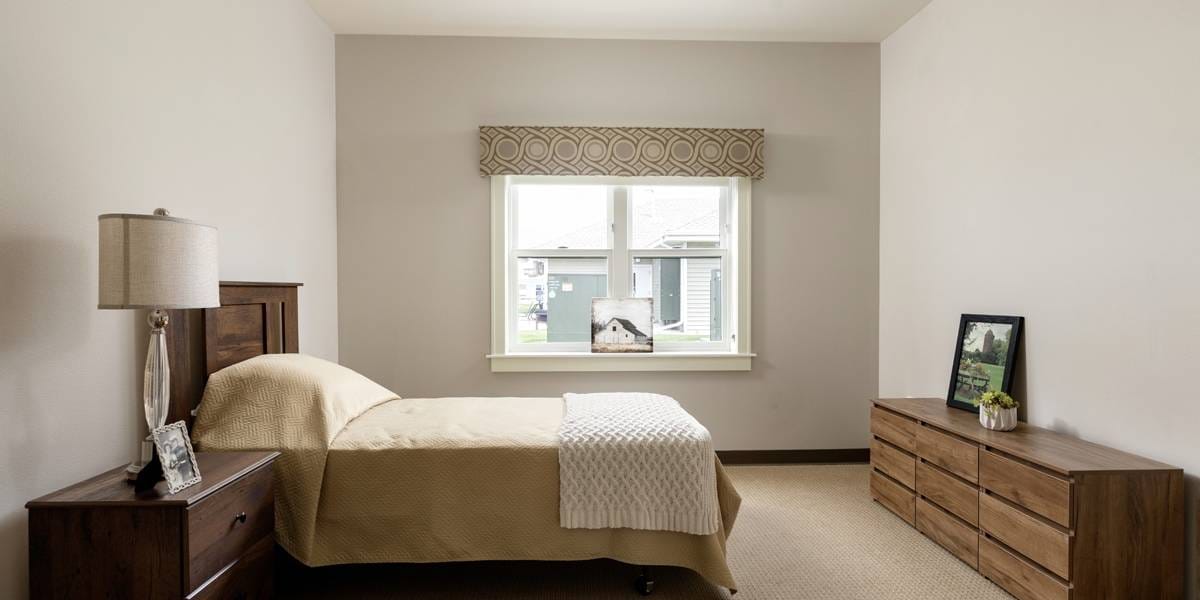
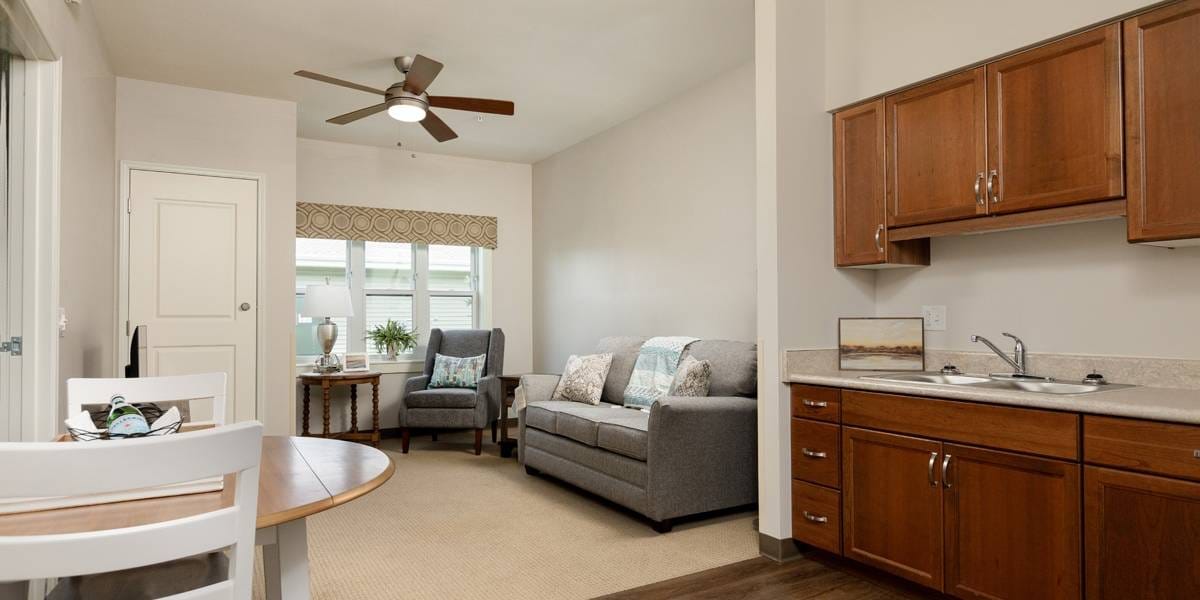
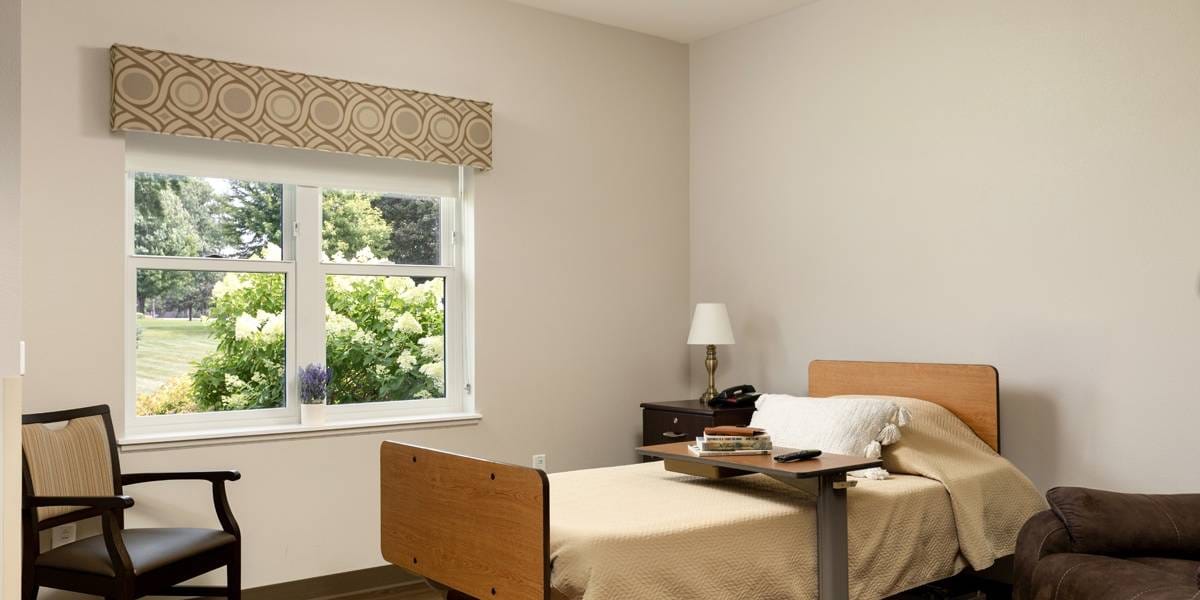
There is enough daily comfort and engagement in the facility. Residents can either stay in semi-private or private rooms. The home-cooked dining program offers menu options, so residents can choose according to their preferences. There are also a beautician and barber on-site, and residents can enjoy daily recreational activities and outings.
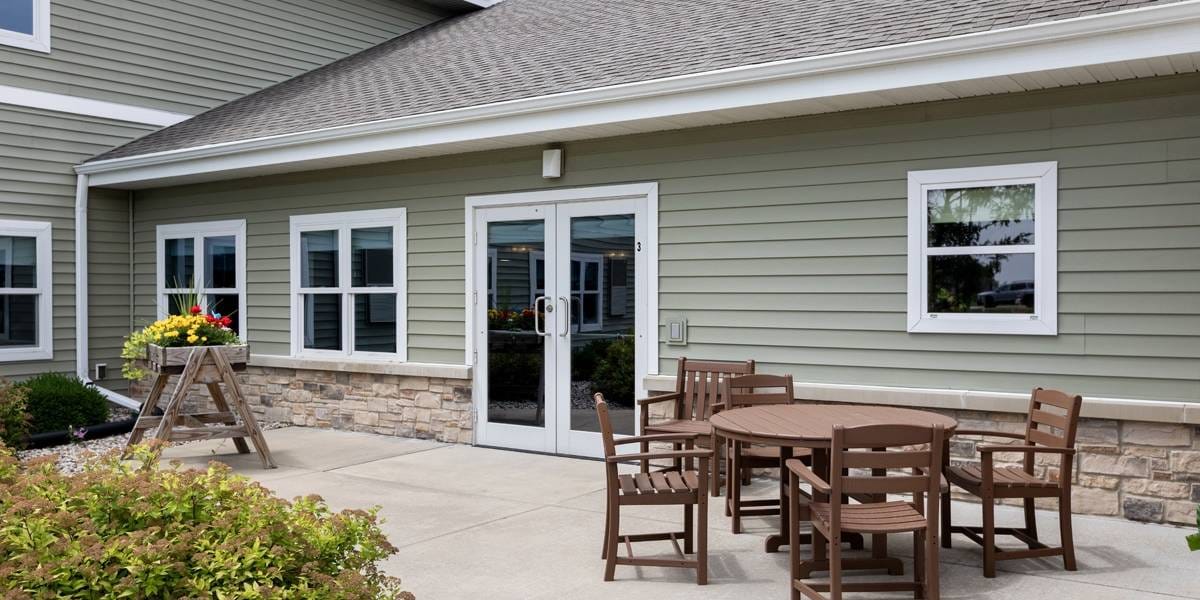
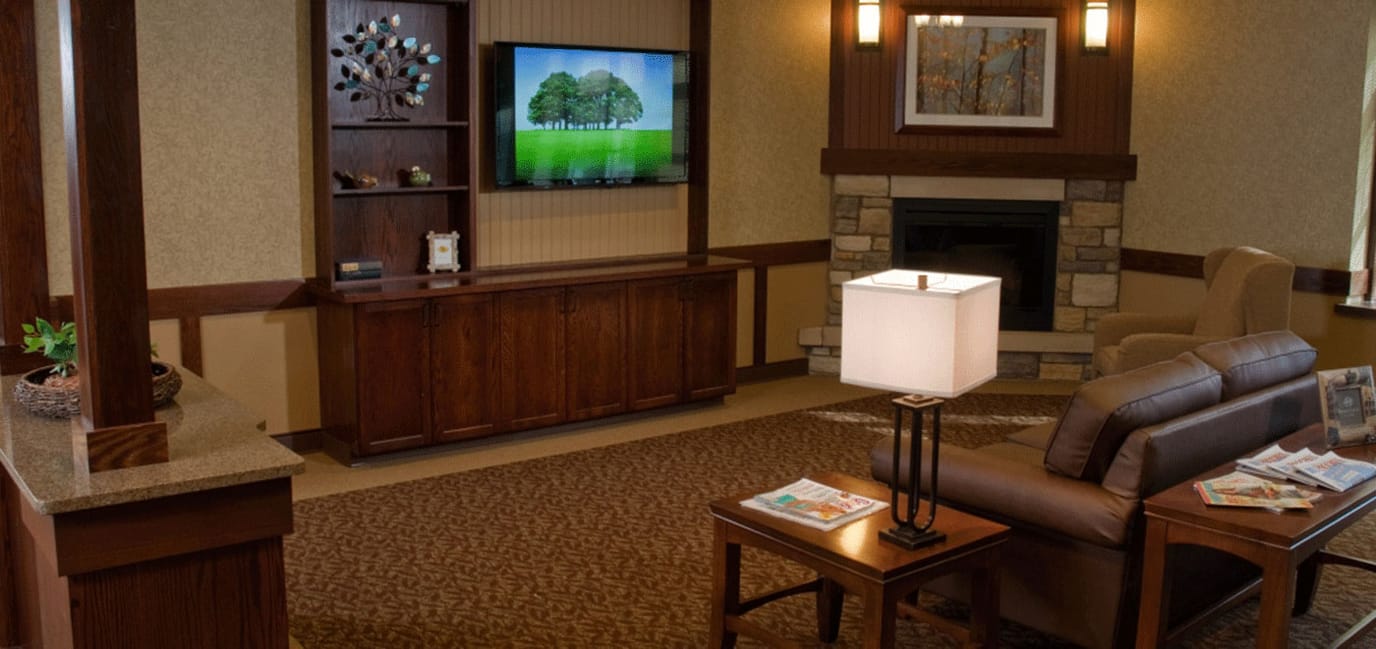
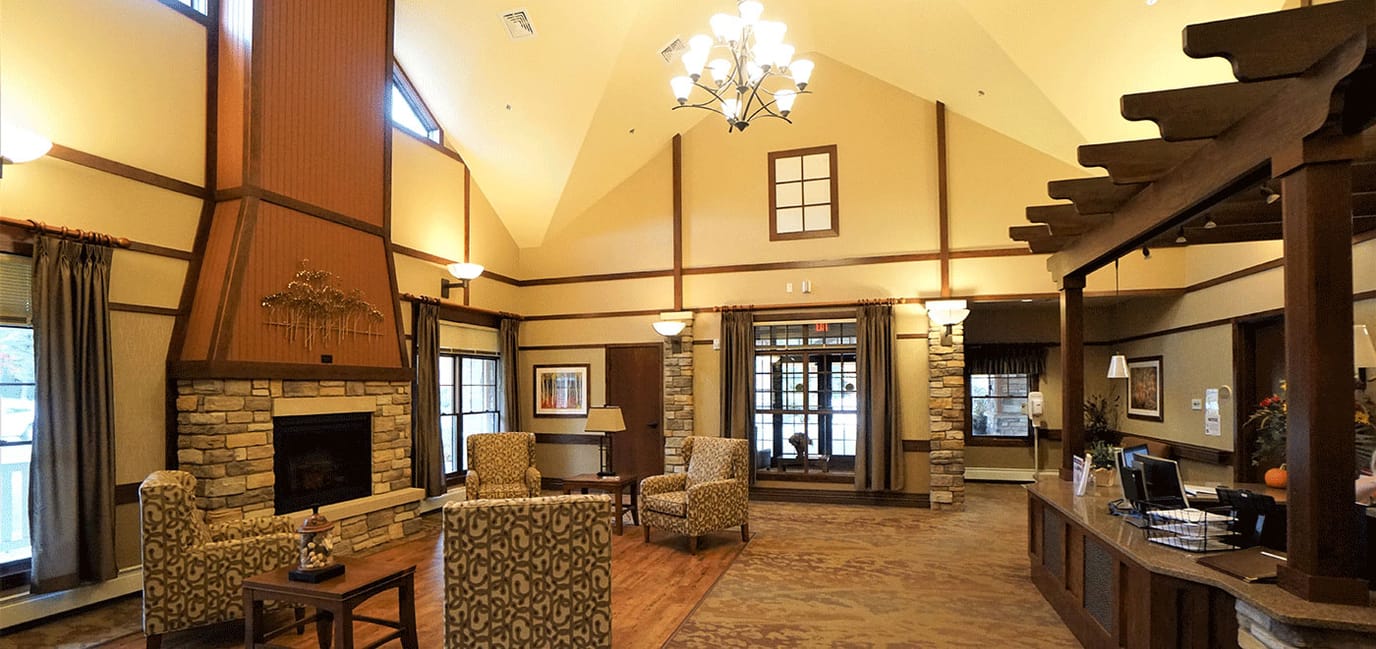
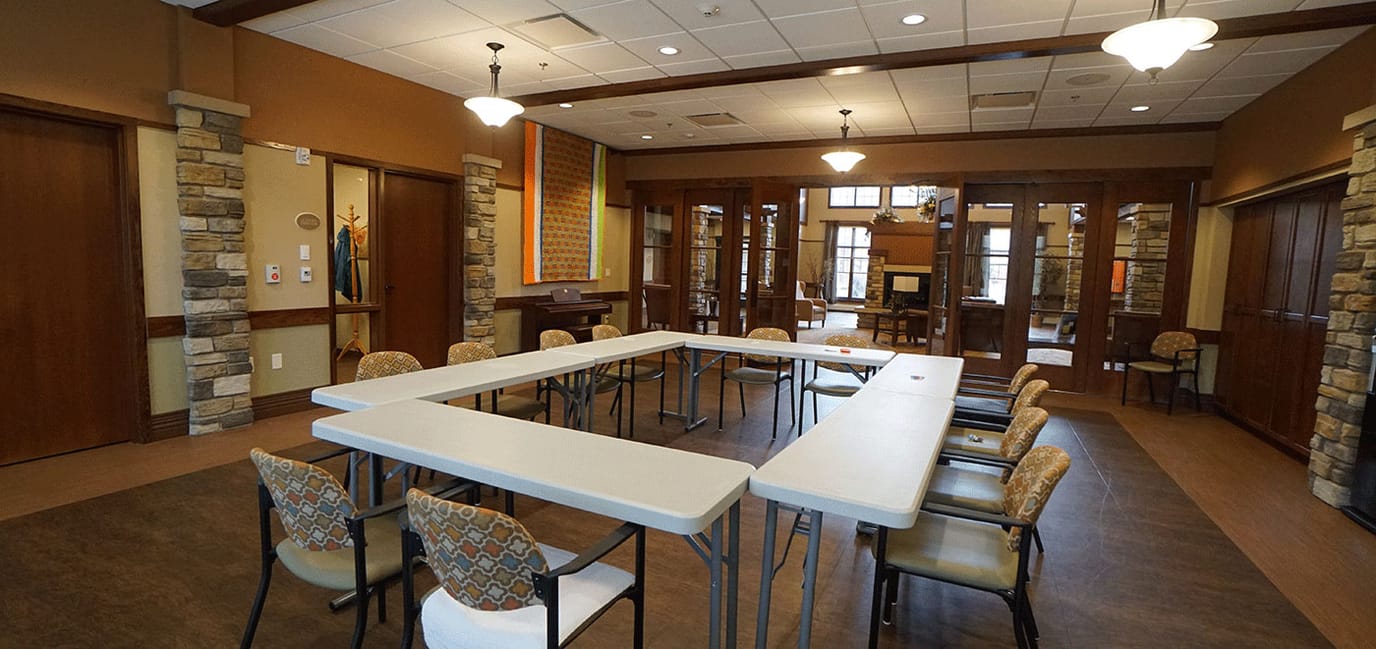
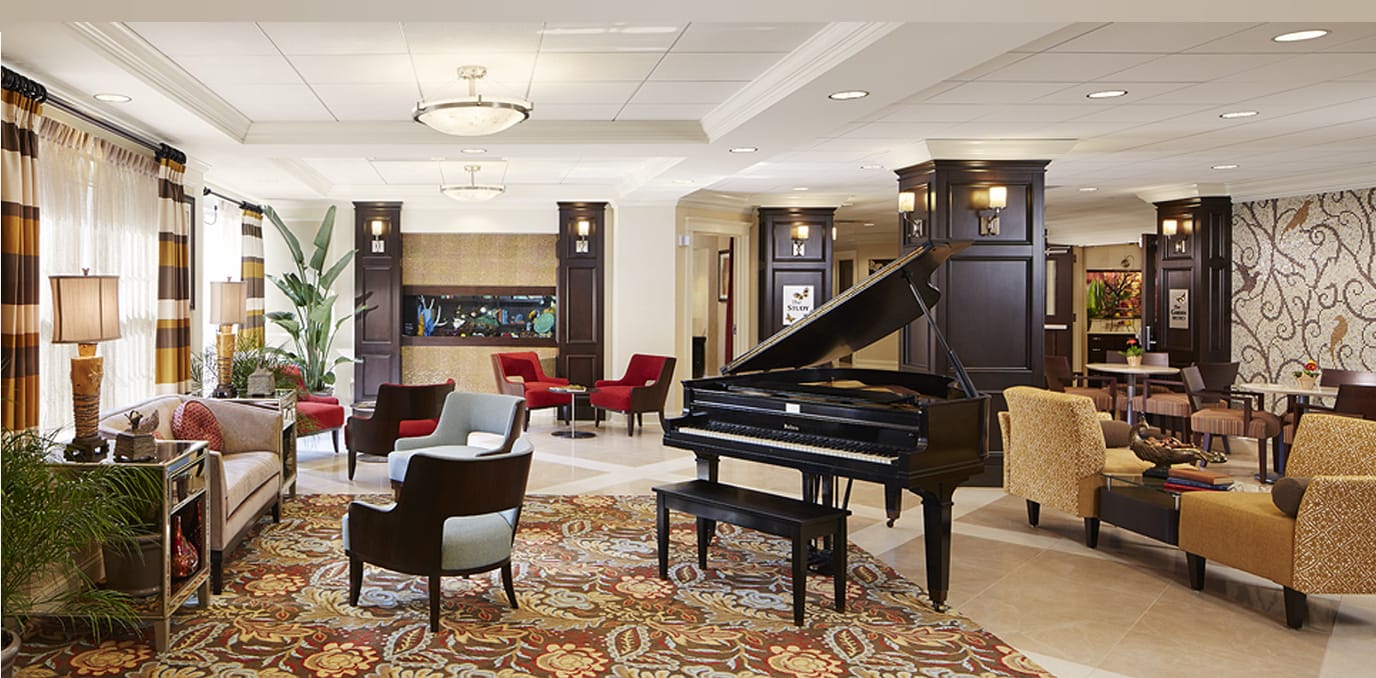
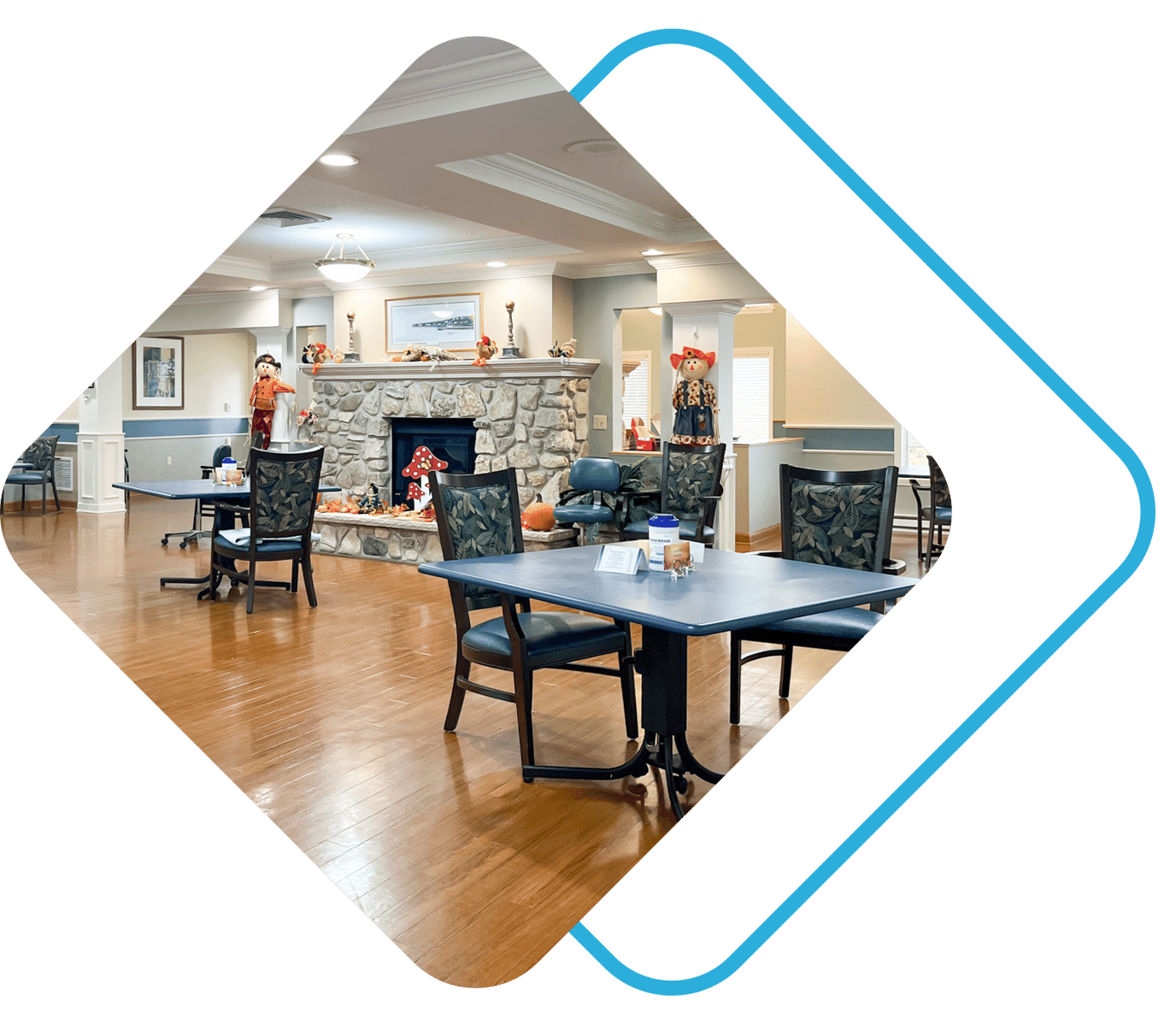
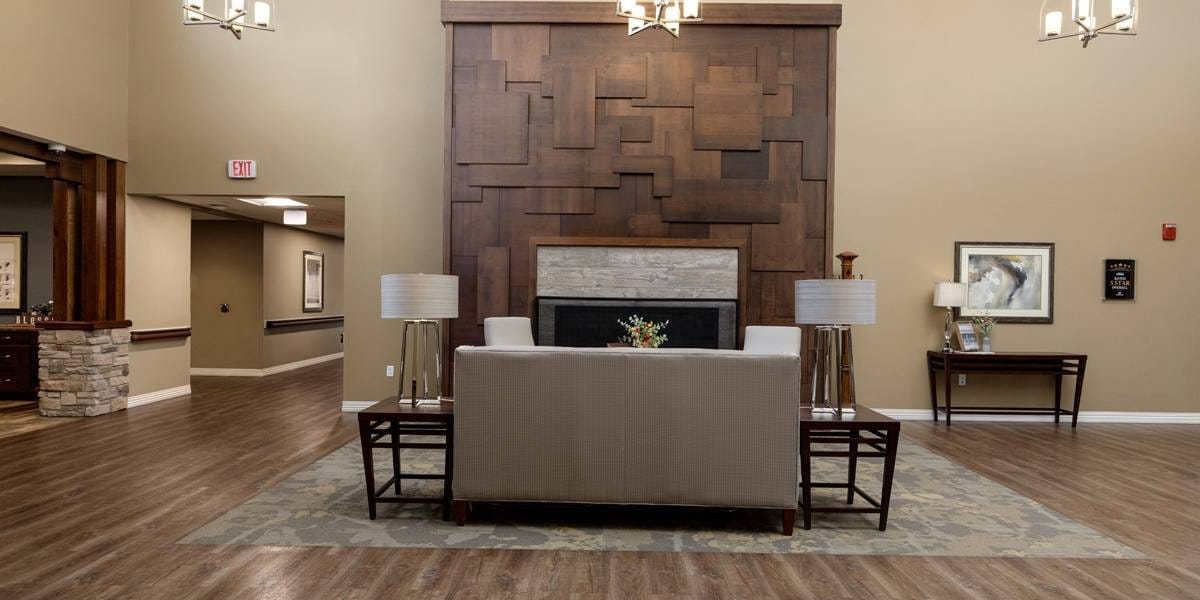
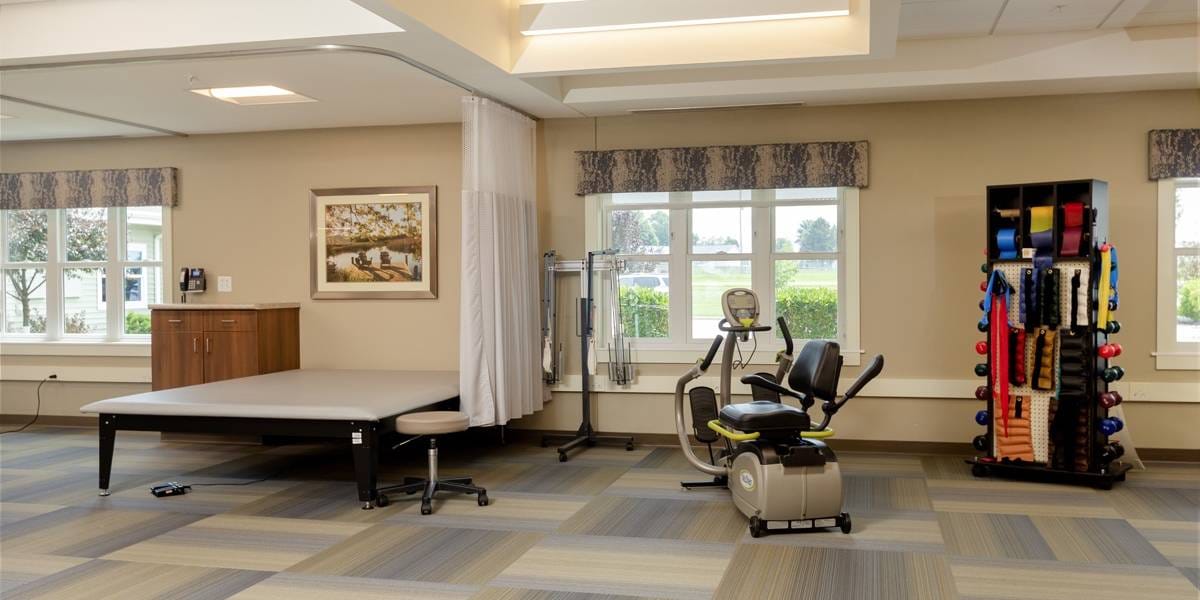
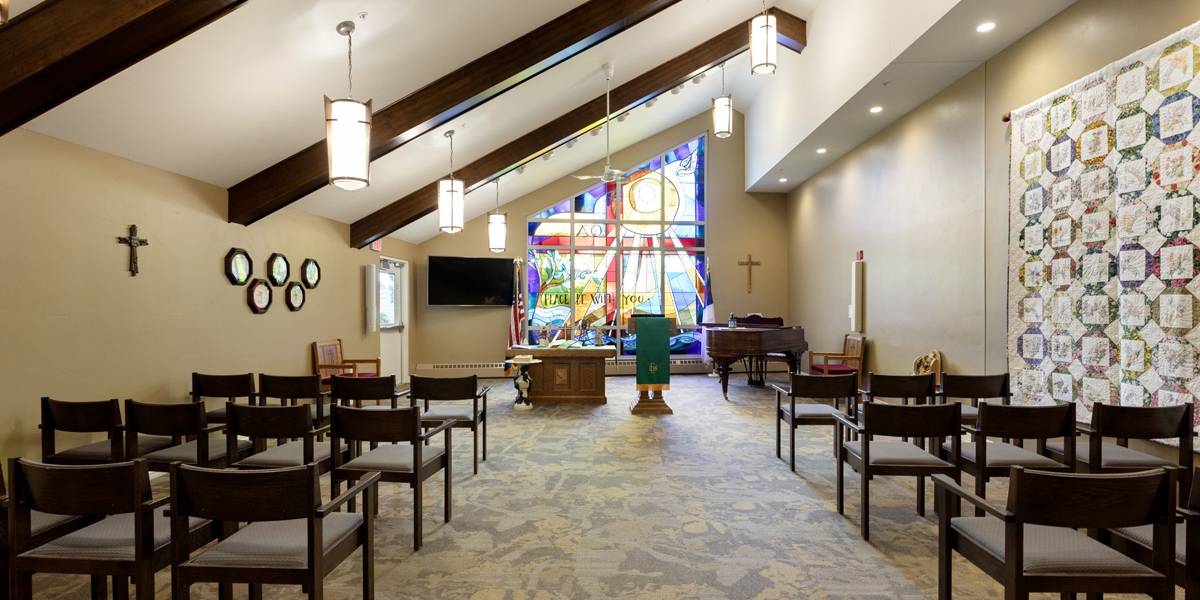
There is a private family area for visitors, and religious services and fireplace lounges are available for those seeking quiet gathering spaces. Finally, there are designated rehabilitation wings, so residents can stay close to their rooms while receiving therapy and recovering.
Contact Rennes Health and Rehab Center-Rhinelander

Overview of Christian Community Home of Osceola

Christian Community Home of Osceola., is a 40-bed skilled nursing home in Osceola, Wisconsin. It’s set close to Osceola Medical Center and located in a moderately walkable neighborhood where some errands can be finished on foot. Owned by Rick Hagar, the home accepts Medicare, Medicaid, and private pay, providing families with many pathways to cover rehabilitation and longer-term care.

The home’s focus is post-acute rehabilitation and transitional care. Averaging a stay length of 92 days, the facility serves residents in the early phase of recovery and those moving into longer-term nursing care. The home runs a dedicated transitional care and rehabilitation program alongside respite care, so families facing a momentary need for skilled care can tap that service without having an extended stay. Total nursing care averages roughly 4 hours and 58 minutes per resident day, delivering consistent hands-on support 24/7. Daily life centers on three restaurant-style meals with numerous menu options and assistance with eating, so meals are adapted to individual preferences and needs. Beyond that, the home offers a robust support services list, including IV therapy, wound care, and daily medication management. A registered dietitian exists for consultation, helping tailor nutrition plans to specific health conditions or restrictions. The amenities emphasize wellness and community engagement. Residents have access to a wellness gym and restorative health programming to regain or maintain function. A spa room provides relaxation, and life enrichment programming keeps the daily rhythm active. The home sits within a home-like neighborhood setting and includes enclosed courtyards, plus a playground for multi-generational interaction when families visit. Housekeeping, laundry, spiritual care, and hospice services complement the day-to-day support. Clinical needs can be addressed quickly without leaving the campus through an emergency call system, customized care plans, and a direct connection to the adjoining medical center.

Contact Christian Community Home of Osceola, Inc

Allis Care Center

9047 W Greenfield Ave, West Allis, WI 53214
Overview of Allis Care Center

Operated by Lexington Healthcare LLC, Allis Care Center is a nursing home in West Allis, Wisconsin. The 152-bed community is on Greenfield Avenue. It’s a very walkable neighborhood with a Walk Score of 85.

The home serves as both a post-acute rehabilitation destination and a longer-term care community for residents who need ongoing skilled nursing support. Families can pay through Medicare, Medicaid, and private pay to cover both short-term recovery stays and extended care. The home’s clinical focus is rehabilitation and recovery, offering short-term rehab, respite care, and specialized services, including ventilator care. A doctor is on staff, and the facility has 24-hour nursing coverage to support the hands-on care needs of residents in recovery from surgery, injury, or hospitalization.

Total nurse staffing averages 2 hours and 45 minutes per resident each day. Registered nurses provide about 46 minutes, nurse aides deliver 2 hours and 22 minutes, and licensed practical or vocational nurses contribute an additional 46 minutes. This staffing composition can accommodate both daily personal care and skilled clinical oversight.

Most stay an average of 286 days, including short-stay rehabilitation residents and those who remain for longer nursing care. The home has an occupancy rate of 65%, and private rooms are available for residents and families. The non-smoking facility certified by Medicare and Medicaid meets federal compliance standards for both populations.

Contact Allis Care Center

Overview of Christian Community Home

Christian Community Home is a 50-bed nursing home at 1320 Wisconsin Street in Hudson, Wisconsin. Accepted are Medicare, Medicaid, and private pay, giving families numerous ways to cover short-term rehabilitation stays and longer-term nursing care. The home operates at about 60 percent occupancy, with occupants staying 120 days on average.

The community centers its care on transitional rehabilitation and skilled nursing services. It’s then a pragmatic choice for people healing from surgery or a hospital stay. Daily nursing support is significant, with total nursing care averaging nearly 4 hours 50 minutes per resident day, broken down between registered nurses, nurse aides, and other nursing staff. That level of hands-on care mirrors a focus on structured rehabilitation and recovery. The facility sits in a really walkable part of Hudson, with a Walk Score of 70, meaning most errands can be done on foot. This can be convenient for visiting family members wanting to explore the neighborhood on foot while spending time at the home.

For families contemplating Christian Community Home, visiting in person is worthwhile to see the rooms, the rehabilitation spaces, and the daily routines.

Contact Christian Community Home

Overview of Alden Meadow Park Health Care Center

Owned by Paul Michalsen, Alden Meadow Park Health Care Center in Clinton, Wisconsin, is a skilled nursing home that provides short-term rehabilitation and ongoing nursing care. The home accepts Medicare, Medicaid, and private pay, providing several coverage options for families. With 94 beds and a current occupancy of 69%, the facility has a moderate census that receives personalized attention.

Residents stay an average of 70 days due to the home’s focus on post-acute rehabilitation. Daily nurse staffing averages 3 hours and 1 minute per resident, with registered nurses providing 36 minutes, nurse aides 1 hour 56 minutes, and LPNs or LVNs contributing 30 minutes of care each day. The staffing structure can support the home’s short-term rehabilitation and respite care programs. It’s a practical choice for patients recovering from hospitalization or surgery who need structured rehabilitation services.

Clinton’s location has a Walkability Score of 48. Some errands can be done on a short walk, but most activities and appointments require driving. The surrounding community is quiet and residential. It’s best suited for families looking for a calmer setting far from busier commercial areas.

Contact Alden Meadow Park Health Care Center, Inc

Overview of Meadowbrook Senior Living at Black River Falls

Meadowbrook Senior Living at Black River Falls is a licensed nursing home and assisted living community operated by BRF Nursing and Rehab LLC in Black River Falls, Wisconsin, serving older adults in Jackson County. Licensed since December 2019 with 32 beds, the community has six years of operational history and is currently serving 14 residents per day. Current occupancy is approximately 44%, suggesting open availability, which is ideal for families seeking care in the area.

From a compliance standpoint, the community has undergone eight inspections by the Wisconsin Department of Health Services, along with nine triggered by complaints, of which six resulted in findings. The most recent inspection, conducted in July 2025, identified one deficiency, below the Wisconsin average of 12. However, the community has accumulated a total of 22 deficiencies throughout its operational history. With this record, families are encouraged to review detailed inspection reports through the Wisconsin Department of Health Services. Notably, complaints are investigated as they are submitted and may not reflect the day-to-day experience of all residents.

24-hour staffing, rehabilitation services, and respite care, along with specialized programs such as bariatric care and hospice care, are among the comprehensive services offered. With these comprehensive clinical services, the community can support older adults with complex medical needs, including those requiring end-of-life care. Personalized meals and snacks are also included for the residents’ daily experience.

Meadowbrook Senior Living at Black River Falls wide range of specialized care, including bariatric care, hospice support, or post-acute rehabilitation, is a compelling option for families in the Black River Falls and Jackson County area who require complex and advanced care but prefer a smaller, community-based setting.

Contact Meadowbrook Senior Living at Black River Falls

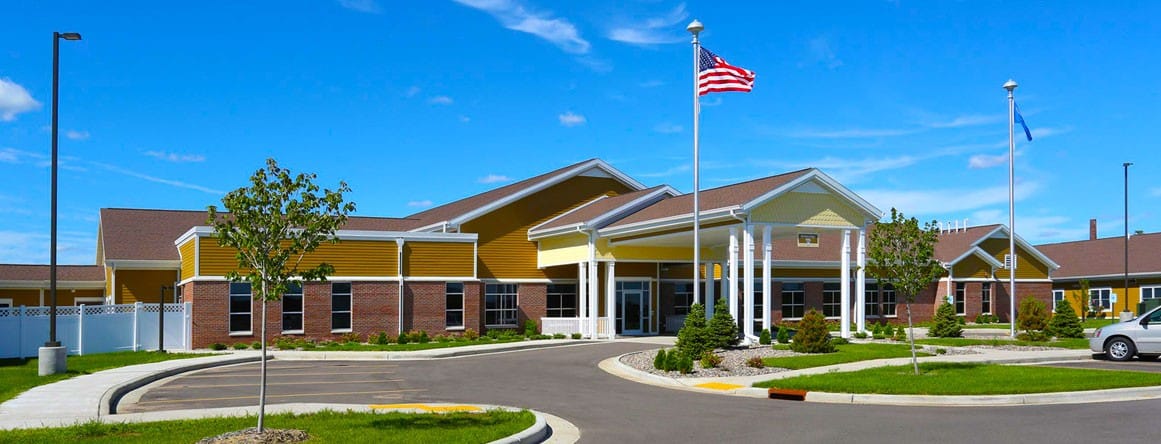
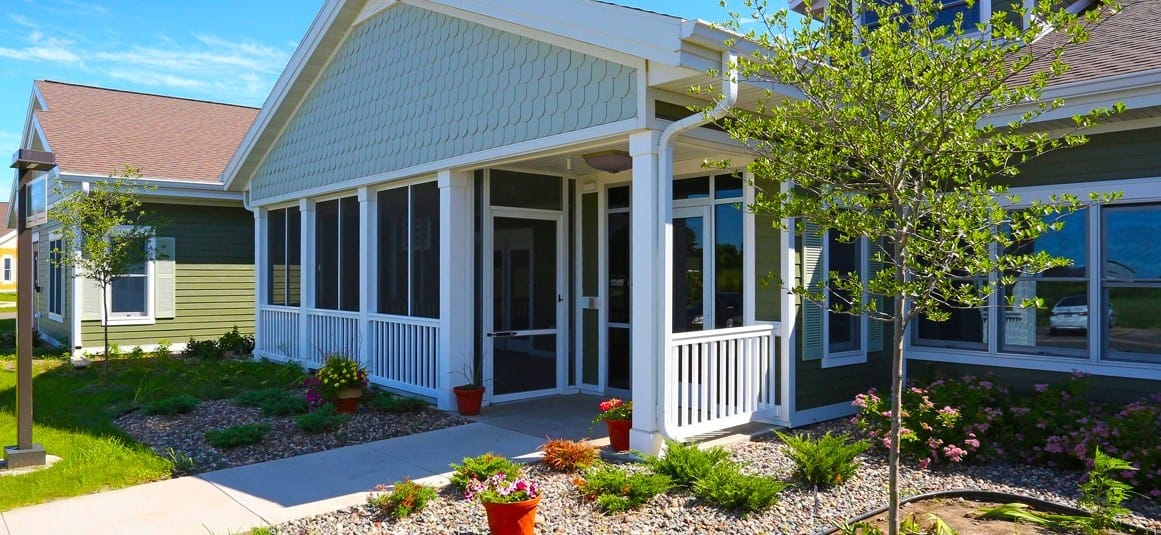
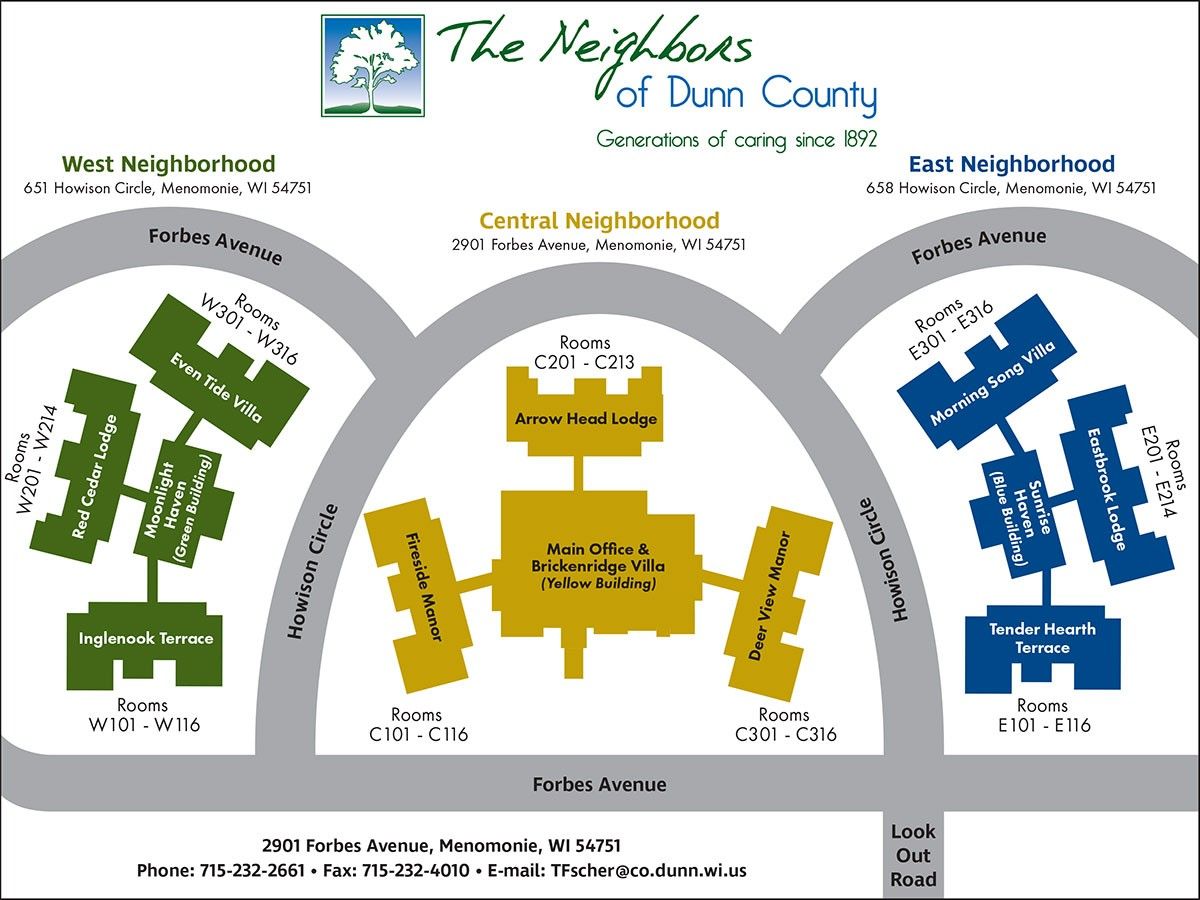
Overview of The Neighbors – Central Neighborhood

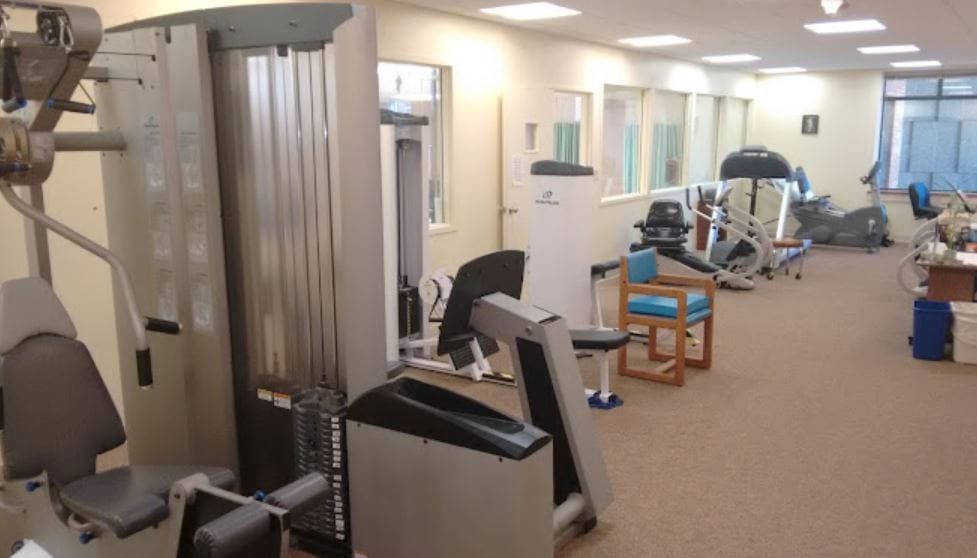
The Neighbors – Central Neighborhood is a 45-bed nursing home run by Dunn County that provides skilled nursing, memory care, and rehabilitation services. The facility coordinates physical, occupational, and speech therapies alongside on-site dental checkups, podiatry, audiology, and optometry. Daily operations focus primarily on short-term recovery, with an average resident stay of 81 days. Situated in a downtown neighborhood with a Walk Score of 81, the community accepts Medicare, Medicaid, private pay, and Wisconsin Family Care, while recording a 37.4% occupancy rate.

Government records show strong staffing levels, with nursing care averaging 6 hours and 17 minutes per resident each day, which runs about 48% above the Wisconsin baseline. Daily staff-to-resident ratios sit at 3.36:1, and short-stay metrics reveal that roughly 56% of rehab residents successfully return home.

State monitoring reports from the past two years show six moderate citations focused on infection control and quality of life, all of which were fixed by management, with zero serious or critical violations on file. While long-term tracking shows zero federal fines over the past three years, clinical files show mixed outcomes; rates of pressure ulcers and resident weight loss track higher than the state average, though serious fall injuries among long-stay residents remain low.

Older adults looking for short-term recovery options can review these public tracking reports to weigh the facility’s overall performance. Since the state data highlights high daily nursing hours and strong recovery outcomes alongside some noted struggles with long-term skin and weight management, the records fit a building geared toward post-acute rehab. Arranging an in-person tour is a helpful next step to view the therapy equipment, inspect the building layout, and discuss admission timelines with the staff.

Contact The Neighbors – Central Neighborhood

Overview of Maryhill Manor

Owned by Patricia Baier, Maryhill Manor is a nursing home in Niagara, Wisconsin with 50 beds. Medicare, Medicaid, and private pay are accepted, giving families different ways to arrange coverage. Most residents stay an average of 354 days. While some arrive for rehabilitation following illness or surgery, others remain longer because of ongoing nursing care needs.

The facility’s current occupancy rate is 85%. Clinical support is layered throughout the community. A doctor is on staff, with 24-hour staffing. Residents receive an average of 4 hours and 20 minutes of nursing care each day. Nurse aides alone provide 2 hours and 42 minutes of direct daily care, forming a large part of the home’s hands-on support structure.

Memory care is one of the facility’s specialized areas. An Alzheimer’s care program serves residents experiencing cognitive decline. Maryhill Manor also operates a Resident Directed Care program due to its resident-centered approaches. Pastoral Care services support spiritual wellbeing. Rehabilitation services are available for residents who may benefit from physical, occupational, or speech therapy during recovery.

The community’s location in Niagara is car-dependent, with few walkable options nearby. Most errands and visits require transportation. Dining follows a restaurant-style model rather than fixed menus, and residents choose meals at the time of service. Breakfast room service is also available for residents who prefer to dine in their rooms.

Contact Maryhill Manor, Inc

Overview of Christian Home Care and Rehab Center

Operated under Agnesian Healthcare Inc., Christian Home Care and Rehab Center is a nursing and rehabilitation facility in Waupun, Wisconsin. The 50-bed community focuses on short-term post-acute care. Rehabilitation, respite services, and skilled nursing are all part of the care model for residents recovering from injury, surgery, or a hospital stay. Medicare, Medicaid, and private pay are accepted, giving families several options when arranging coverage.

The average stay is about 92 days, which aligns with the home’s focus on rehabilitation rather than permanent residence. The facility’s current occupancy rate is 59%, with 30 residents. Nursing support is one of the facility’s stronger features. Residents receive an average of 6 hours and 14 minutes of nursing care each day. Registered nurses provide 1 hour and 12 minutes. Nurse aides contribute 2 hours and 29 minutes. Licensed practical and vocational nurses add another 1 hour and 1 minute per resident daily.

Daily life revolves around rehabilitation goals and quality care. Meals are chef-prepared and served restaurant-style. Dietitian approval is part of the process to help residents meet nutritional needs while still having meal choices during recovery. Fitness classes are offered, and residents can also join in social events, educational workshops, and outings to keep them engaged and to support their physical and mental well-being.

Residents can stay active and connected while working toward rehabilitation goals. The neighborhood has a Walk Score of 68. Some errands can be done on foot, and the location on Fox Lake Road provides convenient access to the surrounding area.

The facility is focused on transitional care. Some residents arrive for short-term post-acute recovery, while others require a longer skilled nursing stay. There’s 24-hour staffing in place to support residents’ care demands. For families looking at post-hospital rehabilitation options, the combination of staffing levels, organized programming, and dietitian-supported dining forms a large part of the facility’s approach.

Contact Christian Home Care and Rehab Center LLC

Overview of Serenity Spring Senior Living at Scandia Village

Serenity Spring Senior Living at Scandia Village is a 50-bed skilled nursing facility at 10560 Applewood Road in Sister Bay, Door County, Wisconsin. Part of the Scandia Village Continuing Care Retirement Community campus, the facility is administered by Katherine Casey and operated by Sister Bay SNF Opco LLC as a for-profit limited liability company. It accepts Medicare, Medicaid, and private pay, with 70 percent of the current residents funded privately.

CMS rates Serenity Spring Senior Living at Scandia Village 2 stars overall, reflecting a health inspection score 27.8 percent below Wisconsin average despite staffing running 10.5 percent above average. Staffing’s headline figure, 4 hours 55 minutes of total adjusted nursing per resident per day, ranks 41st of 172 Wisconsin SNFs and exceeds the state average by 16 percent. Physical therapist hours at 8 minutes per day are double the Wisconsin average. However, the Q4 2025 payroll data reveals a major operational concern: 58.1 percent of all staff hours are delivered by contractors, including 18 contract CNAs alongside just 13 employed CNAs, 6 contract LPNs against 3 employed, and 3 contract RNs against 4 employed. This level of contractor dependency, the highest in this review batch, raises meaningful questions about care continuity and institutional knowledge. Weekend RN coverage at 21 minutes per day is 48 percent below the 40-minute Wisconsin average. The inspection record since 2022 shows 42 total citations, ranked 129th of 174 Wisconsin SNFs, at 6.0 per inspection against a state average of 4.19. Eleven of 42 citations arose from complaint investigations. The leading deficiency categories are Quality of Life and Care (10 deficiencies, 24 percent) and Resident Rights (8 deficiencies, 19 percent), with Abuse, Neglect, and Exploitation accounting for 4 deficiencies. 1 serious citation is on record. No critical citations have been issued, and no penalties have been imposed in the past three years. Quality measure outcomes present a striking split. For long-stay residents, hospitalizations at 0.58 per 1,000 resident days are 64 percent below Wisconsin average, an exceptional result, while ED visits at 4.07 per 1,000 days are 86 percent above average, indicating that medical situations avoiding inpatient hospitalization are frequently resolved via emergency department visits instead. Pressure ulcer rates and antipsychotic use are also above average for long-stay residents. Short-stay re-hospitalization at 15.4 percent is 32 percent better than the Wisconsin average, and falls with major injury are zero for short-stay residents. Financially, the facility recorded a net loss of $2.5 million in 2024 on a total payroll of $5.1 million, with occupancy declining by 11 percent from 2022. The financial trajectory warrants close attention by prospective families as an indicator of operational stability.

The community provides rehabilitation services with a doctor on staff and 24-hour staffing across its skilled nursing, assisted living, memory care, and independent living continuum.

In the scenic Door County peninsula, Serenity Spring Senior Living at Scandia Village fits families seeking a continuum-of-care campus setting in rural Wisconsin. The 2-star CMS rating, high contractor dependency, above-average citations, and ongoing financial losses are crucial considerations families should address with facility leadership before proceeding.

Contact Serenity Spring Senior Living at Scandia Village

Who we are

Your Senior Care Partner, Every Step of the Way

We help families find affordable senior communities and unlock same day discounts, Medicaid, and Medicare options tailored to your needs.

Contact us Today

Frequently Asked Questions

What government services provide money for senior housing?

Several government programs offer financial assistance for senior housing in various countries, focusing on the United States for a broad overview:

  • Medicaid: Medicaid is a state and federally funded program that can cover the costs of nursing home care for those who meet eligibility criteria, including income and asset limits. Some states also offer Medicaid waivers that help pay for home and community-based services to prevent or delay nursing home placement.
  • Medicare: Medicare, primarily a health insurance program for people aged 65 and over, does not cover long-term housing costs. However, it can cover short-term stays in a skilled nursing facility under specific conditions following a hospital stay.
  • Section 202 Supportive Housing for the Elderly Program: This program provides housing for low-income seniors. It offers rental assistance and access to supportive services, such as cleaning, cooking, and transportation.
  • Low-Income Housing Tax Credit (LIHTC) Properties: While not a direct subsidy, LIHTC encourages developers to create affordable housing. Seniors with low incomes can find reduced-rent apartments through this program.
  • State and Local Programs: Many states, counties, and cities offer their own programs to assist seniors with housing costs. These can include property tax relief programs, rental assistance programs, and programs that offer affordable senior housing options.
  • Veterans Affairs (VA): The VA offers several programs for veterans, including the Aid and Attendance benefit, which provides monthly payments to veterans who require the aid of another person, or are housebound, to help cover the cost of care in homes, nursing homes, and assisted living facilities.
  • Social Security: While Social Security primarily provides retirement income, for many seniors, these benefits are a crucial part of their budget, including housing costs.
How do you pick the homes you recommend?

Before recommending homes, we conduct a thorough evaluation on crucial factors that define a senior home such as the quality of care they provide, the reputation of the organization, and a comprehensive review of community testimonials as well. Every detail is assessed to assure that seniors are offered not just senior care options, but trustworthy homes where they can experience the care that they deserve.

Do you help families that need Medicaid?

Yes. Assisting families who need Medicaid is important to us as it plays a crucial role in offering financial support to seniors confronting economic challenges. We would like to keep essential healthcare services accessible to all community members, irrespective of one’s financial circumstances.

How much does this service cost?

We extend our services at no cost, ensuring that families and seniors can benefit from tailored assistance in their search for care and home options. Our ability to offer personalized guidance without charge to families and seniors is made possible through the support and funding from the communities with which we team up. 

What services do you offer?
  • Finding and ranking the best assisted living facilities
  • Finding and ranking the best nursing homes
  • Finding and ranking the best memory care facilities
  • Our concierge service helps seniors move into the perfect home for them
  • Helping seniors use medicare, medicaid, and other government programs to pay for their homes
  • Helping seniors avoid senior homes that have bad service or fraud
  • Memory care specialists
  • Finding and ranking the best independent living communities