
Other senior care options in Wisconsin:

Page 7 of Best Hospice Care in Wisconsin

Why trust this guide? Our editorial team analyzed 88 hospice communities in WI using WI Dept. of Health Services (DHS) data, inspection records, complaints, amenities, and facility-level details. How we rank hospice in WI
Reviewed by
Last updated
Jul 2026
We analyzed
88 homes
Other senior care options in Wisconsin:
Avg Walk Score: 42/ 100The average Walk Score across facilities in Wisconsin. A third-party neighborhood walkability score (0–100) measuring convenience and context, not healthcare quality. Individual facilities can vary widely from this average.
National Average: 50/ 100
Avg No. of Beds: 61The average licensed bed capacity across facilities in Wisconsin. Individual facilities can vary widely from this average.
National Average: 90
Overview of The Pavilion at Glacier Valley

Located in Slinger, Wisconsin, about 30 minutes northwest of Milwaukee, The Pavilion at Glacier Valley is a nursing home with 106 beds. The facility has been operating for 12 years. Medicare, Medicaid, and private pay are accepted, giving families several ways to cover both short-term rehabilitation and longer-term nursing care. With a current occupancy rate of 72%, residents stay an average of 88 days, reflecting a mix of post-acute recovery residents and those needing ongoing skilled nursing support.

The Pavilion focuses on rehabilitation and specialized care. Therapy services are available, with respite care and 24-hour nursing staffing. Pain management, IV therapy, and nutritional support are among the services provided. Nurse staffing averages 3 hours and 14 minutes per resident each day. Registered nurses, nurse aides, and licensed practical nurses make up that staffing support. Discharge planning and resource assistance are available to help residents prepare for the next stage of care.

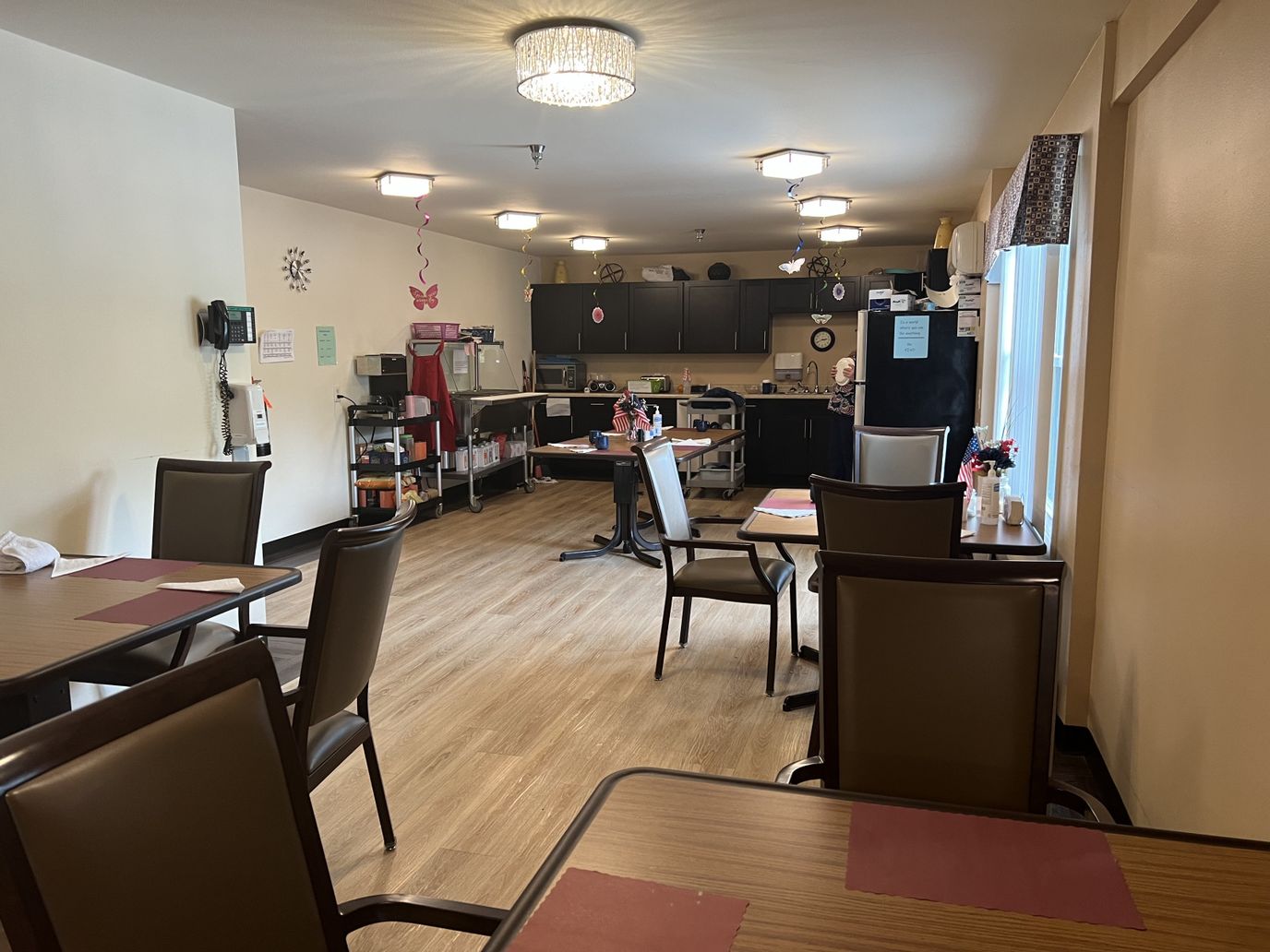
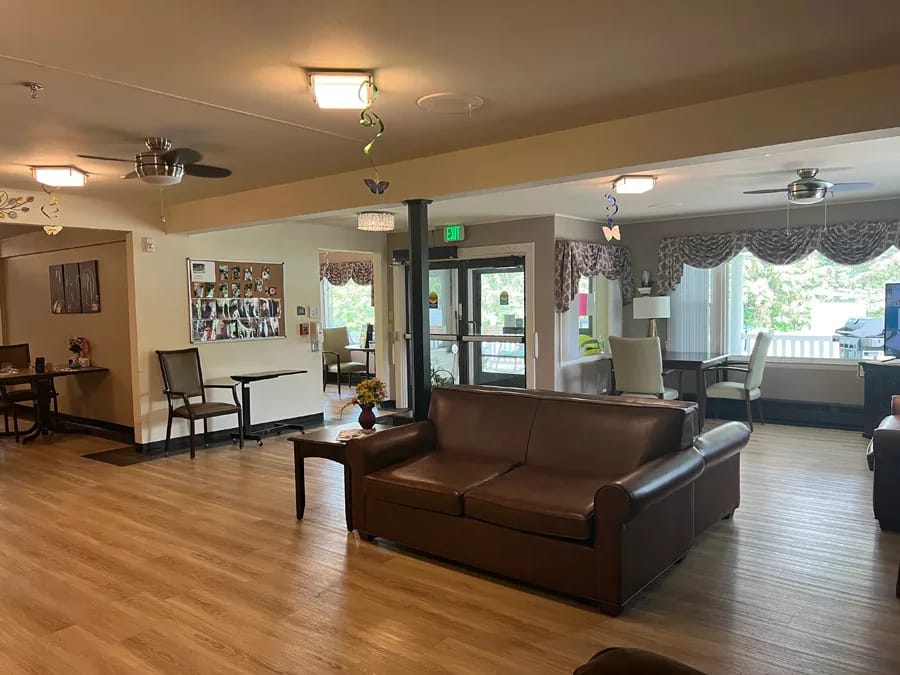
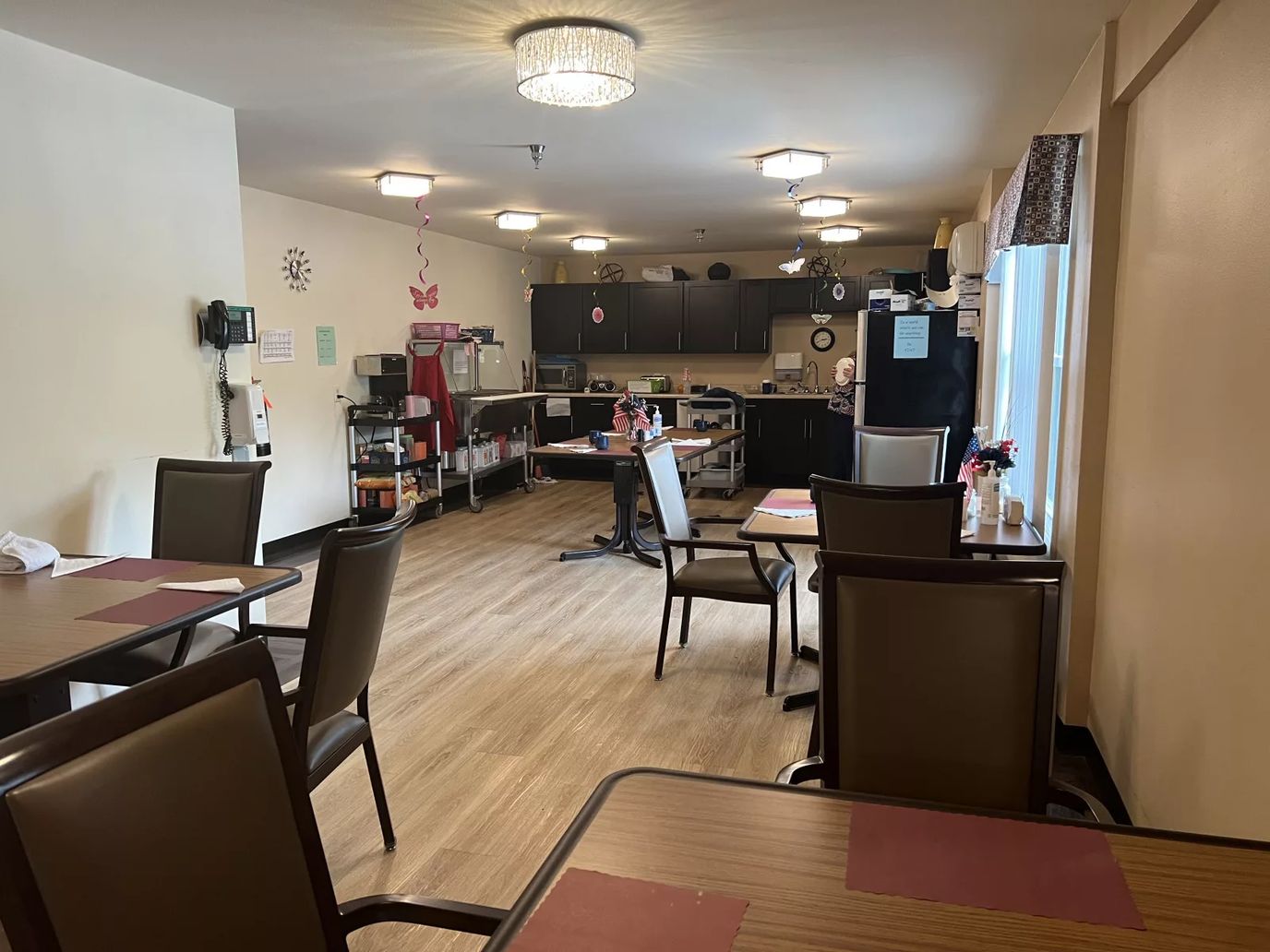
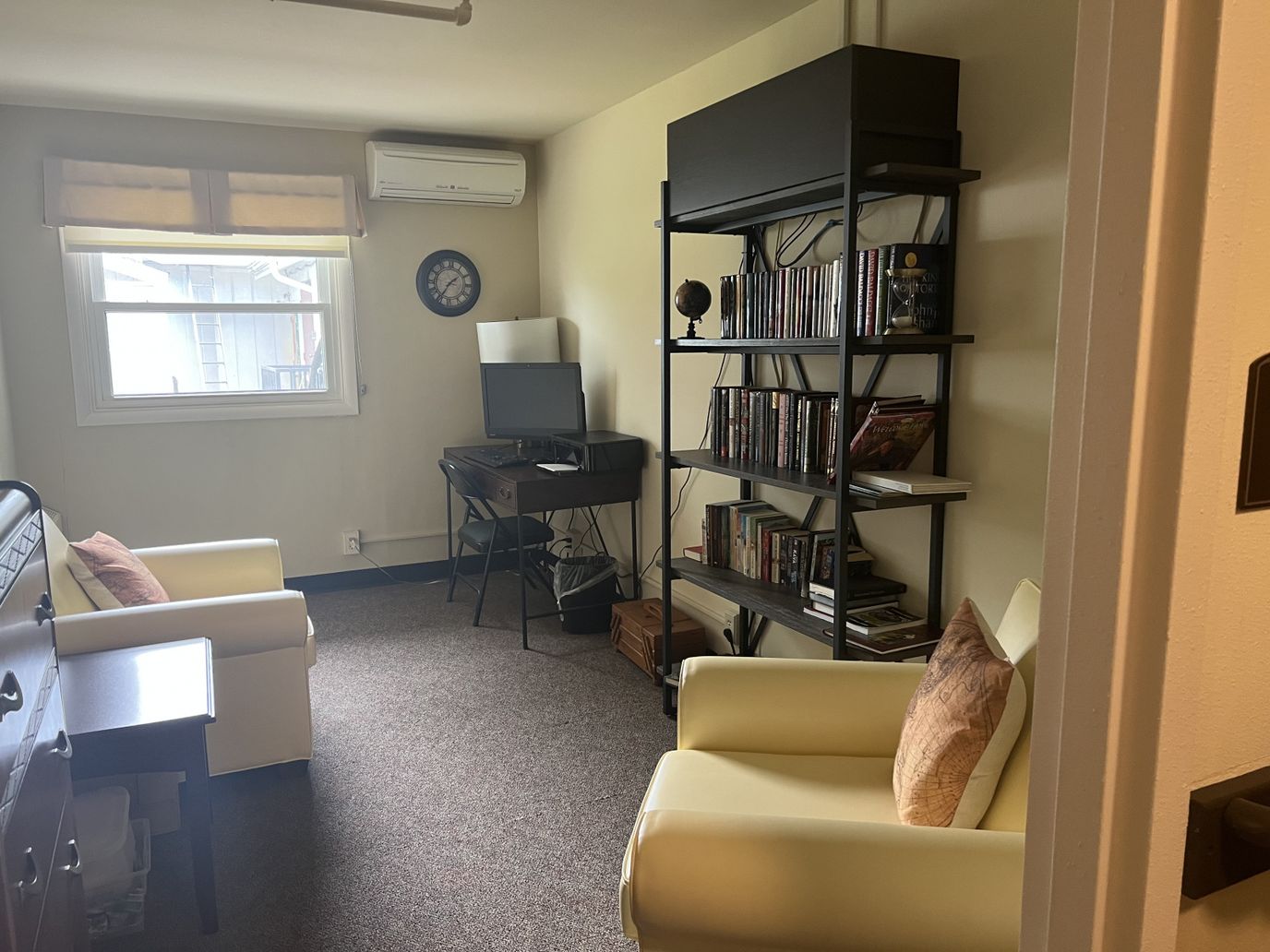
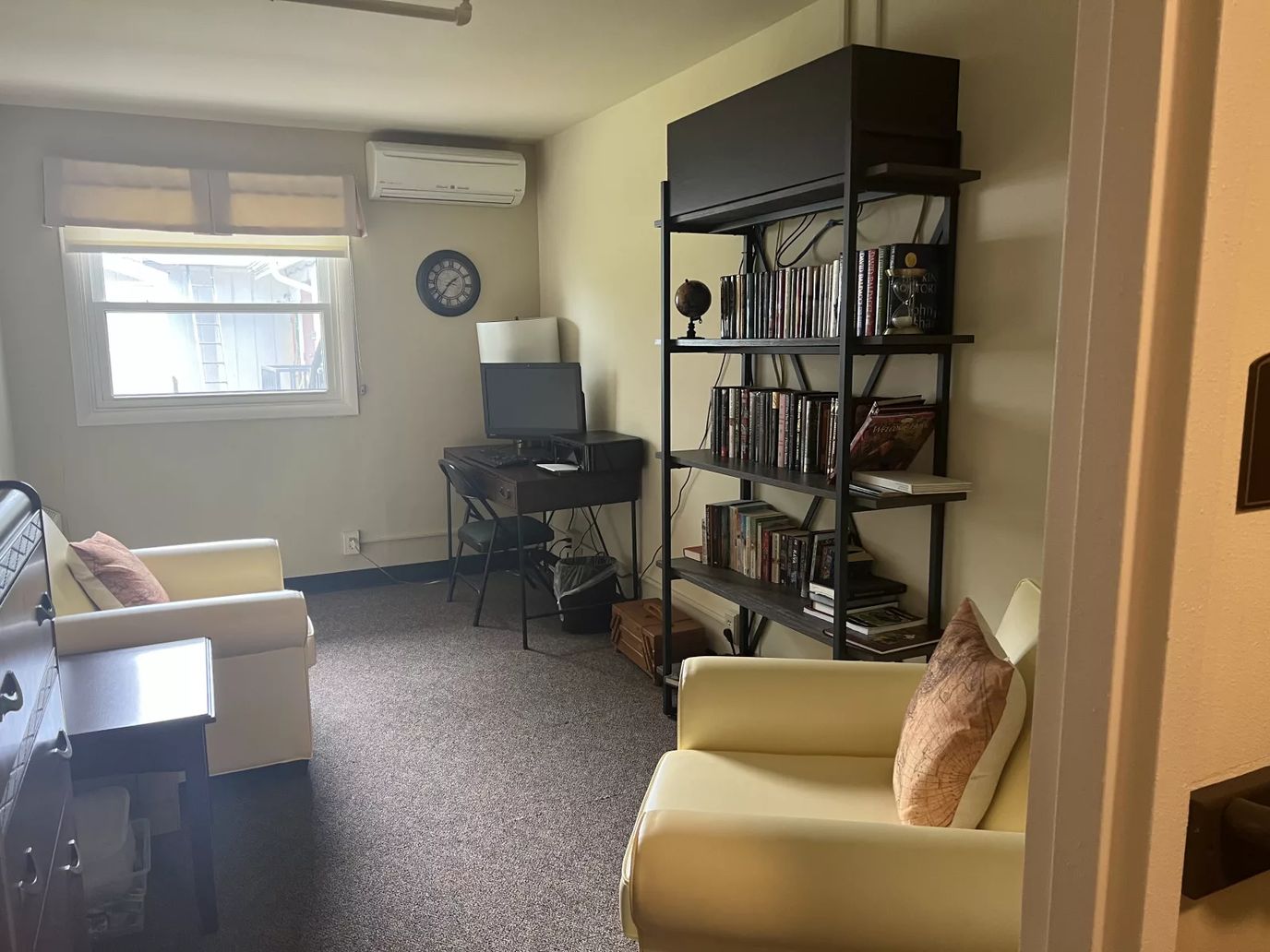
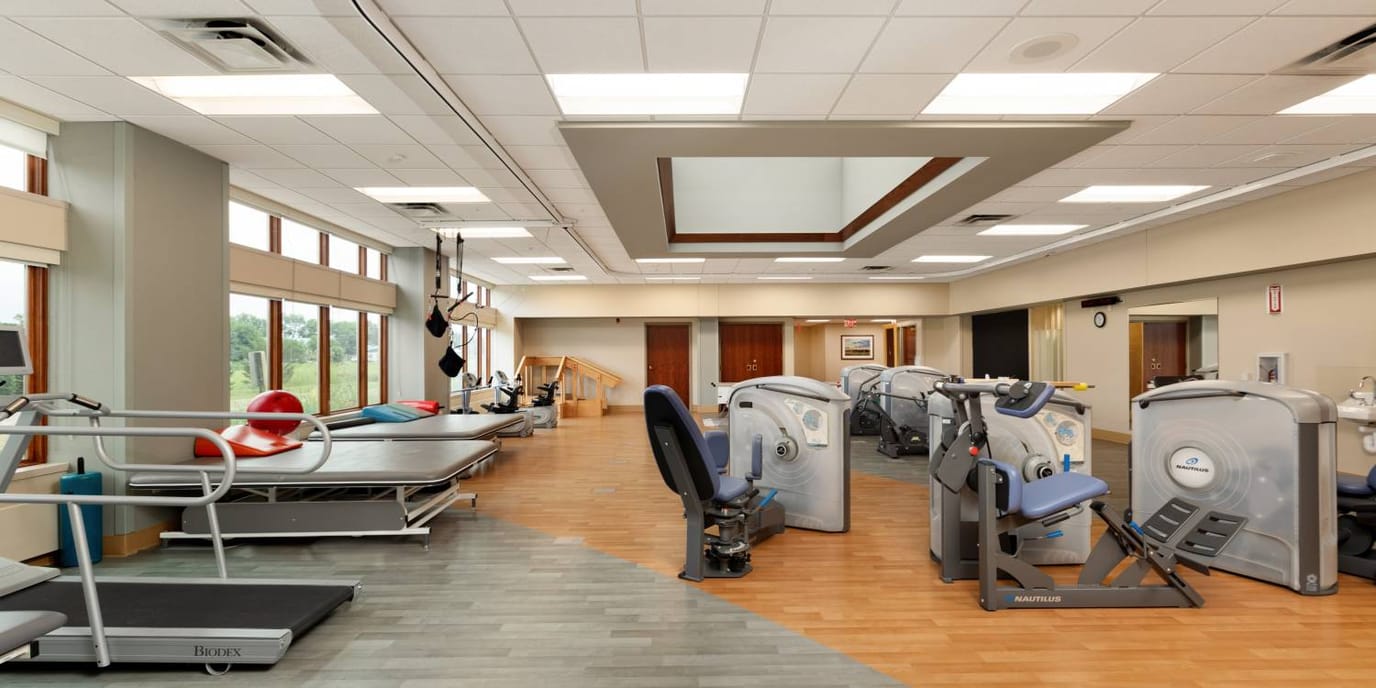
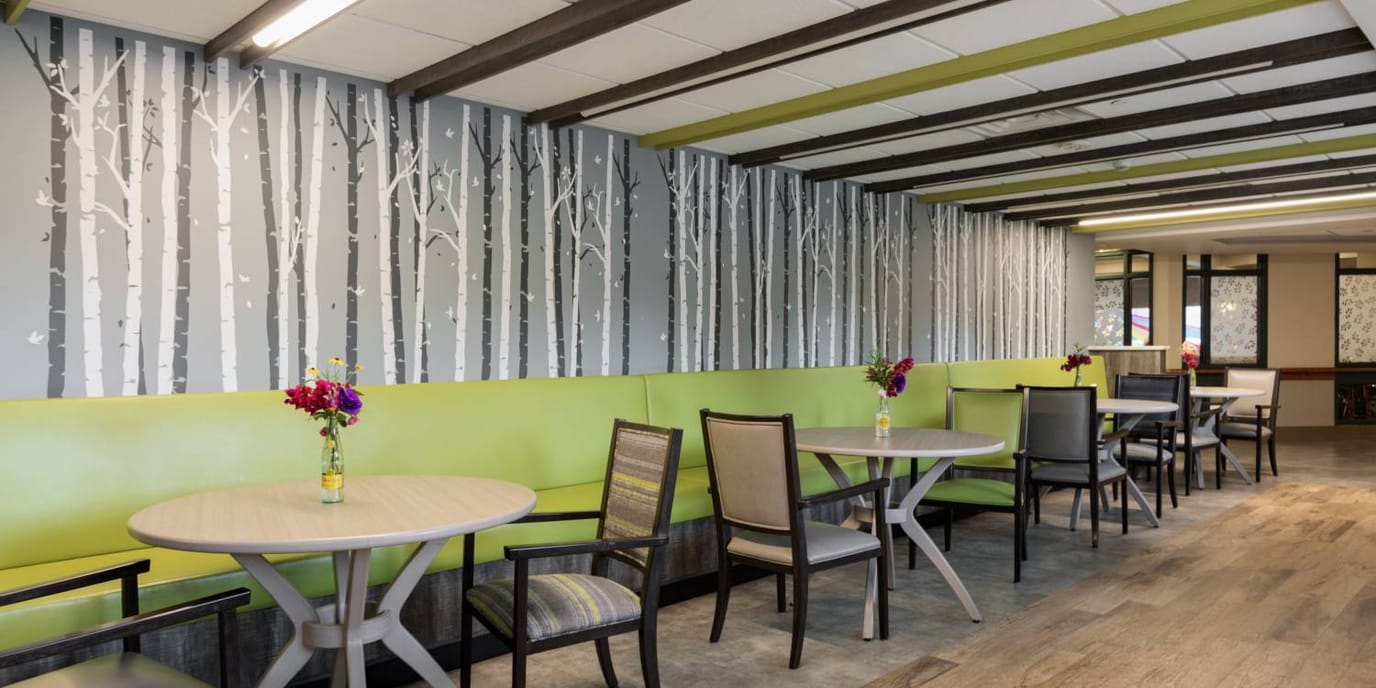
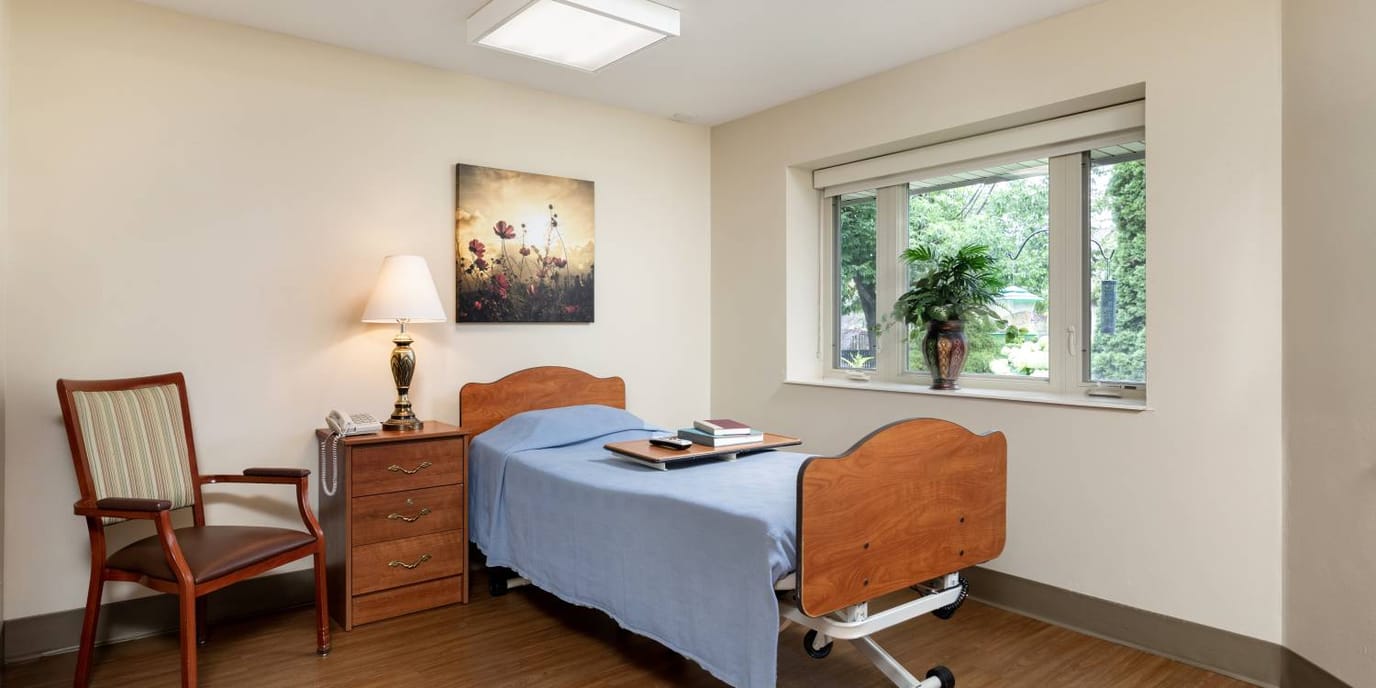
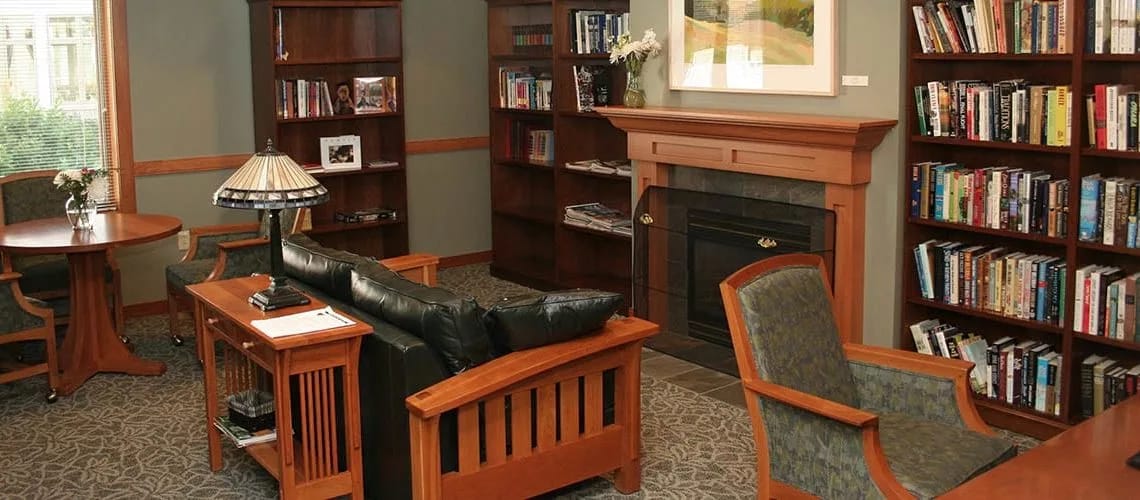
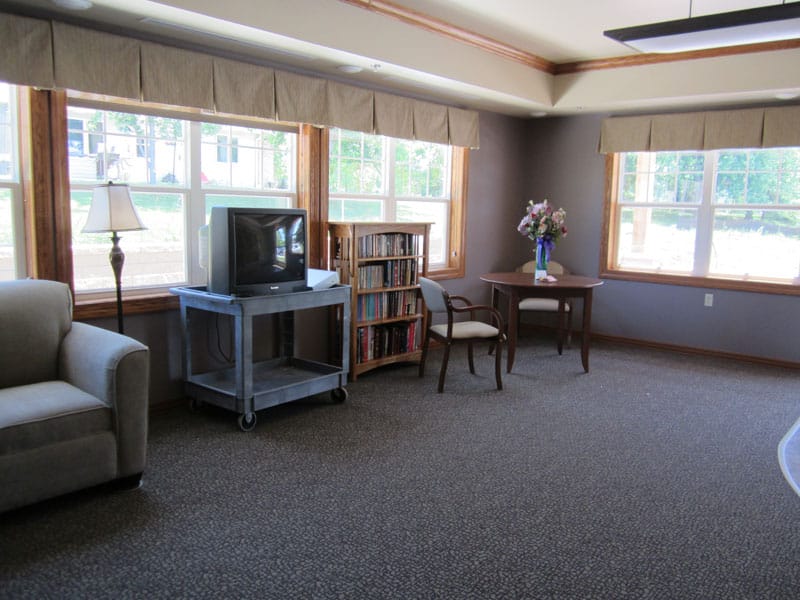
Daily life combines comfort with community engagement. Restaurant-style dining is available, and residents can gather during meals. Rooms include flat-screen televisions, complimentary Wi-Fi, and individual climate controls. Residents can spend time in the library or social hall. Outdoor picnic areas are additional spaces for visits and activities. A comprehensive activity program supports physical, social, and emotional well-being.

The facility is in a somewhat walkable area, so visiting family members can reach the community without difficulty. However, most trips around the neighborhood require driving. The Pavilion is a great option for families seeking skilled nursing care focusing on rehabilitation, strong daily staffing support, and activities that promote resident engagement and quality of life.

Contact The Pavilion at Glacier Valley

Overview of Meadowbrook at Chetek

Owned by Jennifer Bohl, Meadowbrook at Chetek is a nursing home in Chetek, Wisconsin with 97 beds. The facility serves short-term rehabilitation residents and those needing longer-term nursing care. Medicare, Medicaid, and private pay are accepted, giving families different coverage options to consider. With a current occupancy of 65%, most stay an average of around 103 days, which are a mix of post-acute rehabilitation patients and people receiving ongoing nursing support.

Staffing is a central part of the facility’s daily operations. Total nurse staffing averages 3 hours and 23 minutes per resident each day. Registered nurses provide just over an hour of care daily. Nurse aides and licensed practical nurses contribute additional hands-on support and monitoring throughout the day. There’s also 24-hour staffing coverage.

Rehabilitation and specialized clinical care are key areas of focus. Cardiac rehabilitation programs are available. The facility also provides respiratory care and bariatric care services for residents with more specific medical needs. Dietitian support is part of the care structure. Respite services are offered for families needing temporary placement. Together, these programs support residents recovering from surgery, illness, or hospitalization while addressing more complex health needs when required.

The neighborhood has a Walk Score of 55, which is moderately walkable. Some nearby errands are within walking distance, but most trips require driving.

Daily social activities are part of community life. Residents have access to personalized meal options. Compassionate care is a significant part of the facility’s overall approach. Families touring Meadowbrook will find a community built around nursing care, rehabilitation services, and specialized support programs.

Contact Meadowbrook at Chetek

Overview of Christian Community Home of Osceola

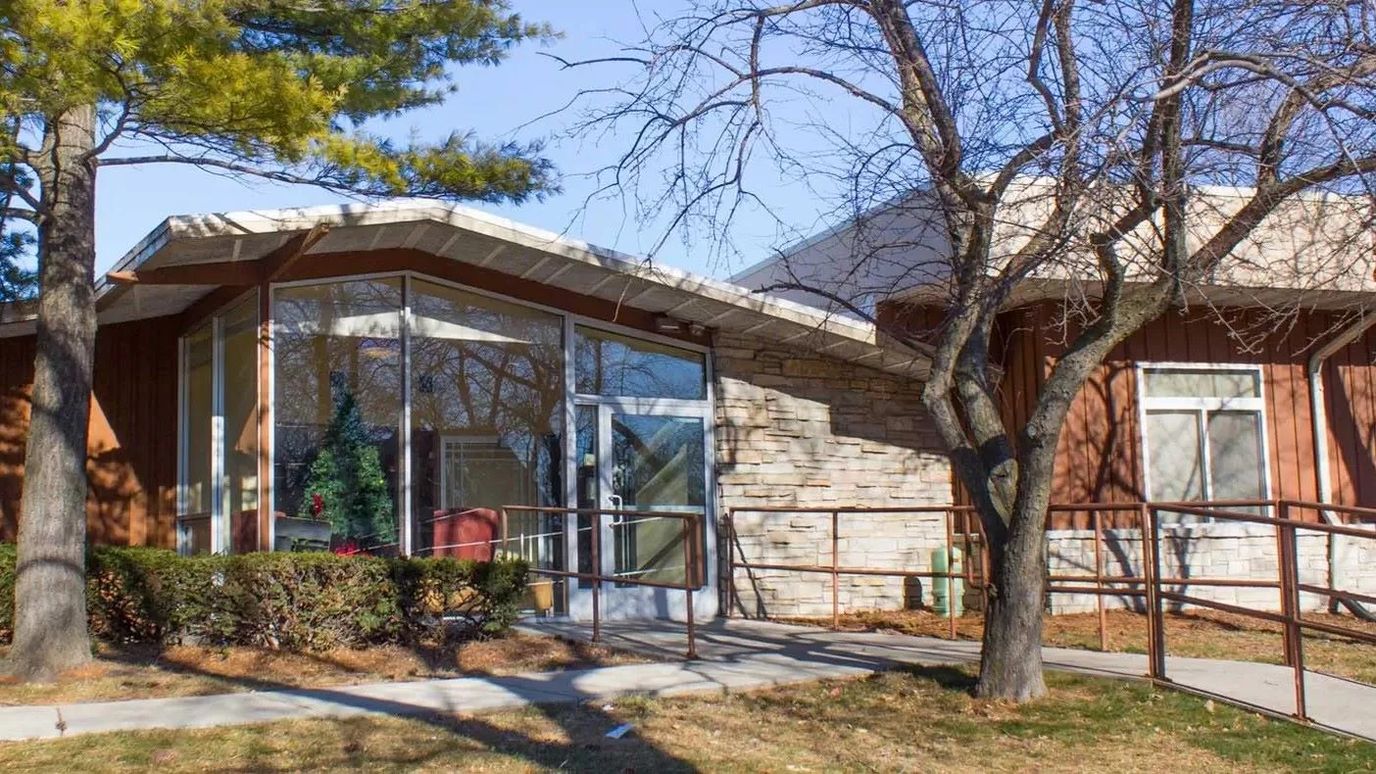
Christian Community Home of Osceola., is a 40-bed skilled nursing home in Osceola, Wisconsin. It’s set close to Osceola Medical Center and located in a moderately walkable neighborhood where some errands can be finished on foot. Owned by Rick Hagar, the home accepts Medicare, Medicaid, and private pay, providing families with many pathways to cover rehabilitation and longer-term care.

The home’s focus is post-acute rehabilitation and transitional care. Averaging a stay length of 92 days, the facility serves residents in the early phase of recovery and those moving into longer-term nursing care. The home runs a dedicated transitional care and rehabilitation program alongside respite care, so families facing a momentary need for skilled care can tap that service without having an extended stay. Total nursing care averages roughly 4 hours and 58 minutes per resident day, delivering consistent hands-on support 24/7. Daily life centers on three restaurant-style meals with numerous menu options and assistance with eating, so meals are adapted to individual preferences and needs. Beyond that, the home offers a robust support services list, including IV therapy, wound care, and daily medication management. A registered dietitian exists for consultation, helping tailor nutrition plans to specific health conditions or restrictions. The amenities emphasize wellness and community engagement. Residents have access to a wellness gym and restorative health programming to regain or maintain function. A spa room provides relaxation, and life enrichment programming keeps the daily rhythm active. The home sits within a home-like neighborhood setting and includes enclosed courtyards, plus a playground for multi-generational interaction when families visit. Housekeeping, laundry, spiritual care, and hospice services complement the day-to-day support. Clinical needs can be addressed quickly without leaving the campus through an emergency call system, customized care plans, and a direct connection to the adjoining medical center.

Contact Christian Community Home of Osceola, Inc

Overview of Rennes Health and Rehab Center-Rhinelander

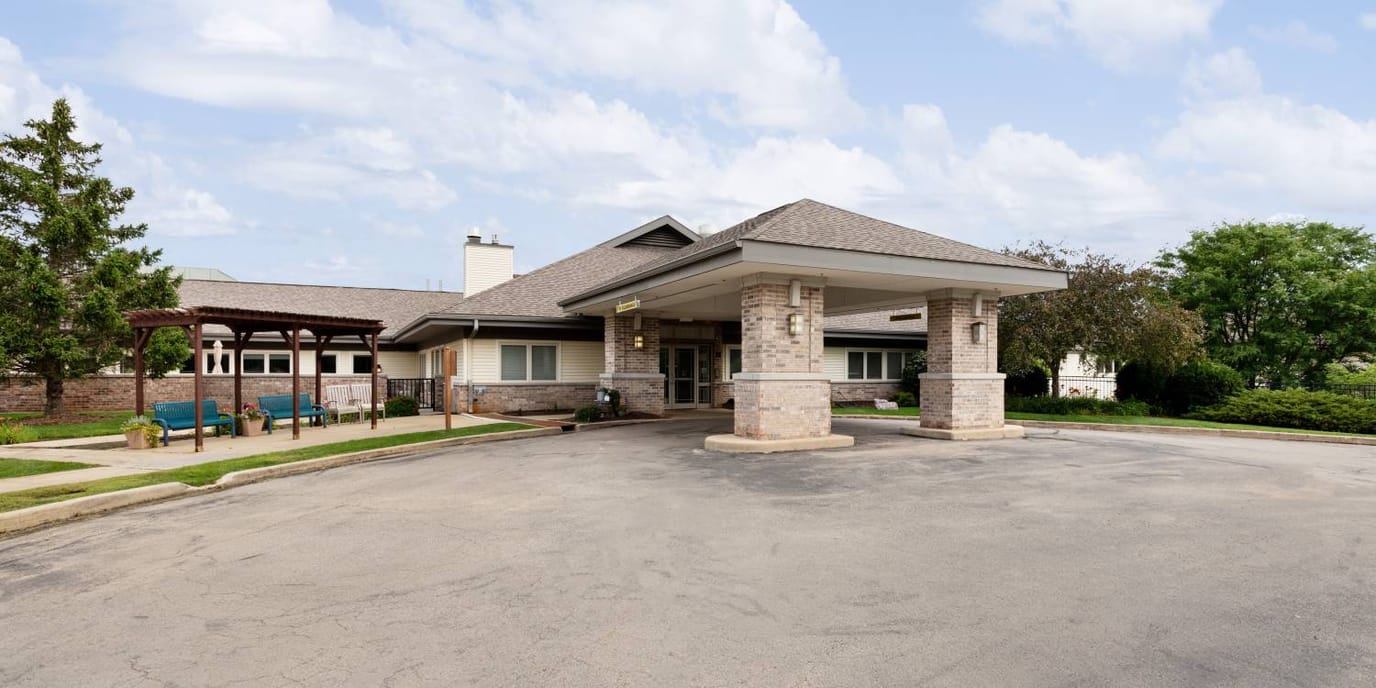
Located conveniently near local hospitals and clinics, Rennes Health and Rehab Center-Rhinelander is a skilled nursing facility in Rhinelander, Wisconsin. The home is populated by residents seeking short-term rehabilitation and ongoing nursing care. Most stay for an average of 77 days, and the facility’s current occupancy is 58%.

The facility accepts Medicare, Medicaid, and private pay, so families have multiple coverage options depending on their situation. The 122-bed facility is in a moderately walkable location with a Walk Score of 68. Families who visit can run errands and access services on foot.

Clinically, the facility focuses on rehabilitation and recovery. There is an in-house dedicated therapy team providing stroke rehab, advanced wound management, and IV therapy. Nurses provide care for an average of 4 hours and 14 minutes per resident each day. They are supported by RNs (55 minutes per day), nurse aides (2 hours 32 minutes per day), and LPNs (31 minutes per day).

The facility offers respite care, 24-hour staffing, and comprehensive discharge planning for residents preparing to transition home. Direct patient-to-therapist treatment is available, and free transportation is provided for residents ready for admission.

There is enough daily comfort and engagement in the facility. Residents can either stay in semi-private or private rooms. The home-cooked dining program offers menu options, so residents can choose according to their preferences. There are also a beautician and barber on-site, and residents can enjoy daily recreational activities and outings.
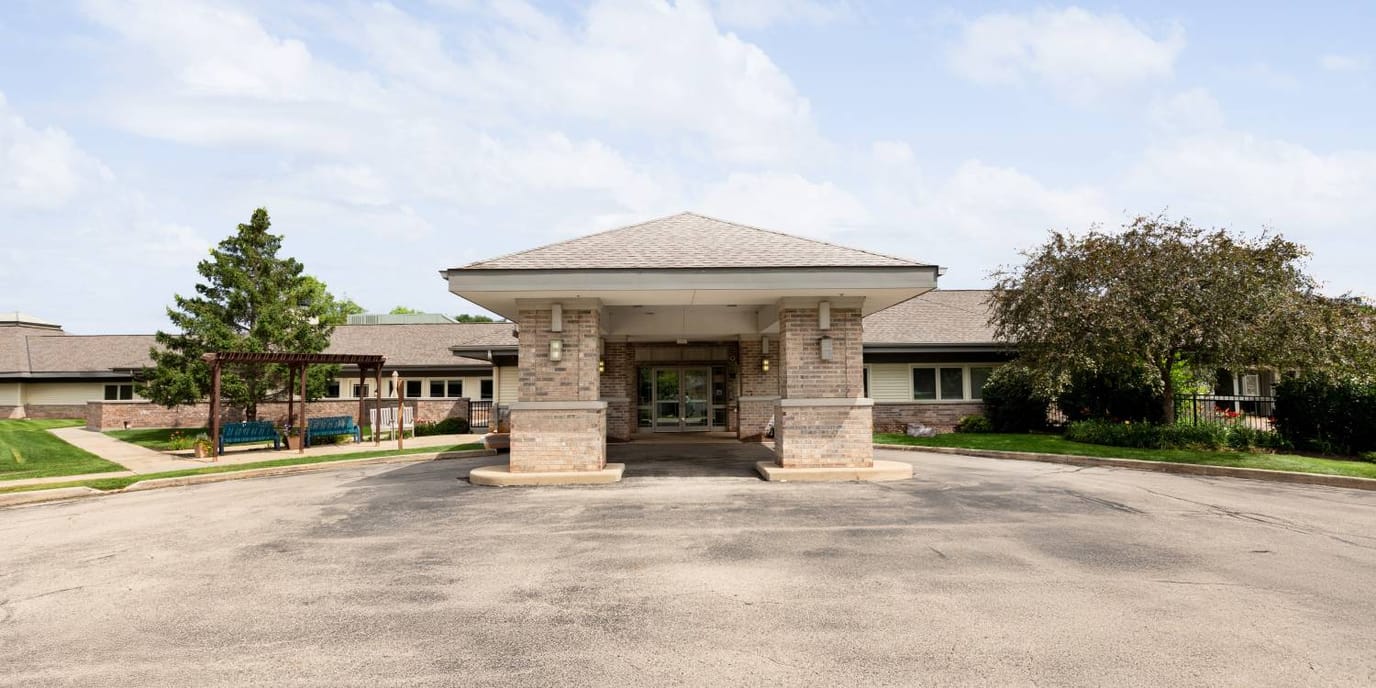
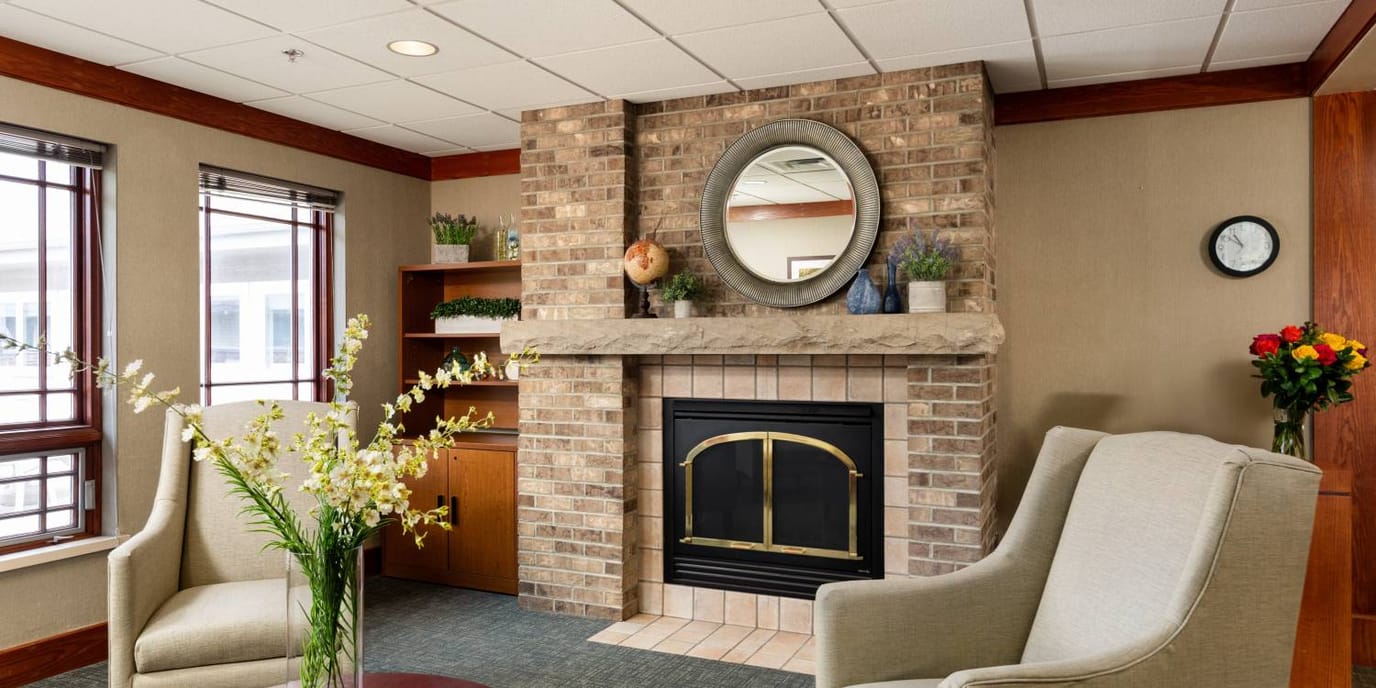
There is a private family area for visitors, and religious services and fireplace lounges are available for those seeking quiet gathering spaces. Finally, there are designated rehabilitation wings, so residents can stay close to their rooms while receiving therapy and recovering.

Contact Rennes Health and Rehab Center-Rhinelander

Overview of Alden Meadow Park Health Care Center

Owned by Paul Michalsen, Alden Meadow Park Health Care Center in Clinton, Wisconsin, is a skilled nursing home that provides short-term rehabilitation and ongoing nursing care. The home accepts Medicare, Medicaid, and private pay, providing several coverage options for families. With 94 beds and a current occupancy of 69%, the facility has a moderate census that receives personalized attention.

Residents stay an average of 70 days due to the home’s focus on post-acute rehabilitation. Daily nurse staffing averages 3 hours and 1 minute per resident, with registered nurses providing 36 minutes, nurse aides 1 hour 56 minutes, and LPNs or LVNs contributing 30 minutes of care each day. The staffing structure can support the home’s short-term rehabilitation and respite care programs. It’s a practical choice for patients recovering from hospitalization or surgery who need structured rehabilitation services.

Clinton’s location has a Walkability Score of 48. Some errands can be done on a short walk, but most activities and appointments require driving. The surrounding community is quiet and residential. It’s best suited for families looking for a calmer setting far from busier commercial areas.

Contact Alden Meadow Park Health Care Center, Inc

Overview of Serenity Spring Senior Living at Scandia Village

Serenity Spring Senior Living at Scandia Village is a 50-bed skilled nursing facility at 10560 Applewood Road in Sister Bay, Door County, Wisconsin. Part of the Scandia Village Continuing Care Retirement Community campus, the facility is administered by Katherine Casey and operated by Sister Bay SNF Opco LLC as a for-profit limited liability company. It accepts Medicare, Medicaid, and private pay, with 70 percent of the current residents funded privately.

CMS rates Serenity Spring Senior Living at Scandia Village 2 stars overall, reflecting a health inspection score 27.8 percent below Wisconsin average despite staffing running 10.5 percent above average. Staffing’s headline figure, 4 hours 55 minutes of total adjusted nursing per resident per day, ranks 41st of 172 Wisconsin SNFs and exceeds the state average by 16 percent. Physical therapist hours at 8 minutes per day are double the Wisconsin average. However, the Q4 2025 payroll data reveals a major operational concern: 58.1 percent of all staff hours are delivered by contractors, including 18 contract CNAs alongside just 13 employed CNAs, 6 contract LPNs against 3 employed, and 3 contract RNs against 4 employed. This level of contractor dependency, the highest in this review batch, raises meaningful questions about care continuity and institutional knowledge. Weekend RN coverage at 21 minutes per day is 48 percent below the 40-minute Wisconsin average. The inspection record since 2022 shows 42 total citations, ranked 129th of 174 Wisconsin SNFs, at 6.0 per inspection against a state average of 4.19. Eleven of 42 citations arose from complaint investigations. The leading deficiency categories are Quality of Life and Care (10 deficiencies, 24 percent) and Resident Rights (8 deficiencies, 19 percent), with Abuse, Neglect, and Exploitation accounting for 4 deficiencies. 1 serious citation is on record. No critical citations have been issued, and no penalties have been imposed in the past three years. Quality measure outcomes present a striking split. For long-stay residents, hospitalizations at 0.58 per 1,000 resident days are 64 percent below Wisconsin average, an exceptional result, while ED visits at 4.07 per 1,000 days are 86 percent above average, indicating that medical situations avoiding inpatient hospitalization are frequently resolved via emergency department visits instead. Pressure ulcer rates and antipsychotic use are also above average for long-stay residents. Short-stay re-hospitalization at 15.4 percent is 32 percent better than the Wisconsin average, and falls with major injury are zero for short-stay residents. Financially, the facility recorded a net loss of $2.5 million in 2024 on a total payroll of $5.1 million, with occupancy declining by 11 percent from 2022. The financial trajectory warrants close attention by prospective families as an indicator of operational stability.
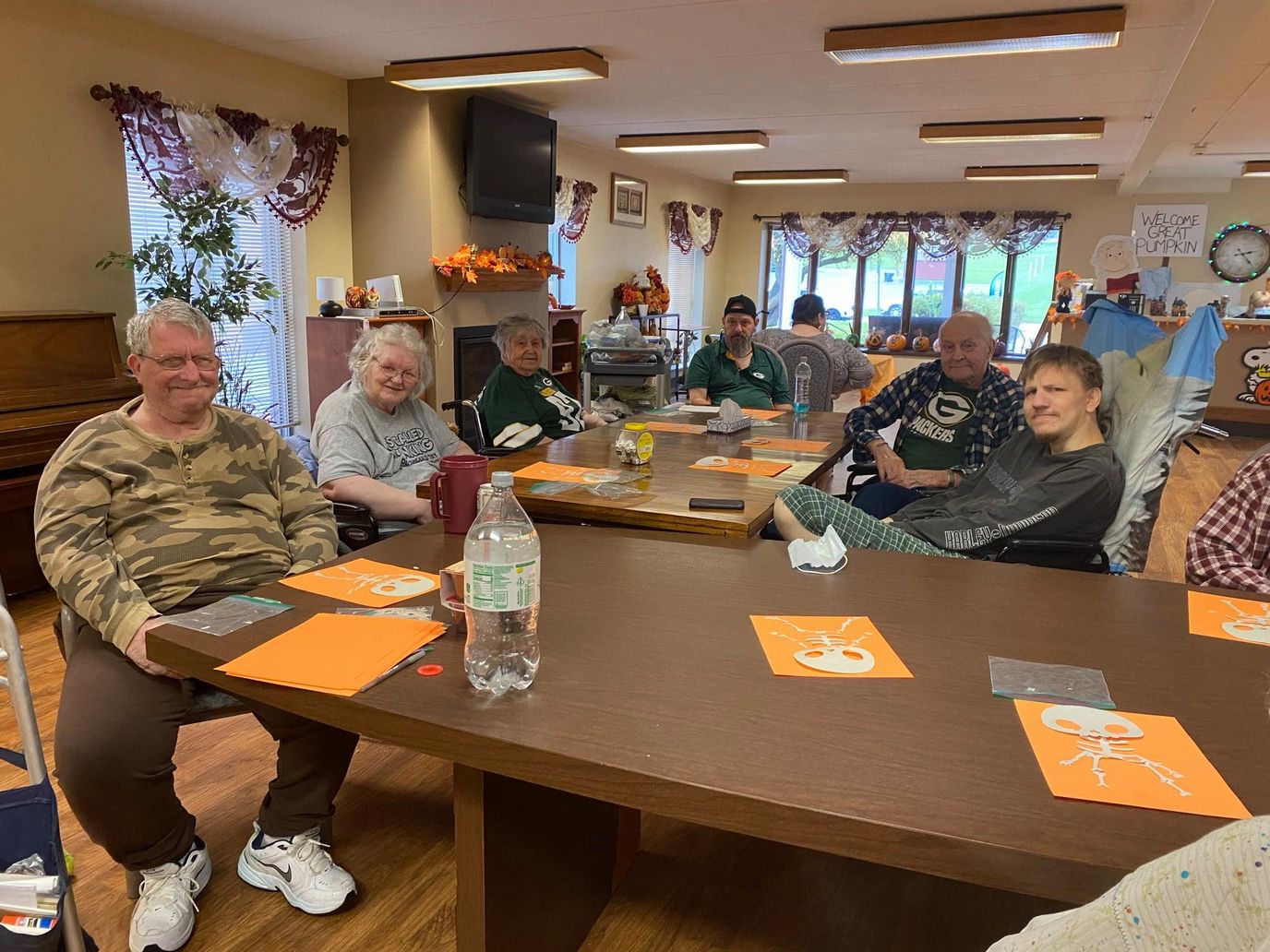
The community provides rehabilitation services with a doctor on staff and 24-hour staffing across its skilled nursing, assisted living, memory care, and independent living continuum.

In the scenic Door County peninsula, Serenity Spring Senior Living at Scandia Village fits families seeking a continuum-of-care campus setting in rural Wisconsin. The 2-star CMS rating, high contractor dependency, above-average citations, and ongoing financial losses are crucial considerations families should address with facility leadership before proceeding.

Contact Serenity Spring Senior Living at Scandia Village

Overview of Dimensions Living Pewaukee East

Dimensions Living Pewaukee East is an assisted living and memory care community operated by Parkside of Arbor View LLC in Pewaukee, Wisconsin, offering assisted living, memory care, and a comprehensive clinical support model. Licensed since April 2019, the community has approximately six years of operational experience in Waukesha County and is situated between the greater Waukesha and Milwaukee metro areas. With 31 licensed beds, 13 beds are currently occupied, which is about 42% occupancy, ideal for those seeking immediate placement in the area.

Alongside assisted living and memory care, a comprehensive clinical support model is also provided, which includes an on-site physician, 24-hour staffing, rehabilitation services, and respite care. Specialty therapies available include physical, occupational, and speech therapy, along with home health and hospice services, X-ray technology, and on-site lab draws. This spectrum of clinical programming for a smaller-scale community has substantial appeal to families whose loved ones have complex or evolving medical needs. Home-cooked meals with specialized diet accommodations are also available, along with safety features that include a wander guard system, an emergency response call system, and a wheelchair-accessible design. The community also features a variety of room options to meet individual preferences, with floor plan options such as the Locust, Maple, Oak, and Willow.

The community has had eight inspections by the Wisconsin Department of Health Services, with 12 complaint-triggered inspections, and has accumulated a total of 25 deficiencies. In the most recent inspection conducted in October 2025, no deficiencies were identified, and previous issues were corrected. Families should review the full inspection reports through the Wisconsin DHS to evaluate the context and nature of those findings.

With its clinical depth, including therapy services, physician access, and memory care, Dimensions Living Pewaukee East is best suited for older adults who require complex care but prefer a smaller and more intimate setting close to the Waukesha and Milwaukee metro areas.

Contact Dimensions Living Pewaukee East

Overview of Edenbrook Lakeside

Edenbrook Lakeside is a 145-bed skilled nursing facility in Milwaukee, Wisconsin, offering post-acute rehabilitation, memory care, and long-term care. The community is privately owned and operated by Sandra Reynolds. It accepts Medicare, Medicaid, and private pay, with Medicaid comprising the majority of admissions. CMS rates the facility 2 out of 5 stars overall, driven largely by Health Inspection performance 27.8% below the Wisconsin average. Staffing is the other significant drag: total nurse staffing averages 3 hours and 1 minute per resident per day, roughly 29% below the state average, ranking the facility 162nd of 172 Wisconsin SNFs. Physical therapy is a notable exception — PT staffing averages 10 minutes per resident per day, 150% above the state average, a figure that reflects the facility’s post-acute rehabilitation emphasis. Quality Measures score above the state average by 21.6%. Rehabilitation services and short-term rehab are available on-site. The average length of stay is 74 days, consistent with a census oriented toward post-acute recovery rather than extended long-term residency. The facility’s occupancy rate is 71%, in line with the Wisconsin average of 70%. Edenbrook Lakeside is best suited for residents seeking post-acute rehabilitation stays and Medicaid-funded long-term care in Milwaukee County, with physical therapy capacity for residents recovering from surgery, illness, or injury.

Contact Edenbrook Lakeside

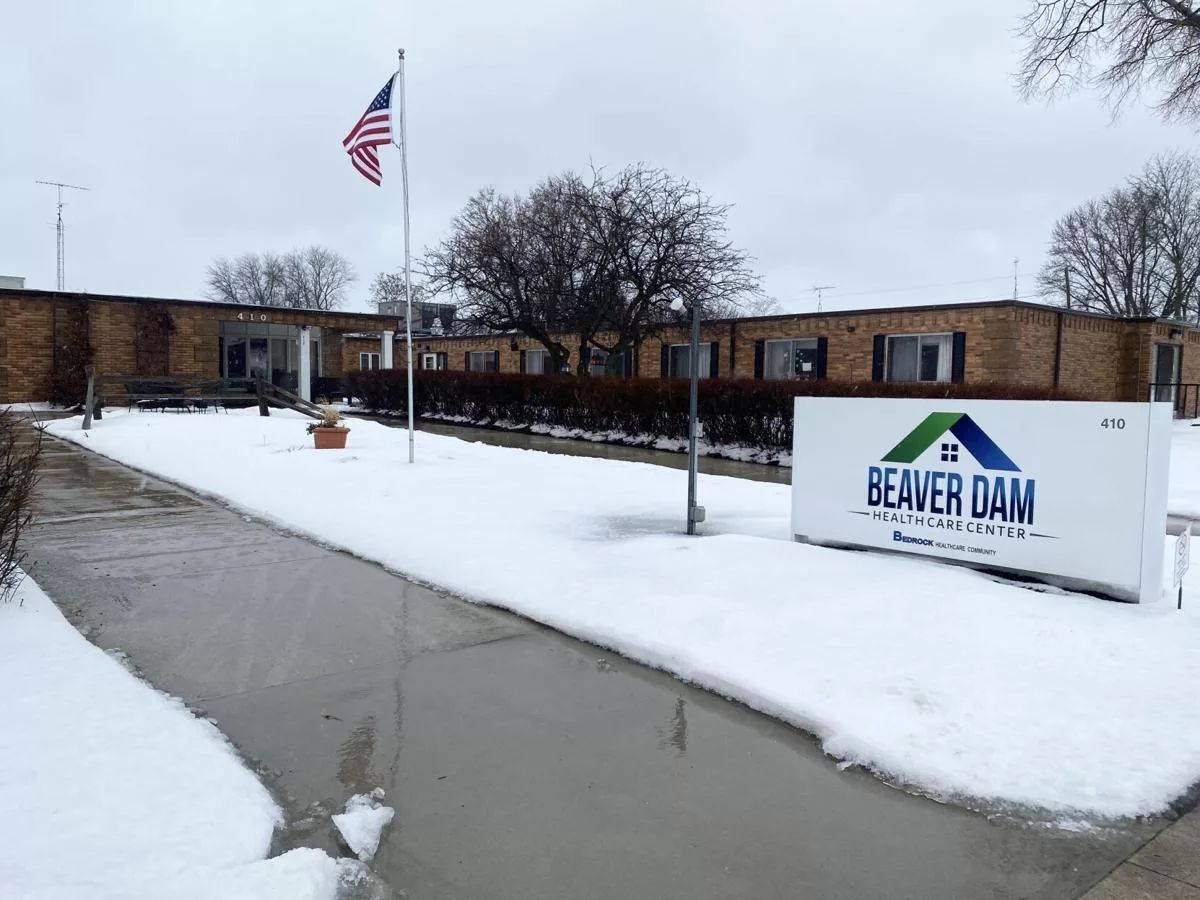
Overview of Bedrock Hcs at Abbotsford

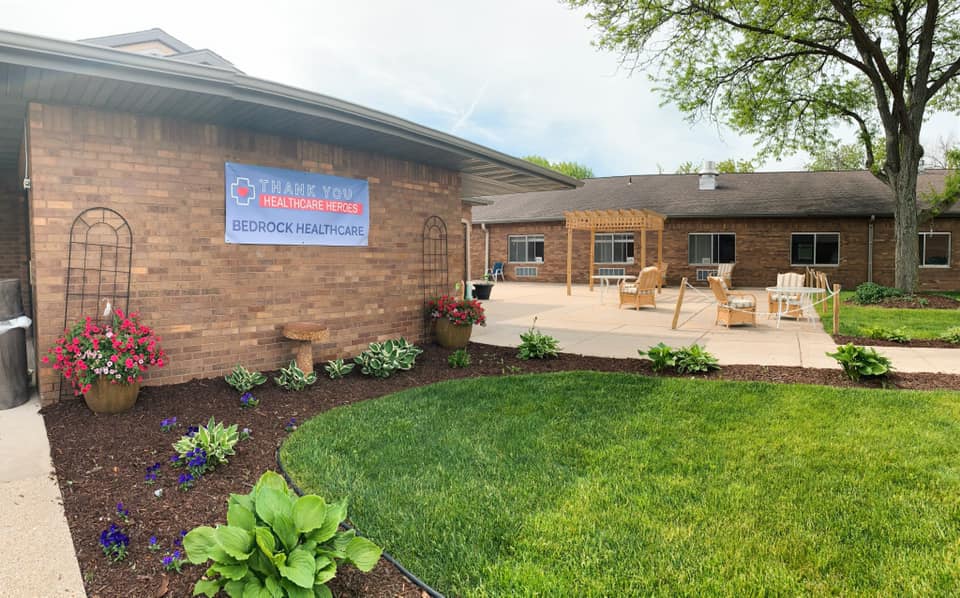
Bedrock Hcs at Abbotsford is a privately owned skilled nursing and rehabilitation community operated by Bedrock Hcs at Abbotsford under the leadership of administrator Sherry Goodman in Abbotsford, Wisconsin, providing a wide array of post-acute and long-term services, including subacute care, rehabilitation, Alzheimer’s care, wound care, and short-term respite. Situated in Marathon County, the community’s 78 beds are currently at 62% occupancy.

With regard to the resident population, the community mainly serves those requiring short-term stays. Approximately 81% of admissions are through Medicare, usually for rehabilitation lasting one to two months, while 61% are private-pay.

Against CMS quality benchmarks, the community holds an overall rating of 1 out of 5 stars, which is lower than the Wisconsin state average of 3.0. The health inspection category received 2 out of 5 stars, while the staffing rating of 1 out of 5 stars shows a significant difference from the state average of 3.6. However, the quality measures score of 3 out of 5 indicates that clinical outcomes, such as resident health improvements and hospital readmission rates, meet state expectations. Families should also keep in mind that nursing care is available for approximately 2 hours and 25 minutes per resident per day, which is less than the Wisconsin average of 4 hours and 14 minutes.

Bedrock HCS at Abbotsford is a suitable choice for those who require short-term skilled nursing or post-acute rehabilitation following a hospital visit, especially those requiring complex wound care or Alzheimer’s support. It is also a practical option for families seeking short-term stays who prioritize clinical outcomes over staffing density. However, those looking for long-term placement with more frequent nursing presence are suggested to explore more options.
Contact Bedrock Hcs at Abbotsford LLC

Overview of Spring Valley Health and Rehabilitation Center

Owned by Kevin Larson, Spring Valley Health and Rehabilitation Center is a nursing community with 40 beds. The facility operates at 95% occupancy. Residents stay an average of 257 days, which includes residents with short-term rehabilitation needs and those under longer-term care stays. Medicaid, Medicare, and private pay are accepted, giving families flexibility when arranging coverage.

The facility focuses on personalized nursing care and rehabilitation services. A doctor is on staff, with 24-hour staffing. Total nurse staffing averages 4 hours and 21 minutes per resident each day. That level of support forms the foundation for the community’s rehabilitation programs and memory care services. Therapy services are available. Respite care is offered for families managing recovery needs or ongoing support arrangements.

Amenities on-site include private baths and therapeutic tubs. The neighborhood-style layout was made with attention to functionality and resident dignity. Residents also have access to a library, a hair salon, and family dining rooms. Aquariums and an aviary add visual interest throughout the community. Meals are provided for residents who need regular dining and nutritional assistance.

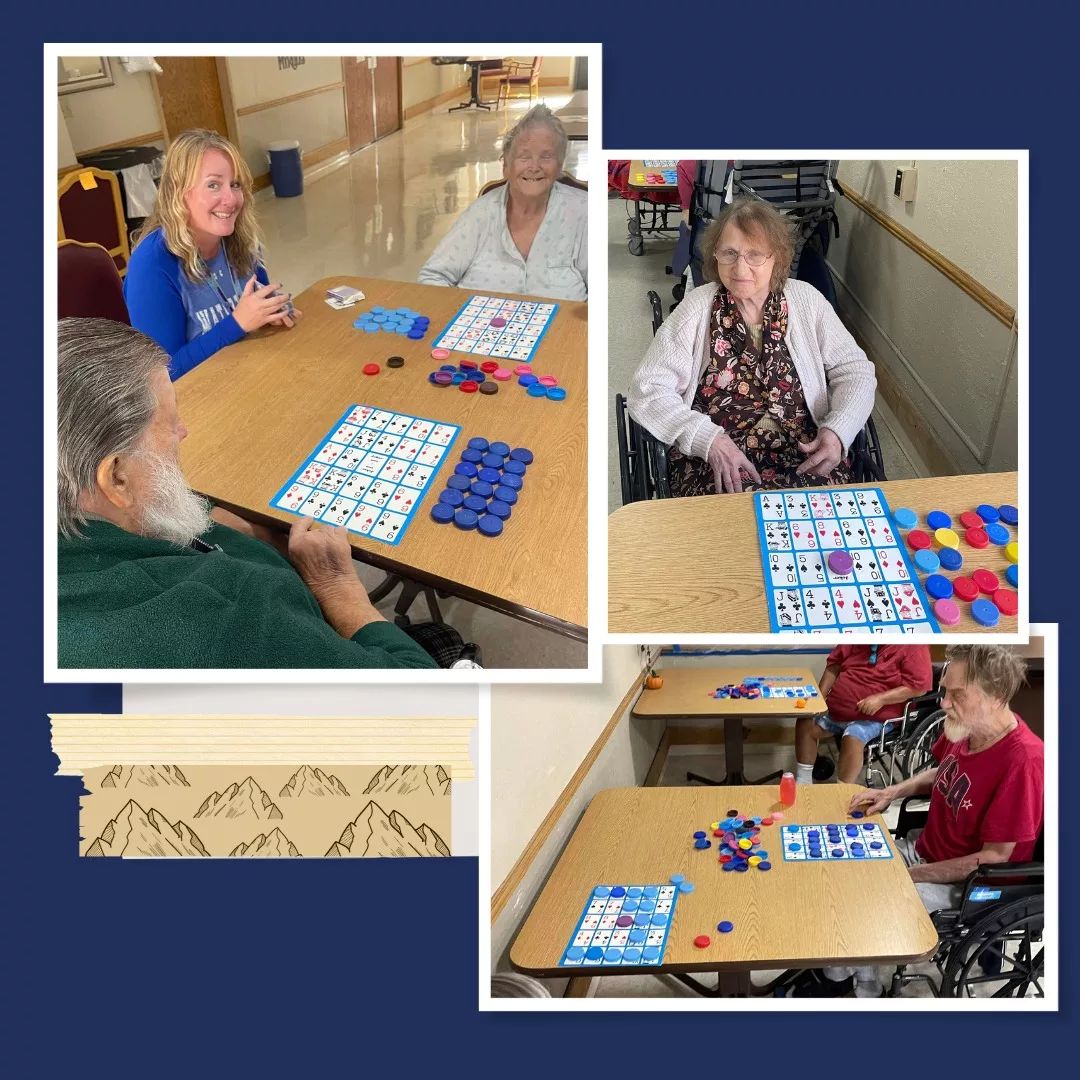
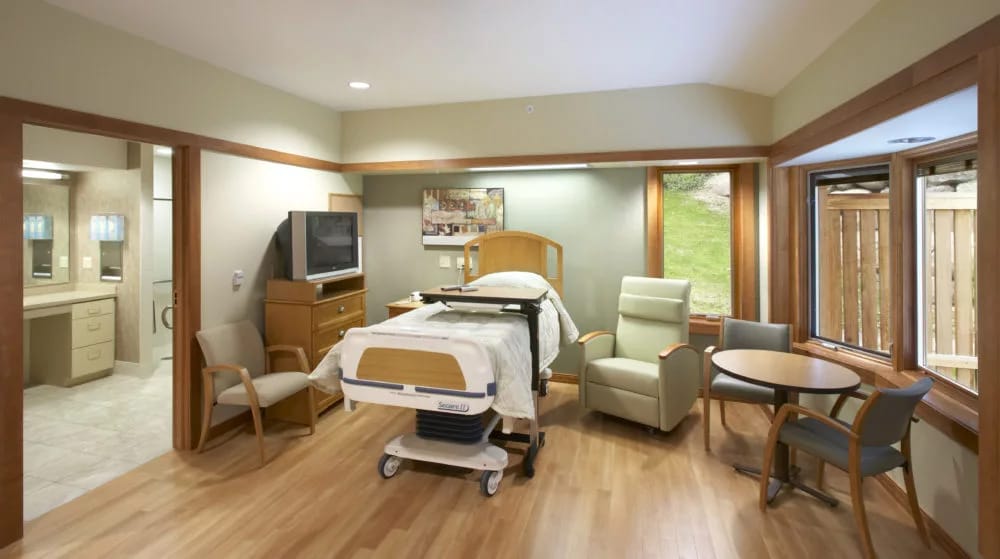
The facility is in an area with a Walk Score of 41. Some nearby services can be reached on foot, but most trips require transportation. The location is best-suited for residents and families who prefer a quieter setting and have a personal vehicle or arranged transportation.

Contact Spring Valley Health and Rehabilitation Center

Who we are

Your Senior Care Partner, Every Step of the Way

We help families find affordable senior communities and unlock same day discounts, Medicaid, and Medicare options tailored to your needs.

Contact us Today

Frequently Asked Questions

What government services provide money for senior housing?

Several government programs offer financial assistance for senior housing in various countries, focusing on the United States for a broad overview:

  • Medicaid: Medicaid is a state and federally funded program that can cover the costs of nursing home care for those who meet eligibility criteria, including income and asset limits. Some states also offer Medicaid waivers that help pay for home and community-based services to prevent or delay nursing home placement.
  • Medicare: Medicare, primarily a health insurance program for people aged 65 and over, does not cover long-term housing costs. However, it can cover short-term stays in a skilled nursing facility under specific conditions following a hospital stay.
  • Section 202 Supportive Housing for the Elderly Program: This program provides housing for low-income seniors. It offers rental assistance and access to supportive services, such as cleaning, cooking, and transportation.
  • Low-Income Housing Tax Credit (LIHTC) Properties: While not a direct subsidy, LIHTC encourages developers to create affordable housing. Seniors with low incomes can find reduced-rent apartments through this program.
  • State and Local Programs: Many states, counties, and cities offer their own programs to assist seniors with housing costs. These can include property tax relief programs, rental assistance programs, and programs that offer affordable senior housing options.
  • Veterans Affairs (VA): The VA offers several programs for veterans, including the Aid and Attendance benefit, which provides monthly payments to veterans who require the aid of another person, or are housebound, to help cover the cost of care in homes, nursing homes, and assisted living facilities.
  • Social Security: While Social Security primarily provides retirement income, for many seniors, these benefits are a crucial part of their budget, including housing costs.
How do you pick the homes you recommend?

Before recommending homes, we conduct a thorough evaluation on crucial factors that define a senior home such as the quality of care they provide, the reputation of the organization, and a comprehensive review of community testimonials as well. Every detail is assessed to assure that seniors are offered not just senior care options, but trustworthy homes where they can experience the care that they deserve.

Do you help families that need Medicaid?

Yes. Assisting families who need Medicaid is important to us as it plays a crucial role in offering financial support to seniors confronting economic challenges. We would like to keep essential healthcare services accessible to all community members, irrespective of one’s financial circumstances.

How much does this service cost?

We extend our services at no cost, ensuring that families and seniors can benefit from tailored assistance in their search for care and home options. Our ability to offer personalized guidance without charge to families and seniors is made possible through the support and funding from the communities with which we team up. 

What services do you offer?
  • Finding and ranking the best assisted living facilities
  • Finding and ranking the best nursing homes
  • Finding and ranking the best memory care facilities
  • Our concierge service helps seniors move into the perfect home for them
  • Helping seniors use medicare, medicaid, and other government programs to pay for their homes
  • Helping seniors avoid senior homes that have bad service or fraud
  • Memory care specialists
  • Finding and ranking the best independent living communities