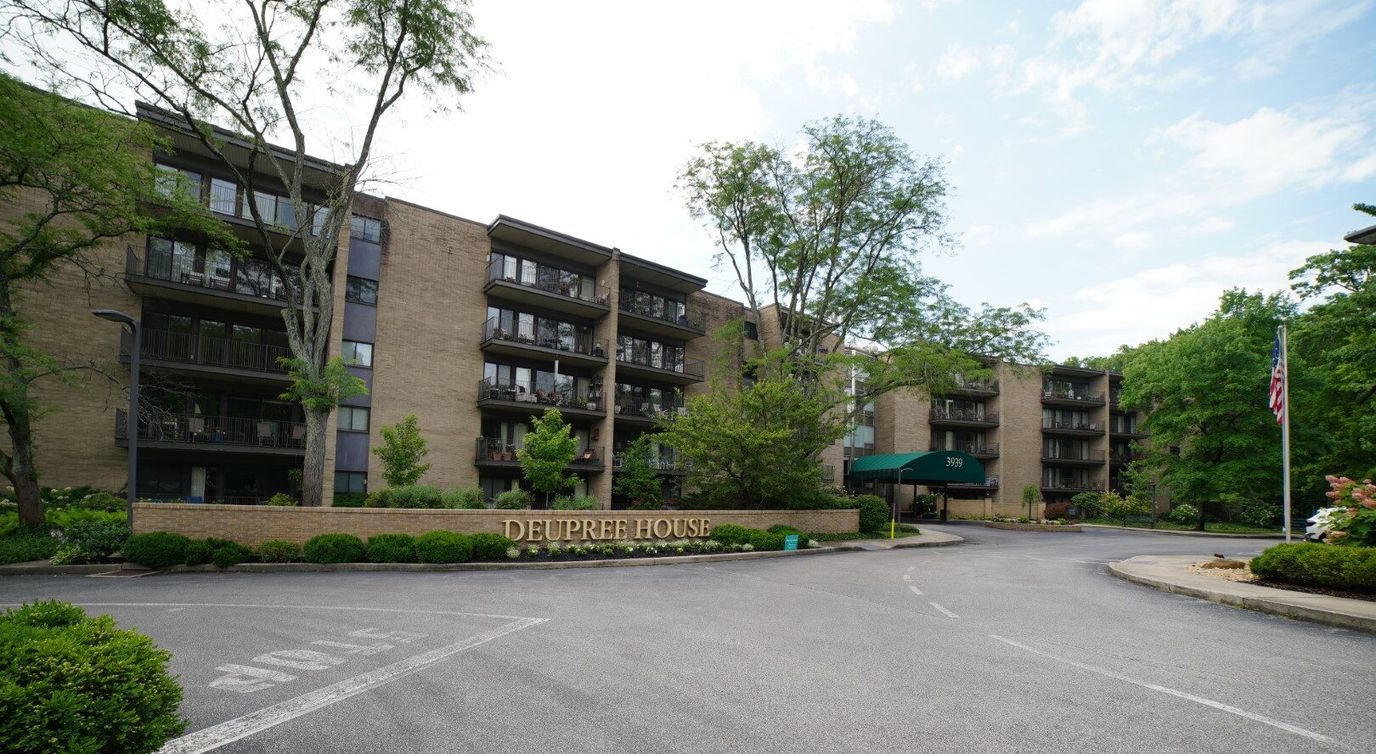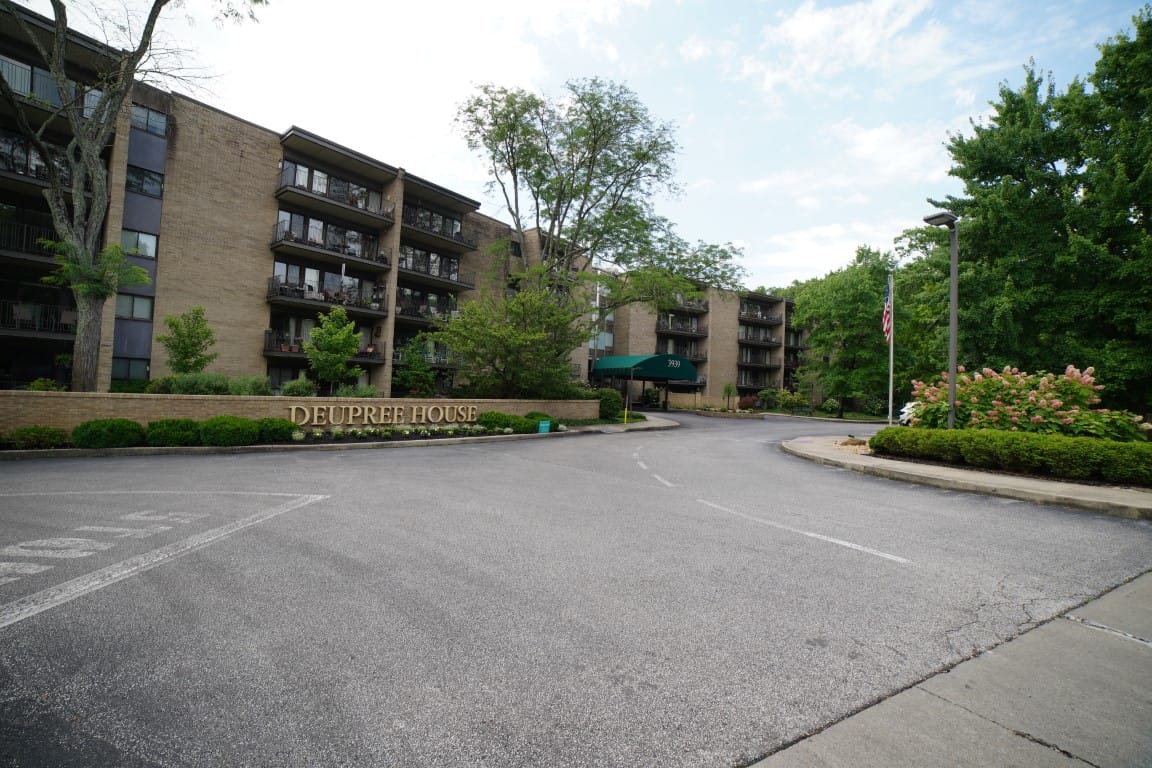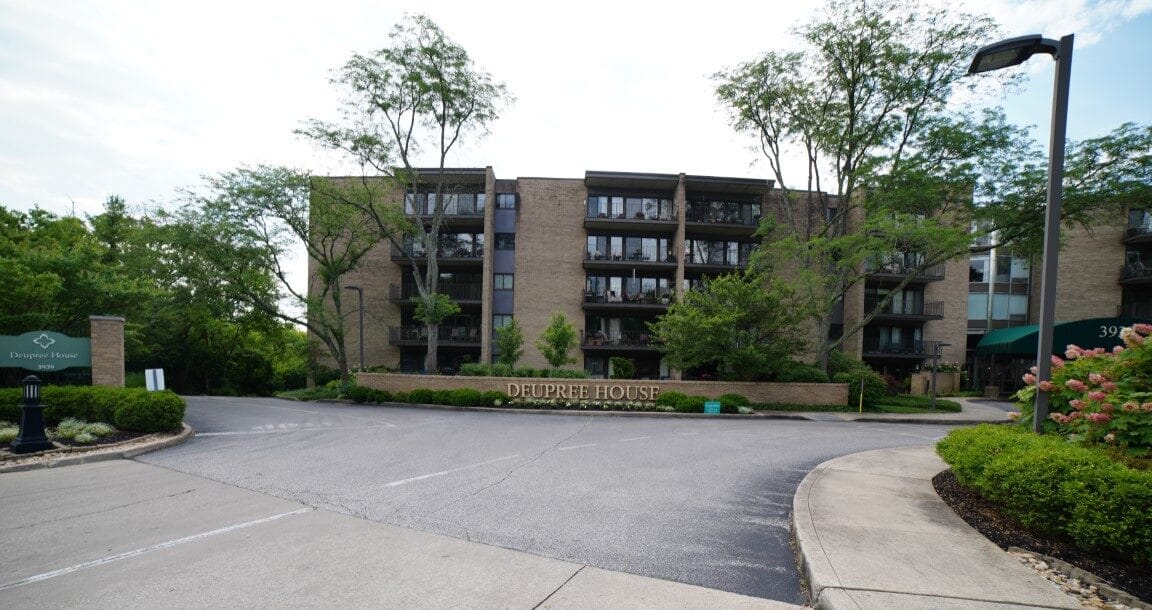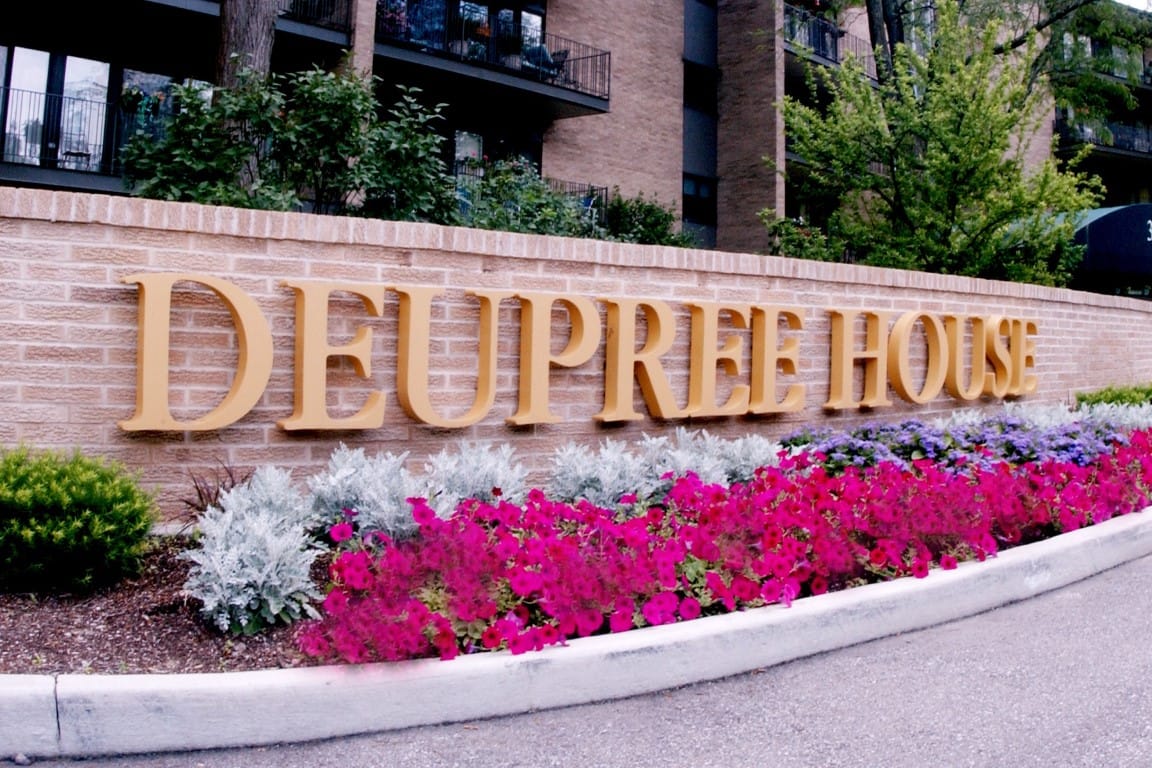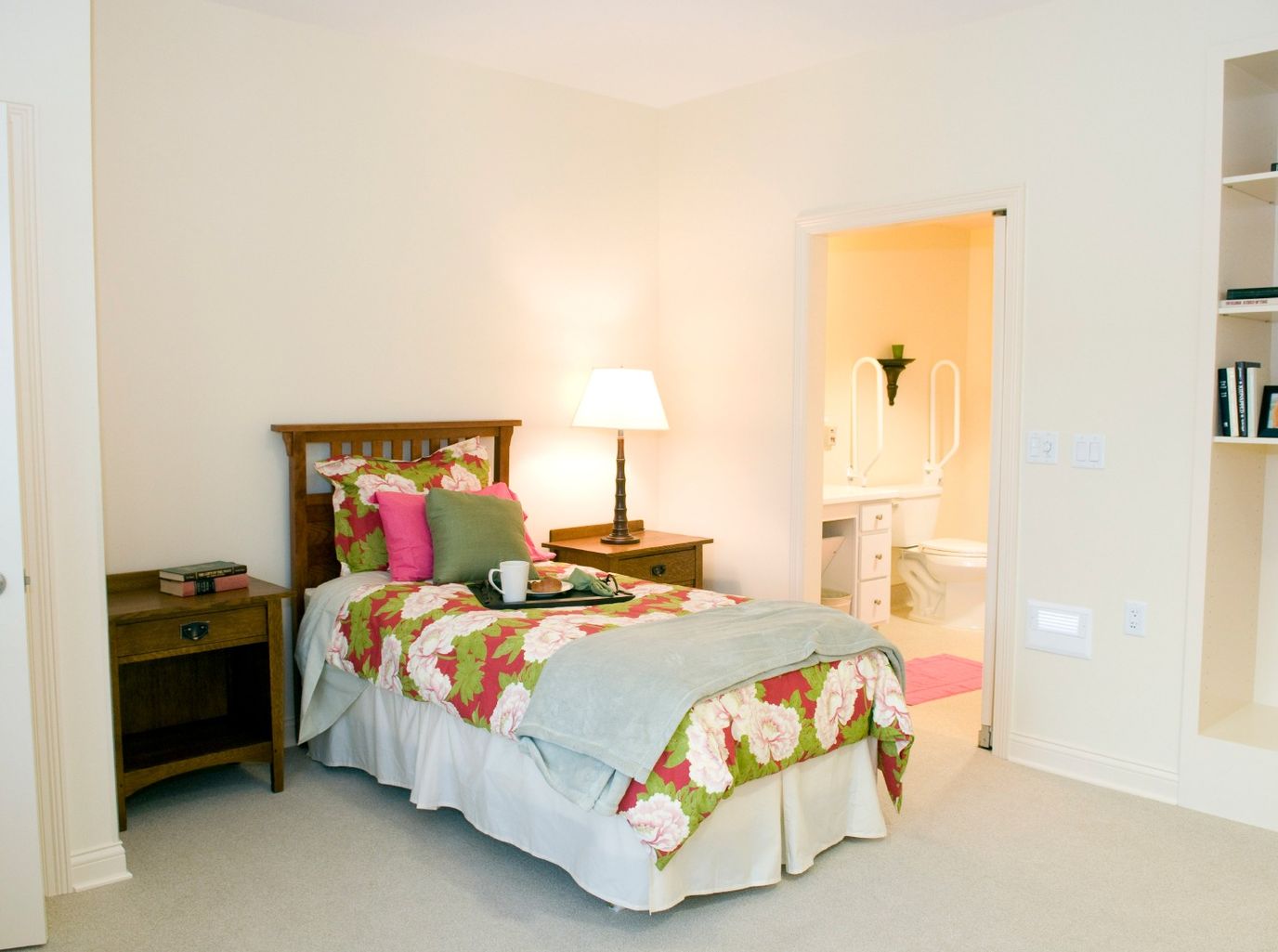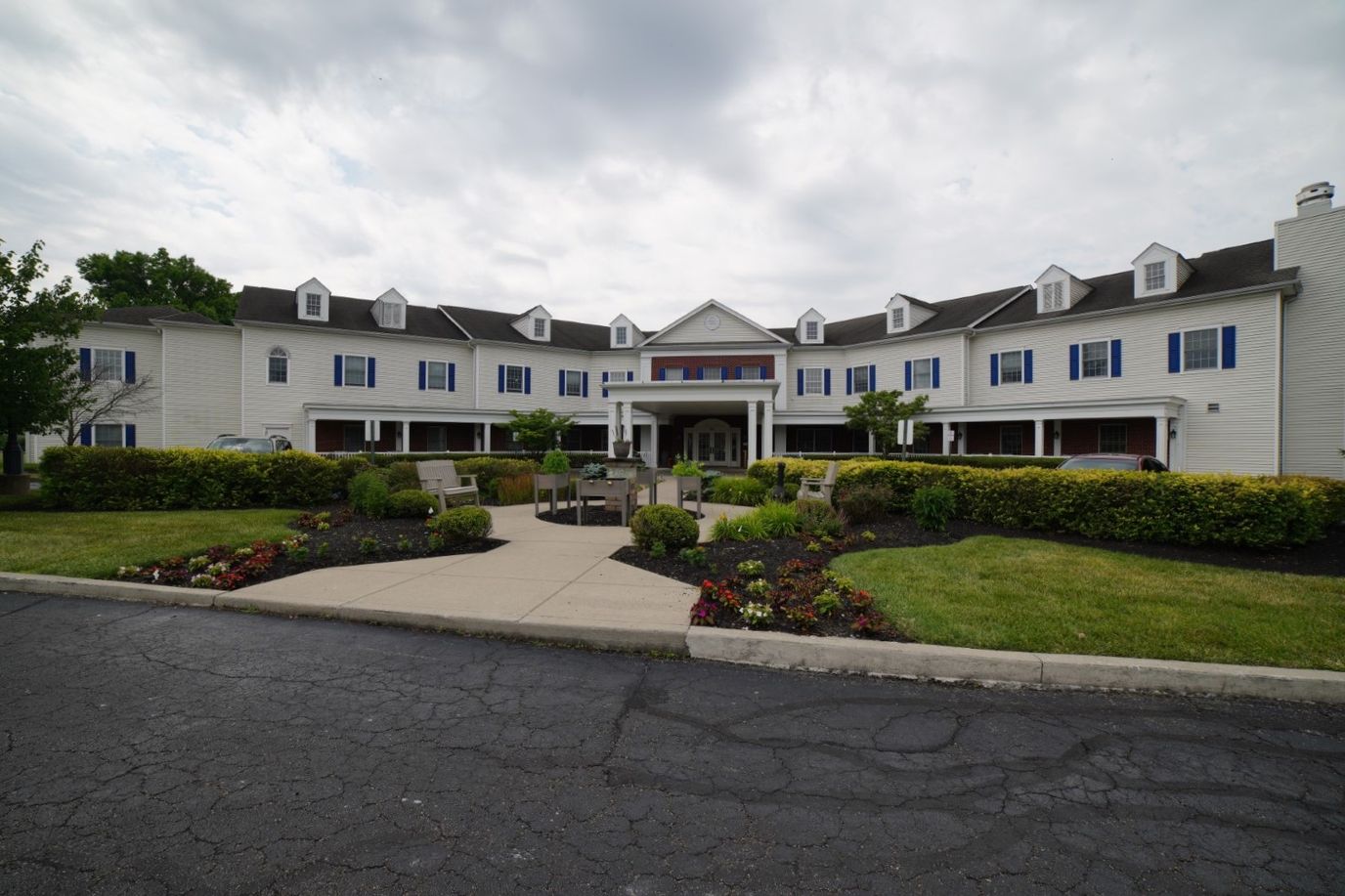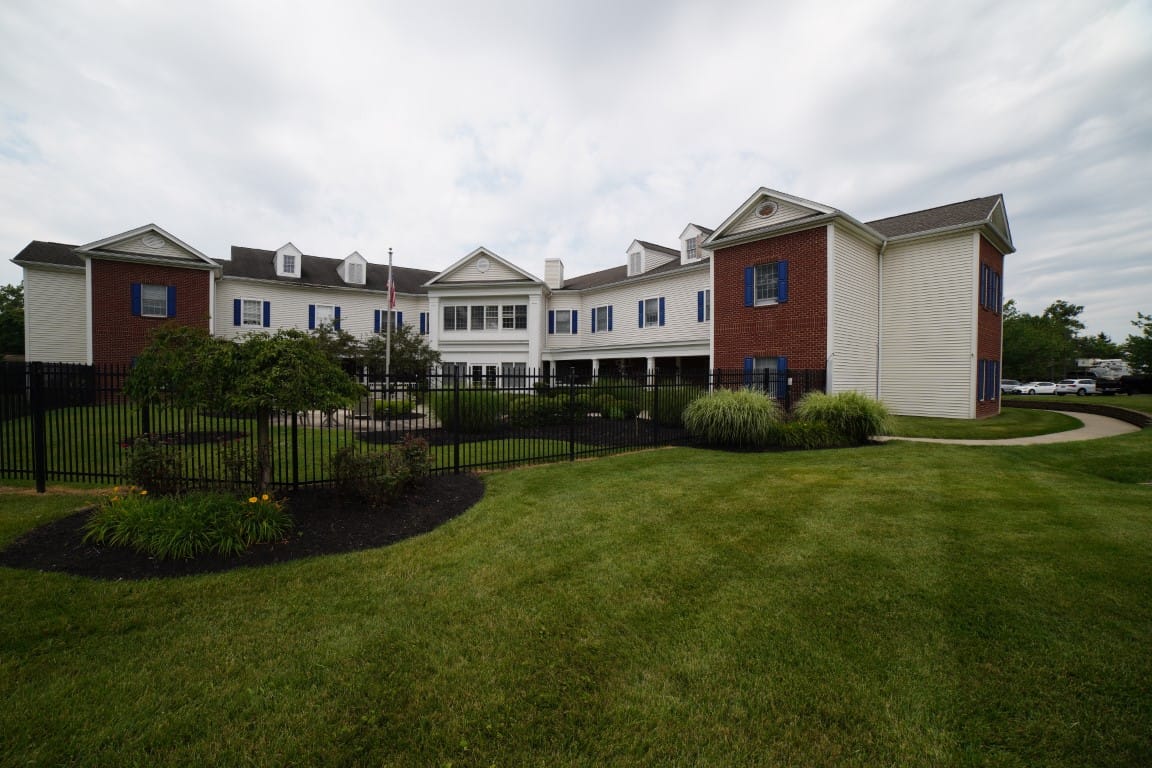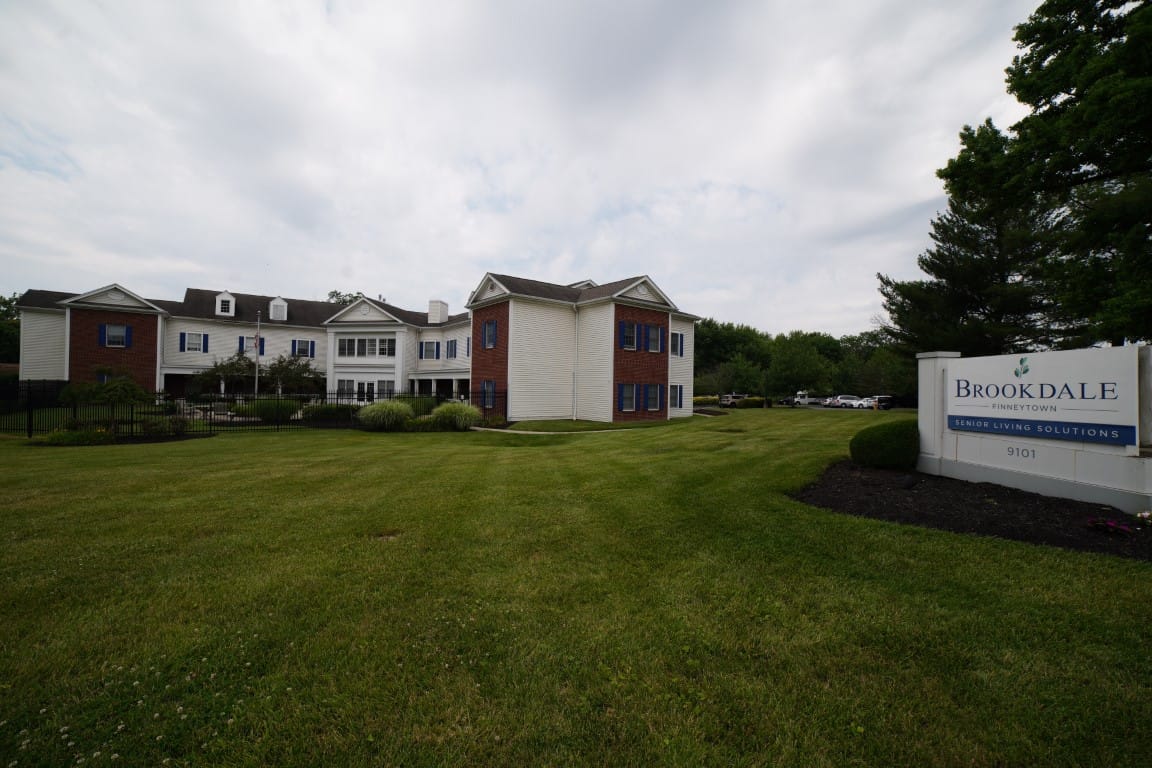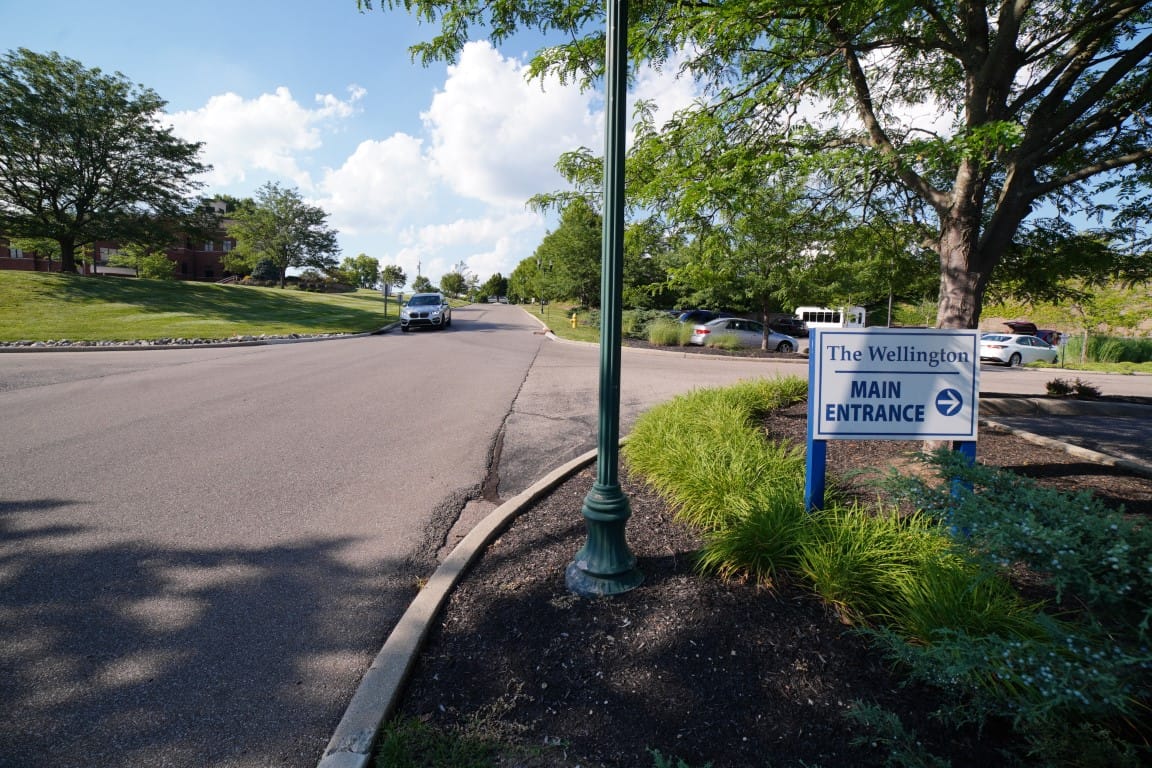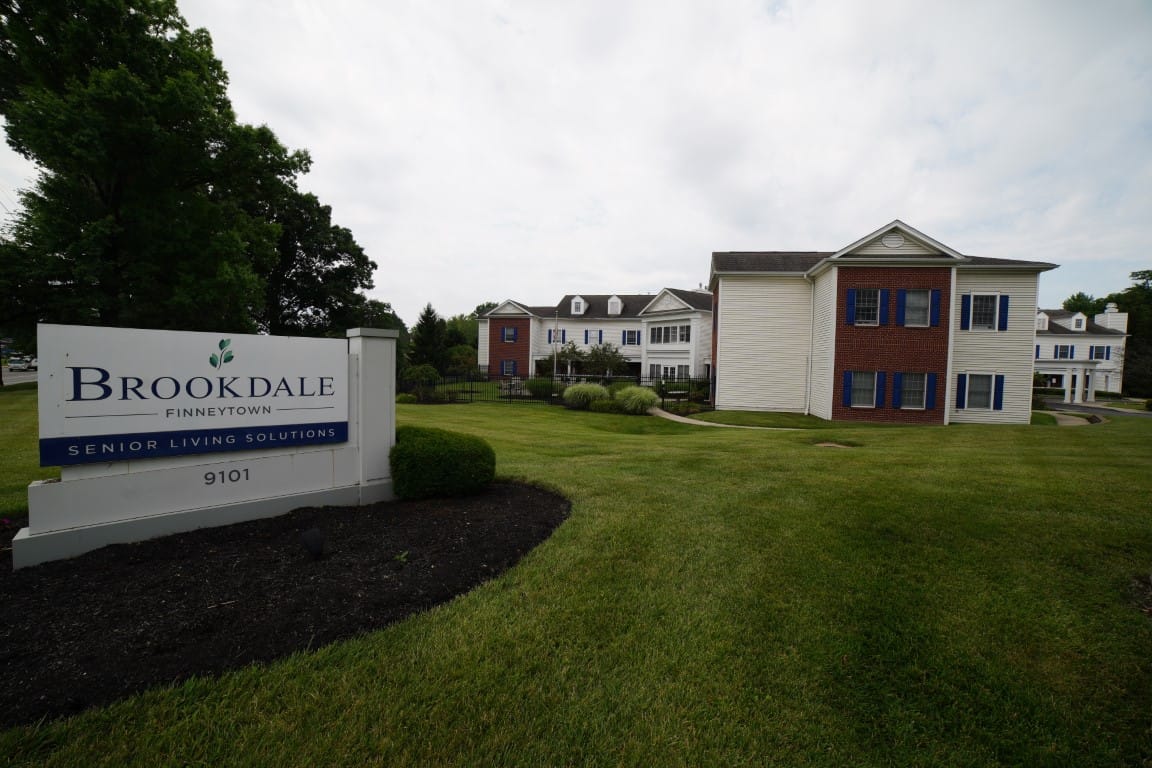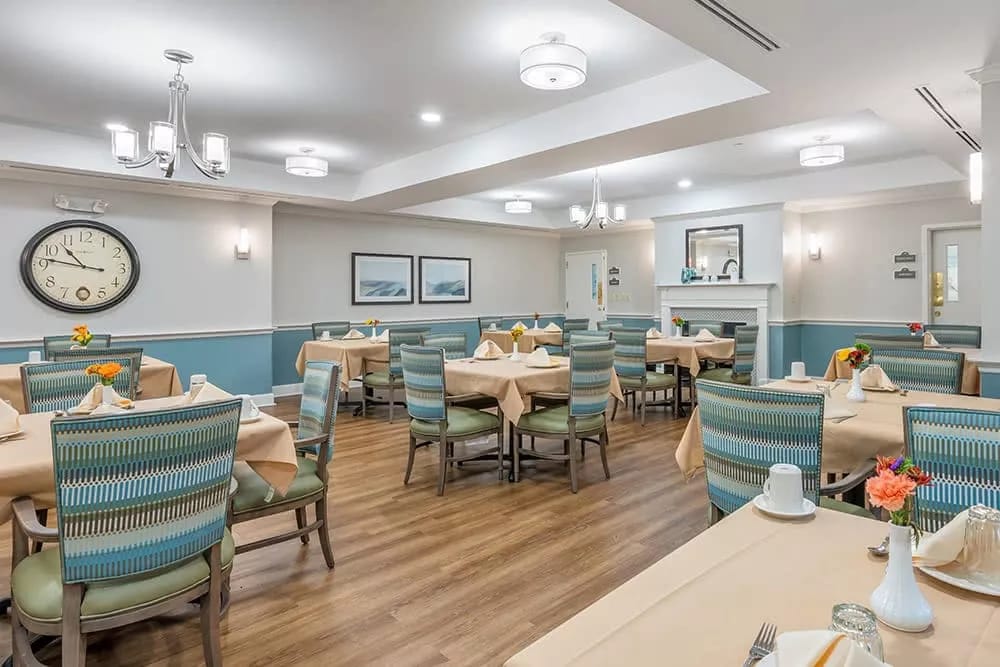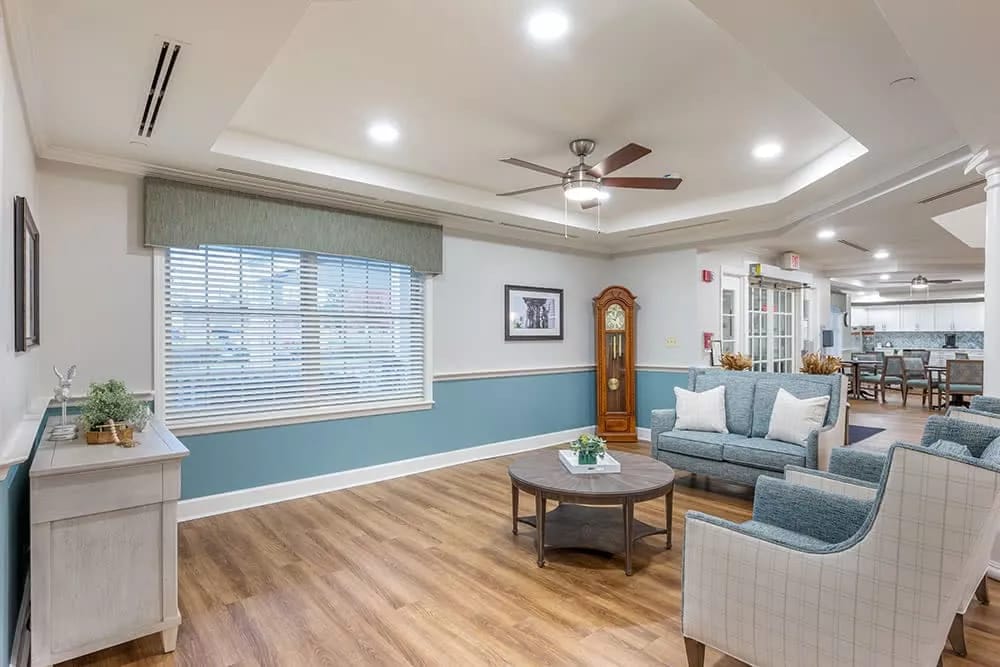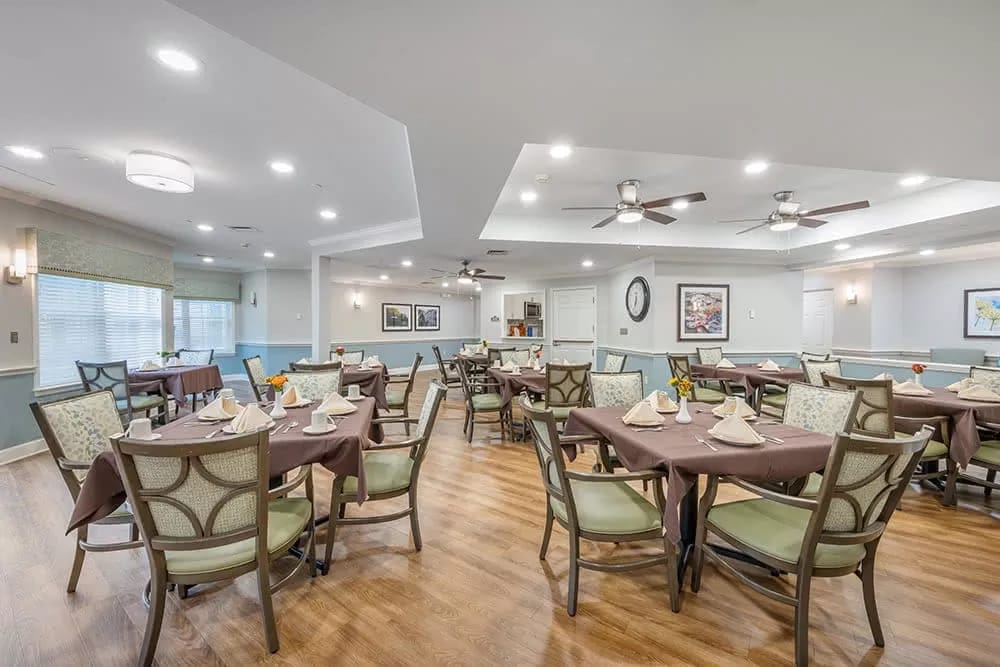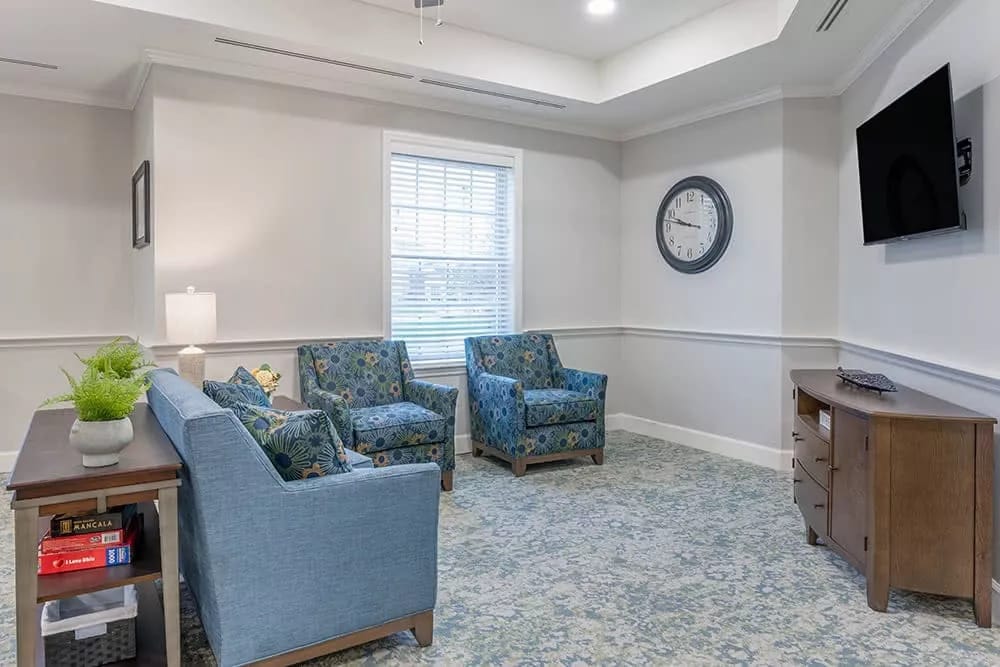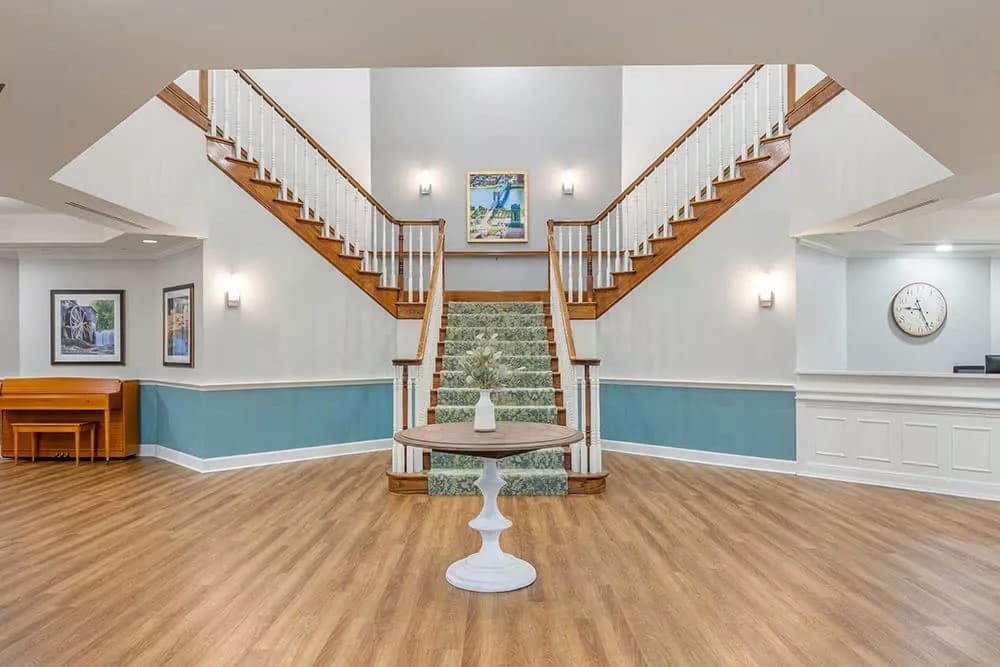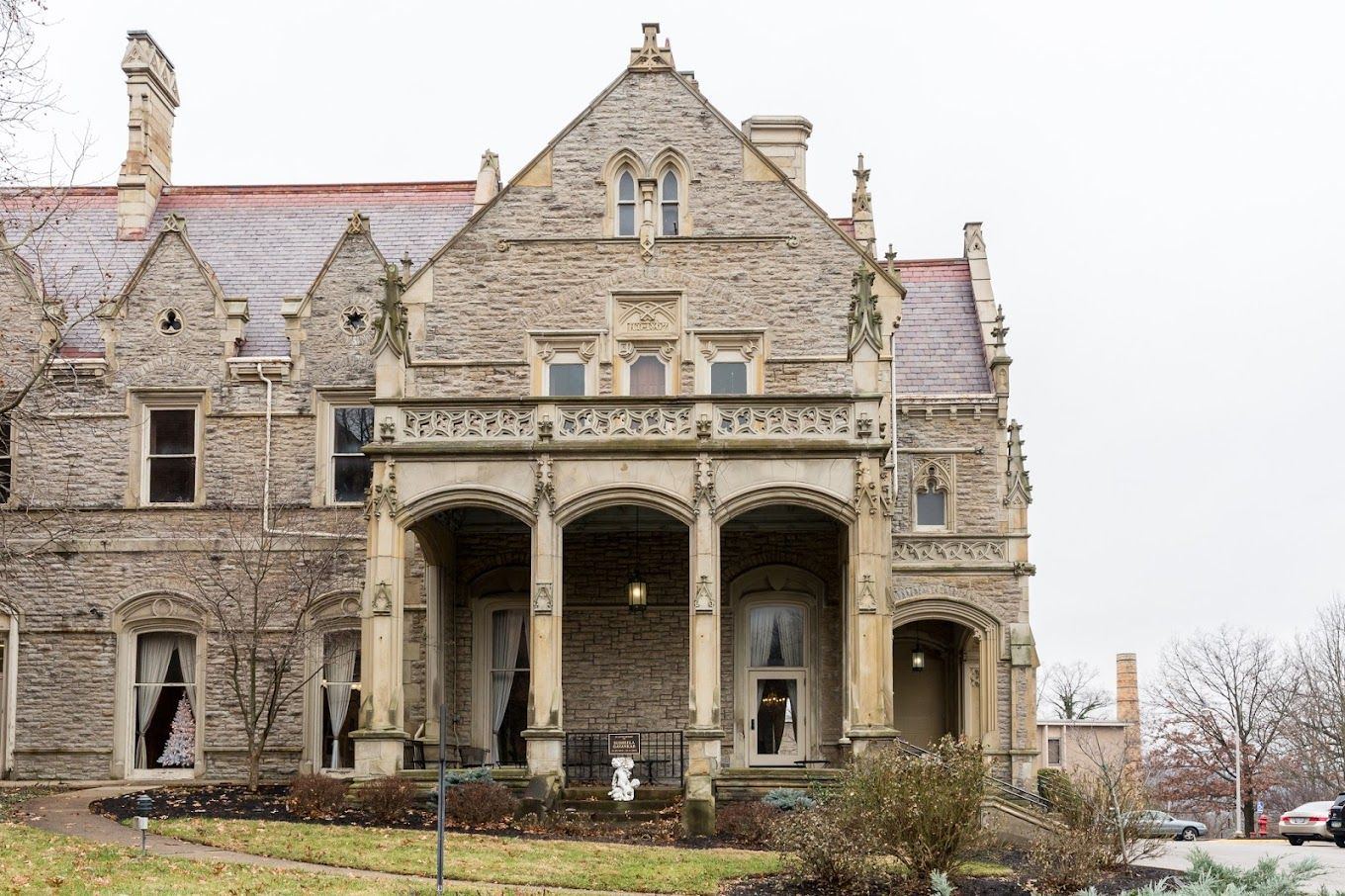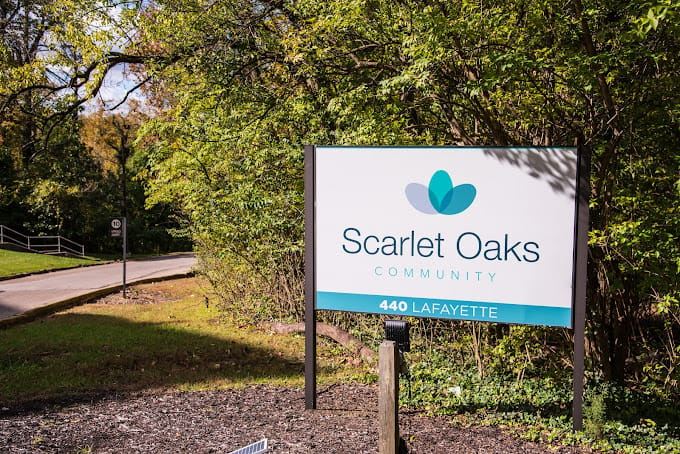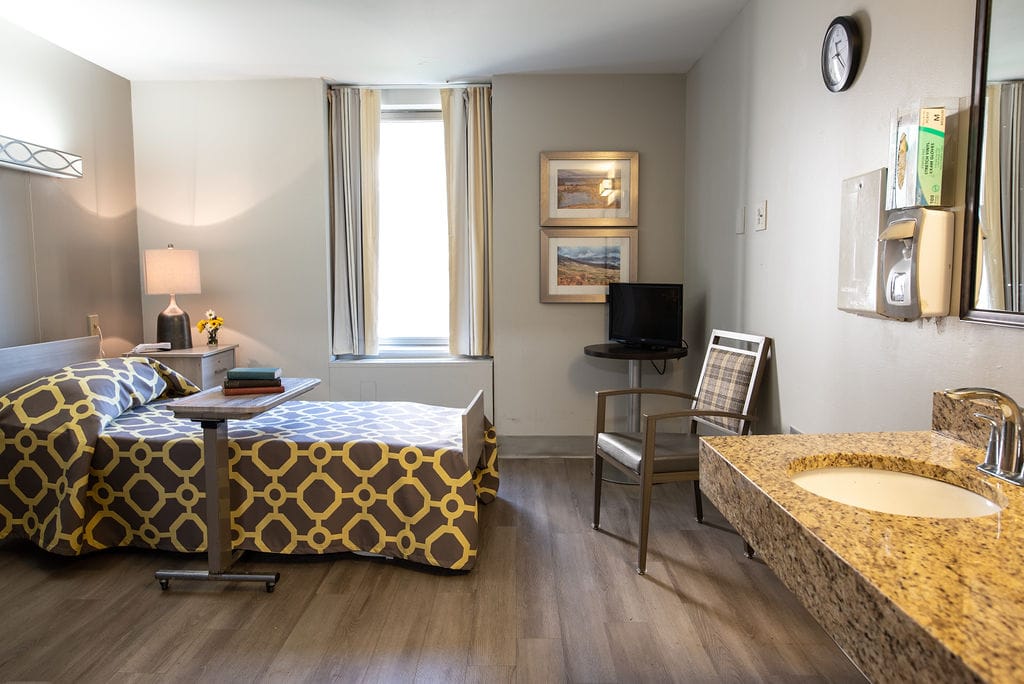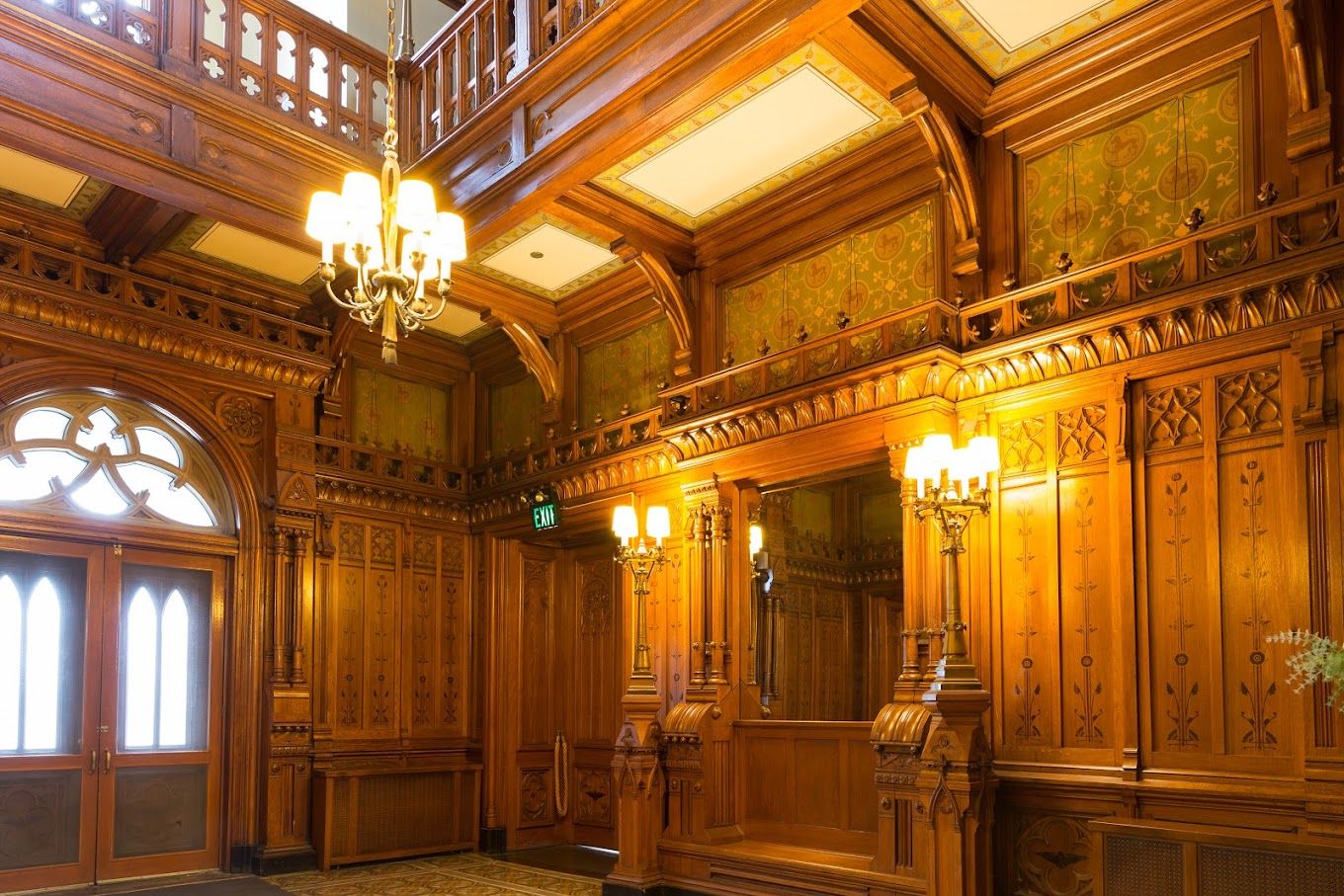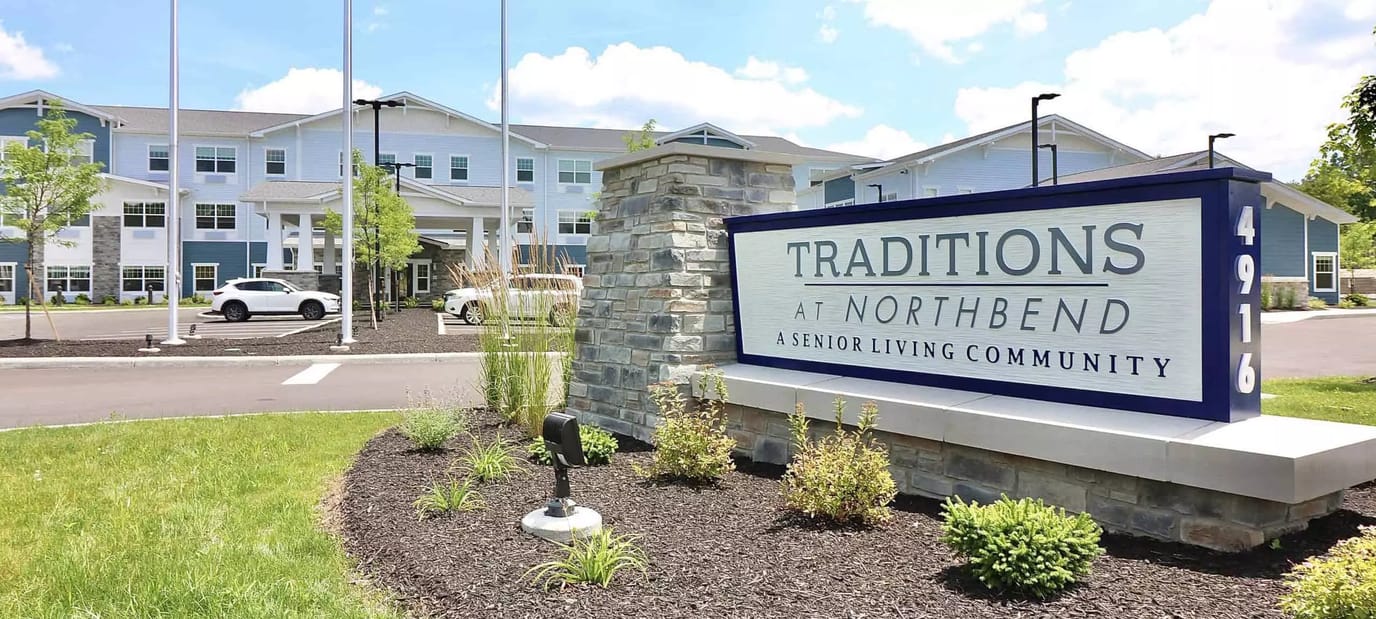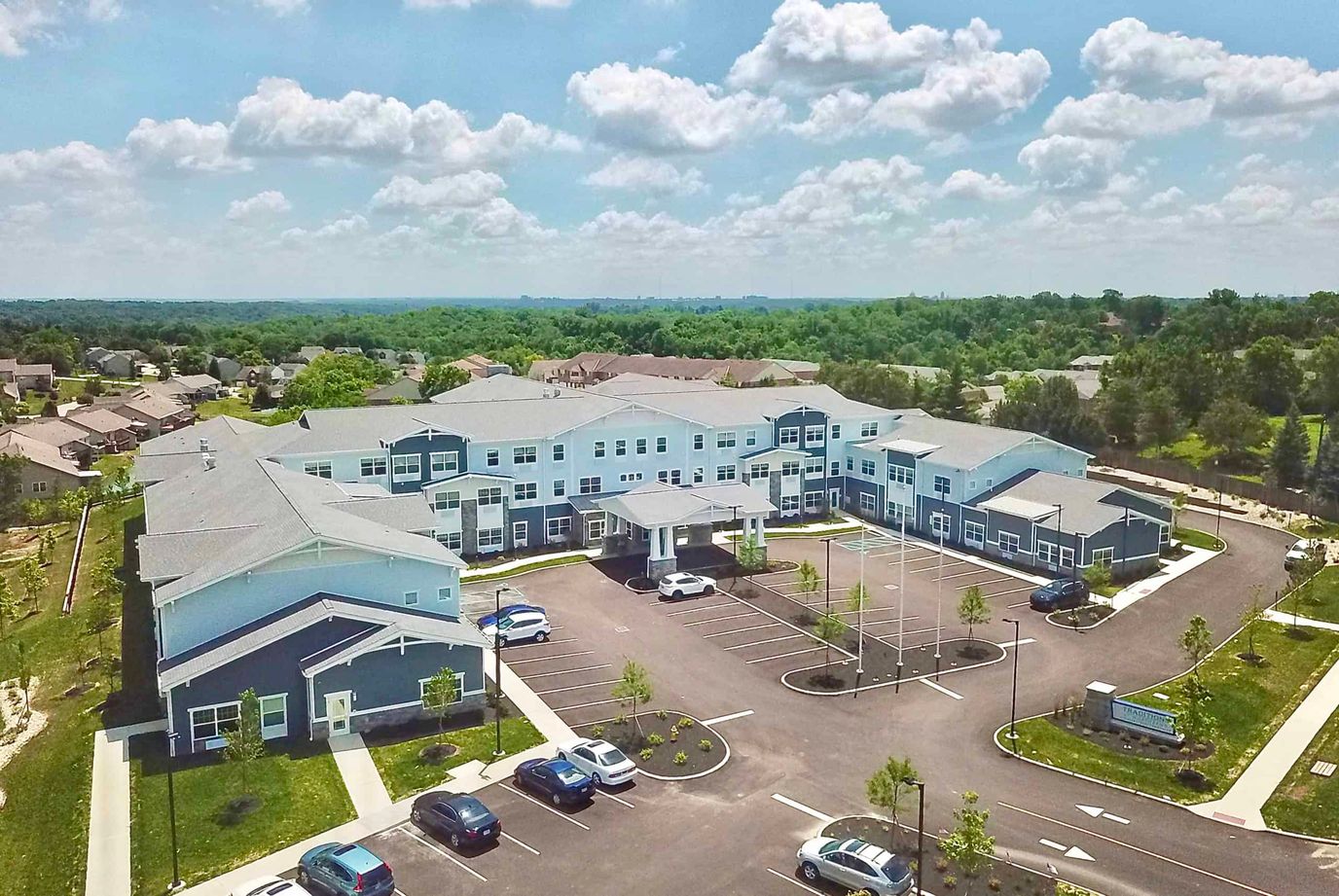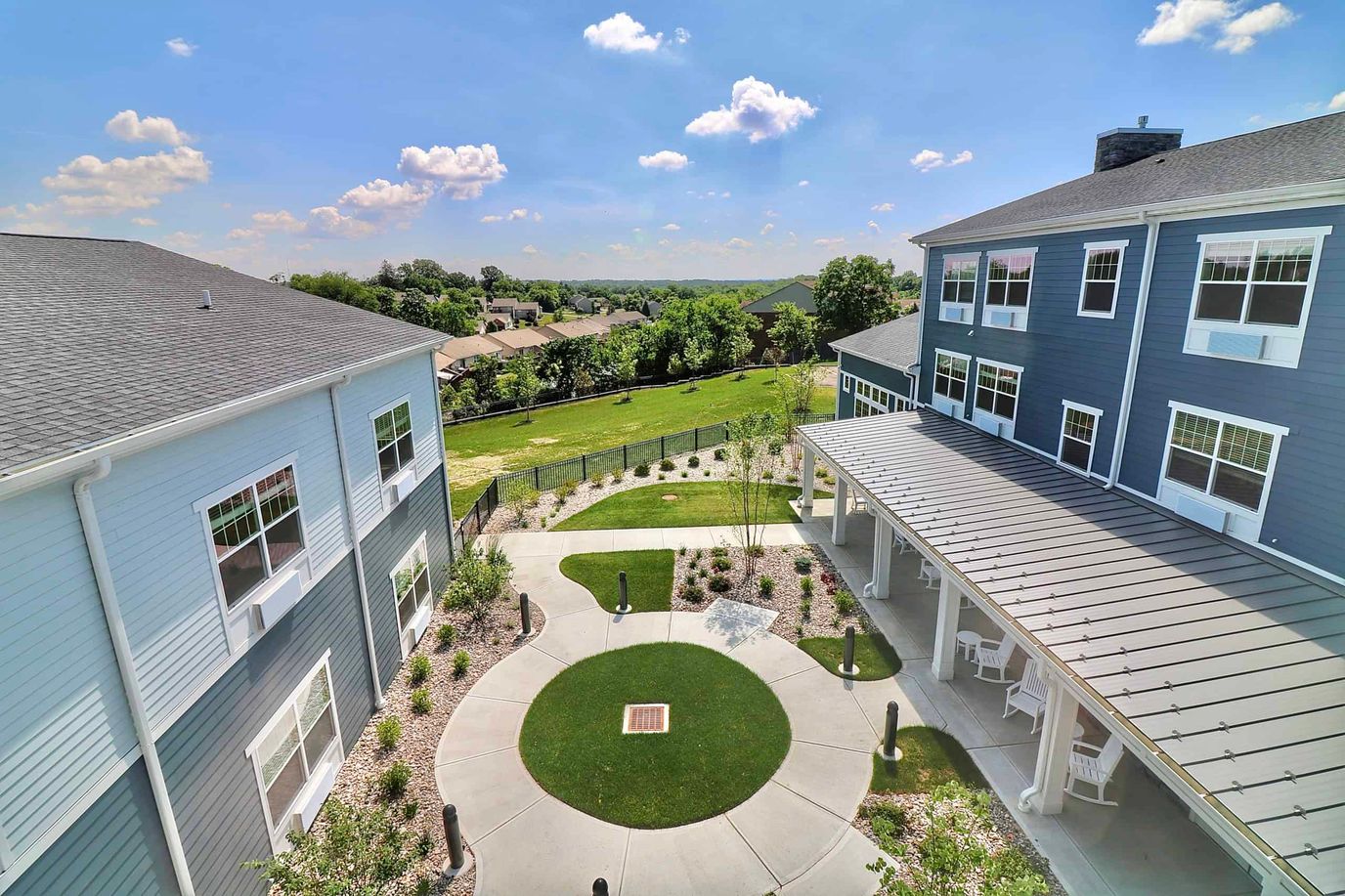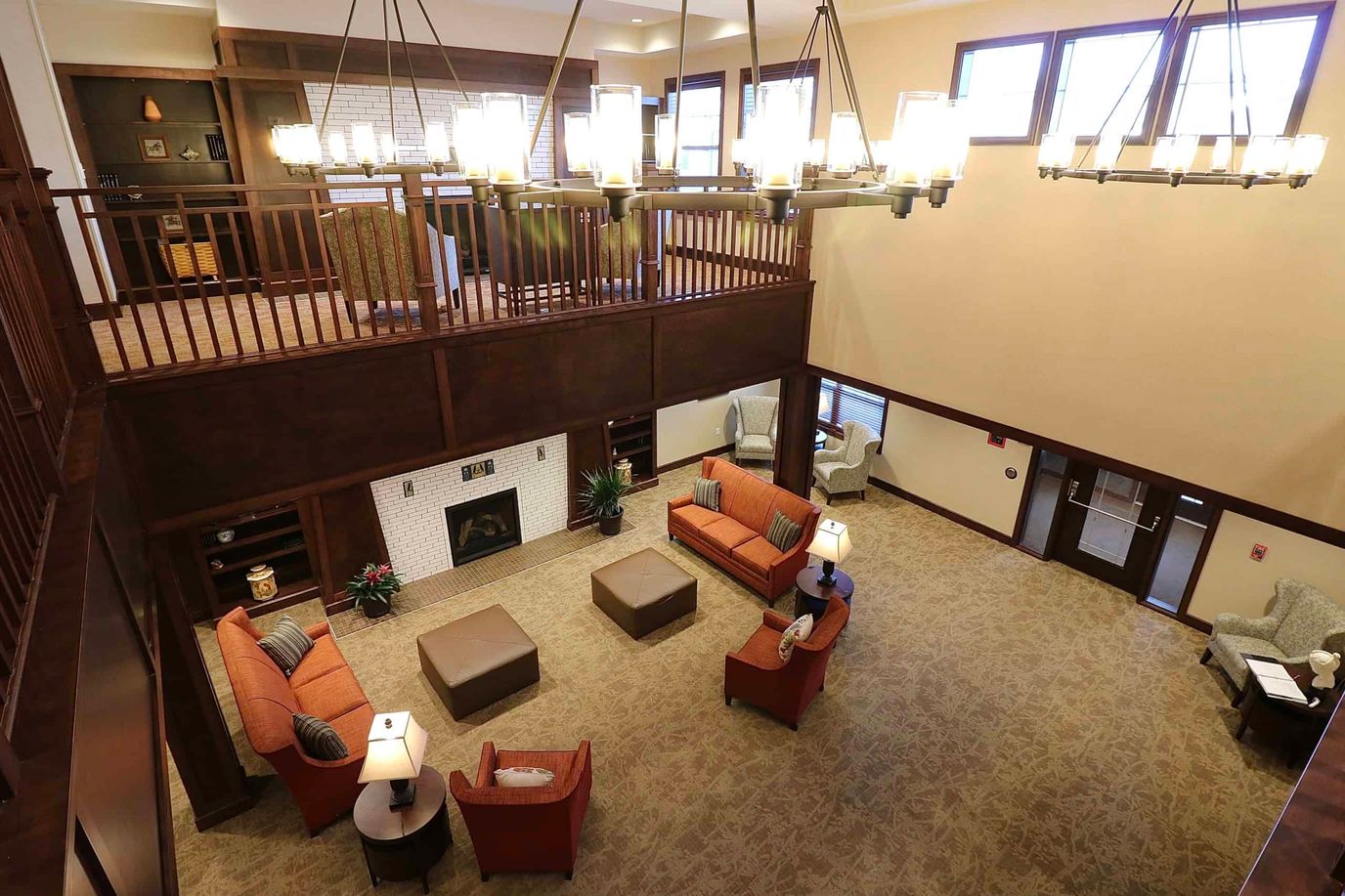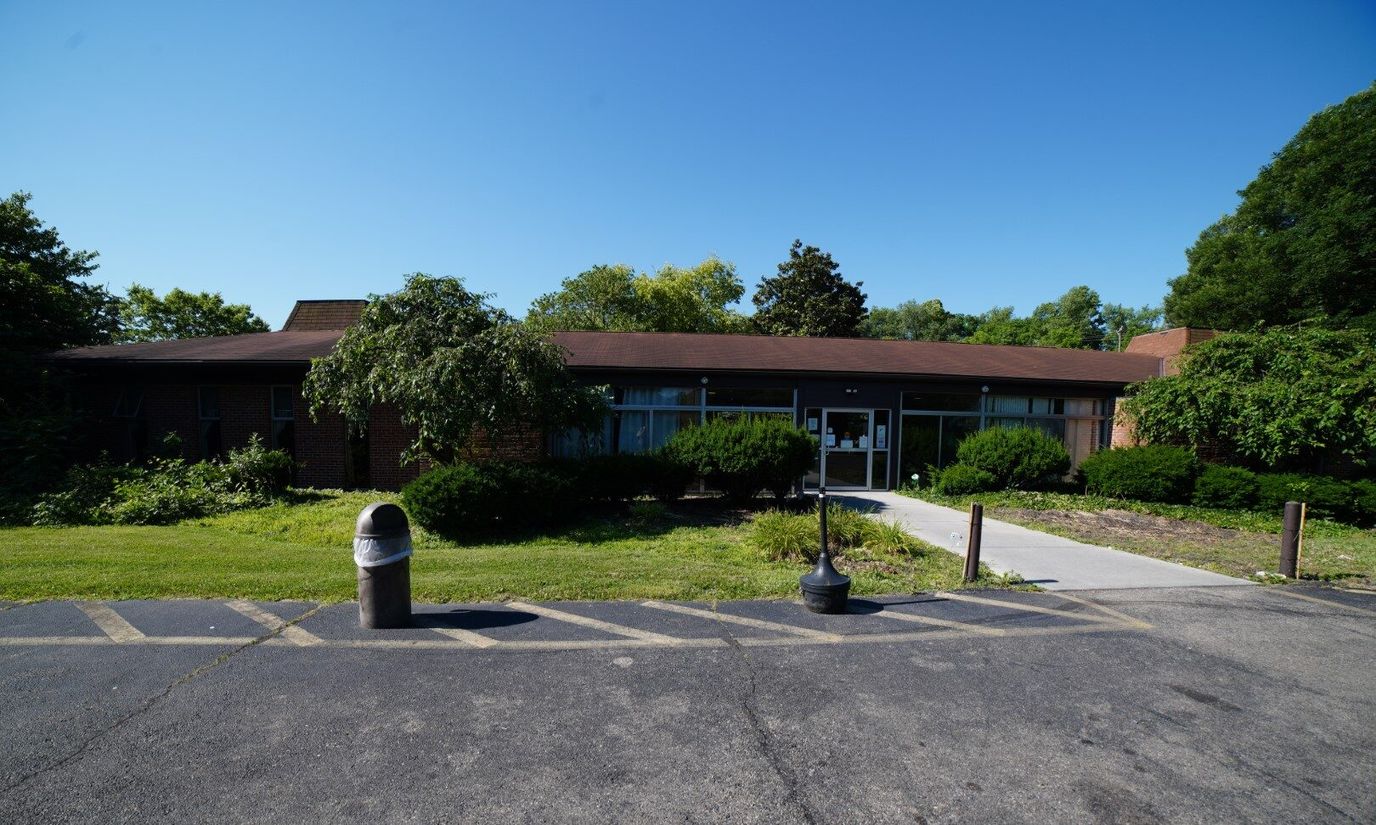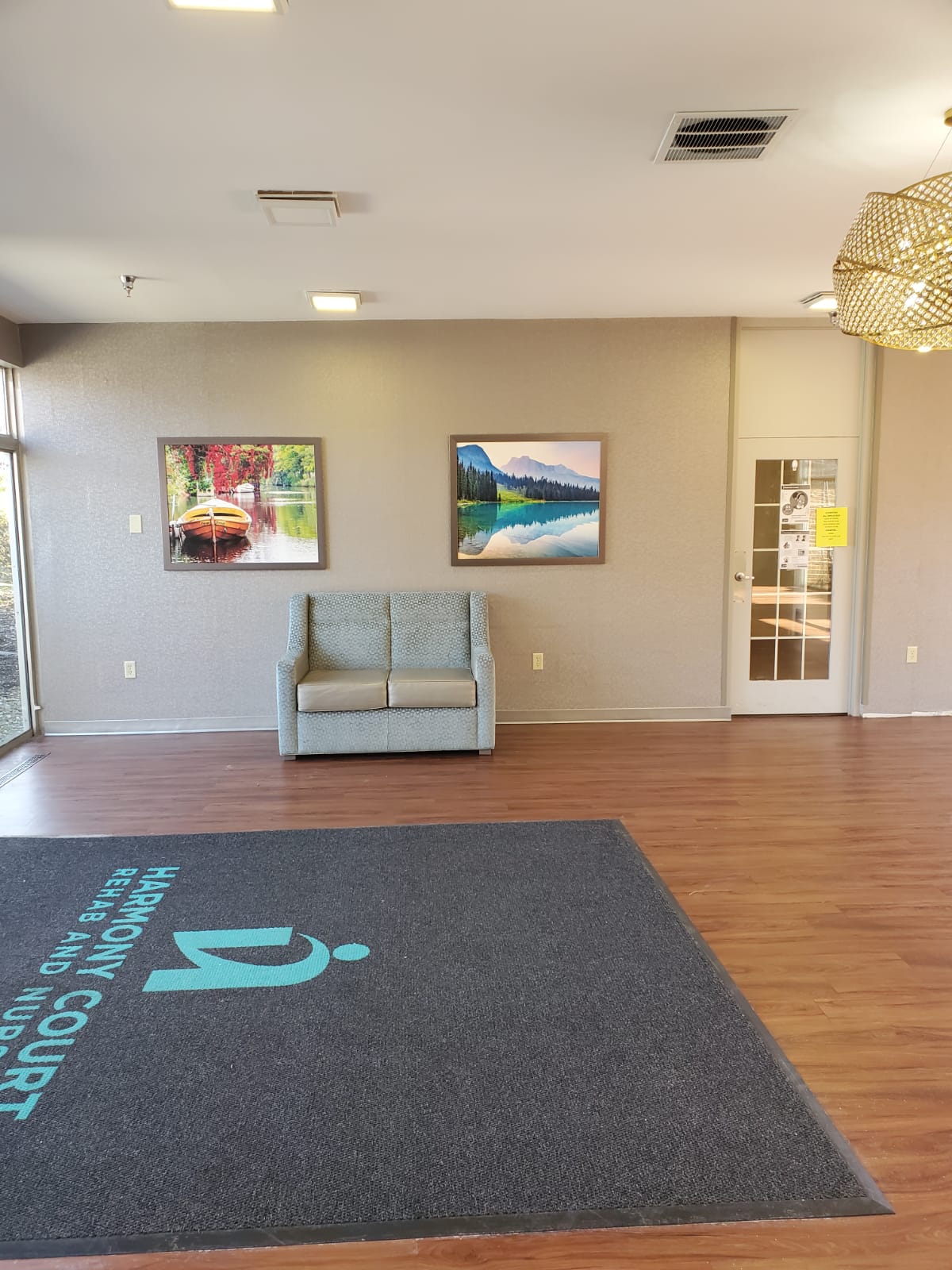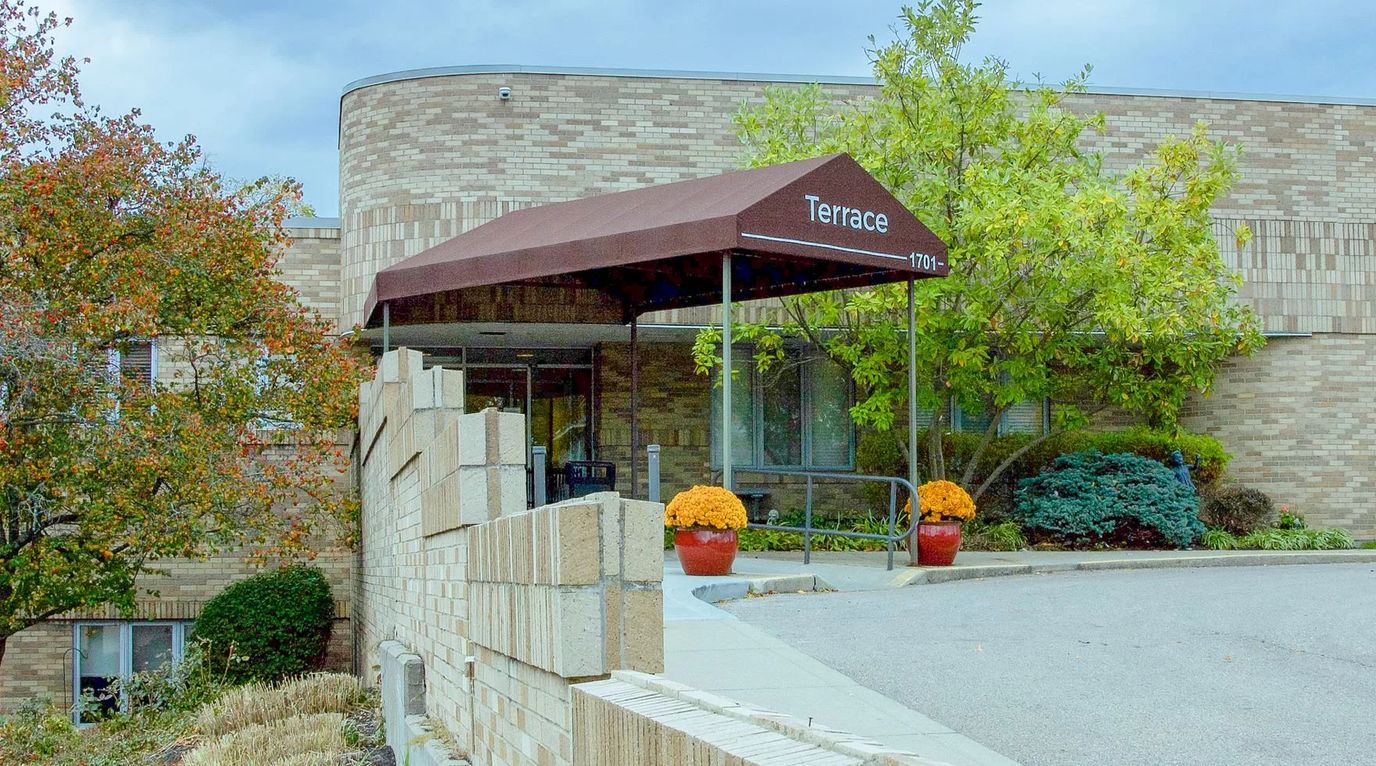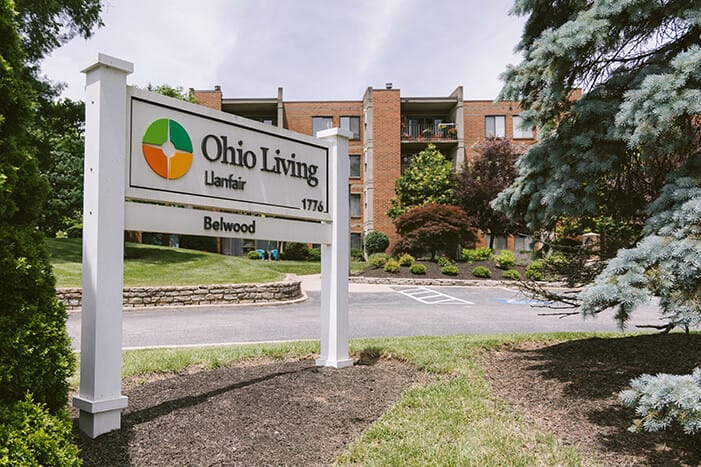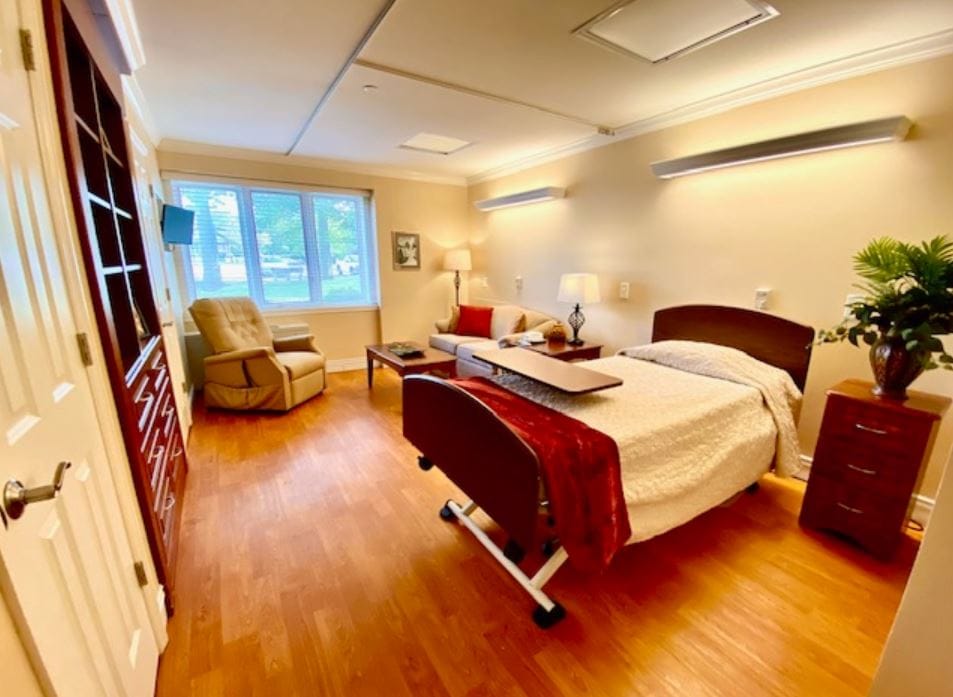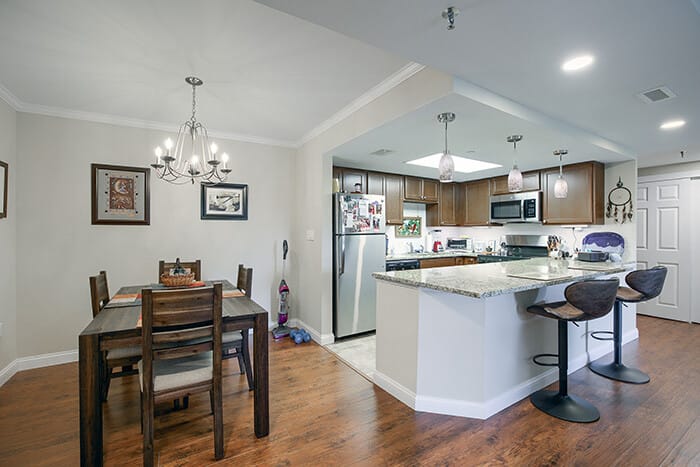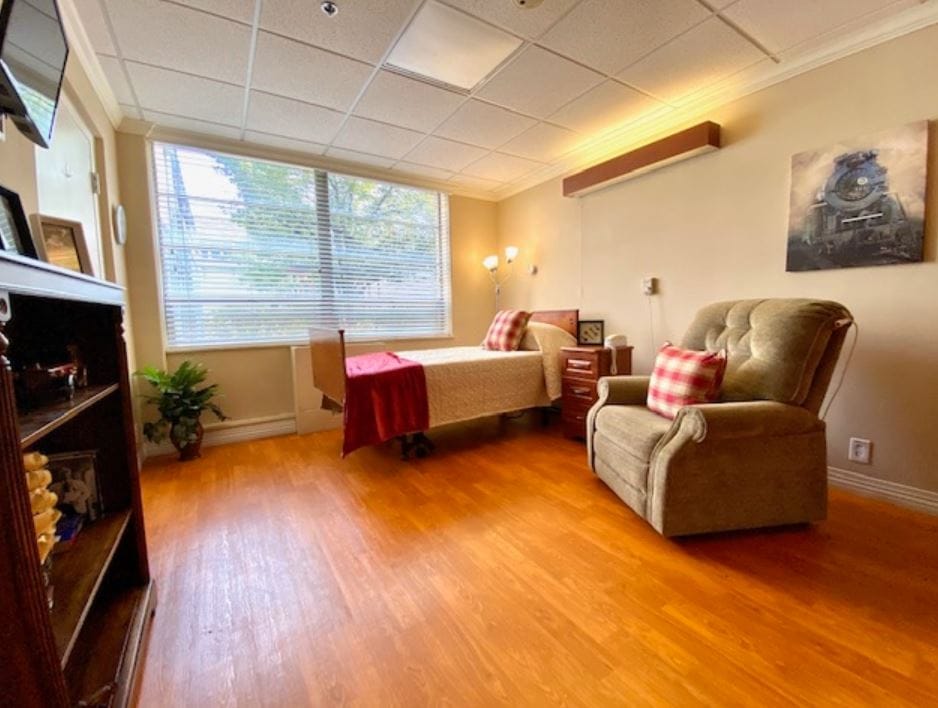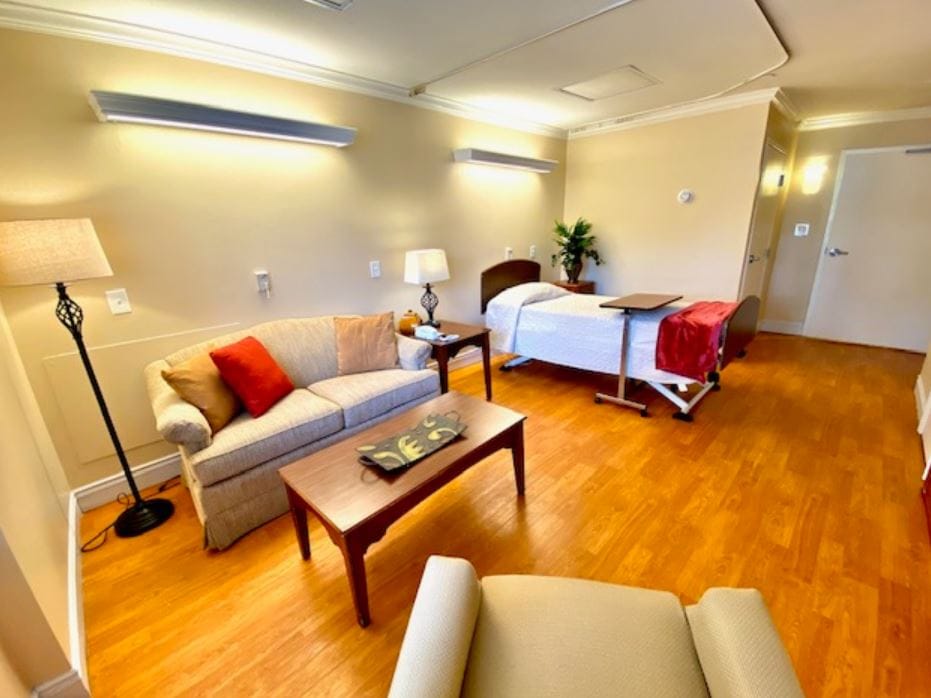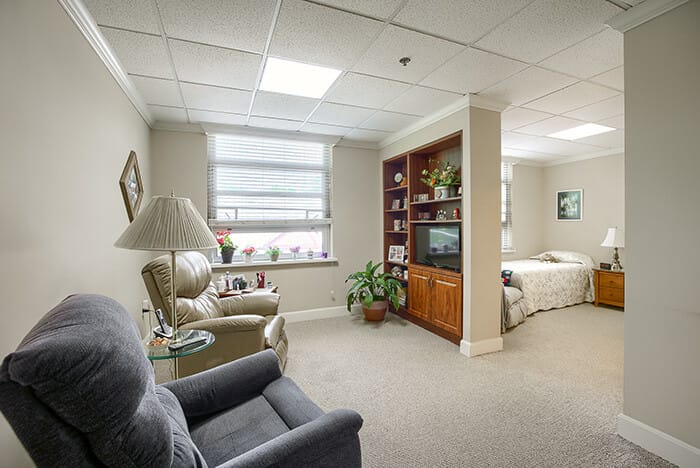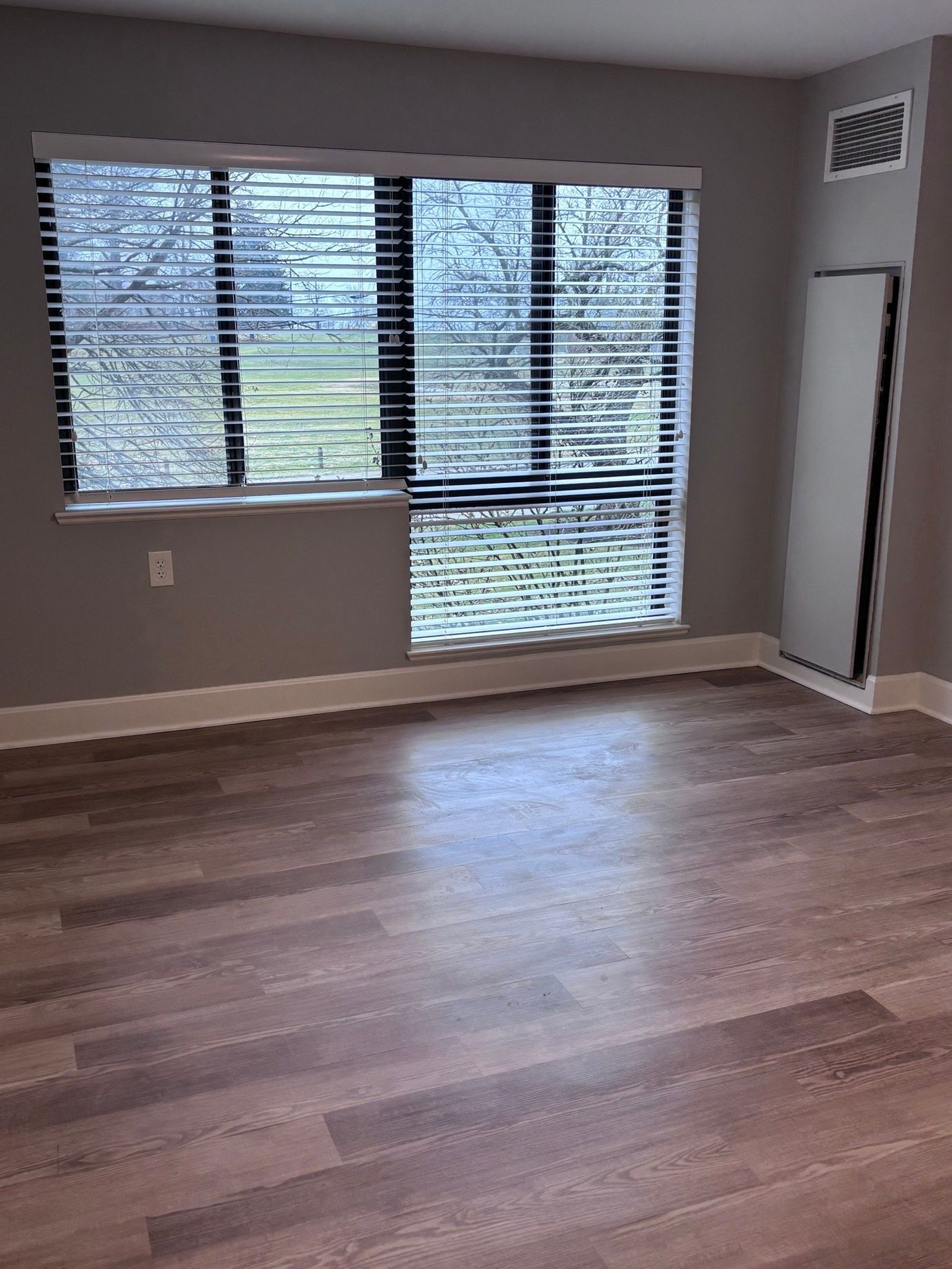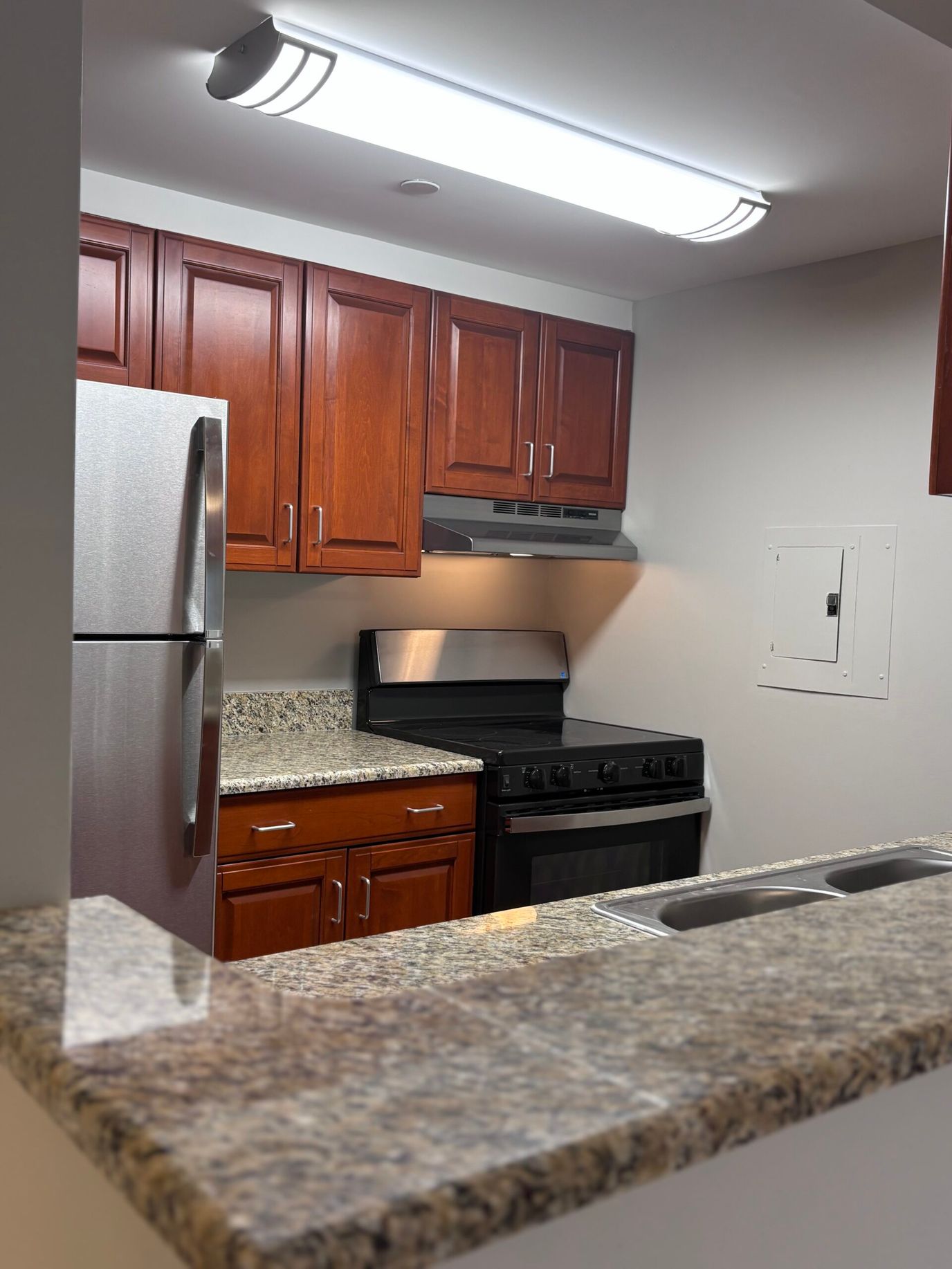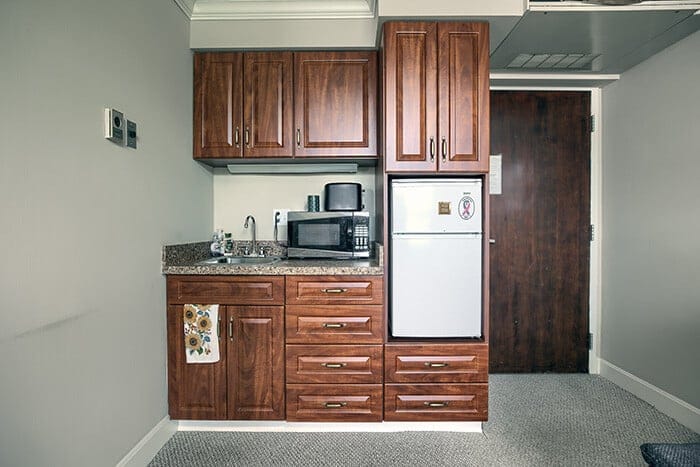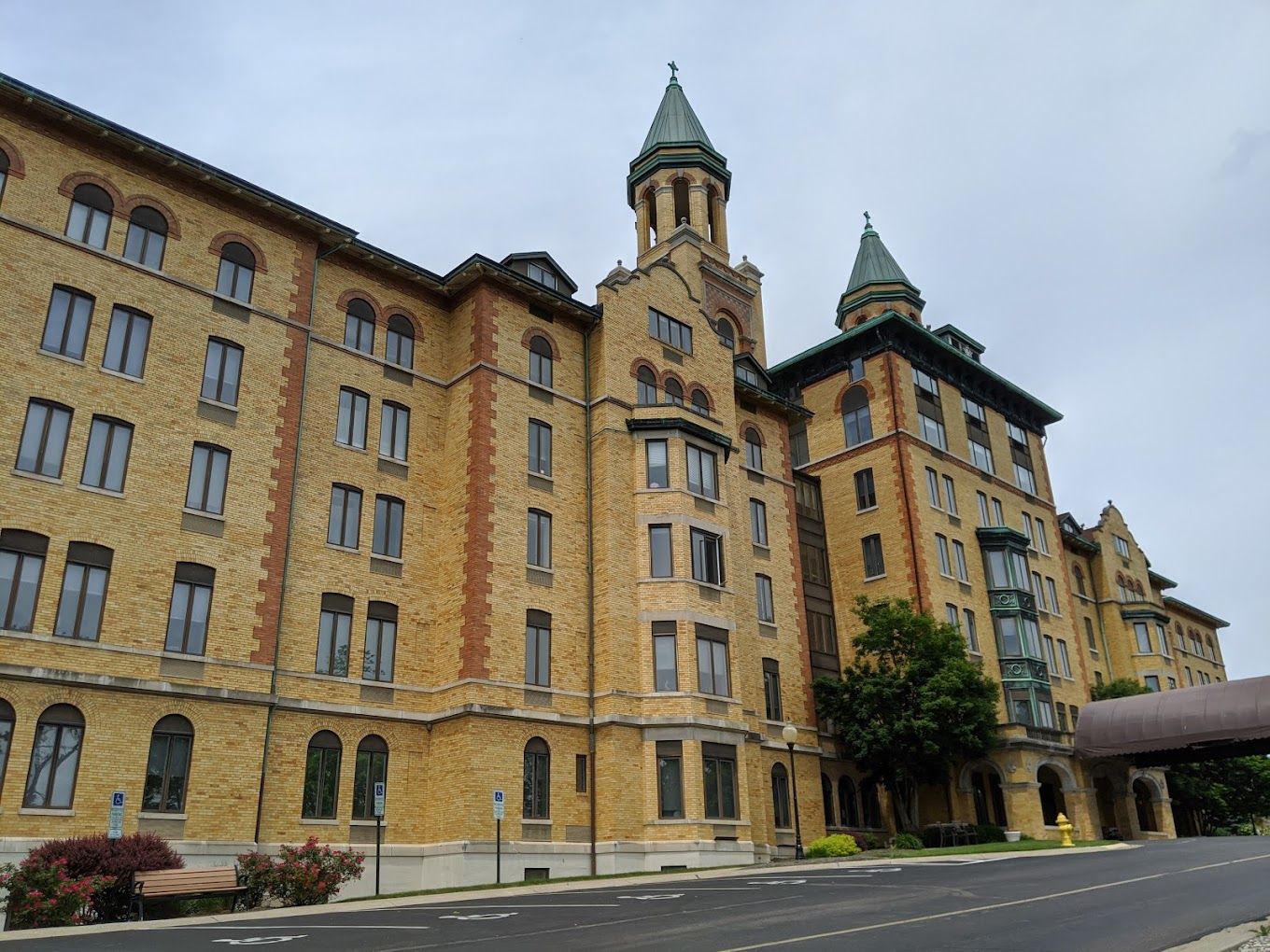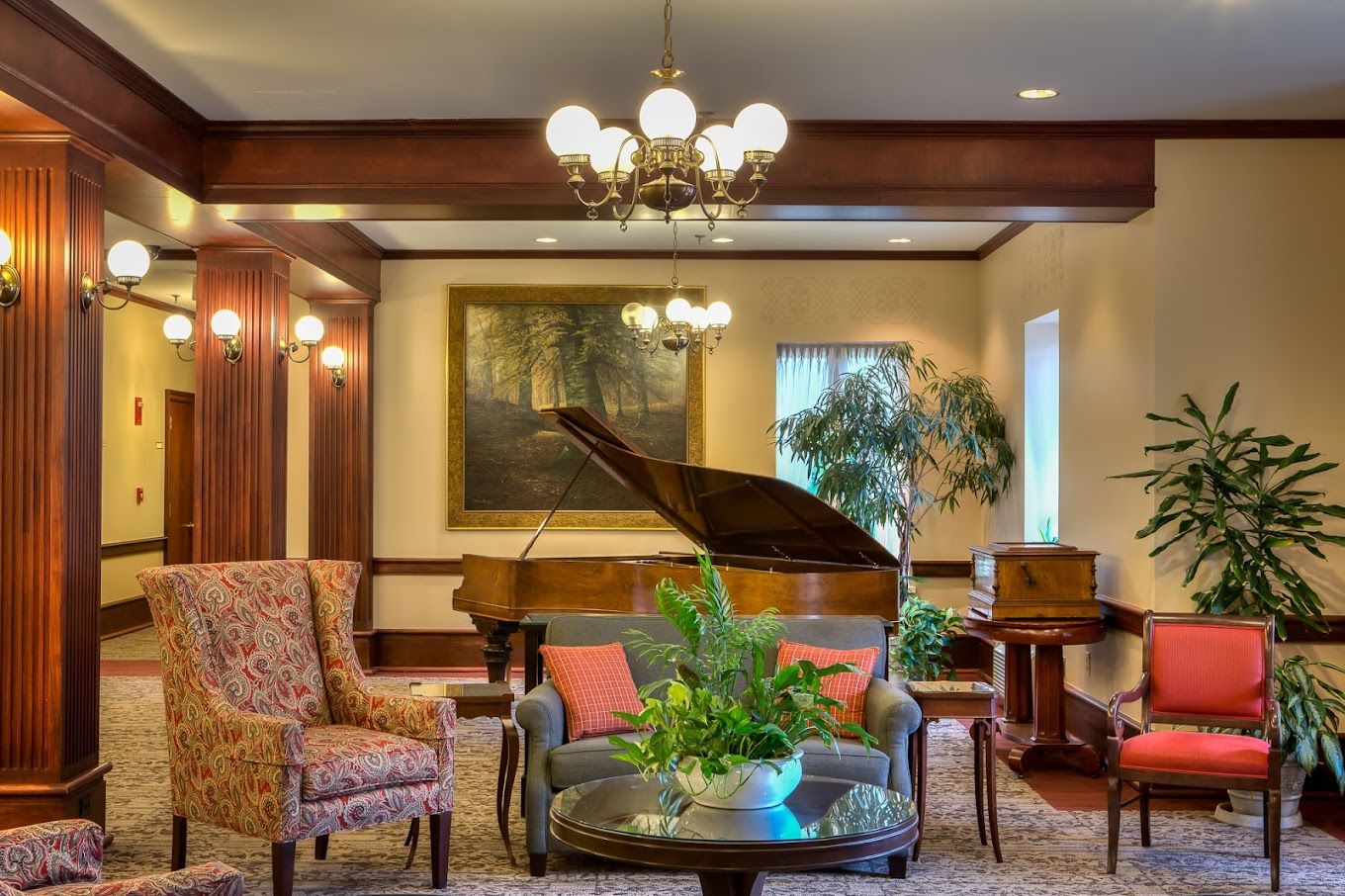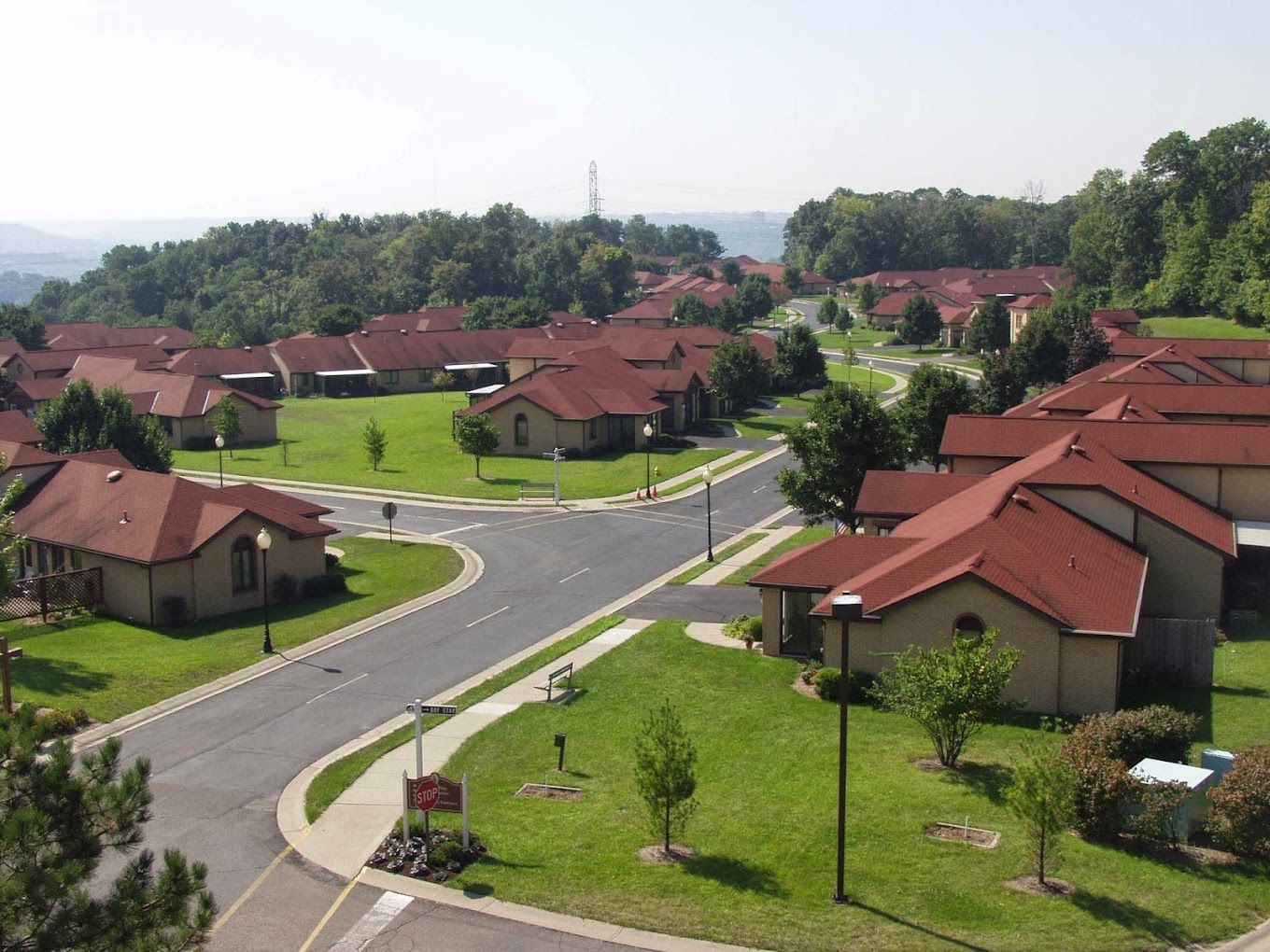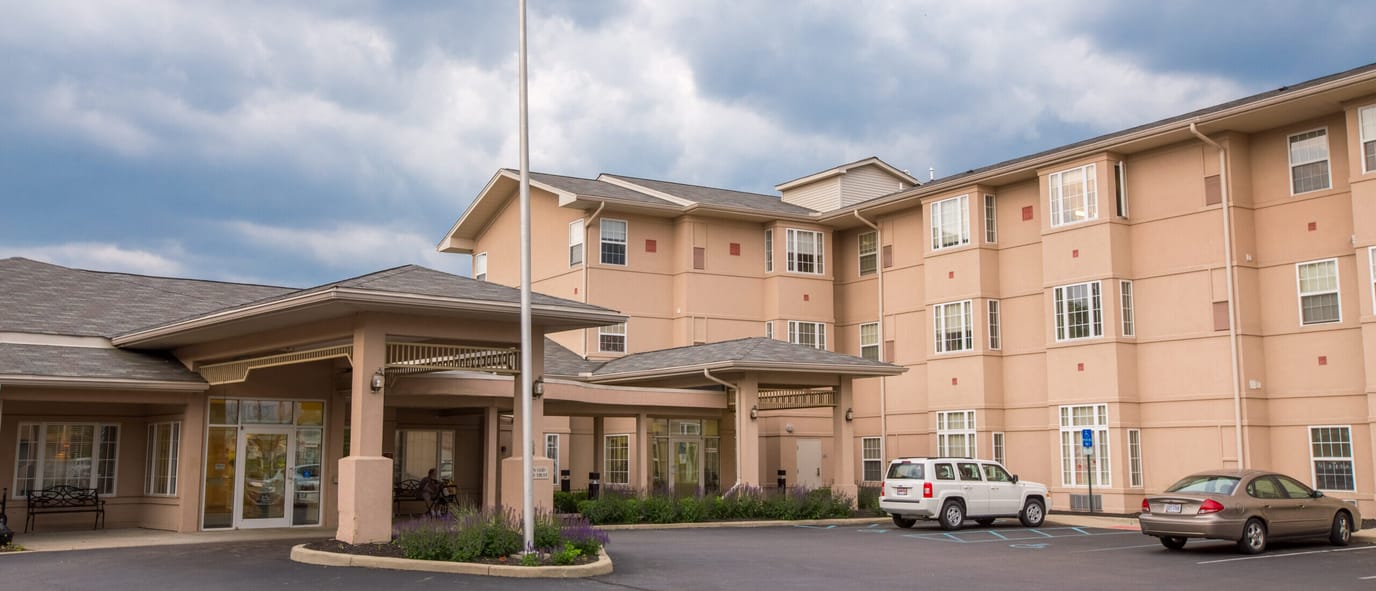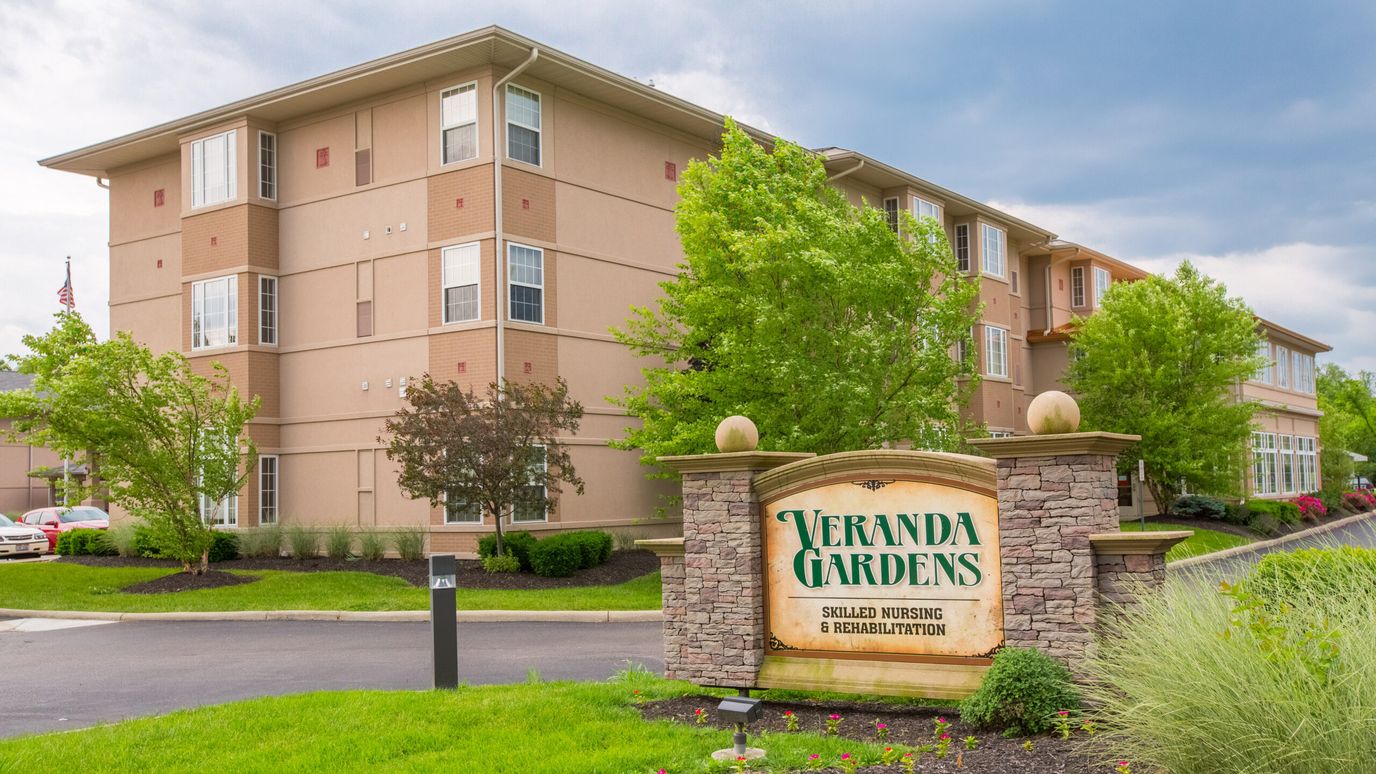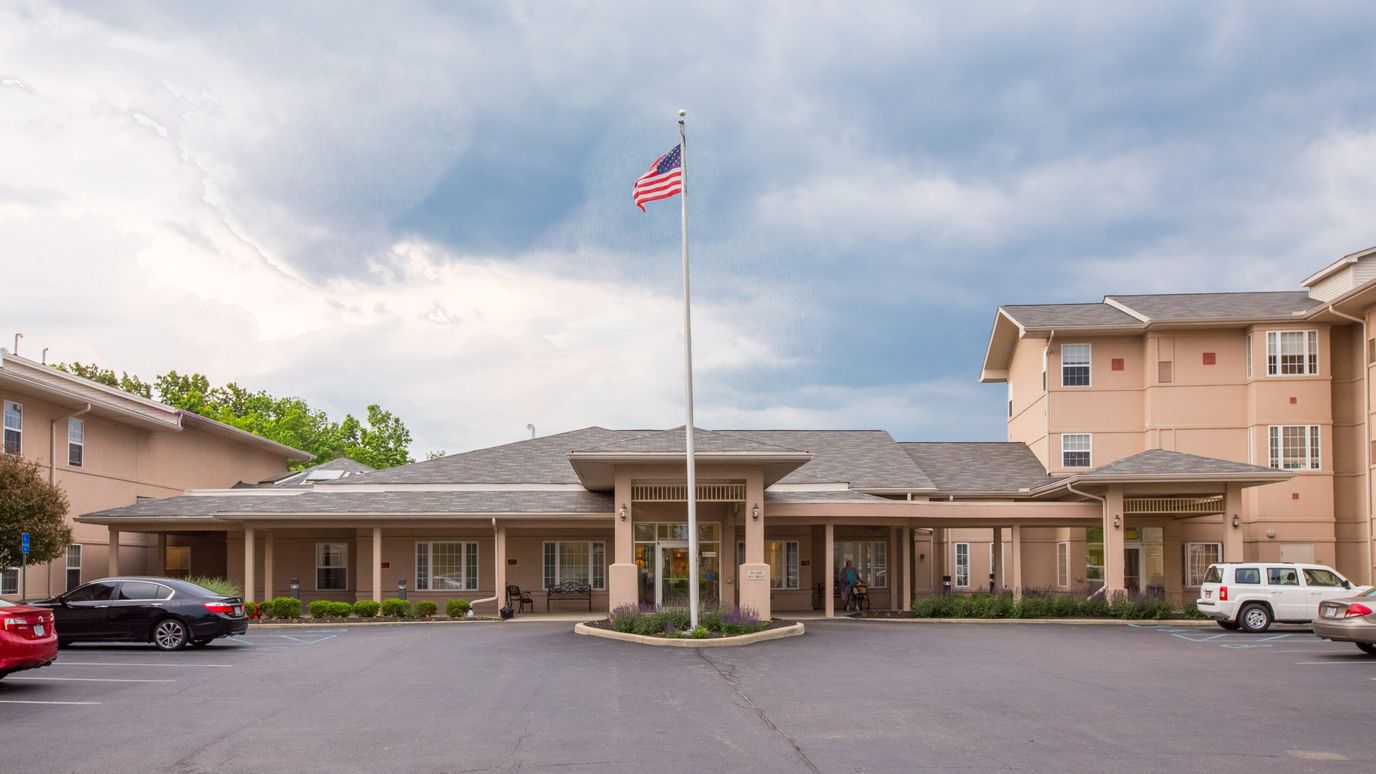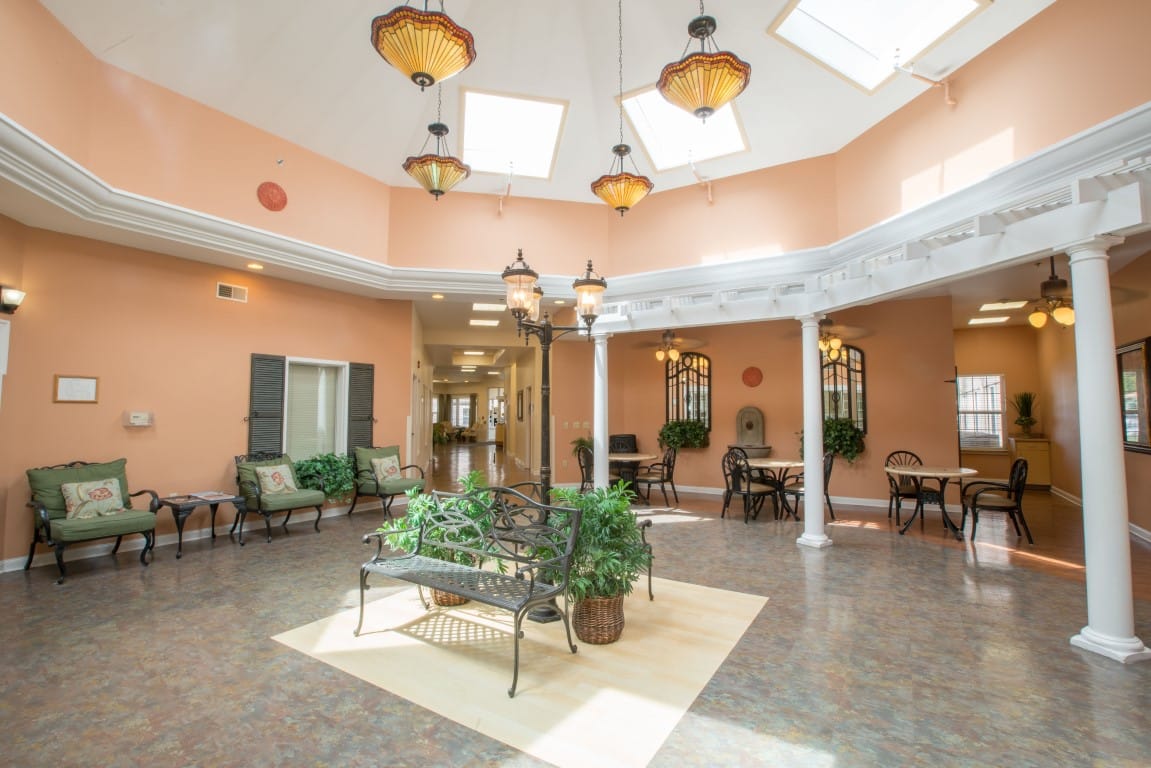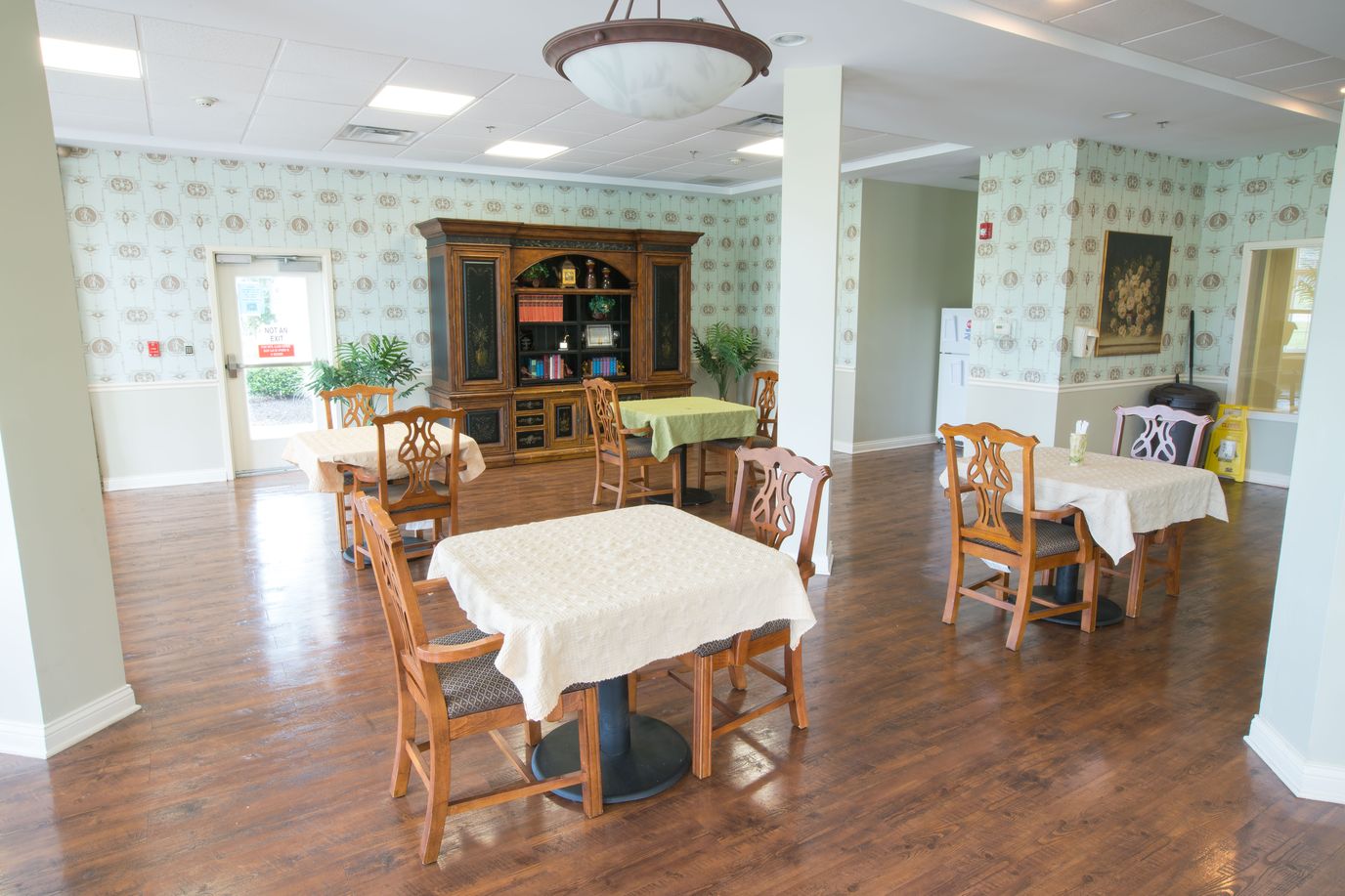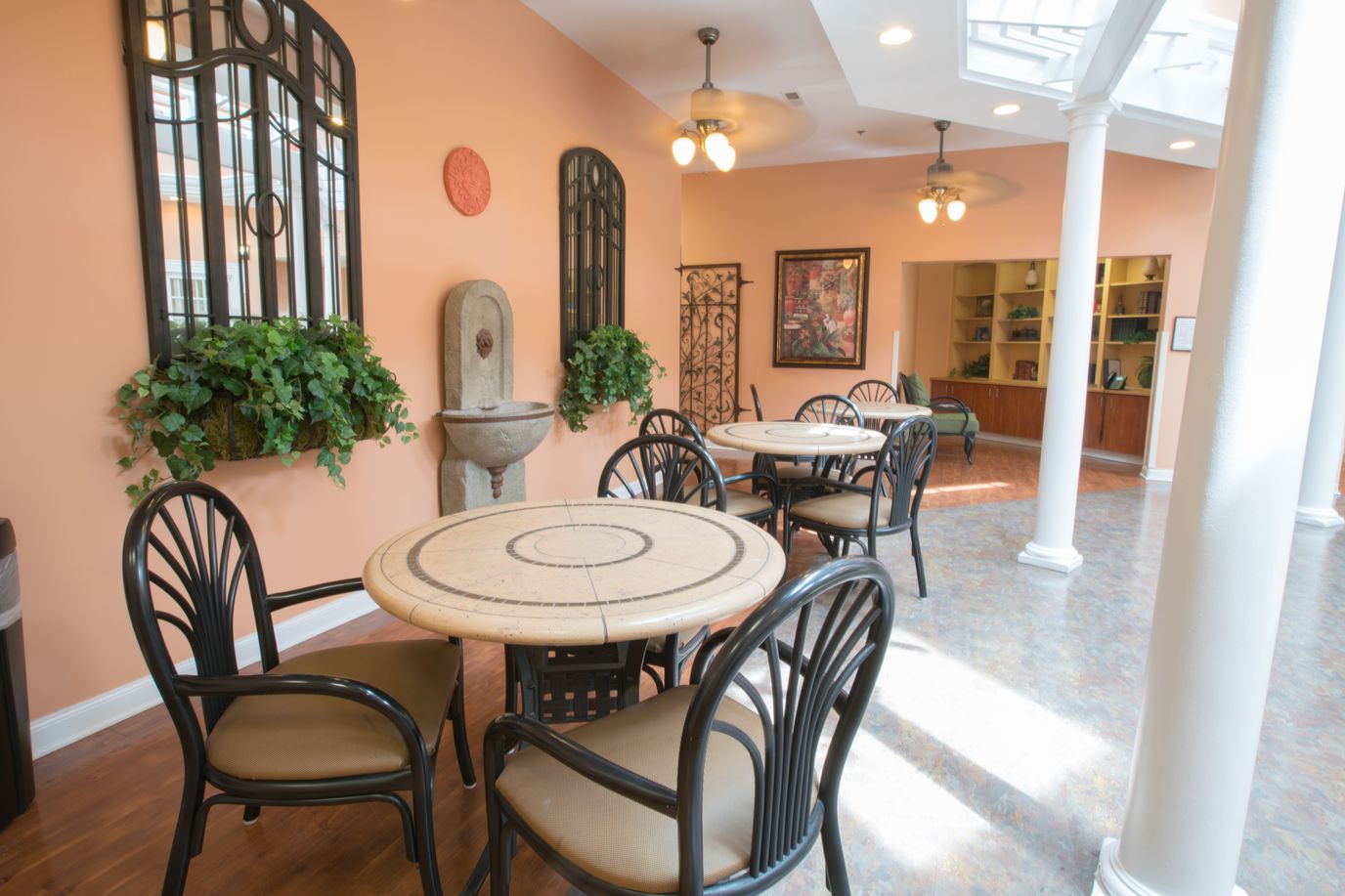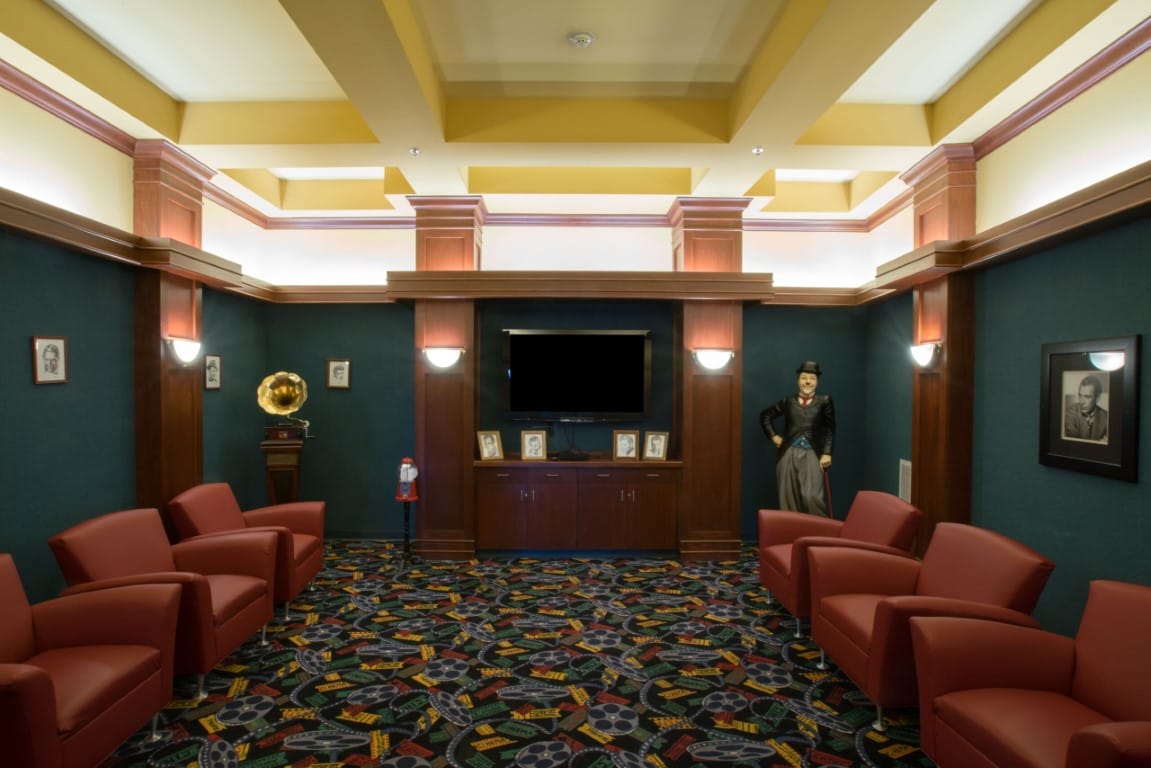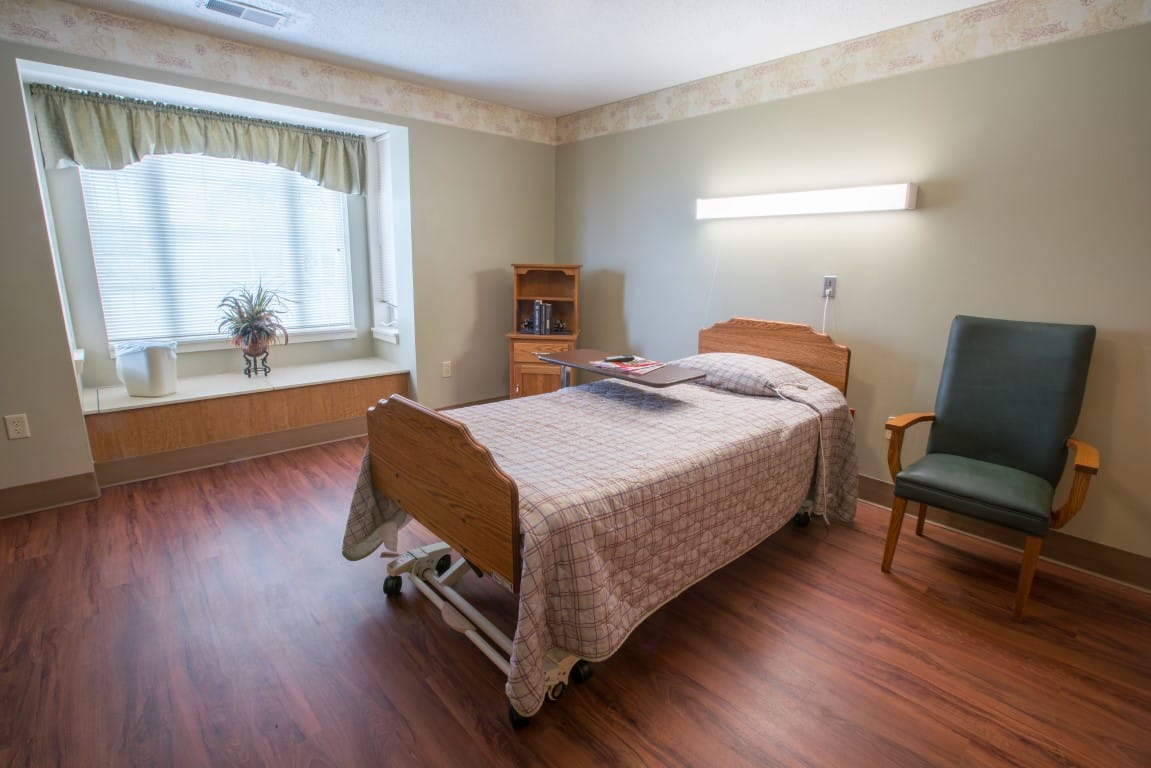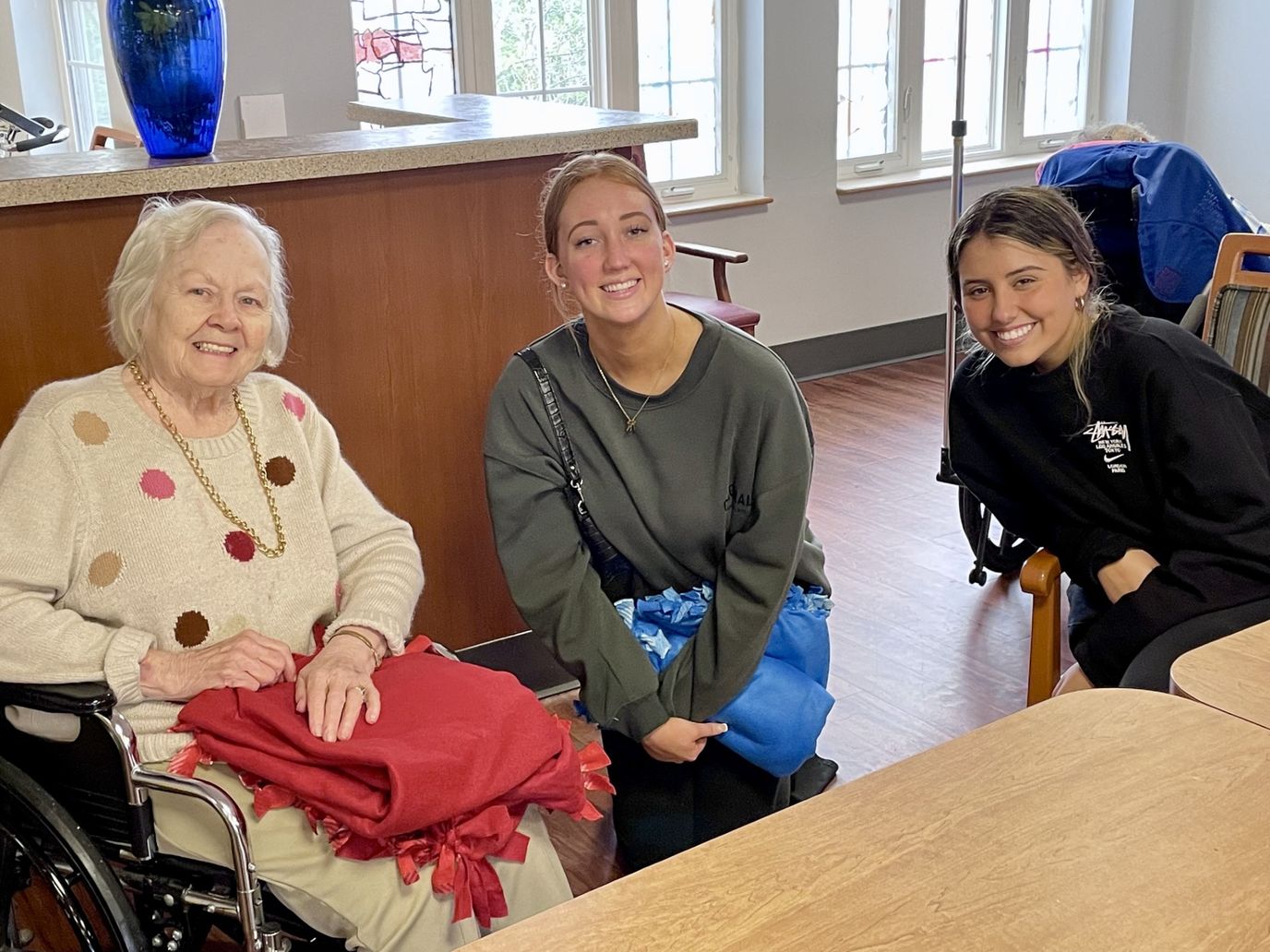


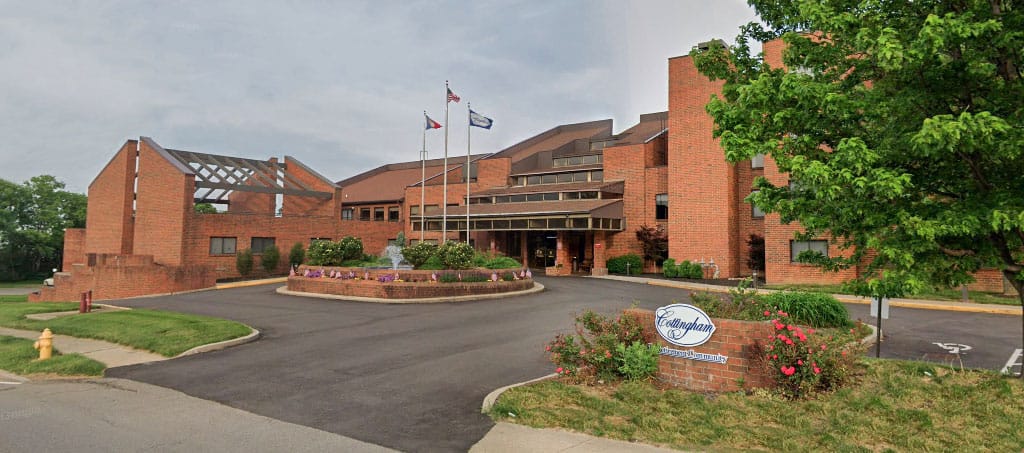

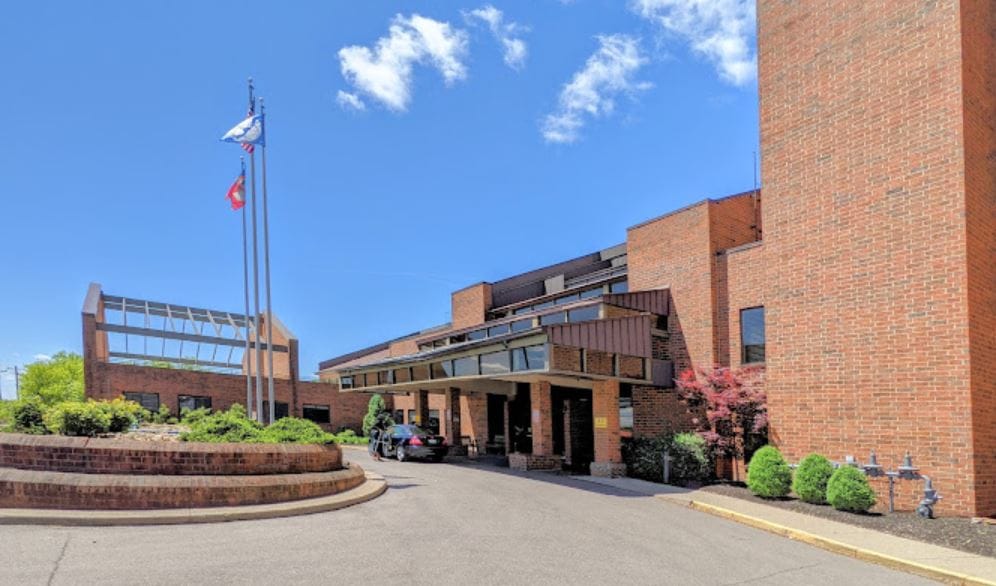
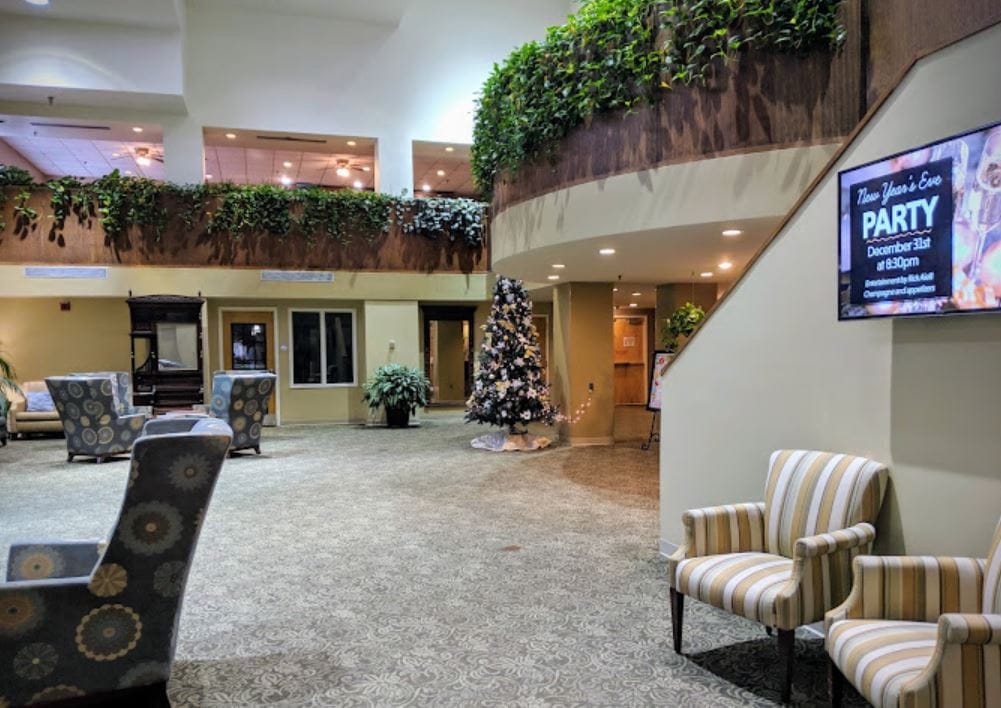
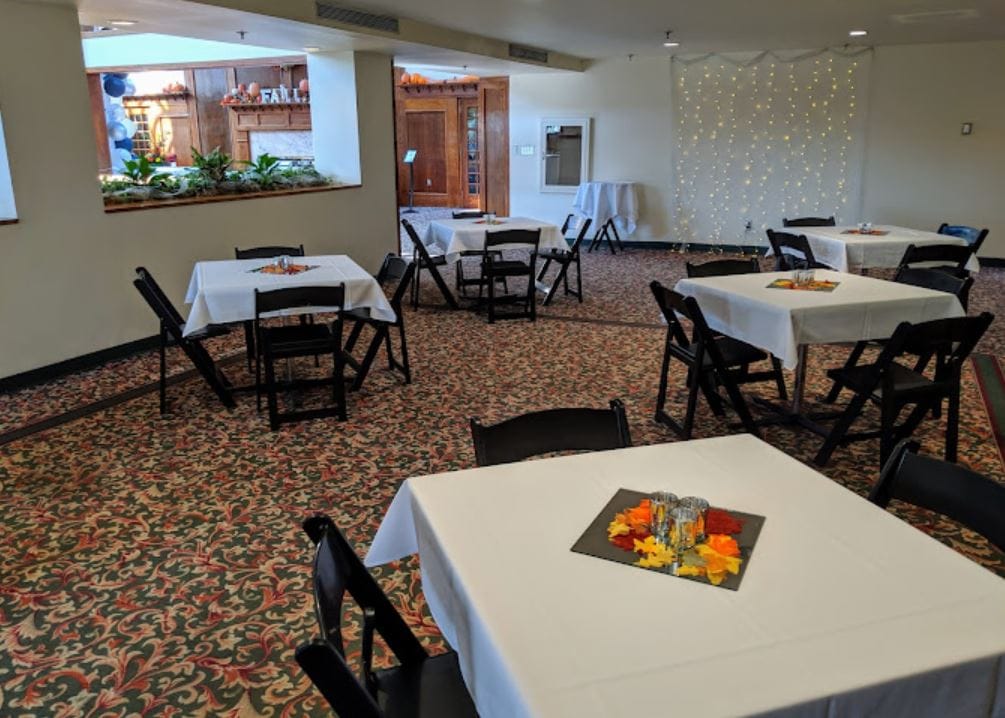
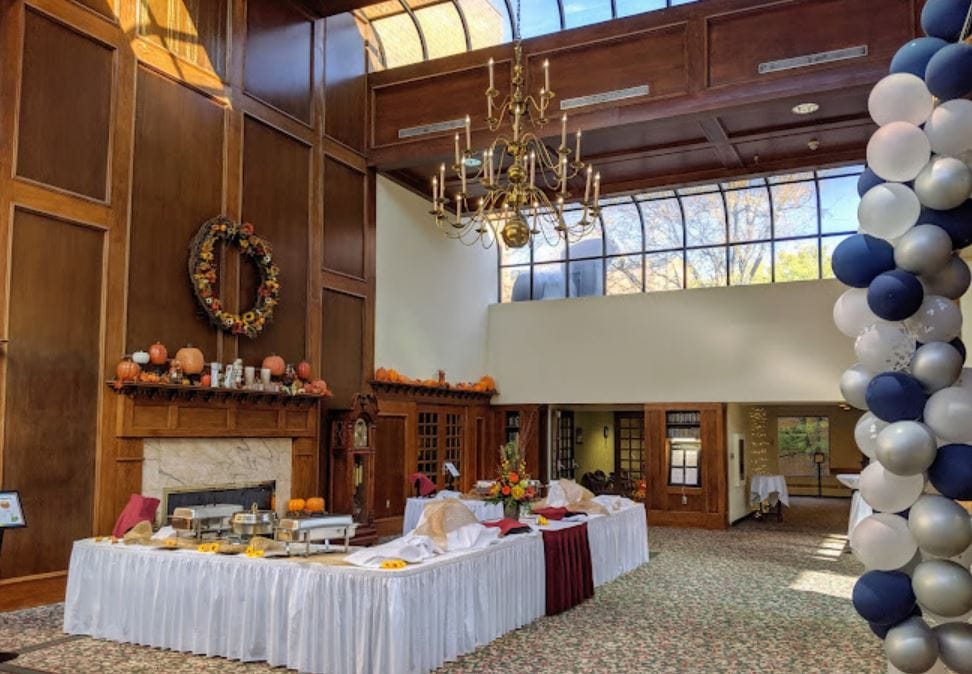
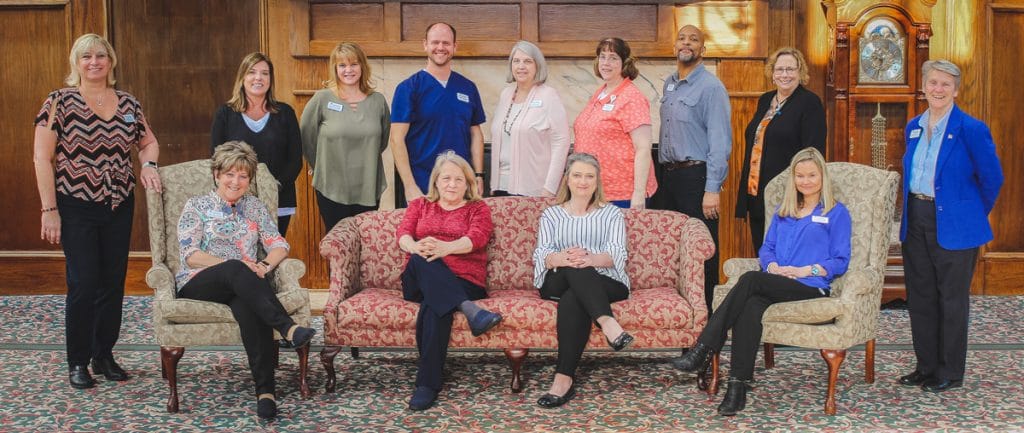


Covering independent living, assisted living, memory care, respite care, skilled nursing, nursing home care, palliative care, and hospice care, Cottingham Retirement Community operates in Cincinnati, OH. It has 128 beds, and the rooms are private. With that many levels under one name, care can change as a resident’s needs grow, while the community around them doesn’t.
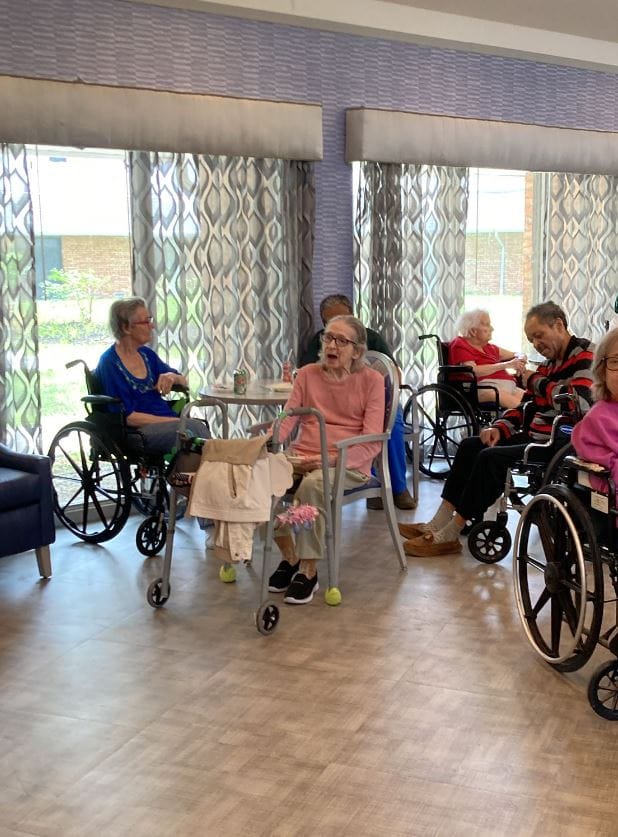
Independent living is for someone who lives privately and doesn’t need daily care. Assisted living covers the person who needs a hand to bathe, get dressed, or stay on top of medication. For dementia or the danger of wandering, memory care adds supervision and secured surroundings.
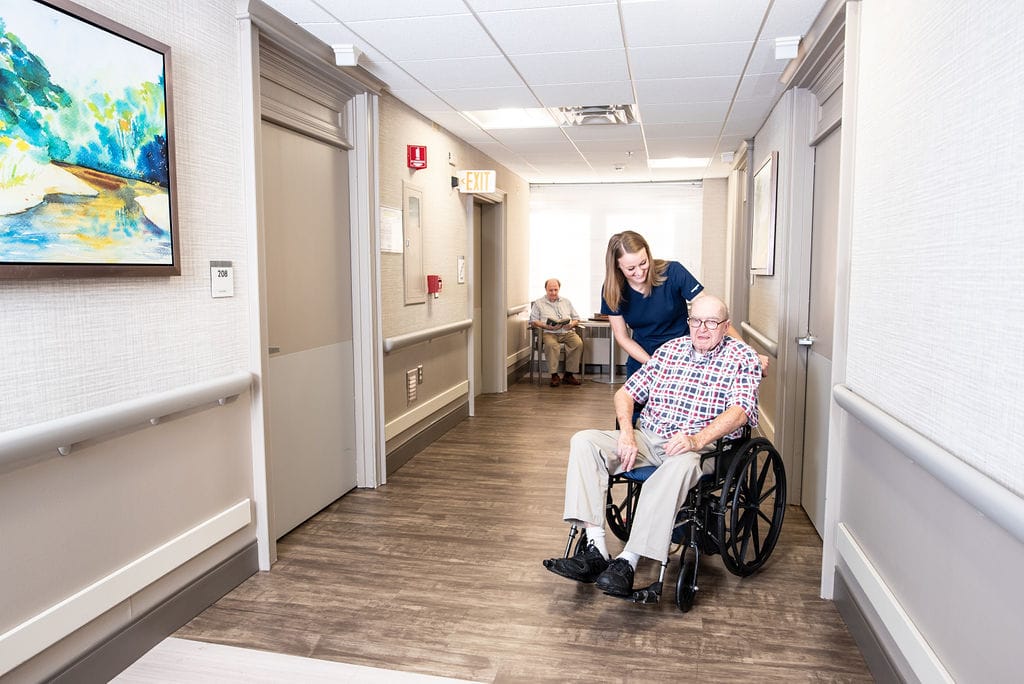
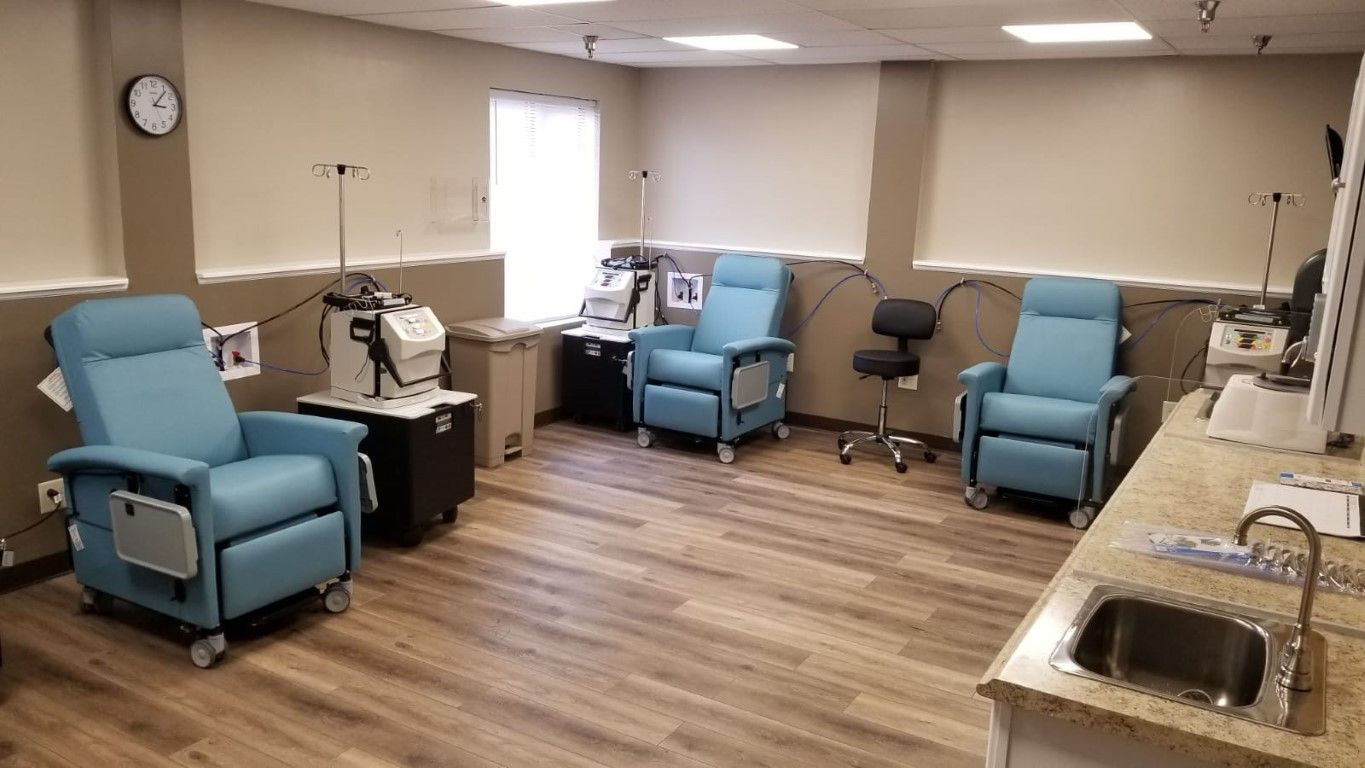
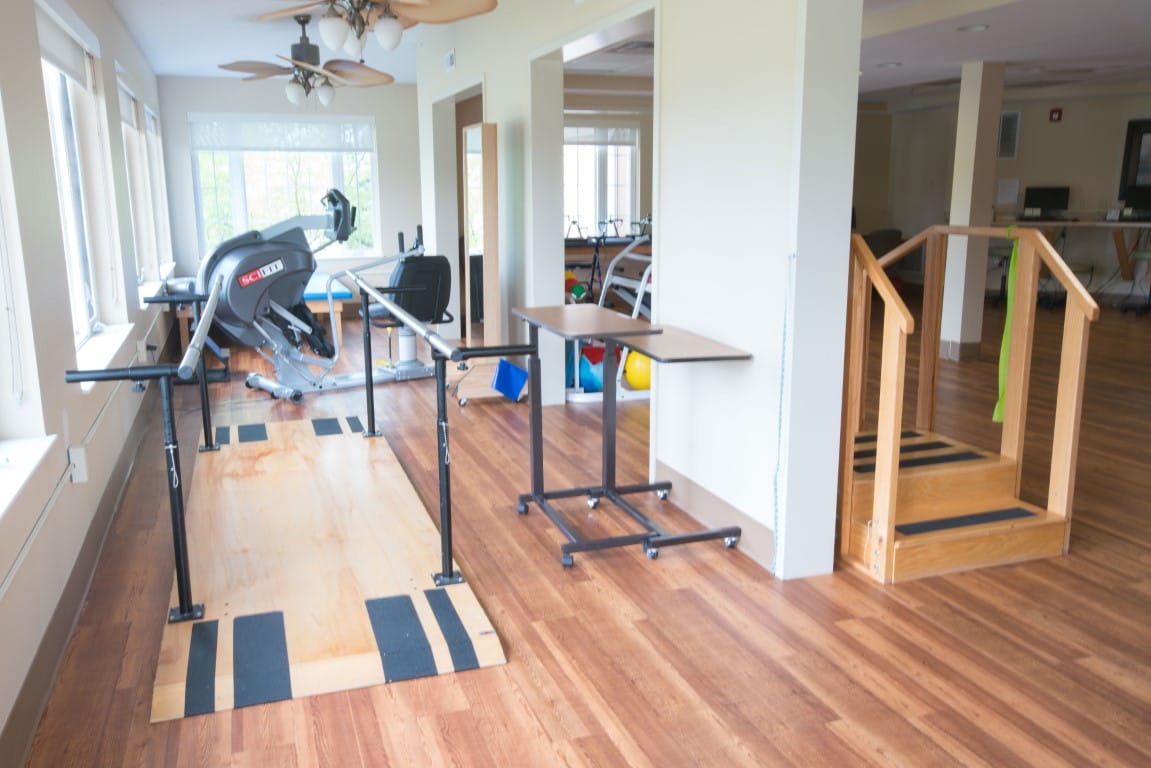
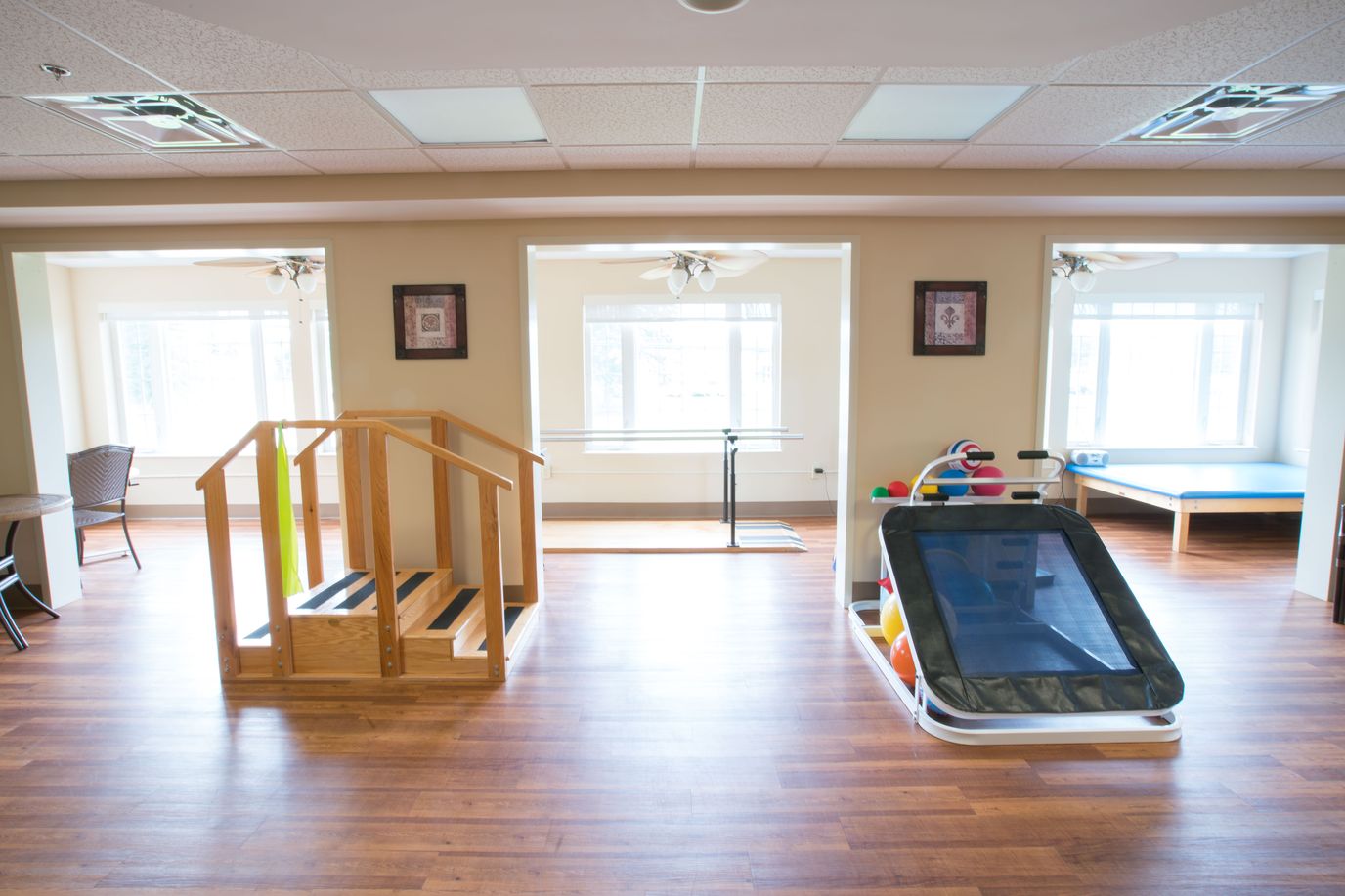
Nursing home care and skilled nursing keep licensed nurses on duty at all hours. Rehabilitation Services also appear, aimed at recovery after illness or injury.
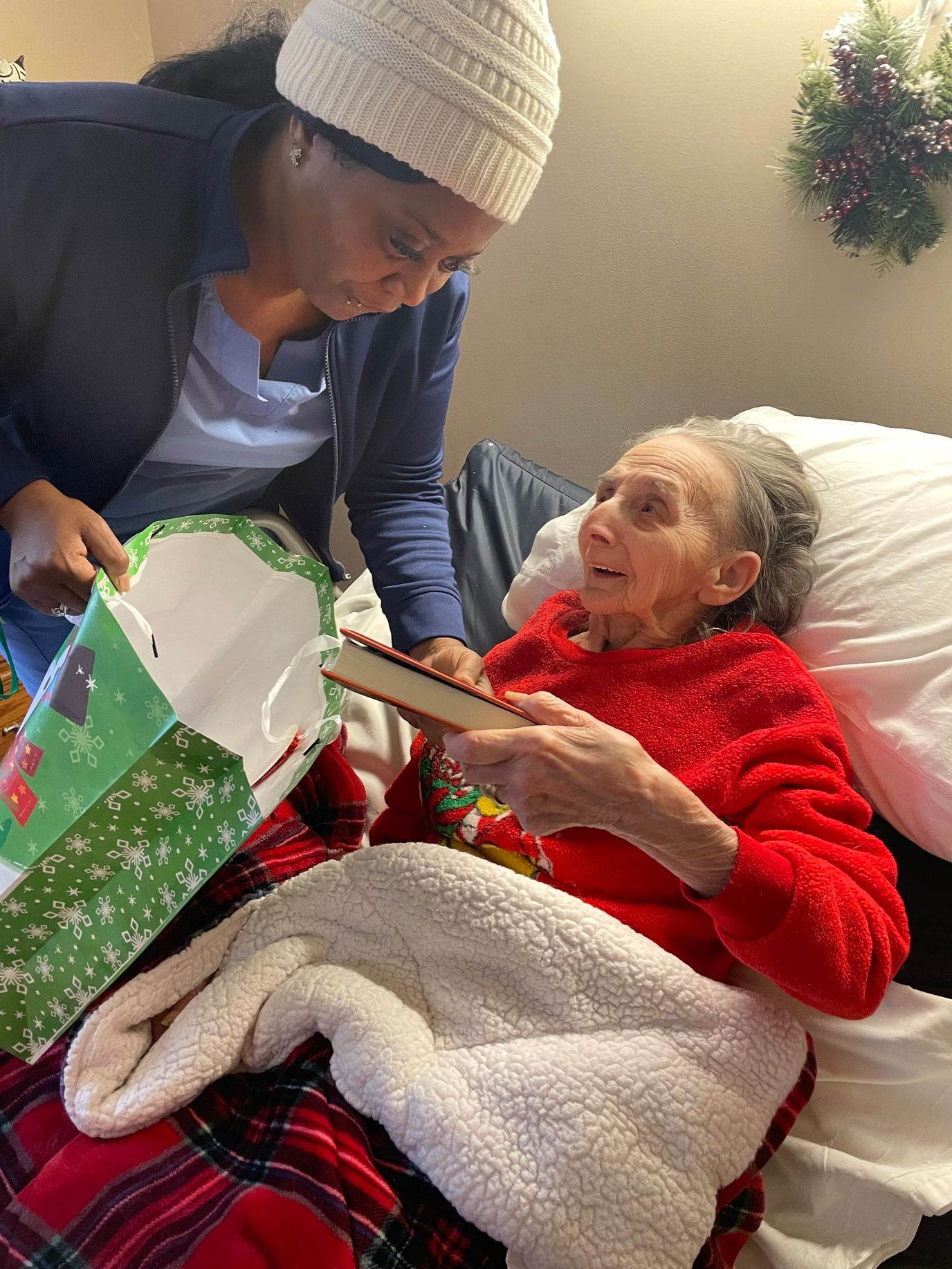
Hospice care keeps a person comfortable as death comes near. Palliative care works on symptoms and comfort for someone seriously ill whose treatment is still underway. Respite fills a brief gap, letting the regular caregiver travel or recuperate.
Sharonville, where the community stands, has a Walk Score of 53. That’s somewhat walkable, and someone who has stopped driving can manage a few destinations on foot.
Private money, Medicare, and Medicaid all work as payment here. The daily nursing figure per resident is 2 hours and 42 minutes, and the executive director is Shelley Owens.