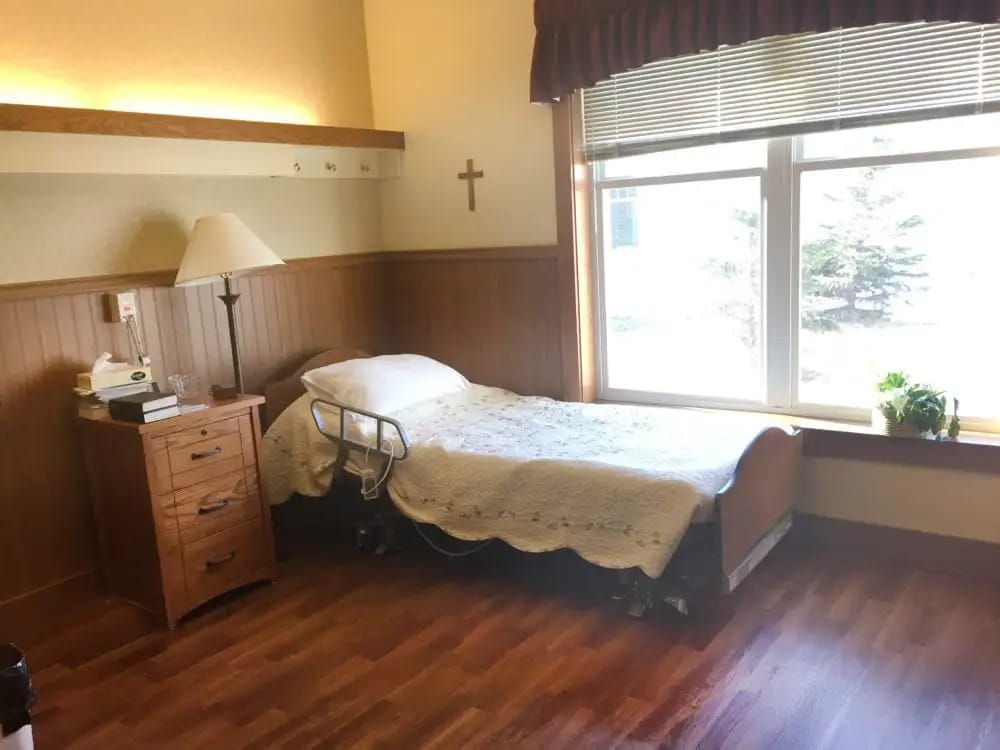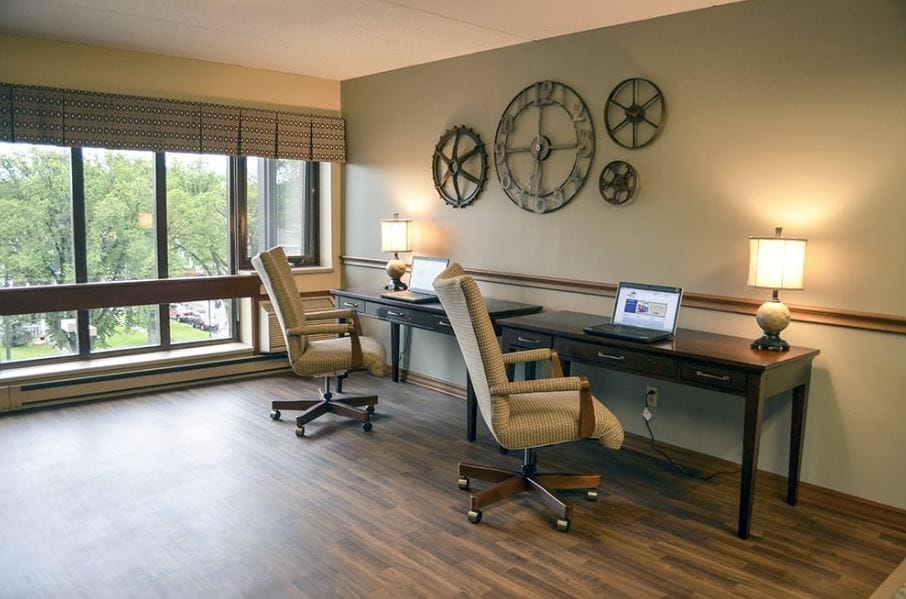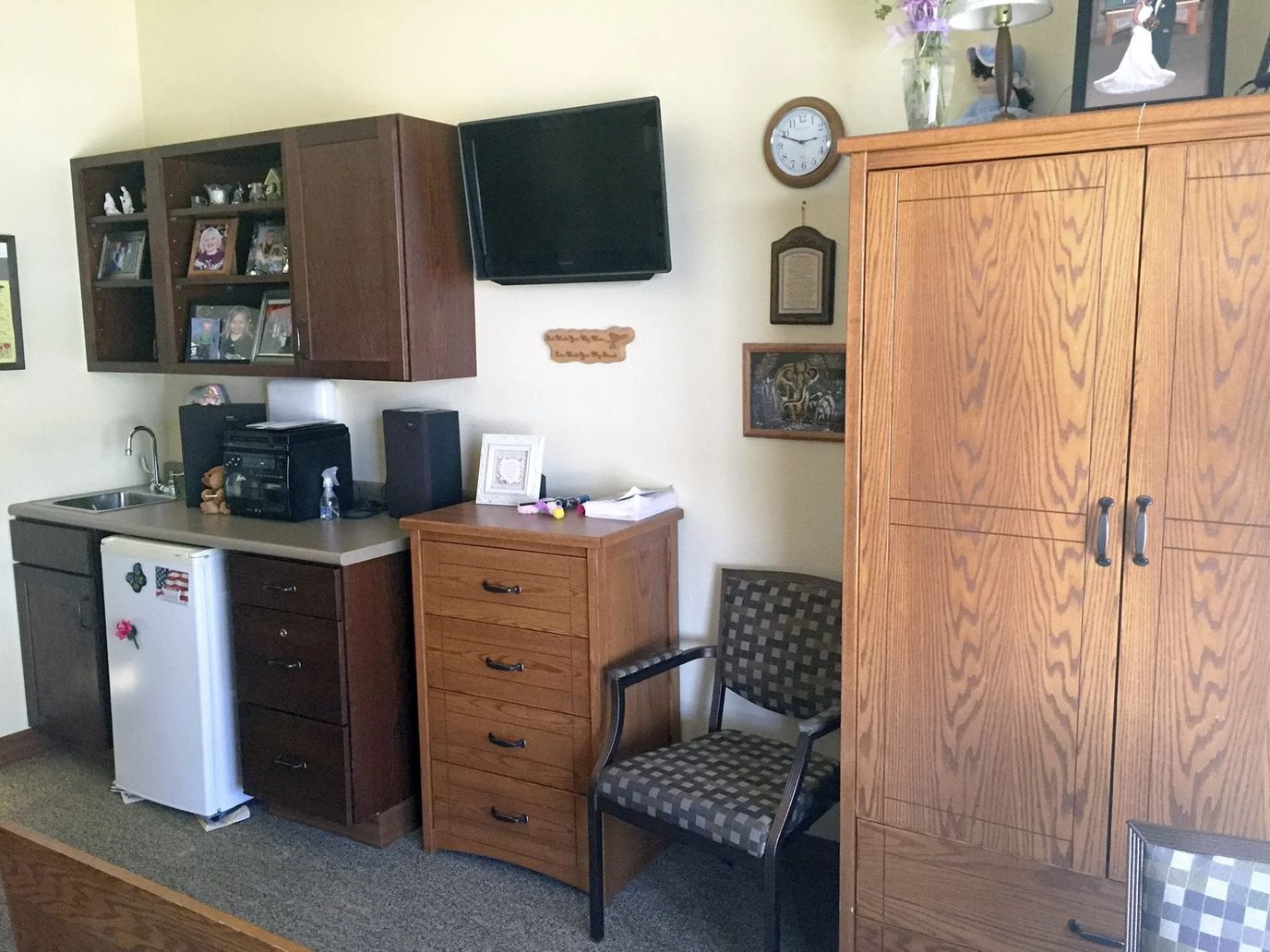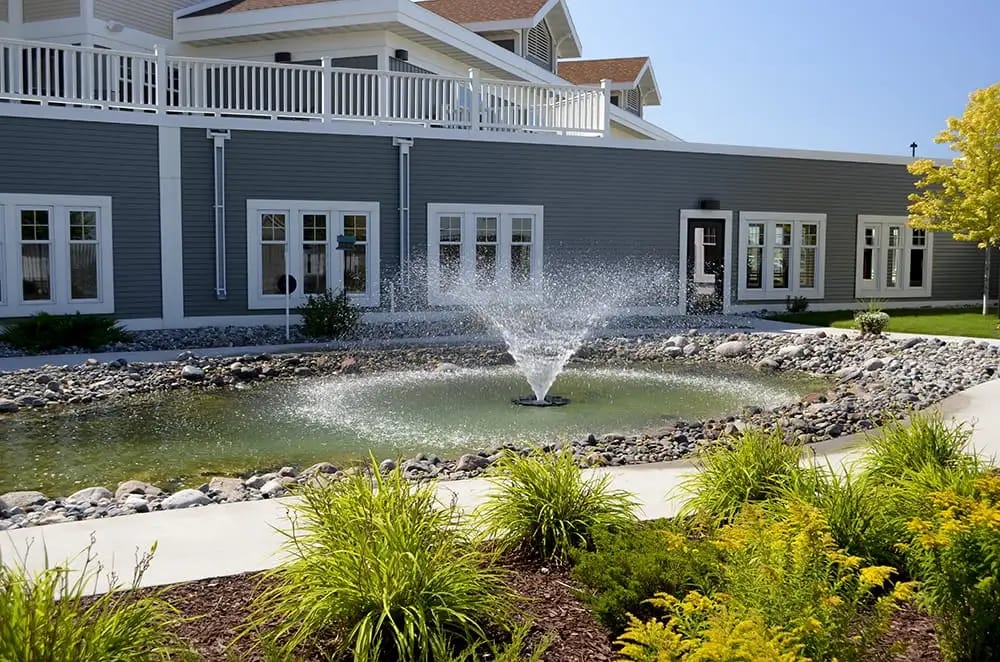
We arrange tours, appointments, and even moving support so you don’t have to
2
Ranked on Data, Not Dollars
We rank communities on objective measures like inspection records, quality scores, and care data, so you can find trusted options without the guesswork.
3
Personalized Guidance
From lifestyle matching to help with insurance and financial assistance, we make sure the community is the right fit
Explore Open Rooms
1Contact details
2What type of senior care service are you looking for?
3What budget do you have in mind for senior care?
4How soon do you need to find care?
5Additional details
Thank you for your interest!
A member of our team will be in touch by phone or email shortly to help with next steps.
Why trust this guide?
Our editorial team analyzed 25 nursing homes in ND using CMS data, inspection records, complaints, amenities, and facility-level details. How we rank nursing homes in ND
Info below is compiled from CMS reports & the ND Dept. of Health & Human Services (NDHHS), senior community websites & trusted data sources such as Walk Score & BBB.
Communities are listed from highest-ranked to lowest-ranked based on our methodology.
The facility name. Click to view the full profile page on Assisted Living Magazine, including photos, services, and contact info.
CMS (Centers for Medicare & Medicaid Services, the federal agency that regulates nursing homes) Overall 5-star rating — a composite of Health Inspection, Staffing, and Quality Measures scores. 5 stars = top 10% nationally. 1 star = bottom 10%. The single most important number to start with when comparing facilities.
Care Types in This TableAL (Assisted Living):
Housing with help for daily activities like bathing, dressing, and medication, without 24-hour skilled nursing.
NH (Nursing Home):
24/7 skilled nursing care for residents with complex, ongoing medical needs.
SNF (Skilled Nursing Facility):
Round-the-clock nursing care, often for recovery after surgery, injury, or illness.
MC (Memory Care):
Secured, specialized care for people living with Alzheimer's or dementia.
RC (Respite Care):
Short-term temporary care that gives family caregivers a break.
IL (Independent Living):
Community living with dining, activities, and transportation for active seniors who need little personal care.
HC (Home Care):
Professional care delivered in the person's own home, from companionship to skilled nursing.
HOS (Hospice Care):
Comfort-focused care for those with a terminal illness, prioritizing quality of life over treatment.
ADC (Adult Day Care):
Daytime supervision, health monitoring, and social activities for seniors who live at home.
PC (Palliative Care):
Comfort-focused care for serious illness at any stage, including alongside curative treatment.
Neighborhood or city area where the facility is located. Proximity to family, hospitals, and green space matters for both quality of life and ease of visitation. Consider drive time and transit access when evaluating location.
Licensed bed capacity. Larger facilities (300+ beds) often have more specialized programs but can feel institutional. Smaller homes (under 150 beds) tend to deliver more personalized care. Compare with Avg Res/Day to understand how full the facility typically runs.
A 0–100 score of a facility's regulatory inspection record, shown as a letter and compared with other facilities of the same kind in the same state. This is a proprietary Assisted Living Magazine grade. It is not a government rating. A dash means we have no inspection data for that facility.
Percentage of licensed beds filled on an average day. Color indicates financial health: green (90%+) = operationally strong, typically profitable. Amber (80–89%) = stable but leaving revenue on the table. Orange (70–79%) = financial strain likely, may struggle with fixed costs. Red (
This facility's occupancy rate compared to the statewide average for similar facilities. A positive number means above-average demand. Facilities running 5%+ above the state average are typically the most sought-after in their market — a strong proxy for reputation.
CMS-adjusted total nurse hours per resident per day (RN + LPN + CNA combined). The national average is approximately 3.5 hrs. Higher is better — more direct care time per resident. Below 3.0 is a red flag. CMS weights RN hours more heavily because RNs handle complex clinical decisions that CNAs cannot.
CMS Health Inspection star rating (1–5 stars), based on the 3 most recent annual state surveys plus any complaint investigations. This is the hardest rating to manipulate — it reflects real surveyor findings on-site. 5 stars = fewest deficiencies found. 1 star = most. It carries the heaviest weight in the Overall CMS rating.
CMS Staffing star rating (1–5 stars), based on daily nurse staffing hours submitted to CMS via verified payroll data. Compares RN, LPN, and CNA coverage relative to resident acuity level. 5 stars = well above expected staffing. Weekend staffing is evaluated separately, as that's where many facilities quietly reduce coverage.
CMS Quality Measures star rating (1–5 stars), based on 15 clinical outcome metrics including fall rates, pressure ulcers, antipsychotic drug use, and hospital readmissions. Captures actual resident health outcomes, not just compliance. High QM combined with low Health Inspection scores can indicate a facility with strong care but weak documentation practices.
Registered Nurse hours per resident/day compared to the statewide average. RNs are the highest-skilled nursing staff — they assess residents, manage medications, and respond to emergencies. A value of +50% means RN coverage is 50% above the state norm. Negative values are a concern for residents with complex or acute medical needs.
Total nursing staff hours (RN + LPN + CNA combined) per resident/day vs. the statewide average. A broader measure than RN vs State — it captures the entire care team. A facility can have high total staffing but low RN hours, meaning more aides and fewer nurses. Read both columns together for the full picture.
Total dollar amount of federal monetary fines (civil money penalties) issued by CMS in the past 3 years. Fines are only levied for serious violations — typically actual harm to residents, repeated uncorrected deficiencies, or systemic non-compliance. Even a single fine is noteworthy. Multiple fines strongly suggest a pattern, not isolated incidents.
Total health deficiency citations from the most recent standard inspection cycle. Minor citations (scope A–C) are common and often administrative in nature. Higher counts aren't always disqualifying, but should be read alongside Severe Citations to understand actual harm levels. Under 10 is strong for a large facility; 30+ warrants a closer look.
Average deficiency citations per CMS inspection (survey) in the reporting window — total citations divided by the number of inspections. Lower is better; compare alongside total Citations and Severe Citations for context.
Citations at CMS scope/severity level G or higher — G–I means actual harm occurred; J–L means residents were placed in immediate jeopardy. (D–F is potential for harm only). Examples include unaddressed falls, medication errors causing injury, neglect, or abuse.
Average number of residents in the building on any given day, derived from annual census data. Reflects true operating scale — a 400-bed facility running 200 residents/day operates very differently from one at 390. Higher resident counts generally mean more funded staffing hours.
Better Business Bureau rating (A+ to F). Reflects complaint history, business transparency, and how family disputes were resolved. A+ means no significant unresolved complaints. A blank (—) means the facility isn't BBB-accredited, which is common for healthcare providers and not necessarily a negative signal.
Walk Score® (0–100). Measures walkability of the surrounding area. 90–100 = Walker's Paradise. 70–89 = Very Walkable. 50–69 = Somewhat Walkable. Below 50 = Car-Dependent. Higher scores benefit family visitors, resident outings, and staff commuting.
The licensed owner or operator of record filed with CMS — the individual or organization legally accountable for the facility. Searching the operator name across other facilities can reveal chain or multi-site ownership, which matters: chain-operated homes tend to have more variable quality outcomes than independently run facilities.
What the home actually collects for resident care, after contractual allowances, bad debt and discounts — not gross billings. Taken from the latest complete annual cost report, so it is comparable across homes reporting the same period. Revenue alone doesn't indicate care quality, but it funds staffing and capital reinvestment. Pair with Payroll %. Figures are from each facility's most recent complete fiscal year — hover a value for the exact year; a * marks homes that report an older period than most facilities.
Staff salaries plus wage-related benefits from the latest complete annual cost report. Contract and agency labour is counted separately, under other operating costs, so a home leaning on agency staff can show a low figure here. Payroll is the cost most directly tied to care quality — compare with Payroll % for full context. Figures are from each facility's most recent complete fiscal year — hover a value for the exact year; a * marks homes that report an older period than most facilities.
Payroll as a share of NET PATIENT REVENUE (not gross revenue). Both figures come from the same cost-report year. A higher figure means more of each revenue dollar goes to staff pay. Read with the Staffing star rating to judge whether spend translates into coverage — and note that homes whose patient revenue covers only part of their operation can read implausibly high. The North Dakota average is: 61.6% Figures are from each facility's most recent complete fiscal year — hover a value for the exact year; a * marks homes that report an older period than most facilities.
CMS Certification Number: the unique federal identifier for this skilled nursing provider.
Rank badges are statewide and care-type specific: each nursing home is ranked against every other ND nursing home we track that reports that metric, not just the 25 on this page. See how we rank facilities
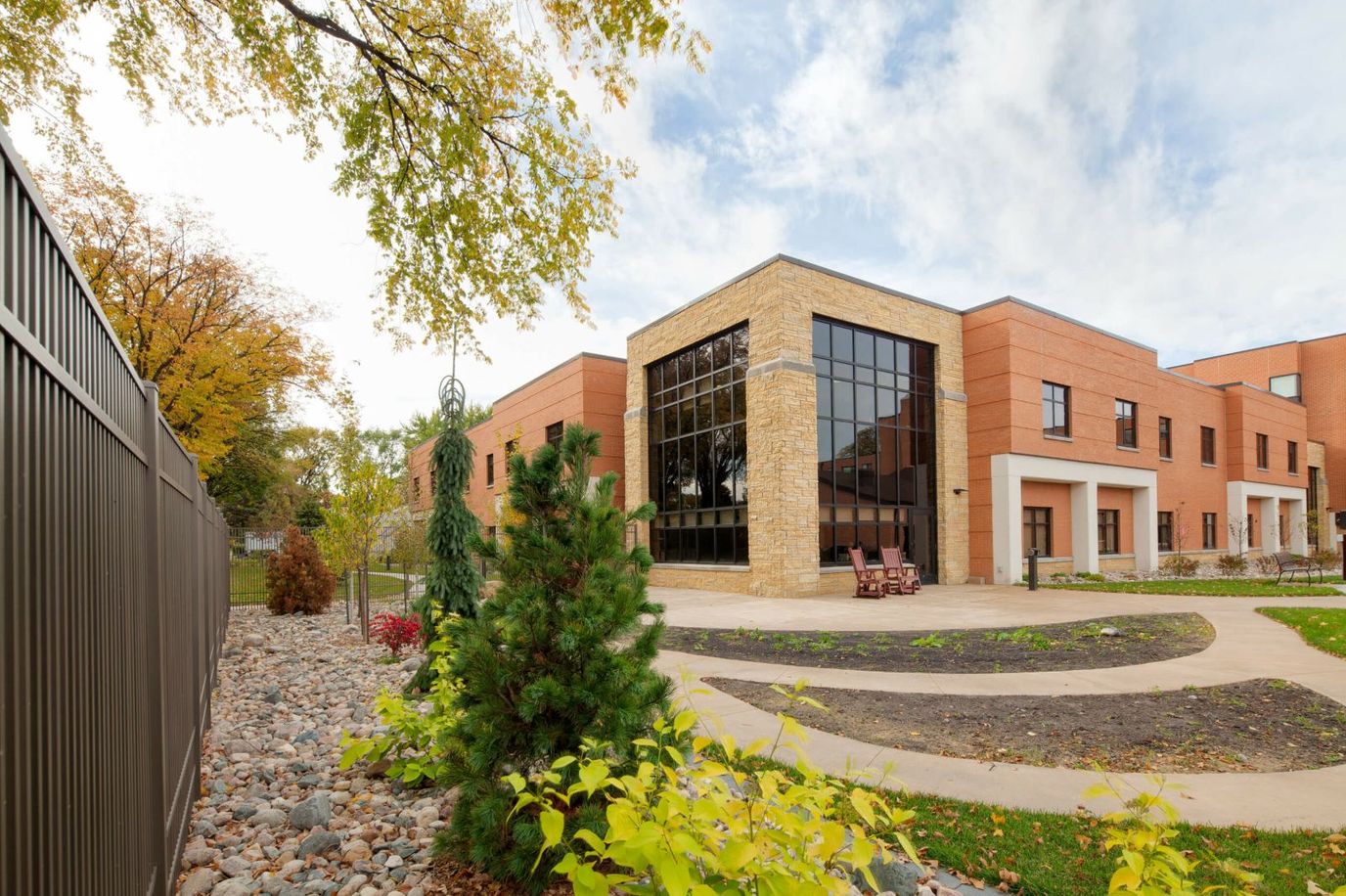
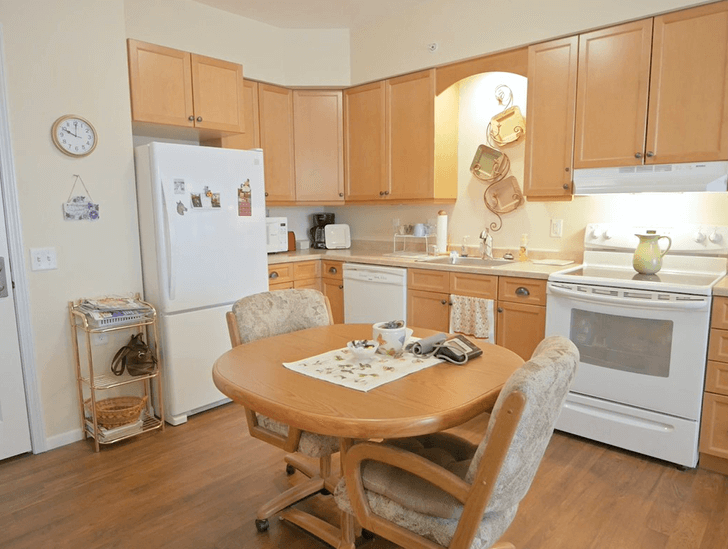
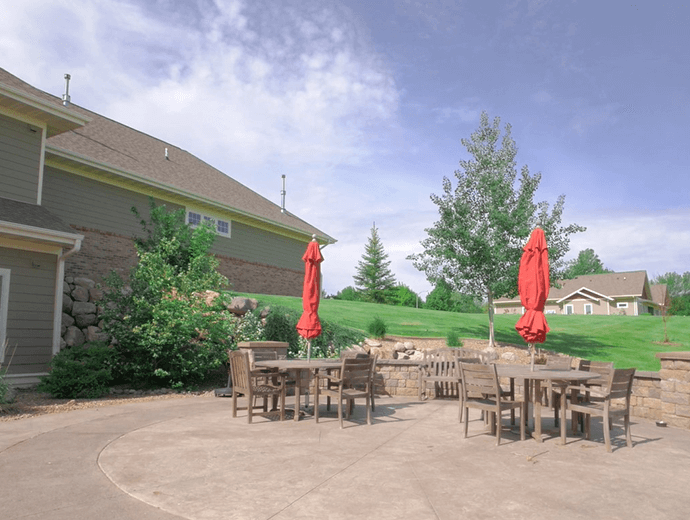
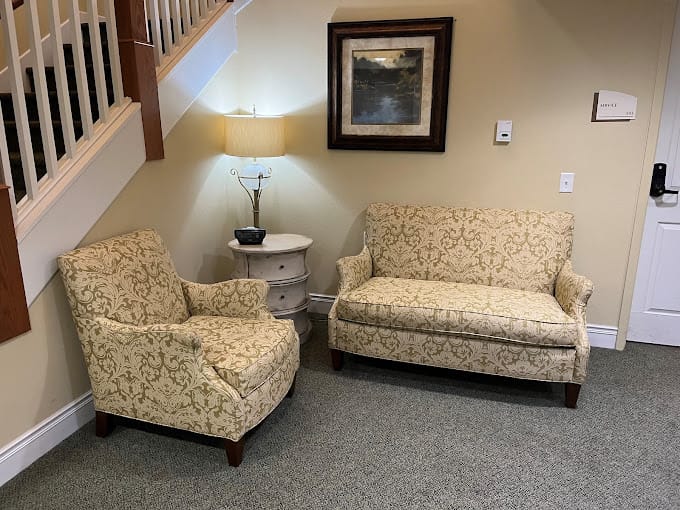
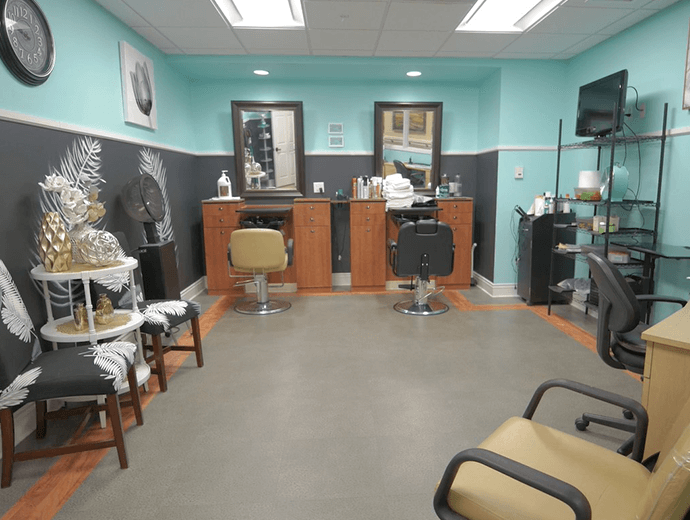
Overview of Good Samaritan Society – Augusta Place
Providing both short-term rehabilitation and long-term skilled nursing care, Good Samaritan Society – Augusta Place is a 48-bed community in Bismarck, North Dakota, owned by Peter Troy. It has served the area for 21 years and accepts Medicare, Medicaid, and private pay, giving families multiple payment options. Residents stay an average of 133 days, reflecting a combination of post-hospital recovery and ongoing nursing care.
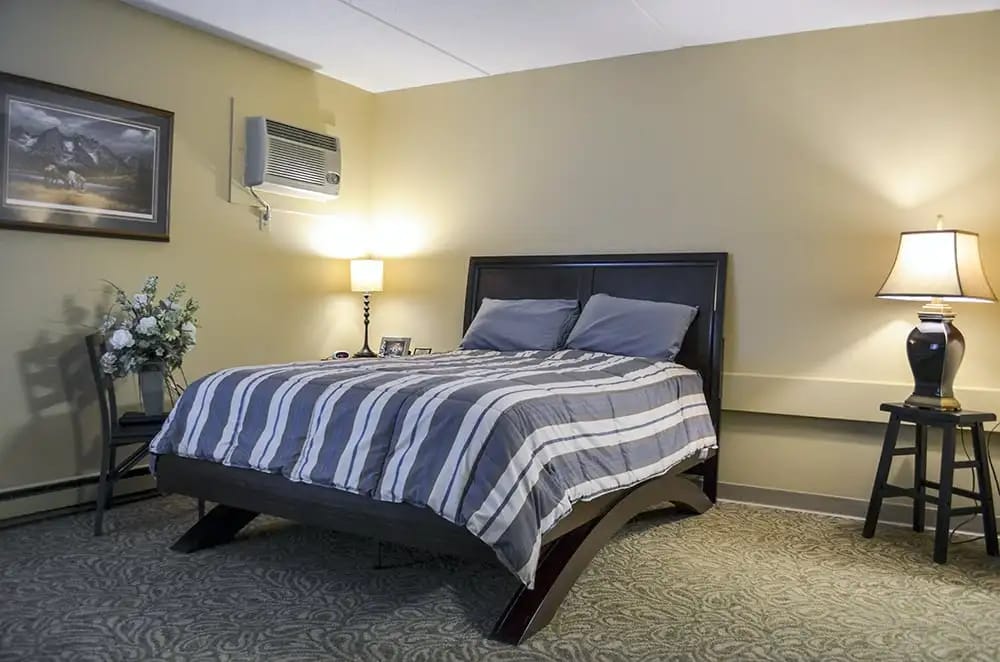
Studio, one-bedroom, and two-bedroom residences offer a variety of living arrangements for older adults. Nursing care averages 4 hours and 43 minutes per resident each day, delivered by registered nurses, licensed practical nurses, and nurse aides. Inpatient and outpatient rehabilitation services further support those recovering from surgery, injury, or hospitalization.
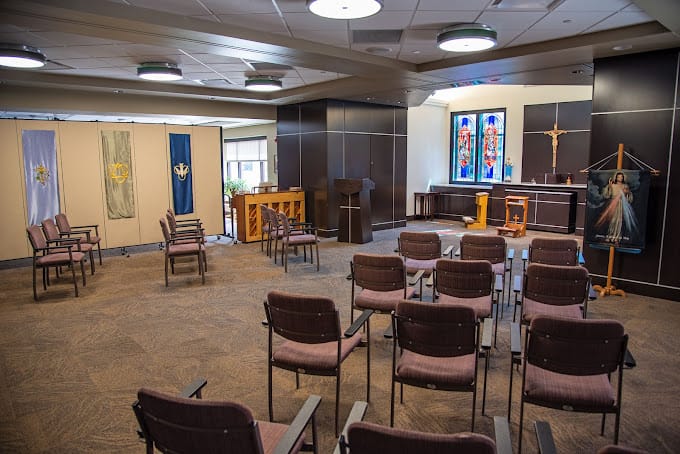
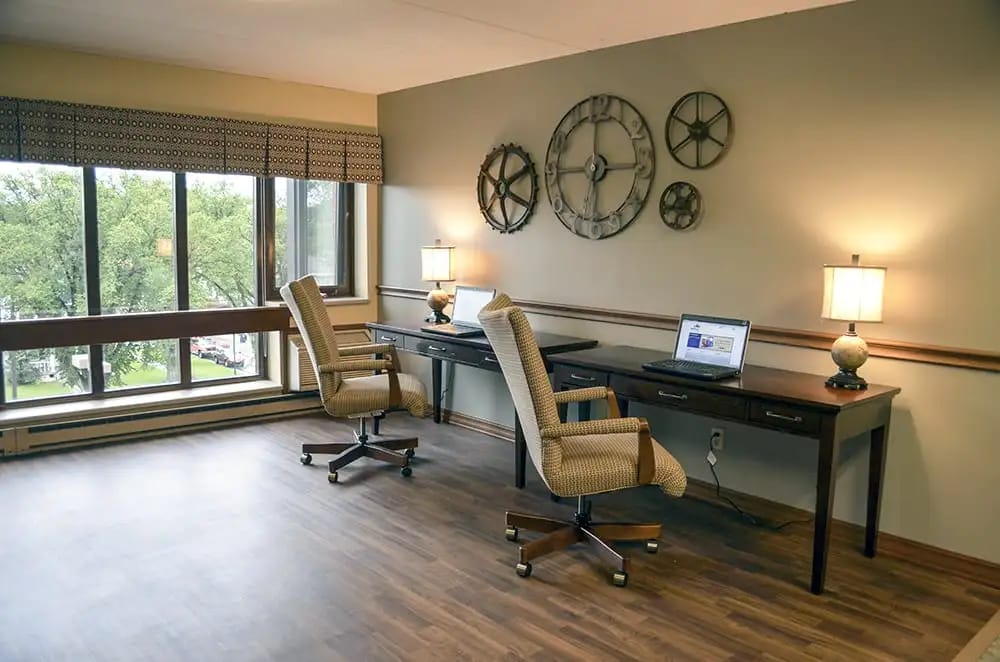
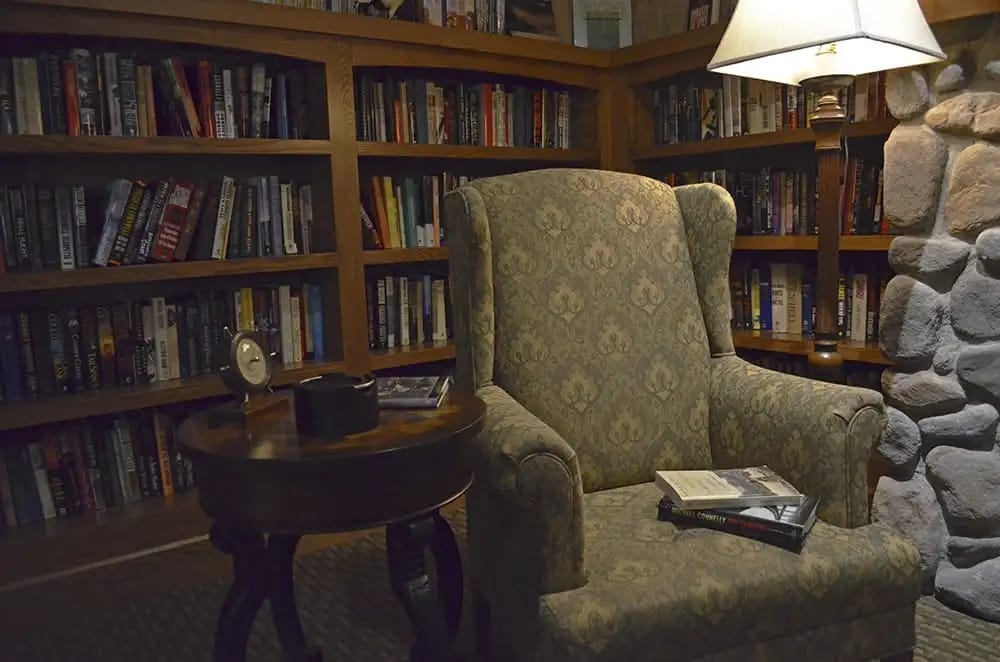
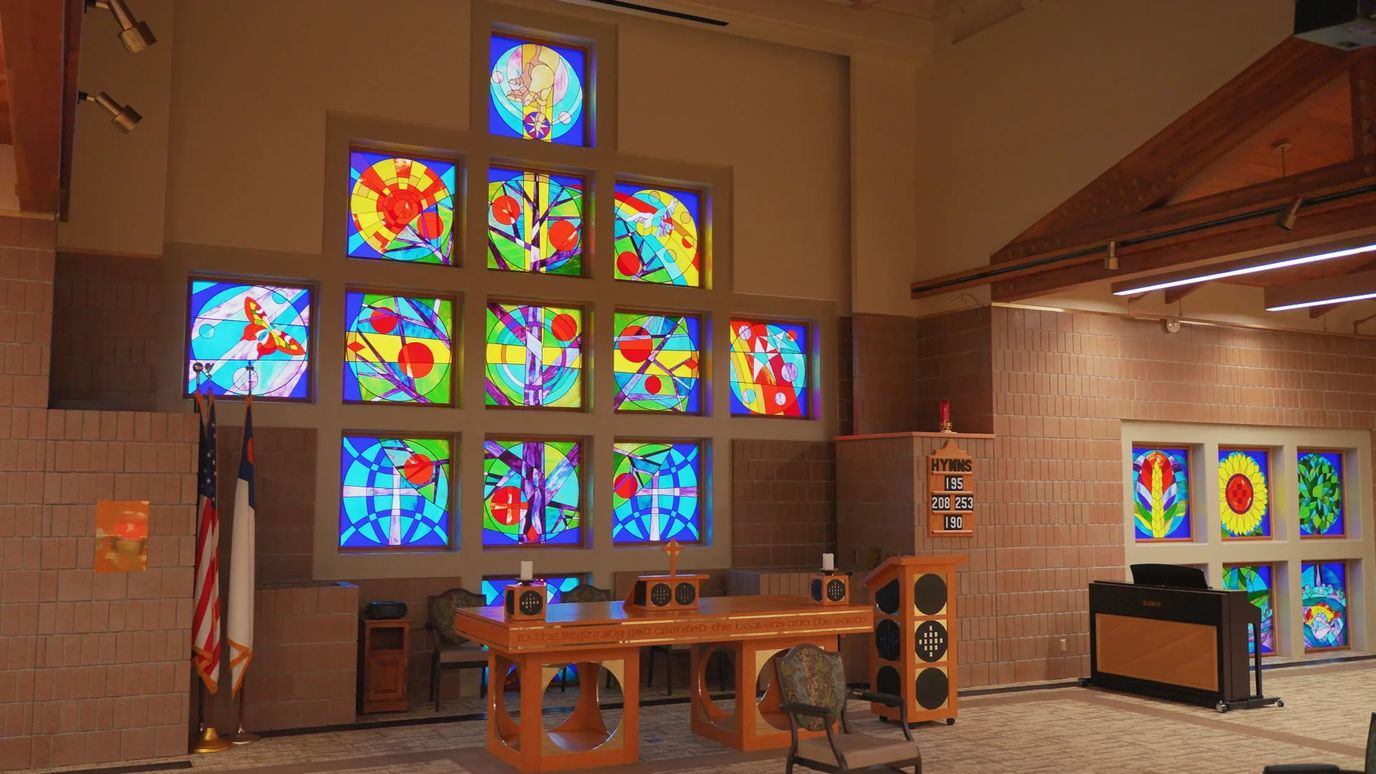
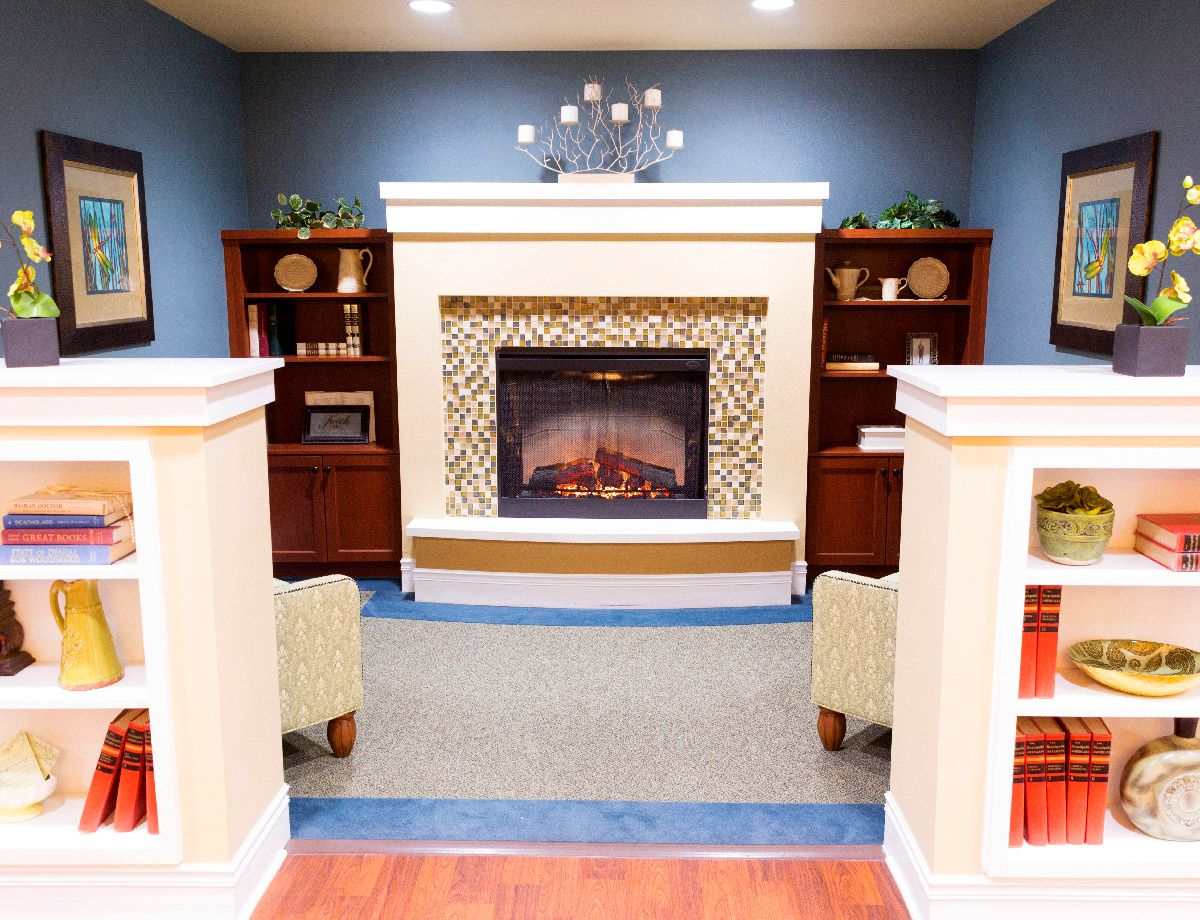
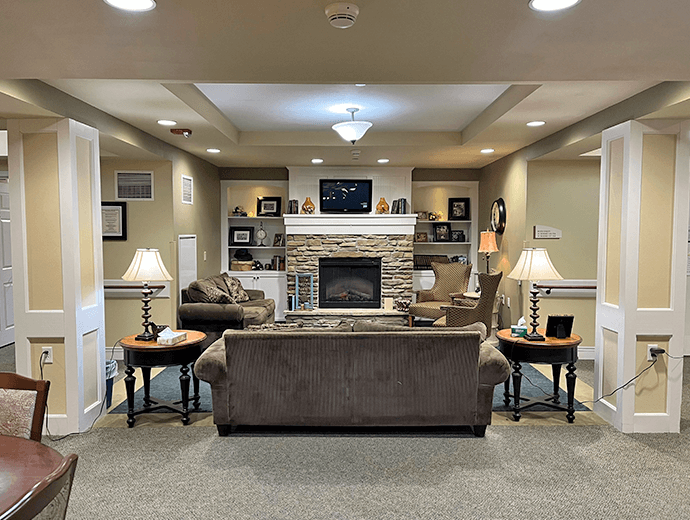
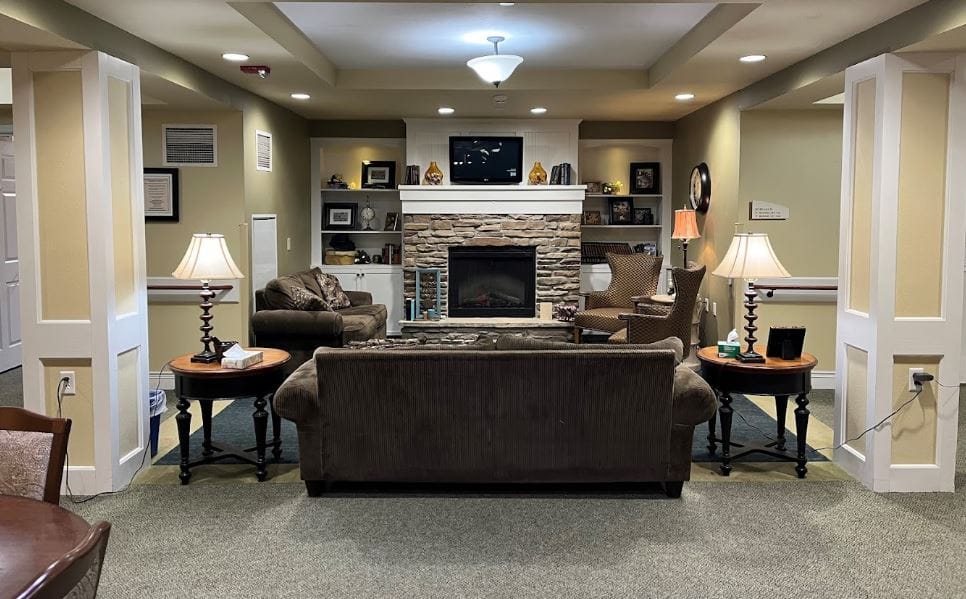
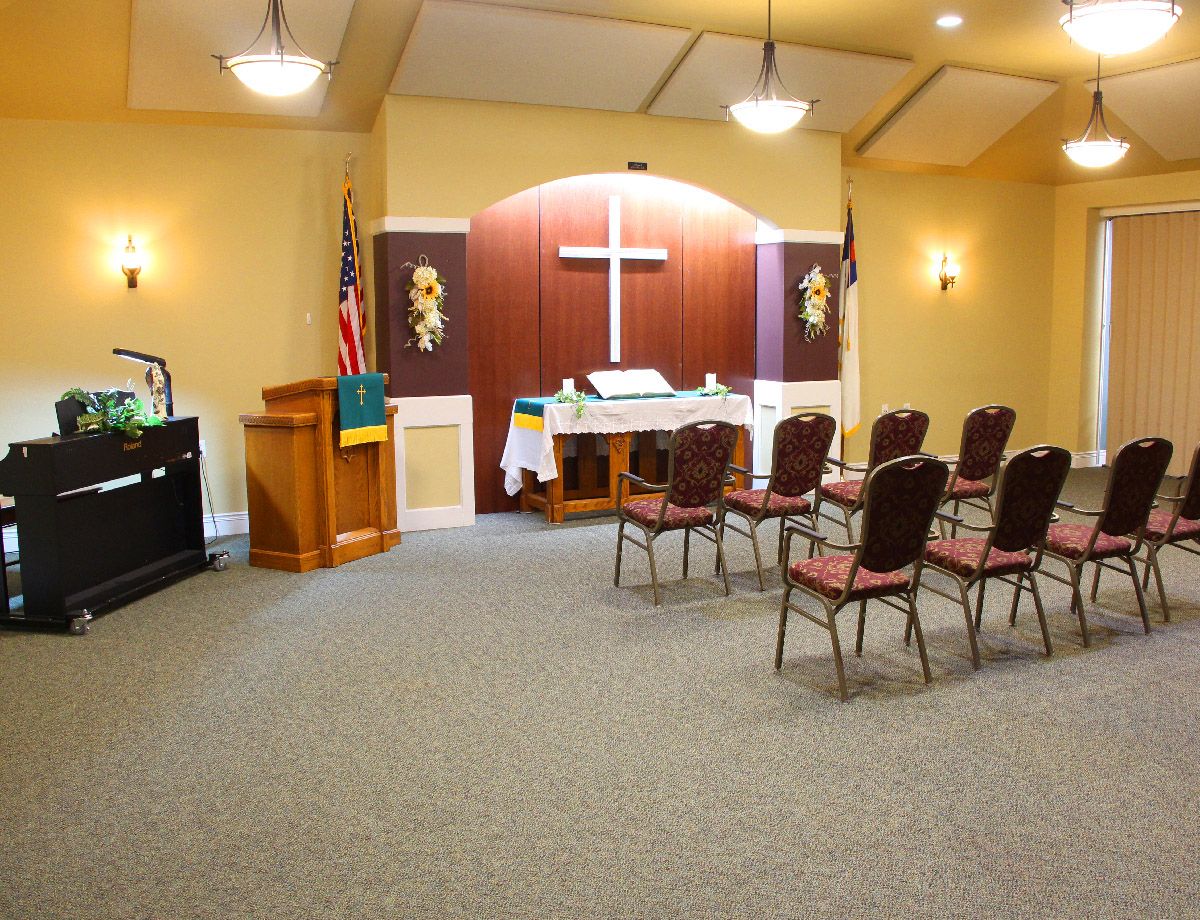
Daily amenities include a wellness center, salon, whirlpool, chapel, library, community room, and dining room, promoting comfort and engagement. Located on Lorrain Drive, the community has a walkability score of 16, so most errands, appointments, and family visits require transportation.
Share This Listing
Price range $175 - $4,434/MonthPricing updated on February 27th, 2026
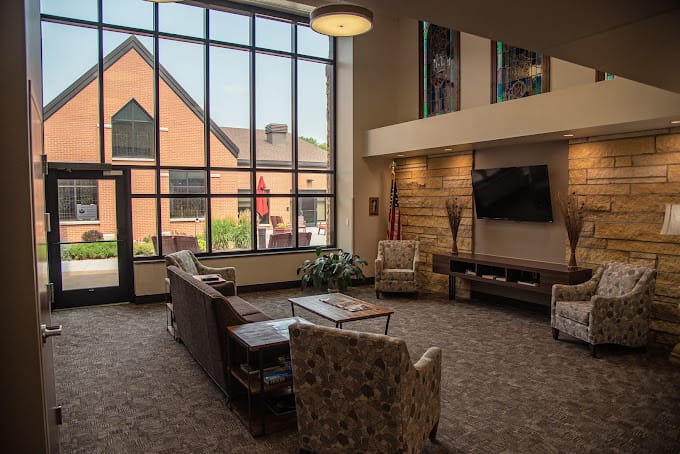
Smp Health, St. Catherine North operates in Fargo, North Dakota, offering skilled nursing, hospice, memory support, palliative programs, and general nursing home care. Memory support operates within a secured environment offering dedicated supervision for individuals prone to wandering. Hospice services center on comfort during end-of-life stages, and palliative programs manage symptoms associated with serious illnesses.
Situated in the Horace Mann neighborhood, the 125-bed facility maintains an occupancy rate of 96 percent. Total recorded nurse staffing averages 5 hours and 59 minutes per resident daily. Payment options include Medicare, Medicaid, and private funds. A walk score of 42 indicates a car-dependent location where residents rely on transportation for routine daily tasks.
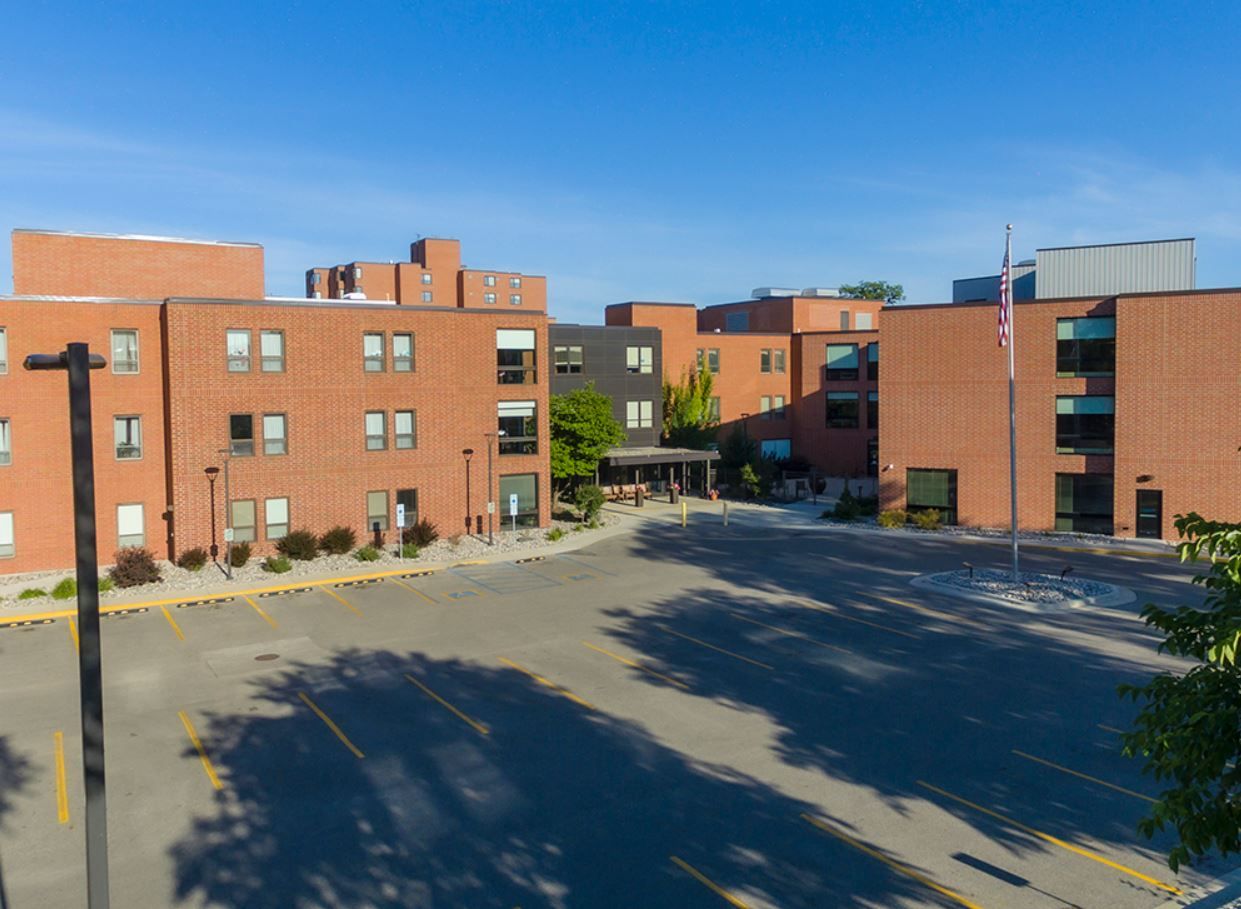
Older adults looking at care options in the Fargo area can explore a care center offering skilled clinical support alongside specialized memory and end-of-life programs.
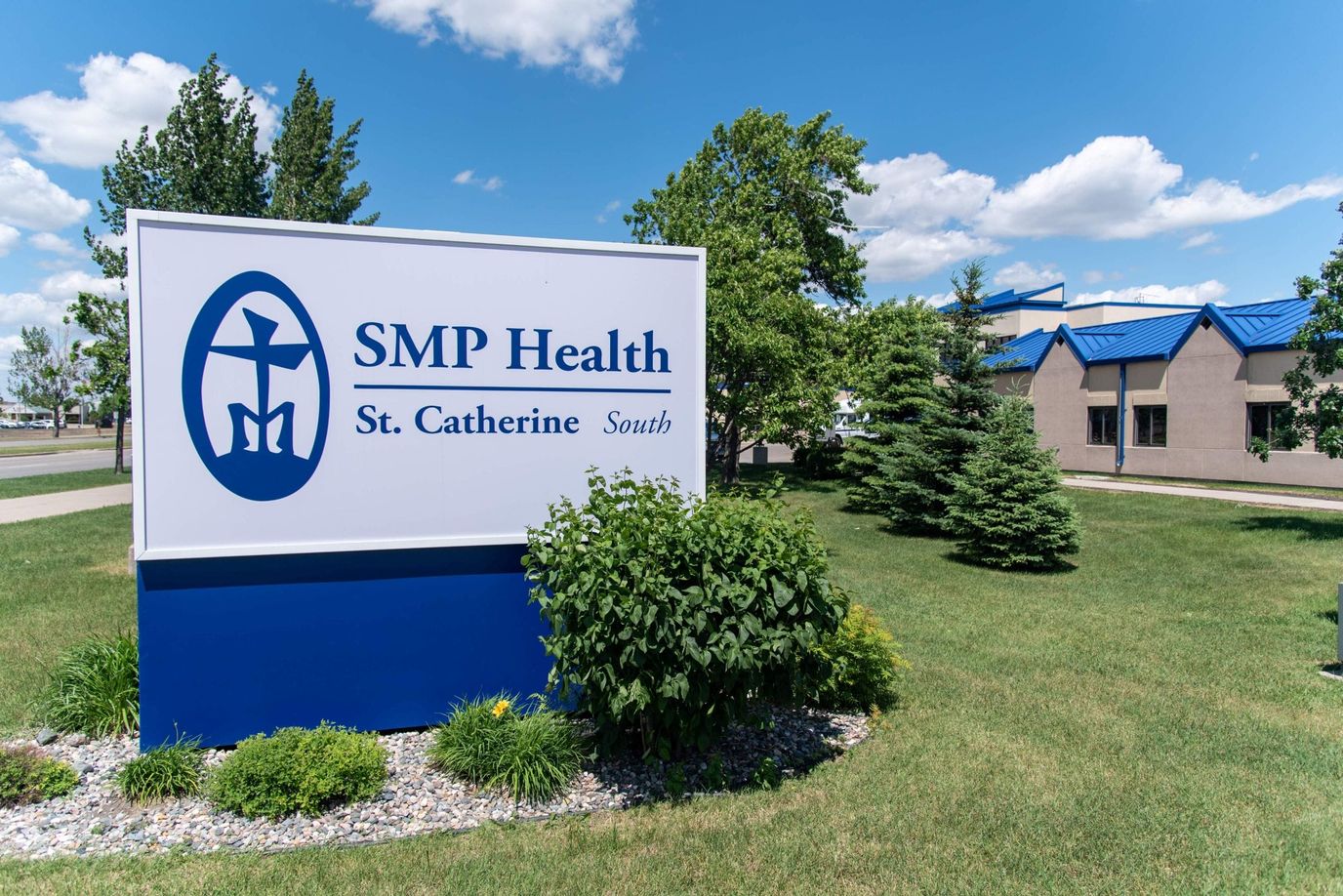
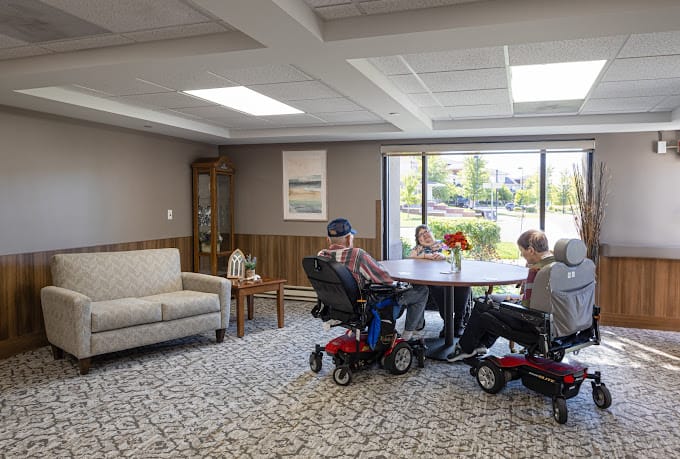
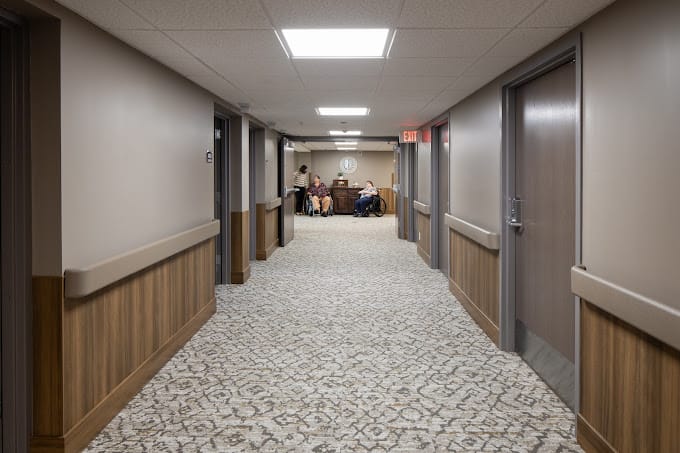
At SMP Health, St. Catherine South in Fargo, ND, nursing home care and skilled nursing come first. The list goes on to hospice care, memory care, and palliative care.
With skilled nursing among them, licensed nursing handles every shift, overnight too. Memory care here operates in a protected, supervised setting. Palliative care mitigates symptoms while treatment continues, and hospice takes over once comfort has become the objective.
That scope lets care shift from nursing to memory care or end-of-life care with no shift in address. The home invoices Medicare and Medicaid and also accepts private payment. Medicare’s share is a restricted run of skilled care once a patient is out of the hospital. Medicaid picks up where savings expire, and otherwise the resident or family pays privately.
Somewhat walkable is Walk Score’s verdict on the area, at 67, leaving a few tasks in reach on foot. Across the home’s 98 beds, the list works out to 5 hours and 22 minutes of nursing per resident per day.
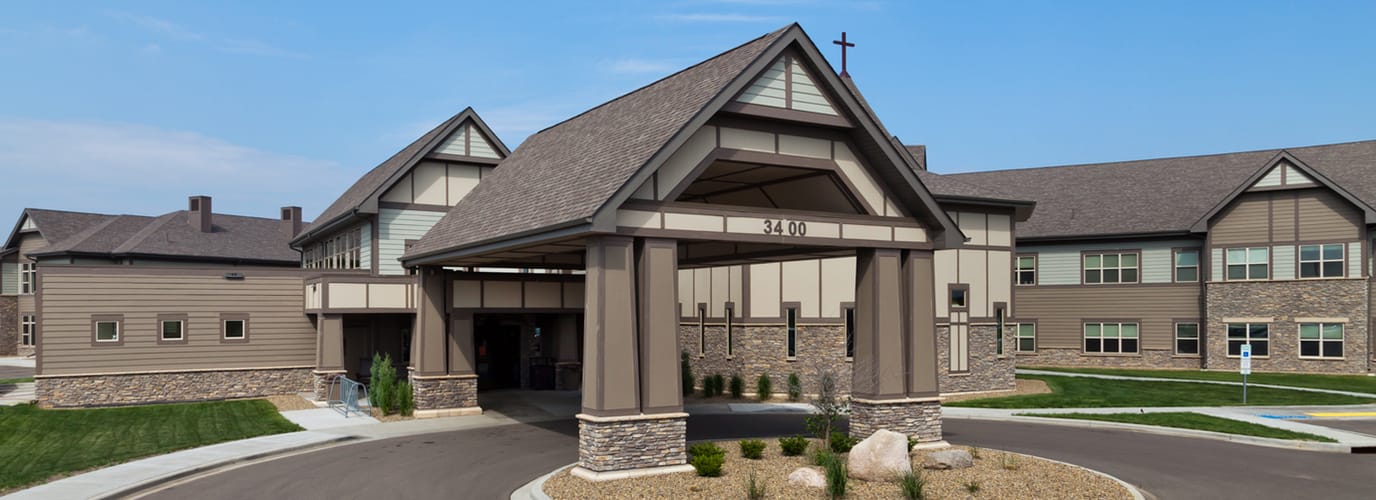
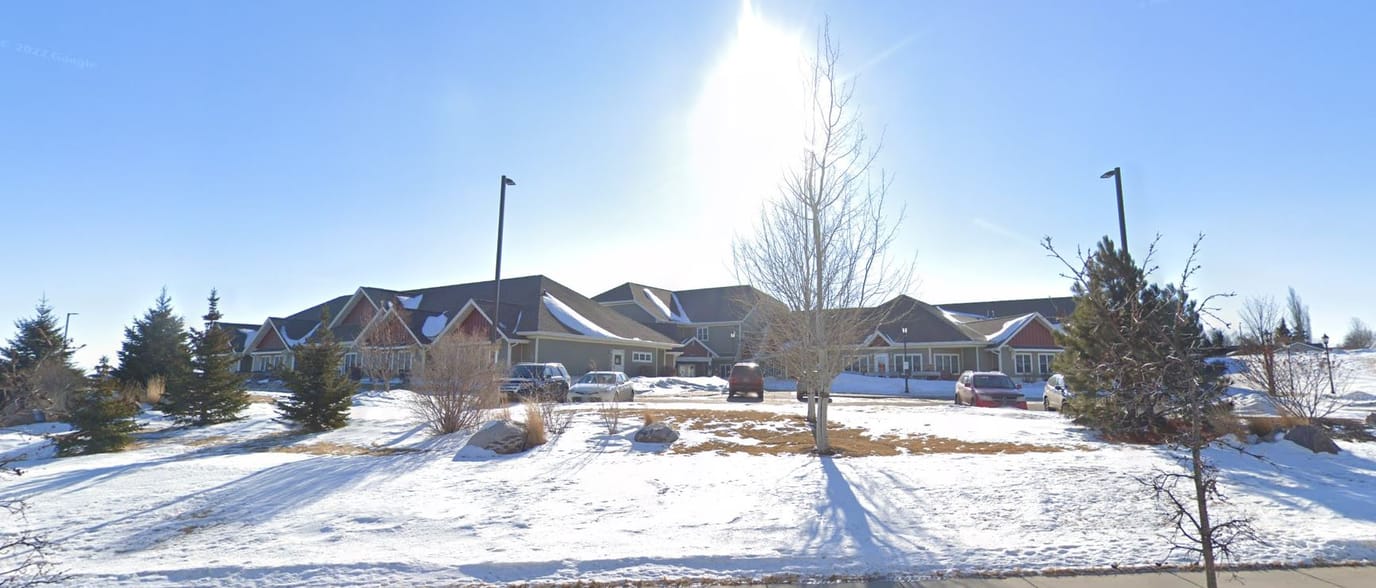
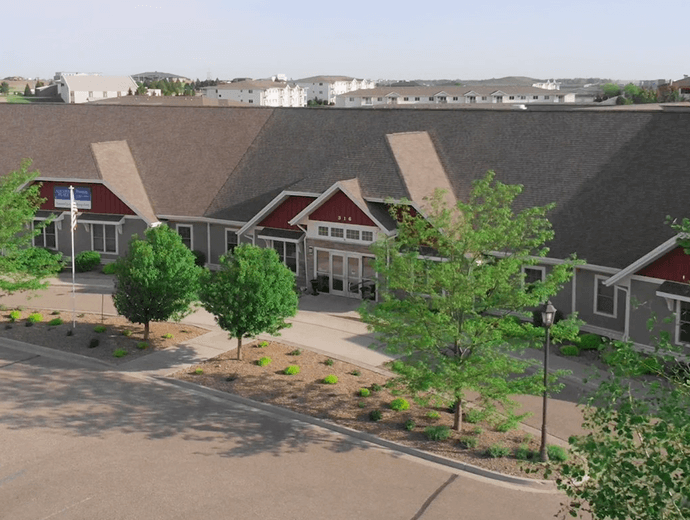
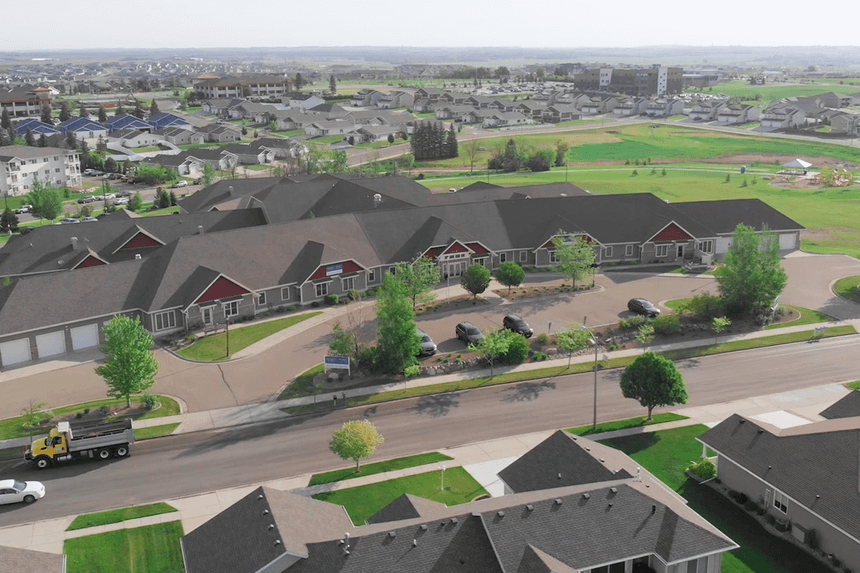
Cassia Services owns Baptist Health & Rehab, a 140-bed nursing home at 3400 Nebraska Dr in Bismarck, North Dakota. Deanna runs it as Administrator. It’s been part of the area for around eight years, offering nursing home care, assisted living, and hospice care under one roof.
Don’t expect to walk anywhere nearby, as the Walk Score sits at 6. That’s just about as car-dependent as it gets.
The numbers point to a facility that’s nearly full and serving a mixed population. Occupancy runs at 97.5%, and the average resident stays 395 days, well over a year, though plenty of residents arrive for shorter Medicare-covered rehab stays before moving on. Nursing staff put in just over 5 hours and 9 minutes of total care per resident each day. Coverage-wise, Medicare, Medicaid, and private pay are all accepted, which opens the door for families regardless of how they’re paying.
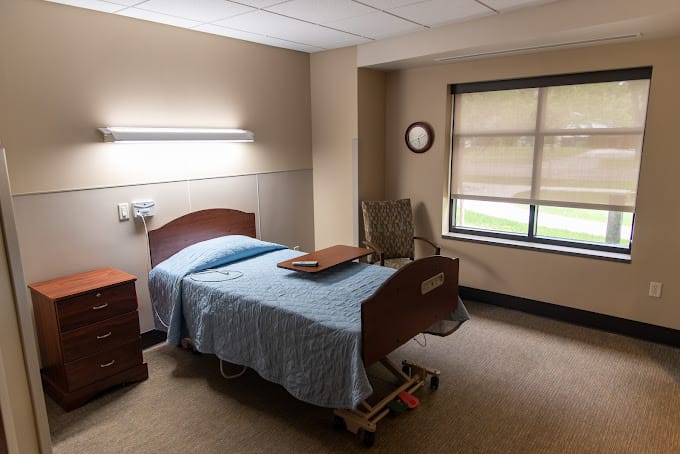
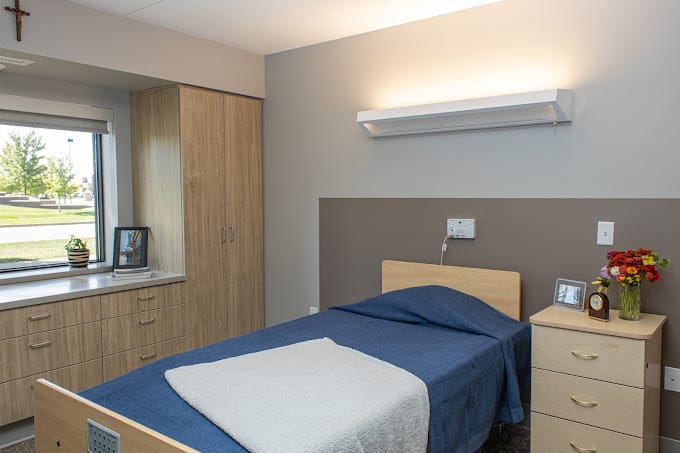
Rehabilitation services and short-term rehab cover residents working toward going home, while a long-term skilled nursing program serves those who need ongoing care. Spiritual care and basic care round out the medical side. Day to day, residents have bright, individual rooms, emergency pendants for quick help, restaurant-style dining, walking paths, special events, and religious services.
Baptist Health & Rehab is a busy, nearly full nursing home built to handle two different kinds of residents at once: people working through short-term rehab and people who need skilled nursing care for the long haul.
Set amidst the peaceful neighborhood of Bismarck, ND, Missouri Slope is a dedicated senior living community that offers various care options, including long-term care, assisted living, and rehabilitation. The community enriches the lives of its residents through their wide array of comprehensive services, including 24-hour skilled nursing care, assistance with daily living activities, and on-site therapies. Residents can comfortably relax in their graciously appointed accommodations with convenient access to housekeeping services and 24-hour team availability and call system.
The community takes out the strain of doing housework from its residents’ lives to help them focus on their welfare and well-being. Instead of cooking, cleaning and arranging for transportation, residents can spend their time in relaxation, bonding with family and friends, and enjoying daily exercise and activities. Here, residents are empowered to continue a normal lifestyle with a dedicated team committed to help residents get through the hassles and difficulties that come with daily living.
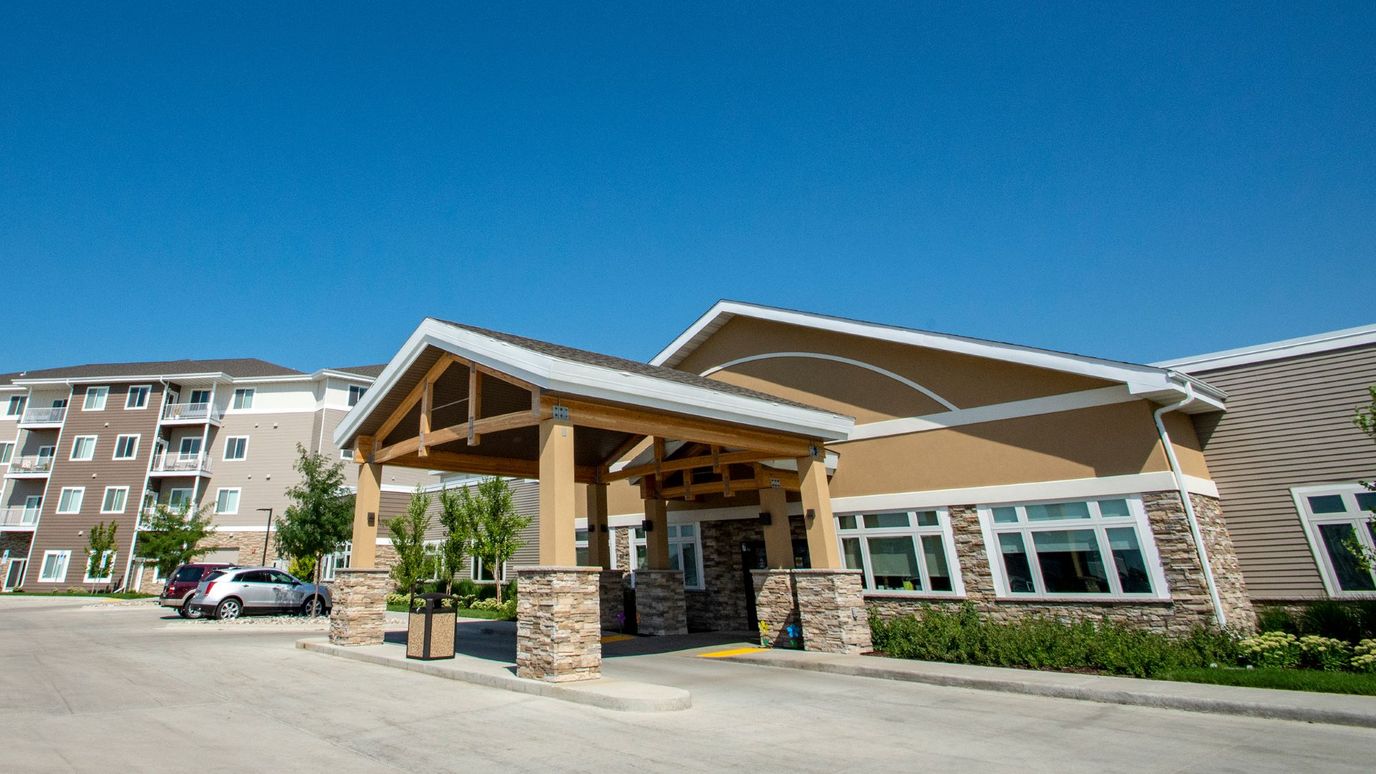
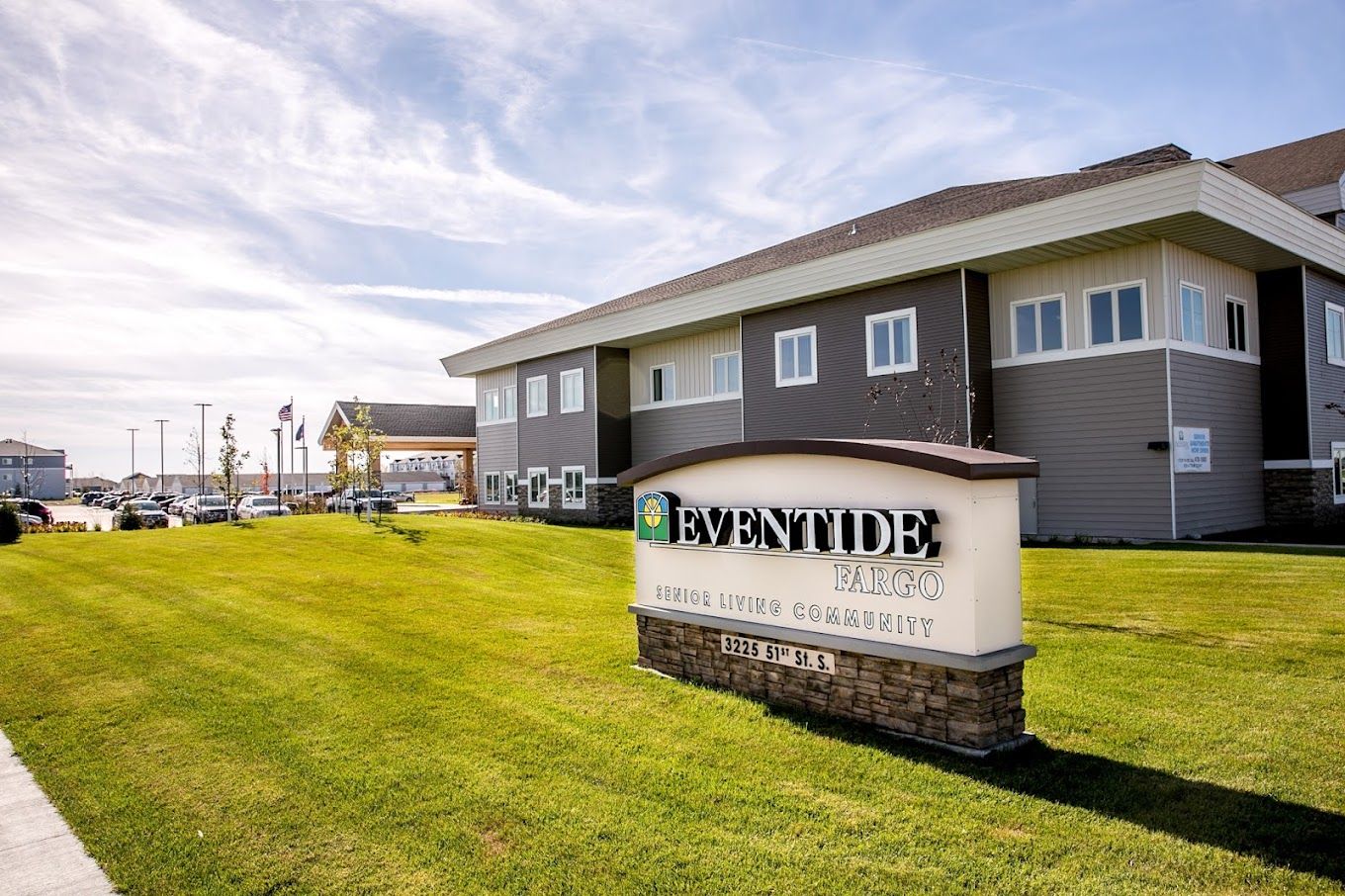
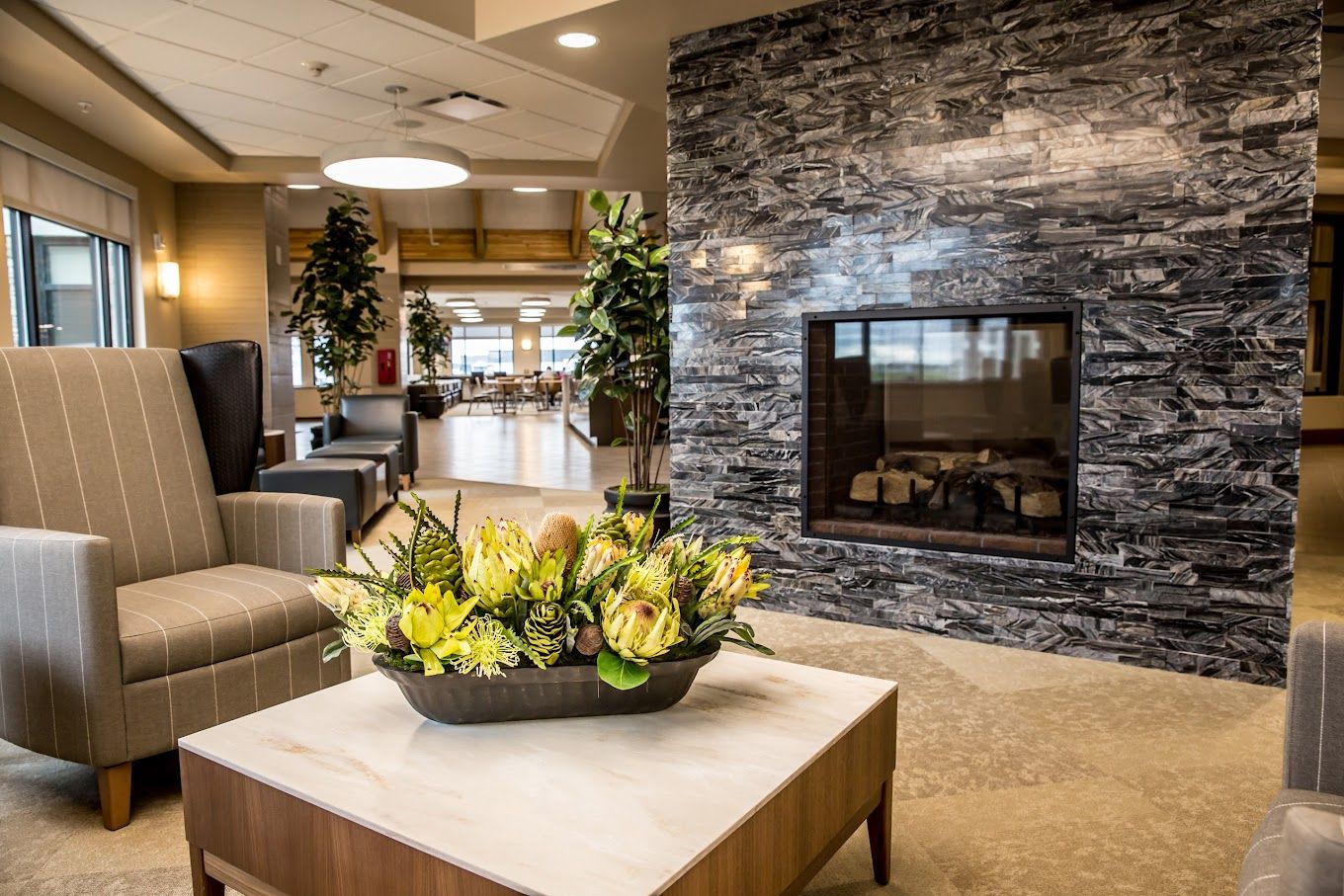
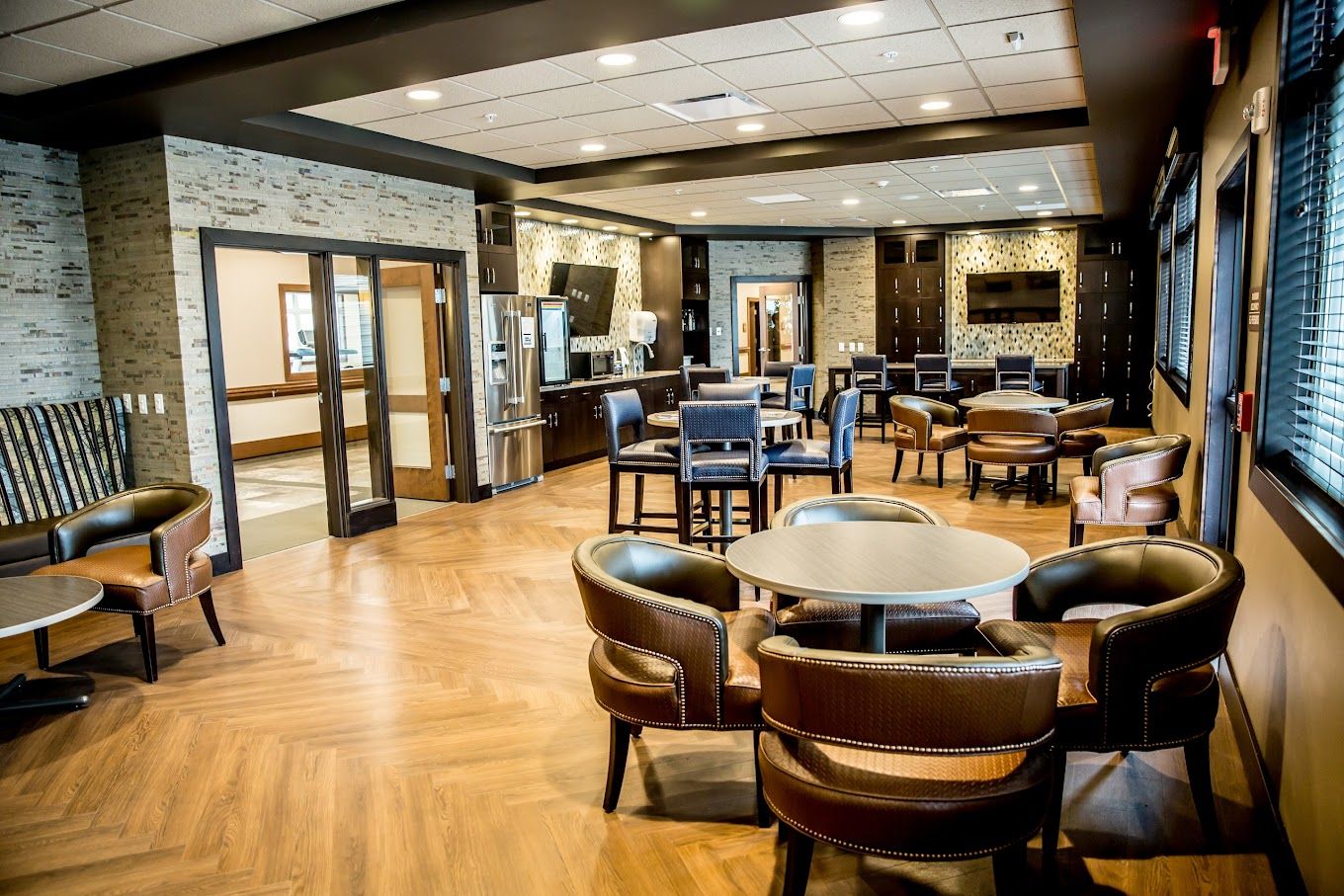
Settled in the vibrant neighborhood of Fargo, ND, Eventide Fargo is a charming senior living community, offering independent living, assisted living, memory care, and skilled nursing services. The community welcomes its residents into bright and spacious living spaces equipped with all the conveniences they need to live comfortably and freely, as well as an emergency call system for immediate assistance during emergencies. A well-trained and compassionate care team is always available to attend to residents’ needs, from assistance with their daily living activities to more complex services for those needing support with their recovery.
Focused on enriching its residents’ overall wellness, the community offers its comprehensive programming designed to nurture the intellectual, social, physical, emotional, occupational and spiritual well-being of its residents. The community also takes care of most of residents’ daily responsibilities, such as housekeeping, meal preparation, and maintenance to ensure they live a carefree lifestyle with plenty of time for themselves. With more free time on their hands and the convenience of scheduled transportation services, residents are to explore and indulge in all the good things that the world around them has to offer.
Kirk Greff runs Good Samaritan Society – St. Vincent, a 46-bed nursing home at 1021 N 26th Street in Bismarck, North Dakota. The single-story building has been operating for 42 years. That’s a long run for a 46-bed home, and it shows in how the place is set up: built mostly around long-term care rather than short-stay rehab.
The neighborhood is car-dependent. Walk Score sits at 21, so don’t plan on walking far for errands.
Most residents here stay a while: the average length of stay runs around 189 days, and occupancy holds at 81%. Nursing staff provide close to 4 hours and 59 minutes of total care per resident each day. Medicare, Medicaid, and private pay are all accepted, which covers most of the ways a family might be paying.
Rehabilitation services anchor the clinical side, and two named programs round things out: home-based services and caregiver support, the second of which is worth noting since it’s aimed at the family doing the caregiving, not just the resident. Religious services are also part of the offering. Pets are allowed, and transportation plus fitness and recreation options are available too.
What we know about Good Samaritan Society – St. Vincent adds up to a smaller, long-running nursing home built for residents who need ongoing daily care rather than a short rehab stay, with a leaner service list than some larger facilities but a steady, decades-long presence in the Bismarck community.
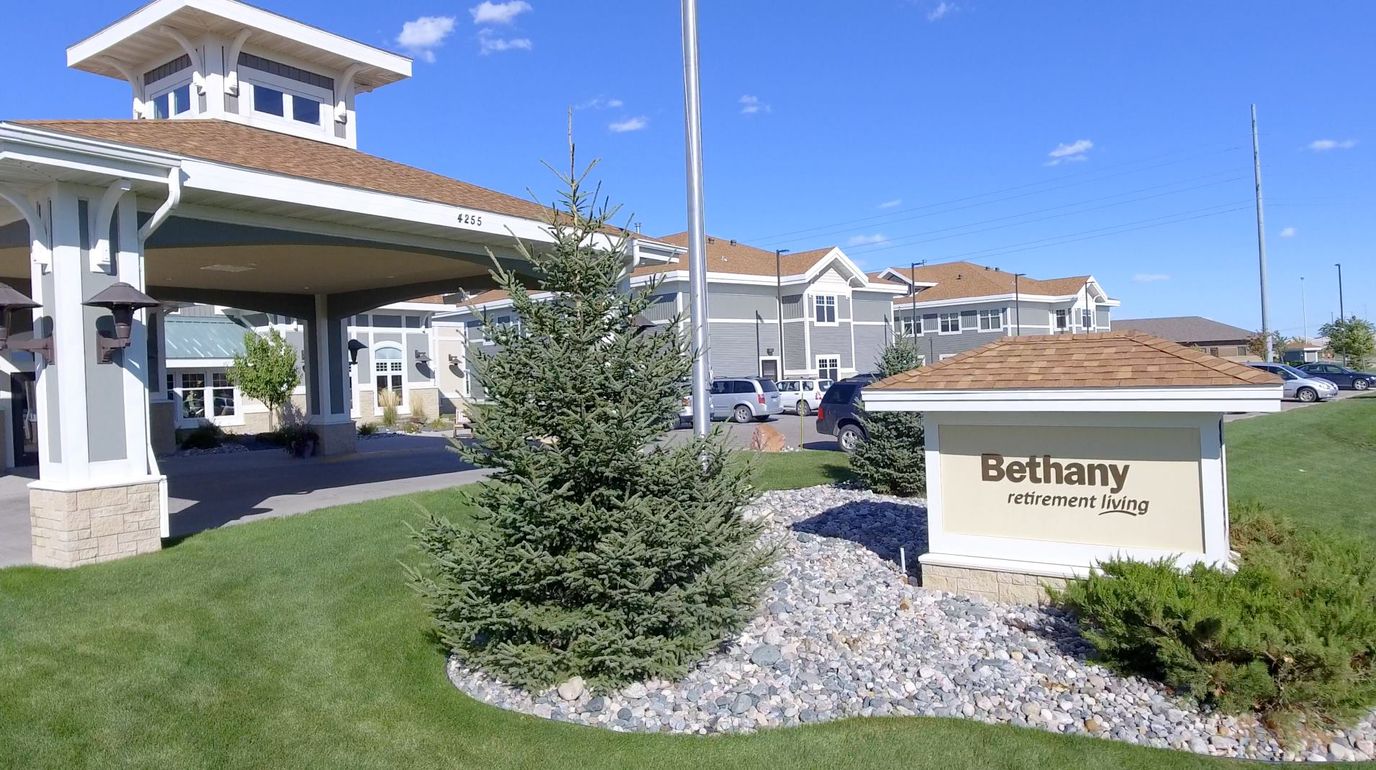
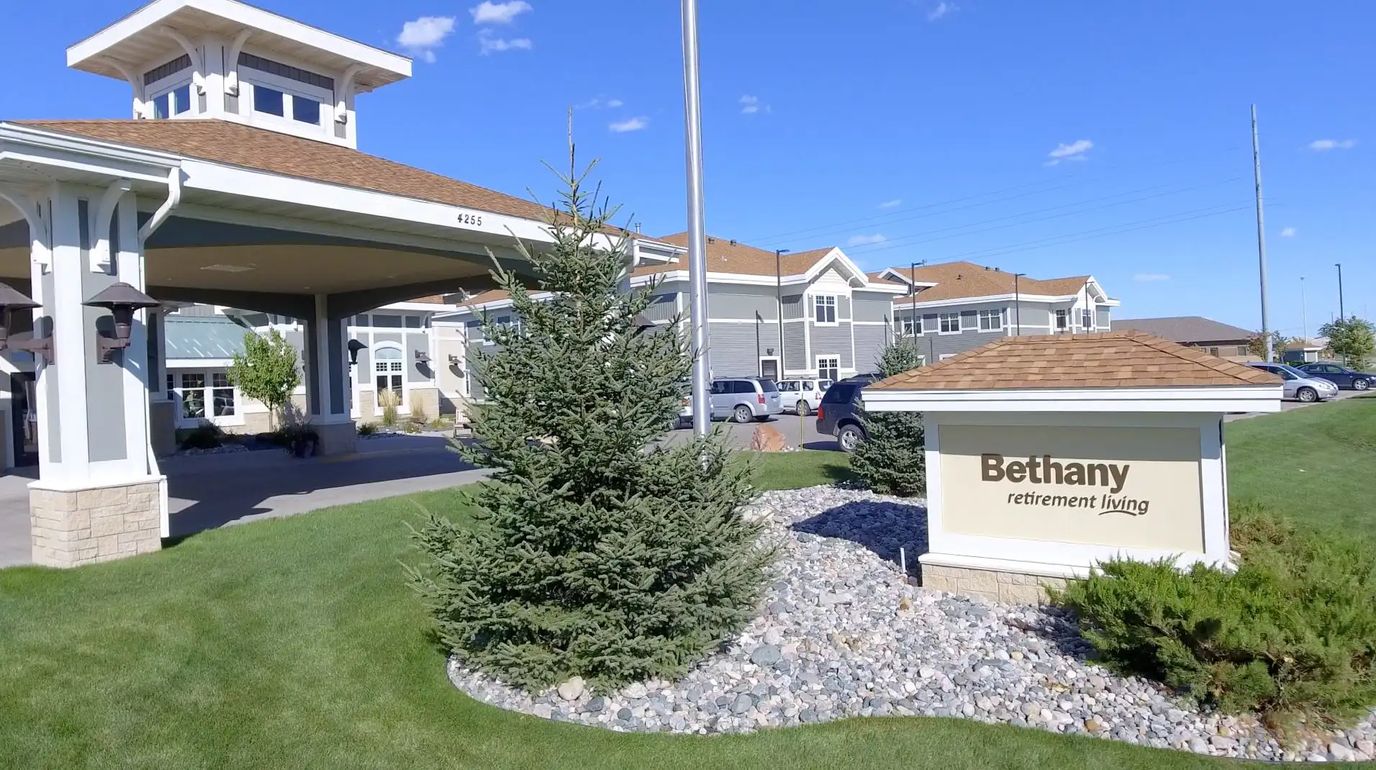
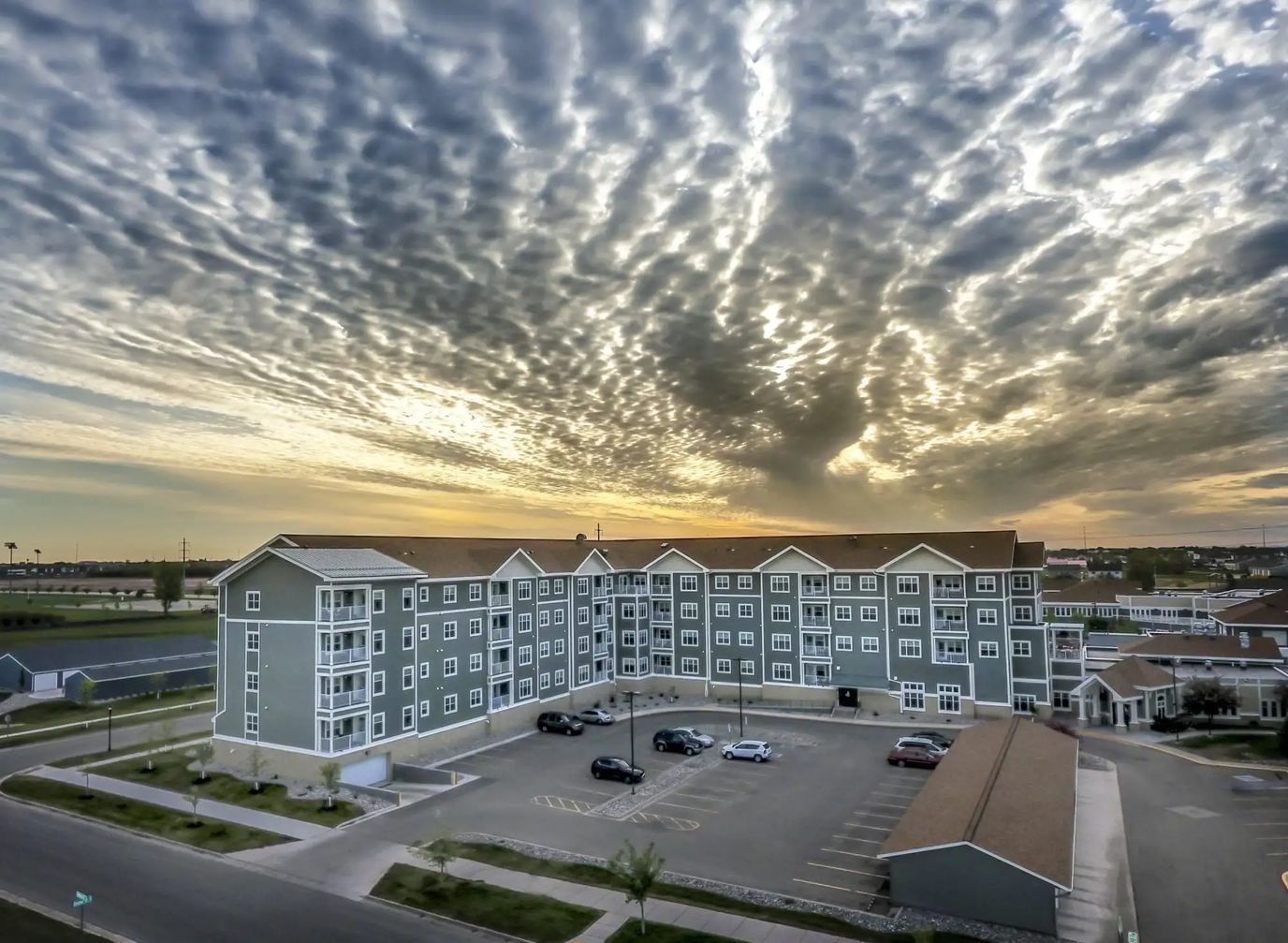
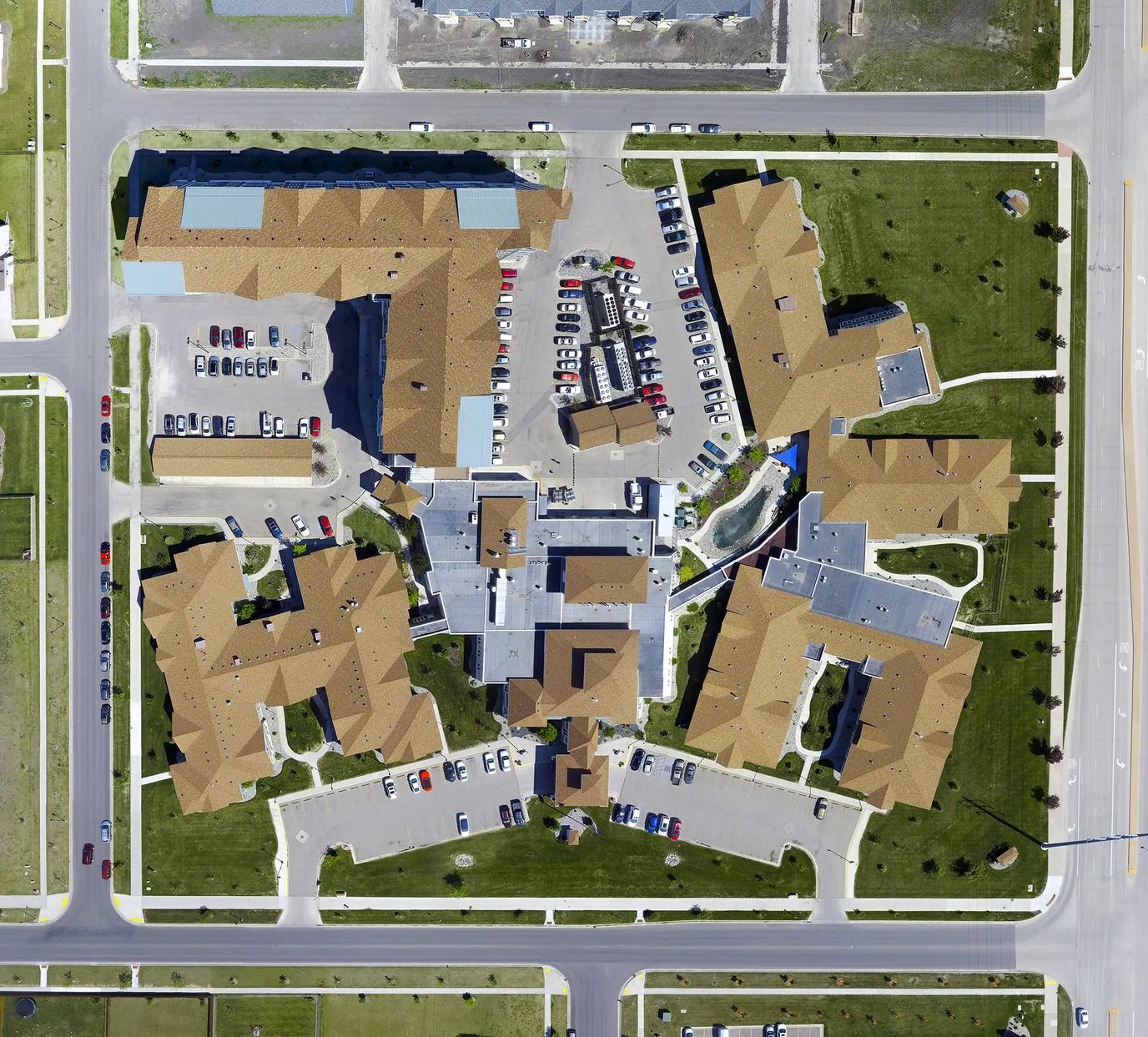
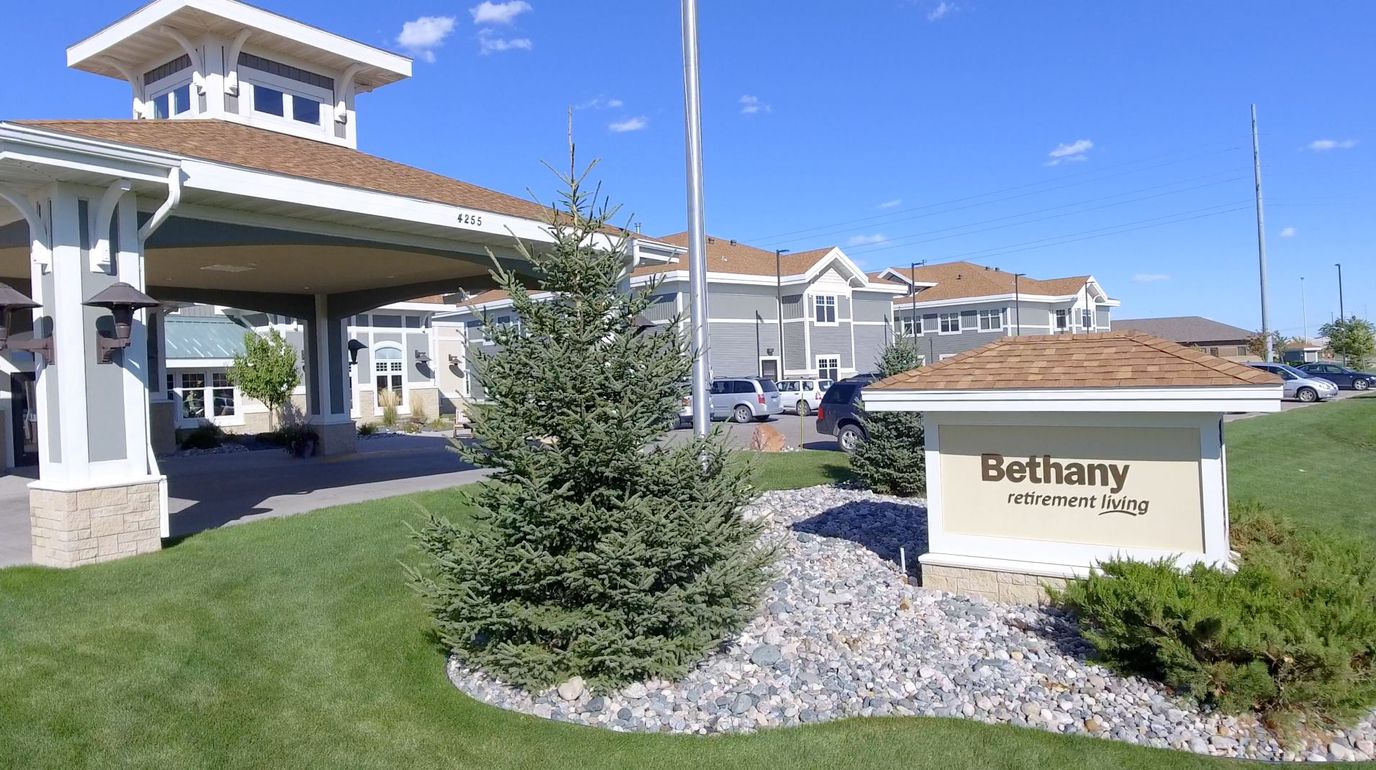
Bethany Retirement Living provides assisted living, memory care and skilled nursing care in Fargo, ND. Assisted living provides help with daily activities while residents have their own private living space; Memory care includes a controlled environment with supervision for those who might wander; Skilled nursing delivers licensed nursing care available all day and night.
Several care levels are available. This community allows residents to remain even if their care requirements increase over time. Opened in 1939, Bethany Retirement Living has 45 beds with studio and one bedroom housing, and total nurse staffing is 5 hours and 24 minutes per resident per day, representing the daily hands on nursing time allocated to each resident.
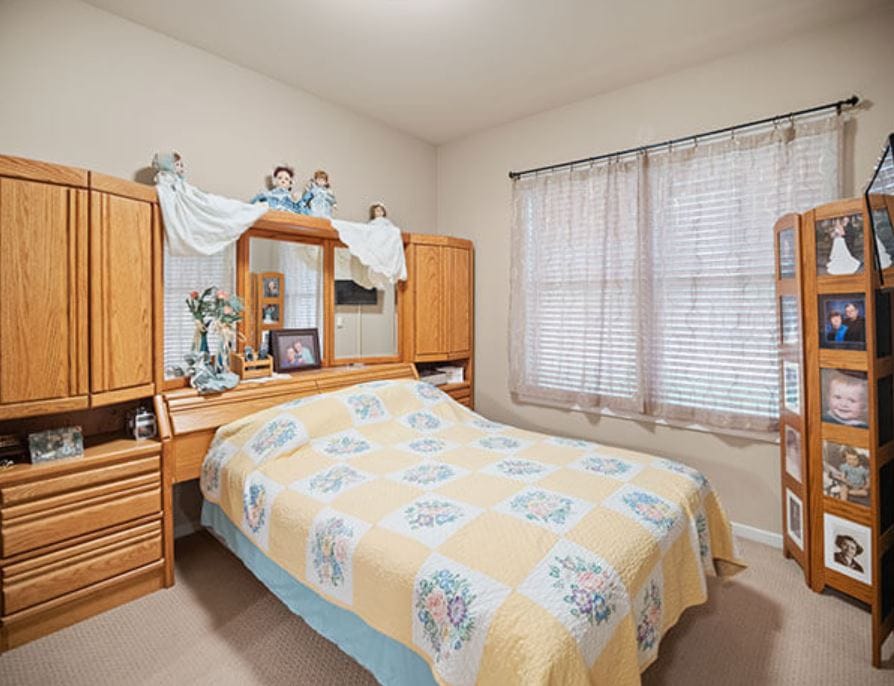
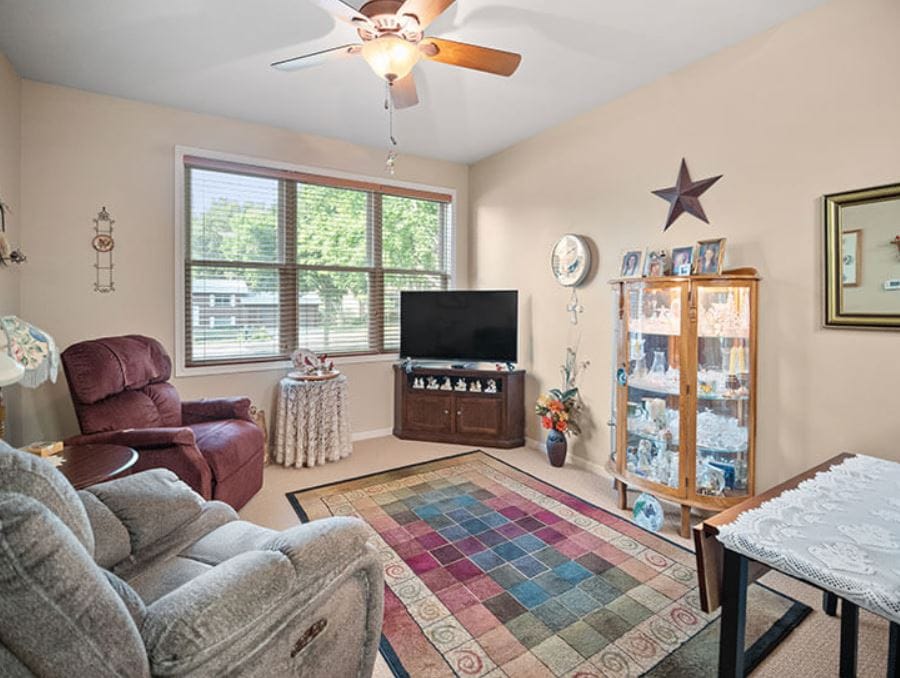
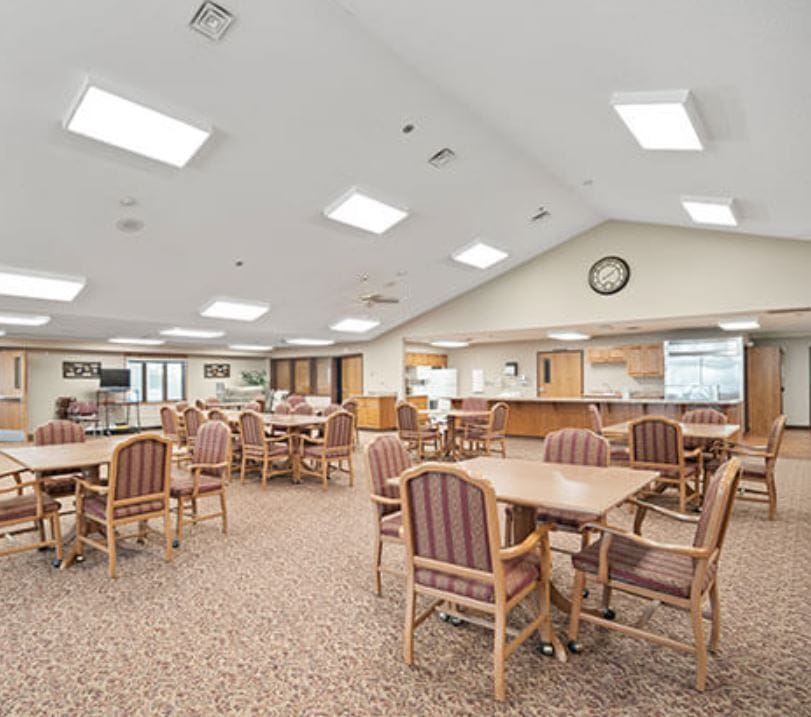
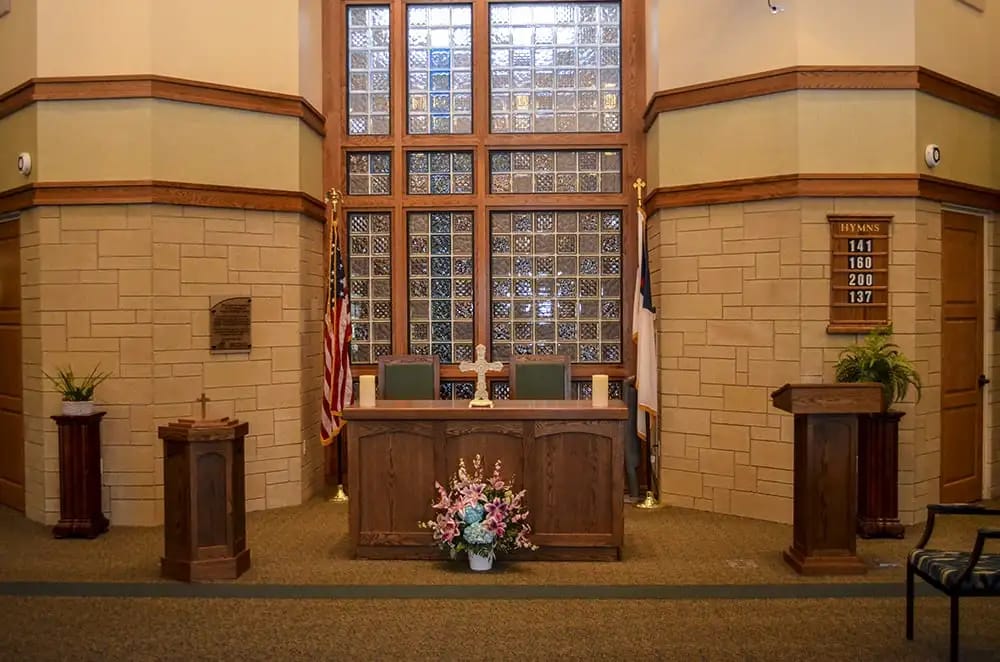
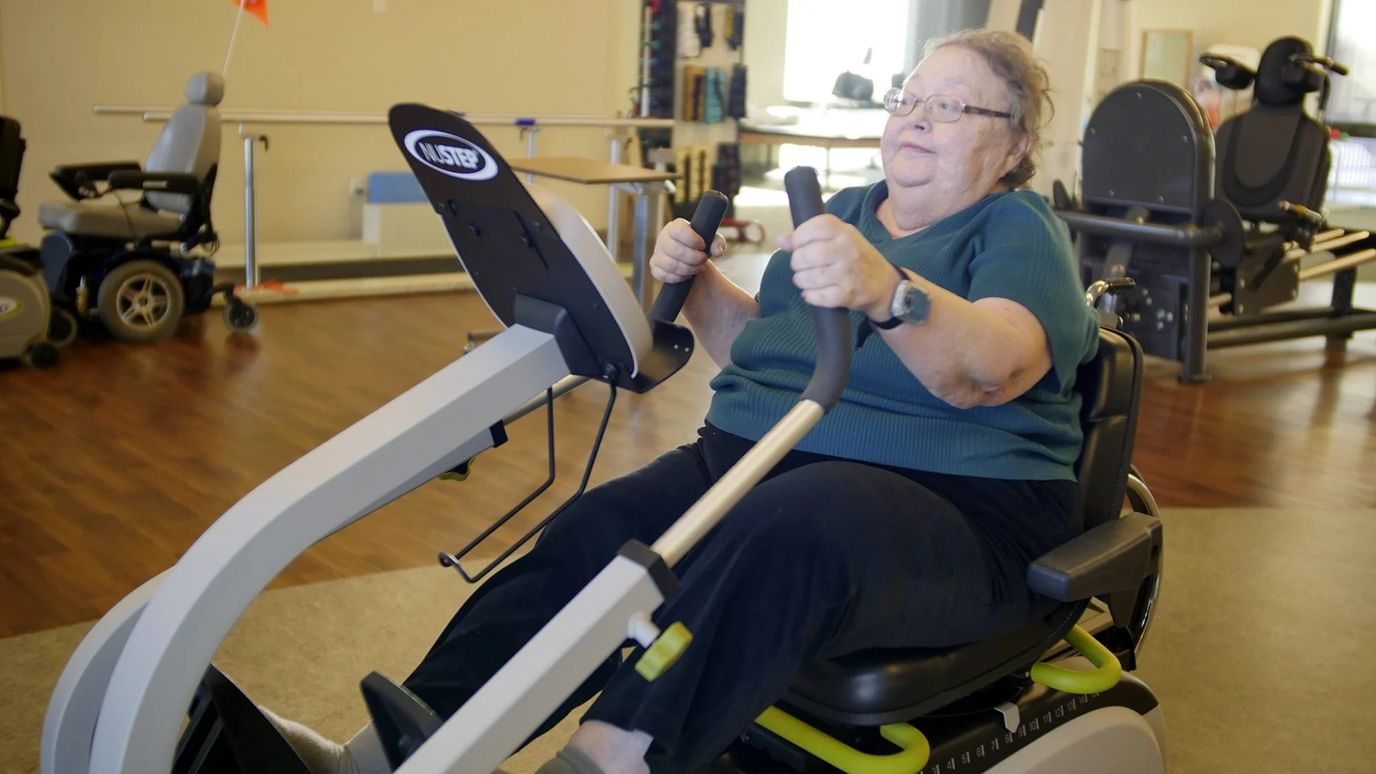
Rehabilitation services support residents who need therapy as part of their care. Respite care supports short-term stays when a family’s regular caregiver is away or needs time to recover. The chapel, religious services and pastoral care provide access to faith based activities, while the University Café, 42nd Street Diner, hair salon and wellness center offer dining, personal care and wellness spaces.
Medicaid, Medicare and private pay are accepted. American Lutheran Home operates Bethany Retirement Living. With a Walk Score of 75, the neighborhood is very walkable, allowing residents without driving to handle most errands on their own.
Bethany on 42nd has served Fargo, North Dakota, since 2010 under the operation of American Lutheran Home. The 40-bed setting accommodates assisted living, memory care, skilled nursing, and standard nursing home care. Designated memory care areas have locked environments and ongoing monitoring to help residents who tend to wander, while daily help includes getting up and dressed and keeping track of medication. Hands-on nursing care averages 5 hours and 9 minutes per resident each day.
Private rooms and short-term rehabilitation suites allow residents to receive therapy without traveling off-site. Amenities include a chapel, pastoral services, a salon, and pet-friendly accommodations. Financial options cover Medicare, Medicaid, and private payment.
Families looking for daily assistance or dedicated memory support in a small-scale setting can contact Bethany on 42nd for current details and schedule a facility tour.
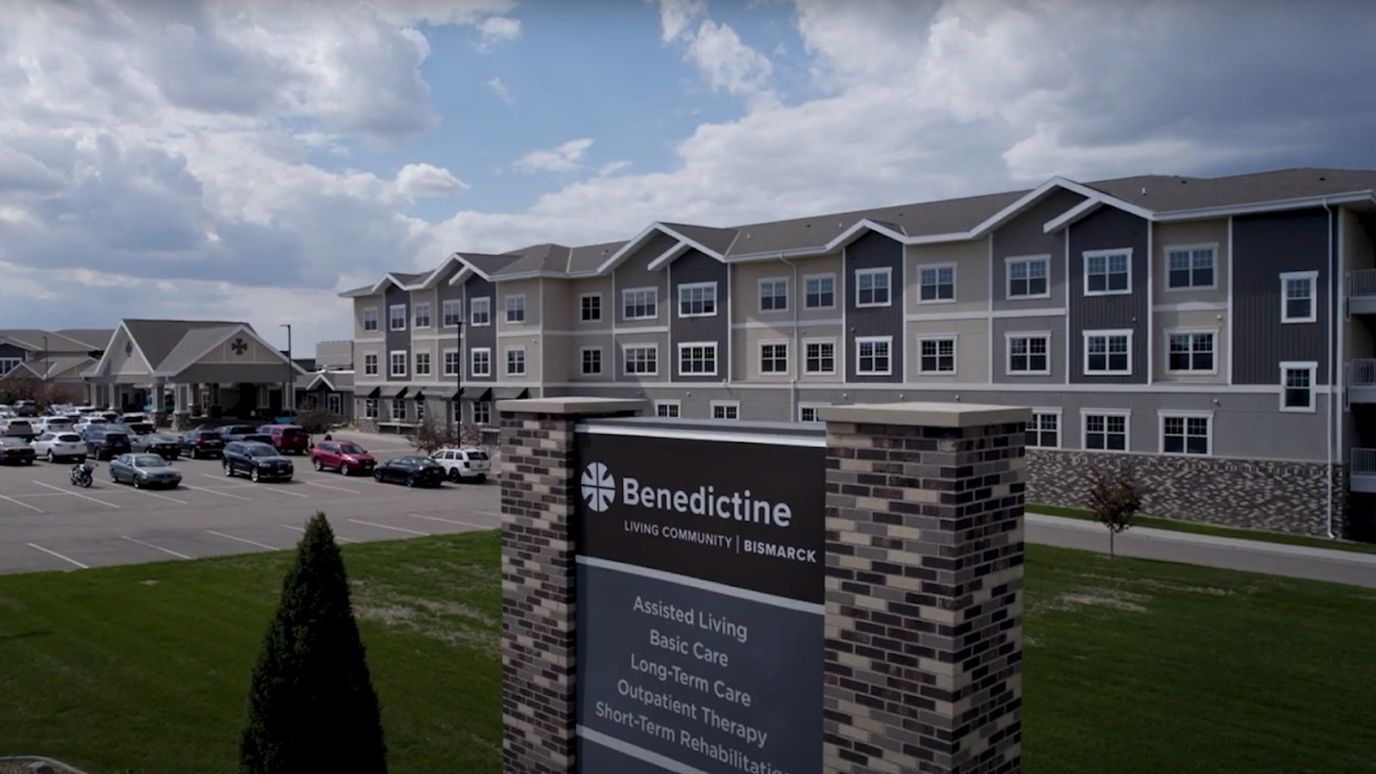
Benedictine Living Community-Bismarck offers nursing home, adult day care, assisted living, home care, memory care, respite care, and skilled nursing in Bismarck, ND. Assisted living offers help with daily activities, and memory care provides a locked area with staff oversight. Skilled nursing offers continuous care from licensed nurses available at all times on site.
Respite care supports a short stay when a usual caregiver travels or recovers. Adult day care provides daytime support without a residential stay, and home care brings support to a person’s residence. Nursing home and nursing care provide residential nursing support, so the range of care types may suit a family seeking ongoing care or a short respite stay.
The community has 56 beds, with 99% occupancy, meaning nearly all beds are occupied at a given time. Total nurse staffing is 4 hours and 42 minutes per resident per day, representing the amount of nurse staffing time provided per resident across a day. Medicare, Medicaid, and private pay are accepted, pets are allowed, and St. Gabriel’S Community Skille operates the community.
Every nursing home above is evaluated across five weighted categories using CMS data including Care Compare, Payroll-Based Journal, and Medicare Cost Reports. Rank badges compare each home against other nursing homes in the same state — never against assisted living, memory care, or independent living communities.
How we're paid:If we help you find a home and you move in, that home may pay us a referral fee. This never affects where they rank or what you pay. Learn more
Frequently Asked Questions about Nursing Homes in North Dakota
What's the difference between assisted living and a nursing home in North Dakota?
Assisted living in North Dakota is a residential model focused on housing, hospitality, and help with daily activities. Nursing homes (skilled nursing facilities) provide 24/7 medical care from licensed nurses for residents with significant health needs, and are regulated more strictly under both state and federal CMS rules.
Does North Dakota Medicaid cover nursing home care?
Yes — North Dakota Medicaid covers nursing home care for residents who meet income, asset, and medical-need eligibility requirements. Most CMS-certified nursing homes accept Medicaid as a primary payer once long-term-care eligibility is established.
What is nursing home care?
Nursing homes (also called skilled nursing facilities) provide 24/7 medical care from licensed nurses, rehabilitation services, and long-term custodial care for residents with significant health or functional needs.
How many nursing homes are listed on this page?
This page features 25 nursing homes in North Dakota. Use the filters and comparison tools above to compare ratings, amenities, and pricing.
How do I choose the right nursing home in North Dakota?
Start by matching the level of care offered to the resident's current and anticipated needs, then compare licensing status, staff-to-resident ratios, recent inspection results, and pricing. Tour at least two or three communities in North Dakota, talk to current residents and families, and confirm what is included in the base rate versus billed as add-on services.
What should I look for when visiting nursing homes in North Dakota?
Pay attention to staff interactions with residents, cleanliness and odor, food quality at meal times, the activity calendar, and how questions about pricing and care plans are answered. Ask to see the most recent state inspection report, the move-out / level-of-care-change policy, and a sample monthly bill that lists every fee.
If you move into a community through us, that community may pay us a referral fee. This never changes your cost or which options we recommend. Learn more
We've received your request
Thank you for your interest!
Our team will be in touch shortly to help with next steps.