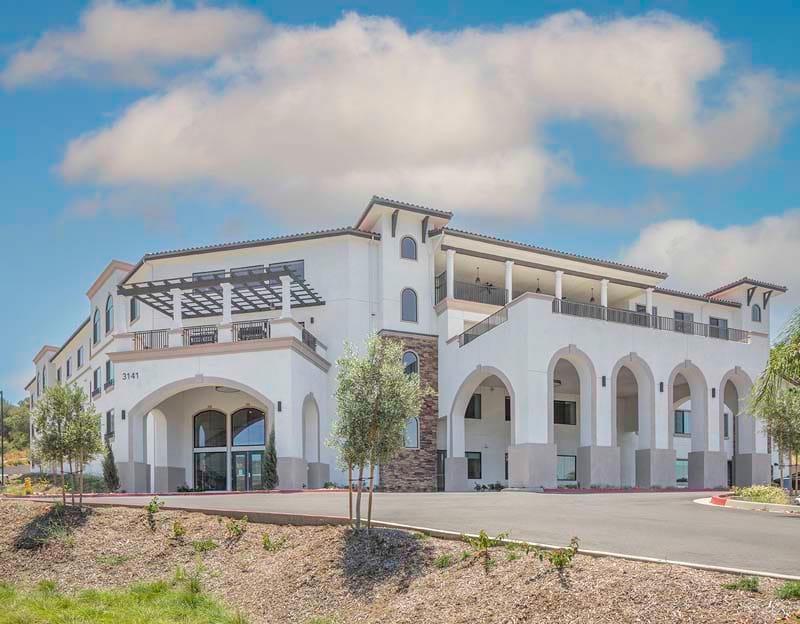


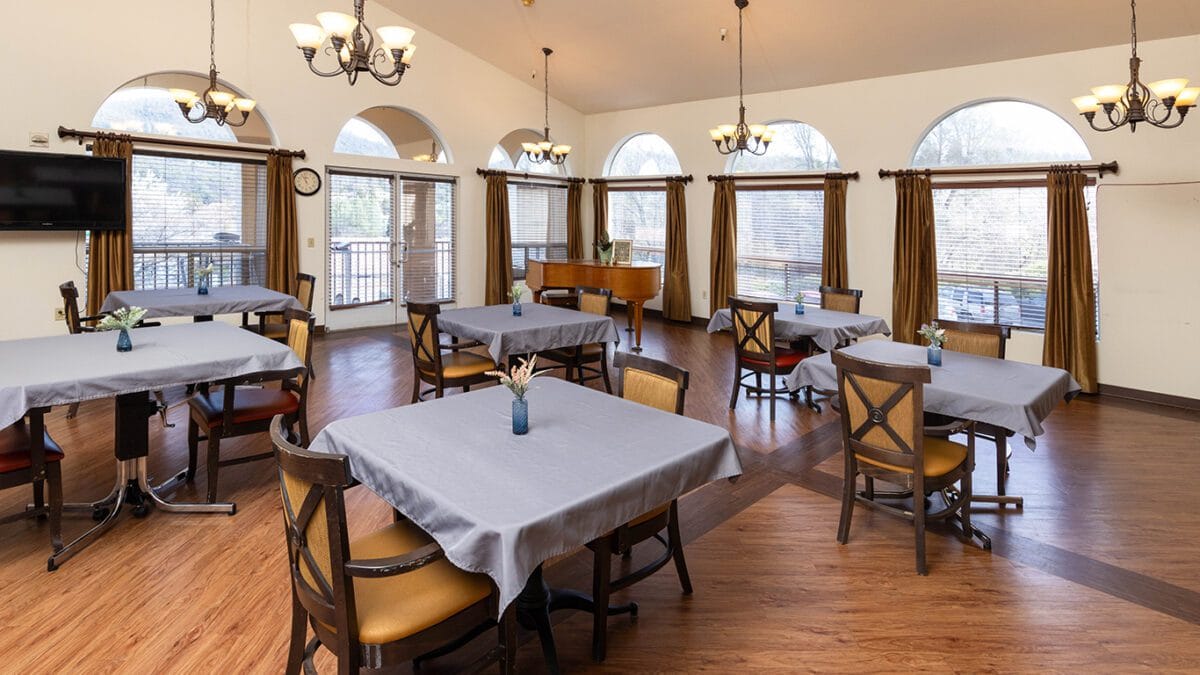
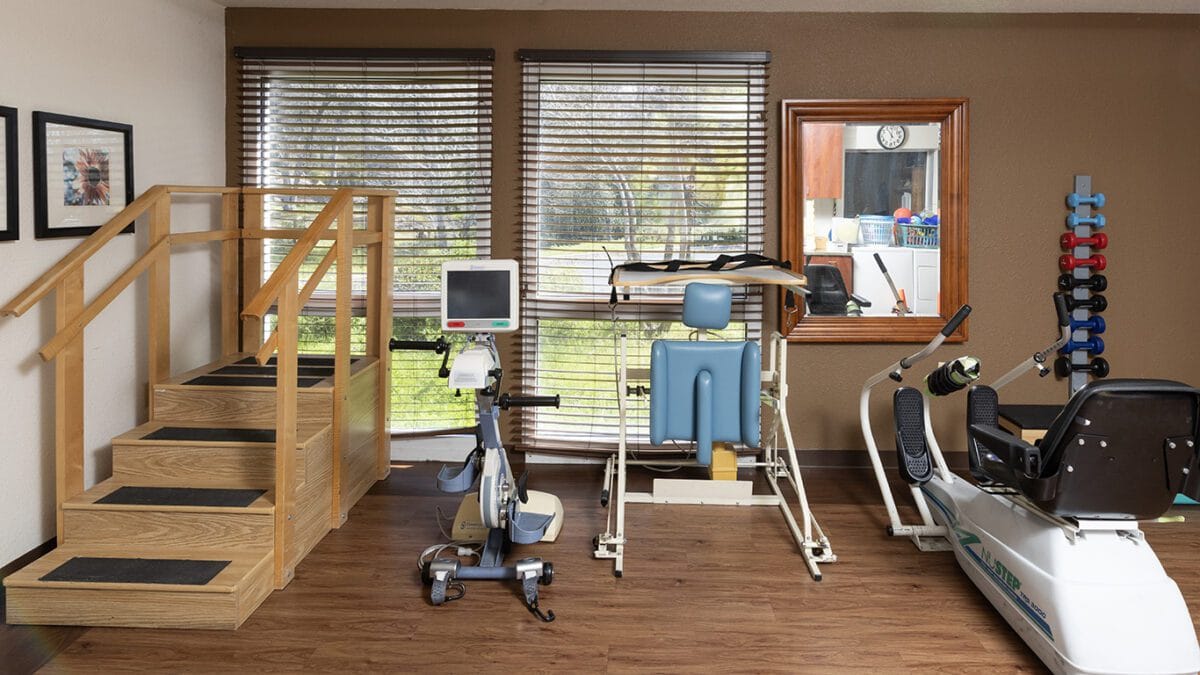
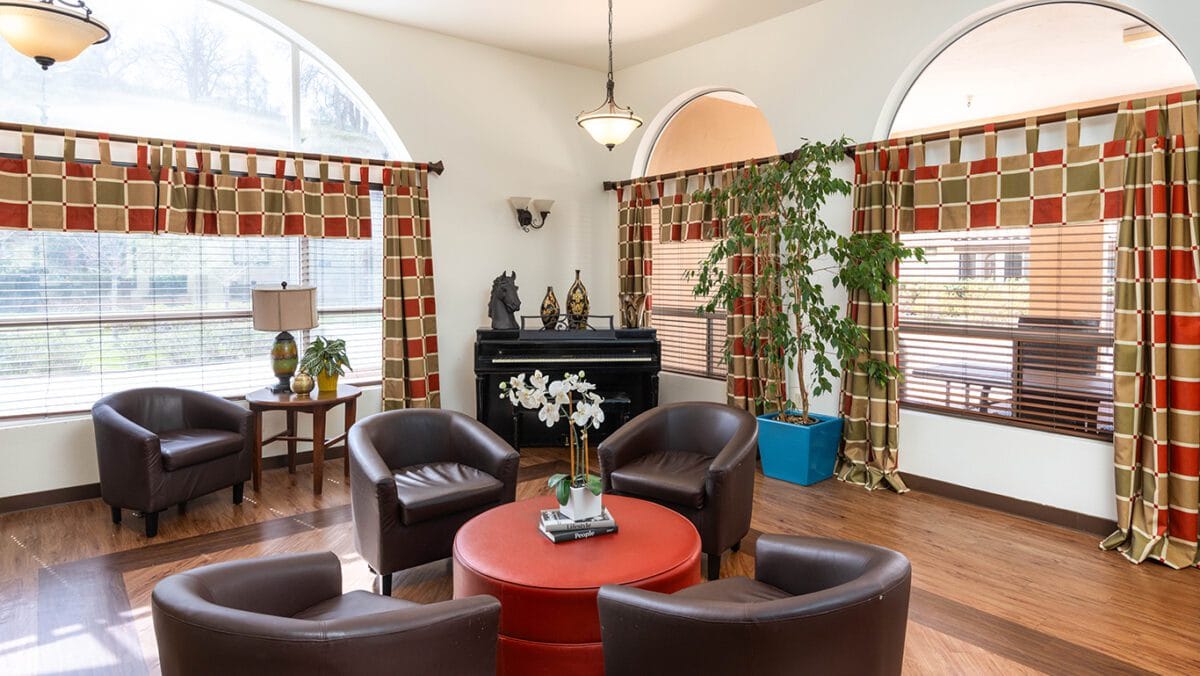
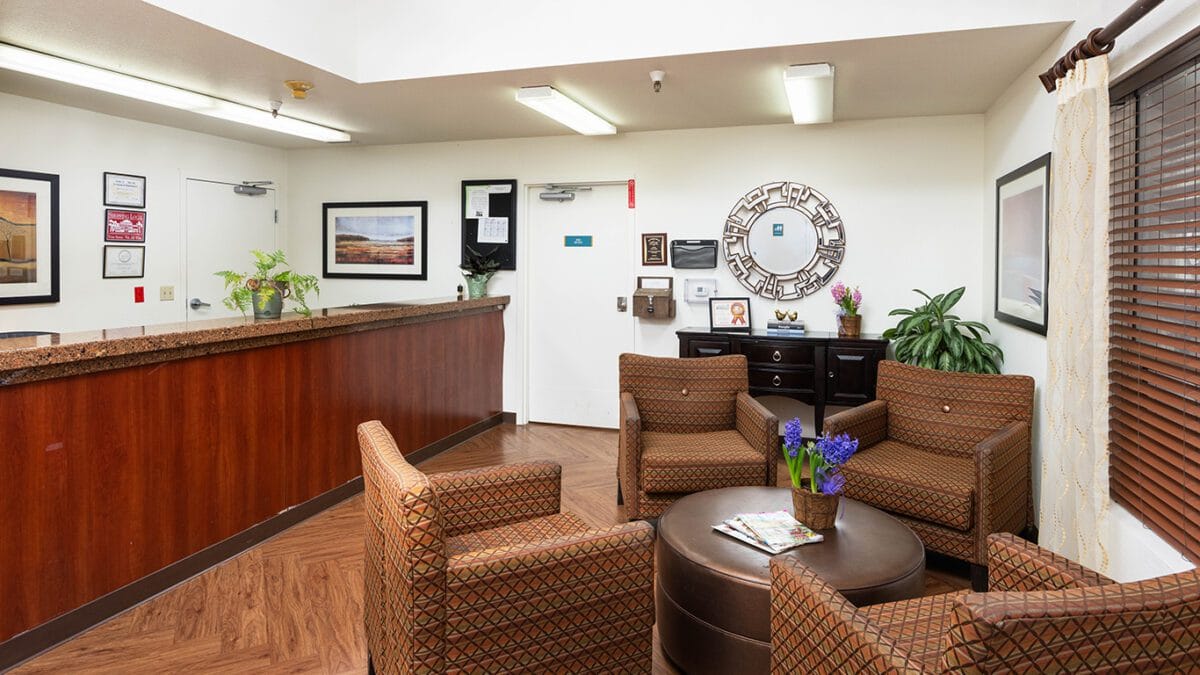
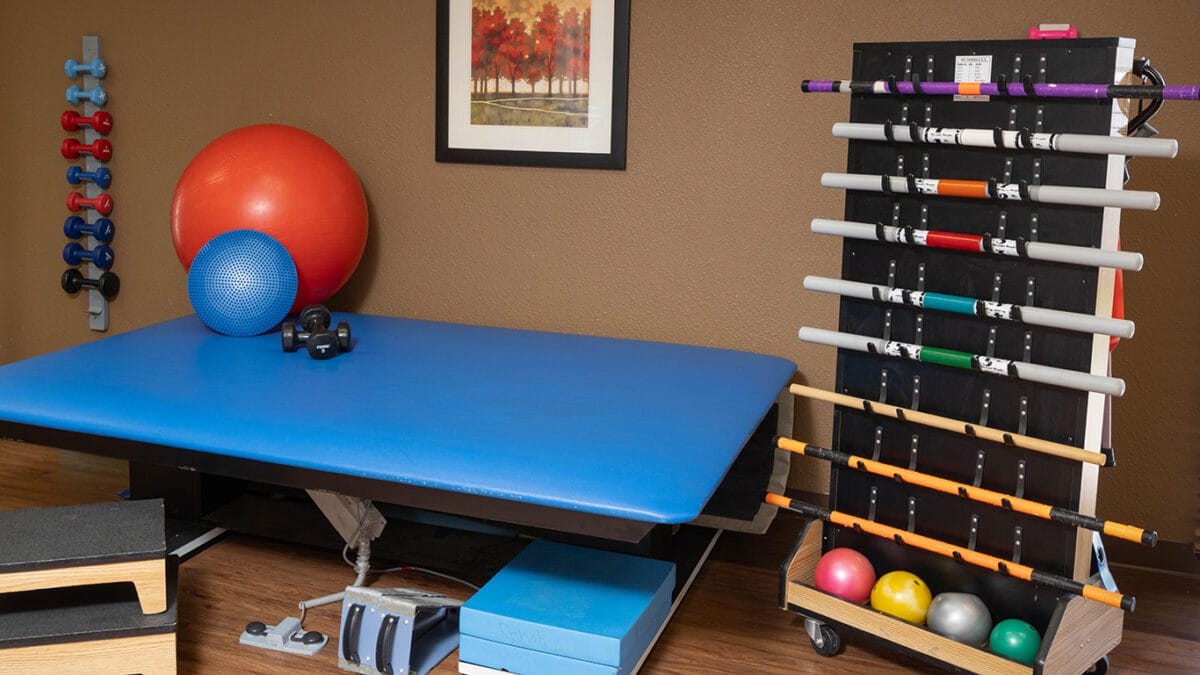
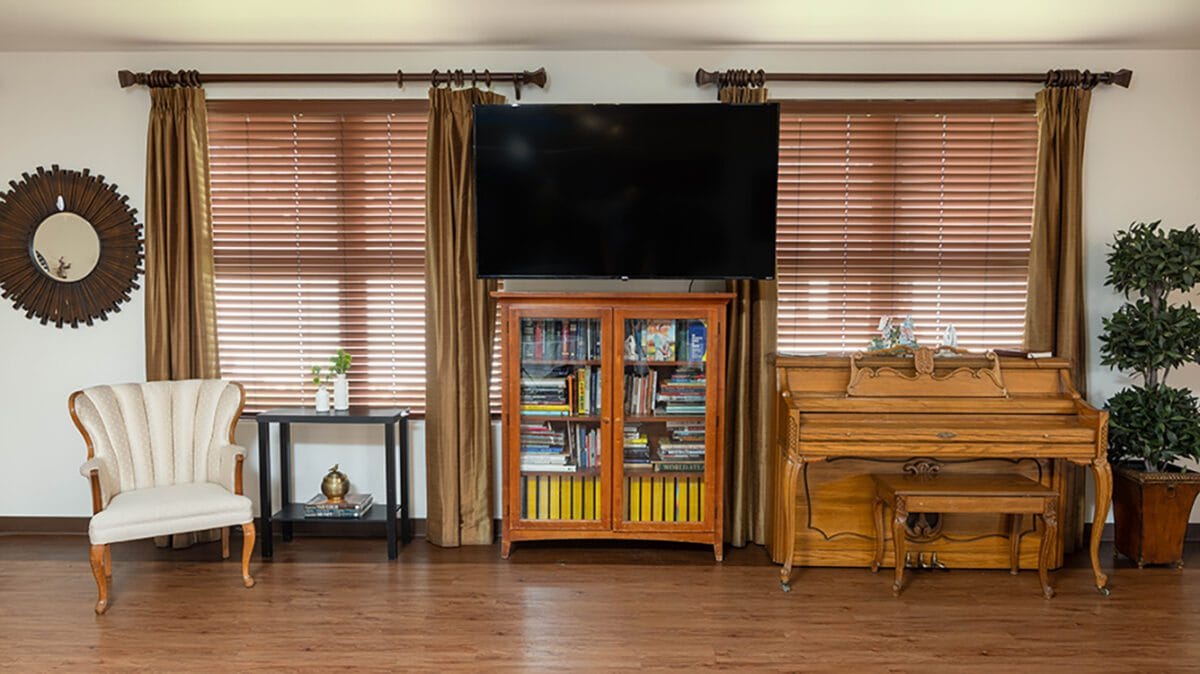
Overview of Anaheim Healthcare Center Anaheim Healthcare Center, a privately operated skilled nursing facility on South Beach Boulevard in Orange County, accommodates 250 residents across multiple care levels: post-acute rehabilitation, long-term nursing care, memory care, and secured dementia services. The facility maintains consistent occupancy of 86.2 percent and average resident tenures of 84 days, drawing from a payer mix where Medicaid represents 69.1 percent of current census, Medicare 27.3 percent, and private pay 3.6 percent. Admissions patterns reveal higher private-pay entry (47 percent) reflecting the community’s rehabilitation focus; discharges skew heavily Medicaid (51 percent), indicating longer institutional stays.
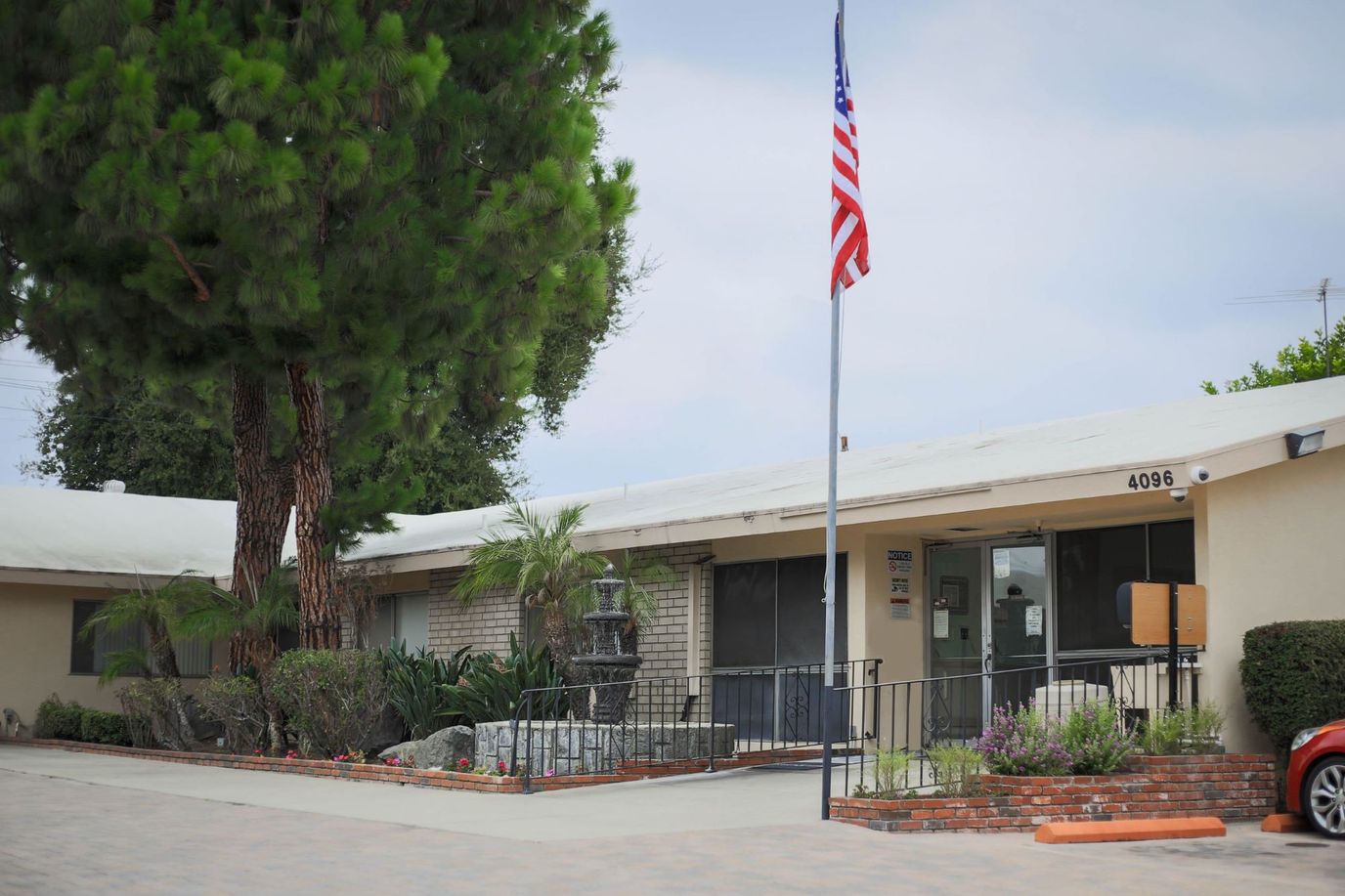
Financial performance has accelerated: 2023 gross revenue reached $70.5 million, placing the facility third among California’s 347 skilled nursing homes. Net income surged to $4.3 million in 2023 from $618,996 in 2022; a sixfold increase. Profit margins expanded to 6.3 percent.
Payroll investment totals $21.3 million annually yet represents only 30.1 percent of revenue; significantly below the 56–67 percent range typical of efficiently operated California nursing homes and ranking 335th of 347 facilities. This disproportionately low payroll percentage suggests heavy reliance on contract staffing or operational restructuring.
A single $14,000 federal penalty issued May 2025 ranks this facility first among 354 California communities in lowest cumulative fines; no payment denials have been imposed.
Clinical staffing delivers 4 hours 17 minutes of nursing care per resident daily, marginally exceeding California’s state average. The nursing complement includes 34 registered nurses, 67 licensed practical nurses, and 154 certified nursing assistants. However, staff-to-resident ratios of 1.47:1 fall 19 percent below state norms, and weekend registered nurse presence drops to 16 minutes per resident, 47 percent below state average, potentially affecting nighttime clinical oversight.
Long-stay resident outcomes demonstrate conflicting patterns. Functional decline metrics rank 31 percent superior to state benchmarks; walking-ability preservation outperforms by 57 percent. Infection control shows strength: urinary tract infections affect 0.7 percent of residents versus the state average of 1.2 percent. Immunization compliance reaches 100 percent.
Conversely, major-injury falls occur in 2.5 percent of residents, 53 percent above state average; and high-risk pressure ulcers affect 8.3 percent versus a state average of 5.0 percent. Short-stay antipsychotic medication initiation rates of 2.5 percent represent 73 percent above state baseline, while successful community discharge reaches only 46.0 percent compared to the state average of 50.6 percent.
The facility operates as a high-census, mixed-acuity environment with operational and financial strength accompanied by complexity in clinical staffing structure and outcome variability.