
Where in Alabama are you looking?
Browse communities by city.
Compare Assisted Living around Alabama
The information below is reported by the Alabama Department of Public Health, Bureau of Health Provider Standards.
| The Crossings at North River | AL IL MC | Tuscaloosa | 84
Facility
84
AL AVG
90
Rank
#119 / 245 | No |
20
Facility
20
AL AVG
36
Rank
#300 / 418 | 1 Bed / 2 Bed | - | Kimberly Brooke O'briant |
| The Neighborhood at Vestavia Hills | AL IL MC RC | Birmingham (Homewood) | 77
Facility
77
AL AVG
90
Rank
#133 / 245 | Yes |
31
Facility
31
AL AVG
36
Rank
#237 / 418 | Studio / 1 Bed / 2 Bed | B- | Barbara Chatman |
| Longleaf Liberty Park | AL MC RC | Birmingham | 90
Facility
90
AL AVG
90
Rank
#106 / 245 | No |
24
Facility
24
AL AVG
36
Rank
#283 / 418 | Studio / Suite / 1 Bed / 2 Bed | A+ | Matthew Nicosia |
| The Renaissance of Florence | AL | Florence | 83
Facility
83
AL AVG
90
Rank
#120 / 245 | Yes |
7
Facility
7
AL AVG
36
Rank
#355 / 418 | Studio / 1 Bed / 2 Bed | - | Laura Fithian |
| Merrill Gardens at Madison | AL IL MC | Madison (The Shoppes Of Madison) | 160
Facility
160
AL AVG
90
Rank
#22 / 245 | Yes |
46
Facility
46
AL AVG
36
Rank
#151 / 418 | Studio / 1 Bed / 2 Bed | - | Stacey Henley |
| The Brennity at Daphne | AL MC | Daphne | 92
Facility
92
AL AVG
90
Rank
#101 / 245 | No |
3
Facility
3
AL AVG
36
Rank
#376 / 418 | Studio / 1 Bed | A+ | Scott Kolzow |
| Brookdale Northport | AL IL MC NH | Northport (Rose Drive) | 83
Facility
83
AL AVG
90
Rank
#120 / 245 | Yes |
47
Facility
47
AL AVG
36
Rank
#142 / 418 | Private Rooms | A+ | Sherry Washington |
| Crowne Place Assisted Living | AL | Mobile (College Park) | 80
Facility
80
AL AVG
90
Rank
#126 / 245 | No |
49
Facility
49
AL AVG
36
Rank
#125 / 418 | Studio / 1 Bed | - | Mimi Jones |
| Regency Retirement Village – Tuscaloosa | AL IL MC | Tuscaloosa (Dixon Manor) | 80
Facility
80
AL AVG
90
Rank
#126 / 245 | No |
41
Facility
41
AL AVG
36
Rank
#181 / 418 | Private / Semi-Private Rooms | - | Jennifer Anderson |
| Brookdale University Park | AL NH IL | Birmingham (South Denver) | 60
Facility
60
AL AVG
90
Rank
#156 / 245 | Yes |
84
Facility
84
AL AVG
36
Rank
#1 / 418 | Studio / 1 Bed / 2 Bed | A+ | Brandon Bornstein |
| Danberry at Inverness | AL IL MC | Birmingham | 56
Facility
56
AL AVG
90
Rank
#169 / 245 | Yes |
51
Facility
51
AL AVG
36
Rank
#108 / 418 | Studio / 1 Bed / 2 Bed / 3 Bed | - | William Lytton |
| The Neighborhood at Sheffield | AL RC | Sheffield (Woodlawn Heights) | 56
Facility
56
AL AVG
90
Rank
#169 / 245 | No |
26
Facility
26
AL AVG
36
Rank
#270 / 418 | Studio / 1 Bed / 2 Bed | - | Kutana Mitchell |
| Kirkwood By the River | AL IL MC NH | Birmingham (Overton) | 46
Facility
46
AL AVG
90
Rank
#195 / 245 | No |
0
Facility
0
AL AVG
36
Rank
#395 / 418 | Studio / 1 Bed / 2 Bed | A+ | Jeff Burchfield |
| The Madison Village | AL IL RC | Madison | 60
Facility
60
AL AVG
90
Rank
#156 / 245 | No |
34
Facility
34
AL AVG
36
Rank
#222 / 418 | Studio / 1 Bed / 2 Bed | - | Angie Tate |
| Somerby of Mobile | AL IL MC | Mobile (Pine Run) | 50
Facility
50
AL AVG
90
Rank
#183 / 245 | Yes |
6
Facility
6
AL AVG
36
Rank
#361 / 418 | 1 Bed / 2 Bed | A+ | Hope Boykin |
Arabella Health & Wellness of Montgomery is a 121-bed SNF serving short-term rehabilitation and long-term nursing care on Virginia Loop Road in Montgomery. It takes Medicare, Medicaid, and private pay, so there’s flexibility in how families cover care. The average resident stay is about 224 days, indicating a balance of post-acute rehabilitation and longer-term care placements.
The community is built to provide comprehensive medical and therapeutic support. 24/7 skilled nursing, on-site nurse practitioners, and regular physician access form the care groundwork. Physical, occupational, and speech therapy exist for residents healing from surgery, stroke, or other acute events. The facility also offers specialized services, including respiratory care with tracheostomy support, IV therapy, enteral feeding programs, and psychiatry consultations. Support services have a registered dietician for nutrition management and a quality of life program to encourage engagement and well-being. The broader care team includes on-site podiatry and optometry, decreasing the need for outside appointments and keeping healthcare coordinated. Respite care is there for families needing temporary placement for a loved one while they attend to other commitments. The location sits in a car-dependent area of Montgomery where most errands and appointments demand transportation, yet the nursing staff’s depth means many healthcare needs are managed on-site.
Consistent compliance has been found in state inspections over several years, with no health deficiencies or substantiated complaints. This track record denotes the community maintains steady operational standards.
Families contemplating Arabella Health & Wellness may want to tour the community to see the clinical spaces and rehabilitation areas, plus get an idea of the daily atmosphere.
Owned by Diversicare Leasing LP, Windsor House is a nursing home on McAllister Drive in Huntsville, Alabama. From here, families can conveniently access regional hospitals and medical services. The 117-bed facility has been operating for 38 years and serves both post-acute rehabilitation and longer-term nursing care residents. Medicare, Medicaid, and private pay are accepted, giving families multiple ways to fund care.
The home has a substantial nursing staff. Total nursing care averages 3 hours and 43 minutes per resident each day. Licensed nurses and certified nursing assistants are available 24 hours a day to support daily personal care and medication management. They are responsible for specialized services such as diabetic care and insulin administration. At 83% occupancy, the facility is nearing capacity. Residents stay an average of about 4 months.
State inspections identified issues around medication practices, the accuracy of resident assessments and care documentation, infection control procedures, and facility maintenance standards. Families should ask about these areas during a tour to evaluate the daily operations.
The surrounding Huntsville neighborhood has a Walk Score of 37. Some nearby services are reachable on foot, but residents and visiting family need transportation for most trips.
Amenities on-site include homemade meals prepared throughout the day and scheduled activities to keep residents engaged. With 24-hour staffing, medication oversight, and established routines, the home has created a structured care environment for residents with ongoing nursing needs.
Located in Piedmont, Alabama, Piedmont Health Care Center is a skilled nursing community with a focus on long-term care and a specialized Alzheimer’s and dementia unit. The facility has 91 beds and operates at about 92% occupancy. Residents stay an average of 76 days, including short-term rehabilitation residents and those in longer-term placements. Families can pay through Medicare, Medicaid, or private pay to arrange care coverage.
An on-site outpatient therapy program provides physical and occupational therapy services. Rehabilitation and recovery support are part of the facility’s care model. Residents receive an average of 5 hours and 25 minutes of nursing care each day. Registered nurses, nurse aides, and LPN/LVN staff make up that daily staffing support. The combination of skilled nursing and hands-on assistance supports post-acute recovery and ongoing chronic-care needs.
The neighborhood has a Walk Score of 61. Some nearby errands are within walking distance, but many trips still require transportation. The location is moderately walkable for residents and visiting family members.
State inspections have focused on documentation practices, food service hygiene, and facility sanitation. These operational areas are part of the everyday systems that support care and daily living within the facility. Families considering Piedmont Health Care Center should take a tour of the community to see the dementia unit, outpatient therapy areas, and how daily routines are organized for residents.
Ellen Bueche owns the Little Sisters of the Poor Sacred Heart Residence, a 52-bed care home on McGill Avenue in Mobile, Alabama. The building runs at full occupancy, and the average stay lasts about 340 days. This long tenure shows that the daily workflow is almost entirely geared toward permanent, long-term residential care rather than quick-turnover rehab. To manage the costs of a stay, the front office processes traditional Medicare, state Medicaid, and standard private pay.
Residents receive a high volume of direct attention, with the 24-hour nursing team logging an average of 7 hours and 2 minutes of hands-on care per person every day. This crew of registered nurses, practical nurses, and aides handles all daily medical routines inside the building. Outside, the neighborhood carries a walk score of 62, meaning visitors can easily cross a few quick errands off their list on foot when stopping by.
State reports from the past nine years show a mixed regulatory record, with surveys pointing out recurring compliance issues regarding care protocols and resident communication practices. The most recent health department reviews noted specific areas where staff training and documentation needed to be strengthened. You can go over these long-term survey trends with the administrative staff to see how they manage their quality control systems.
Interested individuals can call the main desk to see if there is a waiting list for open rooms or to find out how the general admissions process works.
Gregory and Gregg Myers own and administer Crowne Health Care of Citronelle, a 69-bed care home in Citronelle, Alabama. The building runs at a high 97 percent occupancy level, meaning openings are limited. Residents stay here for an average of 272 days, a timeline that shows the daily operations are mostly geared toward extended residential care, though they also handle short-term therapy recovery. For stay costs, the front desk handles traditional Medicare, state Medicaid, and standard private pay.
The floor schedule relies on a 24-hour crew that delivers just over 5 hours of direct, hands-on nursing attention per resident daily. This care time is shared among registered nurses, practical nurses, and assistants who coordinate short-term mobility therapy and temporary respite stays. Outside, the property has a walk score of 19, so visiting family members will need a car to handle errands or travel to the facility.
Over the past seven years, state health surveys have noted strong ratings for both staffing levels and health inspections at the property. However, regulatory outcome data for long-term residents shows higher rates of functional decline and an increased need for daily mobility assistance. Reviewing these specific care trends and past surveys with the administrative staff is a practical way to see how the team addresses physical preservation for long-stay residents.
Prospective residents can get in touch with the main office to inquire about current waiting lists or to walk through the general intake steps.
Archie Chapman owns Coosa Valley Healthcare Center, an 85-bed nursing facility that operates at a high 92 percent occupancy level. Stays here average around 128 days, a timeline showing that the daily workflow balances short-term post-hospital therapy with permanent residential placements. The property sits in a moderately walkable neighborhood, allowing visitors to handle a few quick tasks on foot when stopping by.
The floor routine relies on a 24-hour nursing team that delivers an average of 4 hours and 42 minutes of direct, hands-on care per resident daily. This collective time from registered nurses, practical nurses, and aides covers regular clinical routines, daily personal care, and physical recovery.
While state health surveys from previous years noted compliance issues regarding infection control and food storage safety, the most recent regulatory inspection found zero health deficiencies and zero filed complaints. You can look over this recent survey record with the management team to see how they currently monitor their daily quality control and safety protocols.
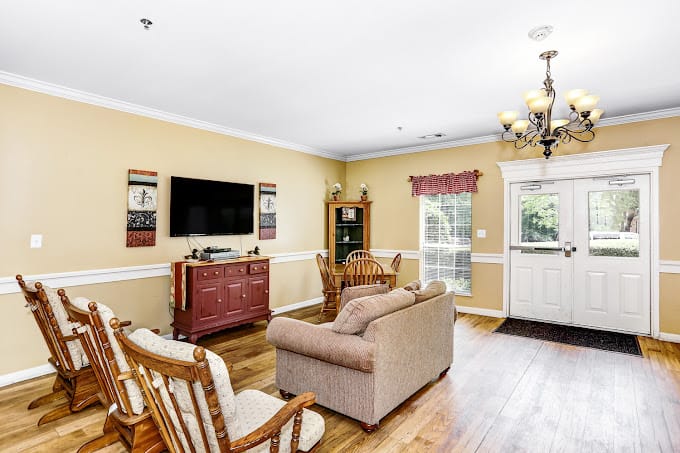
Prospective residents can consult with the intake coordinator to map out the general admission paperwork or to structure payment plans via traditional Medicare, state Medicaid, and private funds.
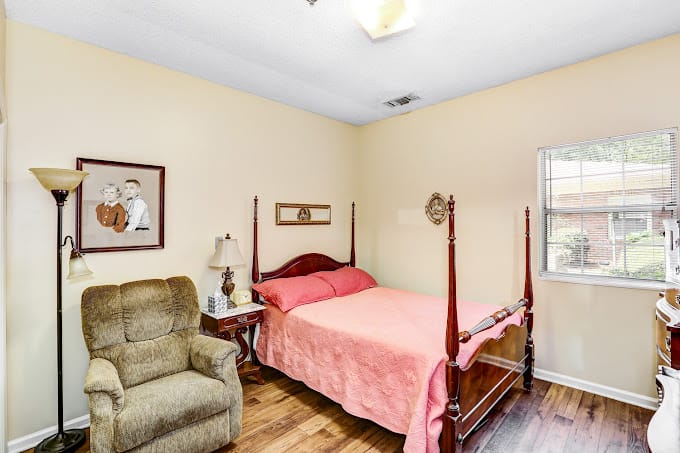
Samantha Gamble owns Cloverdale Rehabilitation and Nursing Center, a 141-bed skilled care home in Scottsboro, Alabama. The building runs at a high 91 percent occupancy rate, and the average resident stay lasts roughly 14 months. This extended timeline shows that the daily floor operations focus heavily on long-term residential care, though the team also handles short-term post-hospital therapy.
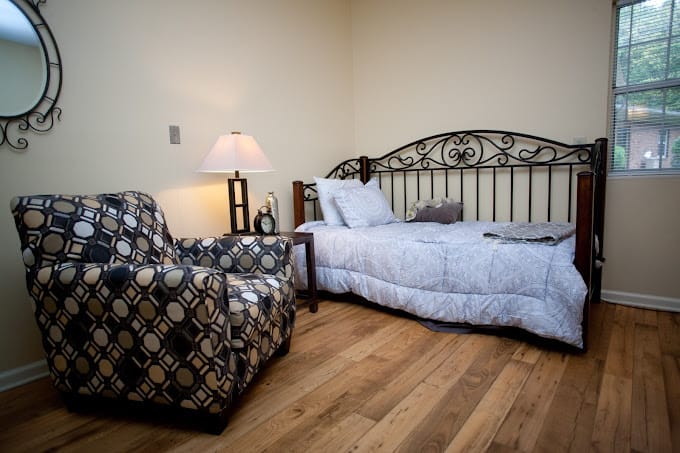
The daily routine is driven by a 24-hour nursing team that logs an average of 4 hours and 28 minutes of direct, hands-on attention per resident every day. Registered nurses, practical nurses, and aides split this time to cover clinical monitoring, personal care, and recovery routines. Outside, the property sits in a neighborhood with a walk score of 52, which means visiting relatives can easily take care of a few quick errands on foot.
Health department surveys have previously identified regulatory compliance issues regarding resident safety, infection control, and medication management. You can walk through these specific past inspection reports with the management team to see how they update and refine their clinical protocols.
Interested individuals can reach out to the front office to inquire about current room vacancies, request intake paperwork, or set up billing through traditional Medicare, state Medicaid, and private pay.
Tony Culberson owns Cleburne County Nursing Home, an 82-bed skilled-care property that has operated for 54 years in Heflin, Alabama. The facility currently serves 71 residents, representing an 87 percent occupancy level. Stays here average about 201 days, an extended timeline that shows the daily operations split attention between long-term residential care and shorter post-hospital recovery stays.
A 24-hour nursing team drives the daily floor schedule, logging about 4 hours and 50 minutes of direct, hands-on care per resident each day. This collective time is allocated among registered nurses, practical nurses, and assistants to oversee medical care and personal care routines. For visiting relatives, the neighborhood holds a walk score of 47, meaning a few minor tasks can be managed on foot, though most errands across town will require a vehicle.
State records have previously raised compliance issues involving infection control practices and general documentation protocols. Reviewing these past health department reports with the administrative staff is a straightforward way to evaluate their ongoing safety updates and quality control monitoring.
Older adults can contact the admissions office directly to inquire about current room openings, walk through the registration steps, or arrange payment pathways.
Cameron Dearman owns Burns Nursing Home, INC., a 57-bed care facility in Alabama. The building runs at an 88 percent occupancy rate, and resident stays average of around 166 days. This operational timeline indicates that the daily floor routine splits its attention between short-term therapy recovery and extended, permanent residential care.
The floor schedule relies on a 24-hour nursing team that logs an average of 4 hours and 20 minutes of direct, hands-on attention per resident daily. Registered nurses, practical nurses, and assistants divide this time to coordinate regular medical supervision and personal care routines. For visiting family members, the surrounding neighborhood carries a walk score of 63, which means some basic tasks and services are accessible on foot when stopping by.
State records have previously identified regulatory compliance gaps regarding care-plan execution, infection control protocols, and documentation practices. Management has since implemented corrective actions to address these past issues, and you can look over these updated safety systems directly with the administrative team.
Prospective representatives can contact the intake department to check on current vacancies, request registration paperwork, or review available amenities. The front desk can also walk you through funding structures for traditional Medicare, state Medicaid, and private pay options.
Jared Self owns Baron House of Hueytown, a 50-bed nursing home on Brooklane Drive in Hueytown, Alabama. The building runs at a 67 percent occupancy level, meaning there are regular room openings for incoming arrivals. Residents stay here for an average of 81 days, a short-turnover timeline indicating that daily operations focus heavily on temporary post-hospital therapy recovery alongside long-term nursing care.
The floor schedule centers on a 24-hour nursing team that logs an average of 3 hours and 51 minutes of direct, hands-on attention per resident daily. This care time is split among clinicians and assistants to manage personal care routines and rehabilitation therapy. Outside, the property holds a walk score of 50, meaning the neighborhood is moderately walkable and visitors can handle a few minor errands on foot.
State health department surveys have previously flagged compliance concerns regarding documentation accuracy, medication management, infection control procedures, and physical assistance during routine care activities. Reviewing these past survey files directly with the administrative staff is a practical way to evaluate their current quality assurance and tracking systems.
Prospective residents can consult with the intake department to check on immediate bed availability or to start the standard registration steps. The administrative office can also coordinate billing setups through traditional Medicare, state Medicaid, or standard private funds.
Ranking Methodology
How we rank these assisted living communities
Every community above is evaluated across six weighted categories using public data including state inspection records, review platforms, BBB profiles, and operator-published materials.
Weighting overview
- 35%Resident Experience
- 25%Regulatory
- 15%Visual Media
- 10%Website
- 10%Stability
- 5%Environment
01
Resident & Family Experience 35%
The single largest share of every ranking. Aggregated review sentiment and volume from major platforms — the closest signal to real resident experience.
- Includes
- Review Sentiment
- Review Volume
02
Regulatory & Safety Record 25%
State inspection records, citations, and complaint visits. We weight per-inspection rates more heavily than raw counts.
- Includes
- State Inspections
- Citations/Inspection
- % Inspections w/ Citations
- Complaint Visits
- Accreditations
- BBB Rating
03
Visual Media & Transparency 15%
Communities that publish high-quality visuals give families a real preview. No photos or tours = a negative transparency signal.
- Includes
- Video Tours
- Virtual Walkthroughs
- Photo Quantity
- Photo Quality
04
Website & Operator Transparency 10%
Site quality and whether the operator publishes basic accountability information — staff names, contact details, ownership.
- Includes
- Website Content
- Mobile Usability
- Staff Info Available
- Owner Info Available
05
Community Stability 10%
Operational signals indicating whether a community is well-run and meeting demand.
- Includes
- Occupancy Rate
- Bed Options
06
Environment & Pricing 5%
Walkability and pricing transparency. Walk Score is weighted higher for Independent Living than for Memory Care, where most residents do not leave unaccompanied.
- Includes
- Walk Score
- Pricing Transparency
Nearby Cities
Who we are
Your Senior Care Partner, Every Step of the Way
We help families find affordable senior communities and unlock same day discounts, Medicaid, and Medicare options tailored to your needs.
Contact us Today
Frequently Asked Questions about Assisted Living in Alabama
What's the difference between assisted living and memory care in Alabama?
Assisted living in Alabama supports residents with daily activities (bathing, dressing, medication management) while preserving independence. Memory care is a specialized form of assisted living for residents living with Alzheimer's or dementia, and adds 24/7 secured environments, dementia-trained staff, and structured routines designed to reduce confusion and wandering.
What's the difference between assisted living and a nursing home in Alabama?
Assisted living in Alabama is a residential model focused on housing, hospitality, and help with daily activities. Nursing homes (skilled nursing facilities) provide 24/7 medical care from licensed nurses for residents with significant health needs, and are regulated more strictly under both state and federal CMS rules.
Does Alabama Medicaid cover assisted living?
Alabama Medicaid does not directly pay room-and-board for assisted living, but most states (including Alabama) offer Home and Community-Based Services (HCBS) waivers that can offset the cost of care services delivered inside a licensed community. Eligibility, waitlists, and covered services vary — check directly with the state Medicaid agency.
What is assisted living?
Assisted living combines private or semi-private apartments with help on activities of daily living (meals, bathing, dressing, medication management) and a social calendar — for residents who need some support but do not need 24/7 medical care.
How many assisted living facilities are listed on this page?
This page features 188 assisted living facilities in Alabama. Use the filters and comparison tools above to compare ratings, amenities, and pricing.
How do I choose the right assisted living facility in Alabama?
Start by matching the level of care offered to the resident's current and anticipated needs, then compare licensing status, staff-to-resident ratios, recent inspection results, and pricing. Tour at least two or three communities in Alabama, talk to current residents and families, and confirm what is included in the base rate versus billed as add-on services.
What should I look for when visiting assisted living facilities in Alabama?
Pay attention to staff interactions with residents, cleanliness and odor, food quality at meal times, the activity calendar, and how questions about pricing and care plans are answered. Ask to see the most recent state inspection report, the move-out / level-of-care-change policy, and a sample monthly bill that lists every fee.