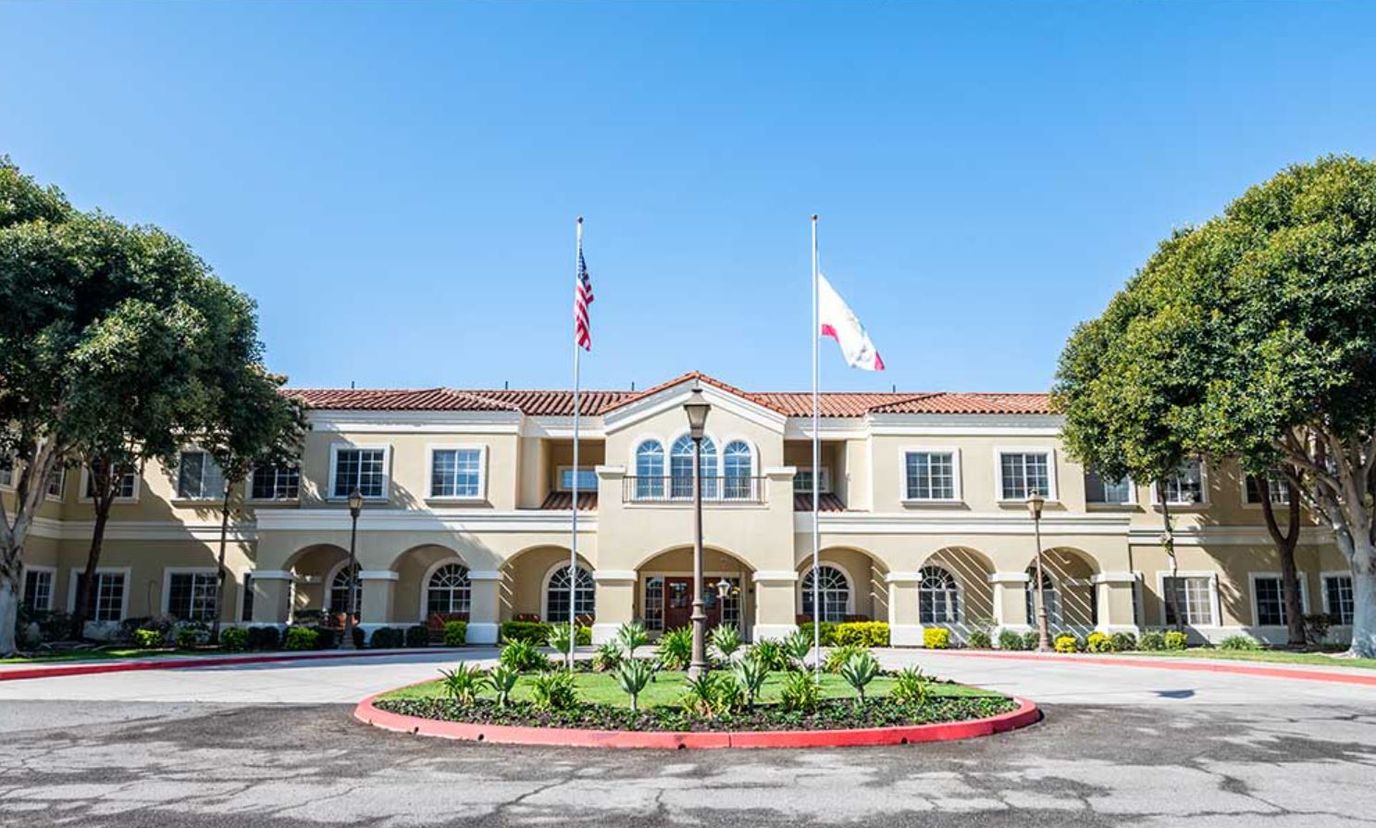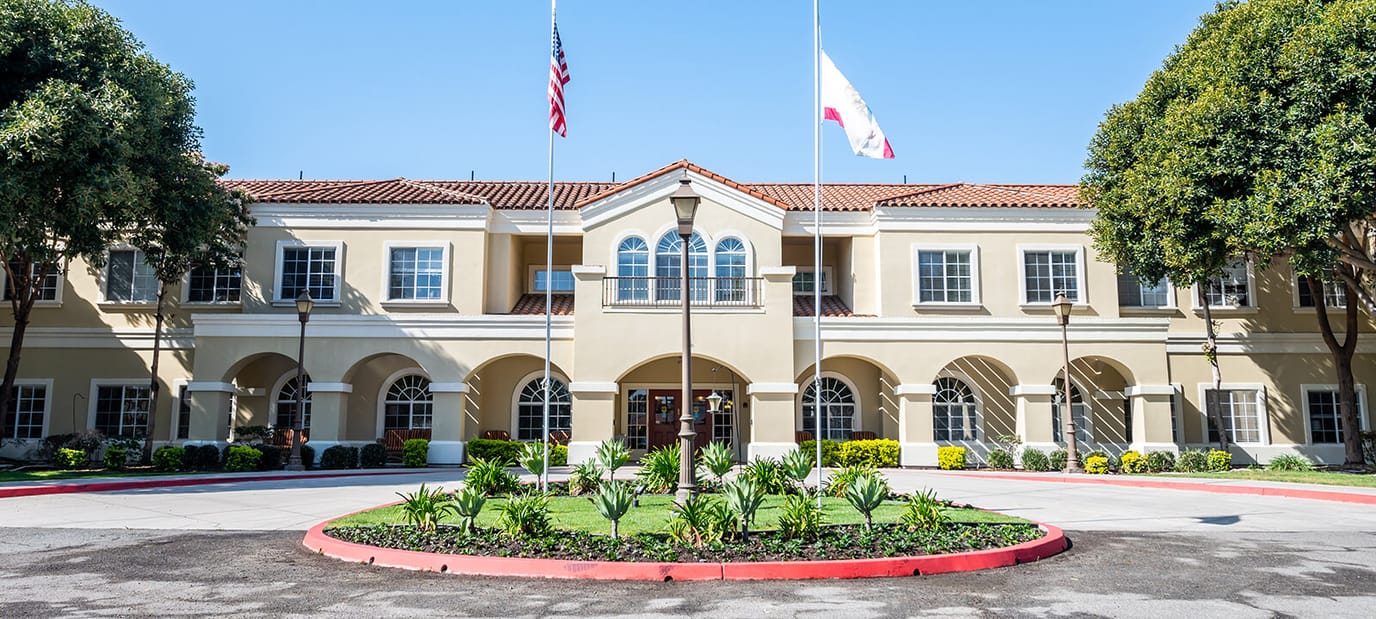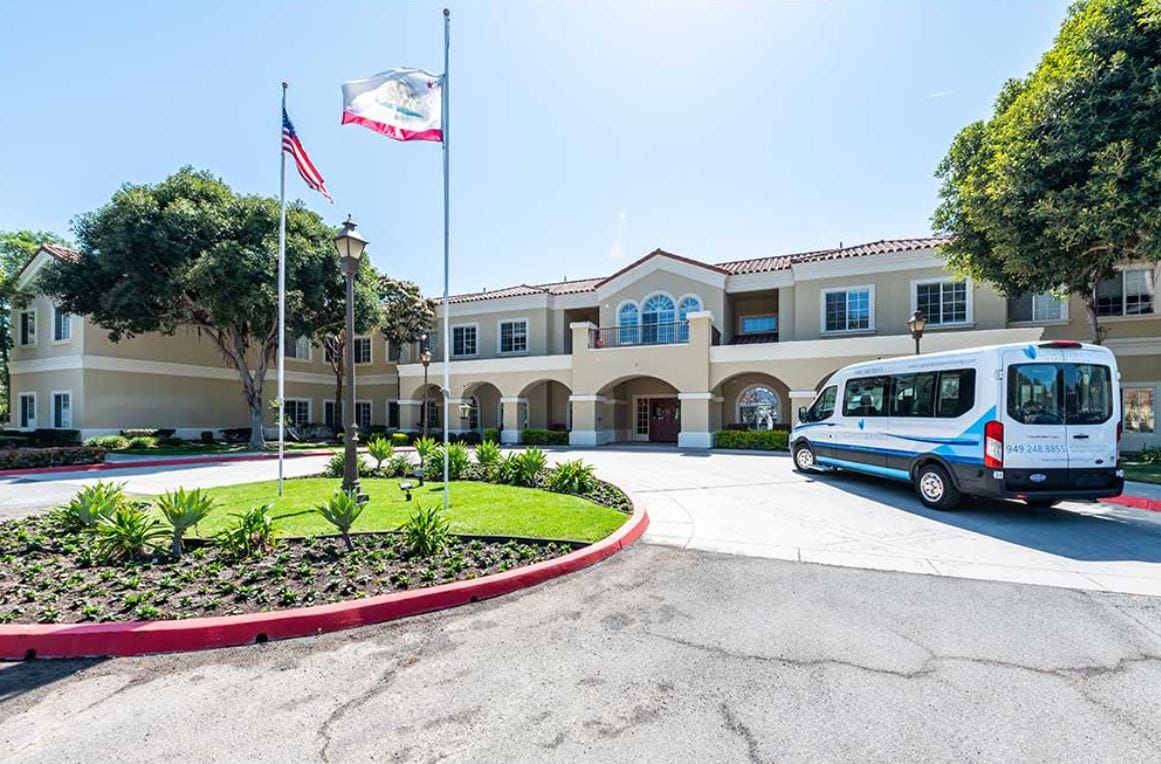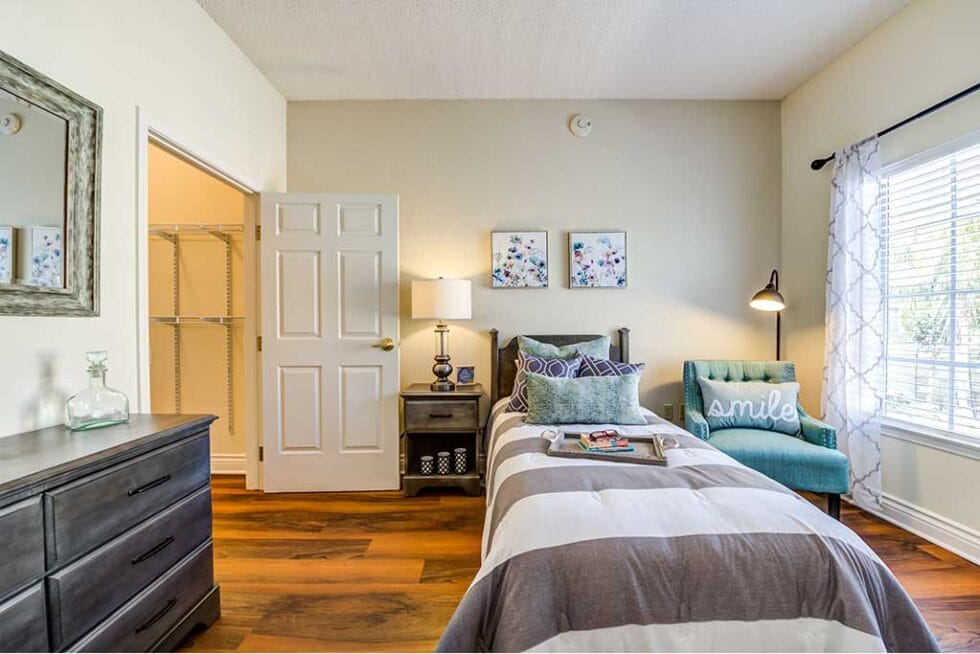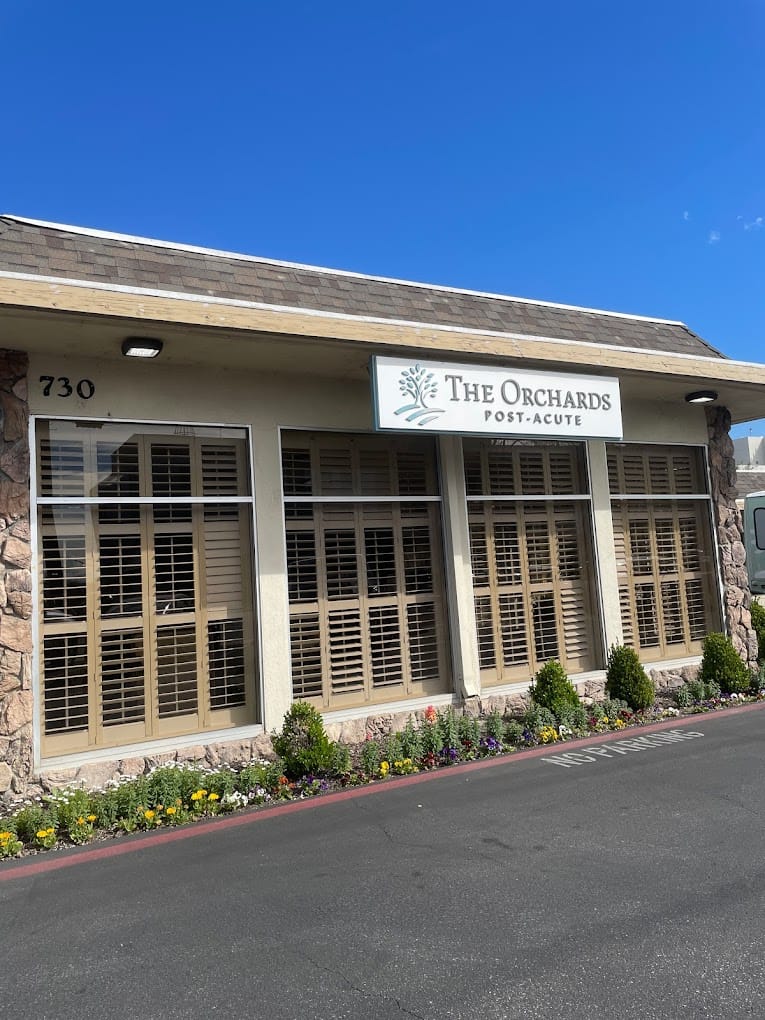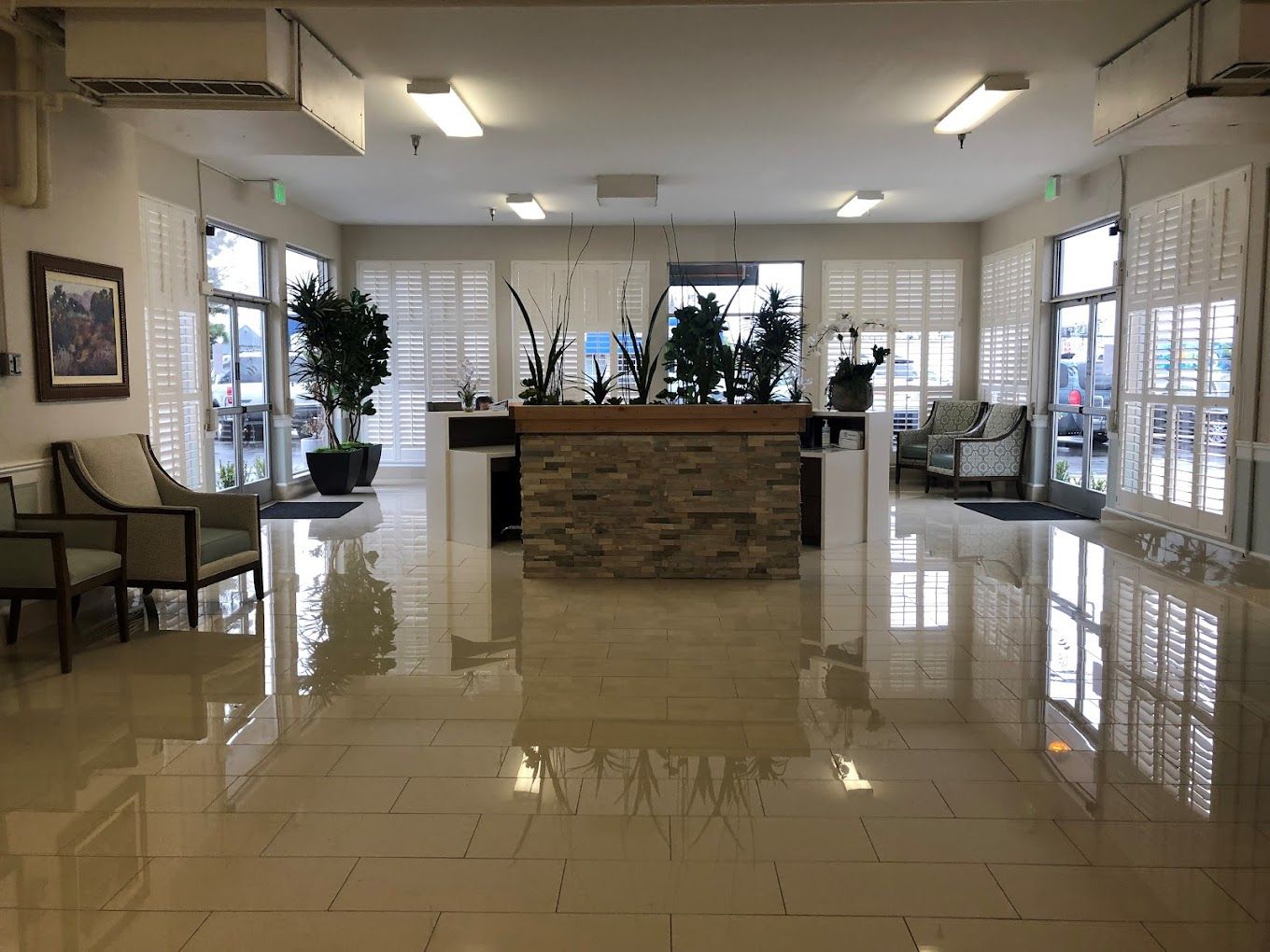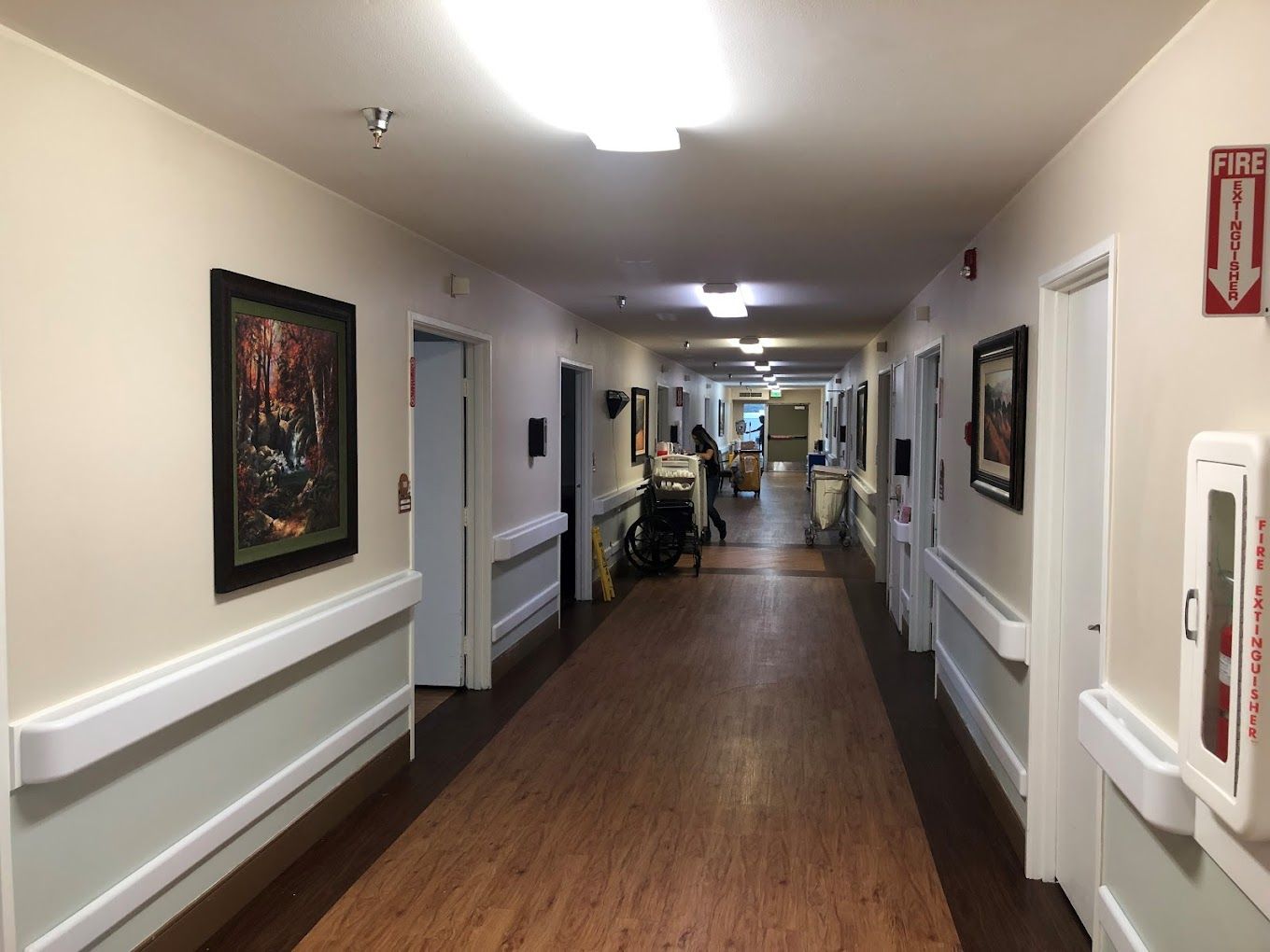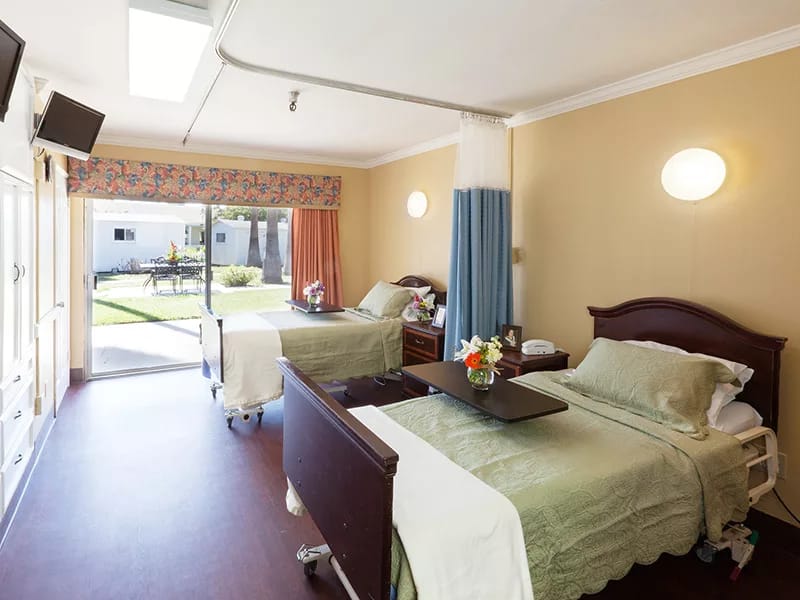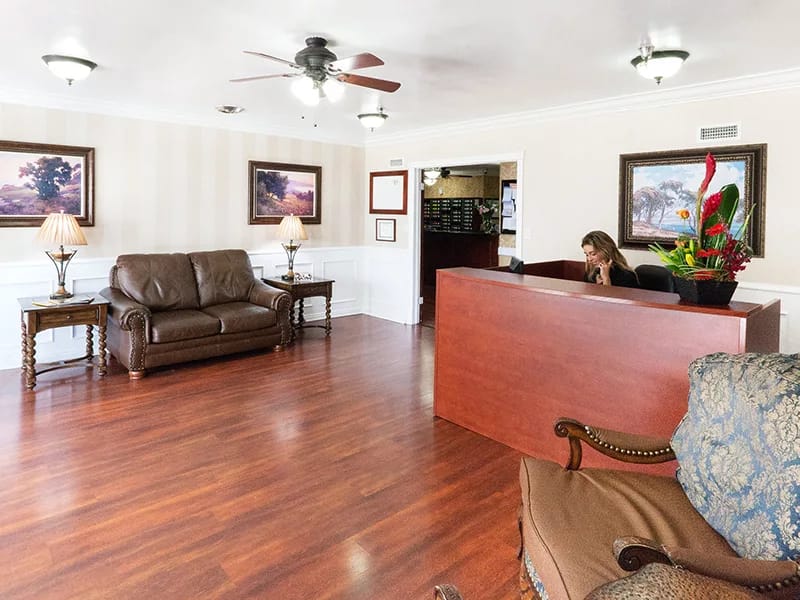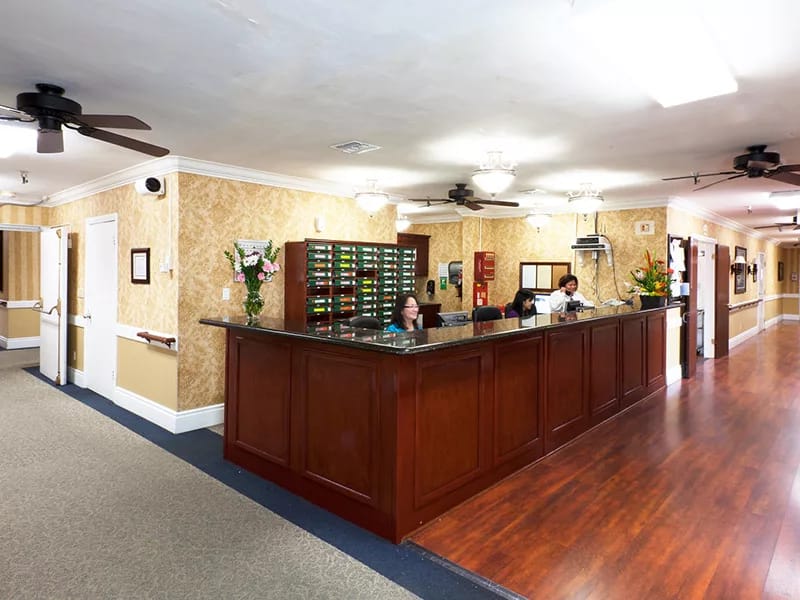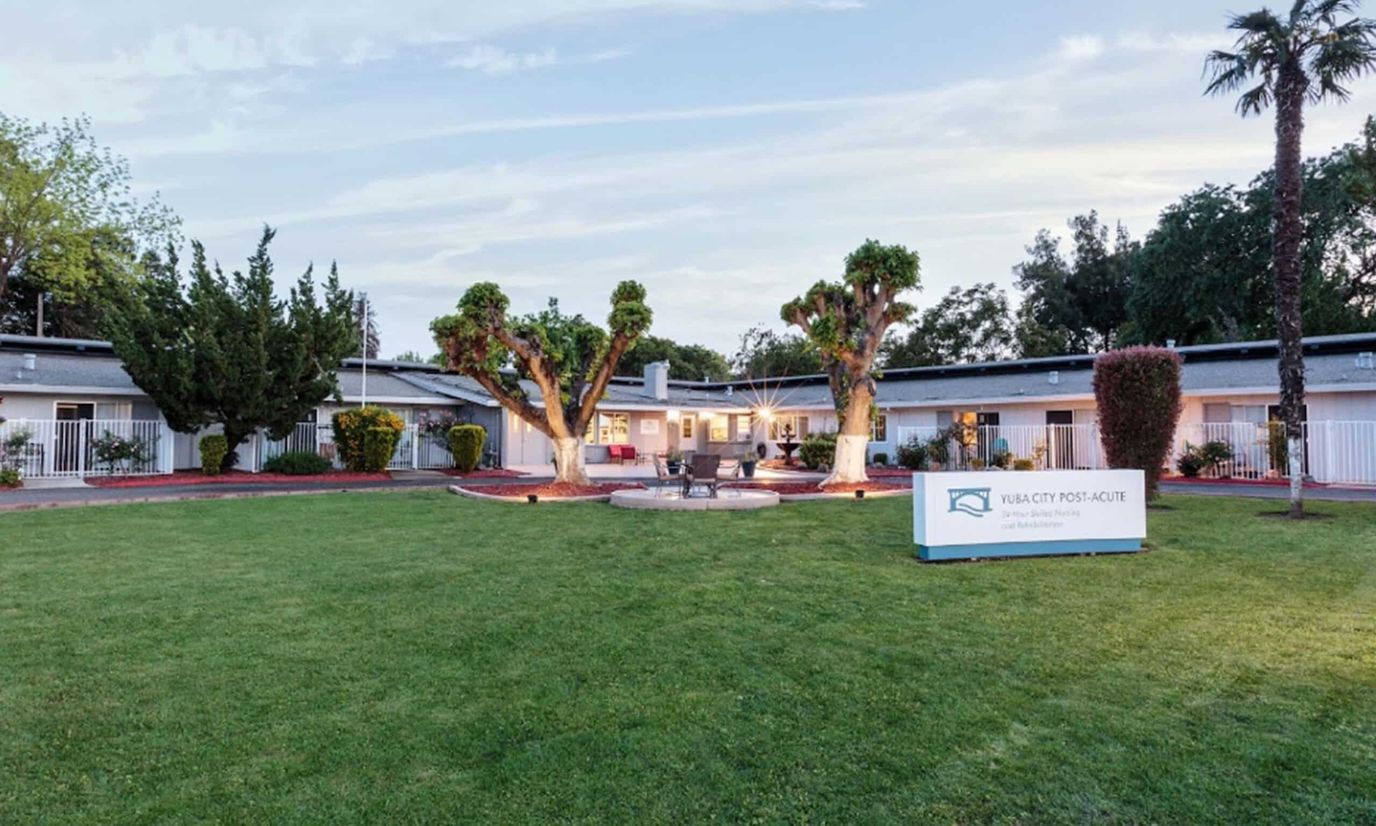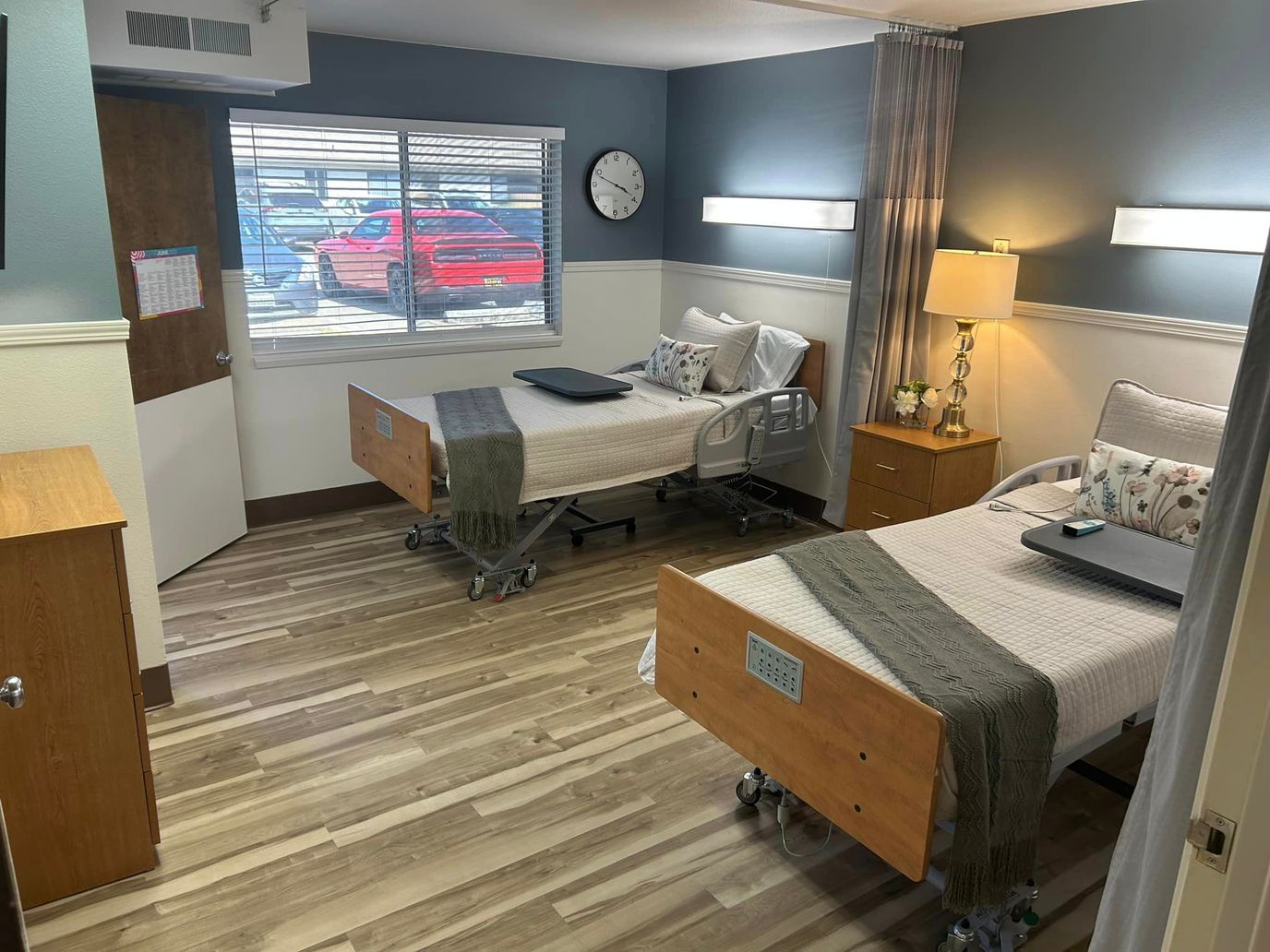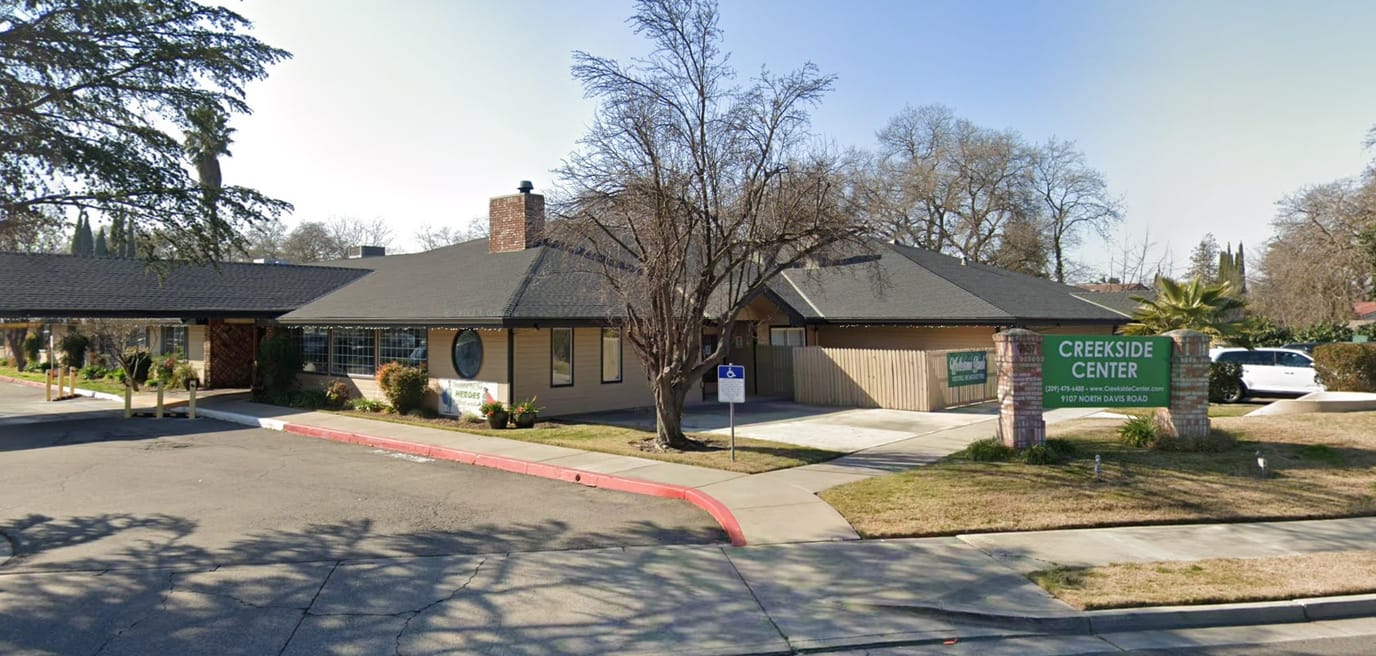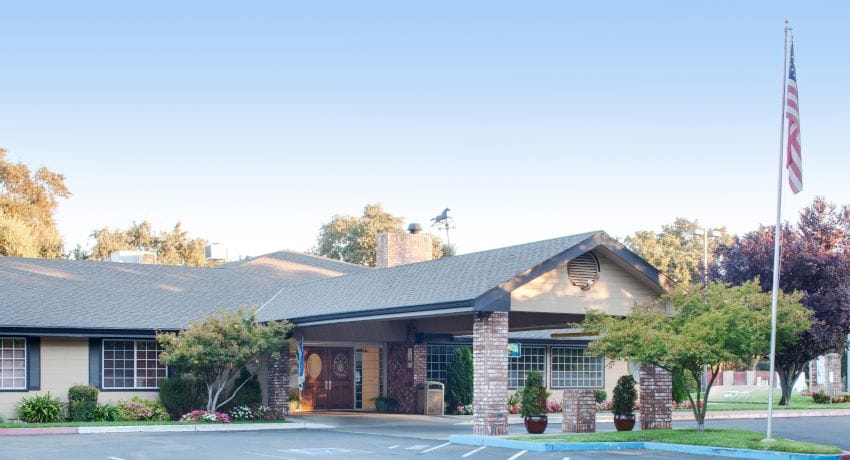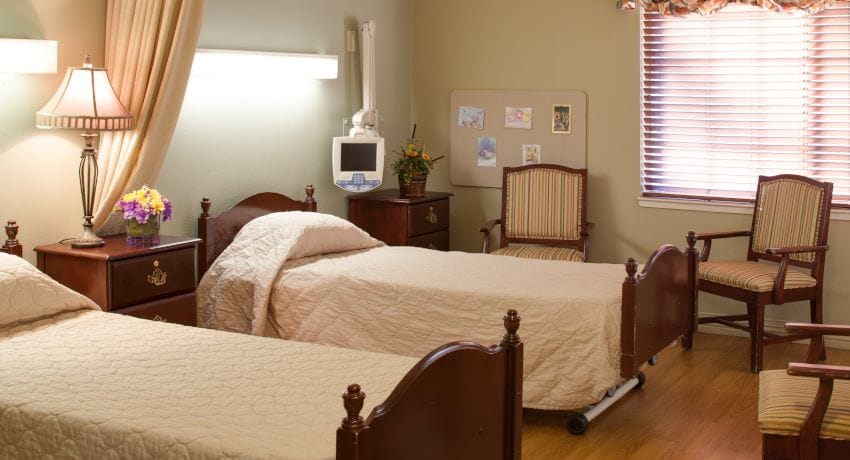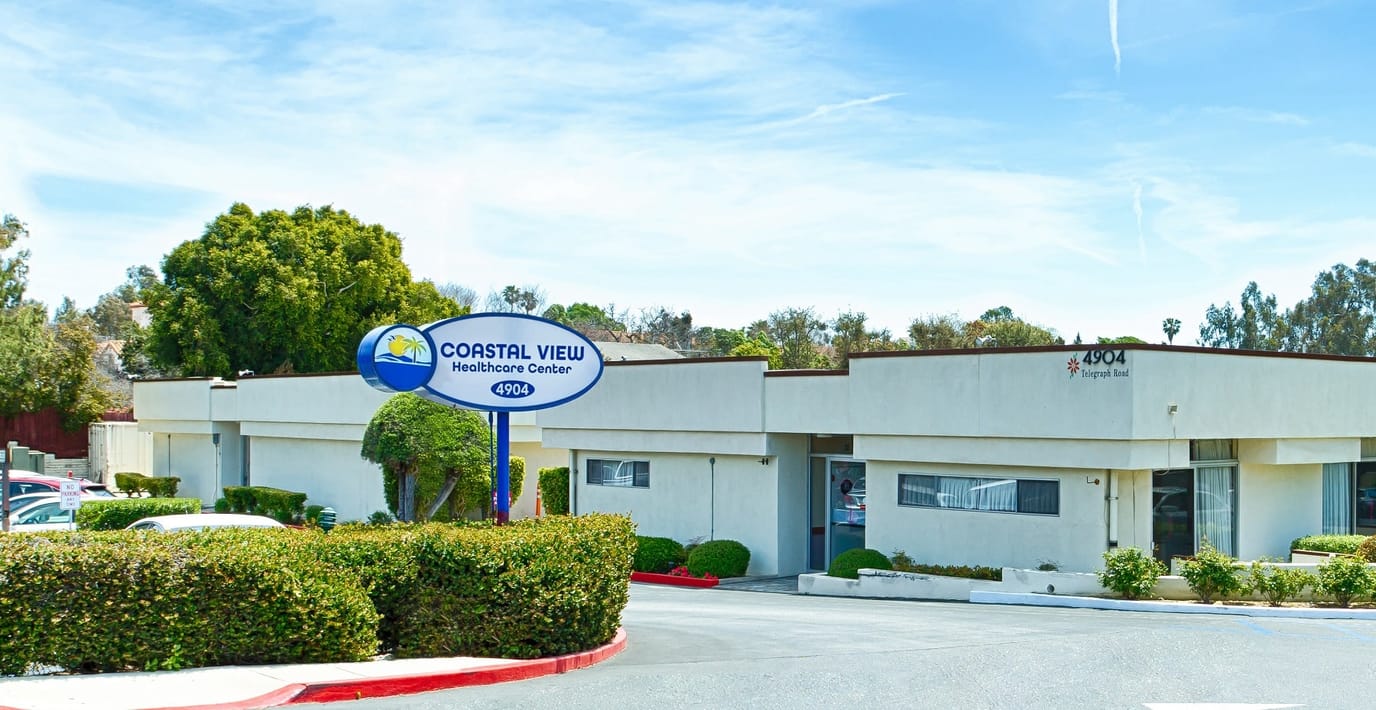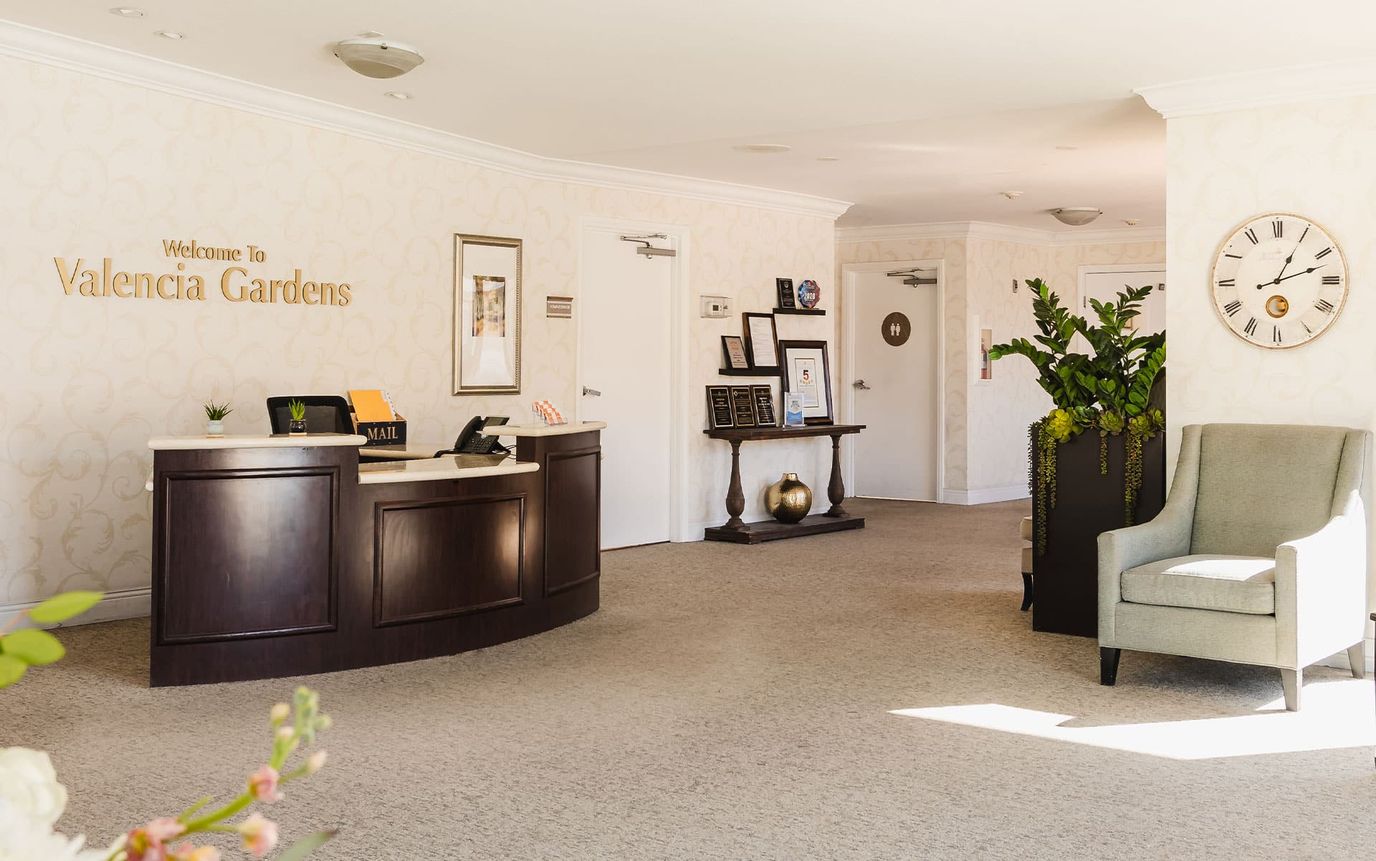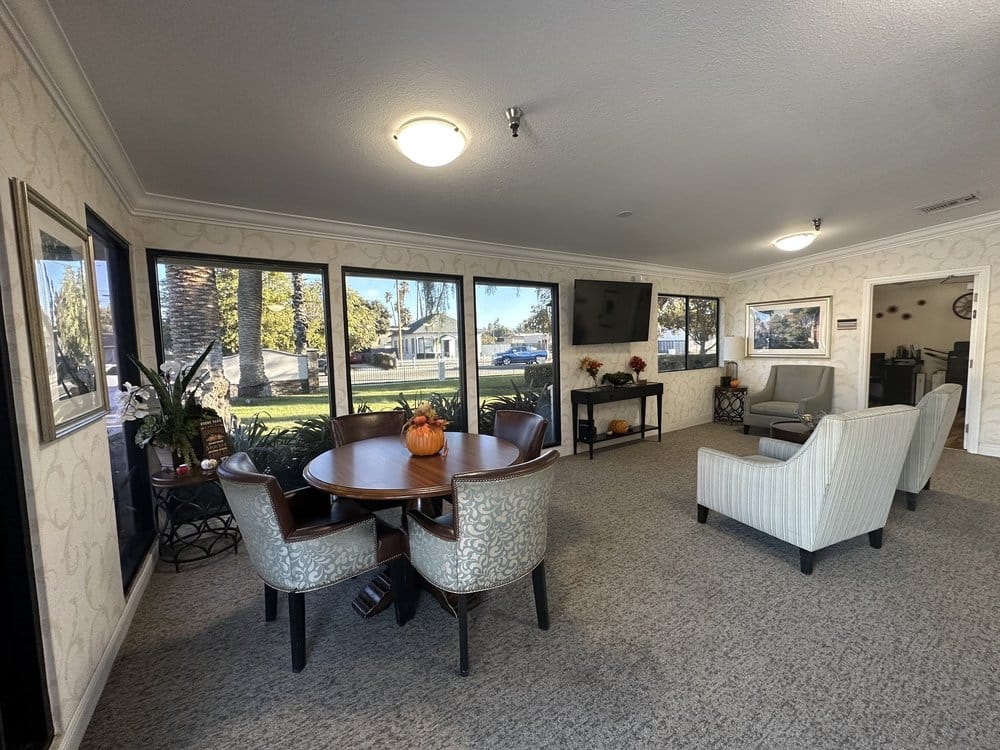


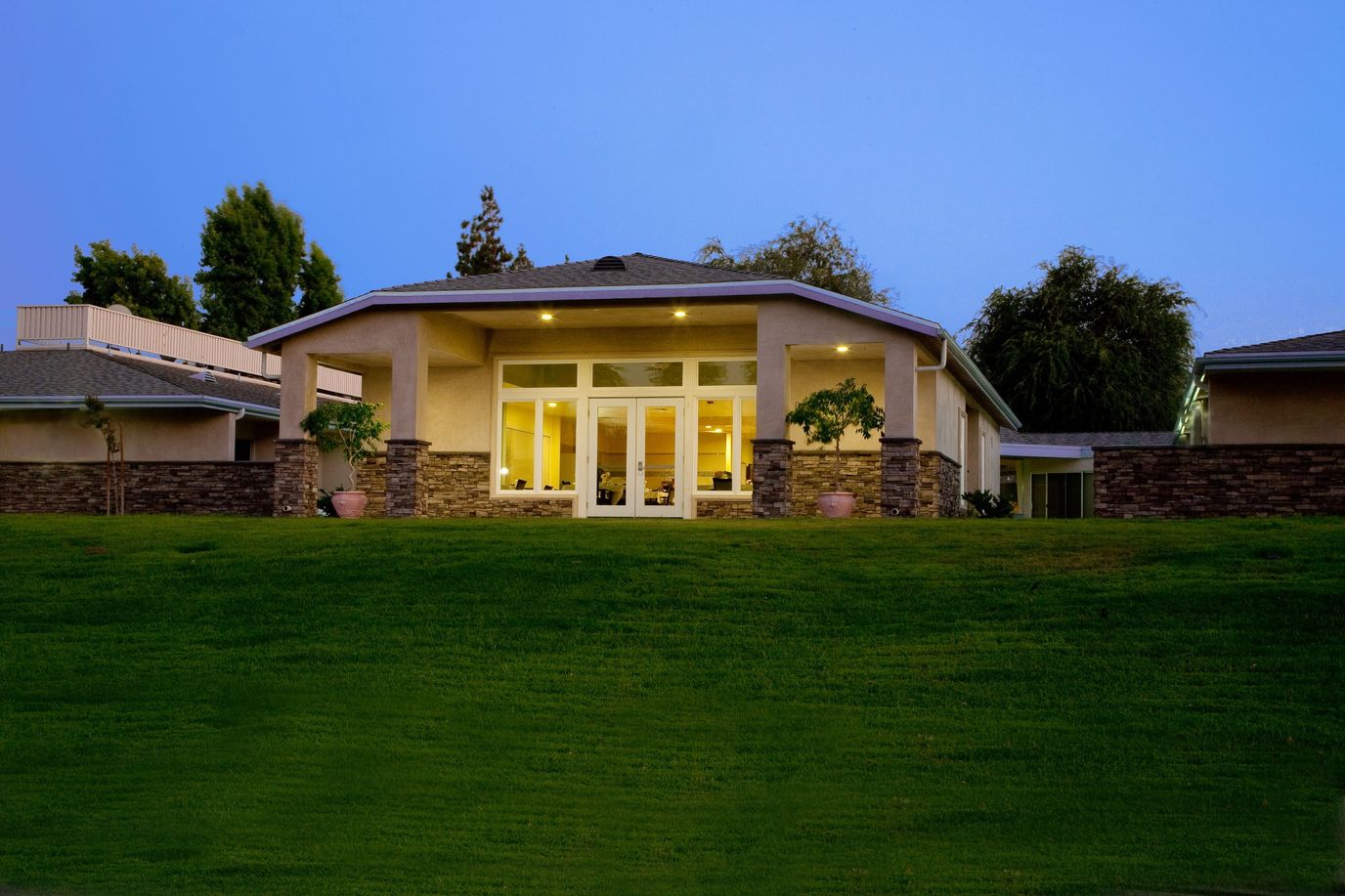
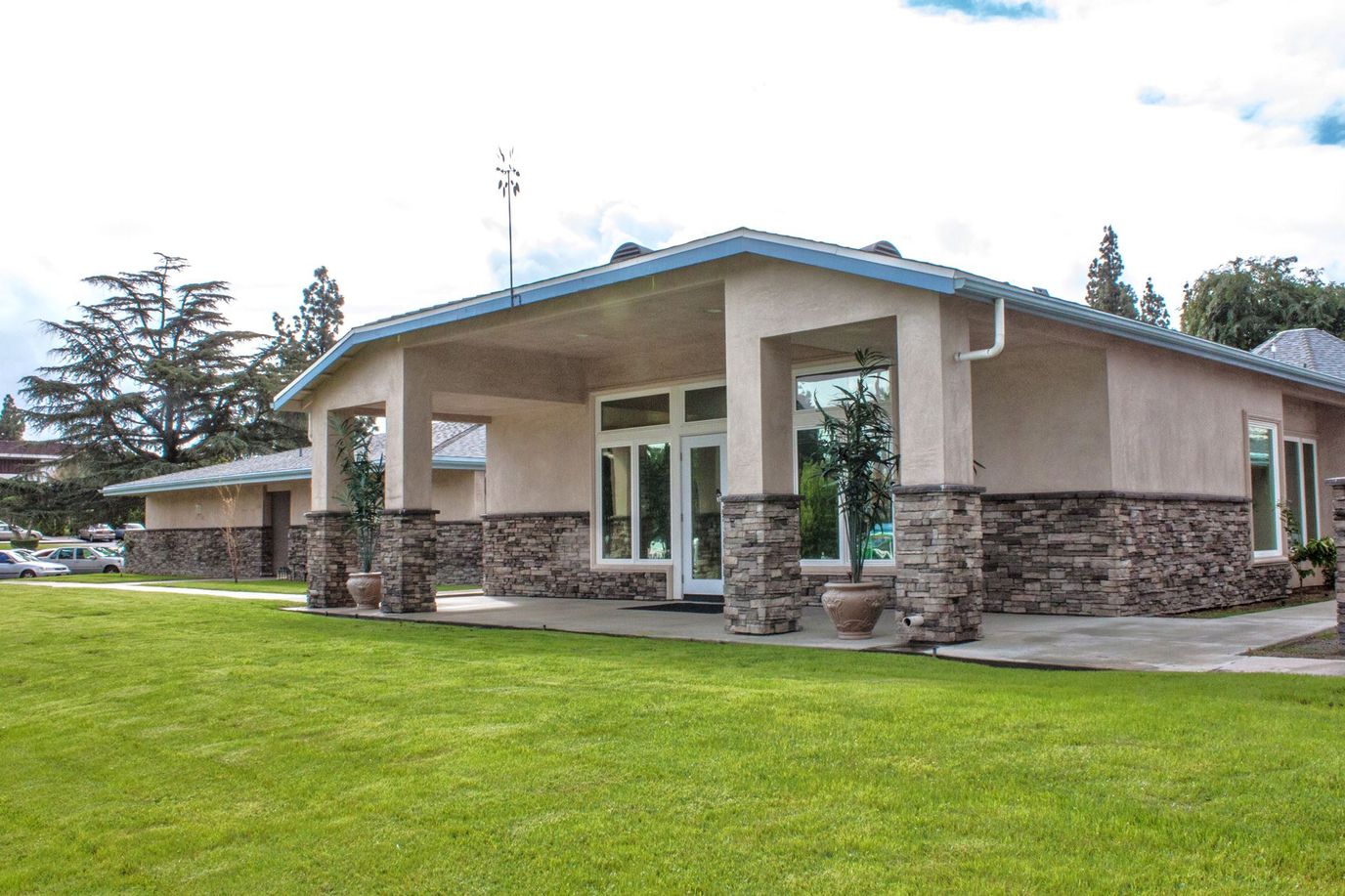
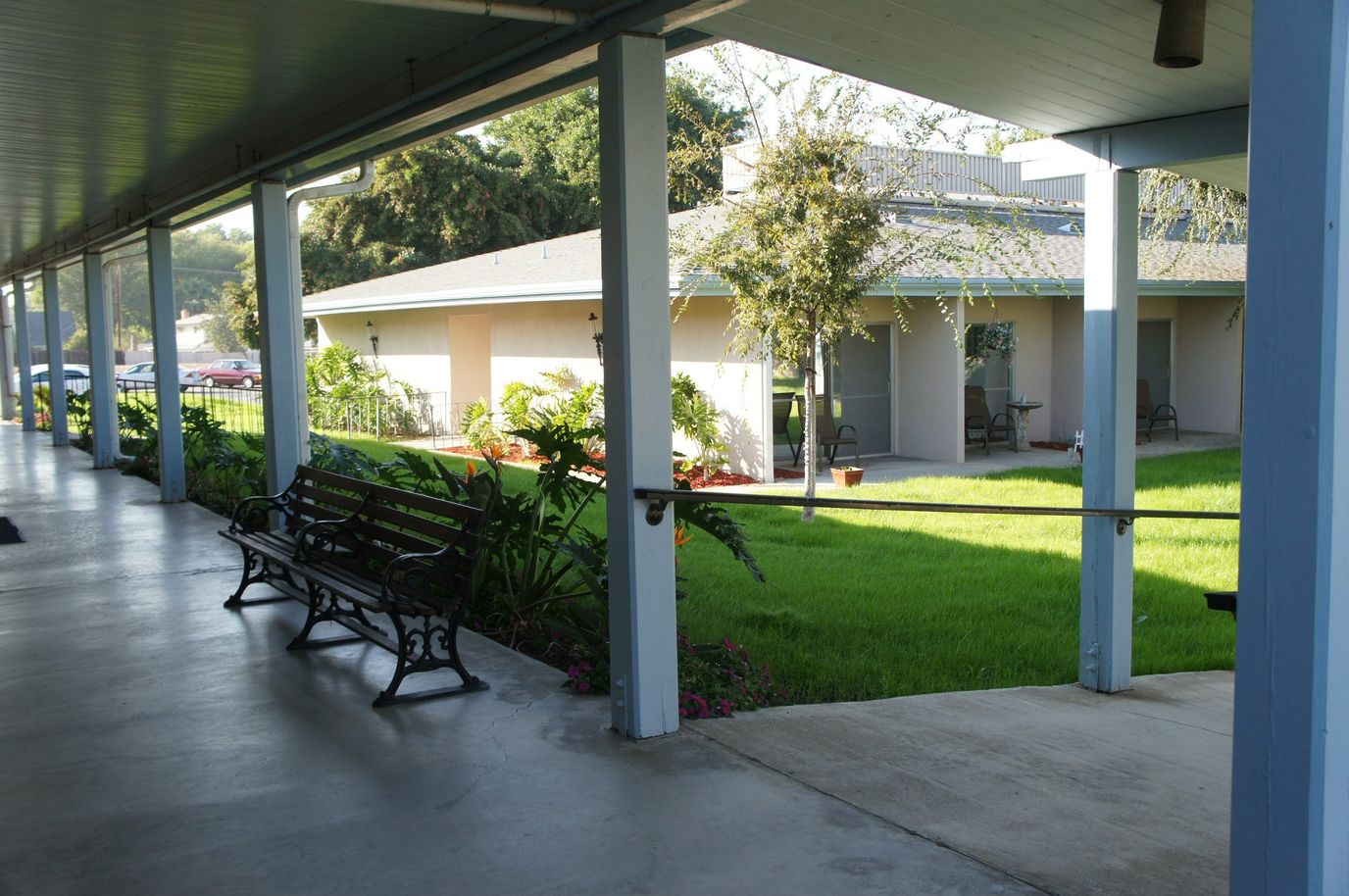
Brookside Rehabilitation Center operates as a 97-bed skilled nursing facility privately owned by Michelle Mora. The address is 105 Terracina Boulevard, Redlands, San Bernardino County, California. The census hovers around 84 residents with 89.3 percent occupancy; a strong local demand signal. Most new admissions are private-pay (72 percent) or Medicare (21 percent), with Medicaid comprising 7 percent, reflecting a short-stay rehabilitation model where the average resident stays roughly 48 days.
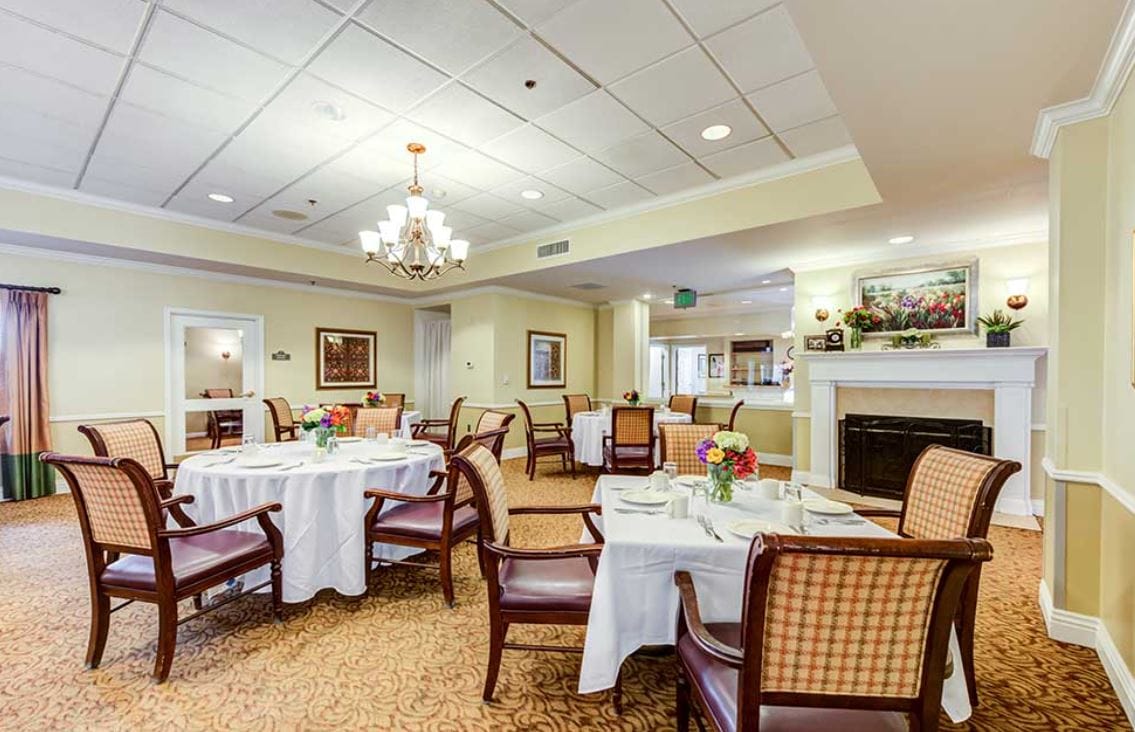
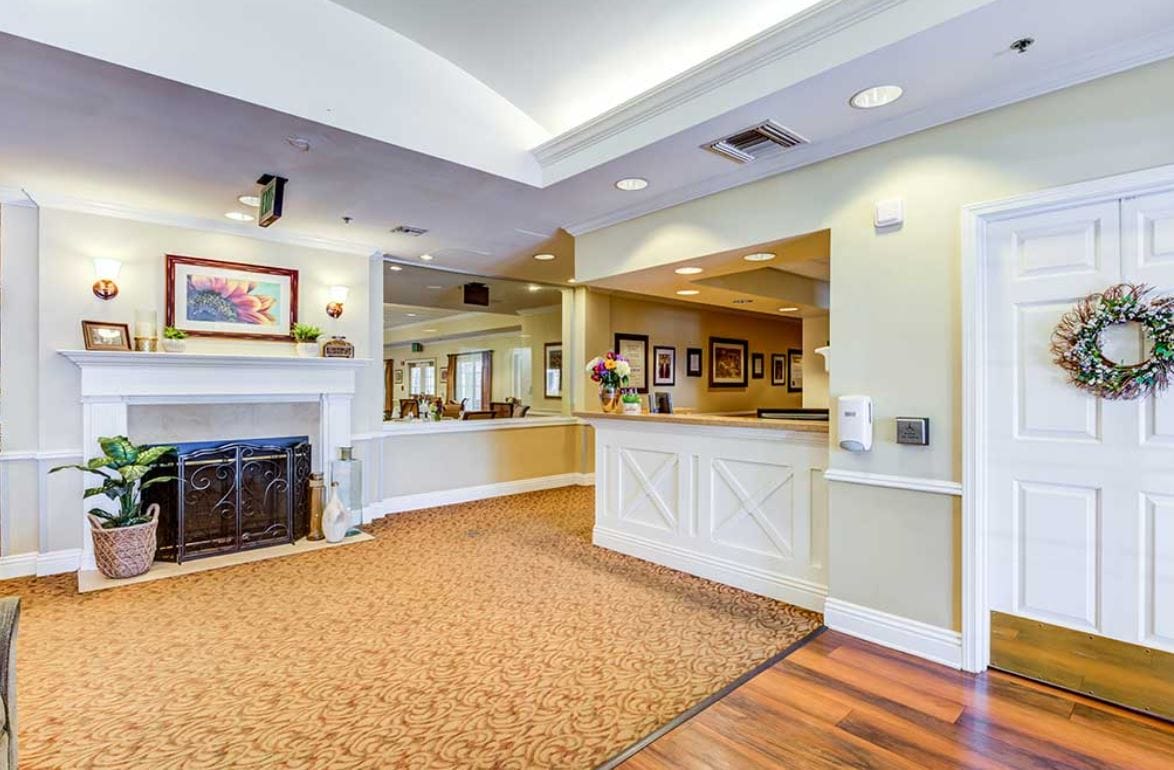
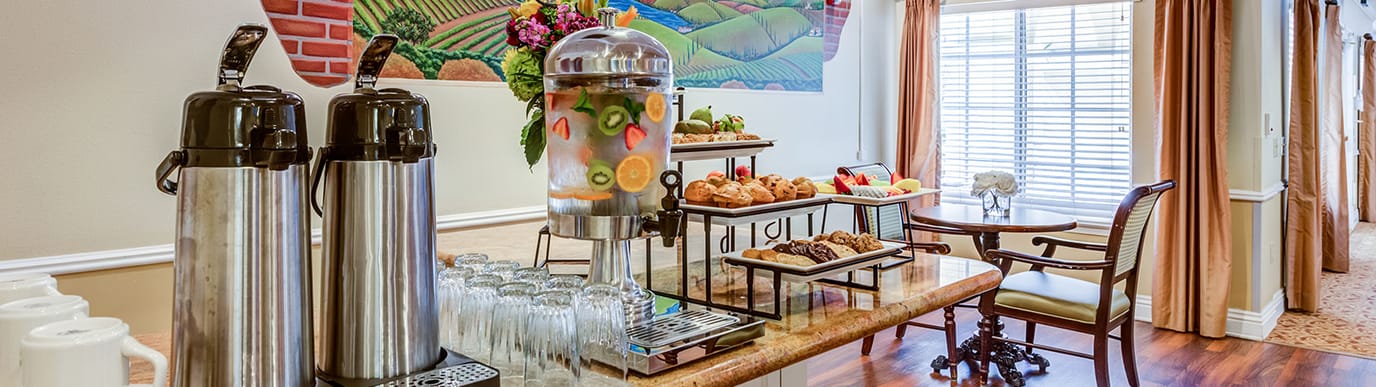
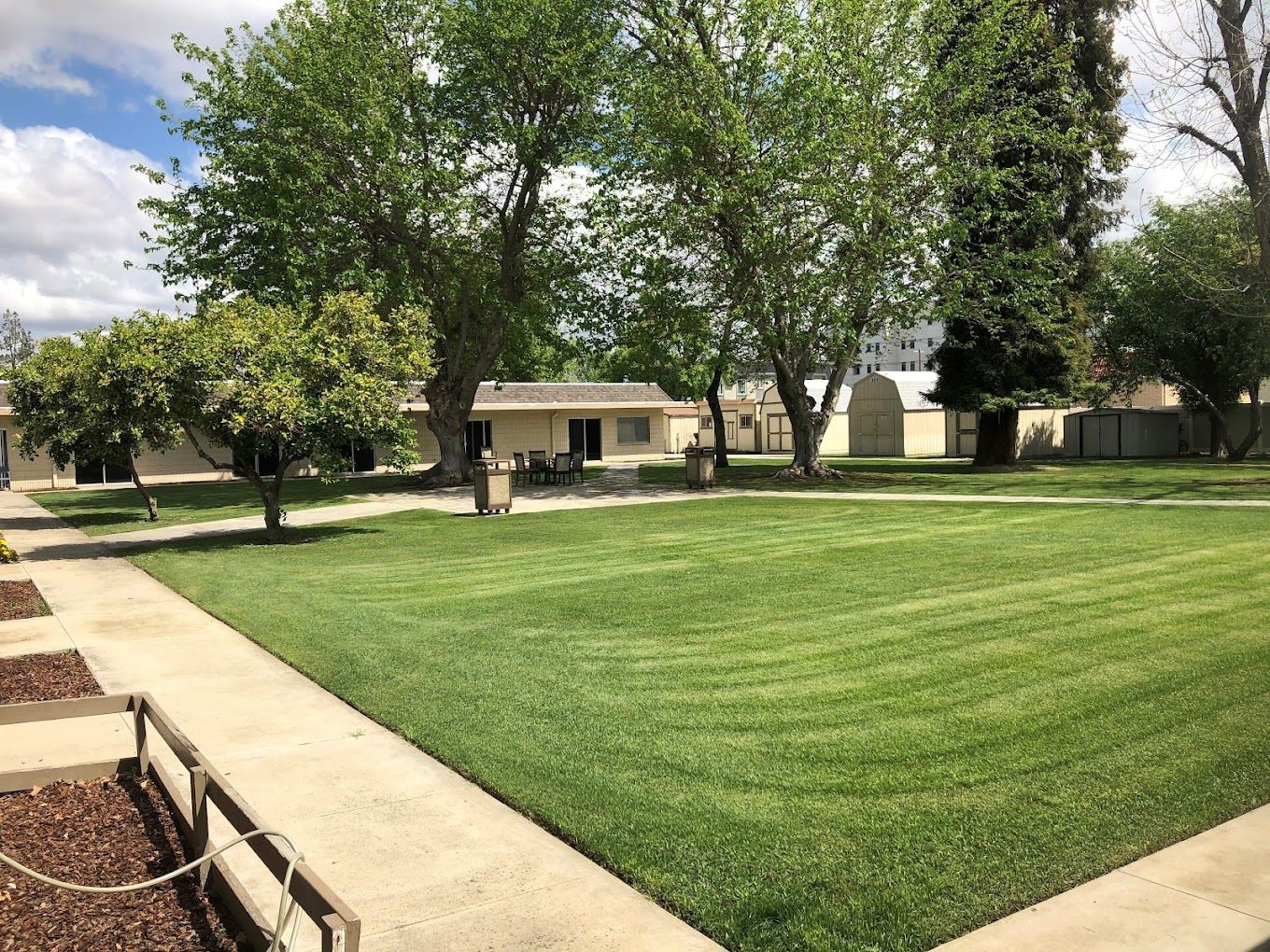
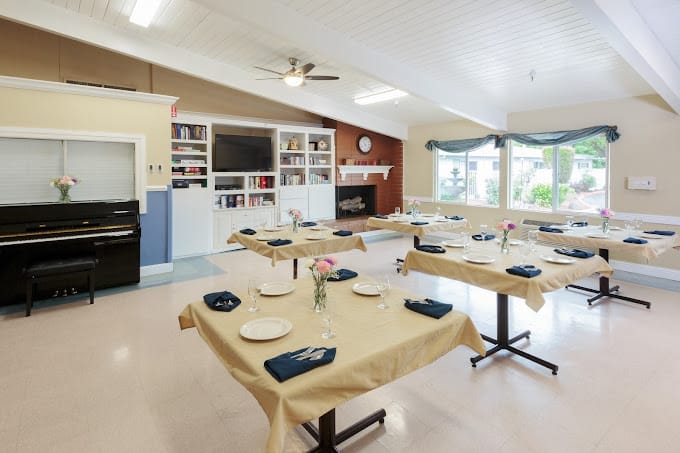
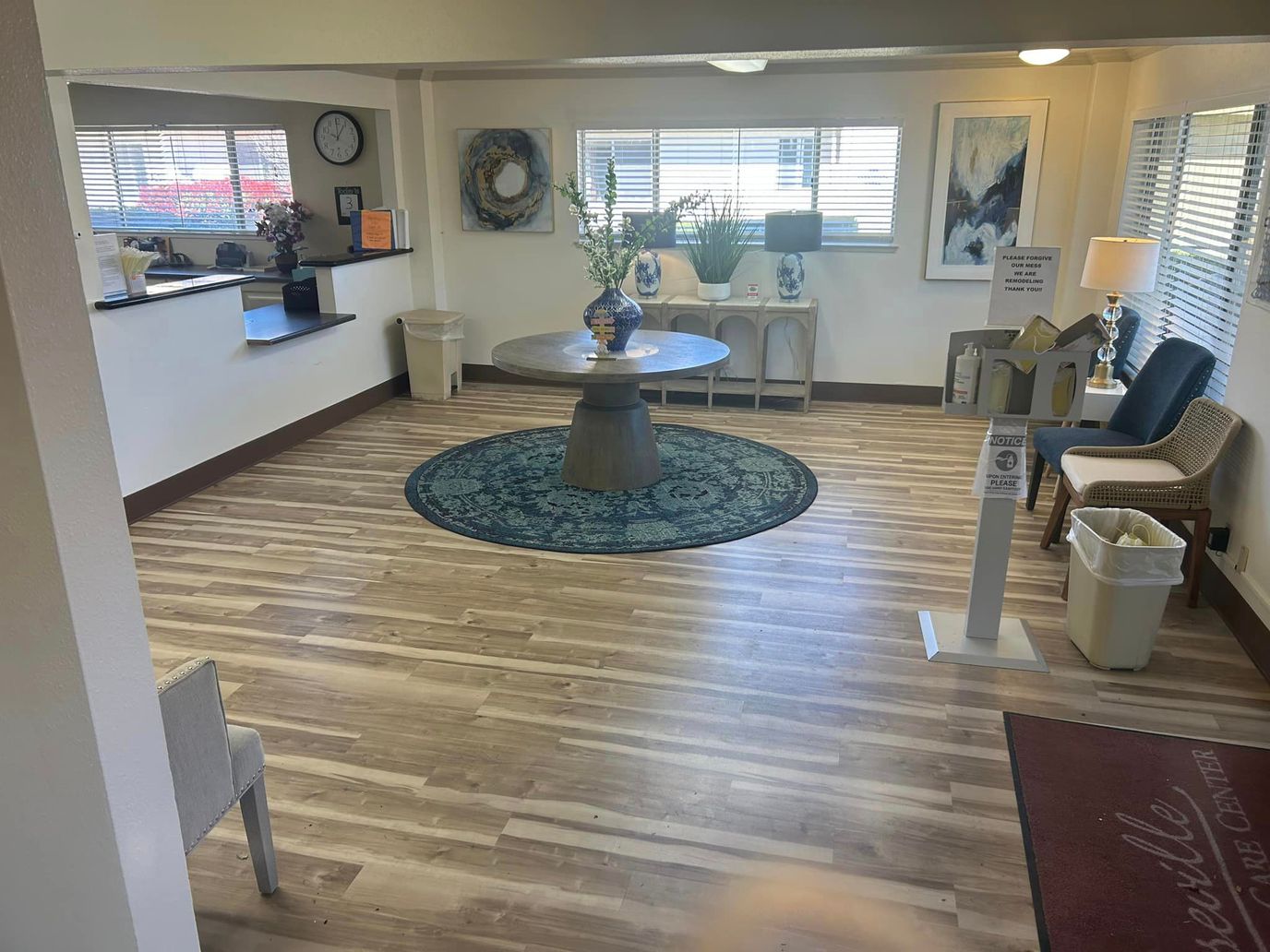
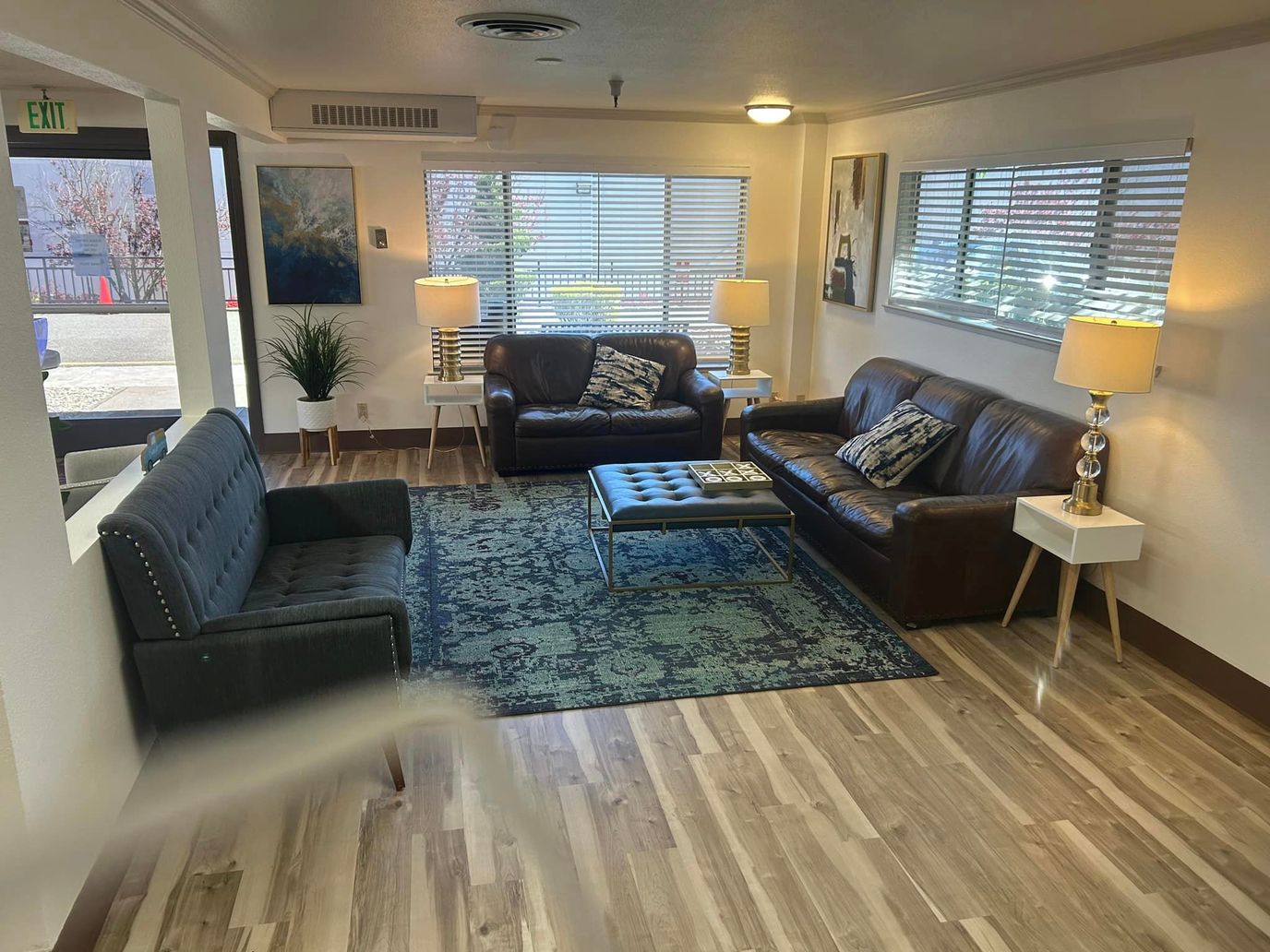
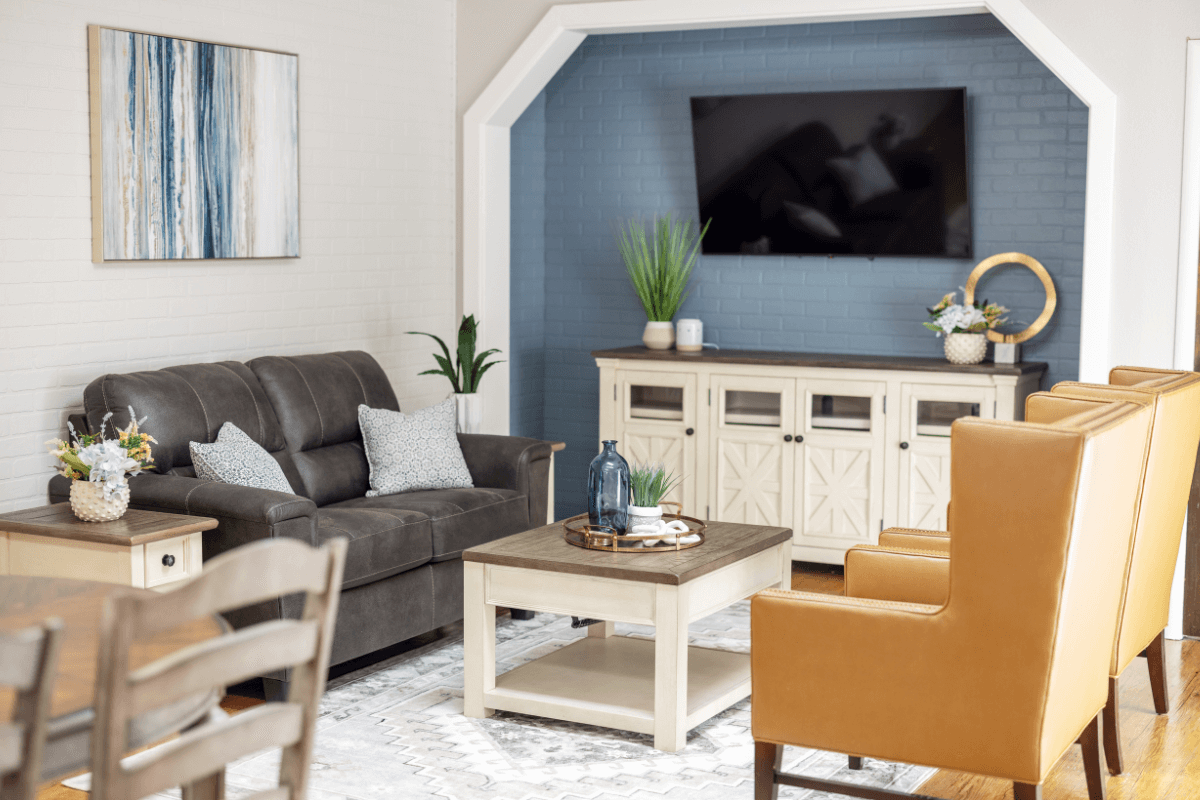
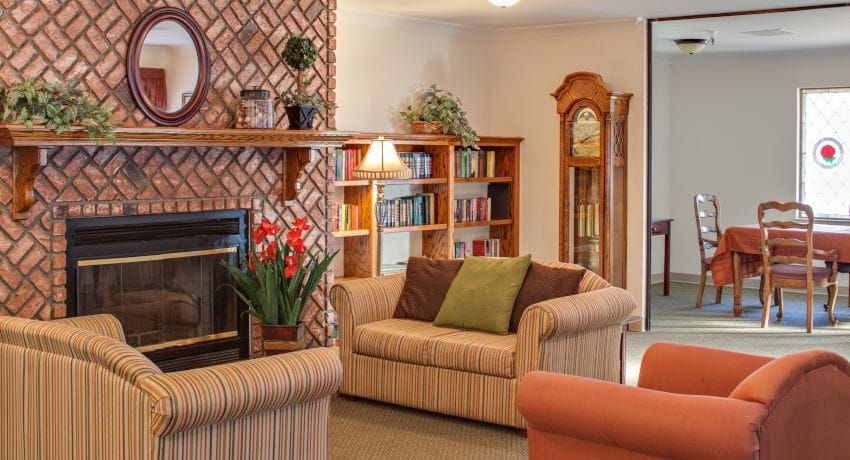
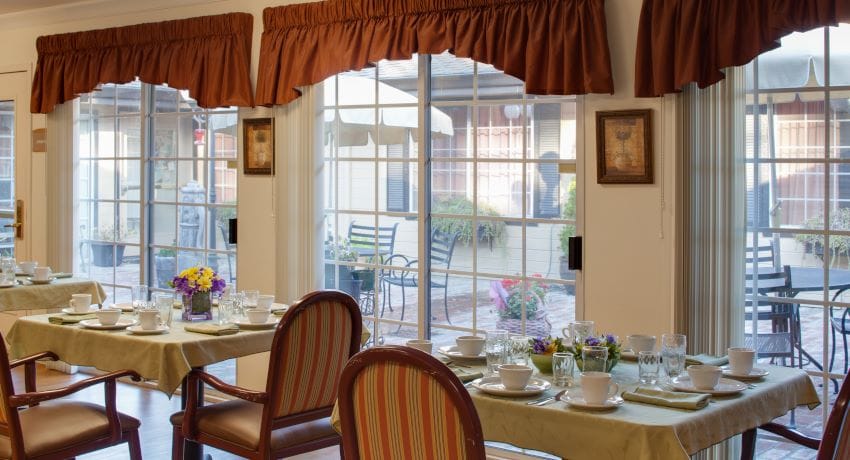
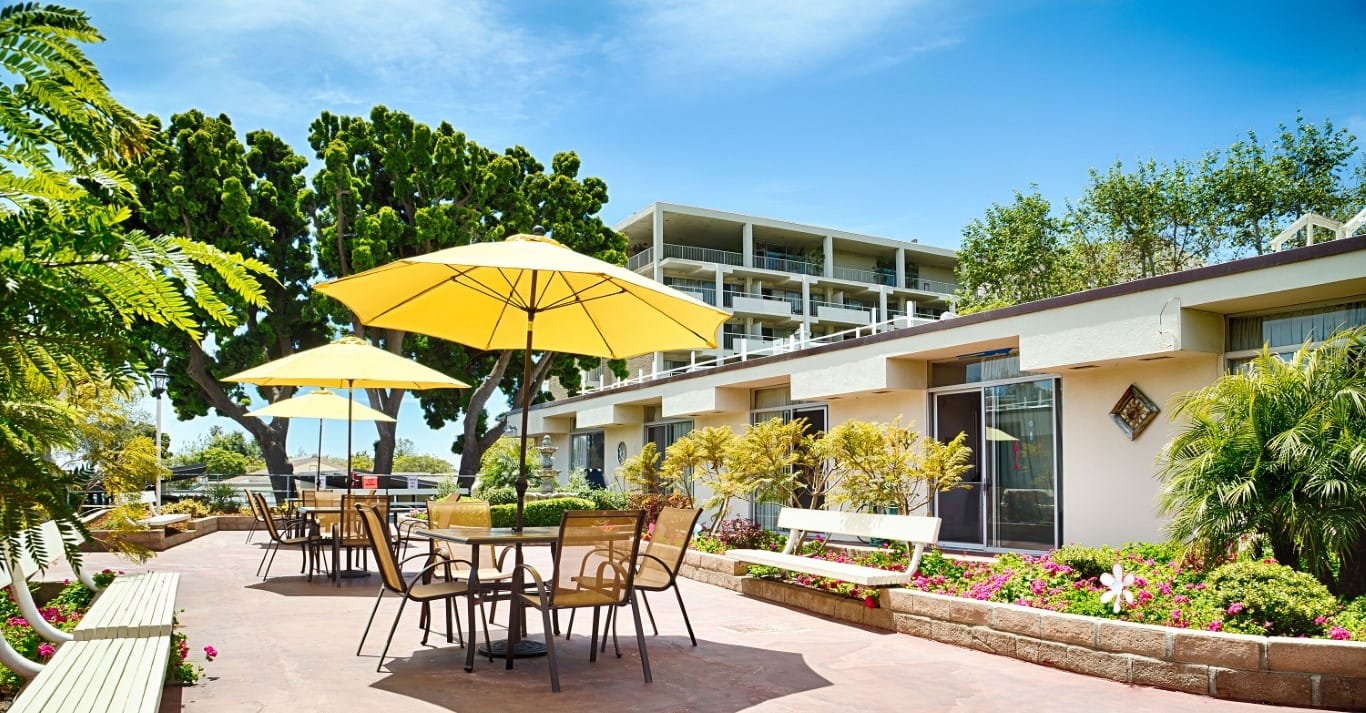
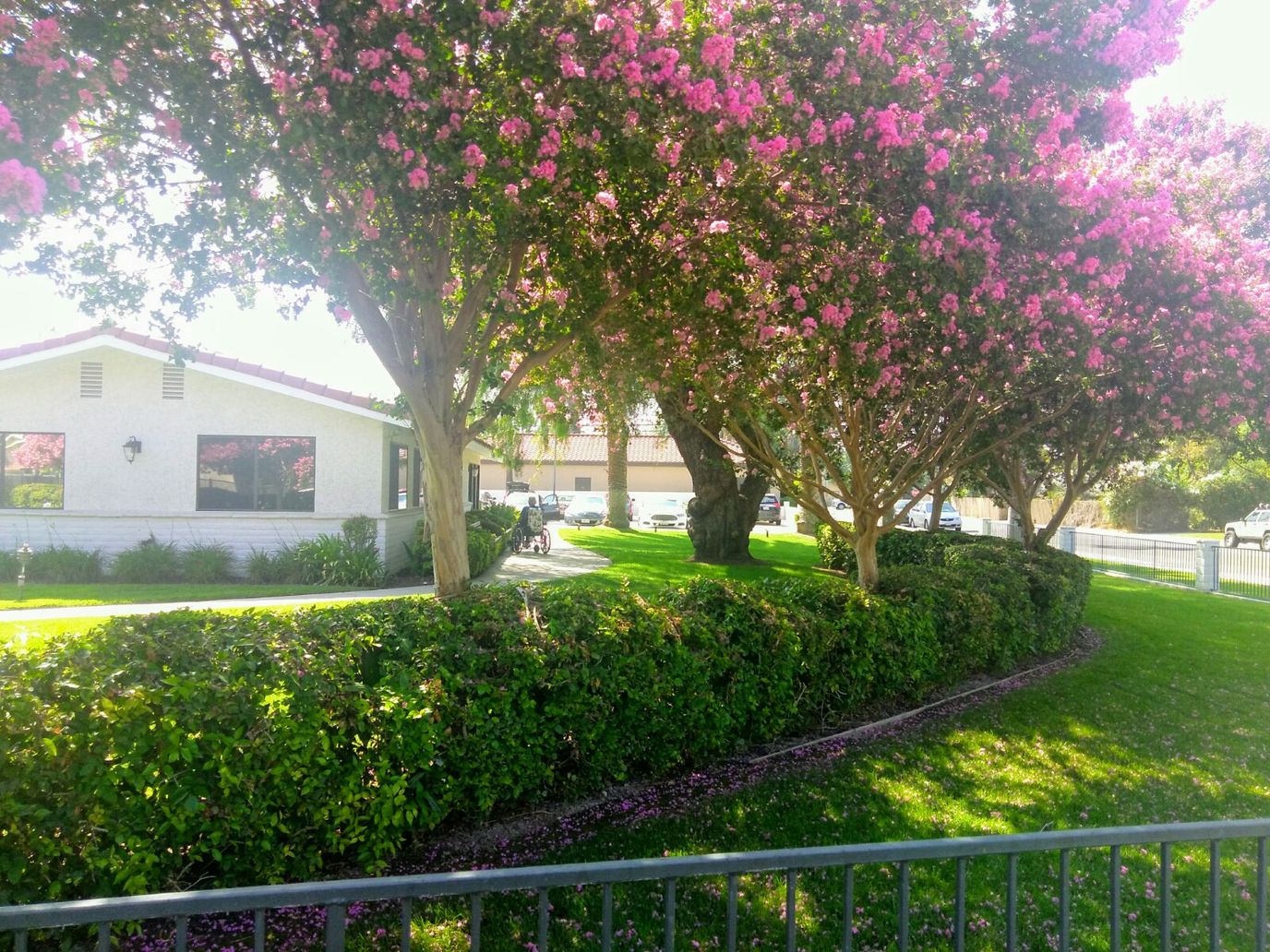
Amenities include a library, rotating dining menus, courtyard gatherings, and salon services.
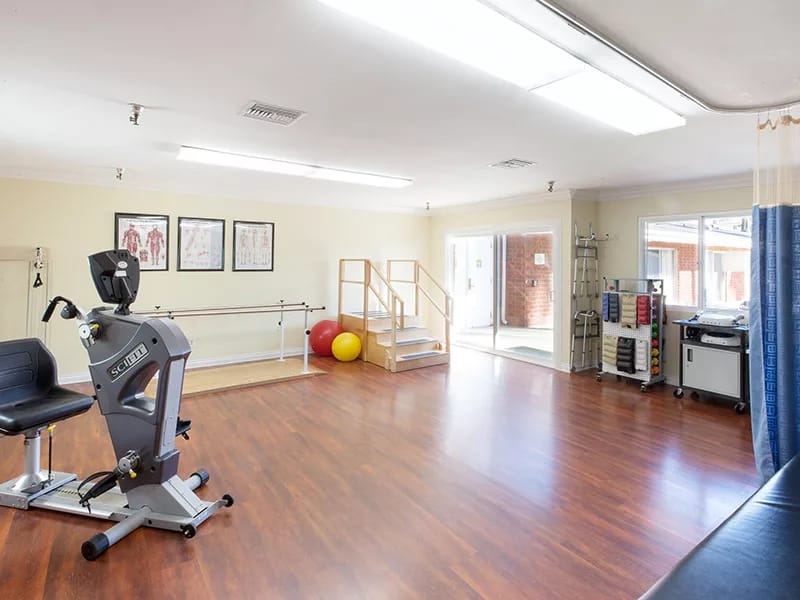
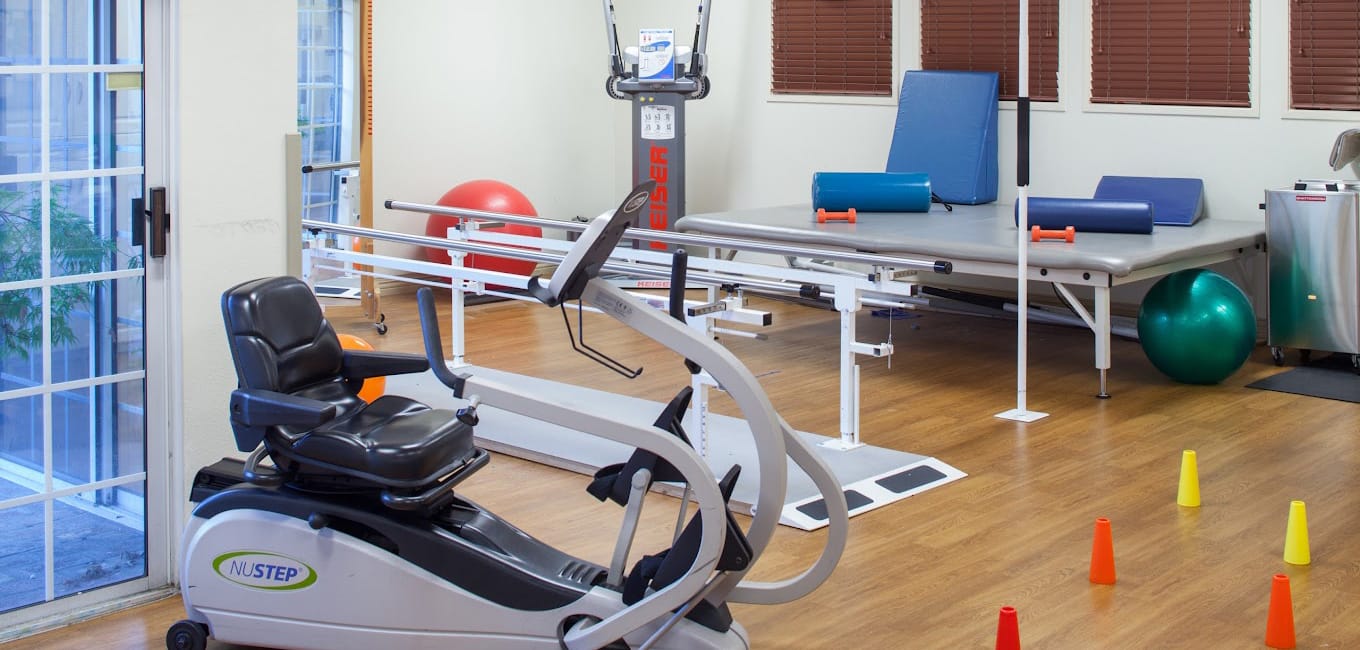
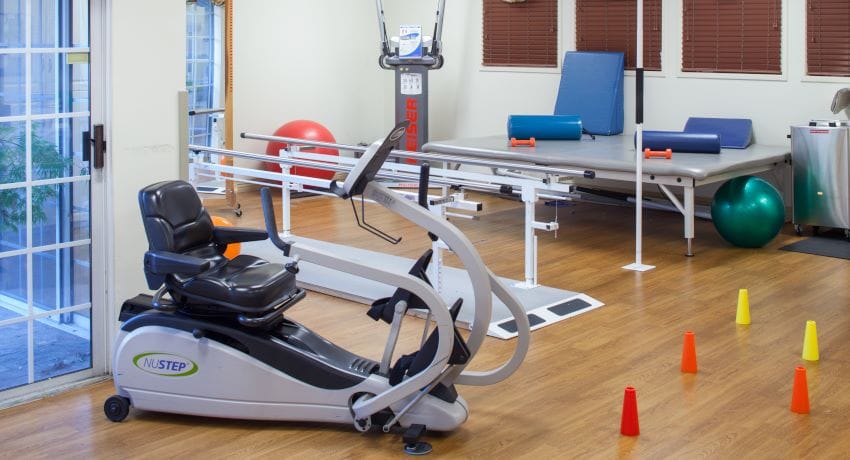
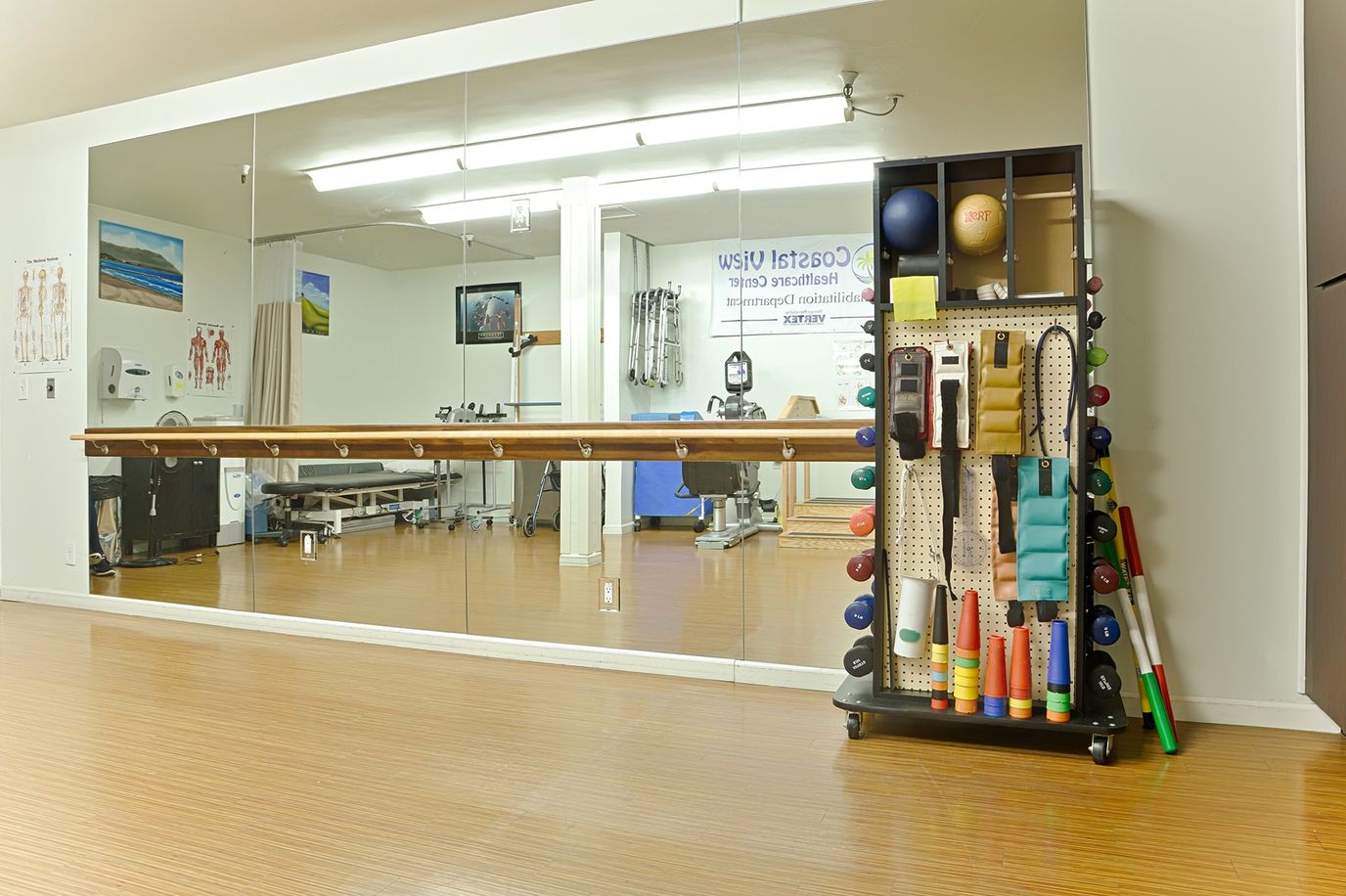
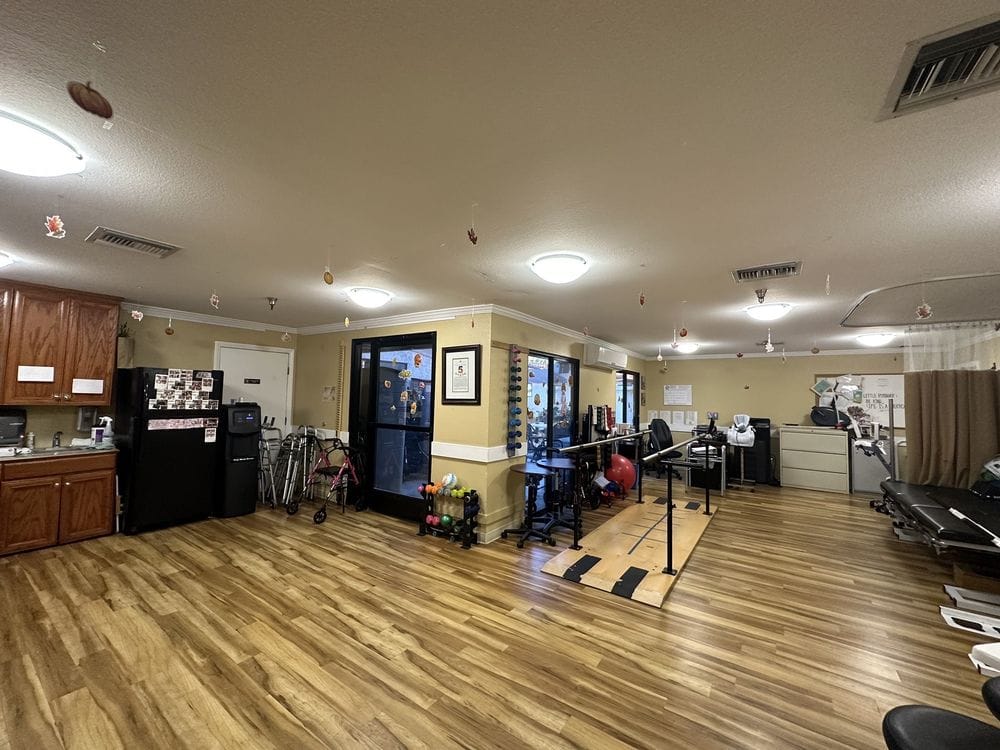
The facility invests substantially in rehabilitation services: physical therapy runs 60 percent above the California average, and total nursing hours; 4 hours 16 minutes per resident per day. CMS records show no federal penalties over three years. A BBB rating of A+ and strong short-stay outcomes (64.6 percent of rehabilitation residents return home versus 50.6 percent statewide) indicate operational competence in select areas.
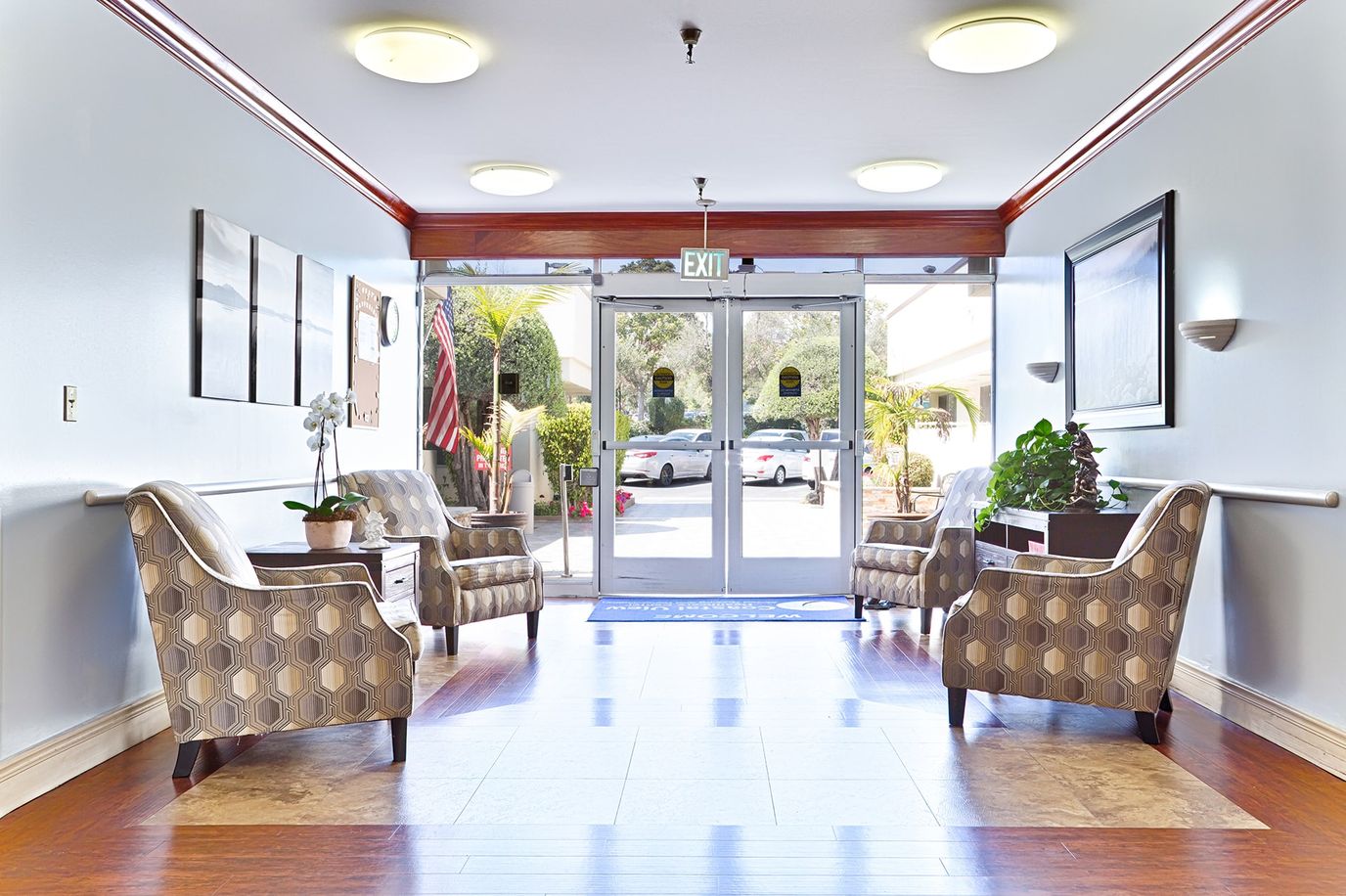
Compliance outcomes paint a different picture. Seven complaint investigations between April 2023 and September 2024 exposed recurring care failures: call lights on the night shift left unanswered for up to three hours (affecting critically ill residents with quadriplegia, hemiplegia, and cardiac disease); a high-risk resident left unsupervised in the lobby and subsequently injured in a wheelchair fall; medication safety lapses where insulin was stored past its beyond-use date; wound assessments missing on admission and delayed four days; care plans ordering documented interventions (neurological checks, meal monitoring, floor mats) that went unrecorded; and an incident of alleged resident-to-resident abuse that the facility failed to report to administrators or regulatory agencies.
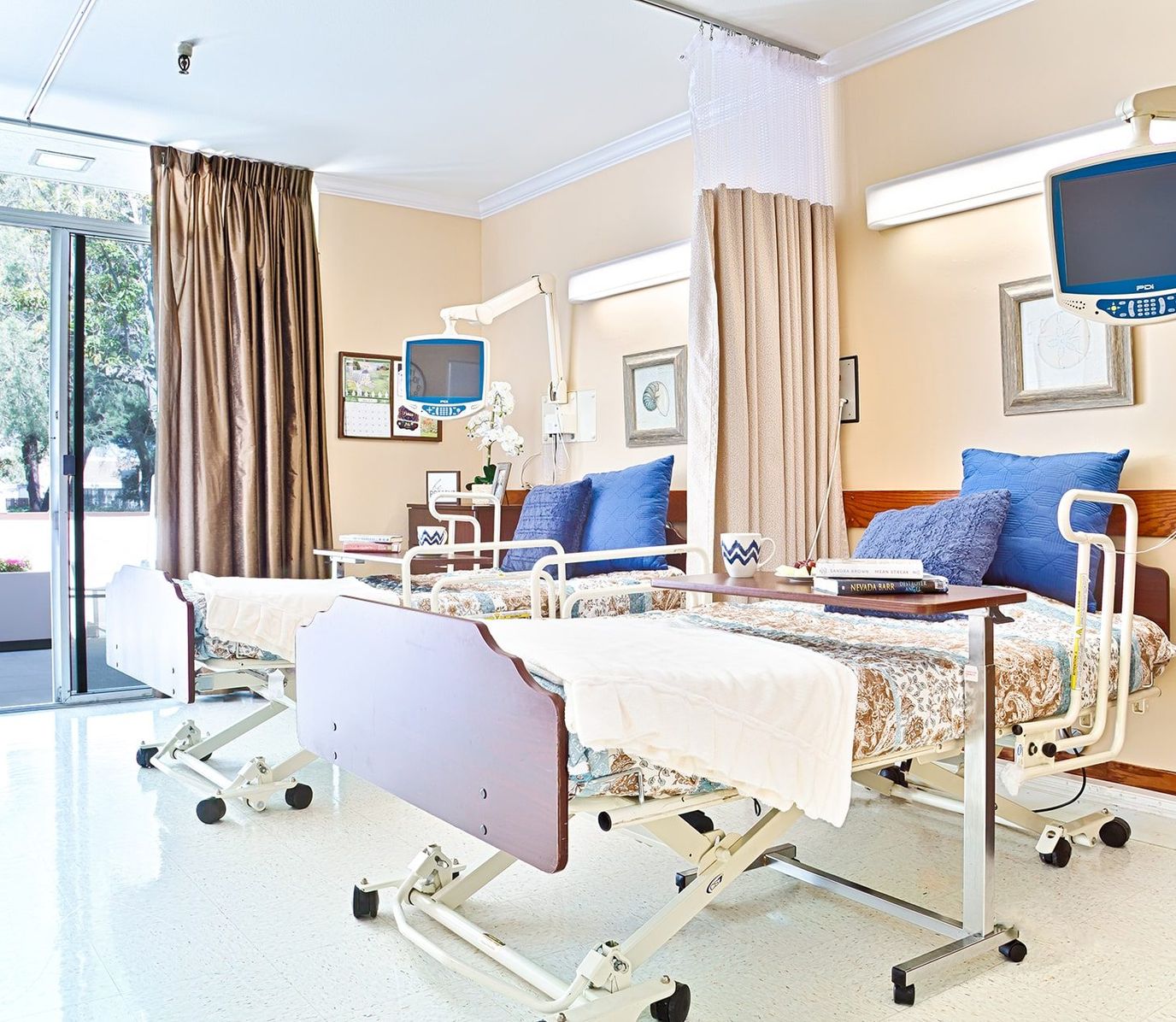
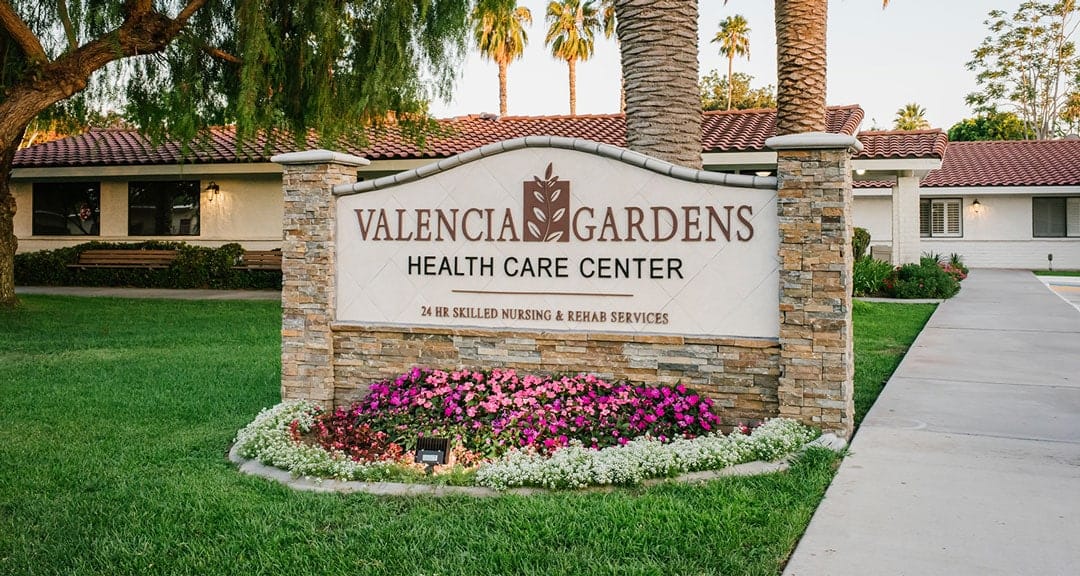
The ten inspections since 2019 (more than double the state average) yielded 35 citations; all moderate severity but indicating persistent systemic issues. Quality metrics reveal the operational strain: depressive symptom prevalence at 147 percent worse than state average, functional decline 45 percent worse, walking ability deterioration 53 percent worse, and low-risk incontinence prevalence at 98 percent above state. These figures suggest monitoring, care coordination, and psychosocial support gaps. Fall-related injury rates are excellent (0 percent), and vaccination completion is exemplary.
The nursing model, with its strong LPN and CNA deployment but only 12 RNs for 84 residents, correlates with the documented assessment and clinical-oversight deficiencies.