
Where in Arkansas are you looking?
Browse communities by city.
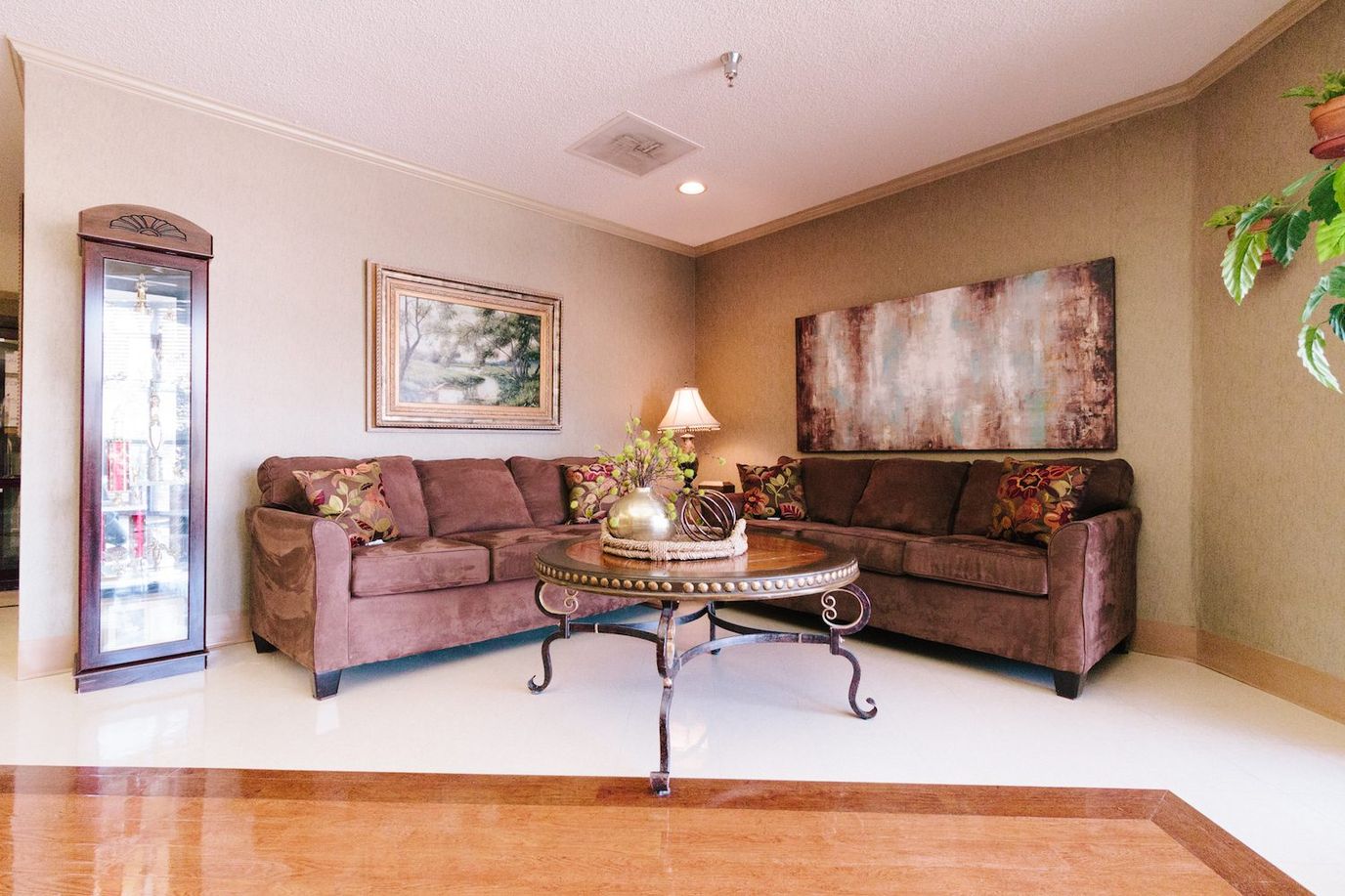
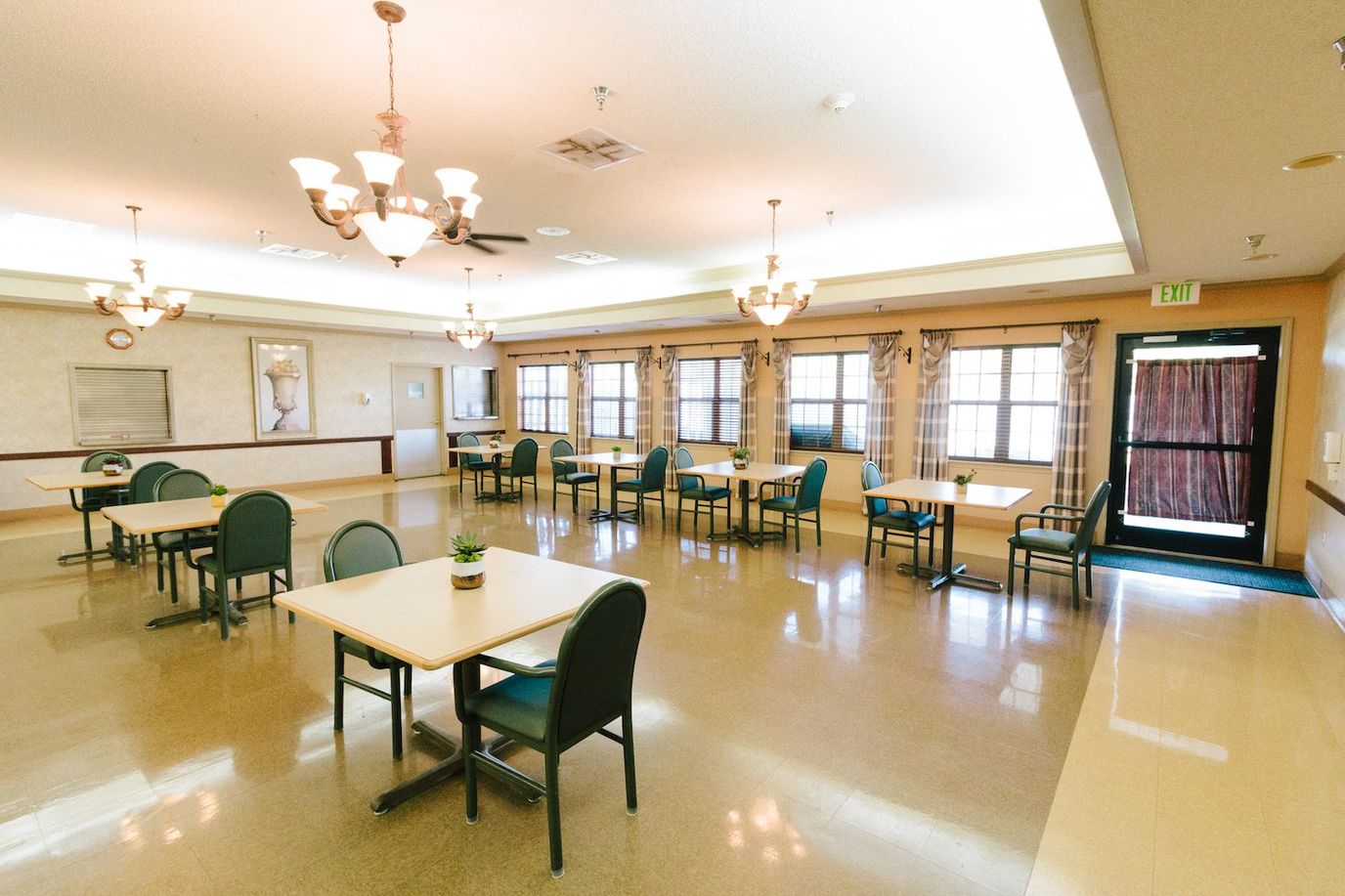
Owned by Mary Compton, Presbyterian Village, Inc., is a skilled nursing and rehabilitation facility on Brookside Drive in Little Rock, Arkansas. With current occupancy at 83 percent, the facility serves 78 residents across its community and averages a stay length of about 165 days, signaling a blend of post-acute rehabilitations and ongoing care placements. Operated by Presbyterian Village, Inc., the home takes Medicare, Medicaid, and private pay, giving families many pathways to cover short-term rehabilitation and longer-term nursing care.
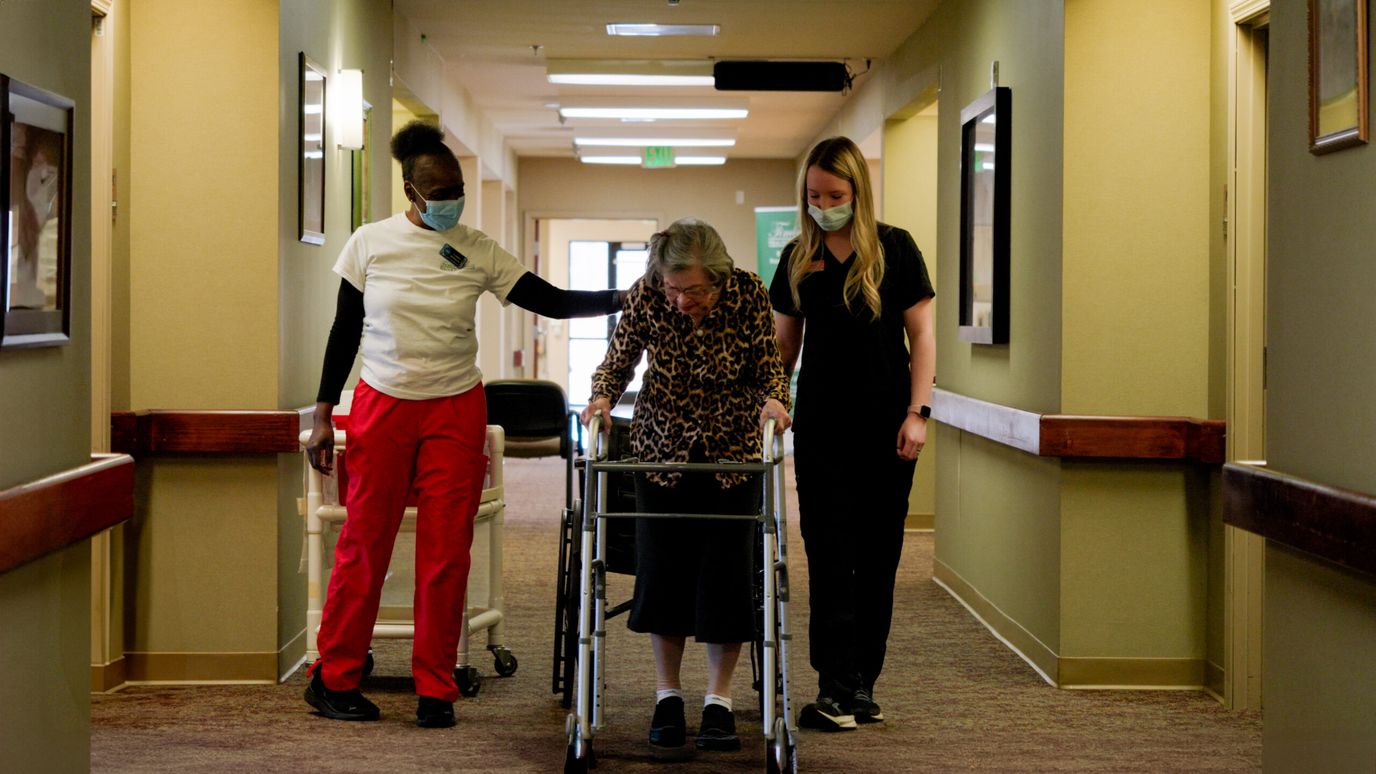
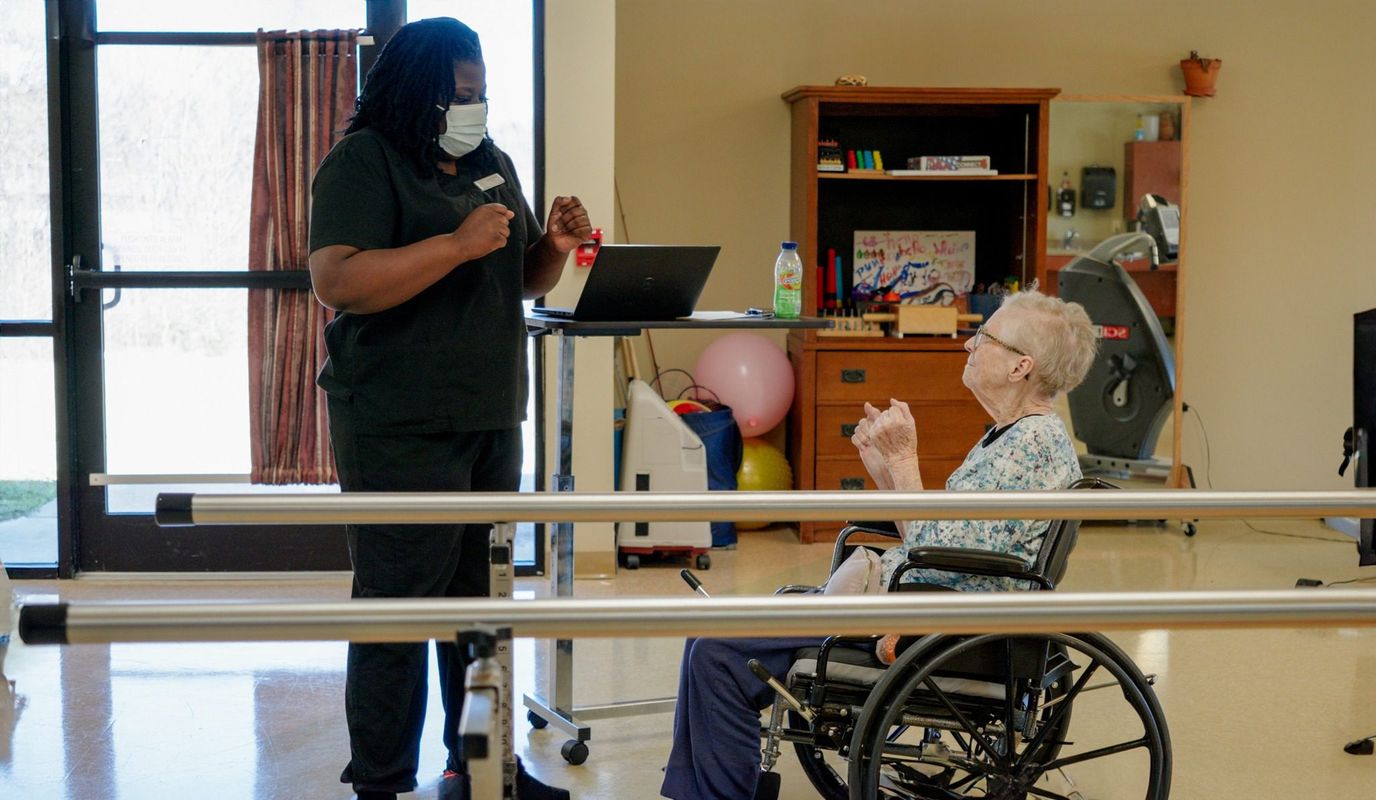
Presbyterian Village, Inc., focuses on skilled nursing and rehabilitation services, so it’s suitable for residents recovering from surgery, hospitalization, or other acute medical events. Daily nursing support averages 6 hours and 17 minutes per resident, with additional attention from nurse aides and licensed practical nurses, providing consistent hands-on care all day. This staffing structure anchors the rehabilitation focus and supports residents through their recovery phase. The location on Brookside Drive scores 37 out of 100 for walkability, meaning some nearby services may be accessible on foot, but most trips need a car. Such a setting offers convenient access to the surrounding Little Rock neighborhood while keeping a quieter residential feel.
Arkansas inspections have tracked equipment and facility maintenance, clinical care processes, and environmental standards over the years, touching on areas including equipment care, hygiene protocols, kitchen sanitation, and water system management.
An in-person visit for families considering Presbyterian Village, Inc., is the best way to assess the rehabilitation programs, daily routines, and care setting. This is to see if the home’s focus and environment match the needs of a recovering loved one.
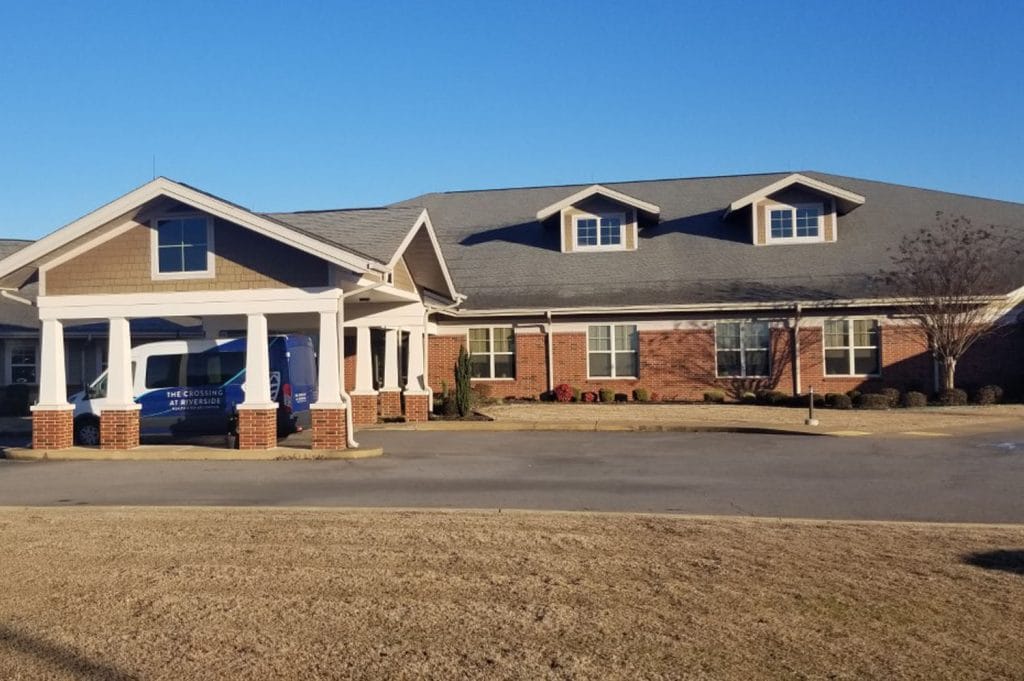
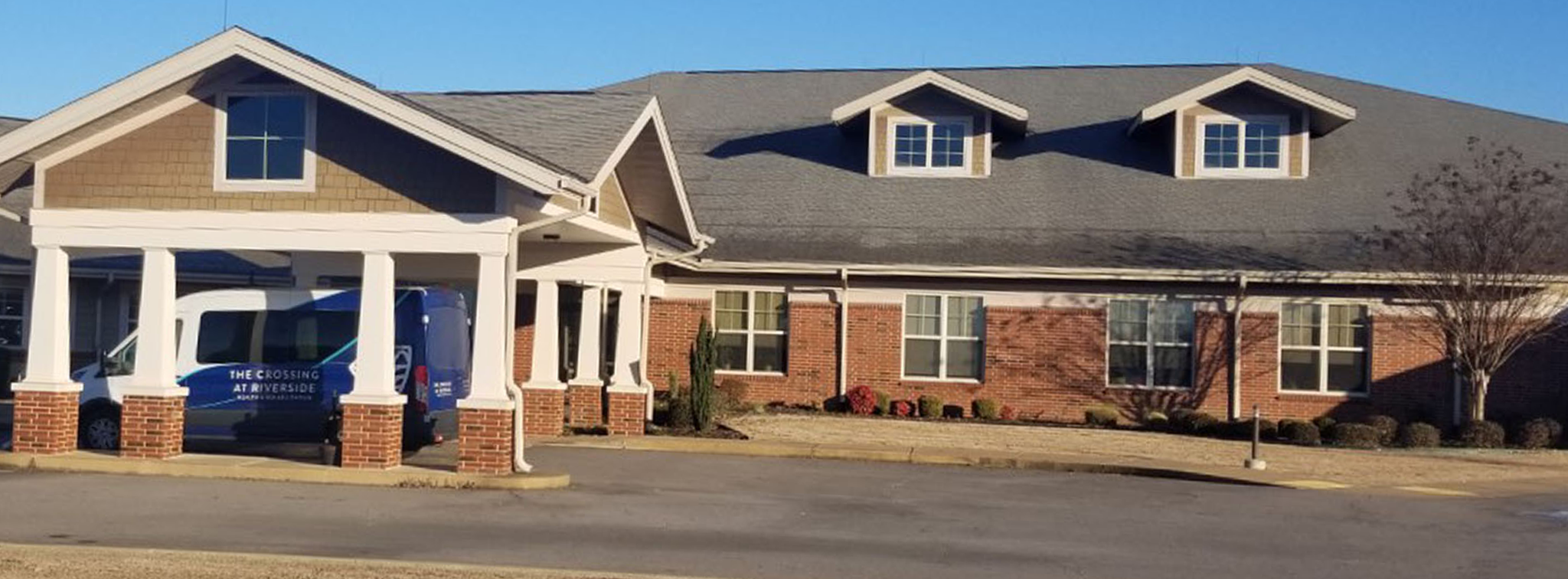
Johnny Paine owns The Crossing at Riverside Health and Rehabilitation, a 138-bed nursing home run by SRCNC, Inc. in Searcy, Arkansas. The building has been open for 27 years and operates at an 83 percent occupancy rate, with resident stays averaging 116 days. This timeframe indicates that the daily work routine splits evenly between temporary post-hospital rehab and long-term residential care.
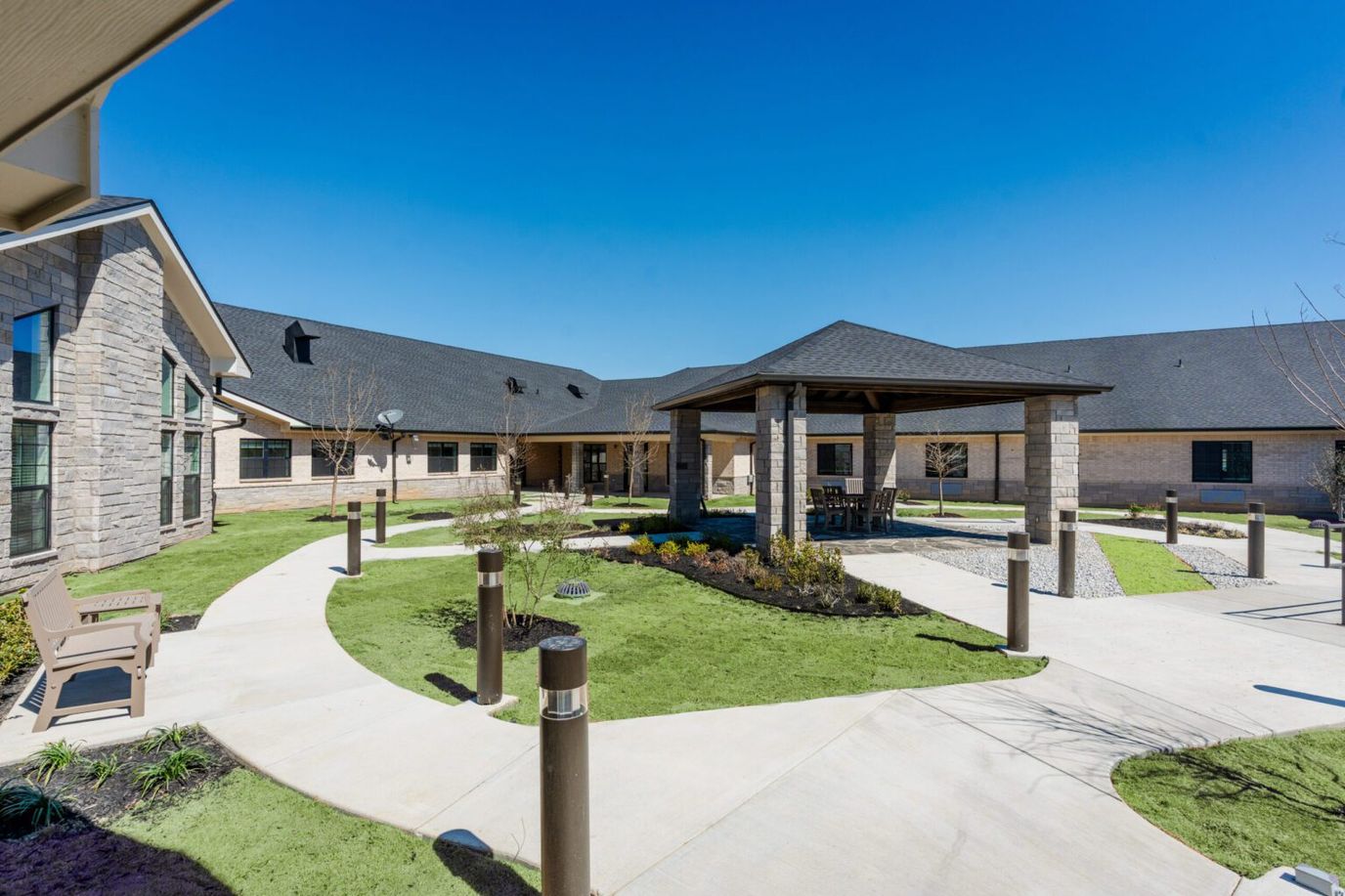
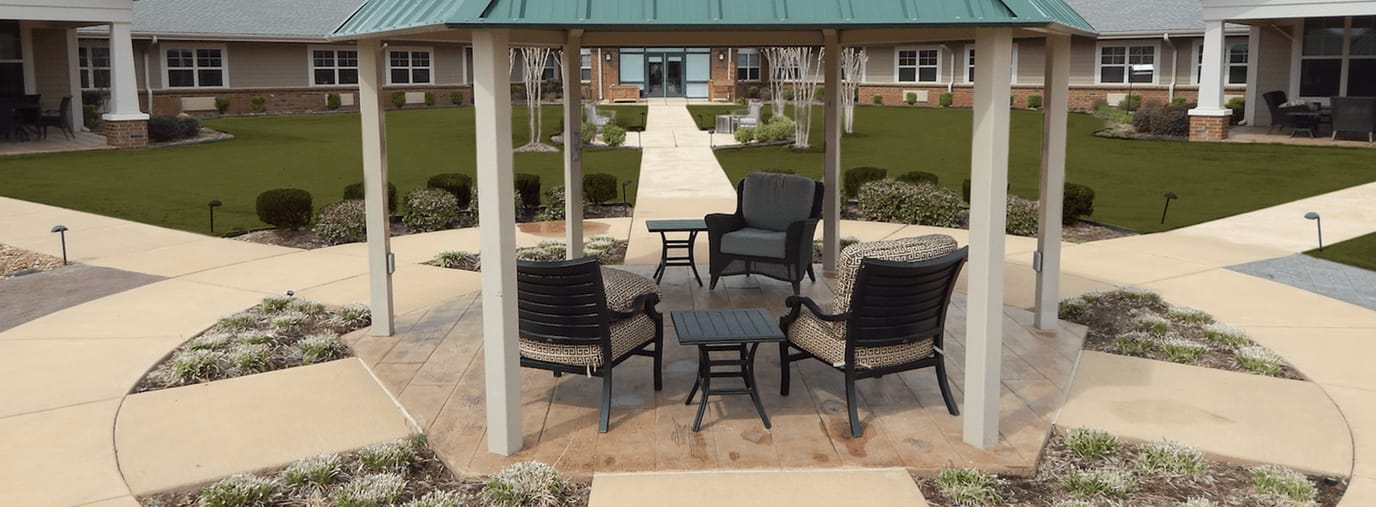
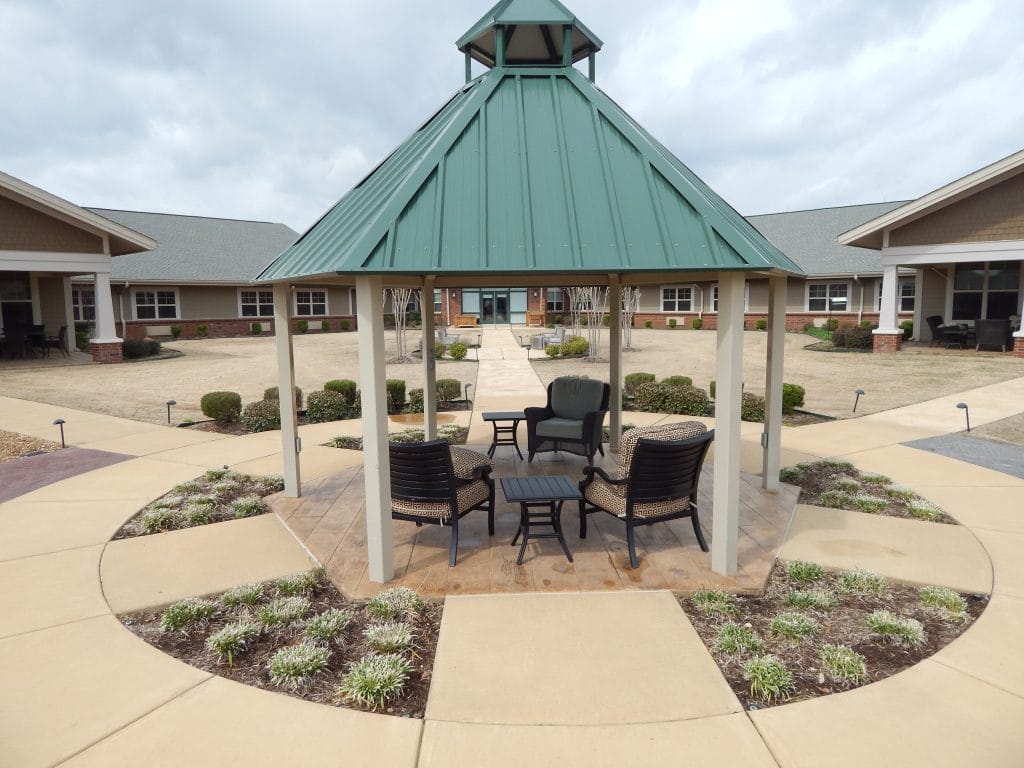
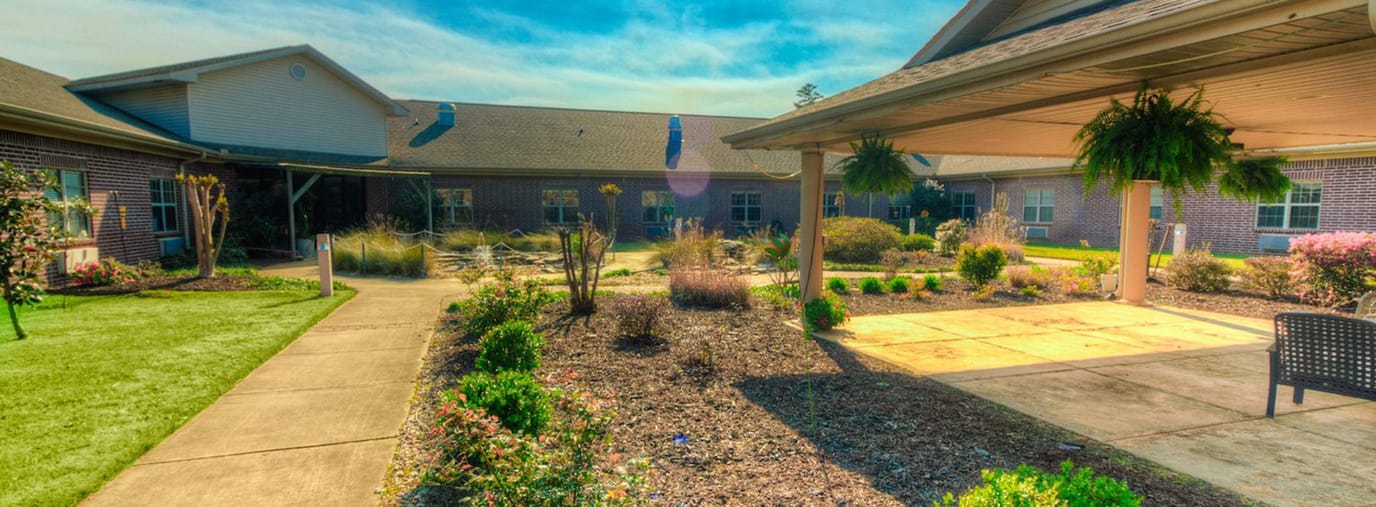
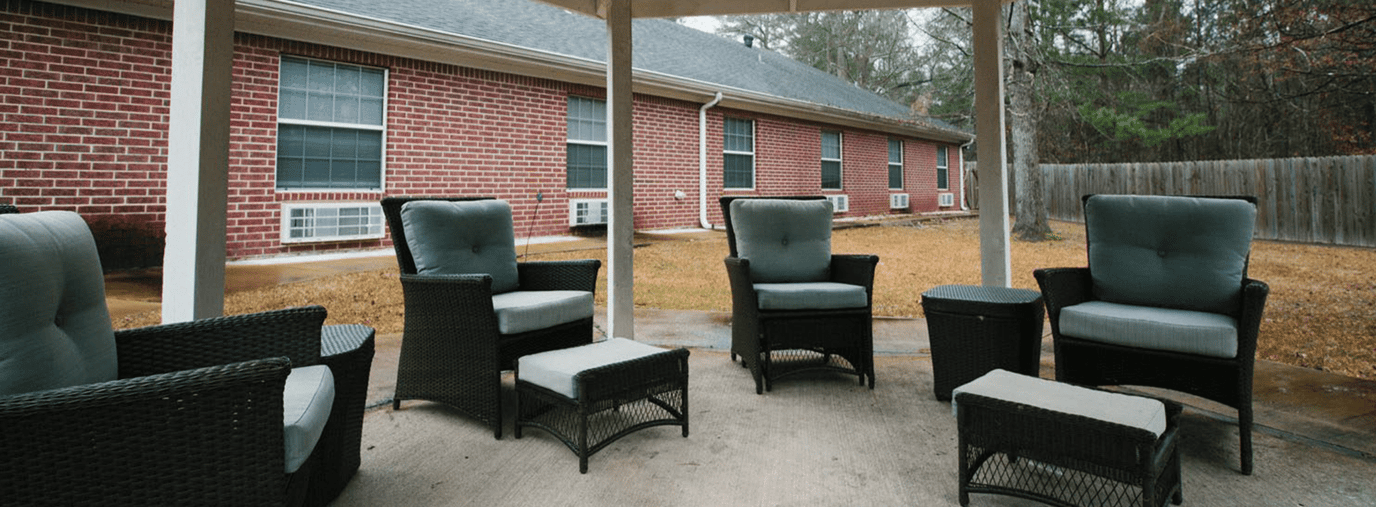
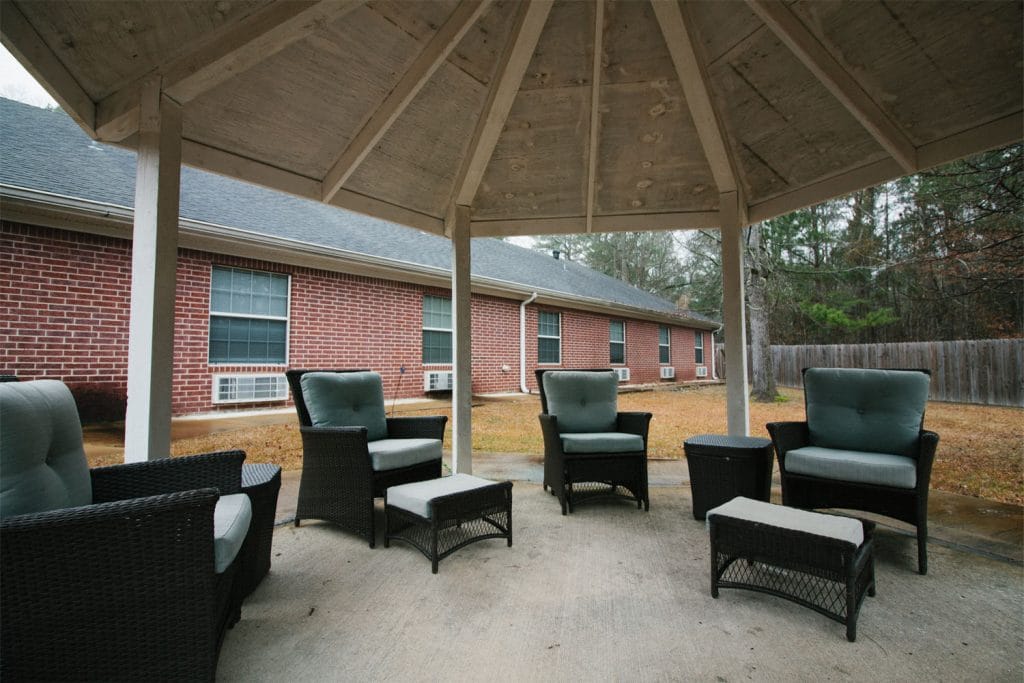
The surrounding neighborhood has a walk score of 68, meaning visiting families can handle several tasks on foot without always needing to drive. Inside, the floor crew provides an average of 4 hours and 34 minutes of direct care per resident each day. This 24-hour nursing team delivers physical, occupational, and speech therapies alongside short-term respite care. For daily life, a certified dietary manager runs the kitchen to handle food allergies, while the campus features private rooms with showers, a social activities calendar, and an enclosed courtyard equipped with a gazebo and outdoor therapy tools.
Interested individuals can contact the intake department to ask about the admissions process or to verify current bed openings. The front desk can also provide recent health survey reports from government inspectors and explain how the kitchen staff manages daily food safety and meal preparation standards.
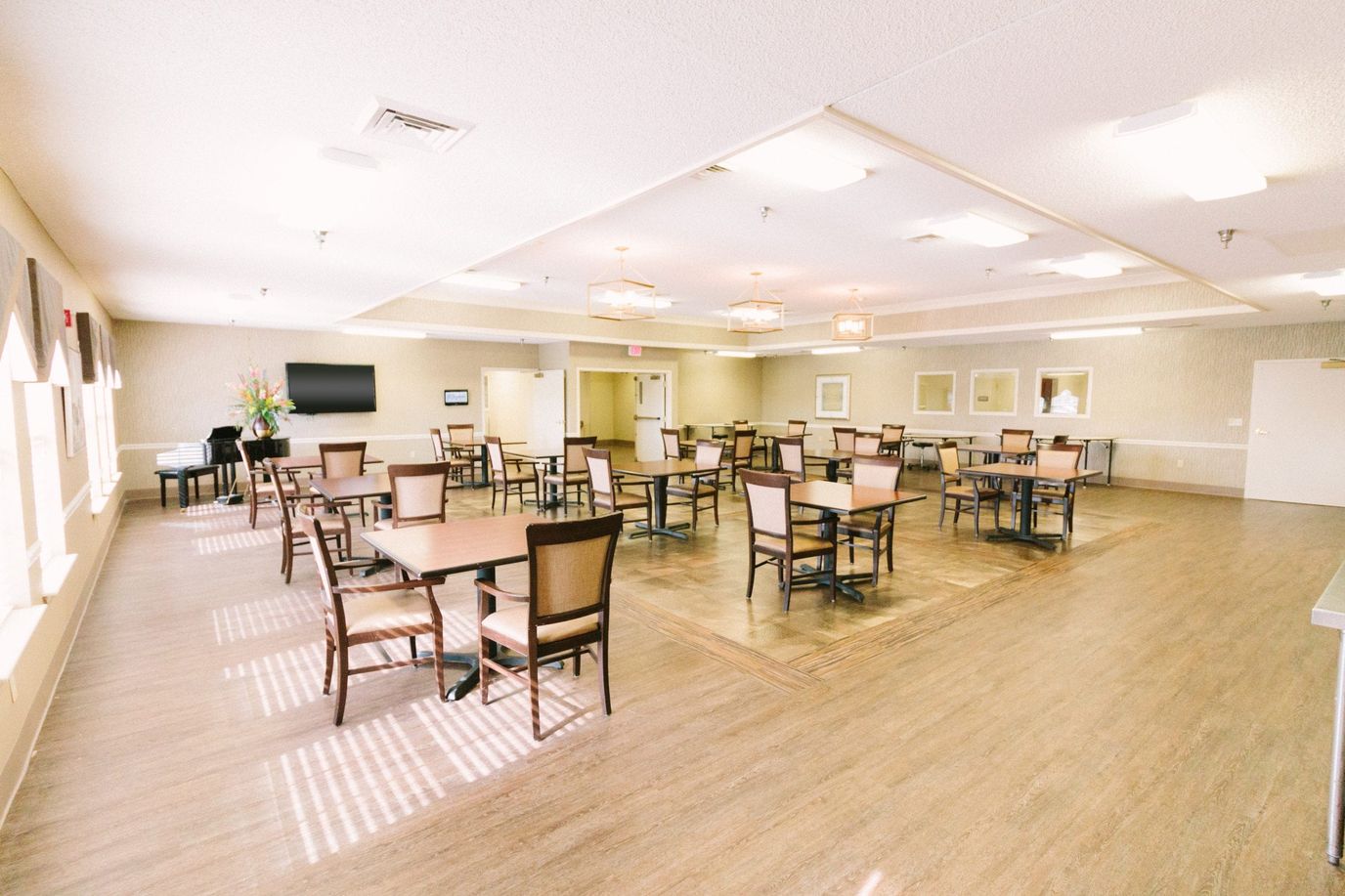
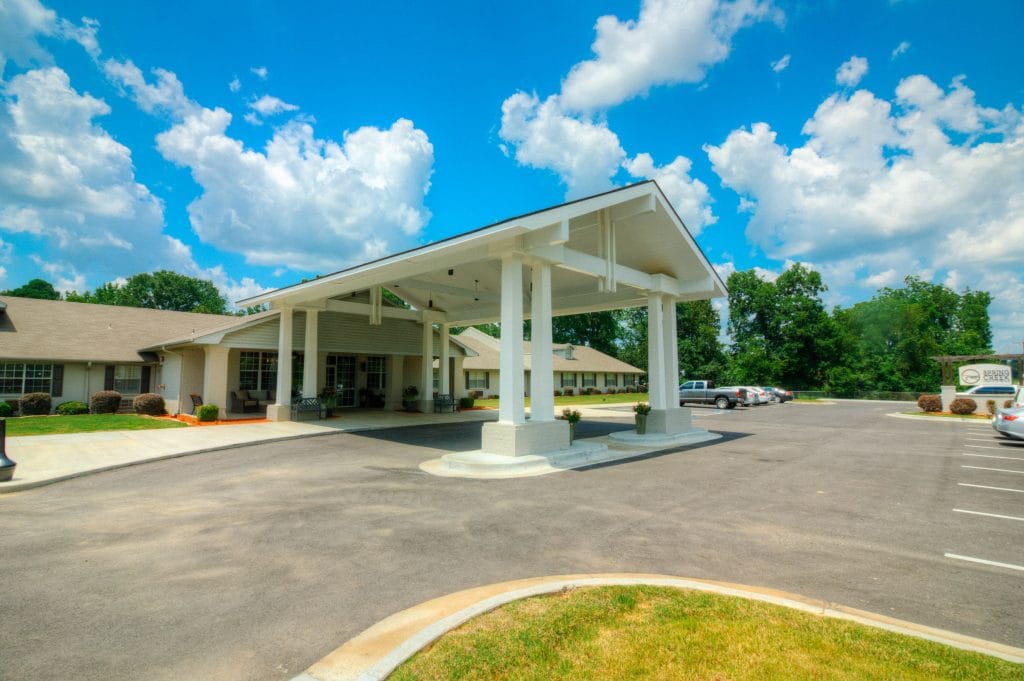
Spring Creek Health and Rehab has been operating in Cabot, Arkansas, for 36 years. Owned by Tina Bogard and run by SCNC, Inc., this 104-bed nursing home stays fairly busy with a 73 percent occupancy rate. Residents stay here for an average of 187 days, so the building is designed to accommodate both short-term rehab stints and permanent residential placements. When it comes to billing, the front office accepts traditional Medicare, state Medicaid, and standard private pay.
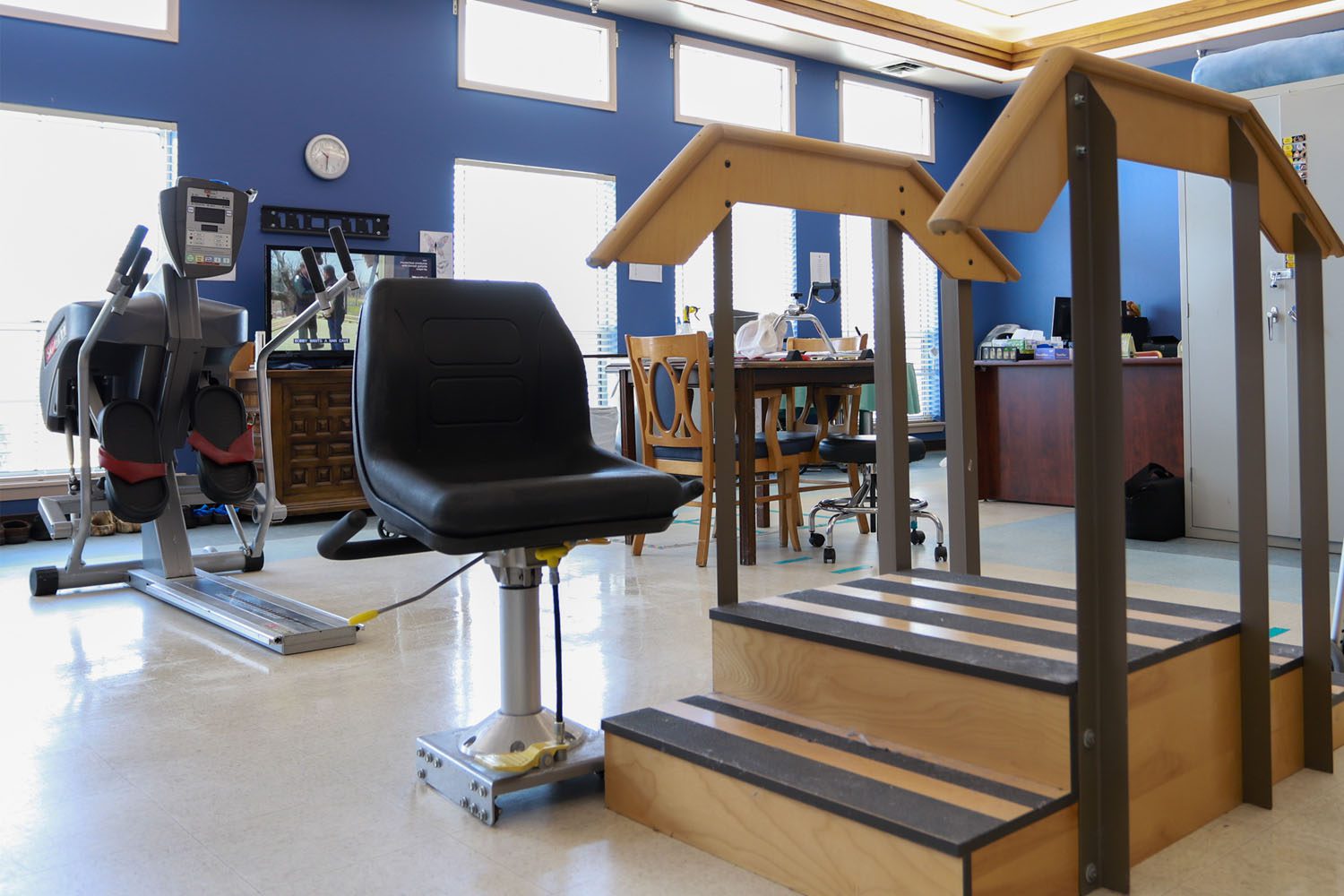
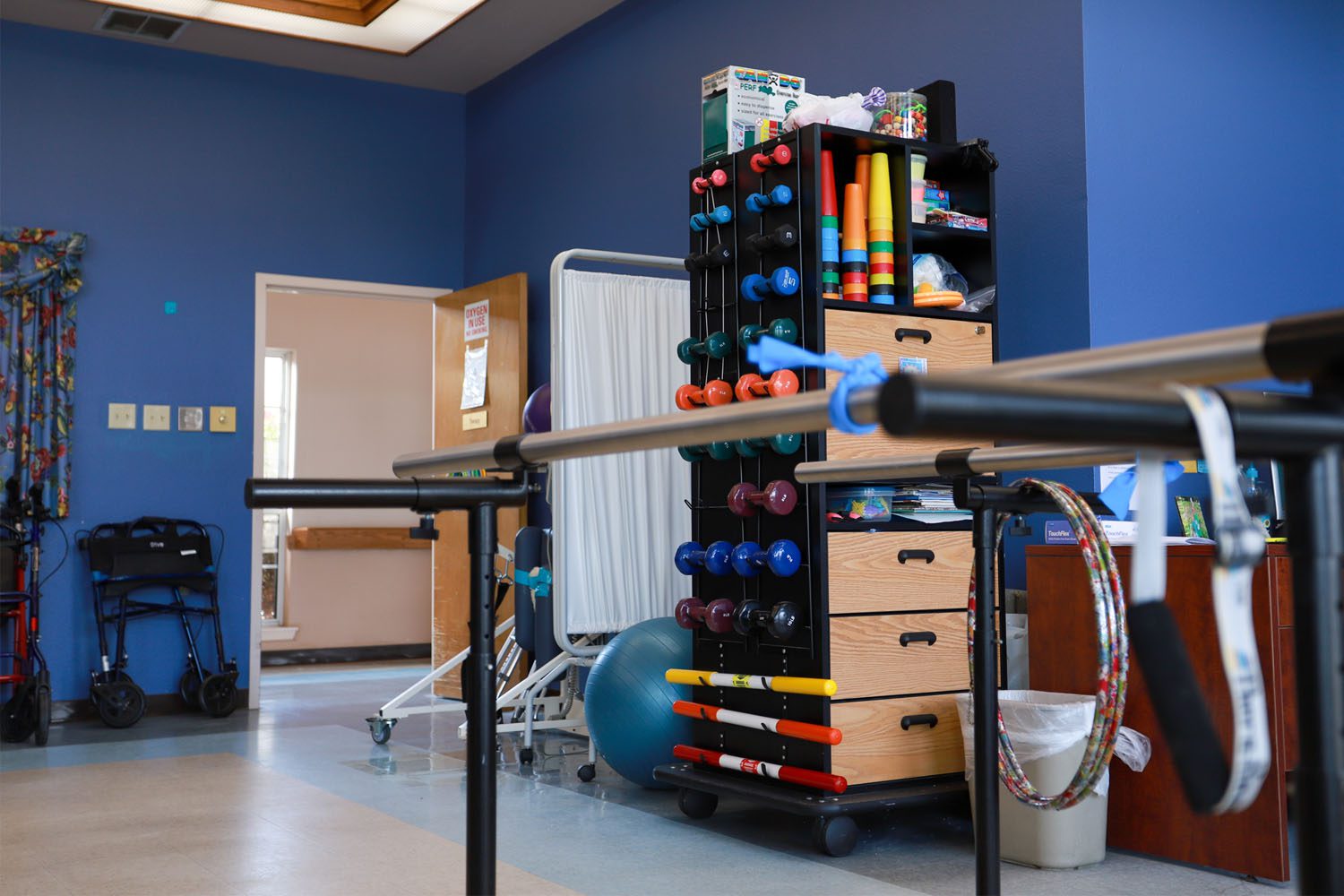
On the floor, residents get about 4 hours and 33 minutes of direct, hands-on attention every day from the nursing crew. This 24-hour team of registered nurses, practical nurses, and assistants handles daily clinical needs and physical therapy routines in an on-site gym to help people bounce back after a hospital stay.
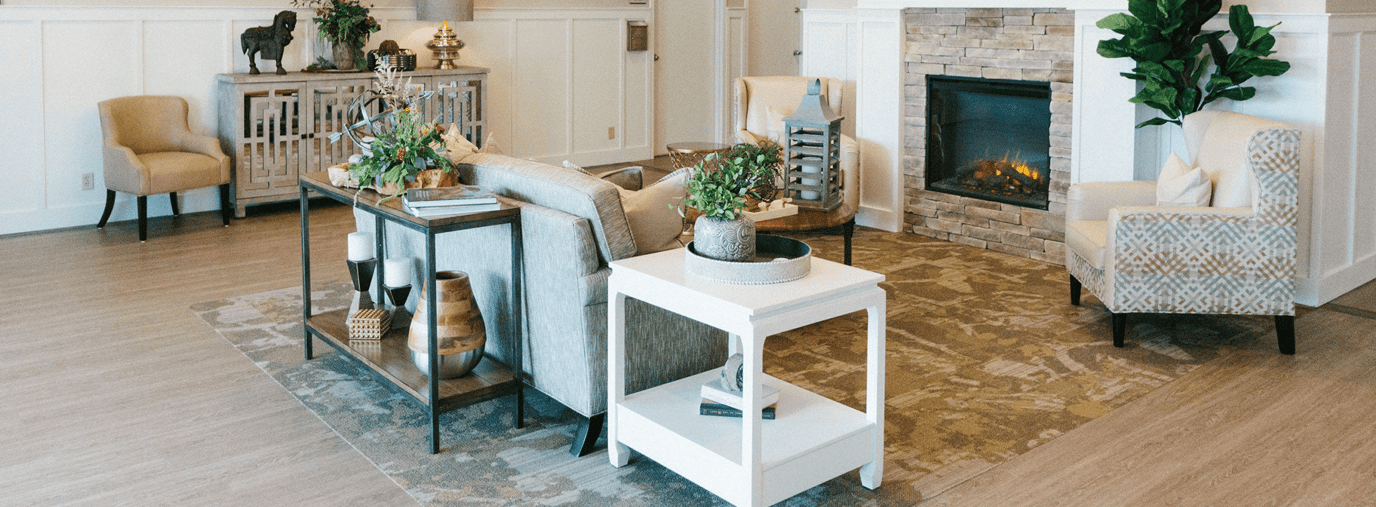
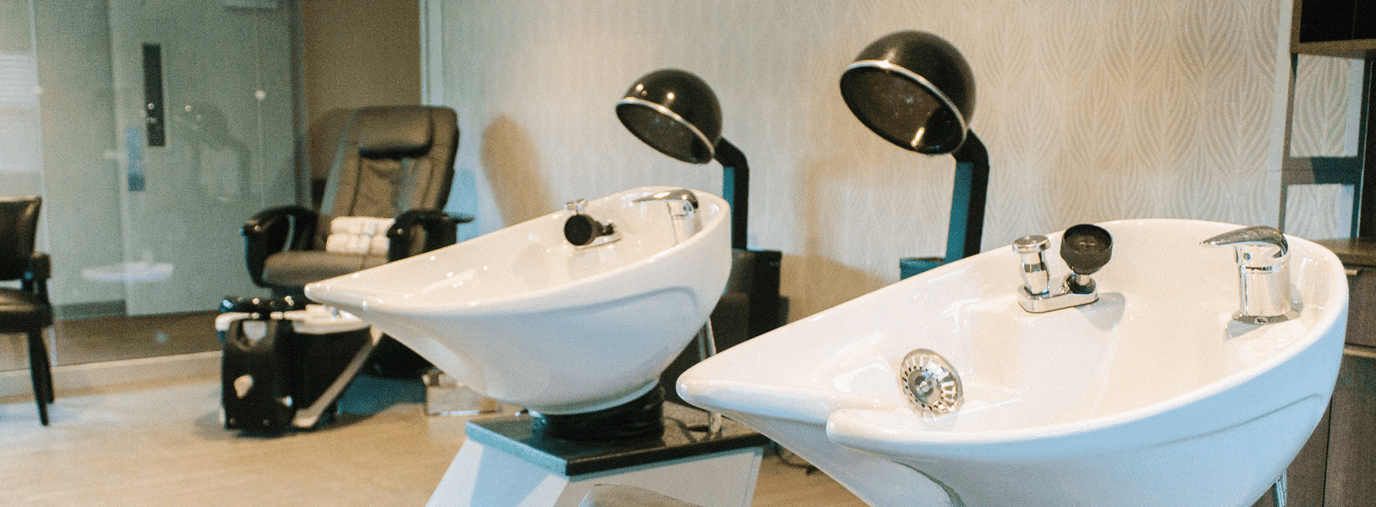
For day-to-day life, the building has its own hair salon, an outdoor courtyard, and common dining rooms where the kitchen staff takes care of individual food choices. The location is pretty convenient for visitors too, since a 67 walk score means family members can easily take care of most basic errands on foot when they come by.
Prospective representatives can call the main office to check on open beds or to ask about the admissions process. The staff can also go over their recent state inspection reports with you, which pointed out specific issues with fall prevention and infection control, so you can see exactly how they handle safety protocols in the building.
The Green House Cottages of Homewood is a 138-bed skilled nursing and rehabilitation facility at 215 Homewood Circle in Mena, Arkansas, Polk County. Privately owned and administered by Vicki Hughes through Mena SNF Operations, LLC, the facility holds dual Medicare and Medicaid certification and accepts private pay. Current occupancy is 62.6 percent, below the Arkansas average of 71.3 percent, ranking 111th of 166 and suggesting availability. The facility’s signature is affiliated with The Green House Project, a nationally recognized culture-change model now operating as AgingIN, which restructures nursing home care around person-directed, relationship-rich environments. It incorporates comprehensive dementia education and training into its care philosophy, setting apart Green House Cottages from conventional skilled nursing facilities in the region.
The inspection record spans three standard surveys: December 2022, February 2024, and February 2025, totaling 20 citations. All 20 were moderate in severity. No critical or serious citations were issued, and all have been corrected. No complaint investigations, fines, or immediate jeopardy findings appear in the record. The leading deficiency categories over the seven-year window are Quality of Life & Care (4 deficiencies), Infection Control (3), Resident Rights (2), and Pharmacy Services (2). The February 2024 survey cited Administration, Infection Control, and Nursing Services, while the February 2025 survey cited Infection Control only, a contained pattern with no escalation in severity. CMS place the facility solidly above the Arkansas average across every measured dimension. The overall rating exceeds the state benchmark by 27 percent, with health inspection performance running 38.9 percent above average, staffing 23.1 percent above, and quality measures 8.1 percent above, earning the facility 4 stars from CMS.
Adjusted total nursing hours reach 5 hours 10 minutes per resident per day, ranking 25th among 164 Arkansas SNFs. The staffing model leans heavily on licensed practical nurses at 1 hour 24 minutes per day, LPN hours at 47 percent, above the state average, and certified nursing assistant hours at 3 hours 19 minutes per day, running 22 percent above state. Weekend nursing coverage of 4 hours 29 minutes per day is 29 percent above the Arkansas average, an indicator that staffing levels reach weekends. RN hours, 23 minutes per day, are modestly below the state average of 24 minutes, worth noting for residents with complex clinical needs. Q2 2025 payroll data shows 147 total staff, including 80 CNAs, 22 LPNs, and 6 RNs, with only 5 percent of total hours coming from contractors. The facility primarily serves short-stay rehabilitation residents: 48 percent of admissions are Medicare-funded with typical stays of one to two months, and 44 percent are private-pay with stays of two to three months. Long-term Medicaid residents account for 9 percent of admissions. Annual revenue is $12.3 million with a $1.3 million profit, while payroll costs of $5.4 million amount to 44.2 percent of revenue.
Green House Cottages of Homewood suits individuals recovering from surgery, illness, or a hospital stay who want above-average staffing, a clean severity record, and a care model built on dignity and personal connection. It’s also a strong option for families seeking memory-care-informed skilled nursing in rural southwest Arkansas near Mena.
Ashley Miles owns Ozark Nursing and Rehab, a 135-bed facility on North 12th Street in Ozark, Arkansas, operated by Ozark SNF Operations, LLC. The building runs at a 56 percent occupancy rate, meaning there are immediate vacancies for new placements. The average length of stay is 538 days, which shows the staff primarily focuses on extended residential care while maintaining a smaller setup for short-term post-hospital therapy.
An on-staff physician coordinates clinical services alongside a 24-hour nursing team that delivers about 4 hours and 33 minutes of direct, hands-on care per resident daily. This crew of registered nurses, practical nurses, and assistants handles daily medical routines and physical rehab right inside the building.
The surrounding area carries a 59 walk score, allowing visitors to tackle a few quick errands on foot, though most trips nearby will still require a vehicle.
Prospective residents can call the administrative office to ask about current room choices or to get details on the general intake requirements. The team can also go over their recent state survey reports with you, which pointed out specific compliance issues with infection control, sanitation, and care documentation, so you can see exactly how the staff monitors daily health and safety procedures.
Under the leadership of owner Katherine Barnhill, Nightingale at Arkadelphia is a skilled nursing home on Twin Rivers Drive in Arkadelphia, Arkansas. Operated by Courtyard Arkadelphia Healthcare LLC, the community takes Medicare, Medicaid, and private pay, providing many pathways for families to arrange short-term rehabilitation and longer-term nursing care. With 100 beds and a 73 percent occupancy rate, the home focuses on serving residents who need skilled medical support and specialized services.
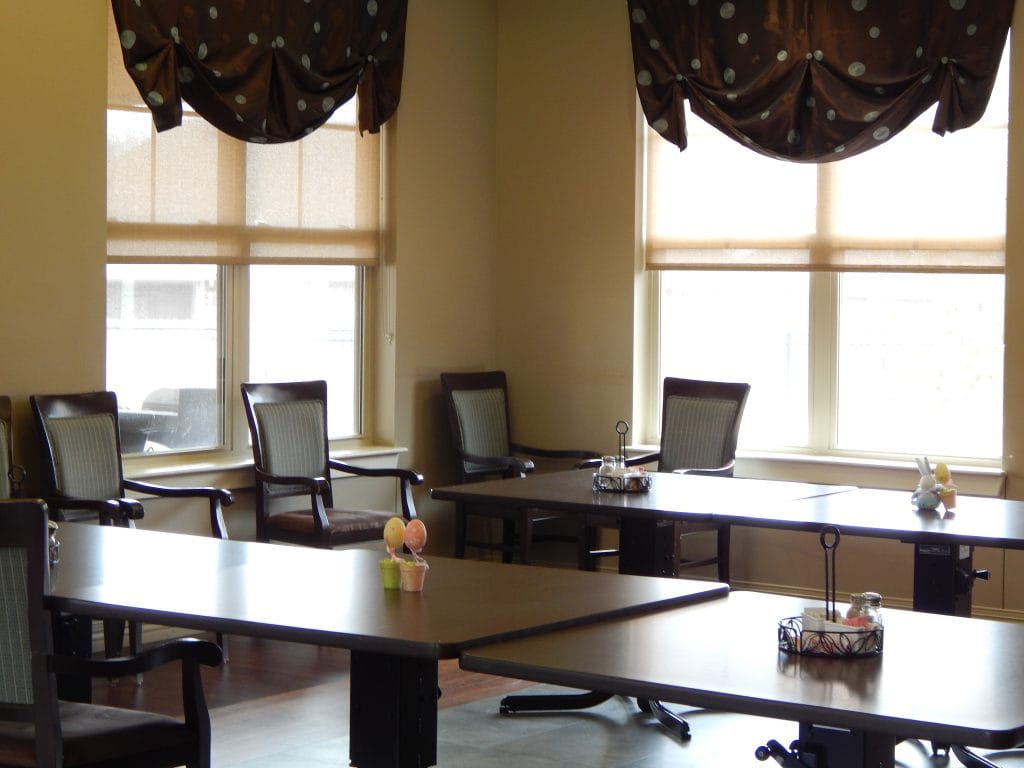
The facility caters to an array of clinical needs, including short-term rehabilitation, wound care, hospice services, and geriatric care, plus a dedicated memory care unit and on-site dialysis services. This variety of offerings makes Nightingale at Arkadelphia a pragmatic choice for those recovering from surgery, managing a chronic illness, or needing specialized post-hospital care. The average stay is about 163 days, indicating a mix of short-term rehabilitation residents and those remaining for ongoing nursing care. Total daily nursing care averages 4 hours and 17 minutes per resident, comprising registered nurse time, nurse aides, and licensed practical or vocational nurses working all day and night to support residents’ clinical needs. This level of hands-on staffing is central to the home’s ability to handle the resident population’s medical complexity. The community sits in a really walkable neighborhood, scoring 75 out of 100 for walkability, meaning visiting family members can explore the area on foot for most errands. The home offers respite care for families needing temporary placement as they care for loved ones at home. Meals are served in an expansive country dining room.
Securing a safe environment for residents, state inspections indicate the facility has worked to comply with operational and care standards.
Located on South Bowman Road in Little Rock, Arkansas, The Springs of Chenal is a nursing home operated by Allay Healthcare LLC. The 70-bed community is administered by Kaicee Rodrigues and owned by Samuel Vallery. Medicare, Medicaid, and private pay are accepted, giving families several ways to cover both short-term rehabilitation and long-term skilled nursing care. Since opening 8 years ago, the community has maintained an occupancy rate of about 57%. Residents stay for an average of 43 days.
Residents receive an average of 4 hours and 22 minutes of daily nurse staffing. This includes 30 minutes from registered nurses, 2 hours and 43 minutes from nurse aides, and 1 hour and 16 minutes from licensed practical nurses or licensed vocational nurses. The mix of staff provides consistent hands-on care and clinical oversight for residents recovering from acute health conditions or managing chronic conditions in a structured setting.
Concerns regarding infection control practices, care plan documentation, Medicare compliance, and food safety and nutrition have been raised in state inspections. These are important clinical and operational areas that families might want to discuss during a tour.
Located in a car-dependent area with a Walk Score of 10, the neighborhood has limited walkability. Visiting family members will need a vehicle to get to the home, but the surrounding area is quiet and residential.
Gavin Moore owns Southfork River Therapy and Living, an 84-bed care facility that has been run by SLNC, Inc. for 18 years. The building maintains an 87 percent occupancy rate, and residents typically stay for an average of 253 days. This timeline indicates that the daily workload is evenly divided between extended residential care and short-term post-hospital therapy. Families looking at payment options can cover their costs through standard private pay, traditional Medicare, or state Medicaid.
The facility’s 24-hour nursing team logs about 4 hours and 42 minutes of direct, hands-on care per resident daily. This crew of registered nurses, practical nurses, and assistants coordinates short-term rehab routines in an on-site therapy gym alongside standard clinical care.
Daily amenities include an outdoor courtyard, a hair salon, structured recreational activities, and meals managed by a certified dietary manager to fit individual food choices. The location has a 45 walk score, so visitors can handle a few minor tasks on foot, but most errands will require a car.
Older adults can contact the admissions coordinator to check on current bed openings or to learn about the registration process. The administrative staff can also share details from their state survey reports; notably, the most recent inspection resulted in zero health deficiencies or complaints, reflecting how the team maintains safety and documentation standards across their medication, infection control, and environmental protocols.
Jody Kever owns Pioneer Therapy and Living, an 86-bed nursing home on East Main Street in Melbourne, Arkansas, which is operated by MLBNC, Inc. The facility stays busy with an occupancy rate near 88 percent, and residents stay here for an average of 232 days. This timeline shows that the daily operation divides its workload between long-term residential stays and short-term post-hospital recovery. To manage the financial side of care, the front office bills through traditional Medicare, state Medicaid, and standard private pay.
Daily life revolves around a 24-hour nursing team that logs about 4 hours and 37 minutes of direct, hands-on attention per resident every day. This crew handles everyday clinical oversight, temporary respite stays, and physical rehab, while a certified dietary manager runs the kitchen to accommodate personal food choices and allergies. The building sits in an area with a 42 walk score, so while a few nearby spots are reachable on foot, visiting families will generally need a car to get around town.
Families researching local care options can go over the building’s recent state inspection reports with the front office, which flagged specific compliance issues regarding environmental sanitation, hygiene practices, infection control, medication management, and wound care protocols.
Reviewing these reports with the staff is a practical way to find out what safeguards are currently in place to protect residents. If you are satisfied with their safety protocols, the administrative team can then help you check on current room openings or explain the necessary intake steps.
Chambers Health and Rehabilitation is a 90-bed care home on East Park Street in Carlisle, Arkansas, run by LonokeCo Ops, Inc and owner Michelle Moran. Right now, about half the beds are filled (52 percent occupancy), so they can take new residents pretty quickly. People stay here for an average of 208 days, meaning the daily routine on the floor is split between folks recovering from brief hospital stays and those who live there full-time.
Nurses and aides handle the day-to-day care, clocking an average of 4 hours and 42 minutes of hands-on time with each resident every day. This round-the-clock team covers clinical needs, short-term respite breaks for family caregivers, and rehab sessions in a therapy gym built with its own kitchen and bathroom to help people practice daily living skills. If you are coming to visit, keep in mind the area has a low walk score of 21, so you will definitely need a car to get around.
State inspectors visit the facility regularly to run health and safety surveys. This specific report does not show any major, recurring patterns of safety violations, but it is always smart to ask the director of nursing to show you their latest inspection paperwork when you go in for a tour.
Families exploring care options can call the admissions department to see what rooms are open and walk through the move-in forms. The business office handles billing through Medicare, Medicaid, and private pay, and the kitchen staff can fill you in on their local Southern menu options.
Ranking Methodology
How we rank these memory care communities
Every community above is evaluated across six weighted categories using public data including state inspection records, review platforms, BBB profiles, and operator-published materials.
Weighting overview
- 35%Resident Experience
- 25%Regulatory
- 15%Visual Media
- 10%Website
- 10%Stability
- 5%Environment
01
Resident & Family Experience 35%
The single largest share of every ranking. Aggregated review sentiment and volume from major platforms — the closest signal to real resident experience.
- Includes
- Review Sentiment
- Review Volume
02
Regulatory & Safety Record 25%
State inspection records, citations, and complaint visits. We weight per-inspection rates more heavily than raw counts.
- Includes
- State Inspections
- Citations/Inspection
- % Inspections w/ Citations
- Complaint Visits
- Accreditations
- BBB Rating
03
Visual Media & Transparency 15%
Communities that publish high-quality visuals give families a real preview. No photos or tours = a negative transparency signal.
- Includes
- Video Tours
- Virtual Walkthroughs
- Photo Quantity
- Photo Quality
04
Website & Operator Transparency 10%
Site quality and whether the operator publishes basic accountability information — staff names, contact details, ownership.
- Includes
- Website Content
- Mobile Usability
- Staff Info Available
- Owner Info Available
05
Community Stability 10%
Operational signals indicating whether a community is well-run and meeting demand.
- Includes
- Occupancy Rate
- Bed Options
06
Environment & Pricing 5%
Walkability and pricing transparency. Walk Score is weighted higher for Independent Living than for Memory Care, where most residents do not leave unaccompanied.
- Includes
- Walk Score
- Pricing Transparency
Who we are
Your Senior Care Partner, Every Step of the Way
We help families find affordable senior communities and unlock same day discounts, Medicaid, and Medicare options tailored to your needs.
Contact us Today
Frequently Asked Questions about Memory Care in Arkansas
What's the difference between assisted living and memory care in Arkansas?
Assisted living in Arkansas supports residents with daily activities (bathing, dressing, medication management) while preserving independence. Memory care is a specialized form of assisted living for residents living with Alzheimer's or dementia, and adds 24/7 secured environments, dementia-trained staff, and structured routines designed to reduce confusion and wandering.
Does Arkansas Medicaid cover memory care?
Arkansas Medicaid does not directly pay room-and-board for memory care, but most states (including Arkansas) offer Home and Community-Based Services (HCBS) waivers that can offset the cost of care services delivered inside a licensed community. Eligibility, waitlists, and covered services vary — check directly with the state Medicaid agency.
What is memory care?
Memory care is a specialized form of assisted living for residents living with Alzheimer's disease or other forms of dementia, with secured environments, dementia-trained staff, and routines built to reduce confusion and wandering.
How many memory care communities are listed on this page?
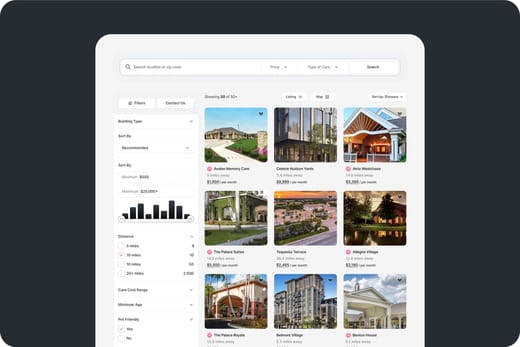
This page features 155 memory care communities in Arkansas. Use the filters and comparison tools above to compare ratings, amenities, and pricing.
How do I choose the right memory care community in Arkansas?
Start by matching the level of care offered to the resident's current and anticipated needs, then compare licensing status, staff-to-resident ratios, recent inspection results, and pricing. Tour at least two or three communities in Arkansas, talk to current residents and families, and confirm what is included in the base rate versus billed as add-on services.
What should I look for when visiting memory care communities in Arkansas?
Pay attention to staff interactions with residents, cleanliness and odor, food quality at meal times, the activity calendar, and how questions about pricing and care plans are answered. Ask to see the most recent state inspection report, the move-out / level-of-care-change policy, and a sample monthly bill that lists every fee.