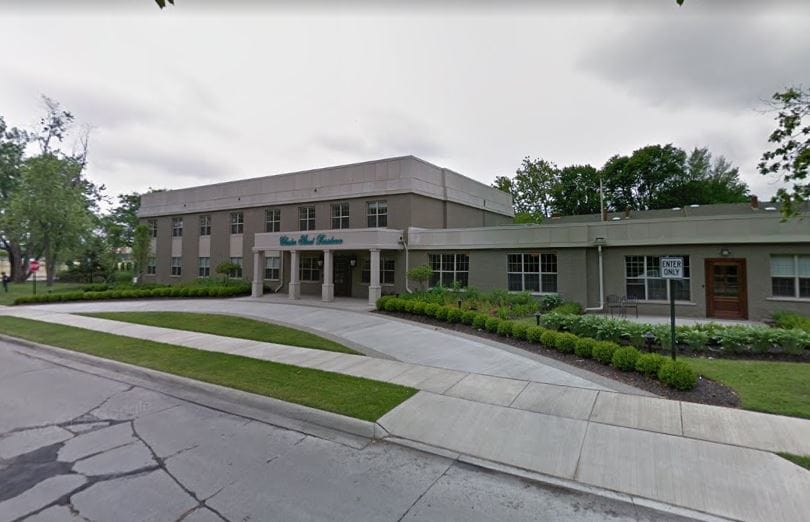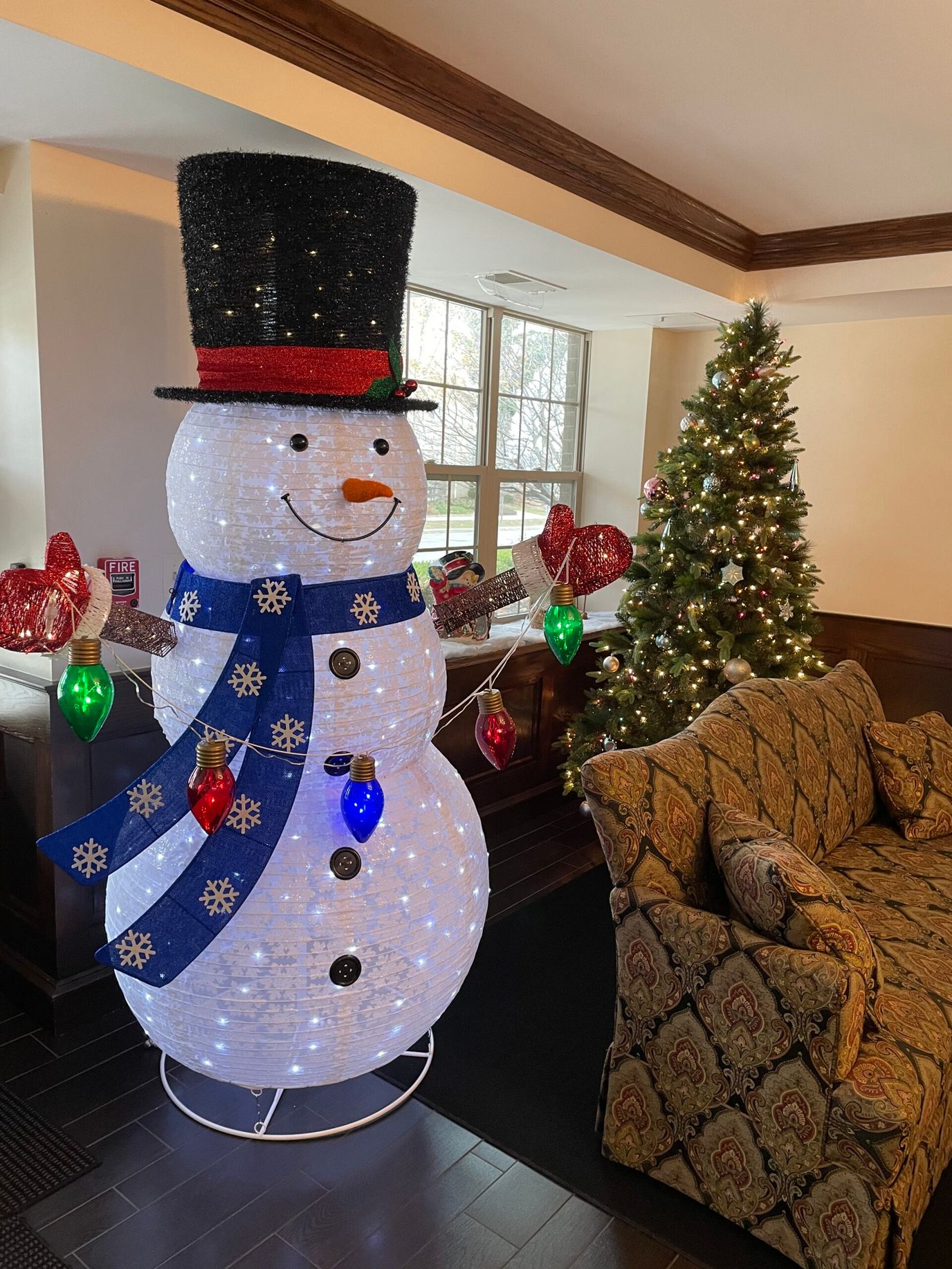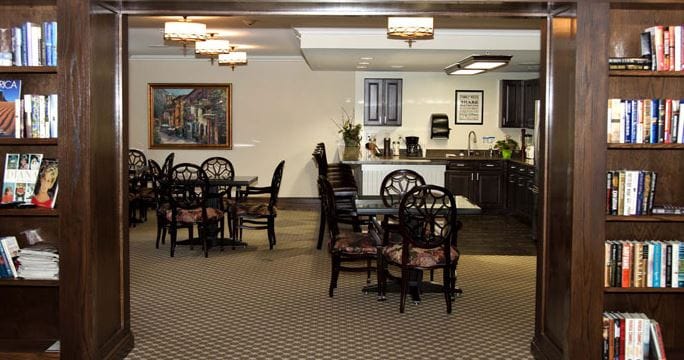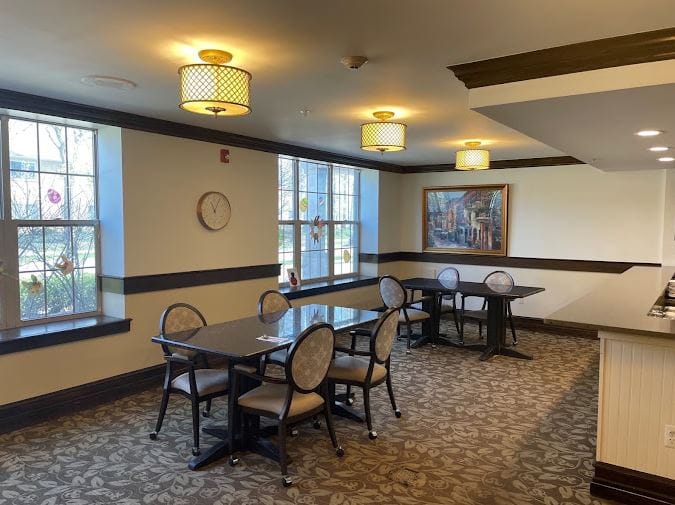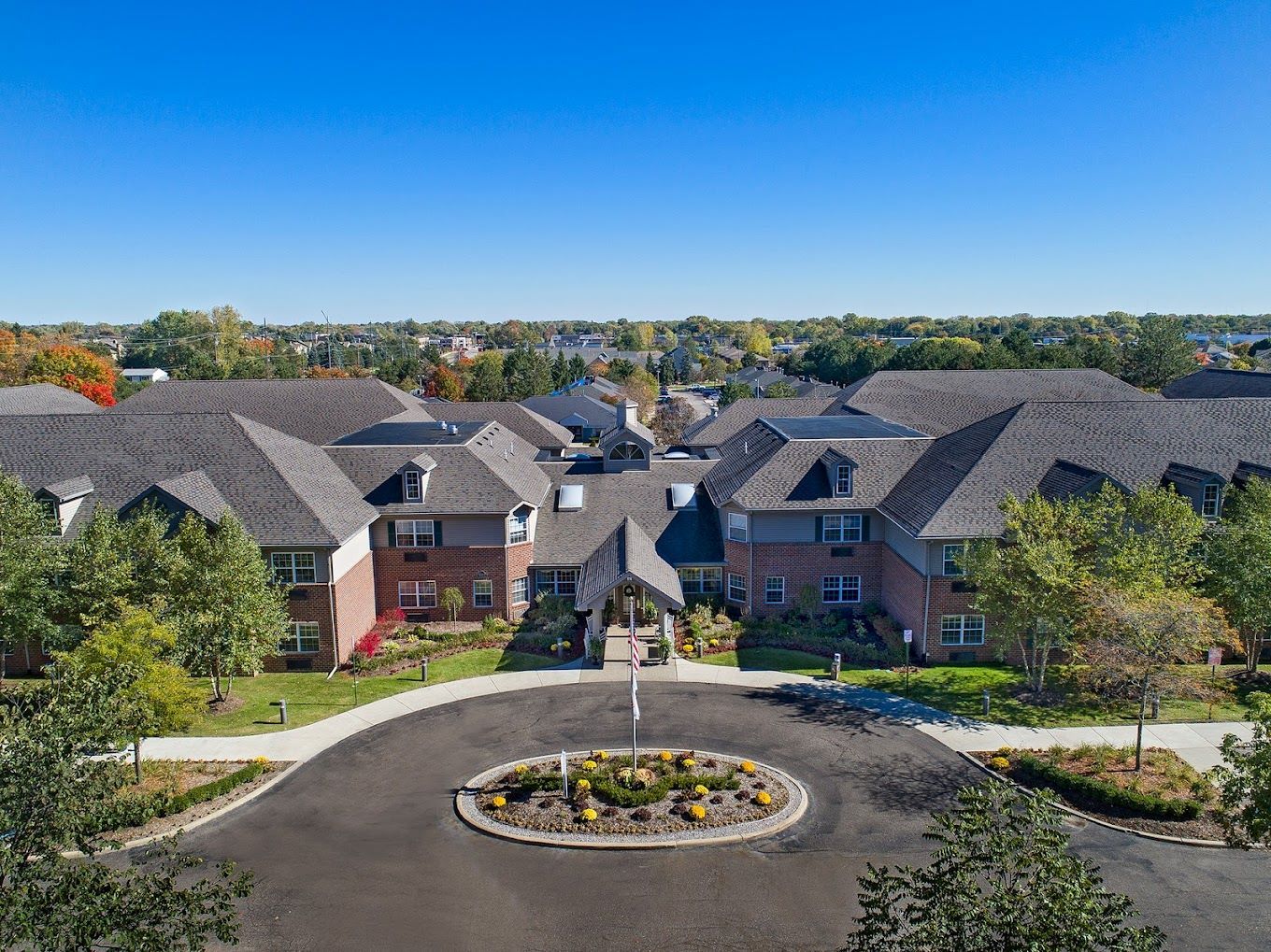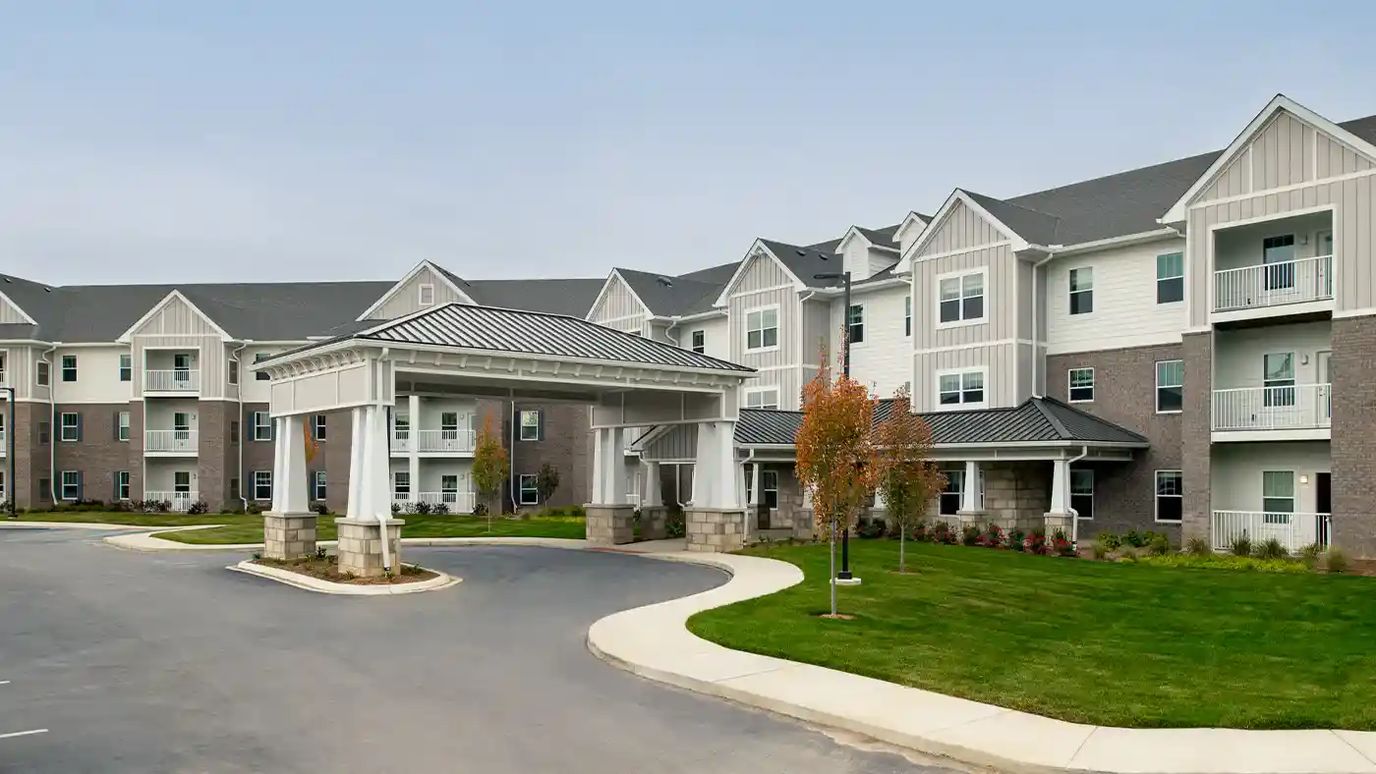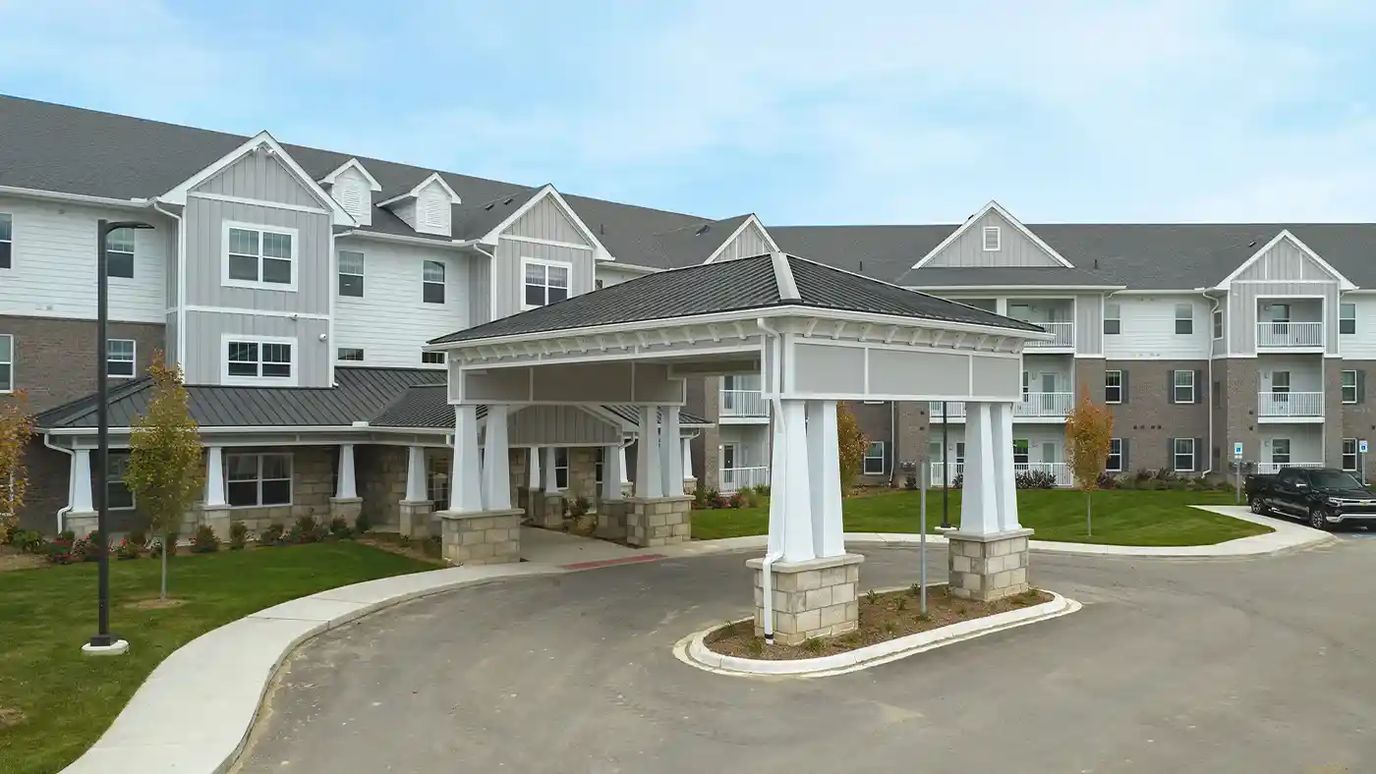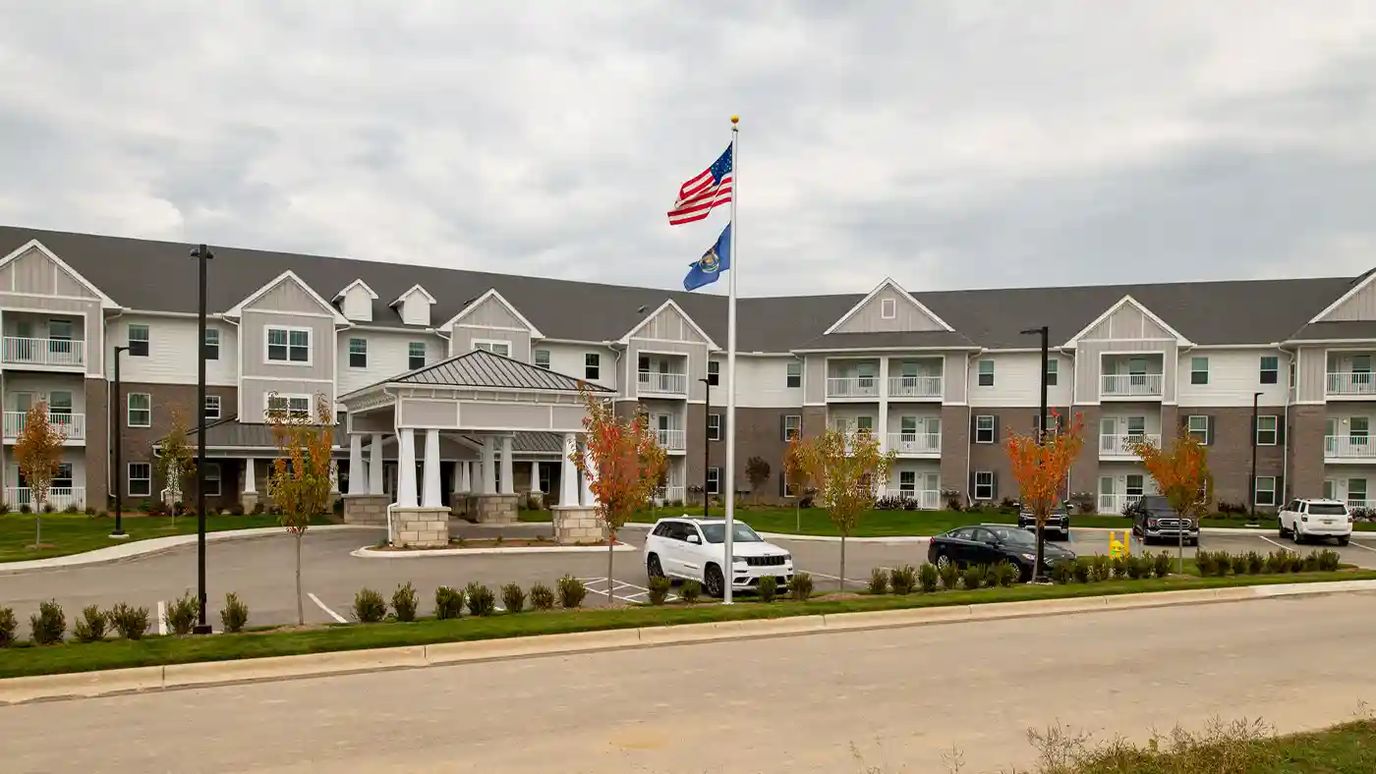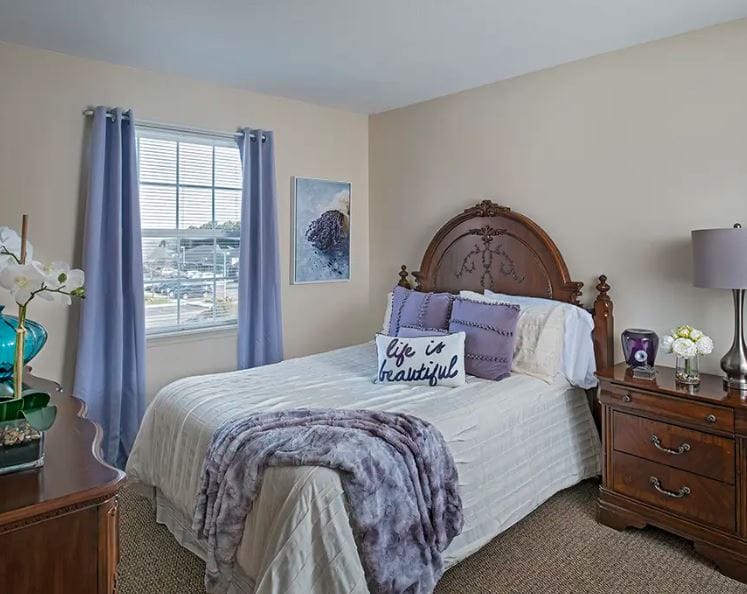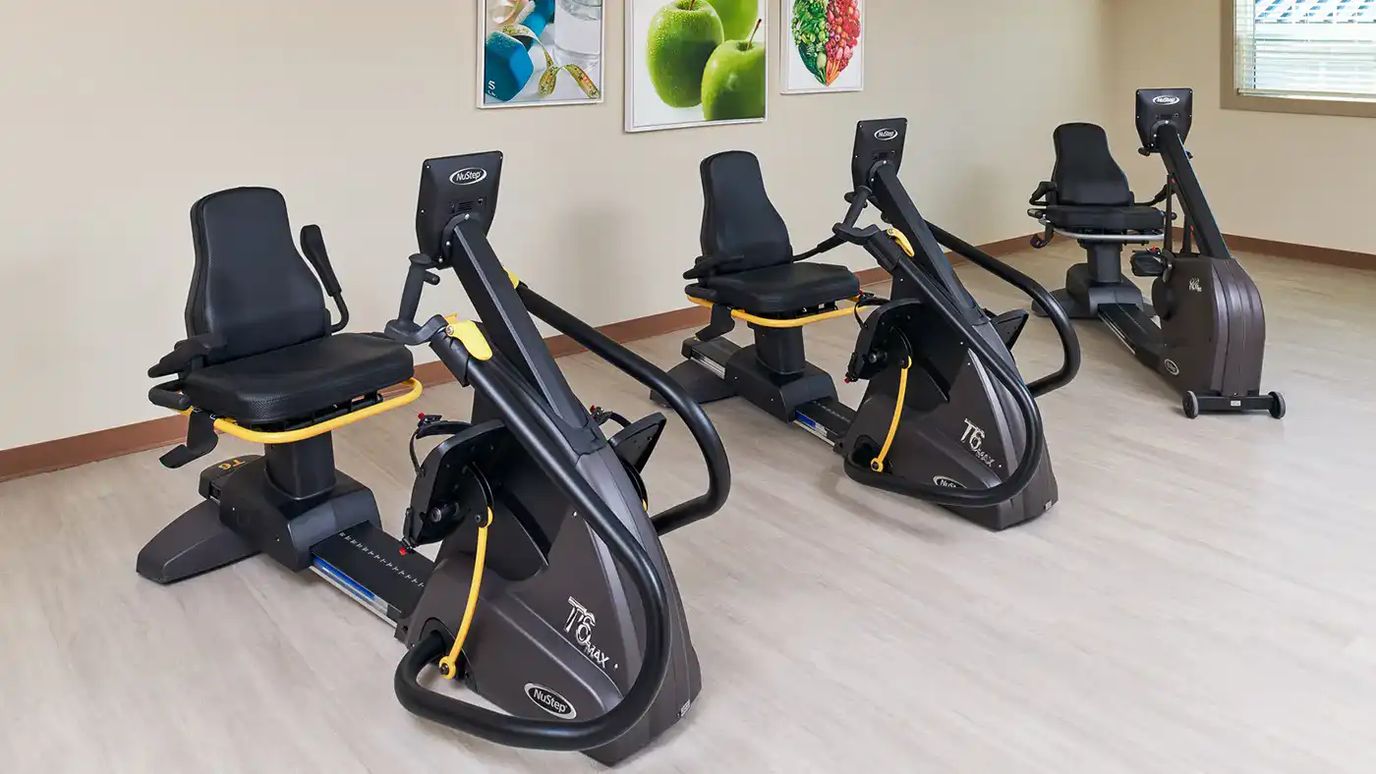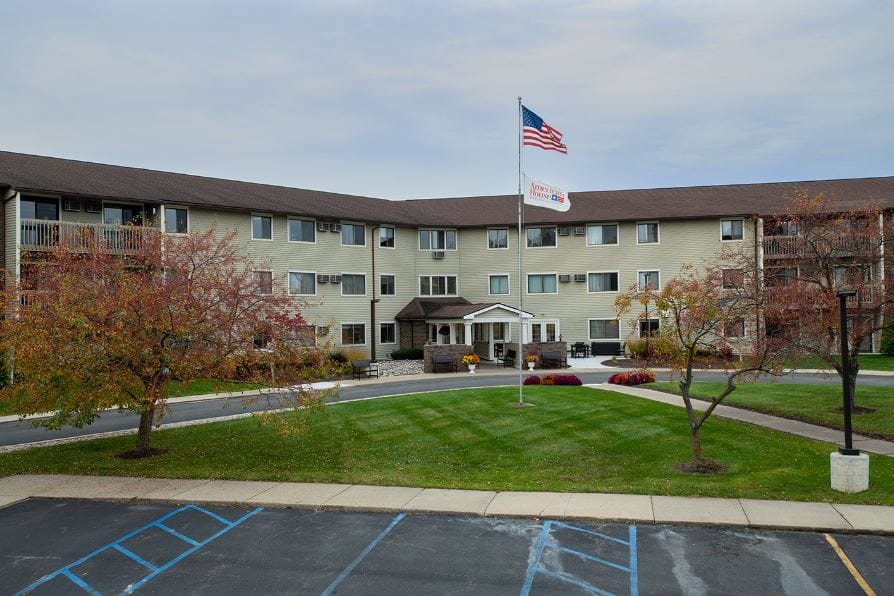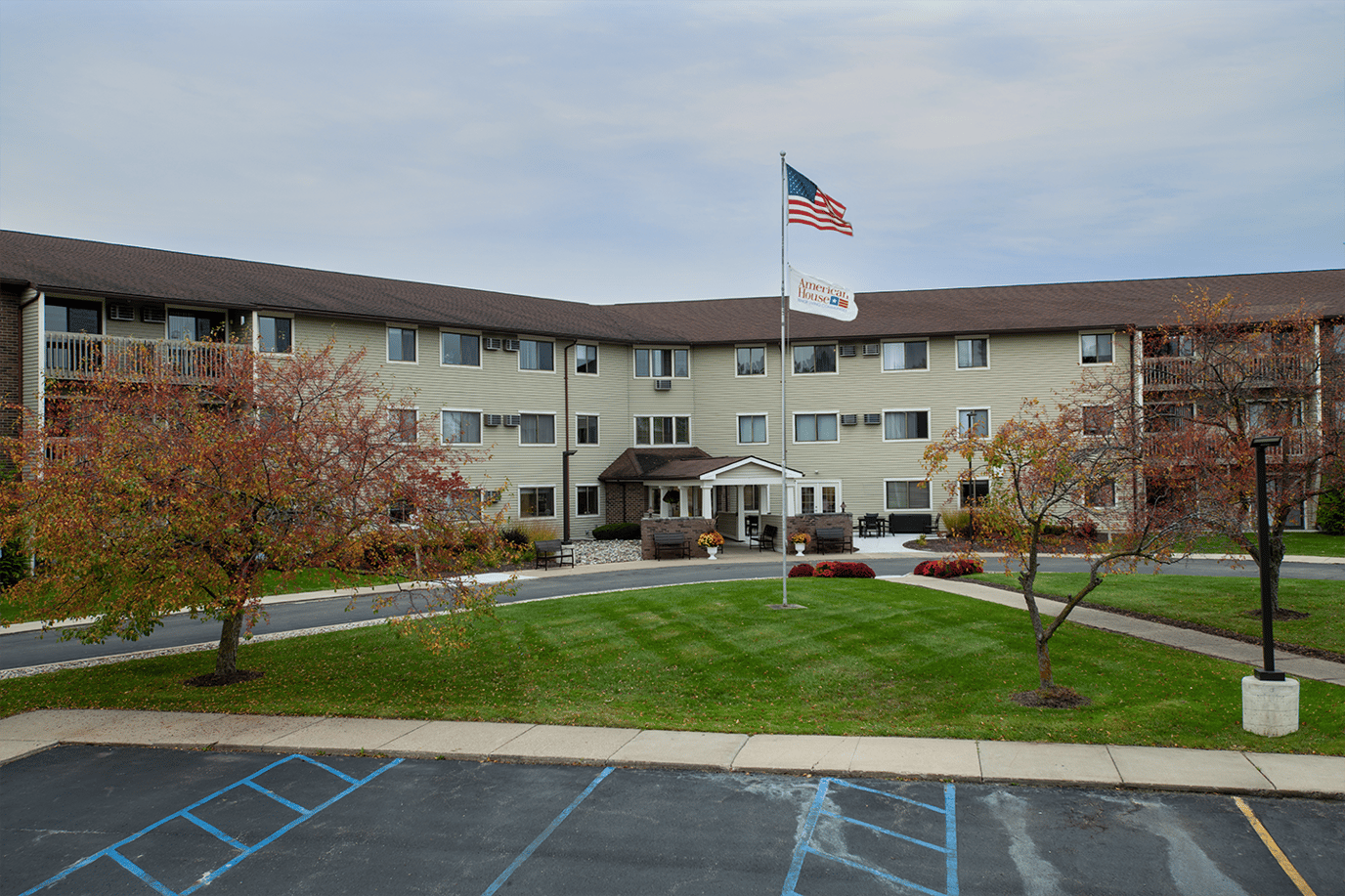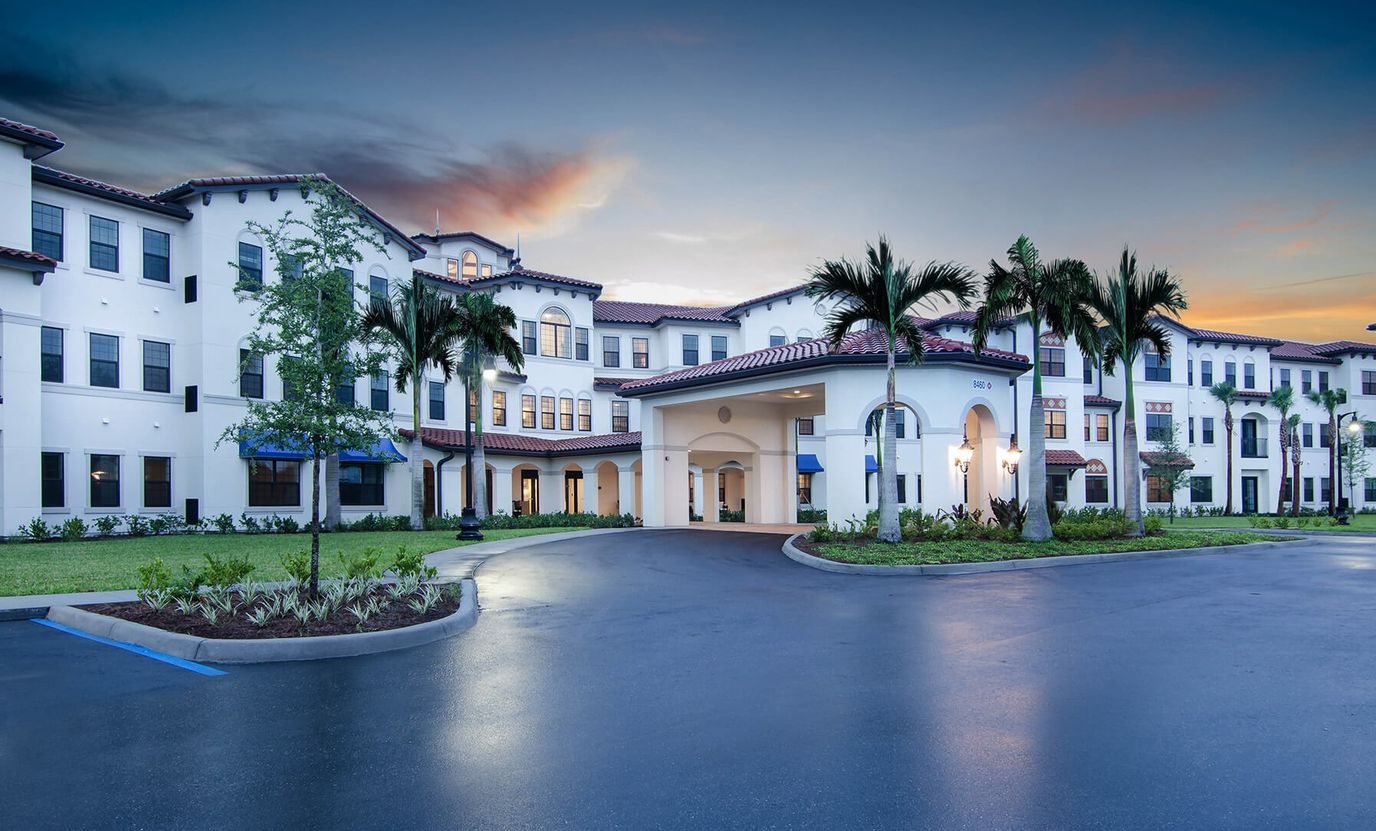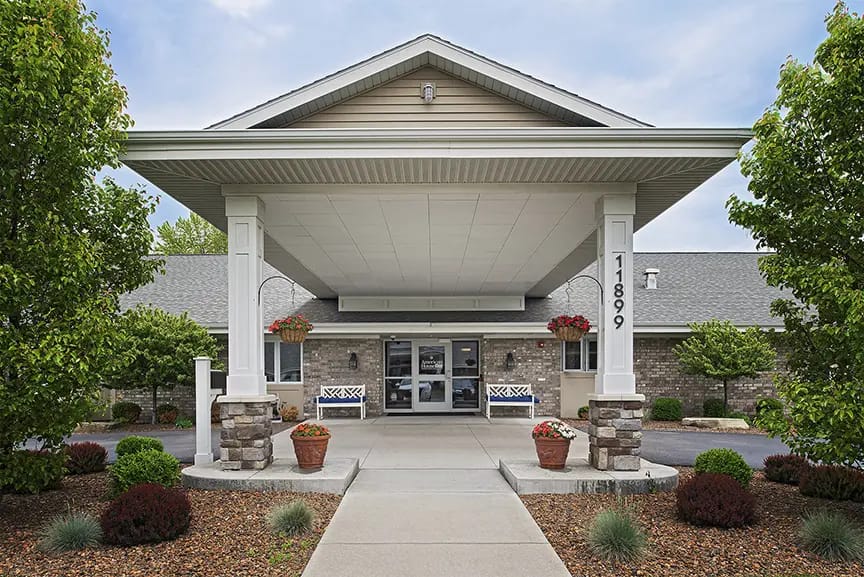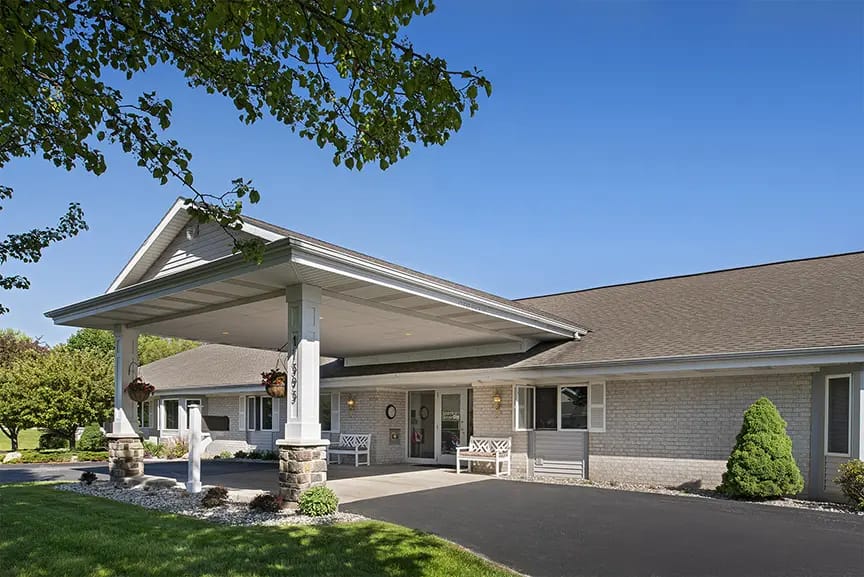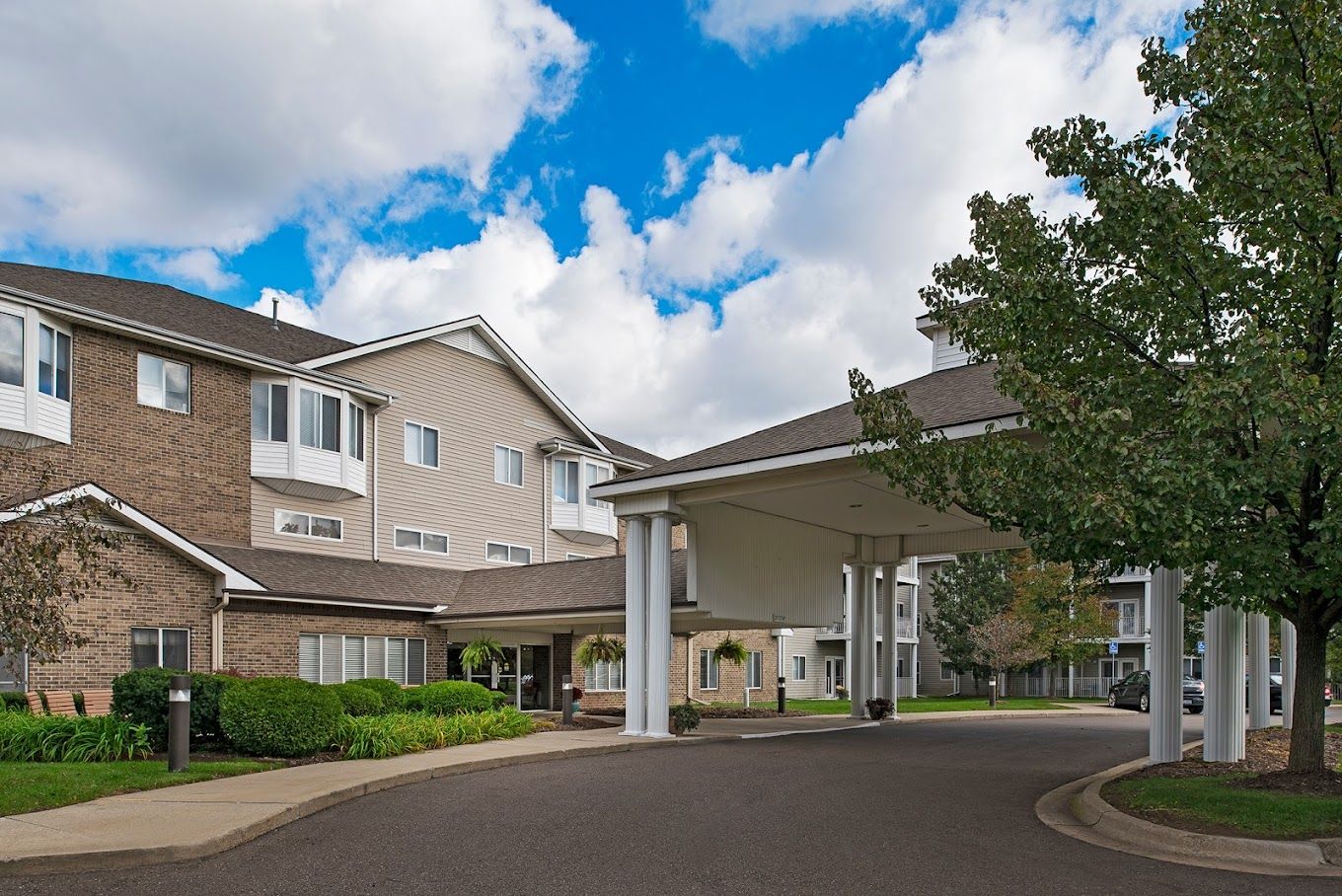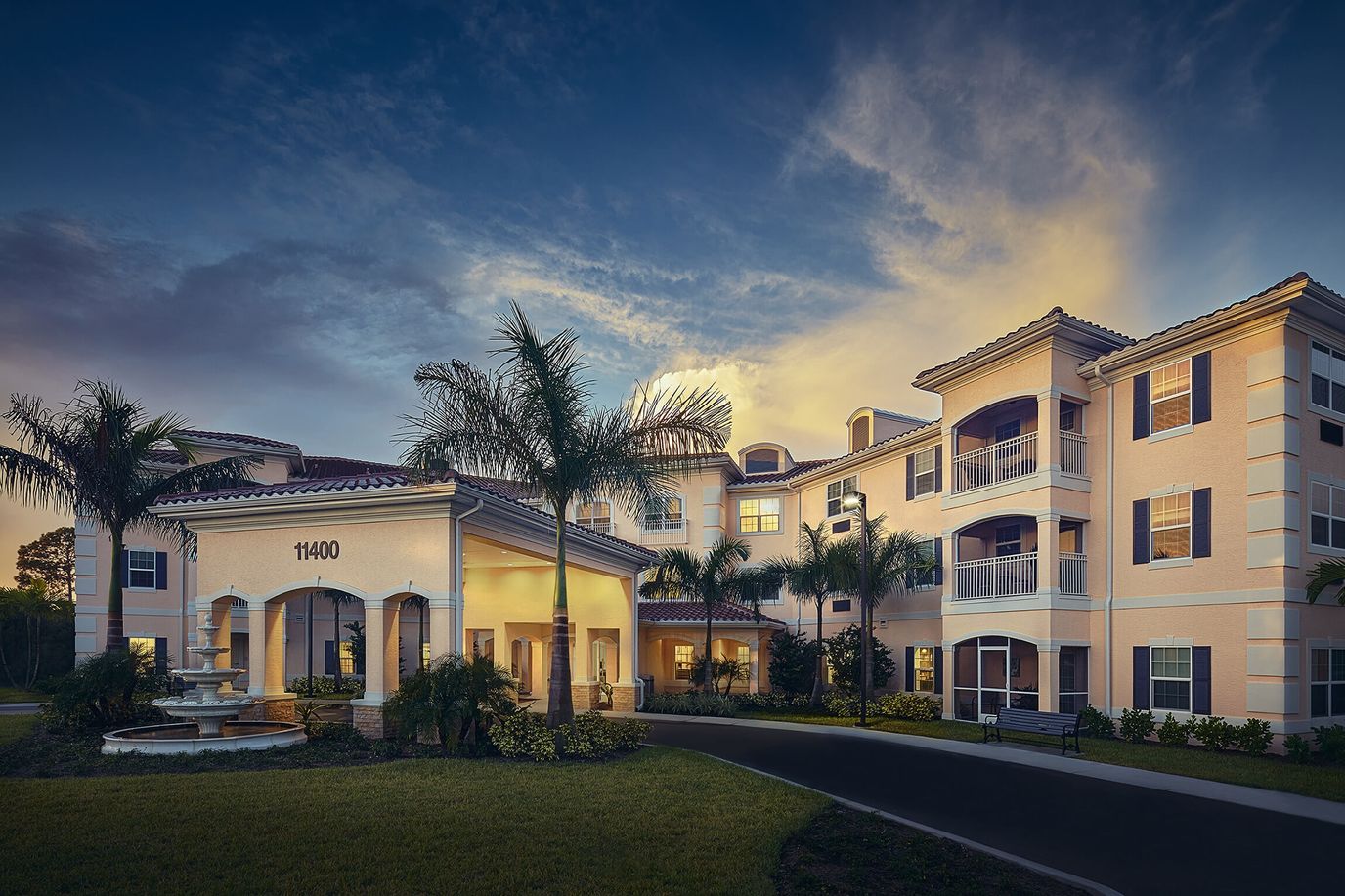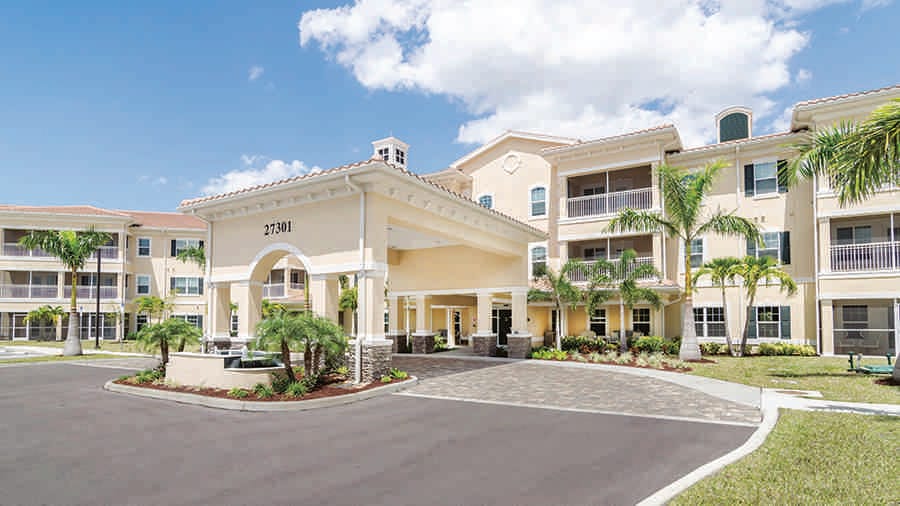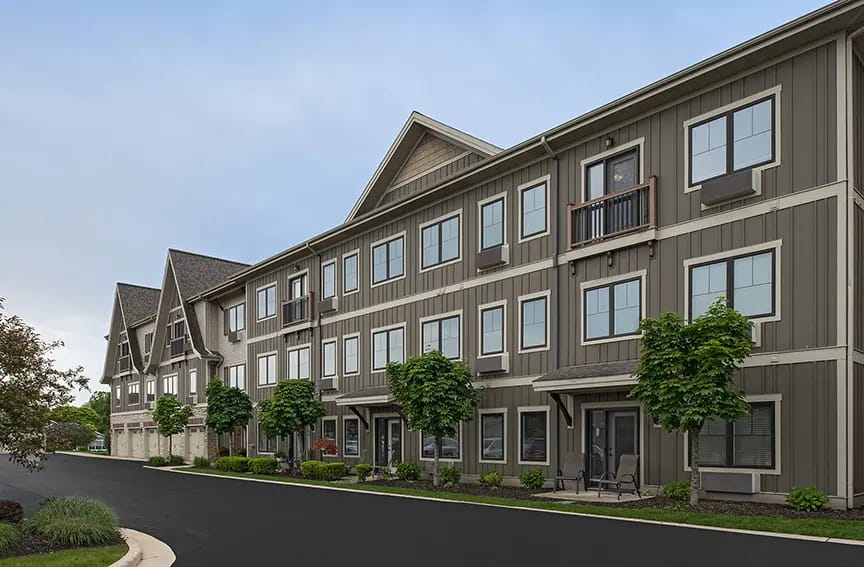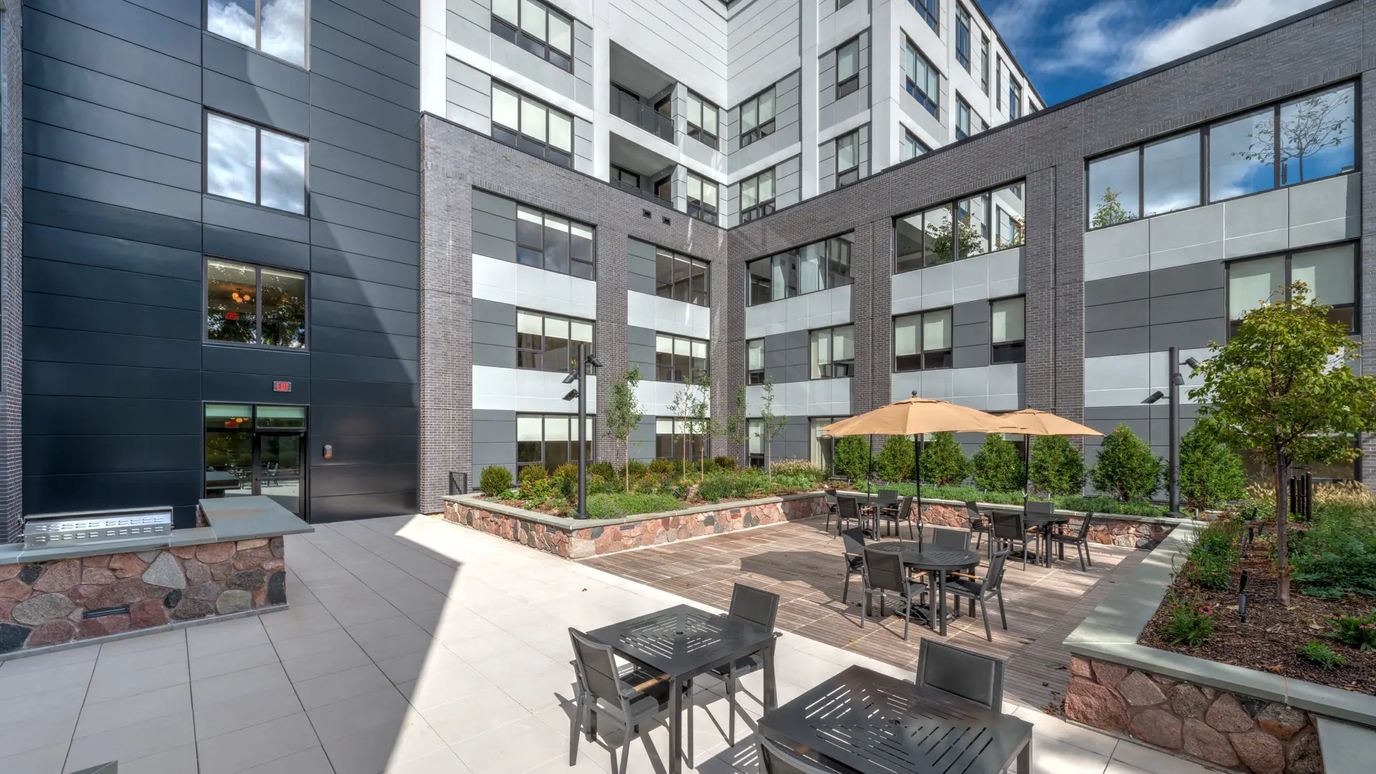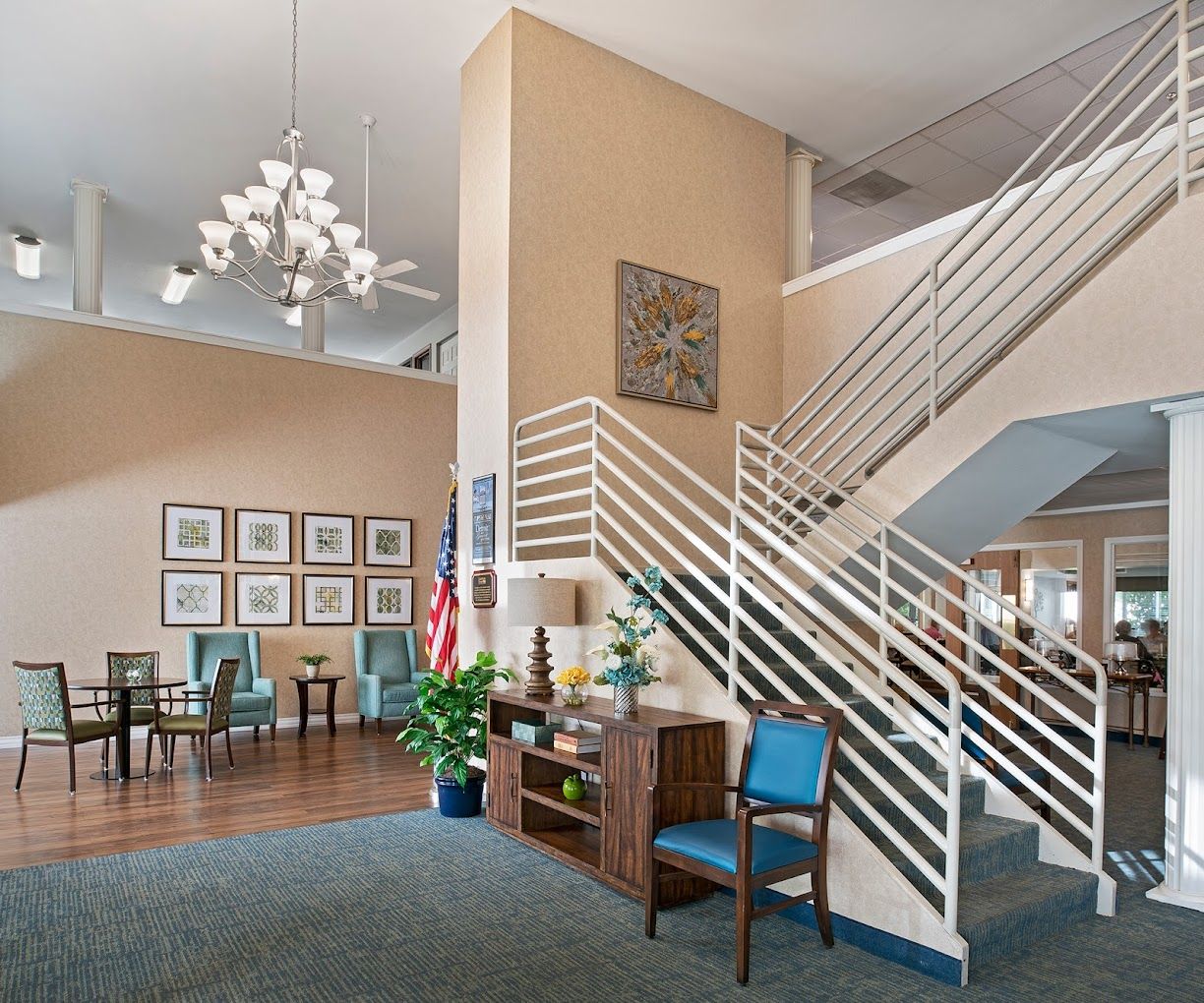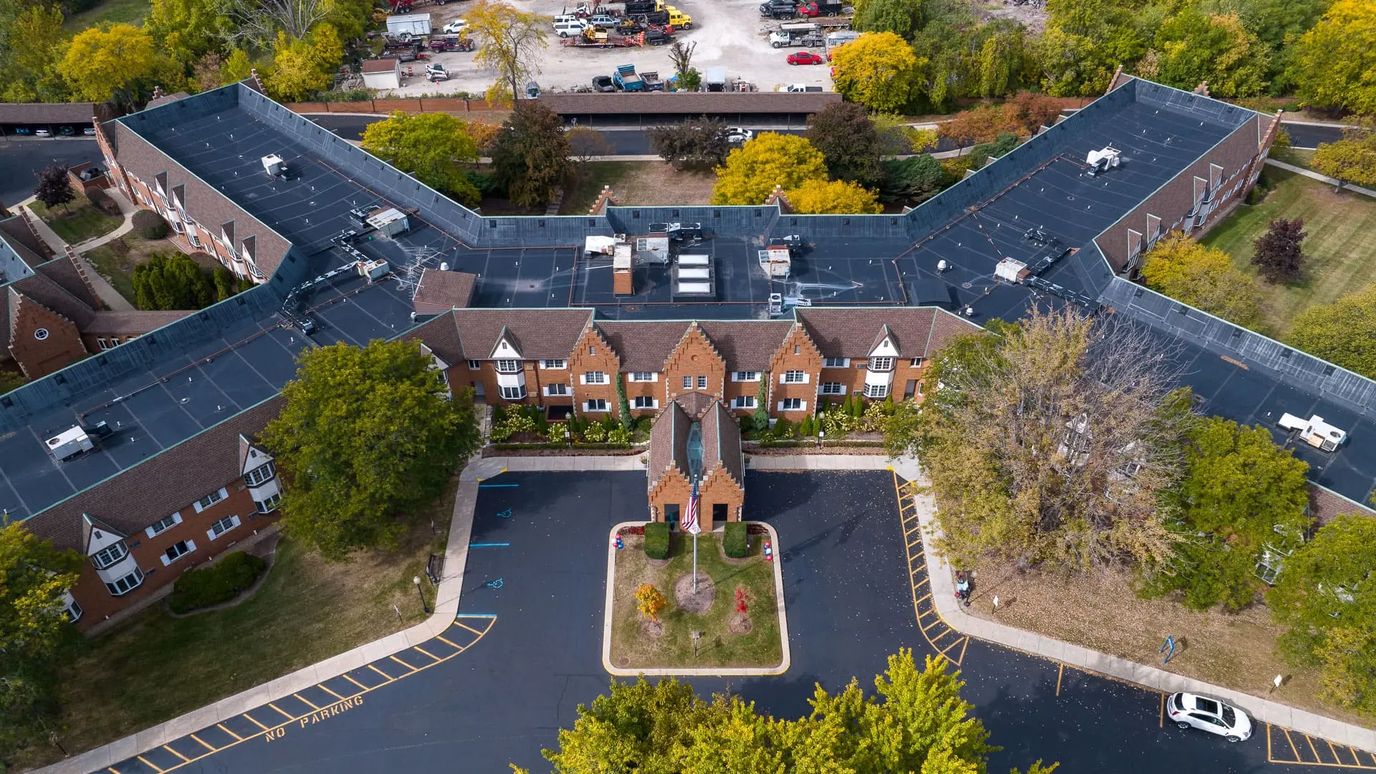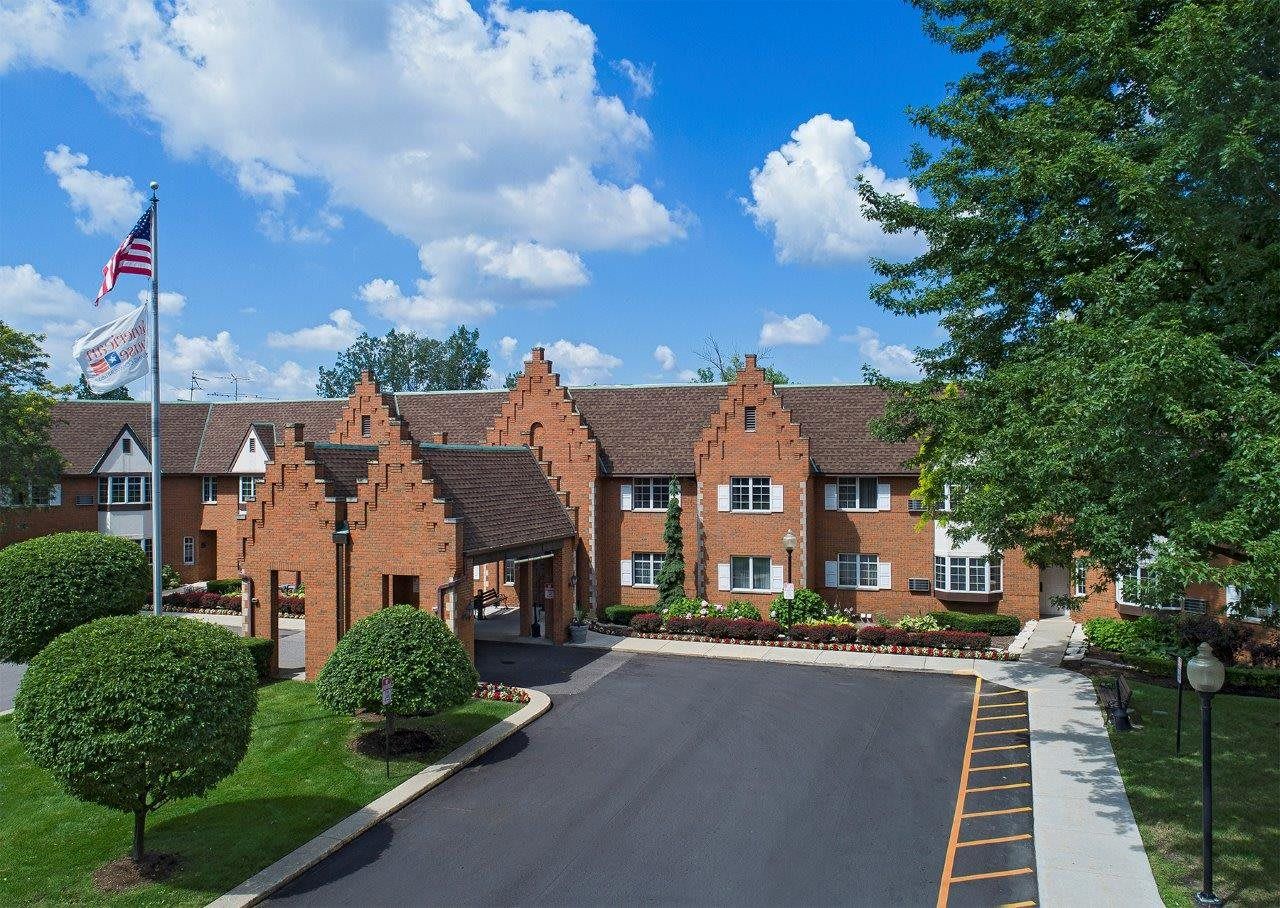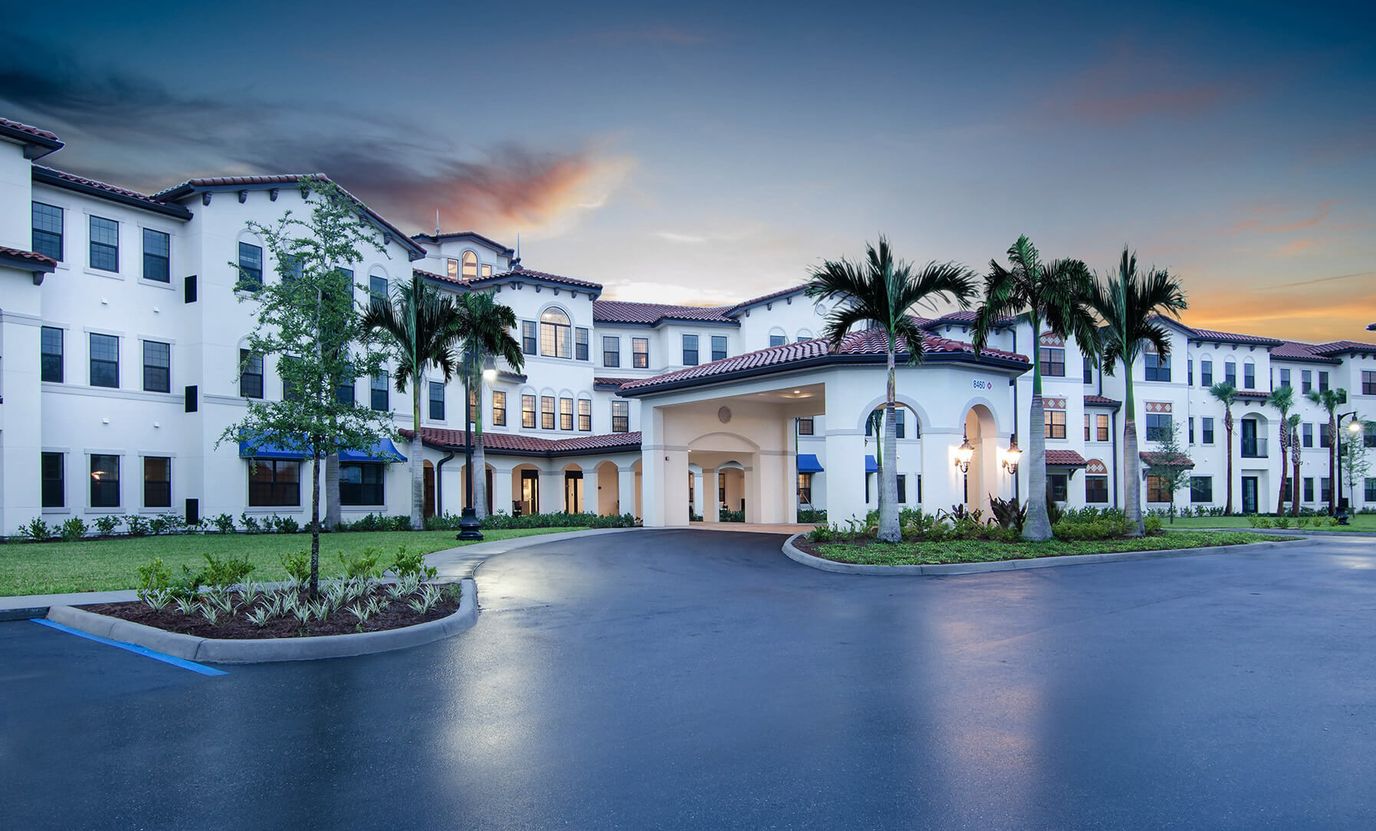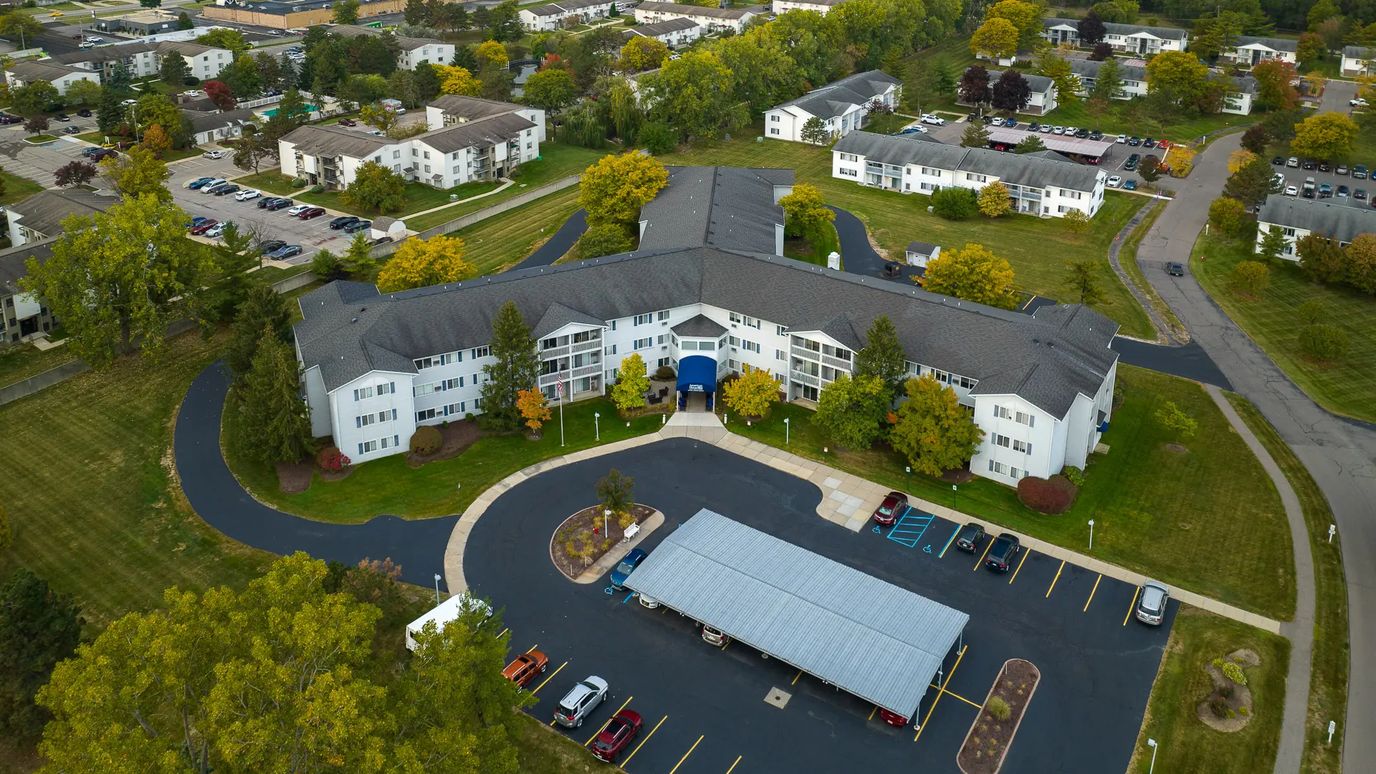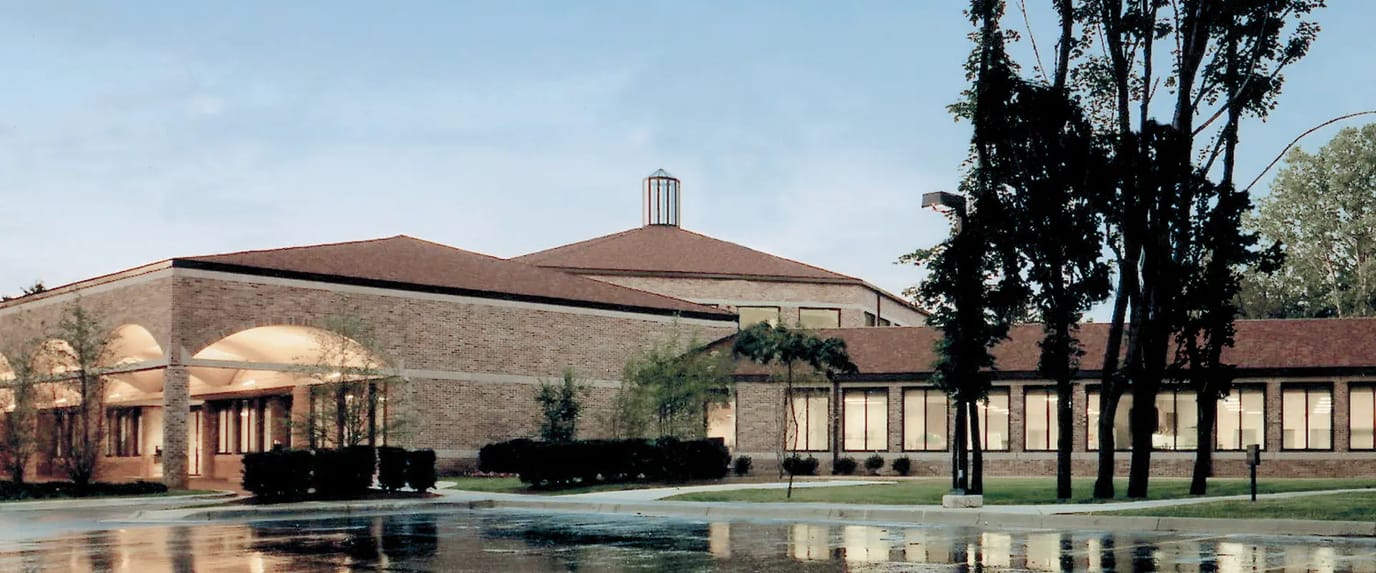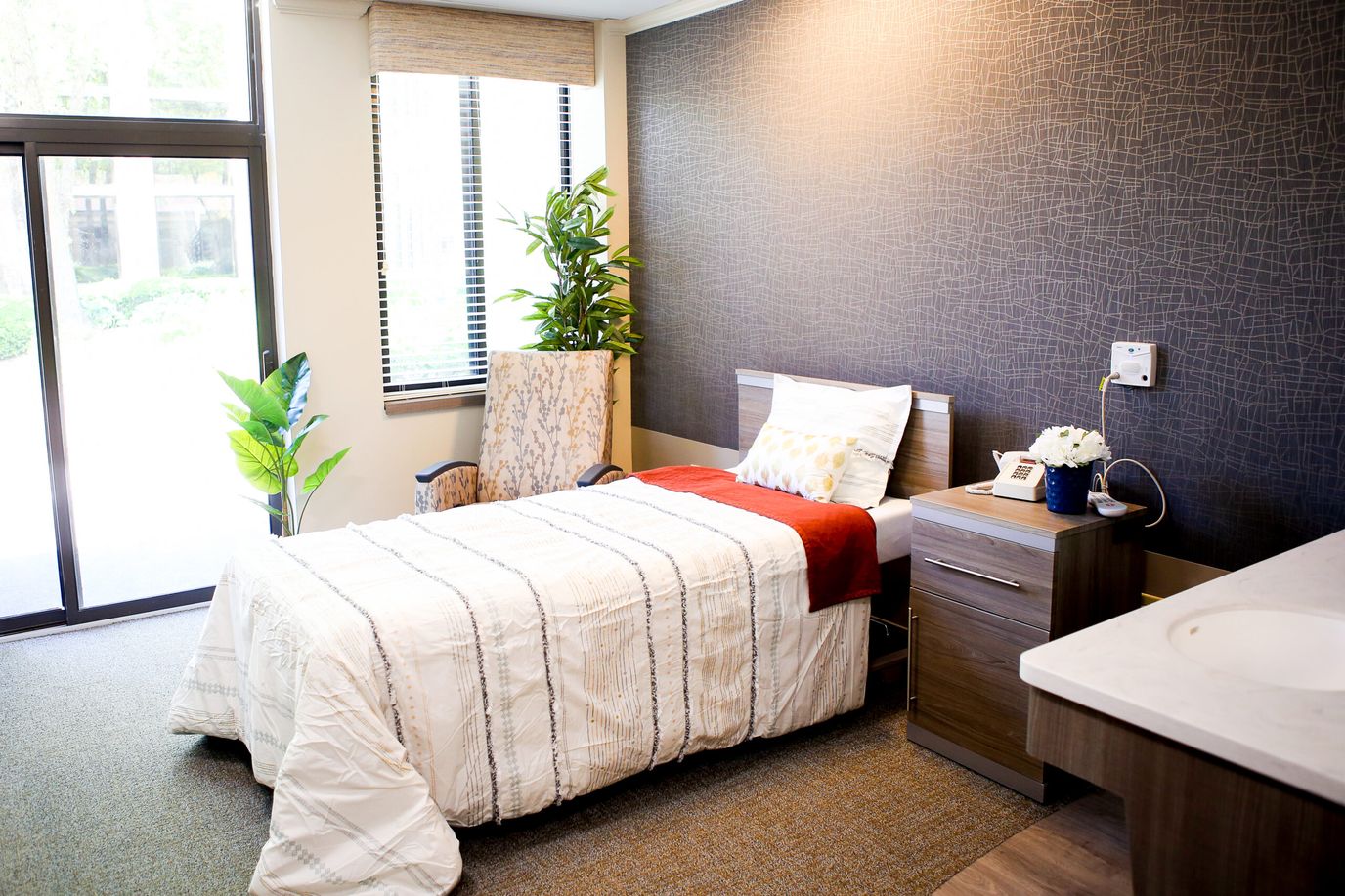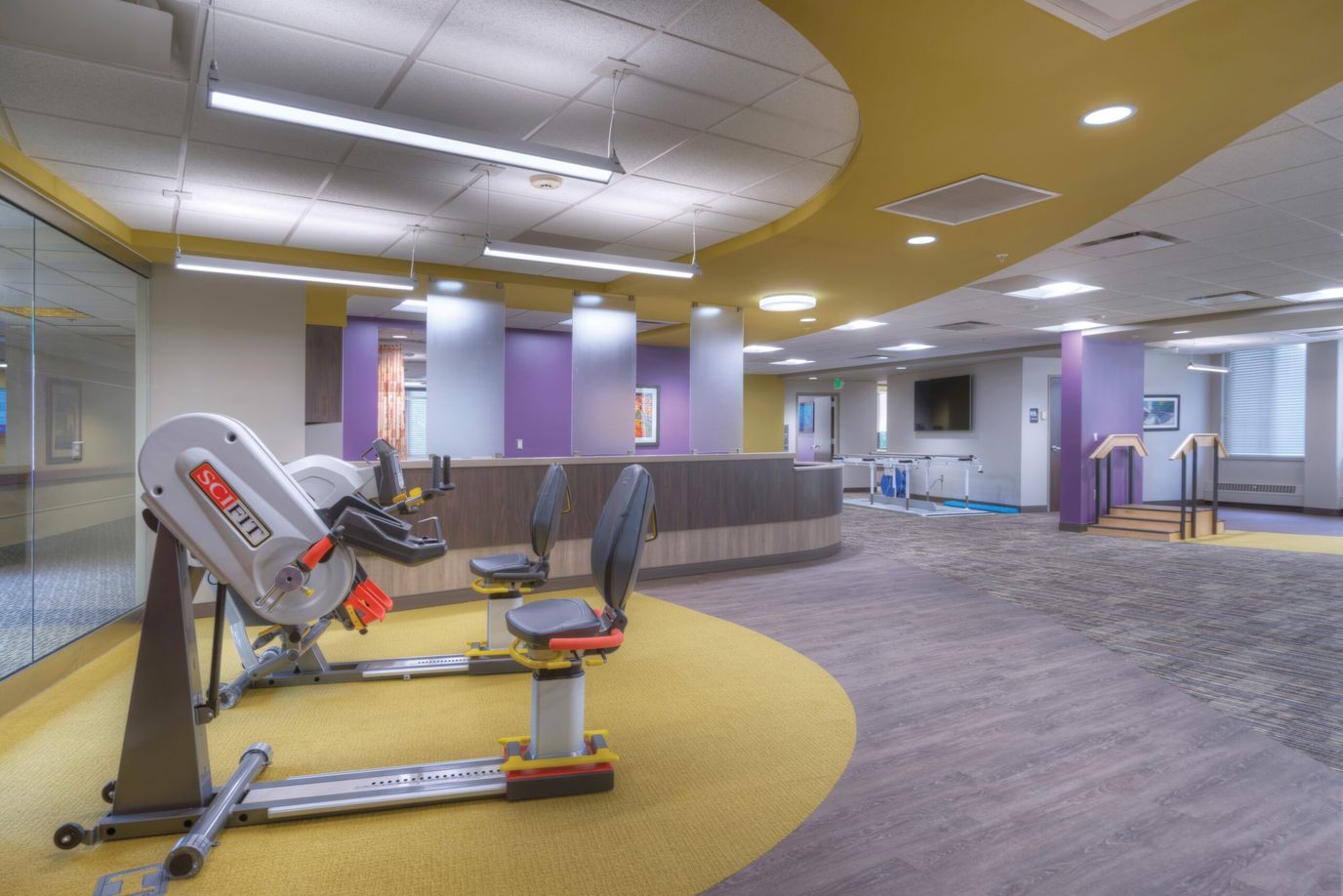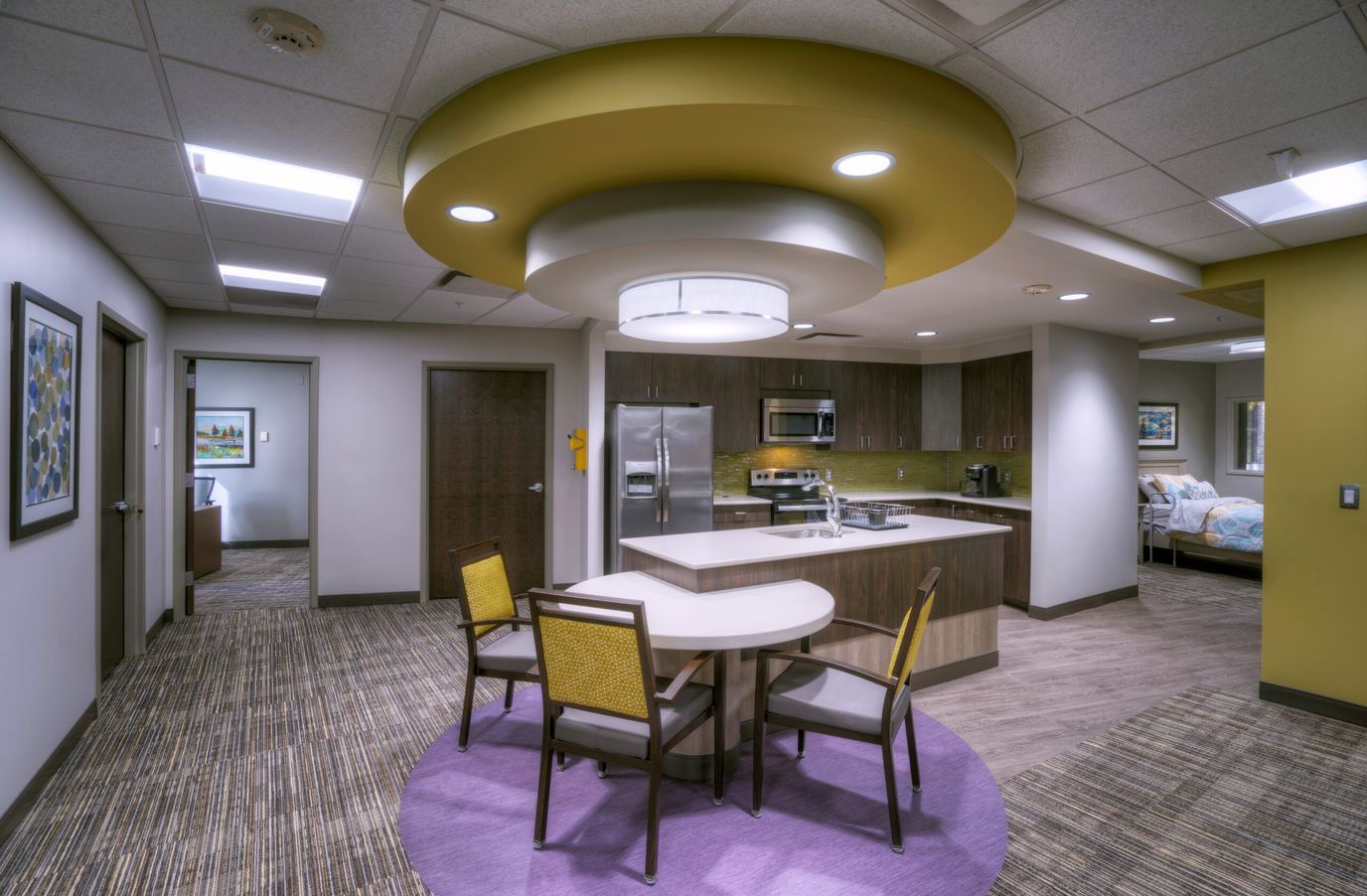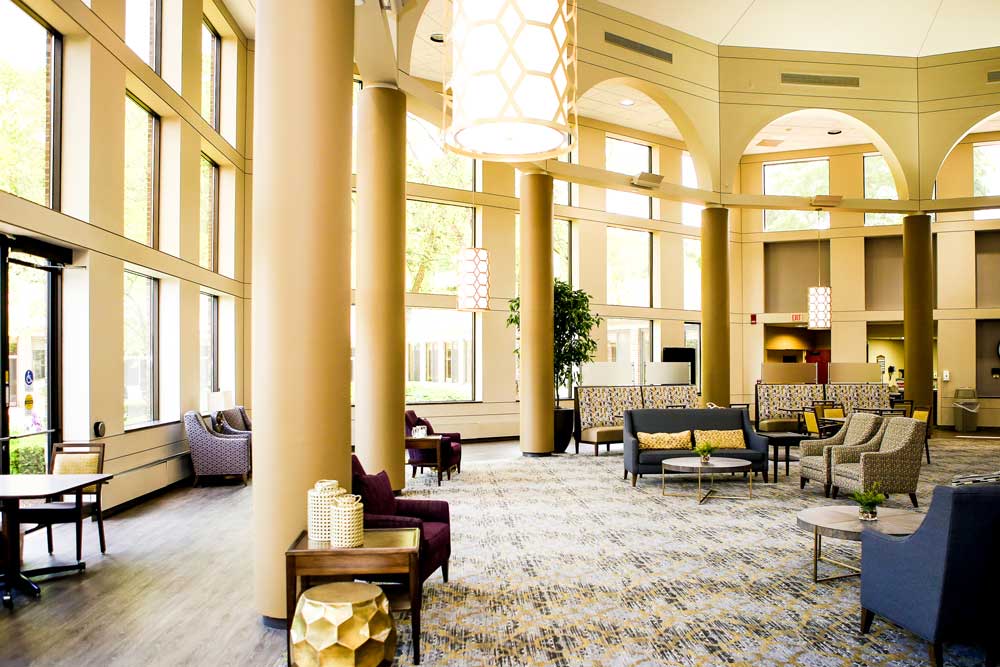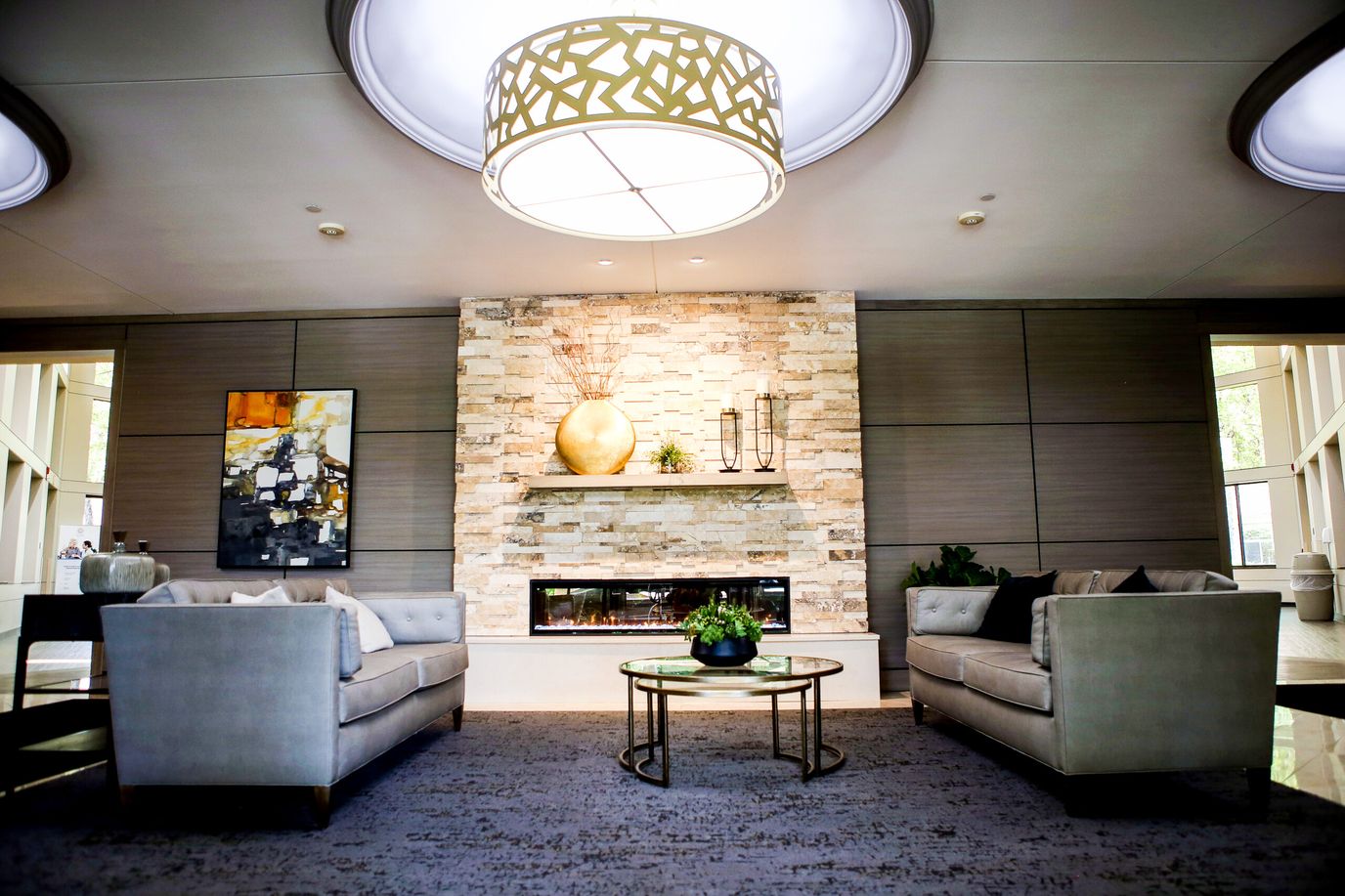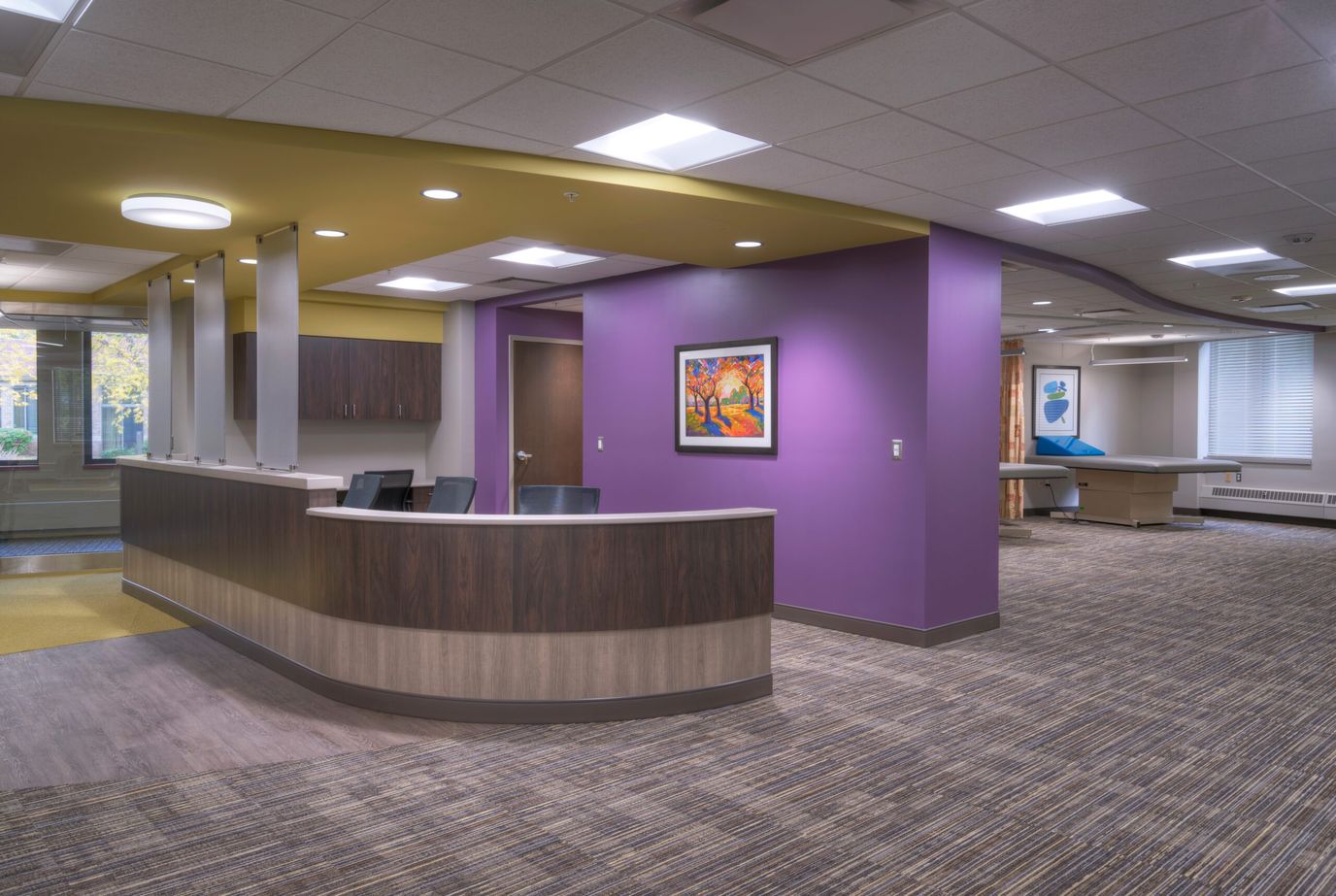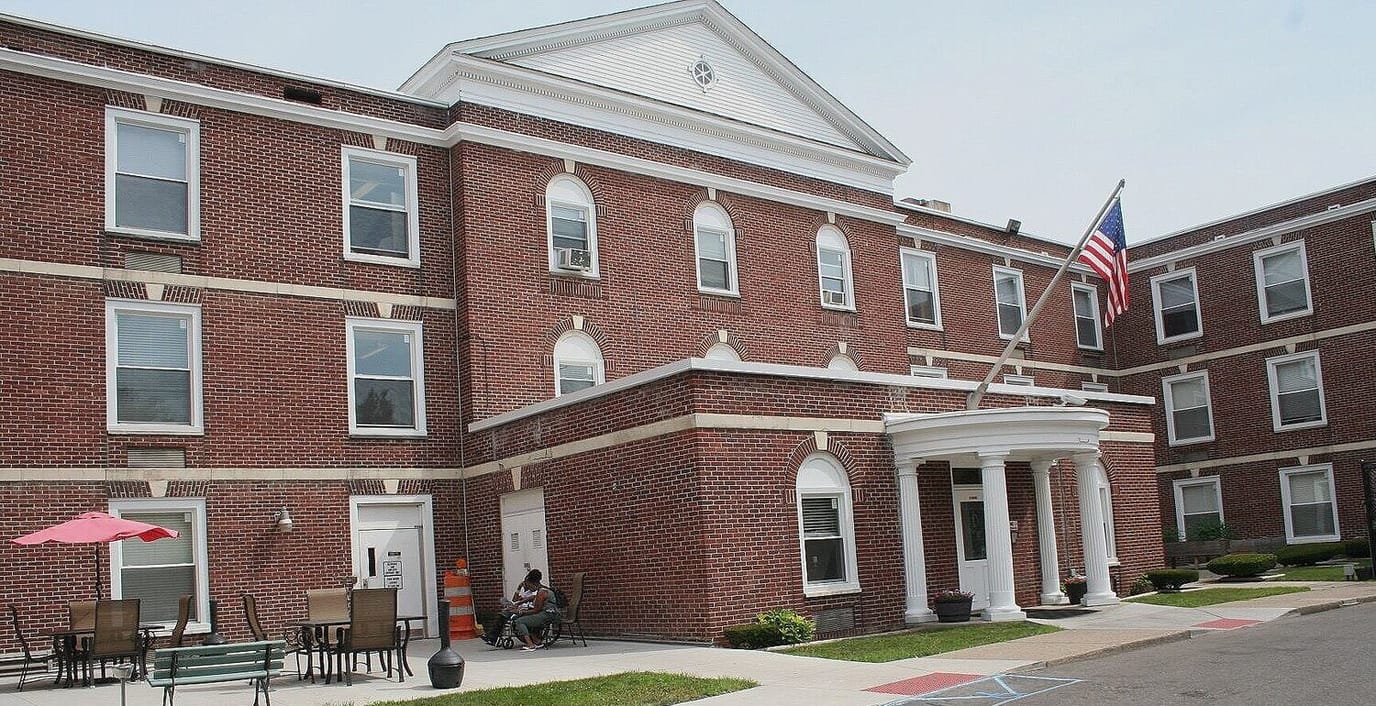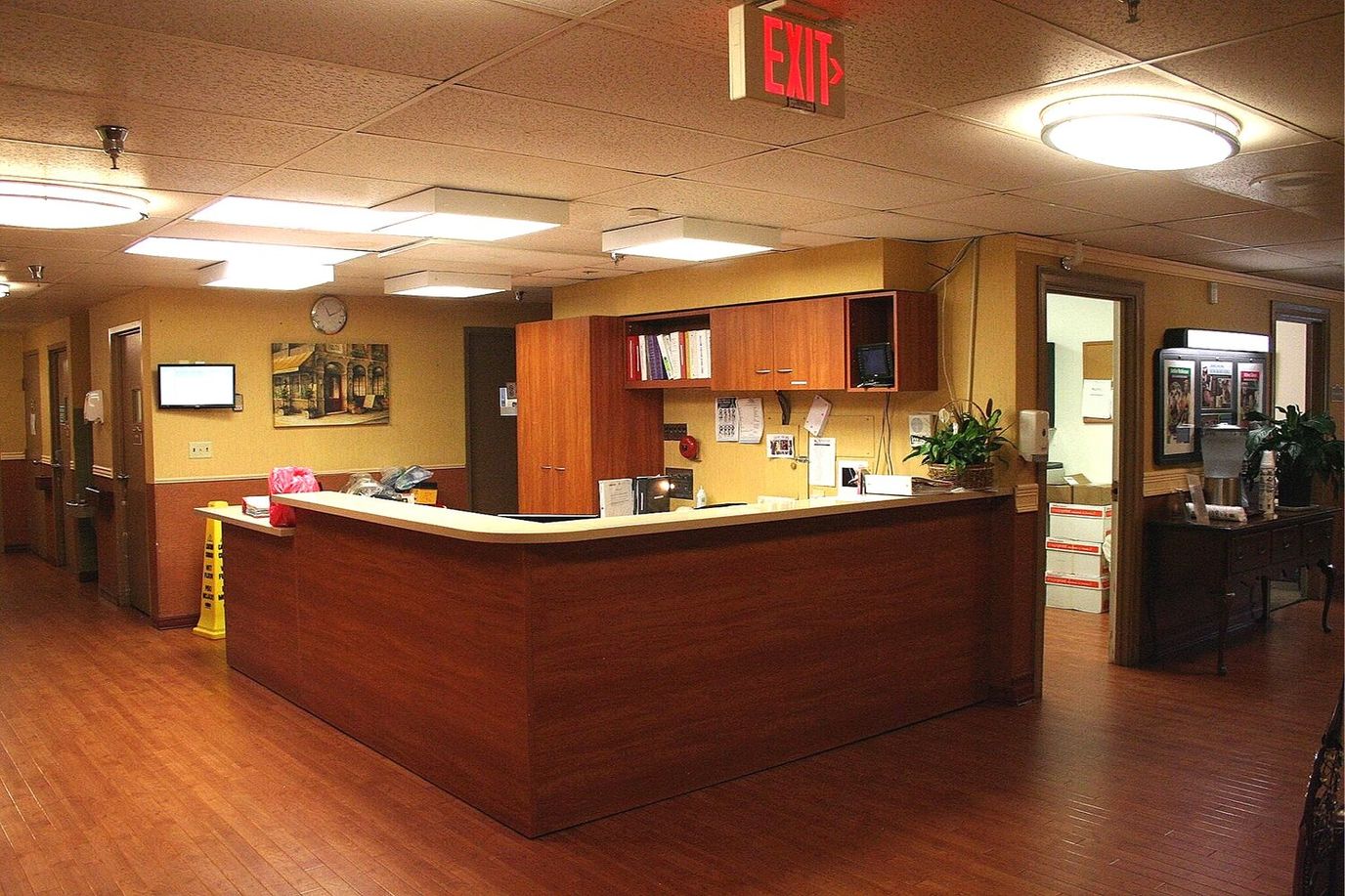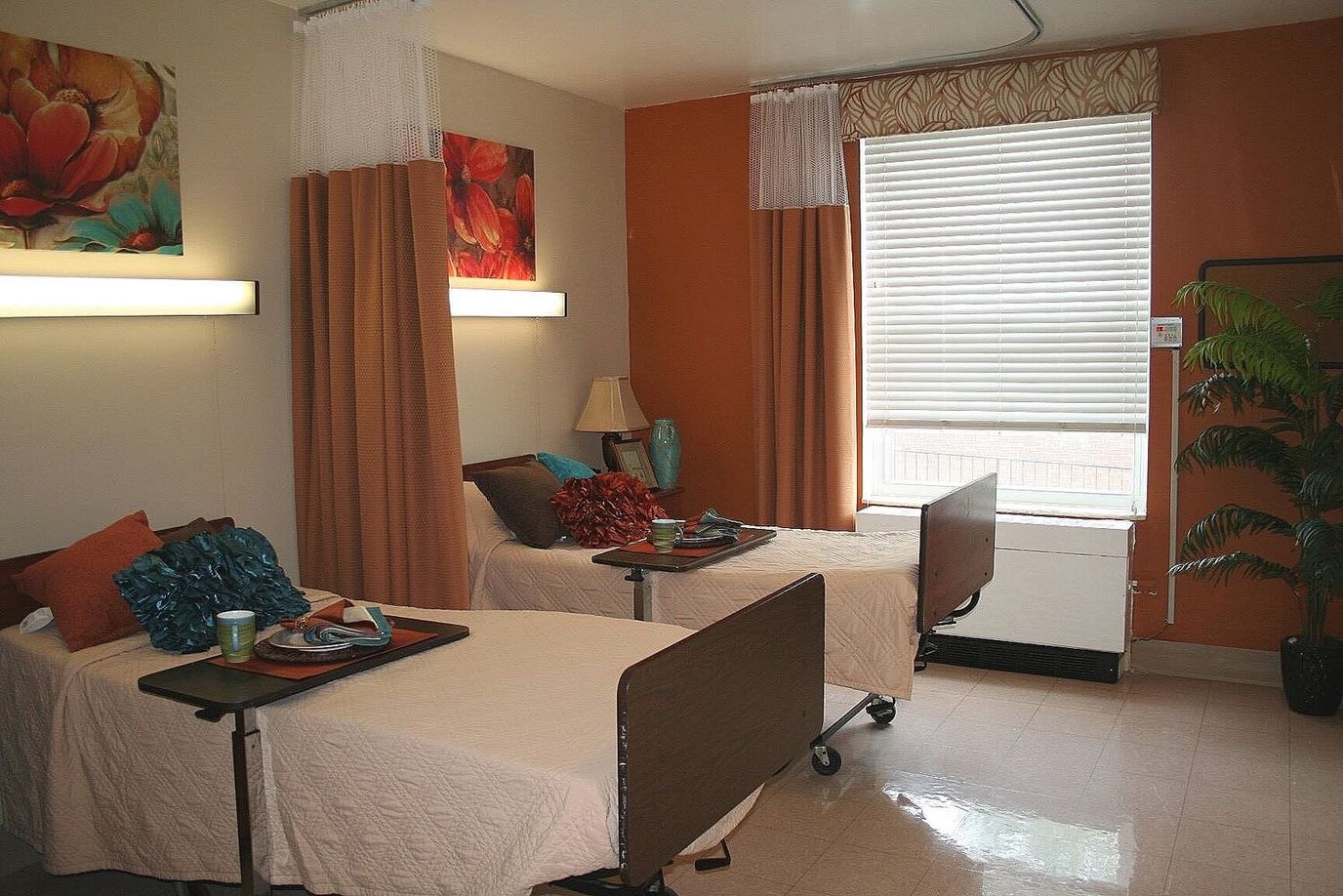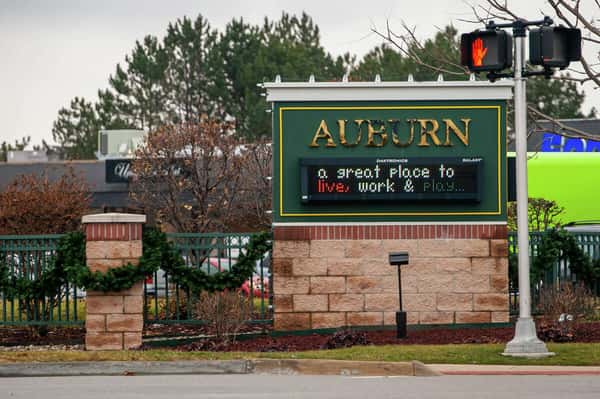
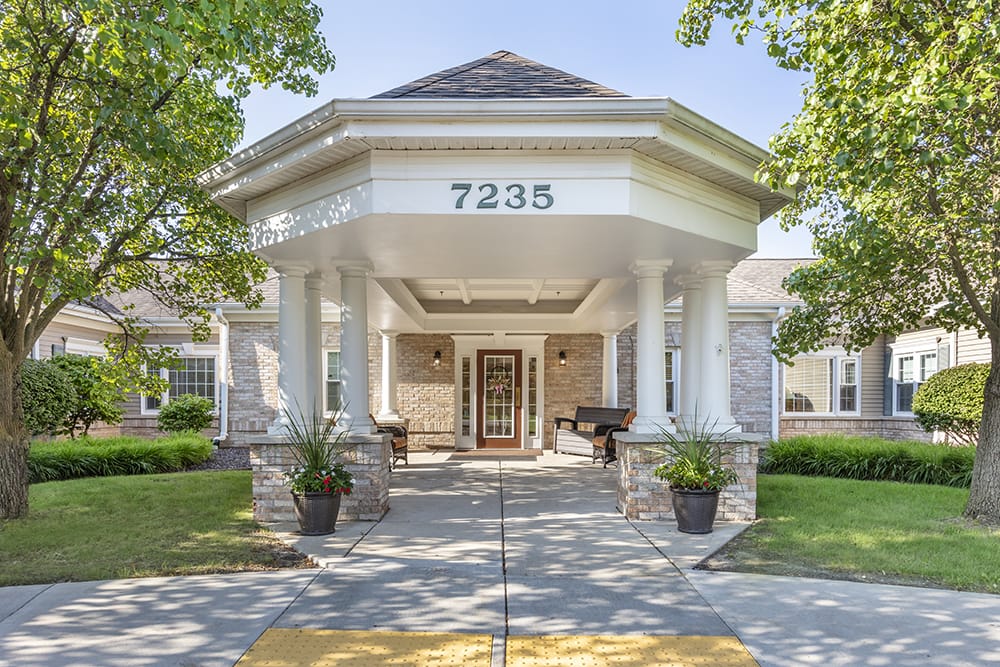
Overview of The Courtyard at Delta The Courtyard at Delta is an 85-bed assisted living facility at 350 South Marketplace Boulevard in Delta Township, Eaton County, Michigan, operated by Delta Assisted Living LLC. It provides assisted living and memory care with 24-hour staffing, rehabilitation services, and respite care.
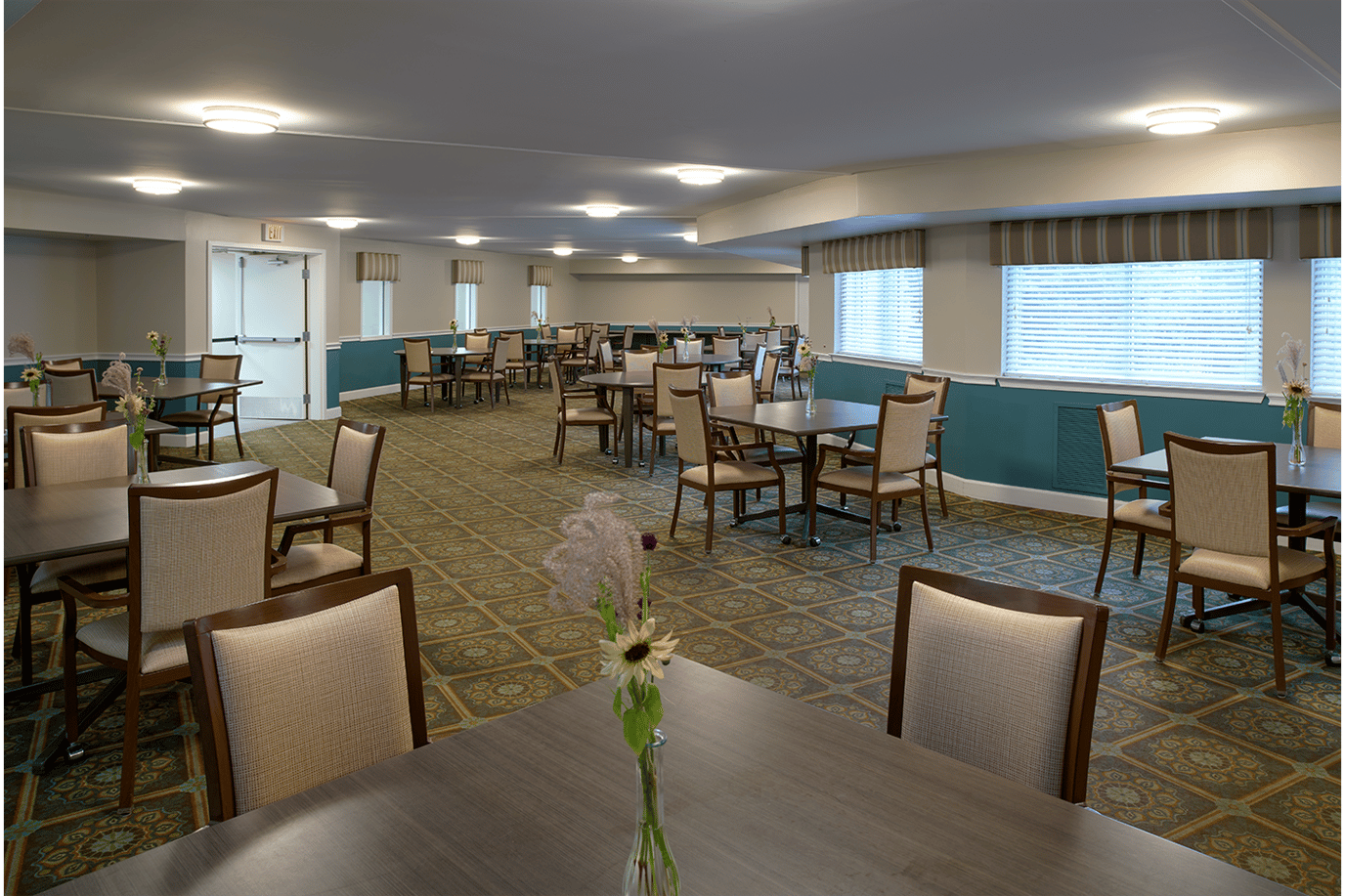
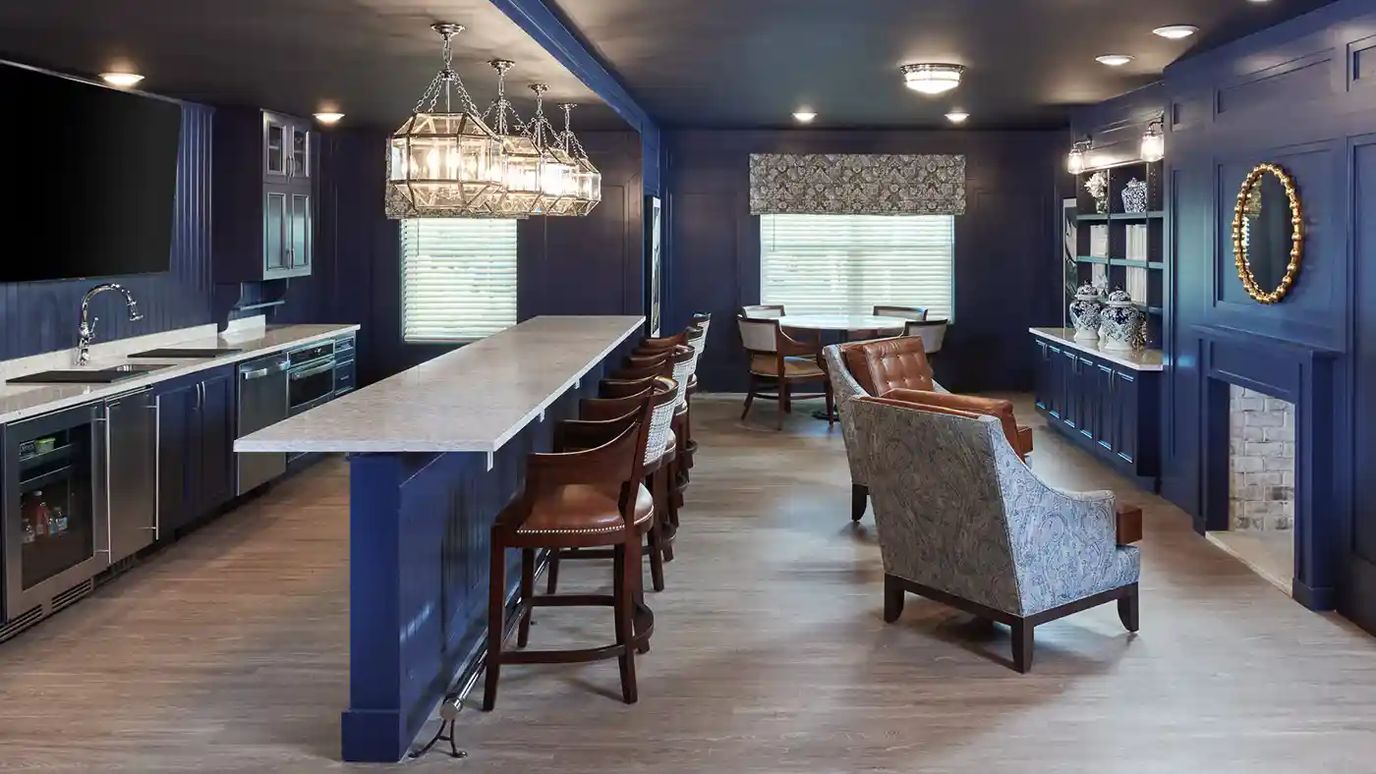
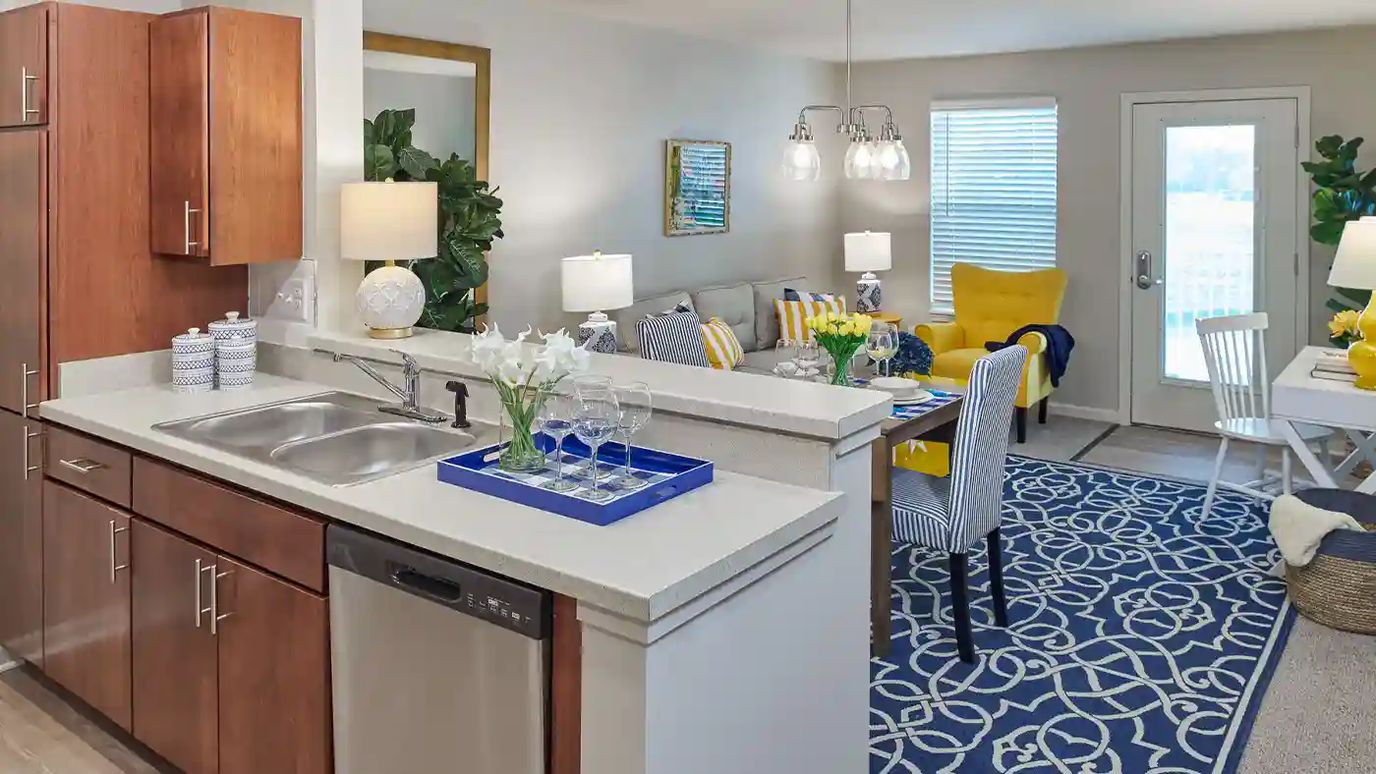
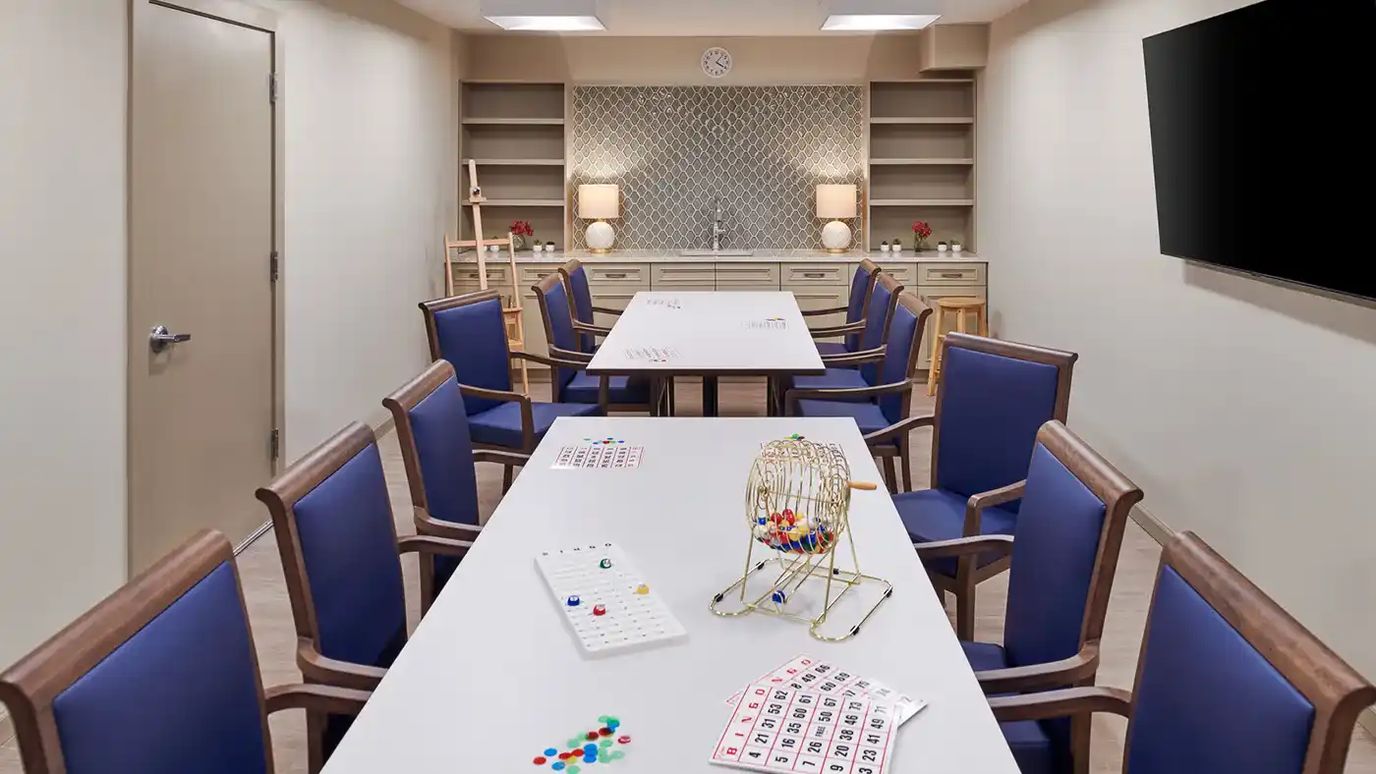
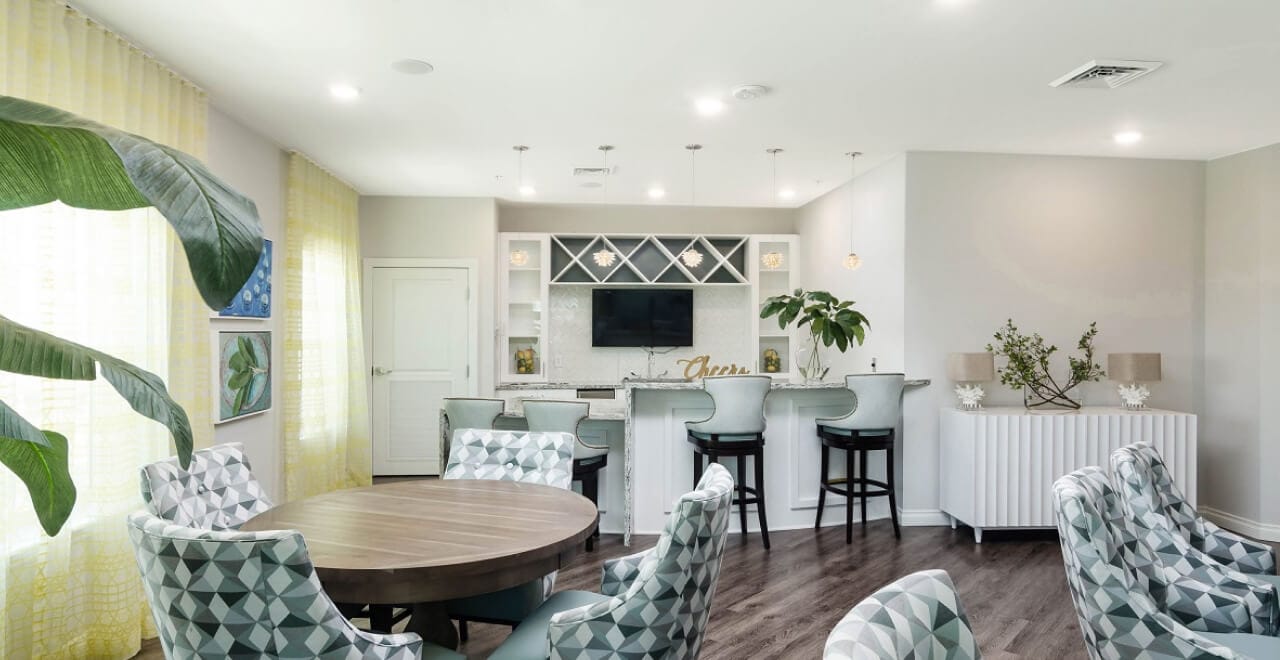
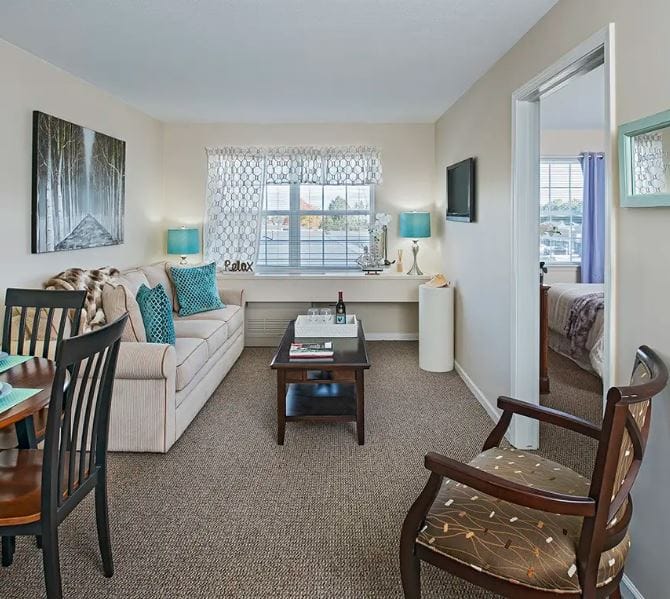
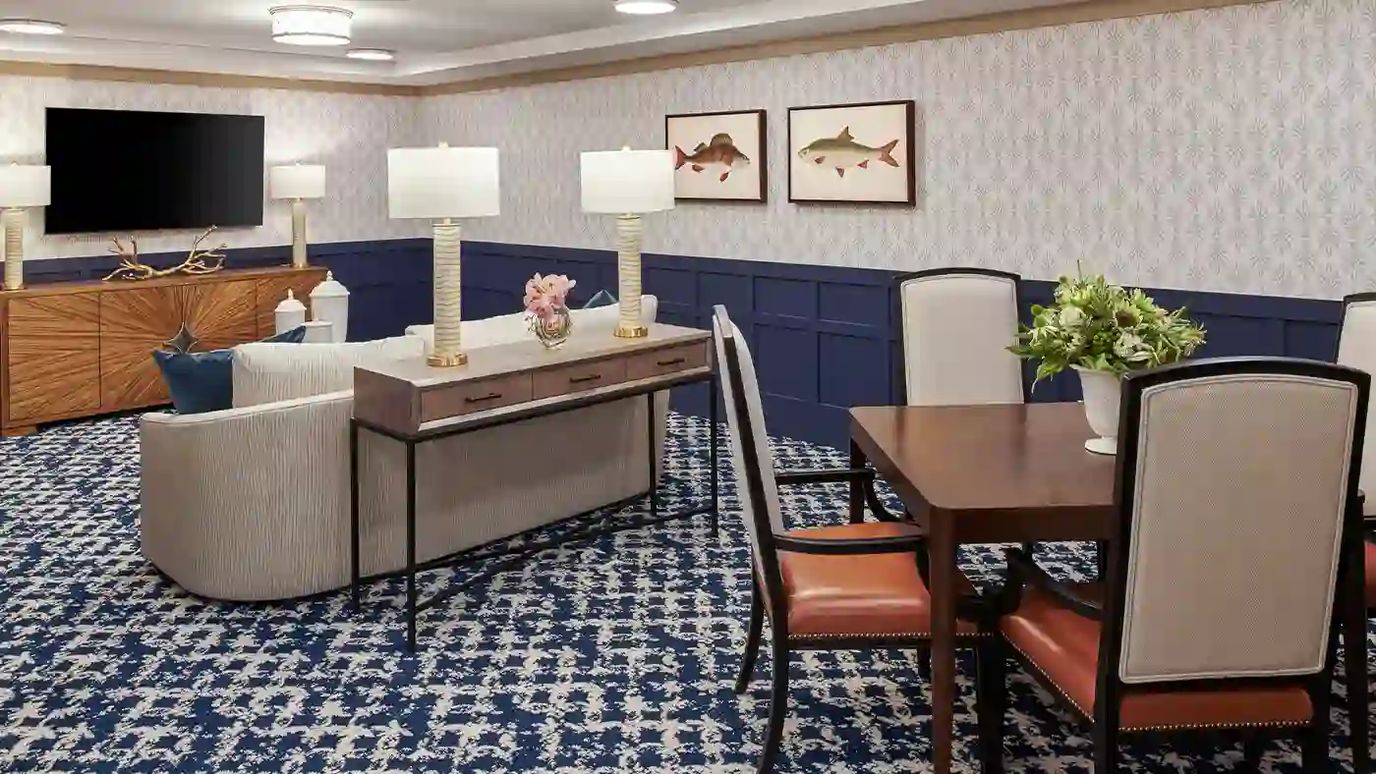
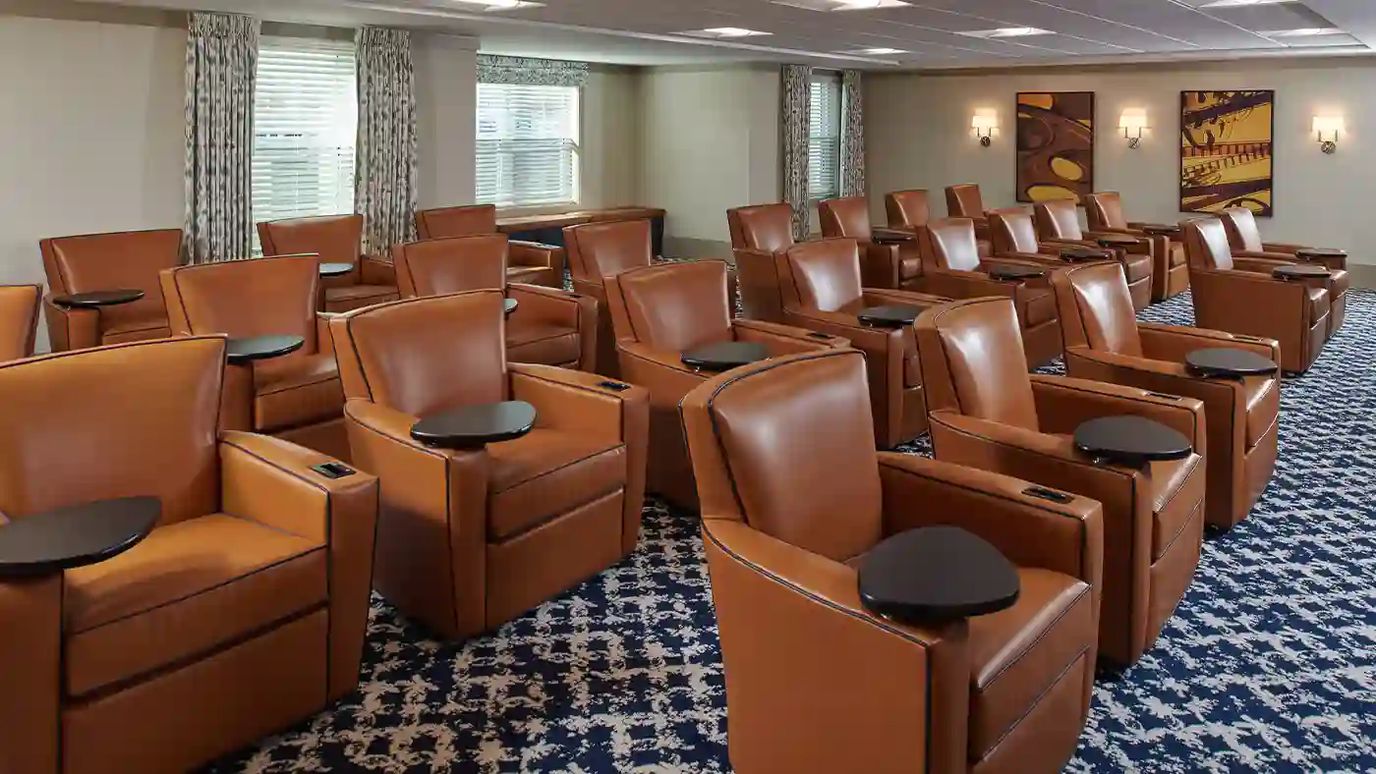
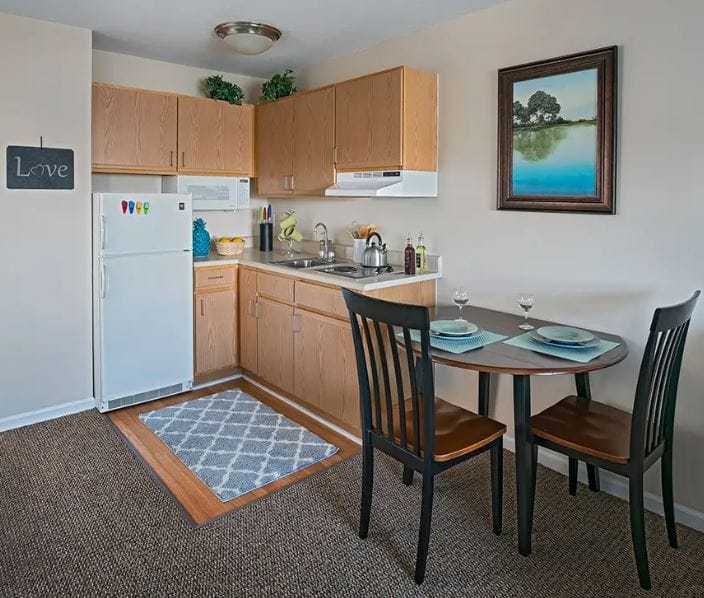
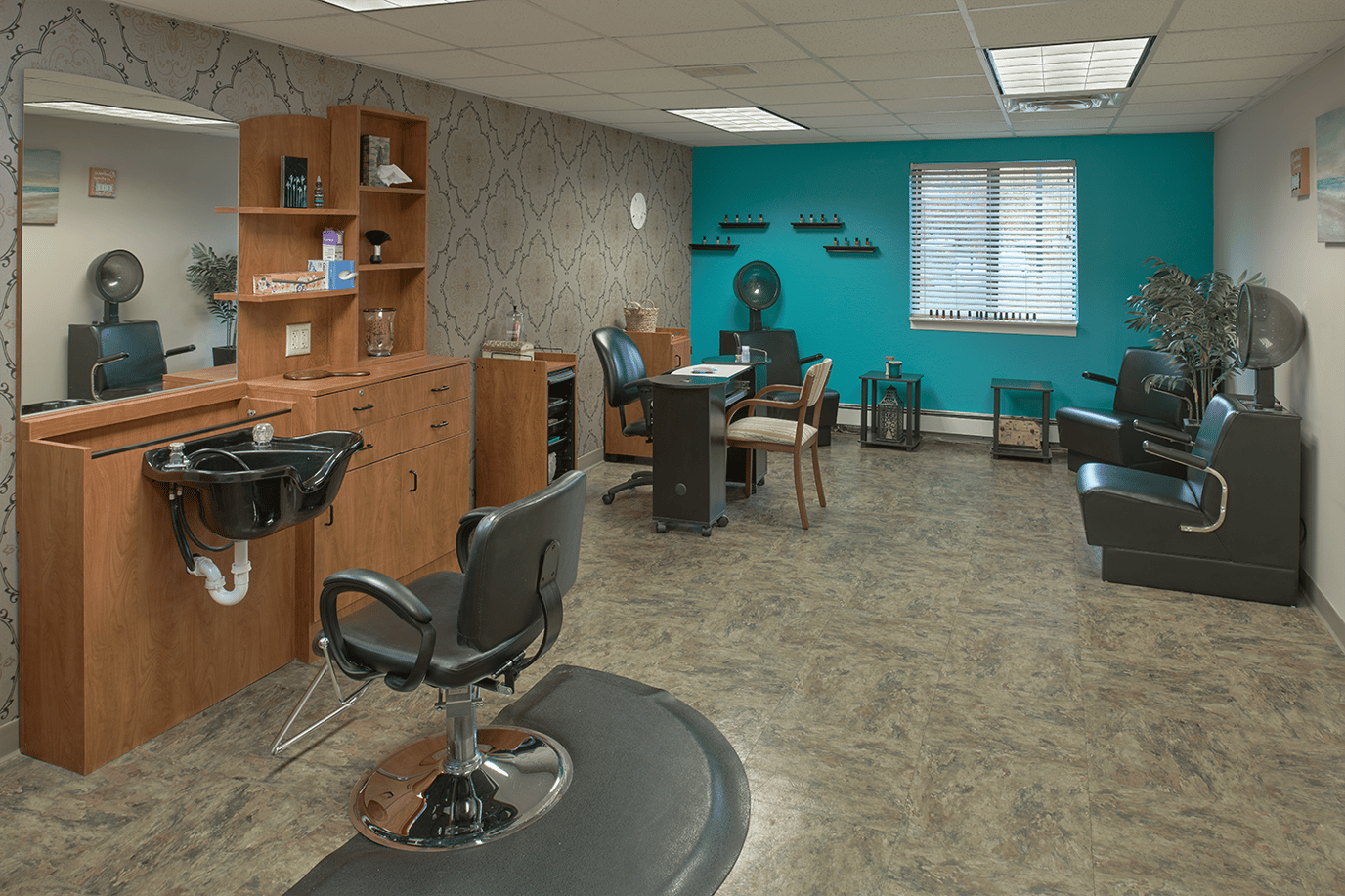
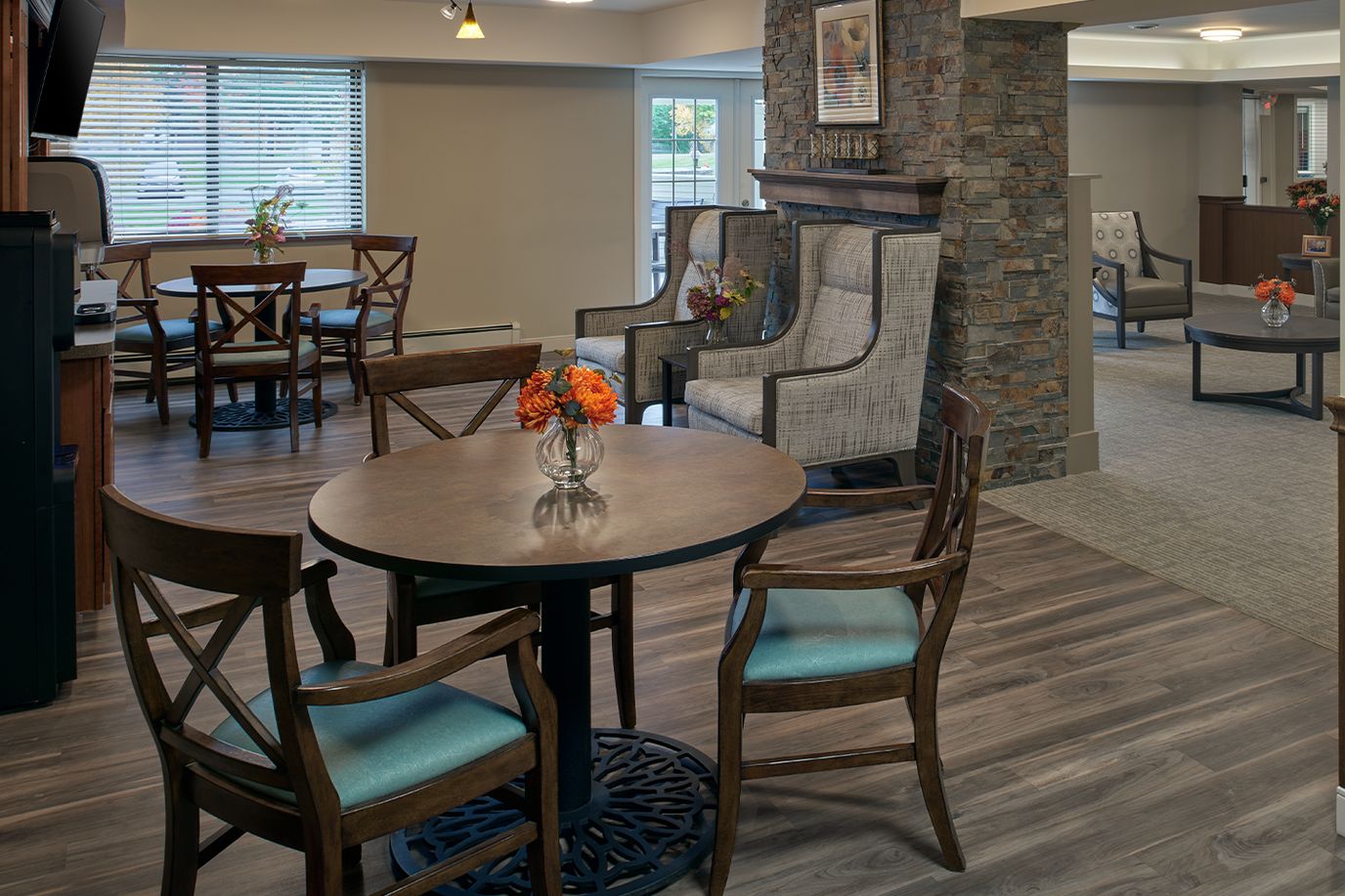
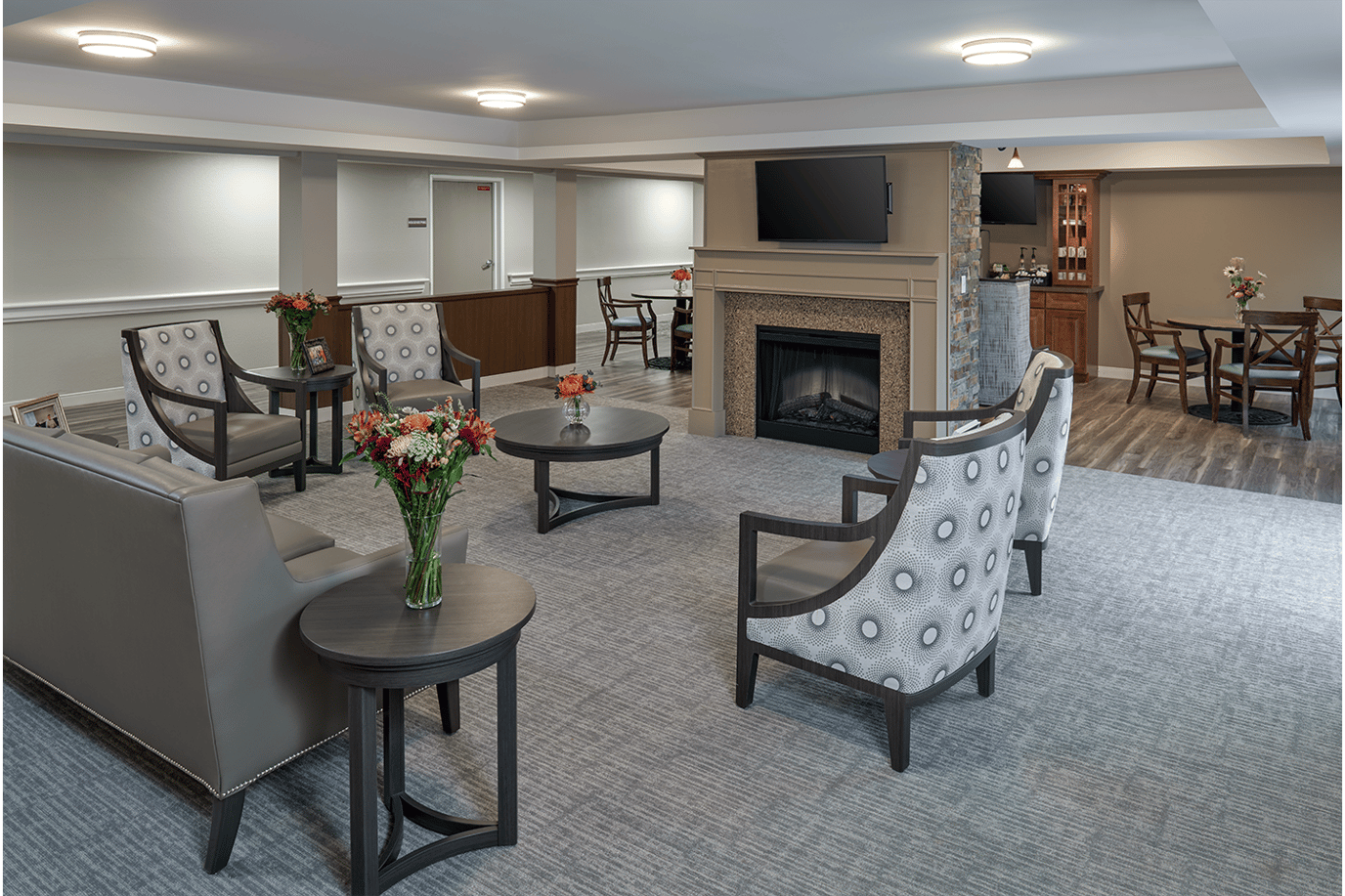
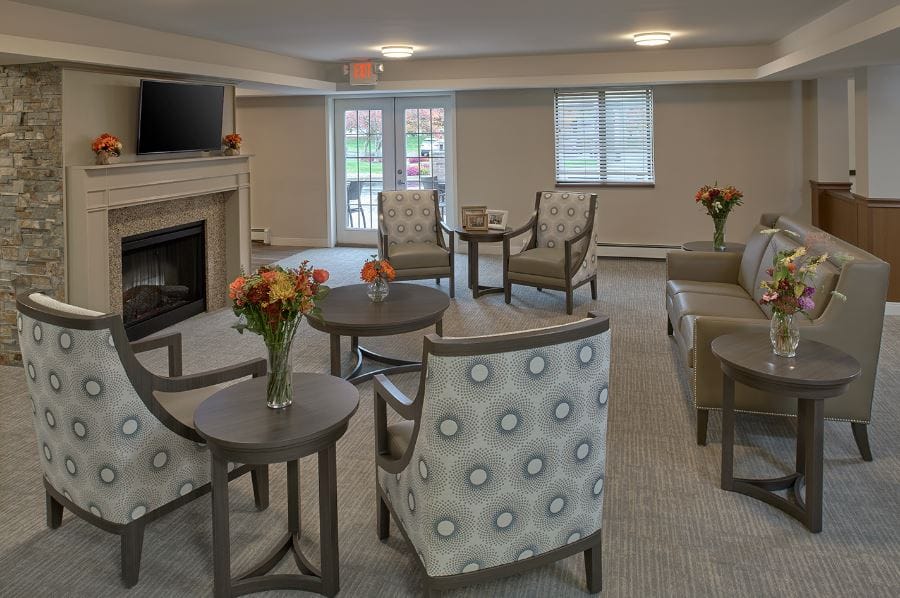
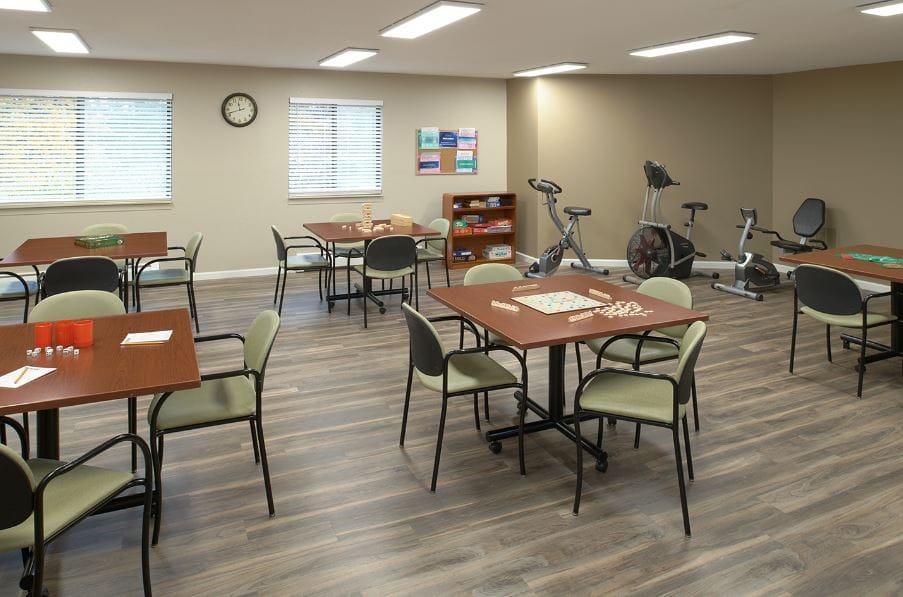
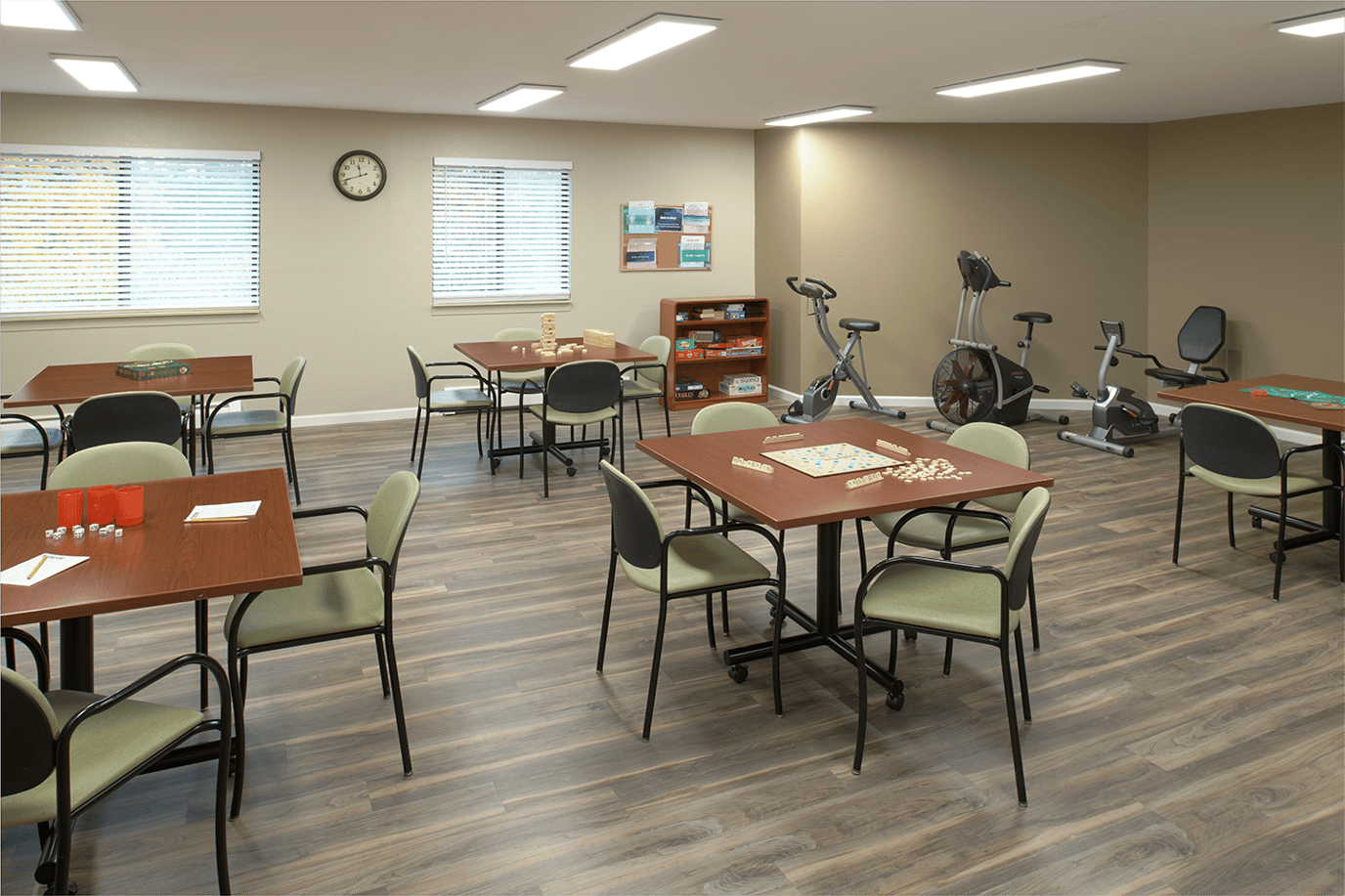
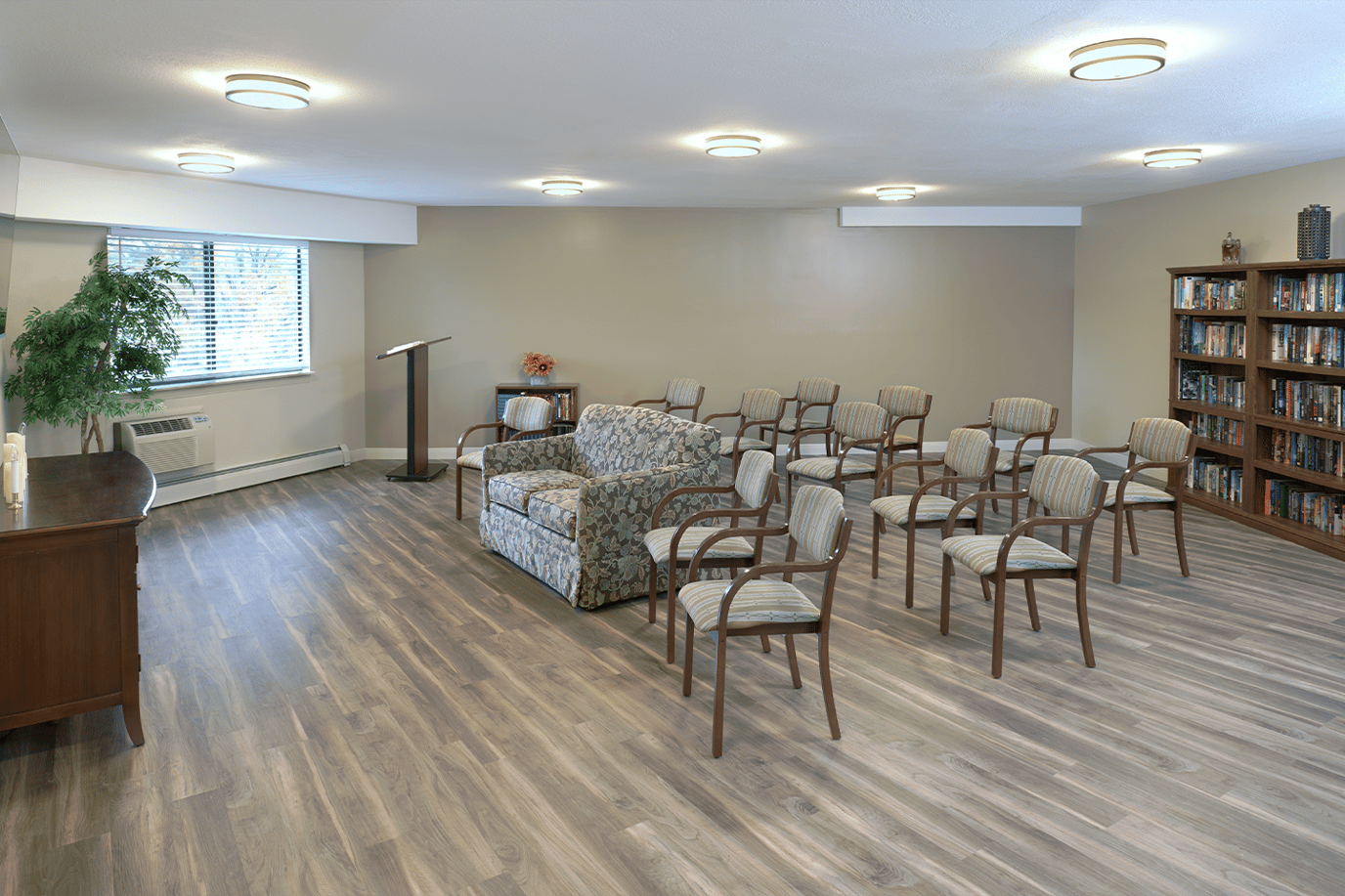
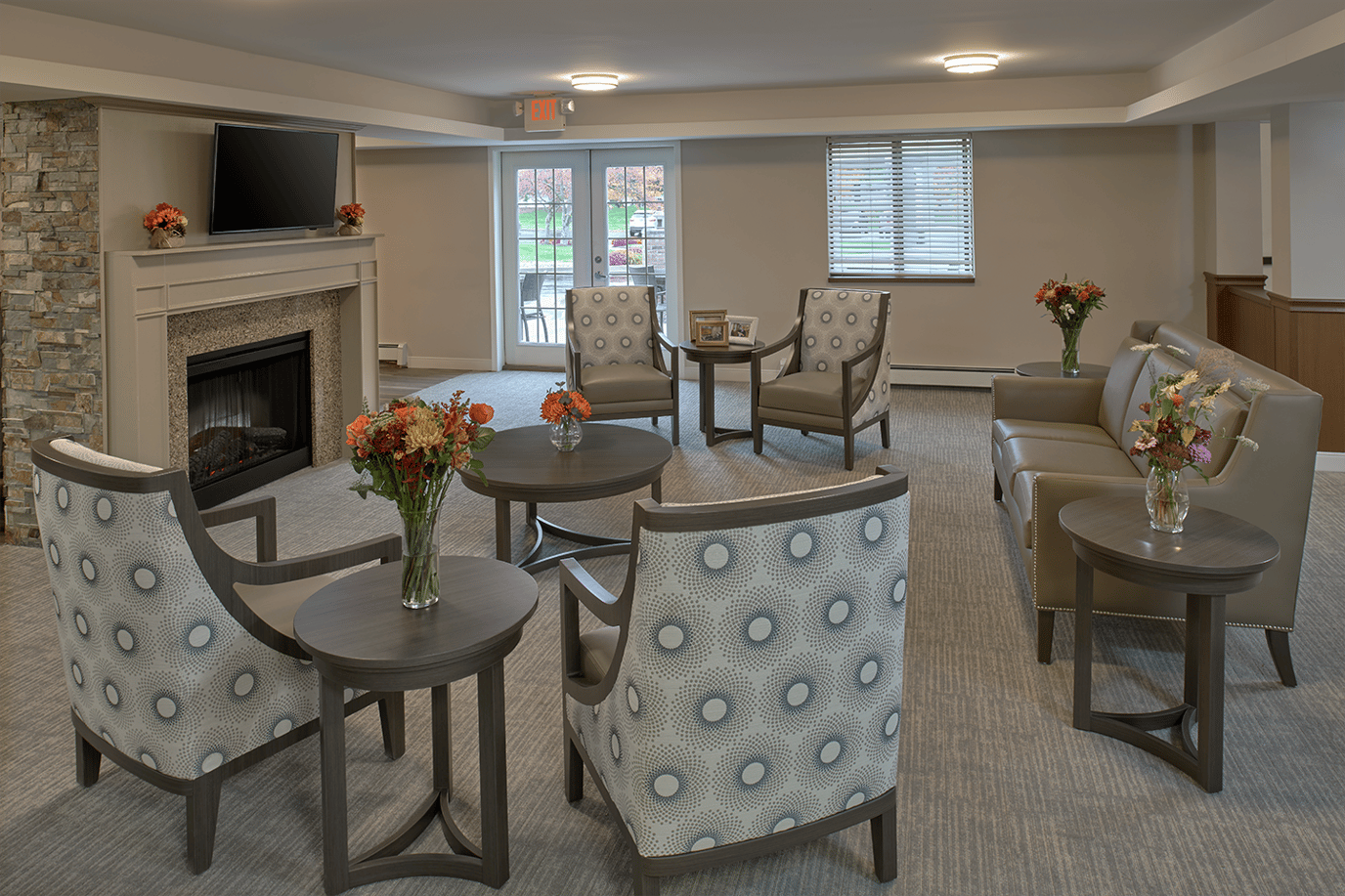
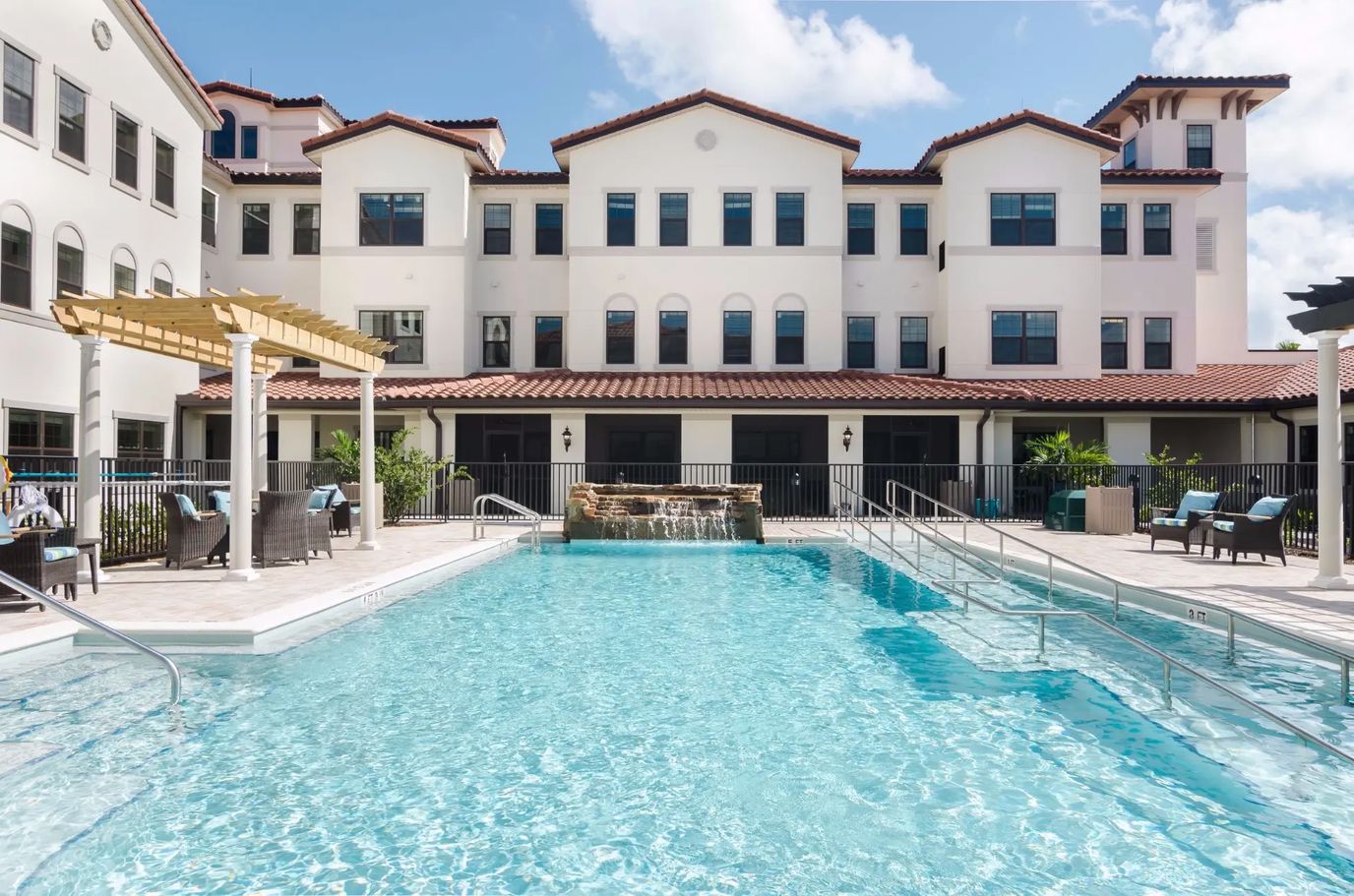
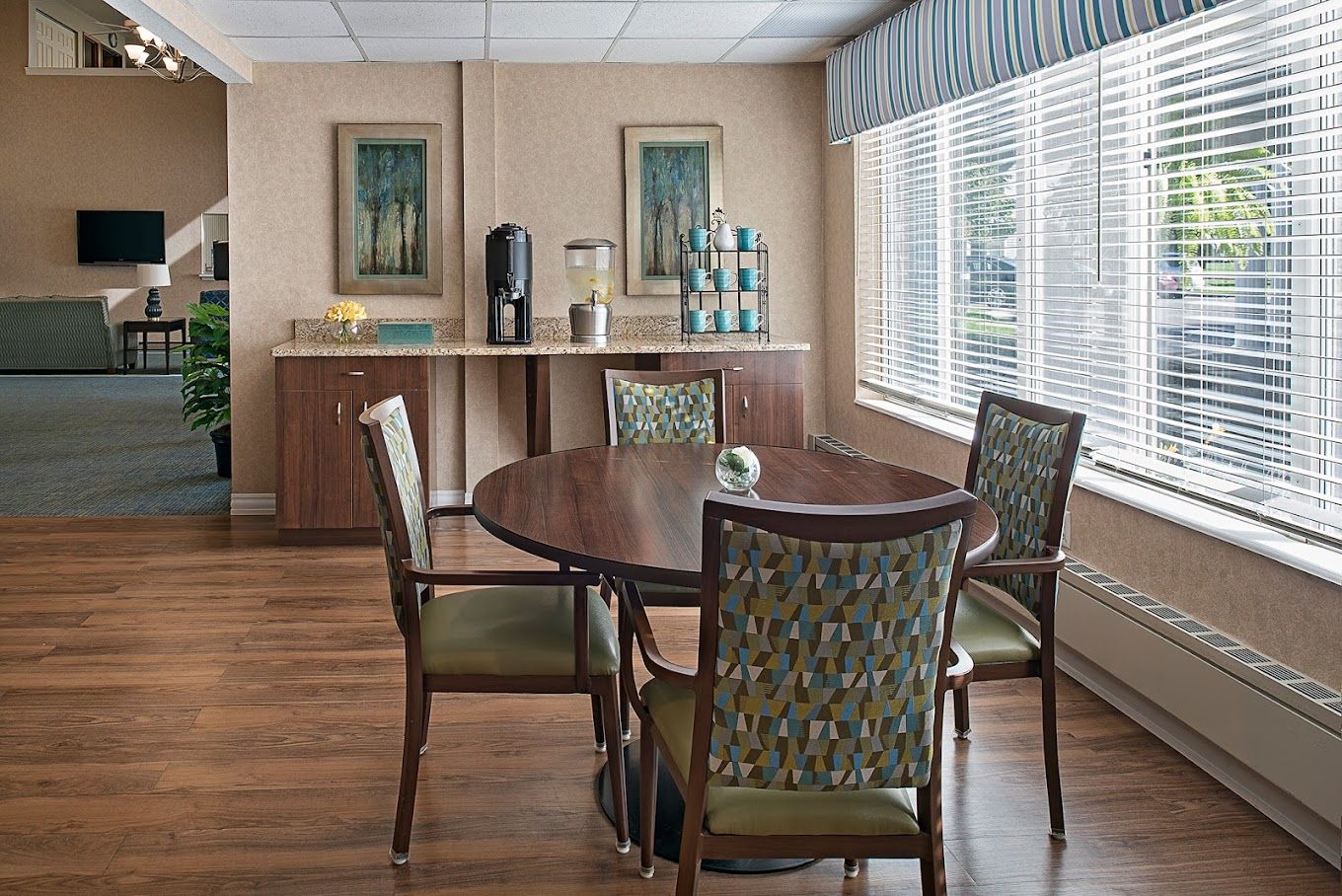
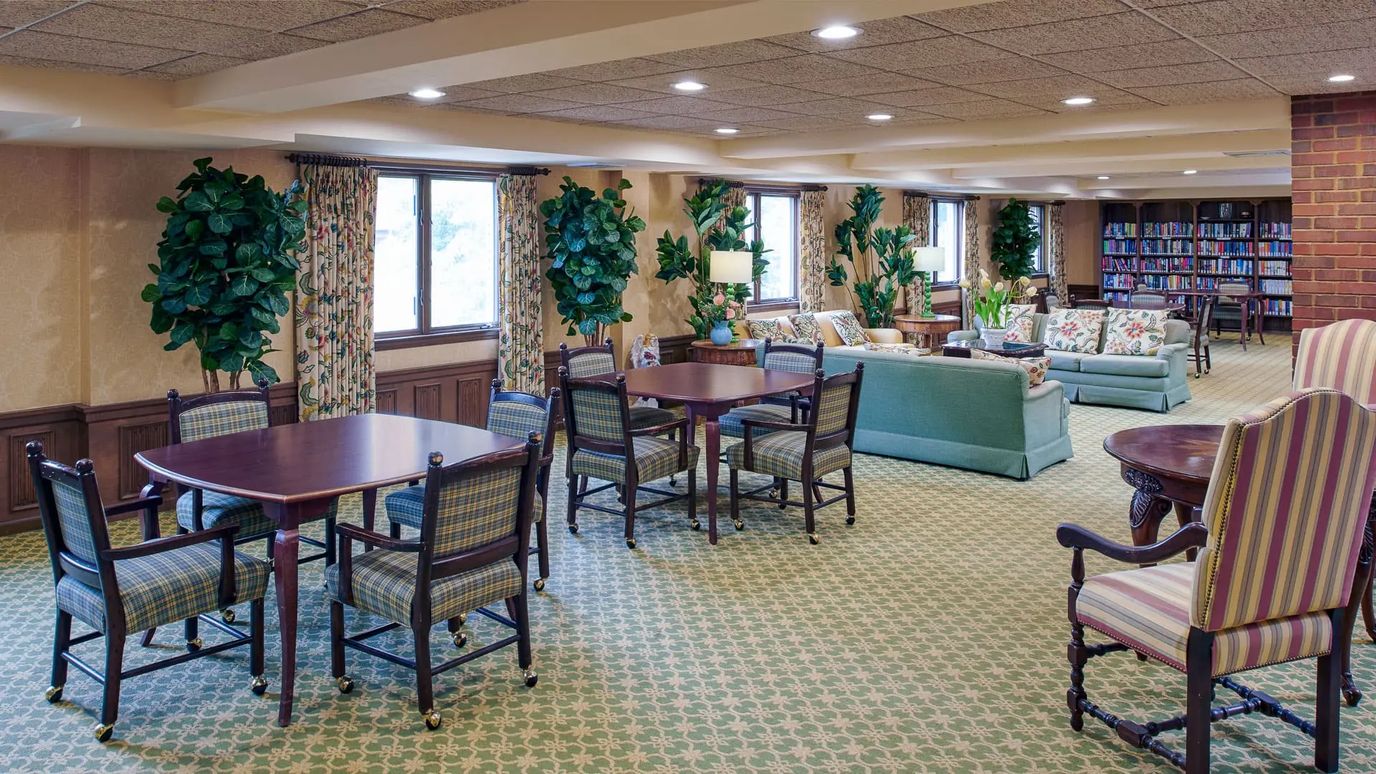
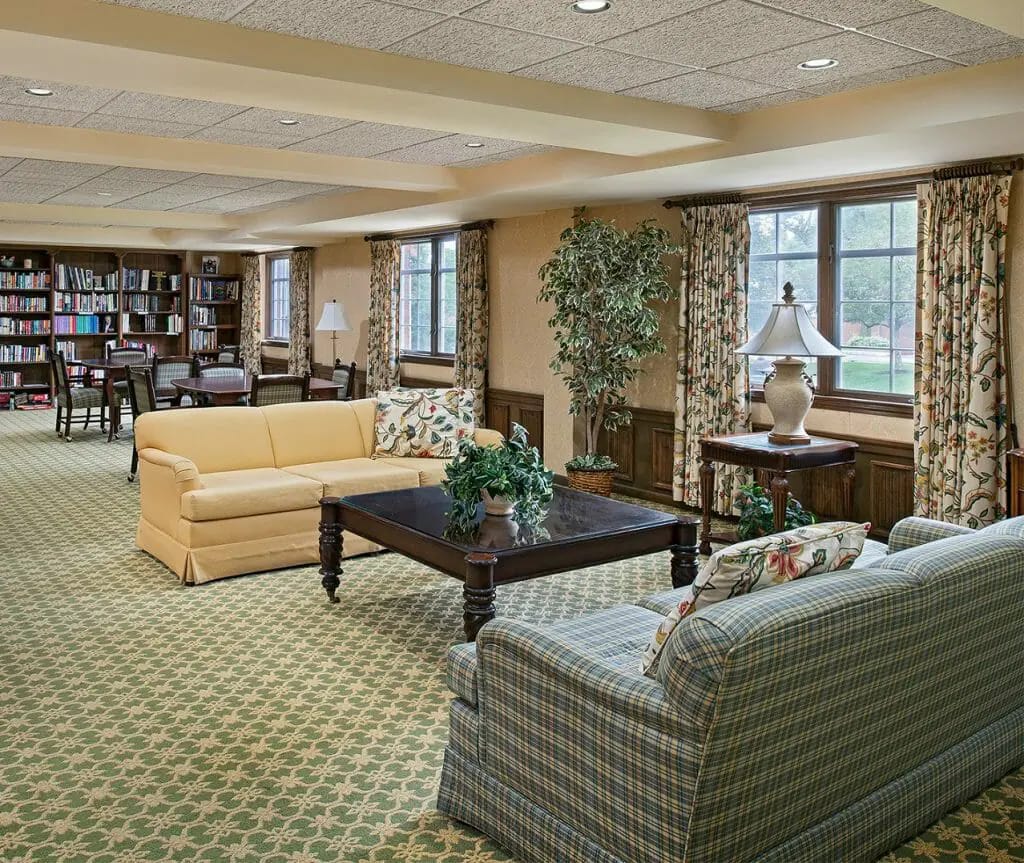
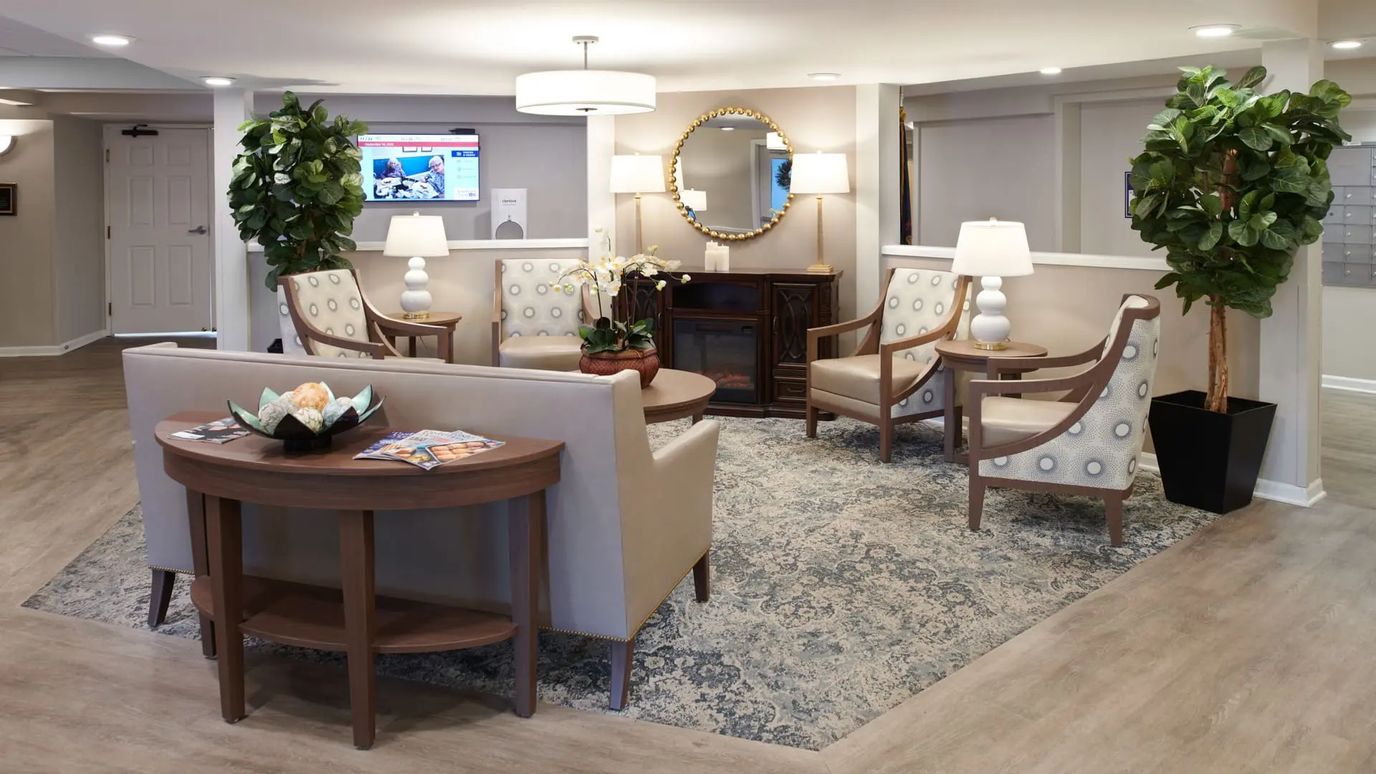
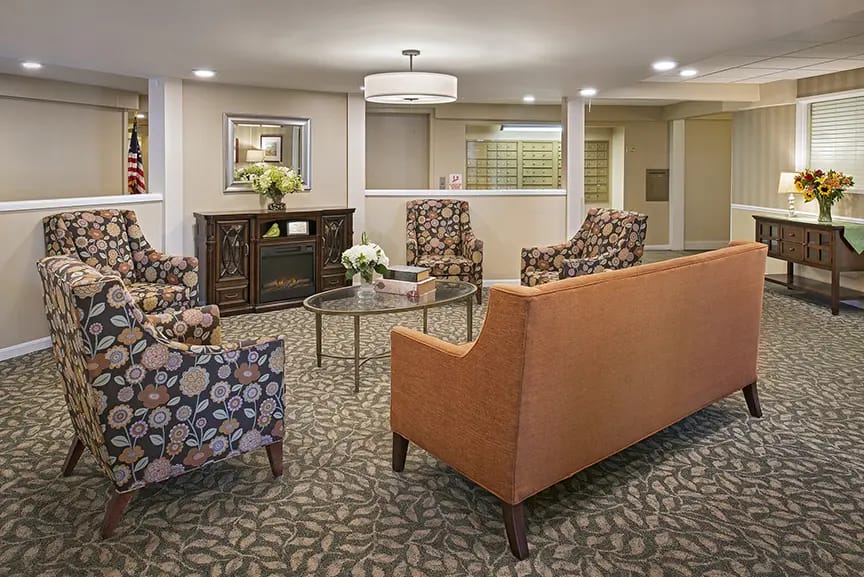
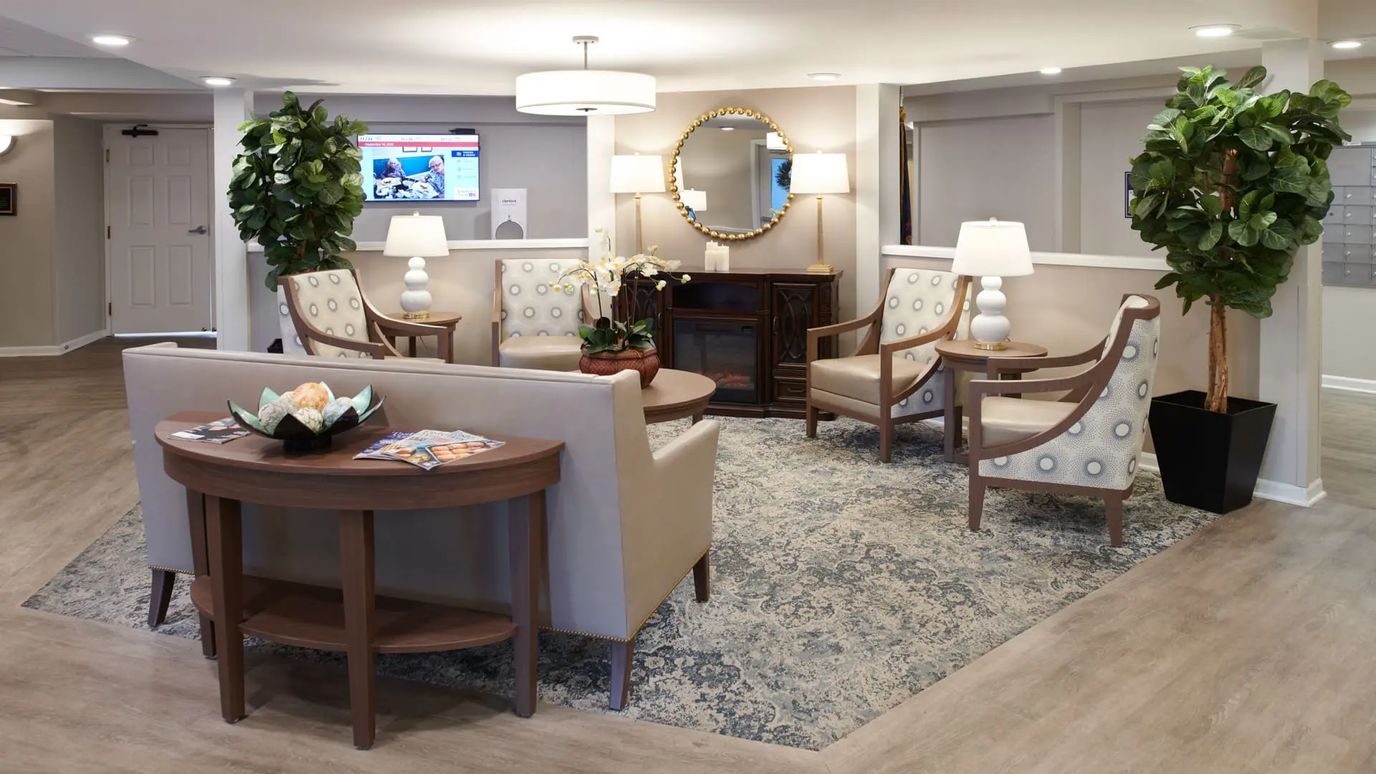
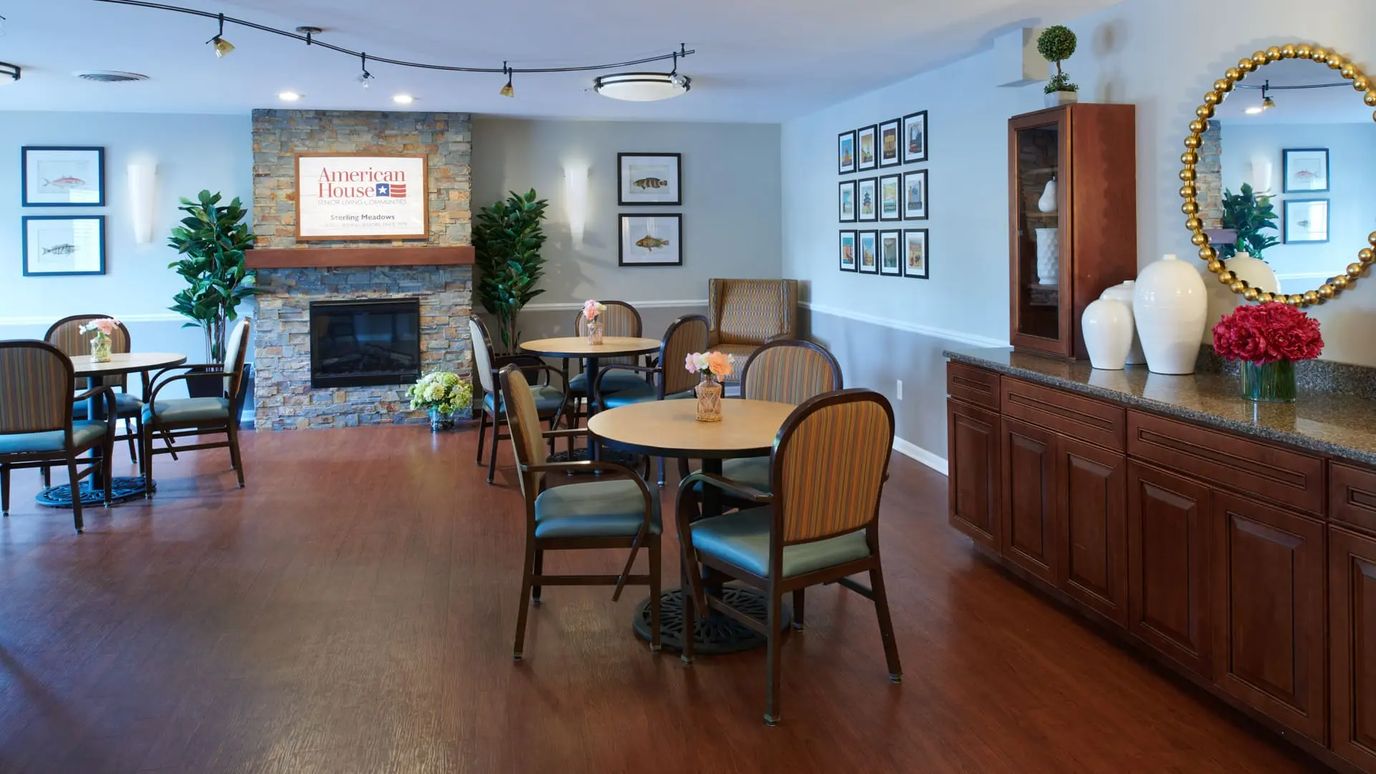
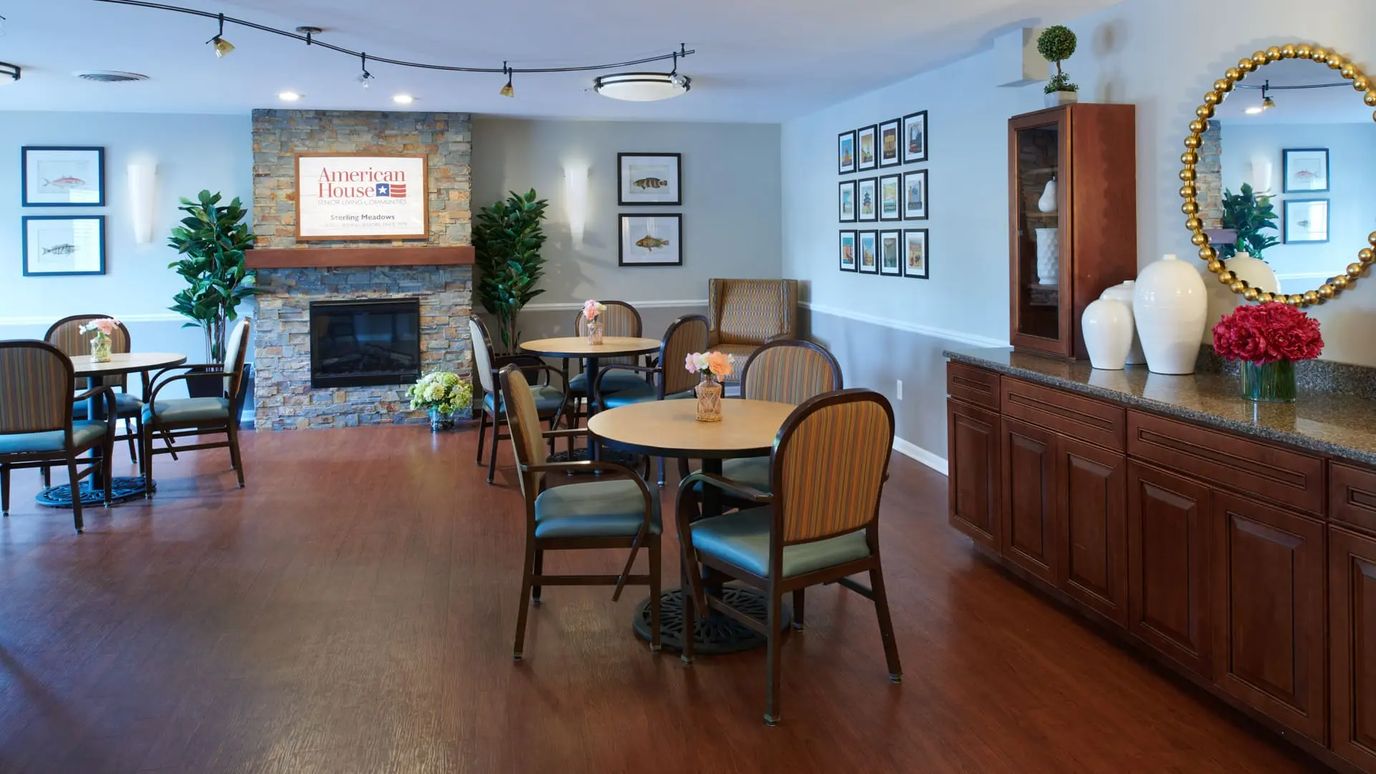
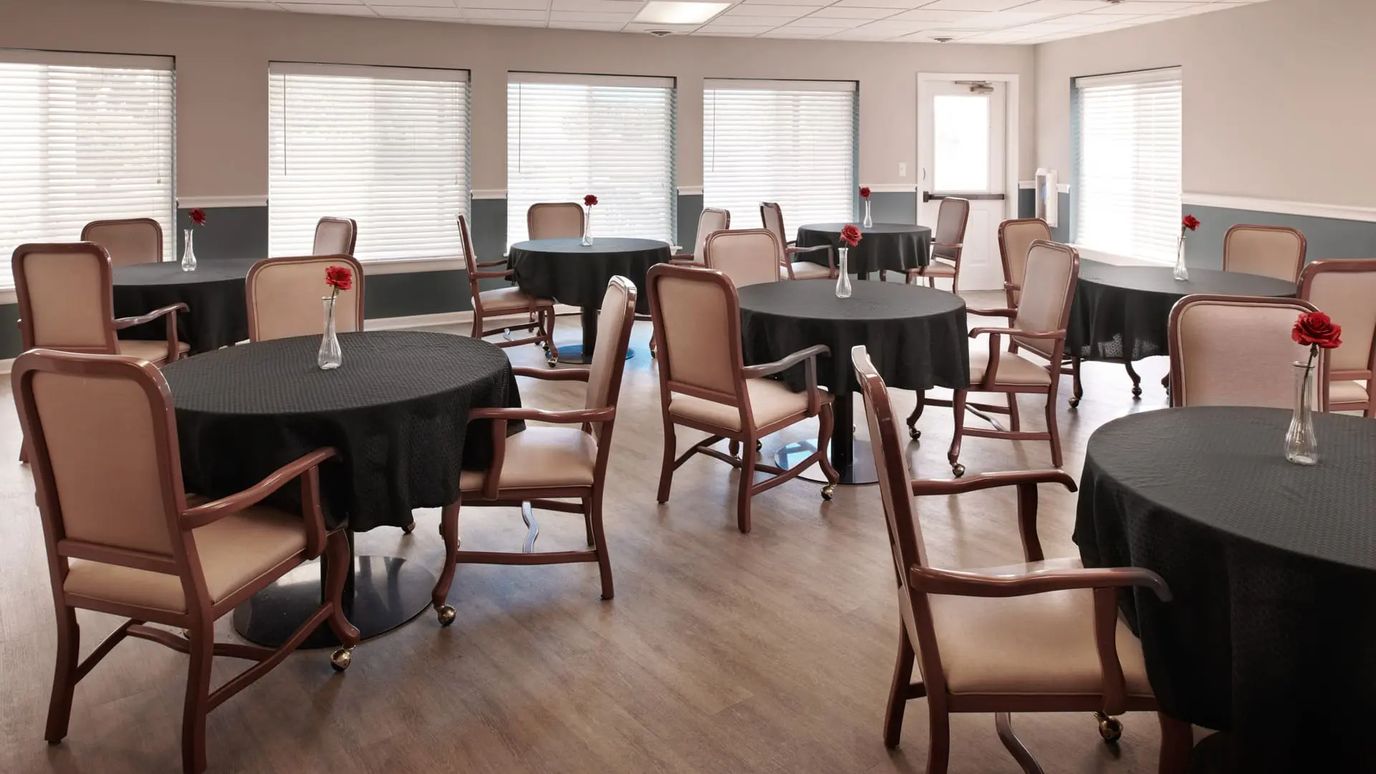
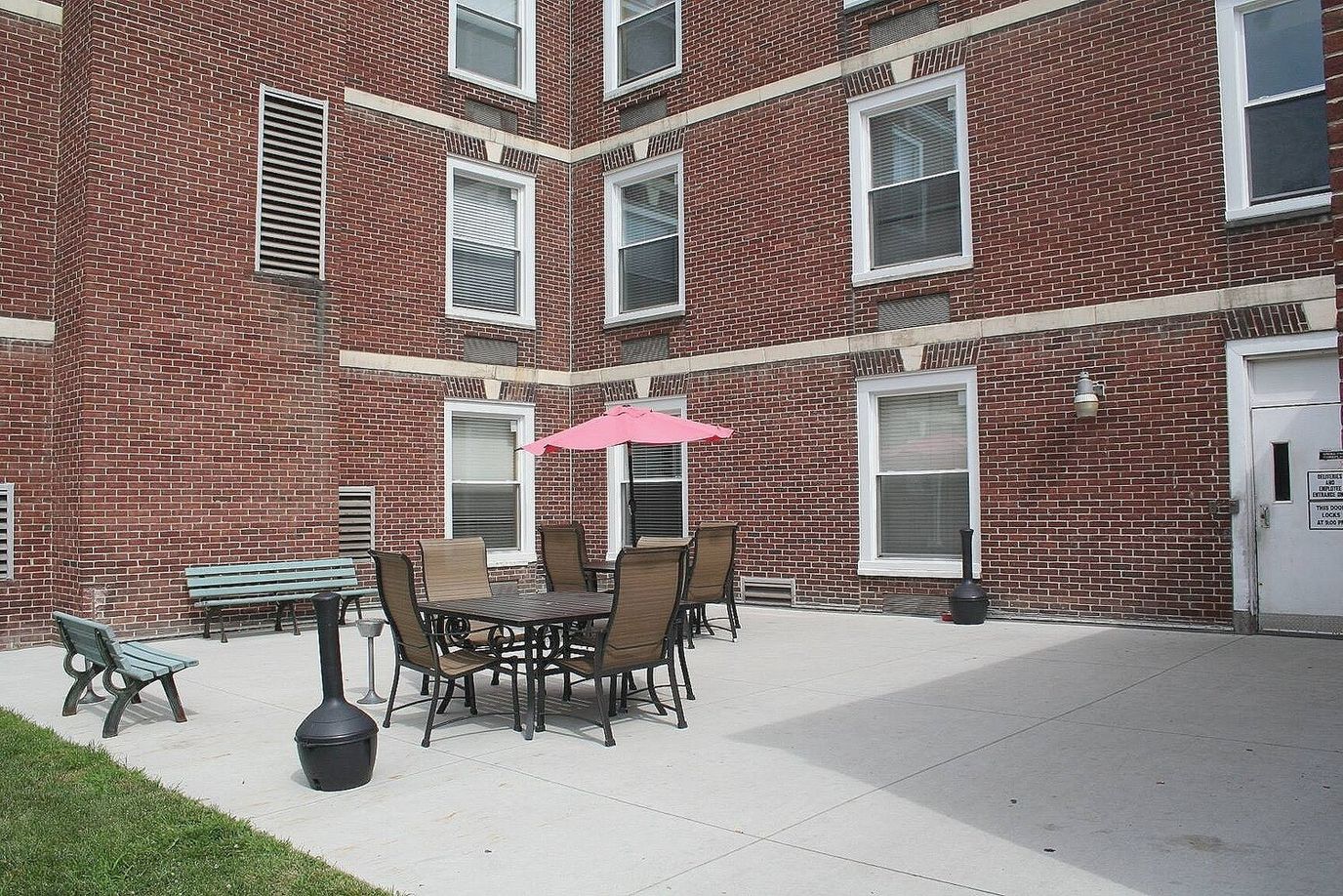
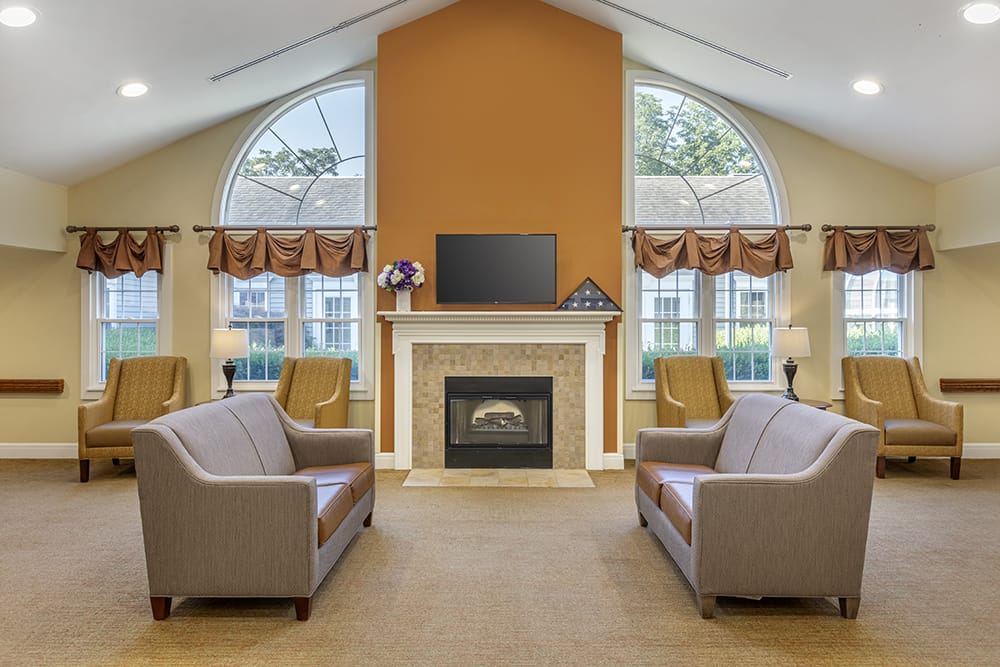
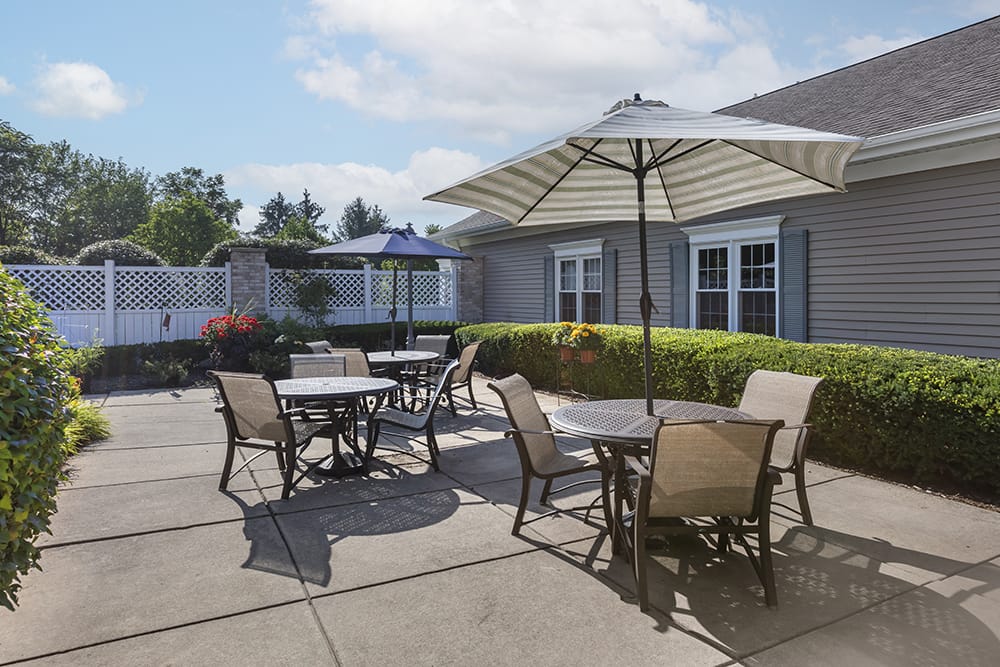
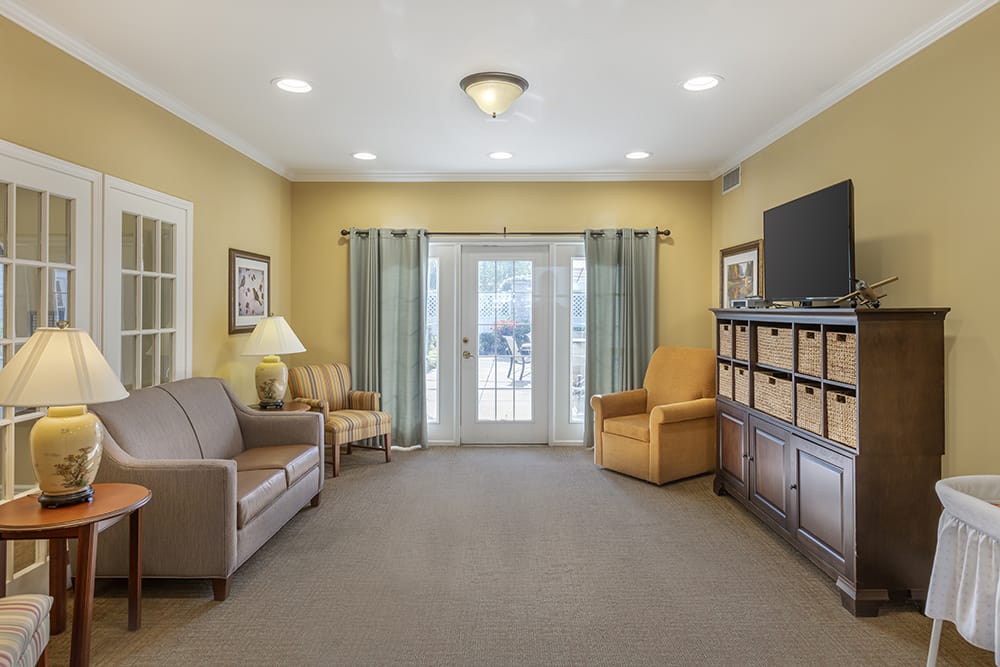
Eight amenities span dining through outdoor recreation: on-site dining, garden patio, spacious community rooms, beauty salon, spa and bathtique, wellness office, landscaped grounds, and outdoor patio area. Restaurant-style dining offers three daily meals with varied selections. The location is car-dependent, walk score 23.
The Courtyard at Delta is a newly licensed facility with sparse operational history. The January 10, 2025, original licensing study found substantial compliance and recommended a temporary 6-month license at 90 bed capacity. Four months later, the May 13, 2025, renewal inspection identified two deficiencies. Occupancy at that time was 4 residents in an 85-bed facility, representing only 4.7 percent capacity.
The May 2025 deficiencies warrant attention despite the facility’s favorable aggregate metrics. The facility failed to maintain a complete meal census as required, a basic documentation failure. More concerning, a cleaner was easily accessible to residents in the memory care unit, creating an immediate poisoning risk. This violation signals that operational oversight and safety protocols were insufficient even at minimal occupancy.
The gap between substantial compliance in January and documented safety failures in May is notable. The deficiencies are not technical or complex. Meal census documentation and hazardous material storage protocols are foundational compliance measures. Their failure four months post-opening suggests either inadequate initial training and systems implementation or quality assurance mechanisms that are failing to catch basic lapses.
Joseph Marlow serves as administrator with Thomas Ostrom as authorized representative. No complaint investigations, enforcement actions, or license suspensions are recorded. The license.
The facility’s 4.7 percent occupancy raises independent questions about market traction and financial viability. Combined with the May deficiencies, the pattern points to an operation still establishing itself.
If possible, it’s advised inquiring about current occupancy trajectory and whether the facility has stabilized since the very low May census, and verifying current protocols for hazardous material inventory, storage, labeling, and access controls in all units, particularly memory care.
Families should request documentation showing corrective actions taken for both the meal census and hazardous materials storage deficiencies, with evidence of completion and sustained compliance since May 2025.