







Where in New Jersey are you looking?
Browse communities by city.
Asbury Park
Atlantic County
Basking Ridge
Bernards
Bloomfield
Brick Township
Bridgewater
Burlington County
Camden
Clifton
Clinton
Colts Neck
Deptford
Edison
Elizabeth
Englewood
Fair Lawn
Florence
Florham Park
Franklin
Glassboro
Gloucester County
Hackettstown
Hamilton
Hillsborough
Hudson County
Jackson
Jersey City
Lakewood
Linwood
Mahwah
Mercer County
Middle Township
Middlesex County
Monmouth County
Monroe Township
Montvale
Morris County
Mt. Arlington
New Brunswick
Newark
North Cape
Ocean County
Old Bridge
Old Tappan
Passaic County
Paterson
Pleasantville
Princeton
Randolph
Riverton
Salem
Sewell
Shrewsbury
Somerset County
Sparta Township
Toms River
Trenton
Voorhees Township
Wall Township
Warren
Washington Township
Wayne
West Orange
Compare Assisted Living around New Jersey
The information below is reported by the New Jersey Department of Health, Health Facilities Evaluation and Licensing.
| Job Haines Home | AL HC NH RC SNF | Bloomfield (Bloomfield Avenue) | 40
Facility
40
NJ AVG
125
Rank
#529 / 560 | No |
85
Facility
85
NJ AVG
47
Rank
#62 / 638 | Studio / 1 Bed / Private and Semi-Private Nursing Rooms | Job Haines Home For Aged People | Mr. David Repoli | 97.5% | - | 8 | 1
Facility
1
NJ AVG
3
Rank
#80 / 422 | 12
Facility
12
NJ AVG
18
Rank
#242 / 413 | 1.5
Facility
1.5
NJ AVG
2.0
Rank
#210 / 413 |
| Fellowship Village | AL HC HOS IL MC NH SNF | Basking Ridge | 67
Facility
67
NJ AVG
125
Rank
#470 / 560 | Yes |
25
Facility
25
NJ AVG
47
Rank
#476 / 638 | Studio / 1 Bed / 2 Bed | Skilled Nursing At Fellowship Village | Mr. Jack Ellias | 86.6% | - | 11 | 1
Facility
1
NJ AVG
3
Rank
#80 / 422 | 18
Facility
18
NJ AVG
18
Rank
#265 / 413 | 1.6
Facility
1.6
NJ AVG
2.0
Rank
#216 / 413 |
| Winchester Gardens | AL HC IL MC NH RC SNF | Maplewood (Newark Heights) | 30
Facility
30
NJ AVG
125
Rank
#545 / 560 | Yes |
24
Facility
24
NJ AVG
47
Rank
#481 / 638 | Studio / 1 Bed | Winchester Gardens Health Care Center | Mr. David Weiner | 86.7% | - | 7 | 2
Facility
2
NJ AVG
3
Rank
#154 / 422 | 19
Facility
19
NJ AVG
18
Rank
#266 / 413 | 2.7
Facility
2.7
NJ AVG
2.0
Rank
#272 / 413 |
| Brighton Gardens of Edison | AL HOS MC NH SNF | Edison (Oak Tree Road) | 118
Facility
118
NJ AVG
125
Rank
#287 / 560 | Yes |
64
Facility
64
NJ AVG
47
Rank
#197 / 638 | Studio / 1 Bed | Brighton Gardens Of Edison | Mikaela Ellis | - | A+ | 5 | 3
Facility
3
NJ AVG
3
Rank
#230 / 422 | 17
Facility
17
NJ AVG
18
Rank
#261 / 413 | 3.4
Facility
3.4
NJ AVG
2.0
Rank
#305 / 413 |
| Brookdale Emerson | AL MC | Emerson | 105
Facility
105
NJ AVG
125
Rank
#355 / 560 | Yes |
37
Facility
37
NJ AVG
47
Rank
#387 / 638 | Studio / 1 Bed / 2 Bed | Brookdale Emerson | Ms. Adele Lazzarino | 63.8% | A+ | 2 | 0
Facility
0
NJ AVG
3
Rank
#1 / 422 | -
Facility
-
NJ AVG
18
Rank
#1 / 413 | 0.0
Facility
0.0
NJ AVG
2.0
Rank
#1 / 413 |
| CareOne at Livingston | AL MC NH RC SNF | Livingston (Passaic Avenue) | 76
Facility
76
NJ AVG
125
Rank
#442 / 560 | No |
12
Facility
12
NJ AVG
47
Rank
#569 / 638 | - | Careone At Livingston | Mr. Michael Brienza | 76.3% | - | 8 | 3
Facility
3
NJ AVG
3
Rank
#230 / 422 | 33
Facility
33
NJ AVG
18
Rank
#310 / 413 | 4.1
Facility
4.1
NJ AVG
2.0
Rank
#341 / 413 |
| Brookdale Hillsborough | AL MC | Hillsborough Township (Hillsborough) | 94
Facility
94
NJ AVG
125
Rank
#408 / 560 | Yes |
44
Facility
44
NJ AVG
47
Rank
#329 / 638 | Studio / 1 Bed | Brookdale Hillsborough | Mr. Michael Juliano | 52.1% | A+ | 2 | 0
Facility
0
NJ AVG
3
Rank
#1 / 422 | -
Facility
-
NJ AVG
18
Rank
#1 / 413 | 0.0
Facility
0.0
NJ AVG
2.0
Rank
#1 / 413 |
| Bayonne Medical Center Transitional Care Services | AL NH | Bayonne (Constable Hook) | 17
Facility
17
NJ AVG
125
Rank
#549 / 560 | No |
88
Facility
88
NJ AVG
47
Rank
#43 / 638 | - | Carepoint Health - Bayonne Hospital Center Tcu | Ms. Deborah Petersen | 0 | - | 2 | 0
Facility
0
NJ AVG
3
Rank
#1 / 422 | 1
Facility
1
NJ AVG
18
Rank
#106 / 413 | 0.5
Facility
0.5
NJ AVG
2.0
Rank
#134 / 413 |
| Laurel Circle | AL IL MC NH SNF | Bridgewater (Finderne) | 35
Facility
35
NJ AVG
125
Rank
#538 / 560 | Yes |
37
Facility
37
NJ AVG
47
Rank
#387 / 638 | - | Arbor At Laurel Circle | Mr. Alok Anand | - | - | 6 | 0
Facility
0
NJ AVG
3
Rank
#230 / 422 | 28
Facility
28
NJ AVG
18
Rank
#296 / 413 | 4.7
Facility
4.7
NJ AVG
2.0
Rank
#360 / 413 |
| Sunrise of Cresskill | AL IL MC | Cresskill | 99
Facility
99
NJ AVG
125
Rank
#386 / 560 | Yes |
73
Facility
73
NJ AVG
47
Rank
#136 / 638 | Studio / 1 Bed / 2 Bed | Sunrise Of Cresskill | Ms. Danna Schmude | 86.9% | - | 3 | 0
Facility
0
NJ AVG
3
Rank
#1 / 422 | -
Facility
-
NJ AVG
18
Rank
#1 / 413 | 0.0
Facility
0.0
NJ AVG
2.0
Rank
#1 / 413 |
| Brandywine Brandall Estates | AL MC RC | Linwood | 100
Facility
100
NJ AVG
125
Rank
#367 / 560 | Yes |
65
Facility
65
NJ AVG
47
Rank
#190 / 638 | Studio / 1 Bed | Brandywine Living At Brandall Estates | Ms. Katherine Prassas | 76.0% | - | 2 | 0
Facility
0
NJ AVG
3
Rank
#1 / 422 | -
Facility
-
NJ AVG
18
Rank
#1 / 413 | 0.0
Facility
0.0
NJ AVG
2.0
Rank
#1 / 413 |
| Brandywine Mahwah | AL MC NH RC | Mahwah (Ackermans Mills) | 107
Facility
107
NJ AVG
125
Rank
#342 / 560 | Yes |
27
Facility
27
NJ AVG
47
Rank
#458 / 638 | Studio / 1 Bed / 2 Bed | Brandywine Living At Mahwah | Mr. Peter Gunderson | 82.2% | - | 4 | 0
Facility
0
NJ AVG
3
Rank
#1 / 422 | - | - |
| Brightview Holmdel | AL IL MC | Holmdel (Nj 35) | 100
Facility
100
NJ AVG
125
Rank
#367 / 560 | Yes |
47
Facility
47
NJ AVG
47
Rank
#312 / 638 | Studio / 1 Bed / 2 Bed | Brightview Holmdel | Mr. Not Assigned | - | - | 1 | 0
Facility
0
NJ AVG
3
Rank
#1 / 422 | -
Facility
-
NJ AVG
18
Rank
#1 / 413 | 0.0
Facility
0.0
NJ AVG
2.0
Rank
#1 / 413 |
| The Residence at Basking Ridge | AL IL MC RC | Basking Ridge | 138
Facility
138
NJ AVG
125
Rank
#172 / 560 | Yes |
5
Facility
5
NJ AVG
47
Rank
#608 / 638 | Studio / 1 Bed / 2 Bed | The Residence At Basking Ridge | Allison Kuiken | - | - | 2 | 0
Facility
0
NJ AVG
3
Rank
#1 / 422 | -
Facility
-
NJ AVG
18
Rank
#1 / 413 | 0.0
Facility
0.0
NJ AVG
2.0
Rank
#1 / 413 |
| Monmouth Crossing Assisted Living | AL MC RC | Freehold Township (Stonehurst West) | 94
Facility
94
NJ AVG
125
Rank
#408 / 560 | No |
54
Facility
54
NJ AVG
47
Rank
#255 / 638 | Studio / 1 Bed | Monmouth Crossing | Ms. Courtney Paul | 69.1% | - | 1 | 0
Facility
0
NJ AVG
3
Rank
#1 / 422 | -
Facility
-
NJ AVG
18
Rank
#1 / 413 | 0.0
Facility
0.0
NJ AVG
2.0
Rank
#1 / 413 |
Rows per page:

View all Nearby Homes
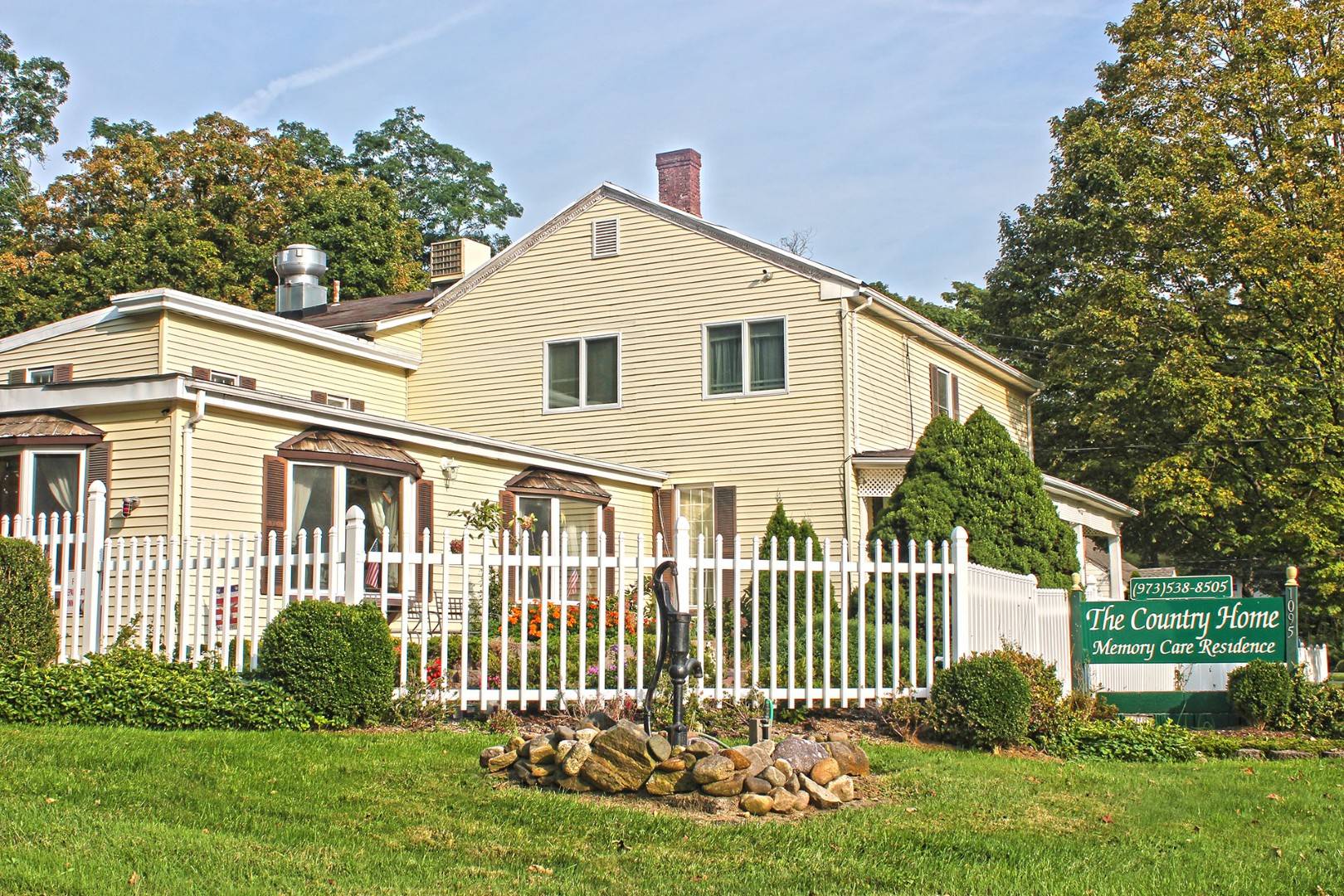
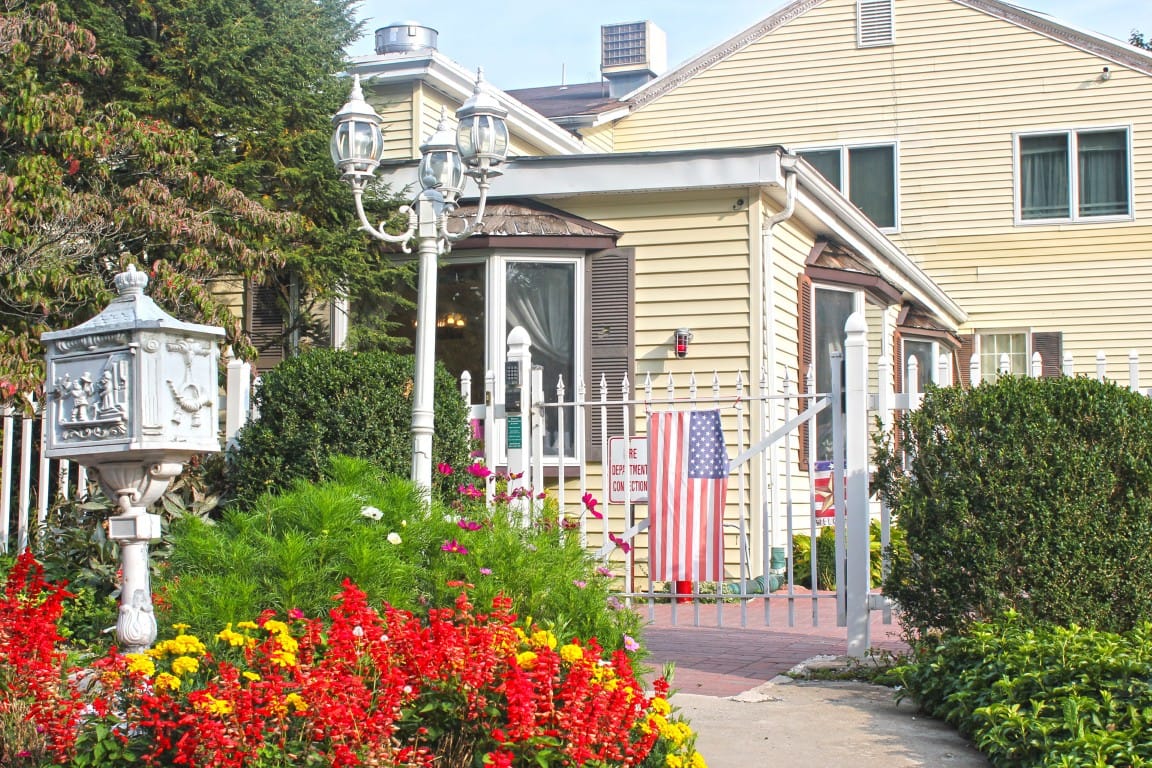
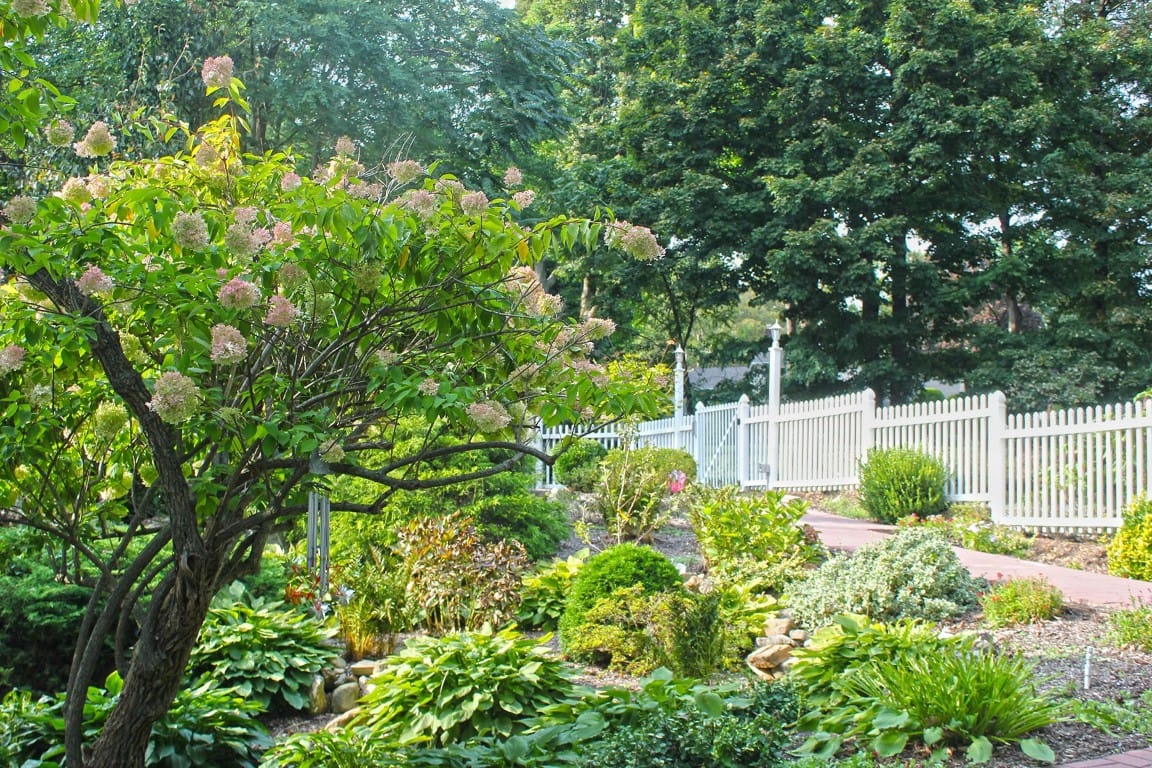
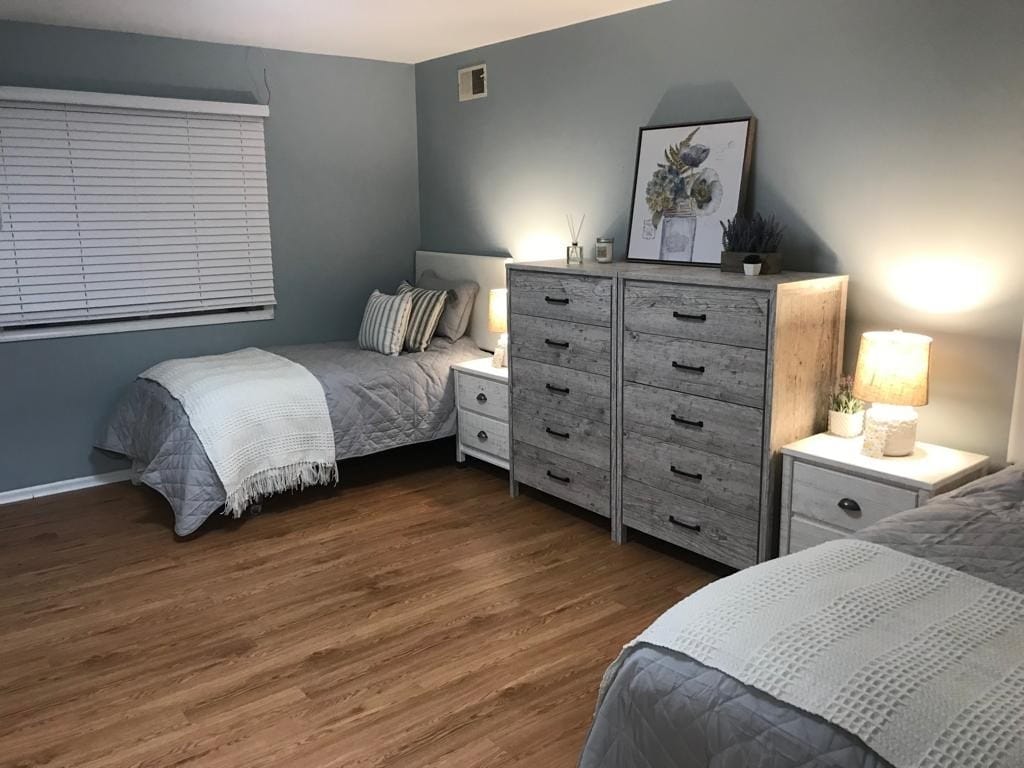
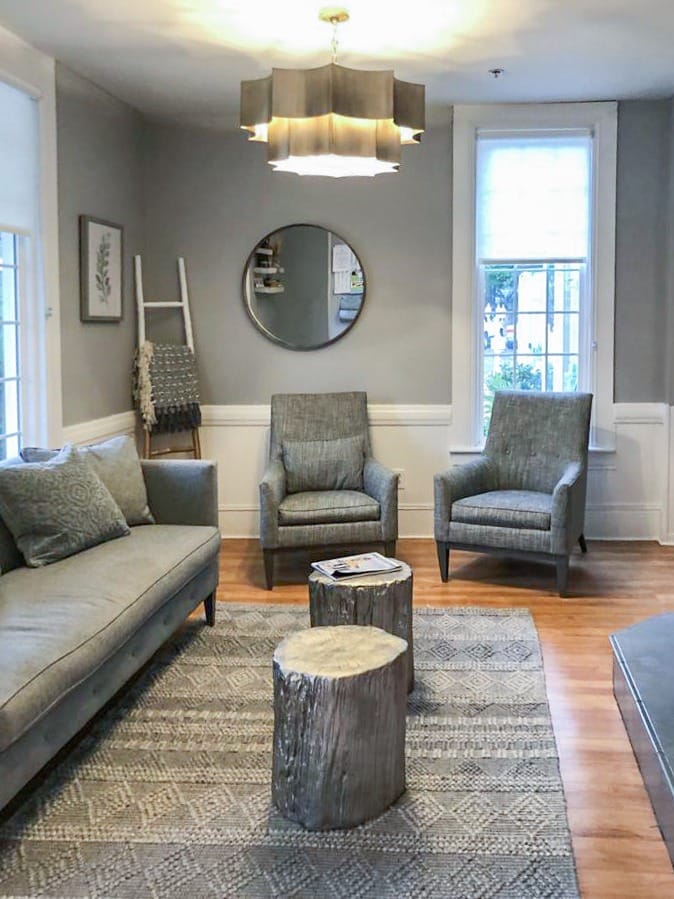
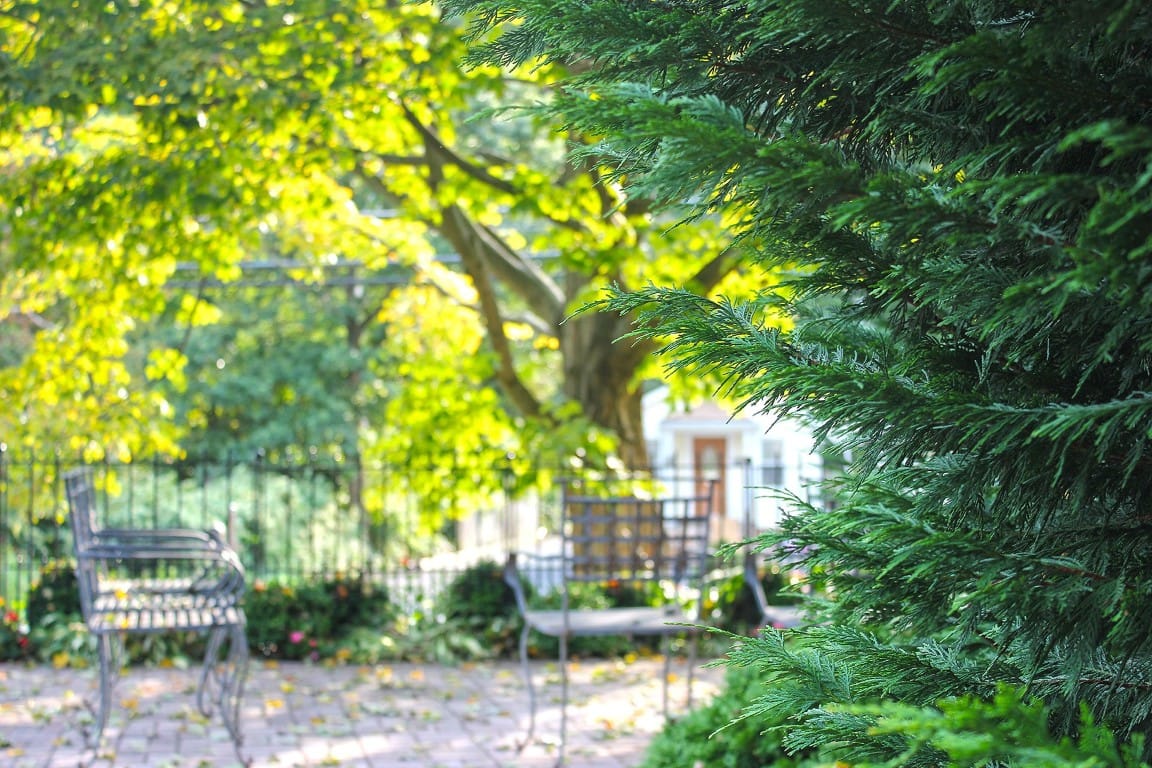
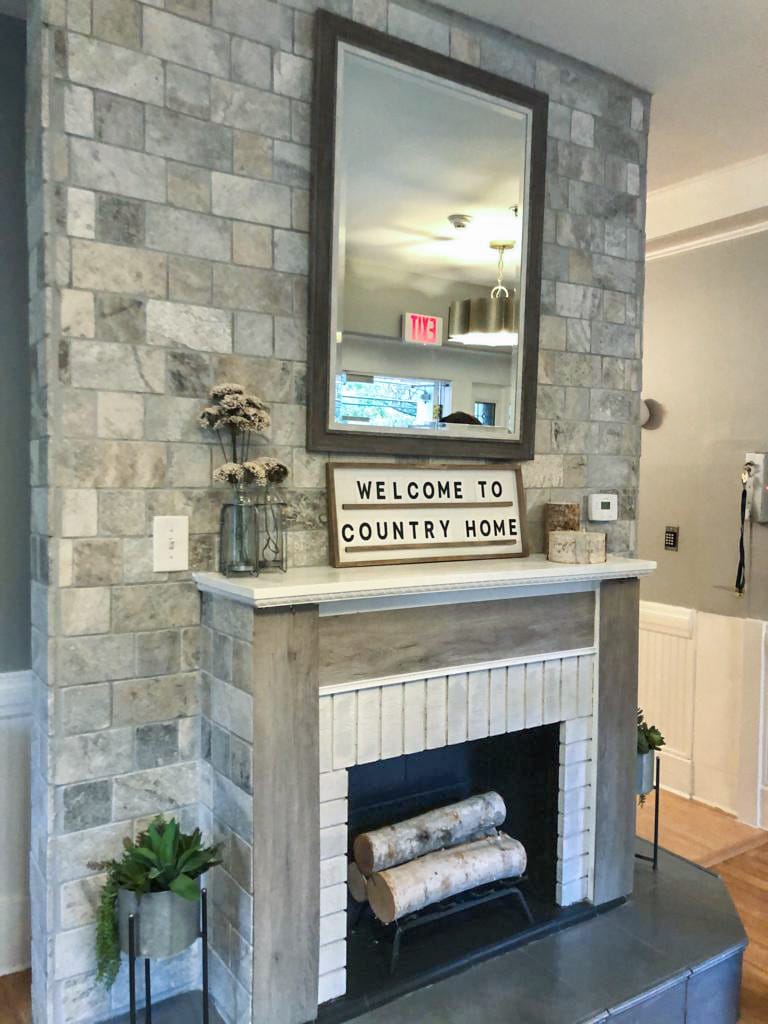
The Country Home is a dedicated memory care community in Morris Plains, NJ, that offers specialized care for those with cognitive conditions. The community’s intimate and home-like environment can accommodate up to 38 older adults, ensuring they are well-cared for. 24-hour care, medication management, and respite stay are provided to enhance residents’ living experiences. The community also strives to meet residents’ needs and preferences, providing personalized and affordable care.
Holiday parties, cognitive activities, and fitness programs allow residents to live actively and foster meaningful connections. Secure accommodations and accessible living spaces also ensure residents can rest and remain safe. With major highways and public transportation nearby, residents have convenient travel access. This memory care community is a trusted choice for senior living in New Jersey, helping older adults live comfortably in retirement, even with memory loss.
Overview of Livia Health & Senior Living


LIVIA Health & Senior Living is a compassionate nursing home in East Hanover, NJ, that offers a wide range of care options, including assisted living, memory care, and rehabilitation. Promoting comfort and socialization, the community has a nurturing and home-like environment. Flexible dining options, therapy services, and assistance with daily living activities are also offered to help residents live to their potential in retirement. The community also works closely with residents to develop personalized care plans that best match their healthcare needs.
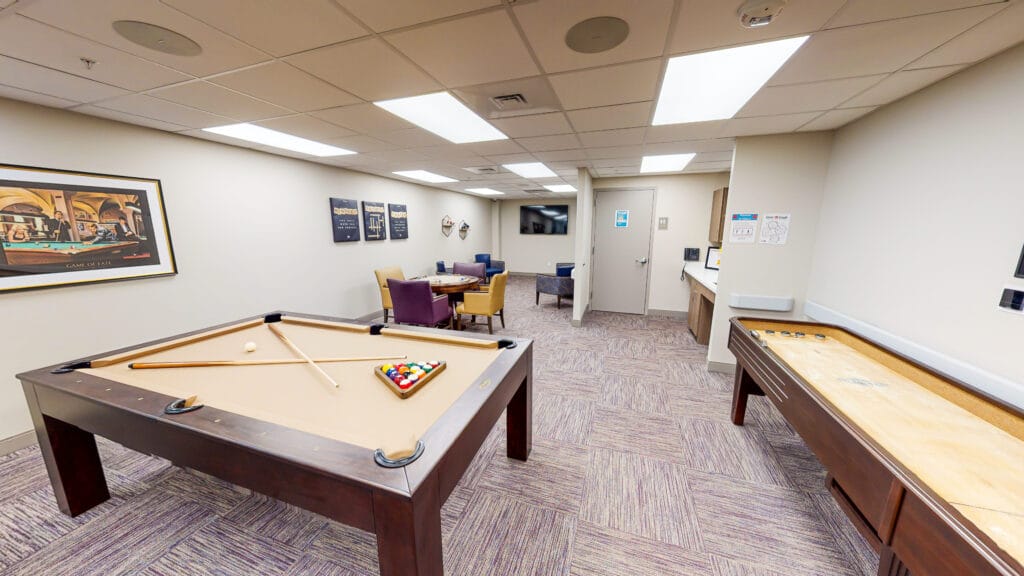
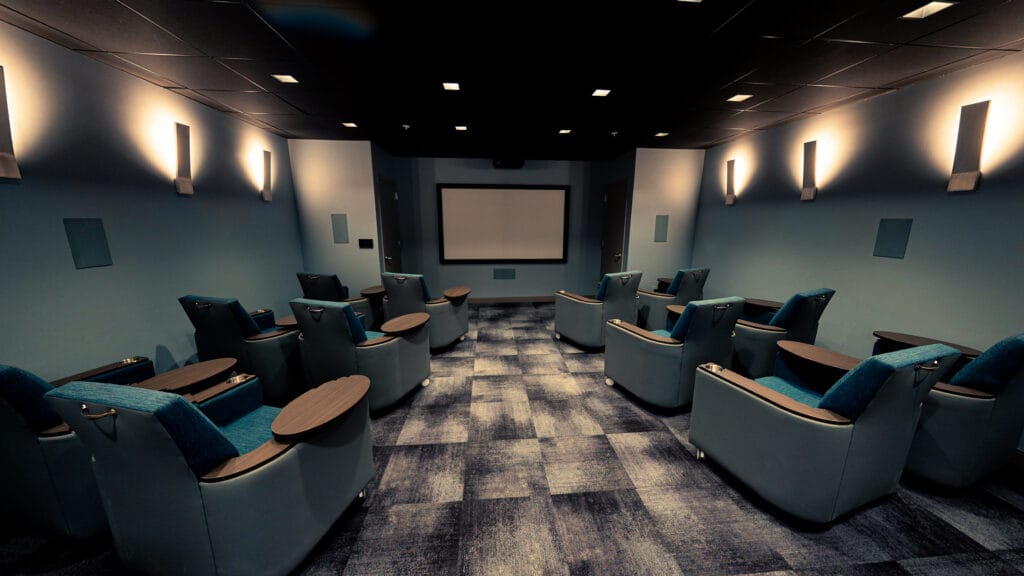
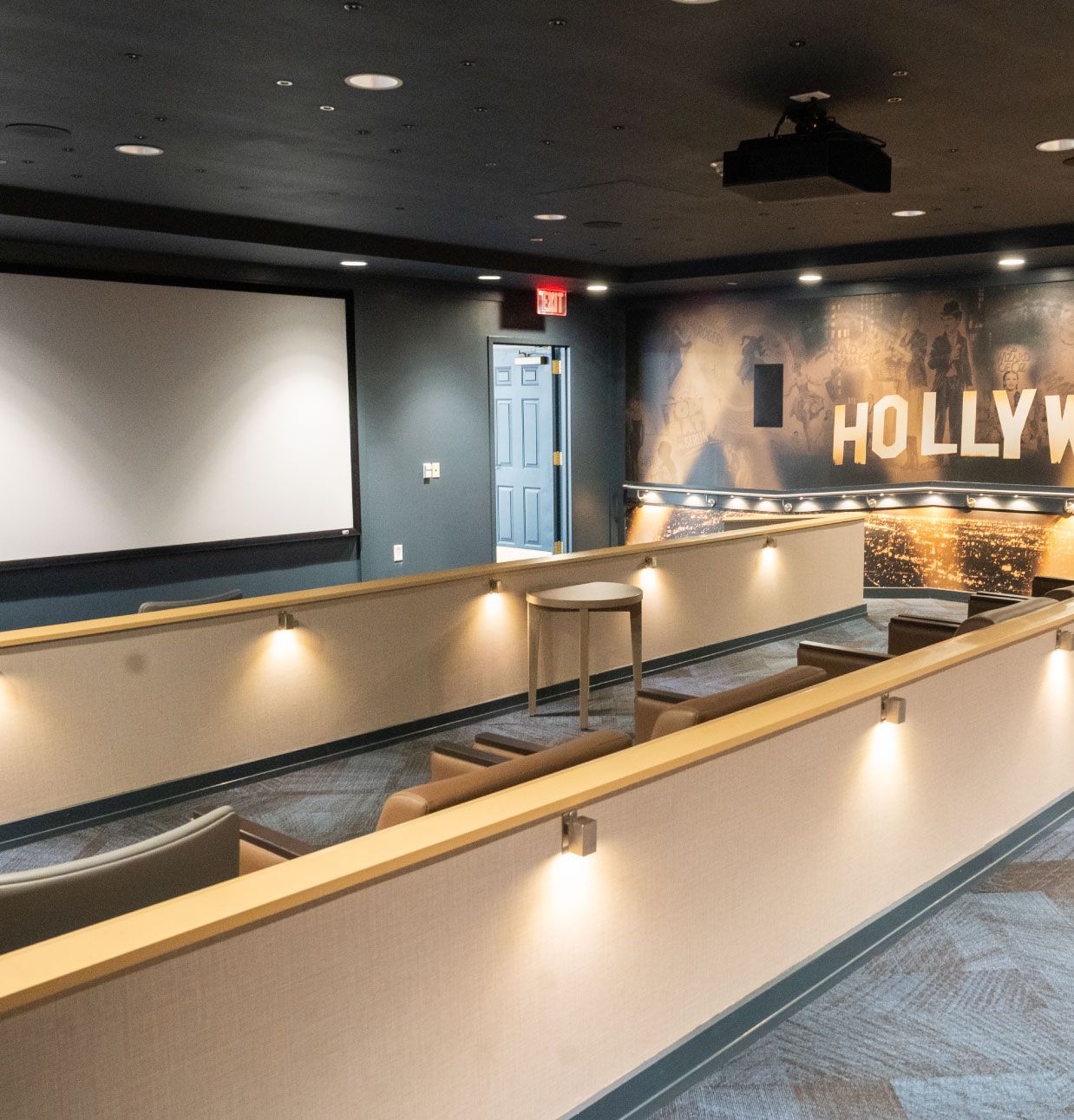
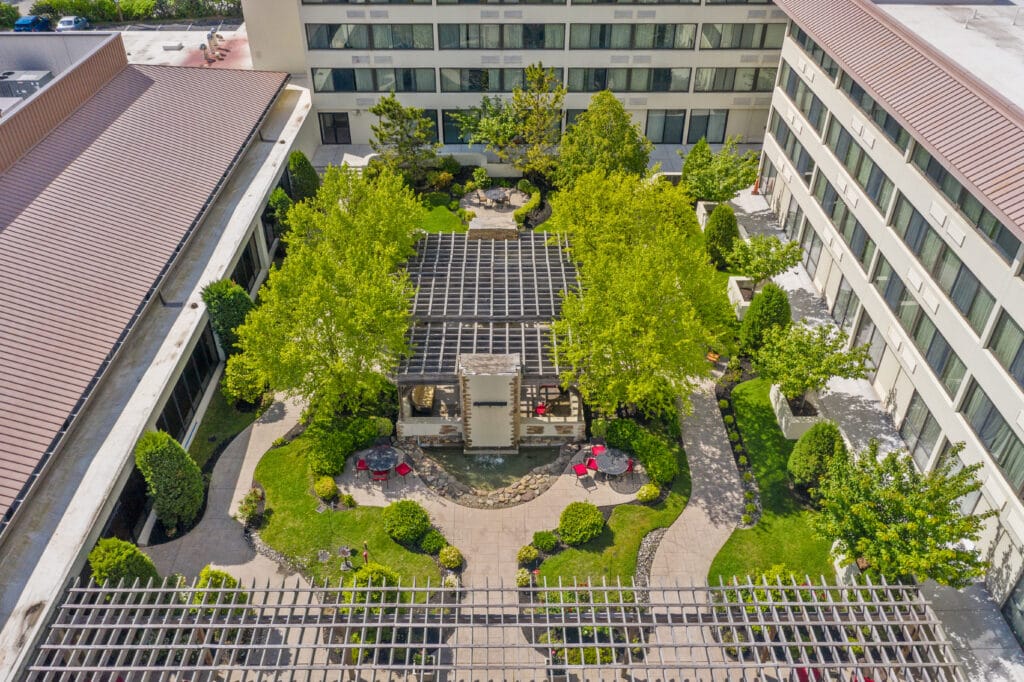
Billiards, pet therapy, and fitness programs also help enhance residents’ living experiences and maintain holistic wellness. A game room, a theater, and a secure outdoor courtyard are among the state-of-the-art amenities that residents can use for recreation and wellness. Surrounded by leisure amenities and public transportation, the community guarantees accessibility and convenience. This nursing home has exceptional standards of care and innovative amenities, making it one of the best options for senior living in New Jersey.
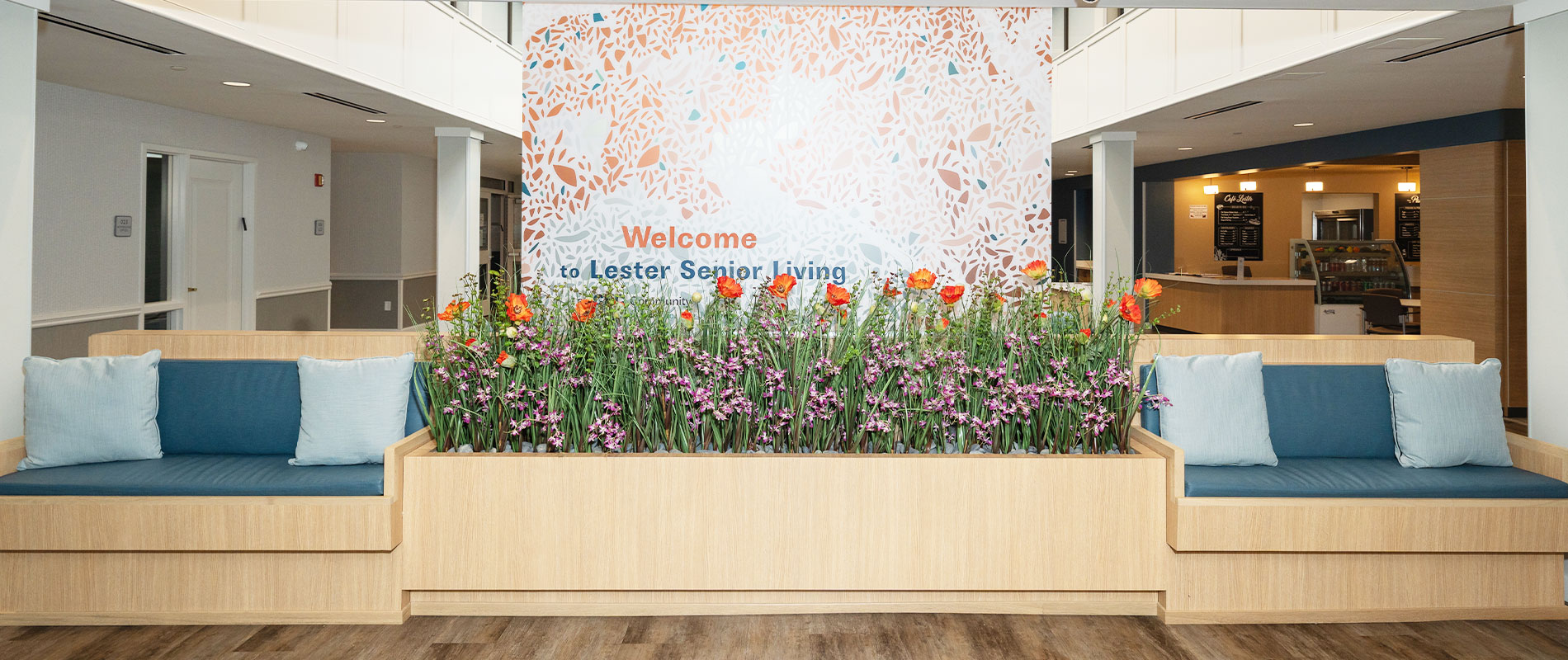
Overview of Lester Senior Living
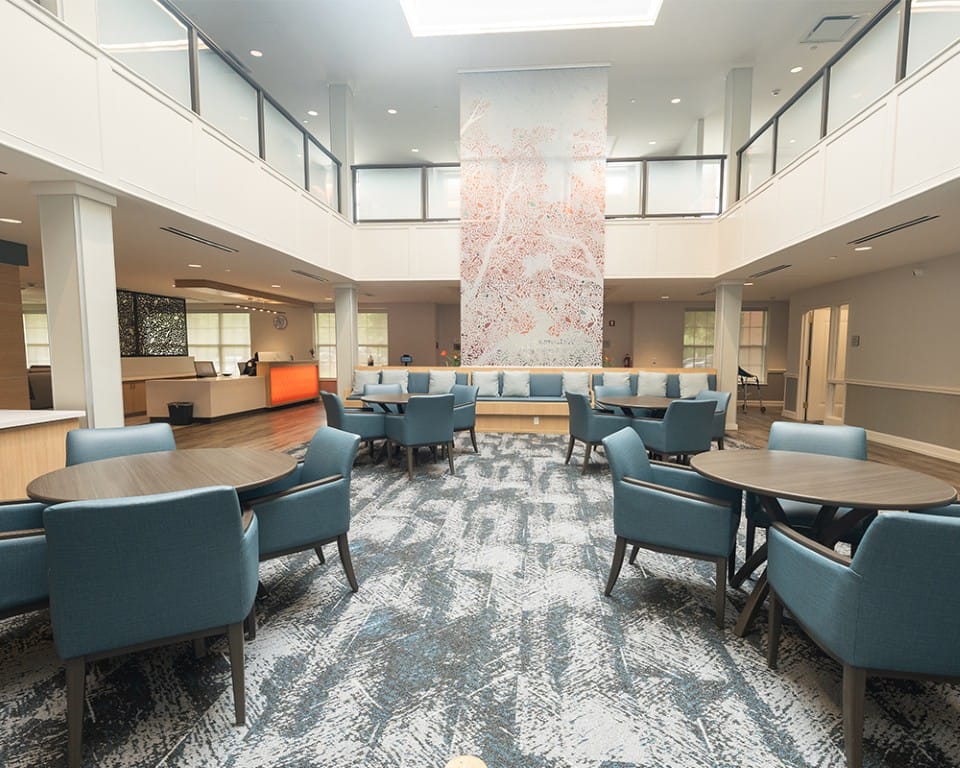
Lester Senior Living is an affordable continuing care retirement community in Whippany, NJ, that offers independent living, assisted living, and memory care. The community doubles its efforts to maintain the cleanliness and safety of its living spaces, ensuring older adults feel at home during their stay. 24/7 supervision, Kosher meals, and on-site medical support are among the high-quality services provided for residents’ well-being. Dedicated to meeting residents’ needs and preferences, the community creates individualized care plans.
Art classes, cultural outings, and card games are among the many activities that residents can participate in to try new hobbies and foster meaningful connections. With its beautifully maintained grounds, activity rooms, and walking paths, residents can relax and move around without hassles. Surrounded by lush trees, a town center, and restaurants in Whippany, the community guarantees accessibility and serenity. This retirement community is a great choice for senior living in New Jersey, as it has comprehensive care options and well-maintained amenities.
CareOne at Hackensack University Medical Center is a nursing home in Westwood, NJ, offering long-term care and nursing care. Featuring private accommodations in a comfortable setting, the community ensures older adults’ healing. Dietitian-approved meals, social services, and comprehensive therapies are also provided to improve residents’ quality of life. Along with a well-experienced care team, high-quality care is also provided to meet residents’ unique needs and preferences.
Collaborating with the medical center, the community ensures quick access to medical needs, including lab services. Residents can also freely interact with friends in accessible and spacious common areas. Surrounded by parks with quick access to restaurants, the community ensures accessibility and convenience. This nursing home has exceptional standards of care, making it a good option for senior living in New Jersey.
The Addison of Cherry Hill is an assisted living community in Cherry Hill, NJ, offering assisted living and memory care. The community also provides a variety of one-bedroom floor plans, ensuring older adults can feel at home. A variety of services, including restaurant-style dining, on-site therapy, housekeeping, maintenance, personal care, and transportation, are also provided to enrich residents’ daily living experiences. Utilities are also included, along with personalized care plans, to meet residents’ needs and preferences.
Arts and crafts, hobby clubs, and games are among the social and recreational programs conducted to promote socialization. This pet-friendly community also features landscaped grounds, a private dining room, and event spaces for residents’ relaxation. Located in Cherry Hill Township, residents experience the quiet suburban living while having convenient urban access. This assisted living community is a good option for senior living in New Jersey, especially with its elevated amenities and individualized approach to care.
Ranking Methodology
How we rank these communities
Every community above is evaluated across six weighted categories using public data including state inspection records, review platforms, BBB profiles, and operator-published materials.
Weighting overview
- 35%Resident Experience
- 25%Regulatory
- 15%Visual Media
- 10%Website
- 10%Stability
- 5%Environment
01
Resident & Family Experience 35%
The single largest share of every ranking. Aggregated review sentiment and volume from major platforms — the closest signal to real resident experience.
- Includes
- Review Sentiment
- Review Volume
02
Regulatory & Safety Record 25%
State inspection records, citations, and complaint visits. We weight per-inspection rates more heavily than raw counts.
- Includes
- State Inspections
- Citations/Inspection
- % Inspections w/ Citations
- Complaint Visits
- Accreditations
- BBB Rating
03
Visual Media & Transparency 15%
Communities that publish high-quality visuals give families a real preview. No photos or tours = a negative transparency signal.
- Includes
- Video Tours
- Virtual Walkthroughs
- Photo Quantity
- Photo Quality
04
Website & Operator Transparency 10%
Site quality and whether the operator publishes basic accountability information — staff names, contact details, ownership.
- Includes
- Website Content
- Mobile Usability
- Staff Info Available
- Owner Info Available
05
Community Stability 10%
Operational signals indicating whether a community is well-run and meeting demand.
- Includes
- Occupancy Rate
- Bed Options
06
Environment & Pricing 5%
Walkability and pricing transparency. Walk Score is weighted higher for Independent Living than for Memory Care, where most residents do not leave unaccompanied.
- Includes
- Walk Score
- Pricing Transparency
Who we are
Your Senior Care Partner, Every Step of the Way
We help families find affordable senior communities and unlock same day discounts, Medicaid, and Medicare options tailored to your needs.
Contact us Today
Frequently Asked Questions about Assisted Living in New Jersey
What's the difference between assisted living and memory care in New Jersey?
Assisted living in New Jersey supports residents with daily activities (bathing, dressing, medication management) while preserving independence. Memory care is a specialized form of assisted living for residents living with Alzheimer's or dementia, and adds 24/7 secured environments, dementia-trained staff, and structured routines designed to reduce confusion and wandering.
What's the difference between assisted living and a nursing home in New Jersey?
Assisted living in New Jersey is a residential model focused on housing, hospitality, and help with daily activities. Nursing homes (skilled nursing facilities) provide 24/7 medical care from licensed nurses for residents with significant health needs, and are regulated more strictly under both state and federal CMS rules.
Does New Jersey Medicaid cover assisted living?
New Jersey Medicaid does not directly pay room-and-board for assisted living, but most states (including New Jersey) offer Home and Community-Based Services (HCBS) waivers that can offset the cost of care services delivered inside a licensed community. Eligibility, waitlists, and covered services vary — check directly with the state Medicaid agency.
What is assisted living?
Assisted living combines private or semi-private apartments with help on activities of daily living (meals, bathing, dressing, medication management) and a social calendar — for residents who need some support but do not need 24/7 medical care.
How many assisted living facilities are listed on this page?
This page features 305 assisted living facilities in New Jersey. Use the filters and comparison tools above to compare ratings, amenities, and pricing.
How do I choose the right assisted living facility in New Jersey?
Start by matching the level of care offered to the resident's current and anticipated needs, then compare licensing status, staff-to-resident ratios, recent inspection results, and pricing. Tour at least two or three communities in New Jersey, talk to current residents and families, and confirm what is included in the base rate versus billed as add-on services.
What should I look for when visiting assisted living facilities in New Jersey?
Pay attention to staff interactions with residents, cleanliness and odor, food quality at meal times, the activity calendar, and how questions about pricing and care plans are answered. Ask to see the most recent state inspection report, the move-out / level-of-care-change policy, and a sample monthly bill that lists every fee.
Updated on