Page 47 of Best Assisted Living in Pennsylvania

Why trust this guide? Our editorial team analyzed 461 assisted living communities in PA using PA Depts. of Human Services & Health data, inspection records, complaints, amenities, and facility-level details. How we rank assisted living in PA
Reviewed by
Last updated
We analyzed These are the facilities in Pennsylvania our team has analyzed — not a count of every assisted living provider in Pennsylvania.
461 homes
Other senior care options in Pennsylvania:
Avg Monthly Cost: $6,468The average monthly cost across facilities in Pennsylvania. Reflects published or estimated base rates and can vary with care level, room type, and amenities. Individual facilities can vary widely from this average.
National Average: $5,600
Avg Walk Score: 47/ 100The average Walk Score across facilities in Pennsylvania. A third-party neighborhood walkability score (0–100) measuring convenience and context, not healthcare quality. Individual facilities can vary widely from this average.
National Average: 50/ 100
Avg No. of Beds: 93The average licensed bed capacity across facilities in Pennsylvania. Individual facilities can vary widely from this average.
National Average: 90
Overview of Personal Home Healthcare and Hospice

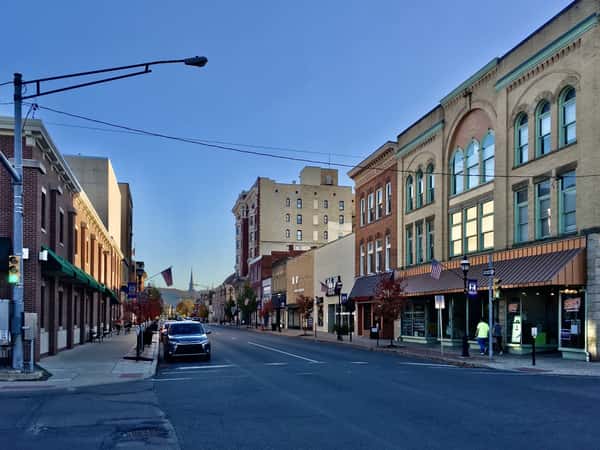
Personal Home Healthcare and Hospice runs out of a two-story office at 233 Main St in Blakely, Pennsylvania, and it’s worth being clear up front: this isn’t a place where people live, it’s a team that brings care to patients in their own homes. The neighborhood around the office scores a 75 out of 100 on Walk Score, which counts as very walkable, so most errands nearby don’t need a car. Office hours run Monday through Friday, 8:30 in the morning to 5 in the evening, if you want to stop by in person.

The actual care here covers a lot of ground: there’s rehabilitation services and respite care, a doctor on staff, and licensed nurses and CNAs handling the clinical side. Beyond that, the team includes registered nurses, chaplain services for spiritual support, and social workers who provide counseling, plus access to a range of therapy services. Staffing runs 24 hours a day, so help isn’t limited to business hours even though the office itself is.

There’s also a volunteer program built into how this agency operates, giving patients an extra layer of human connection on top of the clinical work. Medicare is accepted here, which matters a lot for hospice and home health care specifically, since that’s how most patients end up paying for these services in the first place.

Mark Siderowicz runs things as Executive Director. Put together, Personal Home Healthcare is a home health and hospice agency built around full clinical coverage, chaplain and counseling support, and round-the-clock availability, all delivered wherever the patient actually lives.

Contact Personal Home Healthcare and Hospice

Weighting overview

  • 35%
    Resident Experience
  • 25%
    Regulatory
  • 15%
    Visual Media
  • 10%
    Website
  • 10%
    Stability
  • 5%
    Environment
01

Resident & Family Experience 35%

The single largest share of every ranking. Aggregated review sentiment and volume from major platforms — the closest signal to real resident experience.

  • Includes
  • Review Sentiment
  • Review Volume
02

Regulatory & Safety Record 25%

State inspection records, citations, and complaint visits. We weight per-inspection rates more heavily than raw counts.

  • Includes
  • State Inspections
  • Citations/Inspection
  • % Inspections w/ Citations
  • Complaint Visits
  • Accreditations
  • BBB Rating
03

Visual Media & Transparency 15%

Communities that publish high-quality visuals give families a real preview. No photos or tours = a negative transparency signal.

  • Includes
  • Video Tours
  • Virtual Walkthroughs
  • Photo Quantity
  • Photo Quality
04

Website & Operator Transparency 10%

Site quality and whether the operator publishes basic accountability information — staff names, contact details, ownership.

  • Includes
  • Website Content
  • Mobile Usability
  • Staff Info Available
  • Owner Info Available
05

Community Stability 10%

Operational signals indicating whether a community is well-run and meeting demand.

  • Includes
  • Occupancy Rate
  • Bed Options
06

Environment & Pricing 5%

Walkability and pricing transparency. Walk Score is weighted higher for Independent Living than for Memory Care, where most residents do not leave unaccompanied.

  • Includes
  • Walk Score
  • Pricing Transparency
No paid rankings Communities cannot pay to influence placement.
How we're paid: If we help you find a community and you move in, that community may pay us a referral fee. This never affects where they rank or what you pay. Learn more
Submit a correction
Who we are

Your Senior Care Partner, Every Step of the Way

We help families find affordable senior communities and unlock same day discounts, Medicaid, and Medicare options tailored to your needs.

Contact us Today

Frequently Asked Questions about Assisted Living in Pennsylvania

What's the difference between assisted living and memory care in Pennsylvania?

Assisted living in Pennsylvania supports residents with daily activities (bathing, dressing, medication management) while preserving independence. Memory care is a specialized form of assisted living for residents living with Alzheimer's or dementia, and adds 24/7 secured environments, dementia-trained staff, and structured routines designed to reduce confusion and wandering.

What's the difference between assisted living and a nursing home in Pennsylvania?

Assisted living in Pennsylvania is a residential model focused on housing, hospitality, and help with daily activities. Nursing homes (skilled nursing facilities) provide 24/7 medical care from licensed nurses for residents with significant health needs, and are regulated more strictly under both state and federal CMS rules.

Does Pennsylvania Medicaid cover assisted living?

Pennsylvania Medicaid does not directly pay room-and-board for assisted living, but most states (including Pennsylvania) offer Home and Community-Based Services (HCBS) waivers that can offset the cost of care services delivered inside a licensed community. Eligibility, waitlists, and covered services vary — check directly with the state Medicaid agency.

What is assisted living?

Assisted living combines private or semi-private apartments with help on activities of daily living (meals, bathing, dressing, medication management) and a social calendar — for residents who need some support but do not need 24/7 medical care.

How many assisted living facilities are listed on this page?

This page features 461 assisted living facilities in Pennsylvania. Use the filters and comparison tools above to compare ratings, amenities, and pricing.

How do I choose the right assisted living facility in Pennsylvania?

Start by matching the level of care offered to the resident's current and anticipated needs, then compare licensing status, staff-to-resident ratios, recent inspection results, and pricing. Tour at least two or three communities in Pennsylvania, talk to current residents and families, and confirm what is included in the base rate versus billed as add-on services.

What should I look for when visiting assisted living facilities in Pennsylvania?

Pay attention to staff interactions with residents, cleanliness and odor, food quality at meal times, the activity calendar, and how questions about pricing and care plans are answered. Ask to see the most recent state inspection report, the move-out / level-of-care-change policy, and a sample monthly bill that lists every fee.