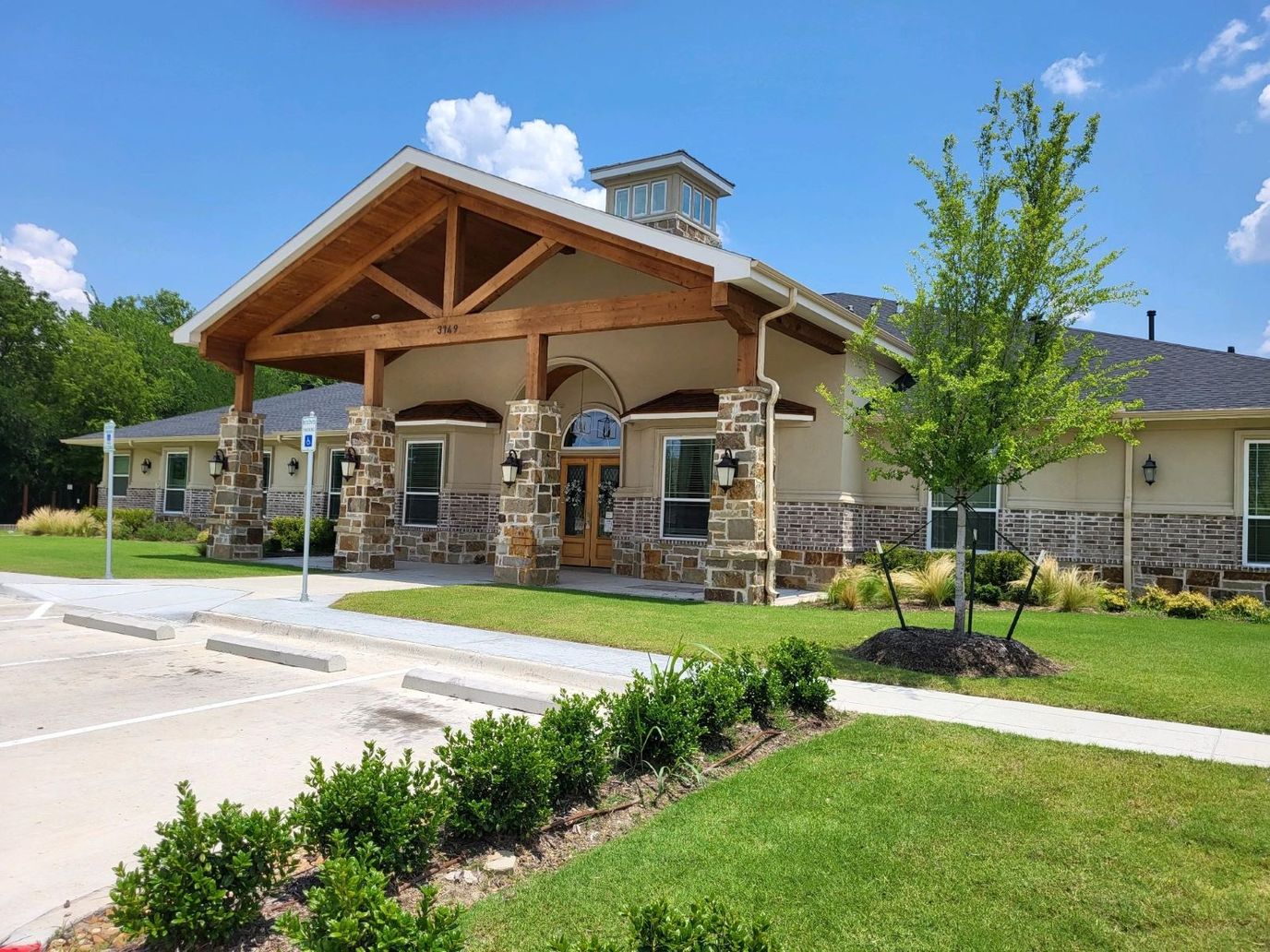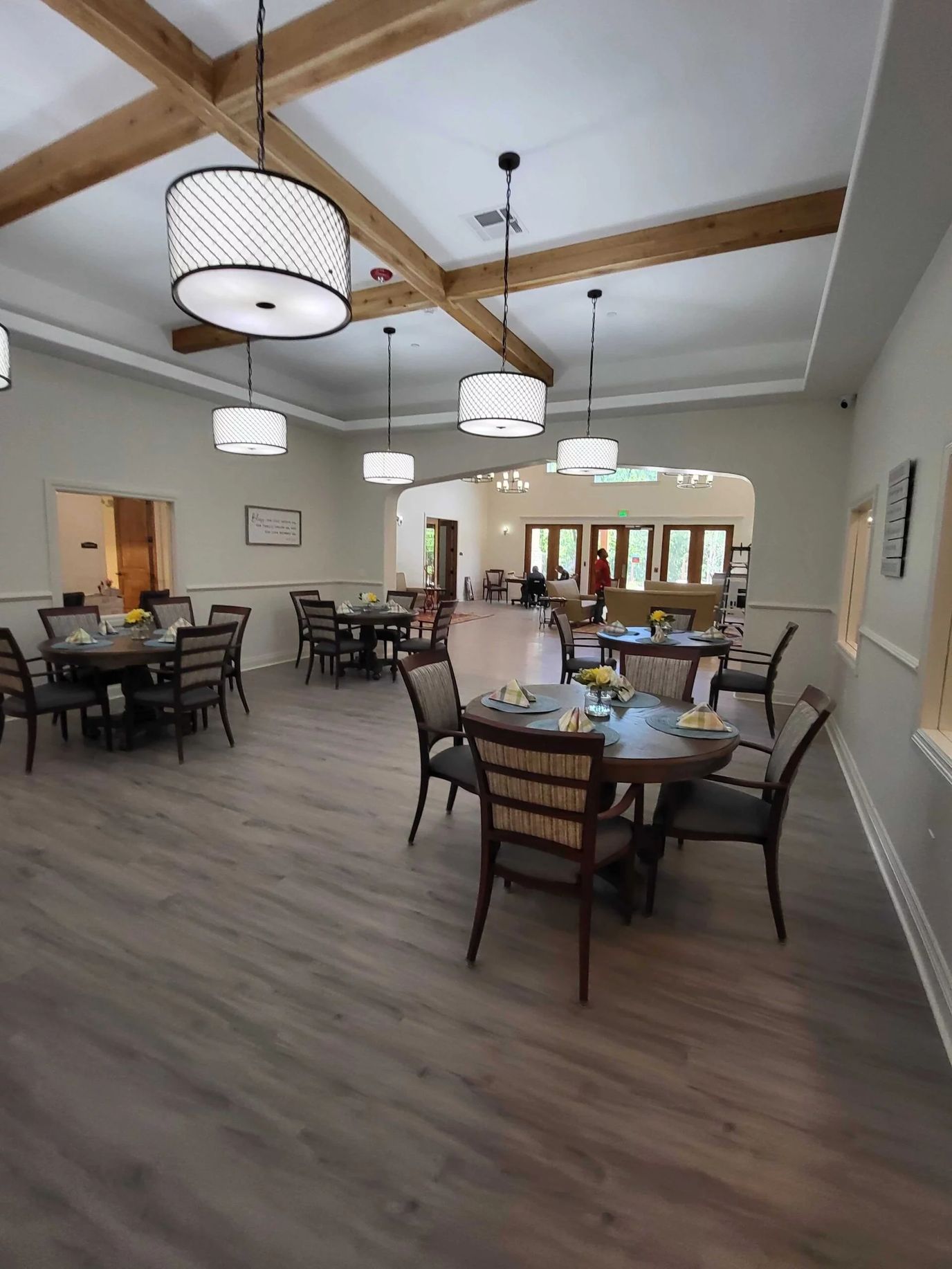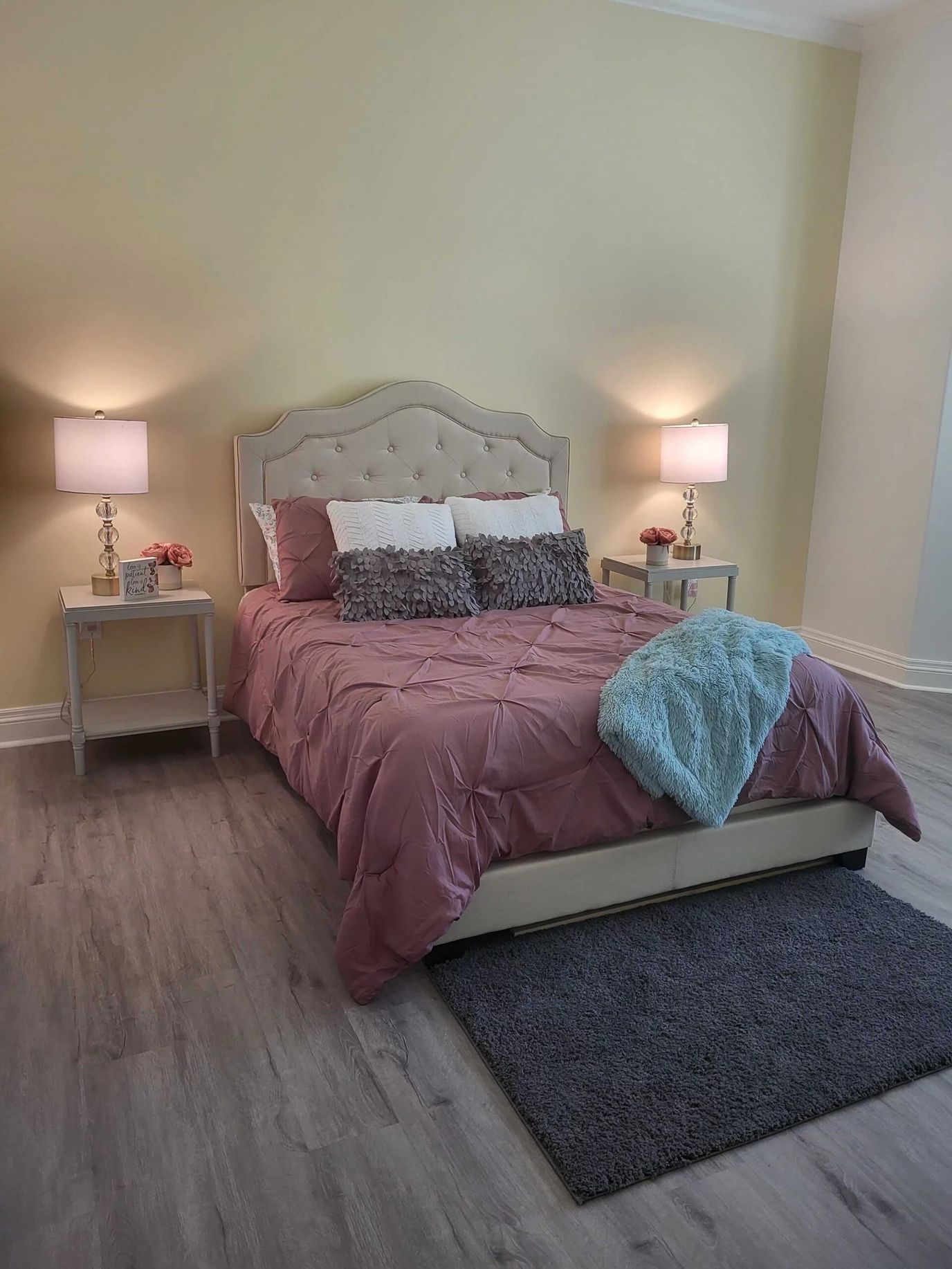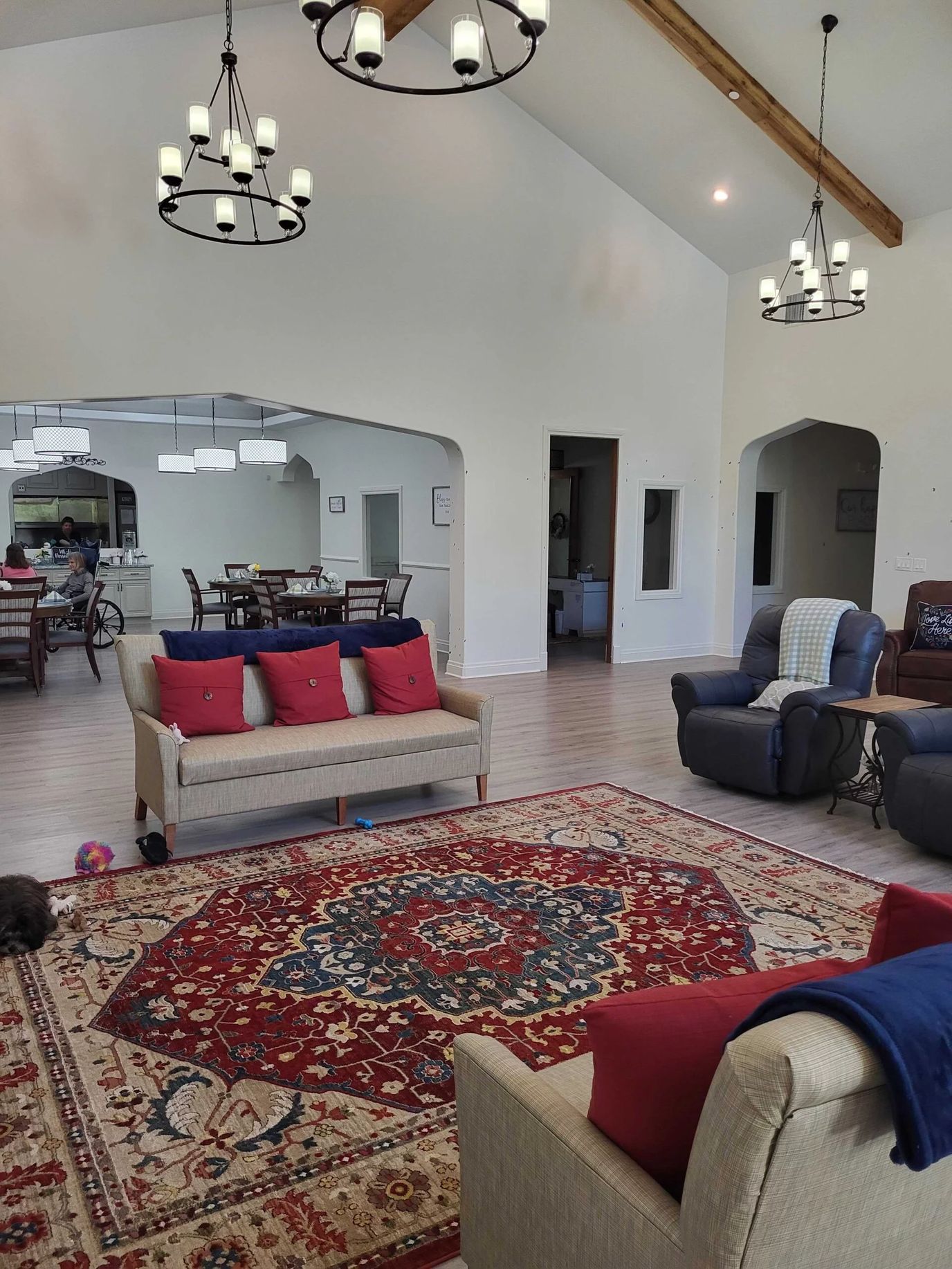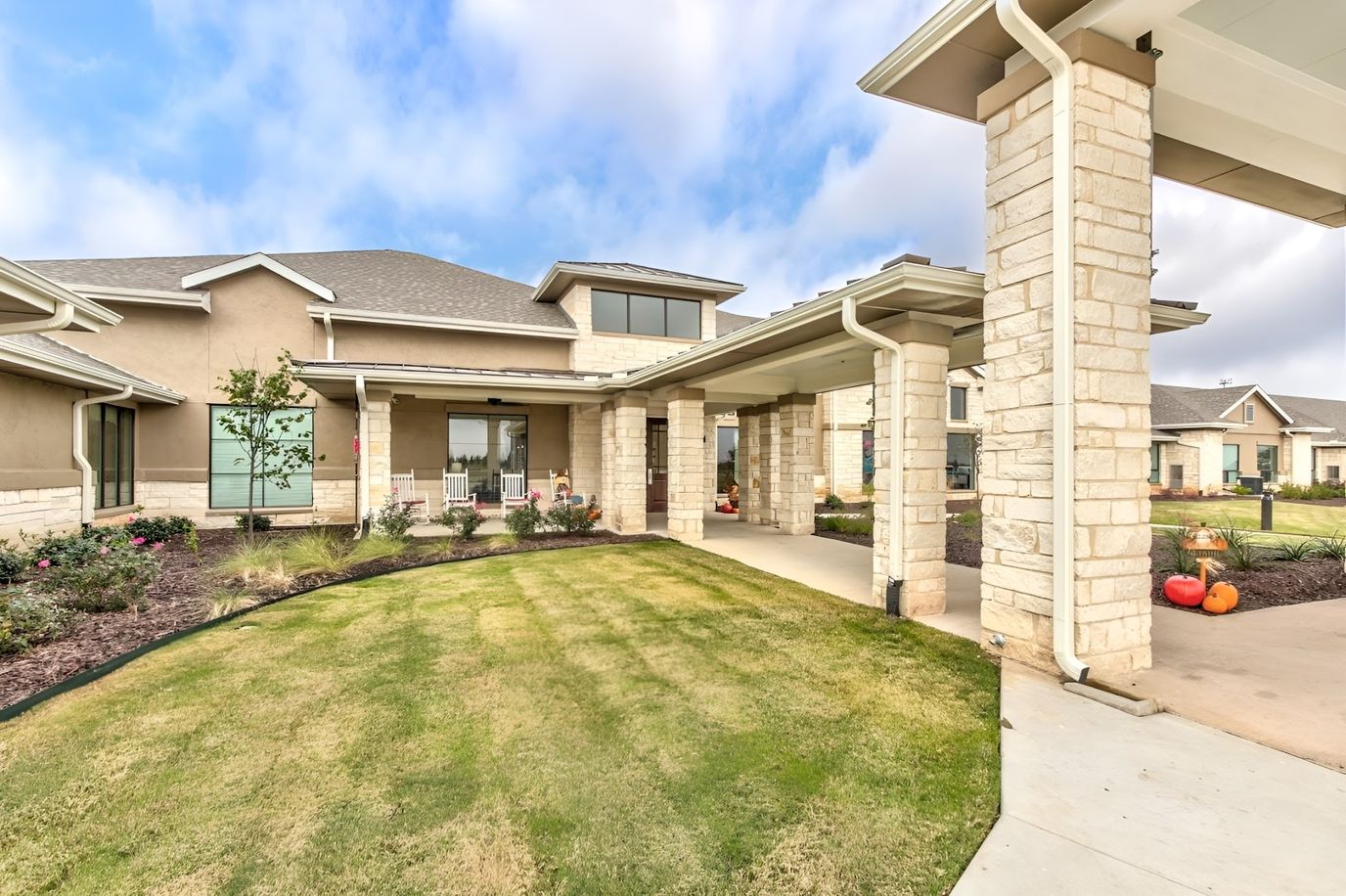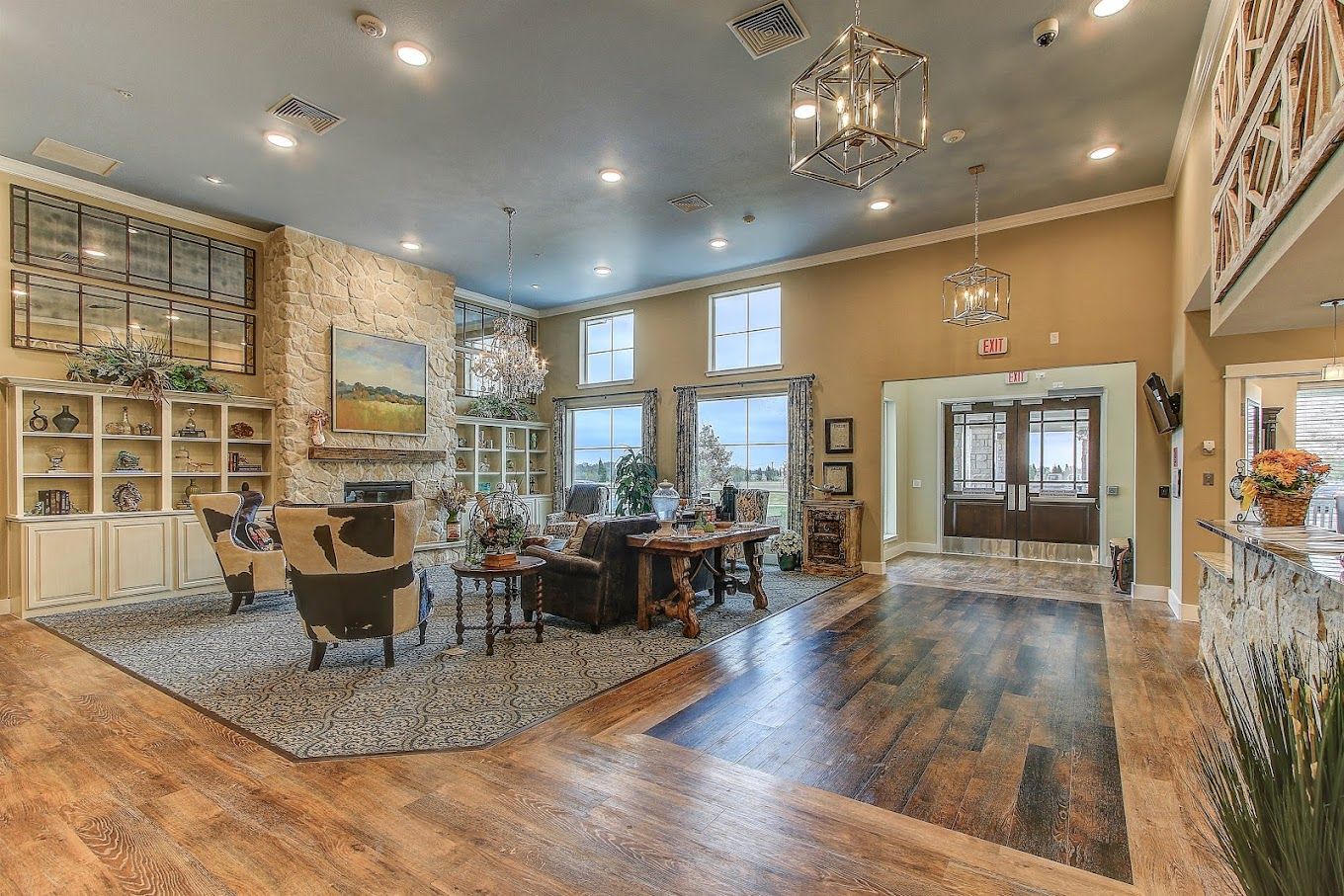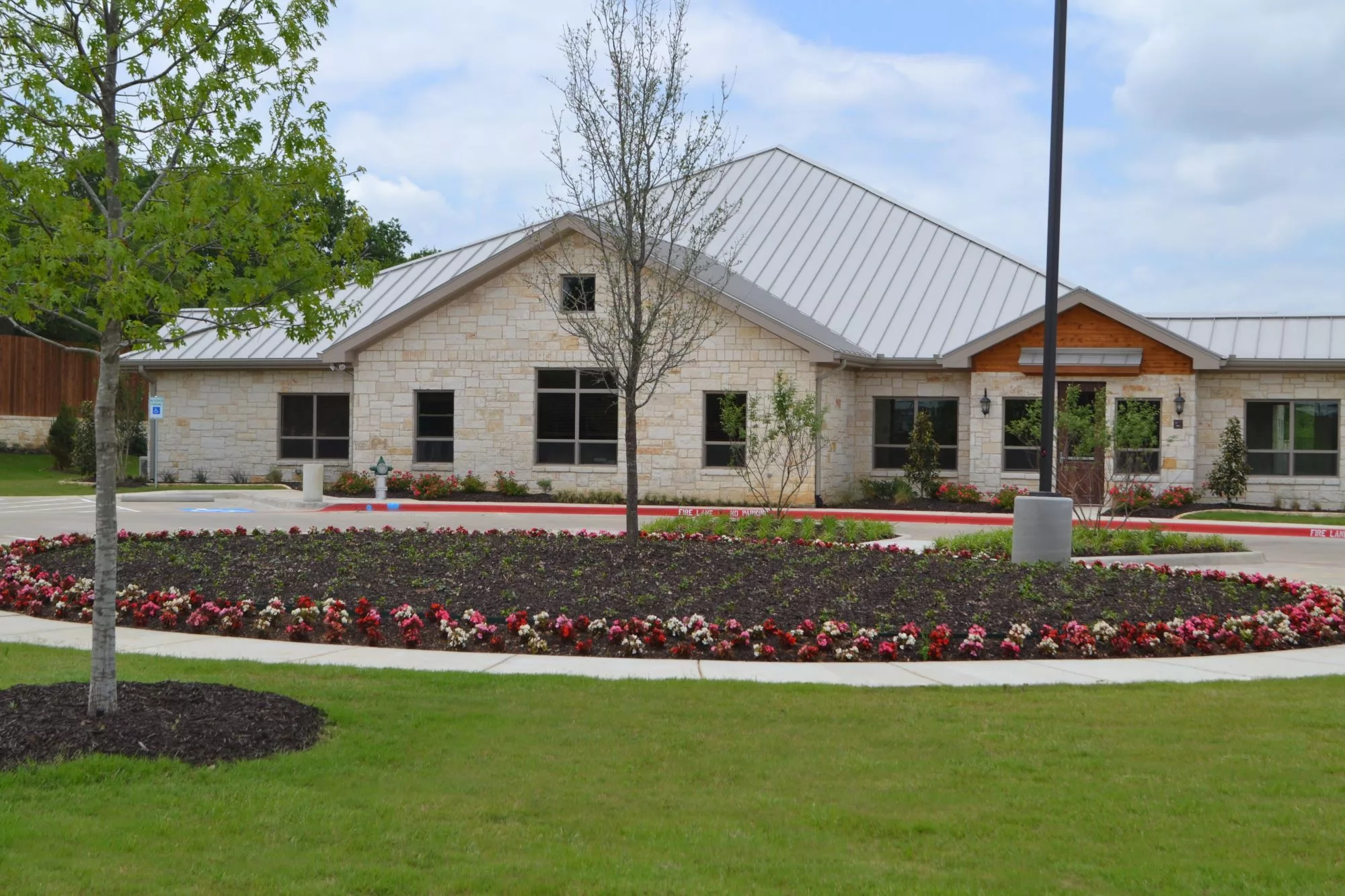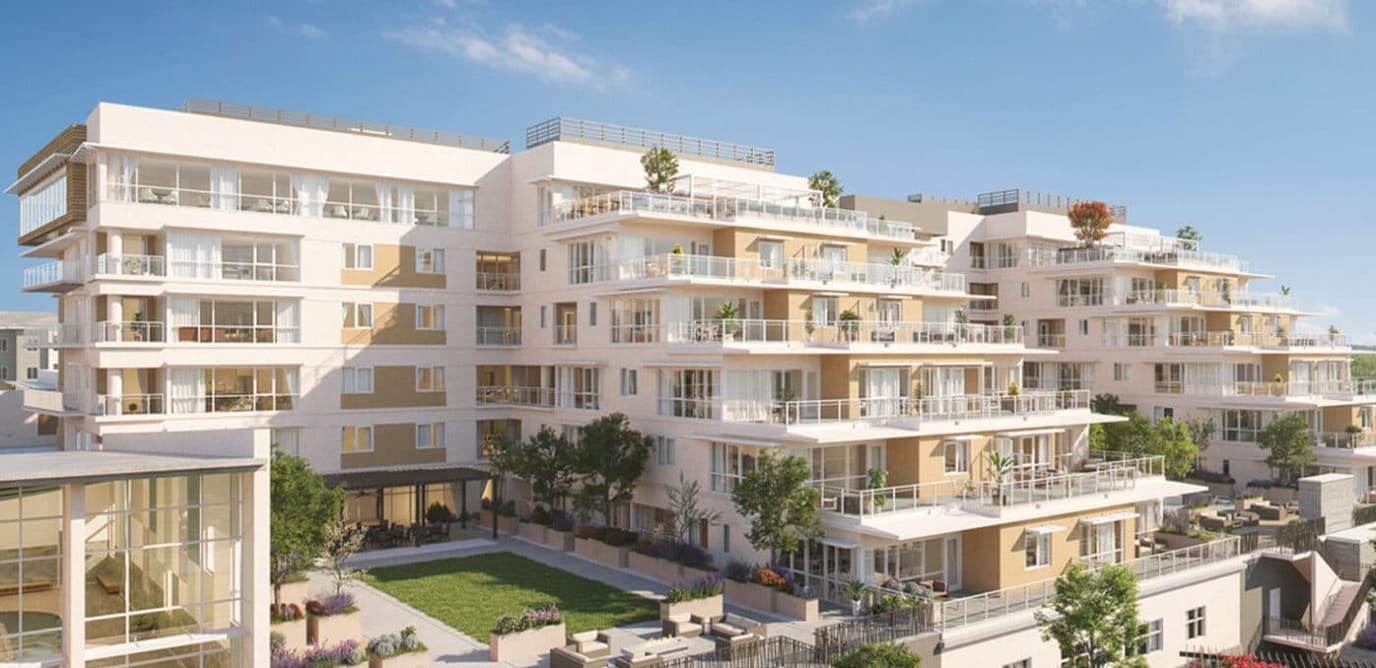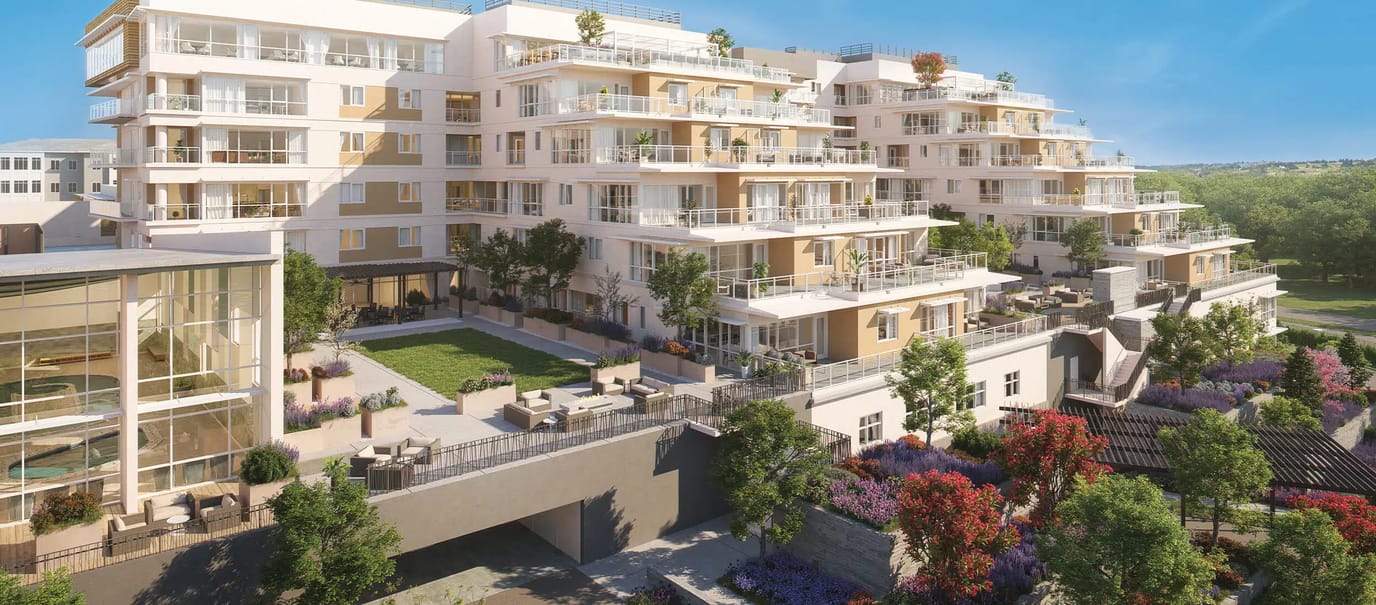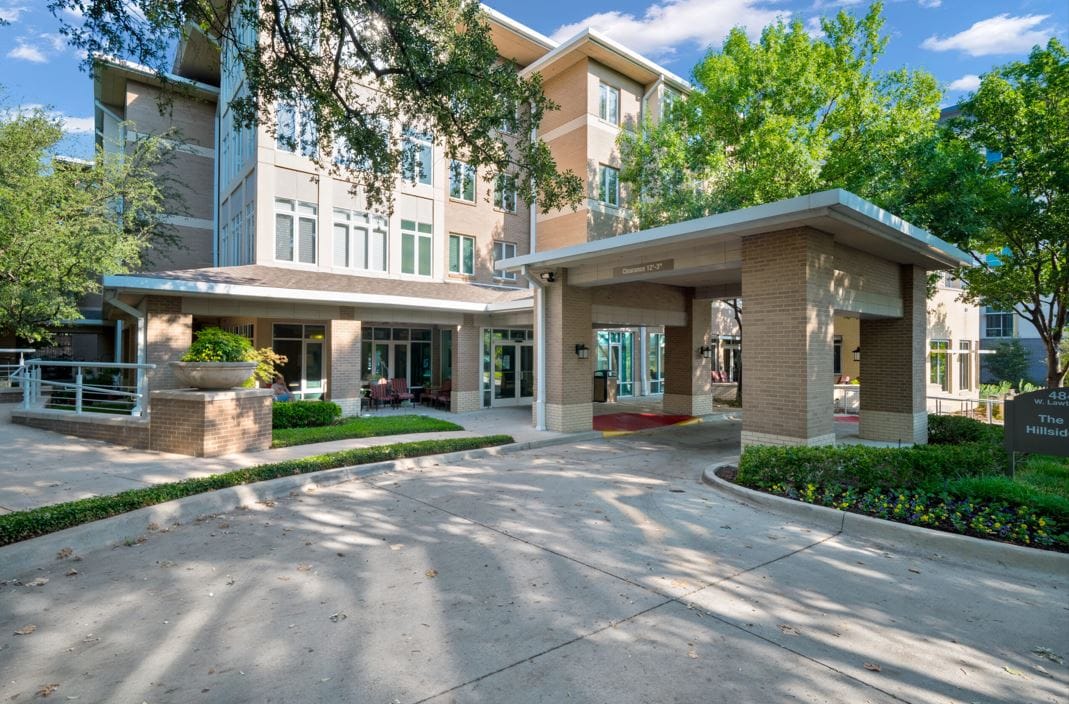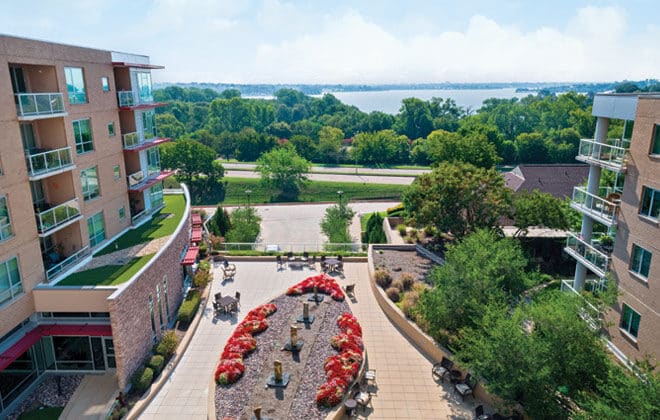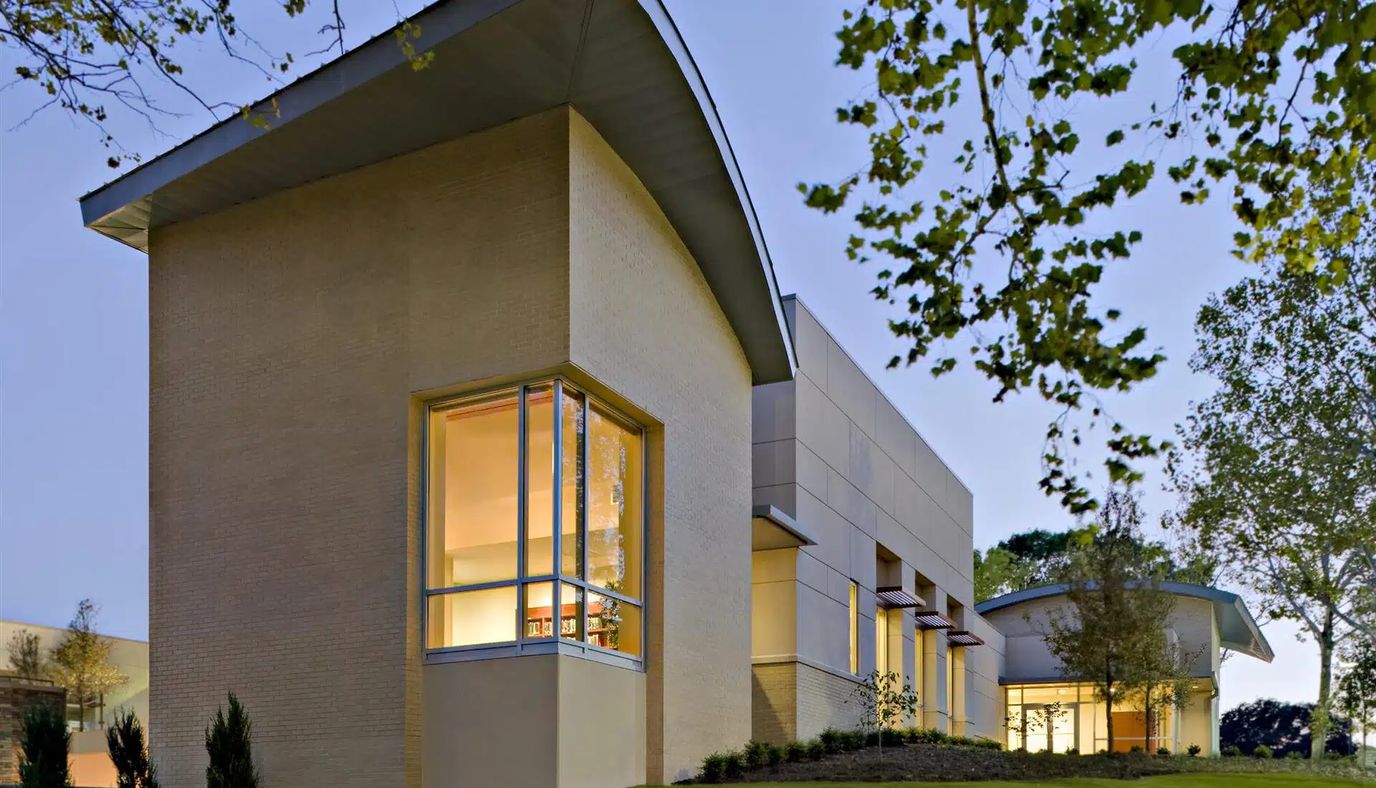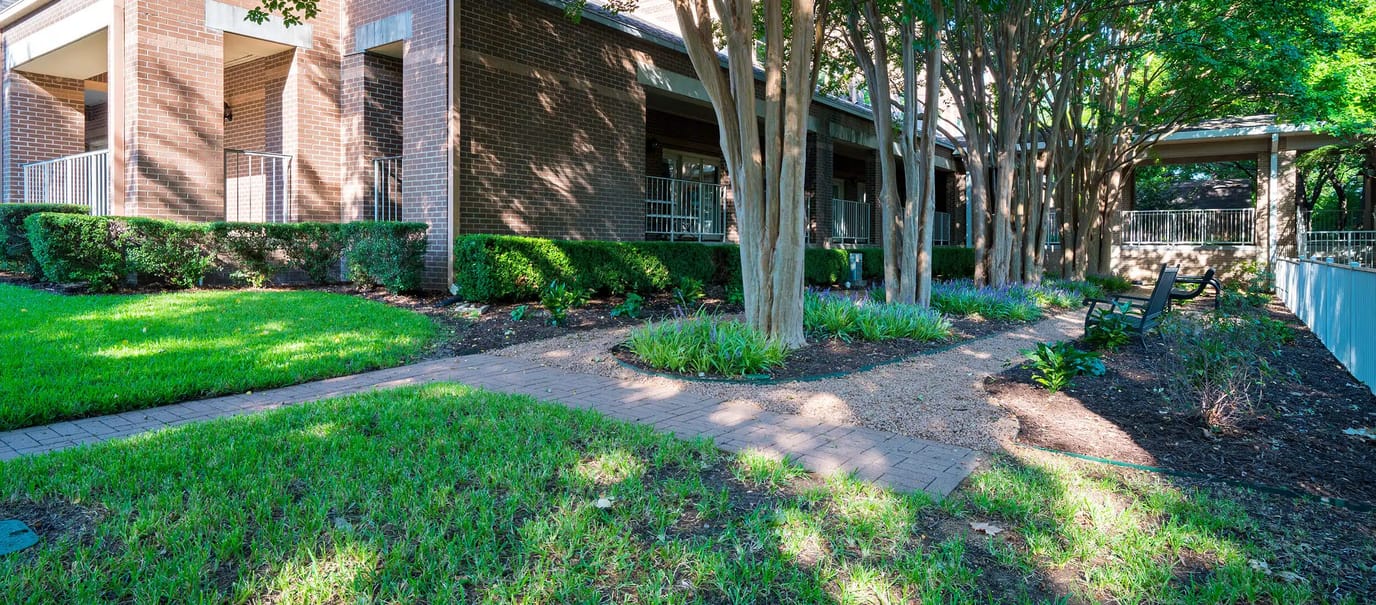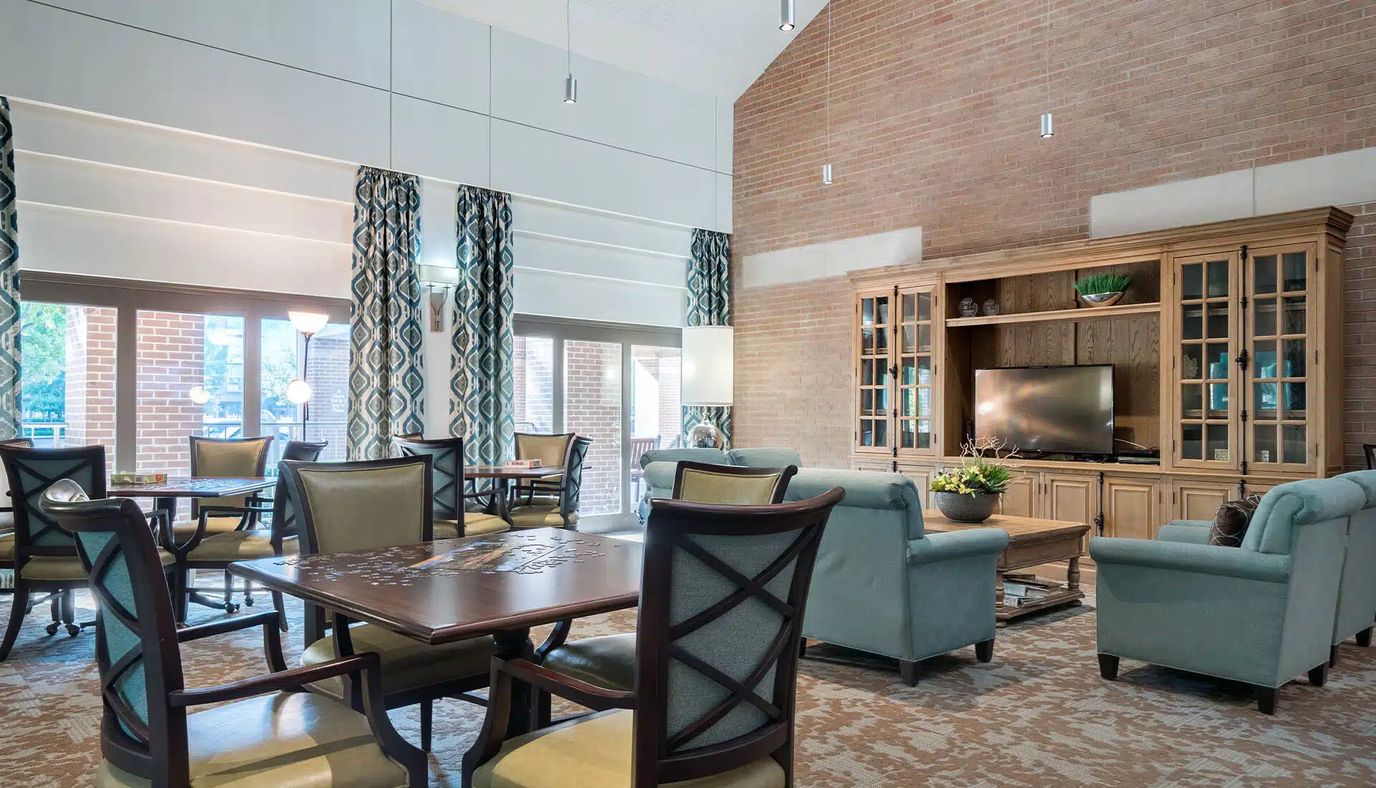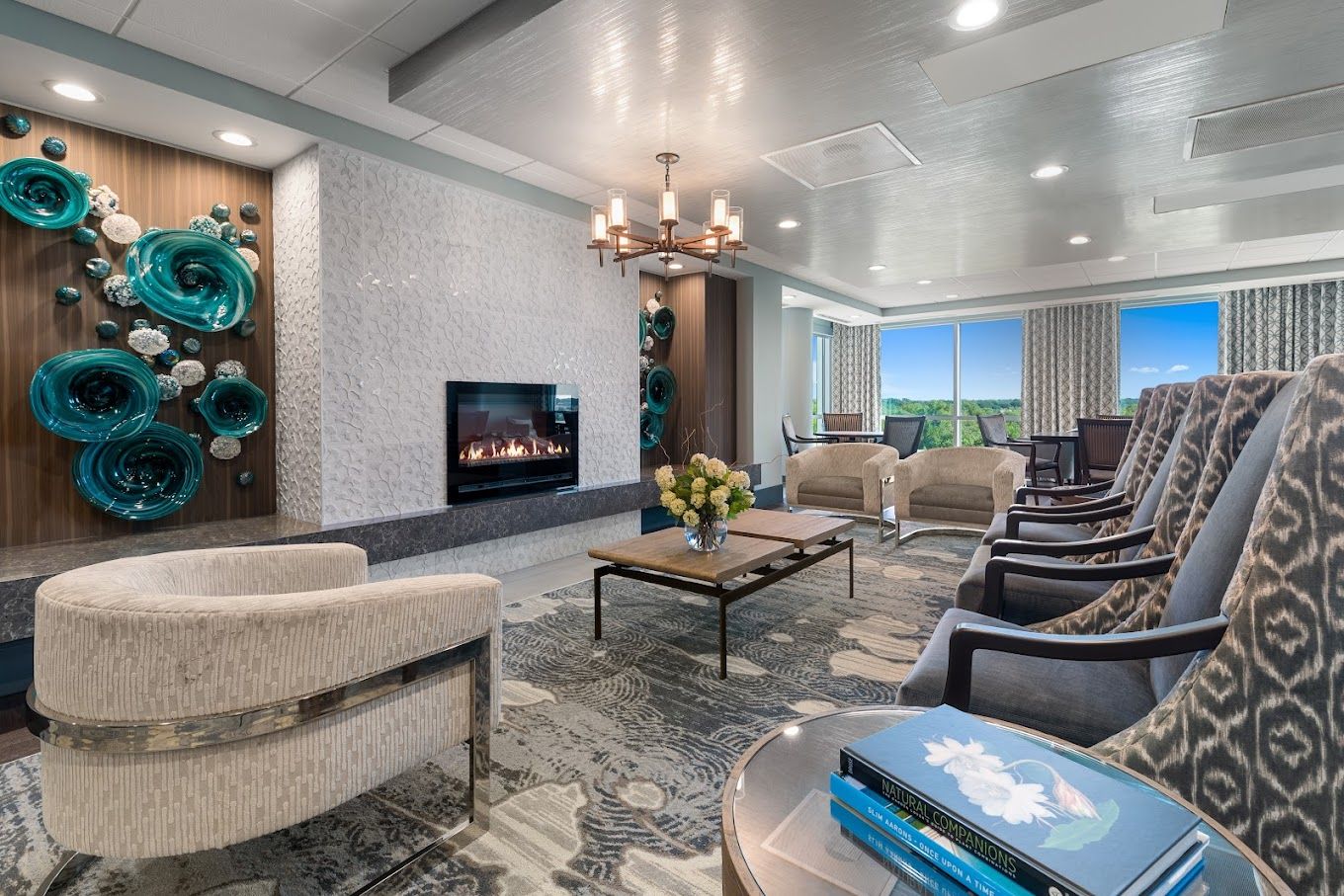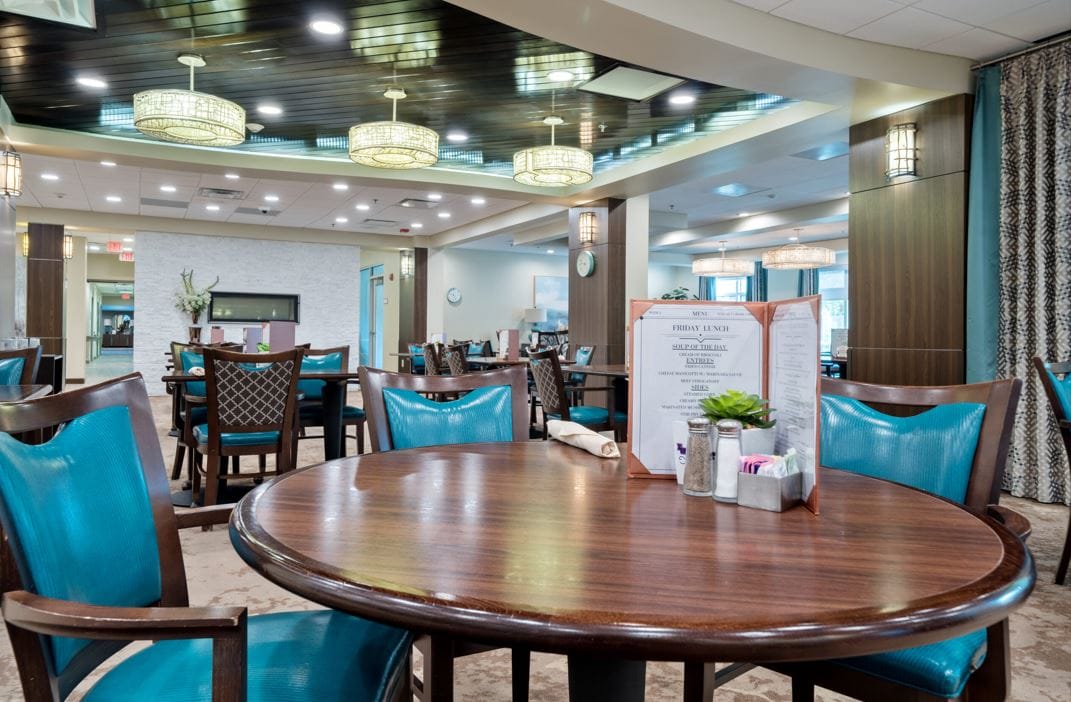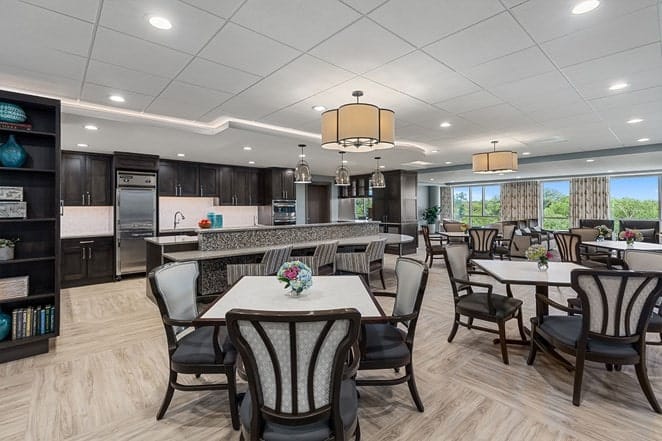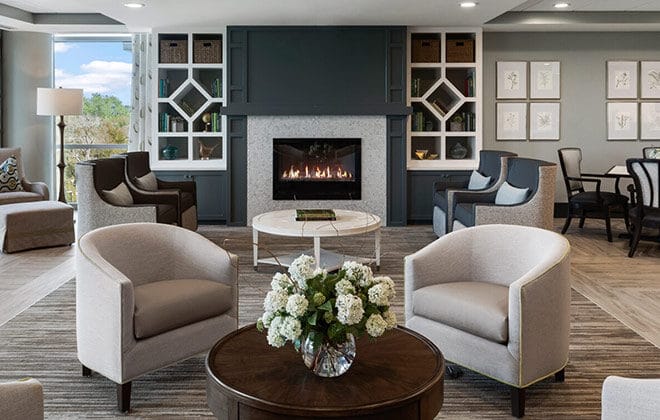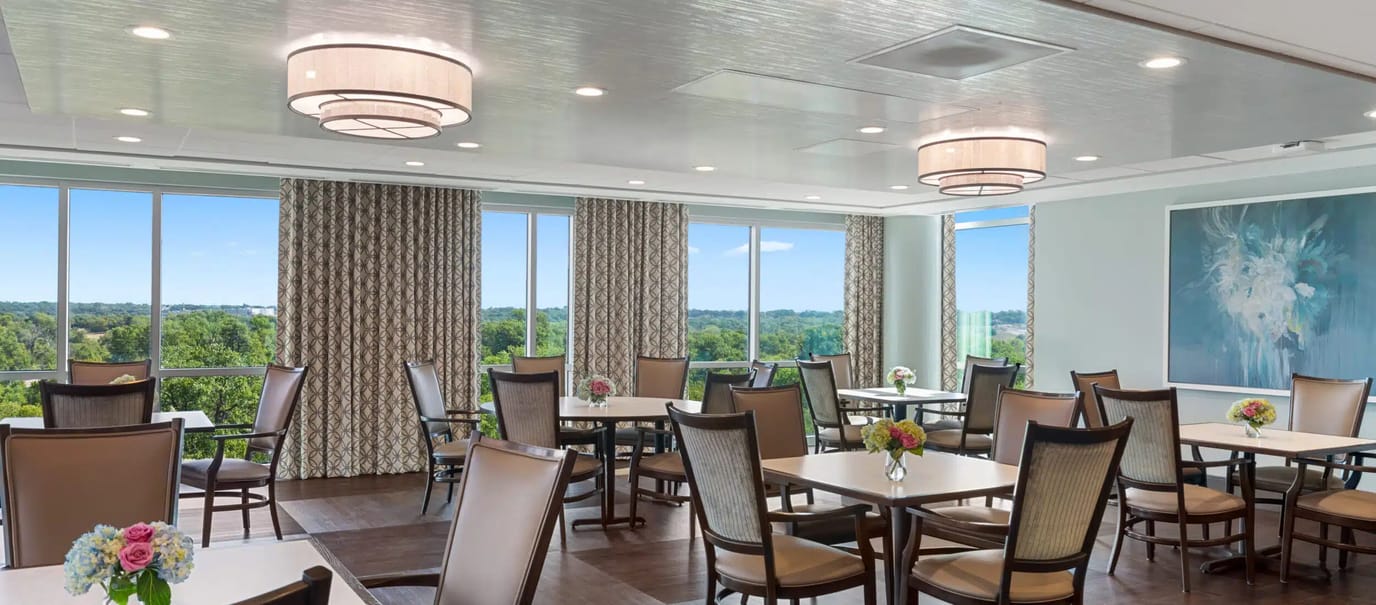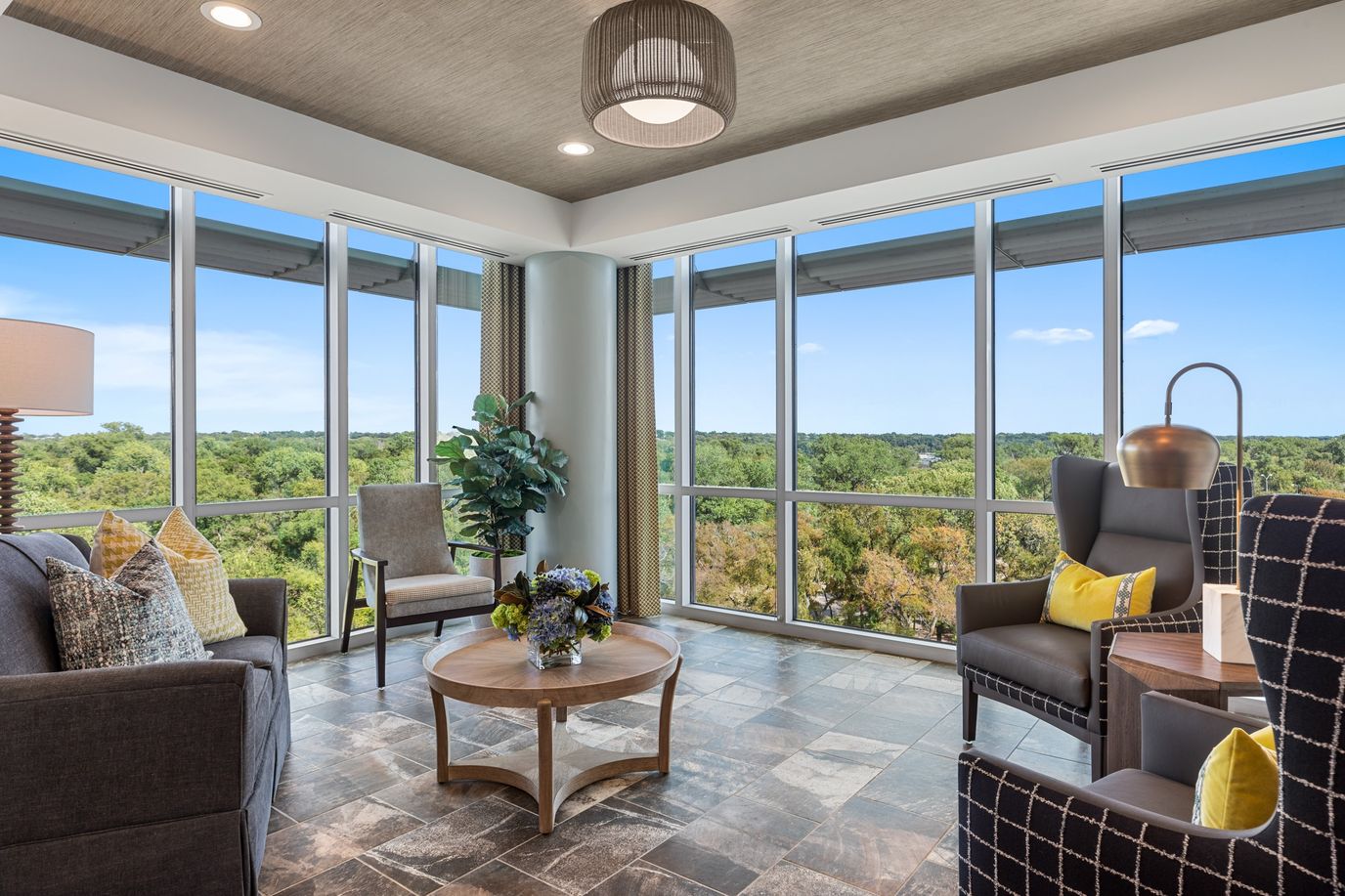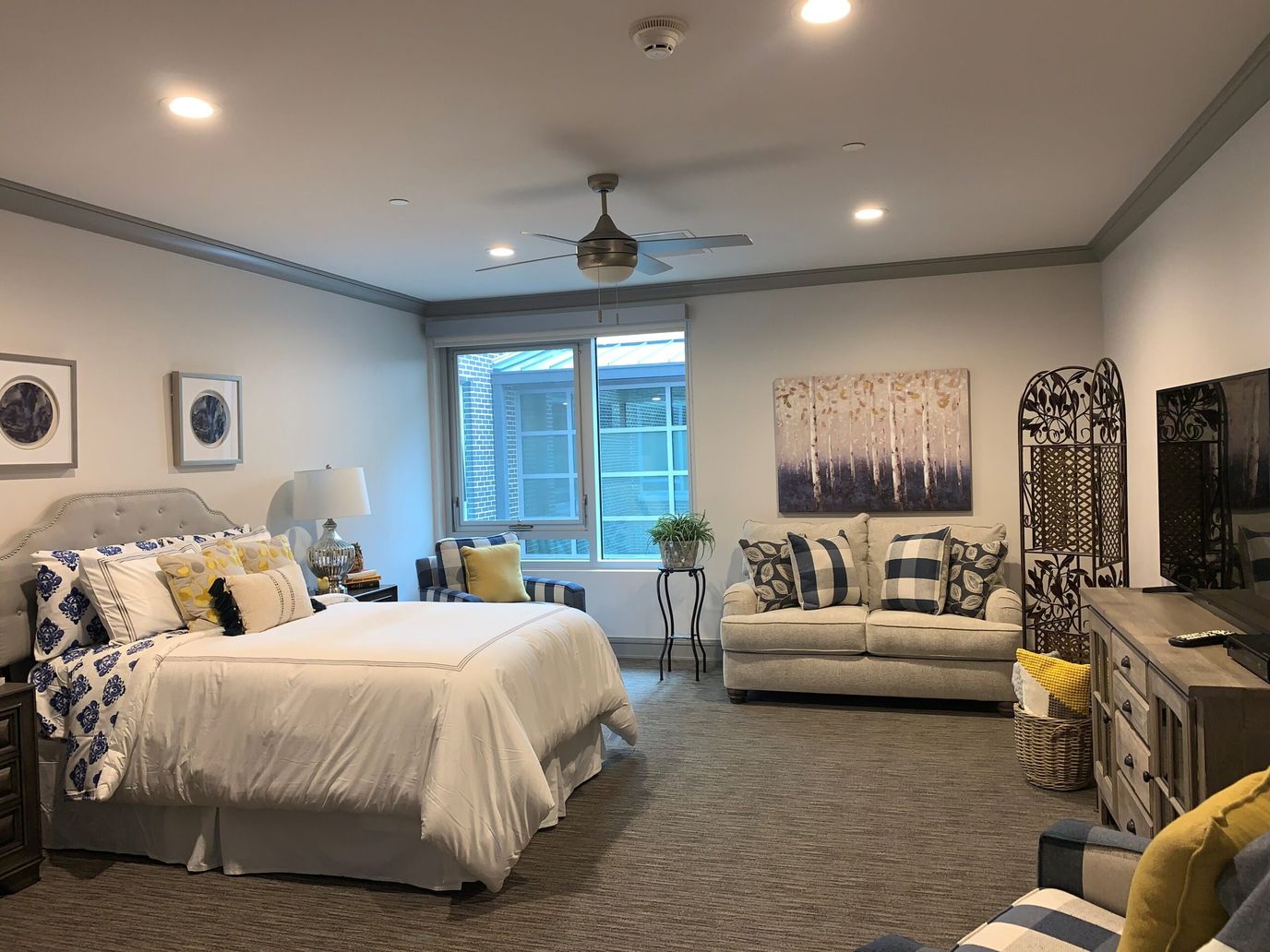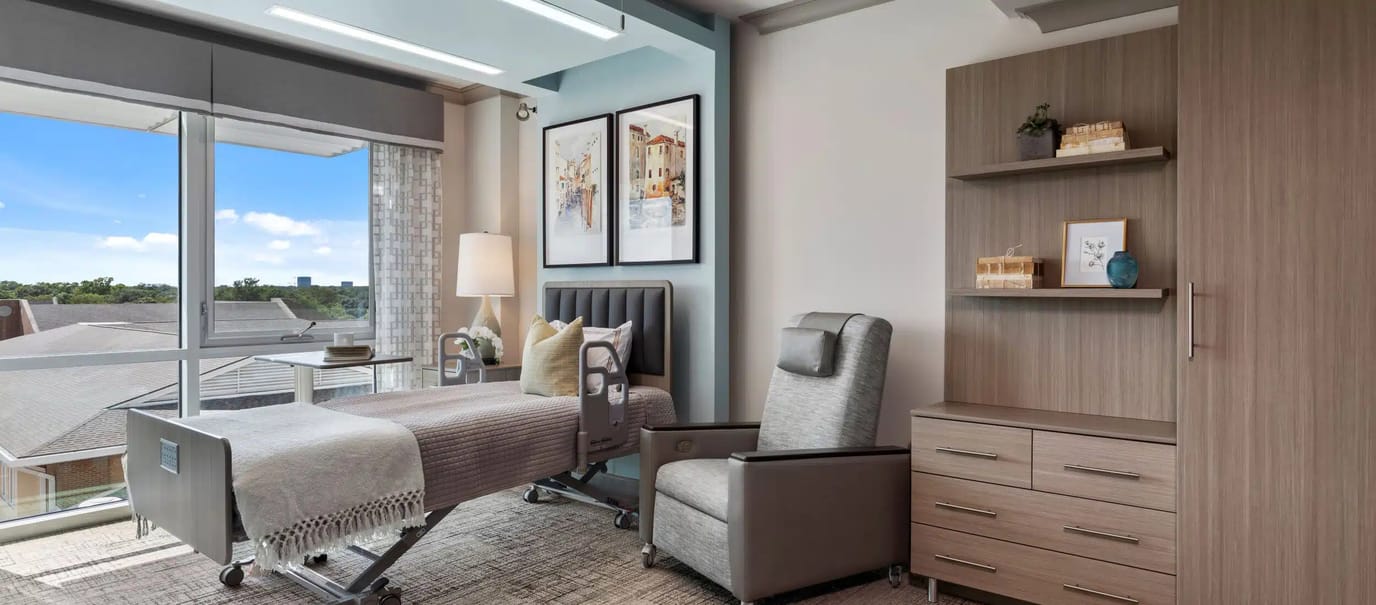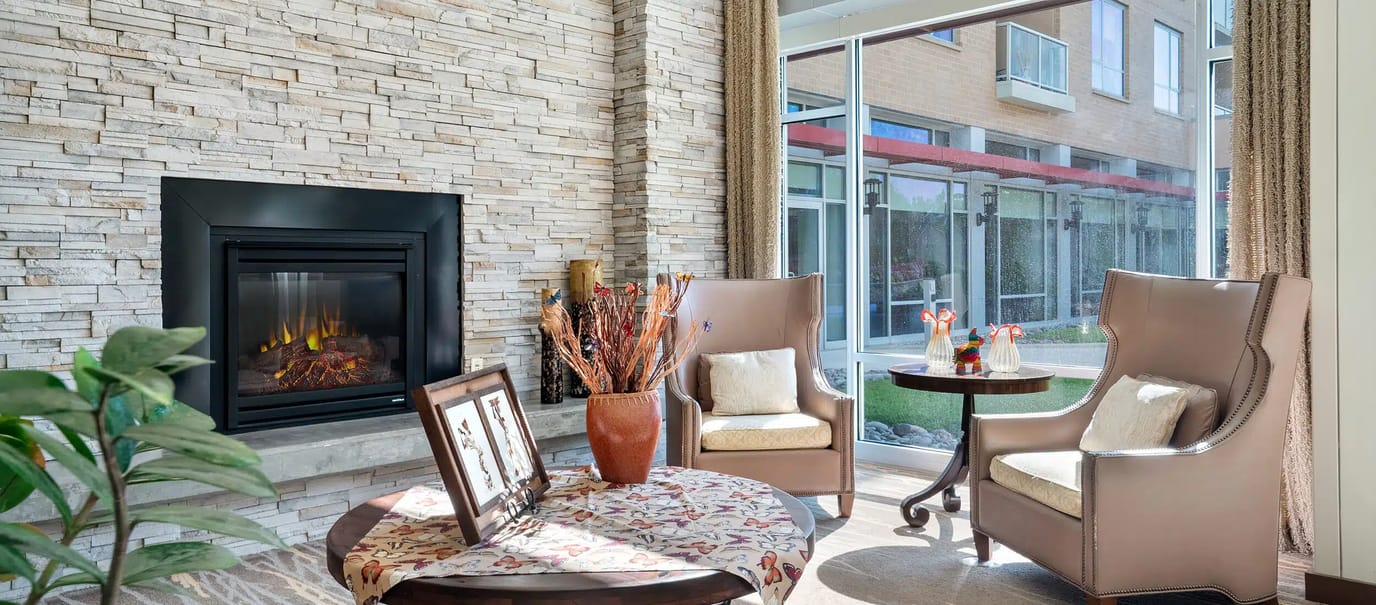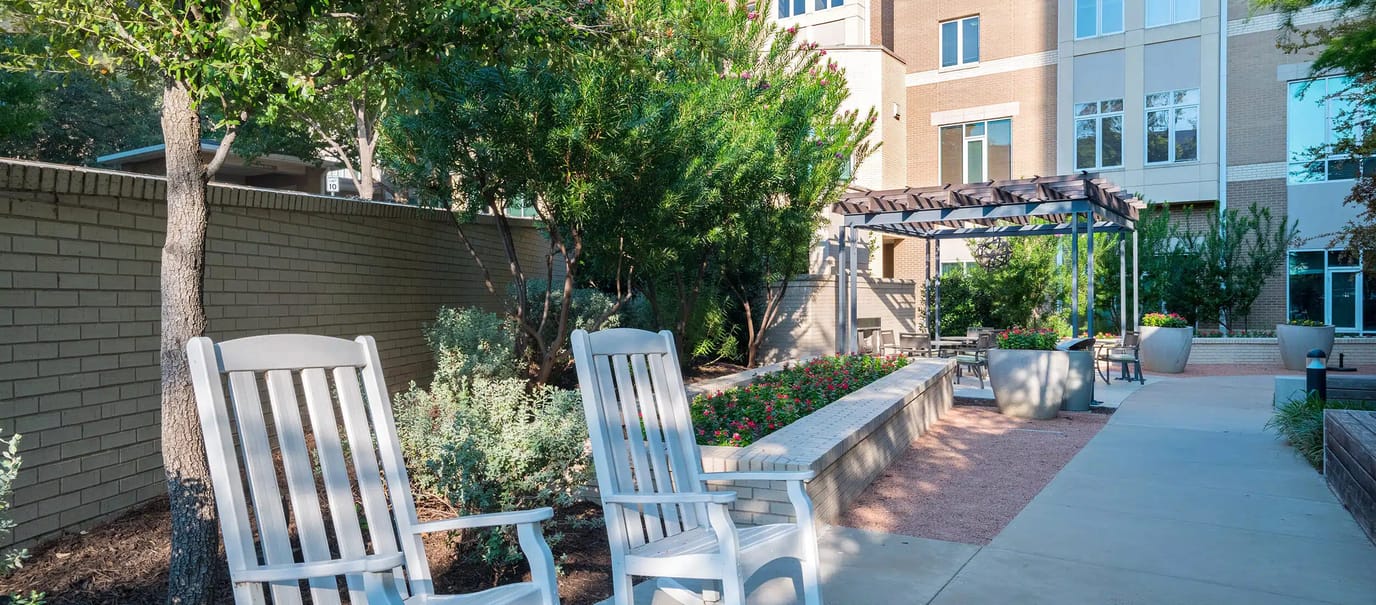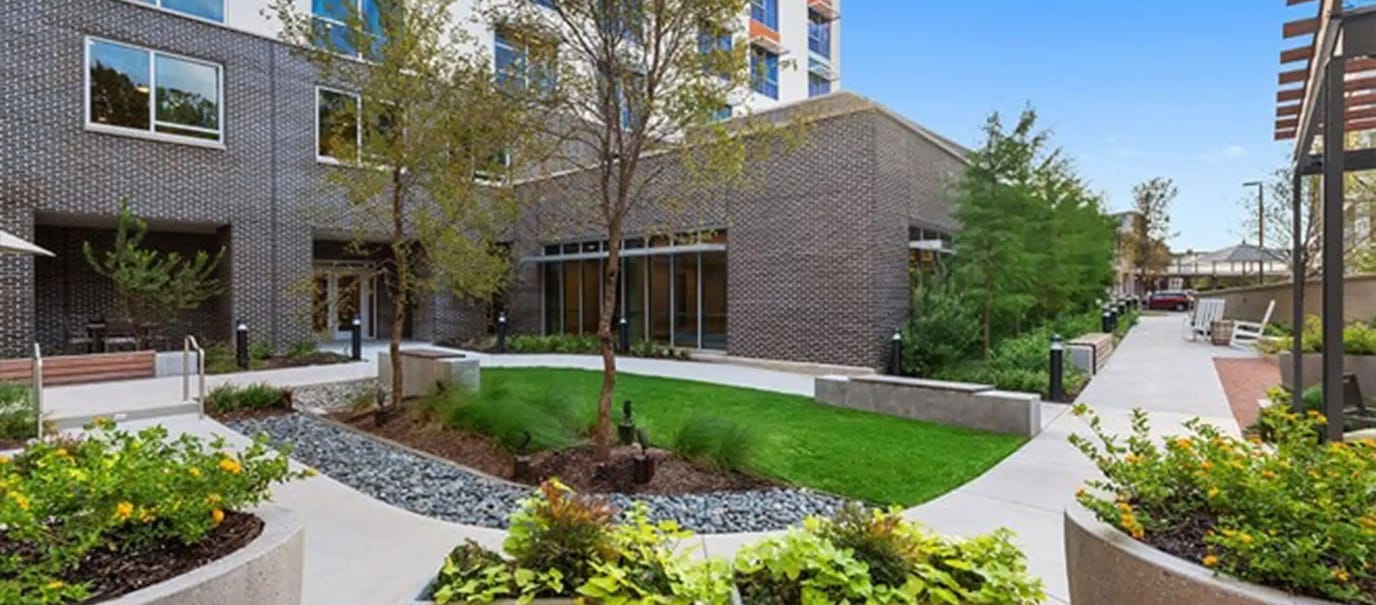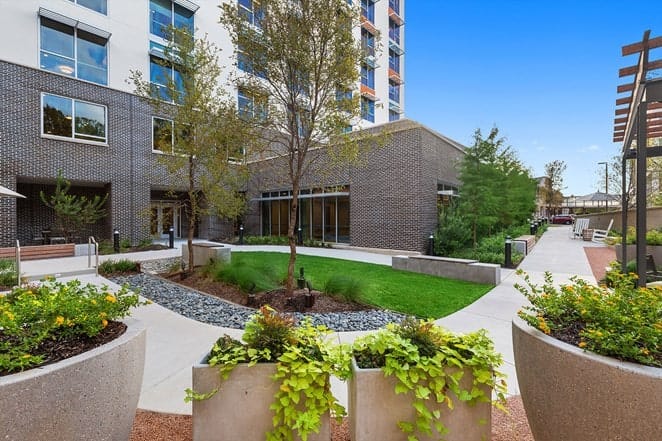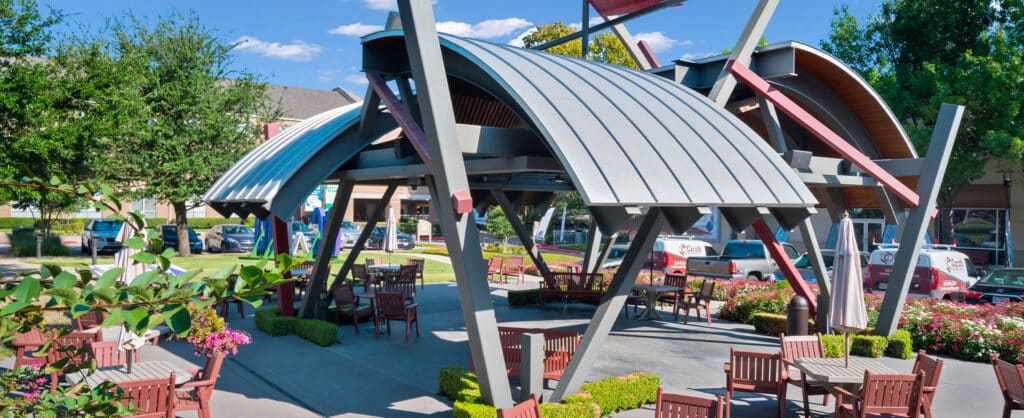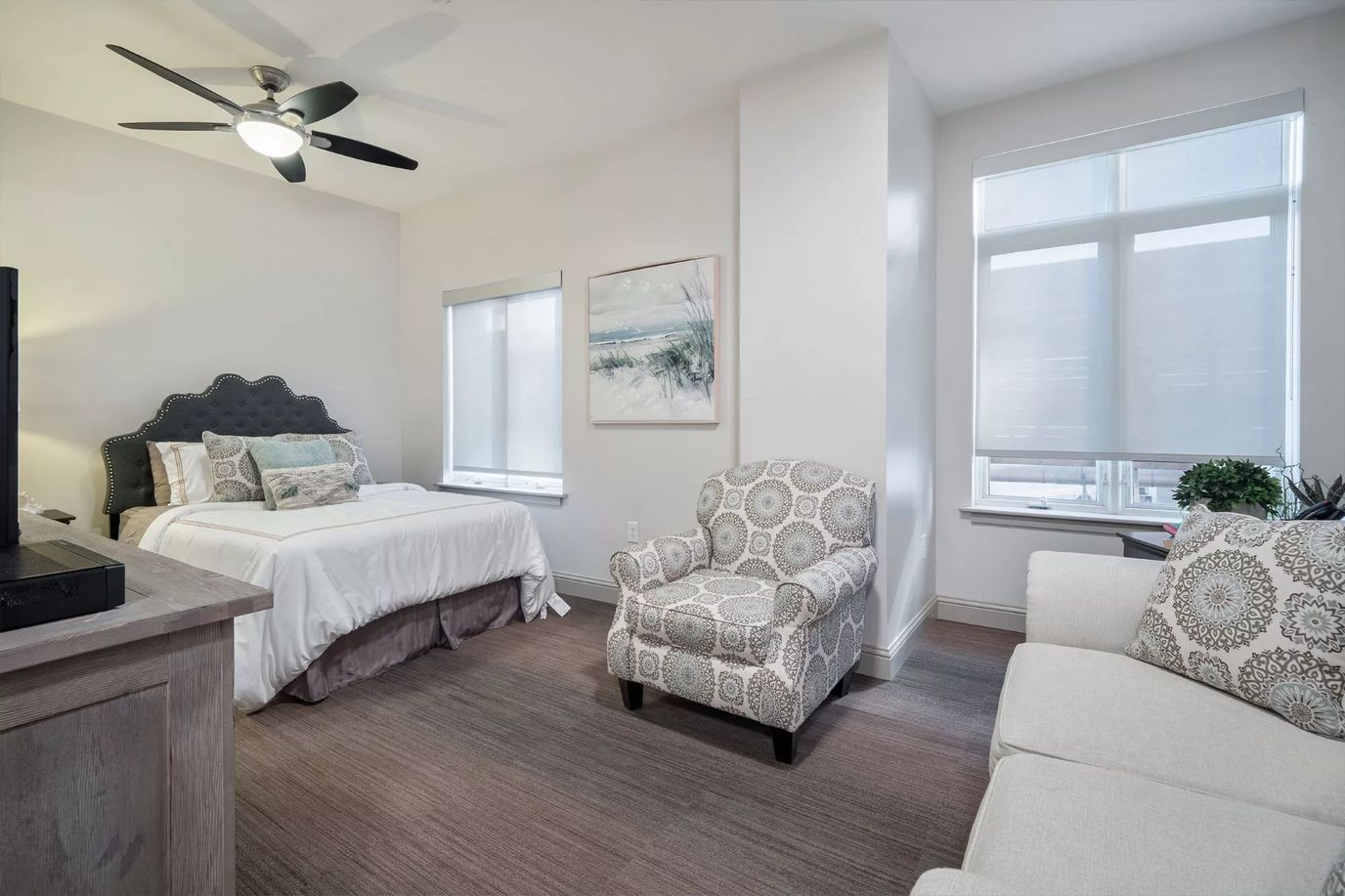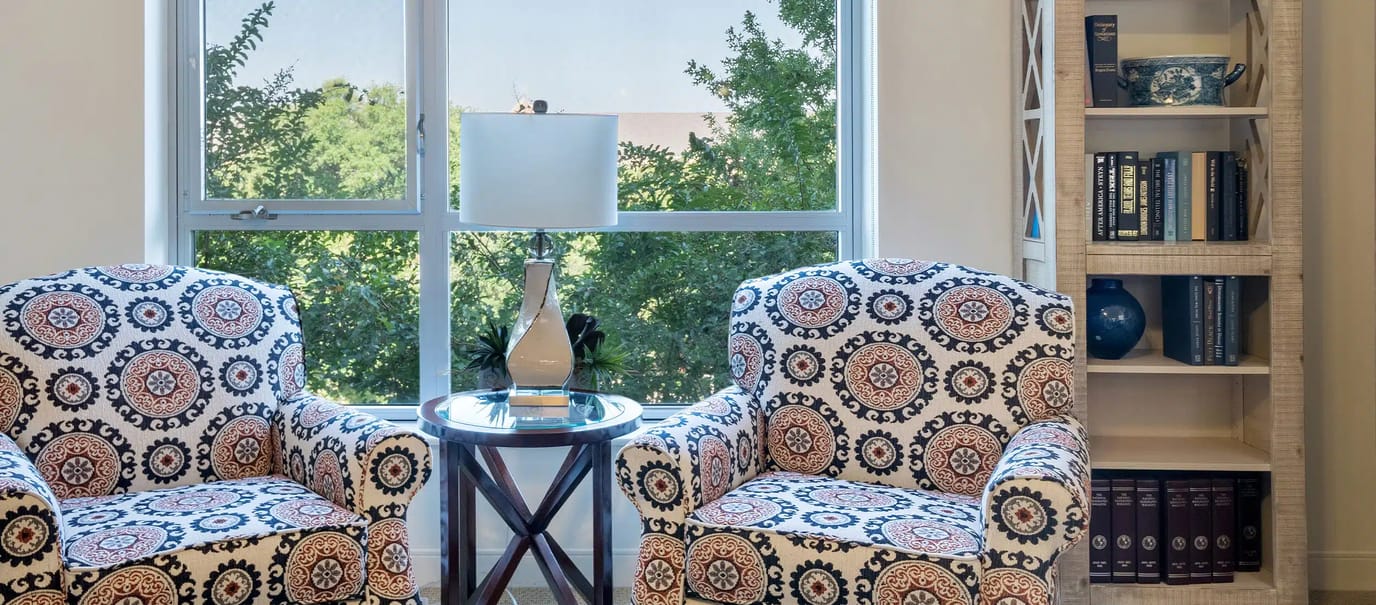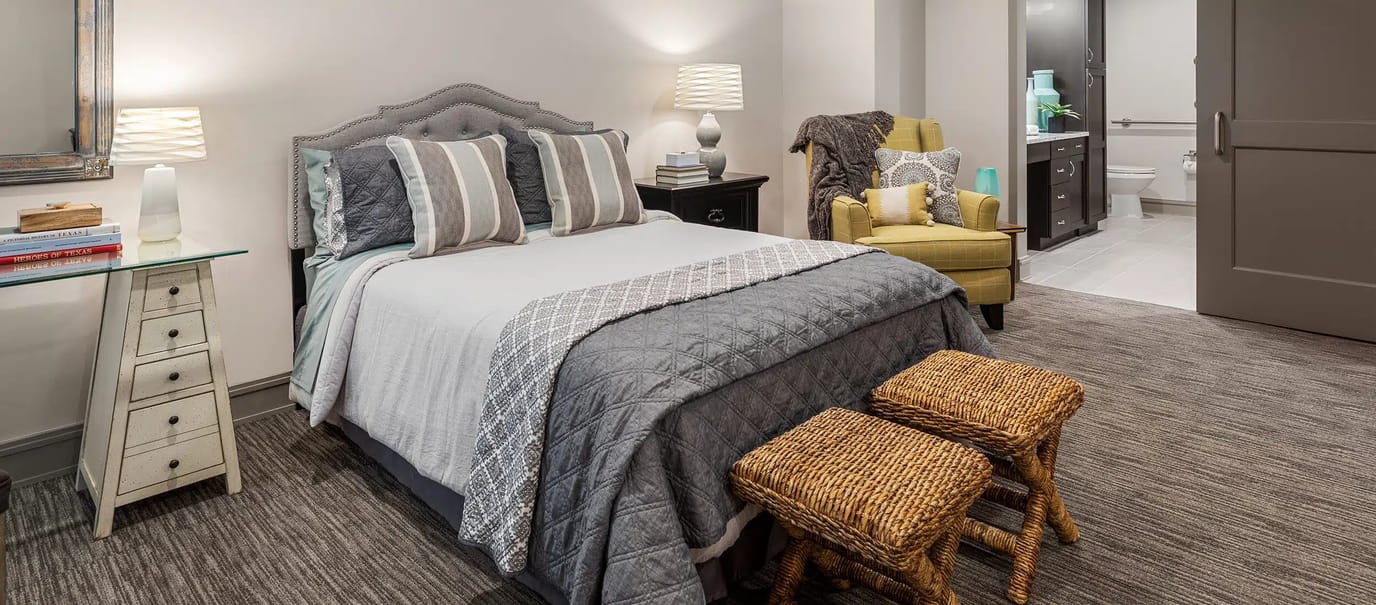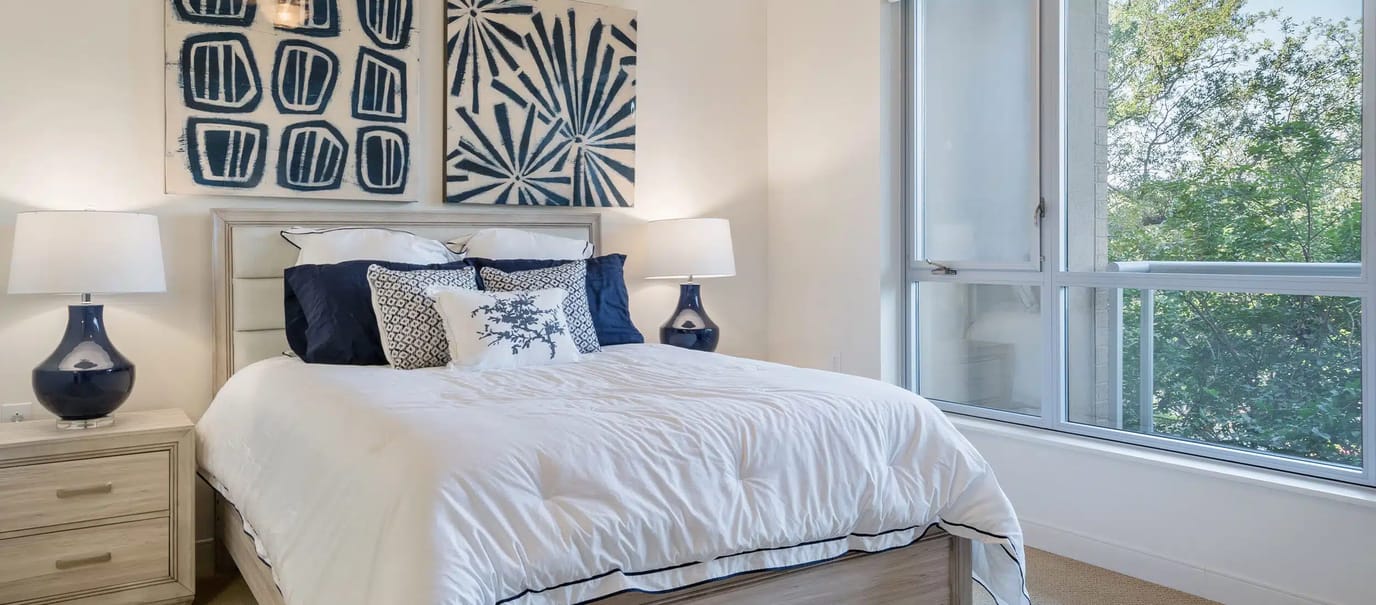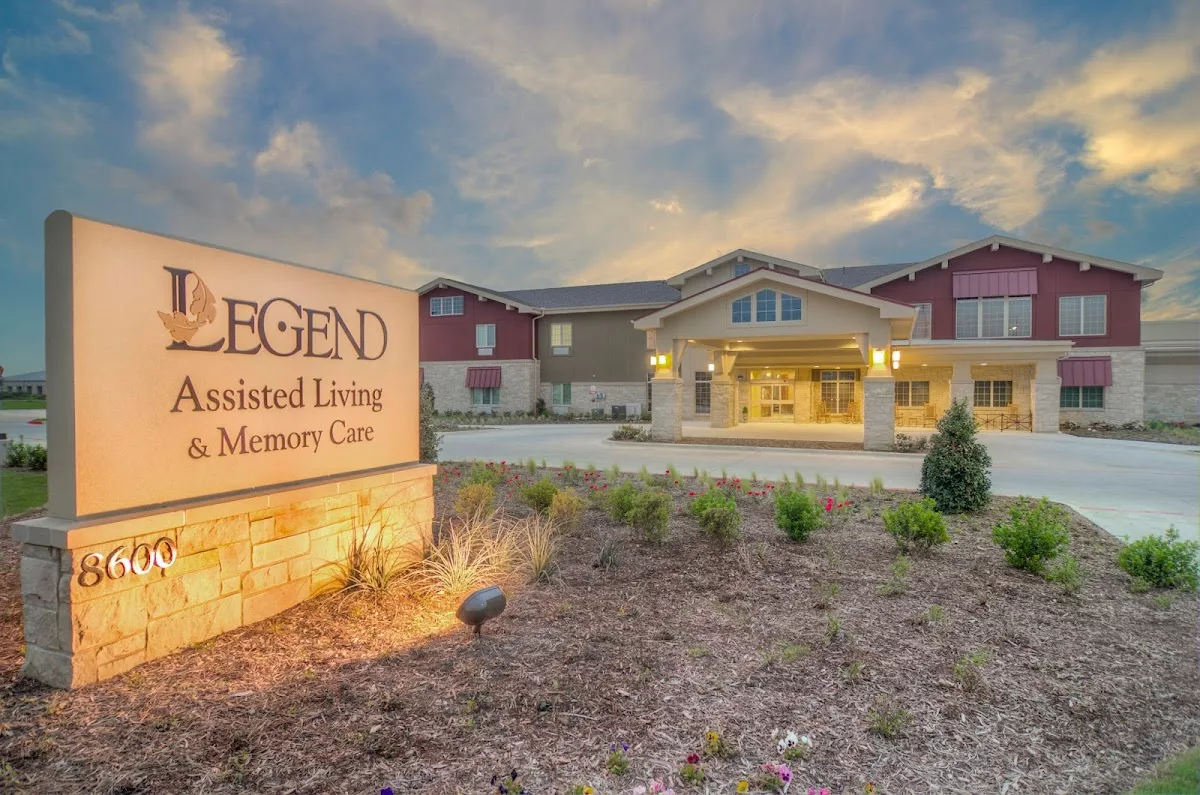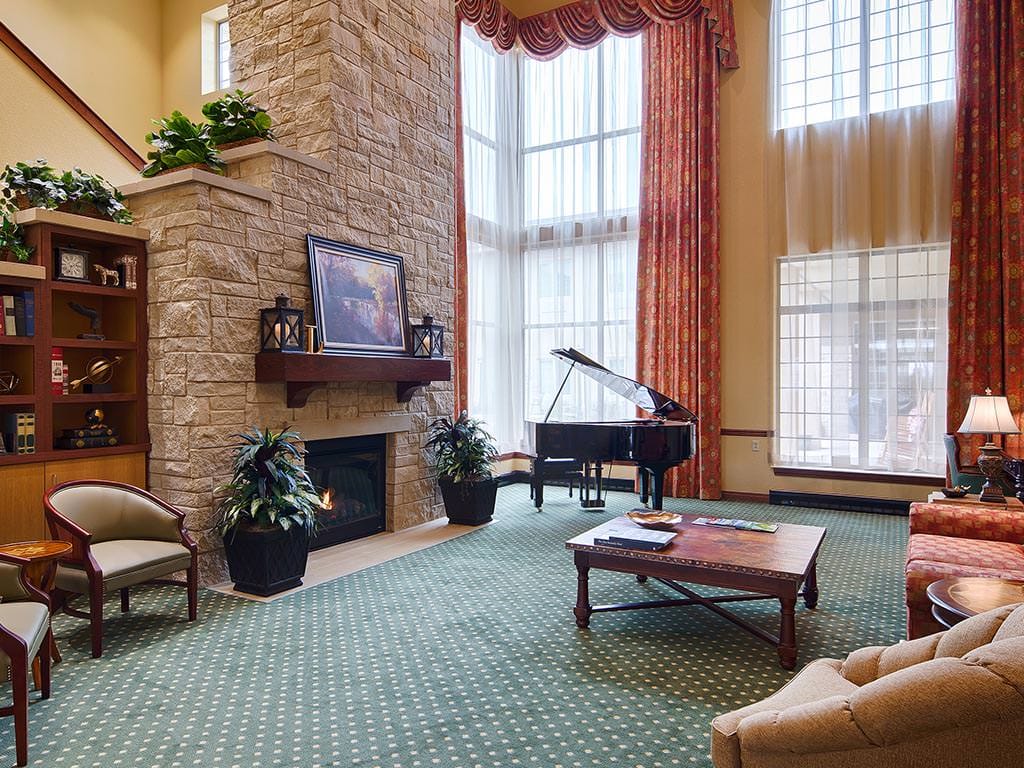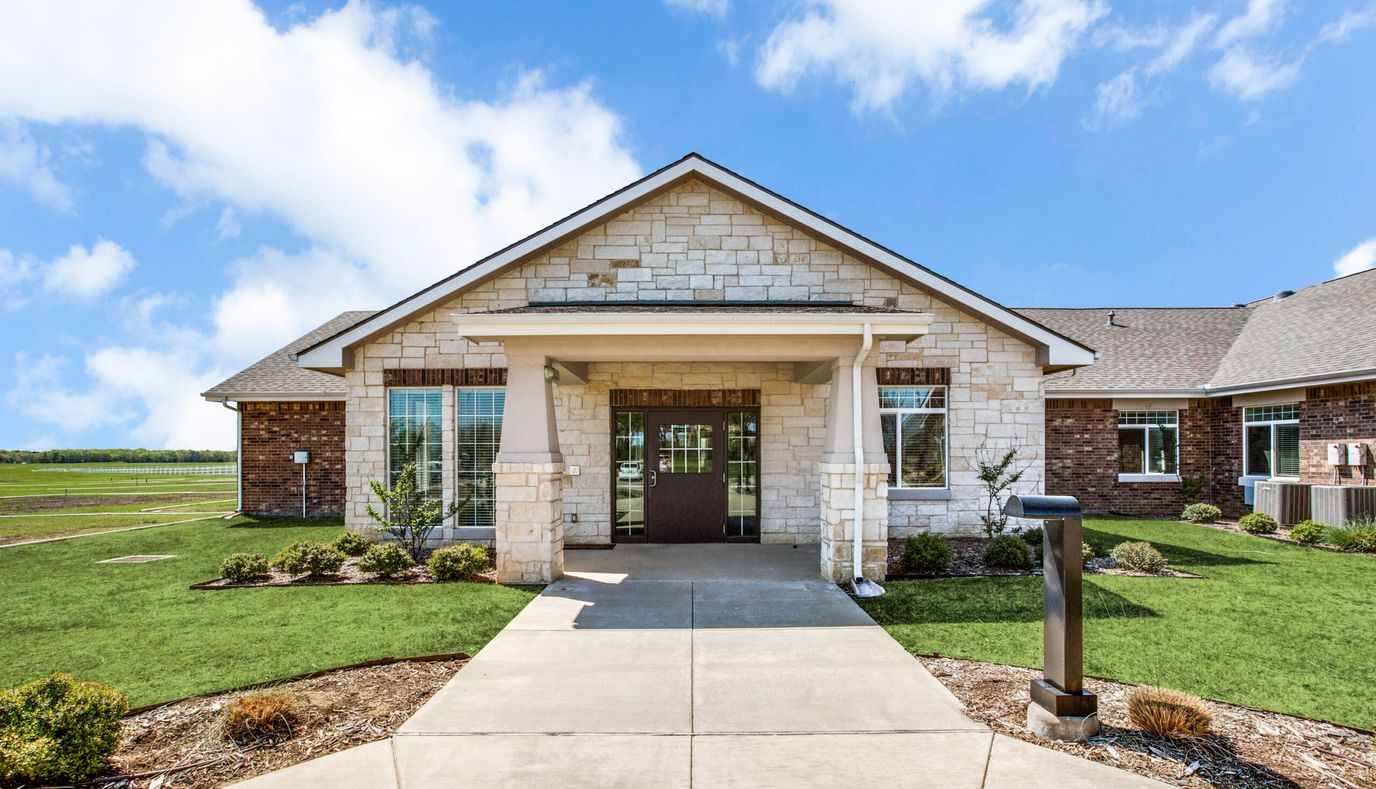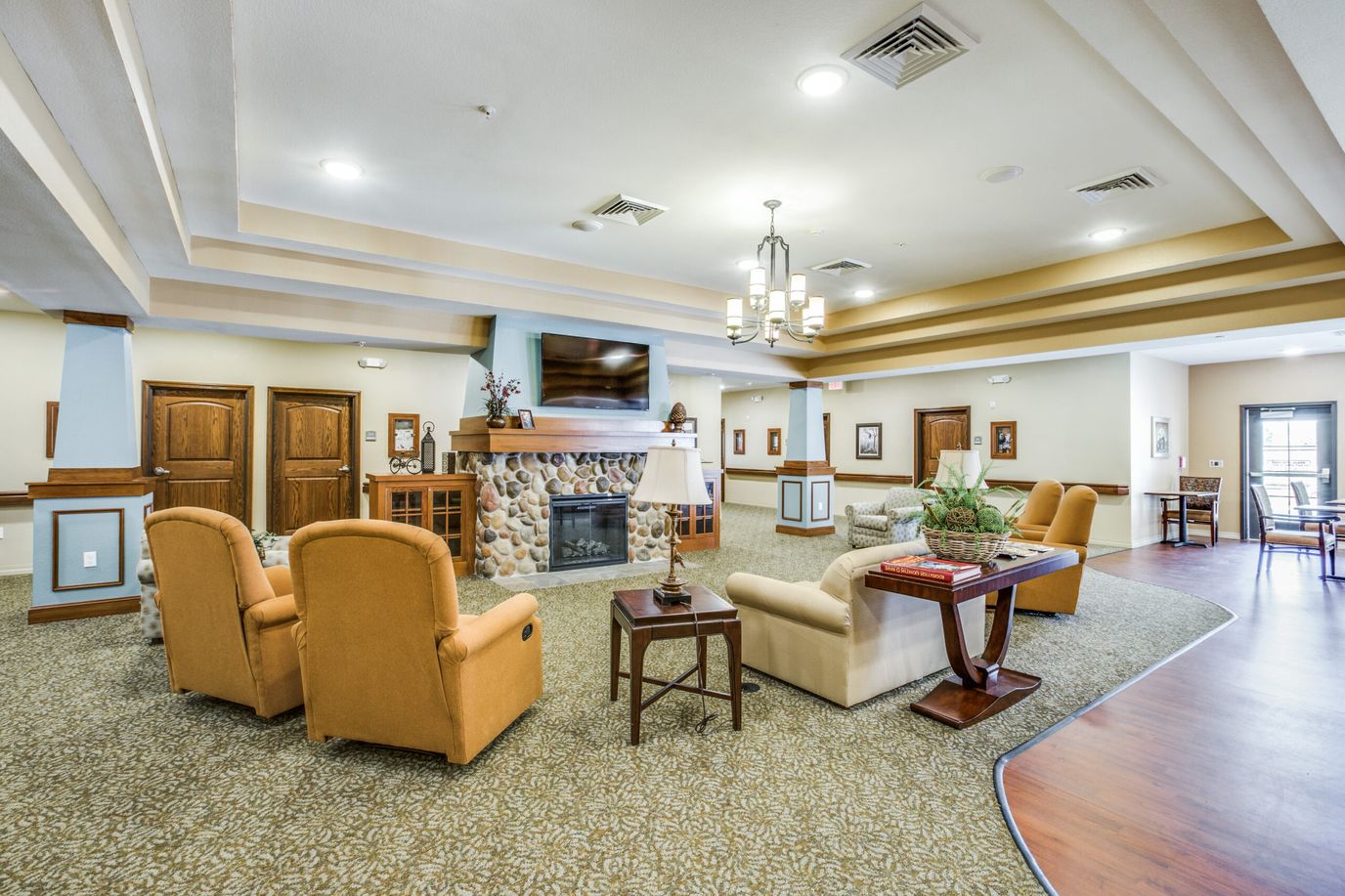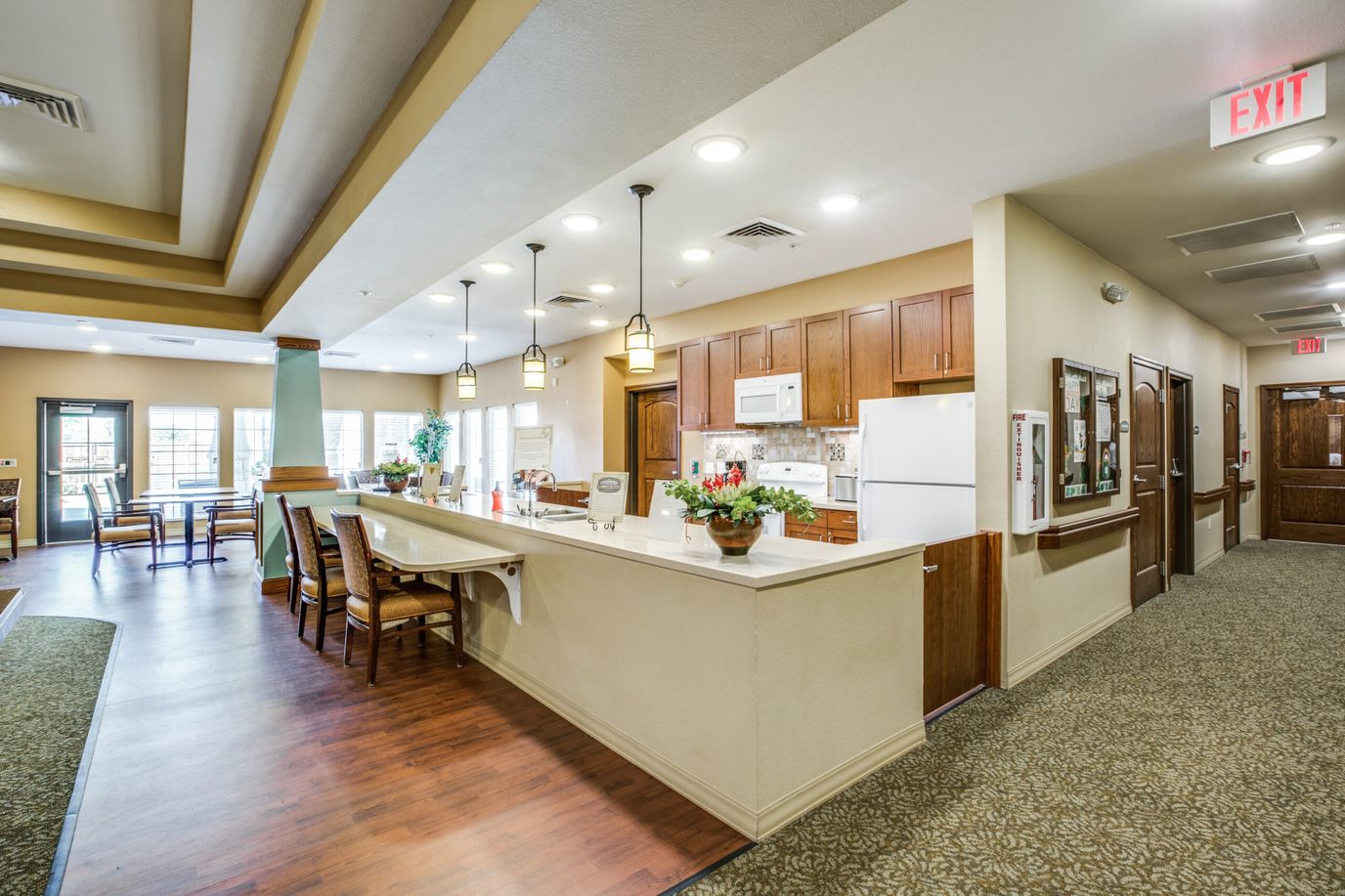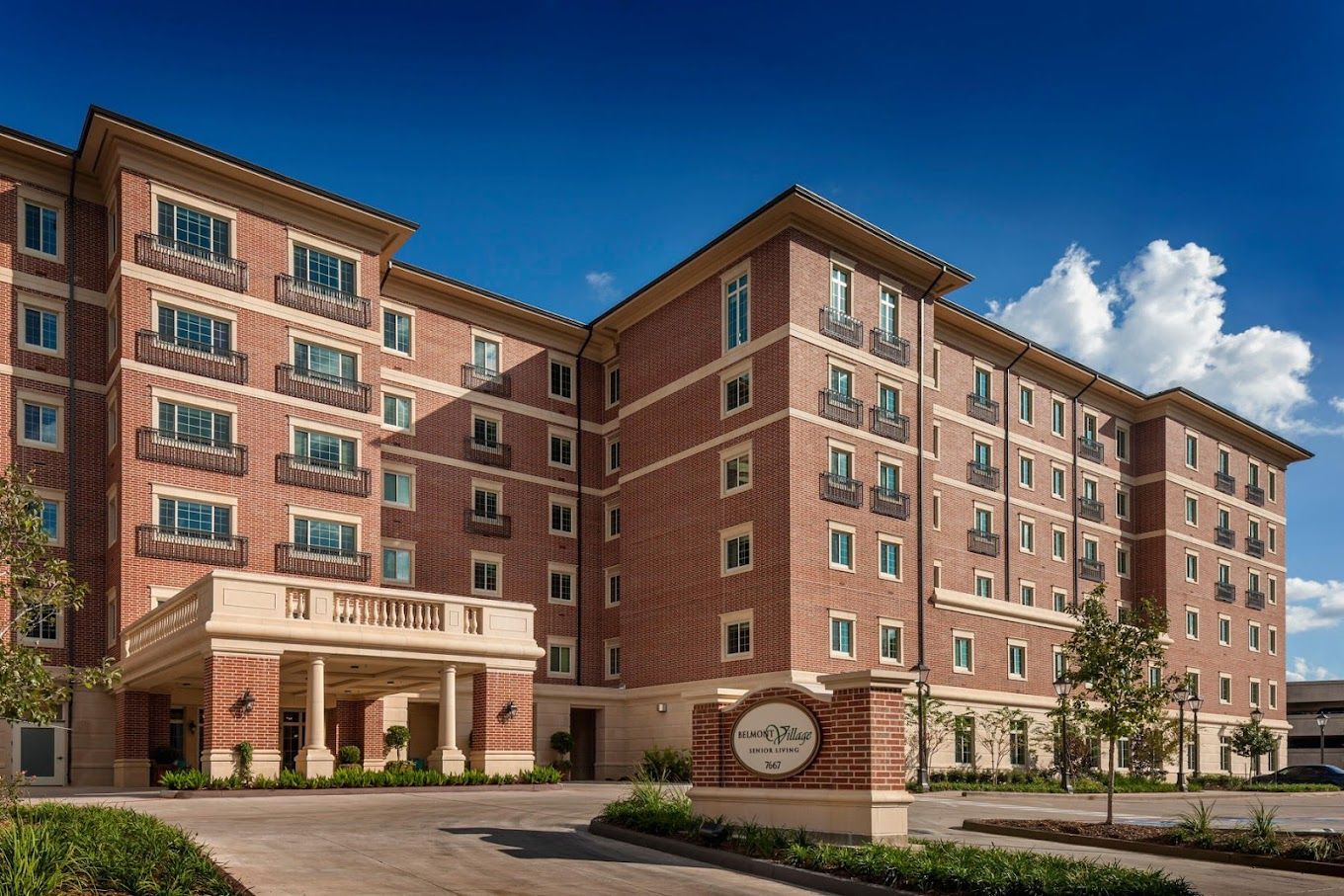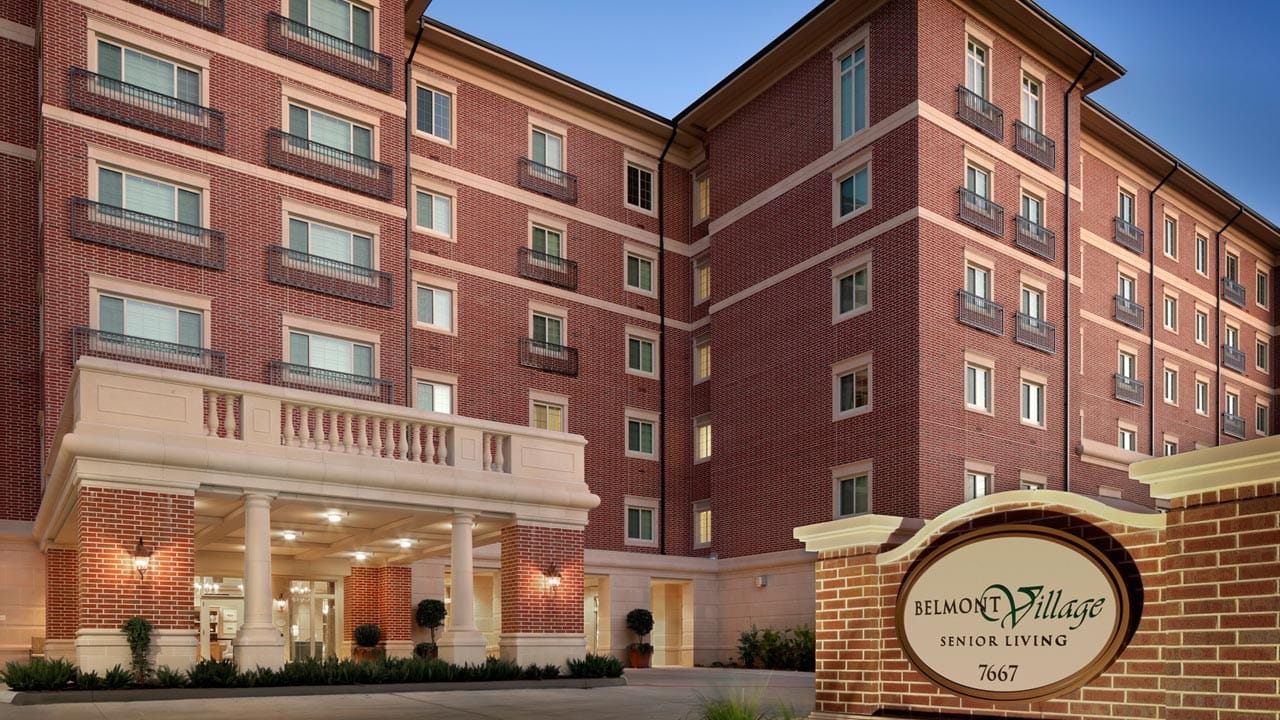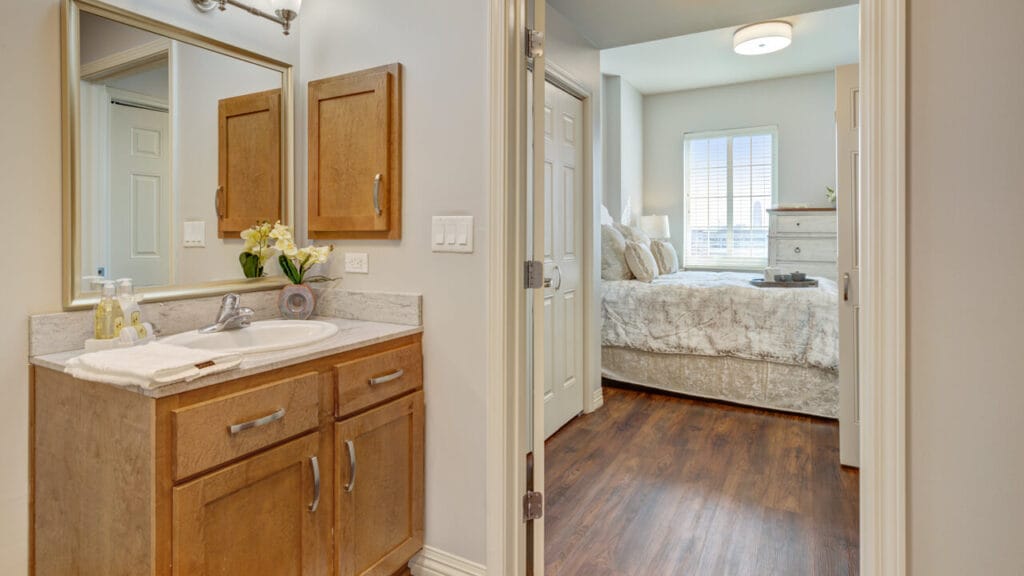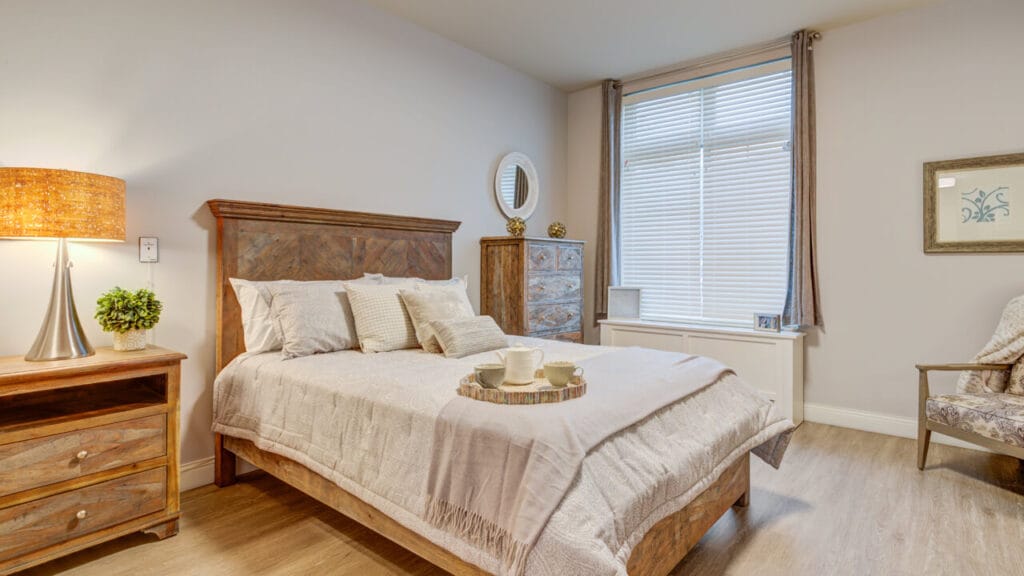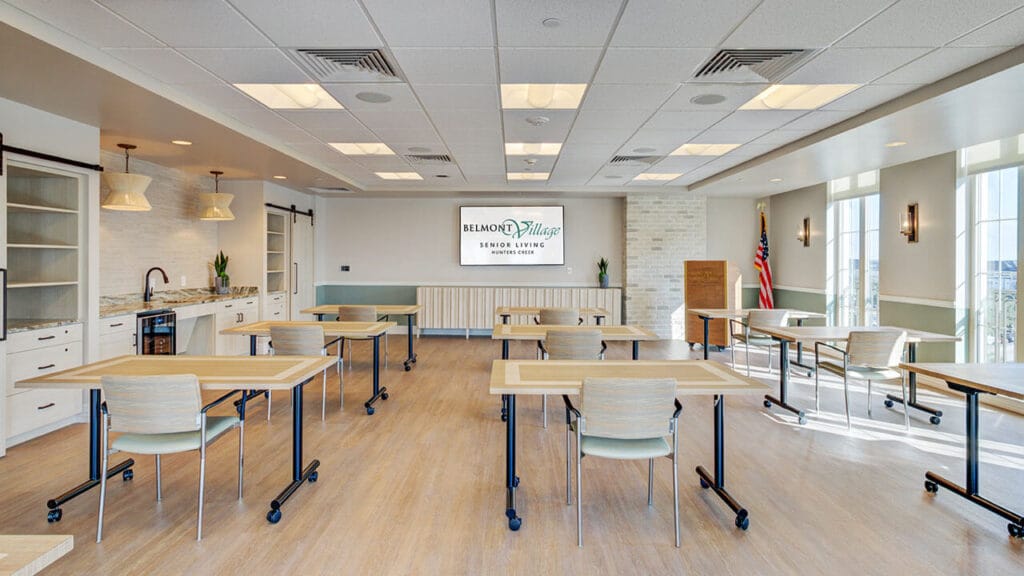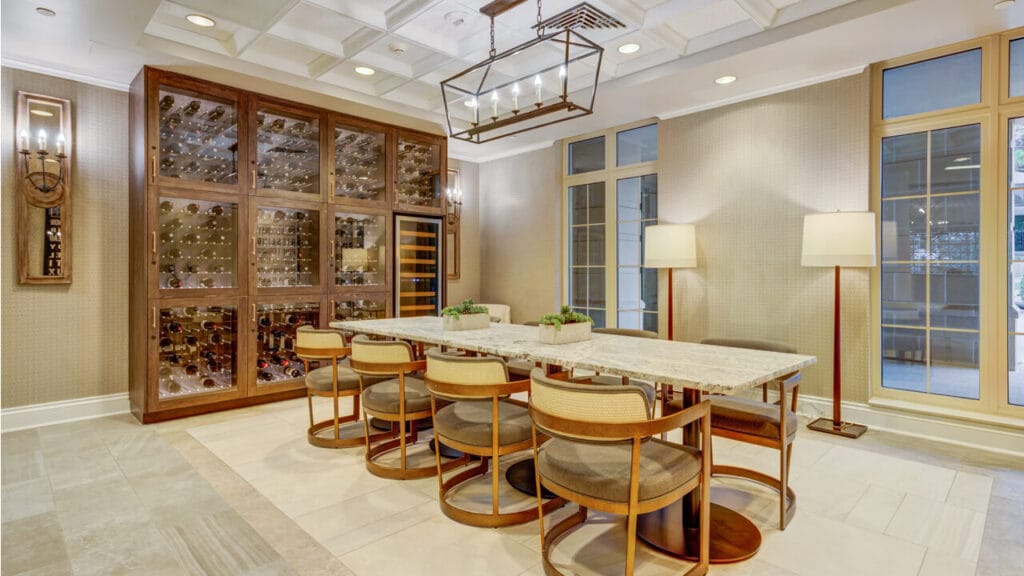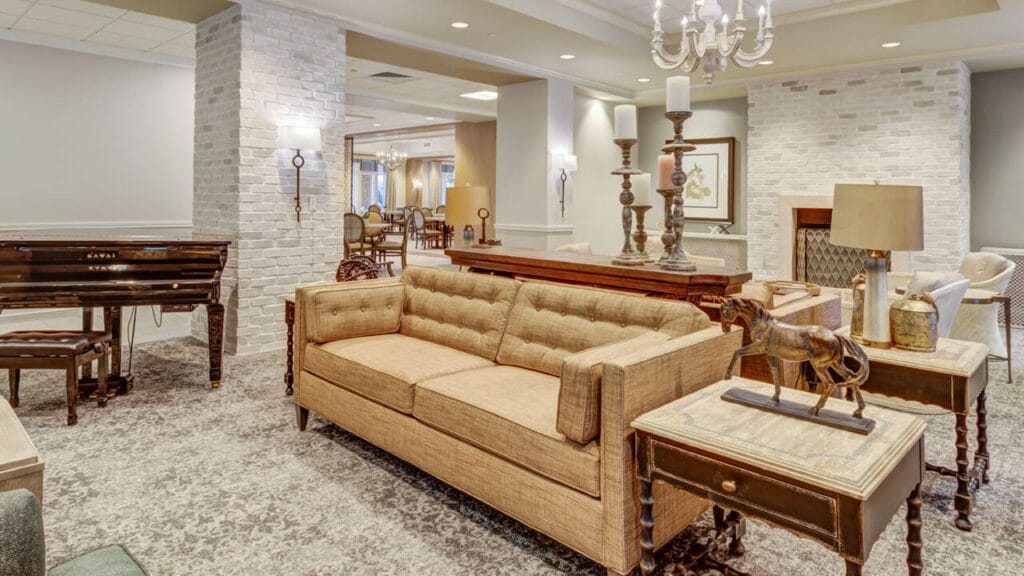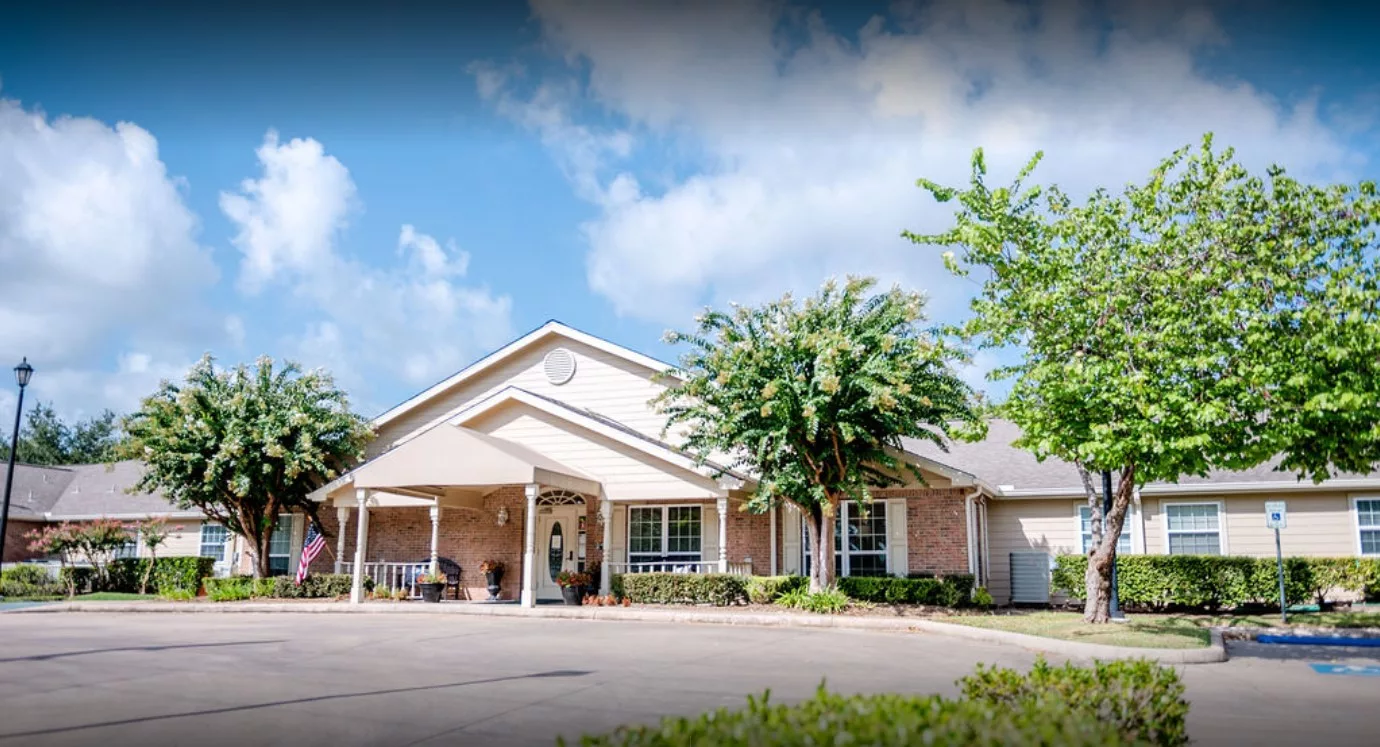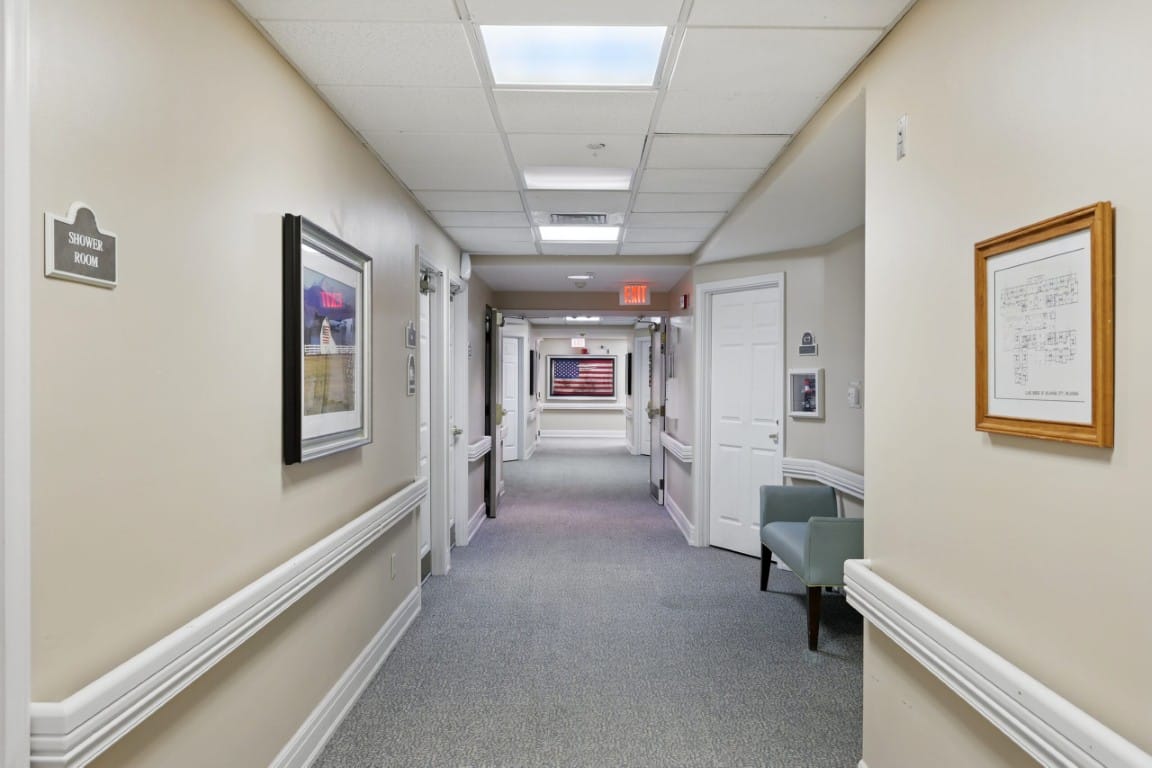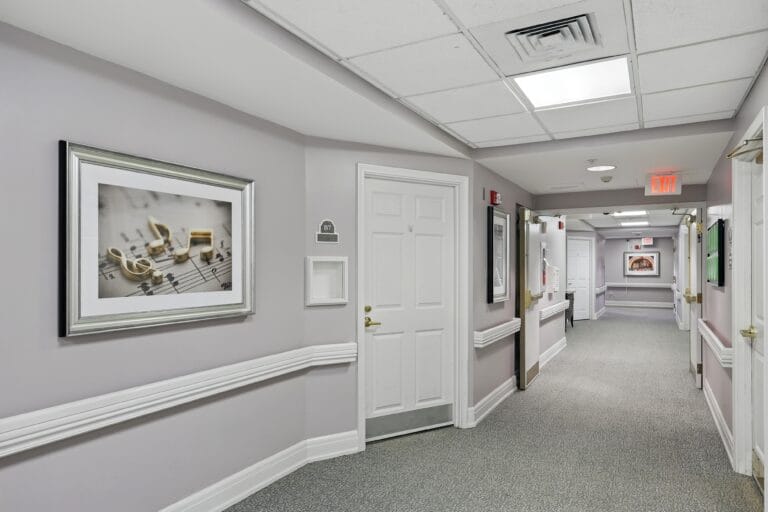


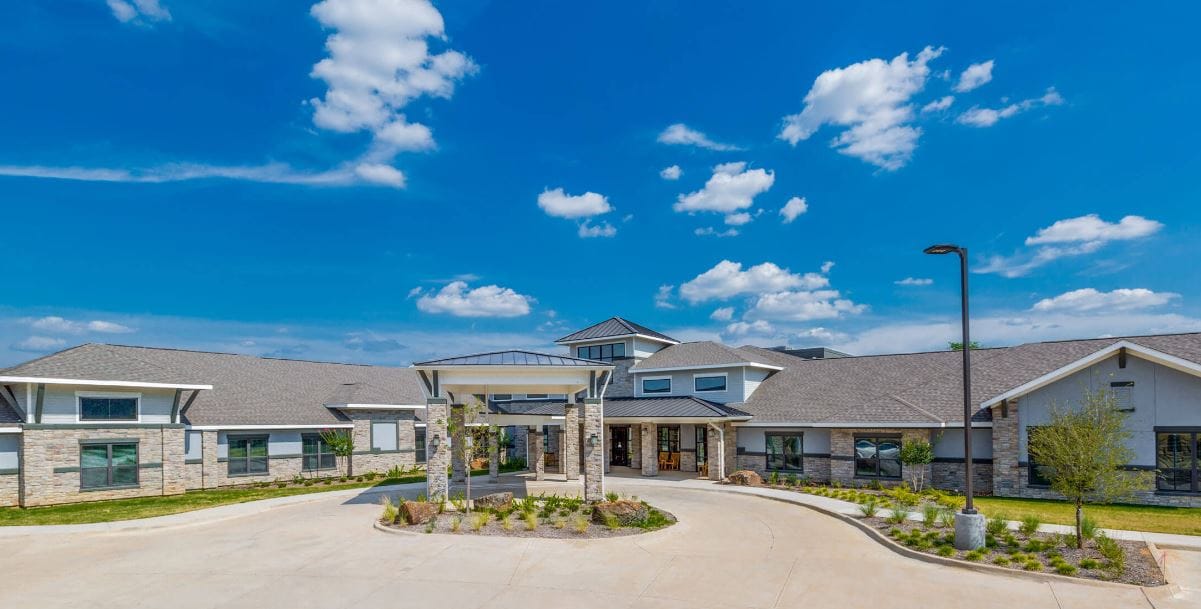
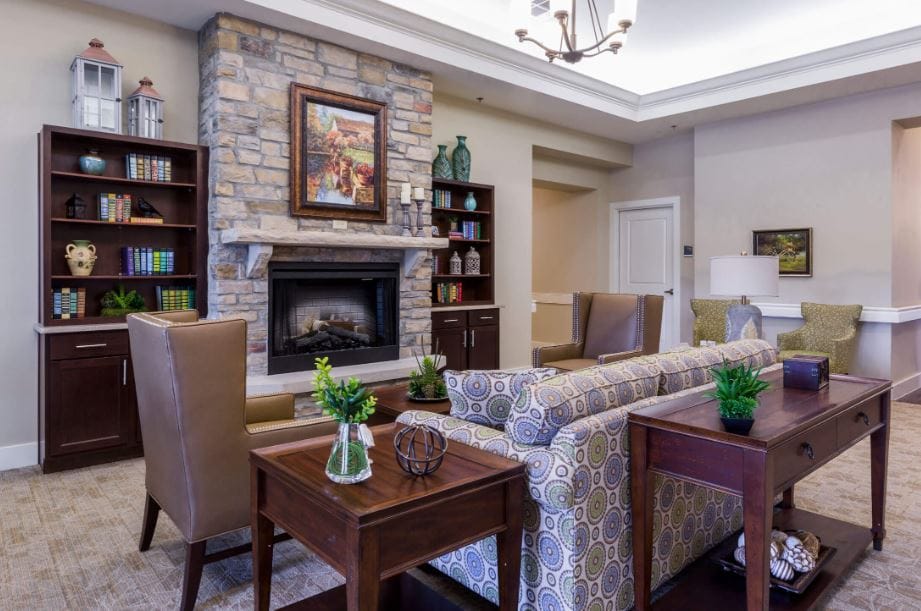
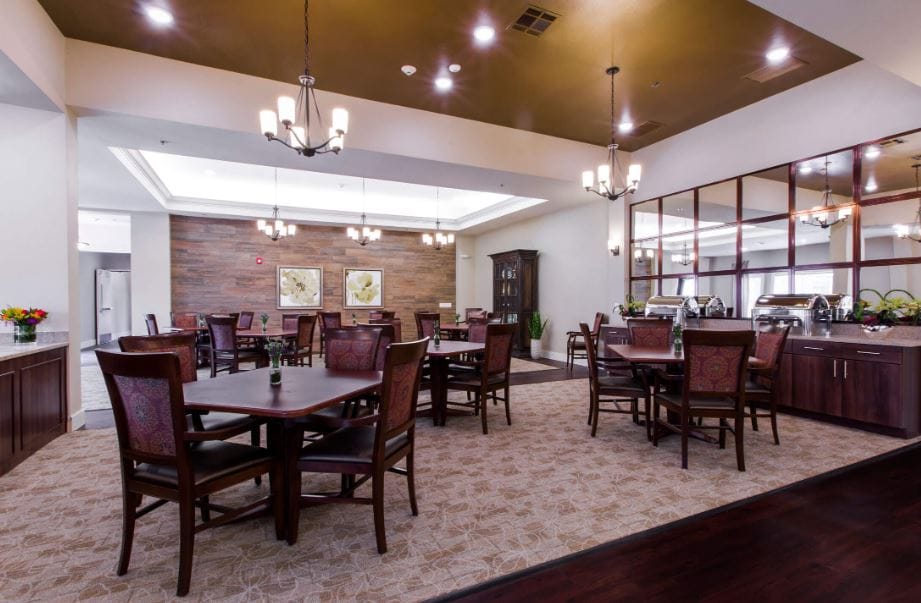
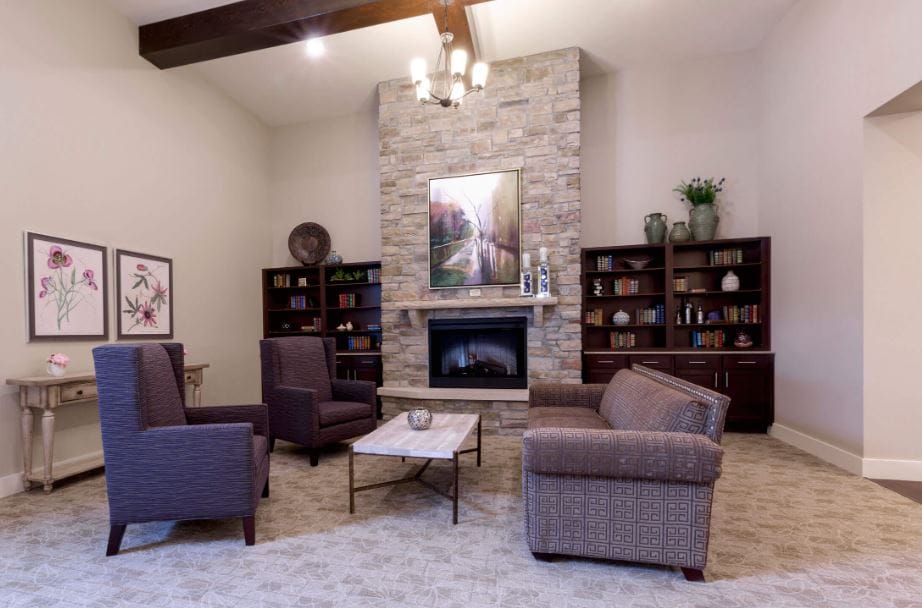
Lynridge of Arlington Assisted Living & Memory Care offers assisted living and memory care in Arlington, Texas, in the Southwest Arlington neighborhood. Assisted living provides help with daily tasks while a resident maintains a private apartment, while memory care provides a secured setting with supervision for someone who may be at risk of wandering. The two care levels may suit a resident whose needs grow over time without requiring a move to a different community.
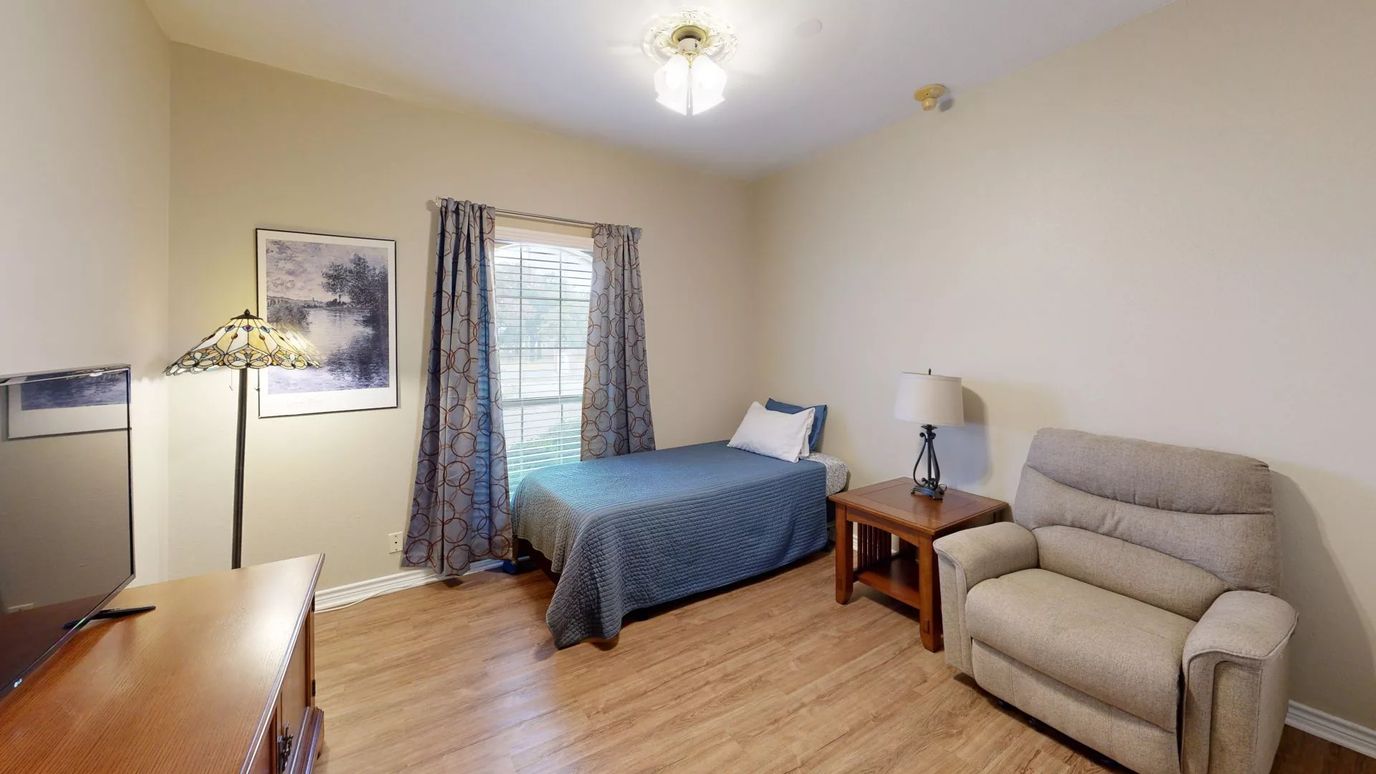
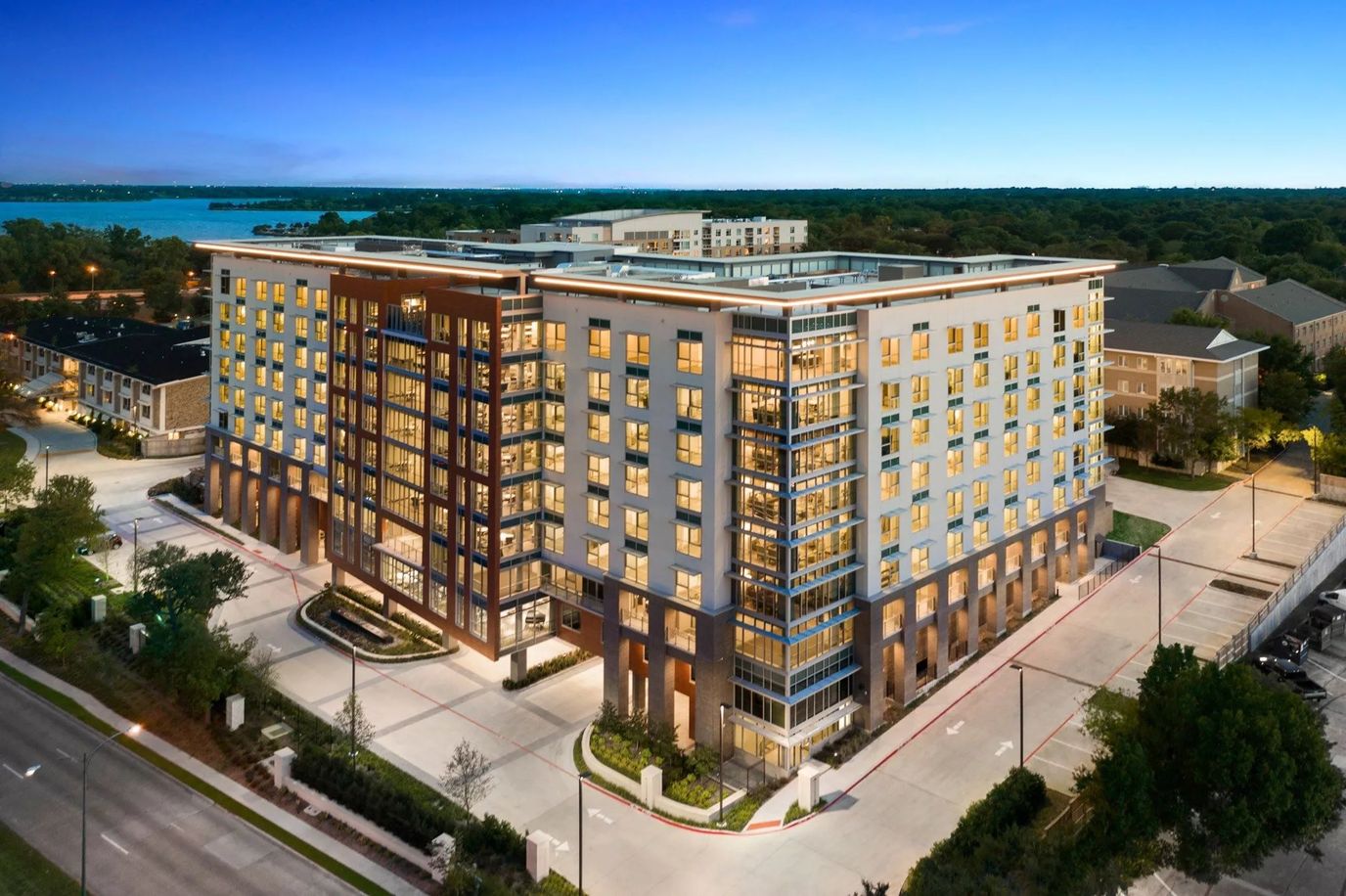
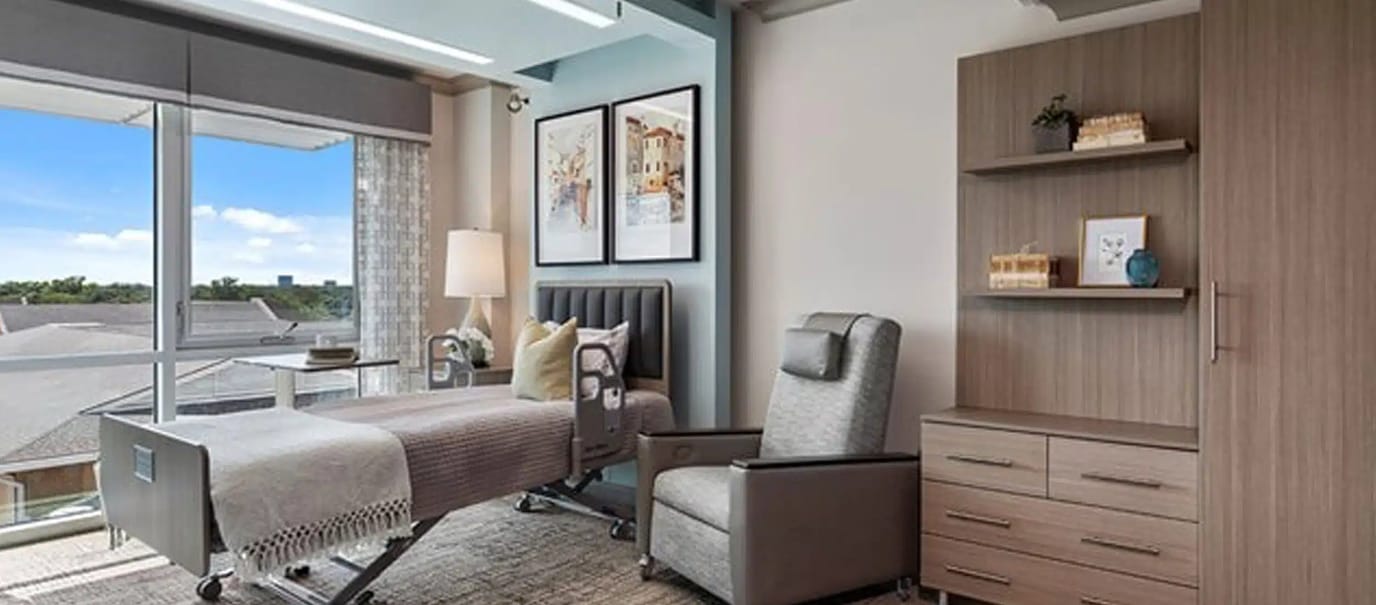
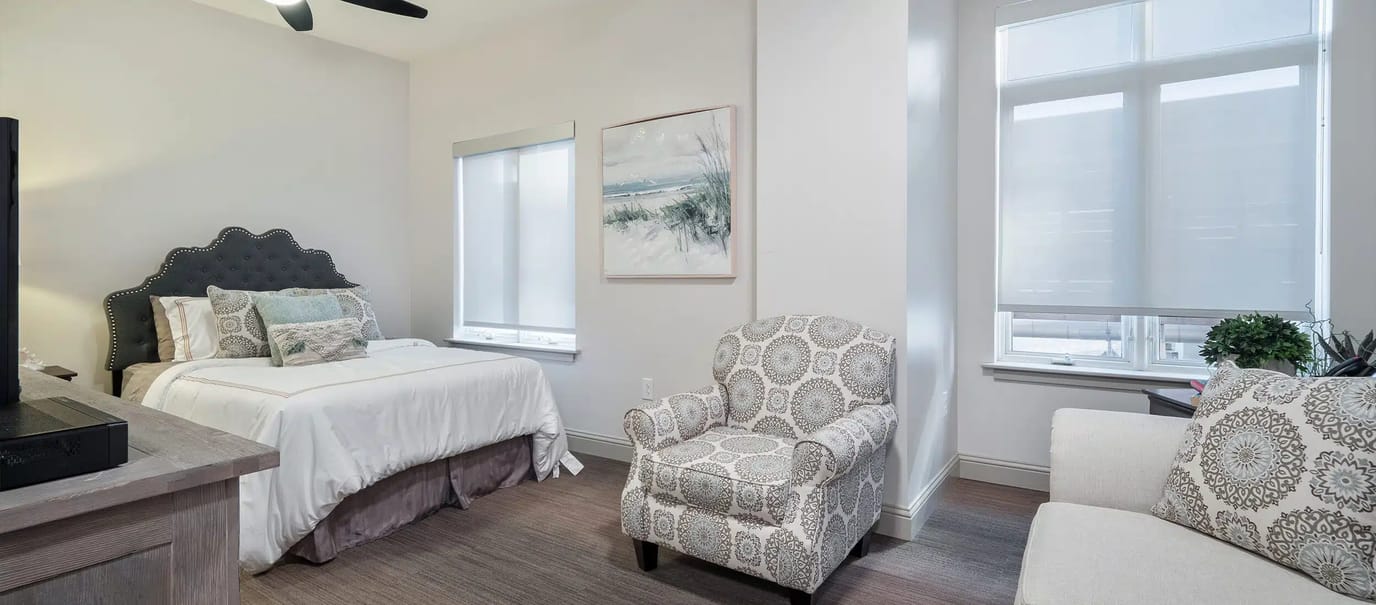
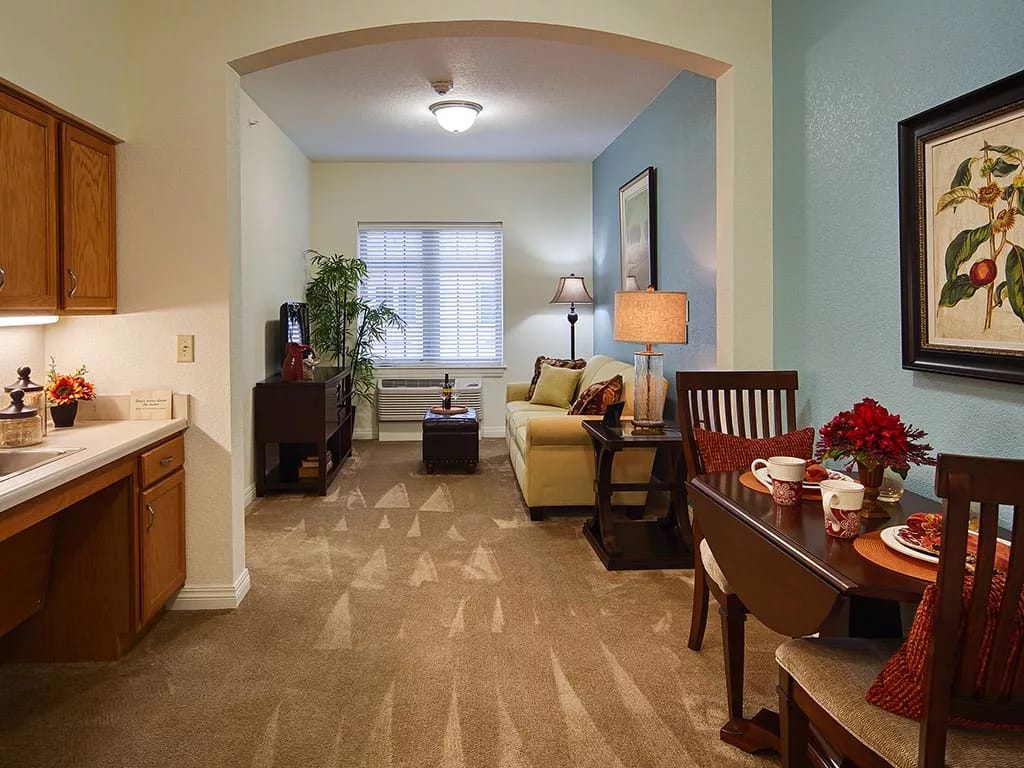
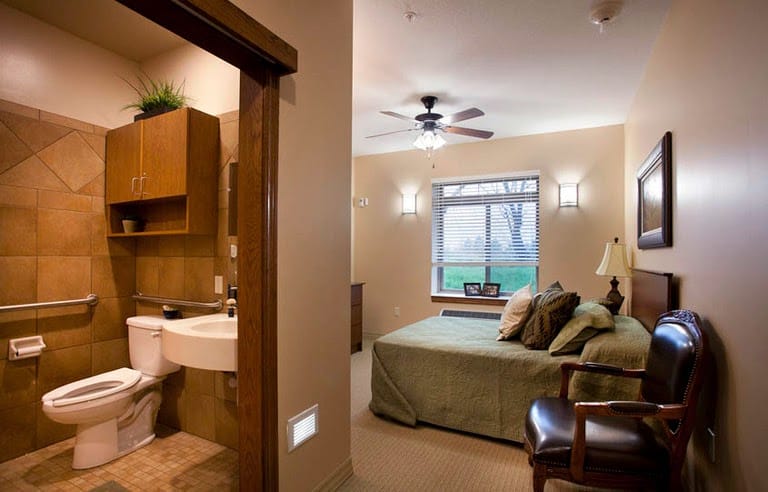
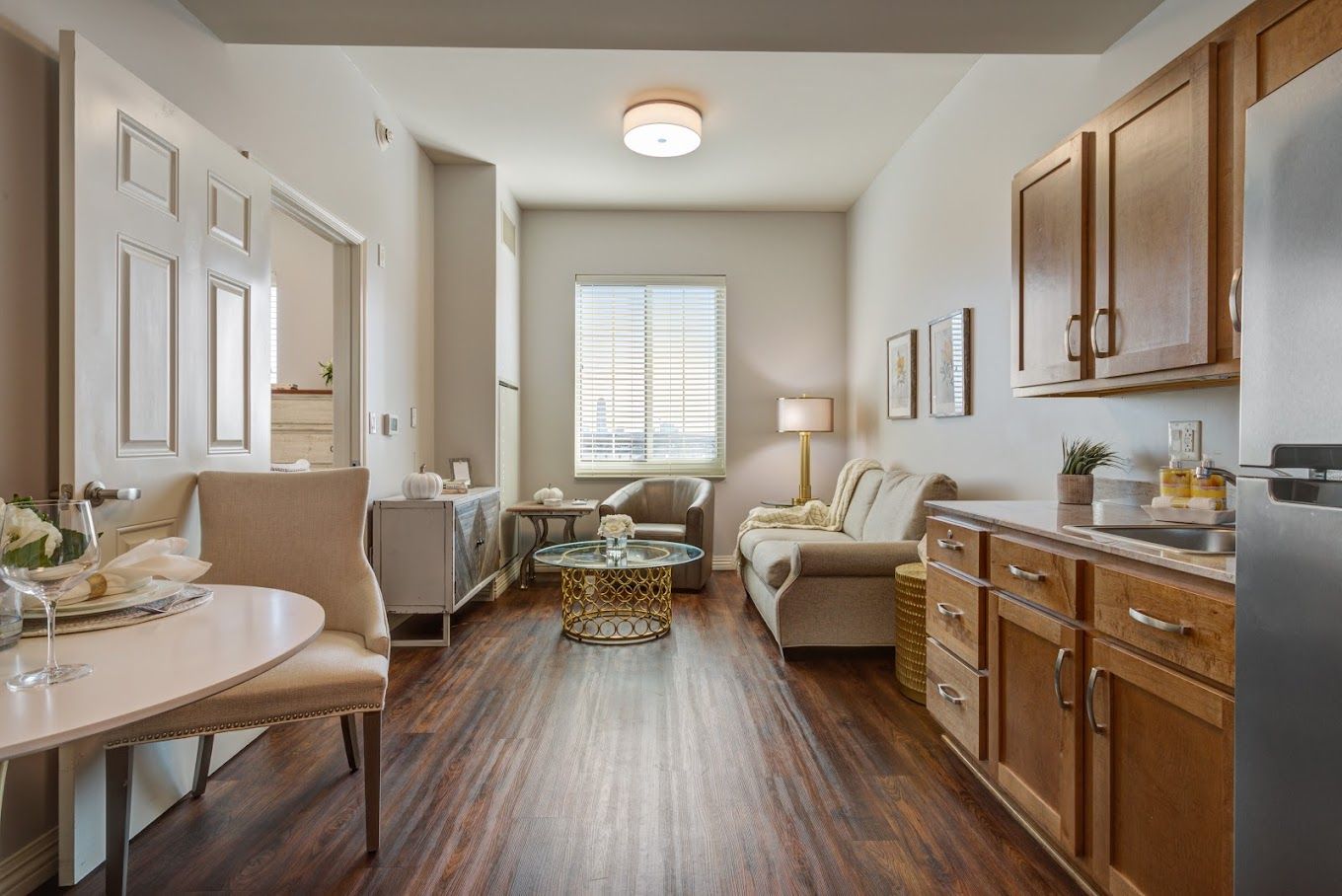
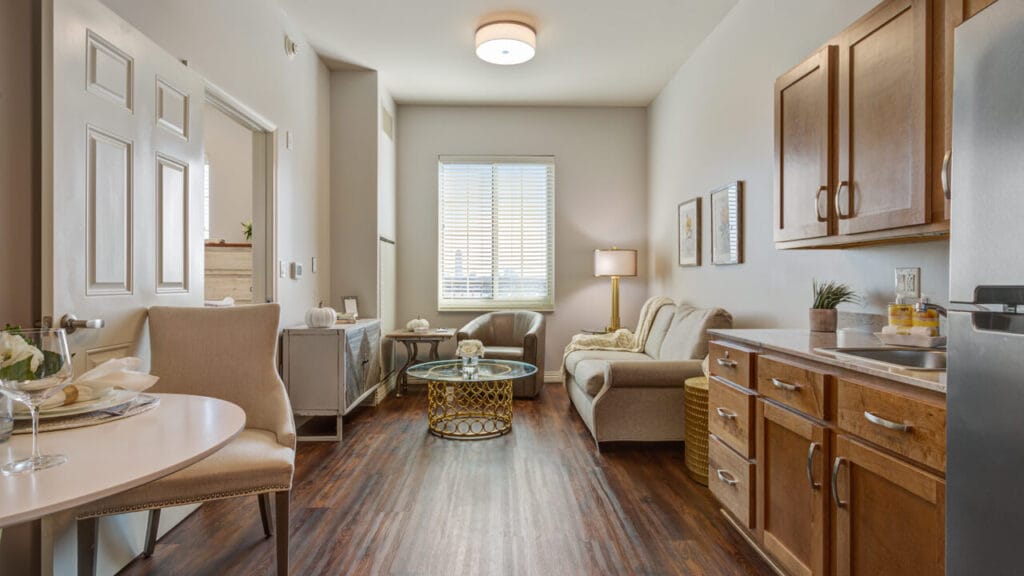
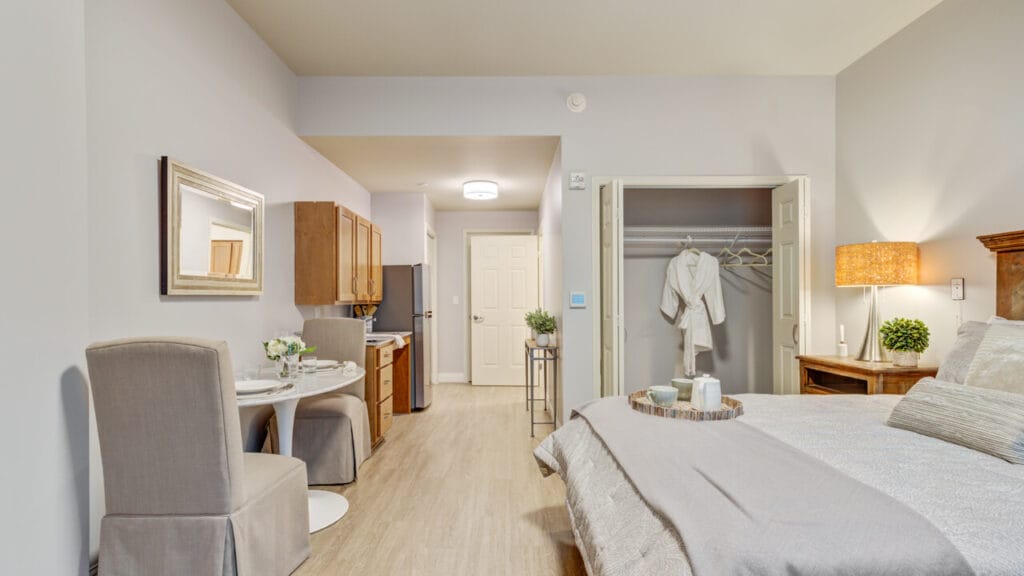
The community has 95 beds in a single-story building. Housing options include studios, one-bedroom apartments, and two-bedroom apartments, with the larger layouts able to accommodate a couple moving together or a resident who wants a companion. Respite care provides a short stay for a family whose usual caregiver needs to travel or recover.
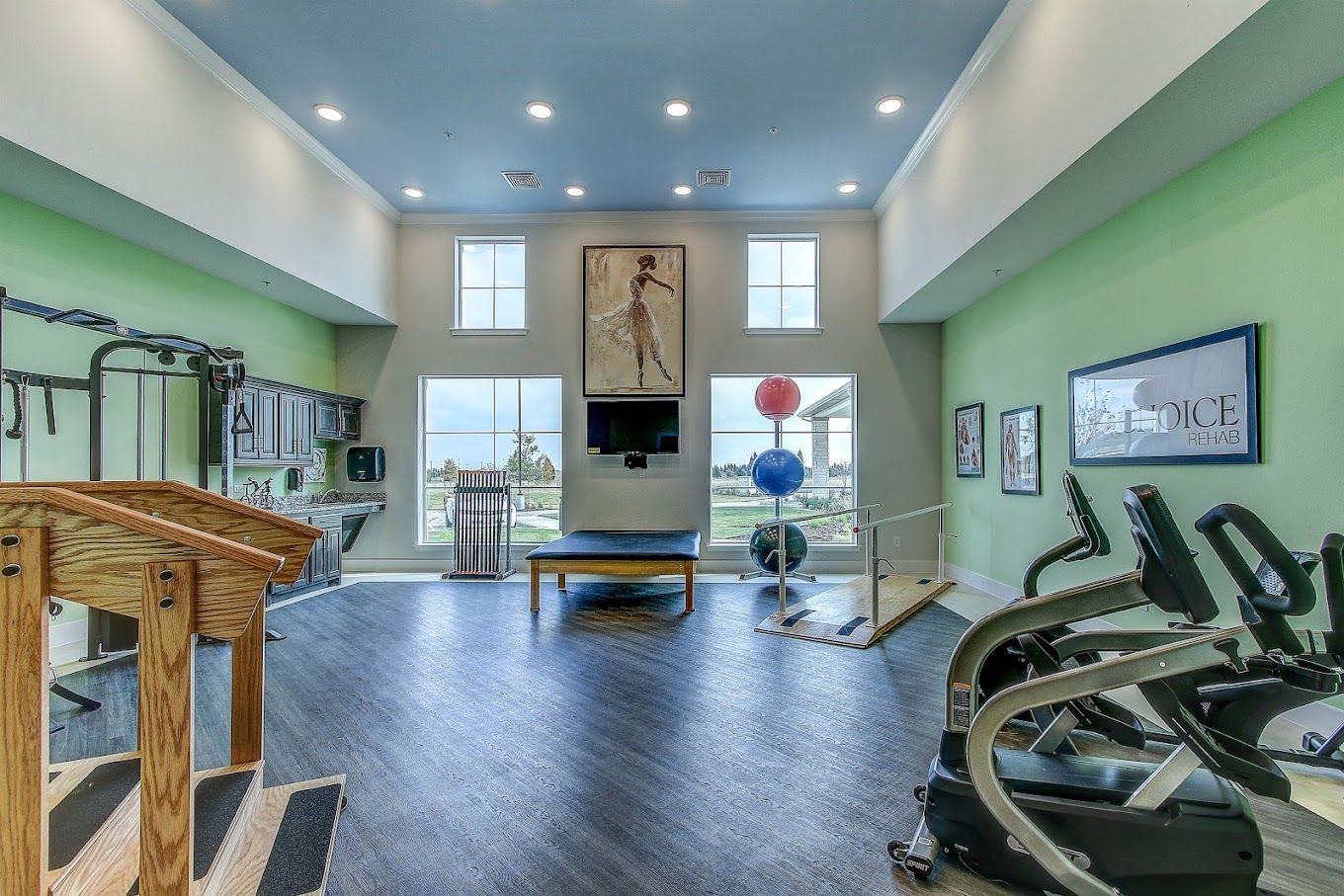
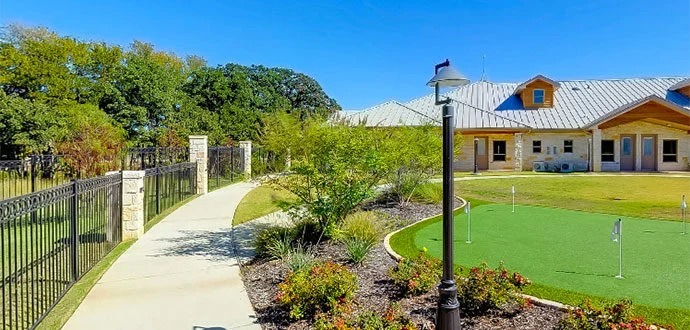
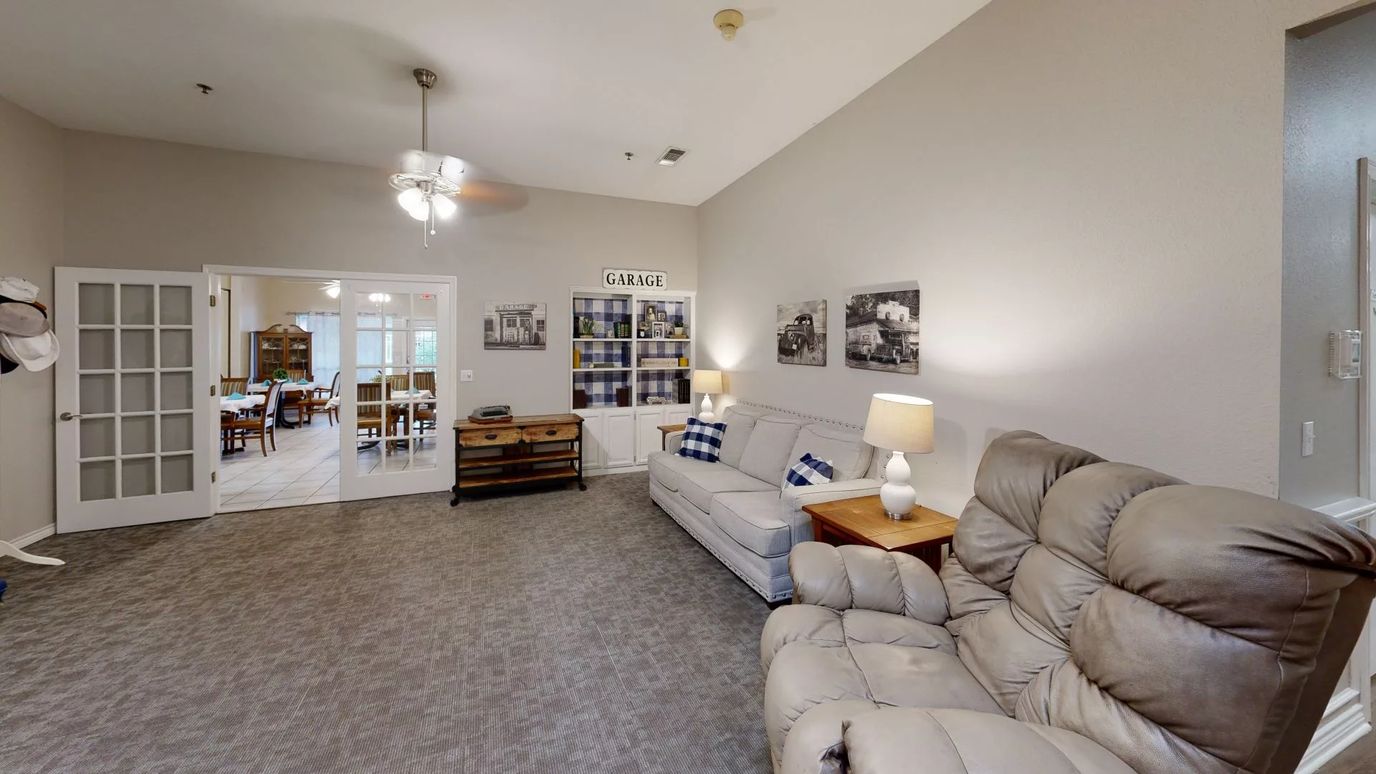
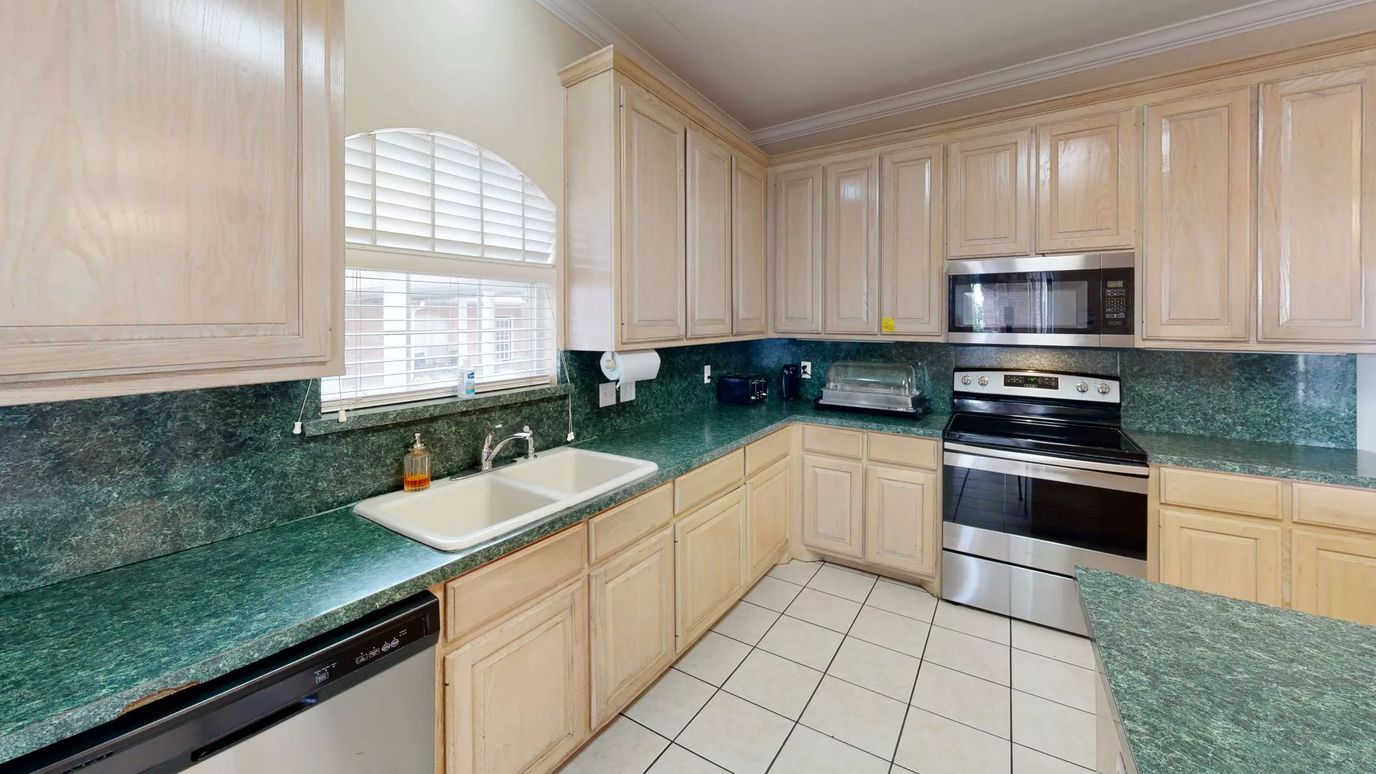
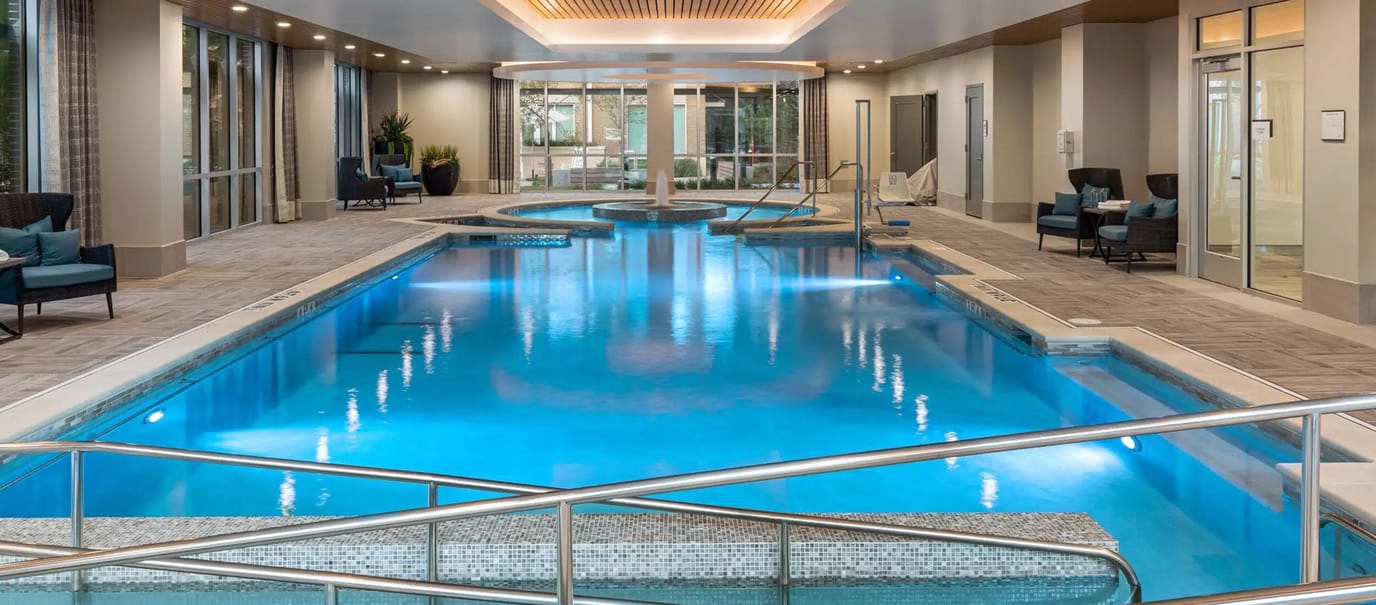
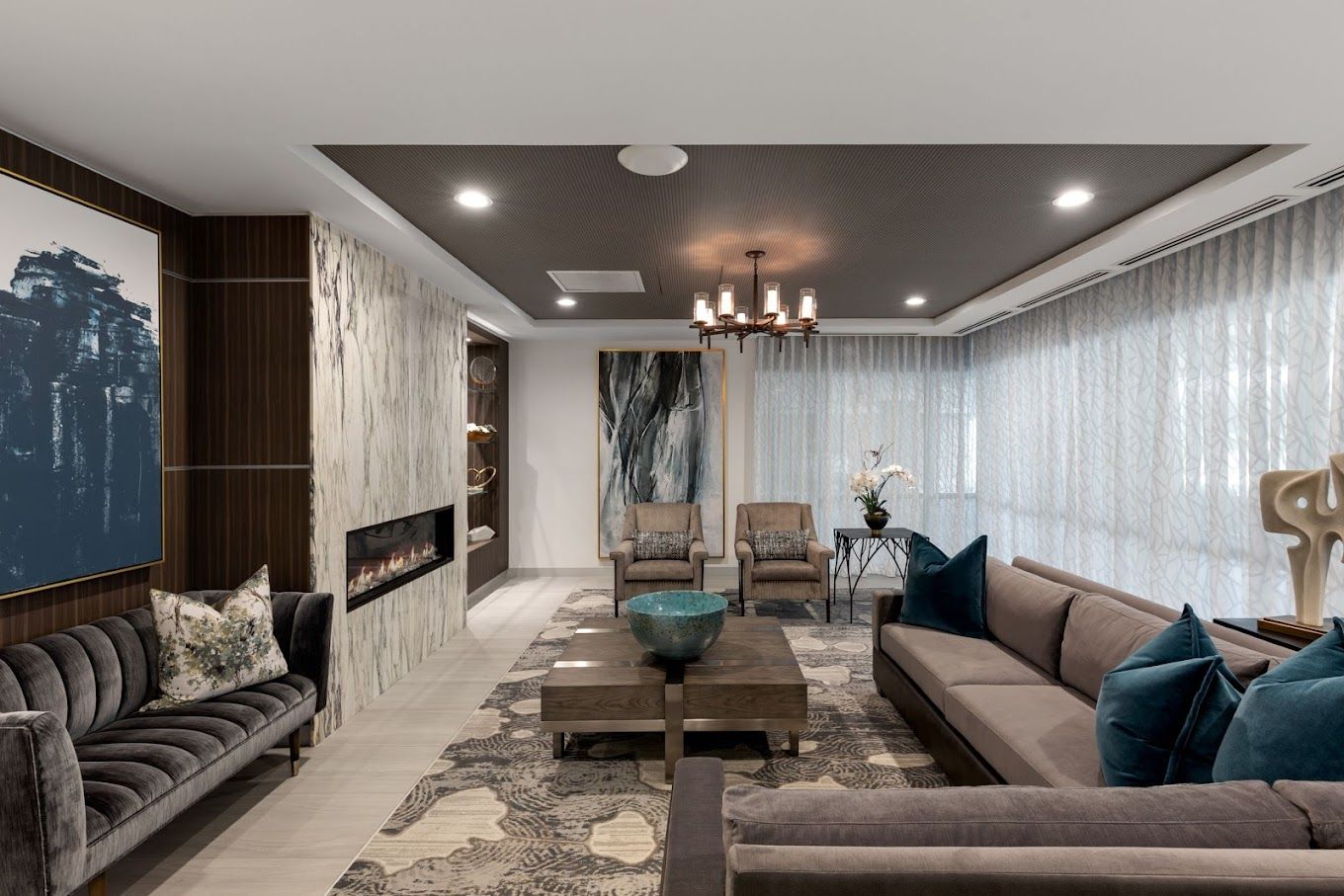
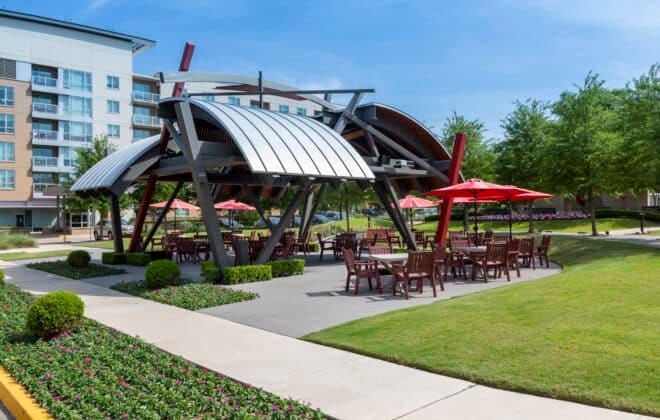
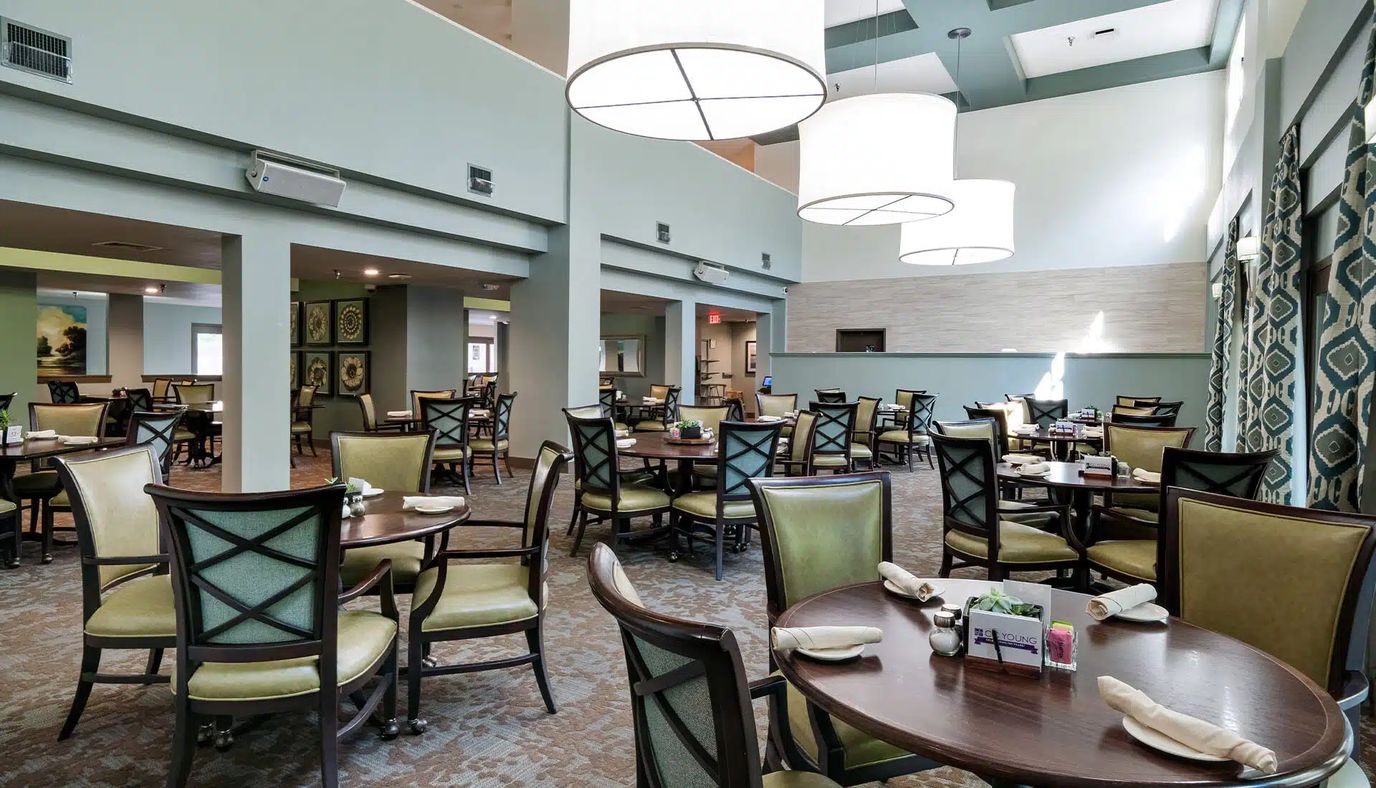
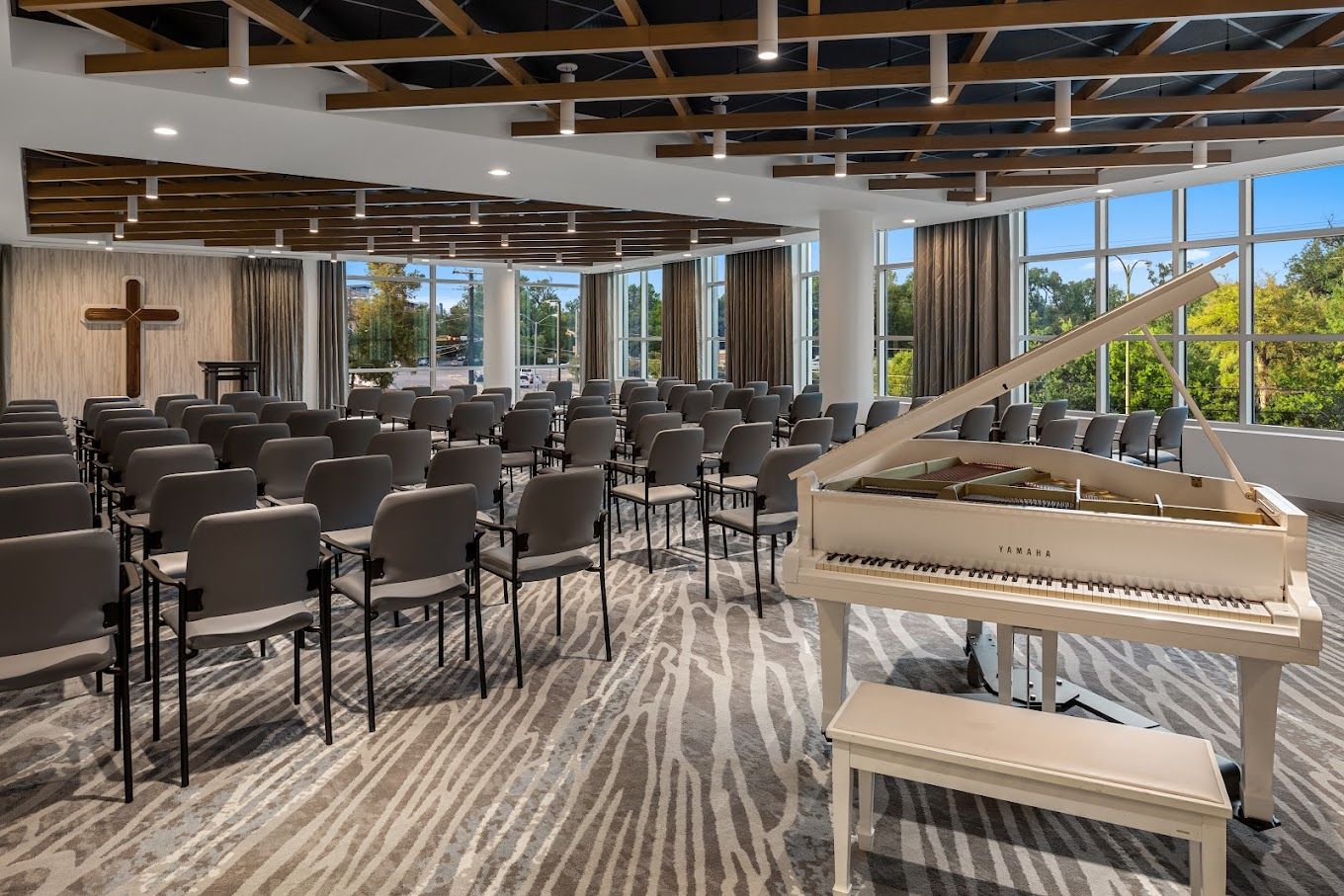
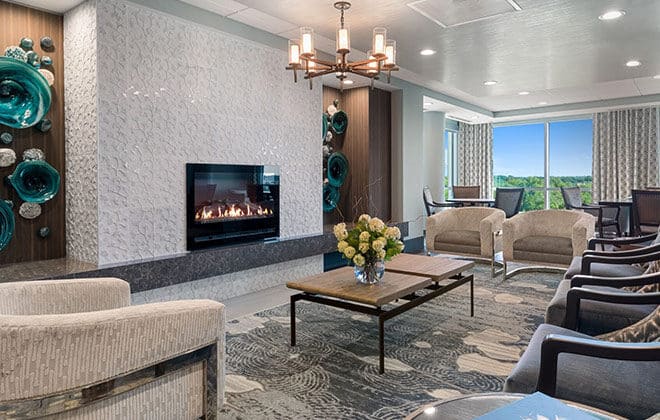
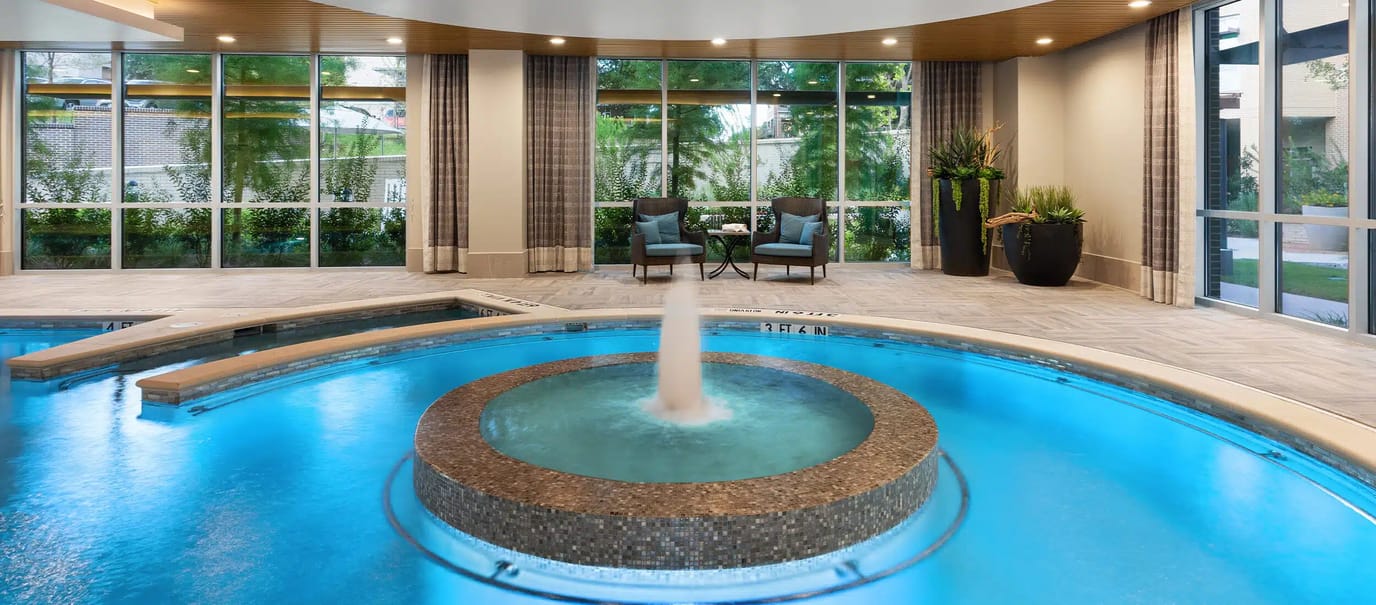
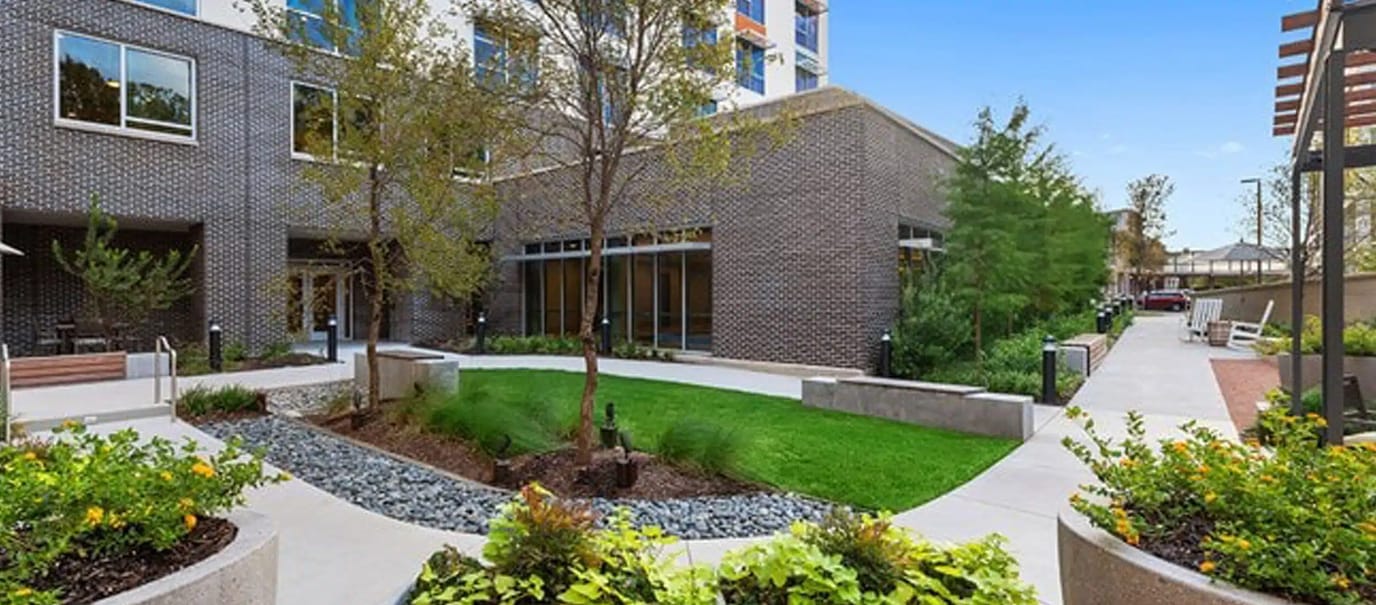
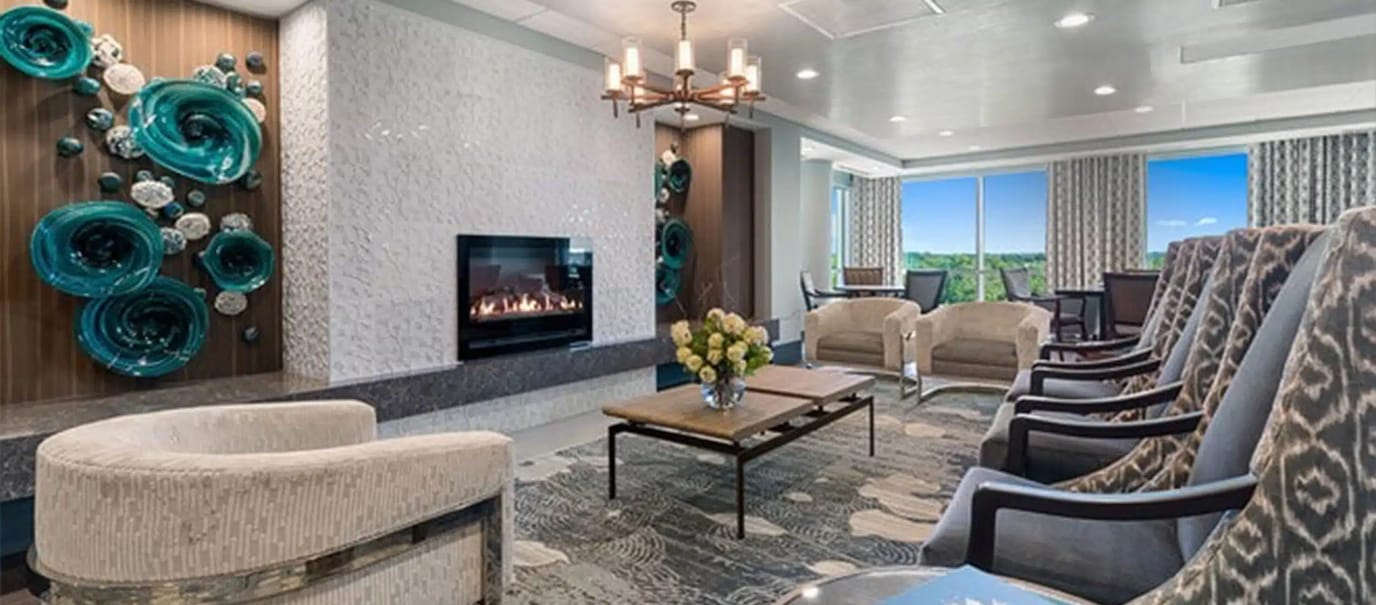
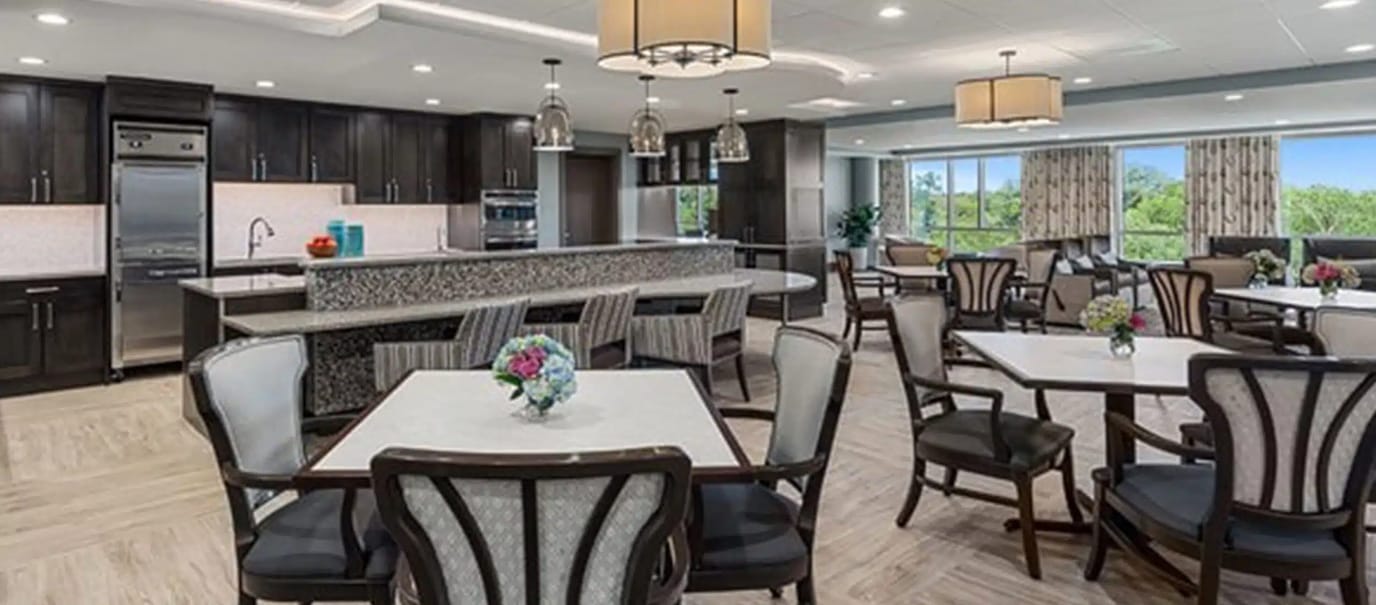
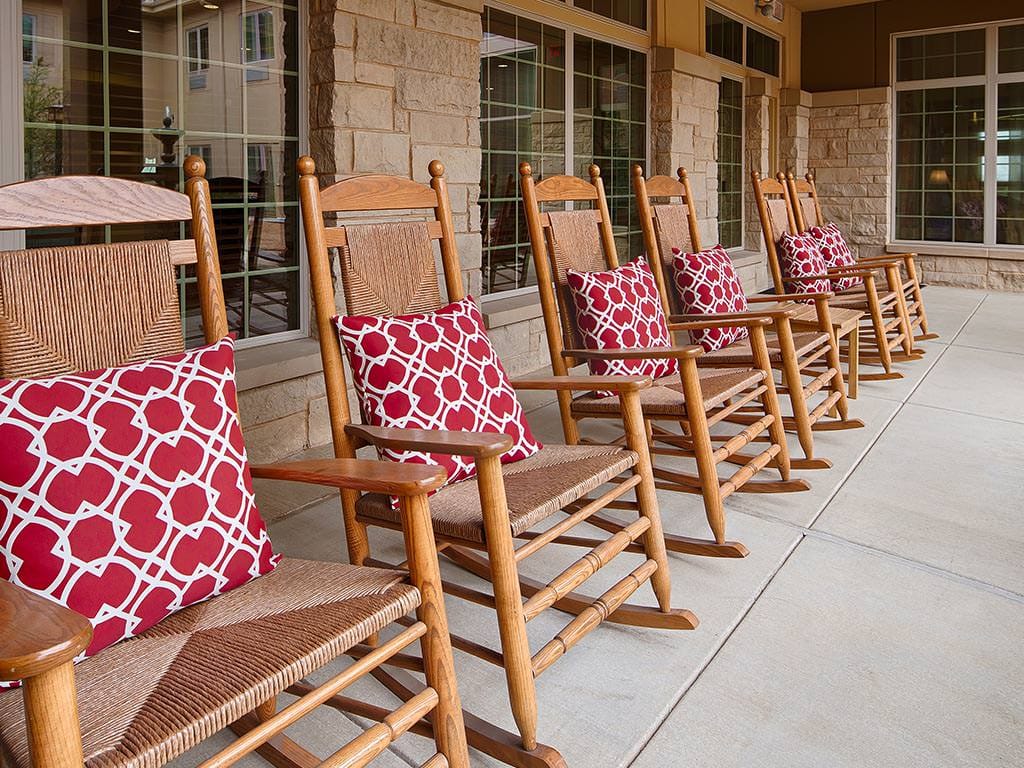
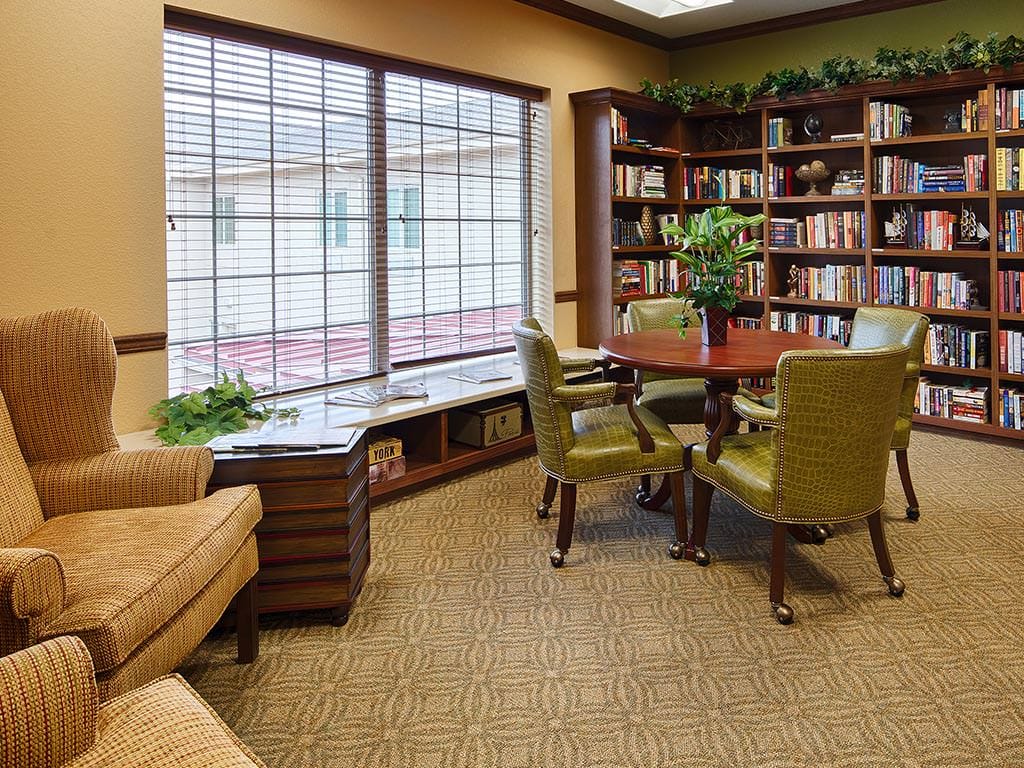
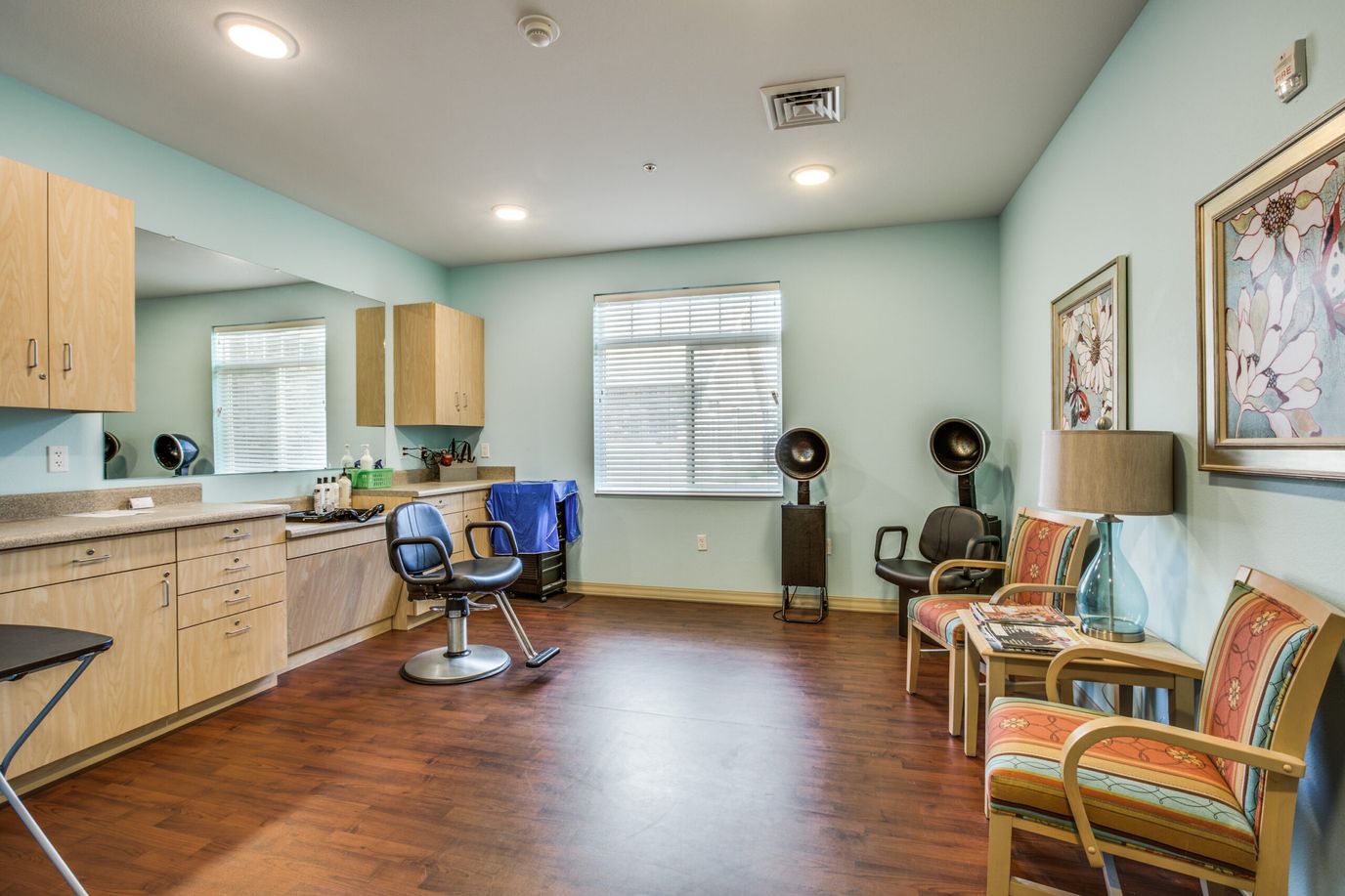
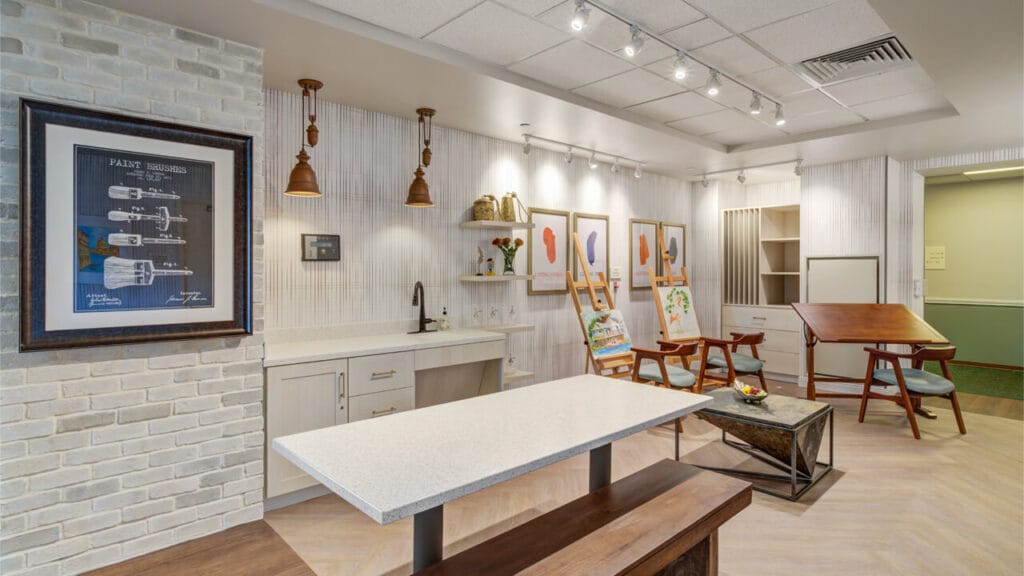
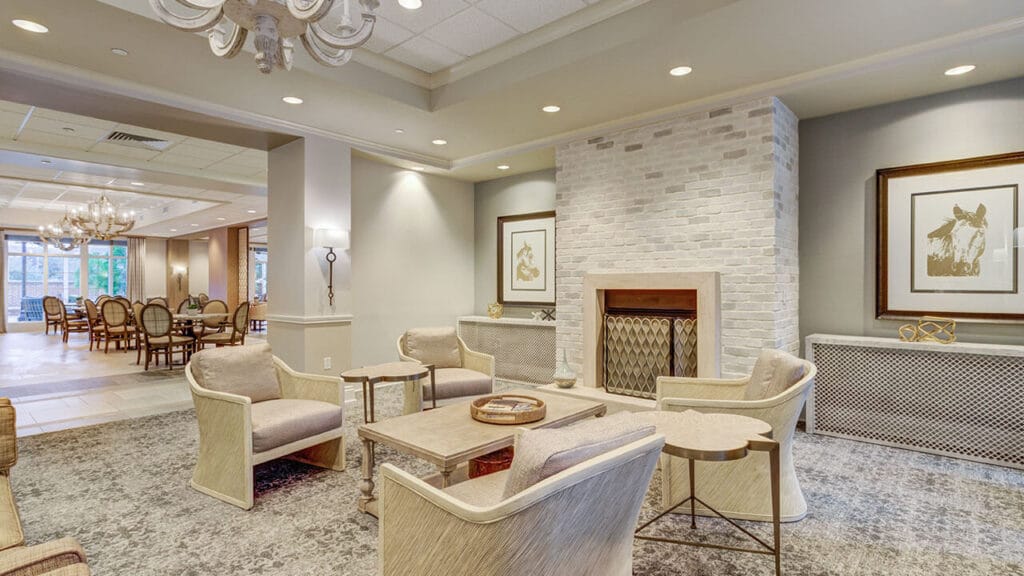
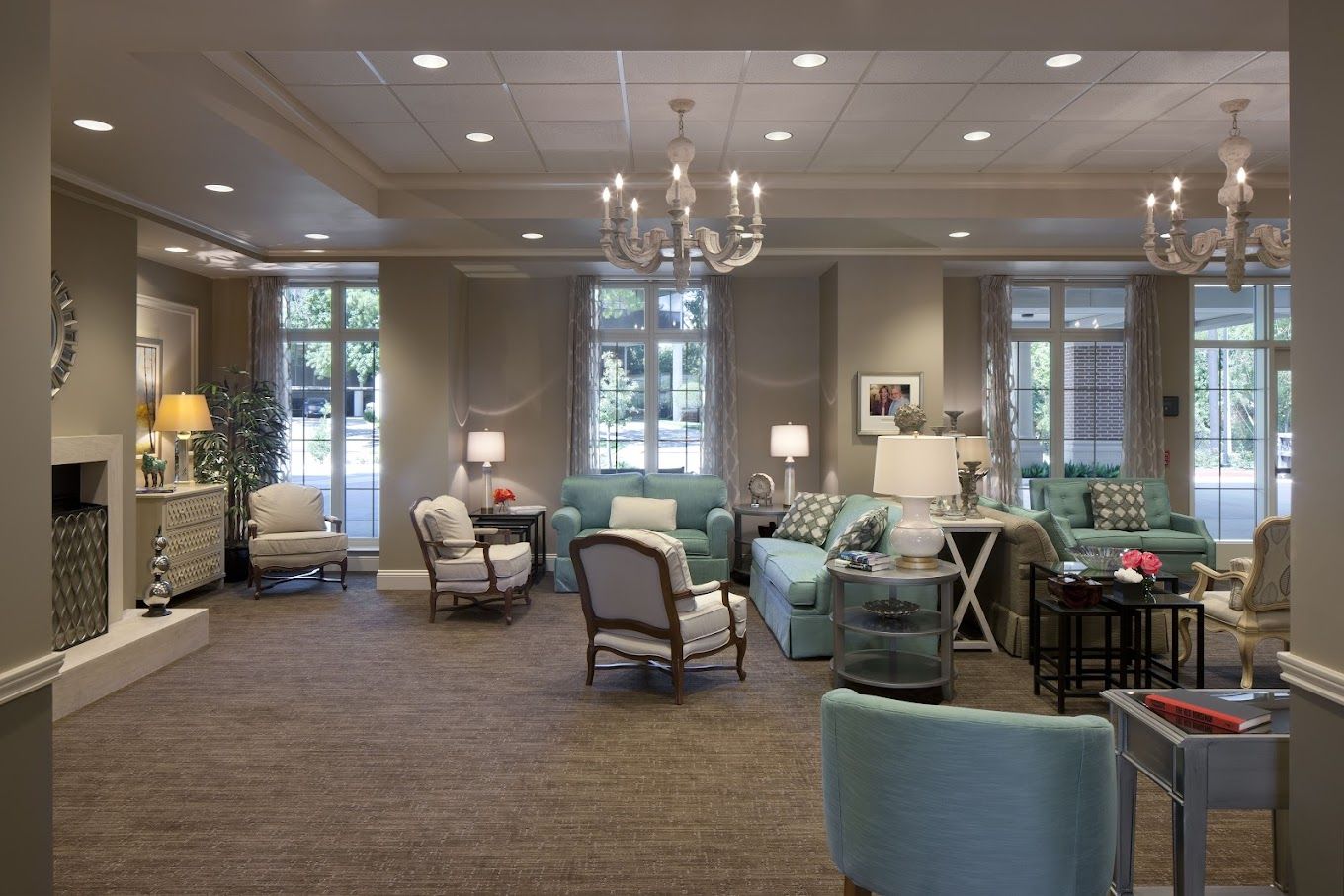
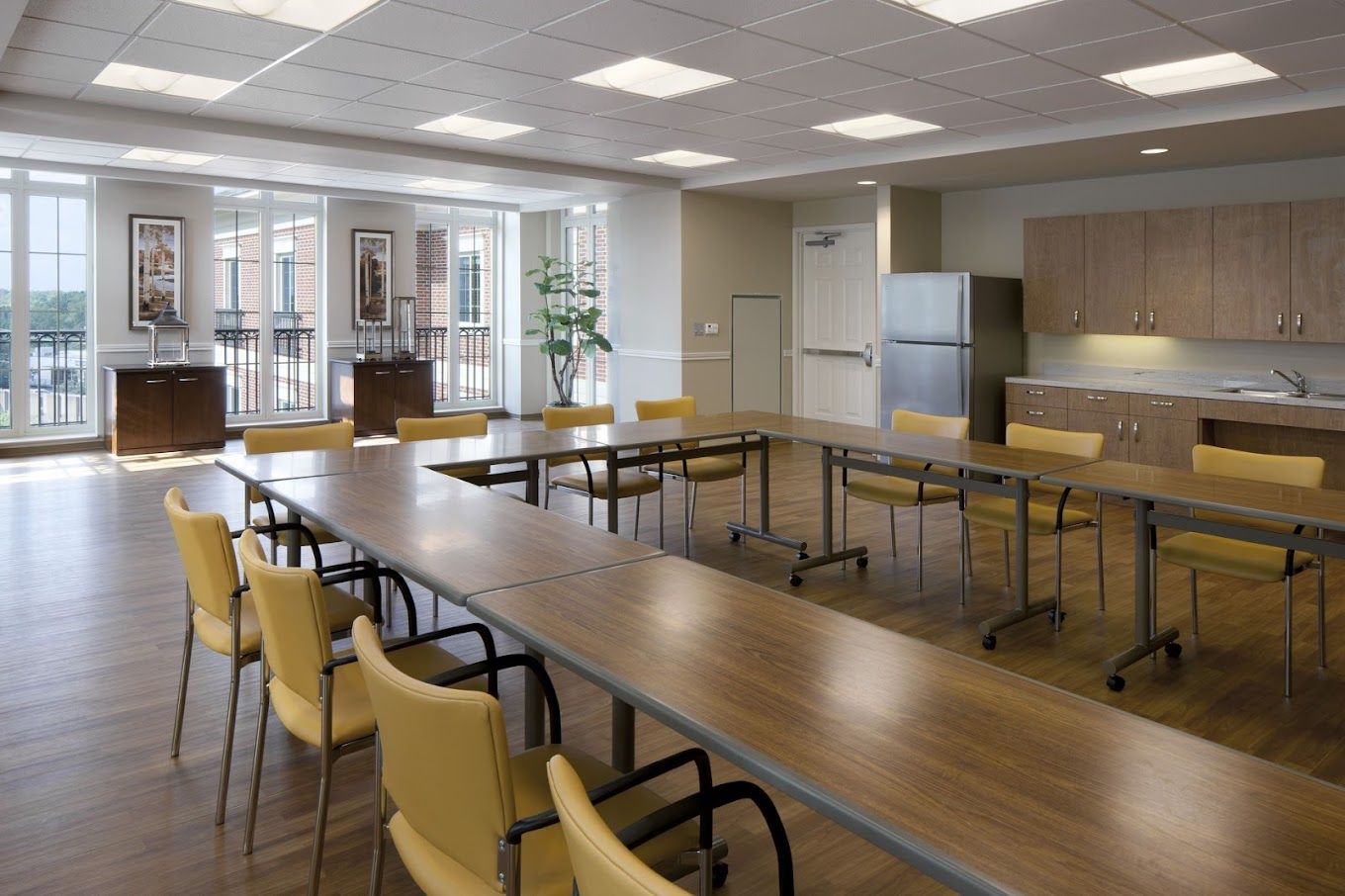
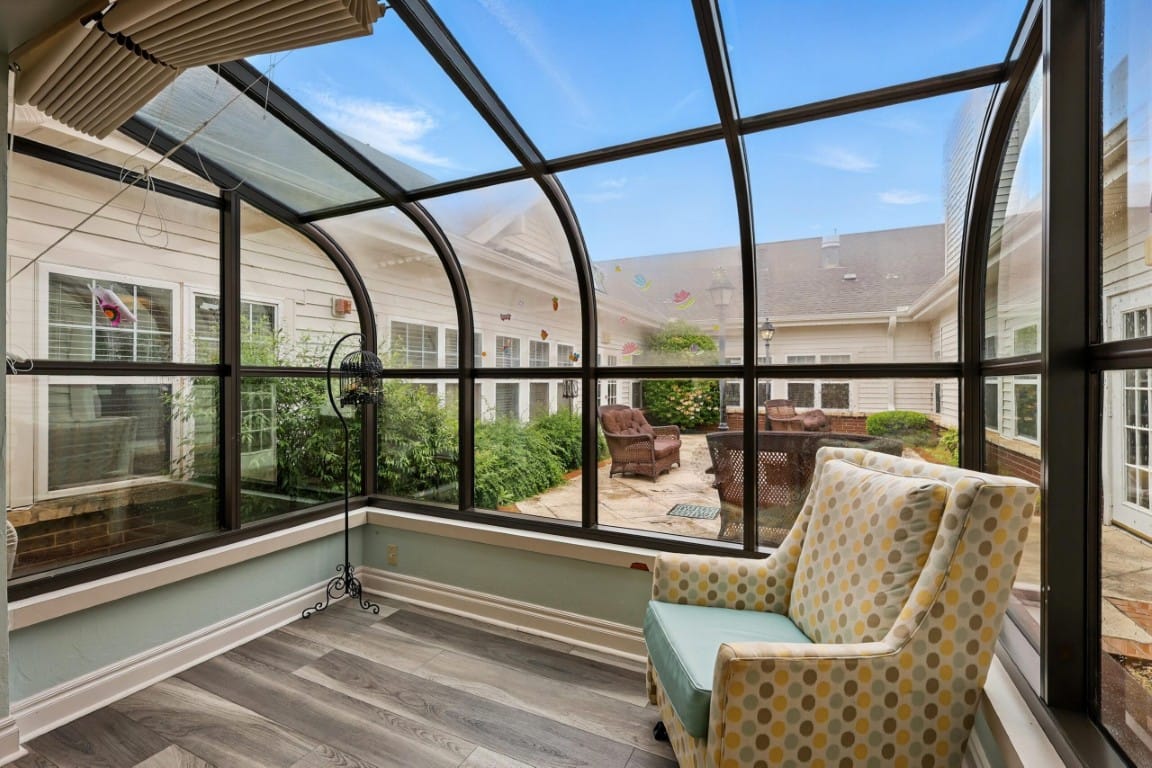
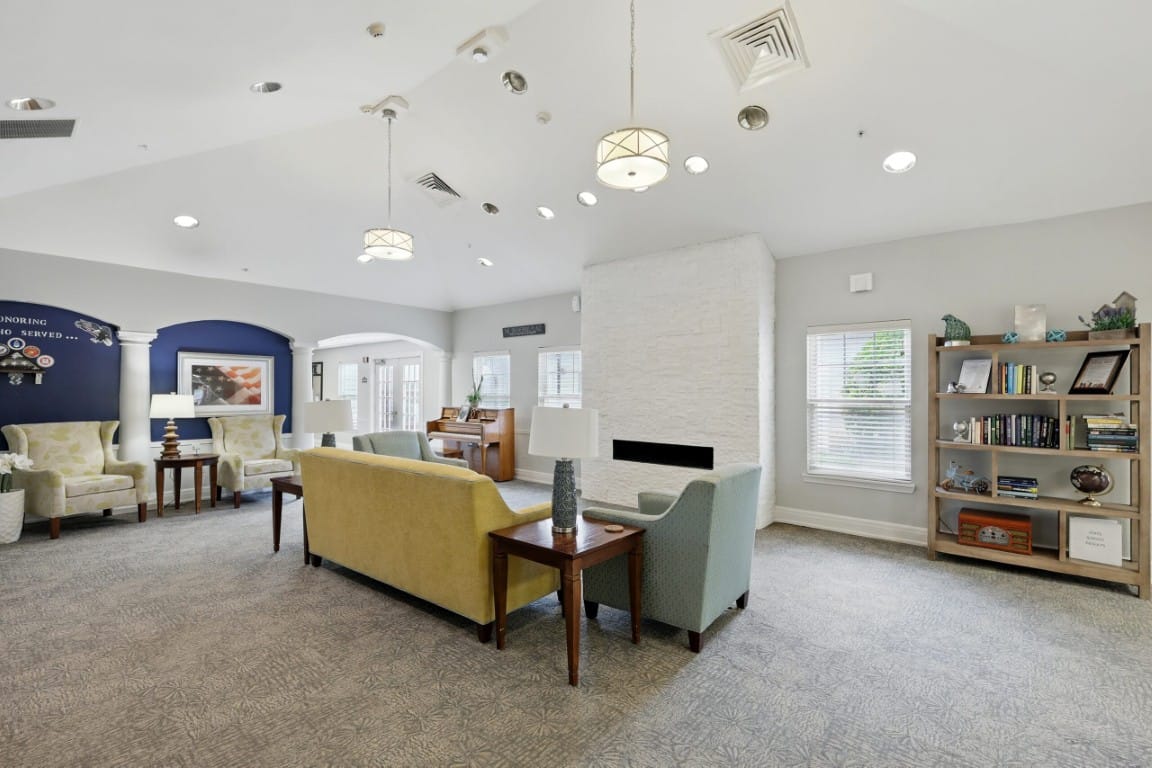
Starting prices are $4,371 per month for assisted living and $4,425 per month for memory care. Residents can use an art studio, theater, game room, fitness center, beauty salon, barber shop, spa, and outdoor spaces for creative activities, entertainment, exercise, personal care, and time outside. A culinary program gives residents a specific activity centered on food and cooking, while pets are allowed. Natalie Desormier serves as the administrator, and 3424 Interstate W20 Opco operates the community. Lynridge of Arlington Assisted Living & Memory Care may be a good fit for someone who needs daily support now and may later require the secured supervision provided through memory care.
 Pricing updated on October 7th, 2026