
Explore Open Rooms
Thank you for your interest!
Our team will be in touch shortly to help with next steps.
Assisted Living in Ohio
Brookdale Beavercreek
Assisted Living in Ohio
Brookdale Beavercreek


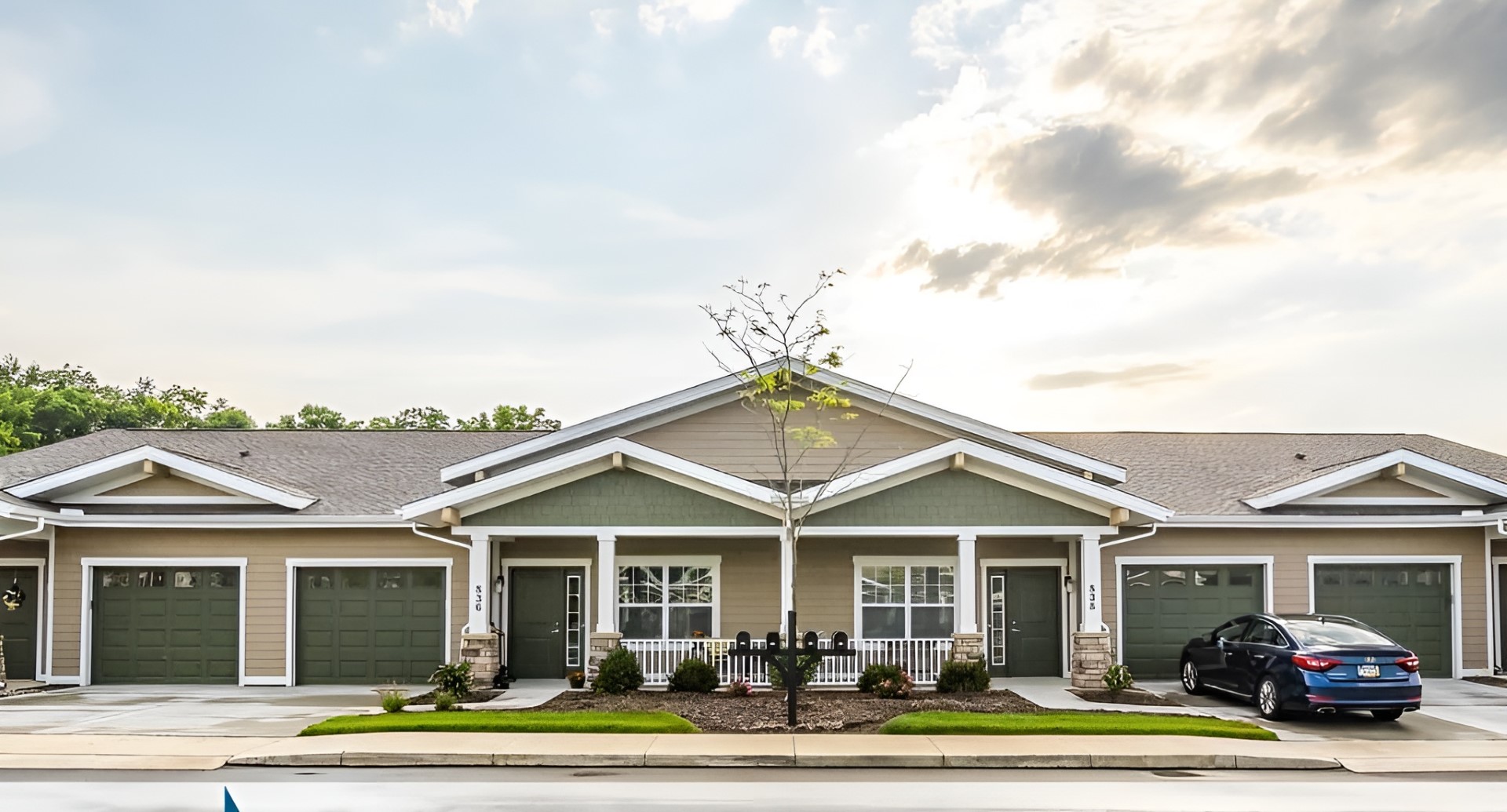
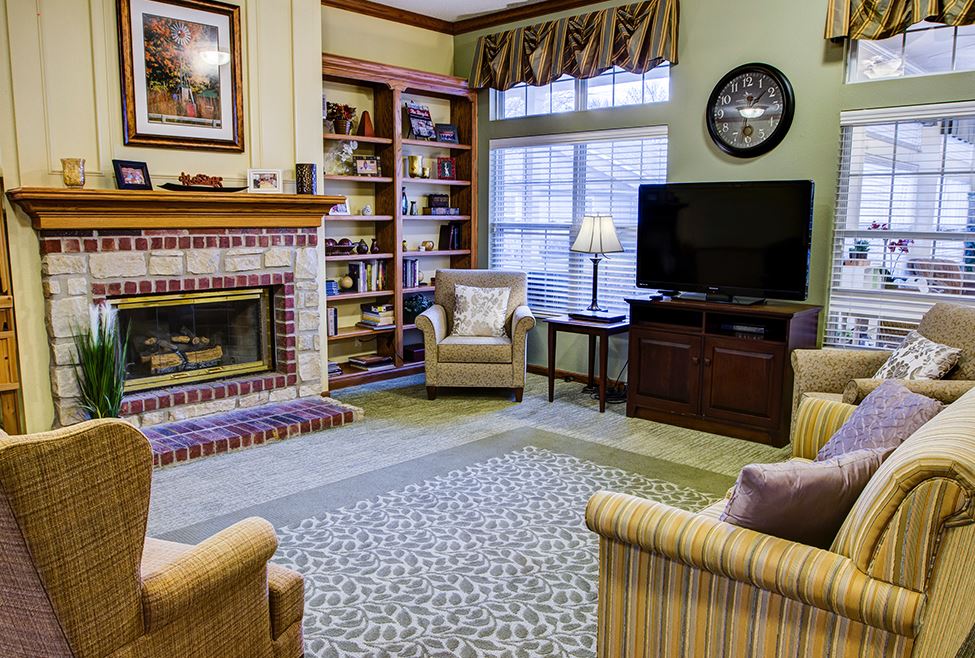
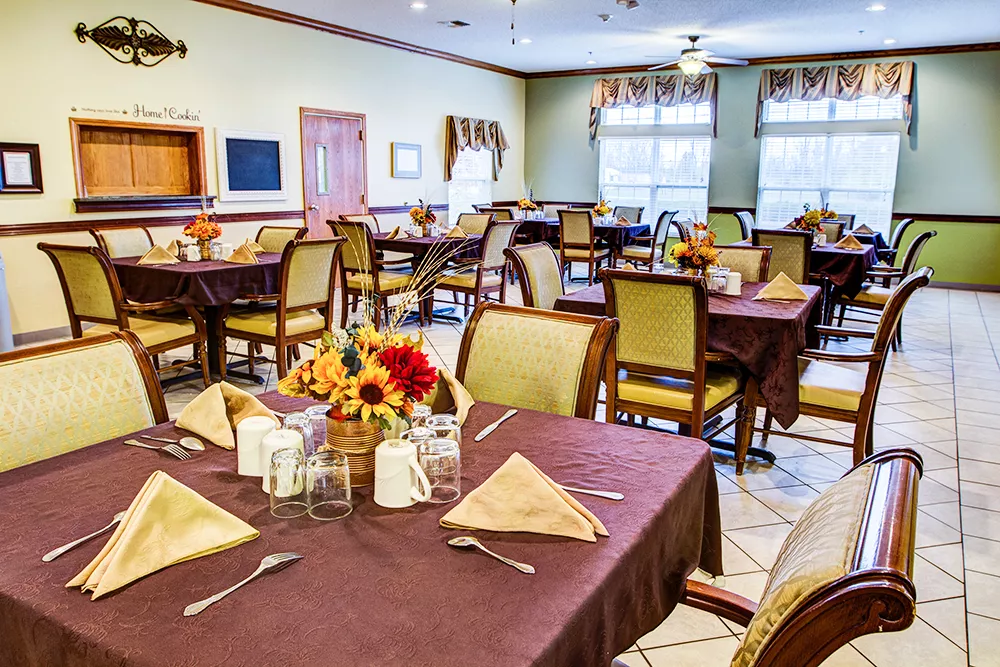
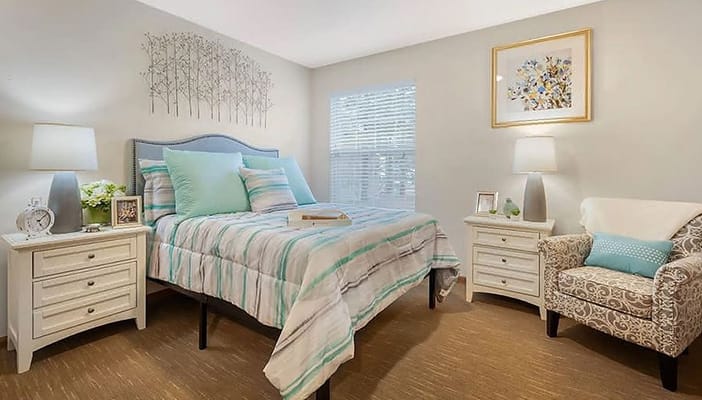
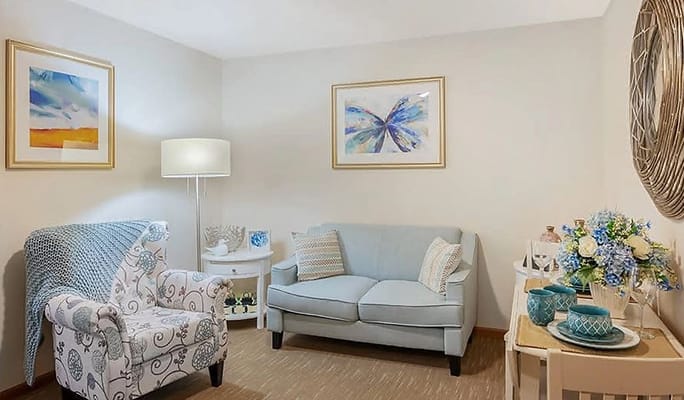
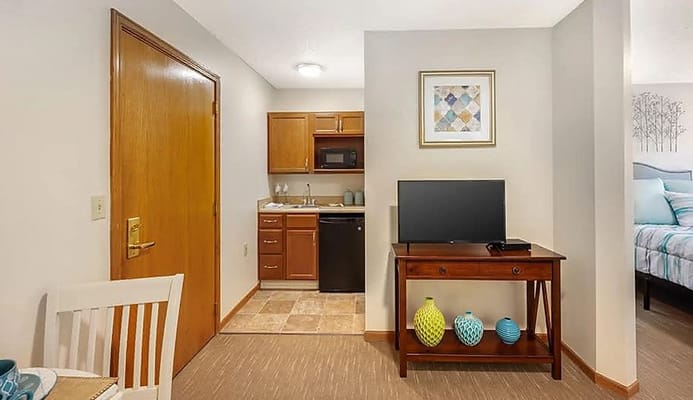
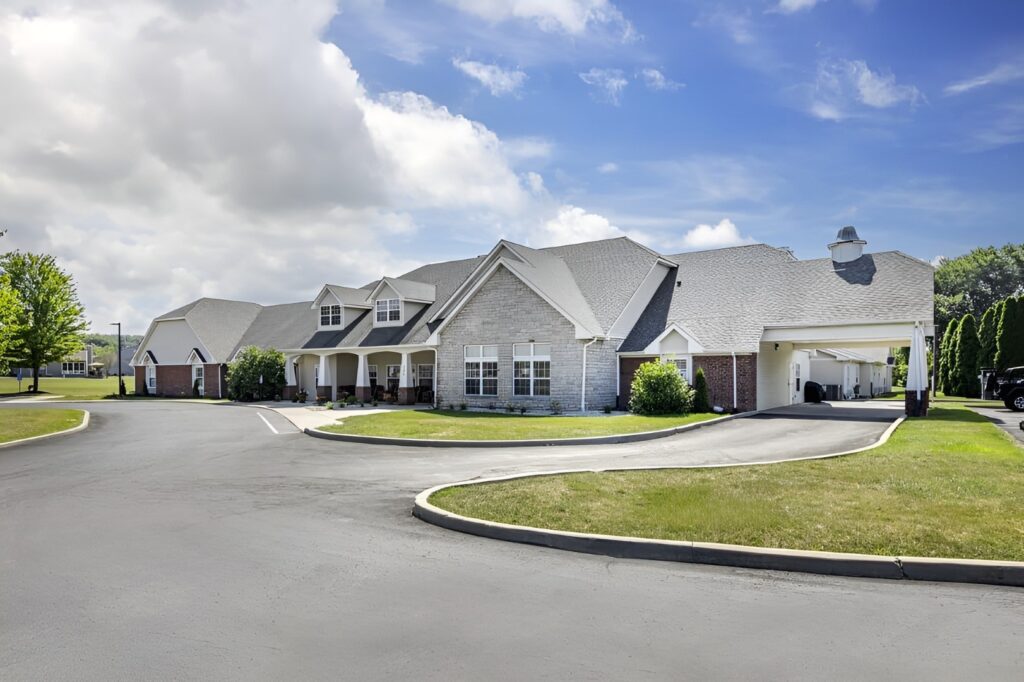
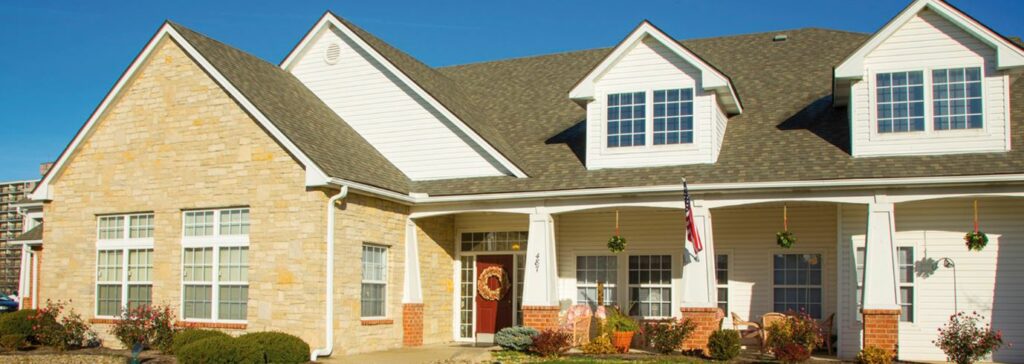
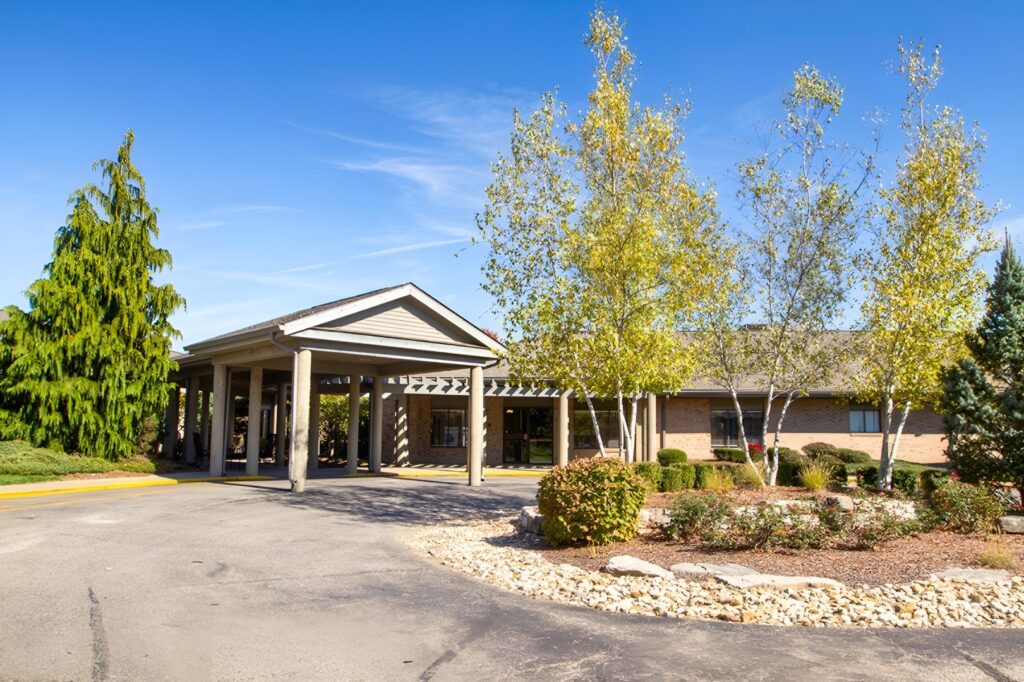
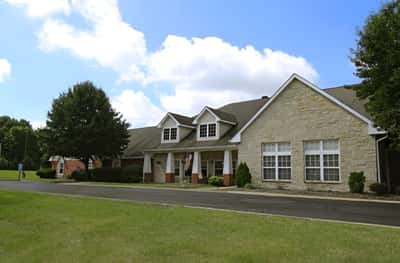
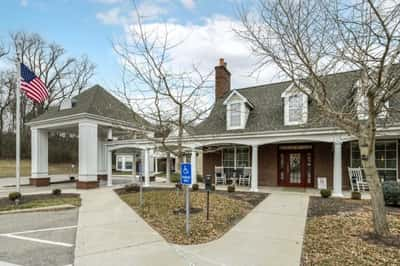
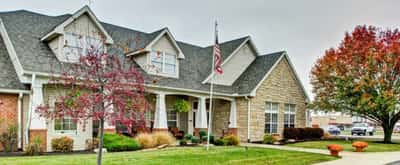
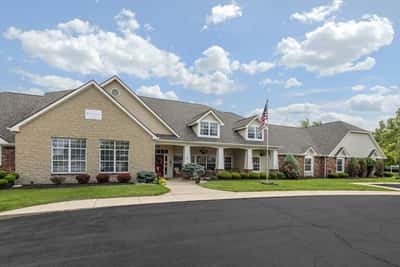
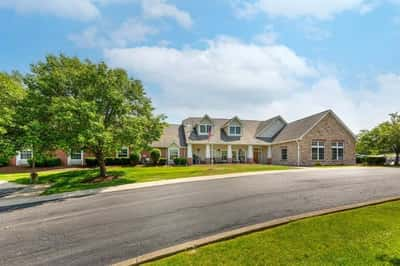
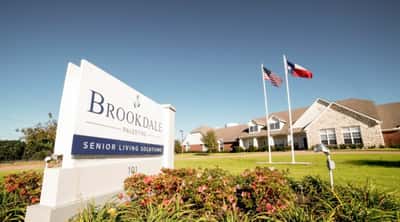
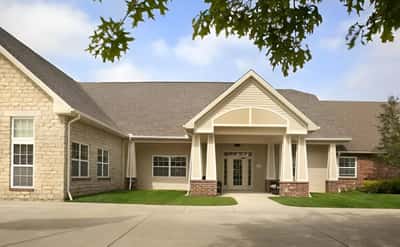
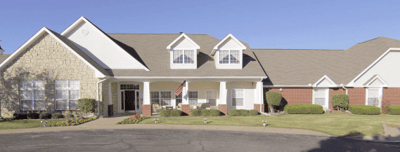
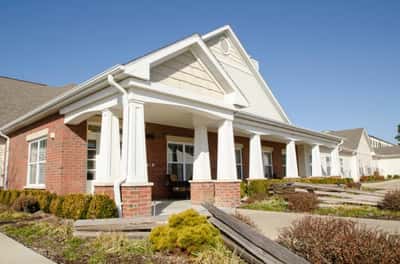
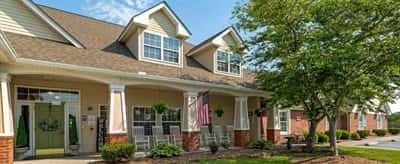
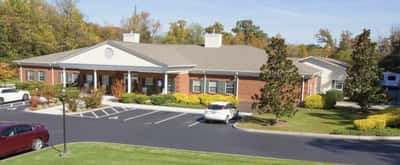
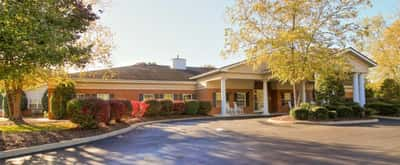
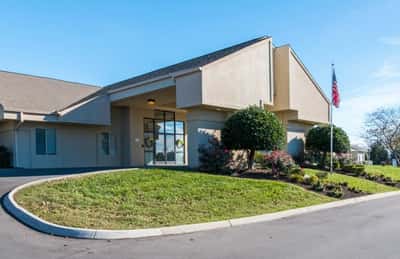
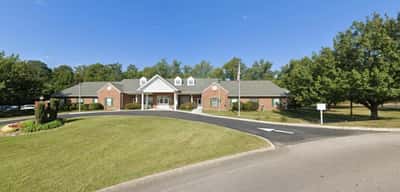
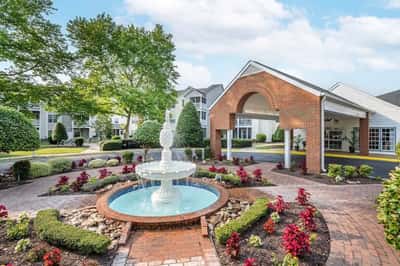
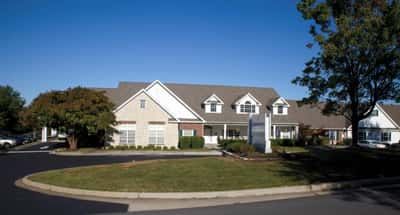
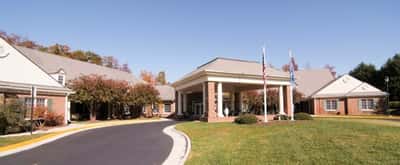
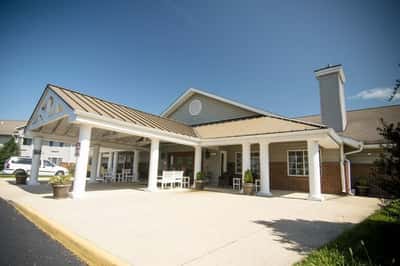
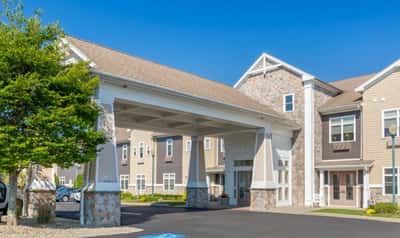
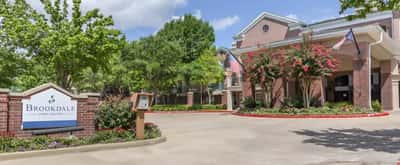
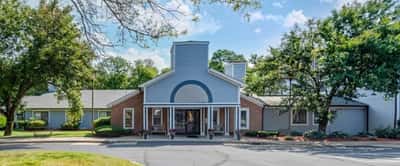
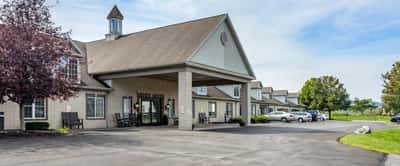
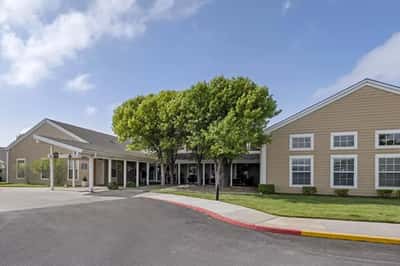
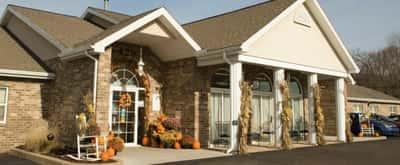
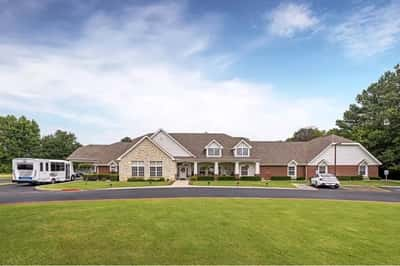
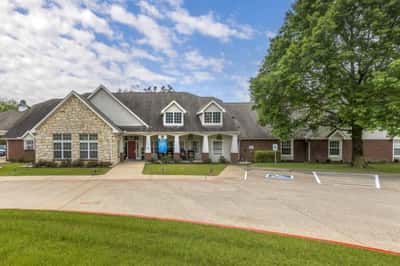
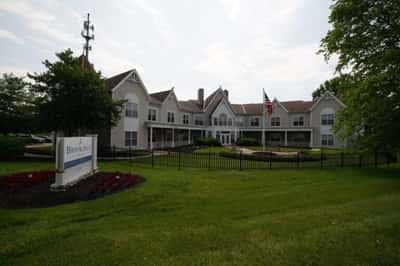
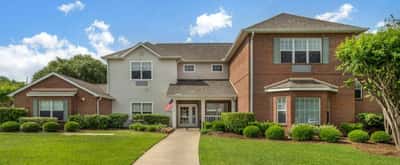
Wake up each morning feeling inspired to take on the day at Brookdale Beavercreek, a welcoming senior living community in Beavercreek, OH, offering excellent assisted living. With thoughtfully designed apartments, featuring kitchenettes, plenty of natural window light and utilities and maintenance included, the community ensures a convenient living environment. Moreover, Brookdale HealthPlus offers residents access to personalized healthcare services, including routine screenings, vaccination clinics and annual wellness visits.
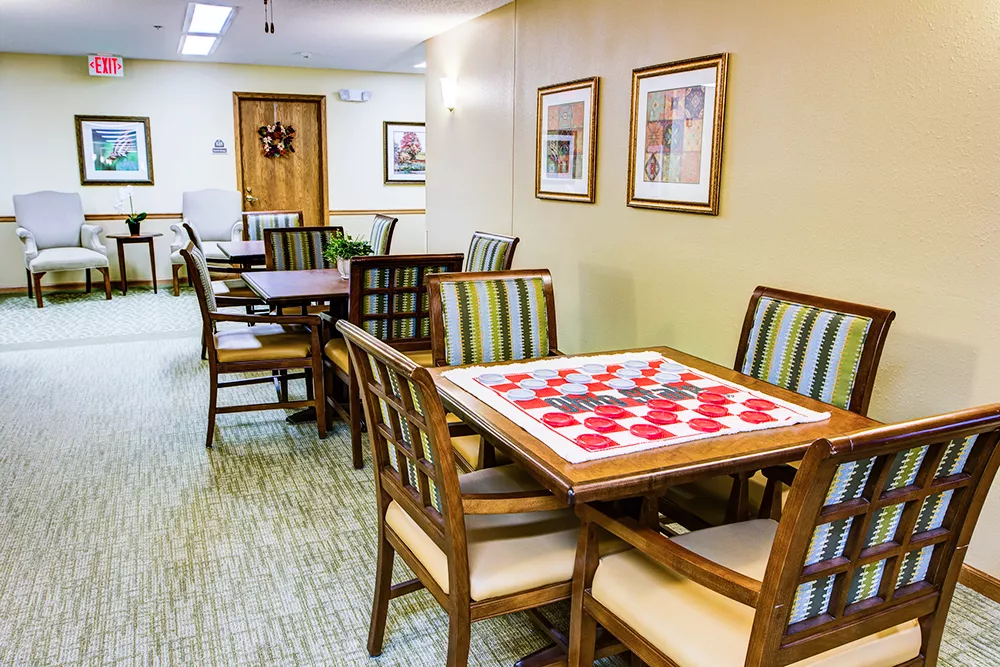
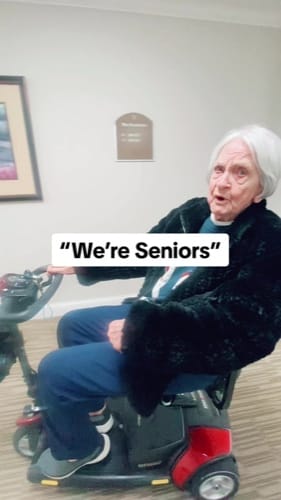
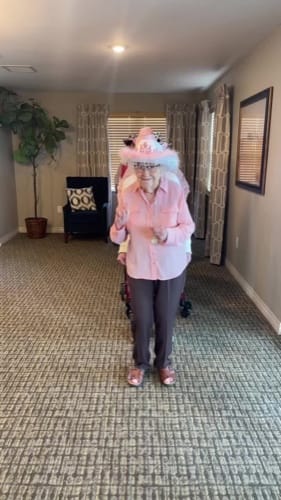
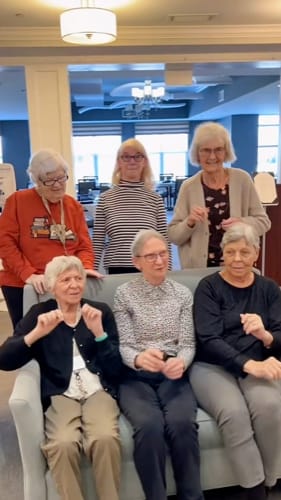
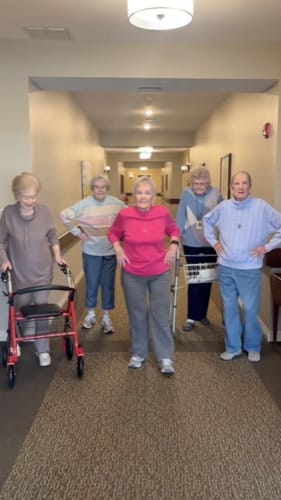
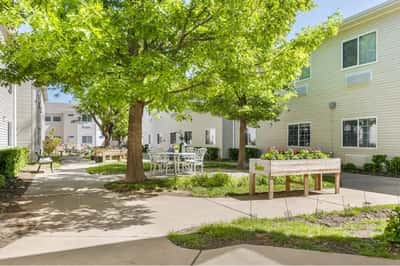
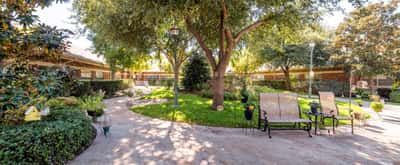
Taking a holistic approach to residents’ wellness, the community offers various opportunities to help strengthen body and spirit with B-Fit exercise programs for a fun social fitness experience and a social calendar full of engaging activities, classes and outings to help residents stay connected. The community also provides various amenities designed for wellness and enjoyment, including a library, a whirlpool, a fireside living room, a courtyard, and a garden.

Capacity and availability
Smaller home
May offer a more intimate, personalized care environment.


How BBB ratings work
About this community
Brookdale Beavercreek is administrated by Rachel Doran.
Policies
Staffing
Key information about the people who lead and staff this community.
Brookdale Beavercreek – Menu
Download Menu PDFWhat does this home offer?

Pets Allowed: Yes, Pets Allowed

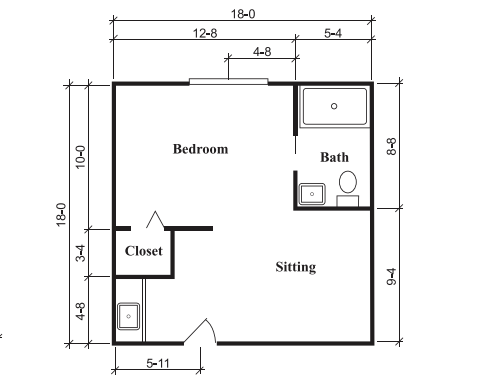
Room Sizes: 288 / 324 / 360 Sq. ft

Housing Options: Suite

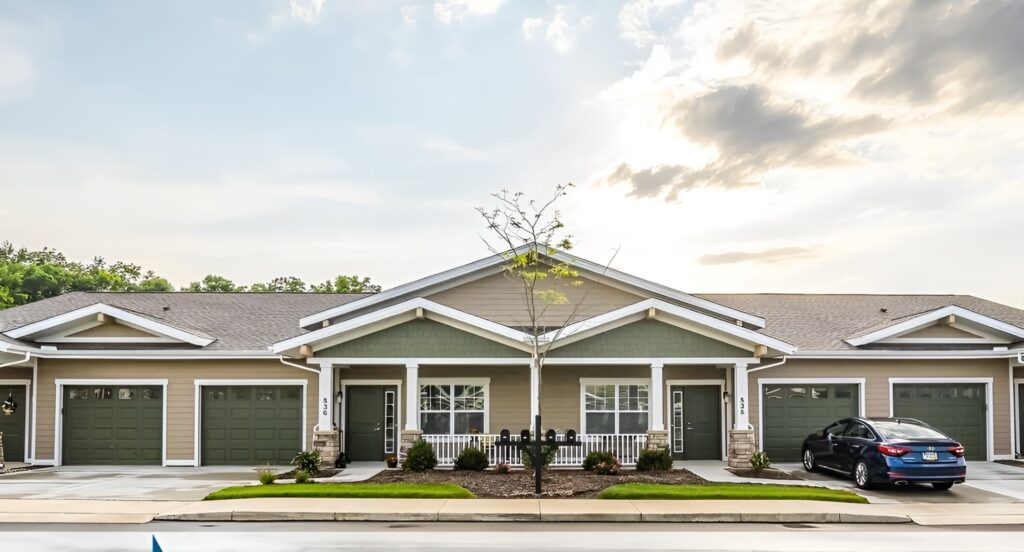
Building Type: Single-story

Transportation Services

Fitness and Recreation
Types of Care at Brookdale Beavercreek
Type of Rooms Available
Access & Eligibility
Ways to qualify for care at this community, including accepted programs and payment options.
Inspection History
In Ohio, the Department of Health, Bureau of Survey and Certification conducts unannounced onsite inspections to evaluate the quality of care and environment in all licensed facilities.
Latest inspection
Inspection oversight
Resident satisfaction survey results
Every two years, the Ohio Department of Aging and the Office of the State Long-Term Care Ombudsman organizations conduct a satisfaction survey among residents in long-term care facilities to assess their quality of care and life.
Average score
Ohio average: 86 / 100
2022 – 2023 Period
Care and services
Ohio average: 89 / 100
Environment
Ohio average: 95 / 100
Moving in
Ohio average: 82 / 100
Facility culture
Ohio average: 86 / 100
Caregivers
Ohio average: 89 / 100
Spending time
Ohio average: 80 / 100
Meals and dining
Ohio average: 81 / 100
Based on the RCF Resident Satisfaction Survey 2022-23, Final Results
Have you gotten or are you getting physical therapy, occupational therapy or speech therapy, while living at this care facility?
This facility36/100
Ohio average46/100
Did (Does) the therapy help you meet your goals?
This facility33/100
Ohio average88/100
Did (Do) you know who to speak to about your therapy progress?
This facility60/100
Ohio average85/100
Did (Do) the therapists help you set goals?
This facility75/100
Ohio average89/100
Can you decide how to spend your day?
This facility92/100
Ohio average94/100
Scores represent percent of positive resident responses for each item, excluding "don't know" and "not applicable" responses and instances where the question was skipped.
Based on the RCF Resident Satisfaction Survey 2022-23, Final Results
Can you enjoy the outdoors if you want to?
This facility71/100
Ohio average91/100
Are your personal items safe here?
This facility82/100
Ohio average92/100
Do you feel safe here?
This facility93/100
Ohio average98/100
Are you able to get around the building if you want to?
This facility93/100
Ohio average95/100
Do you feel you have enough privacy?
This facility100/100
Ohio average95/100
Can you find a place to be alone if you want to be alone?
This facility100/100
Ohio average96/100
Is it very clean here?
This facility100/100
Ohio average96/100
Is it easy for you to get around in your room (or apartment)?
This facility100/100
Ohio average96/100
Scores represent percent of positive resident responses for each item, excluding "don't know" and "not applicable" responses and instances where the question was skipped.
Based on the RCF Resident Satisfaction Survey 2022-23, Final Results
Did you receive a thorough orientation to BROOKDALE BEAVERCREEK?
This facility50/100
Ohio average70/100
Were you given enough information to learn how things work here?
This facility67/100
Ohio average82/100
Did you feel warmly welcomed as a new resident?
This facility83/100
Ohio average93/100
Scores represent percent of positive resident responses for each item, excluding "don't know" and "not applicable" responses and instances where the question was skipped.
Based on the RCF Resident Satisfaction Survey 2022-23, Final Results
Are you as involved in decisions about your care as you want to be?
This facility50/100
Ohio average85/100
Are you encouraged to speak up about things you don’t like here?
This facility54/100
Ohio average81/100
Do the people who work here go above and beyond to give you a good life?
This facility54/100
Ohio average87/100
Are your concerns taken care of in a timely way?
This facility67/100
Ohio average86/100
Do the people who work here tell you when rules, policies, and procedures change?
This facility80/100
Ohio average78/100
Are you friends with anyone who lives here?
This facility80/100
Ohio average81/100
Would you highly recommend BROOKDALE BEAVERCREEK to someone who needs this type of care?
This facility90/100
Ohio average89/100
Do the people who work here seem happy to work here?
This facility92/100
Ohio average92/100
Do the people who work here help you with technology, if needed?
This facility92/100
Ohio average89/100
Overall, are you satisfied with the care you receive here?
This facility100/100
Ohio average94/100
Scores represent percent of positive resident responses for each item, excluding "don't know" and "not applicable" responses and instances where the question was skipped.
Based on the RCF Resident Satisfaction Survey 2022-23, Final Results
Do the same people take care of you most of the time?
This facility46/100
Ohio average84/100
Do you feel confident the people who work here would come quickly anytime you needed help?
This facility64/100
Ohio average85/100
Do the people who care for you explain your care and services to you?
This facility64/100
Ohio average85/100
Do the people who work here ever get angry at you?
This facility82/100
Ohio average88/100
Do the people who work here check on you often enough to see if you need anything?
This facility85/100
Ohio average81/100
Do the people who work here do things the way you want them done?
This facility92/100
Ohio average88/100
Do the people who work here do everything they can to protect you from getting sick?
This facility92/100
Ohio average94/100
Are the people who work here knowledgeable about your medical conditions and treatments?
This facility93/100
Ohio average90/100
Do the people who work here support you to do as much for yourself as you are able to do?
This facility100/100
Ohio average96/100
Do you have opportunities to maintain your health and wellness, if you want?
This facility100/100
Ohio average92/100
Do the people who work here make sure you are comfortable when they provide care or services?
This facility100/100
Ohio average95/100
Scores represent percent of positive resident responses for each item, excluding "don't know" and "not applicable" responses and instances where the question was skipped.
Based on the RCF Resident Satisfaction Survey 2022-23, Final Results
Do you have enough opportunities to go on outings and special events?
This facility50/100
Ohio average73/100
Are there enjoyable things to do on the weekends, if you want?
This facility50/100
Ohio average63/100
Are you as connected to the community as you want to be?
This facility64/100
Ohio average71/100
Do you have something to look forward to most days?
This facility67/100
Ohio average77/100
Do you feel included in life here?
This facility77/100
Ohio average89/100
Do you have plenty of opportunities to do things that are meaningful to you?
This facility83/100
Ohio average83/100
Do you usually enjoy how you spend your time?
This facility93/100
Ohio average87/100
Do you like the activities here?
This facility100/100
Ohio average83/100
Are you able to do the activities offered here, if you want?
This facility100/100
Ohio average93/100
Scores represent percent of positive resident responses for each item, excluding "don't know" and "not applicable" responses and instances where the question was skipped.
Based on the RCF Resident Satisfaction Survey 2022-23, Final Results
Do you like the food here?
This facility50/100
Ohio average81/100
Do you get enough fresh food options here?
This facility54/100
Ohio average81/100
Do you have input on the food that is served?
This facility78/100
Ohio average68/100
Does the menu change often enough?
This facility80/100
Ohio average77/100
Do you look forward to mealtimes?
This facility82/100
Ohio average80/100
Do you get enough to eat here?
This facility100/100
Ohio average95/100
Scores represent percent of positive resident responses for each item, excluding "don't know" and "not applicable" responses and instances where the question was skipped.
Compare Assisted Living around Ohio The information below is reported by the Ohio Department of Health, Bureau of Survey and Certification.
Assisted Living A licensed, long-term care setting for seniors or individuals with disabilities who need help with daily activities — like bathing, dressing, and medication management — but not 24-hour skilled nursing. Offers housing, meals, and around-the-clock support while aiming to maximize resident independence.
Assisted Living A licensed, long-term care setting for seniors or individuals with disabilities who need help with daily activities — like bathing, dressing, and medication management — but not 24-hour skilled nursing. Offers housing, meals, and around-the-clock support while aiming to maximize resident independence.
Assisted Living A licensed, long-term care setting for seniors or individuals with disabilities who need help with daily activities — like bathing, dressing, and medication management — but not 24-hour skilled nursing. Offers housing, meals, and around-the-clock support while aiming to maximize resident independence.
Independent Living Lifestyle-focused communities for older adults offering dining, activities, and transportation with minimal personal care. Best for active, independent seniors who want community without medical support.
Memory Care Secured, specialized care for people living with Alzheimer's or dementia. Staff trained in cognitive impairment, with higher staff-to-resident ratios and an environment designed to reduce confusion and wandering risk.
Assisted Living A licensed, long-term care setting for seniors or individuals with disabilities who need help with daily activities — like bathing, dressing, and medication management — but not 24-hour skilled nursing. Offers housing, meals, and around-the-clock support while aiming to maximize resident independence.
Assisted Living A licensed, long-term care setting for seniors or individuals with disabilities who need help with daily activities — like bathing, dressing, and medication management — but not 24-hour skilled nursing. Offers housing, meals, and around-the-clock support while aiming to maximize resident independence.
Memory Care Secured, specialized care for people living with Alzheimer's or dementia. Staff trained in cognitive impairment, with higher staff-to-resident ratios and an environment designed to reduce confusion and wandering risk.
Living Spaces & Floor Plans
Screenshot 2024 07 04 004411
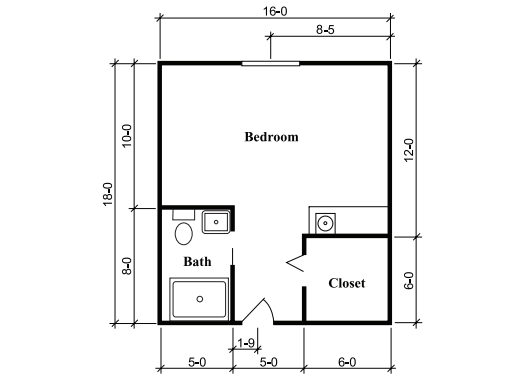
Screenshot 2024 07 04 004431
Floor Plan
Download PDFPlaces of interest near Brookdale Beavercreek
 1.9 miles from city center — 3.44 miles to nearest hospital (Miami Valley Hospital South Campus)
 3839 Indian Ripple Road, Beavercreek, OH 45440
Calculate Travel Distance to Brookdale Beavercreek
Add your location
Guides for Better Senior Living
Care Cost Calculator: See Prices in Your Area
Nursing Home Data Explorer
Don’t Wait Too Long: 7 Red Flag Signs Your Parent Needs Assisted Living Now
The True Cost of Assisted Living in 2025 – And How Families Are Paying For It
Understanding Senior Living Costs: Pricing Models, Discounts & Financial Assistance

Financial Aid for Ohio Seniors
Get financial aid guidanceContact Us
More homes from the same owner


























Touring Checklist for Senior Living
Touring a community? Use this expert-backed checklist to stay organized, ask the right questions, and find the perfect fit.
Location
Community Spaces and Overall Environment
Services
Staffing
Accommodations
Finances
Other Notes
Send Checklist to Your Email
We'll send you a PDF version of the touring checklist.