
Thank you for your interest!
Our team will be in touch shortly to help with next steps.
Memory Care in Virginia
Brookdale Lake Ridge
Memory Care in Virginia
Brookdale Lake Ridge


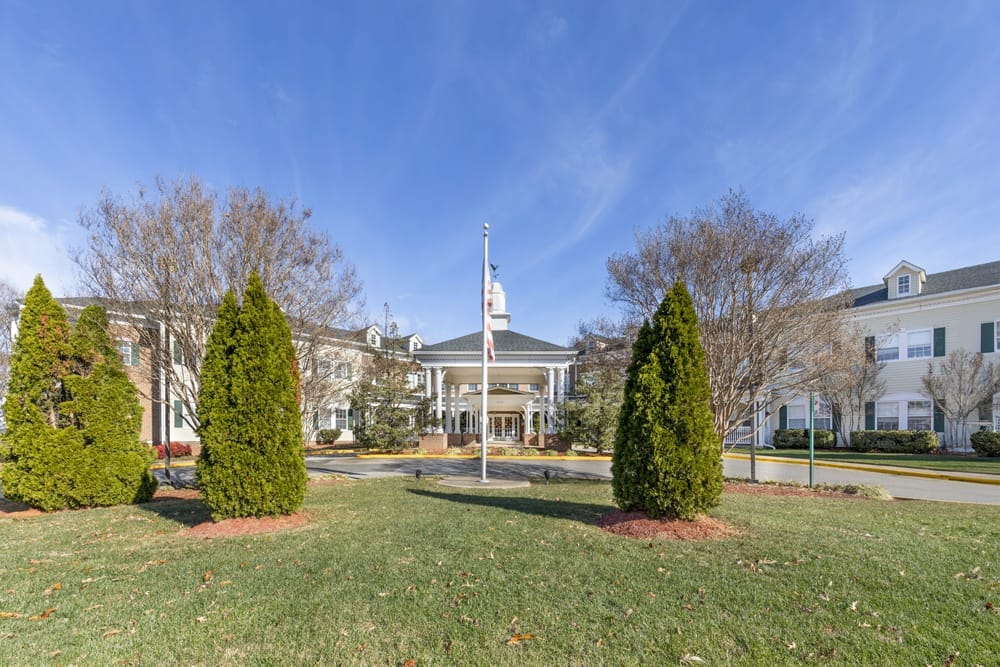
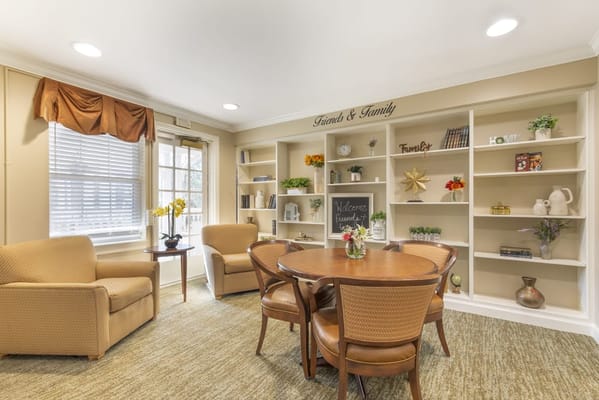
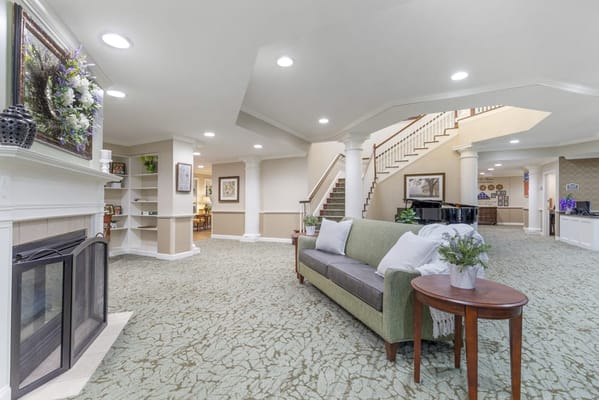
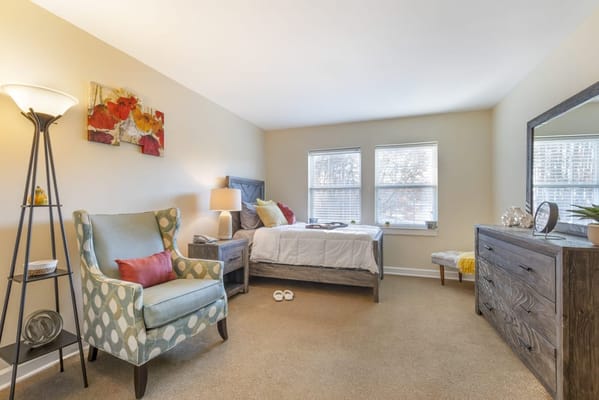
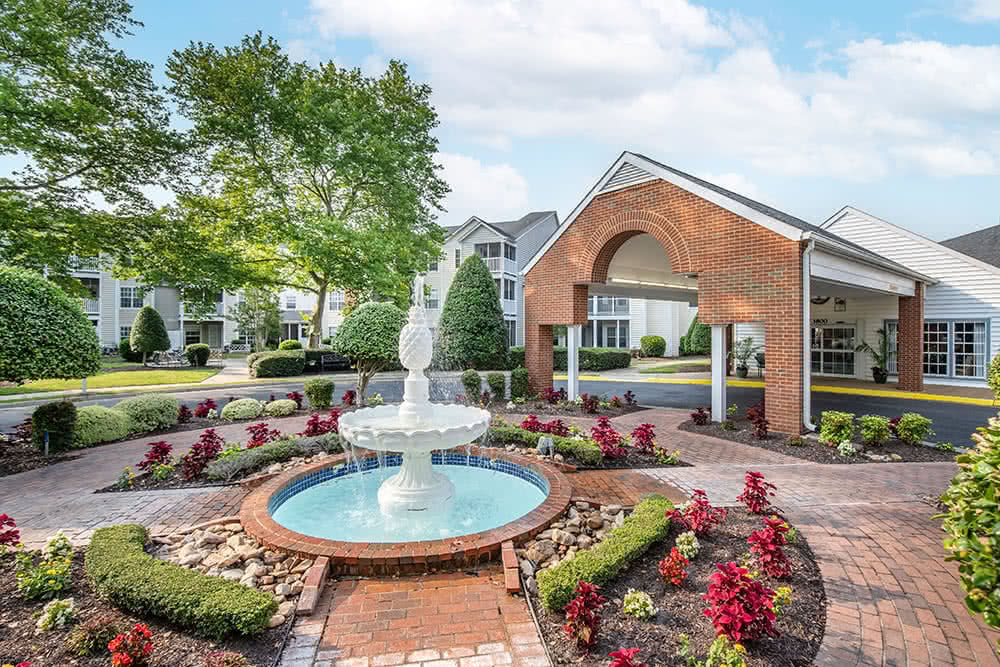
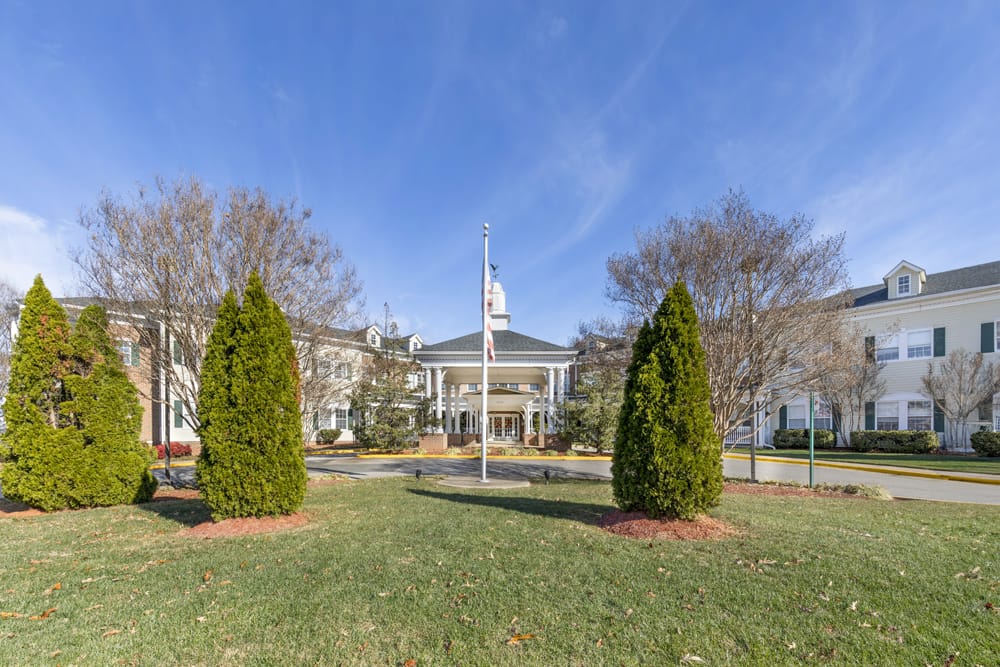
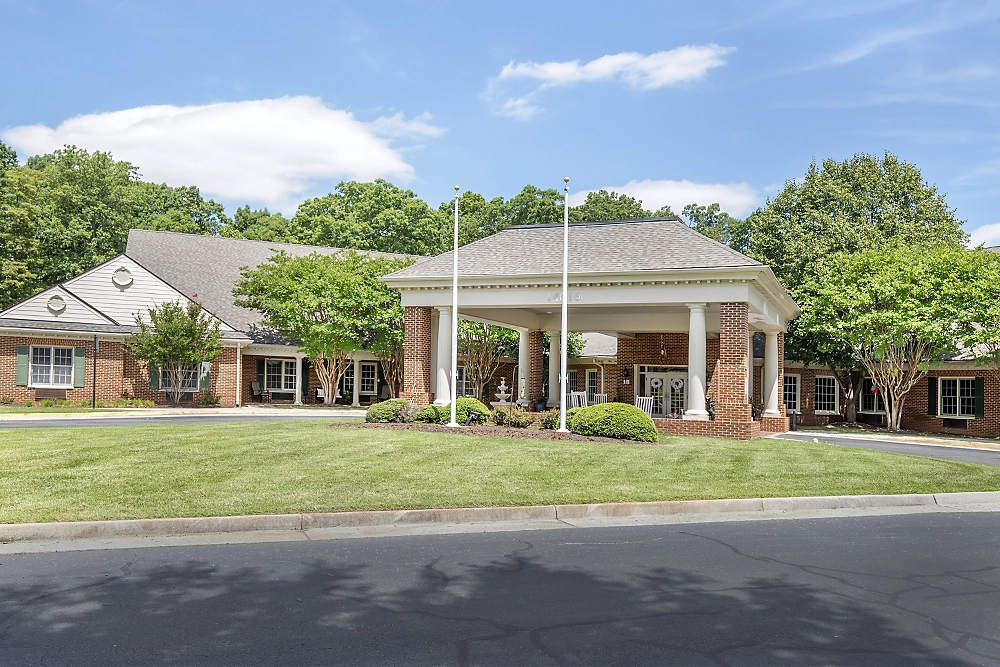
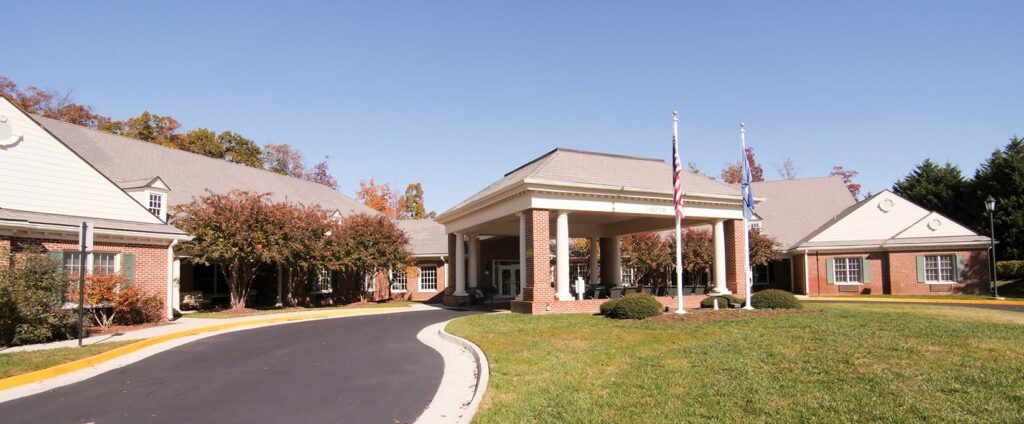
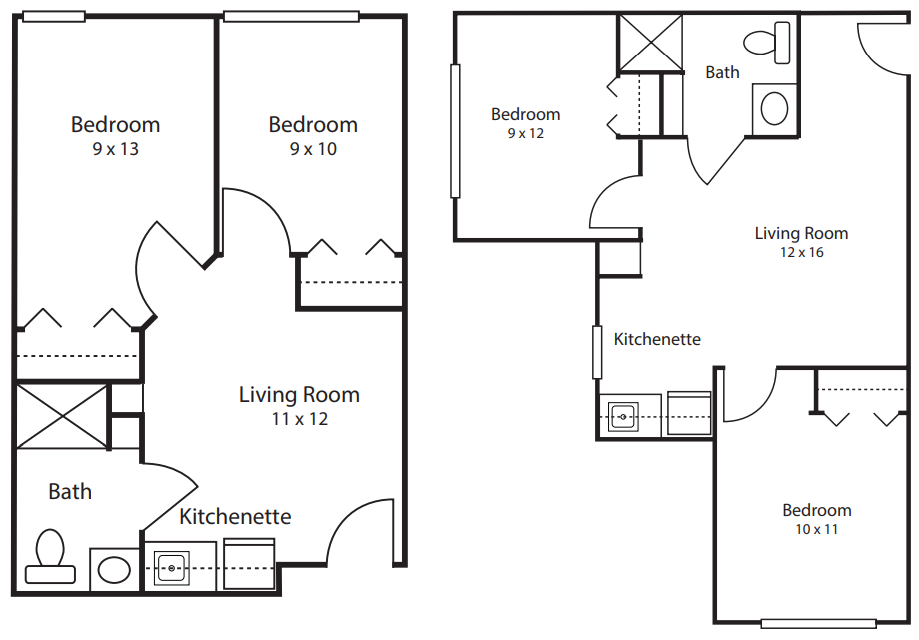
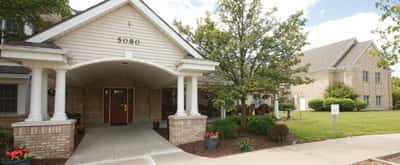
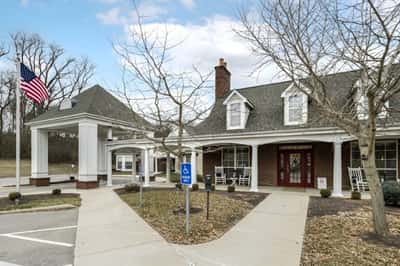
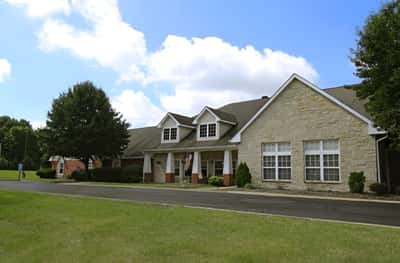
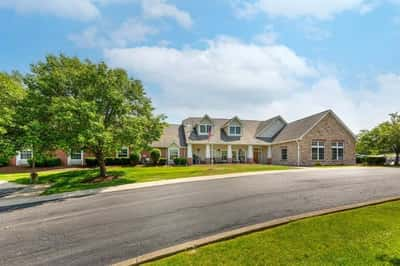
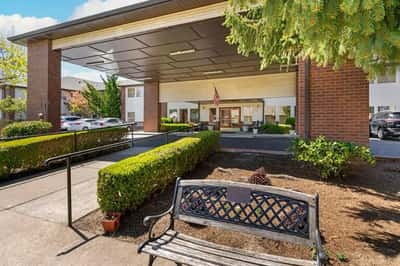
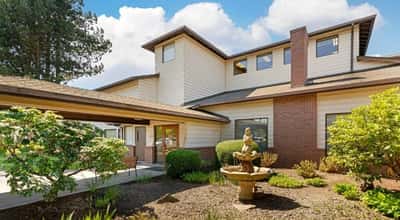
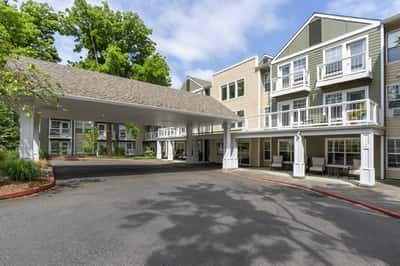
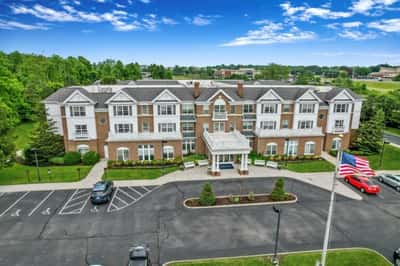
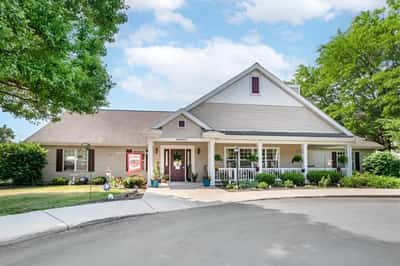
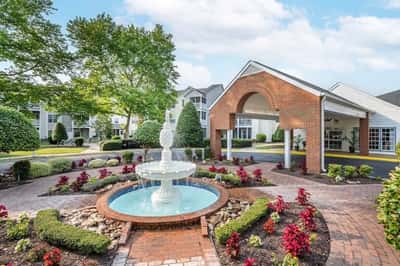
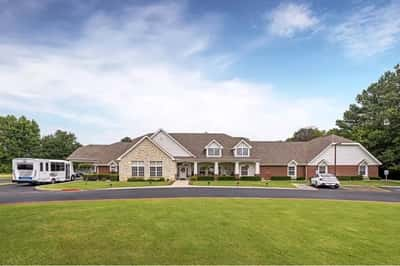
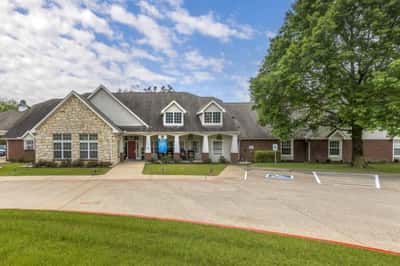
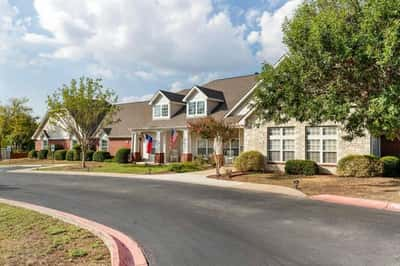
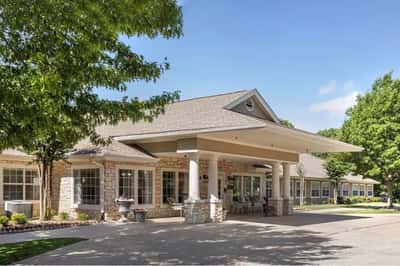
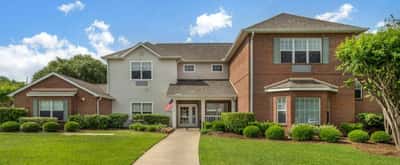
Settling in the peaceful community of Prince William Parkway, Woodbridge, VA, Brookdale Lake Ridge is an esteemed senior living community offering assisted living and memory care. The community features a wide range of elegant and spacious floor plans ranging from studio to two-bedroom apartments. Live retirement like a vacation for a lifetime with extra hands for maintenance and housekeeping from a reliable and compassionate team prepared around the clock.
With its exclusive Clare Bridge Training, seniors receive an evidence-based approach to enhance their cognition and live comfortably. Moreover, the community provides opportunities for its residents’ enjoyment and wellness through exciting activities and fun classes. Fostering socialization, residents enjoy healthy and delicious meals with friends while memory care residents experience routine-based meal times to avoid confusion. Brookdale Lake Ridge strives to provide seniors a haven of comfort and safety within its beautiful grounds, and fabulous amenities including a library, a courtyard and garden, a game room, and parking spaces.

Capacity and availability
Medium-capacity home
Offers a balance of services and community atmosphere.


About this community
Brookdale Lake Ridge is administrated by Dana Panek.
What does this home offer?

Room Sizes: Studio / 1 Bed / 2 Bed

Building Type: Two-story

Fitness and Recreation
Types of Care at Brookdale Lake Ridge
Inspection History
In Virginia, the Department of Social Services (for assisted living facilities) and the Department of Health (for nursing homes) perform the inspections required to maintain state and federal licensing.
7 inspections
1 inspection related to complaints
4 inspections with violations (57.1%)

Virginia average: 14 inspections
Virginia average: 64.3% of inspections with violations
 Show Inspection Reports
1 complaint
Formal expressions of dissatisfaction or concern made by residents, or their families regarding various aspects of the care, services, and environment provided.
Virginia average: 7 complaints
Inspection oversight
7 total citations
Citations indicate regulatory violations. A higher number implies the facility had several areas requiring improvement.
Virginia average: 14 citations
Violations indicate regulatory issues. A higher number implies the facility had several areas requiring improvement.
Compare Memory Care around Virginia The information below is reported by the Virginia Department of Social Services and Department of Health.
Assisted Living A licensed, long-term care setting for seniors or individuals with disabilities who need help with daily activities — like bathing, dressing, and medication management — but not 24-hour skilled nursing. Offers housing, meals, and around-the-clock support while aiming to maximize resident independence.
Independent Living Lifestyle-focused communities for older adults offering dining, activities, and transportation with minimal personal care. Best for active, independent seniors who want community without medical support.
Memory Care Secured, specialized care for people living with Alzheimer's or dementia. Staff trained in cognitive impairment, with higher staff-to-resident ratios and an environment designed to reduce confusion and wandering risk.
Assisted Living A licensed, long-term care setting for seniors or individuals with disabilities who need help with daily activities — like bathing, dressing, and medication management — but not 24-hour skilled nursing. Offers housing, meals, and around-the-clock support while aiming to maximize resident independence.
Memory Care Secured, specialized care for people living with Alzheimer's or dementia. Staff trained in cognitive impairment, with higher staff-to-resident ratios and an environment designed to reduce confusion and wandering risk.
Assisted Living A licensed, long-term care setting for seniors or individuals with disabilities who need help with daily activities — like bathing, dressing, and medication management — but not 24-hour skilled nursing. Offers housing, meals, and around-the-clock support while aiming to maximize resident independence.
Memory Care Secured, specialized care for people living with Alzheimer's or dementia. Staff trained in cognitive impairment, with higher staff-to-resident ratios and an environment designed to reduce confusion and wandering risk.
Assisted Living A licensed, long-term care setting for seniors or individuals with disabilities who need help with daily activities — like bathing, dressing, and medication management — but not 24-hour skilled nursing. Offers housing, meals, and around-the-clock support while aiming to maximize resident independence.
Memory Care Secured, specialized care for people living with Alzheimer's or dementia. Staff trained in cognitive impairment, with higher staff-to-resident ratios and an environment designed to reduce confusion and wandering risk.
Memory Care Secured, specialized care for people living with Alzheimer's or dementia. Staff trained in cognitive impairment, with higher staff-to-resident ratios and an environment designed to reduce confusion and wandering risk.

Places of interest near Brookdale Lake Ridge
 5.8 miles from city center — 10.4 miles to nearest hospital (Alexander T. Augusta Military Medical Center)
Calculate Travel Distance to Brookdale Lake Ridge
Add your location
Guides for Better Senior Living
Care Cost Calculator: See Prices in Your Area
Nursing Home Data Explorer
Don’t Wait Too Long: 7 Red Flag Signs Your Parent Needs Assisted Living Now
The True Cost of Assisted Living in 2025 – And How Families Are Paying For It
Understanding Senior Living Costs: Pricing Models, Discounts & Financial Assistance








Financial Aid for Virginia Seniors
Get financial aid guidanceContact Us

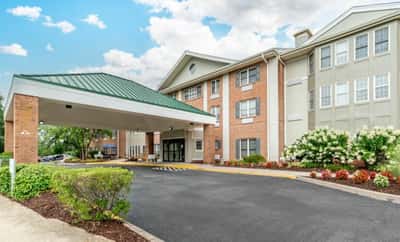
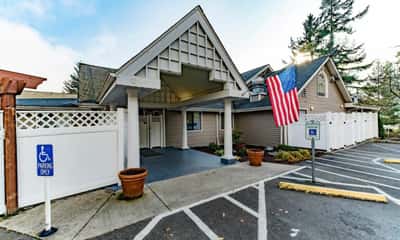
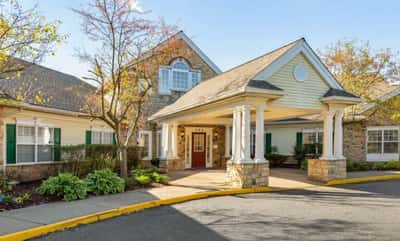
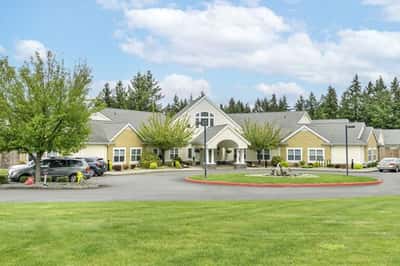
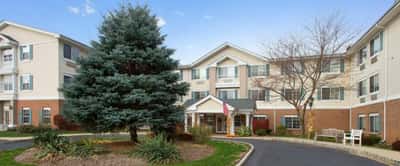
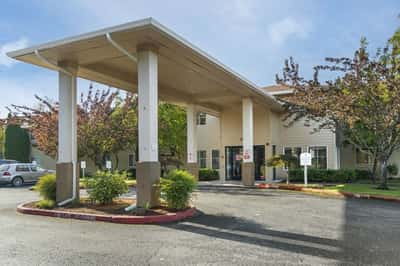
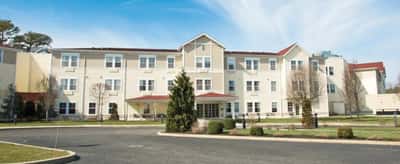
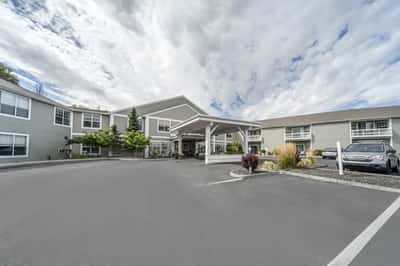
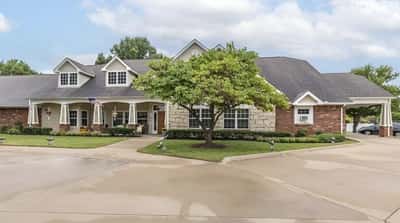
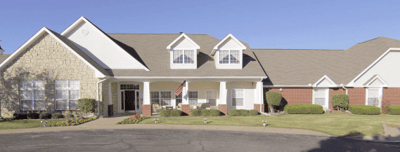
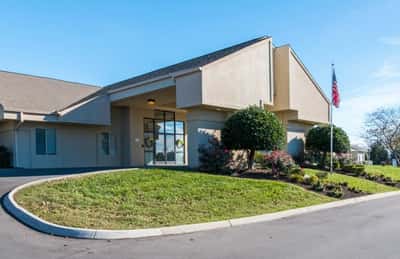
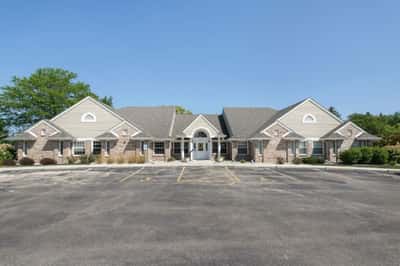
More homes from the same owner









































































































Touring Checklist for Senior Living
Touring a community? Use this expert-backed checklist to stay organized, ask the right questions, and find the perfect fit.
Location
Community Spaces and Overall Environment
Services
Staffing
Accommodations
Finances
Other Notes
Send Checklist to Your Email
We'll send you a PDF version of the touring checklist.

Write a review for Brookdale Lake Ridge
Rate your overall experience with this community


Need Help?
Let us help you or a loved one find the perfect senior home.