

Occupancy rate
58%
 In line with Washington average
We arrange tours, appointments, and even moving support so you don’t have to

Thank you for your interest!
Our team will be in touch shortly to help with next steps.
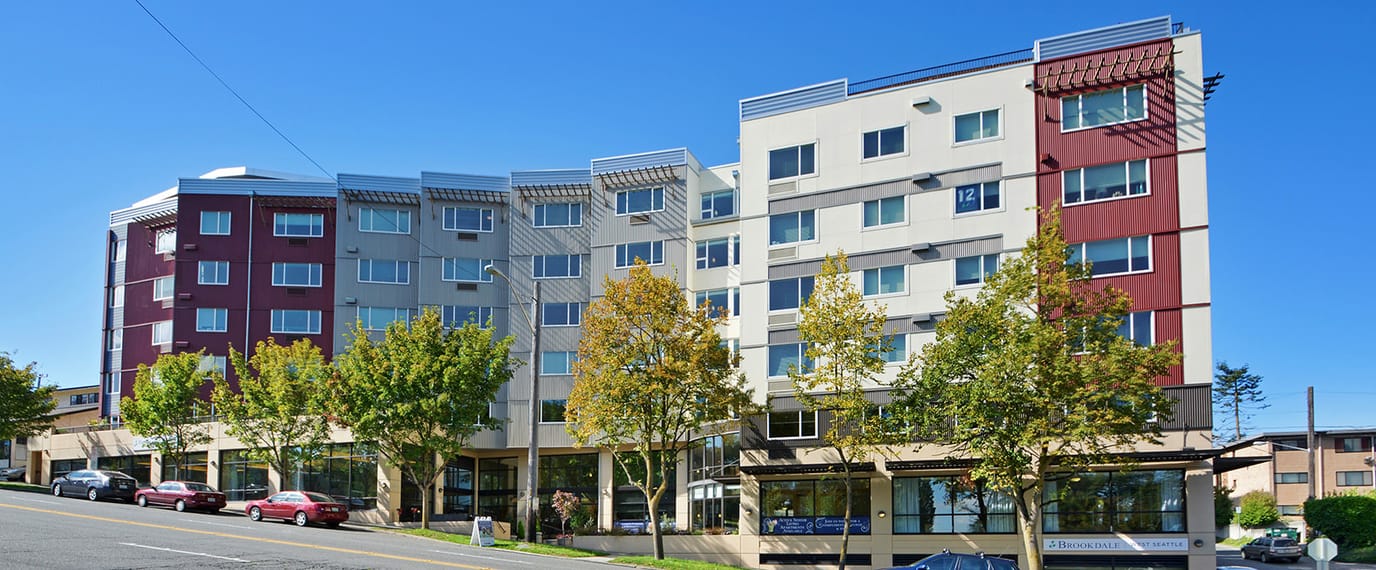
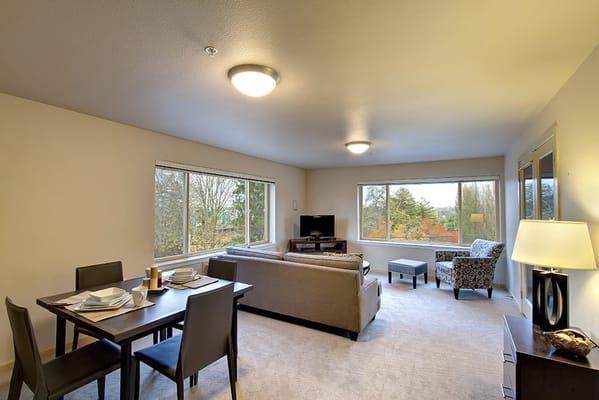
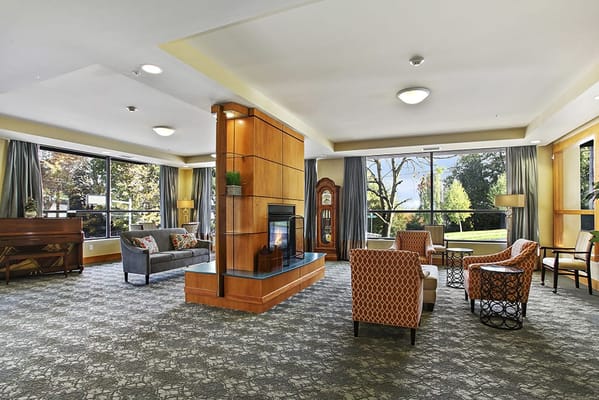


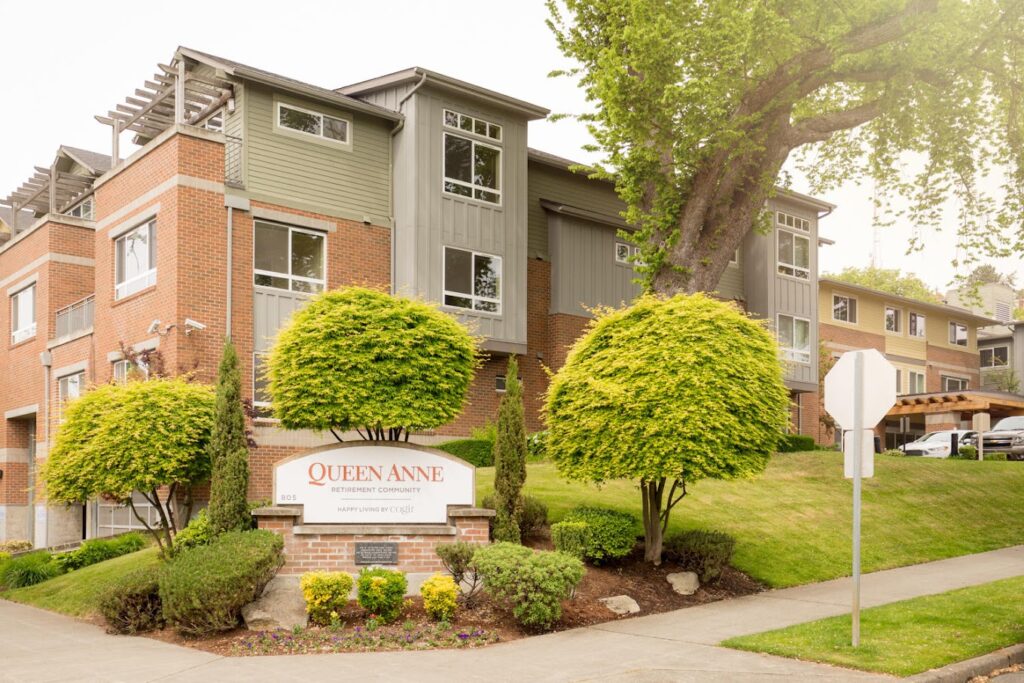
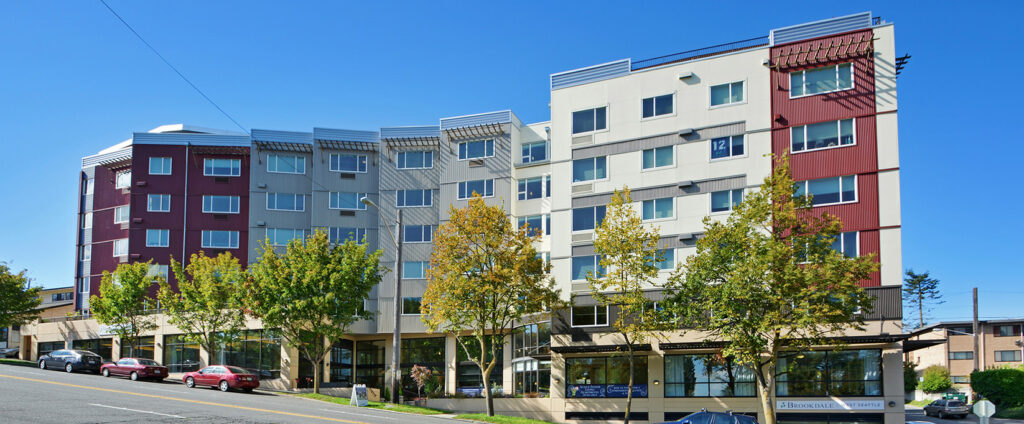
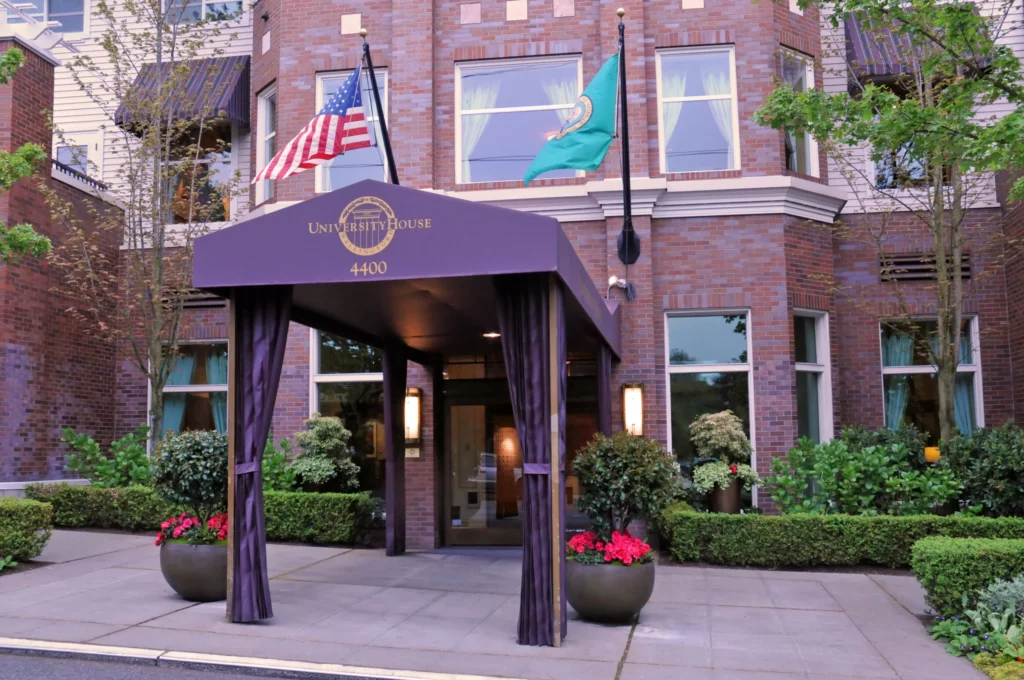
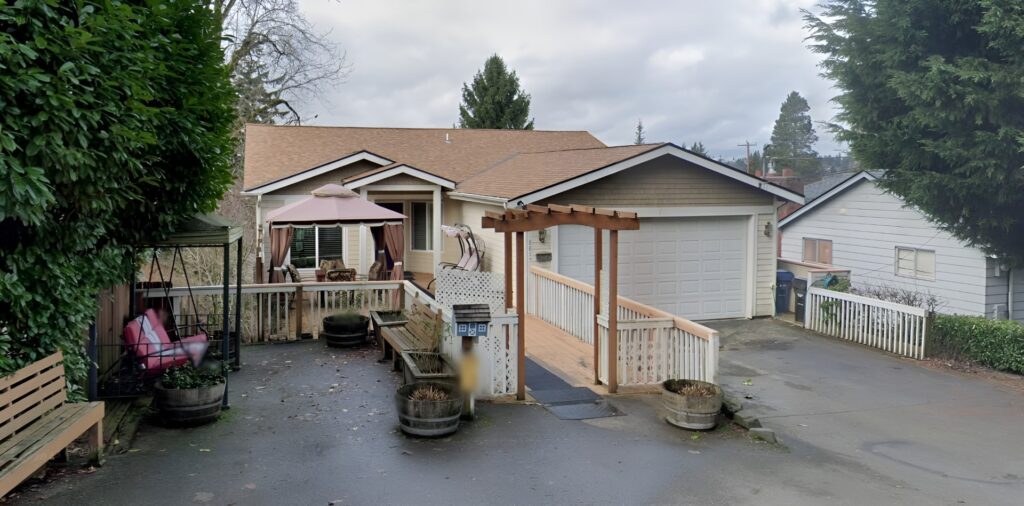
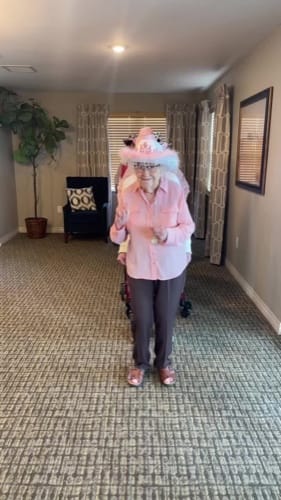
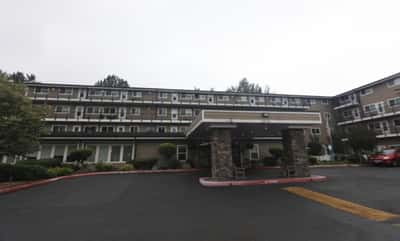
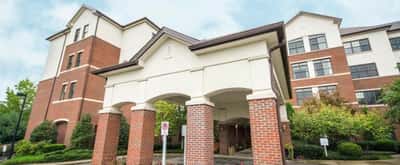
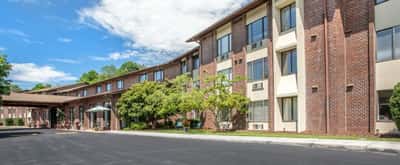
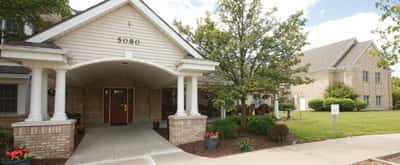
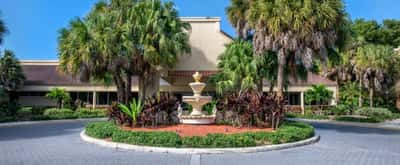
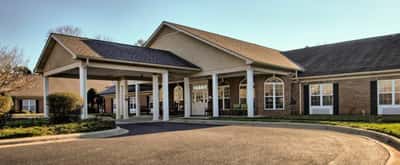
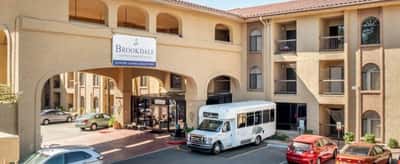
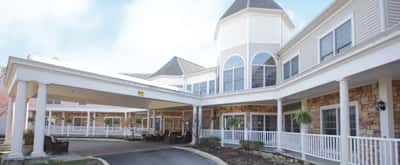
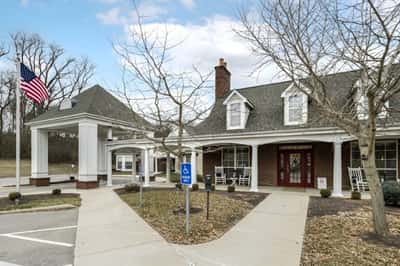
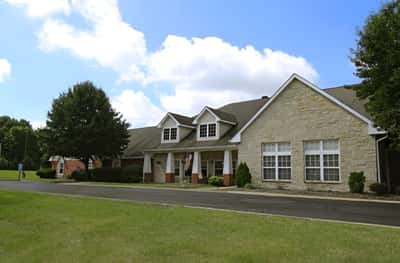
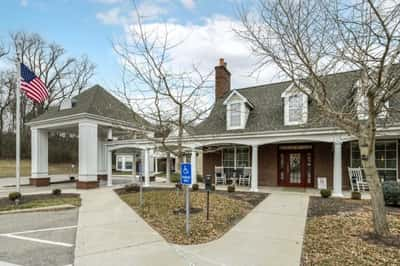
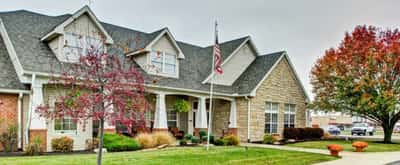
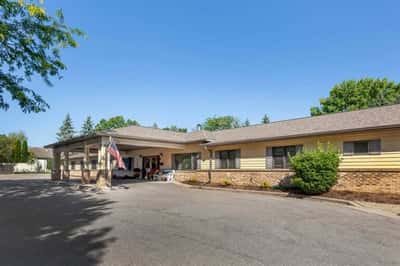
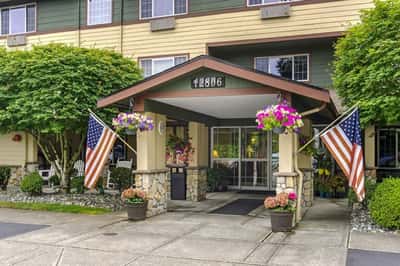
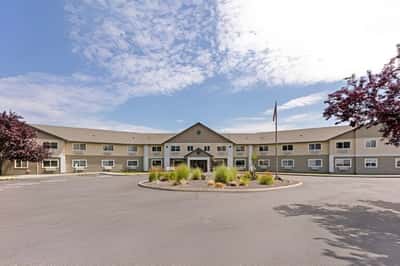
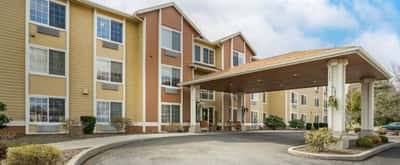
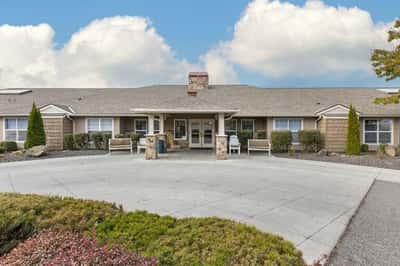
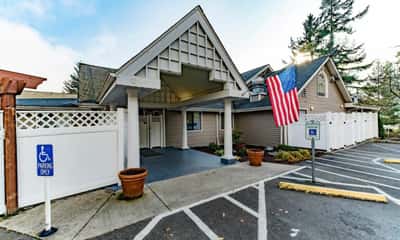
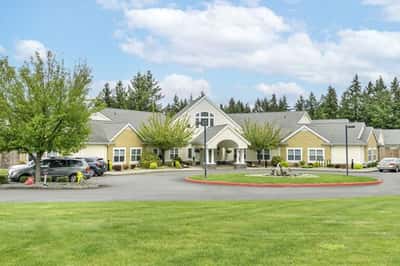
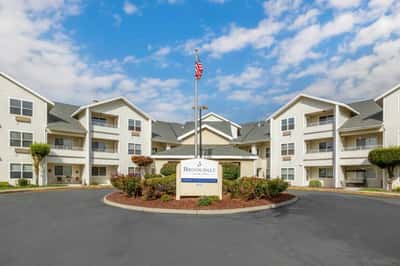
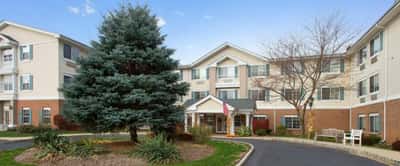
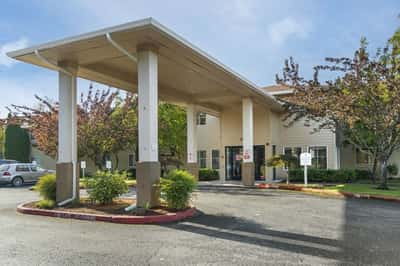
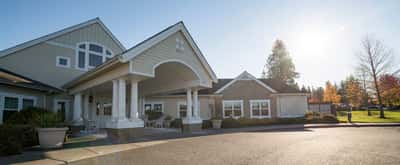
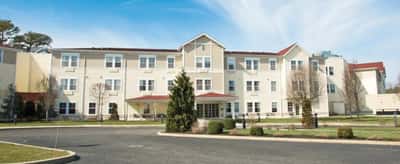
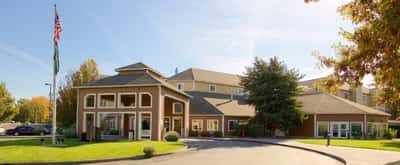
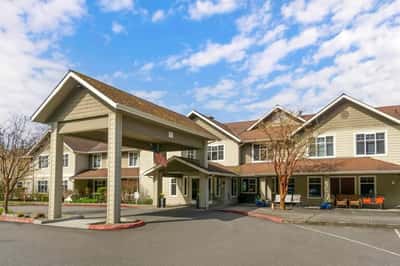
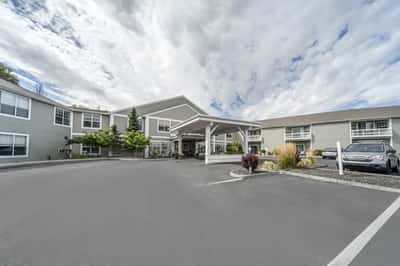
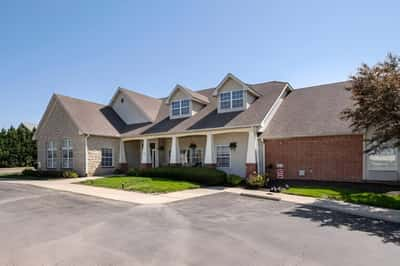
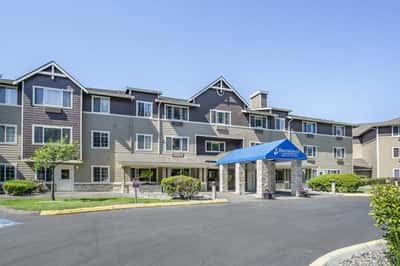
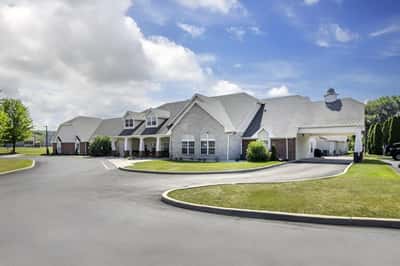
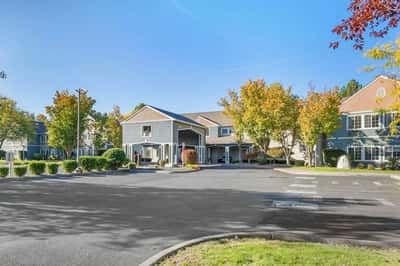
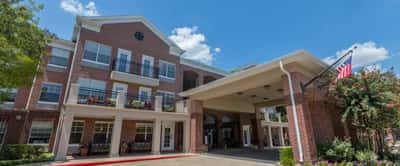
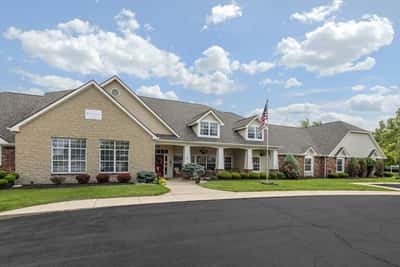
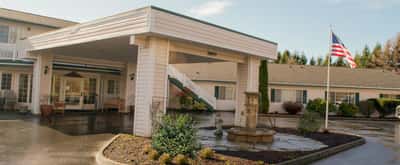
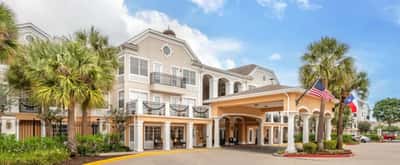
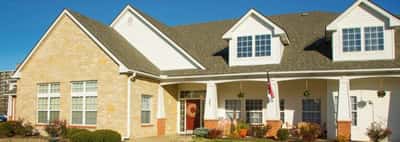
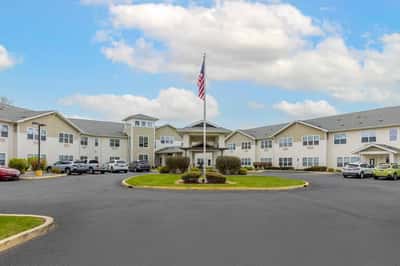
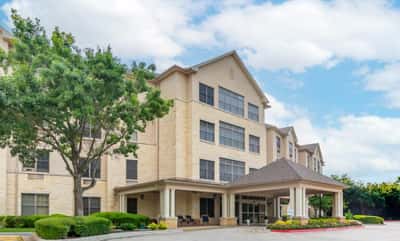
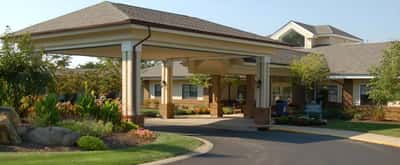
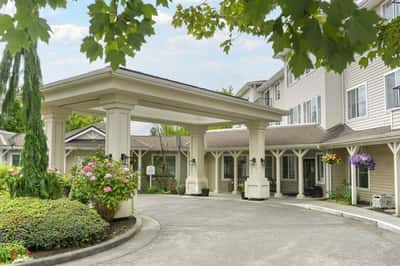
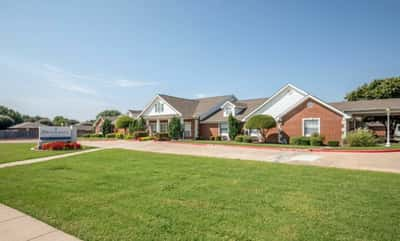
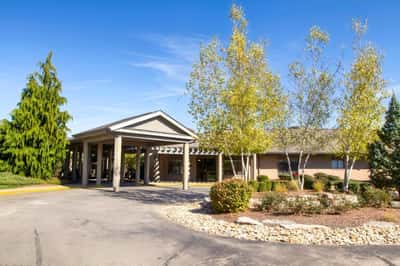
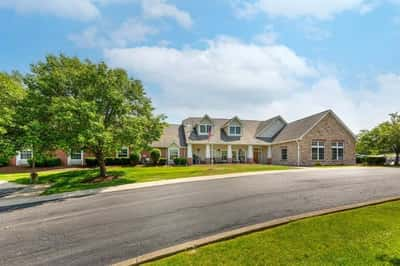
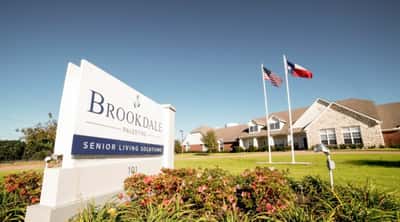
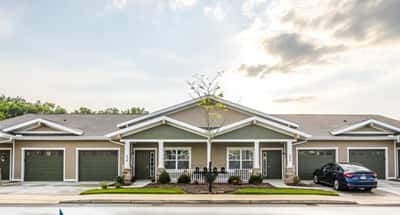
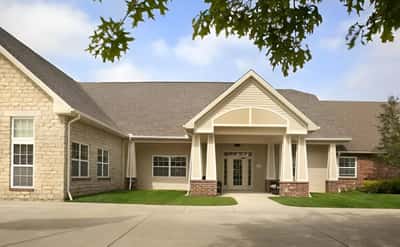
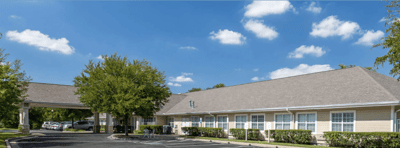
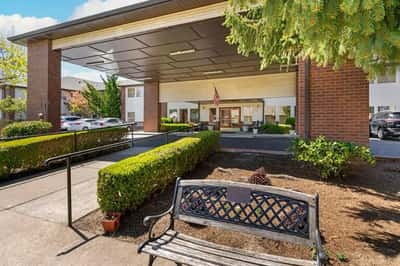
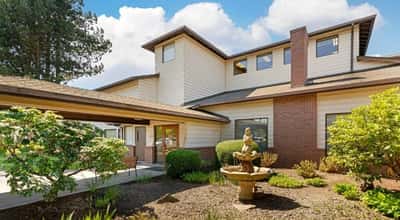
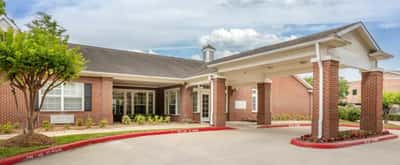
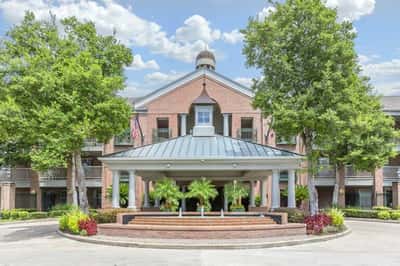
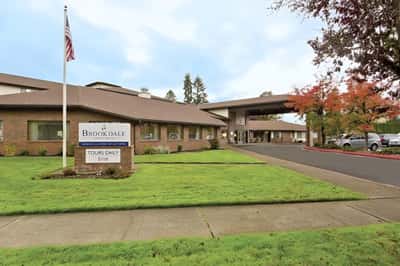
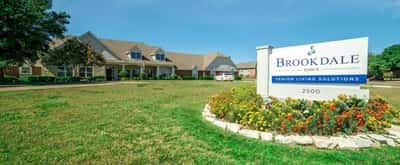
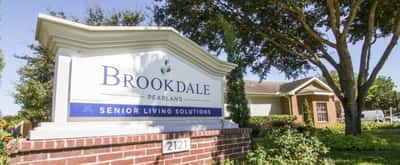
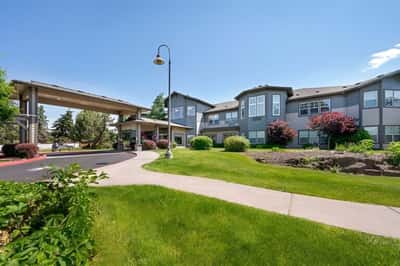
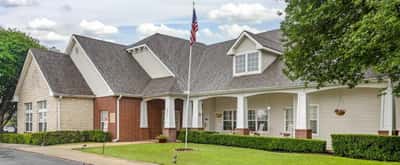
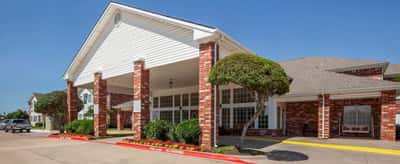
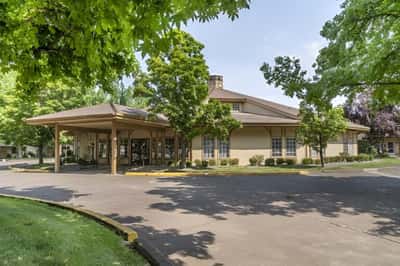
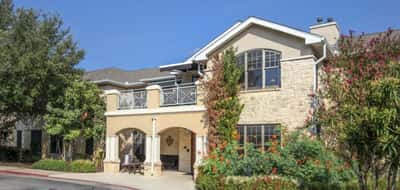
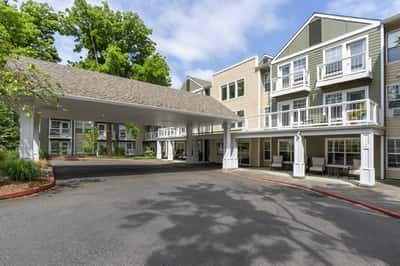
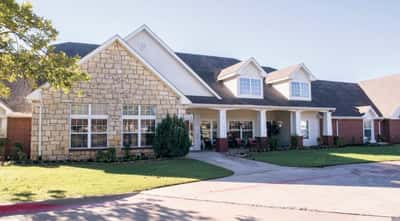
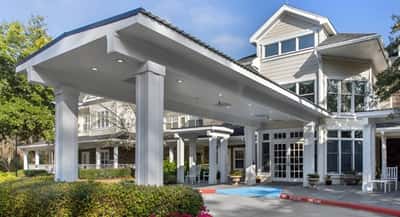
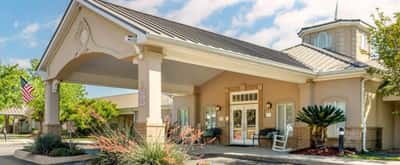
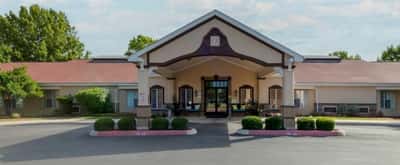
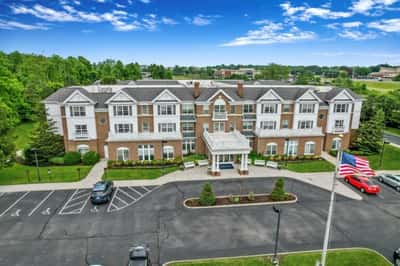
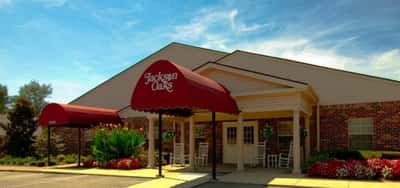
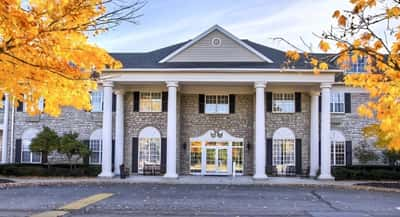
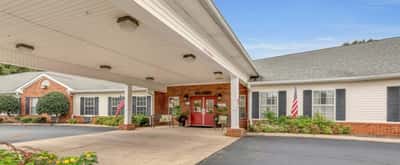
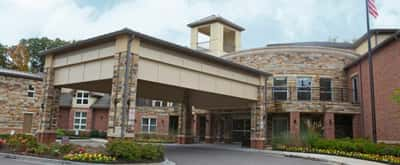
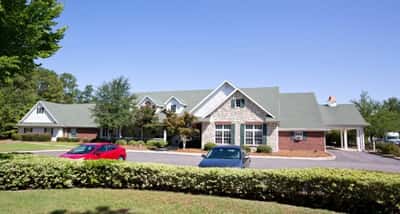
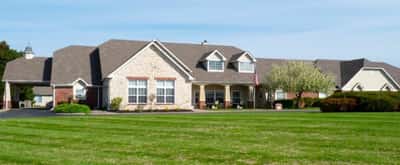
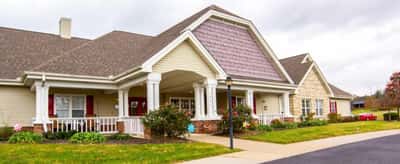
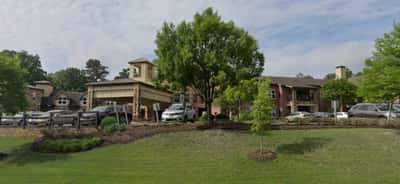
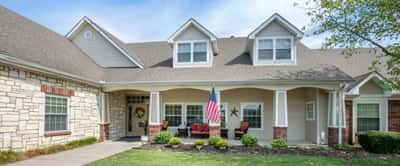
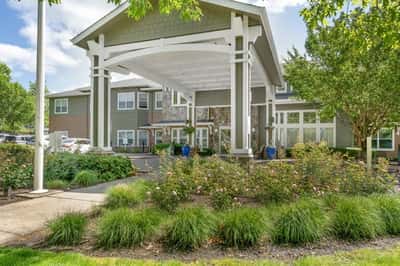
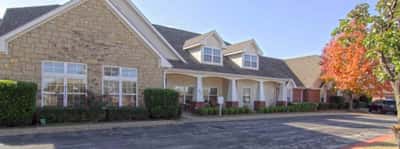
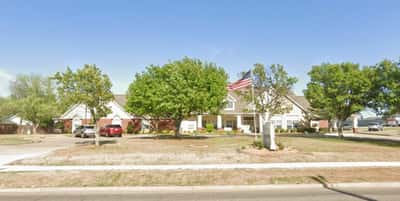
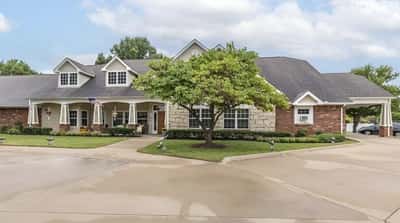
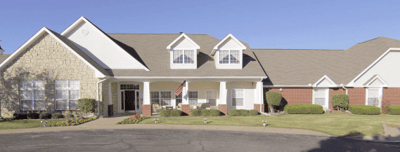
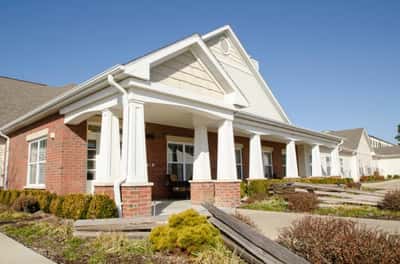
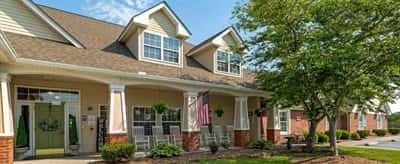
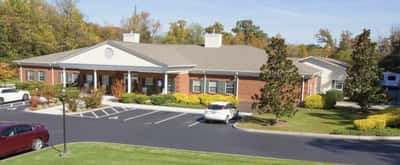
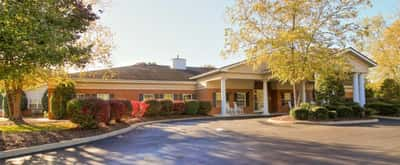
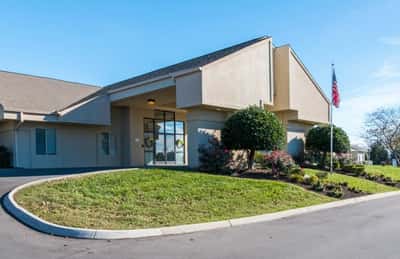
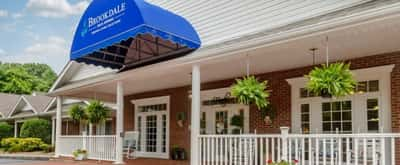
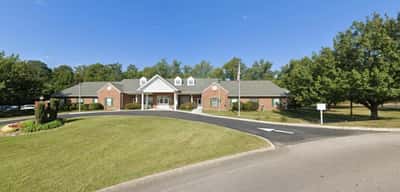
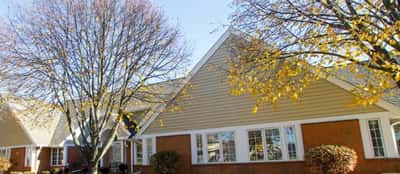
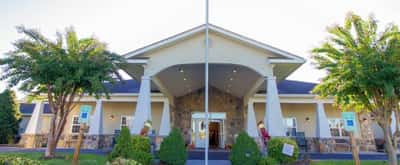
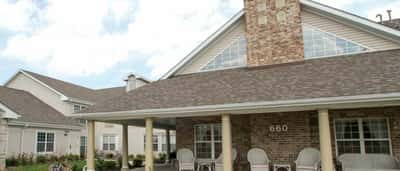
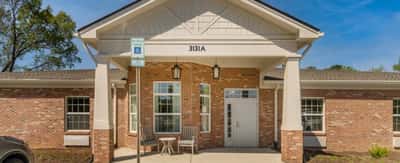
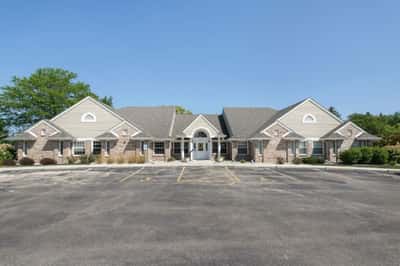
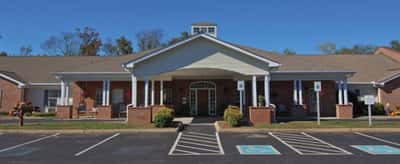
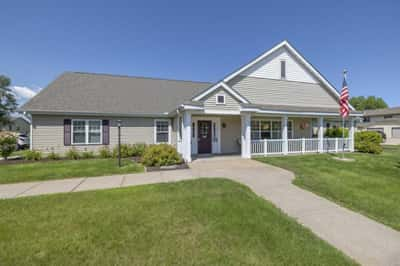
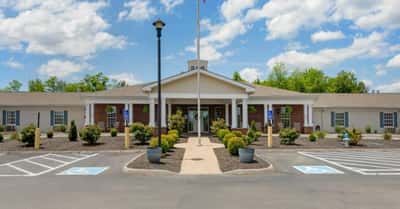
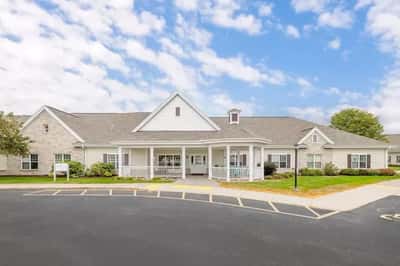
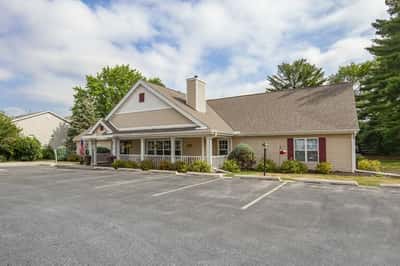
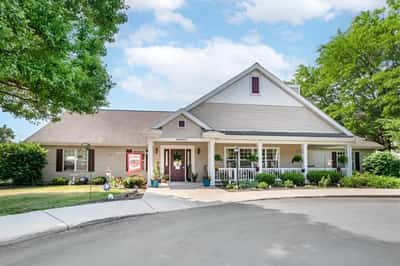
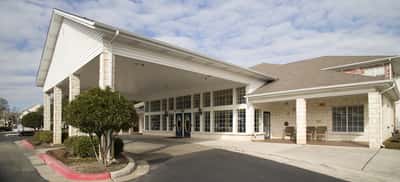
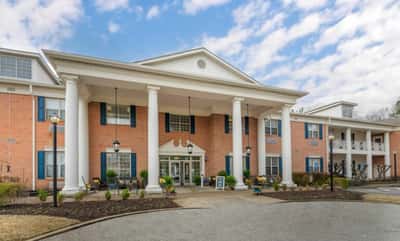
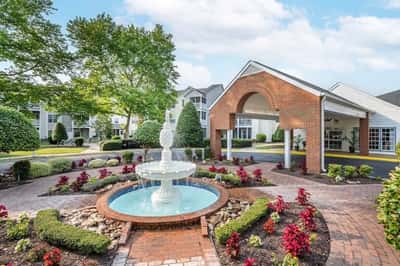
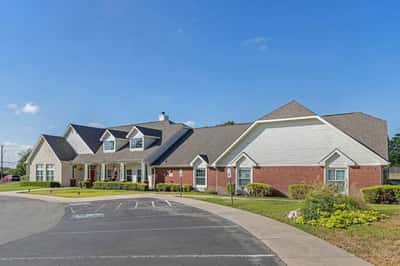
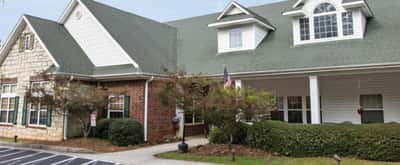
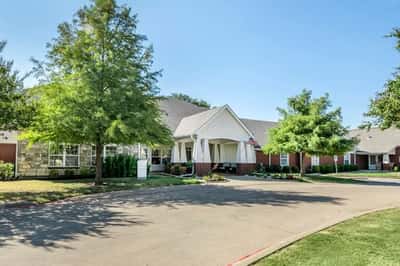
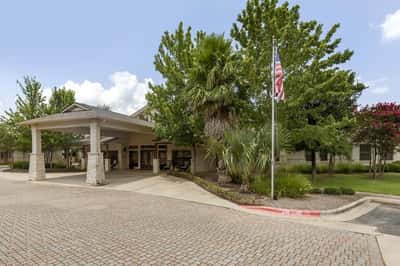
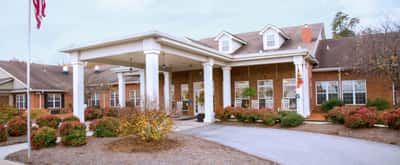
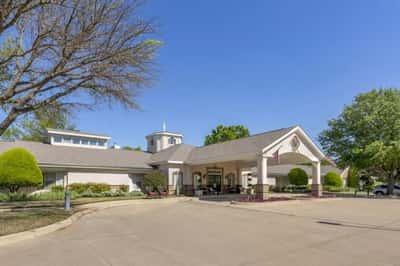
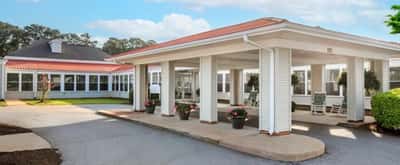
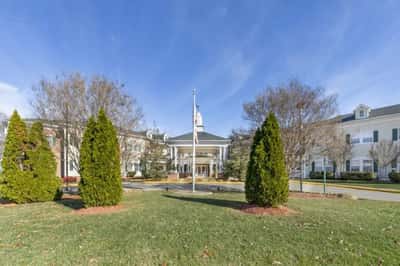
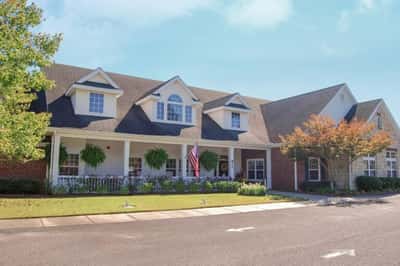
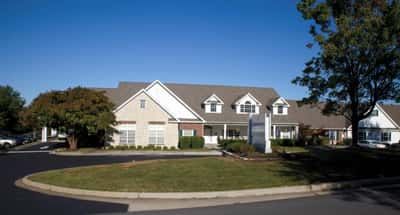
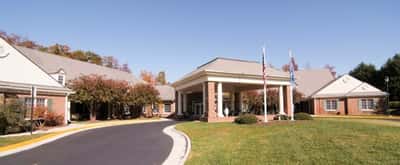
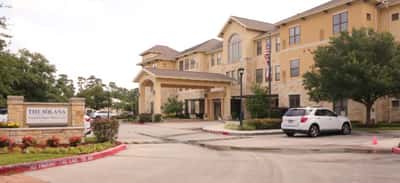
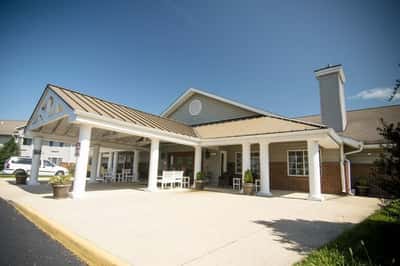
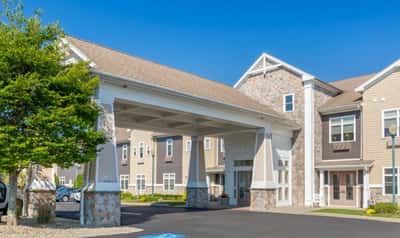
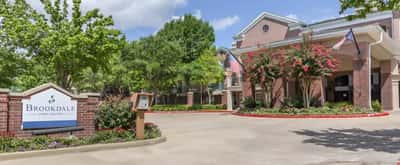
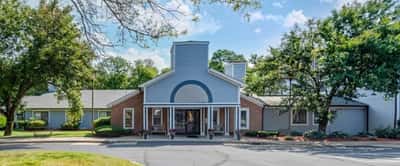
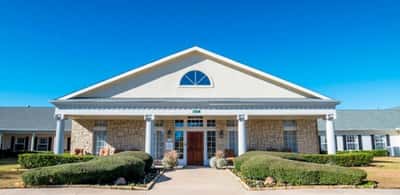
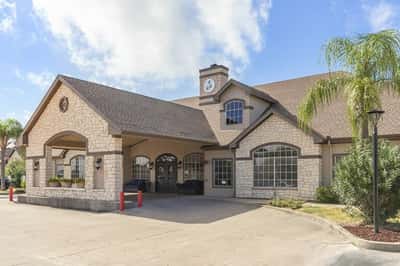
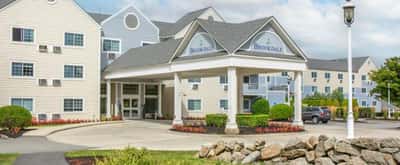
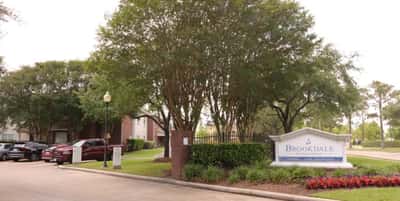
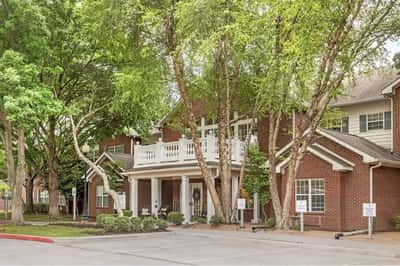
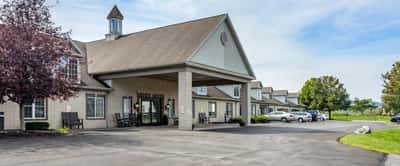
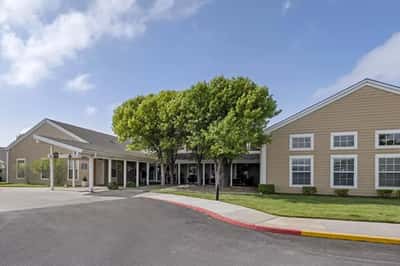
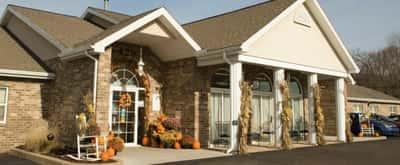
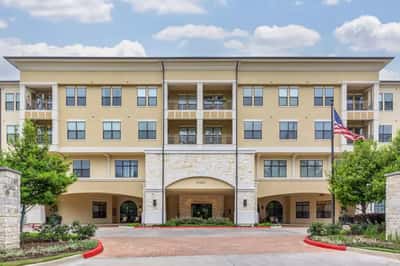
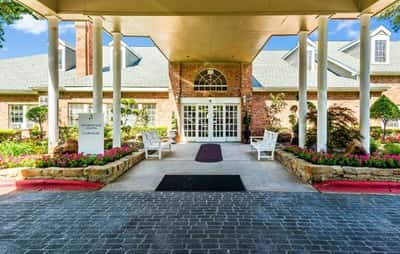
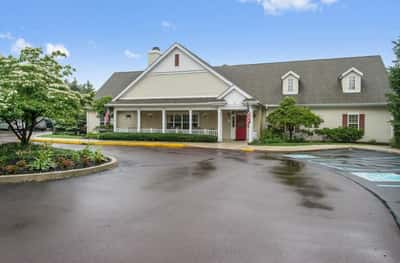
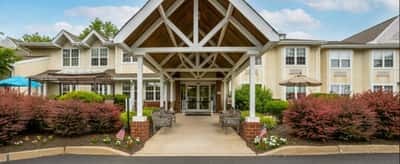
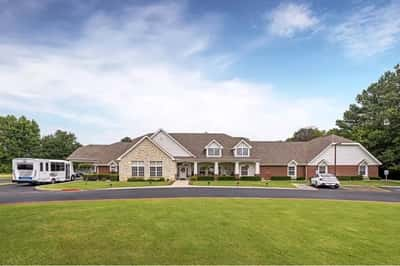
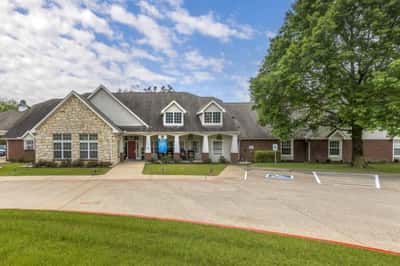
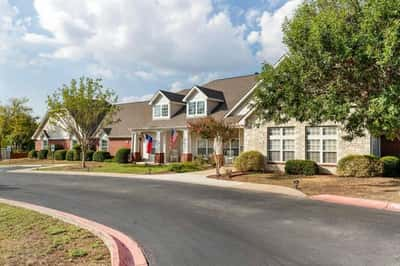
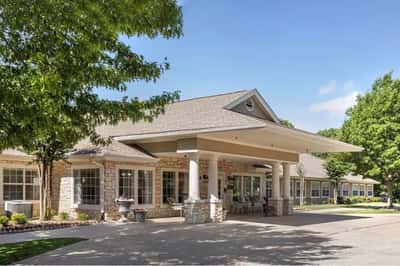
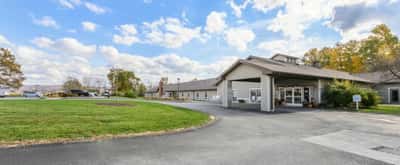
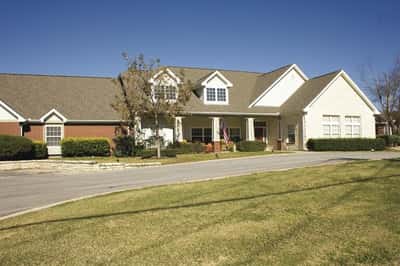
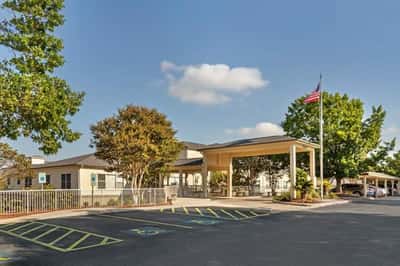
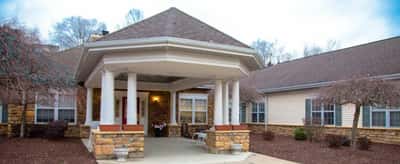
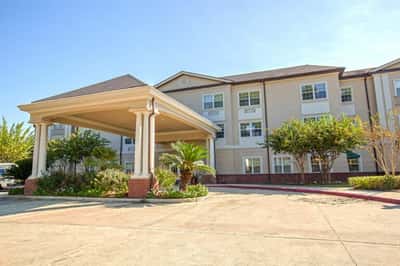
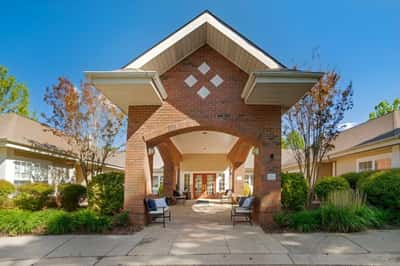
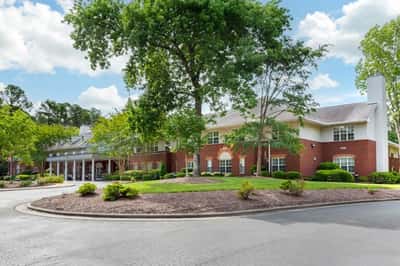
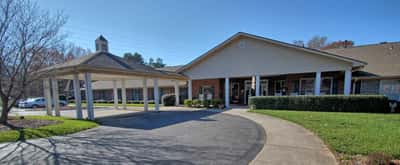
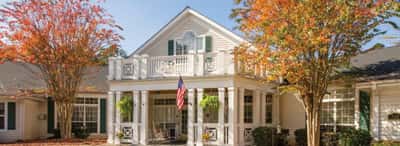
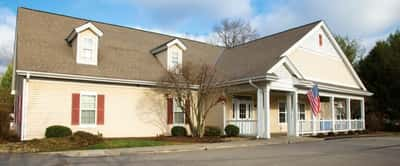
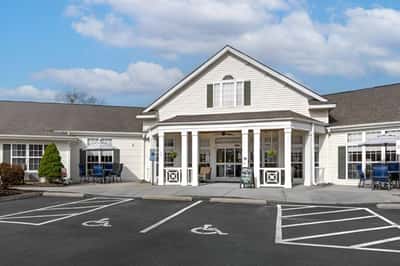
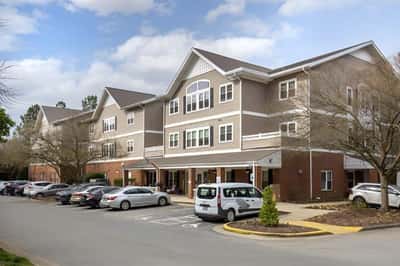
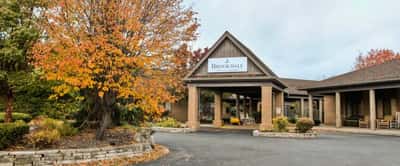
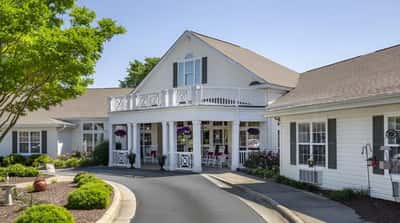
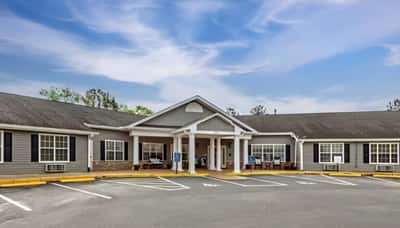
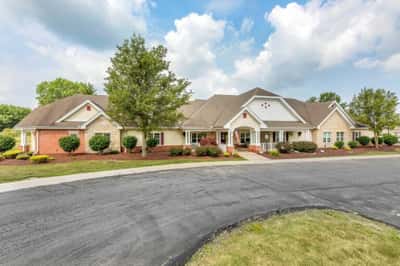
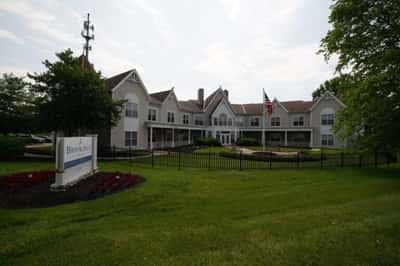
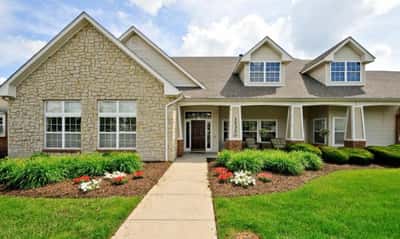
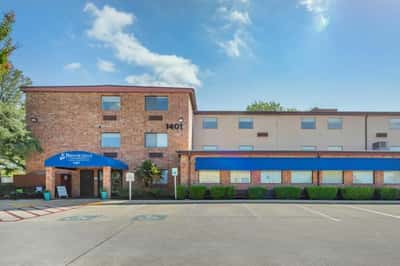
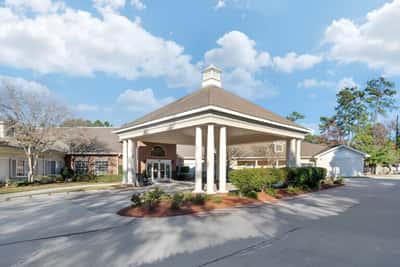
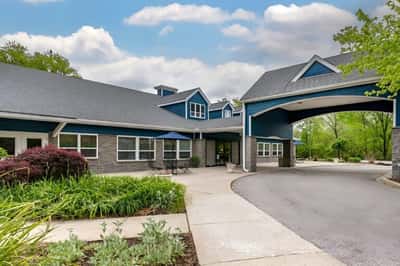
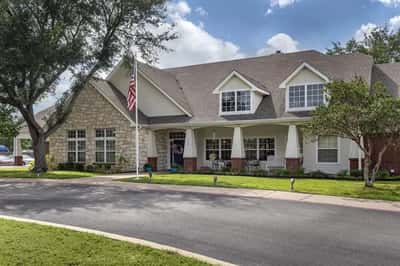
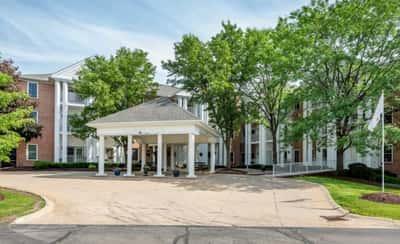
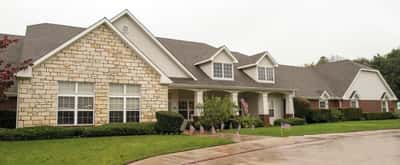
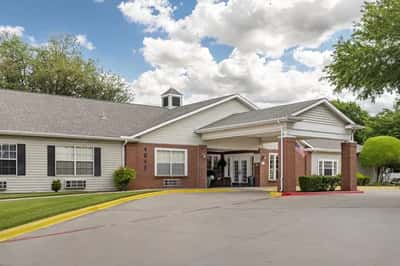
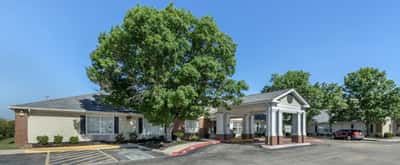
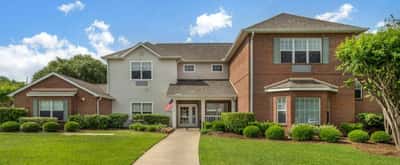
Nestled in the tranquil neighborhood of Stanwood, WA, Brookdale Stanwood is an idyllic senior living community offering a spectrum of care options including assisted living, independent living, and memory care. Featuring cozy and pet-friendly floor plans including various studio, one-bedroom, and two-bedroom apartments, residents enjoy comfort and safety at its finest. Wholly experience independence and let go of your worries about mundane activities in the daily with extra hands from a kind, compassionate, and well-trained team.
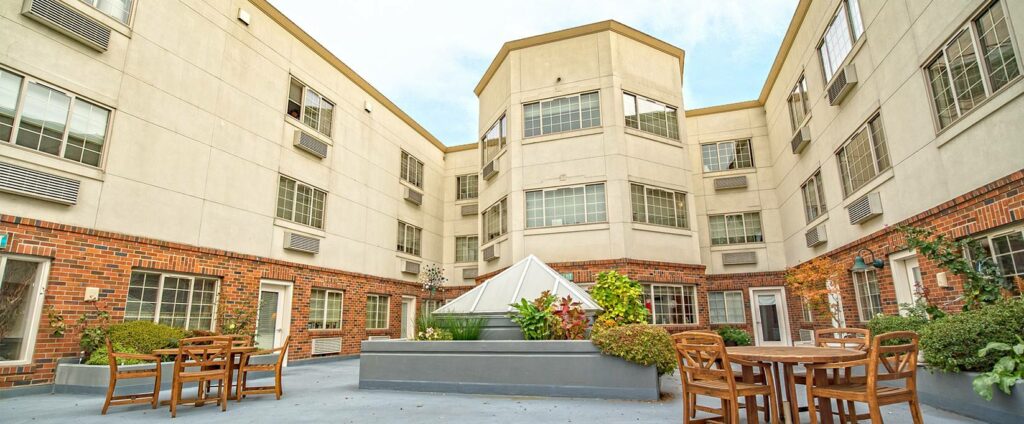
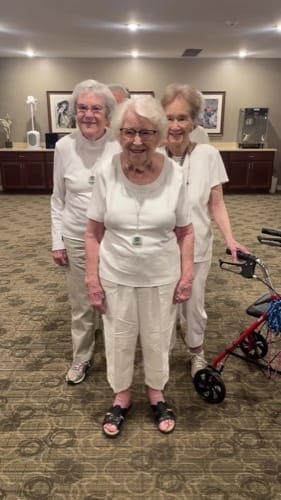
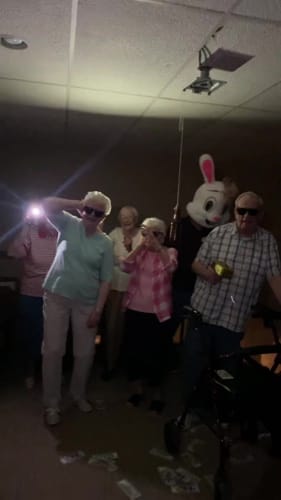
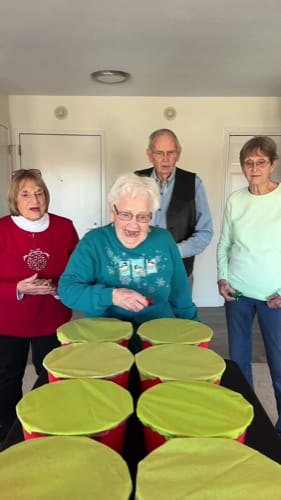
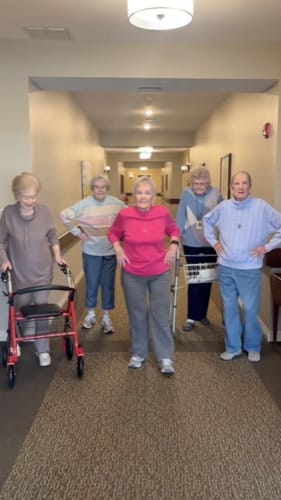
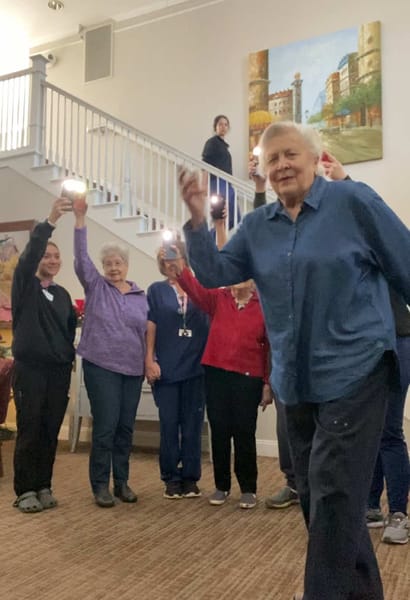
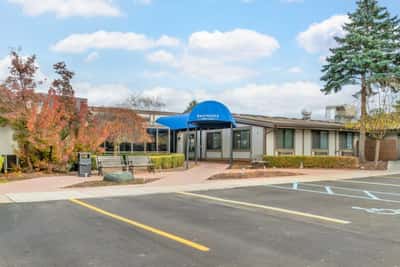
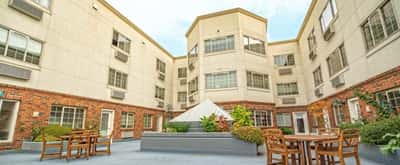
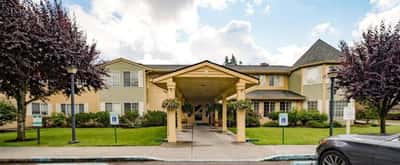
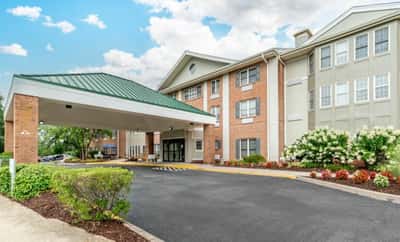
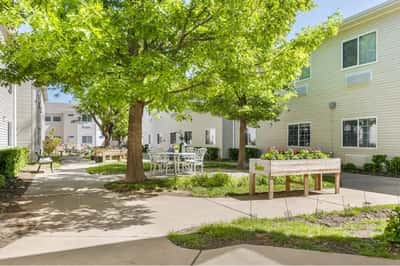
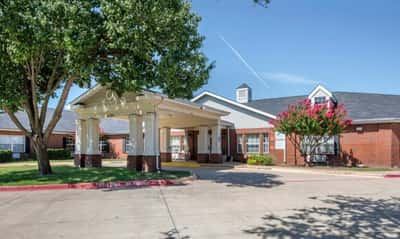
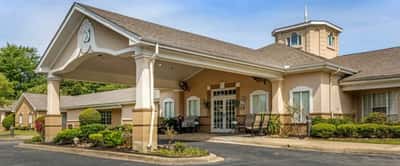
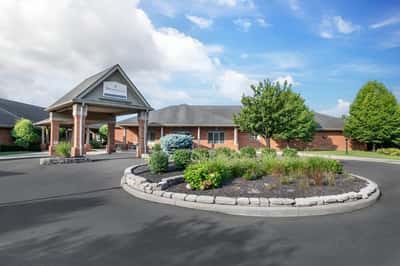
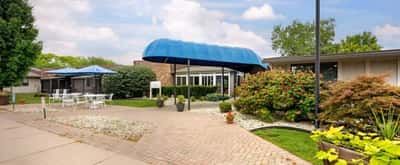
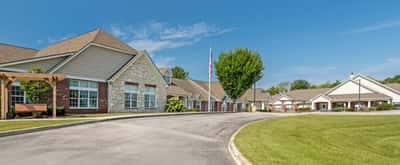
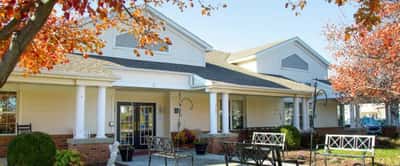
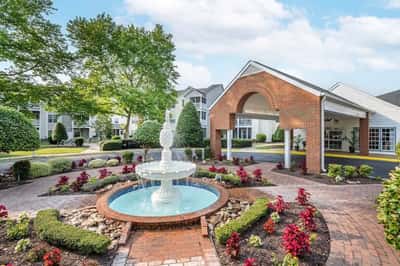
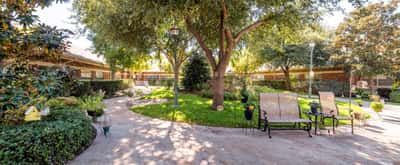
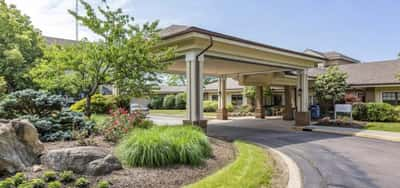
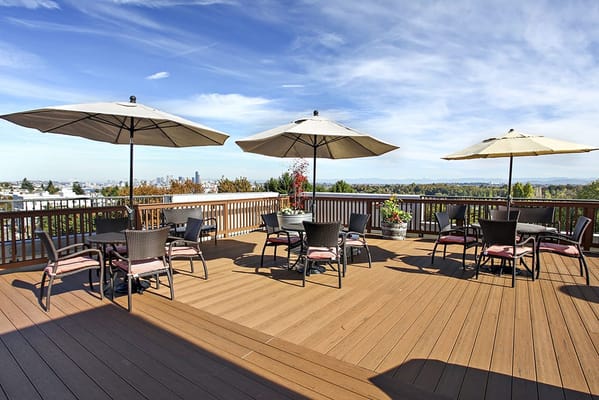
The community fosters a warm and inviting environment, orchestrating carefully chosen activities for its residents’ enjoyment and wellness. The community’s signature Clare Bridge Training aims to meet the special needs of memory care residents and provide them with the proper care and assistance necessary. With its convenient location near local attractions, residents enjoy a different level of amusement and gain easy access to necessities. Brookdale Stanwood sits on beautifully landscaped grounds and provides mesmerizing amenities including a beauty and barbershop, a porch, a courtyard and garden, a fireside living room, a game room, a library, a fitness center, transportation, and concierge services.
May offer a more intimate, personalized care environment.
Lower occupancy suggests more openings may be available.

 In line with Washington average
Key information about the people who lead and staff this community.

Pets Allowed: Yes, Pets Allowed

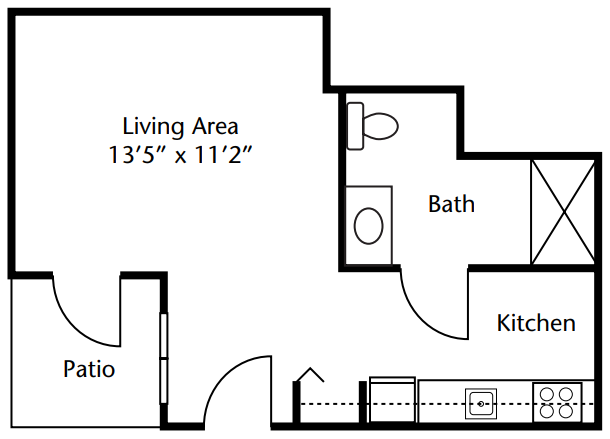
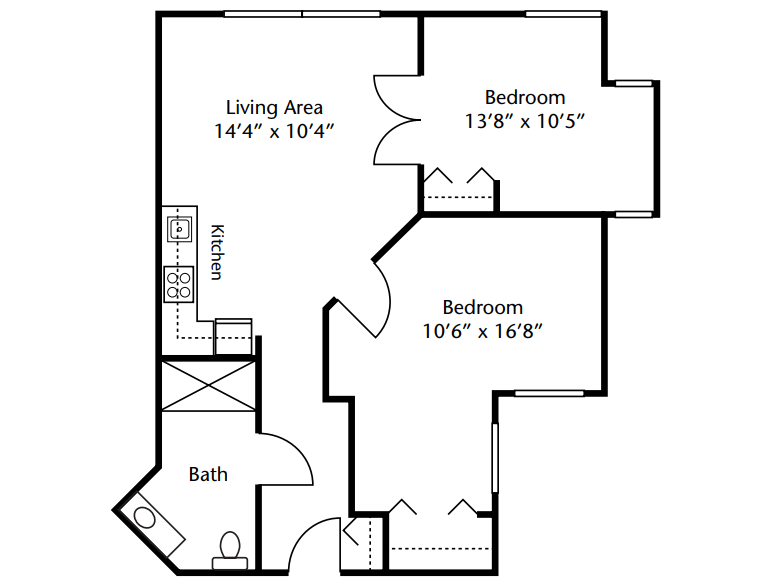
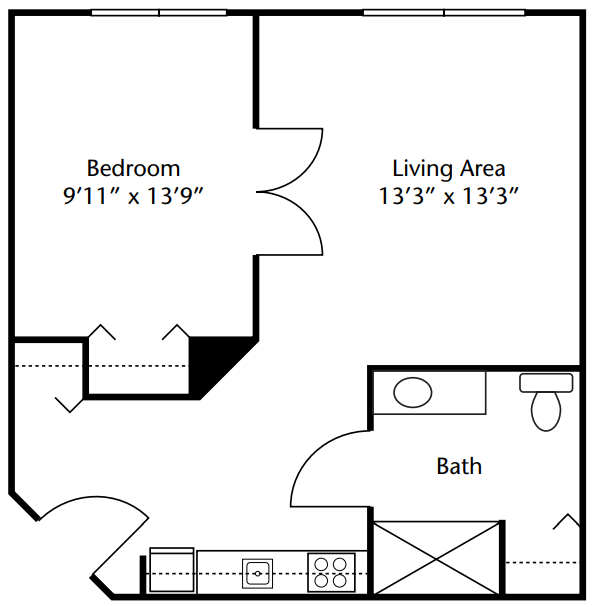
Room Sizes: 400 / 600 / 615 / 850 / 895 sq. ft

Housing Options: Studio / 1 Bed / 2 Bed

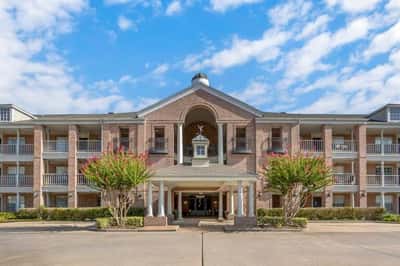
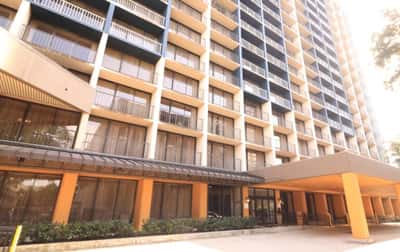
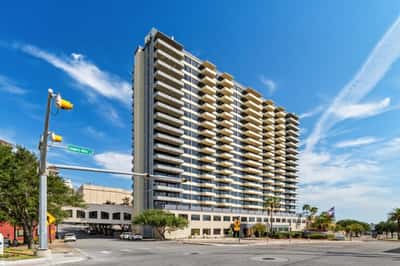
Building Type: Mid-rise

Transportation Services

Fitness and Recreation
In Washington, the Department of Social and Health Services, Residential Care Services conducts unannounced inspections and issues reports on the quality of care in all licensed settings.
3 other visits
3 life safety inspections
6 with issues
0 without issues
Washington average: 8 complaint visits
Washington average: 9 inspections
Deficiencies indicate regulatory issues. A higher number implies the facility had several areas requiring improvement.
Washington average: 31 deficiencies
Assisted Living A licensed, long-term care setting for seniors or individuals with disabilities who need help with daily activities — like bathing, dressing, and medication management — but not 24-hour skilled nursing. Offers housing, meals, and around-the-clock support while aiming to maximize resident independence.
Independent Living Lifestyle-focused communities for older adults offering dining, activities, and transportation with minimal personal care. Best for active, independent seniors who want community without medical support.
Memory Care Secured, specialized care for people living with Alzheimer's or dementia. Staff trained in cognitive impairment, with higher staff-to-resident ratios and an environment designed to reduce confusion and wandering risk.
Nursing Home Licensed facility providing 24/7 skilled nursing care for residents with complex, ongoing medical needs. Staffed by RNs, LPNs, and CNAs. Inspected and star-rated annually by CMS. Accepts Medicare (short-term rehab) and Medicaid (long-term care).
Assisted Living A licensed, long-term care setting for seniors or individuals with disabilities who need help with daily activities — like bathing, dressing, and medication management — but not 24-hour skilled nursing. Offers housing, meals, and around-the-clock support while aiming to maximize resident independence.
Independent Living Lifestyle-focused communities for older adults offering dining, activities, and transportation with minimal personal care. Best for active, independent seniors who want community without medical support.
Assisted Living A licensed, long-term care setting for seniors or individuals with disabilities who need help with daily activities — like bathing, dressing, and medication management — but not 24-hour skilled nursing. Offers housing, meals, and around-the-clock support while aiming to maximize resident independence.
Independent Living Lifestyle-focused communities for older adults offering dining, activities, and transportation with minimal personal care. Best for active, independent seniors who want community without medical support.
Assisted Living A licensed, long-term care setting for seniors or individuals with disabilities who need help with daily activities — like bathing, dressing, and medication management — but not 24-hour skilled nursing. Offers housing, meals, and around-the-clock support while aiming to maximize resident independence.
Independent Living Lifestyle-focused communities for older adults offering dining, activities, and transportation with minimal personal care. Best for active, independent seniors who want community without medical support.
Memory Care Secured, specialized care for people living with Alzheimer's or dementia. Staff trained in cognitive impairment, with higher staff-to-resident ratios and an environment designed to reduce confusion and wandering risk.
Nursing Home Licensed facility providing 24/7 skilled nursing care for residents with complex, ongoing medical needs. Staffed by RNs, LPNs, and CNAs. Inspected and star-rated annually by CMS. Accepts Medicare (short-term rehab) and Medicaid (long-term care).
Assisted Living A licensed, long-term care setting for seniors or individuals with disabilities who need help with daily activities — like bathing, dressing, and medication management — but not 24-hour skilled nursing. Offers housing, meals, and around-the-clock support while aiming to maximize resident independence.
 4.8 miles from city center — 3.2 miles to nearest hospital (VA Puget Sound Health Care System)
Add your location
Care Cost Calculator: See Prices in Your Area
Nursing Home Data Explorer
Don’t Wait Too Long: 7 Red Flag Signs Your Parent Needs Assisted Living Now
The True Cost of Assisted Living in 2025 – And How Families Are Paying For It
Understanding Senior Living Costs: Pricing Models, Discounts & Financial Assistance



Touring a community? Use this expert-backed checklist to stay organized, ask the right questions, and find the perfect fit.
We'll send you a PDF version of the touring checklist.


 Show Inspection Reports