

Occupancy rate
60%
 In line with Minnesota average
We arrange tours, appointments, and even moving support so you don’t have to

Thank you for your interest!
Our team will be in touch shortly to help with next steps.
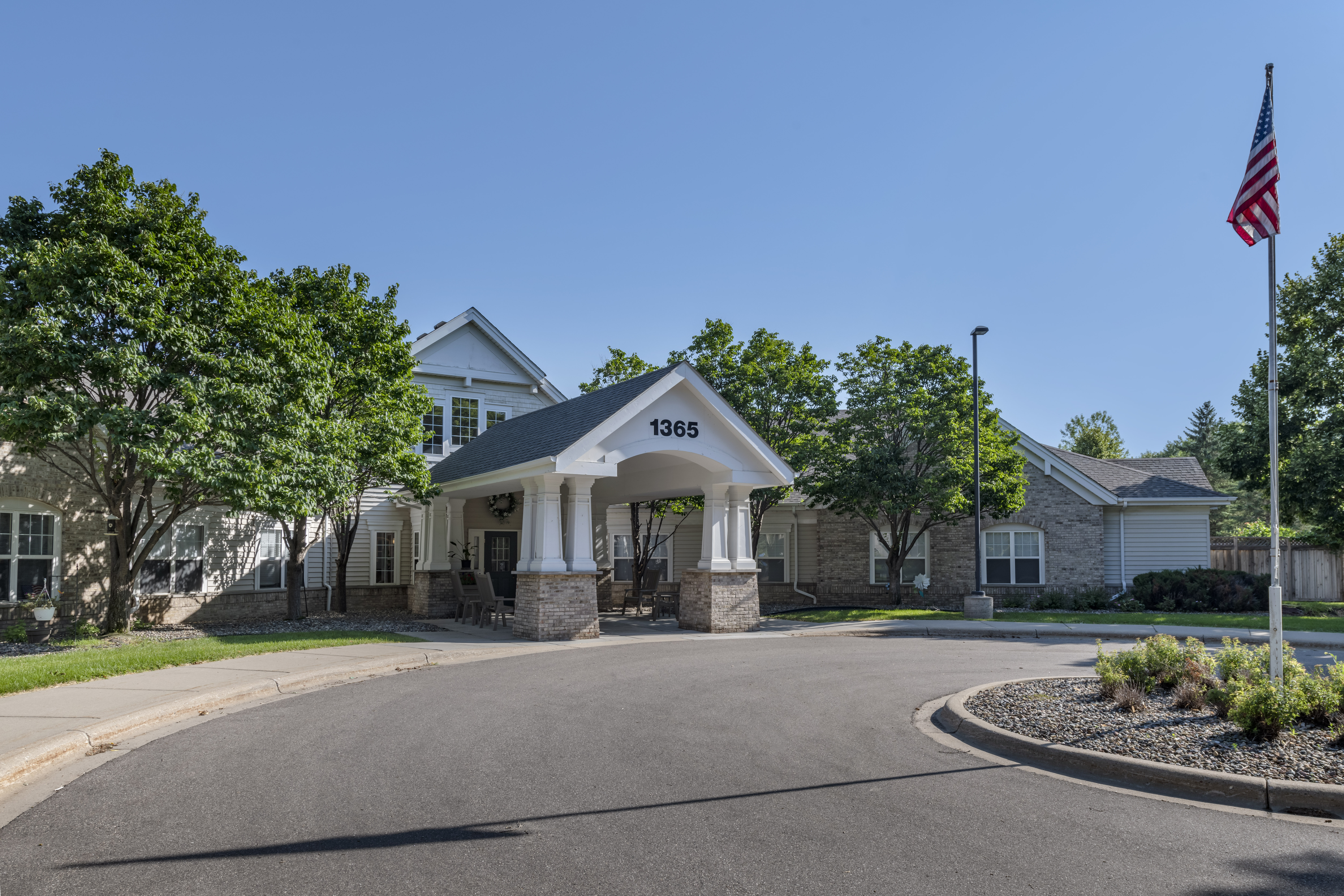
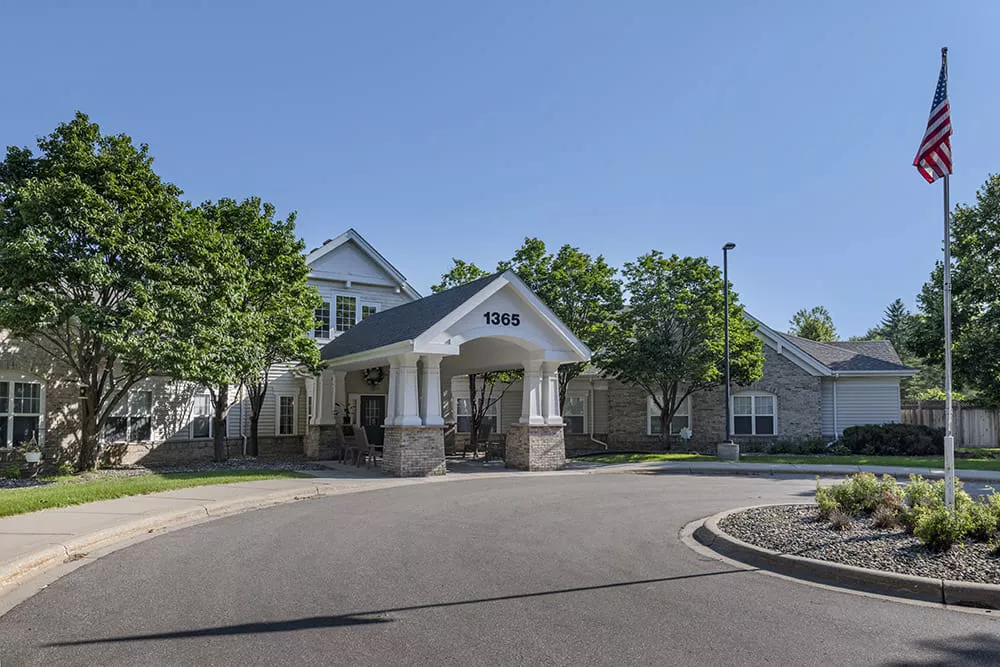
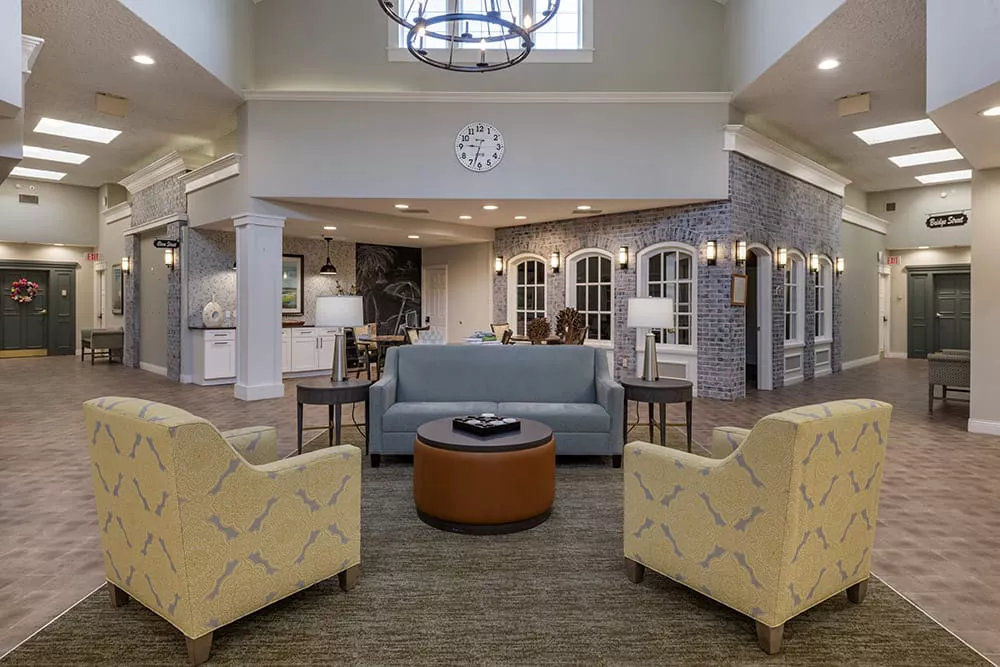
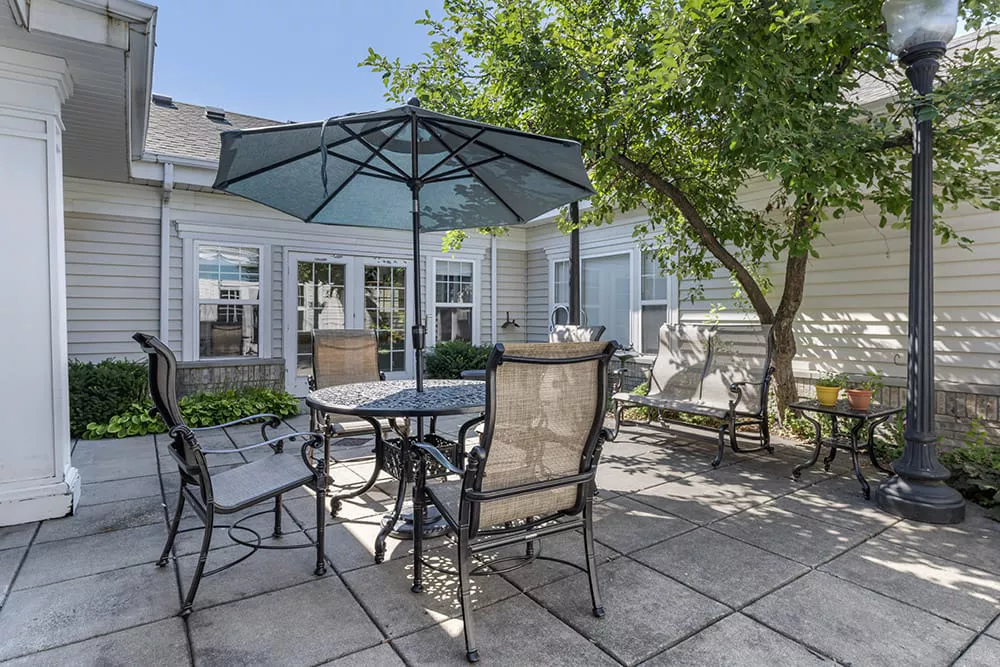
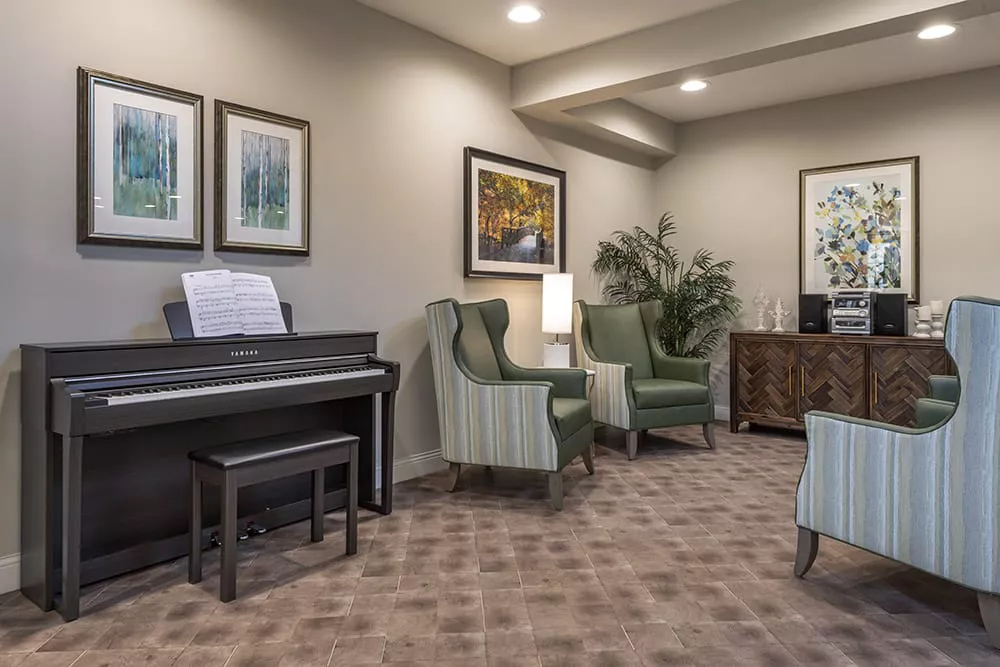


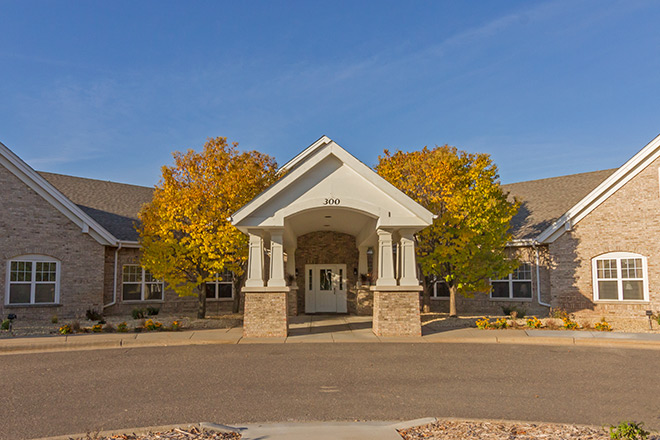
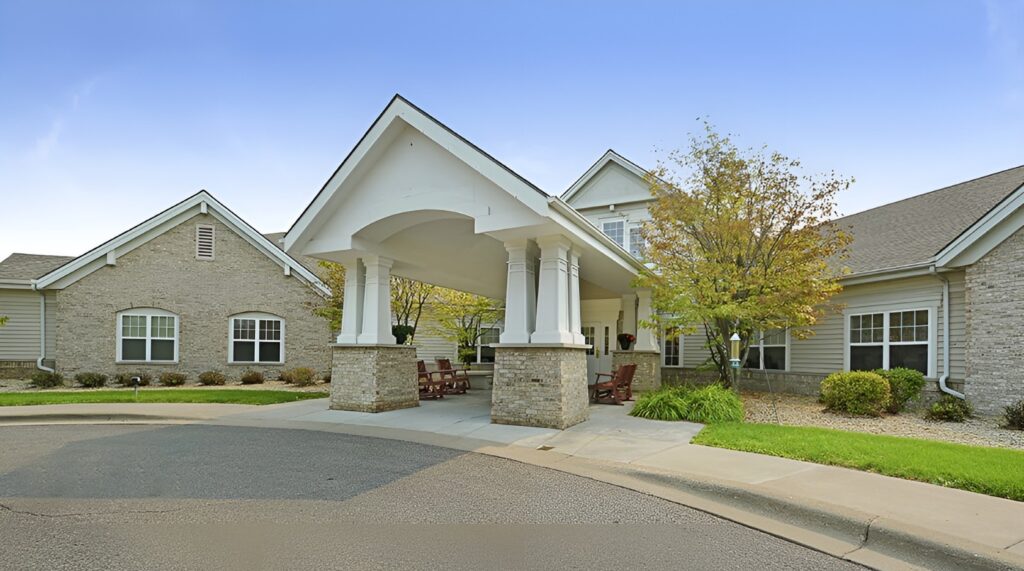
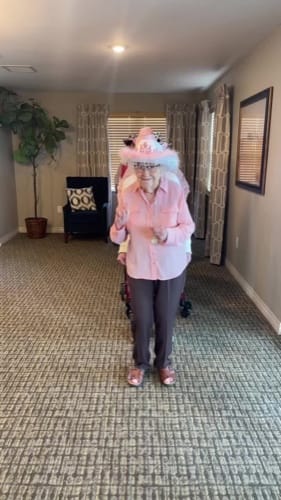
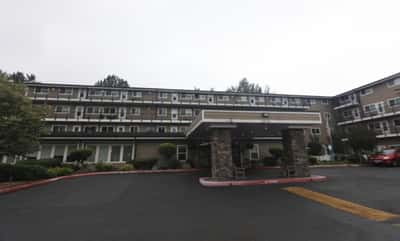
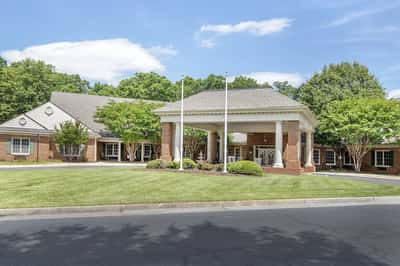
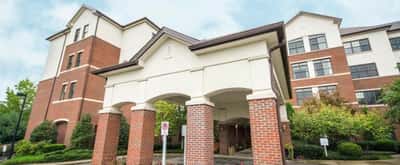
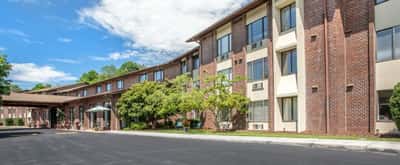
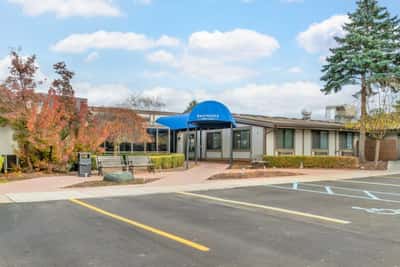
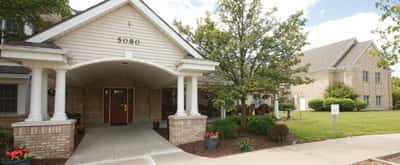
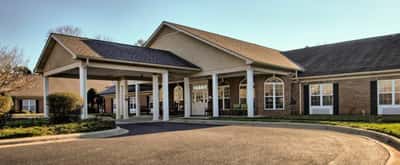
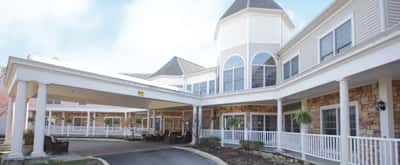
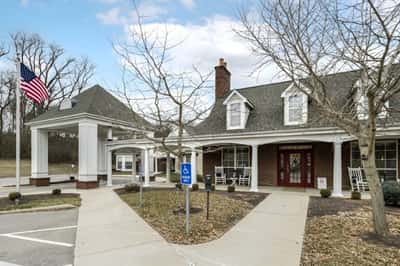
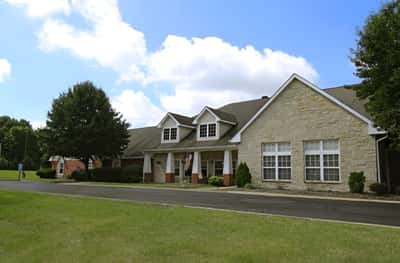
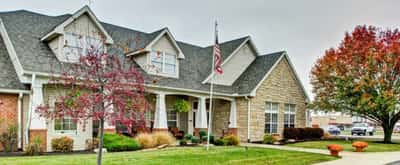
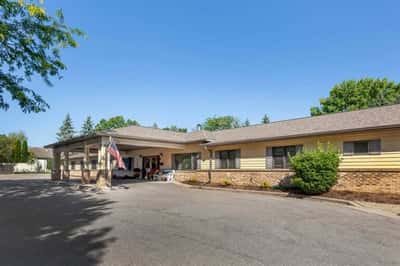
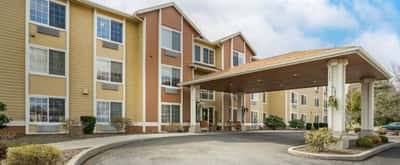
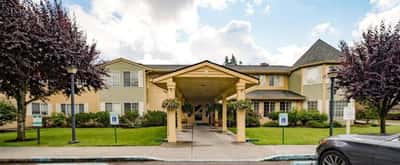
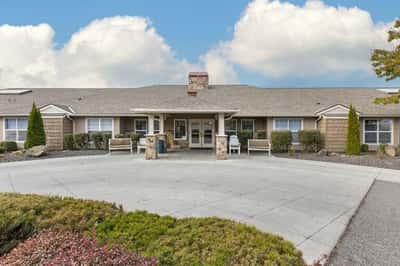
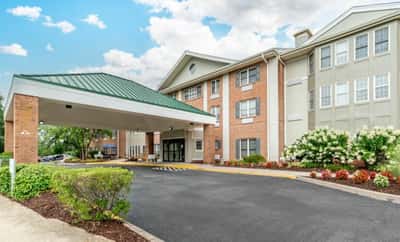
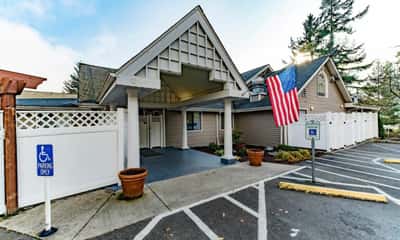
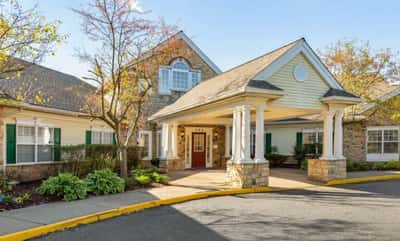
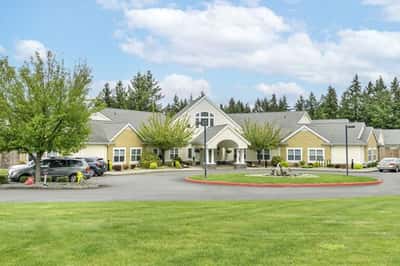
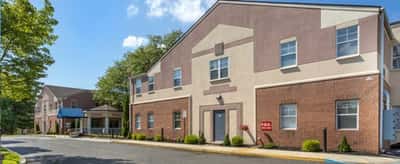
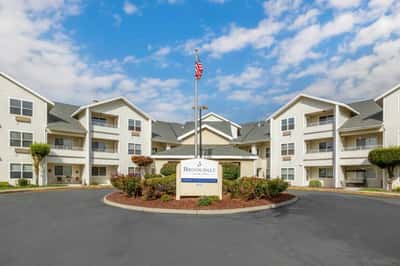
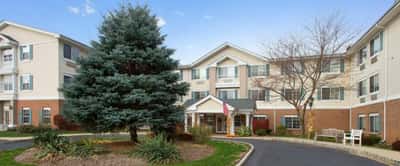
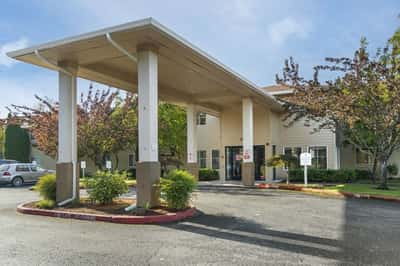
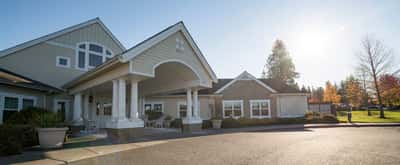
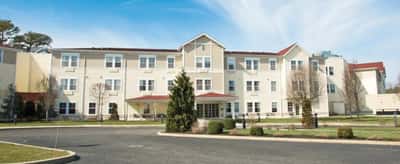
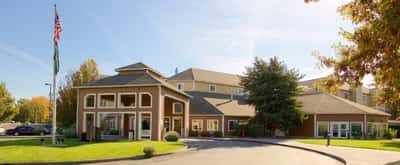
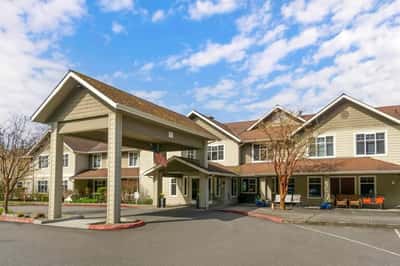
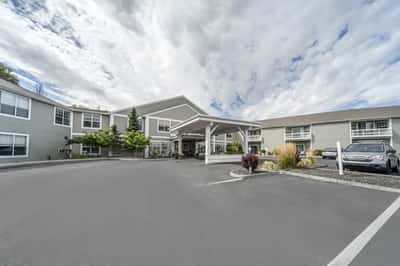
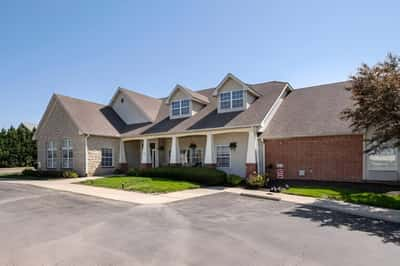
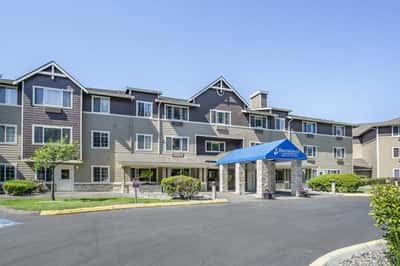
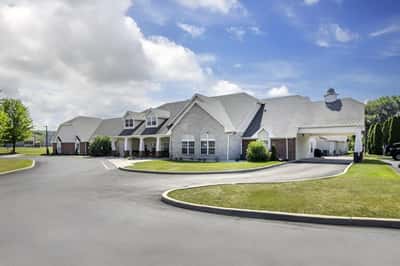
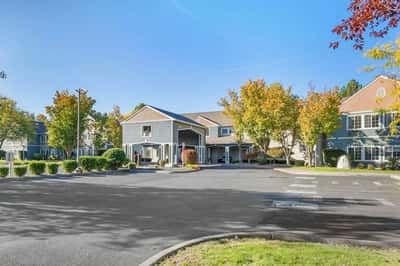
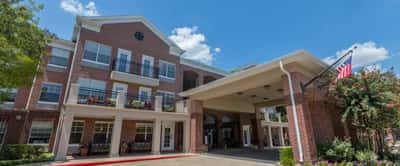
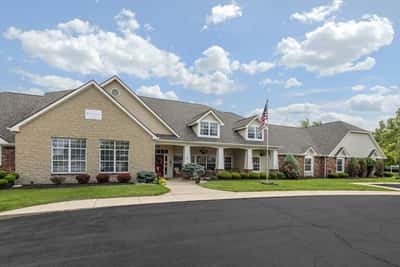
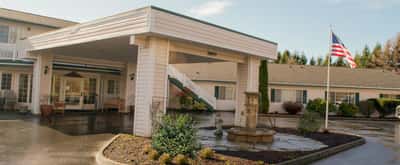
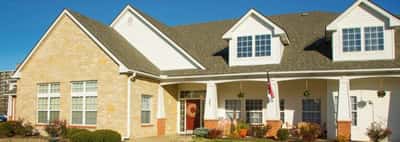
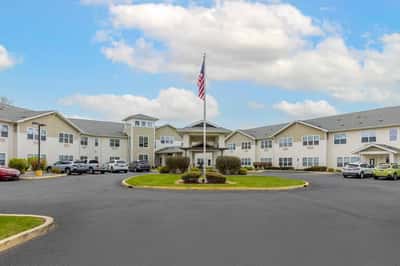
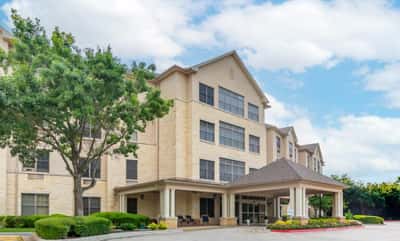
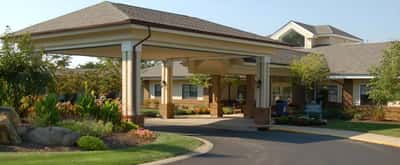
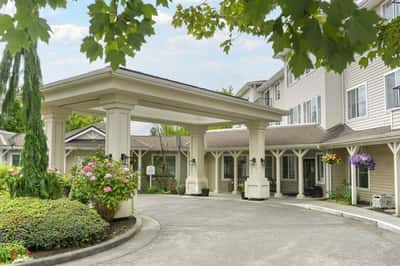
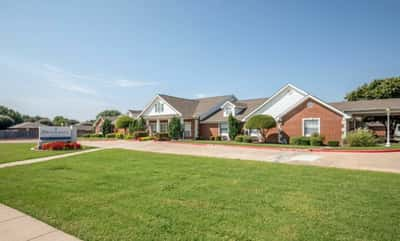
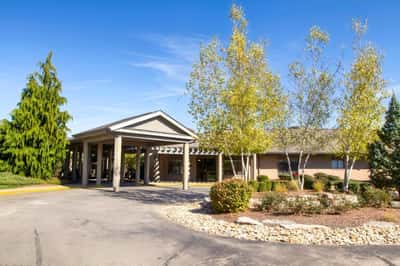
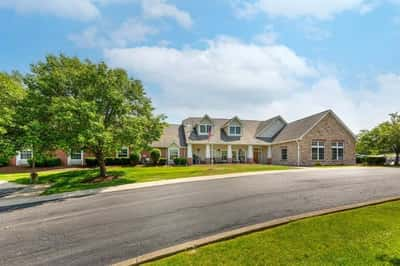
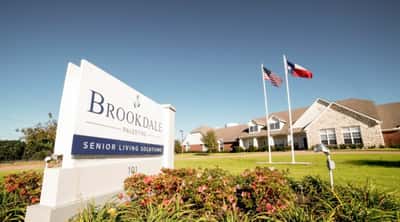
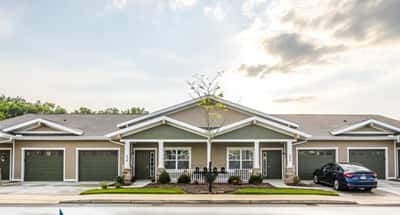
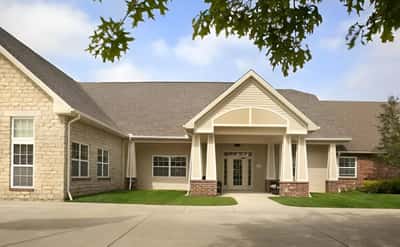
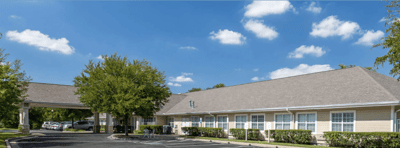
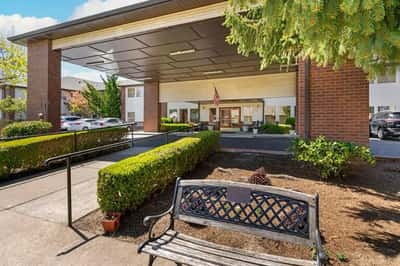
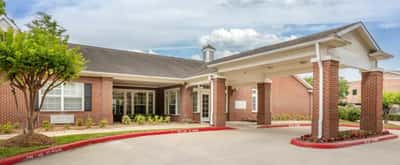
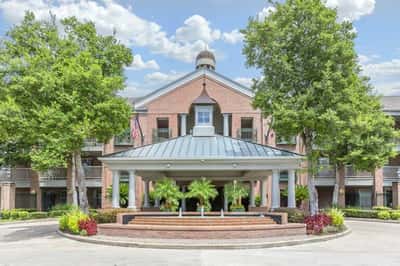
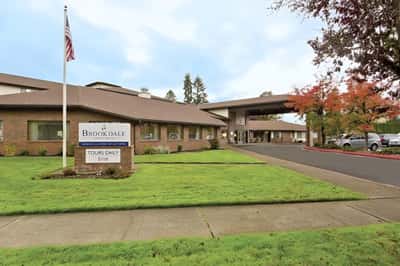
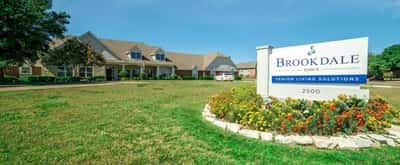
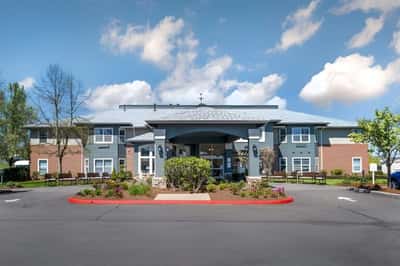
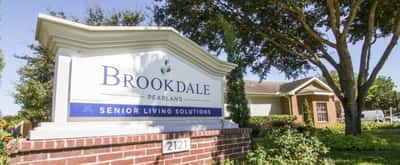
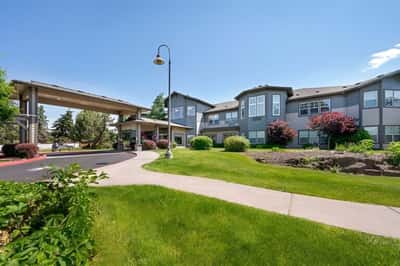
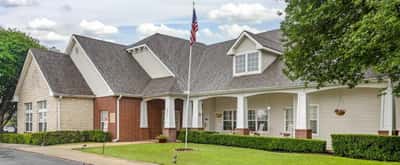
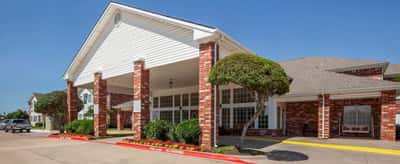
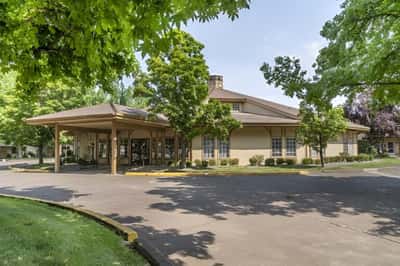
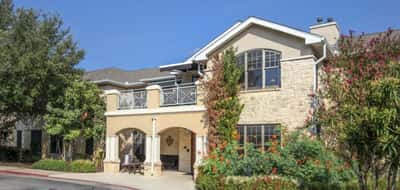
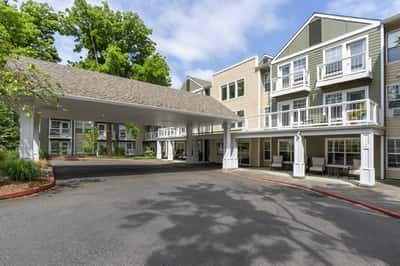
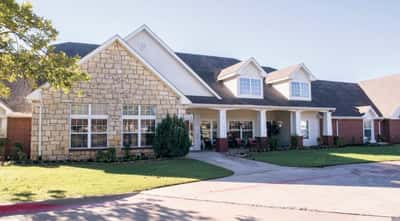
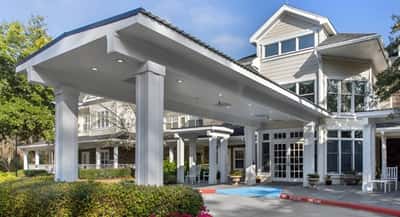
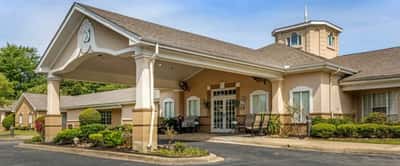
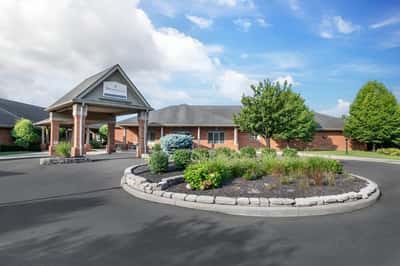
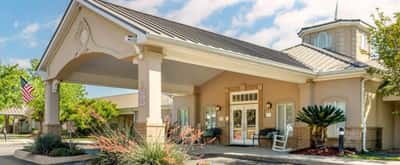
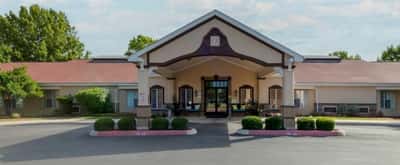
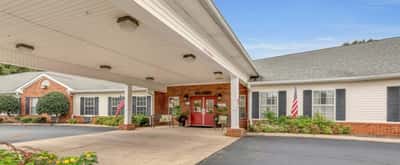
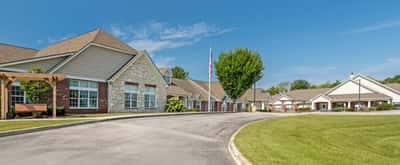
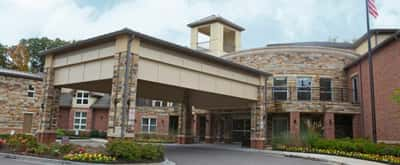
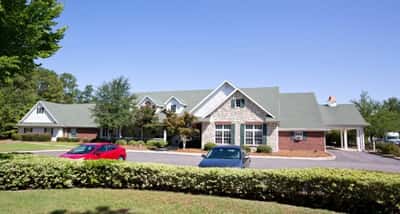
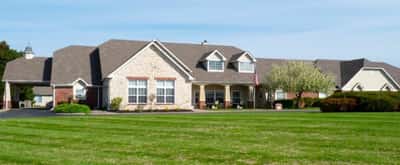
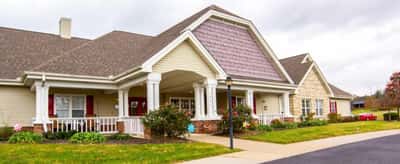
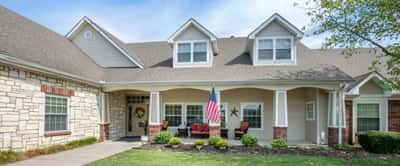
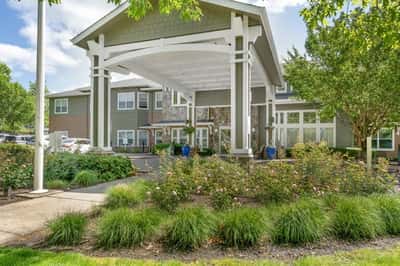
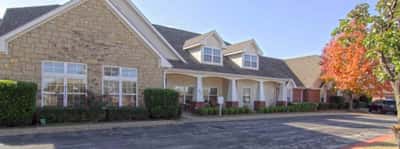
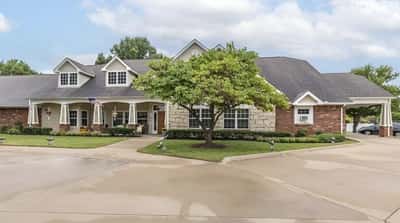
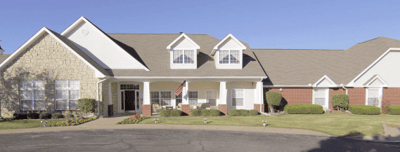
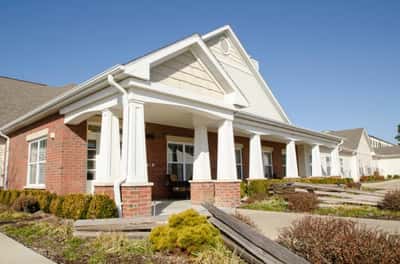
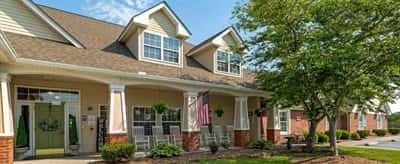
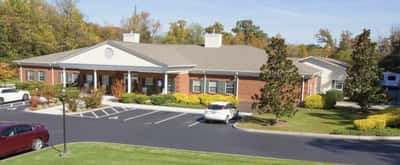
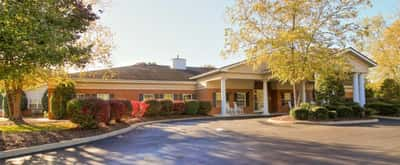
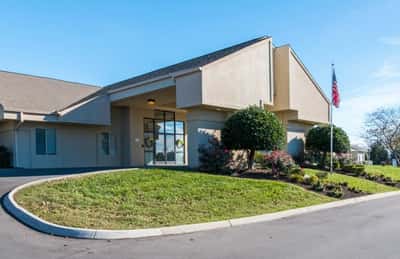
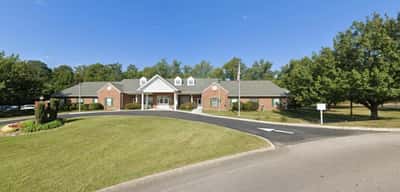
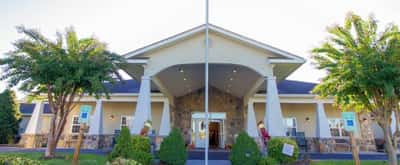
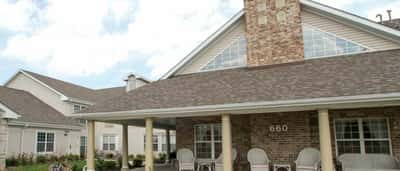
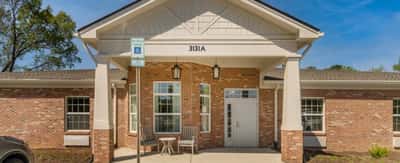
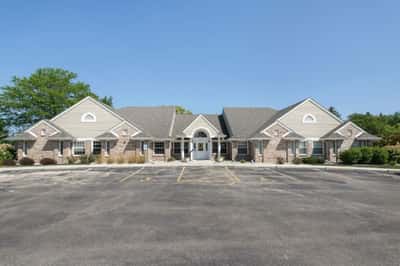
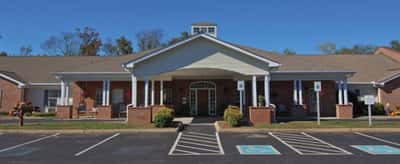
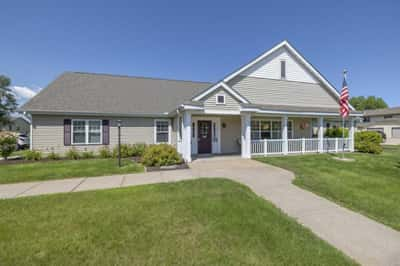
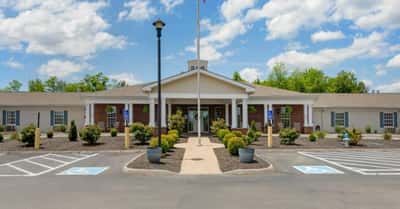
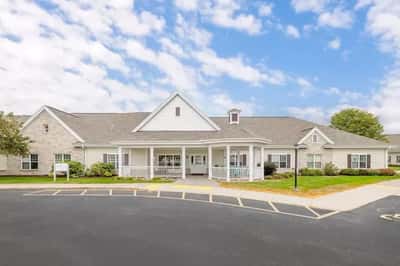
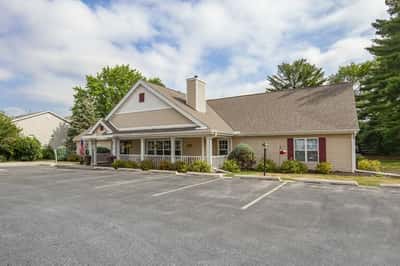
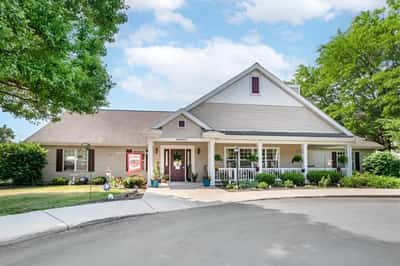
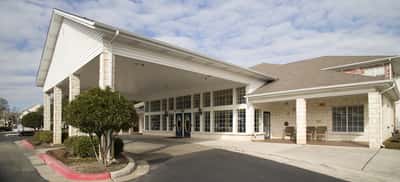
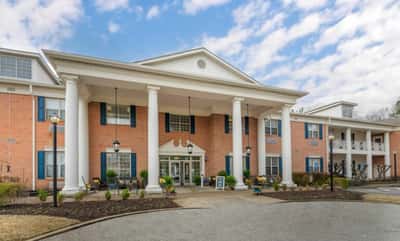
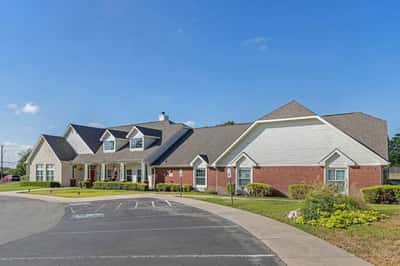
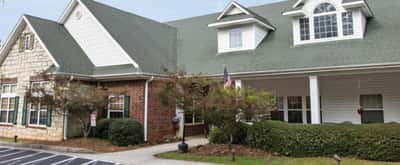
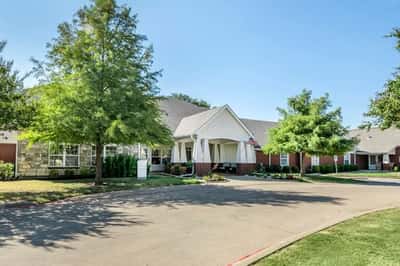
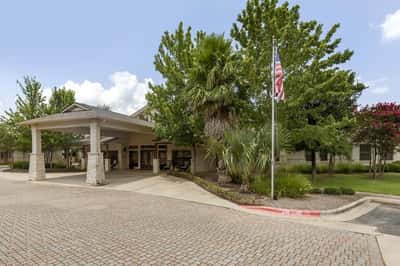
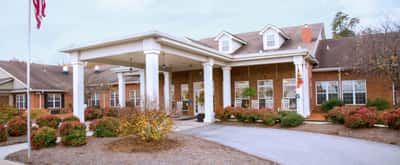
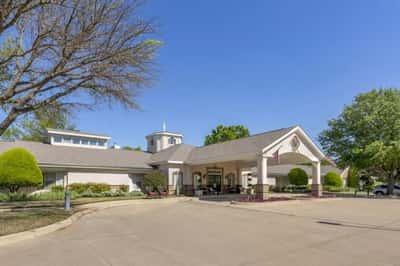
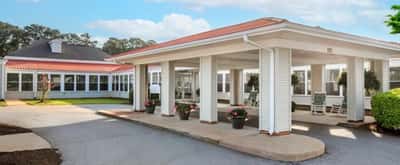
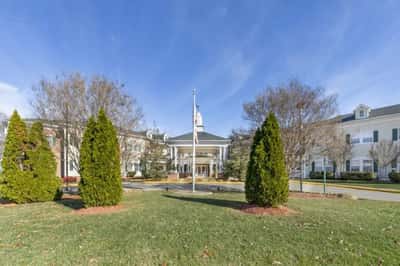
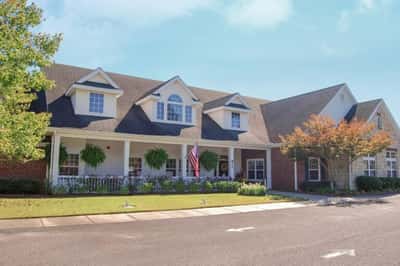
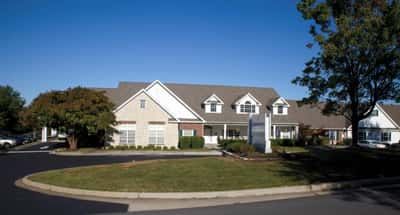
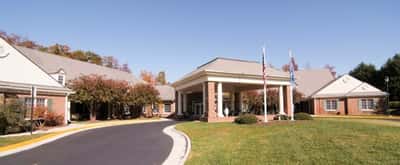
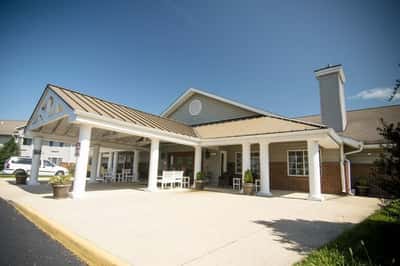
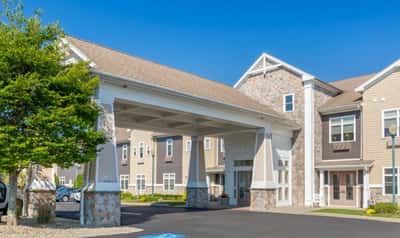
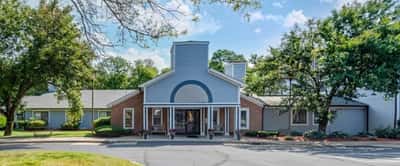
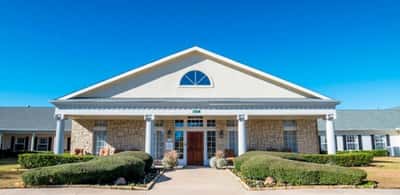
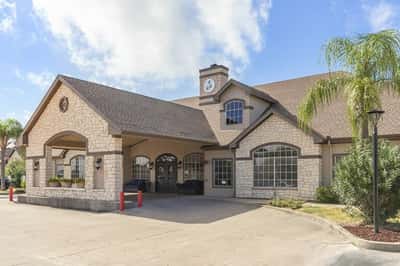
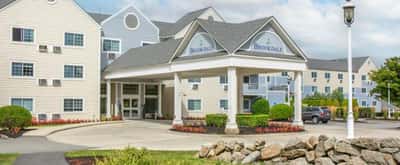
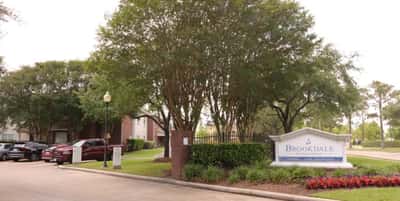
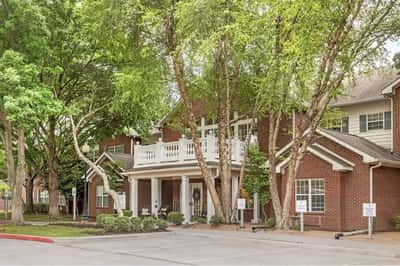
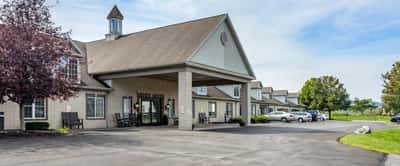
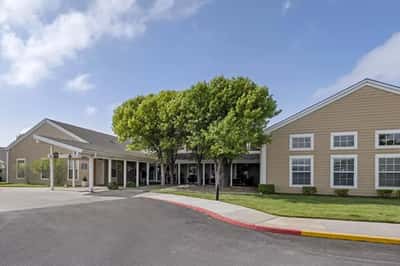
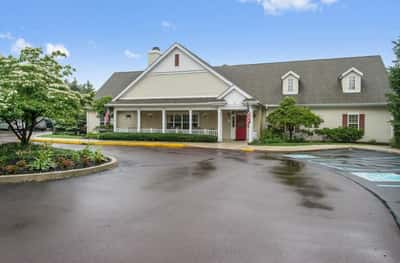
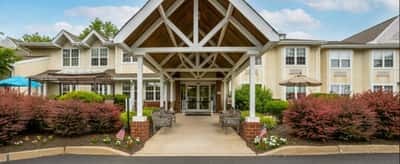
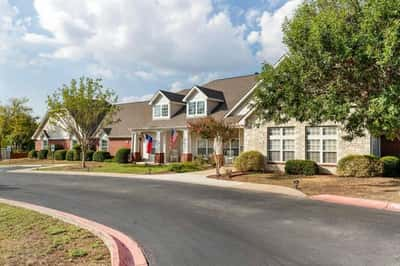
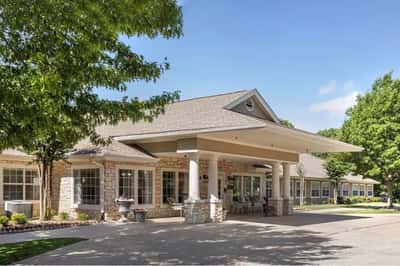
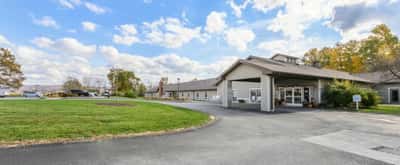
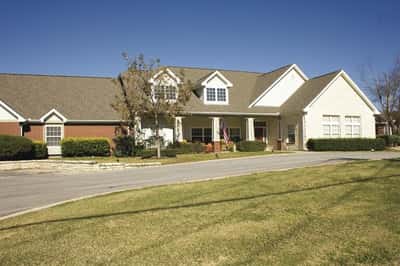
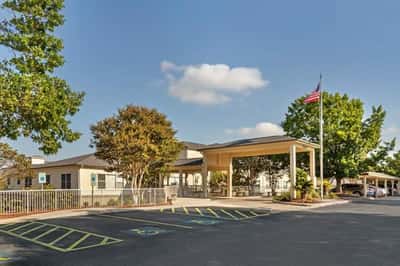
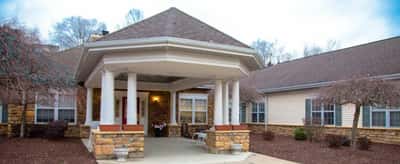
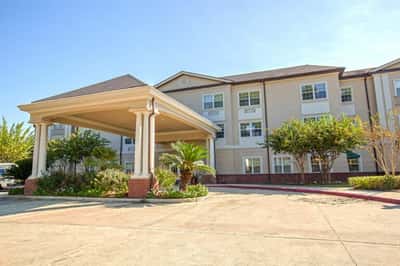
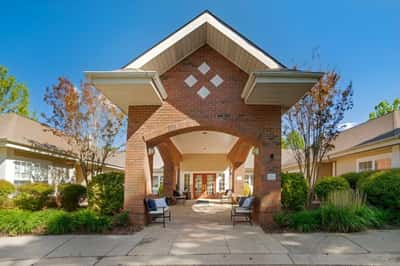
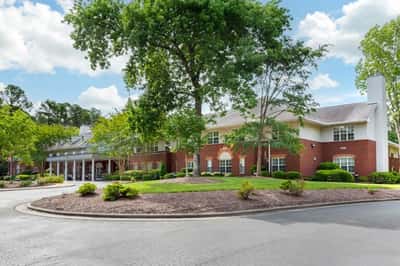
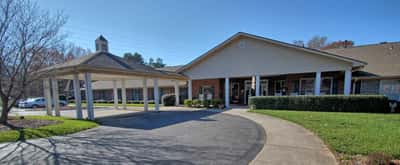
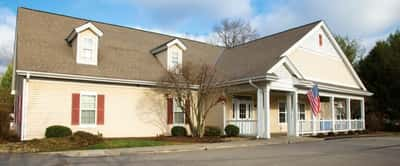
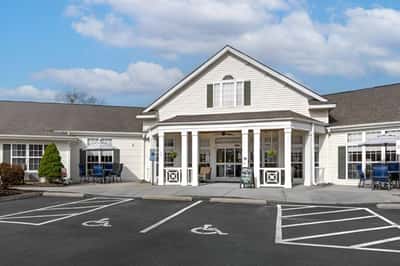
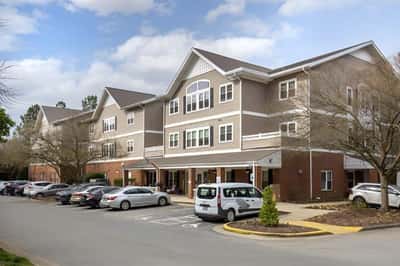
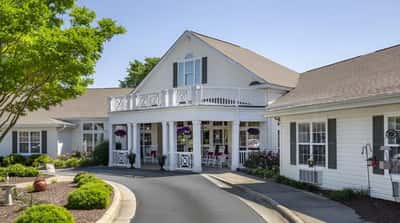
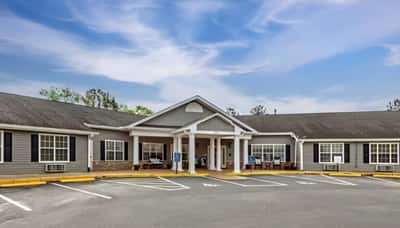
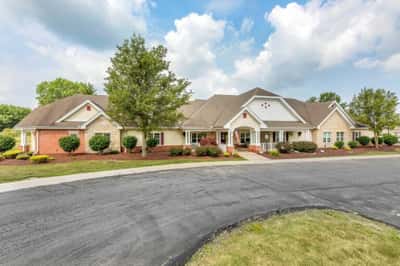
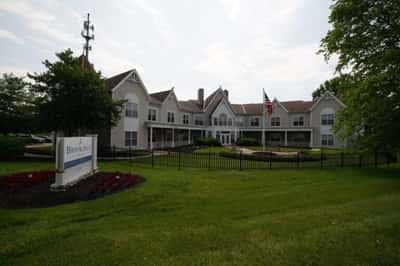
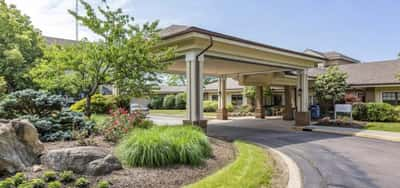
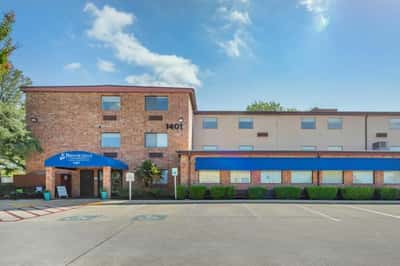
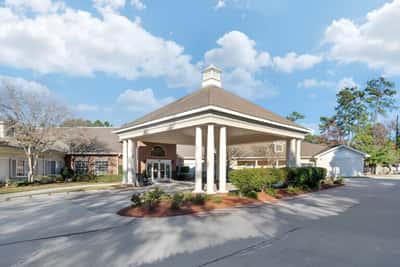
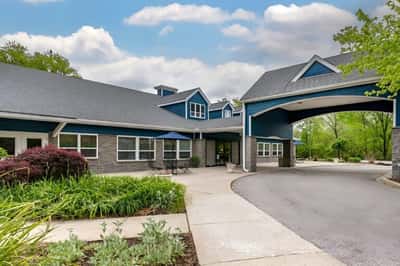
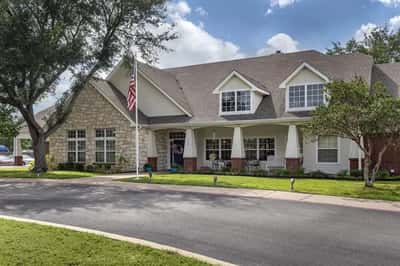
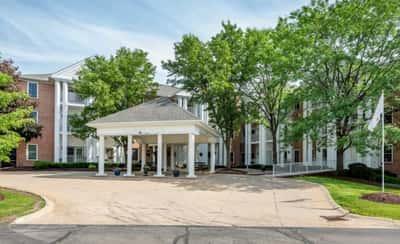
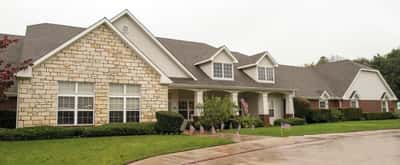
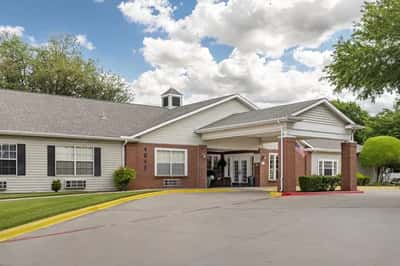
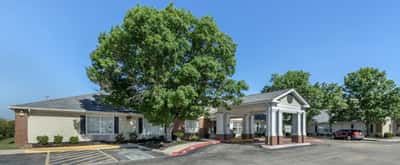
Find the comfort and support you’ve been seeking at Brookdale Eagan, a senior living community in the quiet neighborhood of Eagan, MN, offering a person-centered and structured approach to memory care services. The community provides a safe and homelike environment, with professionals available 24/7 to respond to emergencies. Tailored care services are designed to meet each resident’s unique needs, and the Clare Bridge program supports memory care residents with different abilities through visual reminders, gentle cues, and comfortable spaces.
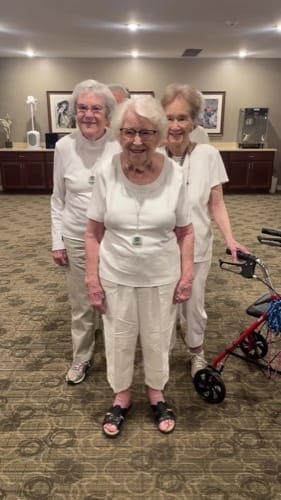
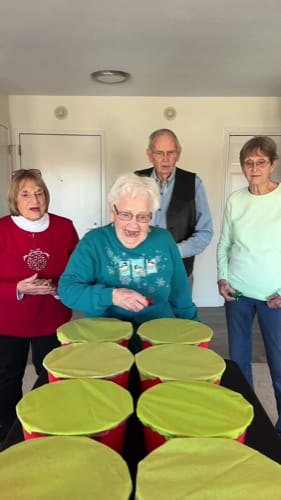
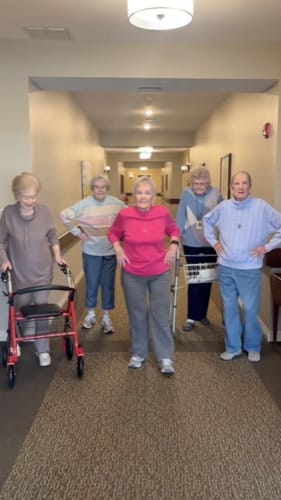
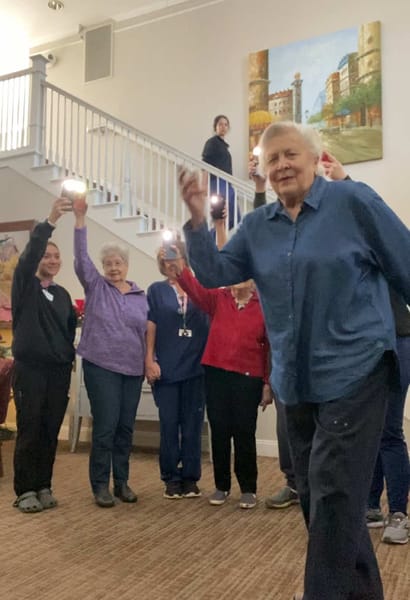
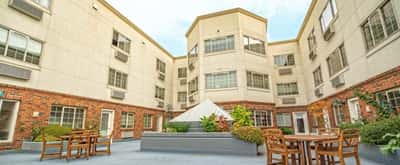
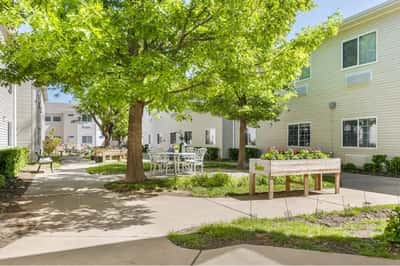
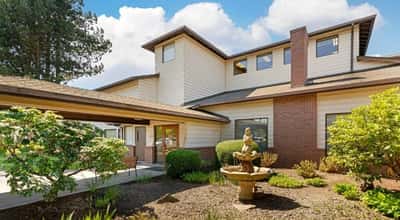
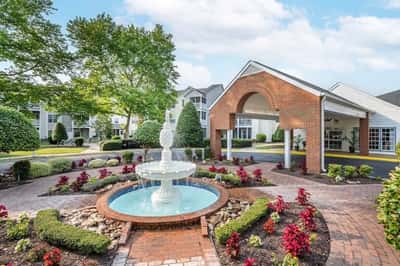
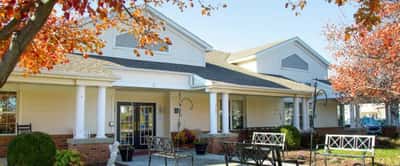
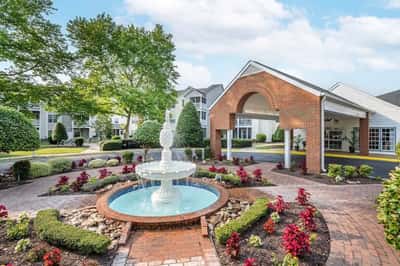
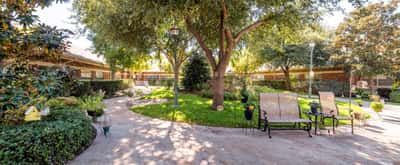
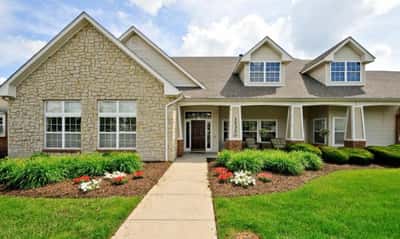
Residents at Brookdale Eagan can engage in familiar activities such as gardening, kitchen work, and other hobbies they have enjoyed throughout their lives. Assistance with daily tasks like cooking, cleaning, and maintenance is readily available, allowing residents to focus on socializing or relaxing in the cozy living room, gorgeous garden, or on-site salon. All suites are conveniently located on a single floor for easier mobility. A standout feature of Brookdale Eagan is the community Town Square, an indoor area that mimics the center of a small town with a lamp post, faux storefronts, and cobblestones. The community also offers walking paths, a greenhouse, and a lovely courtyard for residents to enjoy.
May offer a more intimate, personalized care environment.
Lower occupancy suggests more openings may be available.

 In line with Minnesota average

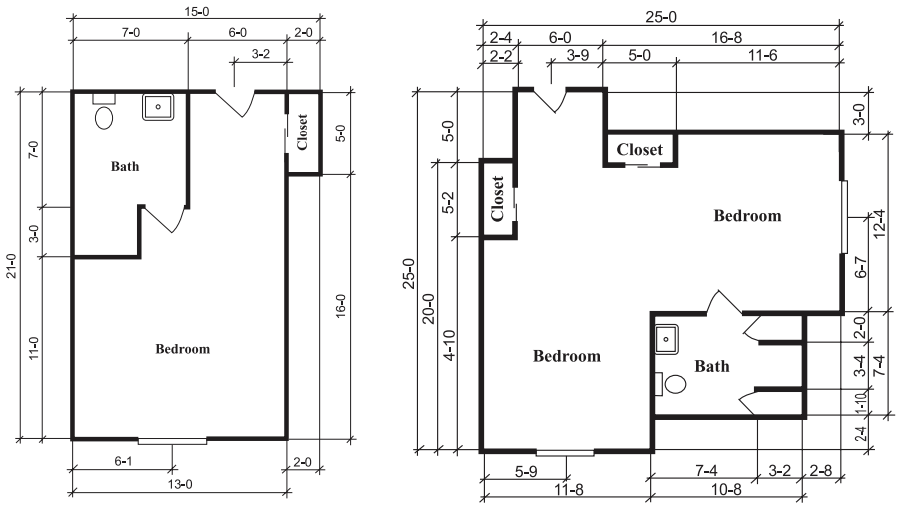
Room Sizes: 315 / 625 sq. ft

Housing Options: Suite

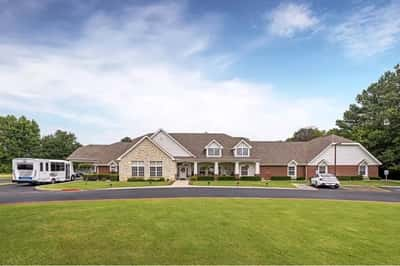
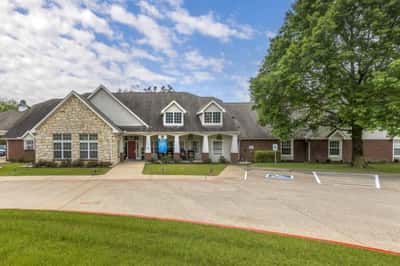
Building Type: Single-story

Fitness and Recreation
In Minnesota, the Department of Health, Health Regulation Division is the primary authority for conducting onsite inspections and reporting on the quality of care in residential facilities.
1 routine inspections
1 with issues
0 without issues
Deficiencies indicate regulatory issues. A higher number implies the facility had several areas requiring improvement.
Minnesota average: 10 deficiencies
Memory Care Secured, specialized care for people living with Alzheimer's or dementia. Staff trained in cognitive impairment, with higher staff-to-resident ratios and an environment designed to reduce confusion and wandering risk.
Memory Care Secured, specialized care for people living with Alzheimer's or dementia. Staff trained in cognitive impairment, with higher staff-to-resident ratios and an environment designed to reduce confusion and wandering risk.
Memory Care Secured, specialized care for people living with Alzheimer's or dementia. Staff trained in cognitive impairment, with higher staff-to-resident ratios and an environment designed to reduce confusion and wandering risk.
Assisted Living A licensed, long-term care setting for seniors or individuals with disabilities who need help with daily activities — like bathing, dressing, and medication management — but not 24-hour skilled nursing. Offers housing, meals, and around-the-clock support while aiming to maximize resident independence.
Memory Care Secured, specialized care for people living with Alzheimer's or dementia. Staff trained in cognitive impairment, with higher staff-to-resident ratios and an environment designed to reduce confusion and wandering risk.
Assisted Living A licensed, long-term care setting for seniors or individuals with disabilities who need help with daily activities — like bathing, dressing, and medication management — but not 24-hour skilled nursing. Offers housing, meals, and around-the-clock support while aiming to maximize resident independence.
Home Care Professional care delivered in the person's own home — from companionship and errands to skilled nursing and therapy. Allows seniors to age in place. Medicare covers skilled home health when medically necessary.
Memory Care Secured, specialized care for people living with Alzheimer's or dementia. Staff trained in cognitive impairment, with higher staff-to-resident ratios and an environment designed to reduce confusion and wandering risk.
Respite Care Short-term temporary care — days to weeks — to give family caregivers a break. Full care provided during the stay. Often used after hospitalization or to trial a facility before a permanent placement decision.
 1.7 miles from city center — 5.6 miles to nearest hospital (Minneapolis VA Medical Center)
 1365 Crestridge Lane, Eagan, MN 55123
Add your location
Care Cost Calculator: See Prices in Your Area
Nursing Home Data Explorer
Don’t Wait Too Long: 7 Red Flag Signs Your Parent Needs Assisted Living Now
The True Cost of Assisted Living in 2025 – And How Families Are Paying For It
Understanding Senior Living Costs: Pricing Models, Discounts & Financial Assistance


Touring a community? Use this expert-backed checklist to stay organized, ask the right questions, and find the perfect fit.
We'll send you a PDF version of the touring checklist.


 Show Inspection Reports