Page 8 of Best Nursing Homes in Oregon

Why trust this guide? Our editorial team analyzed 103 nursing homes in OR using CMS data, inspection records, complaints, amenities, and facility-level details. How we rank nursing homes in OR
Reviewed by
Last updated
We analyzed These are the facilities in Oregon our team has analyzed — not a count of every nursing home provider in Oregon.
103 homes
Other senior care options in Oregon:
Avg Overall CMS Rating: 3.0/ 5The average Overall CMS Rating for all CMS-certified nursing homes in Oregon. Ratings combine health inspections, staffing, and quality measures, with inspections weighted most. Individual facilities can vary widely from this average.
National Average: 3.2/ 5
Avg Staffing Rating: 3.7/ 5The average Staffing Rating across all CMS-certified nursing homes in Oregon. Reflects nursing staff hours per resident per day (including RNs), adjusted for residents' care needs. Individual facilities can vary widely from this average.
National Average: 3.4/ 5
Avg Health Insp. Rating: 2.8/ 5The average Health Inspection Rating across all CMS-certified nursing homes in Oregon. Based on each facility's recent inspections and complaint investigations, weighing the number, scope, and severity of deficiencies. Individual facilities can vary widely from this average.
National Average: 3.0/ 5

Compare Nursing Homes around Oregon

Info below is compiled from CMS reports & the OR Dept. of Human Services (ODHS), senior community websites & trusted data sources such as Walk Score & BBB.

Communities are listed from highest-ranked to lowest-ranked based on our methodology.

The facility name. Click to view the full profile page on Assisted Living Magazine, including photos, services, and contact info.
CMS (Centers for Medicare & Medicaid Services, the federal agency that regulates nursing homes) Overall 5-star rating — a composite of Health Inspection, Staffing, and Quality Measures scores. 5 stars = top 10% nationally. 1 star = bottom 10%. The single most important number to start with when comparing facilities.
Care Types in This Table AL (Assisted Living): Housing with help for daily activities like bathing, dressing, and medication, without 24-hour skilled nursing. NH (Nursing Home): 24/7 skilled nursing care for residents with complex, ongoing medical needs. SNF (Skilled Nursing Facility): Round-the-clock nursing care, often for recovery after surgery, injury, or illness. MC (Memory Care): Secured, specialized care for people living with Alzheimer's or dementia. RC (Respite Care): Short-term temporary care that gives family caregivers a break. HOS (Hospice Care): Comfort-focused care for those with a terminal illness, prioritizing quality of life over treatment. PC (Palliative Care): Comfort-focused care for serious illness at any stage, including alongside curative treatment.
Neighborhood or city area where the facility is located. Proximity to family, hospitals, and green space matters for both quality of life and ease of visitation. Consider drive time and transit access when evaluating location.
Licensed bed capacity. Larger facilities (300+ beds) often have more specialized programs but can feel institutional. Smaller homes (under 150 beds) tend to deliver more personalized care. Compare with Avg Res/Day to understand how full the facility typically runs.
Percentage of licensed beds filled on an average day. Color indicates financial health: green (90%+) = operationally strong, typically profitable. Amber (80–89%) = stable but leaving revenue on the table. Orange (70–79%) = financial strain likely, may struggle with fixed costs. Red (<70%) = significant distress, closure or ownership change risk increases sharply.
This facility's occupancy rate compared to the statewide average for similar facilities. A positive number means above-average demand. Facilities running 5%+ above the state average are typically the most sought-after in their market — a strong proxy for reputation.
CMS-adjusted total nurse hours per resident per day (RN + LPN + CNA combined). The national average is approximately 3.5 hrs. Higher is better — more direct care time per resident. Below 3.0 is a red flag. CMS weights RN hours more heavily because RNs handle complex clinical decisions that CNAs cannot.
CMS Health Inspection star rating (1–5 stars), based on the 3 most recent annual state surveys plus any complaint investigations. This is the hardest rating to manipulate — it reflects real surveyor findings on-site. 5 stars = fewest deficiencies found. 1 star = most. It carries the heaviest weight in the Overall CMS rating.
CMS Staffing star rating (1–5 stars), based on daily nurse staffing hours submitted to CMS via verified payroll data. Compares RN, LPN, and CNA coverage relative to resident acuity level. 5 stars = well above expected staffing. Weekend staffing is evaluated separately, as that's where many facilities quietly reduce coverage.
CMS Quality Measures star rating (1–5 stars), based on 15 clinical outcome metrics including fall rates, pressure ulcers, antipsychotic drug use, and hospital readmissions. Captures actual resident health outcomes, not just compliance. High QM combined with low Health Inspection scores can indicate a facility with strong care but weak documentation practices.
Registered Nurse hours per resident/day compared to the statewide average. RNs are the highest-skilled nursing staff — they assess residents, manage medications, and respond to emergencies. A value of +50% means RN coverage is 50% above the state norm. Negative values are a concern for residents with complex or acute medical needs.
Total nursing staff hours (RN + LPN + CNA combined) per resident/day vs. the statewide average. A broader measure than RN vs State — it captures the entire care team. A facility can have high total staffing but low RN hours, meaning more aides and fewer nurses. Read both columns together for the full picture.
Total dollar amount of federal monetary fines (civil money penalties) issued by CMS in the past 3 years. Fines are only levied for serious violations — typically actual harm to residents, repeated uncorrected deficiencies, or systemic non-compliance. Even a single fine is noteworthy. Multiple fines strongly suggest a pattern, not isolated incidents.
Total health deficiency citations from the most recent standard inspection cycle. Minor citations (scope A–C) are common and often administrative in nature. Higher counts aren't always disqualifying, but should be read alongside Severe Citations to understand actual harm levels. Under 10 is strong for a large facility; 30+ warrants a closer look.
Average deficiency citations per CMS inspection (survey) in the reporting window — total citations divided by the number of inspections. Lower is better; compare alongside total Citations and Severe Citations for context.
Citations at CMS scope/severity level G or higher — G–I means actual harm occurred; J–L means residents were placed in immediate jeopardy. (D–F is potential for harm only). Examples include unaddressed falls, medication errors causing injury, neglect, or abuse.
Average number of residents in the building on any given day, derived from annual census data. Reflects true operating scale — a 400-bed facility running 200 residents/day operates very differently from one at 390. Higher resident counts generally mean more funded staffing hours.
Better Business Bureau rating (A+ to F). Reflects complaint history, business transparency, and how family disputes were resolved. A+ means no significant unresolved complaints. A blank (—) means the facility isn't BBB-accredited, which is common for healthcare providers and not necessarily a negative signal.
Walk Score® (0–100). Measures walkability of the surrounding area. 90–100 = Walker's Paradise. 70–89 = Very Walkable. 50–69 = Somewhat Walkable. Below 50 = Car-Dependent. Higher scores benefit family visitors, resident outings, and staff commuting.
The licensed owner or operator of record filed with CMS — the individual or organization legally accountable for the facility. Searching the operator name across other facilities can reveal chain or multi-site ownership, which matters: chain-operated homes tend to have more variable quality outcomes than independently run facilities.
What the home actually collects for resident care, after contractual allowances, bad debt and discounts — not gross billings. Taken from the latest complete annual cost report, so it is comparable across homes reporting the same period. Revenue alone doesn't indicate care quality, but it funds staffing and capital reinvestment. Pair with Payroll %. Figures are from each facility's most recent complete fiscal year — hover a value for the exact year; a * marks homes that report an older period than most facilities.
Staff salaries plus wage-related benefits from the latest complete annual cost report. Contract and agency labour is counted separately, under other operating costs, so a home leaning on agency staff can show a low figure here. Payroll is the cost most directly tied to care quality — compare with Payroll % for full context. Figures are from each facility's most recent complete fiscal year — hover a value for the exact year; a * marks homes that report an older period than most facilities.
Payroll as a share of NET PATIENT REVENUE (not gross revenue). Both figures come from the same cost-report year. A higher figure means more of each revenue dollar goes to staff pay. Read with the Staffing star rating to judge whether spend translates into coverage — and note that homes whose patient revenue covers only part of their operation can read implausibly high. The Oregon average is: 49.5% Figures are from each facility's most recent complete fiscal year — hover a value for the exact year; a * marks homes that report an older period than most facilities.
CMS Certification Number: the unique federal identifier for this skilled nursing provider.
Myrtle Point Rehabilitation and Care
NH
AL
HOS
MC
PC
RC
SNF
Myrtle Point
35
Facility 35
OR AVG 77
Rank #84 / 94
72.6%
Facility 72.6%
OR AVG 74.9%
Rank #40 / 67
-3%
5.89
Facility 5.89
OR AVG 5.24
Rank #12 / 79
+99%+12%
$59.1k
Facility $59.1k
OR AVG $62.3k
Rank #71 / 84
71
Facility 71
OR AVG 34.0
Rank #78 / 78
11.8
Facility 11.8
OR AVG 6.9
Rank #78 / 78
325-
62
Facility 62
OR AVG 61
Rank #54 / 100
Sapphire At Myrtle Point, LLC$3.4M*Fiscal year ending 08/2022These figures are from this home's most recent complete cost report — an older period than most facilities report. Compare with that in mind.$2.0M*Fiscal year ending 08/2022These figures are from this home's most recent complete cost report — an older period than most facilities report. Compare with that in mind.59%*Fiscal year ending 08/2022These figures are from this home's most recent complete cost report — an older period than most facilities report. Compare with that in mind.385254

Rank badges are statewide: each nursing home is ranked against every OR nursing home we track that reports that metric, not just the 103 on this page. See how we rank facilities

Rows per page:
Nursing Home Explorer
1...78
Overview of Myrtle Point Rehabilitation and Care

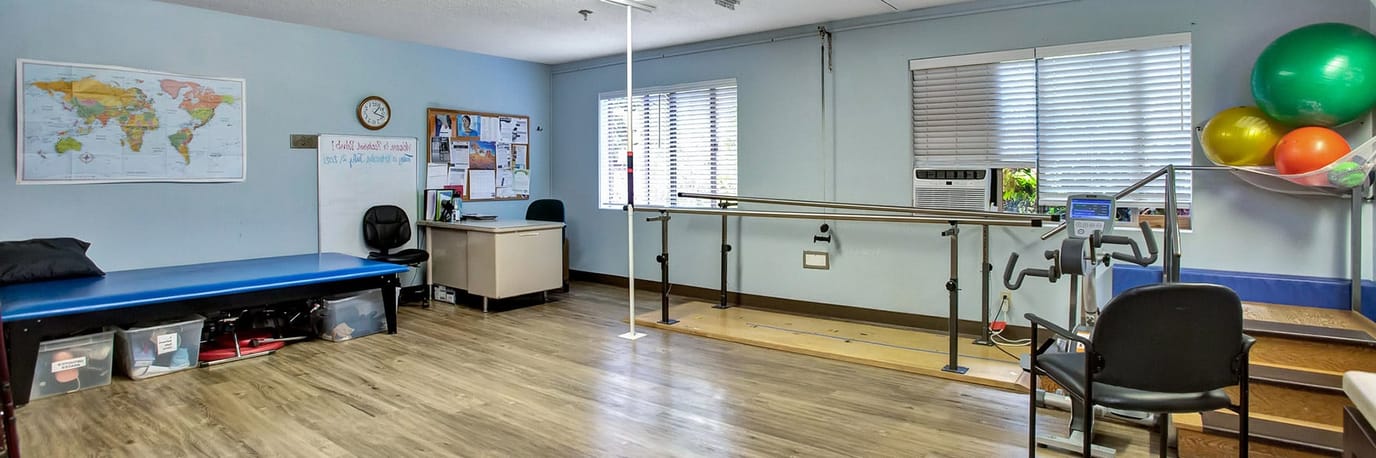
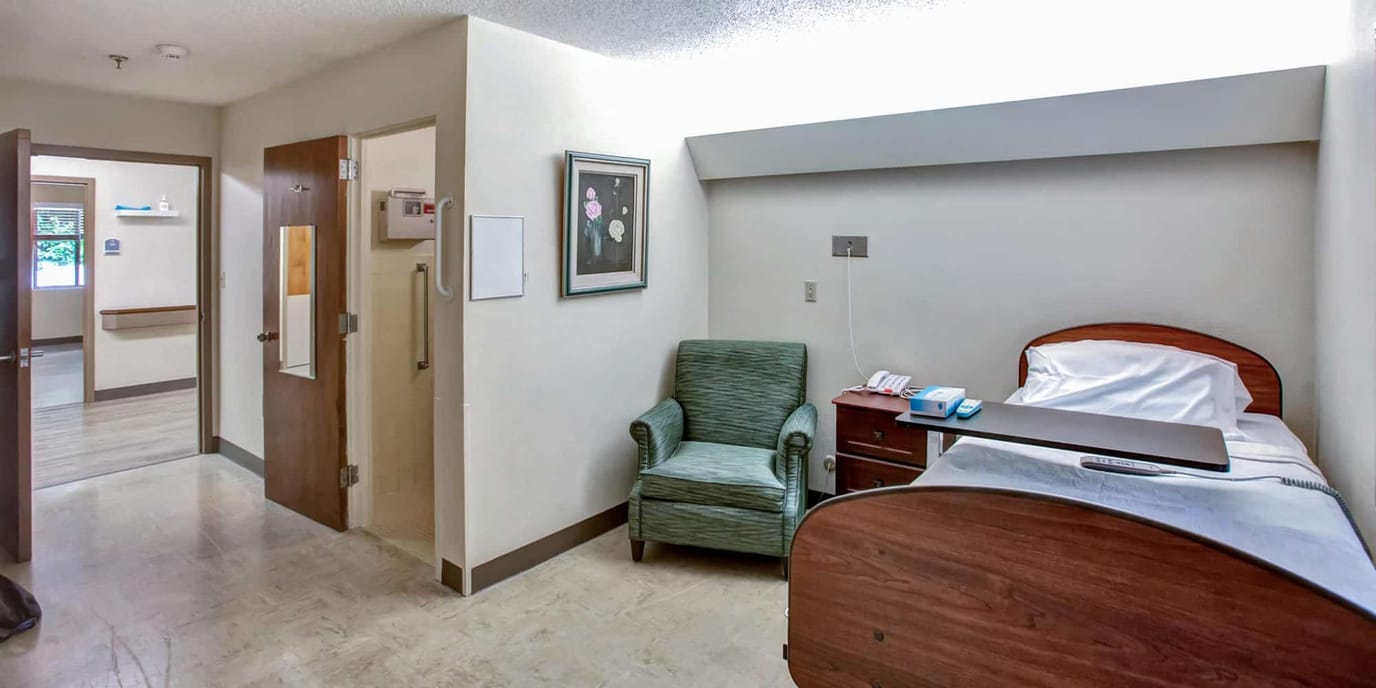
Operated by Sapphire at Myrtle Point, Myrtle Point Rehabilitation and Care is a nursing home in Myrtle Point, Oregon. The 35-bed community opened two years ago. It currently serves 24 residents, operating at about 68% occupancy. Medicare, Medicaid, and private pay are accepted, giving families several ways to cover care costs.

Myrtle Point is located on Ash Street in a moderately walkable area with a Walk Score of 62. Some nearby errands can be walked to, but most visits and trips will require a short drive.

The home focuses on rehabilitation and transitional care. Residents stay an average of 140 days, including short-term post-acute recovery and longer-term care placements. Daily nurse staffing averages 6 hours and 8 minutes per resident. Care is provided by registered nurses, nurse aides and licensed practical nurses working around the clock. In-house therapy services and a dedicated life enrichment program support both recovery and daily engagement.

Daily community services include housekeeping, laundry, discharge planning and transportation assistance for appointments and outings. Respite care is available for families who need short term support for a loved one.

Contact Myrtle Point Rehabilitation and Care

Maryville

14645 Sw Farmington Road, Beaverton, OR 97007
Overview of Maryville

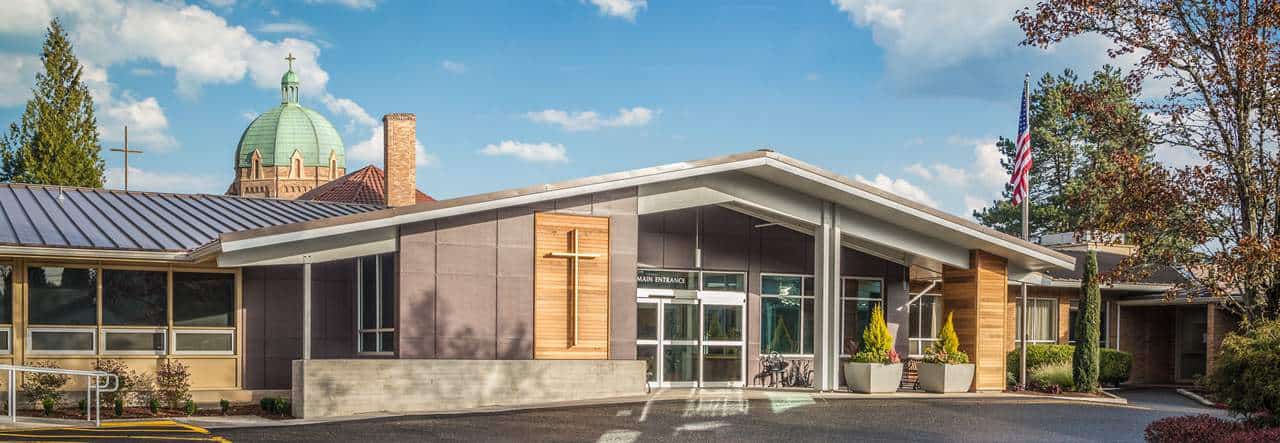
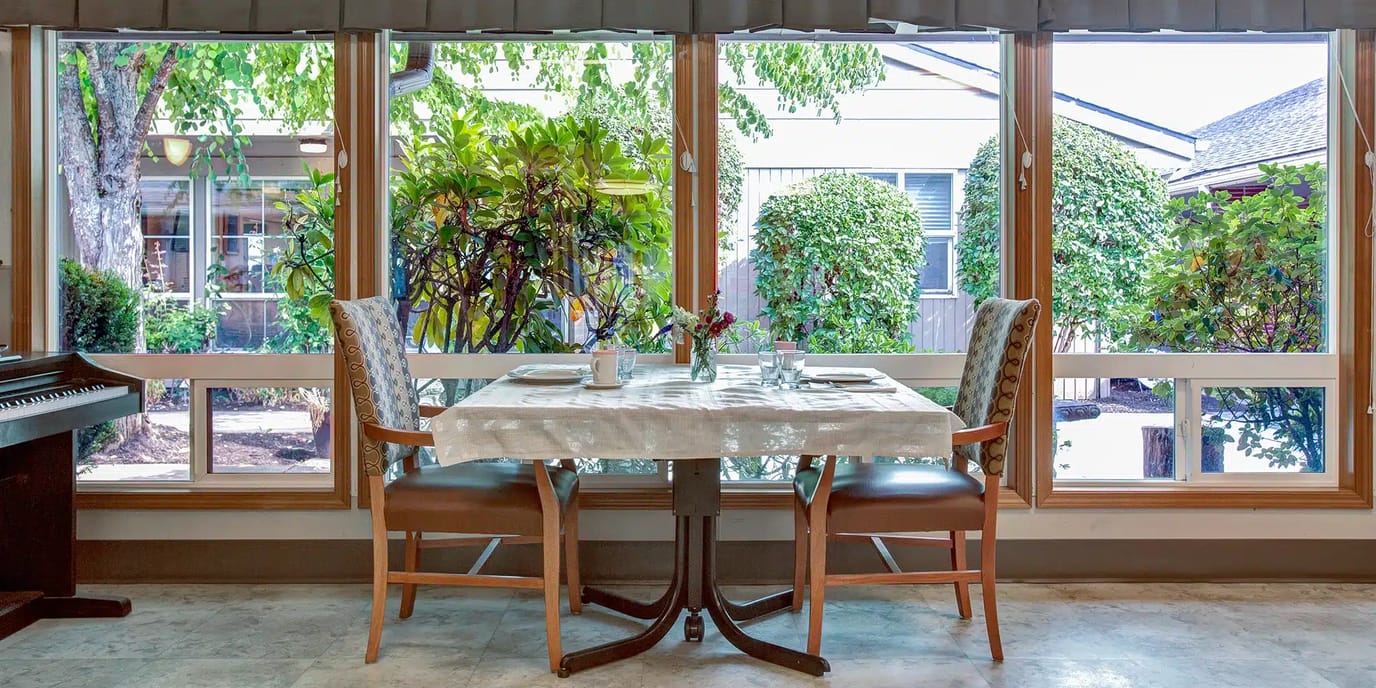
Maryville provides nursing home, skilled nursing, and memory care in Beaverton, OR. Skilled nursing provides licensed nursing care on site around the clock, while memory care offers a secured setting with supervision for someone at risk of wandering. With multiple care levels, Maryville may suit a resident whose needs grow over time and who may be able to remain in the same community as care requirements change.

Maryville has 185 beds, making it a larger community with more residents, staff, and usually more programming. Rehabilitation Services are available, allowing residents to receive rehabilitation as part of their care. Medicare, Medicaid, and private pay are accepted. Kathleen Parry serves as administrator, and Sisters of St. Mary of Oregon Maryville operates the community.
Contact Maryville

Overview of Reedwood Post Acute

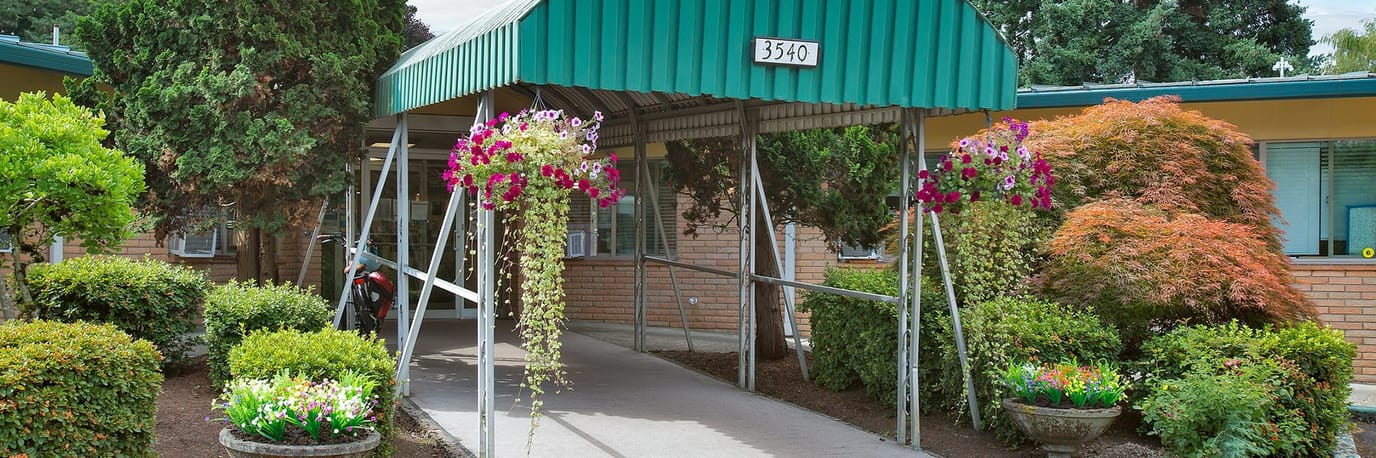
If you are looking at Reedwood Post Acute, you are looking at a 64-bed setup situated at 3540 SE Francis Street in southeast Portland. With a Walk Score of 58, it has decent accessibility for the area. It is run by Creston Snf Healthcare, LLC, and managed by administrator Andrew Thomas. With a 72% occupancy rate and an average resident stay of 105 days, this is clearly a facility designed for people who need more than just a quick pit stop; it is built for those who require a longer, more structured recovery period.

When it comes to the actual care, they provide 24-hour skilled nursing and palliative options, with rehabilitation services available six to seven days a week. Their clinical reach is broad, covering everything from orthopedic and joint replacement recovery to cardiac and stroke rehabilitation, pulmonary care, and pain management. They also manage specialized needs like vascular wounds, renal and digestive health, cancer recovery, and bariatric support.

What is particularly noteworthy is their ability to support patients with Left Ventricular Assist Devices (LVAD). This capability allows them to handle complex cardiac cases that many other facilities simply aren’t equipped to take on. Because physical, occupational, and speech therapy, plus pharmacy, lab, and X-ray services, are all available on-site, they are able to keep clinical care centralized.

On a daily basis, residents receive about 41 minutes of care from registered nurses, 36 minutes from licensed practical nurses, and 2 hours and 52 minutes of support from certified nurse aides. For living arrangements, they offer both private and semi-private rooms, and they provide transportation assistance and a calendar of activities to keep residents engaged. Financially, they accept the standard options: Medicare, Medicaid, and private payment.

Regulatory oversight is handled by the Oregon Department of Human Services, Aging and People with Disabilities. Recent inspections have focused on the standard operational areas, including infection control, staffing credentials, care planning, food service, and resident rights.

Reedwood functions as a vital hub in southeast Portland for individuals with complex post-acute needs. Between their clinical capability to support LVAD patients and the capacity for longer, extended stays, the facility stands out as a practical option for anyone needing specialized attention beyond what a typical short-term rehabilitation stay might offer.

Contact Reedwood Post Acute

Overview of Porthaven Post Acute

Porthaven Post Acute occupies a 99-bed building on NE Prescott Street in Portland, Oregon, about 5.6 miles from the city’s downtown core. Porthaven SNF Healthcare, LLC operates the facility. The surrounding neighborhood is car-dependent (Walk Score 4), so visiting family and outgoing residents should plan on driving for most errands.

The clinical program list here is long and deliberately structured around complex post-acute cases. Physical, occupational, and speech therapy run six to seven days a week.

Beyond the standard rehabilitation menu, the facility handles cardiac rehabilitation under a CHF protocol, LVAD support, intravenous/infusion therapy, vascular wound management, pulmonary care, renal disease services, digestive disease services, cancer recovery, and bariatric care, alongside coordinated palliative and hospice care. Pharmacy, lab, and X-ray services are on-site. An average stay of 67 days fits the short-to-medium-term rehabilitation arc that drives most admissions here.

Current occupancy sits at 54%, with 53 of 99 beds filled. Both private and semi-private rooms are available. Transportation assistance and a monthly activities calendar round out the resident experience.

Staffing totals 5 hours and 31 minutes of nursing care per resident per day. Registered nurses account for 25 minutes of that; LPN/LVN staff cover an additional 53 minutes. The facility runs 24-hour staffing and delivers therapy on most days of the week.

Oregon’s Department of Human Services, Aging and People with Disabilities, conducts inspections at the facility. Inspection themes have touched on infection prevention and control, care planning and documentation, and resident rights and protections.

Medicare, Medicaid, and private pay are all accepted. For adults navigating recovery from cardiac events, strokes, orthopedic procedures, or other medically complex episodes, Porthaven’s specialty-specific program depth and multi-payer access make it a functionally distinct option within the Portland post-acute market.

Contact Porthaven Post Acute

Overview of Avamere Rehabilitation of Eugene

Avamere Rehabilitation of Eugene is a nursing home offering skilled nursing and respite care in Eugene, OR. Skilled nursing provides licensed nursing care on site, while the nursing home setting supports residents who need ongoing care. Respite care provides a short stay for a family whose usual caregiver needs to travel or recover.

Rehabilitation services take place in an on-site therapy gym, allowing a resident to receive therapy without arranging transportation to another facility. Telemedicine assistance supports remote medical appointments, and a doctor is on staff for physician oversight within the community. Medicare, Medicaid and private pay are accepted as payment options.

Contact Avamere Rehabilitation of Eugene

Overview of Avamere Rehabilitation of Clackamas

Avamere Rehabilitation of Clackamas offers nursing home, skilled nursing, and respite care in Gladstone, OR. Nursing home care supports long term residence, while skilled nursing provides licensed nursing care on site around the clock. Respite care offers a short stay for someone whose usual caregiver is traveling or recovering, making the community a possible fit for a person who needs ongoing nursing support or a family seeking temporary care.

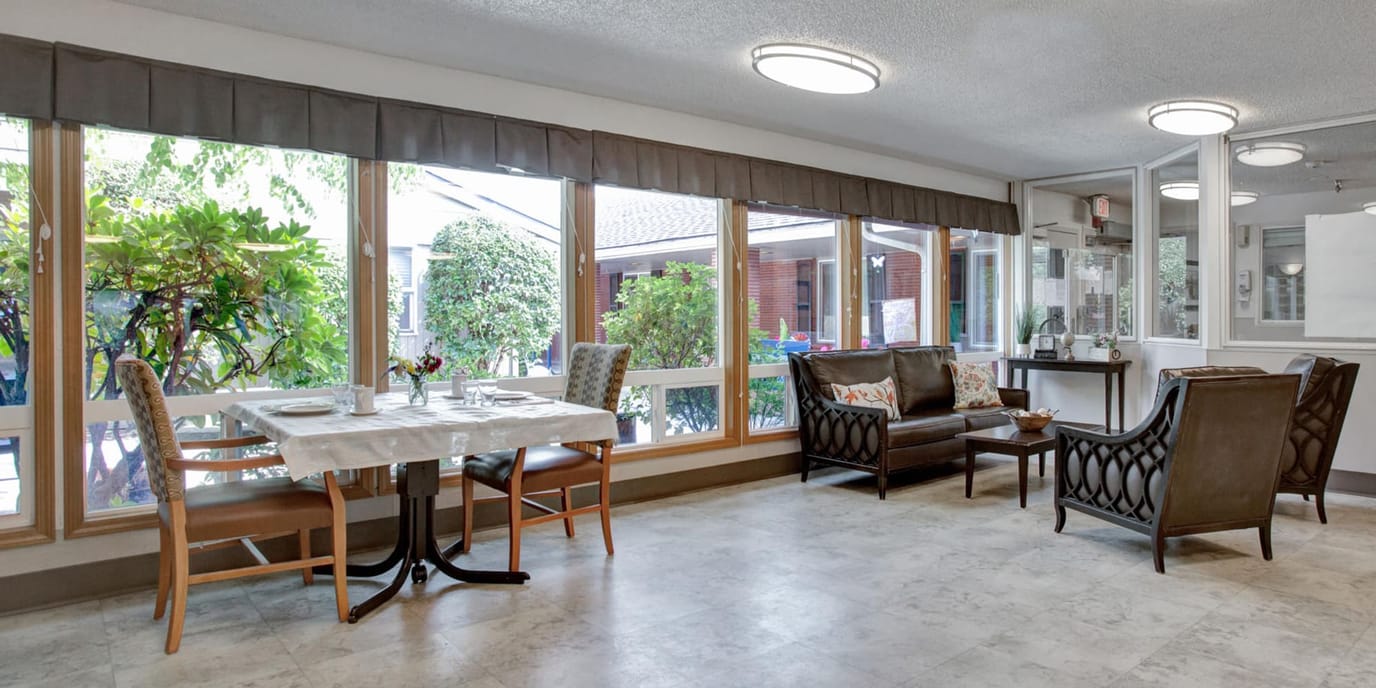
The home has 87 beds and accepts Medicare, Medicaid, and private pay, giving families those payment routes for eligible care and services. Ben Hamm serves as the administrator, and Clackamas Rehabilitation operates the community. Rehabilitation services allow residents to receive therapy at the community rather than arrange it elsewhere, while restaurant style dining or in room meal service gives them the choice of eating in a dining area or in their own room; a beauty salon, an outdoor patio with seating, and private transportation services add options for personal care, outdoor time, and community arranged travel.
Contact Avamere Rehabilitation of Clackamas

Overview of Liberty Pointe

Liberty Pointe offers assisted living and memory care services. Considered one of the premier senior living homes in the city, the retirement community boasts its home-like ambiance that steeps a beautiful experience for the next home for you or your loved one– making sure residents feel like they belong. Liberty Pointe is a vibrant community where residents enjoy an engaging and fulfilling lifestyle surrounded by a supportive and caring team.

As a value-based, family-oriented community, expect essential amenities such as a dining room, brightly-lit lounge areas, spacious apartments, a courtyard, and an arts and crafts studio. The staff promotes a stress-free lifestyle for their residents, providing helpful services– specialized programs, social and social events, housekeeping, and transportation services.

Contact Liberty Pointe

Overview of South Hills Rehabilitation Center

When it comes to specialized services, South Hills Rehabilitation Center truly shines. From orthopedic rehabilitation to speech and occupational therapy, they offer a comprehensive range of treatments to help patients regain their independence and quality of life. And, to make sure patients are getting the right nutrients to support their recovery and overall well-being, nutritional counseling is also available.
One thing that sets South Hills Rehabilitation Center apart from other facilities is the personalized care they provide. Every patient is treated with respect and kindness, and the staff is highly skilled in creating treatment plans that meet each patient’s unique needs. The atmosphere is also warm and welcoming, which helps to create a comfortable and supportive environment that promotes healing and well-being. So, whether you or a loved one needs rehabilitation services, South Hills Rehabilitation Center is an excellent choice. Their specialized services, compassionate staff, and commitment to helping patients regain their independence make them a top-notch rehabilitation center that truly cares.

Contact South Hills Rehabilitation Center

Overview of Tierra Rose Care Center

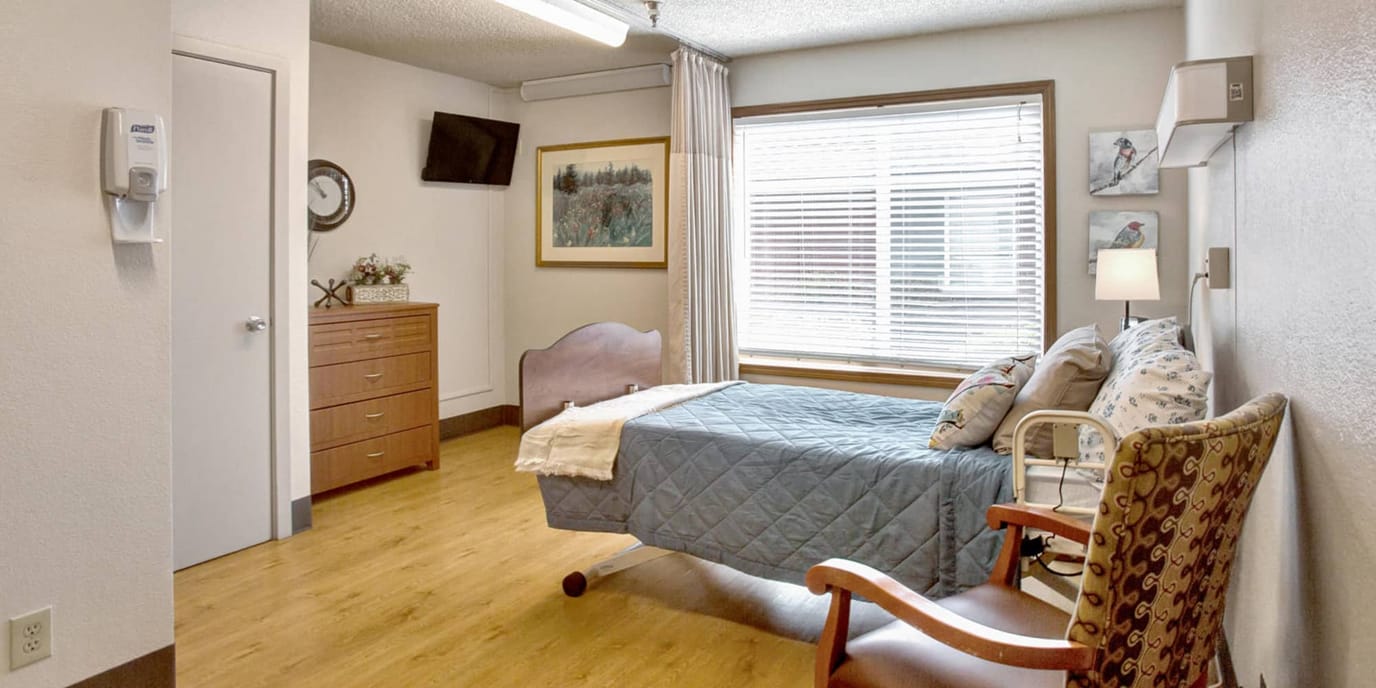
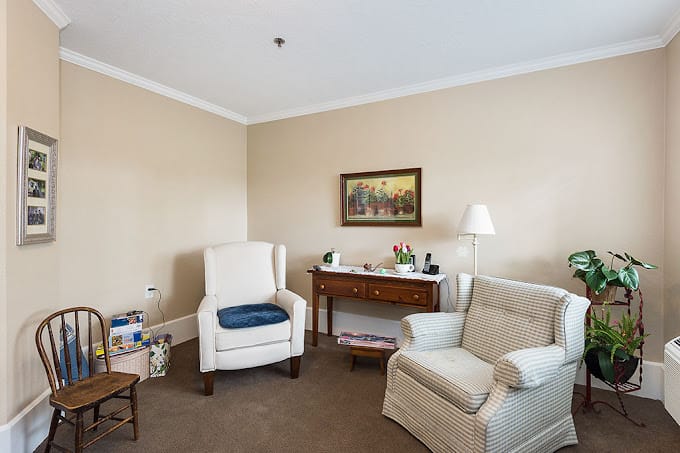
Tierra Rose Care Center provides nursing home, assisted living, memory care, residential care, and skilled nursing in Salem, Oregon. Assisted living supports help with daily tasks while a resident lives in a private or semi private room. Memory care offers a secured and supervised setting for someone living with dementia, while skilled nursing provides professional nursing services around the clock. The range of care types may be a good fit for a resident whose needs change over time or who needs supervised memory care.

The community has 76 beds. Private rooms give one resident a room to themselves, while semi private rooms accommodate a roommate. Rehabilitation services allow residents to receive therapy through the community, and a doctor is on staff for physician care within the facility.

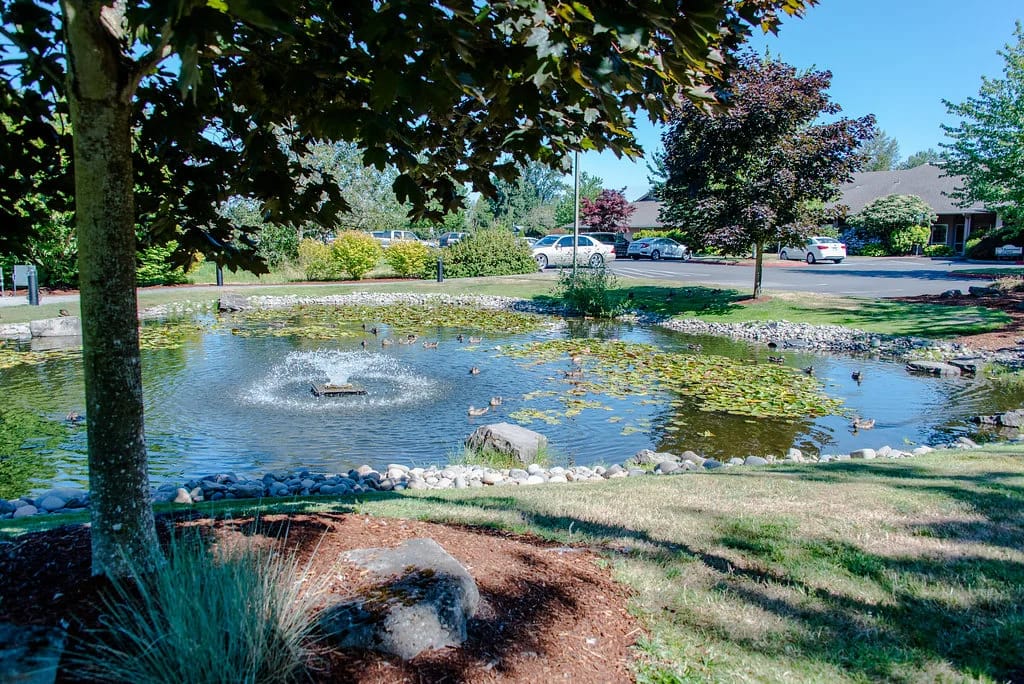
Outdoor paths, fountains, and a pond give residents space to walk outside, while private dining rooms can host family events. A beauty and barber shop provides personal grooming services on site. Colleen Rees serves as administrator, and Cml operates the community. The area is somewhat walkable, meaning some errands can be done on foot, so a resident who no longer drives may be able to handle selected nearby trips independently.
Contact Tierra Rose Care Center

Overview of Willowbrook Post Acute

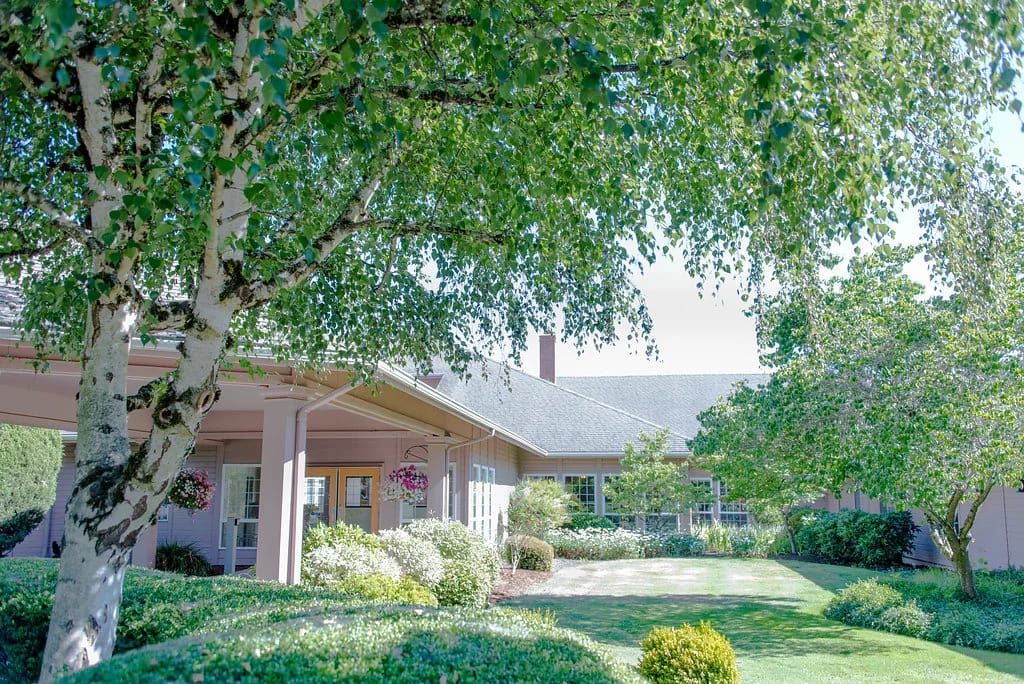
Willowbrook Post Acute is a nursing home with 59 beds at 3700 SW 37th Street in Pendleton, Oregon. The facility is housed in a 2-story building, so residents can choose between private and shared rooms. With a Walk Score of 20, the location is dependent on cars. Most errands and appointments require driving, which is common in eastern Oregon’s less densely populated areas.
The facility provides direct nursing care. Registered nurses spend an average of 53 minutes per resident each day. It’s supplemented by nurse aides, who provide about 3 hours of hands-on support daily. Licensed practical nurses and licensed vocational nurses provide an additional 24 minutes per resident per day. This staffing level is enough to provide residents with skilled medical oversight and the hands-on personal care for daily activities, hygiene, and mobility support.

Families considering Willowbrook Post Acute should tour the facility, review room options, meet the care team, and get a feel for the home’s daily rhythm. They can also ask about specific care programs, meal service, and visiting hours to understand whether the home is a good fit for seniors’ needs.

Contact Willowbrook Post Acute

Ranking Methodology

How we rank these nursing homes

Every nursing home above is evaluated across five weighted categories using CMS data including Care Compare, Payroll-Based Journal, and Medicare Cost Reports.

  • CMS data
  • 5 weighted categories
  • Updated quarterly
Full methodology

Weighting overview

  • 35%
    Care Quality
  • 20%
    Staffing
  • 20%
    Regulatory
  • 20%
    Operational
  • 5%
    Environment
01

Care Quality 35%

The largest single share of every ranking. CMS star ratings and quality measures that reflect actual care delivered to residents.

  • Includes
  • Overall Rating
  • Health Inspection
  • QM Rating
  • Long-Stay QM
  • Short-Stay QM
02

Staffing Adequacy 20%

The strongest predictor of resident outcomes. Volume and stability of nursing care, drawn from CMS Payroll-Based Journal.

  • Includes
  • Nurse Hrs/Res/Day
  • RN vs State
  • Total Nurse Staff Hrs vs State
  • RN Turnover
03

Regulatory & Safety Record 20%

Inspection patterns that star ratings can mask. We weight per-inspection rates more heavily than raw counts.

  • Includes
  • Citations
  • Citations/Inspection
  • Severe Citations
  • Fines
  • Accreditations
04

Operational & Financial Stability 20%

Stable operations and sound finances are leading indicators of consistent care over time.

  • Includes
  • Occupancy vs State
  • Avg Length of Stay
  • Revenue
  • Payroll %
  • Years in Operation
  • Admin Tenure
05

Environment & Accessibility 5%

Context that matters to families but doesn't directly measure clinical care. Weighted lower for nursing homes than for assisted or independent living.

  • Includes
  • Walk Score
  • BBB Rating
No paid rankings Facilities cannot pay to influence placement.
How we're paid: If we help you find a home and you move in, that home may pay us a referral fee. This never affects where they rank or what you pay. Learn more
Submit a correction
Who we are

Your Senior Care Partner, Every Step of the Way

We help families find affordable senior communities and unlock same day discounts, Medicaid, and Medicare options tailored to your needs.

Contact us Today

Frequently Asked Questions about Nursing Homes in Oregon

What's the difference between assisted living and a nursing home in Oregon?

Assisted living in Oregon is a residential model focused on housing, hospitality, and help with daily activities. Nursing homes (skilled nursing facilities) provide 24/7 medical care from licensed nurses for residents with significant health needs, and are regulated more strictly under both state and federal CMS rules.

Does Oregon Medicaid cover nursing home care?

Yes — Oregon Medicaid covers nursing home care for residents who meet income, asset, and medical-need eligibility requirements. Most CMS-certified nursing homes accept Medicaid as a primary payer once long-term-care eligibility is established.

What is nursing home care?

Nursing homes (also called skilled nursing facilities) provide 24/7 medical care from licensed nurses, rehabilitation services, and long-term custodial care for residents with significant health or functional needs.

How many nursing homes are listed on this page?

This page features 103 nursing homes in Oregon. Use the filters and comparison tools above to compare ratings, amenities, and pricing.

How do I choose the right nursing home in Oregon?

Start by matching the level of care offered to the resident's current and anticipated needs, then compare licensing status, staff-to-resident ratios, recent inspection results, and pricing. Tour at least two or three communities in Oregon, talk to current residents and families, and confirm what is included in the base rate versus billed as add-on services.

What should I look for when visiting nursing homes in Oregon?

Pay attention to staff interactions with residents, cleanliness and odor, food quality at meal times, the activity calendar, and how questions about pricing and care plans are answered. Ask to see the most recent state inspection report, the move-out / level-of-care-change policy, and a sample monthly bill that lists every fee.